I read 2 books in August – the least I had read in a while. Here is a blurb about each of the books I read in August.
“Somebody Told Me: The Newspaper Stories of Rick Bragg” was a delight. Bragg’s writing is everything I love in narrative journalism: rich sensory detail, storytelling shaped by character, respect for ordinary people, and deep empathy without sentimentality. Bragg won the 1996 Pulitzer Prize in Feature Writing for his “elegantly written stories about contemporary America” and is the recipient of the American Society of Newspaper Editors Distinguished Writing Award.
Here are some of the stories that stood out to me:
Mr. Cain – the Angola prison warden
“There comes a time when a man goes through what we call criminal menopause and he is unable to do the crime that he is here for. My prison is becoming an old folks’ home.”
1996 – a Baptist church demanding the exhumation of a mixed-race baby
The deacons wanted to keep their graveyard “exclusively white.” They later apologized after drawing nationwide attention. It’s mind boggling that this occurred in 1996!
Stories of the bombings of Timothy McVeigh & Terry Nichols
“The embarrassing thing, for this tough man who answers questions in short, machine-gun bursts, is the damage to his eyes. The blast injured his tear ducts, so that there is nowhere for the tears to go except down his face. One of the few people marked by the bombing who does not feel compelled to cry looks like he cries all the time.”
Oseola McCarty
87-year-old African American washerwoman who spent her entire life scrubbing other people’s clothes for pennies, saved over $150,000, and donated it to the University of Southern Mississippi to fund scholarships for Black students who couldn’t otherwise afford college.
The Oklahoma City Bombing and the trial of Susan Smith (the South Carolina mother who drowned her children.
These stories focused on local grief, broken towns, and police officers haunted by what they witnessed.
Florida State Troopers on the Skyway Bridge
A harrowing look at the officers who spend hours talking desperate people down from the edge
Brandon C. Blenden
As part of his sentence, he must mail a $1 check every Friday for ten years to the parents of the girl he killed. The memo line reads: “For the death of your daughter, Whitney.”
Key lessons from this book:
Everybody has a story worth telling.
Sometimes courage is quiet.
Every person matters. Bragg deliberately wrote about people most newspapers ignored: janitors, coal miners, elderly, widows, children, veterans, prisoners, and small-town families.
His reporting suggests that good journalism begins with genuine curiosity. He rarely inserts himself into stories and instead listens carefully, observes details, lets people speak, and earns trust.
Great journalism creates empathy.
4 out of 5 stars
Jade Chang’s “What A Time To Be Alive” is a satire of the spiritual-wellness world and a heartfelt novel about grief, internet fame, identity, and the human hunger for meaning. It’s a book that reminds readers that rarely do we get to choose the things that will change us; they arrive uninvited and rearrange the landscape of our lives.
One of the most affecting threads is Lola’s estranged relationship with her mother. As she reflects, “I always pictured her out there waiting for me to reemerge, to be clever enough to see past her leaving and understand that what she really wanted was to be reunited with me. I always thought I was good at understanding other people’s feelings were just as real as mine, but it turned out there were still mother-sized holes in my field of perception.”
The novel’s satirical mantra – “Be your own beacon” – began as a joke about influencer-speak but deepened into something more sincere as Lola confronted what it means to be seen, to be believed, and to believe in herself. Likewise, the refrain “What a time to be alive” lands with both irony and tenderness and acknowledges that life is absurd, frightening, and beautiful all at once.
People crave meaning as much as truth.
The death of someone close creates a sharp split between the “before” and “after,” forcing you to rebuild.
Authenticity is difficult once it becomes a product. Can sincerity survive an audience? Can wisdom be monetized without becoming marketing? When does helping people become selling yourself?
You can have all the craft in the world, but if you’re not willing to look deeply at yourself, you’re not an artist. It’s being willing to look at yourself and face the embarrassment of putting what you see out there. Fame is a reward for that bravery.
This book was entertaining at times, bizarre at others, and ultimately unlike what I typically read, but its blend of satire and sincerity lingered.
3 out of 5 stars
I look forward to reading, learning, and sharing more with you soon!
I read 3 books in July. Here is a blurb about each of the 3 books I read in July.
“Lessons from My Teachers” was written by Sarah Ruhl, a playwright, poet, teacher, and professor at the Yale School of Drama. This book expands the definition of “teacher” beyond traditional academics to include parents, children, mentors, etc. Here are some lessons that stood out to me.
Is all of school a way of saying goodbye to your parents to make room for other teachers in life? Is the beginning of school a way of saying your parents can’t teach you everything, and you need independence of mind to go on your way through the world?
You never know where rejection might lead. Sometimes a rejection leads you to your next collaborator or friend.
Piano/band teacher – taught us we were worth teaching, how to practice, how to sit up straight, how to show up every week, how much dull repetition it takes to make something beautiful, and how to make a mistake in the music and keeping playing and keep moving forward.
You are the expert of your own story.
The very young and very old remind us to be in the moment. They walk slowly and look around as they walk.
Students sometimes make the best teachers.
So many events, rituals, and practices that seemed essential pre-pandemic turn out now to be optional.
We need to keep finding teachers over the course of our lifetime. Finding a teacher is also a process of letting oneself be taught – which is a kind of bravery.
One’s attitude toward almost any situation can make it an occasion for a teaching or a learning. What am I teaching right now? What am I learning right now?
Always be deeply interested in other people and the world.
The blue whale swims and swims, and when she wants to eat, she simply opens her enormous mouth and water and garbage and krill flow in. That big blue whale has an automatic sieve system to sort out what’s food and what’s waste. Be like a blue whale. Listen to all criticism, but filter out what doesn’t serve you.
One of the simplest paths to deep change is for the less powerful to speak as much as they listen, and for the more powerful to listen as much as they speak.
4 out of 5 stars
“Never Enough: When Achievement Culture Becomes Toxic – And What We Can Do About It” was written by Jennifer Breheny Wallace, an award-winning journalist and a frequent contributor to The Wall Street Journal and The Washington Post. Jennifer spent three years traveling across the U.S. interviewing parents and students. What she found is sobering: our culture’s obsession with optimizing performance has contributed to rising rates of anxiety, depression, and self-harm among young people. Here are some main takeaways.
At the heart of toxic achievement culture is a painful message kids are absorbing – that their worth depends on what they produce: their GPA, the number of social media followers they have, college admissions, and resume-building activities. They have become proxies for their identity, and many students feel they only matter when they succeed.
Parents, often with the best intentions, unintentionally reinforce this mindset. Wallace describes how families “weave individualized safety nets,” making constant day-to-day decisions aimed at maximizing achievement and preventing anything that might derail future success. In a hypercompetitive world, it’s easy to believe that a “good” college is the gateway to a good life.
Wallace argues that the antidote to toxic achievement culture is mattering – the belief that you are valued for who you are at your core, not for your output.
Ways parents can show kids they matter
respond in a warm and sensitive way
explicitly tell kids how much they matter to you
express unconditional acceptance – even after a failure
show warmth through affection
engage in mutual activities
teach kids how to ask for help when they need it and model these skills yourself
make chores mandatory without an allowance – giving kids real responsibilities builds resilience by showing that their existence and actions genuinely impact others
make volunteering mandatory and widen their circle of concern and caring
Avoid engaging in harsh criticism, invalidating emotions, and comparing kids negatively to others.
As parents, we sometimes think our role is to help fuel and support our kids’ ambition. In a hypercompetitive culture, kids sometimes need the opposite. They need adults to prevent them from sacrificing their minds and bodies on the altar of achievement and to teach them how to build a life they won’t need substances to escape from.
Wallace also highlights what truly predicts long-term well-being for college graduates, and it’s not prestige. Students who reported the highest life satisfaction had deeply engaging college experiences, such as:
taking a course with a professor who made learning exciting
having a professor who cared about the student personally
having a mentor who encouraged the student to pursue personal goals
working on a meaningful project across semesteres
participating in an internship
being active in extracurricular activities
What stayed with me most from this book is Wallace’s reminder that beneath all the pressure, fear, and competition, parents ultimately want the same thing: for their children to live meaningful lives filled with connection, purpose, and joy. We want them to feel valued, and to help others feel valued too. We want them to live lives that truly matter.
This book was fascinating, eye-opening, and deeply relevant.
4 out of 5 stars
“The Truth in True Crime: What Investigating Death Teaches Us About the Meaning of Life” was written by J. Warner Wallace, a cold-case homicide detective. In this book, Wallace recounts true crime stories from his real-life experience and provides readers with applicable life-changing truths. This book can be considered a practical wisdom book and a Christian evidence book. Honestly, I didn’t really like the style of writing. It came across as didactic and pastoral, and every chapter aggressively pivoted into a sermon. This was a formulaic hybrid of true-crime and heavy-handed pastoral sermonizing. With that said, here are some lessons:
Embrace friends who hold an objective view of virtue. Identify friends who care about all of you: spiritual well-being, physical well-being, emotional well-being, and ethical well-being.
Your marriage preaches. Preach the right message. Your marriage is an image of Christ’s love for the church. Commit to communication.
Constructing an identity based on shifting cultural trends rather than objective moral truth leaves individuals fragile and lost.
Healthy guilt acts as an internal alarm signaling a need for grace and correction, whereas destructive shame isolates or distorts identity.
Your worship decides your destiny.Where do you spend your money? How do you spend your time? On what do you spend your talents and abilities? What captivates your thoughts and attention? What do you trust/on what do you rely? What do you publicly proclaim? How do you behave?
Trauma occurs when our perceptions of the world and our role in it (our “global” beliefs and goals) are disrupted, especially if we assumed nothing bad would ever happen to us. Traumatized people find themselves “reappraising the traumatic event to perceive it as more consistent with their pre-trauma global beliefs and goals . . . or revising their global beliefs and goals to accommodate their experience.”
Resilient people aren’t permanently paralyzed by the stress of their trauma. Some rebound and continue moving forward. Some flourish, rebounding to levels far above where they were prior to the traumatic event.
People who make sense of and find meaning in their suffering express better psychological and physical well-being and are less likely to be depressed, mentally ill, or experience PTSD. They are also less inclined to overdrink or become addicted to medication and less apt to commit suicide.
3 out of 5 stars
I look forward to reading, learning, and sharing more with you soon!
I read 3 books in June. I realized that I inadvertently didn’t include a book I read in May 2026 (“Who is Government? The Untold Story of Public Service” edited by Michael Lewis) in my last blurb, so I am including it in this blog post. Then, I will blurb about each of the 3 books I read in June.
“Who is Government? The Untold Story of Public Service” was edited by Michael Lewis and revealed that the human beings behind government institutions – dedicated professionals whose work often goes unrecognized despite its critical importance. Here are some parts that stood out to me:
Democratic government isn’t really designed to highlight the individual achievement of unelected officials. This book reframed government as people who work is largely invisible but essential – civil servants whose decisions impact public safety, economic stability, and national well-being.
The National Cemetery Administration has received the highest rating of any entity, public or private, in the American Consumer Satisfaction Index for 7 consecutive years. The National Cemetery Association has standardized cemetery operations, developed innovative memorial programs, and has created opportunities for unhoused veterans while ensuring that all veterans receive identical honors regardless of rank. There are 155 national cemeteries across the U.S.
The National Archives and Records Administration (NARA) makes government records accessible to all U.S. citizens regardless of geography through the Citizen Archivist Program and History Hub. Anyone can submit a query on History Hub and a roster of NARA archivists, other federal staffers, and citizen volunteers will chime in with answers or advice on where to look to find out more.
I also enjoyed reading about a mining engineer, the U.S. Food and Drug Administration, and the Consumer Price Index.
4 out of 5 stars
“No More Tears: The Dark Secrets of Johnson & Johnson” was written by Gardiner Harris, who was the public health and pharmaceutical reporter for The New York Times and is now a freelance investigative journalist. This book was fascinating and frustrating; it took me 16 days to read it, mostly because I became frustrated reading about Johnson & Johnson’s repeated negligence, manipulation, and coverups.
Johnson & Johnson has been beloved for generations, and many Americans use its products daily: Johnson’s baby shampoo, Johnson’s baby oil, and dozens of other baby lotions, conditioners, and sprays: Aveeno, Neutrogena, Tylenol, Motrin, Zyrtec, Benadryl, Pepcid, Sudafed, Imodium, Listerine, and Nicorette. Many of the company’s products are lifesavers, including medications to treat HIV, cancer, and rheumatoid arthritis. 7 in 10 patients globally who undergo surgery are stitched up with Johnson & Johnson sutures. Johnson & Johnson is the largest healthcare conglomerate in the world. Still, this book’s main theme is that Johnson and Johnson has knowingly contributed to the deaths and grievous injuries of millions.
Here are some of my many takeaways:
The Talcum Powder Cover-Up: Johnson’s baby powder contained talcum powder and asbestos, which led to mesothelioma, lung cancer, and ovarian cancer. J & J knew this but repeatedly lied about it.
The Tylenol Danger: Johnson & Johnson heavily advertised Extra Strength Tylenol as the “most potent pain reliever you can buy without a prescription.” At least 150 Americans die every year and 30,000 are hospitalized from taking too much acetaminophen, and acetaminophen has been the nation’s leading cause of acute liver failure for decades, yet J & J has refused to put a product warning about not exceeding recommended dosage due to the risk of severe liver damage.
Procrit & Risperdal Exploitation: EPO Procrit stimulates red blood cell production and J & J promoted it aggressively to cancer patients emphasizing increased energy, reduced fatigue, and improved quality of life, yet many of these benefits weren’t demonstrated in rigorous clinical trials. Instead, multiple studies showed increased risk of heart attacks and strokes, blood clots, higher mortality, and simulation of tumor growths. Risperdal was originally approved to treat schizophrenia, but was promoted for treatment of symptoms such as anxiety, hostility, impulsiveness, and agitation, and serious side effects were minimized: rapid weight gain, strokes, death, metabolic problems, diabetes risk, elevated prolactin levels, and breast development in boys.
Defective Implants & Devices: Pinnacle metal-on-metal hip implants caused metal surfaces to wear against each other, damaging surrounding muscles and bones, triggering inflammatory responses, elevating cobalt and chromium levels, and requiring complex revision surgery.
Risks to Women’s Health: The Ortho Evra birth control patch resulted in inconsistent hormone delivery, blood clots, strokes, and other serious cardiovascular events. The Prolift vaginal mesh caused a sharp increase in painful sex and mesh protrusions in vaginal canals that required surgery.
All in all, Johnson & Johnson concealed clinical trials that yielded unfavorable results, manipulated literature and hired ghostwriters to publish biased, favorable studies, and used aggressive legal maneuvering and heavy-handed PR strategies designed to silence whistleblowers and intimidate media outlets with financial ruin.
Some of my reflections:
“Every drug has risks” became an excuse to tolerate any risk whatsoever for the sake of not risking the chance of making as much money as possible.
Consumers cannot afford to give blind trust to healthcare conglomerates or rely entirely on federal watchdogs to protect them.
The sad truth is that the FDA is chronically underfunded and consistently outmatched by the legal and lobbying power of multi-billion-dollar conglomerates, and the FDA ignored, enabled, and encouraged every Johnson & Johnson disaster in this book.
This book is an urgent, real-world warning to be vigilant and question the safety, research, and marketing behind every day medical products.
I highly recommend this book!
5 out of 5 stars
“The Great Sex Rescue: The Lies You’ve Been Taught and How to Recover What God Intended” was written by Sheila Wray Gregoire, Rebecca Gregoire Lindenbach, and Joanna Sawatsky. The authors conducted extensive research through a survey of 20,000 women, focus groups, and interviews, alongside a deep-dive review of bestselling Christian sex & marriage books. Through this data, they identify how common marriage narratives have damaged women’s sexual well-being, pleasure, and marital satisfaction. This book was incredibly eye-opening and offers a vital correction to some of the harmful perspectives many Christian women have been taught to beleive.
What is most stark throughout the authors’ findings is the sheer contrast between how much is expected of women versus how little is expected of men in mainstream Christian marriage literature.
The Double Standard: Of the 13 Christian bestsellers the authors analyzed, only 3 books asked all of the following of husbands: stay faithful (without offering caveats), make sex pleasurable for her, do not insist or expect sex of any kind whenever your wife is physically or emotionally unwell, and seek consent from your wife. Meanwhile, these same books asked, on average, over 5 of the following of women (and 5 books asked all of them): have intercourse as frequently as the husband would like to have intercourse even if he is watching porn or has a lust problem; understand that without intercourse, her husband is more likely to have an affair, and it will at least partly be her fault; help him reach climax in some way even when she is on her period, recovering postpartum and not sleeping, or during any other problem she may face, since her problems are not reasons to refuse sex; prevent weight gain to stay attractive; let her husband feel that he is a good lover; and initiate intercourse and be enthusiastic.
The Harm of “Duty Sex”: Church culture and Christian books frequently emphasize, “Do not deprive your husband” rather than recognizing that a woman’s sexual pleasure matters. When the message focuses strictly on a husband’s fulfillment while ignoring the wife’s, it breeds resentment, anxiety, and a higher rate of physical pain for women.
The Cycle of Pain: Believing the obligation-sex message makes women more vulnerable to sexual dysfunction. Forcing oneself to “muscle through” painful sex strengthens the biological association between intimacy and pain, making physical recovery and treatment much more difficult. True intimacy must be freely chosen and mutually desired.
Redefining Satisfaction: Evangelical culture has used frequency as the primary measure of marital success, but research proves it is a poor predictor of actual relationship health. Interpersonal dynamics, mutual respect, and emotional safety are far superior measures.
Some of my reflections:
A healthy view of intimacy should be personal, pleasurable, pure, prioritized, pressure-free, passionate, and focused on putting the other person first. Women’s experiences, emotions, and bodies matter just as much as men’s.
If your body isn’t working as it should, please seek out medical help. To ignore physical pain or dysfunction hurts both partners.
While a spouse is receiving treatment for sexual dysfunction, it should be viewed as an opportunity to extend deep, Christlike patience and love toward them.
Many more topics, myths, and cultural paradigm shifts were discussed in this book, and I highly recommend it to Christian women.
5 out of 5 stars
“10 Simple Things to Remember: An Inspiring Guide to Understanding Life” was an easy read written and illustrated by Marci. Here are some main lessons.
Love is forgiving. Only God can love you unconditionally. The rest of us are human. Do not ask for perfection from others because they will make mistakes.
The happiest moments in life take place in the context of relationships.
If you always do your best, you will not have regrets.
In spite of your best efforts, some things are just out of your control.
Often we find it is only when we look back that we can see that what we thought was a “wrong turn” has brought us to exactly the right place and every step was a right one after all.
Some of the most important ways we define ourselves come from the obstacles we face, the challenges we overcome, and the losses we sustain, as it is most often the difficult times in our lives that call us to understand what we are made of.
True friends share your joy, see the best in you, and support you through your challenges.
Friendship is a gift of commitment, trust, listening, and encouragement.
Whatever is happening in your life, keep these things in mind:
Big problems can be solved in small steps.
When you are still, the gentle voice from within will guide you. Listen carefully.
Remember to pray and let God take the burden of worry from your heart.
Accept that we each learn life’s lessons in our own way.
A lot of people love you more than words can say.
4 out of 5 stars
I look forward to reading, learning, and sharing more with you soon!
I read 3 books in May. Here is a blurb of each of the books I read in May.
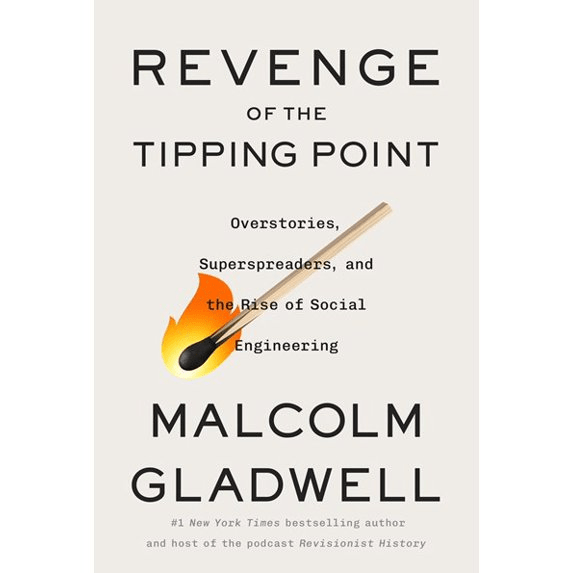
“Revenge of the Tipping Point: Overstories, Superspreaders, and the Rise of Social Engineering” by Malcolm Gladwell, the bestselling author of seven New York Times hits, is filled with insights and the kind of social-science storytelling Gladwell is known for. Some sections fascinated me, while other parts seemed to drift into tangents.
Here are the concepts that stood out most:
Contagious beliefs — When we look at a contagious event, we assume that there is something fundamentally wild and unruly about the path it takes. However, contagious beliefs often unite people and often stop neatly at community boundaries. His example: vaccine skepticism among Waldorf school parents.
Monocultures — Epidemics thrive in sameness, and so do we. Malcolm explores how our tendency to build social monocultures can unintentionally put our own communities at risk.
The “Magic Third” — When a group reaches roughly one‑third minority representation, its culture and performance can shift dramatically. Malcolm uses this to explain why some institutions change and others resist change.
Superspreaders — During COVID‑19, superspreaders were individuals who emitted far more aerosol particles than average. Malcolm expanded the idea of superspreaders to social life: charismatic criminals, influential ideologues, and powerful institutions that accelerate the spread of ideas.
Institutional engineering — One of the most fascinating examples was Harvard’s use of varsity sports to maintain certain demographic proportions, such as the women’s rugby team that consists of mostly white upper middle-class students. He contrasts this with Caltech, which does not engineer its student body, resulting in rising Asian enrollment. He also notes the tension between the Supreme Court’s ban on race‑based affirmative action and the continued acceptance of athletic admissions that disproportionately benefit privileged students.
Media is a contagion engine. Media shapes language, beliefs, and the speed of social contagion. Will & Grace was a cultural tipping point for public support of gay marriage. This book explored how narratives — not facts — often drive behavior. We see this in fear-driven media cycles, corporate culture, political polarization, school environments, online communities, viral content, and misinformation.
Overall, the book is an examination of how ideas spread, who accelerates them, and how institutions and media shape the social ecosystems we live in.
4 out of 5 stars
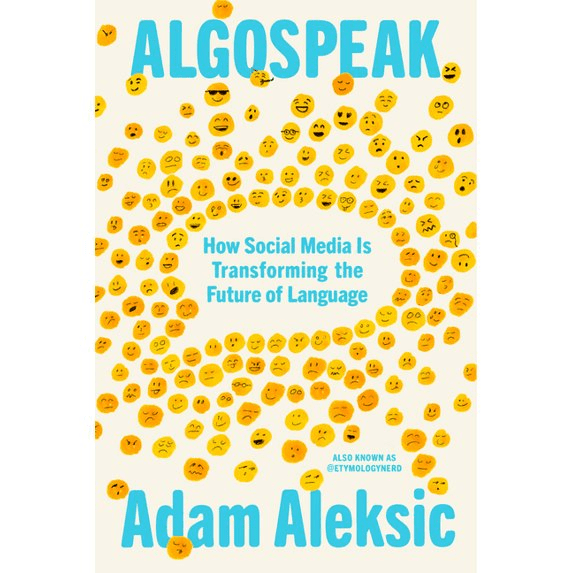
“Algospeak: How Social Media is Transforming the Future of Language“, by linguist and creator Adam Aleksic, who is known to millions online as the Etymology Nerd, is a fascinating deep dive into how algorithms are reshaping the way we communicate. Adam has lectured on language and social media at Stanford, Yale, Georgetown, and other universities. This book was fascinating and insightful. Here are the ideas that stood out most:
Algorithm‑shaped language — Anytime language spreads online, people unconsciously mold their speech around what algorithms reward. Algorithms influence who sees which words, how they spread, and which ones become mainstream.
Censorship‑driven vocabulary — To avoid moderation, users invent euphemisms like unalive (for suicide) or seggs (for sex). Emojis such as 🍆🍑🌶🍒🌽 often stand in for sexual content.
Creators must mold themselves to the algorithm to have the best chance at capturing our attention, so they adapt their speech patterns:
superlatives, second‑person pronouns, and catchy phrasing
uptalk, which adds a rising intonation
influencer accents, where extra words are stressed for emphasis. Adam even explained different influencer accents across entertainment, lifestyle, and educational niches.
Group belongingness has become automated around your receptivity to consuming certain content. Your engagement tells the algorithm whether to let you further into a group or gatekeep access. Since we build identities around group belonging, this means that the algorithm plays an important role in shaping our perceptions of who we are, mimicking the positive feedback loop you experience in real-life in-groups.
Linguistic appropriation online — The internet accelerates the repurposing of language from one group to another, especially African American English (bae, fleek, fam, cap, bussin) and LGBTQ slang (slay, serve, tea, throw shade, icons, yass). Online spaces expose users to many in‑groups while removing the social cues that normally regulate when appropriation becomes disrespectful.
Identity as a commodity — Social platforms create new micro‑identities because niche aesthetics are profitable. The explosion of “‑core” categories and hyper‑specific goth subtypes reflects the intersection of algorithmic incentives and our instinct to form in‑groups.
Aleksic’s central argument is striking: your aesthetic, your language, and even your sense of self are shaped by the positive‑feedback loops of social media algorithms. It’s a provocative, eye‑opening read, and I highly recommend this book!
5 out of 5 stars
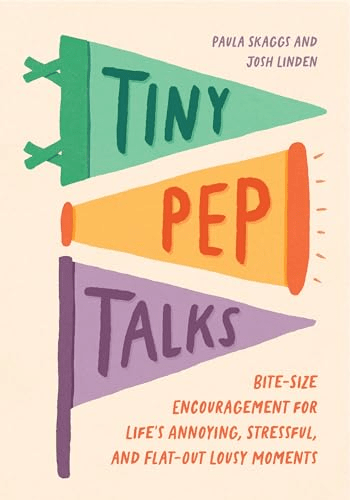
“Tiny Pep Talks: Bite-Size Encouragement for Life’s Annoying, Stressful, and Flat-Out Lousy Moments” was written by Paula Skaggs and Josh Linden, who are Chicago-based writers, comedians, co-hosts of a podcast, and co-creators of the game No Wrong Answers: Cards for Better Conversations. This was an easy read. Here are some pieces of advice that stuck with me:
For when your clothes don’t fit – They’re just clothes. There are so many articles of clothing that will fit you comfortably, are going to make you feel good, and won’t bum you out when you try to wear them. And you deserve to find those. Donate your old clothes so they’re not serving as a daily reminder of the size you arbitrarily think you should be.
For when you have to make that appointment you’ve been putting off for months – We’re all walking around with a nagging feeling about that appointment we really should have made months ago. The five minutes that the call is going to take might suck, but it’s the feeling after the call that’s going to make it all worthwhile. No matter what else you do today, you’ll have crossed something big off your to-do list.
For when you’re going to a party and you only know one person – whoever invited you to this party must really like you, and they think everyone else is going to like you, too. People get invited because they’re smart, funny, and interesting.
For when you forgot their birthday – It happens! You can’t be expected to keep track of every significant date for every person you care about. Text them, call them, write them a card, whatever you want to do – but do it now. No matter if you’re a few days or weeks late, they will be delighted to hear from you. Plus, this way, you’re extending their birthday celebrations.
For when the news is too much – No matter how passionate you are about the issues, this isn’t on you alone to solve. Constantly refreshing your phone to stay updated on news alerts will just send you into an endless spiral. You brain isn’t meant to constantly consumer information on every global tragedy all at once. In order to do good in the world, you have to do good for yourself, too. Stop doomscrolling and find something that will make your day better. Remember that even as breaking news unfolds in real time all around us, the world is still full of good people and everyday acts of kindness.
Grief is like a toddler. At any given moment, it might be messy, it might kick and punch you in the gut, and it might refuse to go to bed when all you want is to go to sleep. But sometimes, it might be filled with laughter, it might be inquisitive, and it might do something that stops you in your tracks with awe.
This was an easy read, and I recommend it for a quick pick-me-up.
4 out of 5 stars
I look forward to reading, learning, and sharing more with you soon!
I read 3 books in April. Here is a blurb of each of the books I read in April.
“Are You Mad at Me?: How to Stop Focusing on What Others Think and Start Living for You” was written by Meg Josephson, LCSW, a licensed psychotherapist. This book is about releasing the belief that we need to neglect ourselves for the comfort of other people and included reflection questions after each chapter. I got so much out of this book. Here are some top takeaways:
People-pleasing is a trauma response, not a personality trait. It is a survival strategy learned in unsafe environments – often in childhood. Growing up in emotionally volatile environments leads to overthinking, satisfying the threat, fear of disappointing others, and chronic self-blame. Hypervigilance shapes adult anxiety.
Fawning is unconsciously moving toward, instead of away from, threatening relationships and situations. The fawn response is about becoming more appealing to the threat, being liked by the threat, satisfying the threat, and being helpful and agreeable to the threat so that you can feel safe. Particularly for women, we’re taught that our main role in life is to please, appease, and sacrifice our needs for the comfort of others.
The irony is that, in an unconscious attempt to avoid abandonment, we end up abandoning ourselves. We disconnect from our own emotions, sensations, and needs. When you notice yourself fawning in a situation in which you don’t need to be, ask yourself: What emotion am I trying to protect myself from?
Are you feeling resentment? That’s a good sign you’re fawning. Ask yourself: Do I have a need that isn’t getting met? Is there something I need to communicate?
Reconnect with yourself:
What uncomfortable emotions am I avoiding?
Who am I when I’m not being perceived?
Am I saying yes because I want to or because I’m scared this person will be upset if I say no?
What do I feel? What do I want? What do I need?
Am I avoiding discomfort? Will avoidance prolong suffering?
What is my intention in bringing this up: to be heard, a response, or change? What do I want to say and what do I need from this person or myself? If they don’t give me the validation I’m craving, can I give it to myself?
I highly recommend this book to chronic people-pleasers.
5 out of 5 stars
Pagan Kennedy’s “The Secret History of the Rape Kit” looks at the origins of a tool that feels like it should have always been part of forensic work. I went into it thinking I already understood the basics as part of my forensic science courses, but the story behind it is more surprising than I expected. At the center is Martha (Marty) Goddard, the woman who imagined and built the first real system for collecting evidence after sexual assault. Her name is not the one most people know, and this book explains why.
Goddard spent time in the Chicago crime lab in the 1970s and saw that sexual assault cases were not being handled with the same care as other crimes. She decided to change that, and in the mid-1970s, she met with police, talked with hospital administrators, trained nurses, raised money, and oversaw the development of what was arguably the first large-scale and comprehensive rape-kit system in the world.
Here are a few things that stayed with me:
In 1978, Marty Goddard launched a pilot program and delivered kits to twenty-five hospitals in the Chicago area. Each kit included slides, swabs, and collection devices for hair and fingernails; a card for the victim with information about where to seek counselling and further medical services; forms that were signed by doctors, nurses, and police officers; and sealing tape and a pencil for writing on the slides. Everyone who handled the kit had to sign the box, which helped protect the chain of custody.
Even though Goddard did the research, the design, the fundraising, and the national outreach, a male lab technician named Louis Vitullo became the person publicly credited with the invention. Goddard even agreed to put his name on the system because people trusted a male name more in that field.
By 1985, the Vitullo kit was standard in major cities like New York and Chicago. That same year, Marty received a $99,000 grant from the U.S. Department of Justice to travel to 14 states and help them set up rape-kit systems. Marty’s method of reform included sending forensic scientists, prosecutors, and trained nurses to instruct hospital staff on how to collect evidence that would stand up in court.
The kit existed long before DNA evidence was used in court. DNA did not become part of courtroom arguments until the late 1980s, which makes Goddard’s work feel even more ahead of its time.
Overall, this book gave me a better understanding of how the rape kit came to be and how easily women’s contributions can be pushed aside. It is a quick and interesting read, especially if you like learning about forensic historyor true crime.
4 out of 5 stars
“The Jailhouse Lawyer” was written by Calvin Duncan and Sophie Cull. Calvin is the founder and director of the Light of Justice Program, which works to improve access to the courts for people who are incarcerated. He is also a former jailhouse lawyer at Angola Prison, and his work has contributed to major Supreme Court decisions, including Smith v. Cain and Ramos v. Louisiana. Sophie Cull is a criminal justice reform advocate who has written about the death penalty, life sentences, and prosecutorial misconduct. She is the cofounder of The Visiting Room Project, which created the largest collection of filmed interviews with people serving life without parole.
Calvin was 19 when he was incarcerated for a 1981 New Orleans murder he did not commit. He had an ineffective public defender and a key witness whose testimony was deeply compromised. At 21, he filed his first motion from prison, titled “Motion for a Law Book,” and that moment launched his self-taught legal career. He eventually became an inmate counsel at Angola and helped hundreds of other prisoners navigate their cases.
A few things stood out to me:
Calvin had to fight for basic access to police reports and trial transcripts. Many times, he needed people on the outside to help him get even the simplest documents.
In December 1991, the Louisiana Supreme Court finally clarified that District Attorney files were subject to public records requests once a conviction and sentence were final. This ruling opened doors that had been closed to him for years.
After his exoneration in 2021, Calvin was accepted into law school and graduated at age sixty. His persistence is remarkable.
There were many troubling issues in Calvin’s case that eventually led to his conviction being overturned:
the key eyewitness recanted and admitted she had lied under pressure
police shaped witness statements to fit their theory
information that could have helped Calvin was never shown to the jury
no physical evidence connected him to the crime
his defense attorney failed to investigate or challenge weak evidence
new evidence showed Calvin could not have committed the crime
the prosecution’s case was fragile and built on unreliable testimony
legal advocates later brought forward the recantation, new evidence, and constitutional arguments that had been ignored for decades
the court finally accepted that the combination of false testimony, ineffective counsel, and lack of evidence made the conviction unsound
This book was both intriguing and frustrating. It offers a close look at how wrongful convictions happen and how much work it takes to undo them. If you are interested in criminal justice reform or wrongful convictions, this book is worth reading.
4 out of 5 stars
I look forward to reading, learning, and sharing more with you soon!
I read 4 books in March. Here is a blurb of each of the books I read in March.
“Nobody Wants Your Sh*t: the art of decluttering before you die” was written by Messie Condo. This book was inspired by The Gentle Art of Swedish Death Cleaning and contains funny, unpretentious advice you need to hear most. Here are some main points.
Clutter is nothing but delayed decisions.Delay long enough, and someone else will have to make those decisions. It’s not going to get any easier while you keep accumulating crap. You’re never going to “get around to it.” If you want a clutter-free house, you have to make it a priority, or someone else will be forced to when you’re gone.
A thing is not a memory. It’s just a thing. You can share your memories long after a thing is gone. Ex: people, pets, vehicles, toys. Your need to hold onto things was always about the feelings those things inspired. The things themselves are just conduits.
It’s time to let go of who you used to be and embrace who you are now. Get rid of clothes that haven’t fit you in ages, sports equipment you no longer use, and anything else from your past life. Let go of old dreams and hobbies and make room for new ones.
Stuff that stirs up good memories is only worth the space it’s taking up if you’re able to actively enjoy it. Attics, basements, garages, and storage units are prime locations for lazy clutter – the kind you allow to take up space because it’s not in your direct eyesight nagging you. Just because you have the space to store something doesn’t mean you should. You won’t miss what you haven’t laid eyes on in years. By decluttering from a place of appreciation, you free yourself from the hold your stuff has over you.
Getting rid of stuff you don’t want, need, or use isn’t wasteful. Letting it take up space in your home or keeping it when someone else could be using it is. You paid good $ for it? You paid good $ for your home.
Benefits of declutttering:
better sleep and overall mental health
more energy and creativity
a deeper appreciation for what you have
more control over your life
fewer arguments with loved ones
more self-confidence
more time, room, and $ for what you want
easier decisions
clearer priorities
less laundry
fewer things to dust = fewer allergens
the ability to quickly find what you need
a sense of accomplishment
a clutter-free space you can be proud of
I highly recommend this book, especially to maximalists.
4 out of 5 stars
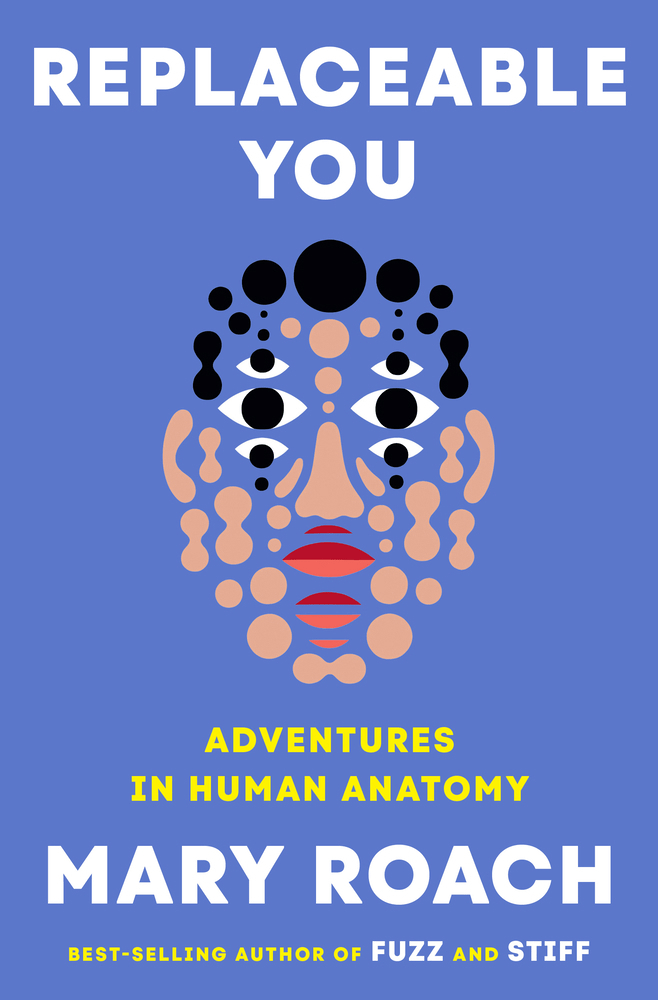
“Replaceable You: Adventures in Human Anatomy” was written by Mary Roach, author of seven best-selling works of nonfiction. This book was fascinating, although, admittedly, some parts were a bit over my head. Here are some interesting takeaways:
With major burns, surgeons quickly run out of graftable (unburned) skin. Sometimes they have to use the soles of the feet, the scalp, or even the scrotum. Areas that have been harvested can be reharvested after they’re healed, but that can take 2-3 weeks. In the meantime, an allograft (skin from another human, typically a deceased tissue donor) or a xenograft (skin from another species) protects the wound. Eventually, an allograft for a bad burn will be replaced with a permanent graft of the patient’s own skin.
China has a lack of organ donors. Also, in China, death is still defined by cessation of the heartbeat rather than by brain death. Thus, the only potential organ donors are terminally ill patients on life support whose families agree to have that support shut off inside an operating room set up for organ recovery. Also, Confucian tenets include reincarnation, so people want to go to heaven with an intact body for the next life.
The cornea is one of the few body parts that can be transplanted without strict immune matching because it has no blood vessels.
Cataract surgery is one of the most successful medical procedures worldwide, yet access varies dramatically by region.
Skin is the largest organ and one of the hardest to replace because it must stretch, sense, protect, and regulate temperature. Synthetic skin exists but lacks the full functionality of natural skin, especially sweat glands and hair follicles.
Feet are sold separately. A prosthetic foot and ankle attach to a prosthetic leg, and over the foot goes a “foot shell” to fill out a shoe. Shells come in a palette of skin tones, and if you like, you can buy a pair with a space between two toes for wearing sandals. Prosthetists make, fit, and adjust the sockets. The socket is the cup or bucket into which one slides one’s residual limb. A socket will need to be adjusted as the muscles of the residual limb atrophy and if the wearer gains or loses weight. This prevents rubbing, blisters, and ingrown hairs.
Demand for donated human tissue is high. Donors aren’t scarce, but eligible donors are. 96% of people who consent to donating tissue are ruled out because some element of their medical history or social behavior has created an unacceptable risk for the people who would receive their tissue. Regardless of a person’s wishes or the dot on their driver’s license, tissue cannot be recovered until the next of kin has answered the eligibility questions.
I recommend this intriguing book for anyone who wants to learn more about the science of replacing body parts.
4 out of 5 stars
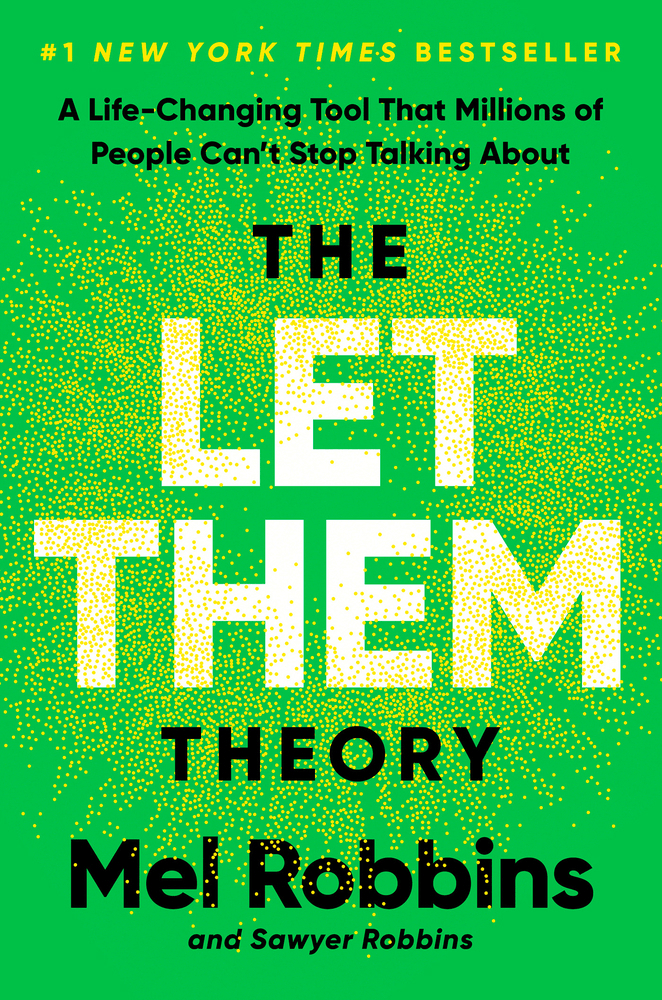
“The Let Them Theory” was written by Mel Robbins and Sawyer Robbins. Mel is a New York Times bestselling author and host/producer of The Mel Robbins podcast, which airs in 194 countries and is one of the top-ranked podcasts in the entire world. I got a lot out of this book and wish I had read it earlier. It would have saved me so much time and energy when I was trying to control things I couldn’t. Here are some key points.
There has been online discussion suggesting that Mel Robbins’ Let Them Theory resembles ideas previously shared by other creators. These claims are circulating on social media and in commentary spaces, but they have not been substantiated by verified evidence.
The Let Them Theory is about freedom. It will free you from the burden of trying to manage other people. When you stop obsessing over what people think, say, or do, you finally have the energy to focus on your own life.
If someone is not showing up how you need them to show up, do not try to force them to change. Let Them be themselves because they are revealing who they are to you. You get to choose what to do next.
Humans have a hardwired need for control. No matter how hard you try, you will never be able to control or change another person. The only person you are in control of is you – your thoughts, actions, and feelings.
The urge to control things comes from a very primal place: fear. Fear of being excluded, of not being liked, of things falling apart if we’re not in control. Control gives us the illusion of safety. We can’t control people. They will do what they want to do. The more you try to control something you can’t, the more anxious and stressed out you become.
It is not your responsibility to manage another adult’s emotional reactions. Most adults have the emotional capacity of an eight-year-old and you can’t change that. Most people have never done the work to understand themselves, heal their past, or manage their own emotions. If they haven’t done that for themselves, they are incapable of doing that for you and showing up in a way that you deserve.
When you say Let Them, you make a conscious decision not to allow other people’s behavior to bother you. You acknowledge that you can’t control the situation.
When you say Let Me, you take responsibility for what you do next. It’s all about self-awareness, compassion, empowerment, and personal responsibility.
Someone is always going to be disappointed by the decisions you make. Don’t let it be you. Don’t let guilt drive your decisions.
There are 3 pillars to adult friendship: proximity, timing, and energy.
When you say Let Them, you release the need to cling to friendships that no longer serve you, making space for connections that truly matter.
When you say Let Me, you take charge of your social life, reaching out, initiating, and cultivating the kind of friendships that reflect your values and bring you happiness.
The connection you have with another person rarely breaks. It’s just the proximity and timing that make you lose touch with them.
The more you try to rescue someone from their problems, the more likely they will continue to drown in them. When you enable others with your money, words, and actions, you hinder their healing and prolong their suffering, their debt, their breakdown, and in turn, your own. Stop rescuing people and start acting as if you believe in their ability to face them. Teach them that they are capable of doing hard things themselves.
People only heal when they are ready to do the work. You will be ready for them to heal before they are. Constantly stepping in to solve their issues creates dependency and frustration and hinders their ability to take responsibility for themselves. Don’t shield them from the consequences of what they choose. $ without condition is enabling.
Let Them be who they are. Let yourself prioritize your own happiness, pursue your dreams with passion, set boundaries that protect your peace, choose relationships that uplift and inspire you, and love yourself enough to walk away when it no longer works.
I highly recommend this book! 4.5 stars
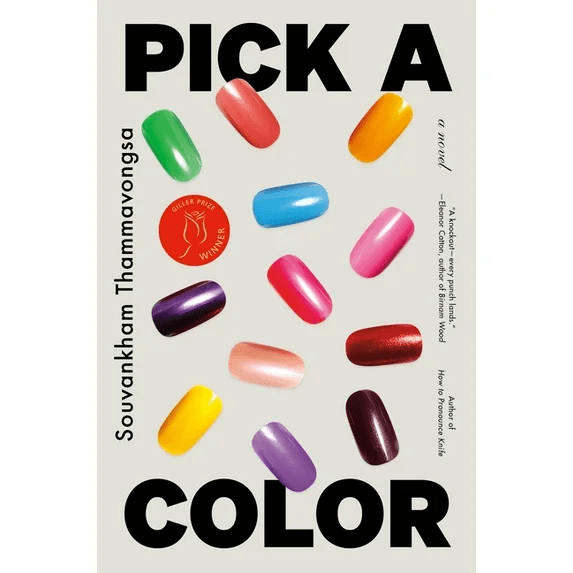
“Pick a Color: a novel” was written by Souvankham Thammavongsa and contained a sharp look at immigrant labor and power but left more to be desired. Here are some things that stood out to me.
“In our line of work, you better get used to hearing about babies, affairs, love, married people, weddings. And you better look interested when it comes up.”
“A lot of people are mothers, and you don’t get paid for any of it. Seems like a lifetime internship. You never know if you’re doing things right, and someone is always telling you the ways you’re doing it wrong.”
“I live in a world of Susans. I got name tags for everyone who works at this nail salon, and on every one is printed the name Susan. So many girls come and go. I don’t want to bother getting new name tags each time. Besides, you know, it’s never difficult to pronounce a name like Susan. None of our clients notice. They come in and we are ready and set to work. That’s all that matters to them.”
My biggest gripe — which is also, ironically, part of the author’s point — is the deliberate lack of character development and the recurring image of the missing finger. One character, a retired boxer, is repeatedly described as missing a finger, yet the book never explains why. After digging deeper, I learned that the absence is symbolic: a reminder of everything the world doesn’t bother to know about her, and a reflection of how her identity is invisible to others.
This is the novel’s central point: immigrant women are flattened into roles rather than recognized as full people. The interchangeable “Susans,” the sparse backstories, the unexplained injuries . . . all of it underscores how society reduces them to function rather than individuality. Even a character who insists she’s “in charge” does so while kneeling at a client’s feet.
3 out of 5 stars
I look forward to reading, learning, and sharing more with you soon!
I read 3 books in February. Here is a blurb of each of the books I read in February.
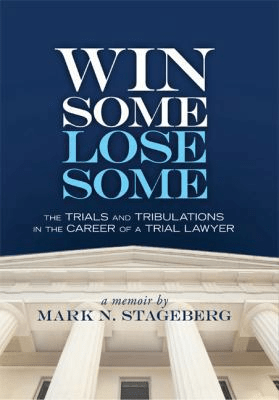
“Win Some, Lose Some: The Trials and Tribulations in the Career of a Trial Lawyer – a memoir” was written by Mark N. Stageberg, who is a Minnesota attorney specializing in personal injury and wrongful death cases. He originally did defense work before transitioning to plaintiff work. Mark has spent his career as a trial lawyer, completed over 175 jury trials, and has had 7 cases with million-dollar jury awards. This book was a candid look at both victories and failures and contained interesting stories of unusual clients, unexpected courtroom twists, and behind-the-scenes legal drama. Here are some of my many takeaways:
The vast majority of the litigation clients who walk into your office do not have cases with all 3 necessary elements for a good lawsuit: good liability, extensive damage, and enough insurance coverage. Cases with good liability and big damages can often be easily resolved with a policy-limit settlement without litigation. The limits of the defendant’s liability insurance coverage govern the outcome of many good liability and damage cases.
What is interesting about pro bono legal work is that many of a lawyer’s promising cases can turn into unintended pro bono work. Payment for plaintiff’s personal injury work is dependent on contingent fees, and if a case isn’t won, it can be a waste of a lot of legal time and money.
An interesting and quite lucrative area of personal injury legal work involves airplane crashes. 4 primary causes for airplane crashes:
some mechanical failure (in the plane itself – leading to a product liability claim)
some inaccurate or incomplete information from air traffic controllers
a maintenance or service error by a mechanic
pilot error
The government, through the National Transportation Safety Board, does a thorough investigation of every accident and publishes a report from its experts identifying the probable cause of the crash. Much of the investigation is done by the government, but the case must be put together with privately retained experts.
A great source of information on deaths and injuries from consumer products is the Consumer Product Safety Commission and Freedom of Information requests.
What you really need for any successful product liability case is an alternative design for the product that, if used, would have led to a different result.
This book contained a couple “hot takes.” These are not my personal opinion or the opinion of my employer.
“A common misperception among the general public is that our judges have some level of superior legal knowledge that justified their appointment as the final arbitrators of our unresolved disputes. Most judges are selected because of political connections unrelated to their experience, expertise, or intellect. The cream of every law school class garners the top law firm positions and after a few years, they’re making more money than the judges in the state or federal courts.”
“Most of the criminal lawyers serving as county attorneys or taking public defender positions were not the top scholars in their law school classes and took those jobs because nothing better had been offered. Prosecuting attorneys have the police, or the FBI and U.S. attorneys in the federal system, to do all of the workup on the cases. The prosecuting attorney only has to present the evidence to the jury and argue that they have met the burden of proof. Similarly, the defense seldom has to prove much of anything and instead sits back and picks away at the prosecution’s witnesses, arguing strenuously that they have not met their burden to prove the defendant guilty beyond a reasonable doubt.”
I think this statement is overly simplified. I respectfully disagree with this perspective.
I highly recommend this book to anyone interested in learning more about the career of a civil attorney.
4 out of 5 stars
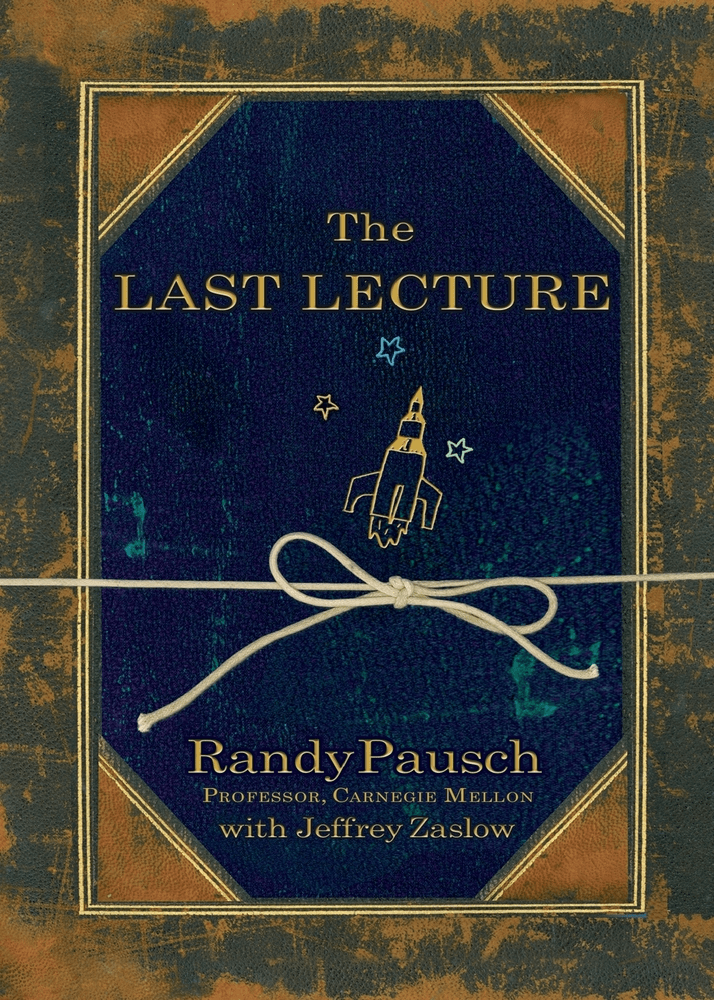
“The Last Lecture” was written by Randy Pausch with Jeffrey Zaslow. Randy was a professor at Carnegie Mellon and an award-winning teacher and researcher who had worked with Adobe, Google, Electronic Arts (EA), and Walt Disney Imagineering and pioneered the Alice Project. At the time of this writing, he had ten tumors on his liver and had pancreatic cancer, and he wrote this book with Jeffrey Zaslow to teach his 3 young children what he would have taught them over the next 20 years. Many college professors are asked to consider their demise and to ruminate on what matters most to them. For years, Carnegie Mellon had a “Last Lecture Series” – which was renamed to “Journeys” – reflections on personal and professional journeys. Here are some lessons:
When you see yourself doing something badly and nobody’s bothering to tell you anymore, that’s a bad place to be. You may not want to hear it, but your critics are often the ones telling you they still love you and care about you and want to make you better.
Self-esteem – there’s really only one way to teach kids how to develop it: You give them something they can’t do, they work hard until they find they can do it, and you just keep repeating the process.
When we send our kids to play organized sports, for most of us, it’s not because we’re desperate for them to learn the intricacies of the sport. What we really want them to learn is far more important: teamwork, perseverance, sportsmanship, the value of hard work, and an ability to deal with adversity.
Brick walls are there for a reason. They give us a chance to show how badly we want something.
Time must be explicitly managed, like money.
Look for the best in everybody. If you wait long enough, people will surprise and impress you. In the end, people will show you their good side. Just keep waiting. It will come out.
Experience is what you get when you didn’t get what you wanted.
This book isn’t quite what I expected. It was more about Randy’s life and career rather than a “Last Lecture Series.” Given that the Last Lecture Series was renamed to “Journeys” – reflections on personal and professional journeys – this book seems to fit that description. Still, this book has some great lessons.
4 out of 5 stars
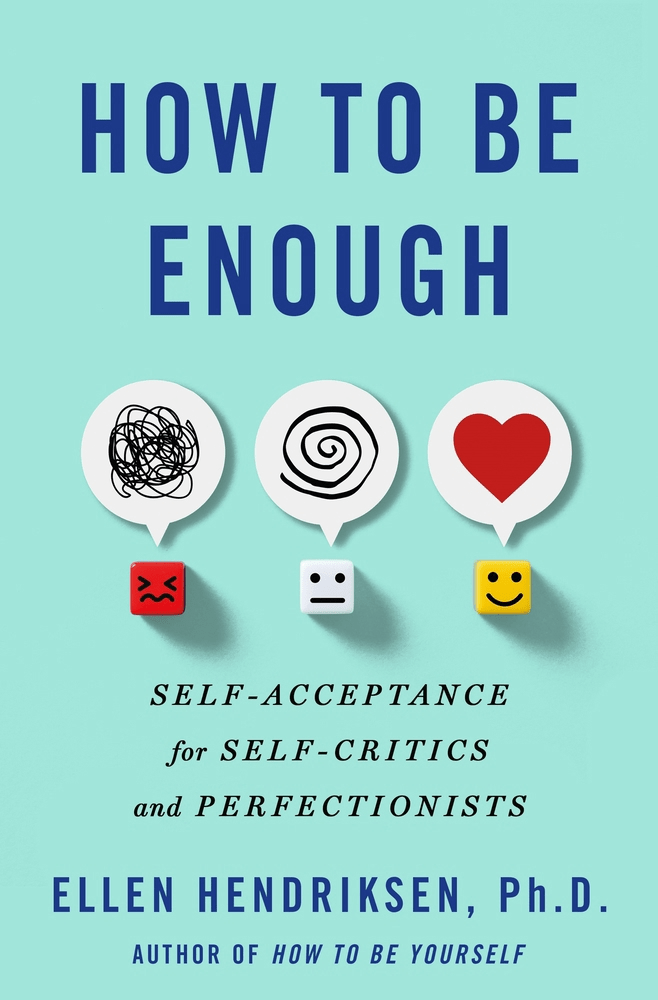
“How to Be Enough: Self-Acceptance for Self-Critics and Perfectionists” was written by Ellen Hendriksen, Ph.D., a clinical psychologist at Boston University. The overall theme of this book is that you become “enough” not by perfecting yourself, but by letting go of harsh self‑judgment and recognizing your inherent worth as you already are. Here are some key points.
Clinical perfectionism consists of a hypercritical relationship with oneself and an overidentification with meeting personally demanding standards.
Hypercritical relationship with oneself: tend to beat yourself up when you make a mistake, think your work or performance isn’t good enough, shut down or get defensive when criticized, have been told you’re controlling/a micromanager/too picky/too critical/judgmental
Overevaluation: overidentify with our performance (work, grades, appearance, home, etc.), set impossible expectations for yourself and then get stressed when you can’t reach them, always working to improve something (health, sleep, wardrobe, social life, etc.).We overidentify with our performance because we’re searching for acceptance and connection.
People-pleasing aims to control other people’s reactions and emotions toward us. What they want is what we want, because we want to avoid devaluation, disapproval, disappointment, and dislike. Of all the people you work so hard to please, be sure to include yourself.
We don’t have to be good at something to enjoy it. What’s the value in not being great? Connection. It’s hard to relate to experts. They’re aspirational, not relatable.
The opposite of control is trust – trust that we can handle whatever happens, both internally and externally.
When self-worth depends on flawless performance, even small mistakes create a cycle of self-doubt and emotional exhaustion. Achievement doesn’t soothe self-doubt. It often raises the bar higher. Self-criticism becomes a default setting. Self-criticism makes us feel inadequate, grinds motivation to a halt, leaves us sensitive to others’ criticism, is stressful, takes the fun out of the process, and hinders connection.
To connect with others, we need to let ourselves be known. Reveal what you think, do, feel, remember, or relate to in order to give your conversation partner something to work with.
Some tools mentioned in the book:
Revise the rigid rules. Consider what the rule buys you and what it costs you. Consult your values and what’s meaningful and important to you. Focus on what works given the contest. Consider feasibility and workability. What would work for my goals and values, given this context?
Foster positive emotions towards yourself. Failure and positive self-regard are allowed to co-exist. We can’t go through life expecting to make zero mistakes, have zero lapses in judgement, or encounter zero insurmountable challenges.
Take stock to understand your procrastination: unrealistic standards? fear of failure? self-criticism? Break tasks down into ridiculously small steps and picture your future self.
Move away from all-or-nothing thinking. Try “I’m a (valued trait/quality) person who sometimes (exception).” Examples:
I’m a capable person who sometimes screws up.
I’m a disciplined person who sometimes lets myself go.
I’m a hard worker who procrastinates.
Reflect on what people-pleasing is costing you. Identify an opportunity to state an opinion, communicate a need, or set a limit that is meaningful to you. Try it out and consider the results. Rinse and repeat.
I highly recommend this book to anyone who is a self-critic or perfectionist!
5 out of 5 stars
I look forward to reading, learning, and sharing more with you soon!
This year, I’d like to post more detailed blogs about some of the books I have read and rated 5 out of 5 stars. Here is another one.
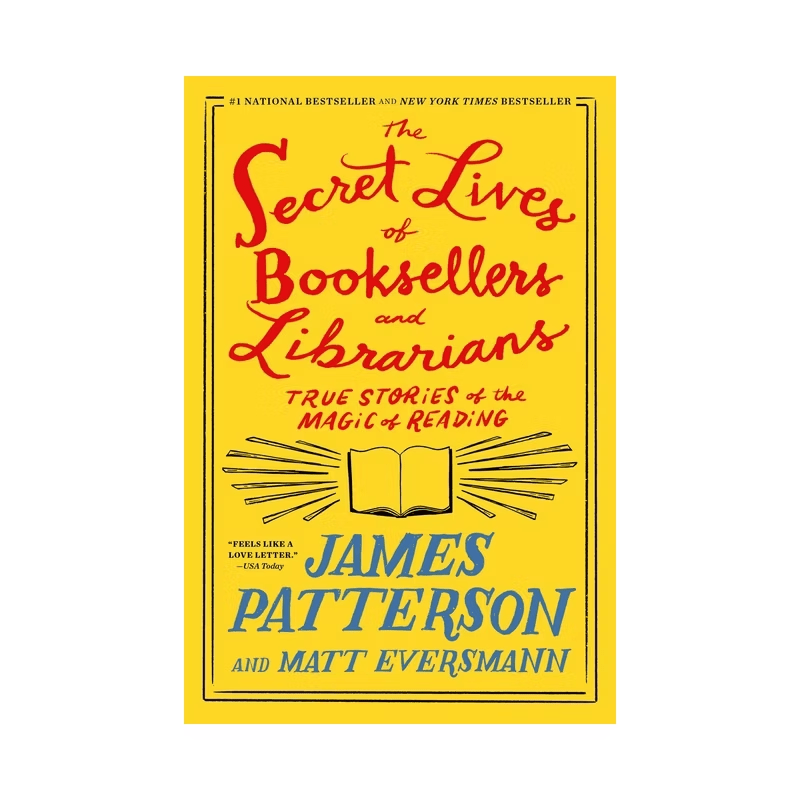
Book: “The Secret Lives of Booksellers and Librarians: True Stories of the Magic of Reading” by James Patterson and Matt Eversmann
About the author: James Patterson is the most popular storyteller of our time and has received several awards.
About the book: This book consisted of short essays from booksellers and librarians.
When I read this book: March 2025
Here are some of my takeaways:
Only 15% of adults in America read books.
33% of high school graduates never pick up another book.
42% of college grads don’t either.
Having a good library is not political. A good library will have books on vegetarianism and hunting. A good library will have books on every religion. A good library will have books about all eras of history, from ancient Rome to the Civil War to the Holocaust. A good library will have books about different countries, different cultures, and different life experiences.
I love it when a parent comes back and says, “My kid wasn’t a reader, but you guys suggested a book, and I gave it to him, and he hasn’t stopped reading. It’s like this whole new world has opened up for him.”
“I don’t see the library going away at all. We’ll just have to keep up with whatever comes next and evolve with what the citizens want. We hope they continue to want what we provide: lifelong learning and joy.”
When people tell me they want to open a bookstore because they like to read and love books, I always question, “Well, can you run a business?”
“There are so many good books out there that if this one’s not working for you, if you’re not enjoying it, don’t finish it.
You can decide what you and your kid read, but you can’t decide what me and my kid read.
“Public libraries are a public good. We try hard to stay relevant. We invest in technology. We invest in innovation. We are there to meet the needs of the community we’re in. And we’re staffed with some of the most naturally curious people out there.”
“Any kind of books for kids have gatekeepers. Kids are the intended readers, but they’re not the ones making the purchases. It’s grandparents, teachers, librarians, parents, older siblings. So, you’ve got to be able to figure out how to make that book appealing to both the person buying it and the person who is supposed to be reading it.”
Public libraries are open to everyone. And free. There aren’t that many public spaces left where you can go without the expectation of spending money.
I can’t imagine not reading for fun, but I know that many people view reading as work, which can cause them to resent it rather than enjoy it. Just reading for sheer pleasure, without expectation or judgment, is so important and rewarding. And having a place to read all the books you want – for free! – is a major part of what libraries offer.
I highly recommend this book to get perspectives from booksellers and librarians.
5 out of 5 stars
I look forward to reading, learning, and sharing more with you soon!
This year, I’d like to post more detailed blogs about some of the books I have read and rated 5 out of 5 stars. Here is the first one.
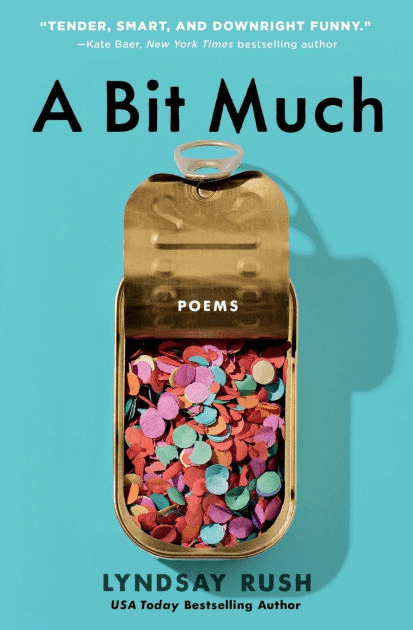
Book: “A Bit Much: Poems” by Lyndsay Rush
About the author: comedy writer and the poet behind the popular Instagram account @maryoliversdrunkcousin
When I read this book: January 2025
Quotes that stood out to me:
From “Make Like a Tree and Love“: “Scientists have a hunch that trees can become dear friends linking roots to swap resources, bending branches back to share sunlight, shielding each other from the wind. Most of what I know about love boils down to this simple distinction: who stays, and who leaves.”
From “Code Red“: “A great philosopher once said I saw the sign, and it opened up my eyes (I saw the sign). But when you see the world through rose-colored glasses, it can be hard to recognize a red flag. So, what I have learned is this: If they’re mean to the waiter, they’ll be mean to you. If they never follow through, they will never show up. If it hurts your stomach, it will hurt your heart. You can’t temper a storm, but you can sure as hell evacuate the beach.”
From “I’m Giving up for Lent“: “What would it feel like to give up self-improvement for forty days? Would the tightness in our chests, throat, shoulders, and hips ease as we contentedly took the easy way out? Would capitalism crumble if we deleted our wish lists and framed the before photo? Sounds holy, if you ask me, to be sold on life as-is, to just exist with only this, only us, only what these two arms can hold.”
From “It’s Amateur Hour Somewhere“: “Starting something new is like a one-man show for a one-man audience; the only applause worth seeking is your own. Don’t rob yourself of that while you wait for approval from somewhere else. Sometimes winning yourself over is the greatest show on earth.”
From “Almond Joys“: “Sometimes all it takes to let joy in is a little reframing. Don’t believe me? Just watch. It’s not a vending machine; it’s an arcade game you always win.”
From “I Am Not Afraid to Be Seen Trying“: “Or changing my mind. Or getting it wrong. Or freestyling instead of learning the routine. I’m not afraid of self-promotion or making a big deal out of it . . . I’m not afraid of low like counts or pissing off the algorithm of content that flops. And I’m not afraid to be cringe, or extra, or A Bit Much. Sure, there are things I’m scared of – like sharks and blond beards and talking to strangers on the phone – but of all the monsters under my bed, the only thing I truly fear is letting fear get in between me and anything I really want.”
“Reassurances to Save for a Rainy Day“: “If cauliflower can be pasta, you can be whatever you want.”
From “Top Down, Cruising in My Own Lane“: “I slip the Do Not Disturb sign onto the doorknob of my life. I’ve got important work to do: minding my own business accommodating my whims. Guarding my joy: nose buried in the story only I can tell.”
From “Wild Goose Chase“: “When your surroundings begin to feel cold and uninhabitable and your environment no longer offers the support or sustenance you need, I hope you migrate. I hope, as you make your way south, that you find other silly geese to fly with too – in such a tight-knit formation that Wikipedia would refer to your crew as plump. And I hope that no matter how long the journey takes you, the wind is always at your back; nudging you closer to home.”
There are many other essays I really enjoyed that I did not quote here. I highly recommend this book to anyone!
5 out of 5 stars
I look forward to reading, learning, and sharing more with you soon!
I read 4 books in January. Here is a blurb of each of the books I read in January.
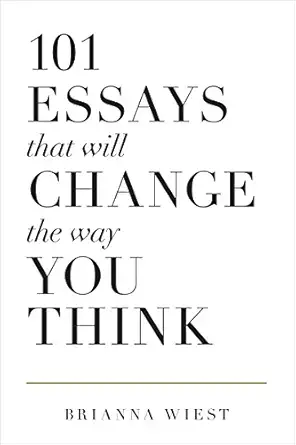
“101 Essays that will Change the way You Think” was written by Brianna Wiest and was recommended by a friend. This book was a thought-provoking collection of reflections to inspire deeper self-awareness and intentional living. Here are some takeaways:
Your habits create your mood, and your mood is a filter through which you experience your life. You must learn to let your conscious decisions dictate your day, not your fears or impulses. Learning to craft routine is the equivalent of learning to let your conscious choices about what your day will be about guide you, letting all the other temporary crap fall to the wayside. Routine consistently reaffirms a decision you already made.
Identify what your addictions are keeping you distracted from. Understand that addiction is a disconnection from yourself, and a disconnection from yourself is born of something present that you think you can’t face.
Stop eating foods you don’t like, keeping plans you don’t want, staying digitally connected with people who annoy you, hoarding clothes for a “someday” that never comes, and putting your life on hold for someone who does not want to commit. The amount of life we waste gathering and holding onto the things that will never really serve us keeps us away from the things that bring us joy and purpose and meaning.
Choose not to be harmed, and you won’t feel harmed. Don’t feel harmed, and you haven’t been.
If you lived today on repeat forever, where would you be? What would you have accomplished? Would you be thriving at work? Would you have made time for the people you love? Your life exists in its days, not your ideas about those days.
I highly recommend this book. I took away many lessons from this book. Two essays really stood out to me as I’ve felt self-conscious about my changing body: “101 Things That Are More Important Than What Your Body Looks Like” and “The Little Things You Don’t Realize Are Affecting How You Feel About Your Body.”
5 out of 5 stars
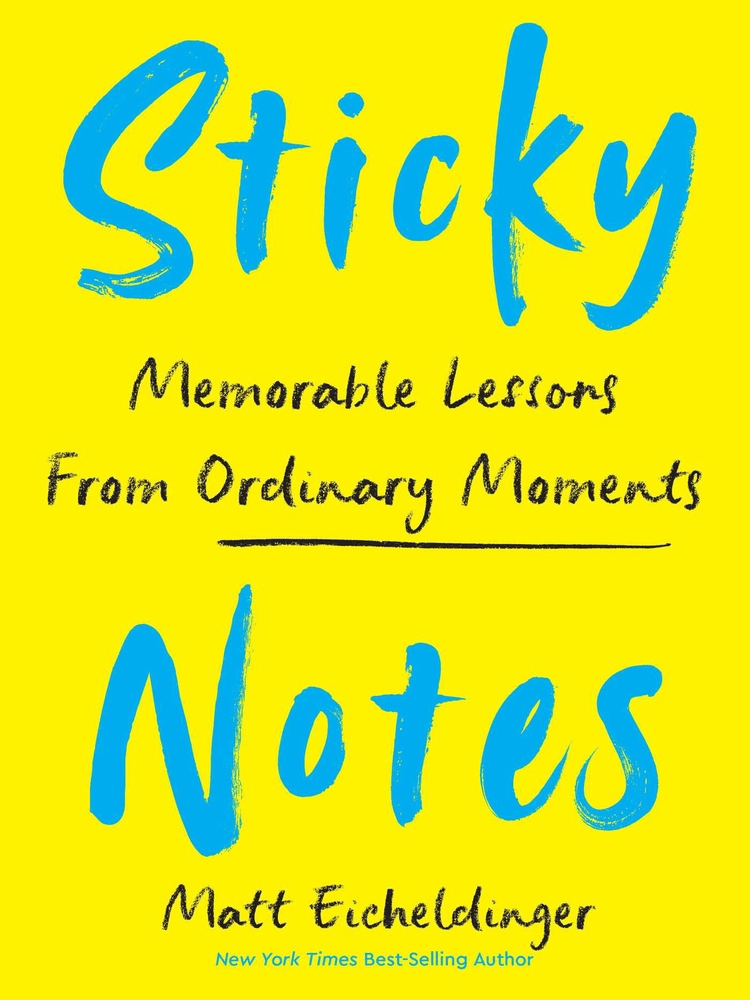
“Sticky Notes: Memorable Lessons From Ordinary Moments” was written by Matt Eicheldinger, whose stories on social media take viewers through hundreds of memories he has collected over the years. Matt wrote down 15 years of daily interactions between himself, students, and families. This book shows how small, everyday moments between teachers and students – captured through years of classroom stories – reveal the profound impact of empathy, encouragement, and human connection. Here are some lessons:
Heartbreak can be hard, especially when it’s new. When we witness this with friends, family, or students, we often feel a drive to fix and solve, but sometimes you don’t have to do any of those things. Sometimes you just have to be present.
We forget how many parents are figuring out parenting for the first time, and that can feel pretty overwhelming, especially if it’s not going well. Just because a child’s behavior isn’t changing doesn’t mean parents aren’t doing anything about it. Sometimes it just means they don’t know what to do, and that’s an opportunity to show grace and understanding and offer help where we can.
We often try to give people space when we think they are in a bad mood, but maybe that’s not always the right move. Maybe they just need to be given a genuine dose of kindness to bring them back.
Measuring success is different for everyone, and you can’t be the judge of it.
You can surround yourself with all kinds of people, but true friends will surround you when you need them the most.
Memories are kind of like key chains, aren’t they? I wonder how many of us have forgotten to truly live the experience rather than just collecting them.
When we have a problem or conflict, we tend to look at others to blame, when in reality, maybe the first place we need to look is at ourselves.
I highly recommend this book. It’s an easy read filled with short stories and life lessons.
5 out of 5 stars
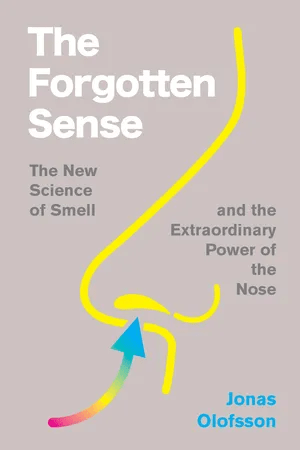
“The Forgotten Sense: The New Science of Smell and the Extraordinary Power of the Nose” was written by Jonas Olofsson, a professor of psychology at Stockholm University, where he directs the Sensory Cognitive Interaction Lab. Jonas has researched the sense of smell for 20 years. Here are some key facts from the book.
Smelling is an intellectual process that starts in the brain. Olfactory processes are shaped by expectations and experiences, which in turn carry with them life experiences and cultural conventions that we are often unaware of.
The sense of smell has a back door to the brain through the throat. So, when we eat and drink, we smell both through our nose and our throat. Odors are released in the mouth when we eat, stimulating the olfactory receptors in the nasal cavity. The smells that enter the nasal cavity via the throat are important to what we call “flavors.” We tend to think they are tastes being perceived in the mouth, when in fact it is the sense of smell working in disguise.
The same smell can be perceived differently depending on whether the olfactory stimulus enters through the nose or from inside the mouth via the pharynx.
Some people have an extreme sensitivity to smell, while others are insensitive to the same odorant. Comparing people who appear to have a perfectly normal sense of smell, it can sometimes take up to 100,000 times more odor molecules for the most insensitive person to detect an odor that the most sensitive person can smell very easily. Something I was most surprised by is that chemically sensitive people do not have particularly sensitive noses. They have sensitive brains. Our brains create expectations that can sometimes be so vivid that they are hard to distinguish from real-life smells. The brain makes predictions and creates stress responses that become overwhelming.
Which smells we love and hate depend largely on the associations, thoughts, and feelings they evoke.
The only method recommended by the world’s leading experts to rehabilitate the sense of smell is olfactory training – smelling things like lemon, eucalyptus, rose, and clove – repeatedly – for months. Thankfully, this helped me rehabilitate my sense of smell after having long COVID-19.
I recommend this book to anyone wanting to learn more about the sense of smell.
4 out of 5 stars
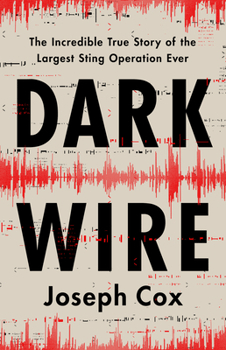
“Dark Wire: The Incredible True Story of the Largest Sting Operation Ever” by Joseph Cox is a gripping piece of investigative journalism from the world’s leading reporter on the Anom story. Joseph Cox has built his career exposing the inner workings of organized crime and the surveillance programs designed to track it, and this book shows exactly why he’s earned that reputation. Drawing on interviews with fugitives wanted by the FBI, members of organized criminal groups, convicted traffickers, law enforcement officials across multiple countries, and even the coders and sellers behind encrypted phone networks, the author reconstructs an operation that feels almost too bold to be real.
After the FBI shut down Phantom Secure, an encrypted phone network favored by criminal organizations, agents realized those same users would soon be searching for a new platform to hide their communications. Their solution was bold: create that platform themselves.
The result was Anom, a supposedly secure phone system promising untraceable chats, hidden communication tools, and discreet photo‑editing features. What its users didn’t know was that the entire network was an FBI‑run trap quietly logging every message and image.
To navigate legal and jurisdictional limits, the U.S. had Lithuania collect Anom messages and pass them along, while Australian authorities—unrestricted by U.S. privacy laws—monitored the devices for threats to life.
Meanwhile, Anom distributors, unaware they were helping a federal sting, put the phones into the hands of criminals around the world. In a shocking twist, many of those same distributors were later charged under the RICO Act for allegedly selling devices to criminals and issuing wipe commands when phones were seized.
Impact:
12,000 Anom devices worldwide in 100+ countries
Law enforcement captured and reviewed 27 million messages from these devices.
1,000 arrests globally as a result of the information gathered via Anom and related operations.
8+ tons of cocaine, 22 tons of marijuana, 2 tons of meth, 250+ firearms, $48 million in cash, and 17 tons of precursor chemicals used to make drugs were seized.
50+ clandestine drug labs dismantled during the operation
This was a fascinating book. In addition to recounting an unprecedented sting, it raises questions about privacy and the future of digital surveillance. I recommend this book to anyone interested in true crime, cybersecurity, or the evolving tactics of global law enforcement.
4 out of 5 stars
I look forward to reading, learning, and sharing more with you soon!