Book review posts, Uncategorized

March 2026 Reads

I read 4 books in March. Here is a blurb of each of the books I read in March.
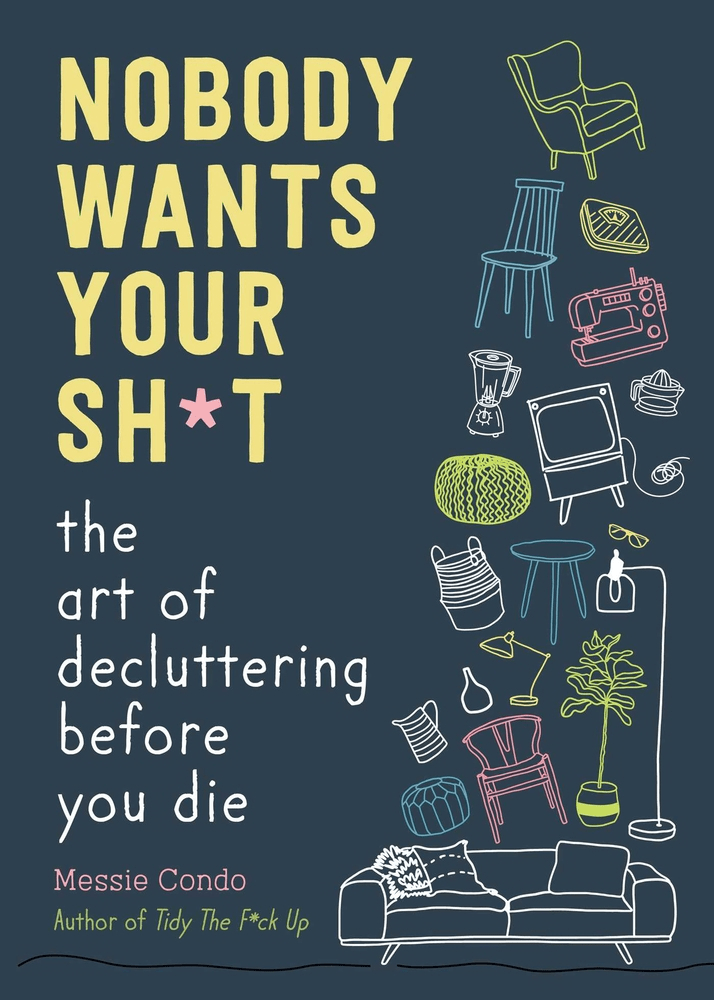
Nobody Wants Your Sh*t: the art of decluttering before you die” was written by Messie Condo. This book was inspired by The Gentle Art of Swedish Death Cleaning and contains funny, unpretentious advice you need to hear most. Here are some main points.

Clutter is nothing but delayed decisions. Delay long enough, and someone else will have to make those decisions. It’s not going to get any easier while you keep accumulating crap. You’re never going to “get around to it.” If you want a clutter-free house, you have to make it a priority, or someone else will be forced to when you’re gone.

A thing is not a memory. It’s just a thing. You can share your memories long after a thing is gone. Ex: people, pets, vehicles, toys. Your need to hold onto things was always about the feelings those things inspired. The things themselves are just conduits.

It’s time to let go of who you used to be and embrace who you are now. Get rid of clothes that haven’t fit you in ages, sports equipment you no longer use, and anything else from your past life. Let go of old dreams and hobbies and make room for new ones.

Stuff that stirs up good memories is only worth the space it’s taking up if you’re able to actively enjoy it. Attics, basements, garages, and storage units are prime locations for lazy clutter – the kind you allow to take up space because it’s not in your direct eyesight nagging you. Just because you have the space to store something doesn’t mean you should. You won’t miss what you haven’t laid eyes on in years. By decluttering from a place of appreciation, you free yourself from the hold your stuff has over you.

Getting rid of stuff you don’t want, need, or use isn’t wasteful. Letting it take up space in your home or keeping it when someone else could be using it is. You paid good $ for it? You paid good $ for your home.

Benefits of declutttering:

  • better sleep and overall mental health
  • more energy and creativity
  • a deeper appreciation for what you have
  • more control over your life
  • fewer arguments with loved ones
  • more self-confidence
  • more time, room, and $ for what you want
  • easier decisions
  • clearer priorities
  • less laundry
  • fewer things to dust = fewer allergens
  • the ability to quickly find what you need
  • a sense of accomplishment
  • a clutter-free space you can be proud of

I highly recommend this book, especially to maximalists.

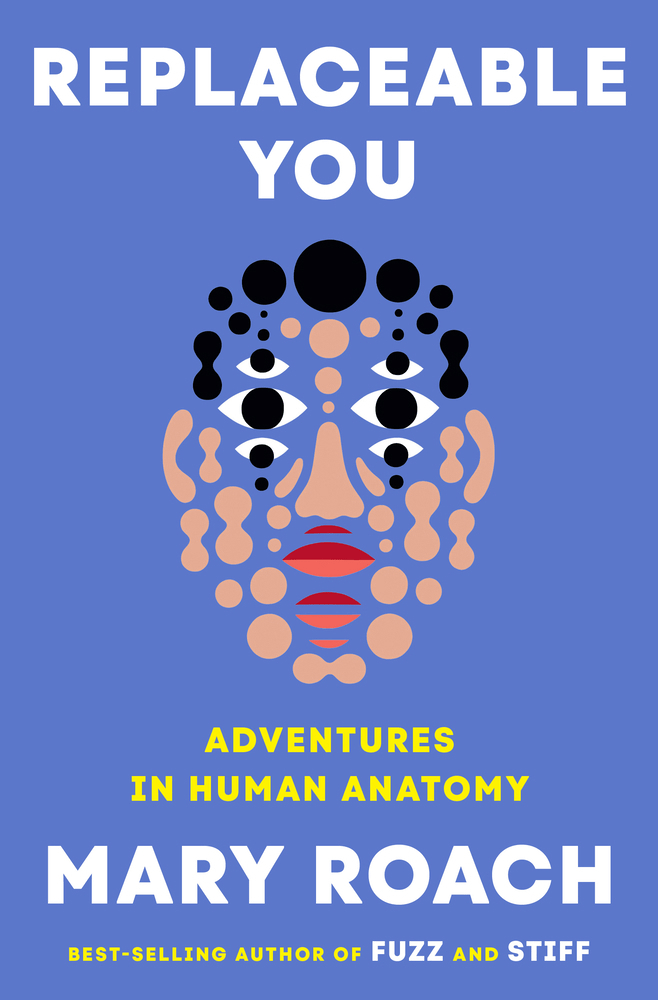
Replaceable You: Adventures in Human Anatomy” was written by Mary Roach, author of seven best-selling works of nonfiction. This book was fascinating, although, admittedly, some parts were a bit over my head. Here are some interesting takeaways:

  • With major burns, surgeons quickly run out of graftable (unburned) skin. Sometimes they have to use the soles of the feet, the scalp, or even the scrotum. Areas that have been harvested can be reharvested after they’re healed, but that can take 2-3 weeks. In the meantime, an allograft (skin from another human, typically a deceased tissue donor) or a xenograft (skin from another species) protects the wound. Eventually, an allograft for a bad burn will be replaced with a permanent graft of the patient’s own skin.
  • China has a lack of organ donors. Also, in China, death is still defined by cessation of the heartbeat rather than by brain death. Thus, the only potential organ donors are terminally ill patients on life support whose families agree to have that support shut off inside an operating room set up for organ recovery. Also, Confucian tenets include reincarnation, so people want to go to heaven with an intact body for the next life.
  • The cornea is one of the few body parts that can be transplanted without strict immune matching because it has no blood vessels.
  • Cataract surgery is one of the most successful medical procedures worldwide, yet access varies dramatically by region.

Skin is the largest organ and one of the hardest to replace because it must stretch, sense, protect, and regulate temperature. Synthetic skin exists but lacks the full functionality of natural skin, especially sweat glands and hair follicles.

Feet are sold separately. A prosthetic foot and ankle attach to a prosthetic leg, and over the foot goes a “foot shell” to fill out a shoe. Shells come in a palette of skin tones, and if you like, you can buy a pair with a space between two toes for wearing sandals. Prosthetists make, fit, and adjust the sockets. The socket is the cup or bucket into which one slides one’s residual limb. A socket will need to be adjusted as the muscles of the residual limb atrophy and if the wearer gains or loses weight. This prevents rubbing, blisters, and ingrown hairs.

Demand for donated human tissue is high. Donors aren’t scarce, but eligible donors are. 96% of people who consent to donating tissue are ruled out because some element of their medical history or social behavior has created an unacceptable risk for the people who would receive their tissue. Regardless of a person’s wishes or the dot on their driver’s license, tissue cannot be recovered until the next of kin has answered the eligibility questions.

I recommend this intriguing book for anyone who wants to learn more about the science of replacing body parts.

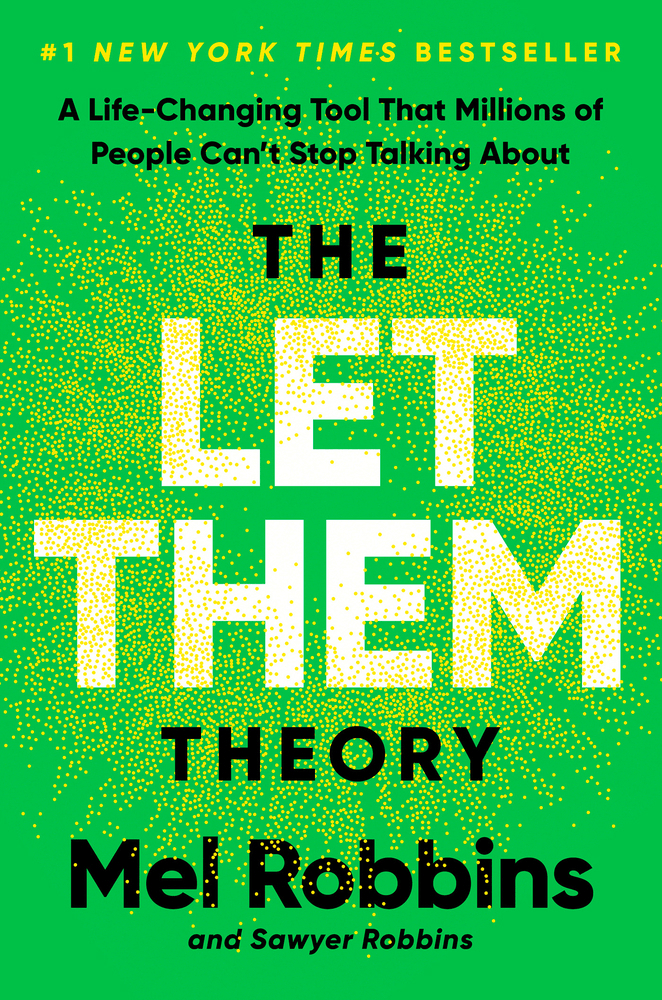
The Let Them Theory” was written by Mel Robbins and Sawyer Robbins. Mel is a New York Times bestselling author and host/producer of The Mel Robbins podcast, which airs in 194 countries and is one of the top-ranked podcasts in the entire world. I got a lot out of this book and wish I had read it earlier. It would have saved me so much time and energy when I was trying to control things I couldn’t. Here are some key points.

There has been online discussion suggesting that Mel Robbins’ Let Them Theory resembles ideas previously shared by other creators. These claims are circulating on social media and in commentary spaces, but they have not been substantiated by verified evidence.

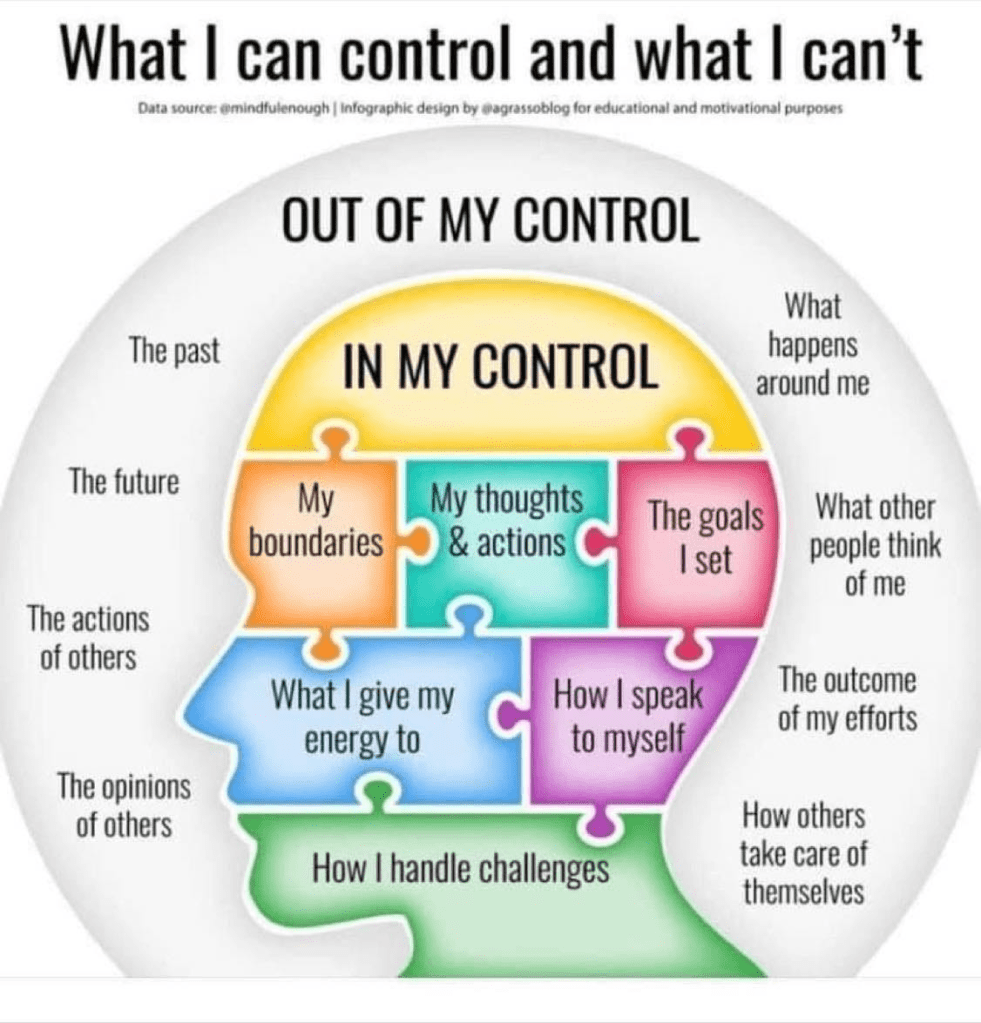
The Let Them Theory is about freedom. It will free you from the burden of trying to manage other people. When you stop obsessing over what people think, say, or do, you finally have the energy to focus on your own life.

  • Humans have a hardwired need for control. No matter how hard you try, you will never be able to control or change another person. The only person you are in control of is you – your thoughts, actions, and feelings.
  • The urge to control things comes from a very primal place: fear. Fear of being excluded, of not being liked, of things falling apart if we’re not in control. Control gives us the illusion of safety. We can’t control people. They will do what they want to do. The more you try to control something you can’t, the more anxious and stressed out you become.
  • It is not your responsibility to manage another adult’s emotional reactions. Most adults have the emotional capacity of an eight-year-old and you can’t change that. Most people have never done the work to understand themselves, heal their past, or manage their own emotions. If they haven’t done that for themselves, they are incapable of doing that for you and showing up in a way that you deserve.

Someone is always going to be disappointed by the decisions you make. Don’t let it be you. Don’t let guilt drive your decisions.

  • There are 3 pillars to adult friendship: proximity, timing, and energy.
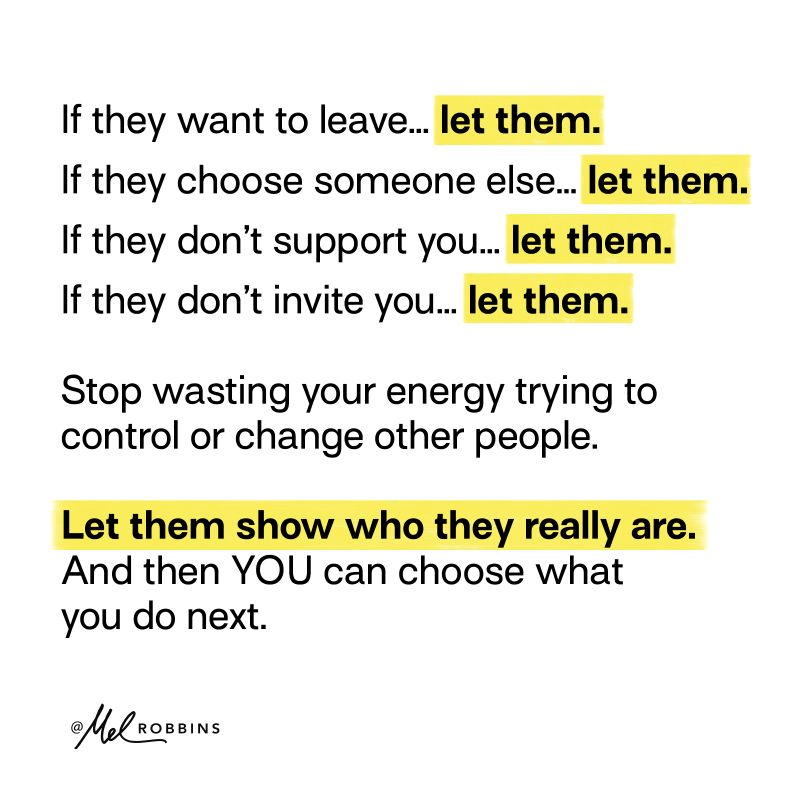
    • When you say Let Them, you release the need to cling to friendships that no longer serve you, making space for connections that truly matter.
    • When you say Let Me, you take charge of your social life, reaching out, initiating, and cultivating the kind of friendships that reflect your values and bring you happiness.
    • The connection you have with another person rarely breaks. It’s just the proximity and timing that make you lose touch with them.
  • The more you try to rescue someone from their problems, the more likely they will continue to drown in them. When you enable others with your money, words, and actions, you hinder their healing and prolong their suffering, their debt, their breakdown, and in turn, your own. Stop rescuing people and start acting as if you believe in their ability to face them. Teach them that they are capable of doing hard things themselves.
  • People only heal when they are ready to do the work. You will be ready for them to heal before they are. Constantly stepping in to solve their issues creates dependency and frustration and hinders their ability to take responsibility for themselves. Don’t shield them from the consequences of what they choose. $ without condition is enabling.

Let Them be who they are. Let yourself prioritize your own happiness, pursue your dreams with passion, set boundaries that protect your peace, choose relationships that uplift and inspire you, and love yourself enough to walk away when it no longer works.

I highly recommend this book! 4.5 stars

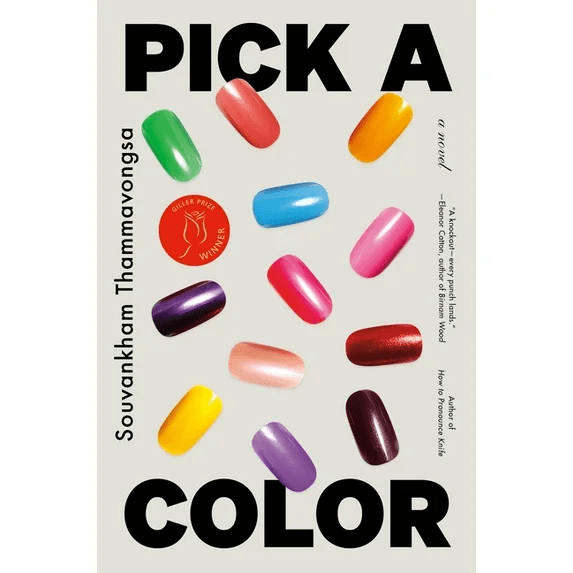
Pick a Color: a novel” was written by Souvankham Thammavongsa and contained a sharp look at immigrant labor and power but left more to be desired. Here are some things that stood out to me.

  • “In our line of work, you better get used to hearing about babies, affairs, love, married people, weddings. And you better look interested when it comes up.”
  • “A lot of people are mothers, and you don’t get paid for any of it. Seems like a lifetime internship. You never know if you’re doing things right, and someone is always telling you the ways you’re doing it wrong.”

My biggest gripe — which is also, ironically, part of the author’s point — is the deliberate lack of character development and the recurring image of the missing finger. One character, a retired boxer, is repeatedly described as missing a finger, yet the book never explains why. After digging deeper, I learned that the absence is symbolic: a reminder of everything the world doesn’t bother to know about her, and a reflection of how her identity is invisible to others.

This is the novel’s central point: immigrant women are flattened into roles rather than recognized as full people. The interchangeable “Susans,” the sparse backstories, the unexplained injuries . . . all of it underscores how society reduces them to function rather than individuality. Even a character who insists she’s “in charge” does so while kneeling at a client’s feet.

3 out of 5 stars

Book review posts, Uncategorized

February 2025 Reads

I read four books in February. Here is a blurb of each of the books I read in February.

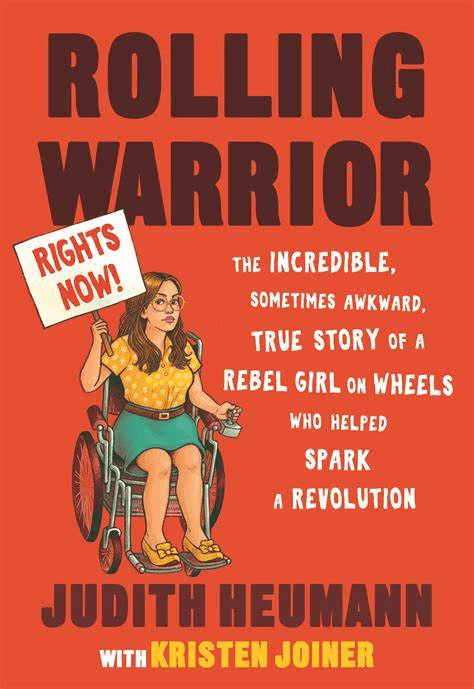
Rolling Warrior” was written by Judith Heumann with Kristen Joiner. Judith is an internationally recognized leader in the disability rights movement. She has advocated for disability rights at home and abroad, serving in the Clinton and Obama administrations and as the World Bank’s first advisor on disability and development. Kristen is a writer and activist who tries to tell stories that change how people see the world. This book was the young reader’s edition of Judith’s acclaimed memoir “Being Heumann.”

Judith became sick with polio when she was 18 months old. Most people who get it are fine after a week or two, but some end up paralyzed and not able to move. Judith was paralyzed and can move her arms and hands, but can’t walk, dress herself, or go to the bathroom by herself. Judith detailed the challenges of living with polio:

  • Having a manual wheelchair when streets had curbs with no ramps
  • not going to a typical school until she was 14 years old – 1 1/2 hours away because her neighborhood school wasn’t accessible
  • having to ask other students for assistance when needing to go to the bathroom
  • having to ask other students for assistance to get into her dorm, which had a step
  • engaging in a sit-in protest with 150 disabled people to prompt the signing of Section 504.

Section 504 of Title V of the 1973 Rehabilitation Act prohibits discrimination against people with disabilities in institutions and programs receiving federal funding. Judith’s lifelong work also contributed to the passage of the Americans with Disabilities Act (ADA).

My story is similar to so many other people’s – those with and without disabilities. Telling our stories helps strengthen our ability to continue to fight against injustice. Sharing the stories about how we want our world to be – and then turning these dreams and visions into reality – is what we must all commit to doing.

What I Told My Daughter: Lessons from Leaders on Raising the Next Generation of Empowered Women” was edited by Nina Tassler with Cynthia Littleton. Nina Tassler spent more than a decade as head of entertainment programming for CBS. This book consisted of short essays. Here are some of the many quotes from the essays that stood out to me.

We tell our girls that they can do anything, be anything, that the world is theirs for the taking. We encourage them – expect them – to be ultra-high achievers with lofty goals for college and beyond. I fear we may sometimes put too much pressure on our girls, imbue them with impossible standards. I worry that our dreams for them may sometimes, unintentionally, lead them to believe they can never make mistakes, and that perfection is more important than resilience. I want her to know that not only can she success, but that she can fail without being a failure, be hurt without being diminished, and be embarrassed without being ashamed.

  • “They always have the right to change their minds, especially when it comes to their personal happiness, whether it involves friendships, potential partners, and even career choices.”
  • “There are so many lessons we teach our daughters every single day – by what we say and do and how we treat others and how we let them treat us. We lead by example.”
  • “Choose friends who care about your feelings. Choosing the right people in whom to entrust our emotions and vulnerabilities may be the hardest but most important skill we learn in life.”

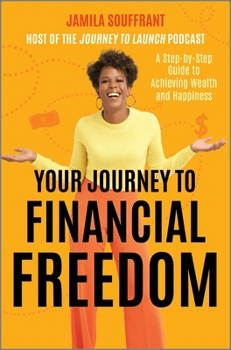
Your Journey to Financial Freedom” was written by Jamila Souffrant, founder of Journey to Launch and the host of the podcast of the same name. She has been featured by several news outlets and is a certified financial education instructor. This book covered financial independence, creating your enjoyable financial independence plan, executing it, increasing income, paying down liabilities/debt, increasing assets, and staying the course and enjoying the journey. I got a lot out of this book. Here are some key points:

  • This book covered 5 journeyer stages, each of which has different financial priorities. This book also covered 5 different guacamole levels, which correspond with different lifestyle levels.
  • There are 6 components you’ll need to work on to help you reach financial independence: income, expenses, liabilities, assets, mindset, and habits.
  • This book encourages readers to evaluate their expenses based on their journeyer stage and guac level. Consider whether you are comfortable with sacrificing everyday indulgences now to achieve a bigger guac level later, whether you plan to maintain the same level in the future when you reach financial independence, and what guac level you can realistically live at now while working toward financial independence and the guac level you want to maintain once you reach it. Many people assume they need the same income in retirement but have goals of traveling more and living a more luxurious life. Evaluate your lifestyle and expenses now compared to your desired lifestyle and expenses later.
  • This book covered ways to increase income, set savings goals, optimize expenses, create a debt payoff plan, and increase assets.

It isn’t all about the future and living your best life in retirement. What are the things that you want and wish to do when you reach financial independence and how can you start doing them now? ex: hobbies and vacations

Don’t put your joy and freedom on layaway. The thing about living too much in the future or waiting for the next is that by the time you accomplish or have those things, your life has passed you by. Figuring out how to enjoy the now no matter where you are is critical to a peaceful and sustainable journey. Find joy right where you are.

This book was very comprehensive and educational, and I highly recommend it!

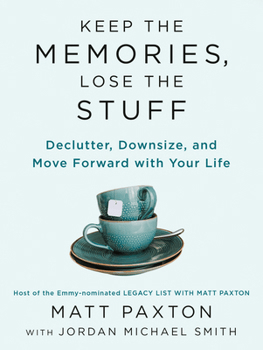
Keep the Memories, Lose the Stuff: Declutter, Downsize, and Move Forward with Your Life” was written by Matt Paxton with Jordan Michael Smith. Matt is one of America’s top downsizing and hoarding experts, has been the featured cleaner on Hoarders, is the host of Legacy List with Matt Paxton, has been featured in several news outlets, and has helped thousands of people from all walks of life leave behind belongings that no longer serve them so that they can finally take the next step. Jordan Michael Smith is an award-winning journalist, author, ghostwriter, and speechwriter. This book is also in collaboration with AARP, the nation’s largest nonprofit, nonpartisan organization dedicated to empowering people aged 50+ to choose how they live as they age. Here are some of many tips that resonated with me:

  • Clean or declutter for 10 minutes every night 5x/week. Stick to it.
  • Set a deadline to keep yourself accountable and force you to do the hard work even when you don’t feel like it.
  • Understand your why. What are your reasons for decluttering? Less stress? More space for stuff? Moving?
  • The best predictor of whether you’ll need an item is whether you are currently using it or have recently used it, not whether you think that, one day, somehow, somewhere, you’ll use it. In all likelihood, that day will never come. Love who you actually are and force yourself to say goodbye to your “fantasy self” items, the stuff you think you’ll use when you’re a different version of yourself. Ex: exercise equipment, clothes that are way too small
  • Give yourself permission to give. Don’t confuse the emotional worth with the economic worth. Something is only worth financially what an independent third party will give you.

Free yourself from guilt. We think we’re expected to carry on not just traditions passed down to us, but actual belongings. The reality is that you aren’t obligated to any thing or lifestyle other than the one you want. Let go of expectations about your obligations to inanimate objects.

Ask yourself, “What are the items that will help me live happily and keep my story living on forever?” Discover your legacy and feel free to keep 5-6 items that are intensely personal, both to the giver and the receiver.

We confuse the sentimental value of our objects with the financial value they’ll have to others. It’s only human to believe our stuff is worth more than it actually is because we attach emotions and memories to those items. Selling our belongings means separating the powerful emotional value from the brutal financial reality of what those possessions are worth in the marketplace.

I highly recommend this comprehensive book! It contains tips for decluttering, moving, creating a Legacy List of items, giving items away, selling items, and contains many resources.

Thoughtful Thursday posts, Uncategorized

Thoughtful Thursday – March 14, 2024

The Liz Moody Podcast – 15 Love Lessons From 15 Years In A Relationship
Sad to Savage – 26 Things I’ve Learned at 26
Optimal Living Daily – 8 Habits to Keep Paper Clutter to a Minimum
Thoughtful Thursday posts, Uncategorized

Thoughtful Thursday – January 25, 2024

Before Breakfast – Bill your time for a week
Focus on Marriage Podcast – Maintaining Joy When Your Plate is Full
On Purpose with Jay Shetty – The 5 Relationships You Need to Invest in to Supercharge Your 2024
Self Improvement Daily – Slipping Back to How Things Used to Be
Terrible, Thanks for Asking – “Why are drug dealers putting fentanyl in everything?” from Search Engine
Mentally Stronger with Therapist Amy Morin – The Minimalists: Why You Should Declutter Your Life
Thoughtful Thursday posts, Uncategorized

Thoughtful Thursday – January 4, 2024

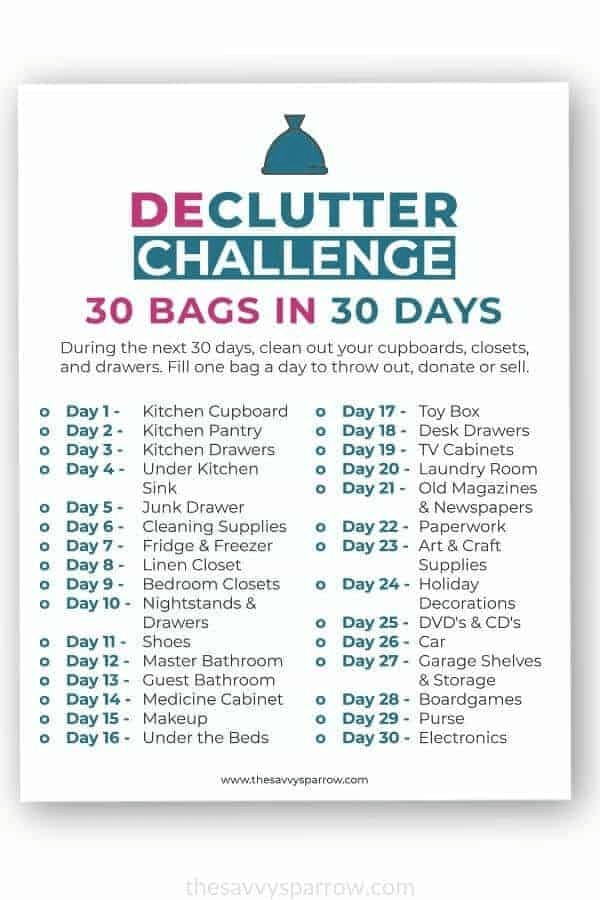
Frugal Friends Podcast – Declutter Your Home in 30 Days
Life Kit – The decluttering philosophy that can help you keep your home organized
Fit, Healthy & Happy Podcast – 10 Life Changing Things I Learned in 10 Years of Lifting

Optimal Finance Daily – 6 Things You Should Never Scratch Off Your Budget
Optimal Finance Daily – Stop Using These 6 Ridiculous Excuses For Not Saving Money
Thoughtful Thursday posts, Uncategorized

Thoughtful Thursday – August 31, 2023

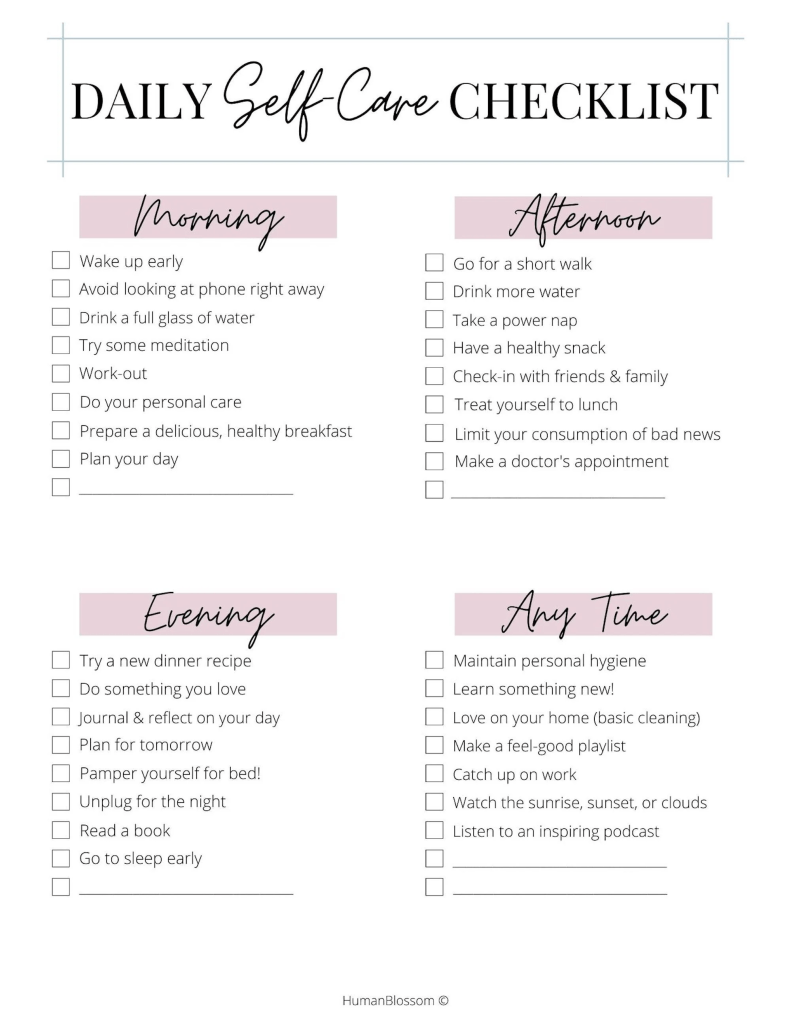
Optimal Living Daily – Self-Care Habits for Your Daily Routine
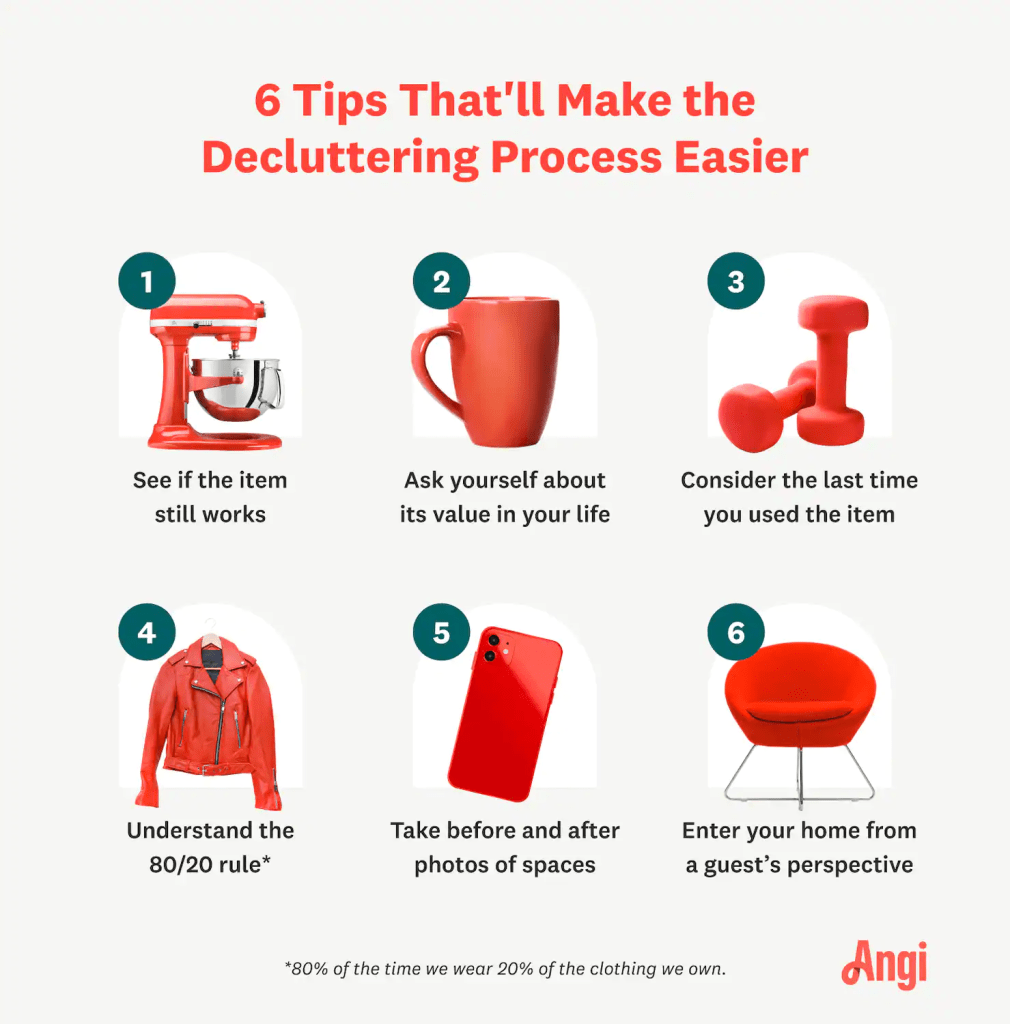
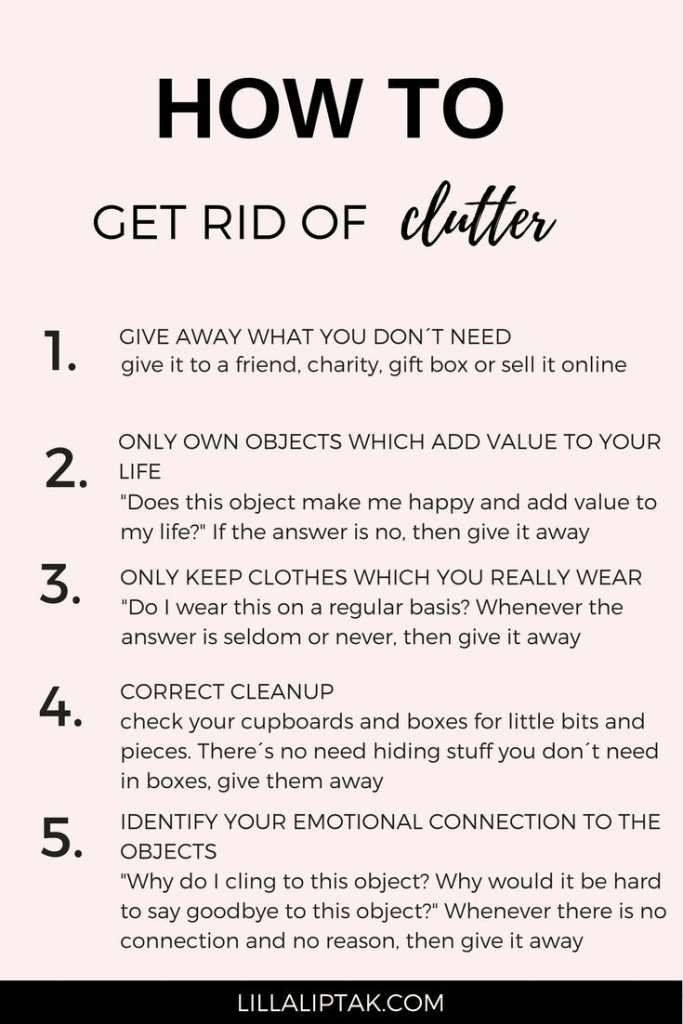
Optimal Living Daily – Where Do I Start Decluttering?

https://www.dummies.com/book/home-auto-hobbies/home-improvement-appliances/general-home-improvement-appliances/home-maintenance-for-dummies-2nd-edition-282279/

DIY Money – Whole Life Insurance
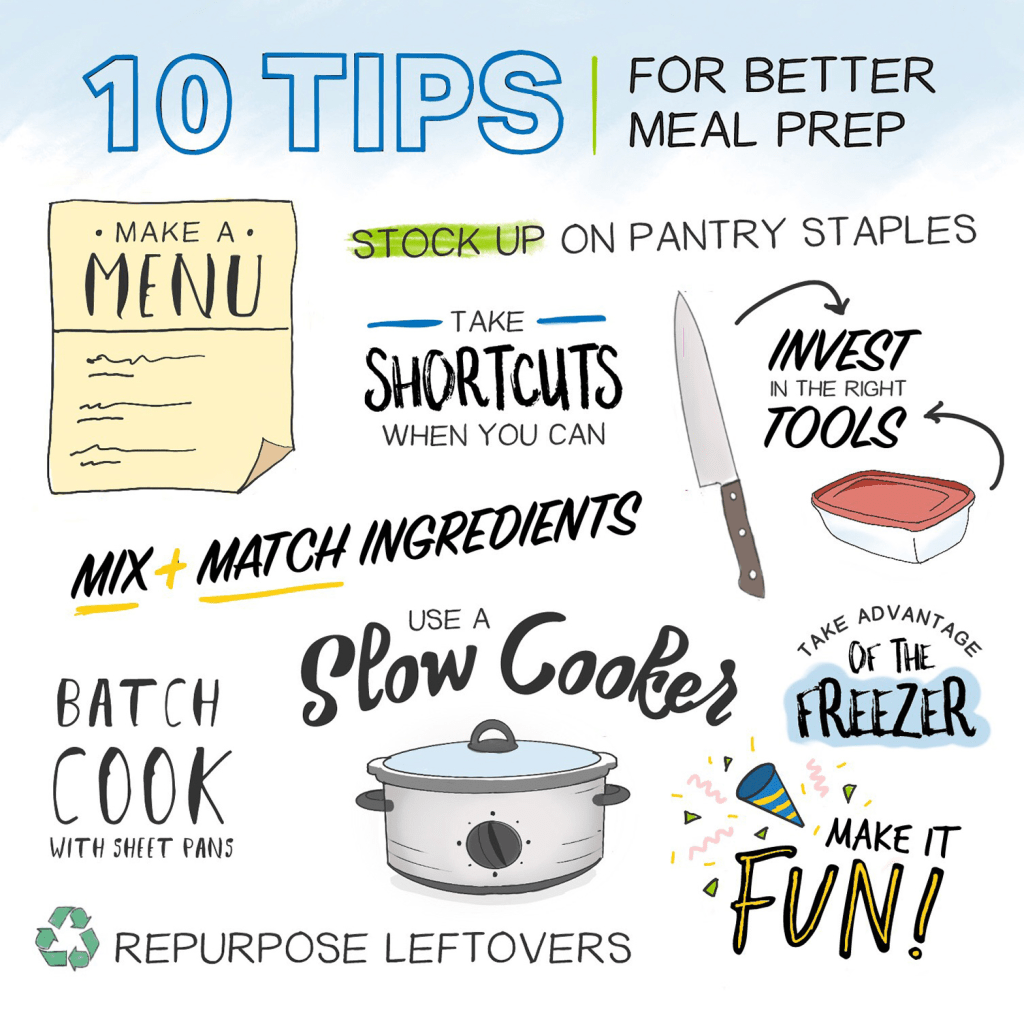
Life Kit – Meal prep made easy
Thoughtful Thursday posts, Uncategorized

Thoughtful Thursday – August 3, 2023

The Productive Woman – 9 Reasons to Declutter
Sad to Savage – In My Running Era & Habits For The Last Half of 2023

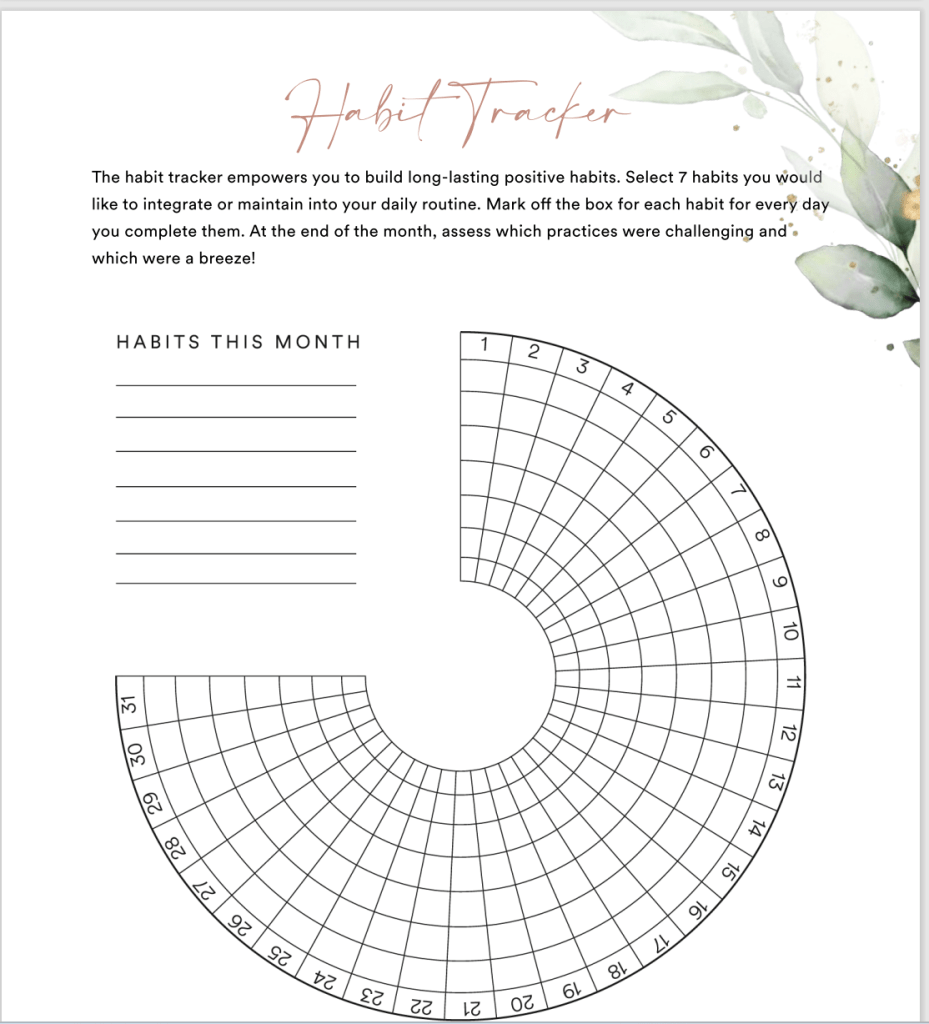
I use my Silk & Sonder journal to track my habits and you can get a free digital habit tracker here. It looks like the photo below.

https://www.silkandsonder.com/blogs/news/free-silk-and-sonder-printable

Life Kit – Let’s have some cheap fun
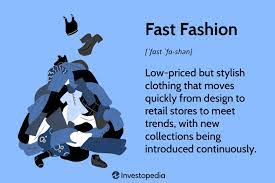
The Jordan Harbinger Show – Fast Fashion- Skeptical Sunday
Sad to Savage – Your New Daily Affirmations
Thoughtful Thursday posts, Uncategorized

Thoughtful Thursday- February 23, 2023

My intention is to post a Thoughtful Thursday column each week and share some of the insights I have learned in the past week. Here are some of the things I’ve learned this week:

Optimal Living Daily- The Myth of the Someday/Maybe Life

The myth of the someday/maybe life refers to the urge to save things for our someday/maybe lives that are never the lives we are actually living right now.

Example listed in the podcast: a tan trench coat that has never been worn, but had been kept in case the person decided to be Inspector Gadget at Halloween some year.

If you struggle to let go of items for your someday/maybe life, ask yourself:

  • Would I buy it again today?
  • Have I used this in the last year/am I really ever going to use it?
  • What’s the worst thing that would happen if I let go of this? The worst-case scenario is usually not all that bad.

Tips: for clothing, turn the hangers around after wearing clothing to see what you wear, and get rid of clothes facing the original direction after six months or a year. I currently do this.

Pack things away in a box that you think you might need. If you don’t look for them after one year, the box is already packed and ready to donate!

In January, I challenged myself to give away 1 item each day in my local Buy Nothing Facebook page. I got rid of over 31 items–many items that were sitting in totes because I had thought I might use them someday! It was a great start to the year, and I may do this challenge again in the coming months.

Self Improvement Daily- Give Yourself Your Undivided Attention

People are always competing for our attention: marketers use clickbait headlines, Facebook and other apps send you notifications, friends text you and hope that you get back to them quickly, you may have work duties, and there are always other pressures on us to fulfill the many roles in our lives as a spouse, parent, family member, friend, volunteer, employee, etc.

In this podcast, Brian Ford prompts us to ask ourselves: When was the last time you gave yourself your undivided attention?

Take time to sit and reflect on what you want, how you are feeling, how energized you have been, how productive you have been, how your mental health is, what you are working towards and how it’s going, what you’re most excited about, and anything else you need to reflect on. Do this regularly. We know it’s the best thing we can do for others, but it’s also the best thing we can do for ourselves.

To achieve this, one habit I regularly practice is to disable Facebook and messenger notifications, personal e-mail notifications, and other app notifications on my phone. Silencing my phone while I am working or working on a task I want to prioritize, such as reading, is also helpful.

SHE with Jordan Lee Dooley- 6 Things I Wish I Knew Before Getting Married

This episode was SO relatable. After being somewhat long-distance for 7+ years and not living together or seeing each other on weekdays before marriage, it has been an adjustment! Here are the 6 things the host wishes she knew before getting married, and I agree with all of these:

Scheduling– know your partner’s schedule. It’s helpful to have a shared calendar to know obligations and appointments. I keep a whiteboard calendar in our bedroom and write down my work schedule, medical appointments, family plans, and social outings with friends each month.

Conversations about $– have conversations about income and budgeting. Get on the same page about financial goals and dreams. Have monthly check-ins.

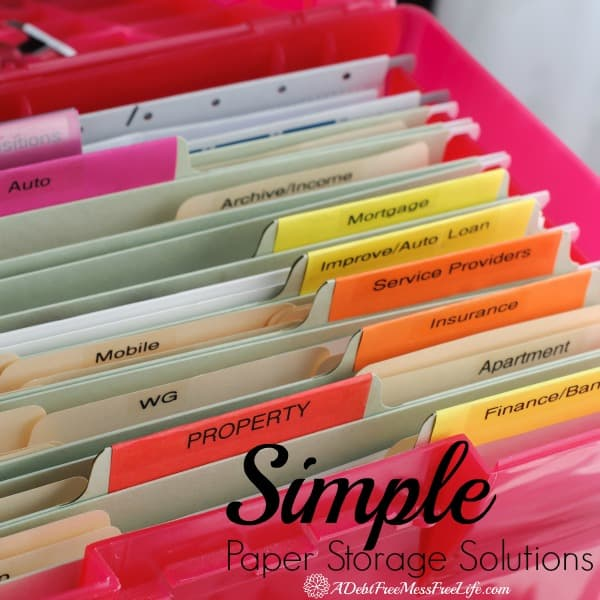
Organization– Keep clutter to a minimum. Have a landing zone to put stuff when you come in the door, such as a basket. Have a location where you put mail that you need to get to instead of putting it on the table or counter. Have one space for the majority of the cleaning supplies. Use a file cabinet with organized tabs. Understand how you organize differently. Minimize your belongings.

The host specifically stated that her husband is into outdoor activities, such as golf, fishing, and hunting. She was tired of seeing all of his items all over the garage, so she got him a big bin to put all of his items into–out of sight.

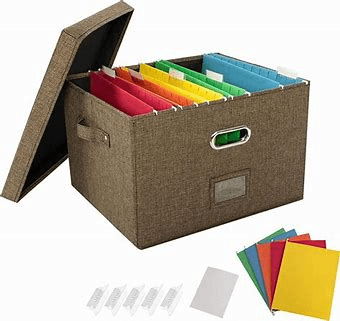
We have implemented some of the organizational tips above. We have a large storage stand with cleaners and laundry supplies, labeled and organized bins for medications and personal beauty products, and a file bin with labeled file folders for items such as the mortgage, auto, taxes, medical records, home improvement, etc.

Expectations– Talk about expectations for regular household tasks, such as “If I do the cooking, who does the dishes?” Who should take charge of the household accounting? Who should pay which bills? Is the mortgage payment going to be split evenly? How do you prefer to unwind or relax, and how many hours a day do you like to do that? Identify who is responsible for household chores. This prevents resentment from the person who feels like he or she is doing it all because he or she expected everything to be done on a certain timeline.

All of these are great questions! One of the biggest adjustments for us as newlyweds has been sharing time and space. When dating for 7+ years, we spent weeknights apart. Upon moving in together, I was very surprised and frustrated to find that my husband watches hours of tv each night after work–something I had never done regularly on a weeknight. I have since learned that this is his method of relaxing and unwinding after a long day of physical labor. I sit all day, so I have other ways of unwinding, including working out and staying active, reading, etc. We have our separate time and come together at some point each day to unwind together.

Hospitality– practice hospitality by regularly hosting people. We LOVE hosting people and are hoping to host more often.

Grace– lastly, give yourself grace! Being a power couple isn’t the goal. The perfect couple doesn’t exist. What you see on social media is only a fraction.

I look forward to reading, learning, and sharing more with you soon!