I read 3 books in July. Here is a blurb about each of the 3 books I read in July.
“Lessons from My Teachers” was written by Sarah Ruhl, a playwright, poet, teacher, and professor at the Yale School of Drama. This book expands the definition of “teacher” beyond traditional academics to include parents, children, mentors, etc. Here are some lessons that stood out to me.
Is all of school a way of saying goodbye to your parents to make room for other teachers in life? Is the beginning of school a way of saying your parents can’t teach you everything, and you need independence of mind to go on your way through the world?
You never know where rejection might lead. Sometimes a rejection leads you to your next collaborator or friend.
Piano/band teacher – taught us we were worth teaching, how to practice, how to sit up straight, how to show up every week, how much dull repetition it takes to make something beautiful, and how to make a mistake in the music and keeping playing and keep moving forward.
You are the expert of your own story.
The very young and very old remind us to be in the moment. They walk slowly and look around as they walk.
Students sometimes make the best teachers.
So many events, rituals, and practices that seemed essential pre-pandemic turn out now to be optional.
We need to keep finding teachers over the course of our lifetime. Finding a teacher is also a process of letting oneself be taught – which is a kind of bravery.
One’s attitude toward almost any situation can make it an occasion for a teaching or a learning. What am I teaching right now? What am I learning right now?
Always be deeply interested in other people and the world.
The blue whale swims and swims, and when she wants to eat, she simply opens her enormous mouth and water and garbage and krill flow in. That big blue whale has an automatic sieve system to sort out what’s food and what’s waste. Be like a blue whale. Listen to all criticism, but filter out what doesn’t serve you.
One of the simplest paths to deep change is for the less powerful to speak as much as they listen, and for the more powerful to listen as much as they speak.
4 out of 5 stars
“Never Enough: When Achievement Culture Becomes Toxic – And What We Can Do About It” was written by Jennifer Breheny Wallace, an award-winning journalist and a frequent contributor to The Wall Street Journal and The Washington Post. Jennifer spent three years traveling across the U.S. interviewing parents and students. What she found is sobering: our culture’s obsession with optimizing performance has contributed to rising rates of anxiety, depression, and self-harm among young people. Here are some main takeaways.
At the heart of toxic achievement culture is a painful message kids are absorbing – that their worth depends on what they produce: their GPA, the number of social media followers they have, college admissions, and resume-building activities. They have become proxies for their identity, and many students feel they only matter when they succeed.
Parents, often with the best intentions, unintentionally reinforce this mindset. Wallace describes how families “weave individualized safety nets,” making constant day-to-day decisions aimed at maximizing achievement and preventing anything that might derail future success. In a hypercompetitive world, it’s easy to believe that a “good” college is the gateway to a good life.
Wallace argues that the antidote to toxic achievement culture is mattering – the belief that you are valued for who you are at your core, not for your output.
Ways parents can show kids they matter
respond in a warm and sensitive way
explicitly tell kids how much they matter to you
express unconditional acceptance – even after a failure
show warmth through affection
engage in mutual activities
teach kids how to ask for help when they need it and model these skills yourself
make chores mandatory without an allowance – giving kids real responsibilities builds resilience by showing that their existence and actions genuinely impact others
make volunteering mandatory and widen their circle of concern and caring
Avoid engaging in harsh criticism, invalidating emotions, and comparing kids negatively to others.
As parents, we sometimes think our role is to help fuel and support our kids’ ambition. In a hypercompetitive culture, kids sometimes need the opposite. They need adults to prevent them from sacrificing their minds and bodies on the altar of achievement and to teach them how to build a life they won’t need substances to escape from.
Wallace also highlights what truly predicts long-term well-being for college graduates, and it’s not prestige. Students who reported the highest life satisfaction had deeply engaging college experiences, such as:
taking a course with a professor who made learning exciting
having a professor who cared about the student personally
having a mentor who encouraged the student to pursue personal goals
working on a meaningful project across semesteres
participating in an internship
being active in extracurricular activities
What stayed with me most from this book is Wallace’s reminder that beneath all the pressure, fear, and competition, parents ultimately want the same thing: for their children to live meaningful lives filled with connection, purpose, and joy. We want them to feel valued, and to help others feel valued too. We want them to live lives that truly matter.
This book was fascinating, eye-opening, and deeply relevant.
4 out of 5 stars
“The Truth in True Crime: What Investigating Death Teaches Us About the Meaning of Life” was written by J. Warner Wallace, a cold-case homicide detective. In this book, Wallace recounts true crime stories from his real-life experience and provides readers with applicable life-changing truths. This book can be considered a practical wisdom book and a Christian evidence book. Honestly, I didn’t really like the style of writing. It came across as didactic and pastoral, and every chapter aggressively pivoted into a sermon. This was a formulaic hybrid of true-crime and heavy-handed pastoral sermonizing. With that said, here are some lessons:
Embrace friends who hold an objective view of virtue. Identify friends who care about all of you: spiritual well-being, physical well-being, emotional well-being, and ethical well-being.
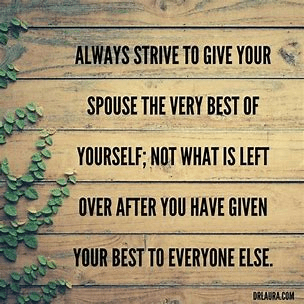
Your marriage preaches. Preach the right message. Your marriage is an image of Christ’s love for the church. Commit to communication.
Constructing an identity based on shifting cultural trends rather than objective moral truth leaves individuals fragile and lost.
Healthy guilt acts as an internal alarm signaling a need for grace and correction, whereas destructive shame isolates or distorts identity.
Your worship decides your destiny.Where do you spend your money? How do you spend your time? On what do you spend your talents and abilities? What captivates your thoughts and attention? What do you trust/on what do you rely? What do you publicly proclaim? How do you behave?
Trauma occurs when our perceptions of the world and our role in it (our “global” beliefs and goals) are disrupted, especially if we assumed nothing bad would ever happen to us. Traumatized people find themselves “reappraising the traumatic event to perceive it as more consistent with their pre-trauma global beliefs and goals . . . or revising their global beliefs and goals to accommodate their experience.”
Resilient people aren’t permanently paralyzed by the stress of their trauma. Some rebound and continue moving forward. Some flourish, rebounding to levels far above where they were prior to the traumatic event.
People who make sense of and find meaning in their suffering express better psychological and physical well-being and are less likely to be depressed, mentally ill, or experience PTSD. They are also less inclined to overdrink or become addicted to medication and less apt to commit suicide.
3 out of 5 stars
I look forward to reading, learning, and sharing more with you soon!
My intention is to post a Thoughtful Thursday column each week and share some of the insights I have learned in the past week. Here are some of the things I’ve learned this week:
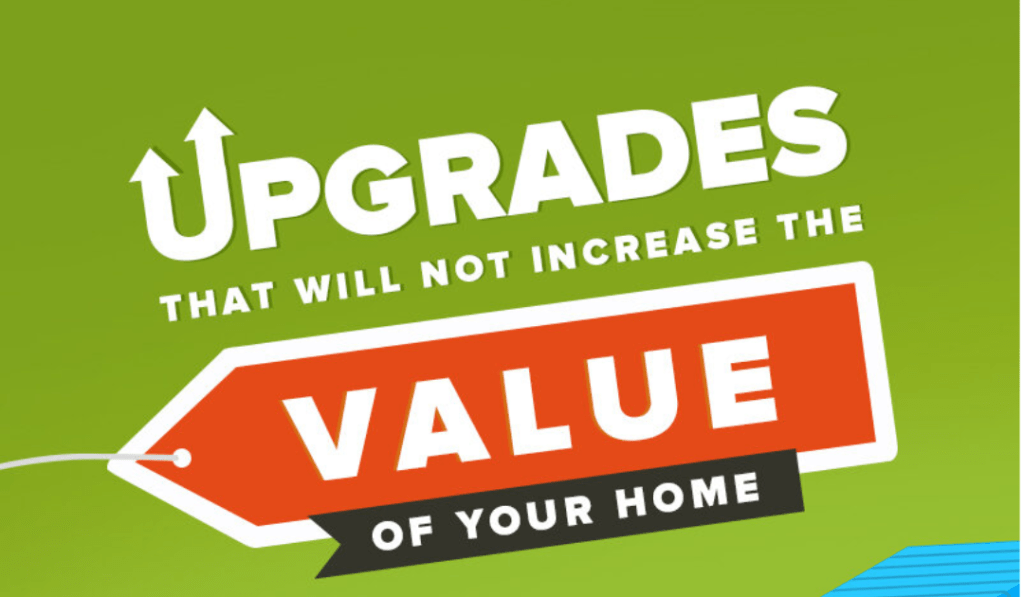
Real Simple Tips – Here are 6 Home Upgrades That Are a Waster of Money
These features won’t add much value to your home according to real estate agents:
Swimming pools – come with a lot of upkeep – can put off potential buyers who aren’t keen on the additional responsibility – also increases price of homeowners insurance
Extensive landscaping with exotic plants – can turn off future buyers – need a lot of care
Garage conversions – converting a garage into a living space can reduce overall functionality. Instead, find a way to make a room more versatile.
Motorized blinds – wildly expensive and don’t give any added design ambiance compared to regular blinds and shades
Sink moved to center island – mistake to move the kitchen sink to the island – people want an island free from the clutter of dishes and drying racks
Smart home technology systems – convenient, but will likely become obsolete quickly and will need to be updated or replaced
Life Kit – Staying safe in extreme heat
Millions of people are experiencing what the National Weather Service is calling the first major heat wave of the summer. The local heat index could reach 105 degrees in some places.
When we are exposed to heat, our body has ways to dissipate it and keep us cool, but when we are exposed to certain environments and certain temperatures, sometimes our body just can’t keep up.
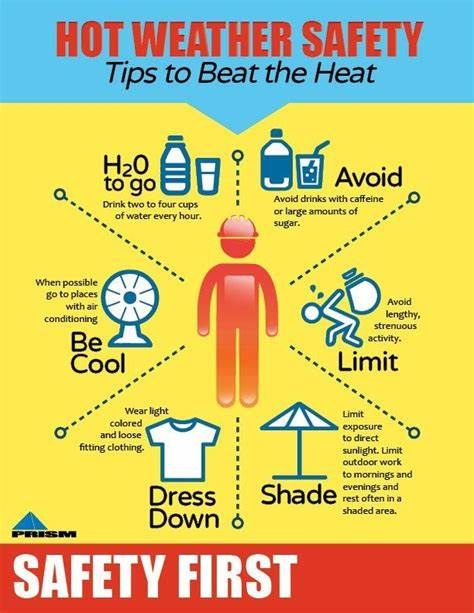
Keep your body as cool as possible. Stay hydrated with water, avoid alcohol during extreme temperatures, and wear loose-fitting clothing to help lower your body temperature.
When dealing with extreme heat, it’s important to find the coolest place possible to be in if you need to be outside. If you are inside, use the air conditioning or go to the coolest place in your house.
Stay informed with the heat index. Check weather updates and try to be proactive in protecting yourself against the heat.
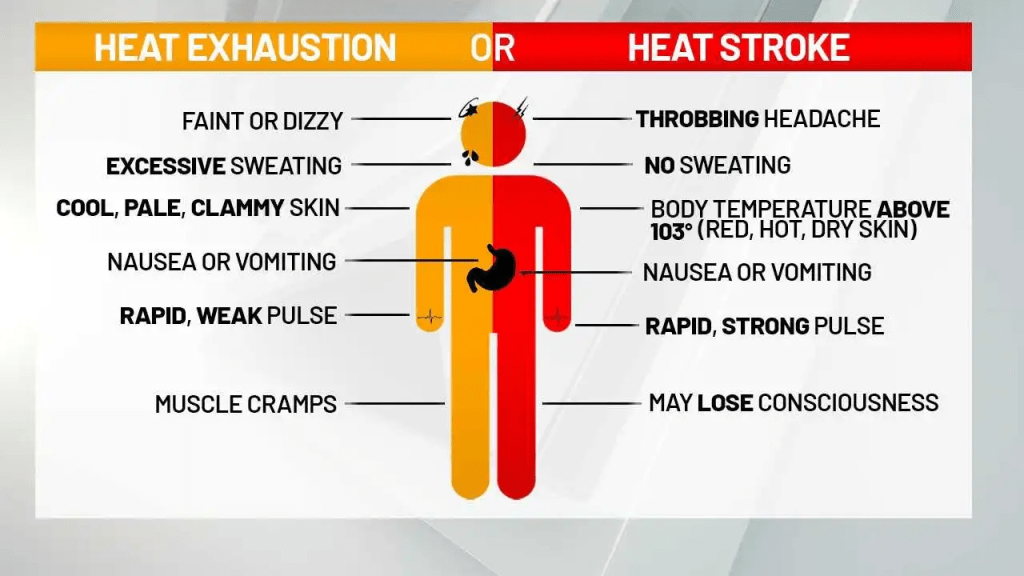
Know when to seek medical help – heat exhaustion and heat stroke. Symptoms of heat exhaustion can be broad and different for everyone: feeling weak, dizzy, nauseous, vomiting, excessive sweating. With heat stroke, you’re red, hot, and dry and you aren’t able to sweat. Heat stroke is a medical emergency.
The Mel Robbins Podcast – 13 Things I Wish I Knew in My 20s
The idea that the 20s are the time of your life is bull. It might be one of the hardest decades of your life, so give yourself more grace. You will figure it out.
Stop spending your money on stupid stuff. You need to take control of your addiction to buying things. Spending money that you do not have on the things you do not need does not give you power; it makes you feel powerless. Keeping up with the ever-changing trends is not serving you and your happiness.
You have so much time. You have plenty of time to figure out your life, your career, your love life, your friend group, etc. Social media is warping your perception about what it takes to be successful. Don’t be triggered by other people’s timelines. Trust the timeline of your life.
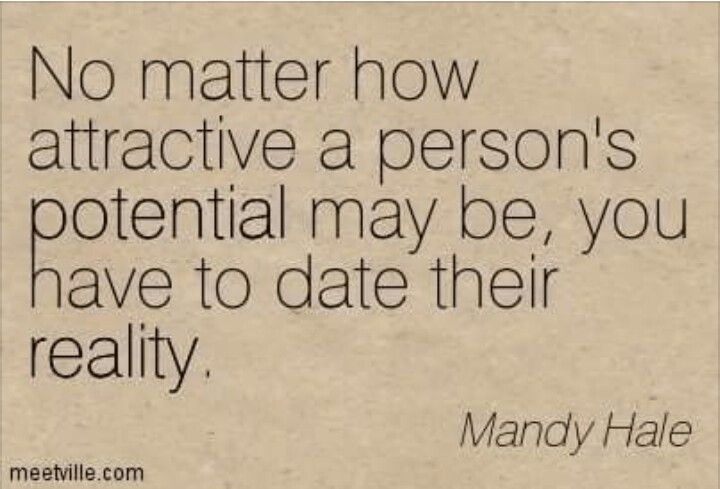
Date the person, not their potential. Be in a relationship with the person they are right now, not the person you wish they were.
It’s not fair. Don’t let yourself play the victim. You can’t change what’s happening around you, and the sooner you accept that, the freer you will feel.
Define your career wins not but the quantity of your paycheck but by the quality of your circle. Focus your time and energy on making meaningful connections. People will get you further in your career than any single paying job on your resume ever will. Your connections matter.
Be kind. Go above and beyond to make other people feel appreciated and seen.
You don’t get to want something if you don’t ask for it.
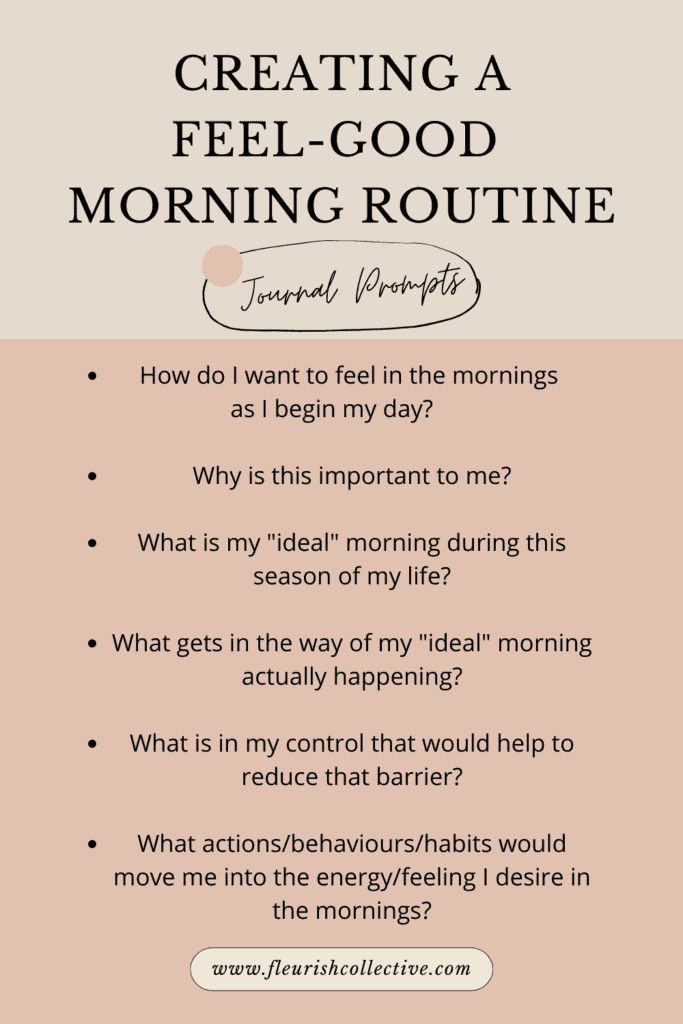
A rock-solid morning routine is the fastest way to take control of your life. You need structure to your day, and how you set the day up is how it ends up. Core 5 practices from Mel: get up when the alarm rings, get outside and get five minutes of sunlight, take a walk without listening to music or a podcast, drink a glass of water, and have some kind of mindfulness practice such as journaling
Get serious about who you are hanging out with. What are their habits? Are the five people you are spending the most time driven? Do they have goals? How do they treat you? How do they make you feel? Can you actually open up and be yourself with them?Surround yourself with people who bring out the best in you.
Be your own person. Stop pretending to like things that you don’t. Live authentically. Learn to make your own choices. The fastest way to figure out what you like and who you are as a person is by doing things by yourself because then you don’t have the pressure of managing the person with you and whether or not they like the thing that you are doing. Explore your interests alone.
You are not in competition with anyone. Success, happiness, and friendship are in a limitless supply.
Take the biggest risks of your life right now. You have time.
I really enjoyed this post from Gabe the Bass Player this week:
The people most likely to sign up for coaching or additional learning are the folks who are already good at their craft.
“I’m terrible at this,” can lead to, “and I don’t want to be reminded of it.” Or perhaps, “I don’t want to waste their time,” or, “I’m never going to get better.”
When it’s possible to get better, embracing mediocrity isn’t a useful strategy.
I’d rather have a surgeon who regularly attends trainings, wouldn’t you?
Read a book, find a coach, organize a group. If you’re serious about getting better, you’ll improve.
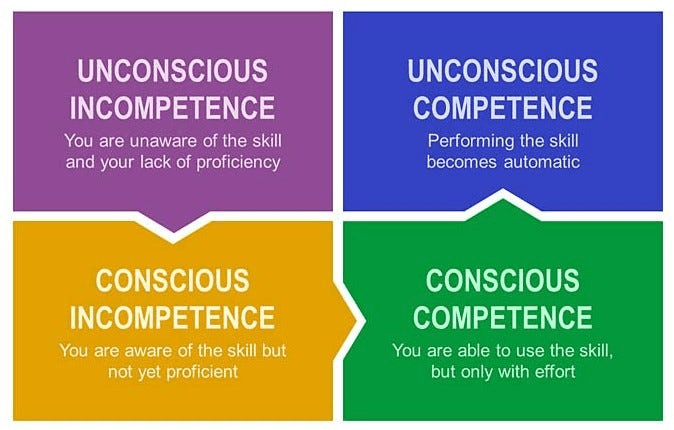
Learning creates more competence but first, it amplifies our feelings of incompetence.”
I look forward to reading, learning, and sharing more with you soon!
My intention is to post a Thoughtful Thursday column each week and share some of the insights I have learned in the past week. Here are some of the things I’ve learned this week:
36 Things I’ve Learned in 36 Years- Healthier Together Podcast
I learned a lot from this podcast! Here are some of the 36 things mentioned on the podcast:
Ask yourself if everything that you are doing in your life is because of what you’re being told to do by society/family/friends or if it’s something you want to do.
Eat a small salad before a meal to make it more blood-sugar friendly. This slows the absorbance of glucose in your bloodstream.
Listen to podcasts or watch tv only during a workout to make working out easier.
Clean out your social media feed to include only those that make you feel good or provide value to you. If you follow celebrities that make you want their lifestyles and make you fall into the comparison trap, stop following them out of respect for your mental health.
While the state of the world can make it scary to have kids, in reality, people have always lived through scary times. Having a child is an act of hope in making a better world, and you’ll get through it.
Brush your hair before you shower. You’ll distribute the conditioning oils from your scalp and there will be fewer tangles to get out after the shower. Get a wetbrush.
The best way to not be on your phone in bed is to plug it in in another room. If your phone isn’t there, you can’t reach for it.
You will probably not remember everything you want to for later. Write it down or make a note on your phone or use an app. I currently send text messages to myself when needed and leave them unread for some things I want to remember to do ASAP.
I learned about the concept of Sound Baths to relax. These are relaxing sounds, that, when combined with headphones, can help with depression and anxiety. The Insight Timer app Sound Baths were recommended in this podcast episode, but you can also find other sounds on YouTube by searching for “sound bath.”
If you don’t put the things that you value most like relationships or self-care on your to-do list or calendar, they’ll get lost in favor of things that you ostensibly value less. It’s easy to put your relationships after everything on your to-do list. Build them into your calendar.
Ways to Save Money on a Limited Budget or Low Income-Clever Girls Know Podcast
Housing:
Try downsizing, rent out a room to someone, or live with a roommate.
Try not to spend more than 30% of your income on housing. Move to a cheaper neighborhood.
Also consider utility costs and property taxes when making a decision about where to live.
Food:
Limit how much you are eating out. Be intentional about planning when you are going out to eat. Plan a day and plan it in your budget. It’s okay to decline invites to expensive restaurants with friends or make suggestions for other restaurants if needed.
Look at your pantry so you aren’t buying things you already have. Not every non-perishable item is a good bulk purchase. Only buy in bulk if you will definitely use the product in time.
Curbside pickup and delivery help curb impulse shopping.
Search the internet for recipes to make with ingredients you already have.
Buy fresh foods and avoid pre-cut pre-packaged fresh produce that has high markups.
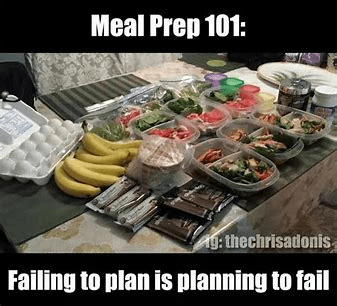
Meal plan and prep. I like to do this one or two days a week, especially on a Sunday, so that I am prepared and don’t have to think about it after work each day.
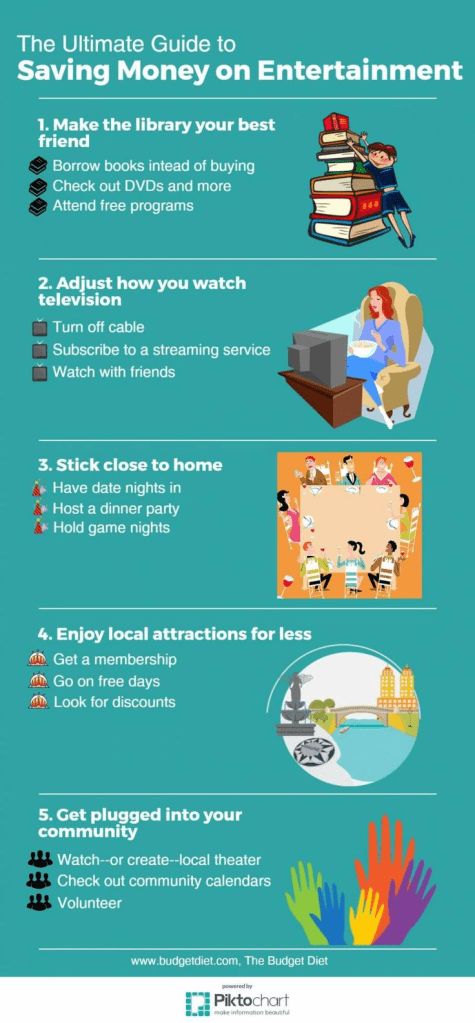
Entertainment:
Find free or affordable entertainment. Ex: matinee movies, Groupon, free museums on certain days, etc.
Look into bundling services.
If you have cable, make sure you aren’t paying for tiers/channels you don’t need. If you have internet, make sure you aren’t paying for speeds you don’t need.
Cell phone services often provide options for free entertainment. Library cards also provide free entertainment. Inquire about these benefits at your local library.
Shop around for car insurance, cell phone plans, and cable/internet rates yearly.
Other tips:
Take care of your health. Take preventative measures through exercising and eating right. Eating healthy may be more expensive, but your health needs will be less expensive in the long-term.
Using a cash envelope system with pre-set budgets can create more mindful spending. You can use this for most categories or just those you struggle with most. Ex: groceries, eating out, or entertainment.
You can only cut back so much. Look at the life skills you have that you can use to generate more income. Don’t be embarrassed to work a part-time job to live the life you want to.
How Working As A Collections Agent Helped Paco Understand the Emotions People Have About Money- Clever Girls Know Podcast
This podcast was particularly interesting to me because I spent about six years working in the creditors’ rights legal industry. Prior to starting in that industry, I HATED talking about finances and tried to avoid it. However, after learning about the struggles people faced and different financial priorities and consequences, such as lawsuits, bank garnishments, and wage garnishments, I became determined to work three jobs and be frugal so that I could pay off my student loan debt early (in 3 years) and save for a wedding, better vehicle, and a downpayment for a house.Since then, it has been my goal tolive debt-free as much as I can. Here are my take-aways from this episode:
When receiving collections calls, the top emotions people go through are embarrassment (forgetting about their payment or being seen as irresponsible), anger (co-signing and later regretting it), shame, and guilt. Asking people “Why are you late on your payment?” made the host experience emotions about money and gain empathy.
There are grace periods. Usually only payments that are late 30 days are reported to the credit bureaus. If you are late because of your income, work on fixing that and increasing your income instead of cutting back on expenses. Look into getting an extension or finding a program that can help you if needed. Sometimes people are caught in a repeating cycle that you can’t completely resolve, such as when people roll over car loans when trading in or getting another vehicle.
Your potential for change is limitless. You have the power to change your emotions about finances and meet your financial goals.
Chipotle: Steve Ells (2017)- How I Built This with Guy Raz
Chipotle holds a special place in my heart, as I worked at a very busy Chipotle part-time for three years, I often make Chipotle’s recipes of fajita veggies, cilantro lime rice, and guacamole, and I still consider Chipotle my favorite restaurant!
Steve Ells, the founder of Chipotle, went to culinary school. One day, he visited a taqueria and thought about opening his own taqueria to make enough money to open a fine dining restaurant. He wanted to open in Boulder, Colorado, but he couldn’t find a good location. He visited with a real estate broker and told him about his concept of an open kitchen, grilled meats, and fresh veggies and herbs on an assembly line, and he found an old building at University of Denver for about $80k in 1993 that needed renovations.
Steve wanted to be frugal. Table bases were made with pipes, the service counter was faced with barn metal, and he wanted stainless steel on top of plywood for tables. His idea was to have one restaurant as a cash cow to help support a full-scale restaurant.
He knew from his culinary experiences that he wanted to use chipotle peppers as an ingredient and that’s how he came up with the name Chipotle. He didn’t have recipes. Instead, he used techniques he learned in culinary school and emphasized tasting food after making it. He opened with a handful of people and had some friends work the line.
On opening day, sales were about $240. The turning point was in October 1993, when a restaurant reviewer for the Rocky Mountain news gave a glowing review, stating that “Chipotle is unlike any fast food you’ve had. Everything has depth, character, nuance, and layers of flavor.” This review resulted in a line out the door and ultimately the restaurant ran out of food. Chipotle could not keep up with the demand. Chipotle was profitable within the first few months.
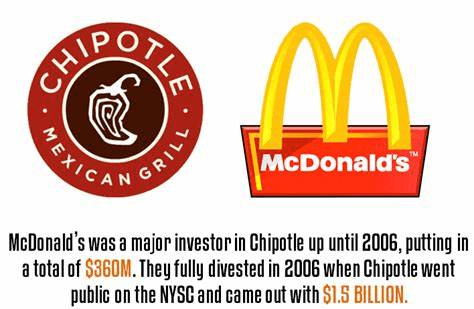
Eventually Chipotle expanded nationwide and created a business plan. At one point, for seven years, McDonald’s owned a majority (92%) of Chipotle, but the businesses cut ties due to different priorities.
In October-November 2015, 52 people got sick with e-coli. Chipotle later developed safety practices such as blanching avocados, lemons, limes, and peppers.
Steve Ells acknowledged that he was lucky to have a father who could invest $85k into his first restaurant and lucky that McDonald’s was willing to invest. He was in the right place at the right time, although he emphasized that his plan failed in a sense because he wanted to be able to have one restaurant and walk away from it. Chipotle instead expanded so much that he didn’t take time off in the first year, and Chipotle now has over 2,600 locations! Steve Ells stepped away from Chipotle in 2020 and is now involved in real estate investments.
I look forward to reading, learning, and sharing more with you soon!