I read 3 books in May. Here is a blurb of each of the books I read in May.
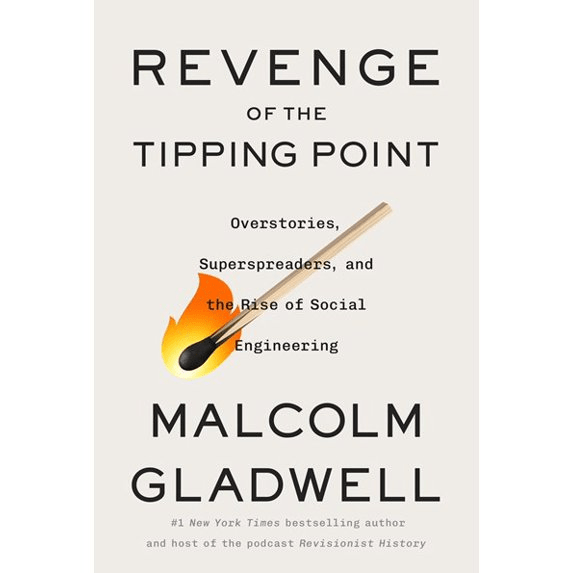
“Revenge of the Tipping Point: Overstories, Superspreaders, and the Rise of Social Engineering” by Malcolm Gladwell, the bestselling author of seven New York Times hits, is filled with insights and the kind of social-science storytelling Gladwell is known for. Some sections fascinated me, while other parts seemed to drift into tangents.
Here are the concepts that stood out most:
Contagious beliefs — When we look at a contagious event, we assume that there is something fundamentally wild and unruly about the path it takes. However, contagious beliefs often unite people and often stop neatly at community boundaries. His example: vaccine skepticism among Waldorf school parents.
Monocultures — Epidemics thrive in sameness, and so do we. Malcolm explores how our tendency to build social monocultures can unintentionally put our own communities at risk.
The “Magic Third” — When a group reaches roughly one‑third minority representation, its culture and performance can shift dramatically. Malcolm uses this to explain why some institutions change and others resist change.
Superspreaders — During COVID‑19, superspreaders were individuals who emitted far more aerosol particles than average. Malcolm expanded the idea of superspreaders to social life: charismatic criminals, influential ideologues, and powerful institutions that accelerate the spread of ideas.
Institutional engineering — One of the most fascinating examples was Harvard’s use of varsity sports to maintain certain demographic proportions, such as the women’s rugby team that consists of mostly white upper middle-class students. He contrasts this with Caltech, which does not engineer its student body, resulting in rising Asian enrollment. He also notes the tension between the Supreme Court’s ban on race‑based affirmative action and the continued acceptance of athletic admissions that disproportionately benefit privileged students.
Media is a contagion engine. Media shapes language, beliefs, and the speed of social contagion. Will & Grace was a cultural tipping point for public support of gay marriage. This book explored how narratives — not facts — often drive behavior. We see this in fear-driven media cycles, corporate culture, political polarization, school environments, online communities, viral content, and misinformation.
Overall, the book is an examination of how ideas spread, who accelerates them, and how institutions and media shape the social ecosystems we live in.
4 out of 5 stars
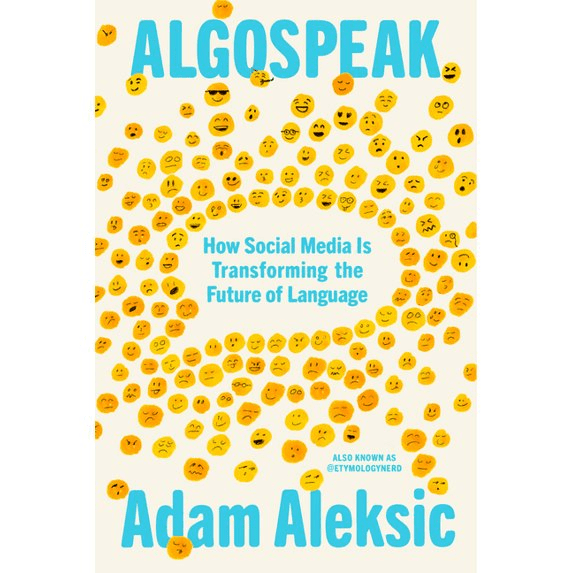
“Algospeak: How Social Media is Transforming the Future of Language“, by linguist and creator Adam Aleksic, who is known to millions online as the Etymology Nerd, is a fascinating deep dive into how algorithms are reshaping the way we communicate. Adam has lectured on language and social media at Stanford, Yale, Georgetown, and other universities. This book was fascinating and insightful. Here are the ideas that stood out most:
Algorithm‑shaped language — Anytime language spreads online, people unconsciously mold their speech around what algorithms reward. Algorithms influence who sees which words, how they spread, and which ones become mainstream.
Censorship‑driven vocabulary — To avoid moderation, users invent euphemisms like unalive (for suicide) or seggs (for sex). Emojis such as 🍆🍑🌶🍒🌽 often stand in for sexual content.
Creators must mold themselves to the algorithm to have the best chance at capturing our attention, so they adapt their speech patterns:
superlatives, second‑person pronouns, and catchy phrasing
uptalk, which adds a rising intonation
influencer accents, where extra words are stressed for emphasis. Adam even explained different influencer accents across entertainment, lifestyle, and educational niches.
Group belongingness has become automated around your receptivity to consuming certain content. Your engagement tells the algorithm whether to let you further into a group or gatekeep access. Since we build identities around group belonging, this means that the algorithm plays an important role in shaping our perceptions of who we are, mimicking the positive feedback loop you experience in real-life in-groups.
Linguistic appropriation online — The internet accelerates the repurposing of language from one group to another, especially African American English (bae, fleek, fam, cap, bussin) and LGBTQ slang (slay, serve, tea, throw shade, icons, yass). Online spaces expose users to many in‑groups while removing the social cues that normally regulate when appropriation becomes disrespectful.
Identity as a commodity — Social platforms create new micro‑identities because niche aesthetics are profitable. The explosion of “‑core” categories and hyper‑specific goth subtypes reflects the intersection of algorithmic incentives and our instinct to form in‑groups.
Aleksic’s central argument is striking: your aesthetic, your language, and even your sense of self are shaped by the positive‑feedback loops of social media algorithms. It’s a provocative, eye‑opening read, and I highly recommend this book!
5 out of 5 stars
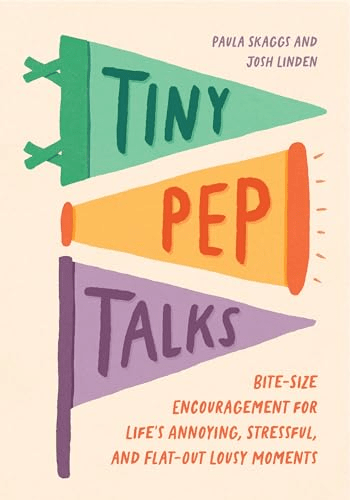
“Tiny Pep Talks: Bite-Size Encouragement for Life’s Annoying, Stressful, and Flat-Out Lousy Moments” was written by Paula Skaggs and Josh Linden, who are Chicago-based writers, comedians, co-hosts of a podcast, and co-creators of the game No Wrong Answers: Cards for Better Conversations. This was an easy read. Here are some pieces of advice that stuck with me:
For when your clothes don’t fit – They’re just clothes. There are so many articles of clothing that will fit you comfortably, are going to make you feel good, and won’t bum you out when you try to wear them. And you deserve to find those. Donate your old clothes so they’re not serving as a daily reminder of the size you arbitrarily think you should be.
For when you have to make that appointment you’ve been putting off for months – We’re all walking around with a nagging feeling about that appointment we really should have made months ago. The five minutes that the call is going to take might suck, but it’s the feeling after the call that’s going to make it all worthwhile. No matter what else you do today, you’ll have crossed something big off your to-do list.
For when you’re going to a party and you only know one person – whoever invited you to this party must really like you, and they think everyone else is going to like you, too. People get invited because they’re smart, funny, and interesting.
For when you forgot their birthday – It happens! You can’t be expected to keep track of every significant date for every person you care about. Text them, call them, write them a card, whatever you want to do – but do it now. No matter if you’re a few days or weeks late, they will be delighted to hear from you. Plus, this way, you’re extending their birthday celebrations.
For when the news is too much – No matter how passionate you are about the issues, this isn’t on you alone to solve. Constantly refreshing your phone to stay updated on news alerts will just send you into an endless spiral. You brain isn’t meant to constantly consumer information on every global tragedy all at once. In order to do good in the world, you have to do good for yourself, too. Stop doomscrolling and find something that will make your day better. Remember that even as breaking news unfolds in real time all around us, the world is still full of good people and everyday acts of kindness.
Grief is like a toddler. At any given moment, it might be messy, it might kick and punch you in the gut, and it might refuse to go to bed when all you want is to go to sleep. But sometimes, it might be filled with laughter, it might be inquisitive, and it might do something that stops you in your tracks with awe.
This was an easy read, and I recommend it for a quick pick-me-up.
4 out of 5 stars
I look forward to reading, learning, and sharing more with you soon!
My intention is to post a Thoughtful Thursday column each week and share some of the insights I have learned in the past week. Here are some of the things I’ve learned this week:
There’s a common misconception that if you like to meticulously organize your things, keep your hands clean, or plan out your weekend to the last detail, you might be OCD. Many people use OCD as a joke and naively claim that they or others must have OCD.
Myth 1: Repetitive or ritualistic behaviors are synonymous with OCD.
OCD has 2 aspects: intrusive thoughts, images, and/or impulses AND the behavioral compulsions people engage in to relieve the anxiety the obsessions cause.
People affected have little or no control over their obsessive thoughts or behaviors and these thoughts or behaviors interfere with work, school, and a social life and cause significant distress.
Myth 2: The main symptom is obsessive handwashing.
This is not always true. OCD can vary from fears of contamination and illness, preoccupation with numbers or patterns, excessive cleaning or double checking, and walking in predetermined patterns.
OCD sufferers report feeling crazy for their irrational thoughts, yet find it difficult to control their actions.
OCD is a neurobiological disorder in which brains of those impacted are hardwired to behave in a certain fashion.
Treatments include medications that increase serotonin in the brain, behavioral therapy that gradually desensitizes patients to their anxieties, and, as a last resort, electro compulsive therapy when OCD does not respond to other forms of treatment.
This is a compelling poem that covers the realities of having OCD. I’m a big fan of Neil Hilborn.
Self Care IRL- Ten polite ways to say no to someone
We are afraid of hurting feelings when we say no. Many people are chronic people-pleasers. Yet, saying no is an essential part of your self-care and emotional well-being.
Just be honest, but remember to be gentle. “Thank you so much for inviting me, but I have other commitments. I really appreciate the invitation.”
Try offering an alternative you’re comfortable with.
Use statements that begin with I. “I really appreciate the invitation, but I have some other commitments.” Don’t blame the other person for not considering your schedule.
Get in the habit of saying thank you. Make sure to express your appreciation sincerely.
Use humor to lighten the mood.
Be firm, but kind. Be direct, yet understanding.
Offer brief explanations if you want to.
Say no without apologizing! You don’t need to feel guilty for setting any boundaries. Be confident and assertive, yet respectful and kind.
Use the sandwich approach. Sandwich your refusal/no between two positive statements. Show you still value and appreciate them.
Practice saying no. Set boundaries and stick to them. Prioritize your needs.
Radio Headspace- The Ingredients of Our Lives
When we cook, we don’t try to change ingredients – we simply use what we have been given.
The flavors of our lives are unique and certain ingredients are needed at certain times. The more you fixate on things you don’t have, the more upset you get.
Look at what you have to work with and try to make the most of it. Be at peace with what’s going on. Life ebbs and flows. Sometimes our ingredients are bountiful and sometimes the pantry is pretty bare.
Too much of anything can be detrimental. Sometimes your mind can make it seem like you don’t have enough of the right ingredients. You might be caught up in the trap of wanting more friends, more money, more recognition. Have you ever accidentally added too much salt to a dish? You can’t salvage it. The invitation here is to trust what you’ve been given and find contentment with what you have.
We can literally clean our homes and our kitchen. Sometimes having a decluttered space can help declutter our minds. When our home is clean, we feel clear, connected, and at ease.
Optimal Living Daily- 10 Unconventional Habits to Live Distraction-Less by Joshua Becker
Our world has become a constant feed of breaking news, information, and entertainment. Breaking news breaks into our day at breakneck speed, and we are fed messages relentlessly from advertisements on nearly every flat surface.
Turn off smart phone notifications. Our smart phones are one of the greatest sources of distraction in our lives. The average person touches his or her phone 2,617 times every day! 😲 To limit the distracted nature of your smartphone, turn off all non-essential notifications: social media, e-mails, gaming, etc.
Read and answer e-mail only twice each day. Schedule your e-mail processing to limit incoming distraction.
Complete 1-2 minute projects immediately to live with less distraction.
Remove physical clutter. Clutter is a significant form of visual distraction. Everything in our eyesight pulls at our attention and the more we remove, the less visual stress and distraction we experience. Clear your desk, walls, counters, and home of unneeded distractions.
Clear visible, distracting digital clutter.
Accept and accentuate your personal rhythms. Figure out what works best for you. More mentally challenging tasks-morning. Easier tasks- evening.
Establish a healthy morning routine. The first hour is the rudder of the day. Begin your days on your terms apart from distraction. Develop a distraction-free morning routine.
Cancel cable or unplug the television. The average American watches 37-40 hours of television each week!
Keep a to-do list. No matter how hard you try to manage yourself, new responsibilities and opportunities will surface in your mind from internal and external sources. The opportunity to quickly write down the task allows it to be quickly discarded from your mind.
Care less about what other people think. There is no value in wasting mental energy over the negative criticism of those who only value their own self-interests. Stop living distracted over the opinion of people who don’t matter.
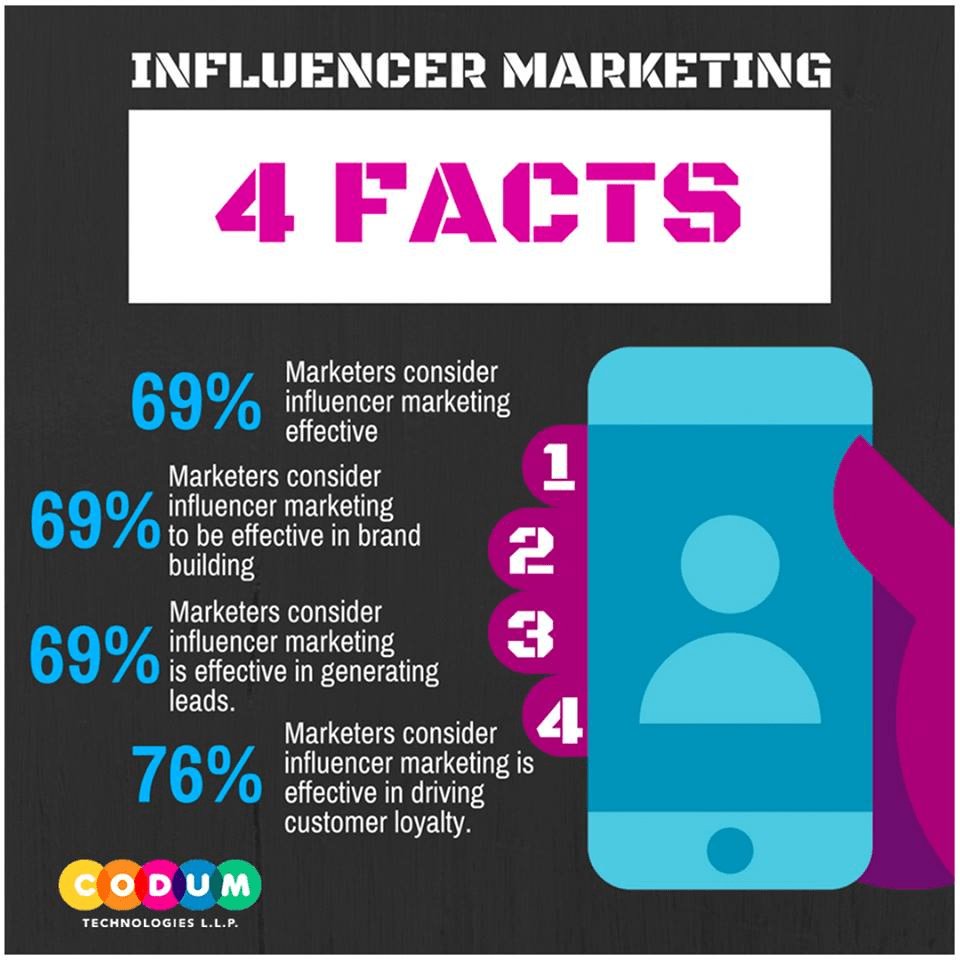
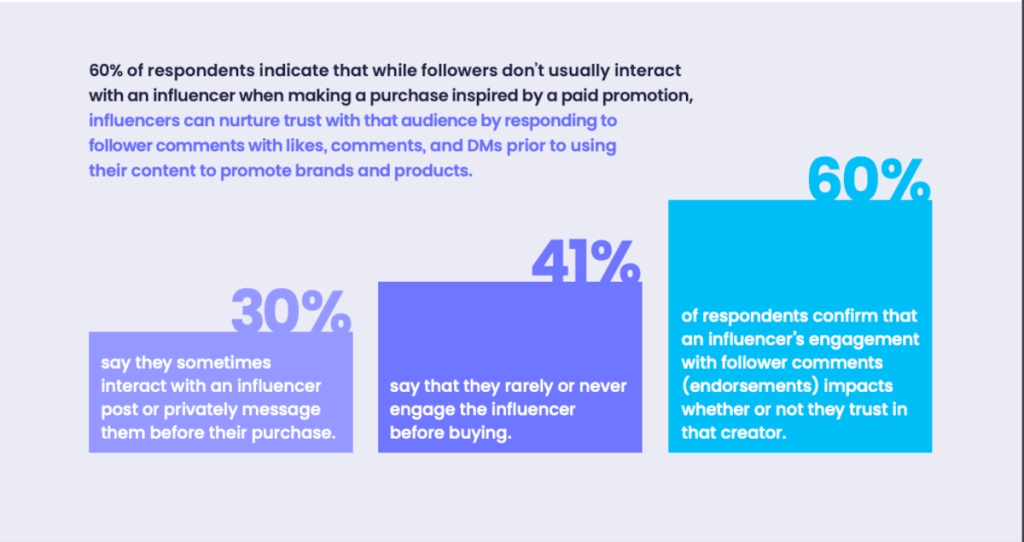
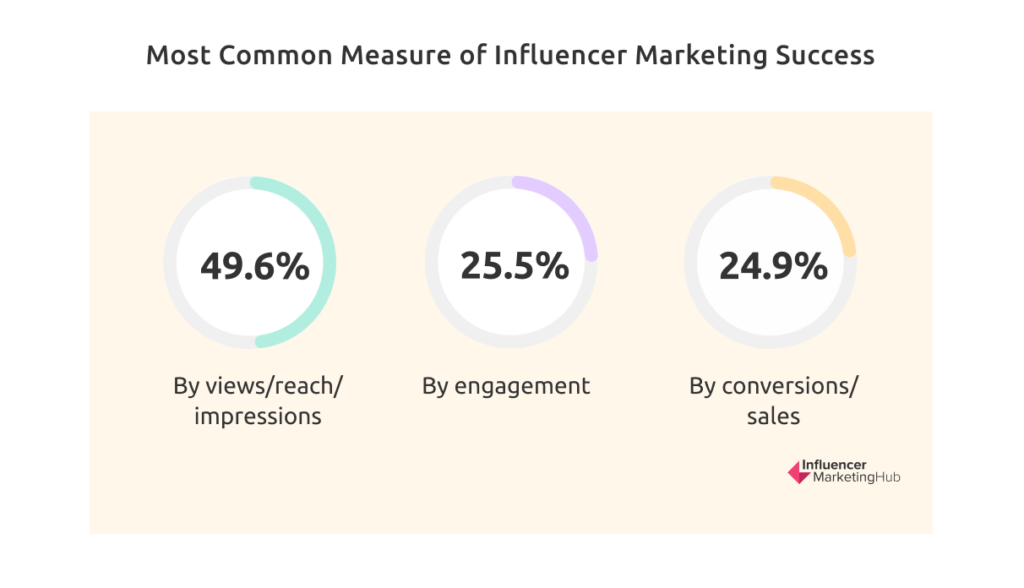
HBR IdeaCast- The Ins and Outs of the Influencer Industry
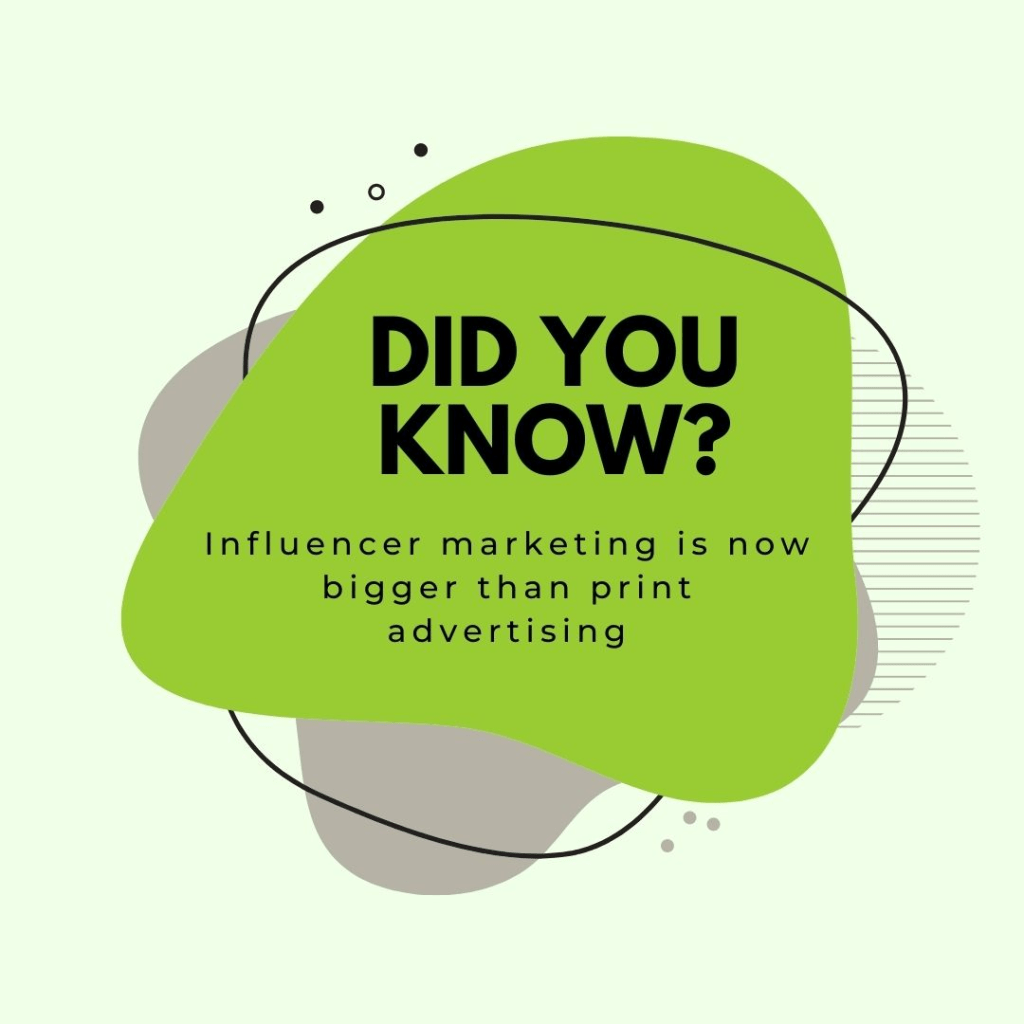
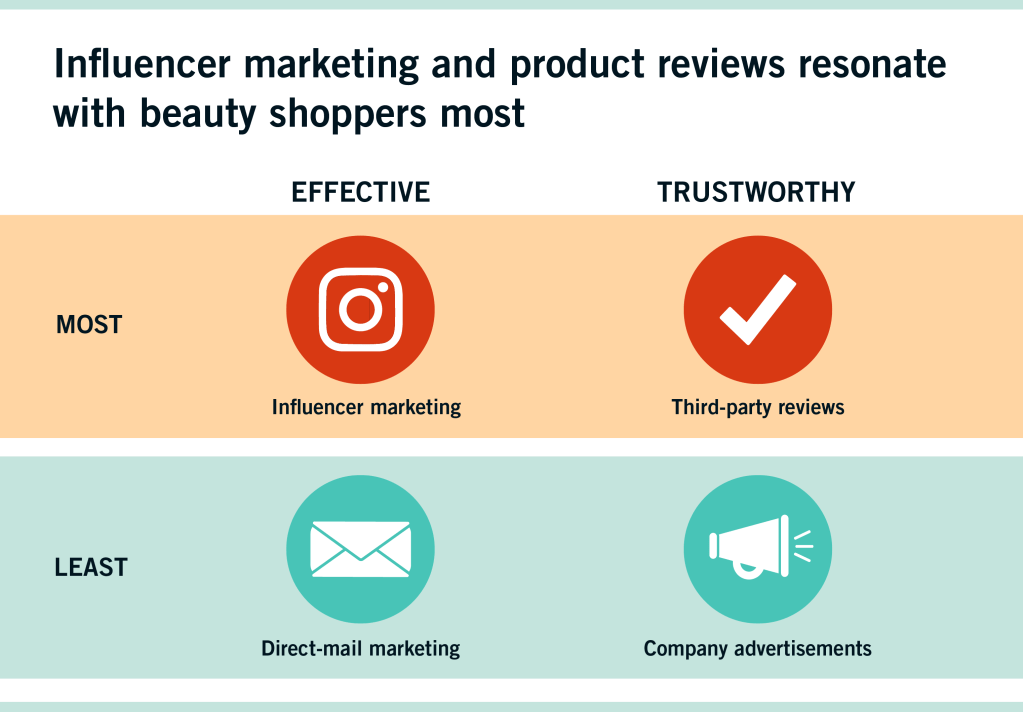
Influencers drive consumer trends.
The influencer industry dates back to the first decade of the 21st century. When the recession happened, so many people turned to these new platforms that seemed promising to invent a new way of working. The early influencers usually worked in fashion and beauty and shared their ideas about a range of topics related to commercial industries like fashion and beauty.
In the beginning, it was mostly bloggers and Youtubers talking about topics that are near and dear to them in some way and creating content centered on their niche or professional expertise. They fell backwards into this work because it didn’t exist at the time. There was more truth to the narrative “we’re doing what we love/creating content of what we love.”
Once those early bloggers and influencers started to gain traction, advertisers recognized these early influencers as potential persuaders and offered branding details. After that initial wave, there was a crushing wave of people flocking to social media who also wanted to be an influencer.
Once the field became so saturated, it became about cultivating a sense of authenticity and presenting themselves in predictable ways to their audience members. It is getting harder to break through.
Influencers often identify themselves as entrepreneurs. They need to find a balance between authenticity, credibility, and drawing in endorsements to succeed. This balance is hard to attain and there are few and far between. Many influencers have chosen to leave all together or move into marketing because they don’t want to reveal many details of their personal lives.
There is a largely unseen sector of the influencer industry that are marketing middleman type firms that help brands connect to the right influencers for them. Brands can get access to databases and search key words/stats/content specialties and engage with them in a transactional way. Brands can also post a campaign looking for influencers.
A big criticism of the influencer industry is that those who rise to a high level of prominence are predominantly fairly wealthy white young women.
Despite the popular narrative of the influencer industry as being all about doing what you love, following your passion, democratizing culture…it is not free of these biases and problems that plague society. While there has been more awareness of this in recent years, there is still so much work to be done.
One of the prevailing problems is that there is little to no transparency in how these deals are being made, what the pay is, what type of content is worth how much, etc. There is even a large variance among different influencers for the same deals.
Most companies that engage in influencer marketing rely on the advice of marketing agencies they use to ensure they are getting their money’s worth.
Using an authentic niche influencer is generally better than paying a high-level celebrity for an endorsement.
The Walmart spotlight program is the largest and highest profile program. It essentially incentivizes Walmart employees to post about their time working at Walmart, share online a day in the life of working at Walmart, new products, etc. They reward employees who do it really well with cash bonuses or a free product. Consider rewarding employees with influencer skills.
Some companies cultivate their regular customers as influencers by encouraging them to post about try-ons in dressing rooms, such as Banana Republic and Loft. There are ramifications, and some question why we are rewarding influencer-like behaviors and to what ends.
The role of broader economic precarity in this space (societal factors drive people to want to pursue this work- entrepreneur, professional autonomy), lasting impact on technological evolution of social media (we’ve come to expect commercialism in our feeds), and extreme adaptability (driven influencers who want to adapt to changing times and technologies can keep growing) signal that influencing will continue to exist and is here to stay.
Benefits– opportunities for entrepreneurialism, effective ways of getting media messages out there, networking, community
Drawbacks- rapid spread of misinformation, mental health toll
Advice for aspiring influencers: go into it with eyes wide open. Know that this is a line of work that is incredibly difficult. Although people can find great satisfaction and a solid income, it is not as common as popular narratives would lead you to believe. Go into it with the knowledge that, while you will be entrepreneurial, you are still beholden to other stakeholders and other people who have a vested interest in the work that you are doing.
Advice for those working for companies who want to tap into this industry: value influencers as professional colleagues instead of one-off engagement/transactional. Companies will find more value and satisfaction in a long-term relationship. Treat them as valued collaborators whom you pay fairly and work closely with.
Advice for consumers who are being bombarded by influencers: try to engage with a little bit of distance. Know that there is a range of pressures that influencers are navigating behind the scenes that shape the content that we see.
New book: The Influencer Industry: The Quest for Authenticity on Social Media by Emily Hund
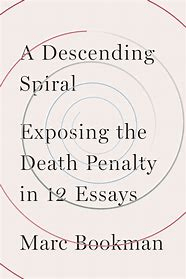
One book I read this past week is “A Descending Spiral: Exposing the Dealth Penalty in 12 Essays” written by Marc Bookman. This was published by New Press, a nonprofit, public interest publisher. Marc Bookman is the executive director of the Atlantic Center for Capital Representation, a nonprofit that provides services for those facing possible execution.
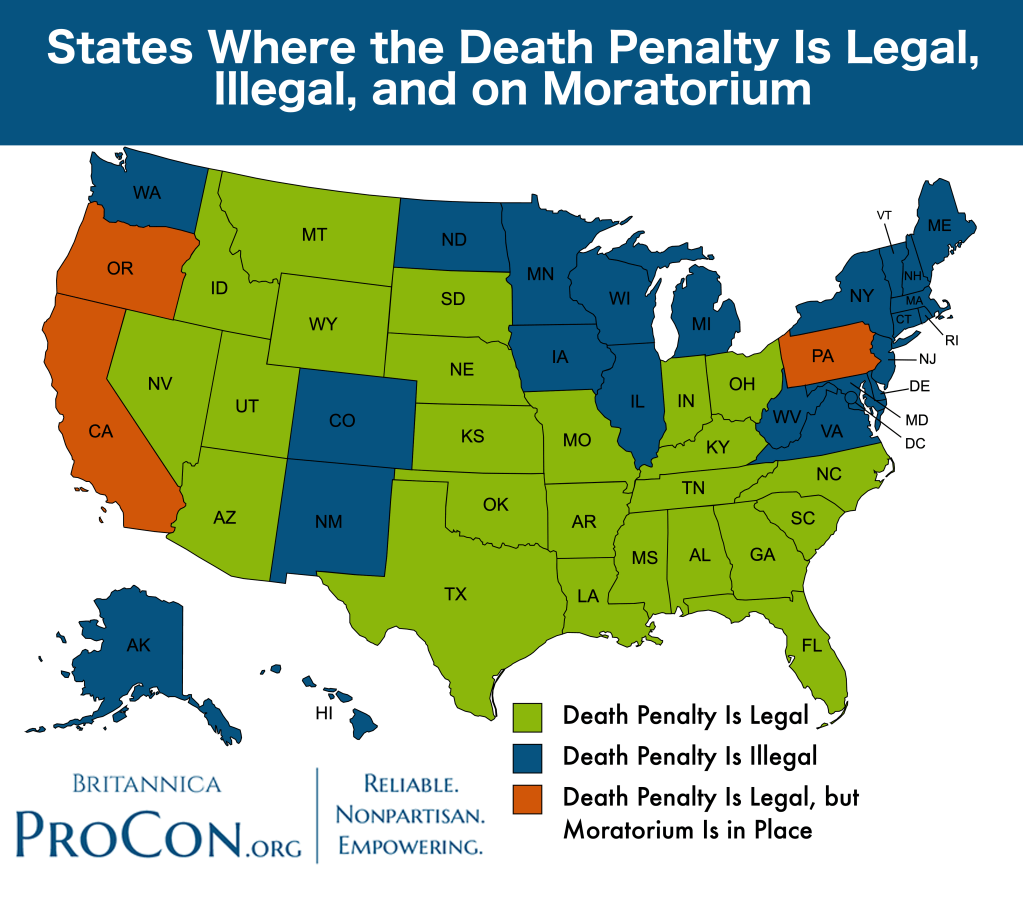
Honestly, this book was eye-opening about the cruelty and injustice of the death penalty. The essays detailed problems with ineffective counsel, racist jurors and judges, anti-Semitism, prosecutorial misconduct, withholding exculpatory evidence about alternate suspects, ethical violations, false confessions, and mental illness. One case involved Andre Lee Thomas, who is currently on death row for stabbing his estranged wife and kids. Andre suffers from mental illness to the point where he removed both of his eyeballs in separate incidents and ingested one of them. 😲Another issue with his case is that jurors who said they opposed interracial marriage were allowed to serve. Thomas is Black and his estranged wife was white. The U.S. Supreme Court declined to hear an appeal on this issue.
Other take-aways from this book:
Verdicts in capital cases are different than in all other cases in that the decision whether someone should live or die is a moral one, rather than factual or legal. A life-or-death sentencing decision in a capital case is the product of individual reflection. Each juror weighs the arguments for life imprisonment or execution on his or her own.
Some states require a unanimous vote by a jury and some don’t. Some states previously allowed judges to override a jury’s decision. In some cases, juries voted for life imprisonment and judges overrode their decision and sentenced defendants to be executed.
Serial murderers like Washington State’s Green River Killer, the Unabomber, and the Kansas BTK Killer are serving multiple life sentences after plea bargains, while those who choose to go to trial having committed far less egregious crimes often end up executed or on death row.
11% of DNA exonerations have also involved witness identifications that later proved to be incorrect, but prosecutors and judges are far less likely to acknowledge the possible injustice of a misidentification when there is no DNA to confirm it.
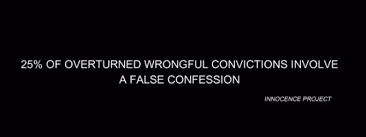
Reforms that have been suggested to reduce the risk of wrongful convictions include proceeding with investigative interrogation rather than confrontational interrogation, videotaping interrogations, and implementing special protections for juveniles and those with cognitive or psychological impairments. Many false confessions are the result of confrontational and coerced interrogations and mental illness.
I look forward to reading, learning, and sharing more with you soon!