Home
-
July 2026 Reads
I read 3 books in July. Here is a blurb about each of the 3 books I read in July.

“Lessons from My Teachers” was written by Sarah Ruhl, a playwright, poet, teacher, and professor at the Yale School of Drama. This book expands the definition of “teacher” beyond traditional academics to include parents, children, mentors, etc. Here are some lessons that stood out to me.
Is all of school a way of saying goodbye to your parents to make room for other teachers in life? Is the beginning of school a way of saying your parents can’t teach you everything, and you need independence of mind to go on your way through the world?
- You never know where rejection might lead. Sometimes a rejection leads you to your next collaborator or friend.
- Piano/band teacher – taught us we were worth teaching, how to practice, how to sit up straight, how to show up every week, how much dull repetition it takes to make something beautiful, and how to make a mistake in the music and keeping playing and keep moving forward.
- You are the expert of your own story.
- The very young and very old remind us to be in the moment. They walk slowly and look around as they walk.
- Students sometimes make the best teachers.
- So many events, rituals, and practices that seemed essential pre-pandemic turn out now to be optional.
- We need to keep finding teachers over the course of our lifetime. Finding a teacher is also a process of letting oneself be taught – which is a kind of bravery.
One’s attitude toward almost any situation can make it an occasion for a teaching or a learning. What am I teaching right now? What am I learning right now?
Always be deeply interested in other people and the world.
The blue whale swims and swims, and when she wants to eat, she simply opens her enormous mouth and water and garbage and krill flow in. That big blue whale has an automatic sieve system to sort out what’s food and what’s waste. Be like a blue whale. Listen to all criticism, but filter out what doesn’t serve you.
One of the simplest paths to deep change is for the less powerful to speak as much as they listen, and for the more powerful to listen as much as they speak.
4 out of 5 stars


“Never Enough: When Achievement Culture Becomes Toxic – And What We Can Do About It” was written by Jennifer Breheny Wallace, an award-winning journalist and a frequent contributor to The Wall Street Journal and The Washington Post. Jennifer spent three years traveling across the U.S. interviewing parents and students. What she found is sobering: our culture’s obsession with optimizing performance has contributed to rising rates of anxiety, depression, and self-harm among young people. Here are some main takeaways.
At the heart of toxic achievement culture is a painful message kids are absorbing – that their worth depends on what they produce: their GPA, the number of social media followers they have, college admissions, and resume-building activities. They have become proxies for their identity, and many students feel they only matter when they succeed.
Parents, often with the best intentions, unintentionally reinforce this mindset. Wallace describes how families “weave individualized safety nets,” making constant day-to-day decisions aimed at maximizing achievement and preventing anything that might derail future success. In a hypercompetitive world, it’s easy to believe that a “good” college is the gateway to a good life.
Wallace argues that the antidote to toxic achievement culture is mattering – the belief that you are valued for who you are at your core, not for your output.
- Ways parents can show kids they matter
- respond in a warm and sensitive way
- explicitly tell kids how much they matter to you
- express unconditional acceptance – even after a failure
- show warmth through affection
- engage in mutual activities
- teach kids how to ask for help when they need it and model these skills yourself
- make chores mandatory without an allowance – giving kids real responsibilities builds resilience by showing that their existence and actions genuinely impact others
- make volunteering mandatory and widen their circle of concern and caring
- Avoid engaging in harsh criticism, invalidating emotions, and comparing kids negatively to others.
As parents, we sometimes think our role is to help fuel and support our kids’ ambition. In a hypercompetitive culture, kids sometimes need the opposite. They need adults to prevent them from sacrificing their minds and bodies on the altar of achievement and to teach them how to build a life they won’t need substances to escape from.
Wallace also highlights what truly predicts long-term well-being for college graduates, and it’s not prestige. Students who reported the highest life satisfaction had deeply engaging college experiences, such as:
- taking a course with a professor who made learning exciting
- having a professor who cared about the student personally
- having a mentor who encouraged the student to pursue personal goals
- working on a meaningful project across semesteres
- participating in an internship
- being active in extracurricular activities
What stayed with me most from this book is Wallace’s reminder that beneath all the pressure, fear, and competition, parents ultimately want the same thing: for their children to live meaningful lives filled with connection, purpose, and joy. We want them to feel valued, and to help others feel valued too. We want them to live lives that truly matter.
This book was fascinating, eye-opening, and deeply relevant.
4 out of 5 stars

“The Truth in True Crime: What Investigating Death Teaches Us About the Meaning of Life” was written by J. Warner Wallace, a cold-case homicide detective. In this book, Wallace recounts true crime stories from his real-life experience and provides readers with applicable life-changing truths. This book can be considered a practical wisdom book and a Christian evidence book. Honestly, I didn’t really like the style of writing. It came across as didactic and pastoral, and every chapter aggressively pivoted into a sermon. This was a formulaic hybrid of true-crime and heavy-handed pastoral sermonizing. With that said, here are some lessons:
- Embrace friends who hold an objective view of virtue. Identify friends who care about all of you: spiritual well-being, physical well-being, emotional well-being, and ethical well-being.
- Your marriage preaches. Preach the right message. Your marriage is an image of Christ’s love for the church. Commit to communication.
- Constructing an identity based on shifting cultural trends rather than objective moral truth leaves individuals fragile and lost.
- Healthy guilt acts as an internal alarm signaling a need for grace and correction, whereas destructive shame isolates or distorts identity.
Your worship decides your destiny. Where do you spend your money? How do you spend your time? On what do you spend your talents and abilities? What captivates your thoughts and attention? What do you trust/on what do you rely? What do you publicly proclaim? How do you behave?
Trauma occurs when our perceptions of the world and our role in it (our “global” beliefs and goals) are disrupted, especially if we assumed nothing bad would ever happen to us. Traumatized people find themselves “reappraising the traumatic event to perceive it as more consistent with their pre-trauma global beliefs and goals . . . or revising their global beliefs and goals to accommodate their experience.”
- Resilient people aren’t permanently paralyzed by the stress of their trauma. Some rebound and continue moving forward. Some flourish, rebounding to levels far above where they were prior to the traumatic event.
- People who make sense of and find meaning in their suffering express better psychological and physical well-being and are less likely to be depressed, mentally ill, or experience PTSD. They are also less inclined to overdrink or become addicted to medication and less apt to commit suicide.
3 out of 5 stars

I look forward to reading, learning, and sharing more with you soon!
-
June 2026 Reads
I read 3 books in June. I realized that I inadvertently didn’t include a book I read in May 2026 (“Who is Government? The Untold Story of Public Service” edited by Michael Lewis) in my last blurb, so I am including it in this blog post. Then, I will blurb about each of the 3 books I read in June.

“Who is Government? The Untold Story of Public Service” was edited by Michael Lewis and revealed that the human beings behind government institutions – dedicated professionals whose work often goes unrecognized despite its critical importance. Here are some parts that stood out to me:
- Democratic government isn’t really designed to highlight the individual achievement of unelected officials. This book reframed government as people who work is largely invisible but essential – civil servants whose decisions impact public safety, economic stability, and national well-being.
- The National Cemetery Administration has received the highest rating of any entity, public or private, in the American Consumer Satisfaction Index for 7 consecutive years. The National Cemetery Association has standardized cemetery operations, developed innovative memorial programs, and has created opportunities for unhoused veterans while ensuring that all veterans receive identical honors regardless of rank. There are 155 national cemeteries across the U.S.
- The National Archives and Records Administration (NARA) makes government records accessible to all U.S. citizens regardless of geography through the Citizen Archivist Program and History Hub. Anyone can submit a query on History Hub and a roster of NARA archivists, other federal staffers, and citizen volunteers will chime in with answers or advice on where to look to find out more.
- I also enjoyed reading about a mining engineer, the U.S. Food and Drug Administration, and the Consumer Price Index.
4 out of 5 stars

“No More Tears: The Dark Secrets of Johnson & Johnson” was written by Gardiner Harris, who was the public health and pharmaceutical reporter for The New York Times and is now a freelance investigative journalist. This book was fascinating and frustrating; it took me 16 days to read it, mostly because I became frustrated reading about Johnson & Johnson’s repeated negligence, manipulation, and coverups.
Johnson & Johnson has been beloved for generations, and many Americans use its products daily: Johnson’s baby shampoo, Johnson’s baby oil, and dozens of other baby lotions, conditioners, and sprays: Aveeno, Neutrogena, Tylenol, Motrin, Zyrtec, Benadryl, Pepcid, Sudafed, Imodium, Listerine, and Nicorette. Many of the company’s products are lifesavers, including medications to treat HIV, cancer, and rheumatoid arthritis. 7 in 10 patients globally who undergo surgery are stitched up with Johnson & Johnson sutures. Johnson & Johnson is the largest healthcare conglomerate in the world. Still, this book’s main theme is that Johnson and Johnson has knowingly contributed to the deaths and grievous injuries of millions.
Here are some of my many takeaways:
- The Talcum Powder Cover-Up: Johnson’s baby powder contained talcum powder and asbestos, which led to mesothelioma, lung cancer, and ovarian cancer. J & J knew this but repeatedly lied about it.
- The Tylenol Danger: Johnson & Johnson heavily advertised Extra Strength Tylenol as the “most potent pain reliever you can buy without a prescription.” At least 150 Americans die every year and 30,000 are hospitalized from taking too much acetaminophen, and acetaminophen has been the nation’s leading cause of acute liver failure for decades, yet J & J has refused to put a product warning about not exceeding recommended dosage due to the risk of severe liver damage.
- Procrit & Risperdal Exploitation: EPO Procrit stimulates red blood cell production and J & J promoted it aggressively to cancer patients emphasizing increased energy, reduced fatigue, and improved quality of life, yet many of these benefits weren’t demonstrated in rigorous clinical trials. Instead, multiple studies showed increased risk of heart attacks and strokes, blood clots, higher mortality, and simulation of tumor growths. Risperdal was originally approved to treat schizophrenia, but was promoted for treatment of symptoms such as anxiety, hostility, impulsiveness, and agitation, and serious side effects were minimized: rapid weight gain, strokes, death, metabolic problems, diabetes risk, elevated prolactin levels, and breast development in boys.
- Defective Implants & Devices: Pinnacle metal-on-metal hip implants caused metal surfaces to wear against each other, damaging surrounding muscles and bones, triggering inflammatory responses, elevating cobalt and chromium levels, and requiring complex revision surgery.
- Risks to Women’s Health: The Ortho Evra birth control patch resulted in inconsistent hormone delivery, blood clots, strokes, and other serious cardiovascular events. The Prolift vaginal mesh caused a sharp increase in painful sex and mesh protrusions in vaginal canals that required surgery.
All in all, Johnson & Johnson concealed clinical trials that yielded unfavorable results, manipulated literature and hired ghostwriters to publish biased, favorable studies, and used aggressive legal maneuvering and heavy-handed PR strategies designed to silence whistleblowers and intimidate media outlets with financial ruin.
Some of my reflections:
- “Every drug has risks” became an excuse to tolerate any risk whatsoever for the sake of not risking the chance of making as much money as possible.
- Consumers cannot afford to give blind trust to healthcare conglomerates or rely entirely on federal watchdogs to protect them.
- The sad truth is that the FDA is chronically underfunded and consistently outmatched by the legal and lobbying power of multi-billion-dollar conglomerates, and the FDA ignored, enabled, and encouraged every Johnson & Johnson disaster in this book.
- This book is an urgent, real-world warning to be vigilant and question the safety, research, and marketing behind every day medical products.
I highly recommend this book!
5 out of 5 stars


“The Great Sex Rescue: The Lies You’ve Been Taught and How to Recover What God Intended” was written by Sheila Wray Gregoire, Rebecca Gregoire Lindenbach, and Joanna Sawatsky. The authors conducted extensive research through a survey of 20,000 women, focus groups, and interviews, alongside a deep-dive review of bestselling Christian sex & marriage books. Through this data, they identify how common marriage narratives have damaged women’s sexual well-being, pleasure, and marital satisfaction. This book was incredibly eye-opening and offers a vital correction to some of the harmful perspectives many Christian women have been taught to beleive.
What is most stark throughout the authors’ findings is the sheer contrast between how much is expected of women versus how little is expected of men in mainstream Christian marriage literature.
- The Double Standard: Of the 13 Christian bestsellers the authors analyzed, only 3 books asked all of the following of husbands: stay faithful (without offering caveats), make sex pleasurable for her, do not insist or expect sex of any kind whenever your wife is physically or emotionally unwell, and seek consent from your wife. Meanwhile, these same books asked, on average, over 5 of the following of women (and 5 books asked all of them): have intercourse as frequently as the husband would like to have intercourse even if he is watching porn or has a lust problem; understand that without intercourse, her husband is more likely to have an affair, and it will at least partly be her fault; help him reach climax in some way even when she is on her period, recovering postpartum and not sleeping, or during any other problem she may face, since her problems are not reasons to refuse sex; prevent weight gain to stay attractive; let her husband feel that he is a good lover; and initiate intercourse and be enthusiastic.
- The Harm of “Duty Sex”: Church culture and Christian books frequently emphasize, “Do not deprive your husband” rather than recognizing that a woman’s sexual pleasure matters. When the message focuses strictly on a husband’s fulfillment while ignoring the wife’s, it breeds resentment, anxiety, and a higher rate of physical pain for women.
- The Cycle of Pain: Believing the obligation-sex message makes women more vulnerable to sexual dysfunction. Forcing oneself to “muscle through” painful sex strengthens the biological association between intimacy and pain, making physical recovery and treatment much more difficult. True intimacy must be freely chosen and mutually desired.
- Redefining Satisfaction: Evangelical culture has used frequency as the primary measure of marital success, but research proves it is a poor predictor of actual relationship health. Interpersonal dynamics, mutual respect, and emotional safety are far superior measures.
Some of my reflections:
- A healthy view of intimacy should be personal, pleasurable, pure, prioritized, pressure-free, passionate, and focused on putting the other person first. Women’s experiences, emotions, and bodies matter just as much as men’s.
- If your body isn’t working as it should, please seek out medical help. To ignore physical pain or dysfunction hurts both partners.
- While a spouse is receiving treatment for sexual dysfunction, it should be viewed as an opportunity to extend deep, Christlike patience and love toward them.
Many more topics, myths, and cultural paradigm shifts were discussed in this book, and I highly recommend it to Christian women.
5 out of 5 stars

“10 Simple Things to Remember: An Inspiring Guide to Understanding Life” was an easy read written and illustrated by Marci. Here are some main lessons.
Love is forgiving. Only God can love you unconditionally. The rest of us are human. Do not ask for perfection from others because they will make mistakes.
- The happiest moments in life take place in the context of relationships.
- If you always do your best, you will not have regrets.
- In spite of your best efforts, some things are just out of your control.
- Often we find it is only when we look back that we can see that what we thought was a “wrong turn” has brought us to exactly the right place and every step was a right one after all.
- Some of the most important ways we define ourselves come from the obstacles we face, the challenges we overcome, and the losses we sustain, as it is most often the difficult times in our lives that call us to understand what we are made of.
- True friends share your joy, see the best in you, and support you through your challenges.
- Friendship is a gift of commitment, trust, listening, and encouragement.
Whatever is happening in your life, keep these things in mind:
- Big problems can be solved in small steps.
- When you are still, the gentle voice from within will guide you. Listen carefully.
- Remember to pray and let God take the burden of worry from your heart.
- Accept that we each learn life’s lessons in our own way.
- A lot of people love you more than words can say.
4 out of 5 stars
I look forward to reading, learning, and sharing more with you soon!
-
May 2026 Reads
I read 3 books in May. Here is a blurb of each of the books I read in May.
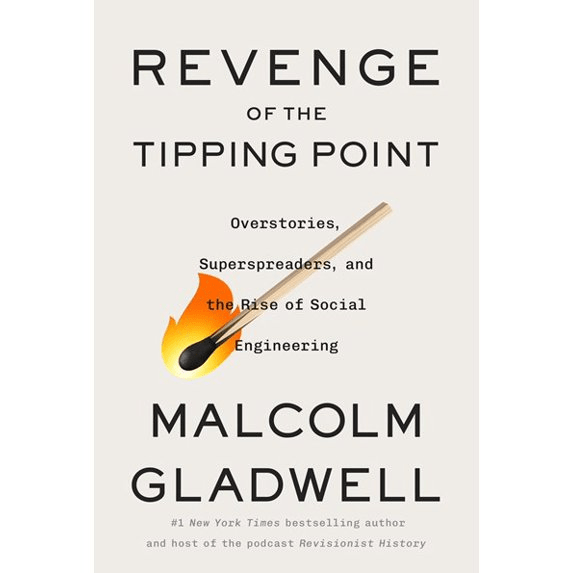
“Revenge of the Tipping Point: Overstories, Superspreaders, and the Rise of Social Engineering” by Malcolm Gladwell, the bestselling author of seven New York Times hits, is filled with insights and the kind of social-science storytelling Gladwell is known for. Some sections fascinated me, while other parts seemed to drift into tangents.
Here are the concepts that stood out most:
- Contagious beliefs — When we look at a contagious event, we assume that there is something fundamentally wild and unruly about the path it takes. However, contagious beliefs often unite people and often stop neatly at community boundaries. His example: vaccine skepticism among Waldorf school parents.
- Monocultures — Epidemics thrive in sameness, and so do we. Malcolm explores how our tendency to build social monocultures can unintentionally put our own communities at risk.
- The “Magic Third” — When a group reaches roughly one‑third minority representation, its culture and performance can shift dramatically. Malcolm uses this to explain why some institutions change and others resist change.
- Superspreaders — During COVID‑19, superspreaders were individuals who emitted far more aerosol particles than average. Malcolm expanded the idea of superspreaders to social life: charismatic criminals, influential ideologues, and powerful institutions that accelerate the spread of ideas.
- Institutional engineering — One of the most fascinating examples was Harvard’s use of varsity sports to maintain certain demographic proportions, such as the women’s rugby team that consists of mostly white upper middle-class students. He contrasts this with Caltech, which does not engineer its student body, resulting in rising Asian enrollment. He also notes the tension between the Supreme Court’s ban on race‑based affirmative action and the continued acceptance of athletic admissions that disproportionately benefit privileged students.
Media is a contagion engine. Media shapes language, beliefs, and the speed of social contagion. Will & Grace was a cultural tipping point for public support of gay marriage. This book explored how narratives — not facts — often drive behavior. We see this in fear-driven media cycles, corporate culture, political polarization, school environments, online communities, viral content, and misinformation.
Overall, the book is an examination of how ideas spread, who accelerates them, and how institutions and media shape the social ecosystems we live in.
4 out of 5 stars
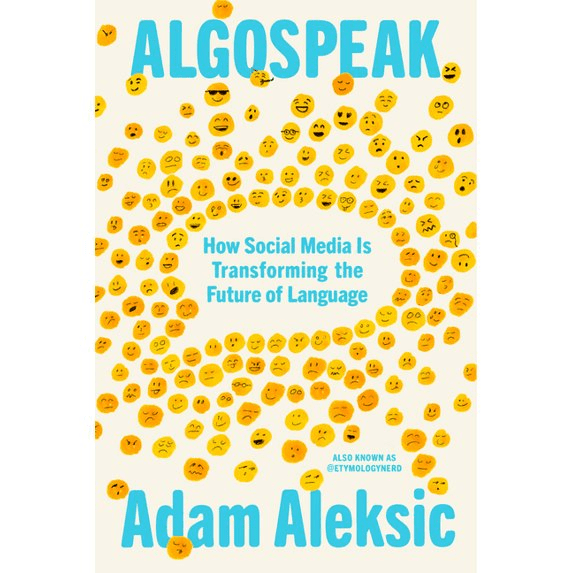
“Algospeak: How Social Media is Transforming the Future of Language“, by linguist and creator Adam Aleksic, who is known to millions online as the Etymology Nerd, is a fascinating deep dive into how algorithms are reshaping the way we communicate. Adam has lectured on language and social media at Stanford, Yale, Georgetown, and other universities. This book was fascinating and insightful. Here are the ideas that stood out most:
- Algorithm‑shaped language — Anytime language spreads online, people unconsciously mold their speech around what algorithms reward. Algorithms influence who sees which words, how they spread, and which ones become mainstream.
- Censorship‑driven vocabulary — To avoid moderation, users invent euphemisms like unalive (for suicide) or seggs (for sex). Emojis such as 🍆🍑🌶🍒🌽 often stand in for sexual content.
Creators must mold themselves to the algorithm to have the best chance at capturing our attention, so they adapt their speech patterns:
- superlatives, second‑person pronouns, and catchy phrasing
- uptalk, which adds a rising intonation
- influencer accents, where extra words are stressed for emphasis. Adam even explained different influencer accents across entertainment, lifestyle, and educational niches.
Group belongingness has become automated around your receptivity to consuming certain content. Your engagement tells the algorithm whether to let you further into a group or gatekeep access. Since we build identities around group belonging, this means that the algorithm plays an important role in shaping our perceptions of who we are, mimicking the positive feedback loop you experience in real-life in-groups.
- Linguistic appropriation online — The internet accelerates the repurposing of language from one group to another, especially African American English (bae, fleek, fam, cap, bussin) and LGBTQ slang (slay, serve, tea, throw shade, icons, yass). Online spaces expose users to many in‑groups while removing the social cues that normally regulate when appropriation becomes disrespectful.
- Identity as a commodity — Social platforms create new micro‑identities because niche aesthetics are profitable. The explosion of “‑core” categories and hyper‑specific goth subtypes reflects the intersection of algorithmic incentives and our instinct to form in‑groups.
Aleksic’s central argument is striking: your aesthetic, your language, and even your sense of self are shaped by the positive‑feedback loops of social media algorithms. It’s a provocative, eye‑opening read, and I highly recommend this book!
5 out of 5 stars
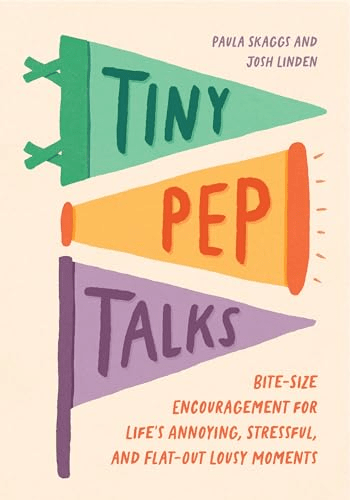
“Tiny Pep Talks: Bite-Size Encouragement for Life’s Annoying, Stressful, and Flat-Out Lousy Moments” was written by Paula Skaggs and Josh Linden, who are Chicago-based writers, comedians, co-hosts of a podcast, and co-creators of the game No Wrong Answers: Cards for Better Conversations. This was an easy read. Here are some pieces of advice that stuck with me:
- For when your clothes don’t fit – They’re just clothes. There are so many articles of clothing that will fit you comfortably, are going to make you feel good, and won’t bum you out when you try to wear them. And you deserve to find those. Donate your old clothes so they’re not serving as a daily reminder of the size you arbitrarily think you should be.
- For when you have to make that appointment you’ve been putting off for months – We’re all walking around with a nagging feeling about that appointment we really should have made months ago. The five minutes that the call is going to take might suck, but it’s the feeling after the call that’s going to make it all worthwhile. No matter what else you do today, you’ll have crossed something big off your to-do list.
- For when you’re going to a party and you only know one person – whoever invited you to this party must really like you, and they think everyone else is going to like you, too. People get invited because they’re smart, funny, and interesting.
- For when you forgot their birthday – It happens! You can’t be expected to keep track of every significant date for every person you care about. Text them, call them, write them a card, whatever you want to do – but do it now. No matter if you’re a few days or weeks late, they will be delighted to hear from you. Plus, this way, you’re extending their birthday celebrations.
- For when the news is too much – No matter how passionate you are about the issues, this isn’t on you alone to solve. Constantly refreshing your phone to stay updated on news alerts will just send you into an endless spiral. You brain isn’t meant to constantly consumer information on every global tragedy all at once. In order to do good in the world, you have to do good for yourself, too. Stop doomscrolling and find something that will make your day better. Remember that even as breaking news unfolds in real time all around us, the world is still full of good people and everyday acts of kindness.
Grief is like a toddler. At any given moment, it might be messy, it might kick and punch you in the gut, and it might refuse to go to bed when all you want is to go to sleep. But sometimes, it might be filled with laughter, it might be inquisitive, and it might do something that stops you in your tracks with awe.
This was an easy read, and I recommend it for a quick pick-me-up.
4 out of 5 stars
I look forward to reading, learning, and sharing more with you soon!
-
April 2026 Reads
I read 3 books in April. Here is a blurb of each of the books I read in April.
“Are You Mad at Me?: How to Stop Focusing on What Others Think and Start Living for You” was written by Meg Josephson, LCSW, a licensed psychotherapist. This book is about releasing the belief that we need to neglect ourselves for the comfort of other people and included reflection questions after each chapter. I got so much out of this book. Here are some top takeaways:
- People-pleasing is a trauma response, not a personality trait. It is a survival strategy learned in unsafe environments – often in childhood. Growing up in emotionally volatile environments leads to overthinking, satisfying the threat, fear of disappointing others, and chronic self-blame. Hypervigilance shapes adult anxiety.
- Fawning is unconsciously moving toward, instead of away from, threatening relationships and situations. The fawn response is about becoming more appealing to the threat, being liked by the threat, satisfying the threat, and being helpful and agreeable to the threat so that you can feel safe. Particularly for women, we’re taught that our main role in life is to please, appease, and sacrifice our needs for the comfort of others.
- The irony is that, in an unconscious attempt to avoid abandonment, we end up abandoning ourselves. We disconnect from our own emotions, sensations, and needs. When you notice yourself fawning in a situation in which you don’t need to be, ask yourself: What emotion am I trying to protect myself from?
- Are you feeling resentment? That’s a good sign you’re fawning. Ask yourself: Do I have a need that isn’t getting met? Is there something I need to communicate?
Reconnect with yourself:
- What uncomfortable emotions am I avoiding?
- Who am I when I’m not being perceived?
- Am I saying yes because I want to or because I’m scared this person will be upset if I say no?
- What do I feel? What do I want? What do I need?
- Am I avoiding discomfort? Will avoidance prolong suffering?
- What is my intention in bringing this up: to be heard, a response, or change? What do I want to say and what do I need from this person or myself? If they don’t give me the validation I’m craving, can I give it to myself?
I highly recommend this book to chronic people-pleasers.
5 out of 5 stars
Pagan Kennedy’s “The Secret History of the Rape Kit” looks at the origins of a tool that feels like it should have always been part of forensic work. I went into it thinking I already understood the basics as part of my forensic science courses, but the story behind it is more surprising than I expected. At the center is Martha (Marty) Goddard, the woman who imagined and built the first real system for collecting evidence after sexual assault. Her name is not the one most people know, and this book explains why.
Goddard spent time in the Chicago crime lab in the 1970s and saw that sexual assault cases were not being handled with the same care as other crimes. She decided to change that, and in the mid-1970s, she met with police, talked with hospital administrators, trained nurses, raised money, and oversaw the development of what was arguably the first large-scale and comprehensive rape-kit system in the world.
Here are a few things that stayed with me:
- In 1978, Marty Goddard launched a pilot program and delivered kits to twenty-five hospitals in the Chicago area. Each kit included slides, swabs, and collection devices for hair and fingernails; a card for the victim with information about where to seek counselling and further medical services; forms that were signed by doctors, nurses, and police officers; and sealing tape and a pencil for writing on the slides. Everyone who handled the kit had to sign the box, which helped protect the chain of custody.
- Even though Goddard did the research, the design, the fundraising, and the national outreach, a male lab technician named Louis Vitullo became the person publicly credited with the invention. Goddard even agreed to put his name on the system because people trusted a male name more in that field.
- By 1985, the Vitullo kit was standard in major cities like New York and Chicago. That same year, Marty received a $99,000 grant from the U.S. Department of Justice to travel to 14 states and help them set up rape-kit systems. Marty’s method of reform included sending forensic scientists, prosecutors, and trained nurses to instruct hospital staff on how to collect evidence that would stand up in court.
- The kit existed long before DNA evidence was used in court. DNA did not become part of courtroom arguments until the late 1980s, which makes Goddard’s work feel even more ahead of its time.
Overall, this book gave me a better understanding of how the rape kit came to be and how easily women’s contributions can be pushed aside. It is a quick and interesting read, especially if you like learning about forensic history or true crime.
4 out of 5 stars
“The Jailhouse Lawyer” was written by Calvin Duncan and Sophie Cull. Calvin is the founder and director of the Light of Justice Program, which works to improve access to the courts for people who are incarcerated. He is also a former jailhouse lawyer at Angola Prison, and his work has contributed to major Supreme Court decisions, including Smith v. Cain and Ramos v. Louisiana. Sophie Cull is a criminal justice reform advocate who has written about the death penalty, life sentences, and prosecutorial misconduct. She is the cofounder of The Visiting Room Project, which created the largest collection of filmed interviews with people serving life without parole.
Calvin was 19 when he was incarcerated for a 1981 New Orleans murder he did not commit. He had an ineffective public defender and a key witness whose testimony was deeply compromised. At 21, he filed his first motion from prison, titled “Motion for a Law Book,” and that moment launched his self-taught legal career. He eventually became an inmate counsel at Angola and helped hundreds of other prisoners navigate their cases.
A few things stood out to me:
- Calvin had to fight for basic access to police reports and trial transcripts. Many times, he needed people on the outside to help him get even the simplest documents.
- In December 1991, the Louisiana Supreme Court finally clarified that District Attorney files were subject to public records requests once a conviction and sentence were final. This ruling opened doors that had been closed to him for years.
- After his exoneration in 2021, Calvin was accepted into law school and graduated at age sixty. His persistence is remarkable.
There were many troubling issues in Calvin’s case that eventually led to his conviction being overturned:
- the key eyewitness recanted and admitted she had lied under pressure
- police shaped witness statements to fit their theory
- information that could have helped Calvin was never shown to the jury
- no physical evidence connected him to the crime
- his defense attorney failed to investigate or challenge weak evidence
- new evidence showed Calvin could not have committed the crime
- the prosecution’s case was fragile and built on unreliable testimony
- legal advocates later brought forward the recantation, new evidence, and constitutional arguments that had been ignored for decades
- the court finally accepted that the combination of false testimony, ineffective counsel, and lack of evidence made the conviction unsound
This book was both intriguing and frustrating. It offers a close look at how wrongful convictions happen and how much work it takes to undo them. If you are interested in criminal justice reform or wrongful convictions, this book is worth reading.
4 out of 5 stars
I look forward to reading, learning, and sharing more with you soon!
-
March 2026 Reads
I read 4 books in March. Here is a blurb of each of the books I read in March.
“Nobody Wants Your Sh*t: the art of decluttering before you die” was written by Messie Condo. This book was inspired by The Gentle Art of Swedish Death Cleaning and contains funny, unpretentious advice you need to hear most. Here are some main points.
Clutter is nothing but delayed decisions. Delay long enough, and someone else will have to make those decisions. It’s not going to get any easier while you keep accumulating crap. You’re never going to “get around to it.” If you want a clutter-free house, you have to make it a priority, or someone else will be forced to when you’re gone.
A thing is not a memory. It’s just a thing. You can share your memories long after a thing is gone. Ex: people, pets, vehicles, toys. Your need to hold onto things was always about the feelings those things inspired. The things themselves are just conduits.
It’s time to let go of who you used to be and embrace who you are now. Get rid of clothes that haven’t fit you in ages, sports equipment you no longer use, and anything else from your past life. Let go of old dreams and hobbies and make room for new ones.
Stuff that stirs up good memories is only worth the space it’s taking up if you’re able to actively enjoy it. Attics, basements, garages, and storage units are prime locations for lazy clutter – the kind you allow to take up space because it’s not in your direct eyesight nagging you. Just because you have the space to store something doesn’t mean you should. You won’t miss what you haven’t laid eyes on in years. By decluttering from a place of appreciation, you free yourself from the hold your stuff has over you.
Getting rid of stuff you don’t want, need, or use isn’t wasteful. Letting it take up space in your home or keeping it when someone else could be using it is. You paid good $ for it? You paid good $ for your home.
Benefits of declutttering:
- better sleep and overall mental health
- more energy and creativity
- a deeper appreciation for what you have
- more control over your life
- fewer arguments with loved ones
- more self-confidence
- more time, room, and $ for what you want
- easier decisions
- clearer priorities
- less laundry
- fewer things to dust = fewer allergens
- the ability to quickly find what you need
- a sense of accomplishment
- a clutter-free space you can be proud of
I highly recommend this book, especially to maximalists.
4 out of 5 stars
“Replaceable You: Adventures in Human Anatomy” was written by Mary Roach, author of seven best-selling works of nonfiction. This book was fascinating, although, admittedly, some parts were a bit over my head. Here are some interesting takeaways:
- With major burns, surgeons quickly run out of graftable (unburned) skin. Sometimes they have to use the soles of the feet, the scalp, or even the scrotum. Areas that have been harvested can be reharvested after they’re healed, but that can take 2-3 weeks. In the meantime, an allograft (skin from another human, typically a deceased tissue donor) or a xenograft (skin from another species) protects the wound. Eventually, an allograft for a bad burn will be replaced with a permanent graft of the patient’s own skin.
- China has a lack of organ donors. Also, in China, death is still defined by cessation of the heartbeat rather than by brain death. Thus, the only potential organ donors are terminally ill patients on life support whose families agree to have that support shut off inside an operating room set up for organ recovery. Also, Confucian tenets include reincarnation, so people want to go to heaven with an intact body for the next life.
- The cornea is one of the few body parts that can be transplanted without strict immune matching because it has no blood vessels.
- Cataract surgery is one of the most successful medical procedures worldwide, yet access varies dramatically by region.
Skin is the largest organ and one of the hardest to replace because it must stretch, sense, protect, and regulate temperature. Synthetic skin exists but lacks the full functionality of natural skin, especially sweat glands and hair follicles.
Feet are sold separately. A prosthetic foot and ankle attach to a prosthetic leg, and over the foot goes a “foot shell” to fill out a shoe. Shells come in a palette of skin tones, and if you like, you can buy a pair with a space between two toes for wearing sandals. Prosthetists make, fit, and adjust the sockets. The socket is the cup or bucket into which one slides one’s residual limb. A socket will need to be adjusted as the muscles of the residual limb atrophy and if the wearer gains or loses weight. This prevents rubbing, blisters, and ingrown hairs.
Demand for donated human tissue is high. Donors aren’t scarce, but eligible donors are. 96% of people who consent to donating tissue are ruled out because some element of their medical history or social behavior has created an unacceptable risk for the people who would receive their tissue. Regardless of a person’s wishes or the dot on their driver’s license, tissue cannot be recovered until the next of kin has answered the eligibility questions.
I recommend this intriguing book for anyone who wants to learn more about the science of replacing body parts.
4 out of 5 stars
“The Let Them Theory” was written by Mel Robbins and Sawyer Robbins. Mel is a New York Times bestselling author and host/producer of The Mel Robbins podcast, which airs in 194 countries and is one of the top-ranked podcasts in the entire world. I got a lot out of this book and wish I had read it earlier. It would have saved me so much time and energy when I was trying to control things I couldn’t. Here are some key points.
There has been online discussion suggesting that Mel Robbins’ Let Them Theory resembles ideas previously shared by other creators. These claims are circulating on social media and in commentary spaces, but they have not been substantiated by verified evidence.
The Let Them Theory is about freedom. It will free you from the burden of trying to manage other people. When you stop obsessing over what people think, say, or do, you finally have the energy to focus on your own life.
If someone is not showing up how you need them to show up, do not try to force them to change. Let Them be themselves because they are revealing who they are to you. You get to choose what to do next.
- Humans have a hardwired need for control. No matter how hard you try, you will never be able to control or change another person. The only person you are in control of is you – your thoughts, actions, and feelings.
- The urge to control things comes from a very primal place: fear. Fear of being excluded, of not being liked, of things falling apart if we’re not in control. Control gives us the illusion of safety. We can’t control people. They will do what they want to do. The more you try to control something you can’t, the more anxious and stressed out you become.
- It is not your responsibility to manage another adult’s emotional reactions. Most adults have the emotional capacity of an eight-year-old and you can’t change that. Most people have never done the work to understand themselves, heal their past, or manage their own emotions. If they haven’t done that for themselves, they are incapable of doing that for you and showing up in a way that you deserve.
When you say Let Them, you make a conscious decision not to allow other people’s behavior to bother you. You acknowledge that you can’t control the situation.
When you say Let Me, you take responsibility for what you do next. It’s all about self-awareness, compassion, empowerment, and personal responsibility.
Someone is always going to be disappointed by the decisions you make. Don’t let it be you. Don’t let guilt drive your decisions.
- There are 3 pillars to adult friendship: proximity, timing, and energy.
- When you say Let Them, you release the need to cling to friendships that no longer serve you, making space for connections that truly matter.
- When you say Let Me, you take charge of your social life, reaching out, initiating, and cultivating the kind of friendships that reflect your values and bring you happiness.
- The connection you have with another person rarely breaks. It’s just the proximity and timing that make you lose touch with them.
- The more you try to rescue someone from their problems, the more likely they will continue to drown in them. When you enable others with your money, words, and actions, you hinder their healing and prolong their suffering, their debt, their breakdown, and in turn, your own. Stop rescuing people and start acting as if you believe in their ability to face them. Teach them that they are capable of doing hard things themselves.
- People only heal when they are ready to do the work. You will be ready for them to heal before they are. Constantly stepping in to solve their issues creates dependency and frustration and hinders their ability to take responsibility for themselves. Don’t shield them from the consequences of what they choose. $ without condition is enabling.
Let Them be who they are. Let yourself prioritize your own happiness, pursue your dreams with passion, set boundaries that protect your peace, choose relationships that uplift and inspire you, and love yourself enough to walk away when it no longer works.
I highly recommend this book! 4.5 stars

“Pick a Color: a novel” was written by Souvankham Thammavongsa and contained a sharp look at immigrant labor and power but left more to be desired. Here are some things that stood out to me.
- “In our line of work, you better get used to hearing about babies, affairs, love, married people, weddings. And you better look interested when it comes up.”
- “A lot of people are mothers, and you don’t get paid for any of it. Seems like a lifetime internship. You never know if you’re doing things right, and someone is always telling you the ways you’re doing it wrong.”
“I live in a world of Susans. I got name tags for everyone who works at this nail salon, and on every one is printed the name Susan. So many girls come and go. I don’t want to bother getting new name tags each time. Besides, you know, it’s never difficult to pronounce a name like Susan. None of our clients notice. They come in and we are ready and set to work. That’s all that matters to them.”
My biggest gripe — which is also, ironically, part of the author’s point — is the deliberate lack of character development and the recurring image of the missing finger. One character, a retired boxer, is repeatedly described as missing a finger, yet the book never explains why. After digging deeper, I learned that the absence is symbolic: a reminder of everything the world doesn’t bother to know about her, and a reflection of how her identity is invisible to others.
This is the novel’s central point: immigrant women are flattened into roles rather than recognized as full people. The interchangeable “Susans,” the sparse backstories, the unexplained injuries . . . all of it underscores how society reduces them to function rather than individuality. Even a character who insists she’s “in charge” does so while kneeling at a client’s feet.
3 out of 5 stars

I look forward to reading, learning, and sharing more with you soon!
-
February 2026 Reads
I read 3 books in February. Here is a blurb of each of the books I read in February.

“Win Some, Lose Some: The Trials and Tribulations in the Career of a Trial Lawyer – a memoir” was written by Mark N. Stageberg, who is a Minnesota attorney specializing in personal injury and wrongful death cases. He originally did defense work before transitioning to plaintiff work. Mark has spent his career as a trial lawyer, completed over 175 jury trials, and has had 7 cases with million-dollar jury awards. This book was a candid look at both victories and failures and contained interesting stories of unusual clients, unexpected courtroom twists, and behind-the-scenes legal drama. Here are some of my many takeaways:
The vast majority of the litigation clients who walk into your office do not have cases with all 3 necessary elements for a good lawsuit: good liability, extensive damage, and enough insurance coverage. Cases with good liability and big damages can often be easily resolved with a policy-limit settlement without litigation. The limits of the defendant’s liability insurance coverage govern the outcome of many good liability and damage cases.
What is interesting about pro bono legal work is that many of a lawyer’s promising cases can turn into unintended pro bono work. Payment for plaintiff’s personal injury work is dependent on contingent fees, and if a case isn’t won, it can be a waste of a lot of legal time and money.
An interesting and quite lucrative area of personal injury legal work involves airplane crashes. 4 primary causes for airplane crashes:
- some mechanical failure (in the plane itself – leading to a product liability claim)
- some inaccurate or incomplete information from air traffic controllers
- a maintenance or service error by a mechanic
- pilot error
The government, through the National Transportation Safety Board, does a thorough investigation of every accident and publishes a report from its experts identifying the probable cause of the crash. Much of the investigation is done by the government, but the case must be put together with privately retained experts.
- A great source of information on deaths and injuries from consumer products is the Consumer Product Safety Commission and Freedom of Information requests.
- What you really need for any successful product liability case is an alternative design for the product that, if used, would have led to a different result.
This book contained a couple “hot takes.” These are not my personal opinion or the opinion of my employer.
“A common misperception among the general public is that our judges have some level of superior legal knowledge that justified their appointment as the final arbitrators of our unresolved disputes. Most judges are selected because of political connections unrelated to their experience, expertise, or intellect. The cream of every law school class garners the top law firm positions and after a few years, they’re making more money than the judges in the state or federal courts.”
“Most of the criminal lawyers serving as county attorneys or taking public defender positions were not the top scholars in their law school classes and took those jobs because nothing better had been offered. Prosecuting attorneys have the police, or the FBI and U.S. attorneys in the federal system, to do all of the workup on the cases. The prosecuting attorney only has to present the evidence to the jury and argue that they have met the burden of proof. Similarly, the defense seldom has to prove much of anything and instead sits back and picks away at the prosecution’s witnesses, arguing strenuously that they have not met their burden to prove the defendant guilty beyond a reasonable doubt.”
I think this statement is overly simplified. I respectfully disagree with this perspective.
I highly recommend this book to anyone interested in learning more about the career of a civil attorney.
4 out of 5 stars
“The Last Lecture” was written by Randy Pausch with Jeffrey Zaslow. Randy was a professor at Carnegie Mellon and an award-winning teacher and researcher who had worked with Adobe, Google, Electronic Arts (EA), and Walt Disney Imagineering and pioneered the Alice Project. At the time of this writing, he had ten tumors on his liver and had pancreatic cancer, and he wrote this book with Jeffrey Zaslow to teach his 3 young children what he would have taught them over the next 20 years. Many college professors are asked to consider their demise and to ruminate on what matters most to them. For years, Carnegie Mellon had a “Last Lecture Series” – which was renamed to “Journeys” – reflections on personal and professional journeys. Here are some lessons:
- When you see yourself doing something badly and nobody’s bothering to tell you anymore, that’s a bad place to be. You may not want to hear it, but your critics are often the ones telling you they still love you and care about you and want to make you better.
- Self-esteem – there’s really only one way to teach kids how to develop it: You give them something they can’t do, they work hard until they find they can do it, and you just keep repeating the process.
- When we send our kids to play organized sports, for most of us, it’s not because we’re desperate for them to learn the intricacies of the sport. What we really want them to learn is far more important: teamwork, perseverance, sportsmanship, the value of hard work, and an ability to deal with adversity.
- Brick walls are there for a reason. They give us a chance to show how badly we want something.
Time must be explicitly managed, like money.
Look for the best in everybody. If you wait long enough, people will surprise and impress you. In the end, people will show you their good side. Just keep waiting. It will come out.
Experience is what you get when you didn’t get what you wanted.
This book isn’t quite what I expected. It was more about Randy’s life and career rather than a “Last Lecture Series.” Given that the Last Lecture Series was renamed to “Journeys” – reflections on personal and professional journeys – this book seems to fit that description. Still, this book has some great lessons.
4 out of 5 stars
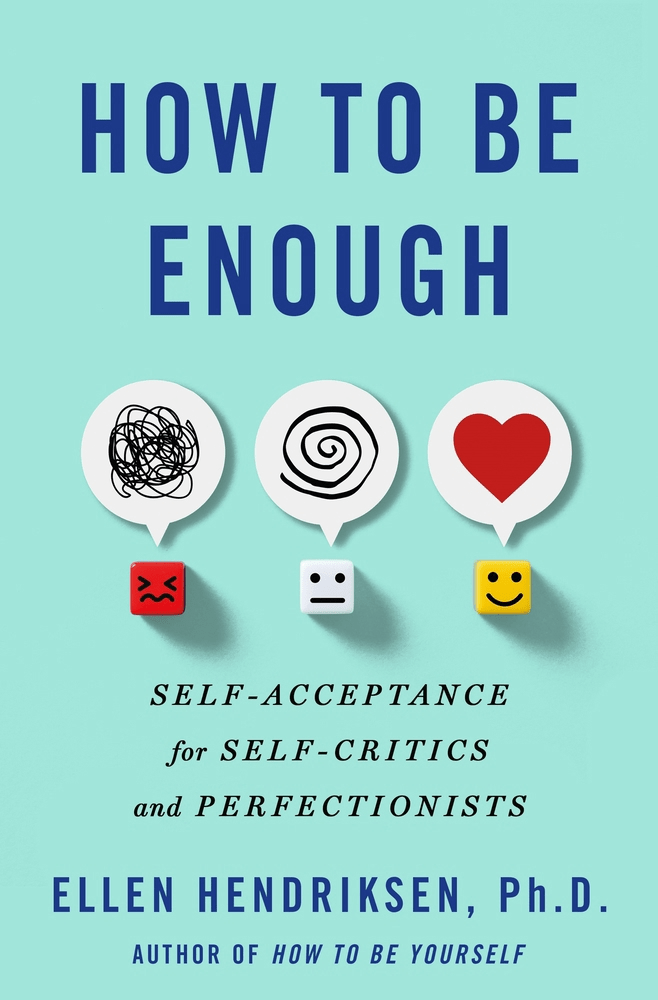
“How to Be Enough: Self-Acceptance for Self-Critics and Perfectionists” was written by Ellen Hendriksen, Ph.D., a clinical psychologist at Boston University. The overall theme of this book is that you become “enough” not by perfecting yourself, but by letting go of harsh self‑judgment and recognizing your inherent worth as you already are. Here are some key points.
Clinical perfectionism consists of a hypercritical relationship with oneself and an overidentification with meeting personally demanding standards.
- Hypercritical relationship with oneself: tend to beat yourself up when you make a mistake, think your work or performance isn’t good enough, shut down or get defensive when criticized, have been told you’re controlling/a micromanager/too picky/too critical/judgmental
- Overevaluation: overidentify with our performance (work, grades, appearance, home, etc.), set impossible expectations for yourself and then get stressed when you can’t reach them, always working to improve something (health, sleep, wardrobe, social life, etc.). We overidentify with our performance because we’re searching for acceptance and connection.
People-pleasing aims to control other people’s reactions and emotions toward us. What they want is what we want, because we want to avoid devaluation, disapproval, disappointment, and dislike. Of all the people you work so hard to please, be sure to include yourself.
- We don’t have to be good at something to enjoy it. What’s the value in not being great? Connection. It’s hard to relate to experts. They’re aspirational, not relatable.
- The opposite of control is trust – trust that we can handle whatever happens, both internally and externally.
- When self-worth depends on flawless performance, even small mistakes create a cycle of self-doubt and emotional exhaustion. Achievement doesn’t soothe self-doubt. It often raises the bar higher. Self-criticism becomes a default setting. Self-criticism makes us feel inadequate, grinds motivation to a halt, leaves us sensitive to others’ criticism, is stressful, takes the fun out of the process, and hinders connection.
To connect with others, we need to let ourselves be known. Reveal what you think, do, feel, remember, or relate to in order to give your conversation partner something to work with.
Some tools mentioned in the book:
- Revise the rigid rules. Consider what the rule buys you and what it costs you. Consult your values and what’s meaningful and important to you. Focus on what works given the contest. Consider feasibility and workability. What would work for my goals and values, given this context?
- Foster positive emotions towards yourself. Failure and positive self-regard are allowed to co-exist. We can’t go through life expecting to make zero mistakes, have zero lapses in judgement, or encounter zero insurmountable challenges.
- Take stock to understand your procrastination: unrealistic standards? fear of failure? self-criticism? Break tasks down into ridiculously small steps and picture your future self.
- Move away from all-or-nothing thinking. Try “I’m a (valued trait/quality) person who sometimes (exception).” Examples:
- I’m a capable person who sometimes screws up.
- I’m a disciplined person who sometimes lets myself go.
- I’m a hard worker who procrastinates.
- Reflect on what people-pleasing is costing you. Identify an opportunity to state an opinion, communicate a need, or set a limit that is meaningful to you. Try it out and consider the results. Rinse and repeat.
I highly recommend this book to anyone who is a self-critic or perfectionist!
5 out of 5 stars
I look forward to reading, learning, and sharing more with you soon!
#bookblogger, #bookreviews, #civillaw, #howtobeenough, #lifelessons, #markstageberg, #peoplepleasing, #perfectionism, #perfectionists, #randypausch, #readlearnshare, #selfacceptance, #selfcritic, #thelastlecture, #triallawyer, #winsomelosesome, mental-health, personal-development, personal-growth, self-compassion -
5-star book: The Secret Lives of Booksellers and Librarians: True Stories of the Magic of Reading by James Patterson and Matt Eversmann
This year, I’d like to post more detailed blogs about some of the books I have read and rated 5 out of 5 stars. Here is another one.
Book: “The Secret Lives of Booksellers and Librarians: True Stories of the Magic of Reading” by James Patterson and Matt Eversmann
About the author: James Patterson is the most popular storyteller of our time and has received several awards.
About the book: This book consisted of short essays from booksellers and librarians.
When I read this book: March 2025
Here are some of my takeaways:
- Only 15% of adults in America read books.
- 33% of high school graduates never pick up another book.
- 42% of college grads don’t either.
Having a good library is not political. A good library will have books on vegetarianism and hunting. A good library will have books on every religion. A good library will have books about all eras of history, from ancient Rome to the Civil War to the Holocaust. A good library will have books about different countries, different cultures, and different life experiences.
I love it when a parent comes back and says, “My kid wasn’t a reader, but you guys suggested a book, and I gave it to him, and he hasn’t stopped reading. It’s like this whole new world has opened up for him.”
“I don’t see the library going away at all. We’ll just have to keep up with whatever comes next and evolve with what the citizens want. We hope they continue to want what we provide: lifelong learning and joy.”
When people tell me they want to open a bookstore because they like to read and love books, I always question, “Well, can you run a business?”
“There are so many good books out there that if this one’s not working for you, if you’re not enjoying it, don’t finish it.
You can decide what you and your kid read, but you can’t decide what me and my kid read.
“Public libraries are a public good. We try hard to stay relevant. We invest in technology. We invest in innovation. We are there to meet the needs of the community we’re in. And we’re staffed with some of the most naturally curious people out there.”
“Any kind of books for kids have gatekeepers. Kids are the intended readers, but they’re not the ones making the purchases. It’s grandparents, teachers, librarians, parents, older siblings. So, you’ve got to be able to figure out how to make that book appealing to both the person buying it and the person who is supposed to be reading it.”
Public libraries are open to everyone. And free. There aren’t that many public spaces left where you can go without the expectation of spending money.
I can’t imagine not reading for fun, but I know that many people view reading as work, which can cause them to resent it rather than enjoy it. Just reading for sheer pleasure, without expectation or judgment, is so important and rewarding. And having a place to read all the books you want – for free! – is a major part of what libraries offer.
I highly recommend this book to get perspectives from booksellers and librarians.
5 out of 5 stars
I look forward to reading, learning, and sharing more with you soon!
-
5-star book: A Bit Much: Poems
This year, I’d like to post more detailed blogs about some of the books I have read and rated 5 out of 5 stars. Here is the first one.
Book: “A Bit Much: Poems” by Lyndsay Rush
About the author: comedy writer and the poet behind the popular Instagram account @maryoliversdrunkcousin
When I read this book: January 2025
Quotes that stood out to me:
From “Make Like a Tree and Love“: “Scientists have a hunch that trees can become dear friends linking roots to swap resources, bending branches back to share sunlight, shielding each other from the wind. Most of what I know about love boils down to this simple distinction: who stays, and who leaves.”
From “Code Red“: “A great philosopher once said I saw the sign, and it opened up my eyes (I saw the sign). But when you see the world through rose-colored glasses, it can be hard to recognize a red flag. So, what I have learned is this: If they’re mean to the waiter, they’ll be mean to you. If they never follow through, they will never show up. If it hurts your stomach, it will hurt your heart. You can’t temper a storm, but you can sure as hell evacuate the beach.”
From “I’m Giving up for Lent“: “What would it feel like to give up self-improvement for forty days? Would the tightness in our chests, throat, shoulders, and hips ease as we contentedly took the easy way out? Would capitalism crumble if we deleted our wish lists and framed the before photo? Sounds holy, if you ask me, to be sold on life as-is, to just exist with only this, only us, only what these two arms can hold.”
From “It’s Amateur Hour Somewhere“: “Starting something new is like a one-man show for a one-man audience; the only applause worth seeking is your own. Don’t rob yourself of that while you wait for approval from somewhere else. Sometimes winning yourself over is the greatest show on earth.”
From “Almond Joys“: “Sometimes all it takes to let joy in is a little reframing. Don’t believe me? Just watch. It’s not a vending machine; it’s an arcade game you always win.”
From “I Am Not Afraid to Be Seen Trying“: “Or changing my mind. Or getting it wrong. Or freestyling instead of learning the routine. I’m not afraid of self-promotion or making a big deal out of it . . . I’m not afraid of low like counts or pissing off the algorithm of content that flops. And I’m not afraid to be cringe, or extra, or A Bit Much. Sure, there are things I’m scared of – like sharks and blond beards and talking to strangers on the phone – but of all the monsters under my bed, the only thing I truly fear is letting fear get in between me and anything I really want.”
“Reassurances to Save for a Rainy Day“: “If cauliflower can be pasta, you can be whatever you want.”
From “Top Down, Cruising in My Own Lane“: “I slip the Do Not Disturb sign onto the doorknob of my life. I’ve got important work to do: minding my own business accommodating my whims. Guarding my joy: nose buried in the story only I can tell.”
From “Wild Goose Chase“: “When your surroundings begin to feel cold and uninhabitable and your environment no longer offers the support or sustenance you need, I hope you migrate. I hope, as you make your way south, that you find other silly geese to fly with too – in such a tight-knit formation that Wikipedia would refer to your crew as plump. And I hope that no matter how long the journey takes you, the wind is always at your back; nudging you closer to home.”
There are many other essays I really enjoyed that I did not quote here. I highly recommend this book to anyone!
5 out of 5 stars
I look forward to reading, learning, and sharing more with you soon!
-
January 2026 Reads
I read 4 books in January. Here is a blurb of each of the books I read in January.
“101 Essays that will Change the way You Think” was written by Brianna Wiest and was recommended by a friend. This book was a thought-provoking collection of reflections to inspire deeper self-awareness and intentional living. Here are some takeaways:
- Your habits create your mood, and your mood is a filter through which you experience your life. You must learn to let your conscious decisions dictate your day, not your fears or impulses. Learning to craft routine is the equivalent of learning to let your conscious choices about what your day will be about guide you, letting all the other temporary crap fall to the wayside. Routine consistently reaffirms a decision you already made.
- Identify what your addictions are keeping you distracted from. Understand that addiction is a disconnection from yourself, and a disconnection from yourself is born of something present that you think you can’t face.
- Stop eating foods you don’t like, keeping plans you don’t want, staying digitally connected with people who annoy you, hoarding clothes for a “someday” that never comes, and putting your life on hold for someone who does not want to commit. The amount of life we waste gathering and holding onto the things that will never really serve us keeps us away from the things that bring us joy and purpose and meaning.
Choose not to be harmed, and you won’t feel harmed. Don’t feel harmed, and you haven’t been.
If you lived today on repeat forever, where would you be? What would you have accomplished? Would you be thriving at work? Would you have made time for the people you love? Your life exists in its days, not your ideas about those days.
I highly recommend this book. I took away many lessons from this book. Two essays really stood out to me as I’ve felt self-conscious about my changing body: “101 Things That Are More Important Than What Your Body Looks Like” and “The Little Things You Don’t Realize Are Affecting How You Feel About Your Body.”
5 out of 5 stars
“Sticky Notes: Memorable Lessons From Ordinary Moments” was written by Matt Eicheldinger, whose stories on social media take viewers through hundreds of memories he has collected over the years. Matt wrote down 15 years of daily interactions between himself, students, and families. This book shows how small, everyday moments between teachers and students – captured through years of classroom stories – reveal the profound impact of empathy, encouragement, and human connection. Here are some lessons:
- Heartbreak can be hard, especially when it’s new. When we witness this with friends, family, or students, we often feel a drive to fix and solve, but sometimes you don’t have to do any of those things. Sometimes you just have to be present.
- We forget how many parents are figuring out parenting for the first time, and that can feel pretty overwhelming, especially if it’s not going well. Just because a child’s behavior isn’t changing doesn’t mean parents aren’t doing anything about it. Sometimes it just means they don’t know what to do, and that’s an opportunity to show grace and understanding and offer help where we can.
- We often try to give people space when we think they are in a bad mood, but maybe that’s not always the right move. Maybe they just need to be given a genuine dose of kindness to bring them back.
Measuring success is different for everyone, and you can’t be the judge of it.
You can surround yourself with all kinds of people, but true friends will surround you when you need them the most.
Memories are kind of like key chains, aren’t they? I wonder how many of us have forgotten to truly live the experience rather than just collecting them.
When we have a problem or conflict, we tend to look at others to blame, when in reality, maybe the first place we need to look is at ourselves.
I highly recommend this book. It’s an easy read filled with short stories and life lessons.
5 out of 5 stars
“The Forgotten Sense: The New Science of Smell and the Extraordinary Power of the Nose” was written by Jonas Olofsson, a professor of psychology at Stockholm University, where he directs the Sensory Cognitive Interaction Lab. Jonas has researched the sense of smell for 20 years. Here are some key facts from the book.Smelling is an intellectual process that starts in the brain. Olfactory processes are shaped by expectations and experiences, which in turn carry with them life experiences and cultural conventions that we are often unaware of.
The sense of smell has a back door to the brain through the throat. So, when we eat and drink, we smell both through our nose and our throat. Odors are released in the mouth when we eat, stimulating the olfactory receptors in the nasal cavity. The smells that enter the nasal cavity via the throat are important to what we call “flavors.” We tend to think they are tastes being perceived in the mouth, when in fact it is the sense of smell working in disguise.
The same smell can be perceived differently depending on whether the olfactory stimulus enters through the nose or from inside the mouth via the pharynx.
Some people have an extreme sensitivity to smell, while others are insensitive to the same odorant. Comparing people who appear to have a perfectly normal sense of smell, it can sometimes take up to 100,000 times more odor molecules for the most insensitive person to detect an odor that the most sensitive person can smell very easily. Something I was most surprised by is that chemically sensitive people do not have particularly sensitive noses. They have sensitive brains. Our brains create expectations that can sometimes be so vivid that they are hard to distinguish from real-life smells. The brain makes predictions and creates stress responses that become overwhelming.
Which smells we love and hate depend largely on the associations, thoughts, and feelings they evoke.
The only method recommended by the world’s leading experts to rehabilitate the sense of smell is olfactory training – smelling things like lemon, eucalyptus, rose, and clove – repeatedly – for months. Thankfully, this helped me rehabilitate my sense of smell after having long COVID-19.
I recommend this book to anyone wanting to learn more about the sense of smell.
4 out of 5 stars
“Dark Wire: The Incredible True Story of the Largest Sting Operation Ever” by Joseph Cox is a gripping piece of investigative journalism from the world’s leading reporter on the Anom story. Joseph Cox has built his career exposing the inner workings of organized crime and the surveillance programs designed to track it, and this book shows exactly why he’s earned that reputation. Drawing on interviews with fugitives wanted by the FBI, members of organized criminal groups, convicted traffickers, law enforcement officials across multiple countries, and even the coders and sellers behind encrypted phone networks, the author reconstructs an operation that feels almost too bold to be real.
- After the FBI shut down Phantom Secure, an encrypted phone network favored by criminal organizations, agents realized those same users would soon be searching for a new platform to hide their communications. Their solution was bold: create that platform themselves.
- The result was Anom, a supposedly secure phone system promising untraceable chats, hidden communication tools, and discreet photo‑editing features. What its users didn’t know was that the entire network was an FBI‑run trap quietly logging every message and image.
- To navigate legal and jurisdictional limits, the U.S. had Lithuania collect Anom messages and pass them along, while Australian authorities—unrestricted by U.S. privacy laws—monitored the devices for threats to life.
Meanwhile, Anom distributors, unaware they were helping a federal sting, put the phones into the hands of criminals around the world. In a shocking twist, many of those same distributors were later charged under the RICO Act for allegedly selling devices to criminals and issuing wipe commands when phones were seized.
Impact:
- 12,000 Anom devices worldwide in 100+ countries
- Law enforcement captured and reviewed 27 million messages from these devices.
- 1,000 arrests globally as a result of the information gathered via Anom and related operations.
- 8+ tons of cocaine, 22 tons of marijuana, 2 tons of meth, 250+ firearms, $48 million in cash, and 17 tons of precursor chemicals used to make drugs were seized.
- 50+ clandestine drug labs dismantled during the operation
This was a fascinating book. In addition to recounting an unprecedented sting, it raises questions about privacy and the future of digital surveillance. I recommend this book to anyone interested in true crime, cybersecurity, or the evolving tactics of global law enforcement.
4 out of 5 stars
I look forward to reading, learning, and sharing more with you soon!
-
Books I Read in 2025
Here is a complete list of the 50 books I read in 2025, listed in the order that I read them. This was the least number of books I have read in recent years. Although I maintained a habit of reading every day, I was very busy with work, school, and other commitments in 2025 and did not post many detailed book reviews. When I created this blog, my intention was to read, learn, and share about the books I read. In 2026, I plan to get back to posting more detailed book reviews about books I rated 5 out of 5 stars.
1. Built to Move: The 10 Essential Habits to Help You Move Freely and Live Fully by Kelly Starrett & Juliet Starrett
2. While You Were Out: An Intimate Family Portrait of Mental Illness in an Era of Silence by Meg Kissinger
3. Riding the Lightning: A Year in the Life of a New York City Paramedic by Anthony Almojera
4. A Bit Much: Poems by Lyndsay Rush
You can read mini book blurbs about books 1-4 here: https://readlearnshare.blog/2025/02/04/january-2025-reads/
5. Rolling Warrior by Judith Heumann with Kristen Joiner
6. What I Told My Daughter: Lessons from Leaders on Raising the Next Generation of Empowered Women edited by Nina Tassler with Cynthia Littleton
7. Your Journey to Financial Freedom by Jamila Souffrant
8. Keep the Memories, Lose the Stuff: Declutter, Downsize, and Move Forward with Your Life by Matt Paxton with Jordan Michael Smith
You can read mini book blurbs about books 5-8 here: https://readlearnshare.blog/2025/03/06/february-2025-reads/
9. We Should Get Together: The Secret to Cultivating Better Friendships by Kat Vellos
10. The Secret Lives of Booksellers and Librarians: True Stories of the Magic of Reading by James Patterson with Matt Eversmann
11. The Unplugged Hours: Cultivating a Life of Presence in a Digitally Connected World by Hannah Brencher
12. What if YOU Are the Answer? And 26 Other Questions That Just Might CHANGE YOUR LIFE by Rachel Hollis
13. Burps by Grace Hansen
You can read mini book blurbs about books 9-13 here: https://readlearnshare.blog/2025/04/03/march-2025-reads/
14. Funny, You Don’t Look Autistic: A Comedian’s Guide to Life on the Spectrum by Michael McCreary
15. The Unclaimed: Abandonment and Hope in the City of Angels by Pamela Prickett & Stefan Timmermans
16. The New Rulebook: Notes from a psychologist to help redefine the way you live by Chris Cheers
17. Bibliotherapy: Books to Guide You Through Every Chapter of Life by Molly Masters
18. The Fountain of Youth – Confession: The Only Key to Living Forever by David Durand
You can read mini book blurbs about books 14-18 here: https://readlearnshare.blog/2025/05/15/april-2025-reads/
19. Supersized Lies: How Myths About Weight Loss Are Keeping Us Fat – And the Truth About What Really Works by Robert J. Davis, PhD
20. Selling the Dream: The Billion-Dollar Industry Bankrupting Americans by Jane Marie
21. I Wish I Knew This Earlier: Lessons on Love by Toni Tone
22. Love is a Choice: 28 Extraordinary Stories of the 5 Love Languages in Action by Gary Chapman
23. Compassion in the Court: Life-Changing Stories from America’s Nicest Judge by Judge Frank Caprio
You can read mini book blurbs about books 19-23 here: https://readlearnshare.blog/2025/06/22/may-2025-reads/
24. Motherhood by Sheila Heti
25. Change Your Mind and Your Life Will Follow: 12 Simple Principles by Karen Casey
26. The Mindful Catholic: Finding God One Moment at a Time by Dr. Gregory Bottaro
You can read mini book blurbs about books 24-26 here: https://readlearnshare.blog/2025/07/29/june-2025-reads/
27. Sovereign: Reclaim Your Freedom, Energy, and Power in a Time of Distraction, Uncertainty, and Chaos by Emma Seppala
28. Says Who? A Kinder, Funner Usage Guide for Everyone Who Cares About Words by Anne Curzan
29. The Things You Can See Only When You Slow Down by Haemin Sunim
30. I Could Live Here Forever: a novel by Hanna Halperin
You can read mini book blurbs about books 27-30 here: https://readlearnshare.blog/2025/08/28/july-2025-reads/
31. The Ritual Effect: Unlocking the Extraordinary Power of the Ordinary by Michael Norton
32. Crush Your Money Goals by Bernadette Joy
You can read mini book blurbs about books 31-32 here: https://readlearnshare.blog/2025/09/29/august-2025-reads/
33. Open When: A Companion for Life’s Twists and Turns by Dr. Julie Smith
34. The Cure for Burnout by Emily Ballesteros
35. The Note by Alafair Burke
36. Build the Life You Want by Arthur C. Brooks & Oprah Winfrey
You can read mini book blurbs about books 33-36 here: https://readlearnshare.blog/2025/10/16/september-2025-reads/
37. Connect: Building Exceptional Relationships with Family, Friends, and Colleagues by David Bradford & Carole Robin
38. We’ve Decided to Go in a Different Direction: Essays by Tess Sanchez
39. Reconnected by Carlos Whittaker
40. The Not-Quite States of America by Doug Mack
41. Secrets of Adulthood: Simple Truths for Our Complex Lives by Gretchen Rubin
42. Cue the Sun!: The Invention of Reality TV by Emily Nussbaum
You can read mini book blurbs about books 37-42 here: https://readlearnshare.blog/2025/11/29/october-2025-reads/
43. You Gotta Eat by Margaret Eby
44. Justice: What’s the Right Thing to Do? by Michael J. Sandel
45. Anatomy of a Con Artist: the 14 Red Flags to Spot Scammers, Grifters, and Thieves by Johnathan Walton
You can read mini book blurbs about books 43-45 here: https://readlearnshare.blog/2025/12/18/november-2025-reads/
46. It’s Not Hysteria: Everything You Need to Know About Your Reproductive Health But Were Never Told by Karen Tang, MD, MPH
47. The Visual MBA by Jason Barron
48. Love Worth Making by Stephen Snyder, M.D.
49. Beyond Anxiety: Curiosity, Creativity, and Finding Your Life’s Purpose by Martha Beck
50. There is No Place for Us: Working and Homeless in America by Brian Goldstone
You can read mini book blurbs about books 46-50 here: https://readlearnshare.blog/2026/01/04/december-2025-reads/
I look forward to reading, learning, and sharing more with you soon!
-
December 2025 Reads
I read 5 books in December. Here is a blurb of each of the books I read in December.
“It’s Not Hysteria: Everything You Need to Know About Your Reproductive Health But Were Never Told” was written by Karen Tang, MD, MPH, a board-certified gynecologist and minimally invasive gynecologic surgeon who is an internationally recognized leader in reproductive health. You can find her on TikTok, Instagram, and YouTube at KarenTangMD.
This book was a very informative overview of the symptoms, diagnosis, and treatment for many gynecologic conditions, such as fibroids, endometriosis, PCOS, ovarian cysts, pelvic floor dysfunction, pelvic organ prolapse, urinary continence, sexual dysfunction, vulvar skin conditions, infertility, and ovarian cancer. Here are some of my main takeaways:
Unfortunately, even when people do bring up concerns with their doctor, they may receive unhelpful advice such as ‘You just need to relax‘ or ‘Try having a glass of wine.’ No amount of wine in the world will fix vulvodynia, vaginismus, endometriosis, vaginal dryness, or any of the conditions that can cause pain with sex, let alone the other physical and psychosocial causes of sexual dysfunction.
When people are dealing with general gynecologic problems, there aren’t any fixed treatment pathways. People with the exact same symptoms can have completely different healthcare goals and may choose very different treatment plans. You are the only one who can decide what quality of life means for you and what will best to help you achieve it.
- Consider: goals for treatment, thoughts regarding medications, preferences in terms of surgery, thoughts regarding fertility, what would influence your decision to pursue one treatment versus another, and how you want your healthcare provider to discuss treatment options with you.
Since gynecologic conditions such as endometriosis, pelvic floor dysfunction, and premenstrual dysphoric disorder can cause a wide range of symptoms but don’t show up on imaging studies or lab tests, patients are often told by doctor after doctor that there is nothing wrong with them and that the problem must be emotional or mental. Sadly, this is our twenty-first-century version of hysteria.
I highly recommend this book to all women who want to learn more about gynecologic issues!
5 out of 5 stars
“The Visual MBA: Two Years of Business School Packed Into One Priceless Book of Pure Awesomeness” was written by Jason Barron, MBA and contained two years of business school packaged into one highly illustrated book. Jason took sketch notes during business school and captured the main points visually. Each chapter is based upon traditional business school classes. This is a great book for visual learners. Although I can’t recreate the illustrations, here are some lessons:
4 C’s of team performance:
- context
- includes the reward system, goals, culture, tone, and environment that the team will be working in
- composition
- includes who is on the team and their skills and personalities to get the job done. This is where hiring the right people who mesh with the team is critical.
- competencies
- includes having the right people whose combined skill can solve the problem. It’s about setting the right goal and leveraging the team’s skill to achieve it.
- change
- includes the team’s ability to adapt to rapidly changing circumstances while working towards the goal.
First rule of marketing: You don’t try to serve everybody. Marketing makes its money in segmentation. Who is your customer, and who is not? Ask your biggest fans what they like (a particular feature), why they like it (product benefit), why that matters (personal benefit), and how that connects to a high-level personal value. A good way to find out if you have a good product is to ask people if they would buy it and for how much.
Appeal to a customer segment, find a base of segmentation, and the competition’s advertising will have no effect. Be so amazing that customers naturally prefer you.
- Bases of differentiation: image, hunger, comfort, cleanliness, beauty, status, style, taste, safety, quality, service, accuracy, further a cause, reliability, nostalgia, belonging
I highly recommend this book to anyone who wants to learn more about business, marketing, and entrepreneurship!
5 out of 5 stars
“Love Worth Making: How to Have Ridiculously Great Sex in a Long-Lasting Relationship” was written by Stephen Snyder, M.D., one of America’s most trusted authorities on sex and relationships. This book was recommended to me. This book is about sexual feelings, not the best sex techniques. Here are some takeaways that I’m comfortable posting on this blog:
- Sex is emotion in motion. Desire, arousal, and connection are deeply tied to how we feel, not just what we do. Emotional states shape sexual experiences.
- Great sex happens when you’re fully present, emotionally attuned, and responsive – not when you’re trying to impress or meet expectations.
- Desire often follows connection. Desire frequently emerges after emotional closeness, shared presence, and feeling understood.
This is not a book I would typically read, but I would recommend this book for those interested in deepening emotional connection and improving relationship quality, rather than those looking for quick tips or explicit advice.
4 out of 5 stars
“Beyond Anxiety: Curiosity, Creativity, and Finding Your Life’s Purpose” was written by Martha Beck, a Harvard-trained sociologist, New York Times bestselling author, world-renowned life coach, and speaker. This book covered how to handle your biological and psychological tendency to get anxious (“calming the creature”), activate the creative self, and how to “commingle with creation” (too woo-woo for me). Admittedly, this book had some helpful lessons, but parts of it were a bit too woo-woo for me in that the author frames anxiety as a spiritual misalignment and emphasizes “awakening.” The author is also very critical of religion. Here are some lessons I found helpful:
- You can create a calming scene by selectively focusing on certain memories, perceptions, and fantasies, but that’s exactly the same thing you’re doing when you see the world as frightening and unsafe.
- Anxiety spirals pull us away from the world. Creativity spirals pull us into it. Follow your interest curiosity. Get creative and enhance your right-hemisphere capabilities. Do Sudoku, art, projects, or anything creative. Carve out time each day to learn more about this item and think of it as the center of your day. Calm your anxiety and sort through your priorities. Calming our anxiety and focusing on creativity can help us reconnect with our whole brains and bring us enormous happiness.
Steps to calm your anxiety:
- Calm yourself. When life gets difficult, choose your favorite calming exercises and use them.
- Wander around. Wandering leads to wondering.
- Let your mind catch fire. Witness things that grab your curiosity intensely and pull you into deep exploration.
- Practice deeply. To gain skills and open up access to the genius of your brain, start by finding some skill or activity that interests you so much you want to master it. Watch people who do this thing extremely well and try to replicate it.
- Get stuck. Hitting an impasse awakens your creative genius.
Anxiety always lies. Healthy fear is the truth: a clear impulse to act when faced with danger. Anxiety is only a thought: the fear when the threat isn’t present.
4 out of 5 stars
“There Is No Place For Us: Working and Homeless in America” was written by journalist Brian Goldstone and is a deeply reported, eye-opening narrative. Goldstone cites 364 sources and spent years embedded with the families whose lives shape this book. It follows the unforgettable stories of five working families in Atlanta and reveals how easily housing instability can overtake people who are employed, responsible, and trying to survive.
- Homelessness is no longer about unemployment. Homelessness is driven more by wages that don’t match rent, insecure gig-style employment, and no margin for illness, car trouble, or childcare gaps. Evictions play a central role. One eviction triggers years of instability.
- After an eviction, families are often locked out of traditional housing altogether. With no landlord willing to rent to them, they are pushed into weekly motels that cost two to three times market rent, while simultaneously losing savings, credit, work hours, transportation, and stability.
- Currently 11.4 million low-income households are classified as “severely cost burdened,” spending, on average, an astounding 78% of their earnings on rent alone.
- Atlanta – between 2010 and 2023, median rents soared by 76%, and the metro area lost a staggering 60,000 apartments renting for $1,250 or less. The problem is not so much a lack of new housing as the kind of housing that is being built. Over the past decade, 94% of the thousands of apartments added to the city’s rental market have been luxury units.
In order to get housing aid, you have to be considered literally homeless, which means you’re in a shelter or on the street. Most family shelters don’t allow boys over the age of 13, which fractures family stability.
I highly recommend this book to anyone seeking an honest picture of homelessness in America and an understanding of the structural forces behind it.
5 out of 5 stars
I look forward to reading, learning, and sharing more with you soon!
-
November 2025 Reads
I read 3 books in November. Here is a blurb of each of the books I read in November.
“You Gotta Eat” was written by Margaret Eby, a deputy food editor for the Philadelphia Inquirer. This book contained ideas for living deliciously without impossible effort. Here are some of the many ideas from the book:
- Season mac and cheese with Old Bay seasoning, taco seasoning, Cajun seasoning, or ranch seasoning. Even better: add ground hamburger and taco seasoning.
- For theatre-style popcorn, add Flavacol.
- Baked potato topping ideas: Cajun seasoning, curry powder, taco seasoning, or chili crisp
3-ingredient sauce formulas:
- stir-fry sauce: 4 tbsp soy sauce, 1 tbsp sriracha, and 1 tbsp brown sugar
- sauce for sheet pan vegetables: 2 tbsp tahini (or 1 tbsp peanut butter and 1 tbsp water), 2 tbsp hoisin sauce, and 2 tbsp water
- Thai-inspired sauce: 1 tbsp brown sugar, 1 tbsp fish sauce, and 1 tbsp lime juice
This book was an easy read and contained easy recipe ideas.
4 out of 5 stars
“Justice: What’s the Right Thing to Do?” was written by Michael J. Sandel, who has taught political philosophy to Harvard undergraduates for over three decades. This book was a journey in moral and political reflection and invites readers to subject their own views about justice to critical examination and to figure out what they think and why. This book relates the big questions of political philosophy to the most vexing issues of our time. Here are some of the main ideas:
- utilitarianism = maximize utility/happiness and prevent pain or suffering. Utilitarianism fails to respect individual rights.
- Ex: in ancient Rome, they threw Christians to the lions in the Coliseum for the amusement of the crowd.
- libertarianism = libertarians favor unfettered markets and oppose government regulation, not in the name of economic efficiency but in the name of human freedom.
- Libertarians oppose laws to protect people from harming themselves and believe that these laws violate the rights of the individual to decide what risks to assume.
- Ex: seatbelt laws
- Libertarians oppose using the coercive force of law to promote notions of virtue or to express the mora convictions of the majority.
- Ex: prostitution laws
- Libertarians object to Social Security, minimum wage laws, employment discrimination laws, and occupational licensing requirements. The libertarian sees a moral continuity from taxation (taking my earnings) to forced labor (taking my labor) to slavery (denying that I own myself).
- Libertarians oppose laws to protect people from harming themselves and believe that these laws violate the rights of the individual to decide what risks to assume.
- Kant’s critical philosophy/enlightenment = the moral worth of an action consists not in the consequences that flow from it, but in the intention from which the act is done. What matters is doing the right thing because it’s right, not for some ulterior motive.
- Universalize your maxim. Think “What if everybody did that?”
- John Rawls – equality = the way to think about justice is to ask what principles we would choose in an original position of equality, behind a veil of ignorance.
When engaging in public discourse about justice and rights, we must abide by the limits of liberal public reason. To check whether we are following public reason, we might ask: How would our argument strike us presented in the form of a Supreme Court opinion? Like Supreme Court justices, we should set aside our moral and religious convictions and restrict ourselves to arguments that all citizens can reasonably be expected to accept.
This book contained thought-provoking examples to critically analyze what you think and why.
4 out of 5 stars
“Anatomy of a Con Artist: the 14 Red Flags to Spot Scammers, Grifters, and Thieves” was written by Emmy-winning former TV reporter and current reality TV producer Johnathan Walton. He is also a host, writer, and executive producer of the hit podcast Queen of the Con and was unfortunately the victim of a con artist. This book contained 14 red flags of con artists and detailed examples of several real cases, including the con artist who scammed him. Here are some main takeaways:
- “I just want to help.” Con artists are rescue merchants. They will suddenly show up when there’s a problem or a disaster or unrest. They’ve learned that if they can offer a solution to a major problem someone’s having, the person in trouble will focus exclusively on the offered solution, and it’ll blind them to everything else – ultimately enabling the con artist to scam them.
- Con artists don’t outsmart you. They out-feel you. One of the biggest ways con artists trick you into giving them money is by using invented drama.
- Once you wire your money to someone, unless you catch it very quickly and alert the bank that there’s a problem, that money is gone forever. Con artists love wires because the transactions are quick and permanent. Never send wires!
- Dale Carnegie techniques con artists use:
- “Arise in the other person an eager want.”
- “To be interesting, be interested.” Con artists learn as much about you as possible as fast as they can.
- “Dramatize your ideas.”
- “Remember that a person’s name is to that person the sweetest and most important sound in any language.” They use your name a lot in conversations.
If you suddenly realize that you are the victim of a con artist, you need to create a timeline with details of what happened. Pitching a criminal case to the police is a lot like pitching a show to a television executive. You have to make it compelling, succinct, easy to follow, easy to understand, and impossible to ignore.
- When and how did you meet this person? What stories did they tell you and on what dates? When did the money change hands? Why did you give them money? What was the lie or lies they told you? How and when did you figure out they were lying?
- Gather up and print all of the texts and emails.
- Do a criminal and civil case search on court websites, PACER, or BeenVerified.com.
- Reach out to people who know this con artist and tell them you were scammed. Ask if they or anyone they know was scammed.
- Write a sworn affidavit and get it notarized.
- Rehearse your speech before going to law enforcement and come with all evidence.
- Call the police frequently and ask for an update.
I highly recommend this book to learn about the red flags of con artists to watch out for!
5 out of 5 stars
I look forward to reading, learning, and sharing more with you soon!
-
October 2025 Reads
I read 6 books in October! Here is a blurb of each of the books I read in October.

“Connect: Building Exceptional Relationships with Family, Friends, and Colleagues” was written by David Bradford and Carole Robin, who have taught interpersonal skills to MBA candidates in their legendary Stanford Graduate School of Business Course, Interpersonal Dynamics, and have coached and consulted hundreds of executives for decades. This book was a transformative guide to building more fulfilling relationships and focused on cultivating authenticity vulnerability, and honesty while being willing to ask for and offer help, share a commitment to growth, and deal productively with conduct. I learned so much from this book. Here are just a few takeaways:
Exceptional relationships involve mutual commitment, a steady and ongoing process of increasing self-disclosure, stretching beyond your comfort zone, and seeing setbacks as something to explore and learn from rather than as a reason to retreat.
Feedback is the breakfast of champions. Feedback starts a conversation. It doesn’t end it. Building relationships where each person feels free to give and ask for feedback is key both to preventing pinches from becoming crunches and to helping each person develop in new and more effective ways.
- Intent = needs, motives, emotions, and intentions
- Behavior = words, tone, gestures, facial expressions
- Impact
Each person can initially only know 2 of the 3 realities. You have to stay on your side of the net. You may know their behavior and impact, but you don’t know their intent. Sooner or later, the other person will tell you (or continuously show you).
This is just a glimpse of the many lessons in this book. This book caused me to reflect on some of my past friendships and what exceptional friendships should consist of. I highly recommend this book to anyone who wants to learn more about building exceptional relationships and being a better friend, coworker, and partner.
5 out of 5 stars
“We’ve Decided to Go in a Different Direction: Essays” was written by Tess Sanchez, who spent more than 20 years in the entertainment industry as a casting director. This book was funny, insightful, and contained amusing essays that examine the aftermath of a major life shift that took the author from fully in control and plunged her into unfamiliar chaos. This book examines how we claim our identity and how we choose to define ourselves. This was an easier read. Here are some lessons:
- Water the flowers, not the weeds. Nurture and grow the good in your life, and dehydrate the weeds.
- The key to success, fulfillment, and happiness is flexibility – embracing the now – however that may look.
- Career loss isn’t the end. It’s a pivot point. It can be painful, but also freeing.
- Identity is bigger than your job title. Rediscover who you are outside of your professional role.
- Resilience is messy, not linear. Change comes with backslides, confusion, and emotional turbulence.
One of my favorite lessons from this book is the concept of a “painful favor.” The author used the phrase “painful favors” to describe pivotal moments in her life that felt harsh and disruptive at the moment but ultimately led to personal growth and new opportunities. I love this concept, and there have been several “painful favors” in my life that I am grateful for.
4 out of 5 stars
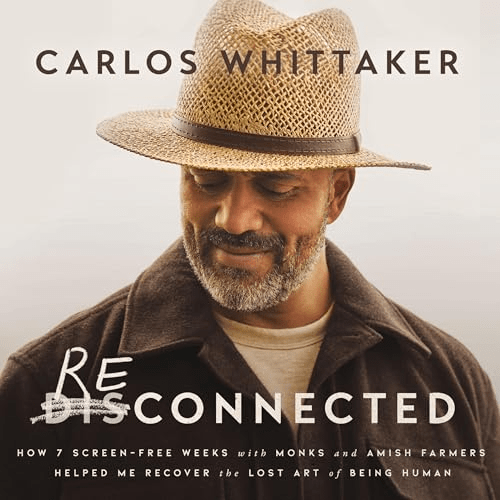
“Reconnected” was written by Carlos Whittaker, a bestselling author and storyteller who averaged 7 hours 23 minutes a day on his phone before this experiment. Carlos went screen-free for 7 weeks to see what screen time was doing to his head, hands, and heart; he spent 2 weeks with Benedictine monks, 2 weeks with Amish in Ohio, and 3 weeks at home with family. I enjoyed reading about his experiment. Here are some of the many lessons:
- We don’t wonder any more. How many times are you in a conversation when somebody wonders something only to stop wondering because they can look it up on their phone? We’ve lost the ability to not know, and we now feel like we must know everything. We can’t, but we feel like we need to. If we can’t admit that we don’t know something, suddenly we are creating experts who aren’t actually experts. Ex: TikTok
- Recovering our ability to have regular solitude is so important for our mental health and overall well-being. Let your mind wander, do a digital detox, and experiment with tech-free hobbies.
- How many times do we pull out our phones when we get uncomfortable with our present circumstances? Jesus made a habit of being fully present with people that hardly anyone wanted to be present with. Our presence has the ability to change not only our lives but the lives of others. You could change another’s life – someone that you might not even notice if you weren’t looking up.
- The table is one of the most intimate settings we have for sharing our lives. The table is one of the best tools we have to get to know someone well and to discover the heart of somebody. Try going phone-free and allotting more time for meals.
Not every argument is worth having and not every comment deserves a rebuttal. Choose where to invest your energy. Respond with reason, not with rage.
One of the most interesting lessons was that the Amish allow some pieces of technology that aren’t going to grow them apart. They weigh the potential value of every piece of new technology before allowing it. Community is more important than anything else. They don’t think cars are evil, but they know that if they started using cars, their community would no longer be a community.
This book was intriguing and filled with lessons about the impact of technology.
5 out of 5 stars
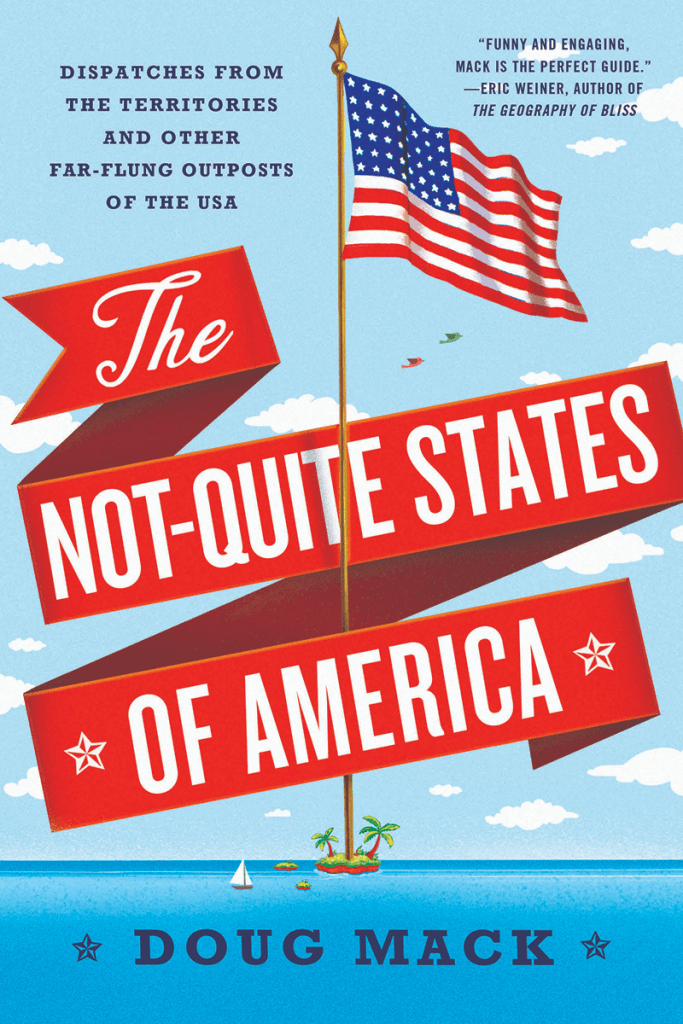
“The Not-Quite States of America” was written by Minnesota author Doug Mack. This book was boring at times and reads like a history textbook. This book covered some interesting tidbits about the territories of the Virgin Islands of the United States, American Samoa, Guam, the Northern Mariana Islands, and Puerto Rico. Here are some facts:
- Residents of the territories cannot vote for president. They can run for president.
- The Virgin Islands of the United States (USVI) are heavily reliant on tourism and imported goods. Agriculture is only 1% of USVI’s overall budget. With the blessing of the U.S. Treasury and Congress, the islands offer a 90% reduction in U.S. corporate and personal income taxes. The appeal of the USVI for the United States was its utility as a coaling station.
- People born in American Samoa are U.S. nationals, not U.S. citizens, making them the only group on U.S. soil without automatic citizenship. To gain citizenship rights, they must become naturalized like any immigrant. Tuna canning is the largest private-sector employer. American Samoans who oppose birthright citizenship value 3 traditions that might be deemed unconstitutional:
- The Native Land Ordinance – only individuals with at least 50% Samoan blood may own native land
- Matai-only Senate – traditional chiefs, not elected by popular vote
- Sa – the roads are closed when prayer time is observed in some villages
- Military bases occupy nearly 1/3 of Guam’s land, but much of this land is not actively used by the military; the military simply controls the land.
- The Northern Mariana Islands (CNMI) rely heavily on tourism and foreign labor. The Northern Mariana Islands are a U.S. commonwealth, meaning the residents are U.S. citizens, but CNMI has local self-government, including its own constitution, legislature, and governor. The U.S. Congress selectively applies some federal laws.
- Puerto Ricans are U.S. citizens but can’t vote for president. Puerto Rico has 10x more people than all the other territories combined. The Spanish and American cultures intertwine, creating a unique identity.
3 out of 5 stars
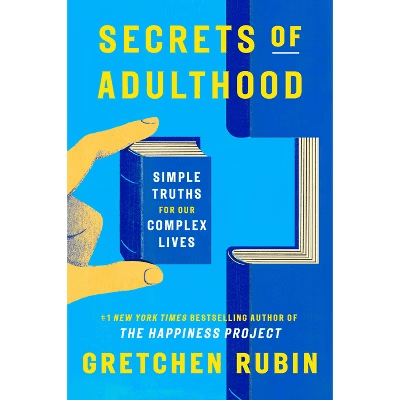
“Secrets of Adulthood: Simple Truths For Our Complex Lives” was written by Gretchen Rubin, who has authored many books and hosts the top-ranking, award-winning podcast Happier with Gretchen Rubin. This book was not quite what I anticipated. It contained valuable information, but it was more like a listicle or what you may find in a fortune cookie. Here are some “secrets” of adulthood:
- If you find it hard to take good care of yourself, care for yourself like a toddler: Don’t let yourself get too hungry, too tired, too uncomfortable, too bored, too lonely, or too overwhelmed.
- The traffic changes, the weather changes, yet the same people are always late, and the same people are always on time.
- More trial, more error – and more accomplishment.
- Nothing is more exhausting than the task that’s never started.
- By giving something up, we may gain. Briefly depriving ourselves of a pleasure often has one of two good results: either it reawakens our enjoyment or reveals that we’re happier when we don’t indulge.
- If we take the credit, we must accept the blame.
- Don’t buy things until you need them. Store things at the store.
- If you can’t think of a topic of conversation, ask, “What’s keeping you busy these days?”
3 out of 5 stars
“Cue the Sun!: The Invention of Reality TV” was written by Pulitzer prize-winning New Yorker author Emily Nussbaum. The book covered the history of reality tv, starting from its contentious roots in radio, and Emily conducted in-depth interviews with more than 300 sources to gather information for this book. Here are some key points:
- Reality TV didn’t just appear. It evolved from radio call-ins, prank shows, and experimental documentaries.
- Reality TV thrives on presenting “real life” while heavily manipulating footage. This results in ethical dilemmas. Producers edit raw footage to craft narratives and often distort reality. This raises questions about consent, exploitation, and how much “truth” audiences really want.
- The launch of Survivor in 2000 marked reality TV’s explosion into mainstream dominance. It taught networks that unscripted formats could be cheap to produce yet massively profitable.
- Reality TV influences politics and celebrity culture. As an example, Donald Trump leverages reality TV fame from The Apprentice into political power.
Some interesting tidbits:
- By the 1960s, Candid Camera had become a major hit on radio, but on TV, the show’s subjects weren’t anonymous anymore. Some laughed, others got angry, and many experienced a messy blend of feelings.
- The Dating Game required no background checks. One of the show’s winners, Rodney Alcala, turned out to be a serial killer, was also a convicted sex offender, and paroled twice. At the time he filmed his segment, he was in the midst of a murder spree.
- The People’s Court was the first television show to feature binding arbitration.
- America’s Funniest Home Videos was unusually easy to produce since it relied on videotapes sent in by viewers and filmed on camcorders. It cost ABC almost nothing – no actors, directors, or stunt professionals. Together with America’s Funniest Home Videos, Cops jump-started the reality genre, which had been static for nearly a decade.
Survivor was the first series to take the reality genre mainstream in the United States. It stood out because it united 3 key traditions: prank show, game show, and real-life soap opera.
- By 2002, casting a reality show had become a science, down to the thick contracts contestants signed, granting editors total control. There was also a natural next step after the finale aired: move to Los Angeles.
- In 2006, with the rise of The Real Housewives, cast members of reality shows began to identify as influencers, viewing themselves as performers and collaborators, brand representatives of the shows they appeared in.
4 out of 5 stars
I look forward to reading, learning, and sharing more with you soon!
#bookblogger, #bookblurbs, #bookreviews, #connect, #connection, #cuethesun, #history, #interpersonaldynamics, #lifelessons, #painfulfavor, #personaldevelopment, #readlearnshare, #realitytv, #reconnected, #relationships, #secretsofadulthood, #technology, #territories, #tesssanchez, #thenotquitestatesofamerica, life -
September 2025 Reads
I read 4 books in September. I really enjoyed the books I read, and I gave 3 out of the 4 5-star ratings! Here is a blurb of each of the books I read in September.
“Open When: A Companion for Life’s Twists and Turns” was written by Dr. Julie Smith, who has over 10 years of experience as a clinic psychologist and is one of TikTok’s top 100 creators. You can find Dr. Julie on Instagram/TikTok/Youtube at drjulie. This book covered advice for navigating anger, setting boundaries, comparison, confidence, friendships, parenting, arguing, seeking help, overwhelm, priorities, grief, apologies, and much more. Here are some of the many insights that resonated with me.
Whether it’s the good news or the bad, if you have to keep parts of your life under wraps to fit in, that’s not a friendship that is going to nourish and bring out the best in you. Search for acceptance and belonging in the right places. Consider: Is this a place I truly want to belong? Would being recognized as part of this group be a positive in my life? How much of myself, my beliefs, or my values would I be expected to change in order to be accepted? Is that okay with me?
Comparison can lead to constructive forward motion and be a good thing. If it leads to envy, resentment, bitterness, and a loss of self-worth, then we are getting it all wrong, and both our efforts and our attention have been misplaced. Questions to ask yourself: What do I feel envious of specifically? What specific skills do they have that I would like to have also? Would learning those skills help me with achieving my own goals? How did they get there? Can I imitate any of that process to help me get closer to my personal goals?
Confidence is the bus that never arrives while you sit waiting. It usually makes an appearance after you have decided to walk and you’re almost at your destination. So get to work on making some progress, and the bus will likely arrive once you’re a little way down the road.
I highly recommend this book!
5 out of 5 stars
“The Cure for Burnout” was written by Emily Ballesteros, who has a burnout management coaching business. This book outlines five areas in which you can build healthy habits to combat burnout: mindset, personal care, time management, boundaries, and stress management. I learned so much from this book. Here is just a snippet.
- Burnout is a state of exhaustion, stress, or misalignment with the direction your life is heading in for an extended period of time. Tangibly, burnout will consume your calendar, sabotage your relationships, and harm your physical health. Intangibly, it will steal the best years of your life while you have your head down in survival mode. It will destroy your mental health and cause exhaustion and possibly depression.
- There are three kinds of burnout, and people can suffer from more than one type:
- burnout by volume – burnout as a result of a high volume of responsibilities, a compact schedule, and very little downtime
- social burnout – burnout as a result of interpersonal demands that exceed your available social resources – these people become the person everyone confides in, vents to, or asks for favors because they are pleasant and reliable
- burnout by boredom – burnout as a result of chronic disengagement and disinterest in the items in your life
Think of personal care as the equivalent of getting gas on a road trip: there is never a convenient time to stop. The personal care pillar mandates that we go out of our way, stop to refuel, and sacrifice the time we could spend “productively” on something else.
- Think of your minimum non-negotiables – getting a minimum amount of sleep, eating food at certain intervals, getting movement, having alone time, etc.
- To manage stress, pause/postpone projects that you’ve loved but are currently bringing more stress than joy, simplify projects, delegate/outsource tasks, and quit doing unnecessary tasks.
- Set boundaries. What boundaries might help reinforce the changes you want to make?
This book was packed with information, and I highly recommend it!
5 out of 5 stars
“The Note” was written by Alafair Burke, an Edgar-nominated New York Times bestselling author of fifteen novels of suspense and professor of Criminal Law. The main storyline of this book is that a vacation in the Hamptons went terribly wrong for three friends with a complicated history. A prank involving a mysterious note led to a missing tourist and a police investigation, unraveling layers of secrets and betrayals. I don’t typically read fiction books, and I won’t spoil this one. Overall, it was an interesting changeup from the books I typically read. This book kept me interested, but it contained overloaded themes of cancel culture, racism, anti-Asian hate, true crime obsession, and more. It seemed that the author wanted to mention many different issues in the book.
4 out of 5 stars

“Build the Life You Want” was written by Arthur C. Brooks and Oprah Winfrey. Arthur C. Brooks is a professor at Harvard Business School and teaches courses on happiness and is also an acclaimed author and speaker. Oprah Winfrey is a global media leader and public figure. This book covered the four big happiness pillars: family, friendships, work, and faith. Here are some of my many takeaways:
- Ask yourself the good questions: What does living well mean – for me, not according to someone else’s model – and how do I do it? What is genuinely worth striving for? What can I offer, and how can I serve? What lessons can I glean from my experiences, especially the toughest ones? How do I make the best use of my limited time on this earth?
- Stop caring what others think. “We all love ourselves more than other people, but care more about their opinions than our own.” “Care about people’s approval and you will be their prisoner.”
- The key to finding meaningful work is to feel a sense of accomplishment and to believe that your job is making the world a better place. Look for a fundamental match between an employer’s values and your own. At the same time, put some space between your job and your life, and make friends and spend time with people who have no connection to your work.
Our impulses, amplified by the consumer economy, entertainment, and social media push us to spend our time idolizing money, power, pleasure, and prestige. These idols all stand in the way of enjoyment, satisfaction, and purpose. They substitute pleasure for enjoyment, make satisfaction harder to attain and keep, and focus us on things that are trivial and not meaningful. The four idols are distractions to numb us to emotional circumstances we dislike and feel we can’t control.
I highly recommend this book for those interested in learning more about finding happiness in family, friendships, work, and faith.
5 out of 5 stars
I look forward to reading, learning, and sharing more with you soon!
-
August 2025 Reads
It’s been a while since I’ve posted on this blog since I have had other priorities. I read 2 books in August and gave myself permission to quit 2 other books – a true act of self-care. Previously, I didn’t allow myself to not finish books. Here is a blurb of each of the books I read in August.

“The Ritual Effect: Unlocking the Extraordinary Power of the Ordinary” was written by Michael Norton, professor of Business Administration at Harvard Business School. Here are some main takeaways:
The essence of habit is the what – something we do – brush our teeth, go to the gym, pay bills, etc. The essence of ritual is the how. It matters to us not simply that we complete the action but the specific way that we complete it. When rituals are disrupted, people report feeling “off” all day.
Some rituals become so intricate that the ritual interferes instead of prepares. Ex: performance rituals – baseball players engage in an average of 83 movements when batting.
Rituals and repetition can be powerful tools for honing our self-control, but ritualistic behavior can, over time, start to control us instead. Among the most common treatments for compulsive behaviors is “habit reversal” training – identifying the root behavior that’s causing problems and replacing it with something else.
The 4 Lessons of Relationship Rituals
- Rituals wake up our experience of commitment – doing things together.
- Relationship rituals are exclusive.
- Rituals – not routines – bring the magic.
- Consensus is a critical factor. Do you and your partner agree that it’s a ritual and not just a routine?
- Food and drink are often central to rituals, but how we share them is what shapes family identity.
- Rituals can be the practices that call us home and bring family together.
- Family rituals immerse us in the moment, strengthen identity, and create lasting meaning.
Rituals give us a sense of ownership, an affirmation of identity or belonging, or an increased feeling of meaning.
- Personal rituals are more adaptable and meaningful than inherited rituals since we can shape them to fit our values and goals.
- Rituals strengthen social bonds through shared meals, celebrations, or communal ceremonies.
- Rituals don’t have to be complex. Simple, intentional actions can transform daily life.
4 out of 5 stars
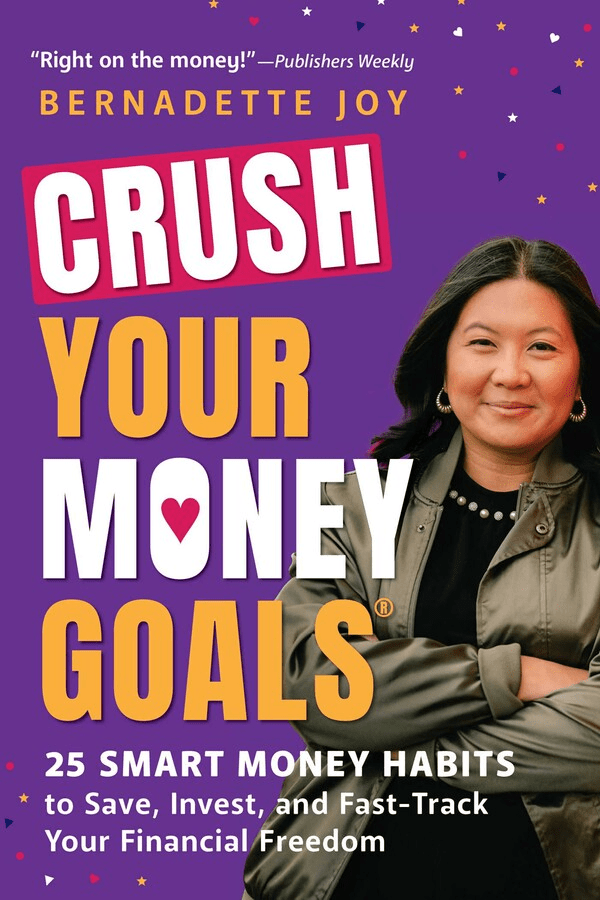
“Crush Your Money Goals” was written by Bernadette Joy, an expert money coach and founder of CRUSH Your Money Goals. Here are some main points.
CRUSH:
- Curate your accounts. Coordinate accounts and track spending.
- Reverse into independence. Set clear financial independence goals. Use the $1 rule to question non-essential purchases.
- Understand your net worth and track it.
- Spend intentionally. Align spending with values.
- Heal your money wounds. Address emotional triggers that lead to overspending.
Net worth trackers organize your accounts into cash & cash equivalents, investments, property, credit cards, and loans. Trackers mentioned in this book include Empower (free) and Monarch Money (paid subscription).
Budget:
- Survive – basic necessities, including housing, utilities, food, transportation, and health
- Revive – current expenses that aren’t necessary but make life worth living for you, such as vacations, clothing, entertainment, and hobbies
- Strive – anything that helps you grow your net worth
The CRUSH method consists of 50% strive, 25% survive, and 25% strive. In other words, saving/investing half of your income – which does not seem attainable for most people, especially people who don’t earn six figures. The author mentioned that if this is not attainable, people should work to increase their income.
Other tips:
- Remember that the interest you pay on any debt is making someone else rich by being their passive income stream. Ex: your mortgage, auto loans, and credit cards.
- Unsubscribe from email marketing and digitally detox from constant comparisons. Reduce impulse spending.
- Implement a $1 cost per use rule – technology, furniture, clothing, accessories, home goods.
- Invest in a Roth IRA, where you won’t pay taxes on growth. All income earned is tax-free.
- Compare insurance plan rates each year. Ask for discounts from service providers.
4 out of 5 stars
I look forward to reading, learning, and sharing more with you soon!
-
July 2025 Reads
It’s been a while since I’ve posted on this blog since I have had other priorities. I read 4 books in July. Here is a blurb of each of the books I read in July.
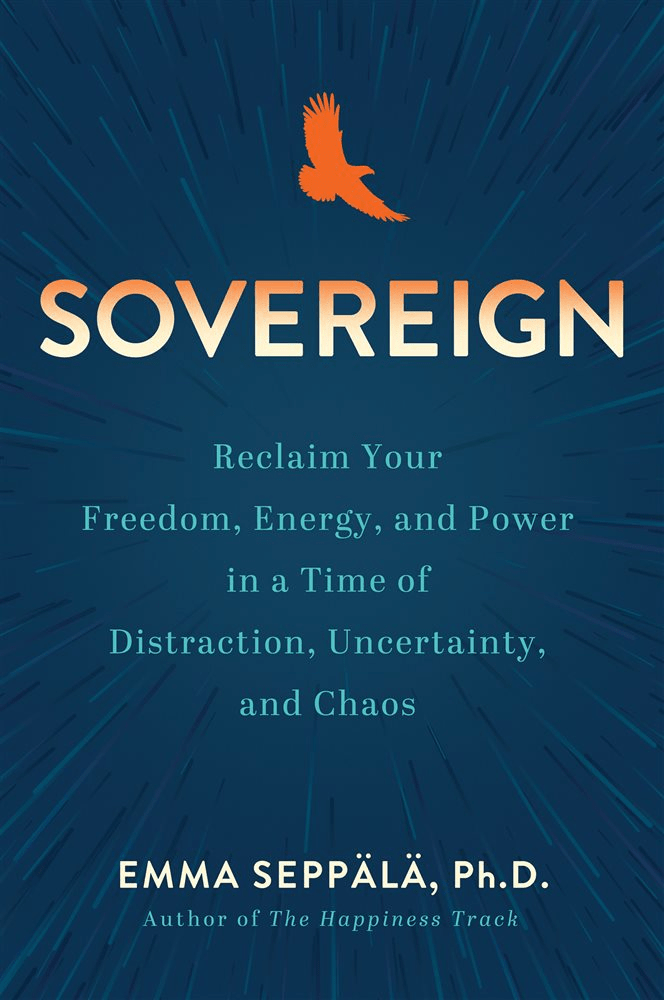
“Sovereign: Reclaim Your Freedom, Energy, and Power in a Time of Distraction, Uncertainty, and Chaos” was written by Emma Seppala, a Yale lecturer and international keynote speaker. This book was insightful! It was packed with tips to recharge your life and change the way you think and act – from your emotions, mind, relationships, intuition and body. Here are some of my many takeaways:
- Sovereignty is reclaiming your right to exist as you. It involves courage, awareness, and self-honoring. Consider what would happen if you loved and cared for yourself as much as you do for others.
What would it look like if you took care of yourself as you would an infant, attentive to its every need? Be mindful and aware of your emotions and ask yourself “What do I need right now? A hug? A walk? A break? A nap? A cry? A meal? A friend? Something else?”
Some of the many tips covered:
- Sovereign self
- Listen to the state of your mind and body. Ask yourself what you need.
- Prioritize what fills your cup – what brings you rest, rejuvenation, energy, vitality, upliftment, inspiration, and joy.
- Sovereign emotions
- Remember: when you run from your feelings, you run from your healing. Feel instead of suppressing.
- Remember that emotions are energy in motion. Take care of your basic needs: sleep, diet, exercise, and yourself.
- Sovereign mind
- Create boundaries around your media. Don’t go on social media to look at what other people are doing or selling.
- Observe and discern: What are the intentions of the messaging. Is it giving you freedom or binding you in fear? Do you wish to engage with it?
- Sovereign relationships
- 6 keys of positive relational energy
- caring for, being interested in, and seeing the best in others
- providing support for one another, including offering kindness and compassion
- avoiding blame and forgiving mistakes
- inspiring one another and focusing on what’s going right
- emphasizing meaningfulness
- treating others with basic human values like respect, gratitude, trust, honesty, humility, kindness, an integrity
- 6 keys of positive relational energy
- Sovereign intuition
- Consult your gut feelings.
- Unplug from technology. Create opportunities for contemplation. Schedule idle time.
- Sovereign body
- Relate to your body as your best friend because that’s what it is. Learn to love it, care for it, listen to it, and live in harmony with its needs.
- Reflect on these questions: Do you honor and care for your body the way you would a child? If not, what would it look like if you did?
This is one of the best books I have read this year, and I highly recommend it to everyone!
5 out of 5 stars
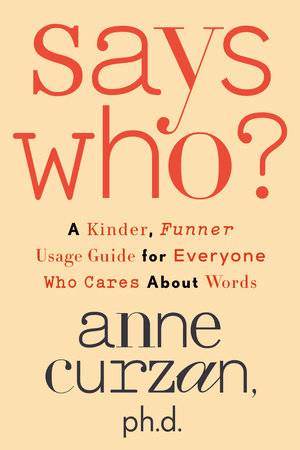
“Says Who? A Kinder, Funner Usage Guide for Everyone Who Cares About Words” was written by Anne Curzan, professor of English Language and Literature, Linguistics, and Education at the University of Michigan. This book was intriguing, although some readers may find it overwhelming or too academic. Here are some things that resonated with me:
One key point for everyone who uses dictionaries is that dictionary editors are trying to walk a fine line between capturing words as they are used and providing guidance about the contexts in which some words are generally accepted or not accepted. While the editors of today’s dictionaries are usually trying to describe actual usage, we as dictionary users often erroneously assume that they are prescribing correct usage. Attitudes at the language change over time!
- English has lots of synonyms in many areas of the lexicon, and they demonstrate the remarkable creativity we as humans bring to language, the many languages that have contributed to the English lexicon, the diversity of our linguistic identities, and the nuanced choices we get to make as speakers and writers.
- Dictionary editors determine which pronunciations get recorded as standard and which get labeled as nonstandard – and which don’t get included at all.
- What’s correct depends on where, when, and to whom you’re speaking. Formal writing has different expectations than casual conversation.
- Many grammar rules are based on tradition, not logic. Usage evolves, and what was once “wrong” can become accepted over time. Examples:
- “Peruse” has long meant “to read thoroughly” – but now people use it to mean “to glance over, skim” – which is becoming more acceptable.
- “Literally” is used to mean “in the literal sense” AND “figuratively.”
4 out of 5 stars
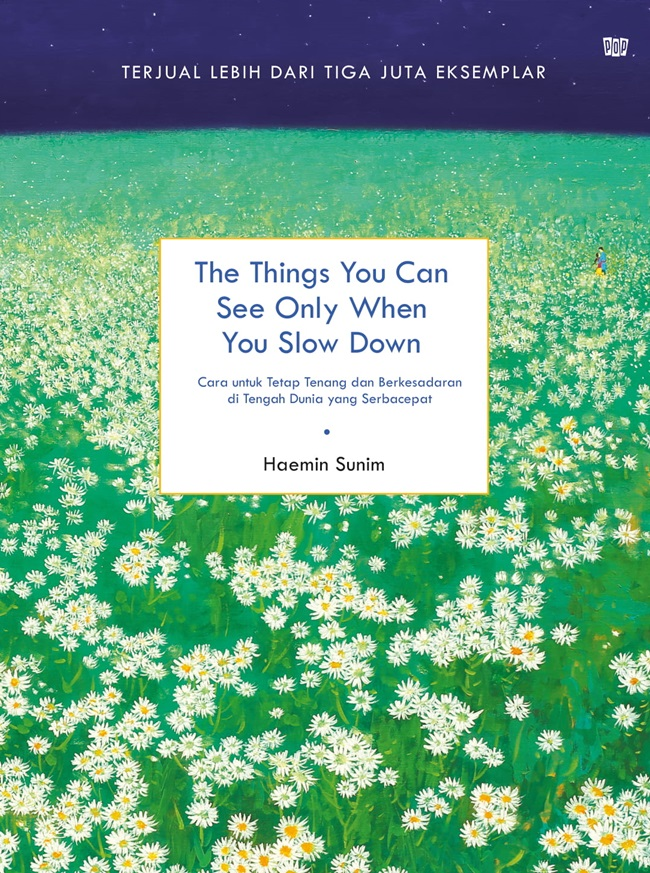
“The Things You Can Only See When You Slow Down” was written by Haemin Sunim and contained so many life lessons and a guide to mindfulness. I got a lot out of this book. Here are some takeaways:
Do not try to control those around you. When you cannot control even your own mind, what makes you think you can control others?
- According to some psychologists, happiness can be assessed with two simple questions: First, do you find meaning in your work? Second, do you have good relationships with those around you?
- We like to get involved in other people’s business, thinking we are doing so for them. We offer unsolicited help and interfere with their lives. We take away their power and make them feel incapable. This stems from our desire for control and recognition. It has little to do with love.
- A bad driver brakes often. A bad conversationalist also brakes often – interrupting the flow with his own stories.
- Being a good boss requires much more than just having a lot of technical knowledge. It is important to have integrity and a positive relationship with the staff, to give timely feedback and professional mentoring, and to advocate for what the team needs.
As my prayer deepens, I hear more of His voice than my words. As my humility grows, I feel more of His love overflowing in my heart. As my mind quiets down, I sense more of His presence in every moment.
I really enjoyed the lessons from this book and highly recommend it.
5 out of 5 stars
“I Could Live Here Forever: a novel” was written by Hanna Halperin. This is a fiction book and is not what I typically read. This book was described as “a gripping portrait of a tumultuous, consuming relationship between a young woman and a recovering addict.” I agree with that description. Since this was a fiction book, I didn’t take many notes, but these quotes resonated with me:
“The nice thing about writing was it took pain and warped it into something useful. I could shape it into a beginning and a middle and an end. It was manageable that way . . . by the time I was done with it, it was just a story.”
I never actually knew what he was doing. I was outside his world, even though he was inside of mine. Really, he was my entire world.”
Overall, I wanted more character development.
3 out of 5 stars

I look forward to reading, learning, and sharing more with you soon!
-
June 2025 Reads
It’s been a while since I’ve posted on this blog since I have had other priorities. I read 3 books in June. Here is a blurb of each of the books I read in June.
The novel “Motherhood” by Sheila Heti follows a woman in her late 30s as she grapples with whether or not to have children. This book was not plot-driven; it was more like a long internal monologue in which the woman constantly questions what it means to be a mother and whether motherhood would enhance or diminish her life. I didn’t like the writing style, but it was thought-provoking at times. Here are some key lessons from this book:
- the pressure of societal expectations for women to have children
- motherhood as a choice, not an obligation
- motherhood is often tied to a woman’s identity
- the cost of motherhood – sacrifice of time, freedom, and sometimes the dreams or ambitions women may have for themselves
- Women are often expected to become mothers, while men are not held to the same societal standards.
Quotes that stood out to me:
Do I want children because I want to be admired as the admirable sort of woman who has children? Because I want to be seen as a normal sort of woman, or because I want to be the best kind of woman, a woman with not only work, but the desire and ability to nurture, a body that can make babies, and someone who another person wants to make babies with?
We are miserly with ourselves when it comes to space and time. But doesn’t having children lead to the most miserly allotment of space and time? Having a child solves the impulse to give oneself nothing. It makes that impulse into a virtue.
Whether I want kids is a secret I keep from myself. On the one hand, the joy of children. On the other hand, the misery of them. On the one hand, the freedom of not having children. On the other hand, the loss of never having had them.”
To clear things up, these quotes stood out to me, but these are not my personal thoughts.
3 out of 5 stars
“Change Your Mind and Your Life Will Follow: 12 Simple Principles” was written by Karen Casey, a speaker and author of 16 books. Here are some lessons that resonated with me:
- Tend your own garden. Focusing outside ourselves and attempting to control other people is a clever avoidance technique that helps us escape having to look at our own sometimes troubling behavior.
- We are not in charge of others! Not their behavior, their thoughts, their dreams, their problems, their successes, or their failures.
- Let go of outcomes. No matter what we do or how perfect our input, we are never in control of the outcome of any situation. You are responsible for making the effort – nothing more.
- Don’t let the mood swings of others determine how you feel.
Any thought can be released. We are fully responsible for our thoughts and can take charge of them whenever we need or want to. No one can take charge of your thoughts, and thus your life, without your compliance.
Be vigilant about your choices. If what you are seeking is peace, you must be vigilant about the choices you make. The ego will often beckon you to choose gossip, criticism, comparisons, judgements, jealousy, fear, and anger – none of these choices will lead you to peace.
4 out of 5 stars
“The Mindful Catholic” is based on an eight-week program called Mindfulness-Based Stress Reduction and was written by Gregory Bottaro, the director of the Catholic Psych Institute and the developer of the Catholic Mindfulness Online Course. Here are some takeaways:
Mindfulness = paying attention to the present moment without judgment or criticism. Curiosity is the disposition of mind that we are seeking to cultivate when we practice mindfulness. Mindfulness does not mean turning off the thoughts in your mind but using them as a door to greater awareness of yourself.
Tendencies vs. Mindfulness:
- analyzing vs. sensing
- striving vs. accepting
- thoughts are real vs. mental events
- avoidance vs. approaching with curiosity
- mental time travel vs. present moment
- depleting vs. nourishing activities
This book also covered mindfulness exercises. As someone who isn’t experienced with mindfulness, here is my favorite:
- Sacramental pause – Start with prayer (“Ever-present God, here with me now, help me to be here with you“). Open your awareness to any thoughts, emotions, or physical sensations, then narrow your focus to the physical sensation of your breath alone, and finally expand the focus to the physical sensations of your whole body.
4 out of 5 stars
I look forward to reading, learning, and sharing more with you soon!
#bookblog, #bookblogger, #bookblurbs, #bookreviews, #changeyourmind, #children, #identity, #karencasey, #lifelessons, #mindfulness, #motherhood, #parenting, #peace, #personaldevelopment, #principles, #readlearnshare, #sacramentalpause, #sheilaheti, #themindfulcatholic, #thoughts, family, life, mental-health -
May 2025 Reads
It’s been a while since I’ve posted on this blog since I have had other priorities. I read 5 books in May. Here is a blurb of each of the books I read in May.
“Supersized Lies: How Myths About Weight Loss Are Keeping Us Fat – And the Truth About What Really Works” was written by Robert J. Davis, PhD, host of the Healthy Skeptic video series and an award-winning health journalist whose work has appeared on CNN, PBS, WebMD, and the Wall Street Journal. Here are some main points:
Instead of focusing on individual villains, we need to pay attention to the general quality of our diets – emphasizing whole foods and minimizing highly processed foods – vegetables, fruits, beans, nuts, seeds, seafood, lean poultry, and whole grains, such as oats and rice. Whole foods tend to have fewer calories per ounce, more fiber, and be more filling, and we often eat them more slowly, giving our brains time to get the message that we’ve had enough.
- When calories are cut or increased by a specific amount, the change in weight will vary from person to person, and these differences are due at least in part to genetics.
- Calories shouldn’t be the only consideration. That can detract from the pleasure of eating, contribute to an unhealthy relationship with food, and result in too little of the things your body needs. Instead, when choosing what to eat, also pay attention to the sugar, fiber, and protein, and consider how healthful and filling the foods are and how you feel after you eat them.
It takes A LOT of work to burn off the calories in a relatively small amount of food. Changing your diet to lose weight is easier than exercising to lose weight.
If dietary supplements had to meet the same standards of proof for safety and effectiveness as medications, few, if any, would be allowed on the market. Supplement makers aren’t required to test for safety. The law assumes that supplements are innocent until proven guilty – just the opposite of how medications are regulated.
Exercise, sleep, and stress management reinforce each other to benefit not only our physical and emotional health, but also our weight.
4 out of 5 stars
“Selling the Dream: The Billion-Dollar Industry Bankrupting Americans” was written by Jane Marie, a Peabody and Emmy Award-winning journalist. In this book, Jane expands on her popular podcast The Dream to expose the source of multilevel marketing schemes. Although I have never been involved in multilevel marketing (thankfully), I got a lot out of this book! Here are some main takeaways:
- 99% of those who join MLMs make no $ or even lose $. Women make up 74% of the MLM workforce.
- In an MLM, the product being sold doesn’t matter since most of the $ is being made via recruitment fees and distributors stocking their own shelves with inventory.
- Despite what those in MLMs may believe, they are not business owners. They don’t control anything except their own sales efforts. They don’t own the product they’re selling or any IP, they don’t set their own prices or salaries, and they are often bound by strict rules in how they can market and sell the products. They also lack a guaranteed salary, benefits, and workers’ rights.
The MLM world is a bizarre land where incentives can range from the opportunity to buy your own ticket to a conference to earning a new rank solely based on products you’ve purchased that now sit in your garage. The disincentives are just as plain: once you’ve roped in your friends and family, quitting seems off the table and an admission that you sold them a bill of goods.
“Nutrition” clubs are seemingly popping up everywhere. One of the most fascinating things I read in this book is that Herbalife nutrition clubs prohibit signs that state or suggest that Herbalife products are available for retail purchase on the premises. Club owners are not permitted to post signs indicating whether the club is open or closed, and the interior of the club must not be visible to persons outside.
I recommend reading this book if you want to learn more about the MLM industry.
4 out of 5 stars
“I Wish I Knew This Earlier: Lessons on Love” is an essay-type book divided into themes and written by Toni Tone, an award-winning speaker, writer, and social content creator. Here are some points that resonated with me:
- Intimacy tells you more about a relationship than intensity. Can you be vulnerable? Do you feel safe? Is there trust? Do you have similar interests? Can you easily hold a conversation with them? Do you have similar values?
- Have a life outside of your love life is essential. A healthy relationship should complement your life, not become it. A partner who is good for you wants you to flourish and wants you to be the best version of yourself. The best version of yourself is well-rounded, has friendships outside of your romantic relationship, hobbies, and aspirations outside of your romantic relationship.
We should choose to love people for who they really are because the painful truth is that potential doesn’t always manifest. You may think a person is capable of moving mountains for you, but should these mountains never be moved, how will you feel? Falling for potential is not just a disservice to you but it’s also a disservice to the person you are choosing to love. We don’t possess the power to change people. People change because they want to.
Don’t forget to celebrate your partner. Share compliments, provide words of affirmation, and give praise where it’s deserved. Don’t speak up only when you are annoyed. Speak up when you are happy too.
I highly recommend this book to anyone!
5 out of 5 stars
“Love is a Choice: 28 Extraordinary Stories of the 5 Love Languages in Action” was written by Gary Chapman, author, speaker, and counselor and #1 bestselling author of The 5 Love Languages series. Here are some great points:
Realize that you have as many faults as your partner. “Fix your thoughts on what is true, and honorable, and right, and pure, and lovely, and admirable. Think about things that are excellent and worthy of praise.” Philippians 4:8
- Perhaps one of the keys to finding an enduring affection is to be willing to accept the interruptions and intrusions.
- How do you measure love? Each of us speaks a different love language. How can we learn someone’s love language? By asking them what makes them feel really loved or by watching how the person expresses love to others.
- Love doesn’t require that we always have all the answers. Instead, many times love just asks that we listen to the problem, that we try to understand, and that we express our condolences, sympathy, or love. Sometimes love means just being there for the person we care about.
Love requires effort and action. Love is not passive. It requires constant effort, communication, and care. Actions like making time for each other, showing affection, or helping with everyday tasks can strengthen a relationship in profound ways.
Open, honest, and empathetic communication is necessary to foster understanding and connection. Instead of assuming your partner knows what you need, communicate your feelings, desires, and needs clearly. Practice active listening and empathy.
4 out of 5 stars

“Compassion in the Court: Life-Changing Stories From America’s Nicest Judge” was written by Judge Frank Caprio, who became an unexpected television and internet superstar while in his eighties. Judge Caprio’s three-time Emmy-nominated television show, Caught in Providence, has amassed over 20 million followers across social media and his videos have accrued billions of views. Here are some key lessons:
- True justice should be tempered with compassion. Treat people as human beings, not just as cases or statistics.
- Compassionate decisions build trust in the judicial system. When people feel that they are treated fairly and with understanding, they are more likely to follow the rules and make positive changes.
- What may seem unimportant to you could be incredibly important and life-changing to the person before you. One small act of kindness, one act of being thoughtful, can really change the course of a person’s life.
- Put yourself in the shoes of the person you are facing and then ask yourself: What would help? How would you behave if it were your parents, grandparents, brother, sister, or relative in that situation? How would you want them treated?
My courtroom was a microcosm of the city of Providence, a progressive city that’s been welcoming immigrants for hundreds of years. Many of the defendants who have appeared before me may not have felt life had treated them fairly, but it was my sincere hope that in my courtroom they felt that they had the opportunity to speak, to be heard, and to be treated fairly in the way our system of justice demands.
4 out of 5 stars
I look forward to reading, learning, and sharing more with you soon!
-
April 2025 Reads
It’s been a while since I’ve posted on this blog since I have had other priorities. I read 5 books in April. Here is a blurb of each of the books I read in April.
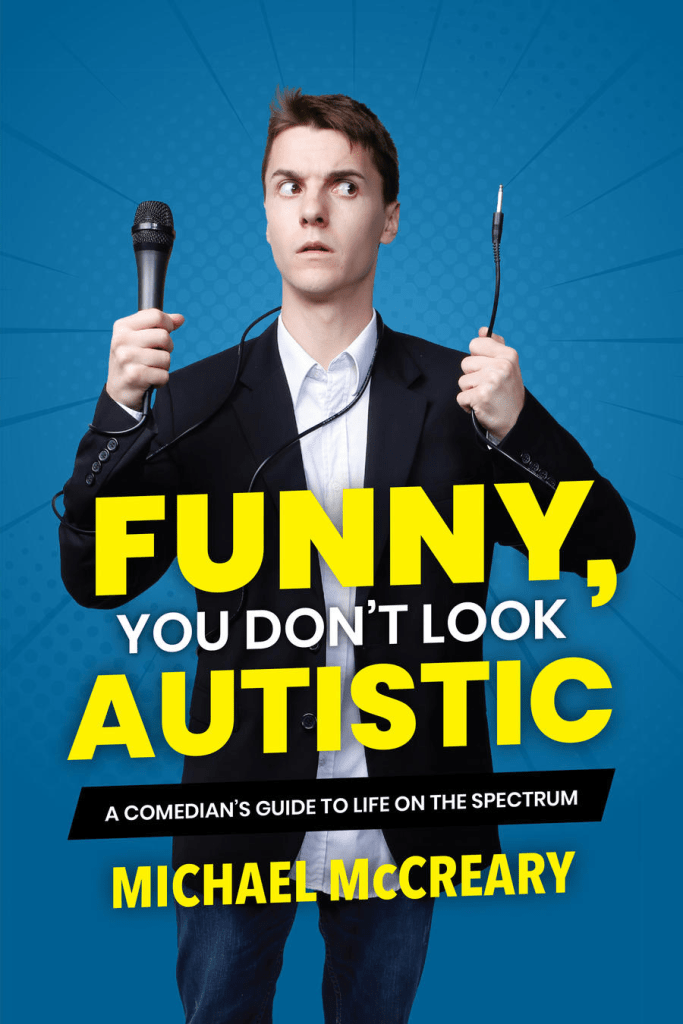
“Funny, You Don’t Look Autistic: A Comedian’s Guide to Life on the Spectrum” was written by Michael McCreary, who does stand-up comedy about being on the autism spectrum and uses comedy to help demystify autism and break down stereotypes. He has performed across North America and lives in Toronto, Canada. Although this is not a comprehensive educational book, I learned more about autism. Here are some takeaways.
Everyone with autism spectrum disorder (ASD) is different. People with ASD have many of the same thoughts and feelings as anyone else. The difference is in the intensity of those feelings and the degree to which they affect functioning.
The DSM-5 defines autism as a “triad of impairments” that presents challenges in these areas:
- social interaction
- communication
- repetitive behaviors
Some people have heightened senses and can’t handle sudden bursts or noise or tags on clothes, while others are under-sensitive to sensory information and need to seek out stimulation. This is known as “stimming” and can include rocking, staring at lights, repetitive blinking, tapping, making sounds, spinning objects, rubbing your skin, clapping, or leg-shaking.
The author took improv classes. Improv requires you to listen to people, respond to them, and go with the flow: “Improv taught me more about social skills than any learning strategies ever could.”
When I’d seen comics lean on a mic stand, I always thought it was a power move. I soon realized that it was meant to make your shaking less obvious.
In media, the characters often seem like a checklist of symptoms rather than real people, a collection of quirks that have been mistaken for a personality. The problem with presenting autism on-screen is that it becomes the crux of the character. Having autism is a characteristic, not a character.
Although this book provided some useful information, it left more to be desired.
3 out of 5 stars


“The Unclaimed: Abandonment and Hope in the City of Angels” by Pamela Prickett and Stefan Timmermans is a powerful work of narrative nonfiction that explores what happens when people die with no one to claim them. Prickett, a sociology professor and former broadcaster, and Timmermans, a UCLA sociologist known for his work on death investigations, follow the lives of four individuals in Los Angeles who died between 2012 and 2019—some with family and means, others without—revealing how easily people can become invisible. Alongside their stories, the authors introduce us to the scene investigators, notification officers, and crematorium workers who step in when no one else will. I found the book deeply moving and full of surprising insights. Here are just a few that stayed with me.
- Today, more and more relatives are abandoning their dead, leaving it to local governments to dispose of the bodies. Up to 150,000 Americans now go unclaimed each year.
- The term of choice for those sent to the potter’s field is no longer indigent but unclaimed – reflective of relatives’ inability or unwillingness to take care of their dead.
- There is no federal agency to track or oversee the unclaimed – just a patchwork of ad hoc local practices.
- Los Angeles – “Over five hours, the men poured 1,461 boxes and envelopes into the grave – a year’s worth of ashes.”
Just because a family might be indigent does not mean a decedent is. To access a decedent’s $, the family needs a death certificate. The medical examiner’s office would not release the death certificate until the family hired a private funeral home to transfer the body from the crowded crypt. Quick access to the death certificate was one of the few carrots the office had to entice hesitant families to claim.
Meanwhile, even as they refused to claim David’s body, Mikel and Tiffany were planning how they would spend David’s money. When the estate was settled, after expenses and fees amounting to $30,000, Tiffany’s share came to $10,996.71. Feeling no shame about benefiting from the investment account of a man they hadn’t spoken to in decades, they decided to take a late honeymoon.
Patterns that increase likelihood of being unclaimed: social isolation caused by eroding family ties, never getting married, estrangement
I highly recommend this fascinating book! I learned so much about the unclaimed.
5 out of 5 stars
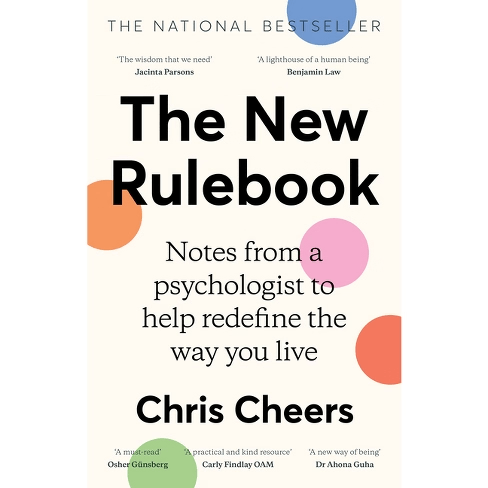
“The New Rulebook: Notes from a psychologist to help redefine the way you live” was written by Dr. Chris Cheers, an Australian psychologist and educator with a focus on elevating mental health in the arts and LGBTQIA+ communities. In this book, Dr. Cheers compassionately asks readers to examine 5 key areas of their lives: self-care, emotions, work, love, and body, and offers evidence-based solutions to redefine their lives not based on expectations of how they should live but led by what they need. Here are some reflections.
If you only focus on self, you start to view self-care as something that is a solo effort – something you buy for yourself, do alone, etc. Many of the worthwhile actions of self-care are carried out in relation to other people, such as communicating boundaries, saying no, or standing up for yourself.
We often recognize that we’re unhappy in our relationships, at work, or in daily life, but we rarely see major change as a real option. Instead, we try to feel better about the lives we already have and convince ourselves that change is too hard or simply not possible. In that process, self-care can become a soothing distraction rather than a solution. If your version of self-care is helping you cope with something that truly needs to change, it may not be care at all. It may be a quiet form of self-neglect.
Self-Care Reflection Questions
- How can I care for myself today?
- What are the barriers to making that happen? Can they be challenged?
- What can I do to help make that care happen?
- What positive impact will this care have not only for me, but for my community and the people in my life?
Values – How do you want people to describe you? What words do you want them to use to describe what you have held as most meaningful and important in your life? These are your values.
- Values are useless if they just remain an ideal. Our daily actions become our life and identity. Consider how your actions have aligned with your values over the last six months and consider which behavior you could limit to make space for more meaningful actions.
We promote belonging in our relationships through intentional gathering. Safety comes from clear communication and trust. Trust is earned through actions that show accountability, integrity, and reliability. We can also promote a sense of safety in our relationships through learning how to have a difficult conversation, apologize, and come together after conflict.
I recommend this book to anyone who wants to examine the 5 key areas of their lives: self-care, emotions, work, love, and body.
4 out of 5 stars

“Bibliotherapy: Books to Guide You Through Every Chapter of Life” was written by Molly Masters, a writer, podcaster, director and CEO of Aphra, and CEO of Bookshop Limited. Bibliotherapy is the application of literature towards a therapeutic goal. This book was a bibliotherapy concierge for confidence and courage, adulting, empowerment, first loves and great loves, heartbreak, self-love and self-discovery, LGBTQIA+ identity, new beginnings, new parents, creativity and inspiration, escapism, your mind, grief and loss, and feeling directionless.
This book was split into sections and provided one-sentence blurbs about most books recommended. I wrote several titles down to research more or read, and I highly recommend this book if you want book recommendations for the categories listed above! I will not be sharing titles recommended at this time because I don’t want to endorse books I have not read yet.
4 out of 5 stars
.
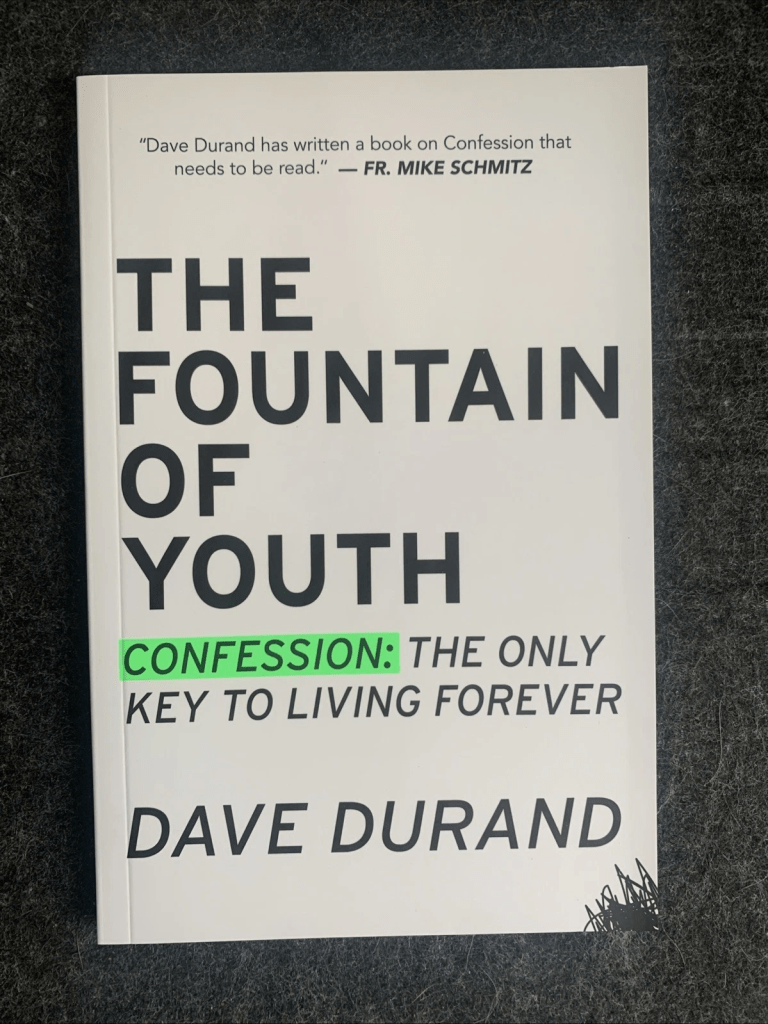
“The Fountain of Youth – Confession: The Only Key to Living Forever” was written by Dave Durand. This book was handed out by my Catholic church and explores a topic that many Catholics (and Christians in general) struggle with: the Sacrament of Confession. Dave Durand takes a direct approach, addressing common excuses people make for avoiding confession, and offering responses rooted in Scripture and Church teaching. Here’s a brief look at a few of those points:
- “It is not necessary to go to a priest. I can just tell my sins to God directly.”
Durand reminds us that Jesus gave His apostles the authority to forgive sins—a gift passed down through the Church. - “At least I’m not as bad as others.”
The book challenges the idea that God “grades on a curve” and instead invites us to humbly acknowledge our need for grace, just as many saints once did. - Self-Justification
Rather than justifying our actions, confession helps us confront our faults honestly before God, which can lead to deeper transformation in all areas of life. - “Who is the Church to say what’s a sin?”
Durand addresses this with a reminder that moral truth doesn’t change based on opinion and that Jesus established the Church for guidance and accountability. - “I keep committing the same sin—what’s the point?”
He encourages persistence in confession, noting that repeated sin doesn’t mean failure if we sincerely strive to grow in virtue with God’s help. - Emotional Blocks
Past negative experiences can make confession difficult, but Durand gently urges readers not to let one painful moment keep them from God’s healing grace.
Overall, The Fountain of Youth offers a clear and convicting view of confession within the Catholic faith grounded in both Scripture and the Catechism. Whether you’re a lifelong Catholic or simply curious about the sacrament, it presents a perspective worth reflecting on.
4 out of 5 stars
I look forward to reading, learning, and sharing more with you soon!
#abandonment, #autism, #belonging, #bibliotherapy, #bookblogger, #bookblurbs, #bookreviews, #catholic, #catholicism, #chrischeers, #confession, #death, #funnyyoudon’tlookautistic, #psychologist, #readlearnshare, #selfcare, #thefountainofyouth, #thenewrulebook, #theunclaimed, #unclaimed, #values, christianity, faith, mental-health -
March 2025 Reads
It’s been a while since I’ve posted on this blog since I had other priorities in March. I read 5 books in March. Here is a blurb of each of the books I read in March.
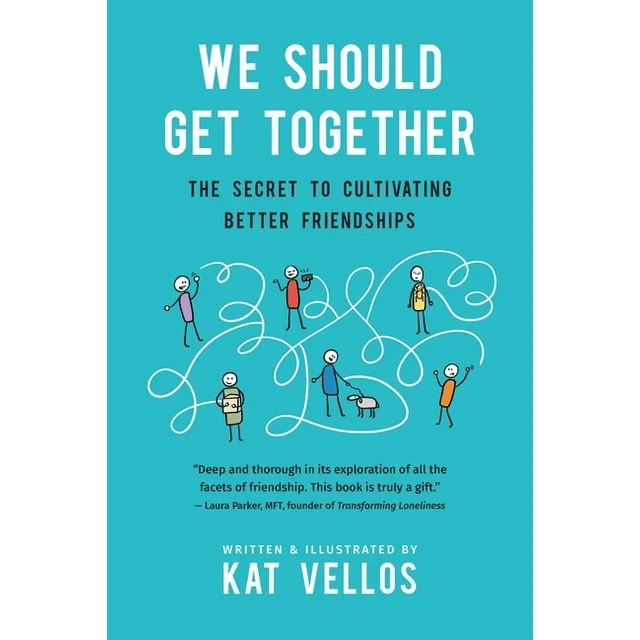
“We Should Get Together: The Secret to Cultivating Better Friendships” was written by Kat Vellos. Kat’s writing is read in over 100 countries and she has been featured in several news outlets. Find out more at katvellos.com. This book helps adults create fulfilling friendships that last a lifetime and tackles challenges of adult friendships and how to make and maintain friendships through more meaningful conversations, identifying quality connections, and prioritizing them. Since starting school, many of my friendships have changed. I got a lot out of this book, but here is just a handful of tips:
- Friendship factors: compatibility, proximity, frequency, and commitment. We show our commitment through 5 core behaviors: openness, caring, trust, dedication, and reciprocity.
- One of the biggest complaints that comes up when people talk about friendship during adulthood is that everyone’s so busy all the time – work, school, kids, marriage, etc. Maybe the reason we’re “so busy” is because we’re binging shows and endlessly scrolling through social media. Take control of your time. Do you lack the time or the dedication?
- Ask open-ended questions and follow-up questions to pull you deeper into conversation. Some fun ideas:
- What’s the weirdest job you’ve ever had?
- What’s a book that you think everyone should read?
- If you had to spend one hour a day studying a topic or practicing a skill, what would you pick up and why?
- If you had to be a teacher for the rest of your life, what would you teach?
- What were three songs that you loved as a teenager?
- What was a low point during this year for you? How did you handle it?
- What excites you?
I highly recommend this book and will post more about it in a future blog.
5 out of 5 stars
“The Secret Lives of Booksellers and Libraries: True Stories of the Magic of Reading” was arranged by James Patterson and Matt Eversmann. James is the most popular storyteller of our time and has received several awards. This book consisted of short essays from booksellers and librarians. Here are some of my many takeaways:
Having a good library is not political. A good library will have books on vegetarianism and hunting. A good library will have books on every religion. A good library will have books about all eras of history, from ancient Rome to the Civil War to the Holocaust. A good library will have books about different countries, different cultures, and different life experiences.
“I don’t see the library going away at all. We’ll just have to keep up with whatever comes next and evolve with what the citizens want. We hope they continue to want what we provide: lifelong learning and joy.”
Public libraries are open to everyone. And free. There aren’t that many public spaces left where you can go without the expectation of spending money.
I highly recommend this book to get perspectives from booksellers and librarians.
5 out of 5 stars
“The Unplugged Hours: Cultivating a Life of Presence in a Digitally Connected World” was written by Hannah Brencher, a writer, TED speaker, and entrepreneur. Hannah challenged herself to 1,000 unplugged hours in one year – taking back a life that had slowly become less present, less awake, and less vibrant over time. This book was a weaving of a memoir, cultural commentary, and spiritual insights. Here are some takeaways:
- What would happen if we checked into the lives we’re building as much as we checked into other people’s lives online?
- Think about something you’ve been wanting to do for a long time – something you keep pushing off because of e-mail, mindless scrolling, or yet another binge-worthy show. Whatever it is, power down your phone and do that thing you’ve been wanting to do. After one hour, turn your phone back on. You’ll have missed out on nothing, but gained something back instead: a piece of your time, a tiny sliver of your life.
- Before taking the challenge, define what “unplugged” means to you. For the author, it means not using your phone, internet, social media, tv, or consuming any form of digital media. Build your boundaries intentionally.
- Don’t believe the lie that you don’t have enough time. Instead, acknowledge that exercising, reading, etc. just isn’t a priority for you right now. Scrolling on your phone takes up a lot of time. The time is there; it’s just waiting to be reclaimed.
The double-edged truth about the devices we hold is that there will always be something to check. Something to read. Some way to improve. Something to watch. Another thing to reply to. Something to share. Another comment to make.
Scrolling in bed in morning: “I was allowing other people’s fingerprints – their agendas, opinions, praise, and problems – to get all over my day before my feet even touched the ground.”
There’s often a disconnect between the life people are living and the life they’re curating for others to see. In the unplugged hours, ask yourself: Does this moment still matter to you if no one else knows you went, saw, lived, ate, loved, fought, and tried? Does this moment still matter to you if you never pull out your phone to tell people that it happened?
I highly recommend this book for anyone feeling like they are on their phones too much and that they don’t have time to do things they’ve been putting off, including maintaining friendships.
4 out of 5 stars
“What If YOU Are the Answer? And 26 Other Questions That Just Might CHANGE YOUR LIFE” was written by Rachel Hollis, a speaker, podcast host, entrepreneur, and #1 New York Times bestselling author whose work has impacted millions of readers worldwide. This book was thought-provoking. Here are some things that resonated with me.
WhatWho are you waiting for? Live your life. Try new stuff and see if you like it. Learn to look at other humans as individual plays in their own stories without feeling the need to write yours the same way. Listen to your heart, your gut, and your inner knowing. Give yourself permission to change lanes, directions, occupations, beliefs, and other things you need to on the journey of trying your best to do your best.- Realize that no one else can solve our problems, heal our wounds, or make the most of the opportunity we’ve been given. You are the hero you’ve been waiting for.
- What must you let go of to be the person you want to be?
- What’s bigger, your dreams or your excuses?
- Knowing what you know today, would you sign up for this again? Job, friends, relationships, projects, etc. If not, what are you going to do about it?
- Who would you be without your fear?
- There are two kinds of fear: 1) clear and present danger of a very real threat 2) imaginary fear we create by dreaming up what might happen – anything you’ve never done, places you’ve never gone, conversations you’ve never had, and people you don’t know
- Anything you’re curious about or interested in but don’t pursue because of what might happen is you allowing your fear to control you.
I highly recommend this book for anyone wanting to reflect on their lives and personal growth and make changes.
4 out of 5 stars

“Burps” is a children’s book written by Grace Hansen. I wanted to learn more about burping since this is new to me. Here are some tidbits:
- When we eat and drink, we swallow food and water, but we also swallow air. Air contains gases like nitrogen and oxygen.
- Too much gas in the esophagus and stomach can be uncomfortable. Burping releases this excess gas.
- Carbonated drinks contain carbon dioxide and can cause us to burp.
- Bacteria in our digestive tract helps break down food. Hydrogen peroxide can be made int he process. This gas smells like rotten eggs.
- Burping is our body’s way of releasing excess gas.
Although this book said that everyone burps, that is not true! Some people have a condition called RCPD (inability to burp).
4 out of 5 stars
I look forward to reading, learning, and sharing more with you soon!
#adulting, #bookban, #bookblogger, #bookblurbs, #bookreviews, #booksellersandlibrarians, #burping, #burps, #changeyourlife, #connected, #friendships, #jamespatterson, #katvellos, #librarians, #library, #lifelessons, #personaldevelopment, #rachelhollis, #rcpd, #readlearnshare, #selfreflection, #skipthesmalltalk, #theunpluggedhours, #timemanagement, #unplugged, #weshouldgettogether, #whatifyouaretheanswer, book-review, books, libraries, reading -
February 2025 Reads
I read four books in February. Here is a blurb of each of the books I read in February.
“Rolling Warrior” was written by Judith Heumann with Kristen Joiner. Judith is an internationally recognized leader in the disability rights movement. She has advocated for disability rights at home and abroad, serving in the Clinton and Obama administrations and as the World Bank’s first advisor on disability and development. Kristen is a writer and activist who tries to tell stories that change how people see the world. This book was the young reader’s edition of Judith’s acclaimed memoir “Being Heumann.”
Judith became sick with polio when she was 18 months old. Most people who get it are fine after a week or two, but some end up paralyzed and not able to move. Judith was paralyzed and can move her arms and hands, but can’t walk, dress herself, or go to the bathroom by herself. Judith detailed the challenges of living with polio:
- Having a manual wheelchair when streets had curbs with no ramps
- not going to a typical school until she was 14 years old – 1 1/2 hours away because her neighborhood school wasn’t accessible
- having to ask other students for assistance when needing to go to the bathroom
- having to ask other students for assistance to get into her dorm, which had a step
- engaging in a sit-in protest with 150 disabled people to prompt the signing of Section 504.
Section 504 of Title V of the 1973 Rehabilitation Act prohibits discrimination against people with disabilities in institutions and programs receiving federal funding. Judith’s lifelong work also contributed to the passage of the Americans with Disabilities Act (ADA).
My story is similar to so many other people’s – those with and without disabilities. Telling our stories helps strengthen our ability to continue to fight against injustice. Sharing the stories about how we want our world to be – and then turning these dreams and visions into reality – is what we must all commit to doing.
4 out of 5 stars

“What I Told My Daughter: Lessons from Leaders on Raising the Next Generation of Empowered Women” was edited by Nina Tassler with Cynthia Littleton. Nina Tassler spent more than a decade as head of entertainment programming for CBS. This book consisted of short essays. Here are some of the many quotes from the essays that stood out to me.
We tell our girls that they can do anything, be anything, that the world is theirs for the taking. We encourage them – expect them – to be ultra-high achievers with lofty goals for college and beyond. I fear we may sometimes put too much pressure on our girls, imbue them with impossible standards. I worry that our dreams for them may sometimes, unintentionally, lead them to believe they can never make mistakes, and that perfection is more important than resilience. I want her to know that not only can she success, but that she can fail without being a failure, be hurt without being diminished, and be embarrassed without being ashamed.
- “They always have the right to change their minds, especially when it comes to their personal happiness, whether it involves friendships, potential partners, and even career choices.”
- “There are so many lessons we teach our daughters every single day – by what we say and do and how we treat others and how we let them treat us. We lead by example.”
- “Choose friends who care about your feelings. Choosing the right people in whom to entrust our emotions and vulnerabilities may be the hardest but most important skill we learn in life.”
4 out of 5 stars
“Your Journey to Financial Freedom” was written by Jamila Souffrant, founder of Journey to Launch and the host of the podcast of the same name. She has been featured by several news outlets and is a certified financial education instructor. This book covered financial independence, creating your enjoyable financial independence plan, executing it, increasing income, paying down liabilities/debt, increasing assets, and staying the course and enjoying the journey. I got a lot out of this book. Here are some key points:
- This book covered 5 journeyer stages, each of which has different financial priorities. This book also covered 5 different guacamole levels, which correspond with different lifestyle levels.
- There are 6 components you’ll need to work on to help you reach financial independence: income, expenses, liabilities, assets, mindset, and habits.
- This book encourages readers to evaluate their expenses based on their journeyer stage and guac level. Consider whether you are comfortable with sacrificing everyday indulgences now to achieve a bigger guac level later, whether you plan to maintain the same level in the future when you reach financial independence, and what guac level you can realistically live at now while working toward financial independence and the guac level you want to maintain once you reach it. Many people assume they need the same income in retirement but have goals of traveling more and living a more luxurious life. Evaluate your lifestyle and expenses now compared to your desired lifestyle and expenses later.
- This book covered ways to increase income, set savings goals, optimize expenses, create a debt payoff plan, and increase assets.
It isn’t all about the future and living your best life in retirement. What are the things that you want and wish to do when you reach financial independence and how can you start doing them now? ex: hobbies and vacations
Don’t put your joy and freedom on layaway. The thing about living too much in the future or waiting for the next is that by the time you accomplish or have those things, your life has passed you by. Figuring out how to enjoy the now no matter where you are is critical to a peaceful and sustainable journey. Find joy right where you are.
This book was very comprehensive and educational, and I highly recommend it!
5 out of 5 stars
“Keep the Memories, Lose the Stuff: Declutter, Downsize, and Move Forward with Your Life” was written by Matt Paxton with Jordan Michael Smith. Matt is one of America’s top downsizing and hoarding experts, has been the featured cleaner on Hoarders, is the host of Legacy List with Matt Paxton, has been featured in several news outlets, and has helped thousands of people from all walks of life leave behind belongings that no longer serve them so that they can finally take the next step. Jordan Michael Smith is an award-winning journalist, author, ghostwriter, and speechwriter. This book is also in collaboration with AARP, the nation’s largest nonprofit, nonpartisan organization dedicated to empowering people aged 50+ to choose how they live as they age. Here are some of many tips that resonated with me:
- Clean or declutter for 10 minutes every night 5x/week. Stick to it.
- Set a deadline to keep yourself accountable and force you to do the hard work even when you don’t feel like it.
- Understand your why. What are your reasons for decluttering? Less stress? More space for stuff? Moving?
- The best predictor of whether you’ll need an item is whether you are currently using it or have recently used it, not whether you think that, one day, somehow, somewhere, you’ll use it. In all likelihood, that day will never come. Love who you actually are and force yourself to say goodbye to your “fantasy self” items, the stuff you think you’ll use when you’re a different version of yourself. Ex: exercise equipment, clothes that are way too small
- Give yourself permission to give. Don’t confuse the emotional worth with the economic worth. Something is only worth financially what an independent third party will give you.
Free yourself from guilt. We think we’re expected to carry on not just traditions passed down to us, but actual belongings. The reality is that you aren’t obligated to any thing or lifestyle other than the one you want. Let go of expectations about your obligations to inanimate objects.
Ask yourself, “What are the items that will help me live happily and keep my story living on forever?” Discover your legacy and feel free to keep 5-6 items that are intensely personal, both to the giver and the receiver.
We confuse the sentimental value of our objects with the financial value they’ll have to others. It’s only human to believe our stuff is worth more than it actually is because we attach emotions and memories to those items. Selling our belongings means separating the powerful emotional value from the brutal financial reality of what those possessions are worth in the marketplace.
I highly recommend this comprehensive book! It contains tips for decluttering, moving, creating a Legacy List of items, giving items away, selling items, and contains many resources.
5 out of 5 stars
I look forward to reading, learning, and sharing more with you soon!
#ada, #bookblogger, #bookreviews, #declutter, #decluttering, #disabilityawareness, #downsize, #empowerment, #financialfreedom, #financialindependence, #journeytolaunch, #judithheumann, #keepthememorieslosethestuff, #lifelessons, #mattpaxton, #moving, #personalfinance, #readlearnshare, #rollingwarrior, #sentimental, #whatitoldmydaughter, #yourjourneytofinancialfreedom, home, lifestyle -
101 Things I Learned in Culinary School
“101 Things I Learned in Culinary School” was written by Louis Eguaras with Matthew Frederick. Louis is a department chair at the Culinary Arts Institute at Los Angeles Mission College, Chef Instructor at the Institute of Culinary Education, and a former White House Chef. I read this book back in 2023. This book is not a recipe book! Instead, it contains practical how-tos and interesting facts. Here are some of the many facts that stood out to me.
Guests seek more from a dining experience than to satisfy their appetites: comfort, prestige, value, relaxation, artistry, social fun, or perhaps just a good place to watch the game. Be clear why customers choose your restaurant. Prioritize what they most need.
- Keep guests informed. Be open about errors and oversights – understaffed, dish running late, etc. Acknowledge mistakes!
- Repurpose rather than reuse. Have multiple uses for every food item. Repurpose preparation scraps and use in stocks, soups, purees, etc.
- Liabilities for restaurants: food-related illnesses, chemical hazards, physical hazards, property hazards, drinking hazards/serving too many drinks
School teaches you how to cook. Experience teaches you how to be a chef. A cook follows a recipe; a chef can intuitively modify a recipe. A cook knows how; a chef knows why.
Kitchen lingo:
- “all day” = the total # of items to be prepared. Ex: 2 burgers rare + 1 burger medium = “3 burgers all day“
- “dragging” = not ready with the rest of the order. Ex: “The fries are dragging.”
- “drop” = Start cooking. Ex: “Drop the fries.“
- “fire” = Start cooking, but with more urgency. Ex: “Fire the burgers.“
- “on the fly” = with extreme urgency. Ex: “Get me two soups on the fly.“
Mise in place is a practice and a philosophy. Determine everything you need before starting a dish or shift – recipes, ingredients, utensils, pots, pans, stocks, sauces, oils, dishware, and anything else. This permits the most efficient use of a cook’s space and time and informs the disposition and posture of a chef.
Shake hands with a knife. To hold a chef’s knife properly, rest your thumb on one side at the juncture of the blade and handle, and let your middle, ring, and pinkie fingers grip the handle naturally on the other side. The index finger rests on the side of the blade, near the handle.

4 ways to tenderize:
- mechanical (pound with a mallet before cooking)
- marinade in an acidic bath for 30 minutes to 2 hours
- salting/brining – coat with coarse salt and refrigerate for 1-4 hours, then rinse off and pat dry before cooking
- slow cooking in liquid in a slow cooker
Food keeps cooking after you stop cooking. Allow for carryover cooking in meats by removing them from the heat source when the internal temperature is about 5 degrees Fahrenheit below the safe-to-eat temp. Let sit for 5-10 minutes and monitor the temperature.
Ways to thicken a stock, soup, or sauce:
- reduction (remove the pan lid and simmer until desired thickness is achieved)
- roux (heat butter in a saucepan, and slowly add an equal amount of flour, stirring constantly to produce a paste)
- slurry (cornstarch for dairy-based, arrowroot powder for acidic sauces)
- gelatin
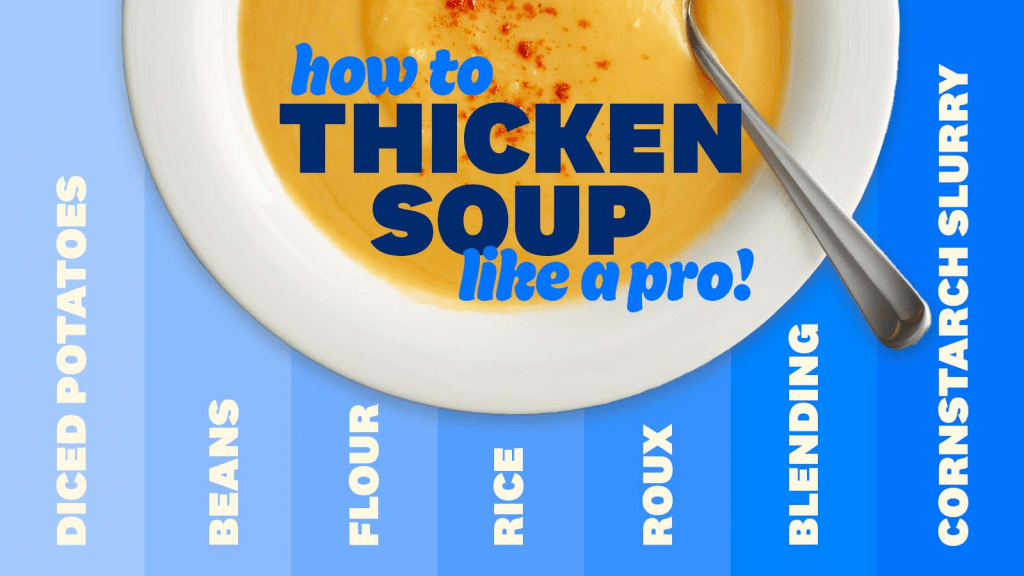
A pepper’s name often changes when dried.
- Fresh pimiento ➡️paprika
- poblano ➡️ mulato (not ripened) or ancho (ripened first)
- jalapeno ➡️chipotle (smoked)

Menu types:
- static (common chain/fast-food restaurants)
- cycle (changes daily/repeats weekly)
- market (based on what is available for purchase by the restaurant daily)
- farm to table, a la carte, prix fixe, etc.
Serve a just-enough portion. The protein should be about the size of the palm of your hand, and the vegetables should span about 2 or 3 fingers. A just-enough portion conveys that care and quality were elevated over quantity and that guests should eat more slowly to savor and enjoy. It also leaves room for appetizers and desserts.
Ways to make a plate look better:
- vary plate shapes
- use complementary colors
- paint the sauce
- design the negatie space
- bed it – put it on a bed of lettuce, rice, etc.
I highly recommend this book to anyone who wants to learn more about culinary facts!
I look forward to reading, learning, and sharing more with you soon!
-
Thoughtful Thursday – February 6, 2025
As I discern the frequency of Thoughtful Thursday posts going forward, I wanted to share some of the insights I have learned in the past week. Here are some of the things I’ve learned this week:
Life Kit – The science behind the FDA ban on food dye Red No. 3
- Desserts, candy, and medications that are bright cherry red often contain synthetic Red dye No. 3. It has been known to cause cancer in rats.
- The FDA is now banning it in food and ingested drugs (revoking authorization)
- Red dye No. 3 is a petroleum-based dye that gives products a bright cherry red color.

- 2002 – petition was filed with the FDA to ban the dye, and the FDA has been reviewing the petition and research ever since.
- Red dye No. 3 in high doses causes cancer in rats. The FDA previously concluded it was safe for humans in the amounts used in food and said that Americans aren’t going to eat Red dye No. 3 in amounts large enough to cause cancer
- 2023 – California became the first U.S. state to ban Red dye No. 3, although the ban doesn’t take effect until 2027.
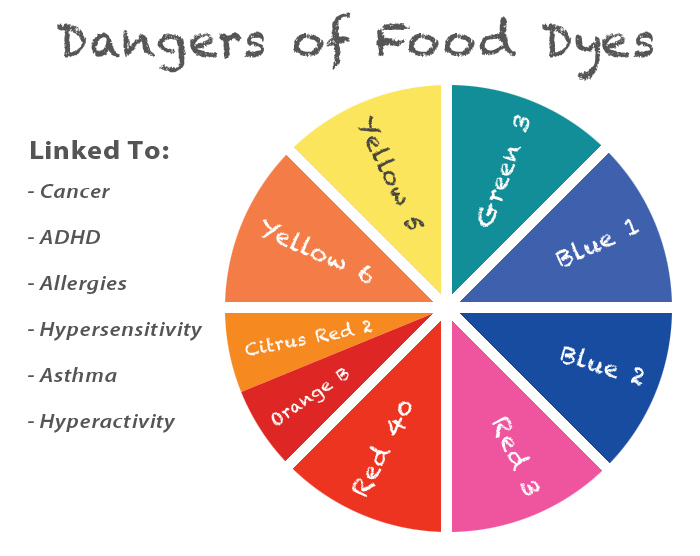
The Environment Working Group has compiled a list of over 3,000 packaged foods and drinks that contain Red dye No. 3!
- There are also concerns about other synthetic food dyes linked to behavioral issues and ADHD-like symptoms in children.
- These dyes are more common in cheaper, ultra-processed foods.

- Food manufacturers have until January 2027 to remove red dye no. 3 from their products.
- Replacing with Red 40 (also linked to behavioral issues in kids) or natural food compounds found from fruits and vegetables (ex: beets)
- Check food labels and try to avoid food dyes.
Chasing Life – Want a Healthier Mocktail? Here’s How
Disclaimer: My body doesn’t tolerate carbonation, alcohol, or mocktails, so I haven’t tried these recommendations!
- Add water to get the volume right. Ex: instead of 2 oz of gin, add 2 oz of water.
- Mocktails, like cocktails, are actually meant to be small and savory. You don’t need to use a lot of added sugar or syrups. Not meant to be a 12 oz beverage
- If limiting alcohol instead of going alcohol-free, use sherry or fortified wines. These provide more of a flavor profile than NA drinks.
- When you go alcohol-free, there is a chance you won’t miss it!
- Many zero-proof options rely heavily on sodas, fruit juices, and syrups to try to compensate for the lack of alcohol. You can add water to tone down the sweetness.
- 32 best non-alcoholic drinks The best nonalcoholic drinks for Dry January and beyond | CNN Underscored
- 1 month without alcohol will improve your sleep, boost your energy, and lower your blood pressure. That’s pretty good incentive.
Self Improvement Daily – Plant Yourself In Fertile Soil
One of the most important impacts of your life and your success is your environment. Your environment is always pushing you to take make certain choices and take certain actions.
It’s the difference between hanging around friends who always want to meet up for drinks instead of hanging out while hiking, working out, or socializing without alcohol. It’s the difference between having access to healthy food in your pantry rather than always grabbing and stocking up on junk food. It’s the difference between having a good book by your bed versus only having your phone within arm’s reach.
Environment influences what happens without our awareness. The majority of the time, we’re acting unconsciously and automatically.
“Here’s a metaphor I like to use that demonstrates the power of environment. Think of the potential of a seed.
A seed has everything it needs to grow into a tall mighty tree. A seed is fully capable, yet most of the time, it doesn’t even sprout. Why? Because it’s dependent on the soil. The seed requires a certain environment to thrive.
The same seed planted in two different places can lead to two very different outcomes. When it’s in fertile soil, it grows tall and strong. When it’s planted in sand, it doesn’t even have a chance. And that’s not because there’s anything wrong with the seed. It’s just in the wrong environment.
As humans, we experience the same thing. There are environmental conditions that bring out our best. The right people, opportunities, circumstances, and spaces set us up for success. But there are also environments that bring out our ‘not so best’, causing us to make choices that don’t serve us and limit our potential.
Unlike a seed, however, we can control our environment. We can choose our surroundings and therefore, shape the influence it has on us. We can plant ourselves in fertile soil and when we do, that’s when we are maximizing our growth and potential!
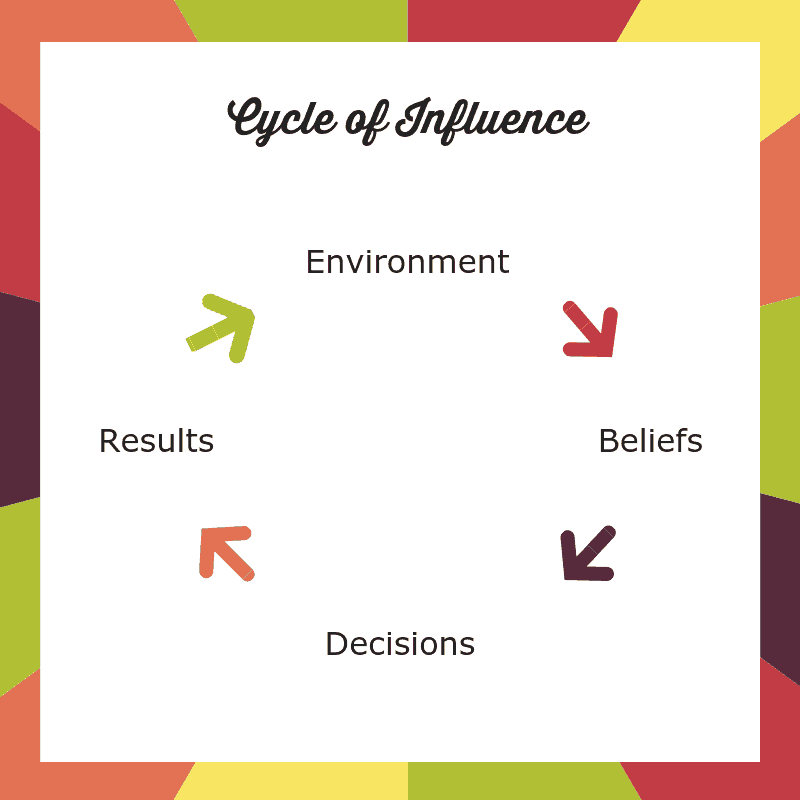
If you’re falling short of the level of consistency, productivity, good health habits, and impact that you know you’re capable of, it’s probably because you’re in the wrong soil. Choose to put yourself in a place where you can thrive and watch the results pour in!”
TED Talks Daily – The secret to telling a great story – in less than 60 seconds
- Many great stories start with a question because it will make people stick until the end to find out the answer.
- You want to get your audience’s attention immediately, so you want to start by asking something shocking.
- After you’ve hooked your audience, you want to take them on a journey building up to your answer where you want them to feel constant progression so that as we’re moving closer and closer to our answer, they feel like they can’t stop listening.
- If everything is smooth sailing, nobody cares. We want to add conflict before getting to our answer. Without conflict, the audience isn’t as invested.
- After enough buildup, we finally need our answers. Build tension by making the answer feel uncertain to make a satisfying ending.
- If it takes longer to tell your story than it does to make a fast food burger, you’re probably overcooking both.
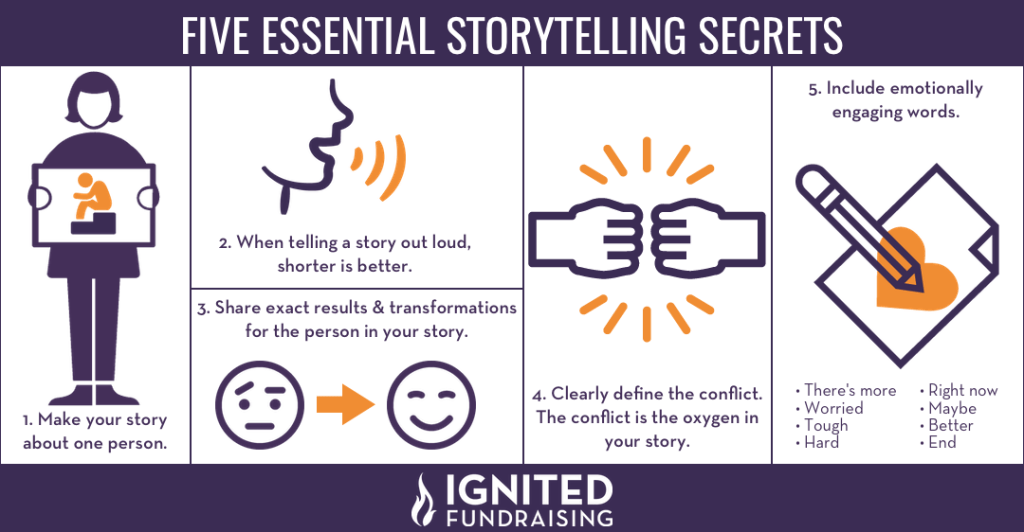
I’ve noticed this trend often on TikTok. People tell short stories with conflict to capture interest and build up progression before detailing the end of the story.
Mary’s Cup of Tea – How to Make Adult Friendships Easier with Kat Vellos
- Connecting with existing friends more easily: If you are a busy or forgetful person, set reminders in your phone to follow up with the person. Don’t leave your hangout without setting your next hangout (just like a salon appointment). Connect your friends to each other to share time together.
- Making more friends nearby: Be aware of your limits and take it step by step. Start by making acquaintances with the people who already live near you and are easier to fit into the life you’re living – people on your block, people in your apartment building, people in your town. Become a regular at a third place – neither home nor work – somewhere you go to for enjoyment – gym, coffee shop, brewery, bar, etc. Host friends with frequency – ex: Sunday dinners at home.
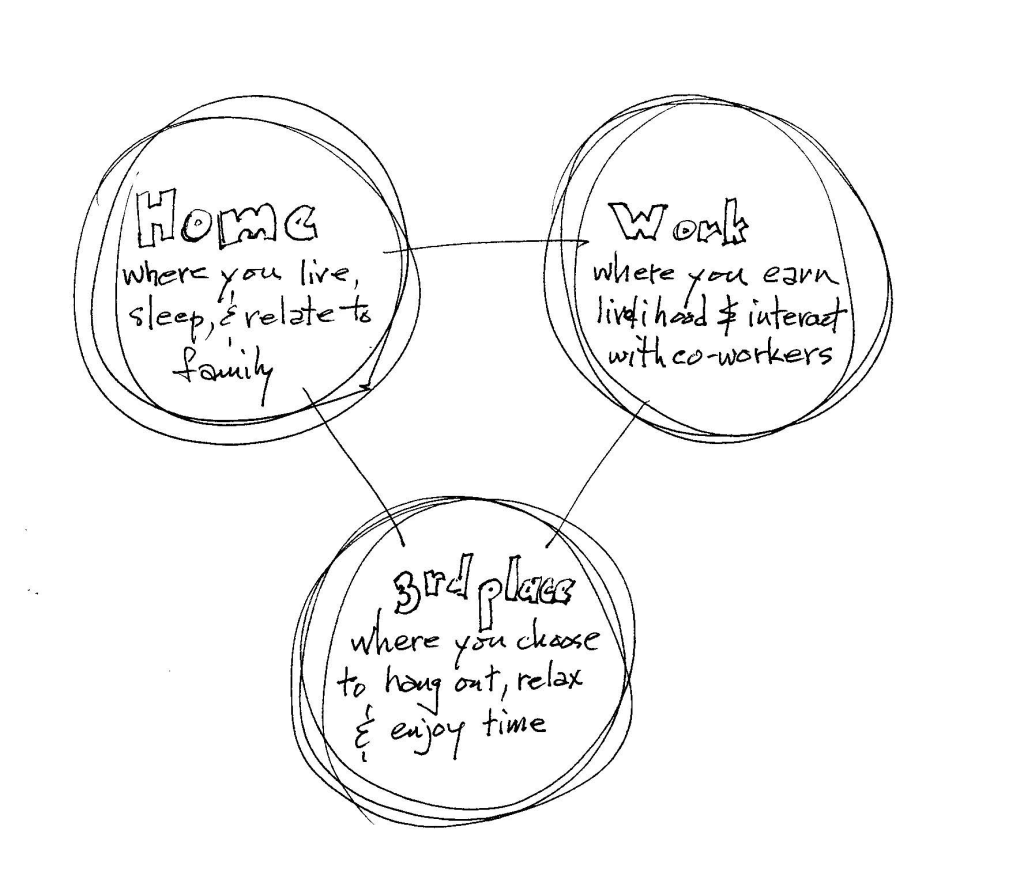
- When we say that friendship is hard, we often say it’s hard because we’re afraid to introduce ourselves to new people, scheduling is hard, we’re too busy, we aren’t getting close fast enough to people, friends don’t give as much as they take, etc. When we say friendship is hard, we might mean that having courage is hard, having confidence is hard, prioritization and persistence is hard, having patience is hard, or taking risks and dealing with disappointments and rejection is hard. These things are part of life, not just friendships!
- If someone says you should get together and you reach out and they don’t schedule something, follow up suggesting something you think they would say yes to!
- On average, adults lose 1-2 friends per year because they fall out of touch and things fade away. Like plants, you need to water and nourish your friendships.
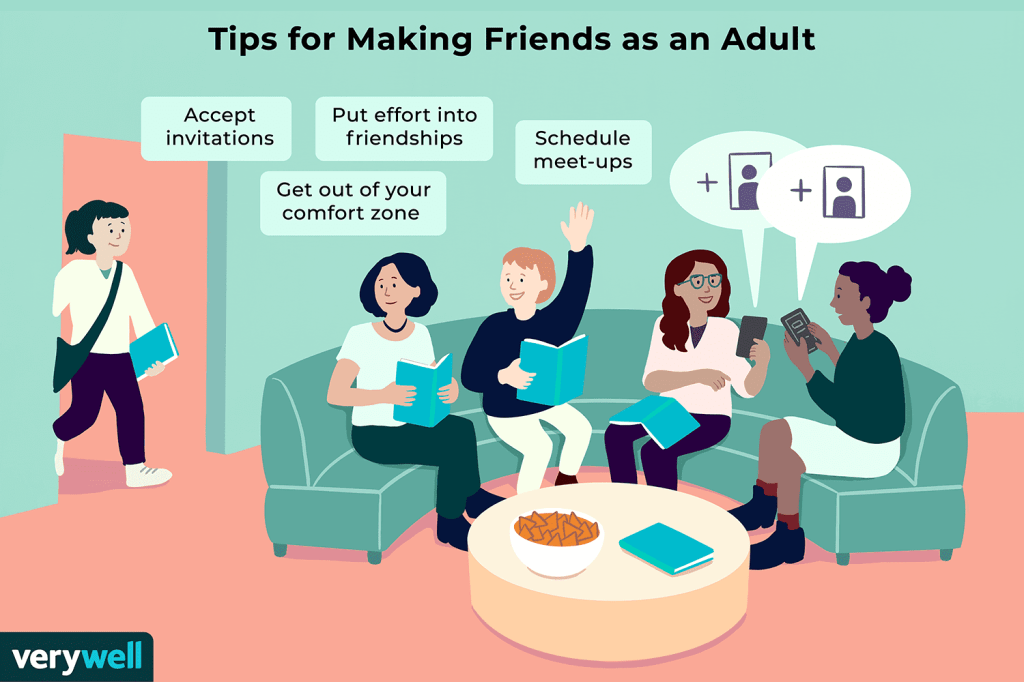
Book: “We Should Get Together” – I look forward to reading this!
I look forward to reading, learning, and sharing more with you soon!
#adultfriendships, #adulting, #connection, #diet, #environment, #fda, #friends, #friendships, #health, #katvellos, #lifekit, #lifelessons, #makefriends, #maryscupoftea, #mocktail, #nutrition, #personaldevelopment, #readlearnshare, #reddye, #reddyeno3, #sober, #storytelling, #tedtalksdaily, #thoughtfulThursday, #wellness, #weshouldgettogether, food, health -
January 2025 Reads
I read four books in January. Here is a blurb of each of the books I read in January.
“Built to Move: The 10 Essential Habits to Help You Move Freely and Live Fully” was written by Kelly Starrett and Juliet Starrett, the cofounders of San Francisco CrossFit and coauthors of the Wall Street Journal Bestseller Deskbound. Kelly is also the cofounder of The Ready State. This book included different movements and tips to incorporate them into daily life. Here are some takeaways:
- The range of motion and body positioning relates to health, ease of movement, and the presence and absence of pain.
- This book included measurable and repeatable diagnostics that will help you assess your current condition, where you need to go, and how you’re going to get there. This book also included mobilization techniques for reducing stiffness and resolving pain.
- Think about how you want to live your life, take into consideration that the body naturally gets stiffer and weaker with age, and undertake strategies to counter those potential erosions before they set in. To be able to keep moving when you’re older, you need to get or keep moving now.
Some tips:
- Sit-and-rise test – getting up and down off the floor without using your hands, knees, or losing balance – determines when you have good range of motion in your hips and gauges leg and core strength and balance and coordination
- Incorporate various ground-sitting positions into your day: cross-legged sitting, sitting with your legs out in front of you, one-leg-up sitting, etc.
- Find your balance. Do the one-leg stand test with your eyes closed for twenty seconds. How steady you are on your feet depend on your feet, your inner ear, sensory receptors in the muscles, tendons, fascia, joints, and eyesight.
- Aim to limit sitting to six hours per day. Set up a standing workstation and move around every thirty minutes.
4 out of 5 stars
“While You Were Out: An Intimate Family Portrait of Mental Illness in an Era of Silence” was written by Meg Kissinger, who teaches investigative reporting at Columbia Journalism School. Meg spent more than two decades traveling across the country to report on America’s mental health system for the Milwaukee Journal Sentinel and has won dozens of accolades. This book was frank and revelatory and was a personal and painful narrative. I highly recommend this book! Here are some of the many things that resonated with me:
- Meg details the family dynamics of alcoholism, mental illnesses, and two of her siblings committing suicide and how the shame and practice of “not talking about it” impacted her and her family.
- 5.6% of adults suffer from serious and persistent mental illness, and more than 1/3 of them don’t get treatment. A person with serious mental illness is 10x more likely to be incarcerated than hospitalized.
- Jails and prisons have become the nation’s de facto mental health hospital system. By 2010, almost 90% of the hospital beds across the country that were once available for the sickest psychiatric patients had been eliminated.
“Suicide prevention experts I’d interviewed over the years told me repeatedly that we can do a lot more to stop people from killing themselves. Knowing the warning signs for suicide and how to talk to those who are considering it will save lives. So why weren’t we able to stop our siblings? Because we had been discouraged from talking about it. I could not help but wonder what life would have been like if we had grown up in a more transparent era.”
“Only love and understanding can conquer this disease.”
5 out of 5 stars
“Riding the Lightning: A Year in the Life of a New York City Paramedic” was written by Anthony Almojera, an EMS lieutenant with the Fire Department of New York City who has also been featured in various media outlets. This book was devastating, candid, and vital, and guides readers, one month at a time, through the first year of COVID-19 from the perspective of a paramedic in New York City. I recommend this book to readers who want a glimpse of how COVID-19 changed EMS each month in 2020. Here are some takeaways:
- In the beginning of COVID-19, every EMT and paramedic who transported a patient with suspected coronavirus was instructed to wear gloves, a gown, goggles or a face shield, and an individually fitted N95 mask, then throw everything away after each patient contact. Originally, the health department recommended that ambulances be aired out for two hours after every fever/cough call. (!)
- Protocols were shifting constantly – what protective equipment to wear, how to deal with a cardiac arrest, whether to consult telemetry about where to take a patient, whether to notify the hospital that you were transporting a suspected case of COVID, how often to change your N95 mask, etc.
Surgical masks are made of polypropylene, a nonwoven paper substance that allows air to pass through it but not droplets of moisture. They don’t stop airborne particles from passing into your nose and mouth. For that, you need an N95.
- In March 2020, the New York City COVID-19 deaths averaged over 400 per day. On March 30, 2020, New York City EMS received 7,253 calls – one call every 12 seconds!
- The telemetry office couldn’t keep up. There was 1 physician fielding all questions from EMS crews in a city of over 8 million people!
- Hospitals didn’t have enough ventilators or CPAP machines. For all the people who were dying in the hospital, many more were dying before they even got there – at home, in ambulances, or in lines to the emergency departments.
- At one point, the author had 14 calls in 16 hours, and every patient died!
Patients’ families want to believe that something can be done, that the outcome will change if the patient goes to the hospital. But the medical system was so swamped during the pandemic that our protocols had changed. As of March 31, 2020, we were transporting patients only if we got a pulse back at the scene. Hospitals didn’t have the resources to try to resuscitate them, and we didn’t have the resources to transport them, so we had to pronounce these patients dead then and there.” By April 2020, if there was no pulse or electrical activity in the heart after 20 minutes, paramedics/EMS were instructed to stop CPR and pronounce the patient dead.
4 out of 5 stars
“A Bit Much: Poems” was written by Lyndsay Rush, a comedy writer and the poet behind the popular Instagram account @maryoliversdrunkcousin. This book was great, and I highly recommend it!
Here are some of my favorites:
When your surroundings begin to feel cold and uninhabitable and your environment no longer offers the support or sustenance you need, I hope you migrate. I hope, as you make your way down south, that you find another silly goose to fly with, too – in such a tight-knit formation that Wikipedia would refer to your crew as plump. And I hope that no matter how long the journey takes you, the wind is always at your back; nudging you closer to home.
“Starting something new is like a one-man show for a one-man audience; the only applause worth seeking is your own. Don’t rob yourself of that while you wait for approval from somewhere else. Sometimes winning yourself over is the greatest show on earth.“
“A great philosopher once said I saw the sign and it opened up my eyes (I saw the sign). But when you see the world through rose-colored glasses, it can be hard to recognize a red flag. So what I have learned is this: If they’re mean to the waiter, they’ll be mean to you. If they never follow through, they will never show up. If it hurts your stomach, it will hurt your heart. You can’t temper a storm, but you can sure as hell evacuate the beach.“
“If cauliflower can be pasta, you can be whatever you want.“
5 out of 5 stars
I look forward to reading, learning, and sharing more with you soon!
#abitmuch, #balance, #bookblogger, #bookreviews, #builttomove, #covid, #covid19, #ems, #fdny, #longevity, #lyndsayrush, #maryoliversdrunkcousin, #megkissinger, #mentalillness, #mobilization, #nyc, #paramedic, #poetry, #readlearnshare, #suicideprevention, #whileyouwereout, covid-19, health, mental-health, poetry -
Thoughtful Thursday – January 30, 2025
It’s been over a month since I’ve posted a Thoughtful Thursday post. I am discerning whether to continue with weekly Thoughtful Thursday posts or whether to post those less often so that I can post more book posts. With that said, here are some of the most interesting things I’ve learned this month!
The Mel Robbins Podcast – The Top Expert Advice of the Year
- People will consistently give you what you allow them to give you. You are in control of two things in this world: what you give and what you accept.
- Boundaries are not walls to keep things out. Boundaries are bridges to let the right things in.
- Boundaries are meant to protect your peace and your energy. When you’re setting boundaries, ask yourself what you need in your life right now, what boundary you need to set that will lead you to what you need, and why you must stick to the boundary. What is it costing you not to stick to this boundary? Your future? Your peace? You tell people how to treat you by what you continuously accept.
- You spend more time trying to protect the battery on your smartphone than you do protecting your own or recharging your own battery.
- LET THEM is a boundary.
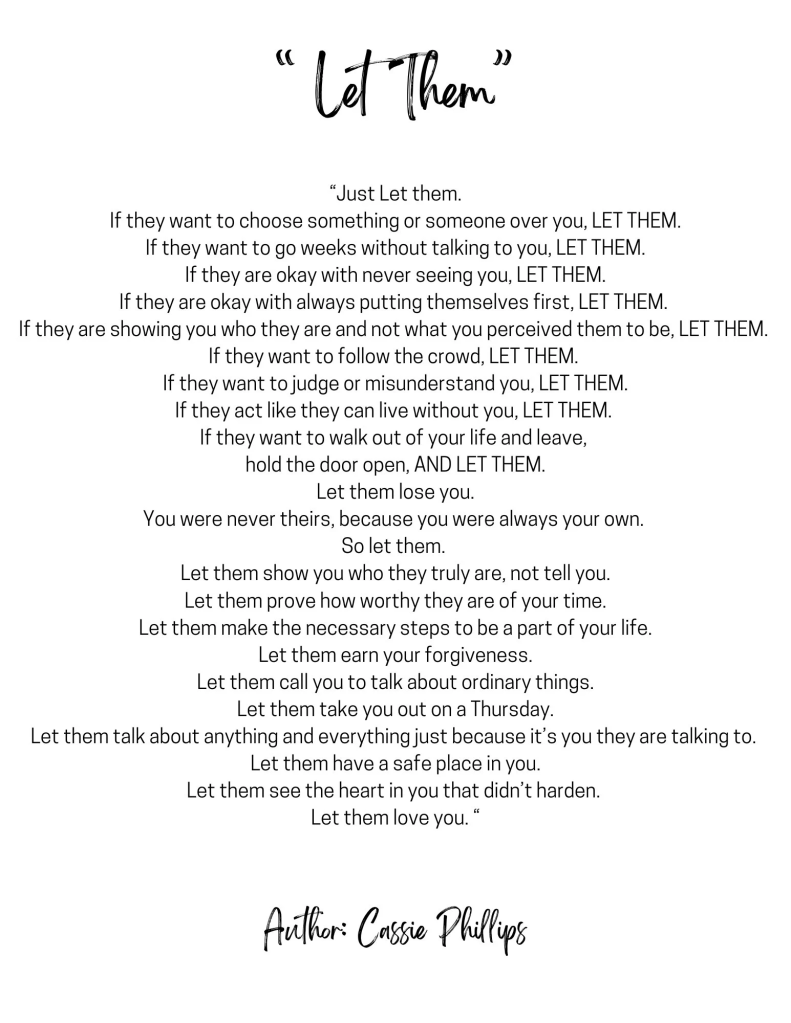
I really enjoyed this post from Gabe the Bass Player:
https://www.gabethebassplayer.com/blog/how-can-i-read-your-mind-better
How Can I Read Your Mind Better?
January 8, 2025
i.e. What are your unspoken expectations?
This is at the heart of so much heartbreak and frustration in this business.
Our personal expectations are ‘just the way it is’…and it’s easy to think they’re shared by others…or at least they should have read my mind by now.
It’s worth asking the people around you what they’re really hoping for. You’re sure to learn something new. Something they’ve been thinking all along but secretly expecting you to just read their mind.
You’re good but you’re not that good. You’re going to have to ask.
I am enrolled in UCC Contracts/Business Law and Probate Law this semester for my paralegal certificate program. I am not an attorney, and this is not legal advice. These are some fascinating facts I have learned so far.
For most contracts, the general rule is that while it’s not illegal to enter into a contract with a minor, the contract is voidable at the discretion of the minor. Once reaching the age of majority, they can also disaffirm contracts. The cases I read that stood out to me involved minors voiding arbitration clauses in contracts and voiding waivers of liability by voiding contracts. I believe this can be a risk of liability for employers who hire minors. For example:

Pak Foods Houston, LLC v. Garcia, 433 S.W.3d 171 (Tex. App.—Houston [14th Dist.] 2014) involved a personal injury claim. A minor filed a personal injury claim against a fast-food restaurant. The restaurant filed a motion to compel arbitration based on an arbitration agreement that the minor signed as part of an employment agreement. The court found that the contract was voidable, and the minor disaffirmed the agreement by terminating her employment and filing suit.
I’ve been intrigued by the many rules of Probate Law this semester and how different state statutes vary. For those with wills, a spouse cannot be disinherited in the will, but disinheriting children is allowed. Each state has a plan for the assets of those who die without wills. As an example, for those who die without wills in Minnesota:
524.2-102 SHARE OF THE SPOUSE.
The intestate share of a decedent’s surviving spouse is:
(1) the entire intestate estate if:
(i) no descendant of the decedent survives the decedent; or
(ii) all of the decedent’s surviving descendants are also descendants of the surviving spouse and there is no other descendant of the surviving spouse who survives the decedent;
(2) the first $225,000, plus one-half of any balance of the intestate estate, if all of the decedent’s surviving descendants are also descendants of the surviving spouse and the surviving spouse has one or more surviving descendants who are not descendants of the decedent, or if one or more of the decedent’s surviving descendants are not descendants of the surviving spouse.
In other words, if you are married without kids and die without a will, your surviving spouse gets 100% of your assets. If you are married with kids and neither you nor your spouse have kids with other people, your surviving spouse gets 100% of your assets. Yet, if you are married with kids and you or your spouse have living kids that are not biologically shared, your living spouse gets the first $225,000 plus 1/2 of any balance of the estate, and the rest gets split up between all of the kids (descendants).

My husband and I are doing the Bible in a Year series with Fr. Mike Schmitz, which has been so informative and interesting so far. One thing that has resonated with me so far is that many of us are pharaohs to ourselves. We make ourselves so busy that we don’t have time to think about God. We make ourselves so busy that we have made ourselves into slaves by saying “I have to do this, I have to do that” and all of the other things that we’ve set up. We’ve set up a pace of life for ourselves that is unmanageable, and we don’t have time for worship. God’s people were never meant to be slaves – not a slave to Pharaoh and not a slave to the pharaoh that lives inside of us. We are meant to be free so that we can truly belong to Him.
And if you aren’t religious, this can still also apply to several other areas of your life. What are the things that you are making yourself a slave to? Are you spending too much time working, scrolling on your phone, etc.? What are the things you say you don’t have time for? What are you doing with your time instead? Are you making time for the things you say matter the most to you?
Perhaps the most fascinating thing I learned this month was about the existence of the syndrome known as R-CPD (inability to burp).
What are the symptoms of R-CPD?
Additional symptoms, outside of the lifelong inability to burp or belch, can include:
- Abdominal and/or chest bloating and pain
- Excessive flatulence
- Nausea
- Gurgling noises from the neck and chest
- Difficulty vomiting or fear of vomiting (emetophobia)
As shown, the chief complaints are GI-related. Yet, GI doctors (and many other doctors) are not aware of this condition, leading many to run numerous tests instead of asking the right questions. In an ideal world, when patients complain of bloating, gas, nausea, and gurgling, GI providers and other providers would ask “Can you burp?” If not, they should be treated for R-CPD. There are not many providers who are aware of and treat this syndrome.
Here is more information about it, such as the symptoms, treatment, etc. There is even a Reddit community for this condition: https://www.reddit.com/r/noburp
I look forward to reading, learning, and sharing more with you soon!
#bibleinayear, #bloating, #boundaries, #cantburp, #contracts, #expectations, #gabethebassplayer, #letthem, #managetime, #marriage, #melrobbins, #minnesota, #noburp, #probate, #rcpd, #readlearnshare, #thoughtfulThursday, #timemanagement, #voidablecontracts, #wills, #worship, estate-planning, mental-health -
Read This Before Our Next Meeting
“Read This Before Our Next Meeting” was written by Al Pittampalli, the founder of the Modern Meeting Company, which has helped organizations hold more effective meetings. This book was direct and to the point.
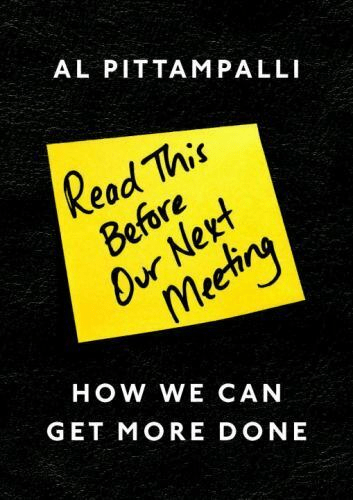
In a world with fewer meetings, we’d have more time for our real work, the work we do that actually propels our organizations forward.
The modern meeting:
- doesn’t make decisions. Leaders do. Consult others via e-mail or one-on-one and make a preliminary decision.
- has two primary functions: conflict and coordination
- moves fast and ends on schedule. Strong deadlines force parties to resolve the hard decisions necessary for progress.
- limits the number of attendees.
- rejects the unprepared. Prepare an agenda.
- produces committed action plans. No minutes are required; you only need to know the decision and resulting action plan.
- refuses to be informational. Reading memos is mandatory.
- works only alongside a culture of brainstorming
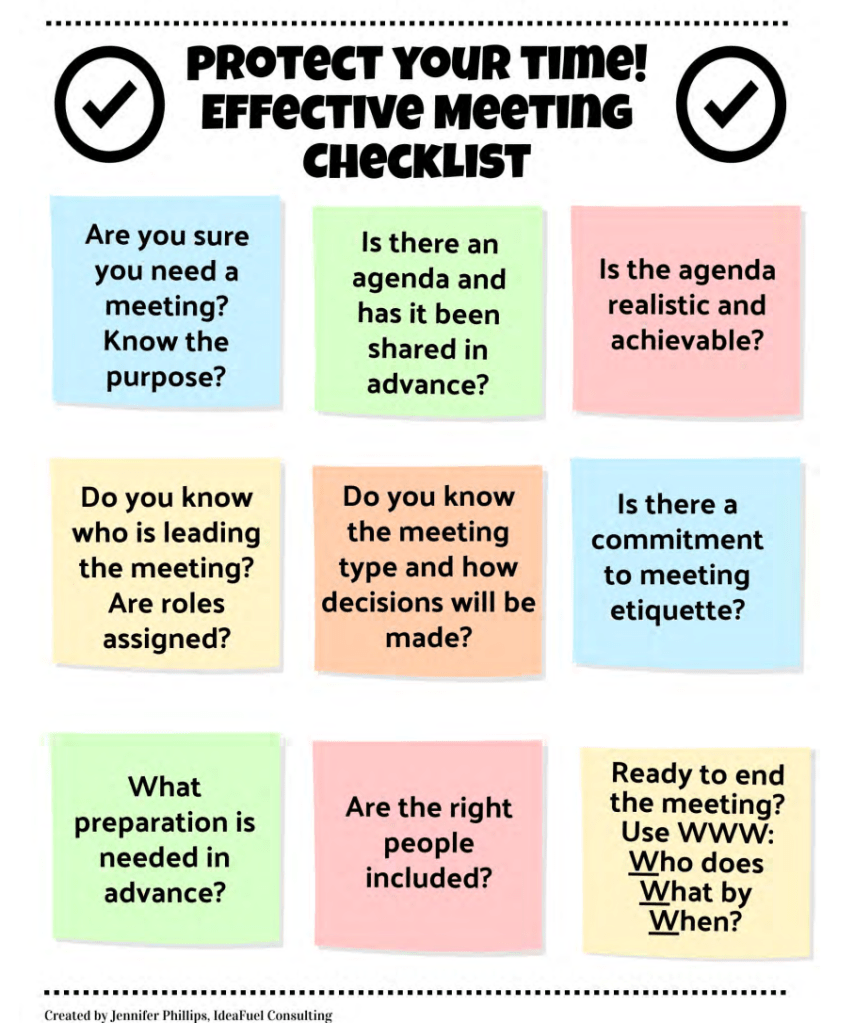
The modern meeting is for finalizing your preliminary decision, generating buy-in, and agreeing on next steps. In advance of the meeting, inform attendees of the decision you plan to make as well as the reasoning behind that decision.
During the meeting, allow attendees to ask questions, voice concerns, and propose modifications. If all goes well, a consensus is achieved, a decision is resolved, and an action plan is coordinated.
Invite only the people who are absolutely necessary for resolving the decision that has been presented. If you have no strong opinion, have no interest in the outcome, and are not instrumental for any coordination that needs to take place, you don’t need to attend.
Prepare an agenda. Every meeting should require pre-meeting work. The modern meeting is about conflict and coordination, two activities that hinge upon preparation.
8 principles of the modern meeting:
- Only after you’ve reached a preliminary decision can you call a meeting.
- Get everyone on the same page and create an action plan.
- Enforce firm meeting end times. The meeting ends, a decision is resolved, and participants get back to work. Start on time.
- Only people who are critical to the outcome are invited to the modern meeting. Small numbers allow decisions to be resolved quickly and plans to be coordinated smoothly.
- The modern meeting rejects the unprepared. An agenda is distributed well in advance and establishes the decision being debated or the action being coordinated. You must carefully think through different scenarios and come up with thoughtful responses.
- The modern meeting produces committed action plans. What actions are we committing to? Who is responsible for each action? When will those actions be completed? It’s the meeting leader’s responsibility to follow up and hold participants accountable for their commitments.
- If no action plan is necessary, neither is a meeting!
- Informational meetings aren’t necessary. Managers must write memos instead. Everyone must commit to reading them.
- The modern meeting is about decision and the narrowing of options. Brainstorming is necessary.
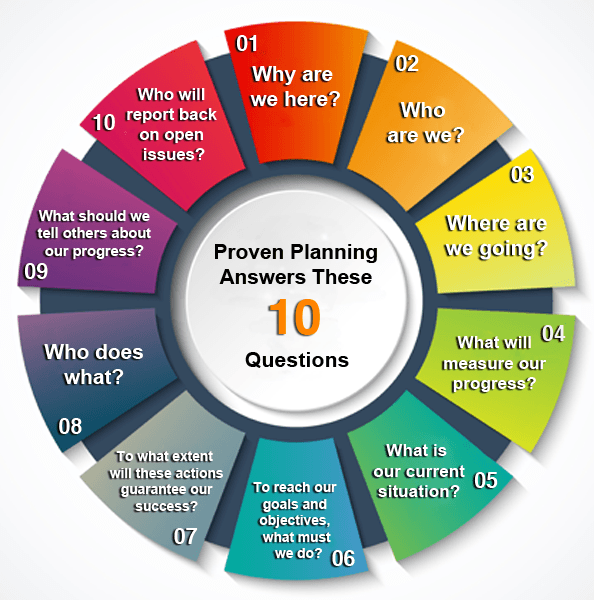
Amazon and Google are both notable in their meeting practices and share many elements of the modern meeting.
This was an interesting book. I agree with some of it, as I have had to attend several meetings just so that management or clients could “check a box” from their weekly to-do list that a meeting was held. This is not effective. However, in my current role, we occasionally have virtual video meetings so that we can get to know and see others we don’t see in person. I enjoy having time set aside for that.
I look forward to reading, learning, and sharing more with you soon!
-
Real Self-Care
“Real Self-Care” was a much needed, straightforward book written by Pooja Lakshmin, MD, a board-certified psychiatrist, New York Times contributor, and the founder and CEO of Gemma, the physician-led women’s mental health community.
For many women, self-care ends up being another burden, another thing on the to-do list to feel bad about because they aren’t doing it right. Women are pulled in two opposing directions: asked to be selfless and accommodating to the needs of others and, simultaneously, to excel professionally and personally.
Real self-care vs faux self-care:
Applying a methodology of faux self-care is reactive, whereas practicing real self-care is proactive.
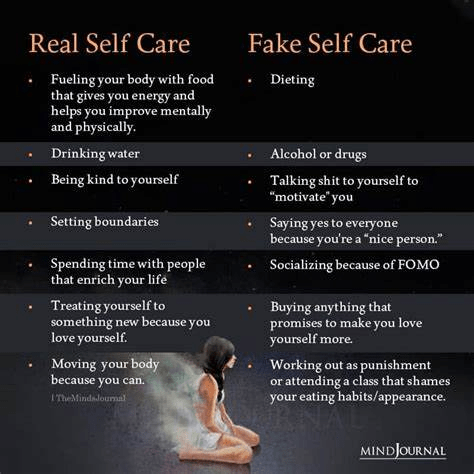
Faux self-care is a noun, typically describing an activity or a product. Real self-care is a verb, describing an invisible, internal decision-making process.
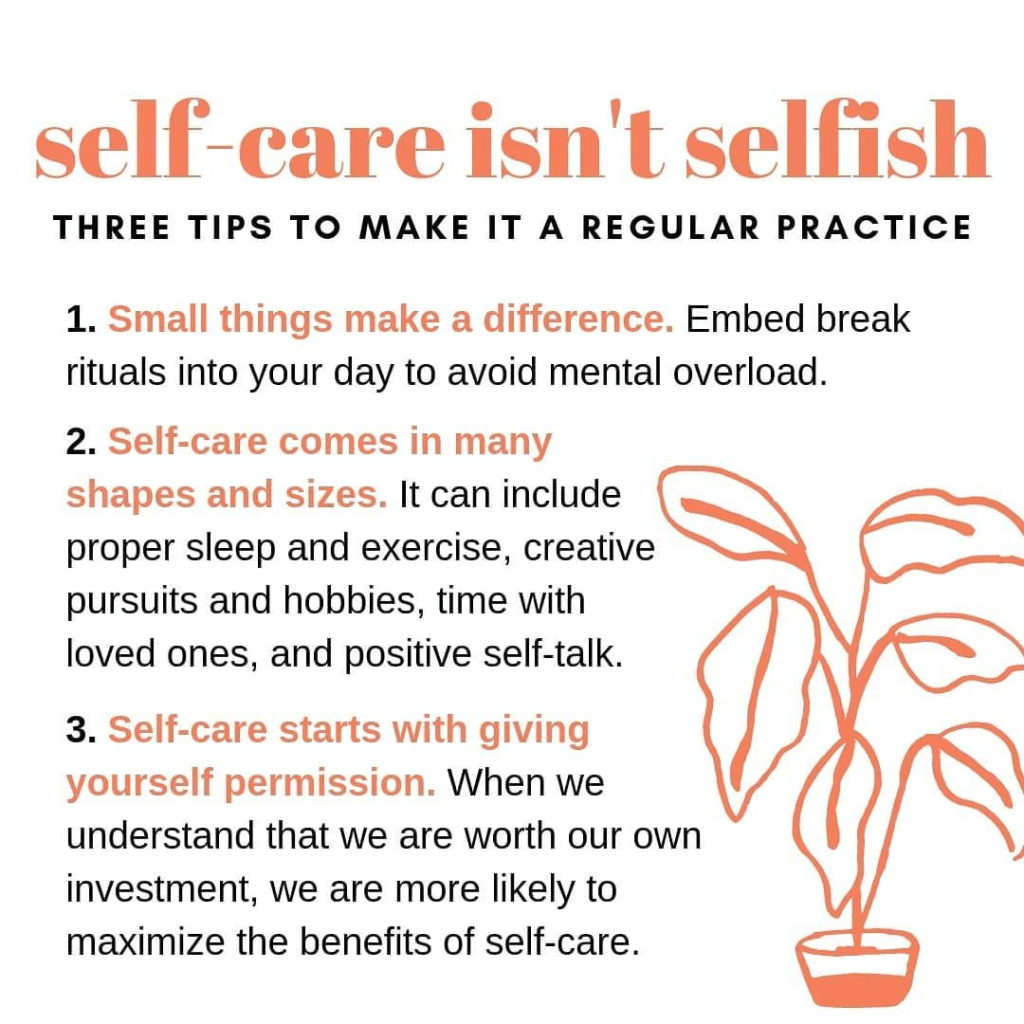
3 most common reasons why we tend to turn to faux self-care:
- escape – using self-care to escape our regular lives seldom results in lasting change. Our true selves are located in our daily choices.
- Whatever the setting, you get to “retreat” from the real world and hermit away in a beautiful environment, but no matter how much self-care you do, you’re still you.
- achievement – based on shame. Another activity to excel at/conquer. Perfectionism, workaholism, and capitalism.
- “My self-worth strongly depends on my ability to be seen as a success.”
- optimization – trying to maximize every possible aspect of life and trying to be the most efficient, productive, and controlled.
- Optimization will just breed more optimization – equating self-worth with productivity
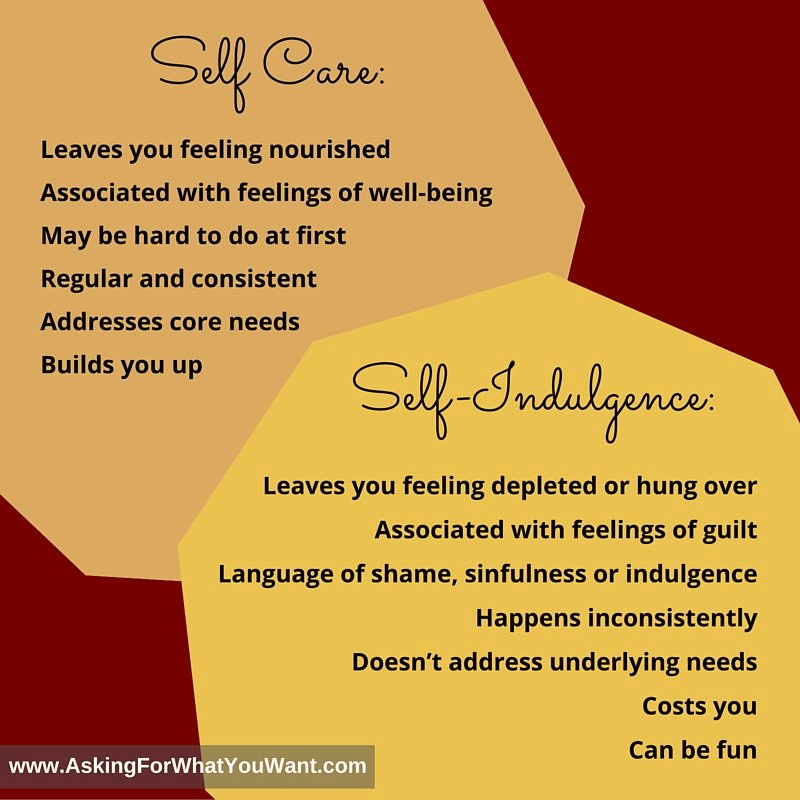
What is real self-care?
- Real self-care requires boundaries and moving past guilt. You must be assertive in prioritizing your own needs and desires.
- Real self-care means treating yourself with compassion.
- Real self-care brings you closer to yourself and getting to know your core values, beliefs, and desires.
- Real self-care is an assertion of power. It’s about saying what works for you and what doesn’t.
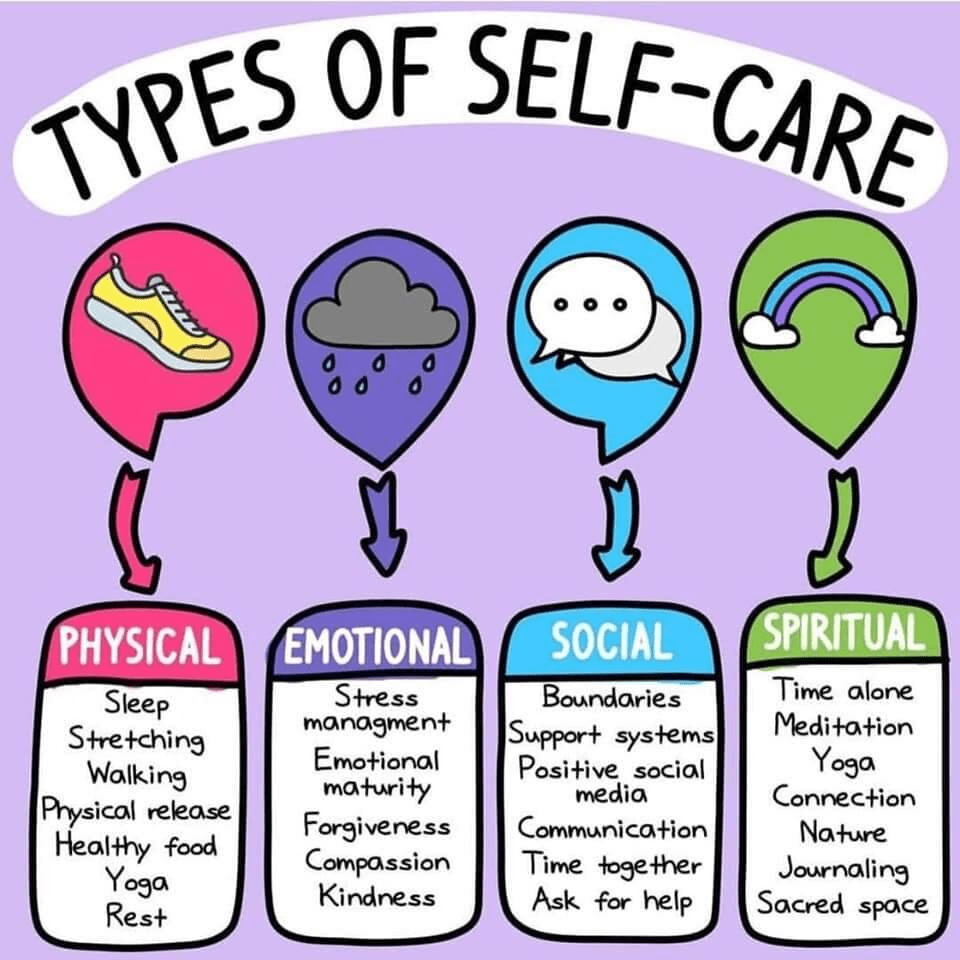
Real self-care is all about making space for you – your thoughts, feelings, and priorities in life. Setting boundaries is how we take our time, energy, and attention back. Ex: you don’t have to answer your phone. Setting boundaries is about recognizing you have a choice and communicating it. Learn to say no.
The longer you stick with a relationship, job, or situation that isn’t working for you, the higher the emotional cost to set a boundary.
Listen to what your body is telling you: dread, nausea, palpitations, etc. Learn to say no.
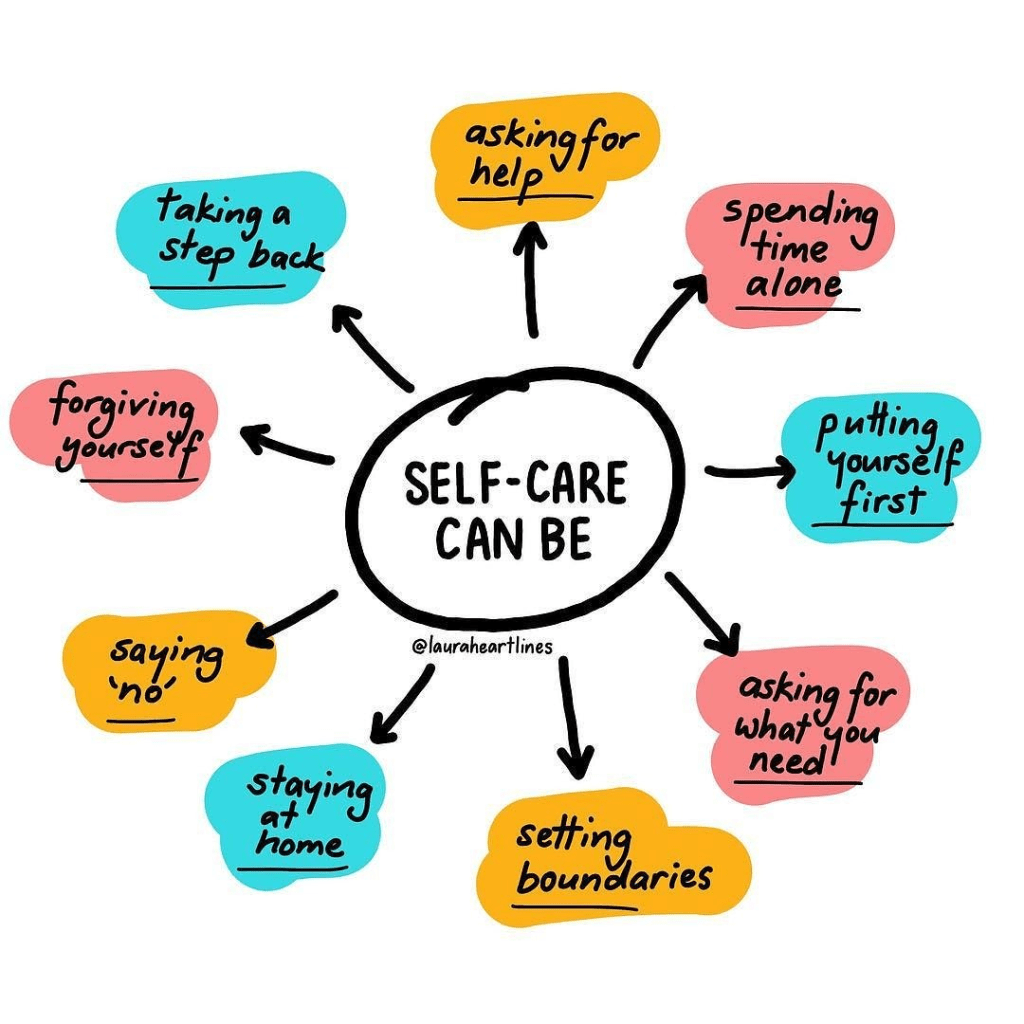
In all situations, you can say yes, you can say no, or you can negotiate. Your boundary is in your pause.
Tips for practicing compassion:
- Replace self-judgment with self-kindness.
- Practice receiving support/love/attention. Say yes to offers of help.
- Connect with your body and rest when your body is tired.
- Know your values. What sort of person do you want to be? What really matters to you? Does your action align with your values? Know your HOW and WHY. Recognize that in each season of your life, you will have different priorities.
- Your boundaries are a reflection of how willing you are to advocate for the life you want. You must separate your own needs and preferences from the opinions of other people who have a vested interest in your life.
- Every boundary you set is a reminder that you have agency over how you spend your time and your energy. Be clear, be concise, and don’t apologize.
- Compassion is something you must give to yourself; you can’t expect it to always come from outside.
These common examples are NOT practicing compassion:
- “I can save time by doing it myself.” Women tend to bear the heavy mental load because they believe others are less efficient or don’t do things quite right. This leads to resentment and rage that builds up all because it’s “easier and faster.”
- Martyr mode – extending yourself toward others and expecting praise/support/attention and losing your cool when that expectation is not met.
I look forward to reading, learning, and sharing more with you soon!
- escape – using self-care to escape our regular lives seldom results in lasting change. Our true selves are located in our daily choices.
-
Books I Read in 2024
Here is a complete list of the books I read in 2024, listed in the order that I read them. I was very busy with work, school, and other commitments in 2024 and did not post many detailed book reviews. When I created this blog, my intention was to read, learn, and share about the books I read, so I hope to post more book reviews in 2025.
1. 101 Things I Learned in Advertising School by Tracy Arrington with Matthew Frederick
2. The Book You Want Everyone You Love* To Read by Philippa Perry
3. Internal Medicine: A Doctor’s Stories by Terry Holt
4. Killers of the Flower Moon by David Grann
5. Good Talk by Mira Jacobs
You can read mini book burbs about books 1-5 here: https://wordpress.com/post/readlearnshare.blog/4548
6. Her Honor: My Life on the Bench . . . What Works, What’s Broken, and How to Change It by LaDoris H. Cordell
7. Flawless: Lessons in Looks and Culture from the K-Beauty Capital by Elise Hu
8. I’ll Fly Away by Rudy Francisco
9. How to Break Up With Your Phone by Catherine Price
You can read mini book blurbs about books 6-9 here: https://wordpress.com/post/readlearnshare.blog/4766
10. How to Talk to Anyone: 92 Little Tricks for Big Success in Relationships by Leil Lowndes
11. Like, Literally, Dude: Arguing for the Good in Bad English by Valerie Fridland
12. 100 Ways to Change Your Life by Liz Moody
13. Excuse Me As I Kiss the Sky by Rudy Francisco
You can read mini book blurbs about books 10-13 here: https://wordpress.com/post/readlearnshare.blog/5064
14. The Sun Does Shine by Anthony Ray Hinton
15. Warren Buffett Invests Like A Girl And Why You Should, Too by LouAnn Lofton
16. Unreasonable Hospitality: the Remarkable Power of Giving People More Than They Expect by Will Guidara
17. The Book of (More) Delights by Ross Gay
You can read mini book blurbs about books 14-17 here: https://wordpress.com/post/readlearnshare.blog/5220
18. Becoming A Crime Scene Investigator by Jacqueline Detwiler-George
19. Know Your Endo by Jessica Murnane
20. The Body Keeps The Score: Brain, Mind, and Body in the Healing of Trauma by Bessel van Der Kolk, M.D.
21. Extreme Measures: Finding a Better Path to the End of Life by Jessica Nutik Zitter, MD
You can read mini book blurbs about books 18-21 here: https://wordpress.com/post/readlearnshare.blog/5376
22. Vagina Problems: Endometriosis, Painful Sex, and Other Taboo Topics by Lara Parker
23. Stop Overthinking by Nick Trenton
24. Excellent Advice for Living: Wisdom I Wish I’d Known Earlier by Kevin Kelly
25. One Decision Away: Key Principles to Create What You Want in Life and Work by Paula Melo Doroff
26. In the Form of A Question: The Joys and Rewards of a Curious Life by Amy Schneider
You can read mini book blurbs about books 22-26 here: https://wordpress.com/post/readlearnshare.blog/5584
27. A Thousand Naked Strangers by Kevin Hazzard
28. What’s Eating Us: Women, Food, and the Epidemic of Body Anxiety by Cole Kazdin
29. The Courage of Compassion: A Journey From Judgment to Connection by Robin Steinberg
You can read mini book blurbs about books 27-29 here: https://wordpress.com/post/readlearnshare.blog/5734
30. The Perfectionist’s Guide to Losing Control by Katherine Schafler
31. If My Body Could Speak: Poems by Blythe Baird
32. Lessons Learned and Cherished: The Teacher Who Changed My Life by Deborah Roberts
33. Picturing Joy: Stories of Connection by George Lange (Photographer)
34. To Hell With the Hustle by Jefferson Bethke
35. The Good Life: Lessons from the World’s Longest Scientific Study on Happiness by Robert Waldinger, MD
36. Calling A Wolf A Wolf: Poems by Kaveh Akbar
You can read mini book blurbs about books 30-36 here: https://wordpress.com/post/readlearnshare.blog/5858
37. Crossing Fifty-One: Not Quite A Memoir by Debbie Russell
38. We Came, We Saw, We Left: A Family Gap Year by Charles Wheelan
39. Ultra-Processed People: The Science Behind Food that Isn’t Food by Chris van Tulleken
You can read mini book blurbs about books 37-39 here: https://wordpress.com/post/readlearnshare.blog/5985
40. Find Your People: Building Deep Community in a Lonely World by Jonnie Allen
41. A Good Time for the Truth: Race in Minnesota edited by Sun Yung Shin
42. If My Flowers Bloom: Poems by Deshara Suggs-Joe
43. Ex traction: Poems by Lara Coley
44. Never Not Working: Why the Always-On Culture is Bad for Business – and How to Fix It by Malissa Clark
45. All the Gold Stars: Reimagining Ambition and the Ways We Strive by Rainesford Stauffer
You can read mini book blurbs about books 40-45 here: https://wordpress.com/post/readlearnshare.blog/6097
46. Where I Dry The Flowers: Poems by Ollie Schminkey
47. Self-Care Activities for Women by Cicely Horsham Brathwaite, PhD
48. How to Be Perfect: An Illustrated Guide Words by Ron Padgett Pictures by Jason Novak
49. Growing Up in Public: Coming of Age in a Digital World by Devorah Heitner
50. Exactly What to Say: The Magic Words for Influence and Impact by Phil M. Jones
51. The Complications: On Going Insane in America by Emmett Rensin
You can read mini book blurbs about books 46-51 here: https://wordpress.com/post/readlearnshare.blog/6226
52. The Fire This Time: A New Generation Speaks About Race edited by Jesmyn Ward
53. Employment Law: A Very Short Introduction by David Cabrelli
54. Learning to Disagree: The Surprising Path to Navigating Differences with Empathy and Respect by John D. Inazu
55. About Time: Poems by Neil Hilborn
56. The Little Book of Sleep: The Art of Natural Sleep by Nerina Ramiakhan
57. The One Minute Manager by Ken Blanchard and Spencer Johnson
You can read mini book blurbs about books 52-57 here: https://wordpress.com/post/readlearnshare.blog/6308
I look forward to reading, learning, and sharing more with you soon!
-
December 2024 Reads
I read six books in December, some of which were short and easy reads. Here is a blurb of each of the books I read in December.
“The Fire This Time: A New Generation Speaks About Race” was edited by Jasmyn Ward, an author and associate professor of Creative Writing at Tulane University who has won several writing awards. This book demonstrated the power in words – the power in asserting our existence, experience, and lives through words. This book was selected as a book club read for my employer. Here are some quotes that stood out to me:
- [During an internship at a magazine that was more than 150 years old] “Sometime during the end of my first week, a chatty senior editor approached me in the corridor. During the course of our conversation, I was informed that I was almost certainly the first black person to ever intern at the magazine and there had never been any black editors. On good days, being the first black intern meant having my work done quickly and sounding extra witty around the water cooler; it meant I was chipping away at the glass ceiling that seemed to top most of the literary world. But on bad days I gagged on my resentment and furiously wondered why I was selected. I became paranoid that I was merely a product of affirmative action, even though I knew I wasn’t.”
- “I accepted the reality that the historic colonial houses – now the business residences of attorneys, hairstylists, insurance agents, and doctors – were considered by more people to be more valuable than the bodies below them.”
- “Empathy requires us to dig way down into the murk, deeper than our own feelings go, to a place where the boundaries between our experience and everyone else’s no longer exist.“
- Rules of walking – “no running, especially at night; no sudden movements; no hoodies; no objects – especially shiny ones – in hand; no waiting for friends on street corners or standing near a corner on the cellphone lest I be mistaken for a drug dealer“
This book provided thought-provoking perspectives of race and minorities.
4 out of 5 stars

“Employment Law: A Very Short Introduction” was written by David Cabrelli, the professor of Labour Law at the University of Edinburgh and the author of 5 books. This book contained a decent overview of employment law, and I learned about other countries; however, I learned much more in my Employment Law class this semester. Here are some main points:
- Employment contract = employment relationship and rights. No employment contract = no employment relationship and rights. The various roles governing the constitution, classification, variation, contact, performance, suspension, and termination of the employment relationship are all derived from contract law.
- There is a rise of atypical workers in the labor markets of advanced Western economies, such as the U.S. These independent contractors work very flexibly and as and when they want and often suffer from low pay, little or no job protection or security of earnings, and are subject to the control of those hiring their labor.
- British legislation enacted in 1971 protects employees from unfair dismissals. The USA remains an exception to most countries. The USA has an employment-at-will doctrine, which safeguards the liberty of the employee to resign and find another job without liability and allows the employer to discharge the employee without sanction.
- One thing that stood out to me, that I hadn’t considered previously, is the quote that “Employers operating at below a living wage are free riding on the back of the public purse.”
This book was a very general overview of employment law, but other books cover much more information.
3 out of 5 stars

“Learning to Disagree: The Surprising Path to Navigating Differences with Empathy and Respect” was an insightful book written by John D. Inazu, a Distinguished Professor of Law and Religion at Washington University in St. Louis. Multiple studies have shown that Americans have a growing disdain for those who differ from them politically and ideologically. We deride our political, religious, and ideological opponents as dangerous or evil and retreat to digital foxholes. This book is a necessary read for many people and a reminder to treat people as humans. Here are some main takeaways:
- Good lawyering requires empathy for adversaries. You don’t have to like the other side, but you do have to understand them. How are you going to persuade a judge that you have the better story? The better you understand the other side of an argument, the better you can critique it and the more strongly you can defend your own position.
- Assume the best of someone to open the door to deeper understanding and an opportunity to learn from those who see the world differently. Distinguish people from the ideas they hold. Other people are humans with whom you share many things in common. That doesn’t mean you will always share – or even respect – their ideas.
- Recognize the limits to your knowledge and understanding. Embrace the likelihood that you won’t be able to convince everyone who thinks differently that you are right and they are wrong.
- Well-intentioned people can have differing beliefs without being evil. In a country as large and diverse as the United States, every one of us holds beliefs and opinions that other people think are beyond the pale.
- Practice repentance, grace, and forgiveness.
I highly recommend this book and will post a more detailed book blog about it sometime.
5 out of 5 stars
“About Time” is a book of poems by Neil Hilborn, a best-selling author and the most-watched poet ever (with over 150 million views). Neil has performed in 41 states and 8 countries. Neil is one of my favorite poets and is incredibly talented; with that said, I did not enjoy this book as much as his prior books. Here are some quotes that stood out to me:
- “Ask the thoughts what they want: Why am I going to kill myself and if I do, go all the way to the logical end: Who will it hurt, what gets left behind, what good remains undone; dissect the bells, separate the ringing into a flat expanse and not the towering blaze telling you it is . . . “
- “The Prozac makes me less tired but I’m still pretty tired but maybe that’s cause depression makes you tired.”
- “I know why, but why is it that the pills will keep me alive but they give me enough to kill myself?“
To quote my favorite TV personality slash parasocial therapist slash mommy? Doctor Robin Zasio of Hoarders fame: You’ve got to feel it to heal it. As it relates to hoarding, I think she means that if you never throw out things you accumulate then you don’t have to deal with the emotional context around those things.
Many of the poems were somewhat depressing, but this poem provided humor.
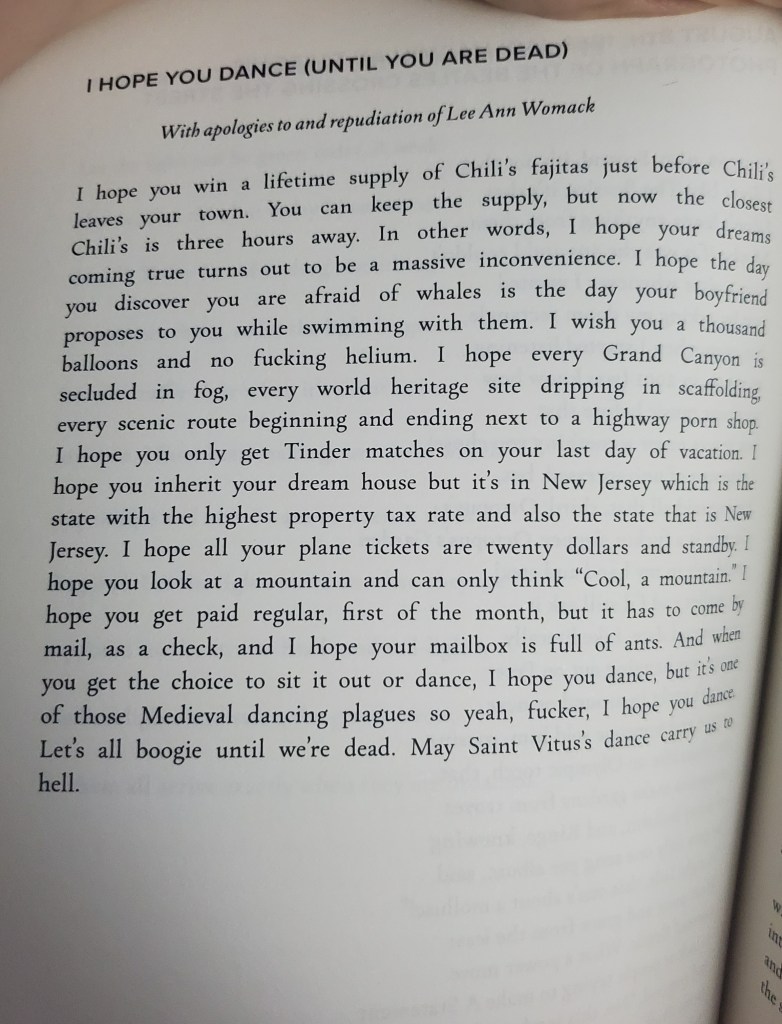
4 out of 5 stars

“The Little Book of Sleep: The Art of Natural Sleep” was written by Nerina Ramlakhan, a professional physiologist and sleep therapist for 25 years who runs sleep and wellness programs at Nightingale Hospital in London. This book was a quick, easy read. One description reads: “Drawing on Western science and Eastern practices, this beautifully illustrated guide to sleep teaches that, by making better choices in our waking hours, we can positively influence our sleep.” Here are some tips from the book.
- Sattvic describes the type of sleep we should be getting – pure, deep, natural, and healing. This is the kind of sleep where you wake up feeling refreshed, filled with vitality, and looking forward to the day ahead.
- The journey back to deep sleep is about working on yourself to create an inner core of safety and making lifestyle choices that will help your nervous system to recalibrate and shift back into safety mode if you’ve been running on survival mode.
- Tips:
- Eat within 30 minutes of waking.
- Reduce your caffeine intake to less than 300 mg per day. The half-life of caffeine is 5 hours. Avoid any caffeine until you’ve eaten.
- Drink plenty of water.
- Take breaks from technology. Withdraw from technology an hour before you get into bed. Don’t keep your phone in your bedroom or watch TV in bed.
- Create a sanctuary in your bedroom. Think soft, relaxing colors, essential oils, and cool and well-ventilated.
- Try breath awareness exercises.
- Increase your oxytocin levels by expressing your feelings, getting a massage, hugging someone, stroking your pet, and engaging in activities that make you feel at your best, happy, and carefree.
4 out of 5 stars
“The One Minute Manager” was cowritten by Ken Blanchard and Spencer Johnson. Ken Blanchard is a prominent, gregarious, sought-after author, speaker, and business consultant. Spencer Johnson, M.D. is the author or coauthor of numerous New York Times bestselling books. This book was an insightful and easy read, although it could have been more concise. Here are the main habits of a one minute manager:
- One Minute Goal Setting – set goals with their people to make sure they know what they are being held accountable for and what good performance looks like
- One Minute Praising – try to catch their people doing something right so that they can give them a One Minute Praising
- One Minute Reprimand – reprimand people immediately and tell people specifically what they did wrong then remind them how much you value them and reaffirm that that you think well of them but not of their performance in this situation.
I look forward to reading, learning, and sharing more with you soon!
#abouttime, #bibliophile, #bookblogger, #bookblurbs, #booklovers, #bookrecommendations, #bookreviews, #business, #buttonpoetry, #empathy, #employmentlaw, #leadership, #learningtodisagree, #neilhilborn, #oneminutemanager, #readlearnshare, #sleeptips, #thefirethistime, #thelittlebookofsleep, #theoneminutemanager, books, reading -
Thoughtful Thursday – December 12, 2024
My intention is to post a Thoughtful Thursday column each week and share some of the insights I have learned in the past week. Here are some of the things I’ve learned this week:
Mental Performance Daily – Culture Killers
- BCD – blaming, complaining, and getting defensive – transfer of accountability and responsibility
- Be accountable, responsible, and coachable.
- Another culture killer – me over we mentality – put team over yourself. When the team has success, you have success. When the team gets noticed, you get noticed. Don’t be an energy sucker.
- Put we over me and eliminate BCD
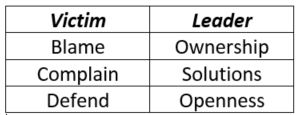
TED Talks Daily – Why you think you look bad in photos
- You’ve been looking at a reflection of yourself your whole life – looking in a mirror. Your brain gets a clear idea of what you look like. When you’re seeing a photograph, you’re seeing the reverse. Most of us are not symmetrical in our facial attributes.
- Overcome this by looking at yourself in photos more.
- You may not resonate with how you are being portrayed. Not everyone feels confident in photos.
- Get curious and ask yourself what you’re struggling to accept about the image and whether it has anything to do with how you are being portrayed. Looking bad in photos has less to do with how you look and more to do with how you think.
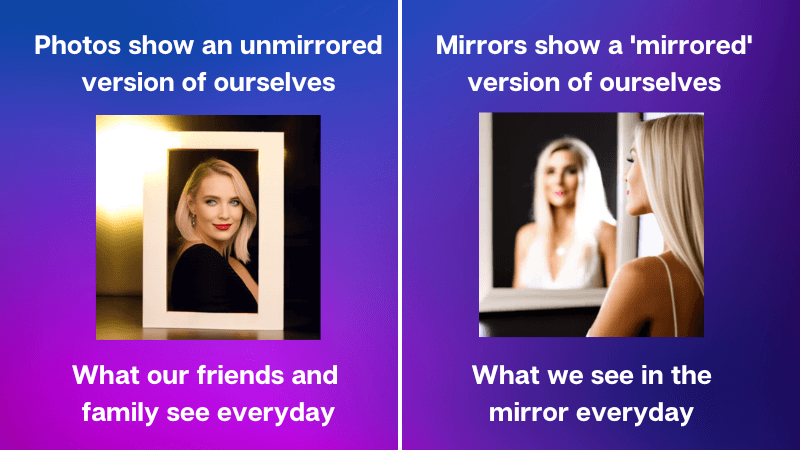
- You’ve taught yourself to hyper fixate on your insecurities.
- Focus instead on who you were with, what you were doing, and how you were feeling the moment the photo you were taken. When we change the way we look at things, the things we look at change.
- We’ve put unrealistic expectations on photography and our bodies. Disappointment is the gap that exists between expectation and reality. Photography’s only job is to capture a fraction of a second, but we’ve made these fractions of a second create a big narrative – such as I look bad in photos – that prevent us from showing up and being present in our lives.
- We’ve decided certain angles are better than others.
- Accomplishments, achievements, love, passion, creativity, and brilliance don’t change between photos. Your children, pets, and grandchildren see you at your worst angles and don’t love you any less or care about you any less. You are worthy of being photographed.
- We put pressure on how we are going to show up in photographs, and this pressure prevents a lot of us from showing up in photographs with and for the people we love the most.
Hidden Brain – The Secret to Gift Giving
- Obligations are probably the single biggest reason that gifts are given in the first place, whether it’s for Christmas, a birthday, an anniversary, or a graduation. When you get a gift, it feels like you have to return that gesture at an appropriate moment – whether it’s at that moment, the next birthday, etc.
- Recipients are often focused on the experience of the gift over the ownership of the gift. When you receive something, in the moment it might make you happy, but does it actually provide you value and utility and joy for the duration of owning whatever it is that you’ve received? Sometimes the things that bring you happiness in the moment are not the things that bring you happiness in the long-term.
- The surprise is something that gift givers think is critical to a recipient. When I give you a gift, I have this belief that you will only value that gift if you don’t expect receiving it. That is simply not true.

- A lot of people imagine that the reason gifts are exchanged is because we’re trying to make other people happy. But there are also selfish reasons for giving a gift, such as signaling who you are as a person and as a gift giver and signaling that you’re a creative gift giver. Sometimes people who think they’re creative make sure that the choices of gifts are creative even at the expense of the recipient. Ex: not giving the same gift to the same person another year and not giving the same gift to someone else
- The cost of a gift is not nearly as predictive in terms of happiness of the recipient as people tend to think.
- The research is pretty clear that recipients do not value socially conscious gifts as much as givers hope they would. Ex: charity donation, planting a tree, etc.
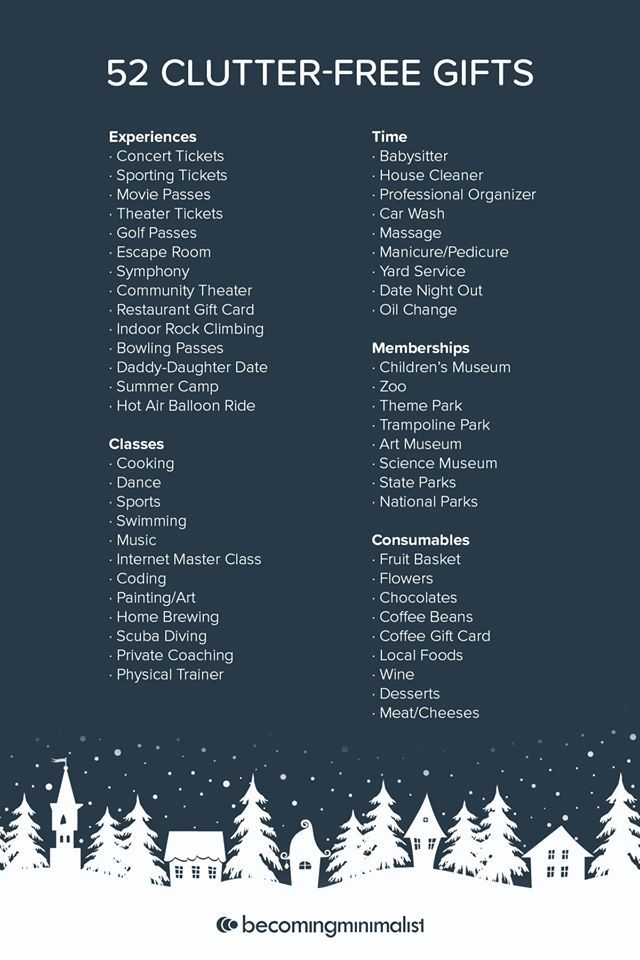
- Idea: family spreadsheet – “Whenever one of us has a desire for an item of some sort that exceeds some minimum expense, we put it on there as a potential gift that we would love to receive at some point. And what’s nice about that is when it’s time to fulfill my obligation, I’m not racking my brain trying to figure out what would make her happy. It still maintains an element of surprise in the form of the timing of the object itself. She might know that she wants item X, but she’s not going to know that I’m going to give it to her at a specific time.”
- Receiver is overjoyed when they get exactly what they want
- Experiential gifts – less of a wow factor upon opening, but providing a very valuable experience down the road
- Recommendation: if you’re going to give a gift, do it on a random day. The value that people get when they receive gifts on non-occasions is so much higher because they have no expectations.
I appreciated this post from Gabe the Bass Player this week:
https://www.gabethebassplayer.com/blog/the-next-episode
The Next Episode
December 6, 2024
We don’t have it. That’s what makes our lives different from the all the things we stream.
In streamer land we can always find out what’s next, we know the episode schedule, we have behind the scenes, we can binge it in two days and find out the end, or we can look up the end right now.
That’s why we’re drawn to movies and tv and podcasts and stories…because we long for a complete story where it all makes sense and the loose ends are perfectly tied.
But in real life we don’t have the next episode and we certainly don’t know the season finale. We’re living it.
I enjoyed this post from Seth’s Blog this week:
What if they’re right?
We spend a lot of time in our own heads, certain that our path and our method make sense. We often become more certain in the face of criticism or even suggestions.
This confidence is essential, as it allows us to lean into our project.
Once in a while, though, it might help to model the alternative. What if they’re right? How would that play out? If they’re right, what could I do with that insight?
If it’s helpful, run with it.
We can always go back to being right tomorrow.
I look forward to reading, learning, and sharing more with you soon!
-
November 2024 Reads
I read six books in November, some of which were short and easy reads. Here is a blurb of each of the books I read in November.

“Where I Dry the Flowers” is a Button Poetry book of poems written by Ollie Schminkey, a non-binary transgender poet and artist who has spent the past decade coaching, mentoring, teaching classes, and running workshops for poets. Many poems in this book are about grieving the loss of a complex person. I highly recommend this book to anyone who loves poetry and/or is trying to process grief. Here are some lines I enjoyed from this book.
Controversial opinion: In Defense of Speaking Ill of the Dead – “he is both: the man who would make us smoothies out of orange Kool-Aid and vanilla ice cream and the man who yelled when he drank and drank so often I’d run to the basement and lock the door.”
“I think grief is always at least two things: one, the constant realization that your expectations for the future were wrong, and two, death has happened and it will again.“
Forgiveness poem – “i never said it out loud. Maybe my father wanted forgiveness as much as I wanted an apology, but we stayed silent, the grudge, smooth as a pearl underneath our tongues. but it doesn’t mean i didn’t forgive him. and it doesn’t mean he wasn’t sorry . . . . when he offered me his death as an apology, i took it. of course, i took it.“
One of my favorite poems from the book is this one. I love the idea of contrapuntals.
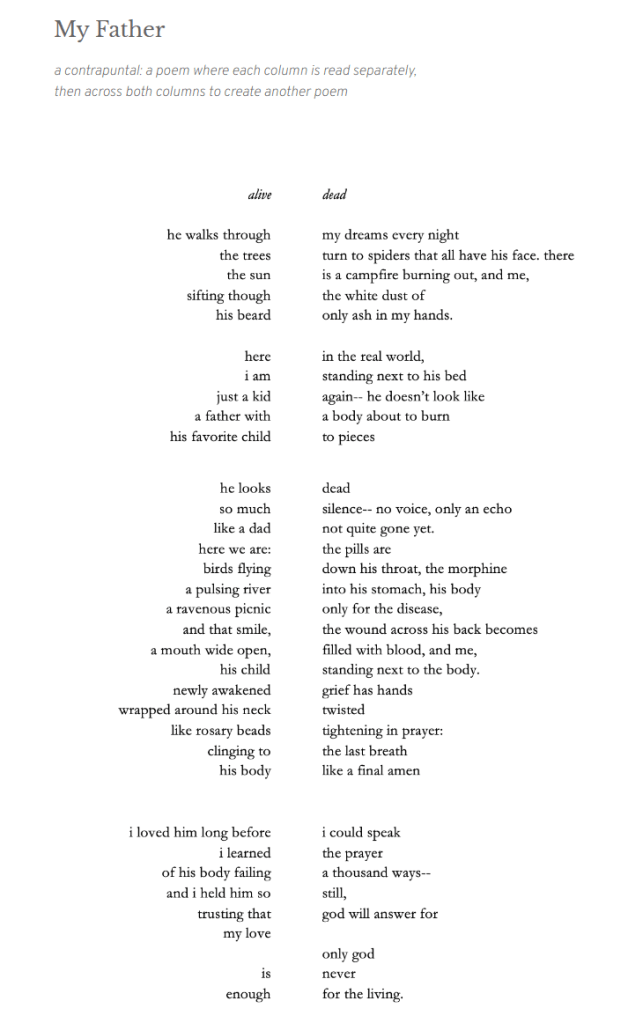
4 out of 5 stars
“Self-Care Activities for Women: 101 Practical Ways to Slow Down and Reconnect With Yourself” was a quick, easy read with excellent ideas from Cicely Horsham-Brathwaite, PhD, a licensed counseling psychologist and coach with over two decades of experience. This book provided different ideas for self-care in different categories: emotional, physical, mental, social, and professional. I highly recommend this book for anyone looking for self-care ideas. Here are some of my favorite ideas from each category.
Emotional self-care: Create your joy playlist. Create a list of songs that bring about positive memories and feelings, and schedule time in your calendar to listen to the entire playlist without multitasking whenever you need a mood shift.
Physical self-care: Plan a hike and picnic outdoors with friends.
Mental self-care: When you find yourself engaging in distracting behavior, reflect. What do I need right now? Is this giving me what I need, or do I need something else? Ex: may need a shower, hydration, exercise, rest, a hug, a good cry, journal reflection, or a talk with a friend.
Social self-care: Schedule activities with people you’d like to get together with on a regular basis. Rotate hosting.
Professional self-care: Establish a morning routine to set the tone for the rest of the day.
Self-care = “the actions one takes on their behalf in service of their well-being. Self-care means giving the world the best of you instead of what is left of you.”
5 out of 5 stars
“How to Be Perfect: An Illustrated Guide” was a quick, fun, simple book written by Rod Padgett and illustrated by Jason Novak that took me under fifteen minutes to read. Here are a handful of my favorite lines.
- Hope for everything. Expect nothing.
- Be skeptical about all opinions, but try to see some value in each of them.
- Learn something new every day.
- Be honest with yourself and diplomatic with others.
- Be on time, but if you are late do not give a detailed and lengthy excuse.
4 out of 5 stars
“Growing Up in Public: Coming of Age in a Digital World” was written by Devorah Heitner, PhD, who has spoken and written widely about parenting and growing up in the digital age. This book was interesting and thought-provoking, and I highly recommend it for all parents or anyone who hopes to be a parent someday. This review sums it up:
“A must-read for every parent. Emphasizing the importance of our children feeling seen instead of watched, mentored instead of monitored, this book is all at once a road map for preventing digital problems, a resource for what to do when things go wrong, and a crash course in how to empower our kids to become responsible, independent, and thoughtful digital citizens.” – Tina Payne Bryston, LCSW, PhD, NYT bestselling author of “The Whole Brain Child”
I got a lot out of this book, and here are just some of the tips:
- Mentoring is better than monitoring if we want to set our kids up for success. We want our kids to make good decisions, even when we are not right there.
- We need to do a better job of mentoring kids on how to be intentional about how much they share both online and offline.
- Common mistakes from teens and kids: carelessly taking a video of themselves making a crude hang gesture or using profanity, sharing videos of themselves making an unkind joke about a peer or teacher, taking selfies of vaping/drinking/drugs, taking a video mocking someone’s disability, wearing a racist Halloween costume, making fun of someone’s accent or body type, and liking or reposting problematic things.
5 out of 5 stars
“Exactly What To Say: The Magic Words for Influence and Impact” was written by Phil M. Jones. This book can be considered a masterclass in the art of influence, persuasion, and generating top-producing results. This book often came across as salesy – teaching the world to sell. I highly recommend this book to anyone in sales or anyone who wants to influence or persuade others.
Here are some of the tips:
- One of the biggest reasons your ideas fail to get heard is that others tell you that they just don’t have the time to consider them. By using the preface, “When would be a good time to . . .?” you prompt the other person to subconsciously assume that there will be a good time and that no is not an option.
- The words, “As I see it, you have three options” help the other person through the decision-making process and allow you to appear impartial in doing so. Present your option last and as the easiest. Then ask “What’s going to be easier for you?“
- “What happens next is . . . ” brings people through to the completion that needs to follow. It is your responsibility to lead the conversation, and following the sharing of the required information, your role is to move it toward a close.
- Success in negotiating is all about maintaining control in a conversation, and the person in control is always the person who is asking the questions. Challenge objections with “What makes you say that?” This shift of control now leaves the other person obligated to give an answer and fill in the gaps in their previous statement.
5 out of 5 stars
“The Complications: On Going Insane In America” was written by Emmett Rensin, who reflects on his life with schizoaffective disorder of the bipolar type: the hospitals and medication, the lost jobs and friends, the periods of mania and psychosis, the medication-induced tremor in his hands, etc. This book elevates the conversation around mental illness and challenges us to reexamine what we think we know about a world where one in a hundred people go mad. I learned a lot from this book and highly recommend it to anyone who wants to learn more about mental disorders. Here are some of my takeaways:
- Some psychotic disorders become milder with age. Others are deteriorating, progressive conditions. Outcomes are difficult to predict.
- The causes of severe psychiatric dysfunction are not thoroughly understood, but it is widely perceived that genes are not enough. Some additional event typically precipitates the full break. Trauma, substance abuse, and brain injury are common suspects.
- It takes 7-8 years, on average, after initial onset of symptoms to get a diagnosis.
- While brain abnormalities exist in some psychiatric patients, there are no consistent organic “signs” of madness, not any biological test for any psychiatric pathology.
- “In between the positive exclamations of a psychotic disorder – bouts of delusion, mania, hallucinatory experience – are the dull murmurs of what we call negative symptoms, which generally include a blunt affect, social isolation, difficulty feeling pleasure, a lack of willpower, and poverty of speech.
- “One of the greatest predictors of patient prognosis in the case of psychotic disorders is the degree of patient insight, which is to say, the degree to which the patient is aware of their disorder. If you cannot believe that you are ill, then you are unlikely to take your medication. If you do not take your medication, your condition will worsen. If your condition worsens, you are no more likely to take your medication or engage in the tedium of self-care.”
This reflection from the author stood out to me:
I am afraid of reaching a point where I do not want help, do not believe that I need help, where I run away from anyone who tries to help me, or worse, where I become so terrified or angry or violent that I hurt those people until they are not willing to help me anymore. I am afraid that one day I will become so sick that I reach the end of other people’s charity.
4 out of 5 stars – at times, this book was difficult to read and seemingly consisted of tangents and ramblings – however, this was likely due to periods of mania.
4 out of 5 stars

I look forward to reading, learning, and sharing more with you soon!
#bibliophile, #bookblogger, #bookblurbs, #bookreviews, #buttonpoetry, #digitalworld, #emmettrensin, #exactlywhattosay, #growingupinpublic, #howtobeperfect, #impact, #influence, #libraryreads, #mentaldisorders, #mentalhealth, #ollieschminkey, #parenting, #readlearnshare, #sales, #schizoaffectivedisorder, #selfcare, #selfcareactivitiesforwomen, #thecomplications, #whereidrytheflowers, books, family, mental-health -
Thoughtful Thursday – November 21, 2024
My intention is to post a Thoughtful Thursday column each week and share some of the insights I have learned in the past week. Here are some of the things I’ve learned this week:
Mary’s Cup of Tea – 5 Mantras to Get You Through Tough Times
- Be here now.
- This too shall pass.
- Everything happens for me, not to me.
- Emotions need motion. We can’t sit with our feelings for too long. You need to do positive and productive things to get the feelings out.
- Lead with love.
Life Kit – How to slow down when you eat
- Signs you are eating too fast: hiccups, heartburn, feeling hungry right after eating
- Mindful eating asks us to slow down and notice our food.
- Most nutritionists urge us to take 20 minutes to eat a meal. It takes that long for your body to get the signal to the brain that you are full. If you eat fast, your brain is not getting that signal that you are full, causing you to eat too much.
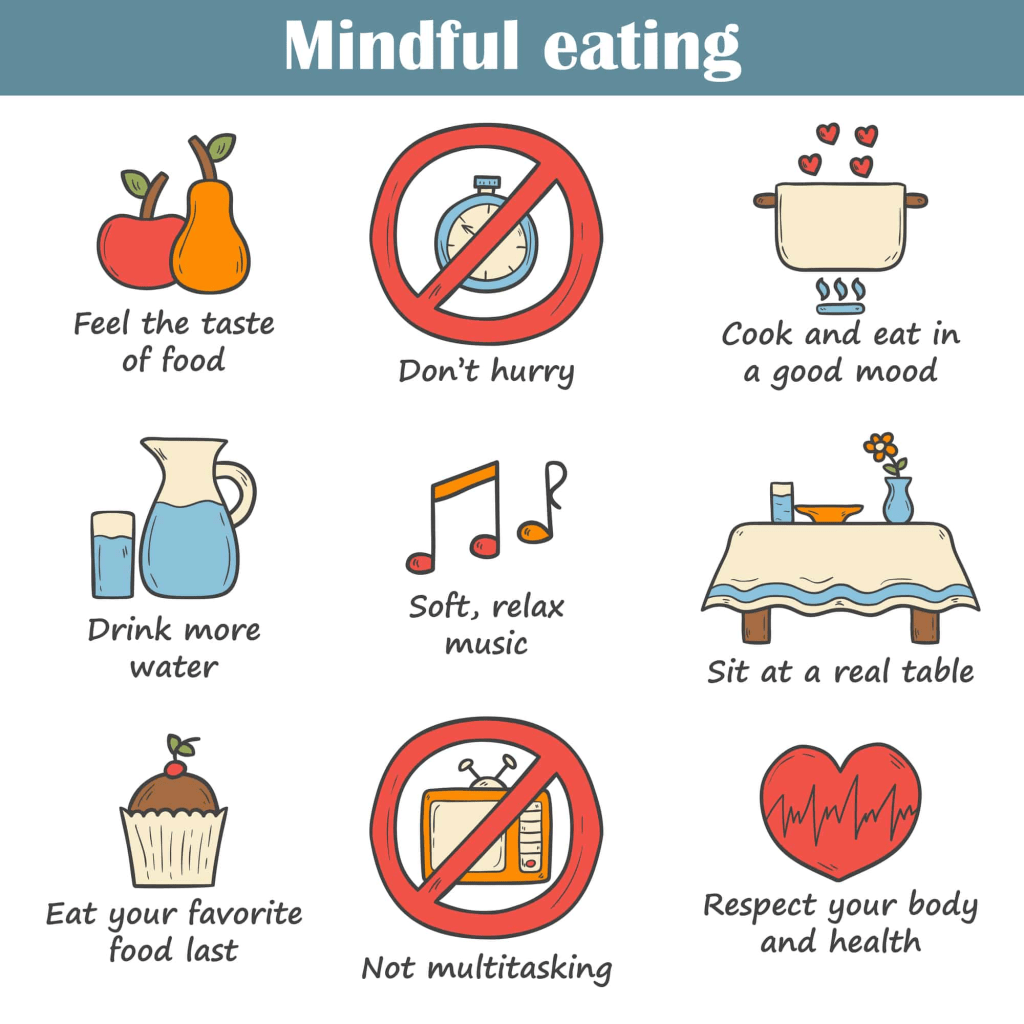
- Tips:
- Allocate time to eat and only eat. Don’t use your phone while eating.
- Engage your senses. Be with the food and notice the colors, scents, taste, texture, etc.
- Pre-portion food. Take smaller portions to the table. Ex: put chips in a bowl ahead of time to keep you from overeating.
- Chewing is important. Chew several times to ease digestion.
- If you have limited time for meals, save some food to eat as a snack later.
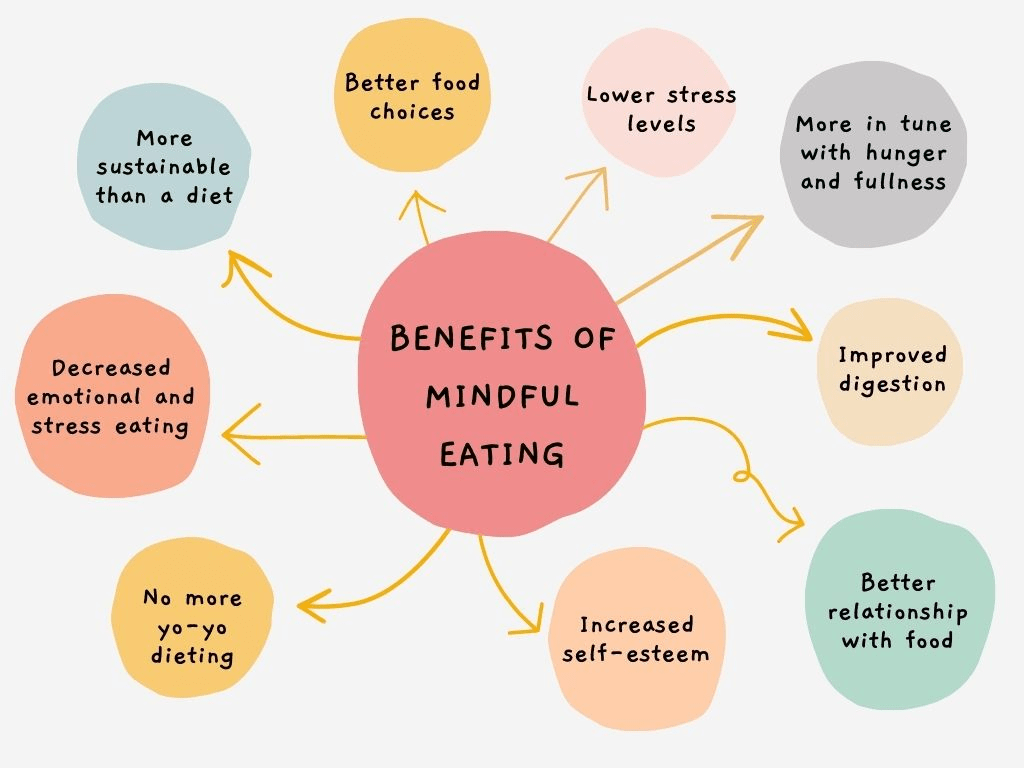
5 contemplations of mindful eating
Before Breakfast – Make space for friendship
- Studies show that people think they’d be happier with more friends, but what actually makes us happier is being considered someone’s best friend.
- A better strategy is to be a dynamite teammate to 3-5 people.
- Friendships start out with shared activities.
- Choice theory says that we all have five inherent genetic needs: survival, power, love and belonging, freedom (self-expression), and fun. Friendships should have these elements.
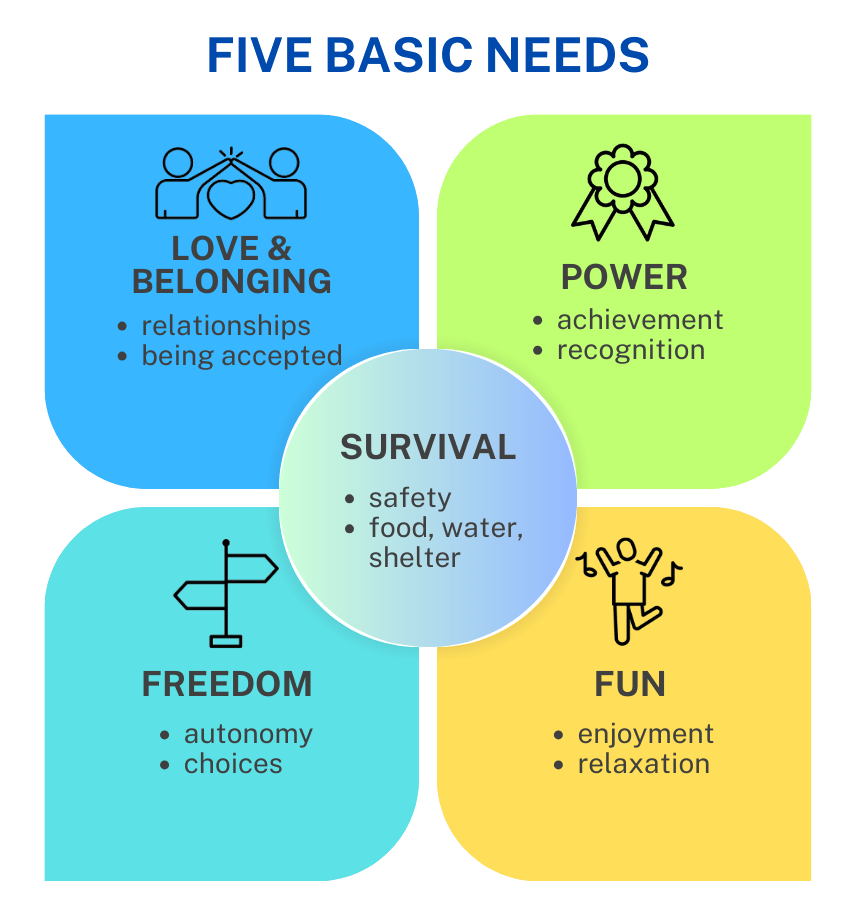
- The biggest mistake is that people don’t think about how their invitation lands in someone else’s inbox. Give specific times and locations.
- Ask friends questions like “How can I help you? What are your pain points? Tell me what’s going on. How’s your job? How has your social life been?” Be an excellent teammate and be careful not to dominate conversations.
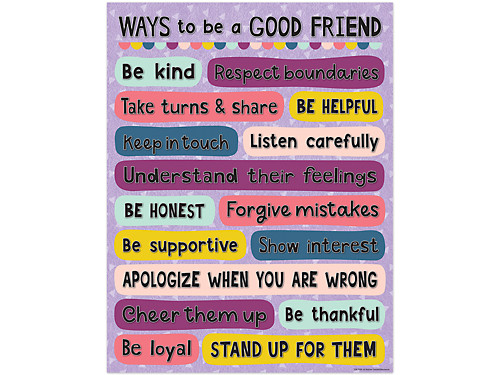
- Make silence meaningful. Try to make a plan with someone very busy and say something like “If I don’t hear from you by ___, I’ll assume you can’t go.” By saying how you will interpret the silence, you are taking power and giving a kindness to the other person of “I understand you may not get back to me. Here’s how I will interpret a non-answer.”
- Pick your elite tiers of people and commit to prioritizing them, being in contact with them, and seeing them regularly. Other connections are a bonus, but it’s not as overwhelming when you prioritize the top tier friends.
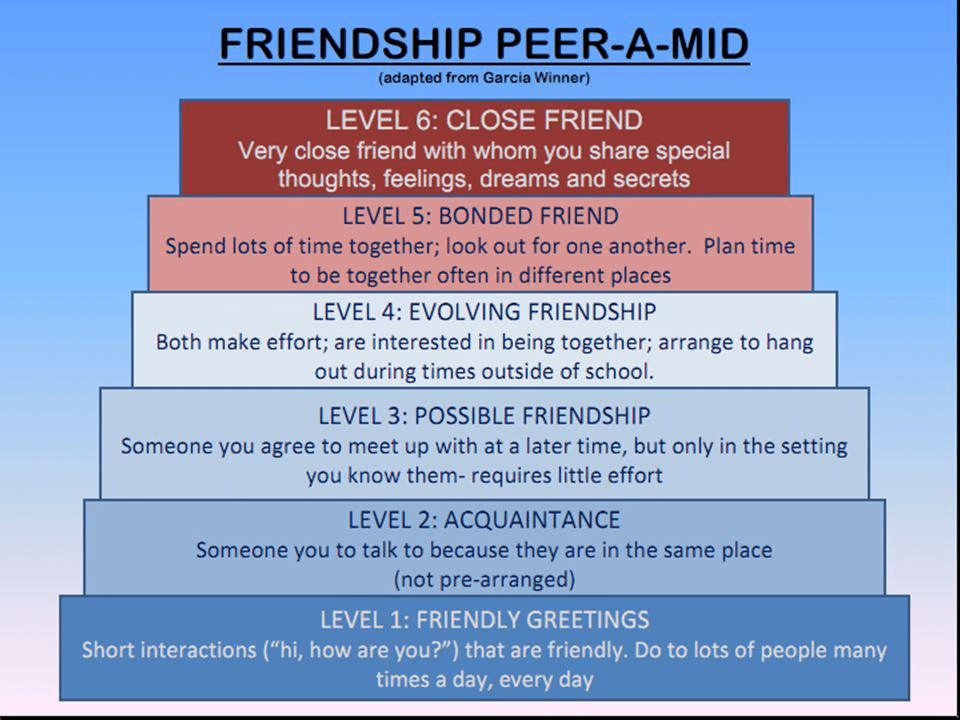
Law School Toolbox Podcast – Quick Tips – LinkedIn Best Practices for Law Students
Although I’m not in law school, I finally caved and signed up for LinkedIn after months of my professors and paralegal program classmates emphasizing its importance. I still have a lot to learn, but this podcast was helpful!
- LinkedIn is the go-to professional networking platform
- Your profile is often the first impression you make on potential employers for connection.
- Use an up-to-date professional photo. Pay attention to your background.

- Headline – title should be specific, not generic.
- If an employer searches for terms you used in your title, your profile will likely appear closer to the top in their search results.
- About section – summarize who you are, what your goals are, and how you achieved them. Who you are now, who you were before (what did you do/where did you work), who you aspire to be (what type of law, etc.) Try to add your personality into the mix.
- Experience section – list all relevant experiences. Instead of using bullet points, write a full paragraph telling the story of your accomplishments, activities, and roles in each position. Be specific about your duties and outcomes.
- Education – all higher education. Include activities and extracurriculars. Be specific about your roles. Include awards you received.
- Licenses and certifications – NSLT, Lexis Nexis legal research certification course, etc.
- Publications
- Start by connecting with people you know – classmates, family members, friends, old coworkers, and professors
- Use LinkedIn to connect with alumni from your school who work in the area of law you are interested in. Reach out to attorneys who work in areas you are interested in.
- Like and comment on posts from your connections. Share your own updates, too.
- Always maintain professionalism in every aspect of your profile. Proofread everything. Keep your profile updated and current. Quality over quantity for connections.

I enjoyed this post from Gabe the Bass Player this week:
https://www.gabethebassplayer.com/blog/what-time-do-you-open
“What Time Do You Open?
November 14, 2024
You get to pick. But whatever time you post on the door we expect you to be fully open. Not a limited menu. Not partially attentive. Not just half the vibe.
Whatever it’s like when we walk in, we assume that’s the way it always is…so for whatever way you want to known, it starts from the time you open.”
I look forward to reading, learning, and sharing more with you soon!
-
Thoughtful Thursday – November 14, 2024
My intention is to post a Thoughtful Thursday column each week and share some of the insights I have learned in the past week. Here are some of the things I’ve learned this week:
Self-Growth Nerds – 5 Most Powerful Questions to Ask Yourself
- What do I make ___ mean about myself? Ex: rejection – “I make it mean that I will never find someone because I am deeply flawed.” I make it mean . . . creates distance between you and your thoughts. You get to be the observer of your thoughts.
- What else could it mean/what else could be true? This opens your mind to other possibilities that you might not have considered because you are so focused on the one that is making you suffer.
- What would ___ say? What would someone I look up to say? What would my most loving and confident friend say?
- So what? Dedramatize the situation you’re in.
- Who would you be without that thought? The thought you are so attached to is a choice. Someone else with a different background might not have that thought.
TED Health – A Healthier You: A 5-step guide to better doctor visits
- Prepare for the appointments. Write down questions or concerns to ask your doctor about.
- Be real with your doctor, even if it feels awkward. Tell them the whole story. Tell them exactly how pain or illnesses or medical procedures affect your day-to-day life.
- Don’t be afraid to ask questions or even get a second or third opinion. Clarifying things is necessary.
- Bring a trusted person to your appointments if you can. Take detailed notes that you can review later.
- Don’t be afraid to follow up. Be persistent. Push for answers or referrals to specialists. You’re never a burden for asking questions or pushing for better care. Follow up until you get the care that you deserve.
- What’s one step that you can take today to be a better advocate for your own health? Maybe it’s scheduling an appointment you’ve been putting off, writing down questions for your next appointment, or following up and requesting a referral to a specialist.

NerdWallet’s Smart Money Podcast – Are You Spending Like Your Generational Peers?
- BLS data – Baby Boomers spend 95% of annual income after taxes, Gen Z spends 93% of annual income after taxes, Millennials spend 83%, and Gen X spends 84%.
- Millennials and Gen X are spending close to 15% of total expenses on retirement. Gen Z are spending close to 12% on retirement. These are averages!

- Food accounts for 12-13% of expenditures among all generations.
- Groceries account for 7% of all spending and takeout takes up 6% of spending
- Gen Z spend on average 4% on healthcare expenses.
- The highest-earning generation spends the most money on transportation (car, flights, public transit). Gen X spent $17,000 on average in 2023 compared to $10,000 for Gen Z.

Are you spending and saving like your generational peers? Or are you doing better or worse?
- New tax brackets for 2025 + new standard deductions

Fit, Healthy, & Happy Podcast – Fitness & Health Habits to Break
- Pre-workout – too much caffeine. Don’t drink more than 500 mg per day. You shouldn’t need pre-workout every day. Analyze your consumption and don’t rely on pre-workout. Are you getting enough sleep?
- Over-reliance on warms ups/needing certain machines/shoes/equipment – some people are so particular and don’t deviate from warmup routines, an Apple Watch, etc.
- All or nothing mentality (weekends especially) – it won’t always be a perfect day to work out and you won’t have as much time as you’d like to but move your body anyway.
- Demonizing foods – restriction causes cravings. Don’t put labels on foods. Moderation is the key to success. 80/20 clean eating
- Neglecting sleep/recovery – cut off caffeine consumption by 12 p.m. Prioritize sleep and recovery.
- Crutching protein and protein supplements – focus on whole food sources for protein.
- Lifting with bad form – have a season where you really focus on perfecting your form.
- Treating it as a chore and not having much to look forward to – if you view working out as a chore, you won’t push yourself or make progress. Find something to look forward to and set goals you want to hit. When you see results or progress, working out is more exciting. Update your routine or goals or try a new challenge.
- Only allowing yourself to see results or having no social life – have a balance of working out and a social life. Fitness and health need to be integrated within your life. Have some flexibility with your fitness to have a social life.
- Refusing to change your mind/update your beliefs – you need to try new things, update your beliefs, and have the capacity to change your mind. Ex: you can have carbs and still be in shape.
I enjoyed this post from Seth’s blog this week:
“The problem with the movie version
There are lights, camera and action, but mostly there’s the unreality of making it fit.
Happily ever after, a climax at just the right moment, perfect heroes, tension, resolution and a swelling soundtrack. Every element is amplified and things happen right on schedule.
Consume enough media and we may come to believe that our life is carefully scripted, and that we’re stars of a movie someone else is directing.
This distracts us from the truth that real life is more muddled and less scripted. There is no soundtrack. We’re actually signed up for a journey and a slog. Nothing happens ever after. It’ll change, often in a way we don’t expect.
We have no choice but to condense a story when we want to film it. Our real story, on the other hand, cannot be condensed, it can only be lived. Day by day.”
I look forward to reading, learning, and sharing more with you soon!
-
October 2024 Reads
I read six books in October, two of which were short poetry books. Here is a blurb of each of the books I read in October.
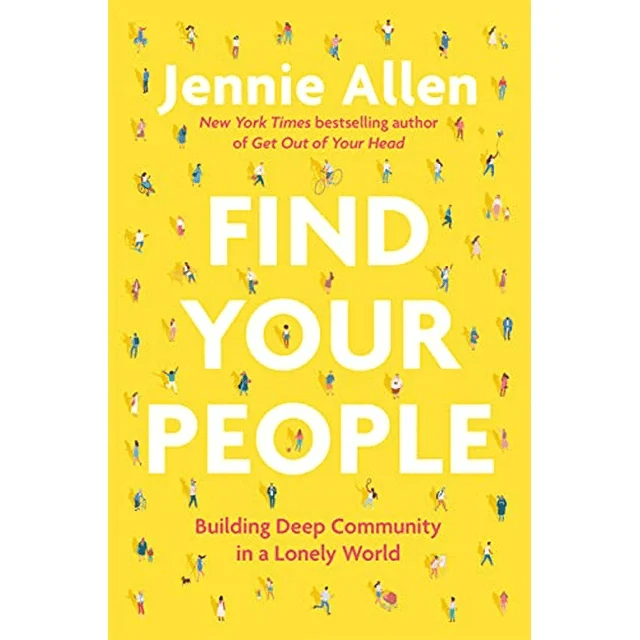
“Find Your People: Building Deep Community in a Lonely World” is a Christian book written by Jennie Allen and is filled with stories, science-based insights, and practical ideas for building deep community. I had several takeaways from this book, but here are just a few.
5 out of 5 stars
“We’re all just kind of waiting for connection to find us. We’re waiting for someone else to initiate and be there for us. We’ve replaced intrusive, real conversations with small talk, and we’ve substituted soul-bearing, deep, connected living with texts and a night together every once in a while. Quit waiting for people to reach out to you. Start initiating and asking people the questions you wish they’d ask you.”
Factors to look for in friendships include availability, humility, proximity, transparency, consistency, accountability to others, and a shared purpose.
Some ideas for building friendships:
- invite friends to bonfires
- plan get togethers
- intentional, active listening
- affirm your friends
- ask your friends about the highs and lows of their week
- join a club
- ask deep questions
- listen
- share the real stuff
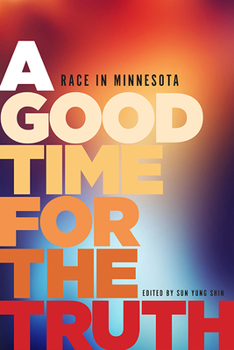
“A Good Time for the Truth: Race in Minnesota” is a collection of stories of what it’s like to live as a person of color in Minnesota, was published by the Minnesota Historical Society Press, and was edited by Sun Yung Shin.
4 out of 5 stars
Here are some quotes that stood out to me:
“[People] unconsciously believe you are unfit to mother your own child simply because you are a Black woman.”
“Sometimes I catch myself staring at my son, wondering what he is going to do when someone gives him a piece of paper with boxes on it and asks him to check the box saying who he is – if he is going to pause before marking “Black.” As I do. Because Black is not a race.”
“To be a Korean adoptee in Minnesota is to be both hypervisible and invisible at the same time. It means that people can tell you they don’t see you as Korean as if that is a compliment.”
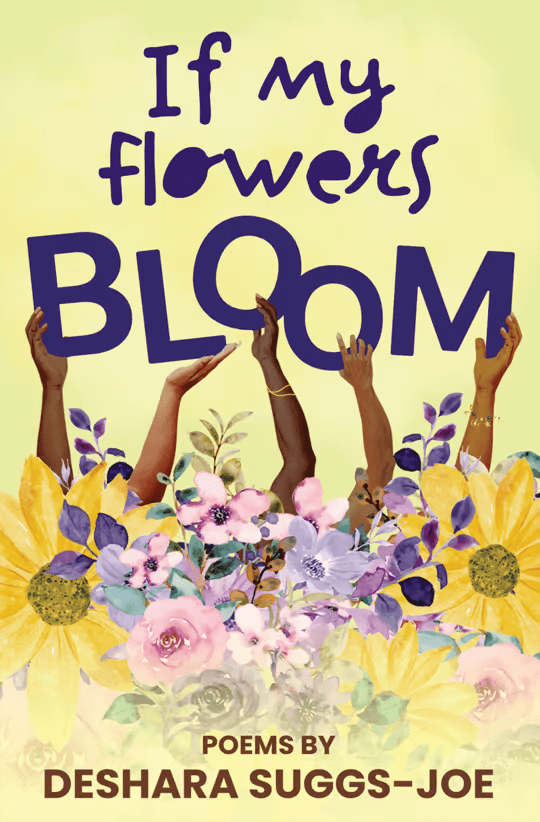
“If My Flowers Bloom” is a Button Poetry book of poems by Deshara Suggs-Joe, a queer, Black poet and visual artist. These poems were about desire, and many were sexual in nature. Honestly, this book was not one I enjoyed. I have included a snippet of my favorite poem from the book.
2 out of 5 stars

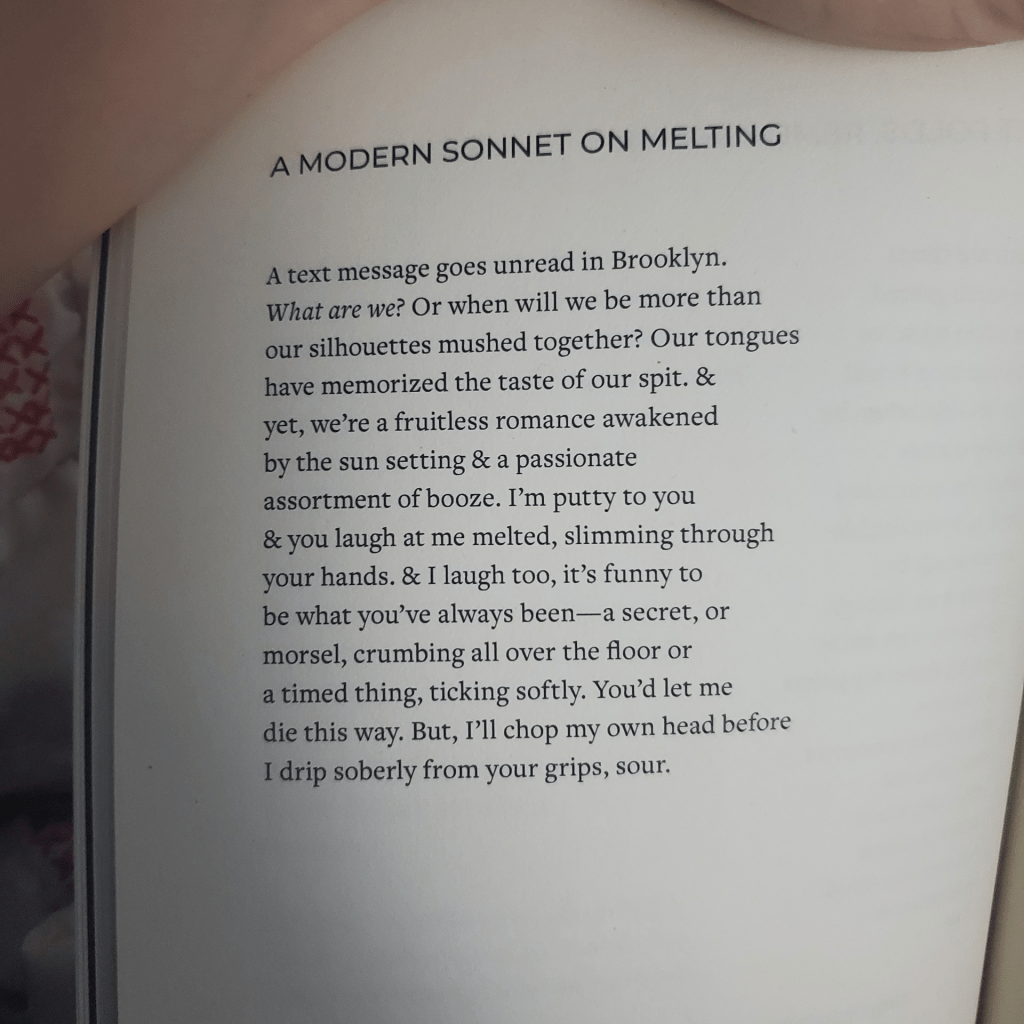
“ex traction” is a Button Poetry book of poems by Lara Coley, a San Francisco poet and educator who has taught creative writing and ESL in juvenile detention centers, schools, universities, and mental health treatment centers. Lara’s poems sharply dissect love relationships, and many are abuse and loving emotionally unavailable men.
4 out of 5 stars
Here are some snippets:
“How do you love so softly, so gently, so quietly, with your hand so tightly cradled around my throat?”
“We were lying on my bed and I asked him why, in our two years together, he’d never told me he loved me. He said he didn’t need to, that everyone knew. Een Jessica knows, he said. Well, good for her, I said. Good for Jessica.”
“She is wearing your affection like a coat, tailored to fit her. I remember stretching your love around my shoulders like a misshapen shovel that would never cover any parts of me that needed warmth.”
“Never Not Working: Why the Always-On Culture is Bad for Business – and How to Fix It” was written by Malissa Clark, associate professor of industrial-organizational psychology at the University of Georgia. Malissa is also a recognized expert on the topics of workaholism, overwork, burnout, and employee well-being. I highly recommend this book and will post about it in more detail sometime.
5 out of 5 stars
This book was filled with helpful information. This book covered signs of workaholic behavior, how to counteract workaholic behavior, the main components of workaholism, specific signals of workaholic culture within an organization, overwork assessments, and questions to ask after you get a job offer. Here are some of my many take-aways.
The most direct way to figure out what’s valued in a culture isn’t to listen to what people say is important. It’s to pay attention to who gets rewarded and promoted to leadership roles. Groups elevate people who represent their principles and advance their goals.
Here are some signs of workaholic behavior:
- rumination – always thinking about work
- overcommitment – always taking on too much and not knowing limits
- busyness – always doing – unstructured time feels uncomfortable
- perfectionism – nothing is ever good enough
- poor delegation
- poor scoping – underestimating how long it will take to do something
- catastrophizing
3 questions to ask after you get a job offer to learn about the culture (courtesy of Work Life with Adam Grant):
- Tell me about something that happens here that wouldn’t happen elsewhere.
- Tell me about a time when people didn’t walk the talk here.
- Tell me a story about who gets hired, promoted, and fired around here.
“All the Gold Stars: Reimagining Ambition and the Ways We Strive” was written by Rainesford Stauffer, an author, journalist, and speaker. This book contained a thoughtful exploration of ambition. Although this book contained several ramblings, there were some great takeaways.
4 out of 5 stars
So many modern ideas of ambition are rooted in work-related self-development, self-improvement, and career mobility, but ambition isn’t just about work. For those of us who feel that our performance at work – or our ambition – is the most valuable, worthiest, and most significant part of us, and thus, the most important part of our lives, we lose ourselves at the center of our stories.
Two primary sources of influence of our self-concept are our childhood experiences and our evaluation by others. Evaluation is ambition’s sidekick. Ambition is often registered as achievement.
Don’t let the world place limits on your ambition. Our efforts, time, imagination, and care can be oriented toward what matters to us most deeply in the face of a world that’s screaming to-do lists at us. Ambitions can be demonstrated in your hobbies, your values, how you care for yourself, your contributions to your community and causes, your friendships, etc.
Questions to ask yourself:
- Think about your unrésuméd self – What are the things that actually fill you up that no one cares about, or you can’t put on your resume?
- Who came up with this aspiration? Is it my idea or something random I thought I should aspire to?
- What resources does it take to be ambitious about this, and is it worth it?
- What does this ambition serve? It is me, a loved one, or something I care deeply about, or just an arbitrary marker of success?
- How can the personal definitions we have of ambition expand?
I look forward to reading, learning, and sharing more with you soon!
#agoodtimeforthetruth, #allthegoldstars, #ambition, #ambitious, #bookblogger, #bookreviews, #buildcommunity, #buttonpoetry, #desire, #extraction, #findyourpeople, #friendships, #laracoley, #lifelessons, #love, #minnesota, #nevernotworking, #personaldevelopment, #poems, #poetry, #race, #readlearnshare, #reflection, #reimagining ambition, #workaholic, #workaholism, books, poetry -
Thoughtful Thursday – October 24, 2024
My intention is to post a Thoughtful Thursday column each week and share some of the insights I have learned in the past week. Here are some of the things I’ve learned this week:
Stuff You Should Know – The Story of Spirit Halloween

- Spirit Halloween in the United States is well-known for being a giant Halloween pop-up store that sprouts up in old malls, strip malls, and old big-box stores that are 7,000-10,000 square feet.
- There are more than 1,400 stores in the U.S. between August and November. Some are within miles of one another.
- Spirit Halloween hires 25,000 temporary employees August-November. Stores close on November 2. Spirit Halloween’s online store is open year-round.
- 30-40% of stock carries over from year to year
- Keys to their growth plan:
- presence
- ads
- 10,000 foot storefront close to another big-box store such as Target/Walmart/shopping center
- expand beyond just costumes (include décor)
Life Kit: Health – How to cut ultra-processed foods from your diet
- Packaged foods – high levels of salt and fat, added sugars, added colorings, added flavorings, hydrolyzed protein isolate, high fructose corn syrup, bulking agents like maltodextrin – tend to have a lot of additives
- Foods that are made with ingredients derived from foods and reassembled to create a product
- There is a lot of research linking overconsumption of ultra-processed foods to poor health outcomes, like type two diabetes, obesity, hypertension, cardiovascular disease, etc.

- Look at the ingredient list. Ignore the health claims on the packaging. If there are ingredients you don’t recognize and wouldn’t have in your home kitchen, it’s an ultra-processed food.
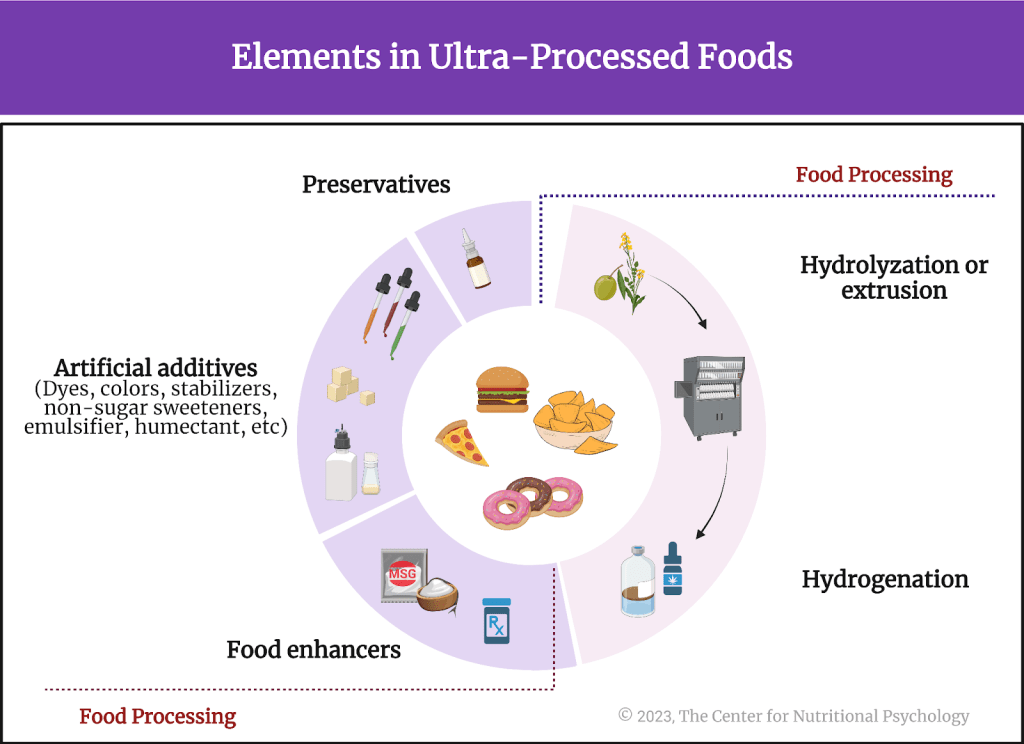
- Even if it’s ultra-processed, look for things lower in sugar or no added sugars that have some fiber and protein.
- Craving salt? Think about eating nuts. If you love breakfast cereals, look for something with protein and fiber. Yogurt – look for something with low or no added sugar and use some fresh berries to sweeten it. Look for a high protein option.
- Canned items like vegetables and beans often have added sodium. You can rinse them in a colander to cut out some salt.
- Focus more on eating things you know you should be eating more of, such as fresh or frozen fruits and vegetables.
- Cooking more from scratch at home is always a better option.
- Aim for the 80/20 rule – eat 80% clean, whole foods, and splurge on up to 20% of your diet.
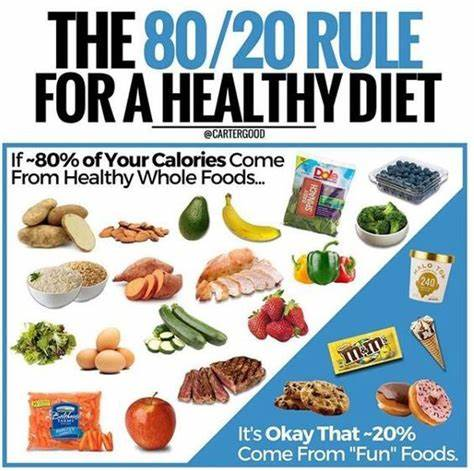
- Truefood.tech – tells you how processed food items are – look up your brand and product – suggests less processed alternatives
- This website is fascinating!

You can type in a brand and product and it will show you a processing score, ingredients (and additives), and alternatives and their processing scores!
Before Breakfast – Make it worth the commute
- If you are going to go into the office, make it worth the commute. Use your in-office time for relationship building and collaboration.
- You don’t want to spend your time and energy going somewhere just to e-mail and call people in other places because you can do that from home.
- When you’re just getting to know a new colleague, in-person conversations can be valuable. Schedule lunch, conversations, or coffee with a colleague during your in-office days.

The Big Flop – The Truth About D.A.R.E.
- Some studies show a higher rate of drug use among D.A.R.E. participants than those who didn’t participate.
- Drug Abuse Resistance Education (D.A.R.E.) is best remembered due to the ads and PSAs that were intended to promote “Just say no.”
- Drug-Free Schools and Communities Act – D.A.R.E. is the only program that is eligible for funding from this law, so they got federal money to go nationwide
- There was an 80-hour course for D.A.R.E. officers
- ¾ of all school districts in the United States used the program. Over 5.5 million kids were exposed to the program, and over 11,000 police officers were involved. Each year, between $600-750 million of taxpayer money was spent on D.A.R.E.
- Nancy Reagan – honorary D.A.R.E. graduate – backed D.A.R.E.
- D.A.R.E. curriculum:
- Alternatives to doing drugs: deep breathing
- Strategies to keep yourself safe at parks, shows, and the mall
- Ways to say no were all extremely obvious: just walk away, just ignore the person, change the subject, etc.
- Puts all drugs on the same level – alcohol, pot, cocaine equally serious
- According to one D.A.R.E. workbook, you can tell when a bunch of people are up to no good if they have tattoos (!)
- Merchandise
- Clothing with D.A.R.E. logo, pencils that said “too cool to do drugs” – depending on how much you sharpened it, it would bring the wrong message – eventually to just “do drugs” or “drugs”
- Criticisms of the program:
- Person who came up with D.A.R.E. testified in front of the Senate Judiciary Committee that people who use drugs, even casually, should be taken out and shot.
- Recognize, resist, report – the report part attracts criticism because some people believe it’s turning kids into police informants
- Kids calling on parents and sending them to prison
- After multiple studies, the program was found to not work. The effectiveness of D.A.R.E. has yet to be established.
- Marijuana use by teens increased. D.A.R.E. makes certain kids want to try drugs- “you can’t tell me what to do”
- Ineffective primary prevention program
- The program stuck around until 2009 when it was finally phased out.
- U.S. spent over 1 trillion dollars on D.A.R.E.
- A new version of D.A.R.E. was introduced in 2009, keeping it R.E.A.L. Refuse, explain, avoid, and leave. Some initial research indicates that this program MAY be more effective, although it’s been criticized for a lack of focus on harm reduction.
- Misuse of funds and time
This post from Seth’s blog resonated with me this week:
How often do we assume that popular things are good, and that good things become popular?
If your work doesn’t catch on, does that mean it wasn’t good?
In almost every field, people with insight, taste and experience admire and emulate good things that aren’t popular, and are surprised by popular things that aren’t good.
Perhaps we need to broaden our definition (or narrow it) so we can be clear about what we mean.”
I look forward to reading, learning, and sharing more with you soon!
-
Thoughtful Thursday – October 10, 2024
My intention is to post a Thoughtful Thursday column each week and share some of the insights I have learned in the past week. Here are some of the things I’ve learned this week:
Self-Growth Nerds – The Power of Consistency: 5 Mindset Shifts for Achieving Your Dreams
- Consistency – to show up again and again for what is important to you – working out, journaling, sharing a blog post, going to a comedy club monthly, etc.
- Remove the pressure of perfection. Lower the bar of your expectations.
- Show up and be consistent. Control what you can control but know that you won’t be perfect every time. Focus on showing up and trying your best.
- What feels alive in me right now? What is something interesting I’ve seen or heard recently, and what’s the meaning in there?
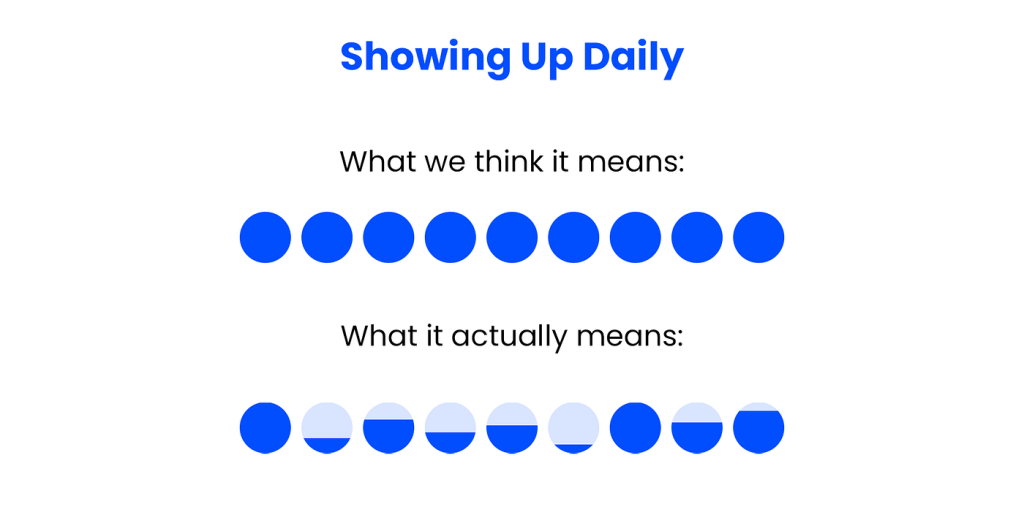
- Commit. Make a decision and be clear in what you’re committing to.
- Know what it is you are committing to. Ex: run one mile each day, post one blog post each week, go on one outing per week, etc.
- Don’t expect to be consistent in every single aspect of your life. Choose your priorities wisely. Be clear about why each choice is important and accept the grief that comes with loss.
- Choose what lights you up rather than what makes sense. Choose something you really want to do.
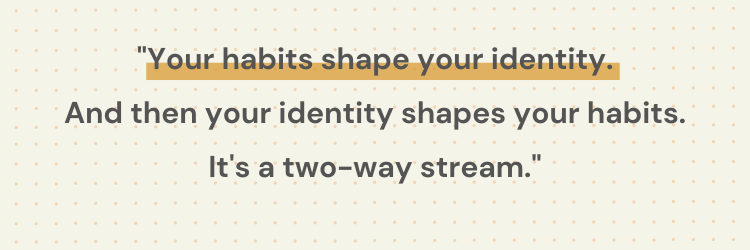
- Make it a part of your identity and find pride in that.
- “I am someone who posts a podcast every week.” “I am someone who runs every day.” “I am someone who reads every day.” Etc.“I am becoming someone who _____.” “I am someone who ____ because ____.”
- Choose a new identity today. Choose one thing to focus on and embody that new part of your identity.
- Never beat yourself up. Decide what kind of boss you want to be to yourself. Firm, loving, forgiving.
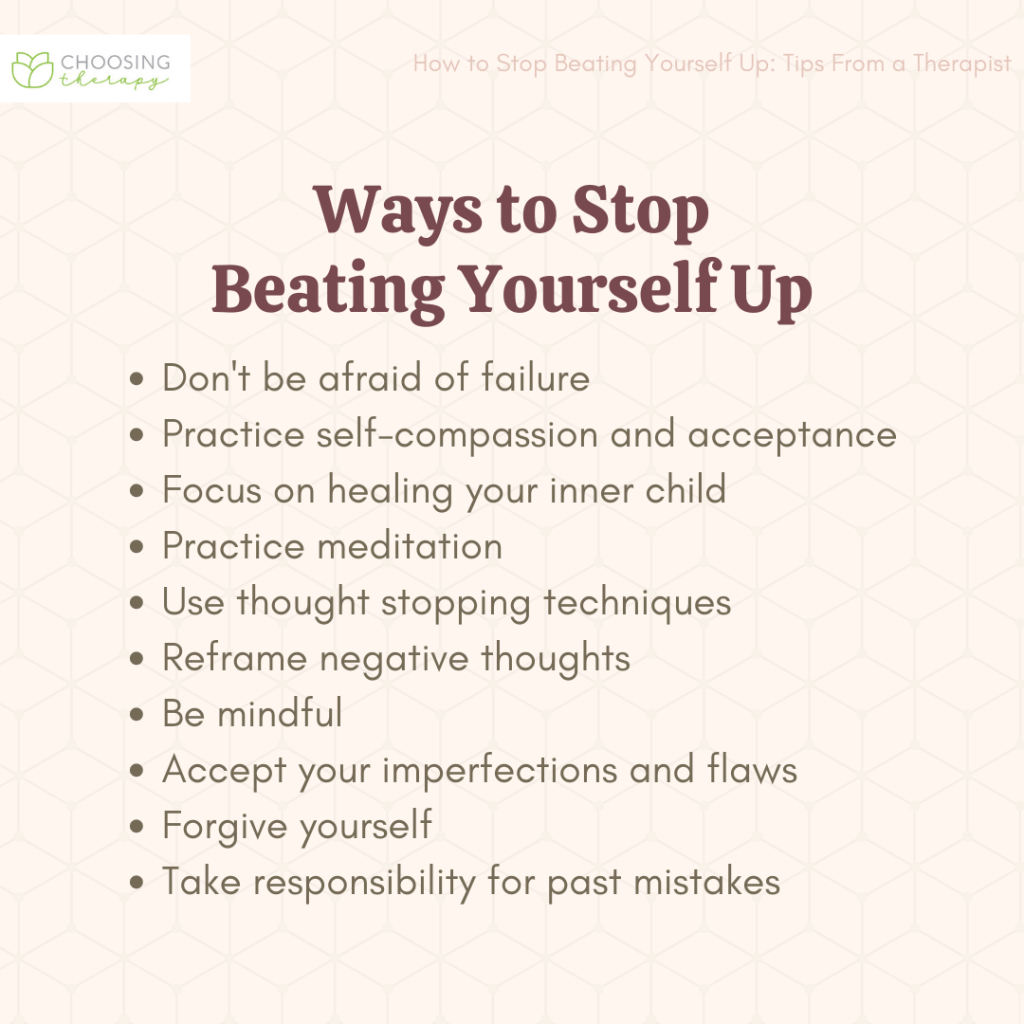
- Tips:
- Put it on the calendar. If it’s not on the calendar, it’s probably not going to happen
- Habit stack – ex: journal while drinking coffee, watch tv while walking on the treadmill, listen to a podcast while doing chores
- Remove pain points. Think of convenience.
- Get an accountability partner.
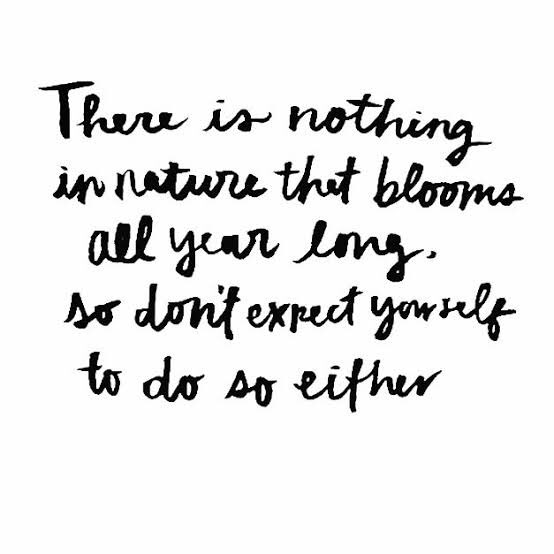
Mentally Stronger with Therapist Amy Morin – 10 Things Being a Therapist Taught Me About the Human Experience
- Most people fear they’re not good enough. At the heart of almost every issue is the fear of not being good enough. This manifests in different ways. One person might become an overachiever, other people just don’t try, other people change who they are or act differently depending on who is around them because they want to feel accepted.
- Everyone has secrets – mental health issues, addictions, childhood abuse, etc.
- People’s inner worlds are often hidden. Many people believe that their thoughts and feelings would surprise even their closest friends and family.
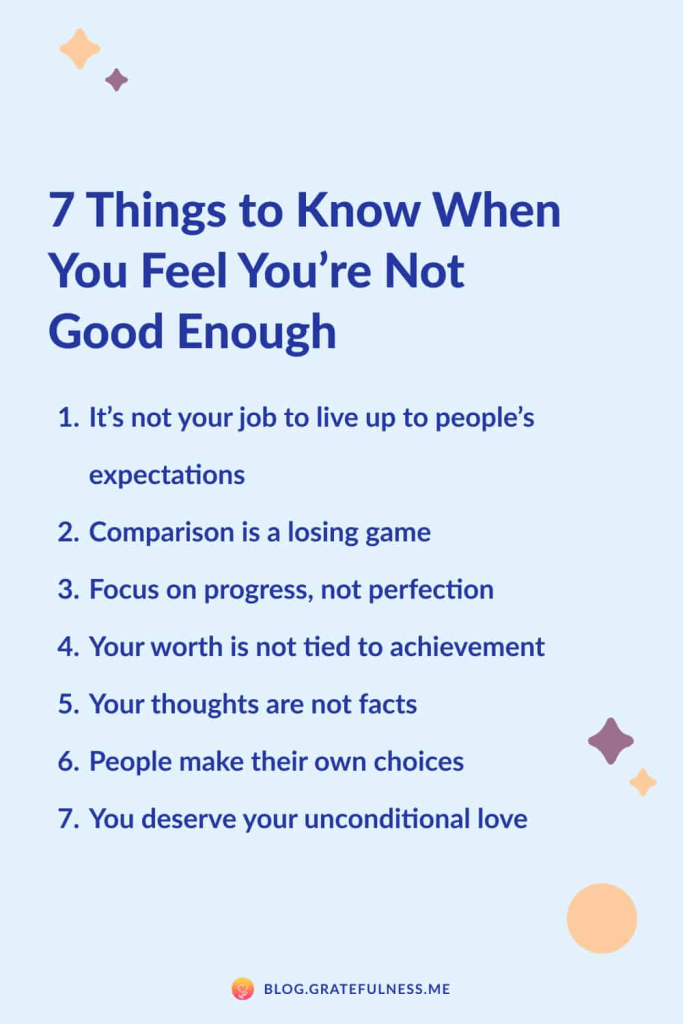
- The desire for connection is universal. Many people feel lonely in a crowded room.
- Self-criticism is rampant. We are our own harshest critics and hold ourselves to impossible standards. Self-judgment leads to guilt and anxiety. Learn to reframe your inner dialogue and train your brain to think differently and have self-compassion.
- Change is terrifying yet desired. We crave change to improve our lives, but we fear it because we hate uncertainty.
- Vulnerability is both feared and desired. We all have a desire to be understood, yet fear keeps us from being vulnerable.
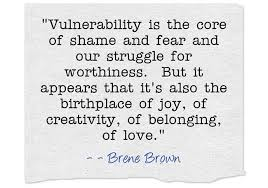
- Emotional pain is often masked.
- Past experiences shape present perceptions. Our behaviors and attitudes are shaped by things that happened to us in the past.
- Hope is a powerful force.
Real Simple Tips – 6 Tips for Keeping Lips Moisturized
- Don’t lick your lips. Licking your lips makes the problem worse. Enzymes in saliva can break down the delicate skin, leaving your lips even drier than before.
- Avoid irritating products. Steer clear of products containing flavorings, fragrances, menthol, camphor, eucalyptus, and beeswax.
- Use lip balm with SPF. SPF minimizes lip dryness while also curbing your potential for skin cancer and premature aging.
- Layer your products. Lips benefit from a hybrid approach of hydration and moisturization. Ex: Blistex medicated lip balm + Vaseline or lip oil.
- Reapply every two hours. This regular application is crucial since activities like licking your lips, kissing, eating, or drinking can wear away the product.
- Try an intensive lip treatment weekly or biweekly. Ex: lip mask.
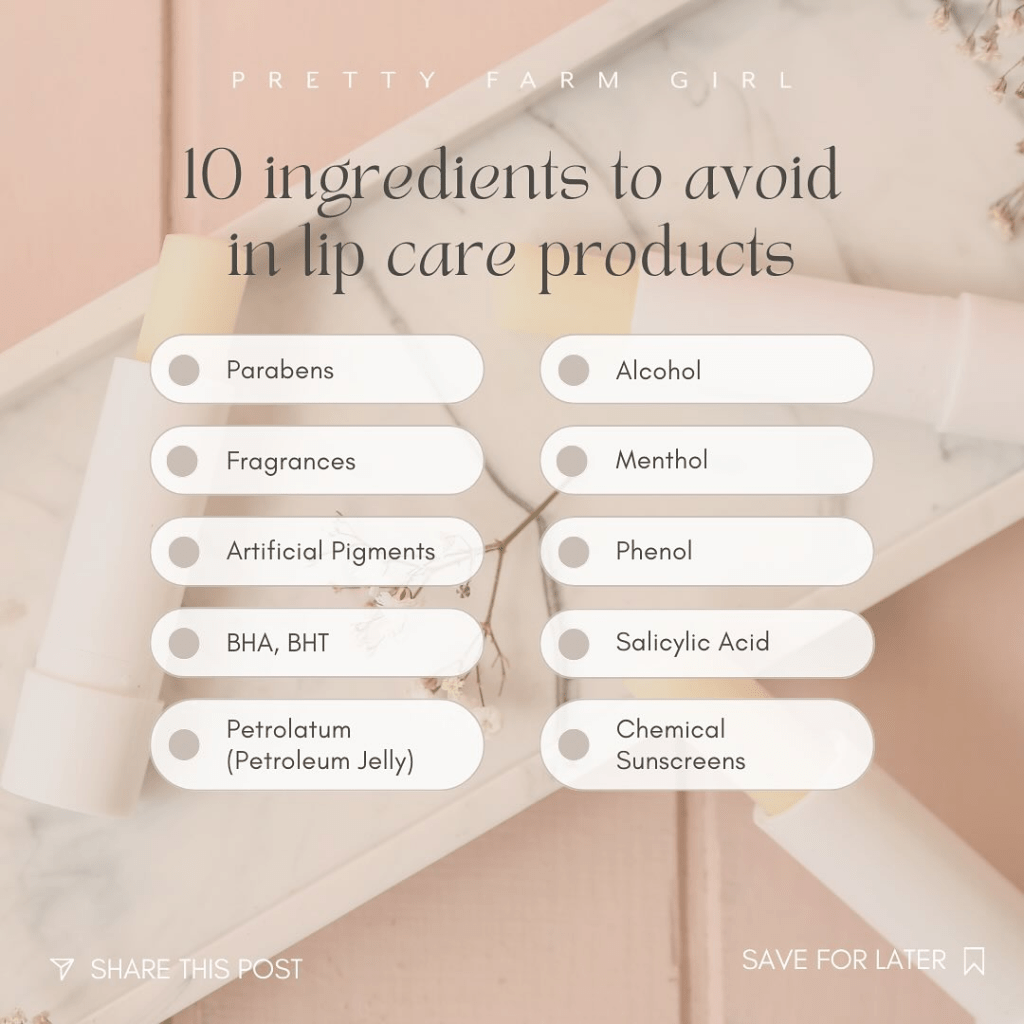
Life Kit – How to talk to your loved ones about misinformation
- Start from a place of connection, not correction.
- If it’s just a matter of not seeing eye to eye about an issue, it’s okay to opt out to preserve the relationship.
- Try leading with compassion, love, and empathy.
- Take time to understand why your loved one believes the misleading content. Be in conversation with them. Recognize that their experiences impact how they engage with what they read online and what they believe.
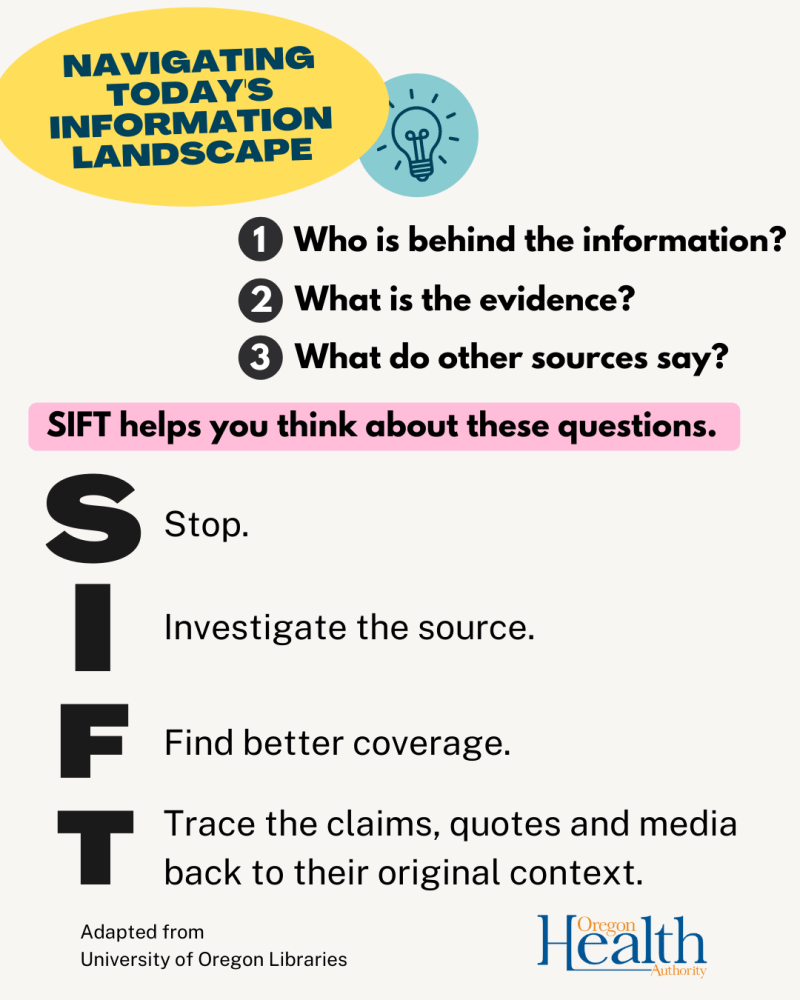
- Talk about where you both get your information and why you find the sources to be trustworthy. What is the evidence? Check qualifications and conflicts of interest.
- Identify points where you do agree. Be mindful of maintaining goodwill.
- Realize that you aren’t here to change anyone’s core beliefs. You’re simply trying to address a piece of information that is not correct.
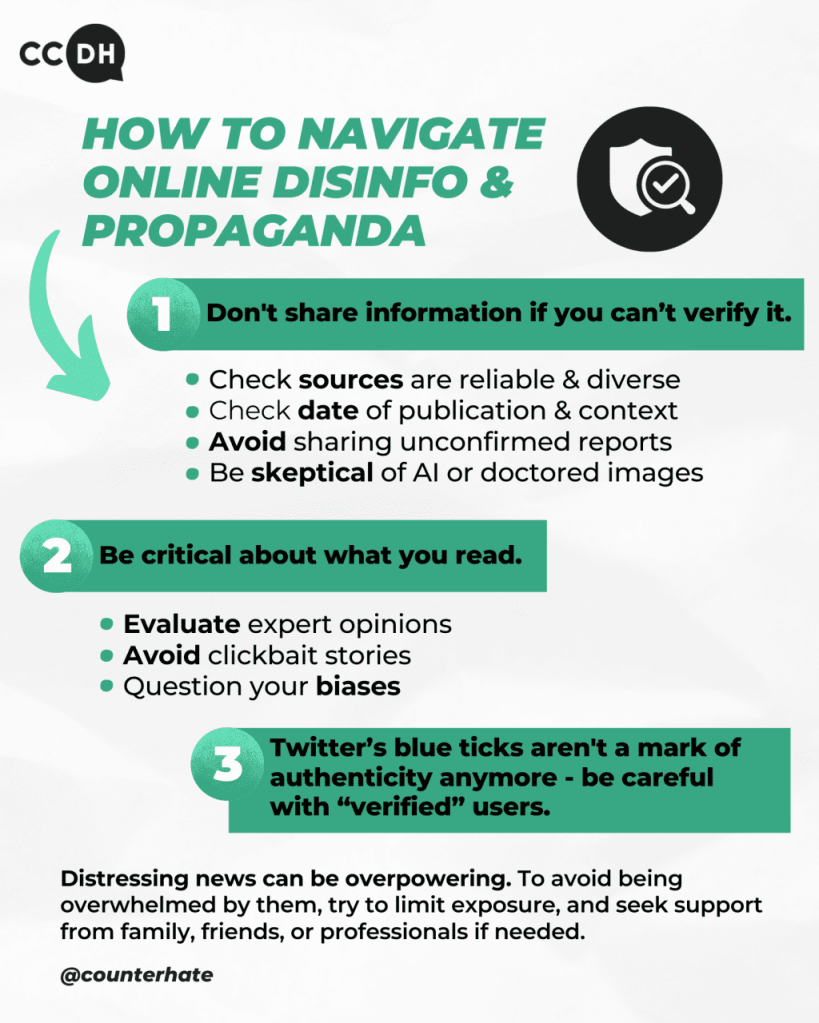
- Correcting political misinformation doesn’t make much difference in how much people trust that source in the future or in how likely they are going to vote for a political candidate.
- When you do attempt to correct misinformation, provide a detailed fact check. What is actually true?
- Corrections to misinformation are worth repeating. Don’t expect things to change after one conversation.

With this year being an election year, misinformation is rampant. Use these tips to talk to your loved ones about misinformation or simply opt to not talk about different beliefs. Sometimes people are so strong in their opinions that no evidence you provide will change them, and it’s important to recognize and accept that.
I enjoyed this blog post from Seth’s Blog this week:
Everything costs
But not all costs are the same.
There are three kinds of costs that people get confused about, but understanding them, really understanding them–in your bones–unlocks opportunity.
Opportunity cost: If you eat the cupcakes, you can’t also eat the brownies. Every time we choose to do something, we’re choosing not to do something else.
Sunk costs: If you’ve invested time or money in something (a law degree, a piece of real estate, a bag of chips) that money is gone. All you have left is what you bought, and that is a gift… a gift from your former self. You don’t have to accept the gift if it’s no longer useful to you. Using a gift still has real opportunity cost, and if it’s keeping you from doing something better, walk away.
Marginal cost: How much extra does this decision cost? For a subscriber, the marginal cost of watching one more show on Netflix is zero. The service costs the same regardless of how many shows you watch. On the other hand, the marginal cost of a tuna sandwich is equal to what it costs to replace the ingredients. It makes sense to prefer things with a lower marginal cost if everything else is similar.
I’ve never encountered a person who was fully rational in making decisions on any of these three sorts of costs. That’s okay. But let’s do it on purpose.”
I look forward to reading, learning, and sharing more with you soon!
-
September 2024 Reads
I read three books in September 2024. School has been keeping me busy. Here is a brief synopsis of the books I read in September.
“Crossing Fifty-One: Not Quite A Memoir” was written by Debbie Russell, a retired Hennepin County Prosecutor. This book contained themes of family dynamics, building your own identity, addiction, and reducing the stigma associated with addiction.
Debbie’s grandfather suffered with asthma and admitted himself to a federal narcotic farm for his Demerol addiction, where he assisted in treating his fellow patients. In this memoir, Debbie shares insights into her family’s history through her conversations, research, and letters her grandfather wrote or received. Here are some quotes that stood out to me:
“Since most addicts have some sort of personality disorder, it follows that the basic attack on the problem of addiction is to prevent the development of such disorders. It is the current belief that most of these result from frustrated drives for security, recognition, and affection, particularly during childhood. Granting this, attention must be focused on preparing parents and prospective parents for their roles in shaping the personalities of their children.”
“It’s much harder to dig inside ourselves and try to figure out how we contribute to our own problems. It’s my current struggle. Every. Single. Day.”
“It takes amazing perspective to be able to think of a locked drug rehab facility as a ‘retreat.’ But maybe, compared to Papa’s struggles with addiction, the facility served as a haven.”
4 out of 5 stars
“We Came, We Saw, We Left: A Family Gap Year” was written by Charles Wheelan, a former correspondent for the Economist who teaches public policy ad economics at Dartmouth College. This book was an exhilarating and exciting read about the family gap year that consisted of 9 months, 6 continents, 3 teenagers, and 1 flesh-eating parasite. I learned about traveling minimally on a budget and about different destinations. Here are some takeaways:
Traveling around the world for nine months is cheaper than staying at home (if you rent out your house). The author spent less on food while traveling, didn’t have to pay for gas, and only needed storage insurance for his vehicles back home. The primary expense associated with traveling is forgone income. All-in, their budget was $60 per person per day. This was fascinating to me, although I don’t have a job that would allow me to take off for one year. To put it in perspective, according to the author, traveling around the world for nine months would only delay retirement by one year.
“Experiences, rather than things, are what make us happiest in the long run. Experiences become an ingrained part of our identity. Experiences connect us to the people with whom we share them, and experiences make up into the people we are. Even bad experiences morph into positives over time – like a funny story or a character-building experience.”
What are some lessons they learned?
- The world is still an interesting place, and each country has its own feel and personality.
- They are great teammates, and marriage is about picking a person you want at your side to help navigate whatever might come along, such as traveling on a low budget to bizarre places.
- They learned that life goes on without you. They came back to a place that was pretty much the same as they had left it.
- The greatest luxury is time – sleeping until refreshed, reading at any time of day, and wandering aimlessly.
- There is serious environmental damage, such as air pollution in big cities and deforestation in less-developed areas.
- It was really fun. Adventures turned out to be worthy of that anticipation, and many great moments were entirely circumstantial.
5 out of 5 stars
“Ultra-Processed People: The Science Behind Food That Isn’t Food” was a fascinating and alarming book written by Chris Van Tulleken, who has a medical degree from Oxford and a PhD in molecular virology. Chris is an associate professor at University College London and a practicing infection diseases doctor. Chris studied ultra-processed foods (UPF) and conducted an experiment. He stopped eating UPF for 4 weeks, then ate 80% UPF for 4 weeks. He had his weight, height, BMI, and body fat measured both before and after the experiment, and he gained 6 kilograms (about 13 pounds). His appetite hormones were deranged, he had a 5x increase in leptin (the hormone that comes from fat), and his C-reactive protein (a marker that indicates inflammation) had doubled!
I learned a lot from this book. Here are some of the main points:
- If it’s wrapped in plastic and has at least one ingredient that you wouldn’t normally find in a standard home kitchen, it’s UPF. Almost every food that comes with a health claim on the packet is UPF. UPF is high in calories, fat, and sugar and low in fiber.
- UPF displaces diverse whole foods from the diet, especially among low-income groups. It’s addictive. The emulsifiers, preservatives, modified starches, and other additives damage the microbiome. The convenience, price, and marketing of UPF urge us to eat constantly and without thought, which leads to more snacking, less chewing, faster eating, increased consumption, tooth decay, and other health issues.
- There are over 10,000 additives used in food in the United States – flavors, flavor enhancers, colors, emulsifiers, artificial sweeteners, thickeners, humectants, stabilizers, acidity regulators, preservatives, antioxidants, foaming agents, anti-foaming agents, bulking agents, carbonating agents, gelling agents, glazing agents, chelating agents, bleaching agents, leavening agents, clarifying agents, etc. Over 1,000 of these were self-determined to be safe and are not FDA approved.
- “Most UPF is not food. It’s an industrially produced edible substance.”
This book covered several UPF ingredients, foods they are found in, and the damaging effects of them. One of those that stood out most to me was xanthan gum, which is found in many gluten-free foods and flours. Xanthan gum is a bacterial exudate slime that bacteria produce to allow them to cling to surfaces. “Think of xanthan gum the next time you scrape the accumulated gunk from the filter on your dishwasher.” Or don’t!
4 out of 5 stars
I look forward to reading, learning, and sharing more with you soon!
#addiction, #bookblogger, #bookreview, #charleswheelan, #crossingfiftyone, #diet, #experiences, #familygapyear, #health, #junk, #libraryreads, #lifelessons, #memoir, #nutrition, #processedfood, #readlearnshare, #travel, #ultraprocessedpeople, #upf, #wecamewesawweleft, food, health, ultra-processed-food -
Thoughtful Thursday – September 19, 2024
My intention is to post a Thoughtful Thursday column each week and share some of the insights I have learned in the past week. Here are some of the things I’ve learned this week:
Optimal Living Daily – If You’re Feeling Stuck, Look Inward by Emily Rose Barr
- If you’re feeling stuck on a relationship, a longtime goal, a time-consuming project, a career move, or some other aspect of life, pause and look inward. Utilize this period as an opportunity to:
- Get to know yourself better. Ask yourself what makes this decision challenging and examine your answers closely. Use them to hone in on your values and what matters most to you.
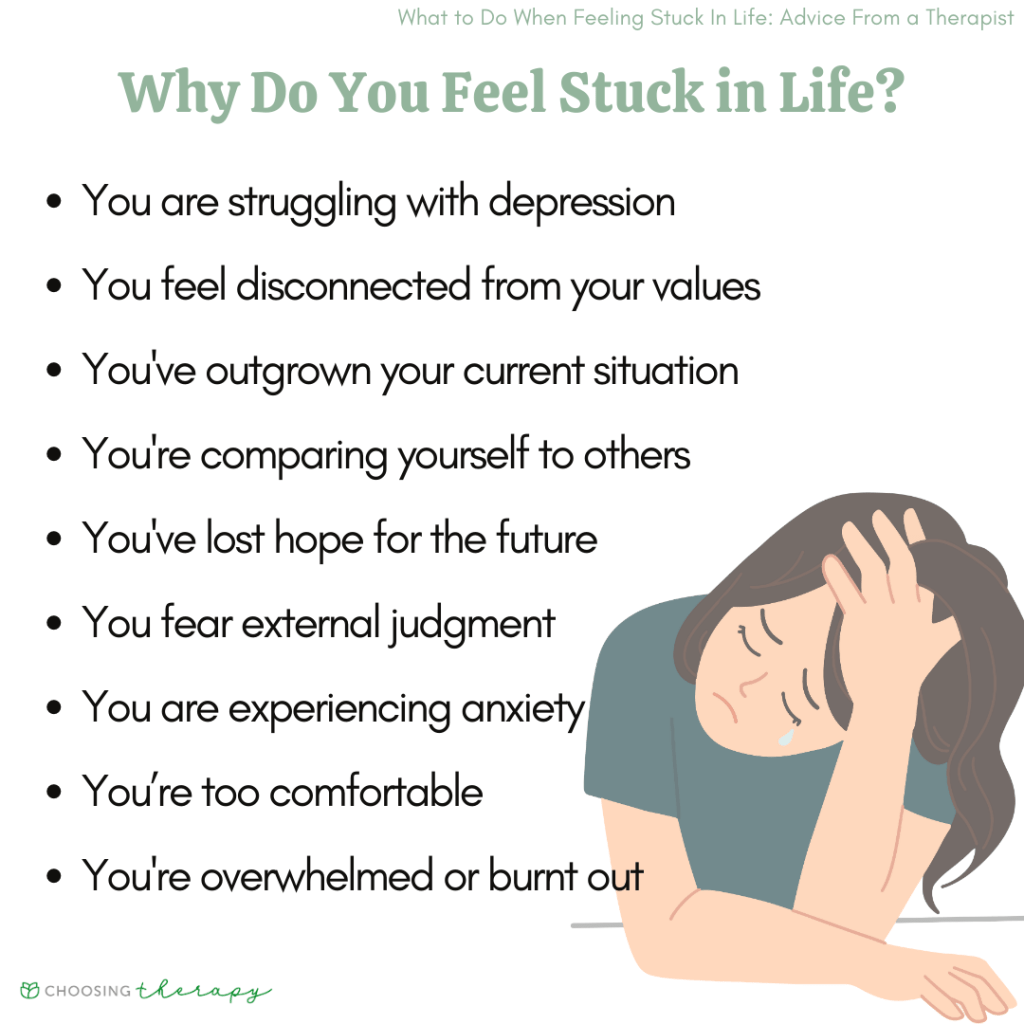
- Connect with others. Being vulnerable fosters deep relationships and engenders feelings of safety and understanding when we experience the gift of being heard.
- Recognize your limits. Ask yourself what you could do differently that would make the option of sticking things out more appealing. Decide which variables you can start to conquer.
- Recharge. Give yourself space and time to recharge. Switch up your surroundings, go on a walk, sleep, etc.
- Practice gratitude. Take a moment to reflect on all that is going right in your life and be grateful.
I really enjoyed this post from Gabe the Bass Player this week:
https://www.gabethebassplayer.com/blog/thoughts-and-actions
Thoughts And Actions
September 16, 2024
“If you’re not going to do something about it, stop thinking about it.
If you’re not going to put action behind the things you spend a lot of time thinking about, it’s worth thinking of something else. Something that you’re going to move from thoughts into actions.
Your time and your thoughts are precious and powerful so it’s important to spend them in ways that make a difference to yourself and to others.”
Life Kit – Boost your mood in 15 minutes
- Cold plunging – submerge yourself in cold water. A quick dip in cold water can improve your mood. Find a body of water in the 50–60-degree range and prioritize safety. Plan to warm up fast after.
- What is the least amount of movement needed to offset the risks of sitting? Just taking a 1-2 minute walk each hour helps to lower blood pressure (as opposed to sitting for 8 hours straight at work). Walking/movement five minutes per hour = more impressive results – lower blood pressure, less fatigued, better mood. If you have a few minutes, move your body for a better mood.
- Create something. Make art – color, paint, pottery, etc.
- NPR Joy Generator app
- Tap into ASMR to calm your mind.
- Watch cute animal videos or cuddle with your cat/dog.
- Reflect on memories/nostalgia. Go through your camera roll. Listen to old music hits.
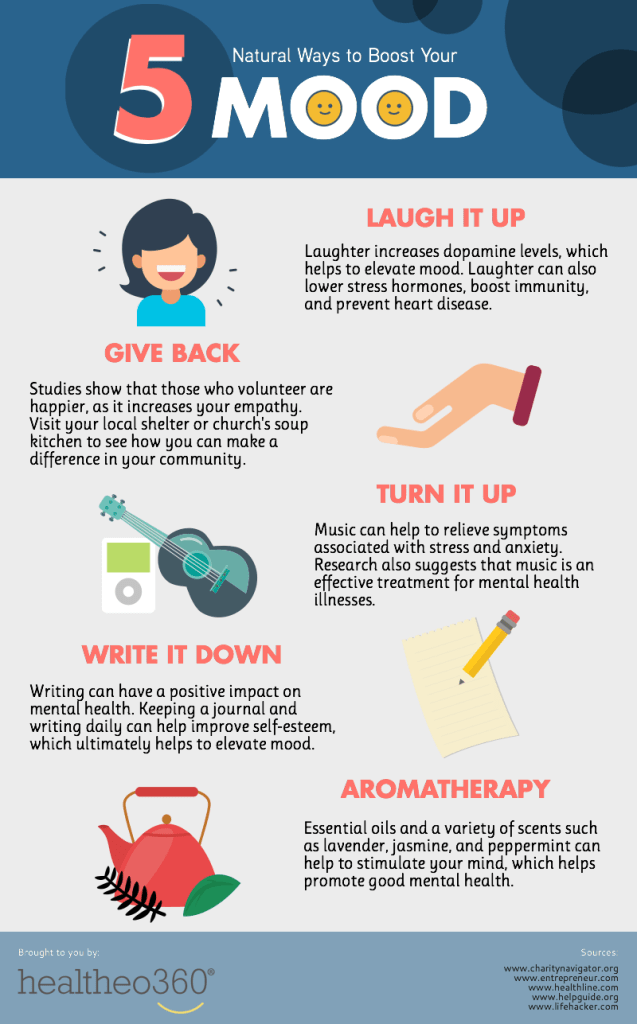
The Liz Moody Podcast – 5 Things I Did to Fix My Phone Addiction
- Treat the dopamine problem with dopamine solutions. Intentionally seek out hard things – a cold shower, a challenging crossword puzzle, allowing for discomfort each day. Exercise. Move your body every day. Less addicted to phone, more dopamine
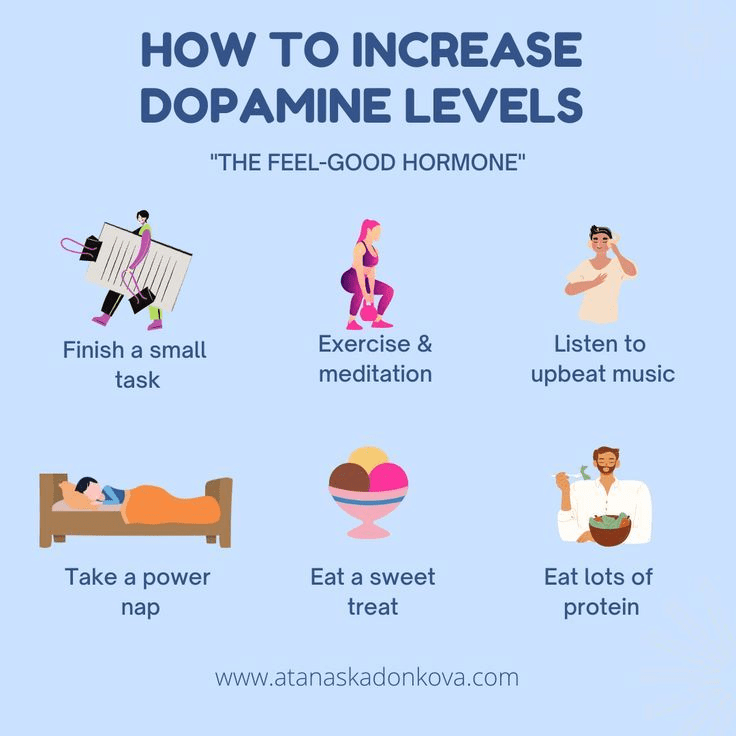
- Turn your phone to gray scale. Makes phone unappealing – less bright addictive colors
- Remember the 23-minute rule. Science shows the need to check your phone is temporary. If it takes you 23 minutes to get into a state of full focus after checking your phone, remind yourself that if can make it through 23 minutes, you will enter a state of flow and focus.
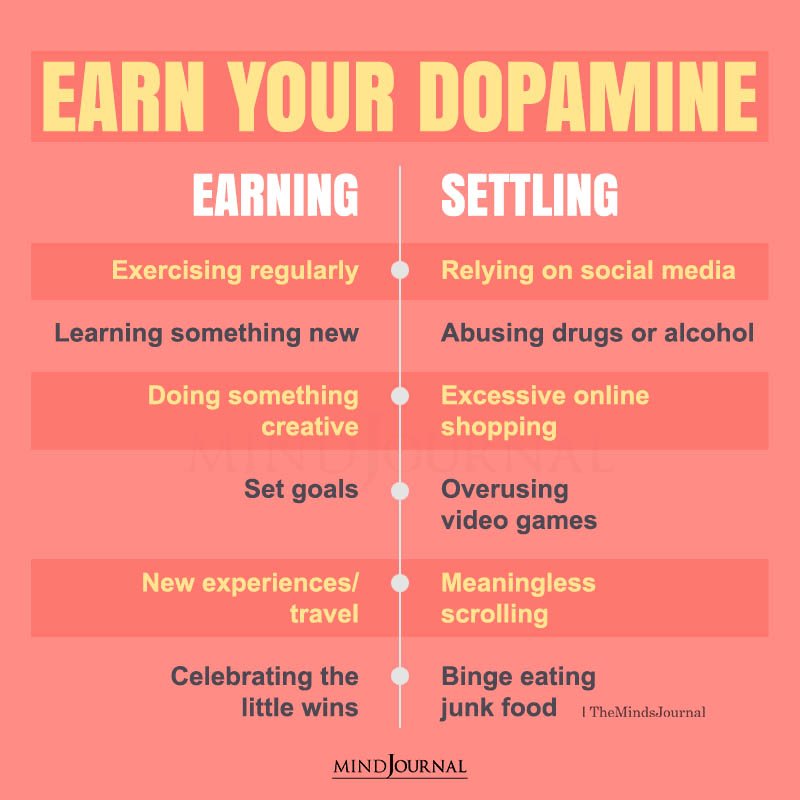
- Create physical barriers to being on your phone. Phones are designed to be more powerful than our willpower. Don’t have your phone in the room when you’re trying to get work done. Use an alarm clock instead of your phone. Brick device – Iphone only
https://apps.apple.com/us/app/brick-ditch-distractions/id6448794069
- Create a “What do I really need?” menu. What are you looking for your phone to give you right now? Joy? Consult your joy list – getting out in nature, singing, coloring, reading, walking, music, etc. Bored? Novelty-reducing boredom – plan something fun. Rest? Nap, meditate, read, etc. Every time you reach for your phone, ask yourself what you really need and brainstorm options that satisfy that need on a deep and true level.
I look forward to reading, learning, and sharing more with you soon!
- If you’re feeling stuck on a relationship, a longtime goal, a time-consuming project, a career move, or some other aspect of life, pause and look inward. Utilize this period as an opportunity to:
-
Thoughtful Thursday – September 12, 2024
My intention is to post a Thoughtful Thursday column each week and share some of the insights I have learned in the past week. Here are some of the things I’ve learned this week:
Mentally Stronger with Therapist Amy Morin – 7 Things to Spend Money On if You Want to Be a Happier Person
- Experiences (over material goods) – collect moments, not things.
- Invest money in relationships – pets, spouses, etc.
- Personal development and education – think about what you like to learn about and find ways to grow and learn – buy books, take a course or attend a conference, take a trip somewhere to learn more about a culture, etc.
- Anything related to health and wellness – gym membership, fitness equipment, therapy, quality food, etc.
- Anything related to self-care and relaxation – massage, meditation class, hobbies, hiring a house cleaner, etc.
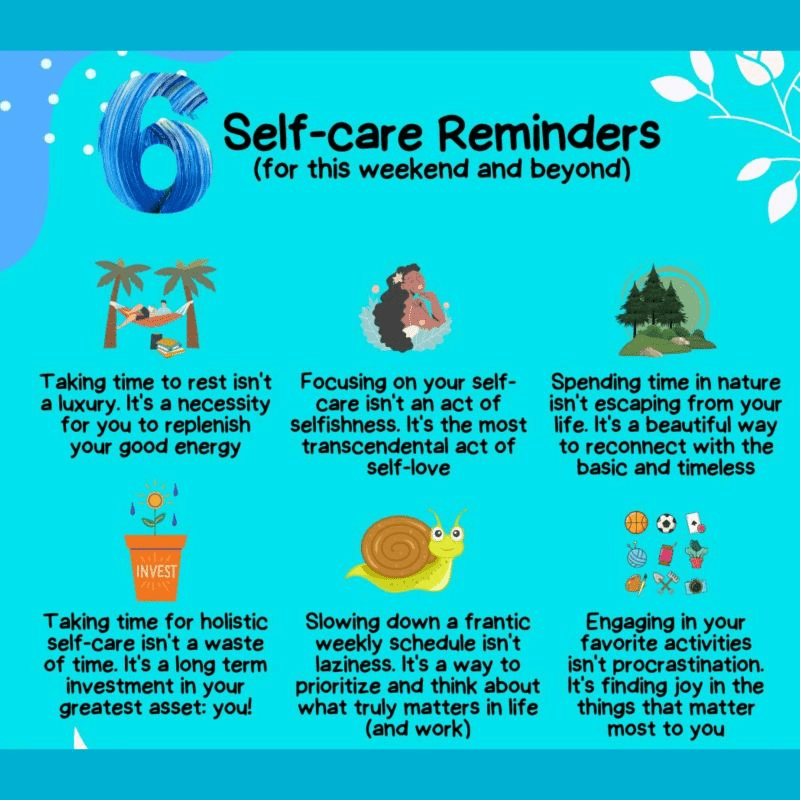
- Acts of kindness and charity – spending money on other people makes us happier than spending money on ourselves. Gifts, charity donations, volunteering, etc.
- Things that help you spend quality time in nature – outdoor activities, taking a trip in nature, etc.

What didn’t make the list? Having a bigger house, a fancier car, a designer purse, etc.
Optimal Health Daily – 10 Ways to Measure Progress (That Aren’t Weight Loss) by Amanda Wheeler
This podcast stood out to me because SO many people work out solely to achieve a certain weight or physique and are often left disappointed and discouraged from continuing to exercise because they aren’t achieving the weight they desire. There are so many reasons to exercise aside from just weight loss, and there are many other ways to measure progress that aren’t weight loss.
- Weight lifted – Can you lift heavier this month than last month?
- Recovery – How do you feel between sets? Are you able to bring your heart rate down quickly and bounce back in?
- Reps for time – Can you do more work in the same amount of time or the same amount of work in less time?
- Resting heart rate – if your resting heart rate is lower, your heart is more efficient. If you’ve been training and your resting heart rate goes down, that’s progress.
- Aerobic window – the difference between your resting heart rate and your anaerobic threshold.
- Mobility/range of motion – if you notice you can get more range of motion, that’s progress.
- Energy – How do you feel during the day? Are you drinking caffeine to stay awake, or do you have a consistent pep in your step? If you no longer crash midday or reach for the extra dose of caffeine, that’s progress.
- Sleep – Are you now waking up feeling rested? That’s progress.
- Clothing – Is your clothing getting looser? Using clothing to measure progress is a great way to feel good about yourself without diminishing the feeling by the number on the scale.
- Confidence – How do you feel about yourself? Feeling more confident is a measure of progress that gets overlooked.
Optimal Relationships Daily – 12 Relationship Truths I Wish I Knew 12 Years Ago by Marc Chernoff
- You have to love yourself first. Fall in love with yourself and share that love with someone who appreciates you, rather than looking for love to compensate for a self-love deficit.
- You get what you put in. The true impact you make on people will depend on the time and attention you give to teaching those who know less, caring for those who have less, supporting those who are striving, and tolerating those who are different than you.
- What most people think of you doesn’t matter. No one is ever going to care about your life and the way you choose to live it more than you will.
- Friends and family won’t always support your goals, but you must pursue them anyway. Follow your intuition.
- Life doesn’t always change as fast as people do. Not everyone is who you once knew.
- Love requires three things: acceptance, honesty, and commitment.
- A big part of who you become is who you choose to surround yourself with.
- A soul mate is a person who brings out the best in you.
I really enjoyed this post from Seth’s Blog:
“Your audiobook
Here’s a useful habit that’s more than a hack…
The next time things are going well, when a project is about to launch, when a meeting has been successful, when the sun is shining… take your phone and go for a walk.
Hit record on an audio app and make a twenty-minute audiobook. Talk about what you know, what you see, what you hope for. Talk about the change you seek to make and how you’re going to get there.
And then save it.
Save it for when you need to hear from that person who recorded it.
It might become the best audiobook you own.”
Before Breakfast – Be flexible on the details
It’s okay to have requirements but be flexible on the details of how people can achieve them. The more flexible you can be on the details, the more loyalty you will probably engender. For a great many things, it is the outcome that matters.
When people can have some choice and autonomy about the details, they feel more in control of their lives. High expectations seem less burdensome, which makes it more likely that they will be met.
I look forward to reading, learning, and sharing more with you soon!
-
August 2024 Reads
I read seven books in August 2024 – the most I have read in one month since starting school this year. Here is a brief synopsis of the books I read in August, some of which I will post about in greater detail in the future.
“The Perfectionist’s Guide to Losing Control” was written by Katherine Morgan Schafler, a psychotherapist, write, and speaker and former therapist at Google. I got SO much out of this book and my notes covered the review pages for 2 books instead of 1! This book explored types of perfectionists, lessons learned, and strategies of coping with perfectionism. I will most more about this book in the future, but for now, here are a few lessons:
- I am mostly a classic perfectionist (and partially a Parisian perfectionist). I value structure, consistency, predictability, an understanding of all the options so as to make an informed decision, high standards, objectivity, and clarity through organization. I don’t like disorder, I have difficulty adjusting to schedule changes, and I tend to experience spontaneity as stressful. Itinerary-centered existence can rob classic perfectionists of the opportunity to grow in a way that wasn’t planned or goal-oriented.
- Right now, with all the things you have yet to achieve, you are as worthy of all the love, joy, dignity, freedom, and connection as you would be had you already achieved them. You are worthy of all these things because you exist.
- There are many raw manifestations of perfectionism:
- emotional (want to experience a perfect emotional state)
- cognitive (want to understand perfectly)
- behavioral (want to behave perfectly in my roles and perform perfectly in my tasks)
- object (want external thing, such as desk, hair, etc. to exist in a perfect state)
- process (want process to begin, continue, and end perfectly)
5 out of 5 stars
“If my body could speak: poems” by Blythe Baird included poems mostly about rape and eating disorders. Here are some lines that stood out to me:
- “If you develop an eating disorder when you are already thin to begin with, you go to the hospital. If you develop an eating disorder when you are not thin to begin with, you are a success story.”
- “If your body could speak, would she forgive you?”
- “One day after years of starving and gaining and fighting, I stepped on a scale and suddenly that number didn’t say anything about me…and that night nothing on my plate said anything about me either. Later, I got ice cream from a truck and I didn’t have to make myself earn it.”
- “I found a way to heal through the poetry. The stage is the only place I could tell my story where it wasn’t a liability I was putting onto anyone. This stage is where i learned to stop hoarding my suffering.”
- “Do not say you didn’t try. Remember: you did the best you could in the situation you were in with the materials you had.”
4 out of 5 stars
“Lessons Learned and Cherished: The Teacher Who Changed My Life” was compiled by Deborah Roberts, an award-winning ABC News journalist. This book was touching, although the stories seemed to have a specific format/agenda – nearly every essay mentioned that teachers are underpaid/underappreciated at the end of each essay.
Here are four of the lessons learned and cherished:
- Every teacher has the potential to make a student feel connected, valued, and worthy. The greatest gift you can give is your full presence.
- A difficult teacher can inspire you to persevere and believe in yourself. – Deborah Roberts
- Teachers mean the world for a child’s development. Kids are not guaranteed a wonderful home base. Kids can be struggling with emotional distress or even violence, and their teachers can be the safe haven.
- When a teacher believes in a student before they believe in themselves, they blossom. – Keri Shahidi
4 out of 5 stars

“Picturing Joy: Moments of Connection” was compiled by photographer George Lange. George’s work has appeared in many popular publications, and he has shot many of the iconic images from TV shows and ads for TV shows. This book was not quite what I expected. George shared stories of how he captured those moments. There were some great photos and interesting stories. Here are some takeaways from this book:
- Photos are the artifacts of the experience a photographer creates. Photos reflect what he feels more than what he sees.
- The role of a photographer is only to be hip enough to get in the room but not have to be the center of it. His approach is to create a space for people to reveal a part of themselves to him, and his intention is to find a way to put love out in the world.
- “My time with subjects is often incredibly brief. A small window into a life I would never get to share without my camera.”
4 out of 5 stars
“To Hell With the Hustle” was written by Jefferson Bethke, the New York Times bestselling author of Jesus>Religion and It’s Not What You Think and host of The Real Life podcast. This book was not what I expected and seemed very scatterbrained, but there were some good takeaways. Here are some that resonated with me most.
- When our work becomes who we are and we derive our ultimate value and meaning from it, it runs the risk of becoming our god – the thing we worship, bow down to, and become slaves of.
- It’s time to stop and consider the cost of all this hustle, speed, and disillusionment. To hell with it – meaning we’re done and it comes from Hell. Jesus was never in a hurry. He was actively resisting cultural pressures on many levels. Hustle isn’t him.
- Scripture doesn’t talk much about goals. It is focused on our identity and who we are becoming. Are we becoming more like Jesus by the practices and formations we are doing?
- Have you ever noticed how a lot of Jesus’ miracles were not a part of his plan? They happened on his way somewhere else. You have to go at a pace that can be interrupted. That can be responsive to the moment in front of you.
- The goal is “Well done, my good and faithful servant,” NOT “Well accomplished, my busy and hustled servant.” Well done. Faithful. If we want to get there, we have to actively resist the myriad voices and influences that subtly hypnotize us into a busier, noisier, more hustled lifestyle. Say no, that’s not the way of Jesus. That’s not the speed of Jesus. That’s not the cadence of Jesus. To hell with the hustle. I’ll take him instead.
4 out of 5 stars
“The Good Life: Lessons from the World’s Longest Scientific Study of Happiness” was written by Robert Waldinger, MD and Marc Schulz, PhD. Robert Waldinger, MD is a professor of Psychiatry at Harvard Medical School and director of the Harvard Study of Adult Development. Marc Schulz, PhD is the associate director of the Harvard Study of Adult Development and a practicing therapist.
The Harvard Study of Adult Devlopment has followed the lives of two generations of individuals from the same families for more than 80 years – asking thousands of questions and taking hundreds of measurements to find out what really keeps people healthy and happy. I will post more about this book in the future, but for now, here are some lessons:
- The good life is not a destination. It is the path itself and the people who are walking it with you.
- Good relationships keep us happier, healthier, and help us live longer.
- An investment in our social fitness isn’t only an investment in our lives as they are now. It is an investment that will affect everything about how we live in the future. Like a tree needs water, relationships are living things and need attention and maintenance.
- Curiosity goes a long way in relationships. It opens up avenues of conversation and knowledge and helps others feel understood and appreciated.
5 out of 5 stars

“Calling A Wolf A Wolf” consisted of poems by Kaveh Akbar. To be honest, I didn’t really like this collection. The format of the poems bothered me, and the phrases were scattered with no punctuation. Here is an example:
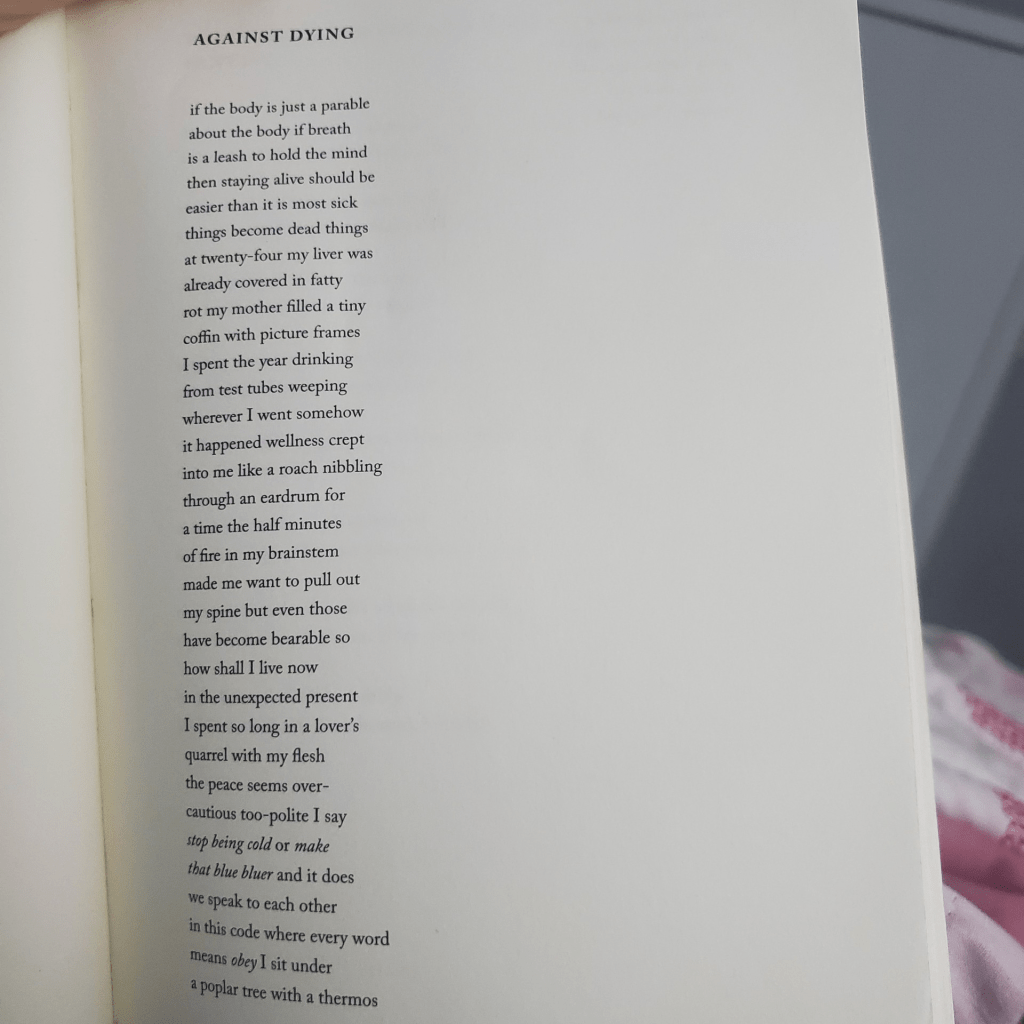
There were many poems about alcoholism, but the language didn’t make sense to me. Here are a few lines I liked:
What Seems Like Joy – “My father believed in gardens – delighting at burying each thing in its potential for growth. Some years the soil was so hard the water seeped down slower than the green seeped up. Still he’d say if you’re not happy in your own yard you won’t be happy anywhere.”
Portrait of the alcoholic floating in space with severed umbilicus – “I always hoped that when I died I would know why. My brother will be so sad he will tell his daughter I was better than I was. He will leave out my cruel drunk nights the wet mattresses my driving alone into cornfields unsure whether I’d drive out.”
“Now I listen for the sighs of people who love me, each agitation I create a reminder that I am less than constant in my grace.”
2 out of 5 stars
I look forward to reading, learning, and sharing more with you soon!
#bookblogger, #bookreview, #callingawolfawolf, #happiness, #hustleculture, #ifmybodycouldspeak, #lessonslearnedandcherished, #libraryreads, #perfectionism, #perfectionist, #personaldevelopment, #photography, #picturingjoy, #poems, #readlearnshare, #relationships, #teachers, #thegoodlife, #theperfectionistsguidetolosingcontrol, #tohellwiththehustle -
Thoughtful Thursday – August 29, 2024
My intention is to post a Thoughtful Thursday column each week and share some of the insights I have learned in the past week. It has been a while. Here are some of the things I’ve learned this week:
Life Kit – Fruit flies don’t appear out of nowhere. Here’s how to get rid of them.
- Fruit flies are attracted to primarily fruit. Though they seem to appear out of thin air, you’re probably letting them in through the front door or bringing them in on your produce.
- When you bring home fruit, wash it with water to remove any eggs and then put the fruit in a brown paper bag to ripen.
- Get rid of fruit flies by building a simple trap. Fruit flies are attracted to vinegar. Red wine vinegar mixed with a bit of dish soap and water makes a great trap for fruit flies. The soap traps them. Having a small opening is even better (ex: using bottles instead of bowls or jars)
- Fruit flies might be coming from the drain of your kitchen sink. Pour boiling water down the drain. Then fill your sink with boiling water and leave it overnight.
- Put fruit in a small brown paper bag to ripen it without attracting fruit flies.
This product has also worked for us!

Real Simple Tips – 6 Foods You Should Never Store on the Counter
- Eggs from a grocery store
- Potatoes (avoid placing in sunlight on the counter)
- Onions (avoid placing in sunlight on the counter)
- Cucumbers
- Peaches, bananas, avocados (put ripened produce in fridge to extend shelf life)
- Pre-cut produce
Life Kit – How tech experts recommend organizing your photos
- Commit to starting in the first place.
- Whittle down the rubbish. Remove images you don’t need anymore (receipts, screenshots, duplicates, etc.)
- Keep a regular photo maintenance routine. Do monthly organization.
- Organize photos by date and do the tedious work of tagging to search and sort going forward. Add key words – vacation, friends, food, pet, etc.
- Lean into machine learning and search functions to fill the gaps in your organization.
- Back up, back up, back up. You should have three copies on two different medias and one off-site. A cloud service counts as off-site (Google Photos, Amazon Prime backup, ICloud, BackBlaze). Also have photos on your computer and a hard drive.
- Share the photos. Make slideshows occasionally and share them with others.
NerdWallet’s Smart Money Podcast – Why Experts Criticize “No Tax on Tips” and What It Means for Your Wallet
- 2.5% of the entire workforce in the United States are tipped workers.
- Most states have a minimum wage above the federal minimum wage of $7.25 per hour. 36 states still have minimum wages for tipped workers below the federal minimum wage.
- Cash tips are often unreported. Credit card tips are reported.
- Former President Trump, Kamala Harris, and President Biden have endorsed the “no tax on tips” idea.
Currently, tax tips are supposed to be reported but often go unreported, so this proposed policy wouldn’t change anything for many tipped employees. However, personally, it can be hard to accept that people in non-tipped positions are taxed on all income, whereas some tipped employees do not report cash tips and can therefore bring home more income than those in non-tipped positions.
Criticisms by tax experts:
Tax advantage would only go to a sliver of the already small, tipped worker population because 1/3 of the workers don’t earn enough to owe federal income taxes anyway
By not taxing tips, employees lose access to other taxed benefits – payroll tax to fund Social Security and Medicare – Earned Income Tax Credit and Childcare Tax Credit
Could fuel resentment among other workers and consumers. Tipping backlash/tipping fatigue – unfair – may tip less than they already do as a result.
Other proposed solutions: eliminating the sub-minimum wage and raising the minimum wage and expanding income supports (Child Tax Credit, Earned Tax Credit, and Medicaid)
I enjoyed this post from Seth’s Blog this week:
“The steep part of the mountain
The end of the trail is usually difficult, but without the long and winding approach, there isn’t much of a mountain.
The greatest hits reel and the stunning photographs leave out most of the hard work.
There’s a lot to be said for showing up, one foot in front of the other. In fact, those are the only people who make it to the steep part in the first place.”
I can definitely relate to this. While I was away, my husband and I went hiking at Sequoia, Kings Canyon, and Yosemite National Parks. We went on strenuous hikes, and at times, I thought I didn’t have it in me to make it to the top. However, turning around and going back seemed like more of a challenge because we had a different (easier) route planned on the way back (once we reached the top). In my photos, I appear happy and content. What you don’t see are the many challenges and doubts I encountered to make it there. Sample photo:

I look forward to reading, learning, and sharing more with you soon!
-
July 2024 Reads
I read three books in July 2024 – the fewest I have read in years. School kept me very occupied in July. Here is a brief synopsis of the three books I read in July, some of which I will post about in greater detail in the future.
“A Thousand Naked Strangers: A Paramedic’s Wild Ride to the Edge and Back” was written by Kevin Hazzard, who worked as a paramedic from 2004-2013. This book was fascinating and, as one reviewer put it, “gives us a deep, intimate portrait of the toll it takes to every day witness our most vulnerable moments.” Here are a handful of anecdotes that stood out to me:
In some areas, the education of an EMT – one of two people sent to save your life should the worst happen – is an eight-month certificate program. Medics/paramedics undergo an additional 18 months of training.
Memorable quotes:
“Anyone i need of extra cash, who’s been fired, or who is fresh out of jail or rehab can walk through First Med’s squeaky front door and find a spot on an ambulance.”
“This uniform conveys knowledge . . . the feeling is electric, being an insider, knowing that should anything happen, I’ll be the one called out to fix it.” “Medics don’t have to be heroic or tough or even good people. They simply have to enjoy the madness. Aside from a driver’s license and a high school diploma, that’s what this job takes.”
Sometimes the author felt like a Peeping Tom. “I want to explain that I’m here to have fun, to watch. A tourist . . . All of this is real. Except me. I’ve been sleepwalking through someone else’s life.”
“There will always be another dead body, another fetid roach-infested house. We will never escape the smells, the fluids, the unwashable ick of people deep in the throes of a communicable disease.” “I’ve slipped a hand under her head to check for head shots when her eyes pop open. I let go. Her eyes close. I press again. Her eyes open. There’s a firefighter riding with us, and we look at each other as it becomes clear: my finger has slipped through a bullet hole and into her skull, and whatever I’m poking in there is making her eyes open and close.“
4 out of 5 stars
“What’s Eating Us: Women, Food, and the Epidemic of Body Anxiety” was written by Cole Kazdin, a writer, performer, and four-time Emmy Award-winning television journalist. This was an educational, informative book that contained personal stories. Kirkus Reviews sums it up perfectly: “As much a personal story as an examination of body anxiety. Kazdin’s painful honesty is leavened with humor and irony.” I learned so much from this book and highly recommend it to anyone who may be struggling with their body image or may be dieting. I will post about this book in greater detail sometime, but for now, here are a handful of tidbits:
- Thinking of foods as good or bad triggers eating disorders and disordered eating. An important part of developing a healthy relationship with food involves not demonizing or 100% eliminating any one food. Dieting is the most important predictor of developing an eating disorder. Nearly 30 million people in the United States suffer from eating disorders.
- Failure is the business model for the weight loss industry, and companies rely on repeat customers who return after gaining back lost weight. The only way they can have repeat customers is if their product doesn’t work.
- Most standard eating disorder treatments are behavioral therapy-based, focusing on changing behaviors rather than what underlies those behaviors. Chances are high that the root of the disorder will never be explored – thoughts and emotions linger long after treatment is over.
- Author’s recommended questionnaire: Am I bingeing, making myself throw up, or using diuretics, including but not limited to any product with the word “detox” in the title? Am I restricting my food intake or eliminating a food in order to lose weight? Am I on any type of diet (Keto, Paleo, Weight Watchers, etc.)? Does exercise or food restriction dominate my life?
- Various definitions of recovery: no more harmful behaviors, no dieting or wanting to go on a diet, a healthy relationship with movement, not being obsessed with food or your body, not thinking your body is something to fix or change
4 out of 5 stars
“The Courage of Compassion: A Journey from Judgment to Connection” was written by Robin Steinberg, founder of the Bail Project. Robin spent thirty-five years as a public defender. I read this book to learn more about other perspectives – “the other side.” This book was intriguing and helpful, and some of the stories within it were shocking. Here are several takeaways:
“What if your entire life were defined by the worst thing you ever did? And if we don’t want that for ourselves, then how can we do that to others?” We are all the products of a context and so much more than the sum of our mistakes. Compassion means to suffer together with another. Compassion begins when we accept that we are more than our own worst moment. It is an important lesson you understand when you love individuals who are deeply flawed or when you yourself have been judged on the basis of a single act.
- According to the book, nearly 2/3 of people in jail on any given night are not even serving sentences. They are behind bars awaiting trial, mainly because they cannot afford cash bail. Further, according to the book, “the overwhelming majority of Americans who are booked into jails every year are dealing with issues of drug addiction, mental illness, and crushing poverty. We cannot incarcerate our way out of these social ills.”
- “Years as a public defender had taught me that people don’t wake up one day and decide to commit horrendous violence. There is always a context, a history, experiences that pave the path to doing the unthinkable.”
“How can you defend ‘those people’?” – author’s response is the fundamental importance of the right to counsel, presumption of innocence, and genuine curiosity about how a person arrived at the present moment and the forces and events that shaped their circumstances. “Before you, there is a person whose entire life, worth, and character are being judged by prosecutors, judges, and society through the myopic lens of a single act. As a public defender, you must push past that paradigm and replace judgment with curiosity.”
The author believes three traits define most public defenders:
- You love and have loved deeply flawed individuals, perhaps to your own detriment. We are the sum of our stories and new stories can always be written.
- You have a healthy dose of mistrust for authority. You believe authority must be earned.
- You were once probably idealistic about change and ready for the revolution.
4 out of 5 stars
I look forward to reading, learning, and sharing more with you soon!
-
Thoughtful Thursday – August 8, 2024 – Olympics fun facts
My intention is to post a Thoughtful Thursday column each week and share some of the insights I have learned in the past week. This week I wanted to share some fun facts about the Olympics. Here are some of the things I’ve learned this week:
But Why: A Podcast for Curious Kids – What’s it like to compete in the Olympics? - Summer Olympics and Winter Olympics – each one happens every four years, but they are staggered, so we see one every two years. We are in the summer Olympics right now in 2024.
- There are 32 summer Olympic sports and 8 winter Olympic sports.
- Silver medals are made out of silver, bronze metals are made out of bronze, and gold medals are made out of silver covered with a thin layer of real gold. They weigh about one pound. Gold medals are worth only $750-$850, but athletes will tell you that it’s not the $ amount that makes them valuable. It’s all of the hard work and achievement that the medals represent.
- Most countries reward athletes who win Olympic medals. The U.S. Olympic Committee awards $37,500 for Gold medalists, $22,500 for silver, and $15,000 for bronze. Some athletes can make enough money to support themselves just doing their sport by winning big competitions, getting sponsors, or being in advertisements. Most Olympic athletes have other jobs in addition to training for their sport.
- Paralympics – for those with disabilities. They happen just after the Olympic games and have been going since 1960. Wheelchairs are used for the running portion. Paratriathlon is shorter (in distance) than Olympic triathlon
- Fastest runner in history: Usain Bolt. 9 Gold medals at Olympics and 11 World Championships
Finding Mastery – Second Place Heartache: Katie Hoff’s 16-Year Journey to Recover from the Games - Katie took 16 years to heal from being an Olympian because she felt that if she didn’t win gold, it wasn’t an achievement. She just realized this year that being an Olympian is “cool” no matter whether you place or not.
- She spent 16 years disappointed that she came “so close” to winning but didn’t.
A study published in the 1990s confirmed this phenomenon:
https://psycnet.apa.org/doiLanding?doi=10.1037%2F0022-3514.69.4.603
Research on counterfactual thinking has shown that people’s emotional responses to events are influenced by their thoughts about “what might have been.” An analysis of the emotional reactions of bronze and silver medalists at the 1992 Summer Olympics – both at the conclusion of their events and on the medal stand – indicated that bronze medalists tend to be happier than silver medalists.
This is attributed to counterfactual thinking. Bronze medalists think about the possibility that they could have finished without a medal, while silver medalists think about how they missed winning the gold.
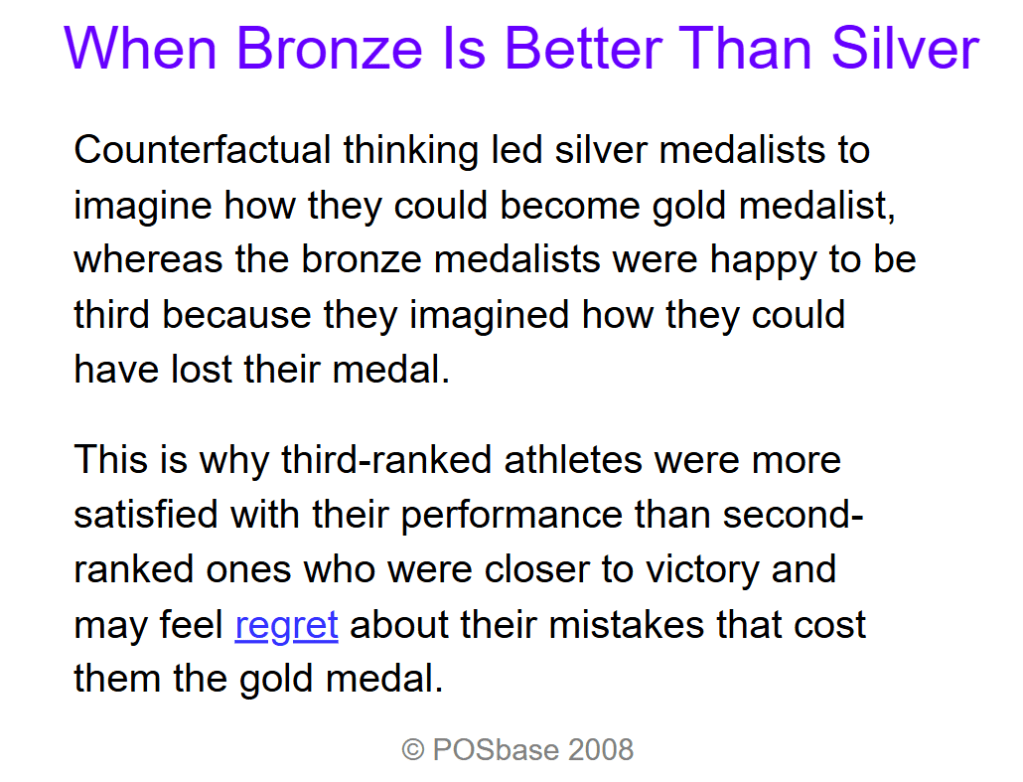
Here are some fun facts from an article from weareteachers.org titled 40 Fascinating and Inspiring Olympics Facts:


The six colors – blue, yellow, black, green, red, and the white background – were chosen because every nation’s flag contains at least one of them.

The American swimmer won 28 total medals across 4 Olympics, including 23 gold medals.
Greece, Australia, France, Great Britain, and Switzerland have sent athletes to every single Summer Games.
At 11 years old, Chinese skateboarder Zheng Haohao is the youngest athlete at the Paris 2024 Olympics as well as China’s youngest Olympian ever.

This year’s oldest Olympian is 65-year-old Spanish equestrian Jimenez Cobo.
The first year every country sent a female athlete was 2012.
Though the first year that an Olympics had women compete in every single sport was 2000 at the Sydney Olympics, it wasn’t until London’s 2012 Games when every participating country also sent a female athlete to compete.
At London 2012, Ian Millar set a record by becoming the first athlete in any sport, from any nation, to compete in 10 Olympic Games.
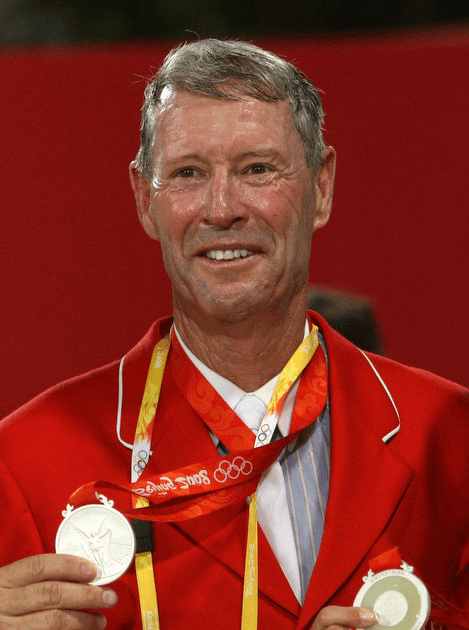
A runner bagged the Olympic gold with bare feet.
Ethiopian marathon runner Abebe Bikila competed in the 1960 Rome Olympics. He famously won the gold for men’s marathon with his bare feet. The athlete originally bought running shoes in Rome for the race. However, the shoes became uncomfortable when they gave him blisters while training. He ultimately decided to run barefoot which led to his record-breaking win in the Games. In the 1964 Tokyo Olympics, Bikila outdid his personal best and won the gold once again while wearing shoes.
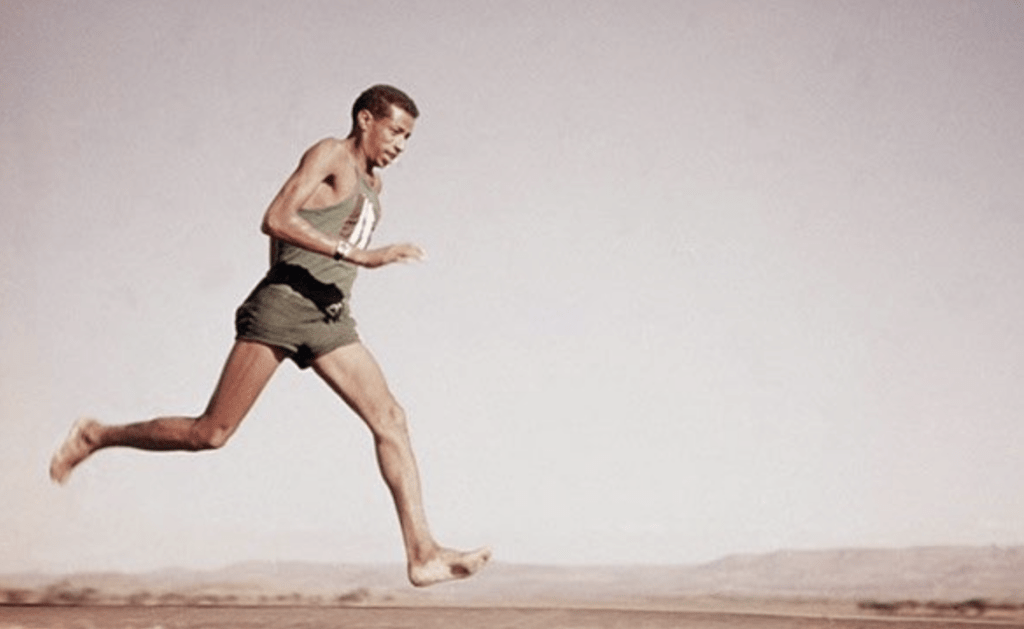
Self Improvement Daily – Golden Examples of Resilience The three women that stepped onto the podium for Women’s Gymnastics All-Around each have their own version of overcoming adversity to make their dreams come true.
The bronze medal went to American Suni Lee. She’s the defending champion of this event, but she was diagnosed with two rare forms of kidney disease since the last Olympics that nearly caused her to quit the sport entirely. With treatment, support, and commitment, she competed again at this year’s Olympics.

The silver medal went to the Brazilian Rebecca Andrade. Rebecca grew up in a favela two hours from her gym. Following the 2016 Olympics, she tore her ACL 3 times but still came back in time for the Olympics in 2021. She’s been healthy ever since and has been consistent with her training to become one of the best gymnasts in the world.

The gold medal went to Simone Biles. She’s known as the greatest gymnast of all time and brings a level of skill and power that the sport has never seen. During the last Olympics, she chose to remove herself from the competition for her own mental health. She faced a lot of criticism for her decision, but she invested in improving her mental health, kept training, and came back to the Olympics again with big expectations and won again.

The common thread in the story of these 3 stars is how they’ve all overcome their own adversity. They have chosen to persevere through the circumstances and displayed a resilience that is inspiring the world. You have it within you, too! The challenges you’re facing and the obstacles in your way can be overcome with resilience!
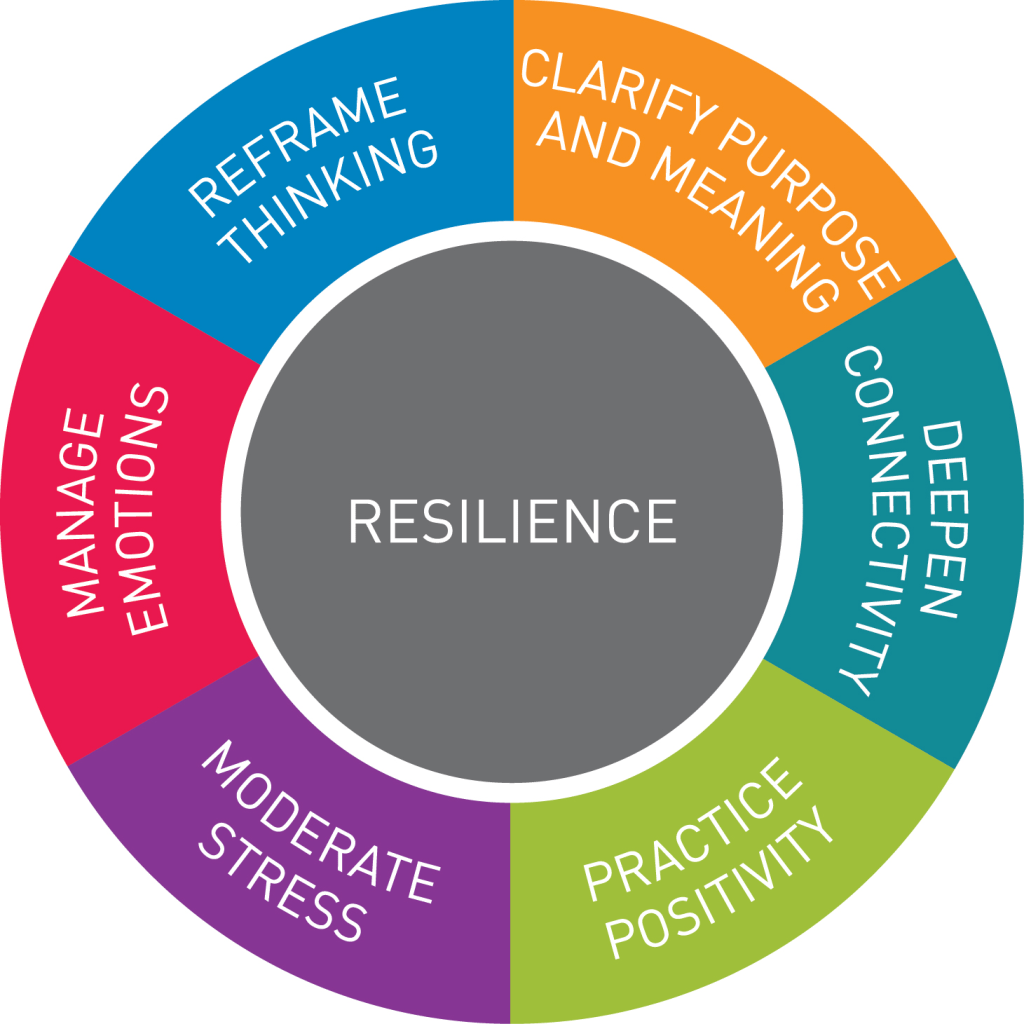
I look forward to reading, learning, and sharing more with you soon!
-
Thoughtful Thursday – August 1, 2024
My intention is to post a Thoughtful Thursday column each week and share some of the insights I have learned in the past week. Here are some of the things I’ve learned this week:
Optimal Living Daily – How to Find Meaning in Life: 7 Steps to a More Fulfilling Existence - Define what it is that you want in life. What are your goals and aspirations? What brings you happiness and fulfillment? Be clear about what you want.
- Connect with others and build meaningful relationships. When you have close relationships with other people, they can provide a sense of connection and purpose. Get involved in activities that bring you together with other people, such as clubs, groups, or social events.
- Find your passion and do what you love every day. What are you interested in and what do you love doing? When you’re passionate about something, it brings a sense of joy and excitement into your life. You’ll be more motivated to pursue these interests, and you’ll feel more fulfilled when you’re doing them. Explore different activities and interests and see which ones make you feel the most alive.
- Serve others and make a difference in the world. Helping others can give your life purpose and meaning. You’ll feel more connected to something larger than yourself, and you’ll have a sense of satisfaction from knowing that you’re making a positive impact in the world.
- Live in the present moment and appreciate the here and now. When you’re constantly living in the past or future, you miss out on all the beauty that exists in the present.
- Be accepting of change and understand that things will not always go according to plan. When you’re constantly expecting things to stay the same, it can lead to disappointment and frustration. When you accept change and understand that it’s a normal part of life, you’ll be more prepared for when things don’t go as expected.
- Be your most authentic self. When you’re being genuine and true to yourself, it helps you connect more with others and build meaningful relationships. It allows you to live a more fulfilling life since you’re not pretending to be someone that you’re not.
The Jordan Harbinger Show – Sovereign Citizens – Skeptical Sunday - Sovereign citizens are people who don’t acknowledge the legitimacy of the United States government – don’t pay taxes, don’t have IDs, don’t register their cars, or acknowledge zip codes
- They don’t believe the police or the courts have jurisdiction over them. They are not subject to the laws of the United States of America.
- They represent themselves in legal matters and use pseudo legalese.
- The roots of the movement grew out of White Nationalism. The modern sovereign citizen movement has an African American branch, the Moorish Sovereign Citizens.
- Some sovereign citizens believe there are two classes of citizens within the United States: sovereign (original) citizens and federal (U.S.) citizens. Sovereign citizens have all of the rights of the Constitution but federal citizens don’t. Federal citizens voluntarily surrendered their freedom in exchange for benefits from the U.S. Government. Sovereign citizens renounce federal citizenship and reclaim the rights as common law citizens.

- Sovereign citizen arguments have no basis in law and have never been successful in court.
- Sovereign citizens believe that you are not the person on your birth certificate. The birth certificate is its own entity. A birth certificate is ALL CAPS, a separate entity. They insist that the corporation that is the U.S. Government uses citizens as collateral to the Federal Reserve.
- Sovereign citizens believe that as long as they don’t travel for commerce or cross state lines, they don’t need a license or registration. They will paint private use on their vehicles and issue themselves license plates.

- Gurus sell sovereign citizen ideology. They appeal to desperate people, such as people in foreclosure or debt.
- Gurus sell diplomatic immunity cards. If they create their own country and issue themselves cards that say diplomatic immunity, they believe they will have diplomatic immunity. Gurus also sell how-to books and membership cards. They are really just selling hope.

- They believe that not only are you out of debt because your birth certificate is the one who owes the debt, not you, but that there is a bunch of money waiting for you somewhere. The corporations masquerading as our country owe you money.
- Straw man account is the bank account attached to the corporate entity on your birth certificate (ALL CAPS) and this bank account is overflowing with cash – known as redemption. According to the sovereigns, the government set up secret bank accounts in our birth certificate names. They believe that with the magic words and forms, you can access it.
- In 2016, the IRS discovered a sovereign citizen straw man scheme but only after issuing more than $43 million to sneaky sovereigns.
- Bond process – by submitting the right set of papers, sovereign citizens believe they can wipe out their mortgage, tax bills, and student loans. Many people find themselves in the sovereign citizen movement through financial desperation.
- There are between 200,000-300,000 people who consider themselves sovereign citizens.
- The courts often reject sovereign citizen arguments without much explanation. No sovereign citizen has ever successfully argued their points in a court of law.
The Personal Finance Podcast – How Much Should You Spend on a Family Vacation? This episode really surprised me. It suggested that people should aim to spend 5-10% of their net income on vacations (without going into debt). I definitely spend much less than that and instead have prioritized saving for retirement and short-term needs. I am curious to hear your thoughts about this!
- You should never go into debt for a vacation.
- Know your NET monthly income and monthly expenses. Know how much debt you have.
- Have your emergency fund fully funded. 3-6 months of expenses
- Be on track to hit your retirement goals. Investing your dollars is the only way to prepare for retirement.
- Look at your short-term goals. Prioritize those goals.
- Calculate your disposable income. Determine if there are any savings earmarked for vacation. Put savings in a high-yield savings account.
- Automate savings using discretionary income – example: 5-10%
- Once you build wealth, you may be able to spend 20-30% of your income on vacations.
- By income:
- $40k: 5% of net income – $2k per year on vacations/ 10%: $4k per year on vacations (will need to travel hack)
- $60k net: 5%: $3k per year on vacations/ 10%: $6k per year on vacations (travel hack or side hustle)
- $80k net: 5%: $4k per year/ 10%: $8k per year on vacations
- $100k net: 5%: $5k per year/ 10%: $10k per year on vacations
- Look for ways to increase your salary, get a side hustle, or learn to travel hack.
This post from Gabe the Bass Player stood out to me this week:
https://www.gabethebassplayer.com/blog/chances-to-connect
Chances To Connect
July 31, 2024
“If you are looking for chances to connect you will find them all over the place.
You’ll probably have to go first. It might be a little weird. It will be scary. You might not get the response you’re hoping for. You might over share. You might ask the wrong question. Your effort might not get reciprocated.
But it beats the alternative…
If you’re not looking for chances to connect, the depth of your relationships and your relational maturity are at the mercy of others’ initiative…and your indifference.“
This was a great post from Seth’s Blog this week:
“It seems…”
“What a simple verb. A five-letter modifier that opens the door to discussion.
If we state something as a fact, we’re asking for an argument.
But seems opens the door to learning and discussion.
What are you seeing that I’m not seeing?”
Often times we fail to see or consider other perspectives. We state something as fact, argue with others, and put the blame on others. We tell ourselves stories and accept them as truth. We forget that our feelings and thoughts are not facts. One phrase I’ve learned in therapy is “The story I tell myself is…” This phrase has been really helpful. Rather than put blame on others, verbally attack others, or believe my thoughts are truth, I put my thoughts out there with that phrase – and I have noticed that sometimes my perspective was wrong. I assumed incorrect intentions, didn’t have all of the context, etc. What story are you telling yourself?
I look forward to reading, learning, and sharing more with you soon!
-
Thoughtful Thursday – July 25, 2024
My intention is to post a Thoughtful Thursday column each week and share some of the insights I have learned in the past week. Here are some of the things I’ve learned this week:
Mentally Stronger with Therapist Amy Morin – 10 Mental Health Improvement Strategies Therapists Prescribe Their Patients - Act contrary to how you feel. Explore the behaviors that reinforce that emotional state and act the opposite. Ex: depression may want you to stay in bed all day, but getting up and moving is the best thing. Change your behaviors first, and the feelings will often follow.
- Challenge your negative thoughts. Intense emotions cause irrational thoughts. Challenge your thoughts and prove that you can do something. Prove that your thoughts aren’t always accurate.
- Add structure to your day. Be intentional about building in healthy tasks and having structure outside of work, but also allow room for flexibility.
- Schedule fun, meaningful things to do. Having something to look forward to is really good for your mental health. Schedule one fun or meaningful thing each week.
- Spend time in nature. Nature has incredible benefits for our mental health; it reduces anxiety, improves concentration, reduces depression, and helps us feel happier overall.

- Get physical activity. Exercise reduces stress and anxiety and improves self-esteem. Find an activity that you enjoy so that you can stick to it.
- Find a way to relax. Watching tv and scrolling on your phone stimulates your brain, so aim for ways to relax your brain. If you invest time into caring for your mental health now, you will feel better and perform better later.
- Work on something that you’ve been putting off. The more you put something off, the more you dread doing it and the worse you feel.
- Take care of your body. Eat a healthy diet and get adequate sleep.
- Get social support. The people you spend time with might be the biggest factor that determines how mentally healthy you are. Having positive people in your life reduces the symptoms of mental illness. Remove yourself from toxic relationships.

Sad to Savage – Little Things to Help You Get Out Of A Rut - Do a check in and figure out why you’re in a rut. Is your schedule day-to-day not fun? Are you not sleeping enough? Are you nourishing your body with food and water? What are you spending your time doing? Is that keeping you stuck? Are those things helping you or hurting you? What do you need to change?
- Pick out a goal right now to work towards. Ex: train for a 5k, make a healthy meal 3x/week, build a new habit
- If you’re someone who really likes to talk on the phone, talk on the phone when you’re outside on a walk. You could start making plans with friends on the weekend to go on a walk. Look up gyms in your area and go to the cheapest one. Go on a treadmill and find a show you will only watch while walking on the treadmill.
- Redesign a space in your home. Change around the furniture.
- Find a book to read. Find a book about something you want to learn more about.
- Know that you are allowed to change your mind and your habits whenever you want. You can become whoever you want to become.
- Try a new hobby. Take a class.
- Pay attention to the people you have in your life, the environments you have, the music you listen to, the content you consume, the people you follow … all of those things can contribute to you feeling like you are in a rut.
- Make a list of things that make you feel happy that you can turn to when you’re feeling down. Ex: family time, running, going outside, reading, etc.
Chasing Life – Does Money Buy Happiness? - Money CAN buy happiness. Buy experiences (trip, dinner with friends, etc.). Experiences bring more happiness than material possessions. Make spending feel like a treat – hedonic adaptation.
- Think about how your choices about money impact how you use your time. If it doesn’t have any bearing on how you spend your time, you can probably let go of spending money on that for now.
- Buying time – if you can, buy your way out of something you dread doing. Ex: mowing lawn, cleaning house, grocery shopping, etc.
- Another fact mentioned is that people who donate to causes/charities through recurring charges aren’t nearly as happy as people who get involved in person and directly see the impact of their monetary donations.
Self Improvement Daily – “You can have it your way.” Burger King’s motto “Have it your way” is a welcome reminder that each one of us matters and deserves to be cared for. We don’t need to settle for how things are; we can create a new reality for ourselves.
We can pursue our ambitions with pride. We can change our future if we have the courage to do so. Being selfish in investing in yourself can be one of the most selfless things you can do because it can great the greatest impact on others.
If you’re overstretched at work and compromising your own health, that’s not having it your way. When we enforce better boundaries about our work hours, we can have more time to fulfill ourselves in other ways.
If you don’t have as much time for the things and people you love, or the energy to do anything at the end of a long day, that’s not having it your way. When we say no to others, we say yes to ourselves.
Reordering priorities and making a commitment will start to shape your life your way. Balance your personal life, care, and passions in a way that you feel good about by figuring out how it all fits together.
This post from Seth’s blog really resonated with me:
The two bicycle errors
“Momentum activities like public speaking, board sports and leadership all share an attribute with riding a bicycle: It gets easier when you get good at it.
The first error we often make is believing that someone (even us) will never be good at riding a bike, because riding a bike is so difficult. When we’re not good at it, it’s obvious to everyone.
The second error is coming to the conclusion that people who are good at it are talented, born with the ability to do it. They’re not, they have simply earned a skill that translates into momentum.
There’s a difference between, “This person is a terrible public speaker,” and “this person will never be good at public speaking.”
And there’s a difference between, “They are a great leader,” and “they were born to lead.”
The thing about momentum activities is that we notice them only twice: when people are terrible at them, and when they’re good at it. That includes the person you see in the mirror.”
My reflection: we only notice when someone is really good or really bad at something. We don’t see the “average” and we often don’t see the process that it took to get to “good.”
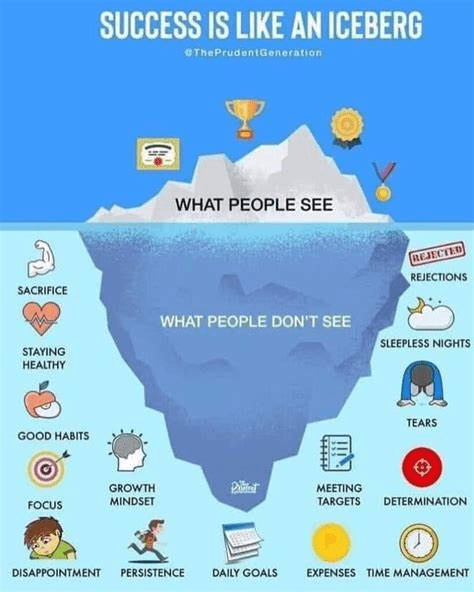
I look forward to reading, learning, and sharing more with you soon!
-
Thoughtful Thursday – July 11, 2024
My intention is to post a Thoughtful Thursday column each week and share some of the insights I have learned in the past week. Here are some of the things I’ve learned this week:
Real Simple Tips – Here are 6 Home Upgrades That Are a Waster of Money - These features won’t add much value to your home according to real estate agents:
- Swimming pools – come with a lot of upkeep – can put off potential buyers who aren’t keen on the additional responsibility – also increases price of homeowners insurance
- Extensive landscaping with exotic plants – can turn off future buyers – need a lot of care
- Garage conversions – converting a garage into a living space can reduce overall functionality. Instead, find a way to make a room more versatile.
- Motorized blinds – wildly expensive and don’t give any added design ambiance compared to regular blinds and shades
- Sink moved to center island – mistake to move the kitchen sink to the island – people want an island free from the clutter of dishes and drying racks
- Smart home technology systems – convenient, but will likely become obsolete quickly and will need to be updated or replaced

Life Kit – Staying safe in extreme heat - Millions of people are experiencing what the National Weather Service is calling the first major heat wave of the summer. The local heat index could reach 105 degrees in some places.
- When we are exposed to heat, our body has ways to dissipate it and keep us cool, but when we are exposed to certain environments and certain temperatures, sometimes our body just can’t keep up.
- Keep your body as cool as possible. Stay hydrated with water, avoid alcohol during extreme temperatures, and wear loose-fitting clothing to help lower your body temperature.
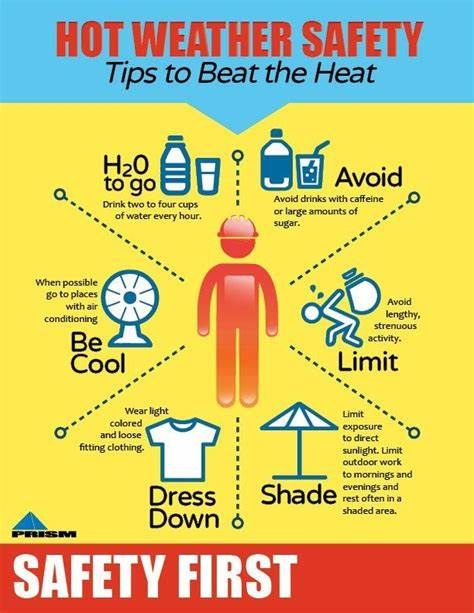
- When dealing with extreme heat, it’s important to find the coolest place possible to be in if you need to be outside. If you are inside, use the air conditioning or go to the coolest place in your house.
- Stay informed with the heat index. Check weather updates and try to be proactive in protecting yourself against the heat.
- Know when to seek medical help – heat exhaustion and heat stroke. Symptoms of heat exhaustion can be broad and different for everyone: feeling weak, dizzy, nauseous, vomiting, excessive sweating. With heat stroke, you’re red, hot, and dry and you aren’t able to sweat. Heat stroke is a medical emergency.
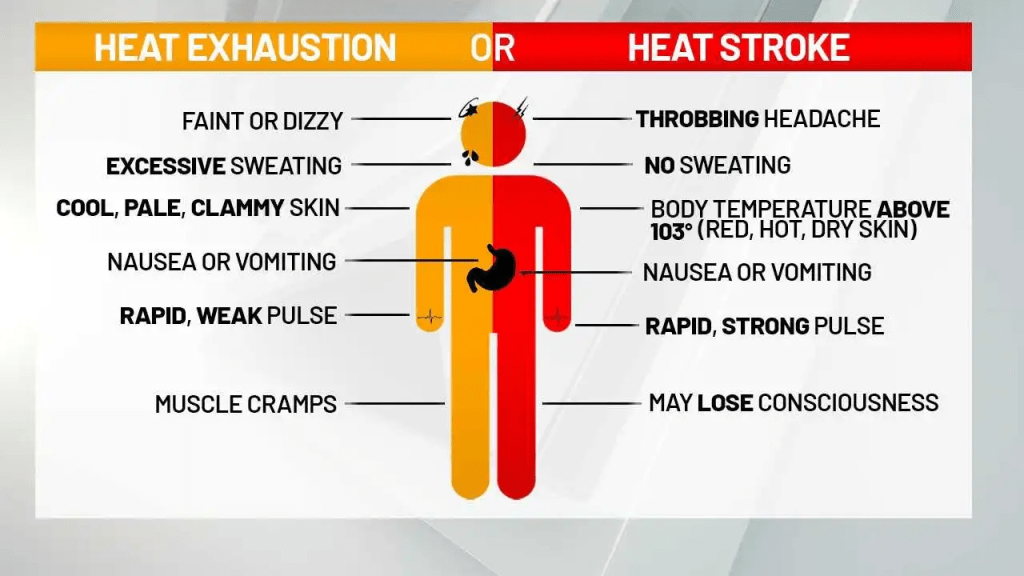
The Mel Robbins Podcast – 13 Things I Wish I Knew in My 20s - The idea that the 20s are the time of your life is bull. It might be one of the hardest decades of your life, so give yourself more grace. You will figure it out.
- Stop spending your money on stupid stuff. You need to take control of your addiction to buying things. Spending money that you do not have on the things you do not need does not give you power; it makes you feel powerless. Keeping up with the ever-changing trends is not serving you and your happiness.
- You have so much time. You have plenty of time to figure out your life, your career, your love life, your friend group, etc. Social media is warping your perception about what it takes to be successful. Don’t be triggered by other people’s timelines. Trust the timeline of your life.
- Date the person, not their potential. Be in a relationship with the person they are right now, not the person you wish they were.
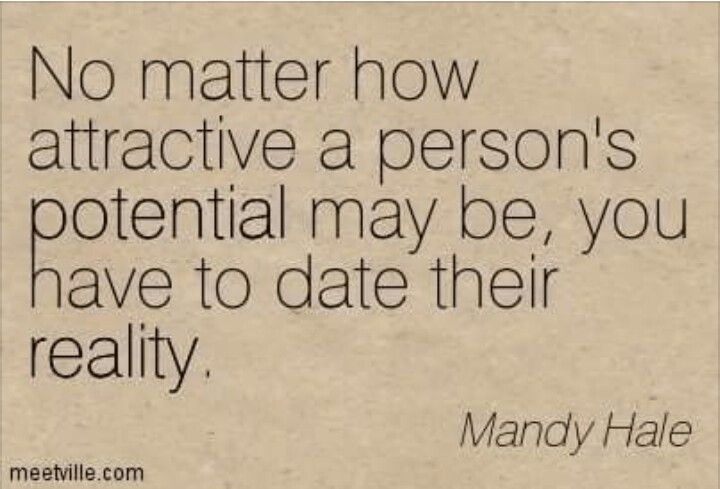
- It’s not fair. Don’t let yourself play the victim. You can’t change what’s happening around you, and the sooner you accept that, the freer you will feel.
- Define your career wins not but the quantity of your paycheck but by the quality of your circle. Focus your time and energy on making meaningful connections. People will get you further in your career than any single paying job on your resume ever will. Your connections matter.
- Be kind. Go above and beyond to make other people feel appreciated and seen.
- You don’t get to want something if you don’t ask for it.
- A rock-solid morning routine is the fastest way to take control of your life. You need structure to your day, and how you set the day up is how it ends up. Core 5 practices from Mel: get up when the alarm rings, get outside and get five minutes of sunlight, take a walk without listening to music or a podcast, drink a glass of water, and have some kind of mindfulness practice such as journaling
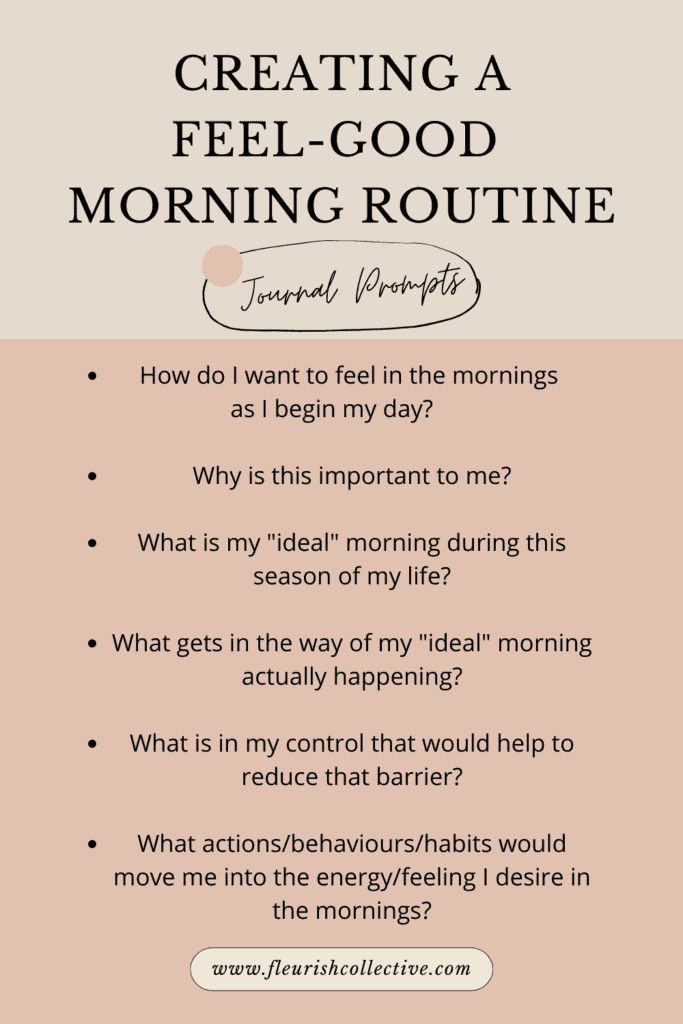
- Get serious about who you are hanging out with. What are their habits? Are the five people you are spending the most time driven? Do they have goals? How do they treat you? How do they make you feel? Can you actually open up and be yourself with them? Surround yourself with people who bring out the best in you.
- Be your own person. Stop pretending to like things that you don’t. Live authentically. Learn to make your own choices. The fastest way to figure out what you like and who you are as a person is by doing things by yourself because then you don’t have the pressure of managing the person with you and whether or not they like the thing that you are doing. Explore your interests alone.
- You are not in competition with anyone. Success, happiness, and friendship are in a limitless supply.
- Take the biggest risks of your life right now. You have time.
I really enjoyed this post from Gabe the Bass Player this week:
https://www.gabethebassplayer.com/blog/charging-for-the-chapel
Charging For The Chapel
July 9, 2024
Would Michelangelo have painted the Sistine Chapel if he hadn’t been commissioned by the church, being paid along the way?
Probably not.
It’s ok for you to charge (lots of) money for the thing you’re good at too.
This post from Seth’s blog emphasized the power of learning:
“The paradox of lessons
The people most likely to sign up for coaching or additional learning are the folks who are already good at their craft.
“I’m terrible at this,” can lead to, “and I don’t want to be reminded of it.” Or perhaps, “I don’t want to waste their time,” or, “I’m never going to get better.”
When it’s possible to get better, embracing mediocrity isn’t a useful strategy.
I’d rather have a surgeon who regularly attends trainings, wouldn’t you?
Read a book, find a coach, organize a group. If you’re serious about getting better, you’ll improve.
Learning creates more competence but first, it amplifies our feelings of incompetence.”
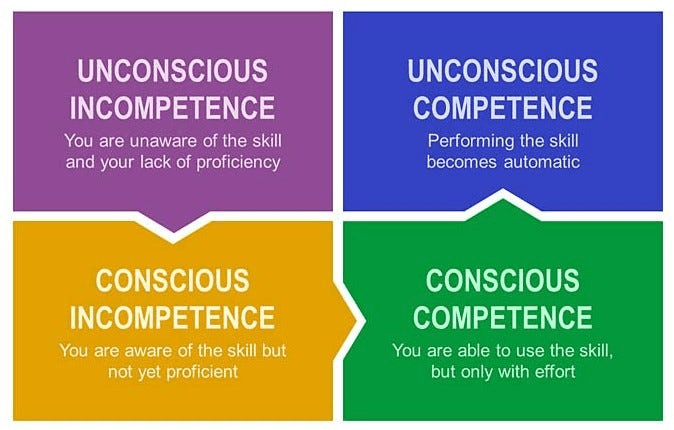
I look forward to reading, learning, and sharing more with you soon!
-
June 2024 Reads
I read five books in June 2024. Here is a brief synopsis of the four books I read in June 2024, some of which I will post about in greater detail in the future.
“Vagina Problems: Endometriosis, Painful Sex, and Other Taboo Topics” by Lara Parker was educational and emotional. Lara is the writer and deputy editorial director at Buzzfeed, and she covered what it’s like to live with endometriosis, vaginismus, vulvodynia, vulvar vestibulitis syndrome, pelvic floor dysfunction, etc. There were a lot of tidbits in this book. Here are a few take-aways that I am not uncomfortable sharing:
- Endometriosis is, statistically speaking, as prevalent as diabetes in America. Endo is not easy to get a diagnosis for, as it requires laparoscopic surgery. Also, doctors often don’t take women’s pain seriously. Endometriosis is more than just a bad period; some other symptoms include abdominal swelling, trouble digesting, exhaustion, and painful sex. It is physically and mentally painful and there is no cure.
- “Berating myself, blaming myself, and denying myself things simply because I felt as if all this pain was my fault has never made me feel any better.”
- Author’s quotes on painful sex: “You can have sex and be intimate in different ways and none of those ways determine your worth in any relationship.” “The thing that ultimately helped me the most was reframing the way I thought about sex in general.”
I recommend this book to anyone who has endometriosis and/or other “vagina problems.”
4 out of 5 stars
“Stop Overthinking” was written by Nick Trenton and contained detailed and proven techniques to rewire your brain, control your thoughts, and change your mental habits. This book was helpful, but the author could have expanded on some strategies. I will post in more detail about this book in a future post. Here are some lessons:
Overthinking is when you excessively analyze, evaluate, ruminate, and worry about certain things to a point where it starts affecting your mental health because you simply can’t stop. The emotion behind much overthinking is fear – fear of being out of control, of being overwhelmed, of failure, of impending danger, etc.
4 A’s of stress management:
- avoid – say no to stress that is unnecessary and harmful – situations and people that demand too much of us
- alter – ask others to change their behavior – negotiate
- accept – validate your emotions and practice forgiveness – change the way you frame events
- adapt – make lasting changes to your worldview, goals, perception, and expectations – change yourself to better cope with life
Ask yourself: Is what you’re doing problem solving or rumination? If you’re ruminating, direct your attention to a single small action. If you’re going to spend all the energy thinking about the problem, at least put it to good use and find a way to improve things. If you can’t improve anything, then put your energy into distraction, forgiveness, or moving on.
This book covered several techniques! I recommend this book to anyone who is an overthinker.
4 out of 5 stars
“Excellent Advice for Living: Wisdom I Wish I’d Known Earlier” was written by Kevin Kelly. On his 68th birthday, Kevin began to write down for his young adult children some things he had learned that he wished he had known earlier. He had more to say than he thought, and he kept adding advice over the years, compiling his life’s wisdom into these pages. This book was a GEM of knowledge and advice!
When you keep people waiting, they begin to think of all your flaws.
Nothing elevates a person higher than taking responsibility for their mistakes. If you mess up, fess up. It’s astounding how powerful this ownership is. This has been so true in my experiences!
You don’t have to attend every argument you’re invited to.
Every person you meet knows an amazing lot about something you know virtually nothing about. It won’t be obvious, and your job is to discover what it is.
How to apologize: quickly, specifically, and sincerely. Don’t ruin an apology with an excuse.
I highly recommend this book to everyone! I will post more about it on a later date!
5 out of 5 stars
“One Decision Away: Key Principles to Create What You Want in Life and Work” was written by Paula Melo Doroff. This book was inspiring. Paula ran away at 15, arrived in the U.S. at 25, divorced 3 times, grew up in poverty, was raised by an illiterate grandmother, and only had a middle school education; this book affirms that your success doesn’t always come down to your family, your lucky breaks, or your wealth. Here are some main points:
You are just one decision away from completely altering the trajectory of your life. You can stay safe in your comfort zone and keep dreaming, or you can take the courageous step onto the path that will lead you to growth and take responsibility for what you truly want for your life.
- To create the life you want, you need crystal clear dreams, realistic goals, and detailed plans to achieve those goals. Reflect: what is the one goal that would have the greatest impact on your life? Why is that goal important? What will you lose if you don’t follow the plan? What will you gain? What one action can you take today to move a step closer to your goal?
- Sometimes we hold ourselves back in life because we don’t honor our dreams with goals to match. Sometimes, though, we might have a dream holding us back because the dream has outlived its purpose. Ex: a goal could still be permissible but not beneficial. Although you may feel betrayed by letting go of dreams, by releasing the dreams that no longer serve you, there is more space in your heart and mind for new possibilities. Don’t get stuck trying to fulfill a vision you’ve long outgrown.
I recommend this book for anyone wanting to learn about and reflect on creating the life they desire.
4 out of 5 stars

The fifth and final book I read in June was “In the Form of a Question: The Joys and Rewards of a Curious Life” written by Amy Schneider, the most successful woman ever to compete on Jeopardy! Amy walked away with $1.3 million on a 40-game winning streak, although she says she won an even greater prize: the joy of being herself on national television and leading the way for openly queer and transgender people around the world. Here are my thoughts about this book:
- There were so many footnotes, and many of them were more like commentary than actual text. I think the footnotes could have been cut out or included in the actual text.
- This book was not what I expected. I wanted to know more about her Jeopardy experience. Although I got a few gems of wisdom, this book mostly focused on Amy’s trans experiences (before and after the transition) and differing views than my own – ranging from condoning recreational drug use, polyamory, casual sex, criticisms of religion, and the promotion of tarot cards.
Two pieces of wisdom:
“The real answer to “How did you get so smart?” is simply this: I wanted to. And if you want to, you can do it, too. If you have the desire, not just to know but to understand, then you will grow more and more powerful every day, and nobody will be able to stop you.”
“Theater brings together people who, offstage, would find each other intolerable, and offers them each what they need. For the shy, it offers escape, concealment, and safety. For the confident, it offers attention, freedom, and validation. In theater, not only can you do the very things you fear the most, but you can do them with the very people who make you fear it.”
If you want to learn more about Amy’s intelligence and Jeopardy! journey, you won’t find much of that in this book. If you want to read more about Amy’s life and often controversial views, this book may be for you.
3 out of 5 stars

I look forward to reading, learning, and sharing more with you soon!
-
Thoughtful Thursday- March 16, 2023
My intention is to post a Thoughtful Thursday column each week and share some of the insights I have learned in the past week. Here are some of the things I’ve learned this week:
One book I read this past week was “Taking Down Backpage: Fighting the World’s Largest Sex Trafficker” written by Maggy Krell, a legal trailblazer who has taken on high-profile criminal and civil cases. One of the most important things I learned from this book is that The Communications Decency Act shields internet providers from facing suit over the content by those posted on their sites, but does not provide immunity if a provider engages in their own criminal acts. Despite its reputation, sadly Backpage could not be charged for pimping, but bank fraud and money laundering charges held, $200 million in assets were seized, and BackPage was shut down. Visitors to the page have been greeted by this message:
How to Be a Better Human- Why Kim Scott thinks you need to ask for feedback One thought-provoking podcast I listened to this week was about soliciting feedback. Nearly all of us have experienced times when someone went off on us for something we had been doing for a while that people didn’t like but didn’t correct until they couldn’t take it anymore. We think “why didn’t you tell me?” One of the solutions to this is to solicit feedback regularly. There are four steps:
- Think about the words you’re going to use to ask for feedback, and make sure the question can’t be answered with a “yes” or “no.” Don’t ask “Do you have any feedback for me?” Consider asking “What could I do or stop doing that would make it easier to work with me?” Some of my other favorites include “What could I do to be more successful in this role?” “What concerns do you have at the moment?”
- Embrace the discomfort. No matter how good your question is, the other person may feel uncomfortable for a moment.
- Listen with the intent to understand, not to respond. Ask follow up questions.
- Reward the candor. Use the recommendations given. Continue asking for feedback after corrections have been made. Be open to changes.

Optimal Relationships Daily- How to Spend Money Wisely - Make a list of what you value. The best way to spend money wisely is to align your spending with your values. Ask yourself: “Am I spending my money on things I value?”
- Make a list of things you really enjoy. Avoid spending too much money on things that aren’t at the top of your “joy” list.
- Make a list of places, things, or people that cause you to make poor spending choices. If you can identify these weak points, then you can begin to live your life in a way that helps to avoid some of these spending hot spots.
- Review your regular spending for things to eliminate. List your required spending for the month, such as rent or mortgage, insurance, debt payments, utilities, services, etc. Is there anything on that list that you don’t need or want?
- Review your regular spending to identify things to reduce. Can you call the providers to ask for a better rate?
- Create a budget.
- Start writing down each purchase you make.
- Switch to only cash if you have a problem with credit card spending.
- Implement a “sleep on it” rule. For any purchase over X amount, wait one night/a week/thirty days, etc. to evaluate the potential purchase against your values and your budget.
- Put future spending on a calendar. It allows you to prepare by saving for the spending requirement and allows you time to shop around for the best price.
When I graduated from college, I was determined to work hard, live frugally, and pay off my student loans early. In addition to working three low-paying jobs, I kept a categorized and color-coded Excel spreadsheet of all of my income and spending. I then evaluated my spending each month and worked on cutting back some expenses. It worked well for me! This month, I started tracking my spending again and am making an additional category: recurring, variable, and impulse purchases. I look forward to evaluating each month to get a better idea of my expenses and values.
The School of Greatness- 3 Daily Habits to Improve Your Life w/ James Clear James Clear is the author of “Atomic Habits,” which has sold over 5 million copies. He recommends 3 daily habits to improve your life:
- Learn something new by reading or listening to podcasts.
- Physical activity
- Reflection and review of your day
The more your habits align with an expectation of a group or tribe, the easier they are to stick to. Join groups where your desired behavior is the normal behavior. One example listed was drinking habits. If you want to stay sober, make sure you spend time with people who are sober and don’t pressure you to drink.
The way you spend your days is the way you spend your life. The bad days are more important than the good days. They test you and your values, and you need to find a way to show up.
Food, We Need To Talk- Cardio, Lifting…or BOTH? People who diet or want to lose weight tend to decrease calories and increase movement/cardio.
To lose weight, you need to burn more calories than you eat. Cardio is an easy way to burn calories, but you need to increase muscle mass to increase your metabolism. You need to do a mix of strength training and cardio. Cardio alone is one of the worst weight loss tools.
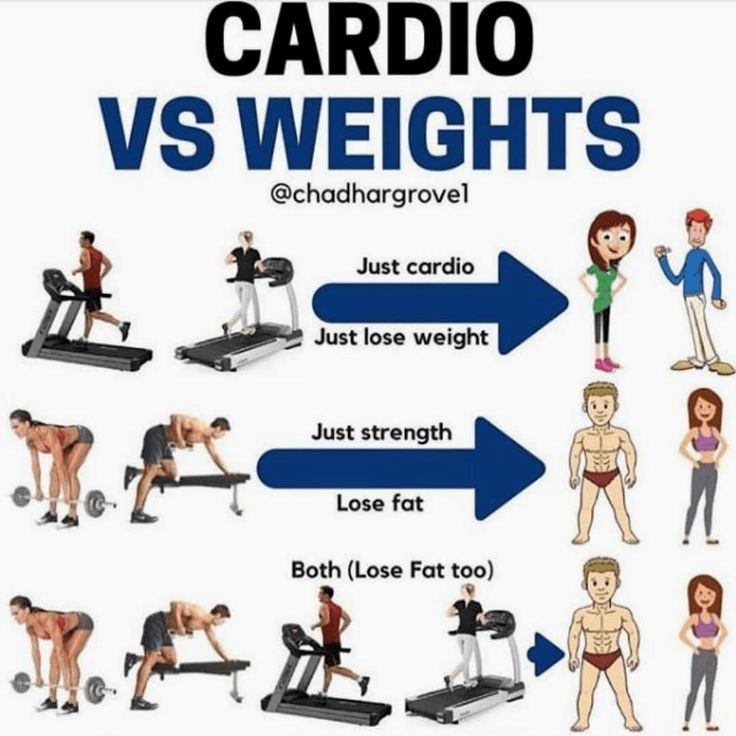
Over half of our daily metabolism comes from our basal metabolic rate. One of the biggest determinants of BMR is muscle mass. Muscle requires more calories to maintain. As you lose weight, your BMR is going down. Try to counteract that by building new muscle tissue by lifting weights.
Don’t just look at the # on the scale. Muscle mass can cause you to be in the overweight/obese category weight-wise. Focus on increasing your muscle mass. The most ideal place for new weight loss clients is for the scale not to move at all (signaling you’re gaining muscle and losing fat and building your metabolism). Maintaining muscle is easier than building it. You only need to do 1/7 of the work to maintain it.
If you do the same thing every day or week, your body will get used to it. You need to switch things up and add more weight to your exercises.
Cardio is useful in overall health and preventing diseases, but if you have to do cardio and lifting on the same days, whatever you do first is what you’re going to get best at. Prioritize according to your goals. If your goal is to change your body composition, lift weights first.
I look forward to reading, learning, and sharing more with you soon!
-
How to Win Friends and Influence People
“How to Win Friends and Influence People” was written by Dale Carnegie, originally published in 1936 and most recently revised and republished in 2022, has sold more than 15 million copies, and resulted in the Dale Carnegie Foundation of global training courses. This was among my top 20 favorite books I read in 2022.

I first want to point out that the techniques likely work with some people, particularly in the corporate world, but genuine true friendships don’t require techniques or “winning.” With that said, many of these techniques are useful.
I consider my ability to arouse enthusiasm among my people the greatest asset I possess, and the way to develop the best that is in a person is by appreciation and encouragement.
Charles SchwabFundamental Techniques in Handling People:
- Don’t criticize, condemn, or complain.
- Give honest and sincere appreciation.
- Arouse in the other person an eager want.
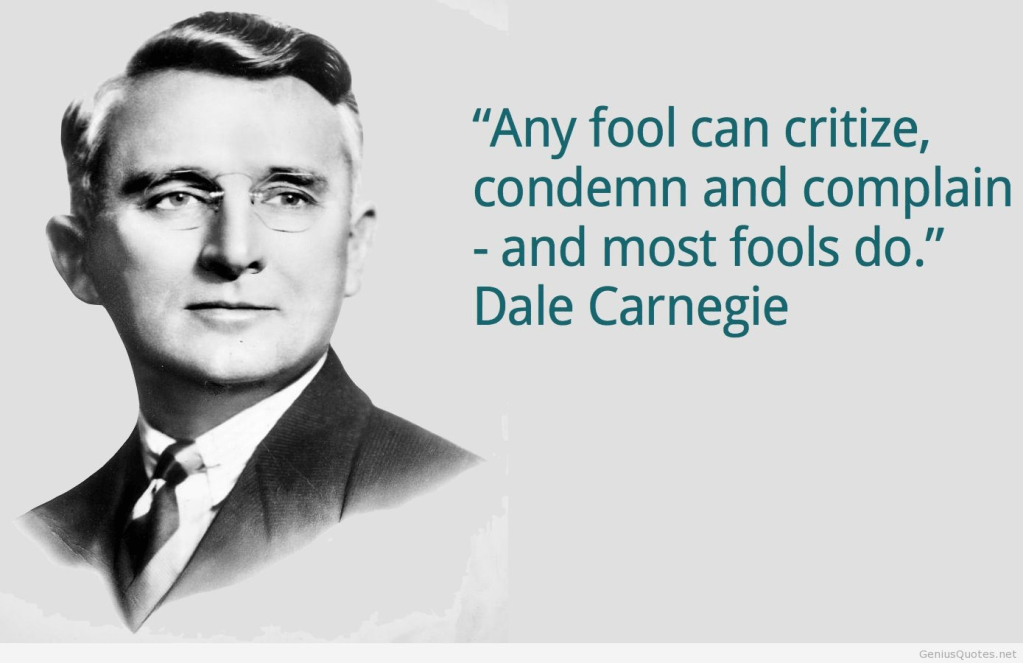
6 ways to make people like you:
- Become generally interested in other people.
- Smile!
- Remember that a person’s name is to that person the sweetest and most important sound in any language.
- Be a good listener. Encourage others to talk about themselves.
- Talk in terms of the other person’s interests.
- Make the other person feel important – and do it sincerely.
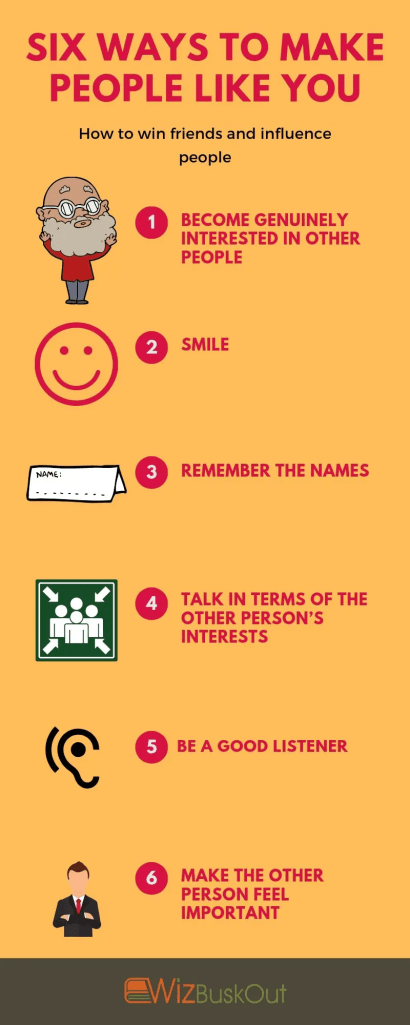
12 ways to win people to your way of thinking:
- The only way to get the best of an argument is to avoid it.
- Show response for the other person’s opinions. Never say “you’re wrong.”
- If you are wrong, admit it quickly and emphatically.
- Begin in a friendly way.
- Get the other person saying “yes, yes” immediately.
- Let the other person do a great deal of the talking.
- Let the other person feel that the idea is his or hers.
- Try honestly to see things from the other person’s point of view.
- Be sympathetic with the other person’s ideas and desires.
- Appeal to the nobler motives.
- Dramatize your ideas.
- Throw down a challenge.
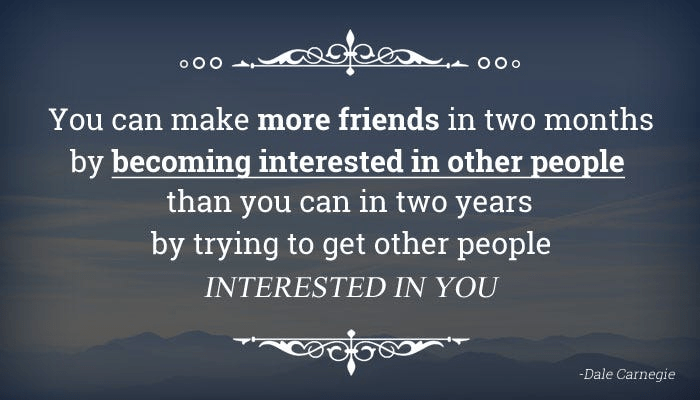
9 ways to change people without giving offense or arousing resentment:
- Begin with praise and honest appreciation.
- Call attention to people’s mistakes indirectly.
- Talk about your own mistakes before criticizing the other person.
- Ask questions instead of giving direct orders.
- Let the other person save face.
- Praise the slightest improvement and every improvement.
- Give the other person a fine reputation to live up to.
- Give encouragement. Make the fault easy to correct.
- Make the other person happy about doing the thing you suggest.
If there is any one secret of success, it lies in the ability to get the other person’s point of view and see things from that person’s angle as well as from your own.
Dale CarnegieAmong my favorite takeaways: Give honest and sincere appreciation, be a good listener and encourage others to talk about themselves, show respect for the other person’s opinions, and call attention to people’s mistakes indirectly.
This book was filled with information and useful stories of examples and I highly recommend it!
I look forward to reading, learning, and sharing more with you soon!
-
Thoughtful Thursday- March 9, 2023
My intention is to post a Thoughtful Thursday column each week and share some of the insights I have learned in the past week. Here are some of the things I’ve learned this week:
Life Kit- The five kinds of perfectionists Five kinds of perfectionists:
- Classic perfectionist: highly organized. They do what they say they’re going to do, when they said they were going to do it, and in the way they said they’d do it. They are highly reliable and add structure to any environment they enter. They cannot be as spontaneous and sometimes don’t welcome collaboration and connection. People working with them can end up feeling more transactional.
- I consider myself a classic perfectionist most of the time.
- Procrastinator: waits for conditions to be perfect before starting. They tend to ruminate. They can prepare so well and see things from a 360-degree angle and are not impulsive. They encounter challenges around getting projects off the ground because they experience anxiety around beginnings.

- Messy: in love with beginnings. They can start anything effortlessly. When they hit the middle of the process and the tedium that is involved in staying committed to carrying out those goals, they lose interest and energy because the middle isn’t perfect and doesn’t match the perfect romanticized energy around starting.
- Intense: razor sharp focus. They are really great at generating outcomes. Sometimes they prize the outcome so much that they lose the sense of team/relationship building in the process. They get their desired outcome at the great expense of others around them. Others’ safety depends on their outbursts.
- Gordon Ramsay was listed as an example of an intense perfectionist, as conveyed in his television shows, such as Hell’s Kitchen.
- Parisian: wanting perfect connection. They often practice people-pleasing at the expense of sacrificing their own sense of identity and pleasure. They are genuinely warm people who focus on inclusion, collaborate well, and enjoy working with others.
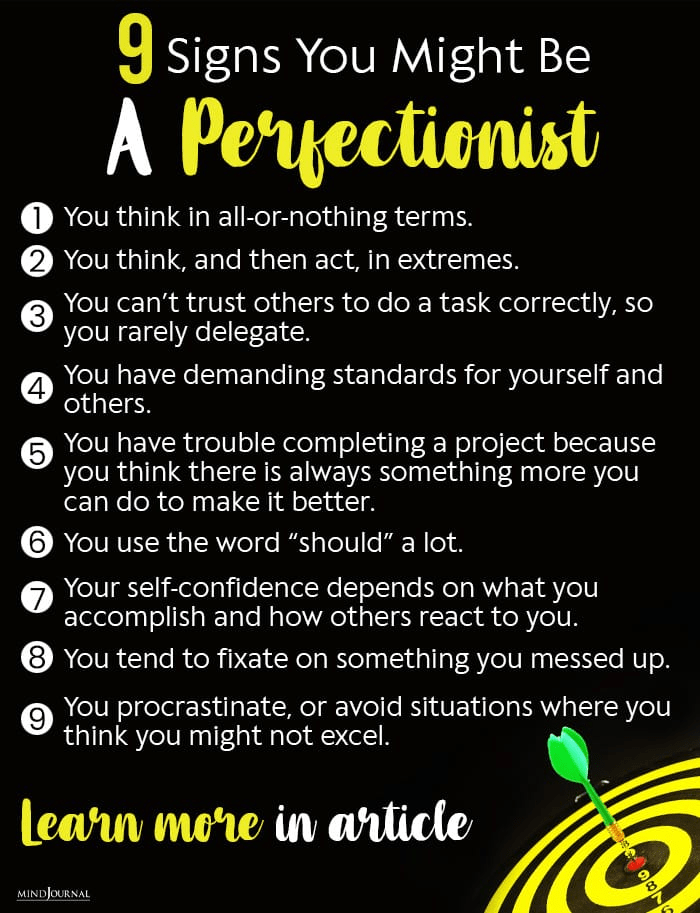
Ways to work with and reframe our types of perfectionism:
Explaining vs. expressing. When you only explain and you don’t express, it emphasizes a transactional, no-team-oriented, get-it-done attitude. It makes people feel disconnected. If you only express (messy and Parisian types), you talk a lot about how you feel but you aren’t asserting your wants and needs. You need to explain and help others understand you better.
Control vs. power. They look very similar, but they are very different. Control is about manipulating and planning one step at a time. This leaves you frantic, and your desperate energy and anxiety can be felt by others around you.
Power is about influencing and being a visionary. You accept that, no matter what happens with the outcome, you know what’s important to you and trust yourself to understand what to do next.
You can’t think yourself through your life. You have to be open and surrender. You don’t know what’s coming next. You can’t be in surrender and in control at the same time.
Questions to ask yourself:
- Are you hurting or helping the people around you in pursuit of your ideals?
- Does this action serve to connect or distance you from your values?
- Are you pursuing this ideal for the right reasons, or are you seeking some kind of arbitrary external validation?
SHE with Jordan Lee Dooley- Asking for Help as a Perfectionist Perfectionists tend to want control of everything in their lives. When it comes to work, as the work piles on, they may become overwhelmed because they feel that they can’t delegate or trust others to complete tasks to their expectations. Here are some tips:
- Set up standard operating procedures. Make it easier to delegate. Test the process yourself according to your instructions before you delegate! It can be so easy to think that others will do it your way, but they won’t without detailed instructions!
- Start really small with one small task at a time. Delegating and giving up control doesn’t come naturally to most of us, and giving up too much control causes us to feel overwhelmed and micromanage. Delegate little bits at a time!
- Communicate your expectations and dissatisfactions clearly and kindly. Encourage people to ask you questions! If a question is repeated, remind them that you’ve been through this before, and challenge them to look at examples and convey that you trust them. People can’t read your mind. You have to tell them and show them what you want by example, by screensharing, etc. You have to tell them what you don’t like and correct them so it doesn’t drive you crazy for an eternity!
- The sky is not falling when they drop the ball. Expect them to drop the ball. Something is bound to slip from your control. Give them the room to succeed and make mistakes to help them develop as well. No one will be perfect. Mistakes are inevitable.
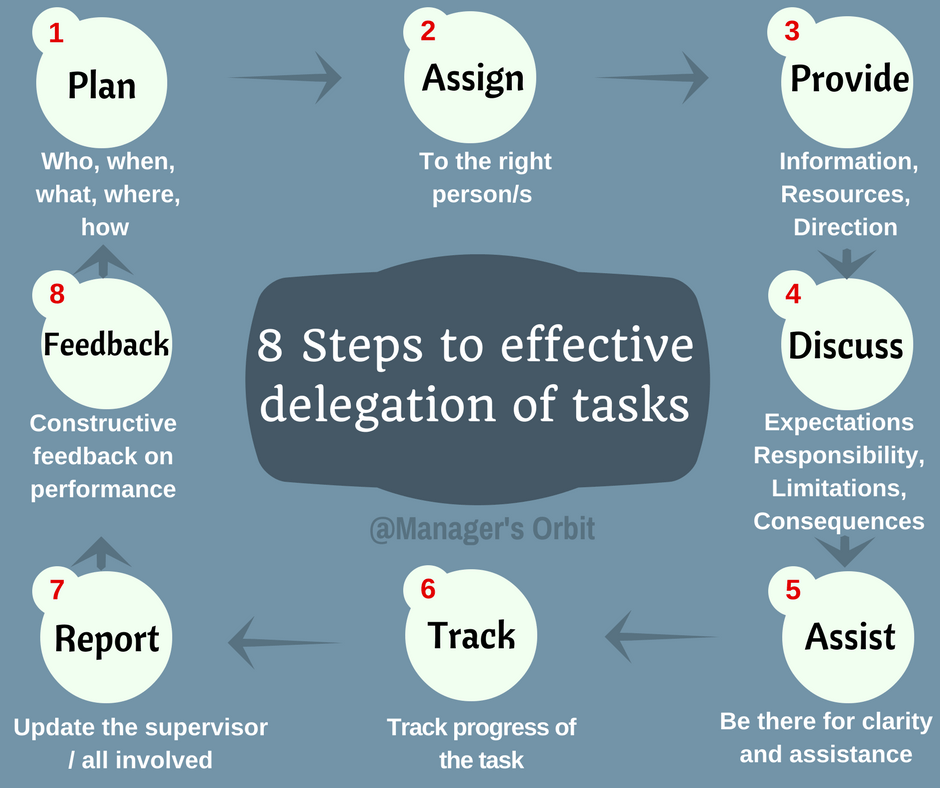
Optimal Finance Daily- Life Insurance Beneficiary by Jeff Rose The biggest lesson I learned in this podcast is to have contingencies! So many people list their spouse’s name as a beneficiary with no contingencies. If a beneficiary dies, the benefits will go to the contingent. If you and your spouse are both killed in a car crash at the same time, without a contingency, your benefits are left in limbo. Several contingencies must be clearly identified.
This week I finished reading “1000+ Little Things Happy Successful People Do Differently” written by Marc Chernoff. One thing that stood out to me was an example of a tangerine.
“Imagine you had a ripe, juicy tangerine sitting on the table in front of you. You pick it up eagerly, take a bite, and begin to taste it.
You already know how a ripe, juicy tangerine should taste, and so when this one is a bit tarter than expected, you make a face, feel a sense of disappointment, and swallow it, feeling cheated out of the experience you expected.
Or perhaps the tangerine tastes completely normal— nothing special at all. So, you swallow it without even pausing to appreciate its flavor as you move on to the next unworthy bite, and the next.
In the first scenario, the tangerine let you down because it didn’t meet your expectations. In the second, it was too plain because it met your expectations to a T.”
How ironic! The tangerine can be substituted for almost anything in your life: any event, situation, relationship, person, or thought. If you approach any of these with expectations of “how it should be” or “how it has to be” in order to be good enough for you, they will almost always disappoint you in some way.
I look forward to reading, learning, and sharing more with you soon!
- Classic perfectionist: highly organized. They do what they say they’re going to do, when they said they were going to do it, and in the way they said they’d do it. They are highly reliable and add structure to any environment they enter. They cannot be as spontaneous and sometimes don’t welcome collaboration and connection. People working with them can end up feeling more transactional.
-
The Power of Habit
“The Power of Habit” written by Charles Duhigg is among my favorite books I’ve read this year and among the most helpful books I have ever read. This book focused on the process of creating and modifying habits, habitual cues and rewards, and contained many interesting marketing examples shaped by habits: Pepsodent, Febreze, Target, foaming shampoo/toothpaste/laundry detergent, the response to Rosa Parks, AA, etc.
The habit cycle consists of the cue➡️routine➡️reward. If you use the same cue and provide the same reward, you can shift the routine and change the habit. Almost any behavior can be transformed if the cue and reward stay the same.
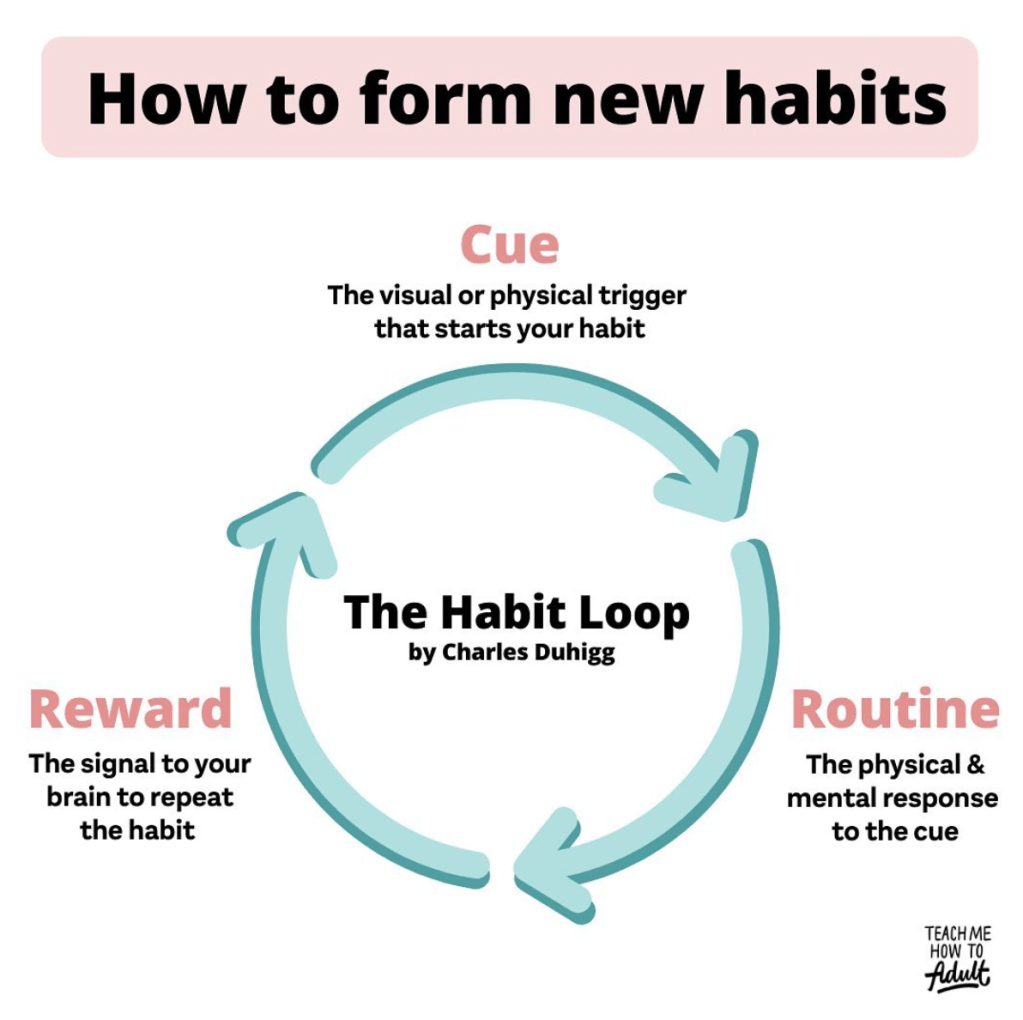
The basal ganglia (part of your brain) stores hundreds of habits we rely on every day. If the basal ganglia gets damaged, such as in those with Parkinson’s or Huntington’s disease, you may lose your habits.
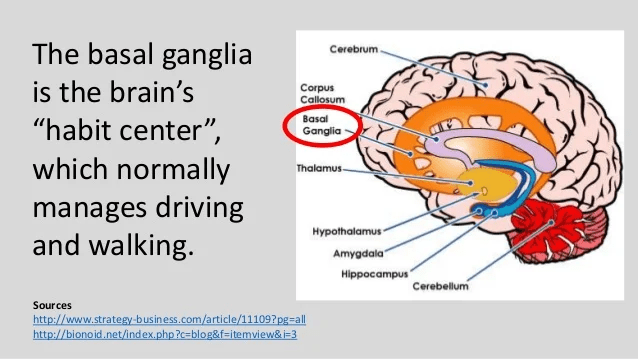
If you want to change a habit, you must find an alternative routine, and your odds of success go up dramatically when you commit to changing as part of a group.
To modify a habit, you must decide to change it. You must consciously accept the hard work of identifying the cues and rewards that drive the habit’s routines and find alternatives. You must know you have control and be self-conscious enough to use it.”
Charles Duhigg
Almost all of the patterns that exist in our lives – how we eat, sleep, talk to people, spend our time, spend our money – are habits. You have the freedom and responsibility to change these habits.
Once you understand that habits can be rebuilt, the power of habit becomes easier to grasp, and the only option left is to get to work.
Charles DuhiggAlmost all habitual cues fit into one of five categories: location, time, emotional state, other people, and the immediately preceding action.
Here are some common habits (related to eating) that I can think of that fall into these categories:
Location: eating popcorn at a movie theater, drinking at a bar, eating cake at a birthday party
Time: eating breakfast, lunch, or supper around the same time each day, even if you aren’t actually hungry
Emotional state: feeling stressed or sad can result in binge-eating junk food
Other people: being surrounded by people at parties and social events may urge you to eat or drink
Immediately preceding action: eating dessert or something sweet after a meal because it is your way of ending the meal
❗❗One of the most interesting stories was about the history of Febreze, which was initially manufactured to destroy odors. Researchers provided free bottles to households with pets, and upon following up with them months later, found that people couldn’t detect most of the bad smells in their homes because they became desensitized. The product’s cue was hidden from those who needed it most, so Febreze ended up in the back of a closet. Febreze then changed to a distinct scent and was positioned as a reward: the nice smell that occurs at the end of a cleaning routine. The irony is that a product manufactured to destroy odors was transformed into the opposite: an air freshener used as the finishing touch when things are already clean!❗❗
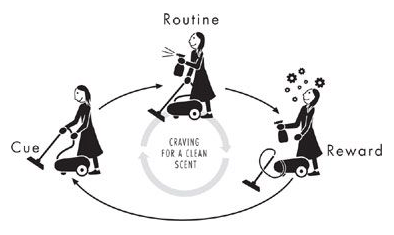
Pepsodent increased awareness of tooth film as a cue to become the best-selling toothpaste for more than 30 years. The reward was marketed as beautiful teeth. Mint oil and other chemicals were used to create a cool, tingling sensation on the tongue and gums. People craved that irritation, and although it doesn’t make the product work any better, it convinces people that it’s doing the job.
Later, Crest became the top seller by featuring fluoride, which was the first ingredient in toothpaste that actually made it effective at fighting cavities.
Foaming is a huge reward. Shampoo, toothpaste, and laundry detergent often contain foaming agents. Although there’s no cleaning benefit, once the customer starts expecting that foam, the habit starts growing.
Alcoholics Anonymous (AA) is a method for attacking the habits that surround alcohol use. AA forces people to identify the cues and rewards that encourage their alcoholic habits and then helps them find new behaviors.
It’s not obvious from the way the 12 steps are written, but to complete those steps, someone has to create a list of all the triggers for their alcoholic urges.
J. Scott ToniganThen, AA asks alcoholics to search for the rewards they get from alcohol: escape, relaxation, companionship, the blunting of anxieties, and an opportunity for emotional release.
If order to offer alcoholics the same rewards they get at a bar, AA has built a system of meetings and companionship – “the sponsor” each member works with along with frequent meetings.
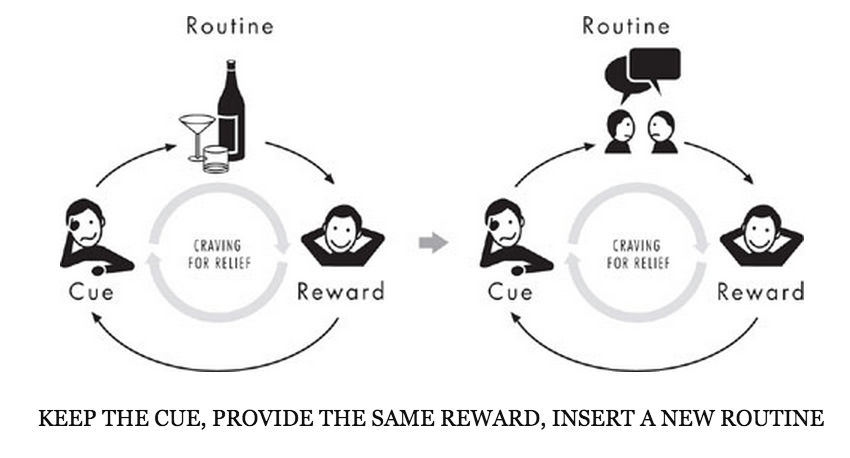
“Hey Ya!” by Outkast was a flop at first. Many people changed the radio station when it came on. It needed to become part of an established listening habit to become a hit, so it was sandwiched between songs that were already popular, and it grew in popularity.
The author discussed that the response to Rosa Parks and societal change was the result of social ties across dozens of groups.
Movements don’t emerge because everyone suddenly decides to face the same direction at once. They rely on social patterns that begin as the habits of friendship, grow through the habits of communities, and are sustained by new habits that change participants’ sense of self.
Charles DuhiggTarget extensively tracks customers’ buying habits. Every person has a permanent Guest ID #, and Target analyzes shopping habits, demographics, age, marital status, kids, how far from the store the customer lives, websites visited, etc.
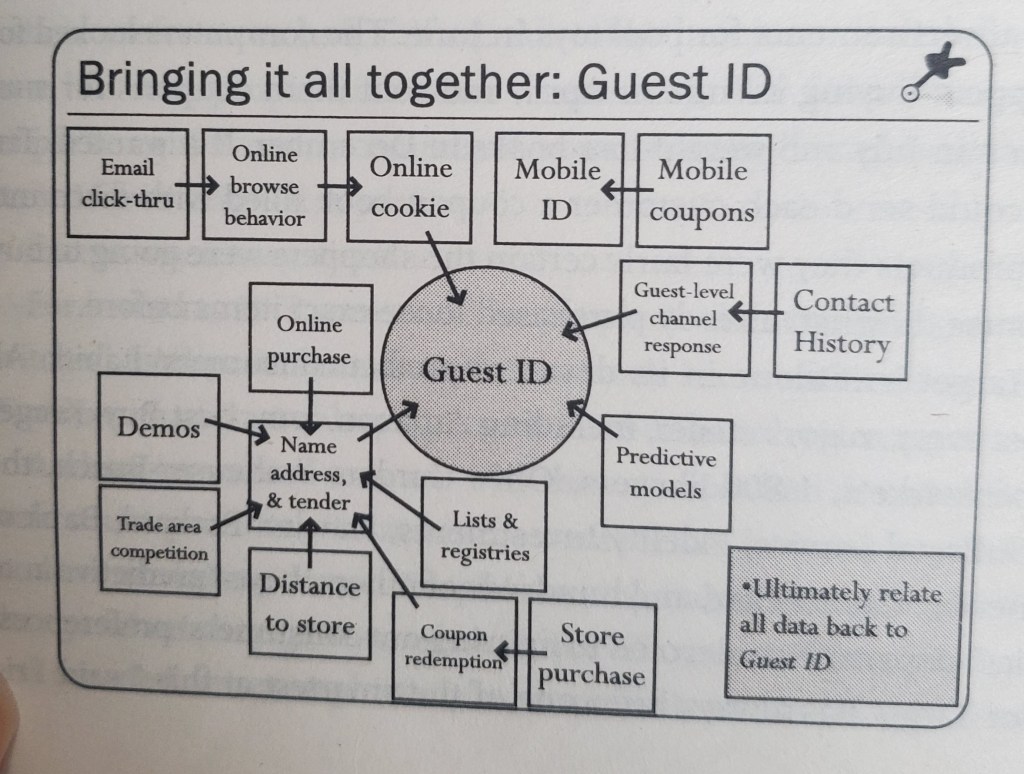
To read more about habits and my habits journey, check out:
A podcast I highly recommend that focuses on habits is Sad to Savage with Shelby Sacco.
I look forward to reading, learning, and sharing more with you soon!
-
Thoughtful Thursday- March 2, 2023
My intention is to post a Thoughtful Thursday column each week and share some of the insights I have learned in the past week. Here are some of the things I’ve learned this week:
But Why: A Podcast for Curious Kids- Don’t swallow gum! And other things parents say This was an interesting episode covering myths parents tell their kids. The most interesting issue addressed was that people say you must wait one hour after eating to go swimming. I have heard this throughout life, and I just learned that this is a myth! There is no harm in swimming right after eating. The worst that could happen as a result is that, if you swim vigorously right after eating a large meal, you might vomit. Most swimming is not done vigorously, so there’s no need to wait to get back in the water!

For You From Eve- Wellness Hacks and Mindset Shifts that Actually Work & Changed My Life These wellness hacks helped the host change her life:
- Stop distracting yourself with media. Let yourself feel your feelings and reflect.
- Journal and write affirmations.
- Take cold showers for breathwork/calming down. It doesn’t need to be a full cold shower; you can start with 1-2 minutes of cold water before adjusting the temperature.
- Exercise!
- Invest in skincare/makeup/hair.
- Meal prep and purchase healthy foods.
- Set limits for time spent on social media. List to podcasts instead.
- Read self-help books.
- Get 7-9 hours of sleep.
- Take vitamins and supplements.
- Meditate.
I do many of these things, and they have helped me change my life! Exercising, journaling and writing affirmations, starting a skincare routine, meal prepping and clean eating, reading self-help books, listening to podcasts, prioritizing sleep, and limiting social media have benefited me greatly.
I am currently reading “1000+ Little Things Happy Successful People Do Differently” written by Marc Chernoff. One thing that has stood out to me so far is:
Everyone gets upset and loses their temper sometimes. When you catch yourself passing judgment, add “just like me sometimes” to the end of a sentence. For example: That person is grouchy, just like me sometimes. She is being rude, just like me sometimes. Choose to let things go. Let others off the hook. Take the high road today.
Marc Chernoff
Sad to Savage- Things I Wish I Knew Sooner: Advice From Your Big Sister (Shelby Sacco) Sad to Savage is one of my favorite podcasts and is mostly focused on habits. However, this episode contained so many things I needed to hear that are mostly unrelated to daily habits:
- Being selfish is the most important thing you can do in your twenties. Do what’s best for you and be independent.
- You are who you surround yourself with.
- Growth is not linear. Life is a rollercoaster.
- Quit the job you hate. If you need the income, spend a couple days or weeks updating your resume and applying to jobs. You spend a lot of time at work, so don’t tough it out in hopes that it will get better.
- Find the fitness you like. If you’re miserable doing it, it’s not the correct fitness for you. You should not dread working out.
- Cheating has nothing to do with you and has everything to do with someone else’s qualities.
If someone treats you badly due to addictions, you cannot control someone who does not want to change. You cannot make someone want a different life.
- Do not leave your hardest tasks for the end of the day when you have less willpower. Be smart with your willpower. When you have formed daily habits, they don’t take willpower.
- Invest in yourself and your future. You can educate yourself through reading.
- Do not rely on motivation. The days you don’t feel like it are the days that matter most.
Not everyone is going to like you, and that’s okay. What people think of you is none of your business.
- The red flags you choose to ignore won’t go away.
- The words you say to yourself and about yourself make up how you see yourself, and they decide your actions, which ultimately decide your life.
- You are never too good to apologize to someone.
No one is in charge of your happiness except for you. You need to find and do things that bring you happiness.
When having a conversation with someone, ask if they want advice or just want someone to listen. Same goes for when you are the one talking.
Your entire life can be completely different in one year if you choose to do the work.
Waking up early will give you the time you need to do the things that you currently don’t have time for.
Your habits make up your life. You have the power to choose/change/create your habits. Investing in yourself and your habits will be the best choice you will ever make.
Optimal Finance Daily- 9 Painless Ways to Trick Yourself Into Spending Less by Sarah Von Bargen - Unsubscribe from newsletters that tempt you.
- Block yourself from websites where you spend too much.
- Turn off your computer’s/phone’s autocomplete credit card option so that you have to be bothered to get up and retrieve your card every time.
- Order online and do curbside pickup to prevent impulse purchases.
- Eat something before you go shopping. Don’t go shopping while hungry.
- Give yourself a three-day waiting period. If you forget all about it, you don’t need it. If you still find yourself thinking about it three days later, pull the trigger.
- Put yourself on a cash-only budget. We are much slower to spend cash than use our credit cards, and cash is not an option when online shopping.
- Put a reminder in your wallet. You could print a wallet-sized photo of something you’re saving for.
- Unfollow social media accounts that tempt you to spend. Unfollow accounts that make you want to spend more to keep up, and fill your feed with those who provide value to you or who are in your tax bracket.
Personal tip: If you are concerned about unsubscribing to newsletters that tempt you, when you want to purchase something, look on milled.com and search for the company to view e-mails that have been sent to customers to look for discounts. You can also look up promo codes online for discounts.
I look forward to reading, learning, and sharing more with you soon!
-
Out of Office- Reflecting on How We Work
“Out of Office” was published in 2021 and written by Charlie Warzel and Anne Helen Petersen. This book was among my top 20 favorite books I read in 2022 and focused on the transition to white-collar remote work during the pandemic, particularly on HOW we will work.
“We worship work. We remain faithful to it because we want to support ourselves and our families, but it’s become more than a simple means of providing needs. Work has taken on such a place of primacy in our lives that it has subsumed our identities, diluted our friendships, and disconnected us from our communities.”
This is increasingly evident in our society. Upon first meeting someone, the most common question asked is “What do you do?” as in, “What do you do for work?” Your identity is whittled down to what you do for work, and someone’s opinion of your work often impacts whether or not the conversation continues and friendship ensues. This is dangerous, especially when people lose their jobs or retire and don’t have an identity outside of work.
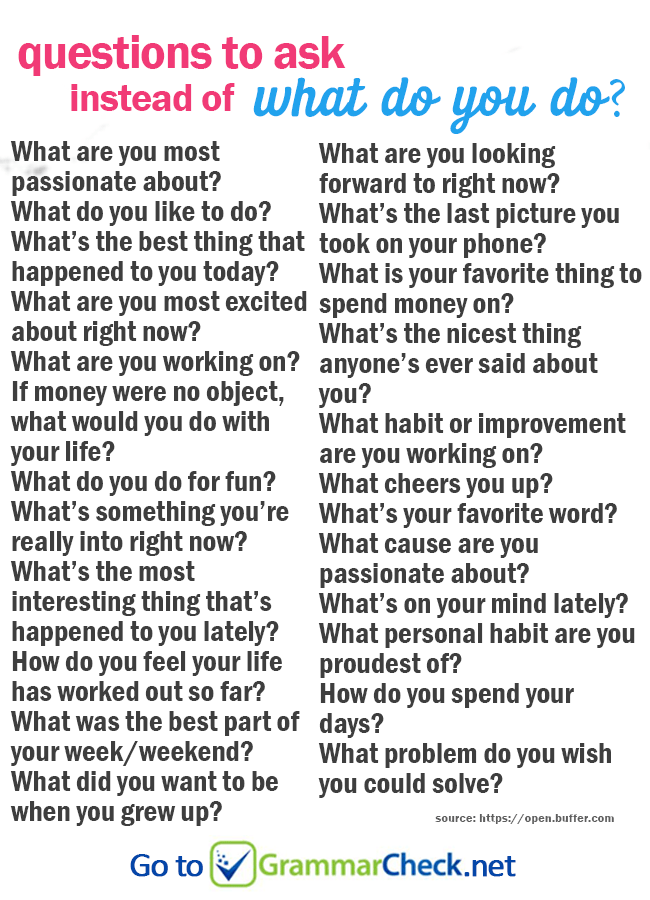
Who would you be if work ceased to be the axis of your life? How would your relationships with friends and family change? What role would you serve within your community at large? What hobbies would you pursue? We are so conditioned to approach our lives as something to squeeze in around work.
Charlie Warzel and Anne Helen PetersenI once worked for a boss who planned his work day around his desire to sleep longer, have a productive morning before work, and leave in the late afternoon for yoga or rock climbing. Although I thought it was odd, it became clear to me that he truly had a balance and planned work around his life, not life around his work.
The authors recommended auditing how we spend our time working and whether things need to be done during the standard work hours, getting rid of meetings that aren’t necessary and exploring asynchronous ways of communicating, considering four-day work weeks, setting boundaries to protect time away from work, dismantling any organizational monoculture, leveling the hybrid work playing field, and giving yourself space to explore hobbies and interests and commit to them.
The authors identified and expanded upon four areas critical to achieving ideal work-life balance: flexibility, culture, technology, and community and provided examples of other companies’ approaches to remote work, flexible scheduling, and company culture. This book was particularly appealing to me because, during the pandemic, I have had different jobs and made transitions. One job turned fully remote for a time, one job was in person every day, and one job was a hybrid environment, which appeals to me the most.
The pandemic taught employees and businesses about flexibility. Employees who were told that positions couldn’t be done remotely prior to the pandemic suddenly were required or able to be done remotely. Businesses and employees were challenged to maintain the culture or build a culture outside of the office environment, using technology and community.
“This example from the retail world should be instructive: if you have only enough employees to barely get the work done as is, you’ve engineered a scenario in which employees may have theoretical permission to take time off, but understand that they’ll shoulder the burden of that time off in some way. Either they try to keep doing part of their work while on leave, a colleague takes on an even larger work burden, or a portion of essential work goes undone, slowing everyone on a team.”
I have witnessed this in different roles. At its worst, due to the workload and demands, I worked part-time during a medical leave and regularly made up for time that I was sick. I felt discouraged from taking time off due to the stress of coming back to a fuller plate. I am grateful to have found collaboration and cross-training on a team.
Management is used as a way to reward workers who distinguish themselves for their productivity. As a recent study by Harvard Business Review pointed out, the skills associated with high productivity- including knowledge and expertise, driving for results, taking initiative- are almost all indications of INDIVIDUAL-ORIENTED competencies. Management requires skills that are OTHER-ORIENTED: being open to feedback, supporting colleagues’ development, communicating well, and having good interpersonal skills.
Charlie Warzel and Anne Helen PetersenI look forward to reading, learning, and sharing more with you soon!
-
Thoughtful Thursday- February 23, 2023
My intention is to post a Thoughtful Thursday column each week and share some of the insights I have learned in the past week. Here are some of the things I’ve learned this week:
Optimal Living Daily- The Myth of the Someday/Maybe Life The myth of the someday/maybe life refers to the urge to save things for our someday/maybe lives that are never the lives we are actually living right now.
Example listed in the podcast: a tan trench coat that has never been worn, but had been kept in case the person decided to be Inspector Gadget at Halloween some year.
If you struggle to let go of items for your someday/maybe life, ask yourself:
- Would I buy it again today?
- Have I used this in the last year/am I really ever going to use it?
- What’s the worst thing that would happen if I let go of this? The worst-case scenario is usually not all that bad.
Tips: for clothing, turn the hangers around after wearing clothing to see what you wear, and get rid of clothes facing the original direction after six months or a year. I currently do this.
Pack things away in a box that you think you might need. If you don’t look for them after one year, the box is already packed and ready to donate!
In January, I challenged myself to give away 1 item each day in my local Buy Nothing Facebook page. I got rid of over 31 items–many items that were sitting in totes because I had thought I might use them someday! It was a great start to the year, and I may do this challenge again in the coming months.
Self Improvement Daily- Give Yourself Your Undivided Attention People are always competing for our attention: marketers use clickbait headlines, Facebook and other apps send you notifications, friends text you and hope that you get back to them quickly, you may have work duties, and there are always other pressures on us to fulfill the many roles in our lives as a spouse, parent, family member, friend, volunteer, employee, etc.
In this podcast, Brian Ford prompts us to ask ourselves: When was the last time you gave yourself your undivided attention?
Take time to sit and reflect on what you want, how you are feeling, how energized you have been, how productive you have been, how your mental health is, what you are working towards and how it’s going, what you’re most excited about, and anything else you need to reflect on. Do this regularly. We know it’s the best thing we can do for others, but it’s also the best thing we can do for ourselves.
To achieve this, one habit I regularly practice is to disable Facebook and messenger notifications, personal e-mail notifications, and other app notifications on my phone. Silencing my phone while I am working or working on a task I want to prioritize, such as reading, is also helpful.
SHE with Jordan Lee Dooley- 6 Things I Wish I Knew Before Getting Married This episode was SO relatable. After being somewhat long-distance for 7+ years and not living together or seeing each other on weekdays before marriage, it has been an adjustment! Here are the 6 things the host wishes she knew before getting married, and I agree with all of these:

Scheduling– know your partner’s schedule. It’s helpful to have a shared calendar to know obligations and appointments. I keep a whiteboard calendar in our bedroom and write down my work schedule, medical appointments, family plans, and social outings with friends each month.
Conversations about $– have conversations about income and budgeting. Get on the same page about financial goals and dreams. Have monthly check-ins.
Organization– Keep clutter to a minimum. Have a landing zone to put stuff when you come in the door, such as a basket. Have a location where you put mail that you need to get to instead of putting it on the table or counter. Have one space for the majority of the cleaning supplies. Use a file cabinet with organized tabs. Understand how you organize differently. Minimize your belongings.
The host specifically stated that her husband is into outdoor activities, such as golf, fishing, and hunting. She was tired of seeing all of his items all over the garage, so she got him a big bin to put all of his items into–out of sight.
We have implemented some of the organizational tips above. We have a large storage stand with cleaners and laundry supplies, labeled and organized bins for medications and personal beauty products, and a file bin with labeled file folders for items such as the mortgage, auto, taxes, medical records, home improvement, etc.

Expectations– Talk about expectations for regular household tasks, such as “If I do the cooking, who does the dishes?” Who should take charge of the household accounting? Who should pay which bills? Is the mortgage payment going to be split evenly? How do you prefer to unwind or relax, and how many hours a day do you like to do that? Identify who is responsible for household chores. This prevents resentment from the person who feels like he or she is doing it all because he or she expected everything to be done on a certain timeline.
All of these are great questions! One of the biggest adjustments for us as newlyweds has been sharing time and space. When dating for 7+ years, we spent weeknights apart. Upon moving in together, I was very surprised and frustrated to find that my husband watches hours of tv each night after work–something I had never done regularly on a weeknight. I have since learned that this is his method of relaxing and unwinding after a long day of physical labor. I sit all day, so I have other ways of unwinding, including working out and staying active, reading, etc. We have our separate time and come together at some point each day to unwind together.
Hospitality– practice hospitality by regularly hosting people. We LOVE hosting people and are hoping to host more often.
Grace– lastly, give yourself grace! Being a power couple isn’t the goal. The perfect couple doesn’t exist. What you see on social media is only a fraction.
I look forward to reading, learning, and sharing more with you soon!
-
Four Thousand Weeks: Time Management for Mortals + All About Productivity
“Four Thousand Weeks: Time Management for Mortals” was written by Oliver Burkeman, published in 2021, was named after the concept of an average lifetime being just 4000 weeks, and is one of the most useful books I have ever read.
If you succeed in getting things done on your to-do list, more things will inevitably seem important, meaningful, or obligatory. Getting things done won’t generally result in the feeling of having “enough time” – the demands will increase to offset any benefits. You’ll be creating more things to do.
Oliver Burkemann
The more you believe you might succeed in “fitting everything in,” the more commitments you naturally take on, and the less you feel the need to ask whether each new commitment is truly worthy of a portion of your time – and so your days inevitably fill with more activities you don’t especially value. This is why it is SO important to learn how to say NO to obligations without feeling guilt, pressure, or obligation.
People complain that they no longer have “time to read,” but the reality, as the novelist Tim Parks has pointed out, is rarely that they can’t locate an empty half hour in the course of the day. What they mean is that when they do find time and use it to try to read, they’re impatient to give themselves to the task because they’re inclined to interruption. Social media and what we think of as “distractions” aren’t the ultimate cause of our being distracted. They’re just the places we go to seek relief from the discomfort of confronting limitation.
Tim Parks
When you get tremendously efficient at answering e-mail, all that happens is you get more e-mail.
“Nobody ever really gets four thousand weeks in which to live – not only because you might end up with fewer than that, but because in reality you never GET a single week, in the sense of being able to guarantee that it will arrive, or that you’ll be in a position to use it precisely as you wish.”
“We treat our plans as though they are a lasso, thrown from the present around the future, in order to bring it under our command. A plan is an expression of your current thoughts about how you’d ideally like to deploy your modest influence over the future. The future, of course, is under no obligation to comply.”
Oliver Burkemann
“The day will never arrive when you finally have everything under control—when the flood of emails has been contained; when your to-do lists have stopped getting longer; when you’re meeting all your obligations at work and in your home life; when nobody’s angry with you for missing a deadline or dropping the ball; and when the fully optimized person you’ve become can turn, at long last, to the things life is really supposed to be about. Let’s start by admitting defeat: none of this is ever going to happen.”
Oliver Burkemann
Spending at least some of your time “wastefully,” focused solely on the pleasure of the experience, is the only way NOT to waste it – to be truly at leisure, rather than covertly engaged in future-focused self-improvement. In order to most fully inhabit the only life you ever get, you have to refrain from using every spare hour for personal growth.
Tips: focus on one big project at a time, keep an open and closed to-do list with a fixed # of entries to have on your current to-do list, establish predetermined time boundaries for your daily work, accept that you can’t dedicate as much time as you want to everything and decide in advance what to not give as much effort to in your life, seek out novelty in the mundane and pay more attention in every moment, and practice doing nothing.
When in doubt, do the next most necessary thing.
Five questions to consider:
1. Where in your life or your work are you currently pursuing comfort, when what’s called for is a little discomfort? We naturally tend to make decisions about our daily use of time that prioritize anxiety-avoidance.
2. Are you holding yourself to, and judging yourself by, standards of productivity or performance that are impossible to meet?
3. In what ways have you yet to accept the fact that you are who you are, not the person you think you ought to be? Once you no longer feel the stifling pressure to become a particular kind of person, you can confront the personality/strengths, weaknesses/talents, and enthusiasm you find yourself with and follow where they lead.
4. In which areas of your life are you still holding back until you feel like you know what you’re doing?
5. How would you spend your days differently if you didn’t care so much about seeing your actions reach fruition?
If you want to learn or hear more, Oliver Burkemann has been featured on many podcasts on Spotify! I highly recommend listening to this link to a Talks at Google YouTube video with Oliver Burkemann:
This book is one of the best books I have read and I highly recommend it!
I look forward to reading, learning, and sharing more with you soon!
-
Thoughtful Thursday- February 16, 2023
My intention is to post a Thoughtful Thursday column each week and share some of the insights I have learned in the past week. Here are some of the things I’ve learned this week:
Self Improvement Daily- Heck Ya or No Thank You We tend to overcommit to things out of obligation, guilt, boredom, or an overall lack of boundaries. You can control what you commit to, and you can and should say no to protect your time, boundaries, and self-care. “You deserve to feel like you’re putting your heart into everything you do. That’s a real possibility in your life. And the only way you get there is by raising your standards.”
So the next time you’re making a decision to do something or not, ask yourself “Do I really want to do this?” If your answer is “Heck Ya” then follow the pull of it. If it’s anything else, politely say “No Thank You.”
Brian Ford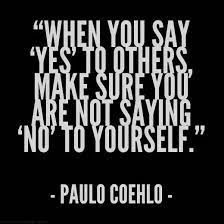
How to Be a Better Human- How to get the medical care you deserve Doctors are often rushing from patient to patient, and many times patients feel unheard. Here are some tips to get the medical care you deserve:
Prepare for your appointment with a chronological written history of your issue/story. This helps because if you feel/look fine at your appointment, you can still get your doctor’s attention with a written chronology of information and also save the doctor time. Also, come prepared with questions. Often doctors are rushed, so having your story written down and organized helps!

- Try to get your doctor to listen to you. Some sample statements are “I want to really explain to you how this illness has affected my life.” For a chronic health issue, state “These symptoms are different than what I had been experiencing.” Emphasize what you have tried already for treatment. Ask your doctor what diagnosis the doctor thinks this is. It also helps to have a family member or spouse with you to get the doctor’s attention.
- Have your primary care doctor or referring provider provide the specialist with a note of your symptoms, progress, what has been tried, etc.
- Try to get to know your provider before an urgent issue comes up to build trust.
Doctors have more focus during telemedicine visits. There are fewer distractions, as they are only seeing one patient at a time, they aren’t dealing with others knocking on their door, etc. Virtual appointments present a greater opportunity to share your story.
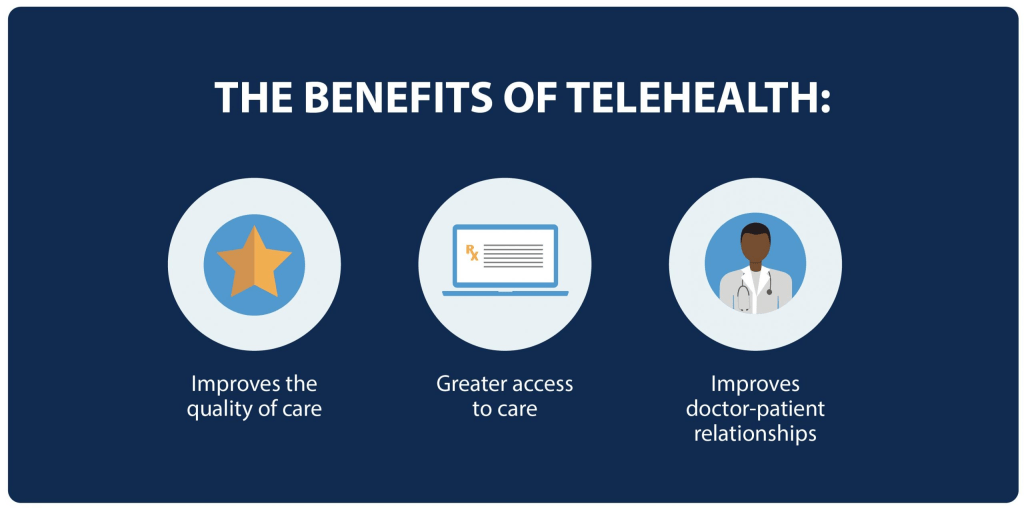
I have learned that you really need to be your own advocate in the healthcare system. Throughout most of my life, I had various symptoms and was (mis)diagnosed with various conditions, and sometimes I was told that it’s “normal” or that it’s “in my head.” Other times, my symptoms worsened and I felt unheard because providers tried to tell me that it’s normal to have those symptoms with my diagnosis. After several doctor visits with different providers, many medications, and worsening symptoms, I decided to be my own advocate and write a chronological history of my symptoms, what medications I’ve tried, etc. and requested to be seen at the notorious Mayo Clinic in Rochester, MN. I am grateful that I was accepted for a second opinion. With my personal written chronological history and a list of questions, I finally left my appointment feeling heard and understood, and I was eventually properly diagnosed and presented with treatments and resources that had not been considered by other providers. Be your own advocate!
TED Talks Daily- The secret to making new friends as an adult Friendship does not happen organically in adulthood. It is based on effort. In childhood, repeated unplanned interactions and shared vulnerabilities created friendship, which were easy in the school setting. These factors require more effort in adulthood.
Marisa G. Franco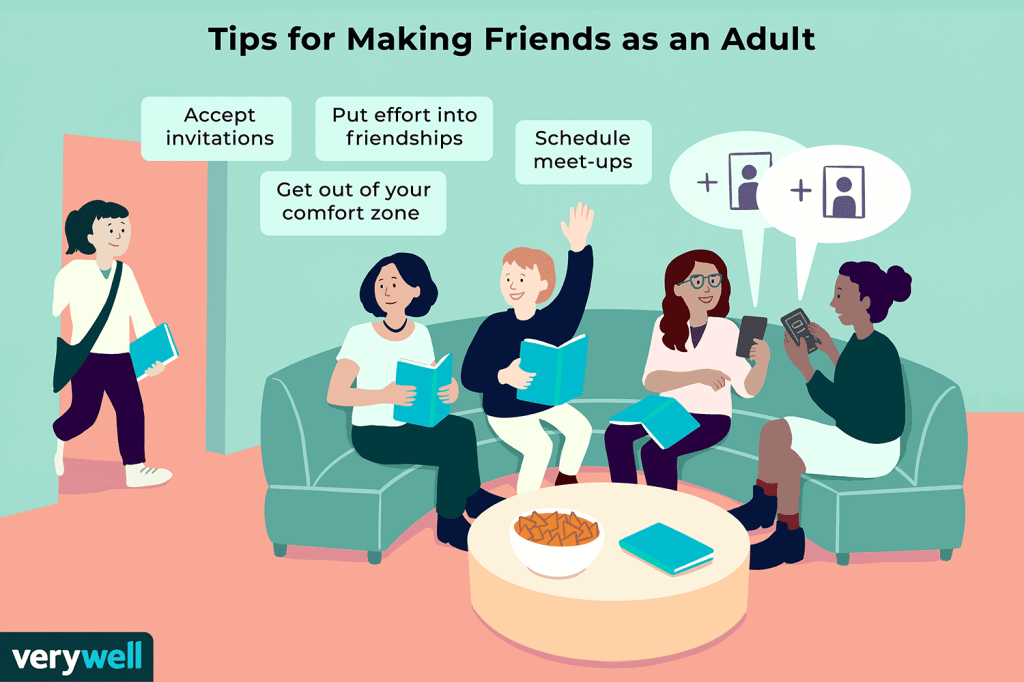
- Overcome covert avoidance, which is seeing people physically but checking out mentally. Show up and engage with people.
- For friendship to happen, someone has to be brave and initiate conversation.
- Having outside friendships is necessary for a healthy marriage and makes you more resilient through the difficulties of marriage.
- Be vulnerable and assume people like you. For long-distance friendships and breaks in communication, assume people still want to connect but may be busy.
- In-person connections tend to be stronger than virtual connections.
- Find a group that meets around a hobby (hiking, meditation, book club, football, etc.). We tend to like people who are familiar to us. Ask members if they want to meet up before or after the group meets.
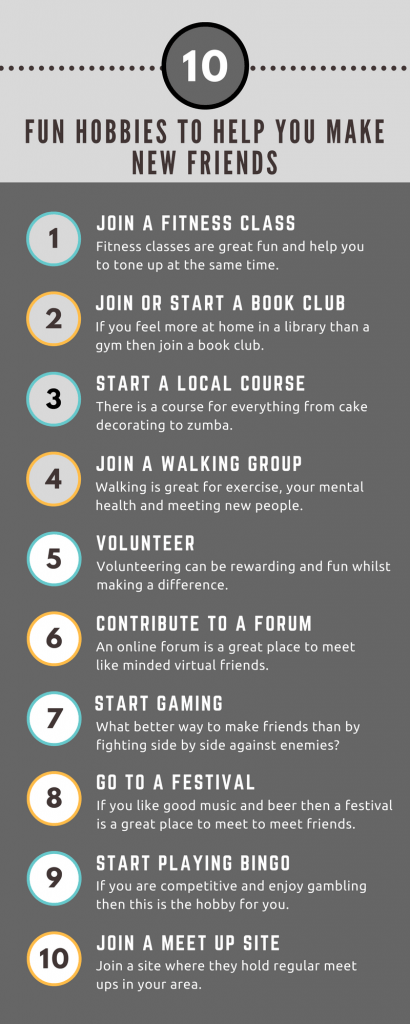
Our personalities are fundamentally a reflection of our experiences of connection or disconnection (coping mechanisms, friendly, open, cynical, aggressive, violent). How we have connected impacts who we are, and who we are impacts how we connect.
Marisa G. FrancoJordan Harbinger Show- Death- Skeptical Sunday The average funeral cost in the United States is over $11,000.

The rising cost of funerals leads to 88,000 bodies going unclaimed every year so that families won’t be on the hook for paying a bill.

funerals.org has helpful resources of your rights, ways to cut costs when planning a funeral, and funeral/burial requirements.
Some ways people cut costs:
- Half of Americans choose to cremate to cut costs. Others proceed with immediate burial to eliminate the embalming process.
- Shop around.
- Purchase a casket online. Mortuaries are required to accept a casket from an outside vendor.
- Plan a memorial service, where there is no need for embalming, refrigeration, a grave site, or a fancy casket.
- Consider donating your body to a medical school for research.
- Eliminate the vault. A vault made of concrete, steel, or lightweight fiberglass-type materials completely encloses the casket in the grave, while a less expensive concrete grave liner covers only the top and sides. No state or federal law requires the use of a burial vault, but most cemeteries do. The vault prevents the grave from sinking in after decomposition of the body and casket, making it easier to mow with heavy equipment.
Interesting facts:
- There is no federal law mandating embalming. Some states require it. Most funeral homes have a policy that they won’t allow a viewing unless you embalm.
- 4.3 million gallons of embalming fluid are used in the United States each year.
The strangest idea from this podcast was the concept of green burials: no embalming fluids, no concrete vaults, only biodegradable burial containers (a small box that disintegrates into the earth within 3-6 months/after 12 months, there is no evidence of your burial), hand dug graves, and no polished monuments.

When I first heard this, it gave me serial killer vibes! However, the podcast host mentioned that green burials result in you being part of the earth just like every animal who died throughout history.
I look forward to reading, learning, and sharing more with you soon!
-
All About Sleep – Why We Sleep
“Why We Sleep” written by Matthew Walker, PhD was one of my top 20 books I read in 2022. Matthew Walker, PhD is a professor of neuroscience and psychology at UC Berkeley and director of its Sleep and Imaging Lab. He has published more than a hundred scientific studies. This book was PACKED with information, and I will share some of the research I found most fascinating.
Contrary to what most people believe, you cannot “catch up” on sleep by sleeping in on the weekends. It takes much longer, and consistent sleep is vital. Getting too little sleep across the adult life span significantly increases your risk of developing Alzheimer’s disease and increases the risk of cancer development. Also, the less you sleep, the more you are likely to eat, and you increase your probability of gaining weight and developing Type 2 diabetes.
Poor sleep quality increases the risk of cancer development, and, if cancer is established, provides a virulent fertilizer for its rapid and more rampant growth.
Matthew Walker, PhD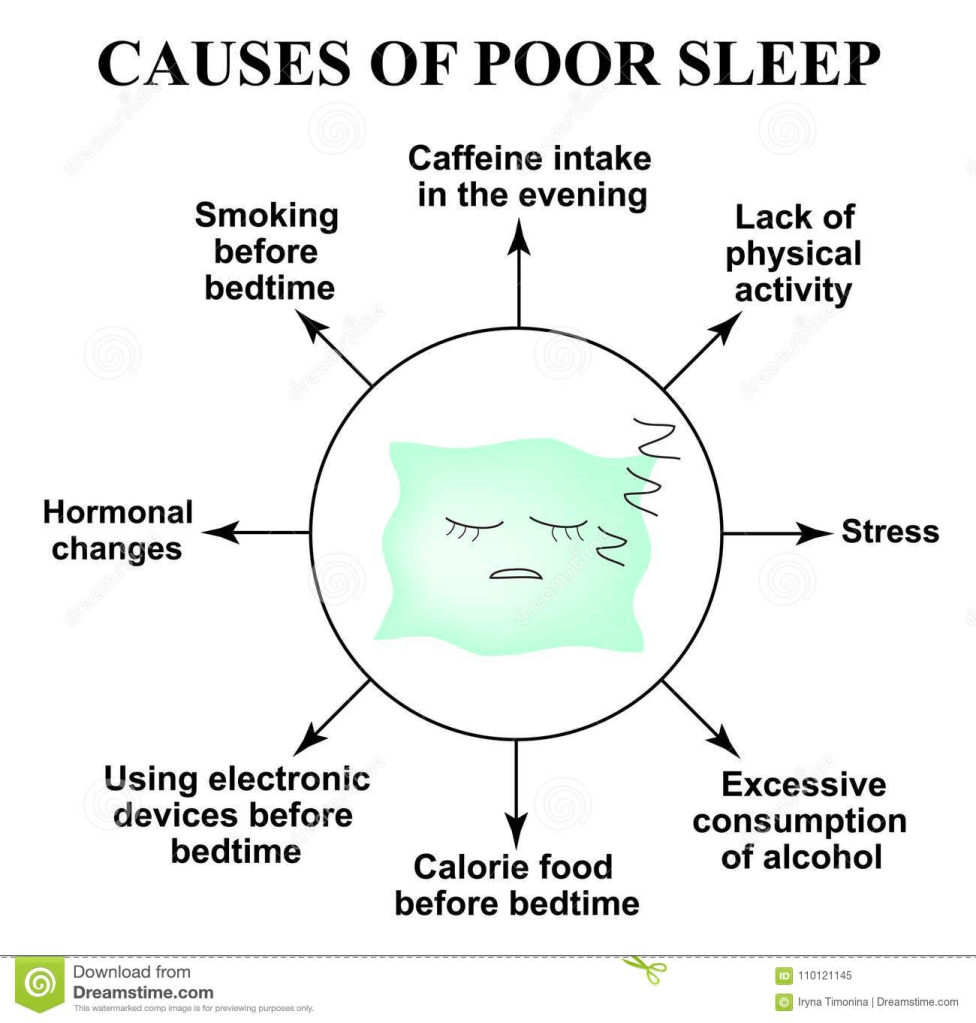
Dolphins, whales, and some birds can sleep with half a brain at a time and remain alert with the other half! In flocks of birds, with the exception of the birds at the end of the line, the rest of the group will allow both halves of the brain to indulge in sleep, while the end of the line has 1/2 brain sleeping and 1/2 alert for threat detection! Wow!

We use the term “half-life” when discussing a drug’s efficacy (length of time it takes for the body to remove 50% of a drug’s concentration). Caffeine has an average half-life of 5-7 hours, so any caffeine after noon will impact your sleep!
Decaffeinated does NOT mean uncaffeinated. One cup of decaf usually contains 15-30% of the dose of a regular cup of coffee!
The different sleep stages play different roles in information processing. The wake state is focused on reception – experiencing and constantly learning the world around you. The NREM sleep state is focused on reflection – storing and strengthening those raw ingredients of new facts and skills. The REM state is focused on integration – interconnecting these raw ingredients with each other and with past experiences, resulting in innovative insights and problem-solving abilities.
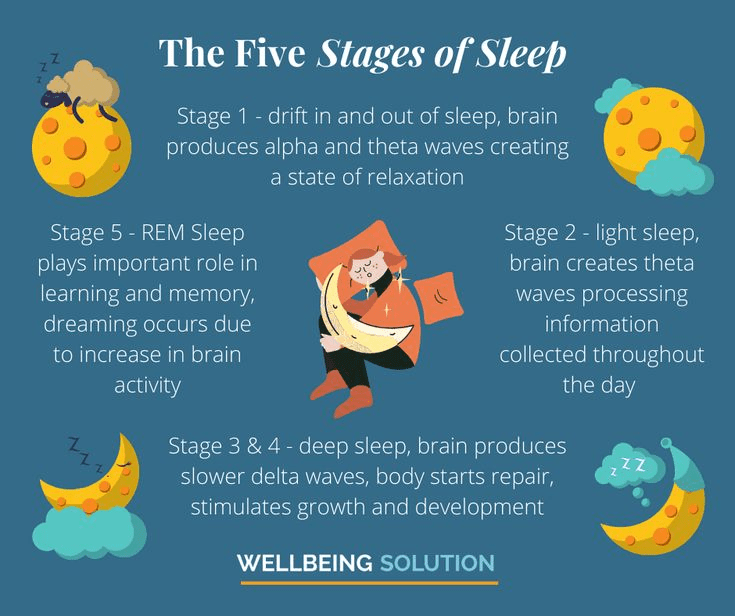
Some signs of insufficient sleep include not being able to get up on time without an alarm, having to read and reread sentences at your computer, and having standard ADHD symptoms of irritableness, moodiness, being more distractable and unfocused during the day, and having mental health instability.
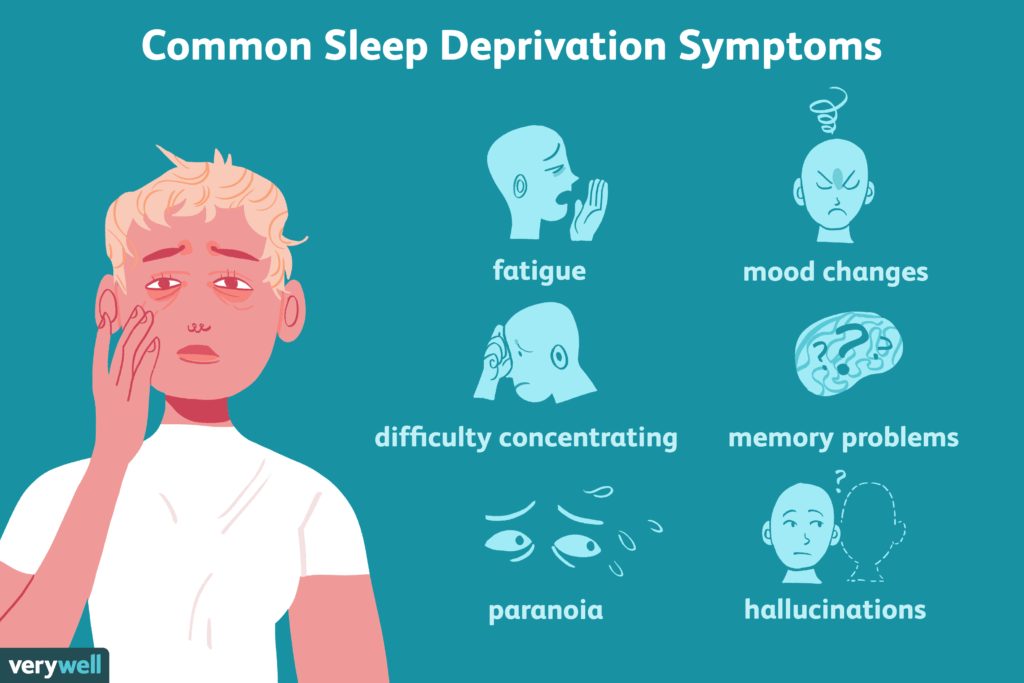
Vehicle accidents caused by drowsy driving exceed those caused by alcohol and drugs combined! Driving drowsy is worse than driving drunk in that being drunk results in late response times in braking and maneuvering, whereas falling asleep results in not reacting altogether.
5 key factors have powerfully changed how much and how well we sleep: constant electric light/LED light, regularized temperature, caffeine, alcohol, and a legacy of punching time cards. This book mentioned that Edina, MN schools were one of the first to experiment with shifting the start time and reported much higher scores on SATs. Other schools have reported better GPAs.
This book also briefly discussed some sleep disorders such as insomnia and narcolepsy. Fatal familial insomnia is a rare sleep disorder caused by a mutation on chromosome 20, which makes the protein insoluble. When it converts, the protein causes plaque to form in the thalamus, which is the region responsible for the regulation of sleep. Fatal familial insomnia has no treatments or cures! I did find it interesting that Prazosin, a medication used to treat high blood pressure, is used in the treatment of repetitive trauma nightmares.
Tips for better sleep:
- Stick to a sleep schedule. Wake up and go to bed at the same time each day, including weekends.
- Try to exercise at least 30 minutes on most days but not later than 2 or 3 hours before your bedtime.
- Avoid caffeine in the afternoons/evenings and avoid nicotine.
- Avoid alcoholic drinks before bed. Heavy alcohol ingestion robs you of REM sleep and disrupts your breathing at night.
- Avoid large meals and beverages late at night.
- If possible, avoid medications that delay or disrupt your sleep. Some commonly prescribed heart, blood pressure, and asthma medications, as well as some over-the-counter and herbal remedies for coughs, colds, and allergies can disrupt sleep patterns. Talk to your doctor or pharmacist if you are having trouble sleeping to see if any of your medications may be contributing.
- Don’t take naps after 3 p.m.
- Relax and unwind before bed. A relaxing routine, such as reading or listening to music, should be part of your nightly routine.
- Take a hot bath before bed. The drop in body temperature after getting out of the bath may help you feel sleepy.
- Your bedroom should be dark, cool, and gadget-free.
- Get sunlight exposure during the day. Daylight is key to regulating daily sleep patterns.
- Don’t lie in bed awake. If you can’t fall asleep after 20 minutes, get up and do a relaxing activity until you feel sleepy. The anxiety of not being able to sleep can make it harder to fall asleep.
More information at: https://www.nia.nih.gov/health/good-nights-sleep
I learned SO much from this book, and I am just covering the tip of the iceberg. I definitely don’t currently practice all of the tips mentioned in this book, but I look forward to implementing some of them for better sleep and more energy!
I look forward to reading, learning, and sharing more with you soon!
 Read Learn Share