Book review posts, Uncategorized

September 2026 Reads

I am late posting this. I read 3 books in September. Here is a blurb about each of the books I read in September.
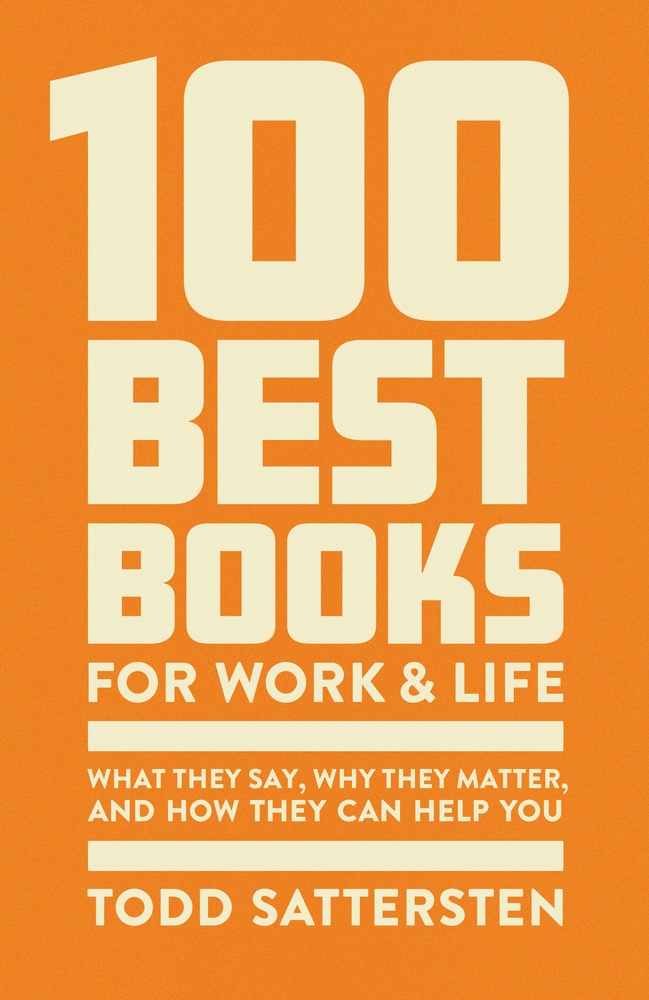
“100 Best Books for Work & Life” was written by Todd Sattersten and contained his perspective of the 100 best books about categories such as conversations, goals, habits, money, relationships, sales, marketing, teams, and more. I really enjoyed the recaps and found several books I’m interested in reading, and I was also pleased that Todd recommended several great books I have already read and enjoyed. Here are some of the books recommended that I have read or look forward to reading:

  • Peak: Secrets from the New Science of Expertise by Anders Ericsson & Robert Pool
    • There appears to be no limit to the ability to improve. How much you improve is up to you.
    • Talent is overrated. It may be important in giving people motivation when they are first starting out, but practice wins over time – every time.
    • Feedback is essential. Solely gained experience is not particularly effective at building expertise.
  • Mindfulness: 25th Anniversary Edition by Ellen Langer
    • “The more we realize that most of our views of ourselves, of others, and of presumed limits regarding our talents, our health, and our happiness were mindlessly accepted by us at an earlier time in our lives, the more we open up to the realization that these too can change. And all we need to do to begin the process is to be mindful.”
  • The Simple Path to Wealth: Your Road Map to Financial Independence and a Rich, Free Life by J.L. Collins
    • You can’t pick winning stocks. Don’t feel bad. I can’t either. Nor can the overwhelming majority of professionals in the business.
    • VTSAX or VBTLX (bonds) are great choices for investment funds.
  • Atomic Habits by James Clear
    • You do not rise to the level of your goals. You fall to the level of your systems.
  • Crossing the Chasm: Marketing and Selling Disruptive Products to Mainstream Customers – Third Edition by Geoffrey Moore
    • Fill-in-the-blank elevator pitch: For (target customers) who are dissatisfied with (the current market alternative), our product is a (product category) that provides (compelling reason to buy). Unlike (the product alternative), we have assembled (key features of the product).
  • The Leadership Challenge: How to Make Extraordinary Things Happen in Organizations by James Kouzes and Barry Posner
    • 10 commitments of leadership: clarify values, set the example, envision the future, enlist others, search for opportunities, experiment and take risks, foster collaborations, strengthen others, recognize contributions, and celebrate the values and victories.

I really enjoyed this book and I highly recommend it to others who want to read short recaps of books and get ideas of books they may be interested in reading.

5 out of 5 stars

“Cultish: The Language of Fanaticism” was written by Amanda Montell, a writer and language scholar. This book was fascinating.

Perhaps the biggest takeaway was the reminder that humans naturally hunger for ritual, meaning, and community. One point that really stood out to me was:

Language doesn’t work to manipulate people into believing things they don’t want to believe; instead, it gives them license to believe ideas they’re already open to.

Here are some other key insights from the book.

Methods used to assert power:

Language is frequently used to:

  • create community and solidarity
  • to establish an “us” and a “them”
  • to align collective values
  • to justify questionable behavior
  • to instill ideology and inspire fear

Cultish language serves 3 primary goals:

  • makes people feel special and understood through love bombing, buzzwords, and calls for vulnerability
  • conditioning – getting people to feel dependent on the leader to the point that life outside the group feels impossible
  • coercion – convincing people to act in ways that directly conflict with their former reality, ethics, or sense of self

Red flags to watch for:

If a form of language causes you to have an instant emotional response, while also halting you from asking further questions, or makes you feel “chosen” just for showing up, or allows you to morally divorce yourself from some one-dimensionally inferior other, it’s language worth challenging.

The Cultish Spectrum and MLMs:

Montell explores a wide spectrum of groups – from fitness communities and sports fandoms to organized religions and extreme cults. Ethical cult-like groups (such as sports and music fandoms) are up-front about what they believe, what they want from you, and what they expect from your membership. Crucially, leaving comes with few, if any, consequences. The true test of where a group falls on the spectrum is what happens when you try to say no or leave.

Multi-Level Marketing companies (MLMs), on the other hand, heavily cross into destructive territory:

  • They tap into members’ hopes, fears, and desires for financial independence and belonging.
  • They use thought-terminating cliches to silence dissent and doubt.
  • They create a chosen “tribe” elevated above ordinary society and revere their founding leaders.
  • A blend of financial struggle, close community, and idealism becomes the jackpot for any upline.
  • Strategic “love bombing” ultimately replaces authentic community.

Historically traditional religion provided four key pillars: meaning, purpose, community, and ritual. As fewer people find these pillars in tradition institutions, many turn to modern groups and alternative communities to fulfill those fundamental human needs.

4 out of 5 stars

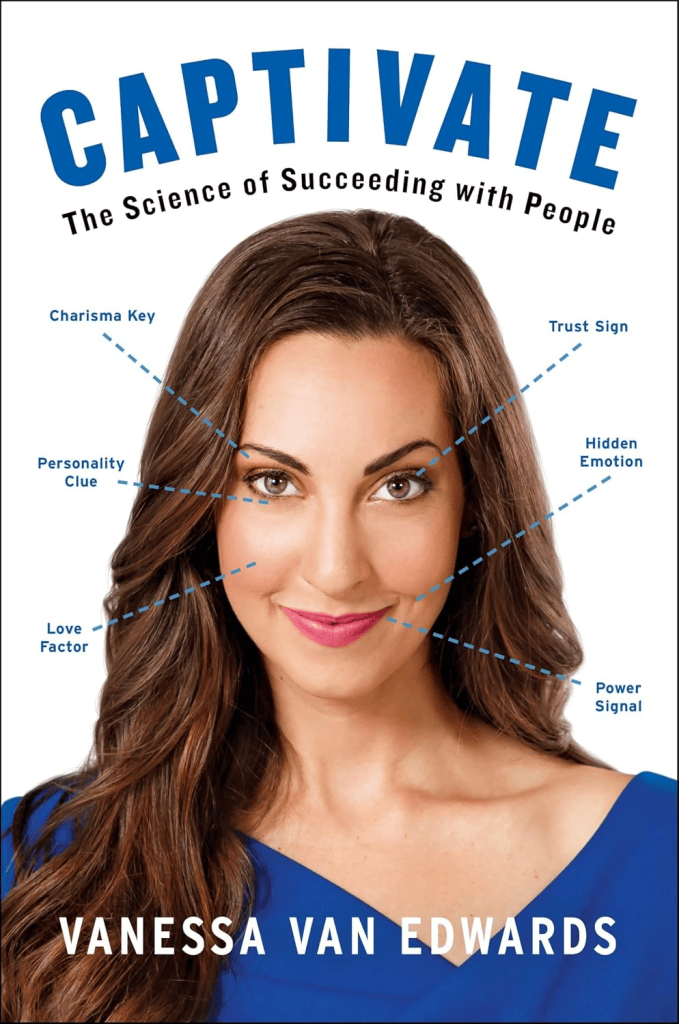
“Captivate: The Science of Succeeding with People” was written by Vanessa Van Edwards and was full of valuable lessons. Here are some key points.

  • Stop forcing yourself to socialize in ways that drain you. Say no so you have the energy to say yes.
    • “When you feel great, other people pick up on it and want in on it. When you drag yourself to an event because you feel like you should ‘make an appearance,’ you are the party pooper. And you smell up the event.”
  • When you produce dopamine during a conversation, you not only give your partner more enjoyment; you are also assigned more significance, which increases your memorability.
  • Don’t be afraid to ask for advice, share a vulnerability, or admit a weakness. They bond you to people.
  • Let curiosity drive your interactions.

How to address the following emotions in conversations:

  • anger → Explore where the anger is coming from and how you can oust it. Stay calm. What information can you give them to feel less threatened?
  • contempt → Find the source. How can you address it and build rapport. Where can you agree?
  • happiness → Celebrate and smile with them. Ask for details and jump into joy with them. Express gratitude that they wanted to share their happiness with you.
  • fear → Address the threat and source of discomfort. Can you make it safer, reassure, re-evaluate, or remove the threat?
  • surprise → Clarify – do they know what you know? What needs to happen next? How can you get on the same page?
  • disgust → Let them tell you how they really feel. How can you fix the dislike?
  • sadness → What is causing the sadness? How can you help? How much time do they need to recover?

When dealing with difficult people, remember the NUT job:

  • Name the emotion.
  • Understand the feeling.
  • Transform the fear.

Understand what the person is seeking. Become their ally. How can I help? What needs to happen for you to feel better?

Appeal to someone by focusing on what they value, not what you value. Listen to their complaints, brags, and worries, and look at their non-verbal cues. Most people’s choices make sense to them. When they don’t make sense to you, it’s usually because you are being driven by a different primary value.

Primary values and what makes people with each primary value feel worthy:

  • Love → feel worthy when they are included, feel liked, and someone appreciates them
  • Service →feel worthy when they don’t have to ask for help, someone is assisting them with tasks or chores, or someone does a favor for them
  • Status → feel worthy when they are praised, given power or credit, or their accomplishments are recognized
  • Money → feel worthy when they have a “full” bank account, they can afford what they desire, or they are earning money
  • Goods → feel worthy when they have a comfortable home or office, they have lots of assets, they are surrounded by tokens or objects from their past
  • Information → feel worthy when they are in the know, they are told information first, or they are asked to give an opinion

Fear is a cross-dresser. It likes to wear different outfits. Sometimes fear causes us to:

Be people pleasersBe gossipyBe awkwardBe narcissisticSeek compliments
Be bossyBe avoidantBe boringGo into denialBe selfish
Be defensiveBe meanBe criticalBe needyBe dramatic

How does your fear dress up?

I highly recommend this book to everyone who wants to learn more about how to have great relationships and conversations.

5 out of 5 stars

Book review posts, Uncategorized

December 2025 Reads

I read 5 books in December. Here is a blurb of each of the books I read in December.

“It’s Not Hysteria: Everything You Need to Know About Your Reproductive Health But Were Never Told” was written by Karen Tang, MD, MPH, a board-certified gynecologist and minimally invasive gynecologic surgeon who is an internationally recognized leader in reproductive health. You can find her on TikTok, Instagram, and YouTube at KarenTangMD.

This book was a very informative overview of the symptoms, diagnosis, and treatment for many gynecologic conditions, such as fibroids, endometriosis, PCOS, ovarian cysts, pelvic floor dysfunction, pelvic organ prolapse, urinary continence, sexual dysfunction, vulvar skin conditions, infertility, and ovarian cancer. Here are some of my main takeaways:

When people are dealing with general gynecologic problems, there aren’t any fixed treatment pathways. People with the exact same symptoms can have completely different healthcare goals and may choose very different treatment plans. You are the only one who can decide what quality of life means for you and what will best to help you achieve it.

  • Consider: goals for treatment, thoughts regarding medications, preferences in terms of surgery, thoughts regarding fertility, what would influence your decision to pursue one treatment versus another, and how you want your healthcare provider to discuss treatment options with you.

Since gynecologic conditions such as endometriosis, pelvic floor dysfunction, and premenstrual dysphoric disorder can cause a wide range of symptoms but don’t show up on imaging studies or lab tests, patients are often told by doctor after doctor that there is nothing wrong with them and that the problem must be emotional or mental. Sadly, this is our twenty-first-century version of hysteria.

I highly recommend this book to all women who want to learn more about gynecologic issues!

“The Visual MBA: Two Years of Business School Packed Into One Priceless Book of Pure Awesomeness” was written by Jason Barron, MBA and contained two years of business school packaged into one highly illustrated book. Jason took sketch notes during business school and captured the main points visually. Each chapter is based upon traditional business school classes. This is a great book for visual learners. Although I can’t recreate the illustrations, here are some lessons:

  • context
    • includes the reward system, goals, culture, tone, and environment that the team will be working in
  • composition
    • includes who is on the team and their skills and personalities to get the job done. This is where hiring the right people who mesh with the team is critical.
  • competencies
    • includes having the right people whose combined skill can solve the problem. It’s about setting the right goal and leveraging the team’s skill to achieve it.
  • change
    • includes the team’s ability to adapt to rapidly changing circumstances while working towards the goal.

First rule of marketing: You don’t try to serve everybody. Marketing makes its money in segmentation. Who is your customer, and who is not? Ask your biggest fans what they like (a particular feature), why they like it (product benefit), why that matters (personal benefit), and how that connects to a high-level personal value. A good way to find out if you have a good product is to ask people if they would buy it and for how much.

Appeal to a customer segment, find a base of segmentation, and the competition’s advertising will have no effect. Be so amazing that customers naturally prefer you.

  • Bases of differentiation: image, hunger, comfort, cleanliness, beauty, status, style, taste, safety, quality, service, accuracy, further a cause, reliability, nostalgia, belonging

I highly recommend this book to anyone who wants to learn more about business, marketing, and entrepreneurship!

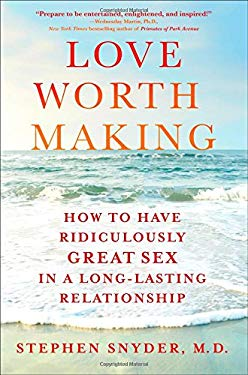
“Love Worth Making: How to Have Ridiculously Great Sex in a Long-Lasting Relationship” was written by Stephen Snyder, M.D., one of America’s most trusted authorities on sex and relationships. This book was recommended to me. This book is about sexual feelings, not the best sex techniques. Here are some takeaways that I’m comfortable posting on this blog:

  • Sex is emotion in motion. Desire, arousal, and connection are deeply tied to how we feel, not just what we do. Emotional states shape sexual experiences.
  • Great sex happens when you’re fully present, emotionally attuned, and responsive – not when you’re trying to impress or meet expectations.
  • Desire often follows connection. Desire frequently emerges after emotional closeness, shared presence, and feeling understood.

This is not a book I would typically read, but I would recommend this book for those interested in deepening emotional connection and improving relationship quality, rather than those looking for quick tips or explicit advice.

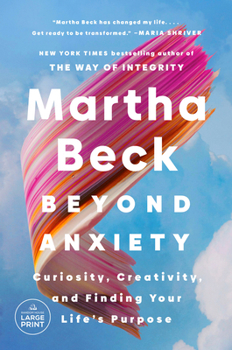
“Beyond Anxiety: Curiosity, Creativity, and Finding Your Life’s Purpose” was written by Martha Beck, a Harvard-trained sociologist, New York Times bestselling author, world-renowned life coach, and speaker. This book covered how to handle your biological and psychological tendency to get anxious (“calming the creature”), activate the creative self, and how to “commingle with creation” (too woo-woo for me). Admittedly, this book had some helpful lessons, but parts of it were a bit too woo-woo for me in that the author frames anxiety as a spiritual misalignment and emphasizes “awakening.” The author is also very critical of religion. Here are some lessons I found helpful:

  • You can create a calming scene by selectively focusing on certain memories, perceptions, and fantasies, but that’s exactly the same thing you’re doing when you see the world as frightening and unsafe.
  • Anxiety spirals pull us away from the world. Creativity spirals pull us into it. Follow your interest curiosity. Get creative and enhance your right-hemisphere capabilities. Do Sudoku, art, projects, or anything creative. Carve out time each day to learn more about this item and think of it as the center of your day. Calm your anxiety and sort through your priorities. Calming our anxiety and focusing on creativity can help us reconnect with our whole brains and bring us enormous happiness.
  • Calm yourself. When life gets difficult, choose your favorite calming exercises and use them.
  • Wander around. Wandering leads to wondering.
  • Let your mind catch fire. Witness things that grab your curiosity intensely and pull you into deep exploration.
  • Practice deeply. To gain skills and open up access to the genius of your brain, start by finding some skill or activity that interests you so much you want to master it. Watch people who do this thing extremely well and try to replicate it.
  • Get stuck. Hitting an impasse awakens your creative genius.

Anxiety always lies. Healthy fear is the truth: a clear impulse to act when faced with danger. Anxiety is only a thought: the fear when the threat isn’t present.

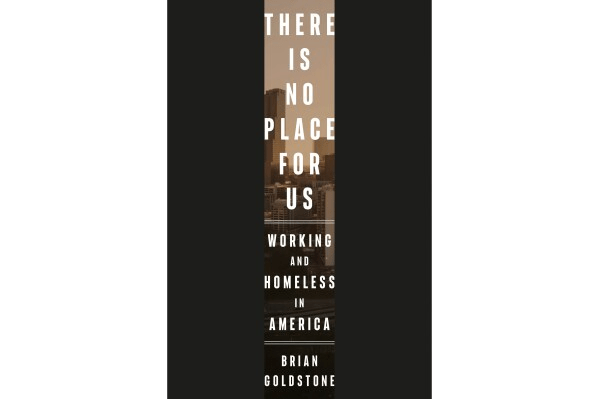
“There Is No Place For Us: Working and Homeless in America” was written by journalist Brian Goldstone and is a deeply reported, eye-opening narrative. Goldstone cites 364 sources and spent years embedded with the families whose lives shape this book. It follows the unforgettable stories of five working families in Atlanta and reveals how easily housing instability can overtake people who are employed, responsible, and trying to survive.

  • Homelessness is no longer about unemployment. Homelessness is driven more by wages that don’t match rent, insecure gig-style employment, and no margin for illness, car trouble, or childcare gaps. Evictions play a central role. One eviction triggers years of instability.
  • After an eviction, families are often locked out of traditional housing altogether. With no landlord willing to rent to them, they are pushed into weekly motels that cost two to three times market rent, while simultaneously losing savings, credit, work hours, transportation, and stability.
  • Currently 11.4 million low-income households are classified as “severely cost burdened,” spending, on average, an astounding 78% of their earnings on rent alone.
  • Atlanta – between 2010 and 2023, median rents soared by 76%, and the metro area lost a staggering 60,000 apartments renting for $1,250 or less. The problem is not so much a lack of new housing as the kind of housing that is being built. Over the past decade, 94% of the thousands of apartments added to the city’s rental market have been luxury units.

In order to get housing aid, you have to be considered literally homeless, which means you’re in a shelter or on the street. Most family shelters don’t allow boys over the age of 13, which fractures family stability.

I highly recommend this book to anyone seeking an honest picture of homelessness in America and an understanding of the structural forces behind it.

Thoughtful Thursday posts, Uncategorized

Thoughtful Thursday – February 8, 2024

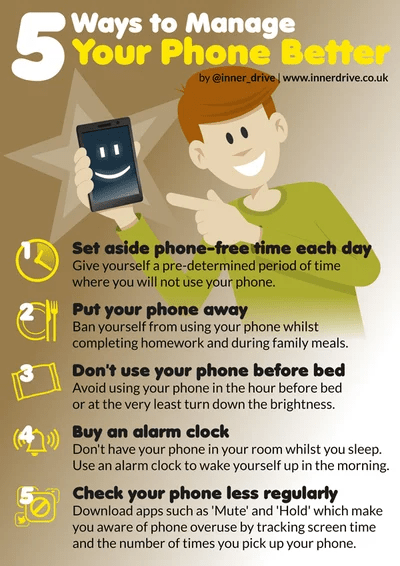
Life Kit – 5 simple ways to minimize stress
The Unf*ck Your Fitness Podcast – 6 Fitness Habits That Are Holding You Back
Self Improvement Daily – The Communication Model
How I Built This with Guy Raz – Liquid Death: Mike Cessario

https://www.gabethebassplayer.com/blog/scary-thoughts

Scary Thoughts