This year, I’d like to post more detailed blogs about some of the books I have read and rated 5 out of 5 stars. Here is the first one.
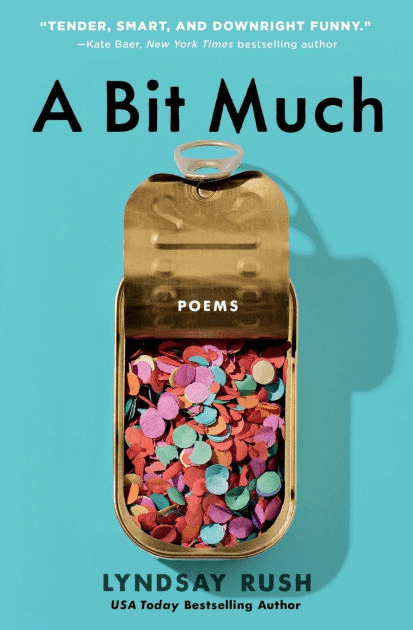
Book: “A Bit Much: Poems” by Lyndsay Rush
About the author: comedy writer and the poet behind the popular Instagram account @maryoliversdrunkcousin
When I read this book: January 2025
Quotes that stood out to me:
From “Make Like a Tree and Love“: “Scientists have a hunch that trees can become dear friends linking roots to swap resources, bending branches back to share sunlight, shielding each other from the wind. Most of what I know about love boils down to this simple distinction: who stays, and who leaves.”
From “Code Red“: “A great philosopher once said I saw the sign, and it opened up my eyes (I saw the sign). But when you see the world through rose-colored glasses, it can be hard to recognize a red flag. So, what I have learned is this: If they’re mean to the waiter, they’ll be mean to you. If they never follow through, they will never show up. If it hurts your stomach, it will hurt your heart. You can’t temper a storm, but you can sure as hell evacuate the beach.”
From “I’m Giving up for Lent“: “What would it feel like to give up self-improvement for forty days? Would the tightness in our chests, throat, shoulders, and hips ease as we contentedly took the easy way out? Would capitalism crumble if we deleted our wish lists and framed the before photo? Sounds holy, if you ask me, to be sold on life as-is, to just exist with only this, only us, only what these two arms can hold.”
From “It’s Amateur Hour Somewhere“: “Starting something new is like a one-man show for a one-man audience; the only applause worth seeking is your own. Don’t rob yourself of that while you wait for approval from somewhere else. Sometimes winning yourself over is the greatest show on earth.”
From “Almond Joys“: “Sometimes all it takes to let joy in is a little reframing. Don’t believe me? Just watch. It’s not a vending machine; it’s an arcade game you always win.”
From “I Am Not Afraid to Be Seen Trying“: “Or changing my mind. Or getting it wrong. Or freestyling instead of learning the routine. I’m not afraid of self-promotion or making a big deal out of it . . . I’m not afraid of low like counts or pissing off the algorithm of content that flops. And I’m not afraid to be cringe, or extra, or A Bit Much. Sure, there are things I’m scared of – like sharks and blond beards and talking to strangers on the phone – but of all the monsters under my bed, the only thing I truly fear is letting fear get in between me and anything I really want.”
“Reassurances to Save for a Rainy Day“: “If cauliflower can be pasta, you can be whatever you want.”
From “Top Down, Cruising in My Own Lane“: “I slip the Do Not Disturb sign onto the doorknob of my life. I’ve got important work to do: minding my own business accommodating my whims. Guarding my joy: nose buried in the story only I can tell.”
From “Wild Goose Chase“: “When your surroundings begin to feel cold and uninhabitable and your environment no longer offers the support or sustenance you need, I hope you migrate. I hope, as you make your way south, that you find other silly geese to fly with too – in such a tight-knit formation that Wikipedia would refer to your crew as plump. And I hope that no matter how long the journey takes you, the wind is always at your back; nudging you closer to home.”
There are many other essays I really enjoyed that I did not quote here. I highly recommend this book to anyone!
5 out of 5 stars
I look forward to reading, learning, and sharing more with you soon!
I read 4 books in January. Here is a blurb of each of the books I read in January.
“101 Essays that will Change the way You Think” was written by Brianna Wiest and was recommended by a friend. This book was a thought-provoking collection of reflections to inspire deeper self-awareness and intentional living. Here are some takeaways:
Your habits create your mood, and your mood is a filter through which you experience your life. You must learn to let your conscious decisions dictate your day, not your fears or impulses. Learning to craft routine is the equivalent of learning to let your conscious choices about what your day will be about guide you, letting all the other temporary crap fall to the wayside. Routine consistently reaffirms a decision you already made.
Identify what your addictions are keeping you distracted from. Understand that addiction is a disconnection from yourself, and a disconnection from yourself is born of something present that you think you can’t face.
Stop eating foods you don’t like, keeping plans you don’t want, staying digitally connected with people who annoy you, hoarding clothes for a “someday” that never comes, and putting your life on hold for someone who does not want to commit. The amount of life we waste gathering and holding onto the things that will never really serve us keeps us away from the things that bring us joy and purpose and meaning.
Choose not to be harmed, and you won’t feel harmed. Don’t feel harmed, and you haven’t been.
If you lived today on repeat forever, where would you be? What would you have accomplished? Would you be thriving at work? Would you have made time for the people you love? Your life exists in its days, not your ideas about those days.
I highly recommend this book. I took away many lessons from this book. Two essays really stood out to me as I’ve felt self-conscious about my changing body: “101 Things That Are More Important Than What Your Body Looks Like” and “The Little Things You Don’t Realize Are Affecting How You Feel About Your Body.”
5 out of 5 stars
“Sticky Notes: Memorable Lessons From Ordinary Moments” was written by Matt Eicheldinger, whose stories on social media take viewers through hundreds of memories he has collected over the years. Matt wrote down 15 years of daily interactions between himself, students, and families. This book shows how small, everyday moments between teachers and students – captured through years of classroom stories – reveal the profound impact of empathy, encouragement, and human connection. Here are some lessons:
Heartbreak can be hard, especially when it’s new. When we witness this with friends, family, or students, we often feel a drive to fix and solve, but sometimes you don’t have to do any of those things. Sometimes you just have to be present.
We forget how many parents are figuring out parenting for the first time, and that can feel pretty overwhelming, especially if it’s not going well. Just because a child’s behavior isn’t changing doesn’t mean parents aren’t doing anything about it. Sometimes it just means they don’t know what to do, and that’s an opportunity to show grace and understanding and offer help where we can.
We often try to give people space when we think they are in a bad mood, but maybe that’s not always the right move. Maybe they just need to be given a genuine dose of kindness to bring them back.
Measuring success is different for everyone, and you can’t be the judge of it.
You can surround yourself with all kinds of people, but true friends will surround you when you need them the most.
Memories are kind of like key chains, aren’t they? I wonder how many of us have forgotten to truly live the experience rather than just collecting them.
When we have a problem or conflict, we tend to look at others to blame, when in reality, maybe the first place we need to look is at ourselves.
I highly recommend this book. It’s an easy read filled with short stories and life lessons.
5 out of 5 stars
“The Forgotten Sense: The New Science of Smell and the Extraordinary Power of the Nose” was written by Jonas Olofsson, a professor of psychology at Stockholm University, where he directs the Sensory Cognitive Interaction Lab. Jonas has researched the sense of smell for 20 years. Here are some key facts from the book.
Smelling is an intellectual process that starts in the brain. Olfactory processes are shaped by expectations and experiences, which in turn carry with them life experiences and cultural conventions that we are often unaware of.
The sense of smell has a back door to the brain through the throat. So, when we eat and drink, we smell both through our nose and our throat. Odors are released in the mouth when we eat, stimulating the olfactory receptors in the nasal cavity. The smells that enter the nasal cavity via the throat are important to what we call “flavors.” We tend to think they are tastes being perceived in the mouth, when in fact it is the sense of smell working in disguise.
The same smell can be perceived differently depending on whether the olfactory stimulus enters through the nose or from inside the mouth via the pharynx.
Some people have an extreme sensitivity to smell, while others are insensitive to the same odorant. Comparing people who appear to have a perfectly normal sense of smell, it can sometimes take up to 100,000 times more odor molecules for the most insensitive person to detect an odor that the most sensitive person can smell very easily. Something I was most surprised by is that chemically sensitive people do not have particularly sensitive noses. They have sensitive brains. Our brains create expectations that can sometimes be so vivid that they are hard to distinguish from real-life smells. The brain makes predictions and creates stress responses that become overwhelming.
Which smells we love and hate depend largely on the associations, thoughts, and feelings they evoke.
The only method recommended by the world’s leading experts to rehabilitate the sense of smell is olfactory training – smelling things like lemon, eucalyptus, rose, and clove – repeatedly – for months. Thankfully, this helped me rehabilitate my sense of smell after having long COVID-19.
I recommend this book to anyone wanting to learn more about the sense of smell.
4 out of 5 stars
“Dark Wire: The Incredible True Story of the Largest Sting Operation Ever” by Joseph Cox is a gripping piece of investigative journalism from the world’s leading reporter on the Anom story. Joseph Cox has built his career exposing the inner workings of organized crime and the surveillance programs designed to track it, and this book shows exactly why he’s earned that reputation. Drawing on interviews with fugitives wanted by the FBI, members of organized criminal groups, convicted traffickers, law enforcement officials across multiple countries, and even the coders and sellers behind encrypted phone networks, the author reconstructs an operation that feels almost too bold to be real.
After the FBI shut down Phantom Secure, an encrypted phone network favored by criminal organizations, agents realized those same users would soon be searching for a new platform to hide their communications. Their solution was bold: create that platform themselves.
The result was Anom, a supposedly secure phone system promising untraceable chats, hidden communication tools, and discreet photo‑editing features. What its users didn’t know was that the entire network was an FBI‑run trap quietly logging every message and image.
To navigate legal and jurisdictional limits, the U.S. had Lithuania collect Anom messages and pass them along, while Australian authorities—unrestricted by U.S. privacy laws—monitored the devices for threats to life.
Meanwhile, Anom distributors, unaware they were helping a federal sting, put the phones into the hands of criminals around the world. In a shocking twist, many of those same distributors were later charged under the RICO Act for allegedly selling devices to criminals and issuing wipe commands when phones were seized.
Impact:
12,000 Anom devices worldwide in 100+ countries
Law enforcement captured and reviewed 27 million messages from these devices.
1,000 arrests globally as a result of the information gathered via Anom and related operations.
8+ tons of cocaine, 22 tons of marijuana, 2 tons of meth, 250+ firearms, $48 million in cash, and 17 tons of precursor chemicals used to make drugs were seized.
50+ clandestine drug labs dismantled during the operation
This was a fascinating book. In addition to recounting an unprecedented sting, it raises questions about privacy and the future of digital surveillance. I recommend this book to anyone interested in true crime, cybersecurity, or the evolving tactics of global law enforcement.
4 out of 5 stars
I look forward to reading, learning, and sharing more with you soon!
I read 5 books in December. Here is a blurb of each of the books I read in December.
“It’s Not Hysteria: Everything You Need to Know About Your Reproductive Health But Were Never Told” was written by Karen Tang, MD, MPH, a board-certified gynecologist and minimally invasive gynecologic surgeon who is an internationally recognized leader in reproductive health. You can find her on TikTok, Instagram, and YouTube at KarenTangMD.
This book was a very informative overview of the symptoms, diagnosis, and treatment for many gynecologic conditions, such as fibroids, endometriosis, PCOS, ovarian cysts, pelvic floor dysfunction, pelvic organ prolapse, urinary continence, sexual dysfunction, vulvar skin conditions, infertility, and ovarian cancer. Here are some of my main takeaways:
Unfortunately, even when people do bring up concerns with their doctor, they may receive unhelpful advice such as ‘You just need to relax‘ or ‘Try having a glass of wine.’ No amount of wine in the world will fix vulvodynia, vaginismus, endometriosis, vaginal dryness, or any of the conditions that can cause pain with sex, let alone the other physical and psychosocial causes of sexual dysfunction.
When people are dealing with general gynecologic problems, there aren’t any fixed treatment pathways. People with the exact same symptoms can have completely different healthcare goals and may choose very different treatment plans. You are the only one who can decide what quality of life means for you and what will best to help you achieve it.
Consider: goals for treatment, thoughts regarding medications, preferences in terms of surgery, thoughts regarding fertility, what would influence your decision to pursue one treatment versus another, and how you want your healthcare provider to discuss treatment options with you.
Since gynecologic conditions such as endometriosis, pelvic floor dysfunction, and premenstrual dysphoric disorder can cause a wide range of symptoms but don’t show up on imaging studies or lab tests, patients are often told by doctor after doctor that there is nothing wrong with them and that the problem must be emotional or mental. Sadly, this is our twenty-first-century version of hysteria.
I highly recommend this book to all women who want to learn more about gynecologic issues!
5 out of 5 stars
“The Visual MBA: Two Years of Business School Packed Into One Priceless Book of Pure Awesomeness” was written by Jason Barron, MBA and contained two years of business school packaged into one highly illustrated book. Jason took sketch notes during business school and captured the main points visually. Each chapter is based upon traditional business school classes. This is a great book for visual learners. Although I can’t recreate the illustrations, here are some lessons:
4 C’s of team performance:
context
includes the reward system, goals, culture, tone, and environment that the team will be working in
composition
includes who is on the team and their skills and personalities to get the job done. This is where hiring the right people who mesh with the team is critical.
competencies
includes having the right people whose combined skill can solve the problem. It’s about setting the right goal and leveraging the team’s skill to achieve it.
change
includes the team’s ability to adapt to rapidly changing circumstances while working towards the goal.
First rule of marketing: You don’t try to serve everybody. Marketing makes its money in segmentation. Who is your customer, and who is not? Ask your biggest fans what they like (a particular feature), why they like it (product benefit), why that matters (personal benefit), and how that connects to a high-level personal value. A good way to find out if you have a good product is to ask people if they would buy it and for how much.
Appeal to a customer segment, find a base of segmentation, and the competition’s advertising will have no effect. Be so amazing that customers naturally prefer you.
Bases of differentiation: image, hunger, comfort, cleanliness, beauty, status, style, taste, safety, quality, service, accuracy, further a cause, reliability, nostalgia, belonging
I highly recommend this book to anyone who wants to learn more about business, marketing, and entrepreneurship!
5 out of 5 stars
“Love Worth Making: How to Have Ridiculously Great Sex in a Long-Lasting Relationship” was written by Stephen Snyder, M.D., one of America’s most trusted authorities on sex and relationships. This book was recommended to me. This book is about sexual feelings, not the best sex techniques. Here are some takeaways that I’m comfortable posting on this blog:
Sex is emotion in motion. Desire, arousal, and connection are deeply tied to how we feel, not just what we do. Emotional states shape sexual experiences.
Great sex happens when you’re fully present, emotionally attuned, and responsive – not when you’re trying to impress or meet expectations.
Desire often follows connection. Desire frequently emerges after emotional closeness, shared presence, and feeling understood.
This is not a book I would typically read, but I would recommend this book for those interested in deepening emotional connection and improving relationship quality, rather than those looking for quick tips or explicit advice.
4 out of 5 stars
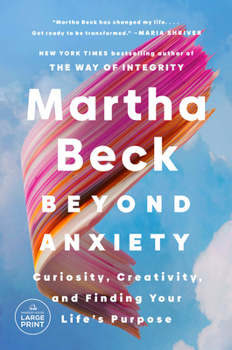
“Beyond Anxiety: Curiosity, Creativity, and Finding Your Life’s Purpose” was written by Martha Beck, a Harvard-trained sociologist, New York Times bestselling author, world-renowned life coach, and speaker. This book covered how to handle your biological and psychological tendency to get anxious (“calming the creature”), activate the creative self, and how to “commingle with creation” (too woo-woo for me). Admittedly, this book had some helpful lessons, but parts of it were a bit too woo-woo for me in that the author frames anxiety as a spiritual misalignment and emphasizes “awakening.” The author is also very critical of religion. Here are some lessons I found helpful:
You can create a calming scene by selectively focusing on certain memories, perceptions, and fantasies, but that’s exactly the same thing you’re doing when you see the world as frightening and unsafe.
Anxiety spirals pull us away from the world. Creativity spirals pull us into it. Follow your interest curiosity. Get creative and enhance your right-hemisphere capabilities. Do Sudoku, art, projects, or anything creative. Carve out time each day to learn more about this item and think of it as the center of your day. Calm your anxiety and sort through your priorities. Calming our anxiety and focusing on creativity can help us reconnect with our whole brains and bring us enormous happiness.
Steps to calm your anxiety:
Calm yourself. When life gets difficult, choose your favorite calming exercises and use them.
Wander around. Wandering leads to wondering.
Let your mind catch fire. Witness things that grab your curiosity intensely and pull you into deep exploration.
Practice deeply. To gain skills and open up access to the genius of your brain, start by finding some skill or activity that interests you so much you want to master it. Watch people who do this thing extremely well and try to replicate it.
Get stuck. Hitting an impasse awakens your creative genius.
Anxiety always lies. Healthy fear is the truth: a clear impulse to act when faced with danger. Anxiety is only a thought: the fear when the threat isn’t present.
4 out of 5 stars
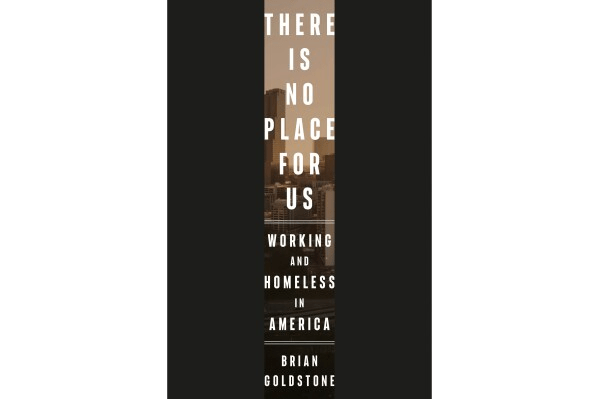
“There Is No Place For Us: Working and Homeless in America” was written by journalist Brian Goldstone and is a deeply reported, eye-opening narrative. Goldstone cites 364 sources and spent years embedded with the families whose lives shape this book. It follows the unforgettable stories of five working families in Atlanta and reveals how easily housing instability can overtake people who are employed, responsible, and trying to survive.
Homelessness is no longer about unemployment. Homelessness is driven more by wages that don’t match rent, insecure gig-style employment, and no margin for illness, car trouble, or childcare gaps. Evictions play a central role. One eviction triggers years of instability.
After an eviction, families are often locked out of traditional housing altogether. With no landlord willing to rent to them, they are pushed into weekly motels that cost two to three times market rent, while simultaneously losing savings, credit, work hours, transportation, and stability.
Currently 11.4 million low-income households are classified as “severely cost burdened,” spending, on average, an astounding 78% of their earnings on rent alone.
Atlanta – between 2010 and 2023, median rents soared by 76%, and the metro area lost a staggering 60,000 apartments renting for $1,250 or less. The problem is not so much a lack of new housing as the kind of housing that is being built. Over the past decade, 94% of the thousands of apartments added to the city’s rental market have been luxury units.
In order to get housing aid, you have to be considered literally homeless, which means you’re in a shelter or on the street. Most family shelters don’t allow boys over the age of 13, which fractures family stability.
I highly recommend this book to anyone seeking an honest picture of homelessness in America and an understanding of the structural forces behind it.
5 out of 5 stars
I look forward to reading, learning, and sharing more with you soon!
I read 3 books in November. Here is a blurb of each of the books I read in November.
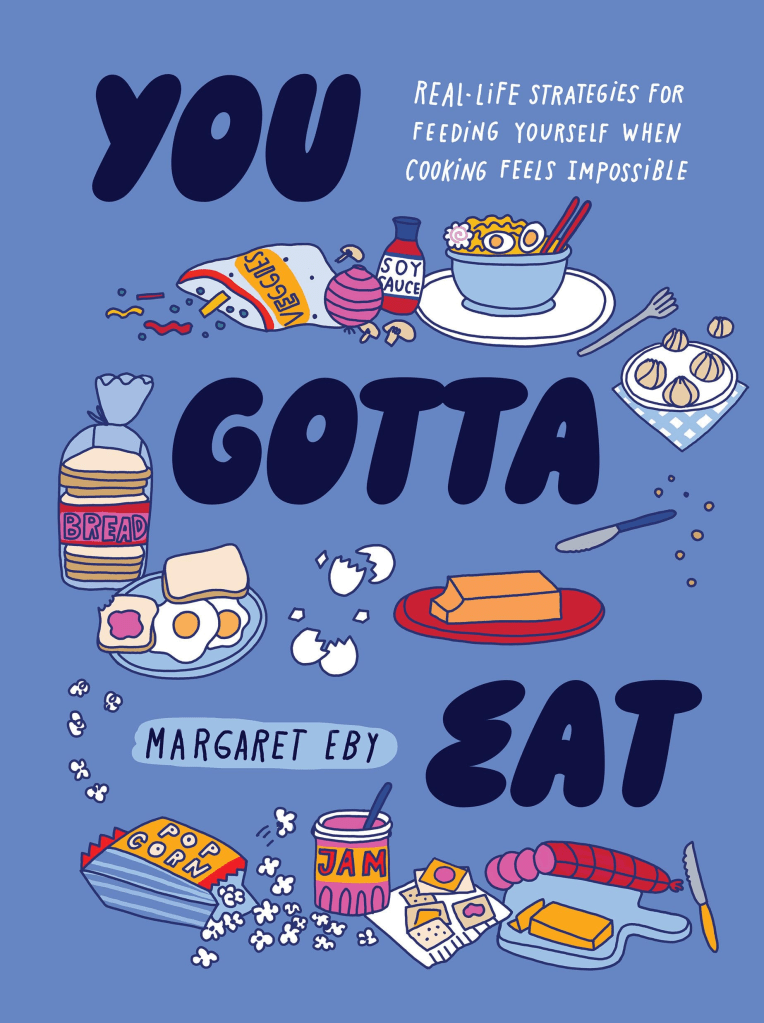
“You Gotta Eat” was written by Margaret Eby, a deputy food editor for the Philadelphia Inquirer. This book contained ideas for living deliciously without impossible effort. Here are some of the many ideas from the book:
Season mac and cheese with Old Bay seasoning, taco seasoning, Cajun seasoning, or ranch seasoning. Even better: add ground hamburger and taco seasoning.
For theatre-style popcorn, add Flavacol.
Baked potato topping ideas: Cajun seasoning, curry powder, taco seasoning, or chili crisp
3-ingredient sauce formulas:
stir-fry sauce: 4 tbsp soy sauce, 1 tbsp sriracha, and 1 tbsp brown sugar
sauce for sheet pan vegetables: 2 tbsp tahini (or 1 tbsp peanut butter and 1 tbsp water), 2 tbsp hoisin sauce, and 2 tbsp water
Thai-inspired sauce: 1 tbsp brown sugar, 1 tbsp fish sauce, and 1 tbsp lime juice
This book was an easy read and contained easy recipe ideas.
4 out of 5 stars
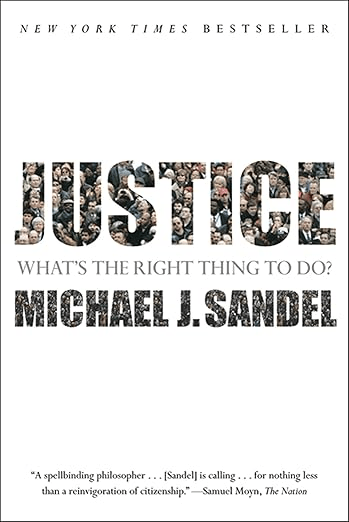
“Justice: What’s the Right Thing to Do?” was written by Michael J. Sandel, who has taught political philosophy to Harvard undergraduates for over three decades. This book was a journey in moral and political reflection and invites readers to subject their own views about justice to critical examination and to figure out what they think and why. This book relates the big questions of political philosophy to the most vexing issues of our time. Here are some of the main ideas:
utilitarianism = maximize utility/happiness and prevent pain or suffering. Utilitarianism fails to respect individual rights.
Ex: in ancient Rome, they threw Christians to the lions in the Coliseum for the amusement of the crowd.
libertarianism = libertarians favor unfettered markets and oppose government regulation, not in the name of economic efficiency but in the name of human freedom.
Libertarians oppose laws to protect people from harming themselves and believe that these laws violate the rights of the individual to decide what risks to assume.
Ex: seatbelt laws
Libertarians oppose using the coercive force of law to promote notions of virtue or to express the mora convictions of the majority.
Ex: prostitution laws
Libertarians object to Social Security, minimum wage laws, employment discrimination laws, and occupational licensing requirements. The libertarian sees a moral continuity from taxation (taking my earnings) to forced labor (taking my labor) to slavery (denying that I own myself).
Kant’s critical philosophy/enlightenment = the moral worth of an action consists not in the consequences that flow from it, but in the intention from which the act is done. What matters is doing the right thing because it’s right, not for some ulterior motive.
Universalize your maxim. Think “What if everybody did that?”
John Rawls – equality = the way to think about justice is to ask what principles we would choose in an original position of equality, behind a veil of ignorance.
When engaging in public discourse about justice and rights, we must abide by the limits of liberal public reason. To check whether we are following public reason, we might ask: How would our argument strike us presented in the form of a Supreme Court opinion? Like Supreme Court justices, we should set aside our moral and religious convictions and restrict ourselves to arguments that all citizens can reasonably be expected to accept.
This book contained thought-provoking examples to critically analyze what you think and why.
4 out of 5 stars
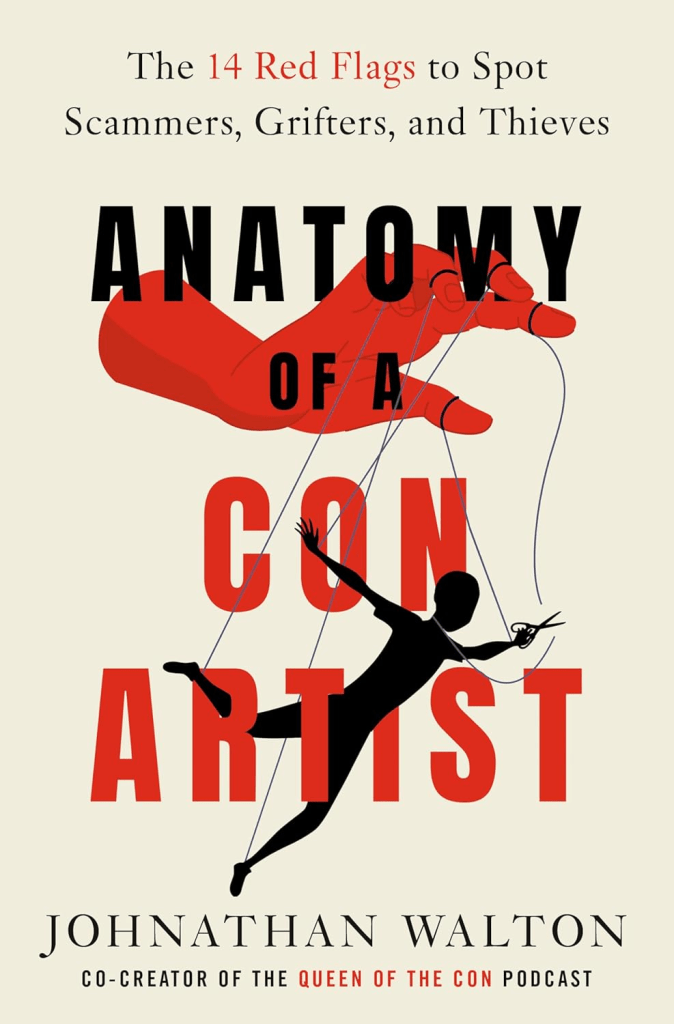
“Anatomy of a Con Artist: the 14 Red Flags to Spot Scammers, Grifters, and Thieves” was written by Emmy-winning former TV reporter and current reality TV producer Johnathan Walton. He is also a host, writer, and executive producer of the hit podcast Queen of the Con and was unfortunately the victim of a con artist. This book contained 14 red flags of con artists and detailed examples of several real cases, including the con artist who scammed him. Here are some main takeaways:
“I just want to help.” Con artists are rescue merchants. They will suddenly show up when there’s a problem or a disaster or unrest. They’ve learned that if they can offer a solution to a major problem someone’s having, the person in trouble will focus exclusively on the offered solution, and it’ll blind them to everything else – ultimately enabling the con artist to scam them.
Con artists don’t outsmart you. They out-feel you. One of the biggest ways con artists trick you into giving them money is by using invented drama.
Once you wire your money to someone, unless you catch it very quickly and alert the bank that there’s a problem, that money is gone forever. Con artists love wires because the transactions are quick and permanent. Never send wires!
Dale Carnegie techniques con artists use:
“Arise in the other person an eager want.”
“To be interesting, be interested.” Con artists learn as much about you as possible as fast as they can.
“Dramatize your ideas.”
“Remember that a person’s name is to that person the sweetest and most important sound in any language.” They use your name a lot in conversations.
If you suddenly realize that you are the victim of a con artist, you need to create a timeline with details of what happened. Pitching a criminal case to the police is a lot like pitching a show to a television executive. You have to make it compelling, succinct, easy to follow, easy to understand, and impossible to ignore.
When and how did you meet this person? What stories did they tell you and on what dates? When did the money change hands? Why did you give them money? What was the lie or lies they told you? How and when did you figure out they were lying?
Gather up and print all of the texts and emails.
Do a criminal and civil case search on court websites, PACER, or BeenVerified.com.
Reach out to people who know this con artist and tell them you were scammed. Ask if they or anyone they know was scammed.
Write a sworn affidavit and get it notarized.
Rehearse your speech before going to law enforcement and come with all evidence.
Call the police frequently and ask for an update.
I highly recommend this book to learn about the red flags of con artists to watch out for!
5 out of 5 stars
I look forward to reading, learning, and sharing more with you soon!
I read 6 books in October! Here is a blurb of each of the books I read in October.
“Connect: Building Exceptional Relationships with Family, Friends, and Colleagues” was written by David Bradford and Carole Robin, who have taught interpersonal skills to MBA candidates in their legendary Stanford Graduate School of Business Course, Interpersonal Dynamics, and have coached and consulted hundreds of executives for decades. This book was a transformative guide to building more fulfilling relationships and focused on cultivating authenticity vulnerability, and honesty while being willing to ask for and offer help, share a commitment to growth, and deal productively with conduct. I learned so much from this book. Here are just a few takeaways:
Exceptional relationships involve mutual commitment, a steady and ongoing process of increasing self-disclosure, stretching beyond your comfort zone, and seeing setbacks as something to explore and learn from rather than as a reason to retreat.
Feedback is the breakfast of champions. Feedback starts a conversation. It doesn’t end it. Building relationships where each person feels free to give and ask for feedback is key both to preventing pinches from becoming crunches and to helping each person develop in new and more effective ways.
Each person can initially only know 2 of the 3 realities. You have to stay on your side of the net. You may know their behavior and impact, but you don’t know their intent. Sooner or later, the other person will tell you (or continuously show you).
This is just a glimpse of the many lessons in this book. This book caused me to reflect on some of my past friendships and what exceptional friendships should consist of. I highly recommend this book to anyone who wants to learn more about building exceptional relationships and being a better friend, coworker, and partner.
5 out of 5 stars
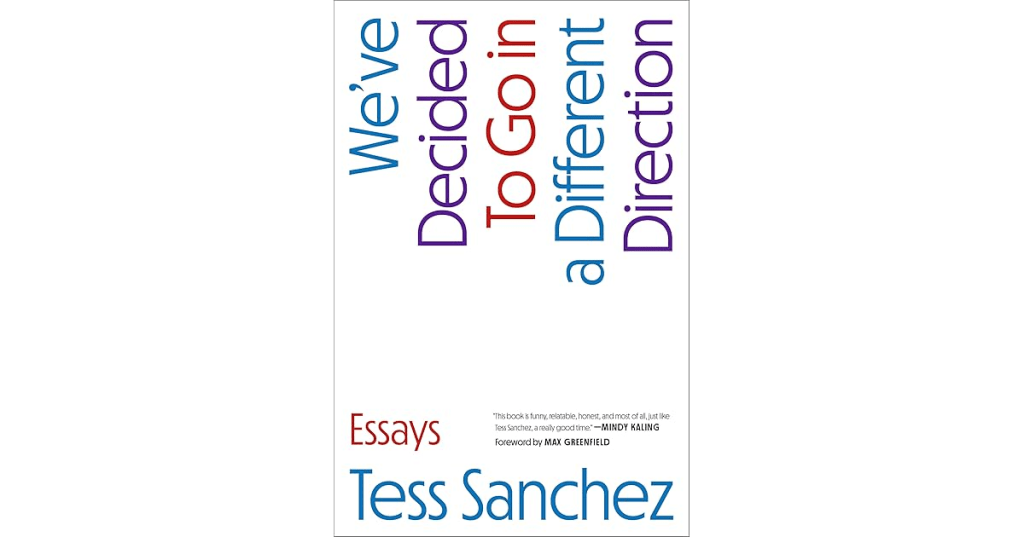
“We’ve Decided to Go in a Different Direction: Essays” was written by Tess Sanchez, who spent more than 20 years in the entertainment industry as a casting director. This book was funny, insightful, and contained amusing essays that examine the aftermath of a major life shift that took the author from fully in control and plunged her into unfamiliar chaos. This book examines how we claim our identity and how we choose to define ourselves. This was an easier read. Here are some lessons:
Water the flowers, not the weeds. Nurture and grow the good in your life, and dehydrate the weeds.
The key to success, fulfillment, and happiness is flexibility – embracing the now – however that may look.
Career loss isn’t the end. It’s a pivot point. It can be painful, but also freeing.
Identity is bigger than your job title. Rediscover who you are outside of your professional role.
Resilience is messy, not linear. Change comes with backslides, confusion, and emotional turbulence.
One of my favorite lessons from this book is the concept of a “painful favor.” The author used the phrase “painful favors” to describe pivotal moments in her life that felt harsh and disruptive at the moment but ultimately led to personal growth and new opportunities. I love this concept, and there have been several “painful favors” in my life that I am grateful for.
4 out of 5 stars
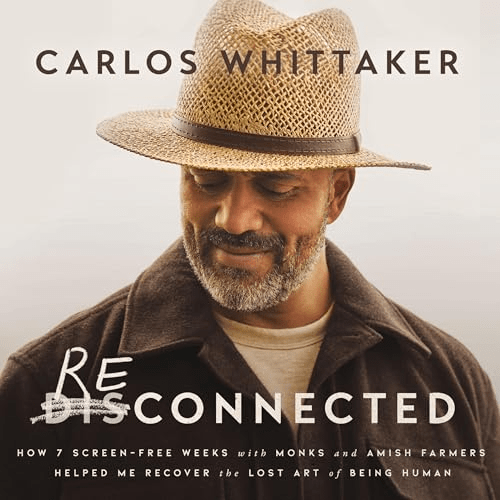
“Reconnected” was written by Carlos Whittaker, a bestselling author and storyteller who averaged 7 hours 23 minutes a day on his phone before this experiment. Carlos went screen-free for 7 weeks to see what screen time was doing to his head, hands, and heart; he spent 2 weeks with Benedictine monks, 2 weeks with Amish in Ohio, and 3 weeks at home with family. I enjoyed reading about his experiment. Here are some of the many lessons:
We don’t wonder any more.How many times are you in a conversation when somebody wonders something only to stop wondering because they can look it up on their phone? We’ve lost the ability to not know, and we now feel like we must know everything. We can’t, but we feel like we need to. If we can’t admit that we don’t know something, suddenly we are creating experts who aren’t actually experts. Ex: TikTok
Recovering our ability to have regular solitude is so important for our mental health and overall well-being. Let your mind wander, do a digital detox, and experiment with tech-free hobbies.
How many times do we pull out our phones when we get uncomfortable with our present circumstances? Jesus made a habit of being fully present with people that hardly anyone wanted to be present with. Our presence has the ability to change not only our lives but the lives of others. You could change another’s life – someone that you might not even notice if you weren’t looking up.
The table is one of the most intimate settings we have for sharing our lives. The table is one of the best tools we have to get to know someone well and to discover the heart of somebody. Try going phone-free and allotting more time for meals.
Not every argument is worth having and not every comment deserves a rebuttal. Choose where to invest your energy. Respond with reason, not with rage.
One of the most interesting lessons was that the Amish allow some pieces of technology that aren’t going to grow them apart. They weigh the potential value of every piece of new technology before allowing it. Community is more important than anything else. They don’t think cars are evil, but they know that if they started using cars, their community would no longer be a community.
This book was intriguing and filled with lessons about the impact of technology.
5 out of 5 stars
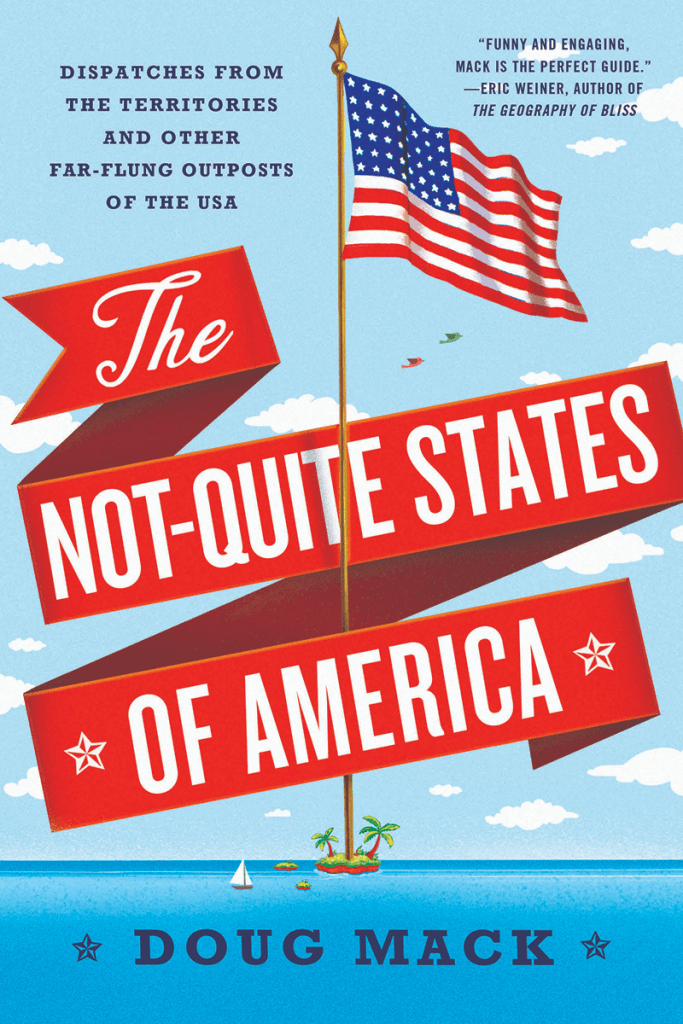
“The Not-Quite States of America” was written by Minnesota author Doug Mack. This book was boring at times and reads like a history textbook. This book covered some interesting tidbits about the territories of the Virgin Islands of the United States, American Samoa, Guam, the Northern Mariana Islands, and Puerto Rico. Here are some facts:
Residents of the territories cannot vote for president. They can run for president.
The Virgin Islands of the United States (USVI) are heavily reliant on tourism and imported goods. Agriculture is only 1% of USVI’s overall budget. With the blessing of the U.S. Treasury and Congress, the islands offer a 90% reduction in U.S. corporate and personal income taxes. The appeal of the USVI for the United States was its utility as a coaling station.
People born in American Samoa are U.S. nationals, not U.S. citizens, making them the only group on U.S. soil without automatic citizenship. To gain citizenship rights, they must become naturalized like any immigrant. Tuna canning is the largest private-sector employer. American Samoans who oppose birthright citizenship value 3 traditions that might be deemed unconstitutional:
The Native Land Ordinance – only individuals with at least 50% Samoan blood may own native land
Matai-only Senate – traditional chiefs, not elected by popular vote
Sa – the roads are closed when prayer time is observed in some villages
Military bases occupy nearly 1/3 of Guam’s land, but much of this land is not actively used by the military; the military simply controls the land.
The Northern Mariana Islands (CNMI) rely heavily on tourism and foreign labor. The Northern Mariana Islands are a U.S. commonwealth, meaning the residents are U.S. citizens, but CNMI has local self-government, including its own constitution, legislature, and governor. The U.S. Congress selectively applies some federal laws.
Puerto Ricans are U.S. citizens but can’t vote for president. Puerto Rico has 10x more people than all the other territories combined. The Spanish and American cultures intertwine, creating a unique identity.
3 out of 5 stars
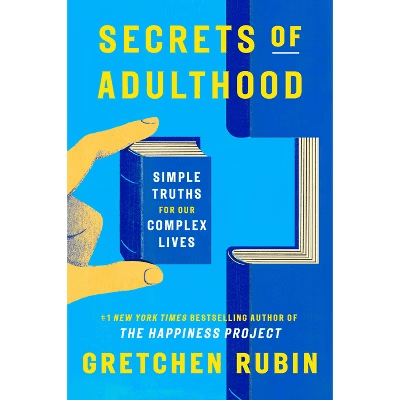
“Secrets of Adulthood: Simple Truths For Our Complex Lives” was written by Gretchen Rubin, who has authored many books and hosts the top-ranking, award-winning podcast Happier with Gretchen Rubin. This book was not quite what I anticipated. It contained valuable information, but it was more like a listicle or what you may find in a fortune cookie. Here are some “secrets” of adulthood:
If you find it hard to take good care of yourself, care for yourself like a toddler: Don’t let yourself get too hungry, too tired, too uncomfortable, too bored, too lonely, or too overwhelmed.
The traffic changes, the weather changes, yet the same people are always late, and the same people are always on time.
More trial, more error – and more accomplishment.
Nothing is more exhausting than the task that’s never started.
By giving something up, we may gain. Briefly depriving ourselves of a pleasure often has one of two good results: either it reawakens our enjoyment or reveals that we’re happier when we don’t indulge.
If we take the credit, we must accept the blame.
Don’t buy things until you need them. Store things at the store.
If you can’t think of a topic of conversation, ask, “What’s keeping you busy these days?”
3 out of 5 stars
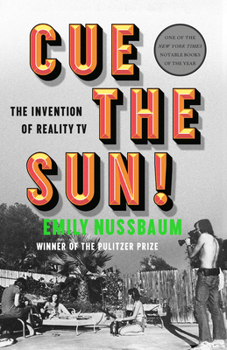
“Cue the Sun!: The Invention of Reality TV” was written by Pulitzer prize-winning New Yorker author Emily Nussbaum. The book covered the history of reality tv, starting from its contentious roots in radio, and Emily conducted in-depth interviews with more than 300 sources to gather information for this book. Here are some key points:
Reality TV didn’t just appear. It evolved from radio call-ins, prank shows, and experimental documentaries.
Reality TV thrives on presenting “real life” while heavily manipulating footage. This results in ethical dilemmas. Producers edit raw footage to craft narratives and often distort reality. This raises questions about consent, exploitation, and how much “truth” audiences really want.
The launch of Survivor in 2000 marked reality TV’s explosion into mainstream dominance. It taught networks that unscripted formats could be cheap to produce yet massively profitable.
Reality TV influences politics and celebrity culture. As an example, Donald Trump leverages reality TV fame from The Apprentice into political power.
Some interesting tidbits:
By the 1960s, Candid Camera had become a major hit on radio, but on TV, the show’s subjects weren’t anonymous anymore. Some laughed, others got angry, and many experienced a messy blend of feelings.
The Dating Game required no background checks. One of the show’s winners, Rodney Alcala, turned out to be a serial killer, was also a convicted sex offender, and paroled twice. At the time he filmed his segment, he was in the midst of a murder spree.
The People’s Court was the first television show to feature binding arbitration.
America’s Funniest Home Videos was unusually easy to produce since it relied on videotapes sent in by viewers and filmed on camcorders. It cost ABC almost nothing – no actors, directors, or stunt professionals. Together with America’s Funniest Home Videos, Cops jump-started the reality genre, which had been static for nearly a decade.
Survivor was the first series to take the reality genre mainstream in the United States. It stood out because it united 3 key traditions: prank show, game show, and real-life soap opera.
By 2002, casting a reality show had become a science, down to the thick contracts contestants signed, granting editors total control. There was also a natural next step after the finale aired: move to Los Angeles.
In 2006, with the rise of The Real Housewives, cast members of reality shows began to identify as influencers, viewing themselves as performers and collaborators, brand representatives of the shows they appeared in.
4 out of 5 stars
I look forward to reading, learning, and sharing more with you soon!
I read 4 books in September. I really enjoyed the books I read, and I gave 3 out of the 4 5-star ratings! Here is a blurb of each of the books I read in September.
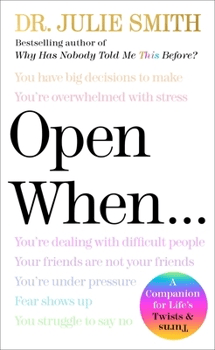
“Open When: A Companion for Life’s Twists and Turns” was written by Dr. Julie Smith, who has over 10 years of experience as a clinic psychologist and is one of TikTok’s top 100 creators. You can find Dr. Julie on Instagram/TikTok/Youtube at drjulie. This book covered advice for navigating anger, setting boundaries, comparison, confidence, friendships, parenting, arguing, seeking help, overwhelm, priorities, grief, apologies, and much more. Here are some of the many insights that resonated with me.
Whether it’s the good news or the bad, if you have to keep parts of your life under wraps to fit in, that’s not a friendship that is going to nourish and bring out the best in you. Search for acceptance and belonging in the right places. Consider: Is this a place I truly want to belong? Would being recognized as part of this group be a positive in my life? How much of myself, my beliefs, or my values would I be expected to change in order to be accepted? Is that okay with me?
Comparison can lead to constructive forward motion and be a good thing. If it leads to envy, resentment, bitterness, and a loss of self-worth, then we are getting it all wrong, and both our efforts and our attention have been misplaced. Questions to ask yourself: What do I feel envious of specifically? What specific skills do they have that I would like to have also? Would learning those skills help me with achieving my own goals? How did they get there? Can I imitate any of that process to help me get closer to my personal goals?
Confidence is the bus that never arrives while you sit waiting. It usually makes an appearance after you have decided to walk and you’re almost at your destination. So get to work on making some progress, and the bus will likely arrive once you’re a little way down the road.
I highly recommend this book!
5 out of 5 stars
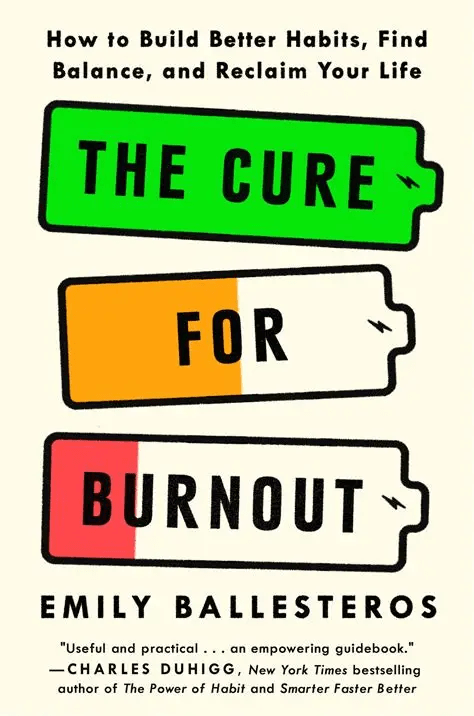
“The Cure for Burnout” was written by Emily Ballesteros, who has a burnout management coaching business. This book outlines five areas in which you can build healthy habits to combat burnout: mindset, personal care, time management, boundaries, and stress management. I learned so much from this book. Here is just a snippet.
Burnout is a state of exhaustion, stress, or misalignment with the direction your life is heading in for an extended period of time. Tangibly, burnout will consume your calendar, sabotage your relationships, and harm your physical health. Intangibly, it will steal the best years of your life while you have your head down in survival mode. It will destroy your mental health and cause exhaustion and possibly depression.
There are three kinds of burnout, and people can suffer from more than one type:
burnout by volume – burnout as a result of a high volume of responsibilities, a compact schedule, and very little downtime
social burnout – burnout as a result of interpersonal demands that exceed your available social resources – these people become the person everyone confides in, vents to, or asks for favors because they are pleasant and reliable
burnout by boredom – burnout as a result of chronic disengagement and disinterest in the items in your life
Think of personal care as the equivalent of getting gas on a road trip: there is never a convenient time to stop. The personal care pillar mandates that we go out of our way, stop to refuel, and sacrifice the time we could spend “productively” on something else.
Think of your minimum non-negotiables – getting a minimum amount of sleep, eating food at certain intervals, getting movement, having alone time, etc.
To manage stress, pause/postpone projects that you’ve loved but are currently bringing more stress than joy, simplify projects, delegate/outsource tasks, and quit doing unnecessary tasks.
Set boundaries. What boundaries might help reinforce the changes you want to make?
This book was packed with information, and I highly recommend it!
5 out of 5 stars
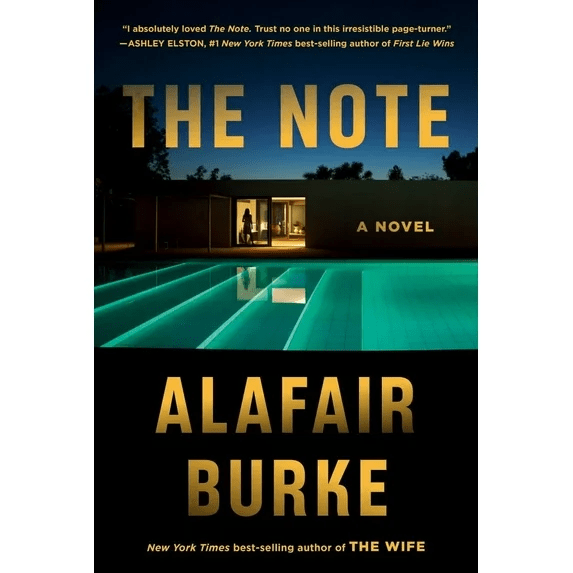
“The Note” was written by Alafair Burke, an Edgar-nominated New York Times bestselling author of fifteen novels of suspense and professor of Criminal Law. The main storyline of this book is that a vacation in the Hamptons went terribly wrong for three friends with a complicated history. A prank involving a mysterious note led to a missing tourist and a police investigation, unraveling layers of secrets and betrayals. I don’t typically read fiction books, and I won’t spoil this one. Overall, it was an interesting changeup from the books I typically read. This book kept me interested, but it contained overloaded themes of cancel culture, racism, anti-Asian hate, true crime obsession, and more. It seemed that the author wanted to mention many different issues in the book.
4 out of 5 stars
“Build the Life You Want” was written by Arthur C. Brooks and Oprah Winfrey. Arthur C. Brooks is a professor at Harvard Business School and teaches courses on happiness and is also an acclaimed author and speaker. Oprah Winfrey is a global media leader and public figure. This book covered the four big happiness pillars: family, friendships, work, and faith. Here are some of my many takeaways:
Ask yourself the good questions: What does living well mean – for me, not according to someone else’s model – and how do I do it? What is genuinely worth striving for? What can I offer, and how can I serve? What lessons can I glean from my experiences, especially the toughest ones? How do I make the best use of my limited time on this earth?
Stop caring what others think. “We all love ourselves more than other people, but care more about their opinions than our own.” “Care about people’s approval and you will be their prisoner.”
The key to finding meaningful work is to feel a sense of accomplishment and to believe that your job is making the world a better place. Look for a fundamental match between an employer’s values and your own. At the same time, put some space between your job and your life, and make friends and spend time with people who have no connection to your work.
Our impulses, amplified by the consumer economy, entertainment, and social media push us to spend our time idolizing money, power, pleasure, and prestige. These idols all stand in the way of enjoyment, satisfaction, and purpose. They substitute pleasure for enjoyment, make satisfaction harder to attain and keep, and focus us on things that are trivial and not meaningful. The four idols are distractions to numb us to emotional circumstances we dislike and feel we can’t control.
I highly recommend this book for those interested in learning more about finding happiness in family, friendships, work, and faith.
5 out of 5 stars
I look forward to reading, learning, and sharing more with you soon!
It’s been a while since I’ve posted on this blog since I have had other priorities. I read 2 books in August and gave myself permission to quit 2 other books – a true act of self-care. Previously, I didn’t allow myself to not finish books. Here is a blurb of each of the books I read in August.
“The Ritual Effect: Unlocking the Extraordinary Power of the Ordinary” was written by Michael Norton, professor of Business Administration at Harvard Business School. Here are some main takeaways:
The essence of habit is the what – something we do – brush our teeth, go to the gym, pay bills, etc. The essence of ritual is the how. It matters to us not simply that we complete the action but the specific way that we complete it. When rituals are disrupted, people report feeling “off” all day.
Some rituals become so intricate that the ritual interferes instead of prepares. Ex: performance rituals – baseball players engage in an average of 83 movements when batting.
Rituals and repetition can be powerful tools for honing our self-control, but ritualistic behavior can, over time, start to control us instead. Among the most common treatments for compulsive behaviors is “habit reversal” training – identifying the root behavior that’s causing problems and replacing it with something else.
The 4 Lessons of Relationship Rituals
Rituals wake up our experience of commitment – doing things together.
Relationship rituals are exclusive.
Rituals – not routines – bring the magic.
Consensus is a critical factor. Do you and your partner agree that it’s a ritual and not just a routine?
Food and drink are often central to rituals, but how we share them is what shapes family identity.
Rituals can be the practices that call us home and bring family together.
Family rituals immerse us in the moment, strengthen identity, and create lasting meaning.
Rituals give us a sense of ownership, an affirmation of identity or belonging, or an increased feeling of meaning.
Personal rituals are more adaptable and meaningful than inherited rituals since we can shape them to fit our values and goals.
Rituals strengthen social bonds through shared meals, celebrations, or communal ceremonies.
Rituals don’t have to be complex. Simple, intentional actions can transform daily life.
4 out of 5 stars
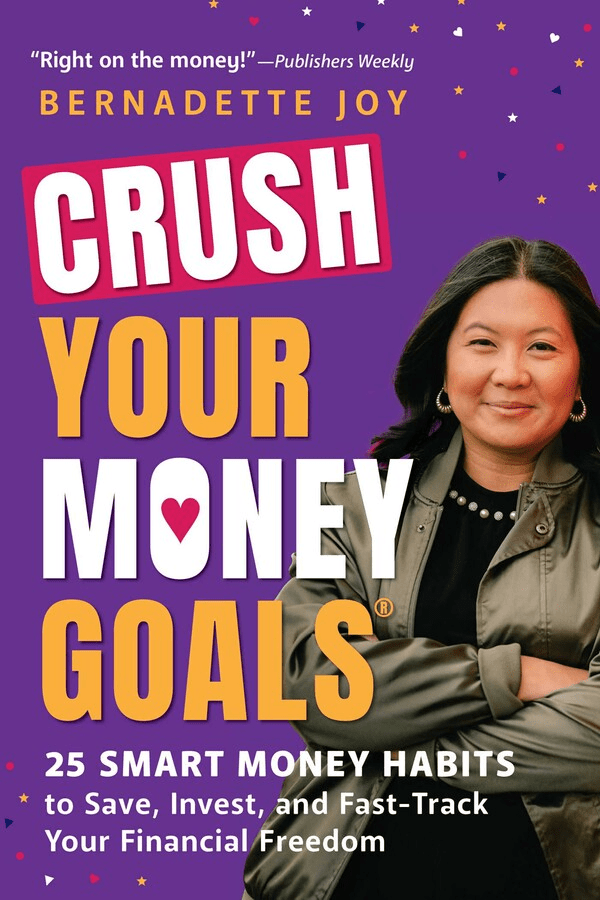
“Crush Your Money Goals” was written by Bernadette Joy, an expert money coach and founder of CRUSH Your Money Goals. Here are some main points.
CRUSH:
Curate your accounts. Coordinate accounts and track spending.
Reverse into independence. Set clear financial independence goals. Use the $1 rule to question non-essential purchases.
Understand your net worth and track it.
Spend intentionally. Align spending with values.
Heal your money wounds. Address emotional triggers that lead to overspending.
Net worth trackers organize your accounts into cash & cash equivalents, investments, property, credit cards, and loans. Trackers mentioned in this book include Empower (free) and Monarch Money (paid subscription).
Budget:
Survive – basic necessities, including housing, utilities, food, transportation, and health
Revive – current expenses that aren’t necessary but make life worth living for you, such as vacations, clothing, entertainment, and hobbies
Strive – anything that helps you grow your net worth
The CRUSH method consists of 50% strive, 25% survive, and 25% strive. In other words, saving/investing half of your income – which does not seem attainable for most people, especially people who don’t earn six figures.The author mentioned that if this is not attainable, people should work to increase their income.
Other tips:
Remember that the interest you pay on any debt is making someone else rich by being their passive income stream. Ex: your mortgage, auto loans, and credit cards.
Unsubscribe from email marketing and digitally detox from constant comparisons. Reduce impulse spending.
Implement a $1 cost per use rule – technology, furniture, clothing, accessories, home goods.
Invest in a Roth IRA, where you won’t pay taxes on growth. All income earned is tax-free.
Compare insurance plan rates each year. Ask for discounts from service providers.
4 out of 5 stars
I look forward to reading, learning, and sharing more with you soon!
It’s been a while since I’ve posted on this blog since I have had other priorities. I read 4 books in July. Here is a blurb of each of the books I read in July.
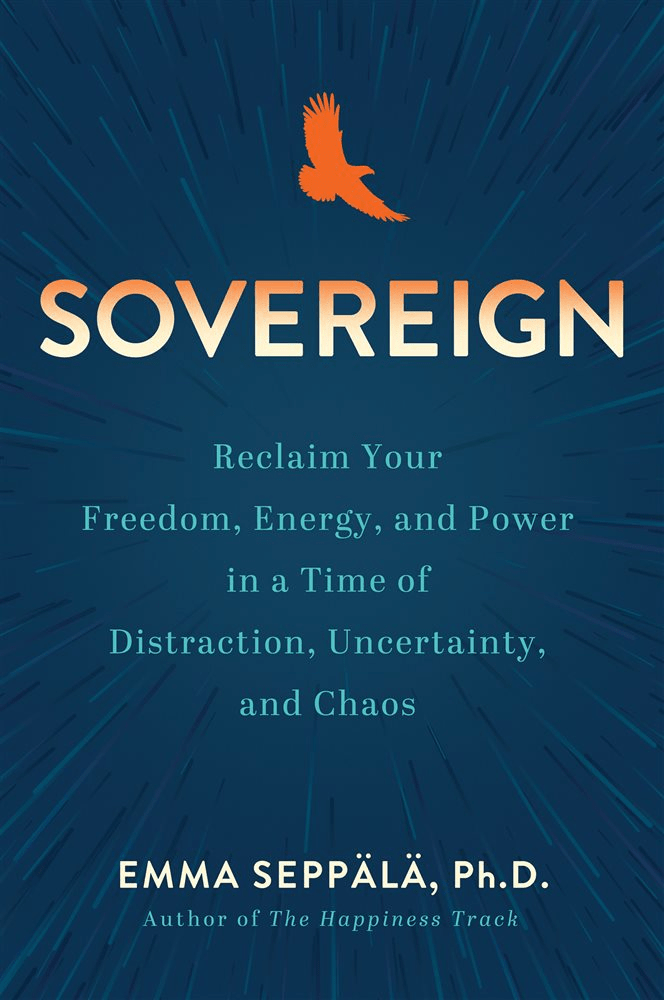
“Sovereign: Reclaim Your Freedom, Energy, and Power in a Time of Distraction, Uncertainty, and Chaos” was written by Emma Seppala, a Yale lecturer and international keynote speaker. This book was insightful! It was packed with tips to recharge your life and change the way you think and act – from your emotions, mind, relationships, intuition and body. Here are some of my many takeaways:
Sovereignty is reclaiming your right to exist as you. It involves courage, awareness, and self-honoring. Consider what would happen if you loved and cared for yourself as much as you do for others.
What would it look like if you took care of yourself as you would an infant, attentive to its every need? Be mindful and aware of your emotions and ask yourself “What do I need right now? A hug? A walk? A break? A nap? A cry? A meal? A friend? Something else?”
Some of the many tips covered:
Sovereign self
Listen to the state of your mind and body. Ask yourself what you need.
Prioritize what fills your cup – what brings you rest, rejuvenation, energy, vitality, upliftment, inspiration, and joy.
Sovereign emotions
Remember: when you run from your feelings, you run from your healing. Feel instead of suppressing.
Remember that emotions are energy in motion. Take care of your basic needs: sleep, diet, exercise, and yourself.
Sovereign mind
Create boundaries around your media. Don’t go on social media to look at what other people are doing or selling.
Observe and discern: What are the intentions of the messaging. Is it giving you freedom or binding you in fear? Do you wish to engage with it?
Sovereign relationships
6 keys of positive relational energy
caring for, being interested in, and seeing the best in others
providing support for one another, including offering kindness and compassion
avoiding blame and forgiving mistakes
inspiring one another and focusing on what’s going right
emphasizing meaningfulness
treating others with basic human values like respect, gratitude, trust, honesty, humility, kindness, an integrity
Sovereign intuition
Consult your gut feelings.
Unplug from technology. Create opportunities for contemplation. Schedule idle time.
Sovereign body
Relate to your body as your best friend because that’s what it is. Learn to love it, care for it, listen to it, and live in harmony with its needs.
Reflect on these questions: Do you honor and care for your body the way you would a child? If not, what would it look like if you did?
This is one of the best books I have read this year, and I highly recommend it to everyone!
5 out of 5 stars
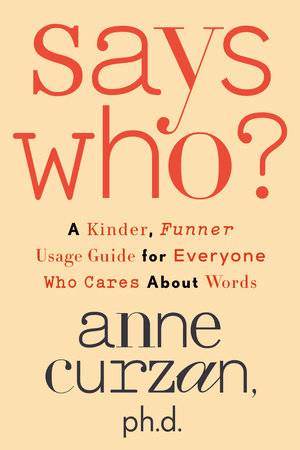
“Says Who? A Kinder, Funner Usage Guide for Everyone Who Cares About Words” was written by Anne Curzan, professor of English Language and Literature, Linguistics, and Education at the University of Michigan. This book was intriguing, although some readers may find it overwhelming or too academic. Here are some things that resonated with me:
One key point for everyone who uses dictionaries is that dictionary editors are trying to walk a fine line between capturing words as they are used and providing guidance about the contexts in which some words are generally accepted or not accepted. While the editors of today’s dictionaries are usually trying to describe actual usage, we as dictionary users often erroneously assume that they are prescribing correct usage. Attitudes at the language change over time!
English has lots of synonyms in many areas of the lexicon, and they demonstrate the remarkable creativity we as humans bring to language, the many languages that have contributed to the English lexicon, the diversity of our linguistic identities, and the nuanced choices we get to make as speakers and writers.
Dictionary editors determine which pronunciations get recorded as standard and which get labeled as nonstandard – and which don’t get included at all.
What’s correct depends on where, when, and to whom you’re speaking. Formal writing has different expectations than casual conversation.
Many grammar rules are based on tradition, not logic. Usage evolves, and what was once “wrong” can become accepted over time. Examples:
“Peruse” has long meant “to read thoroughly” – but now people use it to mean “to glance over, skim” – which is becoming more acceptable.
“Literally” is used to mean “in the literal sense” AND “figuratively.”
4 out of 5 stars
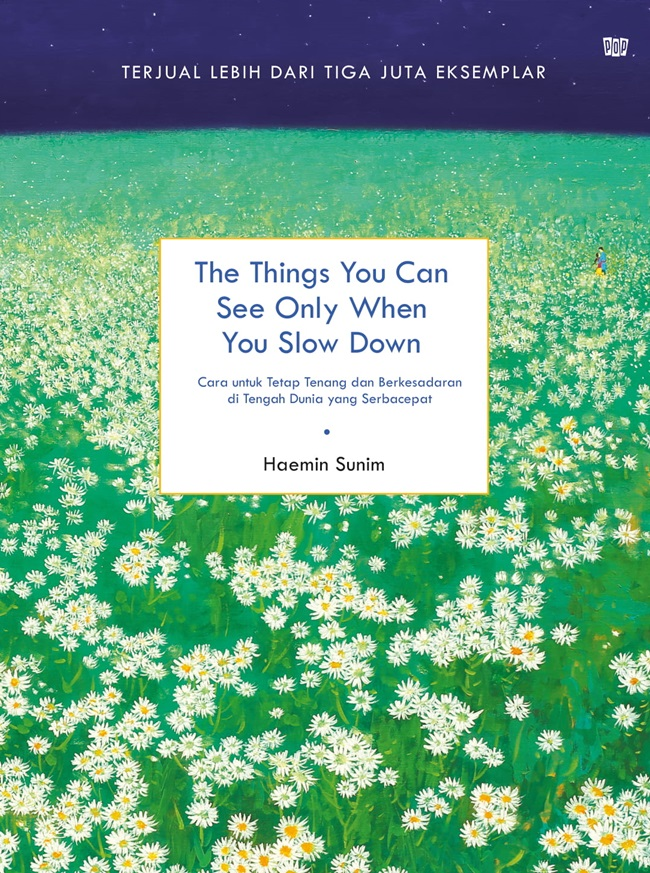
“The Things You Can Only See When You Slow Down” was written by Haemin Sunim and contained so many life lessons and a guide to mindfulness. I got a lot out of this book. Here are some takeaways:
Do not try to control those around you. When you cannot control even your own mind, what makes you think you can control others?
According to some psychologists, happiness can be assessed with two simple questions: First, do you find meaning in your work? Second, do you have good relationships with those around you?
We like to get involved in other people’s business, thinking we are doing so for them. We offer unsolicited help and interfere with their lives. We take away their power and make them feel incapable. This stems from our desire for control and recognition. It has little to do with love.
A bad driver brakes often. A bad conversationalist also brakes often – interrupting the flow with his own stories.
Being a good boss requires much more than just having a lot of technical knowledge. It is important to have integrity and a positive relationship with the staff, to give timely feedback and professional mentoring, and to advocate for what the team needs.
As my prayer deepens, I hear more of His voice than my words. As my humility grows, I feel more of His love overflowing in my heart. As my mind quiets down, I sense more of His presence in every moment.
I really enjoyed the lessons from this book and highly recommend it.
5 out of 5 stars
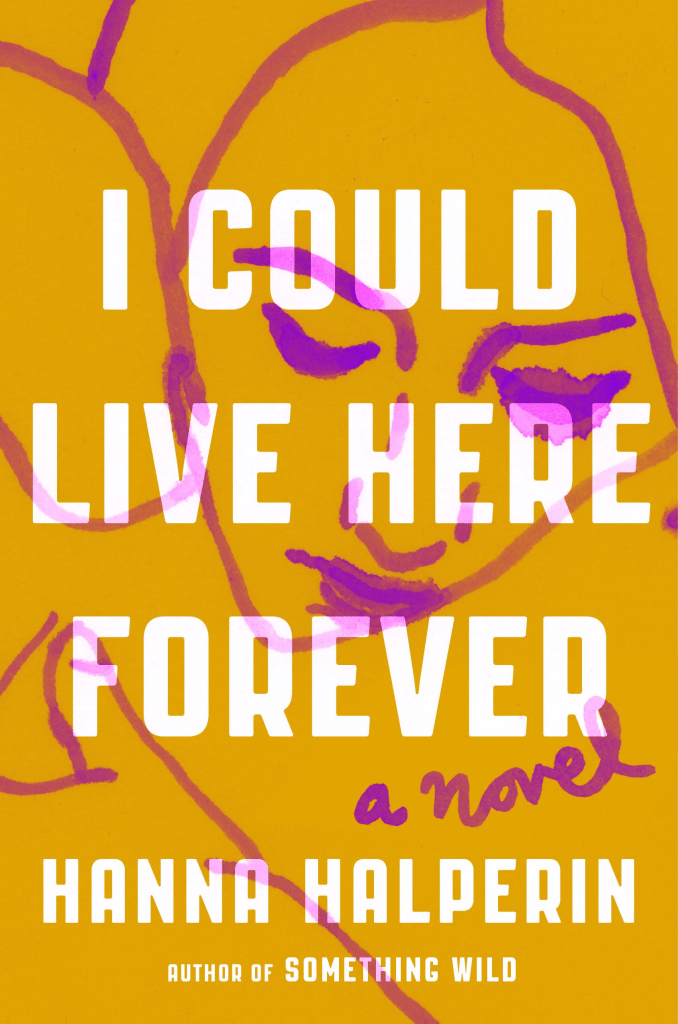
“I Could Live Here Forever: a novel” was written by Hanna Halperin. This is a fiction book and is not what I typically read. This book was described as “a gripping portrait of a tumultuous, consuming relationship between a young woman and a recovering addict.” I agree with that description. Since this was a fiction book, I didn’t take many notes, but these quotes resonated with me:
“The nice thing about writing was it took pain and warped it into something useful. I could shape it into a beginning and a middle and an end. It was manageable that way . . . by the time I was done with it, it was just a story.”
I never actually knew what he was doing. I was outside his world, even though he was inside of mine. Really, he was my entire world.”
Overall, I wanted more character development.
3 out of 5 stars
I look forward to reading, learning, and sharing more with you soon!
It’s been a while since I’ve posted on this blog since I have had other priorities. I read 3 books in June. Here is a blurb of each of the books I read in June.
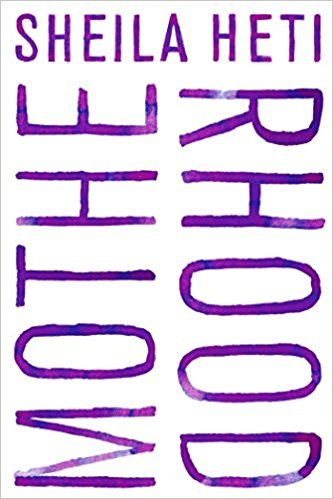
The novel “Motherhood” by Sheila Heti follows a woman in her late 30s as she grapples with whether or not to have children. This book was not plot-driven; it was more like a long internal monologue in which the woman constantly questions what it means to be a mother and whether motherhood would enhance or diminish her life. I didn’t like the writing style, but it was thought-provoking at times. Here are some key lessons from this book:
the pressure of societal expectations for women to have children
motherhood as a choice, not an obligation
motherhood is often tied to a woman’s identity
the cost of motherhood – sacrifice of time, freedom, and sometimes the dreams or ambitions women may have for themselves
Women are often expected to become mothers, while men are not held to the same societal standards.
Quotes that stood out to me:
Do I want children because I want to be admired as the admirable sort of woman who has children? Because I want to be seen as a normal sort of woman, or because I want to be the best kind of woman, a woman with not only work, but the desire and ability to nurture, a body that can make babies, and someone who another person wants to make babies with?
We are miserly with ourselves when it comes to space and time. But doesn’t having children lead to the most miserly allotment of space and time? Having a child solves the impulse to give oneself nothing. It makes that impulse into a virtue.
Whether I want kids is a secret I keep from myself. On the one hand, the joy of children. On the other hand, the misery of them. On the one hand, the freedom of not having children. On the other hand, the loss of never having had them.”
To clear things up, these quotes stood out to me, but these are not my personal thoughts.
3 out of 5 stars
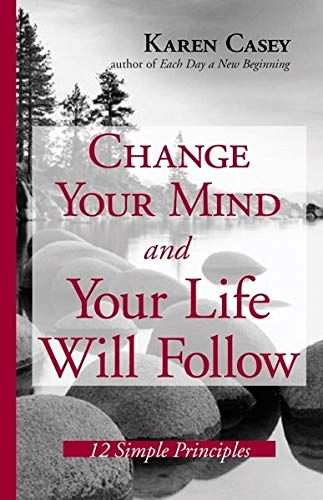
“Change Your Mind and Your Life Will Follow: 12 Simple Principles” was written by Karen Casey, a speaker and author of 16 books. Here are some lessons that resonated with me:
Tend your own garden. Focusing outside ourselves and attempting to control other people is a clever avoidance technique that helps us escape having to look at our own sometimes troubling behavior.
We are not in charge of others! Not their behavior, their thoughts, their dreams, their problems, their successes, or their failures.
Let go of outcomes. No matter what we do or how perfect our input, we are never in control of the outcome of any situation. You are responsible for making the effort – nothing more.
Don’t let the mood swings of others determine how you feel.
Any thought can be released. We are fully responsible for our thoughts and can take charge of them whenever we need or want to. No one can take charge of your thoughts, and thus your life, without your compliance.
Be vigilant about your choices. If what you are seeking is peace, you must be vigilant about the choices you make. The ego will often beckon you to choose gossip, criticism, comparisons, judgements, jealousy, fear, and anger – none of these choices will lead you to peace.
4 out of 5 stars
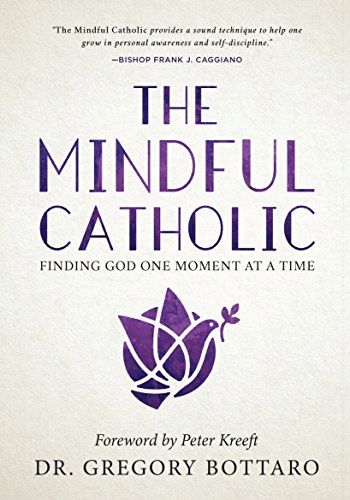
“The Mindful Catholic” is based on an eight-week program called Mindfulness-Based Stress Reduction and was written by Gregory Bottaro, the director of the Catholic Psych Institute and the developer of the Catholic Mindfulness Online Course. Here are some takeaways:
Mindfulness = paying attention to the present moment without judgment or criticism. Curiosity is the disposition of mind that we are seeking to cultivate when we practice mindfulness. Mindfulness does not mean turning off the thoughts in your mind but using them as a door to greater awareness of yourself.
Tendencies vs. Mindfulness:
analyzing vs. sensing
striving vs. accepting
thoughts are real vs. mental events
avoidance vs. approaching with curiosity
mental time travel vs. present moment
depleting vs. nourishing activities
This book also covered mindfulness exercises. As someone who isn’t experienced with mindfulness, here is my favorite:
Sacramental pause – Start with prayer (“Ever-present God, here with me now, help me to be here with you“). Open your awareness to any thoughts, emotions, or physical sensations, then narrow your focus to the physical sensation of your breath alone, and finally expand the focus to the physical sensations of your whole body.
4 out of 5 stars
I look forward to reading, learning, and sharing more with you soon!
It’s been a while since I’ve posted on this blog since I have had other priorities. I read 5 books in May. Here is a blurb of each of the books I read in May.
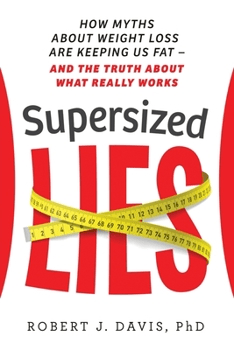
“Supersized Lies: How Myths About Weight Loss Are Keeping Us Fat – And the Truth About What Really Works” was written by Robert J. Davis, PhD, host of the Healthy Skeptic video series and an award-winning health journalist whose work has appeared on CNN, PBS, WebMD, and the Wall Street Journal. Here are some main points:
Instead of focusing on individual villains, we need to pay attention to the general quality of our diets – emphasizing whole foods and minimizing highly processed foods – vegetables, fruits, beans, nuts, seeds, seafood, lean poultry, and whole grains, such as oats and rice. Whole foods tend to have fewer calories per ounce, more fiber, and be more filling, and we often eat them more slowly, giving our brains time to get the message that we’ve had enough.
When calories are cut or increased by a specific amount, the change in weight will vary from person to person, and these differences are due at least in part to genetics.
Calories shouldn’t be the only consideration. That can detract from the pleasure of eating, contribute to an unhealthy relationship with food, and result in too little of the things your body needs. Instead, when choosing what to eat, also pay attention to the sugar, fiber, and protein, and consider how healthful and filling the foods are and how you feel after you eat them.
It takes A LOT of work to burn off the calories in a relatively small amount of food. Changing your diet to lose weight is easier than exercising to lose weight.
If dietary supplements had to meet the same standards of proof for safety and effectiveness as medications, few, if any, would be allowed on the market. Supplement makers aren’t required to test for safety. The law assumes that supplements are innocent until proven guilty – just the opposite of how medications are regulated.
Exercise, sleep, and stress management reinforce each other to benefit not only our physical and emotional health, but also our weight.
4 out of 5 stars
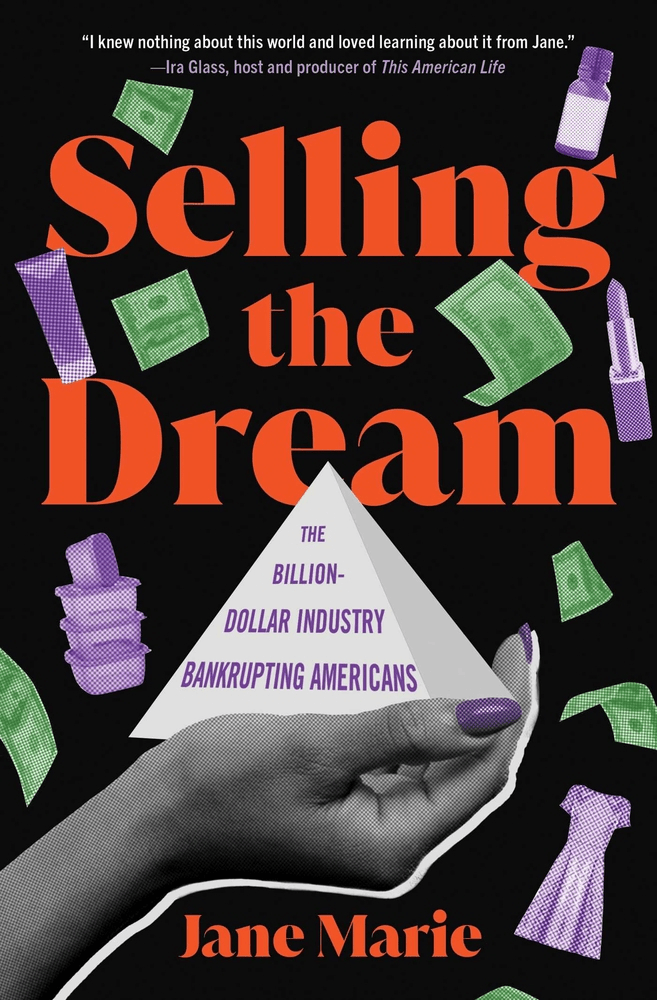
“Selling the Dream: The Billion-Dollar Industry Bankrupting Americans” was written by Jane Marie, a Peabody and Emmy Award-winning journalist. In this book, Jane expands on her popular podcast The Dream to expose the source of multilevel marketing schemes. Although I have never been involved in multilevel marketing (thankfully), I got a lot out of this book! Here are some main takeaways:
99% of those who join MLMs make no $ or even lose $. Women make up 74% of the MLM workforce.
In an MLM, the product being sold doesn’t matter since most of the $ is being made via recruitment fees and distributors stocking their own shelves with inventory.
Despite what those in MLMs may believe, they are not business owners. They don’t control anything except their own sales efforts. They don’t own the product they’re selling or any IP, they don’t set their own prices or salaries, and they are often bound by strict rules in how they can market and sell the products. They also lack a guaranteed salary, benefits, and workers’ rights.
The MLM world is a bizarre land where incentives can range from the opportunity to buy your own ticket to a conference to earning a new rank solely based on products you’ve purchased that now sit in your garage. The disincentives are just as plain: once you’ve roped in your friends and family, quitting seems off the table and an admission that you sold them a bill of goods.
“Nutrition” clubs are seemingly popping up everywhere. One of the most fascinating things I read in this book is that Herbalife nutrition clubs prohibit signs that state or suggest that Herbalife products are available for retail purchase on the premises. Club owners are not permitted to post signs indicating whether the club is open or closed, and the interior of the club must not be visible to persons outside.
I recommend reading this book if you want to learn more about the MLM industry.
4 out of 5 stars
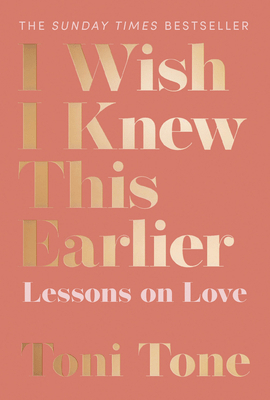
“I Wish I Knew This Earlier: Lessons on Love” is an essay-type book divided into themes and written by Toni Tone, an award-winning speaker, writer, and social content creator. Here are some points that resonated with me:
Intimacy tells you more about a relationship than intensity. Can you be vulnerable? Do you feel safe? Is there trust? Do you have similar interests? Can you easily hold a conversation with them? Do you have similar values?
Have a life outside of your love life is essential. A healthy relationship should complement your life, not become it. A partner who is good for you wants you to flourish and wants you to be the best version of yourself. The best version of yourself is well-rounded, has friendships outside of your romantic relationship, hobbies, and aspirations outside of your romantic relationship.
We should choose to love people for who they really are because the painful truth is that potential doesn’t always manifest.You may think a person is capable of moving mountains for you, but should these mountains never be moved, how will you feel? Falling for potential is not just a disservice to you but it’s also a disservice to the person you are choosing to love. We don’t possess the power to change people. People change because they want to.
Don’t forget to celebrate your partner. Share compliments, provide words of affirmation, and give praise where it’s deserved. Don’t speak up only when you are annoyed. Speak up when you are happy too.
I highly recommend this book to anyone!
5 out of 5 stars
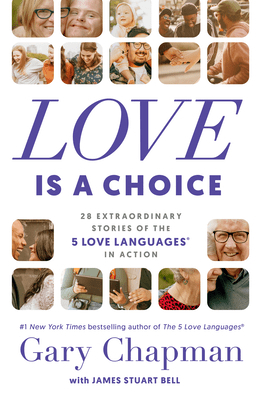
“Love is a Choice: 28 Extraordinary Stories of the 5 Love Languages in Action” was written by Gary Chapman, author, speaker, and counselor and #1 bestselling author of The 5 Love Languages series. Here are some great points:
Realize that you have as many faults as your partner. “Fix your thoughts on what is true, and honorable, and right, and pure, and lovely, and admirable. Think about things that are excellent and worthy of praise.” Philippians 4:8
Perhaps one of the keys to finding an enduring affection is to be willing to accept the interruptions and intrusions.
How do you measure love? Each of us speaks a different love language. How can we learn someone’s love language? By asking them what makes them feel really loved or by watching how the person expresses love to others.
Love doesn’t require that we always have all the answers. Instead, many times love just asks that we listen to the problem, that we try to understand, and that we express our condolences, sympathy, or love. Sometimes love means just being there for the person we care about.
Love requires effort and action. Love is not passive. It requires constant effort, communication, and care. Actions like making time for each other, showing affection, or helping with everyday tasks can strengthen a relationship in profound ways.
Open, honest, and empathetic communication is necessary to foster understanding and connection. Instead of assuming your partner knows what you need, communicate your feelings, desires, and needs clearly. Practice active listening and empathy.
4 out of 5 stars
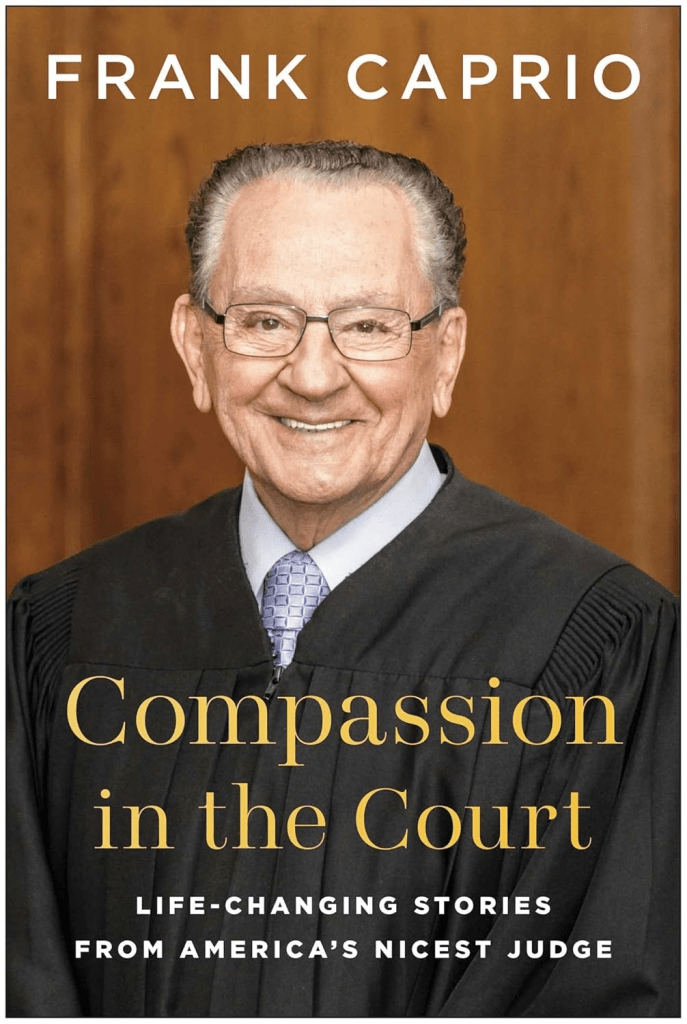
“Compassion in the Court: Life-Changing Stories From America’s Nicest Judge” was written by Judge Frank Caprio, who became an unexpected television and internet superstar while in his eighties. Judge Caprio’s three-time Emmy-nominated television show, Caught in Providence, has amassed over 20 million followers across social media and his videos have accrued billions of views. Here are some key lessons:
True justice should be tempered with compassion. Treat people as human beings, not just as cases or statistics.
Compassionate decisions build trust in the judicial system. When people feel that they are treated fairly and with understanding, they are more likely to follow the rules and make positive changes.
What may seem unimportant to you could be incredibly important and life-changing to the person before you. One small act of kindness, one act of being thoughtful, can really change the course of a person’s life.
Put yourself in the shoes of the person you are facing and then ask yourself: What would help? How would you behave if it were your parents, grandparents, brother, sister, or relative in that situation? How would you want them treated?
My courtroom was a microcosm of the city of Providence, a progressive city that’s been welcoming immigrants for hundreds of years. Many of the defendants who have appeared before me may not have felt life had treated them fairly, but it was my sincere hope that in my courtroom they felt that they had the opportunity to speak, to be heard, and to be treated fairly in the way our system of justice demands.
4 out of 5 stars
I look forward to reading, learning, and sharing more with you soon!








 Read Learn Share