It’s been a while since I’ve posted on this blog since I have had other priorities. I read 2 books in August and gave myself permission to quit 2 other books – a true act of self-care. Previously, I didn’t allow myself to not finish books. Here is a blurb of each of the books I read in August.
“The Ritual Effect: Unlocking the Extraordinary Power of the Ordinary” was written by Michael Norton, professor of Business Administration at Harvard Business School. Here are some main takeaways:
The essence of habit is the what – something we do – brush our teeth, go to the gym, pay bills, etc. The essence of ritual is the how. It matters to us not simply that we complete the action but the specific way that we complete it. When rituals are disrupted, people report feeling “off” all day.
Some rituals become so intricate that the ritual interferes instead of prepares. Ex: performance rituals – baseball players engage in an average of 83 movements when batting.
Rituals and repetition can be powerful tools for honing our self-control, but ritualistic behavior can, over time, start to control us instead. Among the most common treatments for compulsive behaviors is “habit reversal” training – identifying the root behavior that’s causing problems and replacing it with something else.
The 4 Lessons of Relationship Rituals
Rituals wake up our experience of commitment – doing things together.
Relationship rituals are exclusive.
Rituals – not routines – bring the magic.
Consensus is a critical factor. Do you and your partner agree that it’s a ritual and not just a routine?
Food and drink are often central to rituals, but how we share them is what shapes family identity.
Rituals can be the practices that call us home and bring family together.
Family rituals immerse us in the moment, strengthen identity, and create lasting meaning.
Rituals give us a sense of ownership, an affirmation of identity or belonging, or an increased feeling of meaning.
Personal rituals are more adaptable and meaningful than inherited rituals since we can shape them to fit our values and goals.
Rituals strengthen social bonds through shared meals, celebrations, or communal ceremonies.
Rituals don’t have to be complex. Simple, intentional actions can transform daily life.
4 out of 5 stars
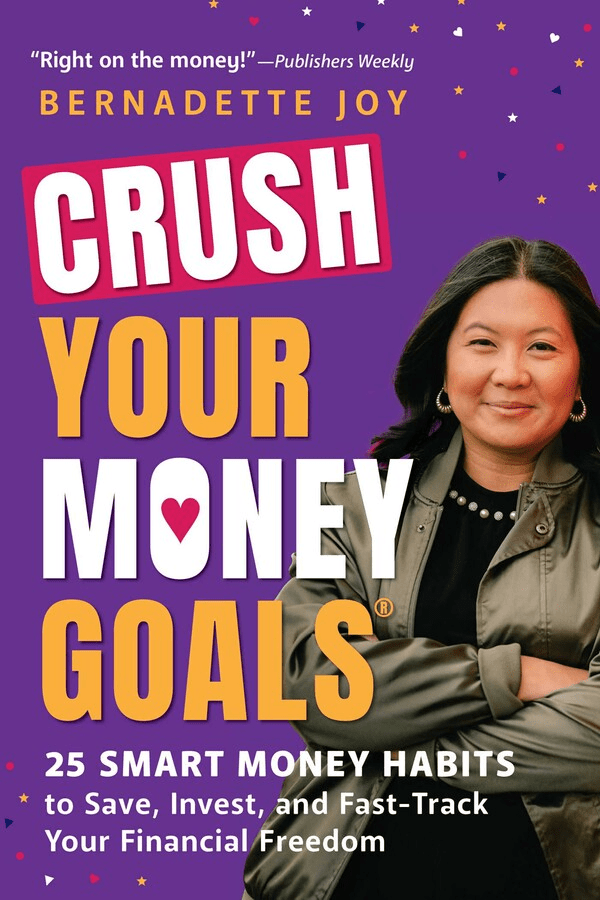
“Crush Your Money Goals” was written by Bernadette Joy, an expert money coach and founder of CRUSH Your Money Goals. Here are some main points.
CRUSH:
Curate your accounts. Coordinate accounts and track spending.
Reverse into independence. Set clear financial independence goals. Use the $1 rule to question non-essential purchases.
Understand your net worth and track it.
Spend intentionally. Align spending with values.
Heal your money wounds. Address emotional triggers that lead to overspending.
Net worth trackers organize your accounts into cash & cash equivalents, investments, property, credit cards, and loans. Trackers mentioned in this book include Empower (free) and Monarch Money (paid subscription).
Budget:
Survive – basic necessities, including housing, utilities, food, transportation, and health
Revive – current expenses that aren’t necessary but make life worth living for you, such as vacations, clothing, entertainment, and hobbies
Strive – anything that helps you grow your net worth
The CRUSH method consists of 50% strive, 25% survive, and 25% strive. In other words, saving/investing half of your income – which does not seem attainable for most people, especially people who don’t earn six figures.The author mentioned that if this is not attainable, people should work to increase their income.
Other tips:
Remember that the interest you pay on any debt is making someone else rich by being their passive income stream. Ex: your mortgage, auto loans, and credit cards.
Unsubscribe from email marketing and digitally detox from constant comparisons. Reduce impulse spending.
Implement a $1 cost per use rule – technology, furniture, clothing, accessories, home goods.
Invest in a Roth IRA, where you won’t pay taxes on growth. All income earned is tax-free.
Compare insurance plan rates each year. Ask for discounts from service providers.
4 out of 5 stars
I look forward to reading, learning, and sharing more with you soon!
I read four books in February. Here is a blurb of each of the books I read in February.
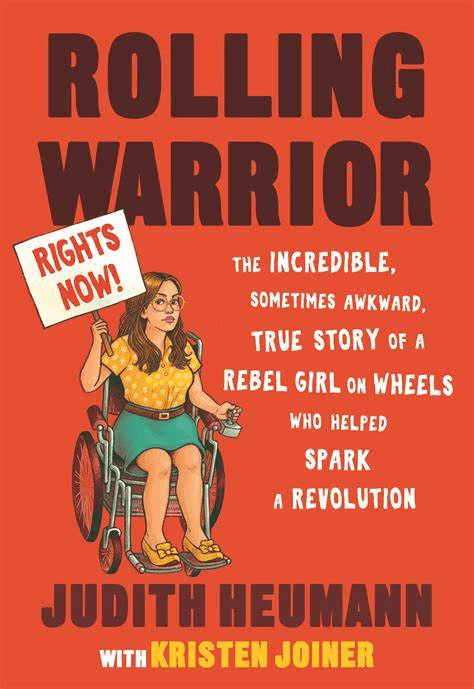
“Rolling Warrior” was written by Judith Heumann with Kristen Joiner. Judith is an internationally recognized leader in the disability rights movement. She has advocated for disability rights at home and abroad, serving in the Clinton and Obama administrations and as the World Bank’s first advisor on disability and development. Kristen is a writer and activist who tries to tell stories that change how people see the world. This book was the young reader’s edition of Judith’s acclaimed memoir “Being Heumann.”
Judith became sick with polio when she was 18 months old. Most people who get it are fine after a week or two, but some end up paralyzed and not able to move. Judith was paralyzed and can move her arms and hands, but can’t walk, dress herself, or go to the bathroom by herself. Judith detailed the challenges of living with polio:
Having a manual wheelchair when streets had curbs with no ramps
not going to a typical school until she was 14 years old – 1 1/2 hours away because her neighborhood school wasn’t accessible
having to ask other students for assistance when needing to go to the bathroom
having to ask other students for assistance to get into her dorm, which had a step
engaging in a sit-in protest with 150 disabled people to prompt the signing of Section 504.
Section 504 of Title V of the 1973 Rehabilitation Act prohibits discrimination against people with disabilities in institutions and programs receiving federal funding. Judith’s lifelong work also contributed to the passage of the Americans with Disabilities Act (ADA).
My story is similar to so many other people’s – those with and without disabilities. Telling our stories helps strengthen our ability to continue to fight against injustice. Sharing the stories about how we want our world to be – and then turning these dreams and visions into reality – is what we must all commit to doing.
4 out of 5 stars
“What I Told My Daughter: Lessons from Leaders on Raising the Next Generation of Empowered Women” was edited by Nina Tassler with Cynthia Littleton. Nina Tassler spent more than a decade as head of entertainment programming for CBS. This book consisted of short essays. Here are some of the many quotes from the essays that stood out to me.
We tell our girls that they can do anything, be anything, that the world is theirs for the taking. We encourage them – expect them – to be ultra-high achievers with lofty goals for college and beyond. I fear we may sometimes put too much pressure on our girls, imbue them with impossible standards. I worry that our dreams for them may sometimes, unintentionally, lead them to believe they can never make mistakes, and that perfection is more important than resilience. I want her to know that not only can she success, but that she can fail without being a failure, be hurt without being diminished, and be embarrassed without being ashamed.
“They always have the right to change their minds, especially when it comes to their personal happiness, whether it involves friendships, potential partners, and even career choices.”
“There are so many lessons we teach our daughters every single day – by what we say and do and how we treat others and how we let them treat us. We lead by example.”
“Choose friends who care about your feelings. Choosing the right people in whom to entrust our emotions and vulnerabilities may be the hardest but most important skill we learn in life.”
4 out of 5 stars
“Your Journey to Financial Freedom” was written by Jamila Souffrant, founder of Journey to Launch and the host of the podcast of the same name. She has been featured by several news outlets and is a certified financial education instructor. This book covered financial independence, creating your enjoyable financial independence plan, executing it, increasing income, paying down liabilities/debt, increasing assets, and staying the course and enjoying the journey. I got a lot out of this book. Here are some key points:
This book covered 5 journeyer stages, each of which has different financial priorities. This book also covered 5 different guacamole levels, which correspond with different lifestyle levels.
There are 6 components you’ll need to work on to help you reach financial independence: income, expenses, liabilities, assets, mindset, and habits.
This book encourages readers to evaluate their expenses based on their journeyer stage and guac level. Consider whether you are comfortable with sacrificing everyday indulgences now to achieve a bigger guac level later, whether you plan to maintain the same level in the future when you reach financial independence, and what guac level you can realistically live at now while working toward financial independence and the guac level you want to maintain once you reach it. Many people assume they need the same income in retirement but have goals of traveling more and living a more luxurious life. Evaluate your lifestyle and expenses now compared to your desired lifestyle and expenses later.
This book covered ways to increase income, set savings goals, optimize expenses, create a debt payoff plan, and increase assets.
It isn’t all about the future and living your best life in retirement. What are the things that you want and wish to do when you reach financial independence and how can you start doing them now? ex: hobbies and vacations
Don’t put your joy and freedom on layaway. The thing about living too much in the future or waiting for the next is that by the time you accomplish or have those things, your life has passed you by. Figuring out how to enjoy the now no matter where you are is critical to a peaceful and sustainable journey. Find joy right where you are.
This book was very comprehensive and educational, and I highly recommend it!
5 out of 5 stars
“Keep the Memories, Lose the Stuff: Declutter, Downsize, and Move Forward with Your Life” was written by Matt Paxton with Jordan Michael Smith. Matt is one of America’s top downsizing and hoarding experts, has been the featured cleaner on Hoarders, is the host of Legacy List with Matt Paxton, has been featured in several news outlets, and has helped thousands of people from all walks of life leave behind belongings that no longer serve them so that they can finally take the next step. Jordan Michael Smith is an award-winning journalist, author, ghostwriter, and speechwriter. This book is also in collaboration with AARP, the nation’s largest nonprofit, nonpartisan organization dedicated to empowering people aged 50+ to choose how they live as they age. Here are some of many tips that resonated with me:
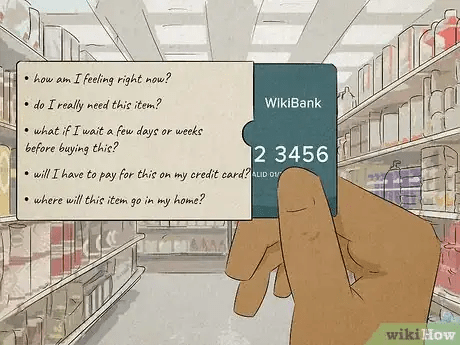
Clean or declutter for 10 minutes every night 5x/week. Stick to it.
Set a deadline to keep yourself accountable and force you to do the hard work even when you don’t feel like it.
Understand your why.What are your reasons for decluttering? Less stress? More space for stuff? Moving?
The best predictor of whether you’ll need an item is whether you are currently using it or have recently used it, not whether you think that, one day, somehow, somewhere, you’ll use it. In all likelihood, that day will never come. Love who you actually are and force yourself to say goodbye to your “fantasy self” items, the stuff you think you’ll use when you’re a different version of yourself. Ex: exercise equipment, clothes that are way too small
Give yourself permission to give. Don’t confuse the emotional worth with the economic worth. Something is only worth financially what an independent third party will give you.
Free yourself from guilt. We think we’re expected to carry on not just traditions passed down to us, but actual belongings. The reality is that you aren’t obligated to any thing or lifestyle other than the one you want. Let go of expectations about your obligations to inanimate objects.
Ask yourself, “What are the items that will help me live happily and keep my story living on forever?” Discover your legacy and feel free to keep 5-6 items that are intensely personal, both to the giver and the receiver.
We confuse the sentimental value of our objects with the financial value they’ll have to others. It’s only human to believe our stuff is worth more than it actually is because we attach emotions and memories to those items. Selling our belongings means separating the powerful emotional value from the brutal financial reality of what those possessions are worth in the marketplace.
I highly recommend this comprehensive book! It contains tips for decluttering, moving, creating a Legacy List of items, giving items away, selling items, and contains many resources.
5 out of 5 stars
I look forward to reading, learning, and sharing more with you soon!
My intention is to post a Thoughtful Thursday column each week and share some of the insights I have learned in the past week. Here are some of the things I’ve learned this week:
Self-Growth Nerds – 5 Most Powerful Questions to Ask Yourself
What do I make ___ mean about myself? Ex: rejection – “I make it mean that I will never find someone because I am deeply flawed.” I make it mean . . . creates distance between you and your thoughts. You get to be the observer of your thoughts.
What else could it mean/what else could be true? This opens your mind to other possibilities that you might not have considered because you are so focused on the one that is making you suffer.
What would ___ say? What would someone I look up to say? What would my most loving and confident friend say?
So what? Dedramatize the situation you’re in.
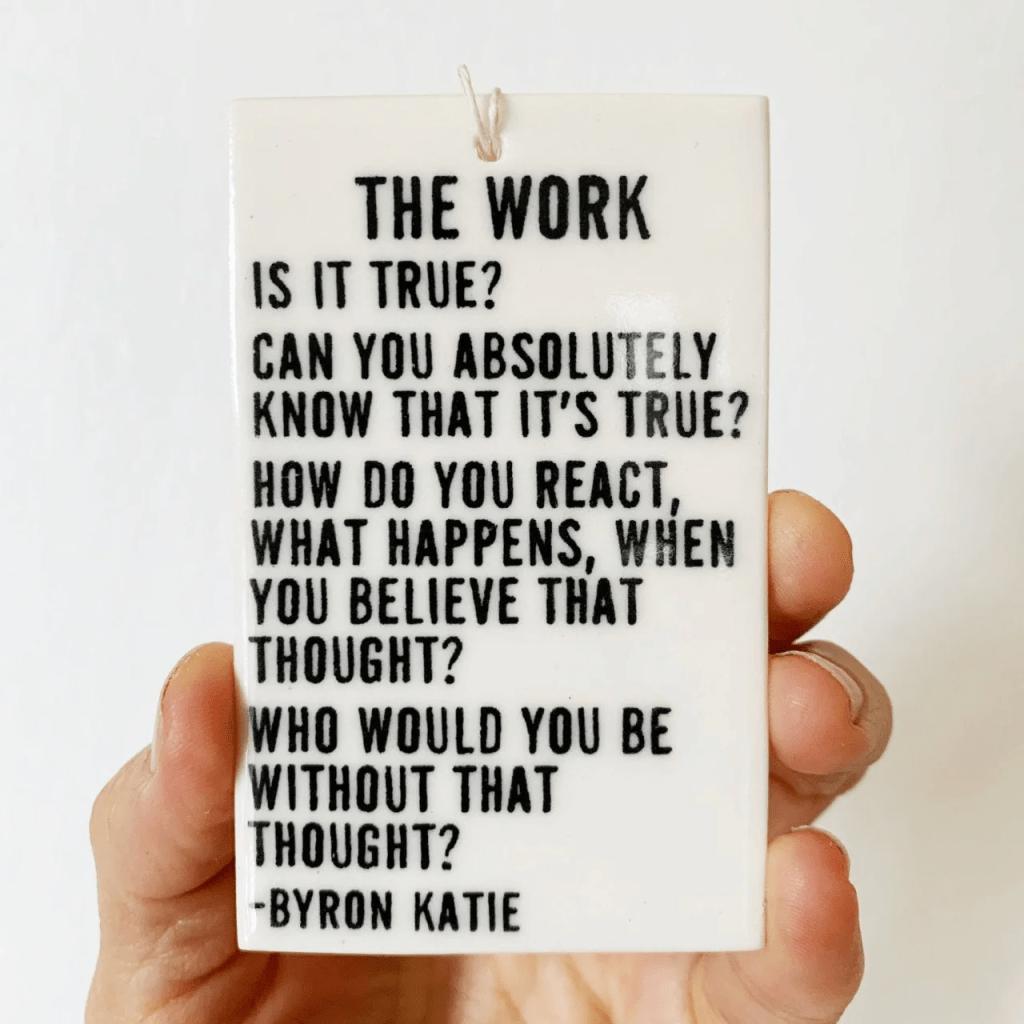
Who would you be without that thought? The thought you are so attached to is a choice. Someone else with a different background might not have that thought.
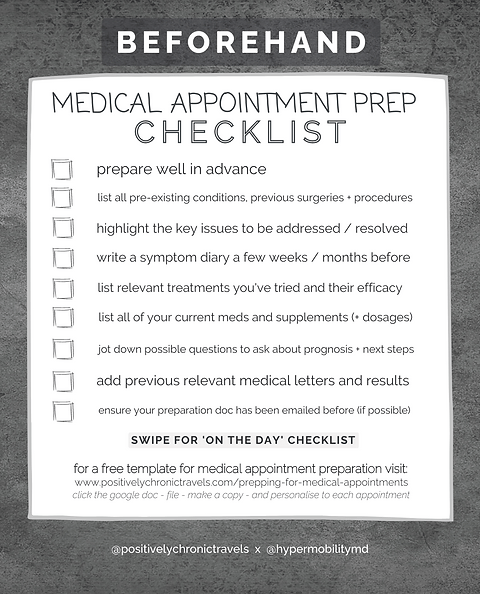
TED Health – A Healthier You: A 5-step guide to better doctor visits
Prepare for the appointments. Write down questions or concerns to ask your doctor about.
Be real with your doctor, even if it feels awkward. Tell them the whole story. Tell them exactly how pain or illnesses or medical procedures affect your day-to-day life.
Don’t be afraid to ask questions or even get a second or third opinion. Clarifying things is necessary.
Bring a trusted person to your appointments if you can. Take detailed notes that you can review later.
Don’t be afraid to follow up. Be persistent. Push for answers or referrals to specialists. You’re never a burden for asking questions or pushing for better care. Follow up until you get the care that you deserve.
What’s one step that you can take today to be a better advocate for your own health? Maybe it’s scheduling an appointment you’ve been putting off, writing down questions for your next appointment, or following up and requesting a referral to a specialist.
NerdWallet’s Smart Money Podcast – Are You Spending Like Your Generational Peers?
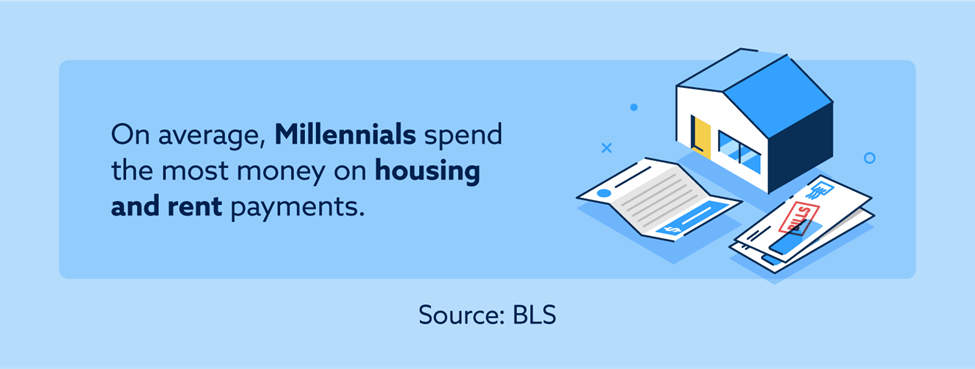
BLS data – Baby Boomers spend 95% of annual income after taxes, Gen Z spends 93% of annual income after taxes, Millennials spend 83%, and Gen X spends 84%.
Millennials and Gen X are spending close to 15% of total expenses on retirement. Gen Z are spending close to 12% on retirement. These are averages!
Food accounts for 12-13% of expenditures among all generations.
Groceries account for 7% of all spending and takeout takes up 6% of spending
Gen Z spend on average 4% on healthcare expenses.
The highest-earning generation spends the most money on transportation (car, flights, public transit). Gen X spent $17,000 on average in 2023 compared to $10,000 for Gen Z.
Are you spending and saving like your generational peers? Or are you doing better or worse?
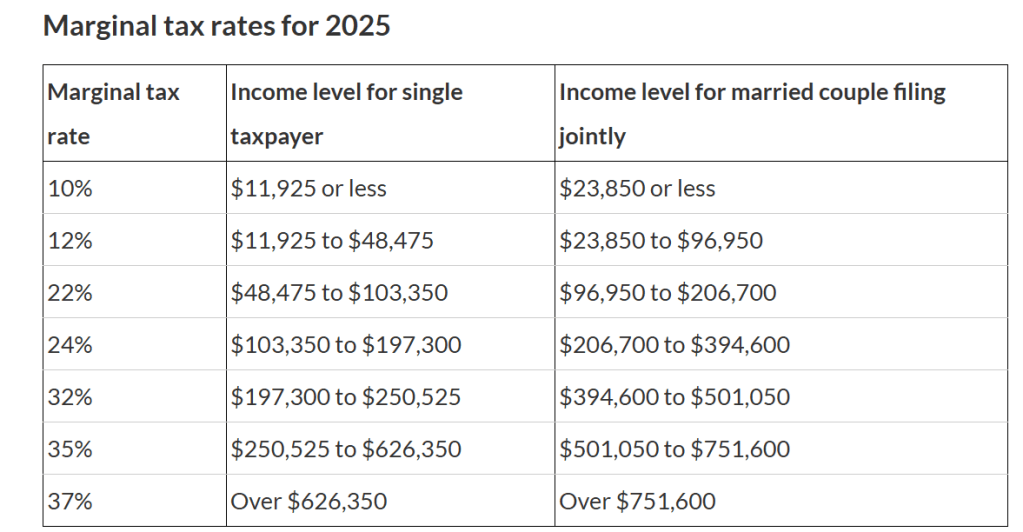
New tax brackets for 2025 + new standard deductions
Fit, Healthy, & Happy Podcast – Fitness & Health Habits to Break
Pre-workout – too much caffeine. Don’t drink more than 500 mg per day. You shouldn’t need pre-workout every day. Analyze your consumption and don’t rely on pre-workout. Are you getting enough sleep?
Over-reliance on warms ups/needing certain machines/shoes/equipment – some people are so particular and don’t deviate from warmup routines, an Apple Watch, etc.
All or nothing mentality (weekends especially) – it won’t always be a perfect day to work out and you won’t have as much time as you’d like to but move your body anyway.
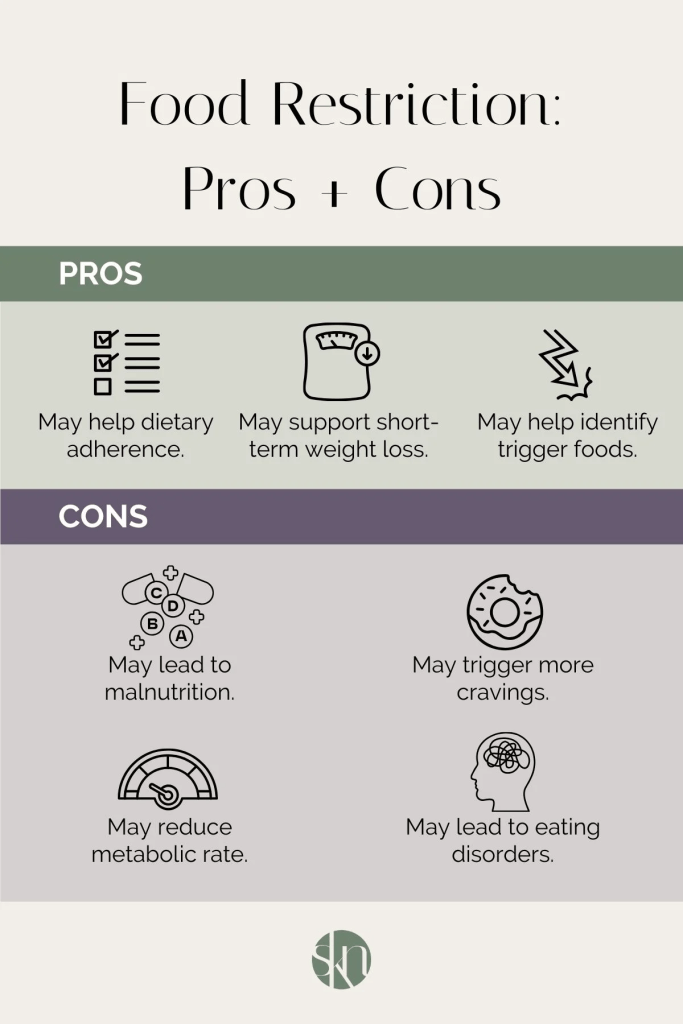
Demonizing foods – restriction causes cravings. Don’t put labels on foods. Moderation is the key to success. 80/20 clean eating
Neglecting sleep/recovery – cut off caffeine consumption by 12 p.m. Prioritize sleep and recovery.
Crutching protein and protein supplements – focus on whole food sources for protein.
Lifting with bad form – have a season where you really focus on perfecting your form.
Treating it as a chore and not having much to look forward to – if you view working out as a chore, you won’t push yourself or make progress. Find something to look forward to and set goals you want to hit. When you see results or progress, working out is more exciting. Update your routine or goals or try a new challenge.
Only allowing yourself to see results or having no social life – have a balance of working out and a social life. Fitness and health need to be integrated within your life. Have some flexibility with your fitness to have a social life.
Refusing to change your mind/update your beliefs – you need to try new things, update your beliefs, and have the capacity to change your mind. Ex: you can have carbs and still be in shape.
There are lights, camera and action, but mostly there’s the unreality of making it fit.
Happily ever after, a climax at just the right moment, perfect heroes, tension, resolution and a swelling soundtrack. Every element is amplified and things happen right on schedule.
Consume enough media and we may come to believe that our life is carefully scripted, and that we’re stars of a movie someone else is directing.
This distracts us from the truth that real life is more muddled and less scripted. There is no soundtrack. We’re actually signed up for a journey and a slog. Nothing happens ever after. It’ll change, often in a way we don’t expect.
We have no choice but to condense a story when we want to film it. Our real story, on the other hand, cannot be condensed, it can only be lived. Day by day.”
I look forward to reading, learning, and sharing more with you soon!
My intention is to post a Thoughtful Thursday column each week and share some of the insights I have learned in the past week. Here are some of the things I’ve learned this week:
Mentally Stronger with Therapist Amy Morin – 7 Things to Spend Money On if You Want to Be a Happier Person
Experiences (over material goods) – collect moments, not things.
Invest money in relationships – pets, spouses, etc.
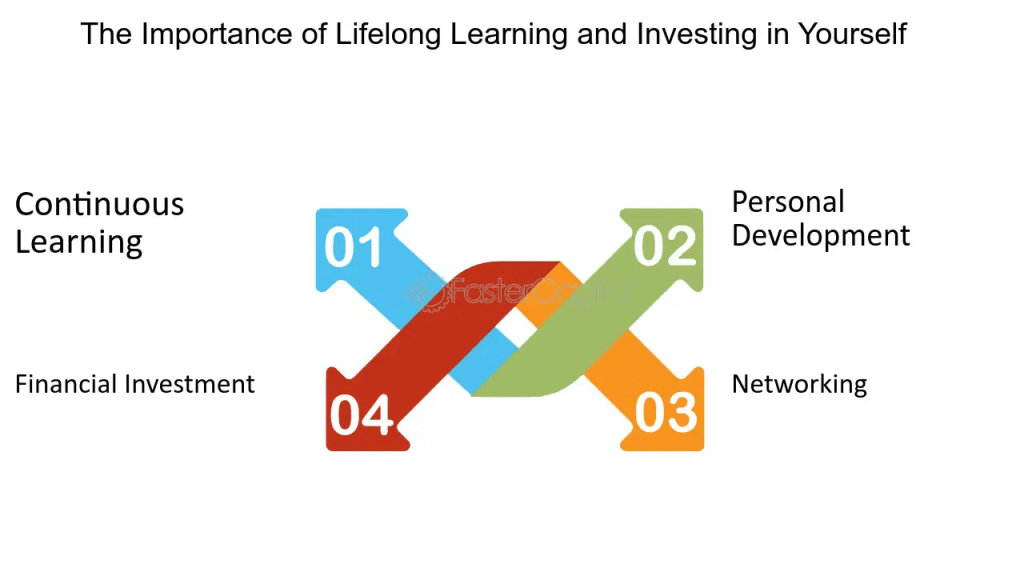
Personal development and education – think about what you like to learn about and find ways to grow and learn – buy books, take a course or attend a conference, take a trip somewhere to learn more about a culture, etc.
Anything related to health and wellness – gym membership, fitness equipment, therapy, quality food, etc.
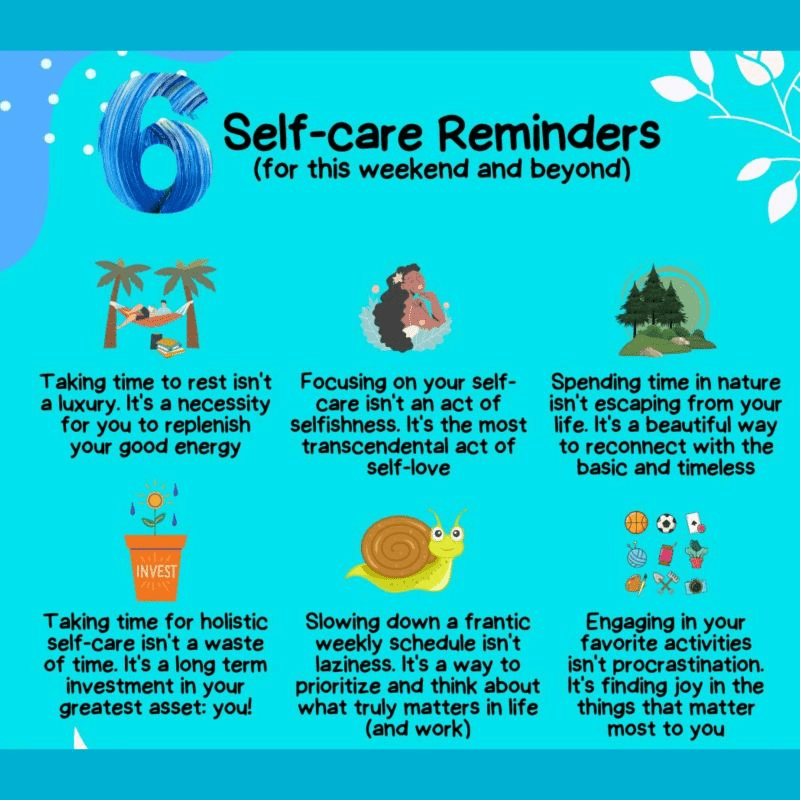
Anything related to self-care and relaxation – massage, meditation class, hobbies, hiring a house cleaner, etc.
Acts of kindness and charity – spending money on other people makes us happier than spending money on ourselves. Gifts, charity donations, volunteering, etc.
Things that help you spend quality time in nature – outdoor activities, taking a trip in nature, etc.
What didn’t make the list? Having a bigger house, a fancier car, a designer purse, etc.
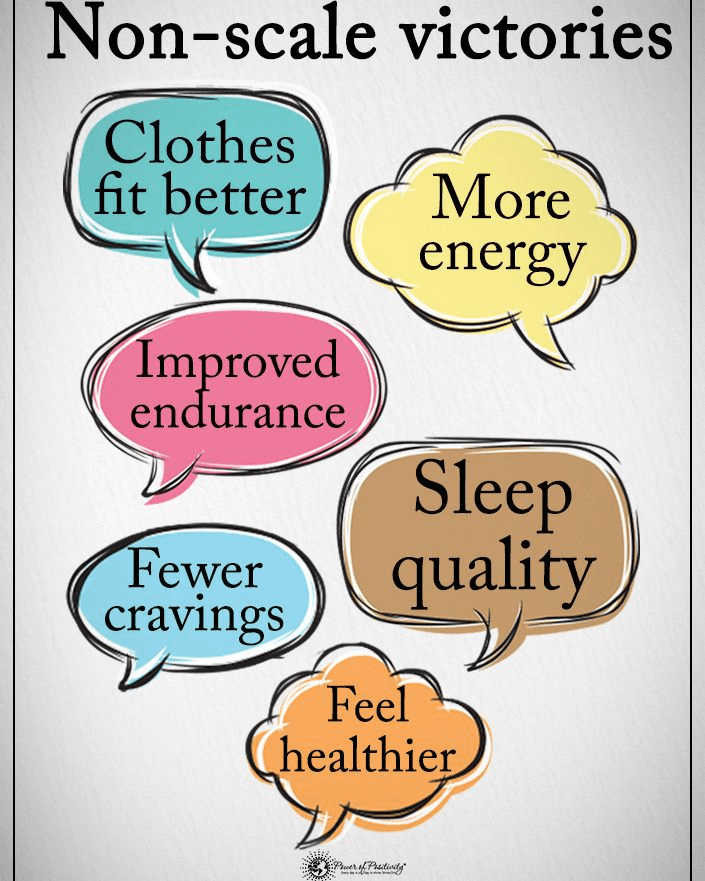
Optimal Health Daily – 10 Ways to Measure Progress (That Aren’t Weight Loss) by Amanda Wheeler
This podcast stood out to me because SO many people work out solely to achieve a certain weight or physique and are often left disappointed and discouraged from continuing to exercise because they aren’t achieving the weight they desire. There are so many reasons to exercise aside from just weight loss, and there are many other ways to measure progress that aren’t weight loss.
Weight lifted – Can you lift heavier this month than last month?
Recovery – How do you feel between sets? Are you able to bring your heart rate down quickly and bounce back in?
Reps for time – Can you do more work in the same amount of time or the same amount of work in less time?
Resting heart rate – if your resting heart rate is lower, your heart is more efficient. If you’ve been training and your resting heart rate goes down, that’s progress.
Aerobic window – the difference between your resting heart rate and your anaerobic threshold.
Mobility/range of motion – if you notice you can get more range of motion, that’s progress.
Energy – How do you feel during the day? Are you drinking caffeine to stay awake, or do you have a consistent pep in your step? If you no longer crash midday or reach for the extra dose of caffeine, that’s progress.
Sleep – Are you now waking up feeling rested? That’s progress.
Clothing – Is your clothing getting looser? Using clothing to measure progress is a great way to feel good about yourself without diminishing the feeling by the number on the scale.
Confidence – How do you feel about yourself? Feeling more confident is a measure of progress that gets overlooked.
Optimal Relationships Daily – 12 Relationship Truths I Wish I Knew 12 Years Ago by Marc Chernoff
You have to love yourself first. Fall in love with yourself and share that love with someone who appreciates you, rather than looking for love to compensate for a self-love deficit.
You get what you put in. The true impact you make on people will depend on the time and attention you give to teaching those who know less, caring for those who have less, supporting those who are striving, and tolerating those who are different than you.
What most people think of you doesn’t matter. No one is ever going to care about your life and the way you choose to live it more than you will.
Friends and family won’t always support your goals, but you must pursue them anyway. Follow your intuition.
Life doesn’t always change as fast as people do. Not everyone is who you once knew.
Love requires three things: acceptance, honesty, and commitment.
A big part of who you become is who you choose to surround yourself with.
A soul mate is a person who brings out the best in you.
The next time things are going well, when a project is about to launch, when a meeting has been successful, when the sun is shining… take your phone and go for a walk.
Hit record on an audio app and make a twenty-minute audiobook. Talk about what you know, what you see, what you hope for. Talk about the change you seek to make and how you’re going to get there.
And then save it.
Save it for when you need to hear from that person who recorded it.
It might become the best audiobook you own.”
Before Breakfast – Be flexible on the details
It’s okay to have requirements but be flexible on the details of how people can achieve them. The more flexible you can be on the details, the more loyalty you will probably engender. For a great many things, it is the outcome that matters.
When people can have some choice and autonomy about the details, they feel more in control of their lives. High expectations seem less burdensome, which makes it more likely that they will be met.
I look forward to reading, learning, and sharing more with you soon!
My intention is to post a Thoughtful Thursday column each week and share some of the insights I have learned in the past week. Here are some of the things I’ve learned this week:
Optimal Living Daily – How to Find Meaning in Life: 7 Steps to a More Fulfilling Existence
Define what it is that you want in life. What are your goals and aspirations? What brings you happiness and fulfillment? Be clear about what you want.
Connect with others and build meaningful relationships. When you have close relationships with other people, they can provide a sense of connection and purpose. Get involved in activities that bring you together with other people, such as clubs, groups, or social events.
Find your passion and do what you love every day.What are you interested in and what do you love doing? When you’re passionate about something, it brings a sense of joy and excitement into your life. You’ll be more motivated to pursue these interests, and you’ll feel more fulfilled when you’re doing them. Explore different activities and interests and see which ones make you feel the most alive.
Serve others and make a difference in the world. Helping others can give your life purpose and meaning. You’ll feel more connected to something larger than yourself, and you’ll have a sense of satisfaction from knowing that you’re making a positive impact in the world.
Live in the present moment and appreciate the here and now. When you’re constantly living in the past or future, you miss out on all the beauty that exists in the present.
Be accepting of change and understand that things will not always go according to plan. When you’re constantly expecting things to stay the same, it can lead to disappointment and frustration. When you accept change and understand that it’s a normal part of life, you’ll be more prepared for when things don’t go as expected.
Be your most authentic self. When you’re being genuine and true to yourself, it helps you connect more with others and build meaningful relationships. It allows you to live a more fulfilling life since you’re not pretending to be someone that you’re not.
The Jordan Harbinger Show – Sovereign Citizens – Skeptical Sunday
Sovereign citizens are people who don’t acknowledge the legitimacy of the United States government – don’t pay taxes, don’t have IDs, don’t register their cars, or acknowledge zip codes
They don’t believe the police or the courts have jurisdiction over them. They are not subject to the laws of the United States of America.
They represent themselves in legal matters and use pseudo legalese.
The roots of the movement grew out of White Nationalism. The modern sovereign citizen movement has an African American branch, the Moorish Sovereign Citizens.
Some sovereign citizens believe there are two classes of citizens within the United States: sovereign (original) citizens and federal (U.S.) citizens. Sovereign citizens have all of the rights of the Constitution but federal citizens don’t. Federal citizens voluntarily surrendered their freedom in exchange for benefits from the U.S. Government. Sovereign citizens renounce federal citizenship and reclaim the rights as common law citizens.
Sovereign citizen arguments have no basis in law and have never been successful in court.
Sovereign citizens believe that you are not the person on your birth certificate. The birth certificate is its own entity. A birth certificate is ALL CAPS, a separate entity. They insist that the corporation that is the U.S. Government uses citizens as collateral to the Federal Reserve.
Sovereign citizens believe that as long as they don’t travel for commerce or cross state lines, they don’t need a license or registration. They will paint private use on their vehicles and issue themselves license plates.
Gurus sell sovereign citizen ideology. They appeal to desperate people, such as people in foreclosure or debt.
Gurus sell diplomatic immunity cards. If they create their own country and issue themselves cards that say diplomatic immunity, they believe they will have diplomatic immunity. Gurus also sell how-to books and membership cards. They are really just selling hope.
They believe that not only are you out of debt because your birth certificate is the one who owes the debt, not you, but that there is a bunch of money waiting for you somewhere. The corporations masquerading as our country owe you money.
Straw man account is the bank account attached to the corporate entity on your birth certificate (ALL CAPS) and this bank account is overflowing with cash – known as redemption. According to the sovereigns, the government set up secret bank accounts in our birth certificate names. They believe that with the magic words and forms, you can access it.
In 2016, the IRS discovered a sovereign citizen straw man scheme but only after issuing more than $43 million to sneaky sovereigns.
Bond process – by submitting the right set of papers, sovereign citizens believe they can wipe out their mortgage, tax bills, and student loans. Many people find themselves in the sovereign citizen movement through financial desperation.
There are between 200,000-300,000 people who consider themselves sovereign citizens.
The courts often reject sovereign citizen arguments without much explanation. No sovereign citizen has ever successfully argued their points in a court of law.
The Personal Finance Podcast – How Much Should You Spend on a Family Vacation?
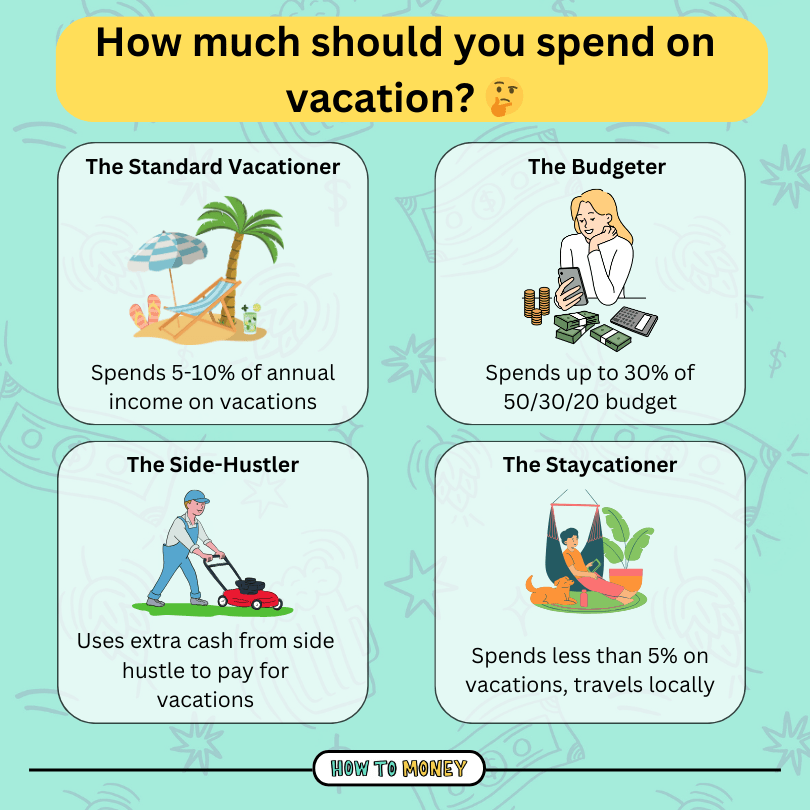
This episode really surprised me. It suggested that people should aim to spend 5-10% of their net income on vacations (without going into debt). I definitely spend much less than that and instead have prioritized saving for retirement and short-term needs. I am curious to hear your thoughts about this!
You should never go into debt for a vacation.
Know your NET monthly income and monthly expenses. Know how much debt you have.
Have your emergency fund fully funded. 3-6 months of expenses
Be on track to hit your retirement goals. Investing your dollars is the only way to prepare for retirement.
Look at your short-term goals. Prioritize those goals.
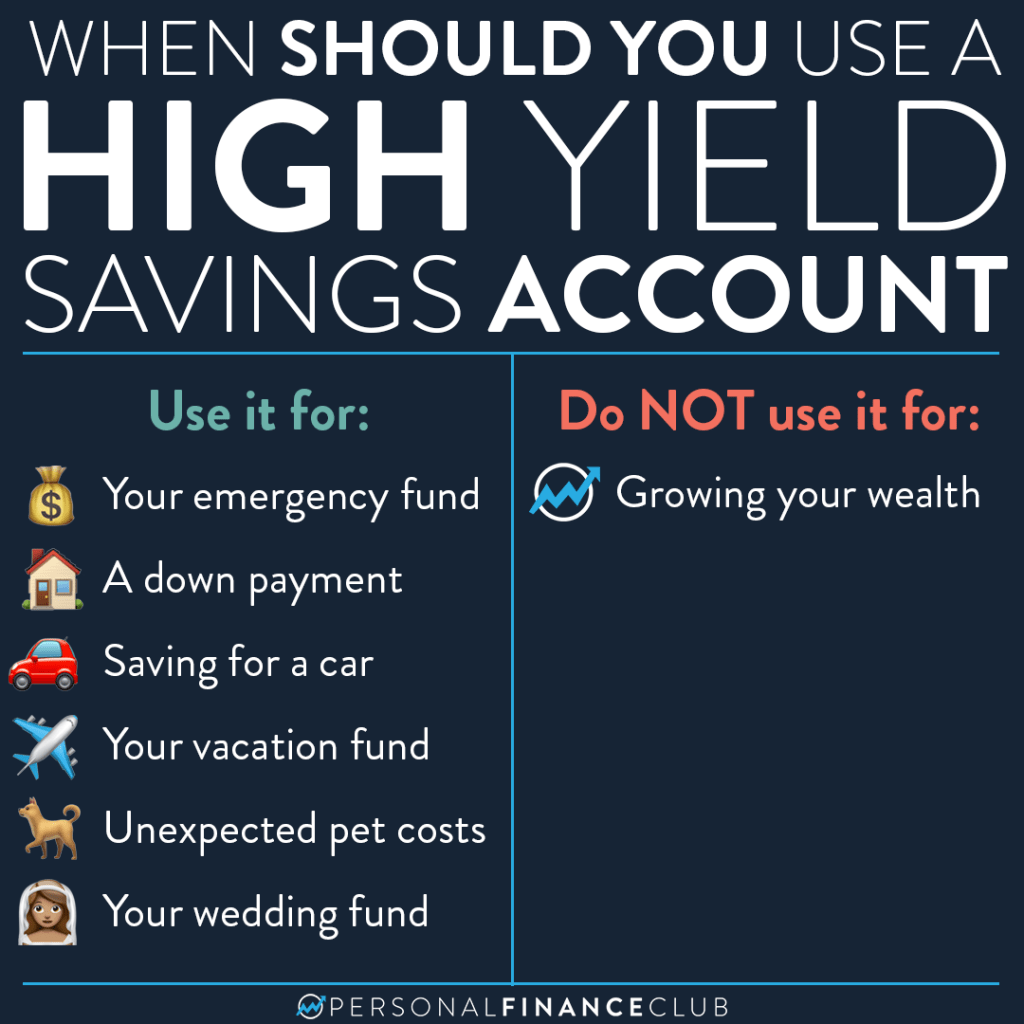
Calculate your disposable income. Determine if there are any savings earmarked for vacation. Put savings in a high-yield savings account.
Automate savings using discretionary income – example: 5-10%
Once you build wealth, you may be able to spend 20-30% of your income on vacations.
By income:
$40k: 5% of net income – $2k per year on vacations/ 10%: $4k per year on vacations (will need to travel hack)
$60k net: 5%: $3k per year on vacations/ 10%: $6k per year on vacations (travel hack or side hustle)
$80k net: 5%: $4k per year/ 10%: $8k per year on vacations
$100k net: 5%: $5k per year/ 10%: $10k per year on vacations
Look for ways to increase your salary, get a side hustle, or learn to travel hack.
This post from Gabe the Bass Player stood out to me this week:
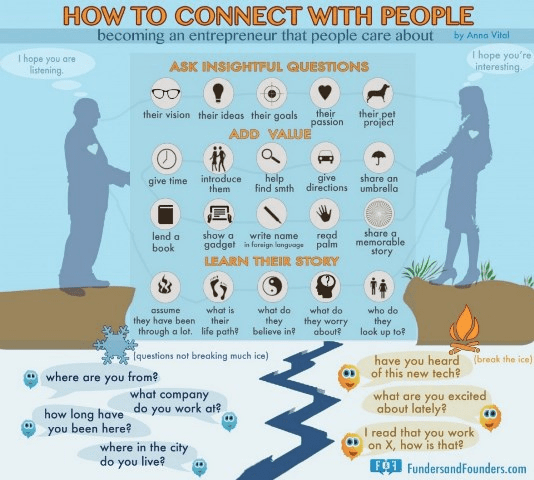
“If you are looking for chances to connect you will find them all over the place.
You’ll probably have to go first. It might be a little weird. It will be scary. You might not get the response you’re hoping for. You might over share. You might ask the wrong question. Your effort might not get reciprocated.
But it beats the alternative…
If you’re not looking for chances to connect, the depth of your relationships and your relational maturity are at the mercy of others’ initiative…and your indifference.“
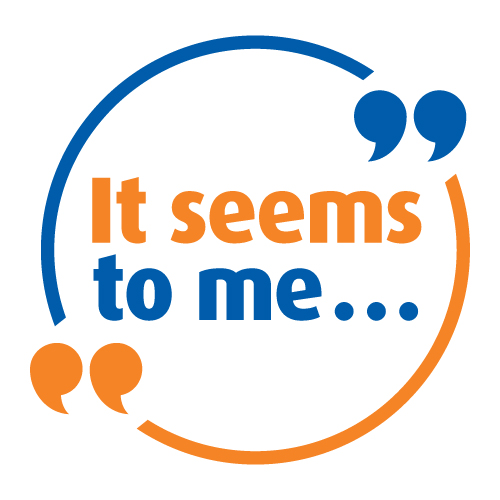
“What a simple verb. A five-letter modifier that opens the door to discussion.
If we state something as a fact, we’re asking for an argument.
But seems opens the door to learning and discussion.
What are you seeing that I’m not seeing?”
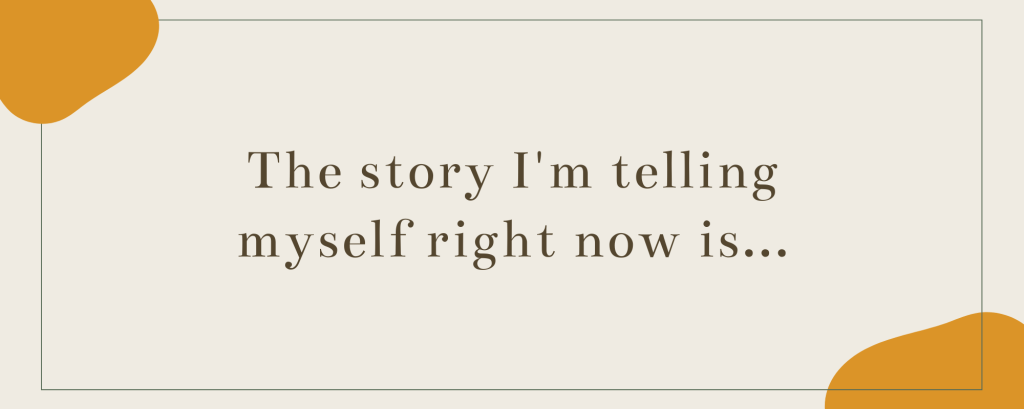
Often times we fail to see or consider other perspectives. We state something as fact, argue with others, and put the blame on others. We tell ourselves stories and accept them as truth. We forget that our feelings and thoughts are not facts. One phrase I’ve learned in therapy is “The story I tell myself is…” This phrase has been really helpful. Rather than put blame on others, verbally attack others, or believe my thoughts are truth, I put my thoughts out there with that phrase – and I have noticed that sometimes my perspective was wrong. I assumed incorrect intentions, didn’t have all of the context, etc. What story are you telling yourself?
I look forward to reading, learning, and sharing more with you soon!
My intention is to post a Thoughtful Thursday column each week and share some of the insights I have learned in the past week. Here are some of the things I’ve learned this week:
Sad to Savage – How to Create Habits and A Routine With An Inconsistent Schedule
Keep a consistent amount of time that you need instead of a consistent time you need to wake up.
Pick 1-3 things you want to do in a morning routine and figure out how long it takes to do those tasks. Usually 1 hour – then figure out what time you need to wake up each day
Write out your schedule each week.
Create at least two morning routines: weekdays vs. weekends. Days you are working vs. days you are off.
What would your ideal morning routine be for the days you are working? What would your ideal morning routine look like for the days you are off?
Choose a workout you like to do and one that you can do consistently. Build a habit of physical movement on the days that you have off. Build a physical health habit that is realistic and that you can keep consistent.
Time consistency helps build your habit – same time every day
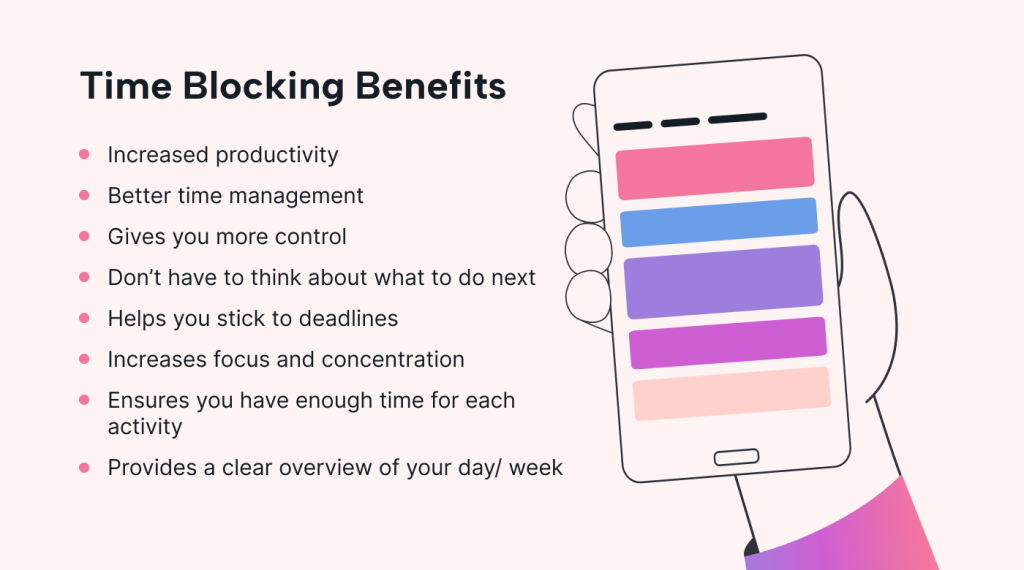
If you feel like you don’t have time for things, time block. See how much time you are spending on your phone each day instead.
Prioritize waking up earlier and doing a morning routine, or work on your routine right away when you get home from work.
Grocery shop and meal plan and prep on one of your days off.
Nighttime routine- get meals ready for the next day.
Focus on having a short routine and long routine. Short routine for nights you work late, are exhausted, and don’t have much time – pick 1-3 things that are crucial for your success the next day (scheduling workout, washing your face, setting out clothes). Long routine for days you aren’t stressed and aren’t getting home late (prepping food for next day, tidying room, reading before bed, washing your face, setting out clothes, etc.)
Inside Out Money – Progress over Perfection
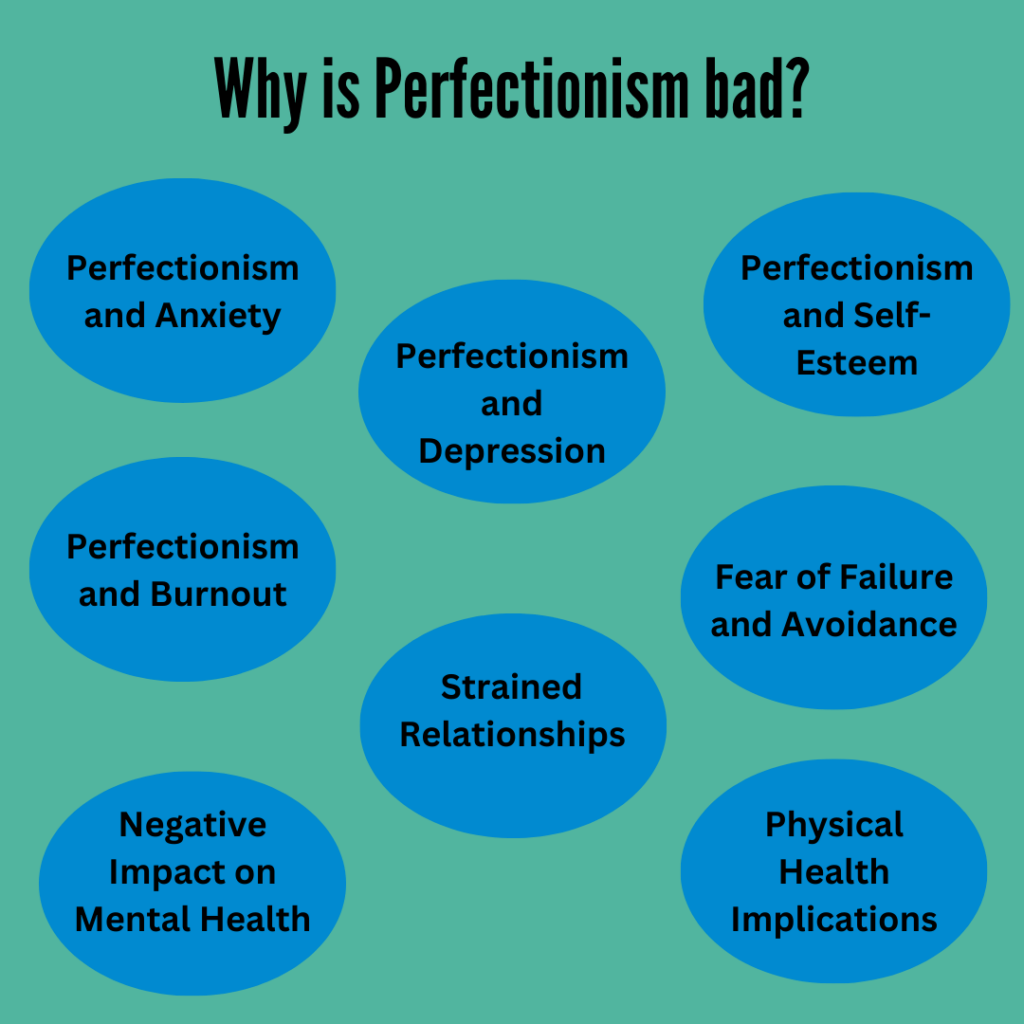
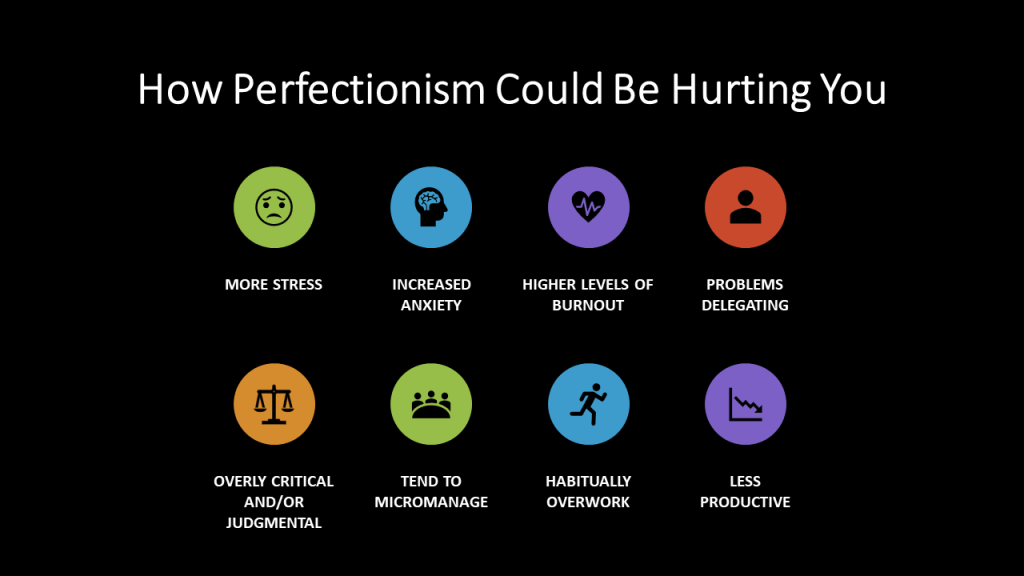
Perfectionism – striving for flawlessness, holding excessively high personal standards, and having overly negative reactions to perceived mistakes and setbacks – can lead to a lot of self-criticism and rumination
Root of perfectionism is deficit and lack – whole existence is to prove to other people that we are good enough, we have skills, we matter, and that we are high-functioning.
Perfectionism can be linked to imposter syndrome. If you’re trying to project a perfect person all the time to others, you might feel like an imposter.
Combat perfectionism
Mindfulness – Be present in the moment and understand the emotions that are going on within you – passing thoughts and passing emotions.
Meditation
Vulnerability
Self-compassion
Radical acceptance – we can’t control everything. We need to do the best with what we have.
Focus on balance and progress over perfection with finances.
Have a growth mindset. See mistakes as learning opportunities. We can always strive to get together while also being kind and compassionate to ourselves and those around us.
Tips:
Just get started. Don’t put off working on your finances and tracking your net worth and expenses just because you are afraid to see the results.
Focus on the things that you need to improve around your finances and set realistic goals. Ex: improving credit score, paying off debt, increasing savings rate
Learn from your mistakes. Recognize ahead of time that you will make mistakes and you can get better at this.
Set consistent habits and automate things when you can.
Avoid perfection paralysis. There is never a perfect time or perfect situation to start doing better. Don’t wait for the right time.
On Purpose with Jay Shetty – 7 Habits to Be Present
Wake up twenty minutes before you have to. If your first thought when you wake up is, “I’m already behind” you are already living in a feeling that you need to catch up with time. Our language and our thoughts set how we feel. That thought will repeat itself for the rest of the day. If you start your day slower mentally and physically, you can maintain that momentum as it speeds up.
Connect with yourself.What is the one thing you need to do for yourself today?
Calendar – what is the one thing you need to do today to make it a great day?
Check in with someone else.
One device at a time: tv, laptop, phone. Your brain processes background noise. Limit your focus to one device at a time. Having a rule is better than not having a boundary.
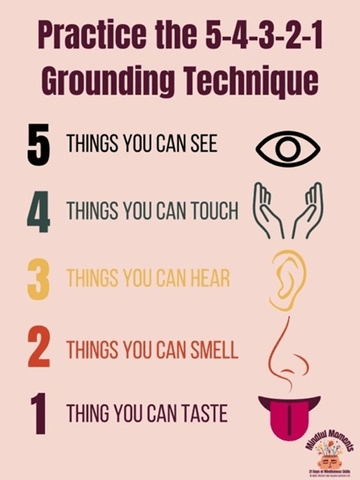
Take thirty seconds when you enter a new room, new space, or a new part of your day to engage your senses. What can you see, hear, touch, smell, and taste?
Obey the speed limit. One of the ways we feel the most out of touch is when we are driving. Is shaving off two minutes worth the risks of what you may experience?
Be present with your breath. Breathe in for 4 and out for 4 counts. Reconnect with your breath and your body.
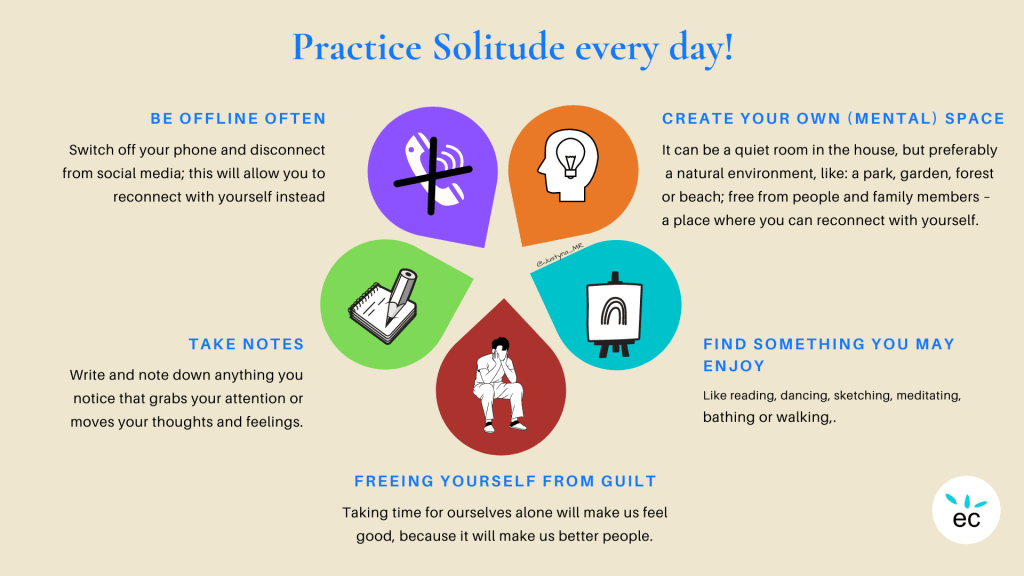
Prioritize extended periods of silence – increases brain cells, helps you be more focused and productive, helps you relax and slow down
Experience nature – gives us a feeling of time abundance, sense of time is slower and more meaningful
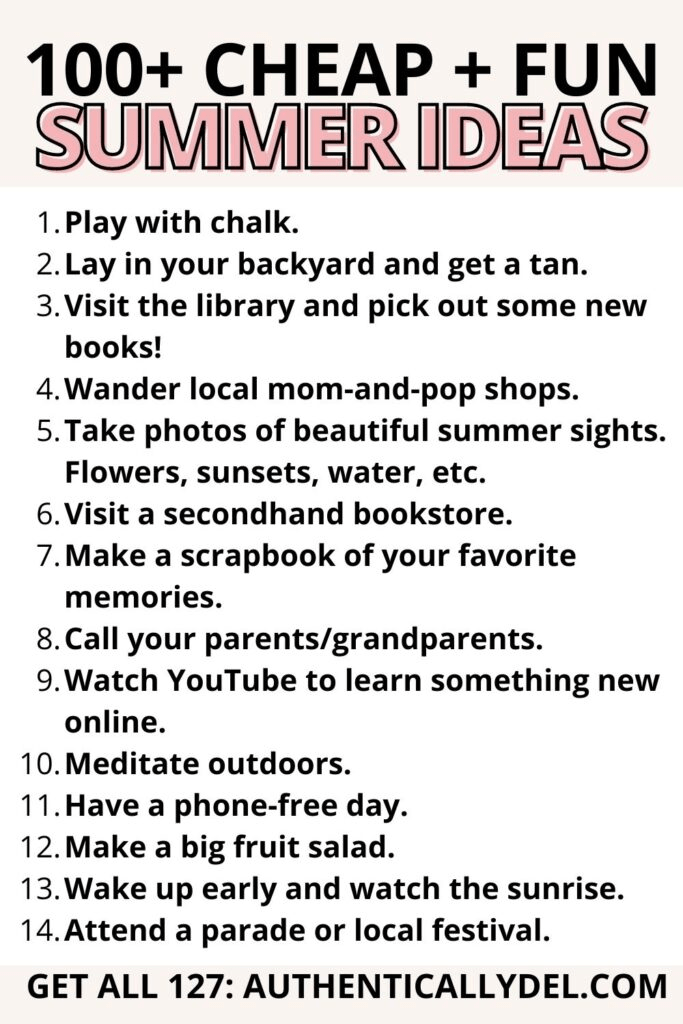
Life Kit – Summer fun on a budget
Public parks and beaches
Field day with friends – three-legged race, water balloon toss
Park programming – events calendar
Penny date – explore things without an objective. Take a coin, pick a direction for heads and tails, and flip the coin and see what direction it takes you. Stop when you see something interesting.
Go to the farmer’s market.
Parades
Coloring book and colored pencils
Open mic nights/poetry slams
Museums – some museums offer free admission on certain days
Recreate a family recipe.
Themed hangouts – pick a theme and invite people over
House/apartment swap with a friend
Go to an open house, even if you aren’t in the market
Go to the mall and try on silly outfits
Write your future self a letter
I look forward to reading, learning, and sharing more with you soon!
My intention is to post a Thoughtful Thursday column each week and share some of the insights I have learned in the past week. Here are some of the things I’ve learned this week:
Optimal Living Daily – 8 Signs You’re A Perfectionist
You have the all or nothing mindset. The outcome has to either be perfect or there will be no outcome at all. You are either a success or a failure.
You fear failure. You have a fear of putting yourself out there and going out of your comfort because you might not be seen as “perfect.”
You might have trust issues. This has to do with the fear of letting go of control. You have the idea that if something needs to be done perfectly, you need to do it yourself. Letting go of this need for control and learning to trust other people is crucial for overcoming perfectionism.
You “should” all over yourself. You spend a lot of time in the “shoulda, woulda, coulda” land.
You procrastinate without end to find the right time to work on your goals.
You would rather give up than not do something perfectly. Putting decent work out there is a must to drive you all the way to your dream destination.
You spot mistakes everywhere. You see mistakes where other people don’t and you make it your mission in life to uncover them in all situations.
You fear judgment.The truth is that people don’t really think about you as much as you think they do. You don’t need other people’s approval to live your life; you just need your own.
Sad to Savage – Making Health and Fitness A Lifestyle With Savannah Wright
Make a plan for the week. Know that some weeks will be busier with events and obligations and you might not be able to work out as much as you want to. That is fine. Overall consistency is key, but not every week will be perfect.
Know that your body will change. You will need to alter your workouts. Don’t compare your body to how it was years ago. Your body may be looking for a different kind of workout.
Mindful mile – run a mile without music – focus on mindfulness – your breath and your thoughts
Yet, at the same time, you show up every day for work and for others. Show up every day for yourself. Don’t rely on motivation. Rely on self-respect, commitment, and dedication.
Give a new fitness program 90 days before deciding if it’s for you long-term.
Don’t wait until you “have the time.” Find the time. Prioritize yourself and your health.
If you can stream shows for an hour or hours, you have time to work out. You can even walk on the treadmill or lift weights while you watch.
Determine your why. Is it longevity? Physique? An event? You want to feel better? You’re only doing it because someone told you to do it?
Life Kit – How to practice ‘deep reading’
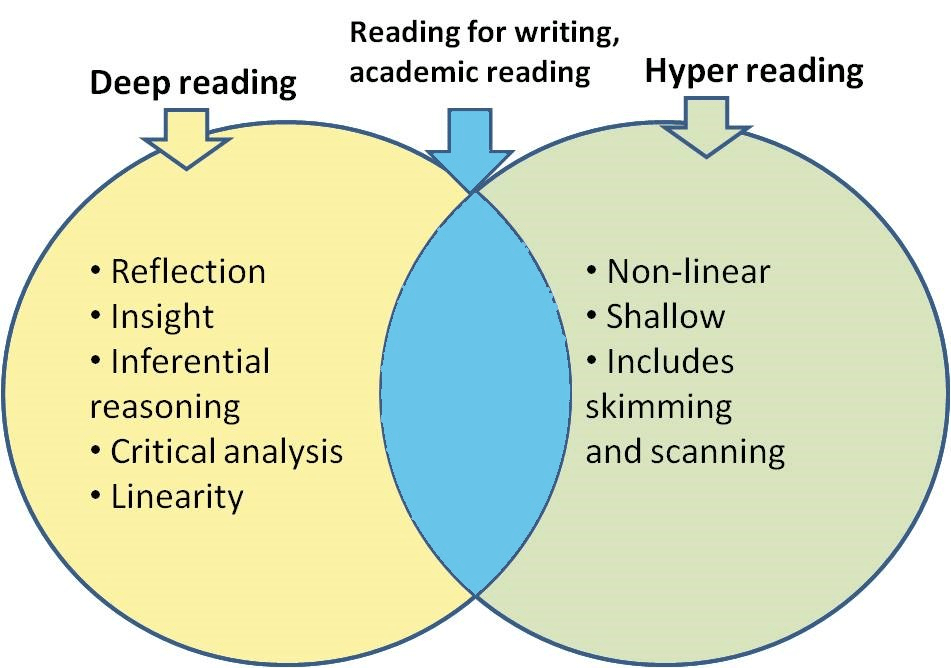
Reading can be extremely difficult because things are competing for your attention. Our brains aren’t meant to deep read; it is supposed to be hard.
Reduce distractions.
Deep reading takes place when we become so immersed in deep thought and concentration and don’t give in to distractions.
We tend to skim instead of deep read. Skimming is one of the greatest disruptions of deep reading. It’s a defense mechanism.
Screens are fine if you are skimming. If you want to deep read, you have a better chance of minimizing distractions if you read on paper, where you can go at your own pace.
Start by forcing yourself to read at least 20 minutes per day in print – not on screens.
Deep reading takes practice, discipline, and finding time devoted to it each day.
Do not be concerned about how many books you are reading. People read at different speeds and different books require different paces. Let the book determine your pace and enjoy your own pace.
There is more memory that consolidates than we have immediate perceptible access to. On the other hand, when we skim, we consolidate less. Taking notes adds to your ability to remember and reading the notes about what you read activates what you actually did remember and have stored.
Deep reading is a place of discovery of others, discovery of beauty, and discovery of appreciation for our ability to think outside the bounds of our everyday lives.
Real Simple Tips – 5 Grocery Items to Avoid, According to Professional Chefs
Store-bought pesto – hard no for many. It is so easy to make at home with whatever greens you like and need to use up, and you can make it dairy-free if needed.
Jarred tomato sauce – full of sugars and preservatives. Instead, buy canned, whole, organic tomatoes, blend them up, and cook them down with your favorite aromatics in twenty minutes.
Premade salad dressings – make your own with olive oils, lemon juice, garlic, and herbs.
Boxed broth – save your veggie scraps (carrot peels, herb stems, garlic skins, etc.) and make broth when you have enough scraps. Use your veggie scraps with water, salt, and herbs and refrigerate or freeze batches.
Pre-grated parmesan – seek out parmesan and grate it fresh when you need it.
This list surprised me. I love cooking, although I am not a professional chef. Still, to save time, I buy jarred tomato sauce, premade salad dressings, and boxed broth!
The Personal Finance Podcast – Why Most Americans Are Poor (And How to Change That)
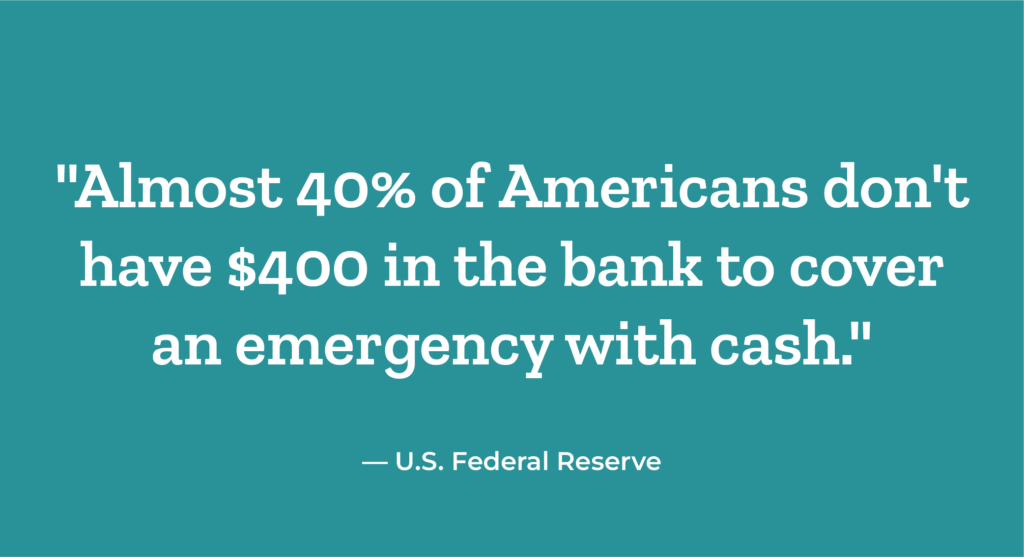
Credit card dependence – don’t use credit cards as an emergency expense vehicle. Have an emergency fund in place and take the time to build it up. Nearly half of Americans use credit cards to cover essential living expenses. Nearly half of Americans have reached their credit card limits at some point.
If you aren’t making enough money to make ends meet, reduce expenses or increase your income. When you fall into credit card debt, you are paying an extremely high interest rate (often over 20%). Compound interest can cost you thousands of dollars. If you struggle with credit card debt, get rid of your credit cards and force yourself to make it work. Your credit card debt is robbing you of your financial freedom.
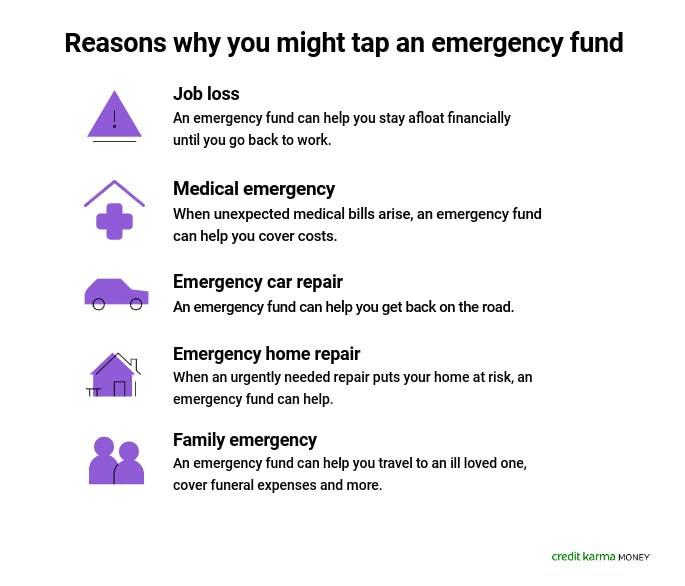
Decreased financial preparedness – when you are trying to build up your emergency fund, it can seem like you will never get ahead due to emergencies. You are likely either spending too much money or not making enough money. Income is the propeller that allows you to build more wealth. Have an emergency fund to protect you from life – medical deductible, vet, car repairs, etc.
Focus on how to get extra cash on hand. Open a high-yield savings account and automate contributions. Put at least $5,000 in a high-yield savings account then start to work up to 6 months of your monthly expenses.
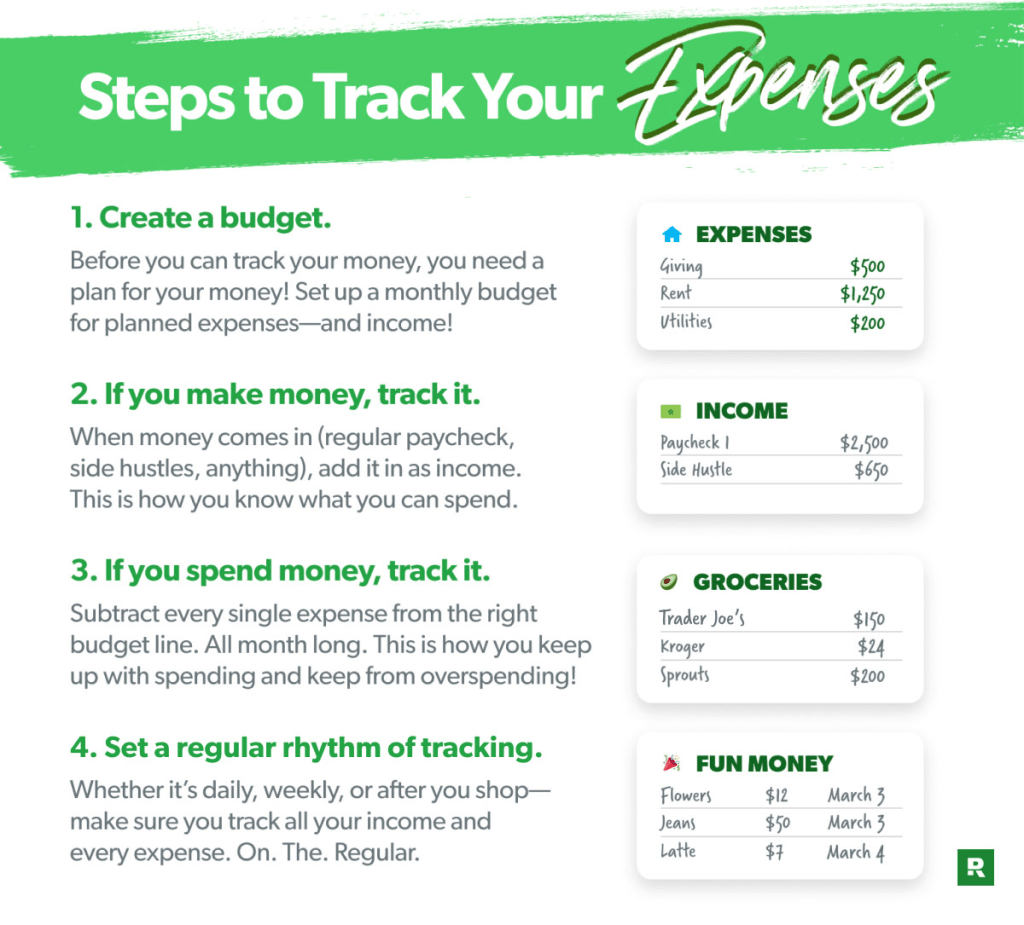
People do not prioritize money flow. Figure out how much money you have coming in and where that money is going to go. Keep a list of all of your income and expenses in a spreadsheet.
First, focus on housing, food, and transportation and get those expenses down. Car payments, groceries, and eating out are easy expenses to overspend on. Get them under control.
People worry about $10 problems instead of bigger problems: investment fees, mortgage interest, asset allocation, negotiating your salary, transportation costs, and student loan interest. Some of these will cost you six figures over time!
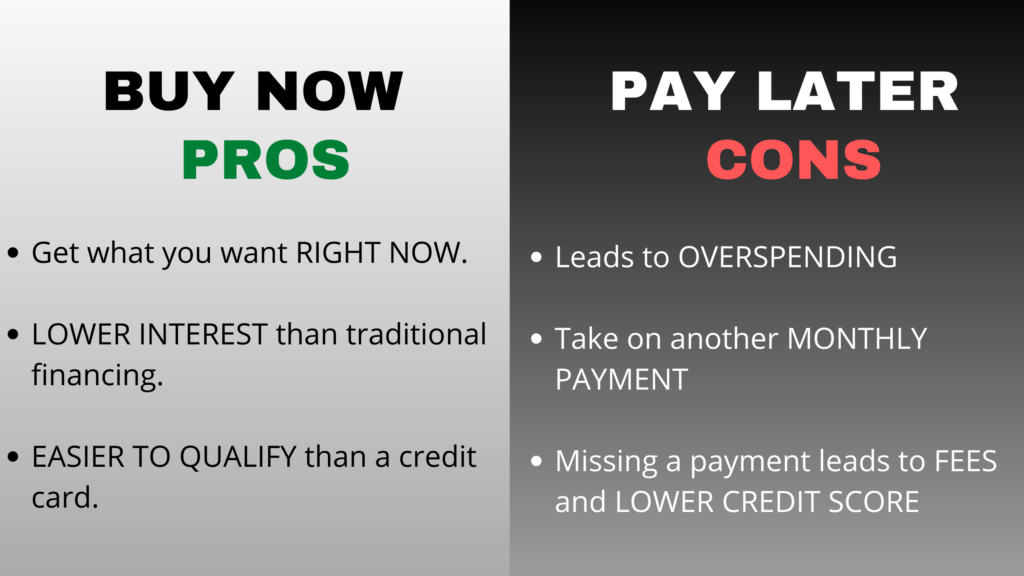
Over-reliance on buy now, pay later services for basic necessities – many people do it to avoid credit card interest. 46% of people use buy now, pay later for electronics, 56% use it for clothing, and 31% use it for furniture and appliances. Instead, save up for these items. If you don’t have the money, don’t buy it. Focus on building up your emergency fund. Buy now, pay later increases your debt volume, reduces your net worth, and can result in late fees and financial penalties
Lifestyle inflation and mismanagement of raises or bonuses – when you get married, it is easy to increase your lifestyle and want to do more. However, it’s still important to have a gap between your income and expenses.
Every time you get a raise, put half of it toward investments and allow yourself to use half of it to increase your lifestyle.
Lack of financial education and planning – can use a financial planner (can cost a couple thousand dollars), take a class, or read books and research yourself
Low national savings rate – the average American saves 3.6% of their income. You need to save and invest the savings to retire. Experts say to save at least 20% of your income (and invest it) so that you can be able to retire. Some people save 50% of their income to retire very early!
People are trying to access their retirement funds early and doing it often – 10% penalty. Don’t do that. Don’t interrupt compound interest unnecessarily. This year, Americans will pay $6.1 billion in penalties for early 401k withdrawals!
People don’t understand compound interest – they don’t realize how much it impacts your finances and retirement.
I look forward to reading, learning, and sharing more with you soon!
My intention is to post a Thoughtful Thursday column each week and share some of the insights I have learned in the past week. Here are some of the things I’ve learned this week:
Before Breakfast – Make your days fulfilling, not just filled
Many times our days are filled, but aren’t especially fulfilling. We run from one thing to the next without a lot of meaning. The pressure of things to be done can keep us from being fully present and engaged. We always have the power to make sure our days feel fulfilling and not just filled.
Plan for “you time.” Actively consider what would be fulfilling. What will have an impact on you and others? What will you remember? What will matter a month or a year from now?
Consider your priorities for your career, relationships, and self. Consider what is most important for you to do each week. Be intentional about determining what really matters.
Be present for the experiences you schedule. Take a couple of deep breaths and remind yourself why you are there. This isn’t just one more thing on the calendar; there’s a reason for it.
Create a life worth living.
Mentally Stronger with Therapist Amy Morin – 5 Mental Strength Exercises to Do Today to Grow Mentally Stronger
Put a name to whatever it is that you are feeling right now. Name it to tame it. Labeling an emotion helps your body and brain make more sense of what is going on.
Ask if that feeling is a friend or an enemy. If it’s a friend, embrace it and let yourself feel that feeling. If it’s an enemy, change the way you think and/or change your behavior.
Identify three things that you are grateful for. Gratitude is a superpower.
Write yourself a kind letter. Most of us are too hard on ourselves, which doesn’t drive us to do better. The key to doing better in life involves self-compassion. Write yourself a letter that cheers you on or reminds you that you’re strong and that you can do this. Whenever you need a boost in life, read that letter.
Plan something fun to do this week. It gives you something to look forward to and boosts your mood. You get a second boost when you actually do that fun thing and a third boost when you create a positive memory.
Optimal Finance Daily – 10 Ways to Take Control of Your Finances
Understand your cash flow.
Set goals.
Cut down unnecessary expenses. Big dreams ask for big sacrifices.
Start investing.
Increase your income. Earning more could be the main ticket to your success. In order to improve your finances, you need to either earn more or spend less.
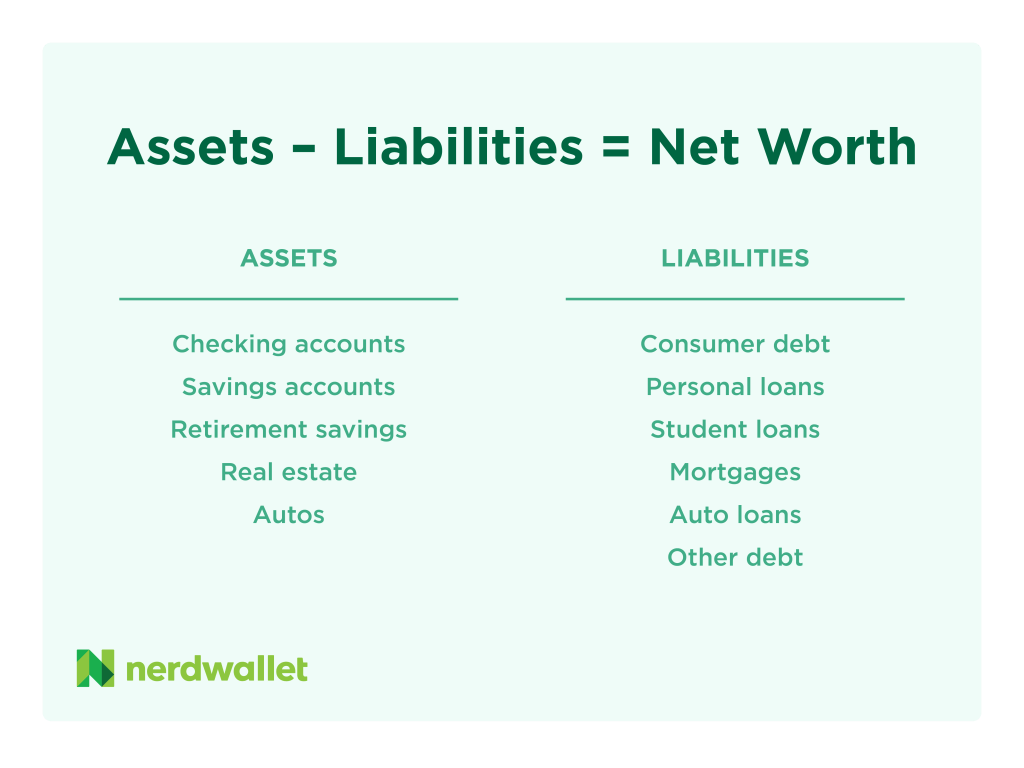
Calculate your net worth. List all of your assets (savings, real estate, investment accounts, etc.) and list all of your liabilities (line of credit balance, mortgage balance, credit card balances, etc.). Subtract the total liabilities from your total assets to get your proper net worth. You should use your net worth to track your progress from year to year.
Find the best resources. Be well informed and accumulate knowledge.
Use a budgeting tool.
Follow a debt plan. The more time you wait to pay off your debt, the more interest you will be paying.
Save for your retirement. The sooner you invest for your retirement days, the better life you will get in your golden years.
Life Kit – How to plan your dream vacation
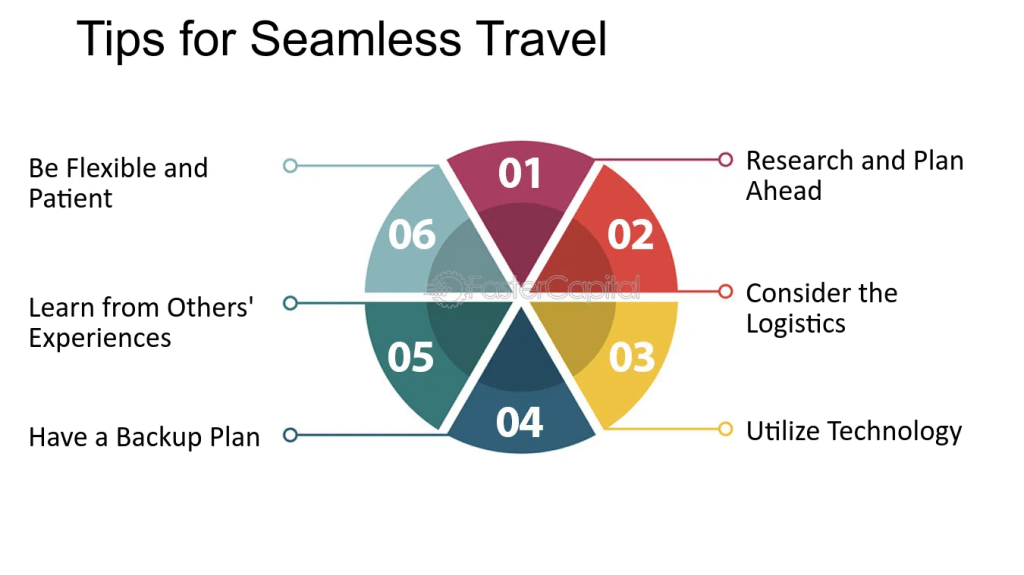
Vacations can vary depending on your travel style and budget – a long road trip, a stay at a cottage in the woods, a multi-city tour on another continent, etc. It is typically something you save for and plan months in advance.
The planning starts with thinking about what you want to get out of the trip. Do you want to decompress, relax, and rest? Do you need excitement and adventure? Do you want somewhere that feels comfortable to you as a solo traveler? Set the mission of your trip.
Set a budget.How much money do you want to spend or how much can you afford to spend? Plan ahead and figure out how much money you need to save each month.
How much vacation time do you have? If you look at the calendar and look at where the holiday weekends fall, you can turn your limited number of vacation days into an extended trip. However, that is also the most expensive time to travel.
Is the season important to you? Do you want to go during peak season of that destination? Do you want hot weather and a beach? Do you want to experience winter somewhere?
Think about your constraints: budget, time, time of year, etc.
Travel responsibly. Research the places you’re interested in and make sure they want tourists at the time you’re looking to visit. When you’re booking, consider putting your money toward the local economy rather than national or international chains. Learn about whatever destination you choose and be open to learning about the culture there. Be a respectful visitor.
Think about who you want to travel with. Find someone who has the same travel goals – the pace, activities, and how much money you can spend. Be honest with each other about finances. Some people will want to spend more money on certain things on the trip than others.
Find the destination. Use the internet or travel magazines to conduct research. Consider keeping a list of destinations you most want to visit.
Do your best to think outside of the current travel trends. You don’t need to go somewhere just because everyone else goes there or wants to go there. Don’t overschedule yourself or overbook yourself. Find one thing on each day of your trip and build a flexible itinerary around that. Think about what’s most important to you to do on your trip.
Something on your trip is bound to go wrong. Once you’re there, sit back and surrender. Roll with the punches.
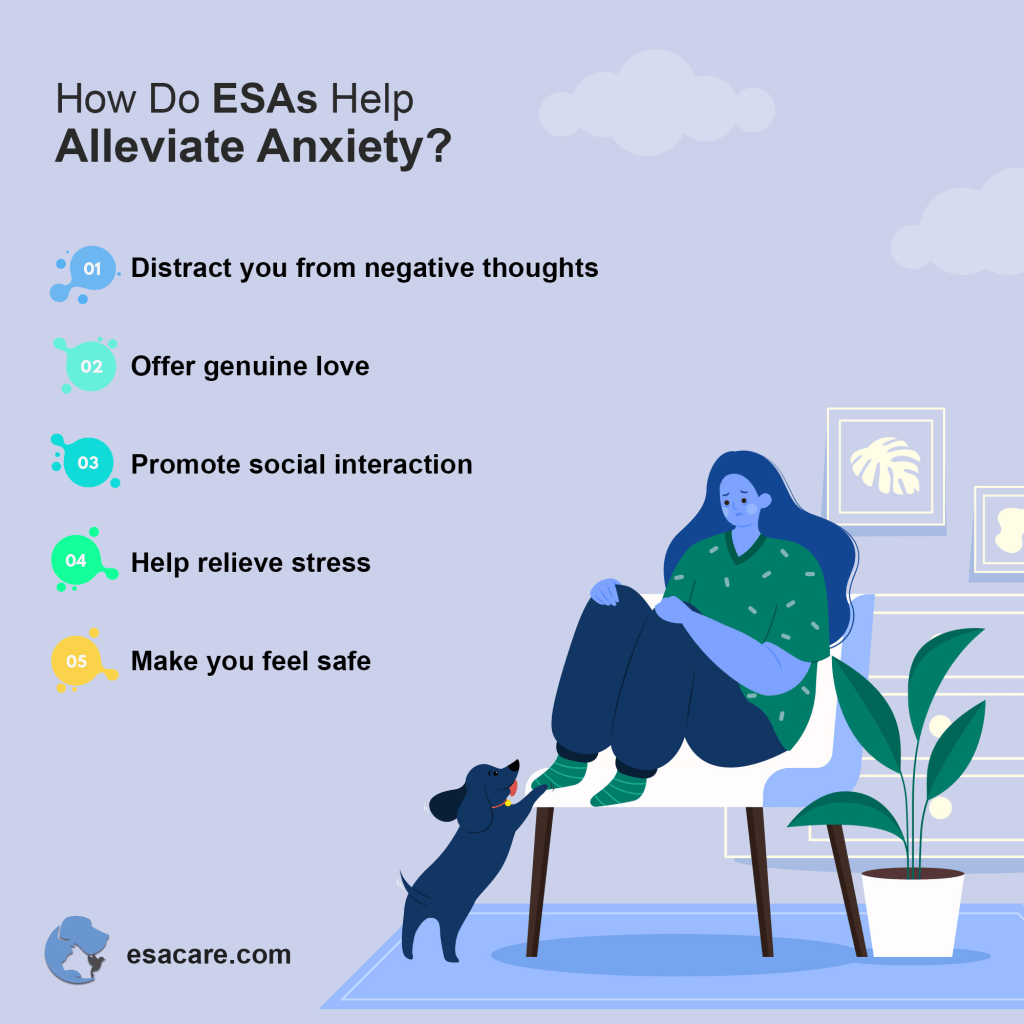
The Jordan Harbinger Show – Emotional Support Animals
Emotional support animals are everywhere – planes, restaurants, grocery stores, etc.
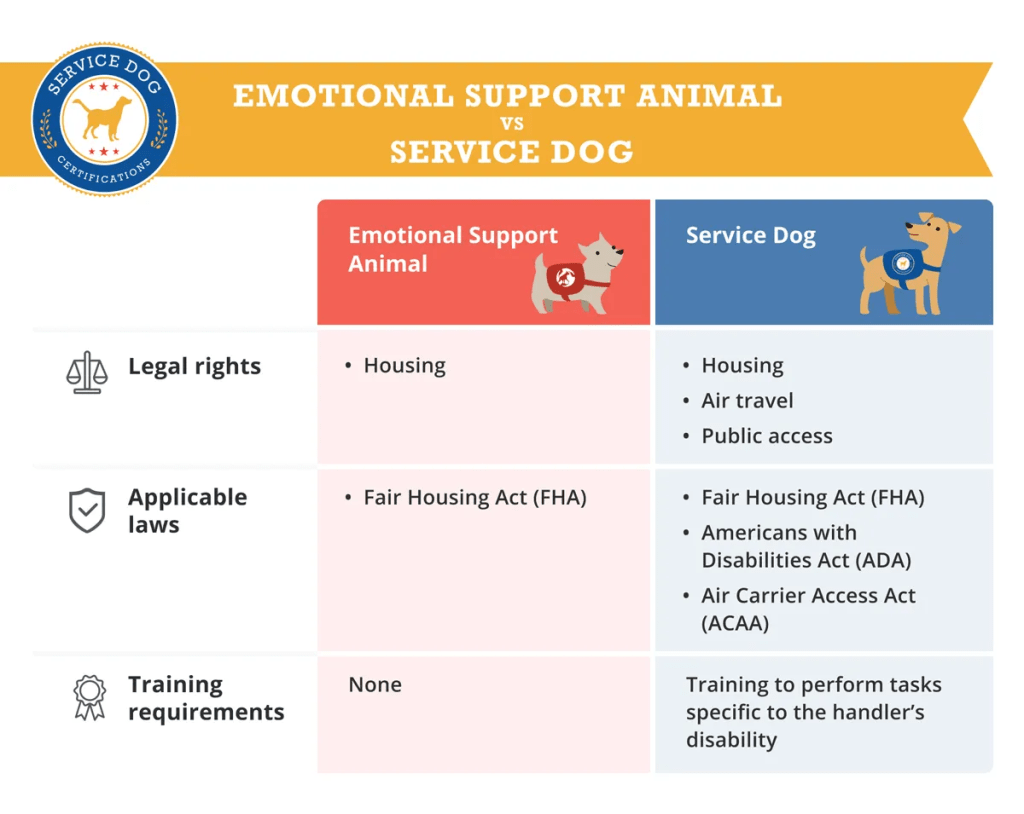
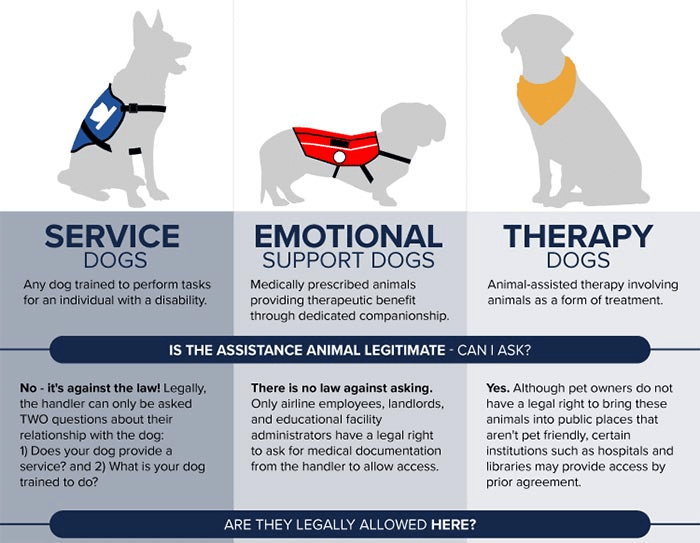
Service animals do things – guide the blind, alert the deaf, retrieve items for people with mobility issues, help people with disabilities, etc. They require intensive training and certification by the state to behave amongst the public.
Emotional support animals just are. They have no training. Often, they are ordinary pets of people exploiting the rules.
ADA – a service dog can legally accompany their handlers almost everywhere. It is illegal to ask people what their disability is or to see the dog’s certification. Service animals don’t have the same protection. The law doesn’t provide for bringing emotional support animals into restaurants.
Many people get their emotional support animal “certified” by filling out a form online or getting a note from a doctor. The Fair Housing Act does not require training or certification; a doctor’s note is all that is needed! You can register as many emotional support animals as you want as long as your therapist believes that all of your pets are there for your well-being.
The ADA doesn’t acknowledge emotional support animals. The Fair Housing Act provides the right for an emotional support animal to live with its owner even if the housing doesn’t allow pets.
Top complaints from airline passengers and employees are about untrained dogs – growling, barking, defecating, biting, etc.
If you can’t control the dog you have, you can’t go around with the dog you have.
“If you actually suffer from anxiety, what is going to happen when your dog bites a stranger on a plane and you’re forced to make an emergency landing? The ironic thing is that, most of these people give the animal that’s supposed to be curbing their anxiety, anxiety medication before the flight. My emotional support animal needs an emotional support prescription.”
The evidence to support the notion that emotional support animals do anything is surprisingly weak.
There are treatments for anxiety that work really well, such as facing your fears gradually. In the end, it is the individual who overcomes their fear and gains a feeling of empowerment. Some psychologists have found that the support animal becomes a crutch; people don’t want to face their fears alone and feel emotionally crippled without their pet. If someone cannot be apart from their pet, there might be a bigger issue.
Some studies show that petting an animal can have a calming effect, as measured by cortisol levels, but blankets and stuffed animals have the same effect.
What can be done? There are new rules that restrict free air travel to service animals only. Delta requires a note from a veterinarian confirming the animal is trained and can be around people. We can bring about change in a social realm. When you show up for a lunch date and your friend brings an emotional support animal, say something. It should be treated the same as someone unhandicapped who parks in a handicapped spot.
Any laws regarding emotional support animals need to be enforced! Online websites that provide emotional support animal letters need to be taken down.
I look forward to reading, learning, and sharing more with you soon!
My intention is to post a Thoughtful Thursday column each week and share some of the insights I have learned in the past week. Here are some of the things I’ve learned this week:
Optimal Finance Daily – 10 Money Questions Every Couple Must Answer
Note that these questions are for couples in serious long-term relationships. You and your partner may not agree on everything. It’s more important to work through conflicts and come to an understanding.
What is your policy on loaning money to relatives? Are you supporting/do you plan to support any family members?
How much money have you saved?
How much debt do you have?
Are you comfortable investing or do you prefer to keep your money in the bank?
Are you a saver or spender?
How do you feel about merging finances once we’re married? This question has a lot to do with the question about how much your partner has saved. If you’re the only saver, you may not want to merge finances.
Do you have a budget…and can I see it?
Will you support me if I choose not to work?
What type of bill payer are you? Minimum payments/full bill upfront? Automatic bill pay/send via mail? Do you pay all bills on time?
What is your dream, and how do you plan on paying for it?
I thought this podcast was very interesting and I wish I had known about these questions sooner. For full transparency, I did not/have not asked all of these questions, but I think it’s a great idea!
The Liz Moody Podcast – 10 Learnings From My Week At The Life-Changing Hoffman Process Personal Growth Retreat
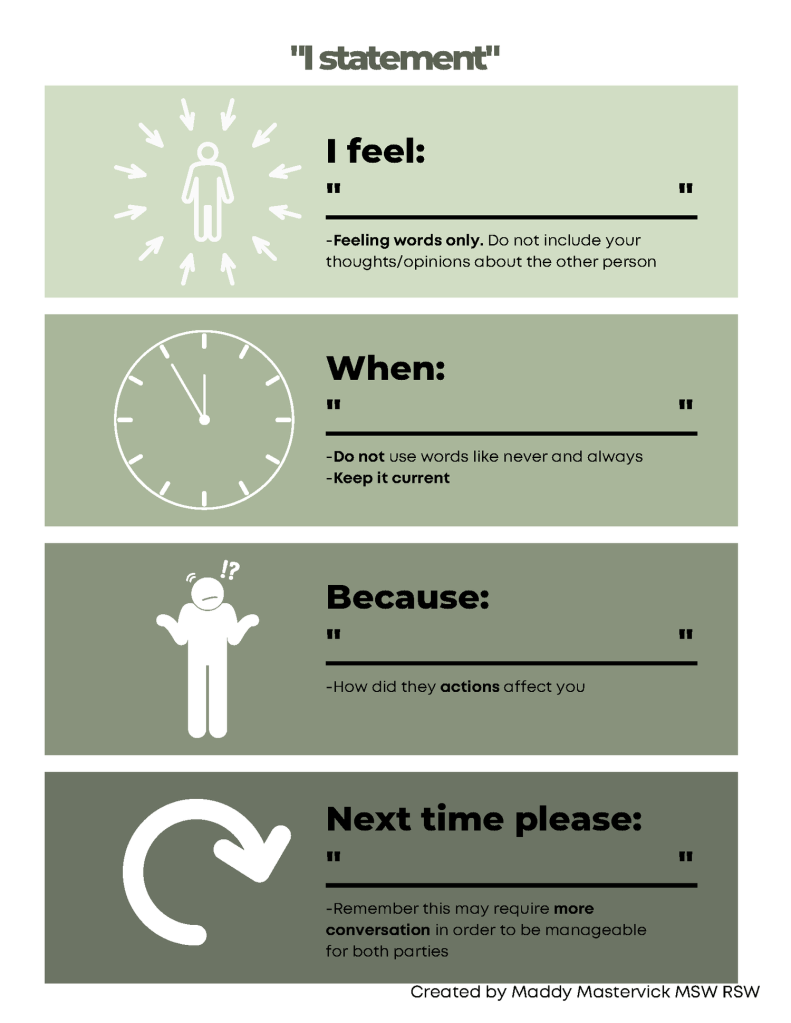
When you are saying how you feel, use “I” instead of “you.” This helps the emotion and experience feel more personal.
If you are struggling to change, start with any action. Action is required for change. You can act yourself into a new way of thinking, but you can’t think yourself into a new way of action.
We are all human and we are all going through challenges, so stop judging other people. By judging others, you are paving those pathways in your brain that are primed for judgment, and you are priming yourself to judge yourself. When you notice you’re telling yourself a story about someone else in your head, talk to them and find out more about them.
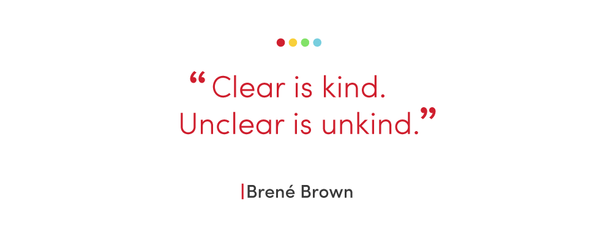
Clarity is kind. Don’t beat around the bush.
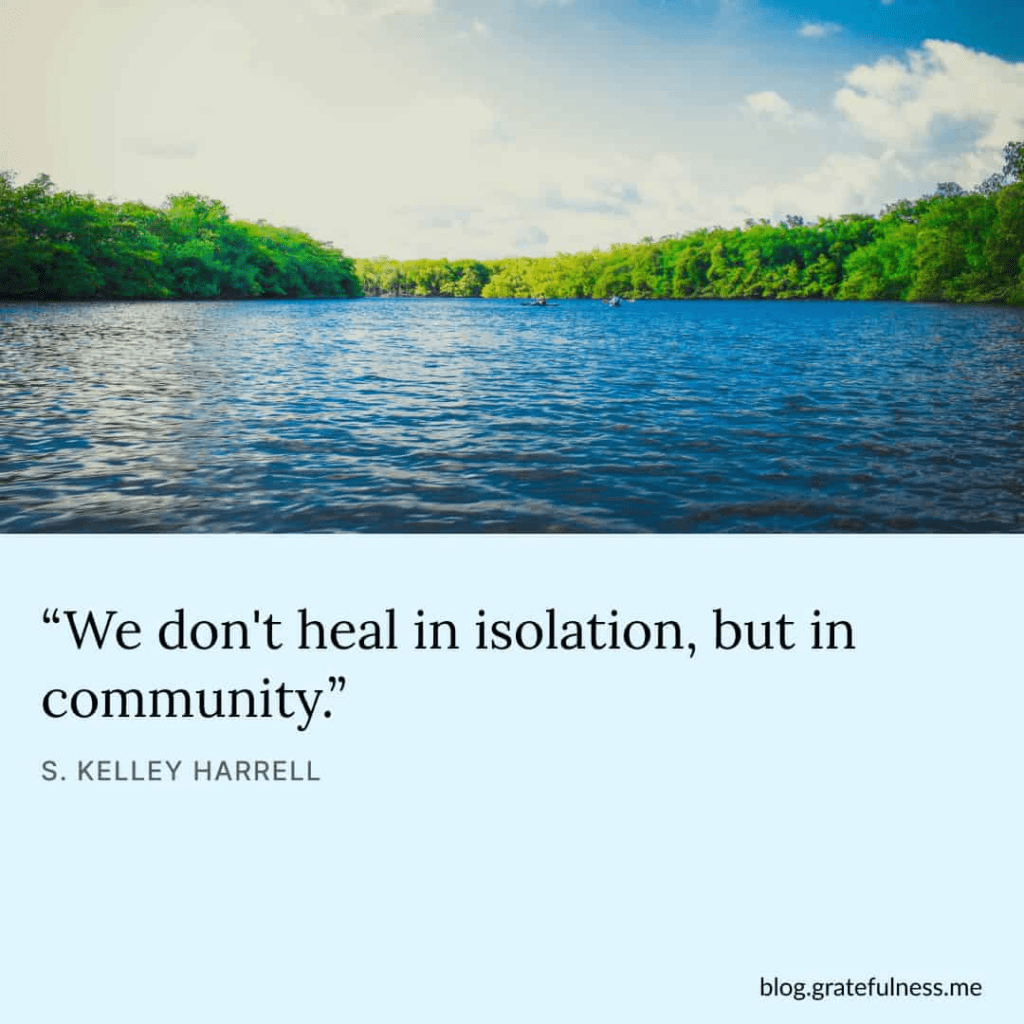
In order to heal, we need to turn out instead of in. Involve other people instead of keeping to yourself. The power of community is vital to healing. You are not a burden. Reach out to people. Relationship bonds heal relationship wounds.
Fun is a key part of healing. Access connection, joy, and love. Healing doesn’t always need to be hard and not fun. You can enjoy the process of becoming the person that you want to be. You will get better results if the healing process is enjoyable, too.
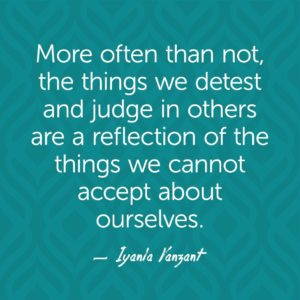
Everything we see in others is typically also in us – “You spot it, you’ve got it.” In other people, we notice the things that we are most sensitive about or don’t like about ourselves as much. The traits we find most triggering in other people are usually things we are dealing with internally and things we are reacting to negatively within ourselves. When we notice positive attributes in other people, often those are positive traits we notice and value about ourselves.
Don’t forgive and forget. That sets you up for future hurt. Forgive and remember because holding on to it only hurts you. Resentment is like drinking poison and hoping it will kill your enemies. The only person made prisoner by our resentment is ourselves.
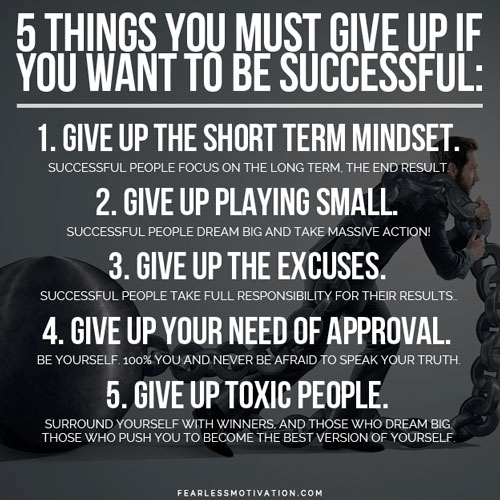
When you impress people into liking you, it makes you feel inherently unlovable. It can make you feel that without those things, you wouldn’t be lovable or likable to people. If people only like you because of your status/your job, you may feel unlovable without your job. When we give people an arbitrary sense of status (ex: celebrities), we’re actually depriving them of their ability to be human and to feel lovable for who they authentically are.
When we don’t share what we do for work, the ways you identify your relationships with people are built on who you really are on the inside. You’re forced to present a raw version of yourself, and people will love you for you. You have worth outside of your job and the work that you do.
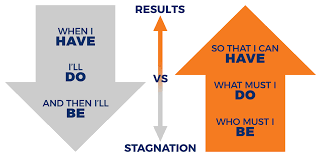
Be, do, have. How do you want to feel? How do you want to live? Let that influence what you do in the world and the choices you make. Those choices, as a result of the being and doing, will create the things that you have. You’ll have a different relationship with those things because you won’t need those things to be happy.
Be, do, have instead of do, have, be.
How do we help people who are different from one another experience a sense of belonging and support in the workplace?
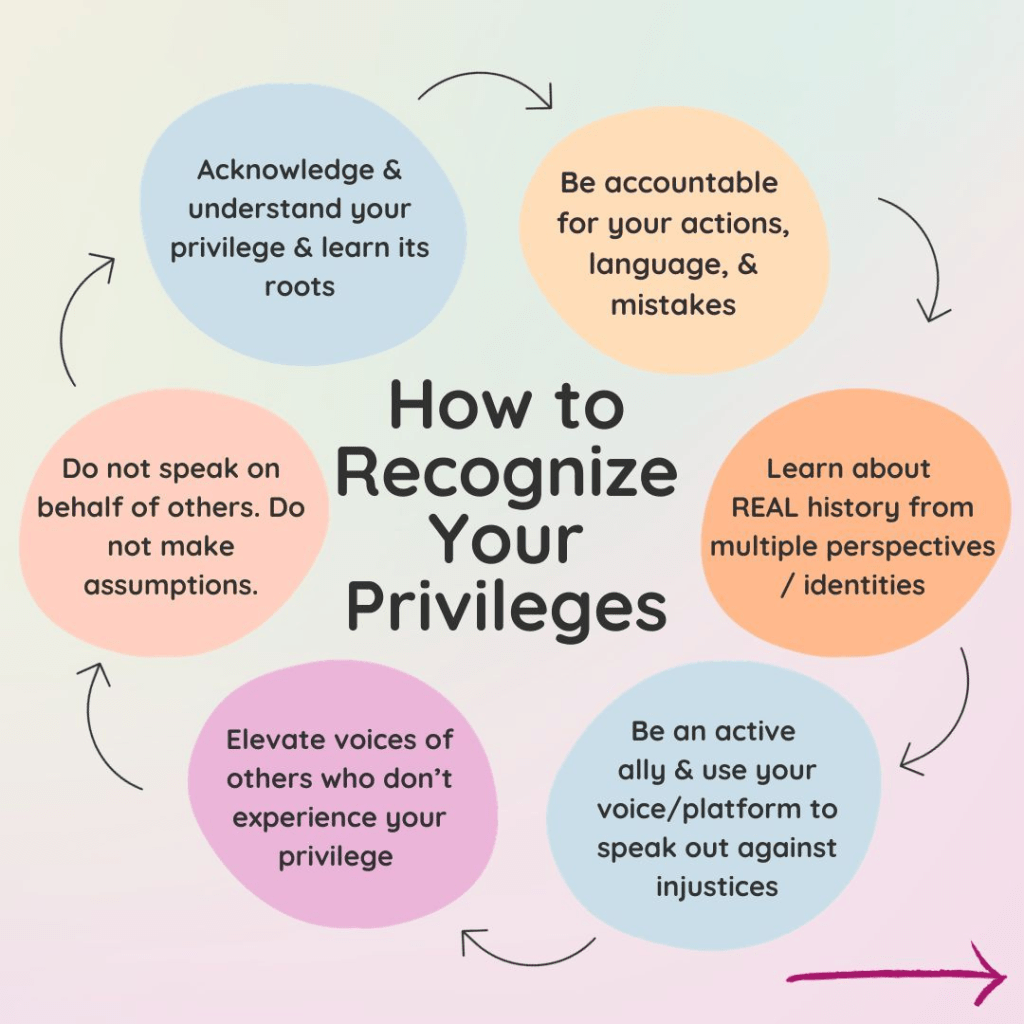
Acknowledge that we all have some privilege. Ex: access to hot water, drinking water, etc. Being aware of our privilege helps us to see where we have access and ease, and access and ease give us power. What about me or my experience might someone look at and consider to be typical?
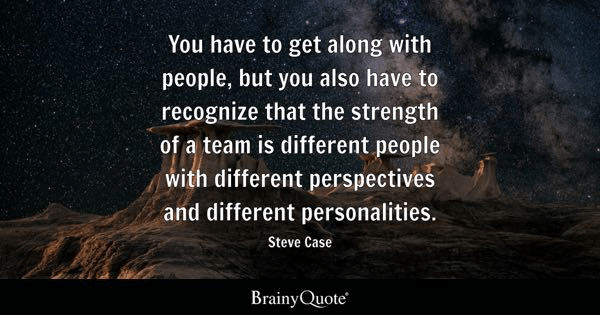
We need to be willing to recognize the differences in people and want to get to know them across those differences. Let me learn about your experiences so that I can develop empathy for you and gain perspective I wouldn’t otherwise have. Hear their stories, gain empathy, and broaden your view. Ex: interviews – how often do we dismiss candidates because we didn’t think they were a culture fit or they didn’t give us the exact example we wanted? What if we used their stories to evaluate where they have an opportunity to thrive and grow? Hear their circumstances and experiences.
Extend your privilege to others respectfully and impactfully in the ways you are able to.
Allyship can involve considering food allergies, accepting correction when you mispronounce someone’s name, left-handed scissors, etc. What do you have the ability to do to support others?
I really liked this blog post from Seth’s Blog this week:
“When the deal falls apart, or the team loses the game, or a partnership hits the rocks, it’s easy to focus our energy on what just happened.
“What if they had called a different play?”
This overlooks the real issue. It’s the first move, or the fifth, that led to this problem, not what happened at the last moment.
Creating the conditions for success is a very different project than finding a heroic move that saves the day.“
This post from Gabe the Bass Player also resonated with me this week. Often, we envy the successes, accomplishments, or belongings of others. Yet, we aren’t willing to do what it takes to obtain them.”
My intention is to post a Thoughtful Thursday column each week and share some of the insights I have learned in the past week. Here are some of the things I’ve learned this week:
Before Breakfast – You don’t need more time
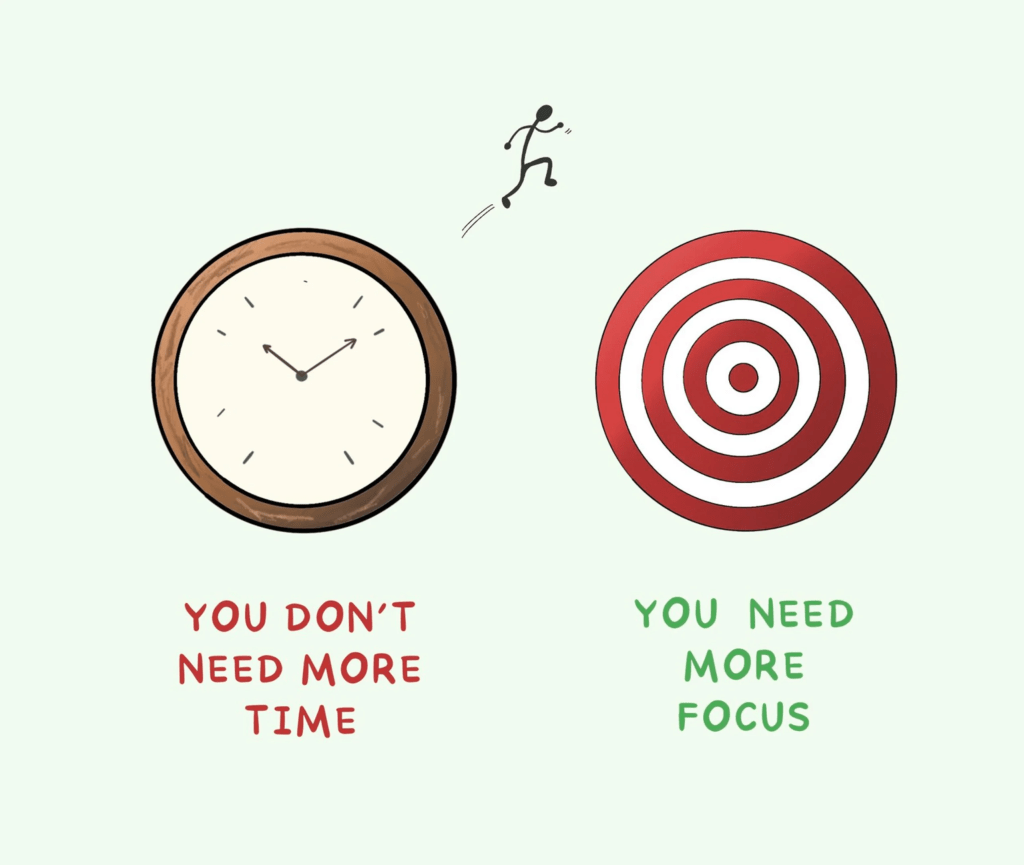
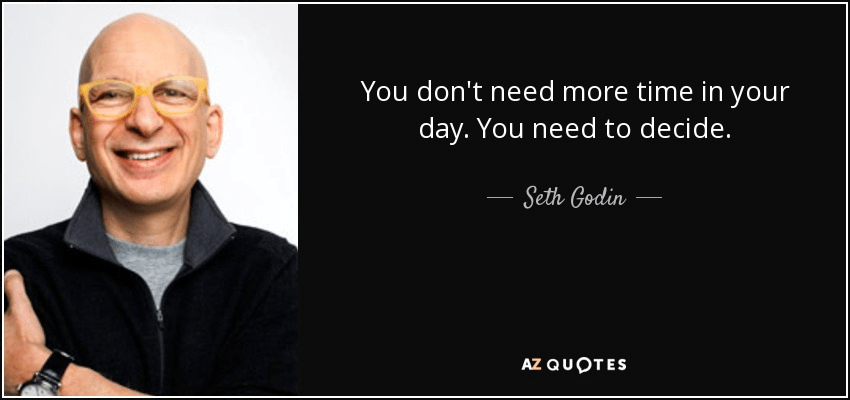
You probably don’t need more time in order to do the things you want to do. Instead of looking for more time, change up how you’re spending your time now. You may be surprised at what can fit.
Getting an extra day in the year (leap day) does not, by itself, change much for most people. Time is about choices. If you’d like to spend time differently, figure that out and make it happen. Make the most of your time.
I recently read the book “How to Break Up With Your Phone” by Catherine Price, an award-winning writer and science journalist and learned that, on average, Americans spend more than four hours a day on their phones! If you were to limit phone use to one hour a day, what could you accomplish with the extra three hours? Our actions often show what our values are. We often don’t need more time; we need to examine our priorities.
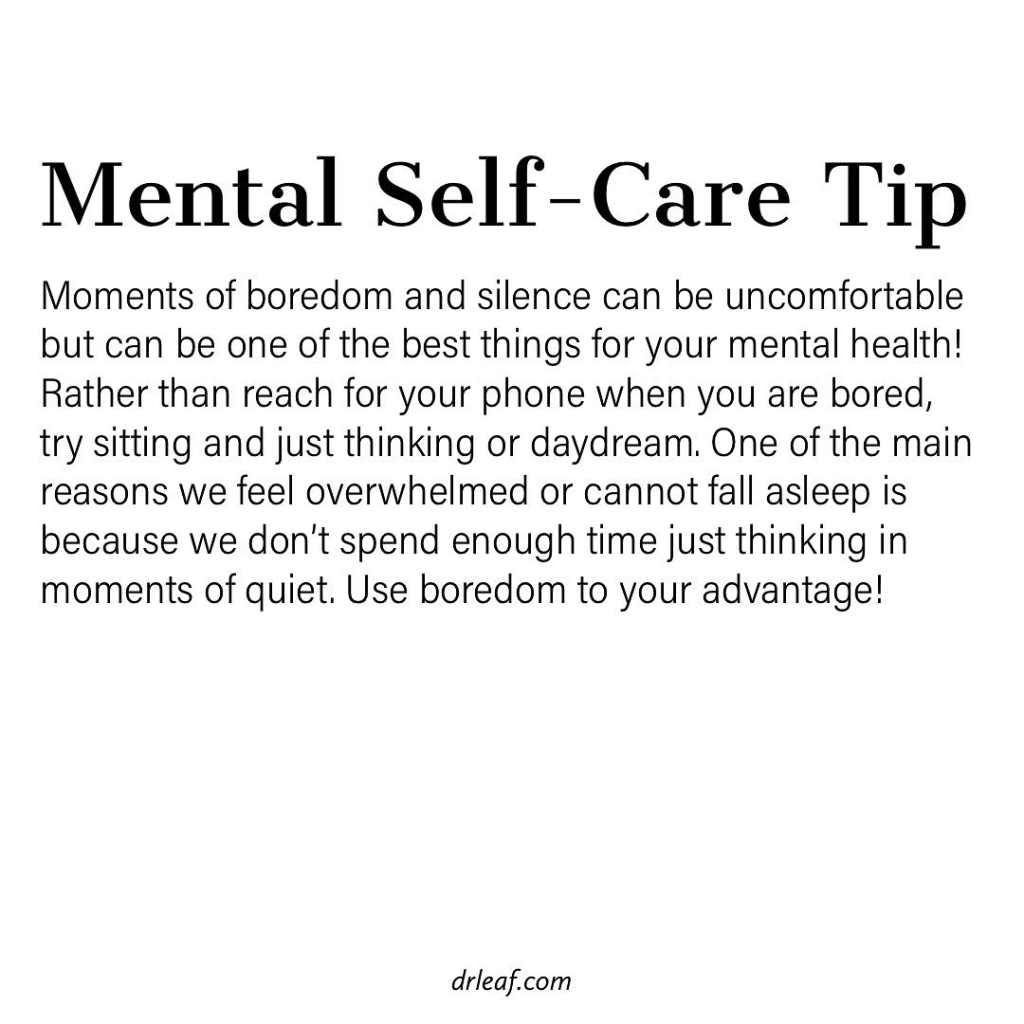
TED Health – Why you shouldn’t trust boredom
Our boredom and how we snap out of it can tell us a lot about ourselves.
Boredom is a problem in schools. When students are bored in school, they can’t focus, they lose interest, and they misbehave. Students who are chronically bored may drop out. When we’re bored, we drink too much, eat too much, spend too much money, half-listen to people, idle our time with social media and scrolling, etc.
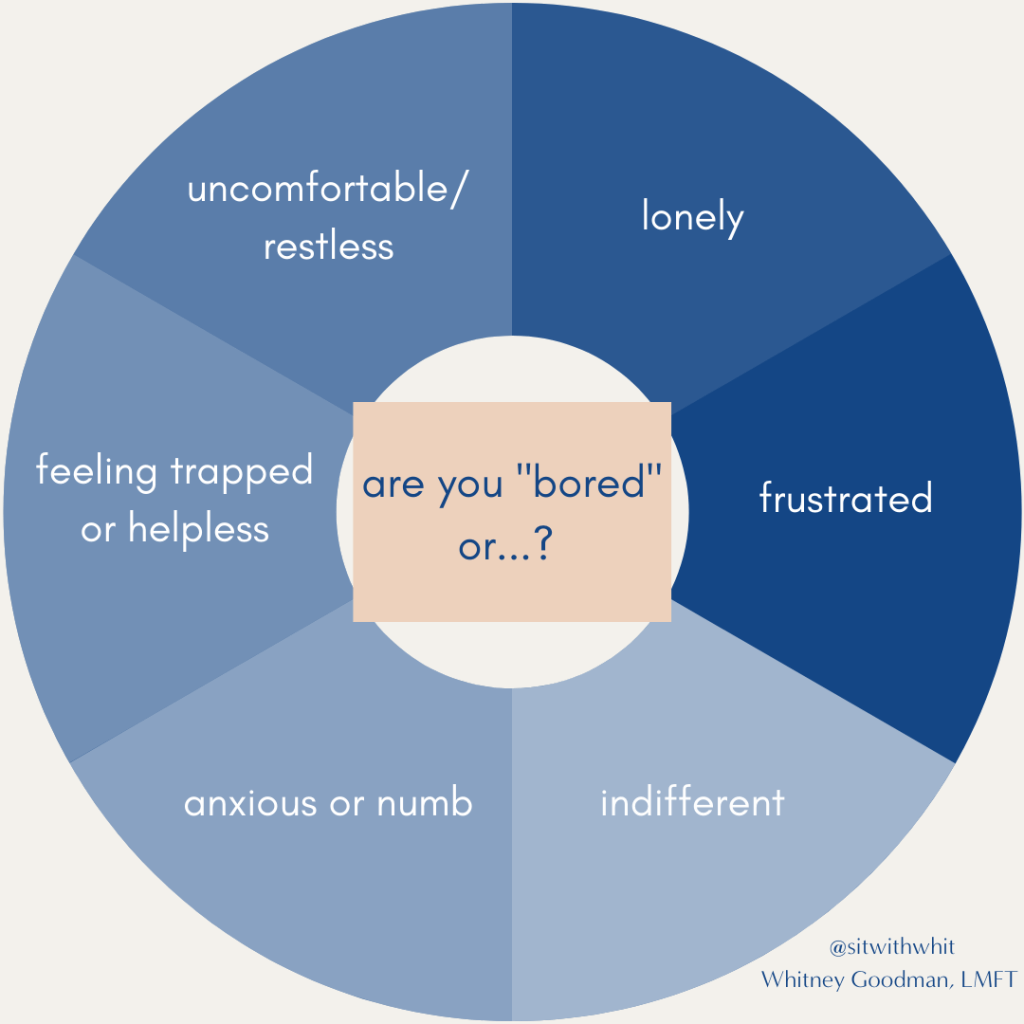
Boredom tends to objectify things. Ex: that’s a boring person, that’s a boring book, etc. What bores one person can be very interesting to another person, so boredom is a curious and perplexing mood state and is not objective.
Boredom itself allows creativity to flow. However, modern society with all its gadgets has gotten really good at distracting us from this boredom.
In the right environment, boredom fuels creative people. Instead of staring at your phone, stare at the blank page. Instead of sitting in front of the TV, sit in front of the canvas.
Avoidance – many of us who are in a boring situation question how to get out of the situation. We don’t sit with our feelings; we often check our phones to avoid boredom.
Resignation – endure boredom.
Boredom is often viewed as a lack of imagination and a loss of agency: “I’m so bored. There’s nothing to do.”
As a teacher, the podcaster usually gathered with other teachers to complain about administrators, students, parents, etc. and got bored with it. It was the same complaint culture every day. Eventually, he found other teachers who, instead of complaining, talked about books they were enjoying, hobbies they loved, or what went well in their teaching. These conversations were restorative.
Takeaways:
Boredom should not be trusted. We tend to trust boredom and make an implicit judgment about something or someone and it is often wrong. It is arrogant.
We need to protect our attention. A bored mind is looking to be distracted. If we are in an environment where we are easily distracted, boredom will get the better of us.
We need to talk about boredom. We all have strategies we employ and we need to talk about them. We can share them and give our attention to the things we love and the people we care about.
DIY Money – Where to Hold Your Emergency Fund
Don’t keep an emergency fund at a bank that doesn’t really give you any interest (most big banks don’t).
Look for a bank that will give you over 4% per year in interest. Many online banks and credit card companies offer high-yield savings accounts with great rates.
Keep 3-6 months of expenses in an emergency fund and a separate $1,000 of “fast cash” in an account that you can get immediately. Ex: for a car repair
Interest rates fluctuate, so you don’t need to keep searching for where you will get the highest yield once you already have found one.
Life Kit – Investing for beginners
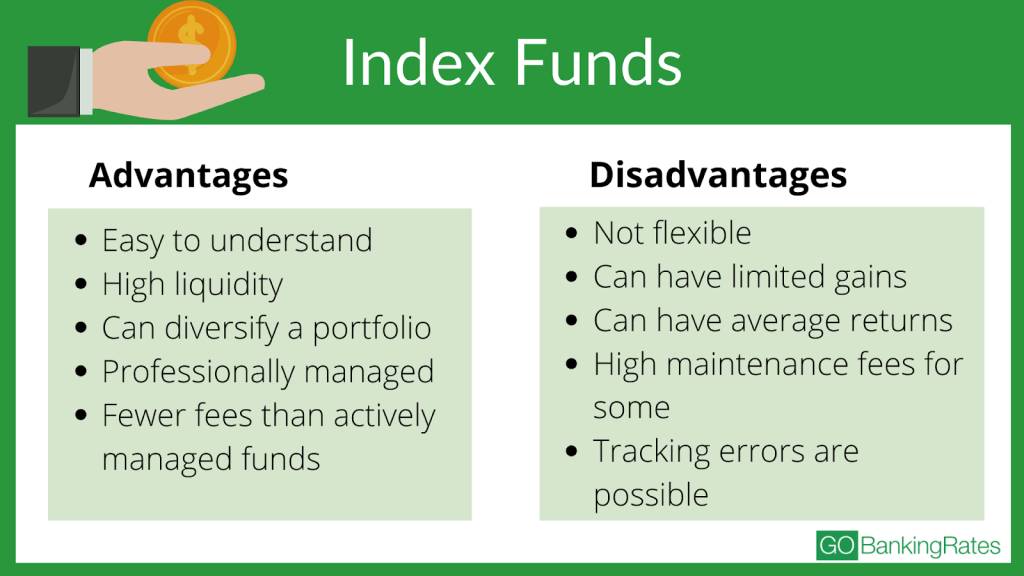
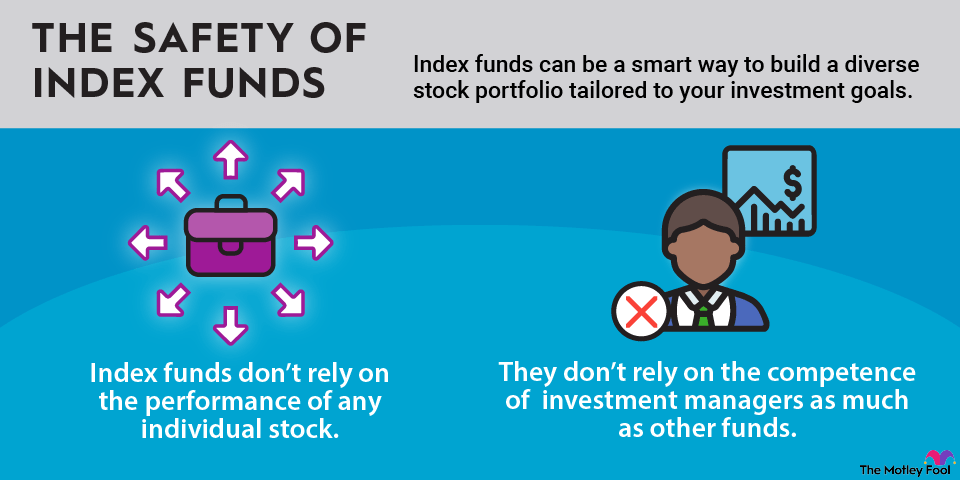
You need to be invested in the stock market! Stocks have a much better return than bonds and other investments. It isn’t a good idea to buy individual stocks; it’s almost impossible, even for professionals, to pick individual stocks that outperform the overall market. 80-90% of mutual fund managers fail at this!
Don’t buy individual stocks. Buy the entire stock market using index funds.
Don’t buy a bunch of stocks when performance goes up and sell stocks as soon as performance is down. Losing money feels painful but selling your stock at the bottom locks in those losses. If you don’t sell, you can ride the rollercoaster back up when the market recovers.
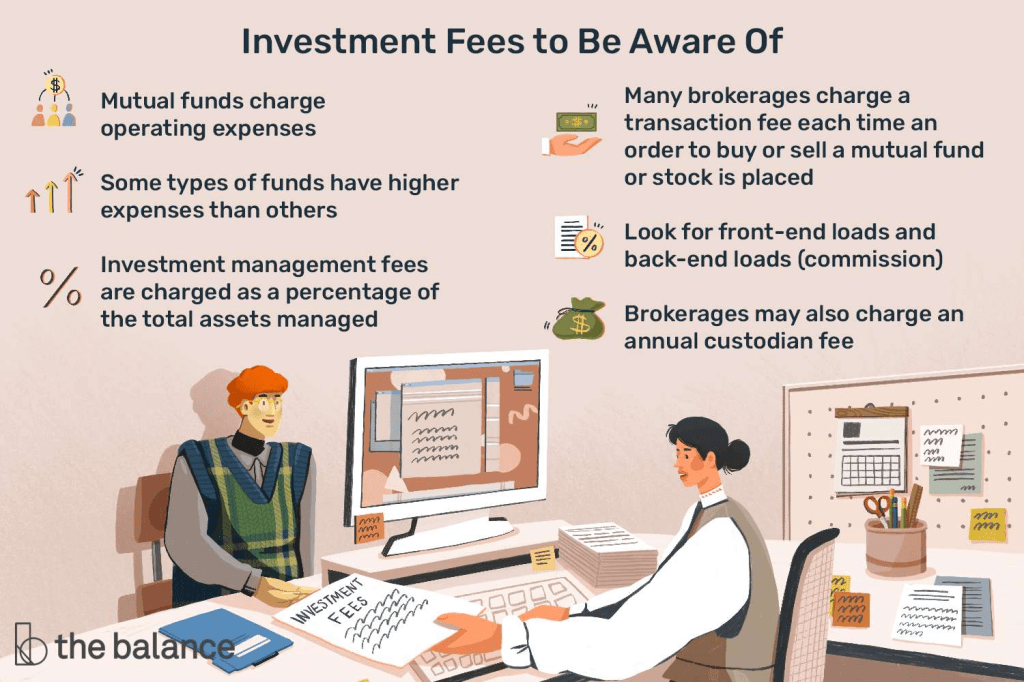
Make sure you aren’t paying much in fees! Fees are not charged as a separate line item. For example, 2% seems like a small number to pay in fees, but 2% off of a 5-10% return is a huge chunk. A 2% fee could eat up to 40% of your investment returns, which has a huge impact on how quickly your money accumulates. Many people don’t even know what fees they are paying.
Taken together, you shouldn’t be paying more than 0.15% in annual fees in your mix of index funds and other investments.
Passively managed index funds are the way to go. Ex: S&P 500. Index funds are far better off than actively managed alternatives. Look for lw-cost broad based index funds.
Vanguard is different than all of the other investment firms because it is structured as a nonprofit. Vanguard offers a range of index funds with very low fees. You don’t need to have an actively managed portfolio.
Rebalance your investments at least once a year. Sell what has gone up in value and buy what has gone down in value. Make sure your portfolio is where you want it to be.
Obsessing doesn’t help and is likely to lead to interventions that would be counterproductive. It’s really easy to let our emotions take over and make mistakes.
Don’t pay someone else to pick stocks for you.
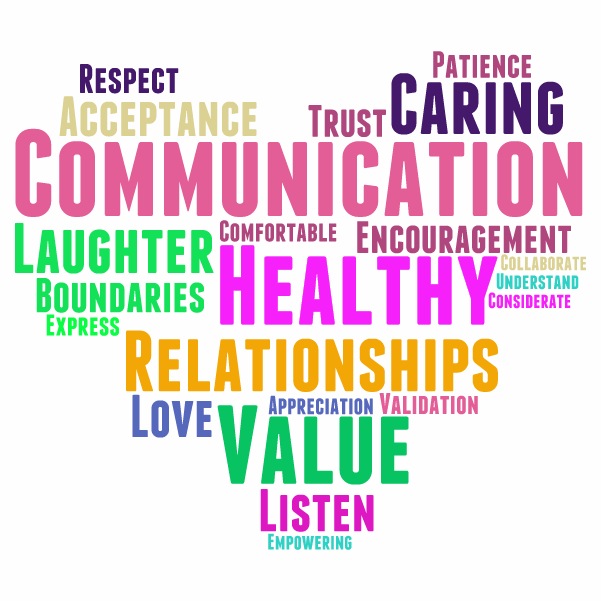
Psych2Go – 12 Signs You’re in a Healthy Relationship
You communicate openly. A great relationship starts with transparency.
You argue. Arguing is sometimes healthy in a relationship; otherwise, you are likely bottling up your feelings and letting them turn into resentment.
You keep relationship details private. You don’t post your relationship problems on social media.
You don’t hold grudges. Be sure to talk it out and learn to let go.
You have realistic expectations. The perfect partner doesn’t exist. Healthy couples understand that the key to a long-lasting relationship is commitment, open communication, and compromise.
You take time and space for yourself. You can have separate lives, interests, and friends and maintain your own sense of individuality outside of the relationship.
You trust each other. You respect your partner’s decisions and feel secure.
You enjoy spending time together. A healthy relationship means taking time out of your busy schedule to connect with your partner.
You’re friends. Great couples share common interests, enjoy hanging out together, and making each other laugh.
You make decisions together. Healthy relationships allow partners to have equal say. Compromise is key.
You get intimate. Intimacy can mean different things. Show affection through love languages: gift giving, words of affirmation, quality time, physical touch, acts of service, etc.
You make each other better. Fixing is not the same as supporting. You love each other for who you are.
I really enjoyed this post from Gabe the Bass Player this week:



























 Read Learn Share