I read six books in October, two of which were short poetry books. Here is a blurb of each of the books I read in October.
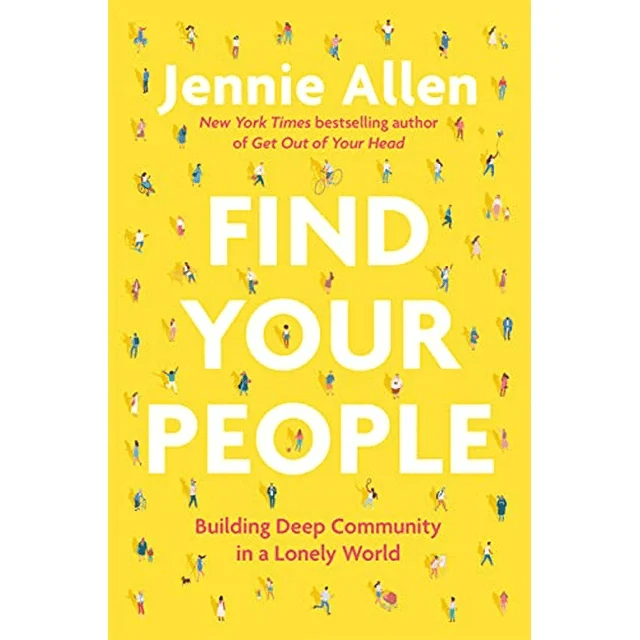
“Find Your People: Building Deep Community in a Lonely World” is a Christian book written by Jennie Allen and is filled with stories, science-based insights, and practical ideas for building deep community. I had several takeaways from this book, but here are just a few.
5 out of 5 stars
“We’re all just kind of waiting for connection to find us. We’re waiting for someone else to initiate and be there for us. We’ve replaced intrusive, real conversations with small talk, and we’ve substituted soul-bearing, deep, connected living with texts and a night together every once in a while. Quit waiting for people to reach out to you. Start initiating and asking people the questions you wish they’d ask you.”
Factors to look for in friendships include availability, humility, proximity, transparency, consistency, accountability to others, and a shared purpose.
Some ideas for building friendships:
invite friends to bonfires
plan get togethers
intentional, active listening
affirm your friends
ask your friends about the highs and lows of their week
join a club
ask deep questions
listen
share the real stuff
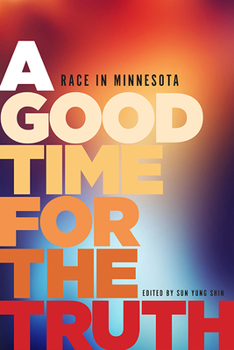
“A Good Time for the Truth: Race in Minnesota” is a collection of stories of what it’s like to live as a person of color in Minnesota, was published by the Minnesota Historical Society Press, and was edited by Sun Yung Shin.
4 out of 5 stars
Here are some quotes that stood out to me:
“[People] unconsciously believe you are unfit to mother your own child simply because you are a Black woman.”
“Sometimes I catch myself staring at my son, wondering what he is going to do when someone gives him a piece of paper with boxes on it and asks him to check the box saying who he is – if he is going to pause before marking “Black.” As I do. Because Black is not a race.”
“To be a Korean adoptee in Minnesota is to be both hypervisible and invisible at the same time. It means that people can tell you they don’t see you as Korean as if that is a compliment.”
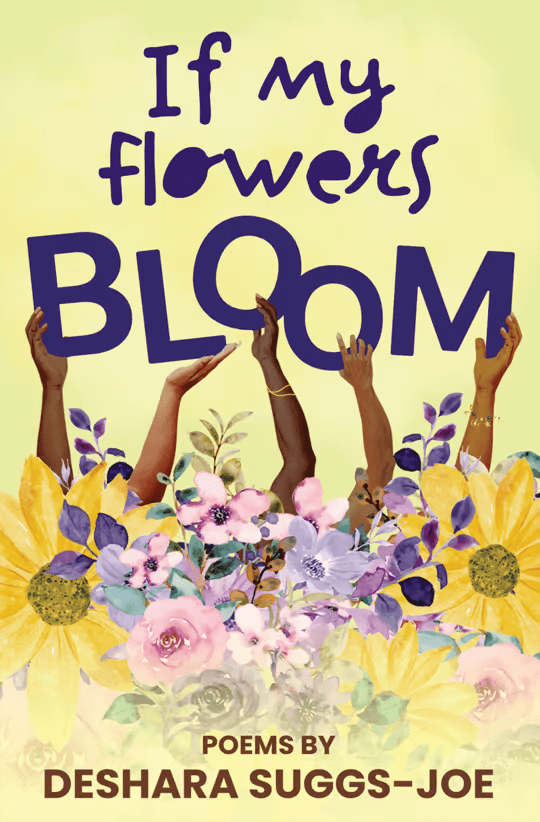
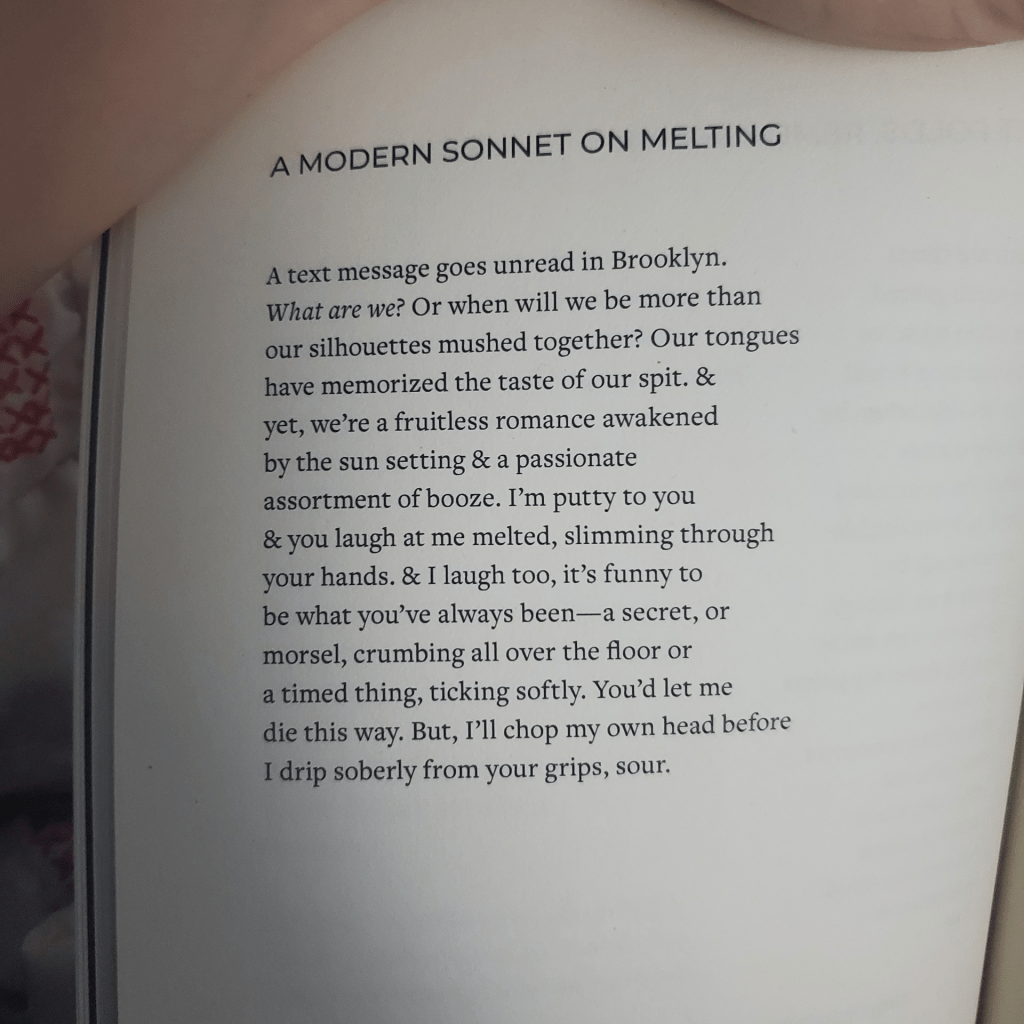
“If My Flowers Bloom” is a Button Poetry book of poems by Deshara Suggs-Joe, a queer, Black poet and visual artist. These poems were about desire, and many were sexual in nature. Honestly, this book was not one I enjoyed. I have included a snippet of my favorite poem from the book.
2 out of 5 stars
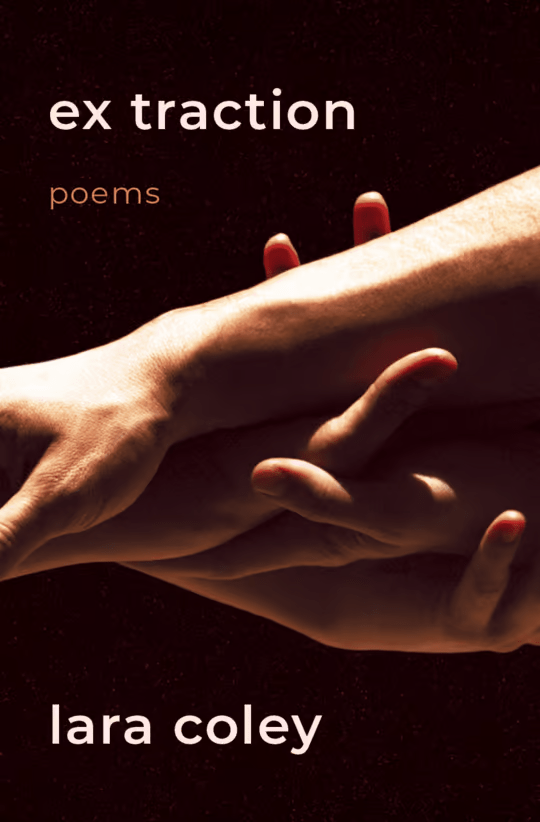
“ex traction” is a Button Poetry book of poems by Lara Coley, a San Francisco poet and educator who has taught creative writing and ESL in juvenile detention centers, schools, universities, and mental health treatment centers. Lara’s poems sharply dissect love relationships, and many are abuse and loving emotionally unavailable men.
4 out of 5 stars
Here are some snippets:
“How do you love so softly, so gently, so quietly, with your hand so tightly cradled around my throat?”
“We were lying on my bed and I asked him why, in our two years together, he’d never told me he loved me. He said he didn’t need to, that everyone knew. Een Jessica knows, he said. Well, good for her, I said. Good for Jessica.”
“She is wearing your affection like a coat, tailored to fit her. I remember stretching your love around my shoulders like a misshapen shovel that would never cover any parts of me that needed warmth.”
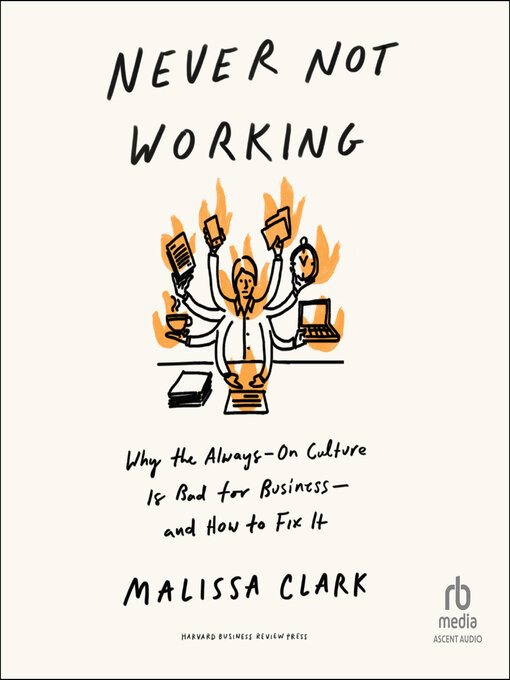
“Never Not Working: Why the Always-On Culture is Bad for Business – and How to Fix It” was written by Malissa Clark, associate professor of industrial-organizational psychology at the University of Georgia. Malissa is also a recognized expert on the topics of workaholism, overwork, burnout, and employee well-being. I highly recommend this book and will post about it in more detail sometime.
5 out of 5 stars
This book was filled with helpful information. This book covered signs of workaholic behavior, how to counteract workaholic behavior, the main components of workaholism, specific signals of workaholic culture within an organization, overwork assessments, and questions to ask after you get a job offer. Here are some of my many take-aways.
The most direct way to figure out what’s valued in a culture isn’t to listen to what people say is important. It’s to pay attention to who gets rewarded and promoted to leadership roles. Groups elevate people who represent their principles and advance their goals.
Here are some signs of workaholic behavior:
rumination – always thinking about work
overcommitment – always taking on too much and not knowing limits
busyness – always doing – unstructured time feels uncomfortable
perfectionism – nothing is ever good enough
poor delegation
poor scoping – underestimating how long it will take to do something
catastrophizing
3 questions to ask after you get a job offer to learn about the culture (courtesy of Work Life with Adam Grant):
Tell me about something that happens here that wouldn’t happen elsewhere.
Tell me about a time when people didn’t walk the talk here.
Tell me a story about who gets hired, promoted, and fired around here.
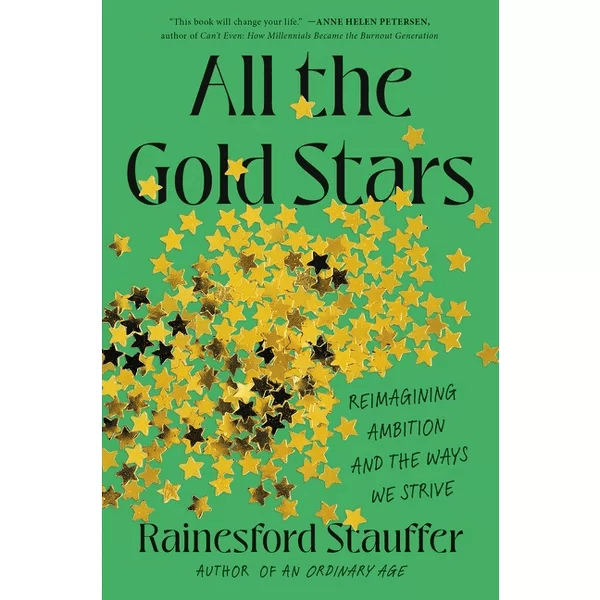
“All the Gold Stars: Reimagining Ambition and the Ways We Strive” was written by Rainesford Stauffer, an author, journalist, and speaker. This book contained a thoughtful exploration of ambition. Although this book contained several ramblings, there were some great takeaways.
4 out of 5 stars
So many modern ideas of ambition are rooted in work-related self-development, self-improvement, and career mobility, but ambition isn’t just about work. For those of us who feel that our performance at work – or our ambition – is the most valuable, worthiest, and most significant part of us, and thus, the most important part of our lives, we lose ourselves at the center of our stories.
Two primary sources of influence of our self-concept are our childhood experiences and our evaluation by others. Evaluation is ambition’s sidekick. Ambition is often registered as achievement.
Don’t let the world place limits on your ambition. Our efforts, time, imagination, and care can be oriented toward what matters to us most deeply in the face of a world that’s screaming to-do lists at us. Ambitions can be demonstrated in your hobbies, your values, how you care for yourself, your contributions to your community and causes, your friendships, etc.
Questions to ask yourself:
Think about your unrésuméd self – What are the things that actually fill you up that no one cares about, or you can’t put on your resume?
Who came up with this aspiration? Is it my idea or something random I thought I should aspire to?
What resources does it take to be ambitious about this, and is it worth it?
What does this ambition serve? It is me, a loved one, or something I care deeply about, or just an arbitrary marker of success?
How can the personal definitions we have of ambition expand?
I look forward to reading, learning, and sharing more with you soon!
I read seven books in August 2024 – the most I have read in one month since starting school this year. Here is a brief synopsis of the books I read in August, some of which I will post about in greater detail in the future.
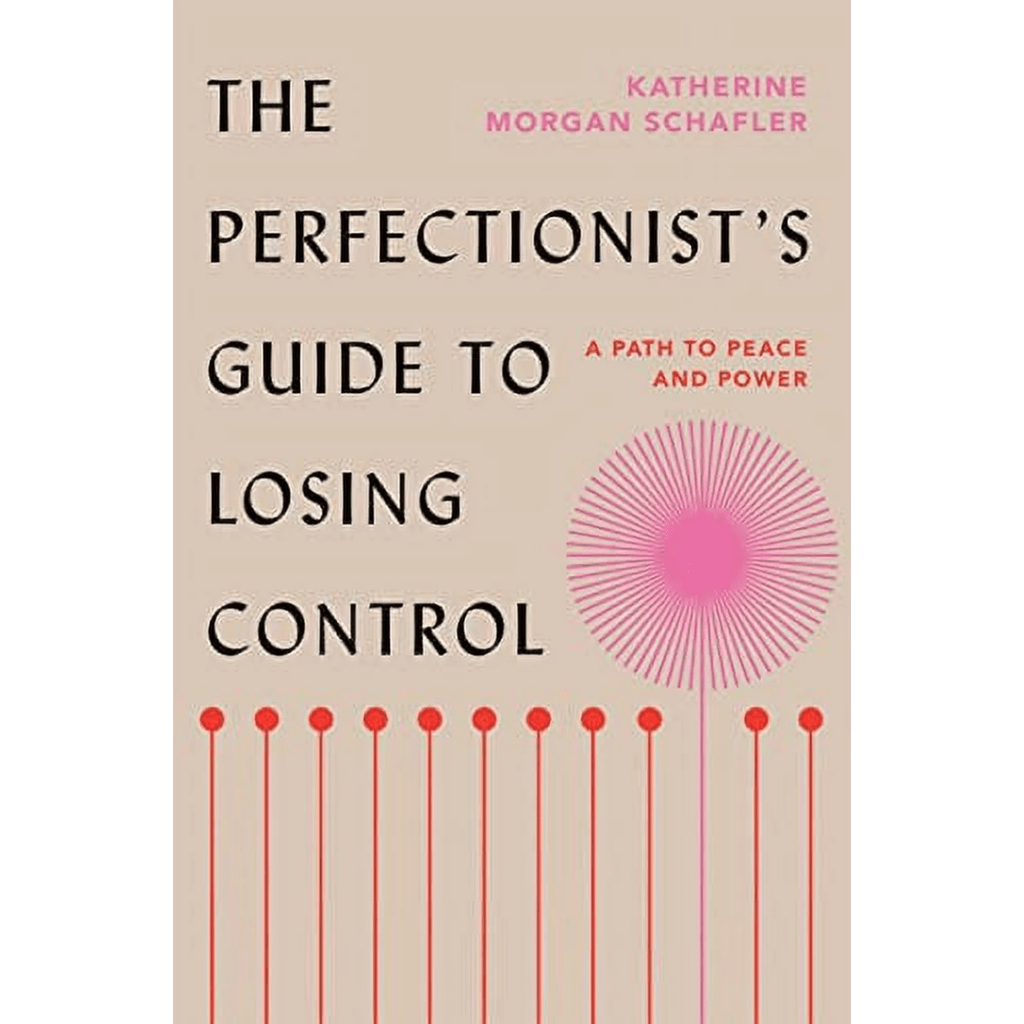
“The Perfectionist’s Guide to Losing Control” was written by Katherine Morgan Schafler, a psychotherapist, write, and speaker and former therapist at Google. I got SO much out of this book and my notes covered the review pages for 2 books instead of 1! This book explored types of perfectionists, lessons learned, and strategies of coping with perfectionism. I will most more about this book in the future, but for now, here are a few lessons:
I am mostly a classic perfectionist (and partially a Parisian perfectionist). I value structure, consistency, predictability, an understanding of all the options so as to make an informed decision, high standards, objectivity, and clarity through organization. I don’t like disorder, I have difficulty adjusting to schedule changes, and I tend to experience spontaneity as stressful. Itinerary-centered existence can rob classic perfectionists of the opportunity to grow in a way that wasn’t planned or goal-oriented.
Right now, with all the things you have yet to achieve, you are as worthy of all the love, joy, dignity, freedom, and connection as you would be had you already achieved them. You are worthy of all these things because you exist.
There are many raw manifestations of perfectionism:
emotional (want to experience a perfect emotional state)
cognitive (want to understand perfectly)
behavioral (want to behave perfectly in my roles and perform perfectly in my tasks)
object (want external thing, such as desk, hair, etc. to exist in a perfect state)
process (want process to begin, continue, and end perfectly)
5 out of 5 stars
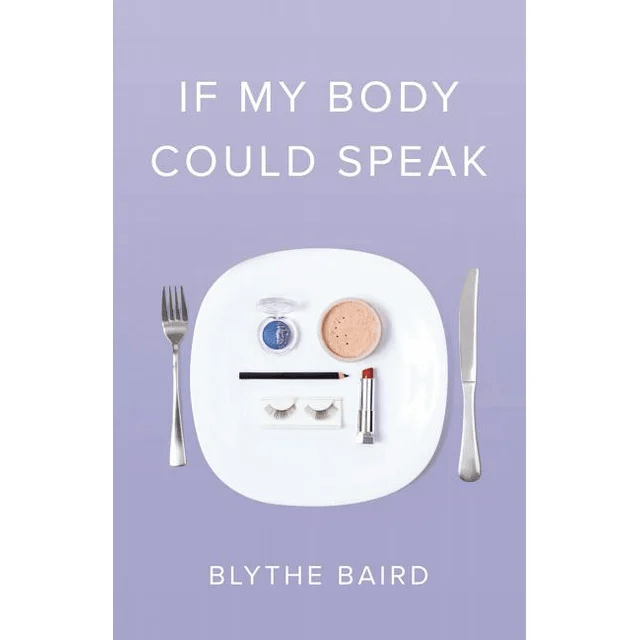
“If my body could speak: poems” by Blythe Baird included poems mostly about rape and eating disorders. Here are some lines that stood out to me:
“If you develop an eating disorder when you are already thin to begin with, you go to the hospital. If you develop an eating disorder when you are not thin to begin with, you are a success story.”
“If your body could speak, would she forgive you?”
“One day after years of starving and gaining and fighting, I stepped on a scale and suddenly that number didn’t say anything about me…and that night nothing on my plate said anything about me either. Later, I got ice cream from a truck and I didn’t have to make myself earn it.”
“I found a way to heal through the poetry. The stage is the only place I could tell my story where it wasn’t a liability I was putting onto anyone. This stage is where i learned to stop hoarding my suffering.”
“Do not say you didn’t try. Remember: you did the best you could in the situation you were in with the materials you had.”
4 out of 5 stars
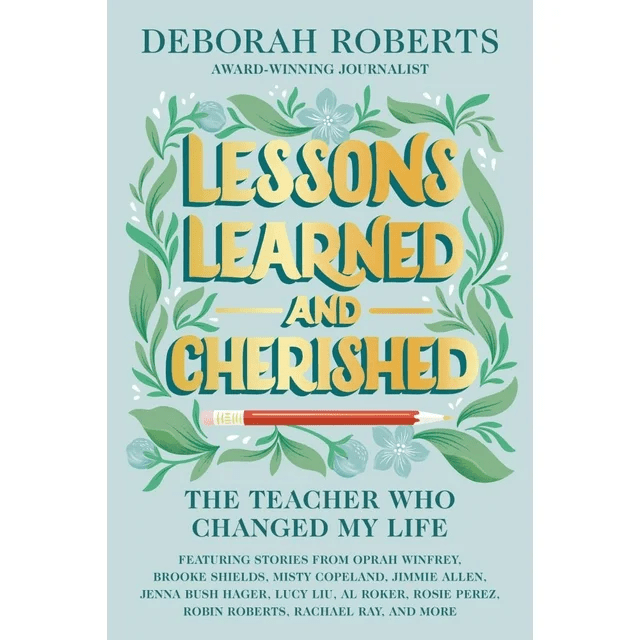
“Lessons Learned and Cherished: The Teacher Who Changed My Life” was compiled by Deborah Roberts, an award-winning ABC News journalist. This book was touching, although the stories seemed to have a specific format/agenda – nearly every essay mentioned that teachers are underpaid/underappreciated at the end of each essay.
Here are four of the lessons learned and cherished:
Every teacher has the potential to make a student feel connected, valued, and worthy. The greatest gift you can give is your full presence.
A difficult teacher can inspire you to persevere and believe in yourself. – Deborah Roberts
Teachers mean the world for a child’s development. Kids are not guaranteed a wonderful home base. Kids can be struggling with emotional distress or even violence, and their teachers can be the safe haven.
When a teacher believes in a student before they believe in themselves, they blossom. – Keri Shahidi
4 out of 5 stars
“Picturing Joy: Moments of Connection” was compiled by photographer George Lange. George’s work has appeared in many popular publications, and he has shot many of the iconic images from TV shows and ads for TV shows. This book was not quite what I expected. George shared stories of how he captured those moments. There were some great photos and interesting stories. Here are some takeaways from this book:
Photos are the artifacts of the experience a photographer creates. Photos reflect what he feels more than what he sees.
The role of a photographer is only to be hip enough to get in the room but not have to be the center of it. His approach is to create a space for people to reveal a part of themselves to him, and his intention is to find a way to put love out in the world.
“My time with subjects is often incredibly brief. A small window into a life I would never get to share without my camera.”
4 out of 5 stars
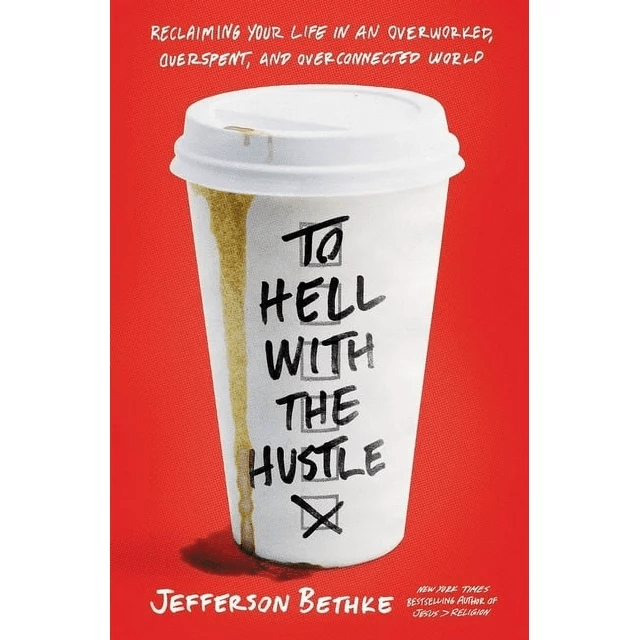
“To Hell With the Hustle” was written by Jefferson Bethke, the New York Times bestselling author of Jesus>Religion and It’s Not What You Think and host of The Real Life podcast. This book was not what I expected and seemed very scatterbrained, but there were some good takeaways. Here are some that resonated with me most.
When our work becomes who we are and we derive our ultimate value and meaning from it, it runs the risk of becoming our god – the thing we worship, bow down to, and become slaves of.
It’s time to stop and consider the cost of all this hustle, speed, and disillusionment. To hell with it – meaning we’re done and it comes from Hell. Jesus was never in a hurry. He was actively resisting cultural pressures on many levels. Hustle isn’t him.
Scripture doesn’t talk much about goals. It is focused on our identity and who we are becoming. Are we becoming more like Jesus by the practices and formations we are doing?
Have you ever noticed how a lot of Jesus’ miracles were not a part of his plan? They happened on his way somewhere else. You have to go at a pace that can be interrupted. That can be responsive to the moment in front of you.
The goal is “Well done, my good and faithful servant,” NOT “Well accomplished, my busy and hustled servant.” Well done. Faithful.If we want to get there, we have to actively resist the myriad voices and influences that subtly hypnotize us into a busier, noisier, more hustled lifestyle. Say no, that’s not the way of Jesus. That’s not the speed of Jesus. That’s not the cadence of Jesus. To hell with the hustle. I’ll take him instead.
4 out of 5 stars
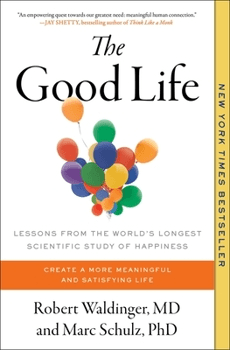
“The Good Life: Lessons from the World’s Longest Scientific Study of Happiness” was written by Robert Waldinger, MD and Marc Schulz, PhD. Robert Waldinger, MD is a professor of Psychiatry at Harvard Medical School and director of the Harvard Study of Adult Development. Marc Schulz, PhD is the associate director of the Harvard Study of Adult Development and a practicing therapist.
The Harvard Study of Adult Devlopment has followed the lives of two generations of individuals from the same families for more than 80 years – asking thousands of questions and taking hundreds of measurements to find out what really keeps people healthy and happy. I will post more about this book in the future, but for now, here are some lessons:
The good life is not a destination. It is the path itself and the people who are walking it with you.
Good relationships keep us happier, healthier, and help us live longer.
An investment in our social fitness isn’t only an investment in our lives as they are now. It is an investment that will affect everything about how we live in the future. Like a tree needs water, relationships are living things and need attention and maintenance.
Curiosity goes a long way in relationships. It opens up avenues of conversation and knowledge and helps others feel understood and appreciated.
5 out of 5 stars
“Calling A Wolf A Wolf” consisted of poems by Kaveh Akbar. To be honest, I didn’t really like this collection. The format of the poems bothered me, and the phrases were scattered with no punctuation. Here is an example:
There were many poems about alcoholism, but the language didn’t make sense to me. Here are a few lines I liked:
What Seems Like Joy – “My father believed in gardens – delighting at burying each thing in its potential for growth. Some years the soil was so hard the water seeped down slower than the green seeped up. Still he’d say if you’re not happy in your own yard you won’t be happy anywhere.”
Portrait of the alcoholic floating in space with severed umbilicus – “I always hoped that when I died I would know why. My brother will be so sad he will tell his daughter I was better than I was. He will leave out my cruel drunk nights the wet mattresses my driving alone into cornfields unsure whether I’d drive out.”
“Now I listen for the sighs of people who love me, each agitation I create a reminder that I am less than constant in my grace.”
2 out of 5 stars
I look forward to reading, learning, and sharing more with you soon!
My intention is to post a Thoughtful Thursday column each week and share some of the insights I have learned in the past week. Here are some of the things I’ve learned this week:
Mentally Stronger with Therapist Amy Morin – 10 Mental Health Improvement Strategies Therapists Prescribe Their Patients
Act contrary to how you feel. Explore the behaviors that reinforce that emotional state and act the opposite. Ex: depression may want you to stay in bed all day, but getting up and moving is the best thing. Change your behaviors first, and the feelings will often follow.
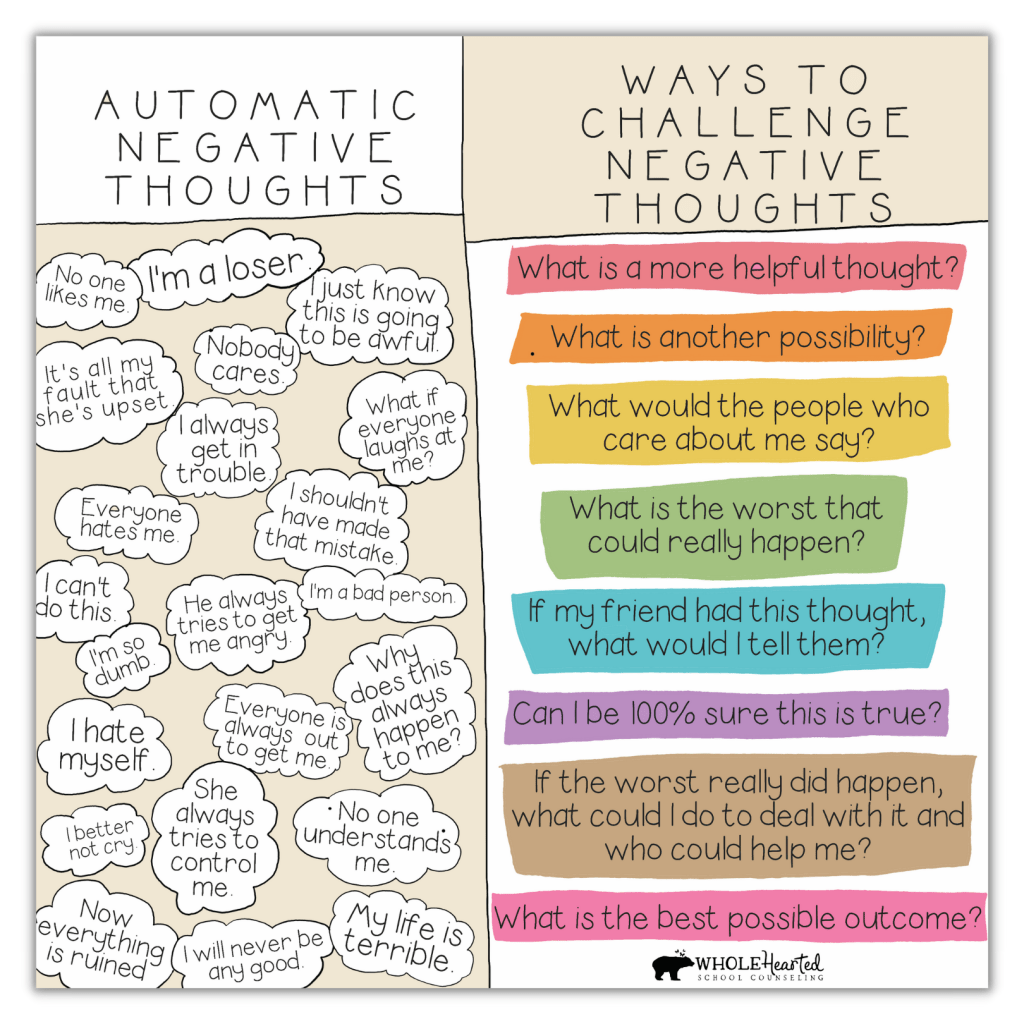
Challenge your negative thoughts. Intense emotions cause irrational thoughts. Challenge your thoughts and prove that you can do something. Prove that your thoughts aren’t always accurate.
Add structure to your day. Be intentional about building in healthy tasks and having structure outside of work, but also allow room for flexibility.
Schedule fun, meaningful things to do. Having something to look forward to is really good for your mental health. Schedule one fun or meaningful thing each week.
Spend time in nature. Nature has incredible benefits for our mental health; it reduces anxiety, improves concentration, reduces depression, and helps us feel happier overall.
Get physical activity. Exercise reduces stress and anxiety and improves self-esteem. Find an activity that you enjoy so that you can stick to it.
Find a way to relax. Watching tv and scrolling on your phone stimulates your brain, so aim for ways to relax your brain. If you invest time into caring for your mental health now, you will feel better and perform better later.
Work on something that you’ve been putting off. The more you put something off, the more you dread doing it and the worse you feel.
Take care of your body. Eat a healthy diet and get adequate sleep.
Get social support.The people you spend time with might be the biggest factor that determines how mentally healthy you are. Having positive people in your life reduces the symptoms of mental illness. Remove yourself from toxic relationships.
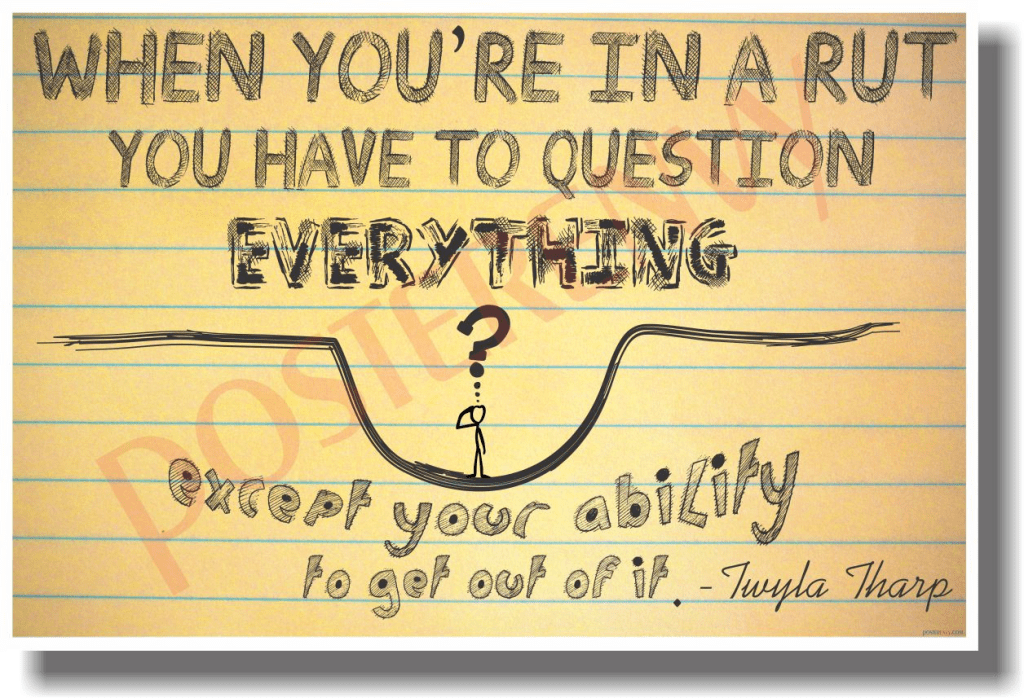
Sad to Savage – Little Things to Help You Get Out Of A Rut
Do a check in and figure out why you’re in a rut.Is your schedule day-to-day not fun? Are you not sleeping enough? Are you nourishing your body with food and water? What are you spending your time doing? Is that keeping you stuck? Are those things helping you or hurting you? What do you need to change?
Pick out a goal right now to work towards. Ex: train for a 5k, make a healthy meal 3x/week, build a new habit
If you’re someone who really likes to talk on the phone, talk on the phone when you’re outside on a walk. You could start making plans with friends on the weekend to go on a walk. Look up gyms in your area and go to the cheapest one. Go on a treadmill and find a show you will only watch while walking on the treadmill.
Redesign a space in your home. Change around the furniture.
Find a book to read. Find a book about something you want to learn more about.
Know that you are allowed to change your mind and your habits whenever you want. You can become whoever you want to become.
Try a new hobby. Take a class.
Pay attention to the people you have in your life, the environments you have, the music you listen to, the content you consume, the people you follow … all of those things can contribute to you feeling like you are in a rut.
Make a list of things that make you feel happy that you can turn to when you’re feeling down. Ex: family time, running, going outside, reading, etc.
Chasing Life – Does Money Buy Happiness?
Money CAN buy happiness. Buy experiences (trip, dinner with friends, etc.). Experiences bring more happiness than material possessions. Make spending feel like a treat – hedonic adaptation.
Think about how your choices about money impact how you use your time. If it doesn’t have any bearing on how you spend your time, you can probably let go of spending money on that for now.
Buying time – if you can, buy your way out of something you dread doing. Ex: mowing lawn, cleaning house, grocery shopping, etc.
Another fact mentioned is that people who donate to causes/charities through recurring charges aren’t nearly as happy as people who get involved in person and directly see the impact of their monetary donations.
Self Improvement Daily – “You can have it your way.”
Burger King’s motto “Have it your way” is a welcome reminder that each one of us matters and deserves to be cared for. We don’t need to settle for how things are; we can create a new reality for ourselves.
We can pursue our ambitions with pride. We can change our future if we have the courage to do so. Being selfish in investing in yourself can be one of the most selfless things you can do because it can great the greatest impact on others.
If you’re overstretched at work and compromising your own health, that’s not having it your way. When we enforce better boundaries about our work hours, we can have more time to fulfill ourselves in other ways.
If you don’t have as much time for the things and people you love, or the energy to do anything at the end of a long day, that’s not having it your way. When we say no to others, we say yes to ourselves.
Reordering priorities and making a commitment will start to shape your life your way. Balance your personal life, care, and passions in a way that you feel good about by figuring out how it all fits together.
This post from Seth’s blog really resonated with me:
“Momentum activities like public speaking, board sports and leadership all share an attribute with riding a bicycle: It gets easier when you get good at it.
The first error we often make is believing that someone (even us) will never be good at riding a bike, because riding a bike is so difficult. When we’re not good at it, it’s obvious to everyone.
The second error is coming to the conclusion that people who are good at it are talented, born with the ability to do it. They’re not, they have simply earned a skill that translates into momentum.
There’s a difference between, “This person is a terrible public speaker,” and “this person will never be good at public speaking.”
And there’s a difference between, “They are a great leader,” and “they were born to lead.”
The thing about momentum activities is that we notice them only twice: when people are terrible at them, and when they’re good at it. That includes the person you see in the mirror.”
My reflection: we only notice when someone is really good or really bad at something. We don’t see the “average” and we often don’t see the process that it took to get to “good.”
I look forward to reading, learning, and sharing more with you soon!
My intention is to post a Thoughtful Thursday column each week and share some of the insights I have learned in the past week. Here are some of the things I’ve learned this week:
Real Simple Tips – Here are 6 Home Upgrades That Are a Waster of Money
These features won’t add much value to your home according to real estate agents:
Swimming pools – come with a lot of upkeep – can put off potential buyers who aren’t keen on the additional responsibility – also increases price of homeowners insurance
Extensive landscaping with exotic plants – can turn off future buyers – need a lot of care
Garage conversions – converting a garage into a living space can reduce overall functionality. Instead, find a way to make a room more versatile.
Motorized blinds – wildly expensive and don’t give any added design ambiance compared to regular blinds and shades
Sink moved to center island – mistake to move the kitchen sink to the island – people want an island free from the clutter of dishes and drying racks
Smart home technology systems – convenient, but will likely become obsolete quickly and will need to be updated or replaced
Life Kit – Staying safe in extreme heat
Millions of people are experiencing what the National Weather Service is calling the first major heat wave of the summer. The local heat index could reach 105 degrees in some places.
When we are exposed to heat, our body has ways to dissipate it and keep us cool, but when we are exposed to certain environments and certain temperatures, sometimes our body just can’t keep up.
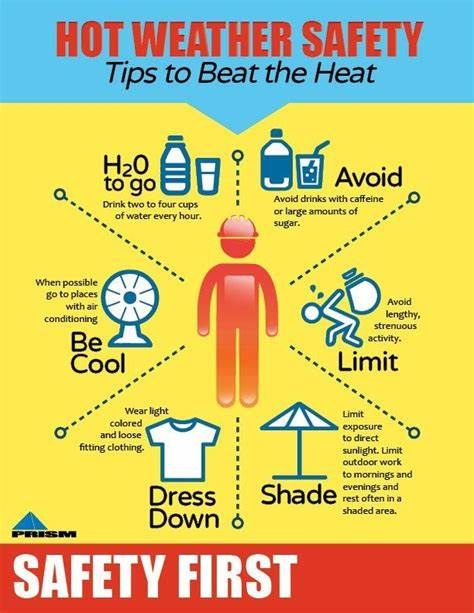
Keep your body as cool as possible. Stay hydrated with water, avoid alcohol during extreme temperatures, and wear loose-fitting clothing to help lower your body temperature.
When dealing with extreme heat, it’s important to find the coolest place possible to be in if you need to be outside. If you are inside, use the air conditioning or go to the coolest place in your house.
Stay informed with the heat index. Check weather updates and try to be proactive in protecting yourself against the heat.
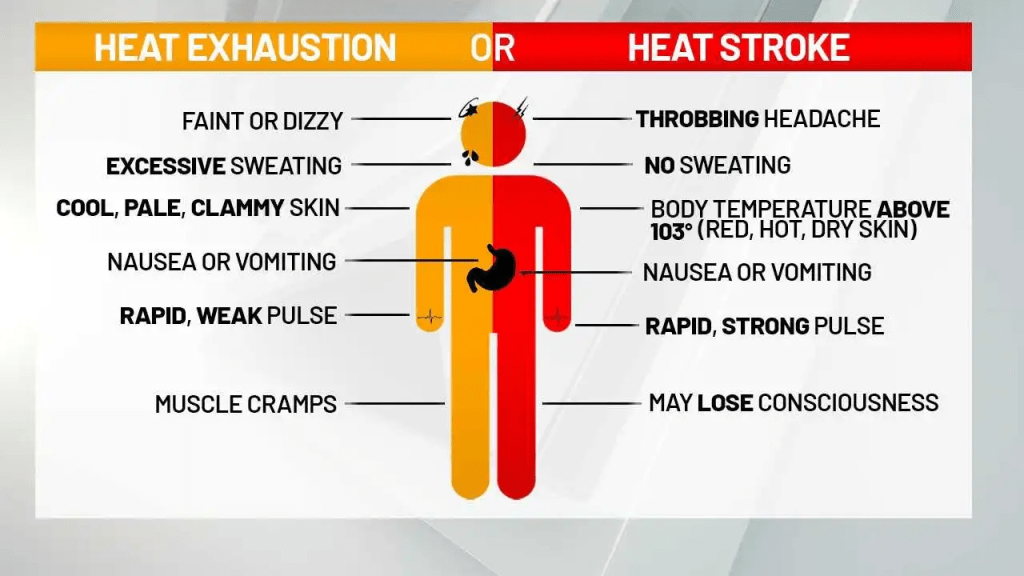
Know when to seek medical help – heat exhaustion and heat stroke. Symptoms of heat exhaustion can be broad and different for everyone: feeling weak, dizzy, nauseous, vomiting, excessive sweating. With heat stroke, you’re red, hot, and dry and you aren’t able to sweat. Heat stroke is a medical emergency.
The Mel Robbins Podcast – 13 Things I Wish I Knew in My 20s
The idea that the 20s are the time of your life is bull. It might be one of the hardest decades of your life, so give yourself more grace. You will figure it out.
Stop spending your money on stupid stuff. You need to take control of your addiction to buying things. Spending money that you do not have on the things you do not need does not give you power; it makes you feel powerless. Keeping up with the ever-changing trends is not serving you and your happiness.
You have so much time. You have plenty of time to figure out your life, your career, your love life, your friend group, etc. Social media is warping your perception about what it takes to be successful. Don’t be triggered by other people’s timelines. Trust the timeline of your life.
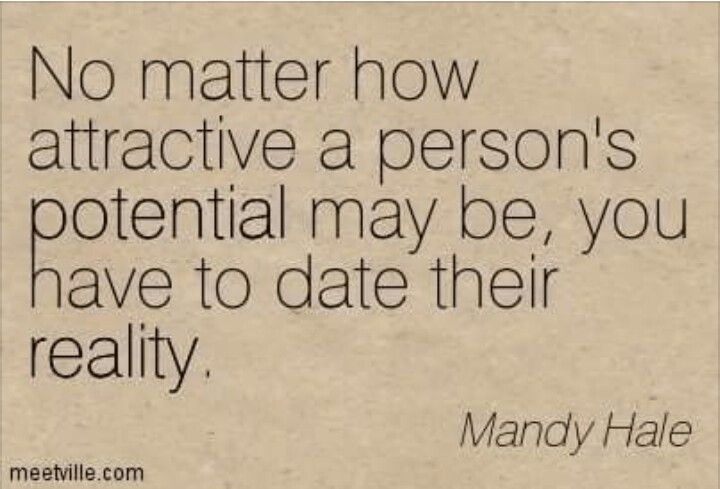
Date the person, not their potential. Be in a relationship with the person they are right now, not the person you wish they were.
It’s not fair. Don’t let yourself play the victim. You can’t change what’s happening around you, and the sooner you accept that, the freer you will feel.
Define your career wins not but the quantity of your paycheck but by the quality of your circle. Focus your time and energy on making meaningful connections. People will get you further in your career than any single paying job on your resume ever will. Your connections matter.
Be kind. Go above and beyond to make other people feel appreciated and seen.
You don’t get to want something if you don’t ask for it.
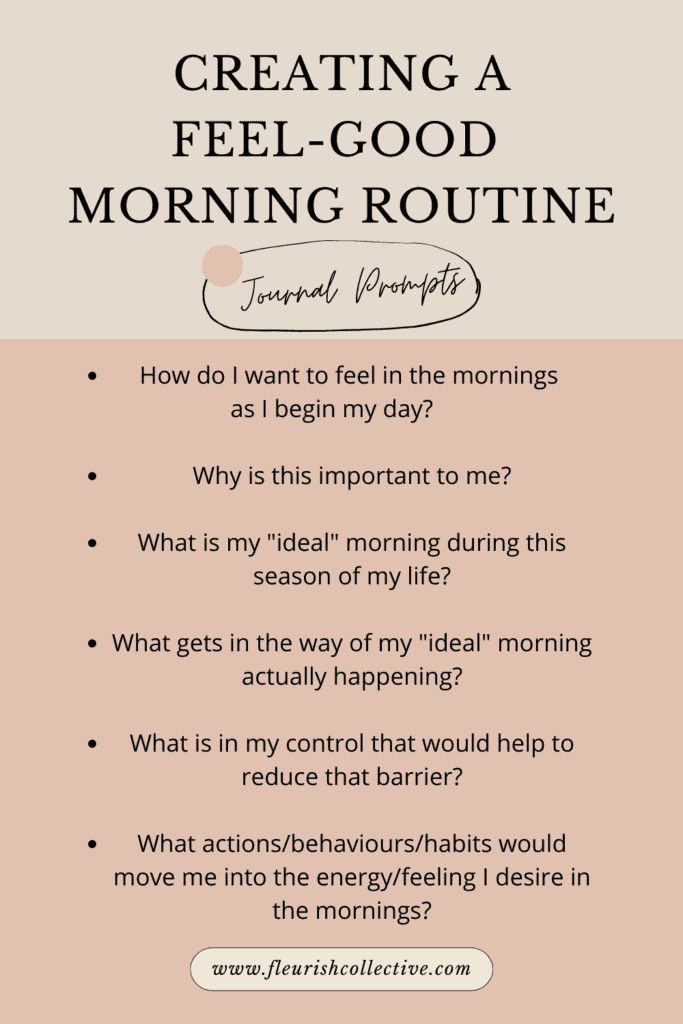
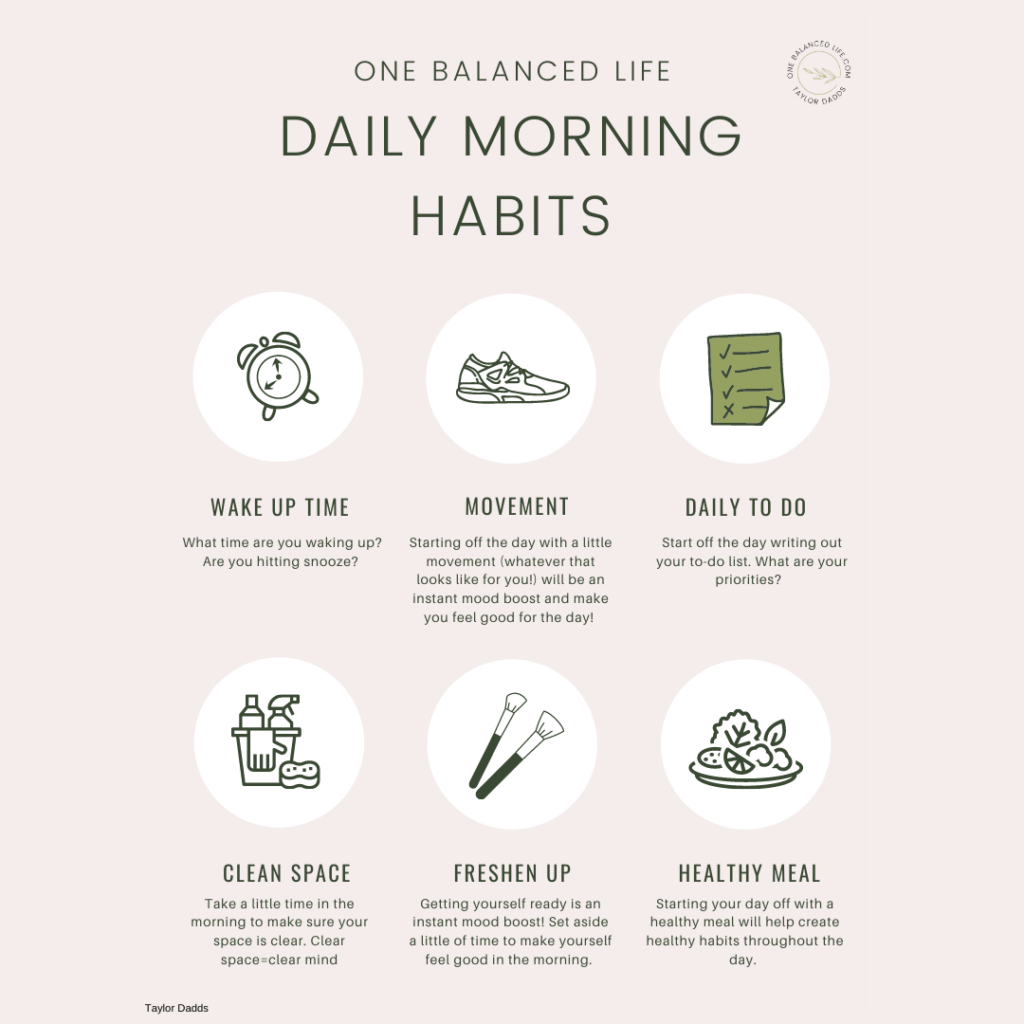
A rock-solid morning routine is the fastest way to take control of your life. You need structure to your day, and how you set the day up is how it ends up. Core 5 practices from Mel: get up when the alarm rings, get outside and get five minutes of sunlight, take a walk without listening to music or a podcast, drink a glass of water, and have some kind of mindfulness practice such as journaling
Get serious about who you are hanging out with. What are their habits? Are the five people you are spending the most time driven? Do they have goals? How do they treat you? How do they make you feel? Can you actually open up and be yourself with them?Surround yourself with people who bring out the best in you.
Be your own person. Stop pretending to like things that you don’t. Live authentically. Learn to make your own choices. The fastest way to figure out what you like and who you are as a person is by doing things by yourself because then you don’t have the pressure of managing the person with you and whether or not they like the thing that you are doing. Explore your interests alone.
You are not in competition with anyone. Success, happiness, and friendship are in a limitless supply.
Take the biggest risks of your life right now. You have time.
I really enjoyed this post from Gabe the Bass Player this week:
The people most likely to sign up for coaching or additional learning are the folks who are already good at their craft.
“I’m terrible at this,” can lead to, “and I don’t want to be reminded of it.” Or perhaps, “I don’t want to waste their time,” or, “I’m never going to get better.”
When it’s possible to get better, embracing mediocrity isn’t a useful strategy.
I’d rather have a surgeon who regularly attends trainings, wouldn’t you?
Read a book, find a coach, organize a group. If you’re serious about getting better, you’ll improve.
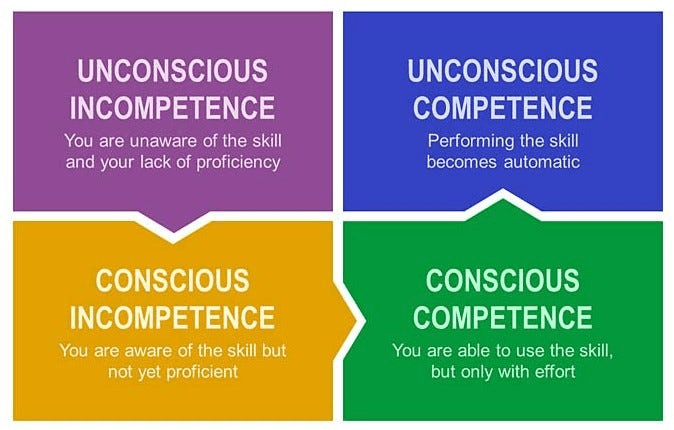
Learning creates more competence but first, it amplifies our feelings of incompetence.”
I look forward to reading, learning, and sharing more with you soon!
My intention is to post a Thoughtful Thursday column each week and share some of the insights I have learned in the past week. Here are some of the things I’ve learned this week:
Fit, Healthy & Happy Podcast – 7 Steps to Increase & Boost Your Metabolism
Your metabolism determines how many calories you burn. Here are some tips to boost your metabolism.
Allow yourself to go through different phases of the journey.
Focus on building high quality muscle.
Stay active. Incorporate physical activity into your daily routine.
Increase protein intake. Protein requires more energy to digest compared to carbs or fat. Include protein-rich foods such as lean meats, fish, eggs, dairy, legumes, and nuts in your diet.
Stay hydrated. Drinking enough water is essential for a healthy metabolism.
Get enough sleep. Lack of sleep can disrupt your metabolism and lead to weight gain.
Manage stress. Chronic stress can lead to hormonal imbalances that can slow down your metabolism.
Remember that individual metabolism can vary based on factors such as age, genetics, and body composition. Focus on overall health and well-being rather than solely on boosting metabolism for weight loss.
On Purpose with Jay Shetty – 10 Steps on How To Set Boundaries Without Offending People
Often our definition of someone being a good human being is someone who doesn’t have boundaries. Our definition of what it means to be a good human needs to change at the core.
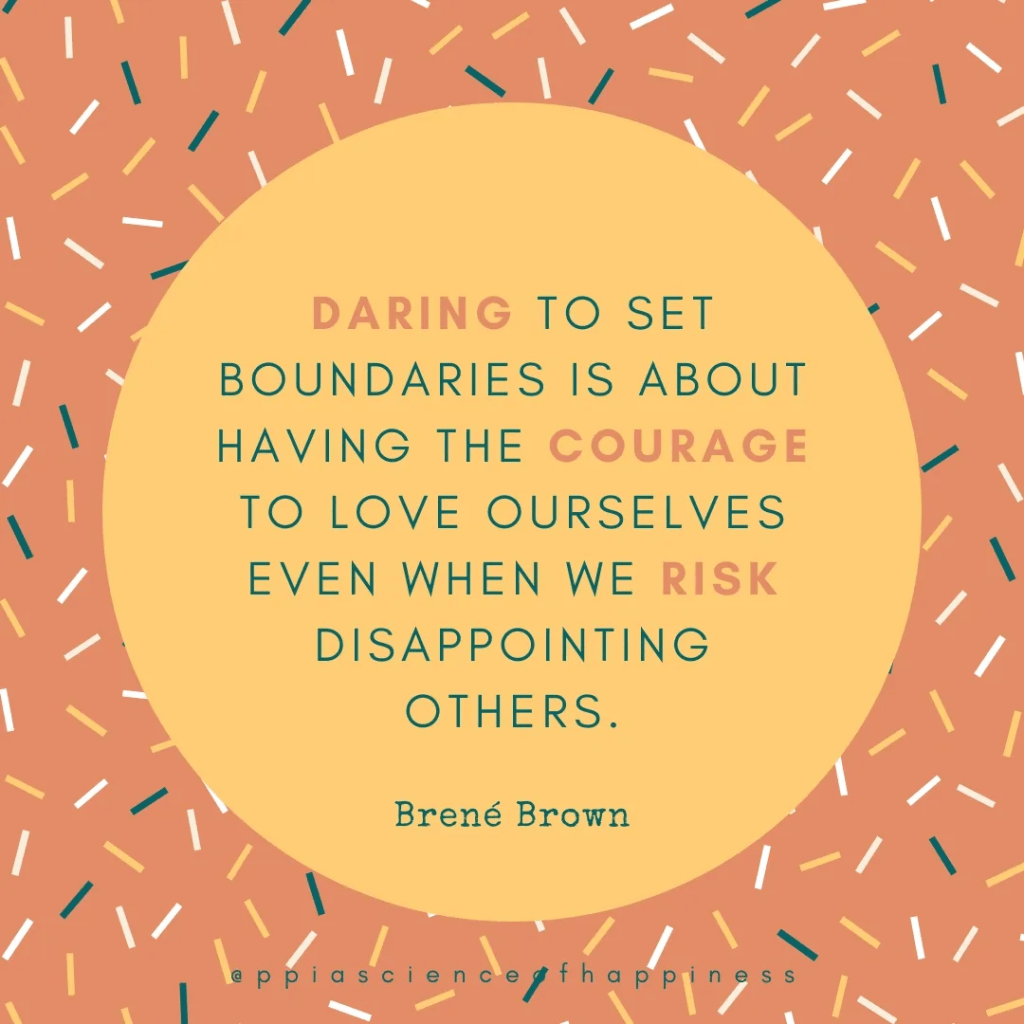
Boundaries are about what we need for ourselves, not what we want or don’t want from others.
We think boundaries are protecting us from other people, but boundaries are protecting ourselves from ourselves. We can’t control anyone else’s actions, but we can control our own.
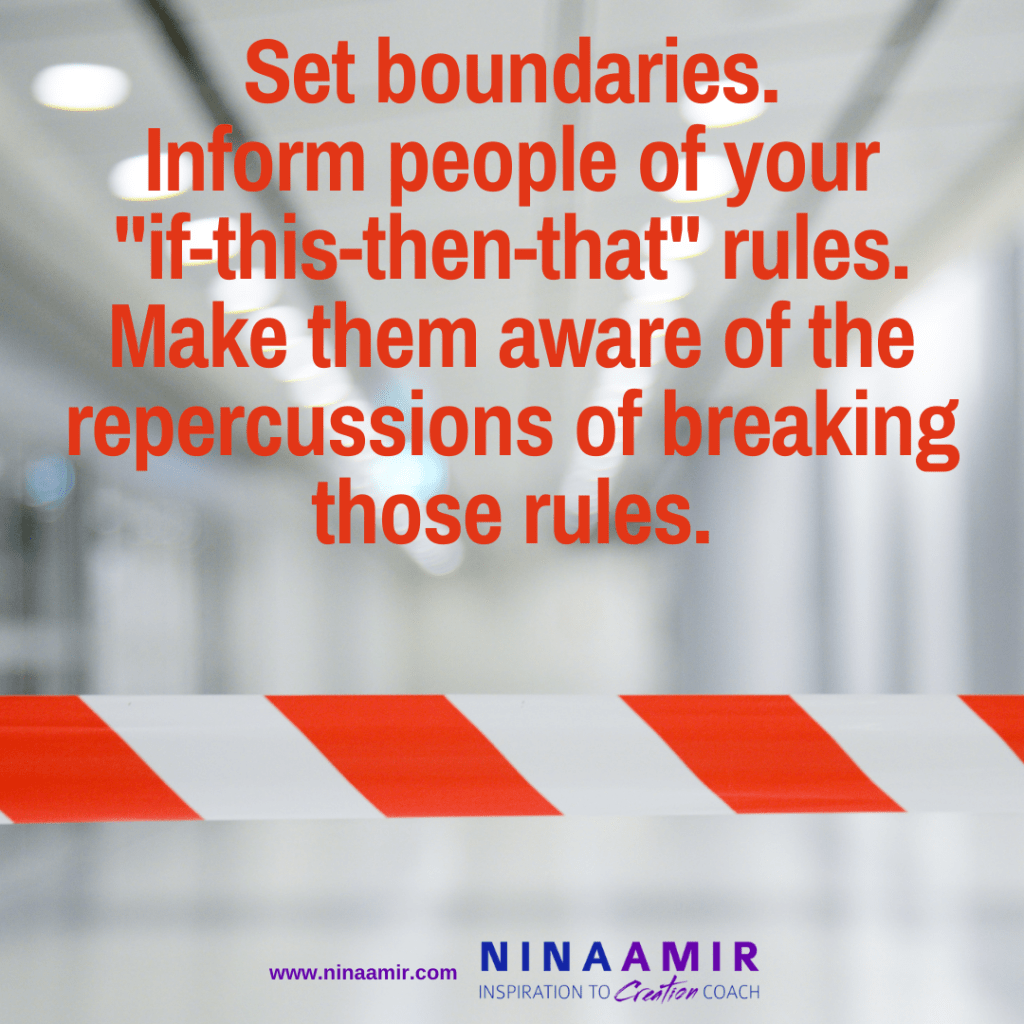
Set up “If” scenarios to set boundaries. If this… then this. Clearly communicate your boundaries.
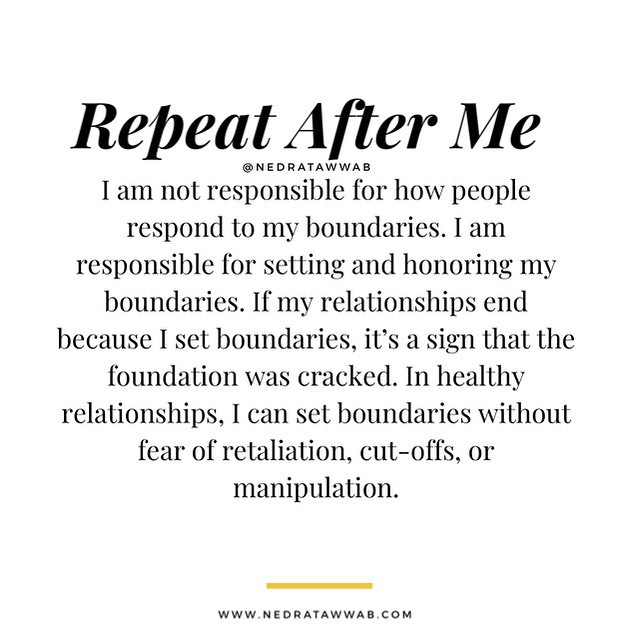
You can justify your choice to yourself, but you don’t need to justify your choice to others.
How can you be honest, kind, and empathetic to their reaction? It’s okay to recognize that someone else has their own values about your situation. Be open to the idea that not everyone will agree with you.
Don’t have an expectation of how you want someone else to respond. Don’t project how you process things onto other people. If someone doesn’t act in the way you would or the way you think they should, remember that they are not you, and you are not them.
Become certain about your boundaries.
Ask yourself these questions when setting a boundary:
What is the boundary protecting for you? Is it time? Why is time important for you? Is it an idea you are trying to practice? A mindset you are trying to build?
What happens when you don’t follow that boundary? How would your future self feel about it if you forego the boundary?
How do you feel when you follow through on the boundary?
Plan a buffer. Someone will catch you off guard and ask for something at a time you don’t expect. It’s okay to ask for time or some space.
Observe others do uncomfortable things. Everything you admire in someone else is a skill that can be trained and is a life that you can live.
Start exposing yourself to simple actions of discomfort: calling to cancel or reschedule an appointment, declining an invite to a friend’s birthday, etc. Allow the exposures to scale. People will be offended and that’s okay.
Reset people’s expectations of you. Set boundaries.
The Big Flop – Beanie Babies Go Bust with Ian Karmel and Brian Moller
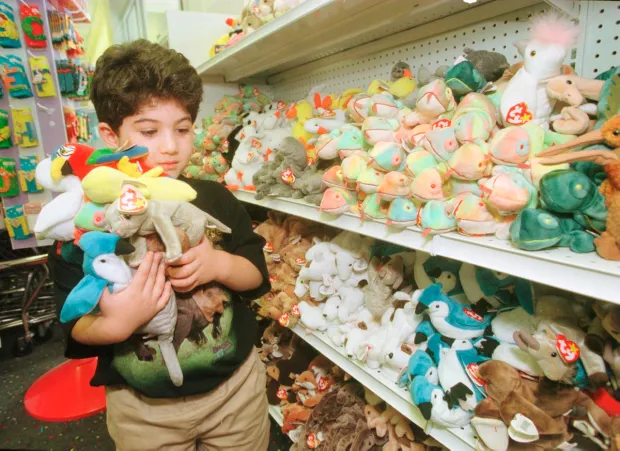
The Beanie Babies craze was in the 1990s. Each had a name, birthdate, and little story attached to them.
I used to collect Beanie Babies and even had a special holder made for them. It resembled a coat rack but had little pieces of elastic to hang them on.
1993 – Beanie Babies debuted at the World Toy Fair in New York City and didn’t really take off
Scarcity is what set Beanie Babies apart from other stuffed animals.
Beanie Babies were “retired” instead of “discontinued” – made it seem like a collector’s item and gave Beanie Babies a feeling of scarcity
Not sold in popular retailers like Walmart or Toys R US – favored small independent stores and gift shops
The stores that sold them could only offer some of the Beanie Babies, so nobody could get the collection in one place. When people spotted them, they weren’t sure if they would see those Beanie Babies again, so they bought them.
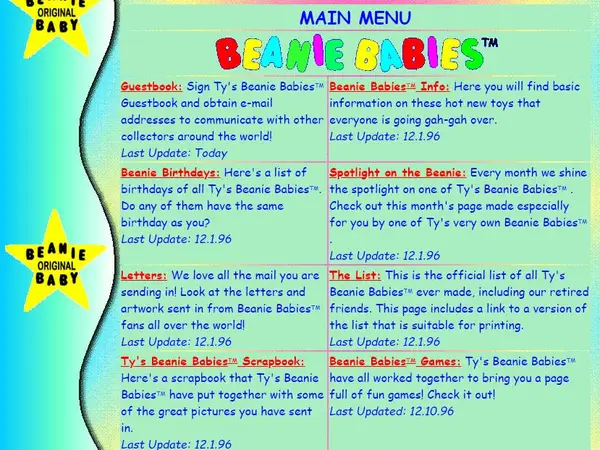
1995 – website was created where you could buy the Beanie Babies and get extra intel, such as an online catalog with more information about the Beanie Babies, upcoming release dates, etc. Some sources cite this as the first business-to-consumer sales site on the internet!Demand is so high around the holidays that Ty, Inc. imported 3 737s full of Beanie Babies from Korea.
1995 – $28million in sales that year
Some were sold on Ebay for over $30,000!
By 1997, the craze was huge! Newsletters, pricing guides, and fan trivia bubbled up across America.
In May of 1997, Beanie collectors spent $500 million on Ebay auctions for Beanie Babies in one month!
In October 1997, Ty, Inc. announced they would release a commemorative purple Beanie bear called Princess in honor of the recently deceased Princess Diana. The proceeds would go to Princess Diana’s foundation and were supposed to be sold for $7. Some retailers gouged customers and charged anywhere from $25 to $350 for Princess. Many people were convinced this bear would be worth a fortune someday.
A McDonalds employee stole $6k in teenie-Beanies and went to prison and a store clerk in LA was robbed at gunpoint for 40 Beanie Bears.
By 1998, 65% of American homes had at least one Beanie Baby. Ty, Inc’s sales were more than $1.4 billion.
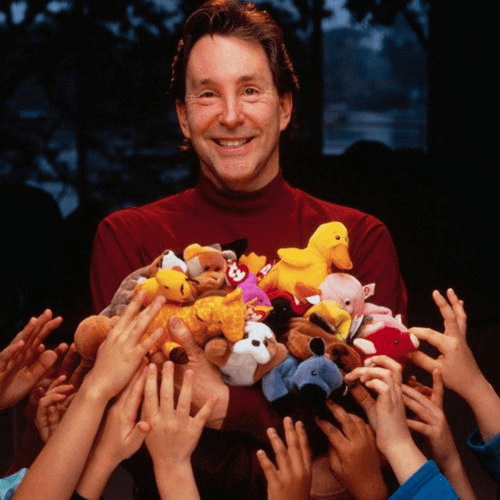
1998 – Forbes left Warner off of the Wealthiest Americans to Make Lots of Money list, so he bought a full-page ad in the WSJ to let everyone know that Ty, Inc. made more than $700 million the previous year – more than Hasbro and Mattel combined. In 1999, Forbes listed Warner with an estimated net worth of $4billion.
Yet, Lina, the creator of the website and the poems on the tags made $12.50 per hour! She asked for a raise, was denied, and she quit.
3 months before the Christmas shopping season in 1999, Warner announced that all Beanie Babies would be retired on December 31, 1999. It was another marketing stunt to drive up interest and demand. On Christmas Eve, Warner created a poll asking fans to make the decision on whether Beanie Babies would live or die and, in the ultimate money-grabbing move, made people pay money to vote! People aren’t going to pay to vote no.
The crazy had clearly passed, which was terrible news for people who had invested heavily in Beanie Babies.
By 2002, Warner was worth $6 billion. In 2009, Ty, Inc. attempted to recapture the magic by releasing Beanie Boos – fluffier Beanie Babies with bigger eyes. Nobody wanted to buy them like they did the original Beanies.
In 2014, Warner pled guilty to tax evasion and hiding over $20 million from the government due to having a hidden foreign bank account.
Ty, Inc. still exists. Ty Inc HQ doesn’t have a sign out front. Ty.com recently announced its line of 30th anniversary commemorative Beanies that look like the originals. You can’t buy them on the website but they will be available at select retailers.
I enjoyed this blog post from Gabe the Bass Player this week:
“When we do something nice for someone, a ‘thank you’ and a smile is nice to receive. And, in many parts of human culture, it’s a bit expected.
But when something goes wrong, if we drop a plate or miss a turn or make someone late, it’s particularly delightful and memorable if we are greeted warmly instead of stomped on.
The moments when it’s the most difficult to be kind are the moments where it matters the most.”
I look forward to reading, learning, and sharing more with you soon!
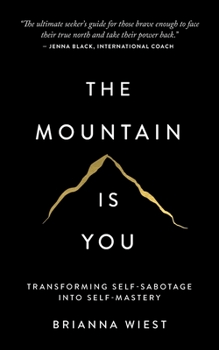
In “The Mountain is You,” Brianna Wiest compares life to a mountain and encourages readers to embrace challenges, embark on a journey of self-reflection, and practice perseverance in order to reach new heights. The mountain represents the challenges and obstacles we encounter throughout our lives and symbolizes the path we must overcome in order to grow.
The mountain is often less a challenge in front of us as it is a pattern within us, an unstable foundation that might not seem evident on the surface but is nonetheless shifting almost every part of our lives. Your mountain is the block between you and where you want to live. Facing it is also the only path to your freedom and becoming.
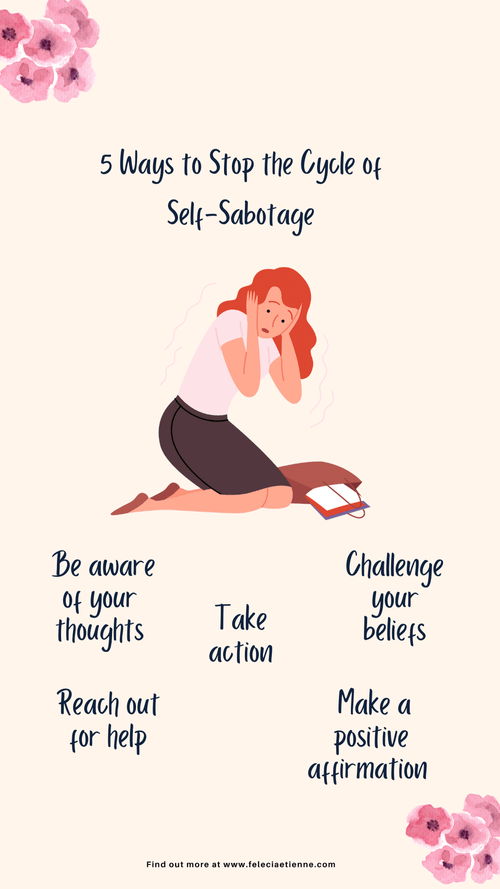
The mountain that stands in front of you is the calling of your life, your purpose for being here, and your path finally made clear. Self-sabotage is almost always at work. Self-sabotage comes from irrational fear.
To truly heal, you are going to have to change the way you think. You are going to have to become very conscious of negative and false beliefs and start shifting to a mindset that actually serves you.
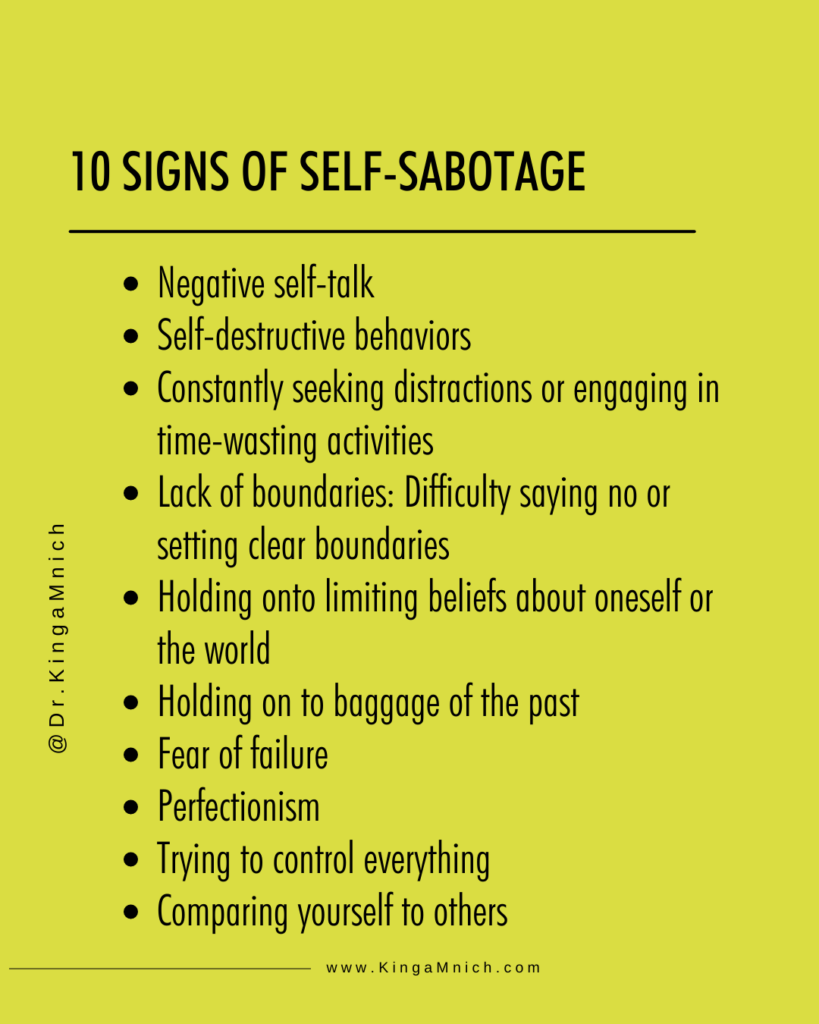
Patterns indicative of self-sabotage:
resistance
perfectionism
limited emotional processing skills
justification
disorganization
attachment to what you don’t really want
judging others
pride
downplaying
being “busy”
spending time with the wrong people
worrying about irrational fears and least likely circumstances
How to tell if you’re in a self-sabotage cycle:
You are more aware of what you don’t want than what you do.
You spend more time trying to impress people who don’t like you than you spend with people who love you for who you are.
You’re putting your head in the sand.
You care more about convincing other people you’re okay than actually being okay.
Your main priority in life is to be liked, even if that comes at the expense of being happy.
You’re more afraid of your feelings than anything else.
You’re blindly chasing goals without asking yourself why you want these things.
You’re treating your coping mechanisms as the problem.
You value your doubt more than your potential.
You are trying to care about everything.
You are waiting for someone else to open a door, offer approval, or hand you the life you have been waiting for.
You don’t realize how far you’ve come.
The greatest act of self-love is to no longer accept a life you are unhappy with.
Brianna Wiest
When you start to feel resistance, ask yourself: Why do I feel this way? What is this feeling trying to tell me about the action I am trying to take? Is there something I need to learn here? What do I need to do to honor my needs right now?
We are not held back in life because we are incapable of making change. We are held back because we don’t feel like making change, and so we don’t.
Self-sabotage is what happens when we refuse to consciously meet our innermost needs, often because we do not believe we are capable of handling them.
Brianna Wiest
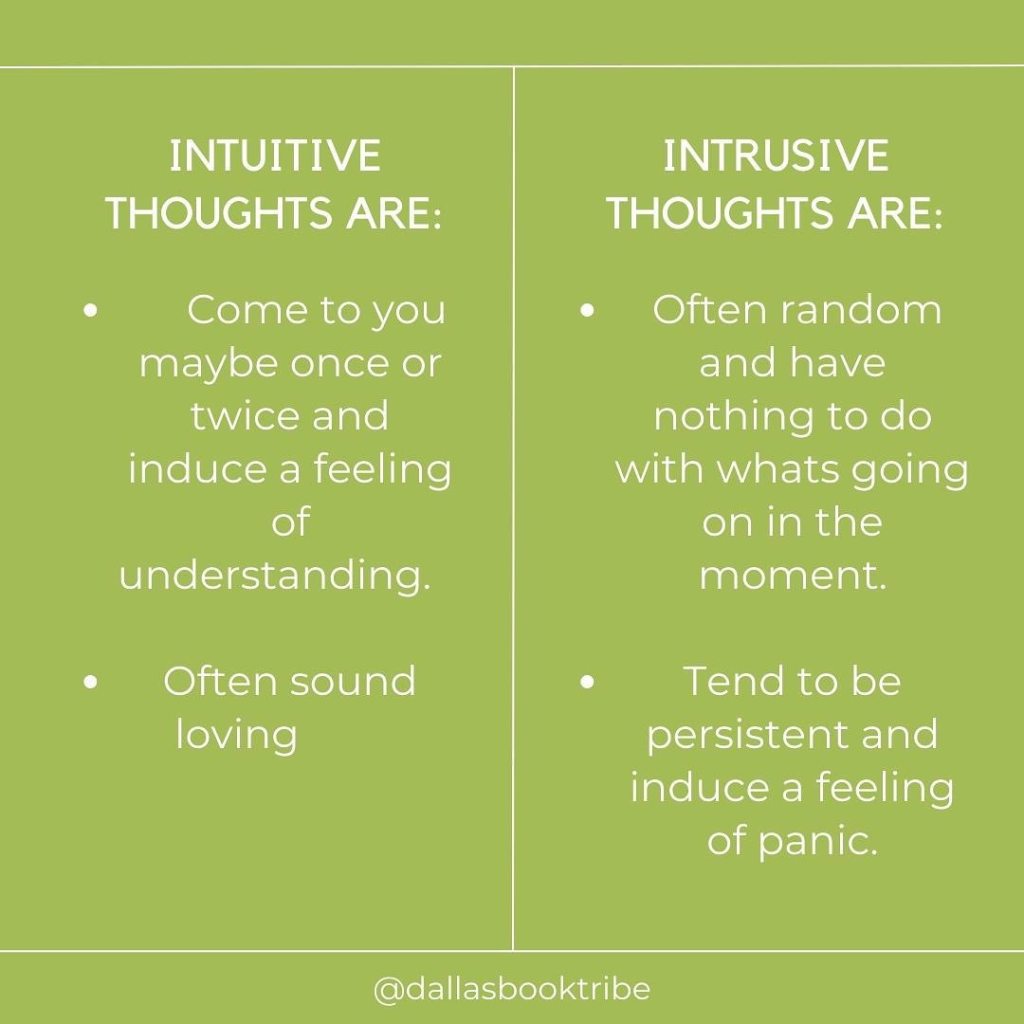
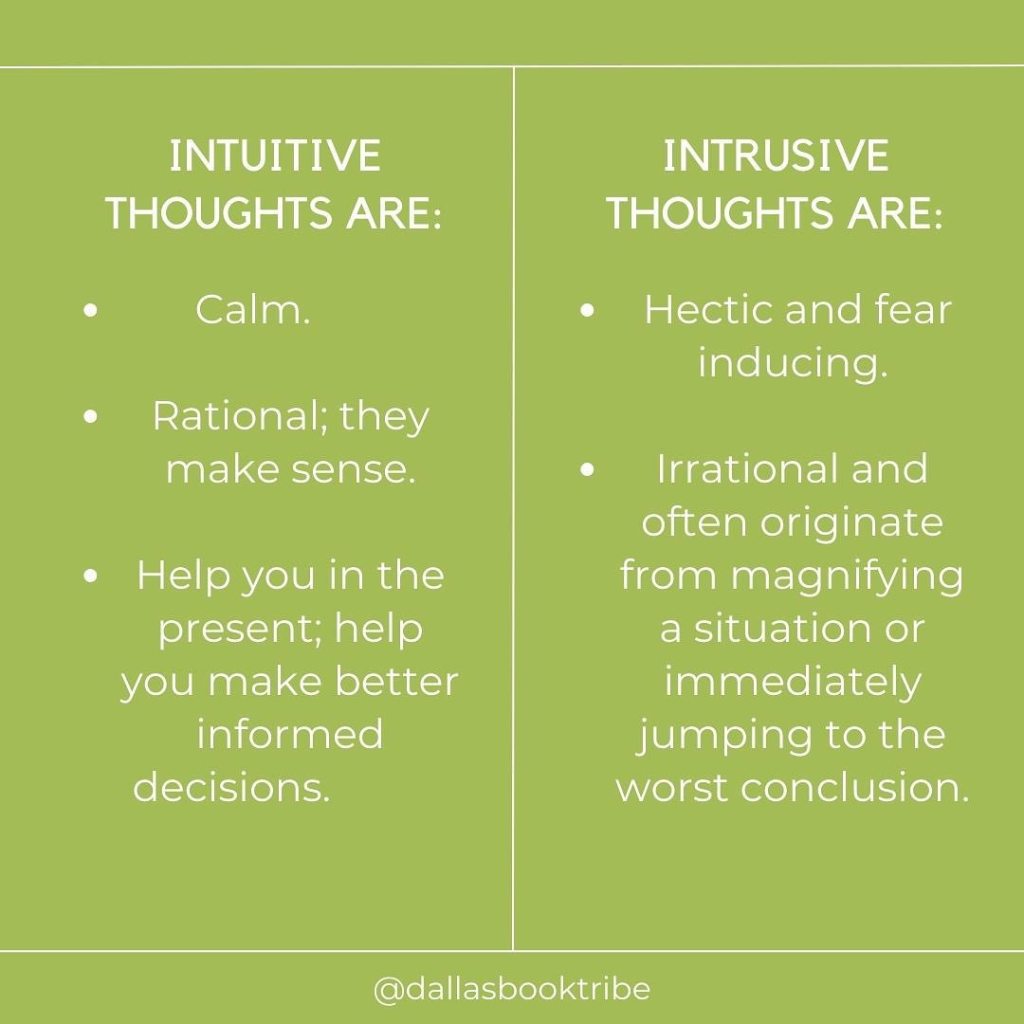
Intuitive vs. intrusive thoughts
“Arriving” often makes us hungrier for more. When we want something really badly, it is often because we have unrealistic expectations associated with it. We imagine it will change our lives in some formidable way, and often, that’s not the case.
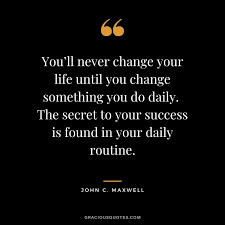
What you do every single day accounts for the quality of your life and the degree of your success.
What would my most powerful self do today? Be aware of your weaknesses and be willing to be disliked. No matter what you do, others are going to judge you.
Assume that everyone, and everything, has something to teach you. Become comfortable with vulnerability.
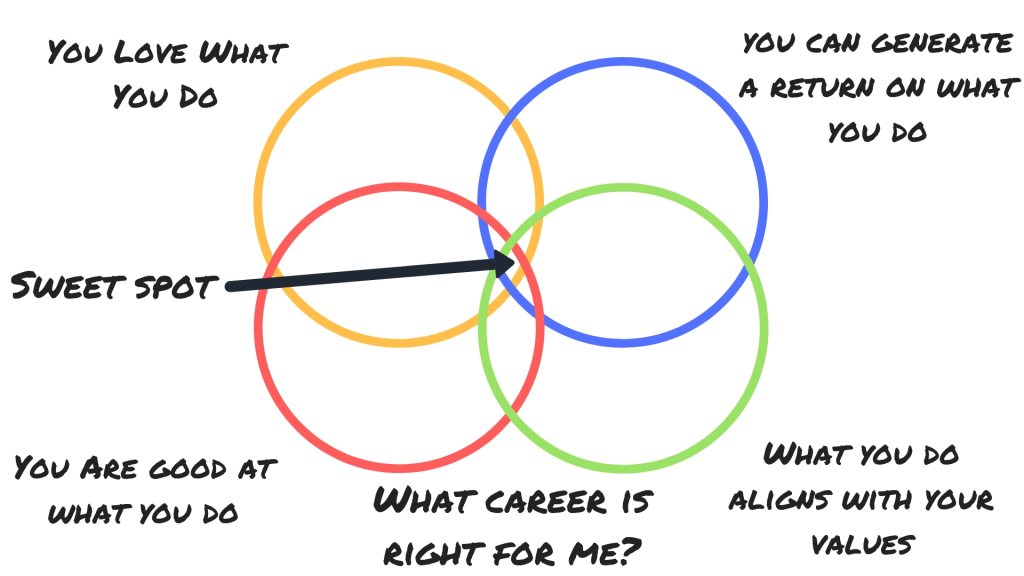
Start developing your own principles. Your life purpose is the point at which your skills, interests, and the market intersect.
Figuring out what you want to do with your life: What, and who, is worth suffering for? If social media didn’t exist, what would you do with your life? What comes most naturally to you? What would your ideal daily routine look like? What do you want your legacy to be?
Get a plan. Plans fix problems. Humble yourself. Ask for help because you aren’t supposed to know everything. Learn how to feel better by processing complex emotions.
How to truly enjoy your life: Arrive into the present. Lean into the little joys when you find them. Learn something new as often as you can. See challenging times as opportunities for transformation.
Listen to your behaviors. Filter out the noise. Manage your discomfort by making small changes. Become the best version of yourself. Find your inner peace.
One day the mountain that was in front of you will be so far behind you, it will barely be visible in the distance. Who you become in learning to climb it will stay with you forever.
I look forward to reading, learning, and sharing more with you soon!
My intention is to post a Thoughtful Thursday column each week and share some of the insights I have learned in the past week. Here are some of the things I’ve learned this week:
TED Business – A simple way to inspire your team – David Burkus
Most leaders and organizations try to drive the point of why we do what we do. They look to their mission statement and send it out in e-mails, print it on posters, and put it on a company website that no one visits.
Most people are less inspired by a compelling answer to “Why?” and more motivated by a clear answer to the question “Who? Who is served by the work that we do?” If I asked you to think of a time when you felt highly engaged and inspired at work, you would probably think of the last time you felt your work was important to someone else – the last time a client thanked you or expressed appreciation.
Ex: call centers soliciting donations – some of the workers got to meet with a student who had received scholarship funds raised by that call center and got to hear how receiving those funds made a positive impact on them. They got to meet the answer to their question, “Who is served by the work that we do?” When the researchers followed up a month later, they made double the number of calls per hour and solicited 5x the amount of donations. Pro-social motivation – the desire to protect and promote the well-being of others
If you think about the people your work positively impacts, you will be more motivated in your work. Who is served by the work that we do?
If you are in a leadership role, part of your job is to become the chief storytelling officer – always ready to tell the story of the client, coworker, or community member whose life is made better by the work your team does. If you aren’t in a leadership role, you can still motivate yourself and other people by capturing every instance you hear of someone who is served by the work you are doing and every thank you that you get for any time you or anyone else needs a positive story about how the work that we are doing matters. Help them find the answer to the question “Who?”
During part of the COVID-19 pandemic, I was a part-time Shipt shopper. I fulfilled Target orders by shopping and delivering them directly to customers within a 15-mile radius, communicated with the customers regarding order status, out of stock items, recommended substitutions, and preferences throughout the process, and used self-check-out to ring up and bag orders. This gig was very satisfying, especially when I focused on how I was serving others – people who had just become parents, elderly people who don’t drive, people who were more susceptible to getting COVID-19, etc. I often received feedback about my communication, expertise in picking out produce and bagging items, and about how much of an impact this had on them.
Instead of asking “Why do I do this?” ask “Who am I serving?”
The Unf*ck Your Fitness Podcast – 6 Tips to Keep You Going on Your Fitness Journey When Life Gets Tough
Expect that life is going to get hard. There is going to be a time when you don’t feel like working out. How are you going to plan for those disasters? You don’t need to be perfect, but you do need to be consistent overall.
You need to look at your workouts as “I get to work out” instead of “I have to work out.”
You need to have habits and a routine in place. If it’s not a part of your life, you will be quick to decide that it’s not important. It needs to be just as much of a routine as brushing your teeth.
It’s not optional. Once you commit to a healthy lifestyle and workout program, it isn’t optional. When life gets hard, the last thing you should do is quit on yourself. When life gets out of control, you need to control what you can! You can control what you eat, what you drink, and how much you work out.
Have a plan. When you’re following a plan, you can pick up where you left off without feeling lost.
Have some accountability. Having someone encourage you and maybe work out with you is so important.
The Jordan Harbinger Show – Timeshares – Skeptical Sunday
Timeshares are a $10.5 billion industry and there are over 1,500 timeshare resorts. Over 10 million households in the U.S. own one or more timeshares.
Over half of timeshare owners are GenZ or millennials. The average age of a timeshare owner is 39 years old.
63% of timeshare owners have a four-year college degree.
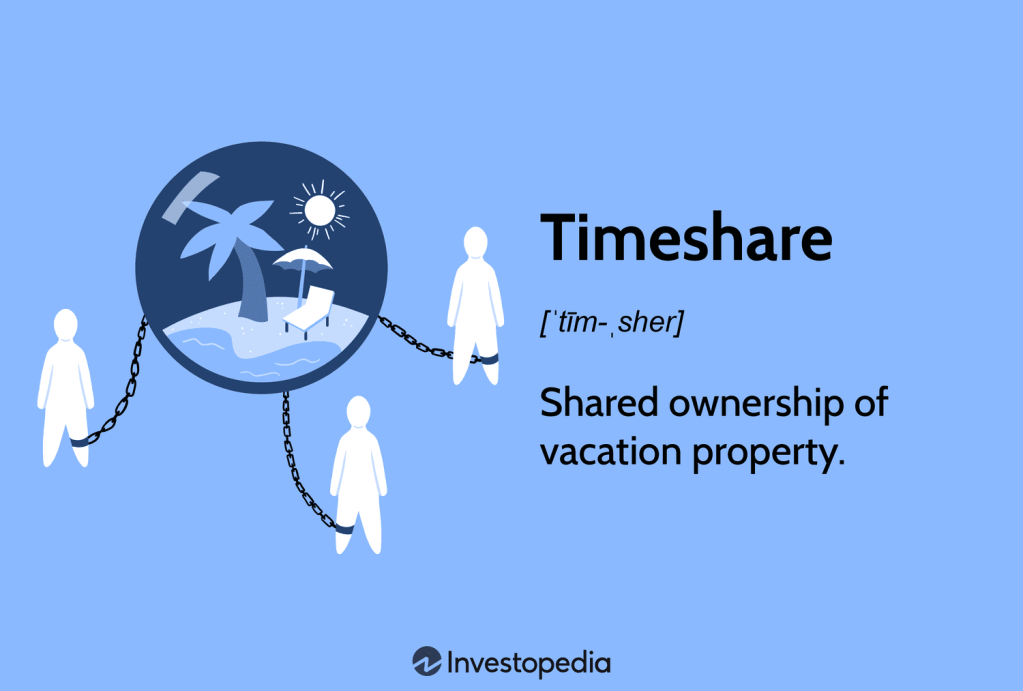
A timeshare is basically owning a vacation. You are committing to paying an annual fee to go on a trip at the same resort for the rest of your life.
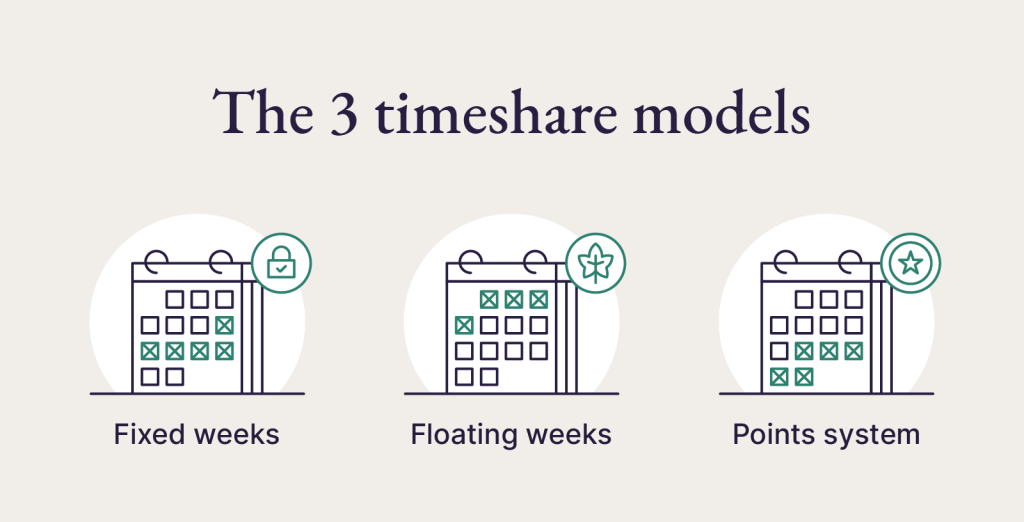
3 models
Fixed term: buying the right to exclusively use the property in the same place during the same week every year
Floating: more flexibility – you and others need to figure out when you get to use it each year. Everyone usually wants the exact same weeks.
Points-based: variety – get to pick a different location each time if you want to. Highly desired destinations cost more points
Why would people choose to get a timeshare instead of going on vacation whenever they want wherever they want?For some, it involves less decision fatigue and planning because you’re super limited in where and when you can go. Some large companies, such as Disney, Hilton, and Marriott are more vetted and care about their brand.
NEGATIVES:
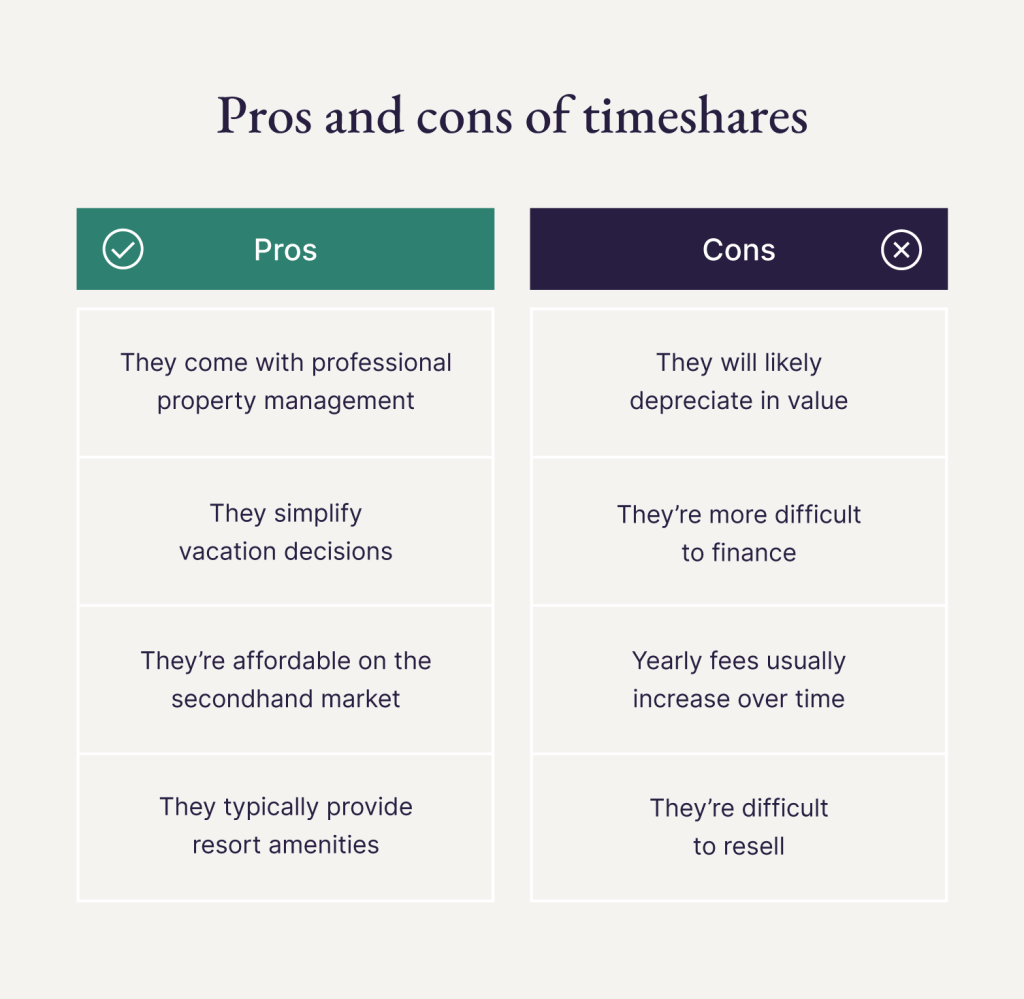
Maintenance fees ($1,000 average/yr that can increase each year) – generally also costs $24k to pay for timeshare up front – many people take out a loan from the timeshare developer that carries an interest rate of 6-17%!
Points-system – points are devalued over time and people have difficulty finding a booking that fits their needs
The companies try to sell you the idea that if you don’t want your timeshare anymore, you can get out of it by selling it. The problem is that nobody wants it.
It is hard to get out of the contracts. Law firms specialize in getting people out of timeshares.
Overall, the true cost of the timeshare and maintenance fees is not a deal for most people. The selection of destinations is limited. As opposed to timeshares, planning an individual vacation allows you to choose your destination, dates, and allows you to pick your lodging based on the location of other things.
This post from Seth’s Blog resonated with me this week:
“Access to information used to be scarce. We ranked college libraries on how many books they had, and time at the microfilm reader was booked in advance.
Today, if there’s something I don’t know, it’s almost certainly because I haven’t cared enough to find out.
I don’t understand molecular biology, the history of Sardinia or much of agronomy–but that’s my choice. Now that information is widely and freely available, our sense of agency around knowledge needs to change.
It pays to acknowledge that this is a choice, and to be responsible for it. What else have we chosen not to know?”
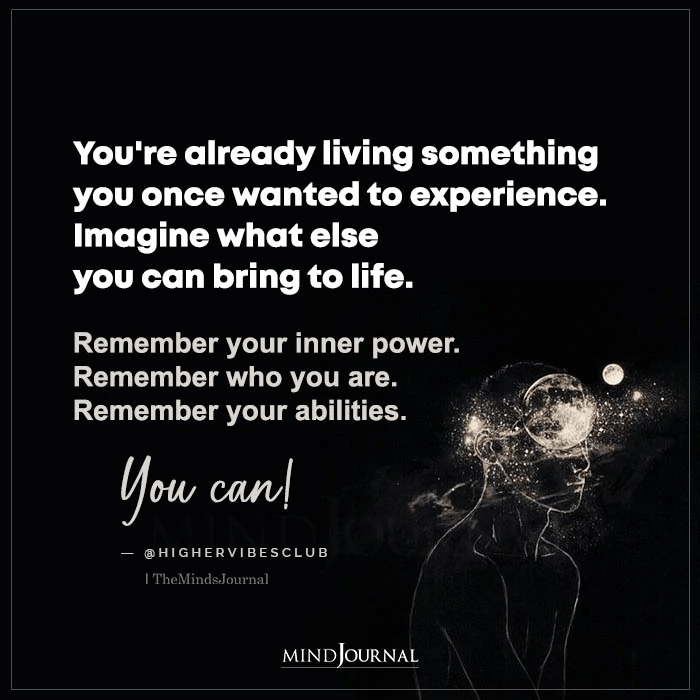
Self Improvement Daily – You’re Living What Used To Be Your Goal
You might not even realize it, but there’s something about your life right now that used to be your goal or dream. Maybe you bought a house, moved to a new city, got married, landed that job, completed that project, ran that race, or brought that event to life.
Maybe it doesn’t feel like it. We often don’t see all of the life milestones we’ve reached because we’re focused on new goals, new aspirations, and new dreams. Rather than measuring our progress from who we used to be and where we are today, we often measure the difference between where we are now and where we want to go.
You’re living what used to be a goal of yours. When we acknowledge how far we’ve come, we remind ourselves that we have what it takes to keep on going.
I look forward to reading, learning, and sharing more with you soon!
My intention is to post a Thoughtful Thursday column each week and share some of the insights I have learned in the past week. Here are some of the things I’ve learned this week:
Before Breakfast – Bill your time for a week
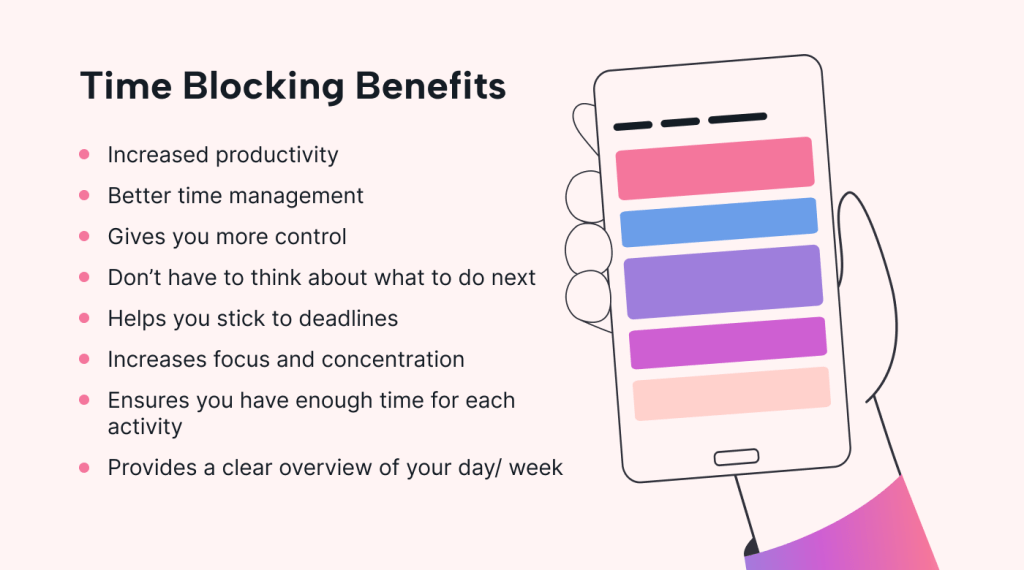
Try acting like a lawyer for one week by tracking your time and billing it to different projects. The experience will give you some ideas of how to best spend your waking hours.
You will see how many hours you actually work if you have a salary job.
You can even track your workday and track how many hours you spend in meetings, responding to e-mails, etc.
Time tracking is data that can show you the truth of where your time is going so that you can make more rational choices about how you want to spend your time.
I selected a 2024 planner that allows me to timeblock, and it has been interesting! Almost all of my time, aside from work, sleep, eating, and working out, has been spent on classes and schoolwork.
Focus on Marriage Podcast – Maintaining Joy When Your Plate is Full
Continually communicate with your partner about what the high and low of your day was. Continuously find joy and humor.
Watch a funny video short together and laugh.
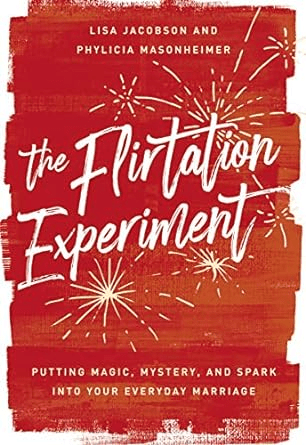
This podcast recommended this book. I haven’t read it yet.
On Purpose with Jay Shetty – The 5 Relationships You Need to Invest in to Supercharge Your 2024
Belonging – we need to feel a sense of connectedness to others and feel we are part of a group or community.
Feeling part of a group creates inner harmony and balance, better mental and physical health, and fewer negative emotions.
We need to be able to share our thoughts and heart without worrying we will be judged.
Legacy – feeling connected to something bigger – finding people dedicated to creating change, inspiring people, and helping others – celebrating growth, exchanging ideas, and creating new friends
Jay Shetty had a dinner party with several people he didn’t know well and asked them a few questions:What has been your biggest personal or professional win of 2023? What has been your biggest challenge, personally or professionally, in 2023? How can the people at this table help you/what support can they offer you?
Each person personally shared their flaws, roadblocks, and challenges and there was so much trust in the room. Who in your life would you want to spent more time with because you want to share their same legacy? Are these people inspiring you by the way they live? Have they dedicated their life and work to helping people physically, mentally, emotionally, or spiritually?
Independence – relationship with ourselves – autonomy and personal usefulness
Sense of feeling you have value – Reflect on what you are doing and who you are becoming. Who you want to become is the most important question you will ever answer. Take action to become that person. Who do you want to become? Who are you becoming? What is that independent autonomous path that you are building and trying to take because you know that that will lead to your higher self? What is the independent desire for who you want to become?
We only become things that we don’t want because we aren’t sharing the deepest parts of ourselves. If you don’t share who you are, people will expect you to be who they want you to be.
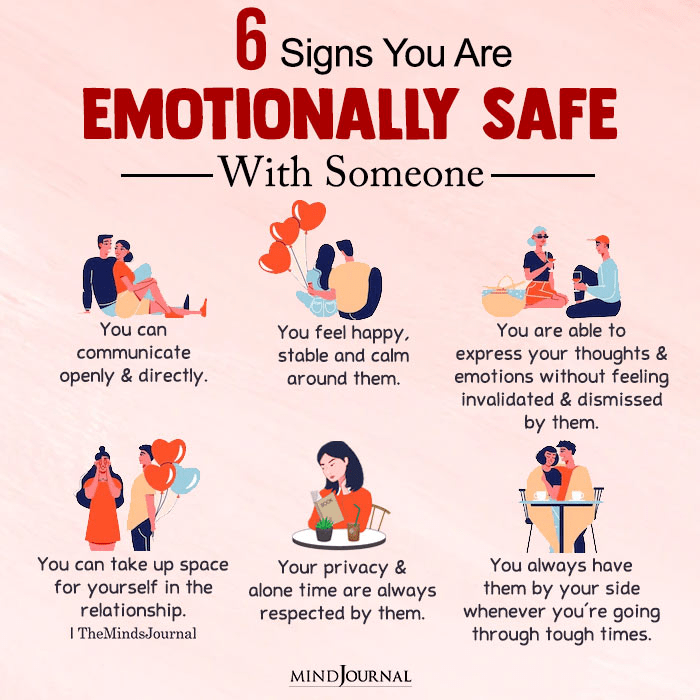
Safety – people who bring security and stability into our lives – people we feel the deepest and safest with
People who feel trusted become more trustworthy as a result of increased oxytocin levels in their brains.
Service – relationships based on surrender and service
Who are we serving? Who are we taking care of? Jay Shetty recommends you spend 20% of your time with people who are guiding you, 60% of your time with people who are peers with you who you feel uplifted by/people you uplift, and 20% of your time with people you are serving and giving to – be a teacher and student at the same time to create humility and proactivity.
Self Improvement Daily – Slipping Back to How Things Used to Be
One of the most difficult parts of self-improvement is sustaining the positive changes you’ve introduced into your life. It’s easier to get motivated to start than it is to stay consistent and maintain your desired habits and routines.
Here are a few things to have in place that will support you in actually keeping the good habits you’ve worked hard for:
Have awareness of the slip – have pieces in place that make you aware of if you’re meeting certain expectations in your life. I highly recommend using a habit tracker for a visual record of your consistency.
Clarity – If you’re not crystal clear on what your standards are, then it’s impossible to know if things are slipping. For example, if you say you want to work out more, set a specific standard to provide clarity and measure your consistency, such as “I want to work out for 30 or more minutes five times each week.” Use a habit tracker to make it easy to notice when you’re starting to slip. The clarity gives meaning to the awareness.
System for reviewing your performance – have the resources in place to hold yourself accountable to reaching a higher standard. If you’re not intentional about paying attention to the things that are focuses for you, they’re naturally going to gravitate toward their comfort zone. Again, I recommend using a habit tracker.
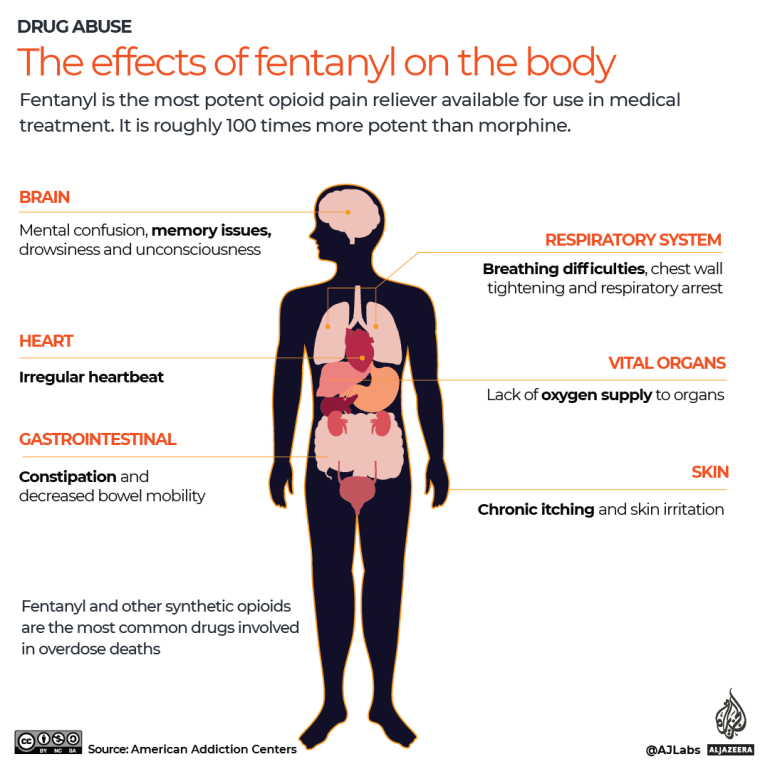
Terrible, Thanks for Asking – “Why are drug dealers putting fentanyl in everything?” from Search Engine
Fentanyl reportedly kills more adults under the age of 45 than guns, COVID-19, or cancer.
The Belgian doctor who invented fentanyl invented over 100 medicines. He was trying to find something that was better than morphine for hospital procedures, such as open-heart surgery. Fentanyl comes on faster and goes away faster, doesn’t cause nausea, and is basically the best hospital drug.
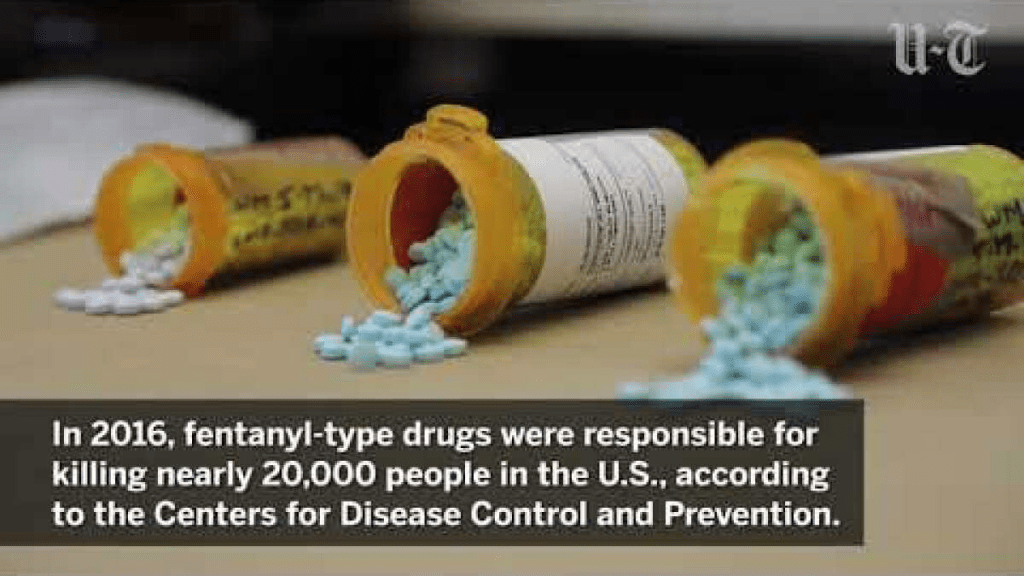
The DEA estimated that only 700 people died of fentanyl overdose in 2014. According to NIH, in 2016, almost 20,000 people died from synthetic opioid overdoses, most of that fentanyl.
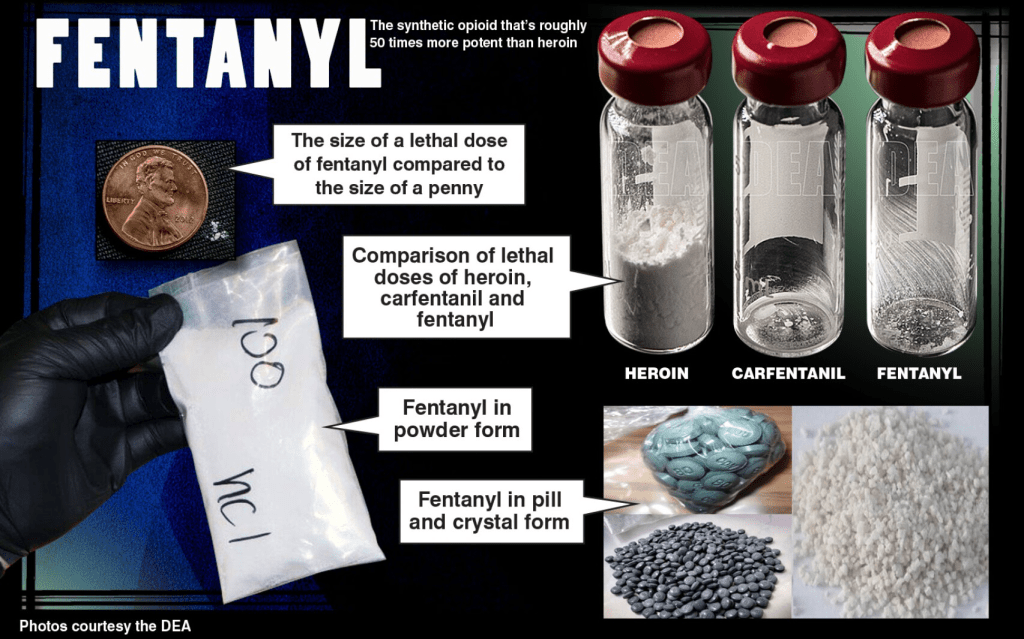
Fentanyl is much cheaper than heroin because it’s synthetic and made in a lab. It’s also more potent, making it incredibly profitable. It is incredibly addictive.
Much of the supply was being produced in China, where it was quasi-legal. The Chinese government was slow to ban analogs of the drug, so manufacturers used slight tweaks to the recipe that added a molecule here or there but left the basic chemical structure intact.
When pain prescriptions run out, some people seek out illicit heroin on the street. There isn’t enough heroin to feed the demand, so fentanyl steps in to fill the void.
Mexican dealers ship fentanyl to places like San Diego, El Paso, etc. It is distributed by regional gangs.
Fentanyl is cheaper, but it doesn’t last very long. The fentanyl high is reported to only last up to a few hours (sometimes only 15 minutes), leaving people scrambling to find more.
Fentanyl offers a shorter high, a greater addiction potential, and a higher risk of overdose than heroin.
Some deaths from overdoses can be helpful for fentanyl dealers because people believe they need to try it;some say it’s a form of advertisement for how powerful the drug is and they want to try it.
Resources: Dansafe.org to buy fentanyl test strips, drugsdata.org to see what is in drug supplies
Suboxone is a blocker to prevent you from getting the high from heroin. Suboxone doesn’t block the high from fentanyl.
Mentally Stronger with Therapist Amy Morin – The Minimalists: Why You Should Declutter Your Life
Do you own too much stuff? Is your calendar overflowing with so much stuff that it causes you stress? Are you stressed out by how much you have to do all the time? This episode is for you.
More is not always better. Clutter increases stress and increases the risk of mental health problems, financial problems, time management troubles, and social problems.
Living in a small space makes you think twice about what you really need.
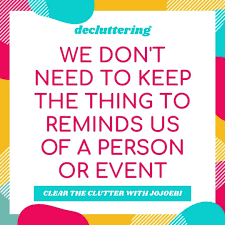
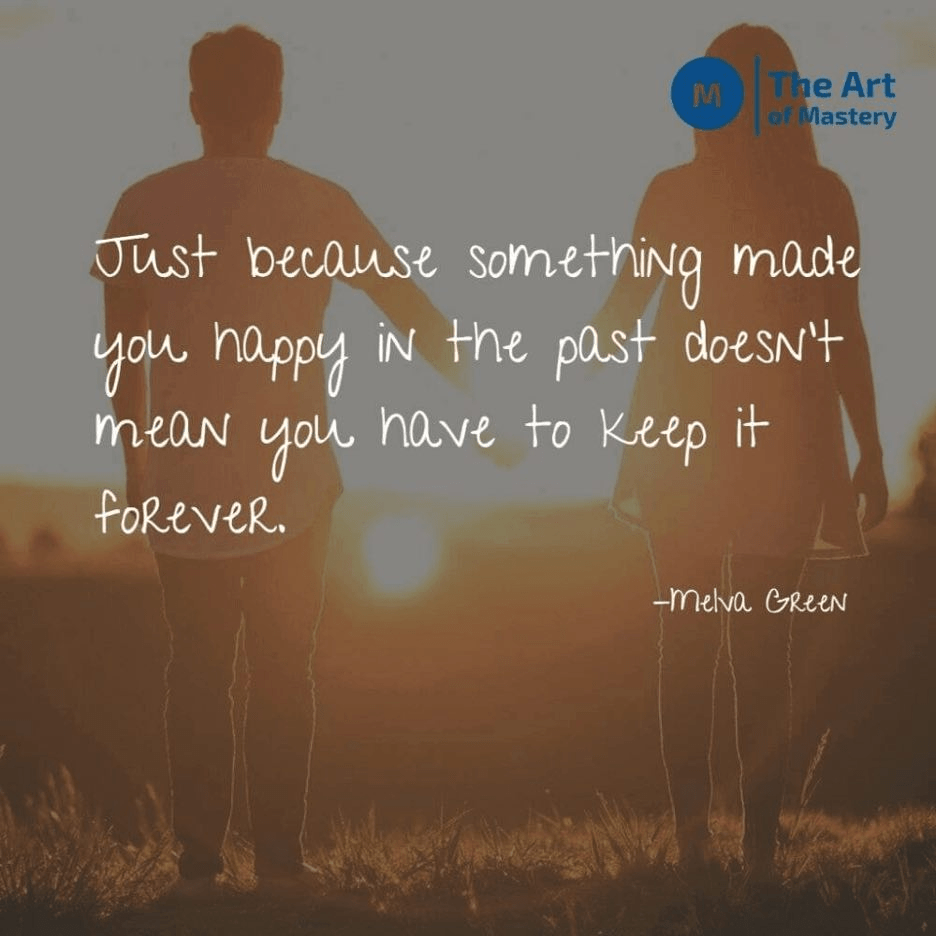
How much is enough will vary depending on your age and life changes. Just because something added value to your life before doesn’t mean it will continue to produce that same amount of value. You don’t need to hold onto items just because they are sentimental.
There are three categories that all of your possessions can fit into: essential, non-essential, or junk.
Most of the things we’re holding onto that we don’t want to let go of, we’re holding onto “just in case” or for “someday.” The problem is that we hold onto many of these items that take up space in our homes and in our lives. Let go.
Our memories are not in our things. Our memories are inside us. If we let go of some sentimental things, we aren’t letting go of the memories. You can take photos that trigger the memories, but you don’t need to hold onto things you won’t get value from. Instead, you can give them away and add value to someone else’s life.
There is more grief involved in holding onto something than in letting that dream die.
Spontaneous combustion rule: what would happen if that thing spontaneously combusted? Would you replace it or would you feel a sense of relief?
You can donate items or try to sell them. Some people try to sell anything they can get $20 for and donate after one week if it doesn’t sell.
Physical clutter, hidden clutter (calendar clutter/business) – “if something is not an emphatic yes, say no.”
Resources: 30-day minimalism game (1 item day one, 2 items day 2,… 30 items day 30), theminimalists.com
Ask yourself what value something brings into your life. Sometimes we hold onto things just because they were given to us as a gift even though they don’t really add value to our lives or because we paid a lot for it. Get rid of things that aren’t improving your life.
Use the spontaneous combustion rule.
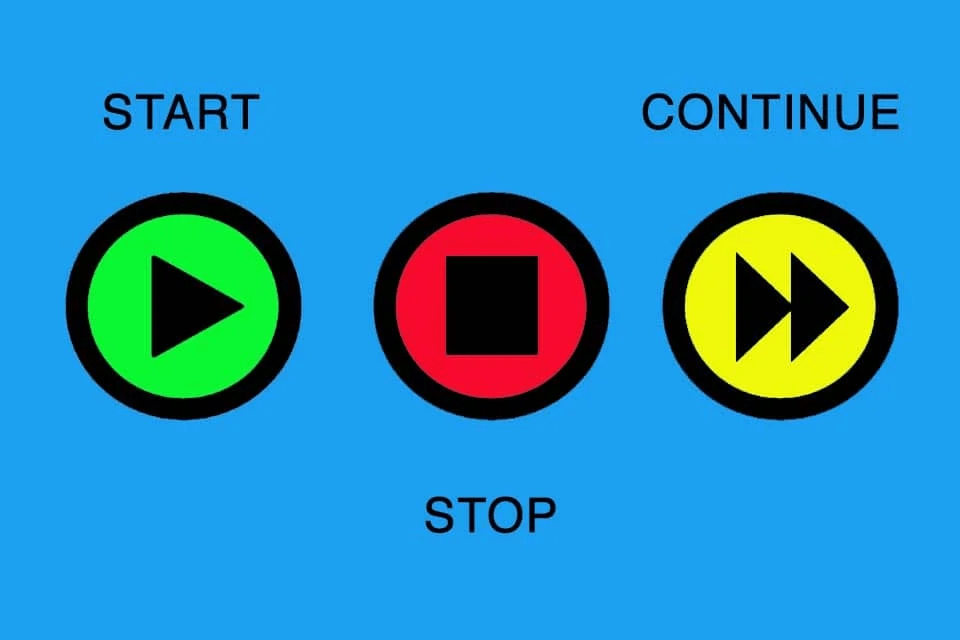
Create a challenge to start subtracting things from your life.
I look forward to reading, learning, and sharing more with you soon!
My intention is to post a Thoughtful Thursday column each week and share some of the insights I have learned in the past week. Here are some of the things I’ve learned this week:
The Mel Robbins Podcast – How to Make 2024 the Best Year: 6 Questions to Ask Yourself
What are the highlights from the past year of your life? Don’t do this based off of memory alone. Look through your journals, calendar, camera roll, social media posts, etc.
What were the hardest aspects of this past year? Reflect on categories such as health & wellness, career/money/school, relationships, and purpose/spirituality/meaning.
What are all of the things you learned about yourself this year?
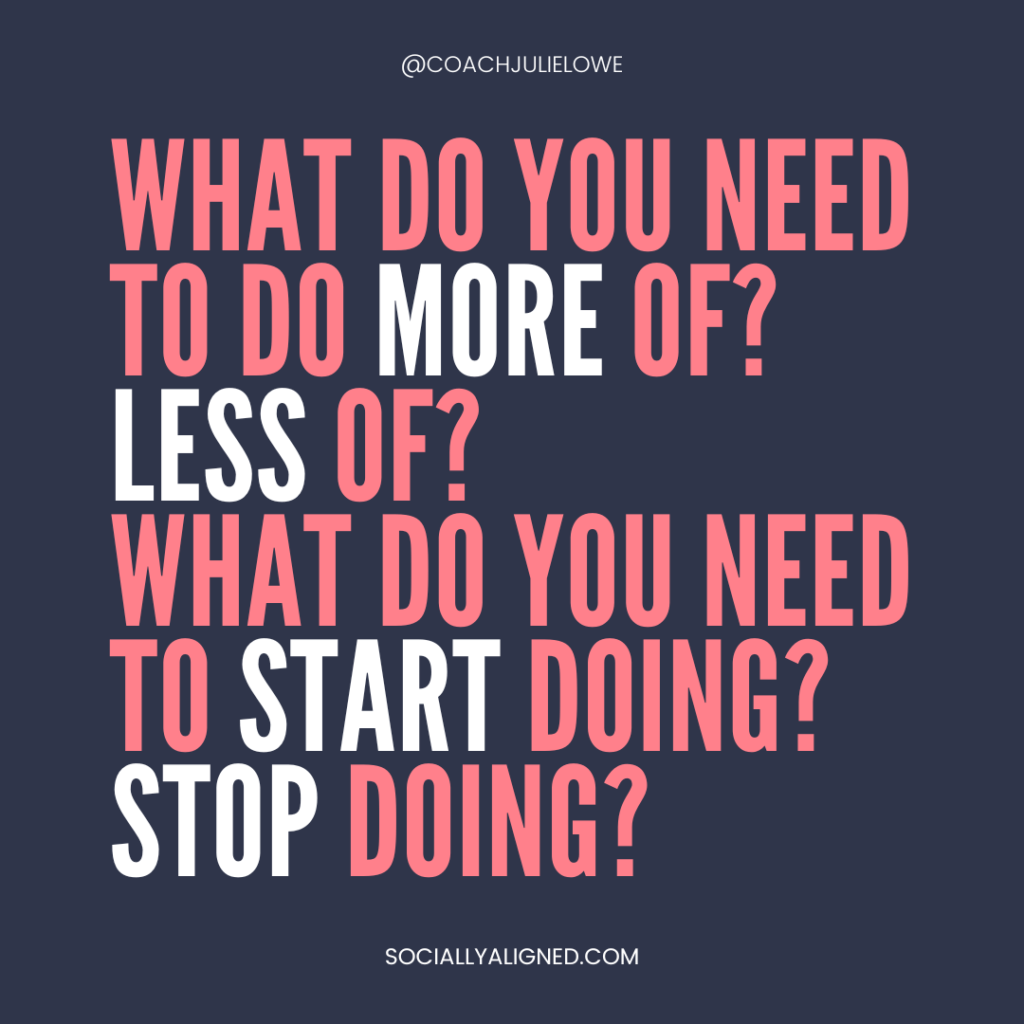
What would you like to stop doing? Ex: complaining, working so much, saying yes to everything
What would you like to start doing? Ex: strength training three days each week,a morning routine
What would you like to continue doing?
Fit, Healthy & Happy Podcast – 10 Lifestyle Changes to Make You Fitter, Healthier & Happier in 2024
Drop one vice that’s holding you back. Think about what you need to get rid of instead of what you need to add. Where are you wasting a lot of time in your life?
Evaluate your circle. 4 quarters is better than 100 pennies. Aim to have more depth and quality in your relationships. Surround yourself with people who make you the best version of yourself.
Encourage more feedback from others.
Allocate more time to be creative – podcast, workout routines, art, music, etc.
Invest in yourself. That could be with time, money, energy, or all three. Read, take courses, hire a coach, etc.
Re-evaluate and develop a morning routine you can consistently do.
Invest in your sleep routine and sleep space.
Plan a getaway/trip you are looking forward to.
Take a daily media break, whether it be one day per week or even 30 minutes each day.
Go above and beyond. Set some aggressive goals. Aim to push yourself to go further.
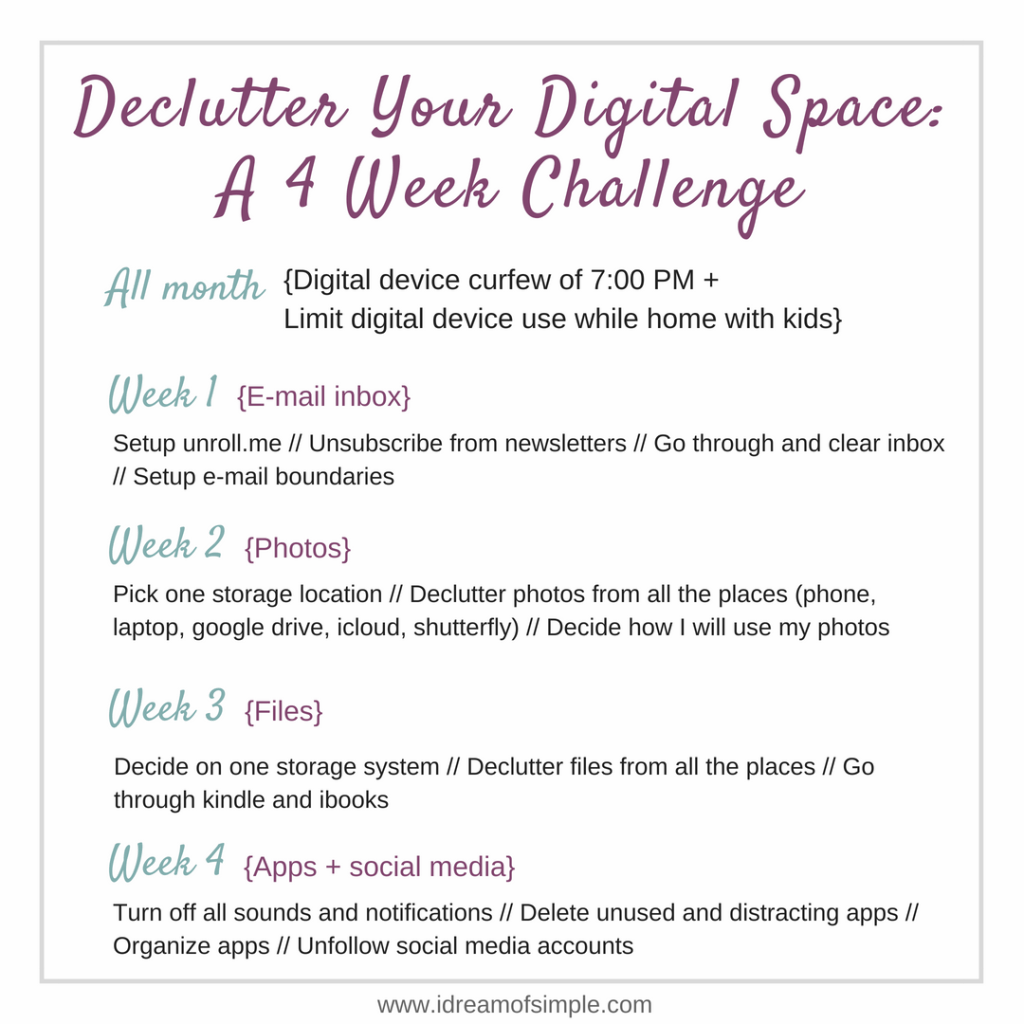
Mary’s Cup of Tea – Clean Up Your Digital Space(s) Before the New Year
Cancel the subscriptions that you are not using. Review your bank statements for recurring charges. Do you use all of the streaming services you are paying for? If you share the same address, you only need one Amazon Prime account. You can still have different payment methods.
Clean up your photos. The key to remembering your life is to delete photos you no longer need. Delete selfies if you are done with them.
Delete screenshots you don’t need anymore. Make organized albums if you need to reference them often.
Go through the Notes app on your phone. Make organized albums if you need to reference them often.
Clean up your e-mail. Unsubscribe from e-mail lists you don’t need, block senders, etc. Make a new e-mail for only important stuff! Use your old e-mail for shopping, subscriptions, etc.
Unfollow people on social media who make you feel bad about yourself or who influence you to buy things often.
Delete your downloads folder.
I am definitely going to start working on this before the new year, as I have over 39,000 unread e-mails (mostly marketing e-mails) and thousands of screenshots and photos on my phone.
Hot Girl Energy Podcast – things that have made my life better…habits to take into 2024
These notes are from the podcaster. These are not my personal habits.
Don’t drink coffee on an empty stomach.
Get ready for the day no matter what.
Retrain your hair to wash it 1-2x/week instead of every day.
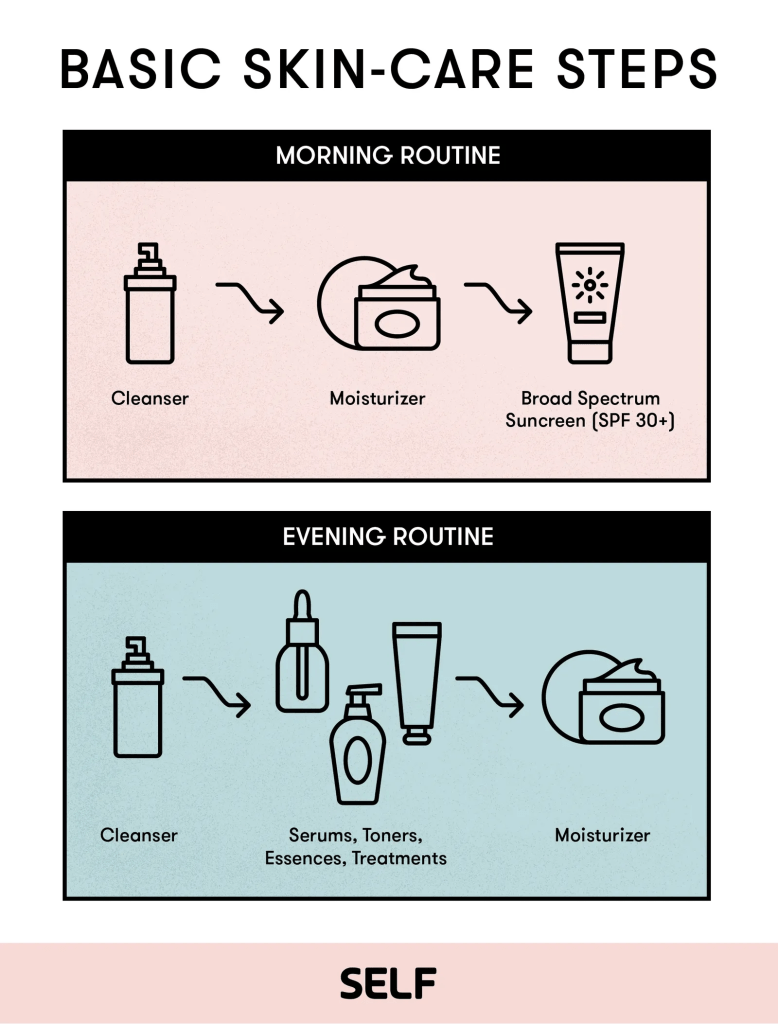
Create a skincare routine.
Body care – dry brushing, body lotion/oil, etc.
Go to bed earlier and wake up earlier to stay productive throughout the morning.
Add electrolytes into your daily routine.
Learn how to cook and make healthy, delicious meals.
Schedule workouts for the week in advance.
Drink less alcohol.
Here are some of my personal habits.
Some of my daily habits from 2023:
Read every day
Elevate and Lumosity apps (“brain games”) every day
Dishes before bed every day
One Line A Day every day
Podcast every day
One bottle of water each morning before work
Some of the best things I did for myself in 2023:
Turned off push notifications for e-mails and most apps
Started unsubscribing to some marketing e-mails
Took a leap and started a new job in an area I’m more passionate about
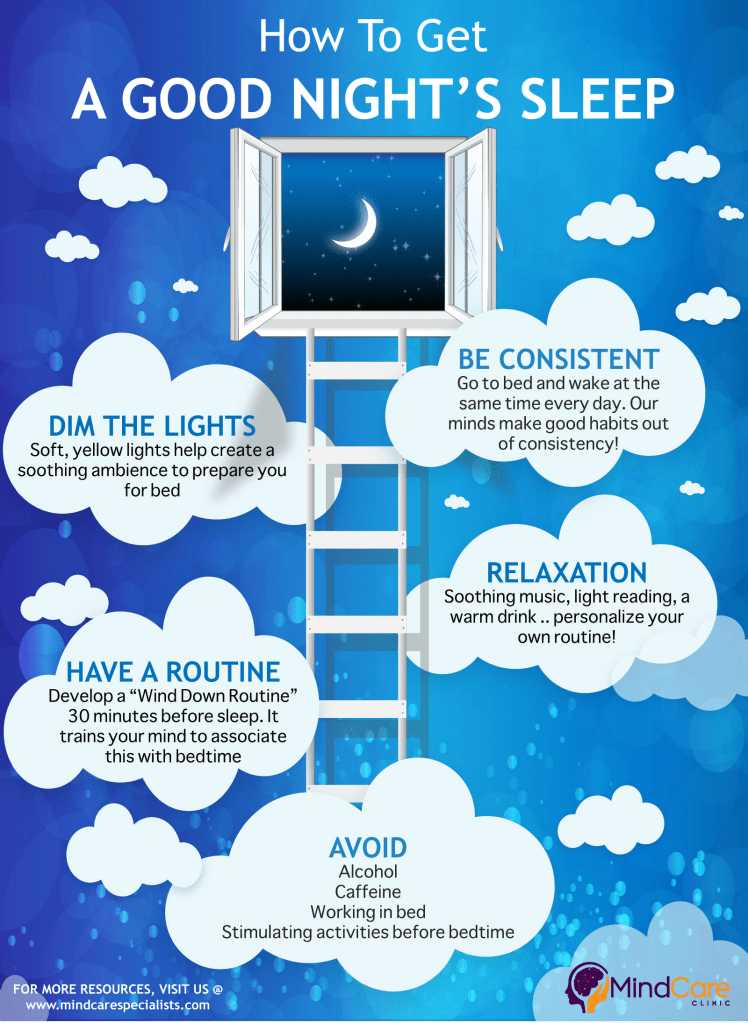
Started a wind-down routine before bed (reading instead of tv/electronics)
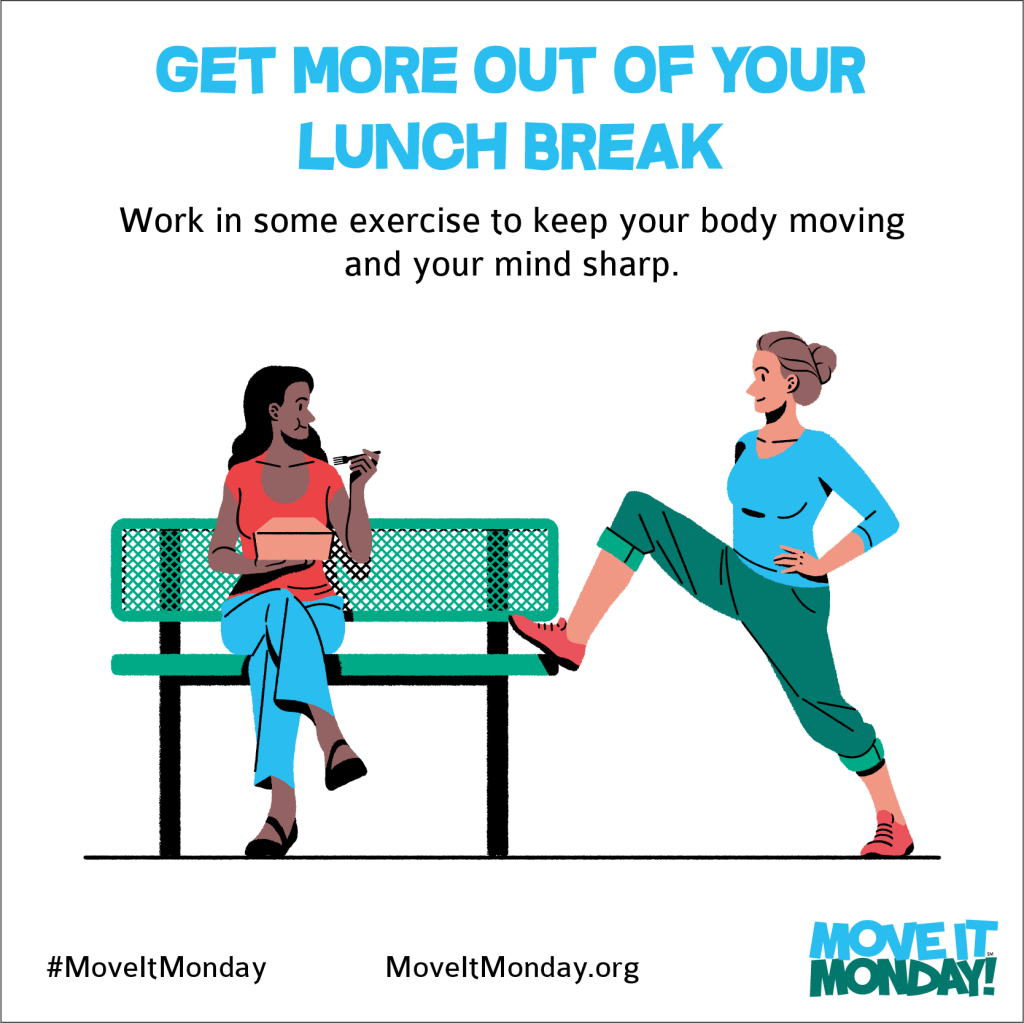
Started walking during lunch breaks when working from home
Attended monthly group hikes to meet new outdoorsy people and explore new areas
Started prioritizing a social life more, while still allowing myself to say no to some things
Finance: tracked all income and expenses each month and made necessary changes, moved funds to a high-yield savings account, rolled over retirement accounts to Vanguard (much lower expense ratio and more control over my investments), shopped around for home and auto insurance
Possible habit ideas for 2024:
Mental health:
No screen time after ___ p.m.
Spend 10 minutes outdoors each day
Sleep by ___ p.m. each night
Follow a morning and night routine each day
Write down three things you’re grateful for each day
Write affirmations each day
Schedule time for yourself each day where you won’t use electronics
Personal growth:
Read every day
Spend time learning something new each day
Listen to a podcast each day
Creativity:
Journal each day
Cook a new dish each week/month
Listen to a new song every day
Take one photo each day
Cleanliness:
Dishes before bed each day
Set a timer for 15 minutes each day and clean/organize
Put aside one thing to donate each day
Finances:
Save $___ each month
Set a budget and stick to it
Keep track of all income and expenses for the year
Physical health:
Walk ____ steps each day
Drink ___ oz of water each day
Keep a food log each day
Work out each day
Create a meal plan
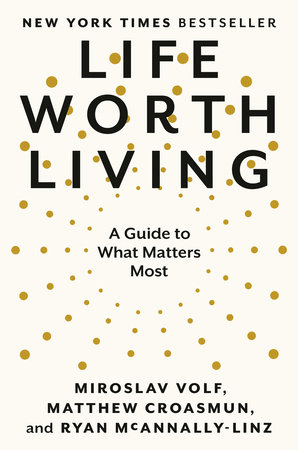
As you consider habits for 2024, consider the following notes and questions from the book Life Worth Living:
“Life Worth Living: A Guide to What Matters Most” was written by Matthew Croasman, Miroslav Volf, and Ryan McAnnally-Linz, three Christian theologians and professors at Yale who teach the popular class, Life Worth Living. This book served as a guide to defining and creating a flourishing life, contained wisdom from many minds and cultures, and cited 276 sources. This book was incredibly thought-provoking and life-changing.
**I highly recommend everyone reads this!** This book encourages readers to reflect on the following questions (and many more): What matters most? What is a good life? Does our daily routine have a justification? Is what we do getting us what we want? What do we really want? What is worth wanting? Who are you responsible to? What do you admire most about those you admire? What feelings do you think characterize a genuinely good life? What are my highest ideals and deepest values? How big is your forest? Who and what is in your forest? What is worth dying for? Are there people or ideals you hope you would be willing to die for?
Your life is worth living well. Your life is too valuable to be guided by anything less than what matters most.
I look forward to reading, learning, and sharing more with you soon! Soon I will be sharing a list of the books I read in 2023 as well as my plans for my blog in 2024!
My intention is to post a Thoughtful Thursday column each week and share some of the insights I have learned in the past week. Here are some of the things I’ve learned this week:
Mary’s Cup of Tea – 5 Habits that Have Made Me a Better Person
In this episode, Mary reflects on the five habits that have made her a better person.
Reading – many people only “read” audiobooks or social media posts. Audiobooks often cause people to half-listen; they listen while doing something else. Reading books requires you to be fully present in reading. It forces yourself to slow down and process what you’re consuming rather than looking for the next best thing or next glamorous picture on social media. Reading makes you empathetic, thoughtful, conscientious, broadens your vocabulary, and allows you to understand and be understood because you have more words to describe something.
I can relate to this! In 2020, I started reading one book each month for knowledge or personal development. In 2021, I committed to reading 21+ minutes each day. In 2022, I read 30+ minutes each day and read 76 books (and took detailed notes about each one). This year, in 2023, I have read over 80 books so far. I have become more knowledgeable in a variety of topics, have experienced personal growth, have broadened my vocabulary, and have gained empathy and different perspectives.
Journaling – writing down things and looking back at them can make you realize that things weren’t as big of a deal as you thought, can help you brainstorm solutions, and can slow down your mind in the attention economy.
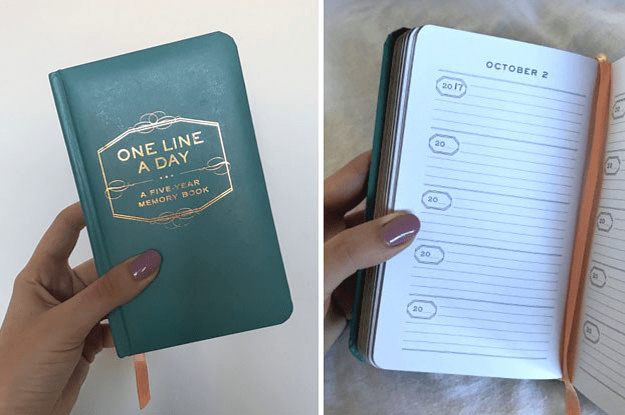
I also relate to this in a small way. I have been using my dated five-year One Line A Day journal for the past four years. I write a sentence or two about each day and am able to see what I wrote on that date over the course of five years. It has been interesting to read about my growth and life changes (careers, marriage, house hunting and home buying, etc.) and it is has often reminded me that the things I was stressing about turned out to not be such a big deal in the long run!
Photo courtesy of Buzzfeed
Singing and dancing randomly – fun, sparks creativity, happiness
I don’t do this often aside from singing in the car, but it sounds like a great idea to try!
Spending sober and cellphone-free time with loved ones – be fully present in mind, body, and spirit with those you love – swimming, playing board games, etc.
I love this idea. Two days ago, my Fitbit broke, and yesterday I spent time with friends (without my Fitbit and without my cell phone). I had so much fun and felt that I was fully present with them rather than worrying about what time it was, who was texting me, and what the latest notifications were. It was lovely!
Shopping second hand – buying things you want at a low price, buying quality items and saving money
I love a good deal on things that I actually want or need!
Healthy Beyond 40: 5-Step Method for Creating Lasting Healthy Habits for Weight Loss & Fitness
Think about your habit identity. Think about who you want to be and how your habits support that. Ex: “I want to be a healthy mom with patient, be present with my kids, and have energy.” That’s your habit identity.
What healthy habit will help support that identity? Focus on your fundamental needs: mindset, movement habits, or food freedom. Pick one habit out of one of those areas. Ex: meal prep.
Time – where are you going to find the time to do this? Plan out a schedule. Ex: meal prep on Sundays. Block out time to work on this habit.
Make a habit loop: cue, routine, and reward. Ex: the order you get ready in the morning. Idea: Any time you make a meal, cook extra protein for future meals.
Track your habits using a habit tracker. Slowly stack in new habits.
You probably have more time for habits than you think. Do a time inventory for at least one day. See how long you use your phone each day. Turn your phone off or disable notifications and remove distractions. Time block to get things done.
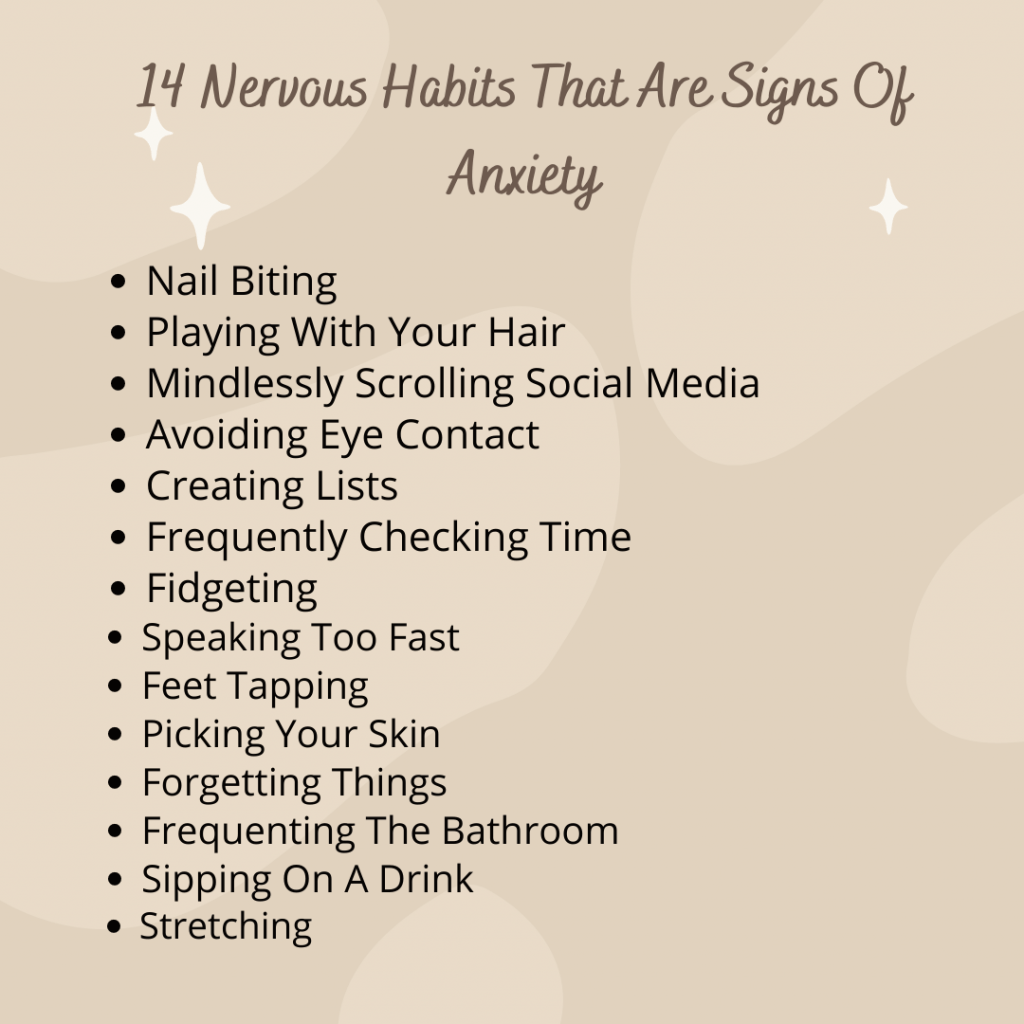
Psych2Go on the GO – 8 Little Habits You Don’t Know Are Signs of Anxiety
Hair twirling
Picking at your skin – peeling skin, picking around nailbeds
Daydreaming or checking out mentally
Fidgeting or playing with something (tapping a pen/pencil)
Sleeping too little or too much
Being on social media too much
Talking too much or too little or arguing
Forgetfulness and lack of concentration
The Productive Woman – 10 Gifts to Give Yourself for the New Year
Time – give yourself the gift of time by simplifying your life, your schedule, and your space to leave more time for the things that matter to you. Evaluate whether your schedule and space are serving you. Eliminate things that are using up your time that could better be spent on things that really matter to you.
Tangible gift: new planner, hiring help for tasks you don’t like to do (cleaning, yardwork)
Health – Often, when life is very full and we have several responsibilities and are taking care of everyone, the first thing we drop is taking care of ourselves. Schedule your medical, dental, and eye checkups. Carve out time to eat well, get enough sleep, and move your body every day. Evaluate your physical, mental, and emotional inputs and eliminate those that don’t contribute to your health and replace them with things that do.
Learning – be a life-long learner. Commit to setting aside time to learn something new each day or week. This can be through reading, podcasts, researching, or taking lessons.
Tangible gift: classes/lessons, conference, book
Perspective – learning to see things from a broader perspective is valuable for our well-being, our creativity and problem-solving abilities, our relationships, and our ability to resolve conflicts. Read or listen to something that comes from a different background or culture than yours. Have a conversation with someone you disagree with. Travel to a place different from where you live. Intentionally cultivate curiosity instead of judgment. Try the improv comedy technique: “yes, and…” You can dismantle limiting beliefs that have become habits of mind while cultivating the flexibility that will help you think creatively about future challenges.
Tangible gift: travel
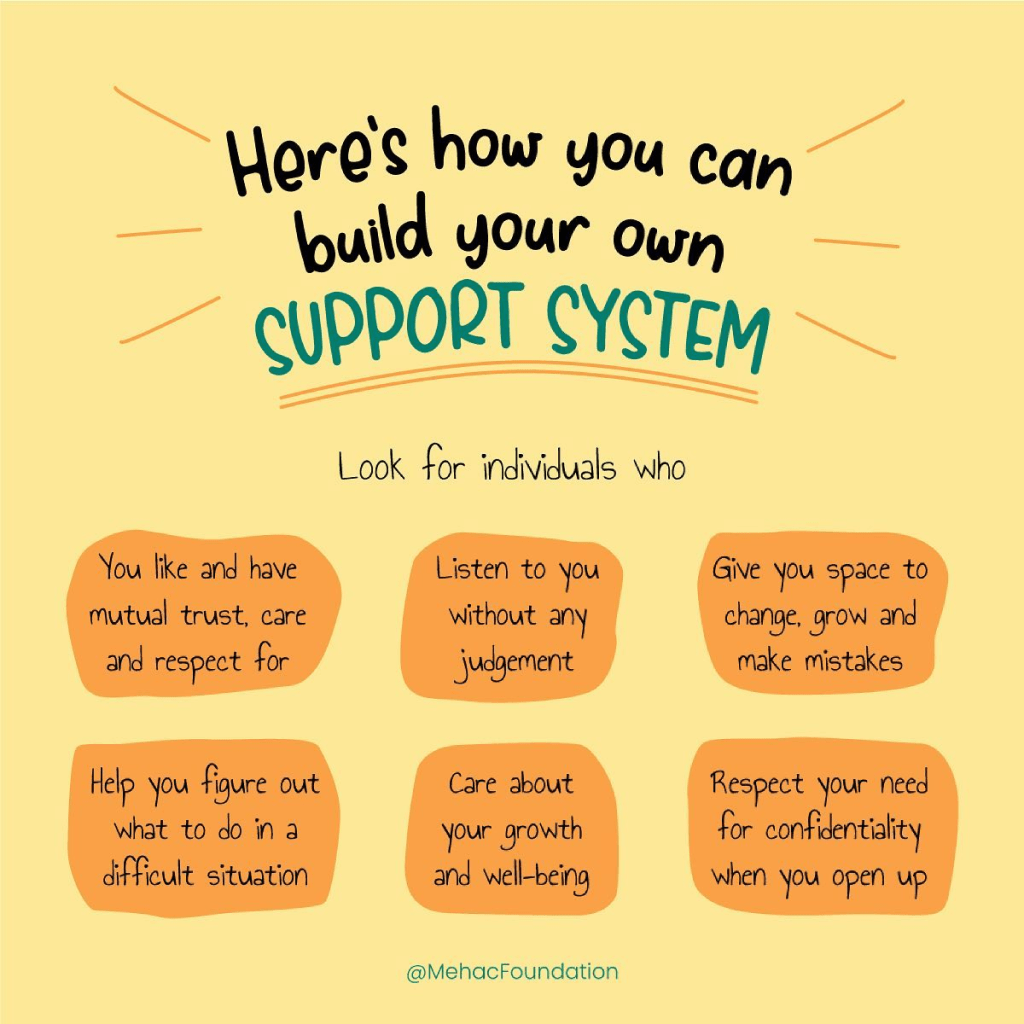
Friendship – a strong support system. Be a support system for others. A life that matters most often matters in relation to other people. Schedule time to get together with friends. Pick up the phone and call someone you haven’t spoken to in a while.
Tangible gift: planning activities with friends (classes, getaway, etc.).
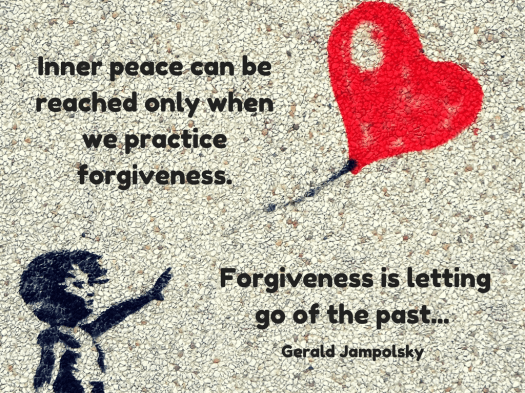
Forgiveness – Harboring unforgiveness and resentment impairs our own quality of life and productivity. Let go of the burden of resentment or blame and choose to forgive others to enhance your quality of life and allow yourself to be more productive.
Peace – get rid of conflict, strife, anxiety, and fear. The stress of constantly conflicted or anxious thinking can impact our physical health. Give yourself the gift of peace for your well-being and to be more productive. Practice quietness of body and of mind. Meditation and reading can help. Teach yourself to accept what is instead of fighting and resisting against it.
Tangible gift: investing in a meditation app, signing up for a retreat
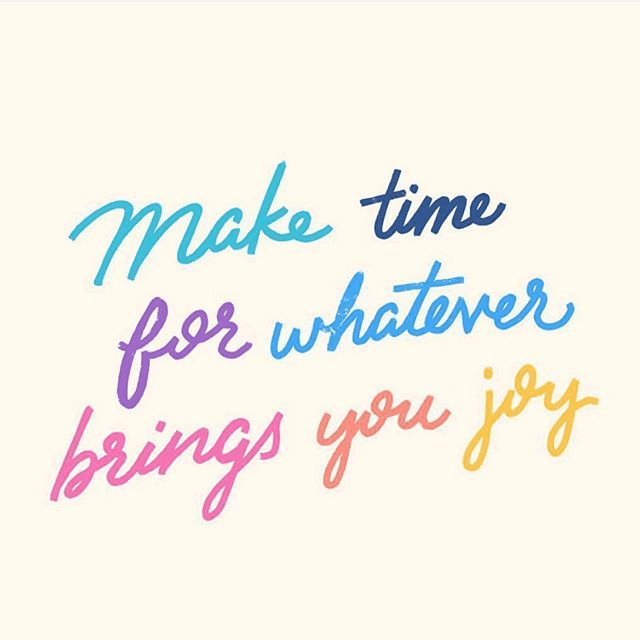
Joy – happy people are more productive. Recognize, seek, and foster moments of joy. Intentionally create a life based on your own values and priorities. Look for joy in the small things. Ex: the laughter of a small child, a sunset, a gathering of loved ones. Stop comparing yourself to others. Comparison is the thief of joy.
Tangible gifts: arrange experiences that bring you joy
Adventure – make memories. Do one big adventure (a few hours) and one small adventure (one hour) each week or start by planning to do one new thing each month.
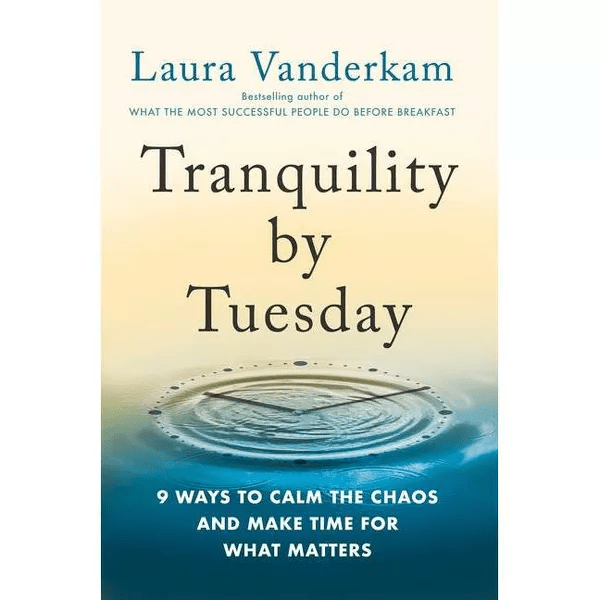
Tangible gifts: “Tranquility by Tuesday” book, set up an adventure somewhere new or try something new
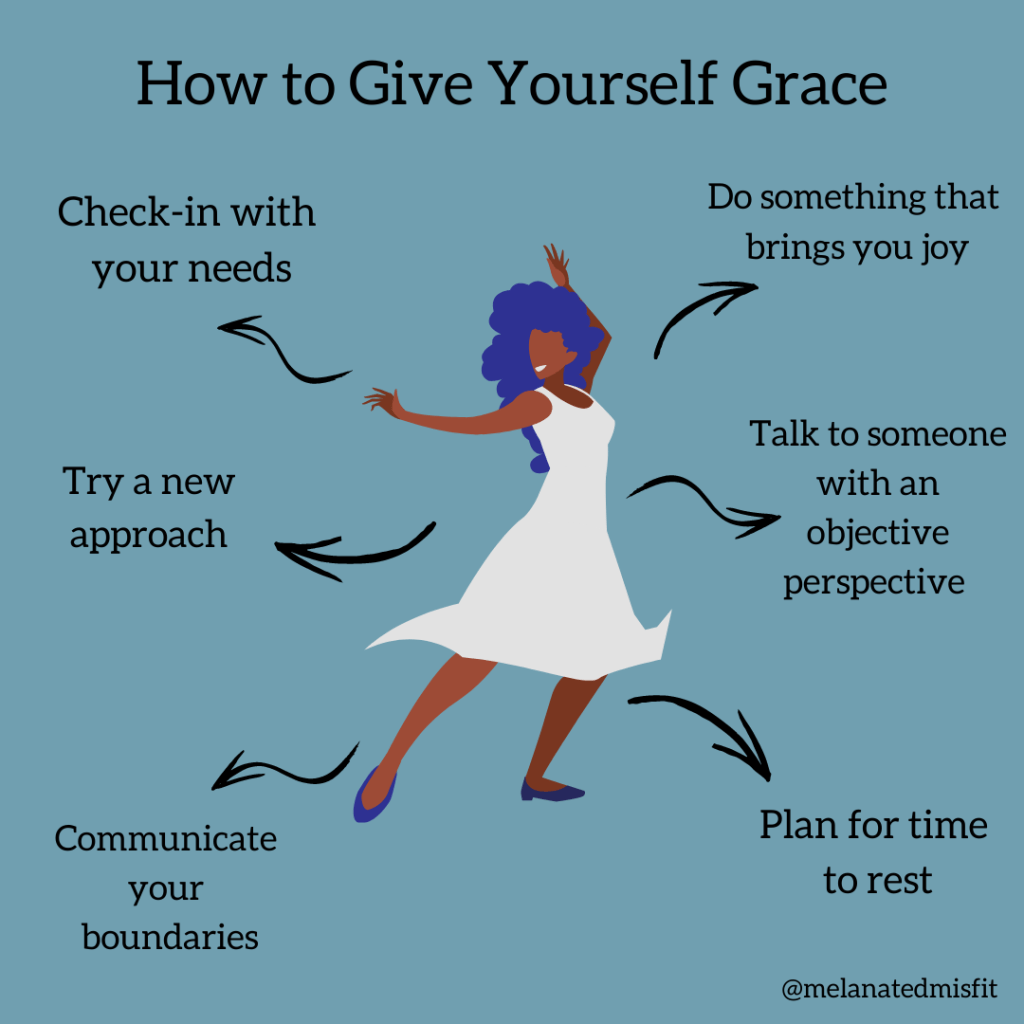
Grace – give love, forgiveness, kindness, and peace. Give grace to yourself and others. Don’t be perfect; be real. Give yourself permission to not do everything. Never feel selfish for taking “you” time. Do one thing a day that you are proud of. Every day, look for something you are proud of in the people who are closest to you.
Tangible gift: buy yourself a piece of art that reminds you to extend grace.
I loved this post from Gabe the Bass Player this week! Are you setting your own deadlines? Are you in the driver’s seat of your life?
























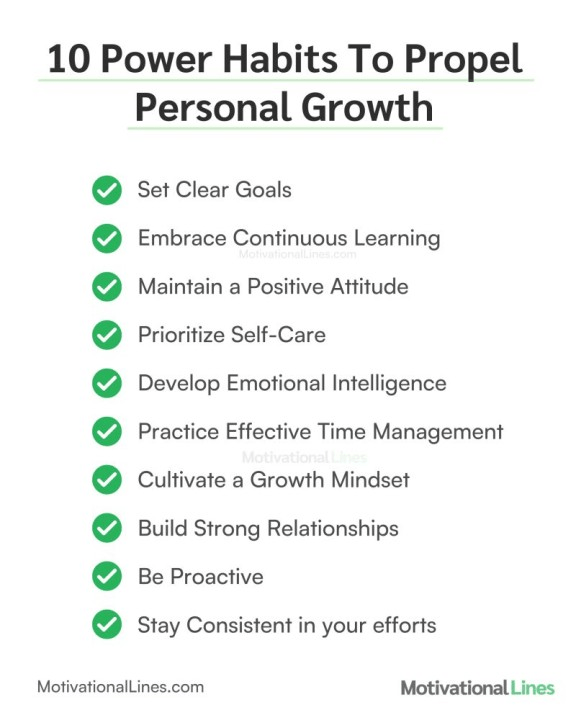
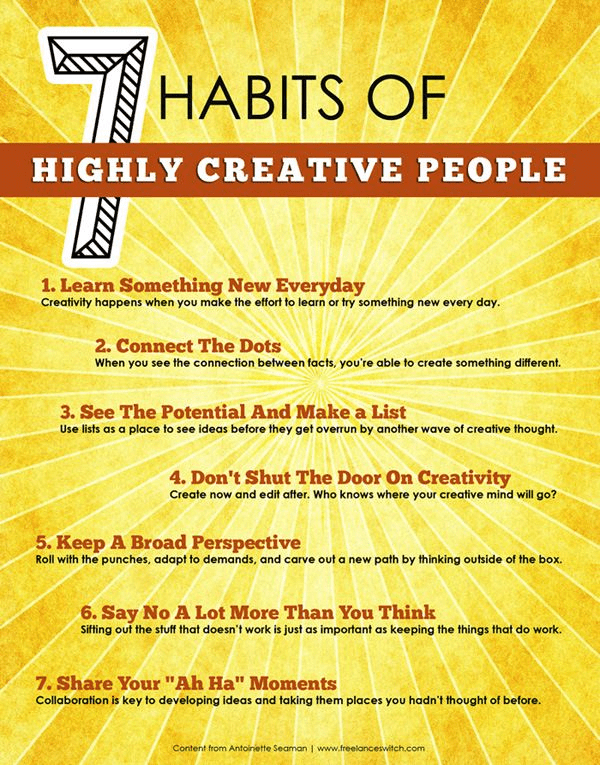
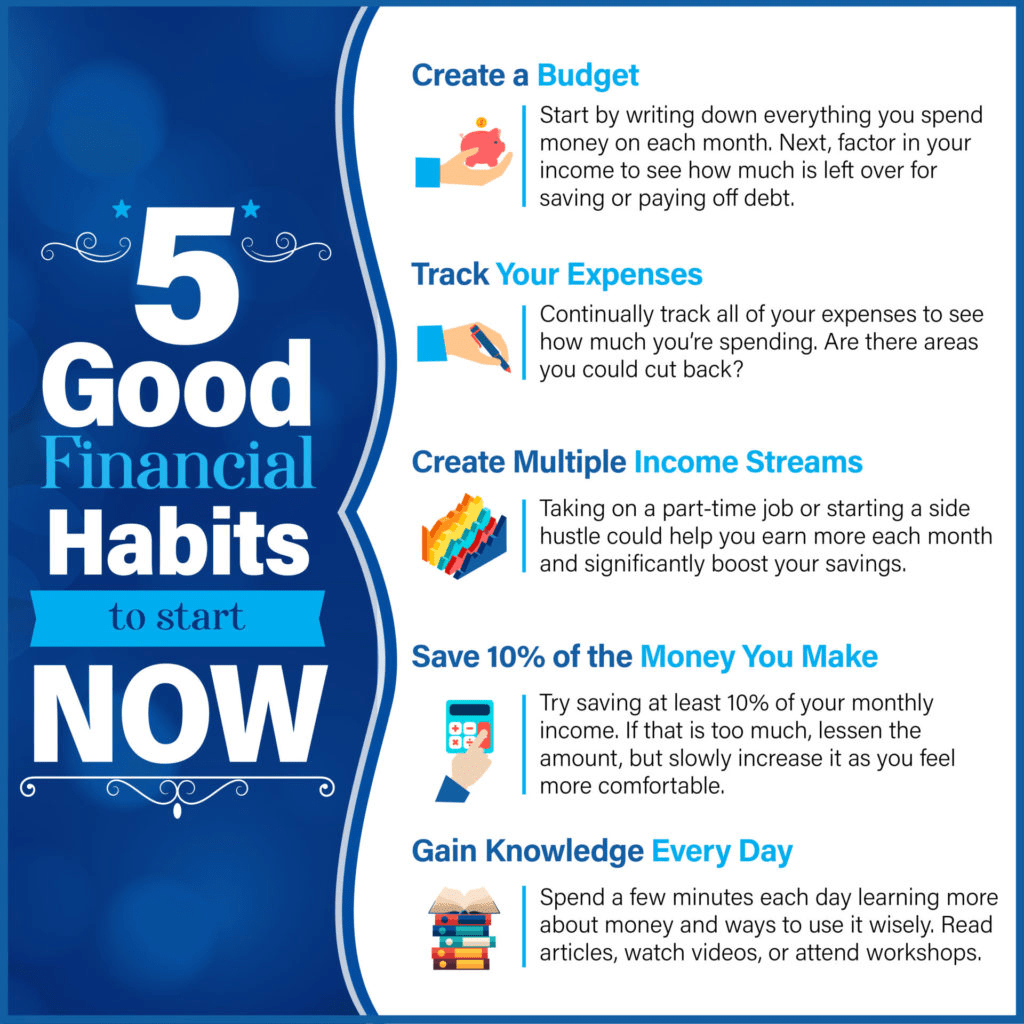
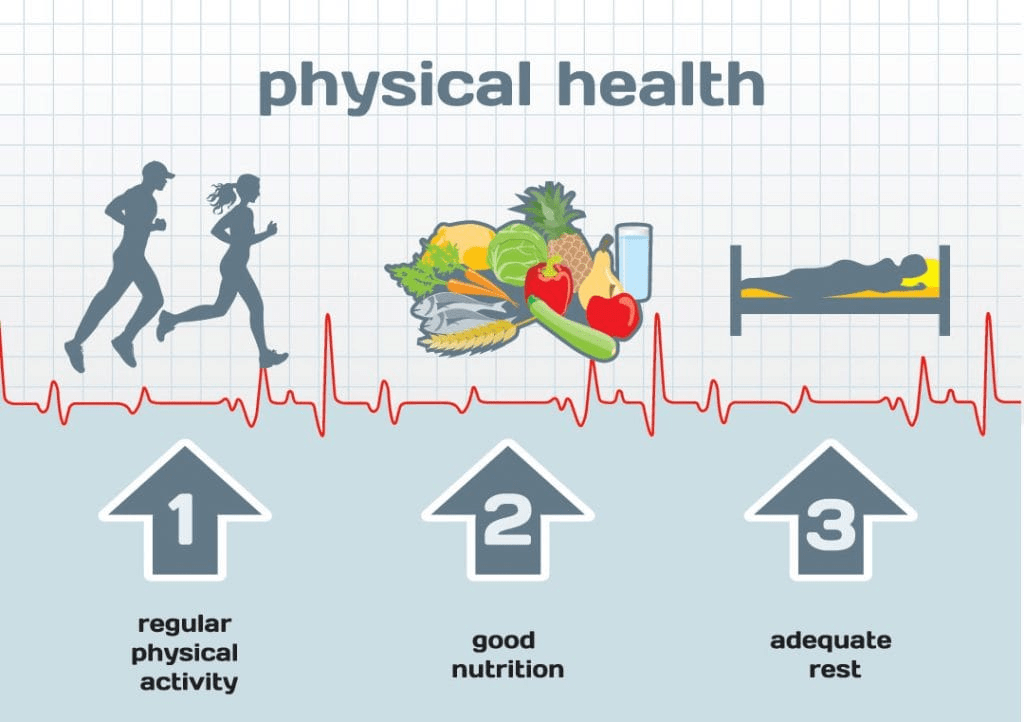





 Read Learn Share