I read six books in October, two of which were short poetry books. Here is a blurb of each of the books I read in October.
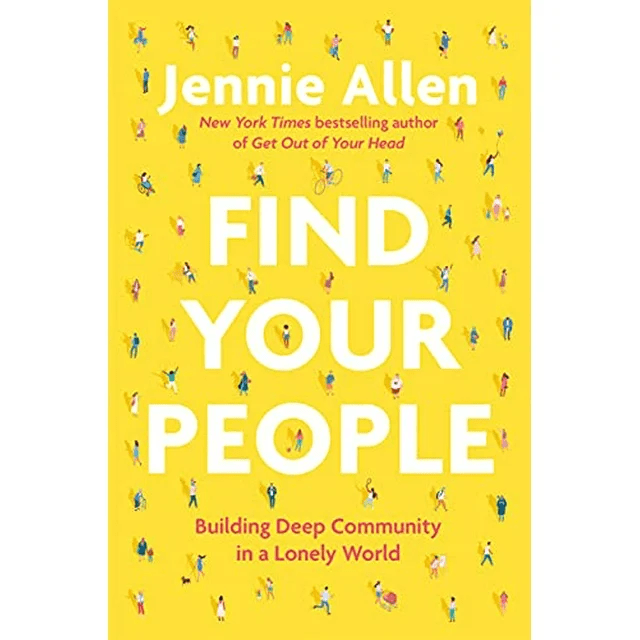
“Find Your People: Building Deep Community in a Lonely World” is a Christian book written by Jennie Allen and is filled with stories, science-based insights, and practical ideas for building deep community. I had several takeaways from this book, but here are just a few.
5 out of 5 stars
“We’re all just kind of waiting for connection to find us. We’re waiting for someone else to initiate and be there for us. We’ve replaced intrusive, real conversations with small talk, and we’ve substituted soul-bearing, deep, connected living with texts and a night together every once in a while. Quit waiting for people to reach out to you. Start initiating and asking people the questions you wish they’d ask you.”
Factors to look for in friendships include availability, humility, proximity, transparency, consistency, accountability to others, and a shared purpose.
Some ideas for building friendships:
invite friends to bonfires
plan get togethers
intentional, active listening
affirm your friends
ask your friends about the highs and lows of their week
join a club
ask deep questions
listen
share the real stuff
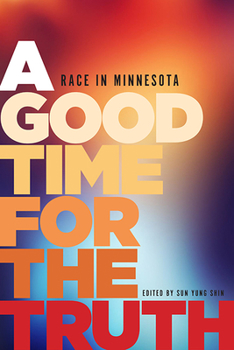
“A Good Time for the Truth: Race in Minnesota” is a collection of stories of what it’s like to live as a person of color in Minnesota, was published by the Minnesota Historical Society Press, and was edited by Sun Yung Shin.
4 out of 5 stars
Here are some quotes that stood out to me:
“[People] unconsciously believe you are unfit to mother your own child simply because you are a Black woman.”
“Sometimes I catch myself staring at my son, wondering what he is going to do when someone gives him a piece of paper with boxes on it and asks him to check the box saying who he is – if he is going to pause before marking “Black.” As I do. Because Black is not a race.”
“To be a Korean adoptee in Minnesota is to be both hypervisible and invisible at the same time. It means that people can tell you they don’t see you as Korean as if that is a compliment.”
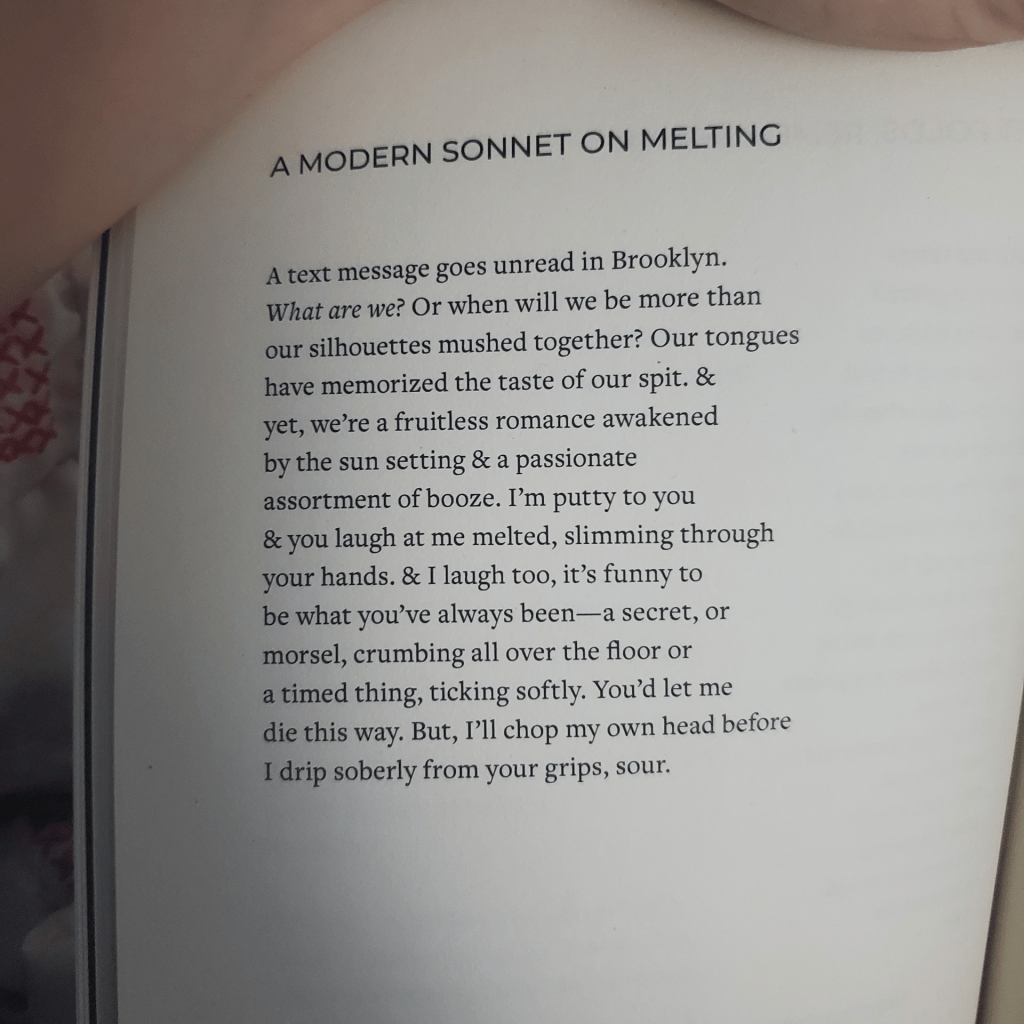
“If My Flowers Bloom” is a Button Poetry book of poems by Deshara Suggs-Joe, a queer, Black poet and visual artist. These poems were about desire, and many were sexual in nature. Honestly, this book was not one I enjoyed. I have included a snippet of my favorite poem from the book.
2 out of 5 stars
“ex traction” is a Button Poetry book of poems by Lara Coley, a San Francisco poet and educator who has taught creative writing and ESL in juvenile detention centers, schools, universities, and mental health treatment centers. Lara’s poems sharply dissect love relationships, and many are abuse and loving emotionally unavailable men.
4 out of 5 stars
Here are some snippets:
“How do you love so softly, so gently, so quietly, with your hand so tightly cradled around my throat?”
“We were lying on my bed and I asked him why, in our two years together, he’d never told me he loved me. He said he didn’t need to, that everyone knew. Een Jessica knows, he said. Well, good for her, I said. Good for Jessica.”
“She is wearing your affection like a coat, tailored to fit her. I remember stretching your love around my shoulders like a misshapen shovel that would never cover any parts of me that needed warmth.”
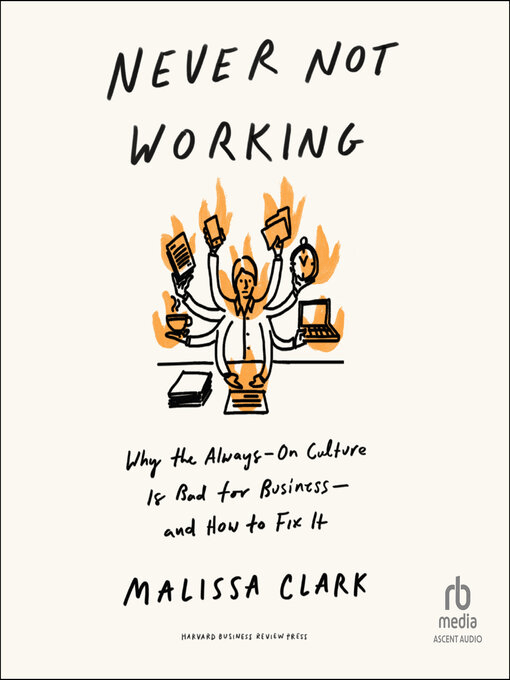
“Never Not Working: Why the Always-On Culture is Bad for Business – and How to Fix It” was written by Malissa Clark, associate professor of industrial-organizational psychology at the University of Georgia. Malissa is also a recognized expert on the topics of workaholism, overwork, burnout, and employee well-being. I highly recommend this book and will post about it in more detail sometime.
5 out of 5 stars
This book was filled with helpful information. This book covered signs of workaholic behavior, how to counteract workaholic behavior, the main components of workaholism, specific signals of workaholic culture within an organization, overwork assessments, and questions to ask after you get a job offer. Here are some of my many take-aways.
The most direct way to figure out what’s valued in a culture isn’t to listen to what people say is important. It’s to pay attention to who gets rewarded and promoted to leadership roles. Groups elevate people who represent their principles and advance their goals.
Here are some signs of workaholic behavior:
rumination – always thinking about work
overcommitment – always taking on too much and not knowing limits
busyness – always doing – unstructured time feels uncomfortable
perfectionism – nothing is ever good enough
poor delegation
poor scoping – underestimating how long it will take to do something
catastrophizing
3 questions to ask after you get a job offer to learn about the culture (courtesy of Work Life with Adam Grant):
Tell me about something that happens here that wouldn’t happen elsewhere.
Tell me about a time when people didn’t walk the talk here.
Tell me a story about who gets hired, promoted, and fired around here.
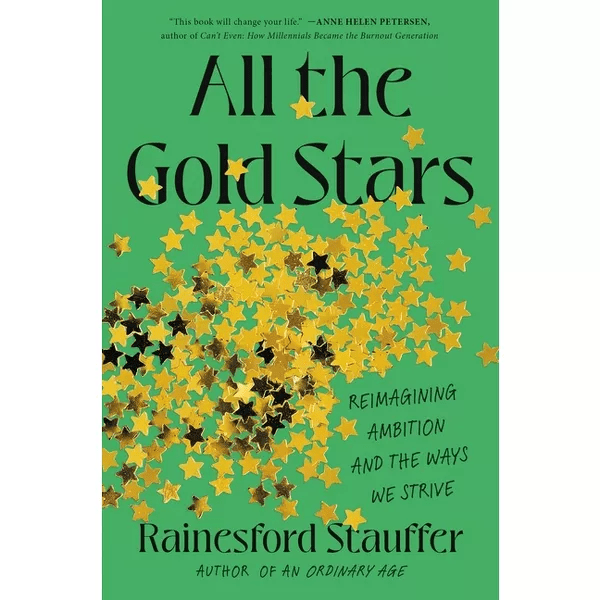
“All the Gold Stars: Reimagining Ambition and the Ways We Strive” was written by Rainesford Stauffer, an author, journalist, and speaker. This book contained a thoughtful exploration of ambition. Although this book contained several ramblings, there were some great takeaways.
4 out of 5 stars
So many modern ideas of ambition are rooted in work-related self-development, self-improvement, and career mobility, but ambition isn’t just about work. For those of us who feel that our performance at work – or our ambition – is the most valuable, worthiest, and most significant part of us, and thus, the most important part of our lives, we lose ourselves at the center of our stories.
Two primary sources of influence of our self-concept are our childhood experiences and our evaluation by others. Evaluation is ambition’s sidekick. Ambition is often registered as achievement.
Don’t let the world place limits on your ambition. Our efforts, time, imagination, and care can be oriented toward what matters to us most deeply in the face of a world that’s screaming to-do lists at us. Ambitions can be demonstrated in your hobbies, your values, how you care for yourself, your contributions to your community and causes, your friendships, etc.
Questions to ask yourself:
Think about your unrésuméd self – What are the things that actually fill you up that no one cares about, or you can’t put on your resume?
Who came up with this aspiration? Is it my idea or something random I thought I should aspire to?
What resources does it take to be ambitious about this, and is it worth it?
What does this ambition serve? It is me, a loved one, or something I care deeply about, or just an arbitrary marker of success?
How can the personal definitions we have of ambition expand?
I look forward to reading, learning, and sharing more with you soon!
My intention is to post a Thoughtful Thursday column each week and share some of the insights I have learned in the past week. Here are some of the things I’ve learned this week:
Stuff You Should Know – The Story of Spirit Halloween
Spirit Halloween in the United States is well-known for being a giant Halloween pop-up store that sprouts up in old malls, strip malls, and old big-box stores that are 7,000-10,000 square feet.
There are more than 1,400 stores in the U.S. between August and November. Some are within miles of one another.
Spirit Halloween hires 25,000 temporary employees August-November. Stores close on November 2. Spirit Halloween’s online store is open year-round.
30-40% of stock carries over from year to year
Keys to their growth plan:
presence
ads
10,000 foot storefront close to another big-box store such as Target/Walmart/shopping center
expand beyond just costumes (include décor)
Life Kit: Health – How to cut ultra-processed foods from your diet
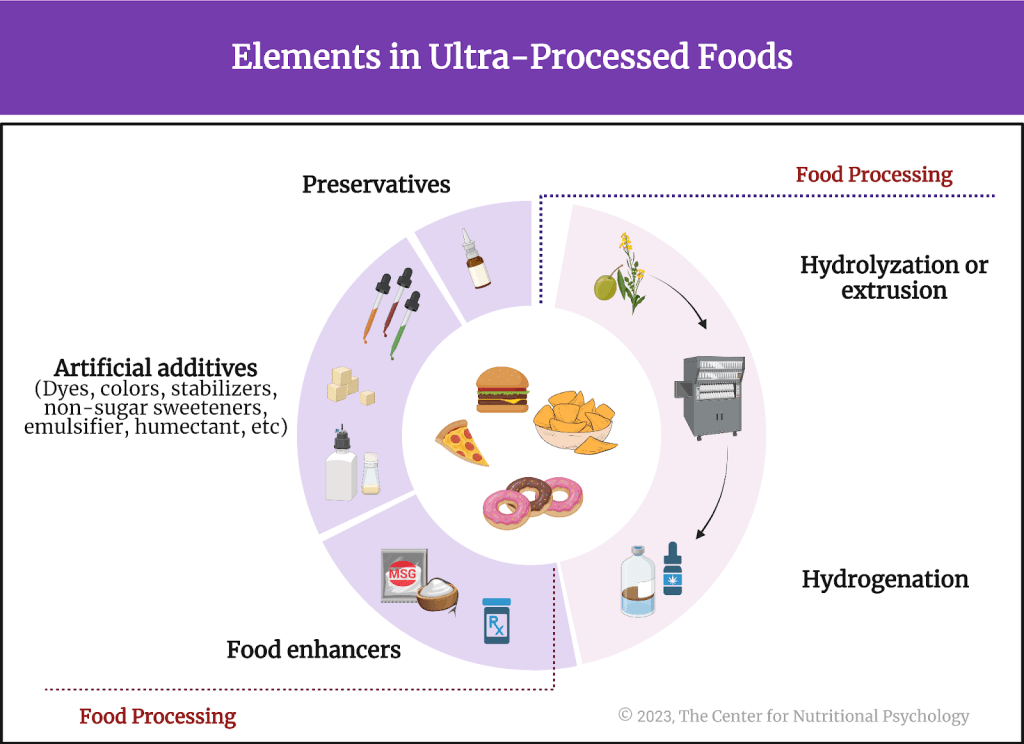
Packaged foods – high levels of salt and fat, added sugars, added colorings, added flavorings, hydrolyzed protein isolate, high fructose corn syrup, bulking agents like maltodextrin – tend to have a lot of additives
Foods that are made with ingredients derived from foods and reassembled to create a product
There is a lot of research linking overconsumption of ultra-processed foods to poor health outcomes, like type two diabetes, obesity, hypertension, cardiovascular disease, etc.
Look at the ingredient list. Ignore the health claims on the packaging. If there are ingredients you don’t recognize and wouldn’t have in your home kitchen, it’s an ultra-processed food.
Even if it’s ultra-processed, look for things lower in sugar or no added sugars that have some fiber and protein.
Craving salt? Think about eating nuts. If you love breakfast cereals, look for something with protein and fiber. Yogurt – look for something with low or no added sugar and use some fresh berries to sweeten it. Look for a high protein option.
Canned items like vegetables and beans often have added sodium. You can rinse them in a colander to cut out some salt.
Focus more on eating things you know you should be eating more of, such as fresh or frozen fruits and vegetables.
Cooking more from scratch at home is always a better option.
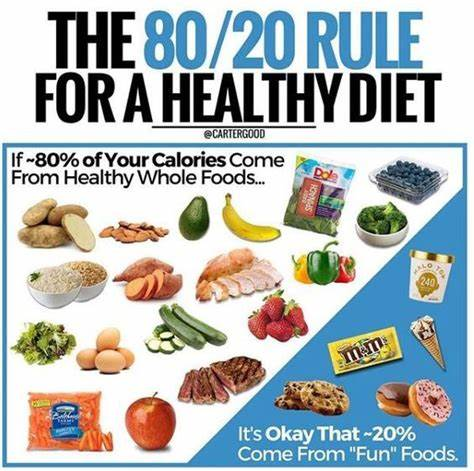
Aim for the 80/20 rule – eat 80% clean, whole foods, and splurge on up to 20% of your diet.
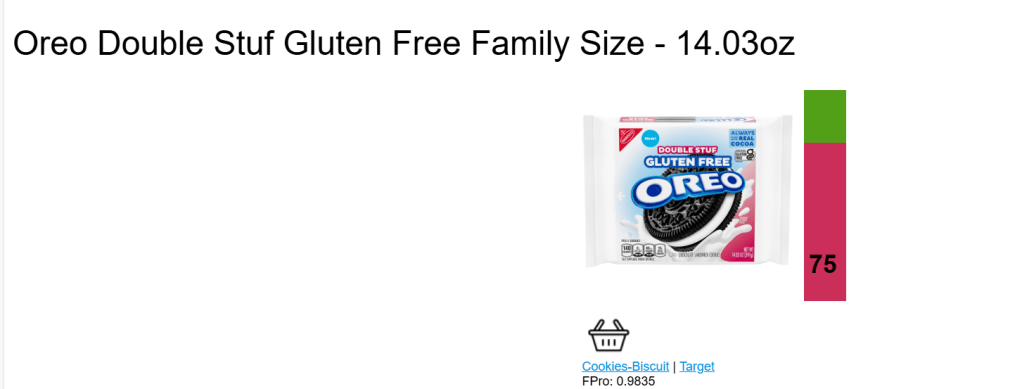
Truefood.tech – tells you how processed food items are – look up your brand and product – suggests less processed alternatives
This website is fascinating!
You can type in a brand and product and it will show you a processing score, ingredients (and additives), and alternatives and their processing scores!
Before Breakfast – Make it worth the commute
If you are going to go into the office, make it worth the commute. Use your in-office time for relationship building and collaboration.
You don’t want to spend your time and energy going somewhere just to e-mail and call people in other places because you can do that from home.
When you’re just getting to know a new colleague, in-person conversations can be valuable. Schedule lunch, conversations, or coffee with a colleague during your in-office days.
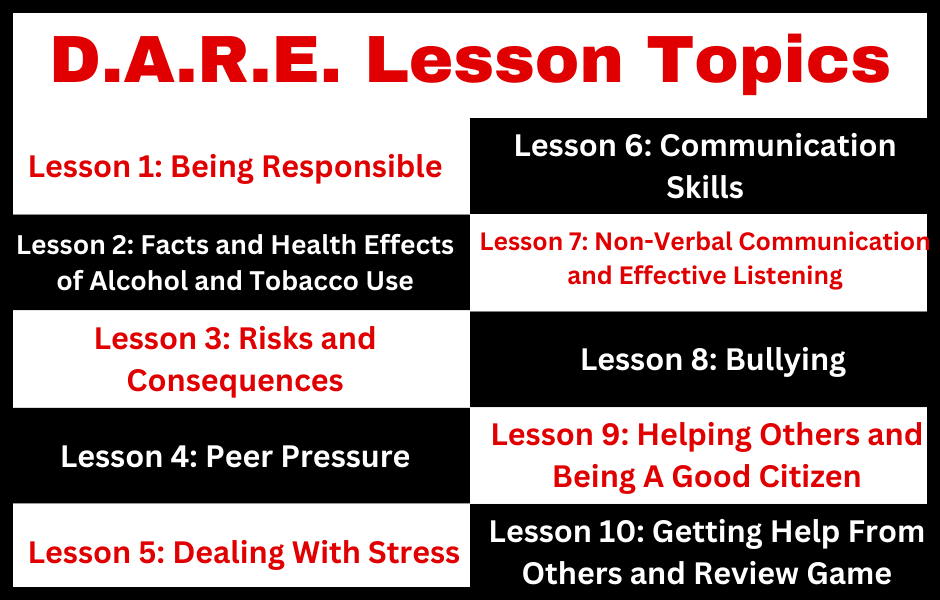
The Big Flop – The Truth About D.A.R.E.
Some studies show a higher rate of drug use among D.A.R.E. participants than those who didn’t participate.
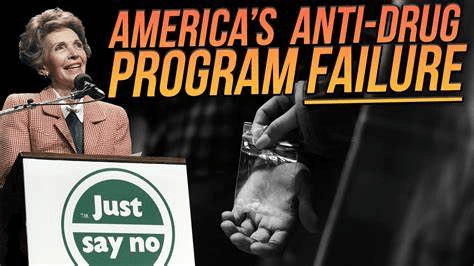
Drug Abuse Resistance Education (D.A.R.E.) is best remembered due to the ads and PSAs that were intended to promote “Just say no.”
Drug-Free Schools and Communities Act – D.A.R.E. is the only program that is eligible for funding from this law, so they got federal money to go nationwide
There was an 80-hour course for D.A.R.E. officers
¾ of all school districts in the United States used the program. Over 5.5 million kids were exposed to the program, and over 11,000 police officers were involved. Each year, between $600-750 million of taxpayer money was spent on D.A.R.E.
Strategies to keep yourself safe at parks, shows, and the mall
Ways to say no were all extremely obvious: just walk away, just ignore the person, change the subject, etc.
Puts all drugs on the same level – alcohol, pot, cocaine equally serious
According to one D.A.R.E. workbook, you can tell when a bunch of people are up to no good if they have tattoos (!)
Merchandise
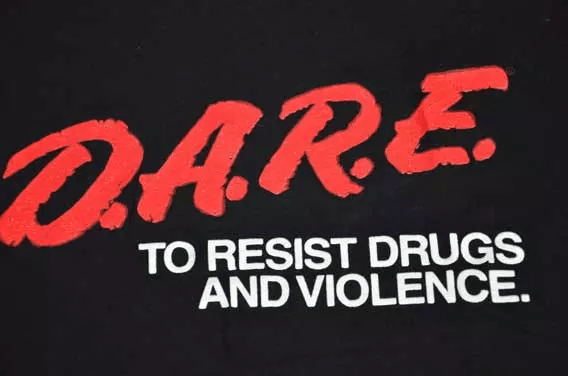
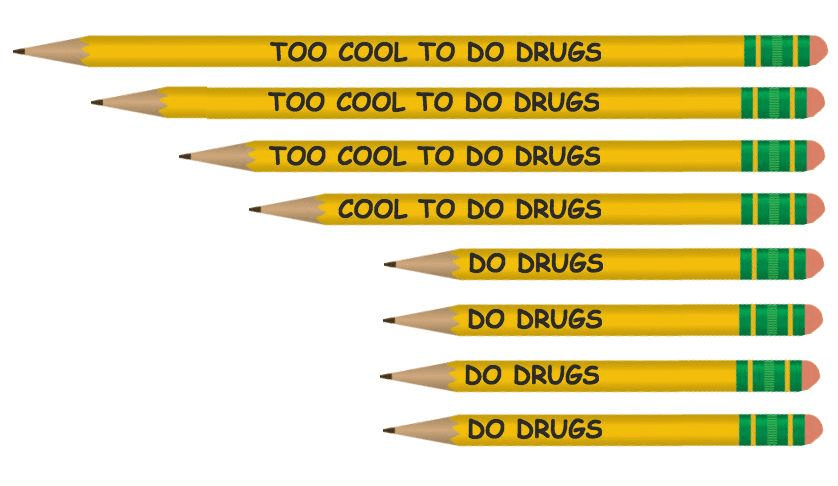
Clothing with D.A.R.E. logo, pencils that said “too cool to do drugs” – depending on how much you sharpened it, it would bring the wrong message – eventually to just “do drugs” or “drugs”
Criticisms of the program:
Person who came up with D.A.R.E. testified in front of the Senate Judiciary Committee that people who use drugs, even casually, should be taken out and shot.
Recognize, resist, report – the report part attracts criticism because some people believe it’s turning kids into police informants
Kids calling on parents and sending them to prison
After multiple studies, the program was found to not work. The effectiveness of D.A.R.E. has yet to be established.
Marijuana use by teens increased. D.A.R.E. makes certain kids want to try drugs- “you can’t tell me what to do”
Ineffective primary prevention program
The program stuck around until 2009 when it was finally phased out.
U.S. spent over 1 trillion dollars on D.A.R.E.
A new version of D.A.R.E. was introduced in 2009, keeping it R.E.A.L. Refuse, explain, avoid, and leave. Some initial research indicates that this program MAY be more effective, although it’s been criticized for a lack of focus on harm reduction.
Misuse of funds and time
This post from Seth’s blog resonated with me this week:
How often do we assume that popular things are good, and that good things become popular?
If your work doesn’t catch on, does that mean it wasn’t good?
In almost every field, people with insight, taste and experience admire and emulate good things that aren’t popular, and are surprised by popular things that aren’t good.
Perhaps we need to broaden our definition (or narrow it) so we can be clear about what we mean.”
I look forward to reading, learning, and sharing more with you soon!
I read three books in September 2024. School has been keeping me busy. Here is a brief synopsis of the books I read in September.
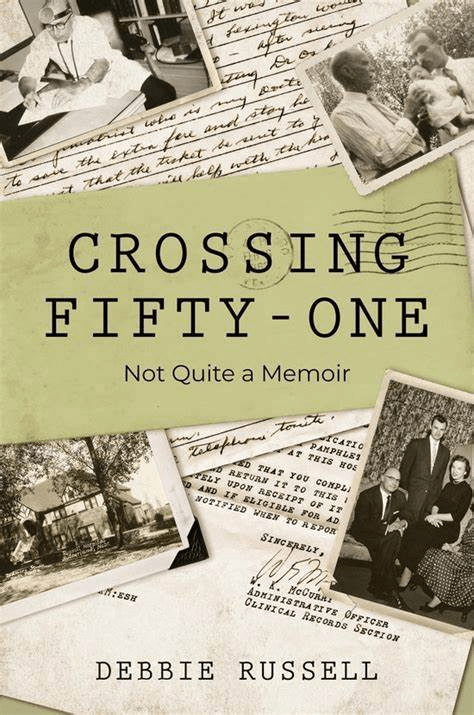
“Crossing Fifty-One: Not Quite A Memoir” was written by Debbie Russell, a retired Hennepin County Prosecutor. This book contained themes of family dynamics, building your own identity, addiction, and reducing the stigma associated with addiction.
Debbie’s grandfather suffered with asthma and admitted himself to a federal narcotic farm for his Demerol addiction, where he assisted in treating his fellow patients. In this memoir, Debbie shares insights into her family’s history through her conversations, research, and letters her grandfather wrote or received. Here are some quotes that stood out to me:
“Since most addicts have some sort of personality disorder, it follows that the basic attack on the problem of addiction is to prevent the development of such disorders. It is the current belief that most of these result from frustrated drives for security, recognition, and affection, particularly during childhood. Granting this, attention must be focused on preparing parents and prospective parents for their roles in shaping the personalities of their children.”
“It’s much harder to dig inside ourselves and try to figure out how we contribute to our own problems. It’s my current struggle. Every. Single. Day.”
“It takes amazing perspective to be able to think of a locked drug rehab facility as a ‘retreat.’ But maybe, compared to Papa’s struggles with addiction, the facility served as a haven.”
4 out of 5 stars
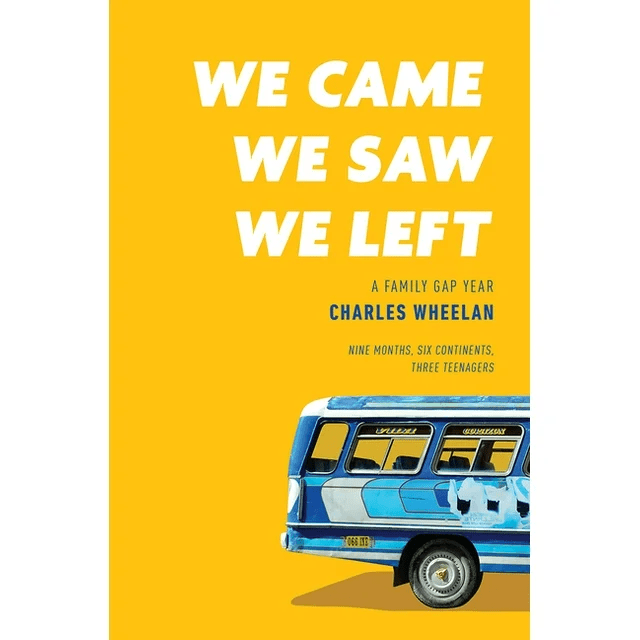
“We Came, We Saw, We Left: A Family Gap Year” was written by Charles Wheelan, a former correspondent for the Economist who teaches public policy ad economics at Dartmouth College. This book was an exhilarating and exciting read about the family gap year that consisted of 9 months, 6 continents, 3 teenagers, and 1 flesh-eating parasite. I learned about traveling minimally on a budget and about different destinations. Here are some takeaways:
Traveling around the world for nine months is cheaper than staying at home (if you rent out your house). The author spent less on food while traveling, didn’t have to pay for gas, and only needed storage insurance for his vehicles back home. The primary expense associated with traveling is forgone income. All-in, their budget was $60 per person per day. This was fascinating to me, although I don’t have a job that would allow me to take off for one year. To put it in perspective, according to the author, traveling around the world for nine months would only delay retirement by one year.
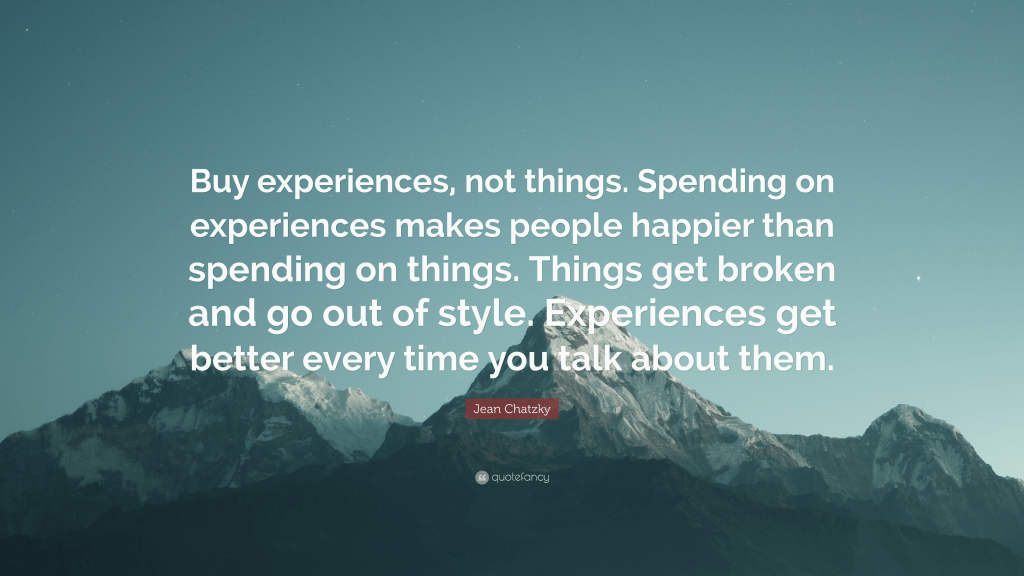
“Experiences, rather than things, are what make us happiest in the long run. Experiences become an ingrained part of our identity. Experiences connect us to the people with whom we share them, and experiences make up into the people we are. Even bad experiences morph into positives over time – like a funny story or a character-building experience.”
What are some lessons they learned?
The world is still an interesting place, and each country has its own feel and personality.
They are great teammates, and marriage is about picking a person you want at your side to help navigate whatever might come along, such as traveling on a low budget to bizarre places.
They learned that life goes on without you. They came back to a place that was pretty much the same as they had left it.
The greatest luxury is time – sleeping until refreshed, reading at any time of day, and wandering aimlessly.
There is serious environmental damage, such as air pollution in big cities and deforestation in less-developed areas.
It was really fun. Adventures turned out to be worthy of that anticipation, and many great moments were entirely circumstantial.
5 out of 5 stars
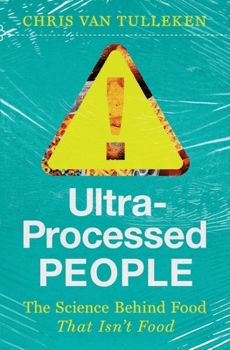
“Ultra-Processed People: The Science Behind Food That Isn’t Food” was a fascinating and alarming book written by Chris Van Tulleken, who has a medical degree from Oxford and a PhD in molecular virology. Chris is an associate professor at University College London and a practicing infection diseases doctor. Chris studied ultra-processed foods (UPF) and conducted an experiment. He stopped eating UPF for 4 weeks, then ate 80% UPF for 4 weeks. He had his weight, height, BMI, and body fat measured both before and after the experiment, and he gained 6 kilograms (about 13 pounds). His appetite hormones were deranged, he had a 5x increase in leptin (the hormone that comes from fat), and his C-reactive protein (a marker that indicates inflammation) had doubled!
I learned a lot from this book. Here are some of the main points:
If it’s wrapped in plastic and has at least one ingredient that you wouldn’t normally find in a standard home kitchen, it’s UPF. Almost every food that comes with a health claim on the packet is UPF. UPF is high in calories, fat, and sugar and low in fiber.
UPF displaces diverse whole foods from the diet, especially among low-income groups. It’s addictive. The emulsifiers, preservatives, modified starches, and other additives damage the microbiome. The convenience, price, and marketing of UPF urge us to eat constantly and without thought, which leads to more snacking, less chewing, faster eating, increased consumption, tooth decay, and other health issues.
There are over 10,000 additives used in food in the United States – flavors, flavor enhancers, colors, emulsifiers, artificial sweeteners, thickeners, humectants, stabilizers, acidity regulators, preservatives, antioxidants, foaming agents, anti-foaming agents, bulking agents, carbonating agents, gelling agents, glazing agents, chelating agents, bleaching agents, leavening agents, clarifying agents, etc. Over 1,000 of these were self-determined to be safe and are not FDA approved.
“Most UPF is not food. It’s an industrially produced edible substance.”
This book covered several UPF ingredients, foods they are found in, and the damaging effects of them. One of those that stood out most to me was xanthan gum, which is found in many gluten-free foods and flours. Xanthan gum is a bacterial exudate slime that bacteria produce to allow them to cling to surfaces. “Think of xanthan gum the next time you scrape the accumulated gunk from the filter on your dishwasher.” Or don’t!
4 out of 5 stars
I look forward to reading, learning, and sharing more with you soon!
My intention is to post a Thoughtful Thursday column each week and share some of the insights I have learned in the past week. Here are some of the things I’ve learned this week:
Mentally Stronger with Therapist Amy Morin – 7 Things to Spend Money On if You Want to Be a Happier Person
Experiences (over material goods) – collect moments, not things.
Invest money in relationships – pets, spouses, etc.
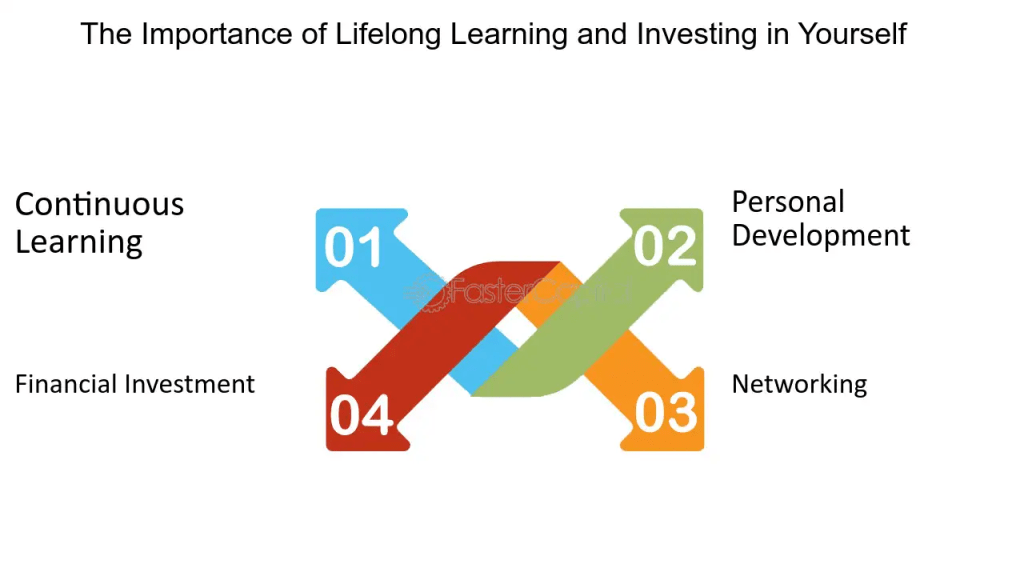
Personal development and education – think about what you like to learn about and find ways to grow and learn – buy books, take a course or attend a conference, take a trip somewhere to learn more about a culture, etc.
Anything related to health and wellness – gym membership, fitness equipment, therapy, quality food, etc.
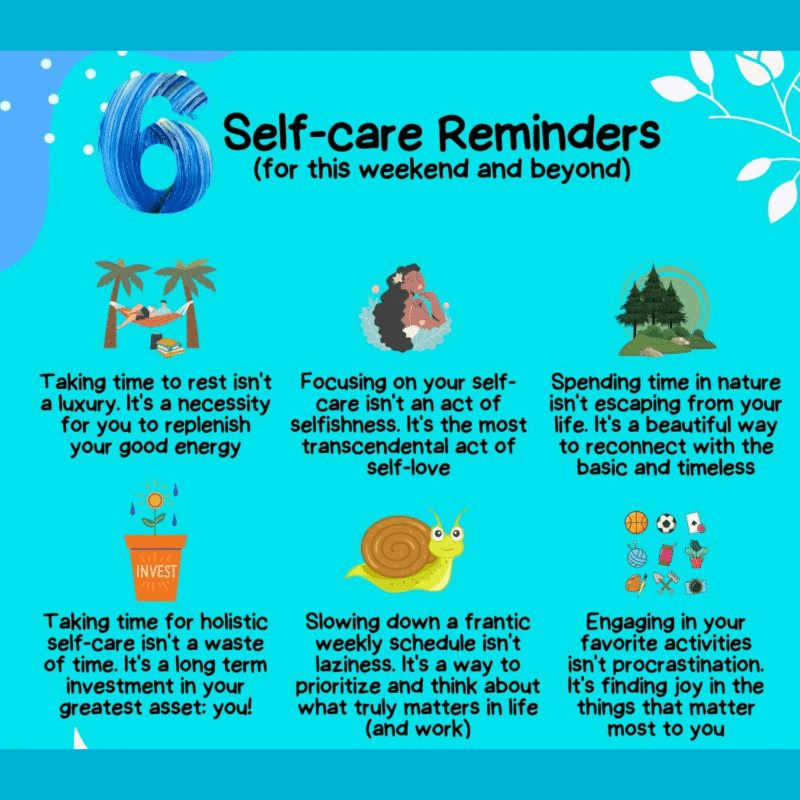
Anything related to self-care and relaxation – massage, meditation class, hobbies, hiring a house cleaner, etc.
Acts of kindness and charity – spending money on other people makes us happier than spending money on ourselves. Gifts, charity donations, volunteering, etc.
Things that help you spend quality time in nature – outdoor activities, taking a trip in nature, etc.
What didn’t make the list? Having a bigger house, a fancier car, a designer purse, etc.
Optimal Health Daily – 10 Ways to Measure Progress (That Aren’t Weight Loss) by Amanda Wheeler
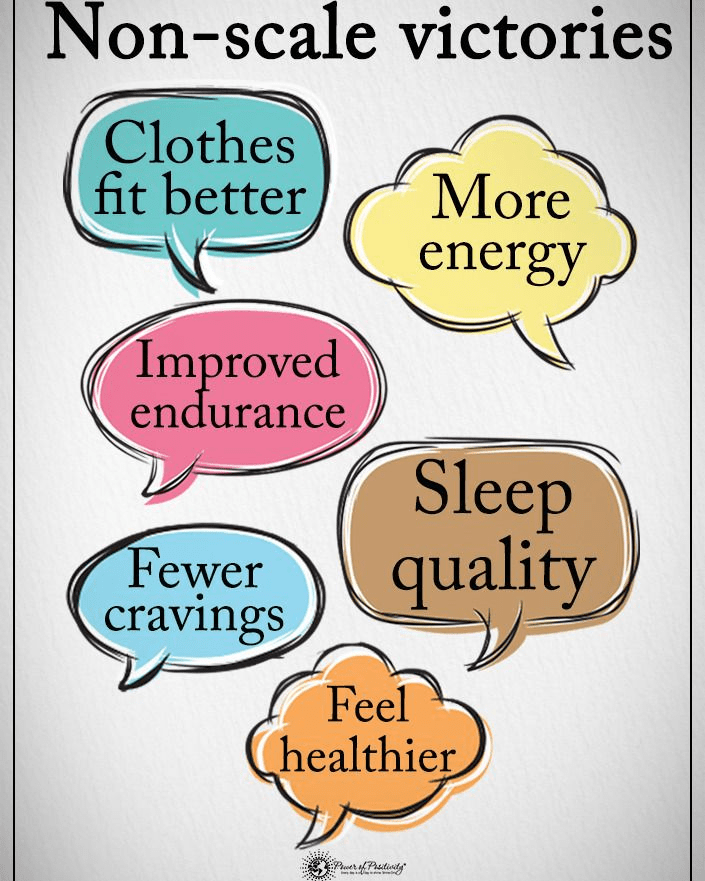
This podcast stood out to me because SO many people work out solely to achieve a certain weight or physique and are often left disappointed and discouraged from continuing to exercise because they aren’t achieving the weight they desire. There are so many reasons to exercise aside from just weight loss, and there are many other ways to measure progress that aren’t weight loss.
Weight lifted – Can you lift heavier this month than last month?
Recovery – How do you feel between sets? Are you able to bring your heart rate down quickly and bounce back in?
Reps for time – Can you do more work in the same amount of time or the same amount of work in less time?
Resting heart rate – if your resting heart rate is lower, your heart is more efficient. If you’ve been training and your resting heart rate goes down, that’s progress.
Aerobic window – the difference between your resting heart rate and your anaerobic threshold.
Mobility/range of motion – if you notice you can get more range of motion, that’s progress.
Energy – How do you feel during the day? Are you drinking caffeine to stay awake, or do you have a consistent pep in your step? If you no longer crash midday or reach for the extra dose of caffeine, that’s progress.
Sleep – Are you now waking up feeling rested? That’s progress.
Clothing – Is your clothing getting looser? Using clothing to measure progress is a great way to feel good about yourself without diminishing the feeling by the number on the scale.
Confidence – How do you feel about yourself? Feeling more confident is a measure of progress that gets overlooked.
Optimal Relationships Daily – 12 Relationship Truths I Wish I Knew 12 Years Ago by Marc Chernoff
You have to love yourself first. Fall in love with yourself and share that love with someone who appreciates you, rather than looking for love to compensate for a self-love deficit.
You get what you put in. The true impact you make on people will depend on the time and attention you give to teaching those who know less, caring for those who have less, supporting those who are striving, and tolerating those who are different than you.
What most people think of you doesn’t matter. No one is ever going to care about your life and the way you choose to live it more than you will.
Friends and family won’t always support your goals, but you must pursue them anyway. Follow your intuition.
Life doesn’t always change as fast as people do. Not everyone is who you once knew.
Love requires three things: acceptance, honesty, and commitment.
A big part of who you become is who you choose to surround yourself with.
A soul mate is a person who brings out the best in you.
The next time things are going well, when a project is about to launch, when a meeting has been successful, when the sun is shining… take your phone and go for a walk.
Hit record on an audio app and make a twenty-minute audiobook. Talk about what you know, what you see, what you hope for. Talk about the change you seek to make and how you’re going to get there.
And then save it.
Save it for when you need to hear from that person who recorded it.
It might become the best audiobook you own.”
Before Breakfast – Be flexible on the details
It’s okay to have requirements but be flexible on the details of how people can achieve them. The more flexible you can be on the details, the more loyalty you will probably engender. For a great many things, it is the outcome that matters.
When people can have some choice and autonomy about the details, they feel more in control of their lives. High expectations seem less burdensome, which makes it more likely that they will be met.
I look forward to reading, learning, and sharing more with you soon!
My intention is to post a Thoughtful Thursday column each week and share some of the insights I have learned in the past week. Here are some of the things I’ve learned this week:
Mentally Stronger with Therapist Amy Morin – 10 Mental Health Improvement Strategies Therapists Prescribe Their Patients
Act contrary to how you feel. Explore the behaviors that reinforce that emotional state and act the opposite. Ex: depression may want you to stay in bed all day, but getting up and moving is the best thing. Change your behaviors first, and the feelings will often follow.
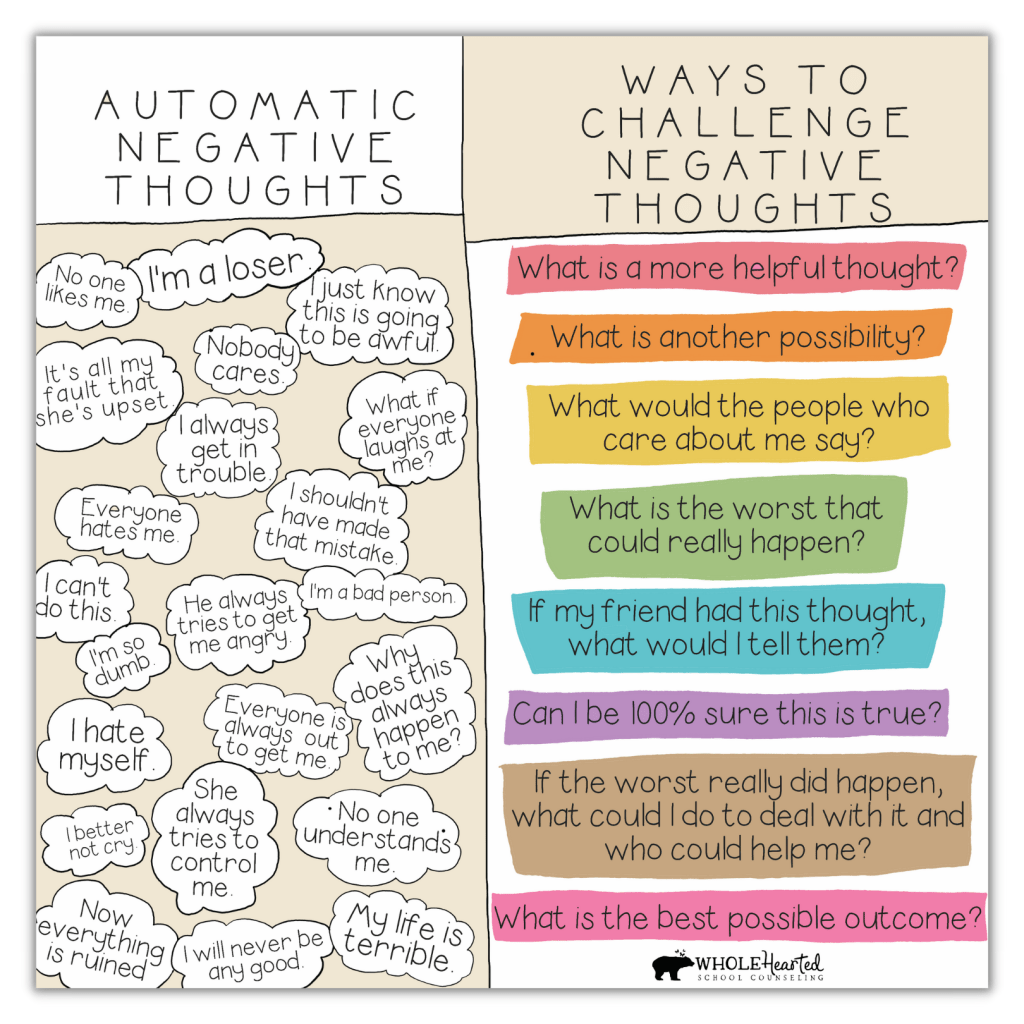
Challenge your negative thoughts. Intense emotions cause irrational thoughts. Challenge your thoughts and prove that you can do something. Prove that your thoughts aren’t always accurate.
Add structure to your day. Be intentional about building in healthy tasks and having structure outside of work, but also allow room for flexibility.
Schedule fun, meaningful things to do. Having something to look forward to is really good for your mental health. Schedule one fun or meaningful thing each week.
Spend time in nature. Nature has incredible benefits for our mental health; it reduces anxiety, improves concentration, reduces depression, and helps us feel happier overall.
Get physical activity. Exercise reduces stress and anxiety and improves self-esteem. Find an activity that you enjoy so that you can stick to it.
Find a way to relax. Watching tv and scrolling on your phone stimulates your brain, so aim for ways to relax your brain. If you invest time into caring for your mental health now, you will feel better and perform better later.
Work on something that you’ve been putting off. The more you put something off, the more you dread doing it and the worse you feel.
Take care of your body. Eat a healthy diet and get adequate sleep.
Get social support.The people you spend time with might be the biggest factor that determines how mentally healthy you are. Having positive people in your life reduces the symptoms of mental illness. Remove yourself from toxic relationships.
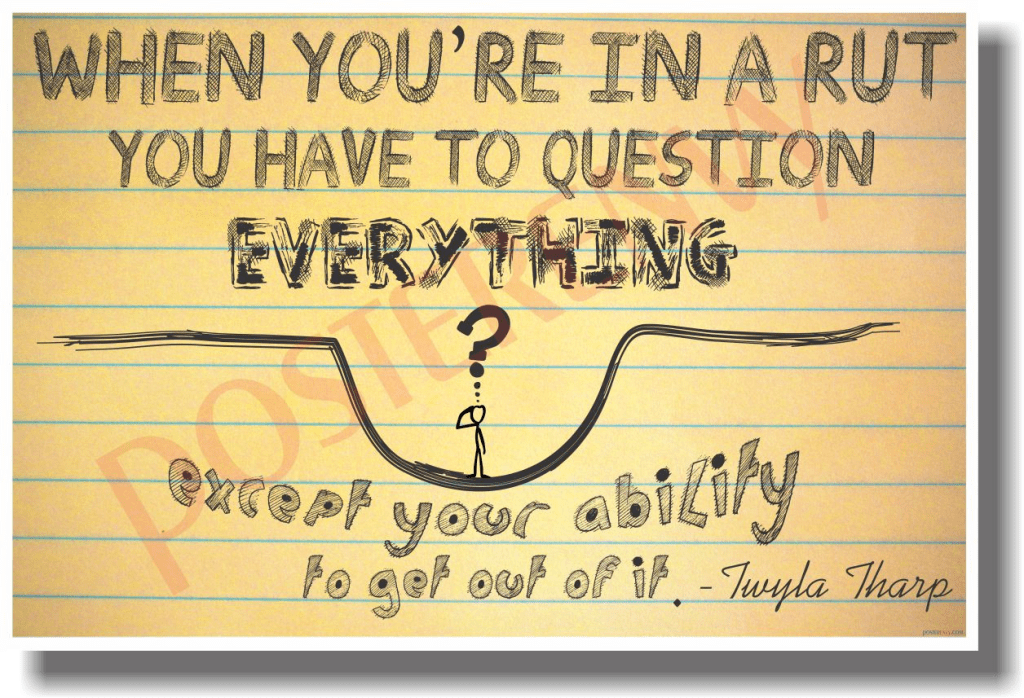
Sad to Savage – Little Things to Help You Get Out Of A Rut
Do a check in and figure out why you’re in a rut.Is your schedule day-to-day not fun? Are you not sleeping enough? Are you nourishing your body with food and water? What are you spending your time doing? Is that keeping you stuck? Are those things helping you or hurting you? What do you need to change?
Pick out a goal right now to work towards. Ex: train for a 5k, make a healthy meal 3x/week, build a new habit
If you’re someone who really likes to talk on the phone, talk on the phone when you’re outside on a walk. You could start making plans with friends on the weekend to go on a walk. Look up gyms in your area and go to the cheapest one. Go on a treadmill and find a show you will only watch while walking on the treadmill.
Redesign a space in your home. Change around the furniture.
Find a book to read. Find a book about something you want to learn more about.
Know that you are allowed to change your mind and your habits whenever you want. You can become whoever you want to become.
Try a new hobby. Take a class.
Pay attention to the people you have in your life, the environments you have, the music you listen to, the content you consume, the people you follow … all of those things can contribute to you feeling like you are in a rut.
Make a list of things that make you feel happy that you can turn to when you’re feeling down. Ex: family time, running, going outside, reading, etc.
Chasing Life – Does Money Buy Happiness?
Money CAN buy happiness. Buy experiences (trip, dinner with friends, etc.). Experiences bring more happiness than material possessions. Make spending feel like a treat – hedonic adaptation.
Think about how your choices about money impact how you use your time. If it doesn’t have any bearing on how you spend your time, you can probably let go of spending money on that for now.
Buying time – if you can, buy your way out of something you dread doing. Ex: mowing lawn, cleaning house, grocery shopping, etc.
Another fact mentioned is that people who donate to causes/charities through recurring charges aren’t nearly as happy as people who get involved in person and directly see the impact of their monetary donations.
Self Improvement Daily – “You can have it your way.”
Burger King’s motto “Have it your way” is a welcome reminder that each one of us matters and deserves to be cared for. We don’t need to settle for how things are; we can create a new reality for ourselves.
We can pursue our ambitions with pride. We can change our future if we have the courage to do so. Being selfish in investing in yourself can be one of the most selfless things you can do because it can great the greatest impact on others.
If you’re overstretched at work and compromising your own health, that’s not having it your way. When we enforce better boundaries about our work hours, we can have more time to fulfill ourselves in other ways.
If you don’t have as much time for the things and people you love, or the energy to do anything at the end of a long day, that’s not having it your way. When we say no to others, we say yes to ourselves.
Reordering priorities and making a commitment will start to shape your life your way. Balance your personal life, care, and passions in a way that you feel good about by figuring out how it all fits together.
This post from Seth’s blog really resonated with me:
“Momentum activities like public speaking, board sports and leadership all share an attribute with riding a bicycle: It gets easier when you get good at it.
The first error we often make is believing that someone (even us) will never be good at riding a bike, because riding a bike is so difficult. When we’re not good at it, it’s obvious to everyone.
The second error is coming to the conclusion that people who are good at it are talented, born with the ability to do it. They’re not, they have simply earned a skill that translates into momentum.
There’s a difference between, “This person is a terrible public speaker,” and “this person will never be good at public speaking.”
And there’s a difference between, “They are a great leader,” and “they were born to lead.”
The thing about momentum activities is that we notice them only twice: when people are terrible at them, and when they’re good at it. That includes the person you see in the mirror.”
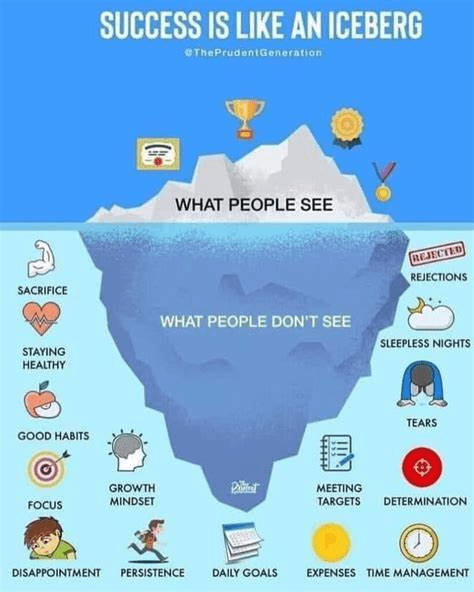
My reflection: we only notice when someone is really good or really bad at something. We don’t see the “average” and we often don’t see the process that it took to get to “good.”
I look forward to reading, learning, and sharing more with you soon!
My intention is to post a Thoughtful Thursday column each week and share some of the insights I have learned in the past week. Here are some of the things I’ve learned this week:
Real Simple Tips – Here are 6 Home Upgrades That Are a Waster of Money
These features won’t add much value to your home according to real estate agents:
Swimming pools – come with a lot of upkeep – can put off potential buyers who aren’t keen on the additional responsibility – also increases price of homeowners insurance
Extensive landscaping with exotic plants – can turn off future buyers – need a lot of care
Garage conversions – converting a garage into a living space can reduce overall functionality. Instead, find a way to make a room more versatile.
Motorized blinds – wildly expensive and don’t give any added design ambiance compared to regular blinds and shades
Sink moved to center island – mistake to move the kitchen sink to the island – people want an island free from the clutter of dishes and drying racks
Smart home technology systems – convenient, but will likely become obsolete quickly and will need to be updated or replaced
Life Kit – Staying safe in extreme heat
Millions of people are experiencing what the National Weather Service is calling the first major heat wave of the summer. The local heat index could reach 105 degrees in some places.
When we are exposed to heat, our body has ways to dissipate it and keep us cool, but when we are exposed to certain environments and certain temperatures, sometimes our body just can’t keep up.
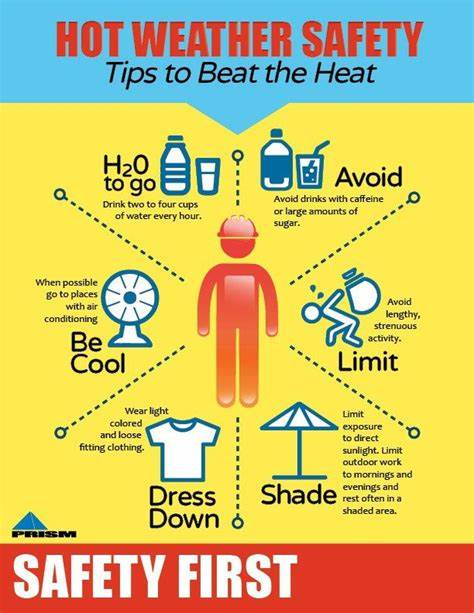
Keep your body as cool as possible. Stay hydrated with water, avoid alcohol during extreme temperatures, and wear loose-fitting clothing to help lower your body temperature.
When dealing with extreme heat, it’s important to find the coolest place possible to be in if you need to be outside. If you are inside, use the air conditioning or go to the coolest place in your house.
Stay informed with the heat index. Check weather updates and try to be proactive in protecting yourself against the heat.
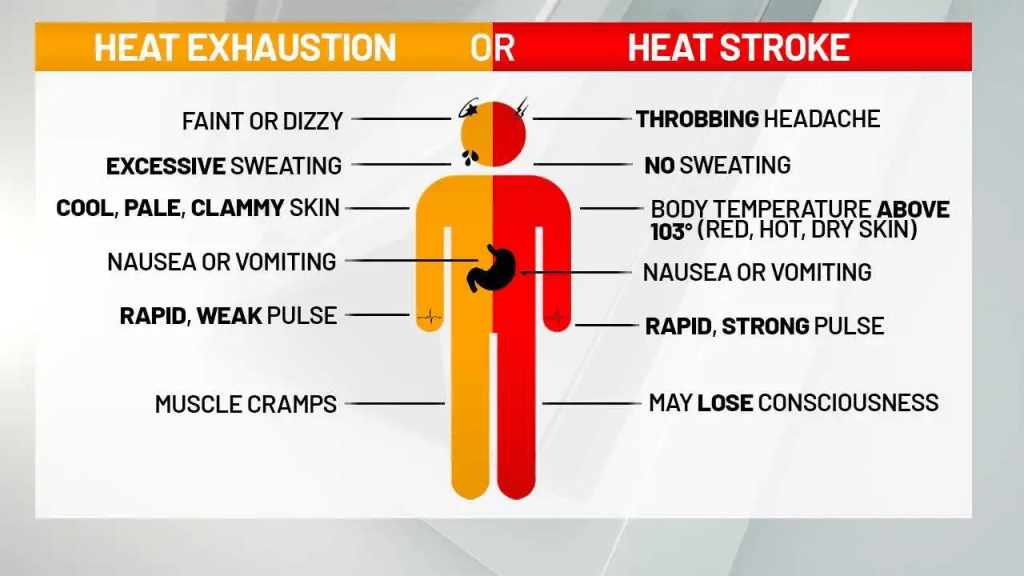
Know when to seek medical help – heat exhaustion and heat stroke. Symptoms of heat exhaustion can be broad and different for everyone: feeling weak, dizzy, nauseous, vomiting, excessive sweating. With heat stroke, you’re red, hot, and dry and you aren’t able to sweat. Heat stroke is a medical emergency.
The Mel Robbins Podcast – 13 Things I Wish I Knew in My 20s
The idea that the 20s are the time of your life is bull. It might be one of the hardest decades of your life, so give yourself more grace. You will figure it out.
Stop spending your money on stupid stuff. You need to take control of your addiction to buying things. Spending money that you do not have on the things you do not need does not give you power; it makes you feel powerless. Keeping up with the ever-changing trends is not serving you and your happiness.
You have so much time. You have plenty of time to figure out your life, your career, your love life, your friend group, etc. Social media is warping your perception about what it takes to be successful. Don’t be triggered by other people’s timelines. Trust the timeline of your life.
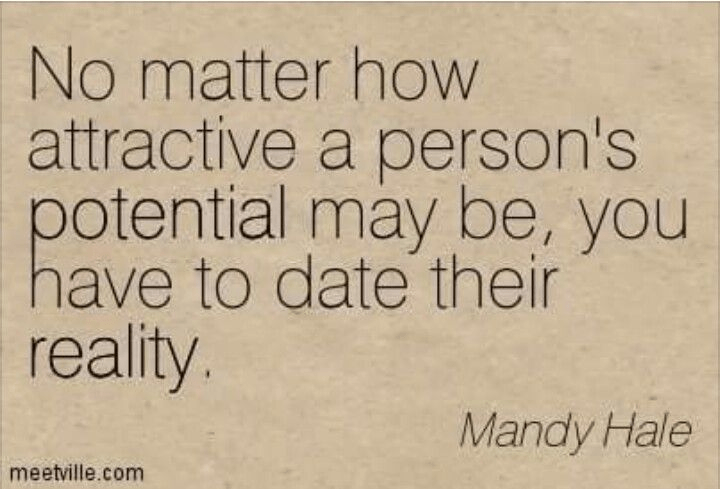
Date the person, not their potential. Be in a relationship with the person they are right now, not the person you wish they were.
It’s not fair. Don’t let yourself play the victim. You can’t change what’s happening around you, and the sooner you accept that, the freer you will feel.
Define your career wins not but the quantity of your paycheck but by the quality of your circle. Focus your time and energy on making meaningful connections. People will get you further in your career than any single paying job on your resume ever will. Your connections matter.
Be kind. Go above and beyond to make other people feel appreciated and seen.
You don’t get to want something if you don’t ask for it.
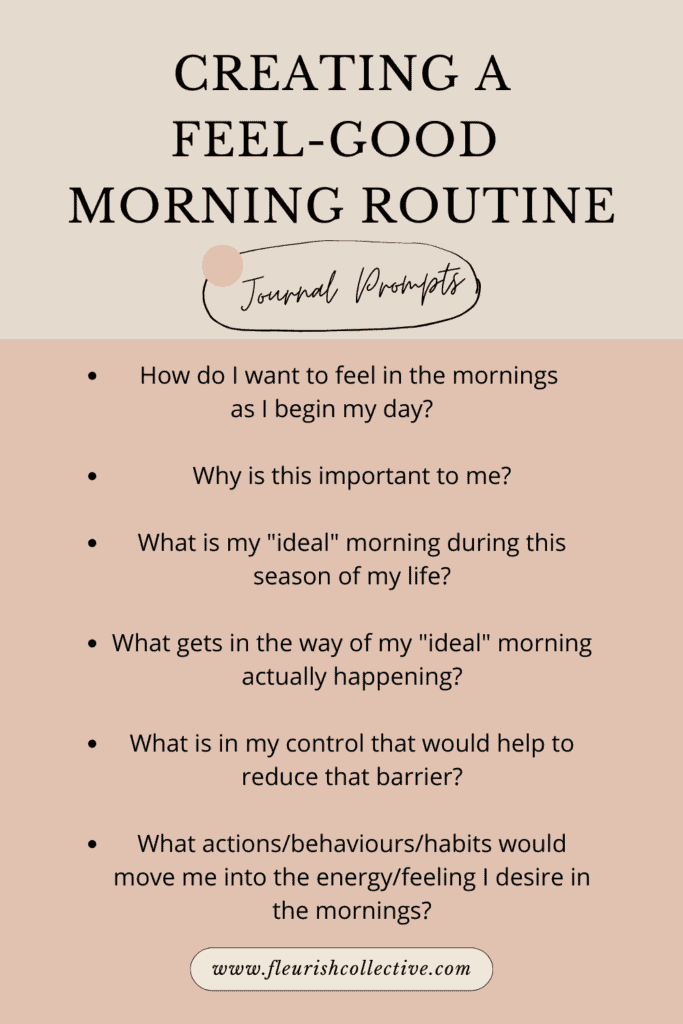
A rock-solid morning routine is the fastest way to take control of your life. You need structure to your day, and how you set the day up is how it ends up. Core 5 practices from Mel: get up when the alarm rings, get outside and get five minutes of sunlight, take a walk without listening to music or a podcast, drink a glass of water, and have some kind of mindfulness practice such as journaling
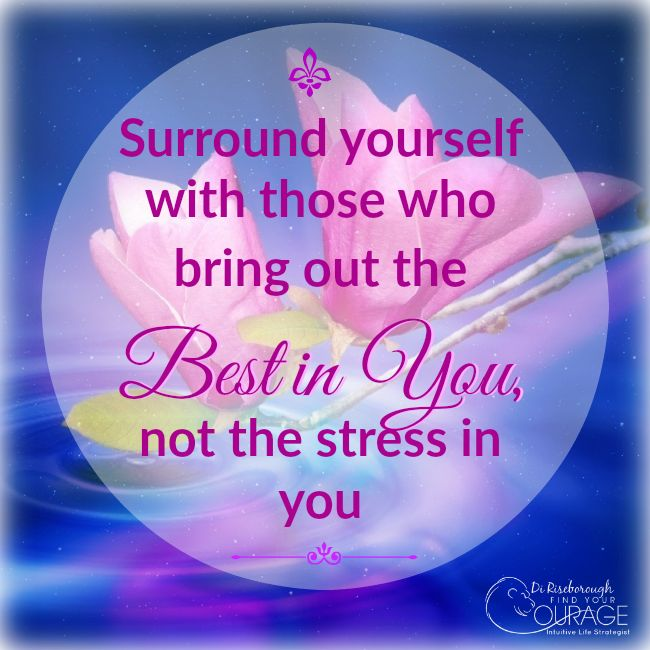
Get serious about who you are hanging out with. What are their habits? Are the five people you are spending the most time driven? Do they have goals? How do they treat you? How do they make you feel? Can you actually open up and be yourself with them?Surround yourself with people who bring out the best in you.
Be your own person. Stop pretending to like things that you don’t. Live authentically. Learn to make your own choices. The fastest way to figure out what you like and who you are as a person is by doing things by yourself because then you don’t have the pressure of managing the person with you and whether or not they like the thing that you are doing. Explore your interests alone.
You are not in competition with anyone. Success, happiness, and friendship are in a limitless supply.
Take the biggest risks of your life right now. You have time.
I really enjoyed this post from Gabe the Bass Player this week:
The people most likely to sign up for coaching or additional learning are the folks who are already good at their craft.
“I’m terrible at this,” can lead to, “and I don’t want to be reminded of it.” Or perhaps, “I don’t want to waste their time,” or, “I’m never going to get better.”
When it’s possible to get better, embracing mediocrity isn’t a useful strategy.
I’d rather have a surgeon who regularly attends trainings, wouldn’t you?
Read a book, find a coach, organize a group. If you’re serious about getting better, you’ll improve.
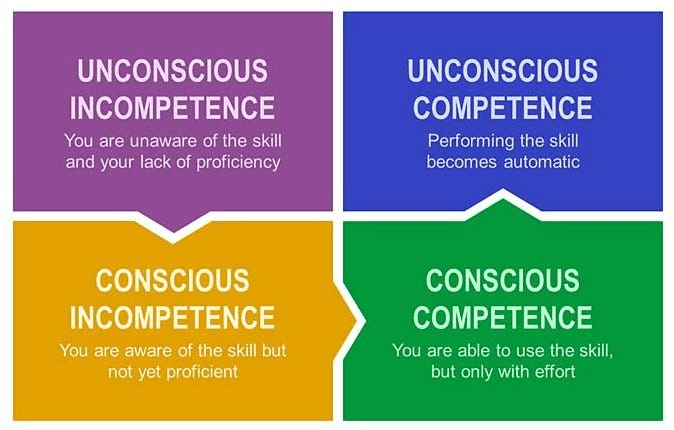
Learning creates more competence but first, it amplifies our feelings of incompetence.”
I look forward to reading, learning, and sharing more with you soon!
I read five books in June 2024. Here is a brief synopsis of the four books I read in June 2024, some of which I will post about in greater detail in the future.
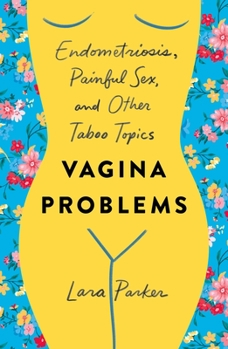
“Vagina Problems: Endometriosis, Painful Sex, and Other Taboo Topics” by Lara Parker was educational and emotional. Lara is the writer and deputy editorial director at Buzzfeed, and she covered what it’s like to live with endometriosis, vaginismus, vulvodynia, vulvar vestibulitis syndrome, pelvic floor dysfunction, etc. There were a lot of tidbits in this book. Here are a few take-aways that I am not uncomfortable sharing:
Endometriosis is, statistically speaking, as prevalent as diabetes in America. Endo is not easy to get a diagnosis for, as it requires laparoscopic surgery. Also, doctors often don’t take women’s pain seriously. Endometriosis is more than just a bad period; some other symptoms include abdominal swelling, trouble digesting, exhaustion, and painful sex. It is physically and mentally painful and there is no cure.
“Berating myself, blaming myself, and denying myself things simply because I felt as if all this pain was my fault has never made me feel any better.”
Author’s quotes on painful sex: “You can have sex and be intimate in different ways and none of those ways determine your worth in any relationship.” “The thing that ultimately helped me the most was reframing the way I thought about sex in general.”
I recommend this book to anyone who has endometriosis and/or other “vagina problems.”
4 out of 5 stars
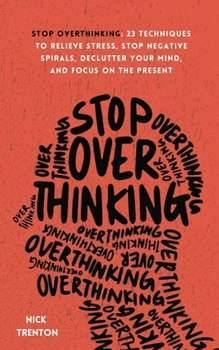
“Stop Overthinking” was written by Nick Trenton and contained detailed and proven techniques to rewire your brain, control your thoughts, and change your mental habits. This book was helpful, but the author could have expanded on some strategies. I will post in more detail about this book in a future post. Here are some lessons:
Overthinking is when you excessively analyze, evaluate, ruminate, and worry about certain things to a point where it starts affecting your mental health because you simply can’t stop. The emotion behind much overthinking is fear – fear of being out of control, of being overwhelmed, of failure, of impending danger, etc.
4 A’s of stress management:
avoid – say no to stress that is unnecessary and harmful – situations and people that demand too much of us
alter – ask others to change their behavior – negotiate
accept – validate your emotions and practice forgiveness – change the way you frame events
adapt – make lasting changes to your worldview, goals, perception, and expectations – change yourself to better cope with life
Ask yourself: Is what you’re doing problem solving or rumination? If you’re ruminating, direct your attention to a single small action. If you’re going to spend all the energy thinking about the problem, at least put it to good use and find a way to improve things. If you can’t improve anything, then put your energy into distraction, forgiveness, or moving on.
This book covered several techniques! I recommend this book to anyone who is an overthinker.
4 out of 5 stars
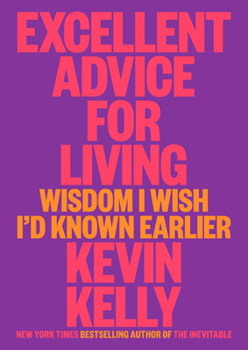
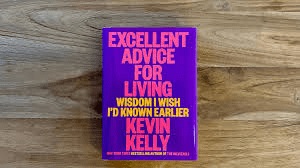
“Excellent Advice for Living: Wisdom I Wish I’d Known Earlier” was written by Kevin Kelly. On his 68th birthday, Kevin began to write down for his young adult children some things he had learned that he wished he had known earlier. He had more to say than he thought, and he kept adding advice over the years, compiling his life’s wisdom into these pages. This book was a GEM of knowledge and advice!
When you keep people waiting, they begin to think of all your flaws.
Nothing elevates a person higher than taking responsibility for their mistakes. If you mess up, fess up. It’s astounding how powerful this ownership is. This has been so true in my experiences!
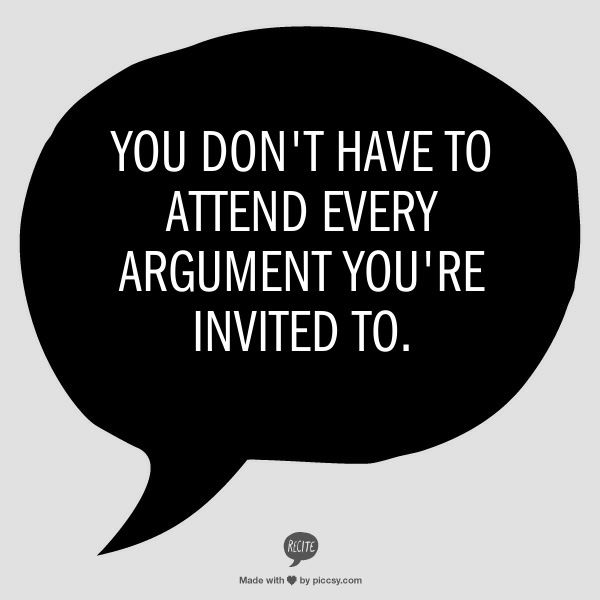
You don’t have to attend every argument you’re invited to.
Every person you meet knows an amazing lot about something you know virtually nothing about. It won’t be obvious, and your job is to discover what it is.
How to apologize: quickly, specifically, and sincerely. Don’t ruin an apology with an excuse.
I highly recommend this book to everyone! I will post more about it on a later date!
5 out of 5 stars
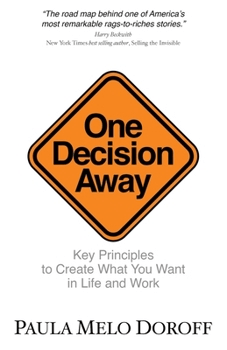
“One Decision Away: Key Principles to Create What You Want in Life and Work” was written by Paula Melo Doroff. This book was inspiring. Paula ran away at 15, arrived in the U.S. at 25, divorced 3 times, grew up in poverty, was raised by an illiterate grandmother, and only had a middle school education; this book affirms that your success doesn’t always come down to your family, your lucky breaks, or your wealth. Here are some main points:
You are just one decision away from completely altering the trajectory of your life. You can stay safe in your comfort zone and keep dreaming, or you can take the courageous step onto the path that will lead you to growth and take responsibility for what you truly want for your life.
To create the life you want, you need crystal clear dreams, realistic goals, and detailed plans to achieve those goals. Reflect: what is the one goal that would have the greatest impact on your life? Why is that goal important? What will you lose if you don’t follow the plan? What will you gain? What one action can you take today to move a step closer to your goal?
Sometimes we hold ourselves back in life because we don’t honor our dreams with goals to match. Sometimes, though, we might have a dream holding us back because the dream has outlived its purpose. Ex: a goal could still be permissible but not beneficial. Although you may feel betrayed by letting go of dreams, by releasing the dreams that no longer serve you, there is more space in your heart and mind for new possibilities. Don’t get stuck trying to fulfill a vision you’ve long outgrown.
I recommend this book for anyone wanting to learn about and reflect on creating the life they desire.
4 out of 5 stars
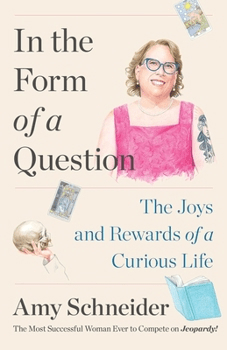
The fifth and final book I read in June was “In the Form of a Question: The Joys and Rewards of a Curious Life” written by Amy Schneider, the most successful woman ever to compete on Jeopardy! Amy walked away with $1.3 million on a 40-game winning streak, although she says she won an even greater prize: the joy of being herself on national television and leading the way for openly queer and transgender people around the world. Here are my thoughts about this book:
There were so many footnotes, and many of them were more like commentary than actual text. I think the footnotes could have been cut out or included in the actual text.
This book was not what I expected. I wanted to know more about her Jeopardy experience. Although I got a few gems of wisdom, this book mostly focused on Amy’s trans experiences (before and after the transition) and differing views than my own – ranging from condoning recreational drug use, polyamory, casual sex, criticisms of religion, and the promotion of tarot cards.
Two pieces of wisdom:
“The real answer to “How did you get so smart?” is simply this: I wanted to. And if you want to, you can do it, too. If you have the desire, not just to know but to understand, then you will grow more and more powerful every day, and nobody will be able to stop you.”
“Theater brings together people who, offstage, would find each other intolerable, and offers them each what they need. For the shy, it offers escape, concealment, and safety. For the confident, it offers attention, freedom, and validation. In theater, not only can you do the very things you fear the most, but you can do them with the very people who make you fear it.”
If you want to learn more about Amy’s intelligence and Jeopardy! journey, you won’t find much of that in this book. If you want to read more about Amy’s life and often controversial views, this book may be for you.
3 out of 5 stars
I look forward to reading, learning, and sharing more with you soon!
My intention is to post a Thoughtful Thursday column each week and share some of the insights I have learned in the past week. Here are some of the things I’ve learned this week:
Optimal Relationships Daily – When Your Expectations of Others is Making You Frustrated
Our expectations of others often cause our own struggles and frustrations. The frustrations with others are caused by our own expectations. We want people to behave differently than they do, and we get frustrated when they don’t act the way we want them to.
Without the expectations, we could be happy and at peace. We could see the good in others instead of only how they fall short of our expectations.
Think of the expectations you have of others as an imaginary bubble you’ve created and pop the bubble! Without the bubble, you are free of expectations! What is the other person like without your expectations of them?
Practice compassion for others. They are probably reacting in a habitual way from fear and pain.
Don’t take anything personally. Whatever the person does is about them.
I came across this poem this week and it resonated with me.
“Just Let Them. If they want to choose something or someone over you, LET THEM. If they want to go weeks without talking to you, LET THEM. If they are okay with never seeing you, LET THEM. If they are okay with always putting themselves first, LET THEM.
If they are showing you who they are and not what you perceived them to be, LET THEM. If they want to follow the crowd, LET THEM. If they want to judge or misunderstand you, LET THEM. If they act like they can live without you, LET THEM.
If they want to walk out of your life and leave, hold the door open, AND LET THEM.
Let them lose you. You were never theirs, because you were always your own. So let them. Let them show you who they truly are, not tell you. Let them prove how worthy they are of your time. Let them make the necessary steps to be a part of your life. Let them earn your forgiveness. Let them call you to talk about ordinary things. Let them take you out on a Thursday. Let them talk about anything and everything just because it’s you they are talking to.
Let them have a safe place in you.
Let them see the heart in you that didn’t harden.
Let them love you.”
You have to accept yourself just as you are without having to make changes for others. If you feel that you have to change to maintain a relationship, and if that change is always one-sided, that relationship may need to be given consideration.
You deserve to be valued and to feel valued. You are the only one who has control of you unless you give that control away to someone else. Have a big conversation with yourself about where those boundaries need to be. Self-care involves putting yourself and your considerations at the top of the pile. If others aren’t doing it, you must do it.
On Purpose with Jay Shetty – If You’ve Been Feeling Drained…Listen To This
Studies show that we have 60,000-80,000 thoughts per day and 80% of those are negative or repetitive.
Principle 1: Accept and action – acceptance followed up by an action. Ex: I’m really drained, and so… I’ll go to bed early tonight. I’m really drained, and so… I’ll cancel going to that event this weekend.
Stop ignoring your repetitive thoughts, feelings, and emotions. They are repeating for a reason. They want you to pay attention.
Principle 2: You don’t always have to be at 100% energy. Be able to say to yourself and to others why you aren’t at 100% and be able to communicate your challenges. When can you be at 50% energy, and what does it look like in communicating that? How can you give your best tasks your best energy? Time block.
Principle 3: It’s okay to say no. It’s okay to cancel social events or to decline. Burnout, exhaustion, and feeling drained are not worth anything.
Principle 4: Stress is when you are demanding too much of your body and mind. Be strategic with your time. Ask yourself whether it is necessary to take something on right now. Which of your meetings can be solved with an e-mail?
Principle 5: Have a reset day, hour, or half-day. Make it a perfect day. Carve out time that’s fully under your control.
Principle 6: Be kind to yourself. When you are feeling drained, ask yourself how you can be kinder to yourself. The voice in our head is often criticizing ourselves about how we can be and do better. If we are stressing ourselves, we are draining ourselves from within. If you were kinder to yourself, what do you believe you would achieve?
Principle 7: Allow yourself to vent and let it out. When you talk about stress with the right people, it makes you feel lighter. Let that stress out. Distance yourself from the stressor if you can.
Principle 8: Get restful sleep. So often we are trying to solve something in our mind when we need to solve it in our body. If you’re struggling with your body, figure out what you can change in your mind. Sleep, diet, exercise, hydration, and stress management are all important in managing burnout.
Principle 9: Wash your mind the night before. What do you want to leave behind today? What are you going to wash away today? Wash your mind the night before and leave the draining behind.
I really liked this post from Gabe the Bass Player this week:
Things don’t run their course. The band, the relationship, the project.
We simply decide to stop putting the necessary energy into it to keep them going.
Things don’t have an inherent course of their own. And things don’t have an opinion or get tired or burnt out or lazy or lose interest or get a new dream or desire.
People do.
So when the thing is over let’s be honest about why it’s over. It isn’t the thing’s or the course’s decision.
I look forward to reading, learning, and sharing more with you soon!
My intention is to post a Thoughtful Thursday column each week and share some of the insights I have learned in the past week. Here are some of the things I’ve learned this week:
Life Kit – Why we become bored with our lives (and how to find joy again)
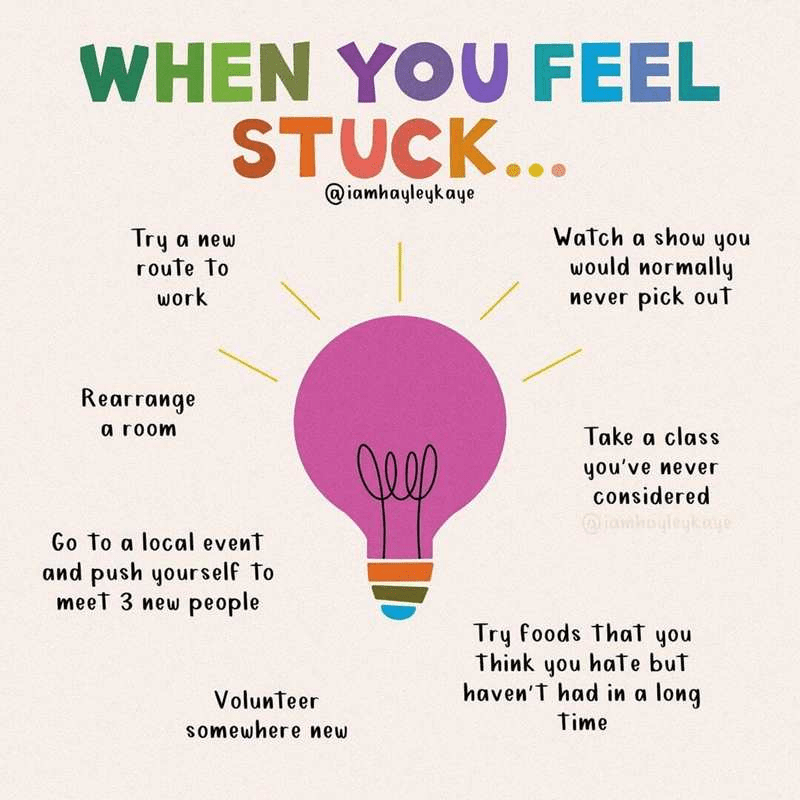
If you are feeling stuck, experiment with a break from your daily routine. That could be a vacation or weekend trip, a walk around the block, or a few minutes of internal reflection.
Introduce more variety into your life – a new city, a new job, a new haircut, a new hobby or class, etc. Prioritize a variety of experiences over a variety of material possessions.
To dishabituate from your environment, change your environment. If you change your environment in a very simple way (work in a different area, go for a walk, etc.), you become more creative. The creativity boosts don’t last long but can be very important for eureka moments and looking at problems with fresh eyes.
It can be scary but err on the side of more change rather than less change. Change helps you dishabituate, have more variety in your life, and often makes you happier.
After a big change, you may have transition pains. Give yourself time to habituate and see what you’re still unhappy with a few months down the line.
All the Hacks with Chris Hutchins – Travel Wisdom from the World’s Most Traveled Man (Harry Mitsidis)
Harry Mitsidis – world’s most traveled man – one of only three people to have visited every country in the world twice!
Harry’s parents are from different countries and Harry realized he had a curiosity to travel.
Time, cost, and will are the main parameters to travel.
Optimize travels by putting different destinations together to make the most out of your trip.
Equatorial Guinea was the hardest country to visit. It is on the west coast of Central Africa. It is a notoriously difficult visa.
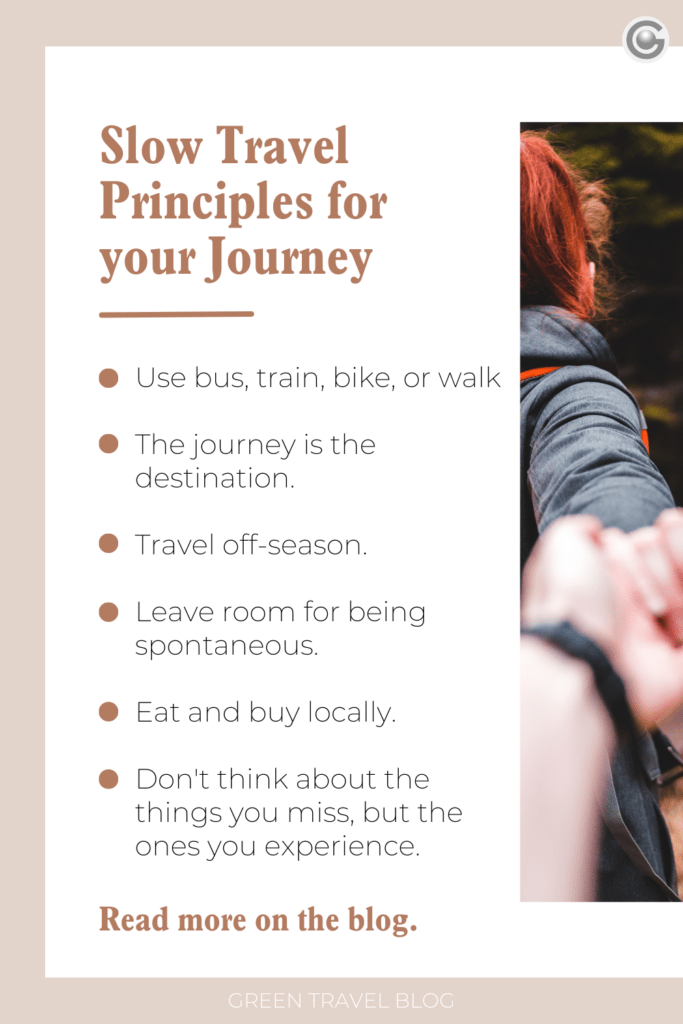
There is a lot more to countries than the capital or major city. Harry wanted to truly experience the countries by being a slow traveler. Ex: more than just visiting London in England, more than just visiting New York City in the USA
This point stuck out to me – “more than just visiting London in England, more than just visiting New York City in the USA.” We would all agree that New York City is not representative of the entire United States, yet many of us consider visiting one city “enough” for a state or one city enough for a country!
Harry says 7 days is not really enough time to truly experience some of the bigger countries.
Benefits of travel: you learn about yourself by putting yourself out of your comfort zone, you learn about your behaviors, increase in optimism with kindness/helpfulness/selflessness experiences, never bored with constant changes
Harry’s Recommendations:
Which country should everyone visit?North Korea – there’s no other country like it. It’s like being on another planet. You can’t have a mobile phone and you aren’t really connected to the outside world. You are surrounded by propaganda.
Underappreciated countries that don’t get enough attention: Sweden, Romania, Laos, Tuvalu
Harry finds food at his local favorites and tries to chat with the locals.
Canada: spend time off the beaten path – Nova Scotia, New Brunswick
Argentina – people usually go to Buenos Aires – check out Salta, Cordoba
For people who have already traveled, there are a lot of opportunities to go further and to see so much more. It’s just a matter of wanting to.
Many people who have gone to a country a second time enjoy their second trip more. They are able to skip all of the main tourist destinations the second time and explore the country more. You can probably understand more about the place than the first time.
Disappointments – pre-conceived ideas based on high expectations. Ex: Bhutan – Himalayan paradise. Thought it was too structured and inauthentic the first time around
When you are a traveler, you’re not just going to a place to take things from the place. You’re going and you’re going to give things to the place. You represent your country and place of origin. You should be giving good energy, positivity, and as much happiness as possible.
TED Talks Daily – A second chance for fathers to connect with their kids
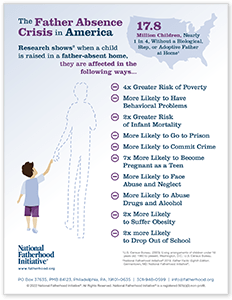
An estimated 10 million children in the United States see their fathers less than once each month.
Research tells us what happens to children without father figures in their lives. Poverty rates double, emotional and behavior health issues increase, high school dropout rates increase, and crime and prison rates increase.
The reasons that don’t get talked about enough are shame, guilt, and embarrassment. These emotions can cause so much harm beyond the absence of a father figure.
Co-parenting issues, restraining orders, challenges navigating the family court – shame from not being able to see kids, guilt due to absence, embarrassment due to not being able to spend time with kids on a consistent basis
Through prior relationships, men learn to love and hate. Relationships that emphasize self-love and life-long relationships that emphasize an individual’s ability to mirror new behavior and connection play an integral role in rehabilitation.
Individual and group therapy can help.
Think about the people who loved you when you lost your way, who hugged you when you needed it, who assumed best intention, who validated you and embraced you even when you felt undeserving – whoever came to mind, try to be that to someone else.
The assumption is that dads who aren’t physically present don’t care about their kids. What was found is that the dads who are absent care for their kids more than people think; they just feel as if their kids are better off without them because they can’t do what society says they need to do for them. Men have an emphasis on providing food, shelter, etc. and many men who can’t provide that feel they must be absent.
Men should define what type of father they want to be and try to do that.
What works: Tell men they are loved, hug them, call them on birthdays and holidays, make sure they have the verbiage to identify and communicate emotions, make sure they know they aren’t their past mistakes, encourage them to reconnect with kids, etc.
A lot of dads who have been absent didn’t have a father in their lives. They feel guilt, shame, and embarrassment and feel their kids would be better off without them. Yet, if you ask them to consider “Were you better off without your father?” they don’t feel they were better off.
Kids want to have time with dads, attention, and want to feel their presence.
I did a legal technology training this week as part of my paralegal certificate program and was amused to learn about digital breadcrumbs – a term I had not heard of!
Breadcrumbs leave a visual trail of which pages a user has visited. Image source ProfileTree.com
“Breadcrumb menus display the current page location and hierarchy in relation to higher-level pages on a site through clickable links in sequence like Home > Shop > Electronics > tvs.”
I wanted to share some things I learned from the book “Excellent Advice for Living: Wisdom I Wish I’d Known Earlier” written by Kevin Kelly. I will post about this book in more depth at a future date, but just wanted to share a handful of lessons this week:
When you keep people waiting, they begin to think of all your flaws.
Nothing elevates a person higher than taking responsibility for their mistakes. If you mess up, fess up. It’s astounding how powerful this ownership is. This has been so true in my experiences!
Every person you meet knows an amazing lot about something you know virtually nothing about. It won’t be obvious, and your job is to discover what it is.
How to apologize: quickly, specifically, and sincerely. Don’t ruin an apology with an excuse.
I look forward to reading, learning, and sharing more with you soon!
My intention is to post a Thoughtful Thursday column each week and share some of the insights I have learned in the past week. Here are some of the things I’ve learned this week:
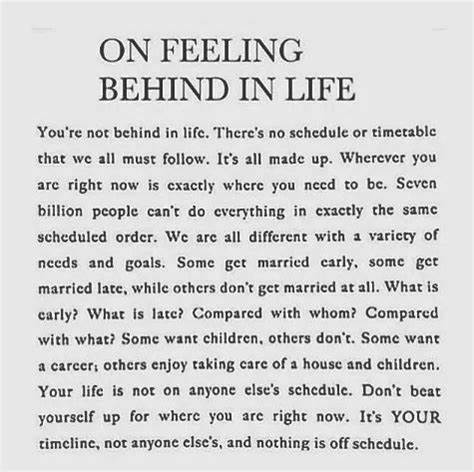
Mary’s Cup of Tea – Feeling Behind in Life? Listen to this
If you’ve been validated based on meeting or exceeding expectations, then when you don’t overachieve, you feel the complete opposite and feel like you are failing or falling behind. What if you aren’t falling behind but are where you need to be but you’re so used to being validated by external arbitrary expectations?
If you are constantly trying to perform, perfect, achieve, and do, you are disconnecting from the “being.” You’re turning yourself into a human doing rather than a human being.
Feeling behind in life is a result of comparison. It’s about comparing yourself to others based on external factors.
If you believe the solution to feeling behind is to catch up and get ahead, that is still comparison. That is still basing your worth and feelings of security, confidence, and assurance on some random arbitrary timeline.
“If the path before you is clear, you’re probably on someone else’s.”
It’s only a success if it’s aligned with your true desires. What some of us view as successful is not what the “achievers” deem successful.
When you compare yourself to people who graduated, got jobs, got married, reproduced, bought cars and houses and vacations, not only are you doing a disservice to yourself, but you’re also contributing to the narrative that “success” is measured by external achievements rather than inner fulfillment.
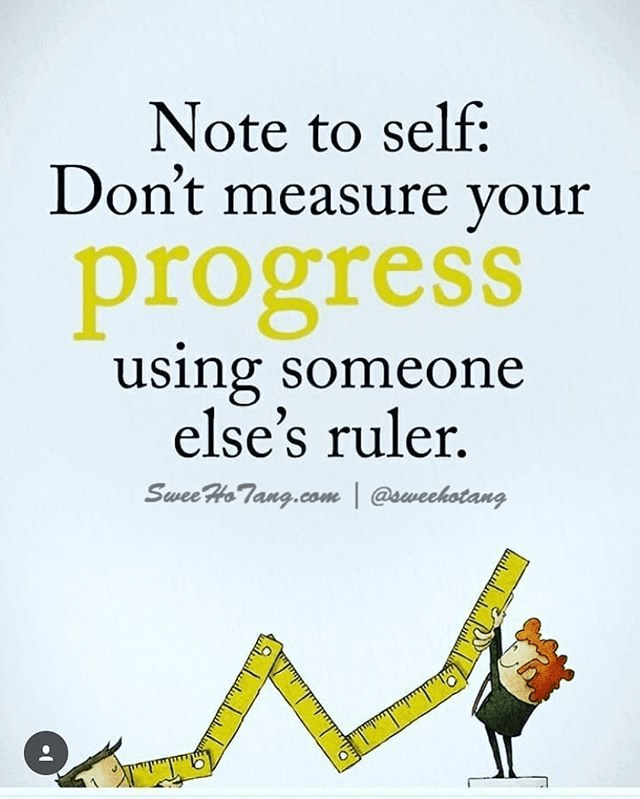
Whose ruler are you using to measure your success? Is that aligned with your true desires and values? Who is judging how behind or ahead you are? Is it society or that external validation voice you’ve internalized? Why are you continuing to use that against yourself? We are all paving our own way.
This podcast really resonated with me because sometimes I have felt “behind” in life. Nine years post-college, I am now pursuing a paralegal certificate, I don’t have kids yet, I haven’t traveled the world, and, although I am proud of many things in my life, my life doesn’t look like what I thought it would at my age. Yet, some people I know have compared themselves to me. It is easy to fall into the comparison trap.
Optimal Health Daily – The Five F’s That Keep You Stuck in Chronic Pain
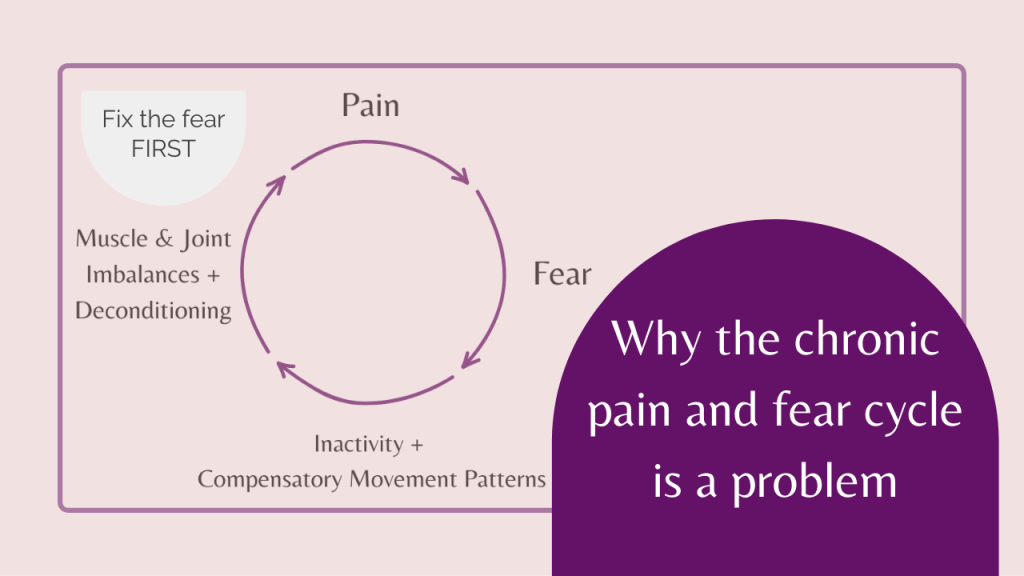
Living with chronic pain, fatigue, or other persistent symptoms can feel like an endless battle, consuming every aspect of your life.
The Five Fs that keep you stuck in chronic pain and symptoms
Fear – constantly reacting to the symptoms with fear will intensify your suffering, and the anticipation of discomfort will lead you to avoid certain activities or movements, perpetuating the cycle of pain and anxiety.
Confront these fears head-on through education, reassurance, and gradual exposure to previously avoided activities. Challenge irrational beliefs and perceptions.
Fixing – medical interventions have their place, but often fail to address the underlying emotional and neurological factors contributing to chronic illness.
Focus – where you focus your attention matters.
Learn to redirect your focus away from pain and toward things that bring you joy.
Frustration – living with chronic pain often breeds feelings of frustration, especially when you’re putting in so much time/money/effort to healing.
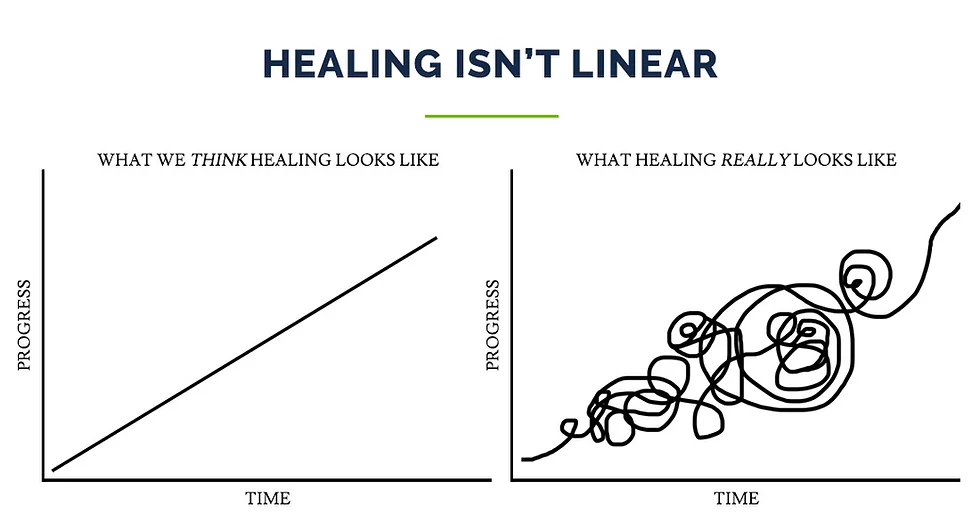
Be patient with yourself and accept where you are on your path to recovery. Embrace the process as a gradual and non-linear journey.
Fighting – can exacerbate your suffering. What you resist persists.
Surrender to what is and practice acceptance. Acknowledge your pain and allow yourself to experience it fully.
Life Kit – Fiber has tons of benefits. Here’s how to eat more of it
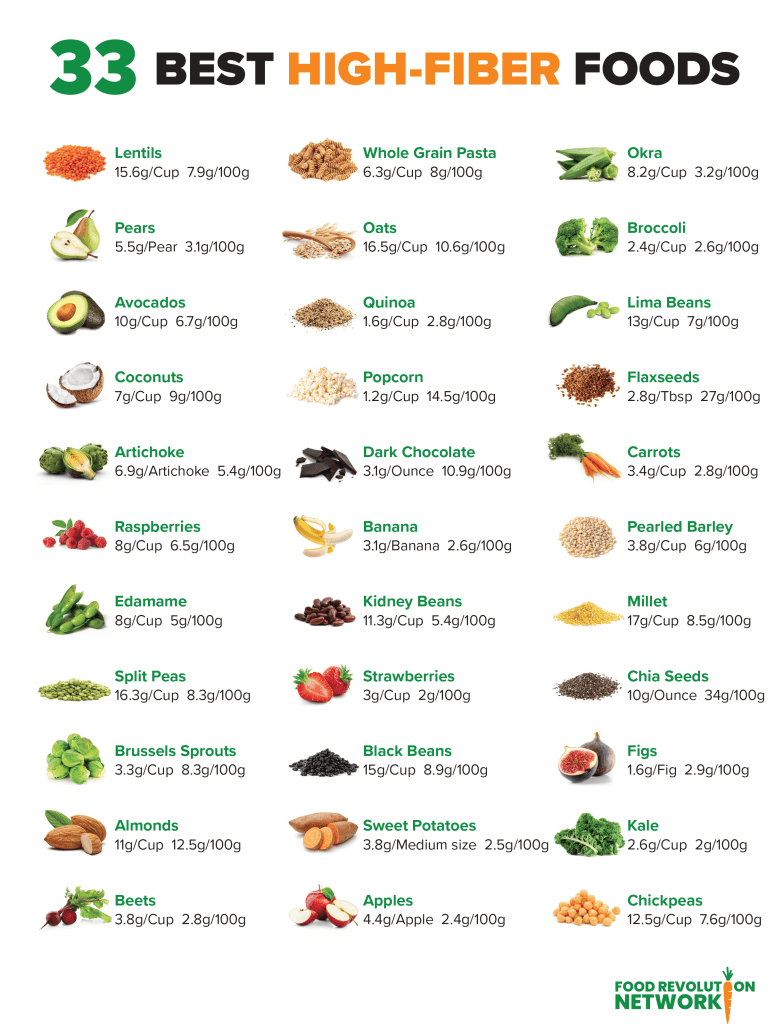
Fiber keeps you regular, lowers cholesterol, helps regulate blood sugar levels, keeps your hunger in check, and is the primary food source for microbes that live in our guts.
Microbes play a critical role in influencing health throughout your body. Those microbes are adapted to work with different fibers.
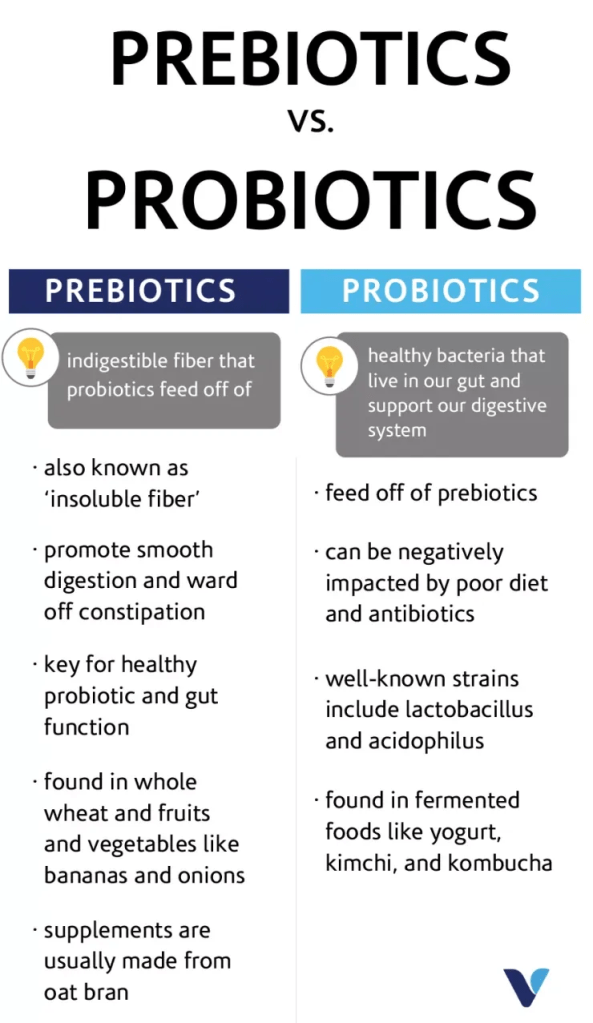
Probiotics are foods or supplements that contain live microorganisms that have a proven health benefit (kombucha, yogurt, etc.). Prebiotics are the food or fuel for those good microbes in your gut. All prebiotics are fiber, but not all fibers are prebiotics.
Recommended 25-30 grams of fiber per day – 14 grams per 1,000 calories per day
Eat the rainbow. Eat a variety of foods rich in fibers – sweet potatoes, avocados, berries, asparagus, artichoke, brown rice, quinoa, beans, lentils, etc.
Your best bet is to get fiber from a variety of plant-based foods instead of fiber supplements so that you can also get the vitamins and nutrients from foods. The fiber used in supplements has been highly purified and is a simple structure; these simpler fibers tend to get fermented faster by gut microbes, which means they might not reach all the microbes throughout your gut.
Tips:
Switch out white bread with whole grain bread.
Drink lots of water to help the fiber bind.
Eat a variety of foods rich in fibers.
Take note of which foods cause you to be gassy. Moving after eating can help with this.
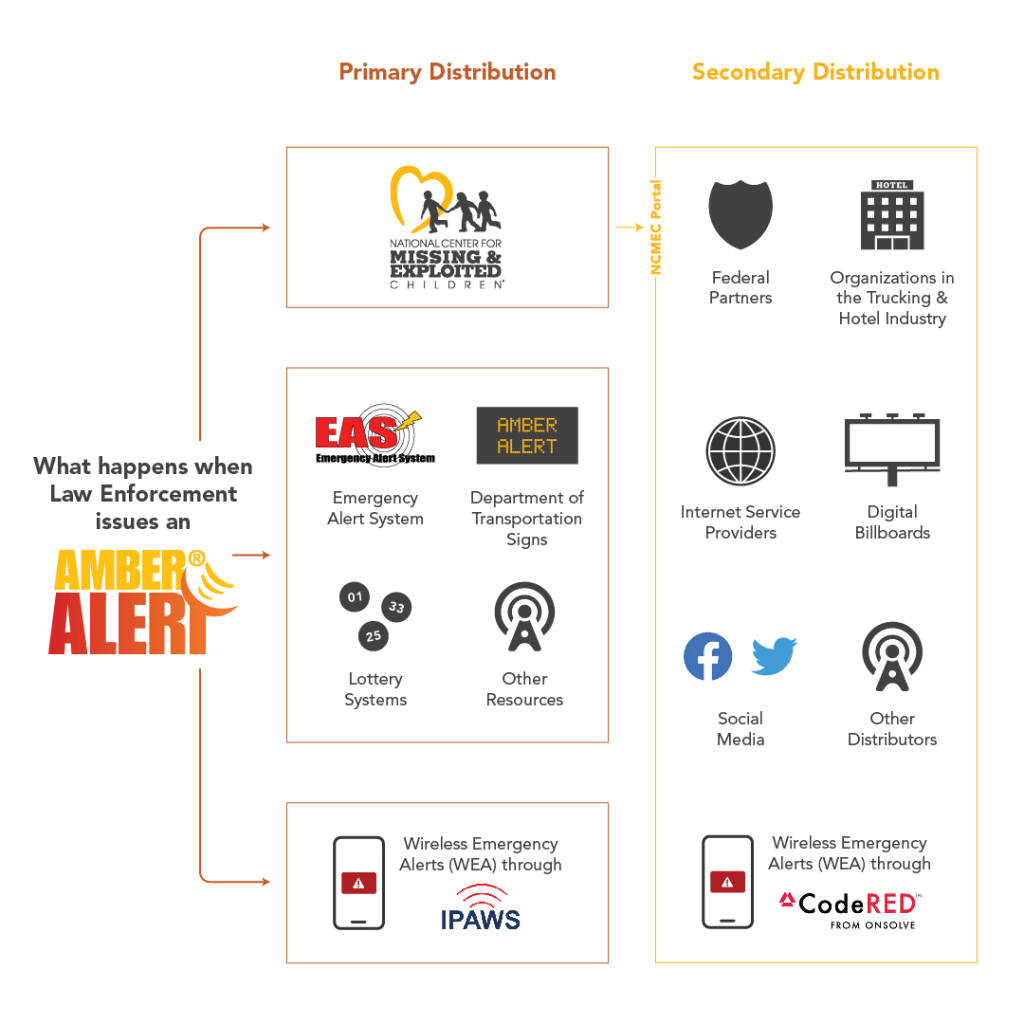
An amber warning is when a child has gone missing and it ends up being a statewide or nationwide alert. Vehicle info is included – vehicle model and license plate
January 1996 – Amber – 9-year-old from Arlington, TX. She was riding a bicycle in her neighborhood and was abducted by a man in a pickup truck. There was a nationwide search for Amber. This was pre-AMBER alert. Three days later, a dogwalker found her body in a creek.
Every state has different criteria for issuing AMBER alerts. The Department of Justice has issued guidelines about recommendations: law enforcement has a reasonable belief that a child was abducted, law enforcement believes a child will suffer serious bodily harm or worse, enough detail about the appearance and abduction of the child
Enter info in NCIC system – flag as a child abduction – will be a nationwide alert
Most missing kids do not meet the criteria of any AMBER alert. If people weren’t abducted and if you don’t know what the kid was wearing, you won’t meet the criteria for an AMBER alert.
In 2020, there were 365,000 entries that year in the NCIC system for missing kids and only 200 of them met the criteria for AMBER alerts to be issued.
The point is that an AMBER alert is very serious and action is needed fast. People wouldn’t take them seriously if they got notifications on their phone frequently. They would be desensitized.
AMBER alerts have contributed to the recovery of 1,186 children in the last seven years!
For Minnesota: The Amber Plan requires law enforcement to meet two criteria when evaluating a non-familial child abduction. Law enforcement must have both parts of the scenario before an activation can occur:
The AMBER Plan should be activated when a child 17 years of age or younger is abducted and there is reason to believe the victim is in imminent danger of serious bodily injury or death. AND,
There is information available to disseminate to the public which could assist with the safe recovery of the victim and/or the apprehension of the suspect.
The Amber Plan is activated by the Bureau of Criminal Apprehension only when the two requirements above are met; as a result, the Amber Plan is not activated for every child abduction. In cases where the Amber Plan criteria are not met, the Minnesota Crime Alert Network may be activated to notify the public and request information on the case.
Summary of Department of Justice Recommended Criteria
There is reasonable belief by law enforcement that an abduction has occurred.
The law enforcement agency believes that the child is in imminent danger of serious bodily injury or death.
There is enough descriptive information about the victim and the abduction for law enforcement to issue an AMBER Alert to assist in the recovery of the child.
The abduction is of a child aged 17 years or younger.
The child’s name and other critical data elements, including the Child Abduction flag, have been entered into the National Crime Information Center (NCIC) system.
This post from Gabe the Bass Player resonated with me this week:
Do you have the faith and guts and confidence to try something in the face of it maybe not working and the ‘mistake’ might make you look less-than to some people…that’s a scary question. And you have to be next level good to pull it off.
I look forward to reading, learning, and sharing more with you soon!