Book review posts

July 2025 Reads

It’s been a while since I’ve posted on this blog since I have had other priorities. I read 4 books in July. Here is a blurb of each of the books I read in July.
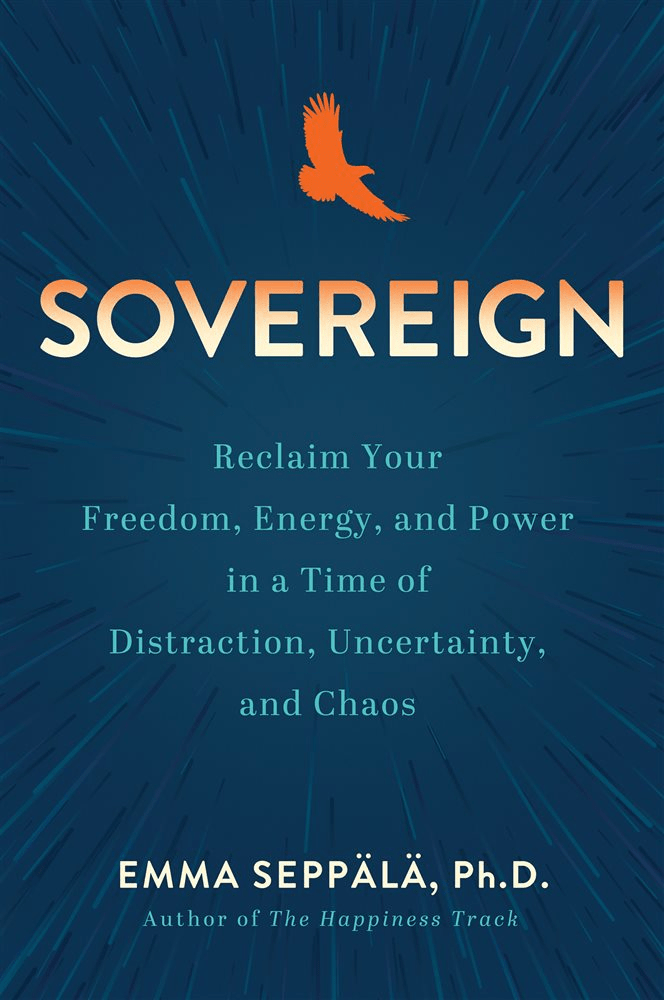
Sovereign: Reclaim Your Freedom, Energy, and Power in a Time of Distraction, Uncertainty, and Chaos” was written by Emma Seppala, a Yale lecturer and international keynote speaker. This book was insightful! It was packed with tips to recharge your life and change the way you think and act – from your emotions, mind, relationships, intuition and body. Here are some of my many takeaways:
  • Sovereignty is reclaiming your right to exist as you. It involves courage, awareness, and self-honoring. Consider what would happen if you loved and cared for yourself as much as you do for others.

Some of the many tips covered:

  • Sovereign self
    • Listen to the state of your mind and body. Ask yourself what you need.
    • Prioritize what fills your cup – what brings you rest, rejuvenation, energy, vitality, upliftment, inspiration, and joy.
  • Sovereign emotions
    • Remember: when you run from your feelings, you run from your healing. Feel instead of suppressing.
    • Remember that emotions are energy in motion. Take care of your basic needs: sleep, diet, exercise, and yourself.
  • Sovereign mind
    • Create boundaries around your media. Don’t go on social media to look at what other people are doing or selling.
    • Observe and discern: What are the intentions of the messaging. Is it giving you freedom or binding you in fear? Do you wish to engage with it?
  • Sovereign relationships
    • 6 keys of positive relational energy
      • caring for, being interested in, and seeing the best in others
      • providing support for one another, including offering kindness and compassion
      • avoiding blame and forgiving mistakes
      • inspiring one another and focusing on what’s going right
      • emphasizing meaningfulness
      • treating others with basic human values like respect, gratitude, trust, honesty, humility, kindness, an integrity
  • Sovereign intuition
    • Consult your gut feelings.
    • Unplug from technology. Create opportunities for contemplation. Schedule idle time.
  • Sovereign body
    • Relate to your body as your best friend because that’s what it is. Learn to love it, care for it, listen to it, and live in harmony with its needs.
    • Reflect on these questions: Do you honor and care for your body the way you would a child? If not, what would it look like if you did?

This is one of the best books I have read this year, and I highly recommend it to everyone!

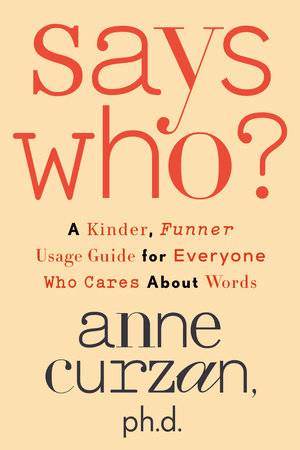
Says Who? A Kinder, Funner Usage Guide for Everyone Who Cares About Words” was written by Anne Curzan, professor of English Language and Literature, Linguistics, and Education at the University of Michigan. This book was intriguing, although some readers may find it overwhelming or too academic. Here are some things that resonated with me:

One key point for everyone who uses dictionaries is that dictionary editors are trying to walk a fine line between capturing words as they are used and providing guidance about the contexts in which some words are generally accepted or not accepted. While the editors of today’s dictionaries are usually trying to describe actual usage, we as dictionary users often erroneously assume that they are prescribing correct usage. Attitudes at the language change over time!

  • English has lots of synonyms in many areas of the lexicon, and they demonstrate the remarkable creativity we as humans bring to language, the many languages that have contributed to the English lexicon, the diversity of our linguistic identities, and the nuanced choices we get to make as speakers and writers.
  • Dictionary editors determine which pronunciations get recorded as standard and which get labeled as nonstandard – and which don’t get included at all.
  • What’s correct depends on where, when, and to whom you’re speaking. Formal writing has different expectations than casual conversation.
  • Many grammar rules are based on tradition, not logic. Usage evolves, and what was once “wrong” can become accepted over time. Examples:
    • Peruse” has long meant “to read thoroughly” – but now people use it to mean “to glance over, skim” – which is becoming more acceptable.
    • Literally” is used to mean “in the literal sense” AND “figuratively.”

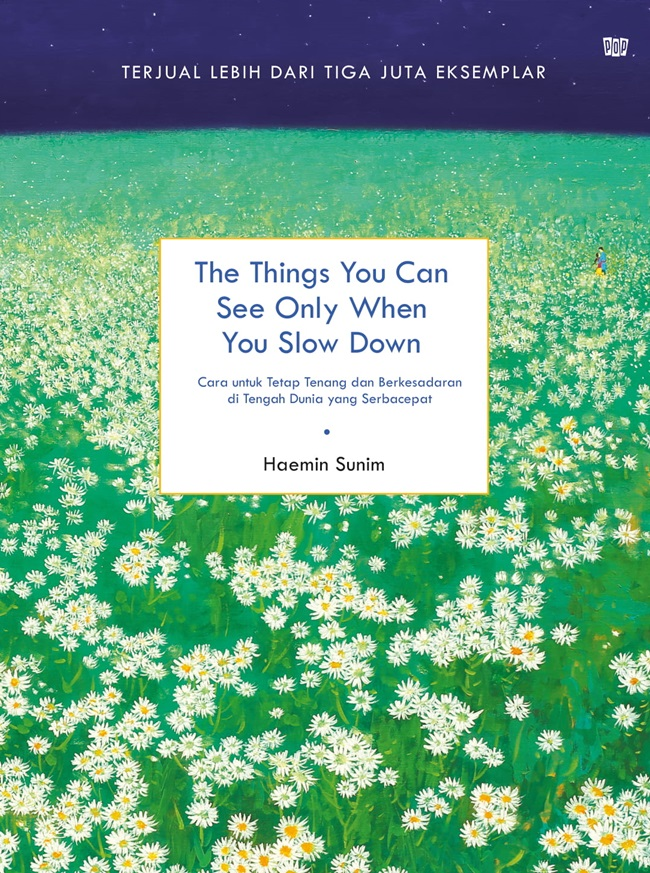
The Things You Can Only See When You Slow Down” was written by Haemin Sunim and contained so many life lessons and a guide to mindfulness. I got a lot out of this book. Here are some takeaways:

  • According to some psychologists, happiness can be assessed with two simple questions: First, do you find meaning in your work? Second, do you have good relationships with those around you?
  • We like to get involved in other people’s business, thinking we are doing so for them. We offer unsolicited help and interfere with their lives. We take away their power and make them feel incapable. This stems from our desire for control and recognition. It has little to do with love.
  • A bad driver brakes often. A bad conversationalist also brakes often – interrupting the flow with his own stories.
  • Being a good boss requires much more than just having a lot of technical knowledge. It is important to have integrity and a positive relationship with the staff, to give timely feedback and professional mentoring, and to advocate for what the team needs.

I really enjoyed the lessons from this book and highly recommend it.

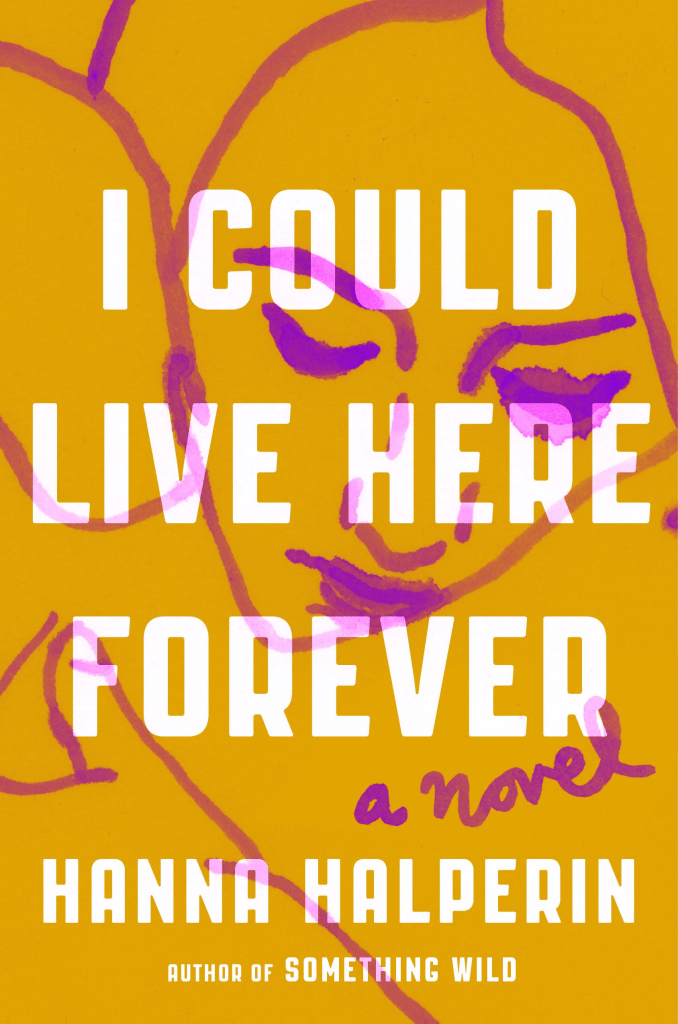
I Could Live Here Forever: a novel” was written by Hanna Halperin. This is a fiction book and is not what I typically read. This book was described as “a gripping portrait of a tumultuous, consuming relationship between a young woman and a recovering addict.” I agree with that description. Since this was a fiction book, I didn’t take many notes, but these quotes resonated with me:

“The nice thing about writing was it took pain and warped it into something useful. I could shape it into a beginning and a middle and an end. It was manageable that way . . . by the time I was done with it, it was just a story.”

Overall, I wanted more character development.

Book review posts, Uncategorized

May 2025 Reads

It’s been a while since I’ve posted on this blog since I have had other priorities. I read 5 books in May. Here is a blurb of each of the books I read in May.

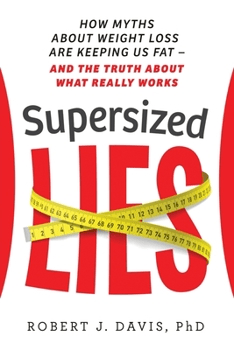
Supersized Lies: How Myths About Weight Loss Are Keeping Us Fat – And the Truth About What Really Works” was written by Robert J. Davis, PhD, host of the Healthy Skeptic video series and an award-winning health journalist whose work has appeared on CNN, PBS, WebMD, and the Wall Street Journal. Here are some main points:

Instead of focusing on individual villains, we need to pay attention to the general quality of our diets – emphasizing whole foods and minimizing highly processed foods – vegetables, fruits, beans, nuts, seeds, seafood, lean poultry, and whole grains, such as oats and rice. Whole foods tend to have fewer calories per ounce, more fiber, and be more filling, and we often eat them more slowly, giving our brains time to get the message that we’ve had enough.

  • When calories are cut or increased by a specific amount, the change in weight will vary from person to person, and these differences are due at least in part to genetics.
  • Calories shouldn’t be the only consideration. That can detract from the pleasure of eating, contribute to an unhealthy relationship with food, and result in too little of the things your body needs. Instead, when choosing what to eat, also pay attention to the sugar, fiber, and protein, and consider how healthful and filling the foods are and how you feel after you eat them.

If dietary supplements had to meet the same standards of proof for safety and effectiveness as medications, few, if any, would be allowed on the market. Supplement makers aren’t required to test for safety. The law assumes that supplements are innocent until proven guilty – just the opposite of how medications are regulated.

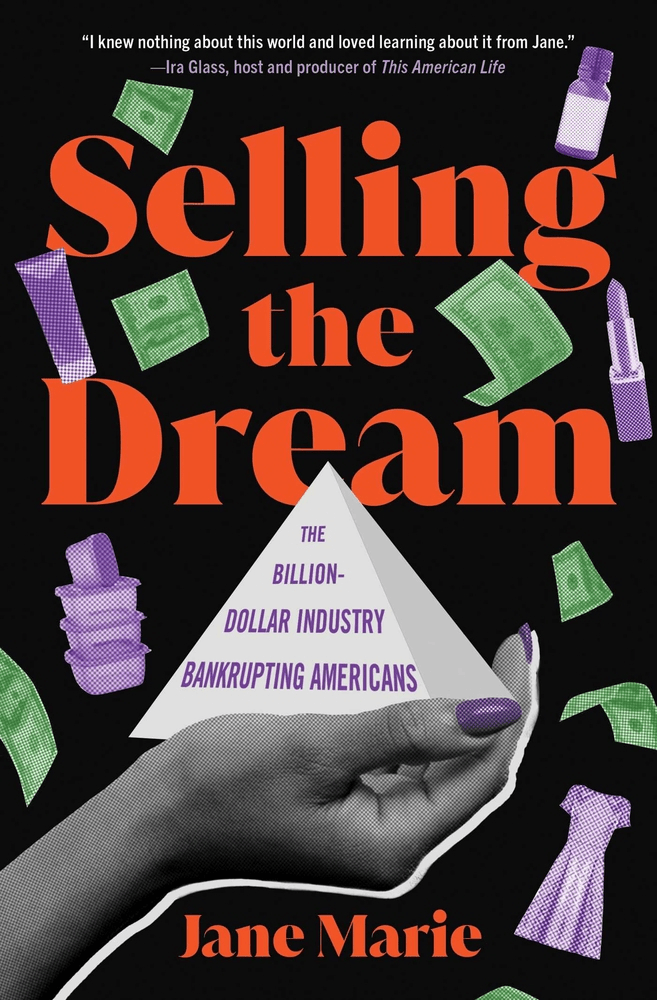
Selling the Dream: The Billion-Dollar Industry Bankrupting Americans” was written by Jane Marie, a Peabody and Emmy Award-winning journalist. In this book, Jane expands on her popular podcast The Dream to expose the source of multilevel marketing schemes. Although I have never been involved in multilevel marketing (thankfully), I got a lot out of this book! Here are some main takeaways:

  • 99% of those who join MLMs make no $ or even lose $. Women make up 74% of the MLM workforce.
  • In an MLM, the product being sold doesn’t matter since most of the $ is being made via recruitment fees and distributors stocking their own shelves with inventory.
  • Despite what those in MLMs may believe, they are not business owners. They don’t control anything except their own sales efforts. They don’t own the product they’re selling or any IP, they don’t set their own prices or salaries, and they are often bound by strict rules in how they can market and sell the products. They also lack a guaranteed salary, benefits, and workers’ rights.

The MLM world is a bizarre land where incentives can range from the opportunity to buy your own ticket to a conference to earning a new rank solely based on products you’ve purchased that now sit in your garage. The disincentives are just as plain: once you’ve roped in your friends and family, quitting seems off the table and an admission that you sold them a bill of goods.

“Nutrition” clubs are seemingly popping up everywhere. One of the most fascinating things I read in this book is that Herbalife nutrition clubs prohibit signs that state or suggest that Herbalife products are available for retail purchase on the premises. Club owners are not permitted to post signs indicating whether the club is open or closed, and the interior of the club must not be visible to persons outside.

I recommend reading this book if you want to learn more about the MLM industry.

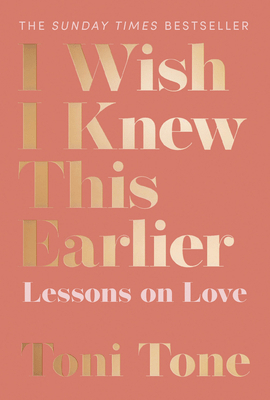
I Wish I Knew This Earlier: Lessons on Love” is an essay-type book divided into themes and written by Toni Tone, an award-winning speaker, writer, and social content creator. Here are some points that resonated with me:

  • Intimacy tells you more about a relationship than intensity. Can you be vulnerable? Do you feel safe? Is there trust? Do you have similar interests? Can you easily hold a conversation with them? Do you have similar values?
  • Have a life outside of your love life is essential. A healthy relationship should complement your life, not become it. A partner who is good for you wants you to flourish and wants you to be the best version of yourself. The best version of yourself is well-rounded, has friendships outside of your romantic relationship, hobbies, and aspirations outside of your romantic relationship.

We should choose to love people for who they really are because the painful truth is that potential doesn’t always manifest. You may think a person is capable of moving mountains for you, but should these mountains never be moved, how will you feel? Falling for potential is not just a disservice to you but it’s also a disservice to the person you are choosing to love. We don’t possess the power to change people. People change because they want to.

I highly recommend this book to anyone!

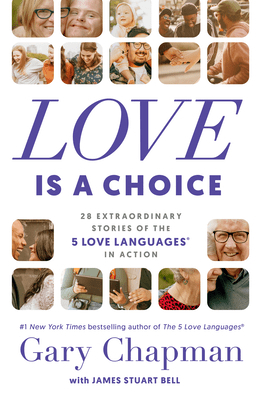
Love is a Choice: 28 Extraordinary Stories of the 5 Love Languages in Action” was written by Gary Chapman, author, speaker, and counselor and #1 bestselling author of The 5 Love Languages series. Here are some great points:

  • Perhaps one of the keys to finding an enduring affection is to be willing to accept the interruptions and intrusions.
  • How do you measure love? Each of us speaks a different love language. How can we learn someone’s love language? By asking them what makes them feel really loved or by watching how the person expresses love to others.
  • Love doesn’t require that we always have all the answers. Instead, many times love just asks that we listen to the problem, that we try to understand, and that we express our condolences, sympathy, or love. Sometimes love means just being there for the person we care about.

Love requires effort and action. Love is not passive. It requires constant effort, communication, and care. Actions like making time for each other, showing affection, or helping with everyday tasks can strengthen a relationship in profound ways.

Open, honest, and empathetic communication is necessary to foster understanding and connection. Instead of assuming your partner knows what you need, communicate your feelings, desires, and needs clearly. Practice active listening and empathy.

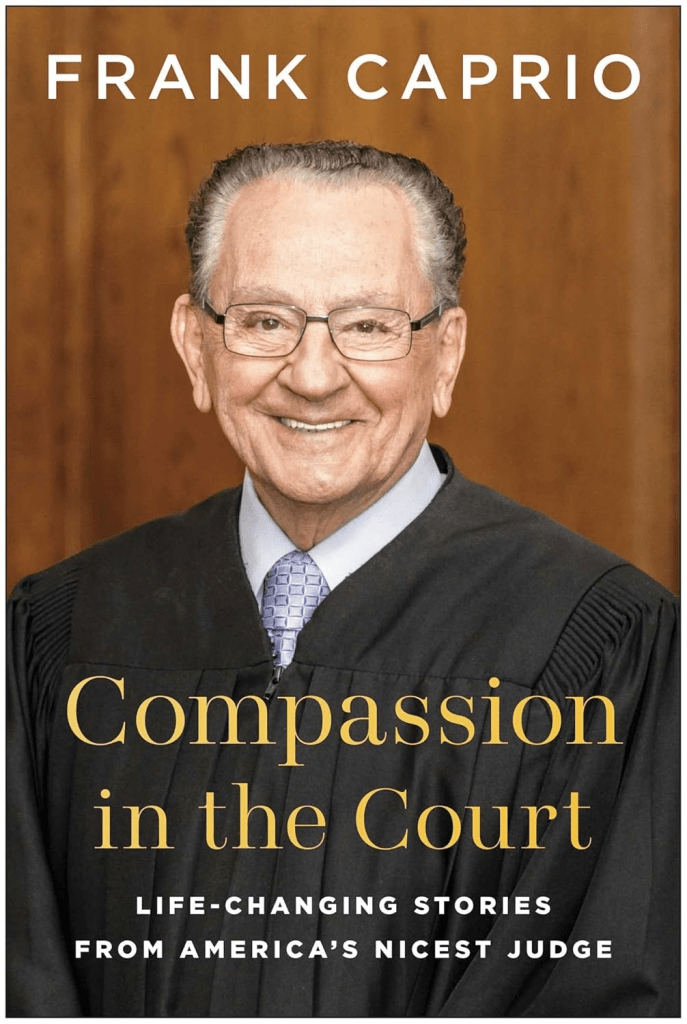
Compassion in the Court: Life-Changing Stories From America’s Nicest Judge” was written by Judge Frank Caprio, who became an unexpected television and internet superstar while in his eighties. Judge Caprio’s three-time Emmy-nominated television show, Caught in Providence, has amassed over 20 million followers across social media and his videos have accrued billions of views. Here are some key lessons:

  • True justice should be tempered with compassion. Treat people as human beings, not just as cases or statistics.
  • Compassionate decisions build trust in the judicial system. When people feel that they are treated fairly and with understanding, they are more likely to follow the rules and make positive changes.
  • What may seem unimportant to you could be incredibly important and life-changing to the person before you. One small act of kindness, one act of being thoughtful, can really change the course of a person’s life.
  • Put yourself in the shoes of the person you are facing and then ask yourself: What would help? How would you behave if it were your parents, grandparents, brother, sister, or relative in that situation? How would you want them treated?

My courtroom was a microcosm of the city of Providence, a progressive city that’s been welcoming immigrants for hundreds of years. Many of the defendants who have appeared before me may not have felt life had treated them fairly, but it was my sincere hope that in my courtroom they felt that they had the opportunity to speak, to be heard, and to be treated fairly in the way our system of justice demands.

Thoughtful Thursday posts, Uncategorized

Thoughtful Thursday – February 6, 2025

As I discern the frequency of Thoughtful Thursday posts going forward, I wanted to share some of the insights I have learned in the past week. Here are some of the things I’ve learned this week:

Life Kit – The science behind the FDA ban on food dye Red No. 3

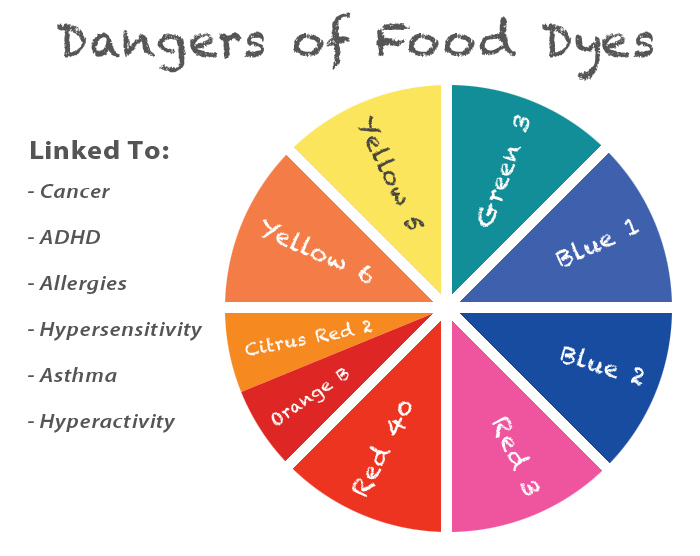
  • Desserts, candy, and medications that are bright cherry red often contain synthetic Red dye No. 3. It has been known to cause cancer in rats.
  • The FDA is now banning it in food and ingested drugs (revoking authorization)
  • Red dye No. 3 is a petroleum-based dye that gives products a bright cherry red color.
  • 2002 – petition was filed with the FDA to ban the dye, and the FDA has been reviewing the petition and research ever since.
    • Red dye No. 3 in high doses causes cancer in rats. The FDA previously concluded it was safe for humans in the amounts used in food and said that Americans aren’t going to eat Red dye No. 3 in amounts large enough to cause cancer
  • 2023 – California became the first U.S. state to ban Red dye No. 3, although the ban doesn’t take effect until 2027.

The Environment Working Group has compiled a list of over 3,000 packaged foods and drinks that contain Red dye No. 3!

  • There are also concerns about other synthetic food dyes linked to behavioral issues  and ADHD-like symptoms in children.
  • These dyes are more common in cheaper, ultra-processed foods.
  • Food manufacturers have until January 2027 to remove red dye no. 3 from their products.
    • Replacing with Red 40 (also linked to behavioral issues in kids) or natural food compounds found from fruits and vegetables (ex: beets)
  • Check food labels and try to avoid food dyes.

Chasing Life – Want a Healthier Mocktail? Here’s How

Disclaimer: My body doesn’t tolerate carbonation, alcohol, or mocktails, so I haven’t tried these recommendations!

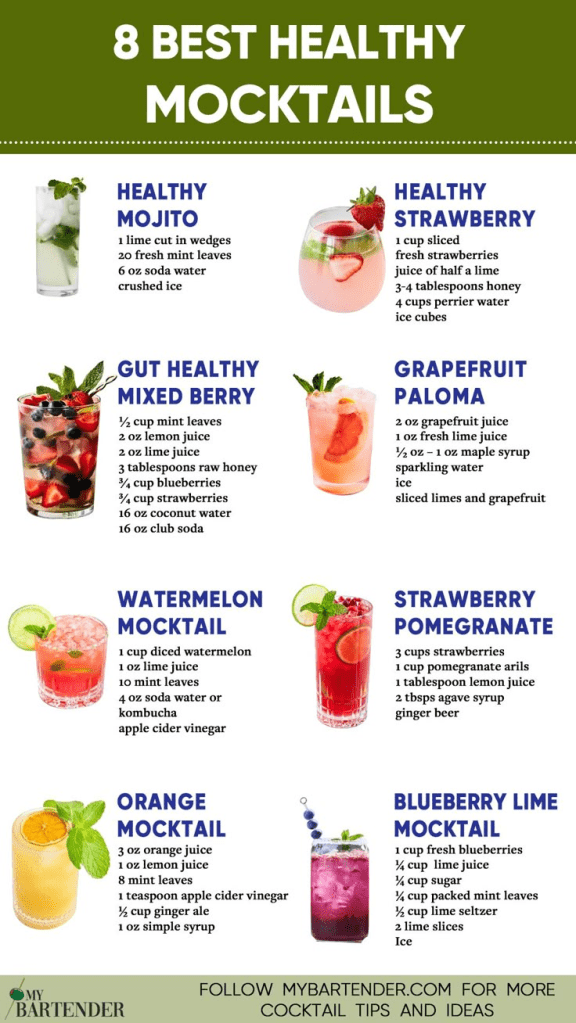
  • Add water to get the volume right. Ex: instead of 2 oz of gin, add 2 oz of water.
  • Mocktails, like cocktails, are actually meant to be small and savory. You don’t need to use a lot of added sugar or syrups. Not meant to be a 12 oz beverage
  • If limiting alcohol instead of going alcohol-free, use sherry or fortified wines. These provide more of a flavor profile than NA drinks.
  • When you go alcohol-free, there is a chance you won’t miss it!
  • Many zero-proof options rely heavily on sodas, fruit juices, and syrups to try to compensate for the lack of alcohol. You can add water to tone down the sweetness.
  • 1 month without alcohol will improve your sleep, boost your energy, and lower your blood pressure. That’s pretty good incentive.

Self Improvement Daily – Plant Yourself In Fertile Soil

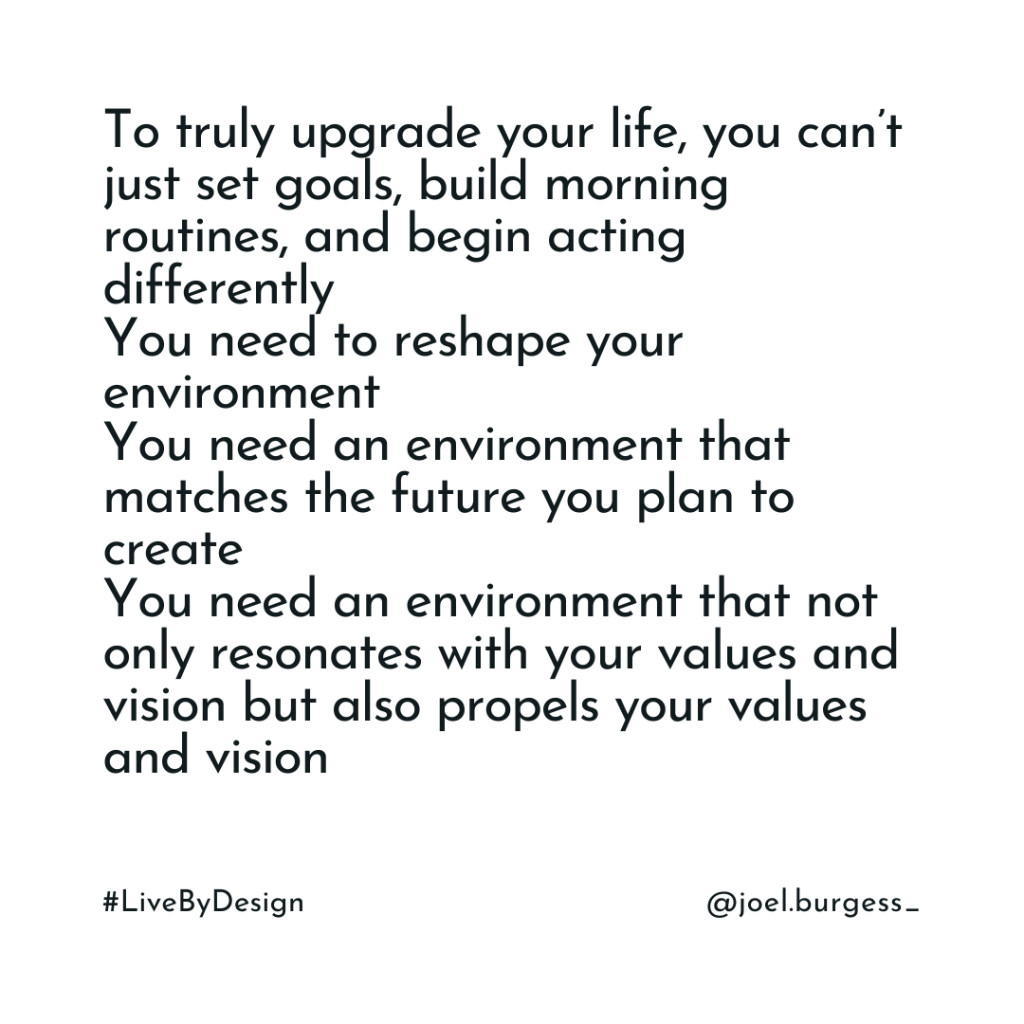
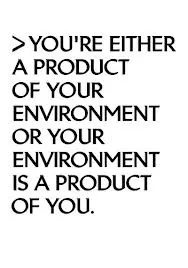
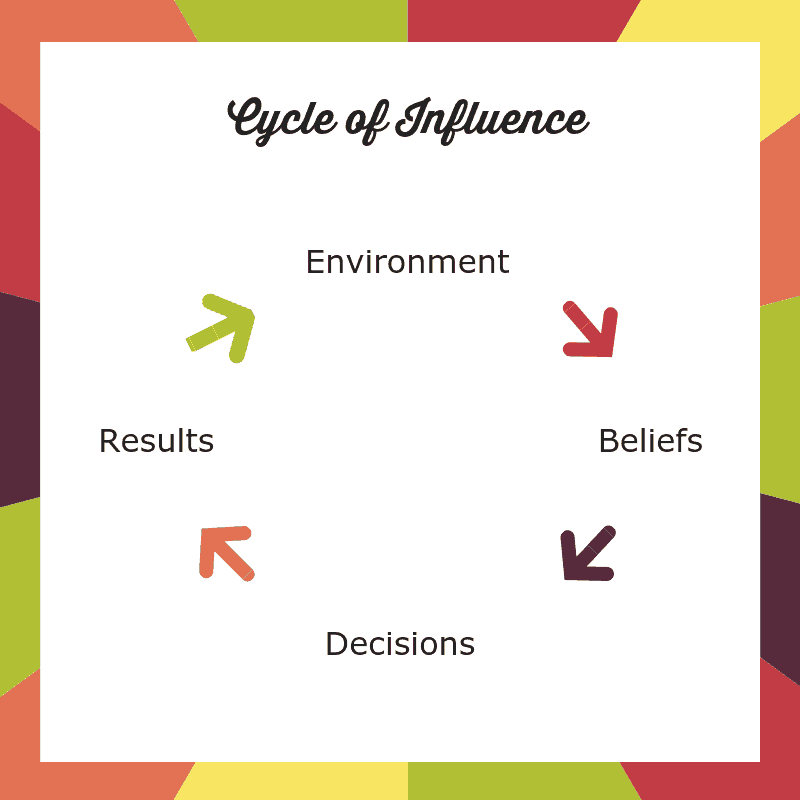
One of the most important impacts of your life and your success is your environment. Your environment is always pushing you to take make certain choices and take certain actions. 

It’s the difference between hanging around friends who always want to meet up for drinks instead of hanging out while hiking, working out, or socializing without alcohol. It’s the difference between having access to healthy food in your pantry rather than always grabbing and stocking up on junk food. It’s the difference between having a good book by your bed versus only having your phone within arm’s reach.

Environment influences what happens without our awareness. The majority of the time, we’re acting unconsciously and automatically.

“Here’s a metaphor I like to use that demonstrates the power of environment. Think of the potential of a seed.

A seed has everything it needs to grow into a tall mighty tree. A seed is fully capable, yet most of the time, it doesn’t even sprout. Why? Because it’s dependent on the soil. The seed requires a certain environment to thrive.

The same seed planted in two different places can lead to two very different outcomes. When it’s in fertile soil, it grows tall and strong. When it’s planted in sand, it doesn’t even have a chance. And that’s not because there’s anything wrong with the seed. It’s just in the wrong environment.

As humans, we experience the same thing. There are environmental conditions that bring out our best. The right people, opportunities, circumstances, and spaces set us up for success. But there are also environments that bring out our ‘not so best’, causing us to make choices that don’t serve us and limit our potential.

Unlike a seed, however, we can control our environment. We can choose our surroundings and therefore, shape the influence it has on us. We can plant ourselves in fertile soil and when we do, that’s when we are maximizing our growth and potential! 

If you’re falling short of the level of consistency, productivity, good health habits, and impact that you know you’re capable of, it’s probably because you’re in the wrong soil. Choose to put yourself in a place where you can thrive and watch the results pour in!”

TED Talks Daily – The secret to telling a great story – in less than 60 seconds

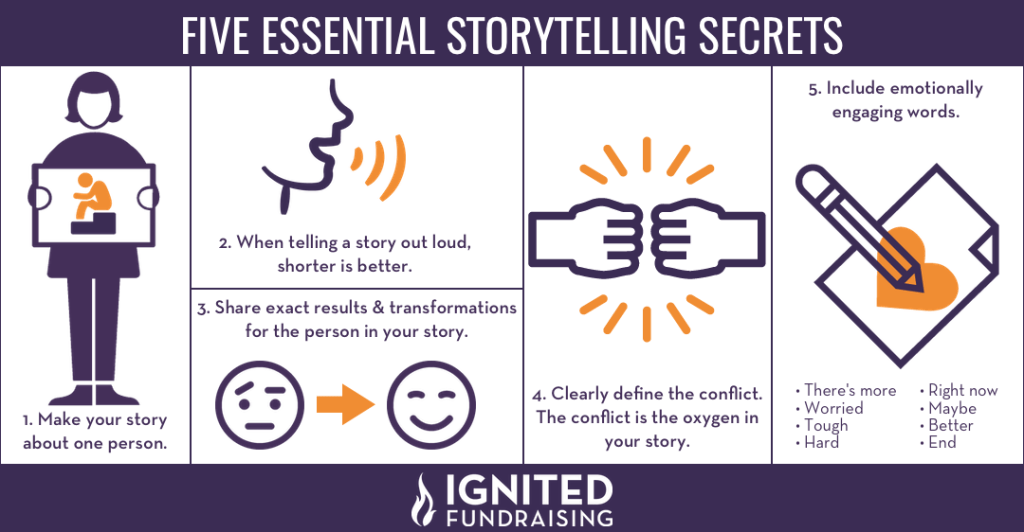
  • Many great stories start with a question because it will make people stick until the end to find out the answer.
  • You want to get your audience’s attention immediately, so you want to start by asking something shocking.
  • After you’ve hooked your audience, you want to take them on a journey building up to your answer where you want them to feel constant progression so that as we’re moving closer and closer to our answer, they feel like they can’t stop listening.
  • If everything is smooth sailing, nobody cares. We want to add conflict before getting to our answer. Without conflict, the audience isn’t as invested.
  • After enough buildup, we finally need our answers. Build tension by making the answer feel uncertain to make a satisfying ending.
  • If it takes longer to tell your story than it does to make a fast food burger, you’re probably overcooking both.

I’ve noticed this trend often on TikTok. People tell short stories with conflict to capture interest and build up progression before detailing the end of the story.

Mary’s Cup of Tea – How to Make Adult Friendships Easier with Kat Vellos

  • Connecting with existing friends more easily: If you are a busy or forgetful person, set reminders in your phone to follow up with the person. Don’t leave your hangout without setting your next hangout (just like a salon appointment). Connect your friends to each other to share time together.
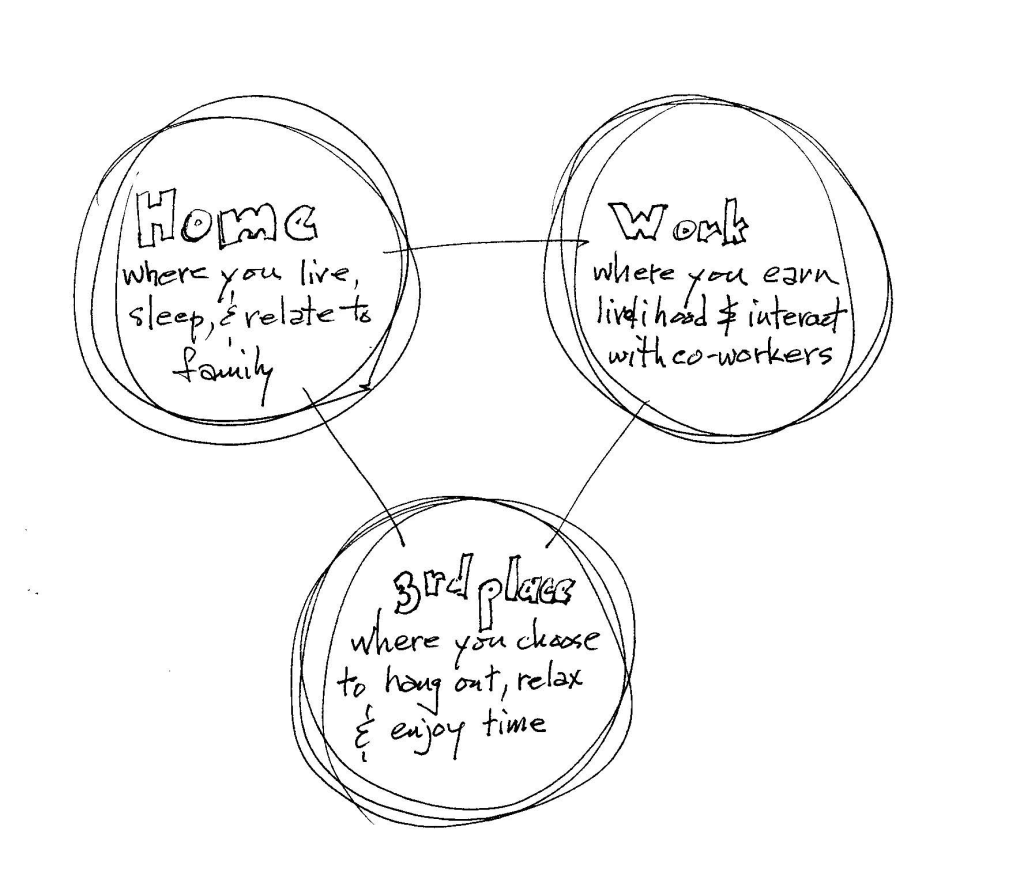
  • Making more friends nearby: Be aware of your limits and take it step by step. Start by making acquaintances with the people who already live near you and are easier to fit into the life you’re living – people on your block, people in your apartment building, people in your town. Become a regular at a third place – neither home nor work – somewhere you go to for enjoyment – gym, coffee shop, brewery, bar, etc. Host friends with frequency – ex: Sunday dinners at home.
  • When we say that friendship is hard, we often say it’s hard because we’re afraid to introduce ourselves to new people, scheduling is hard, we’re too busy, we aren’t getting close fast enough to people, friends don’t give as much as they take, etc. When we say friendship is hard, we might mean that having courage is hard, having confidence is hard, prioritization and persistence is hard, having patience is hard, or taking risks and dealing with disappointments and rejection is hard. These things are part of life, not just friendships!
  • If someone says you should get together and you reach out and they don’t schedule something, follow up suggesting something you think they would say yes to!
  • On average, adults lose 1-2 friends per year because they fall out of touch and things fade away. Like plants, you need to water and nourish your friendships.

Book: “We Should Get Together” – I look forward to reading this!

Book review posts, Uncategorized

January 2025 Reads

I read four books in January. Here is a blurb of each of the books I read in January.

Built to Move: The 10 Essential Habits to Help You Move Freely and Live Fully” was written by Kelly Starrett and Juliet Starrett, the cofounders of San Francisco CrossFit and coauthors of the Wall Street Journal Bestseller Deskbound. Kelly is also the cofounder of The Ready State. This book included different movements and tips to incorporate them into daily life. Here are some takeaways:

  • The range of motion and body positioning relates to health, ease of movement, and the presence and absence of pain.
  • This book included measurable and repeatable diagnostics that will help you assess your current condition, where you need to go, and how you’re going to get there. This book also included mobilization techniques for reducing stiffness and resolving pain.
  • Think about how you want to live your life, take into consideration that the body naturally gets stiffer and weaker with age, and undertake strategies to counter those potential erosions before they set in. To be able to keep moving when you’re older, you need to get or keep moving now.
  • Sit-and-rise test – getting up and down off the floor without using your hands, knees, or losing balance – determines when you have good range of motion in your hips and gauges leg and core strength and balance and coordination
  • Incorporate various ground-sitting positions into your day: cross-legged sitting, sitting with your legs out in front of you, one-leg-up sitting, etc.
  • Find your balance. Do the one-leg stand test with your eyes closed for twenty seconds. How steady you are on your feet depend on your feet, your inner ear, sensory receptors in the muscles, tendons, fascia, joints, and eyesight.
  • Aim to limit sitting to six hours per day. Set up a standing workstation and move around every thirty minutes.

While You Were Out: An Intimate Family Portrait of Mental Illness in an Era of Silence” was written by Meg Kissinger, who teaches investigative reporting at Columbia Journalism School. Meg spent more than two decades traveling across the country to report on America’s mental health system for the Milwaukee Journal Sentinel and has won dozens of accolades. This book was frank and revelatory and was a personal and painful narrative. I highly recommend this book! Here are some of the many things that resonated with me:

  • Meg details the family dynamics of alcoholism, mental illnesses, and two of her siblings committing suicide and how the shame and practice of “not talking about it” impacted her and her family.
  • 5.6% of adults suffer from serious and persistent mental illness, and more than 1/3 of them don’t get treatment. A person with serious mental illness is 10x more likely to be incarcerated than hospitalized.
  • Jails and prisons have become the nation’s de facto mental health hospital system. By 2010, almost 90% of the hospital beds across the country that were once available for the sickest psychiatric patients had been eliminated.

“Suicide prevention experts I’d interviewed over the years told me repeatedly that we can do a lot more to stop people from killing themselves. Knowing the warning signs for suicide and how to talk to those who are considering it will save lives. So why weren’t we able to stop our siblings? Because we had been discouraged from talking about it. I could not help but wonder what life would have been like if we had grown up in a more transparent era.”

Riding the Lightning: A Year in the Life of a New York City Paramedic” was written by Anthony Almojera, an EMS lieutenant with the Fire Department of New York City who has also been featured in various media outlets. This book was devastating, candid, and vital, and guides readers, one month at a time, through the first year of COVID-19 from the perspective of a paramedic in New York City. I recommend this book to readers who want a glimpse of how COVID-19 changed EMS each month in 2020. Here are some takeaways:

  • In the beginning of COVID-19, every EMT and paramedic who transported a patient with suspected coronavirus was instructed to wear gloves, a gown, goggles or a face shield, and an individually fitted N95 mask, then throw everything away after each patient contact. Originally, the health department recommended that ambulances be aired out for two hours after every fever/cough call. (!)
  • Protocols were shifting constantly – what protective equipment to wear, how to deal with a cardiac arrest, whether to consult telemetry about where to take a patient, whether to notify the hospital that you were transporting a suspected case of COVID, how often to change your N95 mask, etc.

Surgical masks are made of polypropylene, a nonwoven paper substance that allows air to pass through it but not droplets of moisture. They don’t stop airborne particles from passing into your nose and mouth. For that, you need an N95.

  • In March 2020, the New York City COVID-19 deaths averaged over 400 per day. On March 30, 2020, New York City EMS received 7,253 calls – one call every 12 seconds!
  • The telemetry office couldn’t keep up. There was 1 physician fielding all questions from EMS crews in a city of over 8 million people!
  • Hospitals didn’t have enough ventilators or CPAP machines. For all the people who were dying in the hospital, many more were dying before they even got there – at home, in ambulances, or in lines to the emergency departments.
  • At one point, the author had 14 calls in 16 hours, and every patient died!

Patients’ families want to believe that something can be done, that the outcome will change if the patient goes to the hospital. But the medical system was so swamped during the pandemic that our protocols had changed. As of March 31, 2020, we were transporting patients only if we got a pulse back at the scene. Hospitals didn’t have the resources to try to resuscitate them, and we didn’t have the resources to transport them, so we had to pronounce these patients dead then and there.” By April 2020, if there was no pulse or electrical activity in the heart after 20 minutes, paramedics/EMS were instructed to stop CPR and pronounce the patient dead.

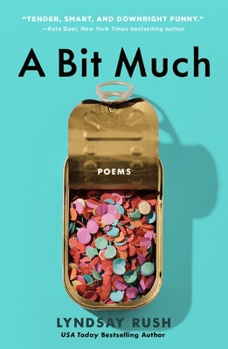
A Bit Much: Poems” was written by Lyndsay Rush, a comedy writer and the poet behind the popular Instagram account @maryoliversdrunkcousin. This book was great, and I highly recommend it!

When your surroundings begin to feel cold and uninhabitable and your environment no longer offers the support or sustenance you need, I hope you migrate. I hope, as you make your way down south, that you find another silly goose to fly with, too – in such a tight-knit formation that Wikipedia would refer to your crew as plump. And I hope that no matter how long the journey takes you, the wind is always at your back; nudging you closer to home.

Starting something new is like a one-man show for a one-man audience; the only applause worth seeking is your own. Don’t rob yourself of that while you wait for approval from somewhere else. Sometimes winning yourself over is the greatest show on earth.

A great philosopher once said I saw the sign and it opened up my eyes (I saw the sign). But when you see the world through rose-colored glasses, it can be hard to recognize a red flag. So what I have learned is this: If they’re mean to the waiter, they’ll be mean to you. If they never follow through, they will never show up. If it hurts your stomach, it will hurt your heart. You can’t temper a storm, but you can sure as hell evacuate the beach.

If cauliflower can be pasta, you can be whatever you want.

Thoughtful Thursday posts, Uncategorized

Thoughtful Thursday – November 14, 2024

Self-Growth Nerds – 5 Most Powerful Questions to Ask Yourself

TED Health – A Healthier You: A 5-step guide to better doctor visits

NerdWallet’s Smart Money Podcast – Are You Spending Like Your Generational Peers?

Fit, Healthy, & Happy Podcast – Fitness & Health Habits to Break

The problem with the movie version

There are lights, camera and action, but mostly there’s the unreality of making it fit.

Happily ever after, a climax at just the right moment, perfect heroes, tension, resolution and a swelling soundtrack. Every element is amplified and things happen right on schedule.

Consume enough media and we may come to believe that our life is carefully scripted, and that we’re stars of a movie someone else is directing.

This distracts us from the truth that real life is more muddled and less scripted. There is no soundtrack. We’re actually signed up for a journey and a slog. Nothing happens ever after. It’ll change, often in a way we don’t expect.

We have no choice but to condense a story when we want to film it. Our real story, on the other hand, cannot be condensed, it can only be lived. Day by day.”

Thoughtful Thursday posts

Thoughtful Thursday – October 24, 2024

Stuff You Should Know – The Story of Spirit Halloween

  • There are more than 1,400 stores in the U.S. between August and November. Some are within miles of one another.
  • Spirit Halloween hires 25,000 temporary employees August-November. Stores close on November 2. Spirit Halloween’s online store is open year-round. 
  • 30-40% of stock carries over from year to year 

Life Kit: Health – How to cut ultra-processed foods from your diet 

Before Breakfast – Make it worth the commute 

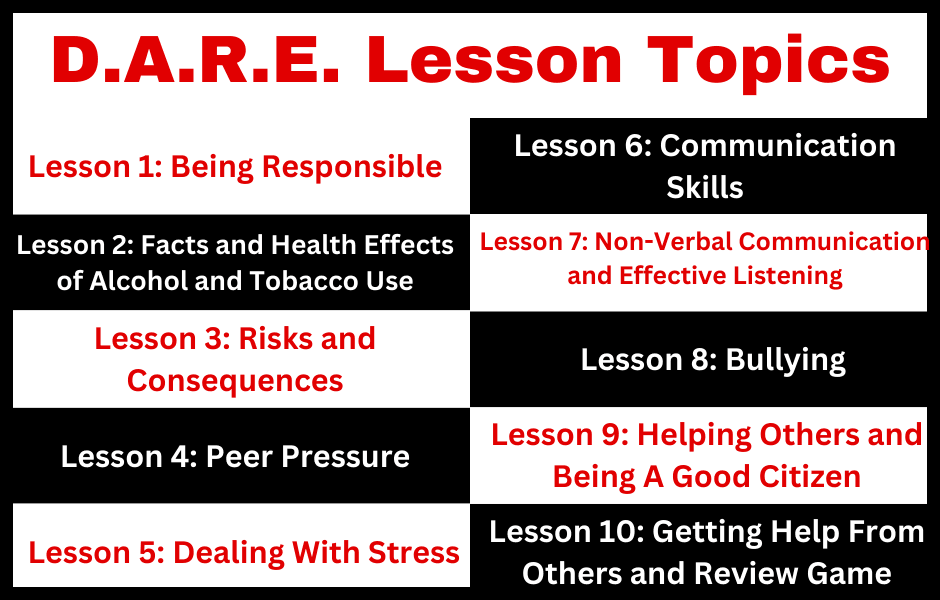
The Big Flop – The Truth About D.A.R.E. 

Confused about good

How often do we assume that popular things are good, and that good things become popular?

If your work doesn’t catch on, does that mean it wasn’t good?

In almost every field, people with insight, taste and experience admire and emulate good things that aren’t popular, and are surprised by popular things that aren’t good.

Perhaps we need to broaden our definition (or narrow it) so we can be clear about what we mean.”

Book review posts, Uncategorized

September 2024 Reads

Thoughtful Thursday posts, Uncategorized

Thoughtful Thursday – September 19, 2024

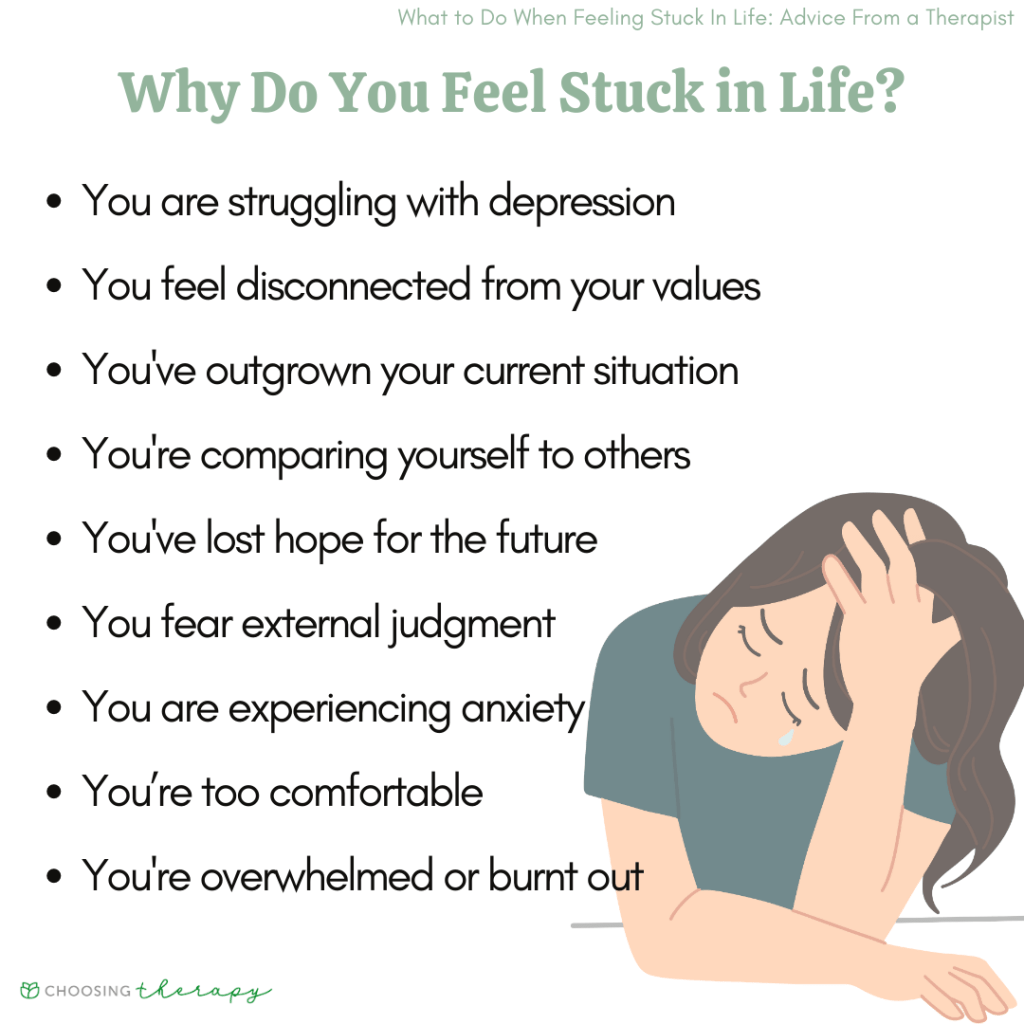
Optimal Living Daily – If You’re Feeling Stuck, Look Inward by Emily Rose Barr

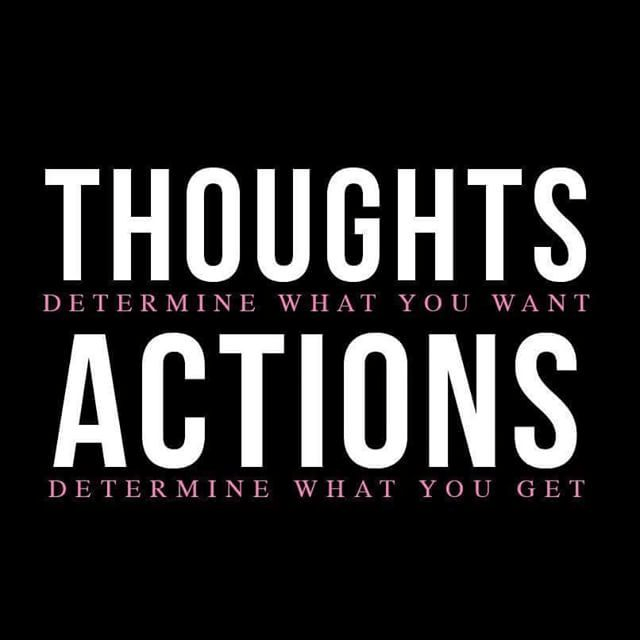
https://www.gabethebassplayer.com/blog/thoughts-and-actions

Thoughts And Actions

September 16, 2024

Life Kit – Boost your mood in 15 minutes

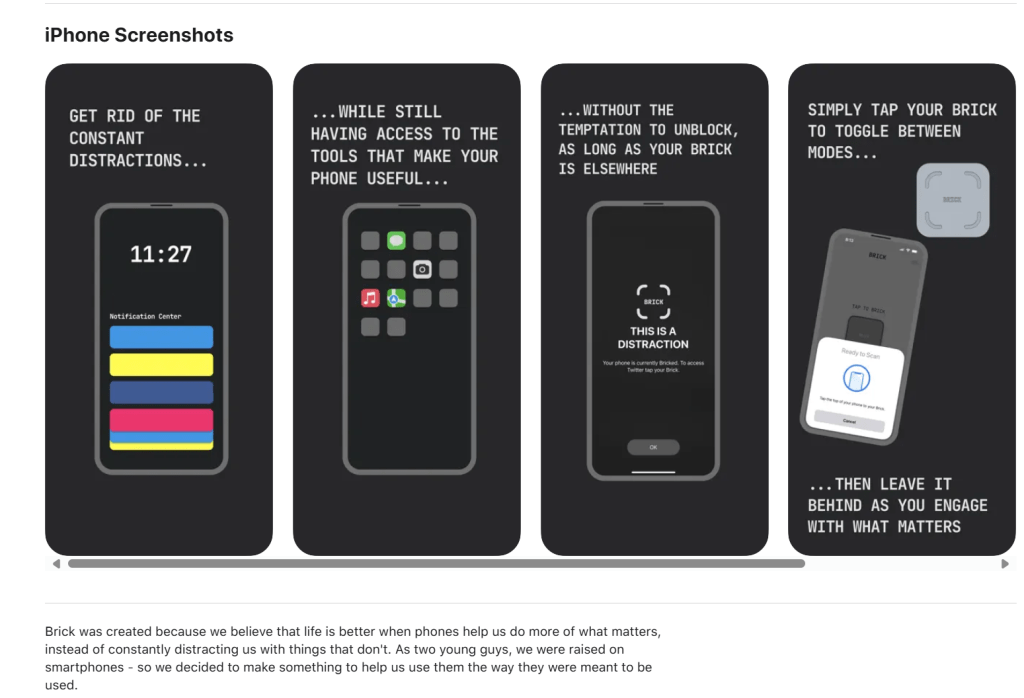
The Liz Moody Podcast – 5 Things I Did to Fix My Phone Addiction

https://apps.apple.com/us/app/brick-ditch-distractions/id6448794069

Thoughtful Thursday posts, Uncategorized

Thoughtful Thursday – September 12, 2024

Thoughtful Thursday posts, Uncategorized

Thoughtful Thursday – July 25, 2024

Mentally Stronger with Therapist Amy Morin – 10 Mental Health Improvement Strategies Therapists Prescribe Their Patients
  • Get physical activity. Exercise reduces stress and anxiety and improves self-esteem. Find an activity that you enjoy so that you can stick to it.
  • Find a way to relax. Watching tv and scrolling on your phone stimulates your brain, so aim for ways to relax your brain. If you invest time into caring for your mental health now, you will feel better and perform better later.
  • Work on something that you’ve been putting off. The more you put something off, the more you dread doing it and the worse you feel.
  • Take care of your body. Eat a healthy diet and get adequate sleep.
  • Get social support. The people you spend time with might be the biggest factor that determines how mentally healthy you are. Having positive people in your life reduces the symptoms of mental illness. Remove yourself from toxic relationships.
Sad to Savage – Little Things to Help You Get Out Of A Rut
  • Pay attention to the people you have in your life, the environments you have, the music you listen to, the content you consume, the people you follow … all of those things can contribute to you feeling like you are in a rut.
  • Make a list of things that make you feel happy that you can turn to when you’re feeling down. Ex: family time, running, going outside, reading, etc.
Chasing Life – Does Money Buy Happiness?
Self Improvement Daily – “You can have it your way.”

Burger King’s motto “Have it your way” is a welcome reminder that each one of us matters and deserves to be cared for. We don’t need to settle for how things are; we can create a new reality for ourselves.

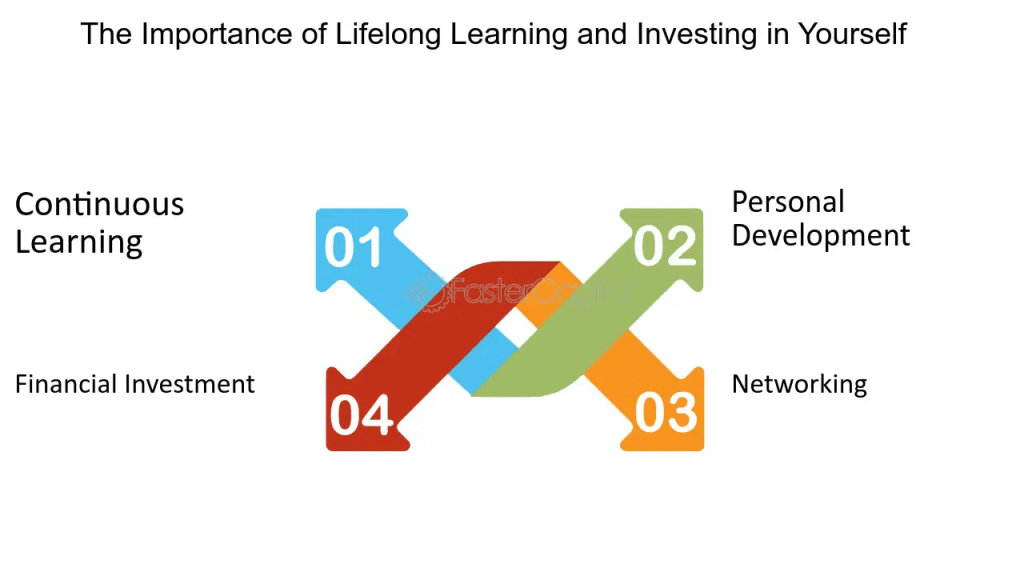
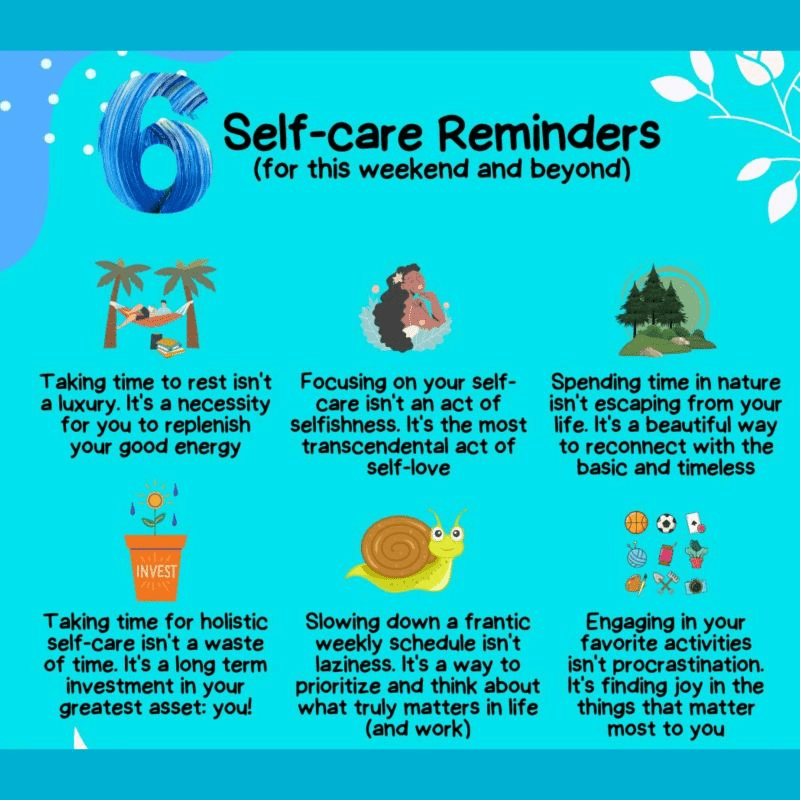
We can pursue our ambitions with pride. We can change our future if we have the courage to do so. Being selfish in investing in yourself can be one of the most selfless things you can do because it can great the greatest impact on others.

If you’re overstretched at work and compromising your own health, that’s not having it your way. When we enforce better boundaries about our work hours, we can have more time to fulfill ourselves in other ways.

If you don’t have as much time for the things and people you love, or the energy to do anything at the end of a long day, that’s not having it your way. When we say no to others, we say yes to ourselves.

Reordering priorities and making a commitment will start to shape your life your way. Balance your personal life, care, and passions in a way that you feel good about by figuring out how it all fits together.

The two bicycle errors

“Momentum activities like public speaking, board sports and leadership all share an attribute with riding a bicycle: It gets easier when you get good at it.

The first error we often make is believing that someone (even us) will never be good at riding a bike, because riding a bike is so difficult. When we’re not good at it, it’s obvious to everyone.

The second error is coming to the conclusion that people who are good at it are talented, born with the ability to do it. They’re not, they have simply earned a skill that translates into momentum.

There’s a difference between, “This person is a terrible public speaker,” and “this person will never be good at public speaking.”

And there’s a difference between, “They are a great leader,” and “they were born to lead.”

The thing about momentum activities is that we notice them only twice: when people are terrible at them, and when they’re good at it. That includes the person you see in the mirror.”