Book review posts, Uncategorized

March 2025 Reads

It’s been a while since I’ve posted on this blog since I had other priorities in March. I read 5 books in March. Here is a blurb of each of the books I read in March.
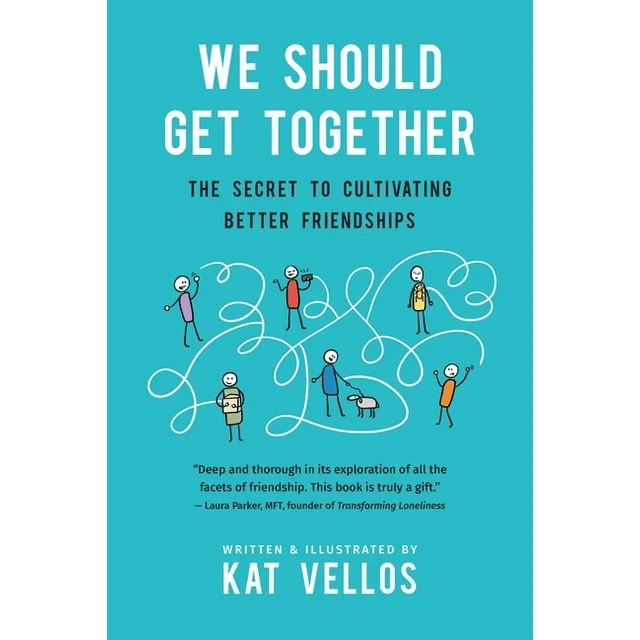
We Should Get Together: The Secret to Cultivating Better Friendships” was written by Kat Vellos. Kat’s writing is read in over 100 countries and she has been featured in several news outlets. Find out more at katvellos.com. This book helps adults create fulfilling friendships that last a lifetime and tackles challenges of adult friendships and how to make and maintain friendships through more meaningful conversations, identifying quality connections, and prioritizing them. Since starting school, many of my friendships have changed. I got a lot out of this book, but here is just a handful of tips:

  • Friendship factors: compatibility, proximity, frequency, and commitment. We show our commitment through 5 core behaviors: openness, caring, trust, dedication, and reciprocity.
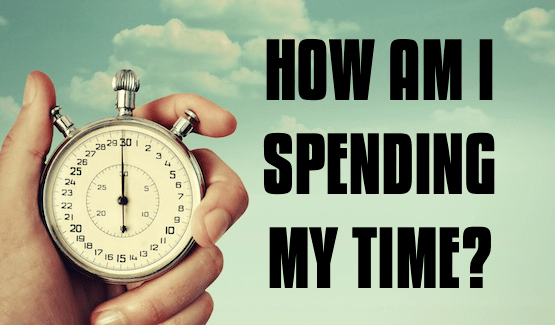
  • One of the biggest complaints that comes up when people talk about friendship during adulthood is that everyone’s so busy all the time – work, school, kids, marriage, etc. Maybe the reason we’re “so busy” is because we’re binging shows and endlessly scrolling through social media. Take control of your time. Do you lack the time or the dedication?
  • Ask open-ended questions and follow-up questions to pull you deeper into conversation. Some fun ideas:
    • What’s the weirdest job you’ve ever had?
    • What’s a book that you think everyone should read?
    • If you had to spend one hour a day studying a topic or practicing a skill, what would you pick up and why?
    • If you had to be a teacher for the rest of your life, what would you teach?
    • What were three songs that you loved as a teenager?
    • What was a low point during this year for you? How did you handle it?
    • What excites you?

I highly recommend this book and will post more about it in a future blog.

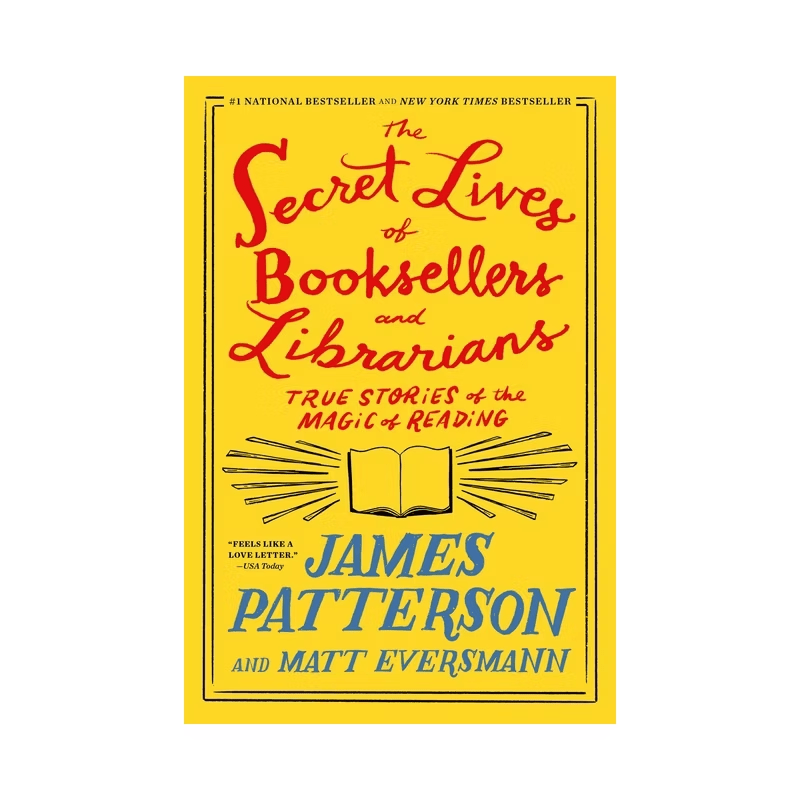
The Secret Lives of Booksellers and Libraries: True Stories of the Magic of Reading” was arranged by James Patterson and Matt Eversmann. James is the most popular storyteller of our time and has received several awards. This book consisted of short essays from booksellers and librarians. Here are some of my many takeaways:

Having a good library is not political. A good library will have books on vegetarianism and hunting. A good library will have books on every religion. A good library will have books about all eras of history, from ancient Rome to the Civil War to the Holocaust. A good library will have books about different countries, different cultures, and different life experiences.

“I don’t see the library going away at all. We’ll just have to keep up with whatever comes next and evolve with what the citizens want. We hope they continue to want what we provide: lifelong learning and joy.”

Public libraries are open to everyone. And free. There aren’t that many public spaces left where you can go without the expectation of spending money.

I highly recommend this book to get perspectives from booksellers and librarians.

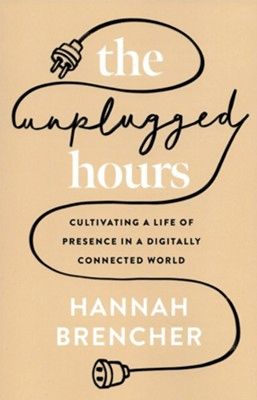
The Unplugged Hours: Cultivating a Life of Presence in a Digitally Connected World” was written by Hannah Brencher, a writer, TED speaker, and entrepreneur. Hannah challenged herself to 1,000 unplugged hours in one year – taking back a life that had slowly become less present, less awake, and less vibrant over time. This book was a weaving of a memoir, cultural commentary, and spiritual insights. Here are some takeaways:

  • What would happen if we checked into the lives we’re building as much as we checked into other people’s lives online?
  • Think about something you’ve been wanting to do for a long time – something you keep pushing off because of e-mail, mindless scrolling, or yet another binge-worthy show. Whatever it is, power down your phone and do that thing you’ve been wanting to do. After one hour, turn your phone back on. You’ll have missed out on nothing, but gained something back instead: a piece of your time, a tiny sliver of your life.
  • Before taking the challenge, define what “unplugged” means to you. For the author, it means not using your phone, internet, social media, tv, or consuming any form of digital media. Build your boundaries intentionally.
  • Don’t believe the lie that you don’t have enough time. Instead, acknowledge that exercising, reading, etc. just isn’t a priority for you right now. Scrolling on your phone takes up a lot of time. The time is there; it’s just waiting to be reclaimed.

The double-edged truth about the devices we hold is that there will always be something to check. Something to read. Some way to improve. Something to watch. Another thing to reply to. Something to share. Another comment to make.

Scrolling in bed in morning: “I was allowing other people’s fingerprints – their agendas, opinions, praise, and problems – to get all over my day before my feet even touched the ground.”

There’s often a disconnect between the life people are living and the life they’re curating for others to see. In the unplugged hours, ask yourself: Does this moment still matter to you if no one else knows you went, saw, lived, ate, loved, fought, and tried? Does this moment still matter to you if you never pull out your phone to tell people that it happened?

I highly recommend this book for anyone feeling like they are on their phones too much and that they don’t have time to do things they’ve been putting off, including maintaining friendships.

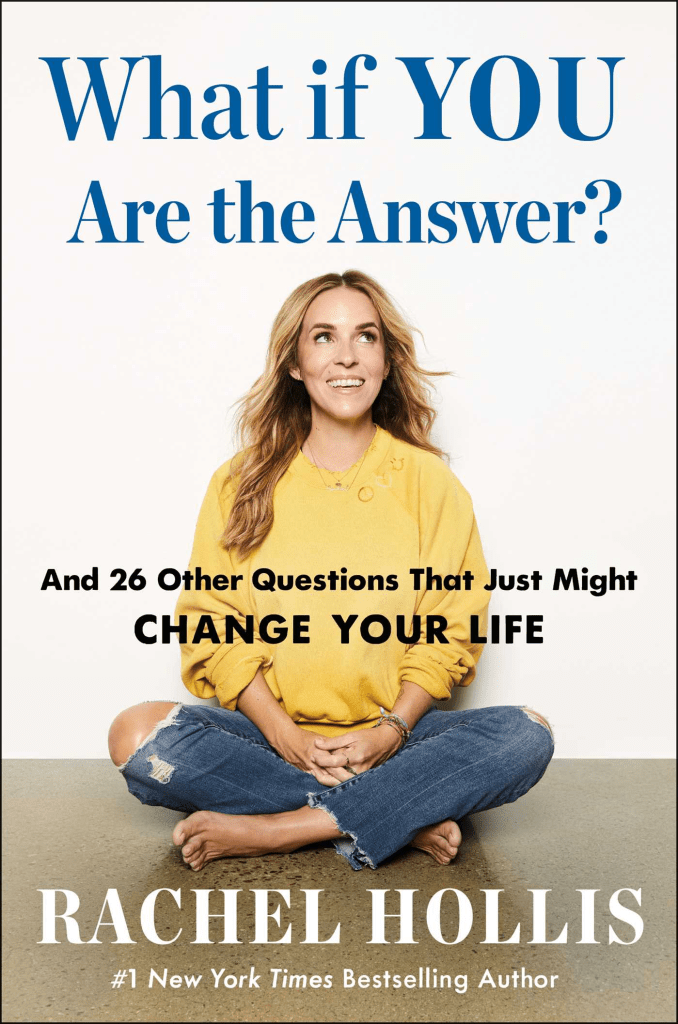
What If YOU Are the Answer? And 26 Other Questions That Just Might CHANGE YOUR LIFE” was written by Rachel Hollis, a speaker, podcast host, entrepreneur, and #1 New York Times bestselling author whose work has impacted millions of readers worldwide. This book was thought-provoking. Here are some things that resonated with me.

  • What Who are you waiting for? Live your life. Try new stuff and see if you like it. Learn to look at other humans as individual plays in their own stories without feeling the need to write yours the same way. Listen to your heart, your gut, and your inner knowing. Give yourself permission to change lanes, directions, occupations, beliefs, and other things you need to on the journey of trying your best to do your best.
    • Realize that no one else can solve our problems, heal our wounds, or make the most of the opportunity we’ve been given. You are the hero you’ve been waiting for.
  • What must you let go of to be the person you want to be?
  • What’s bigger, your dreams or your excuses?
  • Knowing what you know today, would you sign up for this again? Job, friends, relationships, projects, etc. If not, what are you going to do about it?
  • Who would you be without your fear?
    • There are two kinds of fear: 1) clear and present danger of a very real threat 2) imaginary fear we create by dreaming up what might happen – anything you’ve never done, places you’ve never gone, conversations you’ve never had, and people you don’t know
    • Anything you’re curious about or interested in but don’t pursue because of what might happen is you allowing your fear to control you.

I highly recommend this book for anyone wanting to reflect on their lives and personal growth and make changes.

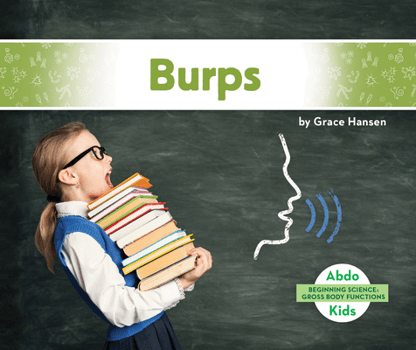
Burps” is a children’s book written by Grace Hansen. I wanted to learn more about burping since this is new to me. Here are some tidbits:

  • When we eat and drink, we swallow food and water, but we also swallow air. Air contains gases like nitrogen and oxygen.
  • Too much gas in the esophagus and stomach can be uncomfortable. Burping releases this excess gas.
  • Carbonated drinks contain carbon dioxide and can cause us to burp.
  • Bacteria in our digestive tract helps break down food. Hydrogen peroxide can be made int he process. This gas smells like rotten eggs.
  • Burping is our body’s way of releasing excess gas.

Although this book said that everyone burps, that is not true! Some people have a condition called RCPD (inability to burp).

Thoughtful Thursday posts, Uncategorized

Thoughtful Thursday – January 30, 2025

It’s been over a month since I’ve posted a Thoughtful Thursday post. I am discerning whether to continue with weekly Thoughtful Thursday posts or whether to post those less often so that I can post more book posts. With that said, here are some of the most interesting things I’ve learned this month!

The Mel Robbins Podcast – The Top Expert Advice of the Year

  • People will consistently give you what you allow them to give you. You are in control of two things in this world: what you give and what you accept. 
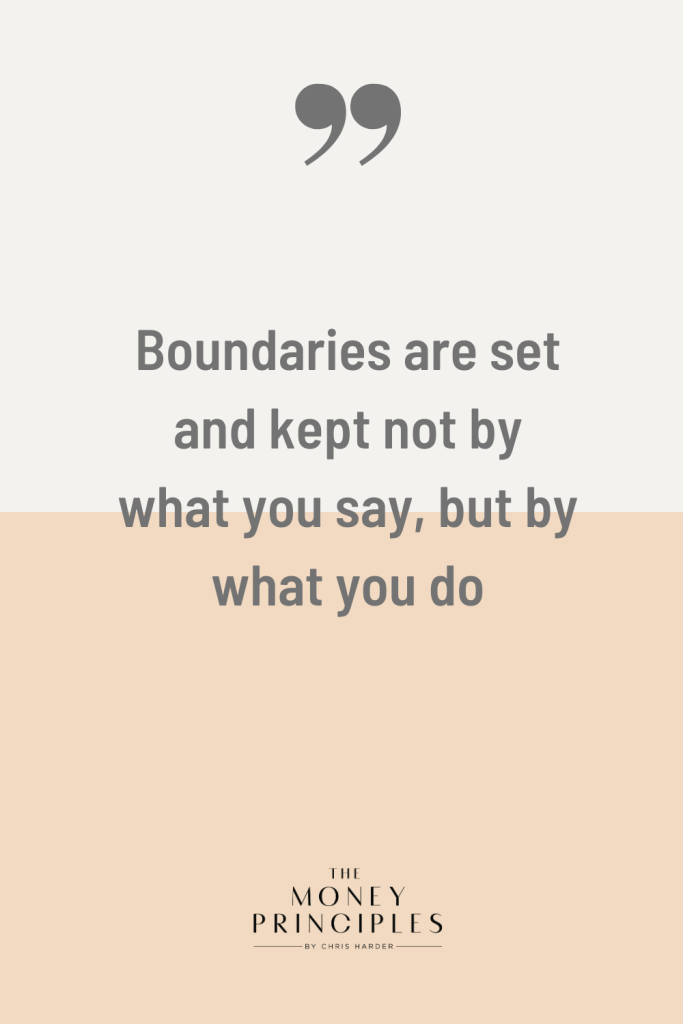
  • Boundaries are not walls to keep things out. Boundaries are bridges to let the right things in. 
  • Boundaries are meant to protect your peace and your energy. When you’re setting boundaries, ask yourself what you need in your life right now, what boundary you need to set that will lead you to what you need, and why you must stick to the boundary. What is it costing you not to stick to this boundary? Your future? Your peace? You tell people how to treat you by what you continuously accept. 
  • You spend more time trying to protect the battery on your smartphone than you do protecting your own or recharging your own battery. 
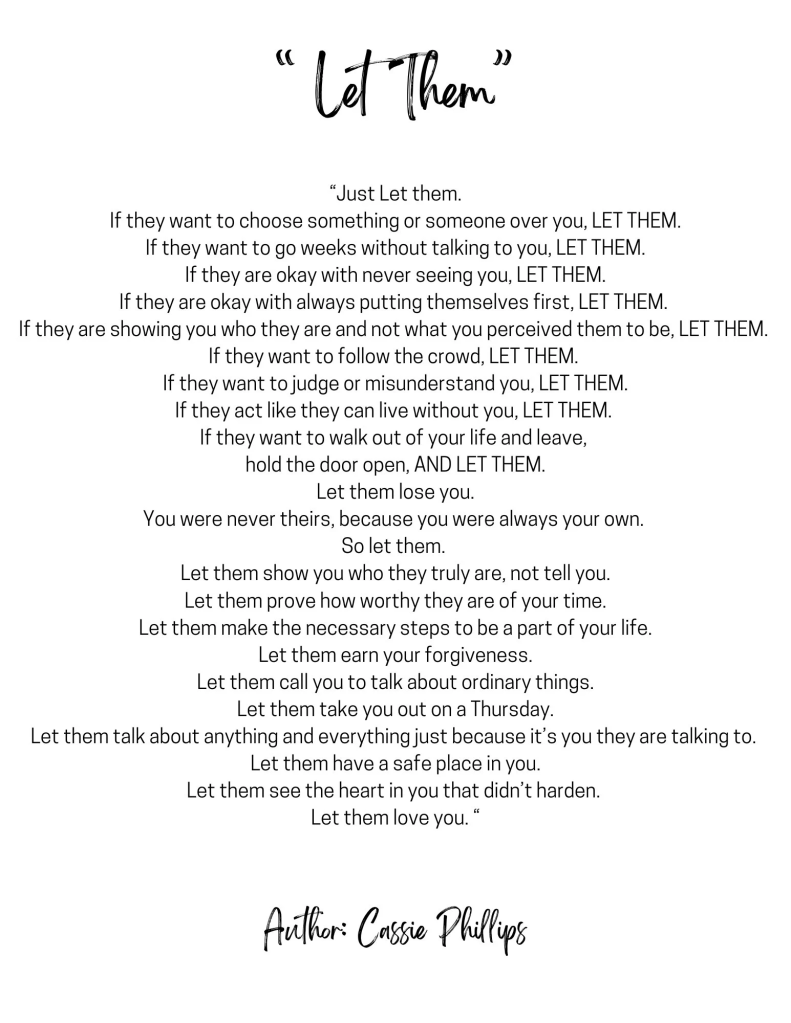
  • LET THEM is a boundary. 

https://www.gabethebassplayer.com/blog/how-can-i-read-your-mind-better

How Can I Read Your Mind Better?

January 8, 2025

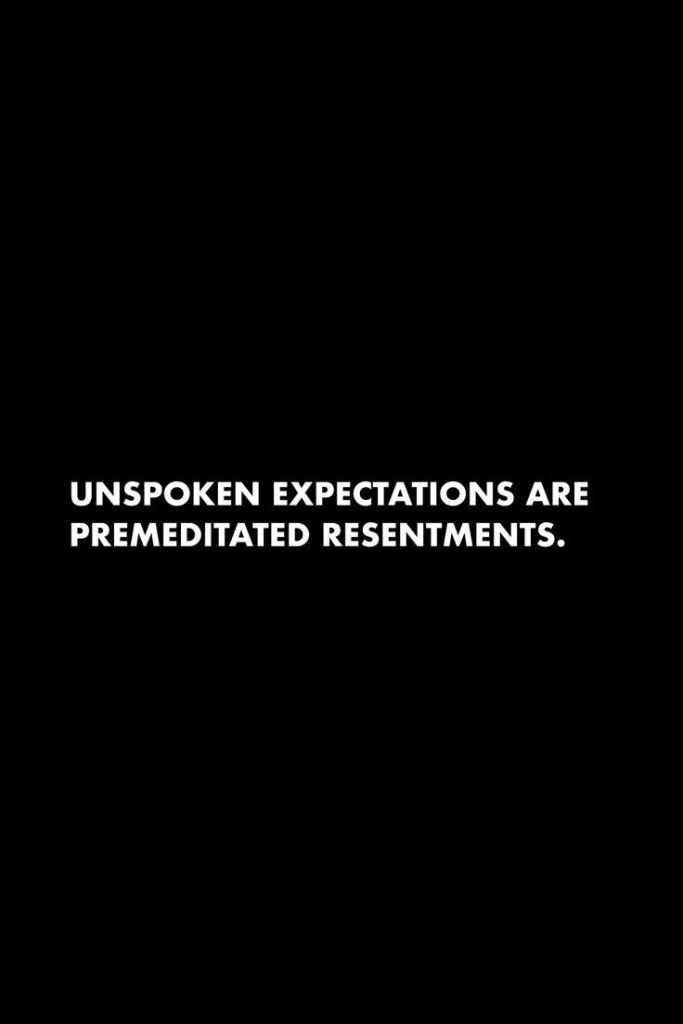
i.e. What are your unspoken expectations?

This is at the heart of so much heartbreak and frustration in this business.

Our personal expectations are ‘just the way it is’…and it’s easy to think they’re shared by others…or at least they should have read my mind by now.

It’s worth asking the people around you what they’re really hoping for. You’re sure to learn something new. Something they’ve been thinking all along but secretly expecting you to just read their mind.

You’re good but you’re not that good. You’re going to have to ask.

I am enrolled in UCC Contracts/Business Law and Probate Law this semester for my paralegal certificate program. I am not an attorney, and this is not legal advice. These are some fascinating facts I have learned so far.

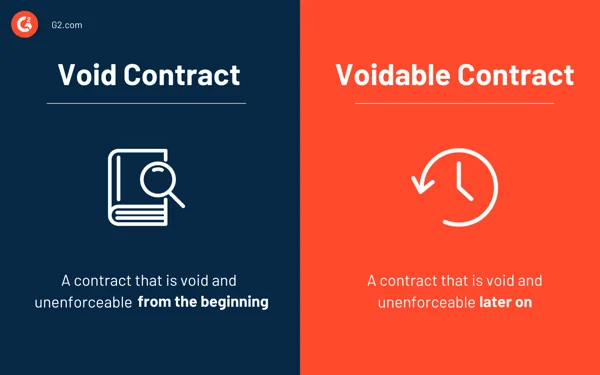
For most contracts, the general rule is that while it’s not illegal to enter into a contract with a minor, the contract is voidable at the discretion of the minor. Once reaching the age of majority, they can also disaffirm contracts. The cases I read that stood out to me involved minors voiding arbitration clauses in contracts and voiding waivers of liability by voiding contracts. I believe this can be a risk of liability for employers who hire minors. For example:

Pak Foods Houston, LLC v. Garcia, 433 S.W.3d 171 (Tex. App.—Houston [14th Dist.] 2014) involved a personal injury claim. A minor filed a personal injury claim against a fast-food restaurant. The restaurant filed a motion to compel arbitration based on an arbitration agreement that the minor signed as part of an employment agreement. The court found that the contract was voidable, and the minor disaffirmed the agreement by terminating her employment and filing suit.

I’ve been intrigued by the many rules of Probate Law this semester and how different state statutes vary. For those with wills, a spouse cannot be disinherited in the will, but disinheriting children is allowed. Each state has a plan for the assets of those who die without wills. As an example, for those who die without wills in Minnesota:

524.2-102 SHARE OF THE SPOUSE.

The intestate share of a decedent’s surviving spouse is:

(1) the entire intestate estate if:

(i) no descendant of the decedent survives the decedent; or

(ii) all of the decedent’s surviving descendants are also descendants of the surviving spouse and there is no other descendant of the surviving spouse who survives the decedent;

(2) the first $225,000, plus one-half of any balance of the intestate estate, if all of the decedent’s surviving descendants are also descendants of the surviving spouse and the surviving spouse has one or more surviving descendants who are not descendants of the decedent, or if one or more of the decedent’s surviving descendants are not descendants of the surviving spouse.

In other words, if you are married without kids and die without a will, your surviving spouse gets 100% of your assets. If you are married with kids and neither you nor your spouse have kids with other people, your surviving spouse gets 100% of your assets. Yet, if you are married with kids and you or your spouse have living kids that are not biologically shared, your living spouse gets the first $225,000 plus 1/2 of any balance of the estate, and the rest gets split up between all of the kids (descendants).

My husband and I are doing the Bible in a Year series with Fr. Mike Schmitz, which has been so informative and interesting so far. One thing that has resonated with me so far is that many of us are pharaohs to ourselves. We make ourselves so busy that we don’t have time to think about God. We make ourselves so busy that we have made ourselves into slaves by saying “I have to do this, I have to do that” and all of the other things that we’ve set up. We’ve set up a pace of life for ourselves that is unmanageable, and we don’t have time for worship. God’s people were never meant to be slaves – not a slave to Pharaoh and not a slave to the pharaoh that lives inside of us. We are meant to be free so that we can truly belong to Him.

And if you aren’t religious, this can still also apply to several other areas of your life. What are the things that you are making yourself a slave to? Are you spending too much time working, scrolling on your phone, etc.? What are the things you say you don’t have time for? What are you doing with your time instead? Are you making time for the things you say matter the most to you?

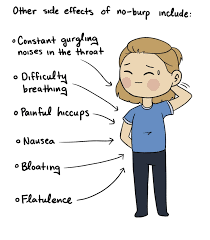
What are the symptoms of R-CPD?

Additional symptoms, outside of the lifelong inability to burp or belch, can include:

  • Abdominal and/or chest bloating and pain
  • Excessive flatulence
  • Nausea
  • Gurgling noises from the neck and chest
  • Difficulty vomiting or fear of vomiting (emetophobia)

As shown, the chief complaints are GI-related. Yet, GI doctors (and many other doctors) are not aware of this condition, leading many to run numerous tests instead of asking the right questions. In an ideal world, when patients complain of bloating, gas, nausea, and gurgling, GI providers and other providers would ask “Can you burp?” If not, they should be treated for R-CPD. There are not many providers who are aware of and treat this syndrome.

Here is more information about it, such as the symptoms, treatment, etc. There is even a Reddit community for this condition: https://www.reddit.com/r/noburp

Thoughtful Thursday posts, Uncategorized

Thoughtful Thursday – March 7, 2024

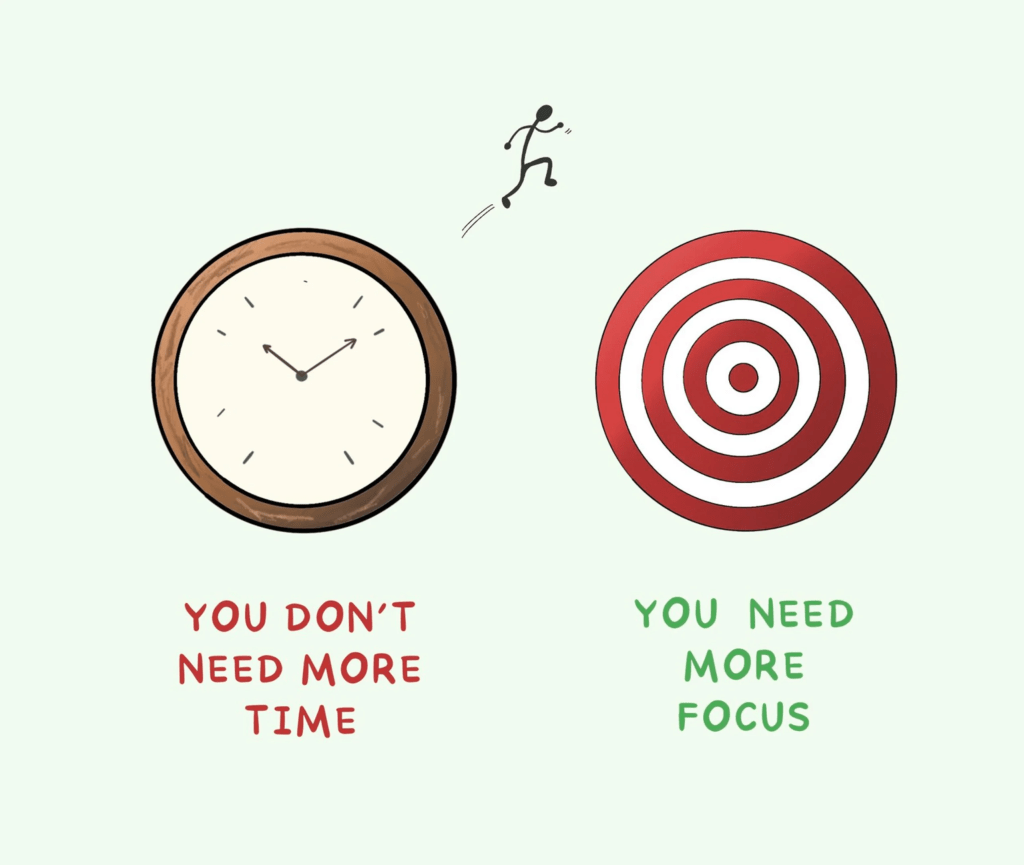
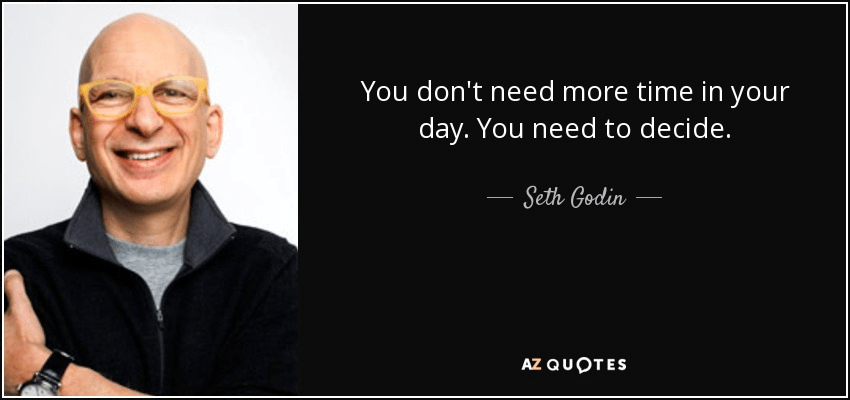
Before Breakfast – You don’t need more time
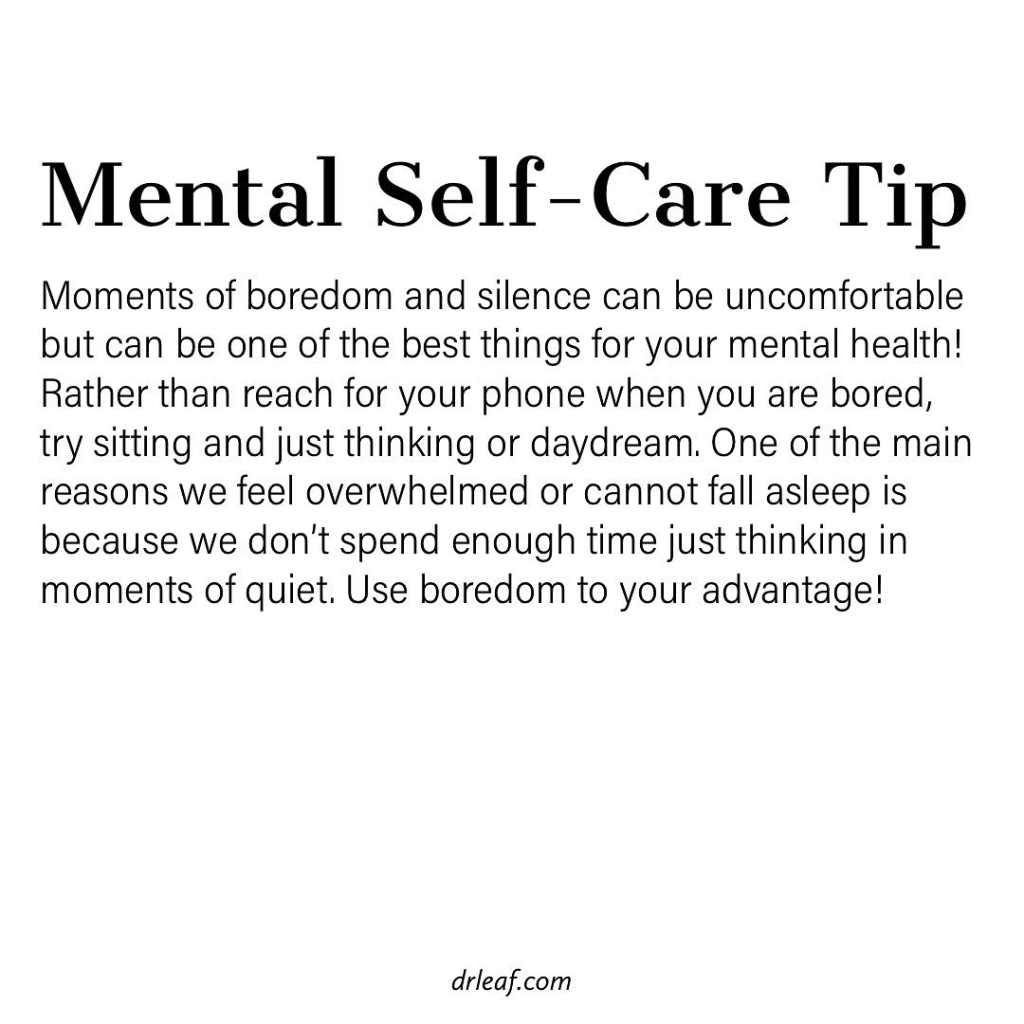
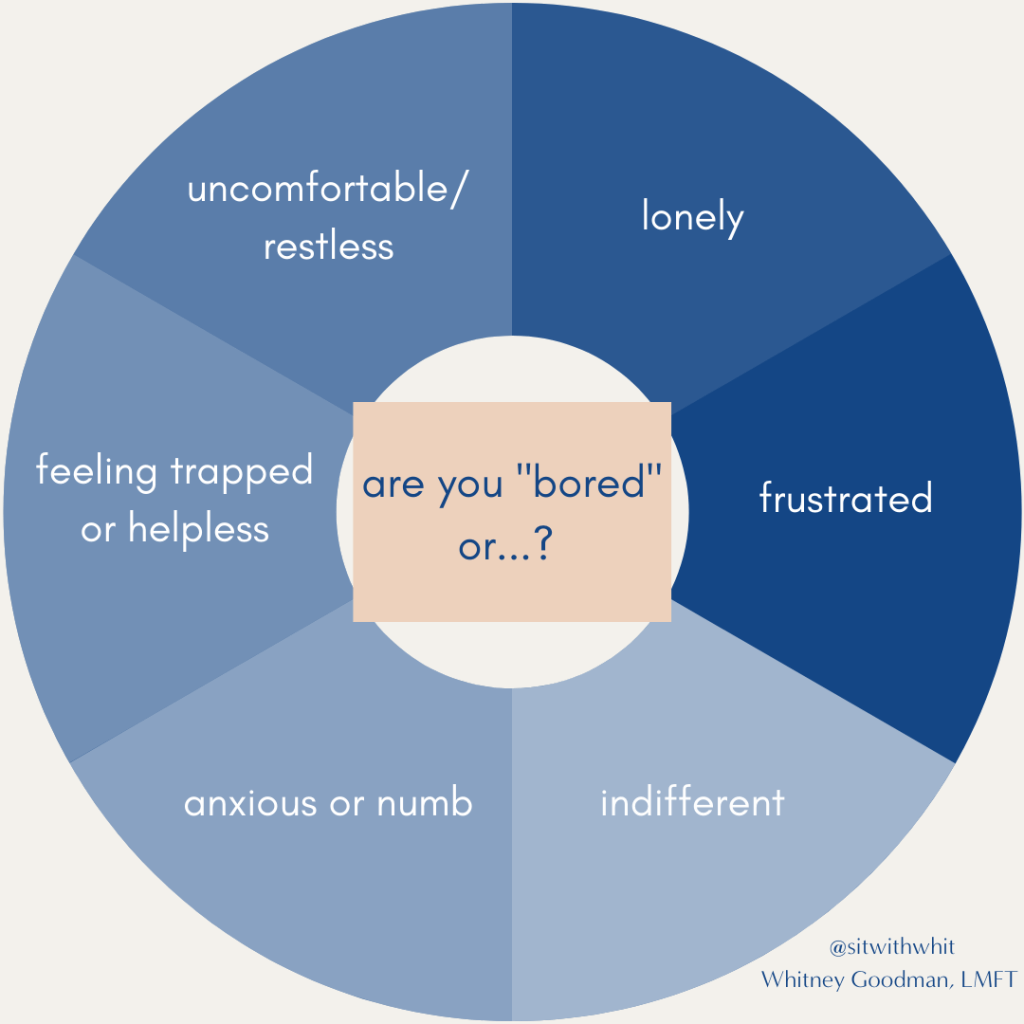
TED Health – Why you shouldn’t trust boredom
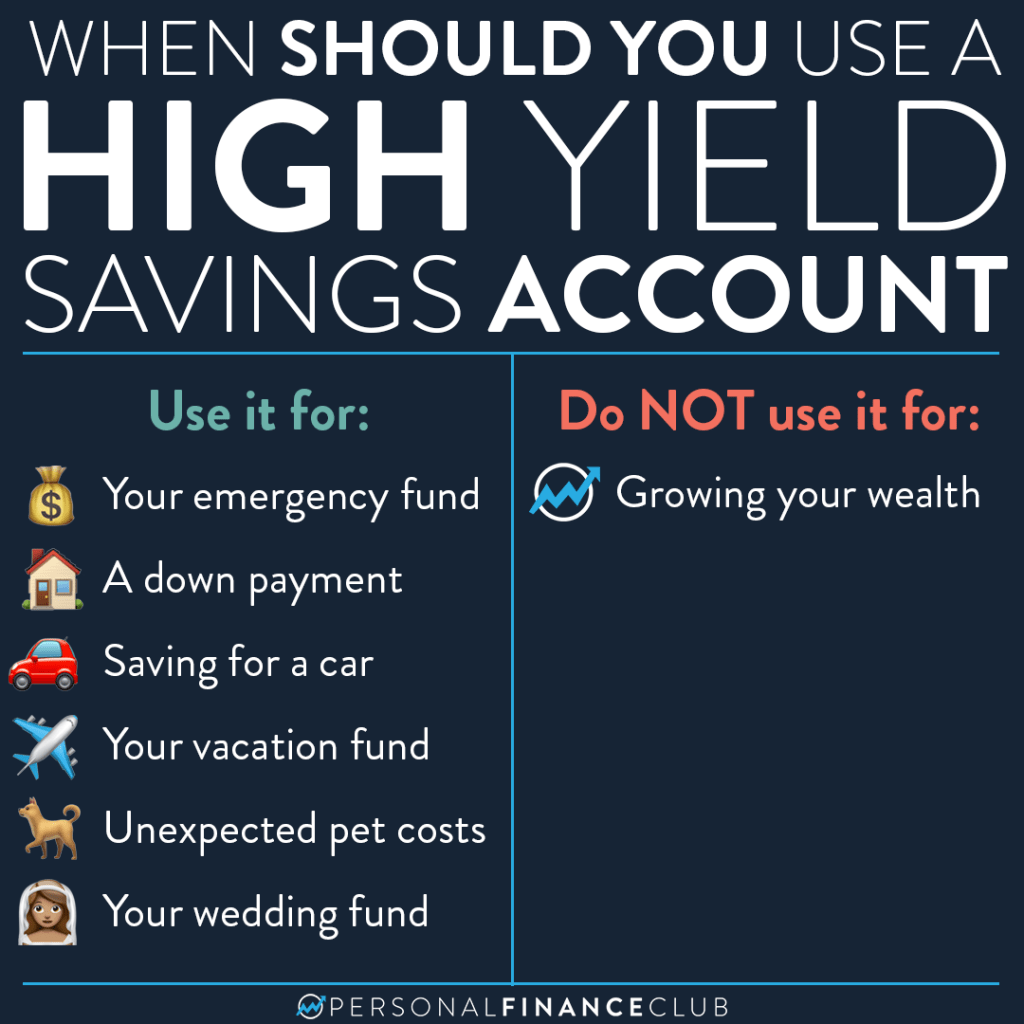
DIY Money – Where to Hold Your Emergency Fund
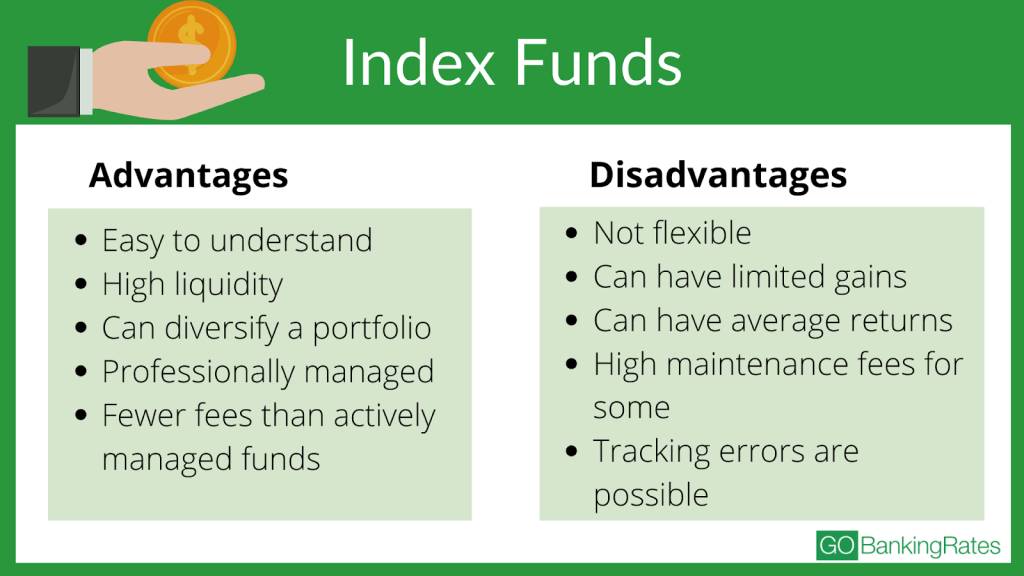
Life Kit – Investing for beginners
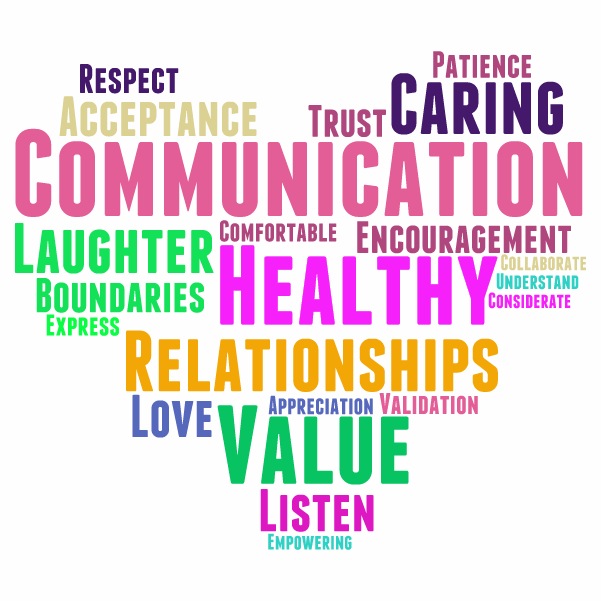
Psych2Go – 12 Signs You’re in a Healthy Relationship

I really enjoyed this post from Gabe the Bass Player this week:

https://www.gabethebassplayer.com/blog/out-of-gas

Out Of Gas

March 5, 2024

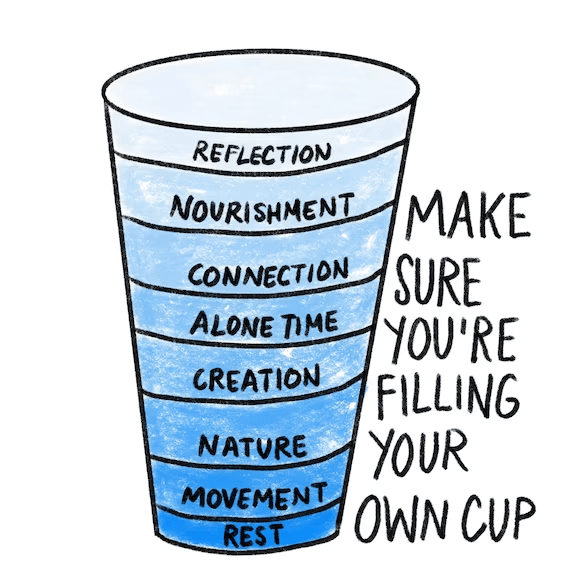
When the car runs out of gas we don’t call the car broken. It just needs gas.

Same thing with us…when we’re out of gas we might feel broken but really we just need to be filled up.

The metaphor is easy to understand.

The hard part is knowing what fills you up and having the guts to make time for it.

Book review posts, Uncategorized

Four Thousand Weeks: Time Management for Mortals + All About Productivity

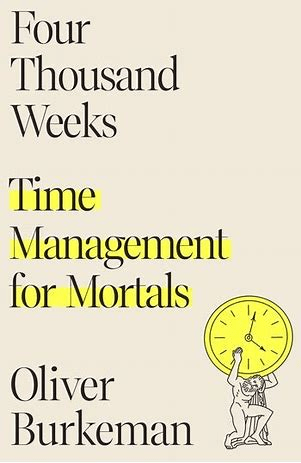
“Four Thousand Weeks: Time Management for Mortals” was written by Oliver Burkeman, published in 2021, was named after the concept of an average lifetime being just 4000 weeks, and is one of the most useful books I have ever read.

If you succeed in getting things done on your to-do list, more things will inevitably seem important, meaningful, or obligatory. Getting things done won’t generally result in the feeling of having “enough time” – the demands will increase to offset any benefits. You’ll be creating more things to do.

Oliver Burkemann

The more you believe you might succeed in “fitting everything in,” the more commitments you naturally take on, and the less you feel the need to ask whether each new commitment is truly worthy of a portion of your time – and so your days inevitably fill with more activities you don’t especially value. This is why it is SO important to learn how to say NO to obligations without feeling guilt, pressure, or obligation.

People complain that they no longer have “time to read,” but the reality, as the novelist Tim Parks has pointed out, is rarely that they can’t locate an empty half hour in the course of the day. What they mean is that when they do find time and use it to try to read, they’re impatient to give themselves to the task because they’re inclined to interruption. Social media and what we think of as “distractions” aren’t the ultimate cause of our being distracted. They’re just the places we go to seek relief from the discomfort of confronting limitation.

Tim Parks

When you get tremendously efficient at answering e-mail, all that happens is you get more e-mail.

“Nobody ever really gets four thousand weeks in which to live – not only because you might end up with fewer than that, but because in reality you never GET a single week, in the sense of being able to guarantee that it will arrive, or that you’ll be in a position to use it precisely as you wish.”

“We treat our plans as though they are a lasso, thrown from the present around the future, in order to bring it under our command. A plan is an expression of your current thoughts about how you’d ideally like to deploy your modest influence over the future. The future, of course, is under no obligation to comply.”

Oliver Burkemann

“The day will never arrive when you finally have everything under control—when the flood of emails has been contained; when your to-do lists have stopped getting longer; when you’re meeting all your obligations at work and in your home life; when nobody’s angry with you for missing a deadline or dropping the ball; and when the fully optimized person you’ve become can turn, at long last, to the things life is really supposed to be about. Let’s start by admitting defeat: none of this is ever going to happen.”

Oliver Burkemann

Spending at least some of your time “wastefully,” focused solely on the pleasure of the experience, is the only way NOT to waste it – to be truly at leisure, rather than covertly engaged in future-focused self-improvement. In order to most fully inhabit the only life you ever get, you have to refrain from using every spare hour for personal growth.

Tips: focus on one big project at a time, keep an open and closed to-do list with a fixed # of entries to have on your current to-do list, establish predetermined time boundaries for your daily work, accept that you can’t dedicate as much time as you want to everything and decide in advance what to not give as much effort to in your life, seek out novelty in the mundane and pay more attention in every moment, and practice doing nothing.

When in doubt, do the next most necessary thing.

Five questions to consider:

1. Where in your life or your work are you currently pursuing comfort, when what’s called for is a little discomfort? We naturally tend to make decisions about our daily use of time that prioritize anxiety-avoidance.

2. Are you holding yourself to, and judging yourself by, standards of productivity or performance that are impossible to meet?

3. In what ways have you yet to accept the fact that you are who you are, not the person you think you ought to be? Once you no longer feel the stifling pressure to become a particular kind of person, you can confront the personality/strengths, weaknesses/talents, and enthusiasm you find yourself with and follow where they lead.

4. In which areas of your life are you still holding back until you feel like you know what you’re doing?

5. How would you spend your days differently if you didn’t care so much about seeing your actions reach fruition?

If you want to learn or hear more, Oliver Burkemann has been featured on many podcasts on Spotify! I highly recommend listening to this link to a Talks at Google YouTube video with Oliver Burkemann:

This book is one of the best books I have read and I highly recommend it!

I look forward to reading, learning, and sharing more with you soon!