It’s been a while since I’ve posted on this blog since I have had other priorities. I read 5 books in April. Here is a blurb of each of the books I read in April.
“Funny, You Don’t Look Autistic: A Comedian’s Guide to Life on the Spectrum” was written by Michael McCreary, who does stand-up comedy about being on the autism spectrum and uses comedy to help demystify autism and break down stereotypes. He has performed across North America and lives in Toronto, Canada. Although this is not a comprehensive educational book, I learned more about autism. Here are some takeaways.
Everyone with autism spectrum disorder (ASD) is different. People with ASD have many of the same thoughts and feelings as anyone else. The difference is in the intensity of those feelings and the degree to which they affect functioning.
The DSM-5 defines autism as a “triad of impairments” that presents challenges in these areas:
social interaction
communication
repetitive behaviors
Some people have heightened senses and can’t handle sudden bursts or noise or tags on clothes, while others are under-sensitive to sensory information and need to seek out stimulation. This is known as “stimming” and can include rocking, staring at lights, repetitive blinking, tapping, making sounds, spinning objects, rubbing your skin, clapping, or leg-shaking.
The author took improv classes. Improv requires you to listen to people, respond to them, and go with the flow: “Improv taught me more about social skills than any learning strategies ever could.”
When I’d seen comics lean on a mic stand, I always thought it was a power move. I soon realized that it was meant to make your shaking less obvious.
In media, the characters often seem like a checklist of symptoms rather than real people, a collection of quirks that have been mistaken for a personality. The problem with presenting autism on-screen is that it becomes the crux of the character. Having autism is a characteristic, not a character.
Although this book provided some useful information, it left more to be desired.
3 out of 5 stars
“The Unclaimed: Abandonment and Hope in the City of Angels” by Pamela Prickett and Stefan Timmermans is a powerful work of narrative nonfiction that explores what happens when people die with no one to claim them. Prickett, a sociology professor and former broadcaster, and Timmermans, a UCLA sociologist known for his work on death investigations, follow the lives of four individuals in Los Angeles who died between 2012 and 2019—some with family and means, others without—revealing how easily people can become invisible. Alongside their stories, the authors introduce us to the scene investigators, notification officers, and crematorium workers who step in when no one else will. I found the book deeply moving and full of surprising insights. Here are just a few that stayed with me.
Today, more and more relatives are abandoning their dead, leaving it to local governments to dispose of the bodies. Up to 150,000 Americans now go unclaimed each year.
The term of choice for those sent to the potter’s field is no longer indigent but unclaimed – reflective of relatives’ inability or unwillingness to take care of their dead.
There is no federal agency to track or oversee the unclaimed – just a patchwork of ad hoc local practices.
Los Angeles – “Over five hours, the men poured 1,461 boxes and envelopes into the grave – a year’s worth of ashes.”
Just because a family might be indigent does not mean a decedent is. To access a decedent’s $, the family needs a death certificate. The medical examiner’s office would not release the death certificate until the family hired a private funeral home to transfer the body from the crowded crypt. Quick access to the death certificate was one of the few carrots the office had to entice hesitant families to claim.
Meanwhile, even as they refused to claim David’s body, Mikel and Tiffany were planning how they would spend David’s money. When the estate was settled, after expenses and fees amounting to $30,000, Tiffany’s share came to $10,996.71. Feeling no shame about benefiting from the investment account of a man they hadn’t spoken to in decades, they decided to take a late honeymoon.
Patterns that increase likelihood of being unclaimed: social isolation caused by eroding family ties, never getting married, estrangement
I highly recommend this fascinating book! I learned so much about the unclaimed.
5 out of 5 stars
“The New Rulebook: Notes from a psychologist to help redefine the way you live” was written by Dr. Chris Cheers, an Australian psychologist and educator with a focus on elevating mental health in the arts and LGBTQIA+ communities. In this book, Dr. Cheers compassionately asks readers to examine 5 key areas of their lives: self-care, emotions, work, love, and body, and offers evidence-based solutions to redefine their lives not based on expectations of how they should live but led by what they need. Here are some reflections.
If you only focus on self, you start to view self-care as something that is a solo effort – something you buy for yourself, do alone, etc. Many of the worthwhile actions of self-care are carried out in relation to other people, such as communicating boundaries, saying no, or standing up for yourself.
We often recognize that we’re unhappy in our relationships, at work, or in daily life, but we rarely see major change as a real option. Instead, we try to feel better about the lives we already have and convince ourselves that change is too hard or simply not possible. In that process, self-care can become a soothing distraction rather than a solution. If your version of self-care is helping you cope with something that truly needs to change, it may not be care at all. It may be a quiet form of self-neglect.
Self-Care Reflection Questions
How can I care for myself today?
What are the barriers to making that happen? Can they be challenged?
What can I do to help make that care happen?
What positive impact will this care have not only for me, but for my community and the people in my life?
Values – How do you want people to describe you? What words do you want them to use to describe what you have held as most meaningful and important in your life? These are your values.
Values are useless if they just remain an ideal. Our daily actions become our life and identity. Consider how your actions have aligned with your values over the last six months and consider which behavior you could limit to make space for more meaningful actions.
We promote belonging in our relationships through intentional gathering. Safety comes from clear communication and trust. Trust is earned through actions that show accountability, integrity, and reliability. We can also promote a sense of safety in our relationships through learning how to have a difficult conversation, apologize, and come together after conflict.
I recommend this book to anyone who wants to examine the 5 key areas of their lives: self-care, emotions, work, love, and body.
4 out of 5 stars
“Bibliotherapy: Books to Guide You Through Every Chapter of Life” was written by Molly Masters, a writer, podcaster, director and CEO of Aphra, and CEO of Bookshop Limited. Bibliotherapy is the application of literature towards a therapeutic goal. This book was a bibliotherapy concierge for confidence and courage, adulting, empowerment, first loves and great loves, heartbreak, self-love and self-discovery, LGBTQIA+ identity, new beginnings, new parents, creativity and inspiration, escapism, your mind, grief and loss, and feeling directionless.
This book was split into sections and provided one-sentence blurbs about most books recommended. I wrote several titles down to research more or read, and I highly recommend this book if you want book recommendations for the categories listed above! I will not be sharing titles recommended at this time because I don’t want to endorse books I have not read yet.
4 out of 5 stars
.
“The Fountain of Youth – Confession: The Only Key to Living Forever” was written by Dave Durand. This book was handed out by my Catholic church and explores a topic that many Catholics (and Christians in general) struggle with: the Sacrament of Confession. Dave Durand takes a direct approach, addressing common excuses people make for avoiding confession, and offering responses rooted in Scripture and Church teaching. Here’s a brief look at a few of those points:
“It is not necessary to go to a priest. I can just tell my sins to God directly.” Durand reminds us that Jesus gave His apostles the authority to forgive sins—a gift passed down through the Church.
“At least I’m not as bad as others.” The book challenges the idea that God “grades on a curve” and instead invites us to humbly acknowledge our need for grace, just as many saints once did.
Self-Justification Rather than justifying our actions, confession helps us confront our faults honestly before God, which can lead to deeper transformation in all areas of life.
“Who is the Church to say what’s a sin?” Durand addresses this with a reminder that moral truth doesn’t change based on opinion and that Jesus established the Church for guidance and accountability.
“I keep committing the same sin—what’s the point?” He encourages persistence in confession, noting that repeated sin doesn’t mean failure if we sincerely strive to grow in virtue with God’s help.
Emotional Blocks Past negative experiences can make confession difficult, but Durand gently urges readers not to let one painful moment keep them from God’s healing grace.
Overall, The Fountain of Youth offers a clear and convicting view of confession within the Catholic faith grounded in both Scripture and the Catechism. Whether you’re a lifelong Catholic or simply curious about the sacrament, it presents a perspective worth reflecting on.
4 out of 5 stars
I look forward to reading, learning, and sharing more with you soon!
“Real Self-Care” was a much needed, straightforward book written by Pooja Lakshmin, MD, a board-certified psychiatrist, New York Times contributor, and the founder and CEO of Gemma, the physician-led women’s mental health community.
For many women, self-care ends up being another burden, another thing on the to-do list to feel bad about because they aren’t doing it right. Women are pulled in two opposing directions: asked to be selfless and accommodating to the needs of others and, simultaneously, to excel professionally and personally.
Real self-care vs faux self-care:
Applying a methodology of faux self-care is reactive, whereas practicing real self-care is proactive.
Faux self-care is a noun, typically describing an activity or a product. Real self-care is a verb, describing an invisible, internal decision-making process.
3 most common reasons why we tend to turn to faux self-care:
escape – using self-care to escape our regular lives seldom results in lasting change. Our true selves are located in our daily choices.
Whatever the setting, you get to “retreat” from the real world and hermit away in a beautiful environment, but no matter how much self-care you do, you’re still you.
achievement – based on shame. Another activity to excel at/conquer. Perfectionism, workaholism, and capitalism.
“My self-worth strongly depends on my ability to be seen as a success.”
optimization – trying to maximize every possible aspect of life and trying to be the most efficient, productive, and controlled.
Optimization will just breed more optimization – equating self-worth with productivity
What is real self-care?
Real self-care requires boundaries and moving past guilt. You must be assertive in prioritizing your own needs and desires.
Real self-care means treating yourself with compassion.
Real self-care brings you closer to yourself and getting to know your core values, beliefs, and desires.
Real self-care is an assertion of power. It’s about saying what works for you and what doesn’t.
Real self-care is all about making space for you – your thoughts, feelings, and priorities in life. Setting boundaries is how we take our time, energy, and attention back. Ex: you don’t have to answer your phone. Setting boundaries is about recognizing you have a choice and communicating it. Learn to say no.
The longer you stick with a relationship, job, or situation that isn’t working for you, the higher the emotional cost to set a boundary.
Listen to what your body is telling you: dread, nausea, palpitations, etc. Learn to say no.
In all situations, you can say yes, you can say no, or you can negotiate. Your boundary is in your pause.
Tips for practicing compassion:
Replace self-judgment with self-kindness.
Practice receiving support/love/attention. Say yes to offers of help.
Connect with your body and rest when your body is tired.
Know your values. What sort of person do you want to be? What really matters to you? Does your action align with your values? Know your HOW and WHY. Recognize that in each season of your life, you will have different priorities.
Your boundaries are a reflection of how willing you are to advocate for the life you want. You must separate your own needs and preferences from the opinions of other people who have a vested interest in your life.
Every boundary you set is a reminder that you have agency over how you spend your time and your energy. Be clear, be concise, and don’t apologize.
Compassion is something you must give to yourself; you can’t expect it to always come from outside.
These common examples are NOT practicing compassion:
“I can save time by doing it myself.” Women tend to bear the heavy mental load because they believe others are less efficient or don’t do things quite right. This leads to resentment and rage that builds up all because it’s “easier and faster.”
Martyr mode – extending yourself toward others and expecting praise/support/attention and losing your cool when that expectation is not met.
I look forward to reading, learning, and sharing more with you soon!
I read six books in November, some of which were short and easy reads. Here is a blurb of each of the books I read in November.
“Where I Dry the Flowers” is a Button Poetry book of poems written by Ollie Schminkey, a non-binary transgender poet and artist who has spent the past decade coaching, mentoring, teaching classes, and running workshops for poets. Many poems in this book are about grieving the loss of a complex person. I highly recommend this book to anyone who loves poetry and/or is trying to process grief. Here are some lines I enjoyed from this book.
Controversial opinion: In Defense of Speaking Ill of the Dead – “he is both: the man who would make us smoothies out of orange Kool-Aid and vanilla ice cream and the man who yelled when he drank and drank so often I’d run to the basement and lock the door.”
“I think grief is always at least two things: one, the constant realization that your expectations for the future were wrong, and two, death has happened and it will again.“
Forgiveness poem – “i never said it out loud. Maybe my father wanted forgiveness as much as I wanted an apology, but we stayed silent, the grudge, smooth as a pearl underneath our tongues. but it doesn’t mean i didn’t forgive him. and it doesn’t mean he wasn’t sorry . . . . when he offered me his death as an apology, i took it. of course, i took it.“
One of my favorite poems from the book is this one. I love the idea of contrapuntals.
4 out of 5 stars
“Self-Care Activities for Women: 101 Practical Ways to Slow Down and Reconnect With Yourself” was a quick, easy read with excellent ideas from Cicely Horsham-Brathwaite, PhD, a licensed counseling psychologist and coach with over two decades of experience. This book provided different ideas for self-care in different categories: emotional, physical, mental, social, and professional. I highly recommend this book for anyone looking for self-care ideas. Here are some of my favorite ideas from each category.
Emotional self-care: Create your joy playlist. Create a list of songs that bring about positive memories and feelings, and schedule time in your calendar to listen to the entire playlist without multitasking whenever you need a mood shift.
Physical self-care: Plan a hike and picnic outdoors with friends.
Mental self-care: When you find yourself engaging in distracting behavior, reflect. What do I need right now? Is this giving me what I need, or do I need something else? Ex: may need a shower, hydration, exercise, rest, a hug, a good cry, journal reflection, or a talk with a friend.
Social self-care: Schedule activities with people you’d like to get together with on a regular basis. Rotate hosting.
Professional self-care: Establish a morning routine to set the tone for the rest of the day.
Self-care = “the actions one takes on their behalf in service of their well-being. Self-care means giving the world the best of you instead of what is left of you.”
5 out of 5 stars
“How to Be Perfect: An Illustrated Guide” was a quick, fun, simple book written by Rod Padgett and illustrated by Jason Novak that took me under fifteen minutes to read. Here are a handful of my favorite lines.
Hope for everything. Expect nothing.
Be skeptical about all opinions, but try to see some value in each of them.
Learn something new every day.
Be honest with yourself and diplomatic with others.
Be on time, but if you are late do not give a detailed and lengthy excuse.
4 out of 5 stars
“Growing Up in Public: Coming of Age in a Digital World” was written by Devorah Heitner, PhD, who has spoken and written widely about parenting and growing up in the digital age. This book was interesting and thought-provoking, and I highly recommend it for all parents or anyone who hopes to be a parent someday. This review sums it up:
“A must-read for every parent. Emphasizing the importance of our children feeling seen instead of watched, mentored instead of monitored, this book is all at once a road map for preventing digital problems, a resource for what to do when things go wrong, and a crash course in how to empower our kids to become responsible, independent, and thoughtful digital citizens.” – Tina Payne Bryston, LCSW, PhD, NYT bestselling author of “The Whole Brain Child”
I got a lot out of this book, and here are just some of the tips:
Mentoring is better than monitoring if we want to set our kids up for success. We want our kids to make good decisions, even when we are not right there.
We need to do a better job of mentoring kids on how to be intentional about how much they share both online and offline.
Common mistakes from teens and kids: carelessly taking a video of themselves making a crude hang gesture or using profanity, sharing videos of themselves making an unkind joke about a peer or teacher, taking selfies of vaping/drinking/drugs, taking a video mocking someone’s disability, wearing a racist Halloween costume, making fun of someone’s accent or body type, and liking or reposting problematic things.
5 out of 5 stars
“Exactly What To Say: The Magic Words for Influence and Impact” was written by Phil M. Jones. This book can be considered a masterclass in the art of influence, persuasion, and generating top-producing results. This book often came across as salesy – teaching the world to sell. I highly recommend this book to anyone in sales or anyone who wants to influence or persuade others.
Here are some of the tips:
One of the biggest reasons your ideas fail to get heard is that others tell you that they just don’t have the time to consider them. By using the preface, “When would be a good time to . . .?” you prompt the other person to subconsciously assume that there will be a good time and that no is not an option.
The words, “As I see it, you have three options” help the other person through the decision-making process and allow you to appear impartial in doing so. Present your option last and as the easiest. Then ask “What’s going to be easier for you?“
“What happens next is . . . ” brings people through to the completion that needs to follow. It is your responsibility to lead the conversation, and following the sharing of the required information, your role is to move it toward a close.
Success in negotiating is all about maintaining control in a conversation, and the person in control is always the person who is asking the questions. Challenge objections with “What makes you say that?” This shift of control now leaves the other person obligated to give an answer and fill in the gaps in their previous statement.
5 out of 5 stars
“The Complications: On Going Insane In America” was written by Emmett Rensin, who reflects on his life with schizoaffective disorder of the bipolar type: the hospitals and medication, the lost jobs and friends, the periods of mania and psychosis, the medication-induced tremor in his hands, etc. This book elevates the conversation around mental illness and challenges us to reexamine what we think we know about a world where one in a hundred people go mad. I learned a lot from this book and highly recommend it to anyone who wants to learn more about mental disorders. Here are some of my takeaways:
Some psychotic disorders become milder with age. Others are deteriorating, progressive conditions. Outcomes are difficult to predict.
The causes of severe psychiatric dysfunction are not thoroughly understood, but it is widely perceived that genes are not enough. Some additional event typically precipitates the full break. Trauma, substance abuse, and brain injury are common suspects.
It takes 7-8 years, on average, after initial onset of symptoms to get a diagnosis.
While brain abnormalities exist in some psychiatric patients, there are no consistent organic “signs” of madness, not any biological test for any psychiatric pathology.
“In between the positive exclamations of a psychotic disorder – bouts of delusion, mania, hallucinatory experience – are the dull murmurs of what we call negative symptoms, which generally include a blunt affect, social isolation, difficulty feeling pleasure, a lack of willpower, and poverty of speech.
“One of the greatest predictors of patient prognosis in the case of psychotic disorders is the degree of patient insight, which is to say, the degree to which the patient is aware of their disorder. If you cannot believe that you are ill, then you are unlikely to take your medication. If you do not take your medication, your condition will worsen. If your condition worsens, you are no more likely to take your medication or engage in the tedium of self-care.”
This reflection from the author stood out to me:
I am afraid of reaching a point where I do not want help, do not believe that I need help, where I run away from anyone who tries to help me, or worse, where I become so terrified or angry or violent that I hurt those people until they are not willing to help me anymore. I am afraid that one day I will become so sick that I reach the end of other people’s charity.
4 out of 5 stars – at times, this book was difficult to read and seemingly consisted of tangents and ramblings – however, this was likely due to periods of mania.
4 out of 5 stars
I look forward to reading, learning, and sharing more with you soon!
I am more than my body: the body neutral journey” was written by Bethany C. Meyers, CEO of the be.come project. Bethany has over 15 years of experience in the fitness industry as an instructor, teacher, and workout creator. I struggle with my body image, and this book was much needed and thought-provoking. I got SO much out of this book that may be helpful to others.
In short, body neutrality is the idea that each of us is more than our body, and our worth is not limited to our physical self. It is respecting our body even though we may feel differently about it on any given day. Body neutrality involves steering away from self-hate without the pressure of having to love our body.
Body shame is heavily supported by diet culture. The beauty goal posts keep moving.
Toxic body positivity suggests people should love their bodies as long as they are healthy and work on their health if they aren’t healthy.
The body neutral journey is to acknowledge the feelings we have, explore why those feelings came about, and reconnect with our self-worth. Acknowledge your feelings without judgment. Explore the hidden reasons – stress, lack of sleep, emotional distress, sickness, hormones, societal wiring, etc. Reconnect with yourself, and thank your body for what it does for you.
Happiness comes from honest acceptance. Happiness doesn’t come from self-harm, self-abuse, self-delusion, self-hatred, shame, restriction, or punishment.
“All bodies are created equal, but they are not treated equally.” There is discrimination in media, employment, healthcare, relationships, etc. Many people are told to lose weight instead of receiving tests or treatments for other medical concerns. Attaining “health” isn’t a possibility for some people, and many factors (location, income, and socioeconomic status) can make it difficult or even impossible to access.
Things to consider:
“While we seek compassion for ourselves, we should simultaneously hope to find compassion for others, no matter their appearance.” If you have been speaking poorly to yourself and judging yourself harshly, how much of that is seeping out into your relationships with others? How do your comments about your own body impact those around you who hear them (especially children)?
Internalizing that this is the one body you have and that even if you’re not always thrilled with how it looks, you can devote yourself to caring for it, is game-changing.
We’ll likely always be influenced by the environment we live in, the media we consume, and the trends we see around us, but we don’t need to change things about ourselves that we love or start to hate parts of ourselves if they’re not in vogue.
Many people elect to do body modifications: lip filler, liposuction, Botox, nose jobs, lash extensions, etc. It’s worthwhile to be honest with yourself about why you are getting a procedure done. If it’s for someone else or you think it will make you more popular, attractive, or acceptable, it may not be coming from a neutral place.
Kids are more than their bodies and when we obsess or comment about their size, we teach them that this is where their identity lies. We forget about their interests, their dreams, and their goals, and we hinder development by placing them in a box. We need to be mindful of the language we use around young people to describe bodies, diets, and health.
“Babies cry when they are hungry and we let them eat because we don’t want them to go hungry. It always boggled my mind how we trust infants with this but we have such a hard time trusting ourselves. Often we restrict our food intake even when we are hungry.”
Points to consider about exercising/movement:
When you separate exercise from having the sole goal of changing your body, and instead allow it to be a place for repair, release, and rejuvenation, it’s likely you’ll find new freedom in your movement practice. Move your body in ways that feel good and that you actually enjoy.
Our bodies are wise and know how to adapt, evolve, and heal themselves. They know when we need rest, and they know when we need to move. As you connect with your body more intuitively, you will be able to interpret its cues in a new way.
Ask yourself: Am I appreciating the functions of my body without criticism? Am I focused on my body’s failings? Am I comparing myself to others? Am I pushing my body past its limits for the sake of hitting a certain goal or target?
Ask yourself: Why am I choosing to move today? Is it based on changing my physical form? Can I reframe my motive to focus on my mental, spiritual, or emotional health? How do I want this movement session to serve me?
What kind of language does your gym/instructor promote? Is this language in line with your values? What influences or media do you consume that frames exercise as a punishment, a requirement, or a means only to change your physical shape? I have experienced gym class instructors who made comments in classes about exercising to “earn” a shower or exercise to “work off” or “earn” pizza. I don’t surround myself with these environments anymore and have been able to reframe my mindset.
Change your intent of exercise. Consider the mental or emotional benefits of exercise. Think about how it will feel after, movement as a powerful release, and movement as self-care. Give yourself grace and allow rest.
“For people with chronic health issues, it is easy to start to lose trust and faith in your body in a lot of ways. There can be a lot of anger toward the body and a desire to control it. The impulse is often to try to make our bodies do what we want them to do.”
This book really resonated with me. I have chronic health issues that often cause bloating and other issues. Sometimes I look somewhat fit and many other times I look nine months pregnant. Sometimes I am frustrated with my body not functioning the way it should be.
Kids participate in movement because it’s fun, not because it’s necessary. They only begin to think about movement as a means to change their body when they receive messages that their body needs to change. It is learned behavior.
TIPS:
In the context of the body, the more we try to control what we eat, how we exercise, and how our outer self appears to the world, the more these issues will loom large in our life, depleting our health and happiness.
Whatever you restrict becomes the thing you crave. Deep restrictions lead to more and more cravings and bingeing. Always make sure the pantry is stocked. The more you have access to things, the less power they have over you. Removing restrictions is an important part of the recovery process.
I agree with this! I used to not allow myself to purchase candy, dairy-free ice cream, popcorn, chips, and many other foods when I lived alone in an apartment, so when I had access to them, I would eat so much that I felt sick. Since being married, we have kept all of these things on hand, and I have exhibited more self-control and less bingeing. I’ve had access to all of these things on a daily basis and have been surprised at how little I have consumed them on a regular basis!
Examine your relationship with control. Are your habits impeding upon your work schedule or time with family and friends? Do you say no to events. occasions, or activities in order to stick to your regimen? How much are you beating yourself up when you make a misstep? Wanting to control things is okay and natural, but we need to allow ourselves the space and grace to be humans. We can acknowledge what influences our thoughts and explore those factors. We can recognize that our bodies and everything about us is meant to ebb and flow.
Ignore the size tag on clothes. Different brands will fit differently, and it is not a reflection of your body.
Stop labeling foods as “good” or “bad” – food is not moral.
Toss the scale if you are going to obsess over it.
Be kind to yourself.
Question your “why.” Why do you feel your body needs to be different?
Diversify your social media feed to include all body sizes.
Look in the mirror naked and list positive or neutral comments about yourself.
Let go of perfection.
Remember that a thought is just a thought. It is not truth.
Look how far you’ve come.
Keep your language neutral in front of children.
Make the time for what centers you in your body.
Find like-minded people to move with.
I hope some of this resonated with you in your body neutrality journey.
I look forward to reading, learning, and sharing more with you soon!
My intention is to post a Thoughtful Thursday column each week and share some of the insights I have learned in the past week. Here are some of the things I’ve learned this week:
Self Care IRL – 8 acts of self respect to start your new year
Say no regularly. By saying no, you have more time to focus on yourself and the lifestyle you want to create.
Remove yourself from drama cycles. Don’t surround yourself with people who often complain and leave you feeling burned out and exhausted.
Stop gossiping. It provides escapism, causes you to judge yourself more, and does not create a healthy relationship with those you gossip with.
Find things that make you happy and do them. Find things you love and are passionate about.
Release the need for external validation. Needing external validation can lead to avoidance and the inability to take action. The highest level of respect we can give ourselves is to validate from within.
Find a way to give back or help other people.
Move your body. Move your body, change your mind.
Learn your own values. Most people are living within other people’s values or actions. Do your actions and priorities align with your values?
Fit, Healthy & Happy Podcast – Secrets to Getting Super Fit for 2024
Start executing on your goals now. Do not wait until a specific date or the perfect situation. If you have a big goal, get started now.
Create a circle around you of people who are also fit, healthy, and happy. Surround yourself with people who are doing better than you and who inspire you.
Have a coach to optimize and plan your nutrition, training, and accountability.
Plan ahead – meals, workouts, commitments.
Be willing to sacrifice what you want now with what you can get later. Practice delayed gratification.
No excuses. Look for reasons to work out, not excuses.
Mary’s Cup of Tea: the Self-Love Podcast for Women – The Best Book on Communication
Book – Nonviolent communication
Violent communication: results in hurt or harm. Judging others, bullying, having racial bias, blaming, finger pointing, discriminating, speaking without listening, criticizing others or ourselves, name calling, reacting when we’re angry, using political rhetoric, being defensive, judging who’s right or wrong
Nonviolent communication: integration of consciousness, language, communication, and means of influence
Learn to sense the needs of other people and tune into empathy and bring it back to the feelings and the needs as opposed to being defensive, offensive, trying to be right, trying to convince someone otherwise, trying to prove your point, or trying to be more understood. Sense the needs of other people and what they are feeling beneath the words they are expressing.
I have not read this book, but after listening to this podcast, I will be adding it to my list of books I’d like to read!
Intermittent Fasting – Top 10 Anti-Inflammatory Foods
Berries (specifically, wild blueberries and cherries)
Fatty fish – sardines, anchovies, mackerel, wild salmon
Cruciferous vegetables
Olives and cold pressed single source organic olive oil (in a dark bottle)
Avocado
Nuts (walnuts, almonds, macadamia)
Tomatoes
Peppers
Green leafy vegetables
Dark chocolate
The Mel Robbins Podcast – Reset Your Gut in 5 Days
Dr. Amy Shaw is a medical doctor trained at Harvard, Cornell, and Columbia University.
Bloating is normal and is caused by having unhappy gut bacteria.
FFF morning routine: fasting, fitness, and fermented and fibrous foods
Stress can cause bloating. Stress can cause your nervous system to interfere with your gut’s ability to properly digest food and keep your gut bacteria balanced.
5-step method to heal inflammation, reset your natural hormone balance, and heal food sensitivities
Dr. Amy Shaw recommends you fast for 12 hours (supper to breakfast)to heal your gut.
Rest your gut in 5 days
Five day reset:
Day 1: fasting (12 hours), fitness, fermented and fibrous foods. Add 30 minutes of exercise. When you start moving your body, the distention starts to move. Physically twisting your gut will release some gas and get things moving. Ex: yoga, abs
Day 2: fasting (12 hours), fitness, fermented and fibrous foods. Eliminate dairy, gluten, white sugar, or whatever you think may be triggering you.
Day 3: fasting (12 hours), fitness, fermented and fibrous foods. Start eating foods your gut loves. Spinach, asparagus, fruit, yogurt, etc. Protein: soaked black beans, fish, tofu, eggs, cottage cheese, yogurt, nuts. Your gut doesn’t want “fake” protein – fake meat substitutes, bars, shakes, etc. Processed red meat can cause inflammation.
Day 4: fasting (12 hours), fitness, fermented and fibrous foods. Enjoy. Spend time with people who are good for your mental health and gut health. Spend time with people who make you feel your best.
Day 5: fasting (12 hours), fitness, fermented and fibrous foods. Put it all together: exercise, protein-rich food, enjoy.
It can take up to three weeks to figure out what foods you’re sensitive to with an elimination diet.
You may feel better in as little as three days!
When you eat probiotic foods, the bacteria are delivered to the bacteria that are already in your gut, and our body is more likely to incorporate natural probiotics into our gut ecosystem compared to probiotic supplements.
Sad to Savage – Getting 1% Better, Habit Stacking, Waking Up Early and Willpower
Ways to get 1% better: daily walk, hit 10k steps, read every day, write self-love affirmations, clean up your space, dishes before bed, clear off table every day, lay out clothing for tomorrow, listen to a podcast, call a friend, habit stack
Habit stack ideas: podcast or audiobook while working out, folding laundry, cooking, or meal prepping.
You will never walk away from a book without learning at least one thing.
Waking up early will change your life. It allows you to create time for yourself before you give your time to others (through work). You will have the most willpower in the morning.
Consistent schedule – Monday through Friday – pick a time you want to wake up and a consistent morning routine. To wake up, sit up in bed and chug warm water. Put your phone on the ground so that you must physically get up to turn off your alarm. Use an automatic light bulb to wake you up at a specific time.
Elevate your morning, elevate your life.
I am working on establishing my morning routine and slowly working on getting up earlier. It is something I have been struggling with, as I sleep through multiple alarms.
Inside Out Money – Simple joys and the art of saving money
Simple joys that can keep you from spending money: a walk out in nature, talking with a friend or family member, playing in the yard with kids, reading a good book from the library
Gratitude daily – GLAD method: Something you’re grateful for, something you’ve learned, something you’ve accomplished, something you’ve delighted in.
I love this idea and am looking forward to trying it!
Find something you’re grateful for that you often take for granted.
If you have too many items, your family won’t know what’s important to you when you die.
Clean to have an organized life.
Make a list of what you’re shopping for and stick to it.
Consider a no-spend month and use what you have OR allow yourself to only spend on a certain day of the week so that you must delay instant gratification.
Limit time on social media to avoid being influenced into buying more items.
Questions to ask yourself while decluttering:
Is this my favorite?
Do I love it?
If I lost it, would I replace it?
Would I buy it again?
How much would it cost me if I had to replace it?
What’s the worst thing that could happen if I let it go?
Is this thing in solid working order?
Is this item plastic?
Would this item come with me if I were moving/downsizing?
Does this item spark joy?
Did I bring this items into my life?
If I were free from guilt, would I still keep it?
Will I have more space to do the things I want?
Do I need to save it for tax or legal reasons?
Have I used it in the last year?
Do I want my kids or others in my family to have to take on the burden of this item?
I look forward to reading, learning, and sharing more with you soon!
My intention is to post a Thoughtful Thursday column each week and share some of the insights I have learned in the past week. Here are some of the things I’ve learned this week:
Chasing Life – The Distracted Brain
In the last few months, there have been countless articles about people not being able to sit still and focus. Some movies in theaters have been interrupted by people constantly scrolling on social media. I’ve read that TikTok has shortened our attention span, and many people are unable to sit through and complete watching an extended video on TikTok!
When we concentrate, our brain/executive system is constantly sifting out distractions but also sending out signals that say “this is what is important right now.” There is a very fine line between attention and distraction. We have a limited tank of attentional resources, and there are things we do during the day that build up our resources (taking a break, getting good quality sleep) and things that deplete our resources.
Attention spans have diminished over the years. In 2003, the average attention span on a screen was 2 ½ minutes. In 2012, it was 75 seconds. In the last five years or so, the average is 47 seconds! Some studies have reported that the average attention span is now just 8 seconds! This has been replicated by several studies. The devices themselves are not the only culprits. We are swept away by notifications, but personality is also a factor, as some people are more easily distracted than others.
Most of the ways we consume content has changed dramatically: TikTok has short clips, the shot lengths of tv and film have decreased over the years, the length of tv commercials has decreased, etc. Attention spans are getting shorter, so directors, film/tv editors, and tech companies are gearing content to what they think people will be able to pay attention to.
4 types of attention: Focus, rote, bored, frustrated
If you’re highly challenged and engaged, that is a state of focus.
If you’re engaged and not very challenged, that is rote focus (ex: solitaire, scrolling through social media).
If you’re not engaged and not challenged, that is boredom.
If you’re challenged and not engaged, that is a state of frustration.
The key is to be both engaged and challenged. Everyone is different and has their own rhythm at which they can be both engaged and challenged (time of day, days of the week, etc.)
When people are shifting their attention fast (multi-tasking), it’s associated with higher stress, and, as a consequence, people make more errors. Example: people turn down the music when trying to find a house number or backing out of their driveway so that they can focus. Otherwise, they find it too cognitively challenging to focus.
TIPS:
Find your own rhythm to find your best times for focus. Some people focus best in the morning, after lunch, after exercise, etc.
What can people do to create a more attentive brain? Gain agency over your attention so that you are in control and don’t feel like your devices are in control. Don’t let the bells and popups from your phone rule your life. Become aware of these unconscious actions and raise then to a conscious awareness so that you can become more intentional in your actions.
It is important to get good sleep, take a long break, and go out in nature to increase your focus and attention span. Reframe how you think about scheduling your day. Design the tasks you have to do based on what your own personal rhythm is. Save the tasks that require the hardest work and creative energy to those times that you are most focused and have the most energy.
Every day, ask yourself “What do I want to accomplish today?” and “How do I want to feel?” Be honest and check in on your progress throughout the day to help you stay on track, focused, and attentive.
When people think of distractions, they tend to think of external distractions (phone calls, texts, etc.). Most of the time, we are distracted by ourselves (internal distractions) such as an urge or memory of something we have to do, a desire to look at social media, etc.
Frugal Friends Podcast – How to Systematize Your Sunday Meal Prep
Plan a day/time to meal prep each week. You can pre-cut and freeze chopped onions. Do not thaw them in the refrigerator! Put them right into the pan/pot.
Create a go-to list of family favorite recipes. Keep the ingredients on hand.
Simplify your ingredient list so that you can make several meals with the ingredients you keep on hand. I have some staples I always have on hand, such as ground beef, chicken, peppers, onions, carrots, sweet potatoes, minced garlic, rice, beans, quinoa, homemade taco seasoning and other spice blends, and jars of salsa.
Embrace make-ahead and freezer meals, such as soups and stews.
Do whatever you need to do to make it easier to eat at home than to order takeout.
Take help where you can get it. Ex: your partner assisting you with meal prep, buying pre-cut produce, canned beans, minced garlic, meal kits, frozen vegetables, etc.
Make the most of pantry staples.
Many people think of meal prepping for lunch or supper. Consider breakfast options too. Make a baked oatmeal or energy bites.
TIPS FROM THIS PODCAST:
Make a double batch of rice or quinoa and save one batch for later in the week for a different cuisine.
Prep different veggies, carbs, and proteins. Mix and match throughout the week.
You can make a 5 lb bag of frozen chicken in the Instapot all at once and use a Kitchenaid mixer to quickly shred it in under a minute. Then freeze some of it and refrigerate some of it.
Use grocery pickup to avoid impulse purchases. It is easier to stay in budget and plan meals in advance when using grocery pickup.
Sobriety Uncensored – Episode 41 – FAQs
The host encourages people to ask themselves: “Is alcohol still benefiting my mental health, my physical health, my financial wealth, and my relationships?” Some people get irritated because if anyone asks themselves those questions, nobody would drink. That’s the truth.
People who don’t want to quit but want to “cut back” don’t want to tell people they plan to quit because that way, they won’t be held accountable. When they do drink, they can justify it by saying that they cut back.
“By just quitting by announcing it to myself, I was just bartering with myself. If I wanted to drink again, I could drink again. I could lie to myself all day long and I did.”
Accountability is necessary for many people to achieve long-term sobriety and stay focused on the end game.
How I Built This with Guy Raz – DoorDash: Tony Xu
Fun fact: I have never ordered from DoorDash! Still, I wanted to learn more about DoorDash, and this episode was fascinating.
DoorDash started out with a simple webpage, 8 restaurants, and a Honda Accord.
Tony Xu went to college at UC-Berkley and went to business school at Stanford.
Tony had a project at Stanford where he had to work on a customer audience that he was passionate about and try different things. He grew up as a dishwasher in his mom’s restaurant, so he worked with others and they would call restaurants and ask them what problem they could solve.
The first idea they worked on was a marketing solution that would help them determine where their customers were coming from by asking them at the check out how they heard about the business. They realized that, although it was a helpful idea, it wouldn’t be the fastest way to grow a business.
They then shifted their attention to growing businesses. They heard about challenges with delivery because most restaurants did not deliver. Businesses turned down several orders each week because they didn’t offer delivery. They first tested their project by delivering for other companies (ex: applied to be drivers at Fedex and Dominos) to learn about how deliveries work. They learned that it’s hard to predict how many drivers to have on staff on any given day and it is an inefficient use of expensive labor.
None of the restaurants around Stanford offered delivery, so on a Saturday, they built a website called PaloAltoDelivery.com. They put 8 PDF menus from local restaurants on the website and there was a Google voice # that would ring Tony and his classmates/founders. They did not ask permission of the restaurants; they just picked 8 restaurants (Thai, middle eastern, Chinese, Indian, salad bar, etc.) People called the # and ordered off the menu. They would then do the deliveries themselves. They would make an estimate of how long it would take, call the order in, and use a Square card reader to receive payment. Essentially they were just being reimbursed to buy someone else’s food.
They got their first order 45 minutes after launching. They videotaped their first delivery.
They only offered service when they were not in class (available 5-8 p.m.) They did that for five months. They kept track of what people would be willing to pay for delivery, whether restaurants would want to work with them and pay them, and whether they could recruit drivers at Stanford and how much they needed to be paid.
They were only delivering 5-10 orders per day. It was not very scalable.
The founders applied to the Y combinator accelerator program and were accepted – got $20,000 and gave away a small piece of ownership. Their webpage became more sophisticated (from PDFs to store web pages). All 40 companies pitched onstage to a group of investors. Tony said they are building a logistics business, not a food delivery company. Their goal was not just to do food. They raised $2 million from investors in the seed round. With the $2 million, they needed to prove that the service was viable in a market in one area, so they chose San Jose and built an app (DoorDash). Purchased domain for $9.95. He and his founders did all of the deliveries for almost the entire first year.
They realized that the most difficult part was building products that the consumers don’t see. How do you get the order to the restaurant? How do you reconcile orders if they go wrong? How do you tie to the accounting that restaurants are already doing? How do you know which door to enter if you’re a driver? His cofounders led the engineering team, most of which are still at DoorDash today.
They printed out flyers and stuffed takeout bags at restaurants to advertise their business.
San Jose grew very fast over a 4-month period, so they decided to raise their next round of financing. They wanted to create new technology by hiring salespeople, hire drivers, and spend on marketing.
There’s an app for the user, the restaurant has a different app, and the driver has a different app. They also need to build other systems to ensure everything is working properly.
Every single person did deliveries and customer support every single day for the first year. They still do this, but once a month instead of every day. This causes them to learn about different systems and nuances. In many ways, they consider themselves an applied math company. Where is every parking lot, construction zone, alley, and elevator inside of a mall?
The delivery fee ranges from $1.99-$5.99. DoorDash makes money from the delivery fee (from the customer) and from the restaurant (a percentage of the order total). When DoorDash launched, there were over 800 companies around the country delivering parcel.
When you look at the restaurant industry, it’s not all online. Many orders still happen through a phone call.
This episode was from 2018. Tony aims to make DoorDash the biggest infrastructure that connects consumers and merchants. He wants to be the first phone call for those who want to start a company and build their businesses. Currently it is the biggest service in about 60% of the U.S.
Tony says his success has involved a lot of luck. He acknowledges that he has been lucky to have a lot of great people who have helped him along the way. The hard work and skill was not the result of just him; he says the real heroes were his teammates, and their collective hours, skills, hard work, and drive allowed him to be successful.
I loved this post of Gabe’s from his blog that I read daily:
This past week I read “Real Self-Care” written by Pooja Lakshmin, MD. I will post about this book in greater detail in a future blog post. For now, I wanted to share a few main points:
Real self-care requires setting boundaries and moving past guilt.
Real self-care means treating yourself with compassion.
Real self-care brings you closer to yourself and your values, beliefs, and desires.
Real self-care is an assertion of power. It’s about saying what works for you and what doesn’t.
Faux self-care is a noun, typically describing an activity or a product. Real self-care is a verb, describing an invisible, internal decision-making process.
Real self-care is all about making space for you – your thoughts, feelings, and priorities in life. Setting boundaries is how we take our time, energy, and attention back. Real self-care involves aligning your actions with your values.
Compassion is something you must give yourself. You can’t expect it to always come from others. You can’t be compassionate with yourself until you have learned to start saying no to others.
I look forward to reading, learning, and sharing more with you soon!
My intention is to post a Thoughtful Thursday column each week and share some of the insights I have learned in the past week. Here are some of the things I’ve learned this week:
Optimal Living Daily – Self-Care Habits for Your Daily Routine
Create a supportive morning routine. Establish a morning routine that prepares you for the day ahead. Wake up earlier if this is the only way you can carve out extra time for you.
Choose healthier food and drink options. Watch your intake of sugar, salt, caffeine, and alcohol so that you feel better.
Move your body regularly. Move your body, change your mind!
Listen to yourself. Check in with how you’re feeling and recognize when you need to slow down, do less, avoid social media, take a nap, share a laugh, or rest.
Do something that makes you happy. Do something for yourself every day.
Create a calming evening and bedtime routine that helps you wind down from the day and prepare your body and mind for sleep.
Optimal Living Daily – Where Do I Start Decluttering?
Pick up regularly.
Do dishes after each meal.
Stop recreational shopping. We can’t possibly simplify our home if we’re continually shopping and bringing more things into it.
Declutter the excess. Start in the kitchen. Save the sentimental items for last. Declutter the non-essentials in all the main living areas of your home first. It will make every aspect of everyday living more efficient, leaving you a good chunk of spare time.
Questions to ask as you declutter: Do I love it? Do I use it? Does it help me live the life I want to live? Too often we base our decisions on who we were in the past, who we hope to be in the future, or who we think we’re supposed to be. Are the things in your home helping you live your current life?
In the past week, I read a book about decluttering. “The Gentle Art of Swedish Death Cleaning” was written by Swedish author Margareta Magnusson. This was a quick, easy read. Here are the main points:
Death cleaning is the concept of removing unnecessary things and making your home nice and orderly when you think your death is coming closer, though this can be done at any age or life stage. It consists of thinking more about how to make your life simpler and smaller by getting rid of things you don’t need or want anymore.
Consider this: “what are you going to do with all your things when you do not have the strength for or the interest in taking care of them anymore?” Many adult children worry about the amount of possessions their parents have amassed over the years. Do not leave the burden to your loved ones to take care of what you didn’t bother to take care of yourself. You have a duty to sort out your life.
All things should have a place of their own. While you ponder where something belongs, you may find that you don’t need it at all. You don’t need to keep things you don’t want or don’t use. Think about getting rid of things to let others enjoy them and take care of them.
This past week I also finished reading “Home Maintenance for Dummies” by James Carey and Morris Carey. This book provided basic repair tips, benefits of caulking, monthly/seasonal/annual maintenance checklists, and cleaning tips for various types of floors, bathtubs, siding, and more. I obtained a basic understanding of maintenance and minor repairs relevant to our home. Here are some take-aways:
Home improvement tasks can be categorized into musts, shoulds, and coulds:
Musts: anything that threatens health and safety, violations of fire or building codes, structural weaknesses, and other critical needs.
Examples: install smoke detectors and carbon monoxide detectors, put fire extinguishers in kitchen and garage, replace all old and faulty electrical wiring, install exterior lighting for safety and security, clean out the dryer duct, have the furnace service and repaired or replaced if needed, get an auto-reversing garage door, and eliminate mold.
Shoulds: anything that cuts utility bills, reduces maintenance costs, or prevents a large repair in the future
Examples: attic insulation, caulk around windows and doors, insulate water heater and hot water pipes, replace old toilets with water-saving toilets, replace old appliances with Energy Star-rated appliances, take steps to protect against termites/pests, repair dripping faucets, switch to double-pane or triple-pane windows, seal driveway/walkway cracks
Coulds: anything related to improving appearance and function
Avoid whole life insurance. It is expensive!Also, your amounts and needs will change as you get older and have paid off the house, don’t have dependents, etc.
Buy term life insurance and invest the rest. Term life insurance is much less expensive.
Find a fiduciary. Fiduciaries don’t get commissions.
People who sell whole life insurance often get 7-9% commissions.
Generally you don’t have a high need for ongoing life insurance plans in retirement. You will likely not have outstanding debts or dependents.
Term amount – should be amount of mortgage and outstanding debts, $100k per kid, and an additional $100k for grieving
Life Kit – Meal prep made easy
For some people, meal prep means making two entrees and eating them all week. For some people, it’s freezing meals. For others, it’s preparing ingredients and mixing and matching them throughout the week. Personally, I have prepared 2-3 entrees to eat all week, but I am eager to try preparing ingredients and mixing and matching them throughout the week to add variety!
Meal prepping allows you to better control your diet.
Pick a day or two to prep ingredients that you can eat throughout the week. Foods that work well for meal prep: bell peppers, green onions, roasted veggies, a grain (quinoa, brown rice, jasmine rice, farro), a protein (chickpea, chicken, seafood, beef). Mix and match your meals throughout the week. Overnight oats (in the fridge) also work great for breakfast.
If you can cook five ingredients twice each week, you can do many different meal combinations. Or you can prepare a couple big meals and freeze the rest.
Use glass storage containers to keep food fresh.
I look forward to reading, learning, and sharing more with you soon!
My intention is to post a Thoughtful Thursday column each week and share some of the insights I have learned in the past week. Here are some of the things I’ve learned this week:
Fit, Healthy & Happy Podcast – How to Glow Up Mentally (Mental Health Checklist)
Prioritize your well-being and yourself first.
Exercise daily for your physical and mental health.
Detoxify your social media. If someone makes you feel worse about yourself, unfollow them.
Go to bed earlier. The easiest way to become a morning person is to get to bed earlier.
Aim to eat mainly whole foods and drink more water. Ask whether what you’re consuming is adding to your body or taking away from it. Aim for a diet of 80% whole, healthy foods.
Express gratitude.
Spend more time in nature.
Declutter your space.
Read insightful books.
Spend time alone just thinking and breathing.
Sad to Savage – How I Became The Person I Was Envying
Ask yourself: Who do you want to become? If you want a certain lifestyle, consider whether you want to take the steps to get there. Ex: waking up early, having consistent daily habits, priorities, etc. For example, some people want a different body figure, but want the magic of a pill instead of making changes to their food and exercise habits.
When thinking about the person you are envying and the person you want to be, consider: What media does she consume? Who does she spend time with? What does she do when she gets upset? What healthy coping mechanisms does she have? What is the dream morning or night routine? Where does she live? What does she do for work and does she like it? What does she value? What drives her daily actions? What does she do for her mental health and physical health? What does she do for her growth? What do you want to start doing and stop doing? What are some changes that the future you is making?Think about the things you are doing that are stopping you from living your dream life.
Life Kit – Start a financial self-care routine
Your financial goals should get you closer to whatever it is that you want. Then you should create goals to get there: pay off student loans, max out retirement investments, or save up for a down payment on a house.
Make sure you’re getting a competitive interest rate on the money you keep in the bank. Many large banks pay much less than 1%. It is not uncommon to be getting an interest rate of 0.01%! Some banks are offering between 4-5% interest (CIT bank is one option). Make sure your money is FDIC or NCUA insured.
Annually:
Take the time to consider your health insurance plan options, get quotes for other insurance plans (home & auto), check on your retirement plan contributions, and make sure your beneficiaries are up to date. See if there are any benefits you are missing at work, such as a gym reimbursement, 401k match, etc. Check on your subscriptions and consider whether you still need each of them.
Check on your investment accounts. Look at the rate of return you are getting. Ideally, you will earn at least 10% average over 10 years. Compare your portfolio’s rate of return to the S&P 500 to get a sense of how the market is doing in general. If your investments are doing about the same as the S&P 500, you’re probably in a good position. If your investments are not performing as well as the S&P 500, you will want to rebalance your portfolio. Look into what percentage of fees you are paying (expense ratios). Go for funds with lower expense ratios when you can.
Get a credit report and make sure that it’s accurate. You can get a free report annually at annualcreditreport.com.
List your debts and figure out if you need to make any changes. Should you consolidate your loans, refinance, or increase your payments?
Check on your tax withholding during the year. You may want to change your withholding to avoid getting stuck with a large tax bill.
Monthly:
Pay your bills on time and set bills to auto-pay when possible. Keep a buffer in your checking account to avoid overdraft fees (10%-25% of your monthly expenses). Any amount more than that should go into savings to earn interest!
Review your accounts monthly for fraud charges.
Also check on your income and career goals (networking, taking classes or reading more to gain knowledge in your field, updating resume/LinkedIn, applying to jobs).
Reflect on how you’re taking care of yourself: mind, body, and spirit. It’s much harder to work on your finances when you’re exhausted.
Set aside money to do things that bring you joy. Say no to things that don’t bring you joy.
Daily: Make a daily habit of reflecting on your purchases. Are your choices lining up with what matters to you? Are they leading to the life you want?
Some of my financial habits:
I have nearly all of my bills set on auto-pay. For those that aren’t on auto-pay, I mark my calendar with the dates I should pay them.
I have a percentage of my salary go directly into a retirement account.
I keep a financial screenshot of my checking, savings, and retirement account balances and check them twice each month to see if I am on track toward my goals. When I check these balances, I also review my accounts for fraud and maintain an Excel spreadsheet of all of my expenses and income, along with the net for each month. I categorize expenses (recurring, varied, impulse) and note dates, amounts, account or card balances, and my net so far for the month, and I evaluate how much money I spent in each category each month and whether I need to cut back on certain categories.
I read reviews on products before I purchase them. Most of the time, I no longer want to buy the products after reading reviews. I also take time to consider larger purchases to see if I really need the item. Many times, I decide that I don’t need the item.
I prioritized paying off my debts, aside from the hefty mortgage, and am committed to being debt-free aside from the mortgage. This leaves little room for impulse purchases and leaves more room for contentment and appreciation for what I have worked hard to have.
Frugal Friends Podcast – How Much Should You Tip?
**Of note, the information in this podcast was collected from etiquette articles and interviews with professionals. These opinions are not necessarily those of the podcast hosts or my personal opinions.**
Non-negotiable:
Restaurants (20%). If your service was poor, you can do less.
Bars: if only a bar/drinks, flat rates are acceptable. $1 per beer, $2 per cocktail
Taxi or rideshare: 15-20% for taxi ride, $2 per ride for Uber or Lyft (from a former Uber driver and director of outreach at Ridester)
Hotel: $2-3/day for housekeeping
Hair & nail salons: 15-20%
Babysitter or nanny: round up (example: $50 instead of $45). Nanny- end of year bonus equivalent to 1-2 weeks of pay
Coat check: $1 per coat/$2 for a large bag
Gray areas/not mandatory (according to etiquette experts):
Food delivery (a tip should be required- podcast suggests $3-5 per delivery)
Coffee shops (etiquette articles they used suggest rounding up to the nearest dollar or 20% for difficult orders)
Self-serve (like frozen yogurt places)
Don’t need to tip: doctors, lawyers, teachers, plumbers, therapists, cable technicians, counter service (these people are earning a wage)
I recently came across a set 15% tip option for donating to a GoFundMe fundraiser! I thought that was very bizarre given the fact that GoFundMe takes a portion of proceeds, and the tip option had to be manually set to 0 to not tip.
I look forward to reading, learning, and sharing more with you soon!
My intention is to post a Thoughtful Thursday column each week and share some of the insights I have learned in the past week. Here are some of the things I’ve learned this week:
One of the best things I’ve heard this week is from this podcast.
Optimal Relationships Daily- If You Want to Know if Someone is Worth Your Time, Use the Ted Lasso Rule
If you want a quick way to determine if someone is worth your time, are they curious? Do they ask your questions? If not, are they worth even getting to know?
Many people skip the small talk in favor of talking about themselves. They’re the ones missing out because they’re not being curious. Curiosity has been buried by ego.
Optimal Health Daily- Self-Care Ideas for Better Health and Nutrition by Danielle Omar
Thoroughly chew your food to improve digestion, engage the senses, and reduce energy intake.
Assess hunger and fullness to determine when it’s best for you to start and stop eating.
Reduce portion sizes and use smaller dishes to prevent overeating.
Eliminate distractions at mealtimes to better control food intake and focus on how food makes you feel.
Appreciate the food you’re eating without judgment and savor its appearance, smell, taste, and texture.
Eat foods that make you feel good.
Plan and prep your meals.
Satisfy your sweet tooth.
I gathered some dental insights from these two podcasts:
Science Vs – The Dentist: Toss the Floss? Flush the Brush?
Oral hygiene alone did not prevent cavities in studies done. Fluoride was the main component in preventing cavities.
Brushing with fluoridated toothpaste helps prevent cavities. Brushing might also prevent gingivitis and gum disease. Flossing may help with tooth loss as you get older. Sugar is bad for teeth. Some dentists are shysters.
Life Kit- ‘Do I really need to floss?’ and other common questions about dental care
Finding a dentist is more than just picking from a list. Every procedure that a dental hygienist does is proactive in helping to prevent inflammation and reduce inflammation. A dentist is going to restore or be reactive to disease. A dental assistant assists the dentist.
To evaluate if a hygienist is a good fit for you, see how receptive they are to answering your questions. For example, ask about proper brushing techniques. Have the hygienists observe what you do and see what feedback you get. Overall, you want to make sure that the practice is for you, not a random cash grab.
Red flags- offices that do a lot of aggressive advertising, free x-rays, free exams, and free goodies to lure you in. Once you are in the chair, those dentists know you are more likely to say yes to extra procedures.
Get specific about your fears and then you can talk about them with your dental team. A good practitioner is going to be a great educator and help ease those fears. Is it going to hurt? Is it going to cost a lot? Is my face going to feel numb?
Find someone you feel comfortable with who doesn’t shame you.
Saving money:
Dental schools are a great option if you are looking to save money. You get the benefit of getting many different opinions and great advice. If you have the time to do it, visits to a dental school may be less expensive, but will take more time. Appointments can take up to 4 hours instead of 1 hour due to many people checking you out and the training involved.
Can look for sliding scale or mobile dental clinics
Frequency and technique:
Most healthy patients should come in 2x/year. Some patients may only need to come in once a year.
Clean teeth are all about technique. Use a soft, high-quality toothbrush (if manual, switch out every 4-6 weeks), non-nylon floss, tongue scraper, and low abrasive toothpaste.
Teeth whitening- health and aesthetics are not the same thing! White teeth are a status symbol, but not necessarily a marker of health. Teeth aren’t naturally white as snow; there is a slight yellow white hue of your teeth due to dentin, an inner layer of the tooth under enamel. So if a dentist is immediately bringing up whitening procedures without any evaluation of cavities, gum disease, or other issues, be wary.
Charcoal and whitening toothpastes are so abrasive that they can make your teeth super sensitive and potentially wear down your teeth. They are removing stains,but are not actually changing the color of your teeth.
Life Kit- Why the 5-minute walk break is so powerful
People who sit for hours on end develop chronic diseases, including diabetes, heart disease, dementia, and cancer at much higher rates than those who move throughout the day.
Taking a 1-2 minute walk once per hour lowers blood pressure. A 5-minute walk every half hour was able to offset a lot of the harms from sitting. Moving 5 minutes every hour resulted in the blood sugar spike after a meal being reduced by almost 60%. This may not be feasible with most office jobs, as you are losing 10 minutes of productivity each hour.
People are advised to get 150 minutes of moderate intensity physical activity each week (getting your heart rate up). You can break this up into 30 minutes a day 5 days a week, but small chunks of fast walking can count as well.
You will gain energy by moving every half hour or hour.
The whole point is to raise your heart rate—walking, dancing, etc.
Self Care IRL- Habits you have that you need to break TODAY!
Emotional eating– eating snacks and junk when you’re happy, sad, stressed, bored, etc. Be intentional with your eating and drink more water. Sometimes you think you’re hungry but you’re just thirsty.
Sitting for too long at one time– try to schedule a little break at the top of each hour to get up and move, use a sit-stand desk, etc. Boosts metabolism, reduces stress, and can create a more productive day
Hitting the snooze on your alarm clock. Go to sleep earlier than usual if you feel you’re not getting enough sleep each night.
Stop spending hours on social media. Daily social media users spend, on average, 2.5 hours on social media (including TikTok). It’s not always being used to relax or escape; it’s being used to procrastinate. Many people use social media to waste time. Limit your time on social media to 1 hour/day. You can use apps to monitor your social media intake. Instead of resorting to scrolling on social media with every spare moment, try reading, learning something from a podcast, moving around, or tackling something on your to-do list.
Working overtime. You give up family time, me time, and sleep time, and your physical and mental health starts to decline. If you don’t NEED the money, set time boundaries with your work.
These habits are draining our energy and preventing us from reaching our true potential.
I am guilty of most of these! I am focusing on being more intentional with breaking or limiting these habits this month.
Self Improvement Daily- Mistaking Happiness for Pleasure
We are designed to seek immediate gratification. Our unconscious pattern is to do things that make us feel good in the moment, which often conflicts with what makes us feel good later.
Sometimes we overindulge in a meal because we enjoy the taste of delicious food, but we end up feeling sick to our stomach later. Sometimes we scroll on social media when we are bored or procrastinating, and we later regret how we used our time.
You can feel happiness and pleasure in a moment, but pleasure is concerned with the present moment and happiness is concerned with your core values, growth, development, and well-being.
If you can be more discerning between the two, happiness and pleasure, pursue happiness. It will lead to a much more enriching life where you feel good about who you are and how you’re filling your life with genuine joy.
I look forward to reading, learning, and sharing more with you soon!
My intention is to post a Thoughtful Thursday column each week and share some of the insights I have learned in the past week. Here are some of the things I’ve learned this week:
There’s a common misconception that if you like to meticulously organize your things, keep your hands clean, or plan out your weekend to the last detail, you might be OCD. Many people use OCD as a joke and naively claim that they or others must have OCD.
Myth 1: Repetitive or ritualistic behaviors are synonymous with OCD.
OCD has 2 aspects: intrusive thoughts, images, and/or impulses AND the behavioral compulsions people engage in to relieve the anxiety the obsessions cause.
People affected have little or no control over their obsessive thoughts or behaviors and these thoughts or behaviors interfere with work, school, and a social life and cause significant distress.
Myth 2: The main symptom is obsessive handwashing.
This is not always true. OCD can vary from fears of contamination and illness, preoccupation with numbers or patterns, excessive cleaning or double checking, and walking in predetermined patterns.
OCD sufferers report feeling crazy for their irrational thoughts, yet find it difficult to control their actions.
OCD is a neurobiological disorder in which brains of those impacted are hardwired to behave in a certain fashion.
Treatments include medications that increase serotonin in the brain, behavioral therapy that gradually desensitizes patients to their anxieties, and, as a last resort, electro compulsive therapy when OCD does not respond to other forms of treatment.
This is a compelling poem that covers the realities of having OCD. I’m a big fan of Neil Hilborn.
Self Care IRL- Ten polite ways to say no to someone
We are afraid of hurting feelings when we say no. Many people are chronic people-pleasers. Yet, saying no is an essential part of your self-care and emotional well-being.
Just be honest, but remember to be gentle. “Thank you so much for inviting me, but I have other commitments. I really appreciate the invitation.”
Try offering an alternative you’re comfortable with.
Use statements that begin with I. “I really appreciate the invitation, but I have some other commitments.” Don’t blame the other person for not considering your schedule.
Get in the habit of saying thank you. Make sure to express your appreciation sincerely.
Use humor to lighten the mood.
Be firm, but kind. Be direct, yet understanding.
Offer brief explanations if you want to.
Say no without apologizing! You don’t need to feel guilty for setting any boundaries. Be confident and assertive, yet respectful and kind.
Use the sandwich approach. Sandwich your refusal/no between two positive statements. Show you still value and appreciate them.
Practice saying no. Set boundaries and stick to them. Prioritize your needs.
Radio Headspace- The Ingredients of Our Lives
When we cook, we don’t try to change ingredients – we simply use what we have been given.
The flavors of our lives are unique and certain ingredients are needed at certain times. The more you fixate on things you don’t have, the more upset you get.
Look at what you have to work with and try to make the most of it. Be at peace with what’s going on. Life ebbs and flows. Sometimes our ingredients are bountiful and sometimes the pantry is pretty bare.
Too much of anything can be detrimental. Sometimes your mind can make it seem like you don’t have enough of the right ingredients. You might be caught up in the trap of wanting more friends, more money, more recognition. Have you ever accidentally added too much salt to a dish? You can’t salvage it. The invitation here is to trust what you’ve been given and find contentment with what you have.
We can literally clean our homes and our kitchen. Sometimes having a decluttered space can help declutter our minds. When our home is clean, we feel clear, connected, and at ease.
Optimal Living Daily- 10 Unconventional Habits to Live Distraction-Less by Joshua Becker
Our world has become a constant feed of breaking news, information, and entertainment. Breaking news breaks into our day at breakneck speed, and we are fed messages relentlessly from advertisements on nearly every flat surface.
Turn off smart phone notifications. Our smart phones are one of the greatest sources of distraction in our lives. The average person touches his or her phone 2,617 times every day! 😲 To limit the distracted nature of your smartphone, turn off all non-essential notifications: social media, e-mails, gaming, etc.
Read and answer e-mail only twice each day. Schedule your e-mail processing to limit incoming distraction.
Complete 1-2 minute projects immediately to live with less distraction.
Remove physical clutter. Clutter is a significant form of visual distraction. Everything in our eyesight pulls at our attention and the more we remove, the less visual stress and distraction we experience. Clear your desk, walls, counters, and home of unneeded distractions.
Clear visible, distracting digital clutter.
Accept and accentuate your personal rhythms. Figure out what works best for you. More mentally challenging tasks-morning. Easier tasks- evening.
Establish a healthy morning routine. The first hour is the rudder of the day. Begin your days on your terms apart from distraction. Develop a distraction-free morning routine.
Cancel cable or unplug the television. The average American watches 37-40 hours of television each week!
Keep a to-do list. No matter how hard you try to manage yourself, new responsibilities and opportunities will surface in your mind from internal and external sources. The opportunity to quickly write down the task allows it to be quickly discarded from your mind.
Care less about what other people think. There is no value in wasting mental energy over the negative criticism of those who only value their own self-interests. Stop living distracted over the opinion of people who don’t matter.
HBR IdeaCast- The Ins and Outs of the Influencer Industry
Influencers drive consumer trends.
The influencer industry dates back to the first decade of the 21st century. When the recession happened, so many people turned to these new platforms that seemed promising to invent a new way of working. The early influencers usually worked in fashion and beauty and shared their ideas about a range of topics related to commercial industries like fashion and beauty.
In the beginning, it was mostly bloggers and Youtubers talking about topics that are near and dear to them in some way and creating content centered on their niche or professional expertise. They fell backwards into this work because it didn’t exist at the time. There was more truth to the narrative “we’re doing what we love/creating content of what we love.”
Once those early bloggers and influencers started to gain traction, advertisers recognized these early influencers as potential persuaders and offered branding details. After that initial wave, there was a crushing wave of people flocking to social media who also wanted to be an influencer.
Once the field became so saturated, it became about cultivating a sense of authenticity and presenting themselves in predictable ways to their audience members. It is getting harder to break through.
Influencers often identify themselves as entrepreneurs. They need to find a balance between authenticity, credibility, and drawing in endorsements to succeed. This balance is hard to attain and there are few and far between. Many influencers have chosen to leave all together or move into marketing because they don’t want to reveal many details of their personal lives.
There is a largely unseen sector of the influencer industry that are marketing middleman type firms that help brands connect to the right influencers for them. Brands can get access to databases and search key words/stats/content specialties and engage with them in a transactional way. Brands can also post a campaign looking for influencers.
A big criticism of the influencer industry is that those who rise to a high level of prominence are predominantly fairly wealthy white young women.
Despite the popular narrative of the influencer industry as being all about doing what you love, following your passion, democratizing culture…it is not free of these biases and problems that plague society. While there has been more awareness of this in recent years, there is still so much work to be done.
One of the prevailing problems is that there is little to no transparency in how these deals are being made, what the pay is, what type of content is worth how much, etc. There is even a large variance among different influencers for the same deals.
Most companies that engage in influencer marketing rely on the advice of marketing agencies they use to ensure they are getting their money’s worth.
Using an authentic niche influencer is generally better than paying a high-level celebrity for an endorsement.
The Walmart spotlight program is the largest and highest profile program. It essentially incentivizes Walmart employees to post about their time working at Walmart, share online a day in the life of working at Walmart, new products, etc. They reward employees who do it really well with cash bonuses or a free product. Consider rewarding employees with influencer skills.
Some companies cultivate their regular customers as influencers by encouraging them to post about try-ons in dressing rooms, such as Banana Republic and Loft. There are ramifications, and some question why we are rewarding influencer-like behaviors and to what ends.
The role of broader economic precarity in this space (societal factors drive people to want to pursue this work- entrepreneur, professional autonomy), lasting impact on technological evolution of social media (we’ve come to expect commercialism in our feeds), and extreme adaptability (driven influencers who want to adapt to changing times and technologies can keep growing) signal that influencing will continue to exist and is here to stay.
Benefits– opportunities for entrepreneurialism, effective ways of getting media messages out there, networking, community
Drawbacks- rapid spread of misinformation, mental health toll
Advice for aspiring influencers: go into it with eyes wide open. Know that this is a line of work that is incredibly difficult. Although people can find great satisfaction and a solid income, it is not as common as popular narratives would lead you to believe. Go into it with the knowledge that, while you will be entrepreneurial, you are still beholden to other stakeholders and other people who have a vested interest in the work that you are doing.
Advice for those working for companies who want to tap into this industry: value influencers as professional colleagues instead of one-off engagement/transactional. Companies will find more value and satisfaction in a long-term relationship. Treat them as valued collaborators whom you pay fairly and work closely with.
Advice for consumers who are being bombarded by influencers: try to engage with a little bit of distance. Know that there is a range of pressures that influencers are navigating behind the scenes that shape the content that we see.
New book: The Influencer Industry: The Quest for Authenticity on Social Media by Emily Hund
One book I read this past week is “A Descending Spiral: Exposing the Dealth Penalty in 12 Essays” written by Marc Bookman. This was published by New Press, a nonprofit, public interest publisher. Marc Bookman is the executive director of the Atlantic Center for Capital Representation, a nonprofit that provides services for those facing possible execution.
Honestly, this book was eye-opening about the cruelty and injustice of the death penalty. The essays detailed problems with ineffective counsel, racist jurors and judges, anti-Semitism, prosecutorial misconduct, withholding exculpatory evidence about alternate suspects, ethical violations, false confessions, and mental illness. One case involved Andre Lee Thomas, who is currently on death row for stabbing his estranged wife and kids. Andre suffers from mental illness to the point where he removed both of his eyeballs in separate incidents and ingested one of them. 😲Another issue with his case is that jurors who said they opposed interracial marriage were allowed to serve. Thomas is Black and his estranged wife was white. The U.S. Supreme Court declined to hear an appeal on this issue.
Other take-aways from this book:
Verdicts in capital cases are different than in all other cases in that the decision whether someone should live or die is a moral one, rather than factual or legal. A life-or-death sentencing decision in a capital case is the product of individual reflection. Each juror weighs the arguments for life imprisonment or execution on his or her own.
Some states require a unanimous vote by a jury and some don’t. Some states previously allowed judges to override a jury’s decision. In some cases, juries voted for life imprisonment and judges overrode their decision and sentenced defendants to be executed.
Serial murderers like Washington State’s Green River Killer, the Unabomber, and the Kansas BTK Killer are serving multiple life sentences after plea bargains, while those who choose to go to trial having committed far less egregious crimes often end up executed or on death row.
11% of DNA exonerations have also involved witness identifications that later proved to be incorrect, but prosecutors and judges are far less likely to acknowledge the possible injustice of a misidentification when there is no DNA to confirm it.
Reforms that have been suggested to reduce the risk of wrongful convictions include proceeding with investigative interrogation rather than confrontational interrogation, videotaping interrogations, and implementing special protections for juveniles and those with cognitive or psychological impairments. Many false confessions are the result of confrontational and coerced interrogations and mental illness.
I look forward to reading, learning, and sharing more with you soon!

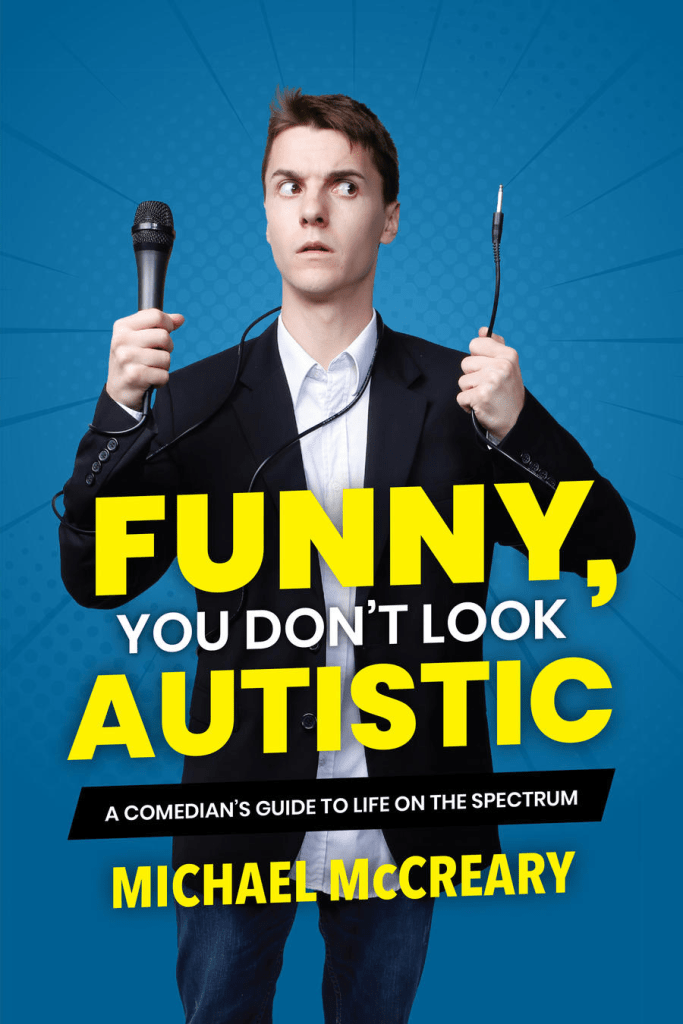


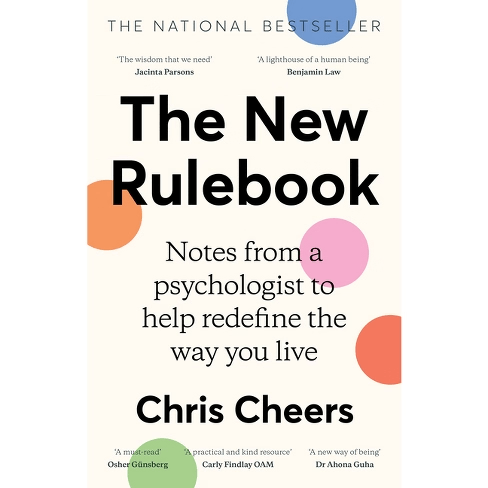

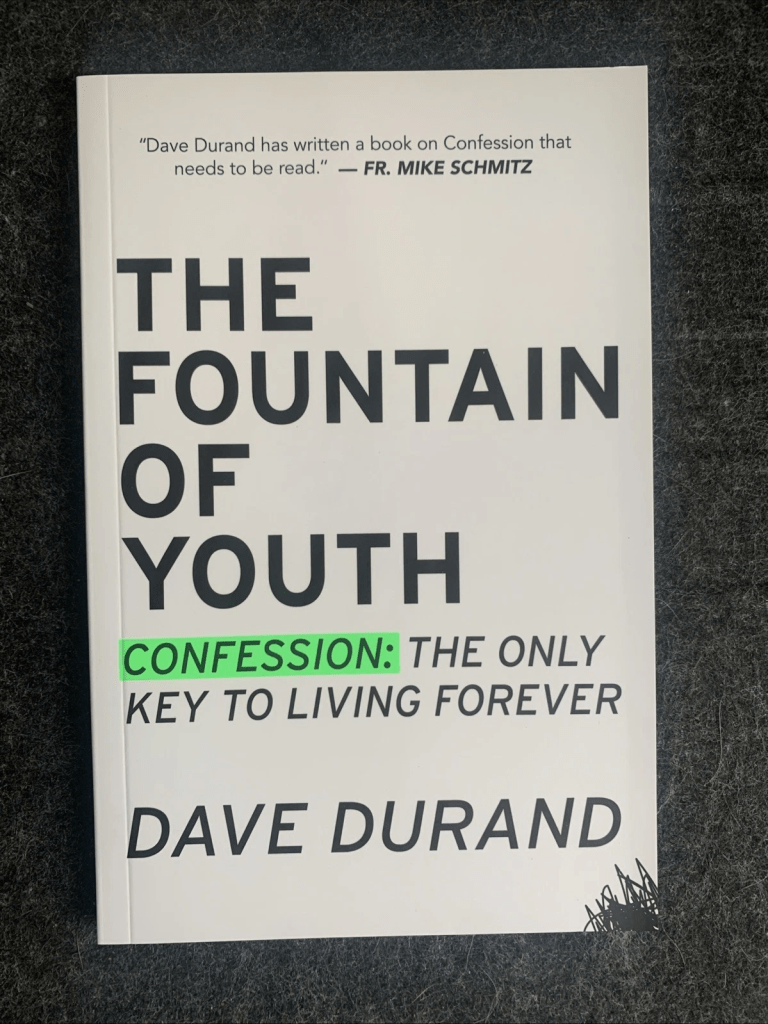

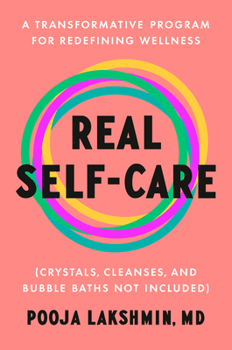
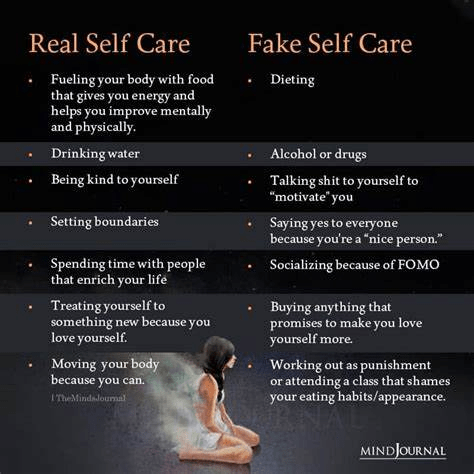
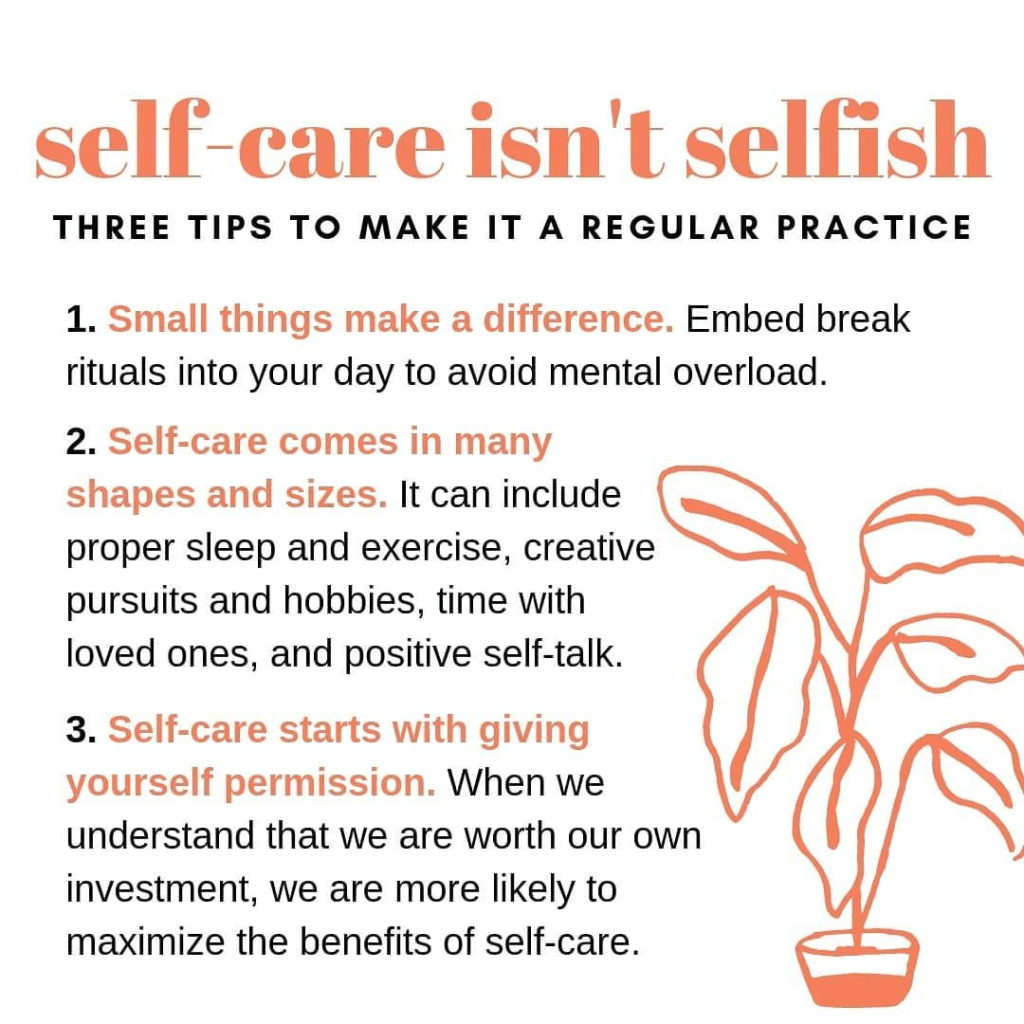
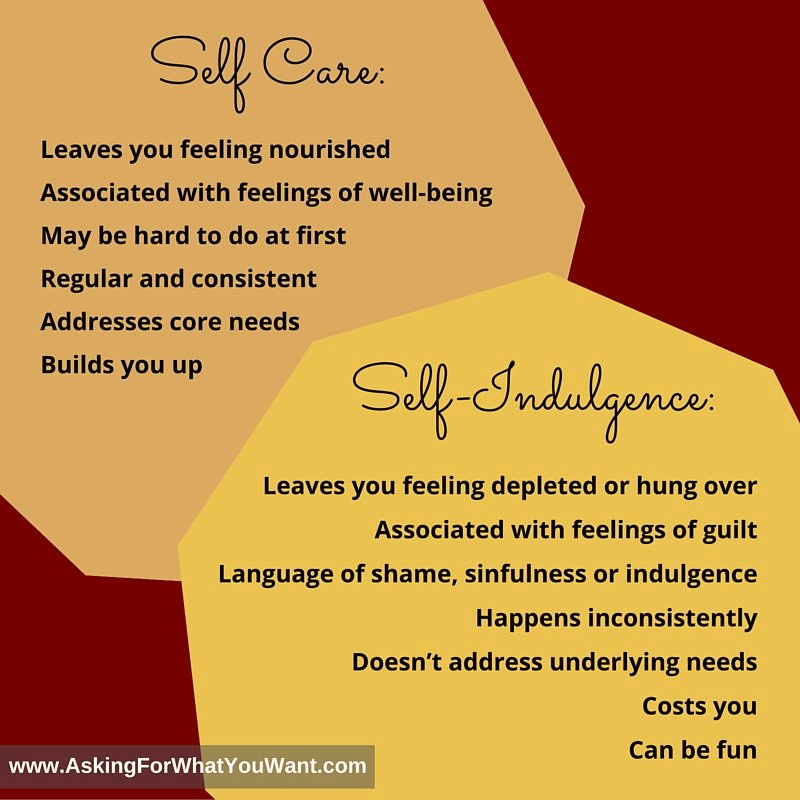
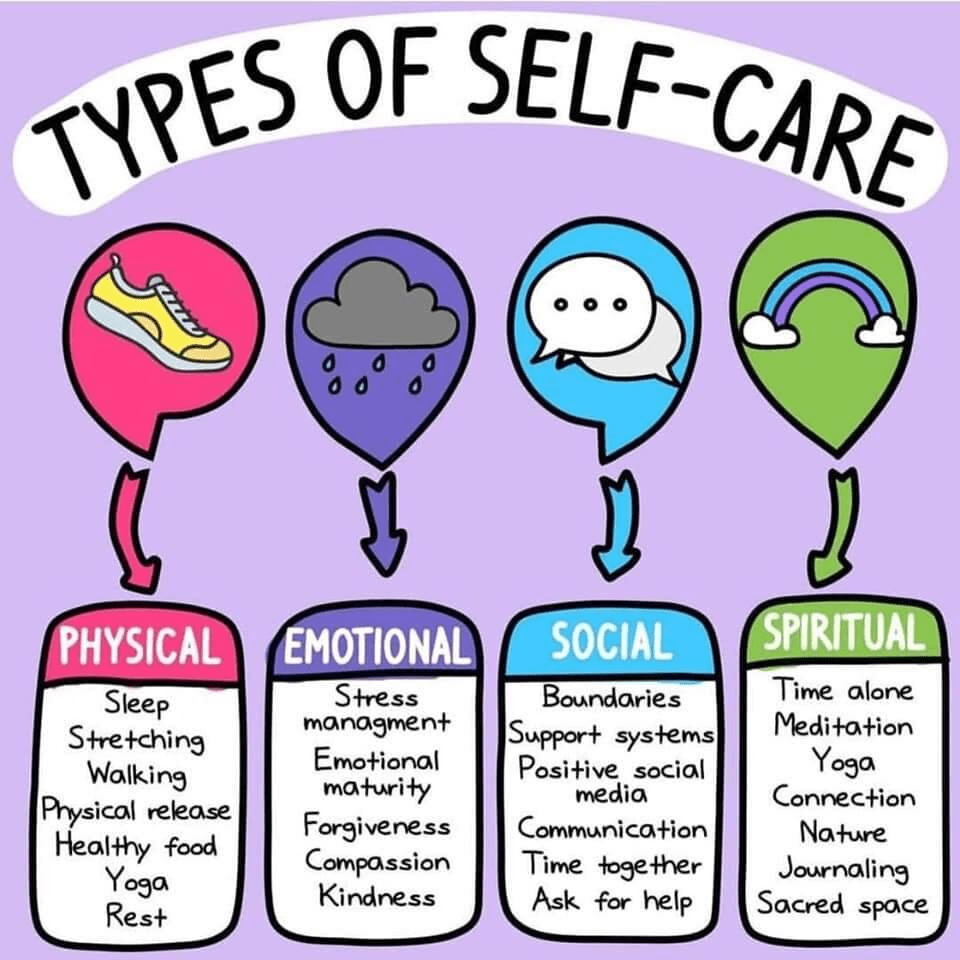
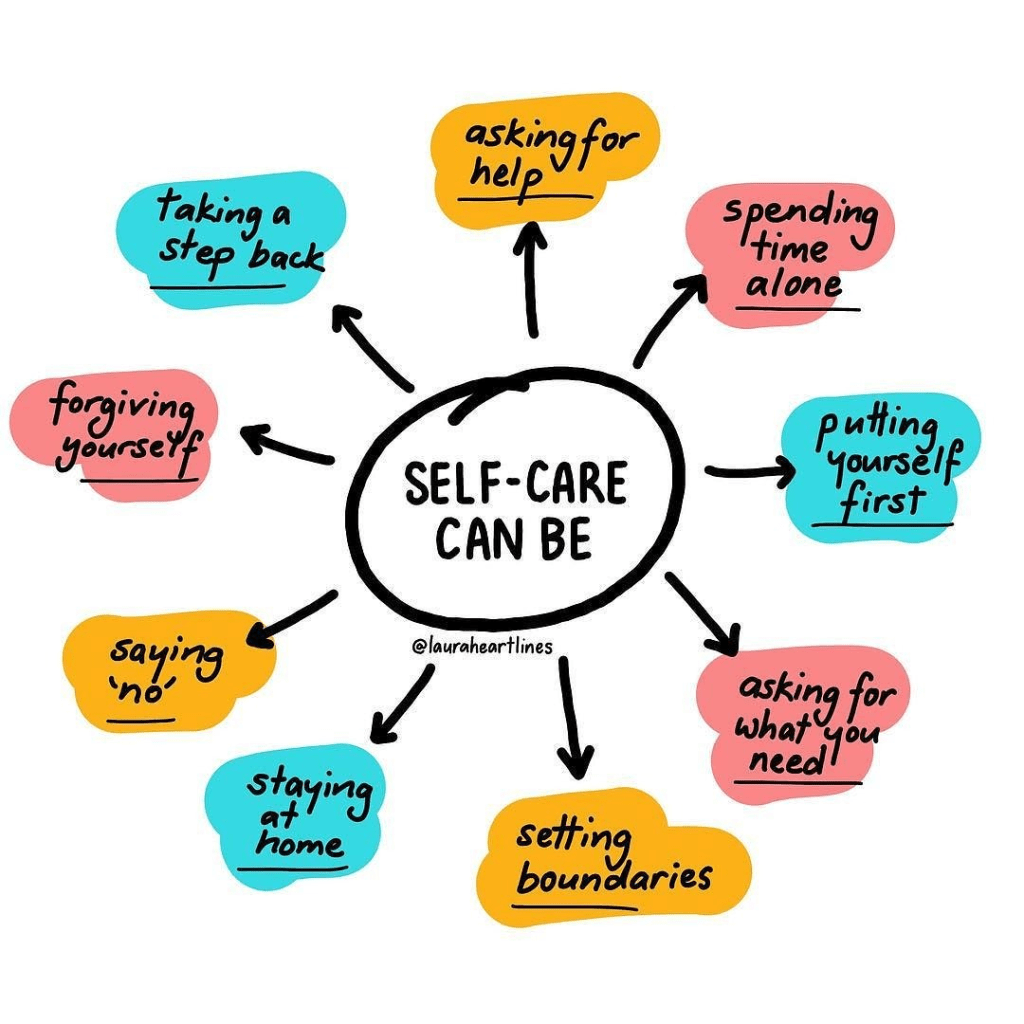
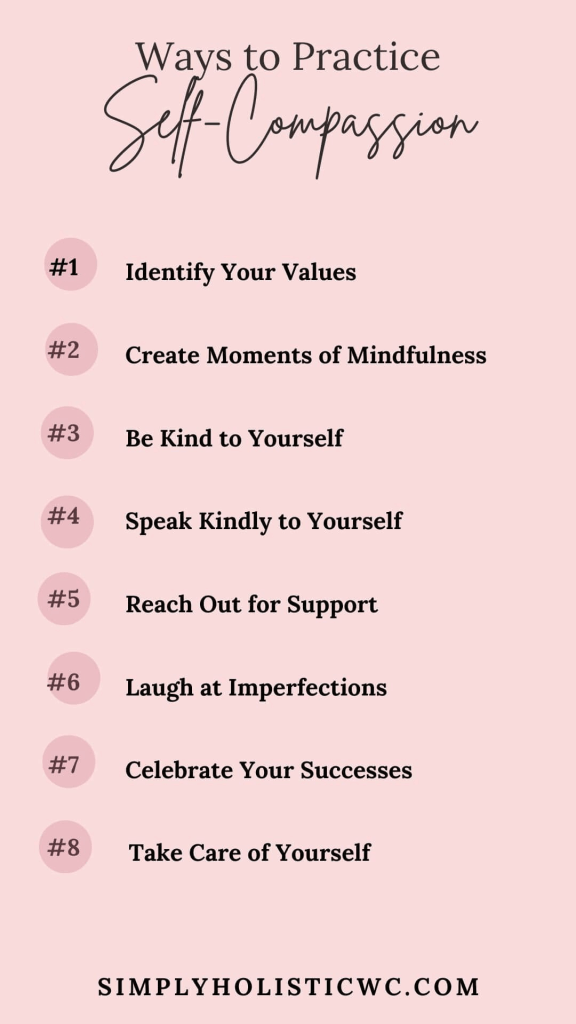


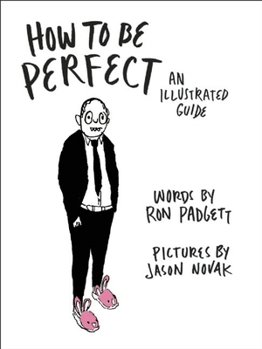

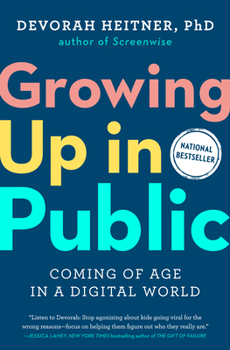
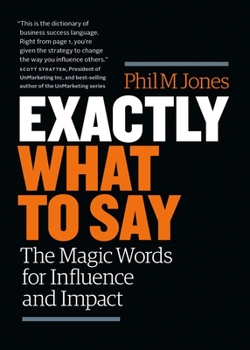
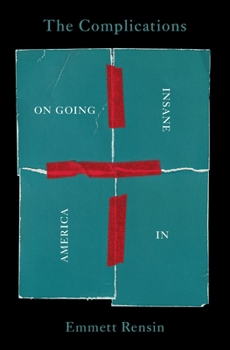

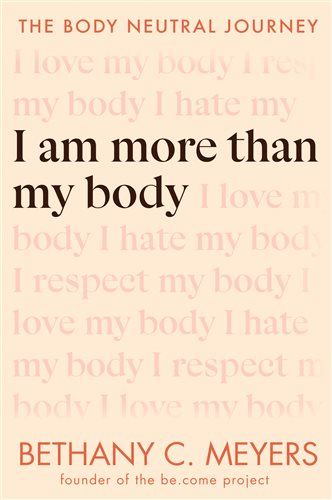
 Body neutrality involves steering away from self-hate without the pressure of having to love our body.

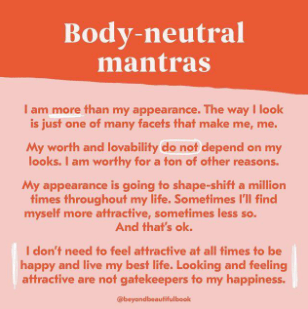

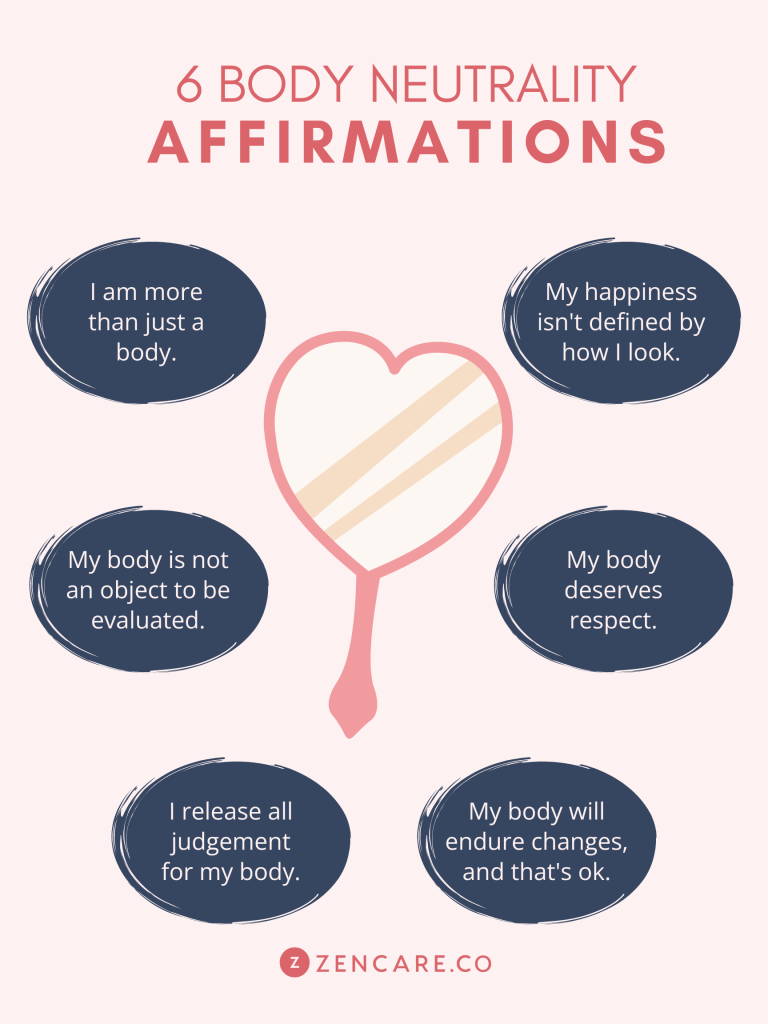
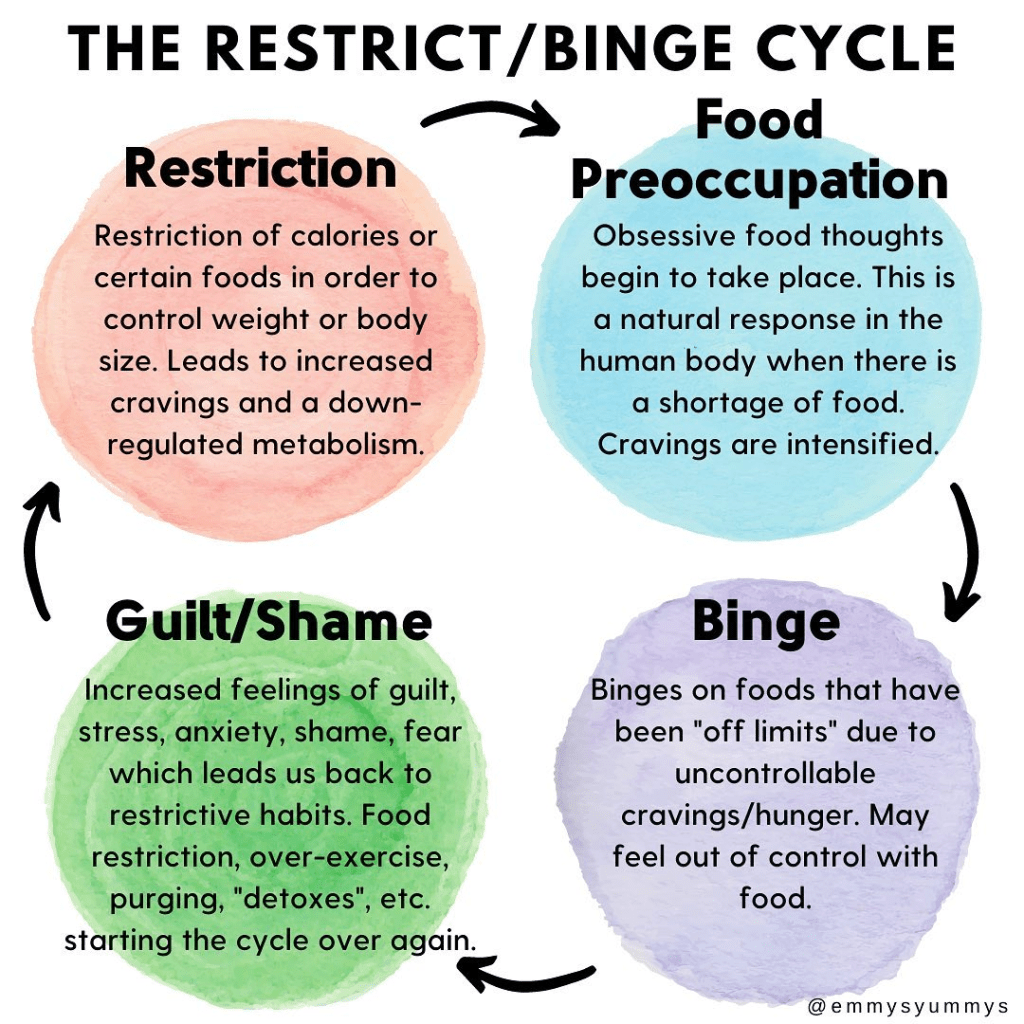



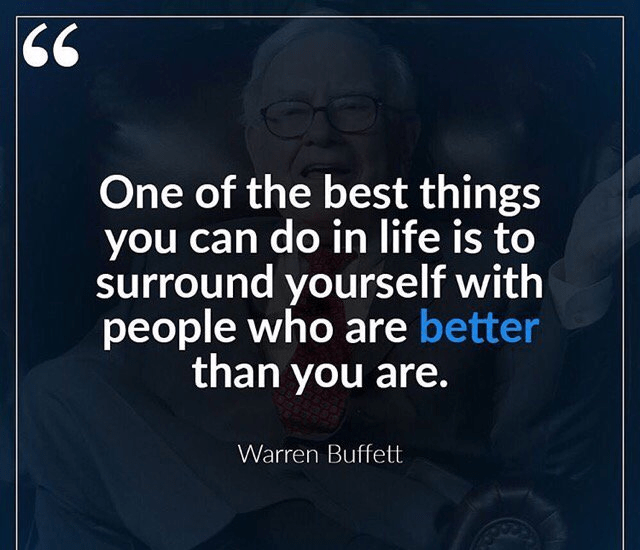
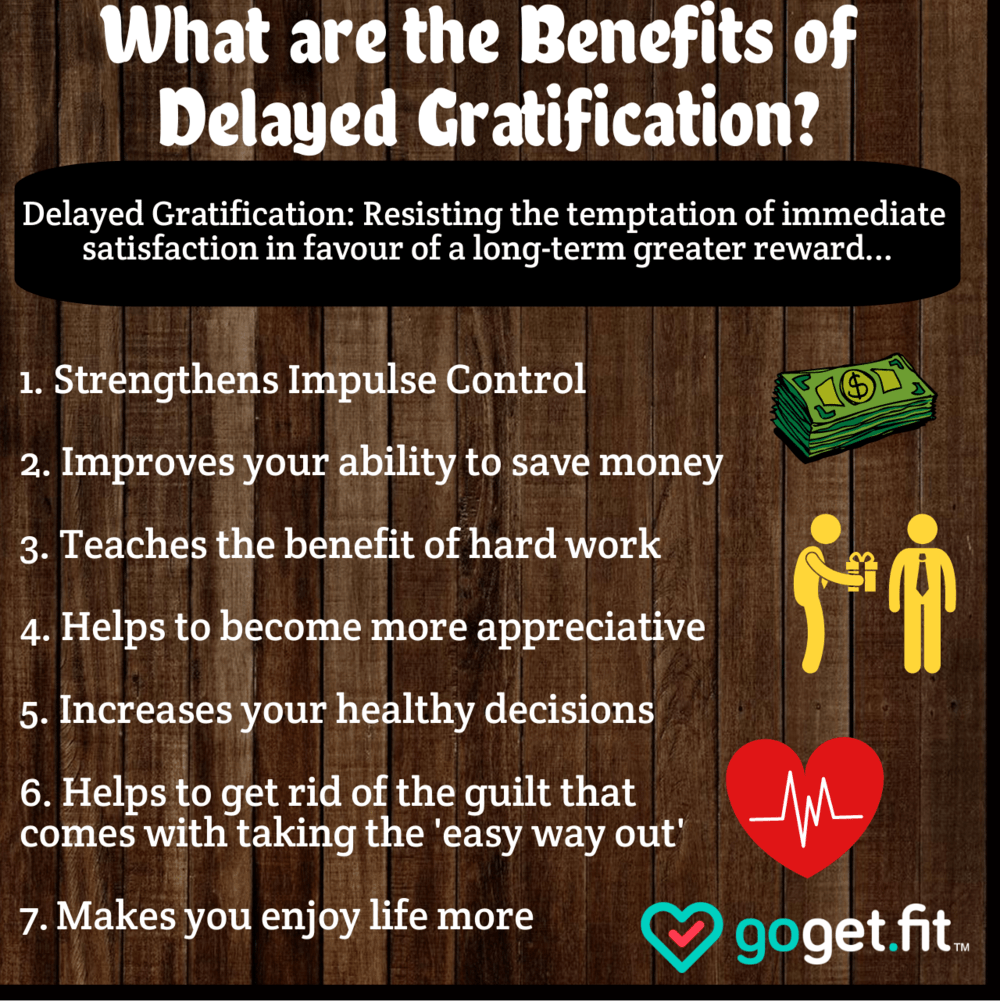
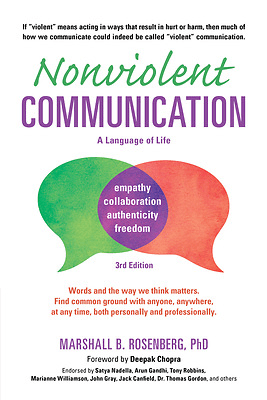
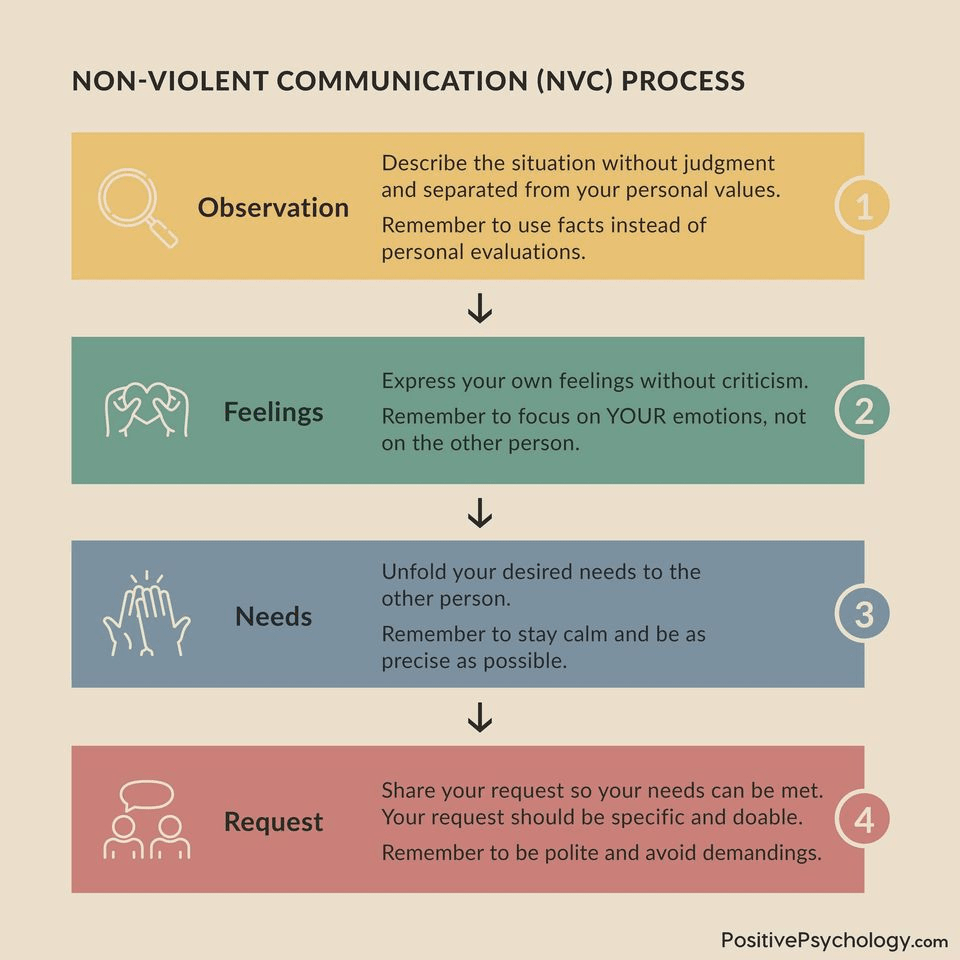
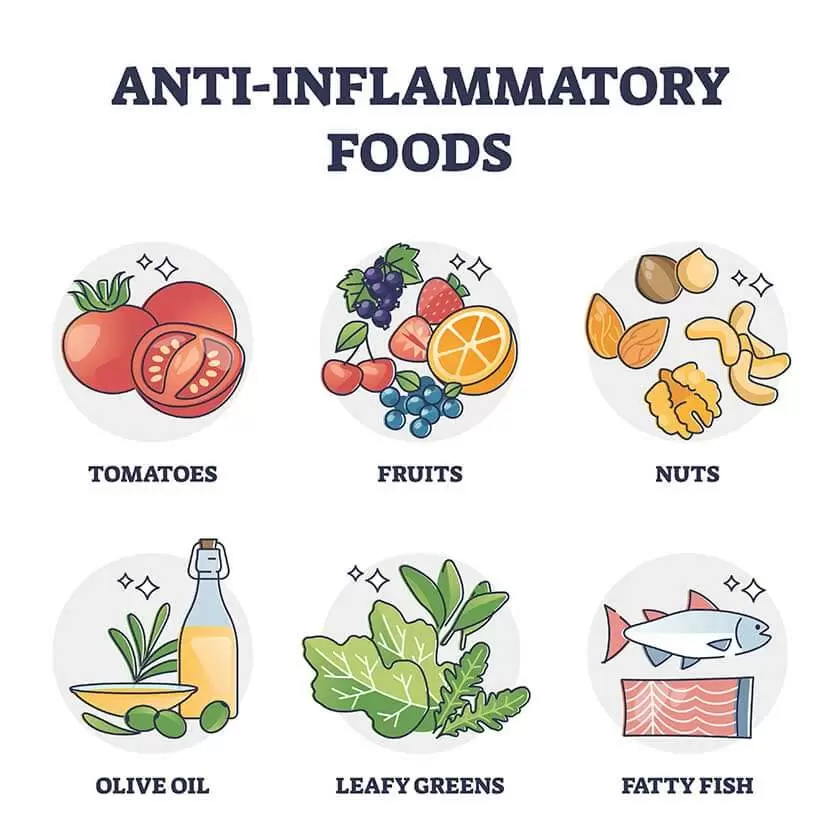
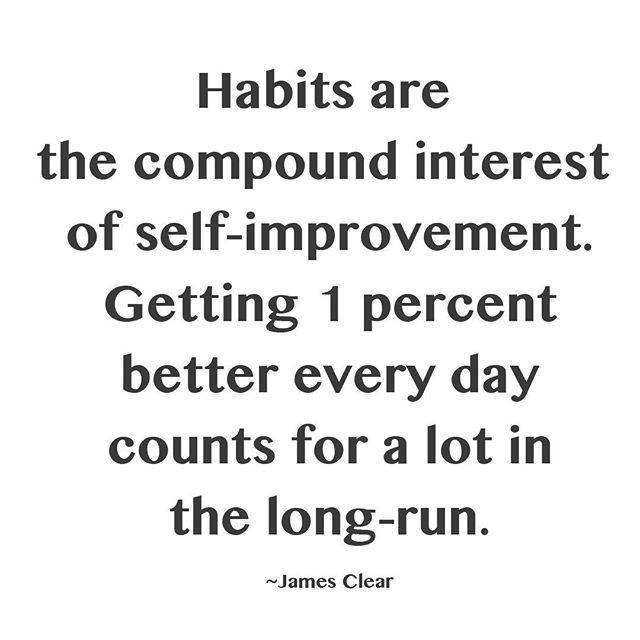
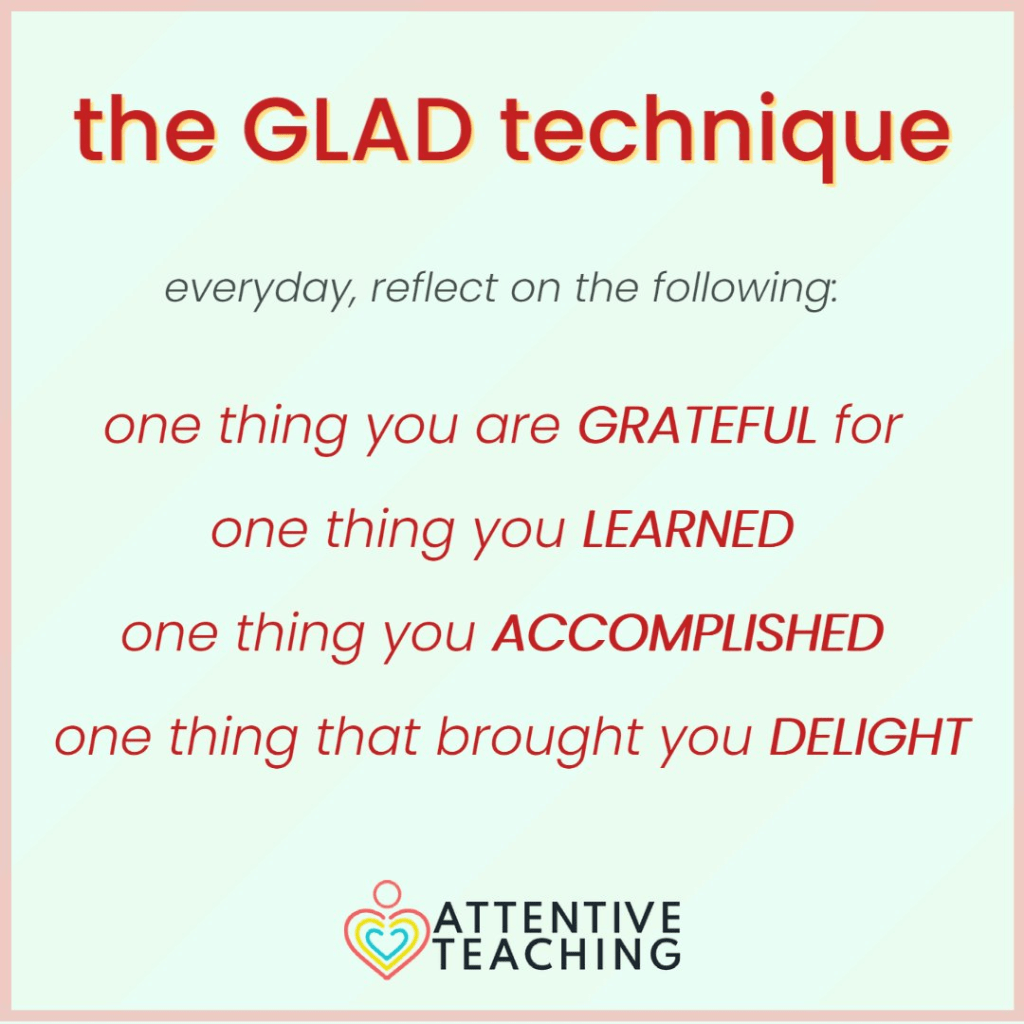

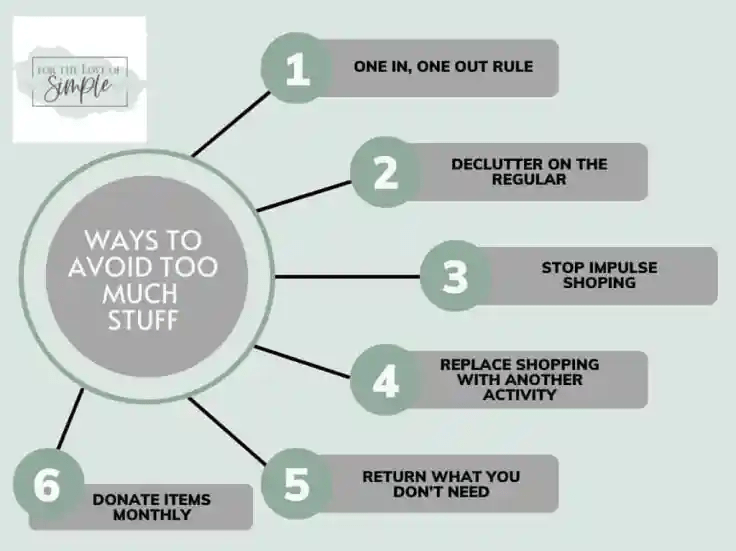
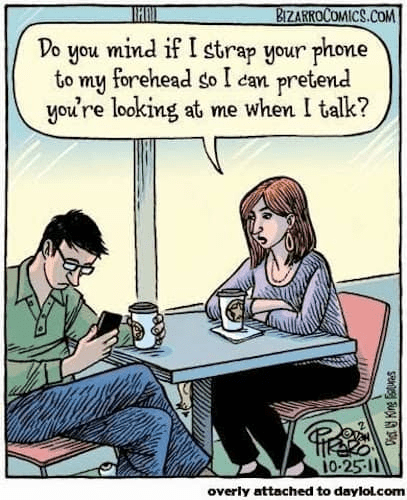
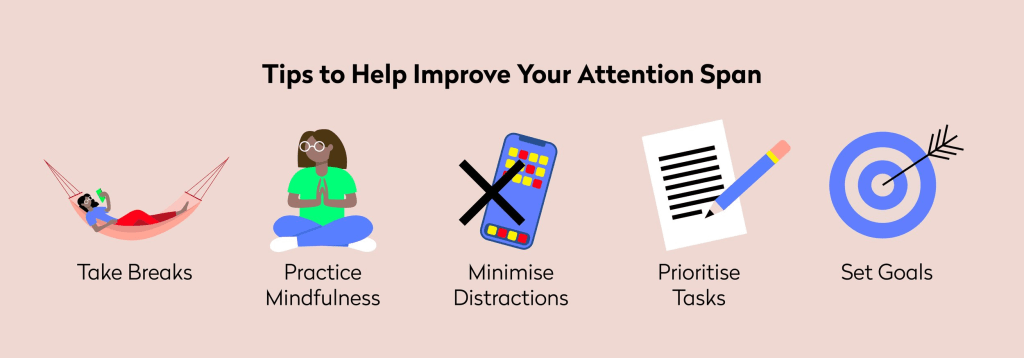
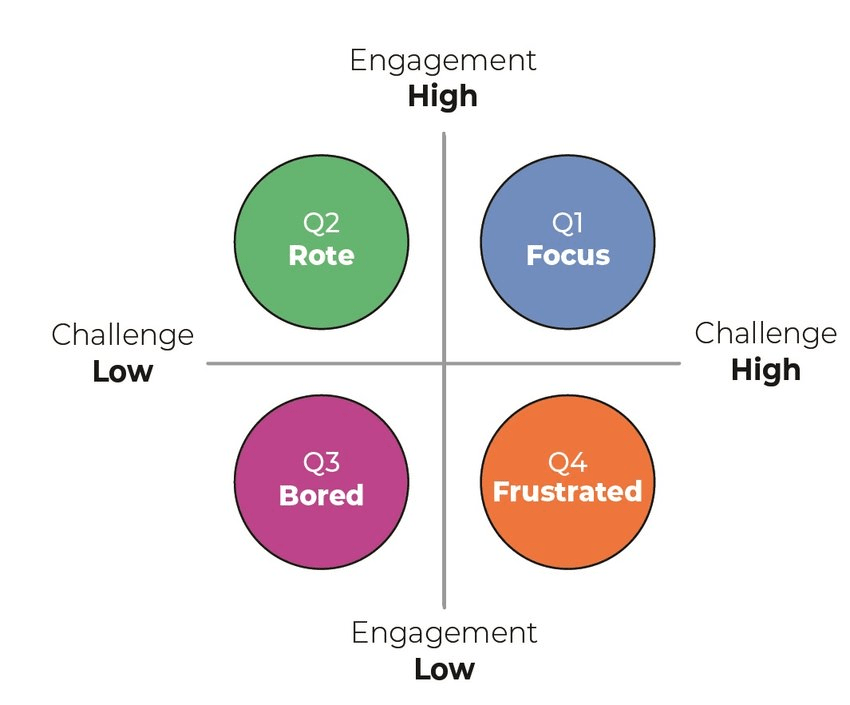
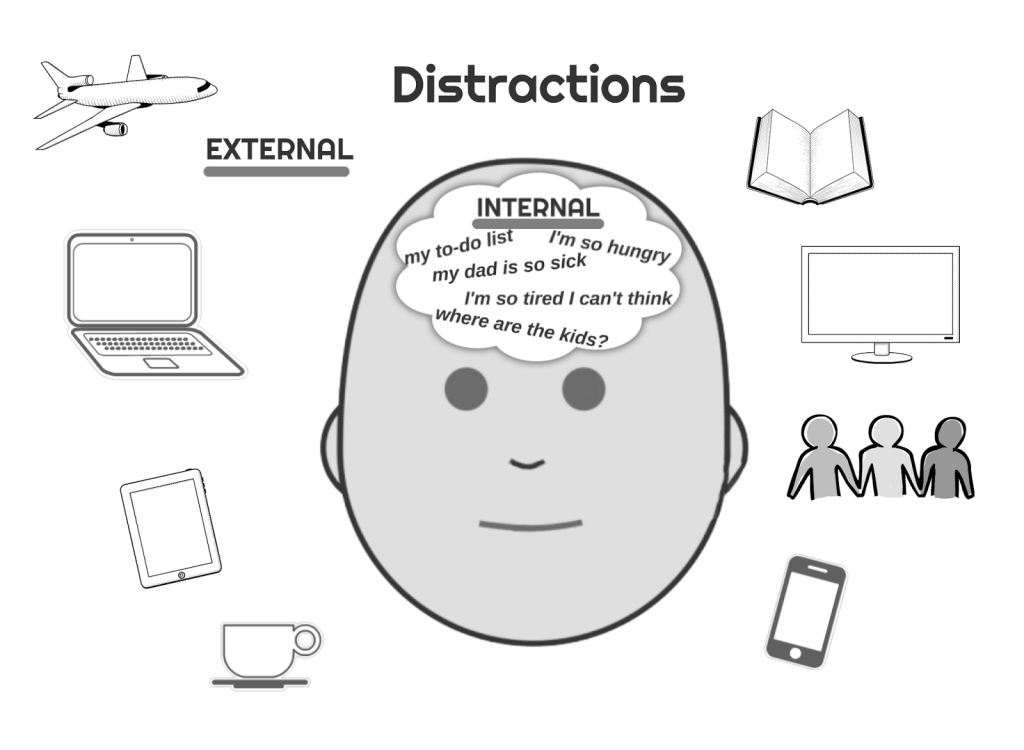
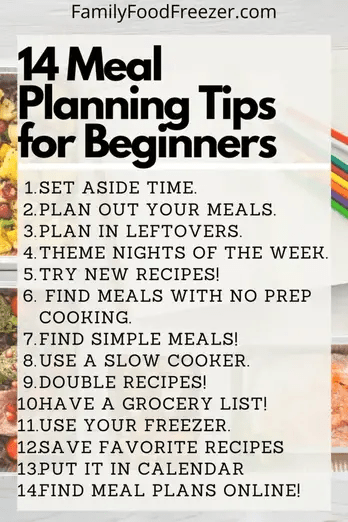

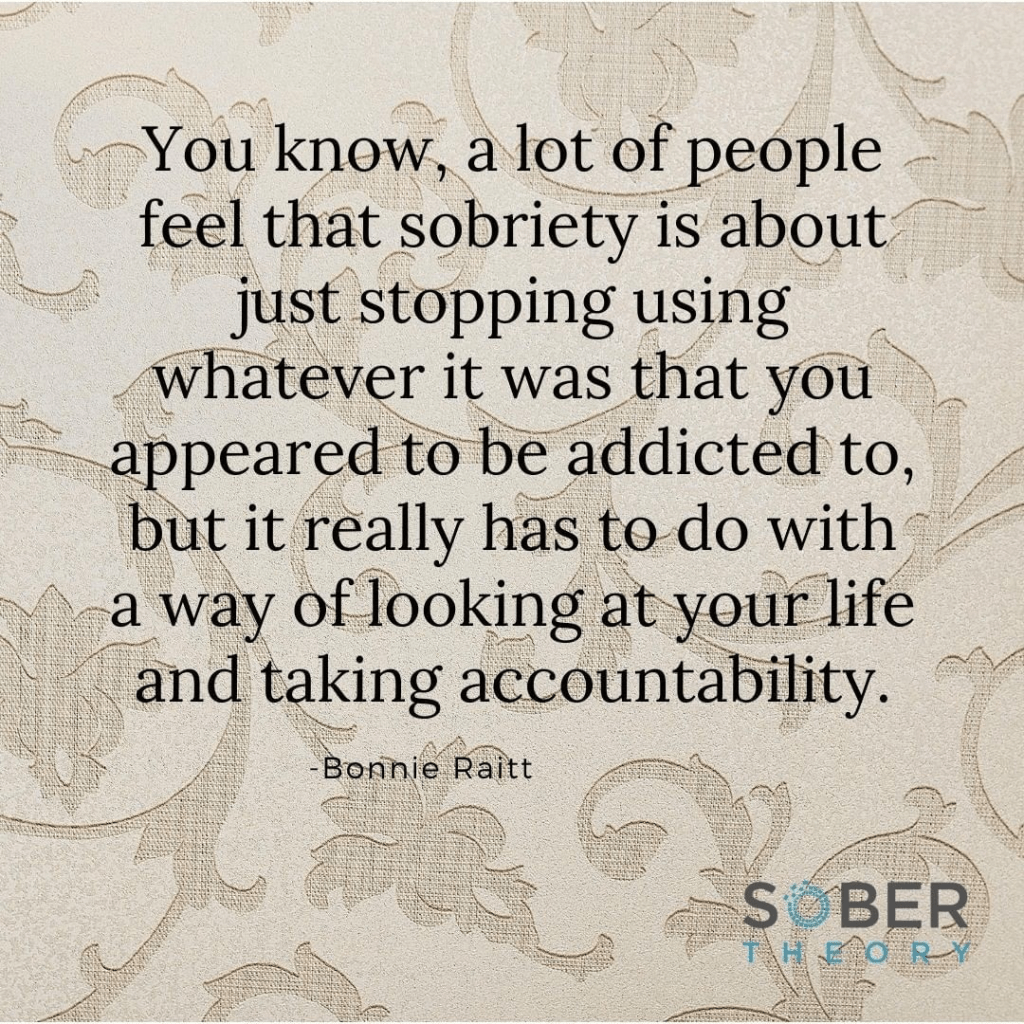
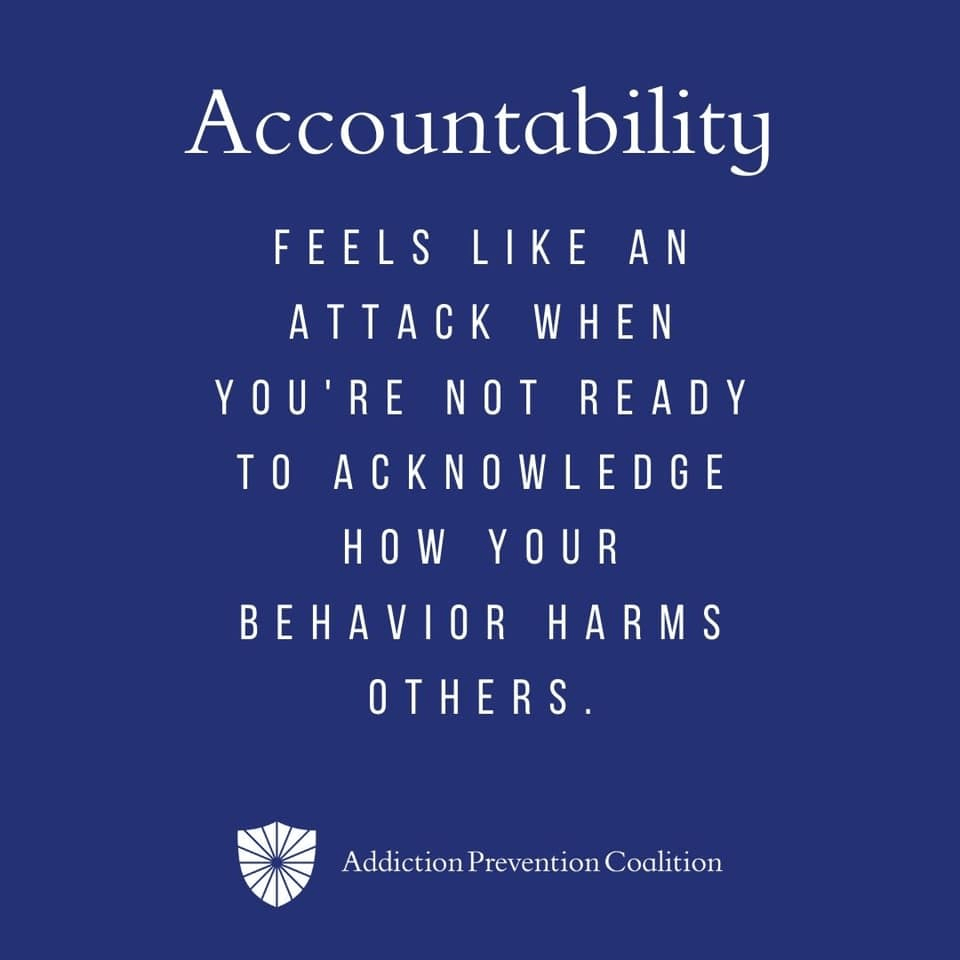

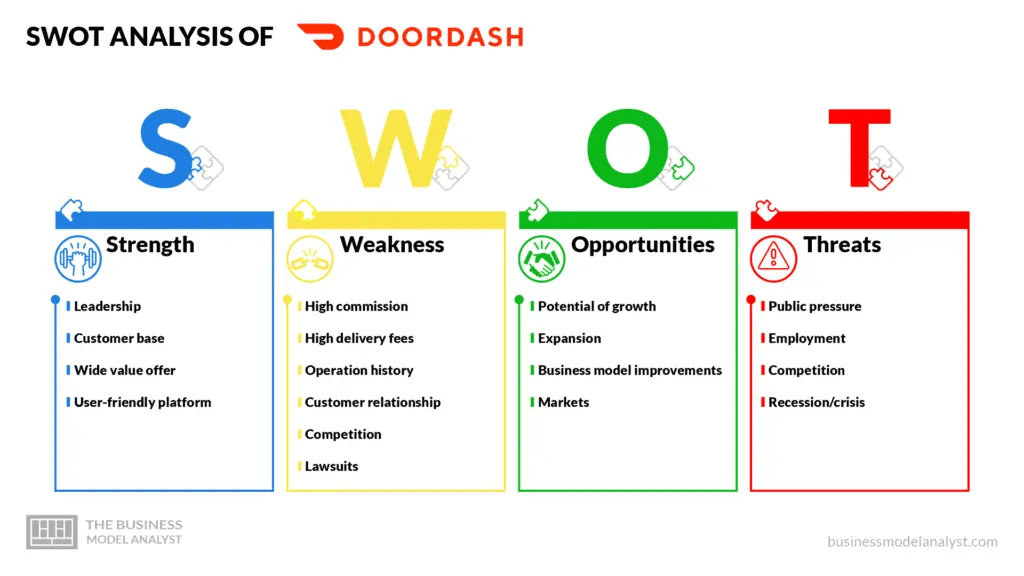

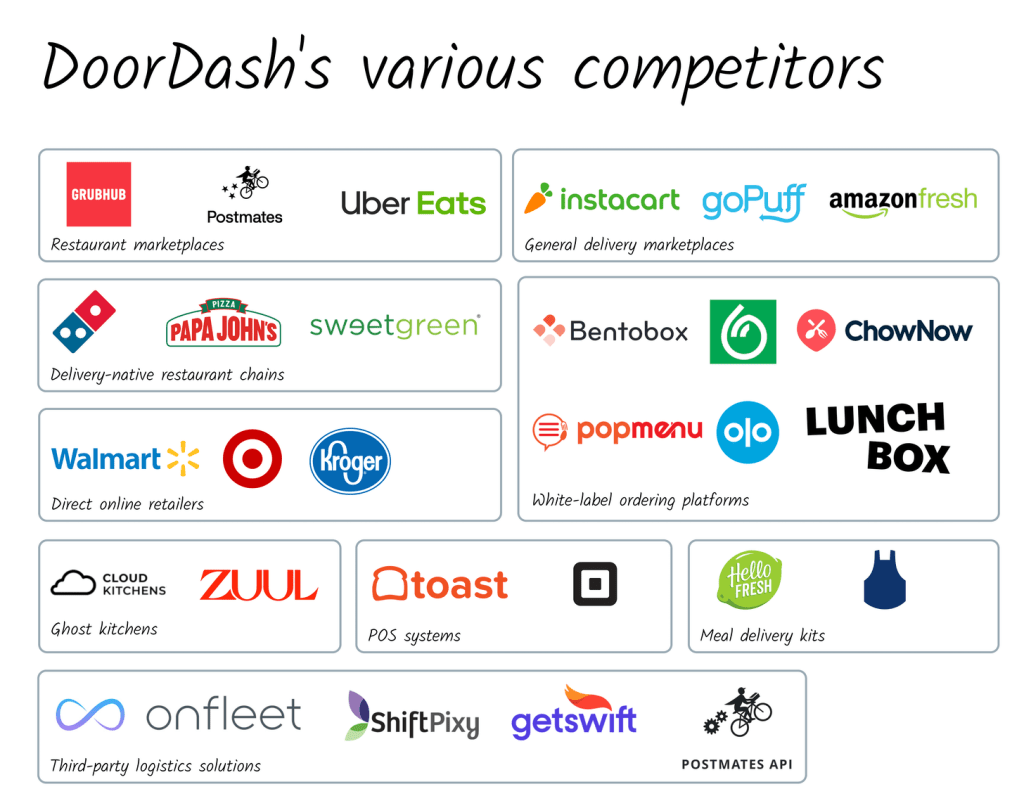
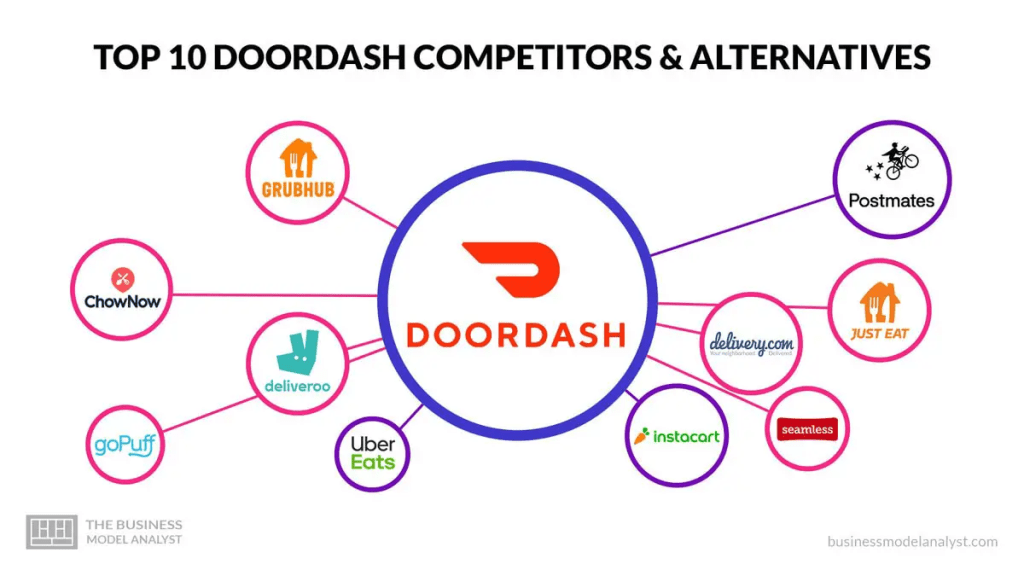
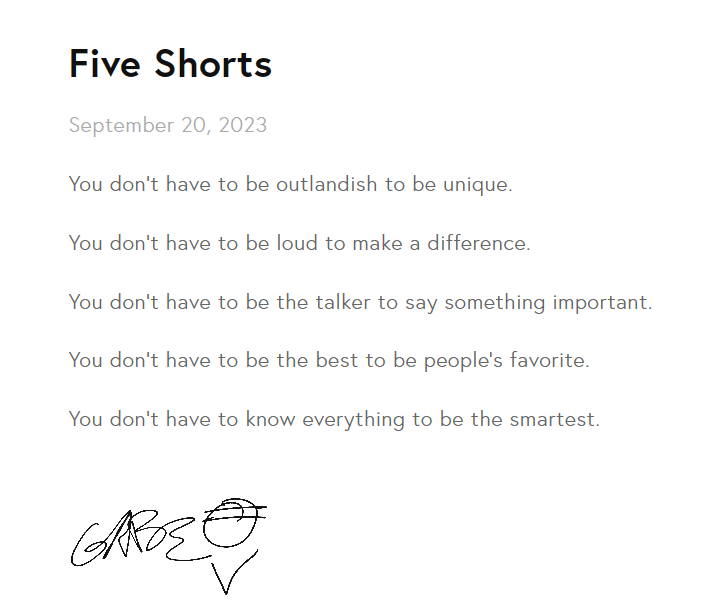
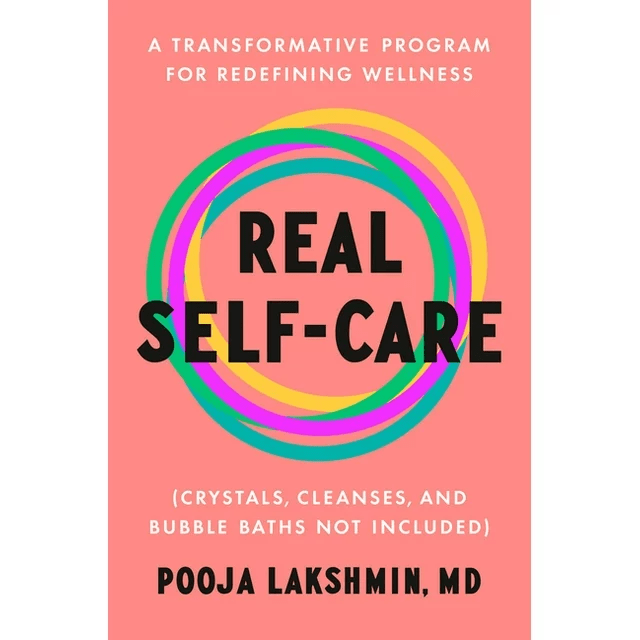
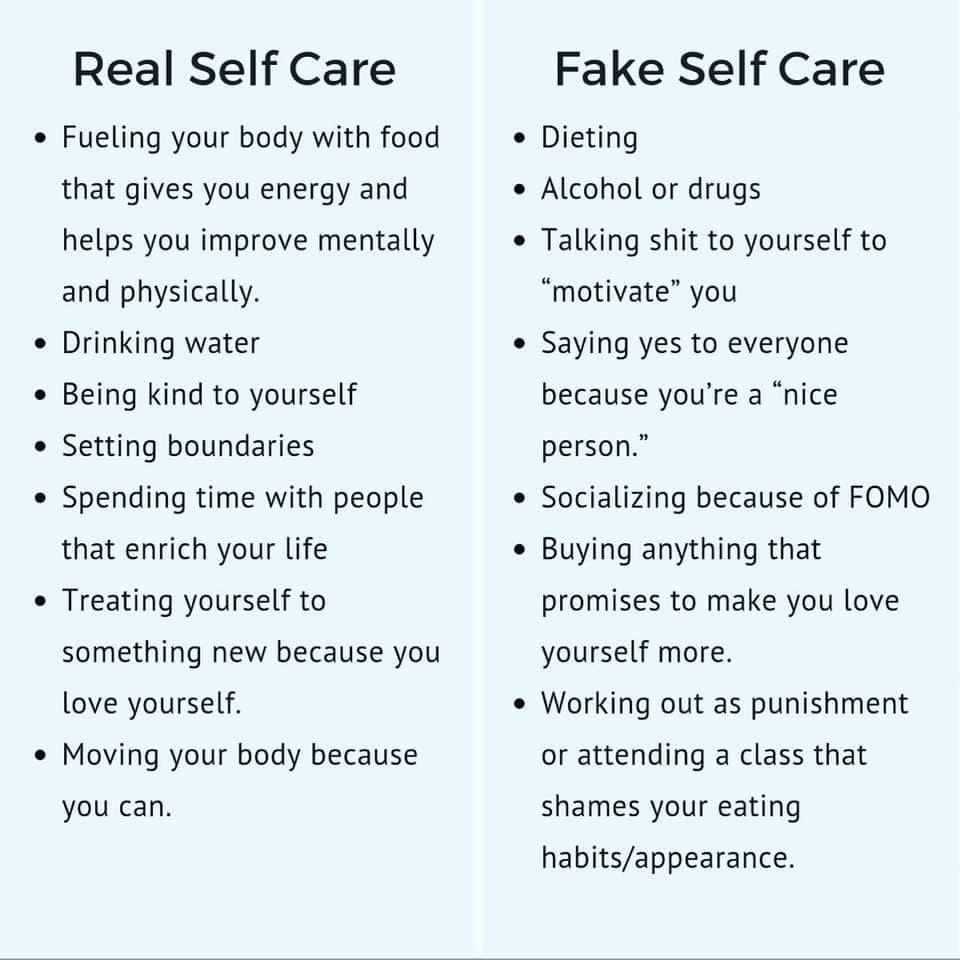
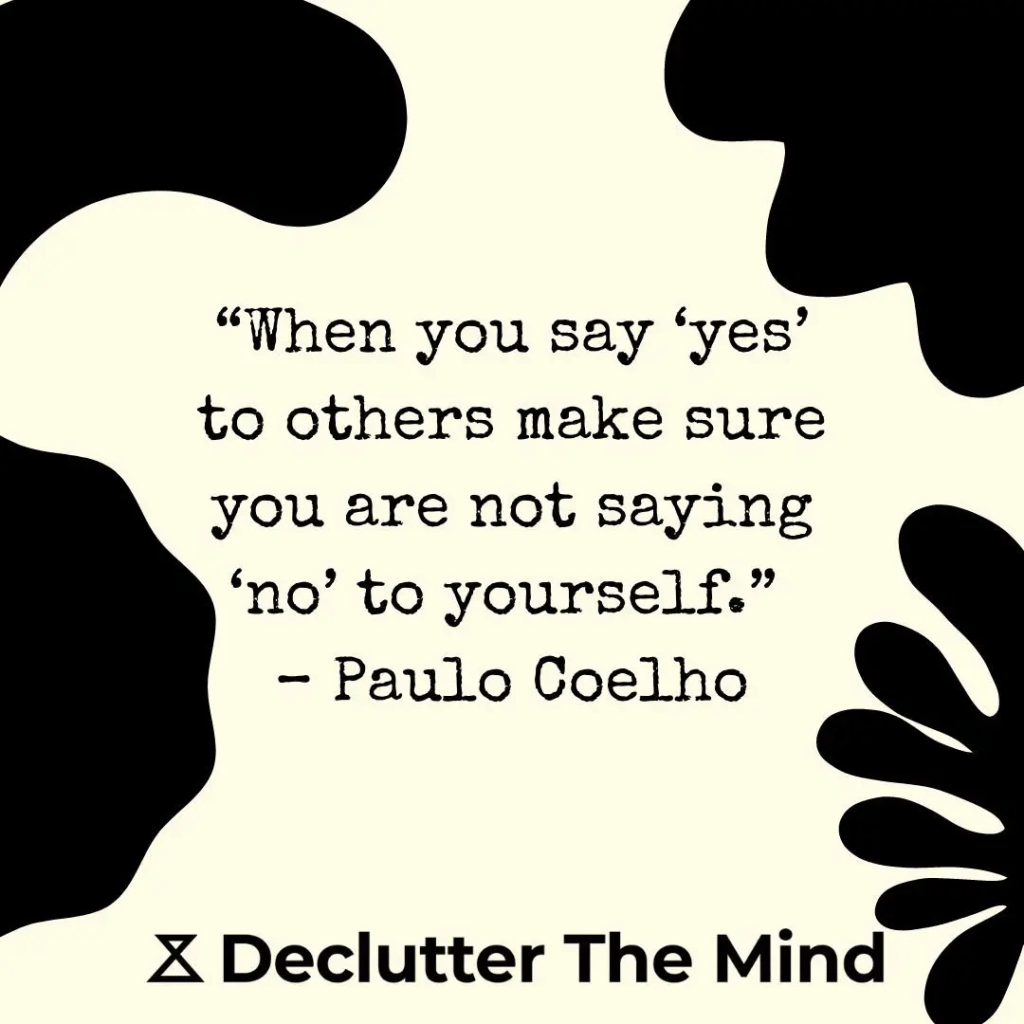
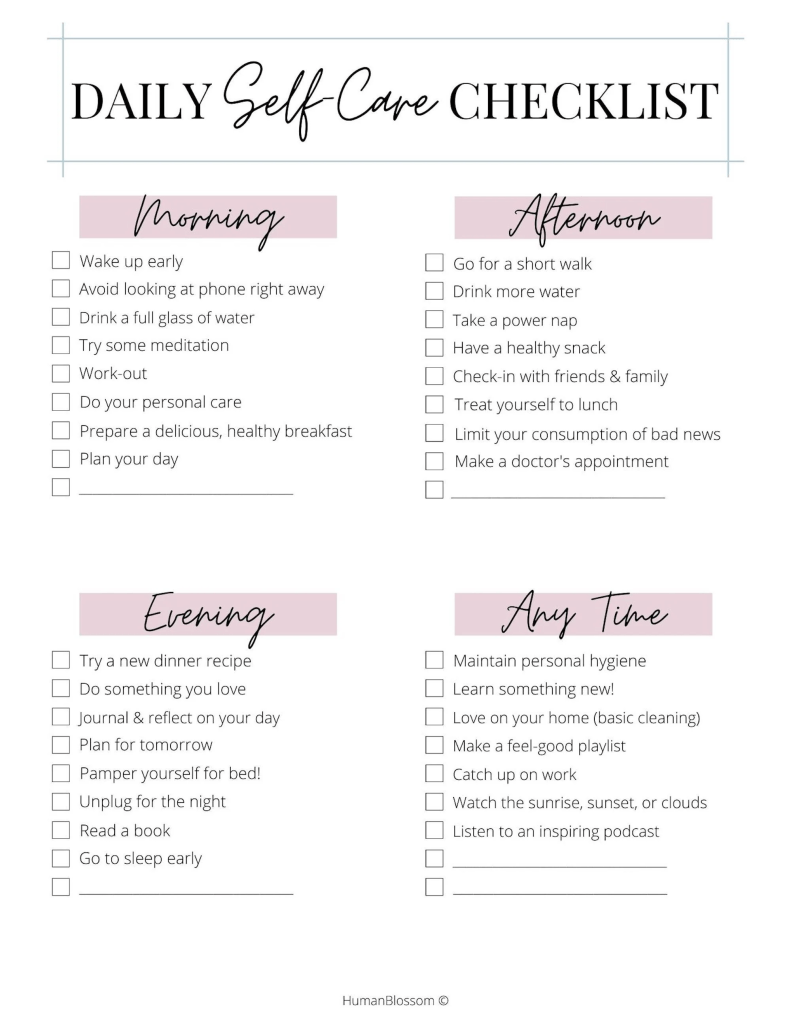
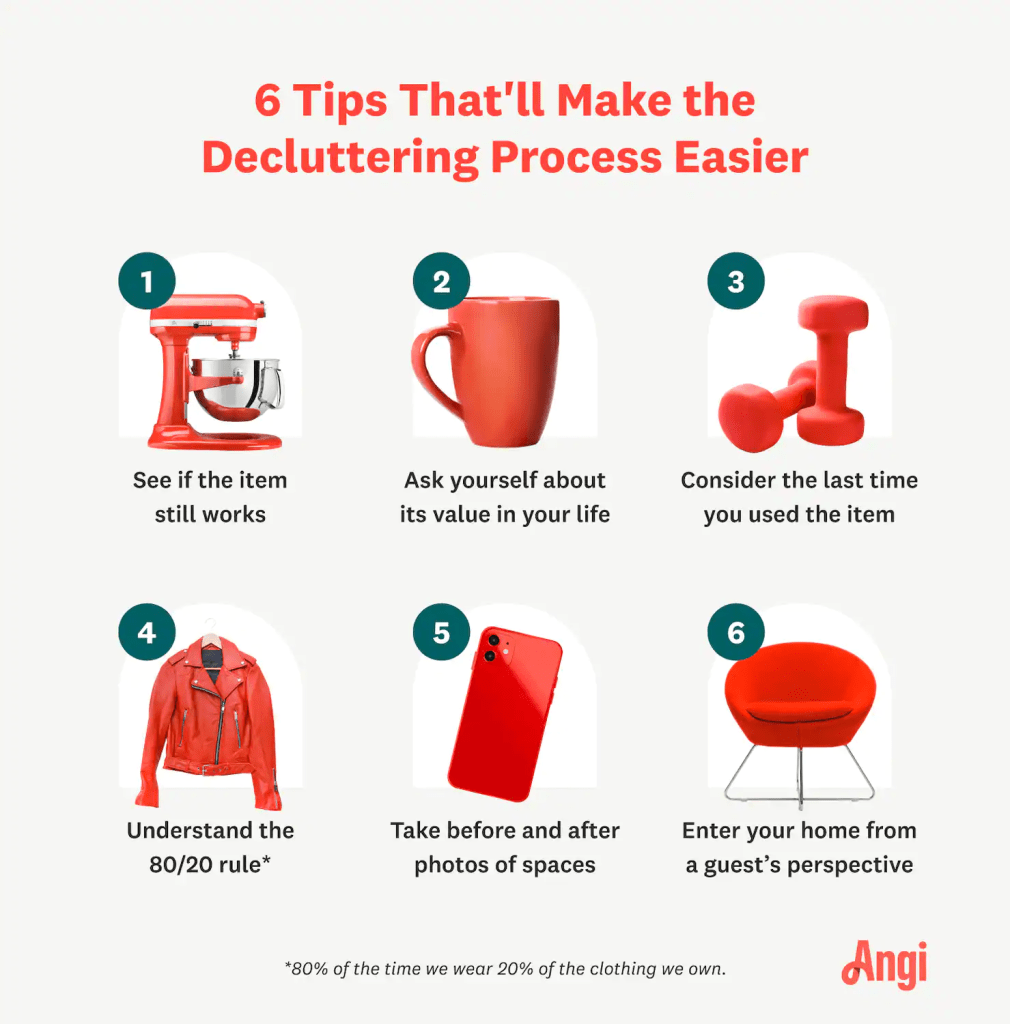
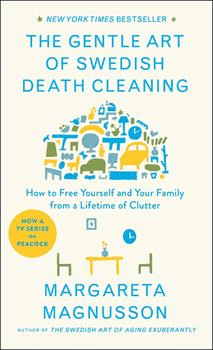
 Do not leave the burden to your loved ones to take care of what you didn’t bother to take care of yourself. You have a duty to sort out your life.
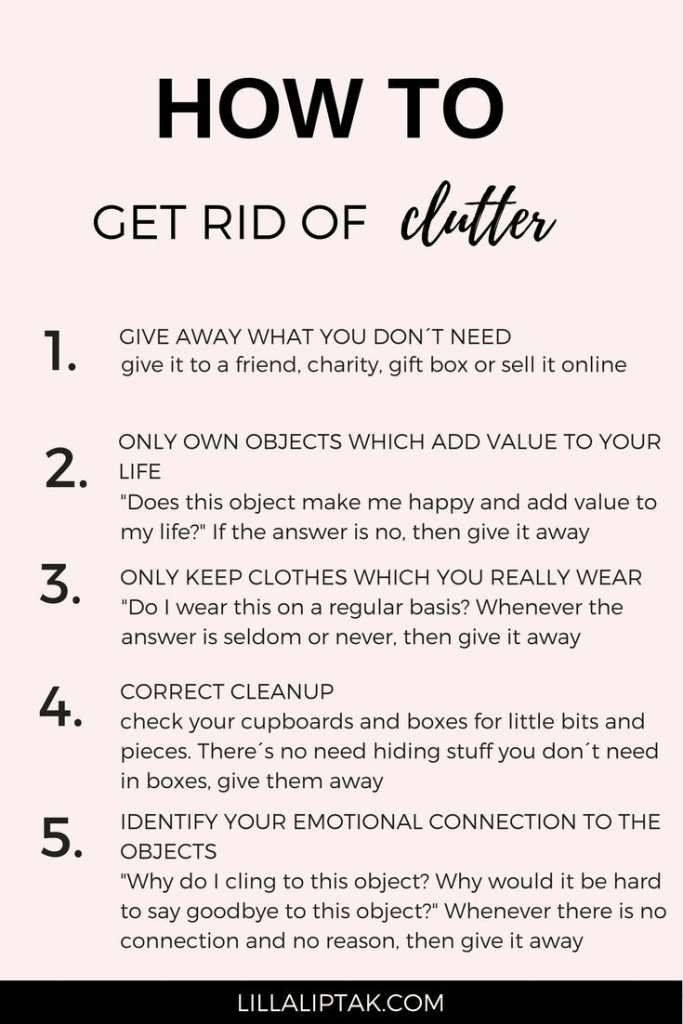
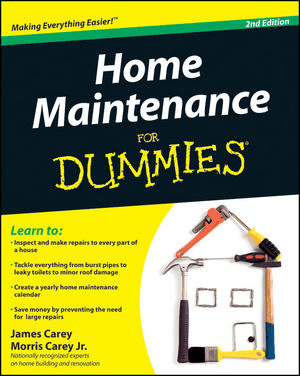


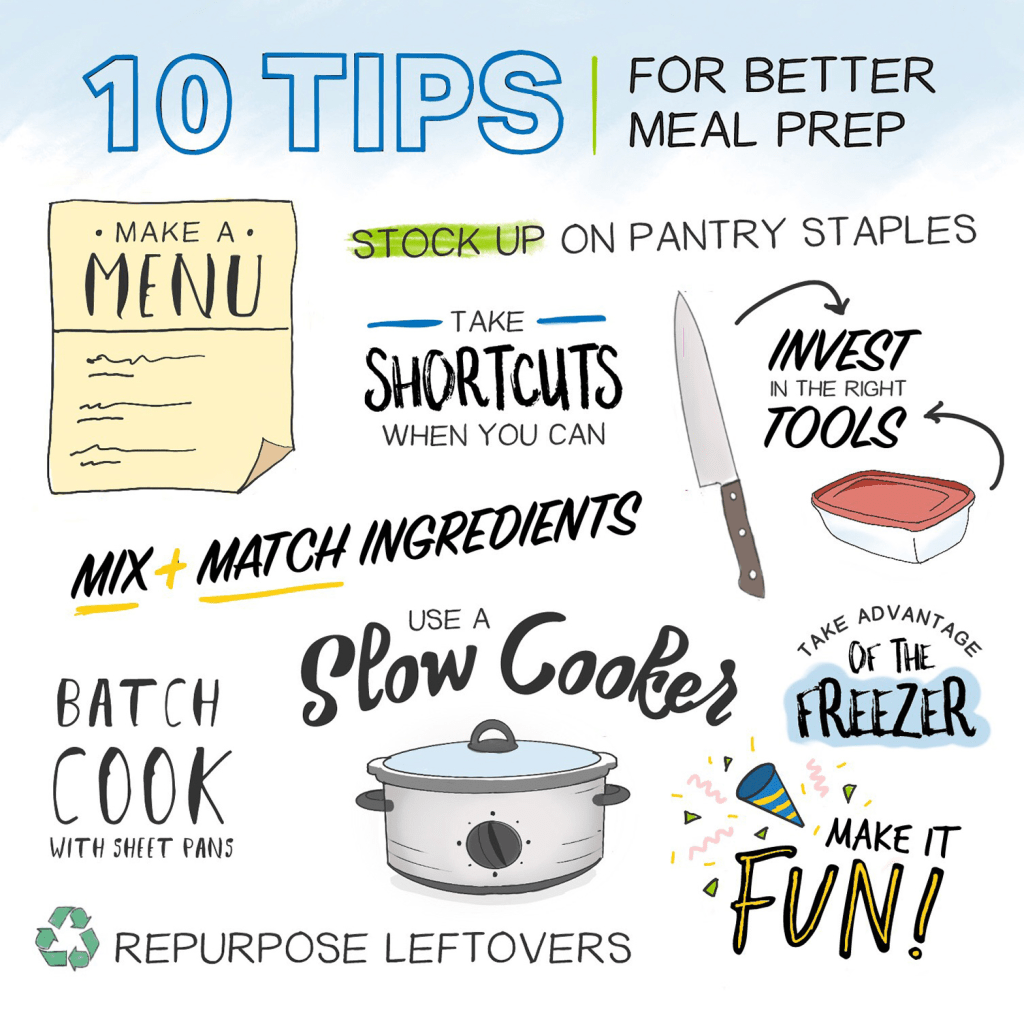
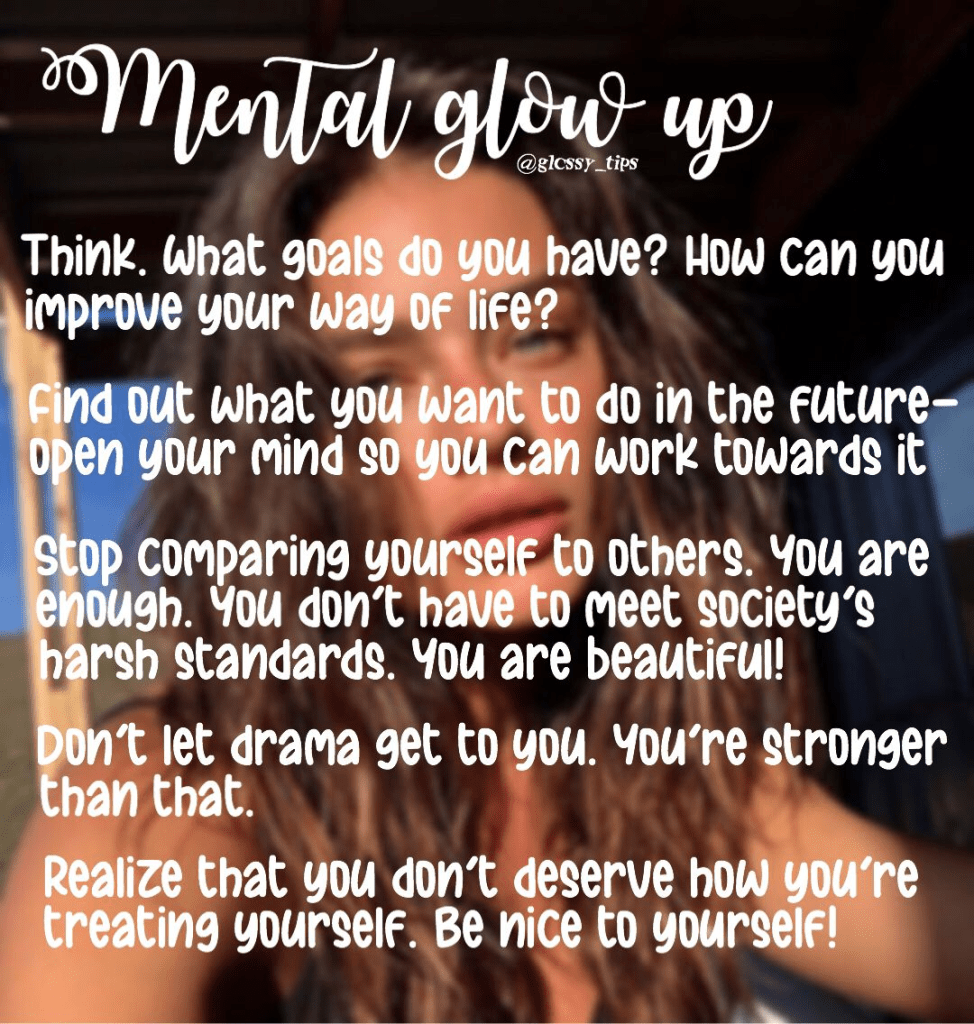

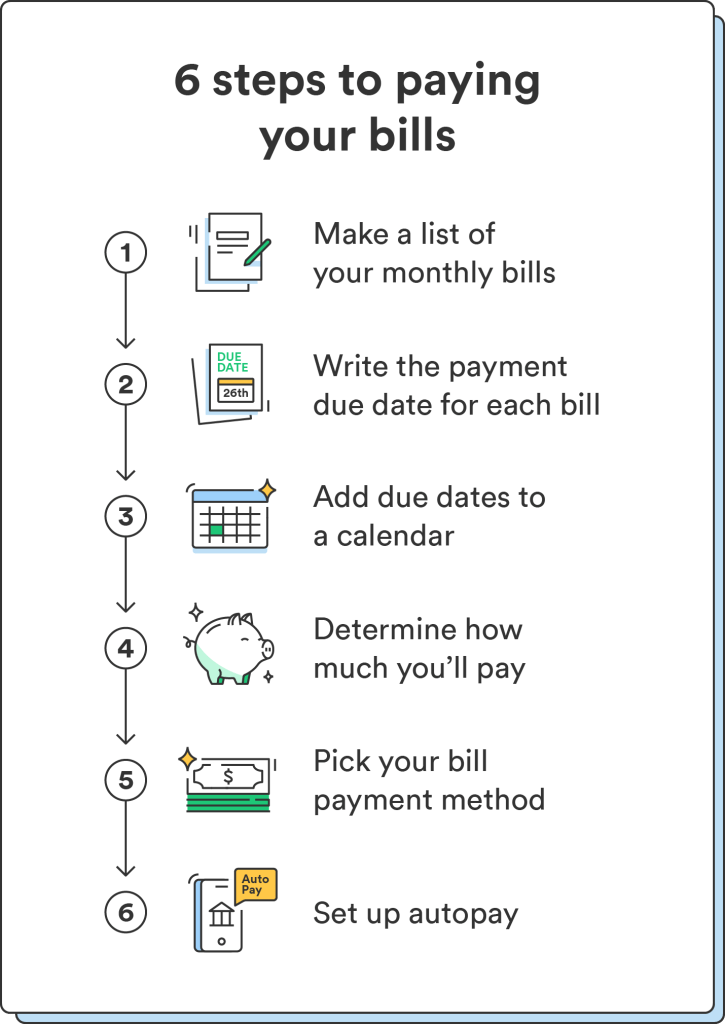
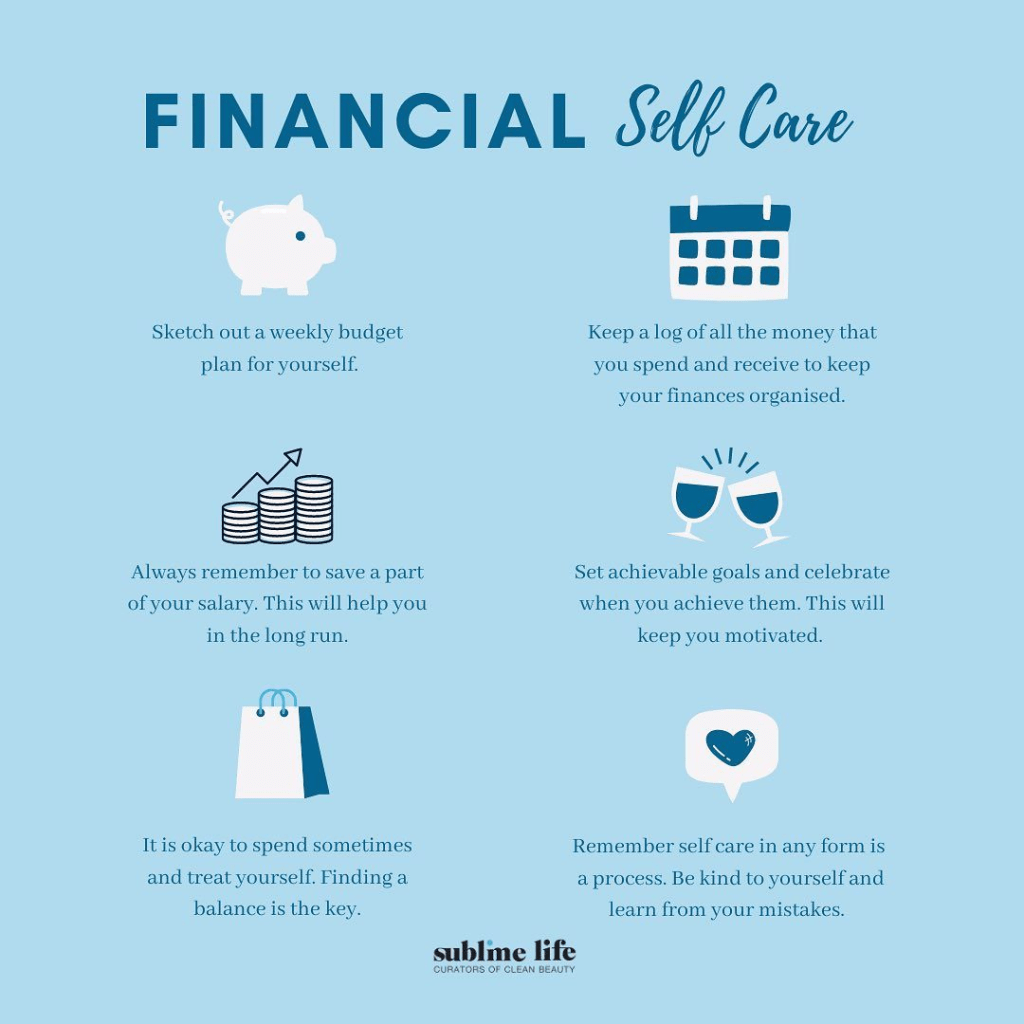
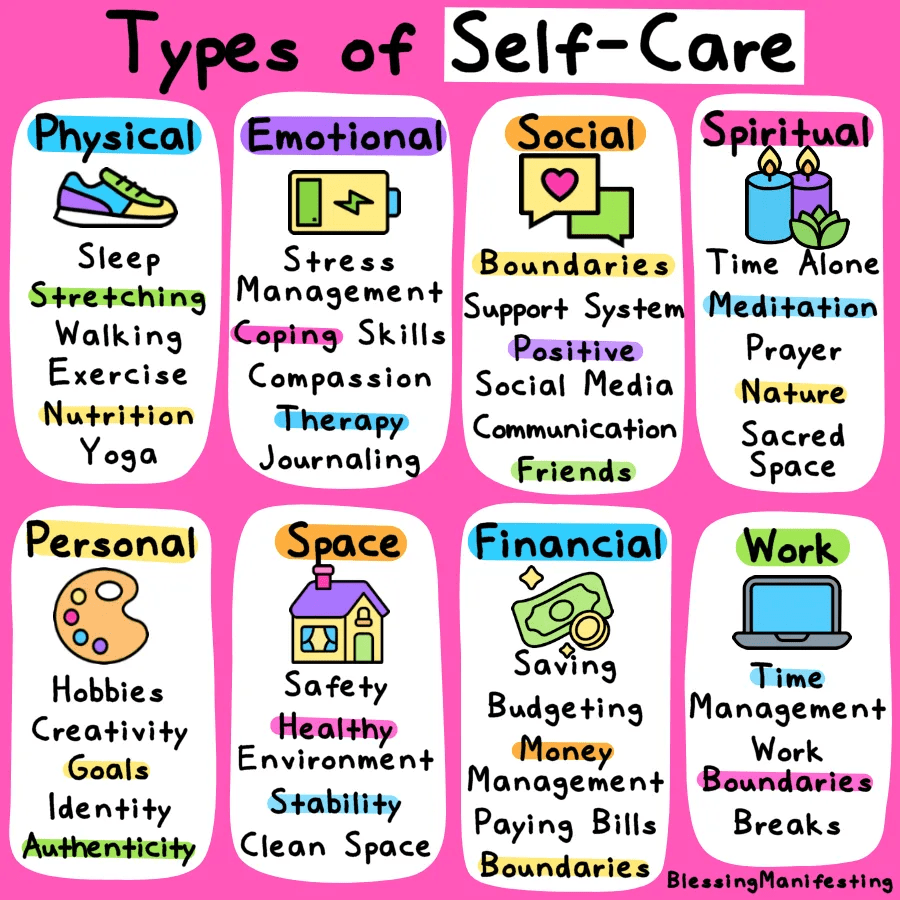
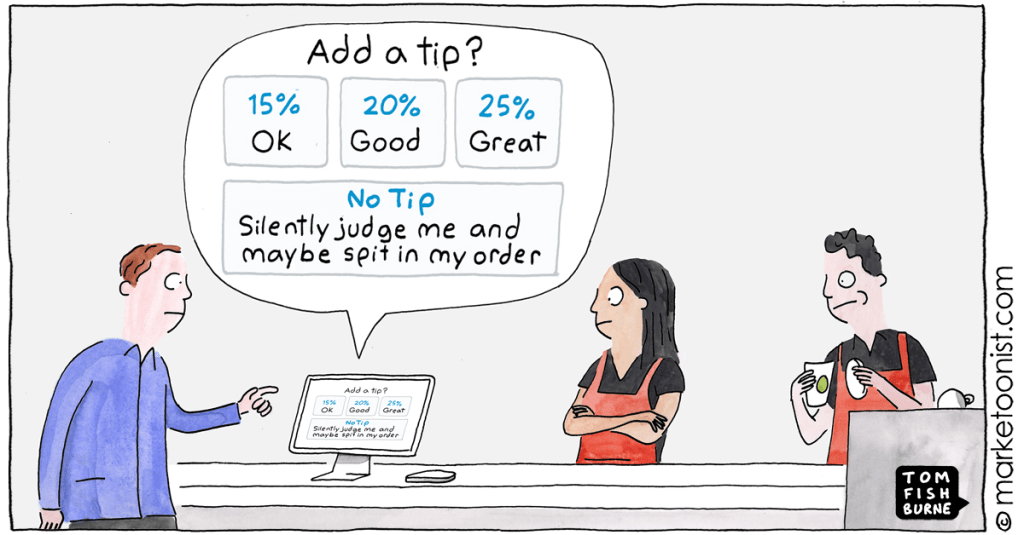

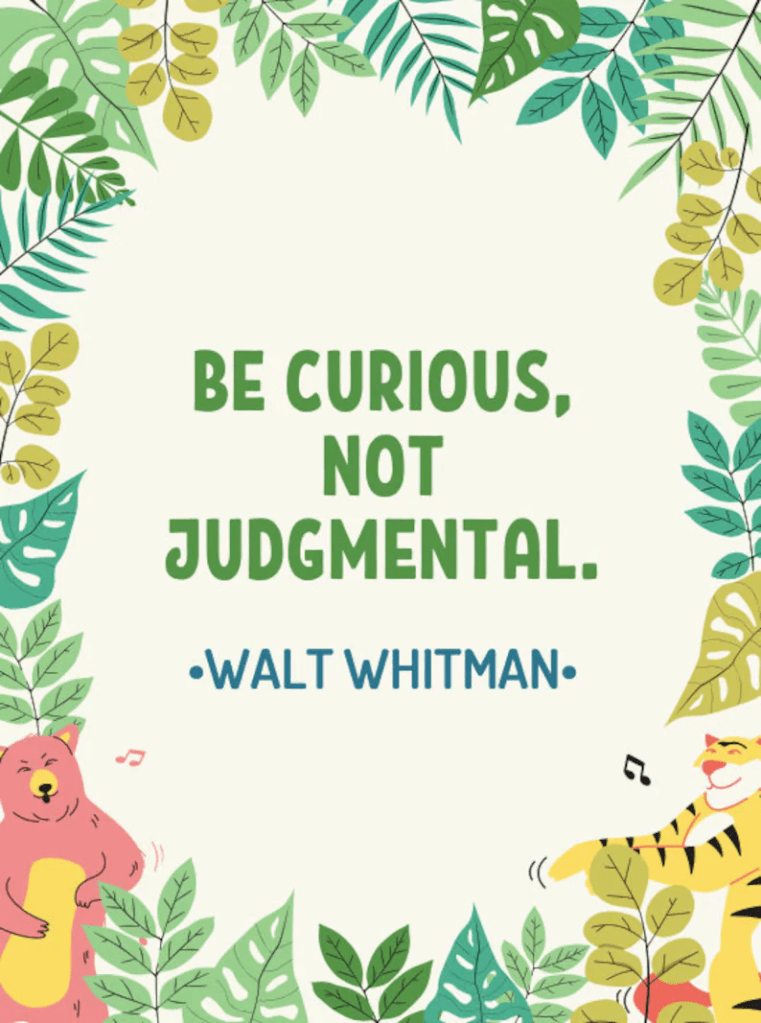
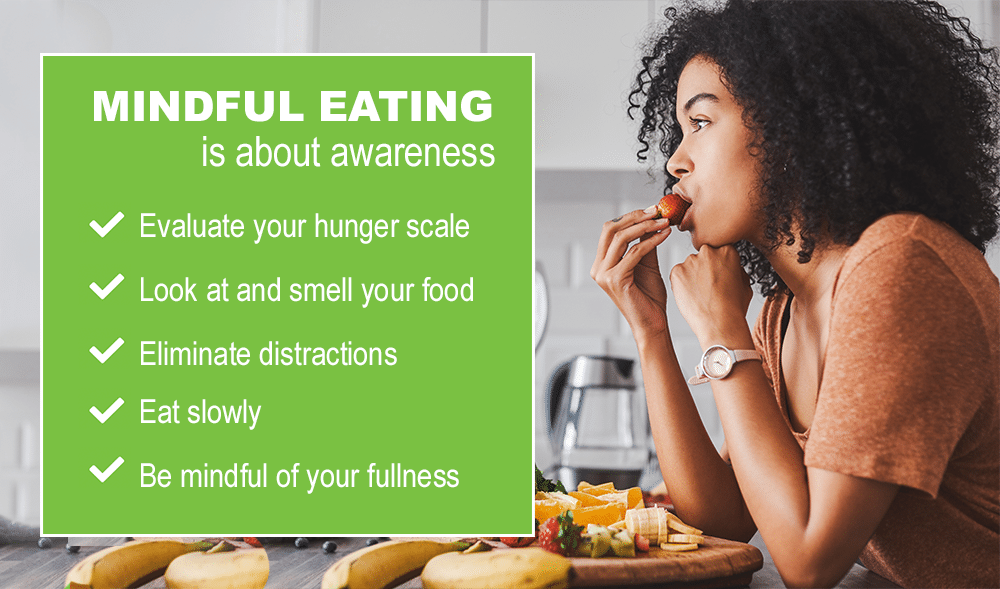
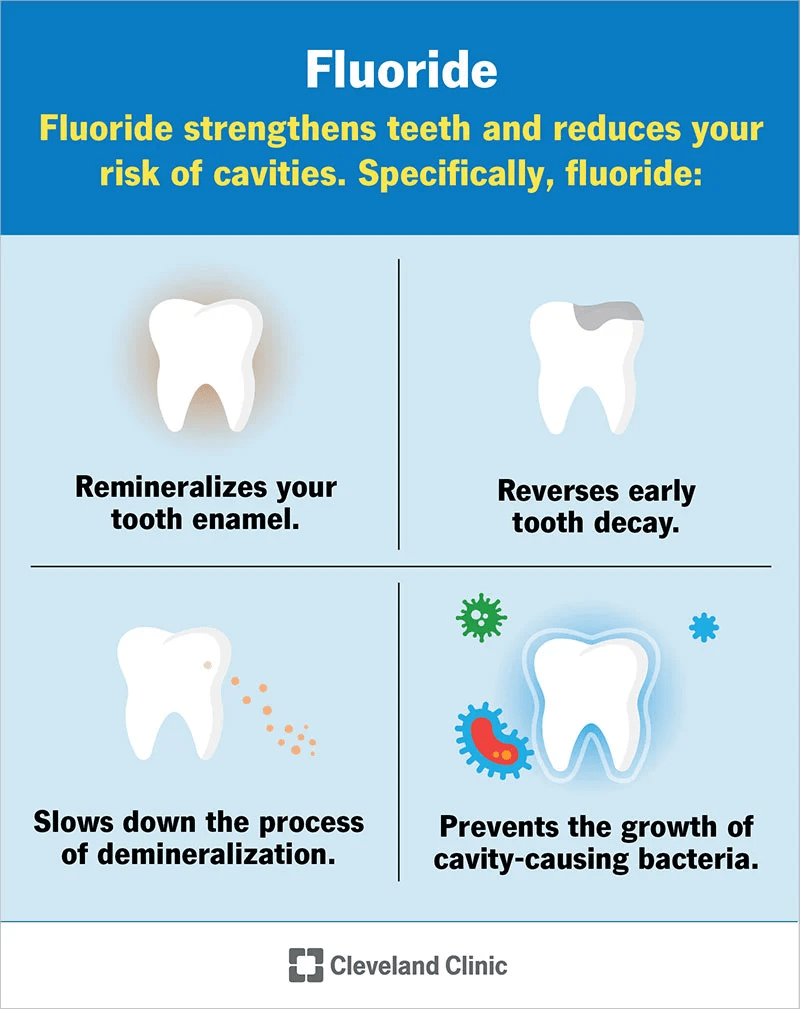
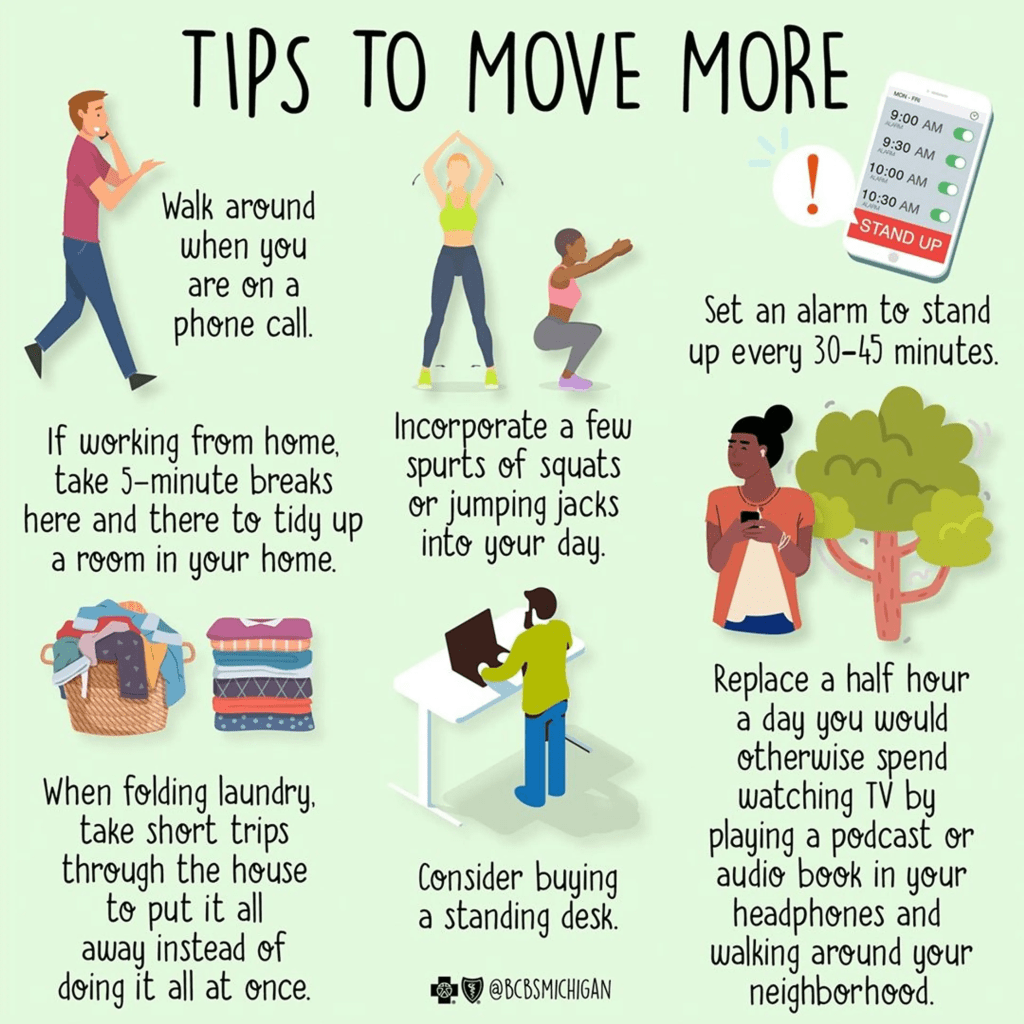

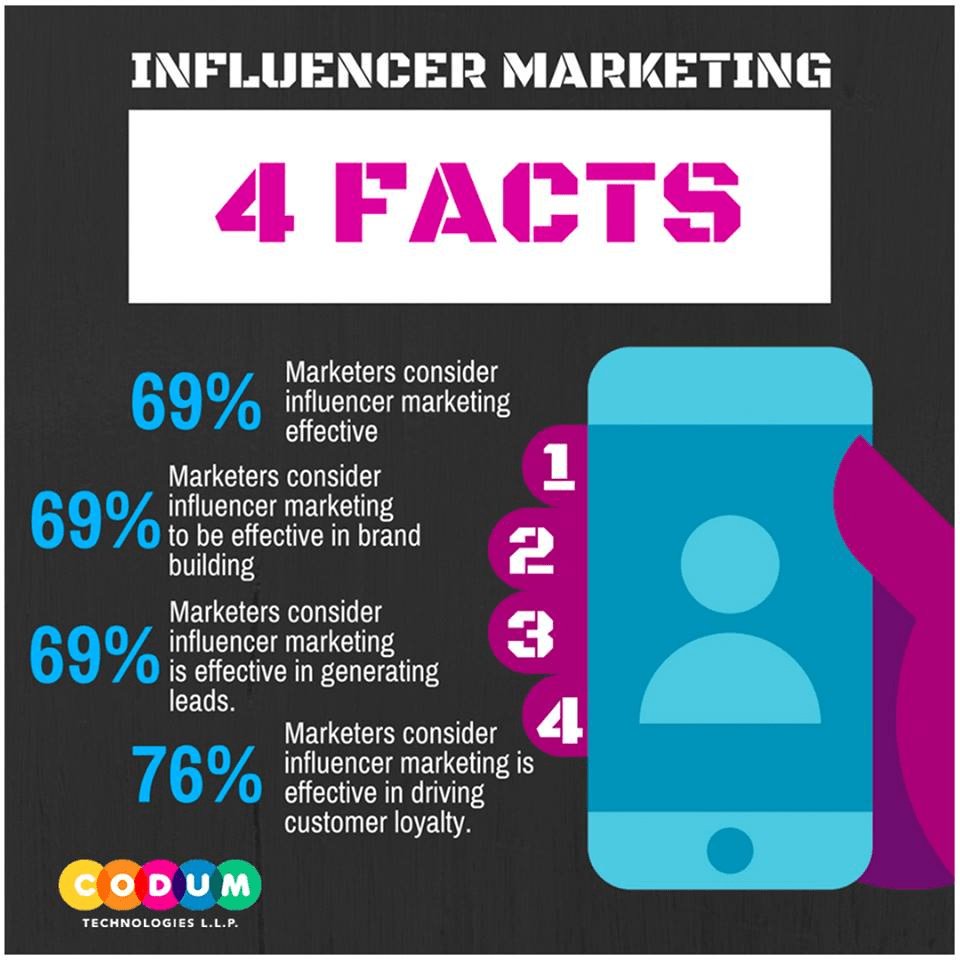
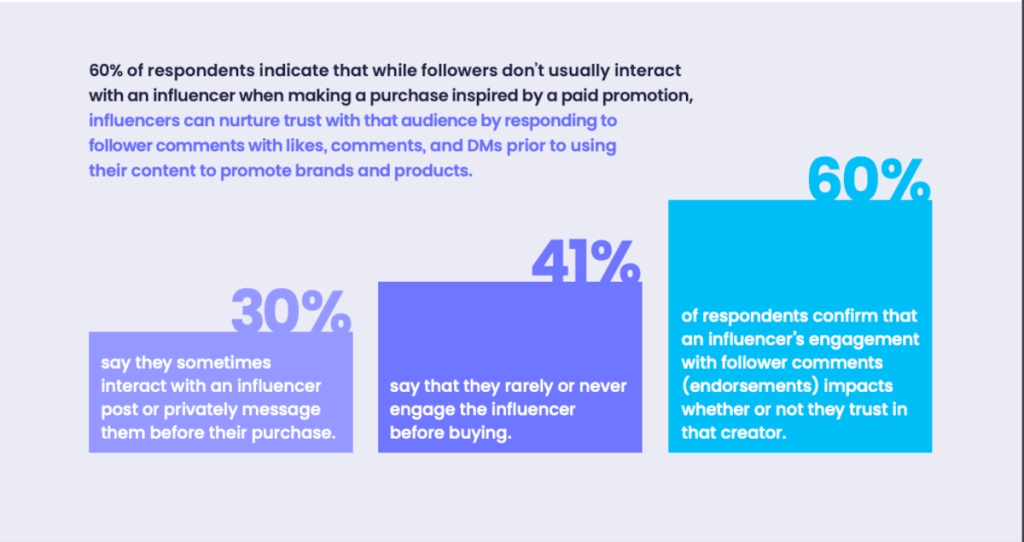
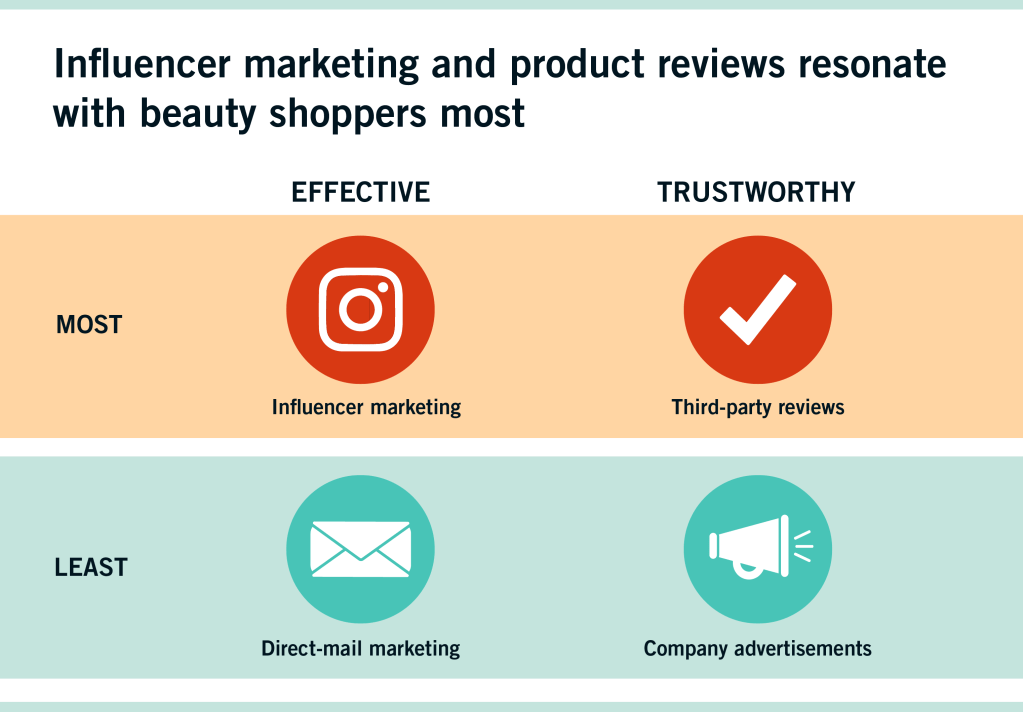
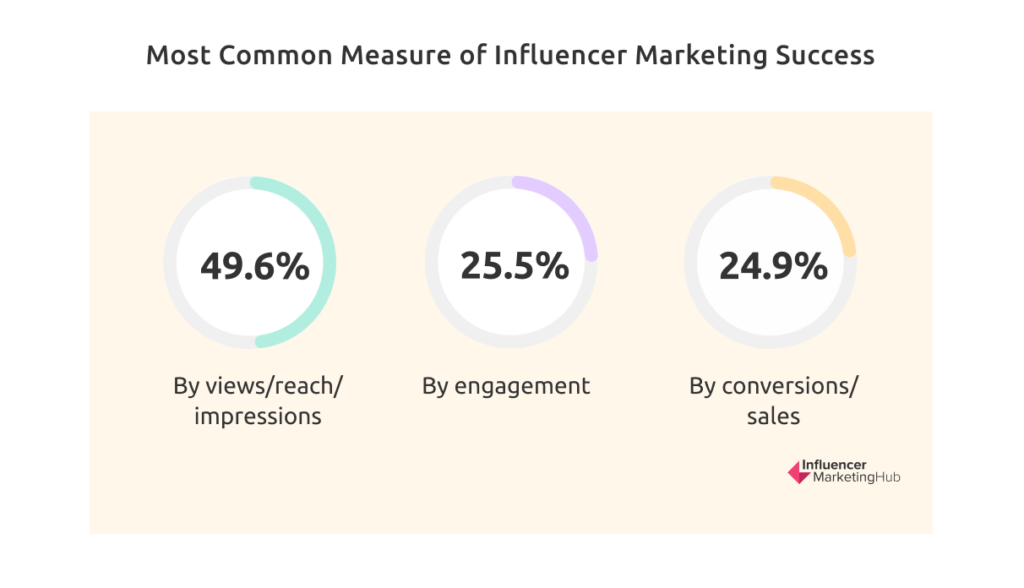

 Read Learn Share