
My intention is to post a Thoughtful Thursday column each week and share some of the insights I have learned in the past week. Here are some of the things I’ve learned this week:
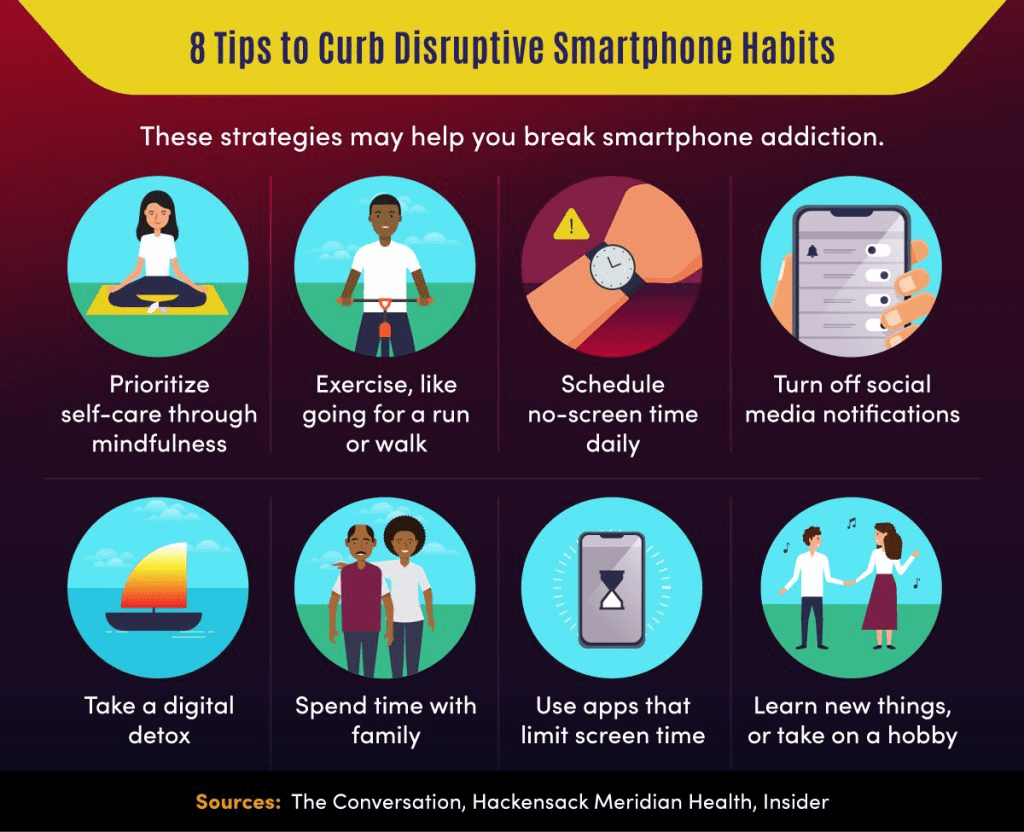
- Act contrary to how you feel. Explore the behaviors that reinforce that emotional state and act the opposite. Ex: depression may want you to stay in bed all day, but getting up and moving is the best thing. Change your behaviors first, and the feelings will often follow.
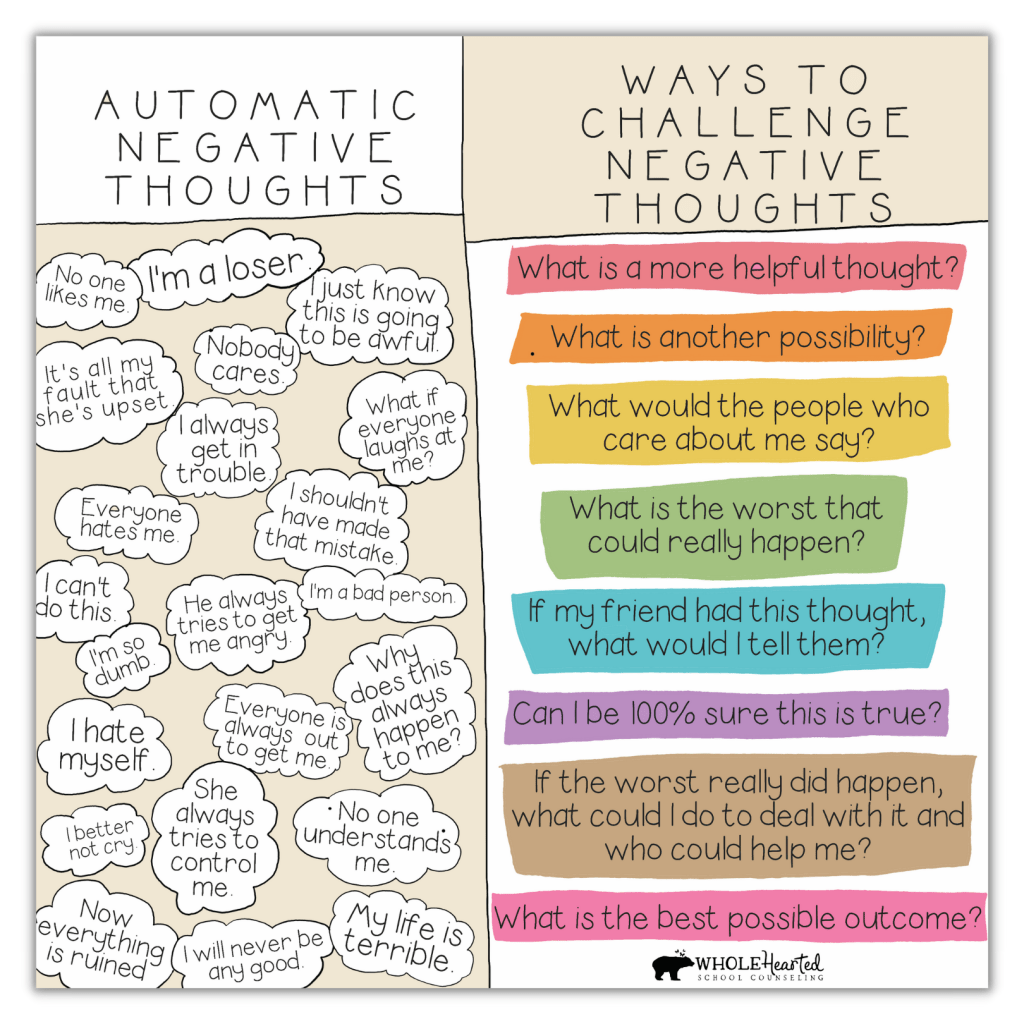
- Challenge your negative thoughts. Intense emotions cause irrational thoughts. Challenge your thoughts and prove that you can do something. Prove that your thoughts aren’t always accurate.
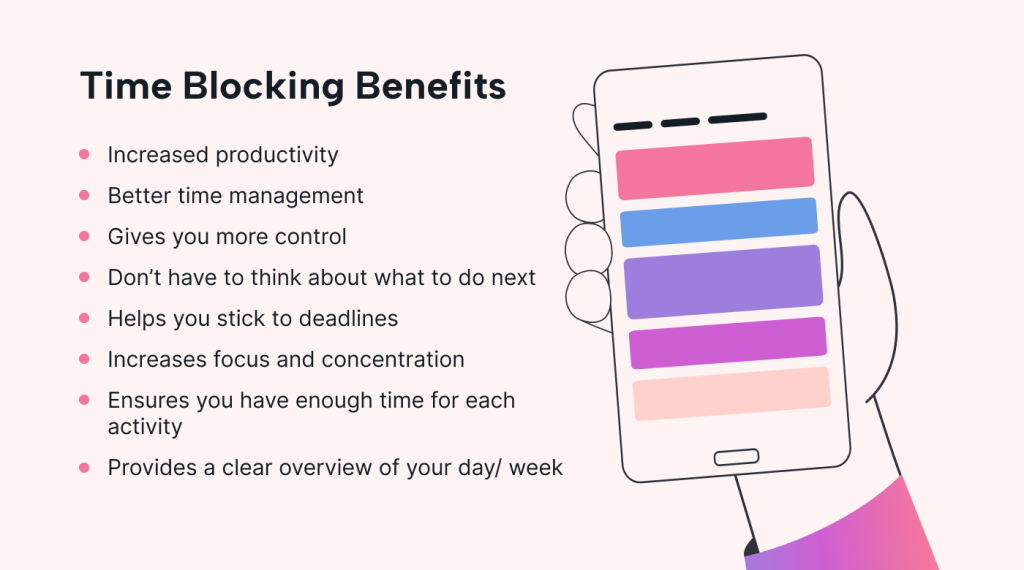
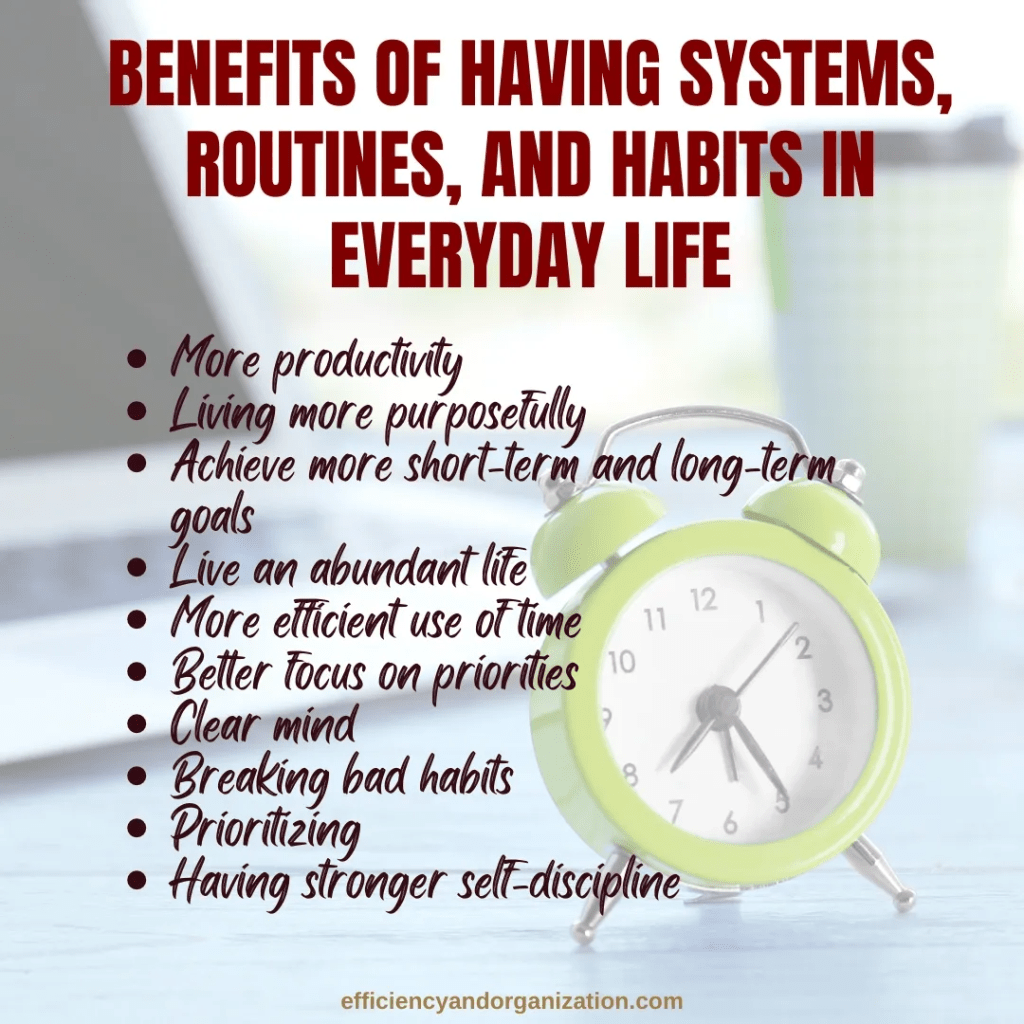
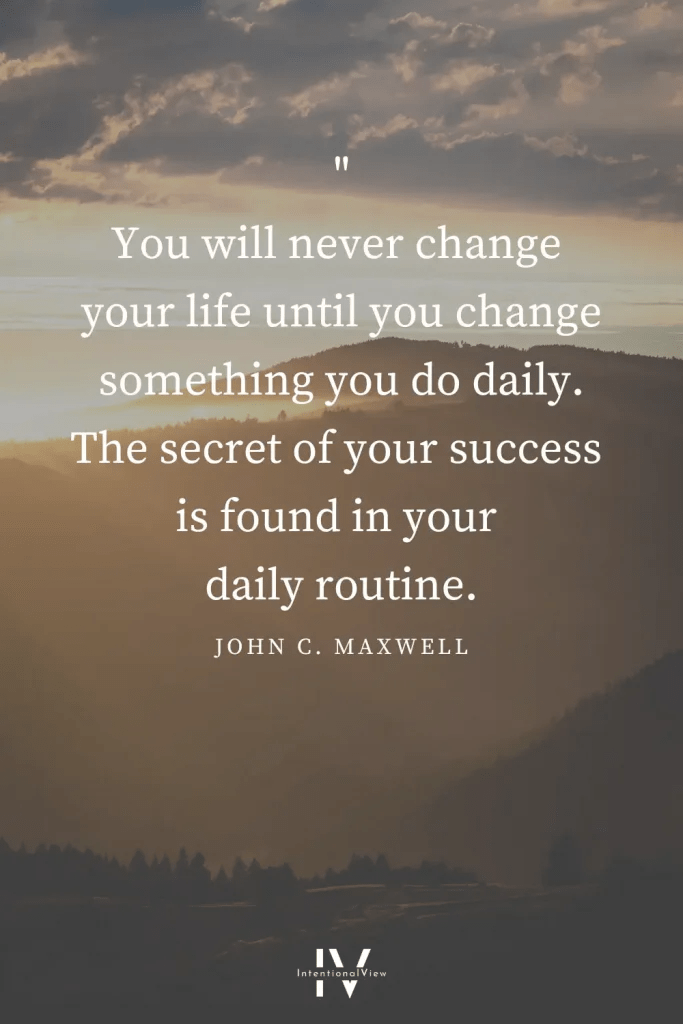
- Add structure to your day. Be intentional about building in healthy tasks and having structure outside of work, but also allow room for flexibility.
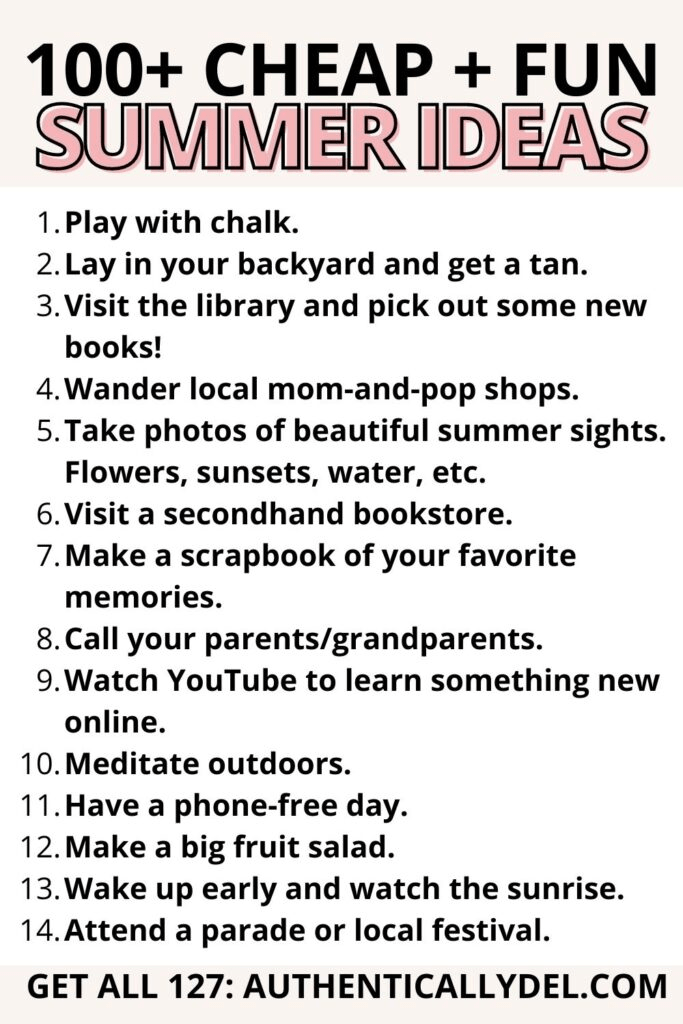
- Schedule fun, meaningful things to do. Having something to look forward to is really good for your mental health. Schedule one fun or meaningful thing each week.
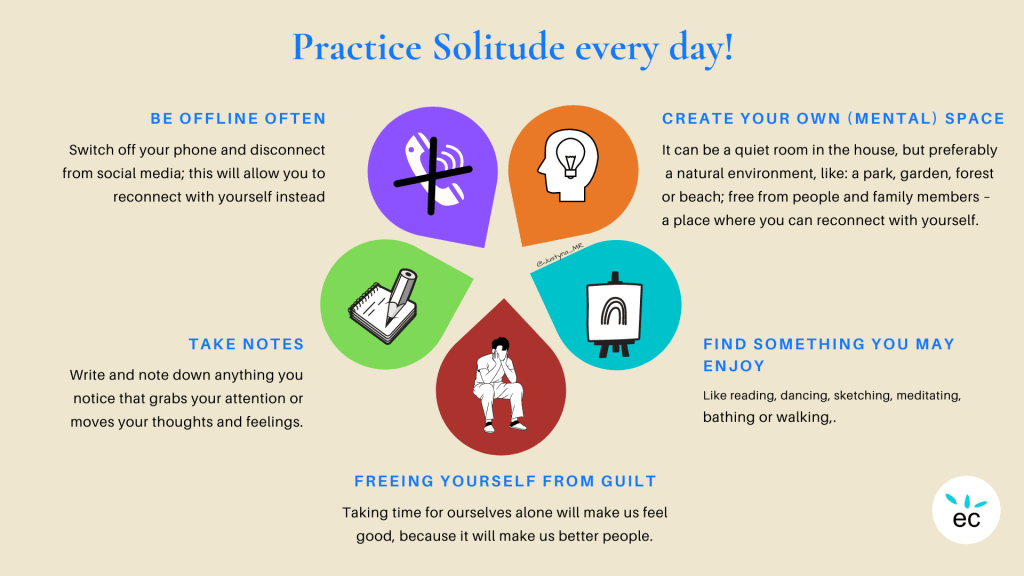
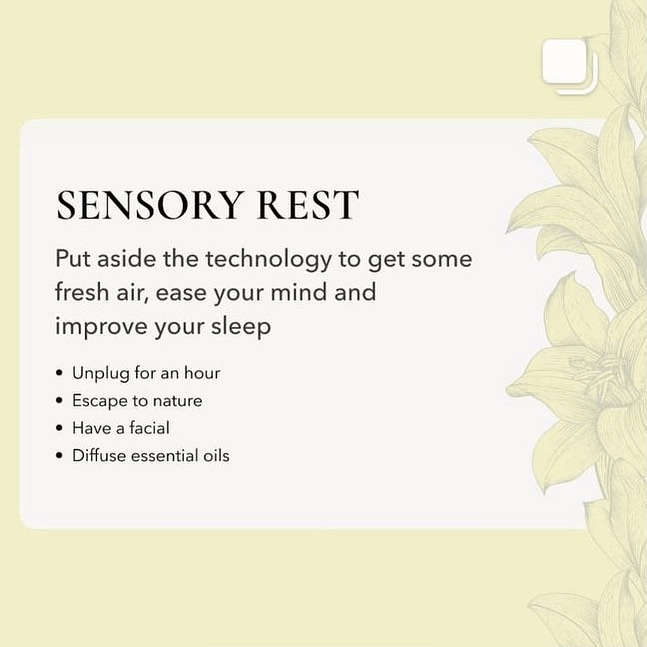
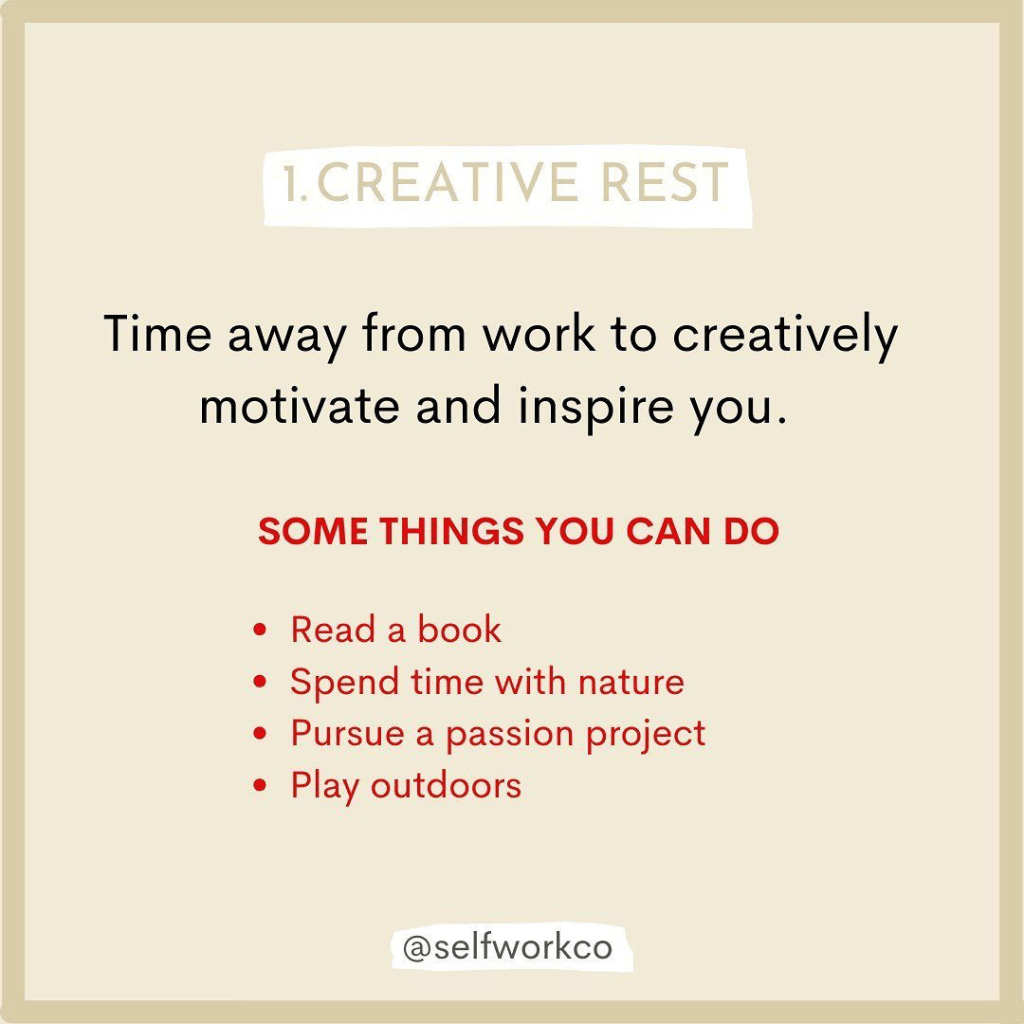
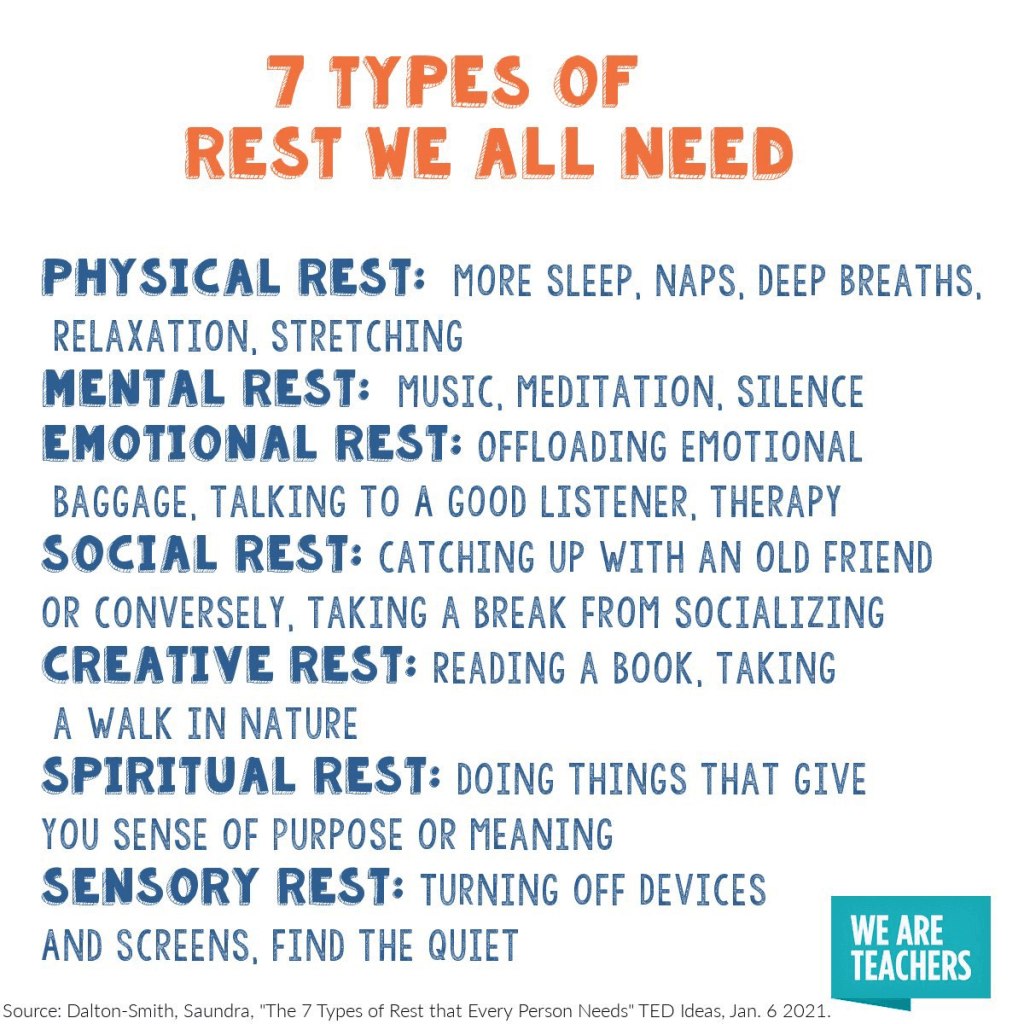
- Spend time in nature. Nature has incredible benefits for our mental health; it reduces anxiety, improves concentration, reduces depression, and helps us feel happier overall.

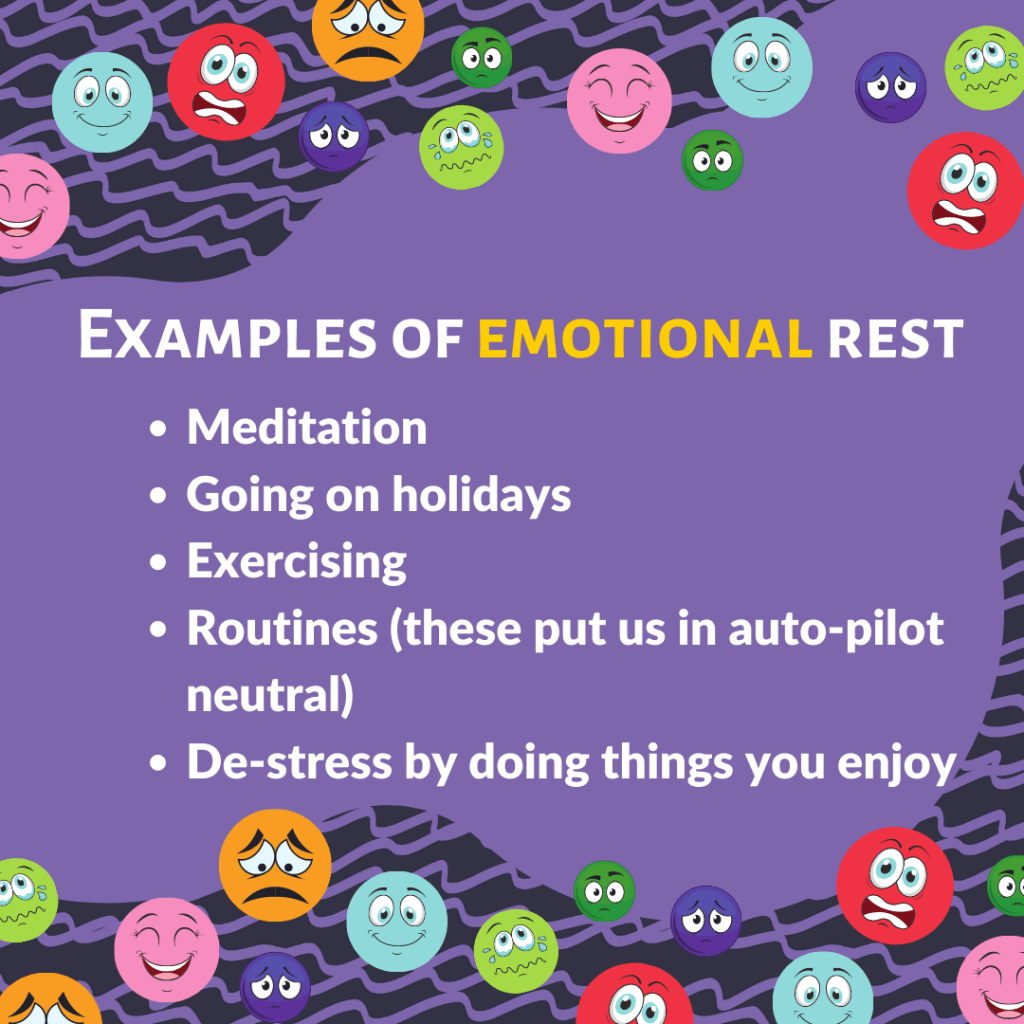
- Get physical activity. Exercise reduces stress and anxiety and improves self-esteem. Find an activity that you enjoy so that you can stick to it.
- Find a way to relax. Watching tv and scrolling on your phone stimulates your brain, so aim for ways to relax your brain. If you invest time into caring for your mental health now, you will feel better and perform better later.
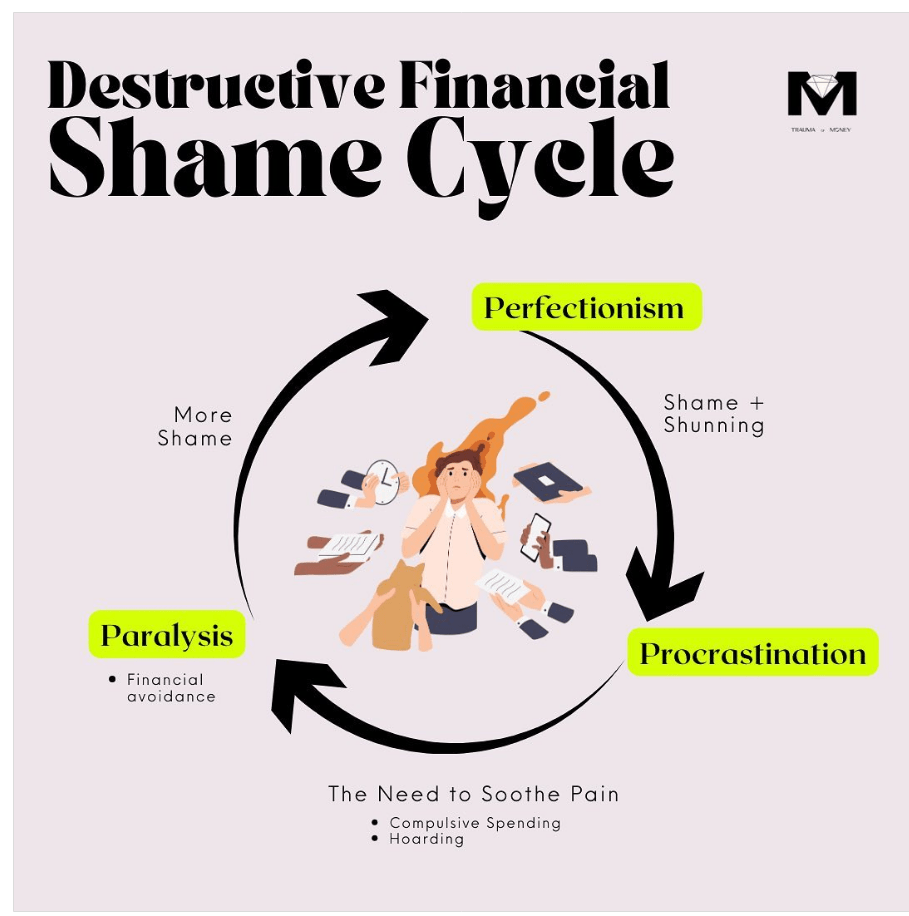
- Work on something that you’ve been putting off. The more you put something off, the more you dread doing it and the worse you feel.
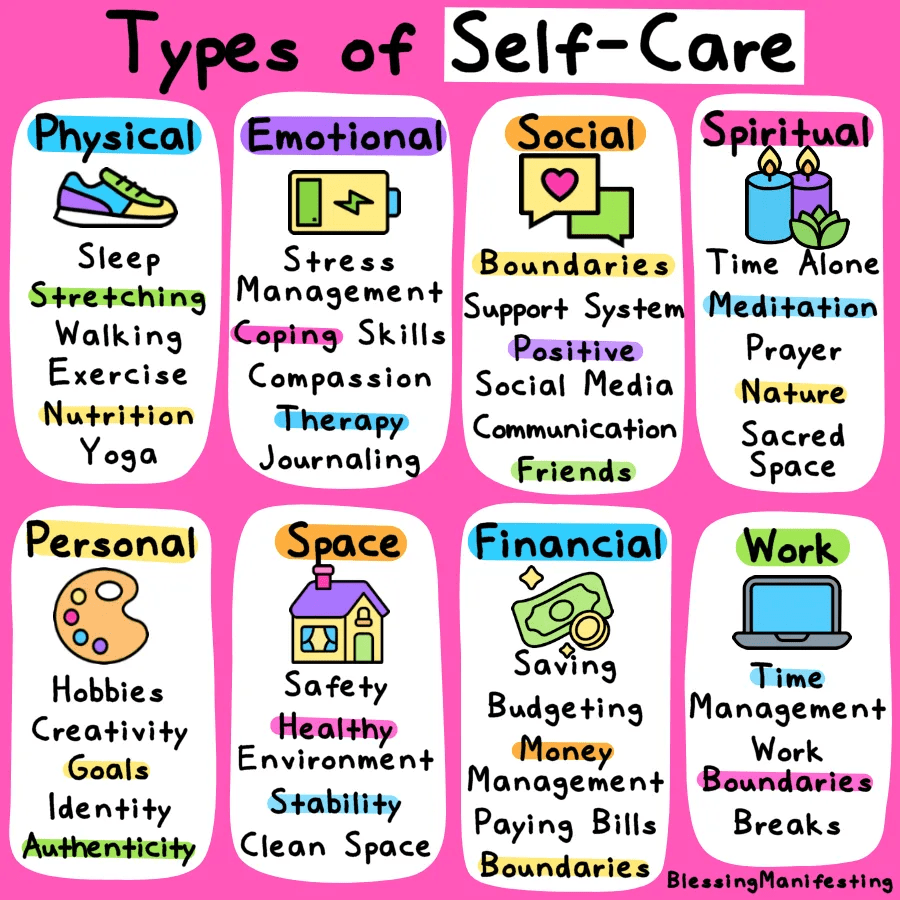
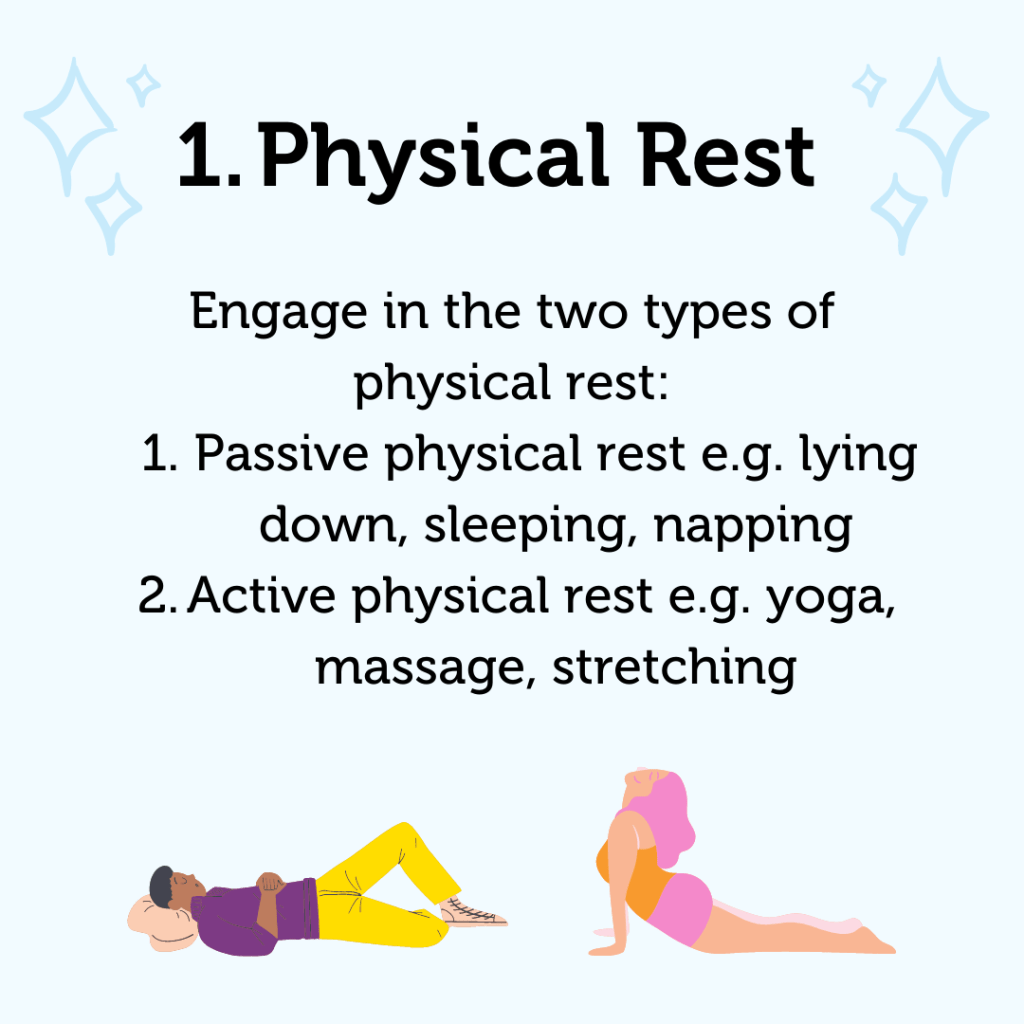
- Take care of your body. Eat a healthy diet and get adequate sleep.
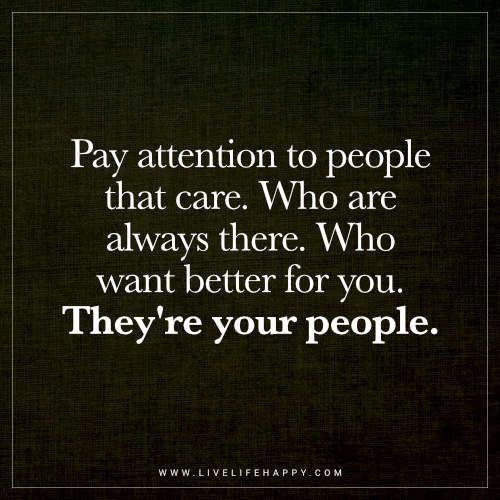
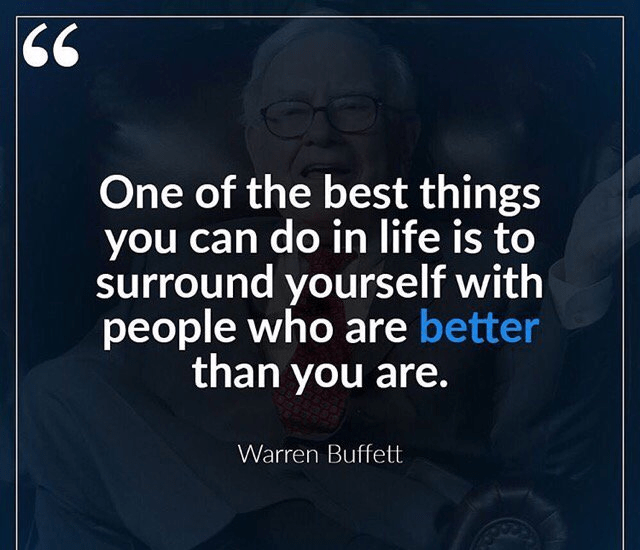
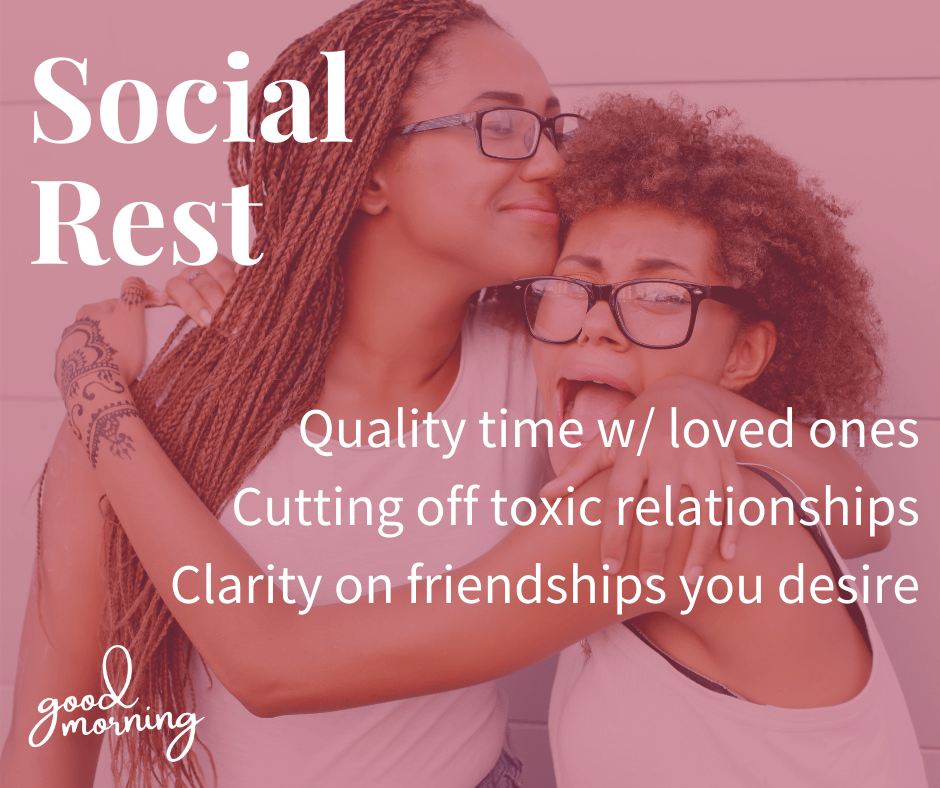
- Get social support. The people you spend time with might be the biggest factor that determines how mentally healthy you are. Having positive people in your life reduces the symptoms of mental illness. Remove yourself from toxic relationships.

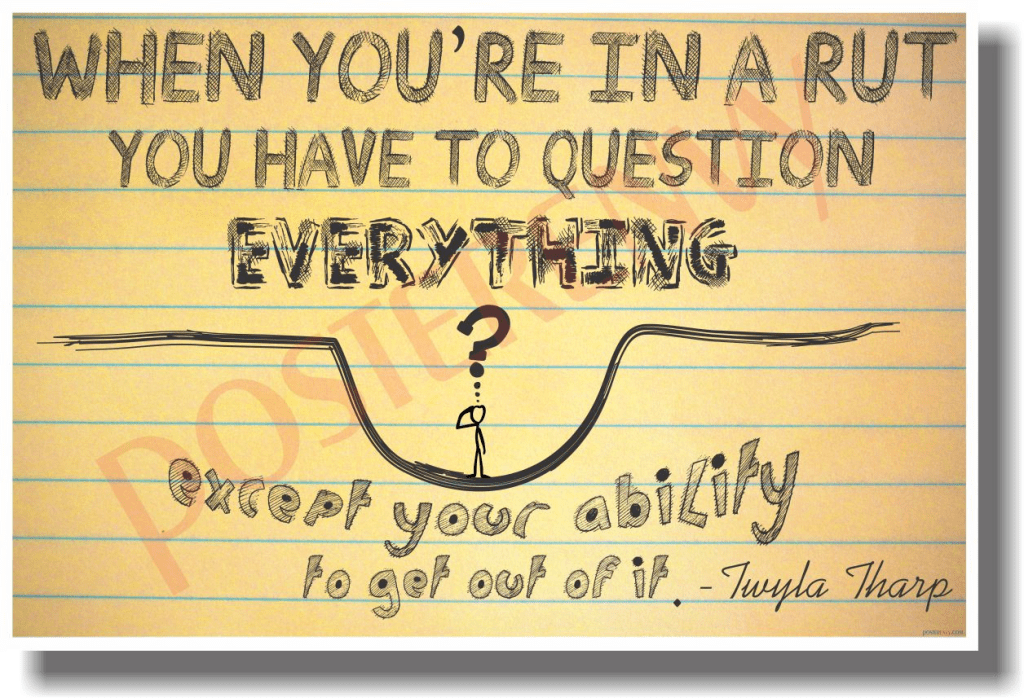
- Do a check in and figure out why you’re in a rut. Is your schedule day-to-day not fun? Are you not sleeping enough? Are you nourishing your body with food and water? What are you spending your time doing? Is that keeping you stuck? Are those things helping you or hurting you? What do you need to change?
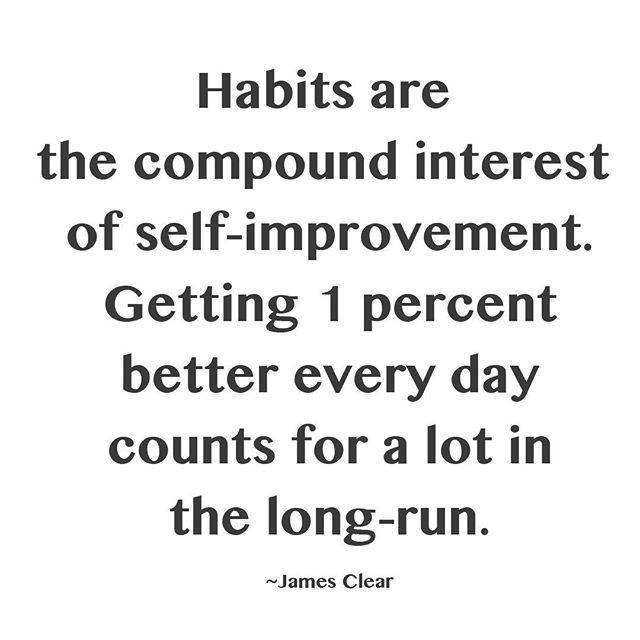
- Pick out a goal right now to work towards. Ex: train for a 5k, make a healthy meal 3x/week, build a new habit
- If you’re someone who really likes to talk on the phone, talk on the phone when you’re outside on a walk. You could start making plans with friends on the weekend to go on a walk. Look up gyms in your area and go to the cheapest one. Go on a treadmill and find a show you will only watch while walking on the treadmill.
- Redesign a space in your home. Change around the furniture.
- Find a book to read. Find a book about something you want to learn more about.
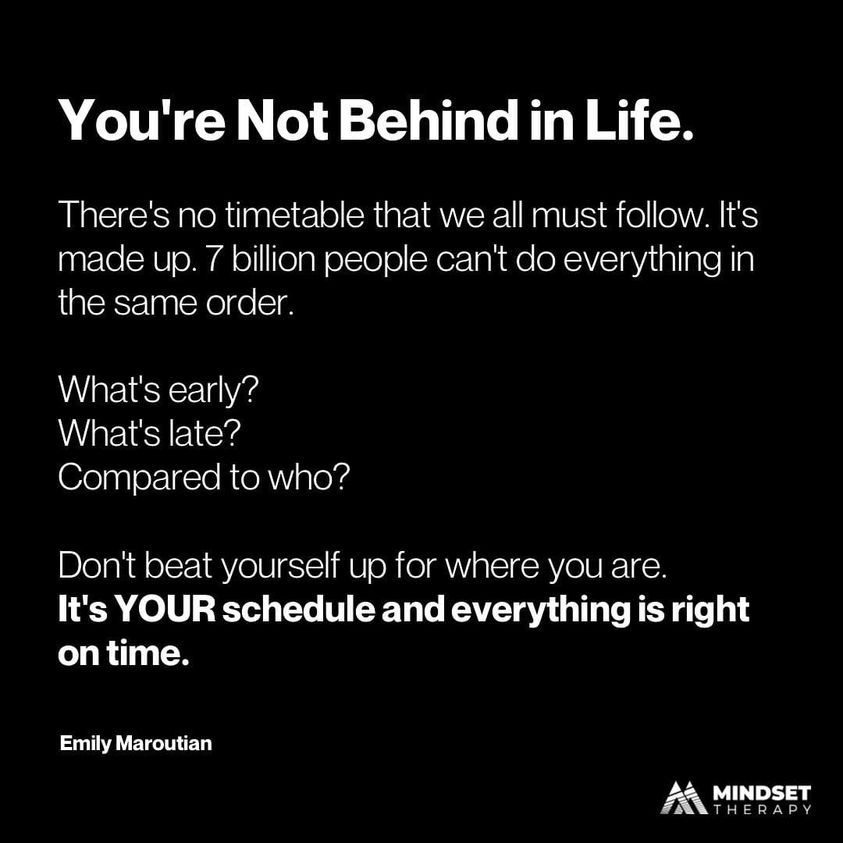
- Know that you are allowed to change your mind and your habits whenever you want. You can become whoever you want to become.
- Try a new hobby. Take a class.
- Pay attention to the people you have in your life, the environments you have, the music you listen to, the content you consume, the people you follow … all of those things can contribute to you feeling like you are in a rut.
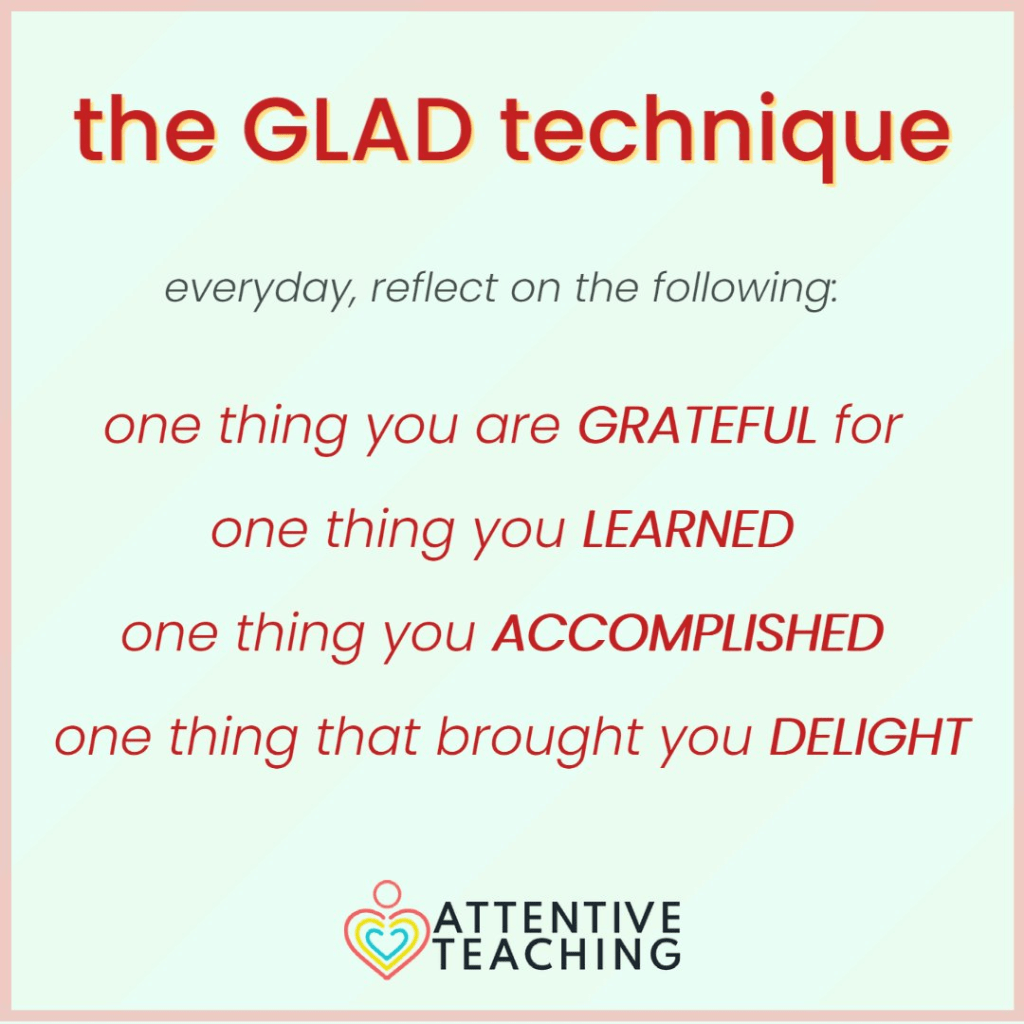
- Make a list of things that make you feel happy that you can turn to when you’re feeling down. Ex: family time, running, going outside, reading, etc.
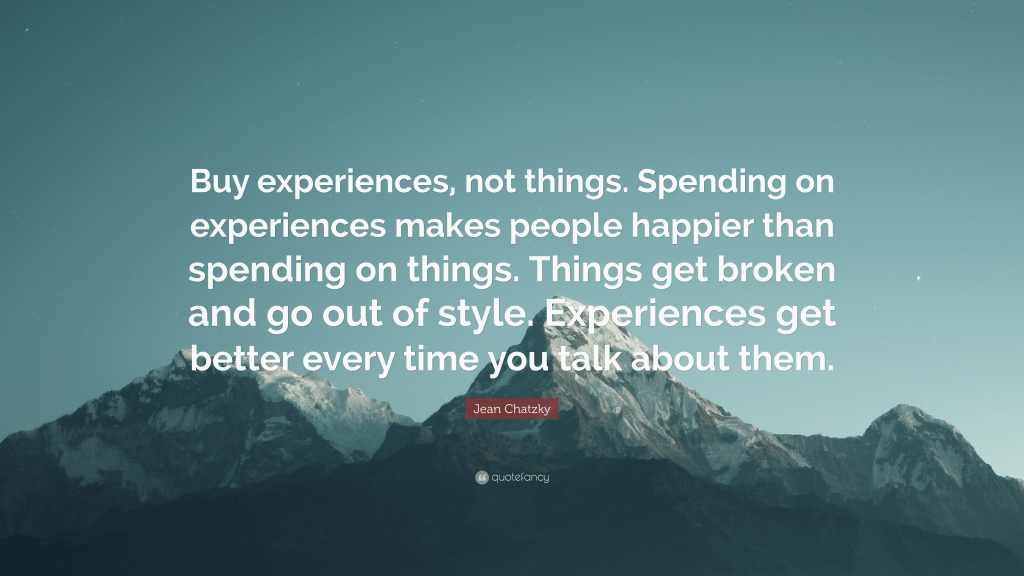
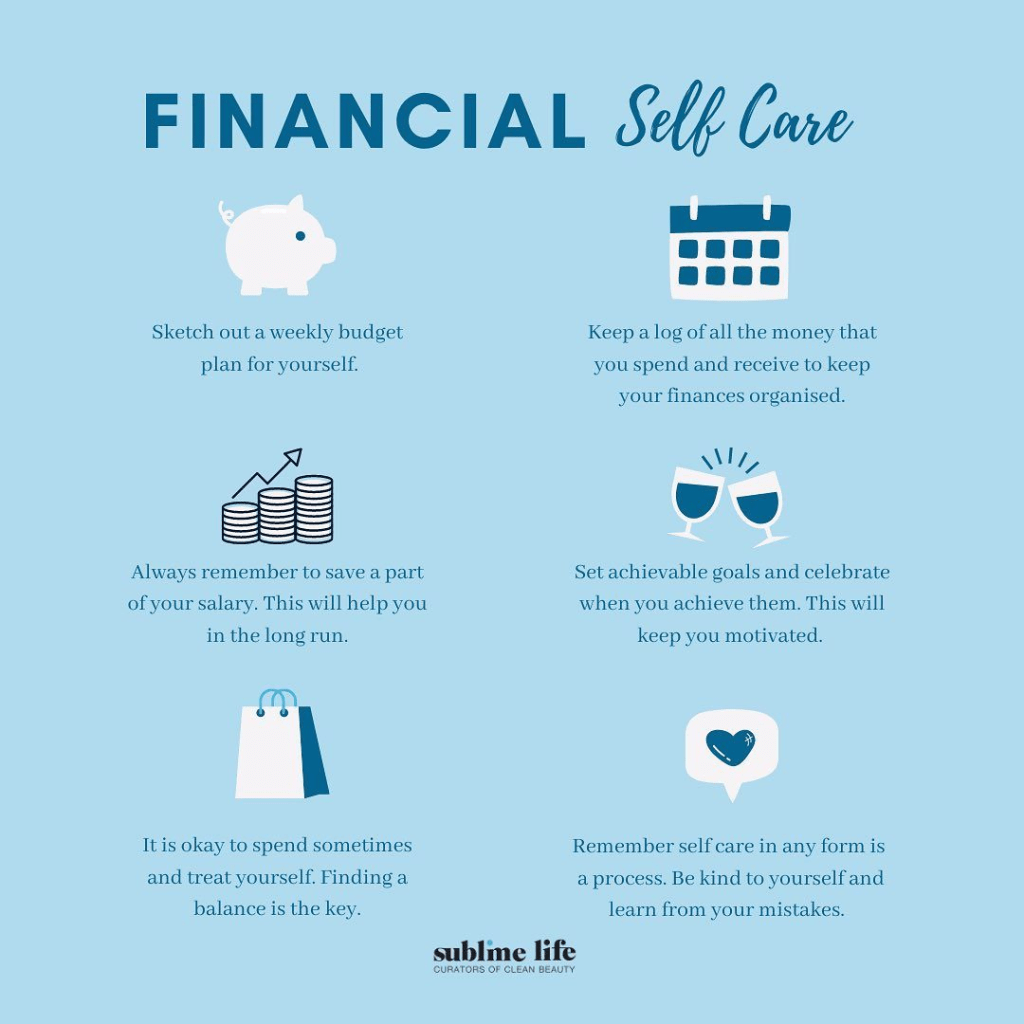
- Money CAN buy happiness. Buy experiences (trip, dinner with friends, etc.). Experiences bring more happiness than material possessions. Make spending feel like a treat – hedonic adaptation.
- Think about how your choices about money impact how you use your time. If it doesn’t have any bearing on how you spend your time, you can probably let go of spending money on that for now.
- Buying time – if you can, buy your way out of something you dread doing. Ex: mowing lawn, cleaning house, grocery shopping, etc.
- Another fact mentioned is that people who donate to causes/charities through recurring charges aren’t nearly as happy as people who get involved in person and directly see the impact of their monetary donations.
Burger King’s motto “Have it your way” is a welcome reminder that each one of us matters and deserves to be cared for. We don’t need to settle for how things are; we can create a new reality for ourselves.
We can pursue our ambitions with pride. We can change our future if we have the courage to do so. Being selfish in investing in yourself can be one of the most selfless things you can do because it can great the greatest impact on others.
If you’re overstretched at work and compromising your own health, that’s not having it your way. When we enforce better boundaries about our work hours, we can have more time to fulfill ourselves in other ways.
If you don’t have as much time for the things and people you love, or the energy to do anything at the end of a long day, that’s not having it your way. When we say no to others, we say yes to ourselves.
Reordering priorities and making a commitment will start to shape your life your way. Balance your personal life, care, and passions in a way that you feel good about by figuring out how it all fits together.
This post from Seth’s blog really resonated with me:
The two bicycle errors
“Momentum activities like public speaking, board sports and leadership all share an attribute with riding a bicycle: It gets easier when you get good at it.
The first error we often make is believing that someone (even us) will never be good at riding a bike, because riding a bike is so difficult. When we’re not good at it, it’s obvious to everyone.
The second error is coming to the conclusion that people who are good at it are talented, born with the ability to do it. They’re not, they have simply earned a skill that translates into momentum.
There’s a difference between, “This person is a terrible public speaker,” and “this person will never be good at public speaking.”
And there’s a difference between, “They are a great leader,” and “they were born to lead.”
The thing about momentum activities is that we notice them only twice: when people are terrible at them, and when they’re good at it. That includes the person you see in the mirror.”
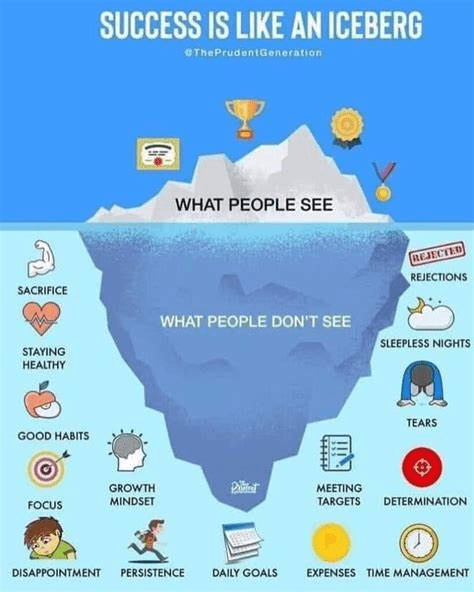
My reflection: we only notice when someone is really good or really bad at something. We don’t see the “average” and we often don’t see the process that it took to get to “good.”
I look forward to reading, learning, and sharing more with you soon!
















 Examples include tag sales vs. rummage sales vs. garage sales vs. yard sales vs. stoop sales, scratch paper vs. scrap paper, soda vs. pop vs. coke, take-out vs. carry-out, and how people pronounce aunt, syrup, caramel, crayons, quarter, coupon, grocery store, and many other words.


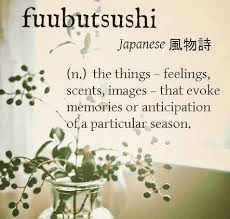
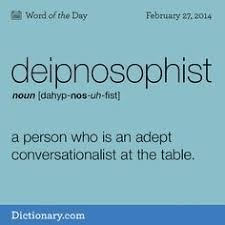
 Here are some of my favorites.









 Read Learn Share