Thoughtful Thursday posts, Uncategorized

Thoughtful Thursday- February 23, 2023

My intention is to post a Thoughtful Thursday column each week and share some of the insights I have learned in the past week. Here are some of the things I’ve learned this week:

Optimal Living Daily- The Myth of the Someday/Maybe Life

The myth of the someday/maybe life refers to the urge to save things for our someday/maybe lives that are never the lives we are actually living right now.
Example listed in the podcast: a tan trench coat that has never been worn, but had been kept in case the person decided to be Inspector Gadget at Halloween some year.

If you struggle to let go of items for your someday/maybe life, ask yourself:

  • Would I buy it again today?
  • Have I used this in the last year/am I really ever going to use it?
  • What’s the worst thing that would happen if I let go of this? The worst-case scenario is usually not all that bad.

Tips: for clothing, turn the hangers around after wearing clothing to see what you wear, and get rid of clothes facing the original direction after six months or a year. I currently do this.

Pack things away in a box that you think you might need. If you don’t look for them after one year, the box is already packed and ready to donate!
In January, I challenged myself to give away 1 item each day in my local Buy Nothing Facebook page. I got rid of over 31 items–many items that were sitting in totes because I had thought I might use them someday! It was a great start to the year, and I may do this challenge again in the coming months.

Self Improvement Daily- Give Yourself Your Undivided Attention

People are always competing for our attention: marketers use clickbait headlines, Facebook and other apps send you notifications, friends text you and hope that you get back to them quickly, you may have work duties, and there are always other pressures on us to fulfill the many roles in our lives as a spouse, parent, family member, friend, volunteer, employee, etc.

In this podcast, Brian Ford prompts us to ask ourselves: When was the last time you gave yourself your undivided attention?

Take time to sit and reflect on what you want, how you are feeling, how energized you have been, how productive you have been, how your mental health is, what you are working towards and how it’s going, what you’re most excited about, and anything else you need to reflect on. Do this regularly. We know it’s the best thing we can do for others, but it’s also the best thing we can do for ourselves.
To achieve this, one habit I regularly practice is to disable Facebook and messenger notifications, personal e-mail notifications, and other app notifications on my phone. Silencing my phone while I am working or working on a task I want to prioritize, such as reading, is also helpful.

SHE with Jordan Lee Dooley- 6 Things I Wish I Knew Before Getting Married

This episode was SO relatable. After being somewhat long-distance for 7+ years and not living together or seeing each other on weekdays before marriage, it has been an adjustment! Here are the 6 things the host wishes she knew before getting married, and I agree with all of these:

Scheduling– know your partner’s schedule. It’s helpful to have a shared calendar to know obligations and appointments. I keep a whiteboard calendar in our bedroom and write down my work schedule, medical appointments, family plans, and social outings with friends each month.

Conversations about $– have conversations about income and budgeting. Get on the same page about financial goals and dreams. Have monthly check-ins.

Organization– Keep clutter to a minimum. Have a landing zone to put stuff when you come in the door, such as a basket. Have a location where you put mail that you need to get to instead of putting it on the table or counter. Have one space for the majority of the cleaning supplies. Use a file cabinet with organized tabs. Understand how you organize differently. Minimize your belongings.

The host specifically stated that her husband is into outdoor activities, such as golf, fishing, and hunting. She was tired of seeing all of his items all over the garage, so she got him a big bin to put all of his items into–out of sight.

We have implemented some of the organizational tips above. We have a large storage stand with cleaners and laundry supplies, labeled and organized bins for medications and personal beauty products, and a file bin with labeled file folders for items such as the mortgage, auto, taxes, medical records, home improvement, etc.

Expectations– Talk about expectations for regular household tasks, such as “If I do the cooking, who does the dishes?” Who should take charge of the household accounting? Who should pay which bills? Is the mortgage payment going to be split evenly? How do you prefer to unwind or relax, and how many hours a day do you like to do that? Identify who is responsible for household chores. This prevents resentment from the person who feels like he or she is doing it all because he or she expected everything to be done on a certain timeline.

All of these are great questions! One of the biggest adjustments for us as newlyweds has been sharing time and space. When dating for 7+ years, we spent weeknights apart. Upon moving in together, I was very surprised and frustrated to find that my husband watches hours of tv each night after work–something I had never done regularly on a weeknight. I have since learned that this is his method of relaxing and unwinding after a long day of physical labor. I sit all day, so I have other ways of unwinding, including working out and staying active, reading, etc. We have our separate time and come together at some point each day to unwind together.

Hospitality– practice hospitality by regularly hosting people. We LOVE hosting people and are hoping to host more often.

Grace– lastly, give yourself grace! Being a power couple isn’t the goal. The perfect couple doesn’t exist. What you see on social media is only a fraction.

I look forward to reading, learning, and sharing more with you soon!
Book review posts, Uncategorized

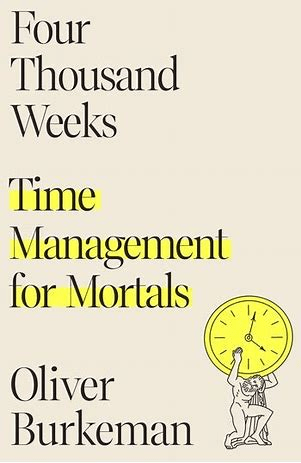
Four Thousand Weeks: Time Management for Mortals + All About Productivity

“Four Thousand Weeks: Time Management for Mortals” was written by Oliver Burkeman, published in 2021, was named after the concept of an average lifetime being just 4000 weeks, and is one of the most useful books I have ever read.

If you succeed in getting things done on your to-do list, more things will inevitably seem important, meaningful, or obligatory. Getting things done won’t generally result in the feeling of having “enough time” – the demands will increase to offset any benefits. You’ll be creating more things to do.

Oliver Burkemann

The more you believe you might succeed in “fitting everything in,” the more commitments you naturally take on, and the less you feel the need to ask whether each new commitment is truly worthy of a portion of your time – and so your days inevitably fill with more activities you don’t especially value. This is why it is SO important to learn how to say NO to obligations without feeling guilt, pressure, or obligation.

People complain that they no longer have “time to read,” but the reality, as the novelist Tim Parks has pointed out, is rarely that they can’t locate an empty half hour in the course of the day. What they mean is that when they do find time and use it to try to read, they’re impatient to give themselves to the task because they’re inclined to interruption. Social media and what we think of as “distractions” aren’t the ultimate cause of our being distracted. They’re just the places we go to seek relief from the discomfort of confronting limitation.

Tim Parks

When you get tremendously efficient at answering e-mail, all that happens is you get more e-mail.

“Nobody ever really gets four thousand weeks in which to live – not only because you might end up with fewer than that, but because in reality you never GET a single week, in the sense of being able to guarantee that it will arrive, or that you’ll be in a position to use it precisely as you wish.”

“We treat our plans as though they are a lasso, thrown from the present around the future, in order to bring it under our command. A plan is an expression of your current thoughts about how you’d ideally like to deploy your modest influence over the future. The future, of course, is under no obligation to comply.”

Oliver Burkemann

“The day will never arrive when you finally have everything under control—when the flood of emails has been contained; when your to-do lists have stopped getting longer; when you’re meeting all your obligations at work and in your home life; when nobody’s angry with you for missing a deadline or dropping the ball; and when the fully optimized person you’ve become can turn, at long last, to the things life is really supposed to be about. Let’s start by admitting defeat: none of this is ever going to happen.”

Oliver Burkemann

Spending at least some of your time “wastefully,” focused solely on the pleasure of the experience, is the only way NOT to waste it – to be truly at leisure, rather than covertly engaged in future-focused self-improvement. In order to most fully inhabit the only life you ever get, you have to refrain from using every spare hour for personal growth.

Tips: focus on one big project at a time, keep an open and closed to-do list with a fixed # of entries to have on your current to-do list, establish predetermined time boundaries for your daily work, accept that you can’t dedicate as much time as you want to everything and decide in advance what to not give as much effort to in your life, seek out novelty in the mundane and pay more attention in every moment, and practice doing nothing.

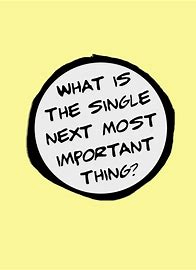
When in doubt, do the next most necessary thing.

Five questions to consider:

1. Where in your life or your work are you currently pursuing comfort, when what’s called for is a little discomfort? We naturally tend to make decisions about our daily use of time that prioritize anxiety-avoidance.

2. Are you holding yourself to, and judging yourself by, standards of productivity or performance that are impossible to meet?

3. In what ways have you yet to accept the fact that you are who you are, not the person you think you ought to be? Once you no longer feel the stifling pressure to become a particular kind of person, you can confront the personality/strengths, weaknesses/talents, and enthusiasm you find yourself with and follow where they lead.

4. In which areas of your life are you still holding back until you feel like you know what you’re doing?

5. How would you spend your days differently if you didn’t care so much about seeing your actions reach fruition?

If you want to learn or hear more, Oliver Burkemann has been featured on many podcasts on Spotify! I highly recommend listening to this link to a Talks at Google YouTube video with Oliver Burkemann:

This book is one of the best books I have read and I highly recommend it!

I look forward to reading, learning, and sharing more with you soon!

Thoughtful Thursday posts, Uncategorized

Thoughtful Thursday- February 16, 2023

My intention is to post a Thoughtful Thursday column each week and share some of the insights I have learned in the past week. Here are some of the things I’ve learned this week:

Self Improvement Daily- Heck Ya or No Thank You

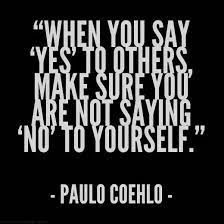
We tend to overcommit to things out of obligation, guilt, boredom, or an overall lack of boundaries. You can control what you commit to, and you can and should say no to protect your time, boundaries, and self-care. “You deserve to feel like you’re putting your heart into everything you do. That’s a real possibility in your life. And the only way you get there is by raising your standards.”

So the next time you’re making a decision to do something or not, ask yourself “Do I really want to do this?” If your answer is “Heck Ya” then follow the pull of it. If it’s anything else, politely say “No Thank You.”

Brian Ford
How to Be a Better Human- How to get the medical care you deserve

Doctors are often rushing from patient to patient, and many times patients feel unheard. Here are some tips to get the medical care you deserve:

Prepare for your appointment with a chronological written history of your issue/story. This helps because if you feel/look fine at your appointment, you can still get your doctor’s attention with a written chronology of information and also save the doctor time. Also, come prepared with questions. Often doctors are rushed, so having your story written down and organized helps!

  • Try to get your doctor to listen to you. Some sample statements are “I want to really explain to you how this illness has affected my life.” For a chronic health issue, state “These symptoms are different than what I had been experiencing.” Emphasize what you have tried already for treatment. Ask your doctor what diagnosis the doctor thinks this is. It also helps to have a family member or spouse with you to get the doctor’s attention.
  • Have your primary care doctor or referring provider provide the specialist with a note of your symptoms, progress, what has been tried, etc.
  • Try to get to know your provider before an urgent issue comes up to build trust.

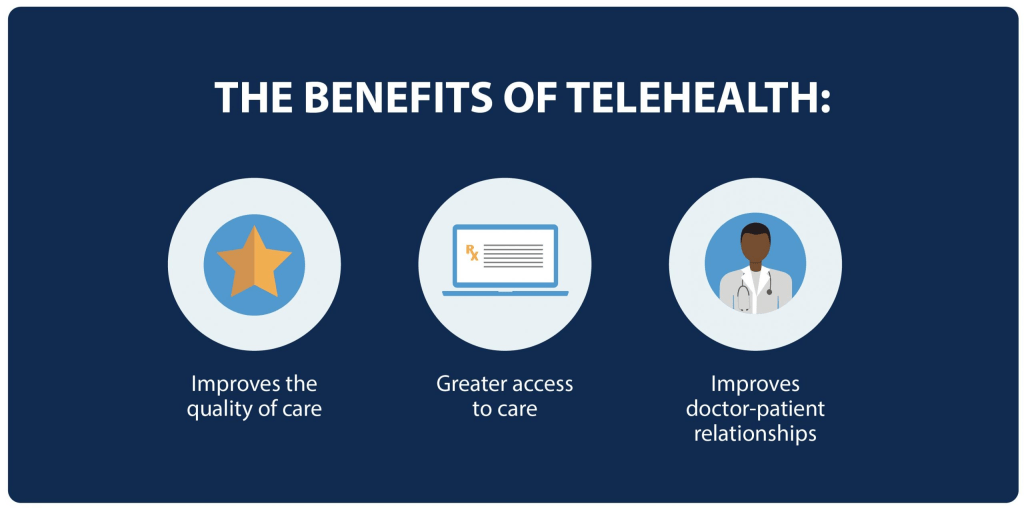
Doctors have more focus during telemedicine visits. There are fewer distractions, as they are only seeing one patient at a time, they aren’t dealing with others knocking on their door, etc. Virtual appointments present a greater opportunity to share your story.

I have learned that you really need to be your own advocate in the healthcare system. Throughout most of my life, I had various symptoms and was (mis)diagnosed with various conditions, and sometimes I was told that it’s “normal” or that it’s “in my head.” Other times, my symptoms worsened and I felt unheard because providers tried to tell me that it’s normal to have those symptoms with my diagnosis. After several doctor visits with different providers, many medications, and worsening symptoms, I decided to be my own advocate and write a chronological history of my symptoms, what medications I’ve tried, etc. and requested to be seen at the notorious Mayo Clinic in Rochester, MN. I am grateful that I was accepted for a second opinion. With my personal written chronological history and a list of questions, I finally left my appointment feeling heard and understood, and I was eventually properly diagnosed and presented with treatments and resources that had not been considered by other providers. Be your own advocate!

TED Talks Daily- The secret to making new friends as an adult

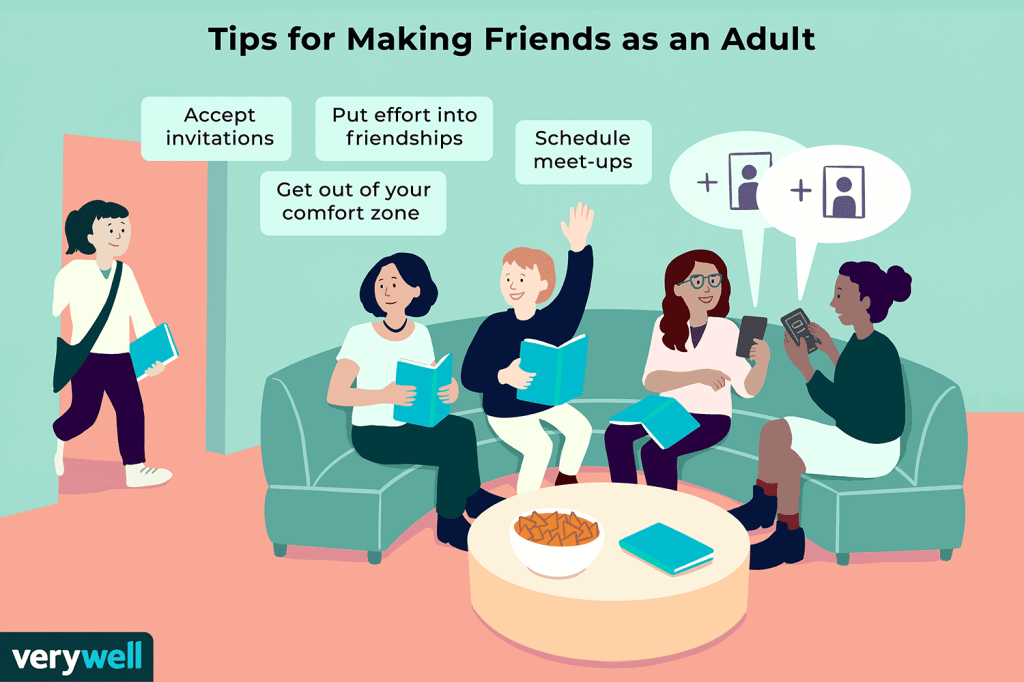
Friendship does not happen organically in adulthood. It is based on effort. In childhood, repeated unplanned interactions and shared vulnerabilities created friendship, which were easy in the school setting. These factors require more effort in adulthood.

Marisa G. Franco
  • Overcome covert avoidance, which is seeing people physically but checking out mentally. Show up and engage with people.
  • For friendship to happen, someone has to be brave and initiate conversation.
  • Having outside friendships is necessary for a healthy marriage and makes you more resilient through the difficulties of marriage.
  • Be vulnerable and assume people like you. For long-distance friendships and breaks in communication, assume people still want to connect but may be busy.
  • In-person connections tend to be stronger than virtual connections.
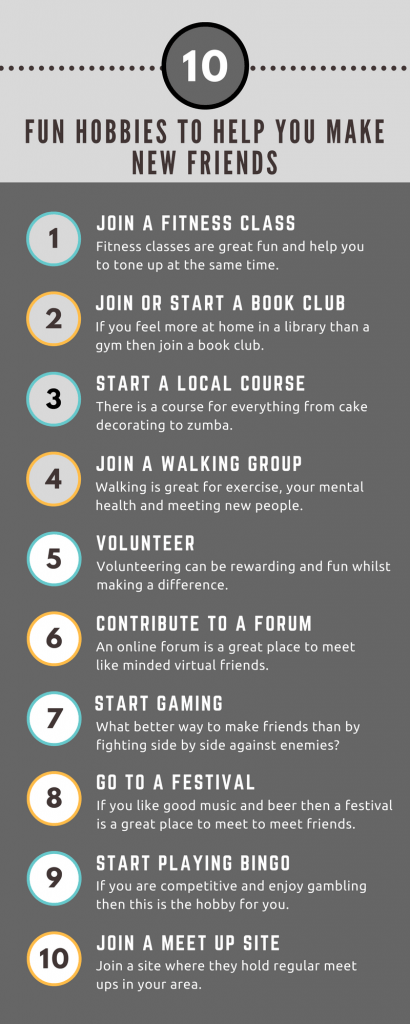
  • Find a group that meets around a hobby (hiking, meditation, book club, football, etc.). We tend to like people who are familiar to us. Ask members if they want to meet up before or after the group meets.

Our personalities are fundamentally a reflection of our experiences of connection or disconnection (coping mechanisms, friendly, open, cynical, aggressive, violent). How we have connected impacts who we are, and who we are impacts how we connect.

Marisa G. Franco
Jordan Harbinger Show- Death- Skeptical Sunday

The average funeral cost in the United States is over $11,000.

The rising cost of funerals leads to 88,000 bodies going unclaimed every year so that families won’t be on the hook for paying a bill.

funerals.org has helpful resources of your rights, ways to cut costs when planning a funeral, and funeral/burial requirements.

Some ways people cut costs:

  • Half of Americans choose to cremate to cut costs. Others proceed with immediate burial to eliminate the embalming process.
  • Shop around.
  • Purchase a casket online. Mortuaries are required to accept a casket from an outside vendor.
  • Plan a memorial service, where there is no need for embalming, refrigeration, a grave site, or a fancy casket.
  • Consider donating your body to a medical school for research.
  • Eliminate the vault. A vault made of concrete, steel, or lightweight fiberglass-type materials completely encloses the casket in the grave, while a less expensive concrete grave liner covers only the top and sides. No state or federal law requires the use of a burial vault, but most cemeteries do. The vault prevents the grave from sinking in after decomposition of the body and casket, making it easier to mow with heavy equipment.

Interesting facts:

  • There is no federal law mandating embalming. Some states require it. Most funeral homes have a policy that they won’t allow a viewing unless you embalm.
  • 4.3 million gallons of embalming fluid are used in the United States each year.

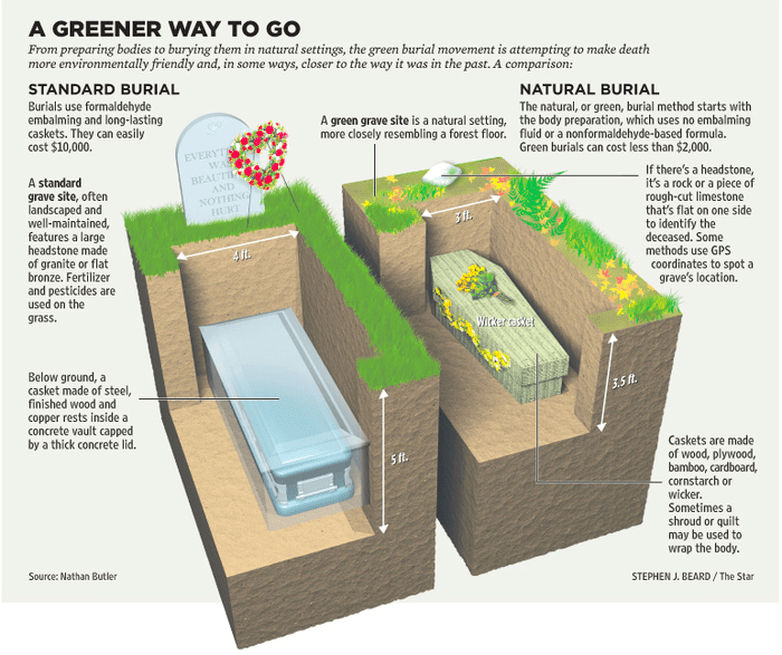
The strangest idea from this podcast was the concept of green burials: no embalming fluids, no concrete vaults, only biodegradable burial containers (a small box that disintegrates into the earth within 3-6 months/after 12 months, there is no evidence of your burial), hand dug graves, and no polished monuments.

When I first heard this, it gave me serial killer vibes! However, the podcast host mentioned that green burials result in you being part of the earth just like every animal who died throughout history.

I look forward to reading, learning, and sharing more with you soon!
Thoughtful Thursday posts, Uncategorized

Thoughtful Thursday – February 9, 2023

My intention is to post a Thoughtful Thursday column each week and share some of the insights I have learned in the past week. Here are some of the things I’ve learned this week:

36 Things I’ve Learned in 36 Years- Healthier Together Podcast

I learned a lot from this podcast! Here are some of the 36 things mentioned on the podcast:

Ask yourself if everything that you are doing in your life is because of what you’re being told to do by society/family/friends or if it’s something you want to do.

  • Eat a small salad before a meal to make it more blood-sugar friendly. This slows the absorbance of glucose in your bloodstream.
  • Listen to podcasts or watch tv only during a workout to make working out easier.

Clean out your social media feed to include only those that make you feel good or provide value to you. If you follow celebrities that make you want their lifestyles and make you fall into the comparison trap, stop following them out of respect for your mental health.

  • While the state of the world can make it scary to have kids, in reality, people have always lived through scary times. Having a child is an act of hope in making a better world, and you’ll get through it.
  • Brush your hair before you shower. You’ll distribute the conditioning oils from your scalp and there will be fewer tangles to get out after the shower. Get a wetbrush.

The best way to not be on your phone in bed is to plug it in in another room. If your phone isn’t there, you can’t reach for it.

  • You will probably not remember everything you want to for later. Write it down or make a note on your phone or use an app. I currently send text messages to myself when needed and leave them unread for some things I want to remember to do ASAP.
  • I learned about the concept of Sound Baths to relax. These are relaxing sounds, that, when combined with headphones, can help with depression and anxiety. The Insight Timer app Sound Baths were recommended in this podcast episode, but you can also find other sounds on YouTube by searching for “sound bath.”

If you don’t put the things that you value most like relationships or self-care on your to-do list or calendar, they’ll get lost in favor of things that you ostensibly value less. It’s easy to put your relationships after everything on your to-do list. Build them into your calendar.

Ways to Save Money on a Limited Budget or Low Income-Clever Girls Know Podcast

Housing:

  • Try downsizing, rent out a room to someone, or live with a roommate.
  • Try not to spend more than 30% of your income on housing. Move to a cheaper neighborhood.
  • Also consider utility costs and property taxes when making a decision about where to live.

Food:

  • Limit how much you are eating out. Be intentional about planning when you are going out to eat. Plan a day and plan it in your budget. It’s okay to decline invites to expensive restaurants with friends or make suggestions for other restaurants if needed.
  • Look at your pantry so you aren’t buying things you already have. Not every non-perishable item is a good bulk purchase. Only buy in bulk if you will definitely use the product in time.
  • Curbside pickup and delivery help curb impulse shopping.
  • Search the internet for recipes to make with ingredients you already have.
  • Buy fresh foods and avoid pre-cut pre-packaged fresh produce that has high markups.
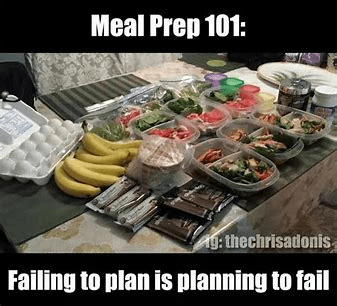
  • Meal plan and prep. I like to do this one or two days a week, especially on a Sunday, so that I am prepared and don’t have to think about it after work each day.

Entertainment:

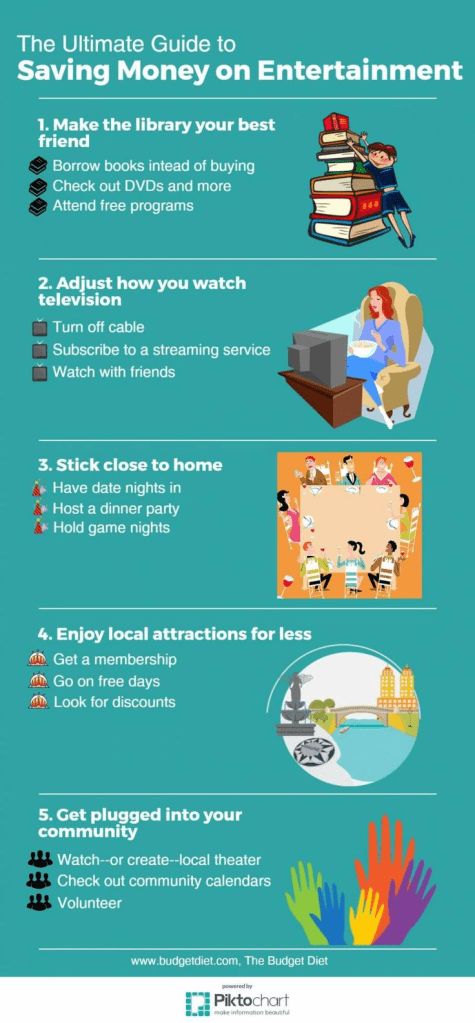
  • Find free or affordable entertainment. Ex: matinee movies, Groupon, free museums on certain days, etc.
  • Look into bundling services.
  • If you have cable, make sure you aren’t paying for tiers/channels you don’t need. If you have internet, make sure you aren’t paying for speeds you don’t need.
  • Cell phone services often provide options for free entertainment. Library cards also provide free entertainment. Inquire about these benefits at your local library.
  • Shop around for car insurance, cell phone plans, and cable/internet rates yearly.

Other tips:

  • Take care of your health. Take preventative measures through exercising and eating right. Eating healthy may be more expensive, but your health needs will be less expensive in the long-term.
  • Using a cash envelope system with pre-set budgets can create more mindful spending. You can use this for most categories or just those you struggle with most. Ex: groceries, eating out, or entertainment.
  • You can only cut back so much. Look at the life skills you have that you can use to generate more income. Don’t be embarrassed to work a part-time job to live the life you want to.
How Working As A Collections Agent Helped Paco Understand the Emotions People Have About Money- Clever Girls Know Podcast

This podcast was particularly interesting to me because I spent about six years working in the creditors’ rights legal industry. Prior to starting in that industry, I HATED talking about finances and tried to avoid it. However, after learning about the struggles people faced and different financial priorities and consequences, such as lawsuits, bank garnishments, and wage garnishments, I became determined to work three jobs and be frugal so that I could pay off my student loan debt early (in 3 years) and save for a wedding, better vehicle, and a downpayment for a house. Since then, it has been my goal to live debt-free as much as I can. Here are my take-aways from this episode:

When receiving collections calls, the top emotions people go through are embarrassment (forgetting about their payment or being seen as irresponsible), anger (co-signing and later regretting it), shame, and guilt. Asking people “Why are you late on your payment?” made the host experience emotions about money and gain empathy.

There are grace periods. Usually only payments that are late 30 days are reported to the credit bureaus. If you are late because of your income, work on fixing that and increasing your income instead of cutting back on expenses. Look into getting an extension or finding a program that can help you if needed. Sometimes people are caught in a repeating cycle that you can’t completely resolve, such as when people roll over car loans when trading in or getting another vehicle.

Your potential for change is limitless. You have the power to change your emotions about finances and meet your financial goals.

Chipotle: Steve Ells (2017)- How I Built This with Guy Raz

Chipotle holds a special place in my heart, as I worked at a very busy Chipotle part-time for three years, I often make Chipotle’s recipes of fajita veggies, cilantro lime rice, and guacamole, and I still consider Chipotle my favorite restaurant!

Steve Ells, the founder of Chipotle, went to culinary school. One day, he visited a taqueria and thought about opening his own taqueria to make enough money to open a fine dining restaurant. He wanted to open in Boulder, Colorado, but he couldn’t find a good location. He visited with a real estate broker and told him about his concept of an open kitchen, grilled meats, and fresh veggies and herbs on an assembly line, and he found an old building at University of Denver for about $80k in 1993 that needed renovations.

Steve wanted to be frugal. Table bases were made with pipes, the service counter was faced with barn metal, and he wanted stainless steel on top of plywood for tables. His idea was to have one restaurant as a cash cow to help support a full-scale restaurant.

He knew from his culinary experiences that he wanted to use chipotle peppers as an ingredient and that’s how he came up with the name Chipotle. He didn’t have recipes. Instead, he used techniques he learned in culinary school and emphasized tasting food after making it. He opened with a handful of people and had some friends work the line.

On opening day, sales were about $240. The turning point was in October 1993, when a restaurant reviewer for the Rocky Mountain news gave a glowing review, stating that “Chipotle is unlike any fast food you’ve had. Everything has depth, character, nuance, and layers of flavor.” This review resulted in a line out the door and ultimately the restaurant ran out of food. Chipotle could not keep up with the demand. Chipotle was profitable within the first few months.

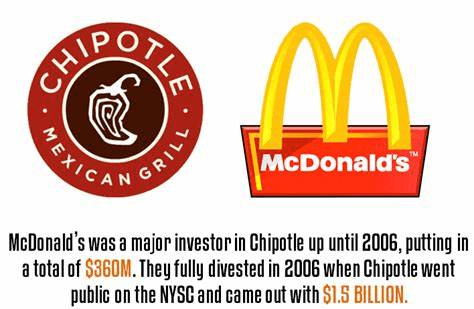
Eventually Chipotle expanded nationwide and created a business plan. At one point, for seven years, McDonald’s owned a majority (92%) of Chipotle, but the businesses cut ties due to different priorities.

In October-November 2015, 52 people got sick with e-coli. Chipotle later developed safety practices such as blanching avocados, lemons, limes, and peppers.

Steve Ells acknowledged that he was lucky to have a father who could invest $85k into his first restaurant and lucky that McDonald’s was willing to invest. He was in the right place at the right time, although he emphasized that his plan failed in a sense because he wanted to be able to have one restaurant and walk away from it. Chipotle instead expanded so much that he didn’t take time off in the first year, and Chipotle now has over 2,600 locations! Steve Ells stepped away from Chipotle in 2020 and is now involved in real estate investments.

I look forward to reading, learning, and sharing more with you soon!

Book review posts, Uncategorized

No Such Thing As Normal

“No Such Thing As Normal” was written by Bryony Gordon, founder of Mental Health Mates in the UK, an organization that hosts walking meet-ups to talk about mental health. I am grateful that I generally don’t struggle with mental health, but I still gained insights from this book.

**WHAT OTHER PEOPLE THINK OF YOU IS NONE OF YOUR BUSINESS. WHAT OTHER PEOPLE DO IS NOT YOUR RESPONSIBILITY.**

Bryony Gordon

I wish I had read this sooner! Also, if someone tells you or shows you who they are, and you don’t like it, do NOT waste time and energy trying to make them like you. The single most important factor for your well-being is not what other people think of you; it is what you think of yourself.

Worrying about the thing is almost always worse than the thing itself. This is SO true!

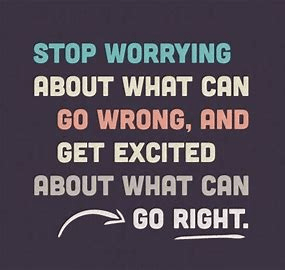
Instead of asking yourself “What if it all goes wrong?” ask yourself “What if it all goes right?”

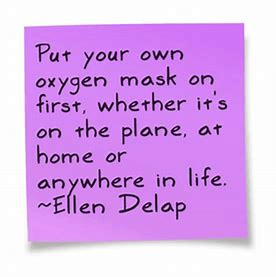
Put your own mask on before attempting to help anyone else with theirs. Take care of yourself. However, if you have time to help others, it’s very hard to feel useless when you are being useful.

Things will get better when you do the work. Exercise can be one of the most important tools for helping mental illness. How to get through bad days: make a plan for each day, contact at least one person, go outside, be patient, and think about what you CAN control.

Never say anything to yourself you would not say to someone else.

Tips for better sleep: get into a routine, read before bed, and do breathing exercises.

Most people with mental health issues have to jump through hoops to get anywhere near treatment. So perhaps we should stop marginalizing and stereotyping them as weak and instead recognize them for their absolutely mind-bending strength.

There is no such thing as normal.

There were SO many resources provided in this book. However, they were all in the UK since the author lives in the UK.

I look forward to reading, learning, and sharing more with you soon!
Book review posts, Uncategorized

All About High Performance Habits

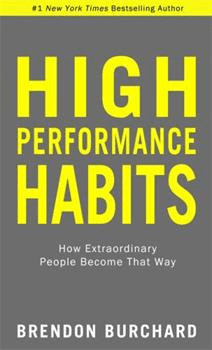
I recently read “High Performance Habits” written by Brendon Burchard, the world’s leading high performance coach and one of the most watched, quoted, and followed personal development trainers in history. I highly recommend this book!

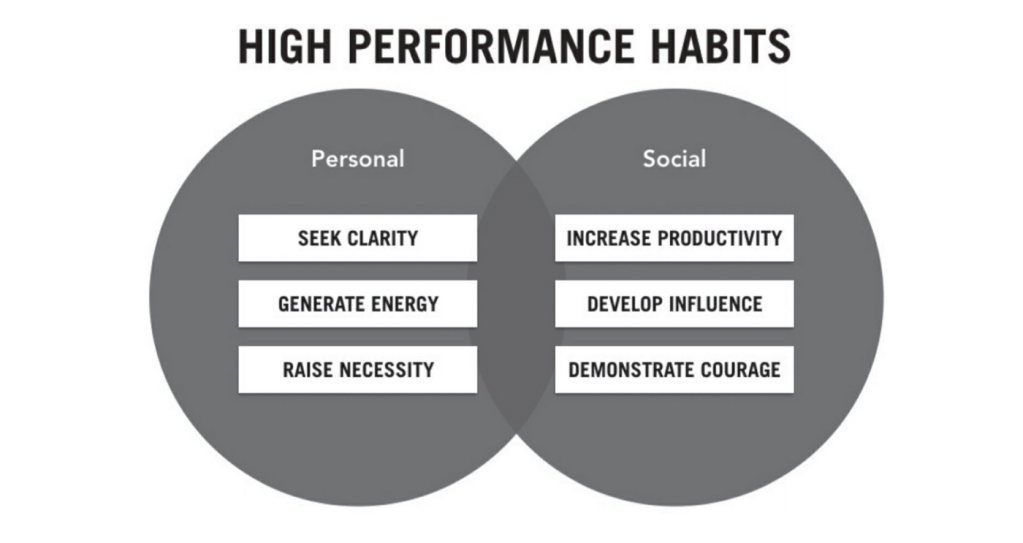
The gist of this book is that, to become a high performer, you must seek clarity, generate energy, raise necessity, increase productivity, develop influence, and demonstrate courage.

Seek clarity on who you want to be, how you want to interact with others, what you want, and what will bring you the greatest meaning. As every project begins, ask yourself: “What kind of person do I want to be while I’m doing this? How should I treat others? What are my intentions and objectives? What can I focus on that will bring me a sense of connection and fulfillment? Consistently seek clarity.”

Generate energy so that you can maintain focus, effort, and well-being.

If you want to feel more energized, creative, and effective at work – and still leave work with enough oomph for the ‘life’ part, the ideal breakpoint is to stop your work and give your mind and body a break every 45-60 minutes.”

Brendon Burchard

Get up, walk around, and fill up your water.

If the demands of your job or life require you to learn fast, deal with stress, be alert, pay attention, remember important things, and keep a positive mood, then you must take exercise more seriously. If you care about your contribution to the world, you’ll care about yourself.”

Brendon Burchard

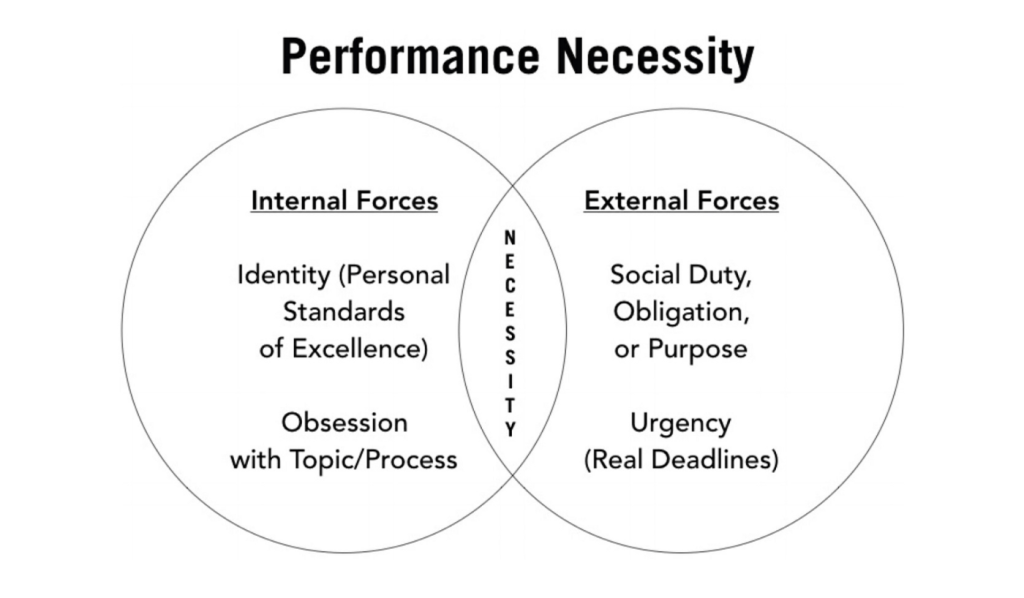
Raise necessity. For exceptional performance, know your whys – internal and external. Internal whys may include your identity, your standards, and your obsessions. External whys may include real deadlines, your social duty, and your sense of obligation and purpose. To raise necessity:

  • High necessity= “I feel a deep emotional drive and commitment to succeeding, and it consistently forces me to work hard, stay disciplined, and push myself.”
  • Know who needs your A game. With multiple priorities, consider “Who needs me on my A game the most right now?”
  • “Have I associated the important activities of my day with my identity and my sense of obligation?”

Only put off until tomorrow what you are willing to die having left undone.

Pablo Picasso

Increase productivity in your primary field of interest. Slow down, be more strategic, and say no more often. Take ownership of your day.

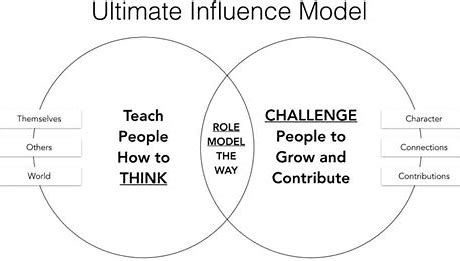
Develop influence with those around you. Develop a positive support network. People support what they create. Ask people what they want, how they’d like to work together, and what outcomes they care about.

To gain influence with others, teach them how to think about themselves, others, and the world; challenge them to develop their character, connections, and contributions; and role model the values you wish to see them embody. High performers have discovered that it is by connecting with others that they learn more about themselves and the world.

Find a group of people who challenge and inspire you, spend a lot of time with them, and it will change your life.

Amy Poehler

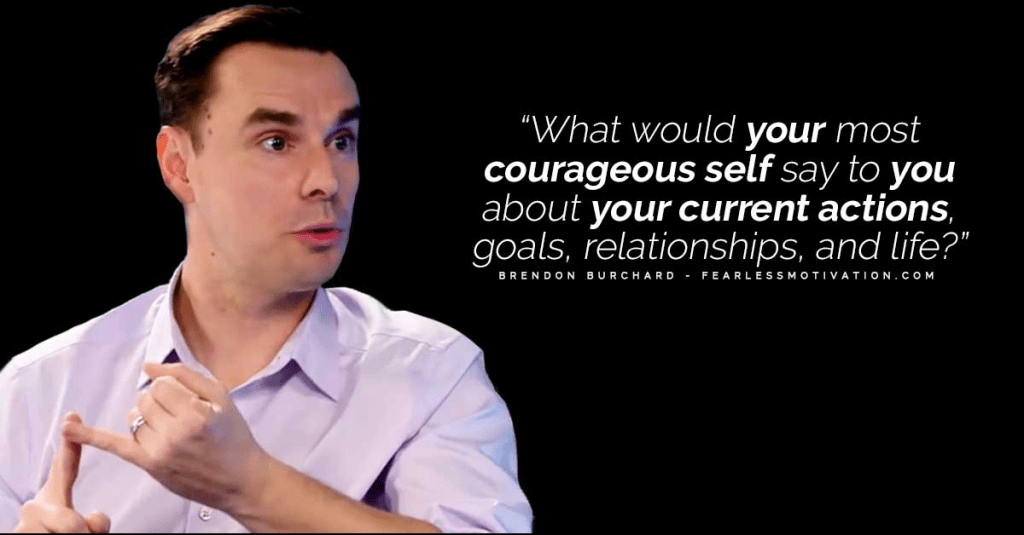
Demonstrate courage by expressing your ideas and taking action despite uncertainty. You are capable of remarkable things that you could never foretell and will never discover without taking action.” What leaps could you take now?

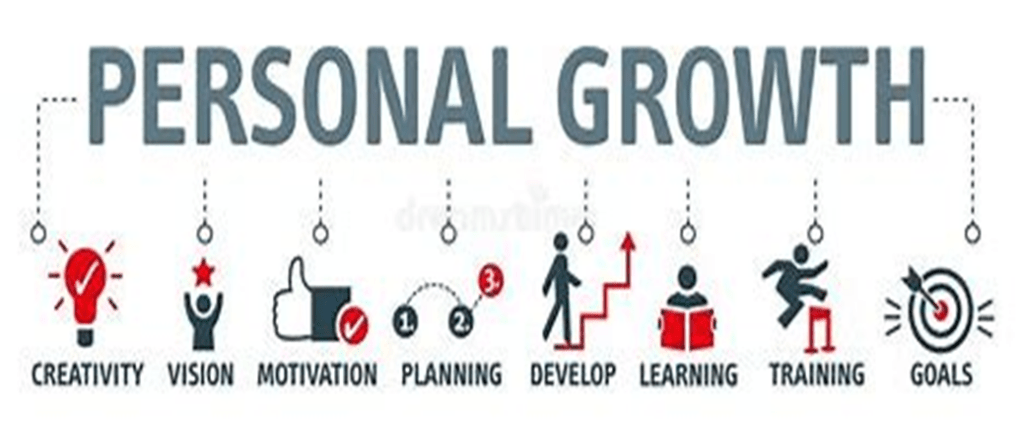
Passion + Growth + Contribution = Personal Satisfaction

Enthusiasm + Connection + Satisfaction + Coherence = Meaning

If you want to be a high performer, show up and bring the joy. High performers cultivate joy by how they think, what they focus on, and how they engage in and reflect on their days.

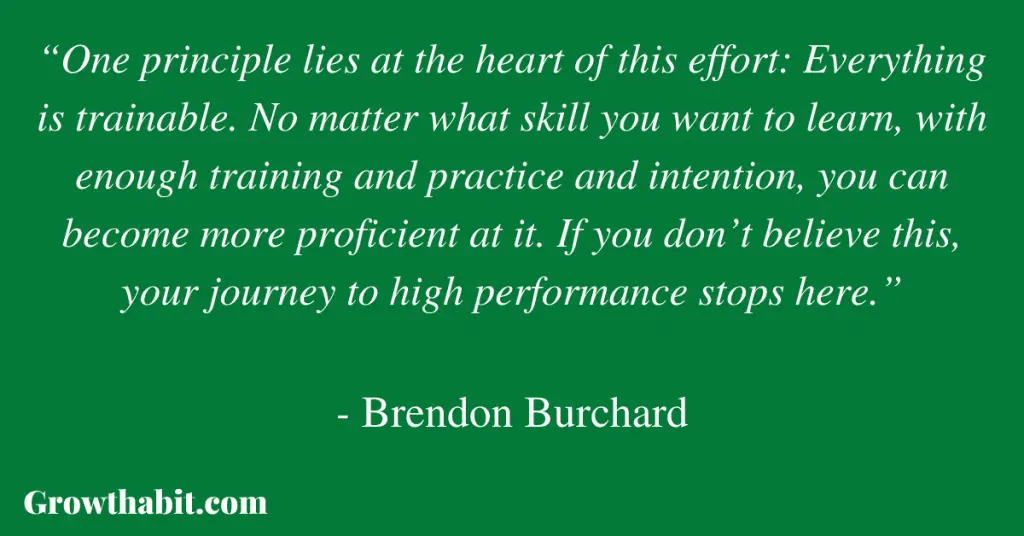
When people say “I can’t,” it usually means “I am unwilling to do the long-term training and conditioning necessary to achieve that.” Everything is trainable.

High performers are learners, and their belief that they can learn what is necessary to win in the future gives them as much confidence as their current skillsets.”

Brendon Burchard

Between each task in your day, remember this: *RELEASE TENSION, SET INTENTION*

Don’t bring tension to all future aspects of your day. How many times have we been guilty of having a rough morning and carrying it into all aspects of our day? Have you had a conversation or meeting that didn’t pan out the way you wanted it to and resulted in you carrying frustration or resentment toward those involved? Have you had a rough day at work and carried it into your relationships at home?

High performers have shaped their identity by conscious will and have aligned their thoughts, feelings, and behaviors to support that identity.

Brendon Burchard

Superior-minded people are certain they are better, more capable, and more deserving, and it’s that certainty that closes their minds to learning, connection with others, and growth. Stay humble. If you’re going to maintain high performance, you need to avoid the traps of superiority, dissatisfaction, and neglect.

I look forward to reading, learning, and sharing more with you soon!

Thoughtful Thursday posts, Uncategorized

Thoughtful Thursday – February 2, 2023

My intention is to post a Thoughtful Thursday column each week and share some of the insights I have learned in the past week. Here are some of the things I’ve learned this week:

“What’s New?” – Self Improvement Daily

A question that we often ask each other to catch up is “What’s new?”. The question is well-intended but the response is usually underwhelming – “Work is good, family is good, all’s good!”

Brian Ford

“What’s new?” is an opportunity to share what you’re excited about, what is changing in your life, or what you’re working on. If you’re pursuing the best version of yourself, there should always be something new going on to share.

The next time someone asks you “What’s new?”, instead of giving the same generic response, tell them what you’re working on, what is changing in your life, or what you’re excited about. Use it as an opportunity to share.

On Purpose with Jay Shetty- 6 Ways to Know if You’re Compatible with Someone + 4 Steps to Build Real Connection

Chemistry does not equal compatibility. Chemistry is like lighting a matchstick. It burns and runs out. Compatibility is like a candle that burns slowly and takes much longer to run out.

Jay Shetty

Compatibility does NOT mean the same personality. You can have a lot in common personality-wise, but have massively different expectations and input that don’t make you compatible. A lot of people want their partner to have the same exact interests as them. You aren’t trying to date yourself! “We’re so different” is not what leads to distance.

Compatibility does not mean it is easy to get along. It requires deeper understanding and knowledge, which often requires discomfort. Compatibility requires discomfort.

Jay Shetty

Compatibility does NOT require changing someone else.

Most of us believe that the way WE were raised is the right way to do things. You’ve built a home full of your ideas, and when you get into a relationship, you tend to want your partner to live in your house with your ideas and thoughts, and they want to live in their house with their ideas. Getting in a relationship requires you to build your own house together with bricks from each one.

Steps to build compatibility:

  • RARE:
    • Recognize differences. Know where that person is different. Ex: Organized vs. spontaneous
    • Awareness of their stance and why. Where did it come from and why are they that way? Compatibility means I know why I am the way I am, and I know why my partner is the way they are. Compatibility requires that you have an awareness of why someone makes the choices they’re making.
    • Respect their approach.
    • Express your feelings without feeling judged. It takes time and skill.

Think of this: Are you able to recognize my differences, be aware of how I think and why I think that way, respect that, and let me express myself without feeling judged? Can we do this daily and get better at it? Are we willing to do the work to be together? It’s NOT “Are we right for each other?” Instead, it’s “Do we want to be right for each other?”

Areas of compatibility:

Wealth compatibility- does not mean you have the same views about $ or finances. Do we understand why each of us thinks about $ in this way? What is the solution we want to create together?

Beauty- If you’re together, how do you feel about yourself?

Power- knowing which partner is good at what and letting them lead in that area. People often criticize their partners in public. How does your partner want to be acknowledged and appreciated?

Renunciation- letting your partner grow at their own pace. Use encouragement, guidance, love, and support, not force. Their path is different than yours.

Knowledge compatibility- trying to learn new things with each other or learning new things separately and sharing your learnings.

Harvard Business Review Ideacast- Why Some Start-Ups Fail to Scale

Common reasons why start-ups fail to scale:

  • Can’t source enough supply to keep up with the demand
  • Problems securing capital to the point where the business becomes cash-flow positive
  • Not having sufficiently coherent culture/efforts not aligned when increasing number of staff
  • Attempting to scale into a market that isn’t big enough to justify their scale/don’t have practical or feasible means to reach their target market when scaling

Start-ups need an effective way to get to their target market/market strategy, an idea of the approach to monetization, capital investment, a strategy to hit milestones that will get them capital investment, and need a plan for sustainability.

Case example: Wayfair. Wayfair started with multiple specific websites for each type of products. They eventually realized that, in order to have repeat customers, they needed to merge into one website: Wayfair.

Taken from Wayfair.com:

“Niraj and Steve jumped in, looking at what people were searching for and building destinations for those products. Soon they had launched CSN Stores, a collection of more than 200 sites with everything from bar stools to bedroom furniture and birdhouses.

In 2011, we brought everything together under one roof and created wayfair.com: a single site where people could find millions of products for every part of their homes.”

One of my favorite television shows is Shark Tank. I love to get an inside look at entrepreneurship and venture capital, and I find it fascinating to learn about new products, successes and challenges, and negotiations. I often find myself evaluating whether I think a product is going to become useful and popular, whether it is a product that allows the company to have repeat customers, whether I think the entrepreneurs should give up a certain percentage of their company to investors, etc. Many entrepreneurs on the show have issues sourcing supply to keep up with the demand, problems securing capital, difficulty trying to become cash-flow positive, and attempting to scale into a market that isn’t big enough.

I look forward to reading, learning, and sharing more with you soon!
Thoughtful Thursday posts, Uncategorized

Thoughtful Thursday- January 26, 2023

My intention is to post a Thoughtful Thursday column each week and share some of the insights I have learned in the past week. Here are some of the things I’ve learned this week:

Ted Health- How to Manage Your Stress Like an ER Doctor

When people ask how others have been, “crazy busy” is a common answer. “Crazy busy” mode means you are less capable of handling the busy. The truth is, you can be as busy as an emergency department without being crazy busy. Instead of “crazy busy,” ready mode means you are ready for whatever comes at you, and you are capable of handling it.

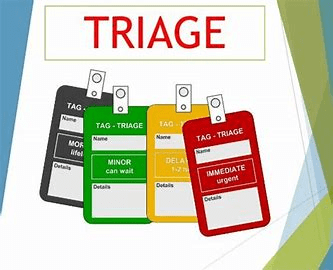
Just as ER doctors do, we need to relentlessly triage. Crazy busy involves reacting to every challenge with the same response. Ready mode involves triaging and prioritizing by degrees of urgency. Individuals who react to everything with the same response have double the level of stress hormones.

Triage:

Red- immediately life-threatening

Yellow- serious, but not immediately life-threatening

Green- minor

Black- for patients for whom there is nothing ER doctors can do. We must move on.

We each have our own black tasks in our lives – items that we must take off of our lists. If you try to do everything, you have no hope of saving your “reds.”

Part of the problem in crazy busy mode is that you are reacting to everything as if it is red. Start by triaging. Know your “reds.”

To avoid burnout, design your life to make tasks easier to do. Find ways to reduce daily decisions, such as meal planning and prepping for the week during the weekend. Automate any recurring bills. Habit stack (ex: listen to a podcast while getting ready for work, clean or do dishes while your food is in the oven, etc.) Time block for single tasks and eliminate distractions.

Own the busy, but stop calling it crazy.

Self Improvement Daily- Setting the Tone for the Day

“When you snooze and delay starting the day, you’re giving yourself permission to allow your emotions to affect your decision making. This often causes you to start the day running behind, which then is an energy that affects how you show up to everything else.”

Self Improvement Daily Podcast

Pre-determine 5 minutes of activity that begins the second your alarm goes off, don’t check your phone, and avoid social media right away in the morning. Instead, stick to a pre-planned routine to set your intentions for the day. I have also heard in a different podcast that sitting up and drinking a glass of water while in bed right when your alarms goes off aids in waking you up quickly.

I have been snoozing the alarm regularly lately, and I will be trying these tips soon!

7 Fat Loss Tips We Can Learn From Bodybuilders- Optimal Health Daily

Protein should be first priority! Choose lean meats.

Replace more complex carbs with fibrous veggies.

Do cardio first thing in the morning on an empty stomach.

Hydrate adequately. Getting enough water is essential to obtaining your fat loss results. Water should be 90% of the liquid you drink each day.

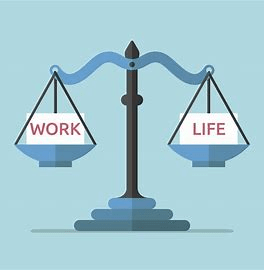
On Purpose Podcast with Jay Shetty- 6 Scientifically Proven Ways to Improve Work-Life Balance

Build skills and learn more to create more meaning from work. Are you realizing your potential at work? Skills result in increased productivity and effectiveness and therefore decrease stress.

Flexibility and autonomy generate satisfaction with work-life balance. Look for roles that offer flexibility and autonomy.

Take time to do things that are refreshing. Do something for yourself each day. Get outside in nature during the day, and if you can’t, go to a window and look outside often.

Switch away from to-do lists and toward time blocking to focus on individual tasks without distractions.

Focus on the relationships at work as much as the work itself.

Runner’s World Magazine article- Run 26.2 Miles on a Glacier by Elizabeth L. Silver

I learned about the 7 Continents Marathon Club, which currently consists of 407 members! From the website (icemarathon.com): “The Club is unique, reserved for athletes who have run a marathon within the Antarctic Circle on the Antarctica continent, as well as on the other six continents.” The Antarctic marathon costs $21,500 alone + some travel expenses, so many runners are sponsored by athletic apparel companies.

I also came across this YouTube video in which marathoners run 7 marathons in 7 continents in 7 days, starting with Antarctica!

I have never run a marathon, but I found this inspiring and fascinating.

I look forward to reading, learning, and sharing more with you soon!
Book review posts, Uncategorized

Embrace Your Almost + You Are On Time for Your Own Life

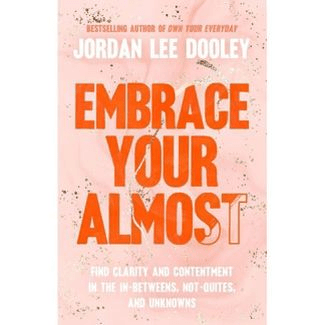
“Embrace Your Almost” written by Jordan Lee Dooley was one of my top 20 books of 2022.  Jordan is the host of the SHE podcast and owner of SoulScripts, a words company known for its phrase “Your brokenness is welcome here.” Using examples such as growing a garden, pregnancy loss, closing a business, moving, and a change in career, this book contained helpful perspectives about the almost-but-not-quite experiences we face.

“Every struggle and setback along the way made me the woman I am today. Without almost-but-not-quite experiences, I might never have slowed down, reconsidered what matters to me, developed deeper empathy, and refocused on my priorities.”

Jordan Lee Dooley

Years ago, I was in an extensive hiring process for over seven months for a career I was very excited about. I spent seven months envisioning this new life moving across the country, working long hours, and being in an honorable position. The role didn’t come to fruition, and I was heartbroken and frustrated. After having read and learned more about it, I frequently reflect about my experience and am grateful that it didn’t work out. The setback allowed me to slow down, reconsider my priorities, and prioritize what is best for me and my family. I now have a job I have wanted for years, a great work-life balance, and was able to stay in Minnesota with my husband and family.

Sometimes when we find ourselves stuck between where we started and where we want to be, we focus so much on the life we WANT to have that we fail to appreciate the one we DO have. We can be successful and create beautiful lives EVEN when a specific goal or dream takes longer to achieve or doesn’t work out exactly how we planned. We just have to look at success differently.

Life is more like a garden to tend than a game to win. One of my favorite quotes is “Bloom where you are planted.” In the face of disappointment, ask yourself: “What do I truly want? Why do I want it? How am I going to steward it?” If you’re letting go of a dream, identify what matters most and why, evaluate and seek counsel, and make a plan for the open space on your plate. Are there things you’ve always wanted to do but never had time for?

Maybe the secret to contentment isn’t found when we get something we want easily and on the first try. Instead, maybe contentment grows in all the hard moments that break us down along the way.

Jordan Lee Dooley

Unexpected gains come out of difficult experiences:

  1. empathy
  2. patience
  3. clarity (pause and reconsider what matters)
  4. discernment (what’s worth your time/which options align with your values/who you’re willing to trust or listen to)
  5. intentionality

Do you ever believe the lie that when you get “here” or “there,” you’ll finally be successful – only to realize you’re chasing a moving target? Do you ever have a hard time discerning which dreams are truly yours, which just sound fun, and which are the result of pressure that society or someone else has put on you? We often only get clarity through adversity. Sometimes what looks like a setback can actually be a setup.

It’s easy to fall into the comparison trap. We see people are “ahead” of us in terms of marriage, children, home ownership, careers, finances, health, etc. The author discussed with her friends and found “just as I felt behind in one area of life, women all around me felt behind in another area.” This is eye-opening. Plus, the sense of having it all and having it all together can shatter in the blink of an eye.

The comparison trap reminded me of a podcast episode I recently listened to, Your Mind Matters. The episode was titled “You are on time for your own life.”

“Just because your life doesn’t look like someone else’s doesn’t mean that you are falling behind, doesn’t mean that you aren’t accomplishing enough, doesn’t mean that you are doomed, doesn’t mean that you are setting yourself up for failure. It just means that someone else’s journey doesn’t look like yours and that’s okay.”

“Your Mind Matters podcast”

How boring would it be if your life looked exactly like everyone else’s? How boring would it be if you got exactly what you wanted when you wanted it? You would get bored so quickly! You are on time for your own life. Someone else’s life timeline and accomplishments have nothing to do with you.
This resonates with me. Growing up, I had determined timelines in mind for when I would get married, when I would have an established long-term career, when I would have kids, etc. I didn’t meet any of those timelines and fell into the comparison trap because others I grew up with or graduated with had accomplished those things. I felt behind in life. After reflecting, I am grateful for the timing I have experienced. I had different priorities than my preset timelines and experienced exponential learning and personal growth along the way.

This was an eye-opening Christian book that caused me to reflect on some of my almost-but-not-quite experiences and how they shaped who I am and brought clarity to my life and priorities.

I look forward to reading, learning, and sharing more with you soon!