It’s been a while since I’ve posted on this blog since I have had other priorities. I read 3 books in June. Here is a blurb of each of the books I read in June.
The novel “Motherhood” by Sheila Heti follows a woman in her late 30s as she grapples with whether or not to have children. This book was not plot-driven; it was more like a long internal monologue in which the woman constantly questions what it means to be a mother and whether motherhood would enhance or diminish her life. I didn’t like the writing style, but it was thought-provoking at times. Here are some key lessons from this book:
the pressure of societal expectations for women to have children
motherhood as a choice, not an obligation
motherhood is often tied to a woman’s identity
the cost of motherhood – sacrifice of time, freedom, and sometimes the dreams or ambitions women may have for themselves
Women are often expected to become mothers, while men are not held to the same societal standards.
Quotes that stood out to me:
Do I want children because I want to be admired as the admirable sort of woman who has children? Because I want to be seen as a normal sort of woman, or because I want to be the best kind of woman, a woman with not only work, but the desire and ability to nurture, a body that can make babies, and someone who another person wants to make babies with?
We are miserly with ourselves when it comes to space and time. But doesn’t having children lead to the most miserly allotment of space and time? Having a child solves the impulse to give oneself nothing. It makes that impulse into a virtue.
Whether I want kids is a secret I keep from myself. On the one hand, the joy of children. On the other hand, the misery of them. On the one hand, the freedom of not having children. On the other hand, the loss of never having had them.”
To clear things up, these quotes stood out to me, but these are not my personal thoughts.
3 out of 5 stars
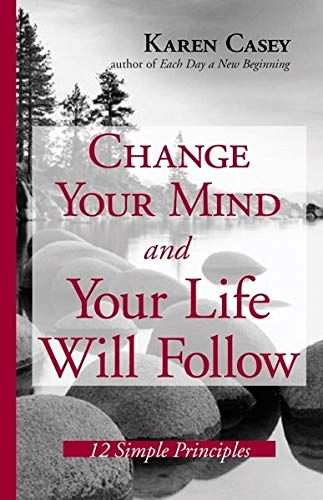
“Change Your Mind and Your Life Will Follow: 12 Simple Principles” was written by Karen Casey, a speaker and author of 16 books. Here are some lessons that resonated with me:
Tend your own garden. Focusing outside ourselves and attempting to control other people is a clever avoidance technique that helps us escape having to look at our own sometimes troubling behavior.
We are not in charge of others! Not their behavior, their thoughts, their dreams, their problems, their successes, or their failures.
Let go of outcomes. No matter what we do or how perfect our input, we are never in control of the outcome of any situation. You are responsible for making the effort – nothing more.
Don’t let the mood swings of others determine how you feel.
Any thought can be released. We are fully responsible for our thoughts and can take charge of them whenever we need or want to. No one can take charge of your thoughts, and thus your life, without your compliance.
Be vigilant about your choices. If what you are seeking is peace, you must be vigilant about the choices you make. The ego will often beckon you to choose gossip, criticism, comparisons, judgements, jealousy, fear, and anger – none of these choices will lead you to peace.
4 out of 5 stars
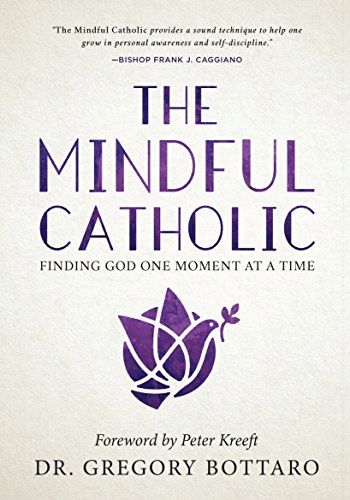
“The Mindful Catholic” is based on an eight-week program called Mindfulness-Based Stress Reduction and was written by Gregory Bottaro, the director of the Catholic Psych Institute and the developer of the Catholic Mindfulness Online Course. Here are some takeaways:
Mindfulness = paying attention to the present moment without judgment or criticism. Curiosity is the disposition of mind that we are seeking to cultivate when we practice mindfulness. Mindfulness does not mean turning off the thoughts in your mind but using them as a door to greater awareness of yourself.
Tendencies vs. Mindfulness:
analyzing vs. sensing
striving vs. accepting
thoughts are real vs. mental events
avoidance vs. approaching with curiosity
mental time travel vs. present moment
depleting vs. nourishing activities
This book also covered mindfulness exercises. As someone who isn’t experienced with mindfulness, here is my favorite:
Sacramental pause – Start with prayer (“Ever-present God, here with me now, help me to be here with you“). Open your awareness to any thoughts, emotions, or physical sensations, then narrow your focus to the physical sensation of your breath alone, and finally expand the focus to the physical sensations of your whole body.
4 out of 5 stars
I look forward to reading, learning, and sharing more with you soon!
I read six books in November, some of which were short and easy reads. Here is a blurb of each of the books I read in November.
“Where I Dry the Flowers” is a Button Poetry book of poems written by Ollie Schminkey, a non-binary transgender poet and artist who has spent the past decade coaching, mentoring, teaching classes, and running workshops for poets. Many poems in this book are about grieving the loss of a complex person. I highly recommend this book to anyone who loves poetry and/or is trying to process grief. Here are some lines I enjoyed from this book.
Controversial opinion: In Defense of Speaking Ill of the Dead – “he is both: the man who would make us smoothies out of orange Kool-Aid and vanilla ice cream and the man who yelled when he drank and drank so often I’d run to the basement and lock the door.”
“I think grief is always at least two things: one, the constant realization that your expectations for the future were wrong, and two, death has happened and it will again.“
Forgiveness poem – “i never said it out loud. Maybe my father wanted forgiveness as much as I wanted an apology, but we stayed silent, the grudge, smooth as a pearl underneath our tongues. but it doesn’t mean i didn’t forgive him. and it doesn’t mean he wasn’t sorry . . . . when he offered me his death as an apology, i took it. of course, i took it.“
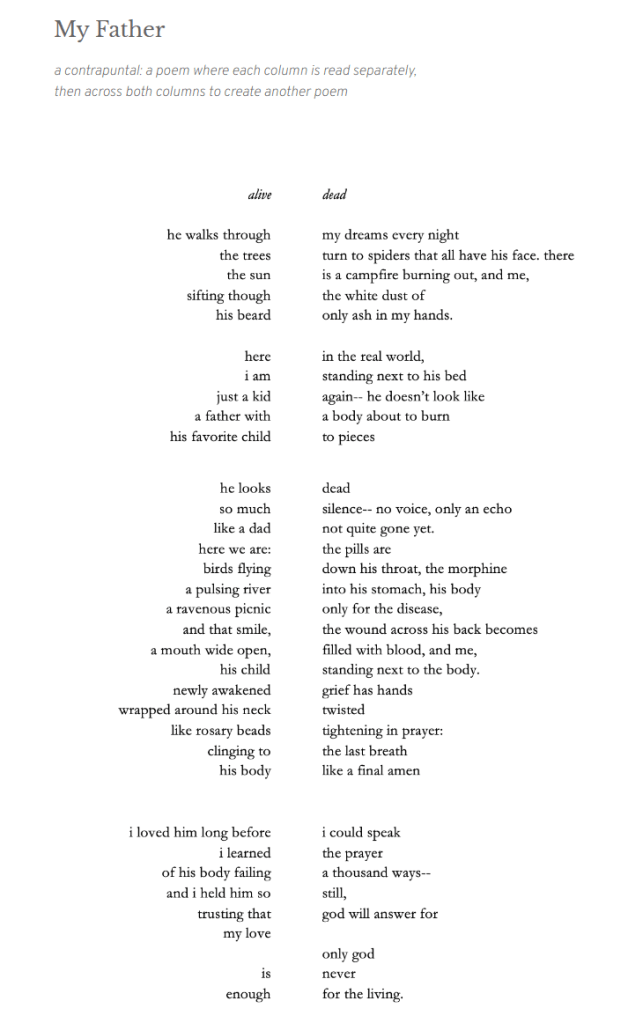
One of my favorite poems from the book is this one. I love the idea of contrapuntals.
4 out of 5 stars
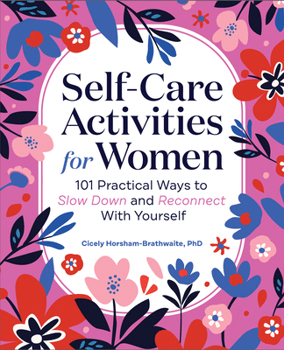
“Self-Care Activities for Women: 101 Practical Ways to Slow Down and Reconnect With Yourself” was a quick, easy read with excellent ideas from Cicely Horsham-Brathwaite, PhD, a licensed counseling psychologist and coach with over two decades of experience. This book provided different ideas for self-care in different categories: emotional, physical, mental, social, and professional. I highly recommend this book for anyone looking for self-care ideas. Here are some of my favorite ideas from each category.
Emotional self-care: Create your joy playlist. Create a list of songs that bring about positive memories and feelings, and schedule time in your calendar to listen to the entire playlist without multitasking whenever you need a mood shift.
Physical self-care: Plan a hike and picnic outdoors with friends.
Mental self-care: When you find yourself engaging in distracting behavior, reflect. What do I need right now? Is this giving me what I need, or do I need something else? Ex: may need a shower, hydration, exercise, rest, a hug, a good cry, journal reflection, or a talk with a friend.
Social self-care: Schedule activities with people you’d like to get together with on a regular basis. Rotate hosting.
Professional self-care: Establish a morning routine to set the tone for the rest of the day.
Self-care = “the actions one takes on their behalf in service of their well-being. Self-care means giving the world the best of you instead of what is left of you.”
5 out of 5 stars
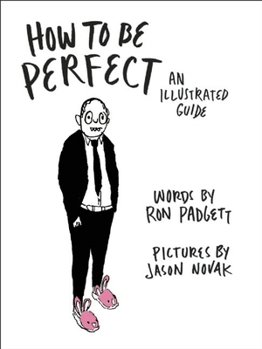
“How to Be Perfect: An Illustrated Guide” was a quick, fun, simple book written by Rod Padgett and illustrated by Jason Novak that took me under fifteen minutes to read. Here are a handful of my favorite lines.
Hope for everything. Expect nothing.
Be skeptical about all opinions, but try to see some value in each of them.
Learn something new every day.
Be honest with yourself and diplomatic with others.
Be on time, but if you are late do not give a detailed and lengthy excuse.
4 out of 5 stars
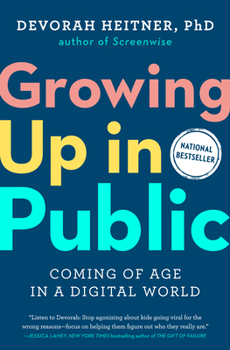
“Growing Up in Public: Coming of Age in a Digital World” was written by Devorah Heitner, PhD, who has spoken and written widely about parenting and growing up in the digital age. This book was interesting and thought-provoking, and I highly recommend it for all parents or anyone who hopes to be a parent someday. This review sums it up:
“A must-read for every parent. Emphasizing the importance of our children feeling seen instead of watched, mentored instead of monitored, this book is all at once a road map for preventing digital problems, a resource for what to do when things go wrong, and a crash course in how to empower our kids to become responsible, independent, and thoughtful digital citizens.” – Tina Payne Bryston, LCSW, PhD, NYT bestselling author of “The Whole Brain Child”
I got a lot out of this book, and here are just some of the tips:
Mentoring is better than monitoring if we want to set our kids up for success. We want our kids to make good decisions, even when we are not right there.
We need to do a better job of mentoring kids on how to be intentional about how much they share both online and offline.
Common mistakes from teens and kids: carelessly taking a video of themselves making a crude hang gesture or using profanity, sharing videos of themselves making an unkind joke about a peer or teacher, taking selfies of vaping/drinking/drugs, taking a video mocking someone’s disability, wearing a racist Halloween costume, making fun of someone’s accent or body type, and liking or reposting problematic things.
5 out of 5 stars
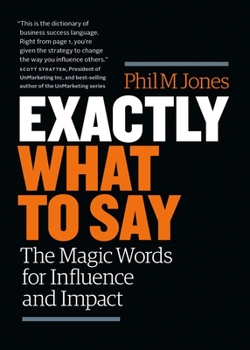
“Exactly What To Say: The Magic Words for Influence and Impact” was written by Phil M. Jones. This book can be considered a masterclass in the art of influence, persuasion, and generating top-producing results. This book often came across as salesy – teaching the world to sell. I highly recommend this book to anyone in sales or anyone who wants to influence or persuade others.
Here are some of the tips:
One of the biggest reasons your ideas fail to get heard is that others tell you that they just don’t have the time to consider them. By using the preface, “When would be a good time to . . .?” you prompt the other person to subconsciously assume that there will be a good time and that no is not an option.
The words, “As I see it, you have three options” help the other person through the decision-making process and allow you to appear impartial in doing so. Present your option last and as the easiest. Then ask “What’s going to be easier for you?“
“What happens next is . . . ” brings people through to the completion that needs to follow. It is your responsibility to lead the conversation, and following the sharing of the required information, your role is to move it toward a close.
Success in negotiating is all about maintaining control in a conversation, and the person in control is always the person who is asking the questions. Challenge objections with “What makes you say that?” This shift of control now leaves the other person obligated to give an answer and fill in the gaps in their previous statement.
5 out of 5 stars
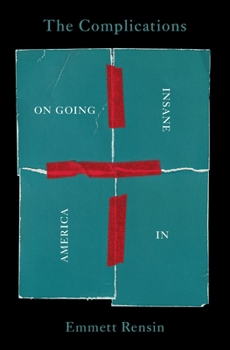
“The Complications: On Going Insane In America” was written by Emmett Rensin, who reflects on his life with schizoaffective disorder of the bipolar type: the hospitals and medication, the lost jobs and friends, the periods of mania and psychosis, the medication-induced tremor in his hands, etc. This book elevates the conversation around mental illness and challenges us to reexamine what we think we know about a world where one in a hundred people go mad. I learned a lot from this book and highly recommend it to anyone who wants to learn more about mental disorders. Here are some of my takeaways:
Some psychotic disorders become milder with age. Others are deteriorating, progressive conditions. Outcomes are difficult to predict.
The causes of severe psychiatric dysfunction are not thoroughly understood, but it is widely perceived that genes are not enough. Some additional event typically precipitates the full break. Trauma, substance abuse, and brain injury are common suspects.
It takes 7-8 years, on average, after initial onset of symptoms to get a diagnosis.
While brain abnormalities exist in some psychiatric patients, there are no consistent organic “signs” of madness, not any biological test for any psychiatric pathology.
“In between the positive exclamations of a psychotic disorder – bouts of delusion, mania, hallucinatory experience – are the dull murmurs of what we call negative symptoms, which generally include a blunt affect, social isolation, difficulty feeling pleasure, a lack of willpower, and poverty of speech.
“One of the greatest predictors of patient prognosis in the case of psychotic disorders is the degree of patient insight, which is to say, the degree to which the patient is aware of their disorder. If you cannot believe that you are ill, then you are unlikely to take your medication. If you do not take your medication, your condition will worsen. If your condition worsens, you are no more likely to take your medication or engage in the tedium of self-care.”
This reflection from the author stood out to me:
I am afraid of reaching a point where I do not want help, do not believe that I need help, where I run away from anyone who tries to help me, or worse, where I become so terrified or angry or violent that I hurt those people until they are not willing to help me anymore. I am afraid that one day I will become so sick that I reach the end of other people’s charity.
4 out of 5 stars – at times, this book was difficult to read and seemingly consisted of tangents and ramblings – however, this was likely due to periods of mania.
4 out of 5 stars
I look forward to reading, learning, and sharing more with you soon!
My intention is to post a Thoughtful Thursday column each week and share some of the insights I have learned in the past week. Here are some of the things I’ve learned this week:
Life Kit – Why we become bored with our lives (and how to find joy again)
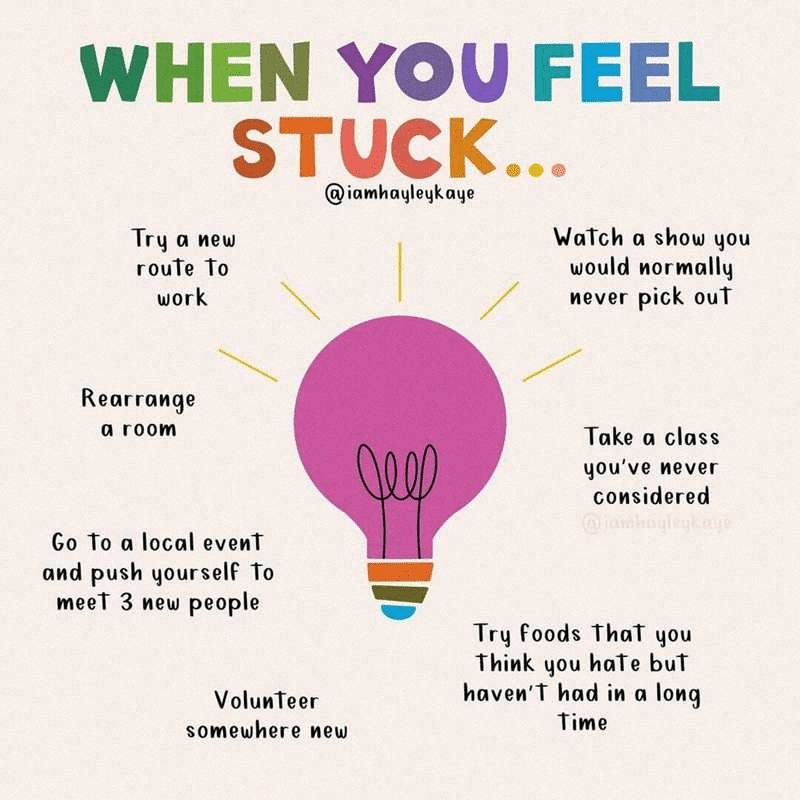
If you are feeling stuck, experiment with a break from your daily routine. That could be a vacation or weekend trip, a walk around the block, or a few minutes of internal reflection.
Introduce more variety into your life – a new city, a new job, a new haircut, a new hobby or class, etc. Prioritize a variety of experiences over a variety of material possessions.
To dishabituate from your environment, change your environment. If you change your environment in a very simple way (work in a different area, go for a walk, etc.), you become more creative. The creativity boosts don’t last long but can be very important for eureka moments and looking at problems with fresh eyes.
It can be scary but err on the side of more change rather than less change. Change helps you dishabituate, have more variety in your life, and often makes you happier.
After a big change, you may have transition pains. Give yourself time to habituate and see what you’re still unhappy with a few months down the line.
All the Hacks with Chris Hutchins – Travel Wisdom from the World’s Most Traveled Man (Harry Mitsidis)
Harry Mitsidis – world’s most traveled man – one of only three people to have visited every country in the world twice!
Harry’s parents are from different countries and Harry realized he had a curiosity to travel.
Time, cost, and will are the main parameters to travel.
Optimize travels by putting different destinations together to make the most out of your trip.
Equatorial Guinea was the hardest country to visit. It is on the west coast of Central Africa. It is a notoriously difficult visa.
There is a lot more to countries than the capital or major city. Harry wanted to truly experience the countries by being a slow traveler. Ex: more than just visiting London in England, more than just visiting New York City in the USA
This point stuck out to me – “more than just visiting London in England, more than just visiting New York City in the USA.” We would all agree that New York City is not representative of the entire United States, yet many of us consider visiting one city “enough” for a state or one city enough for a country!
Harry says 7 days is not really enough time to truly experience some of the bigger countries.
Benefits of travel: you learn about yourself by putting yourself out of your comfort zone, you learn about your behaviors, increase in optimism with kindness/helpfulness/selflessness experiences, never bored with constant changes
Harry’s Recommendations:
Which country should everyone visit?North Korea – there’s no other country like it. It’s like being on another planet. You can’t have a mobile phone and you aren’t really connected to the outside world. You are surrounded by propaganda.
Underappreciated countries that don’t get enough attention: Sweden, Romania, Laos, Tuvalu
Harry finds food at his local favorites and tries to chat with the locals.
Canada: spend time off the beaten path – Nova Scotia, New Brunswick
Argentina – people usually go to Buenos Aires – check out Salta, Cordoba
For people who have already traveled, there are a lot of opportunities to go further and to see so much more. It’s just a matter of wanting to.
Many people who have gone to a country a second time enjoy their second trip more. They are able to skip all of the main tourist destinations the second time and explore the country more. You can probably understand more about the place than the first time.
Disappointments – pre-conceived ideas based on high expectations. Ex: Bhutan – Himalayan paradise. Thought it was too structured and inauthentic the first time around
When you are a traveler, you’re not just going to a place to take things from the place. You’re going and you’re going to give things to the place. You represent your country and place of origin. You should be giving good energy, positivity, and as much happiness as possible.
TED Talks Daily – A second chance for fathers to connect with their kids
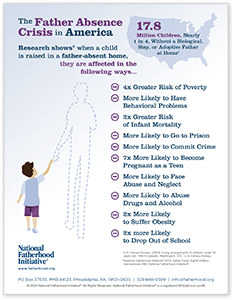
An estimated 10 million children in the United States see their fathers less than once each month.
Research tells us what happens to children without father figures in their lives. Poverty rates double, emotional and behavior health issues increase, high school dropout rates increase, and crime and prison rates increase.
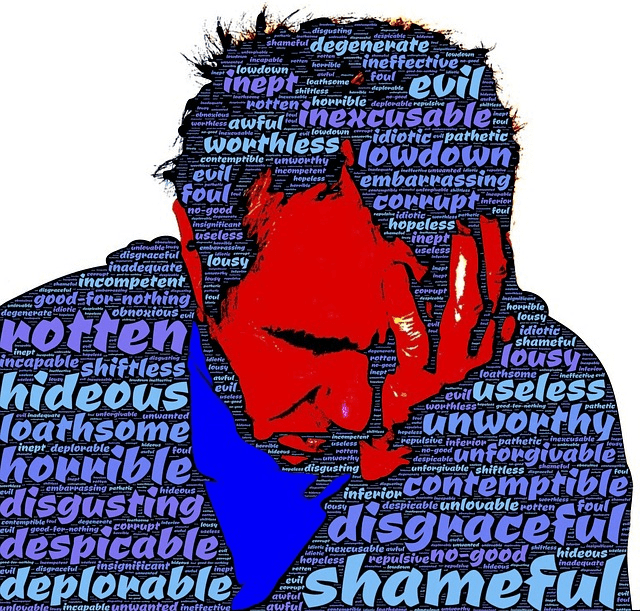
The reasons that don’t get talked about enough are shame, guilt, and embarrassment. These emotions can cause so much harm beyond the absence of a father figure.
Co-parenting issues, restraining orders, challenges navigating the family court – shame from not being able to see kids, guilt due to absence, embarrassment due to not being able to spend time with kids on a consistent basis
Through prior relationships, men learn to love and hate. Relationships that emphasize self-love and life-long relationships that emphasize an individual’s ability to mirror new behavior and connection play an integral role in rehabilitation.
Individual and group therapy can help.
Think about the people who loved you when you lost your way, who hugged you when you needed it, who assumed best intention, who validated you and embraced you even when you felt undeserving – whoever came to mind, try to be that to someone else.
The assumption is that dads who aren’t physically present don’t care about their kids. What was found is that the dads who are absent care for their kids more than people think; they just feel as if their kids are better off without them because they can’t do what society says they need to do for them. Men have an emphasis on providing food, shelter, etc. and many men who can’t provide that feel they must be absent.
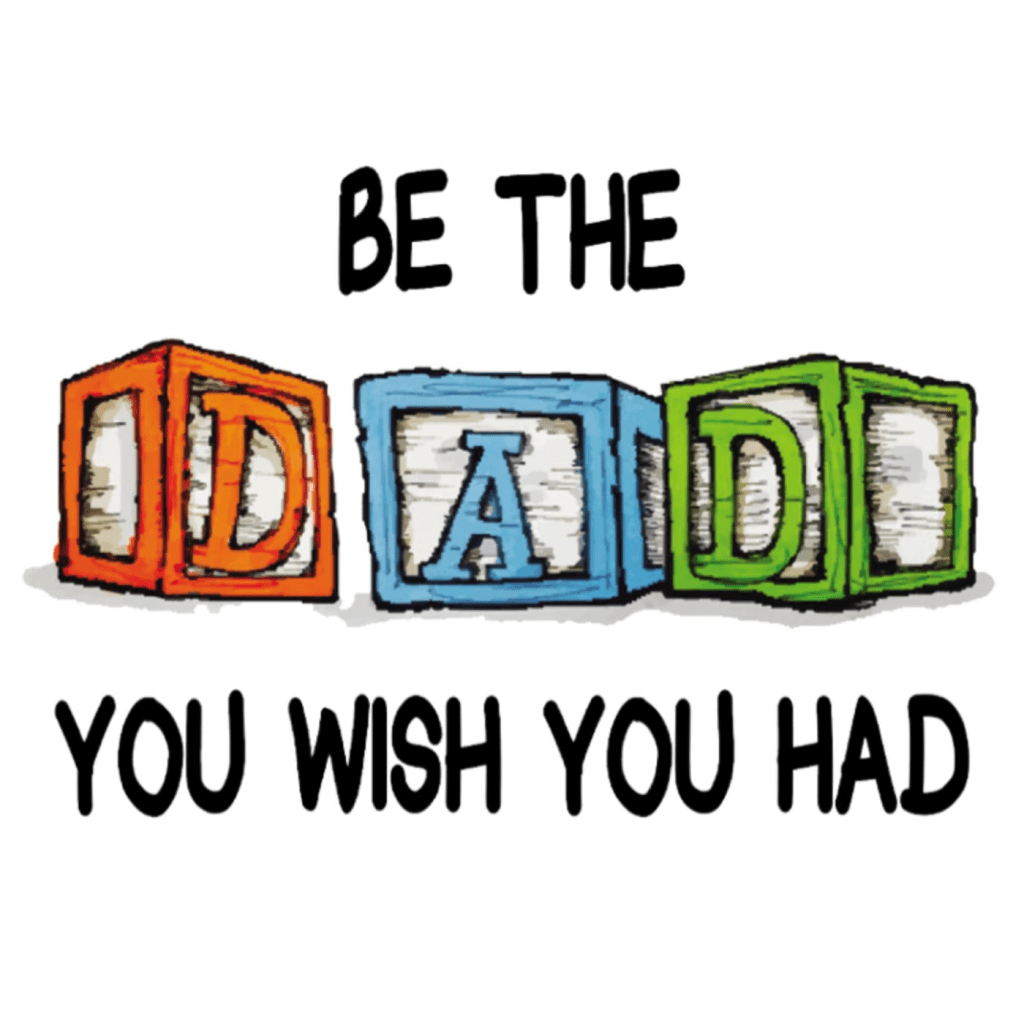
Men should define what type of father they want to be and try to do that.
What works: Tell men they are loved, hug them, call them on birthdays and holidays, make sure they have the verbiage to identify and communicate emotions, make sure they know they aren’t their past mistakes, encourage them to reconnect with kids, etc.
A lot of dads who have been absent didn’t have a father in their lives. They feel guilt, shame, and embarrassment and feel their kids would be better off without them. Yet, if you ask them to consider “Were you better off without your father?” they don’t feel they were better off.
Kids want to have time with dads, attention, and want to feel their presence.
I did a legal technology training this week as part of my paralegal certificate program and was amused to learn about digital breadcrumbs – a term I had not heard of!
Breadcrumbs leave a visual trail of which pages a user has visited. Image source ProfileTree.com
“Breadcrumb menus display the current page location and hierarchy in relation to higher-level pages on a site through clickable links in sequence like Home > Shop > Electronics > tvs.”
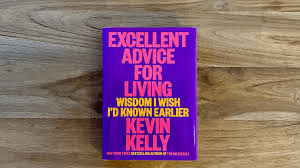
I wanted to share some things I learned from the book “Excellent Advice for Living: Wisdom I Wish I’d Known Earlier” written by Kevin Kelly. I will post about this book in more depth at a future date, but just wanted to share a handful of lessons this week:
When you keep people waiting, they begin to think of all your flaws.
Nothing elevates a person higher than taking responsibility for their mistakes. If you mess up, fess up. It’s astounding how powerful this ownership is. This has been so true in my experiences!
Every person you meet knows an amazing lot about something you know virtually nothing about. It won’t be obvious, and your job is to discover what it is.
How to apologize: quickly, specifically, and sincerely. Don’t ruin an apology with an excuse.
I look forward to reading, learning, and sharing more with you soon!
My intention is to post a Thoughtful Thursday column each week and share some of the insights I have learned in the past week. Here are some of the things I’ve learned this week:
The Mel Robbins Podcast – 6 Magic Words That Stop Anxiety & Overwhelm
I am an overthinker. I like to have a plan for everything, and I sometimes worry what might happen if that plan doesn’t work out. This podcast was helpful.
6 magic words that stop anxiety and overwhelm: “What if it all works out?”
It stops the spiral and considers you to think about the possibility of it working out.
We can’t control anything that’s happening outside of us, but we can control our reaction to it.
When we worry, the outcome is way better than we expected most of the time.
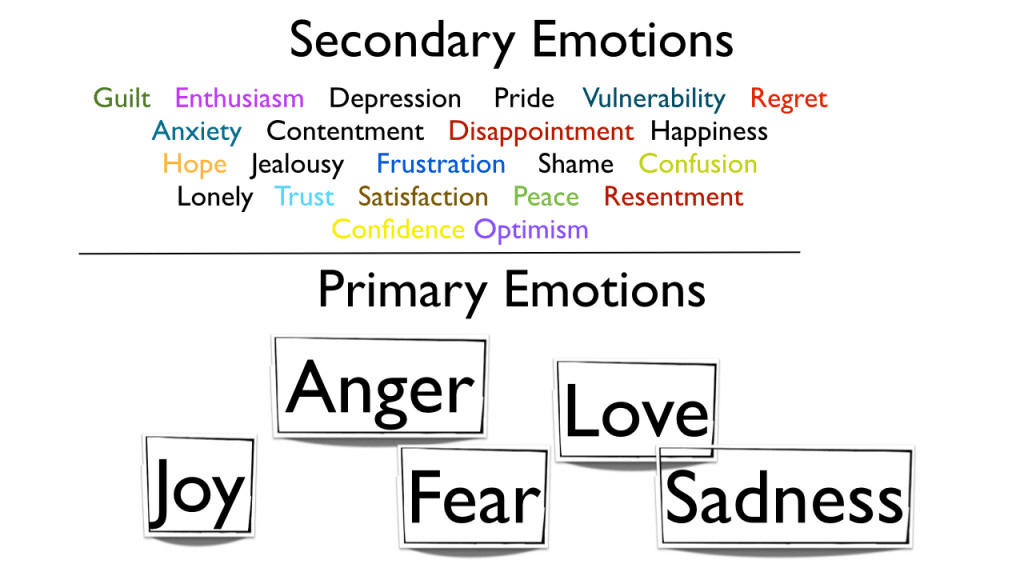
Your primary emotional response is your immediate action to having something bad happen, a fear of yours, or an expectation that you have. The secondary emotion that you feel is your emotional reaction to it. Ex: someone dies and your primary emotion is shock, but your secondary emotion is grief that can last a long time. You don’t have a lot of control of the primary emotion, but you can control the secondary emotion and the pain you cause yourself.
The pain of worrying, catastrophizing, and assuming the worst can impact your health, mindset, nervous system, attitude, and ability to experience more joy and fulfillment in your life.
When you worry, you experience the pain twice. You experience the anticipation of it and the aftermath of it. Anticipating it is often way worse than what happens/when it happens.
Worry and stress can cause physical pain: headaches, upset stomach, etc.
Money and Marriage Podcast – Six Money and Marriage Facts that Every Couple Should Know
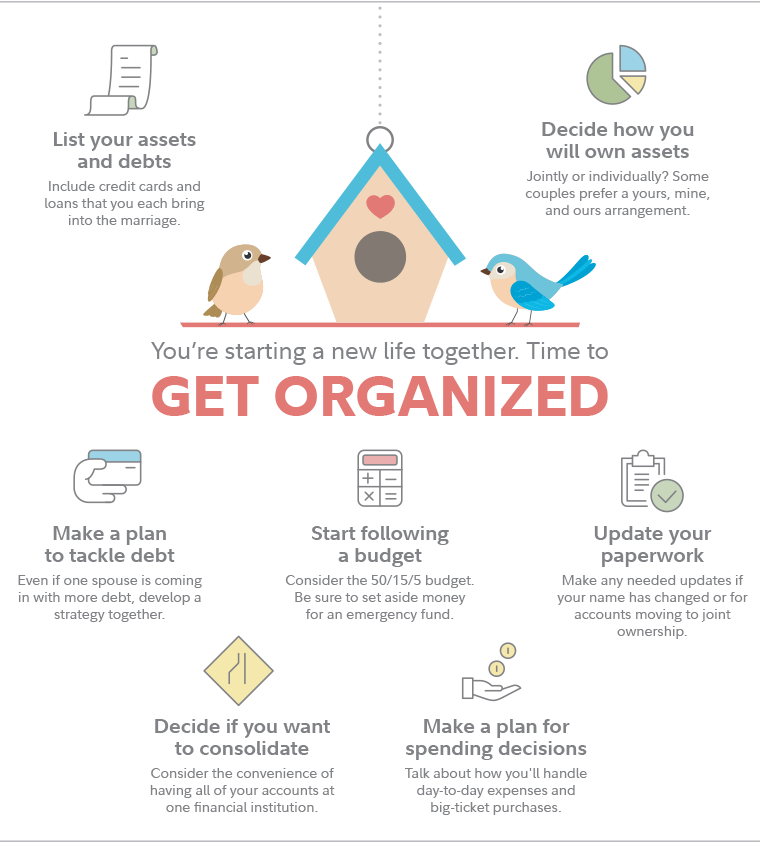
It is normal for you and your spouse to have financial differences. We tend to attract our financial opposites: saver vs. spender, hands-on vs. hands-off, possessions vs. experiences.
Your spouse’s financial situation will impact your own. This comes up most often with debt. One spouse may have a lot of debt and one has little or no debt. It will impact you. Ex: retirement – If one of you is ready to retire and the other isn’t due to debts or not saving enough $. Do you have the same goals for retirement?
There is a right and wrong choice for you to make financially – always. The right choice for you to make as a couple may be different than what the right choice is for your friends. Ex: joint accounts, separate accounts, mine/yours/ours accounts
The statistics on money and marriage are real, but they are not inevitable. You can beat the statistics.
When making financial decisions, you need to spend some time looking in the rearview mirror, but you need to focus on looking forward and how to move forward. Marriage counseling/therapy tends to focus on the past. Understand the role of the rearview mirror. It should be used, but it would be a mistake to drive and only look in the rearview mirror the whole time; when driving, you mostly need to focus on looking forward.
Investing time into your marriage is the best investment you can make. The easiest way to lose half of your wealth is to get divorced.
Life Kit – The consequences of overindulging your kids
Spoiling – giving the kids everything they want
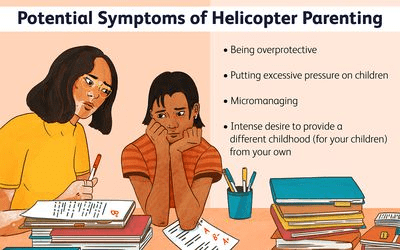
Overindulging – we give to our kids, whether or not it’s in our best interests. Parent has a need or discomfort they are wanting to alleviate.
Material: consumerism; having too much of what looks good for too long or too often – “be grateful, not greedy”Relational: parents are doing things for their kids that their kids don’t need them to be doing – parents overstepping cause children to under-function
Ex: doing their laundry
Structural: struggle to set rules or enforce rules consistently
Ex: having no limits, having rules that are inappropriate for your child’s age (too lenient), having rules that are not consistently enforced
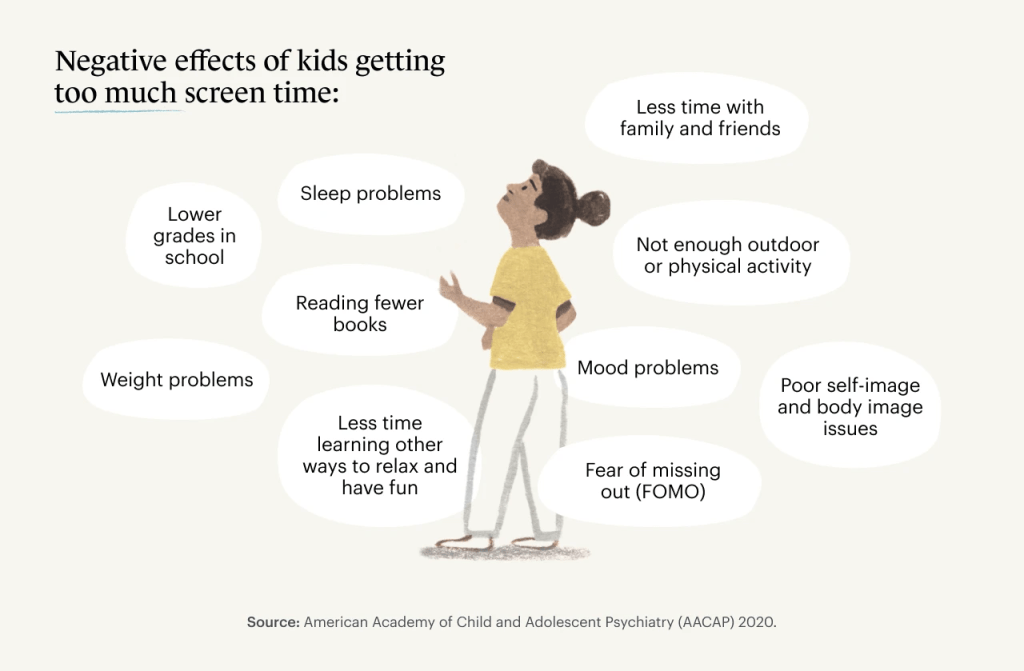
The COVID-19 pandemic taught us that we need our kids to be self-sufficient, so many parents gave their children freedom, screens, and toys to entertain or distract them. Some parents overaccommodated.
Negative outcomes associated with overindulgence: overdependence on others, learned helplessness, being unable to achieve developmental tasks on time, defiance or disrespect for other people or things, difficulty delaying gratification, and not knowing when enough is enough
Test of 4 to determine if overindulgence is a problem:
Am I hindering my child from developmentally-appropriate tasks? Does this situation hinder the child from learning the tasks that support their development or learning at this age? Ex: packing my child’s lunch, cleaning their room for them, tying their shoes, etc. If yes, you are overindulging.
Am I giving them a disproportionate amount of family resources? Does this situation give a disproportionate amount of family resources to one or more of the children (money, space, time, or attention)? If yes, you are overindulging.
Am I making choices that benefit me more than the child? Does this situation exist to benefit the adult more than the child? If you are giving more than you’re comfortable with in order to make yourself calm, you are overindulging.
Does the child’s behavior potentially harm others, society, or the planet in some way? If you are allowing your child to do something that is harmful, disrespectful, defiant, breaking a rule, or infringing on someone else’s rights, that is a sign of overindulgence.
Identify the areas where you might be overindulging your kids (relational, material, or structural overindulgence). Ex: Start by saying no to extra screens. Figure out how to be comfortable in the discomfort of your kids not reacting favorably.
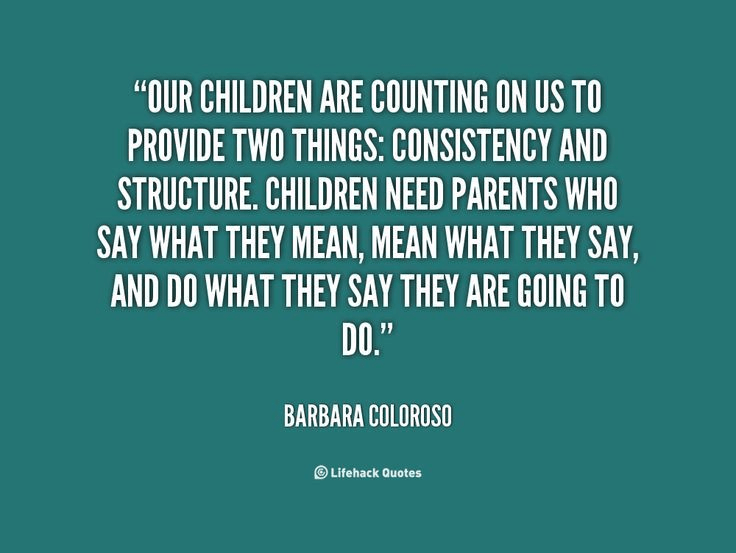
Say what you mean and mean what you say. If you set a rule or a limit, stick with it to develop trust.
Delay gratification. Teach your kids wants vs. needs so that they understand that you need to work hard for everything you have. Do a sticker chart or rewards chart to make them work for something; they may decide they don’t want it anymore. How hard are they willing to work for something?
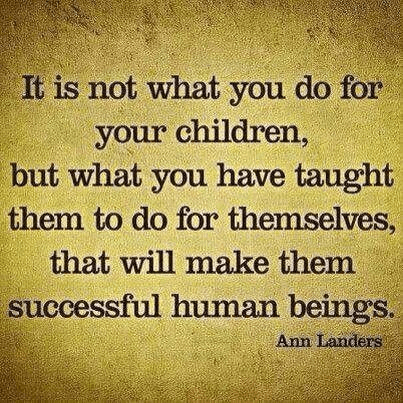
Gradual exchange of power – instead of packing your kid’s lunches, slowly transfer this responsibility and effort to your child so that they can learn and start to feel more self-sufficient and capable and you feel more comfortable letting go of something you thought you needed to do.
Have consistency between both parents. Communicate, set boundaries and enforce them, and be on the same page so that the kids aren’t asking one parent who always give in.
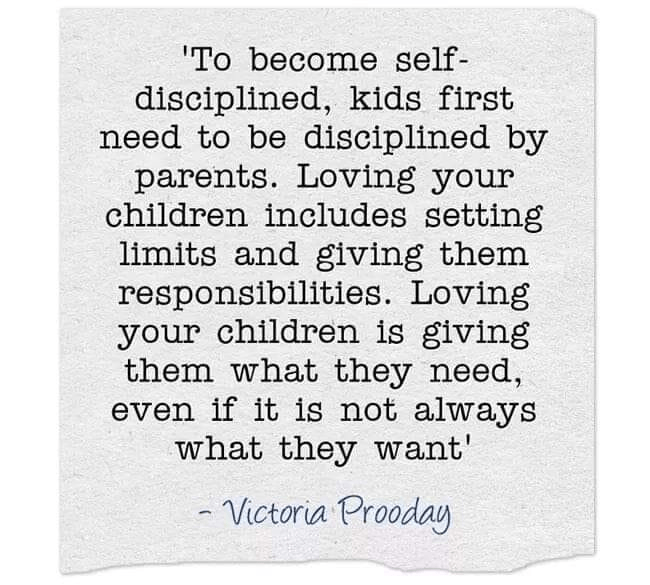
Get more comfortable saying no early on. It’s important to give a child what they need, but it’s dangerous to give a child everything they want.
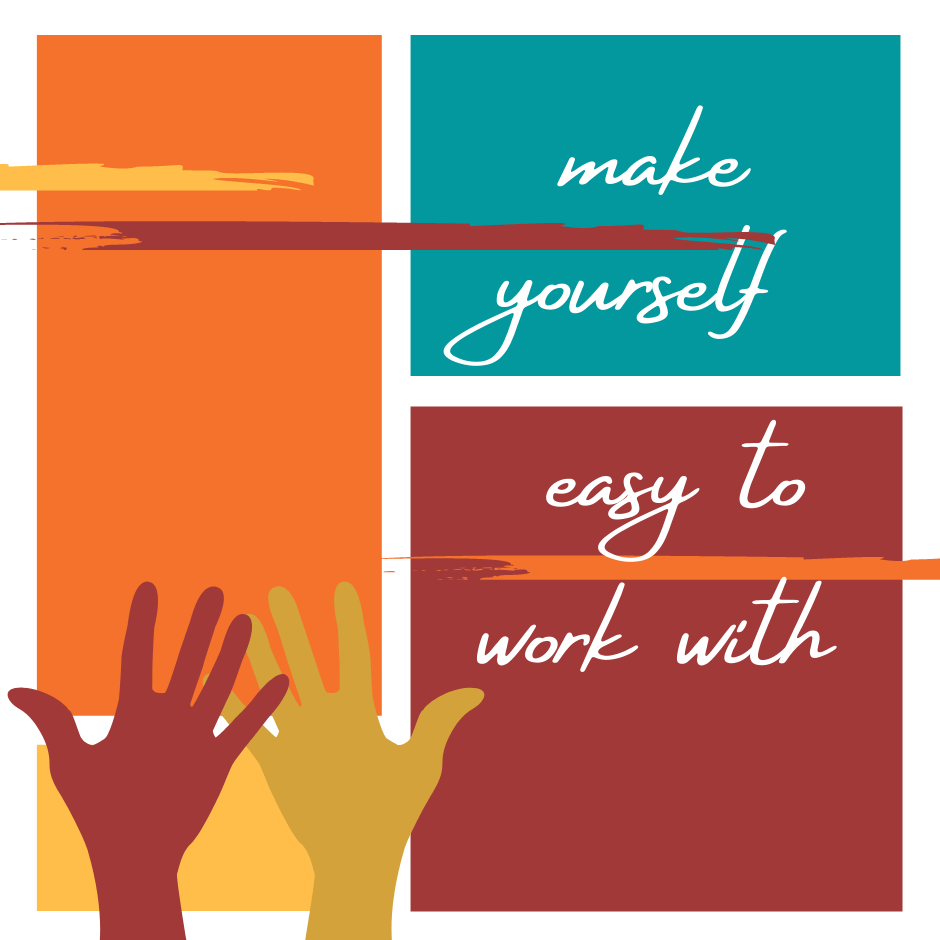
It doesn’t mean you’re always happy or never rock the boat or always following the rules or just being super laid back all the time. Those things might encompass the ‘easy’ part.
But to be easy to WORK with…
It means you speak with clarity, show up prepared, take responsibility, make others better, embrace the long term vision as you take care of today’s details. And you show up on time.
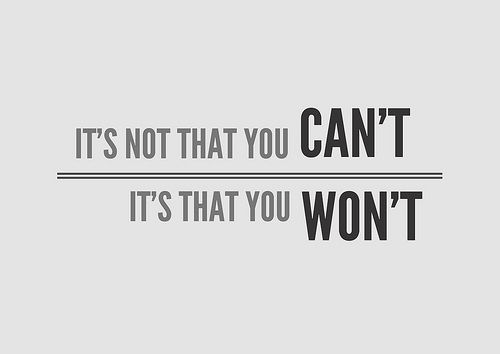
Self Improvement Daily – You Can’t Or You Won’t?
The words we use are extremely powerful and provide deep insights into our internal world. When we use the word ‘can’t’ we don’t take ownership for whatever it is, leaving us with what’s leftover and choosing to have little say in the matter.
Many people complain that they ‘can’t’ do something, but the truth is that they’ve chosen to forfeit their own attempts at making it happen for themselves. It’s not that they can’t; it’s more often that they’re unwilling to endure the consequences, make the tradeoff, or accept the conditions that would make it happen. I struggle with this sometimes, too. I have dealt with all three of the scenarios below at some point in my life:
Examples:
“I can’t afford it” – This really means you’re unwilling to move to a cheaper apartment or house, change your lifestyle, or look at ways to increase your income.
“I can’t quit my job” – This really means that you’re unwilling to expose yourself to the possibility of not having a stable income and risk financial hardship, receiving criticism from others, and accepting the identity of being unemployed as you transition.
“I can’t set boundaries” or “I can’t say no” – This really means that you’re unwilling to put up with the pushback and emotions of others, and you’re unwilling to prioritize yourself over others.
You can do (almost) anything. The reason it doesn’t feel that way is because everything is a tradeoff. When you realize what you’re currently getting is what you’re currently choosing, you realize how quickly things can change.
Shift your thinking by shifting your language. When you want to say “I can’t”, instead say “I won’t”. It removes the power from your external circumstances and allows you to hold it yourself. You will feel empowered because you will realize that you’re choosing everything in your life, and you need to start making new decisions that better support you and the life you want to live.
One of the books I’ve read this past week is “The In-Between: Unforgettable encounters during life’s final moments” written by Hadley Vlahos, RN. This was a very compassionate and transformative book detailing experiences with her hospice patients and their deaths. You can follow Hadley on TikTok @nursehadley.
Here are some of the most surprising take-aways related to hospice from this book:
There is a surge of energy almost everyone gets before dying.
Some people choose their time of death in a sense, actively dying but not taking their last breath until they are surrounded by family.
Seeing deceased loved ones and/or increased confusion are both signs death is near. This is an expected step of a patient’s decline and is a medical phenomenon that commonly happens to people no matter what their spiritual beliefs are.
I look forward to reading, learning, and sharing more with you soon!













 Read Learn Share