I read six books in November, some of which were short and easy reads. Here is a blurb of each of the books I read in November.
“Where I Dry the Flowers” is a Button Poetry book of poems written by Ollie Schminkey, a non-binary transgender poet and artist who has spent the past decade coaching, mentoring, teaching classes, and running workshops for poets. Many poems in this book are about grieving the loss of a complex person. I highly recommend this book to anyone who loves poetry and/or is trying to process grief. Here are some lines I enjoyed from this book.
Controversial opinion: In Defense of Speaking Ill of the Dead – “he is both: the man who would make us smoothies out of orange Kool-Aid and vanilla ice cream and the man who yelled when he drank and drank so often I’d run to the basement and lock the door.”
“I think grief is always at least two things: one, the constant realization that your expectations for the future were wrong, and two, death has happened and it will again.“
Forgiveness poem – “i never said it out loud. Maybe my father wanted forgiveness as much as I wanted an apology, but we stayed silent, the grudge, smooth as a pearl underneath our tongues. but it doesn’t mean i didn’t forgive him. and it doesn’t mean he wasn’t sorry . . . . when he offered me his death as an apology, i took it. of course, i took it.“
One of my favorite poems from the book is this one. I love the idea of contrapuntals.
4 out of 5 stars
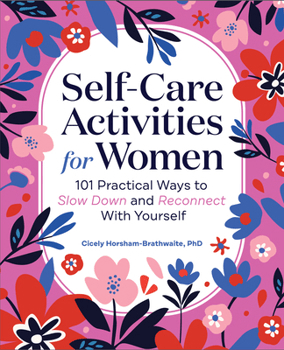
“Self-Care Activities for Women: 101 Practical Ways to Slow Down and Reconnect With Yourself” was a quick, easy read with excellent ideas from Cicely Horsham-Brathwaite, PhD, a licensed counseling psychologist and coach with over two decades of experience. This book provided different ideas for self-care in different categories: emotional, physical, mental, social, and professional. I highly recommend this book for anyone looking for self-care ideas. Here are some of my favorite ideas from each category.
Emotional self-care: Create your joy playlist. Create a list of songs that bring about positive memories and feelings, and schedule time in your calendar to listen to the entire playlist without multitasking whenever you need a mood shift.
Physical self-care: Plan a hike and picnic outdoors with friends.
Mental self-care: When you find yourself engaging in distracting behavior, reflect. What do I need right now? Is this giving me what I need, or do I need something else? Ex: may need a shower, hydration, exercise, rest, a hug, a good cry, journal reflection, or a talk with a friend.
Social self-care: Schedule activities with people you’d like to get together with on a regular basis. Rotate hosting.
Professional self-care: Establish a morning routine to set the tone for the rest of the day.
Self-care = “the actions one takes on their behalf in service of their well-being. Self-care means giving the world the best of you instead of what is left of you.”
5 out of 5 stars
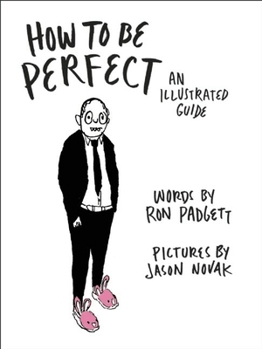
“How to Be Perfect: An Illustrated Guide” was a quick, fun, simple book written by Rod Padgett and illustrated by Jason Novak that took me under fifteen minutes to read. Here are a handful of my favorite lines.
Hope for everything. Expect nothing.
Be skeptical about all opinions, but try to see some value in each of them.
Learn something new every day.
Be honest with yourself and diplomatic with others.
Be on time, but if you are late do not give a detailed and lengthy excuse.
4 out of 5 stars
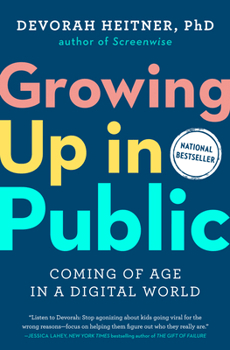
“Growing Up in Public: Coming of Age in a Digital World” was written by Devorah Heitner, PhD, who has spoken and written widely about parenting and growing up in the digital age. This book was interesting and thought-provoking, and I highly recommend it for all parents or anyone who hopes to be a parent someday. This review sums it up:
“A must-read for every parent. Emphasizing the importance of our children feeling seen instead of watched, mentored instead of monitored, this book is all at once a road map for preventing digital problems, a resource for what to do when things go wrong, and a crash course in how to empower our kids to become responsible, independent, and thoughtful digital citizens.” – Tina Payne Bryston, LCSW, PhD, NYT bestselling author of “The Whole Brain Child”
I got a lot out of this book, and here are just some of the tips:
Mentoring is better than monitoring if we want to set our kids up for success. We want our kids to make good decisions, even when we are not right there.
We need to do a better job of mentoring kids on how to be intentional about how much they share both online and offline.
Common mistakes from teens and kids: carelessly taking a video of themselves making a crude hang gesture or using profanity, sharing videos of themselves making an unkind joke about a peer or teacher, taking selfies of vaping/drinking/drugs, taking a video mocking someone’s disability, wearing a racist Halloween costume, making fun of someone’s accent or body type, and liking or reposting problematic things.
5 out of 5 stars
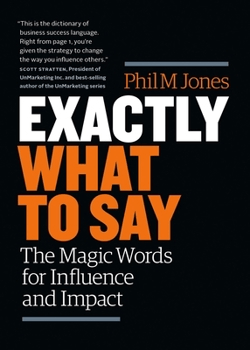
“Exactly What To Say: The Magic Words for Influence and Impact” was written by Phil M. Jones. This book can be considered a masterclass in the art of influence, persuasion, and generating top-producing results. This book often came across as salesy – teaching the world to sell. I highly recommend this book to anyone in sales or anyone who wants to influence or persuade others.
Here are some of the tips:
One of the biggest reasons your ideas fail to get heard is that others tell you that they just don’t have the time to consider them. By using the preface, “When would be a good time to . . .?” you prompt the other person to subconsciously assume that there will be a good time and that no is not an option.
The words, “As I see it, you have three options” help the other person through the decision-making process and allow you to appear impartial in doing so. Present your option last and as the easiest. Then ask “What’s going to be easier for you?“
“What happens next is . . . ” brings people through to the completion that needs to follow. It is your responsibility to lead the conversation, and following the sharing of the required information, your role is to move it toward a close.
Success in negotiating is all about maintaining control in a conversation, and the person in control is always the person who is asking the questions. Challenge objections with “What makes you say that?” This shift of control now leaves the other person obligated to give an answer and fill in the gaps in their previous statement.
5 out of 5 stars
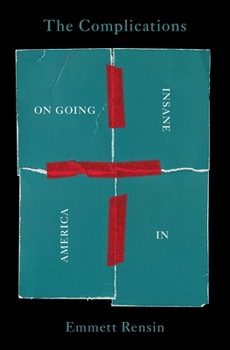
“The Complications: On Going Insane In America” was written by Emmett Rensin, who reflects on his life with schizoaffective disorder of the bipolar type: the hospitals and medication, the lost jobs and friends, the periods of mania and psychosis, the medication-induced tremor in his hands, etc. This book elevates the conversation around mental illness and challenges us to reexamine what we think we know about a world where one in a hundred people go mad. I learned a lot from this book and highly recommend it to anyone who wants to learn more about mental disorders. Here are some of my takeaways:
Some psychotic disorders become milder with age. Others are deteriorating, progressive conditions. Outcomes are difficult to predict.
The causes of severe psychiatric dysfunction are not thoroughly understood, but it is widely perceived that genes are not enough. Some additional event typically precipitates the full break. Trauma, substance abuse, and brain injury are common suspects.
It takes 7-8 years, on average, after initial onset of symptoms to get a diagnosis.
While brain abnormalities exist in some psychiatric patients, there are no consistent organic “signs” of madness, not any biological test for any psychiatric pathology.
“In between the positive exclamations of a psychotic disorder – bouts of delusion, mania, hallucinatory experience – are the dull murmurs of what we call negative symptoms, which generally include a blunt affect, social isolation, difficulty feeling pleasure, a lack of willpower, and poverty of speech.
“One of the greatest predictors of patient prognosis in the case of psychotic disorders is the degree of patient insight, which is to say, the degree to which the patient is aware of their disorder. If you cannot believe that you are ill, then you are unlikely to take your medication. If you do not take your medication, your condition will worsen. If your condition worsens, you are no more likely to take your medication or engage in the tedium of self-care.”
This reflection from the author stood out to me:
I am afraid of reaching a point where I do not want help, do not believe that I need help, where I run away from anyone who tries to help me, or worse, where I become so terrified or angry or violent that I hurt those people until they are not willing to help me anymore. I am afraid that one day I will become so sick that I reach the end of other people’s charity.
4 out of 5 stars – at times, this book was difficult to read and seemingly consisted of tangents and ramblings – however, this was likely due to periods of mania.
4 out of 5 stars
I look forward to reading, learning, and sharing more with you soon!
My intention is to post a Thoughtful Thursday column each week and share some of the insights I have learned in the past week. Here are some of the things I’ve learned this week:
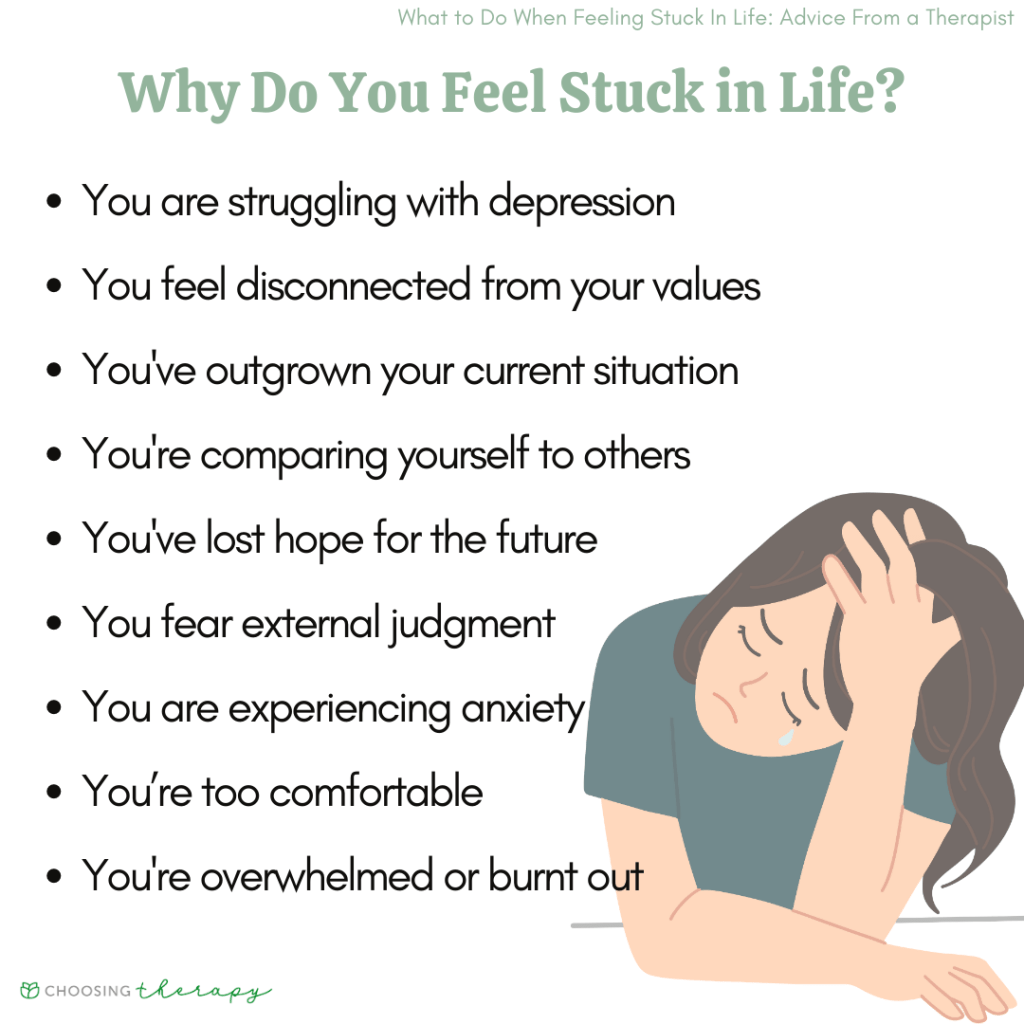
Optimal Living Daily – If You’re Feeling Stuck, Look Inward by Emily Rose Barr
If you’re feeling stuck on a relationship, a longtime goal, a time-consuming project, a career move, or some other aspect of life, pause and look inward. Utilize this period as an opportunity to:
Get to know yourself better. Ask yourself what makes this decision challenging and examine your answers closely. Use them to hone in on your values and what matters most to you.
Connect with others. Being vulnerable fosters deep relationships and engenders feelings of safety and understanding when we experience the gift of being heard.
Recognize your limits. Ask yourself what you could do differently that would make the option of sticking things out more appealing. Decide which variables you can start to conquer.
Recharge. Give yourself space and time to recharge. Switch up your surroundings, go on a walk, sleep, etc.
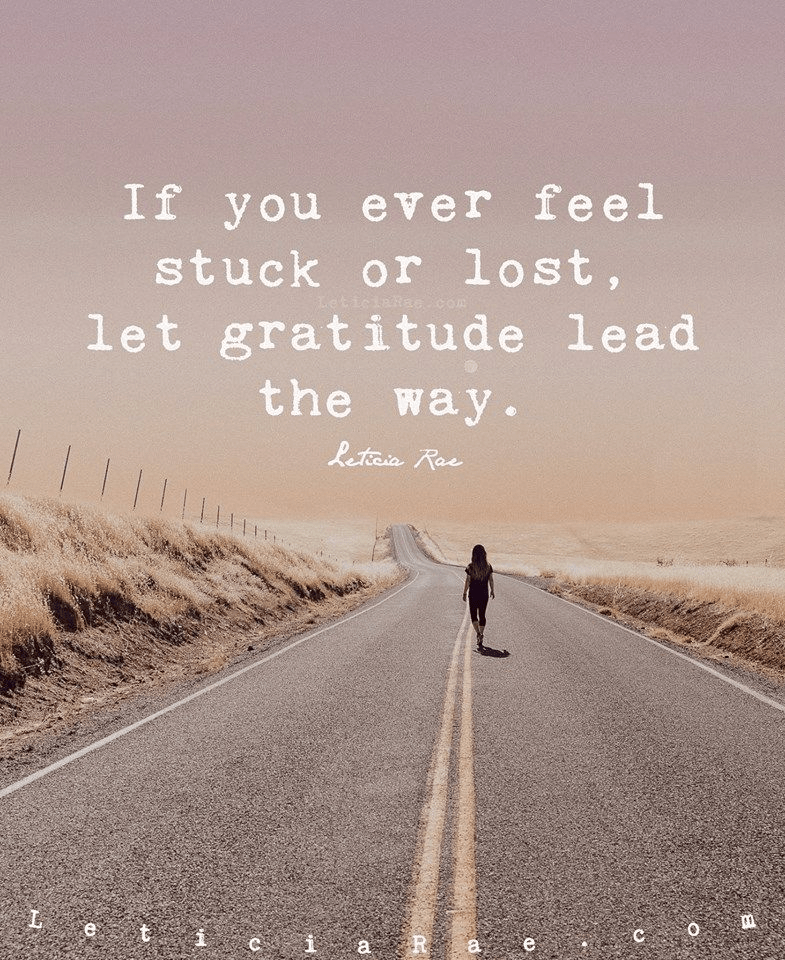
Practice gratitude. Take a moment to reflect on all that is going right in your life and be grateful.
I really enjoyed this post from Gabe the Bass Player this week:
“If you’re not going to do something about it, stop thinking about it.
If you’re not going to put action behind the things you spend a lot of time thinking about, it’s worth thinking of something else. Something that you’re going to move from thoughts into actions.
Your time and your thoughts are precious and powerful so it’s important to spend them in ways that make a difference to yourself and to others.”
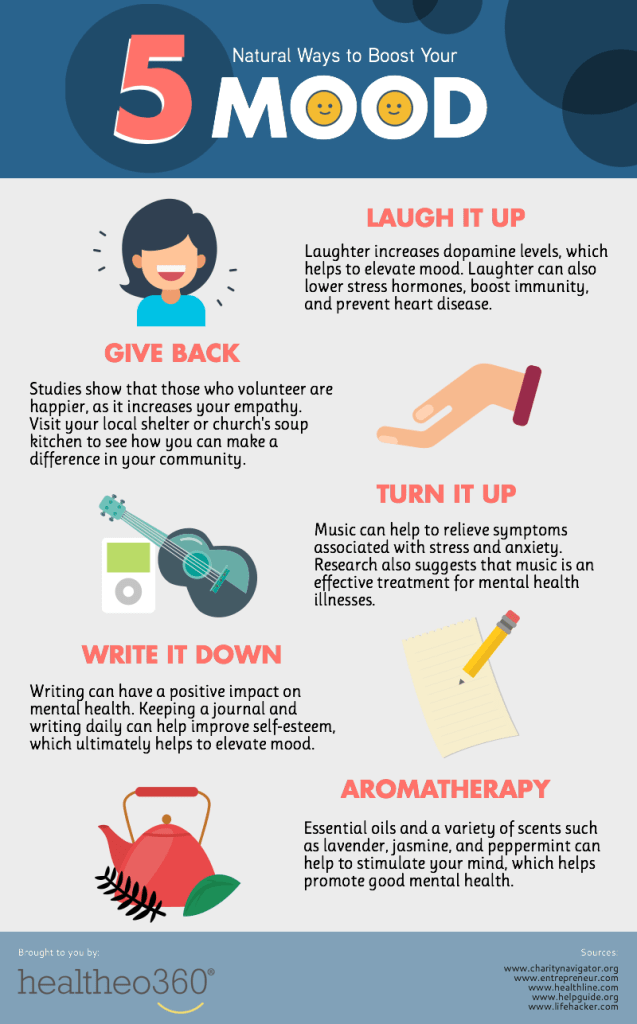
Life Kit – Boost your mood in 15 minutes
Cold plunging – submerge yourself in cold water. A quick dip in cold water can improve your mood. Find a body of water in the 50–60-degree range and prioritize safety. Plan to warm up fast after.
What is the least amount of movement needed to offset the risks of sitting? Just taking a 1-2 minute walk each hour helps to lower blood pressure (as opposed to sitting for 8 hours straight at work). Walking/movement five minutes per hour = more impressive results – lower blood pressure, less fatigued, better mood. If you have a few minutes, move your body for a better mood.
Create something. Make art – color, paint, pottery, etc.
NPR Joy Generator app
Tap into ASMR to calm your mind.
Watch cute animal videos or cuddle with your cat/dog.
Reflect on memories/nostalgia. Go through your camera roll. Listen to old music hits.
The Liz Moody Podcast – 5 Things I Did to Fix My Phone Addiction
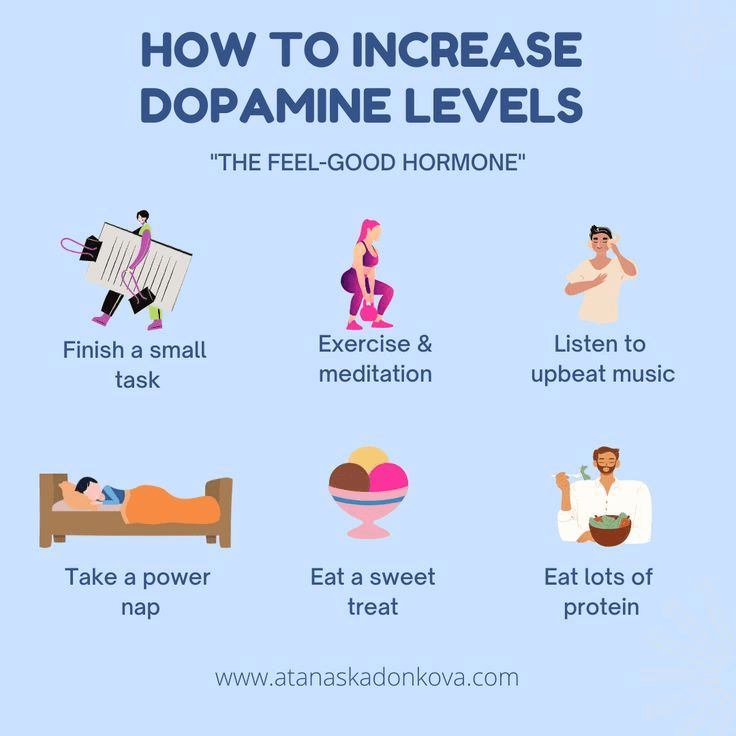
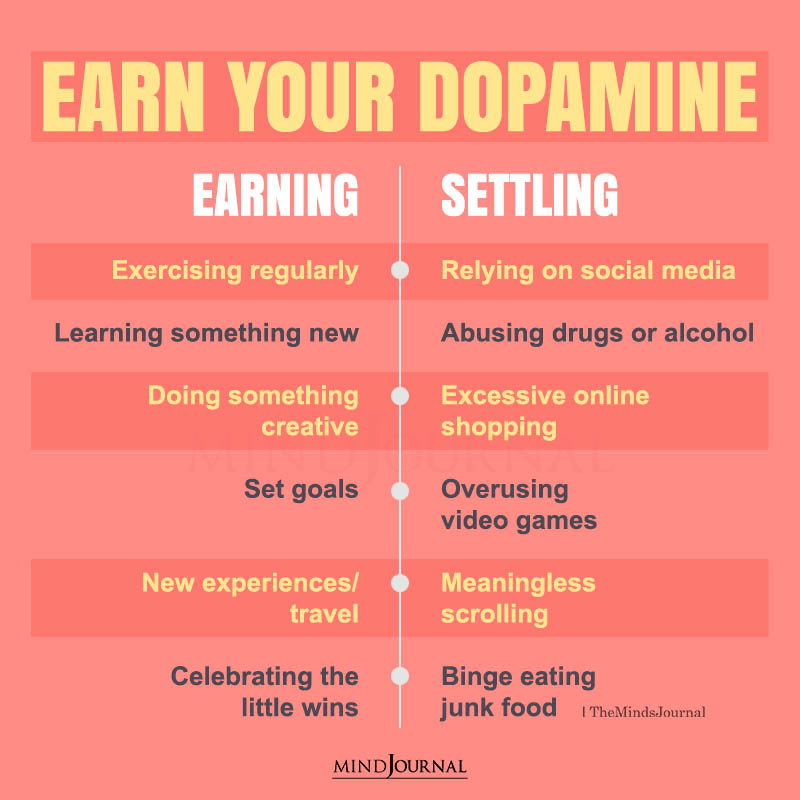
Treat the dopamine problem with dopamine solutions. Intentionally seek out hard things – a cold shower, a challenging crossword puzzle, allowing for discomfort each day. Exercise. Move your body every day. Less addicted to phone, more dopamine
Turn your phone to gray scale. Makes phone unappealing – less bright addictive colors
Remember the 23-minute rule. Science shows the need to check your phone is temporary. If it takes you 23 minutes to get into a state of full focus after checking your phone, remind yourself that if can make it through 23 minutes, you will enter a state of flow and focus.
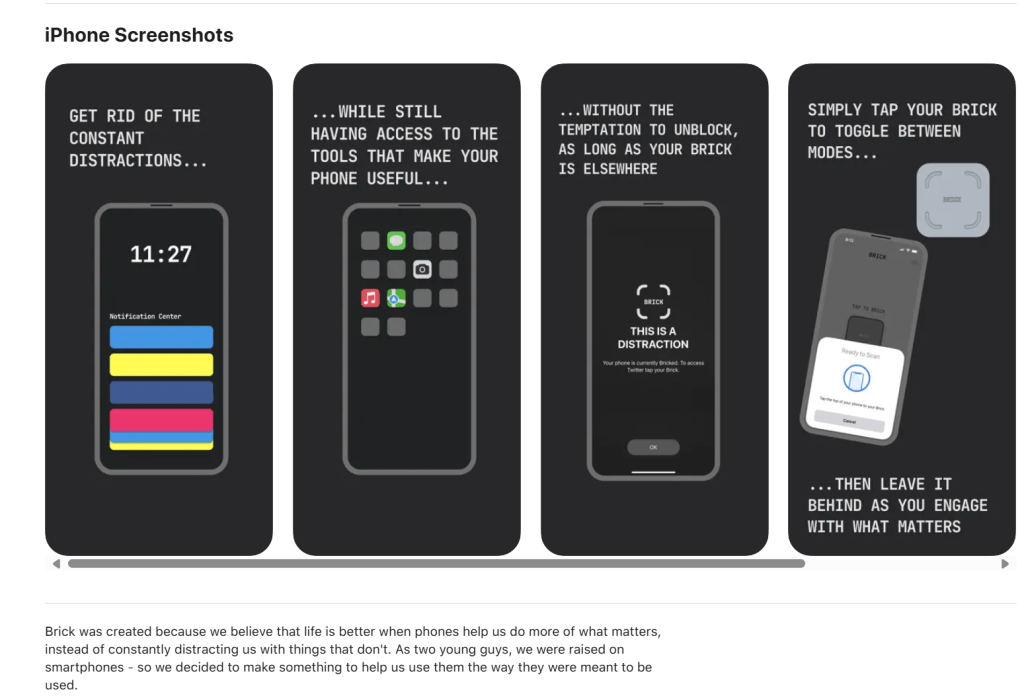
Create physical barriers to being on your phone. Phones are designed to be more powerful than our willpower. Don’t have your phone in the room when you’re trying to get work done. Use an alarm clock instead of your phone. Brick device – Iphone only
Create a “What do I really need?” menu. What are you looking for your phone to give you right now? Joy? Consult your joy list – getting out in nature, singing, coloring, reading, walking, music, etc. Bored? Novelty-reducing boredom – plan something fun. Rest? Nap, meditate, read, etc. Every time you reach for your phone, ask yourself what you really need and brainstorm options that satisfy that need on a deep and true level.
I look forward to reading, learning, and sharing more with you soon!
My intention is to post a Thoughtful Thursday column each week and share some of the insights I have learned in the past week. Here are some of the things I’ve learned this week:
Mentally Stronger with Therapist Amy Morin – 10 Mental Health Improvement Strategies Therapists Prescribe Their Patients
Act contrary to how you feel. Explore the behaviors that reinforce that emotional state and act the opposite. Ex: depression may want you to stay in bed all day, but getting up and moving is the best thing. Change your behaviors first, and the feelings will often follow.
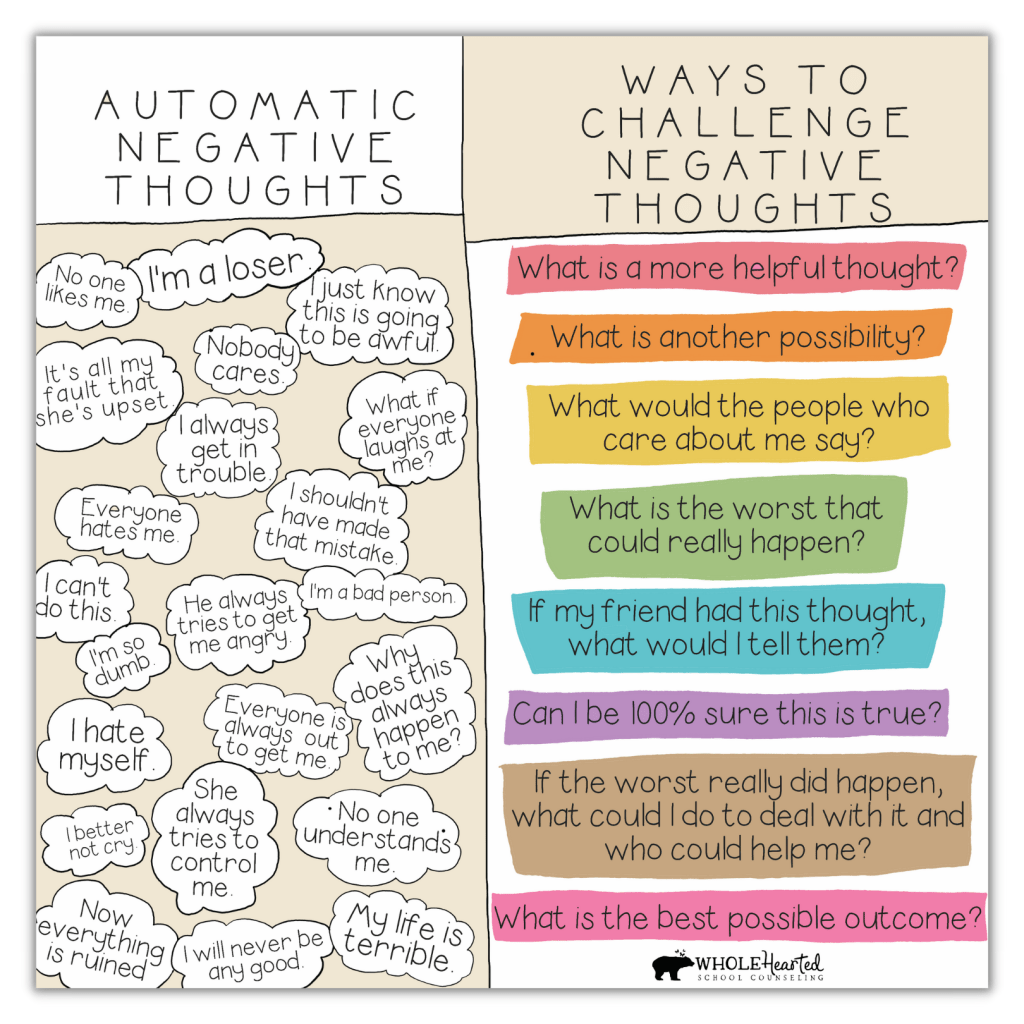
Challenge your negative thoughts. Intense emotions cause irrational thoughts. Challenge your thoughts and prove that you can do something. Prove that your thoughts aren’t always accurate.
Add structure to your day. Be intentional about building in healthy tasks and having structure outside of work, but also allow room for flexibility.
Schedule fun, meaningful things to do. Having something to look forward to is really good for your mental health. Schedule one fun or meaningful thing each week.
Spend time in nature. Nature has incredible benefits for our mental health; it reduces anxiety, improves concentration, reduces depression, and helps us feel happier overall.
Get physical activity. Exercise reduces stress and anxiety and improves self-esteem. Find an activity that you enjoy so that you can stick to it.
Find a way to relax. Watching tv and scrolling on your phone stimulates your brain, so aim for ways to relax your brain. If you invest time into caring for your mental health now, you will feel better and perform better later.
Work on something that you’ve been putting off. The more you put something off, the more you dread doing it and the worse you feel.
Take care of your body. Eat a healthy diet and get adequate sleep.
Get social support.The people you spend time with might be the biggest factor that determines how mentally healthy you are. Having positive people in your life reduces the symptoms of mental illness. Remove yourself from toxic relationships.
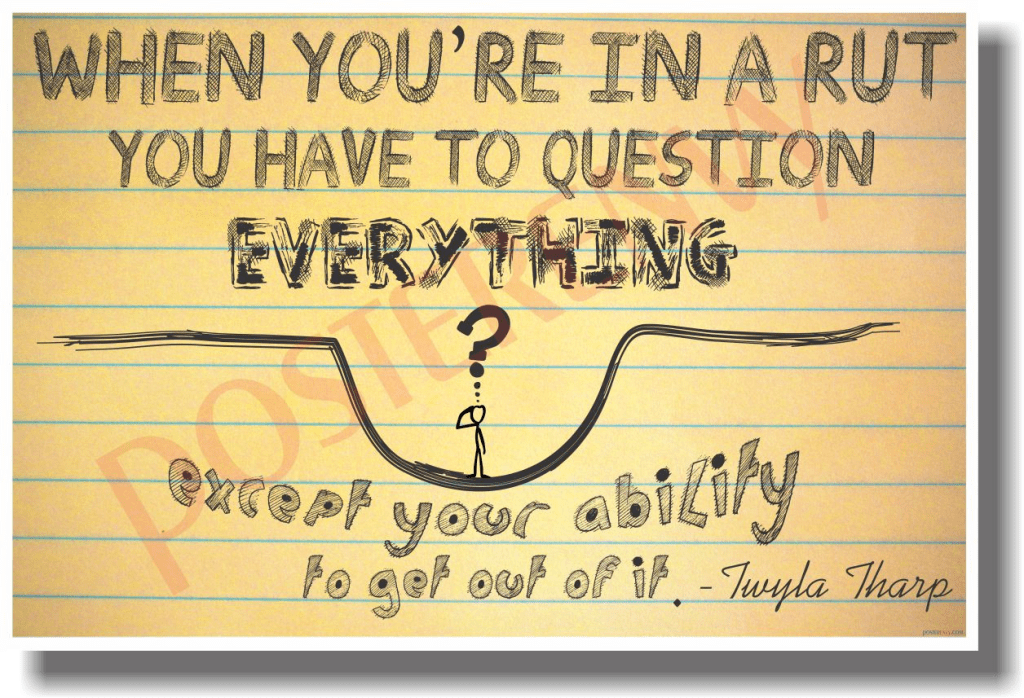
Sad to Savage – Little Things to Help You Get Out Of A Rut
Do a check in and figure out why you’re in a rut.Is your schedule day-to-day not fun? Are you not sleeping enough? Are you nourishing your body with food and water? What are you spending your time doing? Is that keeping you stuck? Are those things helping you or hurting you? What do you need to change?
Pick out a goal right now to work towards. Ex: train for a 5k, make a healthy meal 3x/week, build a new habit
If you’re someone who really likes to talk on the phone, talk on the phone when you’re outside on a walk. You could start making plans with friends on the weekend to go on a walk. Look up gyms in your area and go to the cheapest one. Go on a treadmill and find a show you will only watch while walking on the treadmill.
Redesign a space in your home. Change around the furniture.
Find a book to read. Find a book about something you want to learn more about.
Know that you are allowed to change your mind and your habits whenever you want. You can become whoever you want to become.
Try a new hobby. Take a class.
Pay attention to the people you have in your life, the environments you have, the music you listen to, the content you consume, the people you follow … all of those things can contribute to you feeling like you are in a rut.
Make a list of things that make you feel happy that you can turn to when you’re feeling down. Ex: family time, running, going outside, reading, etc.
Chasing Life – Does Money Buy Happiness?
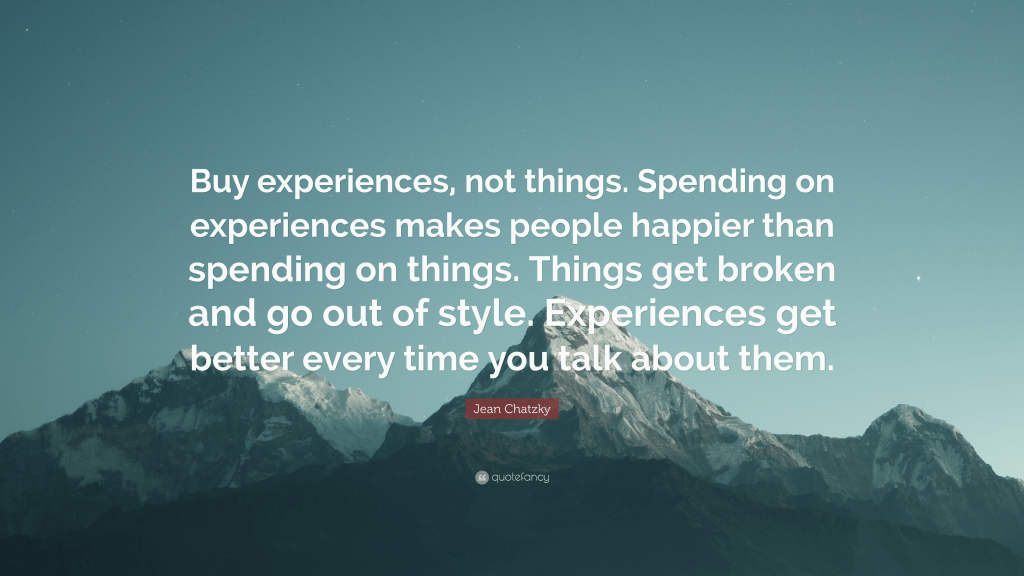
Money CAN buy happiness. Buy experiences (trip, dinner with friends, etc.). Experiences bring more happiness than material possessions. Make spending feel like a treat – hedonic adaptation.
Think about how your choices about money impact how you use your time. If it doesn’t have any bearing on how you spend your time, you can probably let go of spending money on that for now.
Buying time – if you can, buy your way out of something you dread doing. Ex: mowing lawn, cleaning house, grocery shopping, etc.
Another fact mentioned is that people who donate to causes/charities through recurring charges aren’t nearly as happy as people who get involved in person and directly see the impact of their monetary donations.
Self Improvement Daily – “You can have it your way.”
Burger King’s motto “Have it your way” is a welcome reminder that each one of us matters and deserves to be cared for. We don’t need to settle for how things are; we can create a new reality for ourselves.
We can pursue our ambitions with pride. We can change our future if we have the courage to do so. Being selfish in investing in yourself can be one of the most selfless things you can do because it can great the greatest impact on others.
If you’re overstretched at work and compromising your own health, that’s not having it your way. When we enforce better boundaries about our work hours, we can have more time to fulfill ourselves in other ways.
If you don’t have as much time for the things and people you love, or the energy to do anything at the end of a long day, that’s not having it your way. When we say no to others, we say yes to ourselves.
Reordering priorities and making a commitment will start to shape your life your way. Balance your personal life, care, and passions in a way that you feel good about by figuring out how it all fits together.
This post from Seth’s blog really resonated with me:
“Momentum activities like public speaking, board sports and leadership all share an attribute with riding a bicycle: It gets easier when you get good at it.
The first error we often make is believing that someone (even us) will never be good at riding a bike, because riding a bike is so difficult. When we’re not good at it, it’s obvious to everyone.
The second error is coming to the conclusion that people who are good at it are talented, born with the ability to do it. They’re not, they have simply earned a skill that translates into momentum.
There’s a difference between, “This person is a terrible public speaker,” and “this person will never be good at public speaking.”
And there’s a difference between, “They are a great leader,” and “they were born to lead.”
The thing about momentum activities is that we notice them only twice: when people are terrible at them, and when they’re good at it. That includes the person you see in the mirror.”
My reflection: we only notice when someone is really good or really bad at something. We don’t see the “average” and we often don’t see the process that it took to get to “good.”
I look forward to reading, learning, and sharing more with you soon!
I read five books in June 2024. Here is a brief synopsis of the four books I read in June 2024, some of which I will post about in greater detail in the future.
“Vagina Problems: Endometriosis, Painful Sex, and Other Taboo Topics” by Lara Parker was educational and emotional. Lara is the writer and deputy editorial director at Buzzfeed, and she covered what it’s like to live with endometriosis, vaginismus, vulvodynia, vulvar vestibulitis syndrome, pelvic floor dysfunction, etc. There were a lot of tidbits in this book. Here are a few take-aways that I am not uncomfortable sharing:
Endometriosis is, statistically speaking, as prevalent as diabetes in America. Endo is not easy to get a diagnosis for, as it requires laparoscopic surgery. Also, doctors often don’t take women’s pain seriously. Endometriosis is more than just a bad period; some other symptoms include abdominal swelling, trouble digesting, exhaustion, and painful sex. It is physically and mentally painful and there is no cure.
“Berating myself, blaming myself, and denying myself things simply because I felt as if all this pain was my fault has never made me feel any better.”
Author’s quotes on painful sex: “You can have sex and be intimate in different ways and none of those ways determine your worth in any relationship.” “The thing that ultimately helped me the most was reframing the way I thought about sex in general.”
I recommend this book to anyone who has endometriosis and/or other “vagina problems.”
4 out of 5 stars
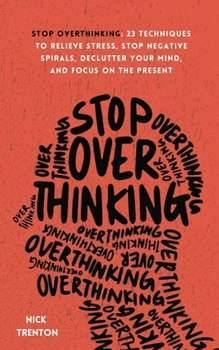
“Stop Overthinking” was written by Nick Trenton and contained detailed and proven techniques to rewire your brain, control your thoughts, and change your mental habits. This book was helpful, but the author could have expanded on some strategies. I will post in more detail about this book in a future post. Here are some lessons:
Overthinking is when you excessively analyze, evaluate, ruminate, and worry about certain things to a point where it starts affecting your mental health because you simply can’t stop. The emotion behind much overthinking is fear – fear of being out of control, of being overwhelmed, of failure, of impending danger, etc.
4 A’s of stress management:
avoid – say no to stress that is unnecessary and harmful – situations and people that demand too much of us
alter – ask others to change their behavior – negotiate
accept – validate your emotions and practice forgiveness – change the way you frame events
adapt – make lasting changes to your worldview, goals, perception, and expectations – change yourself to better cope with life
Ask yourself: Is what you’re doing problem solving or rumination? If you’re ruminating, direct your attention to a single small action. If you’re going to spend all the energy thinking about the problem, at least put it to good use and find a way to improve things. If you can’t improve anything, then put your energy into distraction, forgiveness, or moving on.
This book covered several techniques! I recommend this book to anyone who is an overthinker.
4 out of 5 stars
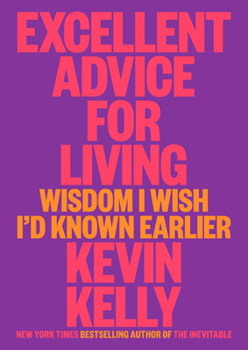
“Excellent Advice for Living: Wisdom I Wish I’d Known Earlier” was written by Kevin Kelly. On his 68th birthday, Kevin began to write down for his young adult children some things he had learned that he wished he had known earlier. He had more to say than he thought, and he kept adding advice over the years, compiling his life’s wisdom into these pages. This book was a GEM of knowledge and advice!
When you keep people waiting, they begin to think of all your flaws.
Nothing elevates a person higher than taking responsibility for their mistakes. If you mess up, fess up. It’s astounding how powerful this ownership is. This has been so true in my experiences!
You don’t have to attend every argument you’re invited to.
Every person you meet knows an amazing lot about something you know virtually nothing about. It won’t be obvious, and your job is to discover what it is.
How to apologize: quickly, specifically, and sincerely. Don’t ruin an apology with an excuse.
I highly recommend this book to everyone! I will post more about it on a later date!
5 out of 5 stars
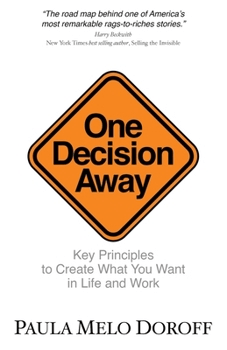
“One Decision Away: Key Principles to Create What You Want in Life and Work” was written by Paula Melo Doroff. This book was inspiring. Paula ran away at 15, arrived in the U.S. at 25, divorced 3 times, grew up in poverty, was raised by an illiterate grandmother, and only had a middle school education; this book affirms that your success doesn’t always come down to your family, your lucky breaks, or your wealth. Here are some main points:
You are just one decision away from completely altering the trajectory of your life. You can stay safe in your comfort zone and keep dreaming, or you can take the courageous step onto the path that will lead you to growth and take responsibility for what you truly want for your life.
To create the life you want, you need crystal clear dreams, realistic goals, and detailed plans to achieve those goals. Reflect: what is the one goal that would have the greatest impact on your life? Why is that goal important? What will you lose if you don’t follow the plan? What will you gain? What one action can you take today to move a step closer to your goal?
Sometimes we hold ourselves back in life because we don’t honor our dreams with goals to match. Sometimes, though, we might have a dream holding us back because the dream has outlived its purpose. Ex: a goal could still be permissible but not beneficial. Although you may feel betrayed by letting go of dreams, by releasing the dreams that no longer serve you, there is more space in your heart and mind for new possibilities. Don’t get stuck trying to fulfill a vision you’ve long outgrown.
I recommend this book for anyone wanting to learn about and reflect on creating the life they desire.
4 out of 5 stars
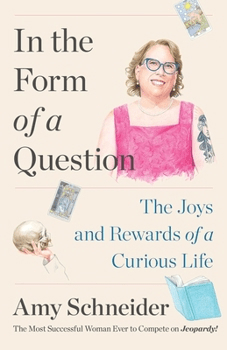
The fifth and final book I read in June was “In the Form of a Question: The Joys and Rewards of a Curious Life” written by Amy Schneider, the most successful woman ever to compete on Jeopardy! Amy walked away with $1.3 million on a 40-game winning streak, although she says she won an even greater prize: the joy of being herself on national television and leading the way for openly queer and transgender people around the world. Here are my thoughts about this book:
There were so many footnotes, and many of them were more like commentary than actual text. I think the footnotes could have been cut out or included in the actual text.
This book was not what I expected. I wanted to know more about her Jeopardy experience. Although I got a few gems of wisdom, this book mostly focused on Amy’s trans experiences (before and after the transition) and differing views than my own – ranging from condoning recreational drug use, polyamory, casual sex, criticisms of religion, and the promotion of tarot cards.
Two pieces of wisdom:
“The real answer to “How did you get so smart?” is simply this: I wanted to. And if you want to, you can do it, too. If you have the desire, not just to know but to understand, then you will grow more and more powerful every day, and nobody will be able to stop you.”
“Theater brings together people who, offstage, would find each other intolerable, and offers them each what they need. For the shy, it offers escape, concealment, and safety. For the confident, it offers attention, freedom, and validation. In theater, not only can you do the very things you fear the most, but you can do them with the very people who make you fear it.”
If you want to learn more about Amy’s intelligence and Jeopardy! journey, you won’t find much of that in this book. If you want to read more about Amy’s life and often controversial views, this book may be for you.
3 out of 5 stars
I look forward to reading, learning, and sharing more with you soon!
My intention is to post a Thoughtful Thursday column each week and share some of the insights I have learned in the past week. Here are some of the things I’ve learned this week:
Optimal Relationships Daily – When Your Expectations of Others is Making You Frustrated
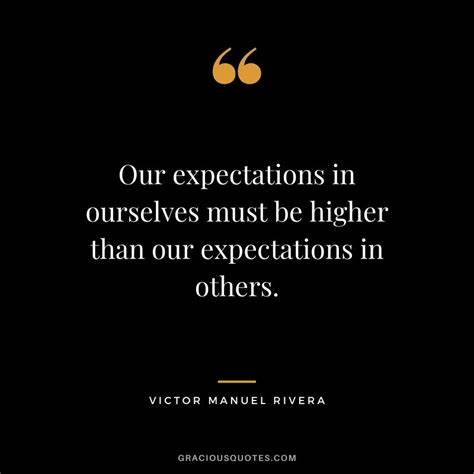
Our expectations of others often cause our own struggles and frustrations. The frustrations with others are caused by our own expectations. We want people to behave differently than they do, and we get frustrated when they don’t act the way we want them to.
Without the expectations, we could be happy and at peace. We could see the good in others instead of only how they fall short of our expectations.
Think of the expectations you have of others as an imaginary bubble you’ve created and pop the bubble! Without the bubble, you are free of expectations! What is the other person like without your expectations of them?
Practice compassion for others. They are probably reacting in a habitual way from fear and pain.
Don’t take anything personally. Whatever the person does is about them.
I came across this poem this week and it resonated with me.
“Just Let Them. If they want to choose something or someone over you, LET THEM. If they want to go weeks without talking to you, LET THEM. If they are okay with never seeing you, LET THEM. If they are okay with always putting themselves first, LET THEM.
If they are showing you who they are and not what you perceived them to be, LET THEM. If they want to follow the crowd, LET THEM. If they want to judge or misunderstand you, LET THEM. If they act like they can live without you, LET THEM.
If they want to walk out of your life and leave, hold the door open, AND LET THEM.
Let them lose you. You were never theirs, because you were always your own. So let them. Let them show you who they truly are, not tell you. Let them prove how worthy they are of your time. Let them make the necessary steps to be a part of your life. Let them earn your forgiveness. Let them call you to talk about ordinary things. Let them take you out on a Thursday. Let them talk about anything and everything just because it’s you they are talking to.
Let them have a safe place in you.
Let them see the heart in you that didn’t harden.
Let them love you.”
You have to accept yourself just as you are without having to make changes for others. If you feel that you have to change to maintain a relationship, and if that change is always one-sided, that relationship may need to be given consideration.
You deserve to be valued and to feel valued. You are the only one who has control of you unless you give that control away to someone else. Have a big conversation with yourself about where those boundaries need to be. Self-care involves putting yourself and your considerations at the top of the pile. If others aren’t doing it, you must do it.
On Purpose with Jay Shetty – If You’ve Been Feeling Drained…Listen To This
Studies show that we have 60,000-80,000 thoughts per day and 80% of those are negative or repetitive.
Principle 1: Accept and action – acceptance followed up by an action. Ex: I’m really drained, and so… I’ll go to bed early tonight. I’m really drained, and so… I’ll cancel going to that event this weekend.
Stop ignoring your repetitive thoughts, feelings, and emotions. They are repeating for a reason. They want you to pay attention.
Principle 2: You don’t always have to be at 100% energy. Be able to say to yourself and to others why you aren’t at 100% and be able to communicate your challenges. When can you be at 50% energy, and what does it look like in communicating that? How can you give your best tasks your best energy? Time block.
Principle 3: It’s okay to say no. It’s okay to cancel social events or to decline. Burnout, exhaustion, and feeling drained are not worth anything.
Principle 4: Stress is when you are demanding too much of your body and mind. Be strategic with your time. Ask yourself whether it is necessary to take something on right now. Which of your meetings can be solved with an e-mail?
Principle 5: Have a reset day, hour, or half-day. Make it a perfect day. Carve out time that’s fully under your control.
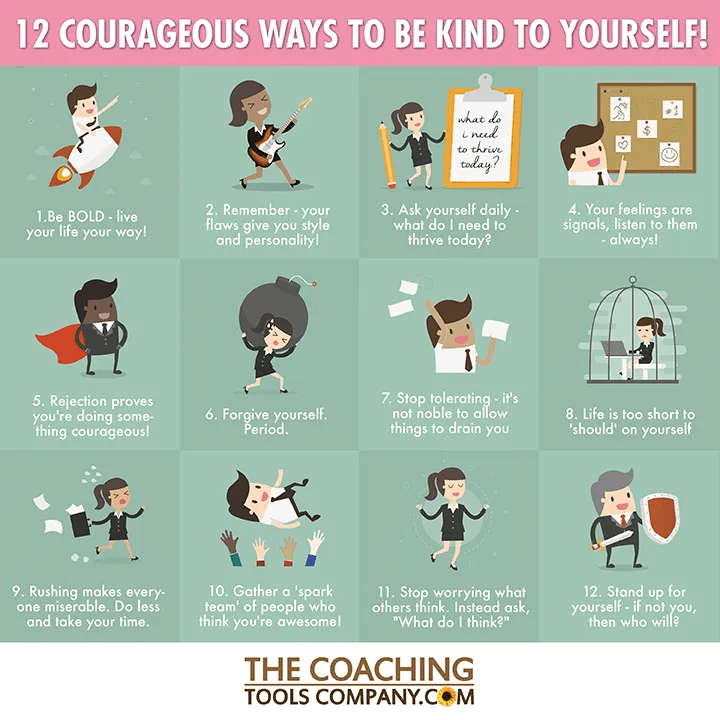
Principle 6: Be kind to yourself. When you are feeling drained, ask yourself how you can be kinder to yourself. The voice in our head is often criticizing ourselves about how we can be and do better. If we are stressing ourselves, we are draining ourselves from within. If you were kinder to yourself, what do you believe you would achieve?
Principle 7: Allow yourself to vent and let it out. When you talk about stress with the right people, it makes you feel lighter. Let that stress out. Distance yourself from the stressor if you can.
Principle 8: Get restful sleep. So often we are trying to solve something in our mind when we need to solve it in our body. If you’re struggling with your body, figure out what you can change in your mind. Sleep, diet, exercise, hydration, and stress management are all important in managing burnout.
Principle 9: Wash your mind the night before. What do you want to leave behind today? What are you going to wash away today? Wash your mind the night before and leave the draining behind.
I really liked this post from Gabe the Bass Player this week:
Things don’t run their course. The band, the relationship, the project.
We simply decide to stop putting the necessary energy into it to keep them going.
Things don’t have an inherent course of their own. And things don’t have an opinion or get tired or burnt out or lazy or lose interest or get a new dream or desire.
People do.
So when the thing is over let’s be honest about why it’s over. It isn’t the thing’s or the course’s decision.
I look forward to reading, learning, and sharing more with you soon!
My intention is to post a Thoughtful Thursday column each week and share some of the insights I have learned in the past week. Here are some of the things I’ve learned this week:
Optimal Finance Daily – 10 Money Questions Every Couple Must Answer
Note that these questions are for couples in serious long-term relationships. You and your partner may not agree on everything. It’s more important to work through conflicts and come to an understanding.
What is your policy on loaning money to relatives? Are you supporting/do you plan to support any family members?
How much money have you saved?
How much debt do you have?
Are you comfortable investing or do you prefer to keep your money in the bank?
Are you a saver or spender?
How do you feel about merging finances once we’re married? This question has a lot to do with the question about how much your partner has saved. If you’re the only saver, you may not want to merge finances.
Do you have a budget…and can I see it?
Will you support me if I choose not to work?
What type of bill payer are you? Minimum payments/full bill upfront? Automatic bill pay/send via mail? Do you pay all bills on time?
What is your dream, and how do you plan on paying for it?
I thought this podcast was very interesting and I wish I had known about these questions sooner. For full transparency, I did not/have not asked all of these questions, but I think it’s a great idea!
The Liz Moody Podcast – 10 Learnings From My Week At The Life-Changing Hoffman Process Personal Growth Retreat
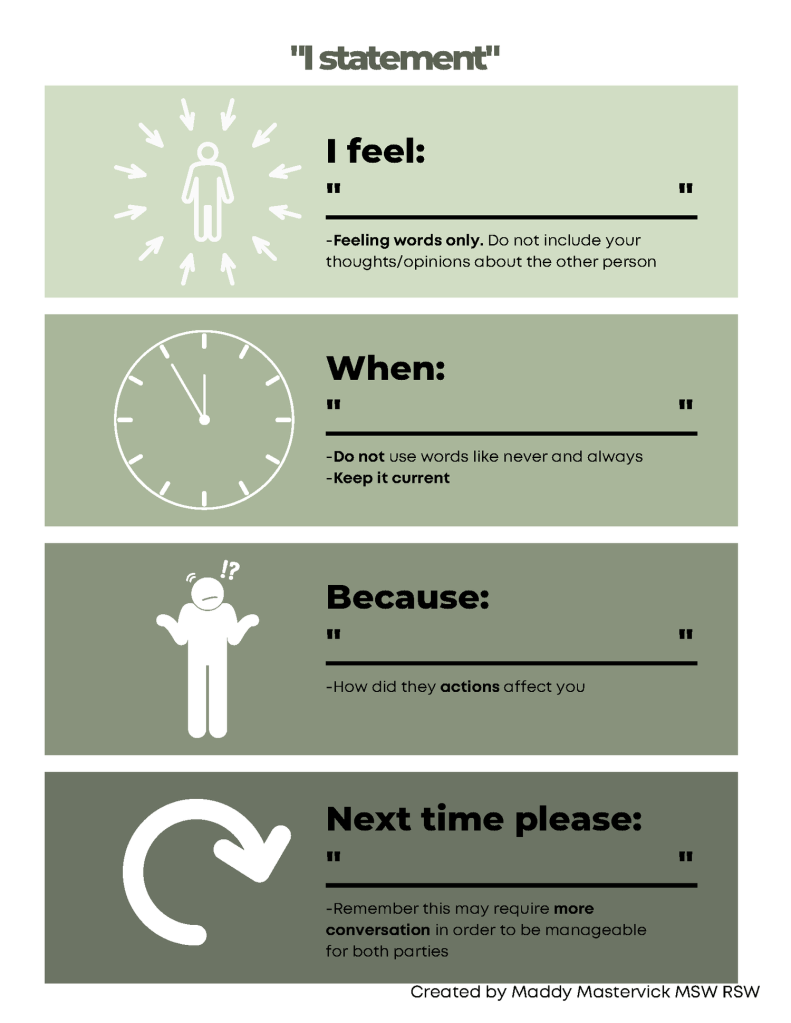
When you are saying how you feel, use “I” instead of “you.” This helps the emotion and experience feel more personal.
If you are struggling to change, start with any action. Action is required for change. You can act yourself into a new way of thinking, but you can’t think yourself into a new way of action.
We are all human and we are all going through challenges, so stop judging other people. By judging others, you are paving those pathways in your brain that are primed for judgment, and you are priming yourself to judge yourself. When you notice you’re telling yourself a story about someone else in your head, talk to them and find out more about them.
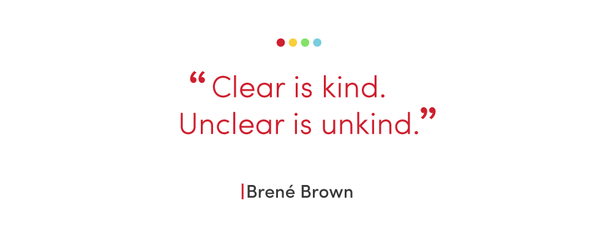
Clarity is kind. Don’t beat around the bush.
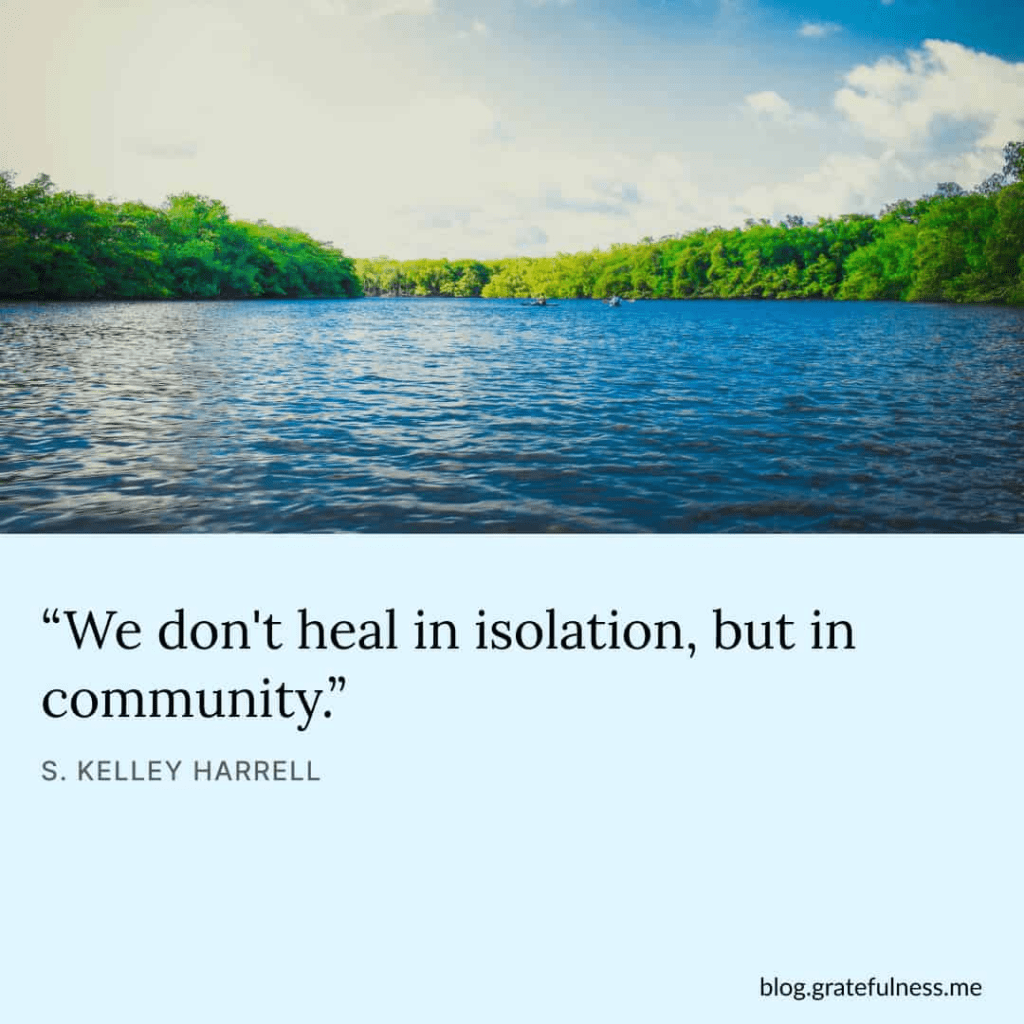
In order to heal, we need to turn out instead of in. Involve other people instead of keeping to yourself. The power of community is vital to healing. You are not a burden. Reach out to people. Relationship bonds heal relationship wounds.
Fun is a key part of healing. Access connection, joy, and love. Healing doesn’t always need to be hard and not fun. You can enjoy the process of becoming the person that you want to be. You will get better results if the healing process is enjoyable, too.
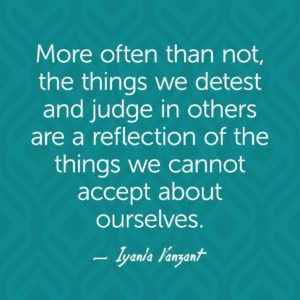
Everything we see in others is typically also in us – “You spot it, you’ve got it.” In other people, we notice the things that we are most sensitive about or don’t like about ourselves as much. The traits we find most triggering in other people are usually things we are dealing with internally and things we are reacting to negatively within ourselves. When we notice positive attributes in other people, often those are positive traits we notice and value about ourselves.
Don’t forgive and forget. That sets you up for future hurt. Forgive and remember because holding on to it only hurts you. Resentment is like drinking poison and hoping it will kill your enemies. The only person made prisoner by our resentment is ourselves.
When you impress people into liking you, it makes you feel inherently unlovable. It can make you feel that without those things, you wouldn’t be lovable or likable to people. If people only like you because of your status/your job, you may feel unlovable without your job. When we give people an arbitrary sense of status (ex: celebrities), we’re actually depriving them of their ability to be human and to feel lovable for who they authentically are.
When we don’t share what we do for work, the ways you identify your relationships with people are built on who you really are on the inside. You’re forced to present a raw version of yourself, and people will love you for you. You have worth outside of your job and the work that you do.
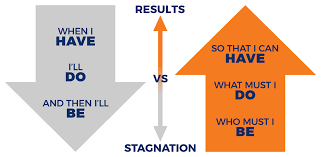
Be, do, have. How do you want to feel? How do you want to live? Let that influence what you do in the world and the choices you make. Those choices, as a result of the being and doing, will create the things that you have. You’ll have a different relationship with those things because you won’t need those things to be happy.
Be, do, have instead of do, have, be.
How do we help people who are different from one another experience a sense of belonging and support in the workplace?
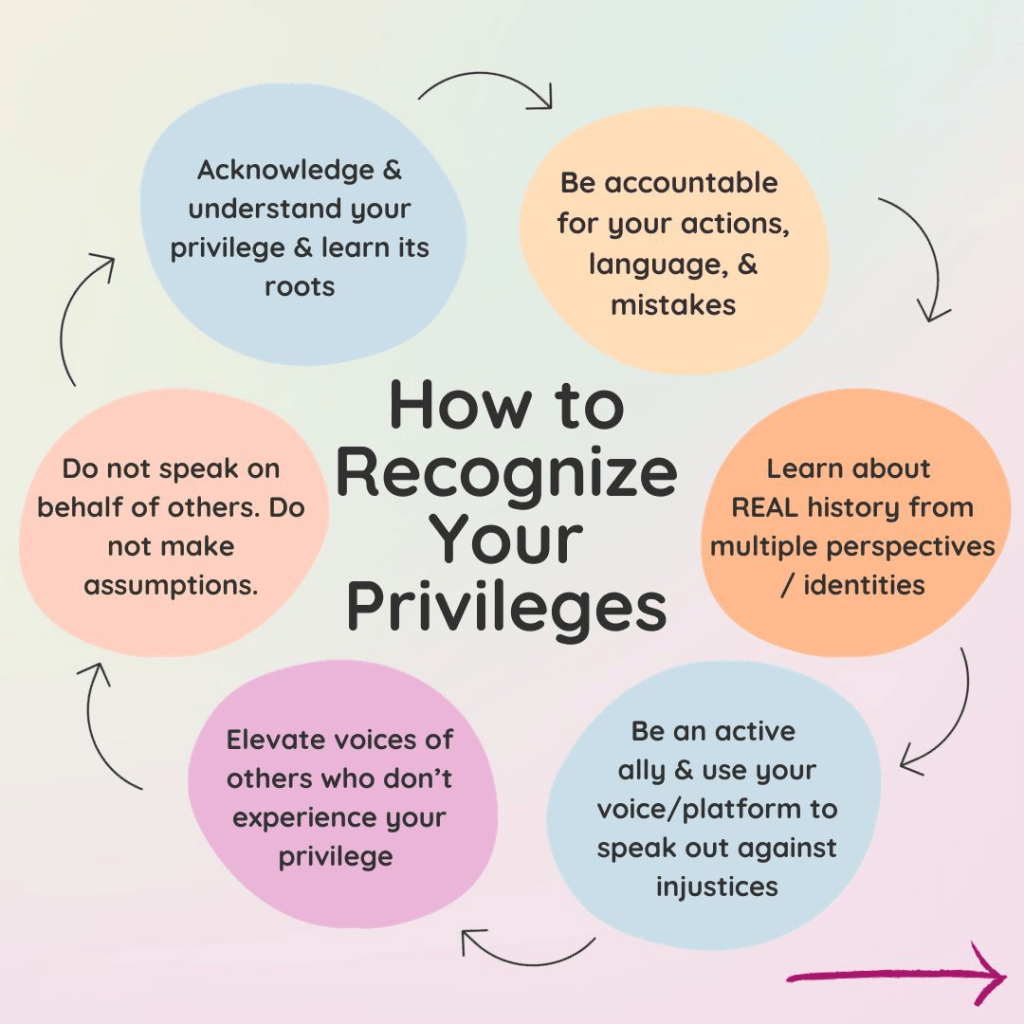
Acknowledge that we all have some privilege. Ex: access to hot water, drinking water, etc. Being aware of our privilege helps us to see where we have access and ease, and access and ease give us power. What about me or my experience might someone look at and consider to be typical?
We need to be willing to recognize the differences in people and want to get to know them across those differences. Let me learn about your experiences so that I can develop empathy for you and gain perspective I wouldn’t otherwise have. Hear their stories, gain empathy, and broaden your view. Ex: interviews – how often do we dismiss candidates because we didn’t think they were a culture fit or they didn’t give us the exact example we wanted? What if we used their stories to evaluate where they have an opportunity to thrive and grow? Hear their circumstances and experiences.
Extend your privilege to others respectfully and impactfully in the ways you are able to.
Allyship can involve considering food allergies, accepting correction when you mispronounce someone’s name, left-handed scissors, etc. What do you have the ability to do to support others?
I really liked this blog post from Seth’s Blog this week:
“When the deal falls apart, or the team loses the game, or a partnership hits the rocks, it’s easy to focus our energy on what just happened.
“What if they had called a different play?”
This overlooks the real issue. It’s the first move, or the fifth, that led to this problem, not what happened at the last moment.
Creating the conditions for success is a very different project than finding a heroic move that saves the day.“
This post from Gabe the Bass Player also resonated with me this week. Often, we envy the successes, accomplishments, or belongings of others. Yet, we aren’t willing to do what it takes to obtain them.”
My intention is to post a Thoughtful Thursday column each week and share some of the insights I have learned in the past week. Here are some of the things I’ve learned this week:
On Purpose with Jay Shetty – 4 Lessons I Will Be Taking With Me Into 2024 & How You Can Implement Them
In this world of wanting to be better, grow more, and learn more, we often put ourselves under more pressure and greater stress.
Lessons from Jay Shetty:
#1 – understanding stress as a spectrum – Look at stress as a spectrum.
Eustress – a positive form of stress having a beneficial effect on health, motivation, performance, and emotional wellbeing. During eustress, feel-good chemicals (endorphins) are released.
Distress– great pain, anxiety, sorrow, mental suffering, affliction, trouble, etc. We are often referring to distress when we talk about stress.
Are you putting eustress onto yourself, or are you putting yourself in positions of distress? Are you putting stress on yourself to feel better, motivate yourself, or move yourself forward, or are you putting stress on yourself and being critical of yourself for not getting enough done or not doing enough this year?
Putting yourself under distress makes you less productive, less effective, and less impactful. Guilt blocks growth.
Rigid thinking/a lack of flexibility – if you stress that you missed a day of your morning routine or an aspect of your daily habits, you are causing distress and you aren’t being realistic.
What one thing could you say you’ve done every day of your life without fail? Probably only breathing, eating, and sleeping
This point was eye-opening to me because I began focusing on daily habits in 2022, and although I have achieved some habits every single day since January 2022, I have been hard on myself when I haven’t been completely perfect with other habits.
When we get into these rigid patterns of thinking, that’s distress. It compounds stress. It’s not a “must.” It’s a “I get to,” “this makes me better,” “imagine what’s possible.”
Unrealistic expectations or perfectionism – caring too much can make what you are creating worse and can make you more anxious. Look at your life and reflect on how you can prepare but not overprepare and think but not overthink.
#2 – finding your center. Give up perfectionism. Accept that you might need to fail at something sometimes. In order to develop a healthy relationship with anything in the world, we have to find the middle and settle in the middle. Try not to be an extremist.
Most stressful events of life: death of spouse, divorce, death of a close family member, injury or illness, marriage, job loss, retirement
This goes along with daily habits. Learn to accept that you might not be able to be perfect every day; other priorities may come up. This is something I am working on.
#3 – being more compassionate and understanding of how others deal with stress – notice how unique and personal your relationship with stress is and how everyone’s experience is unique. Make a list of triggers for stress and create a plan to help you deal with stress.
#4 – Stop sleeping with your phone near your bed. Get a real alarm clock. Allow yourself to wake up and sleep without your phone. Scrolling on your phone results in going to bed later and full of ideas.
This is a tip I have read about time and time again, but I have not implemented it for a variety of reasons.
Know when to push yourself and when to hold back. If you can push yourself positively towards a goal you love with motivation, that’s brilliant. If you’re pushing yourself with negativity or negative self-talk, you need to hold back.
The Clever Girls Know Podcast – 10 Habits of Successful Women
Successful women set goals and achieve them. Specific, Measurable, Attainable, Relevant, and Timebound.
Believe in yourself. Say affirmations to yourself, work on self-confidence, and believe you have what it takes to move forward.
Say no sometimes. This gives you ownership of your time and lets you determine where you want to spend your energy and where you don’t want to spend your energy.
Successful women make time for self-love and mindfulness. Take care of your physical and mental health in order to achieve your goals.
Always have a backup plan to fall back on.
Be comfortable with failure. Failure results in lessons in disguise.
Know when to accept help.
Strive for personal development. Never stop learning. Read, ask questions, leverage free resources, and spend time with mentors who help you grow.
Successful women do not compare themselves to others. Comparison is the thief of joy. Instead of comparing yourself, ask others how they did it so that you can learn to achieve those goals as well.
Accept the path and move on from mistakes.
All the Hacks with Chris Hutchins – Top 10 Takeaways from All the Hacks in 2023
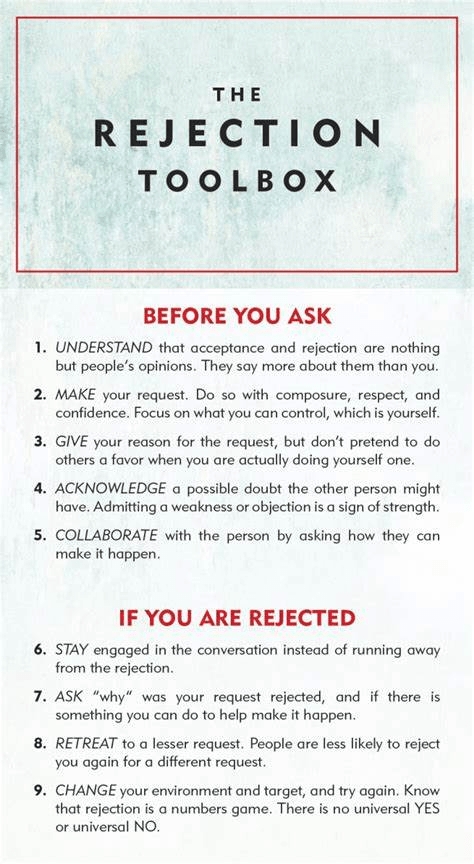
Practice getting rejected to help boost your confidence and your ability to ask for things, and it might surprise you over the course of your life. To become more confident, focus on other people’s needs.
Constantly say, “tell me more.” Let people do the talking and listen and respond to their needs appropriately. What? So what? Now what? What happened, why is it important, and what are we doing next? When presenting, practice WHAT: Why you’re here, How are we connected, Anecdote or two, and Thank you or Toast.
Kindness is so important. Distinction between being nice and being kind – if you are delivering bad news, do it from a place of sincerity. Kindness leads to you flourishing.
Try to understand who you are trying to accomplish things for and make sure it’s what’s making you happy. This will lead to less resentment and more kindness.
Years ago, I read a book called “Rejection Proof” by Jia Jiang. Jia put himself in several scenarios to face rejection and build confidence.
Value your time. We need to value our time better. Get better at outsourcing, dropping things, or delegating things you don’t want to do. Calculate your “buy back” rate. Do a time audit and look at your calendar. Look at tasks you may be able to outsource that you don’t enjoy. Learn to say no to protect your time.
Learn the skill of spending. Get clarity on your spending; understand where you spend your money and be intentional about your spending. Spend on the things you care about and cut back mercilessly on the things you don’t.
There are so many paths to happiness and success.
We are responsible for our own health. Exercise and eat well. Be an advocate for your health.
Eating well can be much easier. Find meal plans or recipes online, use the Paprika app, etc. Use a meal subscription service if needed. Eat the same thing on certain days. Ex: tacos on Tuesday.
You are in control of your own life. Set goals and do what you say you’re going to do. Brainstorm what your life would look like if time and money weren’t a concern: the relationship you have with your spouse, friends and family, health and fitness, travel and transportation, hobbies and personal expression, work and career, self-improvement, giving back, and celebrations and holidays. You may realize that you don’t need more time and money to live the life you want to; you just need to manage your time and money better.
Ditch plan B. It may hold you back. Prioritize spending time with optimists.
Take time to reflect. What did I change my mind on this year? What created energy this year? What drained energy this year? Who were the boat anchors in my life? What did I not do because of fear? What were my greatest hits and worst misses? What did I learn this year?
HBR IdeaCast – The Best Return-to-Office Policies Aren’t One-Size-Fits-All
It’s wild how things have changed. If a company in 2019 had allowed employees to work from home two days a week, they would have been seen as progressive, incredibly trusting, and an amazing employer. Today, if that same employer expected people to go into the office three days a week, it could be seen as unnecessarily rigid. Some managers want to bring people back into the office in the name of collaboration and company culture.
When should employees be in the office? How often? On what days? How should it work? What managers tend to get wrong is instituting a one-size-fits-all approach from the top down.
Leading organizations are shaping their return-to-office approach to help employees feel that they still have a sense of control and agency over their decisions and behaviors, are facilitating interpersonal connections, and are fostering more-inclusive onsite work environments. They are looking to create a workplace environment that employees will want to be a part of.
Many employees are wondering why companies are making people come back to the office if they have been functioning remotely anyway.
Research shows that 67% of employees feel that going back to the office requires more effort than it did pre-pandemic. We have become accustomed to the flexibility and autonomy over the last few years. Many employees are concerned about the cost of going back to the office.
3 areas leaders and organizations should focus on to navigate this transition:
Balance of structure and freedom to preserve employee autonomy
Offer meaningful benefits like commuting subsidies, free or subsidized on-site childcare, food options onsite
Must be intentional about helping employees build connections that can lead to personal and professional growth
Leaders cannot simply rely on the physical space to build connections. Leaders also need to incorporate inclusion into the onsite environment.
Only 50% of employees feel that the onsite environment seems inclusive.
Employers can help defray the costs of coming into the office. Many employees feel that the costs of coming into the office outweigh the benefits. Ideas: have free or subsidized childcare, transportation reimbursement, free or subsidized lunch
Leaders need to bring employees into the conversation and take a data-driven approach to the mandate. Will requiring employees to go into the office solve all concerns about productivity, loss of employee culture, etc.?
Life Kit – 5 questions to ask your partner for a healthy, lasting marriage
Is there anything that you or I are not willing to give up once we’re married? Ex: a certain hobby like yoga or fishing a certain amount of times each week. You must respect what each person needs and set boundaries to create a thriving marriage. Identity your non-negotiables and your areas of flexibility.
Can you handle me doing things without you? There needs to be connection (togetherness) and autonomy. Be able to compromise on what you can do together and what you can do alone. An early sign of emotional abuse in any relationship is that a person wants to control a partner’s time.
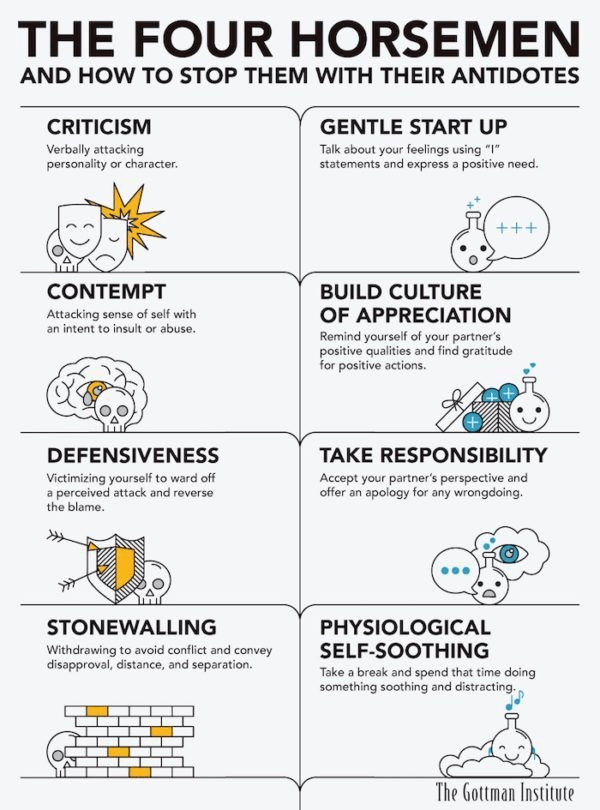
When conflict arose, did your family use the silent treatment, calmly discuss disagreements, or slam doors? How will we engage in conflict? The way couples handle conflict is the single best predictor of whether a marriage will flourish. According to the Gottman Relationship Institute, 2/3 of marriage conflicts are unsolvable, so it is important to learn how to manage it. Indicators of divorce: contempt, defensiveness, criticism, stonewalling
What is the most you’d be willing to spend on a lamp? A pair of shoes? A pair of jeans? Are you on the same page financially? We need to have open and honest ongoing discussions about our approaches to finances and about our emotions about money.
Are you able to change diapers at 3 a.m. and miss important meetings if our kid is sick? Both partners should share, over time, equally, their talents and time. You don’t necessarily need equality, but each partner should feel respected.
I look forward to reading, learning, and sharing more with you soon!