My intention is to post a Thoughtful Thursday column each week and share some of the insights I have learned in the past week. Here are some of the things I’ve learned this week:
Self-Growth Nerds – 5 Most Powerful Questions to Ask Yourself
What do I make ___ mean about myself? Ex: rejection – “I make it mean that I will never find someone because I am deeply flawed.” I make it mean . . . creates distance between you and your thoughts. You get to be the observer of your thoughts.
What else could it mean/what else could be true? This opens your mind to other possibilities that you might not have considered because you are so focused on the one that is making you suffer.
What would ___ say? What would someone I look up to say? What would my most loving and confident friend say?
So what? Dedramatize the situation you’re in.
Who would you be without that thought? The thought you are so attached to is a choice. Someone else with a different background might not have that thought.
TED Health – A Healthier You: A 5-step guide to better doctor visits
Prepare for the appointments. Write down questions or concerns to ask your doctor about.
Be real with your doctor, even if it feels awkward. Tell them the whole story. Tell them exactly how pain or illnesses or medical procedures affect your day-to-day life.
Don’t be afraid to ask questions or even get a second or third opinion. Clarifying things is necessary.
Bring a trusted person to your appointments if you can. Take detailed notes that you can review later.
Don’t be afraid to follow up. Be persistent. Push for answers or referrals to specialists. You’re never a burden for asking questions or pushing for better care. Follow up until you get the care that you deserve.
What’s one step that you can take today to be a better advocate for your own health? Maybe it’s scheduling an appointment you’ve been putting off, writing down questions for your next appointment, or following up and requesting a referral to a specialist.
NerdWallet’s Smart Money Podcast – Are You Spending Like Your Generational Peers?
BLS data – Baby Boomers spend 95% of annual income after taxes, Gen Z spends 93% of annual income after taxes, Millennials spend 83%, and Gen X spends 84%.
Millennials and Gen X are spending close to 15% of total expenses on retirement. Gen Z are spending close to 12% on retirement. These are averages!
Food accounts for 12-13% of expenditures among all generations.
Groceries account for 7% of all spending and takeout takes up 6% of spending
Gen Z spend on average 4% on healthcare expenses.
The highest-earning generation spends the most money on transportation (car, flights, public transit). Gen X spent $17,000 on average in 2023 compared to $10,000 for Gen Z.
Are you spending and saving like your generational peers? Or are you doing better or worse?
New tax brackets for 2025 + new standard deductions
Fit, Healthy, & Happy Podcast – Fitness & Health Habits to Break
Pre-workout – too much caffeine. Don’t drink more than 500 mg per day. You shouldn’t need pre-workout every day. Analyze your consumption and don’t rely on pre-workout. Are you getting enough sleep?
Over-reliance on warms ups/needing certain machines/shoes/equipment – some people are so particular and don’t deviate from warmup routines, an Apple Watch, etc.
All or nothing mentality (weekends especially) – it won’t always be a perfect day to work out and you won’t have as much time as you’d like to but move your body anyway.
Demonizing foods – restriction causes cravings. Don’t put labels on foods. Moderation is the key to success. 80/20 clean eating
Neglecting sleep/recovery – cut off caffeine consumption by 12 p.m. Prioritize sleep and recovery.
Crutching protein and protein supplements – focus on whole food sources for protein.
Lifting with bad form – have a season where you really focus on perfecting your form.
Treating it as a chore and not having much to look forward to – if you view working out as a chore, you won’t push yourself or make progress. Find something to look forward to and set goals you want to hit. When you see results or progress, working out is more exciting. Update your routine or goals or try a new challenge.
Only allowing yourself to see results or having no social life – have a balance of working out and a social life. Fitness and health need to be integrated within your life. Have some flexibility with your fitness to have a social life.
Refusing to change your mind/update your beliefs – you need to try new things, update your beliefs, and have the capacity to change your mind. Ex: you can have carbs and still be in shape.
There are lights, camera and action, but mostly there’s the unreality of making it fit.
Happily ever after, a climax at just the right moment, perfect heroes, tension, resolution and a swelling soundtrack. Every element is amplified and things happen right on schedule.
Consume enough media and we may come to believe that our life is carefully scripted, and that we’re stars of a movie someone else is directing.
This distracts us from the truth that real life is more muddled and less scripted. There is no soundtrack. We’re actually signed up for a journey and a slog. Nothing happens ever after. It’ll change, often in a way we don’t expect.
We have no choice but to condense a story when we want to film it. Our real story, on the other hand, cannot be condensed, it can only be lived. Day by day.”
I look forward to reading, learning, and sharing more with you soon!
My intention is to post a Thoughtful Thursday column each week and share some of the insights I have learned in the past week. Here are some of the things I’ve learned this week:
Self-Growth Nerds – The Power of Consistency: 5 Mindset Shifts for Achieving Your Dreams
Consistency – to show up again and again for what is important to you – working out, journaling, sharing a blog post, going to a comedy club monthly, etc.
Remove the pressure of perfection. Lower the bar of your expectations.
Show up and be consistent. Control what you can control but know that you won’t be perfect every time. Focus on showing up and trying your best.
What feels alive in me right now? What is something interesting I’ve seen or heard recently, and what’s the meaning in there?
Commit. Make a decision and be clear in what you’re committing to.
Know what it is you are committing to. Ex: run one mile each day, post one blog post each week, go on one outing per week, etc.
Don’t expect to be consistent in every single aspect of your life. Choose your priorities wisely. Be clear about why each choice is important and accept the grief that comes with loss.
Choose what lights you up rather than what makes sense. Choose something you really want to do.
Make it a part of your identity and find pride in that.
“I am someone who posts a podcast every week.” “I am someone who runs every day.” “I am someone who reads every day.” Etc.“I am becoming someone who _____.” “I am someone who ____ because ____.”
Choose a new identity today. Choose one thing to focus on and embody that new part of your identity.
Never beat yourself up. Decide what kind of boss you want to be to yourself. Firm, loving, forgiving.
Tips:
Put it on the calendar. If it’s not on the calendar, it’s probably not going to happen
Habit stack – ex: journal while drinking coffee, watch tv while walking on the treadmill, listen to a podcast while doing chores
Remove pain points. Think of convenience.
Get an accountability partner.
Mentally Stronger with Therapist Amy Morin – 10 Things Being a Therapist Taught Me About the Human Experience
Most people fear they’re not good enough. At the heart of almost every issue is the fear of not being good enough. This manifests in different ways. One person might become an overachiever, other people just don’t try, other people change who they are or act differently depending on who is around them because they want to feel accepted.
Everyone has secrets – mental health issues, addictions, childhood abuse, etc.
People’s inner worlds are often hidden.Many people believe that their thoughts and feelings would surprise even their closest friends and family.
The desire for connection is universal. Many people feel lonely in a crowded room.
Self-criticism is rampant. We are our own harshest critics and hold ourselves to impossible standards. Self-judgment leads to guilt and anxiety. Learn to reframe your inner dialogue and train your brain to think differently and have self-compassion.
Change is terrifying yet desired.We crave change to improve our lives, but we fear it because we hate uncertainty.
Vulnerability is both feared and desired. We all have a desire to be understood, yet fear keeps us from being vulnerable.
Emotional pain is often masked.
Past experiences shape present perceptions. Our behaviors and attitudes are shaped by things that happened to us in the past.
Hope is a powerful force.
Real Simple Tips – 6 Tips for Keeping Lips Moisturized
Don’t lick your lips. Licking your lips makes the problem worse. Enzymes in saliva can break down the delicate skin, leaving your lips even drier than before.
Avoid irritating products.Steer clear of products containing flavorings, fragrances, menthol, camphor, eucalyptus, and beeswax.
Use lip balm with SPF. SPF minimizes lip dryness while also curbing your potential for skin cancer and premature aging.
Layer your products. Lips benefit from a hybrid approach of hydration and moisturization. Ex: Blistex medicated lip balm + Vaseline or lip oil.
Reapply every two hours. This regular application is crucial since activities like licking your lips, kissing, eating, or drinking can wear away the product.
Try an intensive lip treatment weekly or biweekly. Ex: lip mask.
Life Kit – How to talk to your loved ones about misinformation
Start from a place of connection, not correction.
If it’s just a matter of not seeing eye to eye about an issue, it’s okay to opt out to preserve the relationship.
Try leading with compassion, love, and empathy.
Take time to understand why your loved one believes the misleading content. Be in conversation with them. Recognize that their experiences impact how they engage with what they read online and what they believe.
Talk about where you both get your information and why you find the sources to be trustworthy. What is the evidence? Check qualifications and conflicts of interest.
Identify points where you do agree. Be mindful of maintaining goodwill.
Realize that you aren’t here to change anyone’s core beliefs. You’re simply trying to address a piece of information that is not correct.
Correcting political misinformation doesn’t make much difference in how much people trust that source in the future or in how likely they are going to vote for a political candidate.
When you do attempt to correct misinformation, provide a detailed fact check. What is actually true?
Corrections to misinformation are worth repeating. Don’t expect things to change after one conversation.
With this year being an election year, misinformation is rampant. Use these tips to talk to your loved ones about misinformation or simply opt to not talk about different beliefs. Sometimes people are so strong in their opinions that no evidence you provide will change them, and it’s important to recognize and accept that.
I enjoyed this blog post from Seth’s Blog this week:
There are three kinds of costs that people get confused about, but understanding them, really understanding them–in your bones–unlocks opportunity.
Opportunity cost: If you eat the cupcakes, you can’t also eat the brownies. Every time we choose to do something, we’re choosing not to do something else.
Sunk costs: If you’ve invested time or money in something (a law degree, a piece of real estate, a bag of chips) that money is gone. All you have left is what you bought, and that is a gift… a gift from your former self. You don’t have to accept the gift if it’s no longer useful to you. Using a gift still has real opportunity cost, and if it’s keeping you from doing something better, walk away.
Marginal cost: How much extra does this decision cost? For a subscriber, the marginal cost of watching one more show on Netflix is zero. The service costs the same regardless of how many shows you watch. On the other hand, the marginal cost of a tuna sandwich is equal to what it costs to replace the ingredients. It makes sense to prefer things with a lower marginal cost if everything else is similar.
I’ve never encountered a person who was fully rational in making decisions on any of these three sorts of costs. That’s okay. But let’s do it on purpose.”
I look forward to reading, learning, and sharing more with you soon!
My intention is to post a Thoughtful Thursday column each week and share some of the insights I have learned in the past week. Here are some of the things I’ve learned this week:
Mentally Stronger with Therapist Amy Morin – 10 Mental Health Improvement Strategies Therapists Prescribe Their Patients
Act contrary to how you feel. Explore the behaviors that reinforce that emotional state and act the opposite. Ex: depression may want you to stay in bed all day, but getting up and moving is the best thing. Change your behaviors first, and the feelings will often follow.
Challenge your negative thoughts. Intense emotions cause irrational thoughts. Challenge your thoughts and prove that you can do something. Prove that your thoughts aren’t always accurate.
Add structure to your day. Be intentional about building in healthy tasks and having structure outside of work, but also allow room for flexibility.
Schedule fun, meaningful things to do. Having something to look forward to is really good for your mental health. Schedule one fun or meaningful thing each week.
Spend time in nature. Nature has incredible benefits for our mental health; it reduces anxiety, improves concentration, reduces depression, and helps us feel happier overall.
Get physical activity. Exercise reduces stress and anxiety and improves self-esteem. Find an activity that you enjoy so that you can stick to it.
Find a way to relax. Watching tv and scrolling on your phone stimulates your brain, so aim for ways to relax your brain. If you invest time into caring for your mental health now, you will feel better and perform better later.
Work on something that you’ve been putting off. The more you put something off, the more you dread doing it and the worse you feel.
Take care of your body. Eat a healthy diet and get adequate sleep.
Get social support.The people you spend time with might be the biggest factor that determines how mentally healthy you are. Having positive people in your life reduces the symptoms of mental illness. Remove yourself from toxic relationships.
Sad to Savage – Little Things to Help You Get Out Of A Rut
Do a check in and figure out why you’re in a rut.Is your schedule day-to-day not fun? Are you not sleeping enough? Are you nourishing your body with food and water? What are you spending your time doing? Is that keeping you stuck? Are those things helping you or hurting you? What do you need to change?
Pick out a goal right now to work towards. Ex: train for a 5k, make a healthy meal 3x/week, build a new habit
If you’re someone who really likes to talk on the phone, talk on the phone when you’re outside on a walk. You could start making plans with friends on the weekend to go on a walk. Look up gyms in your area and go to the cheapest one. Go on a treadmill and find a show you will only watch while walking on the treadmill.
Redesign a space in your home. Change around the furniture.
Find a book to read. Find a book about something you want to learn more about.
Know that you are allowed to change your mind and your habits whenever you want. You can become whoever you want to become.
Try a new hobby. Take a class.
Pay attention to the people you have in your life, the environments you have, the music you listen to, the content you consume, the people you follow … all of those things can contribute to you feeling like you are in a rut.
Make a list of things that make you feel happy that you can turn to when you’re feeling down. Ex: family time, running, going outside, reading, etc.
Chasing Life – Does Money Buy Happiness?
Money CAN buy happiness. Buy experiences (trip, dinner with friends, etc.). Experiences bring more happiness than material possessions. Make spending feel like a treat – hedonic adaptation.
Think about how your choices about money impact how you use your time. If it doesn’t have any bearing on how you spend your time, you can probably let go of spending money on that for now.
Buying time – if you can, buy your way out of something you dread doing. Ex: mowing lawn, cleaning house, grocery shopping, etc.
Another fact mentioned is that people who donate to causes/charities through recurring charges aren’t nearly as happy as people who get involved in person and directly see the impact of their monetary donations.
Self Improvement Daily – “You can have it your way.”
Burger King’s motto “Have it your way” is a welcome reminder that each one of us matters and deserves to be cared for. We don’t need to settle for how things are; we can create a new reality for ourselves.
We can pursue our ambitions with pride. We can change our future if we have the courage to do so. Being selfish in investing in yourself can be one of the most selfless things you can do because it can great the greatest impact on others.
If you’re overstretched at work and compromising your own health, that’s not having it your way. When we enforce better boundaries about our work hours, we can have more time to fulfill ourselves in other ways.
If you don’t have as much time for the things and people you love, or the energy to do anything at the end of a long day, that’s not having it your way. When we say no to others, we say yes to ourselves.
Reordering priorities and making a commitment will start to shape your life your way. Balance your personal life, care, and passions in a way that you feel good about by figuring out how it all fits together.
This post from Seth’s blog really resonated with me:
“Momentum activities like public speaking, board sports and leadership all share an attribute with riding a bicycle: It gets easier when you get good at it.
The first error we often make is believing that someone (even us) will never be good at riding a bike, because riding a bike is so difficult. When we’re not good at it, it’s obvious to everyone.
The second error is coming to the conclusion that people who are good at it are talented, born with the ability to do it. They’re not, they have simply earned a skill that translates into momentum.
There’s a difference between, “This person is a terrible public speaker,” and “this person will never be good at public speaking.”
And there’s a difference between, “They are a great leader,” and “they were born to lead.”
The thing about momentum activities is that we notice them only twice: when people are terrible at them, and when they’re good at it. That includes the person you see in the mirror.”
My reflection: we only notice when someone is really good or really bad at something. We don’t see the “average” and we often don’t see the process that it took to get to “good.”
I look forward to reading, learning, and sharing more with you soon!
My intention is to post a Thoughtful Thursday column each week and share some of the insights I have learned in the past week. Here are some of the things I’ve learned this week:
Sad to Savage – How to Create Habits and A Routine With An Inconsistent Schedule
Keep a consistent amount of time that you need instead of a consistent time you need to wake up.
Pick 1-3 things you want to do in a morning routine and figure out how long it takes to do those tasks. Usually 1 hour – then figure out what time you need to wake up each day
Write out your schedule each week.
Create at least two morning routines: weekdays vs. weekends. Days you are working vs. days you are off.
What would your ideal morning routine be for the days you are working? What would your ideal morning routine look like for the days you are off?
Choose a workout you like to do and one that you can do consistently. Build a habit of physical movement on the days that you have off. Build a physical health habit that is realistic and that you can keep consistent.
Time consistency helps build your habit – same time every day
If you feel like you don’t have time for things, time block. See how much time you are spending on your phone each day instead.
Prioritize waking up earlier and doing a morning routine, or work on your routine right away when you get home from work.
Grocery shop and meal plan and prep on one of your days off.
Nighttime routine- get meals ready for the next day.
Focus on having a short routine and long routine. Short routine for nights you work late, are exhausted, and don’t have much time – pick 1-3 things that are crucial for your success the next day (scheduling workout, washing your face, setting out clothes). Long routine for days you aren’t stressed and aren’t getting home late (prepping food for next day, tidying room, reading before bed, washing your face, setting out clothes, etc.)
Inside Out Money – Progress over Perfection
Perfectionism – striving for flawlessness, holding excessively high personal standards, and having overly negative reactions to perceived mistakes and setbacks – can lead to a lot of self-criticism and rumination
Root of perfectionism is deficit and lack – whole existence is to prove to other people that we are good enough, we have skills, we matter, and that we are high-functioning.
Perfectionism can be linked to imposter syndrome. If you’re trying to project a perfect person all the time to others, you might feel like an imposter.
Combat perfectionism
Mindfulness – Be present in the moment and understand the emotions that are going on within you – passing thoughts and passing emotions.
Meditation
Vulnerability
Self-compassion
Radical acceptance – we can’t control everything. We need to do the best with what we have.
Focus on balance and progress over perfection with finances.
Have a growth mindset. See mistakes as learning opportunities. We can always strive to get together while also being kind and compassionate to ourselves and those around us.
Tips:
Just get started. Don’t put off working on your finances and tracking your net worth and expenses just because you are afraid to see the results.
Focus on the things that you need to improve around your finances and set realistic goals. Ex: improving credit score, paying off debt, increasing savings rate
Learn from your mistakes. Recognize ahead of time that you will make mistakes and you can get better at this.
Set consistent habits and automate things when you can.
Avoid perfection paralysis. There is never a perfect time or perfect situation to start doing better. Don’t wait for the right time.
On Purpose with Jay Shetty – 7 Habits to Be Present
Wake up twenty minutes before you have to. If your first thought when you wake up is, “I’m already behind” you are already living in a feeling that you need to catch up with time. Our language and our thoughts set how we feel. That thought will repeat itself for the rest of the day. If you start your day slower mentally and physically, you can maintain that momentum as it speeds up.
Connect with yourself.What is the one thing you need to do for yourself today?
Calendar – what is the one thing you need to do today to make it a great day?
Check in with someone else.
One device at a time: tv, laptop, phone. Your brain processes background noise. Limit your focus to one device at a time. Having a rule is better than not having a boundary.
Take thirty seconds when you enter a new room, new space, or a new part of your day to engage your senses. What can you see, hear, touch, smell, and taste?
Obey the speed limit. One of the ways we feel the most out of touch is when we are driving. Is shaving off two minutes worth the risks of what you may experience?
Be present with your breath. Breathe in for 4 and out for 4 counts. Reconnect with your breath and your body.
Prioritize extended periods of silence – increases brain cells, helps you be more focused and productive, helps you relax and slow down
Experience nature – gives us a feeling of time abundance, sense of time is slower and more meaningful
Life Kit – Summer fun on a budget
Public parks and beaches
Field day with friends – three-legged race, water balloon toss
Park programming – events calendar
Penny date – explore things without an objective. Take a coin, pick a direction for heads and tails, and flip the coin and see what direction it takes you. Stop when you see something interesting.
Go to the farmer’s market.
Parades
Coloring book and colored pencils
Open mic nights/poetry slams
Museums – some museums offer free admission on certain days
Recreate a family recipe.
Themed hangouts – pick a theme and invite people over
House/apartment swap with a friend
Go to an open house, even if you aren’t in the market
Go to the mall and try on silly outfits
Write your future self a letter
I look forward to reading, learning, and sharing more with you soon!
My intention is to post a Thoughtful Thursday column each week and share some of the insights I have learned in the past week. Here are some of the things I’ve learned this week:
The 5 AM Miracle – 12 Productivity Tips You Need to Know
Checklists are everything. When you can optimize every task with detailed checklists, you’ve won.
Respond to every e-mail within 24 hours if you possibly can.
Make sure your technology is not an obstacle to your success. Properly working, fast technology is a gamechanger.
Arguing is almost always a complete waste of time. Arguing with people on social media is not worth it. It wastes your time and life.
Pack a produce bag for work so that you will eat the healthiest things you can.
Introduce one-minute workouts each hour.
Work alone or work anonymously whenever possible. This helps limit distractions.
Work in a boring office. This will help you execute tasks.
Work with a timer to keep you focused and help you maintain a sense of urgency.
Drink water between your coffee or other caffeinated beverages. This will help you have the best energy and focus you need for yourself.
Dress for the job you want, even if you work from home. If you present yourself to yourself as you would like to, you’re maintaining standards for yourself and others.
Read something for personal or professional growth for a half hour each day. Use a physical book. The level of focus and engagement with a physical book is significantly higher than a digital resource or audio resource that would allow you to be distracted and go do something else. Physical books change your level of engagement.
The Lazy Genius Podcast – 7 Routines That Work for Me
• Your routines should support what matters to you. Routines that work for others might not work for you or might not be needed for you. These routines work for the podcaster. These are not my routines.
Weekly meal planning routine – meal plan on Sundays for the upcoming week. Write the meals on a whiteboard and shop for groceries or place a grocery delivery order.
Morning weekday routine – get up, get kids ready, unload dishwasher, pack lunches, etc.
Saturday morning routine – stay in bed, read, go for a walk, or do whatever you want to do in the morning.
One Line A Day journal and Connections/Joy journal – to write down and keep memories
Weekday lunch break – delicious and colorful lunch
Afternoon weekday routine – support kids through snacks, homework, driving carpools, play, etc.
Monthly routine of workdays – connect with someone monthly and work together
I am still working on creating my ideal morning and evening routines, but here are insights into some of my routines:
Daily – always. No matter what:
Read 30+ minutes.
Play cognition/brain games in Lumosity and Elevate apps.
Listen to a podcast/read a podcast transcript.
Nightly:
Dishes before bed
Log food I ate and symptoms that day.
Write in my One Line A Day journal.
Read Seth’s Blog, Gabe the Bass Player blog, and daily devotional.
Lunches when working from home – eat lunch and get movement in.
Lunches when working in the office – eat lunch and read.
Sundays – meal plan and prep lunches/suppers
15th and last day of each month – financial check-in – review and log all transactions, note account balances, and check retirement account balances and performance.
Last day of each month – reflect on the month – accomplishments, highlights, challenges, and lessons learned. Think about what I want to focus on in the month ahead.
Life Kit – Negotiation tactics for everyday life
Benchmarking – researching good information (objective data) and determining an appropriate price point (ex: salary or purchases) – Ask, People resources, Paper resources
Ex: delayed flight compensation– ask at the counter, ask people within your networks, research online
Win/win – what do we both want in this situation and how do we benefit from that?
Present a menu of options with three different options – ex: messy house – options: change cleaning schedule, change division of tasks, or hire housecleaner.
Think about your backup plan. If you are unable to negotiate with this person, what is your alternative? Have a really good alternative so that you are able to think with a clear head and are less likely to make a decision you will regret later on. You want to signal to them subtly that you have a backup plan.
When you have a strong backup plan, it influences your negotiation performance. If you don’t have a strong backup plan, it impacts the way you engage in a negotiation and leaves you feeling in a corner.
Parties involved in negotiations – power broker, decision maker, and messenger.
Knowing who these people are in negotiations is important and will impact how you direct your energy in a negotiation.
Set a collaborative tone. HALT: Any time you are feeling hungry, angry, lonely, or tired is probably a bad time to engage in negotiations. Be mindful of the timing and context of the situation.
Know when it’s time to step away from a negotiation. If it is a long-standing relationship that you value and want to maintain, make sure that how you negotiate and how frequently you negotiate isn’t wearing out or fatiguing that relationship.
Chasing Life – Do These Quick Weight Loss Hacks Work?
IKA experts – “I know all” experts – there is often a correlation between how little knowledge someone has on a topic and how much confidence they have around that topic.
There are many people making questionable promises when it comes to weight loss.
Weight loss product ads are everywhere. Marketers do a great job at targeting the most vulnerable populations: those who have been hurt by the healthcare system, those with autoimmune conditions or nonspecific symptoms, those who have trouble losing weight, and those who have terrible insecurities.
Our general attitude is “might help, won’t hurt, why not.” Tummy teas – pretending to fix one problem (weight) but creating more (dehydration, laxative effect)
Don’t challenge people who are seeing benefit or wish to do a specific task. Instead, educate them on potential risks based on what science says. Challenge the individuals spreading misinformation and the companies selling miracle cures. There is always a risk and you need to understand if that risk is acceptable to you for the potential benefit.
Seek something sustainable and long-term.
Calories in, calories out is very accurate. If you overeat calories and you don’t burn enough calories, you will gain weight.
Intermittent fasting – eat less – narrow time window
Keto – high fat meals that are dense and hard to overeat
Limiting types of foods you can eat – restricting calories
Whichever one of these restrictive diets you can stay on for the rest of your life, because they don’t feel restrictive to you since they match your lifestyle and taste -that’s ultimately what’s going to help you lose weight and keep the weight off.
We need to have a long-term relationship with a doctor to provide continuity of care and sustain weight loss.
Patients should be engaged in their own health to look something up before their visits to a doctor, but you need to pair your resources with information from a doctor. Some people get sucked into products and claims that are harmful.
If something sounds too good to be true, it likely is. There are no miracle shortcuts when it comes to weight loss.
Be aware of buzz words and fuzzy claims on products.
Anything not regulated by the FDA does not have to adhere to their strict standards of safety or effectiveness.
I look forward to reading, learning, and sharing more with you soon!
My intention is to post a Thoughtful Thursday column each week and share some of the insights I have learned in the past week. Here are some of the things I’ve learned this week:
TED Business – A simple way to inspire your team – David Burkus
Most leaders and organizations try to drive the point of why we do what we do. They look to their mission statement and send it out in e-mails, print it on posters, and put it on a company website that no one visits.
Most people are less inspired by a compelling answer to “Why?” and more motivated by a clear answer to the question “Who? Who is served by the work that we do?” If I asked you to think of a time when you felt highly engaged and inspired at work, you would probably think of the last time you felt your work was important to someone else – the last time a client thanked you or expressed appreciation.
Ex: call centers soliciting donations – some of the workers got to meet with a student who had received scholarship funds raised by that call center and got to hear how receiving those funds made a positive impact on them. They got to meet the answer to their question, “Who is served by the work that we do?” When the researchers followed up a month later, they made double the number of calls per hour and solicited 5x the amount of donations. Pro-social motivation – the desire to protect and promote the well-being of others
If you think about the people your work positively impacts, you will be more motivated in your work. Who is served by the work that we do?
If you are in a leadership role, part of your job is to become the chief storytelling officer – always ready to tell the story of the client, coworker, or community member whose life is made better by the work your team does. If you aren’t in a leadership role, you can still motivate yourself and other people by capturing every instance you hear of someone who is served by the work you are doing and every thank you that you get for any time you or anyone else needs a positive story about how the work that we are doing matters. Help them find the answer to the question “Who?”
During part of the COVID-19 pandemic, I was a part-time Shipt shopper. I fulfilled Target orders by shopping and delivering them directly to customers within a 15-mile radius, communicated with the customers regarding order status, out of stock items, recommended substitutions, and preferences throughout the process, and used self-check-out to ring up and bag orders. This gig was very satisfying, especially when I focused on how I was serving others – people who had just become parents, elderly people who don’t drive, people who were more susceptible to getting COVID-19, etc. I often received feedback about my communication, expertise in picking out produce and bagging items, and about how much of an impact this had on them.
Instead of asking “Why do I do this?” ask “Who am I serving?”
The Unf*ck Your Fitness Podcast – 6 Tips to Keep You Going on Your Fitness Journey When Life Gets Tough
Expect that life is going to get hard. There is going to be a time when you don’t feel like working out. How are you going to plan for those disasters? You don’t need to be perfect, but you do need to be consistent overall.
You need to look at your workouts as “I get to work out” instead of “I have to work out.”
You need to have habits and a routine in place. If it’s not a part of your life, you will be quick to decide that it’s not important. It needs to be just as much of a routine as brushing your teeth.
It’s not optional. Once you commit to a healthy lifestyle and workout program, it isn’t optional. When life gets hard, the last thing you should do is quit on yourself. When life gets out of control, you need to control what you can! You can control what you eat, what you drink, and how much you work out.
Have a plan. When you’re following a plan, you can pick up where you left off without feeling lost.
Have some accountability. Having someone encourage you and maybe work out with you is so important.
The Jordan Harbinger Show – Timeshares – Skeptical Sunday
Timeshares are a $10.5 billion industry and there are over 1,500 timeshare resorts. Over 10 million households in the U.S. own one or more timeshares.
Over half of timeshare owners are GenZ or millennials. The average age of a timeshare owner is 39 years old.
63% of timeshare owners have a four-year college degree.
A timeshare is basically owning a vacation. You are committing to paying an annual fee to go on a trip at the same resort for the rest of your life.
3 models
Fixed term: buying the right to exclusively use the property in the same place during the same week every year
Floating: more flexibility – you and others need to figure out when you get to use it each year. Everyone usually wants the exact same weeks.
Points-based: variety – get to pick a different location each time if you want to. Highly desired destinations cost more points
Why would people choose to get a timeshare instead of going on vacation whenever they want wherever they want?For some, it involves less decision fatigue and planning because you’re super limited in where and when you can go. Some large companies, such as Disney, Hilton, and Marriott are more vetted and care about their brand.
NEGATIVES:
Maintenance fees ($1,000 average/yr that can increase each year) – generally also costs $24k to pay for timeshare up front – many people take out a loan from the timeshare developer that carries an interest rate of 6-17%!
Points-system – points are devalued over time and people have difficulty finding a booking that fits their needs
The companies try to sell you the idea that if you don’t want your timeshare anymore, you can get out of it by selling it. The problem is that nobody wants it.
It is hard to get out of the contracts. Law firms specialize in getting people out of timeshares.
Overall, the true cost of the timeshare and maintenance fees is not a deal for most people. The selection of destinations is limited. As opposed to timeshares, planning an individual vacation allows you to choose your destination, dates, and allows you to pick your lodging based on the location of other things.
This post from Seth’s Blog resonated with me this week:
“Access to information used to be scarce. We ranked college libraries on how many books they had, and time at the microfilm reader was booked in advance.
Today, if there’s something I don’t know, it’s almost certainly because I haven’t cared enough to find out.
I don’t understand molecular biology, the history of Sardinia or much of agronomy–but that’s my choice. Now that information is widely and freely available, our sense of agency around knowledge needs to change.
It pays to acknowledge that this is a choice, and to be responsible for it. What else have we chosen not to know?”
Self Improvement Daily – You’re Living What Used To Be Your Goal
You might not even realize it, but there’s something about your life right now that used to be your goal or dream. Maybe you bought a house, moved to a new city, got married, landed that job, completed that project, ran that race, or brought that event to life.
Maybe it doesn’t feel like it. We often don’t see all of the life milestones we’ve reached because we’re focused on new goals, new aspirations, and new dreams. Rather than measuring our progress from who we used to be and where we are today, we often measure the difference between where we are now and where we want to go.
You’re living what used to be a goal of yours. When we acknowledge how far we’ve come, we remind ourselves that we have what it takes to keep on going.
I look forward to reading, learning, and sharing more with you soon!
My intention is to post a Thoughtful Thursday column each week and share some of the insights I have learned in the past week. Here are some of the things I’ve learned this week:
On Purpose with Jay Shetty – 4 Lessons I Will Be Taking With Me Into 2024 & How You Can Implement Them
In this world of wanting to be better, grow more, and learn more, we often put ourselves under more pressure and greater stress.
Lessons from Jay Shetty:
#1 – understanding stress as a spectrum – Look at stress as a spectrum.
Eustress – a positive form of stress having a beneficial effect on health, motivation, performance, and emotional wellbeing. During eustress, feel-good chemicals (endorphins) are released.
Distress– great pain, anxiety, sorrow, mental suffering, affliction, trouble, etc. We are often referring to distress when we talk about stress.
Are you putting eustress onto yourself, or are you putting yourself in positions of distress? Are you putting stress on yourself to feel better, motivate yourself, or move yourself forward, or are you putting stress on yourself and being critical of yourself for not getting enough done or not doing enough this year?
Putting yourself under distress makes you less productive, less effective, and less impactful. Guilt blocks growth.
Rigid thinking/a lack of flexibility – if you stress that you missed a day of your morning routine or an aspect of your daily habits, you are causing distress and you aren’t being realistic.
What one thing could you say you’ve done every day of your life without fail? Probably only breathing, eating, and sleeping
This point was eye-opening to me because I began focusing on daily habits in 2022, and although I have achieved some habits every single day since January 2022, I have been hard on myself when I haven’t been completely perfect with other habits.
When we get into these rigid patterns of thinking, that’s distress. It compounds stress. It’s not a “must.” It’s a “I get to,” “this makes me better,” “imagine what’s possible.”
Unrealistic expectations or perfectionism – caring too much can make what you are creating worse and can make you more anxious. Look at your life and reflect on how you can prepare but not overprepare and think but not overthink.
#2 – finding your center. Give up perfectionism. Accept that you might need to fail at something sometimes. In order to develop a healthy relationship with anything in the world, we have to find the middle and settle in the middle. Try not to be an extremist.
Most stressful events of life: death of spouse, divorce, death of a close family member, injury or illness, marriage, job loss, retirement
This goes along with daily habits. Learn to accept that you might not be able to be perfect every day; other priorities may come up. This is something I am working on.
#3 – being more compassionate and understanding of how others deal with stress – notice how unique and personal your relationship with stress is and how everyone’s experience is unique. Make a list of triggers for stress and create a plan to help you deal with stress.
#4 – Stop sleeping with your phone near your bed. Get a real alarm clock. Allow yourself to wake up and sleep without your phone. Scrolling on your phone results in going to bed later and full of ideas.
This is a tip I have read about time and time again, but I have not implemented it for a variety of reasons.
Know when to push yourself and when to hold back. If you can push yourself positively towards a goal you love with motivation, that’s brilliant. If you’re pushing yourself with negativity or negative self-talk, you need to hold back.
The Clever Girls Know Podcast – 10 Habits of Successful Women
Successful women set goals and achieve them. Specific, Measurable, Attainable, Relevant, and Timebound.
Believe in yourself. Say affirmations to yourself, work on self-confidence, and believe you have what it takes to move forward.
Say no sometimes. This gives you ownership of your time and lets you determine where you want to spend your energy and where you don’t want to spend your energy.
Successful women make time for self-love and mindfulness. Take care of your physical and mental health in order to achieve your goals.
Always have a backup plan to fall back on.
Be comfortable with failure. Failure results in lessons in disguise.
Know when to accept help.
Strive for personal development. Never stop learning. Read, ask questions, leverage free resources, and spend time with mentors who help you grow.
Successful women do not compare themselves to others. Comparison is the thief of joy. Instead of comparing yourself, ask others how they did it so that you can learn to achieve those goals as well.
Accept the path and move on from mistakes.
All the Hacks with Chris Hutchins – Top 10 Takeaways from All the Hacks in 2023
Practice getting rejected to help boost your confidence and your ability to ask for things, and it might surprise you over the course of your life. To become more confident, focus on other people’s needs.
Constantly say, “tell me more.” Let people do the talking and listen and respond to their needs appropriately. What? So what? Now what? What happened, why is it important, and what are we doing next? When presenting, practice WHAT: Why you’re here, How are we connected, Anecdote or two, and Thank you or Toast.
Kindness is so important. Distinction between being nice and being kind – if you are delivering bad news, do it from a place of sincerity. Kindness leads to you flourishing.
Try to understand who you are trying to accomplish things for and make sure it’s what’s making you happy. This will lead to less resentment and more kindness.
Years ago, I read a book called “Rejection Proof” by Jia Jiang. Jia put himself in several scenarios to face rejection and build confidence.
Value your time. We need to value our time better. Get better at outsourcing, dropping things, or delegating things you don’t want to do. Calculate your “buy back” rate. Do a time audit and look at your calendar. Look at tasks you may be able to outsource that you don’t enjoy. Learn to say no to protect your time.
Learn the skill of spending. Get clarity on your spending; understand where you spend your money and be intentional about your spending. Spend on the things you care about and cut back mercilessly on the things you don’t.
There are so many paths to happiness and success.
We are responsible for our own health. Exercise and eat well. Be an advocate for your health.
Eating well can be much easier. Find meal plans or recipes online, use the Paprika app, etc. Use a meal subscription service if needed. Eat the same thing on certain days. Ex: tacos on Tuesday.
You are in control of your own life. Set goals and do what you say you’re going to do. Brainstorm what your life would look like if time and money weren’t a concern: the relationship you have with your spouse, friends and family, health and fitness, travel and transportation, hobbies and personal expression, work and career, self-improvement, giving back, and celebrations and holidays. You may realize that you don’t need more time and money to live the life you want to; you just need to manage your time and money better.
Ditch plan B. It may hold you back. Prioritize spending time with optimists.
Take time to reflect. What did I change my mind on this year? What created energy this year? What drained energy this year? Who were the boat anchors in my life? What did I not do because of fear? What were my greatest hits and worst misses? What did I learn this year?
HBR IdeaCast – The Best Return-to-Office Policies Aren’t One-Size-Fits-All
It’s wild how things have changed. If a company in 2019 had allowed employees to work from home two days a week, they would have been seen as progressive, incredibly trusting, and an amazing employer. Today, if that same employer expected people to go into the office three days a week, it could be seen as unnecessarily rigid. Some managers want to bring people back into the office in the name of collaboration and company culture.
When should employees be in the office? How often? On what days? How should it work? What managers tend to get wrong is instituting a one-size-fits-all approach from the top down.
Leading organizations are shaping their return-to-office approach to help employees feel that they still have a sense of control and agency over their decisions and behaviors, are facilitating interpersonal connections, and are fostering more-inclusive onsite work environments. They are looking to create a workplace environment that employees will want to be a part of.
Many employees are wondering why companies are making people come back to the office if they have been functioning remotely anyway.
Research shows that 67% of employees feel that going back to the office requires more effort than it did pre-pandemic. We have become accustomed to the flexibility and autonomy over the last few years. Many employees are concerned about the cost of going back to the office.
3 areas leaders and organizations should focus on to navigate this transition:
Balance of structure and freedom to preserve employee autonomy
Offer meaningful benefits like commuting subsidies, free or subsidized on-site childcare, food options onsite
Must be intentional about helping employees build connections that can lead to personal and professional growth
Leaders cannot simply rely on the physical space to build connections. Leaders also need to incorporate inclusion into the onsite environment.
Only 50% of employees feel that the onsite environment seems inclusive.
Employers can help defray the costs of coming into the office. Many employees feel that the costs of coming into the office outweigh the benefits. Ideas: have free or subsidized childcare, transportation reimbursement, free or subsidized lunch
Leaders need to bring employees into the conversation and take a data-driven approach to the mandate. Will requiring employees to go into the office solve all concerns about productivity, loss of employee culture, etc.?
Life Kit – 5 questions to ask your partner for a healthy, lasting marriage
Is there anything that you or I are not willing to give up once we’re married? Ex: a certain hobby like yoga or fishing a certain amount of times each week. You must respect what each person needs and set boundaries to create a thriving marriage. Identity your non-negotiables and your areas of flexibility.
Can you handle me doing things without you? There needs to be connection (togetherness) and autonomy. Be able to compromise on what you can do together and what you can do alone. An early sign of emotional abuse in any relationship is that a person wants to control a partner’s time.
When conflict arose, did your family use the silent treatment, calmly discuss disagreements, or slam doors? How will we engage in conflict? The way couples handle conflict is the single best predictor of whether a marriage will flourish. According to the Gottman Relationship Institute, 2/3 of marriage conflicts are unsolvable, so it is important to learn how to manage it. Indicators of divorce: contempt, defensiveness, criticism, stonewalling
What is the most you’d be willing to spend on a lamp? A pair of shoes? A pair of jeans? Are you on the same page financially? We need to have open and honest ongoing discussions about our approaches to finances and about our emotions about money.
Are you able to change diapers at 3 a.m. and miss important meetings if our kid is sick? Both partners should share, over time, equally, their talents and time. You don’t necessarily need equality, but each partner should feel respected.
I look forward to reading, learning, and sharing more with you soon!
My intention is to post a Thoughtful Thursday column each week and share some of the insights I have learned in the past week. Here are some of the things I’ve learned this week:
Fit, Healthy & Happy Podcast – 7 Tips to Naturally Increase Energy Levels
Aim to do more of what inspires you.
Get adequate sleep (7-9 hours) and manage stress. Stick to a consistent sleep schedule by going to bed and waking up at the same time every day.
Optimize your routine with better habits. Try to get fresh air outside right away in the morning.
Engage in regular physical exercise.
Eat a balanced diet. A diet of heavy, fast food can make you more tired. Lighter, healthier meals will make you feel more energized. Protein helps provide energy.
Do a mid-day energy boost activity. Ex: walk during lunch.
Taking Vitamin D supplements if you are deficient in Vitamin D can also increase your energy levels!
The Liz Moody Podcast – The 5 Habits That Have Changed My Life The Most
Note: These are habits that changed Liz’s life the most. With that said, “my” refers to Liz, not me.
Focusing on the base of the pyramid – create a mental health checklist. 5 things that make up the base for our mental health: social connection, good nutrition, routine, sleep, and movement. If you find yourself struggling with your mental health, go through the five habits and see if you have been missing one or more of them and focus on all five.
Adding my personal goals to my calendar/blocking out time for my relationships and the things I want to do, not just work and social obligations. Ex: exercise, reading, self-care, time to catch up with friends, etc. I want to start implementing this one!
Reevaluating relationship with alcohol – we are already the person alcohol is making us. All alcohol does is lower our inhibition so that we let that person come out. We are already witty/charming/a dancer/a conversationalist, etc. The alcohol just lets you silence your inner critic. Not drinking has helped her sleep, anxiety, relationships, and energy levels.
Keeping promises to myself – self-love is dependent on self-trust, and self-trust is created by keeping the promises we make to ourselves. If you say you’re going to exercise, exercise. If you say you’re going to set boundaries, set boundaries. If you say you’re going to finish a project, do it. Stop setting yourself up to fail. Do whatever you say you’re going to do, even if it lets others down. Stop spending years letting yourself down.
Thinking about my death – gives me perspective about what I do and don’t want to spend my time on, puts my relationship with social media in check, snaps me out of arguments with others, makes me call my loved ones, read, ask good questions, travel, put my phone away, take risks, clarifies the people I want to spend time with, and helps me work out and eat things that fuel my body. The next time you are faced with a problem, challenge, anxiety, or stressor, think about the you on your death bed. What choice will they be happy you made? What would they want you to let go of? How do they wish you would spend your days now? The answers are unique to you and are guiding.
I am looking forward to reading Liz’s new book: 100 Ways to Change Your Life.
Rich Habits Podcast – Money Hacks for Marriage
Buy a duplex, triplex, or quadplex before you get married. Have your partner do the same for at least a year before marriage. Live in it for one year, get an FHA loan, and save all of the downpayment money.I haven’t heard of this tip and it surprised me.
Pay off high-interest consumer debt.
Have a pre-nup conversation before getting engaged to help you flush out your partner’s beliefs and expectations. Most marriages end due to financial differences.
This post from Seth’s Blog really resonated with me:
It could have been way better. It could have been far worse. It’s easy to imagine that outcomes are inevitable, but they’re not.
Was it your fault, or was it luck (good or bad)?
If our story of the past is filled with second guesses, shame or blame, it can carry forward. Or perhaps we’ve over-sold ourselves on just how talented, hardworking and insightful we are, when in fact, we sort of got lucky.
When we rewrite our narrative of the past, we end up creating a different future.
We have more control over that narrative than we give ourselves credit for.”
I wanted to share snippets from three books I finished recently. I will expand on some of these more in their own blog posts at a later date.
“You Are Not a Before Picture” was written by Alex Light and was fascinating, educational, and covered a history of diet culture, symptoms of chronic dieters, intuitive eating tips, intuitive movement tips, and body image. I will cover this book in greater length on my blog sometime. Top tips for now:
How you look is the least interesting thing about you. Anytime we base our happiness on an external measure of worth, the reward will only ever be temporary. If your body confidence comes from liking how you look, it will rise and fall with every nice or negative comment, every acceptance or rejection, every good or bad photo, and every physical or mental fluctuation.
If you want a healthy relationship with food, you need to learn how to nourish your body by knowing when to eat, what to eat, and how much to eat and recognize your emotional triggers to eating. You also need to fix your relationship with your body image and challenge your beliefs about your weight and value in the world.
I highly recommended this book!!
“Read This Before Our Next Meeting” was written by Al Pittampalli, the founder of the Modern Meeting Company, which has helped organizations hold more effective meetings. This book was direct and to the point.
In sum, only after you’ve reached a preliminary decision can you call a meeting. Meetings have two primary functions: conflict and coordination. Meetings should move fast and end on schedule. Only people who are critical to the outcome should attend, and an agenda should be prepared and distributed ahead of time. Meetings should include brainstorming and result in committed action plans. Meetings should not be purely informational. Memos can be sent instead.
“101 Things I Learned in Business School” was written by Michael W. Preis and Matthew Frederick and included a variety of interesting facts and great advice. I’ll post more about this book on my blog sometime, but here are two of my favorite points:
Good, fast, or cheap: pick two. Quality, price, or service: pick two. You don’t often get all three.
It’s vital to know the costs of bringing a product or service to the customer and also the competition’s pricing, but best to set a price based on the customers’ perception of value. Set prices accordingly to what the customer will pay.
I look forward to reading, learning, and sharing more with you soon!
My intention is to post a Thoughtful Thursday column each week and share some of the insights I have learned in the past week. I went on a vacation and took time away from blogging last week, so here are some of the things I’ve learned in the past two weeks:
The Productive Woman – 9 Reasons to Declutter
Declutter is not just the stuff on your floor. It’s anything that stands between you and the life you want to be living. Simplify your life by simplifying your space and your schedule.
By decluttering, you will save time for what matters most to you. The less stuff you own, the less time you have to spend caring for it, cleaning it, and moving it to clean around and under it. The less things you are doing that don’t add value to your life, the more time you have for what really matters to you. Decluttering is a time saver across the board.
Decluttering can foster peace of mind, even in a very busy life. The visual distraction of clutter increases cognitive overload and can reduce our working memory. Clutter can make us feel stressed, anxious, and depressed. Reducing the amount of clothing we have will reduce decision fatigue. The less stuff we have, the less time we have to spend making decisions about what to use, what to do with it, and where to store it.
Decluttering will help us have greater enjoyment of the things we keep. A cluttered home negatively impacts how we feel about our homes and our lives. We enjoy life more when we are less surrounded by clutter.
Decluttering will contribute to having a safer space. Cluttered homes can be unsafe.
A decluttered space will contribute to more efficient and productive work. Less distraction=improved focus. Ex: a spa is minimalist and that contributes to the peaceful, calm feeling. People with cluttered homes and offices tend to procrastinate more.
Decluttering reduces stress. When we are surrounded by clutter, our stress hormones are elevated. Clutter leads to anxiety, embarrassment, family stresses, and more.
Decluttering is better for the environment. Less stuff being purchased, kept, and stored is better for conserving planetary resources. By donating the items you purge, you can make them available to others who will use them.
Decluttering can contribute to better relationships. It can also result in fewer arguments.
Decluttering can save you money. If you aren’t accumulating more stuff, you aren’t spending as much money. If you are able to sell items you are purging, that is more money in your pocket. Also, if you don’t have as much stuff, you can live in a smaller space and also avoid paying for storage units. People are paying to store stuff in storage units that they aren’t using because they aren’t at home. Many people are also unable to park in their garages because their garages are filled with stuff!
Sad to Savage – In My Running Era & Habits For The Last Half of 2023
Sad to Savage is a great podcast about daily habits, and I started my daily habits journey in 2022 before I discovered this podcast. We have some of the same daily habits and I am regularly evaluating my habits and considering adding new habits. Here are some ideas presented in this podcast:
Start building the habit of waking up earlier to go on a daily walk.
Work on a morning and nighttime routine.
Start listening to podcasts and habit stack.
Get 7-8 hours of sleep every night.
Get in bed by a set time each day.
Clean your house weekly.
Spend 30 minutes outside each day.
Read every day.
Listen to a podcast every day.
Schedule a weekly date night.
Call a friend every day.
Drink tea every night.
Write affirmations every day.
Have at least one healthy meal each day.
Cook at home a certain number of nights each week.
Learn how to read food labels.
Choose when you are allowed to drink alcohol (ex: only on weekends).
Meal plan and prep.
Make your coffee at home.
Limit your coffee intake each day.
Eat breakfast each morning.
Take your medications or vitamins every day.
Move your body 30 minutes each day.
Use the stairs instead of the elevator.
Try a new workout class once each month.
Stretch daily.
Journal every day.
Write one thing you’re grateful for every day.
Meditate.
Clean one space each day.
Have a productive break each day to clean or organize an area of your house.
Do dishes before bed each day.
Plan out your day. Write a to-do list for the next day each evening.
Make your bed daily.
Save/invest money each month.
Limit your screentime each day.
Lay out your clothes for the next day.
I use my Silk & Sonder journal to track my habits and you can get a free digital habit tracker here. It looks like the photo below.
Here are my daily habits for August (many of which I have been doing for several months):
Take my temperature at 5 a.m. every day (for future fertility tracking).
Drink one bottle of water in the morning before work. This is because I generally don’t drink as much water at work and want to start my day hydrated!
Listen to a podcast each day.
Play brain cognition games on Lumosity & Elevate apps each day.
Read 30+ minutes each day.
Do a 10-minute ab workout each day (rest days allowed).
30+ minutes of walking/running/lifting weights each day (rest days allowed).
Write an affirmation, complete a journal prompt, and write in my One Line A Day journal each day.
Do dishes before bed each day.
Catch up with/message 5 people each day. Work on networking. This is a result of the free Jordan Harbinger networking course I am taking!
Life Kit – Let’s have some cheap fun
Public parks and beaches – picnic, swim, fly a kite, hike, music in the park
Penny date – explore things without an objective. Take a penny and pick a direction for heads and tails. Flip the coin, see the direction it takes you, and go.
Attend a parade
Get a coloring book and crayons/pencils or a paint by number set
Open mic nights
Museums (sometimes can get free passes with a library card)
Recreate a family recipe
Taste test chocolates, ice cream, chips, etc.
Themed hangouts- pick a theme and invite people over. Ex: romcom movie marathon, French movies and French onion soup, etc.
Go to an open house, even if you aren’t looking for a home.
Go to the mall or a vintage store with a friend and try on silly outfits.
Write your future self a letter and give it to a friend for safekeeping.
Host a book club
We recently returned from a trip to Colorado. Here are some of the FREE things we did:
Drove through Rocky Mountain Arsenal Wildlife Refuge
Viewed the Boettger Mansion
hiked the hilly Lookout Mountain Trail
viewed and hiked at the Mother Cabrini Shrine
viewed and hiked at the Red Rocks Park & Amphitheater
Walked the 16th Street Mall in Denver
Toured the Denver Mint
Attended mass at the beautiful Cathedral Basilica
Walked around City Park in Denver
There are so many FREE options that you may not think about! You don’t always need to spend money to have fun.
The Jordan Harbinger Show – Fast Fashion- Skeptical Sunday
The fashion industry is a $2.4 trillion industry! The features that drive this industry are cheap manufacturing prices, making clothes that follow current trends in the quickest ways possible, and using low-grade disposable materials meant for just a few wears so consumers keep coming back to the stores for more. People are literally buying clothes intended to be thrown away. The fibers, yarns, and fabrics are inferior quality. Clothes are designed for the trends for the season, but fashion seasons are moving faster and faster every year.
As the number of choices offered to the consumer increase, the number of times a piece of clothing is worn before it is subject to the trash decreases. This is shocking because I regularly wear clothes I bought almost a decade ago. I haven’t purchased items that get thrown away unless they are really stained.
The fashion industry has trained consumers to want to be hip, stylish, and up to the latest trends, so they come to their stores more. Consumers come running whenever they ring the bell. Fashion collections used to come out 4 times per year, but now some companies pump out 12-24 collections per year. Zara reportedly comes out with 24 fashion collections each year! A person trying to stay fashionable is buying and getting rid of incredible amounts of clothes.
In the 1970s, the average household invested 10% of its income (about $4k) on 25 pieces of clothing each year. Today, the average household spends 3.5% of its income (about $1,700) on 70 pieces of clothing each year! Clothing has gotten much cheaper but is not as durable.
85% of clothes being pumped out of the factories and into the stores ends up in a landfill! We discard 92 million tons of clothes-related waste each year!
Transparency is lacking in the production and disposal of our clothes. Clothes that go to poor countries are hurting. Most donated clothes go to Africa. Africans are stuck with the waste and are deterred from ever starting a textile industry of their own. Plus, a seamstress or tailor cannot make a living because no one can compete with the cost of the West’s hand-me-downs.
Most of the donations that make it to poor communities eventually end up in a landfill. Each piece of clothing in a dump is money in a corporation’s pocket.
Consider donation places that only serve your community or sell unwanted donations to textile or recycling plants (not Goodwill or Red Cross- these get shipped around the world). The fashion industry emits more carbon than the shipping and international aviation industries combined!
Returns of items bought online exceed the amount of all purchased goods. The system is set up to run on waste.
There are a few classic looks that last through decades: jeans and a t-shirt, a good suit, a nice black dress. The irony is that trendy clothes are the ones we look back on and frankly can’t believe we ever wore in public.
The fashion industry is the second-largest consumer of water worldwide. It takes 700 gallons of water to produce 1 cotton shirt and 2,000 gallons of water to produce one pair of jeans. That’s enough water for someone to drink 8 cups a day for 10 years! Jeans are made from cotton, which is a very water-intensive plant.
A lot of water is used to dye the clothes. The dying process uses enough water to fill 2 million Olympic-sized swimming pools each year. The dye water travels and ends up contaminating the oceans and lakes.
60% of garments are made from polyester, a plastic that does not break down. When materials don’t break down, they turn into microplastics. 35% of all microplastics in the oceans came from the laundering (washing) of synthetic textiles.
Female garment workers in Asia face poor work conditions with low wages and forced overtime. 80% of fashion factory employees are women. The industry exploits and takes advantage of women working in these factories. 1 in 6 people on Earth work for the textile industry, and only 2% of them earn a living wage!
The cheapest materials are stretch materials (t-shirts, jeans, yoga pants). Stretch materials are made with low-skill labor. The industry loves stretch materials because they can be made cheap and imperfectly. A tailored suit has to be made precisely and fit right. Stretch materials mask imperfections and don’t have to fit right at all. They just have to stretch to fit us.
Fast fashion benefits: affordable prices and instant gratification for consumers.
The entire industry now is driven by influencers. They seem to get a pass, but it’s problematic. They portray themselves as so progressive on social, economic, and ecological issues, while they sell us the very problems that they claim to hate.
The supply chain is invisible. The “made in” label on clothing is unique to the U.S. and the country that sewed the main seam is the country listed on the label. There are proposals to get rid of the made in labels. Our clothes touch a lot of borders, and that’s how the supply chain works. Ultimately, we are failing to create an industry that looks after its employees and their surroundings. Fast fashion is all about the ways to make bigger profits all the time.
Tips: Websites like mygreencloset.com offer options for zero-waste fashion collections. Stop playing the fast-fashion game. Buy quality, well-made clothes that will last for years. Alternatives: clothing rental markets. Upcycling- making clothes out of used materials and textiles. Wear the same signature look every day. If you don’t have to think about what you want to wear every day, wear the same thing every day. This will prevent you from purchasing fast fashion.
Sad to Savage – Your New Daily Affirmations
Here are some ideas for daily affirmations! I am smart. I am kind. I am confident. I am loved and I am loving. I am grateful. I am growing. I am capable. I am a positive role model. I am inspiring. I am beautiful. I am driven. I am choosing a positive perspective. I am strong mentally and physically. I am creative. I am making healthy choices for my physical and my mental health. I am really proud of myself. I love my body. I am kind to my body. I speak kind words to my body. I am becoming the best version of myself. I love and approve of myself. I love the positive perspective that I am actively creating. I can do really hard things. I am not my past. I am creating my own future. I am safe and secure. I am creating a really beautiful life that I am really proud of. I am worthy of love and attention. I consciously release the past by choosing to live in the present. I am worthy of my own love and I am worthy of the kind words that I say about others. I am choosing to respect and to take care of myself. I am patient with myself and I am patient with others. I am the most important person in my life. I choose to let go of the things that I cannot control. I believe in myself. I am growing every single day and I am proud of the big and the little moments of my growth. I am my favorite person. I love you and I am so proud of you.
I read seven books in July. The most recent books were easy reads that did not require much brainpower. “Speaking American: How Y’all, Youse, and You Guys Talk: A visual guide” was written and illustrated by Josh Katz, a graphics editor for the New York Times whose work has focused on finding patterns in data and turning them into stories. This book was a fascinating look at the dialect variation in the United States and included insightful maps of the data.
Examples include tag sales vs. rummage sales vs. garage sales vs. yard sales vs. stoop sales, scratch paper vs. scrap paper, soda vs. pop vs. coke, take-out vs. carry-out, and how people pronounce aunt, syrup, caramel, crayons, quarter, coupon, grocery store, and many other words.
Dialect variation in American English is a reminder of our personal history, our family, and who we are and where we come from. No matter how much media we consume, we inevitably acquire the speech patterns of the people we surround ourselves with.
“Other-wordly: words both strange and lovely from around the world” was written by Yee-Lum Muk and based on the discovery that “every language has names for the odd and wonderful, for the unexpected things that have meaning, for the parts of our lives that are other-wordly.” Here are some of my favorites.
kummerspeck (noun, German): excessive weight gained through eating as a means of relieving stress or strong emotion
fernweh (noun, German): an ache for distant places; the craving for travel
fuubutsushi (noun, Japanese): the things – feelings, scents, images – that evoke memories or anticipation of a particular season
tartle (verb, Scottish): to hesitate while introducing or meeting someone because you gave forgotten their name
deipnosophist (noun, English): someone skilled in small talk or in conversing around the dining table
I look forward to reading, learning, and sharing more with you soon!
My intention is to post a Thoughtful Thursday column each week and share some of the insights I have learned in the past week. Here are some of the things I’ve learned this week:
TED Talks Daily – Are you an ethical true crime fan? 4 questions to ask
Ask yourself – Why am I interested in this? Some people are driven by a sense of community or justice, but others are intrigued by horror or morbid curiosity. If that’s the only reason you’re interested, it might be time to try something new.
How does this make me feel? Hedonic motivations are not ethical.
How might the people involved in this story feel? Are they being hurt? Is there a justifiable reason to inflict that harm? Can some good come from retelling the story, or is it just for entertainment?
Am I motivated to act?
As We Work – The Value in Being Invaluable at Work
People who are invaluable aren’t just doing their job well. They’re doing the job that needs to be done. They’re paying attention to what’s going on around them and point themselves to the work that has the greatest impact for the organization.
Indispensable people are high-performing in their realm. They are focused on what they want to do and are focused on what their role/job is. Impact players are oriented on what’s happening around them and what needs to be done.
Most valuable people figure out how to solve problems and do things. They do the job that needs to be done, move to where the action is, and are ready to learn.
To go from indispensable to invaluable, train others on the things you’re skilled in. To be invaluable, see the agenda and get on the agenda. Offer help on specific things. Don’t offer to help by saying “let me know if you need anything.” Invaluable people need to be mindful of doing work quietly and behind the scenes. We need to be actively making sure people see our work. Elevate your contribution and make people see the good work you are doing (gracefully).
Swoop in to fix a problem, make a thoughtful contribution, offer to help, teach others how to do things only you know how to do, look around and above you to learn the company’s agenda and try to do that work. Don’t be afraid to share what you know.
Here are some recommendations to be invaluable at work:
Don’t be afraid to take the lead and take ownership.
Embrace change.
Derive and offer solutions to challenges or problems.
Focus more on the work that matters, not the work that spins the wheels. Anticipate needs and be proactive.
Be a thought leader. Apply yourself in a way that provides new and valuable thinking that benefits your team or company.
Take initiative.
Seek to gain more knowledge and always share knowledge and demonstrate your worth.
Fit, Healthy & Happy Podcast – The Worst Nutrition Mistakes that Everybody Makes (Avoid These)
Restrictive diets – keto, low carb, no carb, fasting. Instead, follow something you can consistently do long-term.
Skipping meals – can lead to making poor decisions and overeating later on
Not reading food labels- try to choose items that have more protein than fat.
Eating too many processed foods- high in sugar, salt, fat, and preservatives
Not getting enough fruits and vegetables
Overeating – usually caused by eating too quickly or not paying attention to feelings of fullness
Focusing on the micro over the macro – ex: focusing on supplements instead of proper amounts of water, focusing on timing of meals instead of protein intake
Speaking of Psychology – What does modern retirement look like? With Mo Wang, PhD
For many people, retirement is no longer an abrupt end to their working lives, but a slow process of transition. Many people participate in bridge employment, which occurs when they actively retire but still engage in paid work activities part-time. 2/3 of people generally engage in bridge employment before retiring.
Many people are not working for the money in retirement. They instead want a social environment and begin working again.
When organizations offer flexible work arrangements such as remote work, they are most likely to keep their older employees, who often delay retirement.
Retirees who retire from stressful or physically demanding jobs often experience an improvement in well-being in retirement. Others experience a decrease in well-being if they had a job with high status or have financial difficulties.
In today’s current Social Security system, two workers are supporting one retiree.
You need to find an identity outside of your work to maintain a sense of well-being!
When considering retirement, ask yourself what you would like to do during retirement, have a plan for leisure activities, where you would like to live, and who you want to share retirement with. Without having a plan, many people lose their sense of identity or become bored because work was their entire identity.
The Clever Girls Know Podcast – 21 Money Myths to Ditch Now
Myths:
Myth: Money is the root of all evil. Fact: Money in itself is not evil. Change your mindset and think of money as a tool.
Myth: You cannot negotiate your bills. Fact: If you don’t ask, you aren’t going to know.
Myth: Building generational wealth is for the rich. Fact: Anyone can do this. Transferring generational knowledge (lessons about responsibility, lessons about investing) is a way of transitioning generational wealth. It doesn’t always need to involve monetary assets. Invest small amounts of money as you can. You choose what aspects you want to transition, whether it’s assets or knowledge or both.
Myth: Personal finance is confusing and complicated. Fact: It can be but doesn’t have to be. It’s up to us to take the time out to understand the basics of financial literacy. Personal finance can become easy to understand by taking action and reading a book or researching. Knowledge is power.
Myth: You should always buy the cheapest option. Fact: Sometimes the cheapest option is not the best option. Sometimes it is worth investing a little more to get quality over quantity.
Myth: It is impossible to have fun and save money at the same time. Fact: It is possible with good planning to live a good life and do things that make you happy while also saving money at the same time. It’s all about prioritizing and determining where you are going to spend your money. It’s all about doing things that matter to you that you enjoy and compromising priorities so that you can do both.
Myth: You need tons of money to start investing. Fact: You can start investing with small amounts. The key to investing is investing consistently over time. Small amounts add up due to compound interest.
Myth: Credit cards are bad for your finances. Fact: Credit cards are a tool. You need to build a budget and be able to pay the balance in full each month. Leverage credit cards as an option to built your credit.
Myth: Renting means you’re throwing away your money. Fact: You aren’t building equity, but renting offers flexibility and can be less expensive, especially if you need to move a lot. You don’t have the home expenses of repairs and renovations. Homes come with their own set of expenses and they can be very costly. Plan out your finances so that you are able to rent or buy a house AND invest at the same time.
Myth: Having a balance on your credit card is good for your credit. Fact: Avoid paying high interest by paying your balance in full. Credit companies want to see use of credit as well.
Myth: You can’t retire until you’re 65 or older. Fact: You choose when you want to retire by determining how aggressive you want to be with your retirement goals and exploring options to accelerate your goals toward early retirement. Early retirement is not for everyone. If it’s something you want to pursue, you will need to restructure your plan and save aggressively for retirement.
Myth: Investing is hard. Fact: Investing CAN be hard but doesn’t have to be. Learn how investing works by learning the basics and picking a low-maintenance low-cost index fund. Do your research, understand your risk tolerance, and get clear on your goals and objectives about why you are investing.
Myth: Your 401(k) can serve as your emergency fund. Fact: You should not be leveraging your 401(k) as an emergency fund. You will be hit with fees, penalties, and income tax. Save your 401(k) for retirement.
Myth: You cannot save if you have debt. Fact: You may have a mortgage, student loans, and credit card debt, but you can still save for retirement and should contribute up to your employer match due to the power of compound interest. Debt payoffs can take several years. That’s years of time that you are missing out on compound interest.
Myth: If you have a credit card, you do not need an emergency fund. Fact: A credit card is not an emergency fund because you will need to pay interest – often a high interest rate. Do not leverage a credit card as emergency savings. Instead, put money aside for emergency savings.
Myth: You should pay off your mortgage as quickly as possible. Fact: You should pay off high-interest debts first (such as credit cards).
To date, the biggest money mistake I’ve made is that I waited to save for retirement until after I paid off my student loans.
Myth: Don’t worry about retirement until you’re older. Fact: You want to begin saving for your retirement as soon as possible!
Myth: Student loans are the best way to finance your education. Fact: You should explore other options such as grants, scholarships, help from family members, and working part-time first.
Myth: You can never pay off debt. We are not all meant to be in debt. Fact: Prioritize paying off debt, especially high-interest debt. It is possible to pay off debt.
Myth: Money is a private topic and should not be talked about with anyone. Fact: Money can be private, but you grow from sharing and learning from others’ experiences and getting support and accountability. Find people and resources that you trust and leverage them to help you navigate through any financial situations you are facing and educate and empower yourself to do well with your money.
Myth: Money can’t buy happiness. Fact: The bottom line is that money is a tool and you can leverage money to achieve the things and buy the things that truly bring you joy.
Self Improvement Daily – Jumpstarting A Dead Battery
It’s fascinating to think about how a car is capable of producing its own energy, but it loses that ability with a dead battery. It has wasted potential because it cannot self-start and initiate the process that could fix it, yet a small outside spark is all it takes to kick the engine into gear so that it can return to its normal energy producing process.
There’s a similar process without ourselves, but instead of it being useful when we’re out of electricity, an outside force can help to reignite our self-belief. In the face of a major setback or failure, we sometimes find ourselves completely drained of self-belief and incapable of restoring it. The outside spark in this case is encouragement. All it takes is a little encouragement to jumpstart your self-belief and get you back on a better path.
We need more people seeking out opportunities to help each other, uplift each other, and to see the good in others that they fail to see themselves. There may be someone in your life who needs to be seen, acknowledge, supported, and encouraged. Be that person for others and let them reignite their self-belief.
I have finished reading two books in the past week.
“The Mountain is You” was written by Brianna Wiest and emphasized the many ways self-sabotage obstructs our paths to becoming our best selves. I read this book as part of a book club I’m in. This book was very reflective and educational and covered patterns indicative of self-sabotage and how to tell if you’re in a self-sabotage cycle. Aside from the many examples, here are some of my favorite points:
“Arriving” often makes us hungrier for more. When we want something really badly, it is often because we have unrealistic expectations associated with it. We imagine it will change our lives in some formidable way, and often, that’s not the case.
What you do every single day accounts for the quality of your life and the degree of your success. It’s not whether you “feel” like putting in the work, but whether or not you do it regardless. Listen to your behaviors. Filter out the noise. Manage your discomfort by making small changes. Become the best version of yourself. Find your inner peace.
“13 Things Mentally Strong Women Don’t Do” was written by Amy Morin, a licensed clinical social worker, psychotherapist, and an instructor at Northeastern University. This book covered the 13 things mentally strong women don’t do in detail and included bullet lists of what’s helpful and not helpful with each of these traits. Here are a few takeaways:
“If you woke up tomorrow and a miracle had occurred, how would you know things were better? What would you be doing differently?” Go do those things. Change your behavior first and you’ll change how you feel.
Although I have really improved my mental strength in recent years, I often still struggle with some of the traits mentally strong people don’t do: insist on perfection (of myself and others), overthink everything (get caught up in analysis paralysis), and blame myself when something goes wrong. I loved this consideration: You can influence others, but you are not responsible for their choices. You have no way of knowing how things would have turned out if you had done them differently. You made your choices based on the information you had then, not the information you have now. Change the story you tell yourself.
I look forward to reading, learning, and sharing more with you soon!

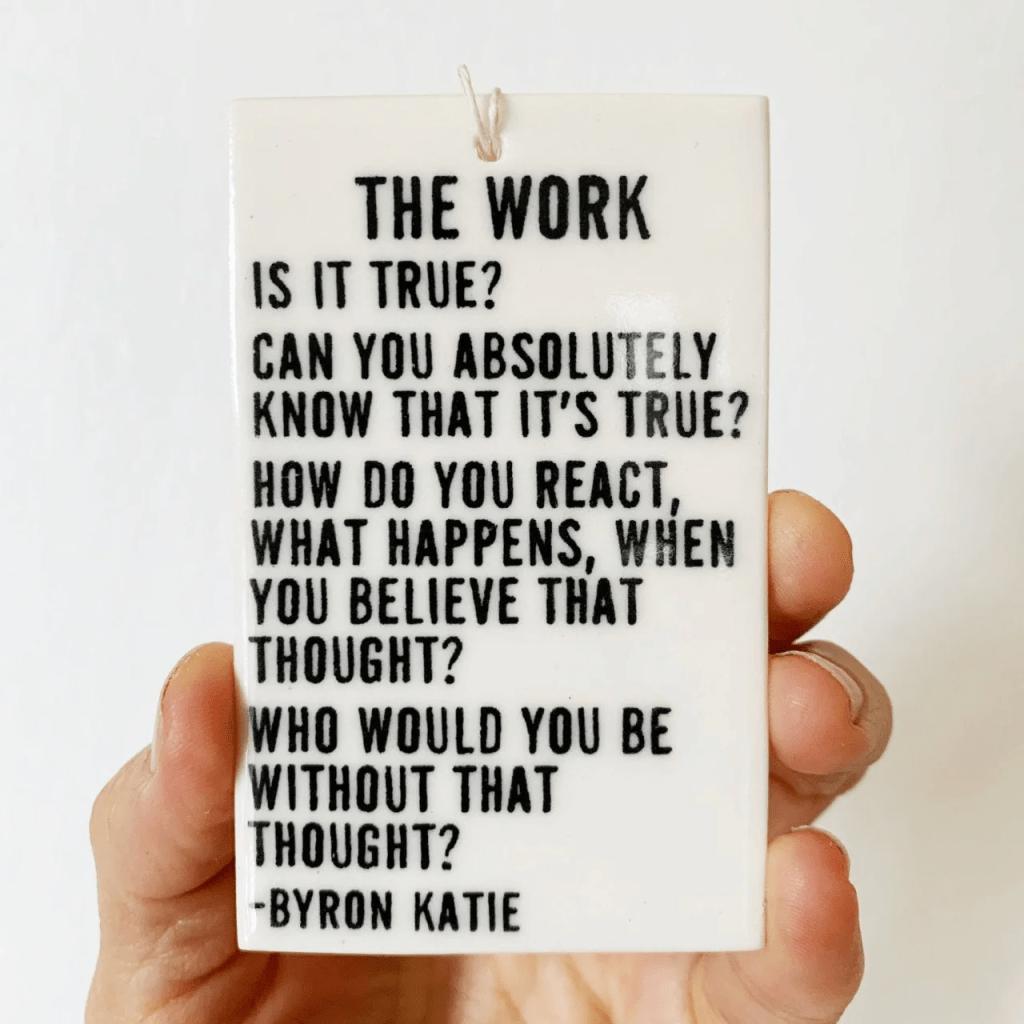
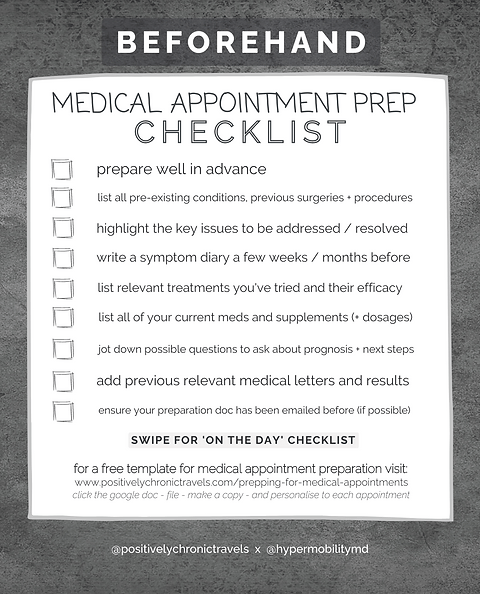


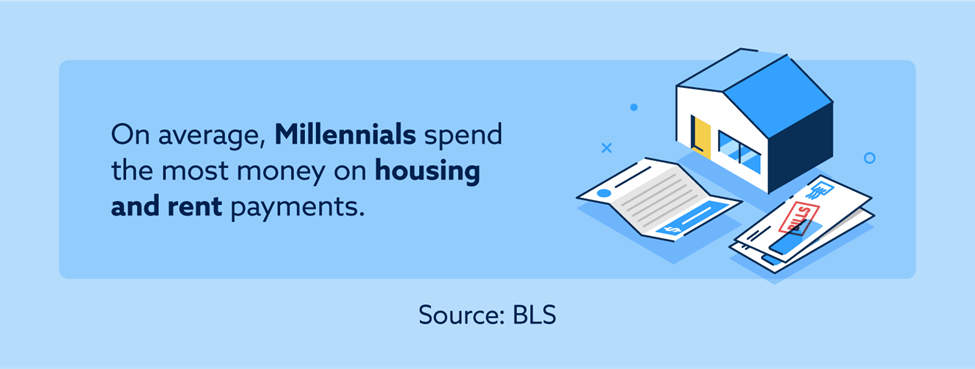
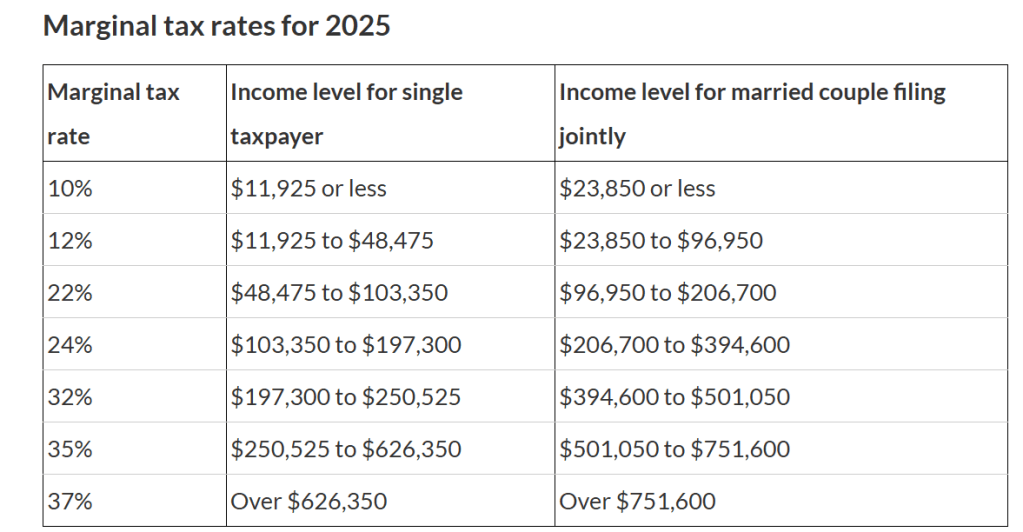
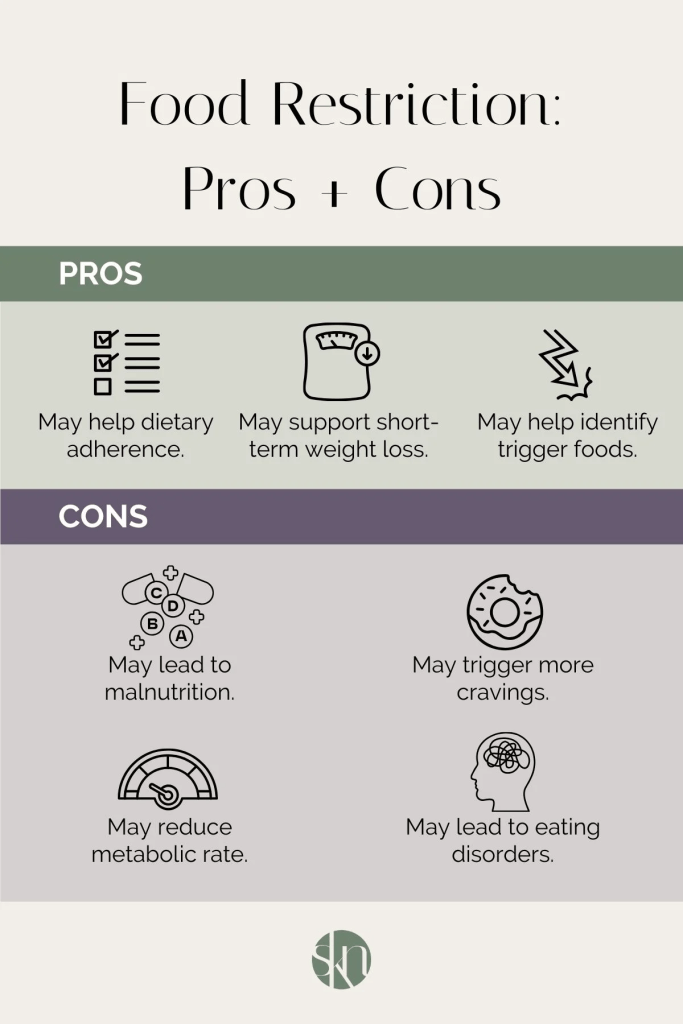
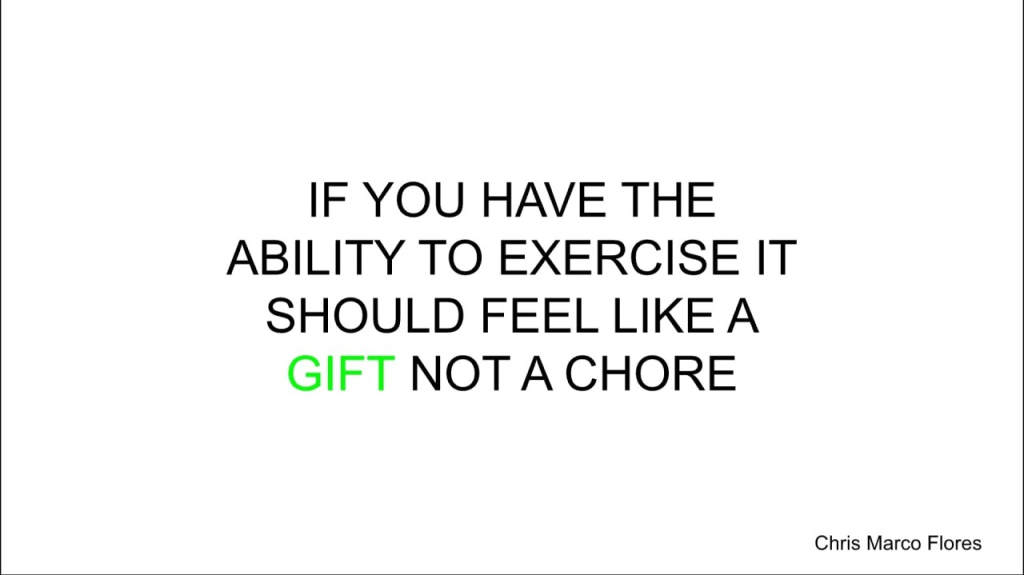

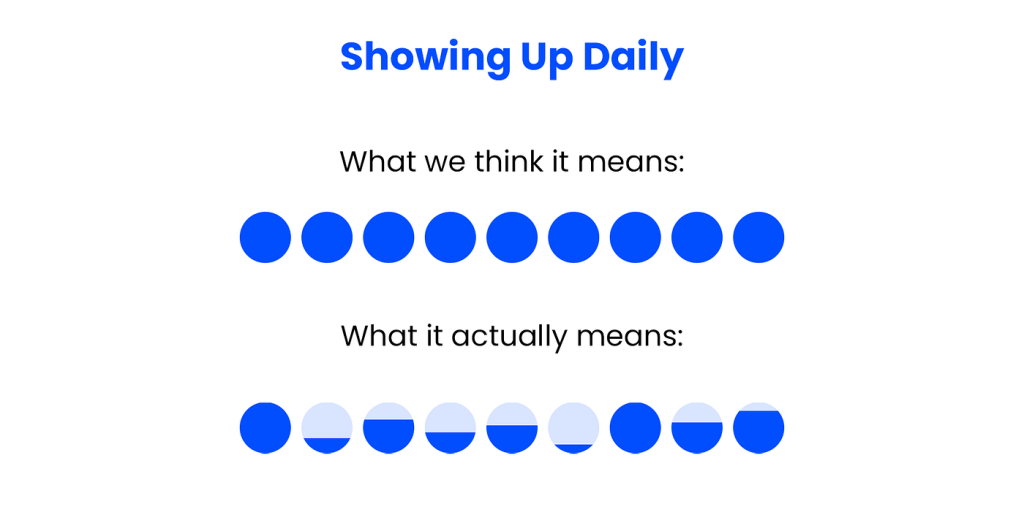
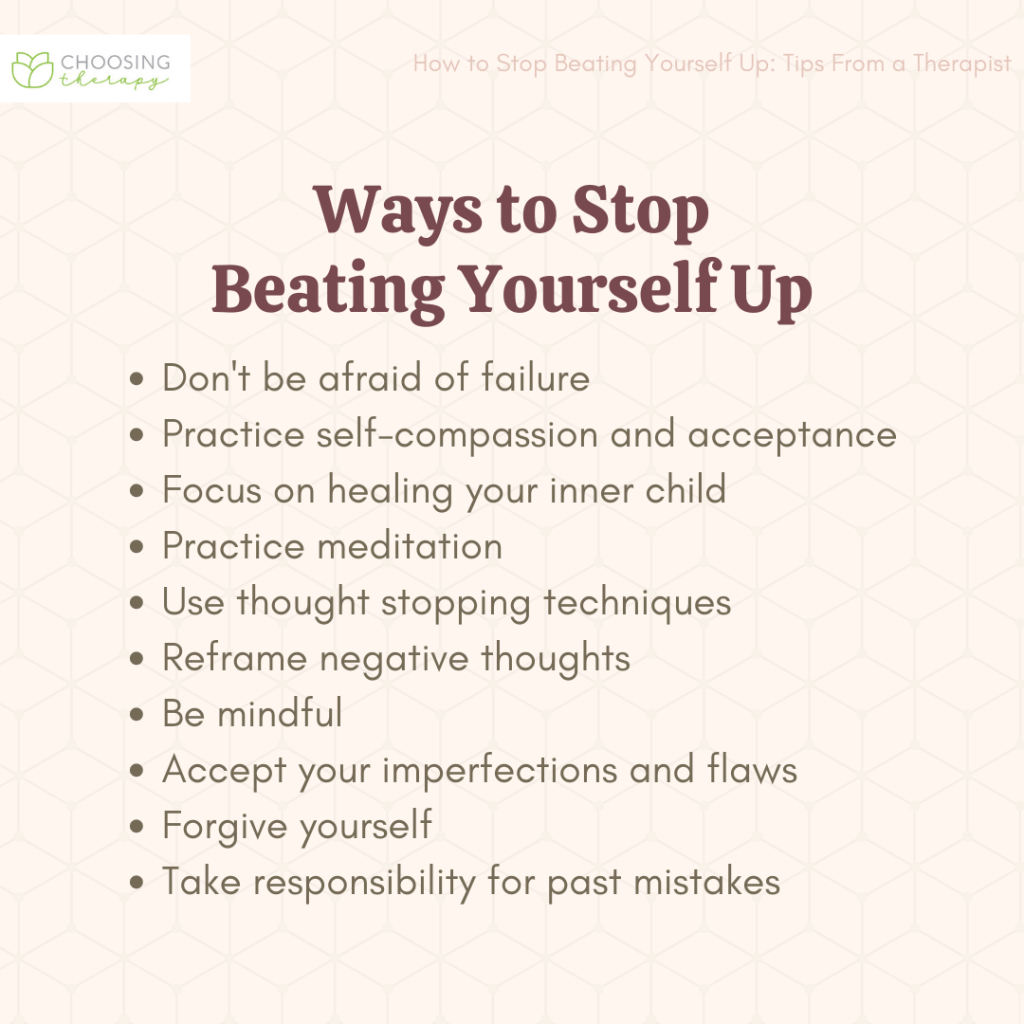
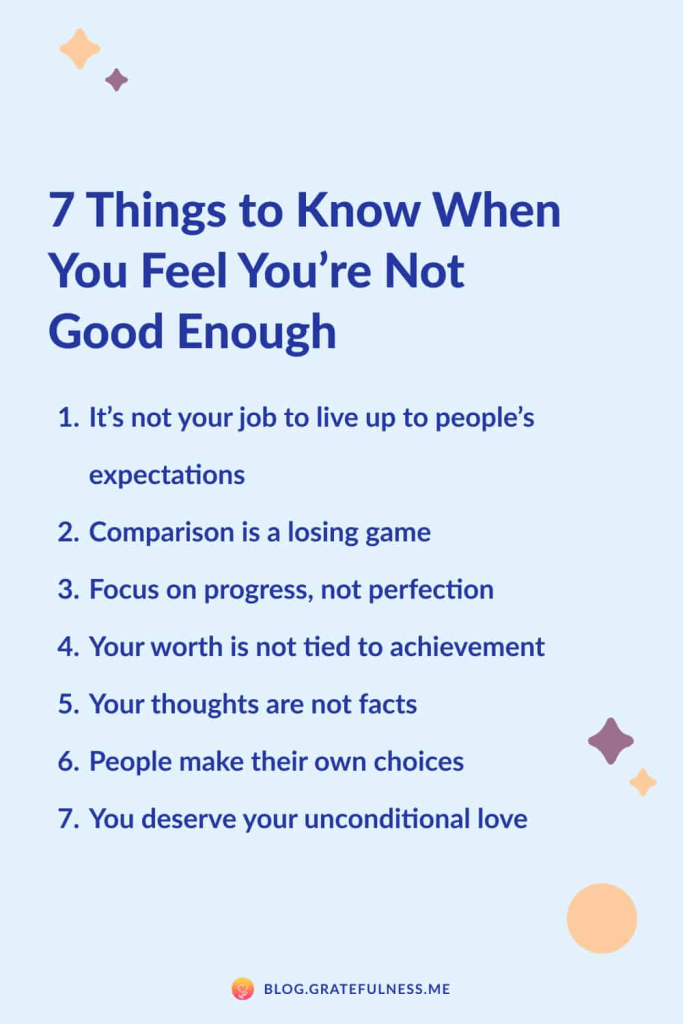
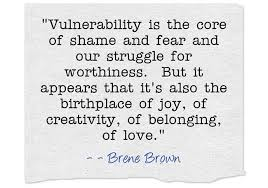
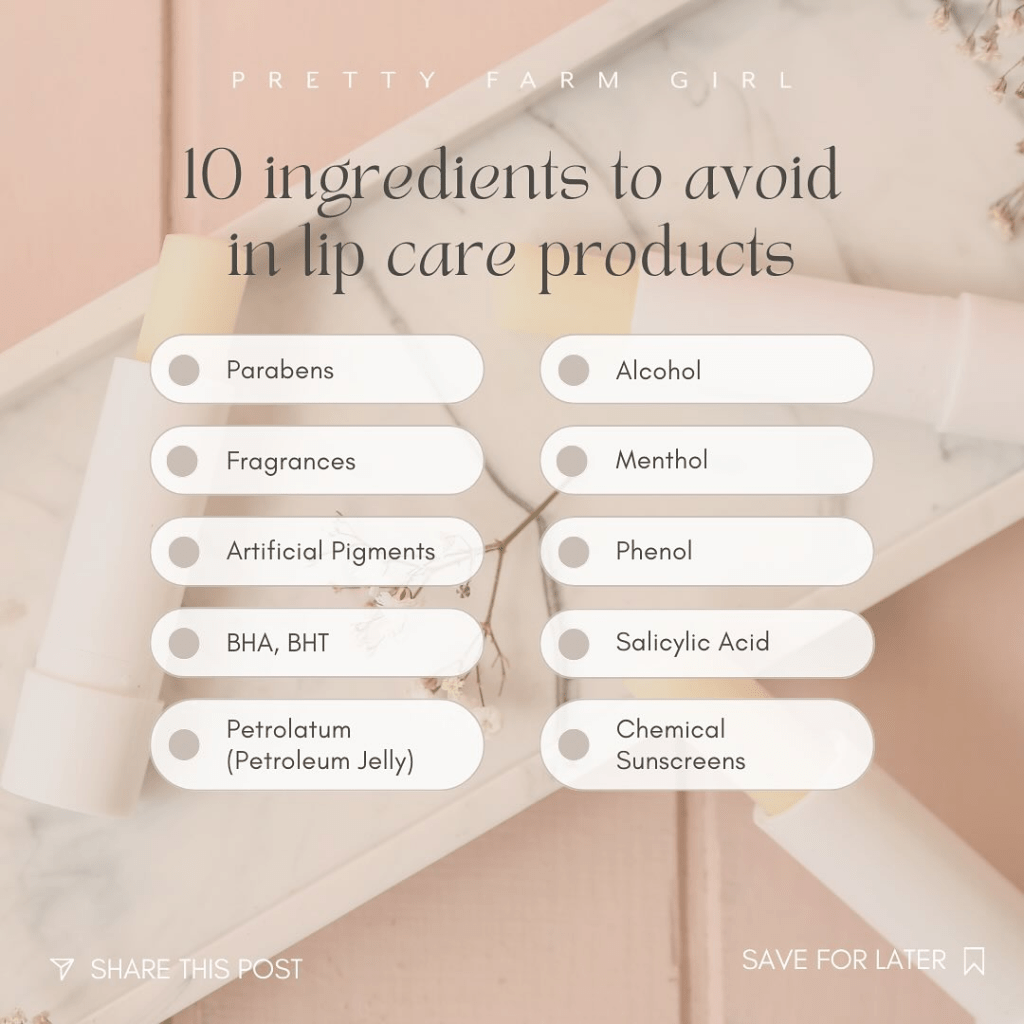
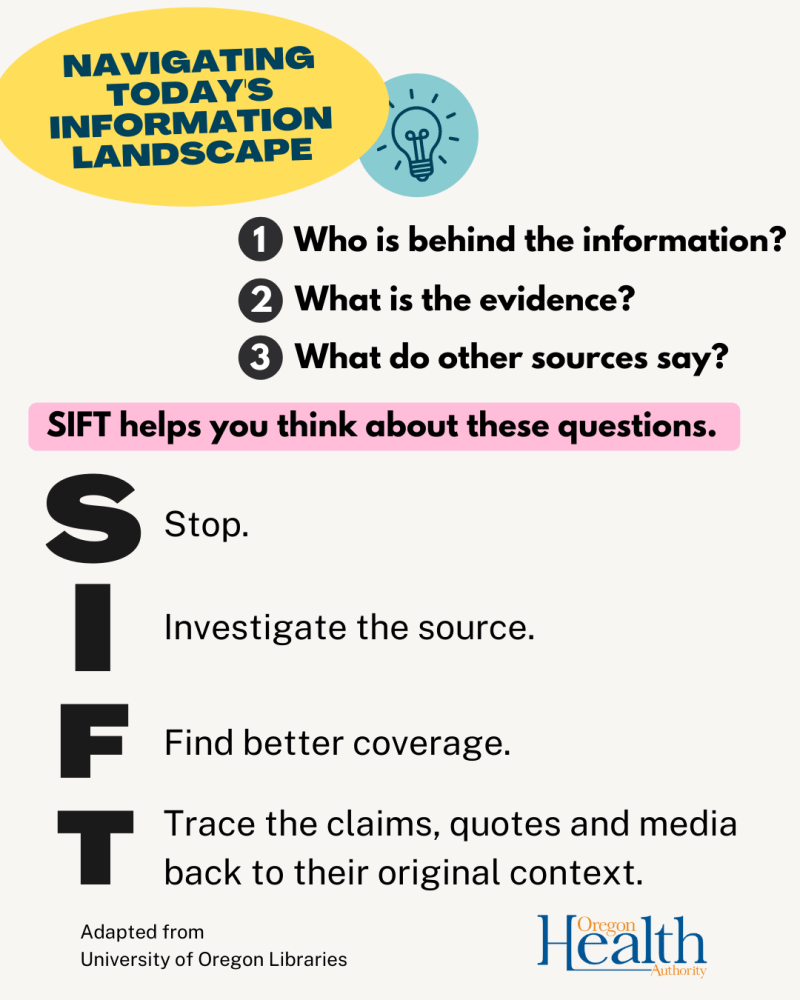
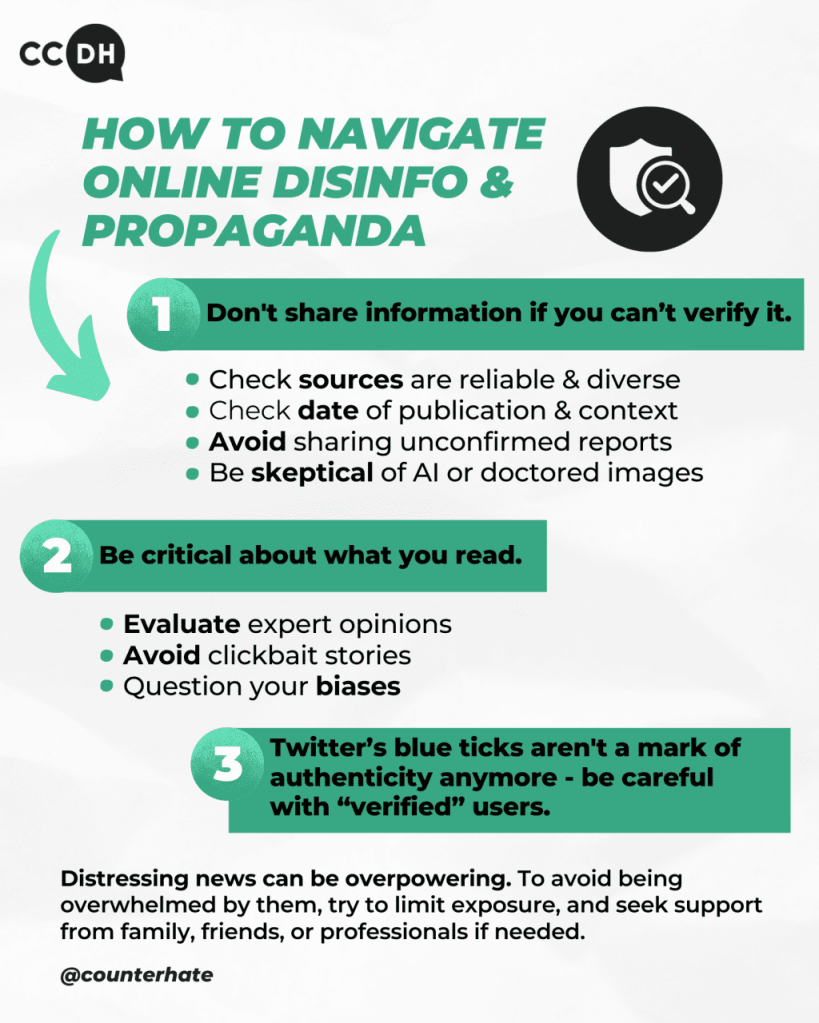

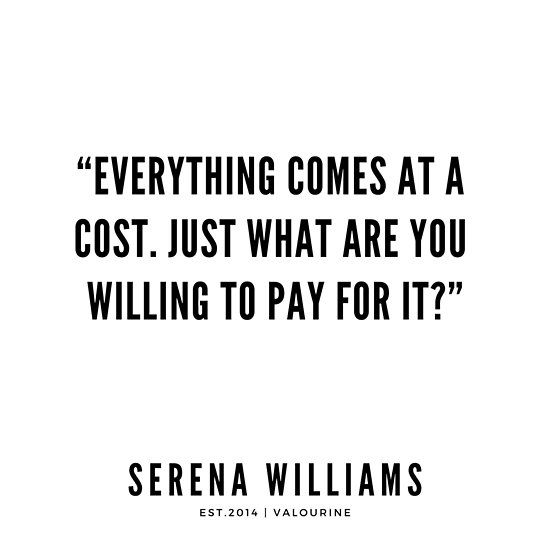
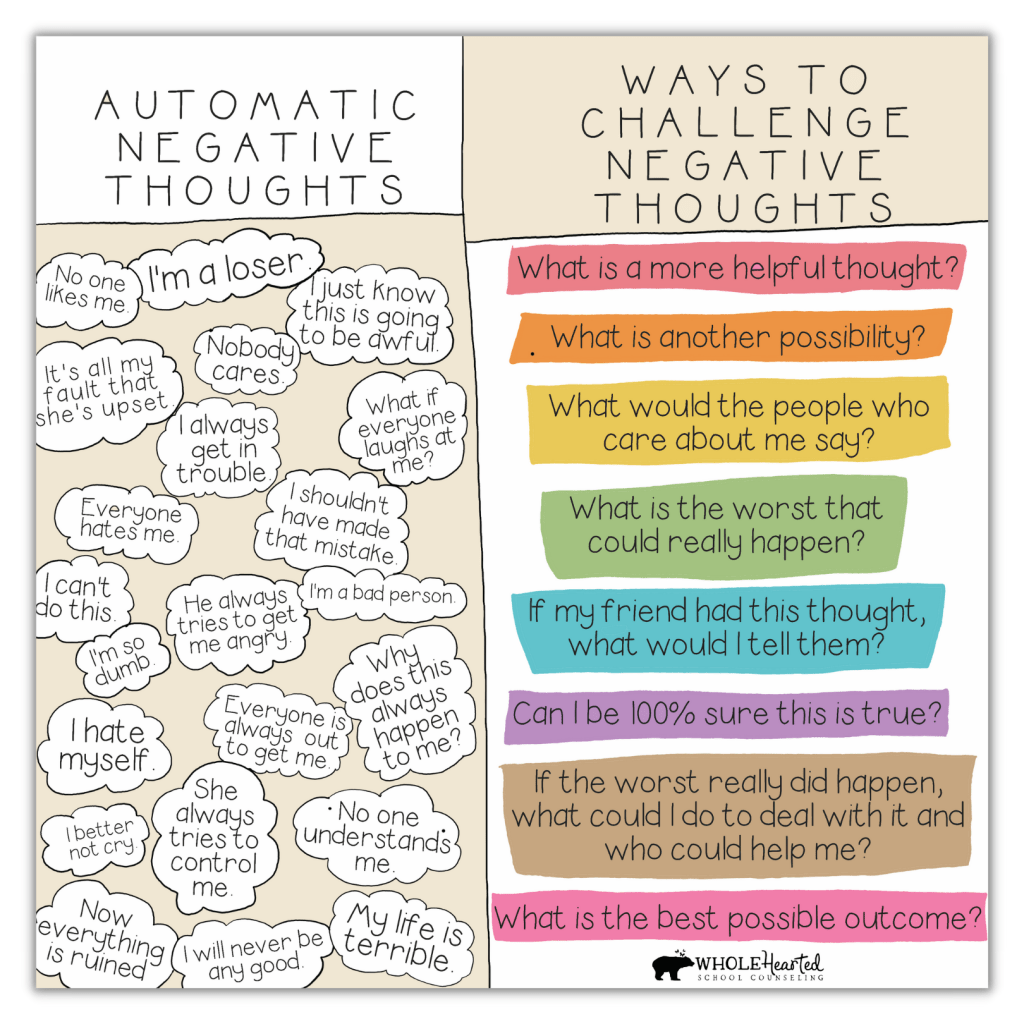


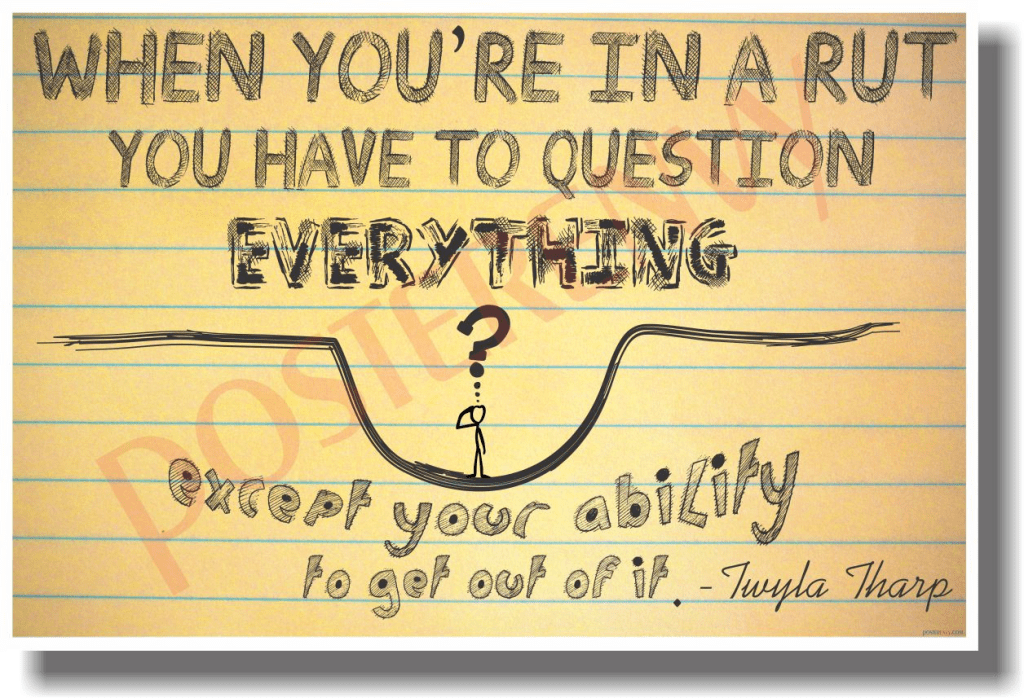
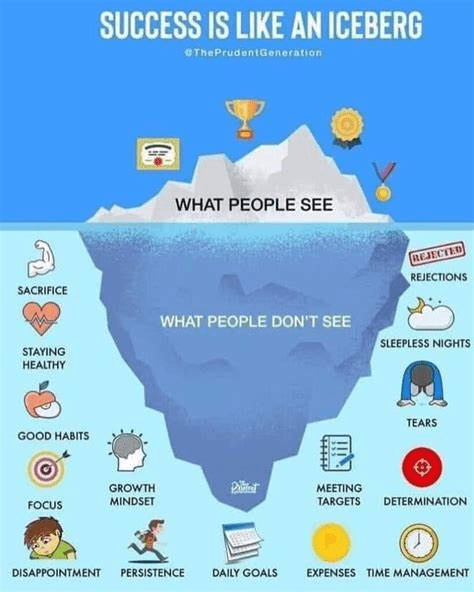
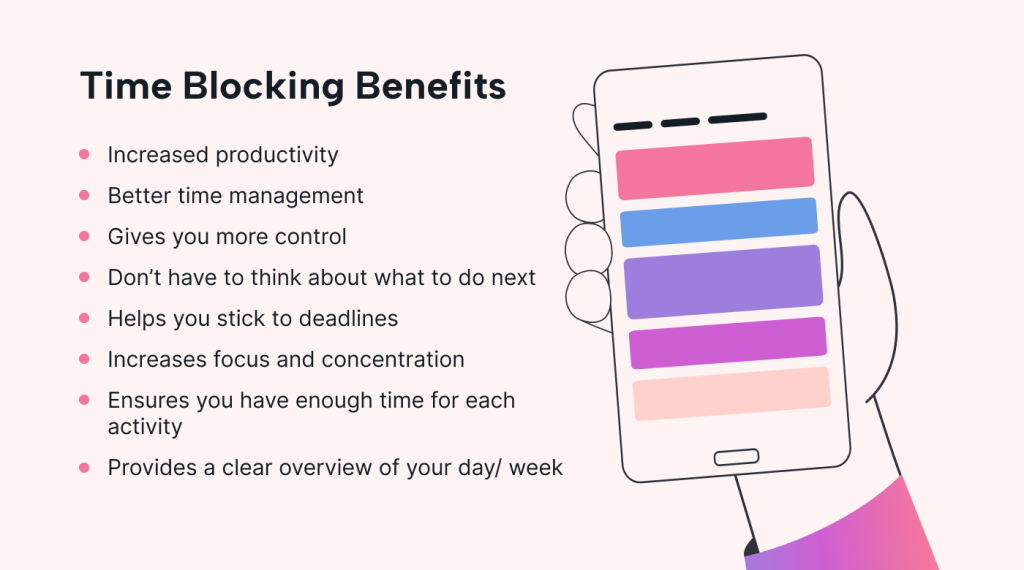
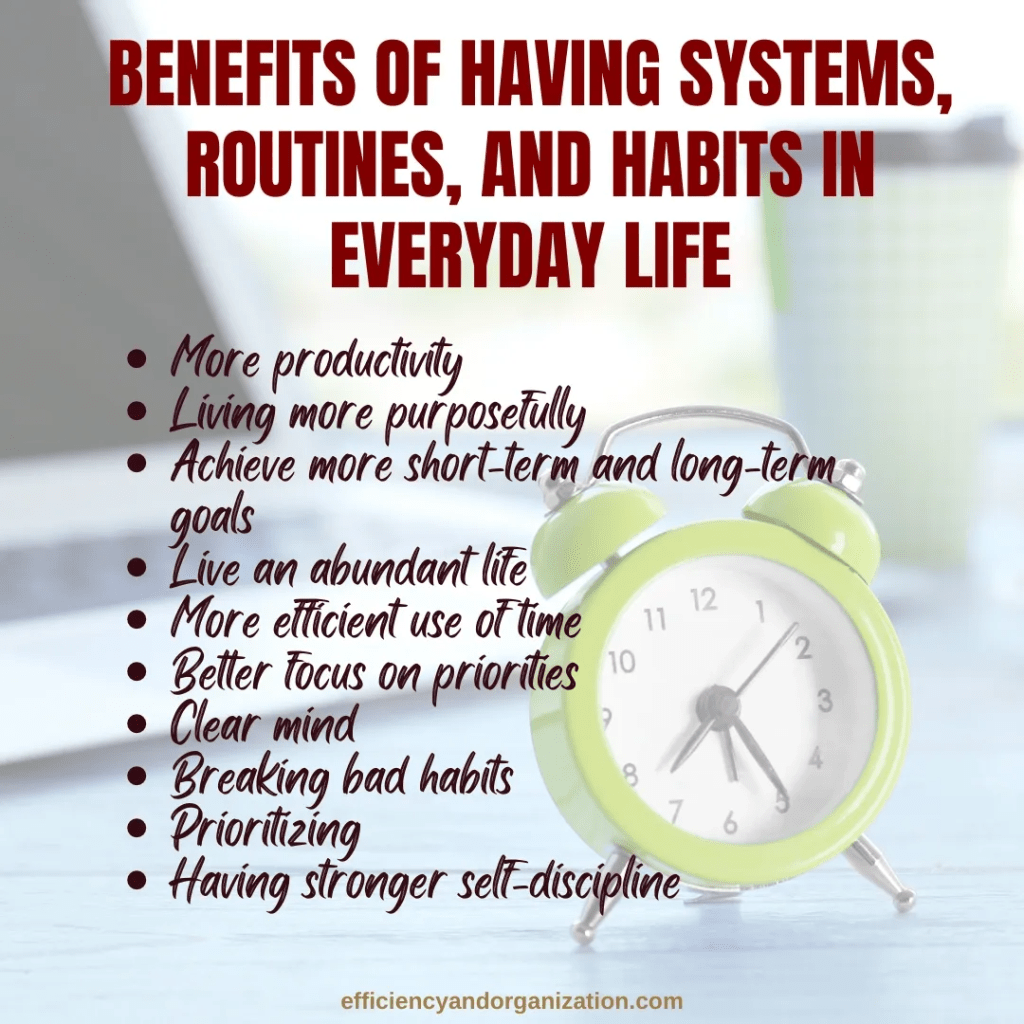
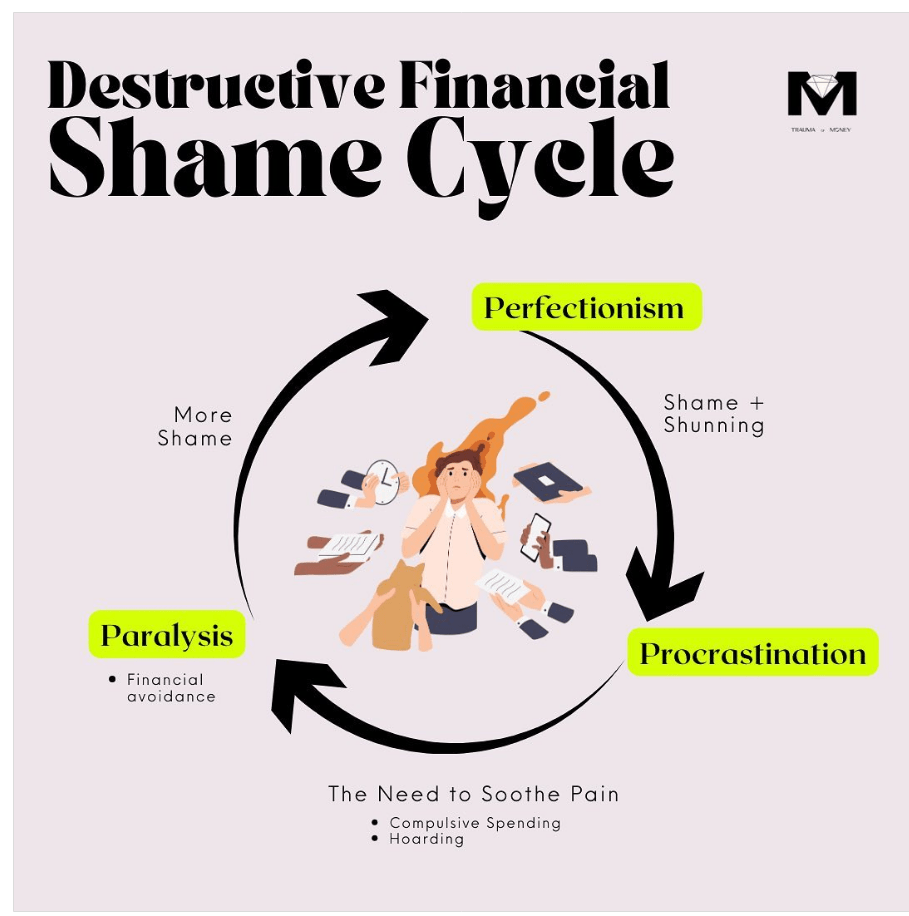

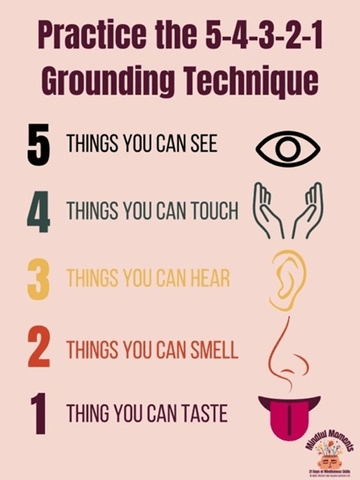
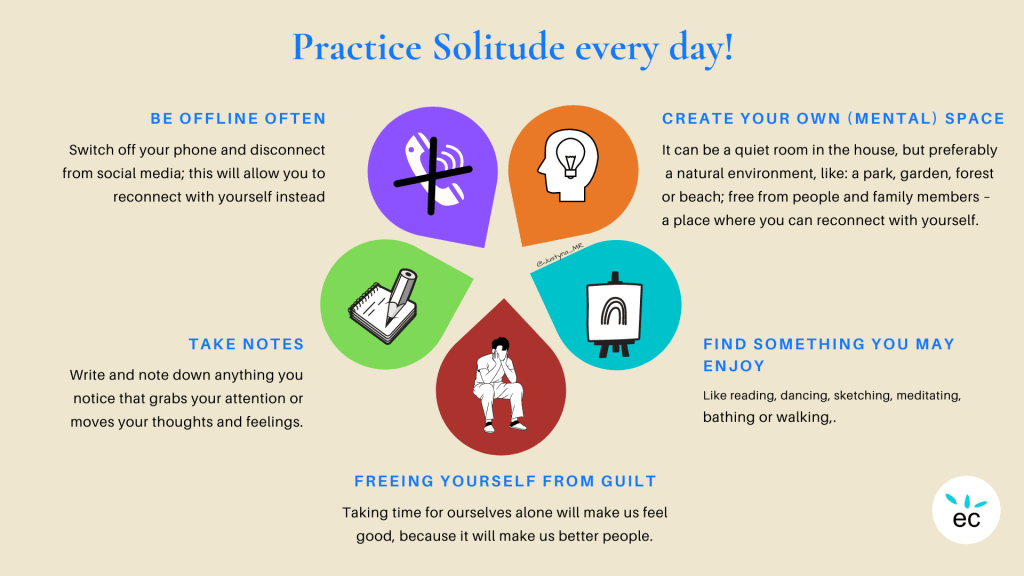
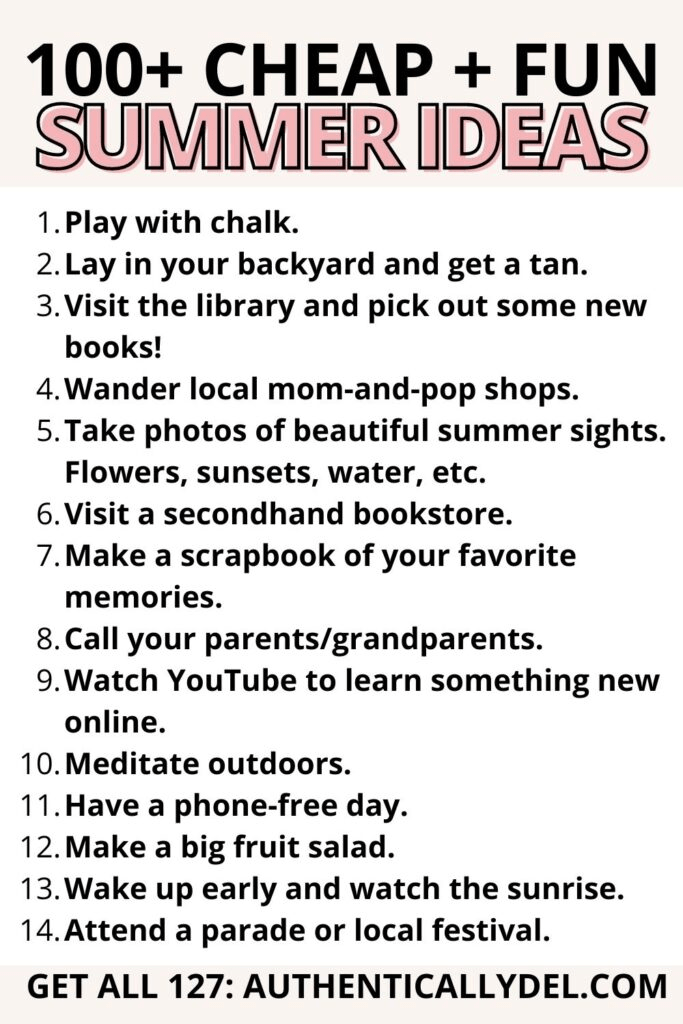
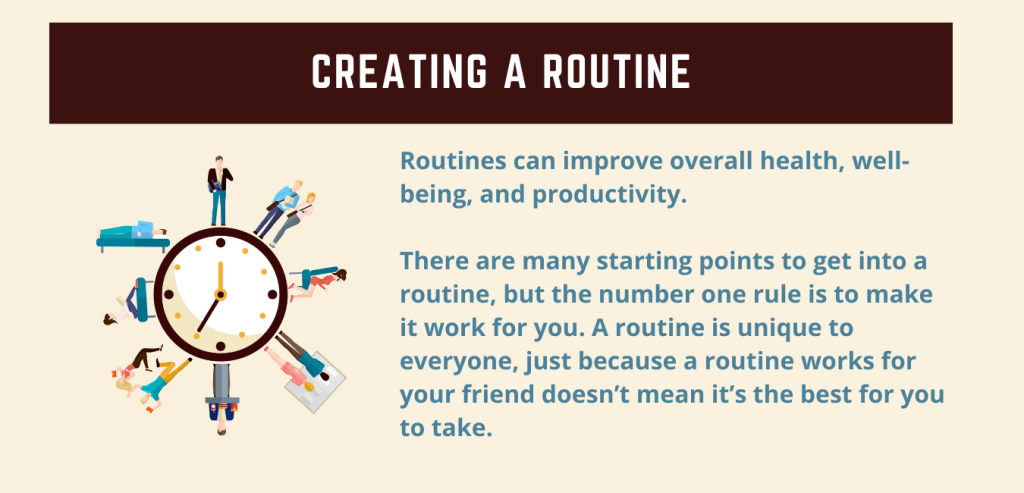
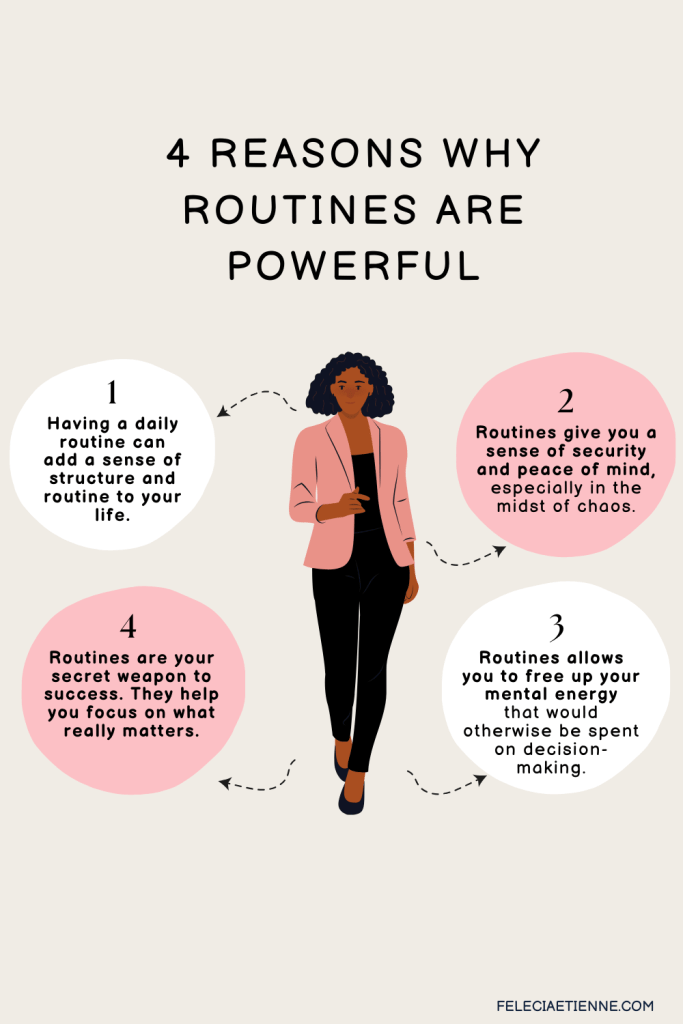
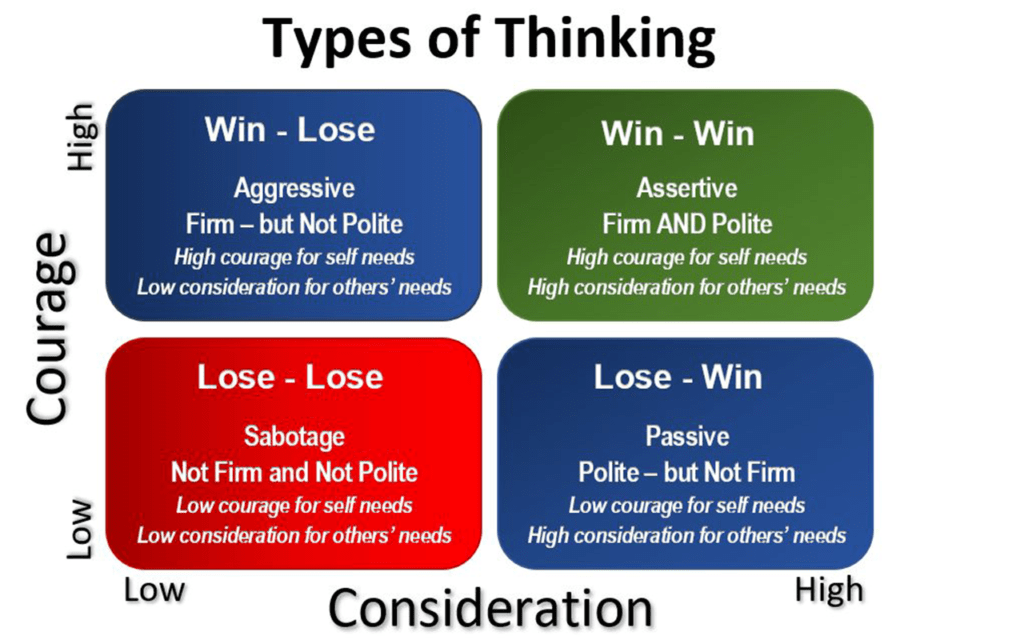
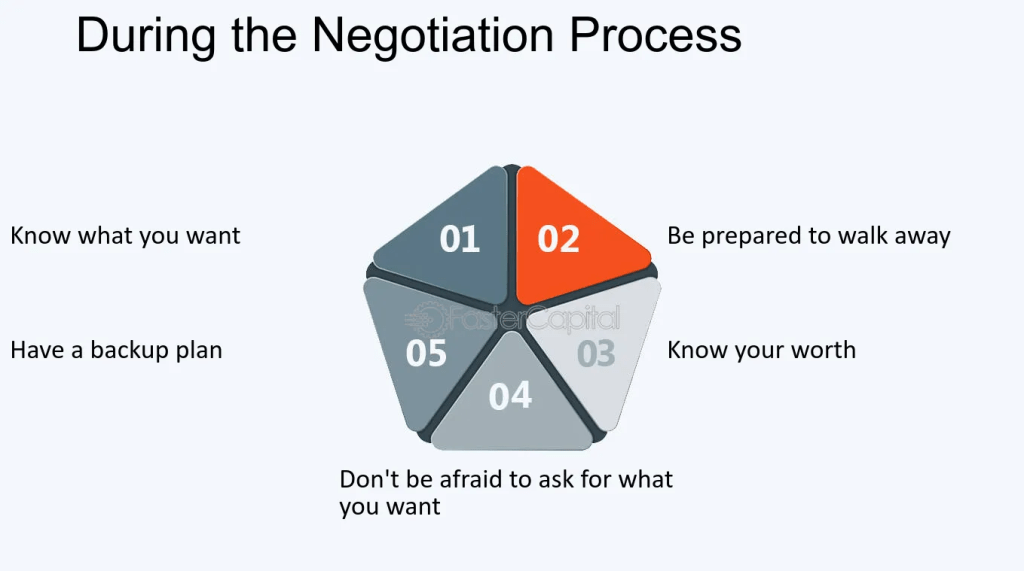

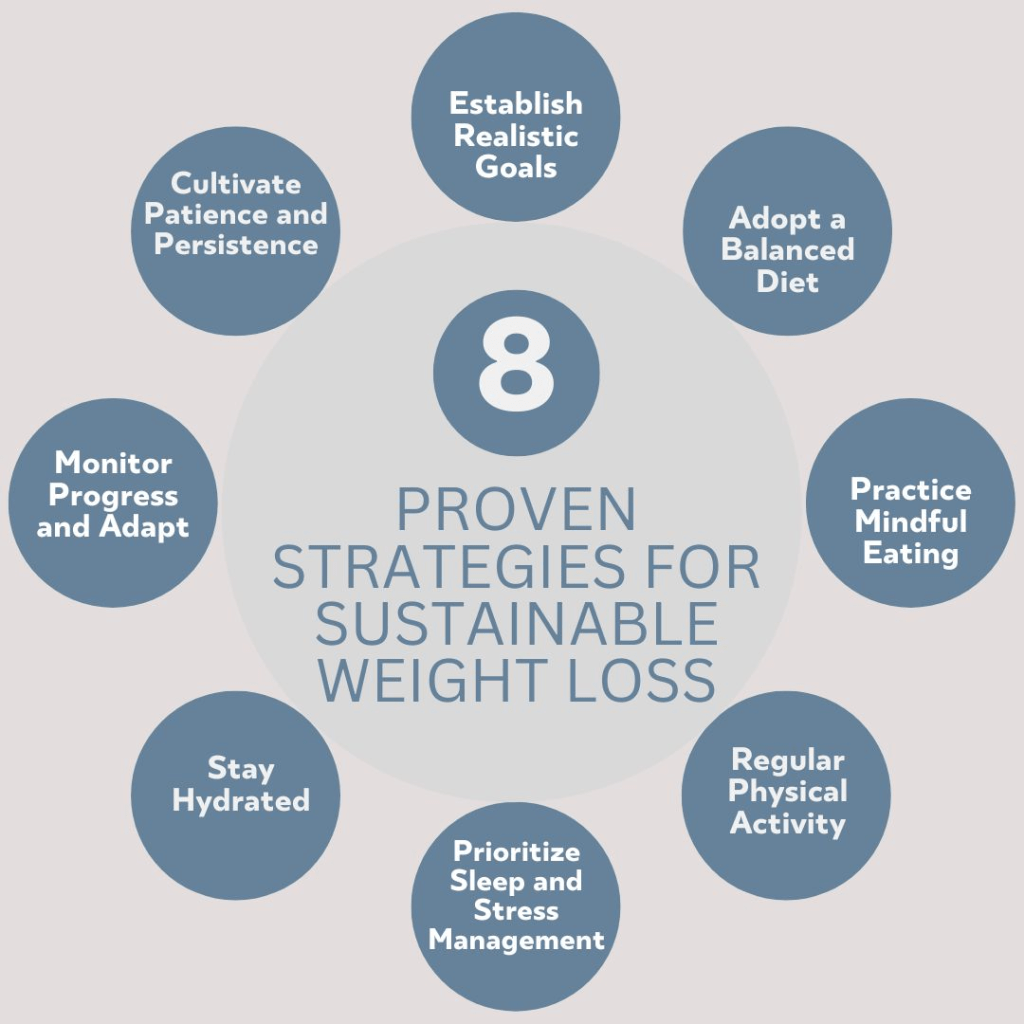
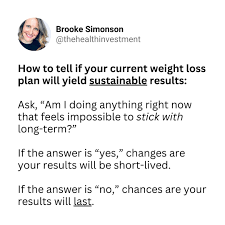


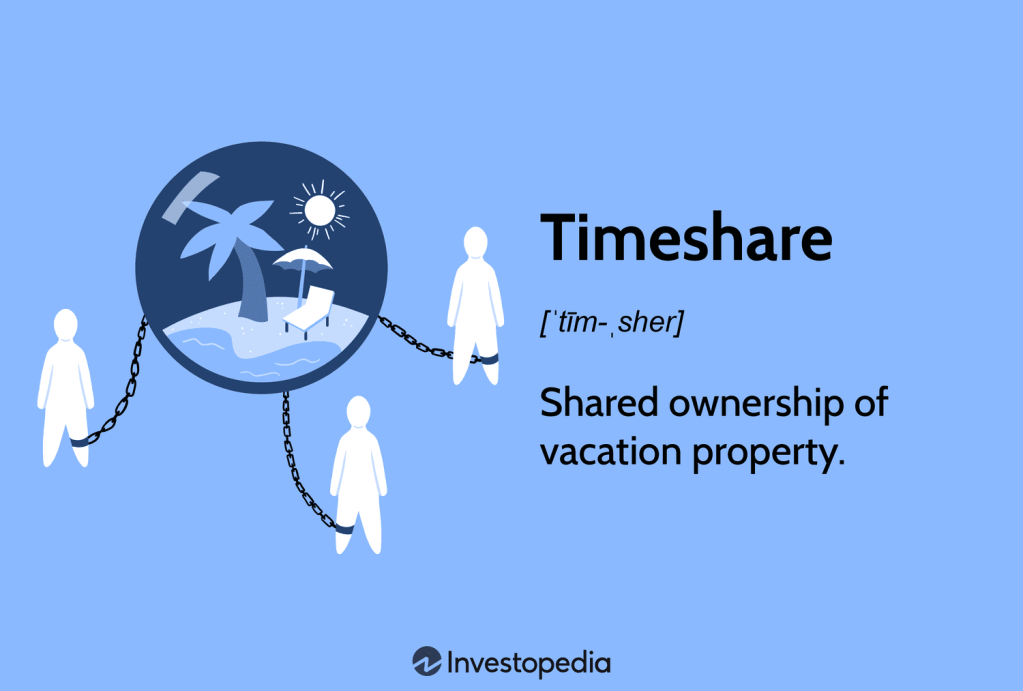
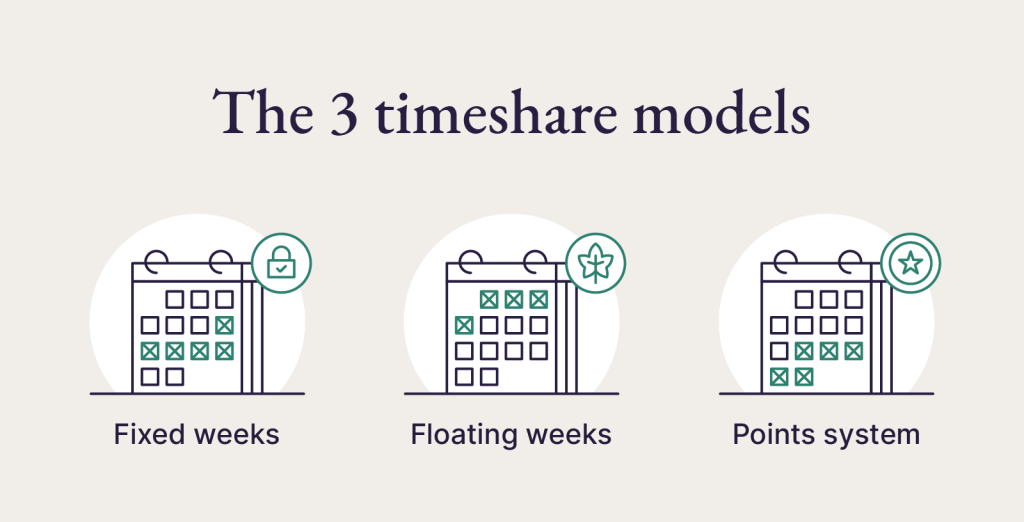

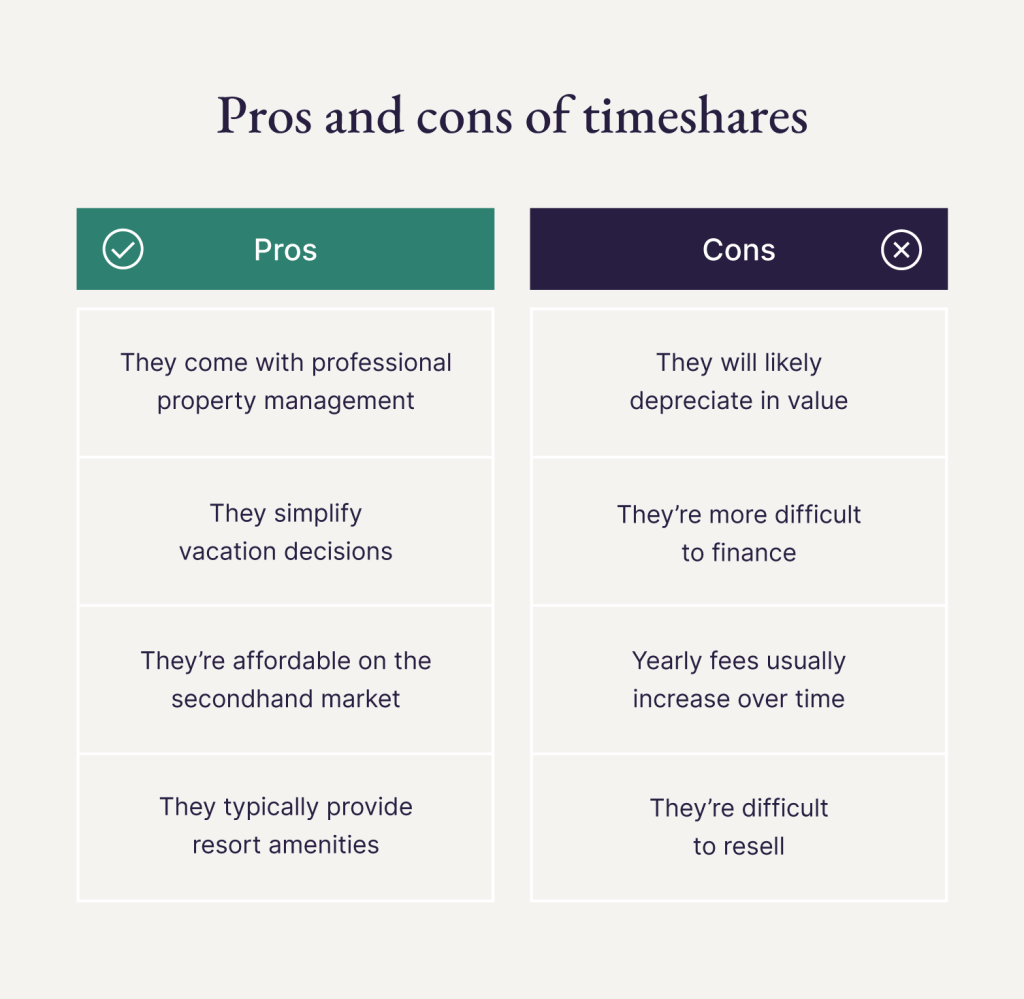




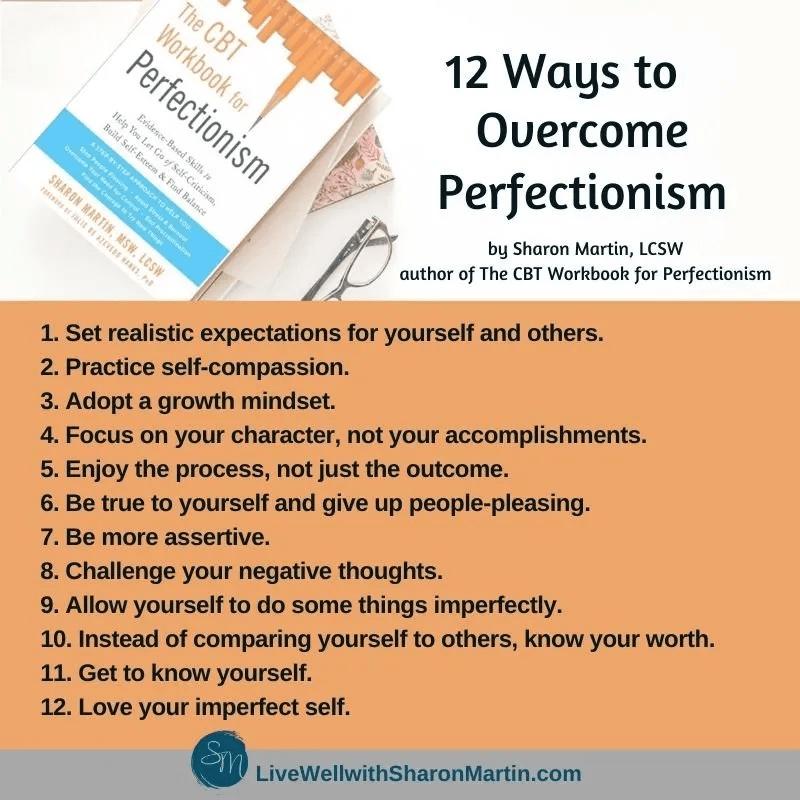
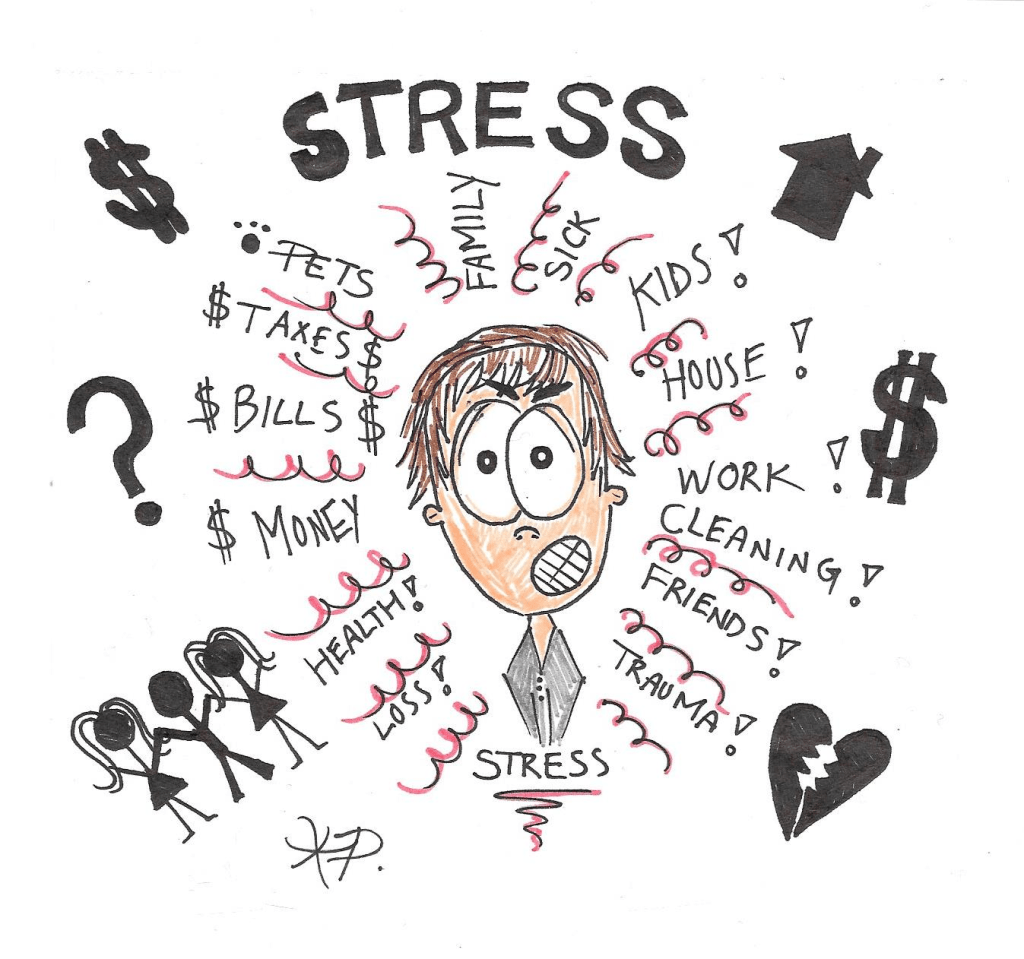


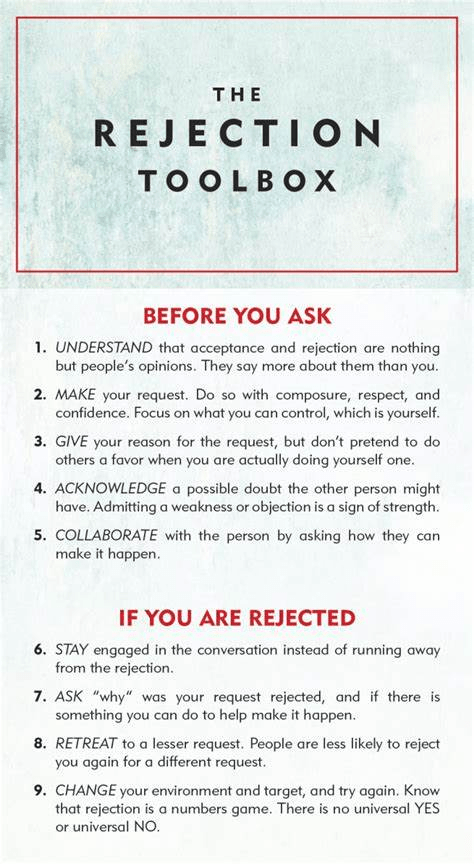
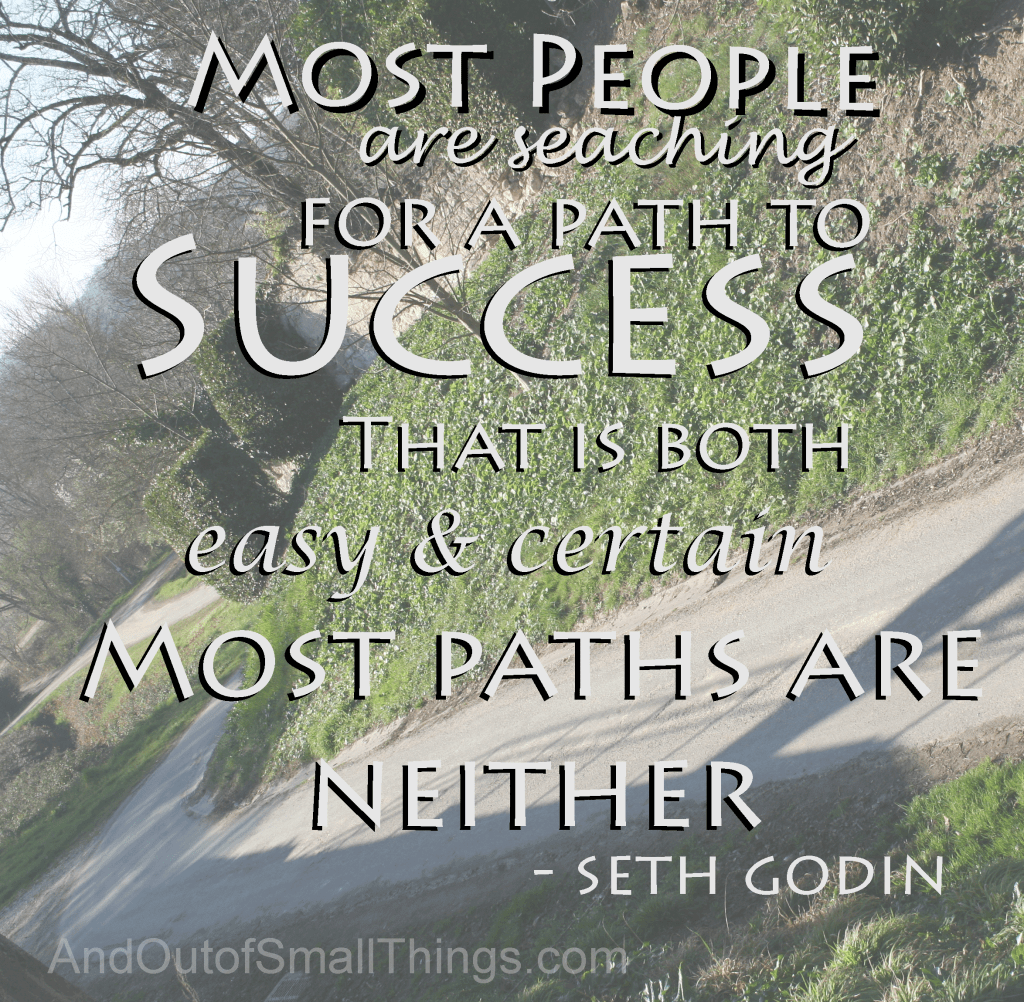
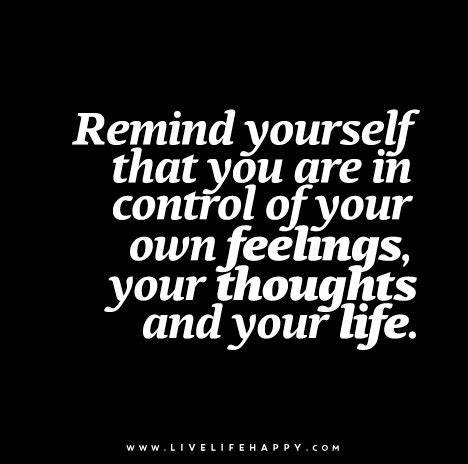


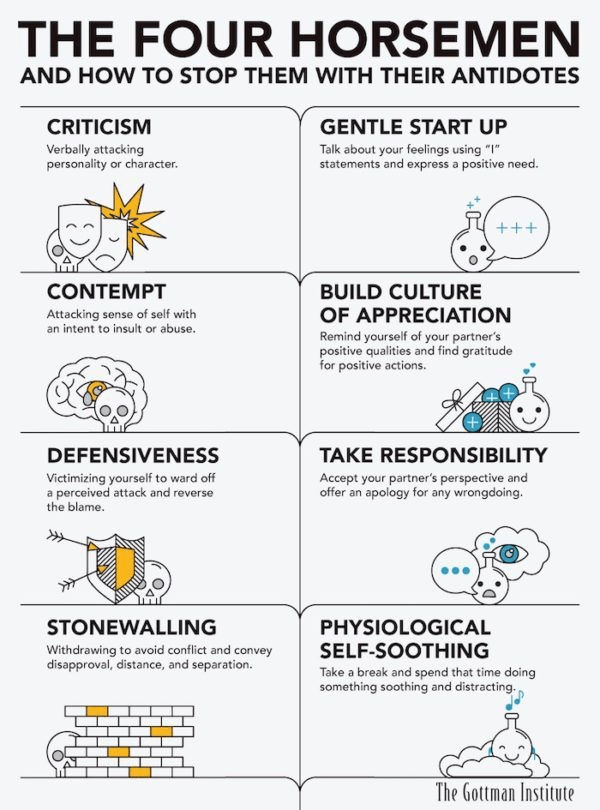
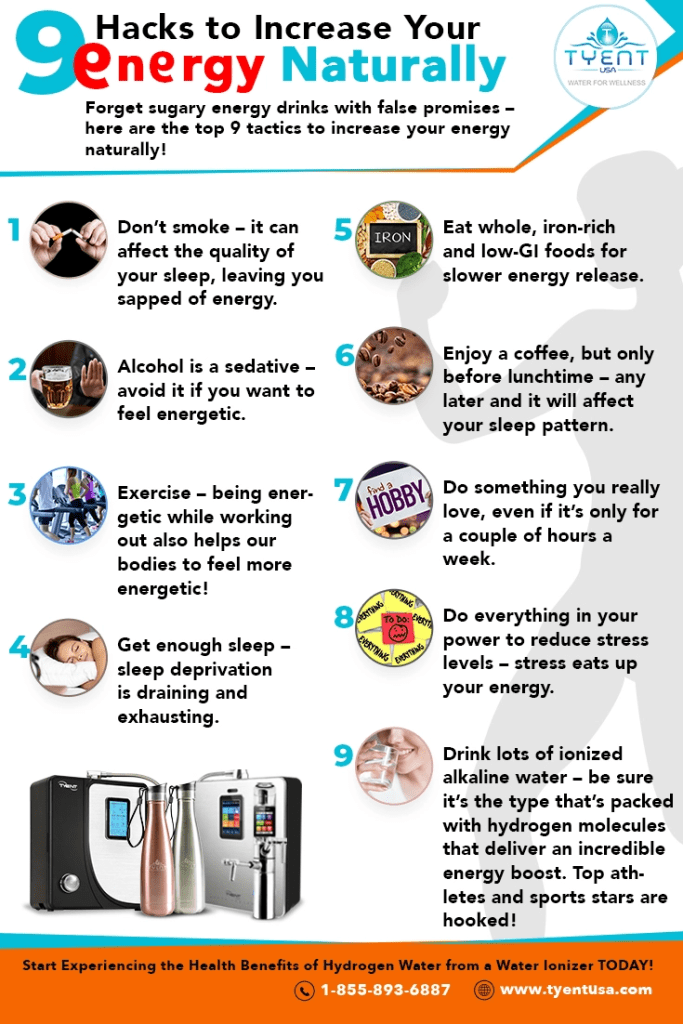
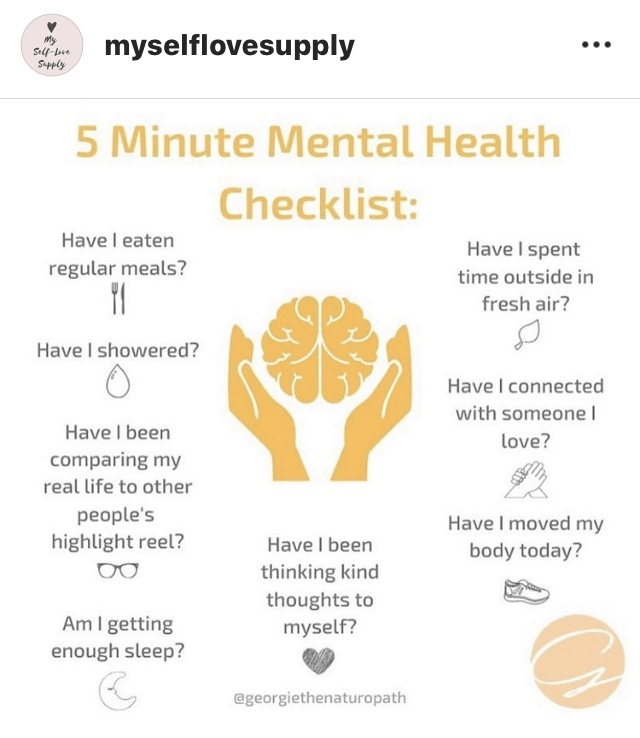
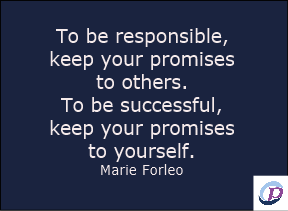
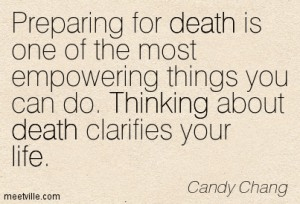

 If your body confidence comes from liking how you look, it will rise and fall with every nice or negative comment, every acceptance or rejection, every good or bad photo, and every physical or mental fluctuation.


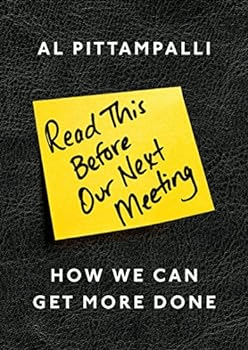
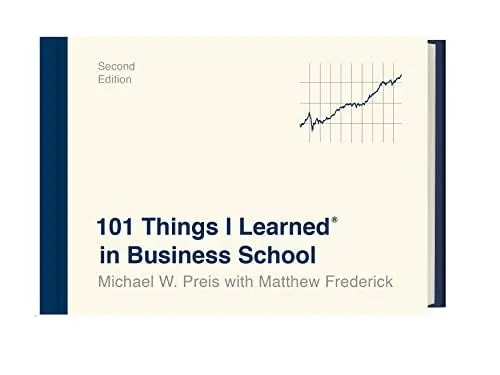
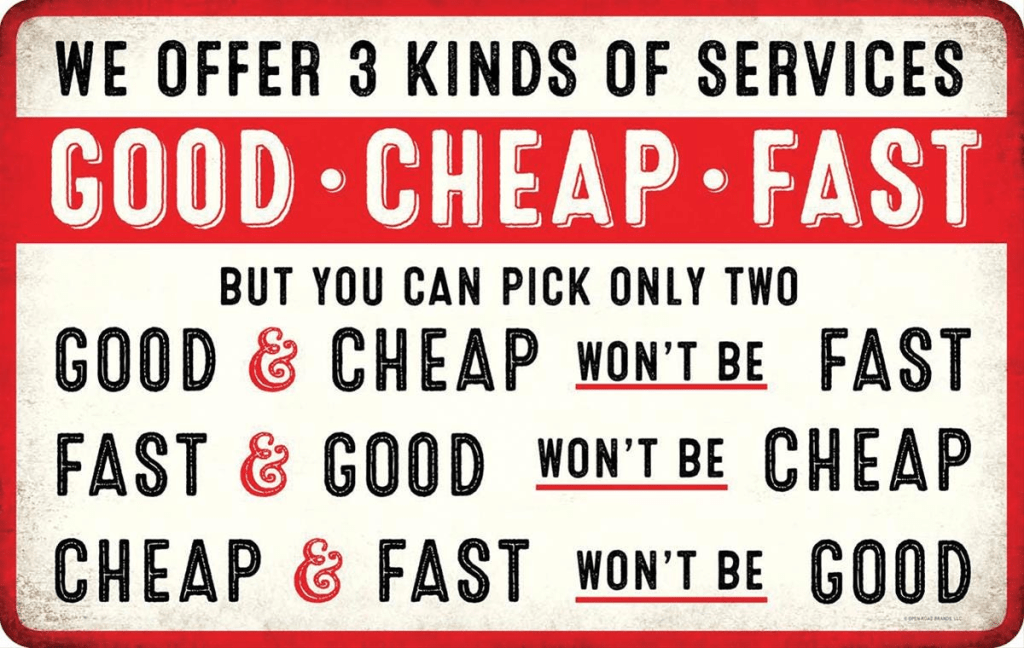


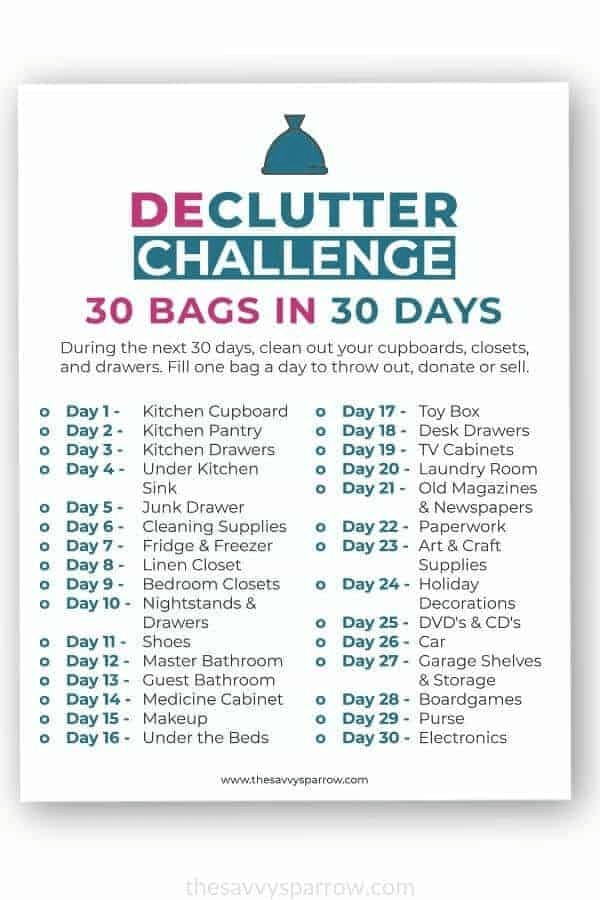
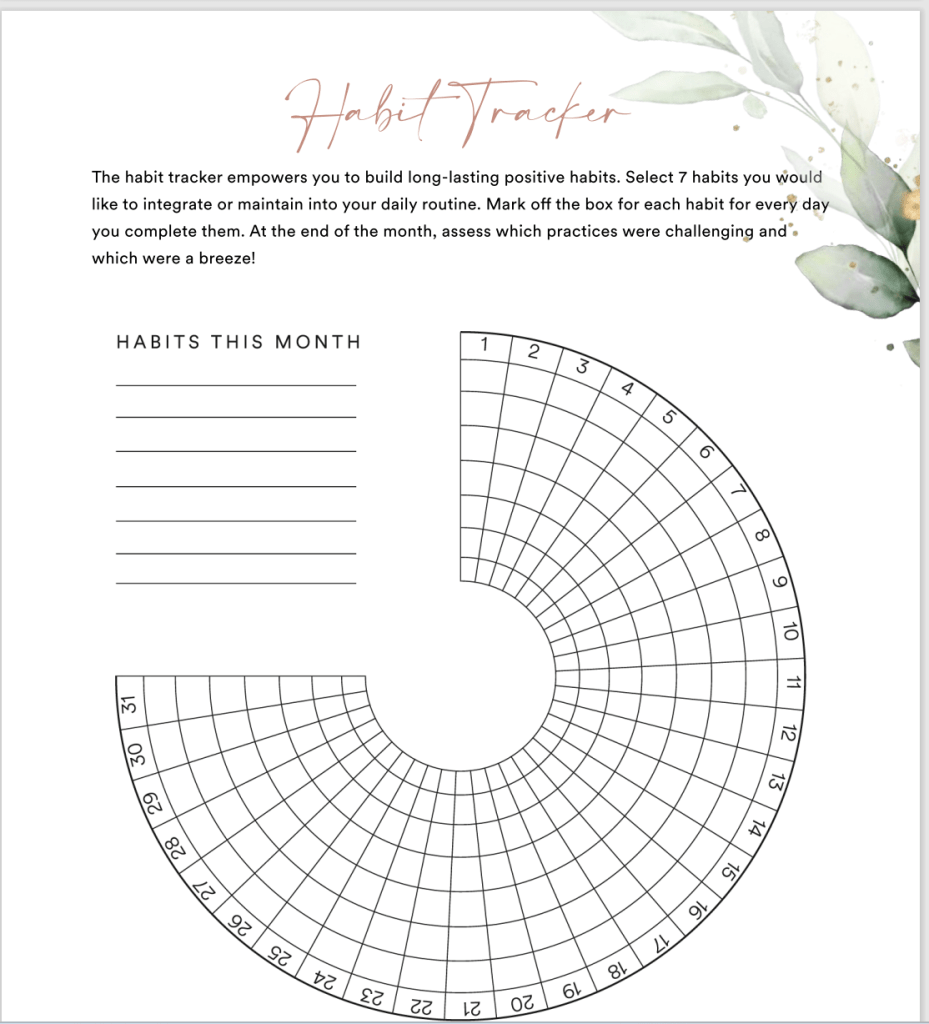

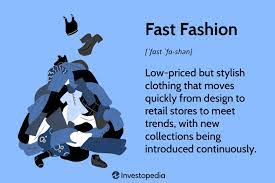

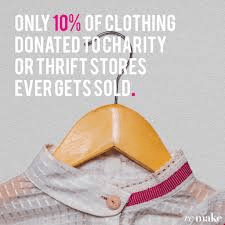
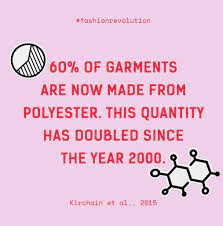


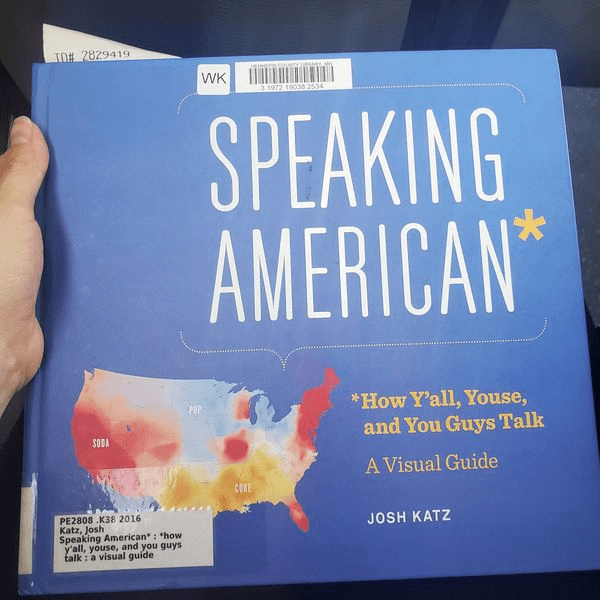
 Examples include tag sales vs. rummage sales vs. garage sales vs. yard sales vs. stoop sales, scratch paper vs. scrap paper, soda vs. pop vs. coke, take-out vs. carry-out, and how people pronounce aunt, syrup, caramel, crayons, quarter, coupon, grocery store, and many other words.


 Here are some of my favorites.


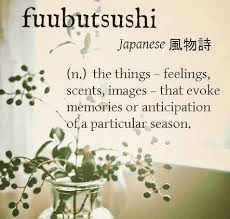

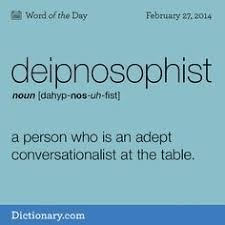
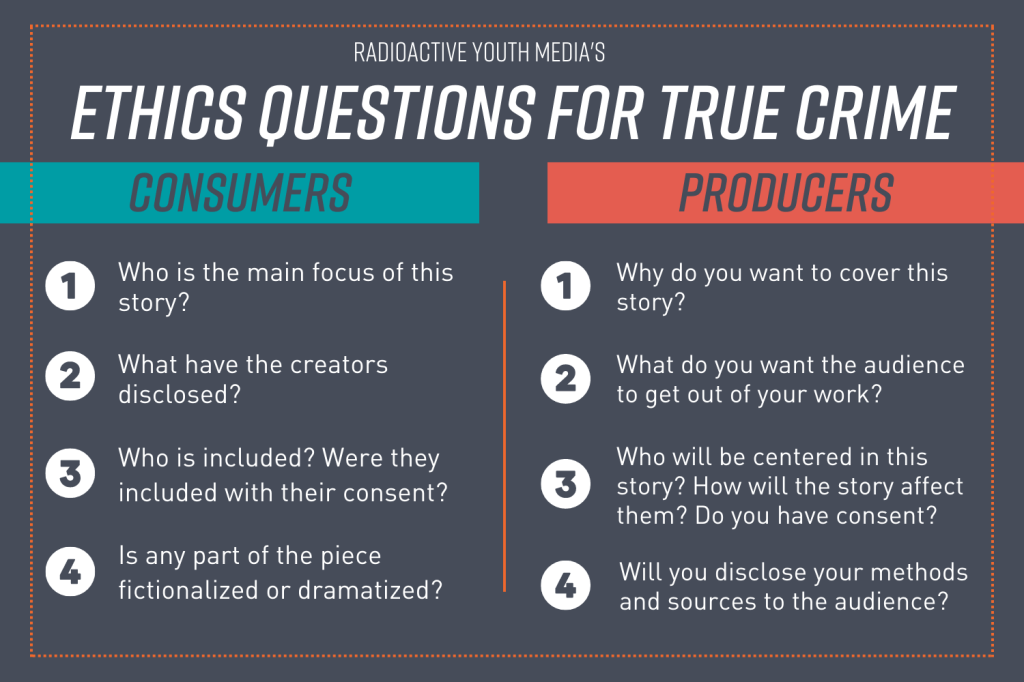
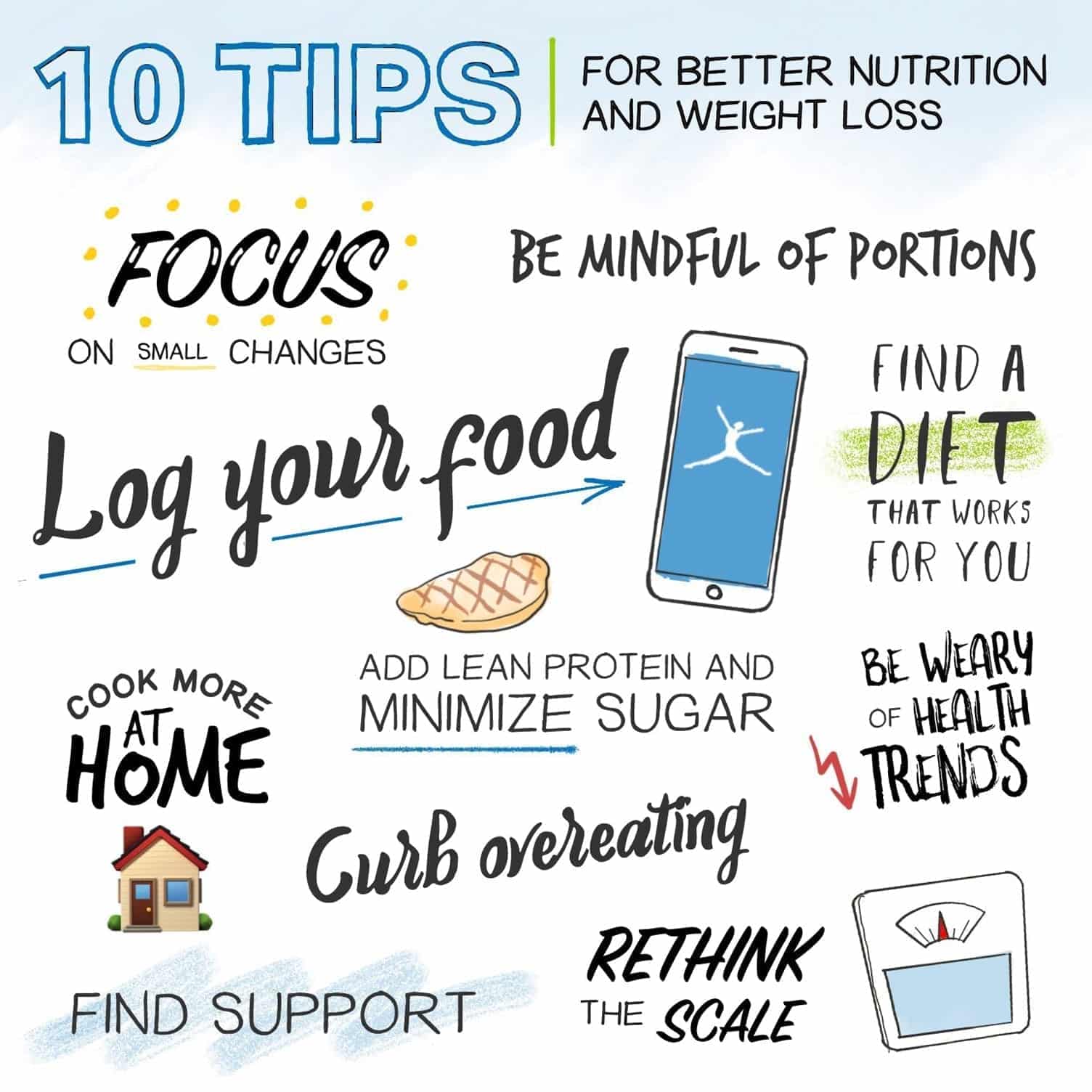
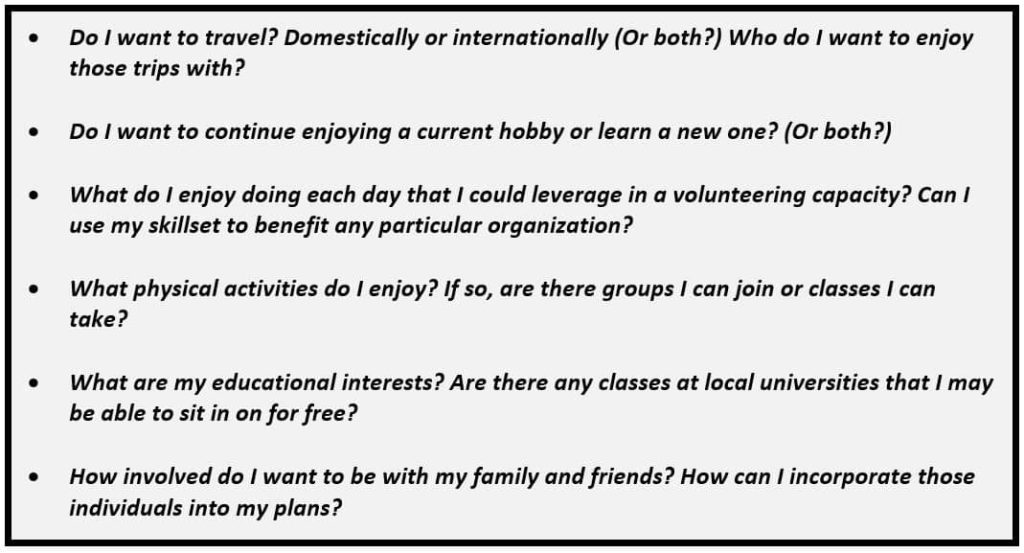

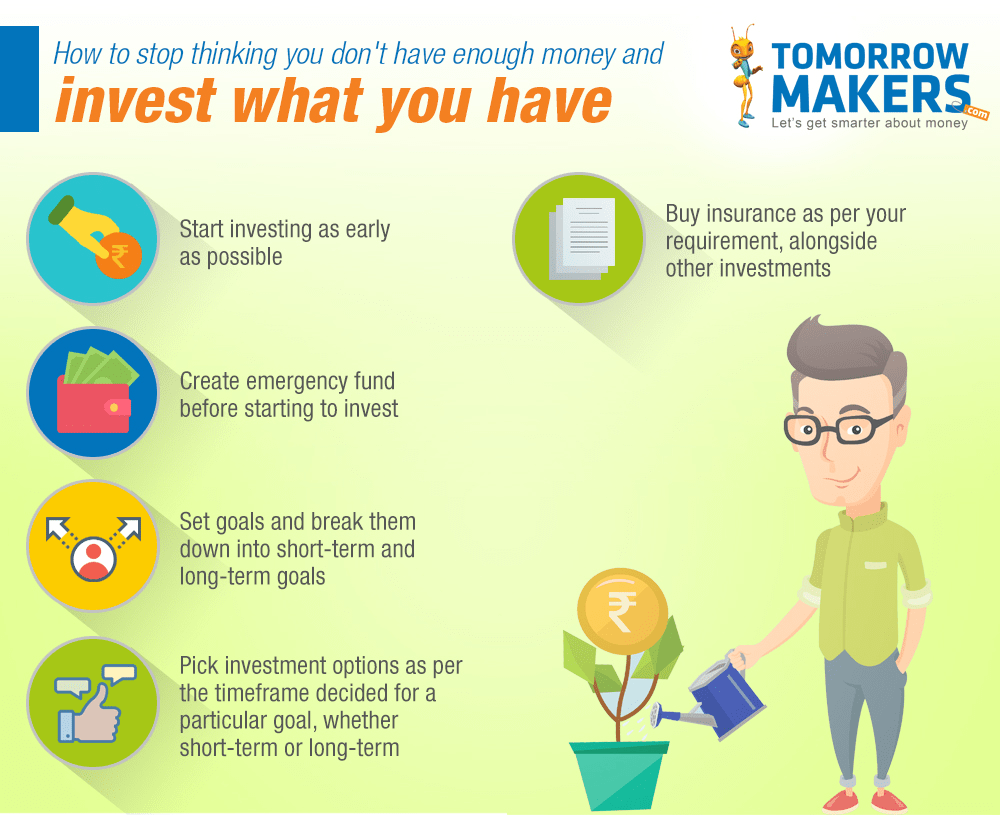
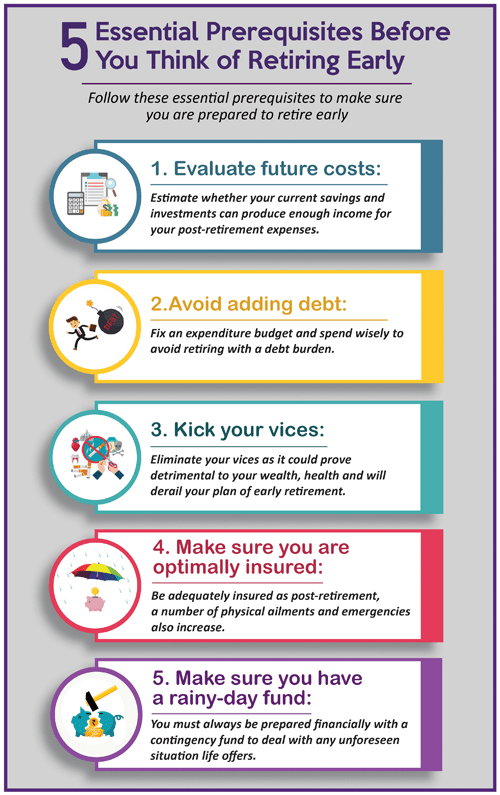
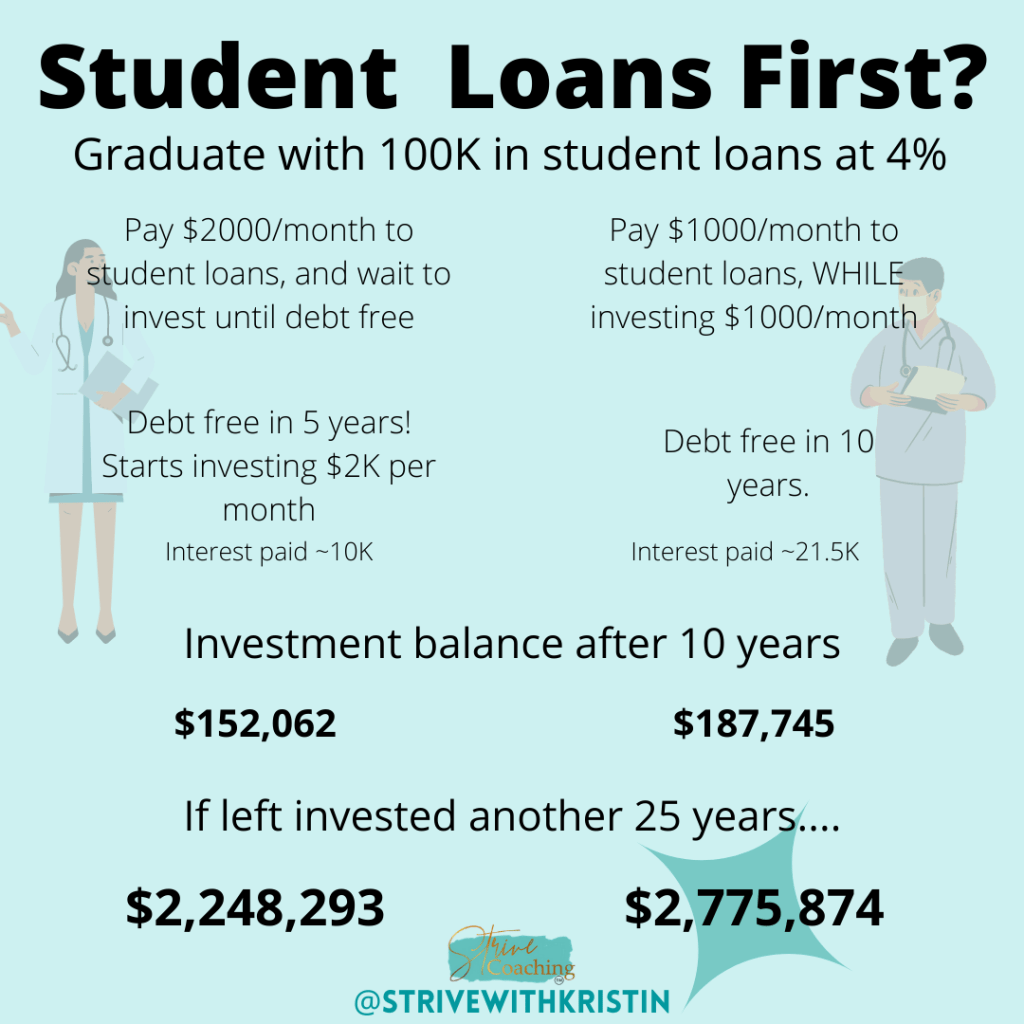
 Aside from the many examples, here are some of my favorite points:
 “Arriving” often makes us hungrier for more. When we want something really badly, it is often because we have unrealistic expectations associated with it. We imagine it will change our lives in some formidable way, and often, that’s not the case.
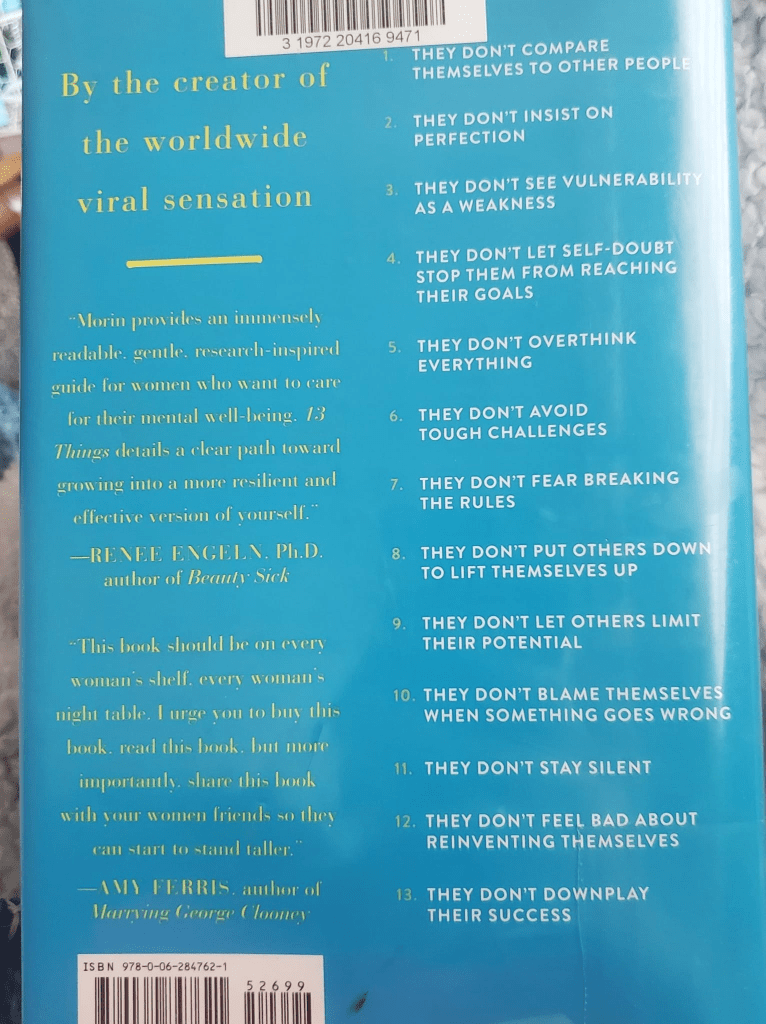
 Read Learn Share