Thoughtful Thursday posts, Uncategorized

Thoughtful Thursday – January 30, 2025

It’s been over a month since I’ve posted a Thoughtful Thursday post. I am discerning whether to continue with weekly Thoughtful Thursday posts or whether to post those less often so that I can post more book posts. With that said, here are some of the most interesting things I’ve learned this month!

The Mel Robbins Podcast – The Top Expert Advice of the Year

  • People will consistently give you what you allow them to give you. You are in control of two things in this world: what you give and what you accept. 
  • Boundaries are not walls to keep things out. Boundaries are bridges to let the right things in. 

  • Boundaries are meant to protect your peace and your energy. When you’re setting boundaries, ask yourself what you need in your life right now, what boundary you need to set that will lead you to what you need, and why you must stick to the boundary. What is it costing you not to stick to this boundary? Your future? Your peace? You tell people how to treat you by what you continuously accept. 
  • You spend more time trying to protect the battery on your smartphone than you do protecting your own or recharging your own battery. 
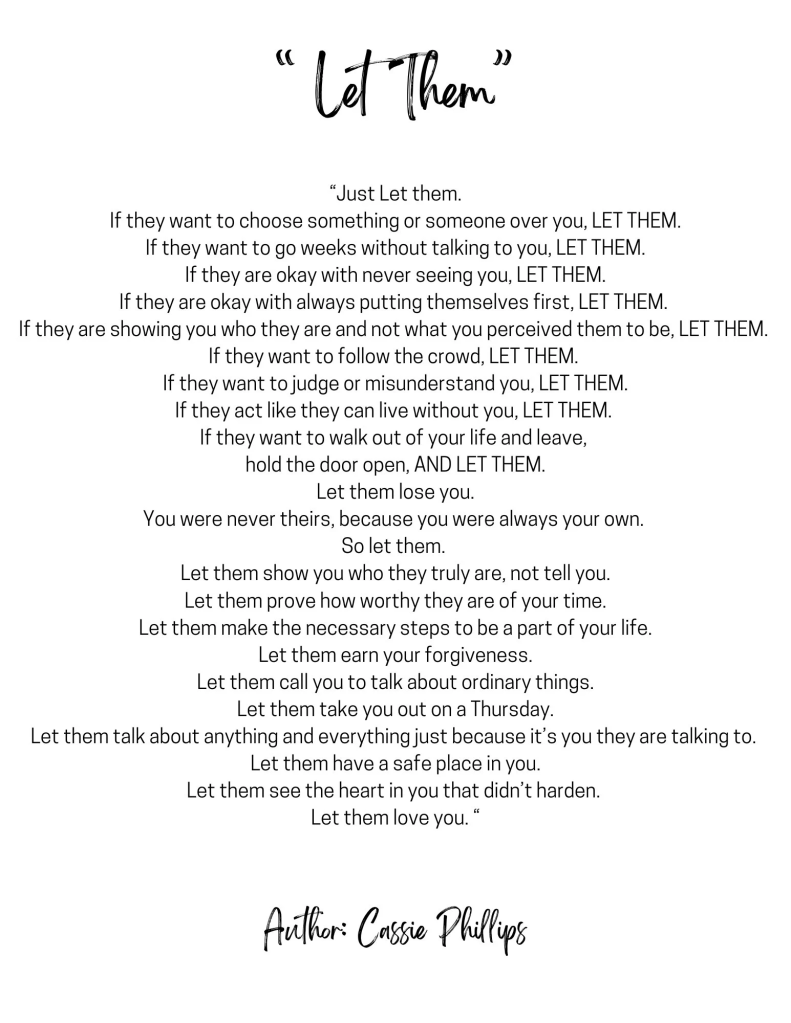
  • LET THEM is a boundary. 

https://www.gabethebassplayer.com/blog/how-can-i-read-your-mind-better

How Can I Read Your Mind Better?

January 8, 2025

i.e. What are your unspoken expectations?

This is at the heart of so much heartbreak and frustration in this business.

Our personal expectations are ‘just the way it is’…and it’s easy to think they’re shared by others…or at least they should have read my mind by now.

It’s worth asking the people around you what they’re really hoping for. You’re sure to learn something new. Something they’ve been thinking all along but secretly expecting you to just read their mind.

You’re good but you’re not that good. You’re going to have to ask.

I am enrolled in UCC Contracts/Business Law and Probate Law this semester for my paralegal certificate program. I am not an attorney, and this is not legal advice. These are some fascinating facts I have learned so far.

For most contracts, the general rule is that while it’s not illegal to enter into a contract with a minor, the contract is voidable at the discretion of the minor. Once reaching the age of majority, they can also disaffirm contracts. The cases I read that stood out to me involved minors voiding arbitration clauses in contracts and voiding waivers of liability by voiding contracts. I believe this can be a risk of liability for employers who hire minors. For example:

Pak Foods Houston, LLC v. Garcia, 433 S.W.3d 171 (Tex. App.—Houston [14th Dist.] 2014) involved a personal injury claim. A minor filed a personal injury claim against a fast-food restaurant. The restaurant filed a motion to compel arbitration based on an arbitration agreement that the minor signed as part of an employment agreement. The court found that the contract was voidable, and the minor disaffirmed the agreement by terminating her employment and filing suit.

I’ve been intrigued by the many rules of Probate Law this semester and how different state statutes vary. For those with wills, a spouse cannot be disinherited in the will, but disinheriting children is allowed. Each state has a plan for the assets of those who die without wills. As an example, for those who die without wills in Minnesota:

524.2-102 SHARE OF THE SPOUSE.

The intestate share of a decedent’s surviving spouse is:

(1) the entire intestate estate if:

(i) no descendant of the decedent survives the decedent; or

(ii) all of the decedent’s surviving descendants are also descendants of the surviving spouse and there is no other descendant of the surviving spouse who survives the decedent;

(2) the first $225,000, plus one-half of any balance of the intestate estate, if all of the decedent’s surviving descendants are also descendants of the surviving spouse and the surviving spouse has one or more surviving descendants who are not descendants of the decedent, or if one or more of the decedent’s surviving descendants are not descendants of the surviving spouse.

In other words, if you are married without kids and die without a will, your surviving spouse gets 100% of your assets. If you are married with kids and neither you nor your spouse have kids with other people, your surviving spouse gets 100% of your assets. Yet, if you are married with kids and you or your spouse have living kids that are not biologically shared, your living spouse gets the first $225,000 plus 1/2 of any balance of the estate, and the rest gets split up between all of the kids (descendants).

My husband and I are doing the Bible in a Year series with Fr. Mike Schmitz, which has been so informative and interesting so far. One thing that has resonated with me so far is that many of us are pharaohs to ourselves. We make ourselves so busy that we don’t have time to think about God. We make ourselves so busy that we have made ourselves into slaves by saying “I have to do this, I have to do that” and all of the other things that we’ve set up. We’ve set up a pace of life for ourselves that is unmanageable, and we don’t have time for worship. God’s people were never meant to be slaves – not a slave to Pharaoh and not a slave to the pharaoh that lives inside of us. We are meant to be free so that we can truly belong to Him.

And if you aren’t religious, this can still also apply to several other areas of your life. What are the things that you are making yourself a slave to? Are you spending too much time working, scrolling on your phone, etc.? What are the things you say you don’t have time for? What are you doing with your time instead? Are you making time for the things you say matter the most to you?

What are the symptoms of R-CPD?

Additional symptoms, outside of the lifelong inability to burp or belch, can include:

  • Abdominal and/or chest bloating and pain
  • Excessive flatulence
  • Nausea
  • Gurgling noises from the neck and chest
  • Difficulty vomiting or fear of vomiting (emetophobia)
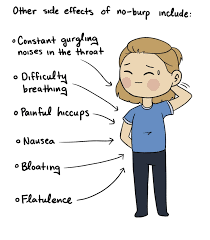
As shown, the chief complaints are GI-related. Yet, GI doctors (and many other doctors) are not aware of this condition, leading many to run numerous tests instead of asking the right questions. In an ideal world, when patients complain of bloating, gas, nausea, and gurgling, GI providers and other providers would ask “Can you burp?” If not, they should be treated for R-CPD. There are not many providers who are aware of and treat this syndrome.

Here is more information about it, such as the symptoms, treatment, etc. There is even a Reddit community for this condition: https://www.reddit.com/r/noburp

Thoughtful Thursday posts, Uncategorized

Thoughtful Thursday – June 27, 2024

Optimal Relationships Daily – When Your Expectations of Others is Making You Frustrated
“Let Them” by Cassie Phillips
On Purpose with Jay Shetty – If You’ve Been Feeling Drained…Listen To This

https://www.gabethebassplayer.com/blog/running-its-course

Running Its Course

June 25, 2024

Thoughtful Thursday posts, Uncategorized

Thoughtful Thursday – November 9, 2023

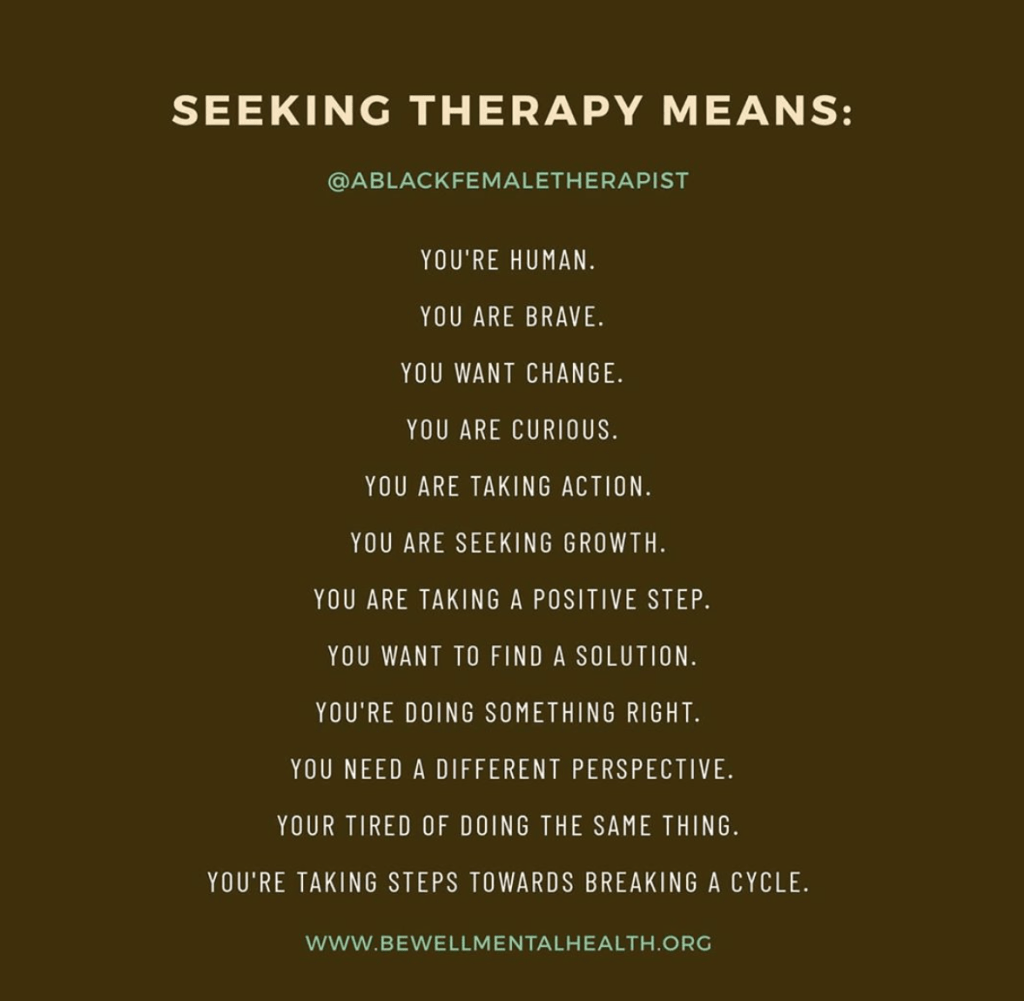
Optimal Living Daily – 10 Reasons You Would Benefit From Therapy

The power of expectations

Inside Out Money – Reflections on one year of early retirement

Thoughtful Thursday posts, Uncategorized

Thoughtful Thursday – July 20, 2023

My intention is to post a Thoughtful Thursday column each week and share some of the insights I have learned in the past week. Here are some of the things I’ve learned this week:

Optimal Living Daily – Important Questions to Ask When Planning Your Week
  • What do I want/need to accomplish this week?
  • What’s the weather going to be like this week?
  • Is everything on my list in alignment with my unique priorities and values?
  • Is my to-do list for the week reasonable and realistic given my other commitments?
  • Do I have sufficient self-care scheduled in each day?
  • If something comes up last minute, do I have the flexibility to handle it with grace and ease?
NerdWallet’s Smart Money Podcast – Social Media Shopping Tips, and Smart Spare Cash Investing
  • Everything on social media seems so urgent. Influencers say that there is a limited time to make this purchase with their discount code, so people are likely to make impulse purchases. Realize that you can probably find a different discount code later if you really want to.
  • Take the time to compare prices and check out reviews online before purchasing items on social media. You can use the Honey browser extension to pull in discount codes.
  • I have been tempted to impulsively purchase items on social media, but after looking at reviews online, I have decided against it many times. Keep in mind that many influencers are being paid to promote products and do not have your best interests in mind. Sometimes these products are not highly-rated.
  • Consider using a credit card for extra fraud protection.
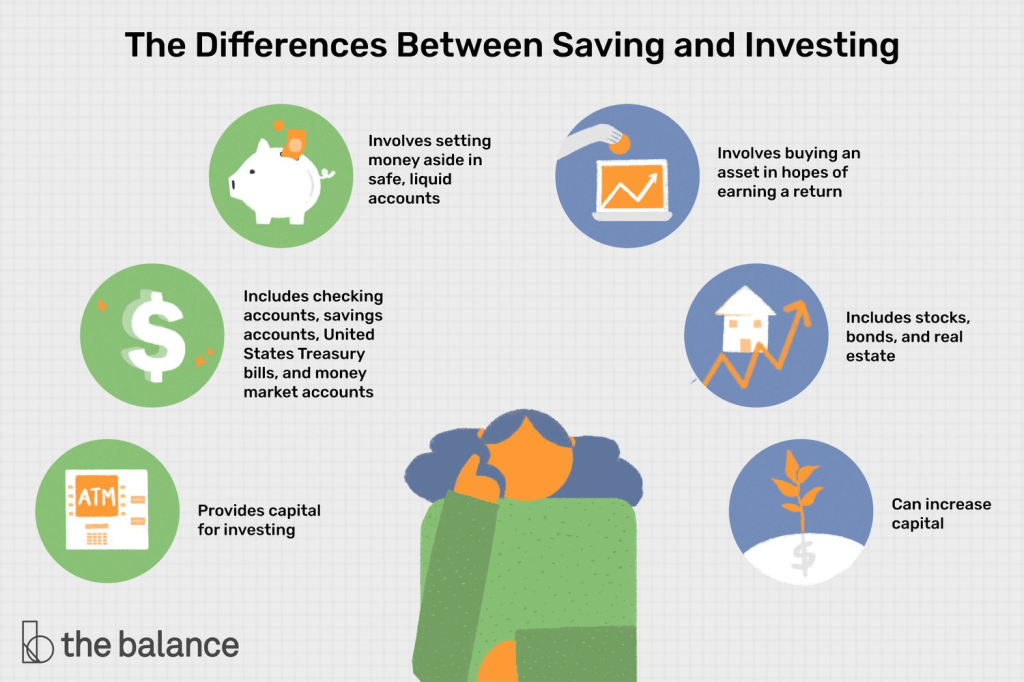
  • Know how to save for emergencies and work to save 3-6 months of essential costs. Weigh your investment options.
  • Invest in stocks if you don’t need the funds for at least five years. This is because dips in the stock market can take time to recover.
  • Index funds are a popular investment option because they are hands-off. They can generate a reliable return over long periods of time. Index funds average returns of up to 10% each year.
  • If you want to be more active than index funds, you can buy mutual funds or exchange traded funds (ETFs) that target particular segments of the market (ex: technology, healthcare, etc.) You could also buy individual stocks. Researching individual stocks can take a lot of work and they are likely to fluctuate a lot.
  • Short-term options: high-yield savings account, money market savings account, CDs, and short-term bonds
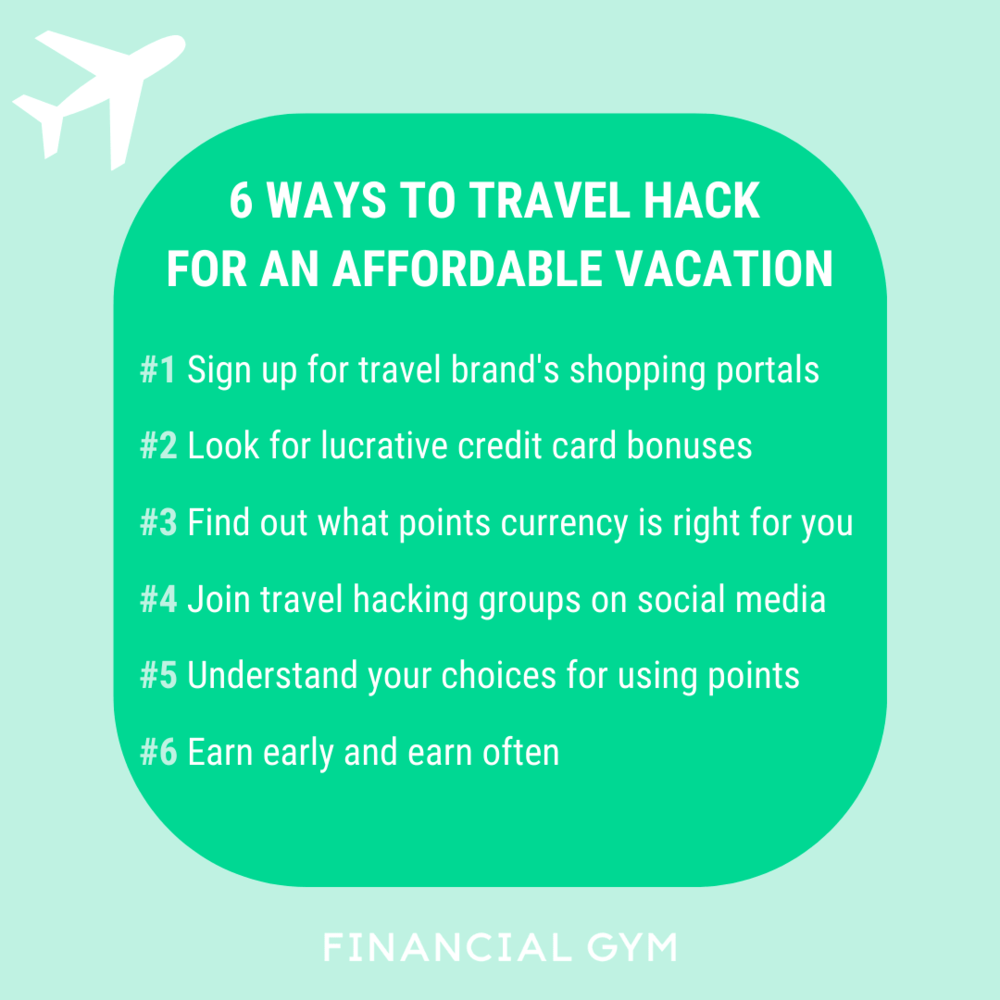
Frugal Friends Podcast – How to Hack Your Next Vacation with Chris Hutchins
  • Use Google Flights to search for multiple dates, airports, and airlines
  • International travel: book flights to a major city near the non-major city you want to travel to and then look into local options to get to non-major city (saves $$$)
  • Negotiate your Airbnb, especially if last-minute or a lot of availability is showing on their calendar. Reverse-image search to see if this listing is posted elsewhere at a lower cost. Then try to negotiate. I have never tried this, but I have read many success stories!
  • Large families- ask hotels if they have a discount for booking a second room.
  • Book hotels directly on the hotel’s website. Ask for upgrades.
  • Use Autoslash.com for car rentals.
  • Airalo – directory of esims you can buy all over the world for international travel for your phone.
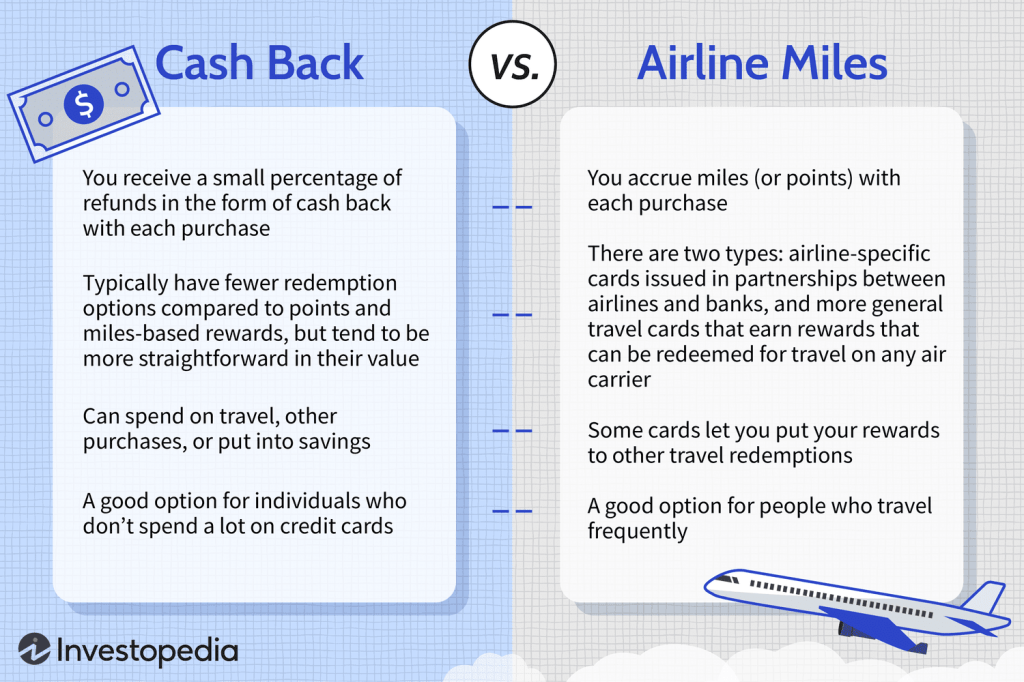
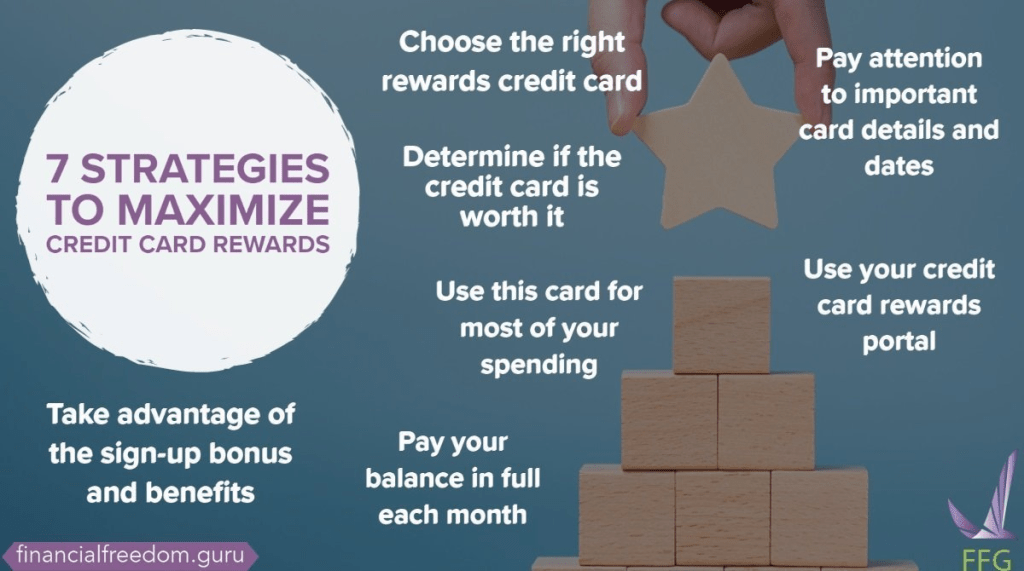
  • There is no amount of interest charged on a credit card that makes it worth getting points. If you can’t pay it in full each month, it’s not worth it.
  • If you’re using points and miles to go on a vacation, you could have used cash back to buy other things, so it’s not truly a “free vacation.”
  • In general, when you earn points and miles, you have two options: you can either use them as an equivalent cash rate (through Chase portal, Amex portal, etc.) or transfer the points to airlines and hotel rooms. Any trip you take using points is good. The best value you can get is to transfer the points to an airline and book directly.
  • Ways to earn: sign-up bonus with new card (spending $3-4k within first 3 months usually) or spending optimally. Some cards are great for airline tickets. Others are best for gas and groceries. Look at where you spend your money and choose a card that earns the most points on those categories. Some people use a card for a specific category and a different card for everything else.
  • Some cards are worth annual fees if the credits and perks they give you are utilized and worth more than the annual fee. Some cards come with travel credits, delivery credits, etc.
  • Travel hacking mistake: optimizing a trip by getting the best deal rather than going where you want to go and doing what you want to do.
  • Use points portals from your credit cards to get cash/points back with purchases you plan on making anyway, buy gift cards to meet minimum spends to get sign-up bonuses (Amazon, Home Depot, Menards, etc.) If your card awards you for grocery purchases, you could buy gift cards at a grocery store to maximize points. Retailer gift cards don’t have fees to buy them, but paying activation fees for things like Visa or Amex gift cards is usually not worth getting points for unless it is a last resort to achieve a minimum spend sign-on bonus.
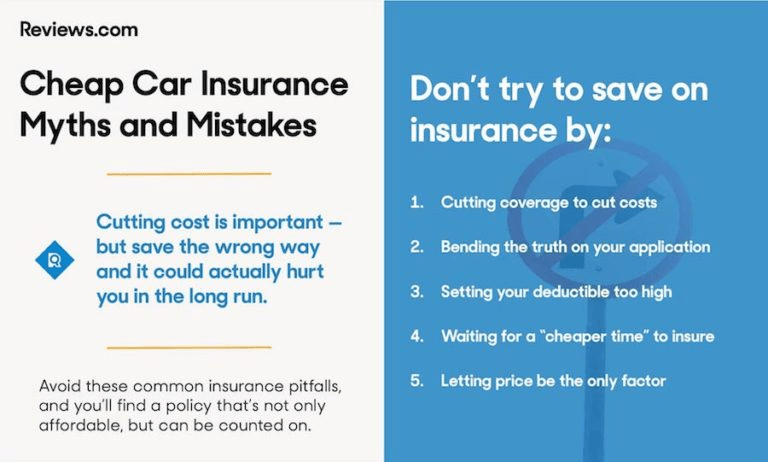
  •  Get different auto insurance quotes every 6 months-1 year.
The Accidental Creative with Todd Henry – Excellent Advice for Living (with Kevin Kelly)
  • You don’t have to attend every argument you’re invited to. You can’t reason someone out of a position that they didn’t reason themselves into. Most views are not going to be changed within an argument with logic. The best way to change someone’s mind is to try to listen to them and understand why they believe what they believe. You will have much more power to nudge them by using compassion and listening.
  • You really don’t want to be famous. Read the biography of any famous person. It’s a burden.
Stuff You Should Know – James Beard: Food Legend
  • James Beard is a very highly regarded chef who was self-taught with no formal training. He started the farm-to-table concept and new American cuisine. He made a name for himself by making food for cocktail parties.
  • In 1937, he moved to New York and taught himself how to cook. He published his first cookbook in 1940.
  • He published 20 cookbooks from 1940-1983.  In 1972, he published James Beard’s American Cookery, a 877-page compendium with 1,500 recipes, in which he tried to do for American cooking what his friend Julia Child had achieved for French cooking with Mastering the Art of French Cooking.
  • James Beard took French food and Americanized it and made American cuisine in the process.
  • He founded, with restaurant critic, Gael Greene, City Meals on Wheels. It is similar to meals on wheels but covers New York City.
  • Julia Child and James Beard were very good friends and were some of the most well-known chefs in America.
  • Many of Beard’s cookbooks are still in print, and he is acknowledged as one the most influential exponents of good cooking in the twentieth century. The James Beard Foundation in New York preserves his residence and makes annual awards that carry on his legacy.
  • The James Beard Foundation gave awards for great American chefs with a certificate and chef’s knife. The James Beard Foundation Award, the most coveted individual honor in the American food industry, is known as the “Culinary Oscar.” The Michelin Star is also highly coveted and is awarded to restaurants, not individual chefs.
  • James Beard Chef and restaurant awards started in the early 1990s. Wolfgang Puck was the very first winner. Bobby Flay once won rising star chef.
  • Restaurants that have been nominated for a James Beard award typically double their reservations and increase sales by 20-25%.
  • Controversies: some award winners have reputations of berating chefs and treating employees poorly. There is also criticism that most winners have been white male chefs.
  • The James Beard awards were canceled for 2020 and 2021. They said it was due to the pandemic, but insiders report that it’s because every award winner is white and they were already being criticized for lack of diversity.
  • There is now an ethics committee that evaluates nominees on a personal level. Private investigators now investigate the nominees. This has also brought significant criticism.

This post is directly from Seth’s Blog, one of my favorite blogs and the top business blog:

Goals and expectations

[a note to a frustrated friend, just starting out on a long career]

There are three reasons that our goals might not be achieved. In order of palatability, they are:

Perhaps the goals are too lofty, too based on chance, unlikely for anyone to achieve, surrounded by barriers that are rooted in class or caste, or simply unrealistic.

If that’s the case, change expectations and/or pick different goals.

Or, perhaps the goals are useful, but we need more persistence, more time and some hard-earned lucky breaks along the way.

If so, be persistently patient.

Alas, if it’s not these two, the most likely reason is that we need to walk away from our expectations and our insistence that we’re already doing the work perfectly. It could be that we need to expend more effort than we hoped, develop new skills, find and embrace new strategies and develop a taste for the emotional labor that’s required to get from here to there.

Empathy, a cycle of skills improvement, developing new attitudes and showing up in service often accompanies the careers of people who get from here to there.

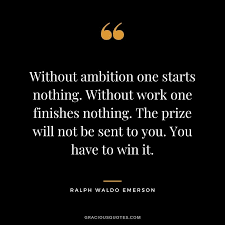
Ambition is insufficient.

I love the Jordan Harbinger Show podcast and this free networking course was recommended to me. I started this week and am looking forward to completing it soon! In this incredibly helpful course, Jordan outlines (through video and text) how to build your network, reconnect with past contacts, and dig the well before you get thirsty. In other words, he provides guidance on how to maintain your network instead of just reaching out to people when you need something (ex: a job). I highly recommend this course for anyone looking to improve their networking skills. This practice will soon be added to my daily habits!

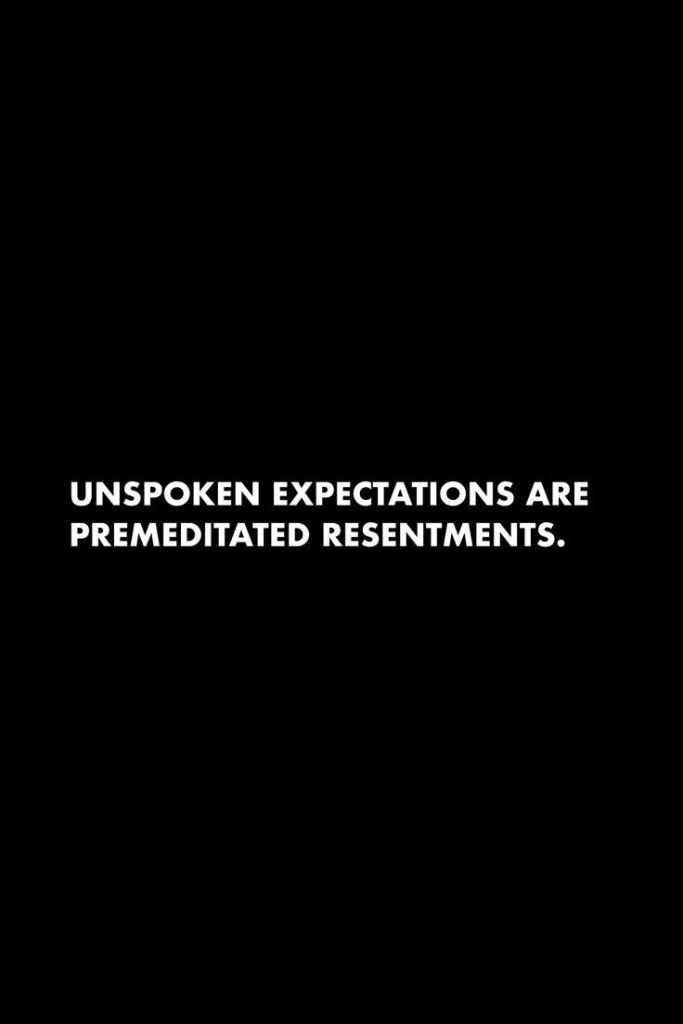
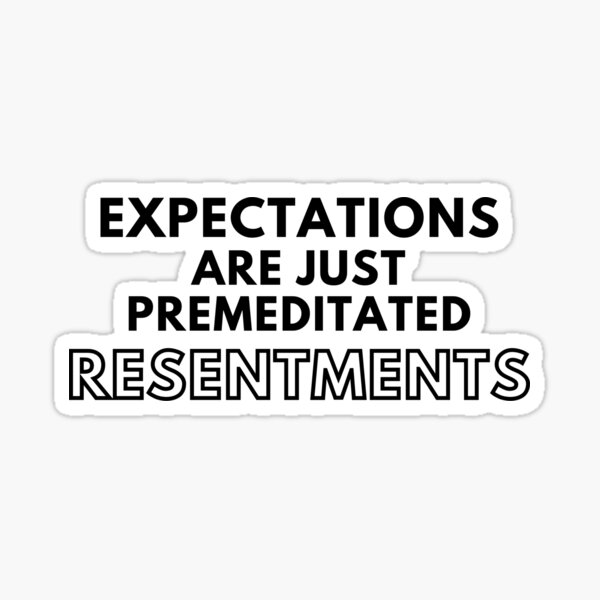
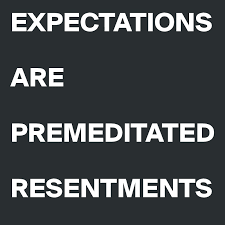
I heard this quote on TikTok this week and it has stuck with me: “Expectations are premeditated resentments.”

I look forward to reading, learning, and sharing more with you soon!
Thoughtful Thursday posts, Uncategorized

Thoughtful Thursday – June 22, 2023

My intention is to post a Thoughtful Thursday column each week and share some of the insights I have learned in the past week. Here are some of the things I’ve learned this week:

NerdWallet’s Smart Money Podcast – The Price of Parenthood: What It Costs to Be a Parent

115,000 children were adopted in the United States in 2019. The number of adoptions dropped in 2020 to just over 95,000.

391,000 children are currently in foster care in the United States waiting for homes.

Paths to parenthood include:

  • traditional parenthood
  • surrogacy
  • foster care to permanent placement/adoption
  • private adoption through an agency or independent adoption

This podcast primarily focused on adoption. Here are some take-aways:

  • Adoption through an agency generally costs $40,000 or so, and it is paid in installments (a certain amount to get started, more after the home study is completed, and more after a placement). In addition to the agency costs, you will need to pay legal fees. Attorney fees vary widely from about $4,000-$15,000.
  • It takes an average of 2-3 years to complete the adoption process.
  • When waiting for a placement, you should be ready with baby stuff, but you should keep it out of sight. Don’t create a baby room. It will remind you of the waiting.
  • Be aware and be emotionally prepared for how long the process can take. Many people wait years.
  • Insurance companies generally do NOT cover adoption expenses. Many people spend over $40,000 to adopt – the price of a new car! Check your employer’s adoption assistance programs and benefits. The government also offers a federal adoptive tax credit. In 2023, the credit was $15,950. This is a tax refund, not a deduction.
  • When considering finances, also have an understanding of your future expenses, such as added costs of groceries, transportation, childcare, and saving for higher education.
  • Do your research and make sure you can cover the adoption expenses or have a plan for it. Be sure to include legal fees on top of the agency fees. You will need a lawyer to get the adoption formalized through the state. Evaluate your finances and research additional resources, such as grants, personal loans, and fundraising.

Questions to consider:

  • Domestic or international adoption? Adopting a newborn is only possible domestically. You will receive a more comprehensive medical history with domestic adoptions. Many adoptive parents who don’t want contact with the birth parents choose to adopt internationally.
  • Foster system – This is the most affordable path to adoption, but does not always guarantee a permanent placement.
  • How much do you want to know about the child prior to adoption? Open adoptions grant adoptive parents access to more background information about the child’s family and provide an opportunity to ask questions.
  • Private agency vs. independent adoption – you can go through an agency and have someone do most of the work for you, or you can try to find your own “match”

This chart is 10 years old, but gives a better picture of the breakdown of costs.

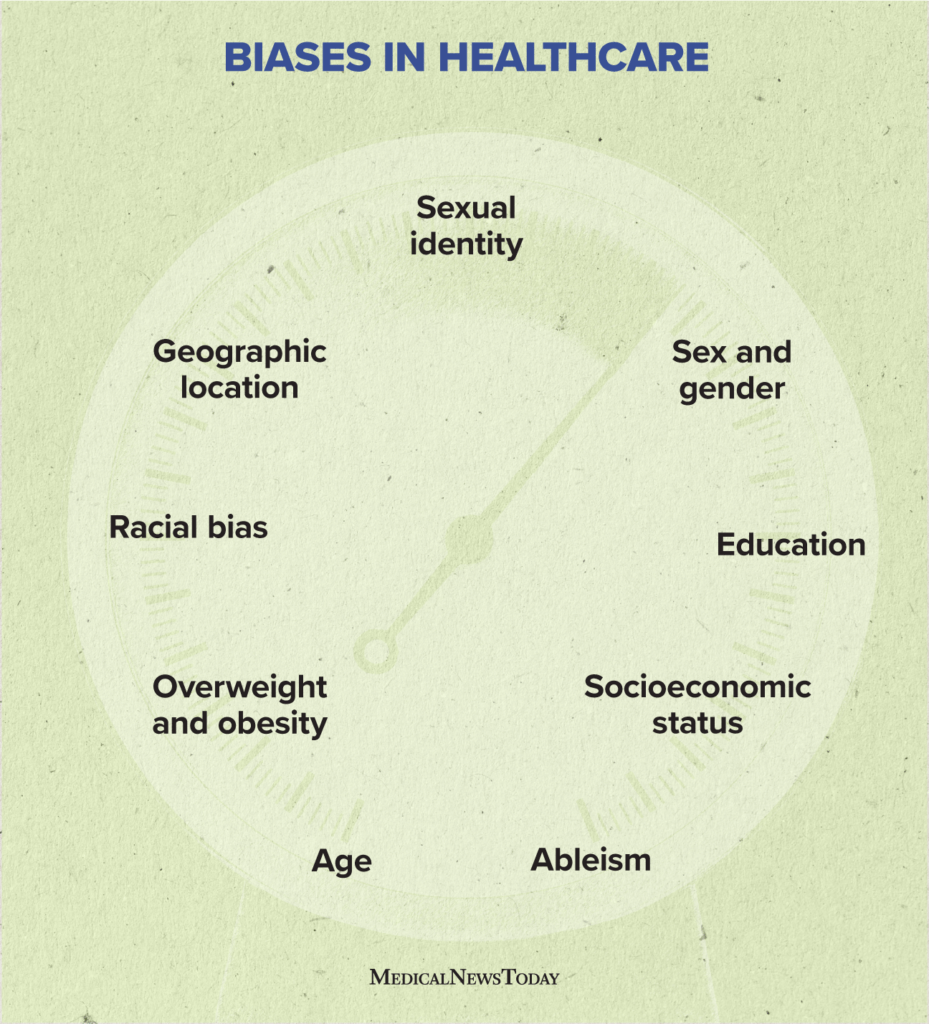
TED Health – The bias behind your undiagnosed chronic pain

Studies have shown that, regardless of insurance and income status, racial and ethnic minorities received worse care. When it comes to pain, research shows that bias extends beyond minorities to include women and even children.

  • Pain is often dismissed. Many women are told the pain is “all in their heads.” Pain is in everyone’s heads because pain can’t take place without our brain.
  • Not all pain is related to tissue damage. You can have real pain with no physical injury or source. Pain can’t be measured by a lab test.
  • Pain is subjective and doctors must begin by identifying its source. When there is no source, it becomes open to interpretation, which becomes open to implicit bias.

Women are more likely than men to be prescribed anti-anxiety medicines than painkillers when complaining of the same pain as men do. Clinicians often suggest psychosocial causes or stress for women when they order lab tests for men with the exact same symptoms.

What can be done? We can begin by identifying our stereotypes and rewrite the stories of the people we meet. Are you treating men and women differently? Are you treating different cultures or races differently?

Physicians, make sure you aren’t writing a story that the patient hasn’t told you yet. It is your duty to replace the undiagnosed bias with empathy.

Finding the right doctor may feel a bit like dating. You may need to swipe through a few to find the right one for you.

The VeryWell Mind Podcast – Friday Fix: The Best Tool for When You Feel Overwhelmed

There are always going to be multiple things vying for your attention, especially in the age of social media and phone notifications. You will always also have your own personal to-do list.

Stop underestimating how long a task is going to take. We consistently underestimate and then get frustrated when we don’t get everything done that we want to get done.

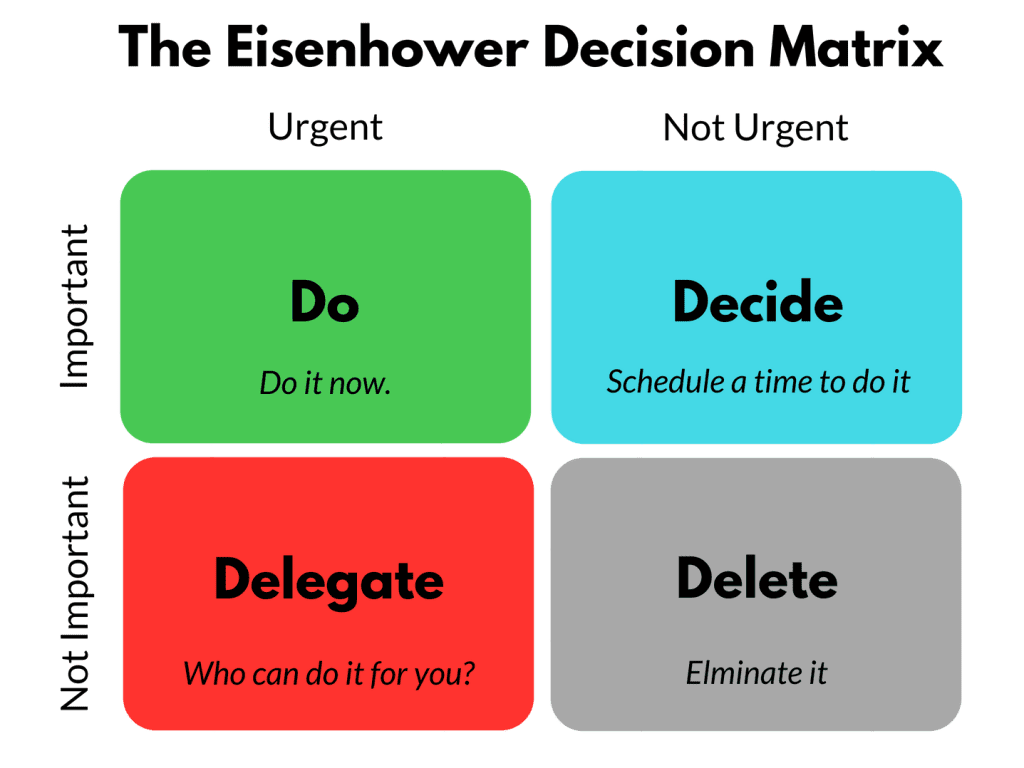
Prioritize what should get done first. Our attention is often drawn to time-sensitive tasks that are less urgent. When you’re busy and overwhelmed, you’re likely to prioritize other tasks that come along with other tight deadlines because you’re already feeling busy. When you feel frenzied, you’d do frenzied things. Introduce rational thinking into the mix with the Eisenhower Matrix. Sort tasks by urgency and importance.

People tend to do the fastest tasks first. People might do urgent things first even though they don’t need to get done. It’s easy to get distracted by the new tasks that come in even though they don’t need to get done.

Life Kit – Ultra-processed foods are everywhere. Here’s how to avoid them
  • Pick up a packaged food at the supermarket and you’ll start to notice the same things: high levels of salt and fat, added sugars, added colorings, added flavors, hydrolyzed protein isolates, high fructose corn syrup, bulking agents like maltodextrin, etc.
  • Read the ingredient list! Ignore the health claims and read the ingredient list instead. If it includes ingredients you don’t recognize and wouldn’t have in your kitchen, it’s usually an ultra-processed food.
  • Overconsumption of ultra-processed foods results in increased risk of type 2 diabetes, obesity, hypertension, dying from cardiovascular disease, dying prematurely from all causes. These foods tend to have a lot of added salt, sugar, and fat.
  • Ultra-processed foods can result in not eating enough fiber. Many ultra-processed foods have added sugars that aren’t needed.
  • If you like salty, crunchy snacks, think about nuts (good source of fats, proteins, and fiber). If you love breakfast cereals, look for something with protein and fiber and fewer ingredients. If you like yogurt, look for something with low or no added sugar and add some berries to sweeten it or look for something with added protein.
  • Cooking more from scratch is a better option to avoid ultra-processed foods. Focus on things you know you should be eating more of, such as fruits and vegetables. For canned vegetables, you can rinse them and let them drain to reduce sodium.
  • Truefood.tech – this is a neat website where you can look up food brands and see how processed your food is. It will also suggest less processed alternatives.
  • Aim to fill your diet with fruits, vegetables, lean meats, whole grains, and some dairy (unless you have allergies). 80/20 Rule- 80% of the time, aim to eat clean.
Frugal Friends Podcast – What We’ve Learned From 75+ Real People Budgets
  • Stay out of the grocery store. Order your groceries online to prevent impulse purchases. If you shop in store, commit to only going once each week. If you forget an ingredient, go without. This will prevent impulse purchases.
  • Check your calendar before you make a budget.
  • Track all of your expenses!
  • Limit time on social media. People use it to highlight what they don’t have and are more likely to make impulse purchases. You’re only seeing the best of the best, not people’s physical, emotional, mental, or relationship stress when it comes to finances.
  • Remember that different people may have different priorities than you do. Their financial situation might look better, but it may not be better for you. Ex: working long hours, having a family, debt, etc.
The Accidental Creative with Todd Henry – Managing Expectations (For Yourself and Your Team)
  • Team members may resent one another and be unable to articulate why. In reality, it’s because there are unmet expectations that may have never been spoken. This doesn’t have to be related to work; it can happen in your personal life, too.
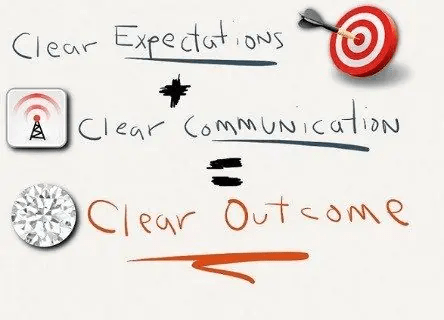
  • Think about a moment in your life when you’ve experienced conflict. How much of the conflict was sourced in expectations that you had of the other person? Were those expectations ever communicated to the other person? The majority of conflict in the workplace is the result of missed expectations. Someone expects something from a team member, customer, or stakeholder, but the expectation was never clearly communicated and agreed to by the other party.
  • We often hold grudges of which the other party is completely oblivious. These corrode our ability to collaborate.
  • Have you communicated your expectations in a clear and empathetic way? Don’t carry the pointless burden of the unmet expectations of others. There’s enough on your plate!
  • On a personal level, you probably have expectations of yourself that you aren’t even aware of. Learn to make agreements with yourself that you can actually keep. Many of us make agreements not based on what we think we should do, but what others think we should do. Identify agreements that you have made with yourself that you may be unaware of.
  • Many creatives live with perpetual guilt because they feel they aren’t doing enough, they’re failing by some arbitrary metric, or feel like they’re falling behind because they’re letting other people establish what getting ahead looks like. They believe they aren’t disciplined because they’re living by someone else’s metric. Who set that metric? Who decided what success or failure looks like for you?
  • What do you truly expect yourself to deliver on today? Do you have an accurate assessment of expectations for yourself? Are you living according to someone else’s metrics? Don’t allow others to “ought” and “should” you into feeling guilty about your level of discipline.
  • Assess, commit, and achieve. Discipline is making a commitment with yourself and keeping it.
  • Leadership is about risk mitigation. Great leaders understand that the goal is to accomplish what they can while mitigating the potential downside – keeping the team in the game.
  • Because of the risk involved, many leaders become less than clear about their expectations for the work or for the team. They may speak in vague terms or give opaque direction because they themselves are not certain of the right decision. They want to project themselves into a situation and protect themselves from a mistake, so they lack precision when they communicate. A few team dynamics emerge. Team members wait until you tell them what to do before actually starting their work. Dissonance emerges as each team member interprets what you want, sometimes leading to misalignment and disjointedness among those responsible for executing the work. Dissonance is a gap between the “why” and the “what.” Team members need leaders to be precise about expectations. You need to be clear even when you are uncertain.
  • Aim to use precise language and precise expectations – be clear about what you want, when you want it, who will do it, why it matters, and what the outcome will be if you are successful. All effective expectations include assignment of responsibility, articulation of a timeline, and accountability for results. If your expectations don’t include all three, you aren’t being precise enough.
  • Aim for precise objectives. Where are you leading the team? How will you know you’ve arrived? Why will any of it matter in the long run? Team members need to know that you have clear objectives in mind, you are aware of the obstacles you are going to encounter, and you have a plan to overcome them. You must be clear about where you are leading the team in spite of your personal insecurities.

I look forward to reading, learning, and sharing more with you soon!
Book review posts, Uncategorized

Wisdom from “1000+ Little Things Happy Successful People Do Differently”

“1000+ Little Things Happy Successful People Do Differently” was written by Marc Chernoff, co-author of the blog Marc & Angel Hack Life and New York Times bestseller “Getting Back to Happy.” This book was in a listicle format and, although the title is deceiving and inaccurate, I learned so much from this book.

Millions of people live their entire lives on default settings, never realizing they can customize everything. Dare to make edits and improvements. Dare to make your personal growth a top priority.

“Don’t ask ‘Why me? Why didn’t I…? What if…?‘ Instead, ask ‘What have I learned from this experience? What do I have control over? What can I do right now to move forward?‘”

Extend generosity and grace. When someone is grouchy, tired, or whatever you don’t desire, add “just like me sometimes.” Ex: “That person was so rude…just like me sometimes.”

Happiness cannot be traveled to, owned, earned, worn, or consumed. Happiness is the sacred experience of living every moment with love and gratitude.

“Imagine you had a ripe, juicy tangerine sitting on the table in front of you. You pick it up eagerly, take a bite, and begin to taste it.

You already know how a ripe, juicy tangerine should taste, and so when this one is a bit tarter than expected, you make a face, feel a sense of disappointment, and swallow it, feeling cheated out of the experience you expected.

Or perhaps the tangerine tastes completely normal— nothing special at all. So, you swallow it without even pausing to appreciate its flavor as you move on to the next unworthy bite, and the next.

In the first scenario, the tangerine let you down because it didn’t meet your expectations. In the second, it was too plain because it met your expectations to a T.

Do you see the irony here? Nothing really meets our expectations.”

We need to adopt a mindset free of needless, stifling expectations. The tangerine can be substituted for almost anything in your life: any event, any situation, any relationship, any person, any thought at all that enters your mind. If you approach any of these with expectations of “how it should be” or “how it has to be” in order to be good enough for you, they will almost always disappoint you in some way.

The only person who can make you happy is you. You are also the only person responsible for your success.

Failure is a part of success. Failure becomes success when we learn from it. Focus on how far you have come.

You will never feel 100 percent ready when an opportunity arises. Embrace the opportunity and allow yourself to grow emotionally and intellectually.

View every challenge as an educational assignment: “What is this situation meant to teach me?” Be a student of life every day. Experience it, learn from it, and absorb all the knowledge you can.

When someone upsets you, it’s often because they didn’t behave to your fantasy of how they “should” behave. The frustration stems not from their behavior, but your expectations. You can’t control how others behave or what happens to you, but you can control your response.

Life is kind of like a party. You invite a lot of people, some leave early, some laugh with you, and a few stay to help you clean up the mess. The ones who stay are your real friends in life.

Over the past month, what have your actions been silently saying about your priorities? Are there any changes you want to make?

If you had a friend who spoke to you in the same way that you sometimes speak to yourself, how long would you allow that person to be your friend? The way you treat yourself sets the standard for others.

Do your best with what’s in front of you and leave the rest to the powers above you.

Marc Chernoff

30-day challenge ideas to improve your life:

  • Get rid of one thing a day for 30 days
  • Wake up 30 minutes earlier than usual
  • Ditch 3 bad habits
  • Define one long-term goal and work on it for an hour every day
  • Watch or read something that inspires you every morning
  • Cook one new recipe each day
  • Each day, have a conversation with someone you rarely speak to
  • Document every day with one photograph and one paragraph

20 questions you should ask yourself every Sunday- linked here:

I look forward to reading, learning, and sharing more with you soon!