It’s been a while since I’ve posted on this blog since I have had other priorities. I read 5 books in May. Here is a blurb of each of the books I read in May.
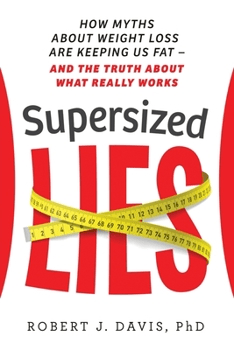
“Supersized Lies: How Myths About Weight Loss Are Keeping Us Fat – And the Truth About What Really Works” was written by Robert J. Davis, PhD, host of the Healthy Skeptic video series and an award-winning health journalist whose work has appeared on CNN, PBS, WebMD, and the Wall Street Journal. Here are some main points:
Instead of focusing on individual villains, we need to pay attention to the general quality of our diets – emphasizing whole foods and minimizing highly processed foods – vegetables, fruits, beans, nuts, seeds, seafood, lean poultry, and whole grains, such as oats and rice. Whole foods tend to have fewer calories per ounce, more fiber, and be more filling, and we often eat them more slowly, giving our brains time to get the message that we’ve had enough.
When calories are cut or increased by a specific amount, the change in weight will vary from person to person, and these differences are due at least in part to genetics.
Calories shouldn’t be the only consideration. That can detract from the pleasure of eating, contribute to an unhealthy relationship with food, and result in too little of the things your body needs. Instead, when choosing what to eat, also pay attention to the sugar, fiber, and protein, and consider how healthful and filling the foods are and how you feel after you eat them.
It takes A LOT of work to burn off the calories in a relatively small amount of food. Changing your diet to lose weight is easier than exercising to lose weight.
If dietary supplements had to meet the same standards of proof for safety and effectiveness as medications, few, if any, would be allowed on the market. Supplement makers aren’t required to test for safety. The law assumes that supplements are innocent until proven guilty – just the opposite of how medications are regulated.
Exercise, sleep, and stress management reinforce each other to benefit not only our physical and emotional health, but also our weight.
4 out of 5 stars
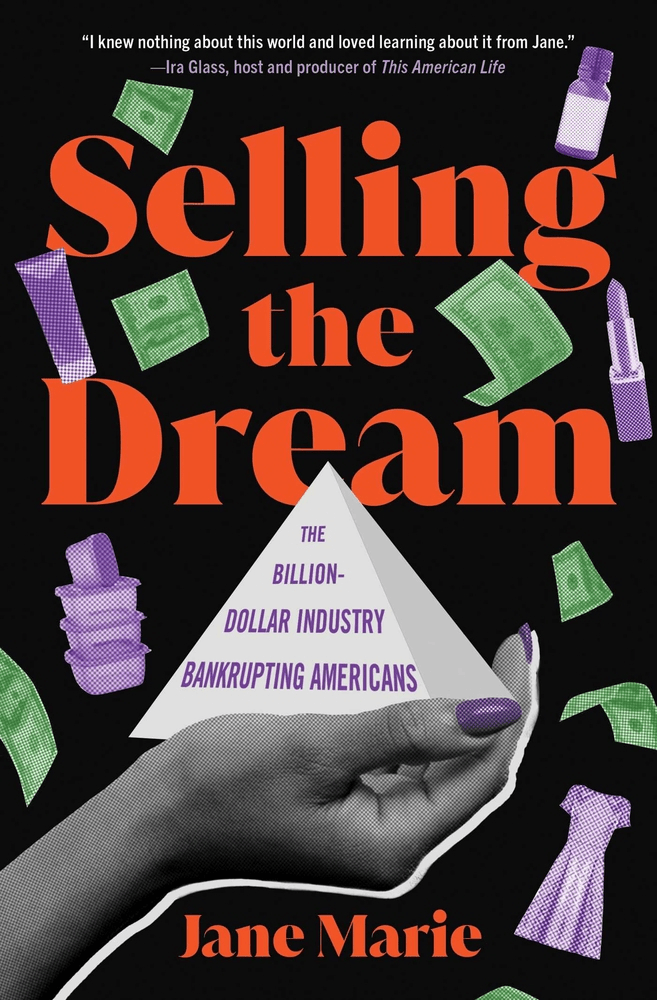
“Selling the Dream: The Billion-Dollar Industry Bankrupting Americans” was written by Jane Marie, a Peabody and Emmy Award-winning journalist. In this book, Jane expands on her popular podcast The Dream to expose the source of multilevel marketing schemes. Although I have never been involved in multilevel marketing (thankfully), I got a lot out of this book! Here are some main takeaways:
99% of those who join MLMs make no $ or even lose $. Women make up 74% of the MLM workforce.
In an MLM, the product being sold doesn’t matter since most of the $ is being made via recruitment fees and distributors stocking their own shelves with inventory.
Despite what those in MLMs may believe, they are not business owners. They don’t control anything except their own sales efforts. They don’t own the product they’re selling or any IP, they don’t set their own prices or salaries, and they are often bound by strict rules in how they can market and sell the products. They also lack a guaranteed salary, benefits, and workers’ rights.
The MLM world is a bizarre land where incentives can range from the opportunity to buy your own ticket to a conference to earning a new rank solely based on products you’ve purchased that now sit in your garage. The disincentives are just as plain: once you’ve roped in your friends and family, quitting seems off the table and an admission that you sold them a bill of goods.
“Nutrition” clubs are seemingly popping up everywhere. One of the most fascinating things I read in this book is that Herbalife nutrition clubs prohibit signs that state or suggest that Herbalife products are available for retail purchase on the premises. Club owners are not permitted to post signs indicating whether the club is open or closed, and the interior of the club must not be visible to persons outside.
I recommend reading this book if you want to learn more about the MLM industry.
4 out of 5 stars
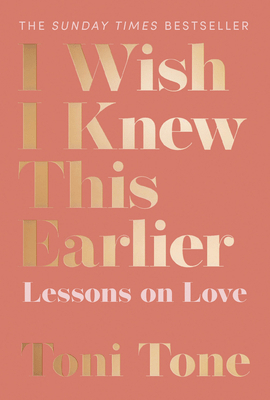
“I Wish I Knew This Earlier: Lessons on Love” is an essay-type book divided into themes and written by Toni Tone, an award-winning speaker, writer, and social content creator. Here are some points that resonated with me:
Intimacy tells you more about a relationship than intensity. Can you be vulnerable? Do you feel safe? Is there trust? Do you have similar interests? Can you easily hold a conversation with them? Do you have similar values?
Have a life outside of your love life is essential. A healthy relationship should complement your life, not become it. A partner who is good for you wants you to flourish and wants you to be the best version of yourself. The best version of yourself is well-rounded, has friendships outside of your romantic relationship, hobbies, and aspirations outside of your romantic relationship.
We should choose to love people for who they really are because the painful truth is that potential doesn’t always manifest.You may think a person is capable of moving mountains for you, but should these mountains never be moved, how will you feel? Falling for potential is not just a disservice to you but it’s also a disservice to the person you are choosing to love. We don’t possess the power to change people. People change because they want to.
Don’t forget to celebrate your partner. Share compliments, provide words of affirmation, and give praise where it’s deserved. Don’t speak up only when you are annoyed. Speak up when you are happy too.
I highly recommend this book to anyone!
5 out of 5 stars
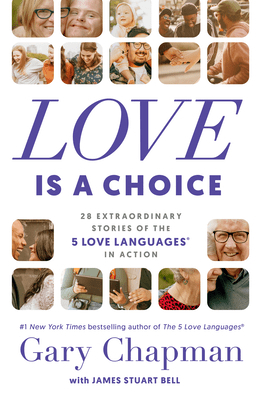
“Love is a Choice: 28 Extraordinary Stories of the 5 Love Languages in Action” was written by Gary Chapman, author, speaker, and counselor and #1 bestselling author of The 5 Love Languages series. Here are some great points:
Realize that you have as many faults as your partner. “Fix your thoughts on what is true, and honorable, and right, and pure, and lovely, and admirable. Think about things that are excellent and worthy of praise.” Philippians 4:8
Perhaps one of the keys to finding an enduring affection is to be willing to accept the interruptions and intrusions.
How do you measure love? Each of us speaks a different love language. How can we learn someone’s love language? By asking them what makes them feel really loved or by watching how the person expresses love to others.
Love doesn’t require that we always have all the answers. Instead, many times love just asks that we listen to the problem, that we try to understand, and that we express our condolences, sympathy, or love. Sometimes love means just being there for the person we care about.
Love requires effort and action. Love is not passive. It requires constant effort, communication, and care. Actions like making time for each other, showing affection, or helping with everyday tasks can strengthen a relationship in profound ways.
Open, honest, and empathetic communication is necessary to foster understanding and connection. Instead of assuming your partner knows what you need, communicate your feelings, desires, and needs clearly. Practice active listening and empathy.
4 out of 5 stars
“Compassion in the Court: Life-Changing Stories From America’s Nicest Judge” was written by Judge Frank Caprio, who became an unexpected television and internet superstar while in his eighties. Judge Caprio’s three-time Emmy-nominated television show, Caught in Providence, has amassed over 20 million followers across social media and his videos have accrued billions of views. Here are some key lessons:
True justice should be tempered with compassion. Treat people as human beings, not just as cases or statistics.
Compassionate decisions build trust in the judicial system. When people feel that they are treated fairly and with understanding, they are more likely to follow the rules and make positive changes.
What may seem unimportant to you could be incredibly important and life-changing to the person before you. One small act of kindness, one act of being thoughtful, can really change the course of a person’s life.
Put yourself in the shoes of the person you are facing and then ask yourself: What would help? How would you behave if it were your parents, grandparents, brother, sister, or relative in that situation? How would you want them treated?
My courtroom was a microcosm of the city of Providence, a progressive city that’s been welcoming immigrants for hundreds of years. Many of the defendants who have appeared before me may not have felt life had treated them fairly, but it was my sincere hope that in my courtroom they felt that they had the opportunity to speak, to be heard, and to be treated fairly in the way our system of justice demands.
4 out of 5 stars
I look forward to reading, learning, and sharing more with you soon!
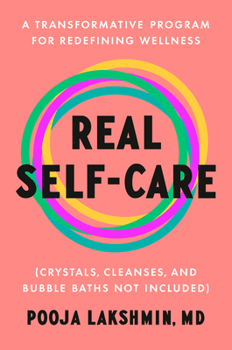
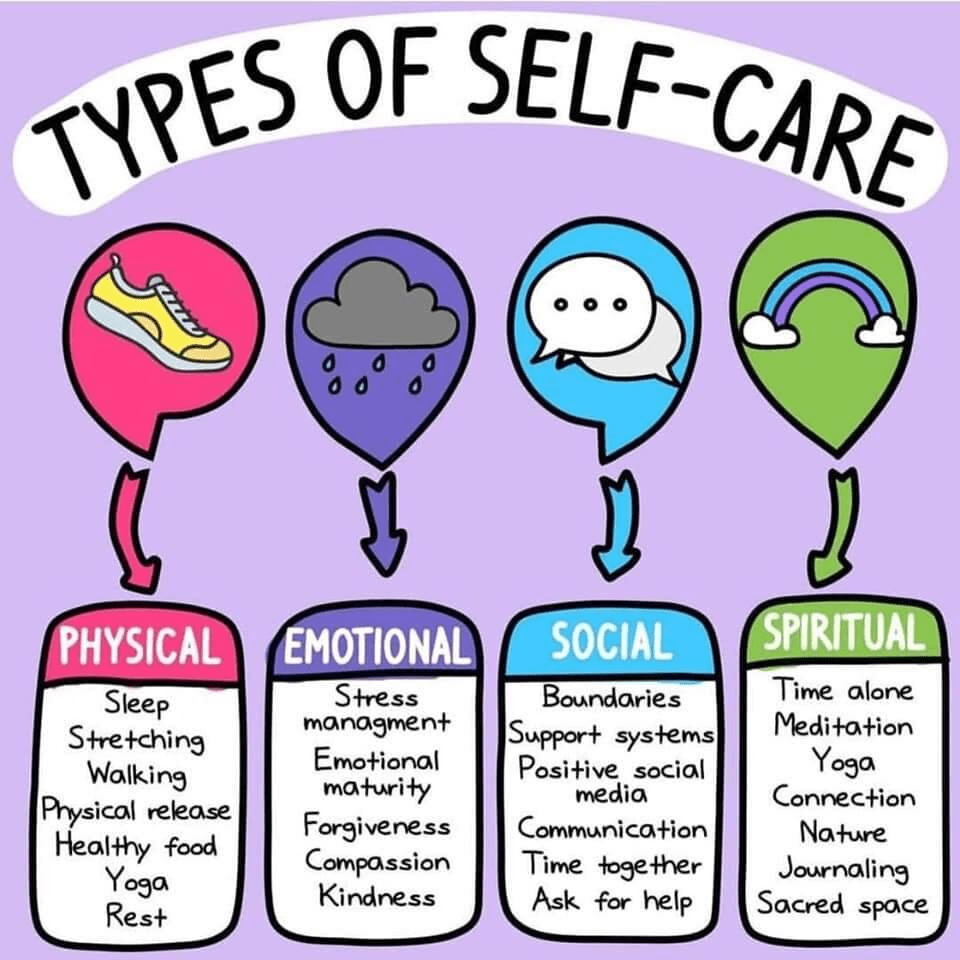
“Real Self-Care” was a much needed, straightforward book written by Pooja Lakshmin, MD, a board-certified psychiatrist, New York Times contributor, and the founder and CEO of Gemma, the physician-led women’s mental health community.
For many women, self-care ends up being another burden, another thing on the to-do list to feel bad about because they aren’t doing it right. Women are pulled in two opposing directions: asked to be selfless and accommodating to the needs of others and, simultaneously, to excel professionally and personally.
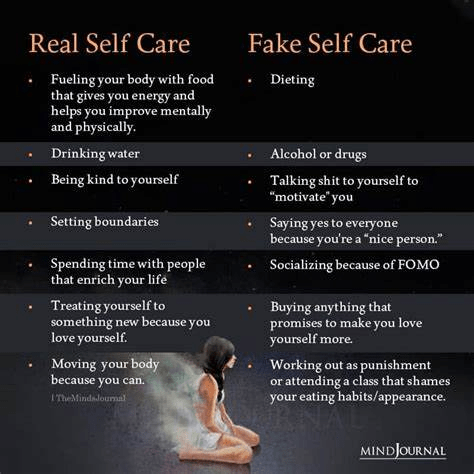
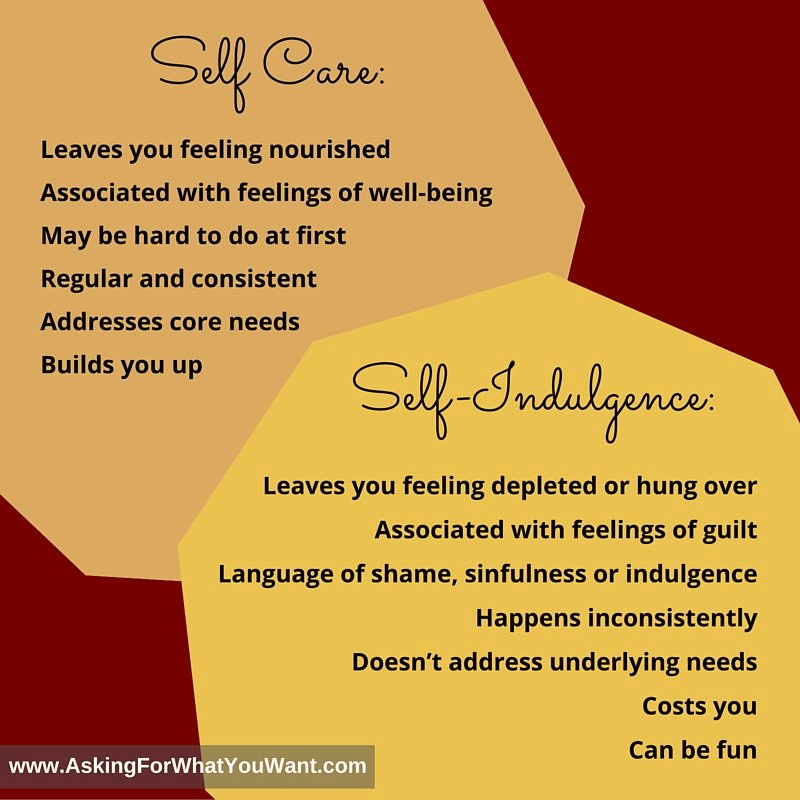
Real self-care vs faux self-care:
Applying a methodology of faux self-care is reactive, whereas practicing real self-care is proactive.
Faux self-care is a noun, typically describing an activity or a product. Real self-care is a verb, describing an invisible, internal decision-making process.
3 most common reasons why we tend to turn to faux self-care:
escape – using self-care to escape our regular lives seldom results in lasting change. Our true selves are located in our daily choices.
Whatever the setting, you get to “retreat” from the real world and hermit away in a beautiful environment, but no matter how much self-care you do, you’re still you.
achievement – based on shame. Another activity to excel at/conquer. Perfectionism, workaholism, and capitalism.
“My self-worth strongly depends on my ability to be seen as a success.”
optimization – trying to maximize every possible aspect of life and trying to be the most efficient, productive, and controlled.
Optimization will just breed more optimization – equating self-worth with productivity
What is real self-care?
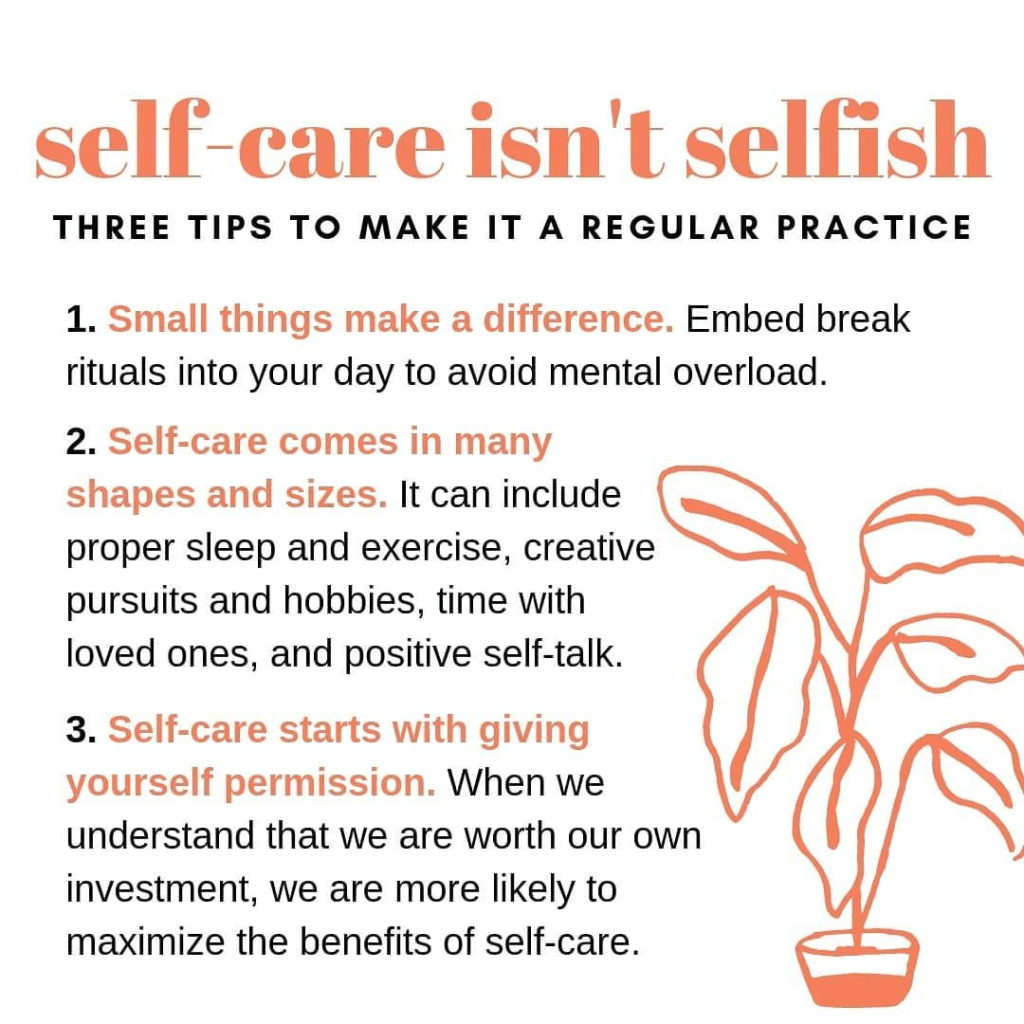
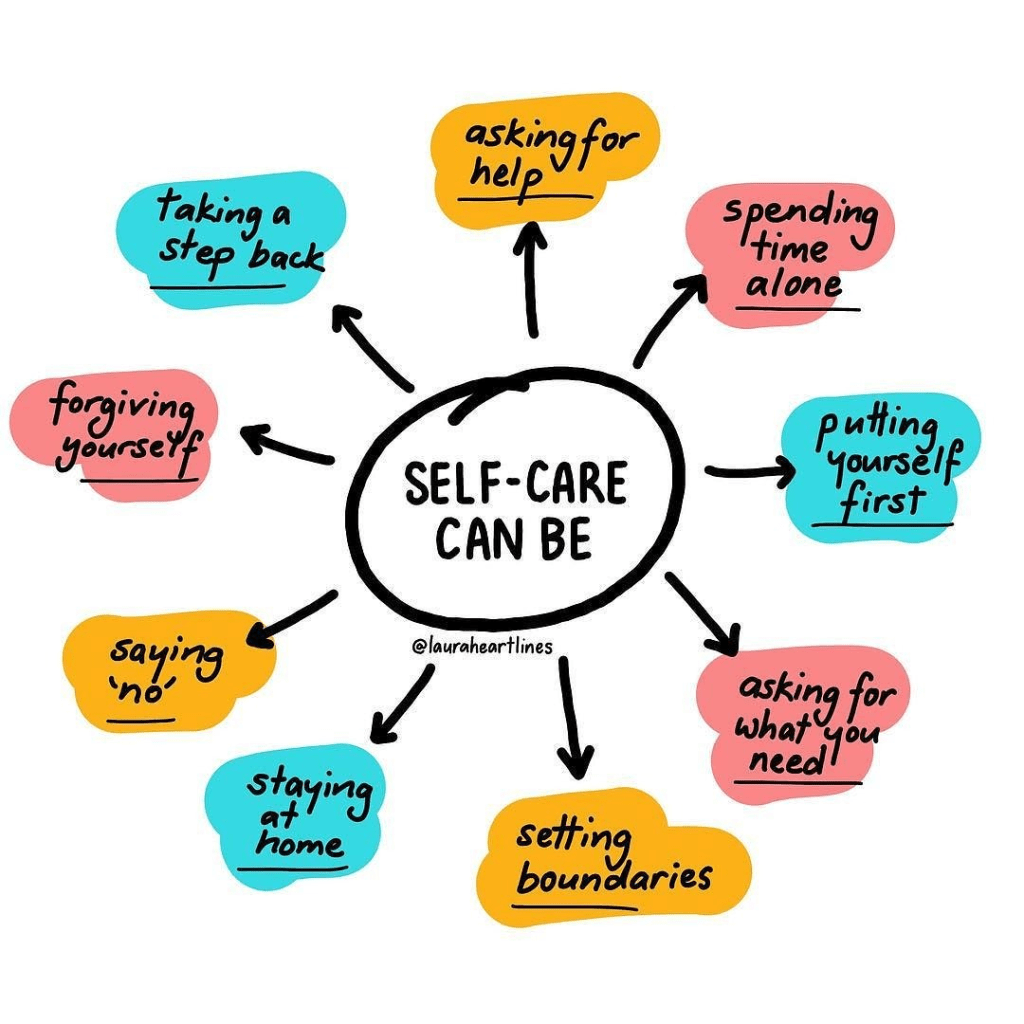
Real self-care requires boundaries and moving past guilt. You must be assertive in prioritizing your own needs and desires.
Real self-care means treating yourself with compassion.
Real self-care brings you closer to yourself and getting to know your core values, beliefs, and desires.
Real self-care is an assertion of power. It’s about saying what works for you and what doesn’t.
Real self-care is all about making space for you – your thoughts, feelings, and priorities in life. Setting boundaries is how we take our time, energy, and attention back. Ex: you don’t have to answer your phone. Setting boundaries is about recognizing you have a choice and communicating it. Learn to say no.
The longer you stick with a relationship, job, or situation that isn’t working for you, the higher the emotional cost to set a boundary.
Listen to what your body is telling you: dread, nausea, palpitations, etc. Learn to say no.
In all situations, you can say yes, you can say no, or you can negotiate. Your boundary is in your pause.
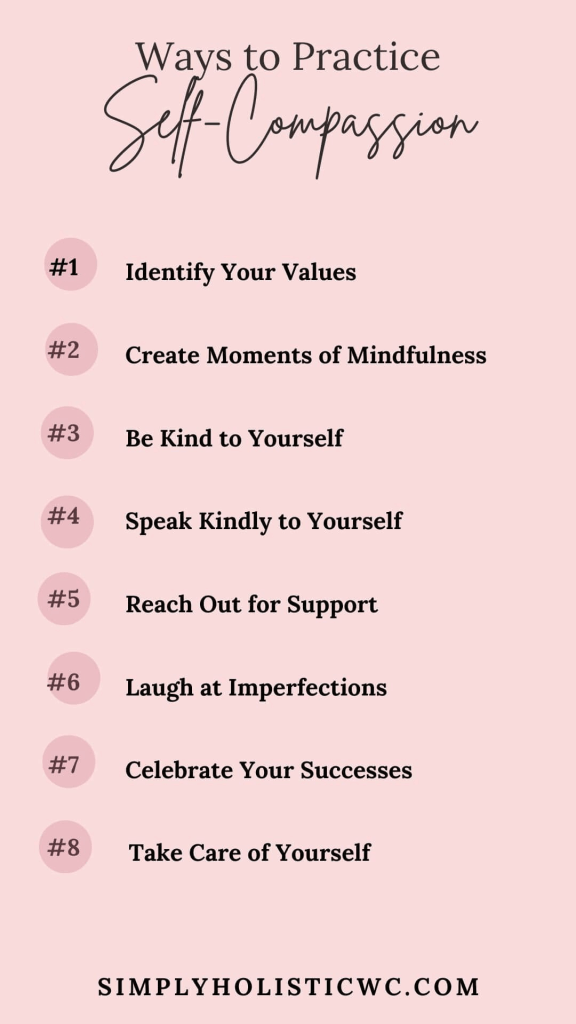
Tips for practicing compassion:
Replace self-judgment with self-kindness.
Practice receiving support/love/attention. Say yes to offers of help.
Connect with your body and rest when your body is tired.
Know your values. What sort of person do you want to be? What really matters to you? Does your action align with your values? Know your HOW and WHY. Recognize that in each season of your life, you will have different priorities.
Your boundaries are a reflection of how willing you are to advocate for the life you want. You must separate your own needs and preferences from the opinions of other people who have a vested interest in your life.
Every boundary you set is a reminder that you have agency over how you spend your time and your energy. Be clear, be concise, and don’t apologize.
Compassion is something you must give to yourself; you can’t expect it to always come from outside.
These common examples are NOT practicing compassion:
“I can save time by doing it myself.” Women tend to bear the heavy mental load because they believe others are less efficient or don’t do things quite right. This leads to resentment and rage that builds up all because it’s “easier and faster.”
Martyr mode – extending yourself toward others and expecting praise/support/attention and losing your cool when that expectation is not met.
I look forward to reading, learning, and sharing more with you soon!
I read three books in July 2024 – the fewest I have read in years. School kept me very occupied in July. Here is a brief synopsis of the three books I read in July, some of which I will post about in greater detail in the future.
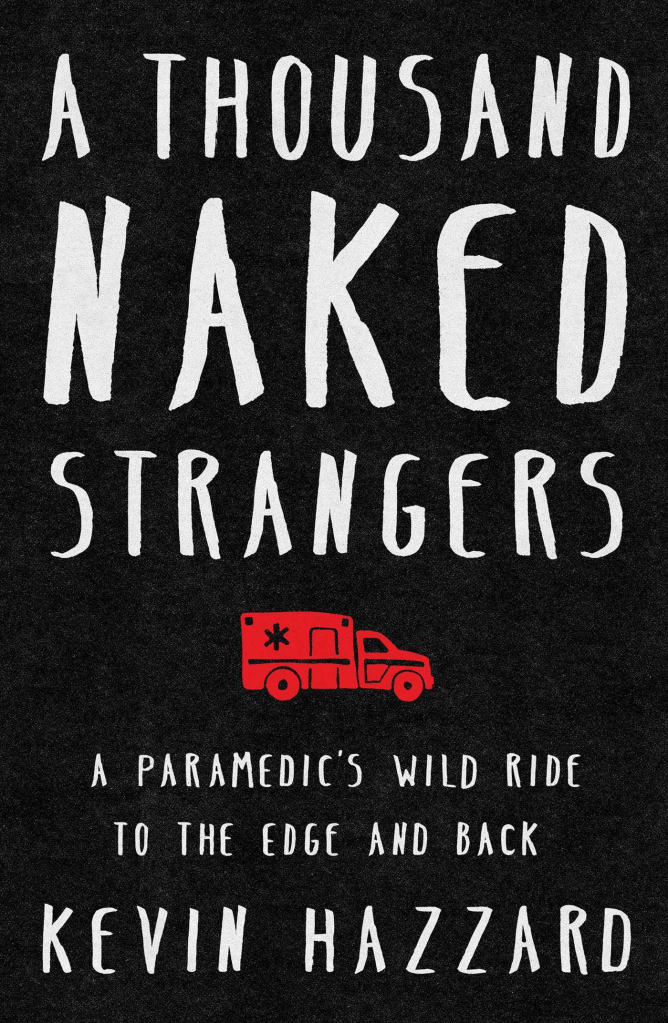
“A Thousand Naked Strangers: A Paramedic’s Wild Ride to the Edge and Back” was written by Kevin Hazzard, who worked as a paramedic from 2004-2013. This book was fascinating and, as one reviewer put it, “gives us a deep, intimate portrait of the toll it takes to every day witness our most vulnerable moments.” Here are a handful of anecdotes that stood out to me:
In some areas, the education of an EMT – one of two people sent to save your life should the worst happen – is an eight-month certificate program. Medics/paramedics undergo an additional 18 months of training.
Memorable quotes:
“Anyone i need of extra cash, who’s been fired, or who is fresh out of jail or rehab can walk through First Med’s squeaky front door and find a spot on an ambulance.”
“This uniform conveys knowledge . . . the feeling is electric, being an insider, knowing that should anything happen, I’ll be the one called out to fix it.” “Medics don’t have to be heroic or tough or even good people. They simply have to enjoy the madness. Aside from a driver’s license and a high school diploma, that’s what this job takes.”
Sometimes the author felt like a Peeping Tom. “I want to explain that I’m here to have fun, to watch. A tourist . . . All of this is real. Except me. I’ve been sleepwalking through someone else’s life.”
“There will always be another dead body, another fetid roach-infested house. We will never escape the smells, the fluids, the unwashable ick of people deep in the throes of a communicable disease.” “I’ve slipped a hand under her head to check for head shots when her eyes pop open. I let go. Her eyes close. I press again. Her eyes open. There’s a firefighter riding with us, and we look at each other as it becomes clear: my finger has slipped through a bullet hole and into her skull, and whatever I’m poking in there is making her eyes open and close.“
4 out of 5 stars
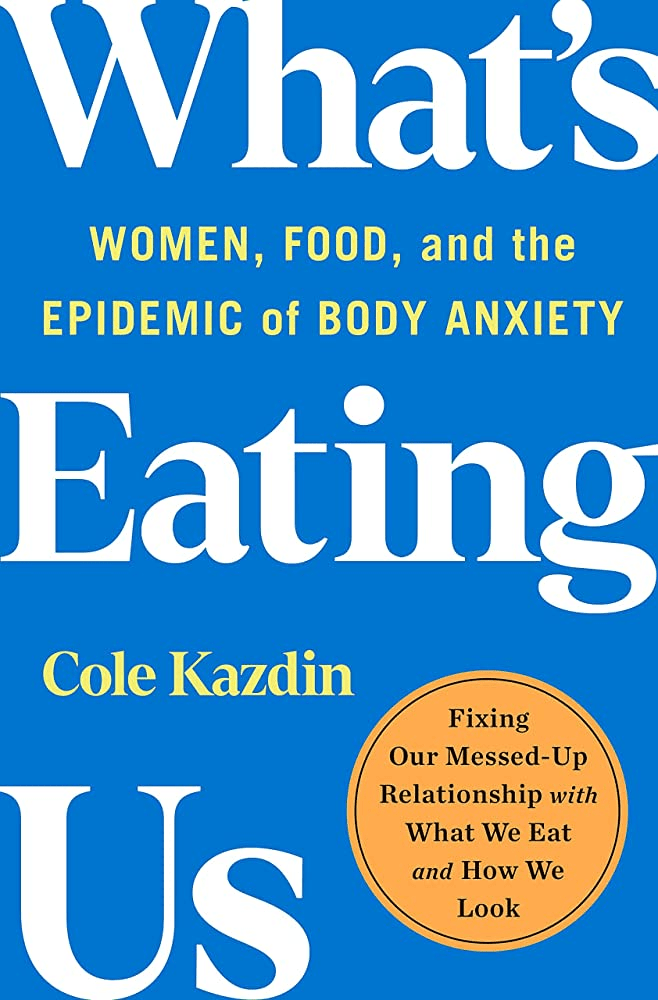
“What’s Eating Us: Women, Food, and the Epidemic of Body Anxiety” was written by Cole Kazdin, a writer, performer, and four-time Emmy Award-winning television journalist. This was an educational, informative book that contained personal stories. Kirkus Reviews sums it up perfectly: “As much a personal story as an examination of body anxiety. Kazdin’s painful honesty is leavened with humor and irony.” I learned so much from this book and highly recommend it to anyone who may be struggling with their body image or may be dieting. I will post about this book in greater detail sometime, but for now, here are a handful of tidbits:
Thinking of foods as good or bad triggers eating disorders and disordered eating. An important part of developing a healthy relationship with food involves not demonizing or 100% eliminating any one food. Dieting is the most important predictor of developing an eating disorder. Nearly 30 million people in the United States suffer from eating disorders.
Failure is the business model for the weight loss industry, and companies rely on repeat customers who return after gaining back lost weight. The only way they can have repeat customers is if their product doesn’t work.
Most standard eating disorder treatments are behavioral therapy-based, focusing on changing behaviors rather than what underlies those behaviors. Chances are high that the root of the disorder will never be explored – thoughts and emotions linger long after treatment is over.
Author’s recommended questionnaire: Am I bingeing, making myself throw up, or using diuretics, including but not limited to any product with the word “detox” in the title? Am I restricting my food intake or eliminating a food in order to lose weight? Am I on any type of diet (Keto, Paleo, Weight Watchers, etc.)? Does exercise or food restriction dominate my life?
Various definitions of recovery: no more harmful behaviors, no dieting or wanting to go on a diet, a healthy relationship with movement, not being obsessed with food or your body, not thinking your body is something to fix or change
4 out of 5 stars
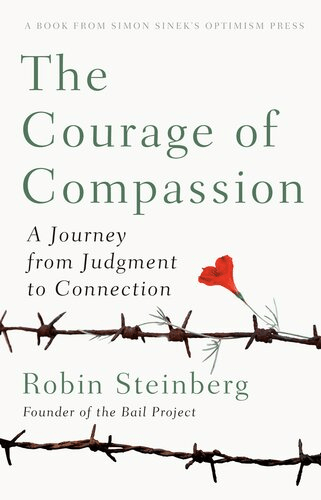
“The Courage of Compassion: A Journey from Judgment to Connection” was written by Robin Steinberg, founder of the Bail Project. Robin spent thirty-five years as a public defender. I read this book to learn more about other perspectives – “the other side.” This book was intriguing and helpful, and some of the stories within it were shocking. Here are several takeaways:
“What if your entire life were defined by the worst thing you ever did? And if we don’t want that for ourselves, then how can we do that to others?” We are all the products of a context and so much more than the sum of our mistakes. Compassion means to suffer together with another. Compassion begins when we accept that we are more than our own worst moment. It is an important lesson you understand when you love individuals who are deeply flawed or when you yourself have been judged on the basis of a single act.
According to the book, nearly 2/3 of people in jail on any given night are not even serving sentences. They are behind bars awaiting trial, mainly because they cannot afford cash bail. Further, according to the book, “the overwhelming majority of Americans who are booked into jails every year are dealing with issues of drug addiction, mental illness, and crushing poverty. We cannot incarcerate our way out of these social ills.”
“Years as a public defender had taught me that people don’t wake up one day and decide to commit horrendous violence. There is always a context, a history, experiences that pave the path to doing the unthinkable.”
“How can you defend ‘those people’?” – author’s response is the fundamental importance of the right to counsel, presumption of innocence, and genuine curiosity about how a person arrived at the present moment and the forces and events that shaped their circumstances. “Before you, there is a person whose entire life, worth, and character are being judged by prosecutors, judges, and society through the myopic lens of a single act. As a public defender, you must push past that paradigm and replace judgment with curiosity.”
The author believes three traits define most public defenders:
You love and have loved deeply flawed individuals, perhaps to your own detriment. We are the sum of our stories and new stories can always be written.
You have a healthy dose of mistrust for authority. You believe authority must be earned.
You were once probably idealistic about change and ready for the revolution.
4 out of 5 stars
I look forward to reading, learning, and sharing more with you soon!
My intention is to post a Thoughtful Thursday column each week and share some of the insights I have learned in the past week. Here are some of the things I’ve learned this week:
SHE with Jordan Lee Dooley – A Candid Conversation About Foster Care and Adoption
Adoption is often perceived as a last resort only for those struggling with infertility. Adoption can be Plan A for you!
Adoption is a calling. It is not an obligatory ministry for the infertile.
Open adoption was discussed. In open adoption, you can keep in touch with the biological parent(s). Some view this as “not trying to erase the relationship with the biological parents.”
Misconceptions about adoption:
People saying “Congratulations” on adoption.
It is well-intended, but also shattering having someone else’s child not being held by her. It is better to acknowledge the emotions by saying “This is heavy. How are you doing?” “How’s mom doing? I can only imagine how hard this is for her.”
“I could never do that because I’d get too attached, I can never do that because of xyz, etc.”
We prioritize our comfort. Instead of saying “I could never…”, ask what you can do to help. Put yourself into the role to understand their story.
“He/she/they are so lucky to have you.”
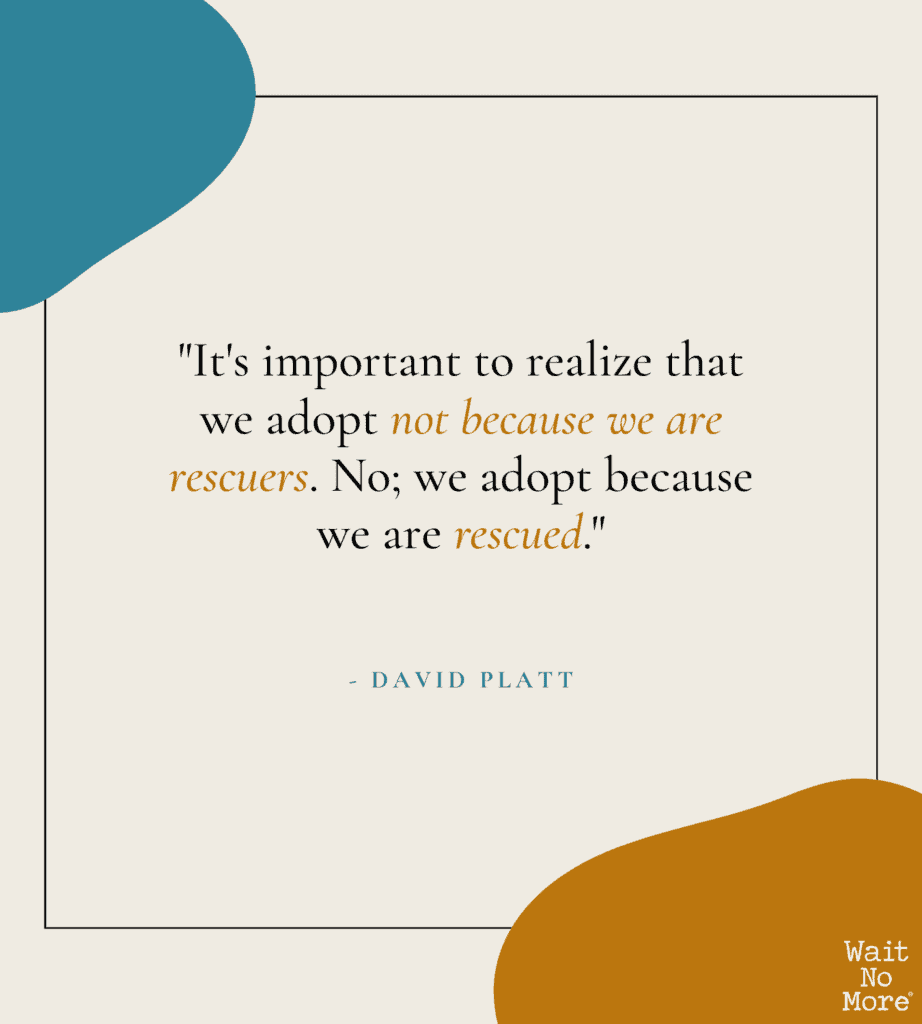
Adoption is not “rescuing.” We don’t adopt because we are rescuers; we adopt because we are rescued. We are the blessed ones. Stating “they are so lucky to have you” discredits the reality that there is a trauma, separation, and grief that happens. What would the child think if he/she heard that statement?
The people outside the realm of foster care and adoption don’t understand that there are so many emotions. We are often told to focus on the positive, but there are so many emotions.
You don’t need to share your adopted child’s story. Their story deserves to be protected until they are ready to tell it. When you are sharing your experience, ensure you are only sharing your experience. Protect and guard the things that are not your experience and are not yours to share. Don’t share at your child’s expense.
Further reading recommended in this podcast:
“The boy who was raised as a dog”
“The body keeps the score”
“The A to Z of trauma”
“The Primal Wound”
How to Be Awesome at Your Job – Mastering the Four Conversations that Transform all Your Interactions
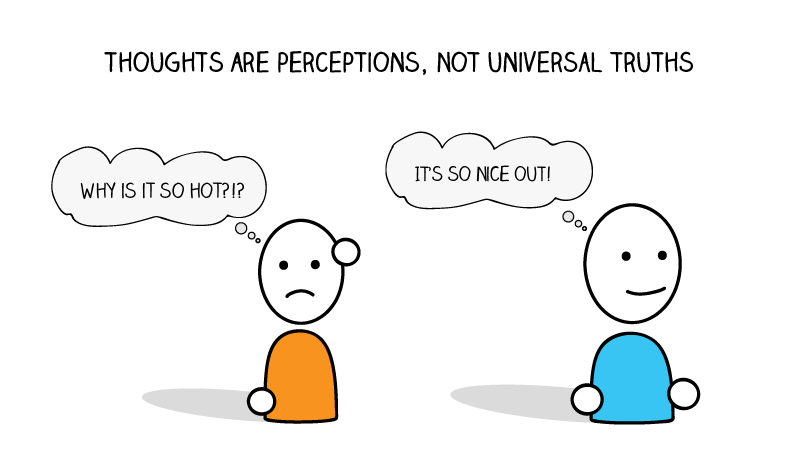
Storytelling – your stories are not the truth.
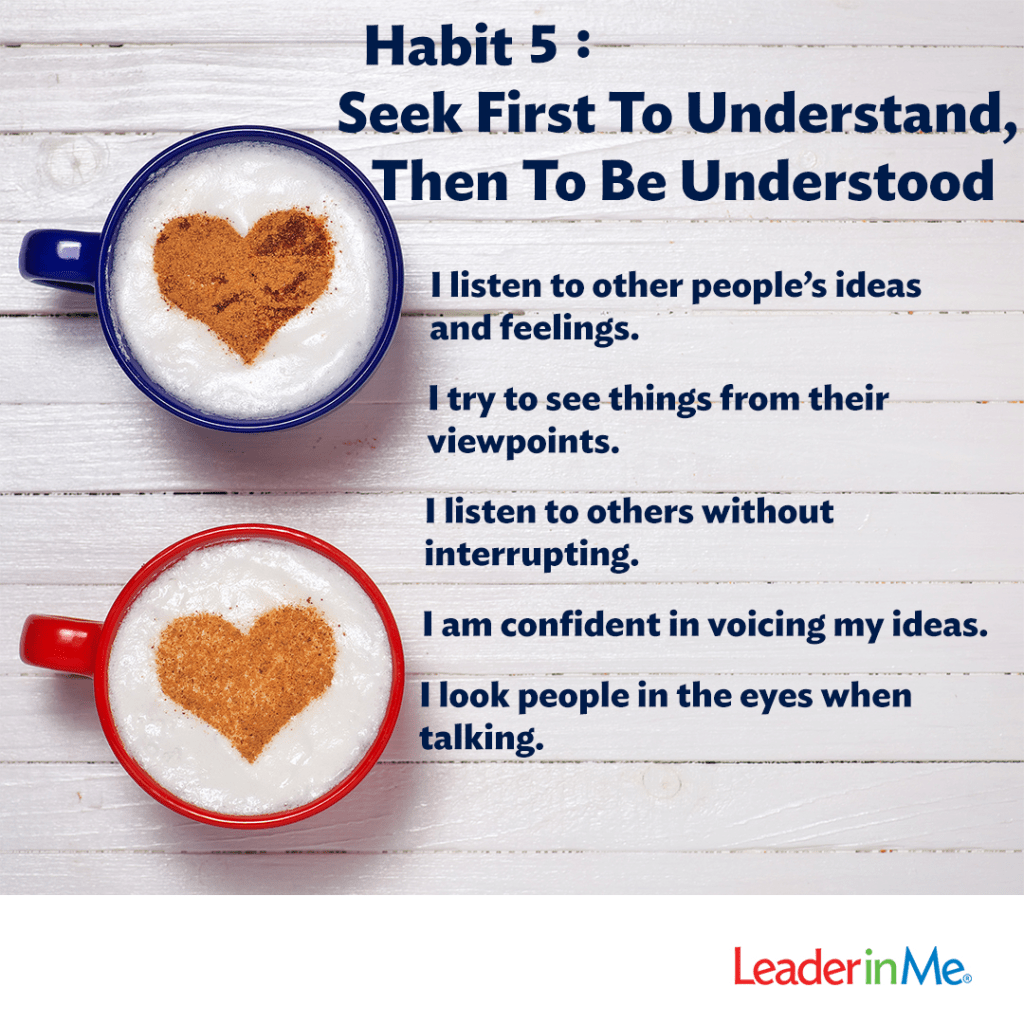
Collaboration – seek to understand and ask questions. Absorb other perspectives.
Creative – trust your intuition and co-create with others.
Commitment – action conversation – agree to do something together.
Become aware that your stories aren’t the truth. Become aware of how you’re presenting yourself and how you’re presenting your stories. We all have patterns around judging, being perfectionists, and being critical of how others do things. Instead of a reaction or pattern of defensiveness, we can change that. If we believe we have the answer and we are right, we are telling the story with a closed fist. Emotions and desires are often the root of our story. Standards – investigate the source of your standards and consider whether you want to keep them. Ex: men being taught not to show their emotions
In the past week, I have faced some challenging circumstances in various areas of my life, and I was feeling stressed and sad about the uncertainties. This carried over into my work life and I had formed a thought/perception about something and later used other observations to strengthen that narrative I had. After a conversation, I recognized that my thoughts are not facts and that my emotions from my other circumstances influenced my thoughts. In reality, once we form a perception about something, we often try to find anything we can to fit that narrative, no matter how unreasonable it may be.
When we work with different people, everyone has different stories/perspectives. The fundamental pattern is that when we enter into conversation, we enter in defensively because we want our answer to be right. The real art of the collaborative conversation is learning to not give up your position, but to keep an open mind and invite others to do the same.
Ask questions to better understand other perspectives rather than asking questions with the intent to prove them wrong. The best place to start is to state what you know to be factual. Figure out if you agree on the state of things and then ask each other questions about thoughts.
Judgment shuts things down – saying things like “that will never work.”
Useful phrase: “Help me understand your position.”
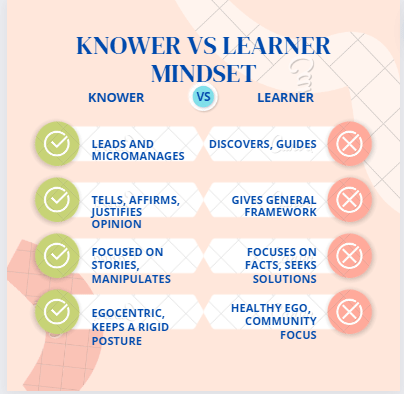
Unhelpful phrases/actions: Not asking questions or saying “yes, but I think…” Work on being a learner instead of a knower.
We like to tell our stories and we like to take action. We leap from storytelling to action and bypass collaboration and creative conversations. The bypass can cause us to make bad decisions. A good commitment conversation means both sides understand what’s being asked, what’s being promised, and what success looks like.
Be curious about your pattern and how to change that pattern.
Mentally Stronger with Therapist Amy Morin – 7 Boundary Mistakes That Damage Relationships
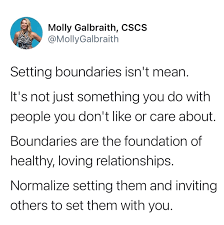
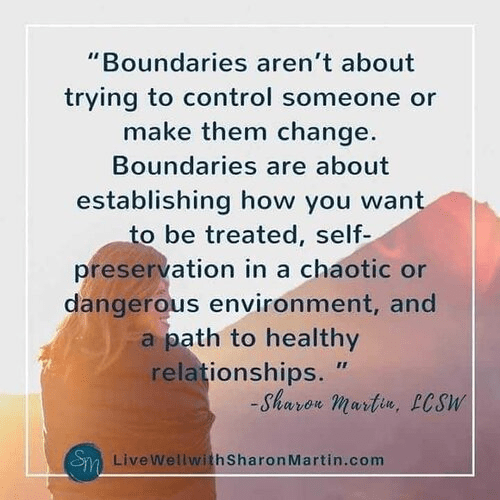
Setting a boundary can be the kindest thing you can do to yourself and others.
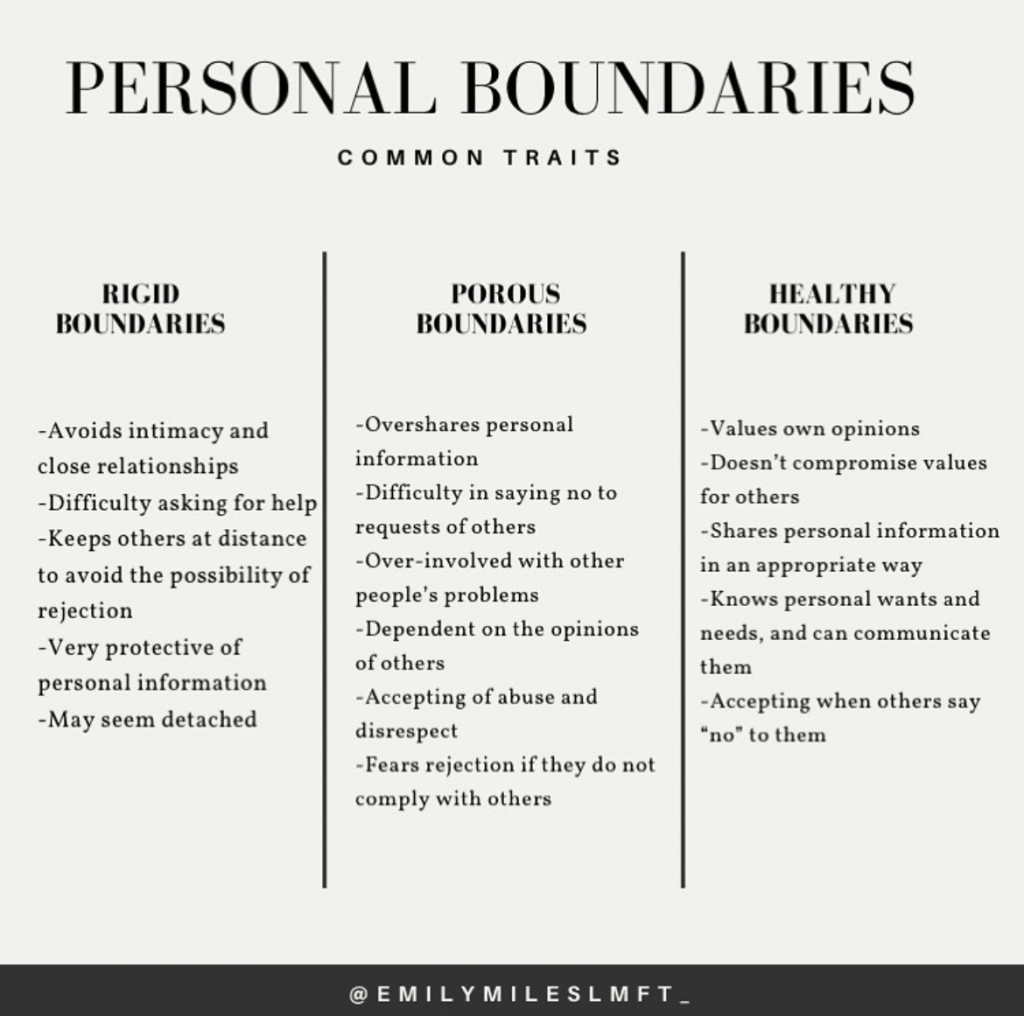
A boundary is a rule that you set about how you’re going to allow other people to treat you. You’re really setting the rule for yourself. There are different kinds of boundaries: physical, emotional, financial, etc. Boundaries teach other people how you expect to be treated.
Mistakes:
not setting boundaries in the first place
Sometimes it doesn’t occur to people to set boundaries because they don’t want to be mean or selfish. They don’t set boundaries because they don’t want to damage a relationship. If you don’t set a boundary, the other person has to guess what you’re okay with, and when they guess wrong, you might feel uncomfortable or grow resentful of their behavior. A boundary will help you feel better in the long term.
apologizing for your boundaries
Don’t be sorry for taking care of yourself. Setting a boundary is a nice thing to do and you are modeling how to take care of yourself. Instead of apologizing, say thank you instead. Instead of “I’m sorry I have to leave right now” say “Thank you for inviting me. I appreciate it.” Unapologetically insist that you’re worth it.
automatically announcing your boundaries
It’s true in some respects, but you don’t always have to communicate them with your words. Instead, you can show people your boundaries. Ex: don’t need to answer the phone every time it rings if it is inconvenient for you, don’t need to stay at a party if people are drinking too much
using boundaries to try to control someone else
Boundaries are meant to help you manage your life, not to control somebody else’s. If you are going to set a boundary, make sure it’s about protecting your inner peace, not about forcing someone else to change.
being too rigid with your boundaries
It’s important to have boundaries, but having too many boundaries or sticking to them at all costs isn’t healthy either. Healthy relationships need compassion, empathy, and compromise. Your boundaries can be flexible sometimes; there may be exceptions to the rule. Don’t be so rigid about them that they become detrimental to you.
setting boundaries when you feel really emotional
When your emotions are high (if you’re angry or anxious), don’t set a boundary. Wait until you’re calm. Boundaries are rarely an emergency; you can usually wait to set them until you’re calm.
setting a boundary that you can’t uphold
Don’t set a boundary you aren’t emotionally ready to uphold. Start with a boundary you’re ready to enforce. Most boundaries can be taken one small step at a time if you aren’t emotionally ready to enforce a bigger one.
Our Daily Bread Podcast – Smartphone Compassion
“Was the driver late with your food? You can use your phone to give him a one-star rating. Did the shopkeeper treat you curtly? You can write her a critical review. While smartphones enable us to shop, keep up with friends, and more, they have also given us the power to publicly rate each other. And this can be a problem.
Rating each other this way is problematic because judgments can be made without context. The driver gets rated poorly for a late delivery due to circumstances out of his control. The shopkeeper gets a negative review when she’d been up all night with a sick child. How can we avoid rating others unfairly like this?
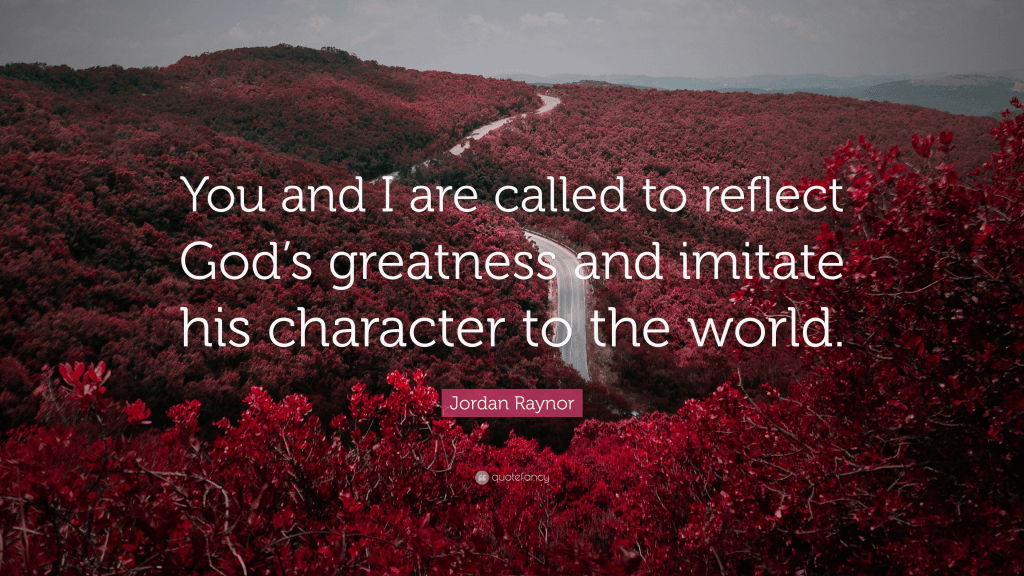
By imitating God’s character. In Exodus 34:6–7, God describes Himself as “compassionate and gracious”—meaning He wouldn’t judge our failures without context; “slow to anger”—meaning He wouldn’t post a negative review after one bad experience; “abounding in love”—meaning His correctives are for our good, not to get revenge; and “forgiving [of] sin”—meaning our lives don’t have to be defined by our one-star days. Since God’s character is to be the basis of ours (Matthew 6:33), we can avoid the harshness smartphones enable by using ours as He would.
In the online age, we can all rate others harshly. May the Holy Spirit empower us to bring a little compassion today.”
This podcast was a great reminder to treat others with compassion and to not be so quick to judgment.
While reading a book comprising of legal-based short stories in the past week, I learned about viatical settlements, which are an interesting concept.
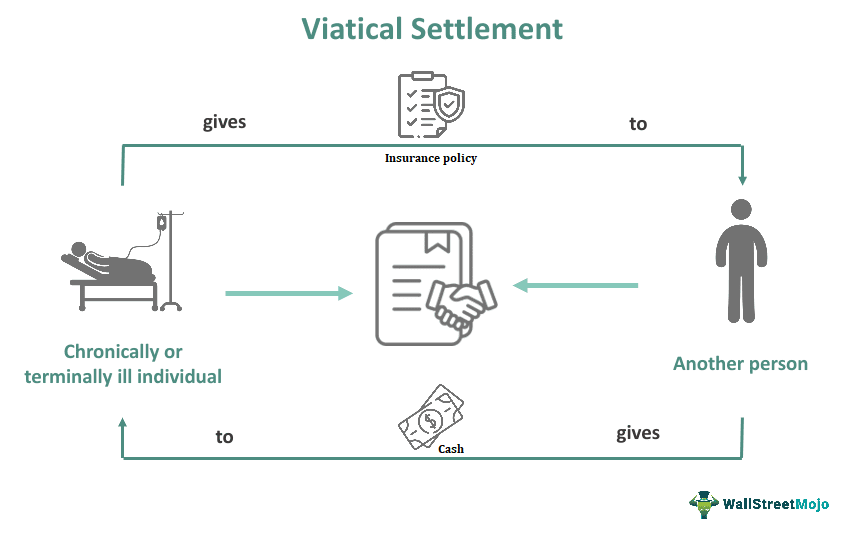
Viatical settlements involve selling a life insurance policy to investors so that they get the death benefit when you die, and you get a check right now. These are generally done when someone has a terminal illness and a life expectancy of two years or less. This is certainly an interesting concept and I am unsure what I think of it.
This week I also read “101 Things I Learned in Law School” written by Vibeke Norgaard Martin with Matthew Frederick. This book was very interesting and I will post about it in more depth in a separate post at some point. Here are some of the most interesting facts:
A marijuana-related business may not declare bankruptcy. Cannabis cultivation and sale are permitted by some states but are prohibited by federal law, while bankruptcy proceedings are governed by federal law. The federal bankruptcy courts will not allow a cannabis-related business to use its process.
Unpublished court decisions generally cannot be used as a basis for argument in the same jurisdiction. In arguing before a California court, one may cite an unpublished case from Texas, but not an unpublished case from California.
A supreme court might be the lowest court. In New York, the highest court is the Court of Appeals, while the lowest court is the Supreme Court.
A career in law is continual preparation for a day that may never come. Over 90% of cases are resolved prior to trial.
I look forward to reading, learning, and sharing more with you soon!








 Read Learn Share