I'm Amy and I love reading, learning, and sharing! I read 76 books in 2022 and shared my reviews on Facebook. To reach a wider audience, I have created Read, Learn, Share, where I am excited to share book reviews and many other things I have learned.
I read six books in December, some of which were short and easy reads. Here is a blurb of each of the books I read in December.
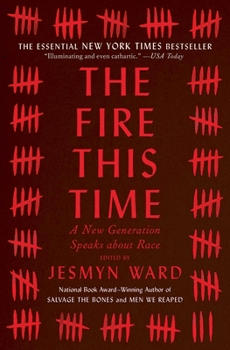
“The Fire This Time: A New Generation Speaks About Race” was edited by Jasmyn Ward, an author and associate professor of Creative Writing at Tulane University who has won several writing awards. This book demonstrated the power in words – the power in asserting our existence, experience, and lives through words. This book was selected as a book club read for my employer. Here are some quotes that stood out to me:
[During an internship at a magazine that was more than 150 years old] “Sometime during the end of my first week, a chatty senior editor approached me in the corridor. During the course of our conversation, I was informed that I was almost certainly the first black person to ever intern at the magazine and there had never been any black editors. On good days, being the first black intern meant having my work done quickly and sounding extra witty around the water cooler; it meant I was chipping away at the glass ceiling that seemed to top most of the literary world. But on bad days I gagged on my resentment and furiously wondered why I was selected. I became paranoid that I was merely a product of affirmative action, even though I knew I wasn’t.”
“I accepted the reality that the historic colonial houses – now the business residences of attorneys, hairstylists, insurance agents, and doctors – were considered by more people to be more valuable than the bodies below them.”
“Empathy requires us to dig way down into the murk, deeper than our own feelings go, to a place where the boundaries between our experience and everyone else’s no longer exist.“
Rules of walking – “no running, especially at night; no sudden movements; no hoodies; no objects – especially shiny ones – in hand; no waiting for friends on street corners or standing near a corner on the cellphone lest I be mistaken for a drug dealer“
This book provided thought-provoking perspectives of race and minorities.
4 out of 5 stars
“Employment Law: A Very Short Introduction” was written by David Cabrelli, the professor of Labour Law at the University of Edinburgh and the author of 5 books. This book contained a decent overview of employment law, and I learned about other countries; however, I learned much more in my Employment Law class this semester. Here are some main points:
Employment contract = employment relationship and rights. No employment contract = no employment relationship and rights. The various roles governing the constitution, classification, variation, contact, performance, suspension, and termination of the employment relationship are all derived from contract law.
There is a rise of atypical workers in the labor markets of advanced Western economies, such as the U.S. These independent contractors work very flexibly and as and when they want and often suffer from low pay, little or no job protection or security of earnings, and are subject to the control of those hiring their labor.
British legislation enacted in 1971 protects employees from unfair dismissals. The USA remains an exception to most countries. The USA has an employment-at-will doctrine, which safeguards the liberty of the employee to resign and find another job without liability and allows the employer to discharge the employee without sanction.
One thing that stood out to me, that I hadn’t considered previously, is the quote that “Employers operating at below a living wage are free riding on the back of the public purse.”
This book was a very general overview of employment law, but other books cover much more information.
3 out of 5 stars
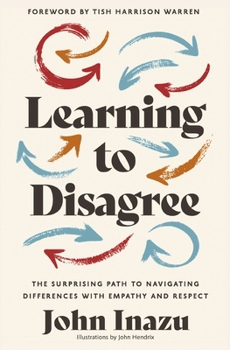
“Learning to Disagree: The Surprising Path to Navigating Differences with Empathy and Respect” was an insightful book written by John D. Inazu, a Distinguished Professor of Law and Religion at Washington University in St. Louis. Multiple studies have shown that Americans have a growing disdain for those who differ from them politically and ideologically. We deride our political, religious, and ideological opponents as dangerous or evil and retreat to digital foxholes. This book is a necessary read for many people and a reminder to treat people as humans. Here are some main takeaways:
Good lawyering requires empathy for adversaries. You don’t have to like the other side, but you do have to understand them. How are you going to persuade a judge that you have the better story? The better you understand the other side of an argument, the better you can critique it and the more strongly you can defend your own position.
Assume the best of someone to open the door to deeper understanding and an opportunity to learn from those who see the world differently. Distinguish people from the ideas they hold. Other people are humans with whom you share many things in common. That doesn’t mean you will always share – or even respect – their ideas.
Recognize the limits to your knowledge and understanding. Embrace the likelihood that you won’t be able to convince everyone who thinks differently that you are right and they are wrong.
Well-intentioned people can have differing beliefs without being evil. In a country as large and diverse as the United States, every one of us holds beliefs and opinions that other people think are beyond the pale.
Practice repentance, grace, and forgiveness.
I highly recommend this book and will post a more detailed book blog about it sometime.
5 out of 5 stars
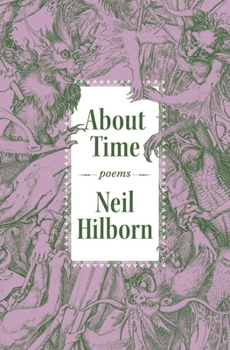
“About Time” is a book of poems by Neil Hilborn, a best-selling author and the most-watched poet ever (with over 150 million views). Neil has performed in 41 states and 8 countries. Neil is one of my favorite poets and is incredibly talented; with that said, I did not enjoy this book as much as his prior books. Here are some quotes that stood out to me:
“Ask the thoughts what they want: Why am I going to kill myself and if I do, go all the way to the logical end: Who will it hurt, what gets left behind, what good remains undone; dissect the bells, separate the ringing into a flat expanse and not the towering blaze telling you it is . . . “
“The Prozac makes me less tired but I’m still pretty tired but maybe that’s cause depression makes you tired.”
“I know why, but why is it that the pills will keep me alive but they give me enough to kill myself?“
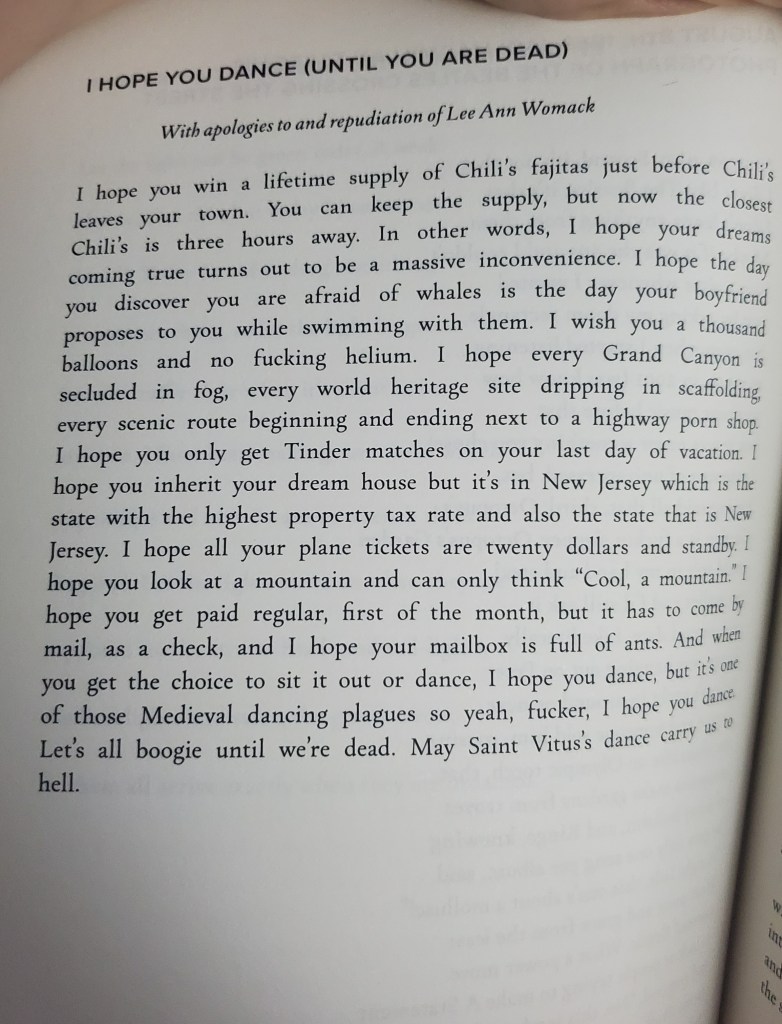
To quote my favorite TV personality slash parasocial therapist slash mommy? Doctor Robin Zasio of Hoarders fame: You’ve got to feel it to heal it. As it relates to hoarding, I think she means that if you never throw out things you accumulate then you don’t have to deal with the emotional context around those things.
Many of the poems were somewhat depressing, but this poem provided humor.
4 out of 5 stars
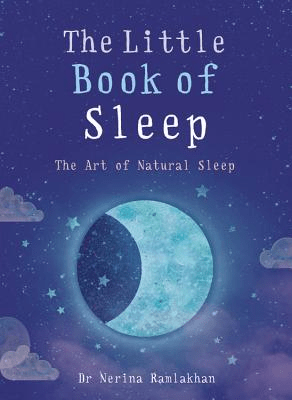
“The Little Book of Sleep: The Art of Natural Sleep” was written by Nerina Ramlakhan, a professional physiologist and sleep therapist for 25 years who runs sleep and wellness programs at Nightingale Hospital in London. This book was a quick, easy read. One description reads: “Drawing on Western science and Eastern practices, this beautifully illustrated guide to sleep teaches that, by making better choices in our waking hours, we can positively influence our sleep.” Here are some tips from the book.
Sattvic describes the type of sleep we should be getting – pure, deep, natural, and healing. This is the kind of sleep where you wake up feeling refreshed, filled with vitality, and looking forward to the day ahead.
The journey back to deep sleep is about working on yourself to create an inner core of safety and making lifestyle choices that will help your nervous system to recalibrate and shift back into safety mode if you’ve been running on survival mode.
Tips:
Eat within 30 minutes of waking.
Reduce your caffeine intake to less than 300 mg per day. The half-life of caffeine is 5 hours. Avoid any caffeine until you’ve eaten.
Drink plenty of water.
Take breaks from technology. Withdraw from technology an hour before you get into bed. Don’t keep your phone in your bedroom or watch TV in bed.
Create a sanctuary in your bedroom. Think soft, relaxing colors, essential oils, and cool and well-ventilated.
Try breath awareness exercises.
Increase your oxytocin levels by expressing your feelings, getting a massage, hugging someone, stroking your pet, and engaging in activities that make you feel at your best, happy, and carefree.
4 out of 5 stars
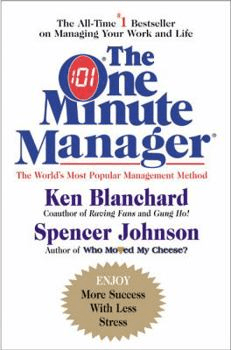
“The One Minute Manager” was cowritten by Ken Blanchard and Spencer Johnson. Ken Blanchard is a prominent, gregarious, sought-after author, speaker, and business consultant. Spencer Johnson, M.D. is the author or coauthor of numerous New York Times bestselling books. This book was an insightful and easy read, although it could have been more concise. Here are the main habits of a one minute manager:
One Minute Goal Setting – set goals with their people to make sure they know what they are being held accountable for and what good performance looks like
One Minute Praising – try to catch their people doing something right so that they can give them a One Minute Praising
One Minute Reprimand – reprimand people immediately and tell people specifically what they did wrong then remind them how much you value them and reaffirm that that you think well of them but not of their performance in this situation.
I look forward to reading, learning, and sharing more with you soon!
My intention is to post a Thoughtful Thursday column each week and share some of the insights I have learned in the past week. Here are some of the things I’ve learned this week:
Mental Performance Daily – Culture Killers
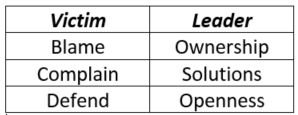
BCD – blaming, complaining, and getting defensive – transfer of accountability and responsibility
Be accountable, responsible, and coachable.
Another culture killer – me over we mentality – put team over yourself. When the team has success, you have success. When the team gets noticed, you get noticed. Don’t be an energy sucker.
Put we over me and eliminate BCD
TED Talks Daily – Why you think you look bad in photos
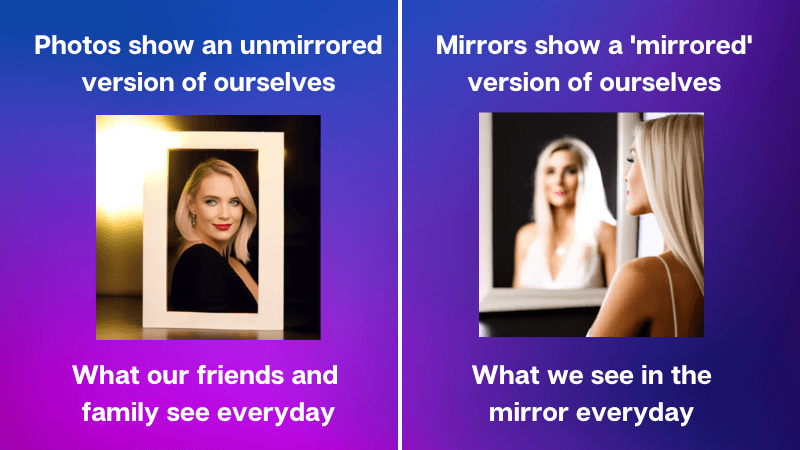
You’ve been looking at a reflection of yourself your whole life – looking in a mirror. Your brain gets a clear idea of what you look like. When you’re seeing a photograph, you’re seeing the reverse. Most of us are not symmetrical in our facial attributes.
Overcome this by looking at yourself in photos more.
You may not resonate with how you are being portrayed. Not everyone feels confident in photos.
Get curious and ask yourself what you’re struggling to accept about the image and whether it has anything to do with how you are being portrayed. Looking bad in photos has less to do with how you look and more to do with how you think.
You’ve taught yourself to hyper fixate on your insecurities.
Focus instead on who you were with, what you were doing, and how you were feeling the moment the photo you were taken. When we change the way we look at things, the things we look at change.
We’ve put unrealistic expectations on photography and our bodies. Disappointment is the gap that exists between expectation and reality. Photography’s only job is to capture a fraction of a second, but we’ve made these fractions of a second create a big narrative – such as I look bad in photos – that prevent us from showing up and being present in our lives.
We’ve decided certain angles are better than others.
Accomplishments, achievements, love, passion, creativity, and brilliance don’t change between photos. Your children, pets, and grandchildren see you at your worst angles and don’t love you any less or care about you any less. You are worthy of being photographed.
We put pressure on how we are going to show up in photographs, and this pressure prevents a lot of us from showing up in photographs with and for the people we love the most.
Hidden Brain – The Secret to Gift Giving
Obligations are probably the single biggest reason that gifts are given in the first place, whether it’s for Christmas, a birthday, an anniversary, or a graduation. When you get a gift, it feels like you have to return that gesture at an appropriate moment – whether it’s at that moment, the next birthday, etc.
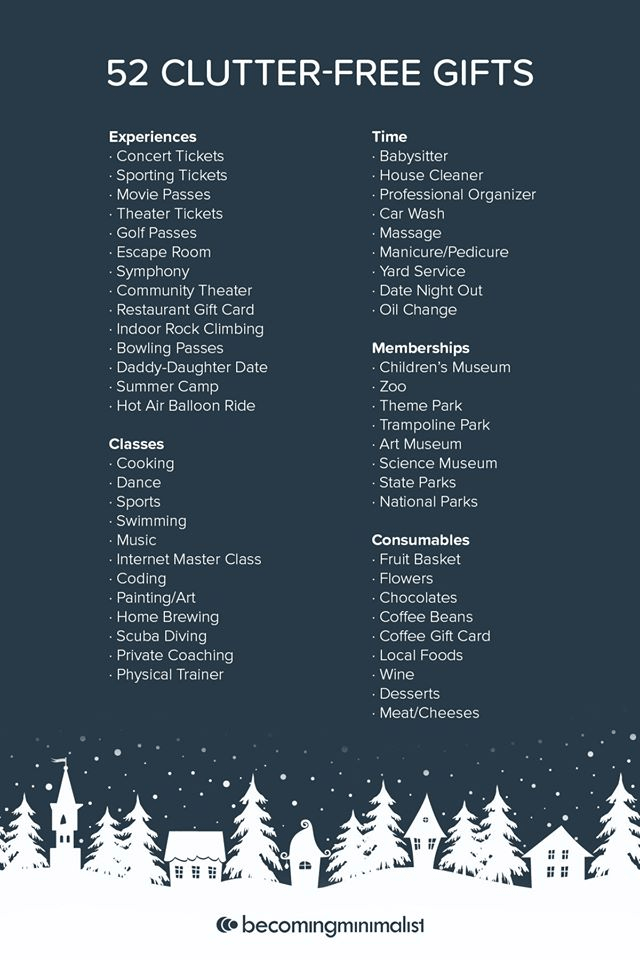
Recipients are often focused on the experience of the gift over the ownership of the gift. When you receive something, in the moment it might make you happy, but does it actually provide you value and utility and joy for the duration of owning whatever it is that you’ve received? Sometimes the things that bring you happiness in the moment are not the things that bring you happiness in the long-term.
The surprise is something that gift givers think is critical to a recipient. When I give you a gift, I have this belief that you will only value that gift if you don’t expect receiving it. That is simply not true.
A lot of people imagine that the reason gifts are exchanged is because we’re trying to make other people happy. But there are also selfish reasons for giving a gift, such as signaling who you are as a person and as a gift giver and signaling that you’re a creative gift giver. Sometimes people who think they’re creative make sure that the choices of gifts are creative even at the expense of the recipient. Ex: not giving the same gift to the same person another year and not giving the same gift to someone else
The cost of a gift is not nearly as predictive in terms of happiness of the recipient as people tend to think.
The research is pretty clear that recipients do not value socially conscious gifts as much as givers hope they would. Ex: charity donation, planting a tree, etc.
Idea: family spreadsheet – “Whenever one of us has a desire for an item of some sort that exceeds some minimum expense, we put it on there as a potential gift that we would love to receive at some point. And what’s nice about that is when it’s time to fulfill my obligation, I’m not racking my brain trying to figure out what would make her happy. It still maintains an element of surprise in the form of the timing of the object itself. She might know that she wants item X, but she’s not going to know that I’m going to give it to her at a specific time.”
Receiver is overjoyed when they get exactly what they want
Experiential gifts – less of a wow factor upon opening, but providing a very valuable experience down the road
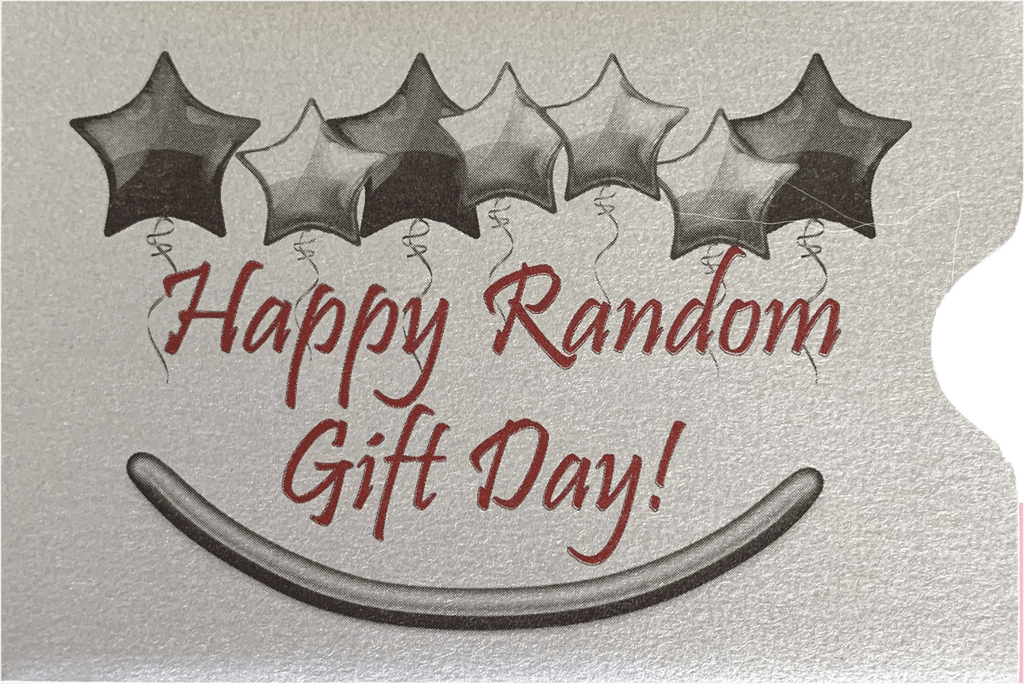
Recommendation: if you’re going to give a gift, do it on a random day. The value that people get when they receive gifts on non-occasions is so much higher because they have no expectations.
I appreciated this post from Gabe the Bass Player this week:
We don’t have it. That’s what makes our lives different from the all the things we stream.
In streamer land we can always find out what’s next, we know the episode schedule, we have behind the scenes, we can binge it in two days and find out the end, or we can look up the end right now.
That’s why we’re drawn to movies and tv and podcasts and stories…because we long for a complete story where it all makes sense and the loose ends are perfectly tied.
But in real life we don’t have the next episode and we certainly don’t know the season finale. We’re living it.
We spend a lot of time in our own heads, certain that our path and our method make sense. We often become more certain in the face of criticism or even suggestions.
This confidence is essential, as it allows us to lean into our project.
Once in a while, though, it might help to model the alternative. What if they’re right? How would that play out? If they’re right, what could I do with that insight?
If it’s helpful, run with it.
We can always go back to being right tomorrow.
I look forward to reading, learning, and sharing more with you soon!
I read six books in November, some of which were short and easy reads. Here is a blurb of each of the books I read in November.
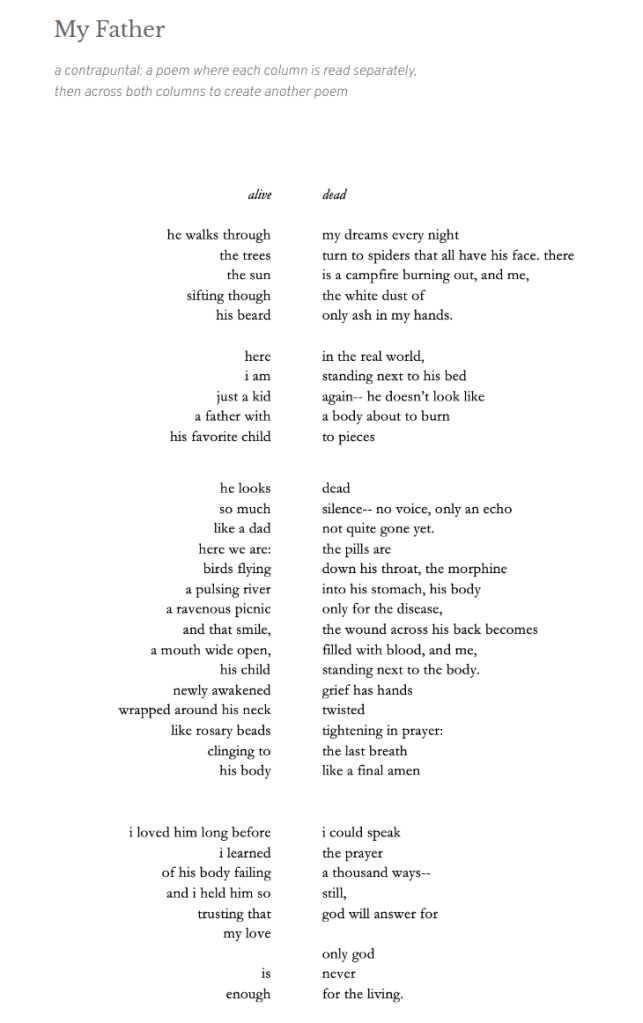
“Where I Dry the Flowers” is a Button Poetry book of poems written by Ollie Schminkey, a non-binary transgender poet and artist who has spent the past decade coaching, mentoring, teaching classes, and running workshops for poets. Many poems in this book are about grieving the loss of a complex person. I highly recommend this book to anyone who loves poetry and/or is trying to process grief. Here are some lines I enjoyed from this book.
Controversial opinion: In Defense of Speaking Ill of the Dead – “he is both: the man who would make us smoothies out of orange Kool-Aid and vanilla ice cream and the man who yelled when he drank and drank so often I’d run to the basement and lock the door.”
“I think grief is always at least two things: one, the constant realization that your expectations for the future were wrong, and two, death has happened and it will again.“
Forgiveness poem – “i never said it out loud. Maybe my father wanted forgiveness as much as I wanted an apology, but we stayed silent, the grudge, smooth as a pearl underneath our tongues. but it doesn’t mean i didn’t forgive him. and it doesn’t mean he wasn’t sorry . . . . when he offered me his death as an apology, i took it. of course, i took it.“
One of my favorite poems from the book is this one. I love the idea of contrapuntals.
4 out of 5 stars
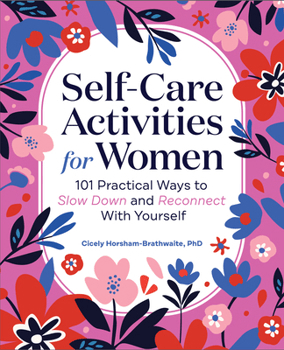
“Self-Care Activities for Women: 101 Practical Ways to Slow Down and Reconnect With Yourself” was a quick, easy read with excellent ideas from Cicely Horsham-Brathwaite, PhD, a licensed counseling psychologist and coach with over two decades of experience. This book provided different ideas for self-care in different categories: emotional, physical, mental, social, and professional. I highly recommend this book for anyone looking for self-care ideas. Here are some of my favorite ideas from each category.
Emotional self-care: Create your joy playlist. Create a list of songs that bring about positive memories and feelings, and schedule time in your calendar to listen to the entire playlist without multitasking whenever you need a mood shift.
Physical self-care: Plan a hike and picnic outdoors with friends.
Mental self-care: When you find yourself engaging in distracting behavior, reflect. What do I need right now? Is this giving me what I need, or do I need something else? Ex: may need a shower, hydration, exercise, rest, a hug, a good cry, journal reflection, or a talk with a friend.
Social self-care: Schedule activities with people you’d like to get together with on a regular basis. Rotate hosting.
Professional self-care: Establish a morning routine to set the tone for the rest of the day.
Self-care = “the actions one takes on their behalf in service of their well-being. Self-care means giving the world the best of you instead of what is left of you.”
5 out of 5 stars
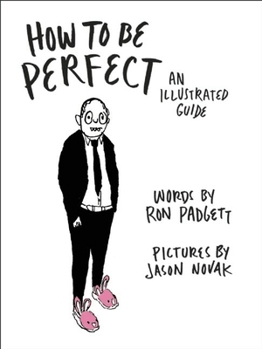
“How to Be Perfect: An Illustrated Guide” was a quick, fun, simple book written by Rod Padgett and illustrated by Jason Novak that took me under fifteen minutes to read. Here are a handful of my favorite lines.
Hope for everything. Expect nothing.
Be skeptical about all opinions, but try to see some value in each of them.
Learn something new every day.
Be honest with yourself and diplomatic with others.
Be on time, but if you are late do not give a detailed and lengthy excuse.
4 out of 5 stars
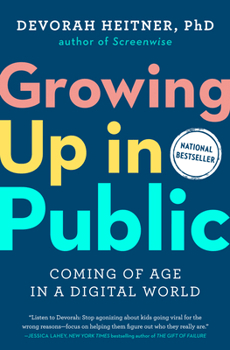
“Growing Up in Public: Coming of Age in a Digital World” was written by Devorah Heitner, PhD, who has spoken and written widely about parenting and growing up in the digital age. This book was interesting and thought-provoking, and I highly recommend it for all parents or anyone who hopes to be a parent someday. This review sums it up:
“A must-read for every parent. Emphasizing the importance of our children feeling seen instead of watched, mentored instead of monitored, this book is all at once a road map for preventing digital problems, a resource for what to do when things go wrong, and a crash course in how to empower our kids to become responsible, independent, and thoughtful digital citizens.” – Tina Payne Bryston, LCSW, PhD, NYT bestselling author of “The Whole Brain Child”
I got a lot out of this book, and here are just some of the tips:
Mentoring is better than monitoring if we want to set our kids up for success. We want our kids to make good decisions, even when we are not right there.
We need to do a better job of mentoring kids on how to be intentional about how much they share both online and offline.
Common mistakes from teens and kids: carelessly taking a video of themselves making a crude hang gesture or using profanity, sharing videos of themselves making an unkind joke about a peer or teacher, taking selfies of vaping/drinking/drugs, taking a video mocking someone’s disability, wearing a racist Halloween costume, making fun of someone’s accent or body type, and liking or reposting problematic things.
5 out of 5 stars
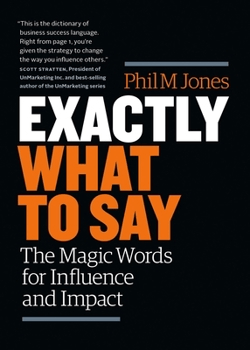
“Exactly What To Say: The Magic Words for Influence and Impact” was written by Phil M. Jones. This book can be considered a masterclass in the art of influence, persuasion, and generating top-producing results. This book often came across as salesy – teaching the world to sell. I highly recommend this book to anyone in sales or anyone who wants to influence or persuade others.
Here are some of the tips:
One of the biggest reasons your ideas fail to get heard is that others tell you that they just don’t have the time to consider them. By using the preface, “When would be a good time to . . .?” you prompt the other person to subconsciously assume that there will be a good time and that no is not an option.
The words, “As I see it, you have three options” help the other person through the decision-making process and allow you to appear impartial in doing so. Present your option last and as the easiest. Then ask “What’s going to be easier for you?“
“What happens next is . . . ” brings people through to the completion that needs to follow. It is your responsibility to lead the conversation, and following the sharing of the required information, your role is to move it toward a close.
Success in negotiating is all about maintaining control in a conversation, and the person in control is always the person who is asking the questions. Challenge objections with “What makes you say that?” This shift of control now leaves the other person obligated to give an answer and fill in the gaps in their previous statement.
5 out of 5 stars
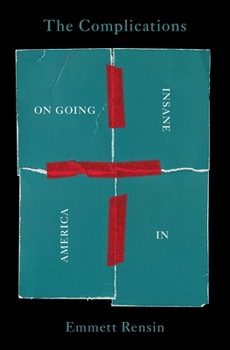
“The Complications: On Going Insane In America” was written by Emmett Rensin, who reflects on his life with schizoaffective disorder of the bipolar type: the hospitals and medication, the lost jobs and friends, the periods of mania and psychosis, the medication-induced tremor in his hands, etc. This book elevates the conversation around mental illness and challenges us to reexamine what we think we know about a world where one in a hundred people go mad. I learned a lot from this book and highly recommend it to anyone who wants to learn more about mental disorders. Here are some of my takeaways:
Some psychotic disorders become milder with age. Others are deteriorating, progressive conditions. Outcomes are difficult to predict.
The causes of severe psychiatric dysfunction are not thoroughly understood, but it is widely perceived that genes are not enough. Some additional event typically precipitates the full break. Trauma, substance abuse, and brain injury are common suspects.
It takes 7-8 years, on average, after initial onset of symptoms to get a diagnosis.
While brain abnormalities exist in some psychiatric patients, there are no consistent organic “signs” of madness, not any biological test for any psychiatric pathology.
“In between the positive exclamations of a psychotic disorder – bouts of delusion, mania, hallucinatory experience – are the dull murmurs of what we call negative symptoms, which generally include a blunt affect, social isolation, difficulty feeling pleasure, a lack of willpower, and poverty of speech.
“One of the greatest predictors of patient prognosis in the case of psychotic disorders is the degree of patient insight, which is to say, the degree to which the patient is aware of their disorder. If you cannot believe that you are ill, then you are unlikely to take your medication. If you do not take your medication, your condition will worsen. If your condition worsens, you are no more likely to take your medication or engage in the tedium of self-care.”
This reflection from the author stood out to me:
I am afraid of reaching a point where I do not want help, do not believe that I need help, where I run away from anyone who tries to help me, or worse, where I become so terrified or angry or violent that I hurt those people until they are not willing to help me anymore. I am afraid that one day I will become so sick that I reach the end of other people’s charity.
4 out of 5 stars – at times, this book was difficult to read and seemingly consisted of tangents and ramblings – however, this was likely due to periods of mania.
4 out of 5 stars
I look forward to reading, learning, and sharing more with you soon!
My intention is to post a Thoughtful Thursday column each week and share some of the insights I have learned in the past week. Here are some of the things I’ve learned this week:
Mary’s Cup of Tea – 5 Mantras to Get You Through Tough Times
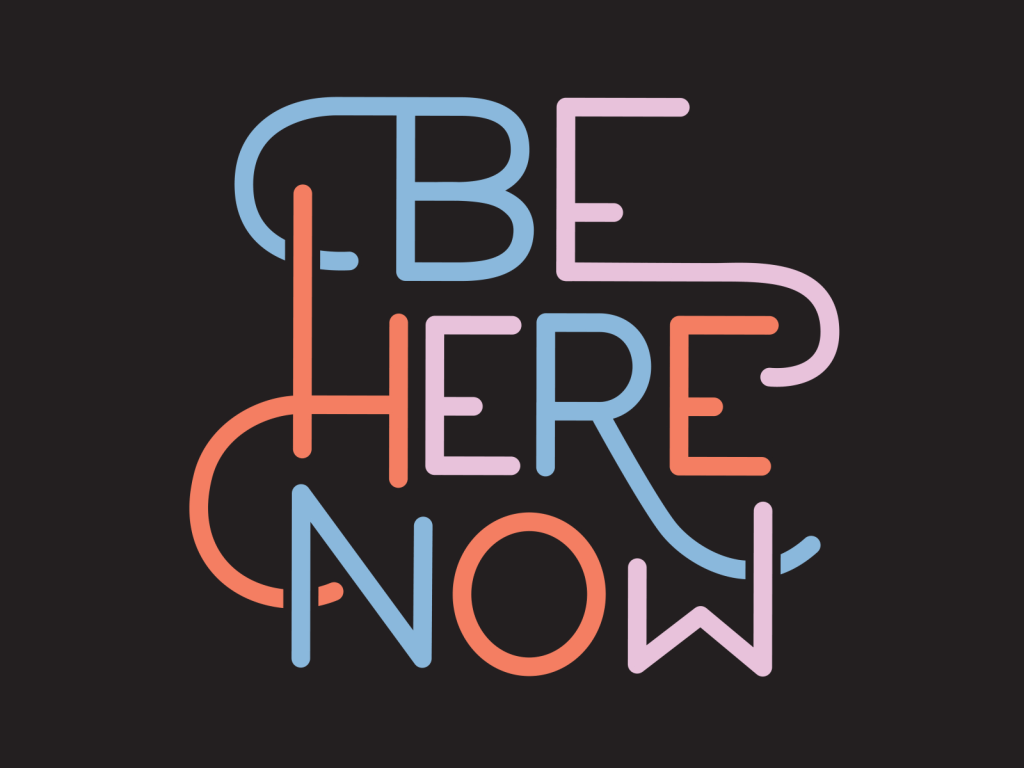
Be here now.
This too shall pass.
Everything happens for me, not to me.
Emotions need motion. We can’t sit with our feelings for too long. You need to do positive and productive things to get the feelings out.
Lead with love.
Life Kit – How to slow down when you eat
Signs you are eating too fast: hiccups, heartburn, feeling hungry right after eating
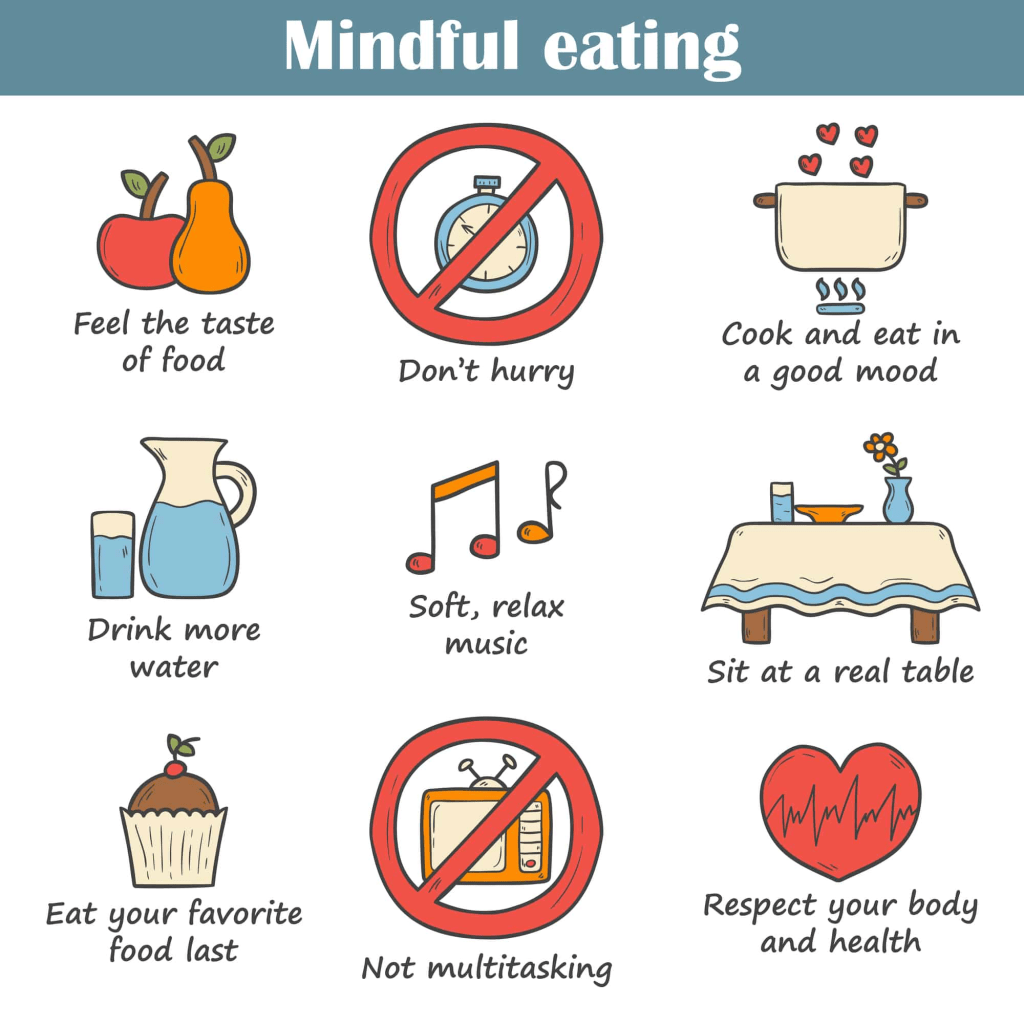
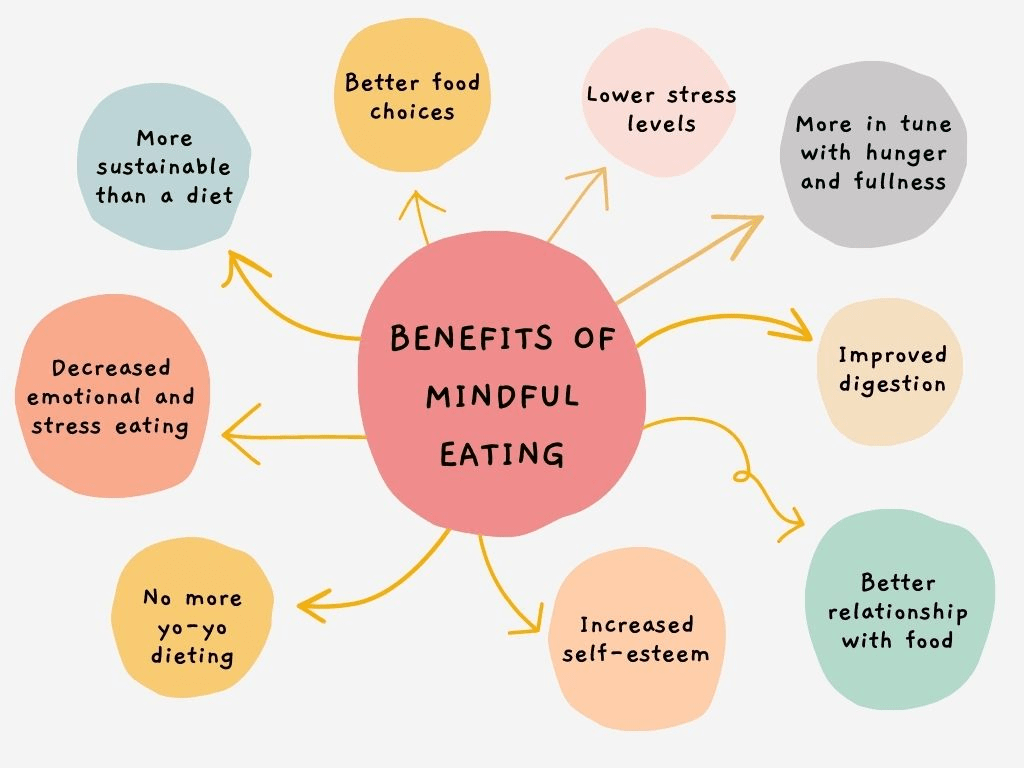
Mindful eating asks us to slow down and notice our food.
Most nutritionists urge us to take 20 minutes to eat a meal. It takes that long for your body to get the signal to the brain that you are full. If you eat fast, your brain is not getting that signal that you are full, causing you to eat too much.
Tips:
Allocate time to eat and only eat. Don’t use your phone while eating.
Engage your senses. Be with the food and notice the colors, scents, taste, texture, etc.
Pre-portion food. Take smaller portions to the table. Ex: put chips in a bowl ahead of time to keep you from overeating.
Chewing is important. Chew several times to ease digestion.
If you have limited time for meals, save some food to eat as a snack later.
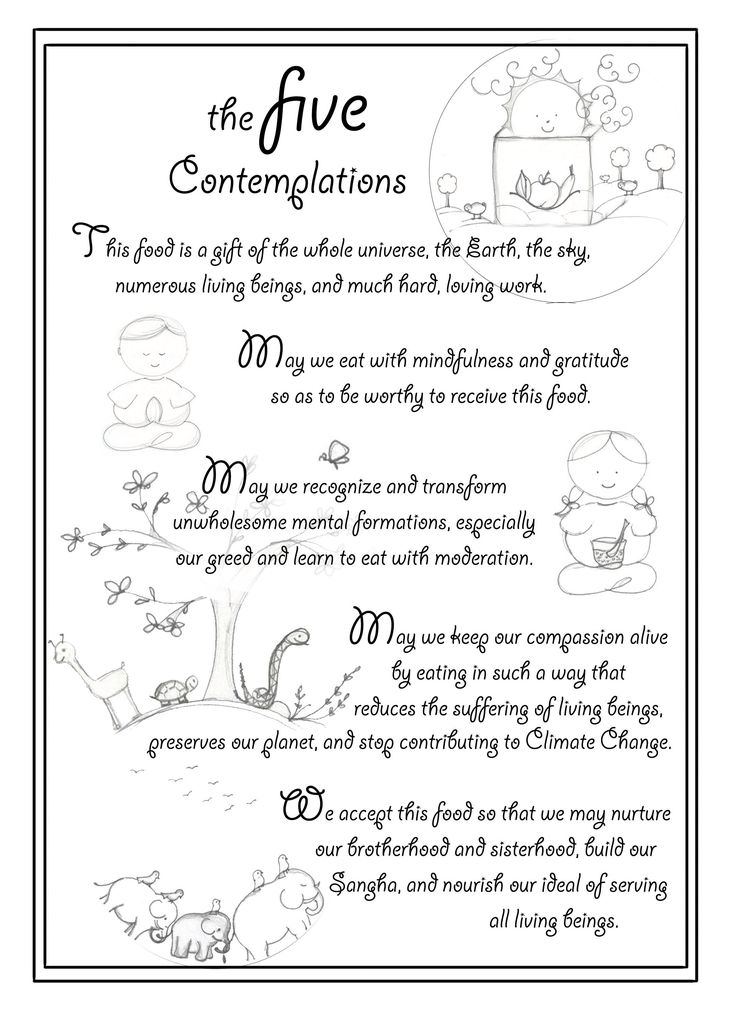
5 contemplations of mindful eating
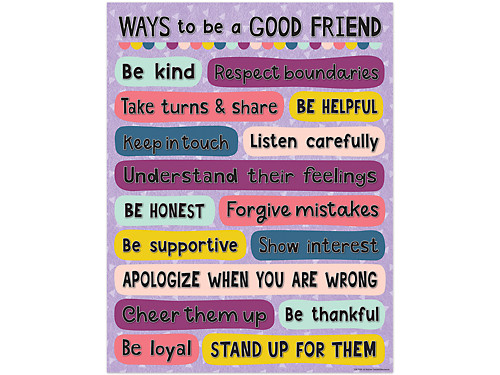
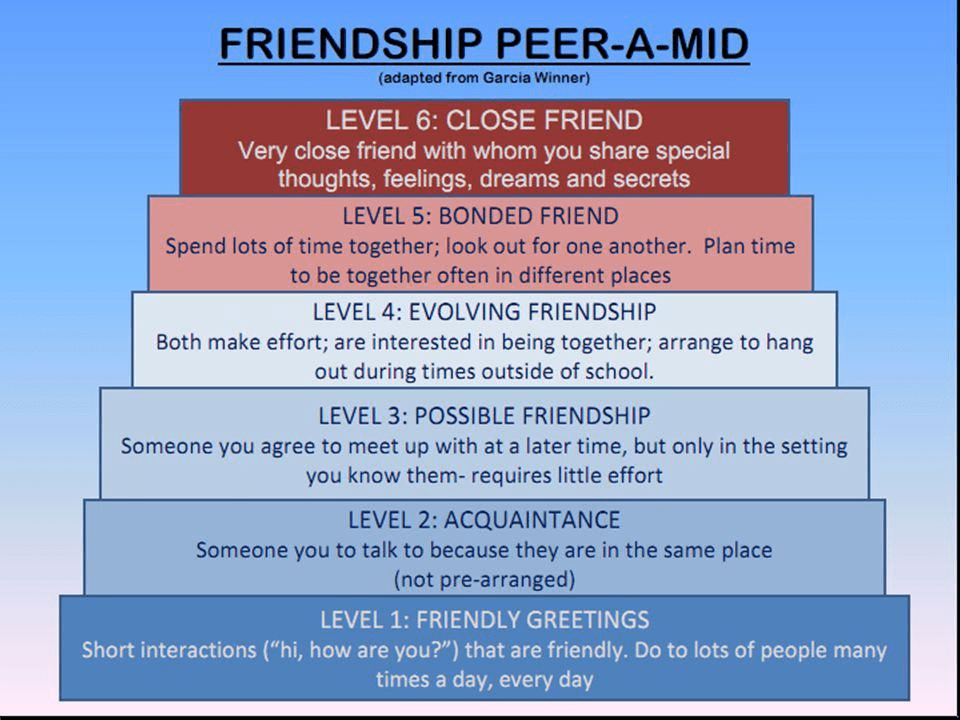
Before Breakfast – Make space for friendship
Studies show that people think they’d be happier with more friends, but what actually makes us happier is being considered someone’s best friend.
A better strategy is to be a dynamite teammate to 3-5 people.
Friendships start out with shared activities.
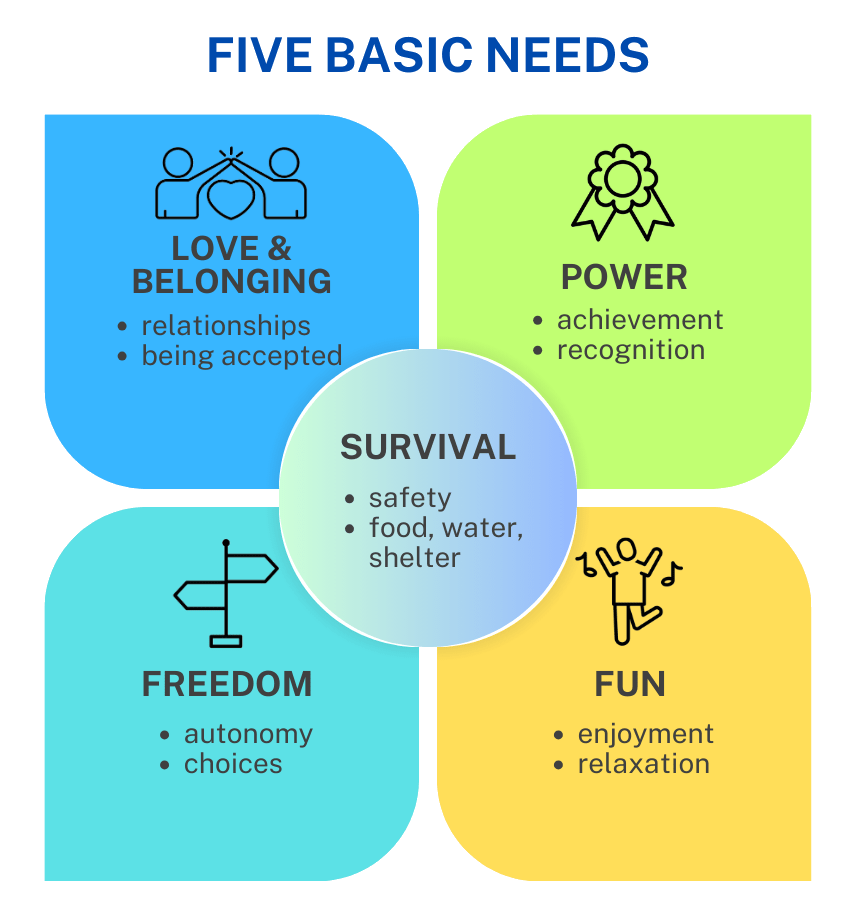
Choice theory says that we all have five inherent genetic needs: survival, power, love and belonging, freedom (self-expression), and fun. Friendships should have these elements.
The biggest mistake is that people don’t think about how their invitation lands in someone else’s inbox. Give specific times and locations.
Ask friends questions like “How can I help you? What are your pain points? Tell me what’s going on. How’s your job? How has your social life been?”Be an excellent teammate and be careful not to dominate conversations.
Make silence meaningful. Try to make a plan with someone very busy and say something like “If I don’t hear from you by ___, I’ll assume you can’t go.” By saying how you will interpret the silence, you are taking power and giving a kindness to the other person of “I understand you may not get back to me. Here’s how I will interpret a non-answer.”
Pick your elite tiers of people and commit to prioritizing them, being in contact with them, and seeing them regularly. Other connections are a bonus, but it’s not as overwhelming when you prioritize the top tier friends.
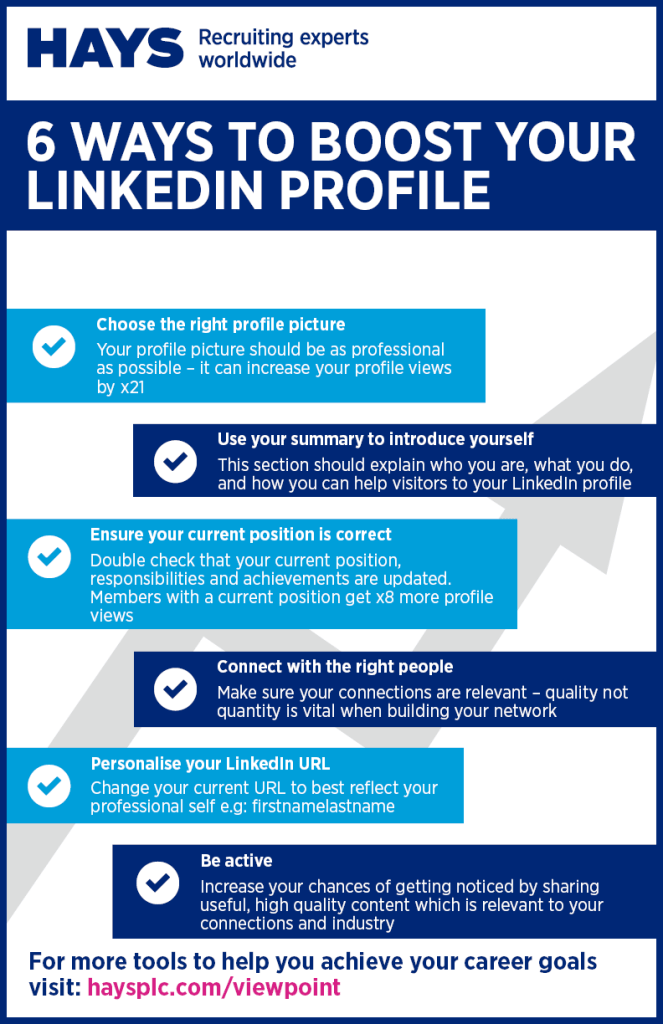
Law School Toolbox Podcast – Quick Tips – LinkedIn Best Practices for Law Students
Although I’m not in law school, I finally caved and signed up for LinkedIn after months of my professors and paralegal program classmates emphasizing its importance. I still have a lot to learn, but this podcast was helpful!
LinkedIn is the go-to professional networking platform
Your profile is often the first impression you make on potential employers for connection.
Use an up-to-date professional photo. Pay attention to your background.
Headline – title should be specific, not generic.
If an employer searches for terms you used in your title, your profile will likely appear closer to the top in their search results.
About section – summarize who you are, what your goals are, and how you achieved them. Who you are now, who you were before (what did you do/where did you work), who you aspire to be (what type of law, etc.) Try to add your personality into the mix.
Experience section – list all relevant experiences. Instead of using bullet points, write a full paragraph telling the story of your accomplishments, activities, and roles in each position. Be specific about your duties and outcomes.
Education – all higher education. Include activities and extracurriculars. Be specific about your roles. Include awards you received.
Licenses and certifications – NSLT, Lexis Nexis legal research certification course, etc.
Publications
Start by connecting with people you know – classmates, family members, friends, old coworkers, and professors
Use LinkedIn to connect with alumni from your school who work in the area of law you are interested in.Reach out to attorneys who work in areas you are interested in.
Like and comment on posts from your connections. Share your own updates, too.
Always maintain professionalism in every aspect of your profile. Proofread everything. Keep your profile updated and current. Quality over quantity for connections.
I enjoyed this post from Gabe the Bass Player this week:
You get to pick. But whatever time you post on the door we expect you to be fully open. Not a limited menu. Not partially attentive. Not just half the vibe.
Whatever it’s like when we walk in, we assume that’s the way it always is…so for whatever way you want to known, it starts from the time you open.”
I look forward to reading, learning, and sharing more with you soon!
My intention is to post a Thoughtful Thursday column each week and share some of the insights I have learned in the past week. Here are some of the things I’ve learned this week:
Self-Growth Nerds – 5 Most Powerful Questions to Ask Yourself
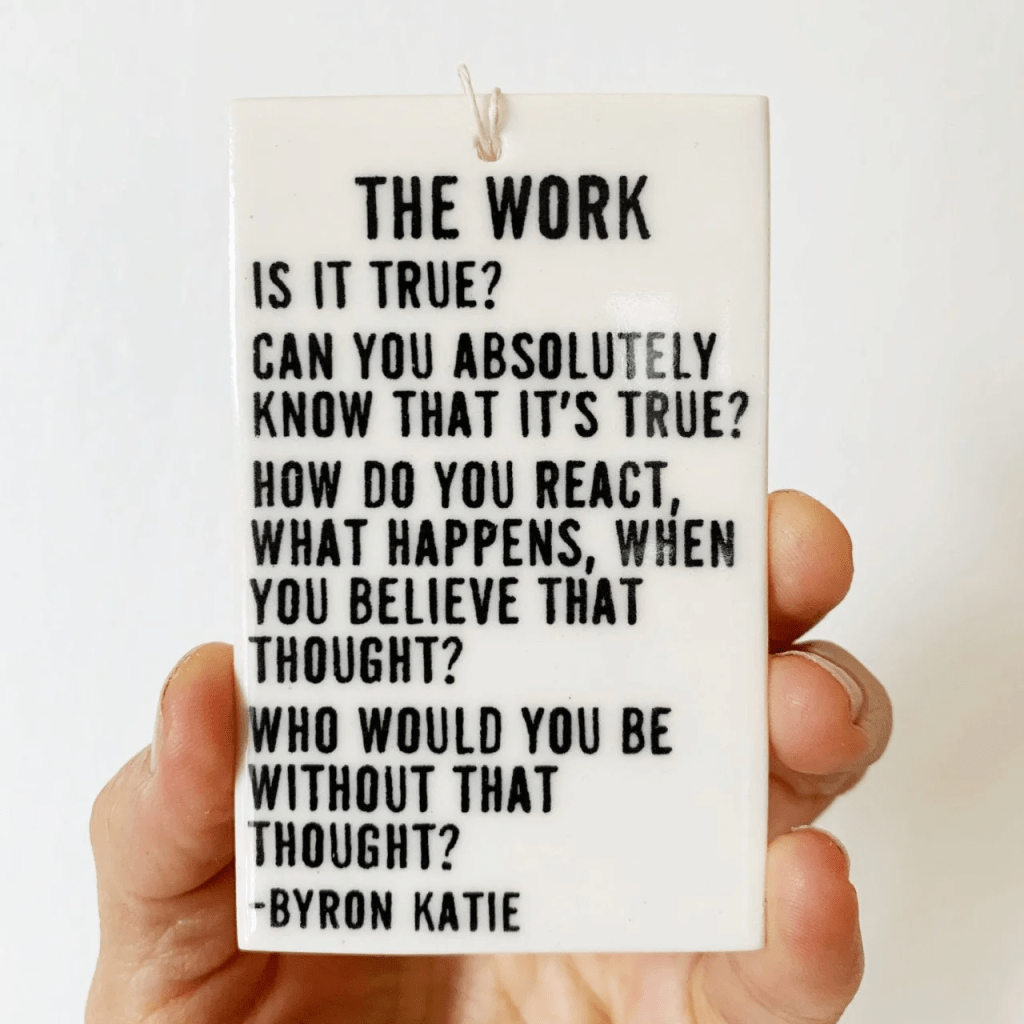
What do I make ___ mean about myself? Ex: rejection – “I make it mean that I will never find someone because I am deeply flawed.” I make it mean . . . creates distance between you and your thoughts. You get to be the observer of your thoughts.
What else could it mean/what else could be true? This opens your mind to other possibilities that you might not have considered because you are so focused on the one that is making you suffer.
What would ___ say? What would someone I look up to say? What would my most loving and confident friend say?
So what? Dedramatize the situation you’re in.
Who would you be without that thought? The thought you are so attached to is a choice. Someone else with a different background might not have that thought.
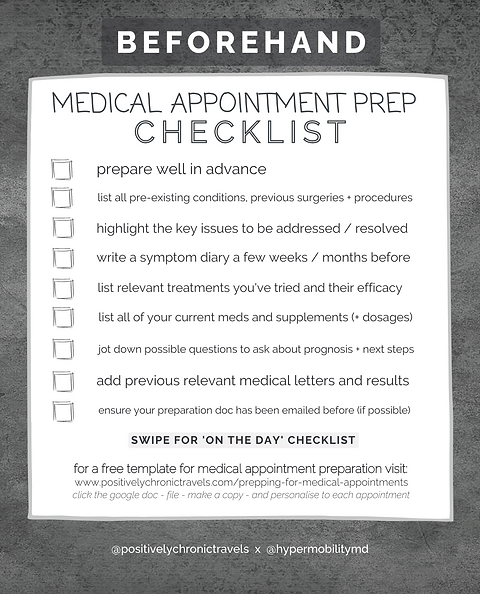
TED Health – A Healthier You: A 5-step guide to better doctor visits
Prepare for the appointments. Write down questions or concerns to ask your doctor about.
Be real with your doctor, even if it feels awkward. Tell them the whole story. Tell them exactly how pain or illnesses or medical procedures affect your day-to-day life.
Don’t be afraid to ask questions or even get a second or third opinion. Clarifying things is necessary.
Bring a trusted person to your appointments if you can. Take detailed notes that you can review later.
Don’t be afraid to follow up. Be persistent. Push for answers or referrals to specialists. You’re never a burden for asking questions or pushing for better care. Follow up until you get the care that you deserve.
What’s one step that you can take today to be a better advocate for your own health? Maybe it’s scheduling an appointment you’ve been putting off, writing down questions for your next appointment, or following up and requesting a referral to a specialist.
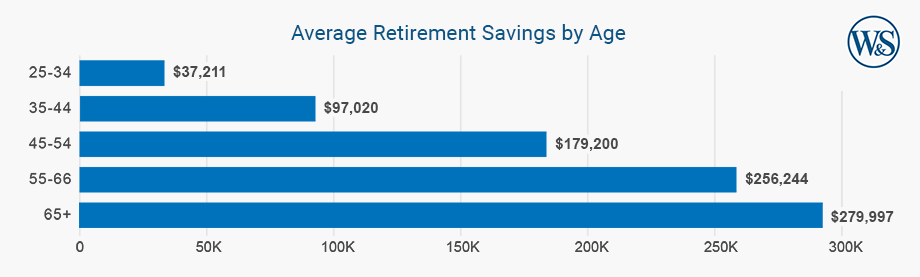
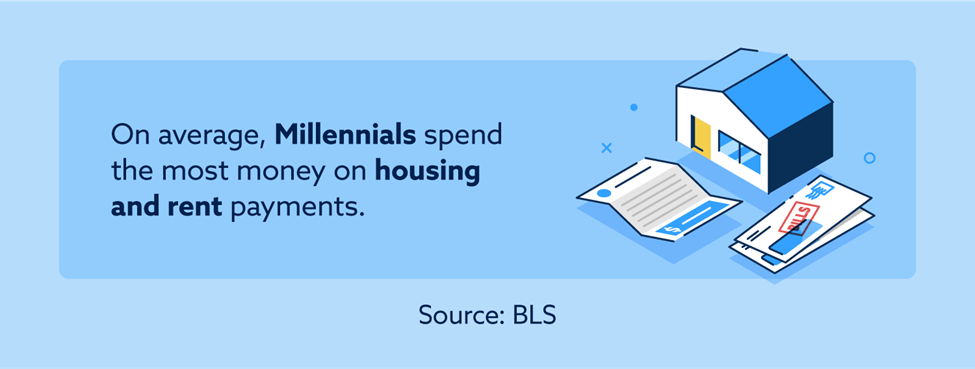
NerdWallet’s Smart Money Podcast – Are You Spending Like Your Generational Peers?
BLS data – Baby Boomers spend 95% of annual income after taxes, Gen Z spends 93% of annual income after taxes, Millennials spend 83%, and Gen X spends 84%.
Millennials and Gen X are spending close to 15% of total expenses on retirement. Gen Z are spending close to 12% on retirement. These are averages!
Food accounts for 12-13% of expenditures among all generations.
Groceries account for 7% of all spending and takeout takes up 6% of spending
Gen Z spend on average 4% on healthcare expenses.
The highest-earning generation spends the most money on transportation (car, flights, public transit). Gen X spent $17,000 on average in 2023 compared to $10,000 for Gen Z.
Are you spending and saving like your generational peers? Or are you doing better or worse?
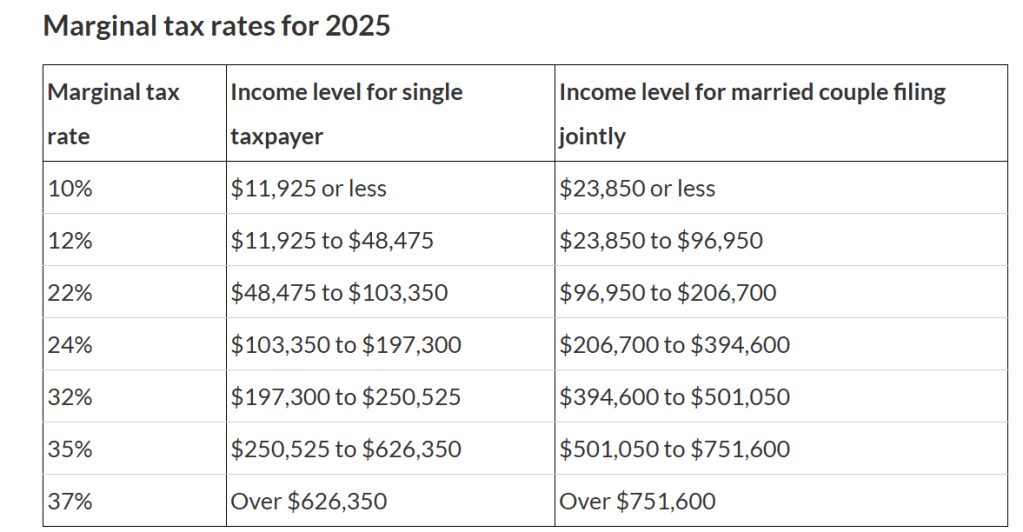
New tax brackets for 2025 + new standard deductions
Fit, Healthy, & Happy Podcast – Fitness & Health Habits to Break
Pre-workout – too much caffeine. Don’t drink more than 500 mg per day. You shouldn’t need pre-workout every day. Analyze your consumption and don’t rely on pre-workout. Are you getting enough sleep?
Over-reliance on warms ups/needing certain machines/shoes/equipment – some people are so particular and don’t deviate from warmup routines, an Apple Watch, etc.
All or nothing mentality (weekends especially) – it won’t always be a perfect day to work out and you won’t have as much time as you’d like to but move your body anyway.
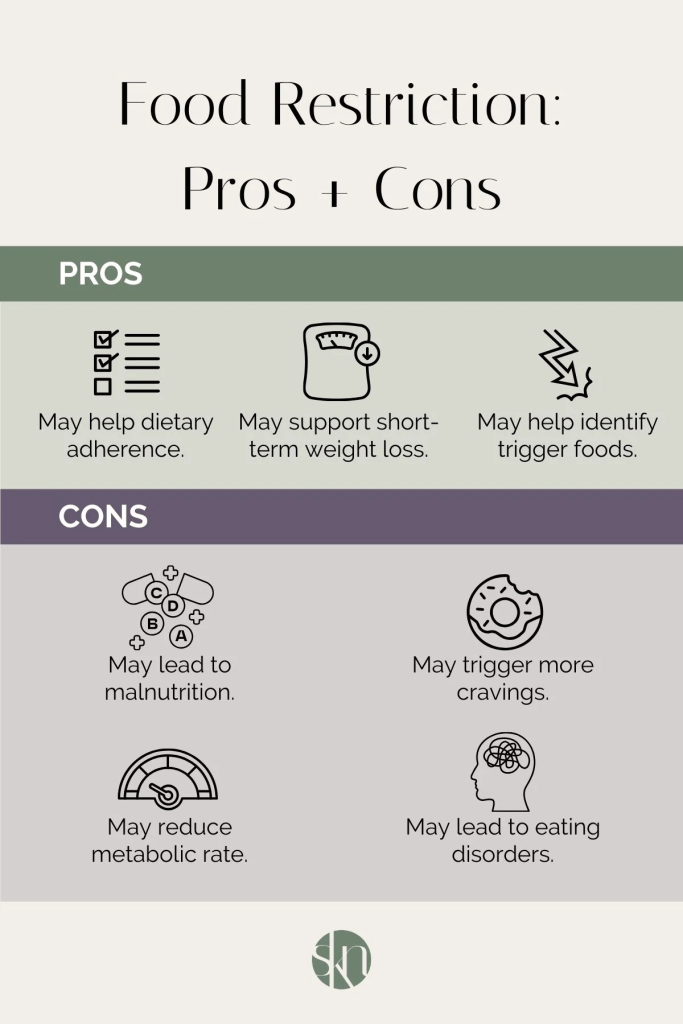
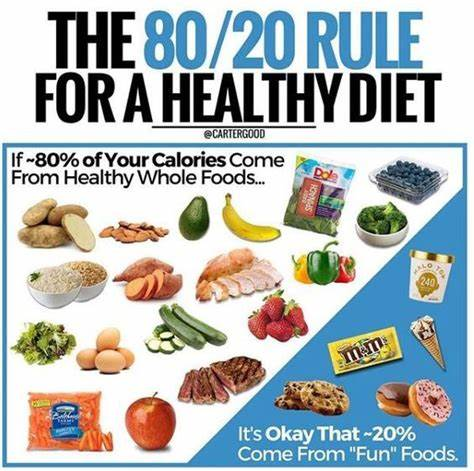
Demonizing foods – restriction causes cravings. Don’t put labels on foods. Moderation is the key to success. 80/20 clean eating
Neglecting sleep/recovery – cut off caffeine consumption by 12 p.m. Prioritize sleep and recovery.
Crutching protein and protein supplements – focus on whole food sources for protein.
Lifting with bad form – have a season where you really focus on perfecting your form.
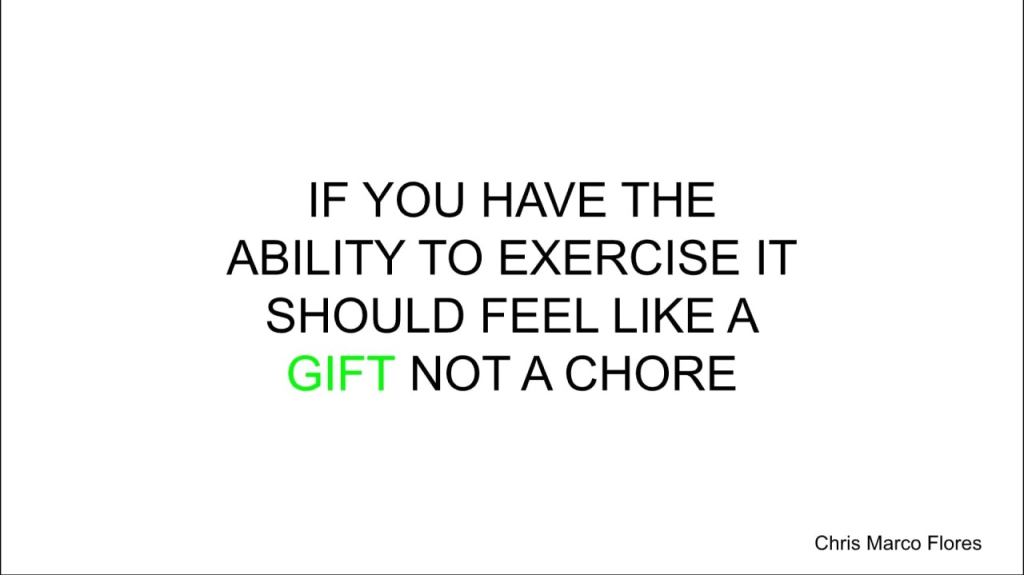
Treating it as a chore and not having much to look forward to – if you view working out as a chore, you won’t push yourself or make progress. Find something to look forward to and set goals you want to hit. When you see results or progress, working out is more exciting. Update your routine or goals or try a new challenge.
Only allowing yourself to see results or having no social life – have a balance of working out and a social life. Fitness and health need to be integrated within your life. Have some flexibility with your fitness to have a social life.
Refusing to change your mind/update your beliefs – you need to try new things, update your beliefs, and have the capacity to change your mind. Ex: you can have carbs and still be in shape.
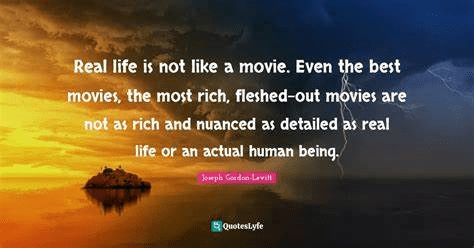
There are lights, camera and action, but mostly there’s the unreality of making it fit.
Happily ever after, a climax at just the right moment, perfect heroes, tension, resolution and a swelling soundtrack. Every element is amplified and things happen right on schedule.
Consume enough media and we may come to believe that our life is carefully scripted, and that we’re stars of a movie someone else is directing.
This distracts us from the truth that real life is more muddled and less scripted. There is no soundtrack. We’re actually signed up for a journey and a slog. Nothing happens ever after. It’ll change, often in a way we don’t expect.
We have no choice but to condense a story when we want to film it. Our real story, on the other hand, cannot be condensed, it can only be lived. Day by day.”
I look forward to reading, learning, and sharing more with you soon!
I read six books in October, two of which were short poetry books. Here is a blurb of each of the books I read in October.
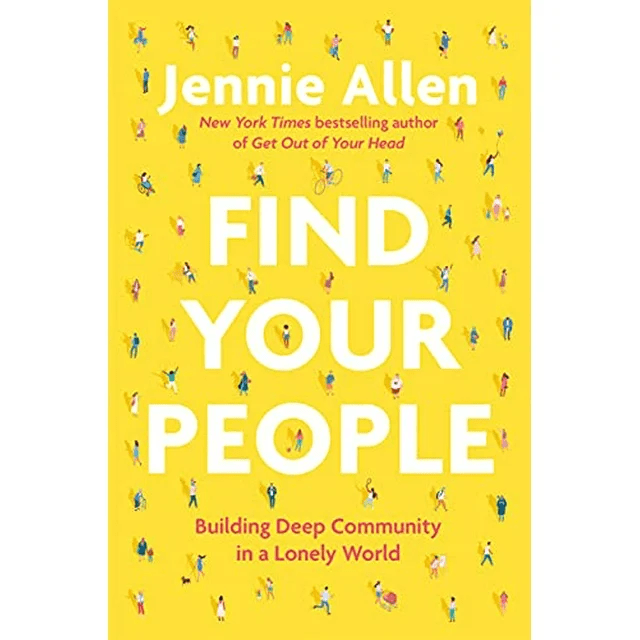
“Find Your People: Building Deep Community in a Lonely World” is a Christian book written by Jennie Allen and is filled with stories, science-based insights, and practical ideas for building deep community. I had several takeaways from this book, but here are just a few.
5 out of 5 stars
“We’re all just kind of waiting for connection to find us. We’re waiting for someone else to initiate and be there for us. We’ve replaced intrusive, real conversations with small talk, and we’ve substituted soul-bearing, deep, connected living with texts and a night together every once in a while. Quit waiting for people to reach out to you. Start initiating and asking people the questions you wish they’d ask you.”
Factors to look for in friendships include availability, humility, proximity, transparency, consistency, accountability to others, and a shared purpose.
Some ideas for building friendships:
invite friends to bonfires
plan get togethers
intentional, active listening
affirm your friends
ask your friends about the highs and lows of their week
join a club
ask deep questions
listen
share the real stuff
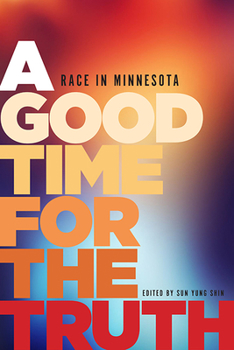
“A Good Time for the Truth: Race in Minnesota” is a collection of stories of what it’s like to live as a person of color in Minnesota, was published by the Minnesota Historical Society Press, and was edited by Sun Yung Shin.
4 out of 5 stars
Here are some quotes that stood out to me:
“[People] unconsciously believe you are unfit to mother your own child simply because you are a Black woman.”
“Sometimes I catch myself staring at my son, wondering what he is going to do when someone gives him a piece of paper with boxes on it and asks him to check the box saying who he is – if he is going to pause before marking “Black.” As I do. Because Black is not a race.”
“To be a Korean adoptee in Minnesota is to be both hypervisible and invisible at the same time. It means that people can tell you they don’t see you as Korean as if that is a compliment.”
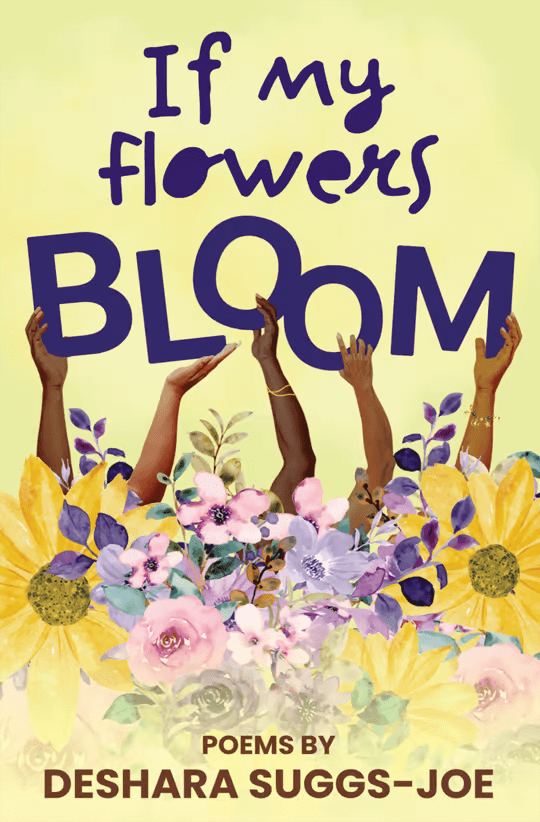
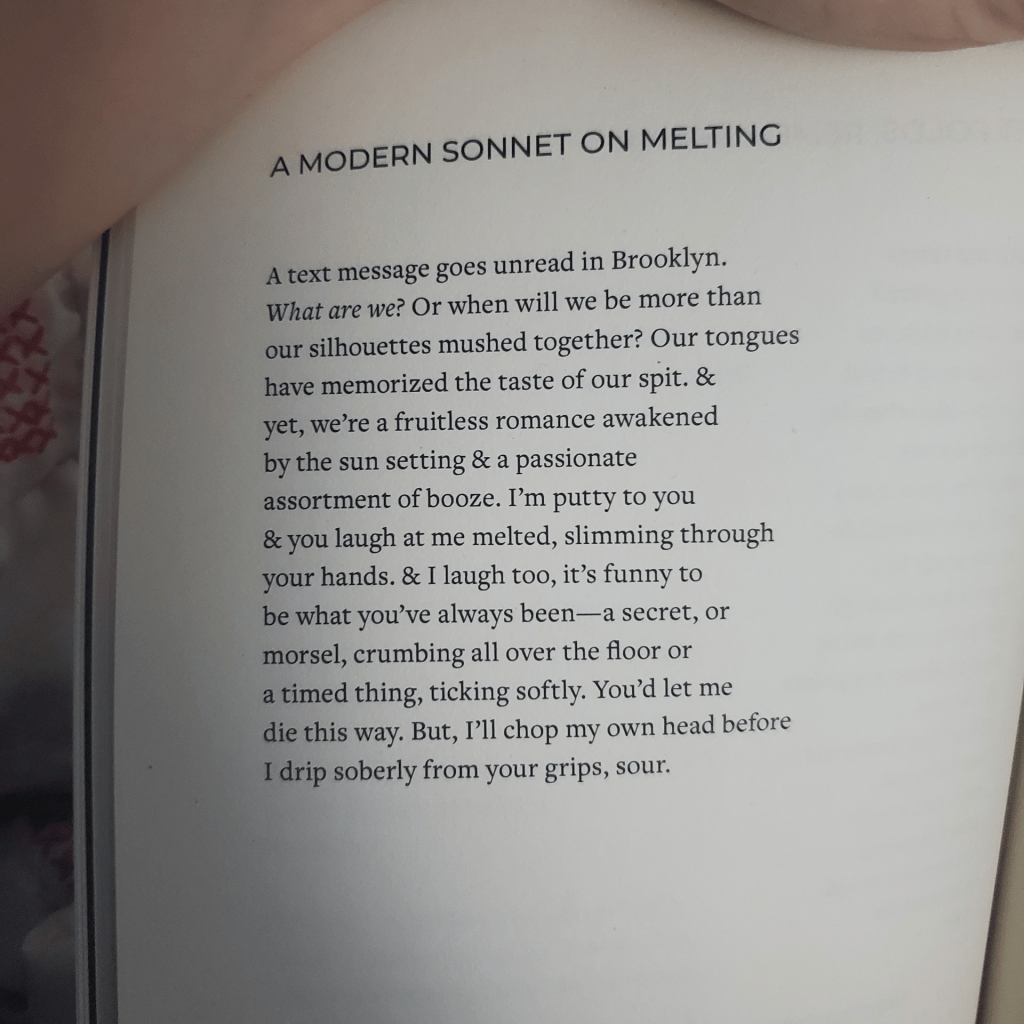
“If My Flowers Bloom” is a Button Poetry book of poems by Deshara Suggs-Joe, a queer, Black poet and visual artist. These poems were about desire, and many were sexual in nature. Honestly, this book was not one I enjoyed. I have included a snippet of my favorite poem from the book.
2 out of 5 stars
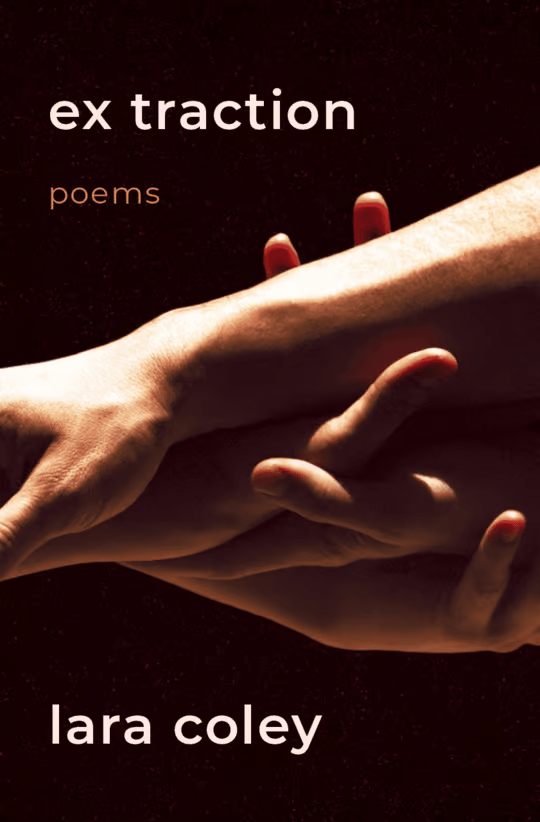
“ex traction” is a Button Poetry book of poems by Lara Coley, a San Francisco poet and educator who has taught creative writing and ESL in juvenile detention centers, schools, universities, and mental health treatment centers. Lara’s poems sharply dissect love relationships, and many are abuse and loving emotionally unavailable men.
4 out of 5 stars
Here are some snippets:
“How do you love so softly, so gently, so quietly, with your hand so tightly cradled around my throat?”
“We were lying on my bed and I asked him why, in our two years together, he’d never told me he loved me. He said he didn’t need to, that everyone knew. Een Jessica knows, he said. Well, good for her, I said. Good for Jessica.”
“She is wearing your affection like a coat, tailored to fit her. I remember stretching your love around my shoulders like a misshapen shovel that would never cover any parts of me that needed warmth.”
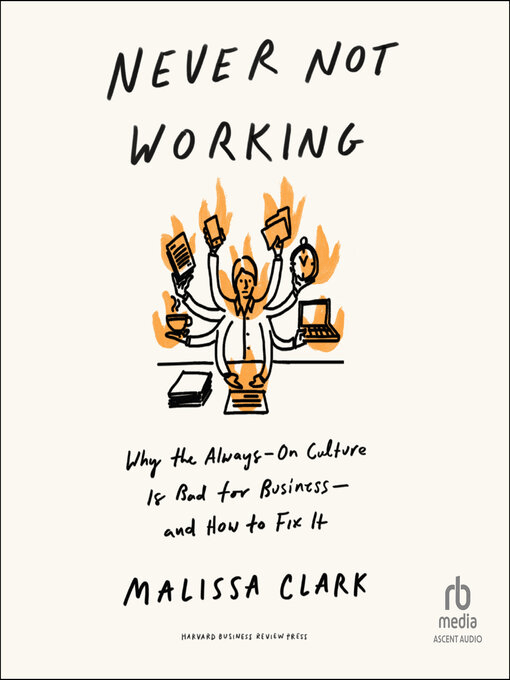
“Never Not Working: Why the Always-On Culture is Bad for Business – and How to Fix It” was written by Malissa Clark, associate professor of industrial-organizational psychology at the University of Georgia. Malissa is also a recognized expert on the topics of workaholism, overwork, burnout, and employee well-being. I highly recommend this book and will post about it in more detail sometime.
5 out of 5 stars
This book was filled with helpful information. This book covered signs of workaholic behavior, how to counteract workaholic behavior, the main components of workaholism, specific signals of workaholic culture within an organization, overwork assessments, and questions to ask after you get a job offer. Here are some of my many take-aways.
The most direct way to figure out what’s valued in a culture isn’t to listen to what people say is important. It’s to pay attention to who gets rewarded and promoted to leadership roles. Groups elevate people who represent their principles and advance their goals.
Here are some signs of workaholic behavior:
rumination – always thinking about work
overcommitment – always taking on too much and not knowing limits
busyness – always doing – unstructured time feels uncomfortable
perfectionism – nothing is ever good enough
poor delegation
poor scoping – underestimating how long it will take to do something
catastrophizing
3 questions to ask after you get a job offer to learn about the culture (courtesy of Work Life with Adam Grant):
Tell me about something that happens here that wouldn’t happen elsewhere.
Tell me about a time when people didn’t walk the talk here.
Tell me a story about who gets hired, promoted, and fired around here.
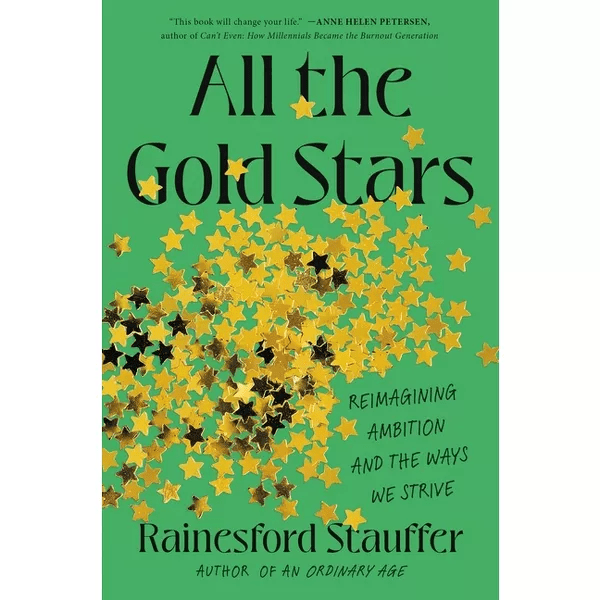
“All the Gold Stars: Reimagining Ambition and the Ways We Strive” was written by Rainesford Stauffer, an author, journalist, and speaker. This book contained a thoughtful exploration of ambition. Although this book contained several ramblings, there were some great takeaways.
4 out of 5 stars
So many modern ideas of ambition are rooted in work-related self-development, self-improvement, and career mobility, but ambition isn’t just about work. For those of us who feel that our performance at work – or our ambition – is the most valuable, worthiest, and most significant part of us, and thus, the most important part of our lives, we lose ourselves at the center of our stories.
Two primary sources of influence of our self-concept are our childhood experiences and our evaluation by others. Evaluation is ambition’s sidekick. Ambition is often registered as achievement.
Don’t let the world place limits on your ambition. Our efforts, time, imagination, and care can be oriented toward what matters to us most deeply in the face of a world that’s screaming to-do lists at us. Ambitions can be demonstrated in your hobbies, your values, how you care for yourself, your contributions to your community and causes, your friendships, etc.
Questions to ask yourself:
Think about your unrésuméd self – What are the things that actually fill you up that no one cares about, or you can’t put on your resume?
Who came up with this aspiration? Is it my idea or something random I thought I should aspire to?
What resources does it take to be ambitious about this, and is it worth it?
What does this ambition serve? It is me, a loved one, or something I care deeply about, or just an arbitrary marker of success?
How can the personal definitions we have of ambition expand?
I look forward to reading, learning, and sharing more with you soon!
My intention is to post a Thoughtful Thursday column each week and share some of the insights I have learned in the past week. Here are some of the things I’ve learned this week:
Stuff You Should Know – The Story of Spirit Halloween
Spirit Halloween in the United States is well-known for being a giant Halloween pop-up store that sprouts up in old malls, strip malls, and old big-box stores that are 7,000-10,000 square feet.
There are more than 1,400 stores in the U.S. between August and November. Some are within miles of one another.
Spirit Halloween hires 25,000 temporary employees August-November. Stores close on November 2. Spirit Halloween’s online store is open year-round.
30-40% of stock carries over from year to year
Keys to their growth plan:
presence
ads
10,000 foot storefront close to another big-box store such as Target/Walmart/shopping center
expand beyond just costumes (include décor)
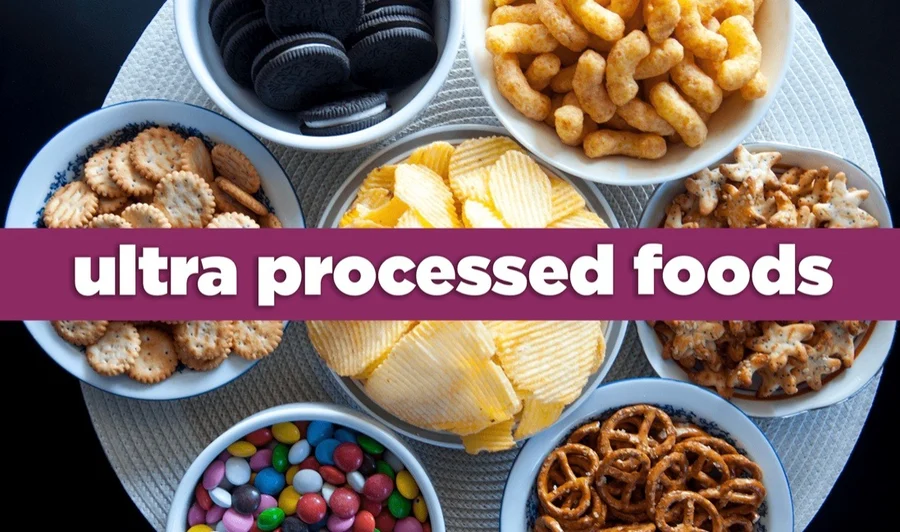
Life Kit: Health – How to cut ultra-processed foods from your diet
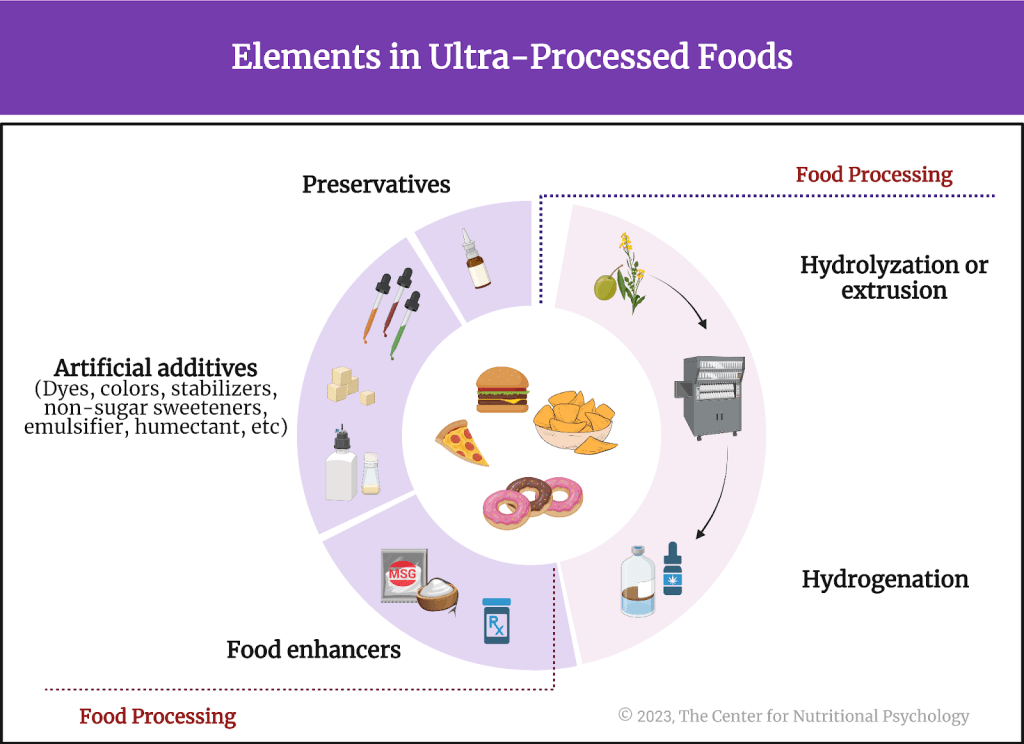
Packaged foods – high levels of salt and fat, added sugars, added colorings, added flavorings, hydrolyzed protein isolate, high fructose corn syrup, bulking agents like maltodextrin – tend to have a lot of additives
Foods that are made with ingredients derived from foods and reassembled to create a product
There is a lot of research linking overconsumption of ultra-processed foods to poor health outcomes, like type two diabetes, obesity, hypertension, cardiovascular disease, etc.
Look at the ingredient list. Ignore the health claims on the packaging. If there are ingredients you don’t recognize and wouldn’t have in your home kitchen, it’s an ultra-processed food.
Even if it’s ultra-processed, look for things lower in sugar or no added sugars that have some fiber and protein.
Craving salt? Think about eating nuts. If you love breakfast cereals, look for something with protein and fiber. Yogurt – look for something with low or no added sugar and use some fresh berries to sweeten it. Look for a high protein option.
Canned items like vegetables and beans often have added sodium. You can rinse them in a colander to cut out some salt.
Focus more on eating things you know you should be eating more of, such as fresh or frozen fruits and vegetables.
Cooking more from scratch at home is always a better option.
Aim for the 80/20 rule – eat 80% clean, whole foods, and splurge on up to 20% of your diet.
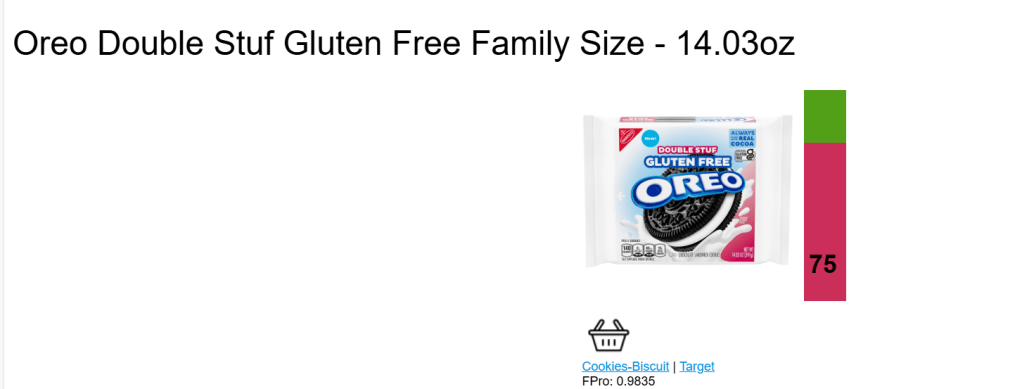
Truefood.tech – tells you how processed food items are – look up your brand and product – suggests less processed alternatives
This website is fascinating!
You can type in a brand and product and it will show you a processing score, ingredients (and additives), and alternatives and their processing scores!
Before Breakfast – Make it worth the commute
If you are going to go into the office, make it worth the commute. Use your in-office time for relationship building and collaboration.
You don’t want to spend your time and energy going somewhere just to e-mail and call people in other places because you can do that from home.
When you’re just getting to know a new colleague, in-person conversations can be valuable. Schedule lunch, conversations, or coffee with a colleague during your in-office days.
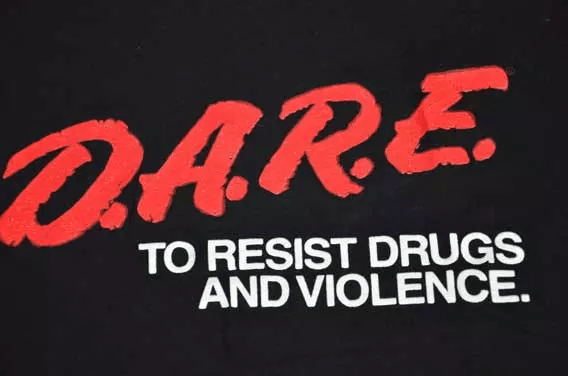
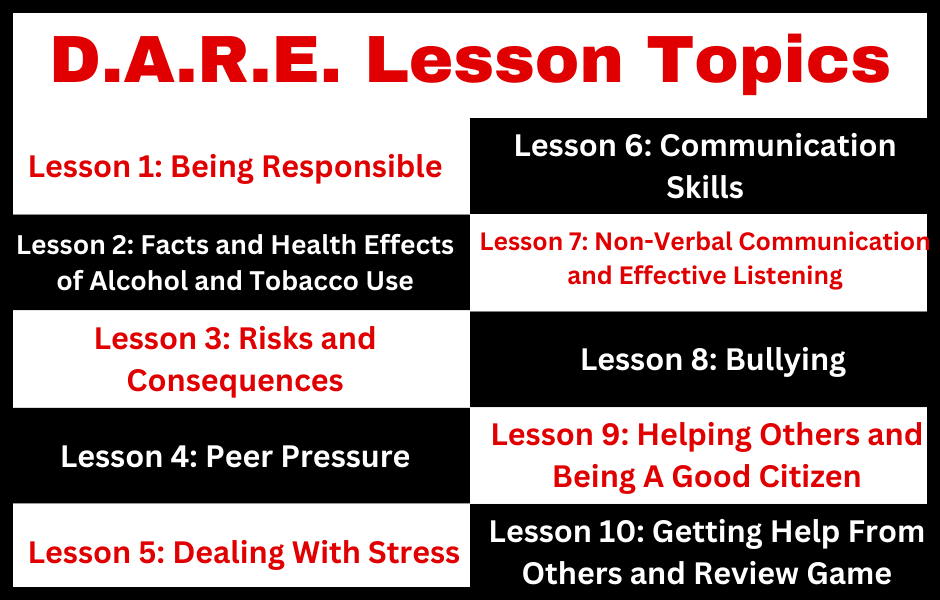
The Big Flop – The Truth About D.A.R.E.
Some studies show a higher rate of drug use among D.A.R.E. participants than those who didn’t participate.
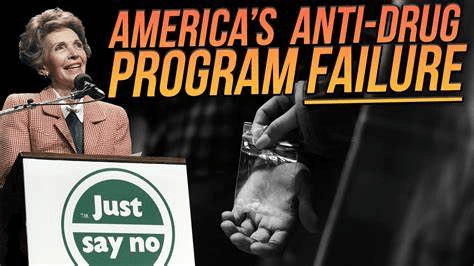
Drug Abuse Resistance Education (D.A.R.E.) is best remembered due to the ads and PSAs that were intended to promote “Just say no.”
Drug-Free Schools and Communities Act – D.A.R.E. is the only program that is eligible for funding from this law, so they got federal money to go nationwide
There was an 80-hour course for D.A.R.E. officers
¾ of all school districts in the United States used the program. Over 5.5 million kids were exposed to the program, and over 11,000 police officers were involved. Each year, between $600-750 million of taxpayer money was spent on D.A.R.E.
Strategies to keep yourself safe at parks, shows, and the mall
Ways to say no were all extremely obvious: just walk away, just ignore the person, change the subject, etc.
Puts all drugs on the same level – alcohol, pot, cocaine equally serious
According to one D.A.R.E. workbook, you can tell when a bunch of people are up to no good if they have tattoos (!)
Merchandise
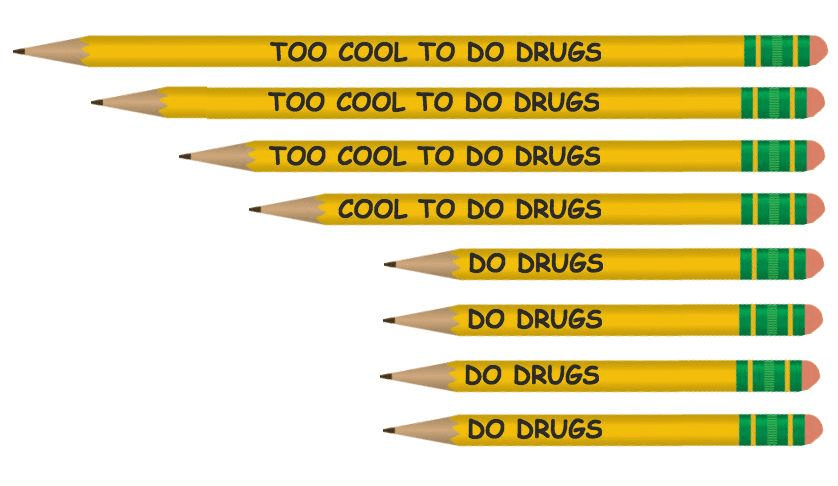
Clothing with D.A.R.E. logo, pencils that said “too cool to do drugs” – depending on how much you sharpened it, it would bring the wrong message – eventually to just “do drugs” or “drugs”
Criticisms of the program:
Person who came up with D.A.R.E. testified in front of the Senate Judiciary Committee that people who use drugs, even casually, should be taken out and shot.
Recognize, resist, report – the report part attracts criticism because some people believe it’s turning kids into police informants
Kids calling on parents and sending them to prison
After multiple studies, the program was found to not work. The effectiveness of D.A.R.E. has yet to be established.
Marijuana use by teens increased. D.A.R.E. makes certain kids want to try drugs- “you can’t tell me what to do”
Ineffective primary prevention program
The program stuck around until 2009 when it was finally phased out.
U.S. spent over 1 trillion dollars on D.A.R.E.
A new version of D.A.R.E. was introduced in 2009, keeping it R.E.A.L. Refuse, explain, avoid, and leave. Some initial research indicates that this program MAY be more effective, although it’s been criticized for a lack of focus on harm reduction.
Misuse of funds and time
This post from Seth’s blog resonated with me this week:
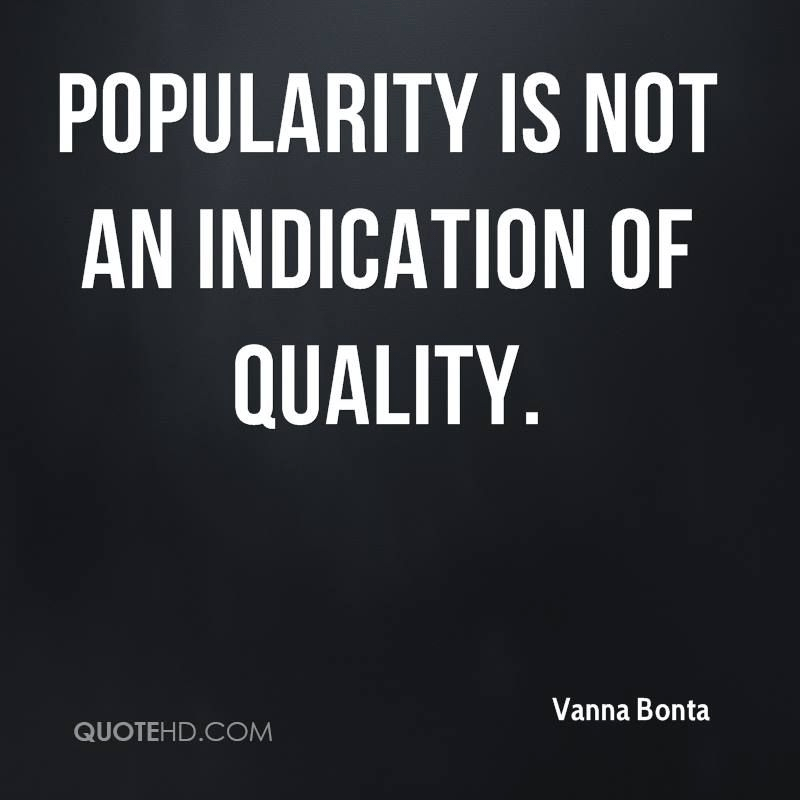
How often do we assume that popular things are good, and that good things become popular?
If your work doesn’t catch on, does that mean it wasn’t good?
In almost every field, people with insight, taste and experience admire and emulate good things that aren’t popular, and are surprised by popular things that aren’t good.
Perhaps we need to broaden our definition (or narrow it) so we can be clear about what we mean.”
I look forward to reading, learning, and sharing more with you soon!
My intention is to post a Thoughtful Thursday column each week and share some of the insights I have learned in the past week. Here are some of the things I’ve learned this week:
Self-Growth Nerds – The Power of Consistency: 5 Mindset Shifts for Achieving Your Dreams
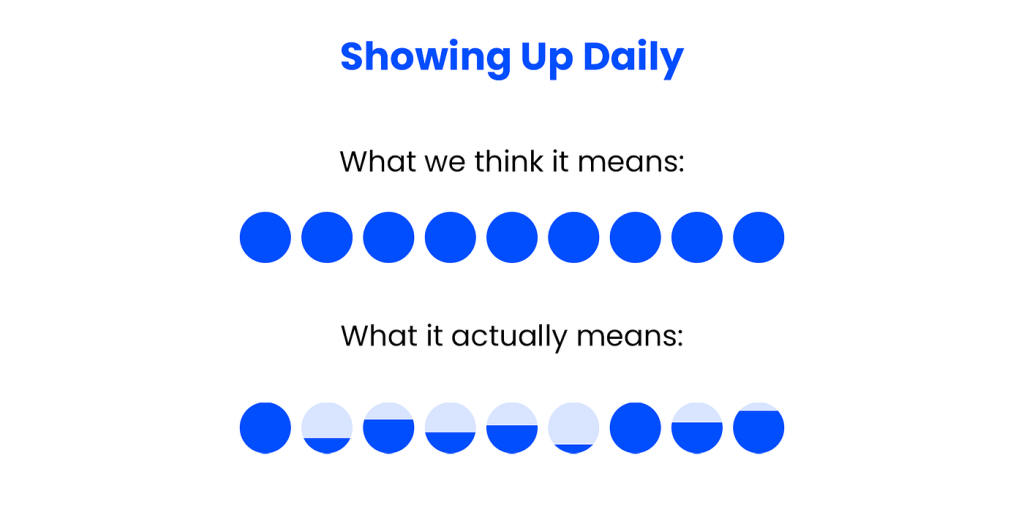
Consistency – to show up again and again for what is important to you – working out, journaling, sharing a blog post, going to a comedy club monthly, etc.
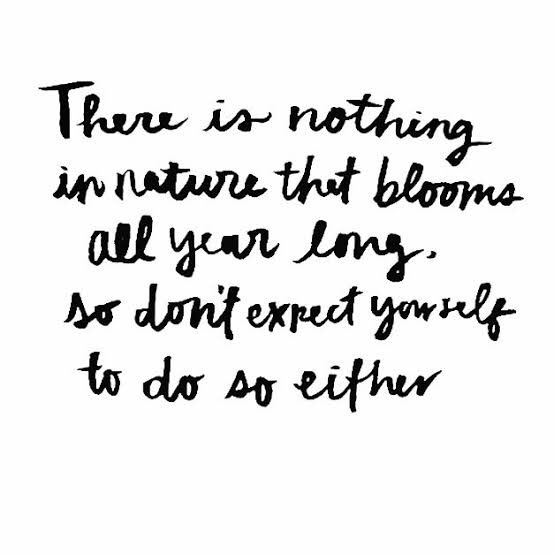
Remove the pressure of perfection. Lower the bar of your expectations.
Show up and be consistent. Control what you can control but know that you won’t be perfect every time. Focus on showing up and trying your best.
What feels alive in me right now? What is something interesting I’ve seen or heard recently, and what’s the meaning in there?
Commit. Make a decision and be clear in what you’re committing to.
Know what it is you are committing to. Ex: run one mile each day, post one blog post each week, go on one outing per week, etc.
Don’t expect to be consistent in every single aspect of your life. Choose your priorities wisely. Be clear about why each choice is important and accept the grief that comes with loss.
Choose what lights you up rather than what makes sense. Choose something you really want to do.
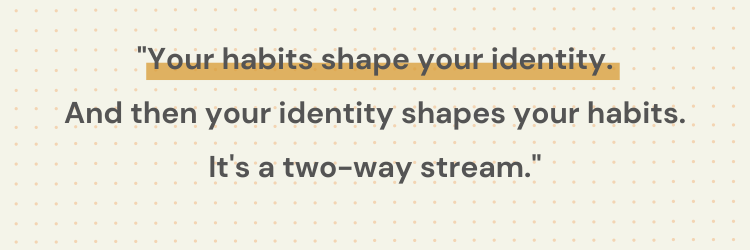
Make it a part of your identity and find pride in that.
“I am someone who posts a podcast every week.” “I am someone who runs every day.” “I am someone who reads every day.” Etc.“I am becoming someone who _____.” “I am someone who ____ because ____.”
Choose a new identity today. Choose one thing to focus on and embody that new part of your identity.
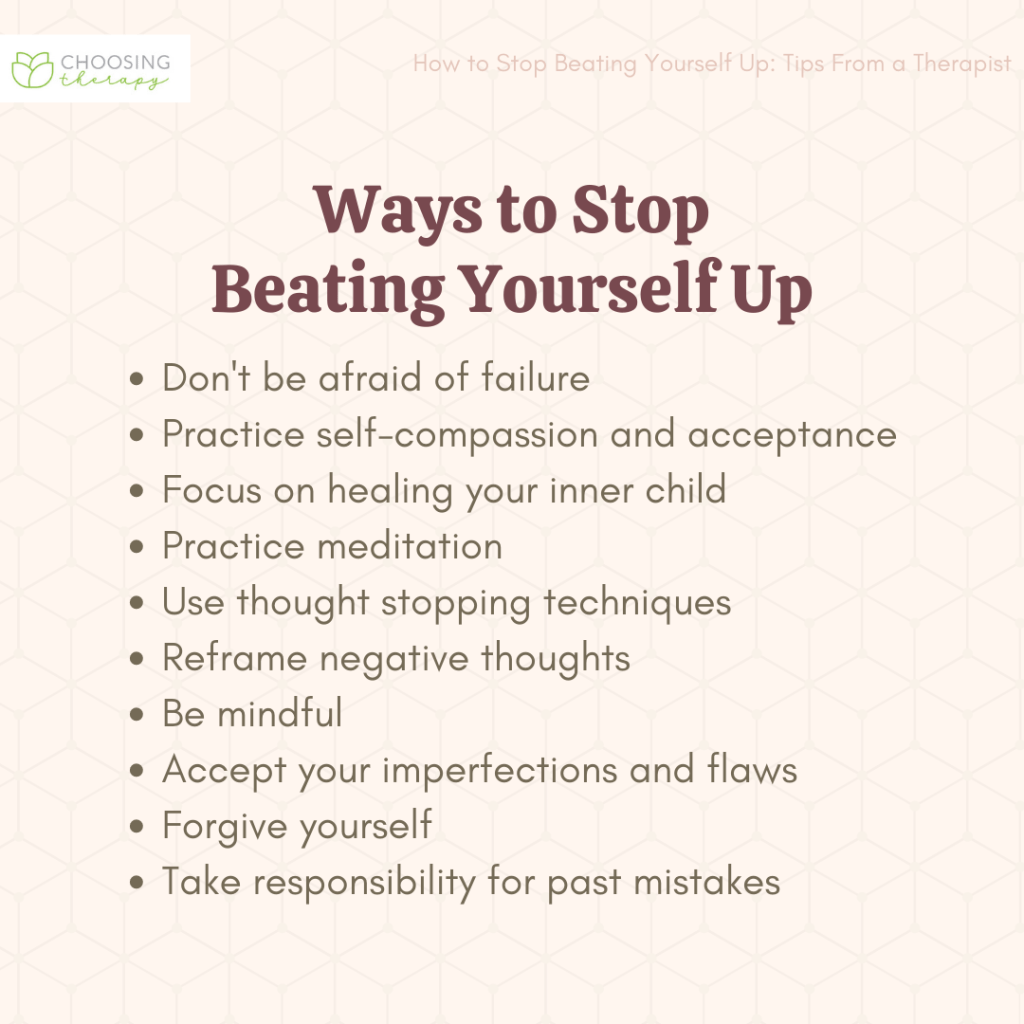
Never beat yourself up. Decide what kind of boss you want to be to yourself. Firm, loving, forgiving.
Tips:
Put it on the calendar. If it’s not on the calendar, it’s probably not going to happen
Habit stack – ex: journal while drinking coffee, watch tv while walking on the treadmill, listen to a podcast while doing chores
Remove pain points. Think of convenience.
Get an accountability partner.
Mentally Stronger with Therapist Amy Morin – 10 Things Being a Therapist Taught Me About the Human Experience
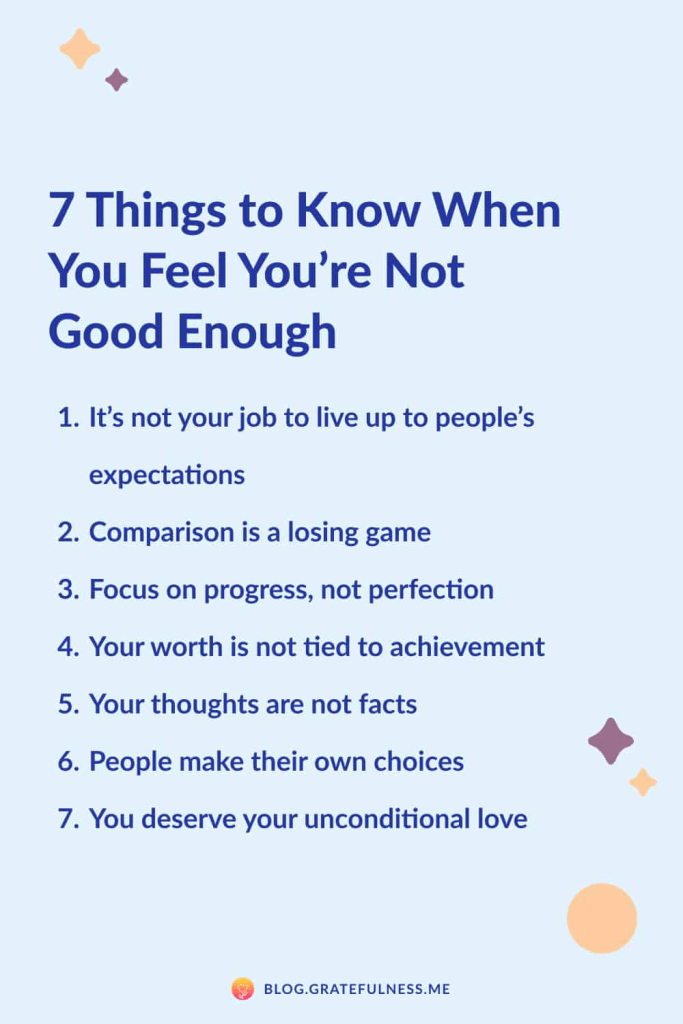
Most people fear they’re not good enough. At the heart of almost every issue is the fear of not being good enough. This manifests in different ways. One person might become an overachiever, other people just don’t try, other people change who they are or act differently depending on who is around them because they want to feel accepted.
Everyone has secrets – mental health issues, addictions, childhood abuse, etc.
People’s inner worlds are often hidden.Many people believe that their thoughts and feelings would surprise even their closest friends and family.
The desire for connection is universal. Many people feel lonely in a crowded room.
Self-criticism is rampant. We are our own harshest critics and hold ourselves to impossible standards. Self-judgment leads to guilt and anxiety. Learn to reframe your inner dialogue and train your brain to think differently and have self-compassion.
Change is terrifying yet desired.We crave change to improve our lives, but we fear it because we hate uncertainty.
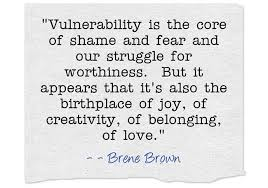
Vulnerability is both feared and desired. We all have a desire to be understood, yet fear keeps us from being vulnerable.
Emotional pain is often masked.
Past experiences shape present perceptions. Our behaviors and attitudes are shaped by things that happened to us in the past.
Hope is a powerful force.
Real Simple Tips – 6 Tips for Keeping Lips Moisturized
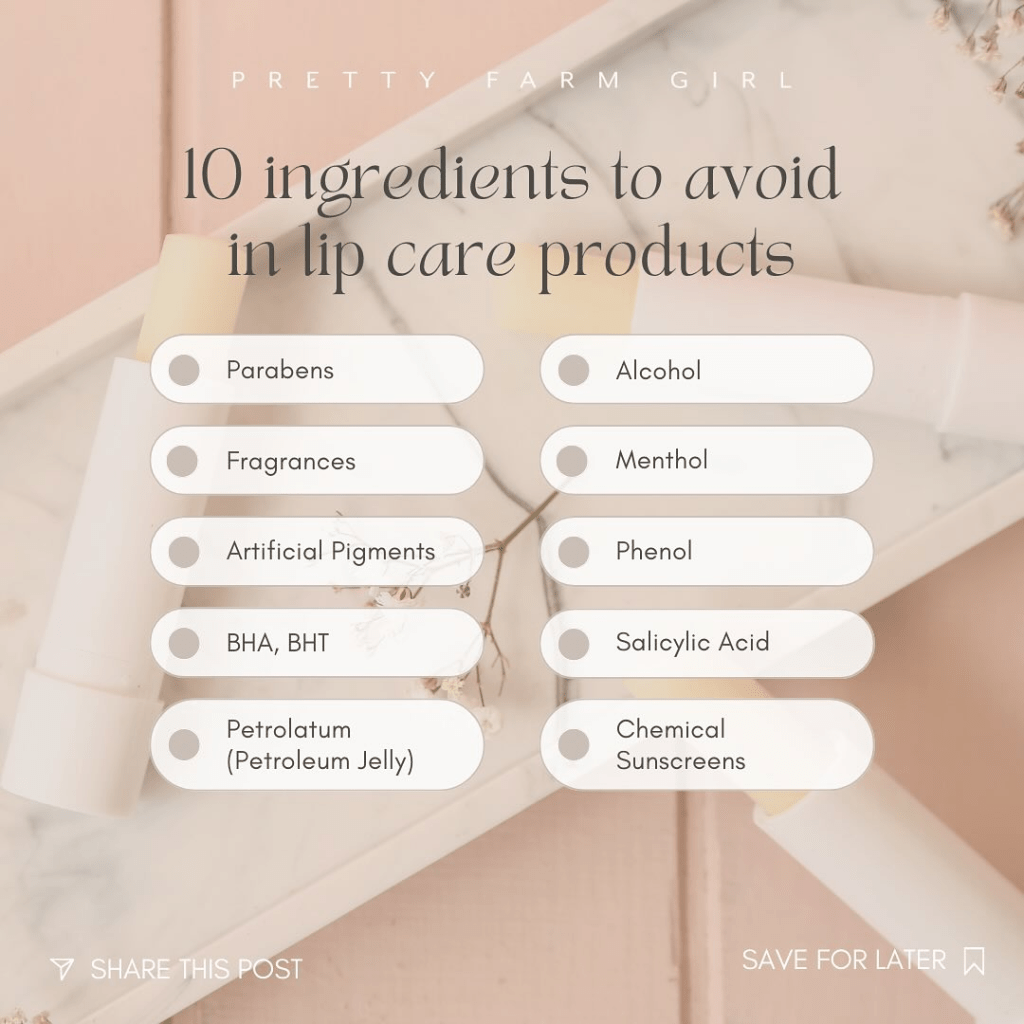
Don’t lick your lips. Licking your lips makes the problem worse. Enzymes in saliva can break down the delicate skin, leaving your lips even drier than before.
Avoid irritating products.Steer clear of products containing flavorings, fragrances, menthol, camphor, eucalyptus, and beeswax.
Use lip balm with SPF. SPF minimizes lip dryness while also curbing your potential for skin cancer and premature aging.
Layer your products. Lips benefit from a hybrid approach of hydration and moisturization. Ex: Blistex medicated lip balm + Vaseline or lip oil.
Reapply every two hours. This regular application is crucial since activities like licking your lips, kissing, eating, or drinking can wear away the product.
Try an intensive lip treatment weekly or biweekly. Ex: lip mask.
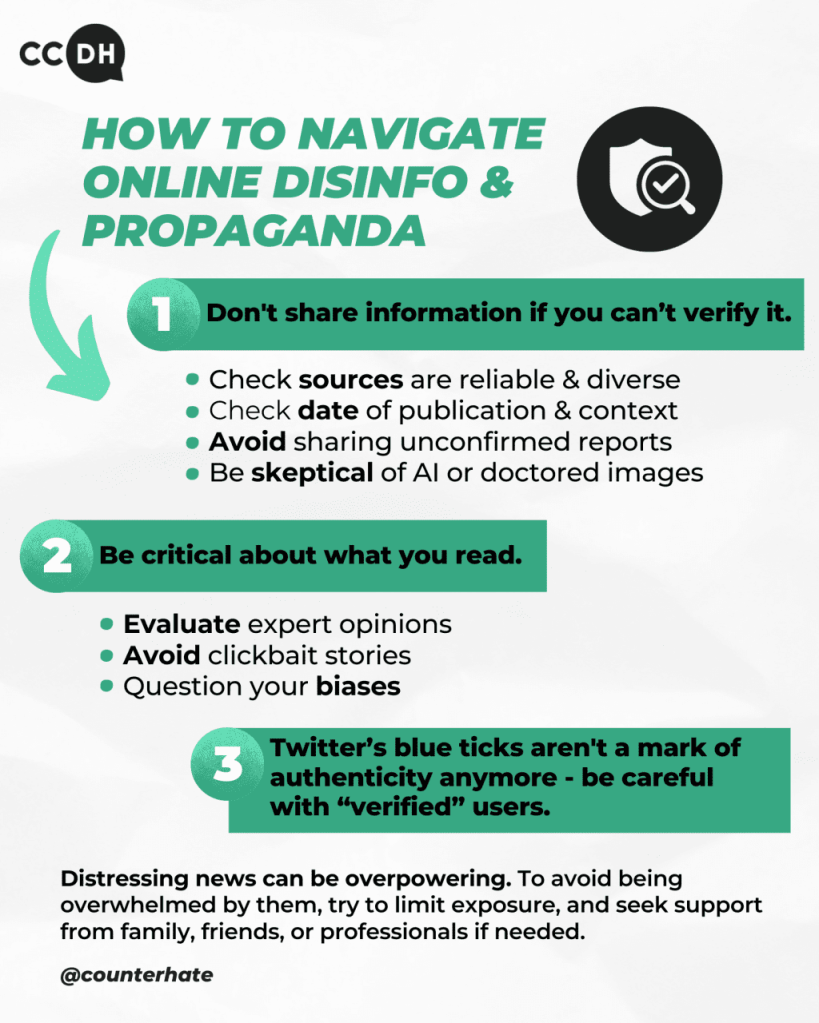
Life Kit – How to talk to your loved ones about misinformation
Start from a place of connection, not correction.
If it’s just a matter of not seeing eye to eye about an issue, it’s okay to opt out to preserve the relationship.
Try leading with compassion, love, and empathy.
Take time to understand why your loved one believes the misleading content. Be in conversation with them. Recognize that their experiences impact how they engage with what they read online and what they believe.
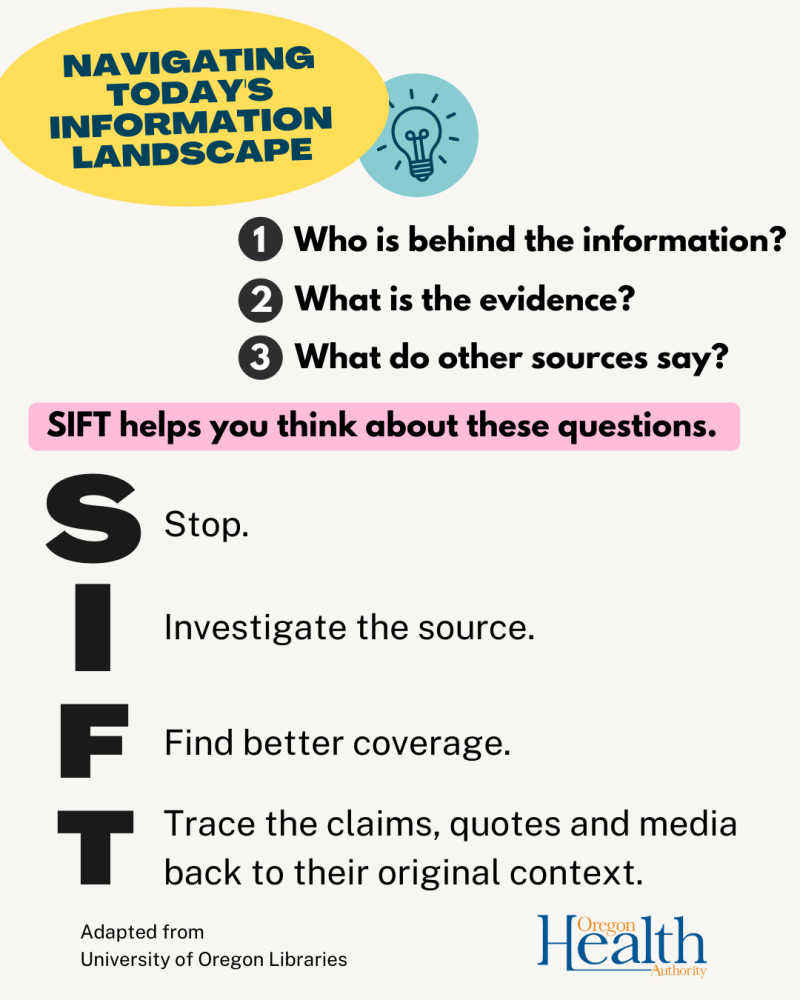
Talk about where you both get your information and why you find the sources to be trustworthy. What is the evidence? Check qualifications and conflicts of interest.
Identify points where you do agree. Be mindful of maintaining goodwill.
Realize that you aren’t here to change anyone’s core beliefs. You’re simply trying to address a piece of information that is not correct.
Correcting political misinformation doesn’t make much difference in how much people trust that source in the future or in how likely they are going to vote for a political candidate.
When you do attempt to correct misinformation, provide a detailed fact check. What is actually true?
Corrections to misinformation are worth repeating. Don’t expect things to change after one conversation.
With this year being an election year, misinformation is rampant. Use these tips to talk to your loved ones about misinformation or simply opt to not talk about different beliefs. Sometimes people are so strong in their opinions that no evidence you provide will change them, and it’s important to recognize and accept that.
I enjoyed this blog post from Seth’s Blog this week:
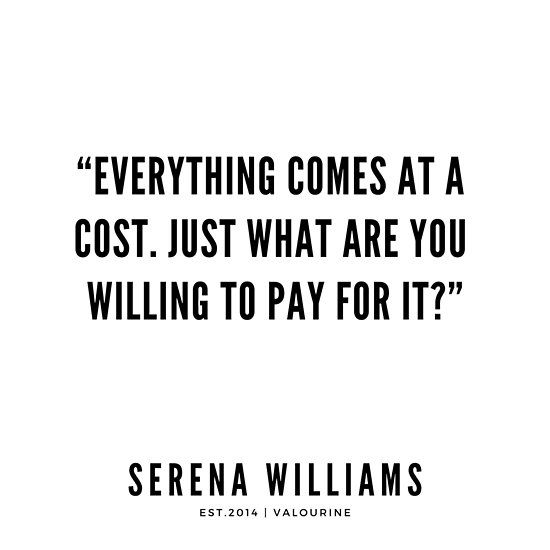
There are three kinds of costs that people get confused about, but understanding them, really understanding them–in your bones–unlocks opportunity.
Opportunity cost: If you eat the cupcakes, you can’t also eat the brownies. Every time we choose to do something, we’re choosing not to do something else.
Sunk costs: If you’ve invested time or money in something (a law degree, a piece of real estate, a bag of chips) that money is gone. All you have left is what you bought, and that is a gift… a gift from your former self. You don’t have to accept the gift if it’s no longer useful to you. Using a gift still has real opportunity cost, and if it’s keeping you from doing something better, walk away.
Marginal cost: How much extra does this decision cost? For a subscriber, the marginal cost of watching one more show on Netflix is zero. The service costs the same regardless of how many shows you watch. On the other hand, the marginal cost of a tuna sandwich is equal to what it costs to replace the ingredients. It makes sense to prefer things with a lower marginal cost if everything else is similar.
I’ve never encountered a person who was fully rational in making decisions on any of these three sorts of costs. That’s okay. But let’s do it on purpose.”
I look forward to reading, learning, and sharing more with you soon!
I read three books in September 2024. School has been keeping me busy. Here is a brief synopsis of the books I read in September.
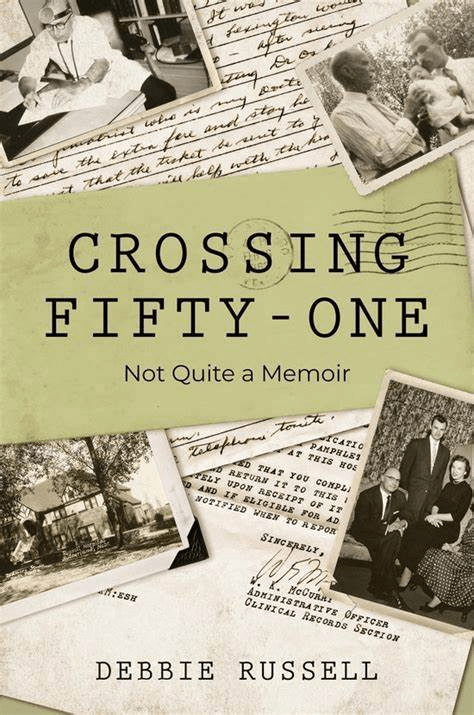
“Crossing Fifty-One: Not Quite A Memoir” was written by Debbie Russell, a retired Hennepin County Prosecutor. This book contained themes of family dynamics, building your own identity, addiction, and reducing the stigma associated with addiction.
Debbie’s grandfather suffered with asthma and admitted himself to a federal narcotic farm for his Demerol addiction, where he assisted in treating his fellow patients. In this memoir, Debbie shares insights into her family’s history through her conversations, research, and letters her grandfather wrote or received. Here are some quotes that stood out to me:
“Since most addicts have some sort of personality disorder, it follows that the basic attack on the problem of addiction is to prevent the development of such disorders. It is the current belief that most of these result from frustrated drives for security, recognition, and affection, particularly during childhood. Granting this, attention must be focused on preparing parents and prospective parents for their roles in shaping the personalities of their children.”
“It’s much harder to dig inside ourselves and try to figure out how we contribute to our own problems. It’s my current struggle. Every. Single. Day.”
“It takes amazing perspective to be able to think of a locked drug rehab facility as a ‘retreat.’ But maybe, compared to Papa’s struggles with addiction, the facility served as a haven.”
4 out of 5 stars
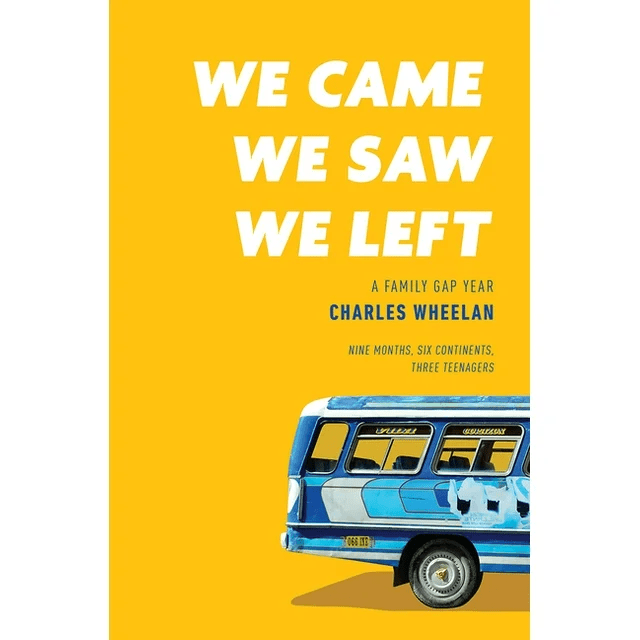
“We Came, We Saw, We Left: A Family Gap Year” was written by Charles Wheelan, a former correspondent for the Economist who teaches public policy ad economics at Dartmouth College. This book was an exhilarating and exciting read about the family gap year that consisted of 9 months, 6 continents, 3 teenagers, and 1 flesh-eating parasite. I learned about traveling minimally on a budget and about different destinations. Here are some takeaways:
Traveling around the world for nine months is cheaper than staying at home (if you rent out your house). The author spent less on food while traveling, didn’t have to pay for gas, and only needed storage insurance for his vehicles back home. The primary expense associated with traveling is forgone income. All-in, their budget was $60 per person per day. This was fascinating to me, although I don’t have a job that would allow me to take off for one year. To put it in perspective, according to the author, traveling around the world for nine months would only delay retirement by one year.
“Experiences, rather than things, are what make us happiest in the long run. Experiences become an ingrained part of our identity. Experiences connect us to the people with whom we share them, and experiences make up into the people we are. Even bad experiences morph into positives over time – like a funny story or a character-building experience.”
What are some lessons they learned?
The world is still an interesting place, and each country has its own feel and personality.
They are great teammates, and marriage is about picking a person you want at your side to help navigate whatever might come along, such as traveling on a low budget to bizarre places.
They learned that life goes on without you. They came back to a place that was pretty much the same as they had left it.
The greatest luxury is time – sleeping until refreshed, reading at any time of day, and wandering aimlessly.
There is serious environmental damage, such as air pollution in big cities and deforestation in less-developed areas.
It was really fun. Adventures turned out to be worthy of that anticipation, and many great moments were entirely circumstantial.
5 out of 5 stars
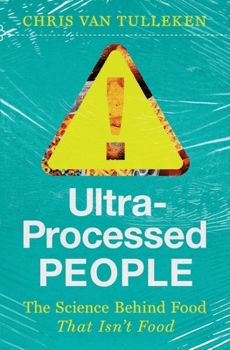
“Ultra-Processed People: The Science Behind Food That Isn’t Food” was a fascinating and alarming book written by Chris Van Tulleken, who has a medical degree from Oxford and a PhD in molecular virology. Chris is an associate professor at University College London and a practicing infection diseases doctor. Chris studied ultra-processed foods (UPF) and conducted an experiment. He stopped eating UPF for 4 weeks, then ate 80% UPF for 4 weeks. He had his weight, height, BMI, and body fat measured both before and after the experiment, and he gained 6 kilograms (about 13 pounds). His appetite hormones were deranged, he had a 5x increase in leptin (the hormone that comes from fat), and his C-reactive protein (a marker that indicates inflammation) had doubled!
I learned a lot from this book. Here are some of the main points:
If it’s wrapped in plastic and has at least one ingredient that you wouldn’t normally find in a standard home kitchen, it’s UPF. Almost every food that comes with a health claim on the packet is UPF. UPF is high in calories, fat, and sugar and low in fiber.
UPF displaces diverse whole foods from the diet, especially among low-income groups. It’s addictive. The emulsifiers, preservatives, modified starches, and other additives damage the microbiome. The convenience, price, and marketing of UPF urge us to eat constantly and without thought, which leads to more snacking, less chewing, faster eating, increased consumption, tooth decay, and other health issues.
There are over 10,000 additives used in food in the United States – flavors, flavor enhancers, colors, emulsifiers, artificial sweeteners, thickeners, humectants, stabilizers, acidity regulators, preservatives, antioxidants, foaming agents, anti-foaming agents, bulking agents, carbonating agents, gelling agents, glazing agents, chelating agents, bleaching agents, leavening agents, clarifying agents, etc. Over 1,000 of these were self-determined to be safe and are not FDA approved.
“Most UPF is not food. It’s an industrially produced edible substance.”
This book covered several UPF ingredients, foods they are found in, and the damaging effects of them. One of those that stood out most to me was xanthan gum, which is found in many gluten-free foods and flours. Xanthan gum is a bacterial exudate slime that bacteria produce to allow them to cling to surfaces. “Think of xanthan gum the next time you scrape the accumulated gunk from the filter on your dishwasher.” Or don’t!
4 out of 5 stars
I look forward to reading, learning, and sharing more with you soon!
My intention is to post a Thoughtful Thursday column each week and share some of the insights I have learned in the past week. Here are some of the things I’ve learned this week:
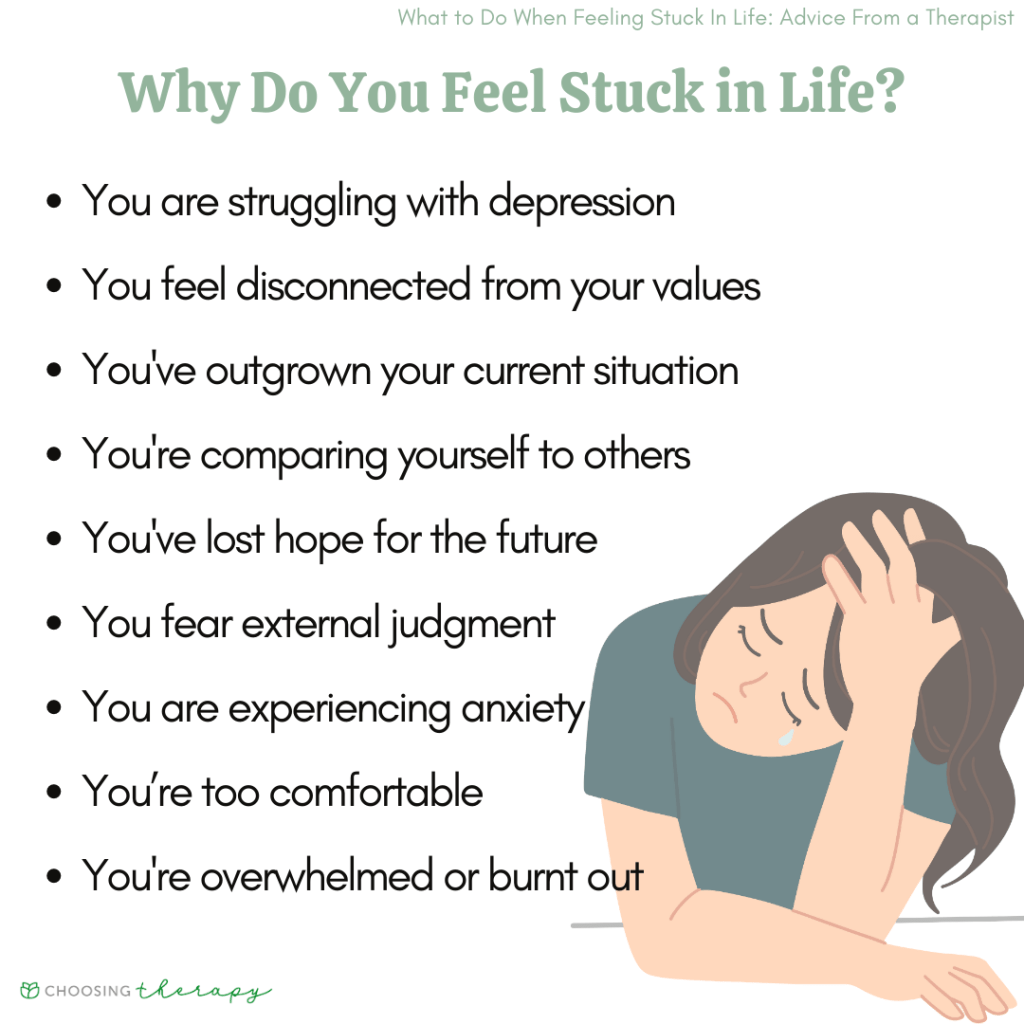
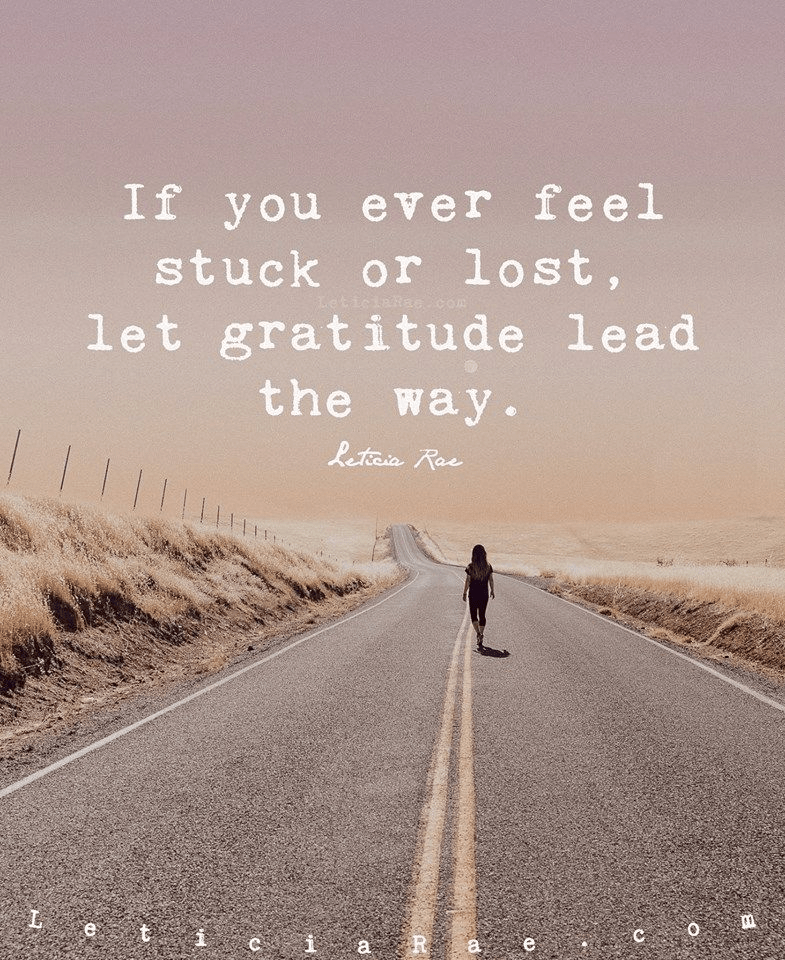
Optimal Living Daily – If You’re Feeling Stuck, Look Inward by Emily Rose Barr
If you’re feeling stuck on a relationship, a longtime goal, a time-consuming project, a career move, or some other aspect of life, pause and look inward. Utilize this period as an opportunity to:
Get to know yourself better. Ask yourself what makes this decision challenging and examine your answers closely. Use them to hone in on your values and what matters most to you.
Connect with others. Being vulnerable fosters deep relationships and engenders feelings of safety and understanding when we experience the gift of being heard.
Recognize your limits. Ask yourself what you could do differently that would make the option of sticking things out more appealing. Decide which variables you can start to conquer.
Recharge. Give yourself space and time to recharge. Switch up your surroundings, go on a walk, sleep, etc.
Practice gratitude. Take a moment to reflect on all that is going right in your life and be grateful.
I really enjoyed this post from Gabe the Bass Player this week:
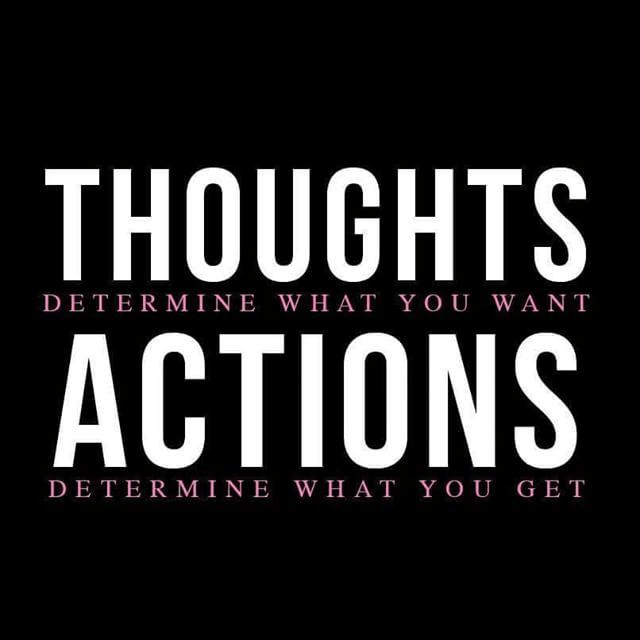
“If you’re not going to do something about it, stop thinking about it.
If you’re not going to put action behind the things you spend a lot of time thinking about, it’s worth thinking of something else. Something that you’re going to move from thoughts into actions.
Your time and your thoughts are precious and powerful so it’s important to spend them in ways that make a difference to yourself and to others.”
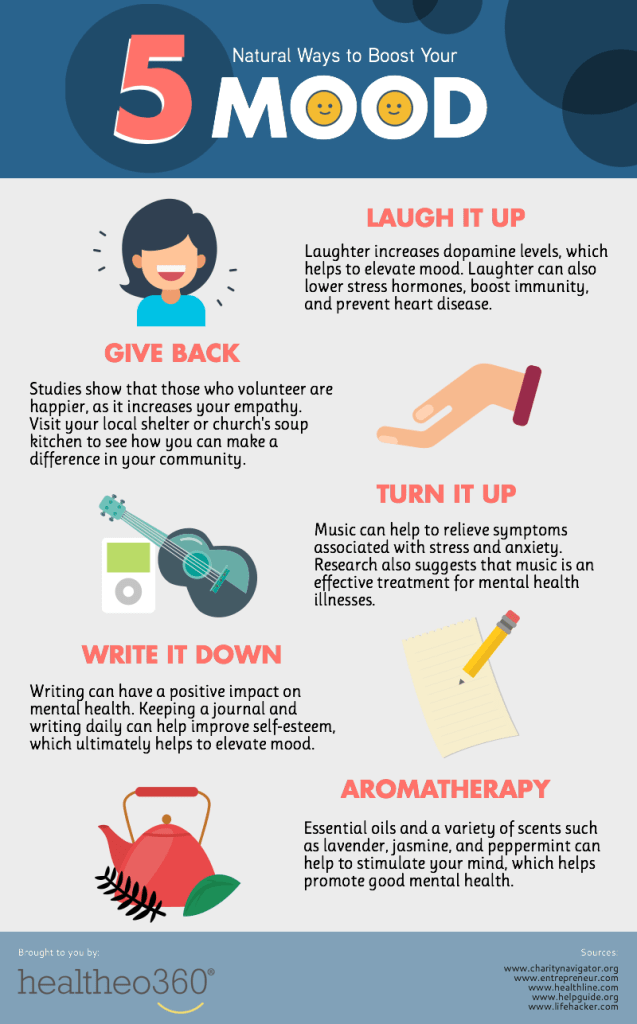
Life Kit – Boost your mood in 15 minutes
Cold plunging – submerge yourself in cold water. A quick dip in cold water can improve your mood. Find a body of water in the 50–60-degree range and prioritize safety. Plan to warm up fast after.
What is the least amount of movement needed to offset the risks of sitting? Just taking a 1-2 minute walk each hour helps to lower blood pressure (as opposed to sitting for 8 hours straight at work). Walking/movement five minutes per hour = more impressive results – lower blood pressure, less fatigued, better mood. If you have a few minutes, move your body for a better mood.
Create something. Make art – color, paint, pottery, etc.
NPR Joy Generator app
Tap into ASMR to calm your mind.
Watch cute animal videos or cuddle with your cat/dog.
Reflect on memories/nostalgia. Go through your camera roll. Listen to old music hits.
The Liz Moody Podcast – 5 Things I Did to Fix My Phone Addiction
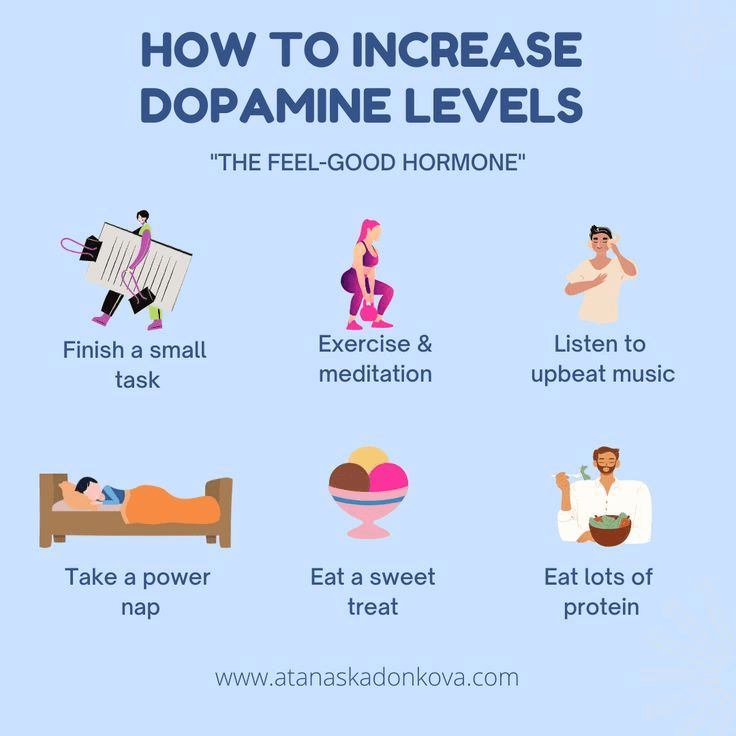
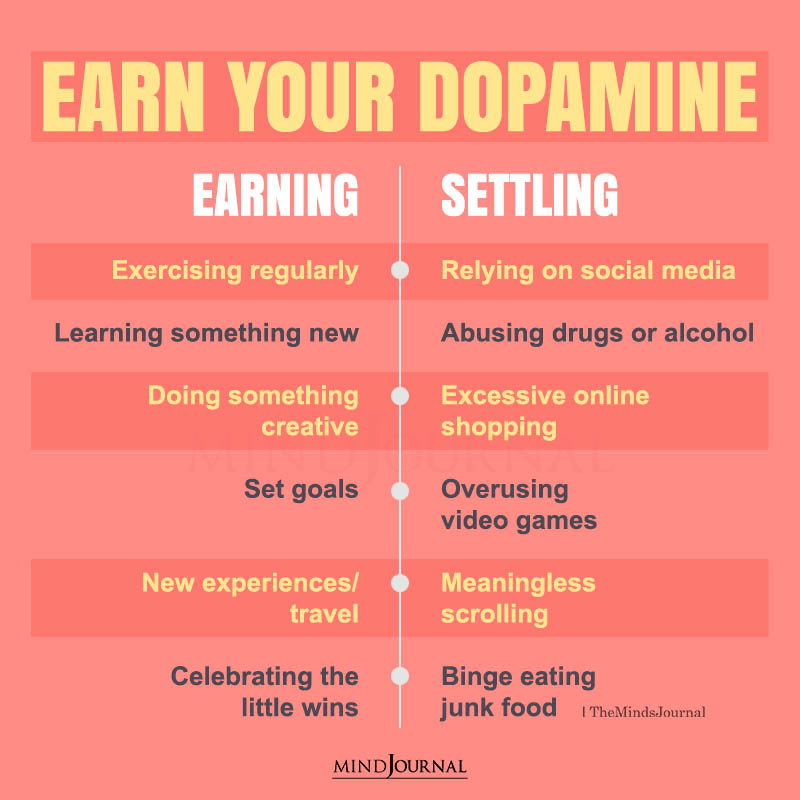
Treat the dopamine problem with dopamine solutions. Intentionally seek out hard things – a cold shower, a challenging crossword puzzle, allowing for discomfort each day. Exercise. Move your body every day. Less addicted to phone, more dopamine
Turn your phone to gray scale. Makes phone unappealing – less bright addictive colors
Remember the 23-minute rule. Science shows the need to check your phone is temporary. If it takes you 23 minutes to get into a state of full focus after checking your phone, remind yourself that if can make it through 23 minutes, you will enter a state of flow and focus.
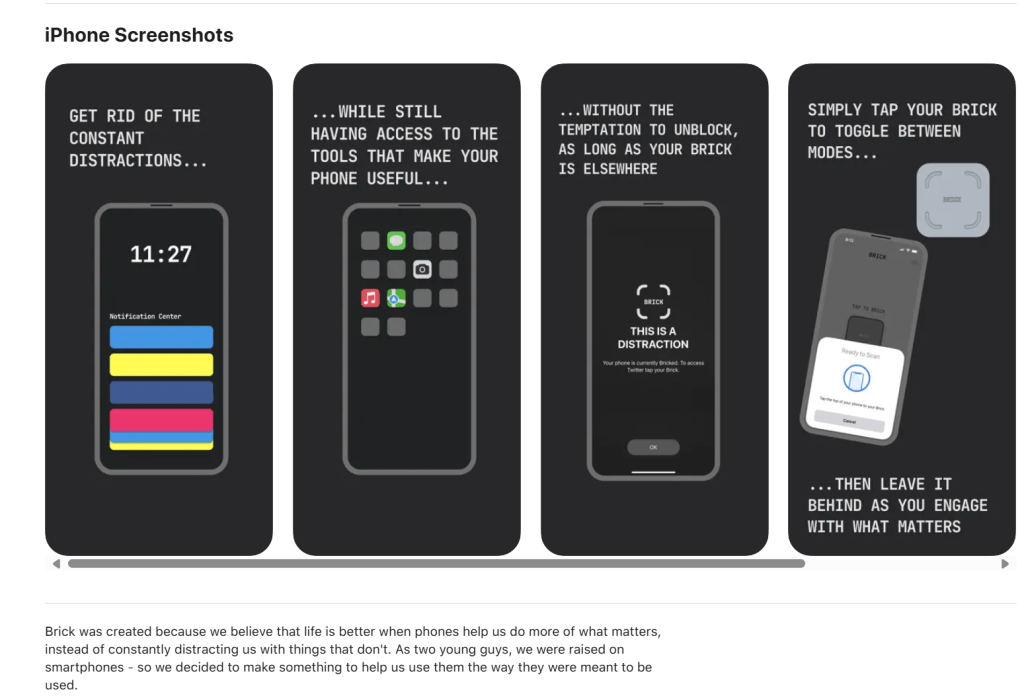
Create physical barriers to being on your phone. Phones are designed to be more powerful than our willpower. Don’t have your phone in the room when you’re trying to get work done. Use an alarm clock instead of your phone. Brick device – Iphone only
Create a “What do I really need?” menu. What are you looking for your phone to give you right now? Joy? Consult your joy list – getting out in nature, singing, coloring, reading, walking, music, etc. Bored? Novelty-reducing boredom – plan something fun. Rest? Nap, meditate, read, etc. Every time you reach for your phone, ask yourself what you really need and brainstorm options that satisfy that need on a deep and true level.
I look forward to reading, learning, and sharing more with you soon!