Book review posts, Uncategorized

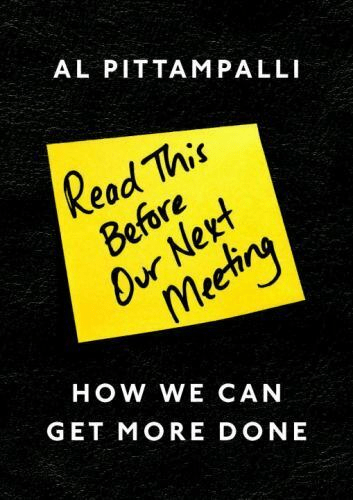
Read This Before Our Next Meeting

Book review posts, Uncategorized

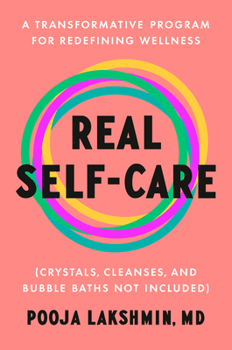
Real Self-Care

Book review posts, Uncategorized

Books I Read in 2024

Here is a complete list of the books I read in 2024, listed in the order that I read them. I was very busy with work, school, and other commitments in 2024 and did not post many detailed book reviews. When I created this blog, my intention was to read, learn, and share about the books I read, so I hope to post more book reviews in 2025.

1. 101 Things I Learned in Advertising School by Tracy Arrington with Matthew Frederick

2. The Book You Want Everyone You Love* To Read by Philippa Perry

3. Internal Medicine: A Doctor’s Stories by Terry Holt

4. Killers of the Flower Moon by David Grann

5. Good Talk by Mira Jacobs

You can read mini book burbs about books 1-5 here: https://wordpress.com/post/readlearnshare.blog/4548

6. Her Honor: My Life on the Bench . . . What Works, What’s Broken, and How to Change It by LaDoris H. Cordell

7. Flawless: Lessons in Looks and Culture from the K-Beauty Capital by Elise Hu

8. I’ll Fly Away by Rudy Francisco

9. How to Break Up With Your Phone by Catherine Price

You can read mini book blurbs about books 6-9 here: https://wordpress.com/post/readlearnshare.blog/4766

10. How to Talk to Anyone: 92 Little Tricks for Big Success in Relationships by Leil Lowndes

11. Like, Literally, Dude: Arguing for the Good in Bad English by Valerie Fridland

12. 100 Ways to Change Your Life by Liz Moody

13. Excuse Me As I Kiss the Sky by Rudy Francisco

You can read mini book blurbs about books 10-13 here: https://wordpress.com/post/readlearnshare.blog/5064

14. The Sun Does Shine by Anthony Ray Hinton

15. Warren Buffett Invests Like A Girl And Why You Should, Too by LouAnn Lofton

16. Unreasonable Hospitality: the Remarkable Power of Giving People More Than They Expect by Will Guidara

17. The Book of (More) Delights by Ross Gay

You can read mini book blurbs about books 14-17 here: https://wordpress.com/post/readlearnshare.blog/5220

18. Becoming A Crime Scene Investigator by Jacqueline Detwiler-George

19. Know Your Endo by Jessica Murnane

20. The Body Keeps The Score: Brain, Mind, and Body in the Healing of Trauma by Bessel van Der Kolk, M.D.

21. Extreme Measures: Finding a Better Path to the End of Life by Jessica Nutik Zitter, MD

You can read mini book blurbs about books 18-21 here: https://wordpress.com/post/readlearnshare.blog/5376

22. Vagina Problems: Endometriosis, Painful Sex, and Other Taboo Topics by Lara Parker

23. Stop Overthinking by Nick Trenton

24. Excellent Advice for Living: Wisdom I Wish I’d Known Earlier by Kevin Kelly

25. One Decision Away: Key Principles to Create What You Want in Life and Work by Paula Melo Doroff

26. In the Form of A Question: The Joys and Rewards of a Curious Life by Amy Schneider

You can read mini book blurbs about books 22-26 here: https://wordpress.com/post/readlearnshare.blog/5584

27. A Thousand Naked Strangers by Kevin Hazzard

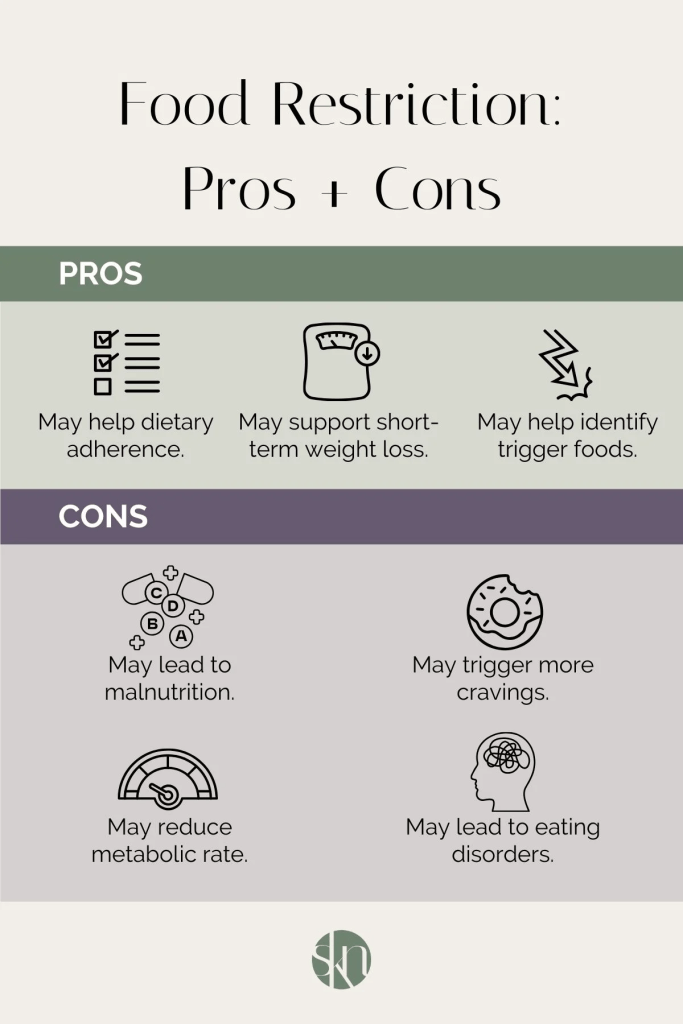
28. What’s Eating Us: Women, Food, and the Epidemic of Body Anxiety by Cole Kazdin

29. The Courage of Compassion: A Journey From Judgment to Connection by Robin Steinberg

You can read mini book blurbs about books 27-29 here: https://wordpress.com/post/readlearnshare.blog/5734

30. The Perfectionist’s Guide to Losing Control by Katherine Schafler

31. If My Body Could Speak: Poems by Blythe Baird

32. Lessons Learned and Cherished: The Teacher Who Changed My Life by Deborah Roberts

33. Picturing Joy: Stories of Connection by George Lange (Photographer)

34. To Hell With the Hustle by Jefferson Bethke

35. The Good Life: Lessons from the World’s Longest Scientific Study on Happiness by Robert Waldinger, MD

36. Calling A Wolf A Wolf: Poems by Kaveh Akbar

You can read mini book blurbs about books 30-36 here: https://wordpress.com/post/readlearnshare.blog/5858

37. Crossing Fifty-One: Not Quite A Memoir by Debbie Russell

38. We Came, We Saw, We Left: A Family Gap Year by Charles Wheelan

39. Ultra-Processed People: The Science Behind Food that Isn’t Food by Chris van Tulleken

You can read mini book blurbs about books 37-39 here: https://wordpress.com/post/readlearnshare.blog/5985

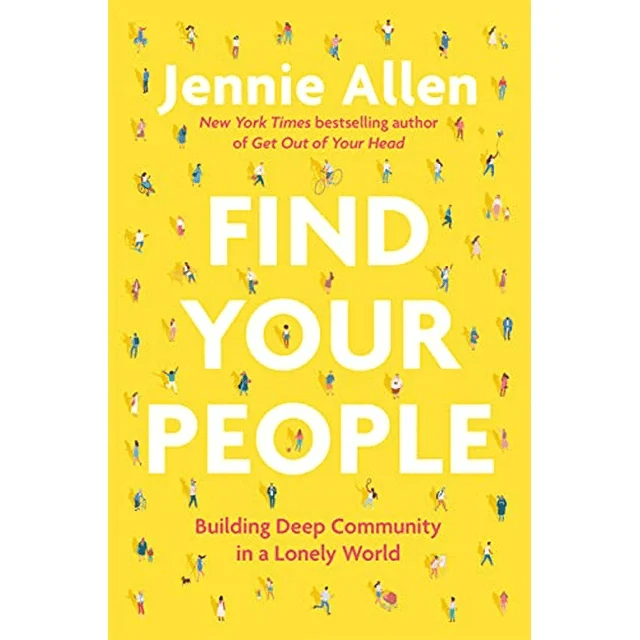
40. Find Your People: Building Deep Community in a Lonely World by Jonnie Allen

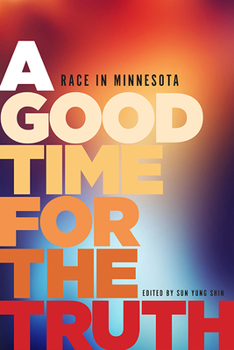
41. A Good Time for the Truth: Race in Minnesota edited by Sun Yung Shin

42. If My Flowers Bloom: Poems by Deshara Suggs-Joe

43. Ex traction: Poems by Lara Coley

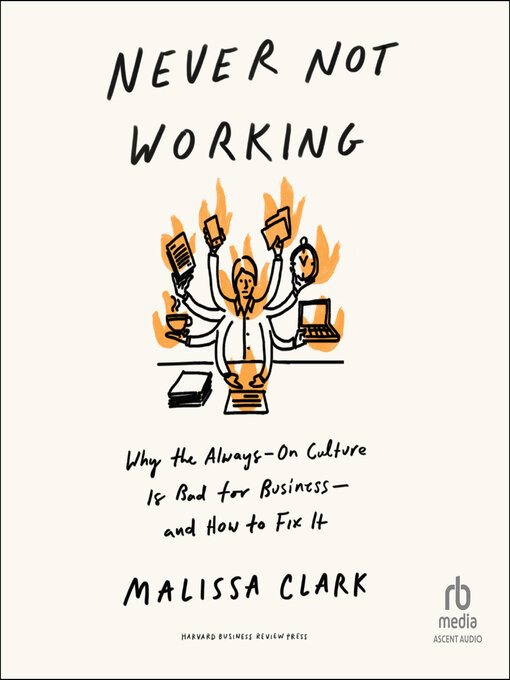
44. Never Not Working: Why the Always-On Culture is Bad for Business – and How to Fix It by Malissa Clark

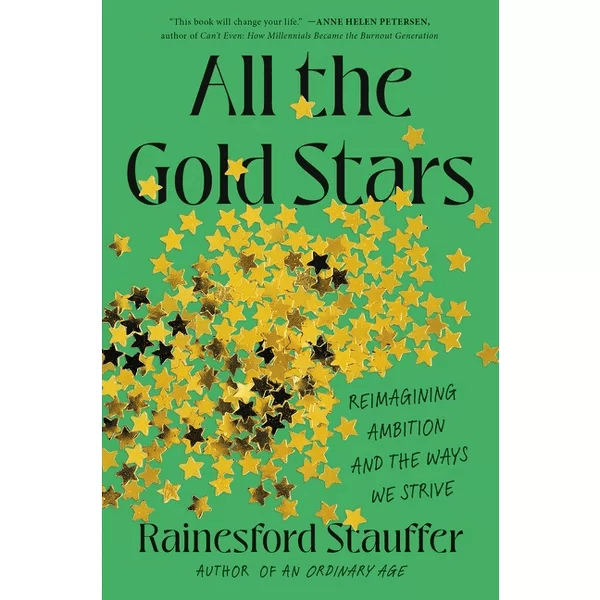
45. All the Gold Stars: Reimagining Ambition and the Ways We Strive by Rainesford Stauffer

You can read mini book blurbs about books 40-45 here: https://wordpress.com/post/readlearnshare.blog/6097

46. Where I Dry The Flowers: Poems by Ollie Schminkey

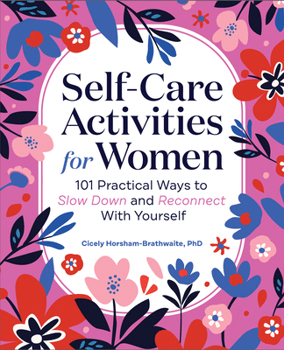
47. Self-Care Activities for Women by Cicely Horsham Brathwaite, PhD

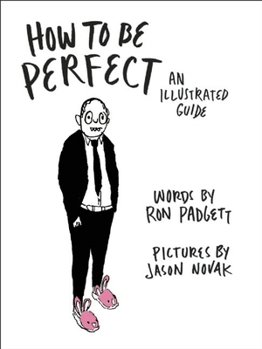
48. How to Be Perfect: An Illustrated Guide Words by Ron Padgett Pictures by Jason Novak

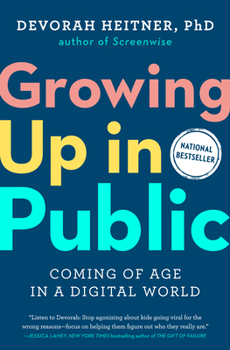
49. Growing Up in Public: Coming of Age in a Digital World by Devorah Heitner

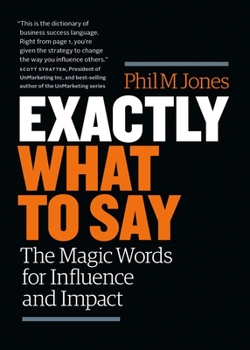
50. Exactly What to Say: The Magic Words for Influence and Impact by Phil M. Jones

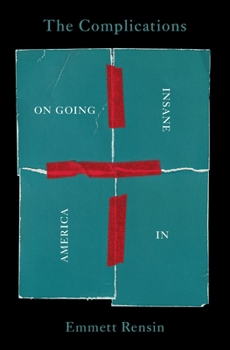
51. The Complications: On Going Insane in America by Emmett Rensin

You can read mini book blurbs about books 46-51 here: https://wordpress.com/post/readlearnshare.blog/6226

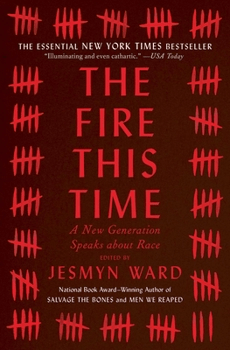
52. The Fire This Time: A New Generation Speaks About Race edited by Jesmyn Ward

53. Employment Law: A Very Short Introduction by David Cabrelli

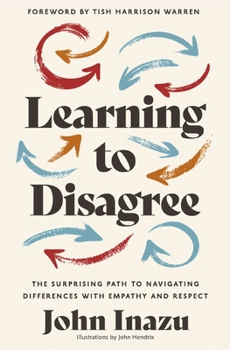
54. Learning to Disagree: The Surprising Path to Navigating Differences with Empathy and Respect by John D. Inazu

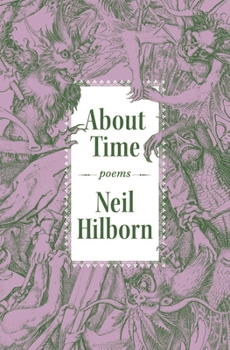
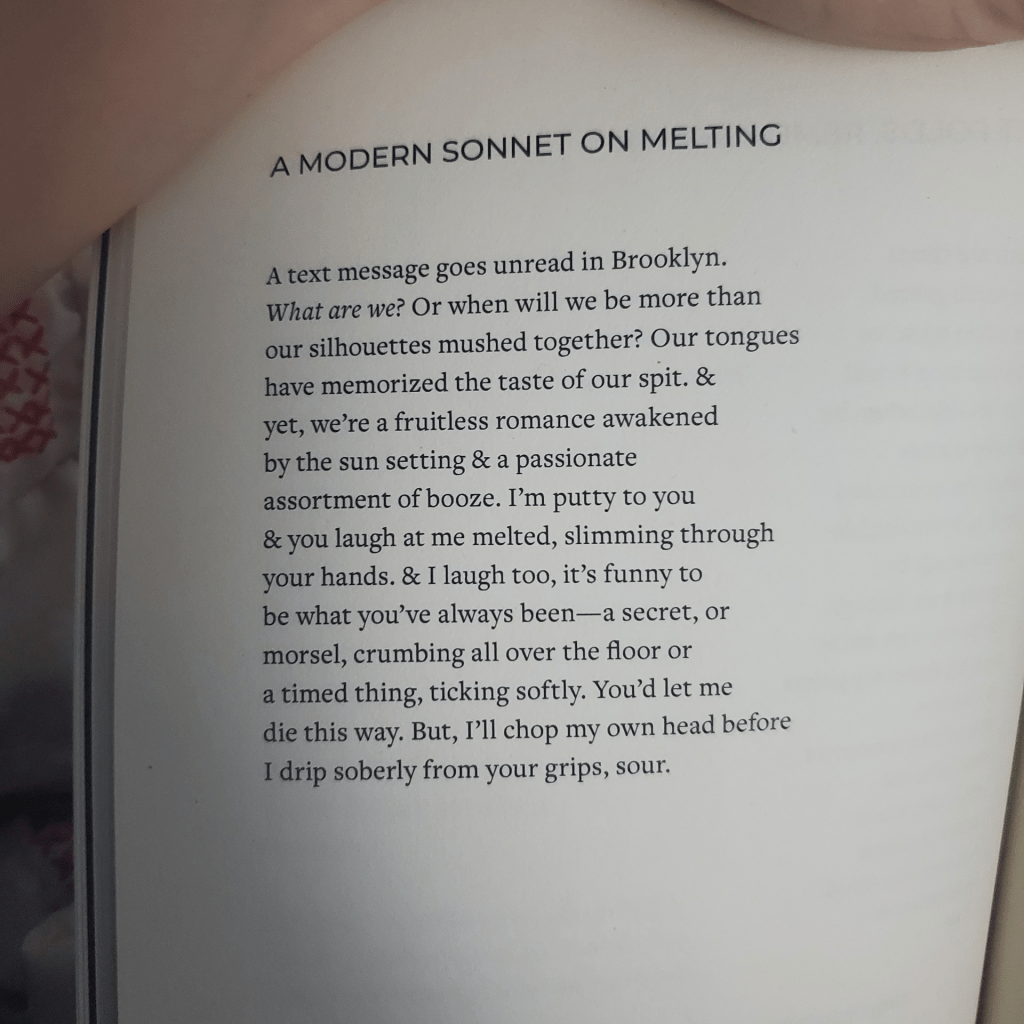
55. About Time: Poems by Neil Hilborn

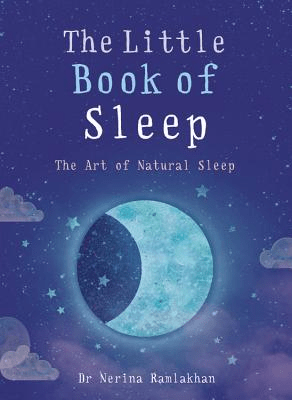
56. The Little Book of Sleep: The Art of Natural Sleep by Nerina Ramiakhan

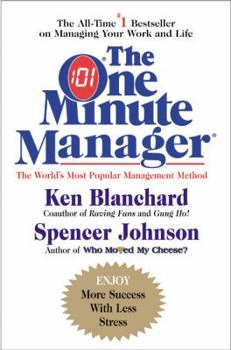
57. The One Minute Manager by Ken Blanchard and Spencer Johnson

You can read mini book blurbs about books 52-57 here: https://wordpress.com/post/readlearnshare.blog/6308

Book review posts, Uncategorized

December 2024 Reads

I read six books in December, some of which were short and easy reads. Here is a blurb of each of the books I read in December.

The Fire This Time: A New Generation Speaks About Race” was edited by Jasmyn Ward, an author and associate professor of Creative Writing at Tulane University who has won several writing awards. This book demonstrated the power in words – the power in asserting our existence, experience, and lives through words. This book was selected as a book club read for my employer. Here are some quotes that stood out to me:

  • [During an internship at a magazine that was more than 150 years old] “Sometime during the end of my first week, a chatty senior editor approached me in the corridor. During the course of our conversation, I was informed that I was almost certainly the first black person to ever intern at the magazine and there had never been any black editors. On good days, being the first black intern meant having my work done quickly and sounding extra witty around the water cooler; it meant I was chipping away at the glass ceiling that seemed to top most of the literary world. But on bad days I gagged on my resentment and furiously wondered why I was selected. I became paranoid that I was merely a product of affirmative action, even though I knew I wasn’t.”
  • I accepted the reality that the historic colonial houses – now the business residences of attorneys, hairstylists, insurance agents, and doctors – were considered by more people to be more valuable than the bodies below them.”
  • Empathy requires us to dig way down into the murk, deeper than our own feelings go, to a place where the boundaries between our experience and everyone else’s no longer exist.
  • Rules of walking – “no running, especially at night; no sudden movements; no hoodies; no objects – especially shiny ones – in hand; no waiting for friends on street corners or standing near a corner on the cellphone lest I be mistaken for a drug dealer

Employment Law: A Very Short Introduction” was written by David Cabrelli, the professor of Labour Law at the University of Edinburgh and the author of 5 books. This book contained a decent overview of employment law, and I learned about other countries; however, I learned much more in my Employment Law class this semester. Here are some main points:

  • Employment contract = employment relationship and rights. No employment contract = no employment relationship and rights. The various roles governing the constitution, classification, variation, contact, performance, suspension, and termination of the employment relationship are all derived from contract law.
  • There is a rise of atypical workers in the labor markets of advanced Western economies, such as the U.S. These independent contractors work very flexibly and as and when they want and often suffer from low pay, little or no job protection or security of earnings, and are subject to the control of those hiring their labor.
  • British legislation enacted in 1971 protects employees from unfair dismissals. The USA remains an exception to most countries. The USA has an employment-at-will doctrine, which safeguards the liberty of the employee to resign and find another job without liability and allows the employer to discharge the employee without sanction.
  • One thing that stood out to me, that I hadn’t considered previously, is the quote that “Employers operating at below a living wage are free riding on the back of the public purse.”

Learning to Disagree: The Surprising Path to Navigating Differences with Empathy and Respect” was an insightful book written by John D. Inazu, a Distinguished Professor of Law and Religion at Washington University in St. Louis. Multiple studies have shown that Americans have a growing disdain for those who differ from them politically and ideologically. We deride our political, religious, and ideological opponents as dangerous or evil and retreat to digital foxholes. This book is a necessary read for many people and a reminder to treat people as humans. Here are some main takeaways:

  • Good lawyering requires empathy for adversaries. You don’t have to like the other side, but you do have to understand them. How are you going to persuade a judge that you have the better story? The better you understand the other side of an argument, the better you can critique it and the more strongly you can defend your own position.
  • Assume the best of someone to open the door to deeper understanding and an opportunity to learn from those who see the world differently. Distinguish people from the ideas they hold. Other people are humans with whom you share many things in common. That doesn’t mean you will always share – or even respect – their ideas.
  • Recognize the limits to your knowledge and understanding. Embrace the likelihood that you won’t be able to convince everyone who thinks differently that you are right and they are wrong.
  • Well-intentioned people can have differing beliefs without being evil. In a country as large and diverse as the United States, every one of us holds beliefs and opinions that other people think are beyond the pale.
  • Practice repentance, grace, and forgiveness.

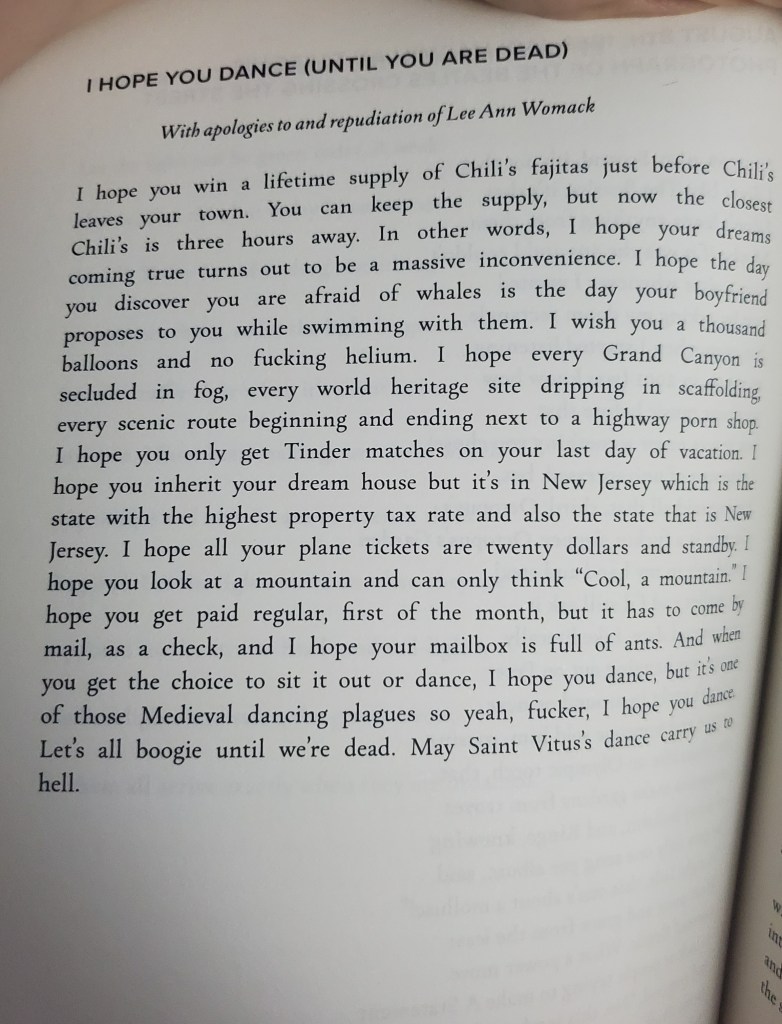
About Time” is a book of poems by Neil Hilborn, a best-selling author and the most-watched poet ever (with over 150 million views). Neil has performed in 41 states and 8 countries. Neil is one of my favorite poets and is incredibly talented; with that said, I did not enjoy this book as much as his prior books. Here are some quotes that stood out to me:

  • Ask the thoughts what they want: Why am I going to kill myself and if I do, go all the way to the logical end: Who will it hurt, what gets left behind, what good remains undone; dissect the bells, separate the ringing into a flat expanse and not the towering blaze telling you it is . . .
  • “The Prozac makes me less tired but I’m still pretty tired but maybe that’s cause depression makes you tired.”
  • I know why, but why is it that the pills will keep me alive but they give me enough to kill myself?

To quote my favorite TV personality slash parasocial therapist slash mommy? Doctor Robin Zasio of Hoarders fame: You’ve got to feel it to heal it. As it relates to hoarding, I think she means that if you never throw out things you accumulate then you don’t have to deal with the emotional context around those things.

The Little Book of Sleep: The Art of Natural Sleep” was written by Nerina Ramlakhan, a professional physiologist and sleep therapist for 25 years who runs sleep and wellness programs at Nightingale Hospital in London. This book was a quick, easy read. One description reads: “Drawing on Western science and Eastern practices, this beautifully illustrated guide to sleep teaches that, by making better choices in our waking hours, we can positively influence our sleep.” Here are some tips from the book.

  • Sattvic describes the type of sleep we should be getting – pure, deep, natural, and healing. This is the kind of sleep where you wake up feeling refreshed, filled with vitality, and looking forward to the day ahead.
  • The journey back to deep sleep is about working on yourself to create an inner core of safety and making lifestyle choices that will help your nervous system to recalibrate and shift back into safety mode if you’ve been running on survival mode.
  • Tips:
    • Eat within 30 minutes of waking.
    • Reduce your caffeine intake to less than 300 mg per day. The half-life of caffeine is 5 hours. Avoid any caffeine until you’ve eaten.
    • Drink plenty of water.
    • Take breaks from technology. Withdraw from technology an hour before you get into bed. Don’t keep your phone in your bedroom or watch TV in bed.
    • Create a sanctuary in your bedroom. Think soft, relaxing colors, essential oils, and cool and well-ventilated.
    • Try breath awareness exercises.
    • Increase your oxytocin levels by expressing your feelings, getting a massage, hugging someone, stroking your pet, and engaging in activities that make you feel at your best, happy, and carefree.

The One Minute Manager” was cowritten by Ken Blanchard and Spencer Johnson. Ken Blanchard is a prominent, gregarious, sought-after author, speaker, and business consultant. Spencer Johnson, M.D. is the author or coauthor of numerous New York Times bestselling books. This book was an insightful and easy read, although it could have been more concise. Here are the main habits of a one minute manager:

  • One Minute Goal Setting – set goals with their people to make sure they know what they are being held accountable for and what good performance looks like
  • One Minute Praising – try to catch their people doing something right so that they can give them a One Minute Praising
  • One Minute Reprimand – reprimand people immediately and tell people specifically what they did wrong then remind them how much you value them and reaffirm that that you think well of them but not of their performance in this situation.
Thoughtful Thursday posts, Uncategorized

Thoughtful Thursday – December 12, 2024

My intention is to post a Thoughtful Thursday column each week and share some of the insights I have learned in the past week. Here are some of the things I’ve learned this week:

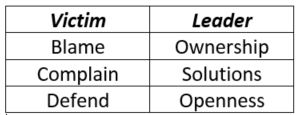
Mental Performance Daily – Culture Killers

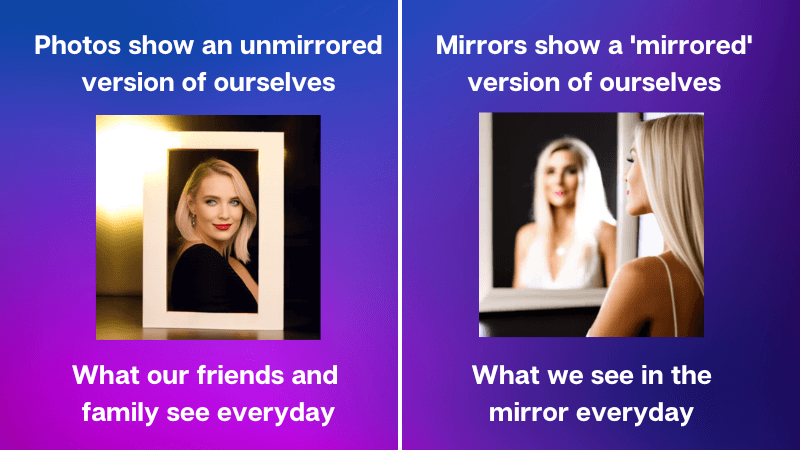
TED Talks Daily – Why you think you look bad in photos

  • We’ve decided certain angles are better than others.
    • Accomplishments, achievements, love, passion, creativity, and brilliance don’t change between photos. Your children, pets, and grandchildren see you at your worst angles and don’t love you any less or care about you any less. You are worthy of being photographed.
    • We put pressure on how we are going to show up in photographs, and this pressure prevents a lot of us from showing up in photographs with and for the people we love the most.

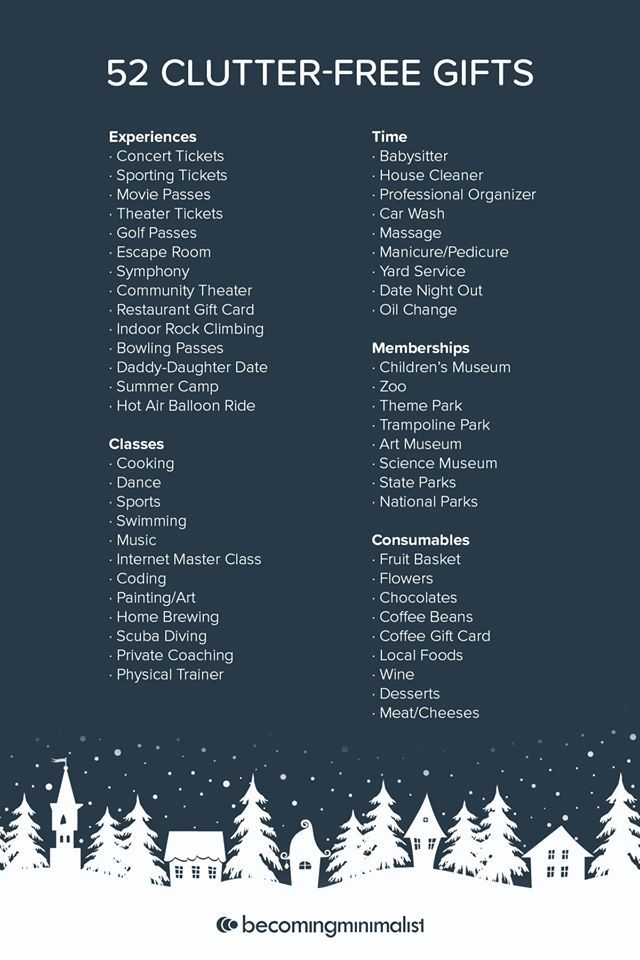
Hidden Brain – The Secret to Gift Giving

  • Obligations are probably the single biggest reason that gifts are given in the first place, whether it’s for Christmas, a birthday, an anniversary, or a graduation. When you get a gift, it feels like you have to return that gesture at an appropriate moment – whether it’s at that moment, the next birthday, etc.
  • Recipients are often focused on the experience of the gift over the ownership of the gift. When you receive something, in the moment it might make you happy, but does it actually provide you value and utility and joy for the duration of owning whatever it is that you’ve received? Sometimes the things that bring you happiness in the moment are not the things that bring you happiness in the long-term.
  • The surprise is something that gift givers think is critical to a recipient. When I give you a gift, I have this belief that you will only value that gift if you don’t expect receiving it. That is simply not true.
  • A lot of people imagine that the reason gifts are exchanged is because we’re trying to make other people happy. But there are also selfish reasons for giving a gift, such as signaling who you are as a person and as a gift giver and signaling that you’re a creative gift giver. Sometimes people who think they’re creative make sure that the choices of gifts are creative even at the expense of the recipient. Ex: not giving the same gift to the same person another year and not giving the same gift to someone else
  • The cost of a gift is not nearly as predictive in terms of happiness of the recipient as people tend to think.
  • The research is pretty clear that recipients do not value socially conscious gifts as much as givers hope they would. Ex: charity donation, planting a tree, etc.
  • Idea: family spreadsheet – “Whenever one of us has a desire for an item of some sort that exceeds some minimum expense, we put it on there as a potential gift that we would love to receive at some point. And what’s nice about that is when it’s time to fulfill my obligation, I’m not racking my brain trying to figure out what would make her happy. It still maintains an element of surprise in the form of the timing of the object itself. She might know that she wants item X, but she’s not going to know that I’m going to give it to her at a specific time.”
  • Receiver is overjoyed when they get exactly what they want
  • Experiential gifts – less of a wow factor upon opening, but providing a very valuable experience down the road
  • Recommendation: if you’re going to give a gift, do it on a random day. The value that people get when they receive gifts on non-occasions is so much higher because they have no expectations.

https://www.gabethebassplayer.com/blog/the-next-episode

The Next Episode

December 6, 2024

We don’t have it. That’s what makes our lives different from the all the things we stream.

In streamer land we can always find out what’s next, we know the episode schedule, we have behind the scenes, we can binge it in two days and find out the end, or we can look up the end right now.

That’s why we’re drawn to movies and tv and podcasts and stories…because we long for a complete story where it all makes sense and the loose ends are perfectly tied.

But in real life we don’t have the next episode and we certainly don’t know the season finale. We’re living it.

What if they’re right?

We spend a lot of time in our own heads, certain that our path and our method make sense. We often become more certain in the face of criticism or even suggestions.

This confidence is essential, as it allows us to lean into our project.

Once in a while, though, it might help to model the alternative. What if they’re right? How would that play out? If they’re right, what could I do with that insight?

If it’s helpful, run with it.

We can always go back to being right tomorrow.

Book review posts, Uncategorized

November 2024 Reads

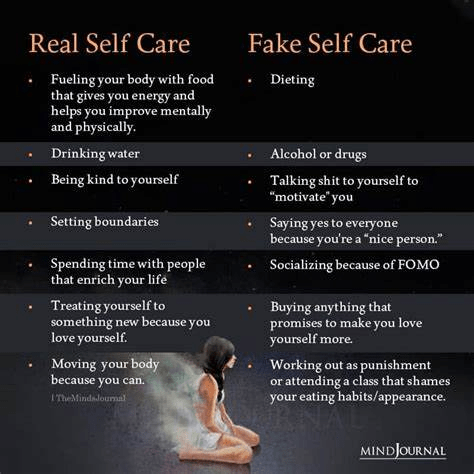
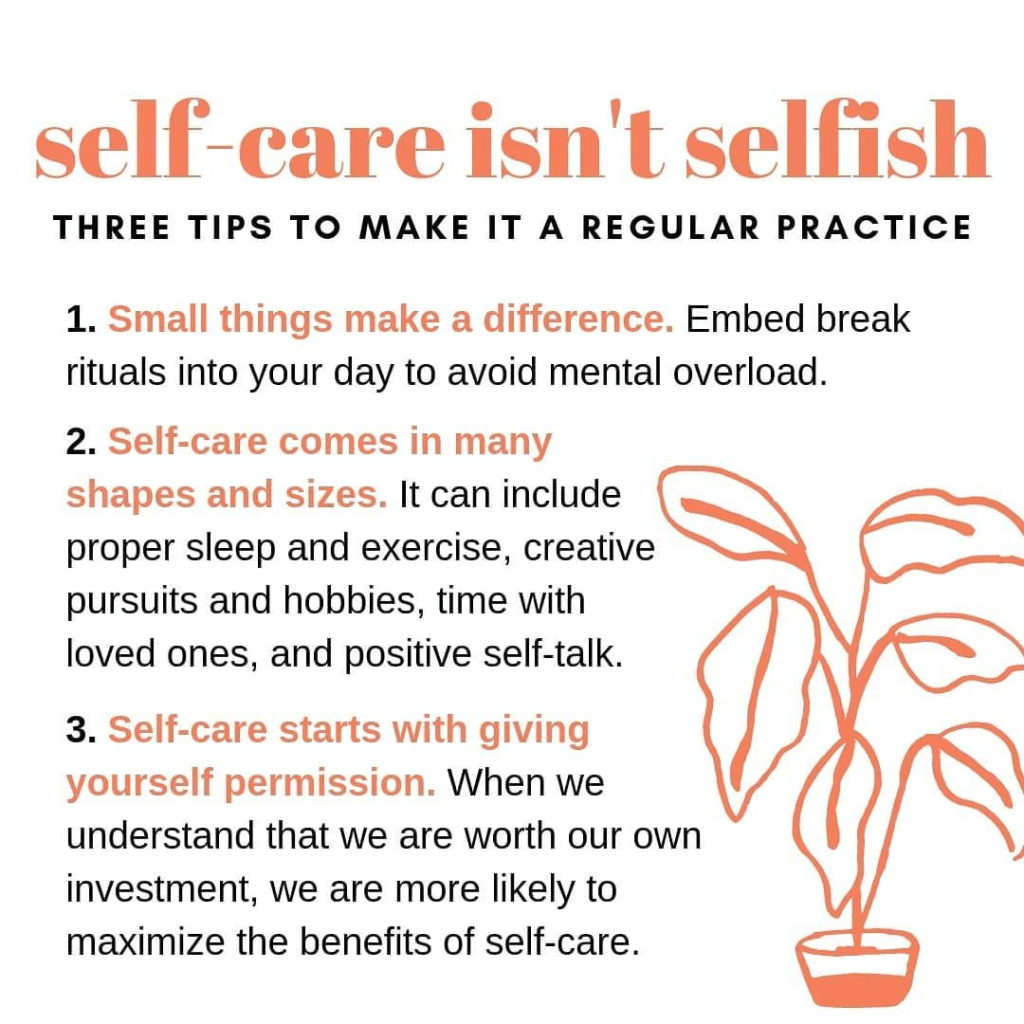
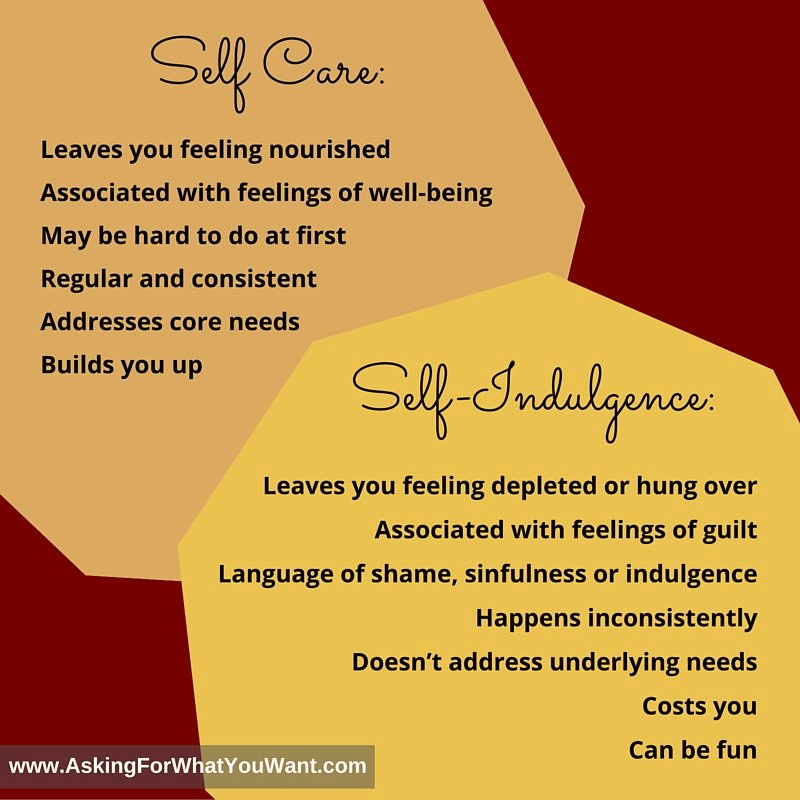
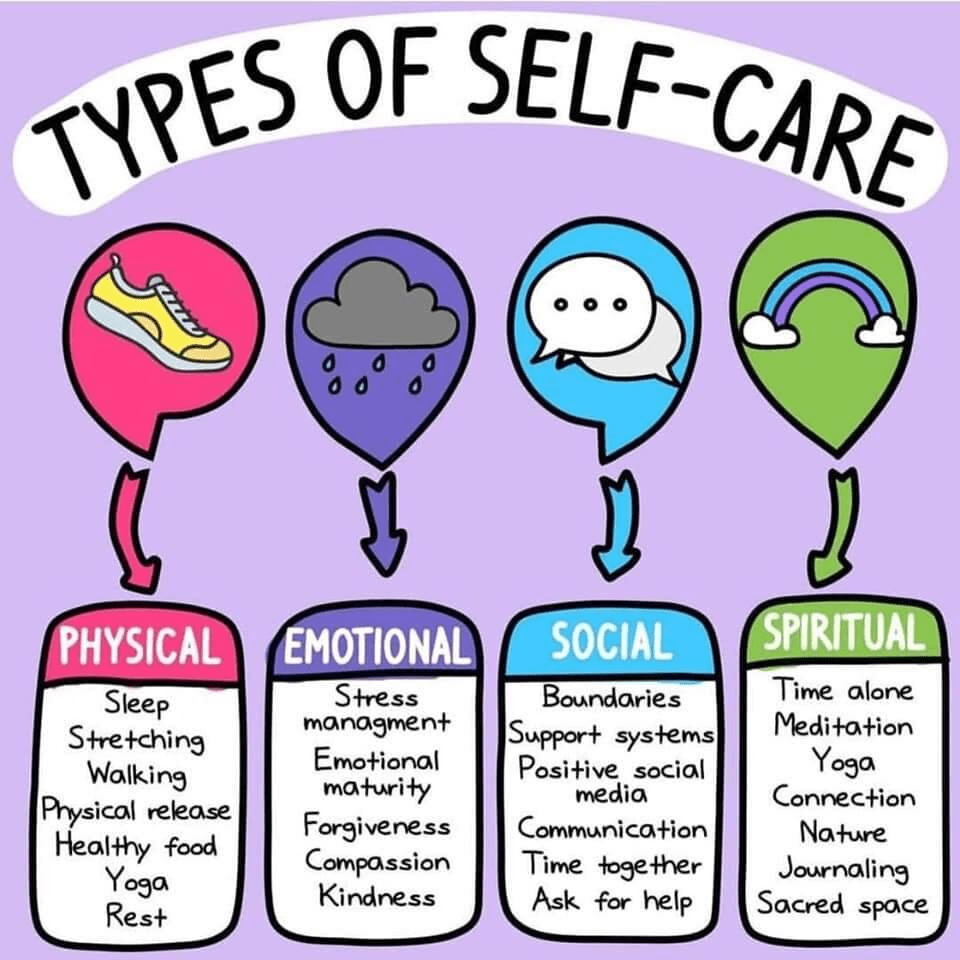
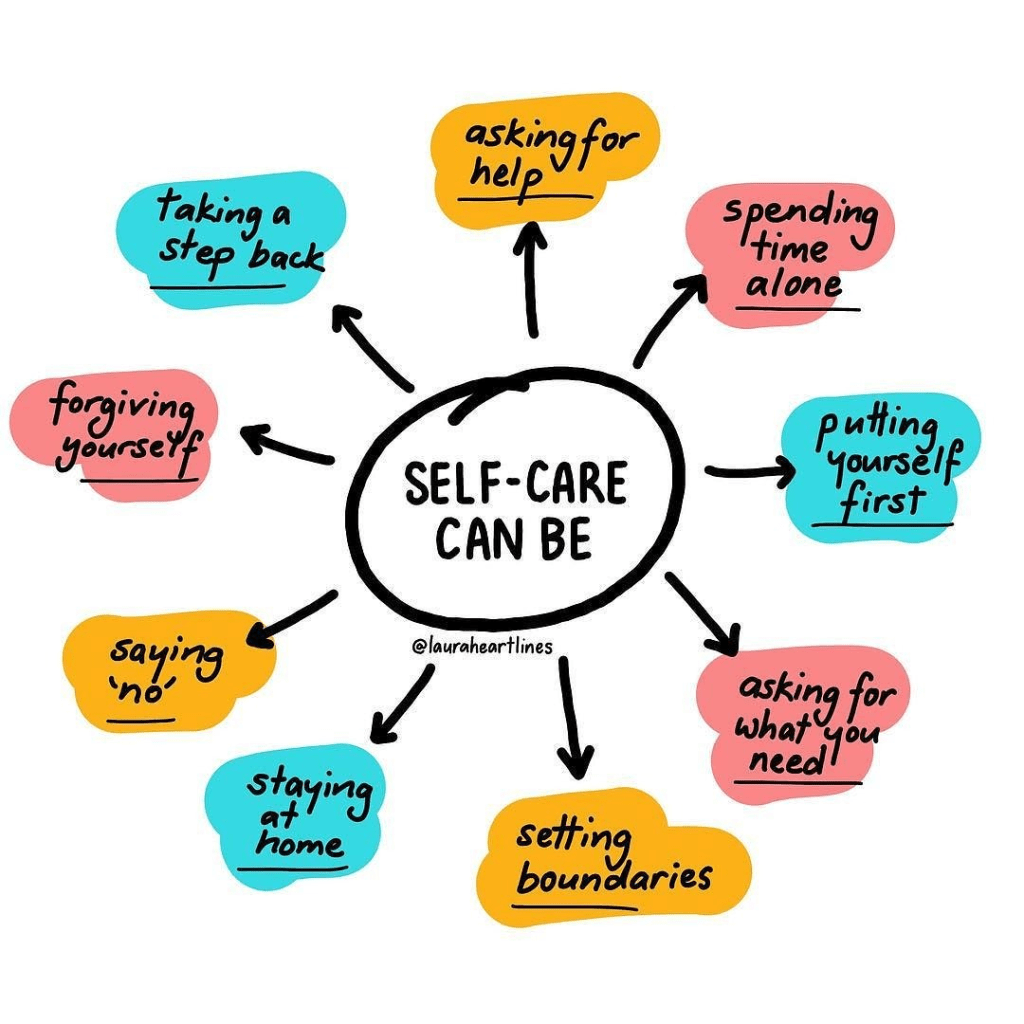
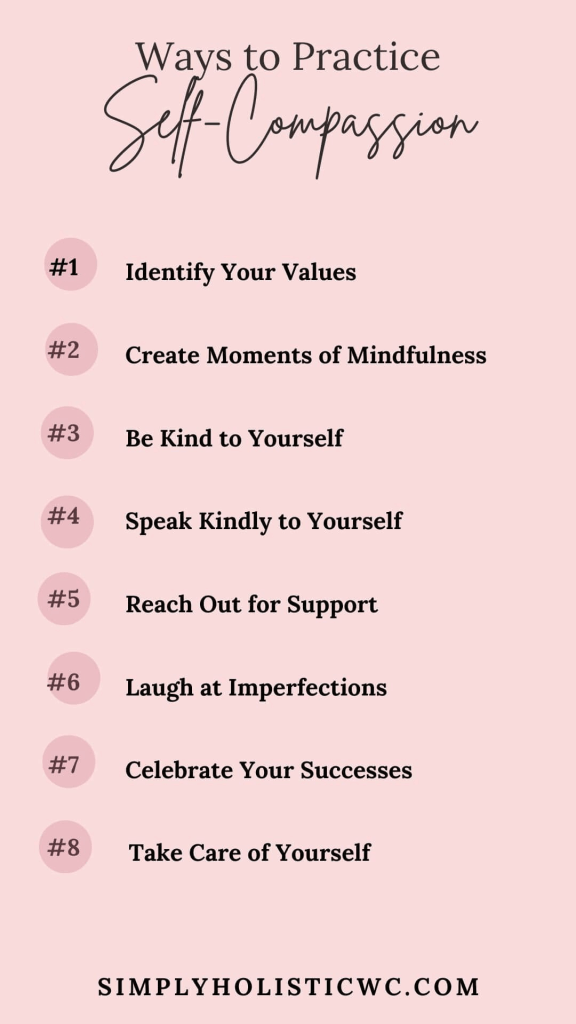
Mental self-care: When you find yourself engaging in distracting behavior, reflect. What do I need right now? Is this giving me what I need, or do I need something else? Ex: may need a shower, hydration, exercise, rest, a hug, a good cry, journal reflection, or a talk with a friend.

Social self-care: Schedule activities with people you’d like to get together with on a regular basis. Rotate hosting.

Professional self-care: Establish a morning routine to set the tone for the rest of the day.

Thoughtful Thursday posts, Uncategorized

Thoughtful Thursday – November 21, 2024

My intention is to post a Thoughtful Thursday column each week and share some of the insights I have learned in the past week. Here are some of the things I’ve learned this week:

Mary’s Cup of Tea – 5 Mantras to Get You Through Tough Times

Life Kit – How to slow down when you eat

  • Signs you are eating too fast: hiccups, heartburn, feeling hungry right after eating
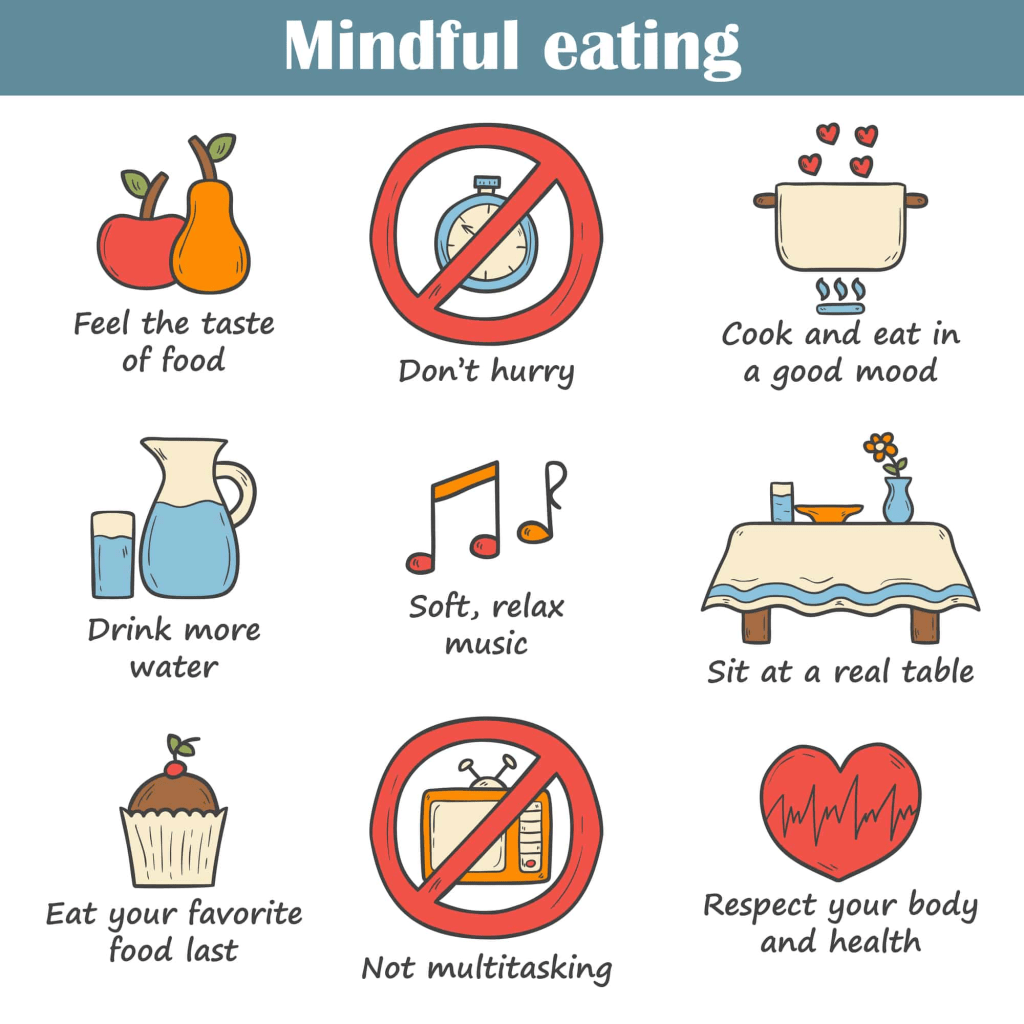
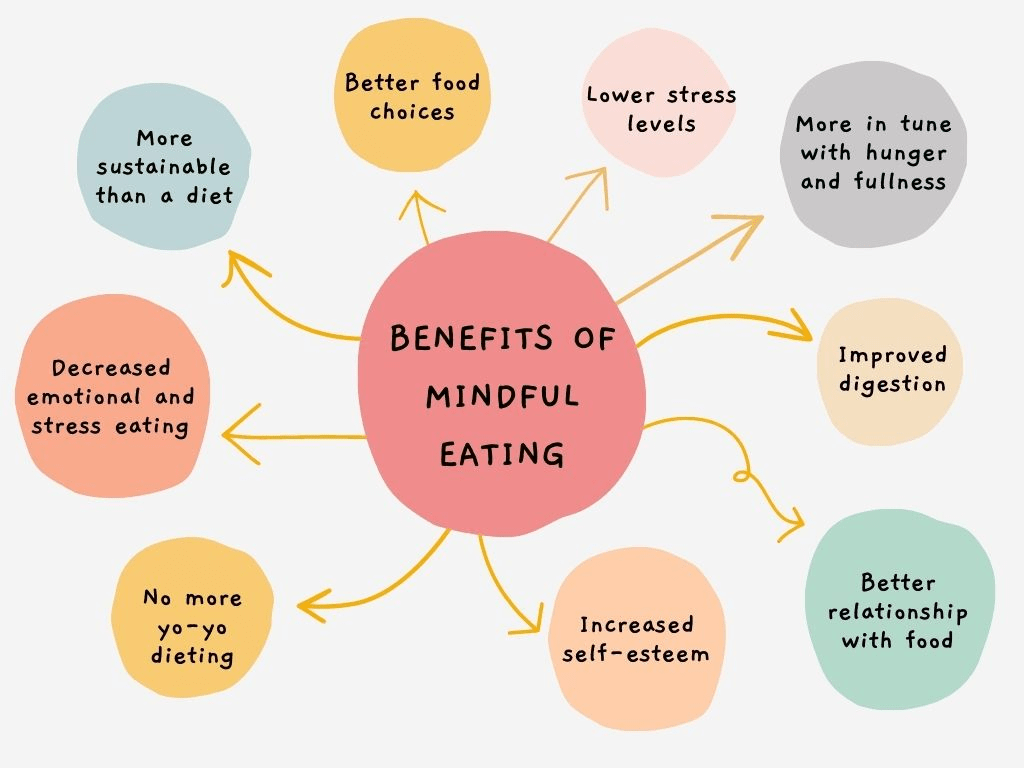
  • Mindful eating asks us to slow down and notice our food.
  • Most nutritionists urge us to take 20 minutes to eat a meal. It takes that long for your body to get the signal to the brain that you are full. If you eat fast, your brain is not getting that signal that you are full, causing you to eat too much.

Before Breakfast – Make space for friendship

Law School Toolbox Podcast – Quick Tips – LinkedIn Best Practices for Law Students

https://www.gabethebassplayer.com/blog/what-time-do-you-open

What Time Do You Open?

November 14, 2024

Thoughtful Thursday posts, Uncategorized

Thoughtful Thursday – November 14, 2024

Self-Growth Nerds – 5 Most Powerful Questions to Ask Yourself

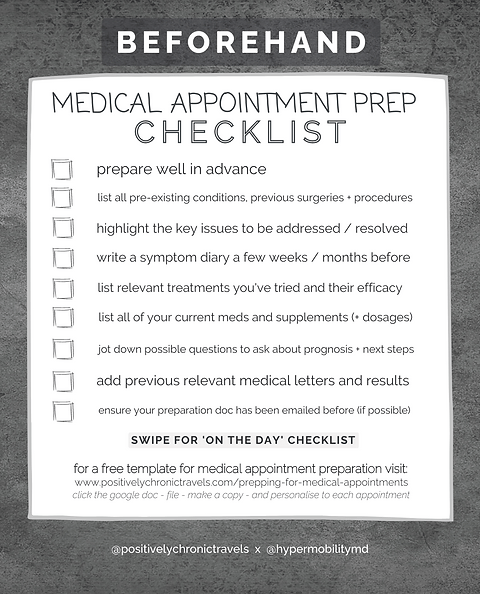
TED Health – A Healthier You: A 5-step guide to better doctor visits

NerdWallet’s Smart Money Podcast – Are You Spending Like Your Generational Peers?

Fit, Healthy, & Happy Podcast – Fitness & Health Habits to Break

The problem with the movie version

There are lights, camera and action, but mostly there’s the unreality of making it fit.

Happily ever after, a climax at just the right moment, perfect heroes, tension, resolution and a swelling soundtrack. Every element is amplified and things happen right on schedule.

Consume enough media and we may come to believe that our life is carefully scripted, and that we’re stars of a movie someone else is directing.

This distracts us from the truth that real life is more muddled and less scripted. There is no soundtrack. We’re actually signed up for a journey and a slog. Nothing happens ever after. It’ll change, often in a way we don’t expect.

We have no choice but to condense a story when we want to film it. Our real story, on the other hand, cannot be condensed, it can only be lived. Day by day.”

Book review posts, Uncategorized

October 2024 Reads

Thoughtful Thursday posts

Thoughtful Thursday – October 24, 2024

Stuff You Should Know – The Story of Spirit Halloween

  • There are more than 1,400 stores in the U.S. between August and November. Some are within miles of one another.
  • Spirit Halloween hires 25,000 temporary employees August-November. Stores close on November 2. Spirit Halloween’s online store is open year-round. 
  • 30-40% of stock carries over from year to year 

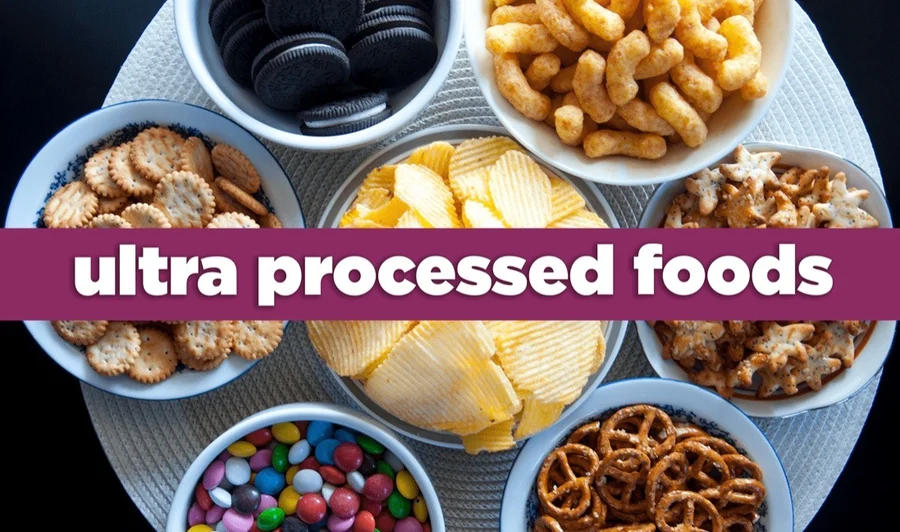
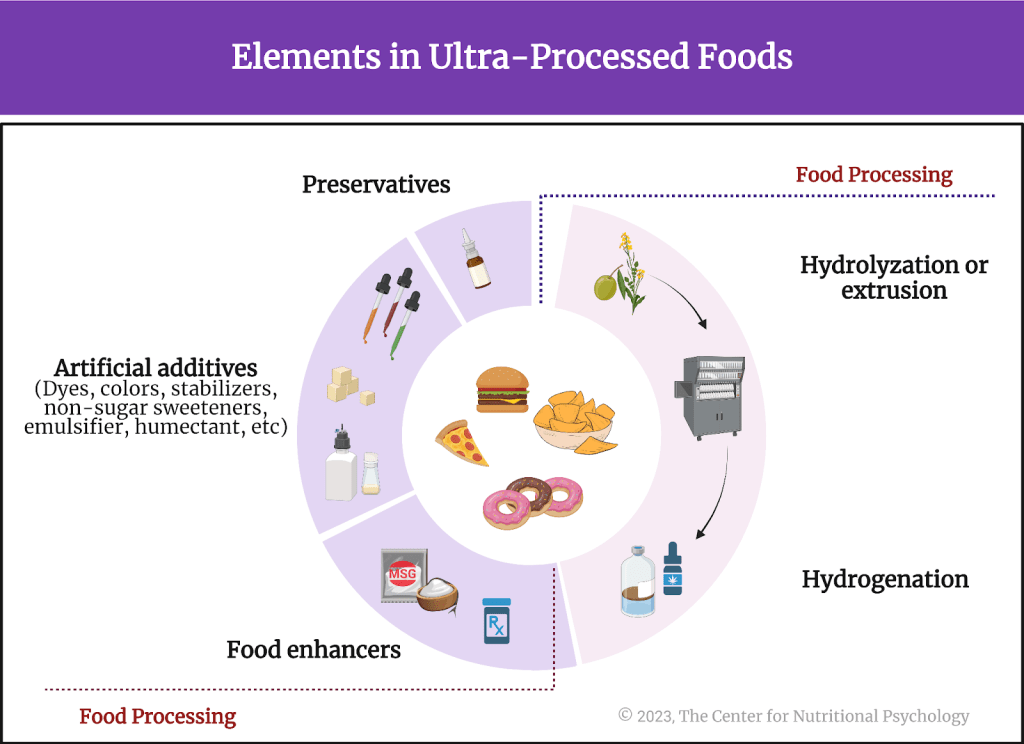
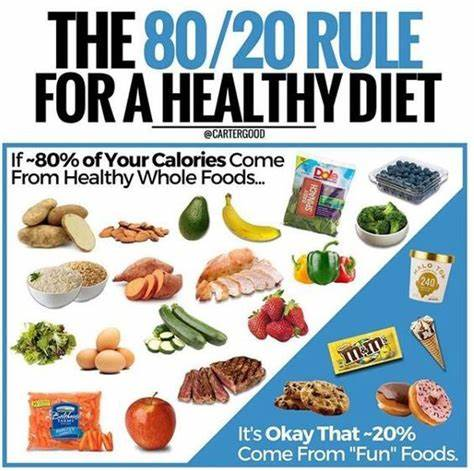
Life Kit: Health – How to cut ultra-processed foods from your diet 

Before Breakfast – Make it worth the commute 

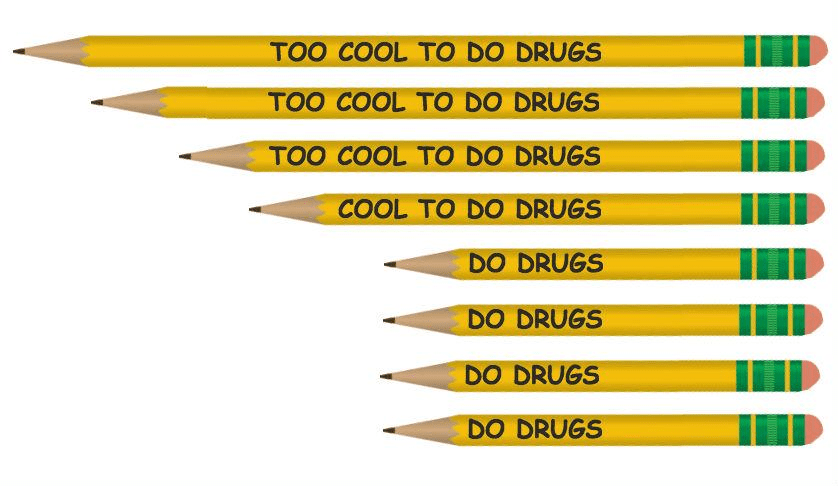
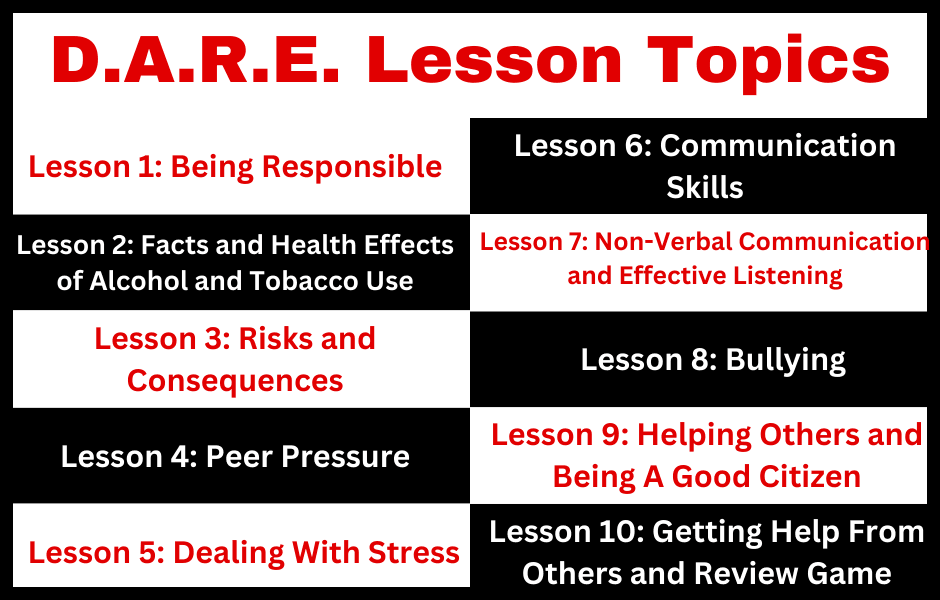
The Big Flop – The Truth About D.A.R.E. 

Confused about good

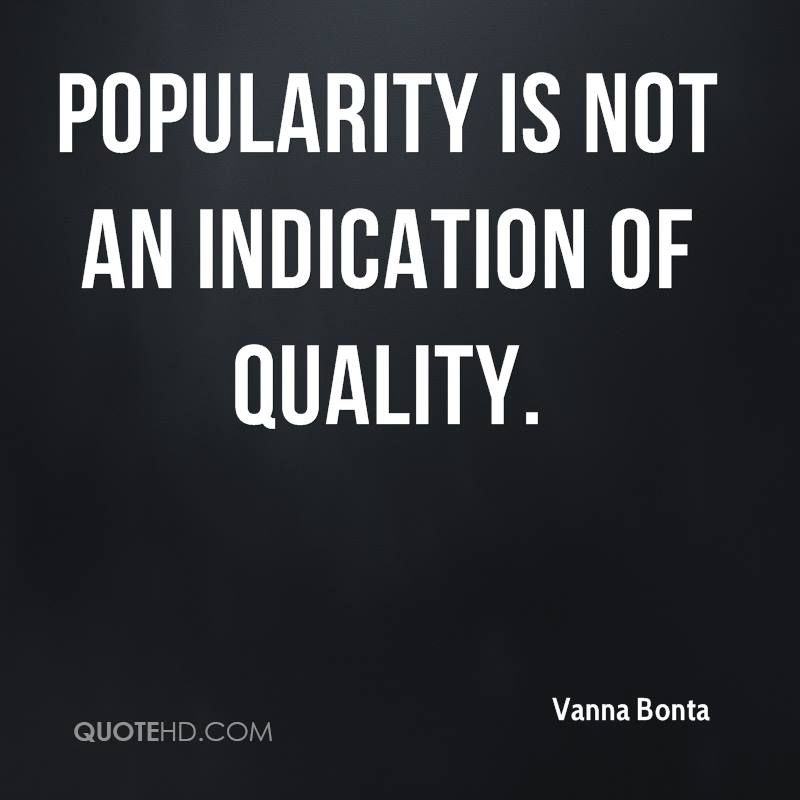
How often do we assume that popular things are good, and that good things become popular?

If your work doesn’t catch on, does that mean it wasn’t good?

In almost every field, people with insight, taste and experience admire and emulate good things that aren’t popular, and are surprised by popular things that aren’t good.

Perhaps we need to broaden our definition (or narrow it) so we can be clear about what we mean.”