I'm Amy and I love reading, learning, and sharing! I read 76 books in 2022 and shared my reviews on Facebook. To reach a wider audience, I have created Read, Learn, Share, where I am excited to share book reviews and many other things I have learned.
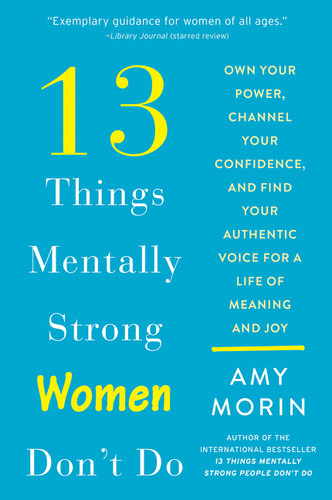
“13 Things Mentally Strong Women Don’t Do” was written by Amy Morin, a licensed clinical worker, psychotherapist, and instructor at Northeastern University. Amy gave one of the most viewed Tedx talks of all time.
There are three parts to mental strength: thoughts, feelings, and behavior.
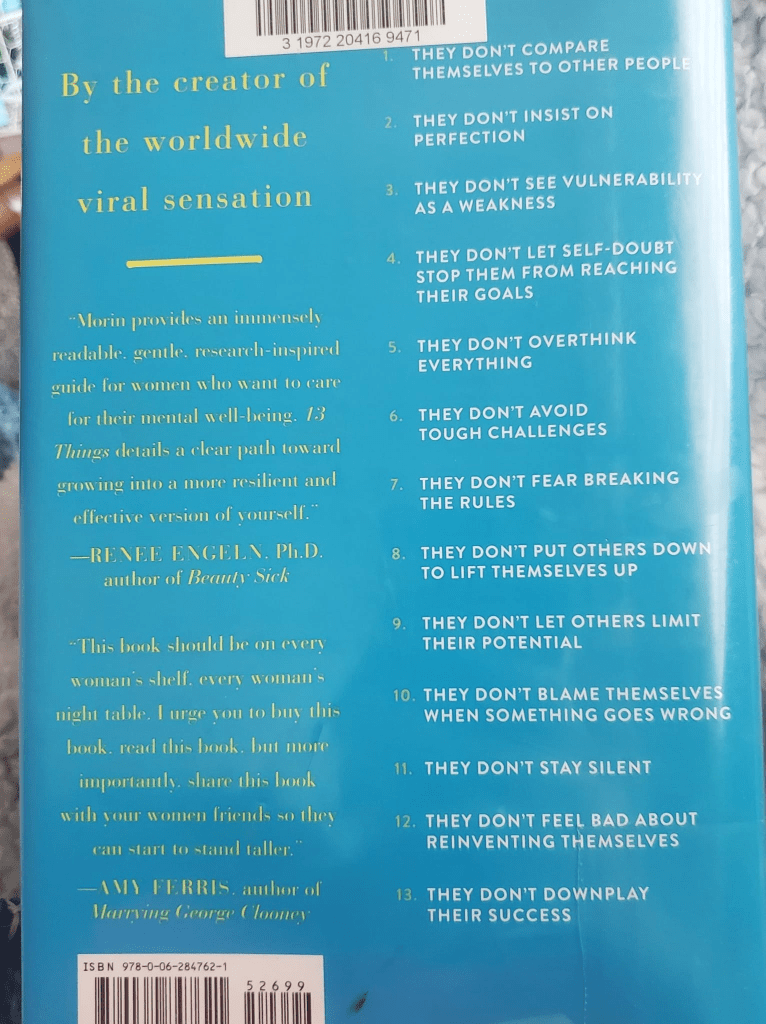
They don’t compare themselves to other people. Every flower blooms at a different pace. There will always be someone better than you or who has more than you do.
Consider: What information does this person have that could be helpful to me? What can I learn from this person?
What’s helpful: recognizing when you’re comparing yourself to others, reframing your comparison language, acccepting your discomfort, separating factual thoughts from judgments, and competing against yourself
What’s not helpful: using words like “should,” “wish,” or “better”, using downward comparisons to temporarily boost your mood, viewing everyone as your competition, using social media to compare your life to the lives of others
2. They don’t insist on perfection.
What’s helpful: identifying what perfectionism costs you, admitting your flaws, recognizing when you expect too much from others
What’s not helpful: expecting other people to be perfect, using harsh words to criticize yourself, assuming that you must be flawless to succeed, and hiding your potential flaws from others
3. They don’t see vulnerability as a weakness.
Phrases to incorporate into your conversations: I’m sorry, I need help, I made a mistake, I’m scared, My feelings are hurt, I was wrong
What’s helpful: identifying the protective armor you use to protect yourself from emotional wounds, owning your story without letting your story own you, practicing vulnerability, and incorporating vulnerability language into your conversations
What’s not helpful: maintaining a tough exterior so people can’t hurt you, suppressing your emotions, avoiding risks because you think you can’t handle rejection or disappointment, lashing out in anger to mask your pain
4. They don’t let self-doubt stop them from reaching their goals.
What’s helpful: monitoring your emotions, doubting your doubt, examining the evidence behind your self-doubt, considering the worst-case scenario, embracing a little self-doubt
What’s not helpful: believing everything you think, getting caught up in self-doubt and inaction, confusing fear for intuition, waiting until you feel 100% confident to proceed
5. They don’t overthink everything.
What’s helpful: scheduling time to worry, changing the channel in your brain, practicing mindfulness
What’s not helpful: allowing overthinking to overtake your entire day, getting caught up in analysis paralysis, and believing that devoting more time to thinking will help you resolve everything
6. They don’t avoid tough challenges.
What’s helpful: acting as if you feel brave, surrounding yourself with people who choose to challenge themselves, knowing your values and your purpose, and thinking about challenges as opportunities
What’s not helpful: avoiding anything that feels stressful, passively waiting to feel courageous, looking at past failures or rejections as proof you shouldn’t try again, and letting other people discourage you from trying to reach your goals
7. They don’t fear breaking the rules.
What’s helpful: identifying the unwritten rules you follow, justifying your choices to yourself, showing people what you’re capable of doing, helping others see their potential, and considering the consequences of following the rules
What’s not helpful: violating rules out of laziness or disrespect, waiting for everyone else to take action first, following the rules without considering whether they’re helpful, and going with the flow even when you don’t want to
8. They don’t put others down to lift themselves up.
These shouldn’t dictate your self-worth: your appearance, your net worth, who you know, what you do, and what you achieve.
What’s helpful: recognizing when you’re tempted to put someone down, uncovering the thoughts and feelings behind your desire to lash out, building your self-worth on who you are at your core, reframing the thoughts you have about other people to acknowledge that it’s your opinion (not a fact), and proactively building other people up
What’s not helpful: lashing out when you feel threatened by someone else’s success, separating yourself from others to maintain a competitive edge, pointing out others’ flaws, convincing yourself you are “warning” others when you speak ill of someone
9. They don’t let others limit their potential. No one can make you feel inferior without your consent.
What’s helpful: examining the self-limiting beliefs you may have accepted as truth, recognizing thinking errors, working toward your goals despite other people’s doubt, establishing clear boundaries, and seeking helpful feedback
What’s not helpful: giving up because you were rejected, living up to your labels, staying stuck in unhealthy thinking patterns, letting other people’s doubt prevent you from trying, and allowing unwanted advice to hold you back
10. They don’t blame themselves when something goes wrong.
You can influence others, but you are not responsible for their choices. You have no way of knowing how things would have turned out if you had done things differently. You made your choices based on the information you had then, not the information you have now. Change the story you tell yourself.
What’s helpful: changing the story you tell yourself, asking for forgiveness when you’ve made a mistake, making reparation when you have hurt others, and gaining social support to help you deal with excessive guilt
What’s not helpful: engaging in grueling self-punishment, forgiving yourself too quickly for hurting others, feeling responsible for other people’s actions, and believing your’e a bad person as opposed to thinking you made a bad choice
11. They don’t stay silent.
What’s helpful: acknowledging when you’ve been victimized or discriminated against, telling someone about your experiences, speaking up for those who can’t speak up for themselves, establishing clear guidelines, and doing your part to ensure your voice is heard
What’s not helpful: assuming discrimination would never happen to you, staying passive about sexual harassment, being a silent bystander, and keeping your experiences secret
12. They don’t feel bad about reinventing themselves by changing habits, embracing spirituality, getting a new job, meeting new people, developing a hobby, changing something about their appearance, shifting their attitude, realigning their priorities, and learning new skills.
What’s helpful: taking a step back to examine when you ‘re living according to your values, identifying changes you want to make, thinking about ways you could use your skillset
What’s not helpful: getting stuck in a rut, assuming the grass is always greener on the other side, refusing to change because it feels too hard, thinking you have to stay the same to be authentic, and waiting until you feel like changing
13. They don’t downplay their success.
What’s helpful: recognizing when you’re downplaying your success, saying “thank you” when you are given a compliment, listing achievements to remind yourself of your success, and mentoring/teaching/training others
What’s not helpful: flaunting your achievement, refusing compliments, and minimizing yourself to help others feel important
This book was very thorough and insightful! One of my favorite takeaways was:
“If you woke up tomorrow and a miracle had occurred, how would you know things were better?” What would you be doing differently? Go do those things. Change your behavior first and you’ll change how you feel.
I look forward to reading, learning, and sharing more with you soon!
My intention is to post a Thoughtful Thursday column each week and share some of the insights I have learned in the past week. Here are some of the things I’ve learned this week:
Optimal Living Daily – Self-Care Habits for Your Daily Routine
Create a supportive morning routine. Establish a morning routine that prepares you for the day ahead. Wake up earlier if this is the only way you can carve out extra time for you.
Choose healthier food and drink options. Watch your intake of sugar, salt, caffeine, and alcohol so that you feel better.
Move your body regularly. Move your body, change your mind!
Listen to yourself. Check in with how you’re feeling and recognize when you need to slow down, do less, avoid social media, take a nap, share a laugh, or rest.
Do something that makes you happy. Do something for yourself every day.
Create a calming evening and bedtime routine that helps you wind down from the day and prepare your body and mind for sleep.
Optimal Living Daily – Where Do I Start Decluttering?
Pick up regularly.
Do dishes after each meal.
Stop recreational shopping. We can’t possibly simplify our home if we’re continually shopping and bringing more things into it.
Declutter the excess. Start in the kitchen. Save the sentimental items for last. Declutter the non-essentials in all the main living areas of your home first. It will make every aspect of everyday living more efficient, leaving you a good chunk of spare time.
Questions to ask as you declutter: Do I love it? Do I use it? Does it help me live the life I want to live? Too often we base our decisions on who we were in the past, who we hope to be in the future, or who we think we’re supposed to be. Are the things in your home helping you live your current life?
In the past week, I read a book about decluttering. “The Gentle Art of Swedish Death Cleaning” was written by Swedish author Margareta Magnusson. This was a quick, easy read. Here are the main points:
Death cleaning is the concept of removing unnecessary things and making your home nice and orderly when you think your death is coming closer, though this can be done at any age or life stage. It consists of thinking more about how to make your life simpler and smaller by getting rid of things you don’t need or want anymore.
Consider this: “what are you going to do with all your things when you do not have the strength for or the interest in taking care of them anymore?” Many adult children worry about the amount of possessions their parents have amassed over the years. Do not leave the burden to your loved ones to take care of what you didn’t bother to take care of yourself. You have a duty to sort out your life.
All things should have a place of their own. While you ponder where something belongs, you may find that you don’t need it at all. You don’t need to keep things you don’t want or don’t use. Think about getting rid of things to let others enjoy them and take care of them.
This past week I also finished reading “Home Maintenance for Dummies” by James Carey and Morris Carey. This book provided basic repair tips, benefits of caulking, monthly/seasonal/annual maintenance checklists, and cleaning tips for various types of floors, bathtubs, siding, and more. I obtained a basic understanding of maintenance and minor repairs relevant to our home. Here are some take-aways:
Home improvement tasks can be categorized into musts, shoulds, and coulds:
Musts: anything that threatens health and safety, violations of fire or building codes, structural weaknesses, and other critical needs.
Examples: install smoke detectors and carbon monoxide detectors, put fire extinguishers in kitchen and garage, replace all old and faulty electrical wiring, install exterior lighting for safety and security, clean out the dryer duct, have the furnace service and repaired or replaced if needed, get an auto-reversing garage door, and eliminate mold.
Shoulds: anything that cuts utility bills, reduces maintenance costs, or prevents a large repair in the future
Examples: attic insulation, caulk around windows and doors, insulate water heater and hot water pipes, replace old toilets with water-saving toilets, replace old appliances with Energy Star-rated appliances, take steps to protect against termites/pests, repair dripping faucets, switch to double-pane or triple-pane windows, seal driveway/walkway cracks
Coulds: anything related to improving appearance and function
Avoid whole life insurance. It is expensive!Also, your amounts and needs will change as you get older and have paid off the house, don’t have dependents, etc.
Buy term life insurance and invest the rest. Term life insurance is much less expensive.
Find a fiduciary. Fiduciaries don’t get commissions.
People who sell whole life insurance often get 7-9% commissions.
Generally you don’t have a high need for ongoing life insurance plans in retirement. You will likely not have outstanding debts or dependents.
Term amount – should be amount of mortgage and outstanding debts, $100k per kid, and an additional $100k for grieving
Life Kit – Meal prep made easy
For some people, meal prep means making two entrees and eating them all week. For some people, it’s freezing meals. For others, it’s preparing ingredients and mixing and matching them throughout the week. Personally, I have prepared 2-3 entrees to eat all week, but I am eager to try preparing ingredients and mixing and matching them throughout the week to add variety!
Meal prepping allows you to better control your diet.
Pick a day or two to prep ingredients that you can eat throughout the week. Foods that work well for meal prep: bell peppers, green onions, roasted veggies, a grain (quinoa, brown rice, jasmine rice, farro), a protein (chickpea, chicken, seafood, beef). Mix and match your meals throughout the week. Overnight oats (in the fridge) also work great for breakfast.
If you can cook five ingredients twice each week, you can do many different meal combinations. Or you can prepare a couple big meals and freeze the rest.
Use glass storage containers to keep food fresh.
I look forward to reading, learning, and sharing more with you soon!
My intention is to post a Thoughtful Thursday column each week and share some of the insights I have learned in the past week. Here are some of the things I’ve learned this week:
S’mores are a classic bonfire food. I have been wanting s’mores recently, but the weather has been too hot for a bonfire. I stumbled across an article in a Cub Foods magazine that mentioned different methods of cooking s’mores and included different varieties of s’mores. Here are some methods:
Roast a marshmallow over an open flame (classic method)
Bake at 400 degrees Fahrenheit for 4-5 minutes
Broil in the oven for 1-2 minutes on each side
Grill for about 2-4 minutes
Microwave for 30-60 seconds
Air fry for 2-3 minutes
I learned a helpful (yet embarrassing) tip on TikTok. I, and apparently many others, thought that you say the first word that comes to mind when spelling out something on the phone. Example: “A” as in apple. Apparently there is a standardized phonetic alphabet called NATO that military, police, pilots, and others use!
Know what the most important part of your workouts are (usually compound movements: squat, deadlift, bench). Start with that. If your goal is to put on muscle, focus on lifting instead of cardio.
Challenging movements that you hate are the things you should be doing. It will pay off with physical and mental benefits.
Track the weight you’re lifting to see your results.
Be on a great workout program that progresses over time. There’s no one-size-fits-all program. Consider your goals, situation, workout history, equipment, timeframe, etc.
Have a no social media rule while you are working out.
Know the difference between soreness, discomfort, and pain. You’re going to be sore and have discomfort, but you need to work through it. You need to be real with yourself and realize that you need to be intentional and work out anyway as long as you aren’t in actual pain due to injury.
Aim to be consistent: consistent quality, intention, and small improvement is how you will get phenomenal results.
Know your why. Why are you in the gym? What are you striving for? What are your goals? What motivates you? What do you want to do?
Psych2Go On the GO – 4 Types of OCD & How They Manifest
OCD is a mental illness that is exhibited by repetitive, unwanted, or intrusive thoughts (obsessions) often followed by the urge to do something repeatedly (compulsions). There can be many different ways in which OCD manifests itself:
Intrusive thoughts and rumination: repetitive and constant thoughts ranging in topic, but common ones are violent intrusive thoughts, sexual intrusive thoughts, obsessions, and analyzing things followed by rituals or compulsions to make the bad things not happen. Ruminations are when one dwells upon a question or theme that is unproductive and likely to lead nowhere.
Checking: OCD can present itself in the need to check on something (acts on the compulsion). This can display itself in a variety of ways: checking in with family members to gain reassurance about their firms, unrelenting need to check the door repeatedly to make sure it’s locked out of fear of a burglary, checking an e-mail over and over analyzing imperfections, etc.
Contamination or mental contamination: characterized by the strong fear of being dirty or contracting germs from objects or people. Could excessively brush teeth or scrub hands or shower to wash away bad thoughts.
Symmetry and orderliness: organizing books or dvds, making sure everything is neat, clothes folded perfectly and hanging the same way. Can’t shake the strong feeling that it isn’t “just right.” With OCD, the compulsion only provides relief for a short amount of time
Treatment: cognitive behavioral therapy
Self Improvement Daily – “The most important thing you’ll ever wear is your attitude.”
When you wake up each day and decide which clothes to wear, you can also choose the attitude you bring into the day. Your attitude is your way of thinking or feeling about something, which is usually expressed through your behavior.
Choosing to have a good attitude is to be intentional knowing that there may be challenges, inconveniences, and stressful things that will come up throughout the day, and telling yourself the attitude you want to have about things will change the way you feel about them.
One of humanity’s fatal flaws is that we are so incredibly biased by our emotions, and if affects our decision making and causes us to do things that we later regret.
Brian Ford
As you get ready in the morning and choose your outfit, decide which attitude you want to wear for the day and see how it looks on you. A good attitude may be your favorite! When I’m feeling annoyed, down, or upset, my husband always reminds me “Make today a great day.”
The Well Man’s Podcast – Sleep Apnea
Sleep apnea is the periodic disruption of normal breathing during sleep, resulting in lowering the oxygen levels in your blood and fatigue.
Sleep apnea leads to snoring, sore throat, and swollen tonsils and can lead to cardiovascular disease, diabetes, obesity, and irritability.
One of the primary treatments is a CPAP, which opens up airways so you can actually breathe.
Different types of sleep apnea: obstructive sleep apnea (airway narrows), central (natural breathing reflex doesn’t respond appropriately to blood carbon dioxide levels – rare), and mixed/complex (mix between obstructive and central)
Diagnosis: sleep study done in a clinical laboratory setting – monitors the occurrence of paused breathing and shallow or slow breathing, looking for neurological stuff, limb movements, body position, and sleep-wake state
Home sleep apnea testing is available for patients suspected of milder forms of sleep apnea.
Exercise alone, whether you lose weight or not, can help with sleep apnea.
Head and neck position can make a difference.
Treatments: CPAP, sedatives, meds for daytime sleepiness, acupuncture (10 treatments), reduce smoking, lose weight, n-acetylcysteine (NAC) (thins and loosens mucus in the airways), Co-Q10, vitamin D, magnesium, and B vitamins
If you get on a CPAP related to weight gain, allergies, or dehydration, you can get off of a CPAP someday.
Practice nose breathing on a daily basis.
High Performance Mindset – What is Your Ikigai?
Pronunciation: Eye- key- guy
What is ikigai? Reason for being – reason we get up in the morning
It takes some reflection and awareness to find it: what you are good at, what you love, what the world needs, and what you can be paid for.Ikigai is a balance between these four areas.
Ikigai is important so that you can live more intentionally with your life and career and think about what you’re uniquely positioned to offer.
Answer these questions: What do you love? What are you good at? What does the world need? What can you be paid for? Your ikigai overlaps all of these areas.
“Do what you love and you’ll never have to work a day in your life.”
We all have a need to matter. How do you help others and inspire others? Our deepest satisfaction comes when we feel we make a difference in the world. Live with purpose in your ikigai today.
I recently took the ikigai test at ikigaitest.com with these results:
I recently read “Dig Your Well Before You’re Thirsty” by Harvey Mackay, which was about networking. Here are some tidbits I took from the book:
“If I had to name the single characteristic shared by all the truly successful people I’ve met over a lifetime, I’d say it is the ability to create and nurture a network of contacts.”
A network can provide you with new experiences and knowledge.You don’t have to know everything as long as you know the people who do.
As the world changes, one thing will remain constant: the relationships you develop over a lifetime.
The four best places to build your network: alumni clubs, industry associations, social clubs, and hobbies. Finding common ground leads to making better and faster connections.
The main ingredients of a network: R.I.S.K. : Reciprocity, Interdependence, Sharing, and Keeping at it.
I look forward to reading, learning, and sharing more with you soon!
My intention is to post a Thoughtful Thursday column each week and share some of the insights I have learned in the past week. Here are some of the things I’ve learned this week:
Fit, Healthy & Happy Podcast – How to Glow Up Mentally (Mental Health Checklist)
Prioritize your well-being and yourself first.
Exercise daily for your physical and mental health.
Detoxify your social media. If someone makes you feel worse about yourself, unfollow them.
Go to bed earlier. The easiest way to become a morning person is to get to bed earlier.
Aim to eat mainly whole foods and drink more water. Ask whether what you’re consuming is adding to your body or taking away from it. Aim for a diet of 80% whole, healthy foods.
Express gratitude.
Spend more time in nature.
Declutter your space.
Read insightful books.
Spend time alone just thinking and breathing.
Sad to Savage – How I Became The Person I Was Envying
Ask yourself: Who do you want to become? If you want a certain lifestyle, consider whether you want to take the steps to get there. Ex: waking up early, having consistent daily habits, priorities, etc. For example, some people want a different body figure, but want the magic of a pill instead of making changes to their food and exercise habits.
When thinking about the person you are envying and the person you want to be, consider: What media does she consume? Who does she spend time with? What does she do when she gets upset? What healthy coping mechanisms does she have? What is the dream morning or night routine? Where does she live? What does she do for work and does she like it? What does she value? What drives her daily actions? What does she do for her mental health and physical health? What does she do for her growth? What do you want to start doing and stop doing? What are some changes that the future you is making?Think about the things you are doing that are stopping you from living your dream life.
Life Kit – Start a financial self-care routine
Your financial goals should get you closer to whatever it is that you want. Then you should create goals to get there: pay off student loans, max out retirement investments, or save up for a down payment on a house.
Make sure you’re getting a competitive interest rate on the money you keep in the bank. Many large banks pay much less than 1%. It is not uncommon to be getting an interest rate of 0.01%! Some banks are offering between 4-5% interest (CIT bank is one option). Make sure your money is FDIC or NCUA insured.
Annually:
Take the time to consider your health insurance plan options, get quotes for other insurance plans (home & auto), check on your retirement plan contributions, and make sure your beneficiaries are up to date. See if there are any benefits you are missing at work, such as a gym reimbursement, 401k match, etc. Check on your subscriptions and consider whether you still need each of them.
Check on your investment accounts. Look at the rate of return you are getting. Ideally, you will earn at least 10% average over 10 years. Compare your portfolio’s rate of return to the S&P 500 to get a sense of how the market is doing in general. If your investments are doing about the same as the S&P 500, you’re probably in a good position. If your investments are not performing as well as the S&P 500, you will want to rebalance your portfolio. Look into what percentage of fees you are paying (expense ratios). Go for funds with lower expense ratios when you can.
Get a credit report and make sure that it’s accurate. You can get a free report annually at annualcreditreport.com.
List your debts and figure out if you need to make any changes. Should you consolidate your loans, refinance, or increase your payments?
Check on your tax withholding during the year. You may want to change your withholding to avoid getting stuck with a large tax bill.
Monthly:
Pay your bills on time and set bills to auto-pay when possible. Keep a buffer in your checking account to avoid overdraft fees (10%-25% of your monthly expenses). Any amount more than that should go into savings to earn interest!
Review your accounts monthly for fraud charges.
Also check on your income and career goals (networking, taking classes or reading more to gain knowledge in your field, updating resume/LinkedIn, applying to jobs).
Reflect on how you’re taking care of yourself: mind, body, and spirit. It’s much harder to work on your finances when you’re exhausted.
Set aside money to do things that bring you joy. Say no to things that don’t bring you joy.
Daily: Make a daily habit of reflecting on your purchases. Are your choices lining up with what matters to you? Are they leading to the life you want?
Some of my financial habits:
I have nearly all of my bills set on auto-pay. For those that aren’t on auto-pay, I mark my calendar with the dates I should pay them.
I have a percentage of my salary go directly into a retirement account.
I keep a financial screenshot of my checking, savings, and retirement account balances and check them twice each month to see if I am on track toward my goals. When I check these balances, I also review my accounts for fraud and maintain an Excel spreadsheet of all of my expenses and income, along with the net for each month. I categorize expenses (recurring, varied, impulse) and note dates, amounts, account or card balances, and my net so far for the month, and I evaluate how much money I spent in each category each month and whether I need to cut back on certain categories.
I read reviews on products before I purchase them. Most of the time, I no longer want to buy the products after reading reviews. I also take time to consider larger purchases to see if I really need the item. Many times, I decide that I don’t need the item.
I prioritized paying off my debts, aside from the hefty mortgage, and am committed to being debt-free aside from the mortgage. This leaves little room for impulse purchases and leaves more room for contentment and appreciation for what I have worked hard to have.
Frugal Friends Podcast – How Much Should You Tip?
**Of note, the information in this podcast was collected from etiquette articles and interviews with professionals. These opinions are not necessarily those of the podcast hosts or my personal opinions.**
Non-negotiable:
Restaurants (20%). If your service was poor, you can do less.
Bars: if only a bar/drinks, flat rates are acceptable. $1 per beer, $2 per cocktail
Taxi or rideshare: 15-20% for taxi ride, $2 per ride for Uber or Lyft (from a former Uber driver and director of outreach at Ridester)
Hotel: $2-3/day for housekeeping
Hair & nail salons: 15-20%
Babysitter or nanny: round up (example: $50 instead of $45). Nanny- end of year bonus equivalent to 1-2 weeks of pay
Coat check: $1 per coat/$2 for a large bag
Gray areas/not mandatory (according to etiquette experts):
Food delivery (a tip should be required- podcast suggests $3-5 per delivery)
Coffee shops (etiquette articles they used suggest rounding up to the nearest dollar or 20% for difficult orders)
Self-serve (like frozen yogurt places)
Don’t need to tip: doctors, lawyers, teachers, plumbers, therapists, cable technicians, counter service (these people are earning a wage)
I recently came across a set 15% tip option for donating to a GoFundMe fundraiser! I thought that was very bizarre given the fact that GoFundMe takes a portion of proceeds, and the tip option had to be manually set to 0 to not tip.
I look forward to reading, learning, and sharing more with you soon!
My intention is to post a Thoughtful Thursday column each week and share some of the insights I have learned in the past week. Here are some of the things I’ve learned this week:
Optimal Health Daily – 10 Simple Fitness Tips You Can Implement Today by Lea Genders
Less is more. Ease into your new exercise routine. Increase your workout time and intensity as you get stronger. This will allow your body and mind time to adapt and leave plenty of room for progress.
Find a way to move your body in a way that you enjoy and do it consistently. If you enjoy it, you will be more inclined to actually do it.
Stay hydrated. When water is within arm’s reach, you’re more likely to drink it.
Pack and carry your lunch from home instead of eating out. You will save money and be able to better control your calorie intake and portions.
Snack on protein rich foods. The recommended protein intake for active adults is 0.5 to 0.8 grams of protein per pound of bodyweight each day. Adequate protein intake has many benefits, including building muscle and helping you feel full and satisfied at each meal.
In addition to your regular exercise routine, make an effort to get more active doing the things you do anyway. Take the stairs instead of the elevator, park further away, etc.
Always eat breakfast that contains a healthy mix of protein, carbs, and fat.
Make sure you get enough sleep at night (7 hours). Your body needs the down time to repair and replenish.
Eat your greens or drink them. Work on adding additional green vegetables to your meals.
Be flexible. Don’t try to be perfect, but do the best you can with what you have.
Stuff You Should Know – Short Stuff: Blue Highway Signs
Companies pay $ to get placed on these signs.
The first blue sign is called the main line and includes words like gas, food, and lodging. The second blue sign has the specific brands/chains.
There is some discrimination as to who/what can be on the signs (no movie theatres or churches). The Federal Highway Administration limits the eligible service categories to include gas, food, lodging, 24-hour pharmacies, camping, and attractions.
The blue signs must be 800 feet apart from each other. If it’s an exit where you can’t get them 800 feet apart, they will not have blue signs.
Most states prioritize those businesses that are closest to the exit. It can be further away for a tourism site.
Highway Beautification Act of 1965: standardized government signs (the blue signs) that allow you to display your business
To advertise on the logo sign, you need to have public restrooms, drinking water (even just a fountain), and you need to be open regular business hours (24/7 businesses are prioritized), unless you are in a rural area that has space on the sign.
I live in Minnesota and found this helpful website that lists Minnesota’s requirements. See below for the eligibility criteria. Annual fees in Minnesota are low:
Fit, Healthy & Happy Podcast – 20 Healthiest Meals & Snacks to Eat In A Pinch
Greek yogurt (preferably unsweetened plain; add toppings if needed: cinnamon, protein granola, hemp hearts, chia seeds, berries, etc.)
Protein bar (check the protein, fiber, sugar, and calories). Look for 20-25 grams of protein.
Jerky (beef or bison)
Protein powder
Meal prep of any kind
Cottage cheese
Protein shake or smoothie
Any sort of protein alternative
Grilled chicken
A big salad with bulk vegetables and lean meat (Be mindful of dressings and oils. Get sauces on the side when ordering at a restaurant.)
Chicken breast with veggies and rice
Any lean meat or fish with veggies
Nuts
Burrito bowls with chicken (avoid sauces)
Greek salad/chicken skewer
Chicken schwarma
Egg whites
Fresh fruit
Fresh vegetables
Water or water alternatives
I recently read “We Need to Talk: How to Have Conversations that Matter” by Celeste Headlee. Here are some of the many communication tips discussed in this book:
5 key strategies for a productive conversation: be curious, check your bias, show respect, stay the course, and end well. Consider how your thinking might be impacted if you’d been exposed to the same experiences. Listen to understand. Be aware of cognitive bias. If we disapprove of someone’s appearance, opinion, occupation, or another personal aspect, we are more likely to disapprove of everything about them. Stick it out. If you have nothing to say, just listen and accept that you may not reach an agreement and that disagreement is okay.
Be there or go elsewhere. You must fully commit to a conversation or walk away. If you’re too distracted, admit that to both yourself and the other person. Be present or be gone. Don’t build your responses during your partner’s turn. Listen, be present, and put away your phone! Conversations require patience and focus.
Think of conversations as a game of catch. Instead of shifting the conversation back to yourself, ask support questions that start with who, what, where, when, why, and how. Open-ended questions transfer control to the person responding.
Remember that everyone has something to teach you. Enter every conversation assuming you have something to learn.
There’s a difference between intellectual and smart. A plumber is smart, they know how to do a skilled and effective job on the task at hand. Intellectualism isn’t about practical results, it’s a passion for exploring what others have said, though this approach is sometimes misused to make others feel uninformed or to stall.
If you want to know what the scholars have written, ask an intellectual.
And if you’ve got a problem worth solving, it might pay to ask a smart person.
And yet, if the GPS is broken and we need directions, sometimes we hesitate to ask a local. And if your computer isn’t working, swearing at it might be less effective than asking an IT pro.
There are a couple of reasons we might resist help from someone who is smart:
–It exposes us to change and all the emotions that come from that. If we insulate ourselves from useful insight, we can stay put, stuck, with no changes required.
–It can make us seem dumb in comparison. It might be better to live with the problem than be seen as someone who didn’t know about it.
Access to smart is easier than ever before. But we need to seek it out.
My input: How many times have you refused to ask for help out of embarrassment or fear that it would ruin your ego? How many times have you insisted on figuring things out yourself? We can use our resources and skillset, but sometimes we need to seek out assistance from those who know best.
I look forward to reading, learning, and sharing more with you soon!
“Why am I so Anxious? Powerful Tools for Recognizing Anxiety and Restoring Your Peace” was a very thorough, educational, and interesting book written by Dr. Tracey Marks, a board-certified psychiatrist with a YouTube channel. This book covered anxiety symptoms, anxiety disorders, other conditions that can cause anxiety, medications available, and tools to relieve anxiety through manipulating your body and through changing mindset and perspective. Although I don’t have diagnosed anxiety, I was curious to learn more about anxiety.
Anxiety is the anticipation of a future threat. This threat can be real or imagined. An uncontrolled amydala and overactive default-mode network are two of the biological bases of anxiety. You can change your wiring. Neuroplasticity is the ability of the brain to remodel itself over time.
Anxiety physical symptoms include:
rapid heart rate
chest pain
choking or diffulty swallowing
sleeping problems
sweating
tremors
nausea
decreased appetite
heavy breathing
lightheadedness
numbness and tingling
heat sensations or chills
Anxiety mental symptoms include:
feeling on edge
worry
concentration problems
memory problems
assuming the worst
fear
Long-term effects of anxiety include:
trouble concentrating
headaches
fatigue
high blood pressure
increased resting heart rate
lower immune system
worsening of respiratory problems
insomnia
body aches
low sex drive
irritability
gastrointestinal problems
depression
Anxiety and depression are highly comorbid. They occur together most of the time, making them more difficult to treat.
Anxiety conditions – from most to least common:
specific phobia (18.4%)
social phobia (13.0%)
post-traumatic stress disorder (10.1%)
generalized anxiety disorder (9.0%)
separation anxiety disorder (8.7%)
panic disorder (6.8%)
agoraphobia (3.7%)
obsessive-compulsive disorder (2.7%)
Obsessive-compulsive disorder (OCD) can also cause anxiety. Although people often joke about others “being” OCD or having OCD, OCD is a serious condition that impacts daily life and requires four out of these eight features to meet diagnosis criteria: rigidity and stubbornness, stinginess, hoarding, perfectionism, fixation with details, reluctance to delegate, excessive work productivity, and strict moral standards. For those with OCD, rules and principles supercede relationships. They have an extreme need for control and autonomy.
Treatment options for anxiety include:
Medications. For those who don’t want/need to take medication every day, benzodiazepines can be taken as needed/infrequently. There are no side effects without long-term use. Magnesium supplements are also effective.
My intention is to post a Thoughtful Thursday column each week and share some of the insights I have learned in the past week. I went on a vacation and took time away from blogging last week, so here are some of the things I’ve learned in the past two weeks:
The Productive Woman – 9 Reasons to Declutter
Declutter is not just the stuff on your floor. It’s anything that stands between you and the life you want to be living. Simplify your life by simplifying your space and your schedule.
By decluttering, you will save time for what matters most to you. The less stuff you own, the less time you have to spend caring for it, cleaning it, and moving it to clean around and under it. The less things you are doing that don’t add value to your life, the more time you have for what really matters to you. Decluttering is a time saver across the board.
Decluttering can foster peace of mind, even in a very busy life. The visual distraction of clutter increases cognitive overload and can reduce our working memory. Clutter can make us feel stressed, anxious, and depressed. Reducing the amount of clothing we have will reduce decision fatigue. The less stuff we have, the less time we have to spend making decisions about what to use, what to do with it, and where to store it.
Decluttering will help us have greater enjoyment of the things we keep. A cluttered home negatively impacts how we feel about our homes and our lives. We enjoy life more when we are less surrounded by clutter.
Decluttering will contribute to having a safer space. Cluttered homes can be unsafe.
A decluttered space will contribute to more efficient and productive work. Less distraction=improved focus. Ex: a spa is minimalist and that contributes to the peaceful, calm feeling. People with cluttered homes and offices tend to procrastinate more.
Decluttering reduces stress. When we are surrounded by clutter, our stress hormones are elevated. Clutter leads to anxiety, embarrassment, family stresses, and more.
Decluttering is better for the environment. Less stuff being purchased, kept, and stored is better for conserving planetary resources. By donating the items you purge, you can make them available to others who will use them.
Decluttering can contribute to better relationships. It can also result in fewer arguments.
Decluttering can save you money. If you aren’t accumulating more stuff, you aren’t spending as much money. If you are able to sell items you are purging, that is more money in your pocket. Also, if you don’t have as much stuff, you can live in a smaller space and also avoid paying for storage units. People are paying to store stuff in storage units that they aren’t using because they aren’t at home. Many people are also unable to park in their garages because their garages are filled with stuff!
Sad to Savage – In My Running Era & Habits For The Last Half of 2023
Sad to Savage is a great podcast about daily habits, and I started my daily habits journey in 2022 before I discovered this podcast. We have some of the same daily habits and I am regularly evaluating my habits and considering adding new habits. Here are some ideas presented in this podcast:
Start building the habit of waking up earlier to go on a daily walk.
Work on a morning and nighttime routine.
Start listening to podcasts and habit stack.
Get 7-8 hours of sleep every night.
Get in bed by a set time each day.
Clean your house weekly.
Spend 30 minutes outside each day.
Read every day.
Listen to a podcast every day.
Schedule a weekly date night.
Call a friend every day.
Drink tea every night.
Write affirmations every day.
Have at least one healthy meal each day.
Cook at home a certain number of nights each week.
Learn how to read food labels.
Choose when you are allowed to drink alcohol (ex: only on weekends).
Meal plan and prep.
Make your coffee at home.
Limit your coffee intake each day.
Eat breakfast each morning.
Take your medications or vitamins every day.
Move your body 30 minutes each day.
Use the stairs instead of the elevator.
Try a new workout class once each month.
Stretch daily.
Journal every day.
Write one thing you’re grateful for every day.
Meditate.
Clean one space each day.
Have a productive break each day to clean or organize an area of your house.
Do dishes before bed each day.
Plan out your day. Write a to-do list for the next day each evening.
Make your bed daily.
Save/invest money each month.
Limit your screentime each day.
Lay out your clothes for the next day.
I use my Silk & Sonder journal to track my habits and you can get a free digital habit tracker here. It looks like the photo below.
Here are my daily habits for August (many of which I have been doing for several months):
Take my temperature at 5 a.m. every day (for future fertility tracking).
Drink one bottle of water in the morning before work. This is because I generally don’t drink as much water at work and want to start my day hydrated!
Listen to a podcast each day.
Play brain cognition games on Lumosity & Elevate apps each day.
Read 30+ minutes each day.
Do a 10-minute ab workout each day (rest days allowed).
30+ minutes of walking/running/lifting weights each day (rest days allowed).
Write an affirmation, complete a journal prompt, and write in my One Line A Day journal each day.
Do dishes before bed each day.
Catch up with/message 5 people each day. Work on networking. This is a result of the free Jordan Harbinger networking course I am taking!
Life Kit – Let’s have some cheap fun
Public parks and beaches – picnic, swim, fly a kite, hike, music in the park
Penny date – explore things without an objective. Take a penny and pick a direction for heads and tails. Flip the coin, see the direction it takes you, and go.
Attend a parade
Get a coloring book and crayons/pencils or a paint by number set
Open mic nights
Museums (sometimes can get free passes with a library card)
Recreate a family recipe
Taste test chocolates, ice cream, chips, etc.
Themed hangouts- pick a theme and invite people over. Ex: romcom movie marathon, French movies and French onion soup, etc.
Go to an open house, even if you aren’t looking for a home.
Go to the mall or a vintage store with a friend and try on silly outfits.
Write your future self a letter and give it to a friend for safekeeping.
Host a book club
We recently returned from a trip to Colorado. Here are some of the FREE things we did:
Drove through Rocky Mountain Arsenal Wildlife Refuge
Viewed the Boettger Mansion
hiked the hilly Lookout Mountain Trail
viewed and hiked at the Mother Cabrini Shrine
viewed and hiked at the Red Rocks Park & Amphitheater
Walked the 16th Street Mall in Denver
Toured the Denver Mint
Attended mass at the beautiful Cathedral Basilica
Walked around City Park in Denver
There are so many FREE options that you may not think about! You don’t always need to spend money to have fun.
The Jordan Harbinger Show – Fast Fashion- Skeptical Sunday
The fashion industry is a $2.4 trillion industry! The features that drive this industry are cheap manufacturing prices, making clothes that follow current trends in the quickest ways possible, and using low-grade disposable materials meant for just a few wears so consumers keep coming back to the stores for more. People are literally buying clothes intended to be thrown away. The fibers, yarns, and fabrics are inferior quality. Clothes are designed for the trends for the season, but fashion seasons are moving faster and faster every year.
As the number of choices offered to the consumer increase, the number of times a piece of clothing is worn before it is subject to the trash decreases. This is shocking because I regularly wear clothes I bought almost a decade ago. I haven’t purchased items that get thrown away unless they are really stained.
The fashion industry has trained consumers to want to be hip, stylish, and up to the latest trends, so they come to their stores more. Consumers come running whenever they ring the bell. Fashion collections used to come out 4 times per year, but now some companies pump out 12-24 collections per year. Zara reportedly comes out with 24 fashion collections each year! A person trying to stay fashionable is buying and getting rid of incredible amounts of clothes.
In the 1970s, the average household invested 10% of its income (about $4k) on 25 pieces of clothing each year. Today, the average household spends 3.5% of its income (about $1,700) on 70 pieces of clothing each year! Clothing has gotten much cheaper but is not as durable.
85% of clothes being pumped out of the factories and into the stores ends up in a landfill! We discard 92 million tons of clothes-related waste each year!
Transparency is lacking in the production and disposal of our clothes. Clothes that go to poor countries are hurting. Most donated clothes go to Africa. Africans are stuck with the waste and are deterred from ever starting a textile industry of their own. Plus, a seamstress or tailor cannot make a living because no one can compete with the cost of the West’s hand-me-downs.
Most of the donations that make it to poor communities eventually end up in a landfill. Each piece of clothing in a dump is money in a corporation’s pocket.
Consider donation places that only serve your community or sell unwanted donations to textile or recycling plants (not Goodwill or Red Cross- these get shipped around the world). The fashion industry emits more carbon than the shipping and international aviation industries combined!
Returns of items bought online exceed the amount of all purchased goods. The system is set up to run on waste.
There are a few classic looks that last through decades: jeans and a t-shirt, a good suit, a nice black dress. The irony is that trendy clothes are the ones we look back on and frankly can’t believe we ever wore in public.
The fashion industry is the second-largest consumer of water worldwide. It takes 700 gallons of water to produce 1 cotton shirt and 2,000 gallons of water to produce one pair of jeans. That’s enough water for someone to drink 8 cups a day for 10 years! Jeans are made from cotton, which is a very water-intensive plant.
A lot of water is used to dye the clothes. The dying process uses enough water to fill 2 million Olympic-sized swimming pools each year. The dye water travels and ends up contaminating the oceans and lakes.
60% of garments are made from polyester, a plastic that does not break down. When materials don’t break down, they turn into microplastics. 35% of all microplastics in the oceans came from the laundering (washing) of synthetic textiles.
Female garment workers in Asia face poor work conditions with low wages and forced overtime. 80% of fashion factory employees are women. The industry exploits and takes advantage of women working in these factories. 1 in 6 people on Earth work for the textile industry, and only 2% of them earn a living wage!
The cheapest materials are stretch materials (t-shirts, jeans, yoga pants). Stretch materials are made with low-skill labor. The industry loves stretch materials because they can be made cheap and imperfectly. A tailored suit has to be made precisely and fit right. Stretch materials mask imperfections and don’t have to fit right at all. They just have to stretch to fit us.
Fast fashion benefits: affordable prices and instant gratification for consumers.
The entire industry now is driven by influencers. They seem to get a pass, but it’s problematic. They portray themselves as so progressive on social, economic, and ecological issues, while they sell us the very problems that they claim to hate.
The supply chain is invisible. The “made in” label on clothing is unique to the U.S. and the country that sewed the main seam is the country listed on the label. There are proposals to get rid of the made in labels. Our clothes touch a lot of borders, and that’s how the supply chain works. Ultimately, we are failing to create an industry that looks after its employees and their surroundings. Fast fashion is all about the ways to make bigger profits all the time.
Tips: Websites like mygreencloset.com offer options for zero-waste fashion collections. Stop playing the fast-fashion game. Buy quality, well-made clothes that will last for years. Alternatives: clothing rental markets. Upcycling- making clothes out of used materials and textiles. Wear the same signature look every day. If you don’t have to think about what you want to wear every day, wear the same thing every day. This will prevent you from purchasing fast fashion.
Sad to Savage – Your New Daily Affirmations
Here are some ideas for daily affirmations! I am smart. I am kind. I am confident. I am loved and I am loving. I am grateful. I am growing. I am capable. I am a positive role model. I am inspiring. I am beautiful. I am driven. I am choosing a positive perspective. I am strong mentally and physically. I am creative. I am making healthy choices for my physical and my mental health. I am really proud of myself. I love my body. I am kind to my body. I speak kind words to my body. I am becoming the best version of myself. I love and approve of myself. I love the positive perspective that I am actively creating. I can do really hard things. I am not my past. I am creating my own future. I am safe and secure. I am creating a really beautiful life that I am really proud of. I am worthy of love and attention. I consciously release the past by choosing to live in the present. I am worthy of my own love and I am worthy of the kind words that I say about others. I am choosing to respect and to take care of myself. I am patient with myself and I am patient with others. I am the most important person in my life. I choose to let go of the things that I cannot control. I believe in myself. I am growing every single day and I am proud of the big and the little moments of my growth. I am my favorite person. I love you and I am so proud of you.
I read seven books in July. The most recent books were easy reads that did not require much brainpower. “Speaking American: How Y’all, Youse, and You Guys Talk: A visual guide” was written and illustrated by Josh Katz, a graphics editor for the New York Times whose work has focused on finding patterns in data and turning them into stories. This book was a fascinating look at the dialect variation in the United States and included insightful maps of the data.
Examples include tag sales vs. rummage sales vs. garage sales vs. yard sales vs. stoop sales, scratch paper vs. scrap paper, soda vs. pop vs. coke, take-out vs. carry-out, and how people pronounce aunt, syrup, caramel, crayons, quarter, coupon, grocery store, and many other words.
Dialect variation in American English is a reminder of our personal history, our family, and who we are and where we come from. No matter how much media we consume, we inevitably acquire the speech patterns of the people we surround ourselves with.
“Other-wordly: words both strange and lovely from around the world” was written by Yee-Lum Muk and based on the discovery that “every language has names for the odd and wonderful, for the unexpected things that have meaning, for the parts of our lives that are other-wordly.” Here are some of my favorites.
kummerspeck (noun, German): excessive weight gained through eating as a means of relieving stress or strong emotion
fernweh (noun, German): an ache for distant places; the craving for travel
fuubutsushi (noun, Japanese): the things – feelings, scents, images – that evoke memories or anticipation of a particular season
tartle (verb, Scottish): to hesitate while introducing or meeting someone because you gave forgotten their name
deipnosophist (noun, English): someone skilled in small talk or in conversing around the dining table
I look forward to reading, learning, and sharing more with you soon!
“The Top Five Regrets of the Dying” was written by Bronnie Ware, an Australian author, inspirational speaker, songwriter, and mother. This book was inspired by a blog post from the author with the same name, and this book has been published in 32 languages. Bronnie worked in palliative care, and to be honest, I felt bored while reading at times. This book seemed to be focused more on the author’s autobiography than the regrets of the dying.
The most common regret is the regret of not having lived a life true to themselves. This was also the regret that caused the most frustration, as it was realized too late.
The top 5 regrets of the dying:
1. I wish I’d had the courage to live a life true to myself, not the life others expected of me.Compassion starts with yourself. If we are all to become a product of our environment, the best thing you can do is to choose the right environments that suit the direction you want your life to move towards.
2. I wish I hadn’t worked so hard. There is nothing wrong with loving your work and wanting to apply yourself to it, but there is so much more to life. Balance is important. Our true value is not what we own, but who we are. Nobody wished they had bought or owned more. What most occupied the thoughts of dying people were how they lived their lives, what they did, and whether they made a positive difference to those they left behind (family, friends, community, etc.)
3. I wish I’d had the courage to express my feelings. If you are already carrying guilt from things left unsaid to someone already dead, it is time to forgive yourself. You are not honoring your life by carrying guilt forward.
4. I wish I had stayed in touch with my friends. Don’t lose touch with the friends you value most. Those who accept you as you are, and who know you very well, are worth more than anything in the end. Don’t let life get in the way. Give yourself the gift of their company.
5. I wish that I had let myself be happier. Allow yourself to be happy without guilt. Don’t allow the opinions of others to become a part of who you are. Happiness is a choice.
We spend so much time making plans for the future and depending on things to happen at a later date to assure our happiness, or we assume we have all the time in the world, when all we ever have is our life today.
We miss out on a lot of potential happiness when we focus too much on the results rather than the journey. It is easy to think happiness depends on something falling into place, but things fall into place when happiness is already found.
The peace each of these people found is available now without having to wait until our final hours. We have the choice to change our life, to be courageous, to live true to ourselves, and to live without regrets.
Be who you are, find balance, speak honestly, value those you love, and allow yourself to be happy. Smile and know that this time will pass and good will follow.
I look forward to reading, learning, and sharing more with you soon!
My intention is to post a Thoughtful Thursday column each week and share some of the insights I have learned in the past week. Here are some of the things I’ve learned this week:
Optimal Living Daily – Important Questions to Ask When Planning Your Week
What do I want/need to accomplish this week?
What’s the weather going to be like this week?
Is everything on my list in alignment with my unique priorities and values?
Is my to-do list for the week reasonable and realistic given my other commitments?
Do I have sufficient self-care scheduled in each day?
If something comes up last minute, do I have the flexibility to handle it with grace and ease?
NerdWallet’s Smart Money Podcast – Social Media Shopping Tips, and Smart Spare Cash Investing
Everything on social media seems so urgent. Influencers say that there is a limited time to make this purchase with their discount code, so people are likely to make impulse purchases. Realize that you can probably find a different discount code later if you really want to.
Take the time to compare prices and check out reviews online before purchasing items on social media. You can use the Honey browser extension to pull in discount codes.
I have been tempted to impulsively purchase items on social media, but after looking at reviews online, I have decided against it many times. Keep in mind that many influencers are being paid to promote products and do not have your best interests in mind. Sometimes these products are not highly-rated.
Consider using a credit card for extra fraud protection.
Know how to save for emergencies and work to save 3-6 months of essential costs. Weigh your investment options.
Invest in stocks if you don’t need the funds for at least five years. This is because dips in the stock market can take time to recover.
Index funds are a popular investment option because they are hands-off. They can generate a reliable return over long periods of time. Index funds average returns of up to 10% each year.
If you want to be more active than index funds, you can buy mutual funds or exchange traded funds (ETFs) that target particular segments of the market (ex: technology, healthcare, etc.) You could also buy individual stocks. Researching individual stocks can take a lot of work and they are likely to fluctuate a lot.
Frugal Friends Podcast – How to Hack Your Next Vacation with Chris Hutchins
Use Google Flights to search for multiple dates, airports, and airlines
International travel: book flights to a major city near the non-major city you want to travel to and then look into local options to get to non-major city (saves $$$)
Negotiate your Airbnb, especially if last-minute or a lot of availability is showing on their calendar. Reverse-image search to see if this listing is posted elsewhere at a lower cost. Then try to negotiate. I have never tried this, but I have read many success stories!
Large families- ask hotels if they have a discount for booking a second room.
Book hotels directly on the hotel’s website. Ask for upgrades.
Use Autoslash.com for car rentals.
Airalo – directory of esims you can buy all over the world for international travel for your phone.
There is no amount of interest charged on a credit card that makes it worth getting points. If you can’t pay it in full each month, it’s not worth it.
If you’re using points and miles to go on a vacation, you could have used cash back to buy other things, so it’s not truly a “free vacation.”
In general, when you earn points and miles, you have two options: you can either use them as an equivalent cash rate (through Chase portal, Amex portal, etc.) or transfer the points to airlines and hotel rooms. Any trip you take using points is good. The best value you can get is to transfer the points to an airline and book directly.
Ways to earn: sign-up bonus with new card (spending $3-4k within first 3 months usually) or spending optimally. Some cards are great for airline tickets. Others are best for gas and groceries. Look at where you spend your money and choose a card that earns the most points on those categories. Some people use a card for a specific category and a different card for everything else.
Some cards are worth annual fees if the credits and perks they give you are utilized and worth more than the annual fee. Some cards come with travel credits, delivery credits, etc.
Travel hacking mistake: optimizing a trip by getting the best deal rather than going where you want to go and doing what you want to do.
Use points portals from your credit cards to get cash/points back with purchases you plan on making anyway, buy gift cards to meet minimum spends to get sign-up bonuses (Amazon, Home Depot, Menards, etc.) If your card awards you for grocery purchases, you could buy gift cards at a grocery store to maximize points. Retailer gift cards don’t have fees to buy them, but paying activation fees for things like Visa or Amex gift cards is usually not worth getting points for unless it is a last resort to achieve a minimum spend sign-on bonus.
Get different auto insurance quotes every 6 months-1 year.
The Accidental Creative with Todd Henry – Excellent Advice for Living (with Kevin Kelly)
You don’t have to attend every argument you’re invited to. You can’t reason someone out of a position that they didn’t reason themselves into. Most views are not going to be changed within an argument with logic. The best way to change someone’s mind is to try to listen to them and understand why they believe what they believe. You will have much more power to nudge them by using compassion and listening.
You really don’t want to be famous. Read the biography of any famous person. It’s a burden.
Stuff You Should Know – James Beard: Food Legend
James Beard is a very highly regarded chef who was self-taught with no formal training. He started the farm-to-table concept and new American cuisine. He made a name for himself by making food for cocktail parties.
In 1937, he moved to New York and taught himself how to cook. He published his first cookbook in 1940.
He published 20 cookbooks from 1940-1983. In 1972, he published James Beard’s American Cookery, a 877-page compendium with 1,500 recipes, in which he tried to do for American cooking what his friend Julia Child had achieved for French cooking with Mastering the Art of French Cooking.
James Beard took French food and Americanized it and made American cuisine in the process.
He founded, with restaurant critic, Gael Greene, City Meals on Wheels. It is similar to meals on wheels but covers New York City.
Julia Child and James Beard were very good friends and were some of the most well-known chefs in America.
Many of Beard’s cookbooks are still in print, and he is acknowledged as one the most influential exponents of good cooking in the twentieth century. The James Beard Foundation in New York preserves his residence and makes annual awards that carry on his legacy.
The James Beard Foundation gave awards for great American chefs with a certificate and chef’s knife. The James Beard Foundation Award, the most coveted individual honor in the American food industry, is known as the “Culinary Oscar.”The Michelin Star is also highly coveted and is awarded to restaurants, not individual chefs.
James Beard Chef and restaurant awards started in the early 1990s. Wolfgang Puck was the very first winner. Bobby Flay once won rising star chef.
Restaurants that have been nominated for a James Beard award typically double their reservations and increase sales by 20-25%.
Controversies: some award winners have reputations of berating chefs and treating employees poorly. There is also criticism that most winners have been white male chefs.
The James Beard awards were canceled for 2020 and 2021. They said it was due to the pandemic, but insiders report that it’s because every award winner is white and they were already being criticized for lack of diversity.
There is now an ethics committee that evaluates nominees on a personal level. Private investigators now investigate the nominees.This has also brought significant criticism.
This post is directly from Seth’s Blog, one of my favorite blogs and the top business blog:
[a note to a frustrated friend, just starting out on a long career]
There are three reasons that our goals might not be achieved. In order of palatability, they are:
Perhaps the goals are too lofty, too based on chance, unlikely for anyone to achieve, surrounded by barriers that are rooted in class or caste, or simply unrealistic.
If that’s the case, change expectations and/or pick different goals.
Or, perhaps the goals are useful, but we need more persistence, more time and some hard-earned lucky breaks along the way.
If so, be persistently patient.
Alas, if it’s not these two, the most likely reason is that we need to walk away from our expectations and our insistence that we’re already doing the work perfectly. It could be that we need to expend more effort than we hoped, develop new skills, find and embrace new strategies and develop a taste for the emotional labor that’s required to get from here to there.
Empathy, a cycle of skills improvement, developing new attitudes and showing up in service often accompanies the careers of people who get from here to there.
I love the Jordan Harbinger Show podcast and this free networking course was recommended to me. I started this week and am looking forward to completing it soon! In this incredibly helpful course, Jordan outlines (through video and text) how to build your network, reconnect with past contacts, and dig the well before you get thirsty. In other words, he provides guidance on how to maintain your network instead of just reaching out to people when you need something (ex: a job). I highly recommend this course for anyone looking to improve their networking skills. This practice will soon be added to my daily habits!
I heard this quote on TikTok this week and it has stuck with me: “Expectations are premeditated resentments.”
I look forward to reading, learning, and sharing more with you soon!
My intention is to post a Thoughtful Thursday column each week and share some of the insights I have learned in the past week. Here are some of the things I’ve learned this week:
TED Talks Daily – Are you an ethical true crime fan? 4 questions to ask
Ask yourself – Why am I interested in this? Some people are driven by a sense of community or justice, but others are intrigued by horror or morbid curiosity. If that’s the only reason you’re interested, it might be time to try something new.
How does this make me feel? Hedonic motivations are not ethical.
How might the people involved in this story feel? Are they being hurt? Is there a justifiable reason to inflict that harm? Can some good come from retelling the story, or is it just for entertainment?
Am I motivated to act?
As We Work – The Value in Being Invaluable at Work
People who are invaluable aren’t just doing their job well. They’re doing the job that needs to be done. They’re paying attention to what’s going on around them and point themselves to the work that has the greatest impact for the organization.
Indispensable people are high-performing in their realm. They are focused on what they want to do and are focused on what their role/job is. Impact players are oriented on what’s happening around them and what needs to be done.
Most valuable people figure out how to solve problems and do things. They do the job that needs to be done, move to where the action is, and are ready to learn.
To go from indispensable to invaluable, train others on the things you’re skilled in. To be invaluable, see the agenda and get on the agenda. Offer help on specific things. Don’t offer to help by saying “let me know if you need anything.” Invaluable people need to be mindful of doing work quietly and behind the scenes. We need to be actively making sure people see our work. Elevate your contribution and make people see the good work you are doing (gracefully).
Swoop in to fix a problem, make a thoughtful contribution, offer to help, teach others how to do things only you know how to do, look around and above you to learn the company’s agenda and try to do that work. Don’t be afraid to share what you know.
Here are some recommendations to be invaluable at work:
Don’t be afraid to take the lead and take ownership.
Embrace change.
Derive and offer solutions to challenges or problems.
Focus more on the work that matters, not the work that spins the wheels. Anticipate needs and be proactive.
Be a thought leader. Apply yourself in a way that provides new and valuable thinking that benefits your team or company.
Take initiative.
Seek to gain more knowledge and always share knowledge and demonstrate your worth.
Fit, Healthy & Happy Podcast – The Worst Nutrition Mistakes that Everybody Makes (Avoid These)
Restrictive diets – keto, low carb, no carb, fasting. Instead, follow something you can consistently do long-term.
Skipping meals – can lead to making poor decisions and overeating later on
Not reading food labels- try to choose items that have more protein than fat.
Eating too many processed foods- high in sugar, salt, fat, and preservatives
Not getting enough fruits and vegetables
Overeating – usually caused by eating too quickly or not paying attention to feelings of fullness
Focusing on the micro over the macro – ex: focusing on supplements instead of proper amounts of water, focusing on timing of meals instead of protein intake
Speaking of Psychology – What does modern retirement look like? With Mo Wang, PhD
For many people, retirement is no longer an abrupt end to their working lives, but a slow process of transition. Many people participate in bridge employment, which occurs when they actively retire but still engage in paid work activities part-time. 2/3 of people generally engage in bridge employment before retiring.
Many people are not working for the money in retirement. They instead want a social environment and begin working again.
When organizations offer flexible work arrangements such as remote work, they are most likely to keep their older employees, who often delay retirement.
Retirees who retire from stressful or physically demanding jobs often experience an improvement in well-being in retirement. Others experience a decrease in well-being if they had a job with high status or have financial difficulties.
In today’s current Social Security system, two workers are supporting one retiree.
You need to find an identity outside of your work to maintain a sense of well-being!
When considering retirement, ask yourself what you would like to do during retirement, have a plan for leisure activities, where you would like to live, and who you want to share retirement with. Without having a plan, many people lose their sense of identity or become bored because work was their entire identity.
The Clever Girls Know Podcast – 21 Money Myths to Ditch Now
Myths:
Myth: Money is the root of all evil. Fact: Money in itself is not evil. Change your mindset and think of money as a tool.
Myth: You cannot negotiate your bills. Fact: If you don’t ask, you aren’t going to know.
Myth: Building generational wealth is for the rich. Fact: Anyone can do this. Transferring generational knowledge (lessons about responsibility, lessons about investing) is a way of transitioning generational wealth. It doesn’t always need to involve monetary assets. Invest small amounts of money as you can. You choose what aspects you want to transition, whether it’s assets or knowledge or both.
Myth: Personal finance is confusing and complicated. Fact: It can be but doesn’t have to be. It’s up to us to take the time out to understand the basics of financial literacy. Personal finance can become easy to understand by taking action and reading a book or researching. Knowledge is power.
Myth: You should always buy the cheapest option. Fact: Sometimes the cheapest option is not the best option. Sometimes it is worth investing a little more to get quality over quantity.
Myth: It is impossible to have fun and save money at the same time. Fact: It is possible with good planning to live a good life and do things that make you happy while also saving money at the same time. It’s all about prioritizing and determining where you are going to spend your money. It’s all about doing things that matter to you that you enjoy and compromising priorities so that you can do both.
Myth: You need tons of money to start investing. Fact: You can start investing with small amounts. The key to investing is investing consistently over time. Small amounts add up due to compound interest.
Myth: Credit cards are bad for your finances. Fact: Credit cards are a tool. You need to build a budget and be able to pay the balance in full each month. Leverage credit cards as an option to built your credit.
Myth: Renting means you’re throwing away your money. Fact: You aren’t building equity, but renting offers flexibility and can be less expensive, especially if you need to move a lot. You don’t have the home expenses of repairs and renovations. Homes come with their own set of expenses and they can be very costly. Plan out your finances so that you are able to rent or buy a house AND invest at the same time.
Myth: Having a balance on your credit card is good for your credit. Fact: Avoid paying high interest by paying your balance in full. Credit companies want to see use of credit as well.
Myth: You can’t retire until you’re 65 or older. Fact: You choose when you want to retire by determining how aggressive you want to be with your retirement goals and exploring options to accelerate your goals toward early retirement. Early retirement is not for everyone. If it’s something you want to pursue, you will need to restructure your plan and save aggressively for retirement.
Myth: Investing is hard. Fact: Investing CAN be hard but doesn’t have to be. Learn how investing works by learning the basics and picking a low-maintenance low-cost index fund. Do your research, understand your risk tolerance, and get clear on your goals and objectives about why you are investing.
Myth: Your 401(k) can serve as your emergency fund. Fact: You should not be leveraging your 401(k) as an emergency fund. You will be hit with fees, penalties, and income tax. Save your 401(k) for retirement.
Myth: You cannot save if you have debt. Fact: You may have a mortgage, student loans, and credit card debt, but you can still save for retirement and should contribute up to your employer match due to the power of compound interest. Debt payoffs can take several years. That’s years of time that you are missing out on compound interest.
Myth: If you have a credit card, you do not need an emergency fund. Fact: A credit card is not an emergency fund because you will need to pay interest – often a high interest rate. Do not leverage a credit card as emergency savings. Instead, put money aside for emergency savings.
Myth: You should pay off your mortgage as quickly as possible. Fact: You should pay off high-interest debts first (such as credit cards).
To date, the biggest money mistake I’ve made is that I waited to save for retirement until after I paid off my student loans.
Myth: Don’t worry about retirement until you’re older. Fact: You want to begin saving for your retirement as soon as possible!
Myth: Student loans are the best way to finance your education. Fact: You should explore other options such as grants, scholarships, help from family members, and working part-time first.
Myth: You can never pay off debt. We are not all meant to be in debt. Fact: Prioritize paying off debt, especially high-interest debt. It is possible to pay off debt.
Myth: Money is a private topic and should not be talked about with anyone. Fact: Money can be private, but you grow from sharing and learning from others’ experiences and getting support and accountability. Find people and resources that you trust and leverage them to help you navigate through any financial situations you are facing and educate and empower yourself to do well with your money.
Myth: Money can’t buy happiness. Fact: The bottom line is that money is a tool and you can leverage money to achieve the things and buy the things that truly bring you joy.
Self Improvement Daily – Jumpstarting A Dead Battery
It’s fascinating to think about how a car is capable of producing its own energy, but it loses that ability with a dead battery. It has wasted potential because it cannot self-start and initiate the process that could fix it, yet a small outside spark is all it takes to kick the engine into gear so that it can return to its normal energy producing process.
There’s a similar process without ourselves, but instead of it being useful when we’re out of electricity, an outside force can help to reignite our self-belief. In the face of a major setback or failure, we sometimes find ourselves completely drained of self-belief and incapable of restoring it. The outside spark in this case is encouragement. All it takes is a little encouragement to jumpstart your self-belief and get you back on a better path.
We need more people seeking out opportunities to help each other, uplift each other, and to see the good in others that they fail to see themselves. There may be someone in your life who needs to be seen, acknowledge, supported, and encouraged. Be that person for others and let them reignite their self-belief.
I have finished reading two books in the past week.
“The Mountain is You” was written by Brianna Wiest and emphasized the many ways self-sabotage obstructs our paths to becoming our best selves. I read this book as part of a book club I’m in. This book was very reflective and educational and covered patterns indicative of self-sabotage and how to tell if you’re in a self-sabotage cycle. Aside from the many examples, here are some of my favorite points:
“Arriving” often makes us hungrier for more. When we want something really badly, it is often because we have unrealistic expectations associated with it. We imagine it will change our lives in some formidable way, and often, that’s not the case.
What you do every single day accounts for the quality of your life and the degree of your success. It’s not whether you “feel” like putting in the work, but whether or not you do it regardless. Listen to your behaviors. Filter out the noise. Manage your discomfort by making small changes. Become the best version of yourself. Find your inner peace.
“13 Things Mentally Strong Women Don’t Do” was written by Amy Morin, a licensed clinical social worker, psychotherapist, and an instructor at Northeastern University. This book covered the 13 things mentally strong women don’t do in detail and included bullet lists of what’s helpful and not helpful with each of these traits. Here are a few takeaways:
“If you woke up tomorrow and a miracle had occurred, how would you know things were better? What would you be doing differently?” Go do those things. Change your behavior first and you’ll change how you feel.
Although I have really improved my mental strength in recent years, I often still struggle with some of the traits mentally strong people don’t do: insist on perfection (of myself and others), overthink everything (get caught up in analysis paralysis), and blame myself when something goes wrong. I loved this consideration: You can influence others, but you are not responsible for their choices. You have no way of knowing how things would have turned out if you had done them differently. You made your choices based on the information you had then, not the information you have now. Change the story you tell yourself.
I look forward to reading, learning, and sharing more with you soon!



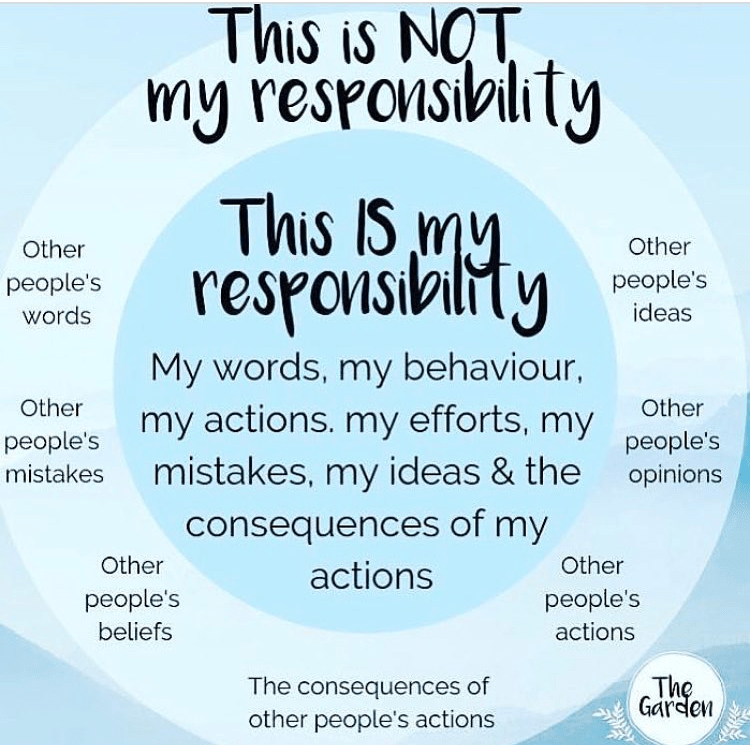
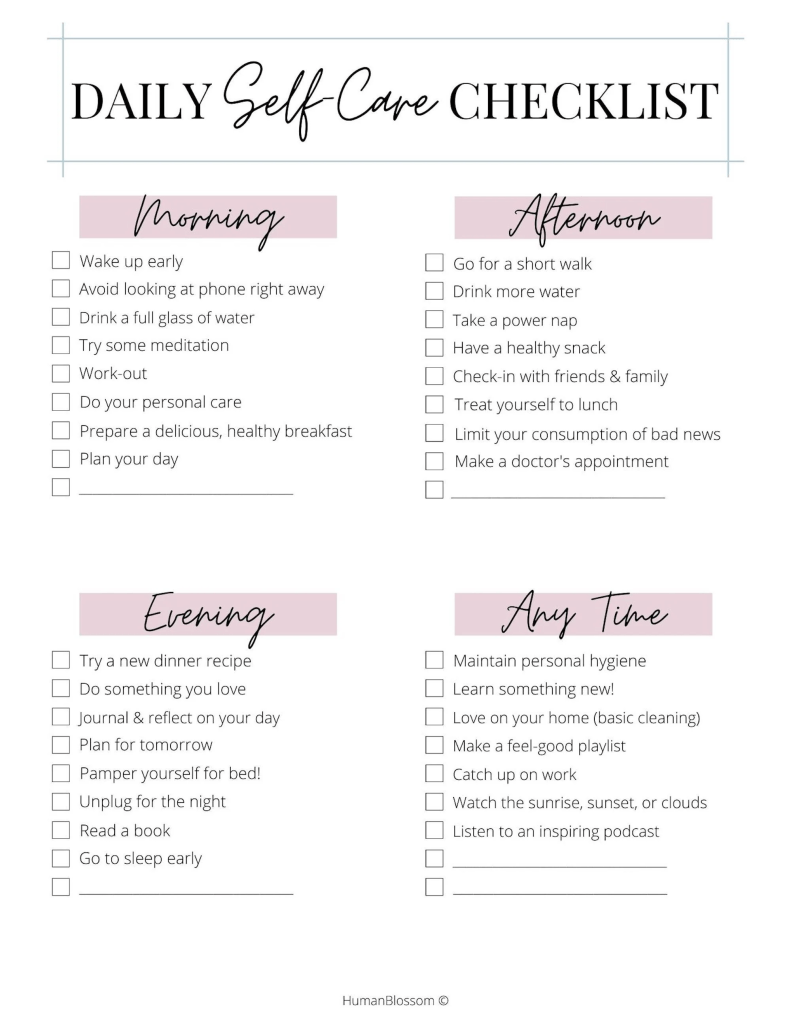
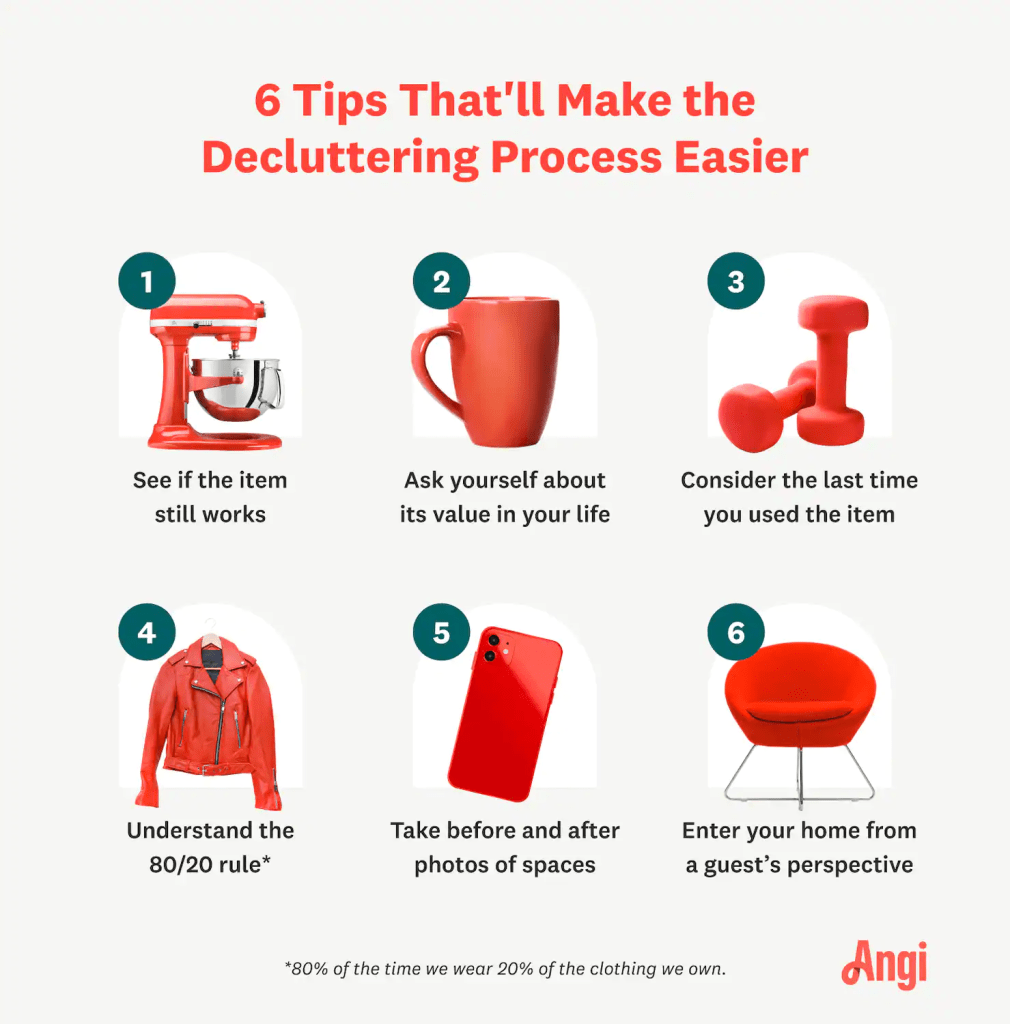
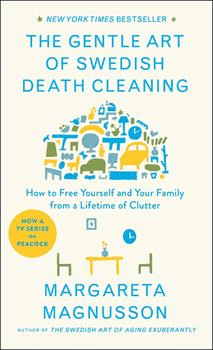

 Do not leave the burden to your loved ones to take care of what you didn’t bother to take care of yourself. You have a duty to sort out your life.
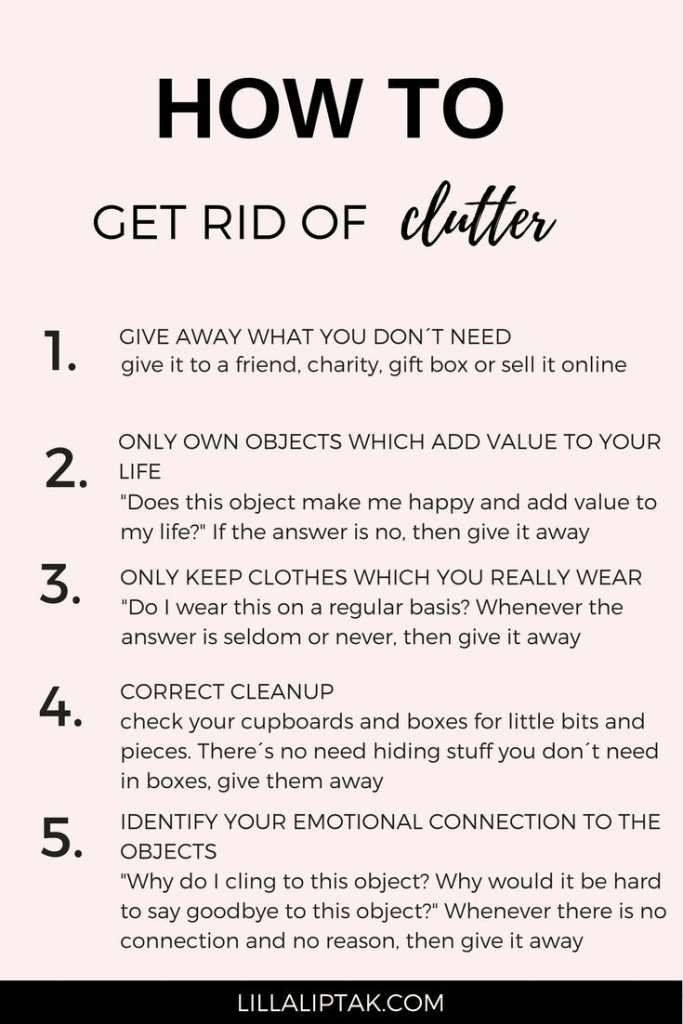

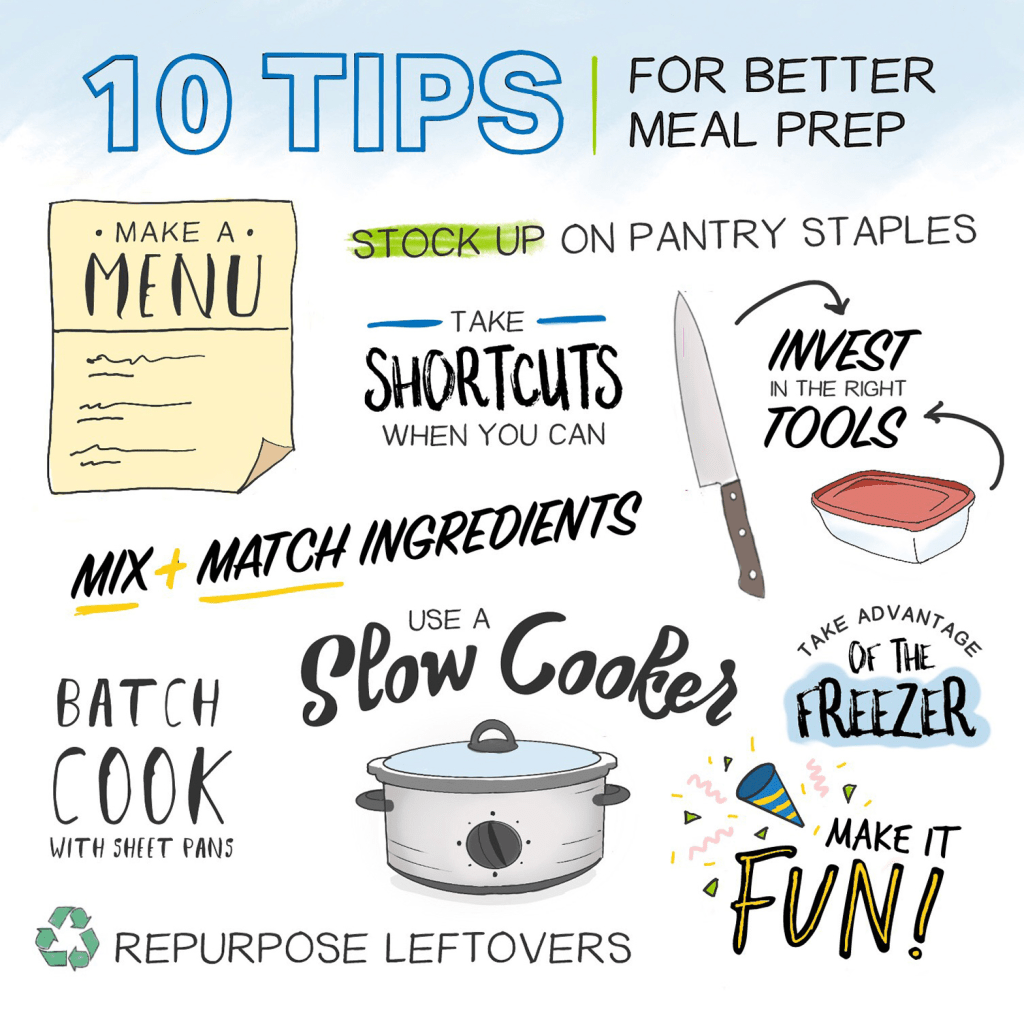
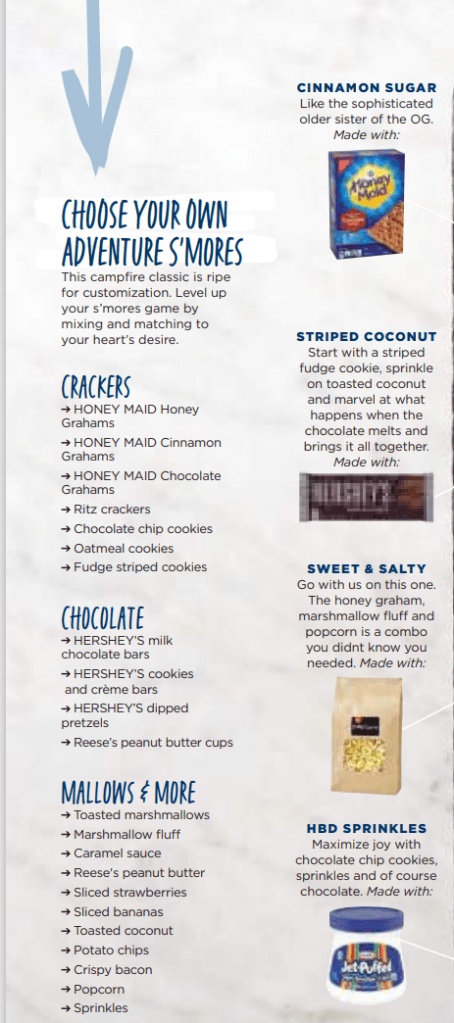


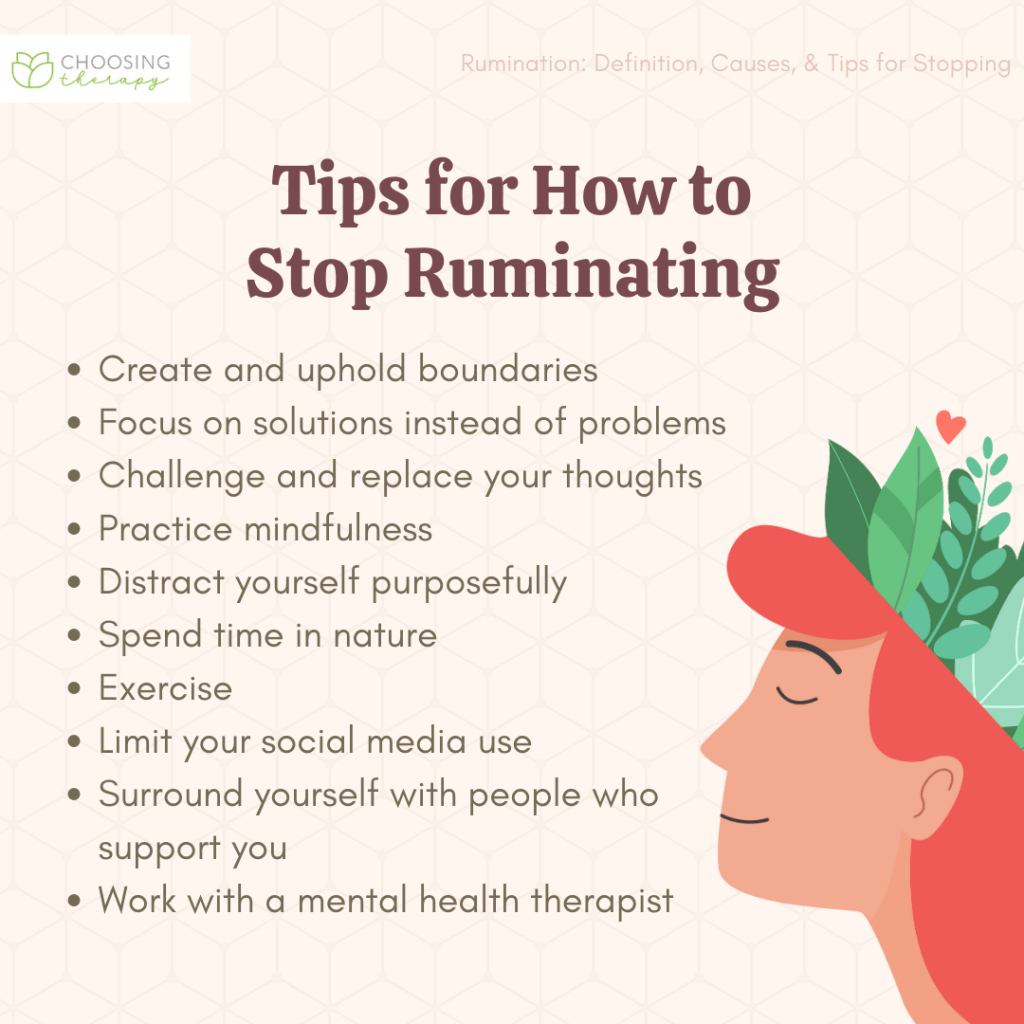
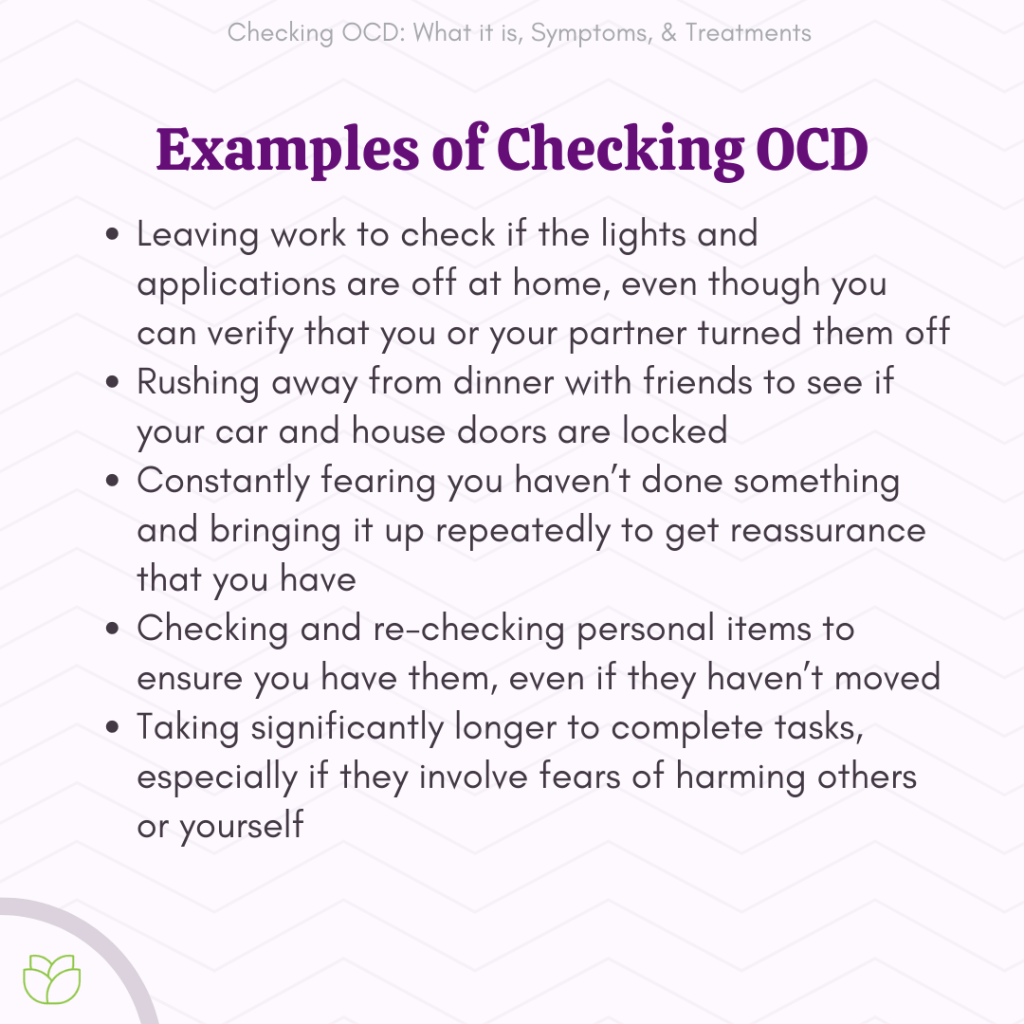
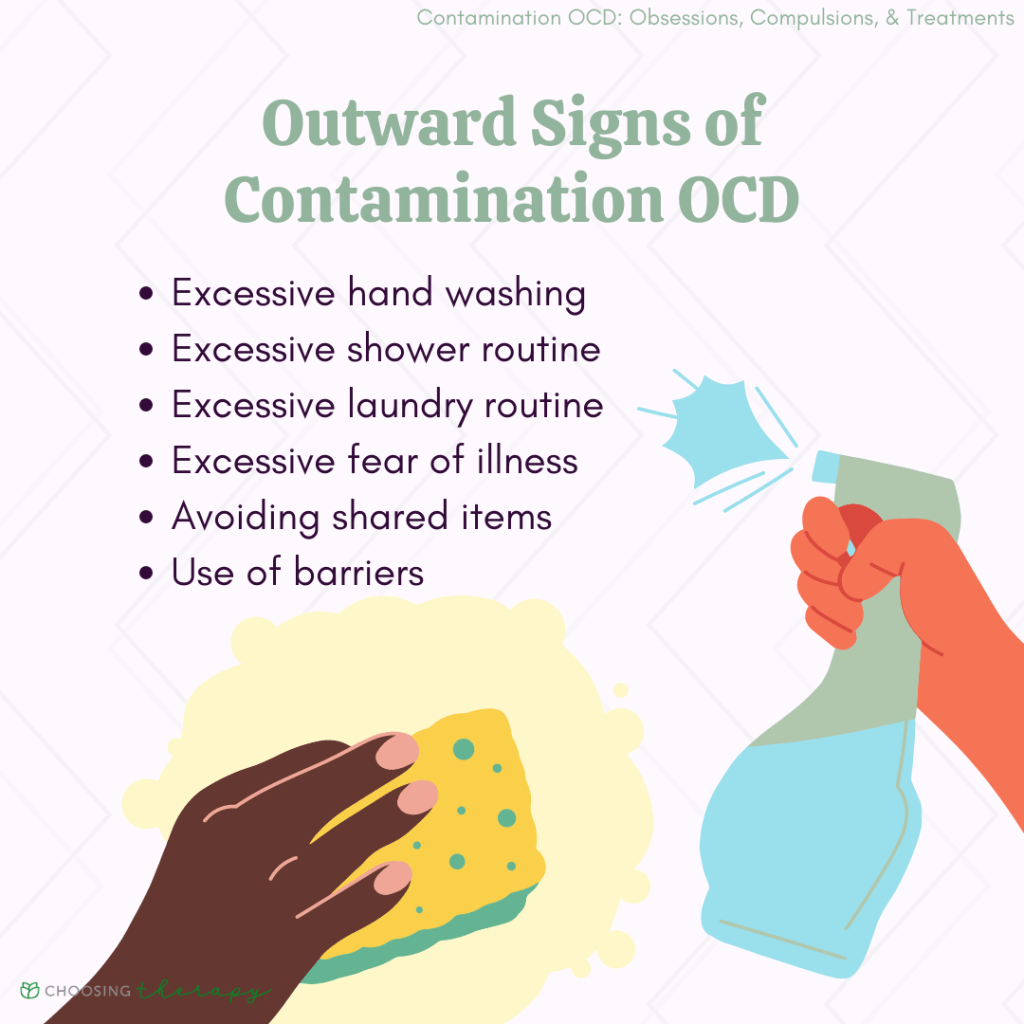

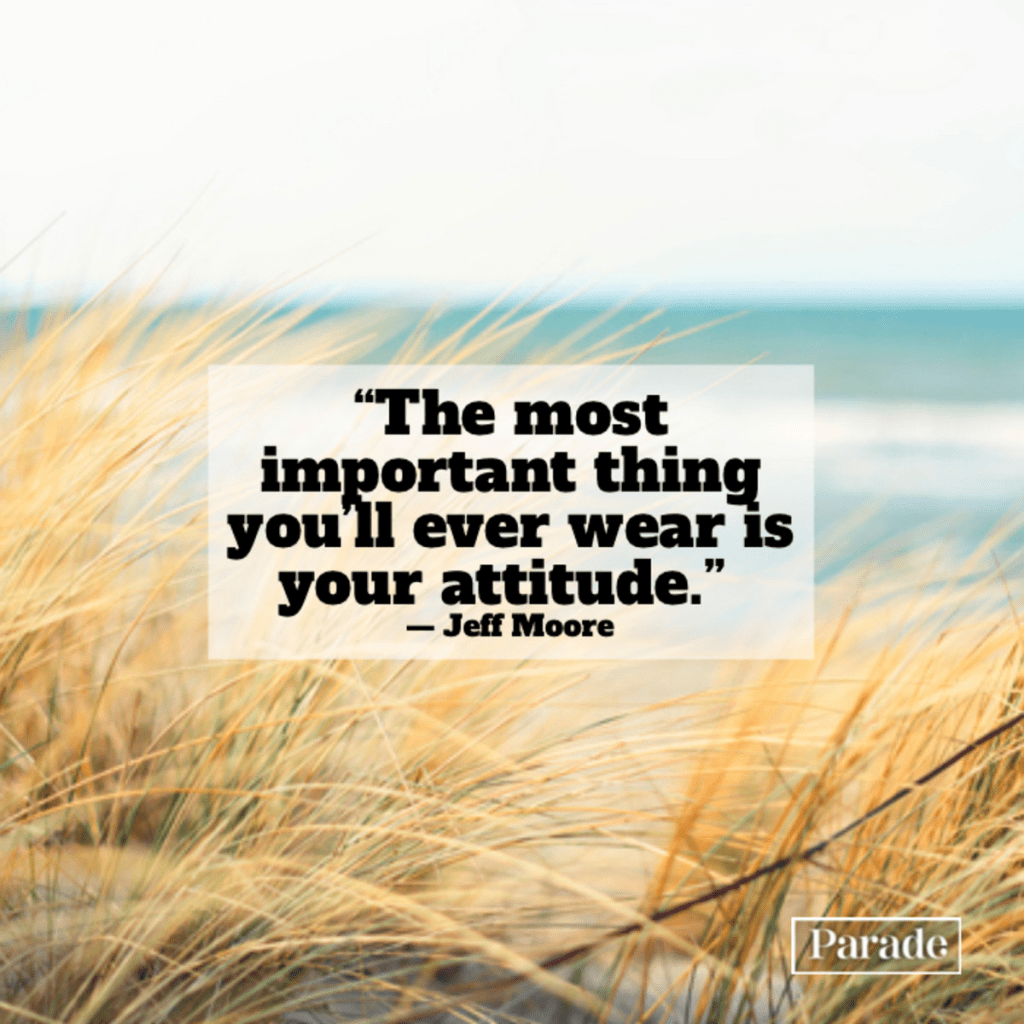
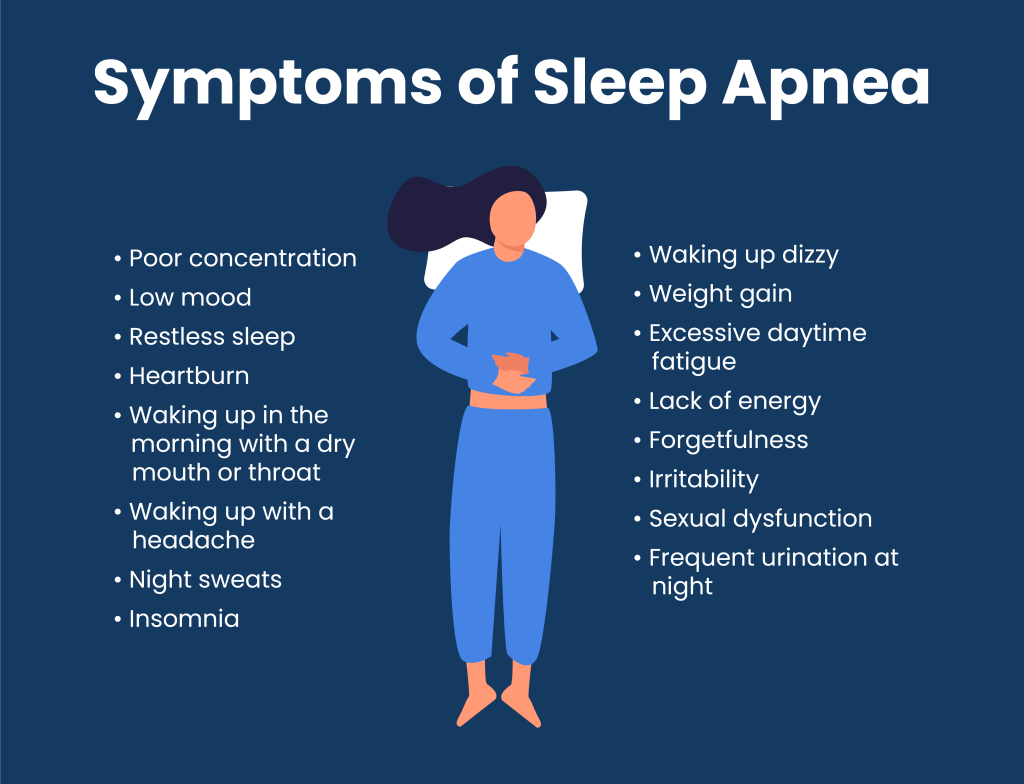
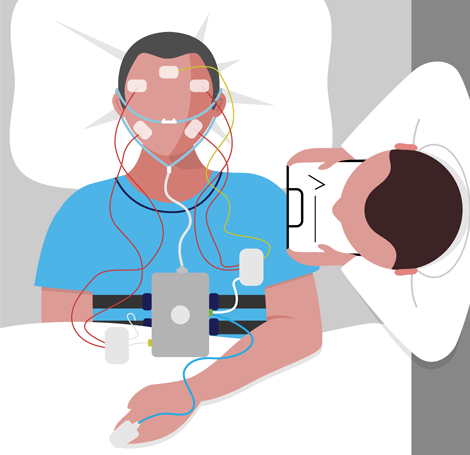
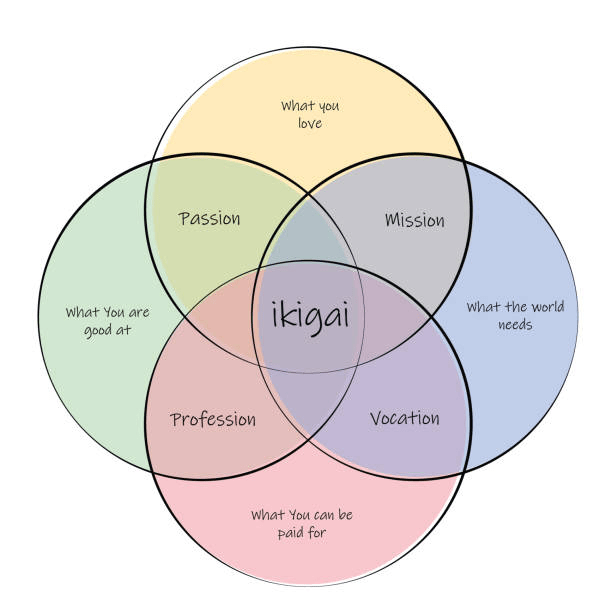
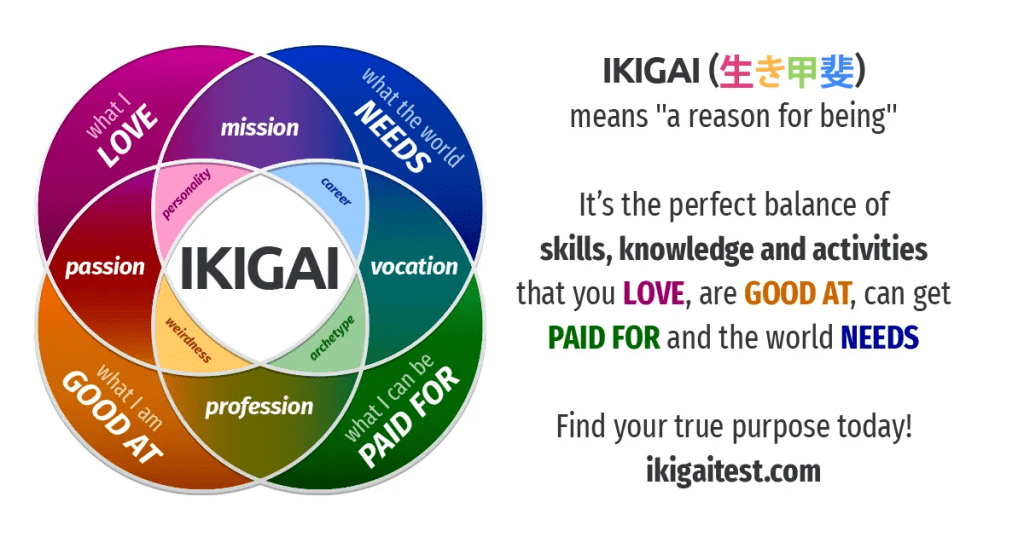
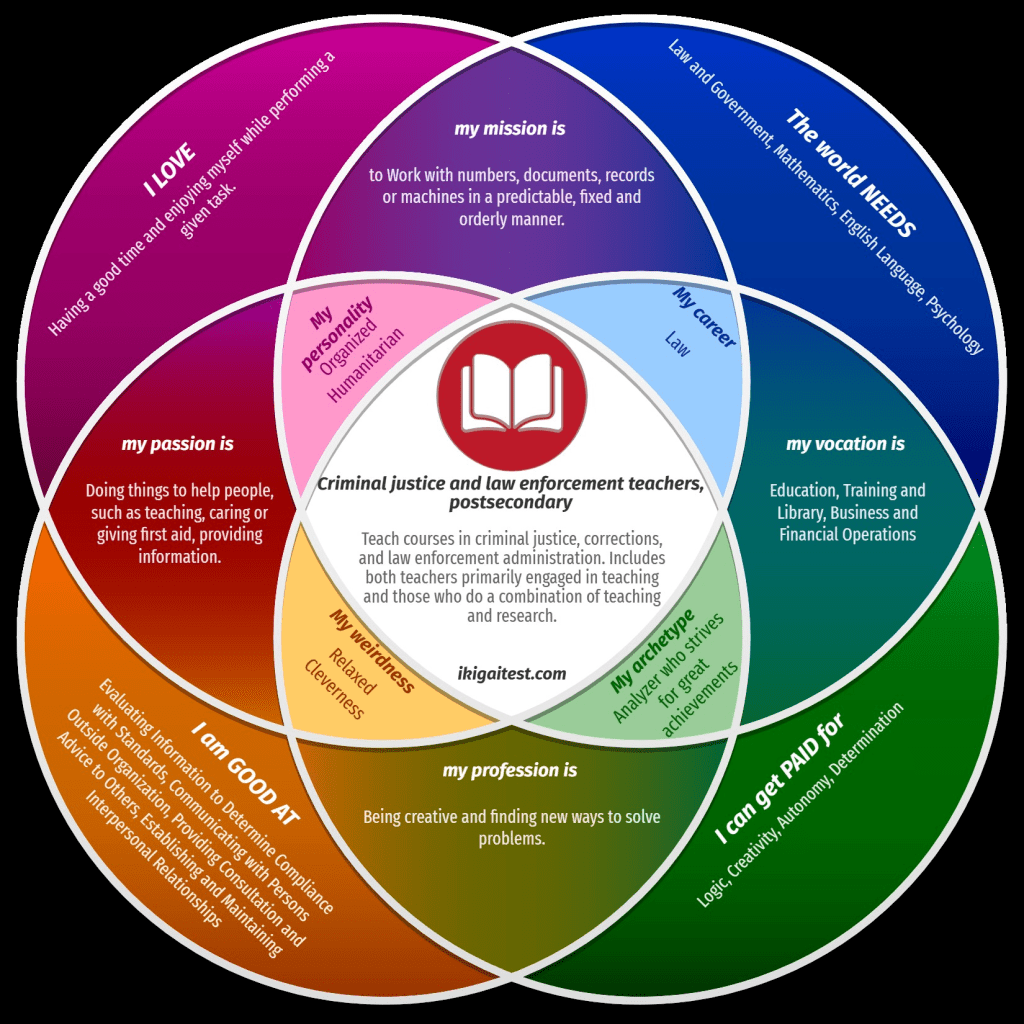

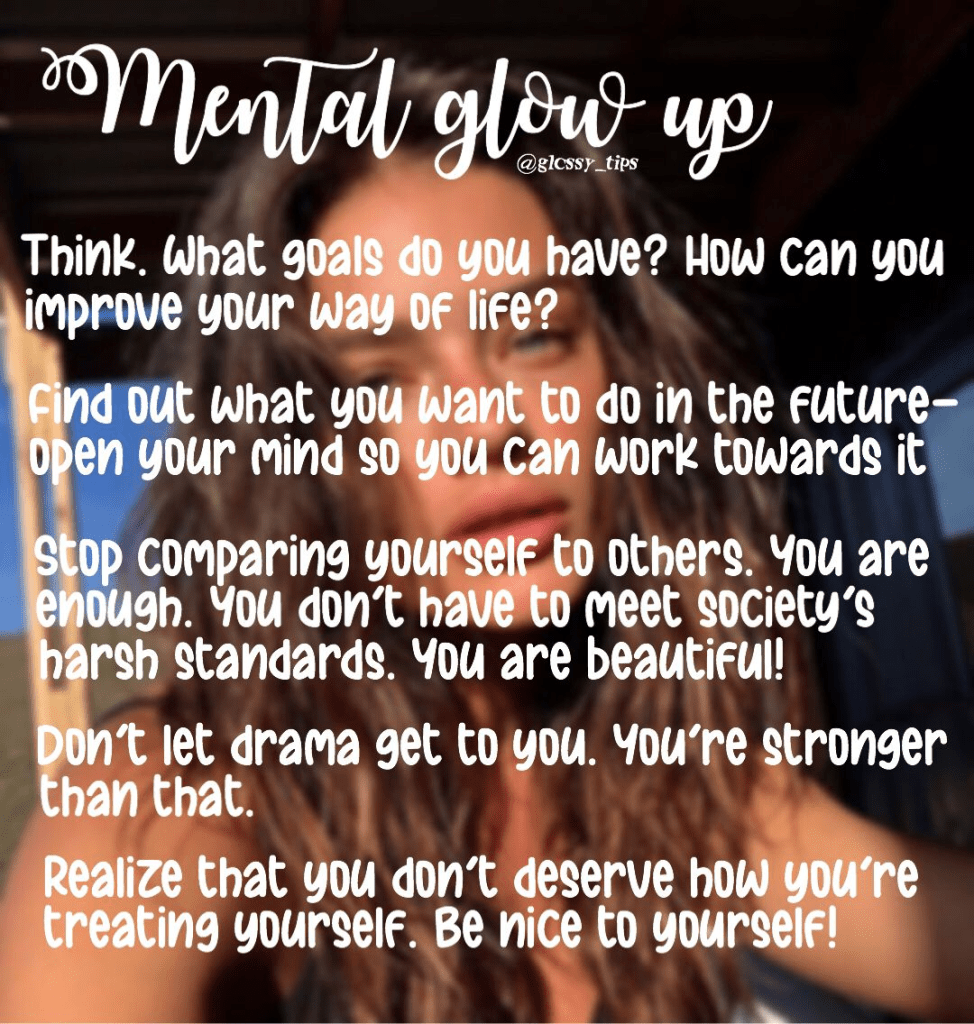

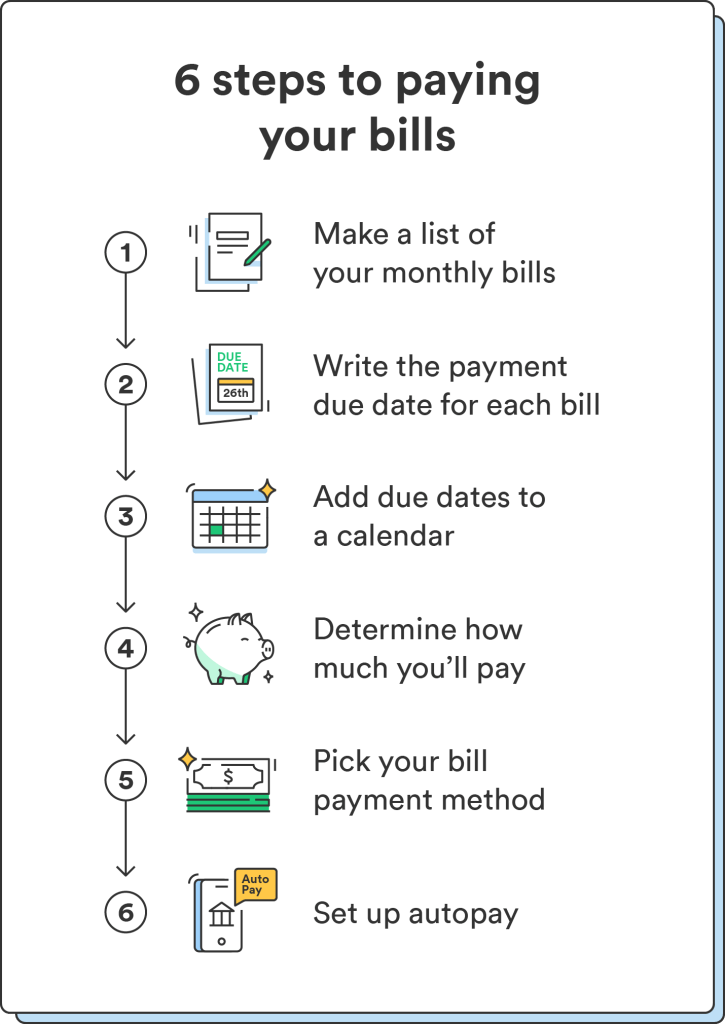
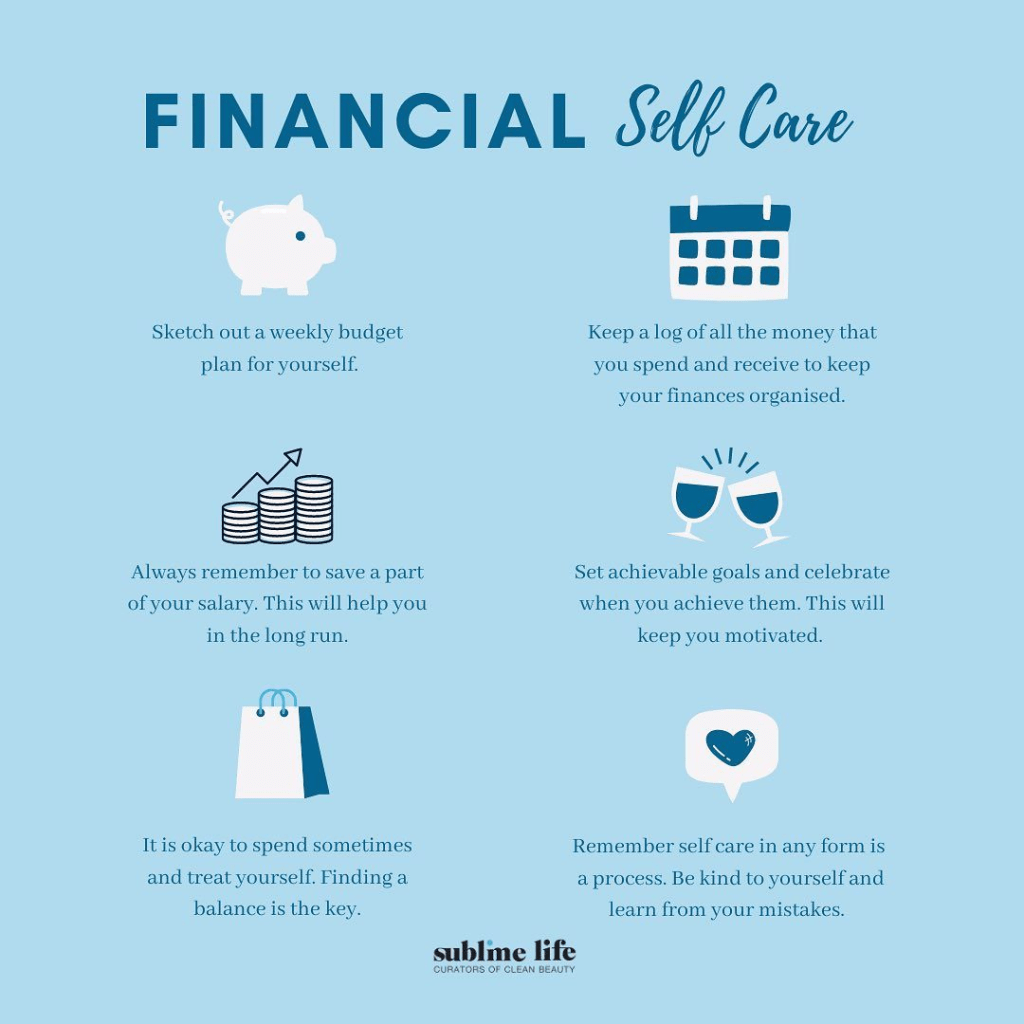
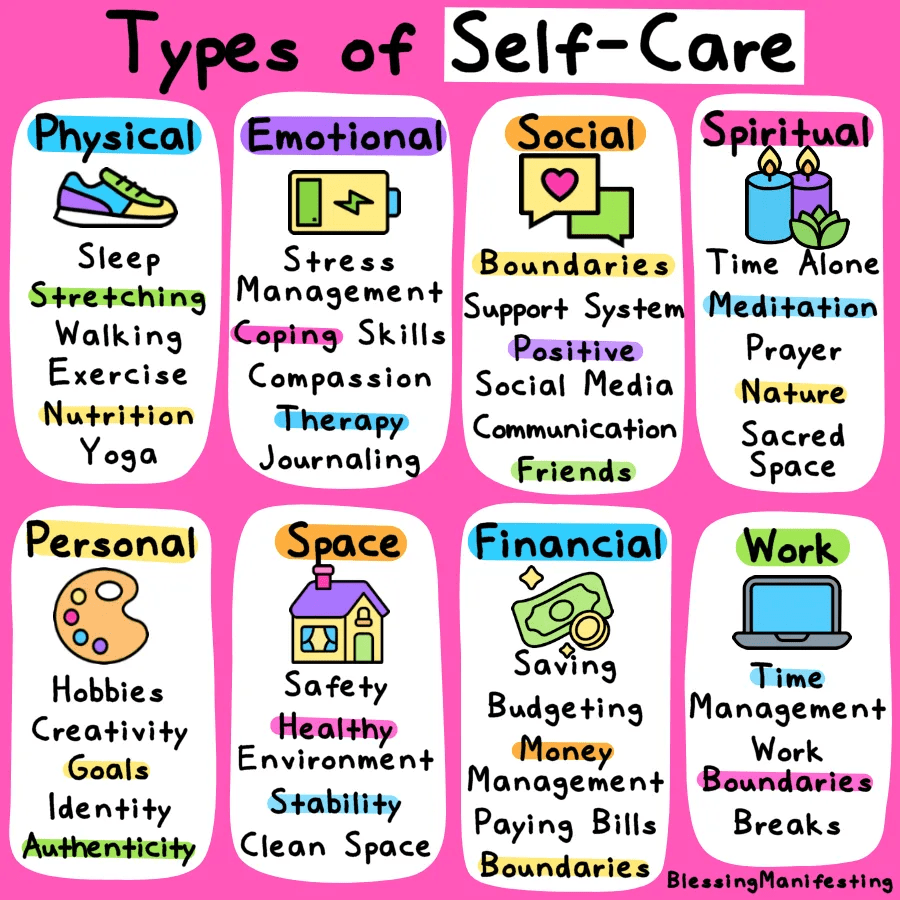
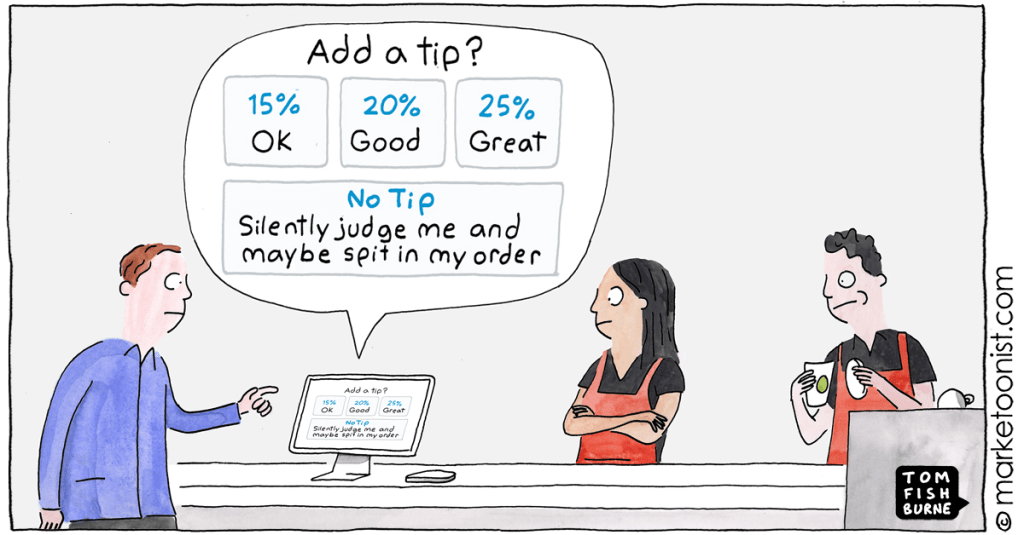





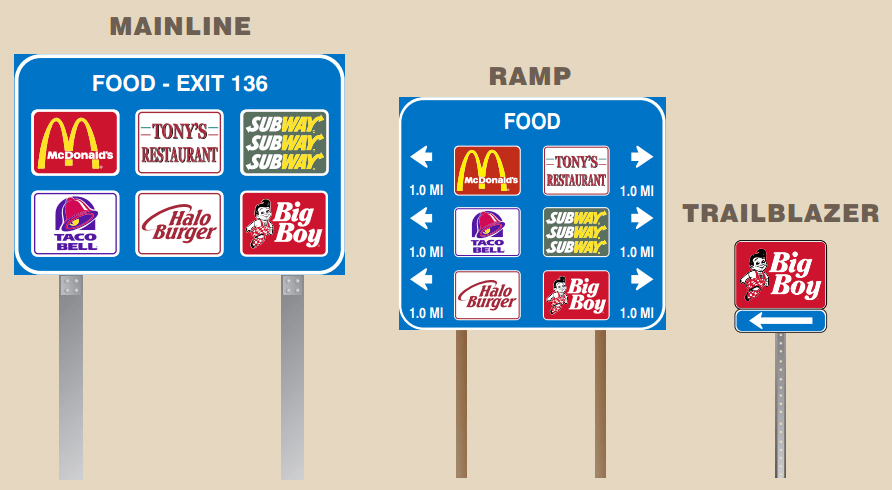
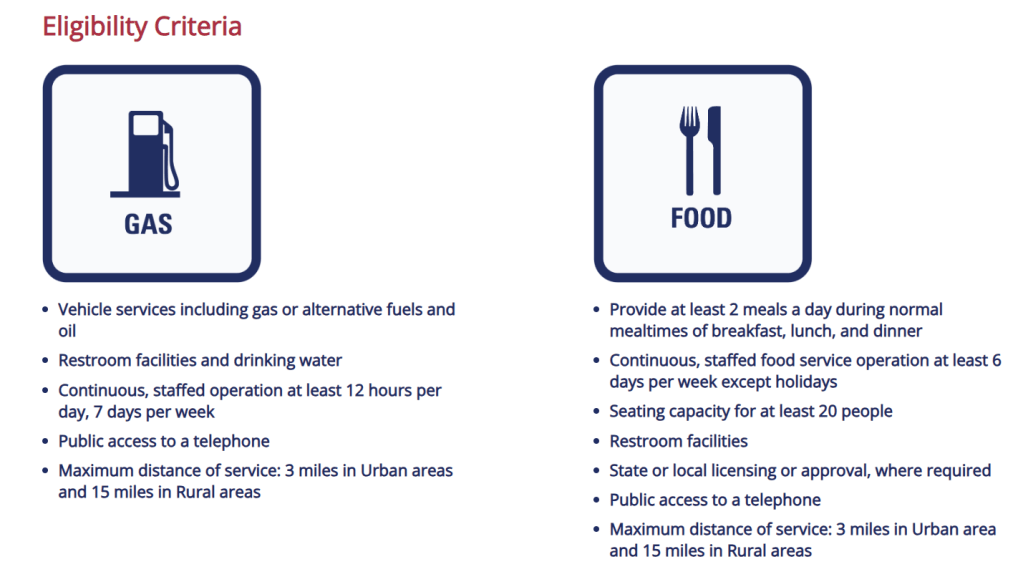
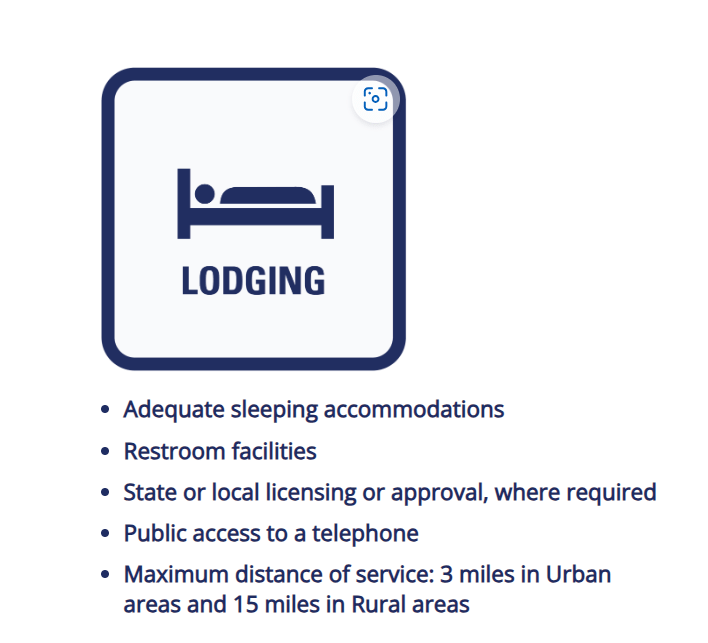


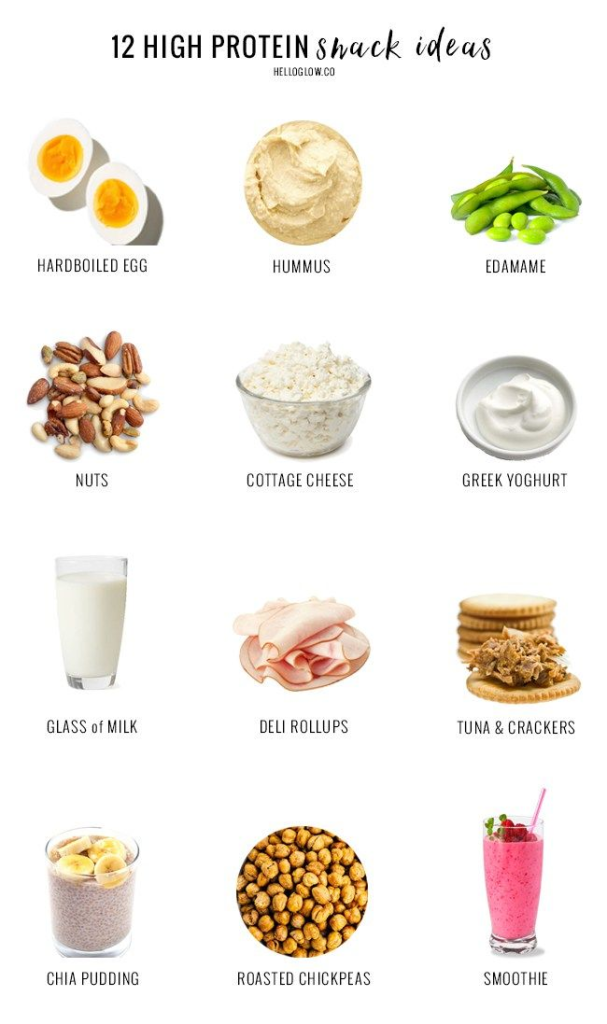
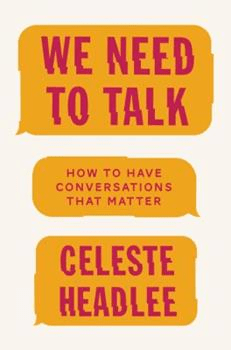

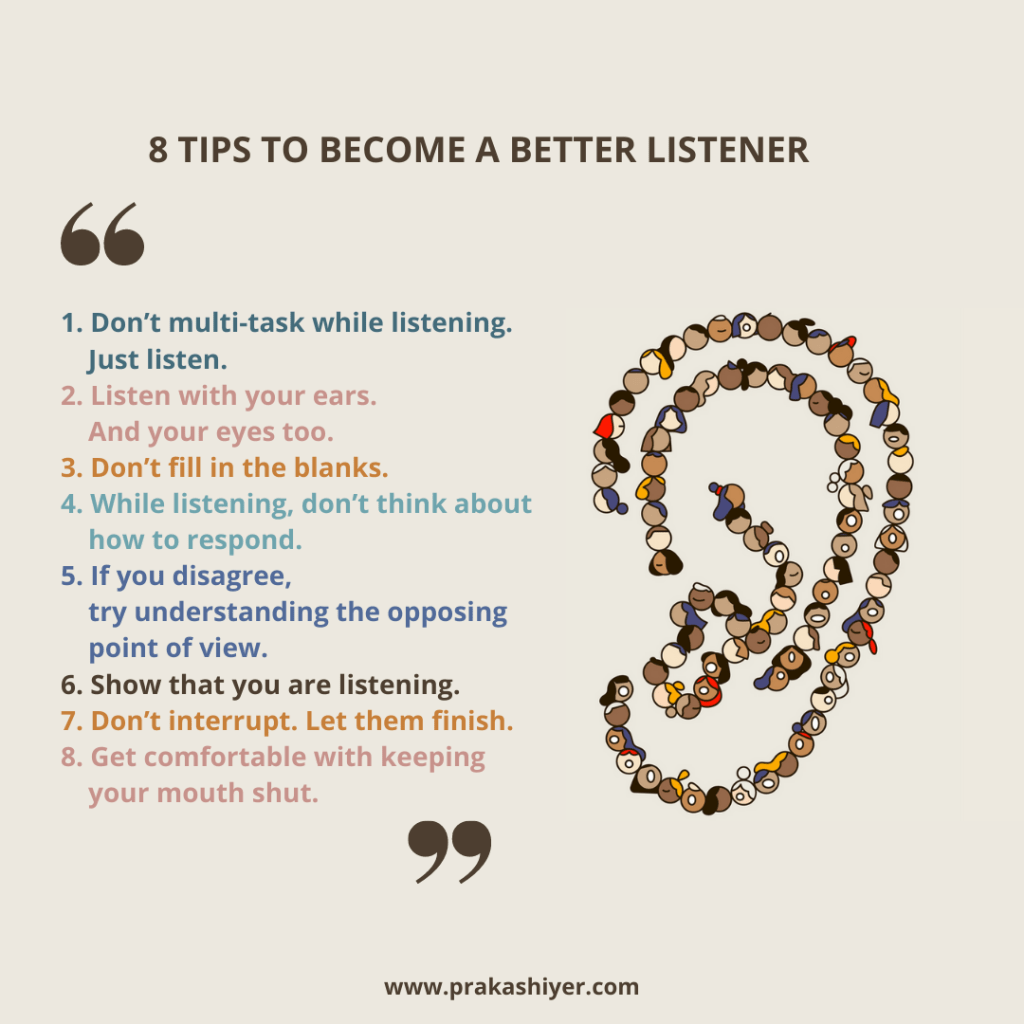
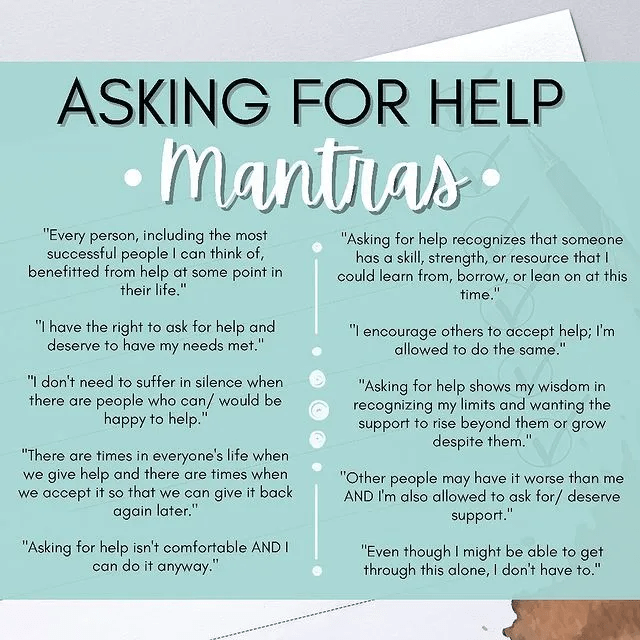
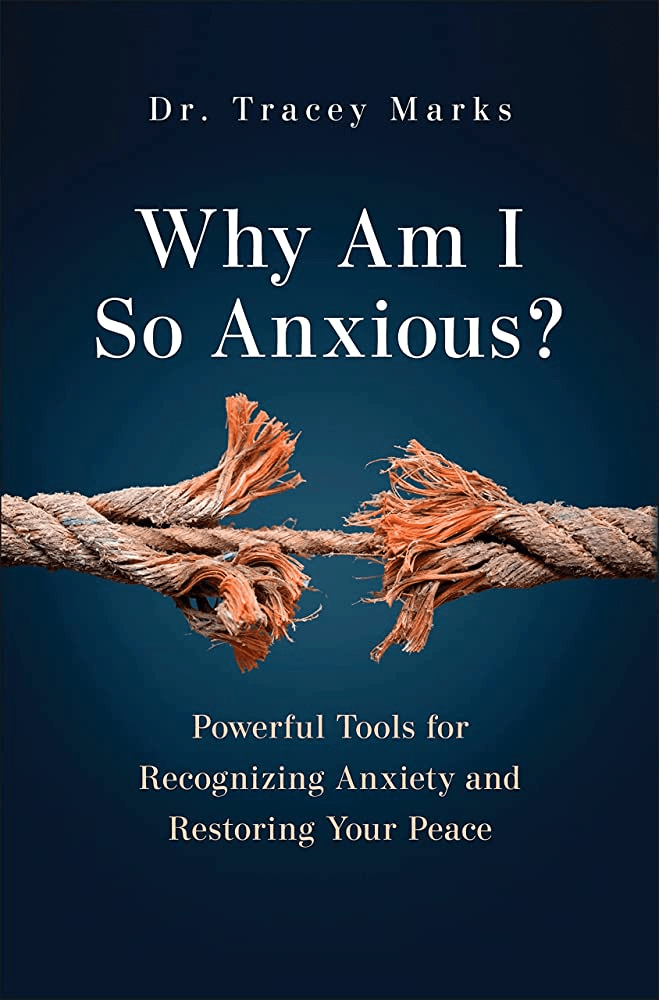
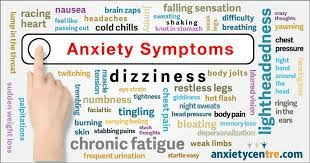
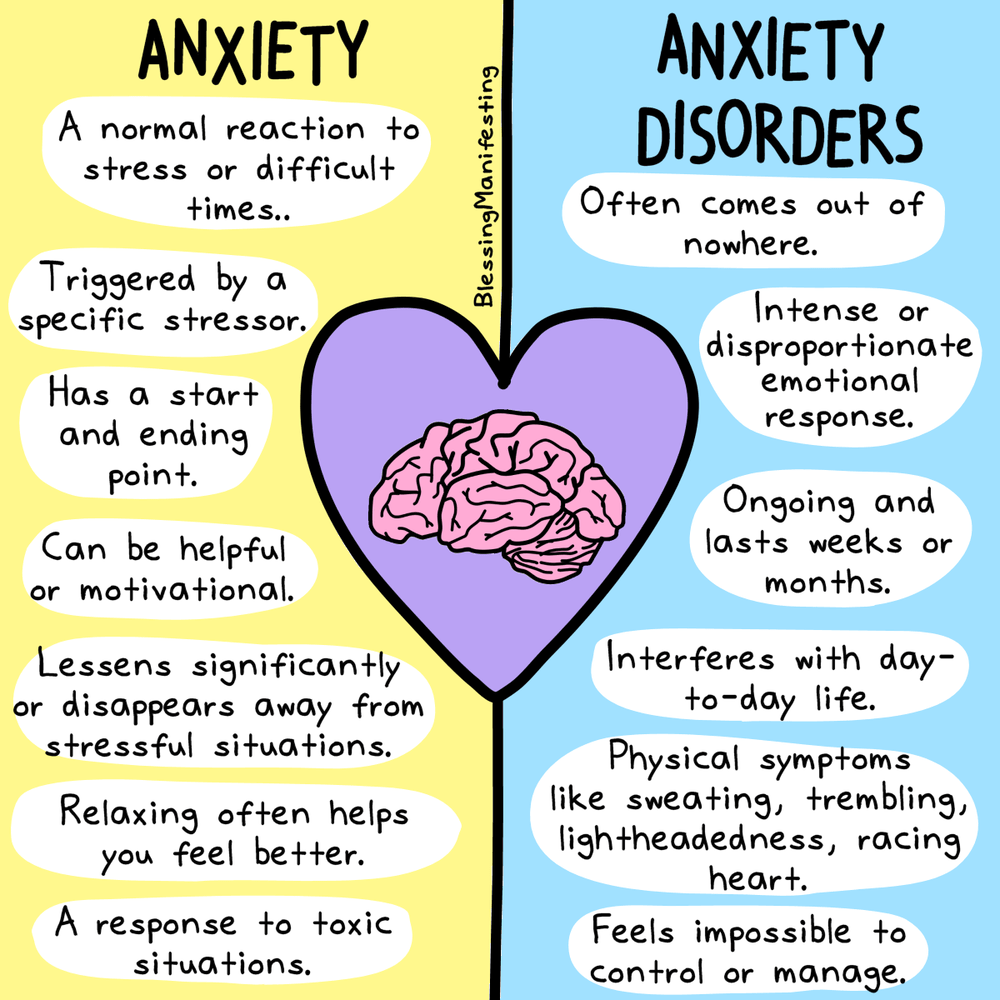
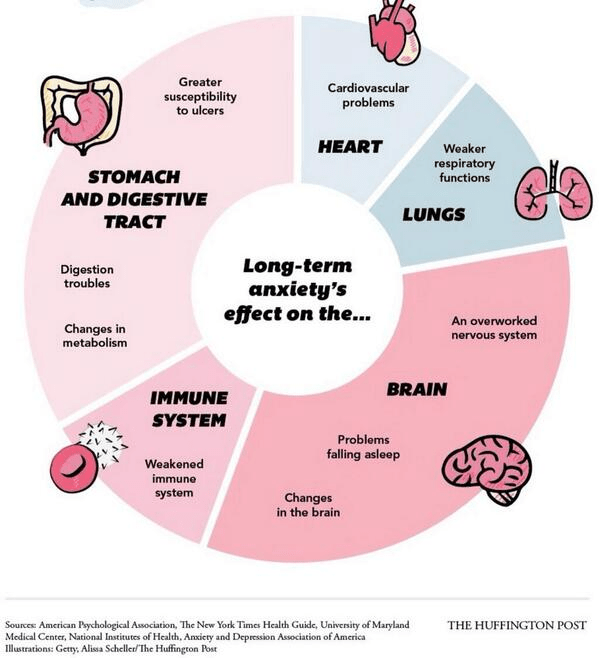
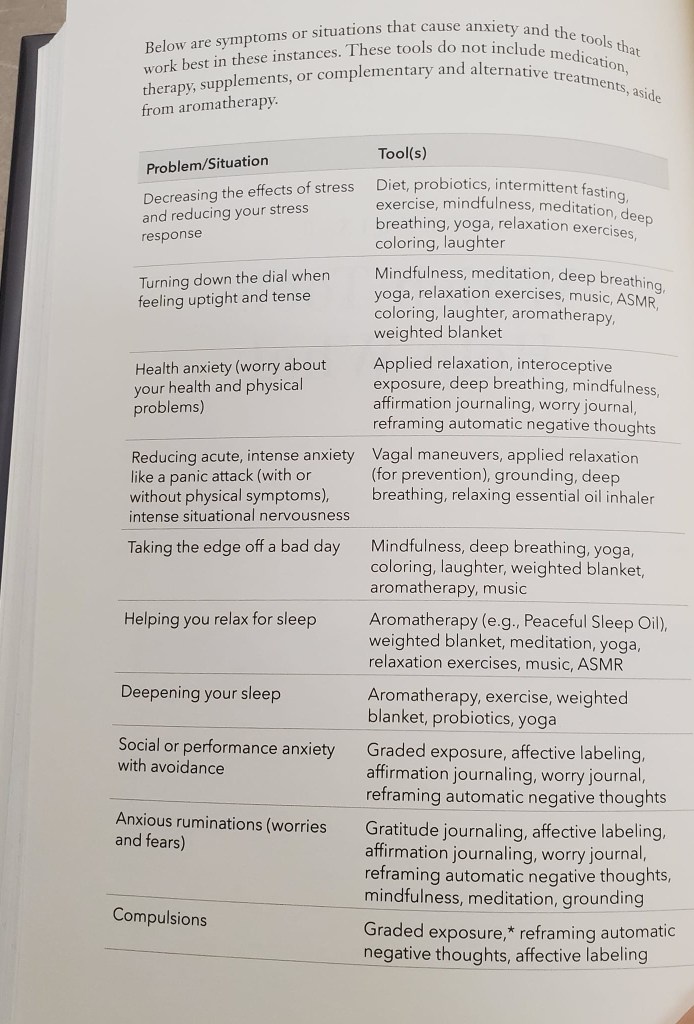
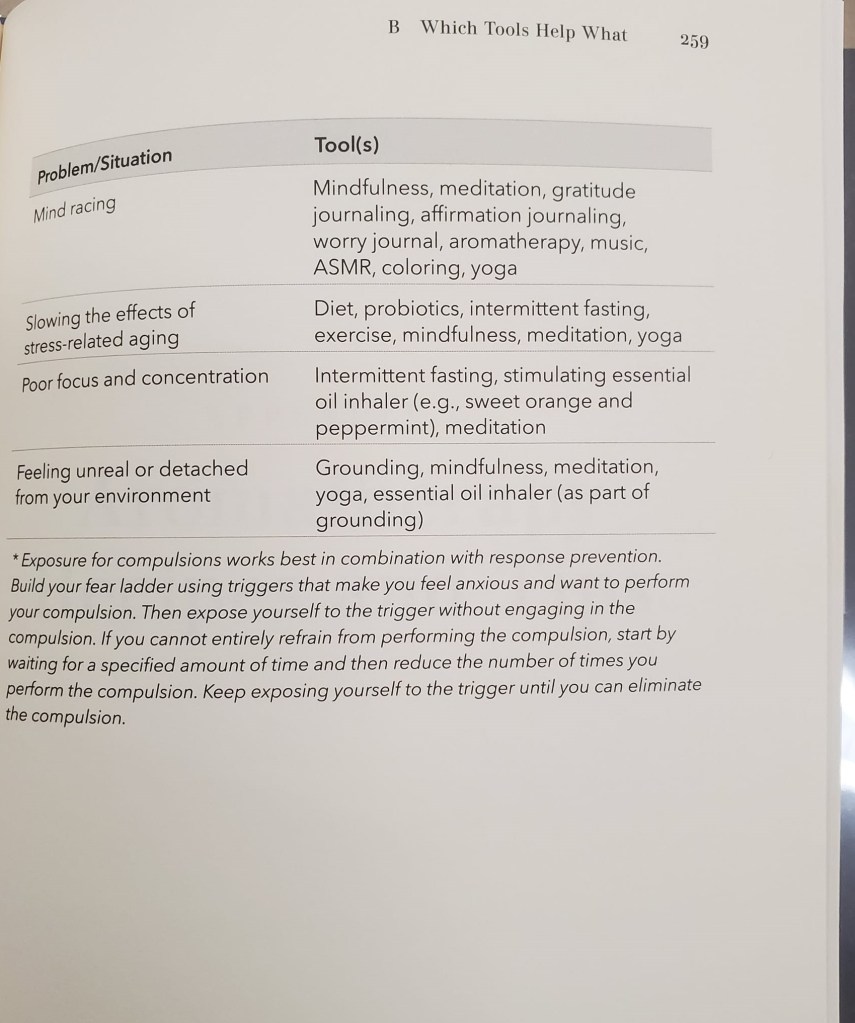
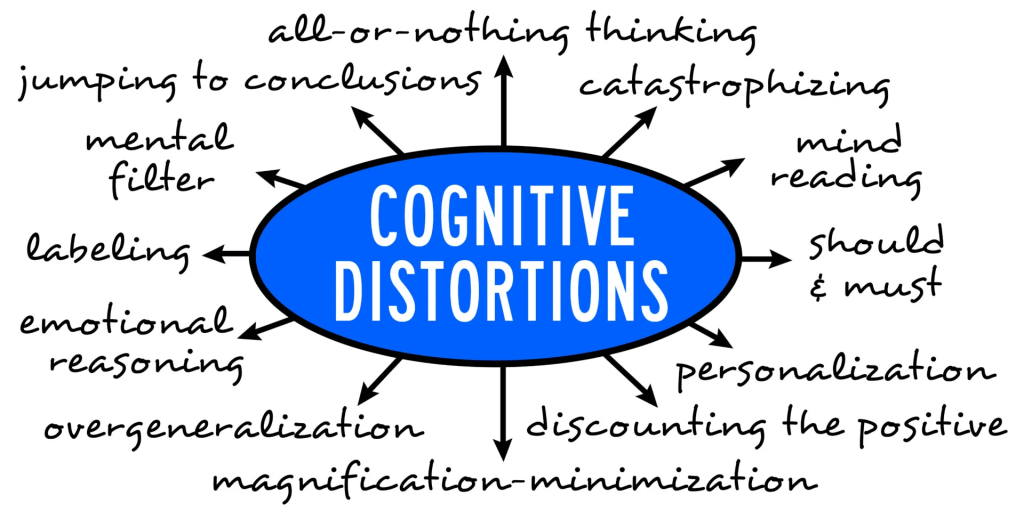
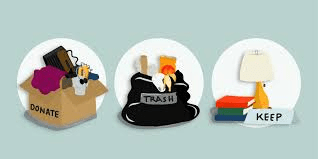

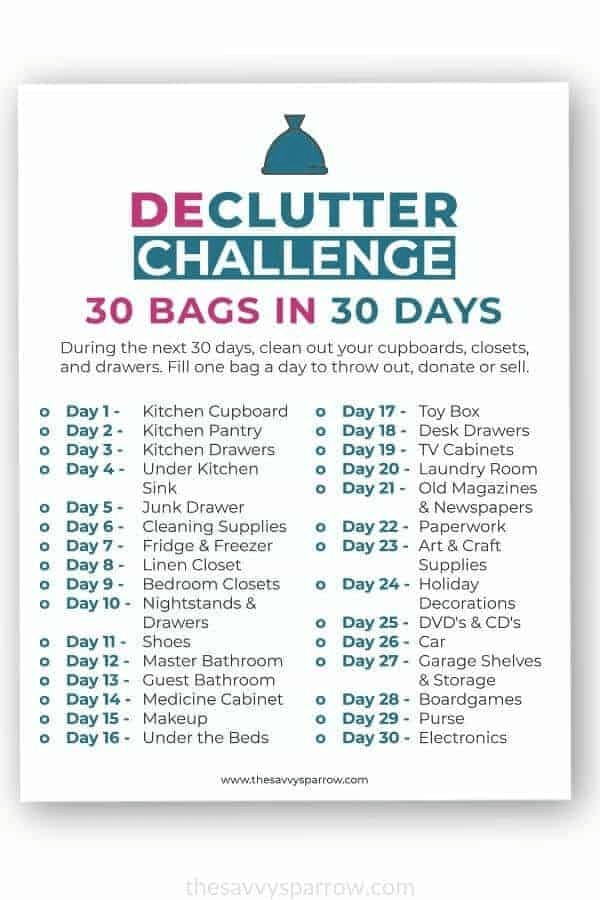
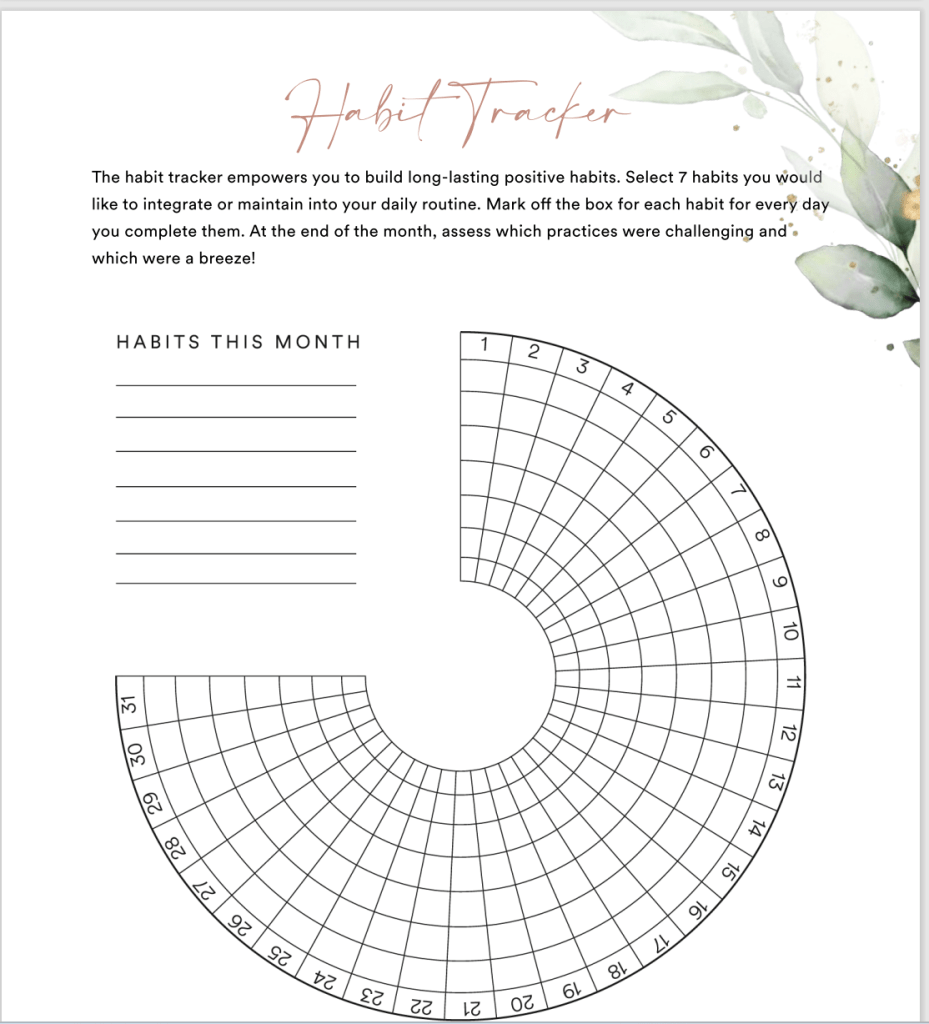


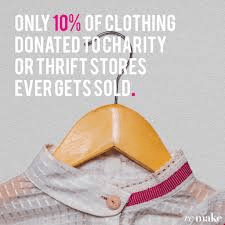
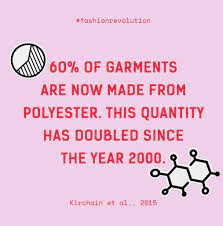
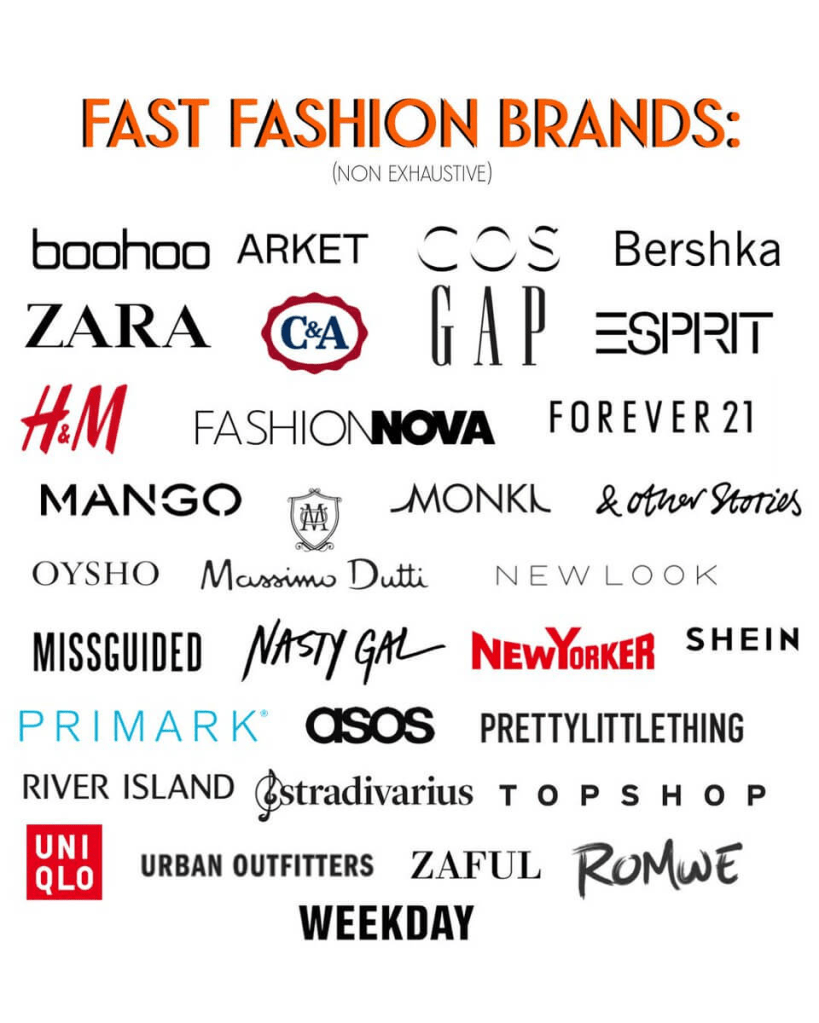

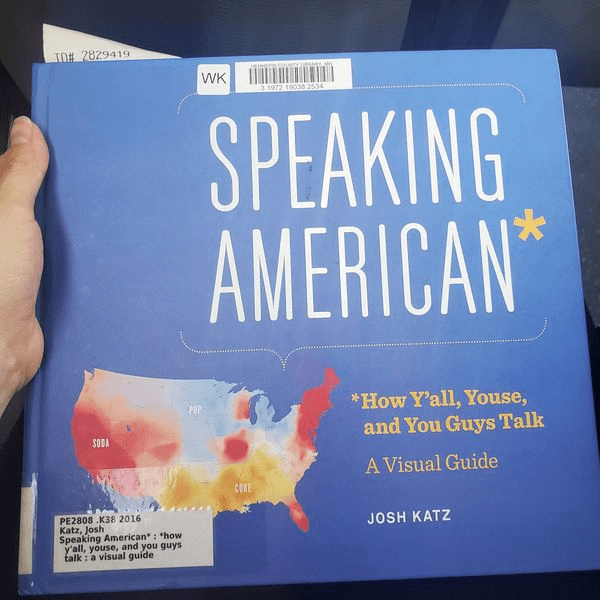
 Examples include tag sales vs. rummage sales vs. garage sales vs. yard sales vs. stoop sales, scratch paper vs. scrap paper, soda vs. pop vs. coke, take-out vs. carry-out, and how people pronounce aunt, syrup, caramel, crayons, quarter, coupon, grocery store, and many other words.


 Here are some of my favorites.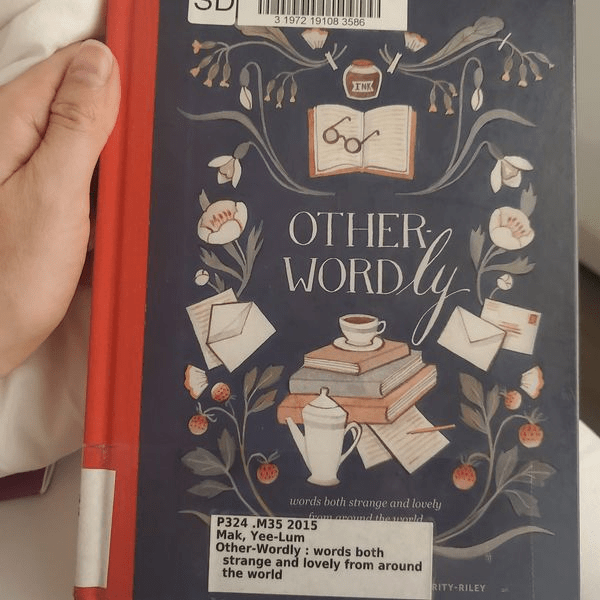


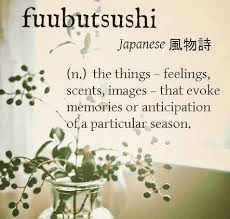

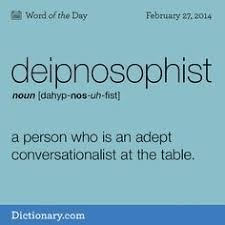
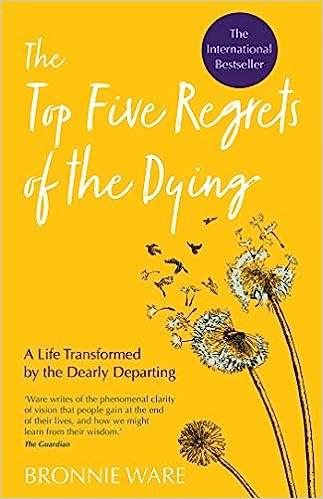
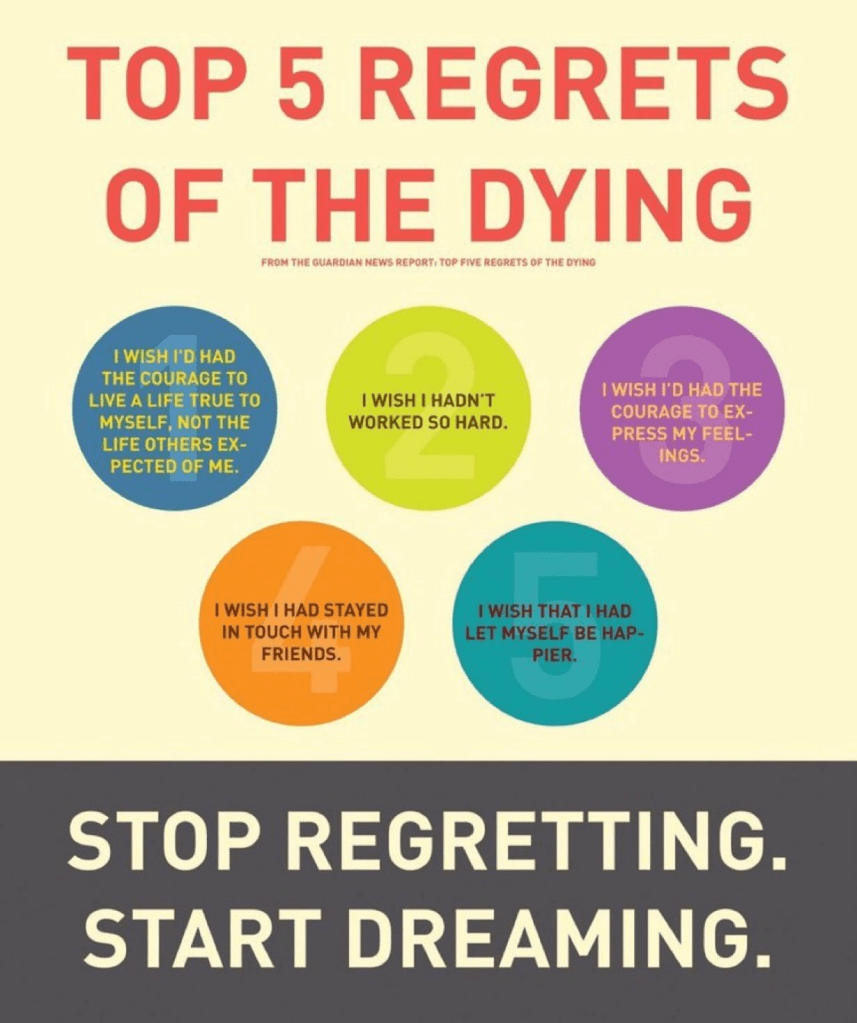

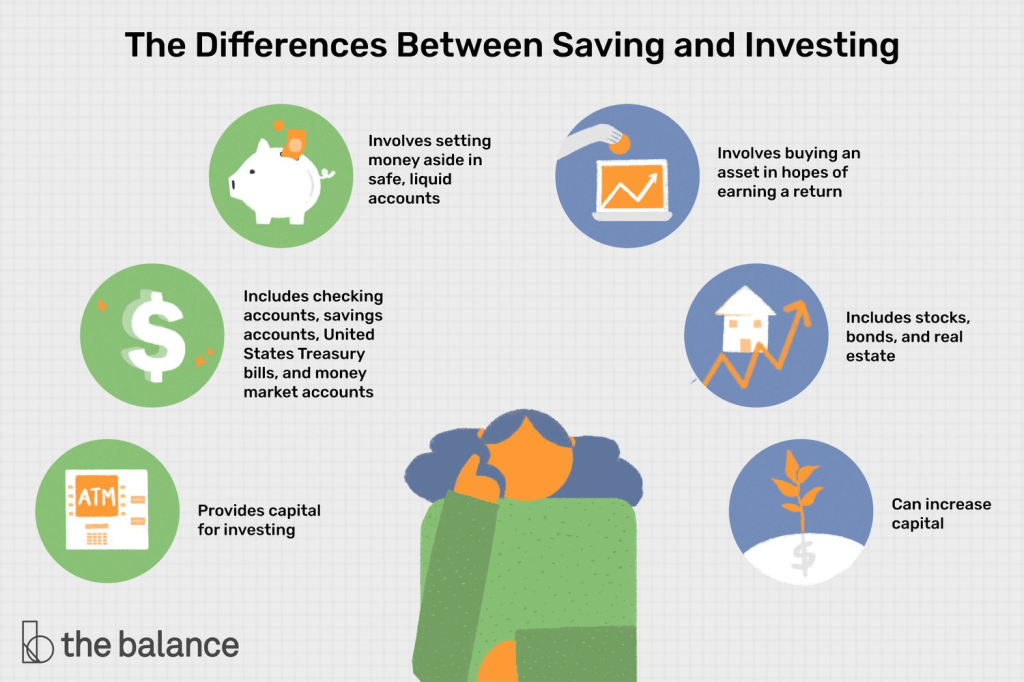
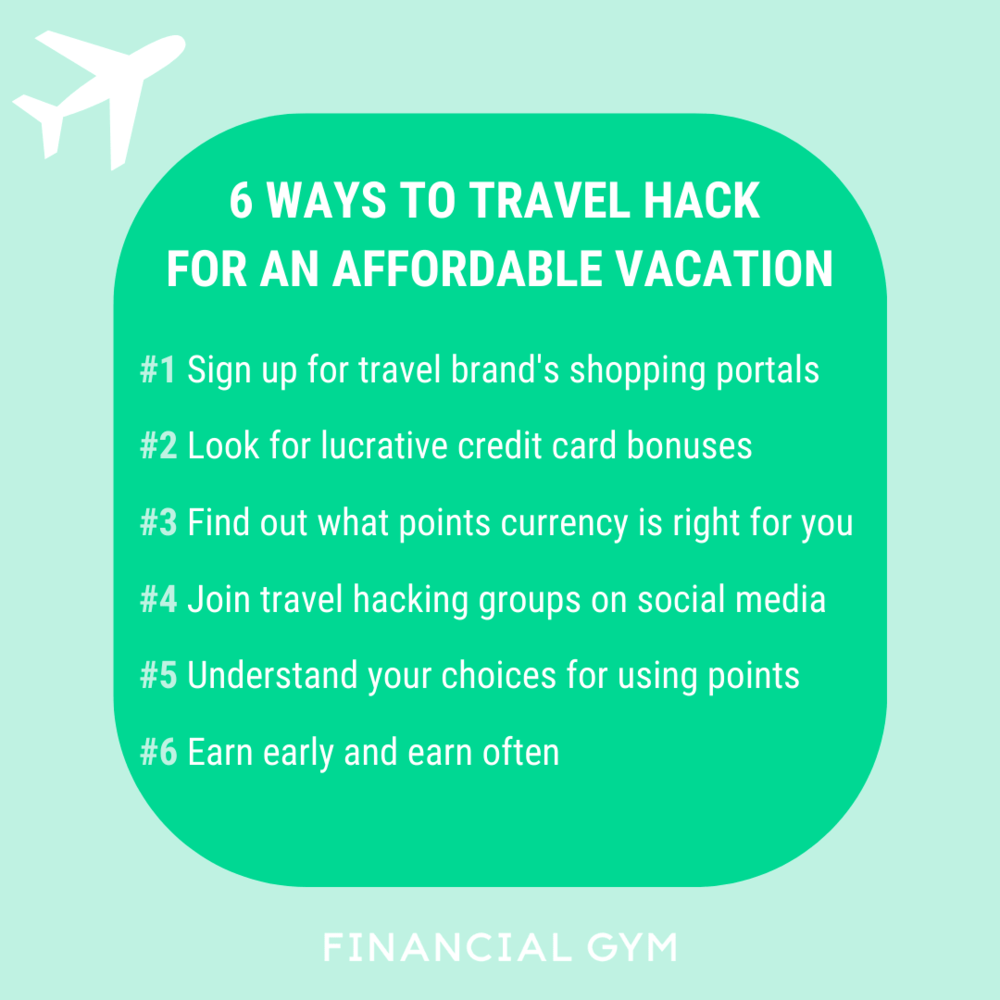
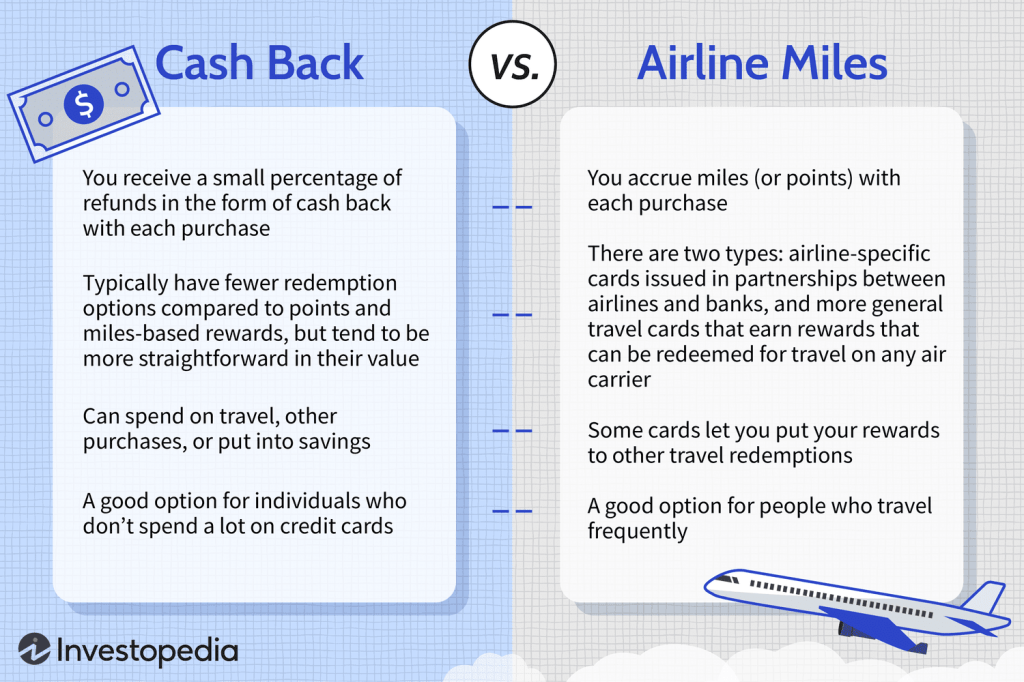
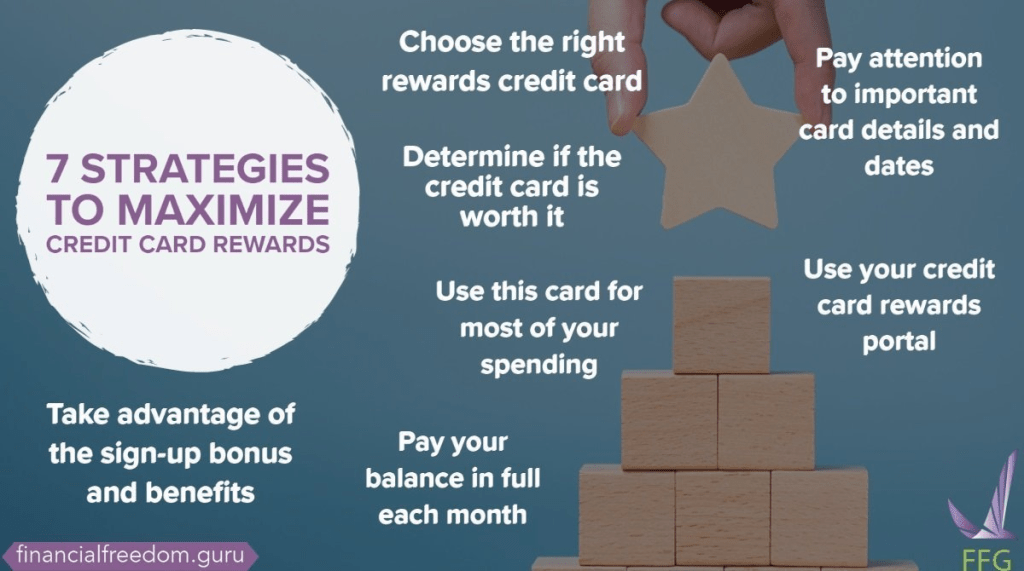


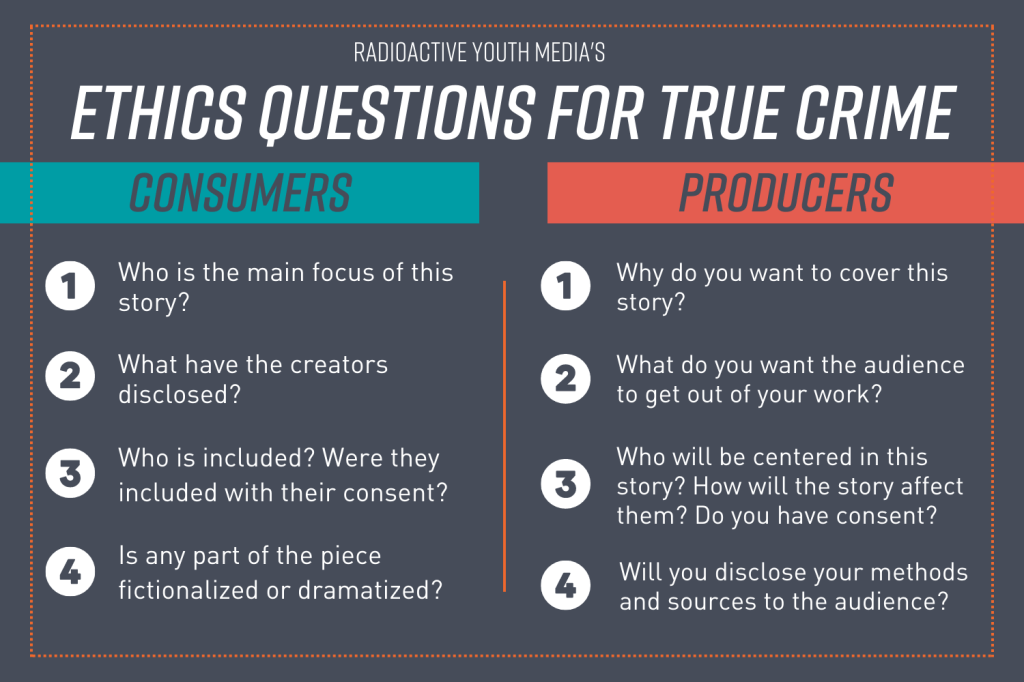
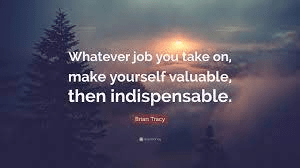
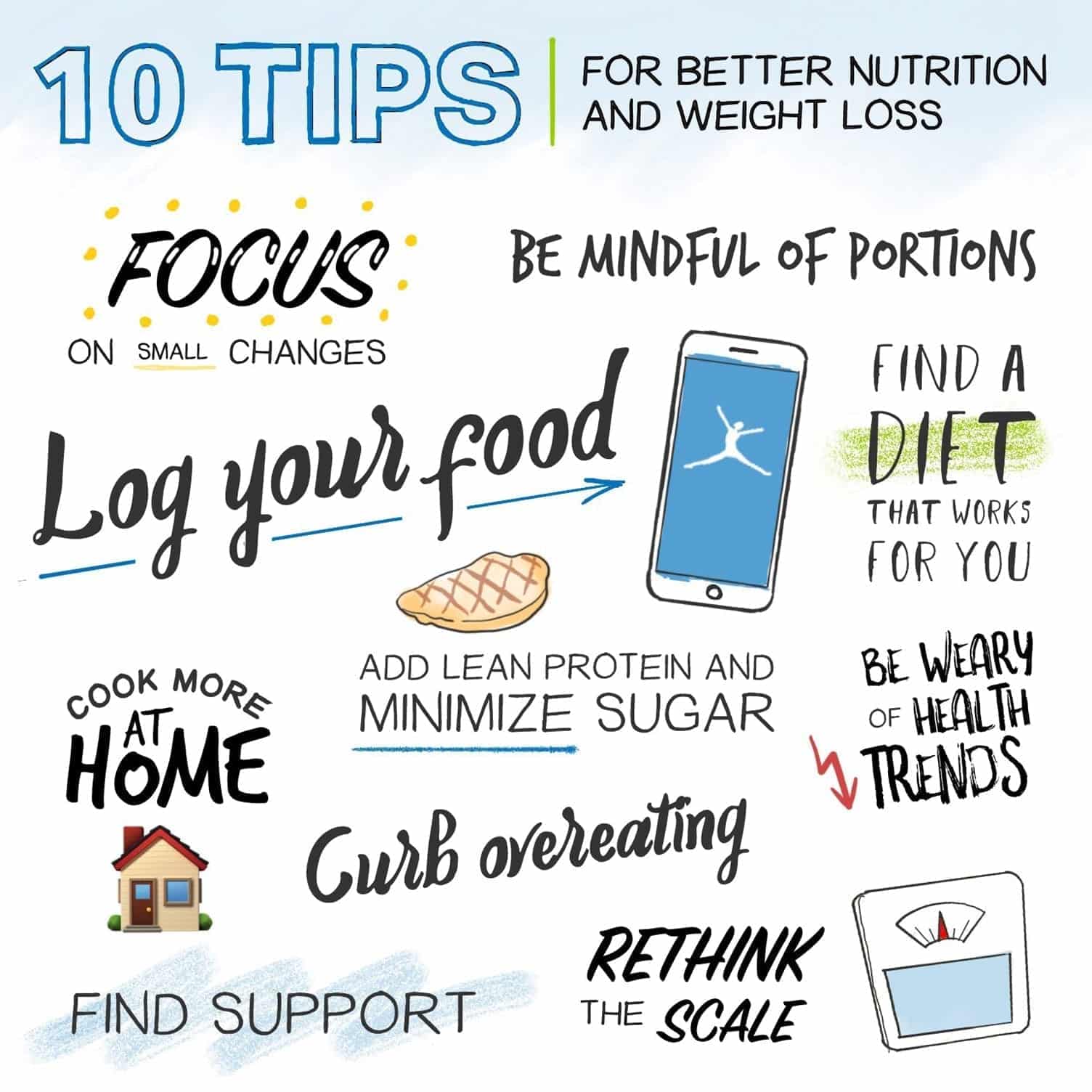
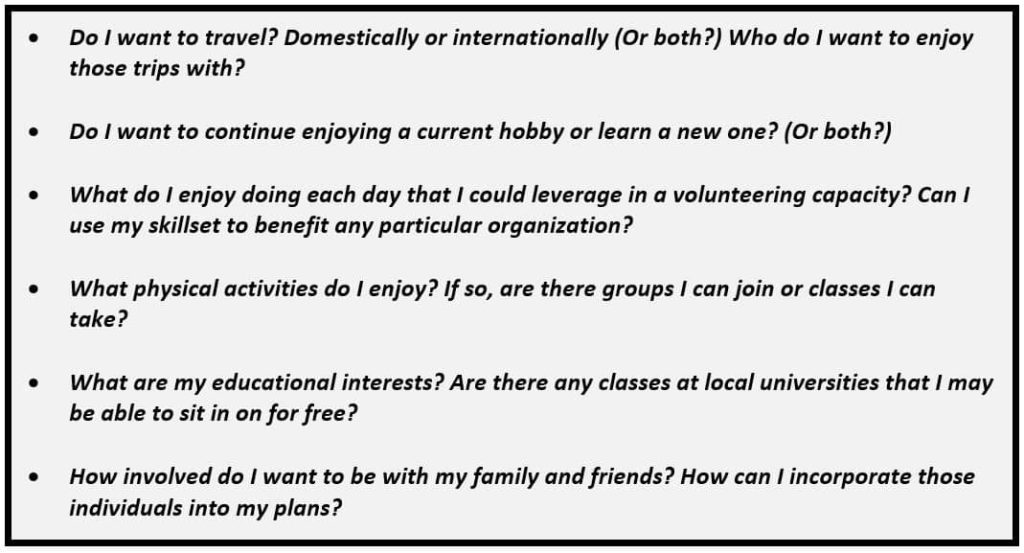
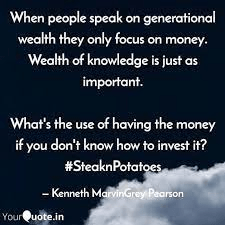
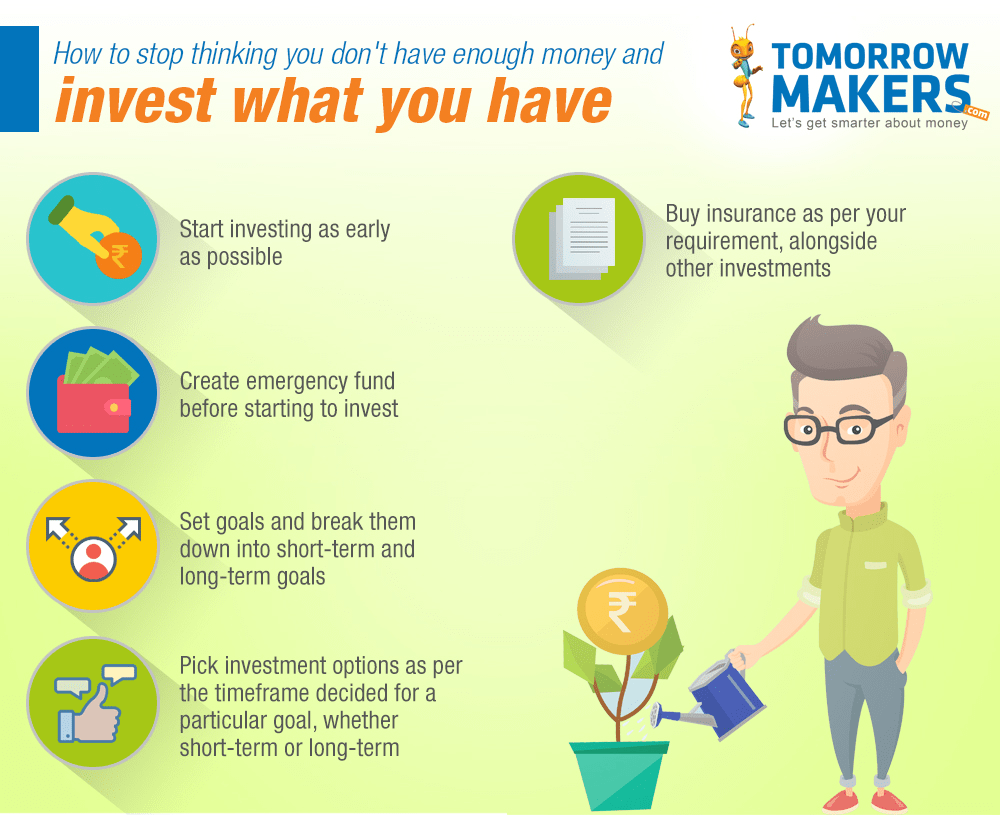
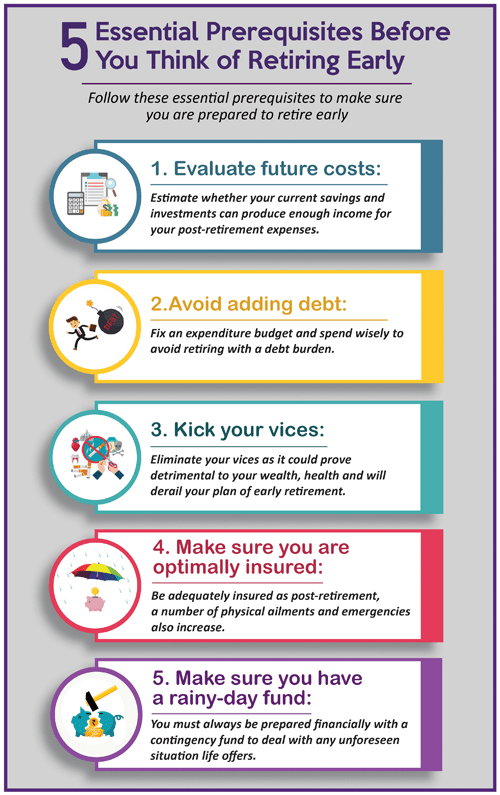
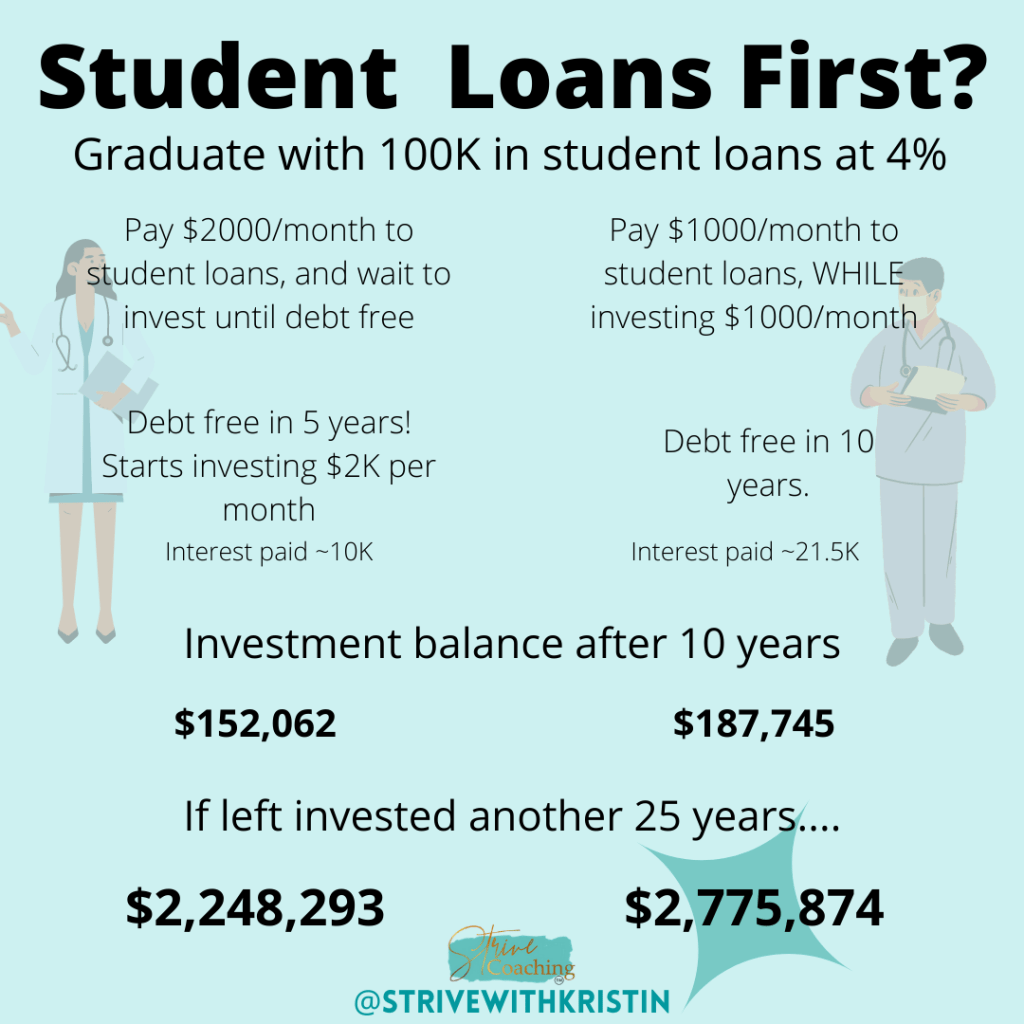
 Aside from the many examples, here are some of my favorite points:
 “Arriving” often makes us hungrier for more. When we want something really badly, it is often because we have unrealistic expectations associated with it. We imagine it will change our lives in some formidable way, and often, that’s not the case.