Thoughtful Thursday posts, Uncategorized

Thoughtful Thursday- April 6, 2023

My intention is to post a Thoughtful Thursday column each week and share some of the insights I have learned in the past week. Here are some of the things I’ve learned this week:

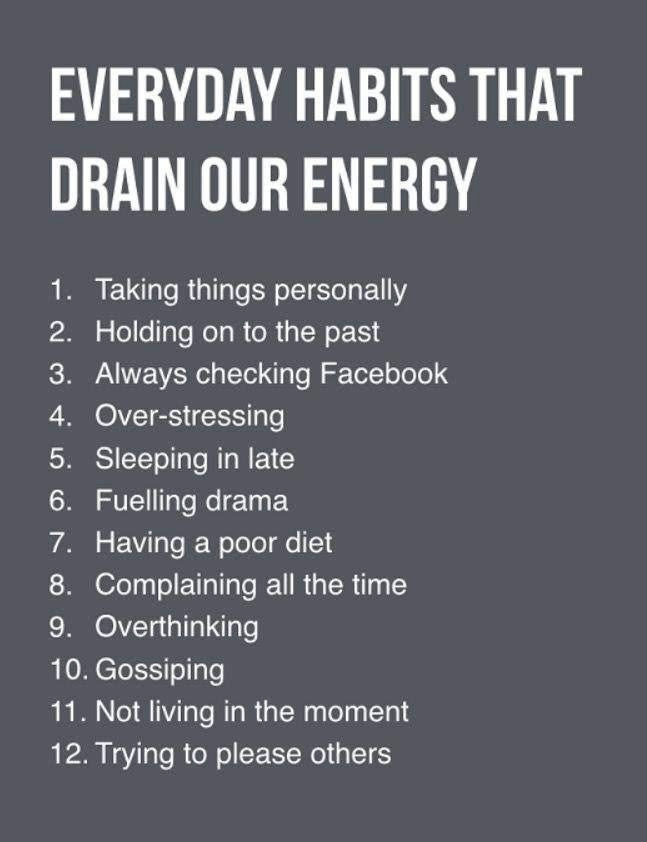
Psych2Go – 8 Daily Habits that Drain Your Energy

These daily habits can cause you to feel stressed, anxious, and exhausted:

  1. looking on the negative side of life/being a pessimist
  2. overthinking
  3. living in the past and taking your focus off of the present moment
  4. associating with negative people and drama
  5. using social media to bring you down and fall into the comparison trap
  6. having a poor diet
  7. not exercising regularly
  8. having an unhealthy or irregular sleep schedule
When a box of girl scout cookies is sold for $5.00, $1.50 goes to the bakery that made it and $3.50 stays local and is split between the regional troop and the troop you bought it from.

The career record is $180,000 boxes sold, resulting in a college scholarship. Girl scouts can increase sales by setting up a booth at a populated place, such as a supermarket parking lot. This results in more sales than going door-to-door.

In 2014, Girl Scouts started accepting credit cards using mobile card readers and began selling cookies online.

The pandemic resulted in fewer girls enrolling in Girl Scouts, supply chain issues, and labor shortages that made it harder for bakeries to produce cookies. The Scouts started using DoorDash to deliver cookies same-day!

DoorDash Partners with Girl Scouts of the USA to Offer Exclusive On-Demand Delivery as Girl Scout Cookie Season Kicks Off

Business lessons:

  • Each season, each scout commits to selling a specific # of boxes, and she gets to decide how many. The troop pays for the boxes upfront and the scout repays the troop with the money from the sales. If you have excess boxes because you didn’t sell as much as you committed to, you usually have to pay the troop, but sometimes you can swap flavors with cookie hubs.
  • The harsh realities of cookie season (competition, finance risk, supply chain issues, technological disruption) are a part of the commerce business. This presents a great opportunity to build business skills.
How I Built This with Guy Raz- Mark Cuban Cost Plus Drug Company

**I have not used Cost Plus Drug Company myself. I combined information from this June 2022 episode and this updated article:

https://www.forbes.com/sites/joshuacohen/2023/01/01/mark-cubans-cost-plus-drug-company-continues-to-revolutionize-generic-drug-pricing/

Mark Cuban got involved through a cold e-mail from a radiologist who was working on a compounding pharmacy that could sell pharmaceuticals for less. They spent four years working with manufacturers and regulatory agencies, and Mark subscribed to and read every report and article he could get his hands on regarding healthcare and pricing before starting costplusdrugs.com in January 2022.

In the standard U.S. market, the prices of pharmaceuticals are set by considering Medicare as a percentage of the retail price, insurance companies, rebates, paying pharmacy benefit managers, etc. Cost Plus Drugs (costplusdrugs.com) is transparent in pricing: 15% market from their cost + $3 for handling + $5 for shipping. They are able to keep costs low by eliminating all of the others involved in the standard insurance process, and they use True Pill as a pharmacy/fulfillment center.

Costplusdrugs.com offers over 800 generic drugs. The company/website is especially beneficial for those who are uninsured or those who have insurance but are in the high deductible phase. For many generic drugs, the co-payment can be higher than the actual price of the drug.

The challenge in getting this company to scale more has been getting manufacturers to sell to Cost Plus because they are afraid of the response they will get from insurance companies who also work with them. Cost Plus generally does not want to work with insurance companies because they want to be the low-cost provider of every drug they sell.

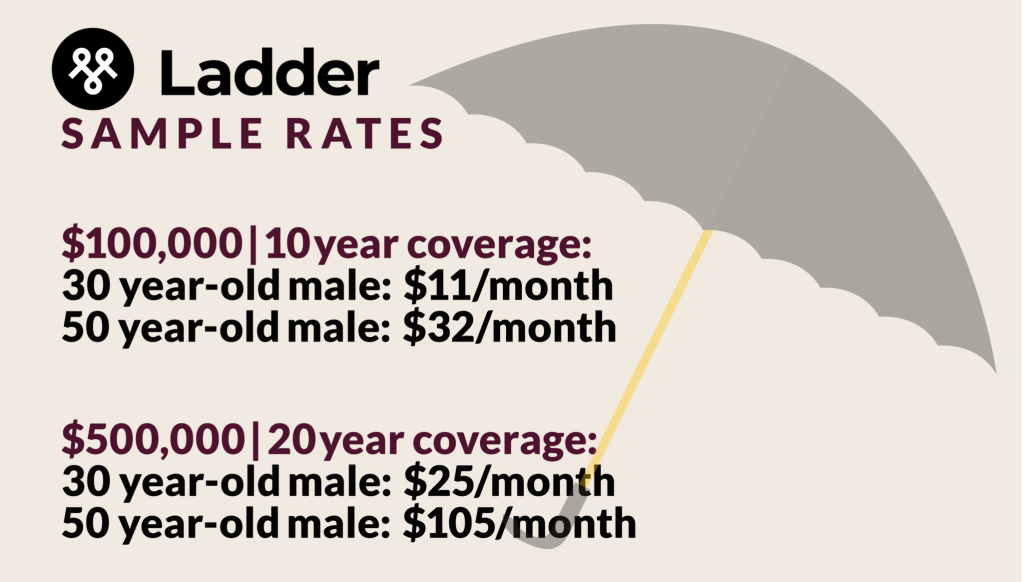
Financial Feminist- Life Insurance 101 with Ladder

Lessons learned about life insurance:

  • Index universal life insurance is a scam.
  • Life insurance is a selfless product. You are paying for something YOU will never benefit from.
  • The younger you are, the cheaper life insurance will be.
  • A good rule of thumb is to have 10x your salary to cover all of your liabilities. Most people are only covered for their salary.
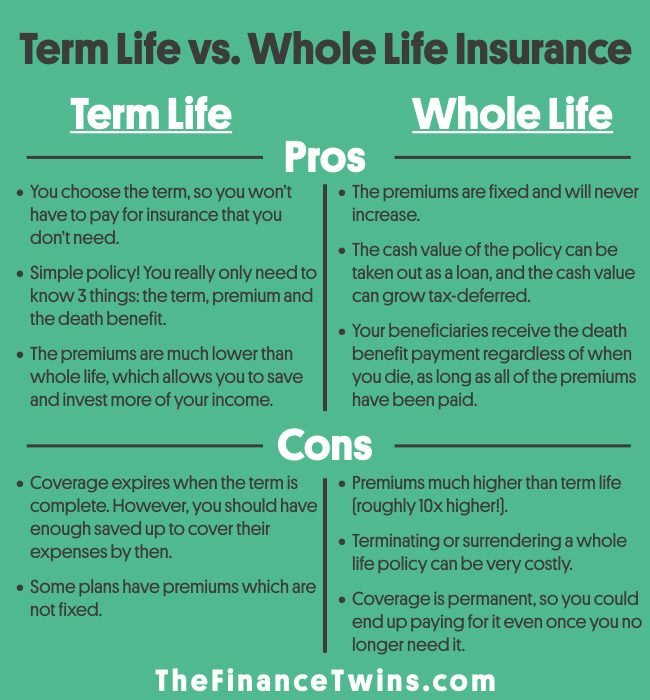
  • Term life insurance (offered through many companies such as Ladder) is the most cost-effective because you are only covered for a certain amount of time. You can invest the difference you would save buying term life instead of whole life insurance. Whole life insurance is permanent and is 4-10x more expensive.
  • Life insurance should be used for insurance, not an investment. Investing should be used for investing!
  • When looking for life insurance coverage, look for good pricing, reviews, financial ratings, transparency, and what’s being added on as riders.
  • If you are a stay-at-home mom, you should still have life insurance because your partner will need $ to cover childcare in the event you pass away. If you take care of your parents, you need life insurance to cover expenses for care providers for them in the event you pass away. If you have any liabilities, you should have life insurance.
  • If you don’t have financial liabilities (mortgage, auto loans, etc.), debts, or kids, life insurance is not necessary.
Self Care IRL- 8 Bedtime Rituals for your Mind & Body

The things you do right before bed can determine whether you toss and turn for hours or get a good night’s sleep.

Before bed, list priority items to handle the next day.

When you think of things you need to do during the day, think about whether you will do them today, tomorrow, or another day and schedule them. Then when you’re in bed you won’t have a racing mind of everything you need to do.

  1. Turn down the lights. Exposure to light causes your body to produce hormones that increase alertness. Don’t watch tv/use your computer/use your phone starting one hour before bedtime. Charge your phone in another room and use an actual alarm clock to wake you up.
  2. Slow down. By 8 p.m., your body should be in wind-down mode. Ditch the late-night workouts and active activities. Devote your evening to gentler activities.
  3. If you MUST, have a light snack or a treat. It doesn’t need to be something sweet. It can be something healthy but enjoyable to you—protein, a healthy carb, or chamomile tea
  4. Apply a fragrance. Lavender is an age-old remedy for insomnia. You can use lavender oil/vanilla pillow sprays, a diffuser, or a cotton ball with lavender in your pillowcase.
  5. Warm up. Raising your body temperature induces drowsiness. Take a hot bubble bath or slip under a heavy weighted blanket. A warm non-caffeinated beverage also works. Warm your body but keep your room cool.
  6. Treat your aches and pains earlier in the day to prepare yourself for sleep.
  7. Suspend all of your daily concerns. What if you get to bed on time but you lie awake worrying about credit card bills, tomorrow’s meeting, whether you watered your plants, called someone back, etc.> Let the day go and resolve to let go of distractions. You will sleep better if you can do this. If you are focusing on your breathing, your brain cannot simultaneously work overtime to worry.
  8. Meditate or pray.

Good quality sleep protects your mental and physical health. Rely on bedtime rituals that will help you doze off faster and stay asleep all night long.

Radio Headspace- Life Without Practice

We can have such tunnel vision of wanting to be better that we can lose sight of where we started. Stop, pause, and reflect on how far you’ve come and the progress you’ve made. TWe tend to forget about what our life was like before we achieved x, y, and z.

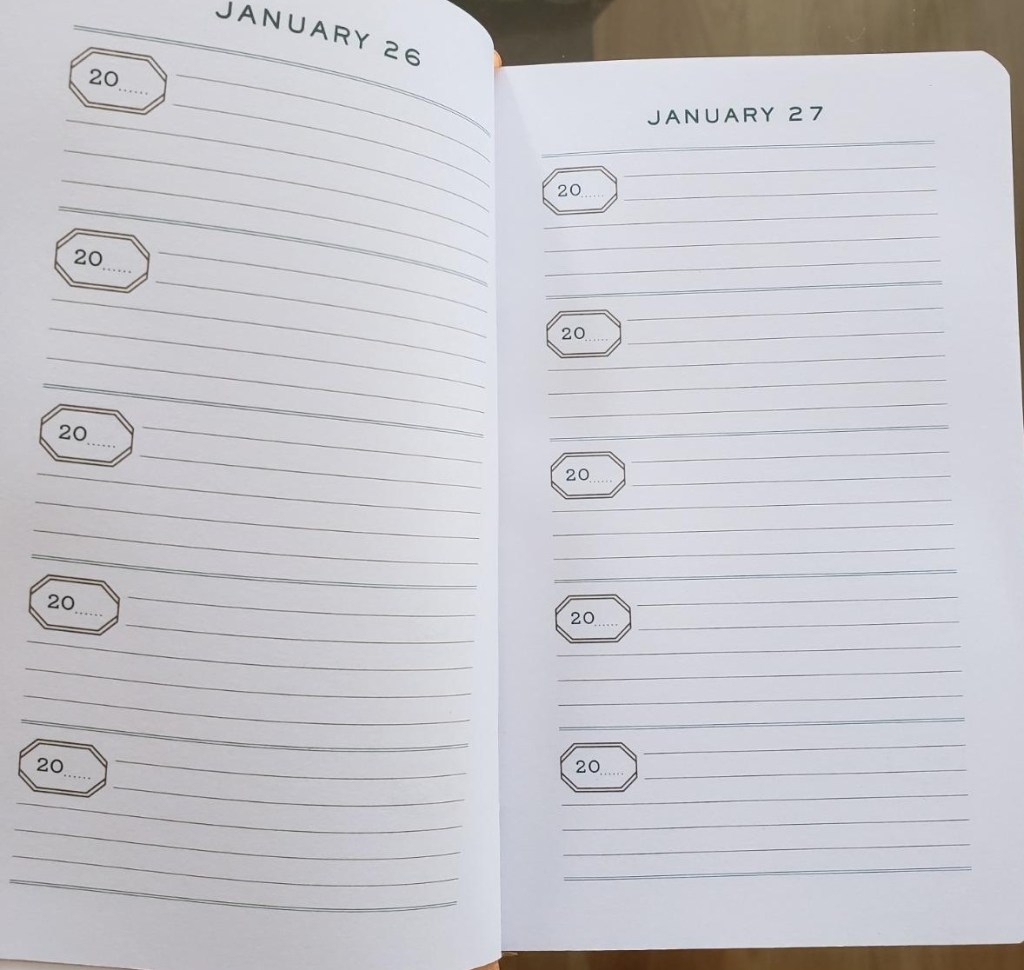
Document everything. Keep a notebook to record your emotions and thoughts. This will serve as a reference for how far you’ve come. I have been keeping a One Line A Day journal for over three years. It is a five-year dated journal in which you can look back on what you wrote that particular day for up to five years. Each night, I write something about my day–something that brought joy to my day, something I struggled with, something I did that day, etc. It has been interesting looking back at some things I wrote years ago and comparing those entries to where I’m at now.
Remember that you are a human before anything else and all moments of your life are worthy of being celebrated.

Sometimes when I am reading a book and come across an unfamiliar word, I Google it right then and there. One word I came across this week was bespectacled:

be·spec·ta·cled

[bəˈspektəkəld]

ADJECTIVE

  1. (of a person) wearing eyeglasses:

Ex: Mr. Merrick was a slim, quiet, bespectacled man.

I found this interesting because I have never heard anyone use that word!

I look forward to reading, learning, and sharing more with you soon!
Thoughtful Thursday posts, Uncategorized

Thoughtful Thursday- March 30, 2023

My intention is to post a Thoughtful Thursday column each week and share some of the insights I have learned in the past week. Here are some of the things I’ve learned this week:

I was out with a friend who is on a bowling league. She explained that the next league is going to be more difficult. “More difficult? As in the competitors are more skilled,” I asked. She replied, “no, the oil patterns are different.” I was so confused about what I heard that I had to ask her if I heard correctly! It turns out, aside from the arm swing, how the ball is released, and the bowling ball material, the oil pattern also plays a major role in how well you perform.

Bowling oil patterns are covered in depth here:

In short, “the longer the pattern, the less your ball can hook.”

If you notice you aren’t performing well:

“If you throw your shot and realized that your ball isn’t hitting the target you intended due to the oil on the lane, you have two options:

  1. You can adjust your stance and just move your feet to the left or right by the number of boards that you missed and target the same spot. And hope that your adjustment should help and correct the error.
  2. You can completely change your style to match the lane conditions.

For example, if the lane is wet (has a lot of oil), you can bowl a straighter shot into the middle making the ball have only a small range of hook.
Or, if the lane is dry (has little oil), you can give it more speed or target more to the outside making the ball properly hook back to the pocket.

Here are some oil patterns:

Chasing Life- Will Banning TikTok Help Kids?

This podcast focused more on the concerns about TikTok, not all of which are related to kids. Some people have complained that TikTok should be taken down because it is harming kids mentally and emotionally. The Communications Decency Act (Section 230) protects website creators/app creators by not holding them legally responsible for the speech others put online. It also ensures TikTok can’t be sued for deciding to moderate content in the ways that they see fit. This is the same defense BackPage had, as they were not held accountable for the pimping that went on while using BackPage; they were only held accountable for the resulting money-laundering offenses.

TikTok was the most downloaded app in the entire world in 2022!

TikTok was created by a Chinese company, and many people are concerned about the threat to cybersecurity. The company is working with the U.S. government and working on voluntarily moving data it has on U.S. consumers from servers it controls in Virginia and Singapore to third-party servers controlled by Oracle, a U.S. company. They are working to ensure that no U.S. data is exposed to the Chinese government. Of note, there is currently no evidence that the Chinese government has been accessing our data, but there are concerns about influencing us for political purposes.

There is no national federal privacy standard. The U.K. and E.U. have more of an expectation that the government will impose rules ahead of time. In the U.S., corporation accountability tends to happen only after things go wrong.

There’s a lot we don’t know. We don’t know if lawmakers can come together and revise section 230 of the Communications Decency Act. We don’t know if social media companies will make meaningful changes. We don’t know the totality of how social media and screens impact our health.

I recently had a conversation with a friend about TikTok and whether it should be monitored. On one hand, people have the right to free speech. On the other hand, if content is moderated, how can we ensure that all of it is appropriately moderated before it is too late? Should all content go through a review process, requiring several TikTok employees to review it, before it is allowed to be published? If so, how would that impact the number of users and the type of content users see?

NerdWallet’s Smart Money Podcast- Is Banking Stable, and Traditional vs. Online Banks

You may have heard about the Silicon Valley Bank shutdown. Several start-ups used Silicon Valley Bank and pulled their money out at once. SVB had invested some of their money in assets that lost value and then sold the assets at a loss to get depositors their money. As start-ups, many had over $250,000 in deposits and were not fully insured. Signature Bank has faced similar difficulties.

**The FDIC insures $250,000 in full.** Your money will be returned to you no matter what happens to your bank. You have up to $250,000 protected at EACH bank. Ensure your bank is FDIC-insured or your credit union is insured through the National Credit Union Administration.

If you’re concerned that your bank might go out of business, you can spread out your accounts at multiple banks, you can get a credit card to cover your expenses while your bank situation is sorted out, you can call 211 for assistance programs, and you can request an extension on your mortgage or utilities if needed.

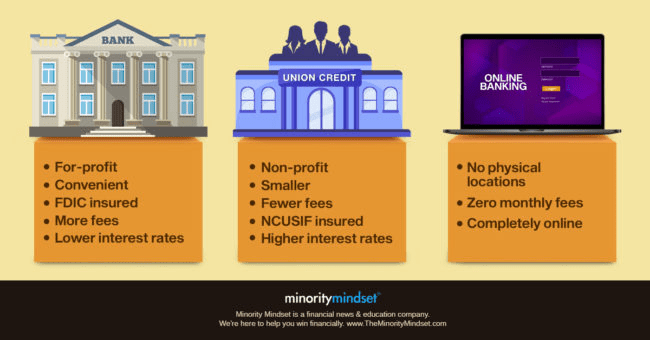
Traditional banks vs. online banks

Traditional banks:

  • You can go to a branch to open an account, deposit, withdraw, etc.
  • You can receive person-to-person service.
  • You can deposit cash, do wire transfers, etc.
  • It is easy to transfer funds from an online account to a traditional account.

Online banks:

  • You don’t usually have access to a branch.
  • You don’t receive person-to-person service.
  • They don’t usually have the costs of having buildings, so the rates are often better.
  • Many offer high-yield savings accounts.
  • You can only get money out through ATMs or by doing an electronic transfer to a traditional bank.

It’s best for most people to have a hybrid approach by having a traditional account for checking and possibly savings and having an online high-yield savings account.

As an illustration, many banks offer savings rates of less than 1%. The credit union I use offers variable rates for savings accounts starting at 0.1%, and my rate is 0.65%. I recently read about CIT bank, an online bank, that offers savings rates up to 4.40%–over 6 times my current rate! Imagine how much your savings could increase with an online high-yield savings account!

Healthier Together- What Everyone Gets Wrong About Self-Care & Burnout

Something that describes a healthy relationship of taking care of yourself is that you’re clear on what your priorities are and you understand what activities/relationships feed you and bring you energy. When somebody comes to you with a request, you’re able to be relatively decisive in your decision-making. You are able to operate in your life from a sense of agency and self-sufficiency.

Women are sold a contradictory set of expectations: be a mom but also a rockstar CEO, leading them to think “I need to do more.”

What does “having it/having it all” actually mean? It isn’t about checking things off the list: social life, mom, career, etc. Think about the things that actually fill you up and are impactful for you and how to build those things into your life. Don’t get lost in getting preoccupied with what everyone else/society thinks.

4 principles of self-care:

  • Getting clear on boundaries and dealing with guilt
  • Developing self-compassion in the way you talk to yourself
  • Identifying your values and getting closer to yourself
  • Recognize that this whole process is about power, and by reclaiming self-care, you are getting your power back.

If you aren’t making time for the things you value, getting a mani-pedi or massage isn’t going to help you recover from burnout. That’s checking a tool off of the list, but you haven’t done the deeper work of getting clear on what your values are and what pieces of your life and schedule are actually deeply nourishing for you.

Asking for help- start asking even before you NEED it. Asking for help does not decrease your self-worth.

Martyr mode- phenomenon where you’re taking care of everyone else and you are so resentful because nobody is paying attention to you, helping you, looking out for you, yet you are bending over backwards for others

“I’m so stressed” is often worn as a badge of honor. It means your time is valued and people desire your time and you have so much to do. The empty space can be anxiety-provoking. Yet, being stressed breeds resentment because you want to be seen and upheld as the person who saves the day, even if people didn’t ask for your help or want it.

Your goal should be to find a balance between selfish and selfless.

Reflect on “what is enough? How will I know when I’ve done enough? How will I feel when I feel like “enough?” You might realize that what you’re doing is already enough.

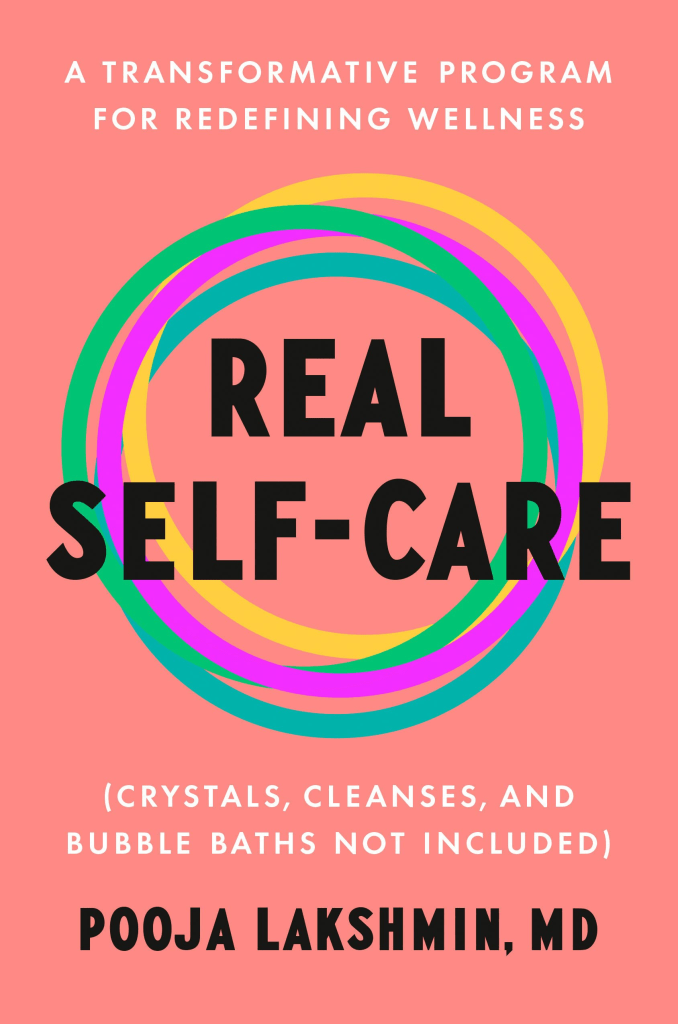
The podcast noted that these points are expanded upon in the new book: Real Self-Care: A Transformative Program for Redefining Wellness (Crystals, Cleanses, and Bubble Baths Not Included) written by Pooja Lakshmin, MD.

I look forward to reading, learning, and sharing more with you soon!

Thoughtful Thursday posts, Uncategorized

Thoughtful Thursday- March 23, 2023

My intention is to post a Thoughtful Thursday column each week and share some of the insights I have learned in the past week. Here are some of the things I’ve learned this week:

On Purpose with Jay Shetty- 4 Relationship Struggles We Go Through

This episode covered four typical relationship struggles and how to overcome them.:

  • Technoference – when your partner is not fully paying attention due to being distracted by tv/phone/computer.
    • How to fix it: Set a rule that when you want your partner’s undivided attention, you communicate that. Ask when they are available for undivided attention. That way you won’t be upset or frustrated if your partner isn’t fully present with you and your conversation. Show you are listening to your partner by mirroring and repeating the last few words that your partner says.
    • One suggestion: Put your phone away during meals and communicate that expectation.
  • Bringing work stress home. This is especially hard when working from home due to having no transitional time to decompress and disconnect through a transitional commute.
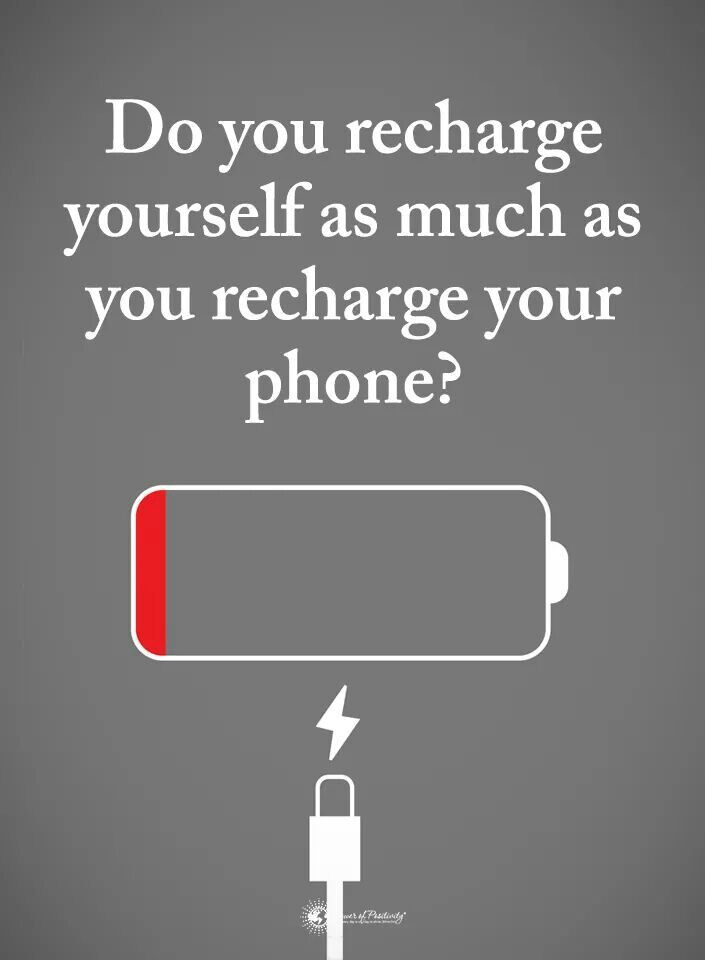
    • How to fix it: Take a moment to breathe and decompress after work. Figure out your individual and collective recharging exercises.

My recharging exercises: working out, music, reading, podcasts, hanging out with friends

His: tv, Tiktok, podcasts

Ours: talking to each other, tv

  • Finances– even if you have separate accounts, it is important to talk about your desires, dreams, and concerns and be on the same page.
    • How to fix finance issues: invest in your relationship! Make sure you are doing things that are benefiting you as a couple.
    • How much $ is spent on a wedding vs. a marriage?
  • Chores– resenting partner when you feel like you are picking up the slack
    • How to fix it: Set expectations about who’s doing what and when. It’s unfair to always expect your partner to pick up your slack. Review and reset expectations as needed.
NerdWallet’s Smart Money Podcast – This or That: Travel Credit Card or Cash-Back Credit Card

Travel credit cards often come with several benefits, and cards that charge a higher annual fee offer better benefits. Benefits often include no foreign transaction fees, airline benefits such as free checked bags/lounge access/TSA pre-check, rental car insurance, travel insurance, and hotel vouchers or benefits.

  • Things to Consider:
    • Travel credit cards typically don’t have a set % back. You get points instead.
    • It takes TIME to calculate whether travel credit card annual fees are worth it for you, especially if you don’t travel often and won’t use all of the perks!

Cash-back cards often offer no annual fee and a set cash back amount to use as you please. You don’t have to calculate if it’s worth it for you, especially if there is no annual fee.

**It’s not truly this OR that. You can have both a travel credit card and a cash-back card or multiple cards of each if that’s best for you!

Self Improvement Daily- Waking up is the first thing to be grateful for

I’ve never really thought about life as presented in the episode. “Waking up is the first thing to be grateful for” was emphasized in two ways:

  • There are people who are going to sleep tonight who won’t be waking up tomorrow.
  • There are people waking up this morning for the last time and they have no idea.

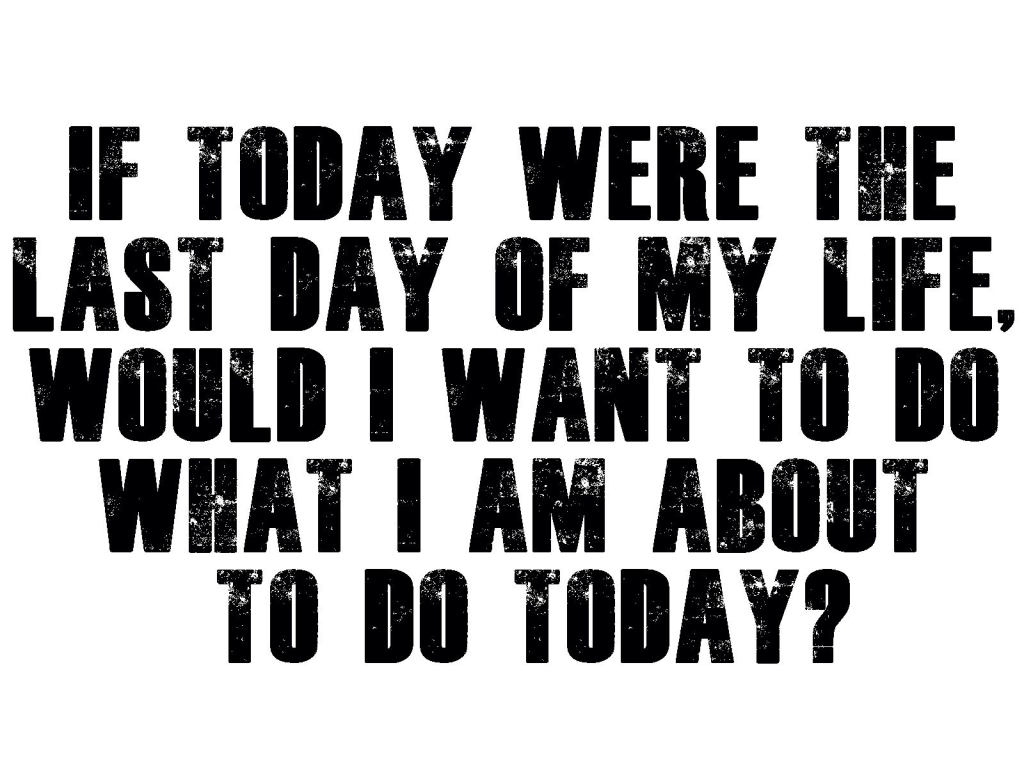
Imagine if you knew today was going to be the last day of your life. Would you treat your day much differently?

One of the most fascinating things I learned this week is that counterfeit coupons are a nationwide problem and there is a Coupon Information Corporation that investigates counterfeit coupons! I recently watched an episode of “The Con” that highlighted “Coupon Con” Lori Ann Talens. This was the largest coupon scam in U.S. History.

Lori took to couponing while on bed rest, and, using her graphic design skills, she created realistic counterfeit coupons to score free meals, household supplies, and money. She used social media sites and apps to sell counterfeit coupons from April 2017-May 2020 and made about $400,000, and an investigation revealed her computer contained over 13,000 barcodes she created for products she designed coupons for! Counterfeit coupons were also found all over her house and valued at over $1 million. The businesses victimized suffered over $31 million in losses, and Lori and her husband were sentenced to prison.

This week I read that houses are generally a terrible investment for all but real estate brokers, the government, insurance companies, and banks. In the first nine years of a standard thirty-year mortgage, around 50 percent of your total payment goes toward interest, while the rest goes toward paying down the principal. In order to figure out whether it makes sense to buy or rent, we need to consider the interest, add the extra costs of owning a house (property tax, maintenance, homeowner’s insurance, utilities you wouldn’t be responsible for in an apartment, etc.). This is where the Rule of 150 comes from. Multiply your monthly mortgage payment by 150 percent and that is how much your house will actually cost per month, once all expenses are factored in.

In 2022, which was our first year of owning our house, we paid over $11,000 in mortgage interest and over $3,500 in property taxes. We also paid PMI, homeowner’s insurance, and some utilities I was not used to paying for while I lived in an apartment. Not considering homeowner’s insurance, PMI, and utilities, we paid over $14,500 in just mortgage interest and property taxes that we have nothing to show for!!

Homeownership is not cheap and it is not for everyone. I love living together and having designated spaces to work, sleep, cook, relax, and work out, and I love the location. However, this past year, all things considered, it was not a good financial investment last year.

I look forward to reading, learning, and sharing more with you soon!

Thoughtful Thursday posts, Uncategorized

Thoughtful Thursday- March 16, 2023

My intention is to post a Thoughtful Thursday column each week and share some of the insights I have learned in the past week. Here are some of the things I’ve learned this week:

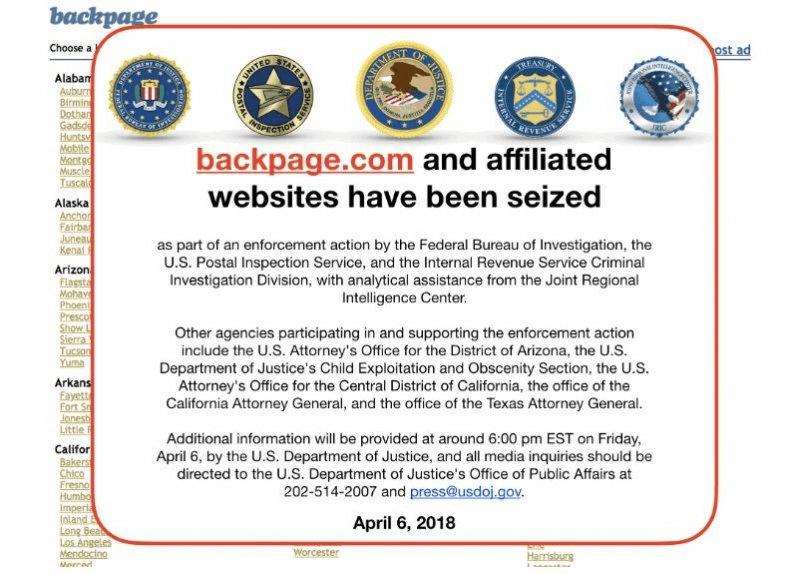
One book I read this past week was “Taking Down Backpage: Fighting the World’s Largest Sex Trafficker” written by Maggy Krell, a legal trailblazer who has taken on high-profile criminal and civil cases. One of the most important things I learned from this book is that The Communications Decency Act shields internet providers from facing suit over the content by those posted on their sites, but does not provide immunity if a provider engages in their own criminal acts. Despite its reputation, sadly Backpage could not be charged for pimping, but bank fraud and money laundering charges held, $200 million in assets were seized, and BackPage was shut down. Visitors to the page have been greeted by this message:

How to Be a Better Human- Why Kim Scott thinks you need to ask for feedback

One thought-provoking podcast I listened to this week was about soliciting feedback. Nearly all of us have experienced times when someone went off on us for something we had been doing for a while that people didn’t like but didn’t correct until they couldn’t take it anymore. We think “why didn’t you tell me?” One of the solutions to this is to solicit feedback regularly. There are four steps:

  • Think about the words you’re going to use to ask for feedback, and make sure the question can’t be answered with a “yes” or “no.” Don’t ask “Do you have any feedback for me?” Consider asking “What could I do or stop doing that would make it easier to work with me?” Some of my other favorites include “What could I do to be more successful in this role?” “What concerns do you have at the moment?”
  • Embrace the discomfort. No matter how good your question is, the other person may feel uncomfortable for a moment.
  • Listen with the intent to understand, not to respond. Ask follow up questions.
  • Reward the candor. Use the recommendations given. Continue asking for feedback after corrections have been made. Be open to changes.
Optimal Relationships Daily- How to Spend Money Wisely
  1. Make a list of what you value. The best way to spend money wisely is to align your spending with your values. Ask yourself: “Am I spending my money on things I value?”
  2. Make a list of things you really enjoy. Avoid spending too much money on things that aren’t at the top of your “joy” list.
  3. Make a list of places, things, or people that cause you to make poor spending choices. If you can identify these weak points, then you can begin to live your life in a way that helps to avoid some of these spending hot spots.
  4. Review your regular spending for things to eliminate. List your required spending for the month, such as rent or mortgage, insurance, debt payments, utilities, services, etc. Is there anything on that list that you don’t need or want?
  5. Review your regular spending to identify things to reduce. Can you call the providers to ask for a better rate?
  6. Create a budget.
  7. Start writing down each purchase you make.
  8. Switch to only cash if you have a problem with credit card spending.
  9. Implement a “sleep on it” rule. For any purchase over X amount, wait one night/a week/thirty days, etc. to evaluate the potential purchase against your values and your budget.
  10. Put future spending on a calendar. It allows you to prepare by saving for the spending requirement and allows you time to shop around for the best price.

When I graduated from college, I was determined to work hard, live frugally, and pay off my student loans early. In addition to working three low-paying jobs, I kept a categorized and color-coded Excel spreadsheet of all of my income and spending. I then evaluated my spending each month and worked on cutting back some expenses. It worked well for me! This month, I started tracking my spending again and am making an additional category: recurring, variable, and impulse purchases. I look forward to evaluating each month to get a better idea of my expenses and values.

The School of Greatness- 3 Daily Habits to Improve Your Life w/ James Clear

James Clear is the author of “Atomic Habits,” which has sold over 5 million copies. He recommends 3 daily habits to improve your life:

  1. Learn something new by reading or listening to podcasts.
  2. Physical activity
  3. Reflection and review of your day

The more your habits align with an expectation of a group or tribe, the easier they are to stick to. Join groups where your desired behavior is the normal behavior. One example listed was drinking habits. If you want to stay sober, make sure you spend time with people who are sober and don’t pressure you to drink.

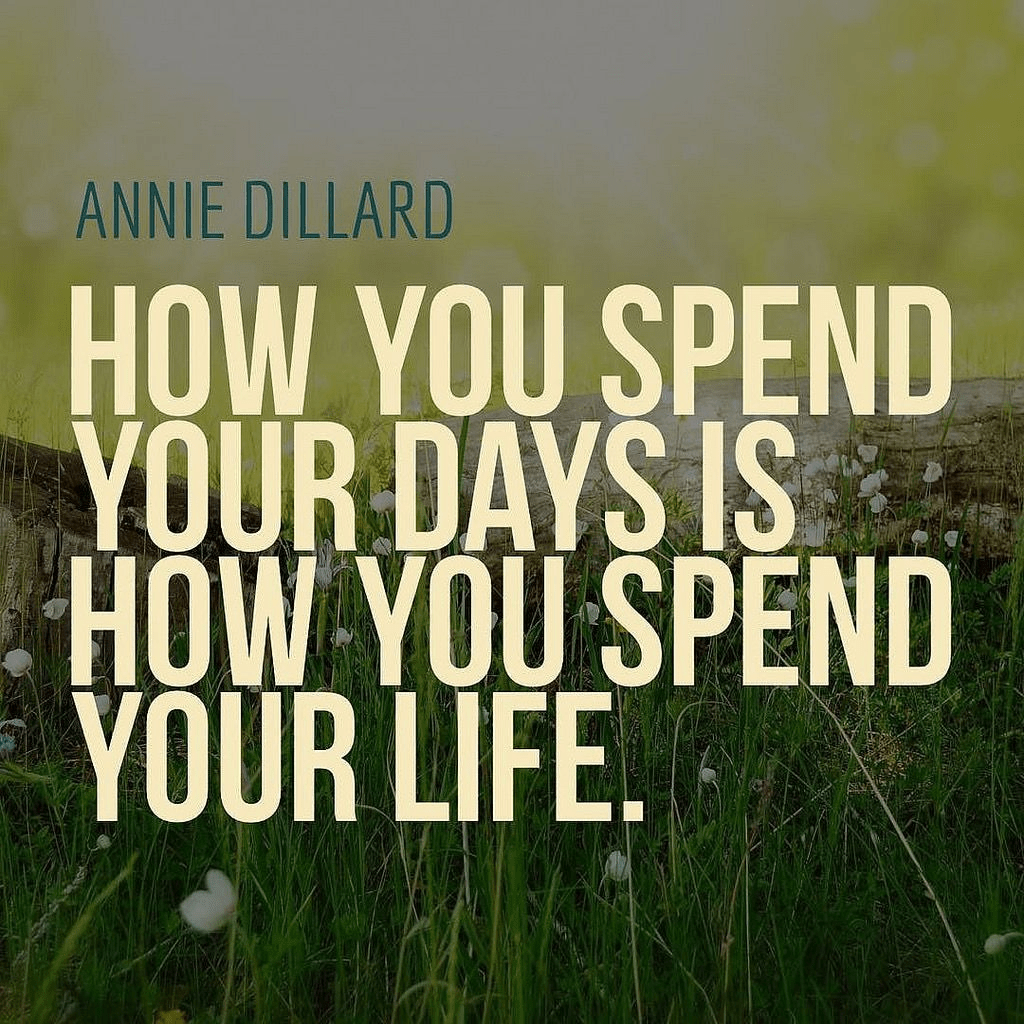
The way you spend your days is the way you spend your life. The bad days are more important than the good days. They test you and your values, and you need to find a way to show up.

Food, We Need To Talk- Cardio, Lifting…or BOTH?

People who diet or want to lose weight tend to decrease calories and increase movement/cardio.

To lose weight, you need to burn more calories than you eat. Cardio is an easy way to burn calories, but you need to increase muscle mass to increase your metabolism. You need to do a mix of strength training and cardio. Cardio alone is one of the worst weight loss tools.

Over half of our daily metabolism comes from our basal metabolic rate. One of the biggest determinants of BMR is muscle mass. Muscle requires more calories to maintain. As you lose weight, your BMR is going down. Try to counteract that by building new muscle tissue by lifting weights.

Don’t just look at the # on the scale. Muscle mass can cause you to be in the overweight/obese category weight-wise. Focus on increasing your muscle mass. The most ideal place for new weight loss clients is for the scale not to move at all (signaling you’re gaining muscle and losing fat and building your metabolism). Maintaining muscle is easier than building it. You only need to do 1/7 of the work to maintain it.

If you do the same thing every day or week, your body will get used to it. You need to switch things up and add more weight to your exercises.

Cardio is useful in overall health and preventing diseases, but if you have to do cardio and lifting on the same days, whatever you do first is what you’re going to get best at. Prioritize according to your goals. If your goal is to change your body composition, lift weights first.

I look forward to reading, learning, and sharing more with you soon!
Thoughtful Thursday posts, Uncategorized

Thoughtful Thursday- March 9, 2023

My intention is to post a Thoughtful Thursday column each week and share some of the insights I have learned in the past week. Here are some of the things I’ve learned this week:

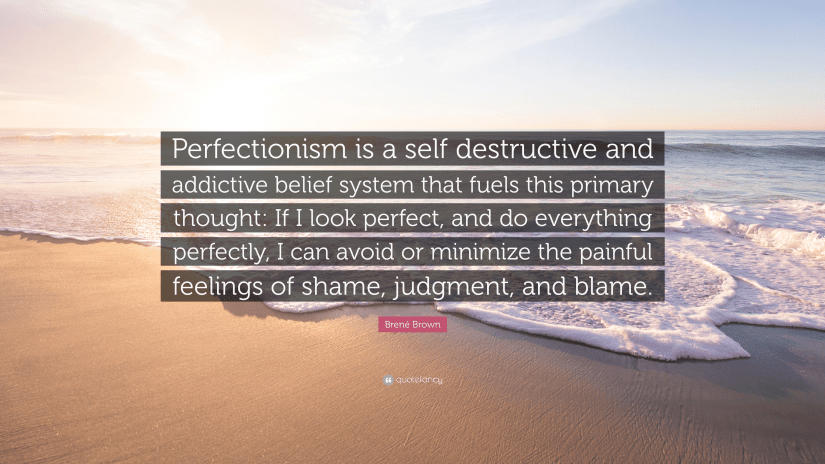
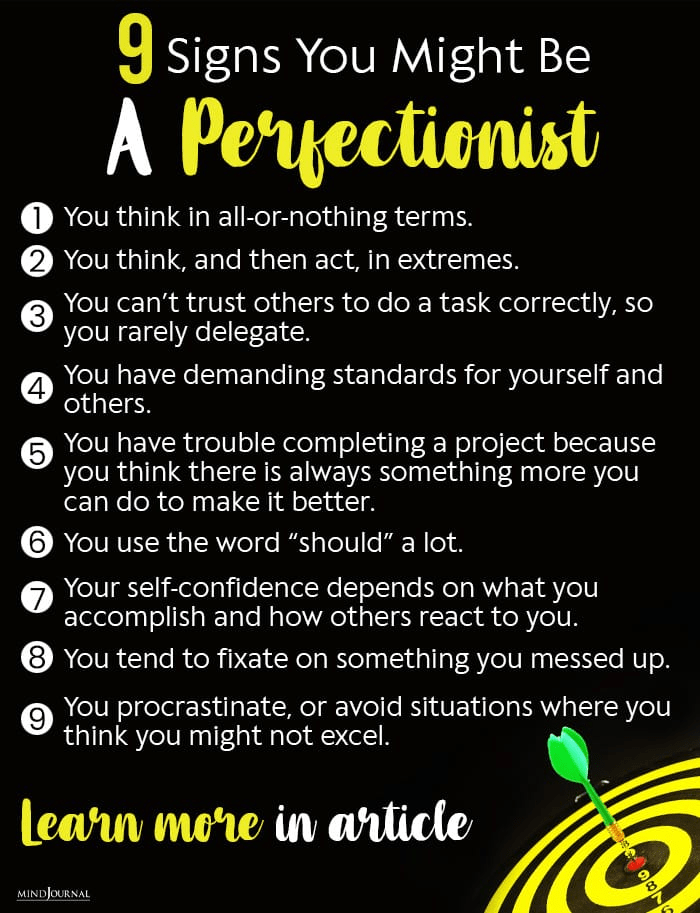
Life Kit- The five kinds of perfectionists

Five kinds of perfectionists:

  • Classic perfectionist: highly organized. They do what they say they’re going to do, when they said they were going to do it, and in the way they said they’d do it. They are highly reliable and add structure to any environment they enter. They cannot be as spontaneous and sometimes don’t welcome collaboration and connection. People working with them can end up feeling more transactional.
    • I consider myself a classic perfectionist most of the time.
  • Procrastinator: waits for conditions to be perfect before starting. They tend to ruminate. They can prepare so well and see things from a 360-degree angle and are not impulsive. They encounter challenges around getting projects off the ground because they experience anxiety around beginnings.
  • Messy: in love with beginnings. They can start anything effortlessly. When they hit the middle of the process and the tedium that is involved in staying committed to carrying out those goals, they lose interest and energy because the middle isn’t perfect and doesn’t match the perfect romanticized energy around starting.
  • Intense: razor sharp focus. They are really great at generating outcomes. Sometimes they prize the outcome so much that they lose the sense of team/relationship building in the process. They get their desired outcome at the great expense of others around them. Others’ safety depends on their outbursts.
    • Gordon Ramsay was listed as an example of an intense perfectionist, as conveyed in his television shows, such as Hell’s Kitchen.
  • Parisian: wanting perfect connection. They often practice people-pleasing at the expense of sacrificing their own sense of identity and pleasure. They are genuinely warm people who focus on inclusion, collaborate well, and enjoy working with others.

Ways to work with and reframe our types of perfectionism:

Explaining vs. expressing. When you only explain and you don’t express, it emphasizes a transactional, no-team-oriented, get-it-done attitude. It makes people feel disconnected. If you only express (messy and Parisian types), you talk a lot about how you feel but you aren’t asserting your wants and needs. You need to explain and help others understand you better.

Control vs. power. They look very similar, but they are very different. Control is about manipulating and planning one step at a time. This leaves you frantic, and your desperate energy and anxiety can be felt by others around you.

Power is about influencing and being a visionary. You accept that, no matter what happens with the outcome, you know what’s important to you and trust yourself to understand what to do next.

You can’t think yourself through your life. You have to be open and surrender. You don’t know what’s coming next. You can’t be in surrender and in control at the same time.

Questions to ask yourself:

  • Are you hurting or helping the people around you in pursuit of your ideals?
  • Does this action serve to connect or distance you from your values?
  • Are you pursuing this ideal for the right reasons, or are you seeking some kind of arbitrary external validation?
SHE with Jordan Lee Dooley- Asking for Help as a Perfectionist

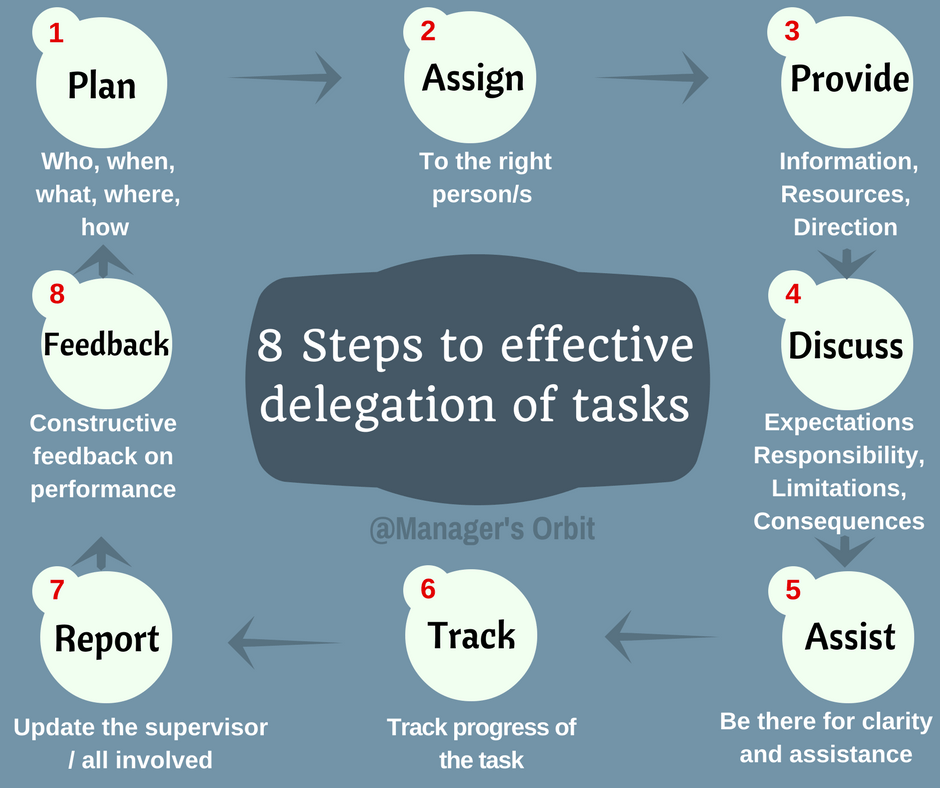
Perfectionists tend to want control of everything in their lives. When it comes to work, as the work piles on, they may become overwhelmed because they feel that they can’t delegate or trust others to complete tasks to their expectations. Here are some tips:

  1. Set up standard operating procedures. Make it easier to delegate. Test the process yourself according to your instructions before you delegate! It can be so easy to think that others will do it your way, but they won’t without detailed instructions!
  2. Start really small with one small task at a time. Delegating and giving up control doesn’t come naturally to most of us, and giving up too much control causes us to feel overwhelmed and micromanage. Delegate little bits at a time!
  3. Communicate your expectations and dissatisfactions clearly and kindly. Encourage people to ask you questions! If a question is repeated, remind them that you’ve been through this before, and challenge them to look at examples and convey that you trust them. People can’t read your mind. You have to tell them and show them what you want by example, by screensharing, etc. You have to tell them what you don’t like and correct them so it doesn’t drive you crazy for an eternity!
  4. The sky is not falling when they drop the ball. Expect them to drop the ball. Something is bound to slip from your control. Give them the room to succeed and make mistakes to help them develop as well. No one will be perfect. Mistakes are inevitable.
Optimal Finance Daily- Life Insurance Beneficiary by Jeff Rose

The biggest lesson I learned in this podcast is to have contingencies! So many people list their spouse’s name as a beneficiary with no contingencies. If a beneficiary dies, the benefits will go to the contingent. If you and your spouse are both killed in a car crash at the same time, without a contingency, your benefits are left in limbo. Several contingencies must be clearly identified.

This week I finished reading “1000+ Little Things Happy Successful People Do Differently” written by Marc Chernoff. One thing that stood out to me was an example of a tangerine.

“Imagine you had a ripe, juicy tangerine sitting on the table in front of you. You pick it up eagerly, take a bite, and begin to taste it.

You already know how a ripe, juicy tangerine should taste, and so when this one is a bit tarter than expected, you make a face, feel a sense of disappointment, and swallow it, feeling cheated out of the experience you expected.

Or perhaps the tangerine tastes completely normal— nothing special at all. So, you swallow it without even pausing to appreciate its flavor as you move on to the next unworthy bite, and the next.

In the first scenario, the tangerine let you down because it didn’t meet your expectations. In the second, it was too plain because it met your expectations to a T.”

How ironic! The tangerine can be substituted for almost anything in your life: any event, situation, relationship, person, or thought. If you approach any of these with expectations of “how it should be” or “how it has to be” in order to be good enough for you, they will almost always disappoint you in some way.

I look forward to reading, learning, and sharing more with you soon!

Thoughtful Thursday posts, Uncategorized

Thoughtful Thursday- March 2, 2023

My intention is to post a Thoughtful Thursday column each week and share some of the insights I have learned in the past week. Here are some of the things I’ve learned this week:

But Why: A Podcast for Curious Kids- Don’t swallow gum! And other things parents say

This was an interesting episode covering myths parents tell their kids. The most interesting issue addressed was that people say you must wait one hour after eating to go swimming. I have heard this throughout life, and I just learned that this is a myth! There is no harm in swimming right after eating. The worst that could happen as a result is that, if you swim vigorously right after eating a large meal, you might vomit. Most swimming is not done vigorously, so there’s no need to wait to get back in the water!

For You From Eve- Wellness Hacks and Mindset Shifts that Actually Work & Changed My Life

These wellness hacks helped the host change her life:

  • Stop distracting yourself with media. Let yourself feel your feelings and reflect.
  • Journal and write affirmations.
  • Take cold showers for breathwork/calming down. It doesn’t need to be a full cold shower; you can start with 1-2 minutes of cold water before adjusting the temperature.
  • Exercise!
  • Invest in skincare/makeup/hair.
  • Meal prep and purchase healthy foods.
  • Set limits for time spent on social media. List to podcasts instead.
  • Read self-help books.
  • Get 7-9 hours of sleep.
  • Take vitamins and supplements.
  • Meditate.

I do many of these things, and they have helped me change my life! Exercising, journaling and writing affirmations, starting a skincare routine, meal prepping and clean eating, reading self-help books, listening to podcasts, prioritizing sleep, and limiting social media have benefited me greatly.

I am currently reading “1000+ Little Things Happy Successful People Do Differently” written by Marc Chernoff. One thing that has stood out to me so far is:

Everyone gets upset and loses their temper sometimes. When you catch yourself passing judgment, add “just like me sometimes” to the end of a sentence. For example: That person is grouchy, just like me sometimes. She is being rude, just like me sometimes. Choose to let things go. Let others off the hook. Take the high road today.

Marc Chernoff
Sad to Savage- Things I Wish I Knew Sooner: Advice From Your Big Sister (Shelby Sacco)

Sad to Savage is one of my favorite podcasts and is mostly focused on habits. However, this episode contained so many things I needed to hear that are mostly unrelated to daily habits:

  • Being selfish is the most important thing you can do in your twenties. Do what’s best for you and be independent.
  • You are who you surround yourself with.
  • Growth is not linear. Life is a rollercoaster.
  • Quit the job you hate. If you need the income, spend a couple days or weeks updating your resume and applying to jobs. You spend a lot of time at work, so don’t tough it out in hopes that it will get better.
  • Find the fitness you like. If you’re miserable doing it, it’s not the correct fitness for you. You should not dread working out.
  • Cheating has nothing to do with you and has everything to do with someone else’s qualities.

If someone treats you badly due to addictions, you cannot control someone who does not want to change. You cannot make someone want a different life.

  • Do not leave your hardest tasks for the end of the day when you have less willpower. Be smart with your willpower. When you have formed daily habits, they don’t take willpower.
  • Invest in yourself and your future. You can educate yourself through reading.
  • Do not rely on motivation. The days you don’t feel like it are the days that matter most.

Not everyone is going to like you, and that’s okay. What people think of you is none of your business.

  • The red flags you choose to ignore won’t go away.
  • The words you say to yourself and about yourself make up how you see yourself, and they decide your actions, which ultimately decide your life.
  • You are never too good to apologize to someone.

No one is in charge of your happiness except for you. You need to find and do things that bring you happiness.

When having a conversation with someone, ask if they want advice or just want someone to listen. Same goes for when you are the one talking.

Your entire life can be completely different in one year if you choose to do the work.

Waking up early will give you the time you need to do the things that you currently don’t have time for.

Your habits make up your life. You have the power to choose/change/create your habits. Investing in yourself and your habits will be the best choice you will ever make.

Optimal Finance Daily- 9 Painless Ways to Trick Yourself Into Spending Less by Sarah Von Bargen
  • Unsubscribe from newsletters that tempt you.
  • Block yourself from websites where you spend too much.
  • Turn off your computer’s/phone’s autocomplete credit card option so that you have to be bothered to get up and retrieve your card every time.
  • Order online and do curbside pickup to prevent impulse purchases.
  • Eat something before you go shopping. Don’t go shopping while hungry.
  • Give yourself a three-day waiting period. If you forget all about it, you don’t need it. If you still find yourself thinking about it three days later, pull the trigger.
  • Put yourself on a cash-only budget. We are much slower to spend cash than use our credit cards, and cash is not an option when online shopping.
  • Put a reminder in your wallet. You could print a wallet-sized photo of something you’re saving for.
  • Unfollow social media accounts that tempt you to spend. Unfollow accounts that make you want to spend more to keep up, and fill your feed with those who provide value to you or who are in your tax bracket.

Personal tip: If you are concerned about unsubscribing to newsletters that tempt you, when you want to purchase something, look on milled.com and search for the company to view e-mails that have been sent to customers to look for discounts. You can also look up promo codes online for discounts.

I look forward to reading, learning, and sharing more with you soon!
Thoughtful Thursday posts, Uncategorized

Thoughtful Thursday- February 23, 2023

My intention is to post a Thoughtful Thursday column each week and share some of the insights I have learned in the past week. Here are some of the things I’ve learned this week:

Optimal Living Daily- The Myth of the Someday/Maybe Life

The myth of the someday/maybe life refers to the urge to save things for our someday/maybe lives that are never the lives we are actually living right now.

Example listed in the podcast: a tan trench coat that has never been worn, but had been kept in case the person decided to be Inspector Gadget at Halloween some year.

If you struggle to let go of items for your someday/maybe life, ask yourself:

  • Would I buy it again today?
  • Have I used this in the last year/am I really ever going to use it?
  • What’s the worst thing that would happen if I let go of this? The worst-case scenario is usually not all that bad.

Tips: for clothing, turn the hangers around after wearing clothing to see what you wear, and get rid of clothes facing the original direction after six months or a year. I currently do this.

Pack things away in a box that you think you might need. If you don’t look for them after one year, the box is already packed and ready to donate!

In January, I challenged myself to give away 1 item each day in my local Buy Nothing Facebook page. I got rid of over 31 items–many items that were sitting in totes because I had thought I might use them someday! It was a great start to the year, and I may do this challenge again in the coming months.

Self Improvement Daily- Give Yourself Your Undivided Attention

People are always competing for our attention: marketers use clickbait headlines, Facebook and other apps send you notifications, friends text you and hope that you get back to them quickly, you may have work duties, and there are always other pressures on us to fulfill the many roles in our lives as a spouse, parent, family member, friend, volunteer, employee, etc.

In this podcast, Brian Ford prompts us to ask ourselves: When was the last time you gave yourself your undivided attention?

Take time to sit and reflect on what you want, how you are feeling, how energized you have been, how productive you have been, how your mental health is, what you are working towards and how it’s going, what you’re most excited about, and anything else you need to reflect on. Do this regularly. We know it’s the best thing we can do for others, but it’s also the best thing we can do for ourselves.

To achieve this, one habit I regularly practice is to disable Facebook and messenger notifications, personal e-mail notifications, and other app notifications on my phone. Silencing my phone while I am working or working on a task I want to prioritize, such as reading, is also helpful.

SHE with Jordan Lee Dooley- 6 Things I Wish I Knew Before Getting Married

This episode was SO relatable. After being somewhat long-distance for 7+ years and not living together or seeing each other on weekdays before marriage, it has been an adjustment! Here are the 6 things the host wishes she knew before getting married, and I agree with all of these:

Scheduling– know your partner’s schedule. It’s helpful to have a shared calendar to know obligations and appointments. I keep a whiteboard calendar in our bedroom and write down my work schedule, medical appointments, family plans, and social outings with friends each month.

Conversations about $– have conversations about income and budgeting. Get on the same page about financial goals and dreams. Have monthly check-ins.

Organization– Keep clutter to a minimum. Have a landing zone to put stuff when you come in the door, such as a basket. Have a location where you put mail that you need to get to instead of putting it on the table or counter. Have one space for the majority of the cleaning supplies. Use a file cabinet with organized tabs. Understand how you organize differently. Minimize your belongings.

The host specifically stated that her husband is into outdoor activities, such as golf, fishing, and hunting. She was tired of seeing all of his items all over the garage, so she got him a big bin to put all of his items into–out of sight.

We have implemented some of the organizational tips above. We have a large storage stand with cleaners and laundry supplies, labeled and organized bins for medications and personal beauty products, and a file bin with labeled file folders for items such as the mortgage, auto, taxes, medical records, home improvement, etc.

Expectations– Talk about expectations for regular household tasks, such as “If I do the cooking, who does the dishes?” Who should take charge of the household accounting? Who should pay which bills? Is the mortgage payment going to be split evenly? How do you prefer to unwind or relax, and how many hours a day do you like to do that? Identify who is responsible for household chores. This prevents resentment from the person who feels like he or she is doing it all because he or she expected everything to be done on a certain timeline.

All of these are great questions! One of the biggest adjustments for us as newlyweds has been sharing time and space. When dating for 7+ years, we spent weeknights apart. Upon moving in together, I was very surprised and frustrated to find that my husband watches hours of tv each night after work–something I had never done regularly on a weeknight. I have since learned that this is his method of relaxing and unwinding after a long day of physical labor. I sit all day, so I have other ways of unwinding, including working out and staying active, reading, etc. We have our separate time and come together at some point each day to unwind together.

Hospitality– practice hospitality by regularly hosting people. We LOVE hosting people and are hoping to host more often.

Grace– lastly, give yourself grace! Being a power couple isn’t the goal. The perfect couple doesn’t exist. What you see on social media is only a fraction.

I look forward to reading, learning, and sharing more with you soon!
Thoughtful Thursday posts, Uncategorized

Thoughtful Thursday- February 16, 2023

My intention is to post a Thoughtful Thursday column each week and share some of the insights I have learned in the past week. Here are some of the things I’ve learned this week:

Self Improvement Daily- Heck Ya or No Thank You

We tend to overcommit to things out of obligation, guilt, boredom, or an overall lack of boundaries. You can control what you commit to, and you can and should say no to protect your time, boundaries, and self-care. “You deserve to feel like you’re putting your heart into everything you do. That’s a real possibility in your life. And the only way you get there is by raising your standards.”

So the next time you’re making a decision to do something or not, ask yourself “Do I really want to do this?” If your answer is “Heck Ya” then follow the pull of it. If it’s anything else, politely say “No Thank You.”

Brian Ford
How to Be a Better Human- How to get the medical care you deserve

Doctors are often rushing from patient to patient, and many times patients feel unheard. Here are some tips to get the medical care you deserve:

Prepare for your appointment with a chronological written history of your issue/story. This helps because if you feel/look fine at your appointment, you can still get your doctor’s attention with a written chronology of information and also save the doctor time. Also, come prepared with questions. Often doctors are rushed, so having your story written down and organized helps!

  • Try to get your doctor to listen to you. Some sample statements are “I want to really explain to you how this illness has affected my life.” For a chronic health issue, state “These symptoms are different than what I had been experiencing.” Emphasize what you have tried already for treatment. Ask your doctor what diagnosis the doctor thinks this is. It also helps to have a family member or spouse with you to get the doctor’s attention.
  • Have your primary care doctor or referring provider provide the specialist with a note of your symptoms, progress, what has been tried, etc.
  • Try to get to know your provider before an urgent issue comes up to build trust.

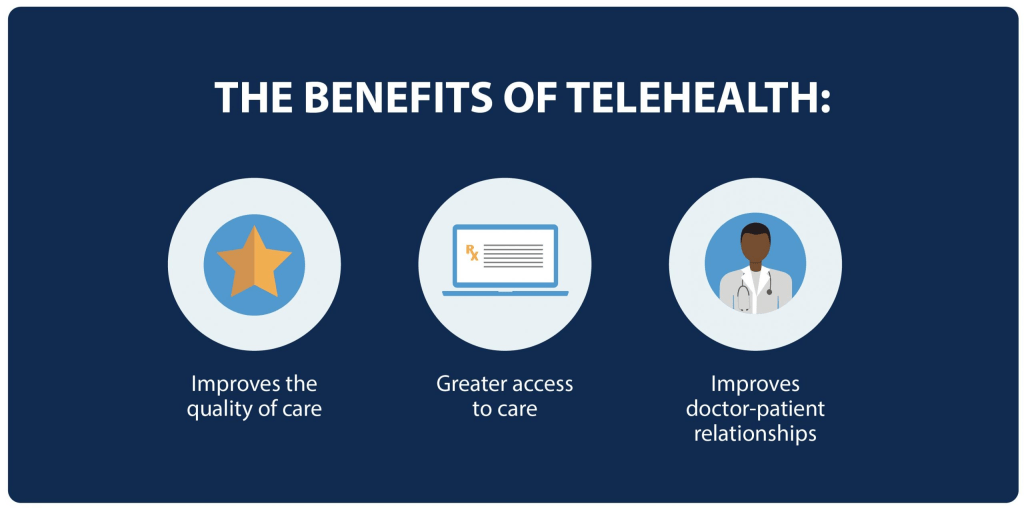
Doctors have more focus during telemedicine visits. There are fewer distractions, as they are only seeing one patient at a time, they aren’t dealing with others knocking on their door, etc. Virtual appointments present a greater opportunity to share your story.

I have learned that you really need to be your own advocate in the healthcare system. Throughout most of my life, I had various symptoms and was (mis)diagnosed with various conditions, and sometimes I was told that it’s “normal” or that it’s “in my head.” Other times, my symptoms worsened and I felt unheard because providers tried to tell me that it’s normal to have those symptoms with my diagnosis. After several doctor visits with different providers, many medications, and worsening symptoms, I decided to be my own advocate and write a chronological history of my symptoms, what medications I’ve tried, etc. and requested to be seen at the notorious Mayo Clinic in Rochester, MN. I am grateful that I was accepted for a second opinion. With my personal written chronological history and a list of questions, I finally left my appointment feeling heard and understood, and I was eventually properly diagnosed and presented with treatments and resources that had not been considered by other providers. Be your own advocate!

TED Talks Daily- The secret to making new friends as an adult

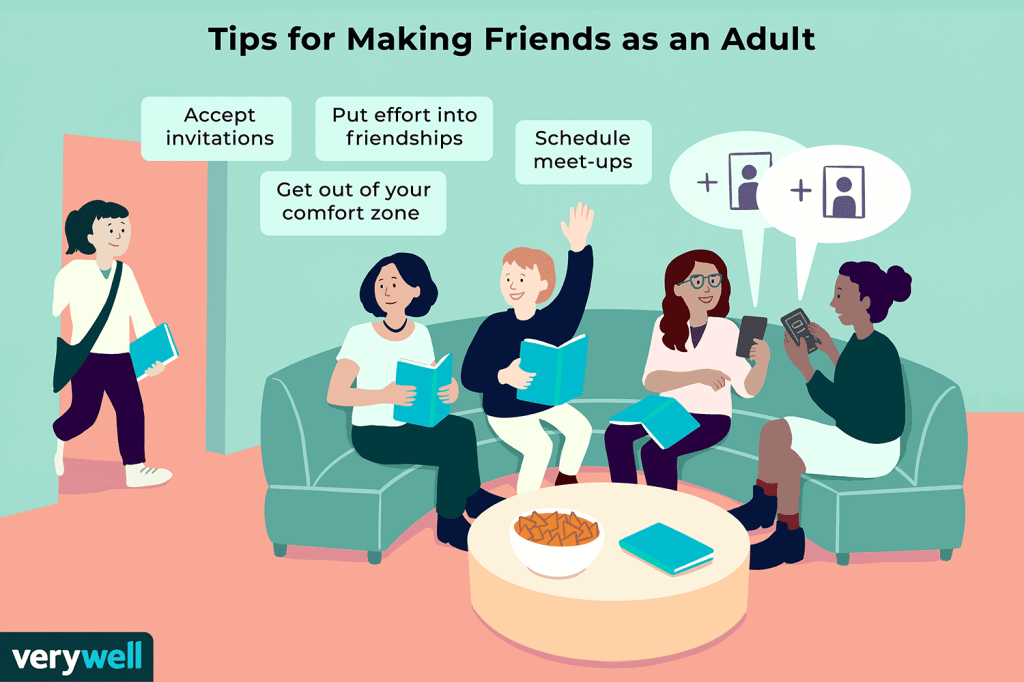
Friendship does not happen organically in adulthood. It is based on effort. In childhood, repeated unplanned interactions and shared vulnerabilities created friendship, which were easy in the school setting. These factors require more effort in adulthood.

Marisa G. Franco
  • Overcome covert avoidance, which is seeing people physically but checking out mentally. Show up and engage with people.
  • For friendship to happen, someone has to be brave and initiate conversation.
  • Having outside friendships is necessary for a healthy marriage and makes you more resilient through the difficulties of marriage.
  • Be vulnerable and assume people like you. For long-distance friendships and breaks in communication, assume people still want to connect but may be busy.
  • In-person connections tend to be stronger than virtual connections.
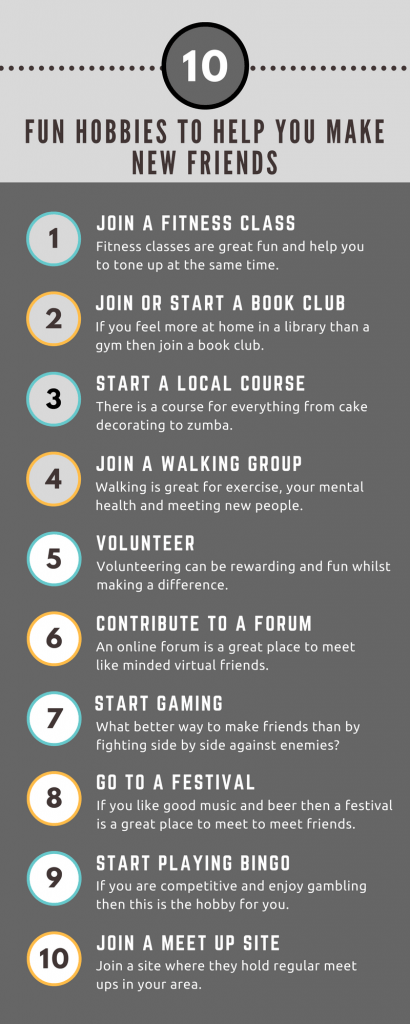
  • Find a group that meets around a hobby (hiking, meditation, book club, football, etc.). We tend to like people who are familiar to us. Ask members if they want to meet up before or after the group meets.

Our personalities are fundamentally a reflection of our experiences of connection or disconnection (coping mechanisms, friendly, open, cynical, aggressive, violent). How we have connected impacts who we are, and who we are impacts how we connect.

Marisa G. Franco
Jordan Harbinger Show- Death- Skeptical Sunday

The average funeral cost in the United States is over $11,000.

The rising cost of funerals leads to 88,000 bodies going unclaimed every year so that families won’t be on the hook for paying a bill.

funerals.org has helpful resources of your rights, ways to cut costs when planning a funeral, and funeral/burial requirements.

Some ways people cut costs:

  • Half of Americans choose to cremate to cut costs. Others proceed with immediate burial to eliminate the embalming process.
  • Shop around.
  • Purchase a casket online. Mortuaries are required to accept a casket from an outside vendor.
  • Plan a memorial service, where there is no need for embalming, refrigeration, a grave site, or a fancy casket.
  • Consider donating your body to a medical school for research.
  • Eliminate the vault. A vault made of concrete, steel, or lightweight fiberglass-type materials completely encloses the casket in the grave, while a less expensive concrete grave liner covers only the top and sides. No state or federal law requires the use of a burial vault, but most cemeteries do. The vault prevents the grave from sinking in after decomposition of the body and casket, making it easier to mow with heavy equipment.

Interesting facts:

  • There is no federal law mandating embalming. Some states require it. Most funeral homes have a policy that they won’t allow a viewing unless you embalm.
  • 4.3 million gallons of embalming fluid are used in the United States each year.

The strangest idea from this podcast was the concept of green burials: no embalming fluids, no concrete vaults, only biodegradable burial containers (a small box that disintegrates into the earth within 3-6 months/after 12 months, there is no evidence of your burial), hand dug graves, and no polished monuments.

When I first heard this, it gave me serial killer vibes! However, the podcast host mentioned that green burials result in you being part of the earth just like every animal who died throughout history.

I look forward to reading, learning, and sharing more with you soon!

Thoughtful Thursday posts, Uncategorized

Thoughtful Thursday – February 9, 2023

My intention is to post a Thoughtful Thursday column each week and share some of the insights I have learned in the past week. Here are some of the things I’ve learned this week:

36 Things I’ve Learned in 36 Years- Healthier Together Podcast

I learned a lot from this podcast! Here are some of the 36 things mentioned on the podcast:

Ask yourself if everything that you are doing in your life is because of what you’re being told to do by society/family/friends or if it’s something you want to do.

  • Eat a small salad before a meal to make it more blood-sugar friendly. This slows the absorbance of glucose in your bloodstream.
  • Listen to podcasts or watch tv only during a workout to make working out easier.

Clean out your social media feed to include only those that make you feel good or provide value to you. If you follow celebrities that make you want their lifestyles and make you fall into the comparison trap, stop following them out of respect for your mental health.

  • While the state of the world can make it scary to have kids, in reality, people have always lived through scary times. Having a child is an act of hope in making a better world, and you’ll get through it.
  • Brush your hair before you shower. You’ll distribute the conditioning oils from your scalp and there will be fewer tangles to get out after the shower. Get a wetbrush.

The best way to not be on your phone in bed is to plug it in in another room. If your phone isn’t there, you can’t reach for it.

  • You will probably not remember everything you want to for later. Write it down or make a note on your phone or use an app. I currently send text messages to myself when needed and leave them unread for some things I want to remember to do ASAP.
  • I learned about the concept of Sound Baths to relax. These are relaxing sounds, that, when combined with headphones, can help with depression and anxiety. The Insight Timer app Sound Baths were recommended in this podcast episode, but you can also find other sounds on YouTube by searching for “sound bath.”

If you don’t put the things that you value most like relationships or self-care on your to-do list or calendar, they’ll get lost in favor of things that you ostensibly value less. It’s easy to put your relationships after everything on your to-do list. Build them into your calendar.

Ways to Save Money on a Limited Budget or Low Income-Clever Girls Know Podcast

Housing:

  • Try downsizing, rent out a room to someone, or live with a roommate.
  • Try not to spend more than 30% of your income on housing. Move to a cheaper neighborhood.
  • Also consider utility costs and property taxes when making a decision about where to live.

Food:

  • Limit how much you are eating out. Be intentional about planning when you are going out to eat. Plan a day and plan it in your budget. It’s okay to decline invites to expensive restaurants with friends or make suggestions for other restaurants if needed.
  • Look at your pantry so you aren’t buying things you already have. Not every non-perishable item is a good bulk purchase. Only buy in bulk if you will definitely use the product in time.
  • Curbside pickup and delivery help curb impulse shopping.
  • Search the internet for recipes to make with ingredients you already have.
  • Buy fresh foods and avoid pre-cut pre-packaged fresh produce that has high markups.
  • Meal plan and prep. I like to do this one or two days a week, especially on a Sunday, so that I am prepared and don’t have to think about it after work each day.

Entertainment:

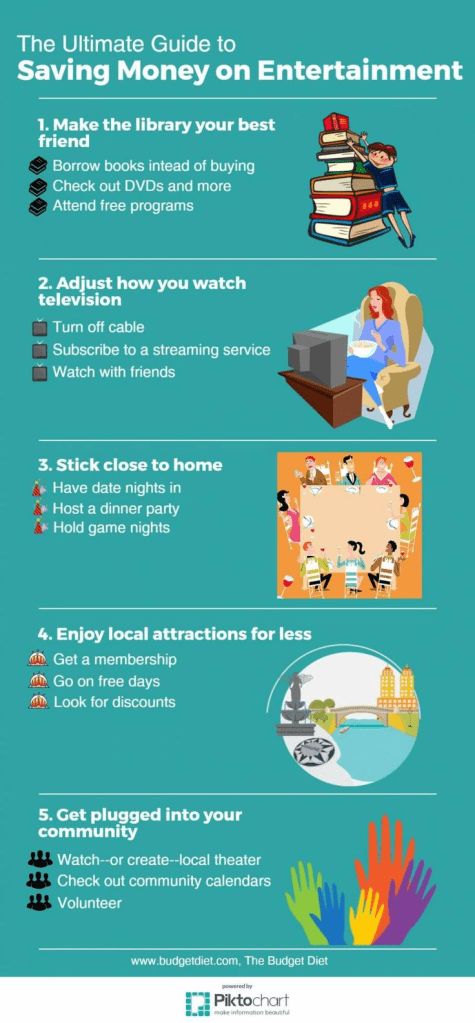
  • Find free or affordable entertainment. Ex: matinee movies, Groupon, free museums on certain days, etc.
  • Look into bundling services.
  • If you have cable, make sure you aren’t paying for tiers/channels you don’t need. If you have internet, make sure you aren’t paying for speeds you don’t need.
  • Cell phone services often provide options for free entertainment. Library cards also provide free entertainment. Inquire about these benefits at your local library.
  • Shop around for car insurance, cell phone plans, and cable/internet rates yearly.

Other tips:

  • Take care of your health. Take preventative measures through exercising and eating right. Eating healthy may be more expensive, but your health needs will be less expensive in the long-term.
  • Using a cash envelope system with pre-set budgets can create more mindful spending. You can use this for most categories or just those you struggle with most. Ex: groceries, eating out, or entertainment.
  • You can only cut back so much. Look at the life skills you have that you can use to generate more income. Don’t be embarrassed to work a part-time job to live the life you want to.
How Working As A Collections Agent Helped Paco Understand the Emotions People Have About Money- Clever Girls Know Podcast

This podcast was particularly interesting to me because I spent about six years working in the creditors’ rights legal industry. Prior to starting in that industry, I HATED talking about finances and tried to avoid it. However, after learning about the struggles people faced and different financial priorities and consequences, such as lawsuits, bank garnishments, and wage garnishments, I became determined to work three jobs and be frugal so that I could pay off my student loan debt early (in 3 years) and save for a wedding, better vehicle, and a downpayment for a house. Since then, it has been my goal to live debt-free as much as I can. Here are my take-aways from this episode:

When receiving collections calls, the top emotions people go through are embarrassment (forgetting about their payment or being seen as irresponsible), anger (co-signing and later regretting it), shame, and guilt. Asking people “Why are you late on your payment?” made the host experience emotions about money and gain empathy.

There are grace periods. Usually only payments that are late 30 days are reported to the credit bureaus. If you are late because of your income, work on fixing that and increasing your income instead of cutting back on expenses. Look into getting an extension or finding a program that can help you if needed. Sometimes people are caught in a repeating cycle that you can’t completely resolve, such as when people roll over car loans when trading in or getting another vehicle.

Your potential for change is limitless. You have the power to change your emotions about finances and meet your financial goals.

Chipotle: Steve Ells (2017)- How I Built This with Guy Raz

Chipotle holds a special place in my heart, as I worked at a very busy Chipotle part-time for three years, I often make Chipotle’s recipes of fajita veggies, cilantro lime rice, and guacamole, and I still consider Chipotle my favorite restaurant!

Steve Ells, the founder of Chipotle, went to culinary school. One day, he visited a taqueria and thought about opening his own taqueria to make enough money to open a fine dining restaurant. He wanted to open in Boulder, Colorado, but he couldn’t find a good location. He visited with a real estate broker and told him about his concept of an open kitchen, grilled meats, and fresh veggies and herbs on an assembly line, and he found an old building at University of Denver for about $80k in 1993 that needed renovations.

Steve wanted to be frugal. Table bases were made with pipes, the service counter was faced with barn metal, and he wanted stainless steel on top of plywood for tables. His idea was to have one restaurant as a cash cow to help support a full-scale restaurant.

He knew from his culinary experiences that he wanted to use chipotle peppers as an ingredient and that’s how he came up with the name Chipotle. He didn’t have recipes. Instead, he used techniques he learned in culinary school and emphasized tasting food after making it. He opened with a handful of people and had some friends work the line.

On opening day, sales were about $240. The turning point was in October 1993, when a restaurant reviewer for the Rocky Mountain news gave a glowing review, stating that “Chipotle is unlike any fast food you’ve had. Everything has depth, character, nuance, and layers of flavor.” This review resulted in a line out the door and ultimately the restaurant ran out of food. Chipotle could not keep up with the demand. Chipotle was profitable within the first few months.

Eventually Chipotle expanded nationwide and created a business plan. At one point, for seven years, McDonald’s owned a majority (92%) of Chipotle, but the businesses cut ties due to different priorities.

In October-November 2015, 52 people got sick with e-coli. Chipotle later developed safety practices such as blanching avocados, lemons, limes, and peppers.

Steve Ells acknowledged that he was lucky to have a father who could invest $85k into his first restaurant and lucky that McDonald’s was willing to invest. He was in the right place at the right time, although he emphasized that his plan failed in a sense because he wanted to be able to have one restaurant and walk away from it. Chipotle instead expanded so much that he didn’t take time off in the first year, and Chipotle now has over 2,600 locations! Steve Ells stepped away from Chipotle in 2020 and is now involved in real estate investments.

I look forward to reading, learning, and sharing more with you soon!
Thoughtful Thursday posts, Uncategorized

Thoughtful Thursday – February 2, 2023

My intention is to post a Thoughtful Thursday column each week and share some of the insights I have learned in the past week. Here are some of the things I’ve learned this week:

“What’s New?” – Self Improvement Daily

A question that we often ask each other to catch up is “What’s new?”. The question is well-intended but the response is usually underwhelming – “Work is good, family is good, all’s good!”

Brian Ford

“What’s new?” is an opportunity to share what you’re excited about, what is changing in your life, or what you’re working on. If you’re pursuing the best version of yourself, there should always be something new going on to share.

The next time someone asks you “What’s new?”, instead of giving the same generic response, tell them what you’re working on, what is changing in your life, or what you’re excited about. Use it as an opportunity to share.

On Purpose with Jay Shetty- 6 Ways to Know if You’re Compatible with Someone + 4 Steps to Build Real Connection

Chemistry does not equal compatibility. Chemistry is like lighting a matchstick. It burns and runs out. Compatibility is like a candle that burns slowly and takes much longer to run out.

Jay Shetty

Compatibility does NOT mean the same personality. You can have a lot in common personality-wise, but have massively different expectations and input that don’t make you compatible. A lot of people want their partner to have the same exact interests as them. You aren’t trying to date yourself! “We’re so different” is not what leads to distance.
Compatibility does not mean it is easy to get along. It requires deeper understanding and knowledge, which often requires discomfort. Compatibility requires discomfort.

Jay Shetty

Compatibility does NOT require changing someone else.

Most of us believe that the way WE were raised is the right way to do things. You’ve built a home full of your ideas, and when you get into a relationship, you tend to want your partner to live in your house with your ideas and thoughts, and they want to live in their house with their ideas. Getting in a relationship requires you to build your own house together with bricks from each one.

Steps to build compatibility:

  • RARE:
    • Recognize differences. Know where that person is different. Ex: Organized vs. spontaneous
    • Awareness of their stance and why. Where did it come from and why are they that way? Compatibility means I know why I am the way I am, and I know why my partner is the way they are. Compatibility requires that you have an awareness of why someone makes the choices they’re making.
    • Respect their approach.
    • Express your feelings without feeling judged. It takes time and skill.

Think of this: Are you able to recognize my differences, be aware of how I think and why I think that way, respect that, and let me express myself without feeling judged? Can we do this daily and get better at it? Are we willing to do the work to be together? It’s NOT “Are we right for each other?” Instead, it’s “Do we want to be right for each other?”

Areas of compatibility:

Wealth compatibility- does not mean you have the same views about $ or finances. Do we understand why each of us thinks about $ in this way? What is the solution we want to create together?

Beauty- If you’re together, how do you feel about yourself?

Power- knowing which partner is good at what and letting them lead in that area. People often criticize their partners in public. How does your partner want to be acknowledged and appreciated?

Renunciation- letting your partner grow at their own pace. Use encouragement, guidance, love, and support, not force. Their path is different than yours.

Knowledge compatibility- trying to learn new things with each other or learning new things separately and sharing your learnings.

Harvard Business Review Ideacast- Why Some Start-Ups Fail to Scale

Common reasons why start-ups fail to scale:

  • Can’t source enough supply to keep up with the demand
  • Problems securing capital to the point where the business becomes cash-flow positive
  • Not having sufficiently coherent culture/efforts not aligned when increasing number of staff
  • Attempting to scale into a market that isn’t big enough to justify their scale/don’t have practical or feasible means to reach their target market when scaling

Start-ups need an effective way to get to their target market/market strategy, an idea of the approach to monetization, capital investment, a strategy to hit milestones that will get them capital investment, and need a plan for sustainability.

Case example: Wayfair. Wayfair started with multiple specific websites for each type of products. They eventually realized that, in order to have repeat customers, they needed to merge into one website: Wayfair.

Taken from Wayfair.com:

“Niraj and Steve jumped in, looking at what people were searching for and building destinations for those products. Soon they had launched CSN Stores, a collection of more than 200 sites with everything from bar stools to bedroom furniture and birdhouses.

In 2011, we brought everything together under one roof and created wayfair.com: a single site where people could find millions of products for every part of their homes.”

One of my favorite television shows is Shark Tank. I love to get an inside look at entrepreneurship and venture capital, and I find it fascinating to learn about new products, successes and challenges, and negotiations. I often find myself evaluating whether I think a product is going to become useful and popular, whether it is a product that allows the company to have repeat customers, whether I think the entrepreneurs should give up a certain percentage of their company to investors, etc. Many entrepreneurs on the show have issues sourcing supply to keep up with the demand, problems securing capital, difficulty trying to become cash-flow positive, and attempting to scale into a market that isn’t big enough.

I look forward to reading, learning, and sharing more with you soon!