
My intention is to post a Thoughtful Thursday column each week and share some of the insights I have learned in the past week. Here are some of the things I’ve learned this week:
Self-Growth Nerds – The Power of Consistency: 5 Mindset Shifts for Achieving Your Dreams
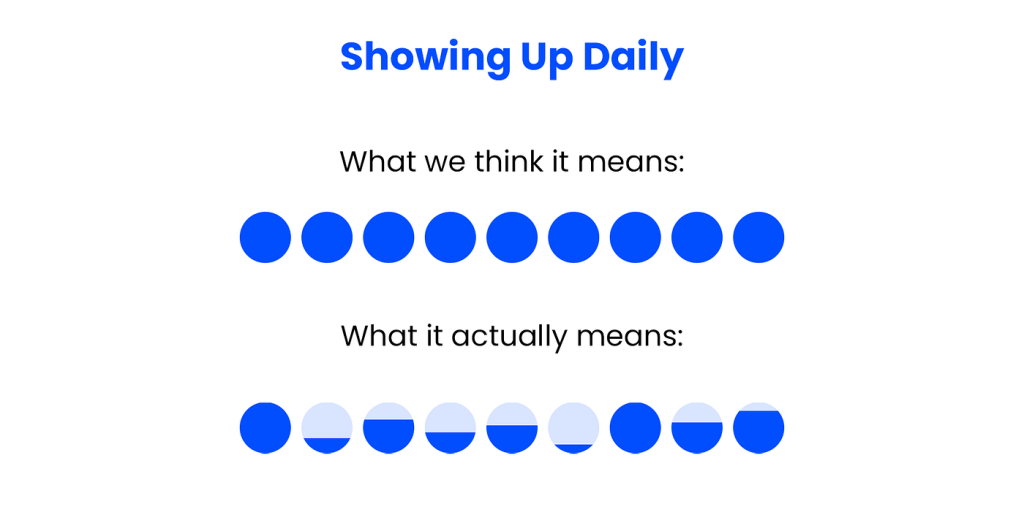
- Consistency – to show up again and again for what is important to you – working out, journaling, sharing a blog post, going to a comedy club monthly, etc.
- Remove the pressure of perfection. Lower the bar of your expectations.
- Show up and be consistent. Control what you can control but know that you won’t be perfect every time. Focus on showing up and trying your best.
- What feels alive in me right now? What is something interesting I’ve seen or heard recently, and what’s the meaning in there?
- Commit. Make a decision and be clear in what you’re committing to.
- Know what it is you are committing to. Ex: run one mile each day, post one blog post each week, go on one outing per week, etc.
- Don’t expect to be consistent in every single aspect of your life. Choose your priorities wisely. Be clear about why each choice is important and accept the grief that comes with loss.
- Choose what lights you up rather than what makes sense. Choose something you really want to do.
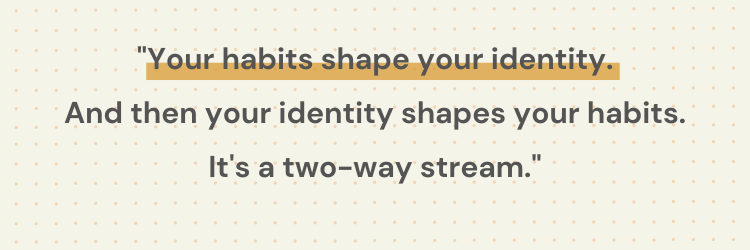
- Make it a part of your identity and find pride in that.
- “I am someone who posts a podcast every week.” “I am someone who runs every day.” “I am someone who reads every day.” Etc.“I am becoming someone who _____.” “I am someone who ____ because ____.”
- Choose a new identity today. Choose one thing to focus on and embody that new part of your identity.
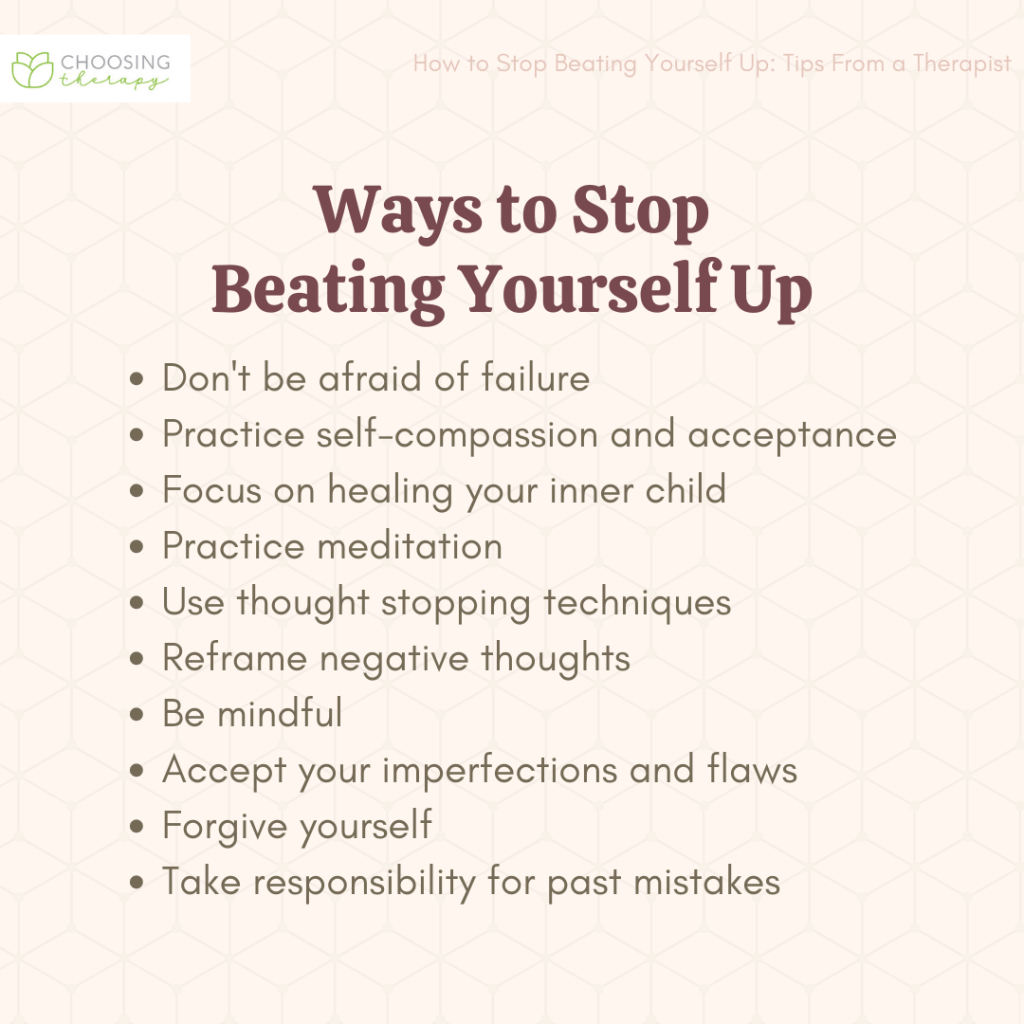
- Never beat yourself up. Decide what kind of boss you want to be to yourself. Firm, loving, forgiving.
- Tips:
- Put it on the calendar. If it’s not on the calendar, it’s probably not going to happen
- Habit stack – ex: journal while drinking coffee, watch tv while walking on the treadmill, listen to a podcast while doing chores
- Remove pain points. Think of convenience.
- Get an accountability partner.

Mentally Stronger with Therapist Amy Morin – 10 Things Being a Therapist Taught Me About the Human Experience
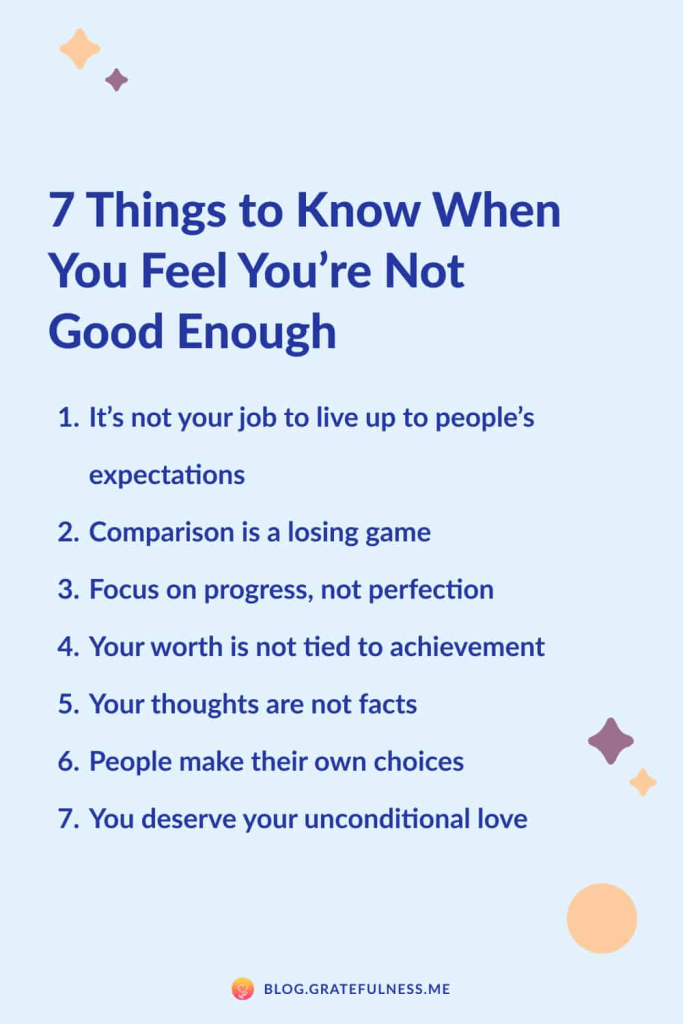
- Most people fear they’re not good enough. At the heart of almost every issue is the fear of not being good enough. This manifests in different ways. One person might become an overachiever, other people just don’t try, other people change who they are or act differently depending on who is around them because they want to feel accepted.
- Everyone has secrets – mental health issues, addictions, childhood abuse, etc.
- People’s inner worlds are often hidden. Many people believe that their thoughts and feelings would surprise even their closest friends and family.
- The desire for connection is universal. Many people feel lonely in a crowded room.
- Self-criticism is rampant. We are our own harshest critics and hold ourselves to impossible standards. Self-judgment leads to guilt and anxiety. Learn to reframe your inner dialogue and train your brain to think differently and have self-compassion.
- Change is terrifying yet desired. We crave change to improve our lives, but we fear it because we hate uncertainty.
- Vulnerability is both feared and desired. We all have a desire to be understood, yet fear keeps us from being vulnerable.
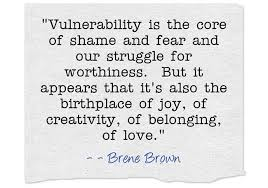
- Emotional pain is often masked.
- Past experiences shape present perceptions. Our behaviors and attitudes are shaped by things that happened to us in the past.
- Hope is a powerful force.
Real Simple Tips – 6 Tips for Keeping Lips Moisturized
- Don’t lick your lips. Licking your lips makes the problem worse. Enzymes in saliva can break down the delicate skin, leaving your lips even drier than before.
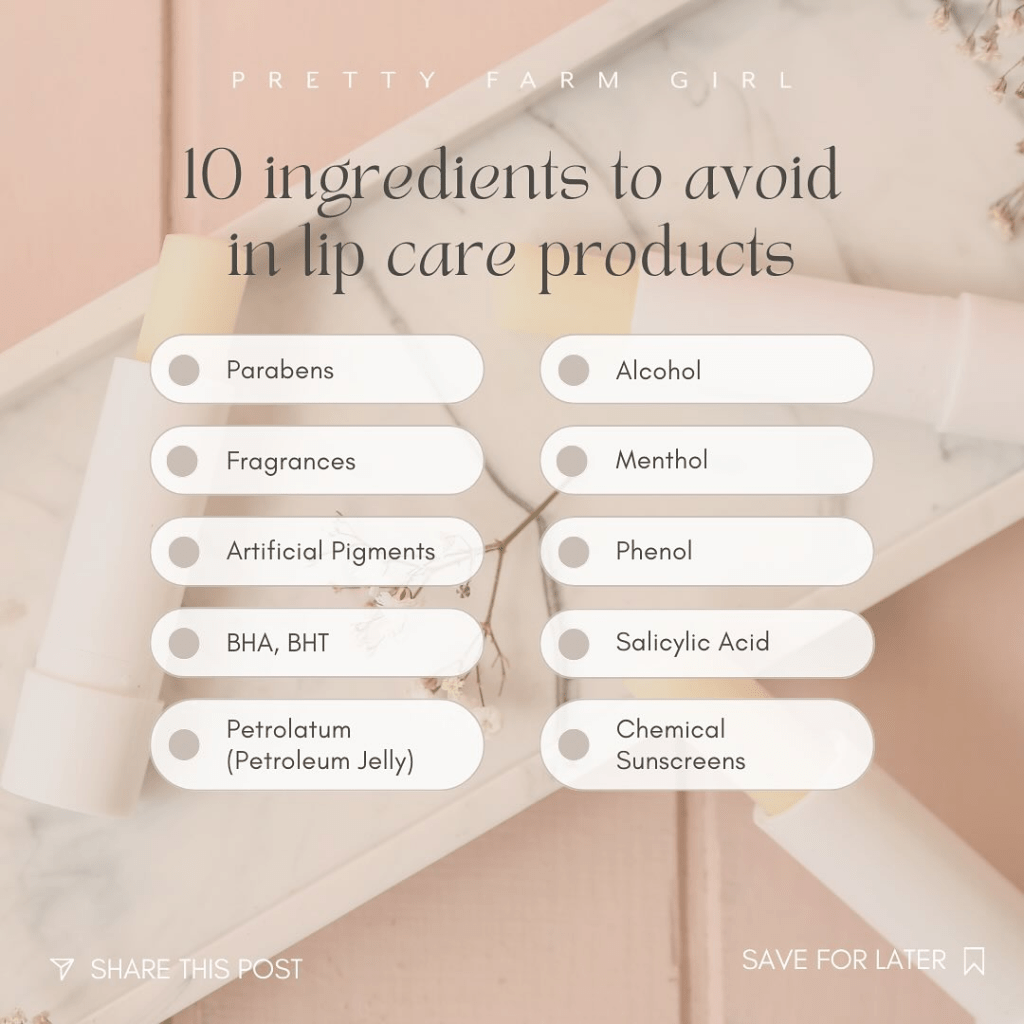
- Avoid irritating products. Steer clear of products containing flavorings, fragrances, menthol, camphor, eucalyptus, and beeswax.
- Use lip balm with SPF. SPF minimizes lip dryness while also curbing your potential for skin cancer and premature aging.
- Layer your products. Lips benefit from a hybrid approach of hydration and moisturization. Ex: Blistex medicated lip balm + Vaseline or lip oil.
- Reapply every two hours. This regular application is crucial since activities like licking your lips, kissing, eating, or drinking can wear away the product.
- Try an intensive lip treatment weekly or biweekly. Ex: lip mask.
Life Kit – How to talk to your loved ones about misinformation
- Start from a place of connection, not correction.
- If it’s just a matter of not seeing eye to eye about an issue, it’s okay to opt out to preserve the relationship.
- Try leading with compassion, love, and empathy.
- Take time to understand why your loved one believes the misleading content. Be in conversation with them. Recognize that their experiences impact how they engage with what they read online and what they believe.
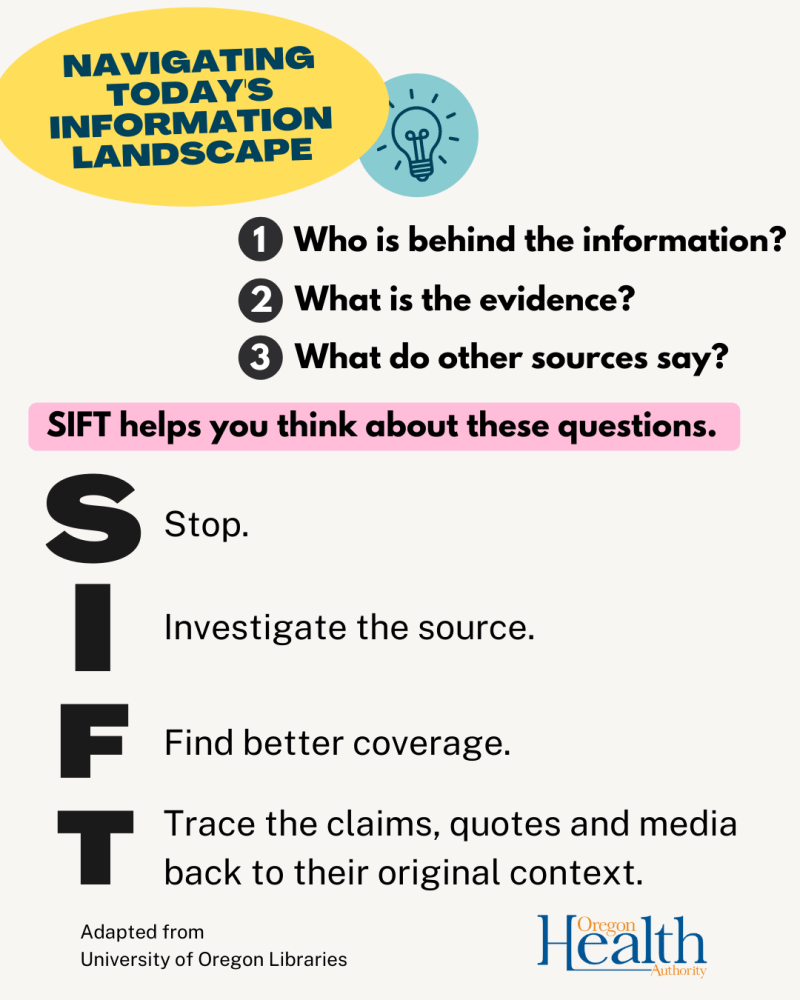
- Talk about where you both get your information and why you find the sources to be trustworthy. What is the evidence? Check qualifications and conflicts of interest.
- Identify points where you do agree. Be mindful of maintaining goodwill.
- Realize that you aren’t here to change anyone’s core beliefs. You’re simply trying to address a piece of information that is not correct.
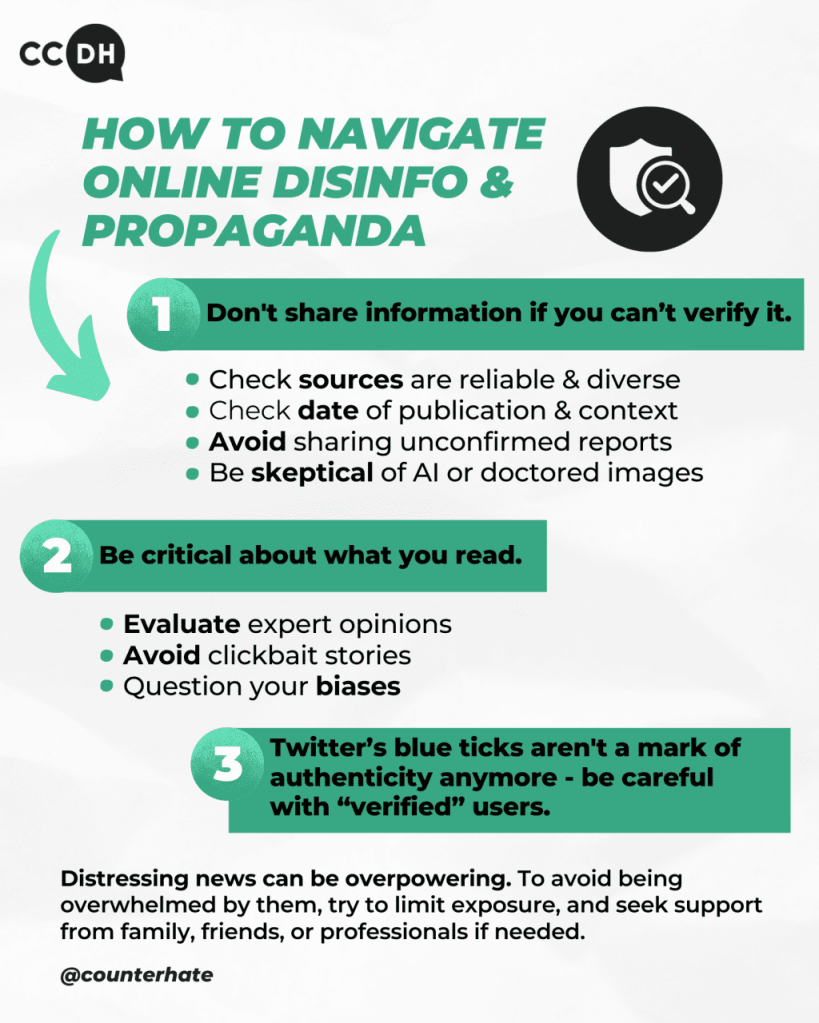
- Correcting political misinformation doesn’t make much difference in how much people trust that source in the future or in how likely they are going to vote for a political candidate.
- When you do attempt to correct misinformation, provide a detailed fact check. What is actually true?
- Corrections to misinformation are worth repeating. Don’t expect things to change after one conversation.

With this year being an election year, misinformation is rampant. Use these tips to talk to your loved ones about misinformation or simply opt to not talk about different beliefs. Sometimes people are so strong in their opinions that no evidence you provide will change them, and it’s important to recognize and accept that.
I enjoyed this blog post from Seth’s Blog this week:
Everything costs
But not all costs are the same.
There are three kinds of costs that people get confused about, but understanding them, really understanding them–in your bones–unlocks opportunity.
Opportunity cost: If you eat the cupcakes, you can’t also eat the brownies. Every time we choose to do something, we’re choosing not to do something else.
Sunk costs: If you’ve invested time or money in something (a law degree, a piece of real estate, a bag of chips) that money is gone. All you have left is what you bought, and that is a gift… a gift from your former self. You don’t have to accept the gift if it’s no longer useful to you. Using a gift still has real opportunity cost, and if it’s keeping you from doing something better, walk away.
Marginal cost: How much extra does this decision cost? For a subscriber, the marginal cost of watching one more show on Netflix is zero. The service costs the same regardless of how many shows you watch. On the other hand, the marginal cost of a tuna sandwich is equal to what it costs to replace the ingredients. It makes sense to prefer things with a lower marginal cost if everything else is similar.
I’ve never encountered a person who was fully rational in making decisions on any of these three sorts of costs. That’s okay. But let’s do it on purpose.”
I look forward to reading, learning, and sharing more with you soon!
























 Read Learn Share