
I read 3 books in February. Here is a blurb of each of the books I read in February.
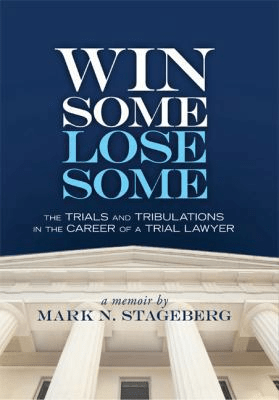
“Win Some, Lose Some: The Trials and Tribulations in the Career of a Trial Lawyer – a memoir” was written by Mark N. Stageberg, who is a Minnesota attorney specializing in personal injury and wrongful death cases. He originally did defense work before transitioning to plaintiff work. Mark has spent his career as a trial lawyer, completed over 175 jury trials, and has had 7 cases with million-dollar jury awards. This book was a candid look at both victories and failures and contained interesting stories of unusual clients, unexpected courtroom twists, and behind-the-scenes legal drama. Here are some of my many takeaways:
The vast majority of the litigation clients who walk into your office do not have cases with all 3 necessary elements for a good lawsuit: good liability, extensive damage, and enough insurance coverage. Cases with good liability and big damages can often be easily resolved with a policy-limit settlement without litigation. The limits of the defendant’s liability insurance coverage govern the outcome of many good liability and damage cases.
What is interesting about pro bono legal work is that many of a lawyer’s promising cases can turn into unintended pro bono work. Payment for plaintiff’s personal injury work is dependent on contingent fees, and if a case isn’t won, it can be a waste of a lot of legal time and money.
An interesting and quite lucrative area of personal injury legal work involves airplane crashes. 4 primary causes for airplane crashes:
- some mechanical failure (in the plane itself – leading to a product liability claim)
- some inaccurate or incomplete information from air traffic controllers
- a maintenance or service error by a mechanic
- pilot error
The government, through the National Transportation Safety Board, does a thorough investigation of every accident and publishes a report from its experts identifying the probable cause of the crash. Much of the investigation is done by the government, but the case must be put together with privately retained experts.
- A great source of information on deaths and injuries from consumer products is the Consumer Product Safety Commission and Freedom of Information requests.
- What you really need for any successful product liability case is an alternative design for the product that, if used, would have led to a different result.
This book contained a couple “hot takes.” These are not my personal opinion or the opinion of my employer.
“A common misperception among the general public is that our judges have some level of superior legal knowledge that justified their appointment as the final arbitrators of our unresolved disputes. Most judges are selected because of political connections unrelated to their experience, expertise, or intellect. The cream of every law school class garners the top law firm positions and after a few years, they’re making more money than the judges in the state or federal courts.”
“Most of the criminal lawyers serving as county attorneys or taking public defender positions were not the top scholars in their law school classes and took those jobs because nothing better had been offered. Prosecuting attorneys have the police, or the FBI and U.S. attorneys in the federal system, to do all of the workup on the cases. The prosecuting attorney only has to present the evidence to the jury and argue that they have met the burden of proof. Similarly, the defense seldom has to prove much of anything and instead sits back and picks away at the prosecution’s witnesses, arguing strenuously that they have not met their burden to prove the defendant guilty beyond a reasonable doubt.”
I think this statement is overly simplified. I respectfully disagree with this perspective.
I highly recommend this book to anyone interested in learning more about the career of a civil attorney.
4 out of 5 stars

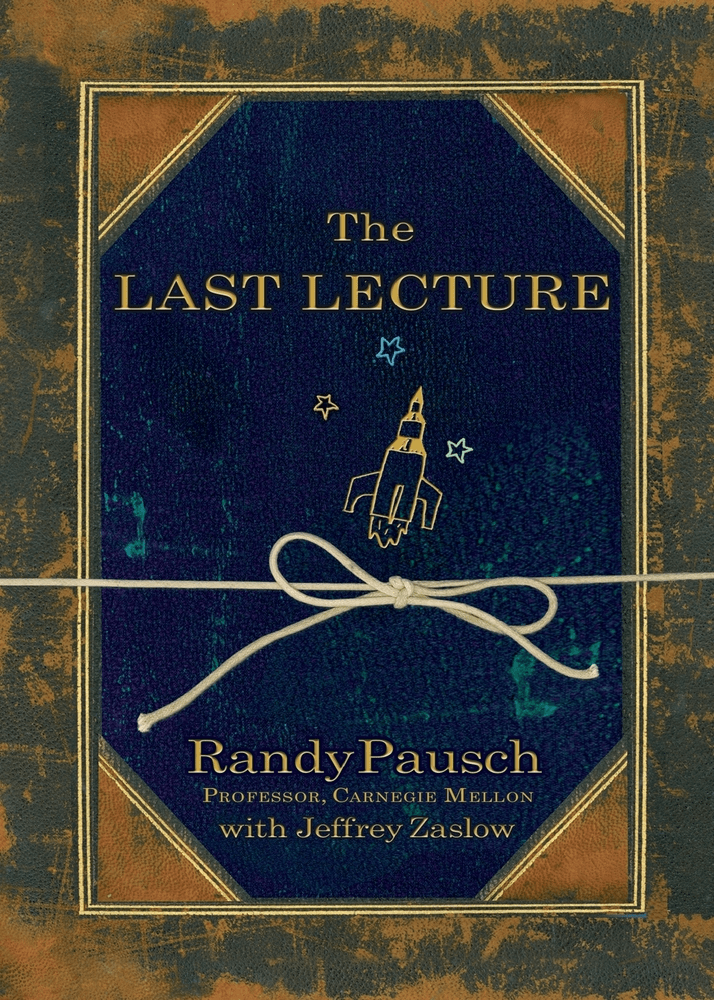
“The Last Lecture” was written by Randy Pausch with Jeffrey Zaslow. Randy was a professor at Carnegie Mellon and an award-winning teacher and researcher who had worked with Adobe, Google, Electronic Arts (EA), and Walt Disney Imagineering and pioneered the Alice Project. At the time of this writing, he had ten tumors on his liver and had pancreatic cancer, and he wrote this book with Jeffrey Zaslow to teach his 3 young children what he would have taught them over the next 20 years. Many college professors are asked to consider their demise and to ruminate on what matters most to them. For years, Carnegie Mellon had a “Last Lecture Series” – which was renamed to “Journeys” – reflections on personal and professional journeys. Here are some lessons:
- When you see yourself doing something badly and nobody’s bothering to tell you anymore, that’s a bad place to be. You may not want to hear it, but your critics are often the ones telling you they still love you and care about you and want to make you better.
- Self-esteem – there’s really only one way to teach kids how to develop it: You give them something they can’t do, they work hard until they find they can do it, and you just keep repeating the process.
- When we send our kids to play organized sports, for most of us, it’s not because we’re desperate for them to learn the intricacies of the sport. What we really want them to learn is far more important: teamwork, perseverance, sportsmanship, the value of hard work, and an ability to deal with adversity.
- Brick walls are there for a reason. They give us a chance to show how badly we want something.
Time must be explicitly managed, like money.
Look for the best in everybody. If you wait long enough, people will surprise and impress you. In the end, people will show you their good side. Just keep waiting. It will come out.
Experience is what you get when you didn’t get what you wanted.
This book isn’t quite what I expected. It was more about Randy’s life and career rather than a “Last Lecture Series.” Given that the Last Lecture Series was renamed to “Journeys” – reflections on personal and professional journeys – this book seems to fit that description. Still, this book has some great lessons.
4 out of 5 stars
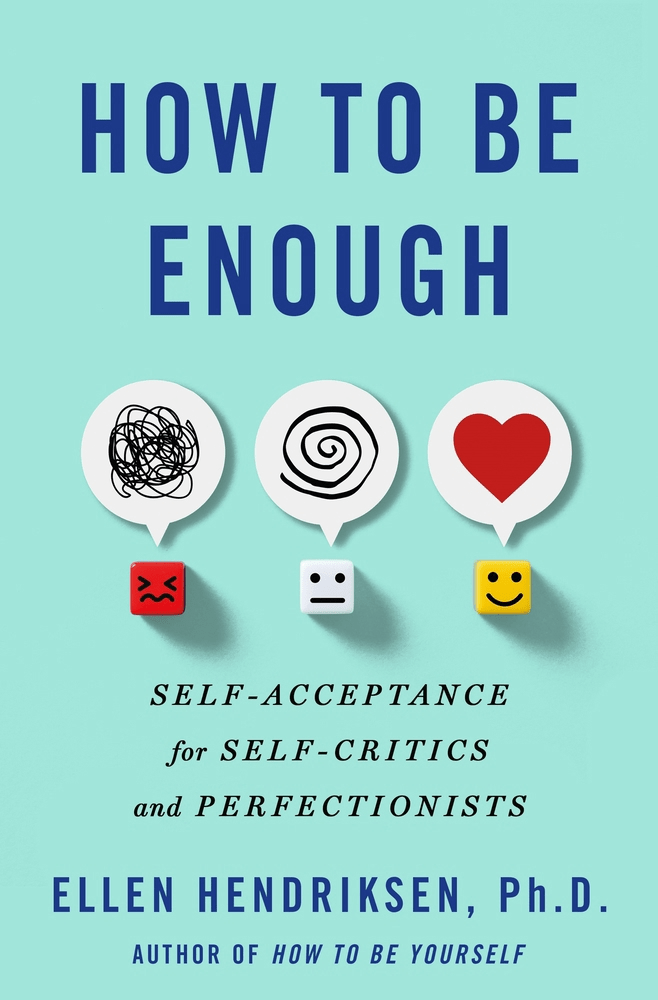
“How to Be Enough: Self-Acceptance for Self-Critics and Perfectionists” was written by Ellen Hendriksen, Ph.D., a clinical psychologist at Boston University. The overall theme of this book is that you become “enough” not by perfecting yourself, but by letting go of harsh self‑judgment and recognizing your inherent worth as you already are. Here are some key points.
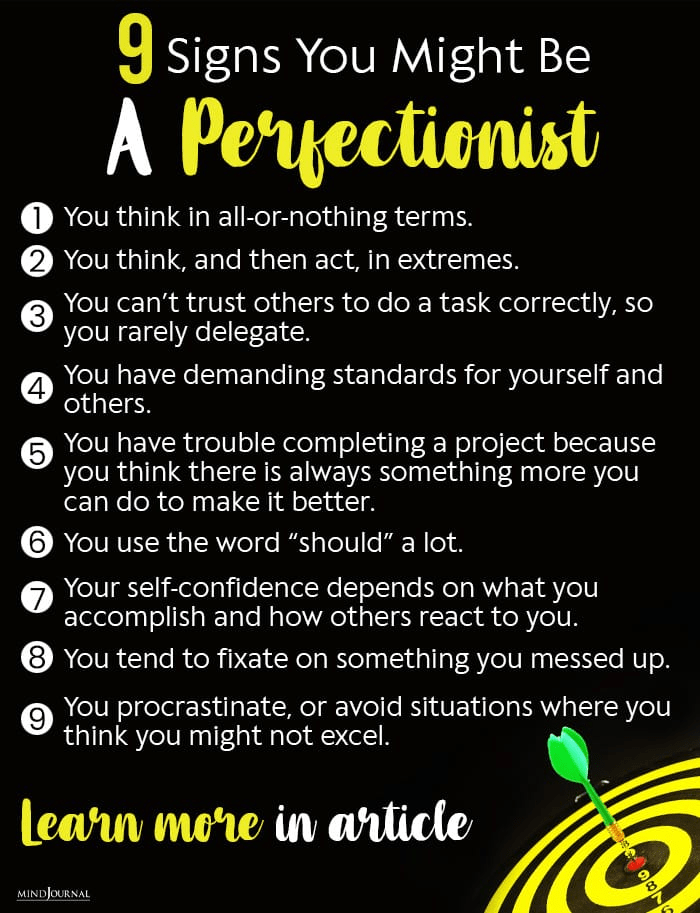
Clinical perfectionism consists of a hypercritical relationship with oneself and an overidentification with meeting personally demanding standards.
- Hypercritical relationship with oneself: tend to beat yourself up when you make a mistake, think your work or performance isn’t good enough, shut down or get defensive when criticized, have been told you’re controlling/a micromanager/too picky/too critical/judgmental
- Overevaluation: overidentify with our performance (work, grades, appearance, home, etc.), set impossible expectations for yourself and then get stressed when you can’t reach them, always working to improve something (health, sleep, wardrobe, social life, etc.). We overidentify with our performance because we’re searching for acceptance and connection.
People-pleasing aims to control other people’s reactions and emotions toward us. What they want is what we want, because we want to avoid devaluation, disapproval, disappointment, and dislike. Of all the people you work so hard to please, be sure to include yourself.
- We don’t have to be good at something to enjoy it. What’s the value in not being great? Connection. It’s hard to relate to experts. They’re aspirational, not relatable.
- The opposite of control is trust – trust that we can handle whatever happens, both internally and externally.
- When self-worth depends on flawless performance, even small mistakes create a cycle of self-doubt and emotional exhaustion. Achievement doesn’t soothe self-doubt. It often raises the bar higher. Self-criticism becomes a default setting. Self-criticism makes us feel inadequate, grinds motivation to a halt, leaves us sensitive to others’ criticism, is stressful, takes the fun out of the process, and hinders connection.
To connect with others, we need to let ourselves be known. Reveal what you think, do, feel, remember, or relate to in order to give your conversation partner something to work with.
Some tools mentioned in the book:
- Revise the rigid rules. Consider what the rule buys you and what it costs you. Consult your values and what’s meaningful and important to you. Focus on what works given the contest. Consider feasibility and workability. What would work for my goals and values, given this context?
- Foster positive emotions towards yourself. Failure and positive self-regard are allowed to co-exist. We can’t go through life expecting to make zero mistakes, have zero lapses in judgement, or encounter zero insurmountable challenges.
- Take stock to understand your procrastination: unrealistic standards? fear of failure? self-criticism? Break tasks down into ridiculously small steps and picture your future self.
- Move away from all-or-nothing thinking. Try “I’m a (valued trait/quality) person who sometimes (exception).” Examples:
- I’m a capable person who sometimes screws up.
- I’m a disciplined person who sometimes lets myself go.
- I’m a hard worker who procrastinates.
- Reflect on what people-pleasing is costing you. Identify an opportunity to state an opinion, communicate a need, or set a limit that is meaningful to you. Try it out and consider the results. Rinse and repeat.
I highly recommend this book to anyone who is a self-critic or perfectionist!
5 out of 5 stars

I look forward to reading, learning, and sharing more with you soon!



 Read Learn Share