It’s been a while since I’ve posted on this blog since I have had other priorities. I read 5 books in May. Here is a blurb of each of the books I read in May.
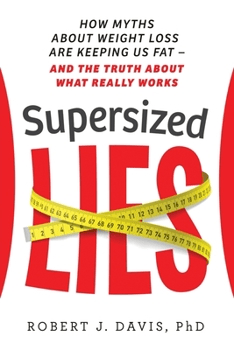
“Supersized Lies: How Myths About Weight Loss Are Keeping Us Fat – And the Truth About What Really Works” was written by Robert J. Davis, PhD, host of the Healthy Skeptic video series and an award-winning health journalist whose work has appeared on CNN, PBS, WebMD, and the Wall Street Journal. Here are some main points:
Instead of focusing on individual villains, we need to pay attention to the general quality of our diets – emphasizing whole foods and minimizing highly processed foods – vegetables, fruits, beans, nuts, seeds, seafood, lean poultry, and whole grains, such as oats and rice. Whole foods tend to have fewer calories per ounce, more fiber, and be more filling, and we often eat them more slowly, giving our brains time to get the message that we’ve had enough.
When calories are cut or increased by a specific amount, the change in weight will vary from person to person, and these differences are due at least in part to genetics.
Calories shouldn’t be the only consideration. That can detract from the pleasure of eating, contribute to an unhealthy relationship with food, and result in too little of the things your body needs. Instead, when choosing what to eat, also pay attention to the sugar, fiber, and protein, and consider how healthful and filling the foods are and how you feel after you eat them.
It takes A LOT of work to burn off the calories in a relatively small amount of food. Changing your diet to lose weight is easier than exercising to lose weight.
If dietary supplements had to meet the same standards of proof for safety and effectiveness as medications, few, if any, would be allowed on the market. Supplement makers aren’t required to test for safety. The law assumes that supplements are innocent until proven guilty – just the opposite of how medications are regulated.
Exercise, sleep, and stress management reinforce each other to benefit not only our physical and emotional health, but also our weight.
4 out of 5 stars
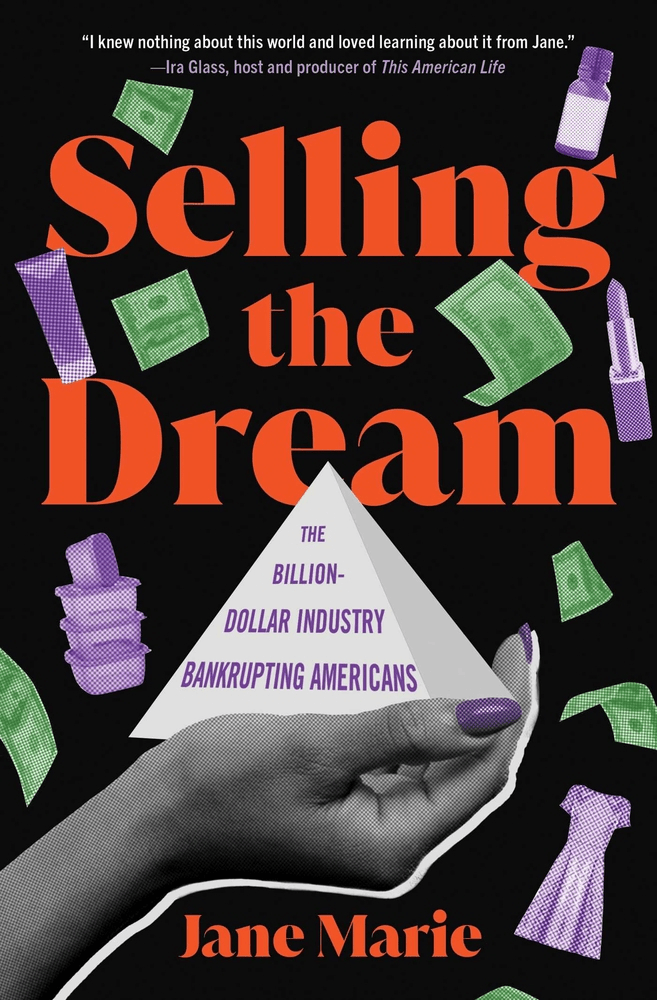
“Selling the Dream: The Billion-Dollar Industry Bankrupting Americans” was written by Jane Marie, a Peabody and Emmy Award-winning journalist. In this book, Jane expands on her popular podcast The Dream to expose the source of multilevel marketing schemes. Although I have never been involved in multilevel marketing (thankfully), I got a lot out of this book! Here are some main takeaways:
99% of those who join MLMs make no $ or even lose $. Women make up 74% of the MLM workforce.
In an MLM, the product being sold doesn’t matter since most of the $ is being made via recruitment fees and distributors stocking their own shelves with inventory.
Despite what those in MLMs may believe, they are not business owners. They don’t control anything except their own sales efforts. They don’t own the product they’re selling or any IP, they don’t set their own prices or salaries, and they are often bound by strict rules in how they can market and sell the products. They also lack a guaranteed salary, benefits, and workers’ rights.
The MLM world is a bizarre land where incentives can range from the opportunity to buy your own ticket to a conference to earning a new rank solely based on products you’ve purchased that now sit in your garage. The disincentives are just as plain: once you’ve roped in your friends and family, quitting seems off the table and an admission that you sold them a bill of goods.
“Nutrition” clubs are seemingly popping up everywhere. One of the most fascinating things I read in this book is that Herbalife nutrition clubs prohibit signs that state or suggest that Herbalife products are available for retail purchase on the premises. Club owners are not permitted to post signs indicating whether the club is open or closed, and the interior of the club must not be visible to persons outside.
I recommend reading this book if you want to learn more about the MLM industry.
4 out of 5 stars
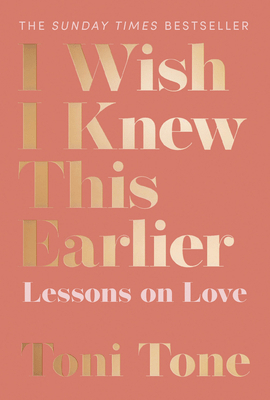
“I Wish I Knew This Earlier: Lessons on Love” is an essay-type book divided into themes and written by Toni Tone, an award-winning speaker, writer, and social content creator. Here are some points that resonated with me:
Intimacy tells you more about a relationship than intensity. Can you be vulnerable? Do you feel safe? Is there trust? Do you have similar interests? Can you easily hold a conversation with them? Do you have similar values?
Have a life outside of your love life is essential. A healthy relationship should complement your life, not become it. A partner who is good for you wants you to flourish and wants you to be the best version of yourself. The best version of yourself is well-rounded, has friendships outside of your romantic relationship, hobbies, and aspirations outside of your romantic relationship.
We should choose to love people for who they really are because the painful truth is that potential doesn’t always manifest.You may think a person is capable of moving mountains for you, but should these mountains never be moved, how will you feel? Falling for potential is not just a disservice to you but it’s also a disservice to the person you are choosing to love. We don’t possess the power to change people. People change because they want to.
Don’t forget to celebrate your partner. Share compliments, provide words of affirmation, and give praise where it’s deserved. Don’t speak up only when you are annoyed. Speak up when you are happy too.
I highly recommend this book to anyone!
5 out of 5 stars
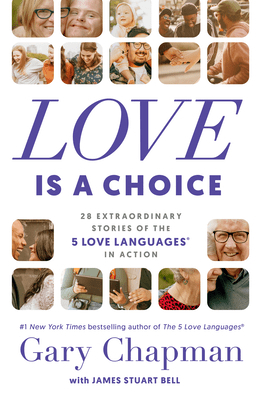
“Love is a Choice: 28 Extraordinary Stories of the 5 Love Languages in Action” was written by Gary Chapman, author, speaker, and counselor and #1 bestselling author of The 5 Love Languages series. Here are some great points:
Realize that you have as many faults as your partner. “Fix your thoughts on what is true, and honorable, and right, and pure, and lovely, and admirable. Think about things that are excellent and worthy of praise.” Philippians 4:8
Perhaps one of the keys to finding an enduring affection is to be willing to accept the interruptions and intrusions.
How do you measure love? Each of us speaks a different love language. How can we learn someone’s love language? By asking them what makes them feel really loved or by watching how the person expresses love to others.
Love doesn’t require that we always have all the answers. Instead, many times love just asks that we listen to the problem, that we try to understand, and that we express our condolences, sympathy, or love. Sometimes love means just being there for the person we care about.
Love requires effort and action. Love is not passive. It requires constant effort, communication, and care. Actions like making time for each other, showing affection, or helping with everyday tasks can strengthen a relationship in profound ways.
Open, honest, and empathetic communication is necessary to foster understanding and connection. Instead of assuming your partner knows what you need, communicate your feelings, desires, and needs clearly. Practice active listening and empathy.
4 out of 5 stars
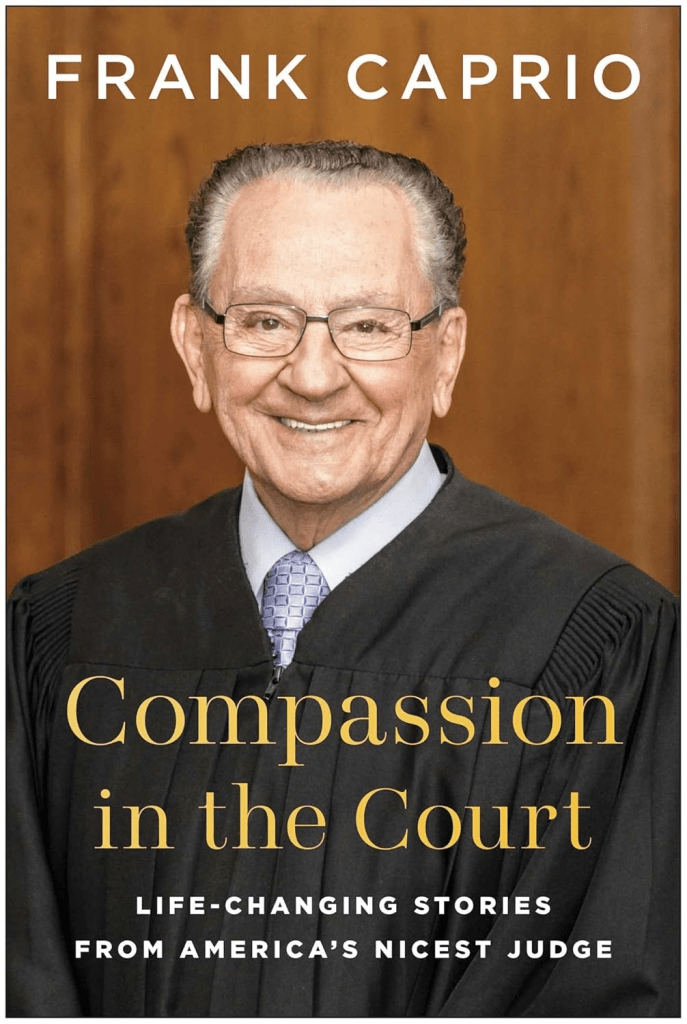
“Compassion in the Court: Life-Changing Stories From America’s Nicest Judge” was written by Judge Frank Caprio, who became an unexpected television and internet superstar while in his eighties. Judge Caprio’s three-time Emmy-nominated television show, Caught in Providence, has amassed over 20 million followers across social media and his videos have accrued billions of views. Here are some key lessons:
True justice should be tempered with compassion. Treat people as human beings, not just as cases or statistics.
Compassionate decisions build trust in the judicial system. When people feel that they are treated fairly and with understanding, they are more likely to follow the rules and make positive changes.
What may seem unimportant to you could be incredibly important and life-changing to the person before you. One small act of kindness, one act of being thoughtful, can really change the course of a person’s life.
Put yourself in the shoes of the person you are facing and then ask yourself: What would help? How would you behave if it were your parents, grandparents, brother, sister, or relative in that situation? How would you want them treated?
My courtroom was a microcosm of the city of Providence, a progressive city that’s been welcoming immigrants for hundreds of years. Many of the defendants who have appeared before me may not have felt life had treated them fairly, but it was my sincere hope that in my courtroom they felt that they had the opportunity to speak, to be heard, and to be treated fairly in the way our system of justice demands.
4 out of 5 stars
I look forward to reading, learning, and sharing more with you soon!
I read six books in October, two of which were short poetry books. Here is a blurb of each of the books I read in October.
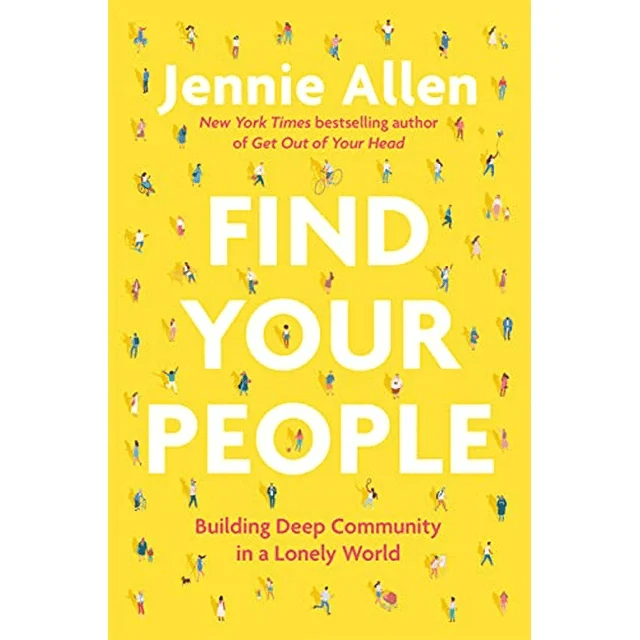
“Find Your People: Building Deep Community in a Lonely World” is a Christian book written by Jennie Allen and is filled with stories, science-based insights, and practical ideas for building deep community. I had several takeaways from this book, but here are just a few.
5 out of 5 stars
“We’re all just kind of waiting for connection to find us. We’re waiting for someone else to initiate and be there for us. We’ve replaced intrusive, real conversations with small talk, and we’ve substituted soul-bearing, deep, connected living with texts and a night together every once in a while. Quit waiting for people to reach out to you. Start initiating and asking people the questions you wish they’d ask you.”
Factors to look for in friendships include availability, humility, proximity, transparency, consistency, accountability to others, and a shared purpose.
Some ideas for building friendships:
invite friends to bonfires
plan get togethers
intentional, active listening
affirm your friends
ask your friends about the highs and lows of their week
join a club
ask deep questions
listen
share the real stuff
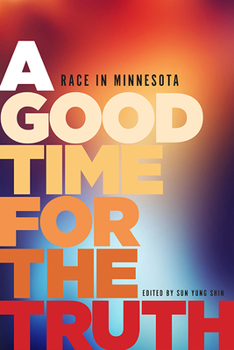
“A Good Time for the Truth: Race in Minnesota” is a collection of stories of what it’s like to live as a person of color in Minnesota, was published by the Minnesota Historical Society Press, and was edited by Sun Yung Shin.
4 out of 5 stars
Here are some quotes that stood out to me:
“[People] unconsciously believe you are unfit to mother your own child simply because you are a Black woman.”
“Sometimes I catch myself staring at my son, wondering what he is going to do when someone gives him a piece of paper with boxes on it and asks him to check the box saying who he is – if he is going to pause before marking “Black.” As I do. Because Black is not a race.”
“To be a Korean adoptee in Minnesota is to be both hypervisible and invisible at the same time. It means that people can tell you they don’t see you as Korean as if that is a compliment.”
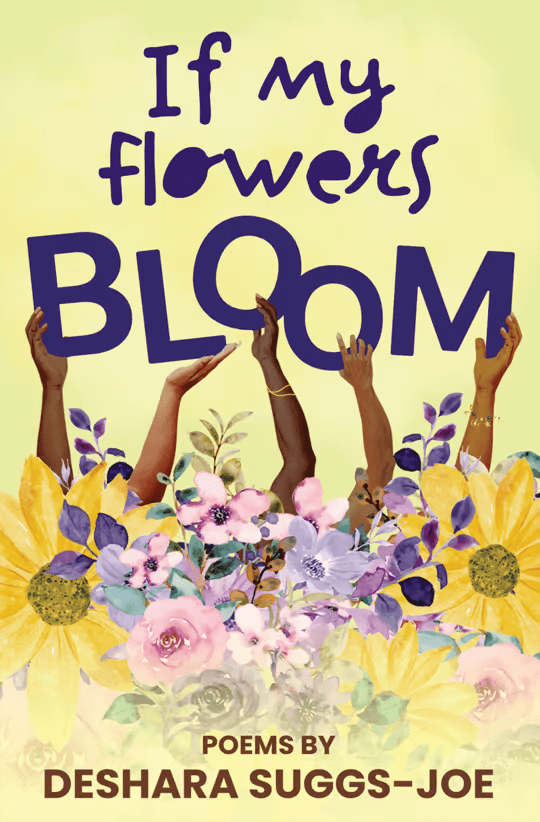
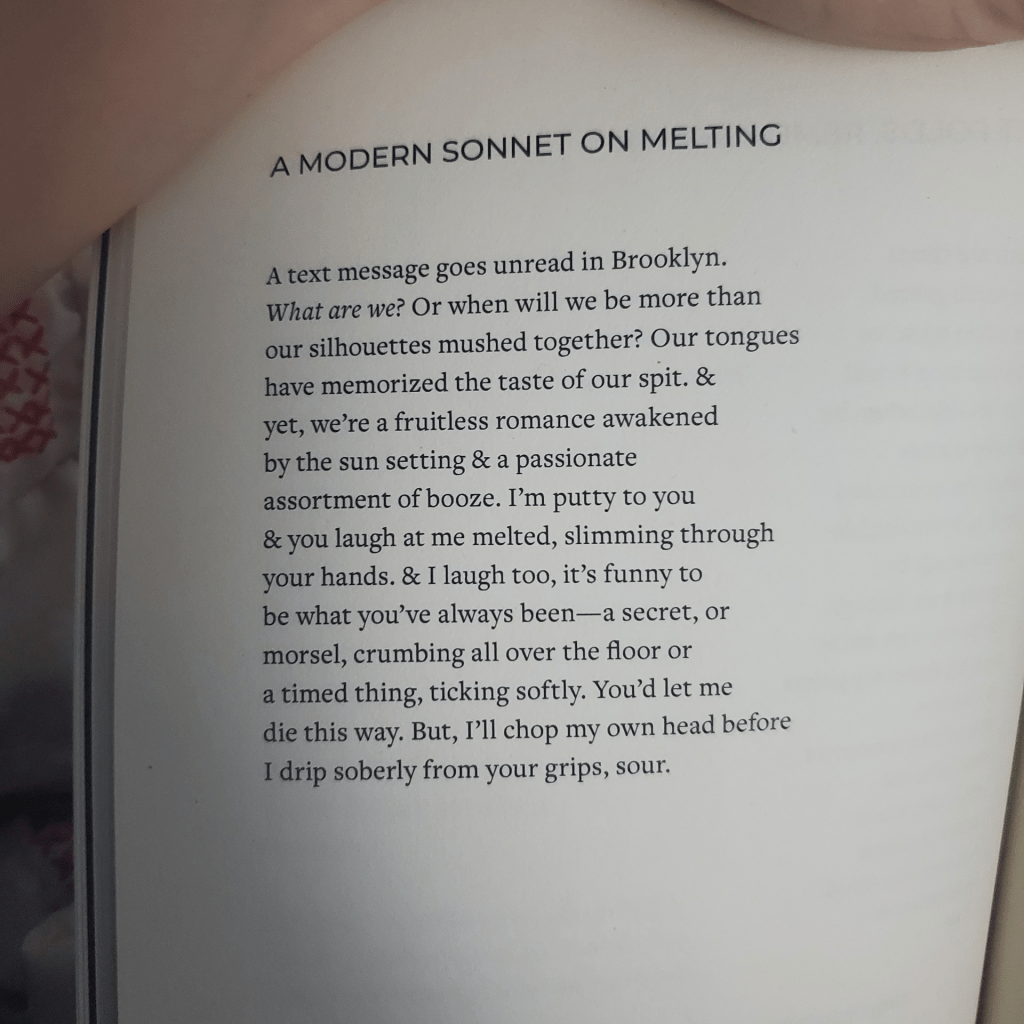
“If My Flowers Bloom” is a Button Poetry book of poems by Deshara Suggs-Joe, a queer, Black poet and visual artist. These poems were about desire, and many were sexual in nature. Honestly, this book was not one I enjoyed. I have included a snippet of my favorite poem from the book.
2 out of 5 stars
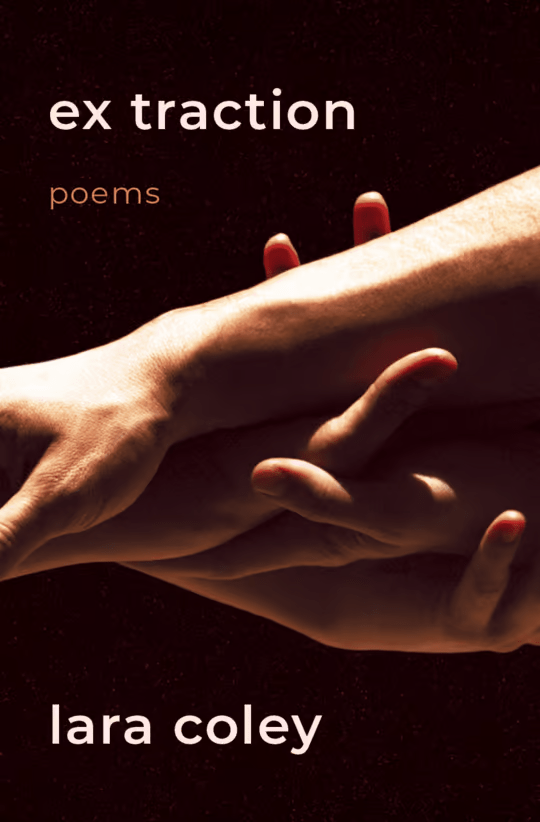
“ex traction” is a Button Poetry book of poems by Lara Coley, a San Francisco poet and educator who has taught creative writing and ESL in juvenile detention centers, schools, universities, and mental health treatment centers. Lara’s poems sharply dissect love relationships, and many are abuse and loving emotionally unavailable men.
4 out of 5 stars
Here are some snippets:
“How do you love so softly, so gently, so quietly, with your hand so tightly cradled around my throat?”
“We were lying on my bed and I asked him why, in our two years together, he’d never told me he loved me. He said he didn’t need to, that everyone knew. Een Jessica knows, he said. Well, good for her, I said. Good for Jessica.”
“She is wearing your affection like a coat, tailored to fit her. I remember stretching your love around my shoulders like a misshapen shovel that would never cover any parts of me that needed warmth.”
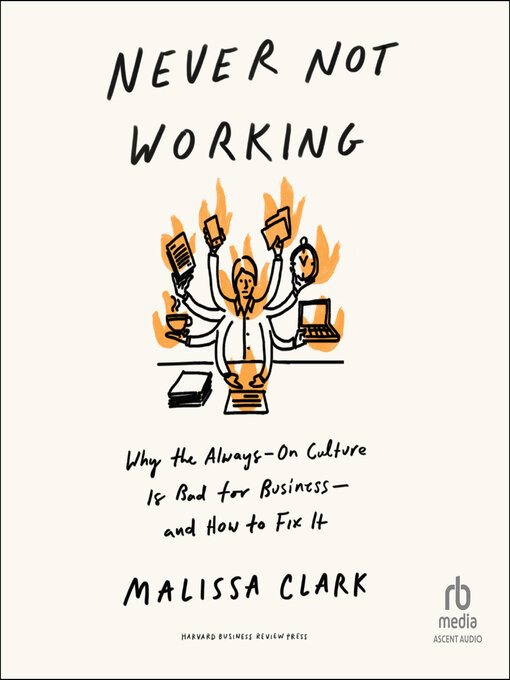
“Never Not Working: Why the Always-On Culture is Bad for Business – and How to Fix It” was written by Malissa Clark, associate professor of industrial-organizational psychology at the University of Georgia. Malissa is also a recognized expert on the topics of workaholism, overwork, burnout, and employee well-being. I highly recommend this book and will post about it in more detail sometime.
5 out of 5 stars
This book was filled with helpful information. This book covered signs of workaholic behavior, how to counteract workaholic behavior, the main components of workaholism, specific signals of workaholic culture within an organization, overwork assessments, and questions to ask after you get a job offer. Here are some of my many take-aways.
The most direct way to figure out what’s valued in a culture isn’t to listen to what people say is important. It’s to pay attention to who gets rewarded and promoted to leadership roles. Groups elevate people who represent their principles and advance their goals.
Here are some signs of workaholic behavior:
rumination – always thinking about work
overcommitment – always taking on too much and not knowing limits
busyness – always doing – unstructured time feels uncomfortable
perfectionism – nothing is ever good enough
poor delegation
poor scoping – underestimating how long it will take to do something
catastrophizing
3 questions to ask after you get a job offer to learn about the culture (courtesy of Work Life with Adam Grant):
Tell me about something that happens here that wouldn’t happen elsewhere.
Tell me about a time when people didn’t walk the talk here.
Tell me a story about who gets hired, promoted, and fired around here.
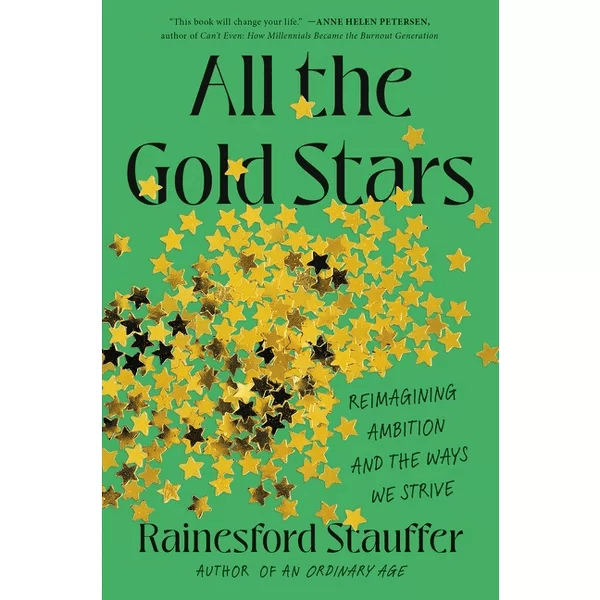
“All the Gold Stars: Reimagining Ambition and the Ways We Strive” was written by Rainesford Stauffer, an author, journalist, and speaker. This book contained a thoughtful exploration of ambition. Although this book contained several ramblings, there were some great takeaways.
4 out of 5 stars
So many modern ideas of ambition are rooted in work-related self-development, self-improvement, and career mobility, but ambition isn’t just about work. For those of us who feel that our performance at work – or our ambition – is the most valuable, worthiest, and most significant part of us, and thus, the most important part of our lives, we lose ourselves at the center of our stories.
Two primary sources of influence of our self-concept are our childhood experiences and our evaluation by others. Evaluation is ambition’s sidekick. Ambition is often registered as achievement.
Don’t let the world place limits on your ambition. Our efforts, time, imagination, and care can be oriented toward what matters to us most deeply in the face of a world that’s screaming to-do lists at us. Ambitions can be demonstrated in your hobbies, your values, how you care for yourself, your contributions to your community and causes, your friendships, etc.
Questions to ask yourself:
Think about your unrésuméd self – What are the things that actually fill you up that no one cares about, or you can’t put on your resume?
Who came up with this aspiration? Is it my idea or something random I thought I should aspire to?
What resources does it take to be ambitious about this, and is it worth it?
What does this ambition serve? It is me, a loved one, or something I care deeply about, or just an arbitrary marker of success?
How can the personal definitions we have of ambition expand?
I look forward to reading, learning, and sharing more with you soon!



 Read Learn Share