I read four books in February. Here is a blurb of each of the books I read in February.
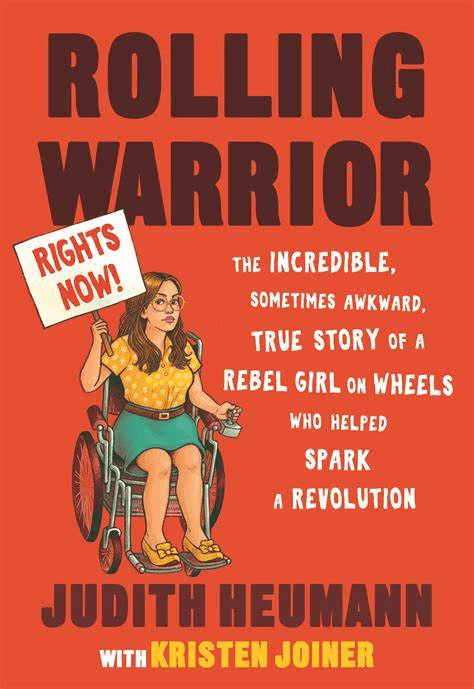
“Rolling Warrior” was written by Judith Heumann with Kristen Joiner. Judith is an internationally recognized leader in the disability rights movement. She has advocated for disability rights at home and abroad, serving in the Clinton and Obama administrations and as the World Bank’s first advisor on disability and development. Kristen is a writer and activist who tries to tell stories that change how people see the world. This book was the young reader’s edition of Judith’s acclaimed memoir “Being Heumann.”
Judith became sick with polio when she was 18 months old. Most people who get it are fine after a week or two, but some end up paralyzed and not able to move. Judith was paralyzed and can move her arms and hands, but can’t walk, dress herself, or go to the bathroom by herself. Judith detailed the challenges of living with polio:
Having a manual wheelchair when streets had curbs with no ramps
not going to a typical school until she was 14 years old – 1 1/2 hours away because her neighborhood school wasn’t accessible
having to ask other students for assistance when needing to go to the bathroom
having to ask other students for assistance to get into her dorm, which had a step
engaging in a sit-in protest with 150 disabled people to prompt the signing of Section 504.
Section 504 of Title V of the 1973 Rehabilitation Act prohibits discrimination against people with disabilities in institutions and programs receiving federal funding. Judith’s lifelong work also contributed to the passage of the Americans with Disabilities Act (ADA).
My story is similar to so many other people’s – those with and without disabilities. Telling our stories helps strengthen our ability to continue to fight against injustice. Sharing the stories about how we want our world to be – and then turning these dreams and visions into reality – is what we must all commit to doing.
4 out of 5 stars
“What I Told My Daughter: Lessons from Leaders on Raising the Next Generation of Empowered Women” was edited by Nina Tassler with Cynthia Littleton. Nina Tassler spent more than a decade as head of entertainment programming for CBS. This book consisted of short essays. Here are some of the many quotes from the essays that stood out to me.
We tell our girls that they can do anything, be anything, that the world is theirs for the taking. We encourage them – expect them – to be ultra-high achievers with lofty goals for college and beyond. I fear we may sometimes put too much pressure on our girls, imbue them with impossible standards. I worry that our dreams for them may sometimes, unintentionally, lead them to believe they can never make mistakes, and that perfection is more important than resilience. I want her to know that not only can she success, but that she can fail without being a failure, be hurt without being diminished, and be embarrassed without being ashamed.
“They always have the right to change their minds, especially when it comes to their personal happiness, whether it involves friendships, potential partners, and even career choices.”
“There are so many lessons we teach our daughters every single day – by what we say and do and how we treat others and how we let them treat us. We lead by example.”
“Choose friends who care about your feelings. Choosing the right people in whom to entrust our emotions and vulnerabilities may be the hardest but most important skill we learn in life.”
4 out of 5 stars
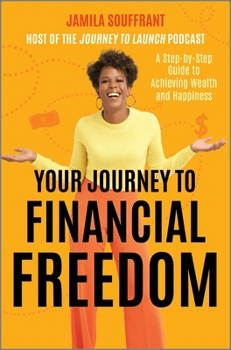
“Your Journey to Financial Freedom” was written by Jamila Souffrant, founder of Journey to Launch and the host of the podcast of the same name. She has been featured by several news outlets and is a certified financial education instructor. This book covered financial independence, creating your enjoyable financial independence plan, executing it, increasing income, paying down liabilities/debt, increasing assets, and staying the course and enjoying the journey. I got a lot out of this book. Here are some key points:
This book covered 5 journeyer stages, each of which has different financial priorities. This book also covered 5 different guacamole levels, which correspond with different lifestyle levels.
There are 6 components you’ll need to work on to help you reach financial independence: income, expenses, liabilities, assets, mindset, and habits.
This book encourages readers to evaluate their expenses based on their journeyer stage and guac level. Consider whether you are comfortable with sacrificing everyday indulgences now to achieve a bigger guac level later, whether you plan to maintain the same level in the future when you reach financial independence, and what guac level you can realistically live at now while working toward financial independence and the guac level you want to maintain once you reach it. Many people assume they need the same income in retirement but have goals of traveling more and living a more luxurious life. Evaluate your lifestyle and expenses now compared to your desired lifestyle and expenses later.
This book covered ways to increase income, set savings goals, optimize expenses, create a debt payoff plan, and increase assets.
It isn’t all about the future and living your best life in retirement. What are the things that you want and wish to do when you reach financial independence and how can you start doing them now? ex: hobbies and vacations
Don’t put your joy and freedom on layaway. The thing about living too much in the future or waiting for the next is that by the time you accomplish or have those things, your life has passed you by. Figuring out how to enjoy the now no matter where you are is critical to a peaceful and sustainable journey. Find joy right where you are.
This book was very comprehensive and educational, and I highly recommend it!
5 out of 5 stars
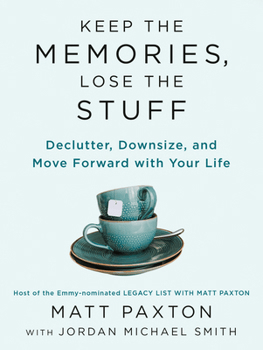
“Keep the Memories, Lose the Stuff: Declutter, Downsize, and Move Forward with Your Life” was written by Matt Paxton with Jordan Michael Smith. Matt is one of America’s top downsizing and hoarding experts, has been the featured cleaner on Hoarders, is the host of Legacy List with Matt Paxton, has been featured in several news outlets, and has helped thousands of people from all walks of life leave behind belongings that no longer serve them so that they can finally take the next step. Jordan Michael Smith is an award-winning journalist, author, ghostwriter, and speechwriter. This book is also in collaboration with AARP, the nation’s largest nonprofit, nonpartisan organization dedicated to empowering people aged 50+ to choose how they live as they age. Here are some of many tips that resonated with me:
Clean or declutter for 10 minutes every night 5x/week. Stick to it.
Set a deadline to keep yourself accountable and force you to do the hard work even when you don’t feel like it.
Understand your why.What are your reasons for decluttering? Less stress? More space for stuff? Moving?
The best predictor of whether you’ll need an item is whether you are currently using it or have recently used it, not whether you think that, one day, somehow, somewhere, you’ll use it. In all likelihood, that day will never come. Love who you actually are and force yourself to say goodbye to your “fantasy self” items, the stuff you think you’ll use when you’re a different version of yourself. Ex: exercise equipment, clothes that are way too small
Give yourself permission to give. Don’t confuse the emotional worth with the economic worth. Something is only worth financially what an independent third party will give you.
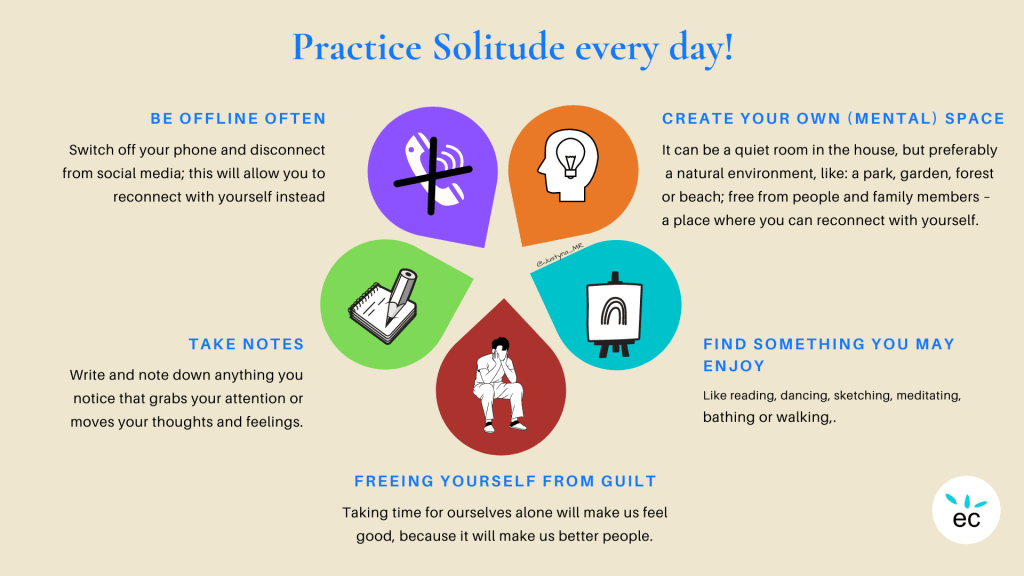
Free yourself from guilt. We think we’re expected to carry on not just traditions passed down to us, but actual belongings. The reality is that you aren’t obligated to any thing or lifestyle other than the one you want. Let go of expectations about your obligations to inanimate objects.
Ask yourself, “What are the items that will help me live happily and keep my story living on forever?” Discover your legacy and feel free to keep 5-6 items that are intensely personal, both to the giver and the receiver.
We confuse the sentimental value of our objects with the financial value they’ll have to others. It’s only human to believe our stuff is worth more than it actually is because we attach emotions and memories to those items. Selling our belongings means separating the powerful emotional value from the brutal financial reality of what those possessions are worth in the marketplace.
I highly recommend this comprehensive book! It contains tips for decluttering, moving, creating a Legacy List of items, giving items away, selling items, and contains many resources.
5 out of 5 stars
I look forward to reading, learning, and sharing more with you soon!
My intention is to post a Thoughtful Thursday column each week and share some of the insights I have learned in the past week. Here are some of the things I’ve learned this week:
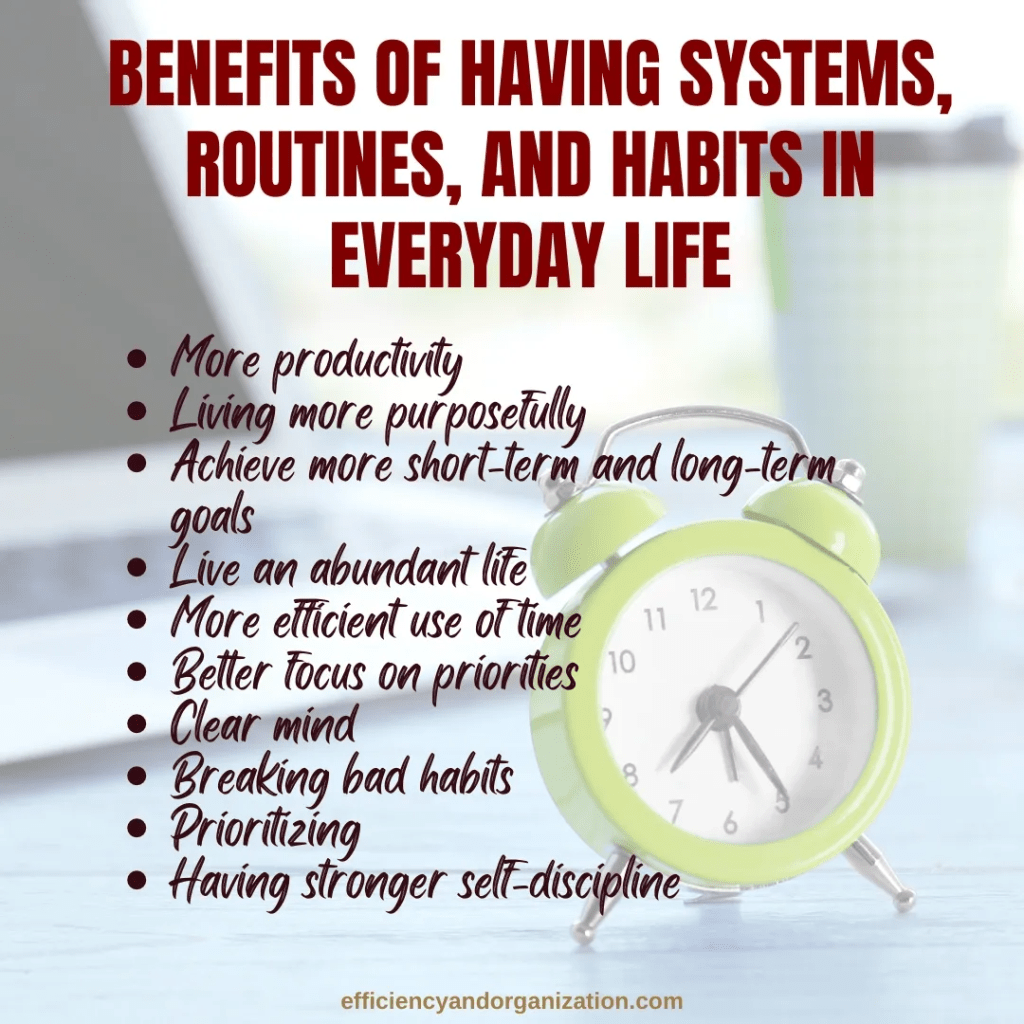
Sad to Savage – How to Create Habits and A Routine With An Inconsistent Schedule
Keep a consistent amount of time that you need instead of a consistent time you need to wake up.
Pick 1-3 things you want to do in a morning routine and figure out how long it takes to do those tasks. Usually 1 hour – then figure out what time you need to wake up each day
Write out your schedule each week.
Create at least two morning routines: weekdays vs. weekends. Days you are working vs. days you are off.
What would your ideal morning routine be for the days you are working? What would your ideal morning routine look like for the days you are off?
Choose a workout you like to do and one that you can do consistently. Build a habit of physical movement on the days that you have off. Build a physical health habit that is realistic and that you can keep consistent.
Time consistency helps build your habit – same time every day
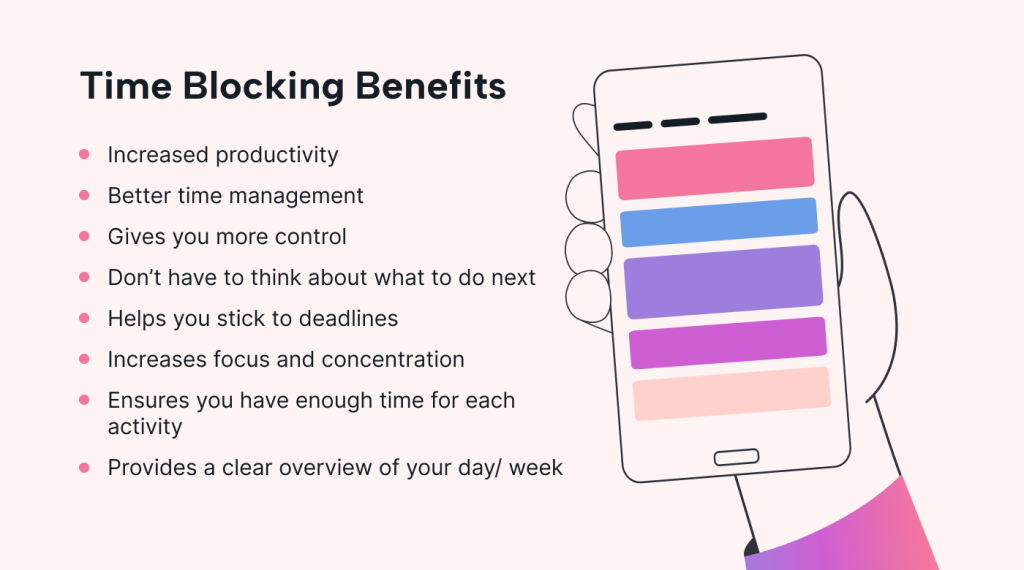
If you feel like you don’t have time for things, time block. See how much time you are spending on your phone each day instead.
Prioritize waking up earlier and doing a morning routine, or work on your routine right away when you get home from work.
Grocery shop and meal plan and prep on one of your days off.
Nighttime routine- get meals ready for the next day.
Focus on having a short routine and long routine. Short routine for nights you work late, are exhausted, and don’t have much time – pick 1-3 things that are crucial for your success the next day (scheduling workout, washing your face, setting out clothes). Long routine for days you aren’t stressed and aren’t getting home late (prepping food for next day, tidying room, reading before bed, washing your face, setting out clothes, etc.)
Inside Out Money – Progress over Perfection
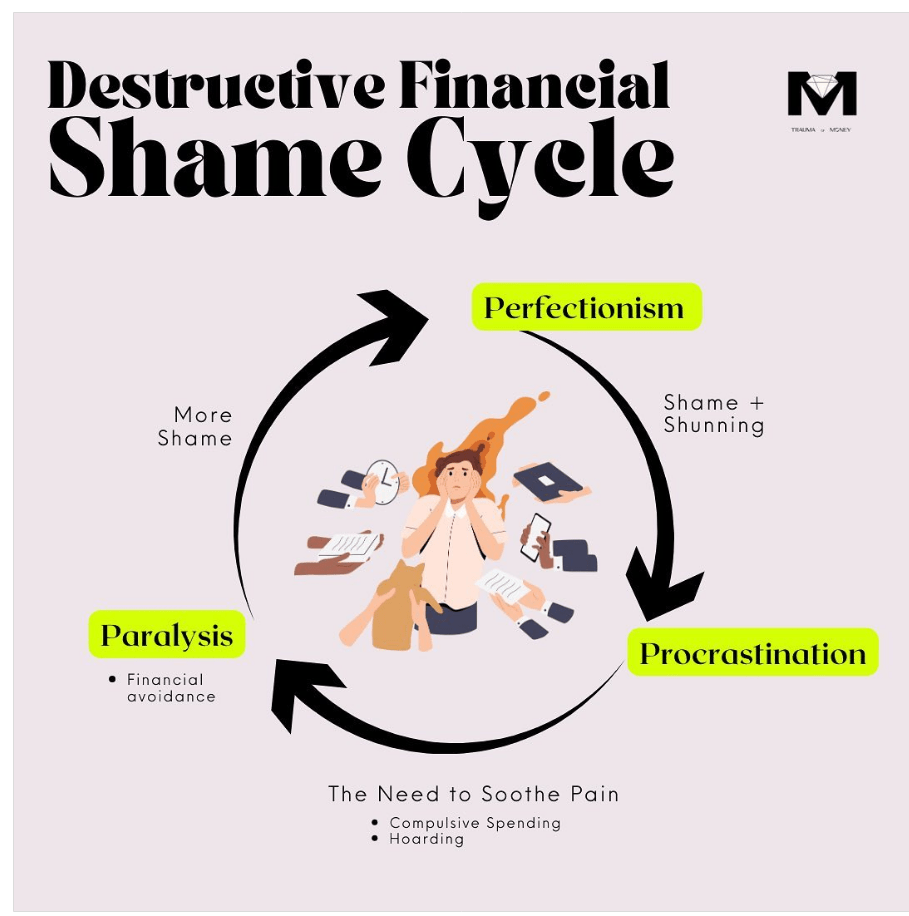
Perfectionism – striving for flawlessness, holding excessively high personal standards, and having overly negative reactions to perceived mistakes and setbacks – can lead to a lot of self-criticism and rumination
Root of perfectionism is deficit and lack – whole existence is to prove to other people that we are good enough, we have skills, we matter, and that we are high-functioning.
Perfectionism can be linked to imposter syndrome. If you’re trying to project a perfect person all the time to others, you might feel like an imposter.
Combat perfectionism
Mindfulness – Be present in the moment and understand the emotions that are going on within you – passing thoughts and passing emotions.
Meditation
Vulnerability
Self-compassion
Radical acceptance – we can’t control everything. We need to do the best with what we have.
Focus on balance and progress over perfection with finances.
Have a growth mindset. See mistakes as learning opportunities. We can always strive to get together while also being kind and compassionate to ourselves and those around us.
Tips:
Just get started. Don’t put off working on your finances and tracking your net worth and expenses just because you are afraid to see the results.
Focus on the things that you need to improve around your finances and set realistic goals. Ex: improving credit score, paying off debt, increasing savings rate
Learn from your mistakes. Recognize ahead of time that you will make mistakes and you can get better at this.
Set consistent habits and automate things when you can.
Avoid perfection paralysis. There is never a perfect time or perfect situation to start doing better. Don’t wait for the right time.
On Purpose with Jay Shetty – 7 Habits to Be Present
Wake up twenty minutes before you have to. If your first thought when you wake up is, “I’m already behind” you are already living in a feeling that you need to catch up with time. Our language and our thoughts set how we feel. That thought will repeat itself for the rest of the day. If you start your day slower mentally and physically, you can maintain that momentum as it speeds up.
Connect with yourself.What is the one thing you need to do for yourself today?
Calendar – what is the one thing you need to do today to make it a great day?
Check in with someone else.
One device at a time: tv, laptop, phone. Your brain processes background noise. Limit your focus to one device at a time. Having a rule is better than not having a boundary.
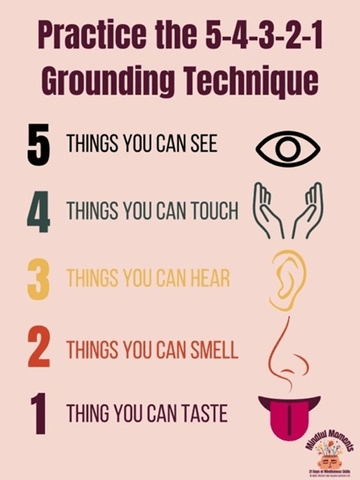
Take thirty seconds when you enter a new room, new space, or a new part of your day to engage your senses. What can you see, hear, touch, smell, and taste?
Obey the speed limit. One of the ways we feel the most out of touch is when we are driving. Is shaving off two minutes worth the risks of what you may experience?
Be present with your breath. Breathe in for 4 and out for 4 counts. Reconnect with your breath and your body.
Prioritize extended periods of silence – increases brain cells, helps you be more focused and productive, helps you relax and slow down
Experience nature – gives us a feeling of time abundance, sense of time is slower and more meaningful
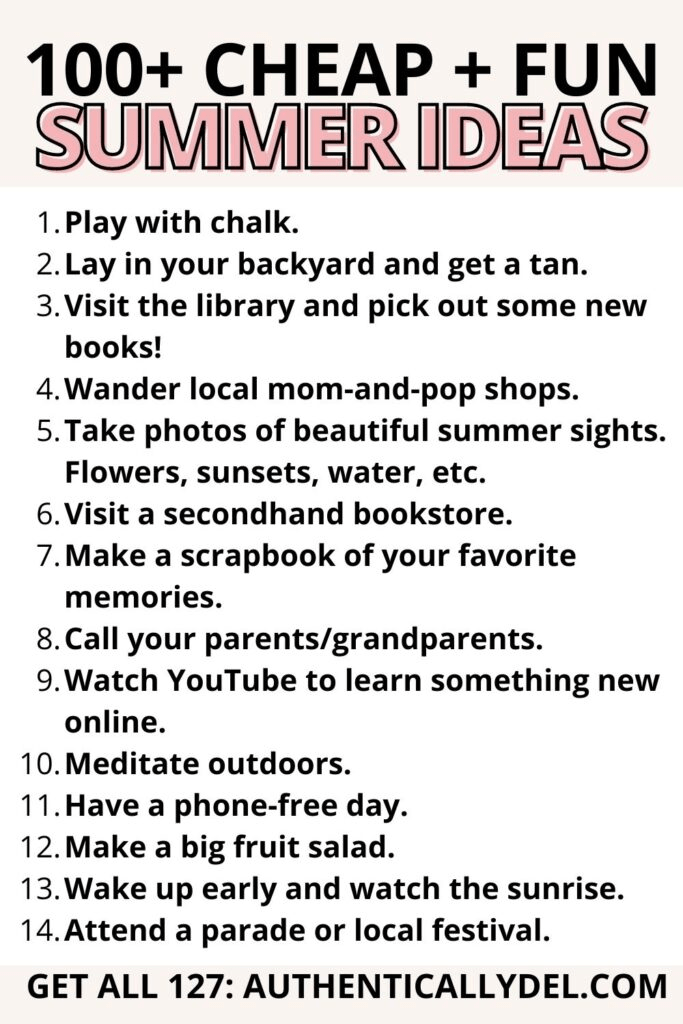
Life Kit – Summer fun on a budget
Public parks and beaches
Field day with friends – three-legged race, water balloon toss
Park programming – events calendar
Penny date – explore things without an objective. Take a coin, pick a direction for heads and tails, and flip the coin and see what direction it takes you. Stop when you see something interesting.
Go to the farmer’s market.
Parades
Coloring book and colored pencils
Open mic nights/poetry slams
Museums – some museums offer free admission on certain days
Recreate a family recipe.
Themed hangouts – pick a theme and invite people over
House/apartment swap with a friend
Go to an open house, even if you aren’t in the market
Go to the mall and try on silly outfits
Write your future self a letter
I look forward to reading, learning, and sharing more with you soon!





 Read Learn Share