I read six books in November, some of which were short and easy reads. Here is a blurb of each of the books I read in November.
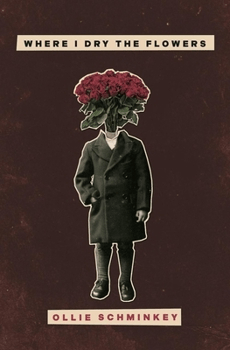
“Where I Dry the Flowers” is a Button Poetry book of poems written by Ollie Schminkey, a non-binary transgender poet and artist who has spent the past decade coaching, mentoring, teaching classes, and running workshops for poets. Many poems in this book are about grieving the loss of a complex person. I highly recommend this book to anyone who loves poetry and/or is trying to process grief. Here are some lines I enjoyed from this book.
Controversial opinion: In Defense of Speaking Ill of the Dead – “he is both: the man who would make us smoothies out of orange Kool-Aid and vanilla ice cream and the man who yelled when he drank and drank so often I’d run to the basement and lock the door.”
“I think grief is always at least two things: one, the constant realization that your expectations for the future were wrong, and two, death has happened and it will again.“
Forgiveness poem – “i never said it out loud. Maybe my father wanted forgiveness as much as I wanted an apology, but we stayed silent, the grudge, smooth as a pearl underneath our tongues. but it doesn’t mean i didn’t forgive him. and it doesn’t mean he wasn’t sorry . . . . when he offered me his death as an apology, i took it. of course, i took it.“
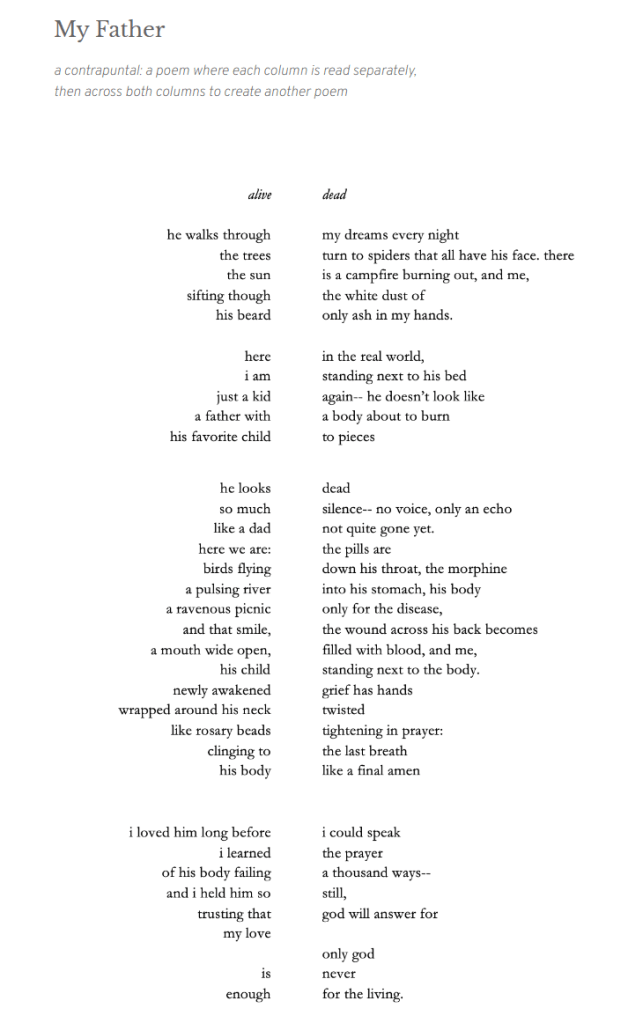
One of my favorite poems from the book is this one. I love the idea of contrapuntals.
4 out of 5 stars
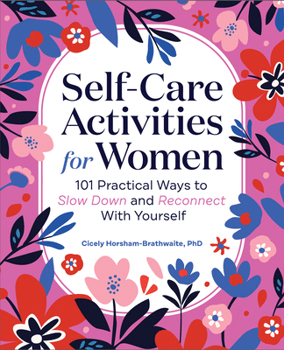
“Self-Care Activities for Women: 101 Practical Ways to Slow Down and Reconnect With Yourself” was a quick, easy read with excellent ideas from Cicely Horsham-Brathwaite, PhD, a licensed counseling psychologist and coach with over two decades of experience. This book provided different ideas for self-care in different categories: emotional, physical, mental, social, and professional. I highly recommend this book for anyone looking for self-care ideas. Here are some of my favorite ideas from each category.
Emotional self-care: Create your joy playlist. Create a list of songs that bring about positive memories and feelings, and schedule time in your calendar to listen to the entire playlist without multitasking whenever you need a mood shift.
Physical self-care: Plan a hike and picnic outdoors with friends.
Mental self-care: When you find yourself engaging in distracting behavior, reflect. What do I need right now? Is this giving me what I need, or do I need something else? Ex: may need a shower, hydration, exercise, rest, a hug, a good cry, journal reflection, or a talk with a friend.
Social self-care: Schedule activities with people you’d like to get together with on a regular basis. Rotate hosting.
Professional self-care: Establish a morning routine to set the tone for the rest of the day.
Self-care = “the actions one takes on their behalf in service of their well-being. Self-care means giving the world the best of you instead of what is left of you.”
5 out of 5 stars
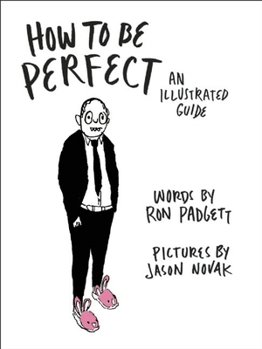
“How to Be Perfect: An Illustrated Guide” was a quick, fun, simple book written by Rod Padgett and illustrated by Jason Novak that took me under fifteen minutes to read. Here are a handful of my favorite lines.
Hope for everything. Expect nothing.
Be skeptical about all opinions, but try to see some value in each of them.
Learn something new every day.
Be honest with yourself and diplomatic with others.
Be on time, but if you are late do not give a detailed and lengthy excuse.
4 out of 5 stars
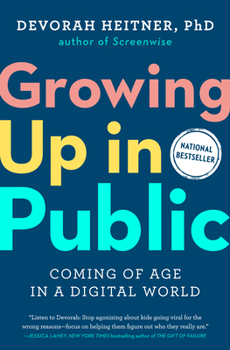
“Growing Up in Public: Coming of Age in a Digital World” was written by Devorah Heitner, PhD, who has spoken and written widely about parenting and growing up in the digital age. This book was interesting and thought-provoking, and I highly recommend it for all parents or anyone who hopes to be a parent someday. This review sums it up:
“A must-read for every parent. Emphasizing the importance of our children feeling seen instead of watched, mentored instead of monitored, this book is all at once a road map for preventing digital problems, a resource for what to do when things go wrong, and a crash course in how to empower our kids to become responsible, independent, and thoughtful digital citizens.” – Tina Payne Bryston, LCSW, PhD, NYT bestselling author of “The Whole Brain Child”
I got a lot out of this book, and here are just some of the tips:
Mentoring is better than monitoring if we want to set our kids up for success. We want our kids to make good decisions, even when we are not right there.
We need to do a better job of mentoring kids on how to be intentional about how much they share both online and offline.
Common mistakes from teens and kids: carelessly taking a video of themselves making a crude hang gesture or using profanity, sharing videos of themselves making an unkind joke about a peer or teacher, taking selfies of vaping/drinking/drugs, taking a video mocking someone’s disability, wearing a racist Halloween costume, making fun of someone’s accent or body type, and liking or reposting problematic things.
5 out of 5 stars
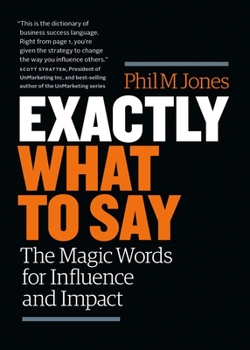
“Exactly What To Say: The Magic Words for Influence and Impact” was written by Phil M. Jones. This book can be considered a masterclass in the art of influence, persuasion, and generating top-producing results. This book often came across as salesy – teaching the world to sell. I highly recommend this book to anyone in sales or anyone who wants to influence or persuade others.
Here are some of the tips:
One of the biggest reasons your ideas fail to get heard is that others tell you that they just don’t have the time to consider them. By using the preface, “When would be a good time to . . .?” you prompt the other person to subconsciously assume that there will be a good time and that no is not an option.
The words, “As I see it, you have three options” help the other person through the decision-making process and allow you to appear impartial in doing so. Present your option last and as the easiest. Then ask “What’s going to be easier for you?“
“What happens next is . . . ” brings people through to the completion that needs to follow. It is your responsibility to lead the conversation, and following the sharing of the required information, your role is to move it toward a close.
Success in negotiating is all about maintaining control in a conversation, and the person in control is always the person who is asking the questions. Challenge objections with “What makes you say that?” This shift of control now leaves the other person obligated to give an answer and fill in the gaps in their previous statement.
5 out of 5 stars
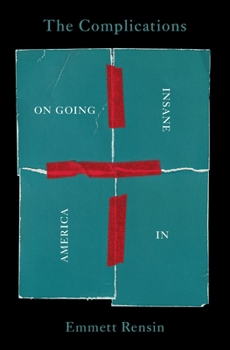
“The Complications: On Going Insane In America” was written by Emmett Rensin, who reflects on his life with schizoaffective disorder of the bipolar type: the hospitals and medication, the lost jobs and friends, the periods of mania and psychosis, the medication-induced tremor in his hands, etc. This book elevates the conversation around mental illness and challenges us to reexamine what we think we know about a world where one in a hundred people go mad. I learned a lot from this book and highly recommend it to anyone who wants to learn more about mental disorders. Here are some of my takeaways:
Some psychotic disorders become milder with age. Others are deteriorating, progressive conditions. Outcomes are difficult to predict.
The causes of severe psychiatric dysfunction are not thoroughly understood, but it is widely perceived that genes are not enough. Some additional event typically precipitates the full break. Trauma, substance abuse, and brain injury are common suspects.
It takes 7-8 years, on average, after initial onset of symptoms to get a diagnosis.
While brain abnormalities exist in some psychiatric patients, there are no consistent organic “signs” of madness, not any biological test for any psychiatric pathology.
“In between the positive exclamations of a psychotic disorder – bouts of delusion, mania, hallucinatory experience – are the dull murmurs of what we call negative symptoms, which generally include a blunt affect, social isolation, difficulty feeling pleasure, a lack of willpower, and poverty of speech.
“One of the greatest predictors of patient prognosis in the case of psychotic disorders is the degree of patient insight, which is to say, the degree to which the patient is aware of their disorder. If you cannot believe that you are ill, then you are unlikely to take your medication. If you do not take your medication, your condition will worsen. If your condition worsens, you are no more likely to take your medication or engage in the tedium of self-care.”
This reflection from the author stood out to me:
I am afraid of reaching a point where I do not want help, do not believe that I need help, where I run away from anyone who tries to help me, or worse, where I become so terrified or angry or violent that I hurt those people until they are not willing to help me anymore. I am afraid that one day I will become so sick that I reach the end of other people’s charity.
4 out of 5 stars – at times, this book was difficult to read and seemingly consisted of tangents and ramblings – however, this was likely due to periods of mania.
4 out of 5 stars
I look forward to reading, learning, and sharing more with you soon!
I read three books in September 2024. School has been keeping me busy. Here is a brief synopsis of the books I read in September.
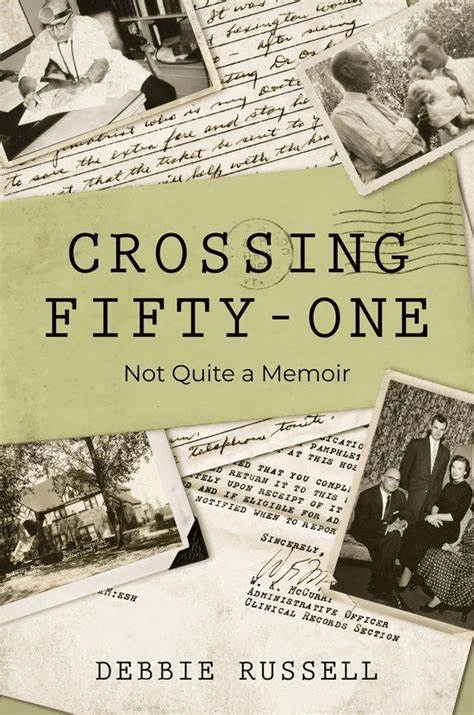
“Crossing Fifty-One: Not Quite A Memoir” was written by Debbie Russell, a retired Hennepin County Prosecutor. This book contained themes of family dynamics, building your own identity, addiction, and reducing the stigma associated with addiction.
Debbie’s grandfather suffered with asthma and admitted himself to a federal narcotic farm for his Demerol addiction, where he assisted in treating his fellow patients. In this memoir, Debbie shares insights into her family’s history through her conversations, research, and letters her grandfather wrote or received. Here are some quotes that stood out to me:
“Since most addicts have some sort of personality disorder, it follows that the basic attack on the problem of addiction is to prevent the development of such disorders. It is the current belief that most of these result from frustrated drives for security, recognition, and affection, particularly during childhood. Granting this, attention must be focused on preparing parents and prospective parents for their roles in shaping the personalities of their children.”
“It’s much harder to dig inside ourselves and try to figure out how we contribute to our own problems. It’s my current struggle. Every. Single. Day.”
“It takes amazing perspective to be able to think of a locked drug rehab facility as a ‘retreat.’ But maybe, compared to Papa’s struggles with addiction, the facility served as a haven.”
4 out of 5 stars
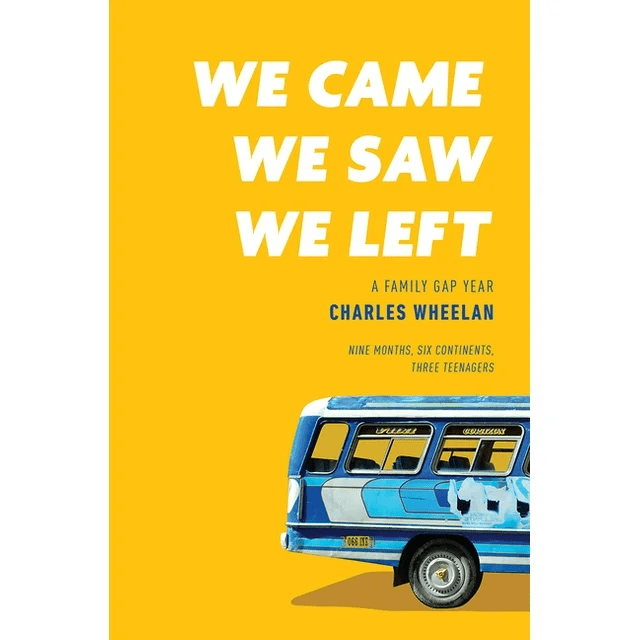
“We Came, We Saw, We Left: A Family Gap Year” was written by Charles Wheelan, a former correspondent for the Economist who teaches public policy ad economics at Dartmouth College. This book was an exhilarating and exciting read about the family gap year that consisted of 9 months, 6 continents, 3 teenagers, and 1 flesh-eating parasite. I learned about traveling minimally on a budget and about different destinations. Here are some takeaways:
Traveling around the world for nine months is cheaper than staying at home (if you rent out your house). The author spent less on food while traveling, didn’t have to pay for gas, and only needed storage insurance for his vehicles back home. The primary expense associated with traveling is forgone income. All-in, their budget was $60 per person per day. This was fascinating to me, although I don’t have a job that would allow me to take off for one year. To put it in perspective, according to the author, traveling around the world for nine months would only delay retirement by one year.
“Experiences, rather than things, are what make us happiest in the long run. Experiences become an ingrained part of our identity. Experiences connect us to the people with whom we share them, and experiences make up into the people we are. Even bad experiences morph into positives over time – like a funny story or a character-building experience.”
What are some lessons they learned?
The world is still an interesting place, and each country has its own feel and personality.
They are great teammates, and marriage is about picking a person you want at your side to help navigate whatever might come along, such as traveling on a low budget to bizarre places.
They learned that life goes on without you. They came back to a place that was pretty much the same as they had left it.
The greatest luxury is time – sleeping until refreshed, reading at any time of day, and wandering aimlessly.
There is serious environmental damage, such as air pollution in big cities and deforestation in less-developed areas.
It was really fun. Adventures turned out to be worthy of that anticipation, and many great moments were entirely circumstantial.
5 out of 5 stars
“Ultra-Processed People: The Science Behind Food That Isn’t Food” was a fascinating and alarming book written by Chris Van Tulleken, who has a medical degree from Oxford and a PhD in molecular virology. Chris is an associate professor at University College London and a practicing infection diseases doctor. Chris studied ultra-processed foods (UPF) and conducted an experiment. He stopped eating UPF for 4 weeks, then ate 80% UPF for 4 weeks. He had his weight, height, BMI, and body fat measured both before and after the experiment, and he gained 6 kilograms (about 13 pounds). His appetite hormones were deranged, he had a 5x increase in leptin (the hormone that comes from fat), and his C-reactive protein (a marker that indicates inflammation) had doubled!
I learned a lot from this book. Here are some of the main points:
If it’s wrapped in plastic and has at least one ingredient that you wouldn’t normally find in a standard home kitchen, it’s UPF. Almost every food that comes with a health claim on the packet is UPF. UPF is high in calories, fat, and sugar and low in fiber.
UPF displaces diverse whole foods from the diet, especially among low-income groups. It’s addictive. The emulsifiers, preservatives, modified starches, and other additives damage the microbiome. The convenience, price, and marketing of UPF urge us to eat constantly and without thought, which leads to more snacking, less chewing, faster eating, increased consumption, tooth decay, and other health issues.
There are over 10,000 additives used in food in the United States – flavors, flavor enhancers, colors, emulsifiers, artificial sweeteners, thickeners, humectants, stabilizers, acidity regulators, preservatives, antioxidants, foaming agents, anti-foaming agents, bulking agents, carbonating agents, gelling agents, glazing agents, chelating agents, bleaching agents, leavening agents, clarifying agents, etc. Over 1,000 of these were self-determined to be safe and are not FDA approved.
“Most UPF is not food. It’s an industrially produced edible substance.”
This book covered several UPF ingredients, foods they are found in, and the damaging effects of them. One of those that stood out most to me was xanthan gum, which is found in many gluten-free foods and flours. Xanthan gum is a bacterial exudate slime that bacteria produce to allow them to cling to surfaces. “Think of xanthan gum the next time you scrape the accumulated gunk from the filter on your dishwasher.” Or don’t!
4 out of 5 stars
I look forward to reading, learning, and sharing more with you soon!
I read seven books in August 2024 – the most I have read in one month since starting school this year. Here is a brief synopsis of the books I read in August, some of which I will post about in greater detail in the future.
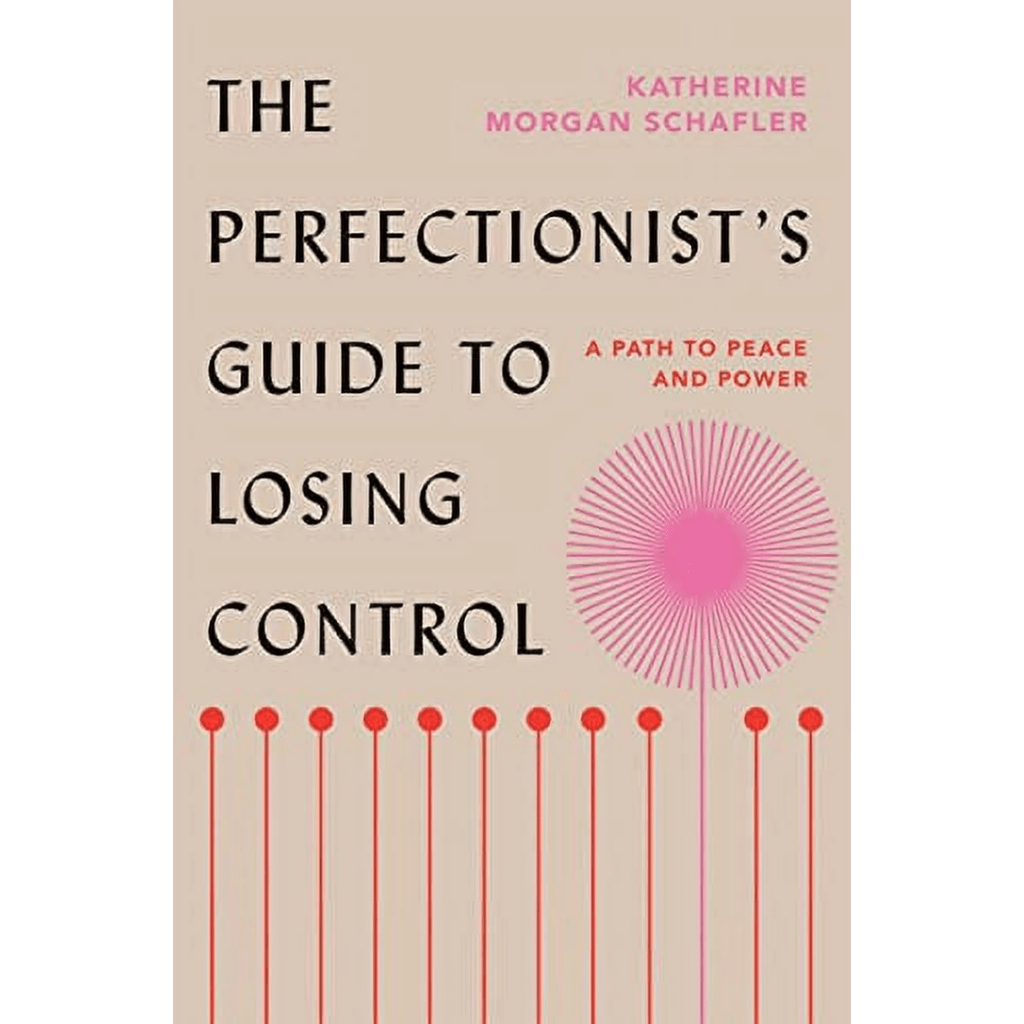
“The Perfectionist’s Guide to Losing Control” was written by Katherine Morgan Schafler, a psychotherapist, write, and speaker and former therapist at Google. I got SO much out of this book and my notes covered the review pages for 2 books instead of 1! This book explored types of perfectionists, lessons learned, and strategies of coping with perfectionism. I will most more about this book in the future, but for now, here are a few lessons:
I am mostly a classic perfectionist (and partially a Parisian perfectionist). I value structure, consistency, predictability, an understanding of all the options so as to make an informed decision, high standards, objectivity, and clarity through organization. I don’t like disorder, I have difficulty adjusting to schedule changes, and I tend to experience spontaneity as stressful. Itinerary-centered existence can rob classic perfectionists of the opportunity to grow in a way that wasn’t planned or goal-oriented.
Right now, with all the things you have yet to achieve, you are as worthy of all the love, joy, dignity, freedom, and connection as you would be had you already achieved them. You are worthy of all these things because you exist.
There are many raw manifestations of perfectionism:
emotional (want to experience a perfect emotional state)
cognitive (want to understand perfectly)
behavioral (want to behave perfectly in my roles and perform perfectly in my tasks)
object (want external thing, such as desk, hair, etc. to exist in a perfect state)
process (want process to begin, continue, and end perfectly)
5 out of 5 stars
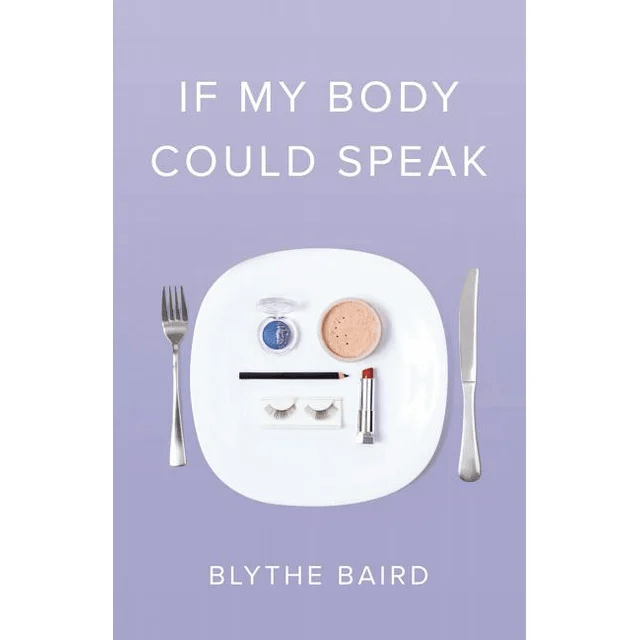
“If my body could speak: poems” by Blythe Baird included poems mostly about rape and eating disorders. Here are some lines that stood out to me:
“If you develop an eating disorder when you are already thin to begin with, you go to the hospital. If you develop an eating disorder when you are not thin to begin with, you are a success story.”
“If your body could speak, would she forgive you?”
“One day after years of starving and gaining and fighting, I stepped on a scale and suddenly that number didn’t say anything about me…and that night nothing on my plate said anything about me either. Later, I got ice cream from a truck and I didn’t have to make myself earn it.”
“I found a way to heal through the poetry. The stage is the only place I could tell my story where it wasn’t a liability I was putting onto anyone. This stage is where i learned to stop hoarding my suffering.”
“Do not say you didn’t try. Remember: you did the best you could in the situation you were in with the materials you had.”
4 out of 5 stars
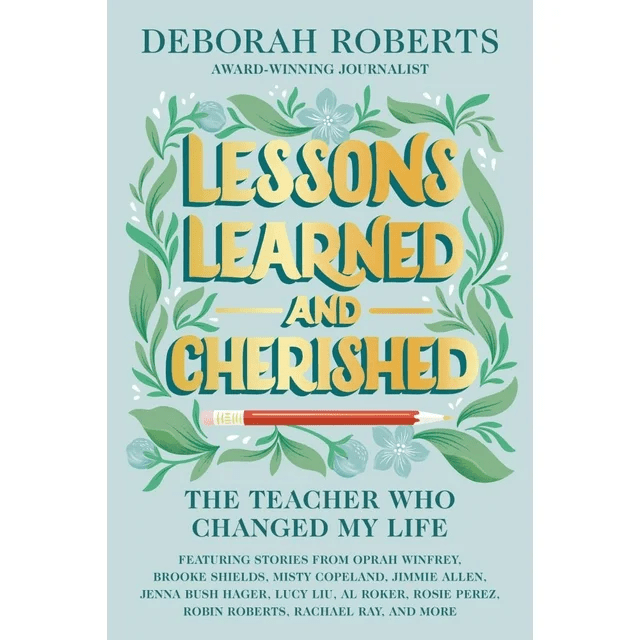
“Lessons Learned and Cherished: The Teacher Who Changed My Life” was compiled by Deborah Roberts, an award-winning ABC News journalist. This book was touching, although the stories seemed to have a specific format/agenda – nearly every essay mentioned that teachers are underpaid/underappreciated at the end of each essay.
Here are four of the lessons learned and cherished:
Every teacher has the potential to make a student feel connected, valued, and worthy. The greatest gift you can give is your full presence.
A difficult teacher can inspire you to persevere and believe in yourself. – Deborah Roberts
Teachers mean the world for a child’s development. Kids are not guaranteed a wonderful home base. Kids can be struggling with emotional distress or even violence, and their teachers can be the safe haven.
When a teacher believes in a student before they believe in themselves, they blossom. – Keri Shahidi
4 out of 5 stars
“Picturing Joy: Moments of Connection” was compiled by photographer George Lange. George’s work has appeared in many popular publications, and he has shot many of the iconic images from TV shows and ads for TV shows. This book was not quite what I expected. George shared stories of how he captured those moments. There were some great photos and interesting stories. Here are some takeaways from this book:
Photos are the artifacts of the experience a photographer creates. Photos reflect what he feels more than what he sees.
The role of a photographer is only to be hip enough to get in the room but not have to be the center of it. His approach is to create a space for people to reveal a part of themselves to him, and his intention is to find a way to put love out in the world.
“My time with subjects is often incredibly brief. A small window into a life I would never get to share without my camera.”
4 out of 5 stars
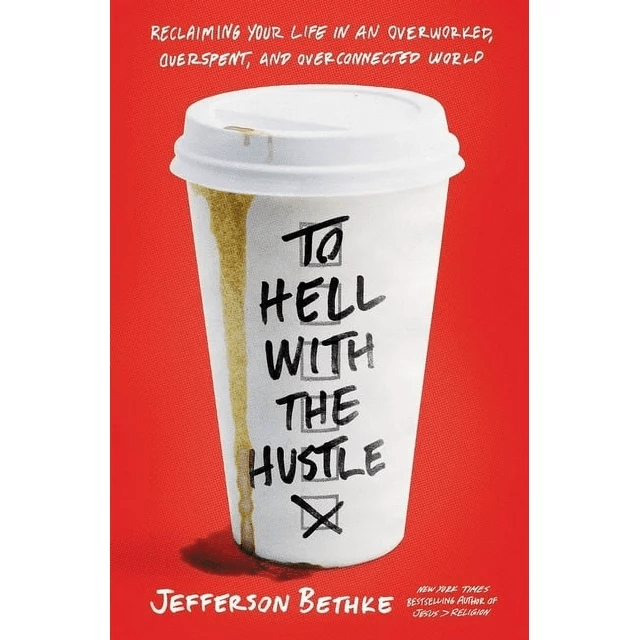
“To Hell With the Hustle” was written by Jefferson Bethke, the New York Times bestselling author of Jesus>Religion and It’s Not What You Think and host of The Real Life podcast. This book was not what I expected and seemed very scatterbrained, but there were some good takeaways. Here are some that resonated with me most.
When our work becomes who we are and we derive our ultimate value and meaning from it, it runs the risk of becoming our god – the thing we worship, bow down to, and become slaves of.
It’s time to stop and consider the cost of all this hustle, speed, and disillusionment. To hell with it – meaning we’re done and it comes from Hell. Jesus was never in a hurry. He was actively resisting cultural pressures on many levels. Hustle isn’t him.
Scripture doesn’t talk much about goals. It is focused on our identity and who we are becoming. Are we becoming more like Jesus by the practices and formations we are doing?
Have you ever noticed how a lot of Jesus’ miracles were not a part of his plan? They happened on his way somewhere else. You have to go at a pace that can be interrupted. That can be responsive to the moment in front of you.
The goal is “Well done, my good and faithful servant,” NOT “Well accomplished, my busy and hustled servant.” Well done. Faithful.If we want to get there, we have to actively resist the myriad voices and influences that subtly hypnotize us into a busier, noisier, more hustled lifestyle. Say no, that’s not the way of Jesus. That’s not the speed of Jesus. That’s not the cadence of Jesus. To hell with the hustle. I’ll take him instead.
4 out of 5 stars
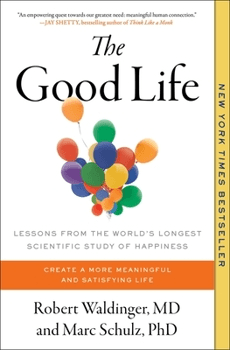
“The Good Life: Lessons from the World’s Longest Scientific Study of Happiness” was written by Robert Waldinger, MD and Marc Schulz, PhD. Robert Waldinger, MD is a professor of Psychiatry at Harvard Medical School and director of the Harvard Study of Adult Development. Marc Schulz, PhD is the associate director of the Harvard Study of Adult Development and a practicing therapist.
The Harvard Study of Adult Devlopment has followed the lives of two generations of individuals from the same families for more than 80 years – asking thousands of questions and taking hundreds of measurements to find out what really keeps people healthy and happy. I will post more about this book in the future, but for now, here are some lessons:
The good life is not a destination. It is the path itself and the people who are walking it with you.
Good relationships keep us happier, healthier, and help us live longer.
An investment in our social fitness isn’t only an investment in our lives as they are now. It is an investment that will affect everything about how we live in the future. Like a tree needs water, relationships are living things and need attention and maintenance.
Curiosity goes a long way in relationships. It opens up avenues of conversation and knowledge and helps others feel understood and appreciated.
5 out of 5 stars
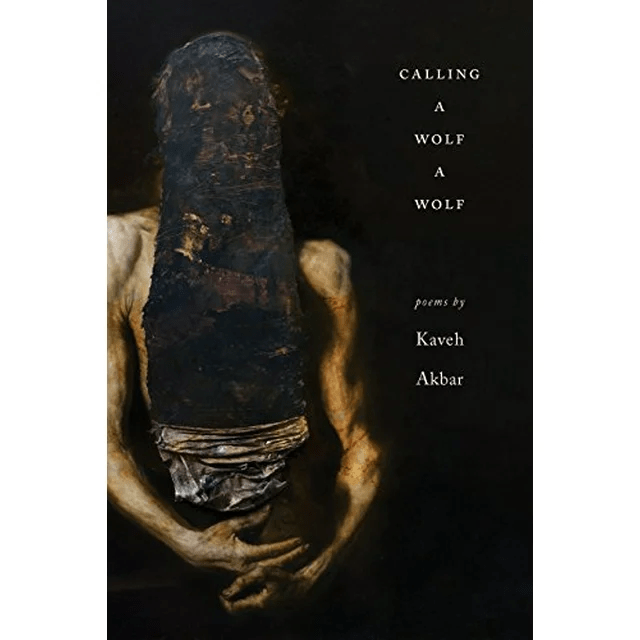
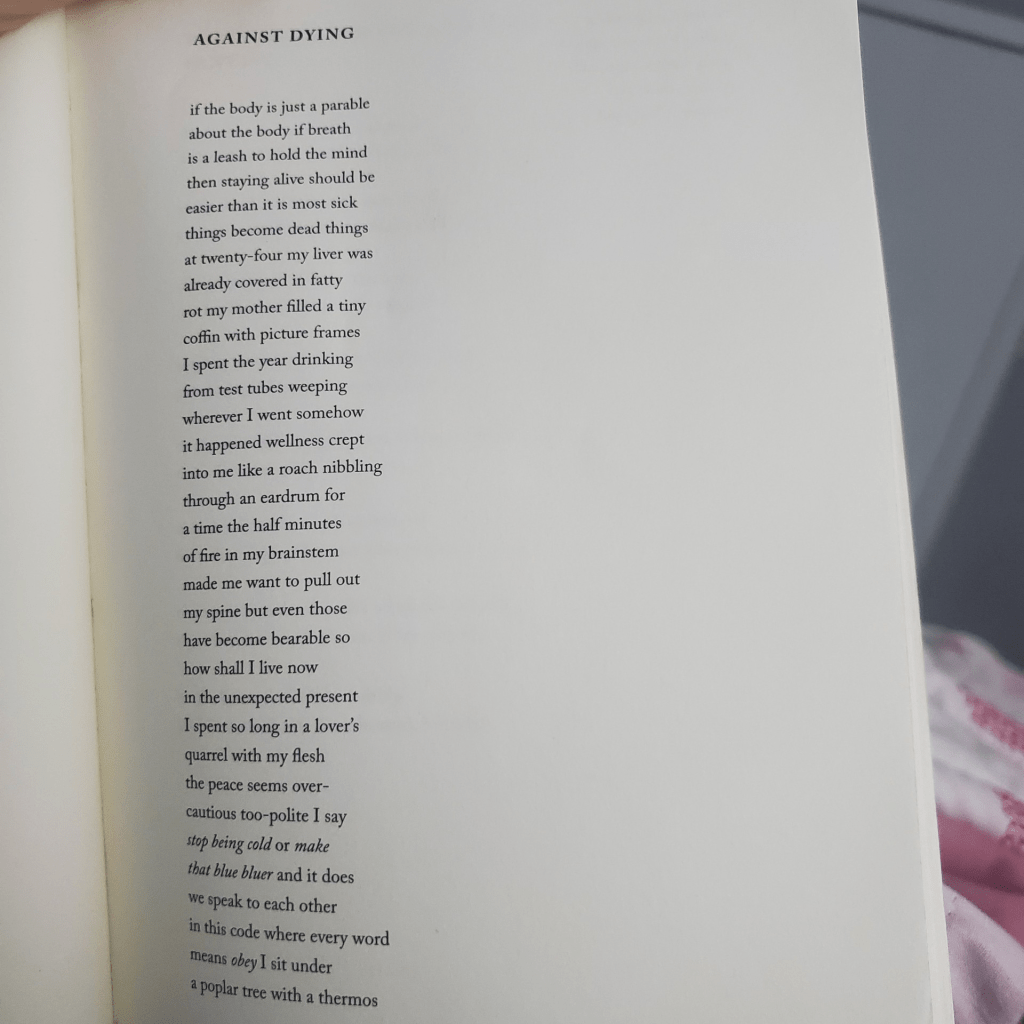
“Calling A Wolf A Wolf” consisted of poems by Kaveh Akbar. To be honest, I didn’t really like this collection. The format of the poems bothered me, and the phrases were scattered with no punctuation. Here is an example:
There were many poems about alcoholism, but the language didn’t make sense to me. Here are a few lines I liked:
What Seems Like Joy – “My father believed in gardens – delighting at burying each thing in its potential for growth. Some years the soil was so hard the water seeped down slower than the green seeped up. Still he’d say if you’re not happy in your own yard you won’t be happy anywhere.”
Portrait of the alcoholic floating in space with severed umbilicus – “I always hoped that when I died I would know why. My brother will be so sad he will tell his daughter I was better than I was. He will leave out my cruel drunk nights the wet mattresses my driving alone into cornfields unsure whether I’d drive out.”
“Now I listen for the sighs of people who love me, each agitation I create a reminder that I am less than constant in my grace.”
2 out of 5 stars
I look forward to reading, learning, and sharing more with you soon!
I read five books in June 2024. Here is a brief synopsis of the four books I read in June 2024, some of which I will post about in greater detail in the future.
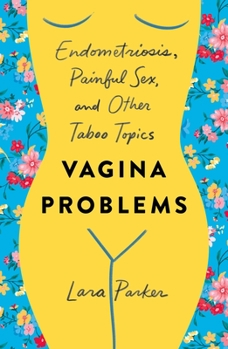
“Vagina Problems: Endometriosis, Painful Sex, and Other Taboo Topics” by Lara Parker was educational and emotional. Lara is the writer and deputy editorial director at Buzzfeed, and she covered what it’s like to live with endometriosis, vaginismus, vulvodynia, vulvar vestibulitis syndrome, pelvic floor dysfunction, etc. There were a lot of tidbits in this book. Here are a few take-aways that I am not uncomfortable sharing:
Endometriosis is, statistically speaking, as prevalent as diabetes in America. Endo is not easy to get a diagnosis for, as it requires laparoscopic surgery. Also, doctors often don’t take women’s pain seriously. Endometriosis is more than just a bad period; some other symptoms include abdominal swelling, trouble digesting, exhaustion, and painful sex. It is physically and mentally painful and there is no cure.
“Berating myself, blaming myself, and denying myself things simply because I felt as if all this pain was my fault has never made me feel any better.”
Author’s quotes on painful sex: “You can have sex and be intimate in different ways and none of those ways determine your worth in any relationship.” “The thing that ultimately helped me the most was reframing the way I thought about sex in general.”
I recommend this book to anyone who has endometriosis and/or other “vagina problems.”
4 out of 5 stars
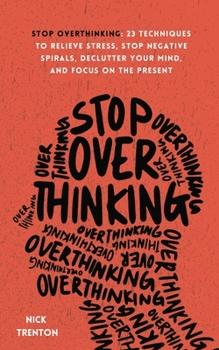
“Stop Overthinking” was written by Nick Trenton and contained detailed and proven techniques to rewire your brain, control your thoughts, and change your mental habits. This book was helpful, but the author could have expanded on some strategies. I will post in more detail about this book in a future post. Here are some lessons:
Overthinking is when you excessively analyze, evaluate, ruminate, and worry about certain things to a point where it starts affecting your mental health because you simply can’t stop. The emotion behind much overthinking is fear – fear of being out of control, of being overwhelmed, of failure, of impending danger, etc.
4 A’s of stress management:
avoid – say no to stress that is unnecessary and harmful – situations and people that demand too much of us
alter – ask others to change their behavior – negotiate
accept – validate your emotions and practice forgiveness – change the way you frame events
adapt – make lasting changes to your worldview, goals, perception, and expectations – change yourself to better cope with life
Ask yourself: Is what you’re doing problem solving or rumination? If you’re ruminating, direct your attention to a single small action. If you’re going to spend all the energy thinking about the problem, at least put it to good use and find a way to improve things. If you can’t improve anything, then put your energy into distraction, forgiveness, or moving on.
This book covered several techniques! I recommend this book to anyone who is an overthinker.
4 out of 5 stars
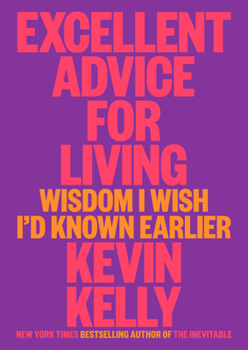
“Excellent Advice for Living: Wisdom I Wish I’d Known Earlier” was written by Kevin Kelly. On his 68th birthday, Kevin began to write down for his young adult children some things he had learned that he wished he had known earlier. He had more to say than he thought, and he kept adding advice over the years, compiling his life’s wisdom into these pages. This book was a GEM of knowledge and advice!
When you keep people waiting, they begin to think of all your flaws.
Nothing elevates a person higher than taking responsibility for their mistakes. If you mess up, fess up. It’s astounding how powerful this ownership is. This has been so true in my experiences!
You don’t have to attend every argument you’re invited to.
Every person you meet knows an amazing lot about something you know virtually nothing about. It won’t be obvious, and your job is to discover what it is.
How to apologize: quickly, specifically, and sincerely. Don’t ruin an apology with an excuse.
I highly recommend this book to everyone! I will post more about it on a later date!
5 out of 5 stars
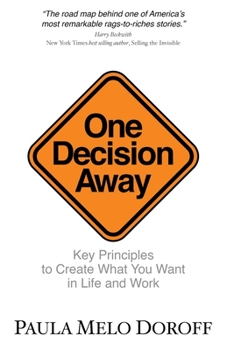
“One Decision Away: Key Principles to Create What You Want in Life and Work” was written by Paula Melo Doroff. This book was inspiring. Paula ran away at 15, arrived in the U.S. at 25, divorced 3 times, grew up in poverty, was raised by an illiterate grandmother, and only had a middle school education; this book affirms that your success doesn’t always come down to your family, your lucky breaks, or your wealth. Here are some main points:
You are just one decision away from completely altering the trajectory of your life. You can stay safe in your comfort zone and keep dreaming, or you can take the courageous step onto the path that will lead you to growth and take responsibility for what you truly want for your life.
To create the life you want, you need crystal clear dreams, realistic goals, and detailed plans to achieve those goals. Reflect: what is the one goal that would have the greatest impact on your life? Why is that goal important? What will you lose if you don’t follow the plan? What will you gain? What one action can you take today to move a step closer to your goal?
Sometimes we hold ourselves back in life because we don’t honor our dreams with goals to match. Sometimes, though, we might have a dream holding us back because the dream has outlived its purpose. Ex: a goal could still be permissible but not beneficial. Although you may feel betrayed by letting go of dreams, by releasing the dreams that no longer serve you, there is more space in your heart and mind for new possibilities. Don’t get stuck trying to fulfill a vision you’ve long outgrown.
I recommend this book for anyone wanting to learn about and reflect on creating the life they desire.
4 out of 5 stars
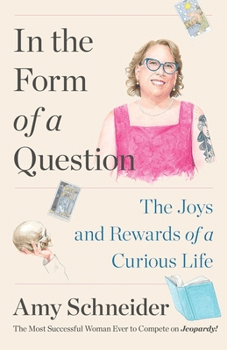
The fifth and final book I read in June was “In the Form of a Question: The Joys and Rewards of a Curious Life” written by Amy Schneider, the most successful woman ever to compete on Jeopardy! Amy walked away with $1.3 million on a 40-game winning streak, although she says she won an even greater prize: the joy of being herself on national television and leading the way for openly queer and transgender people around the world. Here are my thoughts about this book:
There were so many footnotes, and many of them were more like commentary than actual text. I think the footnotes could have been cut out or included in the actual text.
This book was not what I expected. I wanted to know more about her Jeopardy experience. Although I got a few gems of wisdom, this book mostly focused on Amy’s trans experiences (before and after the transition) and differing views than my own – ranging from condoning recreational drug use, polyamory, casual sex, criticisms of religion, and the promotion of tarot cards.
Two pieces of wisdom:
“The real answer to “How did you get so smart?” is simply this: I wanted to. And if you want to, you can do it, too. If you have the desire, not just to know but to understand, then you will grow more and more powerful every day, and nobody will be able to stop you.”
“Theater brings together people who, offstage, would find each other intolerable, and offers them each what they need. For the shy, it offers escape, concealment, and safety. For the confident, it offers attention, freedom, and validation. In theater, not only can you do the very things you fear the most, but you can do them with the very people who make you fear it.”
If you want to learn more about Amy’s intelligence and Jeopardy! journey, you won’t find much of that in this book. If you want to read more about Amy’s life and often controversial views, this book may be for you.
3 out of 5 stars
I look forward to reading, learning, and sharing more with you soon!
I read four books in May 2024. Here is a brief synopsis of the four books I read in May 2024, some of which I will post about in greater detail in the future.
“Becoming A Crime Scene Investigator” by Jacqueline Detwiler-George was an interesting overview of crime scene investigation and forensic science. Here are some of the main points covered in this book:
This job has many names: crime scene investigator, evidence technician, forensic investigator, crime scene technician, crime scene analyst, and crime scene examiner.
The science part of crime scene investigation involves knowing how to collect evidence so that it can be analyzed and deployed in court and knowing what to grab at the scene.
Crime scene investigators do not perform all of the functions they are depicted handling on tv. It is different everywhere. Some police/sheriff’s departments have their own crime labs, while others send all evidence to regional or state labs for processing.
Crime scene investigators used to be generalists. Now they specialize. Forensic analysts often collect master’s degrees and professional certifications.
Most standard crimes can be solved with a combination of photography, DNA evidence, serology, fingerprints, ballistics comparison, drug chemistry, and computer forensics.
Less common: blood spatter analysis, trace evidence analysis, forensic anthropology, and questioned documents
A background in hard science and forensics can lead a person toward dozens of different exciting careers, such as forensic anthropology, veterinary forensics, mail crime, digital forensics, arson investigation, bomb analysis, medical and mortuary sciences, chemical warfare forensics, etc.
4 out of 5 stars
“Know Your Endo” was written by Jessica Murnane and merged the science and research on pain and endometriosis with the real-world experiences of people living with endo. This book also included management practices for endometriosis while also emphasizing that there is no cure. I highly recommend this book to anyone with endometriosis.
Here are some main takeaways:
If you’re a person living with endometriosis, caring for yourself needs to be your number-one priority.
Think about how much your pain and symptoms get in the way of your relationships, your work, and/or giving back to your community. Now think about how much more time you would have to give to them if you felt better.
Many people with endo can have inflammation of their appendix, colon, or the lining of their stomach that can cause bloat and swelling.
Endo fatigue is one of the hardest symptoms to manage – an intense, deep, and permeating feeling of exhaustion that can be hard to shake, no matter how hard you try.
Big inflammatories: processed and packaged foods, dairy, red meat, refined sugars and synthetic sweeteners, fried foods, soda, refined carbs, alcohol, and caffeine. **You are the only one who knows how your body feels when you eat certain foods, and it’s your responsibility to listen to it.**
4 out of 5 stars
“The Body Keeps the Score” was an intense read about the effects of trauma and pathways to recovery written by Bessel Van Der Kolk, M.D. This book took me a whopping thirteen days to read – mostly because I found it pretty depressing and wasn’t eager to read it each day.I regularly read about traumatic experiences in the course of my work, and adding this book on top of that was sometimes too much. With that said, I learned SO much from this book and will post more about it at another time. I highly recommend this book to anyone who has experienced trauma. Here are some main lessons that stood out to me:
In today’s world, your zip code, even more than your genetic code, determines whether you will lead a safe and healthy life. Income, family structure, housing, employment, and educational opportunities affect risk of developing traumatic stress and access to effective help to address it. Poverty, unemployment, inferior schools, social isolation, widespread availability of guns, and substandard housing are all breeding grounds for trauma. Trauma breeds further trauma. Hurt people hurt other people.”
What has happened cannot be undone. What can be dealt with are the imprints of the trauma on the body, mind, and soul. The challenge of recovery is to reestablish ownership of your body and your mind – finding a way to become calm and focused; learning to maintain that calm in response to images, thoughts, sounds, or physical sensations that remind you of the past; finding a way to be fully alive in the present and engaged with the people around you; and not having to keep secrets from yourself, including secrets about the ways that you have managed to survive.
“The greatest sources of our suffering are the lies we tell ourselves.”
Treatments explored in this book include medications, sensorimotor psychotherapy and somatic experiencing, cognitive behavioral therapy, virtual reality therapy, acupuncture, massage, yoga, EMDR, writing to yourself, neurofeedback training, theater, self-awareness, and having a good support network.
Many psychiatrists today resort to doling out pills to relieve pain, anxiety, or depression, which doesn’t address the real issues: What are these patients trying to cope with? What are their internal or external resources? Do they have caring relationships with their bodies? Do they have dynamic interactions with other people? Whom can they count on? Are they members of a community? Do they have a sense of purpose? How can we help them feel in charge of their lives?
4 out of 5 stars
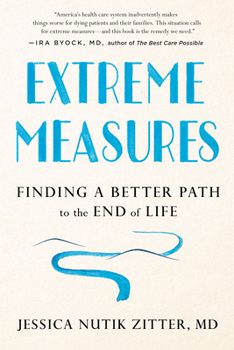
“Extreme Measures: Finding A Better Path to the End of Life” was written by Jessica Nutik Zitter, MD, an expert on the medical experience of death and dying who is double-boarded in the two specialties of pulmonary/critical care medicine and palliative care medicine – a rare combination. This book was fascinating, educational, emotional, and empowering. So many points and stories in this book will stick with me and I highly recommend this book to everyone. Here are some main points:
Often people die in the ICU on the end-of-life conveyer belt, where issues are treated until the patient dies. People who request treatment rarely understand the realities involved in “doing everything.” In the ICU, very few people have the opportunity to live life all the way through to the end. Too often the tools take life away from the dying.
There are certain treatments that Americans have come to see as their rights, whether or not the physician deems them to be beneficial in a particular case: breathing machines, feeding tubes, cardiac resuscitation with electric shocks and chest compressions, and dialysis. Most physicians feel they are powerless to withhold these treatments if the patient/family insists on their use.
Ask about the benefits and burdens of treatments, alternatives, and your or your family member’s prognosis.
Don’t expect your family to know your wishes or to make difficult decisions in the ICU. Identify what matters to you. What is your conception of a life worth living? Being free of pain? Engaging in relationships? Autonomy? Engaging in work and meaningful tasks? Living in your own home? Not being a physical/emotional/financial burden on your family? The best-laid paths to the end of life have been paved with ongoing reflection and communication. As people approach death, their priorities shift. Tools to convey your wishes include the Advance Directive, DNR order (good only for a particular admission at a particular time), and the POLST (follows you everywhere).
5 out of 5 stars
I look forward to reading, learning, and sharing more with you soon!
I read four books in April 2024. Here is a brief synopsis of the four books I read in April 2024, some of which I will post about in greater detail in the future.
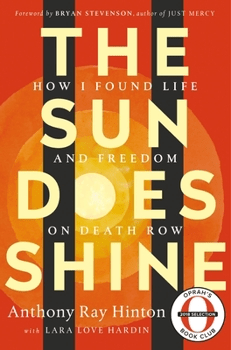
“The Sun Does Shine” detailed Anthony Ray Hinton’s experience spending nearly thirty years on death row in Alabama for crimes he didn’t commit. This book was eye-opening, emotional, and intriguing! I, and others, enjoyed it so much that it was selected as my employer’s next book club book! I will post about this book in more detail in a future post, but here are a few things that stood out to me:
He watched 54 men walk past his door on their way to be executed, as the execution chamber was 30 feet from his cell.
Mr. Hinton is one of the longest-serving condemned prisoners facing execution in America to be proved innocent and released. For 14 years, he could not obtain the legal help he needed to prove his innocence. Bryan Stevenson of the Equal Justice Initiative engaged three of the nation’s top firearms examiners, who all testified that the gun obtained from Mr. Hinton’s mother could not be matched to the crime evidence, and it took 14 years of contested litigation and a rare unanimous ruling from the U.S. Supreme Court before Mr. Hinton was released in 2015!
This book contained lessons of optimism, faith, and choice – all of which helped Anthony Ray Hinton survive his thirty years of confinement.
One of the most inspiring parts of the book is that Mr. Hinton’s best friend, Lester, never missed a visit in the thirty years Mr. Hinton was confined! That is true friendship many of us could never possibly imagine.
5 out of 5 stars!
“Warren Buffett Invests Like A Girl” was written by LouAnn Lofton, who has been with The Motley Fool since 2000. I read this as part of a book club I’m in, and honestly, this book could have been summed up in a blog post or list, which I am ironically doing right now. I have read better personal finance books.I didn’t particularly like that the author used the book to highlight stereotypical female qualities and emphasized how all investors should exhibit these qualities; at times, it came across as sexist.
Focus on the long term. Have patience. Don’t even think about investing money in the stock market that you need in less than five years. Trade less to make more.
Stick to your sphere of understanding.
Be levelheaded about your investments and the market at large and don’t get too excited or devastated.
Read and learn all you can, and actively seek out information. Research extensively.
Ignore peer pressure.
Learn from your mistakes.
Read up on the management of companies you are considering investing in. A business is only as strong as the people running it. Consider selling if management makes questionable decisions or undergoes significant changes.
Diversification – consider investing in an index funds and pick 15-20 individual stocks. *I don’t currently do this.*
Just because someone is an acknowledged investment guru or master doesn’t mean there isn’t a better way.
3 out of 5 stars
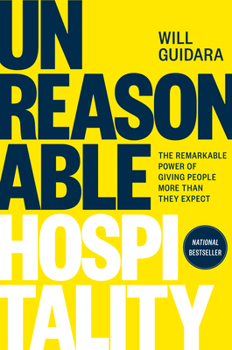
“Unreasonable Hospitality: The remarkable power of giving people more than they expect” was written by Will Guidara. Will is the former co-owner of Eleven Madison Park and the Nomad, founder of the Welcome Conference, an annual hospitality symposium, and founder of Thank You, a hospitality company that develops world-class destinations and helps leaders across industries transform their approach to customer service. This book doubled as an autobiography and a great management book about how to lead and serve. Overall, this book was very educational and inspiring! I will post more in detail about this book in its own blog post sometime, but here are some main takeaways.
The greatest restaurants in the world become great by challenging the way we think about food. When Will Guidara set out to make Eleven Madison Park the best restaurant in the world, he had a crazy idea about how to do it: What would happen if we approached hospitality with the same passion, attention to detail, and rigor that we bring to our food?
In 2017, Eleven Madison Park was named the best restaurant in the world in 2017 after seven years of hard work, creativity, a maniacal attention to detail, and a truly unreasonable dedication to hospitality. They won because of their collective focus on unreasonable hospitality; they made the decision to be as joyfully unreasonable in their creative pursuit of hospitality in the dining room as the best restaurants all over the world already were in the kitchen.
Create a culture of hospitality. How do you make the people who work for you and the people you serve feel seen and valued? How do you give them a sense of belonging? How do you make them feel part of something bigger than themselves? How do you make them feel welcome?
You’re not always going to agree with everything you hear, but you’ve got to start by listening. If your business involves making people happy, then you can’t be good at it if you don’t care what people think. However, don’t try to be all things to all people. Criticism is an invitation to have your perspective changed.
Hospitality is a team sport. If you let your ego get in the way of asking for what you need, you’re going to let the whole team down, and the hospitality you’re delivering is going to suffer.
Serve what you genuinely want to receive and there will be authenticity in the experience.
5 out of 5 stars!
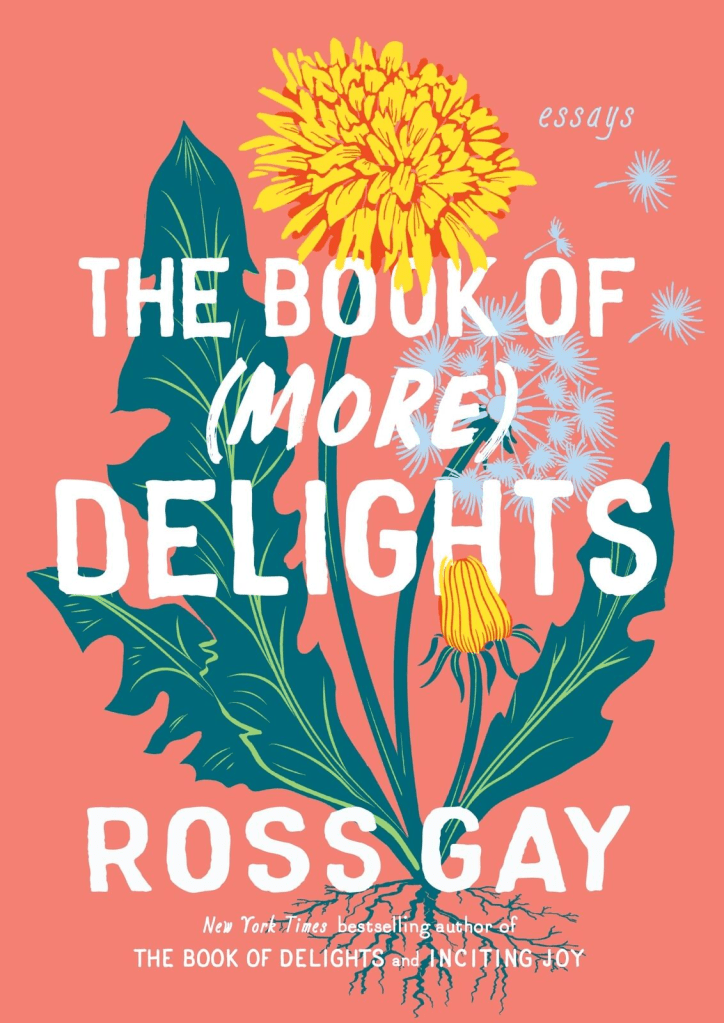
“The Book of (More) Delights” was written by Ross Gay, who has received numerous writing awards and teaches at Indiana University. His general rule was to write them daily, write them quickly, and write them by hand and to notice, pay attention to, and think about what he loves. This book was just so-so for me; I had high expectations for this book and had also placed a library hold on the original “The Book of Delights.” I found this book sometimes boring and not relatable – so much so that I cancelled the library hold for the original book in the series. This book consisted of mostly stories and anecdotes about his life, not relatable delights. With that said, here are some of the delights mentioned that we share, most of which were found in a list in the appendix rather than the actual chapters:
the perfect spoon (or cup)
free stuff
admiring babies
braces on adults
being early
paper menus and cash
my birthday
how people talk to their dogs
armrests on chairs
deep pockets
pants that fit right
3 out of 5 stars
I look forward to reading, learning, and sharing more with you soon!
I read four books in March 2024. I have been reading less for my personal pleasure due to being busy with a post-graduate paralegal certificate program and spending most of my time reading textbooks. Here is a brief synopsis of the four books I read in March 2024, some of which I will post about in greater detail in the future.
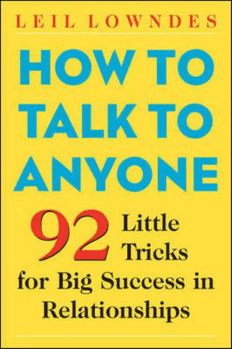
“How to Talk to Anyone: 92 Little Tricks for Big Success in Relationships” was written by Leil Lowndes, an internationally acclaimed communications expert who coaches top executives of Fortune 500 companies and frontline employees to become more effective communicators. Leil conducts communications seminars for the U.S. Peace Corps, foreign governments, and major corporations. While I did learn some great communication tricks and the book was very useful, I did not like the phone and smug tone of writing. Here are a handful of my take-aways:
When someone asks where you are from, never give just the city. Learn some engaging facts about your hometown that conversational partners can communicate on.
Never give a naked thank you. Never let the phrase “thank you” stand alone.
If you leave a voicemail, view it as your ten-second audition to prove you are worthy of a quick callback.
Use the big baby pivot when you meet someone new. Give the warm smile, the total-body turn, and the undivided attention you would give a baby who crawled up to your feet and smiled at you.
Imagine a giant swiveling spotlight between you and your conversation partner. The longer you keep it shining away from you, the more interesting he or she finds you.
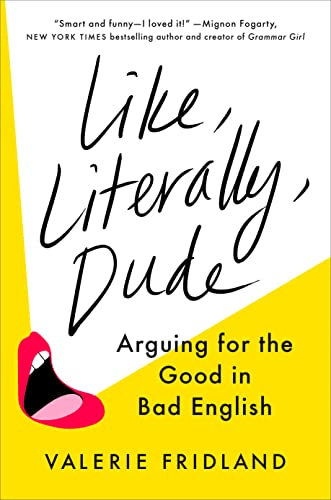
“Like, Literally, Dude: Arguing for the Good in Bad English” was written by Valerie Fridland, a professor of linguistics at the University of Nevada and author of the popular language blog called “Language in the Wild.” This book contained a linguistic exploration of the speech habits we love to hate – linguistic quirks that are fundamental to our social, professional, and romantic success. This book was fascinating, and here are just a few facts that resonated with me:
Language evolution doesn’t happen in a vacuum. Language evolves because social forces act as triggers in taking underlying linguistic tendencies and giving them social meaning. Ex: migration, school, class, cultural shifts, geography, age, etc.
‘Ums‘ and ‘uhs‘ don’t just fill pauses- these words unconsciously signify the introduction of a new topic or a complex idea and signal to a listener that there will be an upcoming speech delay and convey how long of a delay the listener should expect. ‘Um‘ precedes longer delays than ‘uh.’ They also result in a boost in memory to the listener (of what was stated after the pause) and filled pauses buy ourselves processing time and convey to the listener that “it’s still my turn.”
Our unease with the use of the word ‘like‘ is probably more about its association with casual, younger speech than its functionality. ‘Like‘ is an incredibly amorphous word:
verb – to discuss fondness for objects or people
noun – to describe likes and dislikes
adjective – to mean similar to “in the manner of”
preposition – simile construction
conjunction – to embed another clause
approximating marker – looseness of meaning before a numerical estimate/quantification
common quotative verb
“100 Ways to Change Your Life: The Science of Leveling Up Health, Happiness, Relationships, & Success” was written by Liz Moody, the host of the top-rated Liz Moody podcast, author of best-selling books, and popular online content creator. This book was my favorite book I read in March and contained so much valuable information! I will post about this book in more detail another time, but in the meantime, here are five ways you can change your life.
Take the risk. You are far more resilient than you think. Doing is a form of figuring out. Just start. The right time is always right now. A fundamental reason many people don’t find success is that they never begin.
Think about your death. What can it highlight about living a life that you’re proud of today? What can it teach you about shifts you need to make?
Establish and stick to better boundaries. You reclaim your energy, time, capacity, money, and physical space. We begin to resent people for not catering to our needs, even when we’ve never communicated what those needs actually are. Take a pause before replying to anyone’s invitation or request. Practice checking in with yourself first before you tend to someone else’s needs.
Identify your financial dreams. Why do you want to accumulate wealth in the first place? What is your Rich Life? What do you value? What are some things other people might value that truly don’t matter to you? Spend your money on what you value.
Create a mental health checklist. Social connection, good nutrition, routine, sleep, and movement are the five pillars of mental health. Use them as a first line of answers if you aren’t feeling your best.
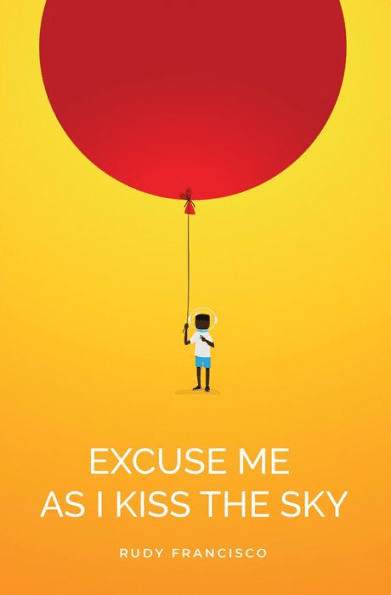
“Excuse Me As I Kiss The Sky” was written by Rudy Francisco, one of the most recognizable names in spoken word poetry, and one of my favorite poets. This book covered different poetry styles, some of which I am not familiar with: ode, obit, golden shovel, contrapuntal, question-and-answer, free verse, page to stage, and love poems.
Rudy is one of the most recognizable names in spoken word poetry, but his talent also shows on the page. Rudy mentioned the difference between page poems and performance poems. Page poems are written for visual aesthetics and consist of rearranging text and line breaks. Performance poems are focused on how the poem will sound out loud, how it feels to say the words, the syllable count, rhythm, and taking just one chance to explain the story.
Here are some of my favorite lines in the book, which I have not formatted into the page poems:
Fragile – “I know the heart can be a fragile and dangerous thing. When it breaks, the ends are often jagged and will cut the hands of people who are just trying to help you clean up the mess. But I also know that pain is nomadic. It doesn’t like to stay in one play for too long. Healing is a slow crawl, but it will find you right where you are.”
“Fear is when we turn up the volume on everything that might go wrong and then allow it to speak louder than courage.”
“The past is one of the few things more stubborn than we are. It will not change and doesn’t care if you have a better idea of how the story should’ve ended.
Healing begins when we stop trying to run backwards on the escalator and embrace whatever will keep us moving forward.”
“I hope you stumble into the kind of love that bends all the question marks into exclamation points.”
I look forward to reading, learning, and sharing more with you soon!
I read four books in February 2024. I have been reading less for my personal pleasure due to being busy with a post-graduate paralegal certificate program and spending most of my time reading textbooks. Here is a brief synopsis of the four books I read in February 2024, some of which I will post about in greater detail in the future.
“Her Honor: My Life on the Bench … What Works, What’s Broken, and How to Change It” was written by LaDoris H. Cordell, a legal commentator and police-reform advocate who is a frequent guest on news outlets and served as the first African American woman jurist in Northern California. This book was very comprehensive and educational, and I learned SO much!
This review sums up my interpretation perfectly:
A brave, profound, and affecting book that combines wisdom, candor, wit, and humanity in equal measure, Her Honor is a sterling embodiment of the meaning of judicial independence that should be required reading for law students and anyone interested in our system of justice.
Kathleen M. Sullivan, former dean of Stanford Law School
Here are five random facts I learned reading this book:
The Multi Ethnic Placement Act (MEPA) requires the states to diligently recruit foster and adoptive parents who reflect the race or ethnicity of those children needing foster care and adoptive homes.
The Indian Child Welfare Act (ICWA) requires the Native Child’s Tribe to be notified as soon as any proceedings concerning the child’s welfare are filed in court, and the Tribe has the right to be present at proceedings.
Seven states do not require any legal grounds to recall a judge. All that is needed is to collect the required number of signatures of registered voters to place the recall on the ballot. Federal judges cannot be recalled, no matter how controversial their decisions are.
The general rule is that judges cannot publicly comment about pending cases. It is no small irony that an accused murderer can speak out in his defense, but the judge who presides over that case cannot.
Today, defendants accept plea bargains and plead guilty in nearly 98% of criminal cases in federal and state courts.
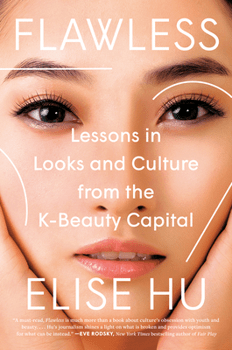
“Flawless: Lessons in Looks and Culture from the K-Beauty Capital” was written by Elise Hu, a correspondent at host-at-large for NPR and the host of TED Talks Daily, the daily podcast from TED that’s downloaded a million times a day. Elise was the NPR bureau chief responsible for coverage of North Korea, South Korea, and Japan for nearly four years.
This review sums up my thoughts of this book:
Superbly researched and deeply insightful, Flawless is a timely, provocative, and fascinating must-read. Elise Hu masterfully blends an engrossing memoir about her experience as a foreigner, woman, and mother of girls in Seoul with a journalistic exploration of the disturbing forces behind K-beauty’s global rise.
Angie Kim
Here are three surprising take-aways from the book:
At high school graduation time in South Korea, students are commonly given cosmetic surgery gift certificates by their parents and grandparents, and dermatology and plastic surgery apps offer 50-70% discounts to recent high school grads for a three-pack of the most popular procedures for young Koreans: eyelid surgery, nose jobs, and Botox for facial contouring of the jawline.
Olive Young, like Sephora, is a one-stop shop for Korean skincare and cosmetics. In 2020, there were 1,259 Oliver Young stores in South Korea, roughly twice the number of Sephoras in the United States. Accounting for the population differences between the two countries, that means Koreans are roughly 6x more likely to encounter an Olive Young than an American is to encounter its equivalent!
South Korea leads the world in cosmetic procedures relative to its population.
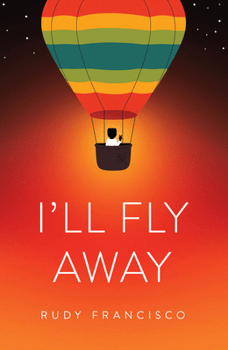
“I’ll Fly Away” is a book of poems that paints an intimate portrait of Black life in America, written by Rudy Francisco, one of the most recognizable names in Spoken Word Poetry. Rudy is an Individual World Poetry Slam Champion and a National Poetry Slam Champion. He is my favorite slam poet.
Here are some of my favorite anecdotes from the poems:
“Sometimes I’m the mess. Sometimes I’m the broom – on my hardest days, I have to be both.”
“Have you ever noticed how much water hates to argue? How it molds itself into the shape of a pour, makes a home where it lands, but also never gives up its identity. As if to say, ‘Sure, I’ll stay but only if I can be myself.’ I think there is a lesson here.”
“The Peace Lily is a flower that can grow and survive even if it’s left in the shade. See? We don’t always choose our environment, but we can’t let that stop us from blooming.”
“There are people that you don’t know, who dislike you for things you never did. There are people who start wars but hide the declaration under their breath for years. They see you coming, stare from a safe distance, and launch a fleet of ships using only a glance.”
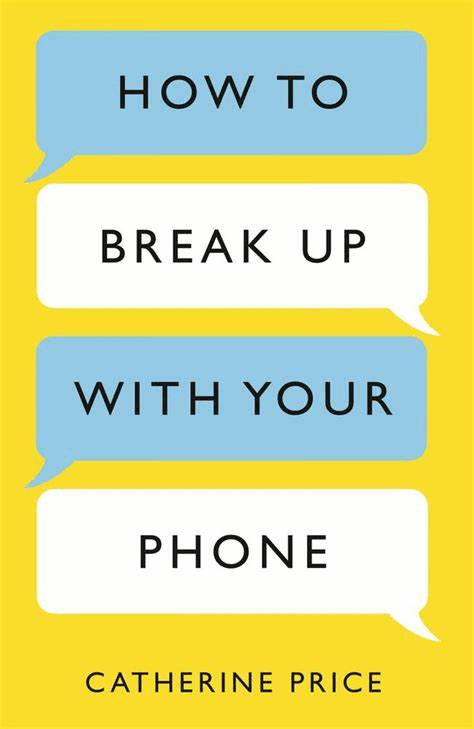
“How to Break Up With Your Phone” was an eye-opening book written by Catherine Price. Part of this book covered the negative impacts of phone usage and addiction, and the second part of this book covered a detailed 30-day plan to break the cycle of addiction to your phone. Although I have not yet done the 30-day plan, I learned a lot from this book and will implement some of the 30-day challenge tips.
The biggest tips from this book are to reframe the way you think about your phone. Every moment you spend on your phone is time you’re not spending doing other pleasurable things, whether that’s in-person relationships, practicing a hobby, reading a book, etc.
Ask yourself what you want to pay attention to. Our lives are what we pay attention to. Every time you reach for your phone, consider asking yourself: What for? What else? Why now?
Set yourself up for success. If you spend too much time on social media apps, uninstall them from your phone and make yourself use a computer to check social media. Disable notifications from apps and e-mail to prevent distractions. Establish rules about phone usage. Ex: no phones at the dinner table, no phone within an hour of waking up or going to bed, no phones while riding in an elevator, no phones on a daily walk, etc.
I really enjoyed all four of these books and will post about some of them in more detail on my blog sometime!
I look forward to reading, learning, and sharing more with you soon!
I read five books in January 2024. I have been reading less for my personal pleasure due to starting a post-graduate paralegal certificate program and spending most of my time reading textbooks. Here is a brief synopsis of the five books I read in January 2024, some of which I will post about in greater detail in the future.
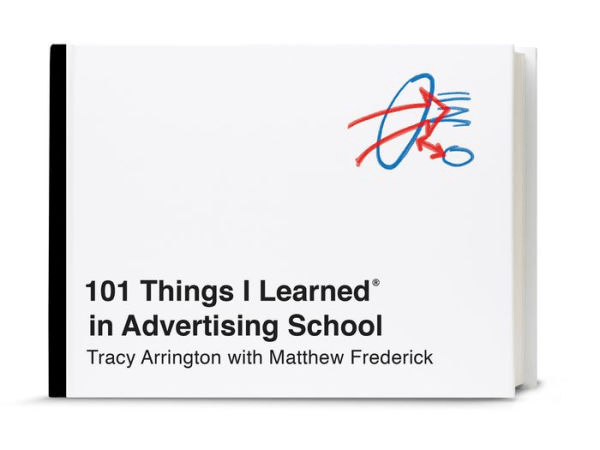
“101 Things I Learned in Advertising School” was written by Tracy Arrington with Matthew Frederick. It was an interesting, quick, and easy read, and I learned a lot! Here are a few takeaways:
It’s all advertising until it lands in the cart: public ads, location, packaging, etc.
Don’t buy media if you can earn it through exposure such as news coverage, editorials, and social media buzz.
You won’t have a healthy relationship if you do all the talking. In the digital environment, if consumers don’t like what they hear and don’t feel they are being listened to, they can and will go elsewhere – maybe even to the media outlets.
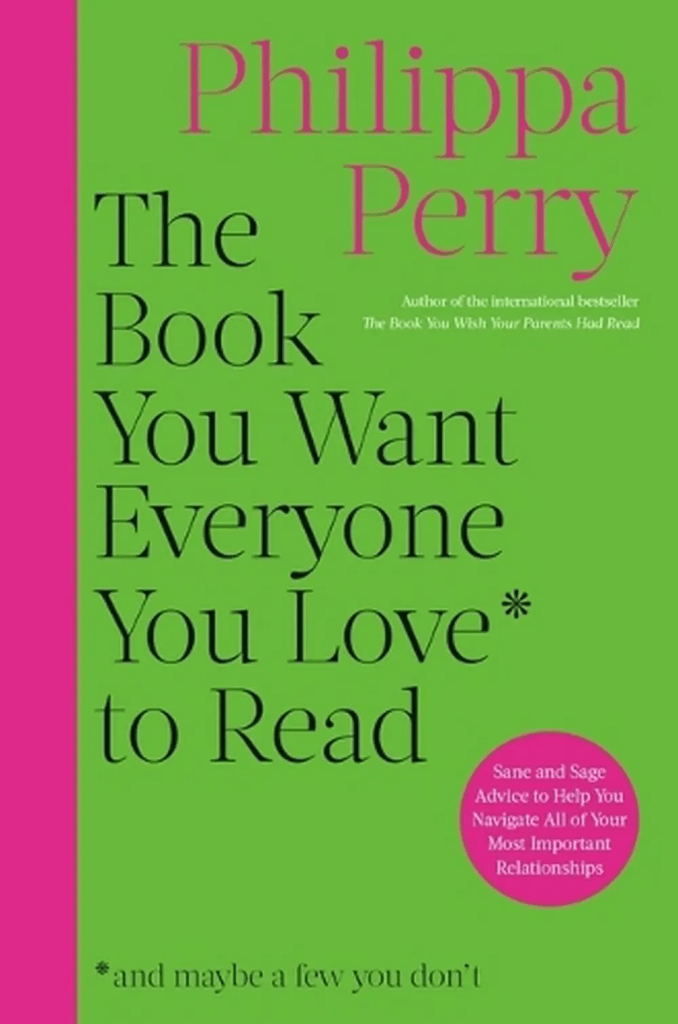
“The Book You Want Everyone You Love To Read: Sane and Sage Advice to Help You Navigate All of Your Most Important Relationships” was written by Philippa Perry, an author, psychotherapist, artist, TV and radio presenter, and advice columinist for The Guardian. This book will change your life.
It covers the importance of relationships and the difficulties that come with them, and you will get into the habit of practicing new ways of behaving and communicating. I took away so much from this book and will share more about it on my blog sometime.
It is so much easier to blame something outside ourselves for our discontent than it is to look inwardly for a cause.
Recognize when you are playing the martyr and stop. If you allow yourself to be dragged down by someone else, you will resent them for it. Resentment is like drinking poison and expecting your enemy to die.
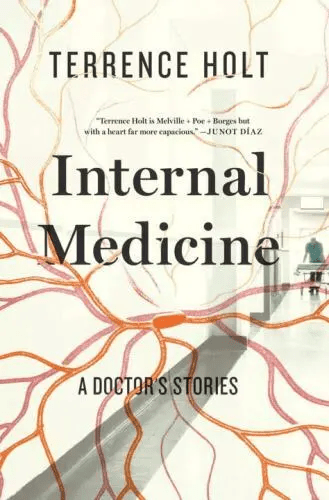
“Internal Medicine: A Doctor’s Stories” was written by Terrence Holt and detailed what it’s like to be a doctor. It was fascinating at times and I gained some medical knowledge and a better understanding of the process of my grandpa’s heart and kidney failure that led to his death.
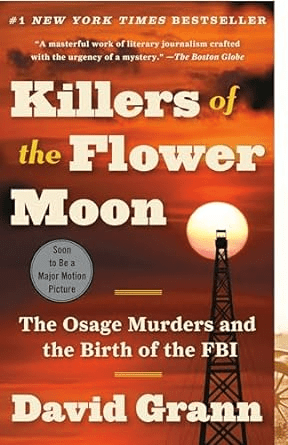
“Killers of the Flower Moon: The Osage Murders and the Birth of the FBI” was written by David Grann and detailed the atrocities the Osage Indian Nation experienced. This book detailed the allotment, the policy to break up American Indians’ communal ownership of land in Oklahoma, and the Indians kept the subsurface mineral rights to the land. Within several years, large deposits of oil were discovered directly under their lands, and the Osage were given a headright, which was a share in the mineral trust. A headright could not be bought or sold; it could only be inherited. This resulted in calculated and cruel murders, betrayals, and coverups.
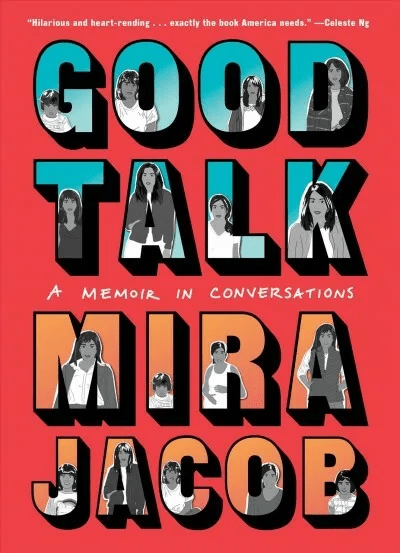
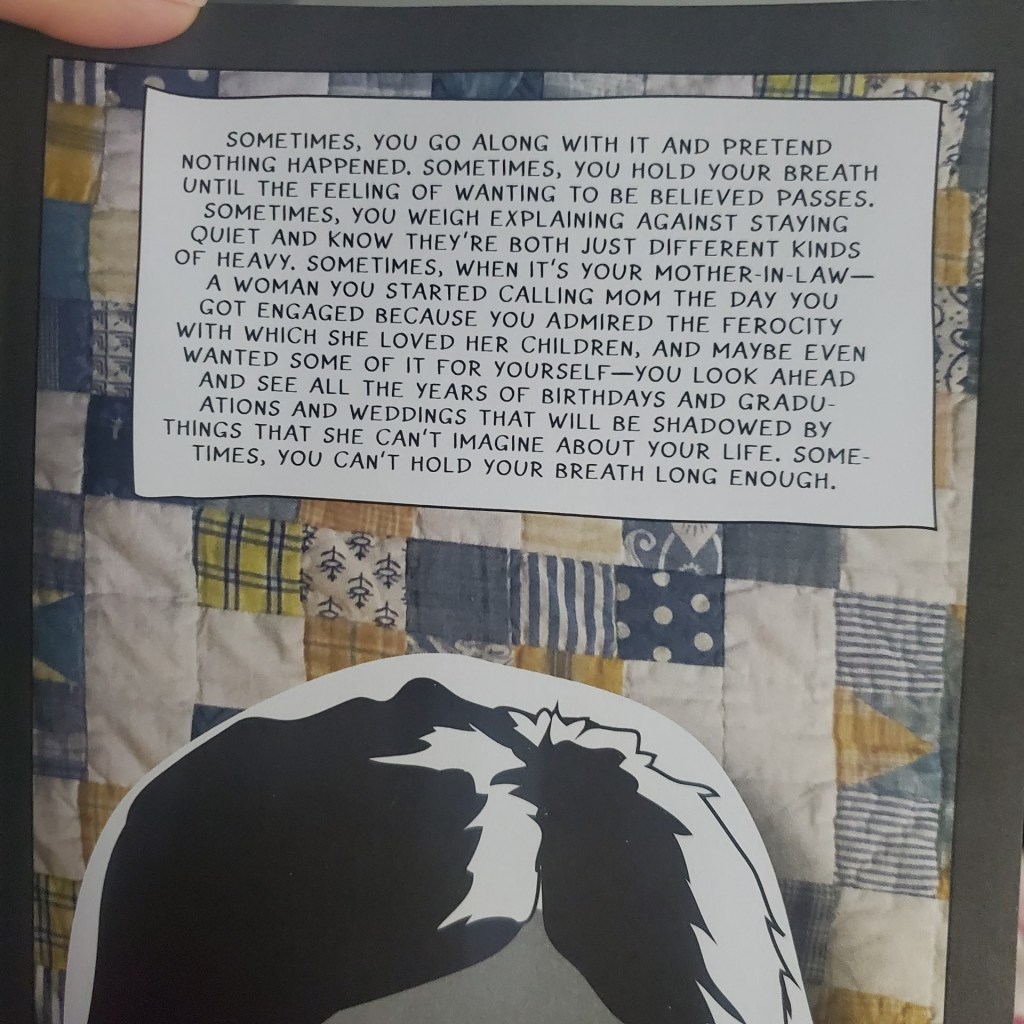
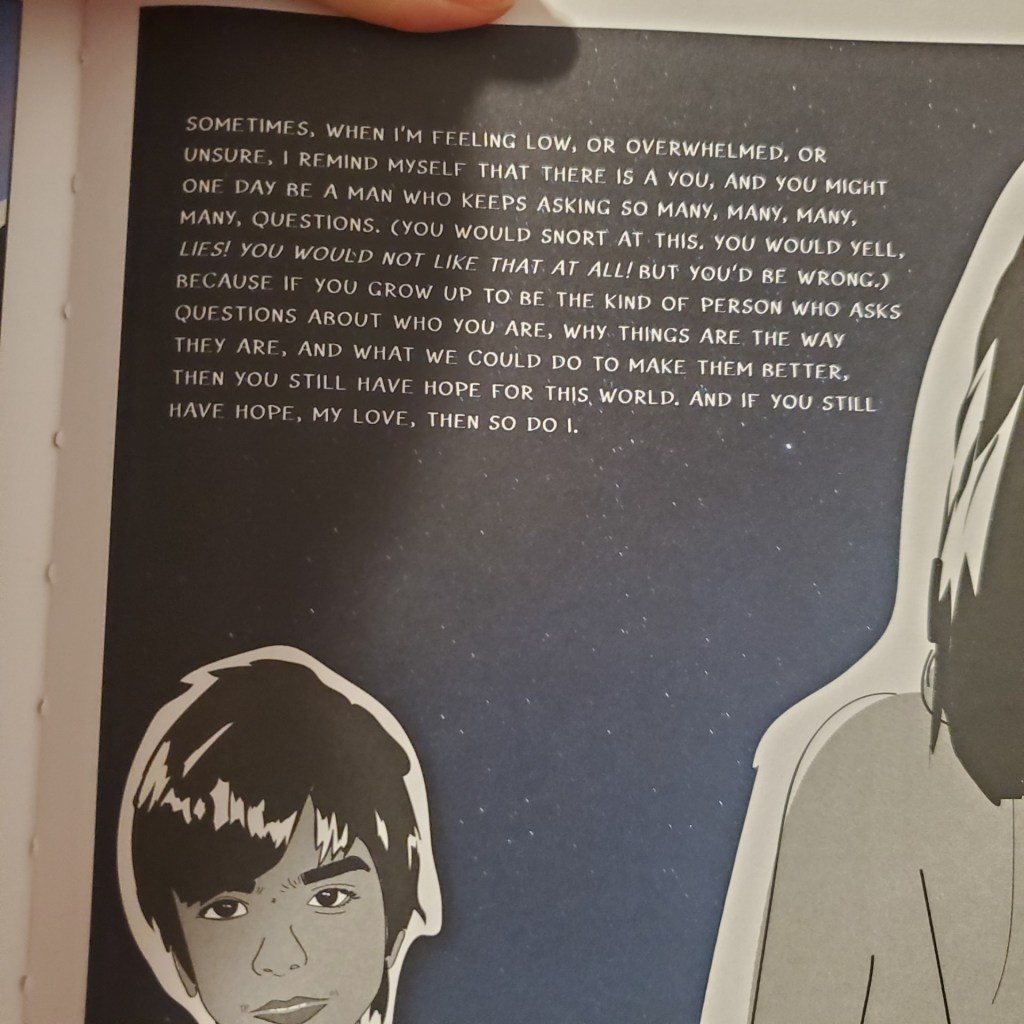
“Good Talk: A Memoir in Conversations” was a unique graphic memoir written by Mira Jacobs. This book covered Mira’s journey as a first-generation American and delved into difficult conversations that she had with her young son and husband about race, love, and family. Mira detailed several times she didn’t fit in because of the color of her skin – from receiving a bottle of Fair & Lovely as a gift from her grandmother, to navigating the job search as a colored person, to being mistaken as “the help”, to being told by a waitress that other customers didn’t feel “safe” near her. She was often torn about whether to say something or whether to stay silent about the treatment she faced. These two photos resonated with me.
I look forward to reading, learning, and sharing more with you soon!
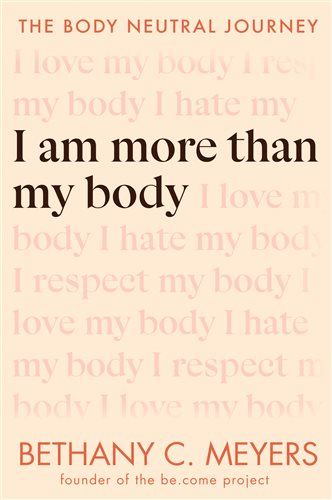
I am more than my body: the body neutral journey” was written by Bethany C. Meyers, CEO of the be.come project. Bethany has over 15 years of experience in the fitness industry as an instructor, teacher, and workout creator. I struggle with my body image, and this book was much needed and thought-provoking. I got SO much out of this book that may be helpful to others.
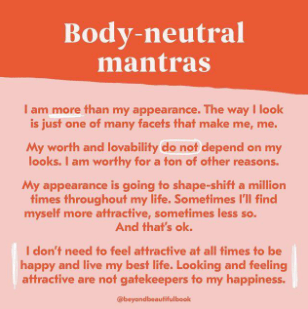
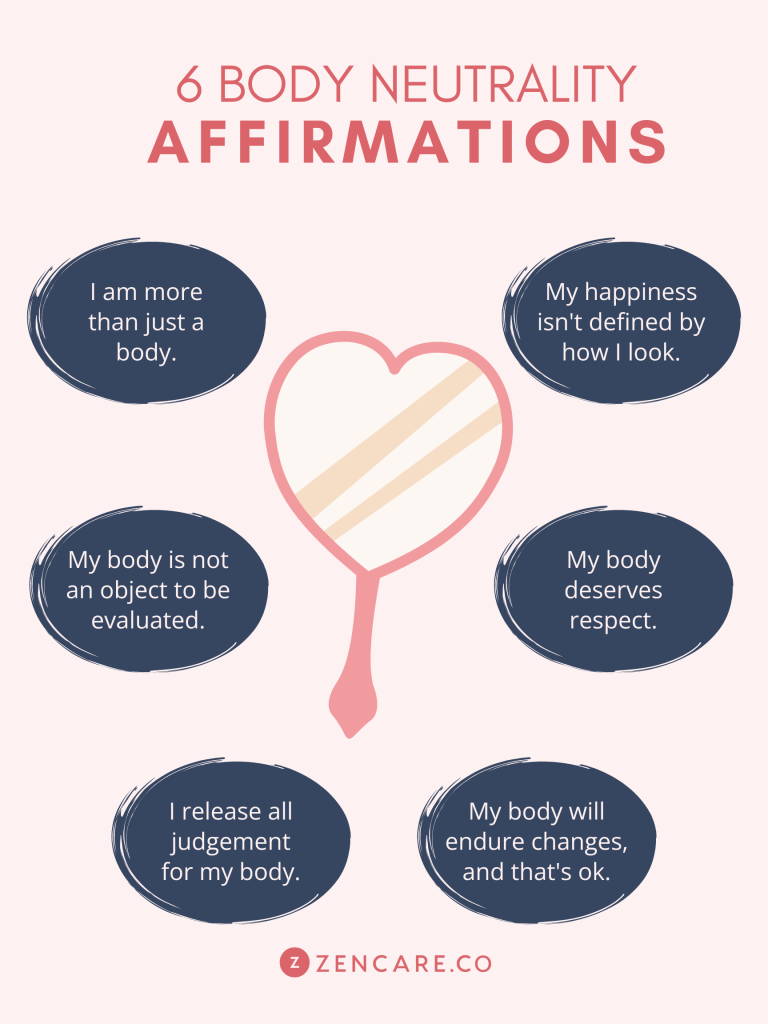
In short, body neutrality is the idea that each of us is more than our body, and our worth is not limited to our physical self. It is respecting our body even though we may feel differently about it on any given day. Body neutrality involves steering away from self-hate without the pressure of having to love our body.
Body shame is heavily supported by diet culture. The beauty goal posts keep moving.
Toxic body positivity suggests people should love their bodies as long as they are healthy and work on their health if they aren’t healthy.
The body neutral journey is to acknowledge the feelings we have, explore why those feelings came about, and reconnect with our self-worth. Acknowledge your feelings without judgment. Explore the hidden reasons – stress, lack of sleep, emotional distress, sickness, hormones, societal wiring, etc. Reconnect with yourself, and thank your body for what it does for you.
Happiness comes from honest acceptance. Happiness doesn’t come from self-harm, self-abuse, self-delusion, self-hatred, shame, restriction, or punishment.
“All bodies are created equal, but they are not treated equally.” There is discrimination in media, employment, healthcare, relationships, etc. Many people are told to lose weight instead of receiving tests or treatments for other medical concerns. Attaining “health” isn’t a possibility for some people, and many factors (location, income, and socioeconomic status) can make it difficult or even impossible to access.
Things to consider:
“While we seek compassion for ourselves, we should simultaneously hope to find compassion for others, no matter their appearance.” If you have been speaking poorly to yourself and judging yourself harshly, how much of that is seeping out into your relationships with others? How do your comments about your own body impact those around you who hear them (especially children)?
Internalizing that this is the one body you have and that even if you’re not always thrilled with how it looks, you can devote yourself to caring for it, is game-changing.
We’ll likely always be influenced by the environment we live in, the media we consume, and the trends we see around us, but we don’t need to change things about ourselves that we love or start to hate parts of ourselves if they’re not in vogue.
Many people elect to do body modifications: lip filler, liposuction, Botox, nose jobs, lash extensions, etc. It’s worthwhile to be honest with yourself about why you are getting a procedure done. If it’s for someone else or you think it will make you more popular, attractive, or acceptable, it may not be coming from a neutral place.
Kids are more than their bodies and when we obsess or comment about their size, we teach them that this is where their identity lies. We forget about their interests, their dreams, and their goals, and we hinder development by placing them in a box. We need to be mindful of the language we use around young people to describe bodies, diets, and health.
“Babies cry when they are hungry and we let them eat because we don’t want them to go hungry. It always boggled my mind how we trust infants with this but we have such a hard time trusting ourselves. Often we restrict our food intake even when we are hungry.”
Points to consider about exercising/movement:
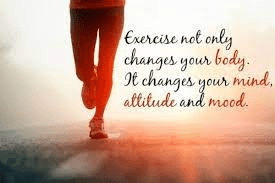
When you separate exercise from having the sole goal of changing your body, and instead allow it to be a place for repair, release, and rejuvenation, it’s likely you’ll find new freedom in your movement practice. Move your body in ways that feel good and that you actually enjoy.
Our bodies are wise and know how to adapt, evolve, and heal themselves. They know when we need rest, and they know when we need to move. As you connect with your body more intuitively, you will be able to interpret its cues in a new way.
Ask yourself: Am I appreciating the functions of my body without criticism? Am I focused on my body’s failings? Am I comparing myself to others? Am I pushing my body past its limits for the sake of hitting a certain goal or target?
Ask yourself: Why am I choosing to move today? Is it based on changing my physical form? Can I reframe my motive to focus on my mental, spiritual, or emotional health? How do I want this movement session to serve me?
What kind of language does your gym/instructor promote? Is this language in line with your values? What influences or media do you consume that frames exercise as a punishment, a requirement, or a means only to change your physical shape? I have experienced gym class instructors who made comments in classes about exercising to “earn” a shower or exercise to “work off” or “earn” pizza. I don’t surround myself with these environments anymore and have been able to reframe my mindset.
Change your intent of exercise. Consider the mental or emotional benefits of exercise. Think about how it will feel after, movement as a powerful release, and movement as self-care. Give yourself grace and allow rest.
“For people with chronic health issues, it is easy to start to lose trust and faith in your body in a lot of ways. There can be a lot of anger toward the body and a desire to control it. The impulse is often to try to make our bodies do what we want them to do.”
This book really resonated with me. I have chronic health issues that often cause bloating and other issues. Sometimes I look somewhat fit and many other times I look nine months pregnant. Sometimes I am frustrated with my body not functioning the way it should be.
Kids participate in movement because it’s fun, not because it’s necessary. They only begin to think about movement as a means to change their body when they receive messages that their body needs to change. It is learned behavior.
TIPS:
In the context of the body, the more we try to control what we eat, how we exercise, and how our outer self appears to the world, the more these issues will loom large in our life, depleting our health and happiness.
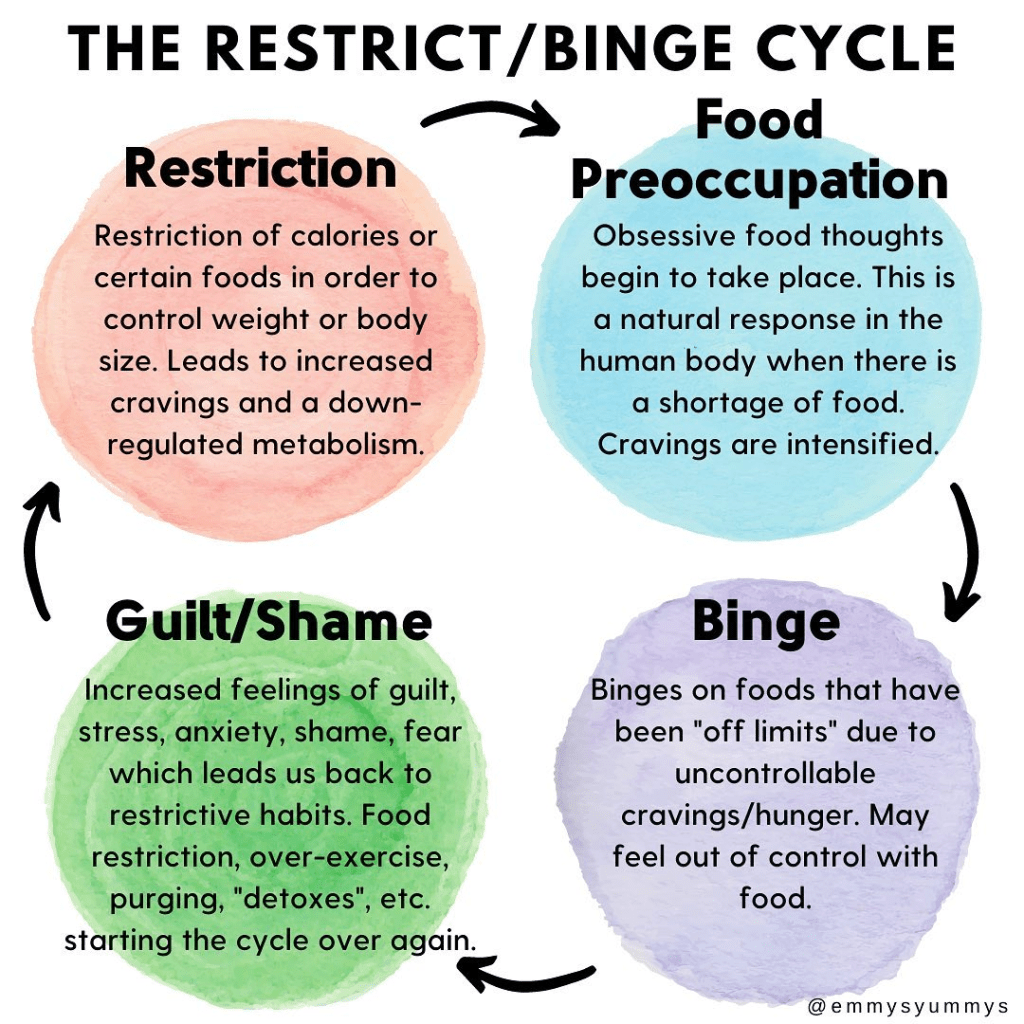
Whatever you restrict becomes the thing you crave. Deep restrictions lead to more and more cravings and bingeing. Always make sure the pantry is stocked. The more you have access to things, the less power they have over you. Removing restrictions is an important part of the recovery process.
I agree with this! I used to not allow myself to purchase candy, dairy-free ice cream, popcorn, chips, and many other foods when I lived alone in an apartment, so when I had access to them, I would eat so much that I felt sick. Since being married, we have kept all of these things on hand, and I have exhibited more self-control and less bingeing. I’ve had access to all of these things on a daily basis and have been surprised at how little I have consumed them on a regular basis!
Examine your relationship with control. Are your habits impeding upon your work schedule or time with family and friends? Do you say no to events. occasions, or activities in order to stick to your regimen? How much are you beating yourself up when you make a misstep? Wanting to control things is okay and natural, but we need to allow ourselves the space and grace to be humans. We can acknowledge what influences our thoughts and explore those factors. We can recognize that our bodies and everything about us is meant to ebb and flow.
Ignore the size tag on clothes. Different brands will fit differently, and it is not a reflection of your body.
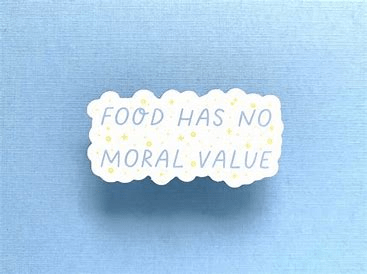
Stop labeling foods as “good” or “bad” – food is not moral.
Toss the scale if you are going to obsess over it.
Be kind to yourself.
Question your “why.” Why do you feel your body needs to be different?
Diversify your social media feed to include all body sizes.
Look in the mirror naked and list positive or neutral comments about yourself.
Let go of perfection.
Remember that a thought is just a thought. It is not truth.
Look how far you’ve come.
Keep your language neutral in front of children.
Make the time for what centers you in your body.
Find like-minded people to move with.
I hope some of this resonated with you in your body neutrality journey.
I look forward to reading, learning, and sharing more with you soon!














 This book will change your life.
 I took away so much from this book and will share more about it on my blog sometime.






 Read Learn Share