Book review posts, Uncategorized

November 2025 Reads

I read 3 books in November. Here is a blurb of each of the books I read in November.
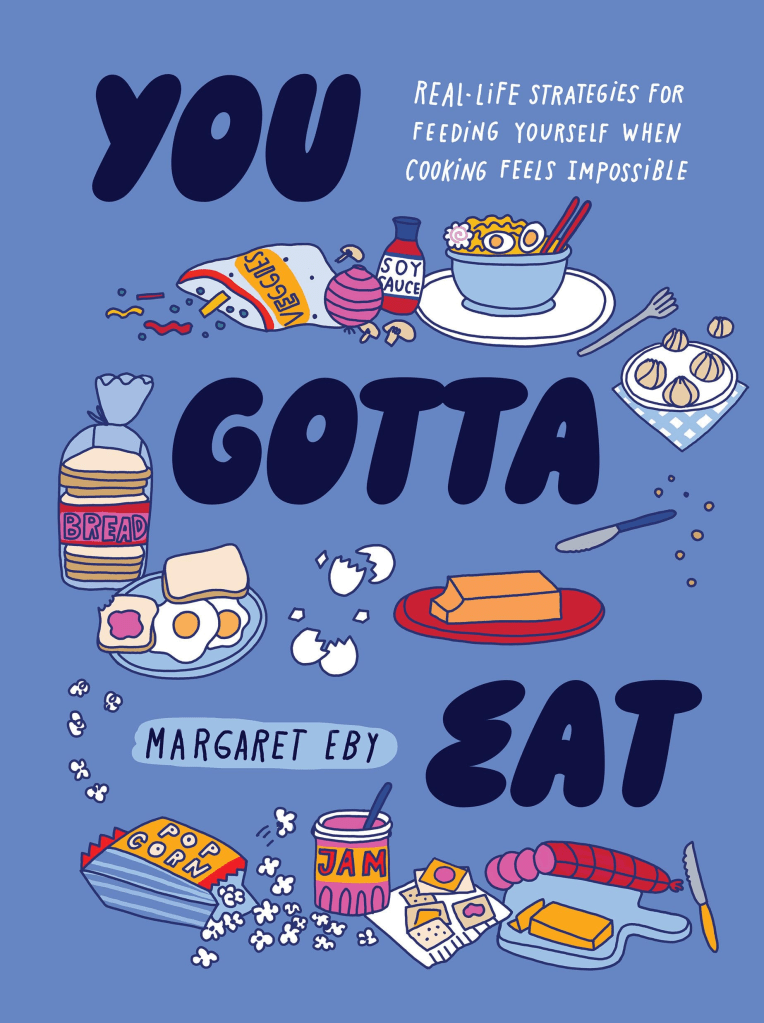
You Gotta Eat” was written by Margaret Eby, a deputy food editor for the Philadelphia Inquirer. This book contained ideas for living deliciously without impossible effort. Here are some of the many ideas from the book:

  • Season mac and cheese with Old Bay seasoning, taco seasoning, Cajun seasoning, or ranch seasoning. Even better: add ground hamburger and taco seasoning.
  • For theatre-style popcorn, add Flavacol.
  • Baked potato topping ideas: Cajun seasoning, curry powder, taco seasoning, or chili crisp
  • stir-fry sauce: 4 tbsp soy sauce, 1 tbsp sriracha, and 1 tbsp brown sugar
  • sauce for sheet pan vegetables: 2 tbsp tahini (or 1 tbsp peanut butter and 1 tbsp water), 2 tbsp hoisin sauce, and 2 tbsp water
  • Thai-inspired sauce: 1 tbsp brown sugar, 1 tbsp fish sauce, and 1 tbsp lime juice

This book was an easy read and contained easy recipe ideas.

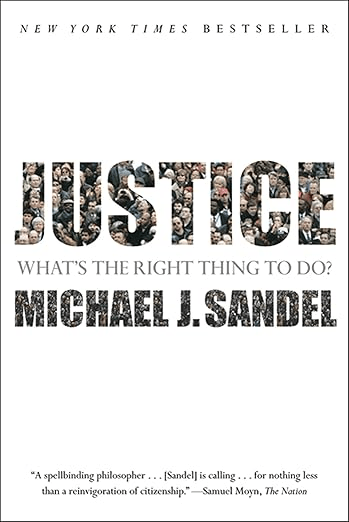
Justice: What’s the Right Thing to Do?” was written by Michael J. Sandel, who has taught political philosophy to Harvard undergraduates for over three decades. This book was a journey in moral and political reflection and invites readers to subject their own views about justice to critical examination and to figure out what they think and why. This book relates the big questions of political philosophy to the most vexing issues of our time. Here are some of the main ideas:

  • utilitarianism = maximize utility/happiness and prevent pain or suffering. Utilitarianism fails to respect individual rights.
    • Ex: in ancient Rome, they threw Christians to the lions in the Coliseum for the amusement of the crowd.
  • libertarianism = libertarians favor unfettered markets and oppose government regulation, not in the name of economic efficiency but in the name of human freedom.
    • Libertarians oppose laws to protect people from harming themselves and believe that these laws violate the rights of the individual to decide what risks to assume.
      • Ex: seatbelt laws
    • Libertarians oppose using the coercive force of law to promote notions of virtue or to express the mora convictions of the majority.
      • Ex: prostitution laws
    • Libertarians object to Social Security, minimum wage laws, employment discrimination laws, and occupational licensing requirements. The libertarian sees a moral continuity from taxation (taking my earnings) to forced labor (taking my labor) to slavery (denying that I own myself).
  • Kant’s critical philosophy/enlightenment = the moral worth of an action consists not in the consequences that flow from it, but in the intention from which the act is done. What matters is doing the right thing because it’s right, not for some ulterior motive.
    • Universalize your maxim. Think “What if everybody did that?”
  • John Rawls – equality = the way to think about justice is to ask what principles we would choose in an original position of equality, behind a veil of ignorance.

This book contained thought-provoking examples to critically analyze what you think and why.

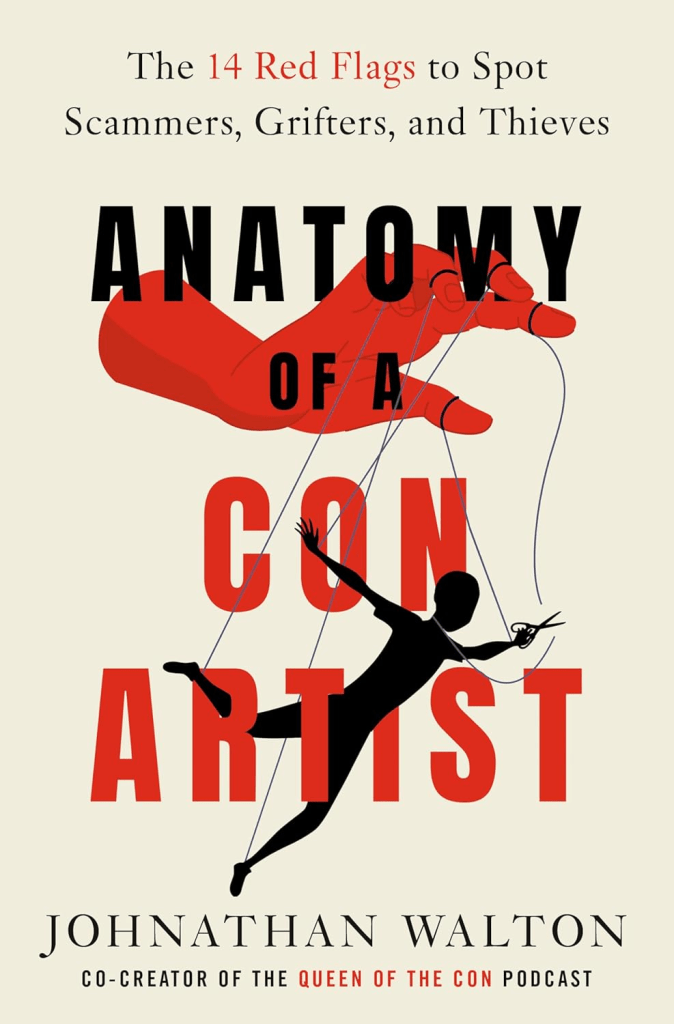
Anatomy of a Con Artist: the 14 Red Flags to Spot Scammers, Grifters, and Thieves” was written by Emmy-winning former TV reporter and current reality TV producer Johnathan Walton. He is also a host, writer, and executive producer of the hit podcast Queen of the Con and was unfortunately the victim of a con artist. This book contained 14 red flags of con artists and detailed examples of several real cases, including the con artist who scammed him. Here are some main takeaways:

  • I just want to help.” Con artists are rescue merchants. They will suddenly show up when there’s a problem or a disaster or unrest. They’ve learned that if they can offer a solution to a major problem someone’s having, the person in trouble will focus exclusively on the offered solution, and it’ll blind them to everything else – ultimately enabling the con artist to scam them.
  • Con artists don’t outsmart you. They out-feel you. One of the biggest ways con artists trick you into giving them money is by using invented drama.
  • Once you wire your money to someone, unless you catch it very quickly and alert the bank that there’s a problem, that money is gone forever. Con artists love wires because the transactions are quick and permanent. Never send wires!
  • Dale Carnegie techniques con artists use:
    • “Arise in the other person an eager want.”
    • “To be interesting, be interested.” Con artists learn as much about you as possible as fast as they can.
    • “Dramatize your ideas.”
    • “Remember that a person’s name is to that person the sweetest and most important sound in any language.” They use your name a lot in conversations.

If you suddenly realize that you are the victim of a con artist, you need to create a timeline with details of what happened. Pitching a criminal case to the police is a lot like pitching a show to a television executive. You have to make it compelling, succinct, easy to follow, easy to understand, and impossible to ignore.

  • When and how did you meet this person? What stories did they tell you and on what dates? When did the money change hands? Why did you give them money? What was the lie or lies they told you? How and when did you figure out they were lying?
  • Gather up and print all of the texts and emails.
  • Do a criminal and civil case search on court websites, PACER, or BeenVerified.com.
  • Reach out to people who know this con artist and tell them you were scammed. Ask if they or anyone they know was scammed.
  • Write a sworn affidavit and get it notarized.
  • Rehearse your speech before going to law enforcement and come with all evidence.
  • Call the police frequently and ask for an update.

I highly recommend this book to learn about the red flags of con artists to watch out for!

Book review posts, Uncategorized

May 2025 Reads

It’s been a while since I’ve posted on this blog since I have had other priorities. I read 5 books in May. Here is a blurb of each of the books I read in May.

Supersized Lies: How Myths About Weight Loss Are Keeping Us Fat – And the Truth About What Really Works” was written by Robert J. Davis, PhD, host of the Healthy Skeptic video series and an award-winning health journalist whose work has appeared on CNN, PBS, WebMD, and the Wall Street Journal. Here are some main points:

Instead of focusing on individual villains, we need to pay attention to the general quality of our diets – emphasizing whole foods and minimizing highly processed foods – vegetables, fruits, beans, nuts, seeds, seafood, lean poultry, and whole grains, such as oats and rice. Whole foods tend to have fewer calories per ounce, more fiber, and be more filling, and we often eat them more slowly, giving our brains time to get the message that we’ve had enough.

  • When calories are cut or increased by a specific amount, the change in weight will vary from person to person, and these differences are due at least in part to genetics.
  • Calories shouldn’t be the only consideration. That can detract from the pleasure of eating, contribute to an unhealthy relationship with food, and result in too little of the things your body needs. Instead, when choosing what to eat, also pay attention to the sugar, fiber, and protein, and consider how healthful and filling the foods are and how you feel after you eat them.

If dietary supplements had to meet the same standards of proof for safety and effectiveness as medications, few, if any, would be allowed on the market. Supplement makers aren’t required to test for safety. The law assumes that supplements are innocent until proven guilty – just the opposite of how medications are regulated.

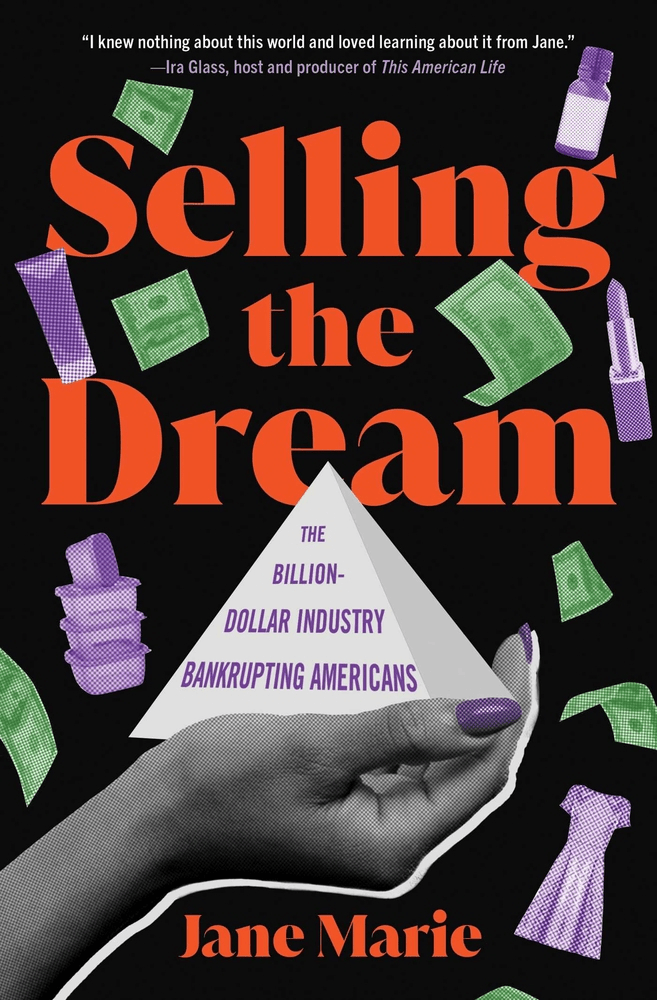
Selling the Dream: The Billion-Dollar Industry Bankrupting Americans” was written by Jane Marie, a Peabody and Emmy Award-winning journalist. In this book, Jane expands on her popular podcast The Dream to expose the source of multilevel marketing schemes. Although I have never been involved in multilevel marketing (thankfully), I got a lot out of this book! Here are some main takeaways:

  • 99% of those who join MLMs make no $ or even lose $. Women make up 74% of the MLM workforce.
  • In an MLM, the product being sold doesn’t matter since most of the $ is being made via recruitment fees and distributors stocking their own shelves with inventory.
  • Despite what those in MLMs may believe, they are not business owners. They don’t control anything except their own sales efforts. They don’t own the product they’re selling or any IP, they don’t set their own prices or salaries, and they are often bound by strict rules in how they can market and sell the products. They also lack a guaranteed salary, benefits, and workers’ rights.

The MLM world is a bizarre land where incentives can range from the opportunity to buy your own ticket to a conference to earning a new rank solely based on products you’ve purchased that now sit in your garage. The disincentives are just as plain: once you’ve roped in your friends and family, quitting seems off the table and an admission that you sold them a bill of goods.

“Nutrition” clubs are seemingly popping up everywhere. One of the most fascinating things I read in this book is that Herbalife nutrition clubs prohibit signs that state or suggest that Herbalife products are available for retail purchase on the premises. Club owners are not permitted to post signs indicating whether the club is open or closed, and the interior of the club must not be visible to persons outside.

I recommend reading this book if you want to learn more about the MLM industry.

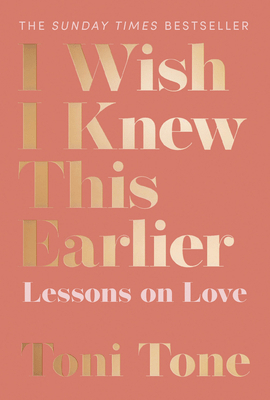
I Wish I Knew This Earlier: Lessons on Love” is an essay-type book divided into themes and written by Toni Tone, an award-winning speaker, writer, and social content creator. Here are some points that resonated with me:

  • Intimacy tells you more about a relationship than intensity. Can you be vulnerable? Do you feel safe? Is there trust? Do you have similar interests? Can you easily hold a conversation with them? Do you have similar values?
  • Have a life outside of your love life is essential. A healthy relationship should complement your life, not become it. A partner who is good for you wants you to flourish and wants you to be the best version of yourself. The best version of yourself is well-rounded, has friendships outside of your romantic relationship, hobbies, and aspirations outside of your romantic relationship.

We should choose to love people for who they really are because the painful truth is that potential doesn’t always manifest. You may think a person is capable of moving mountains for you, but should these mountains never be moved, how will you feel? Falling for potential is not just a disservice to you but it’s also a disservice to the person you are choosing to love. We don’t possess the power to change people. People change because they want to.

I highly recommend this book to anyone!

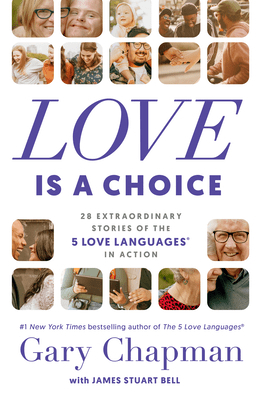
Love is a Choice: 28 Extraordinary Stories of the 5 Love Languages in Action” was written by Gary Chapman, author, speaker, and counselor and #1 bestselling author of The 5 Love Languages series. Here are some great points:

  • Perhaps one of the keys to finding an enduring affection is to be willing to accept the interruptions and intrusions.
  • How do you measure love? Each of us speaks a different love language. How can we learn someone’s love language? By asking them what makes them feel really loved or by watching how the person expresses love to others.
  • Love doesn’t require that we always have all the answers. Instead, many times love just asks that we listen to the problem, that we try to understand, and that we express our condolences, sympathy, or love. Sometimes love means just being there for the person we care about.

Love requires effort and action. Love is not passive. It requires constant effort, communication, and care. Actions like making time for each other, showing affection, or helping with everyday tasks can strengthen a relationship in profound ways.

Open, honest, and empathetic communication is necessary to foster understanding and connection. Instead of assuming your partner knows what you need, communicate your feelings, desires, and needs clearly. Practice active listening and empathy.

Compassion in the Court: Life-Changing Stories From America’s Nicest Judge” was written by Judge Frank Caprio, who became an unexpected television and internet superstar while in his eighties. Judge Caprio’s three-time Emmy-nominated television show, Caught in Providence, has amassed over 20 million followers across social media and his videos have accrued billions of views. Here are some key lessons:

  • True justice should be tempered with compassion. Treat people as human beings, not just as cases or statistics.
  • Compassionate decisions build trust in the judicial system. When people feel that they are treated fairly and with understanding, they are more likely to follow the rules and make positive changes.
  • What may seem unimportant to you could be incredibly important and life-changing to the person before you. One small act of kindness, one act of being thoughtful, can really change the course of a person’s life.
  • Put yourself in the shoes of the person you are facing and then ask yourself: What would help? How would you behave if it were your parents, grandparents, brother, sister, or relative in that situation? How would you want them treated?

My courtroom was a microcosm of the city of Providence, a progressive city that’s been welcoming immigrants for hundreds of years. Many of the defendants who have appeared before me may not have felt life had treated them fairly, but it was my sincere hope that in my courtroom they felt that they had the opportunity to speak, to be heard, and to be treated fairly in the way our system of justice demands.