Book review posts, Uncategorized

August 2025 Reads

It’s been a while since I’ve posted on this blog since I have had other priorities. I read 2 books in August and gave myself permission to quit 2 other books – a true act of self-care. Previously, I didn’t allow myself to not finish books. Here is a blurb of each of the books I read in August.

The Ritual Effect: Unlocking the Extraordinary Power of the Ordinary” was written by Michael Norton, professor of Business Administration at Harvard Business School. Here are some main takeaways:

The essence of habit is the what – something we do – brush our teeth, go to the gym, pay bills, etc. The essence of ritual is the how. It matters to us not simply that we complete the action but the specific way that we complete it. When rituals are disrupted, people report feeling “off” all day.

Some rituals become so intricate that the ritual interferes instead of prepares. Ex: performance rituals – baseball players engage in an average of 83 movements when batting.

Rituals and repetition can be powerful tools for honing our self-control, but ritualistic behavior can, over time, start to control us instead. Among the most common treatments for compulsive behaviors is “habit reversal” training – identifying the root behavior that’s causing problems and replacing it with something else.

  • Rituals wake up our experience of commitment – doing things together.
  • Relationship rituals are exclusive.
  • Rituals – not routines – bring the magic.
  • Consensus is a critical factor. Do you and your partner agree that it’s a ritual and not just a routine?
  • Food and drink are often central to rituals, but how we share them is what shapes family identity.
  • Rituals can be the practices that call us home and bring family together.
  • Family rituals immerse us in the moment, strengthen identity, and create lasting meaning.

Rituals give us a sense of ownership, an affirmation of identity or belonging, or an increased feeling of meaning.

  • Personal rituals are more adaptable and meaningful than inherited rituals since we can shape them to fit our values and goals.
  • Rituals strengthen social bonds through shared meals, celebrations, or communal ceremonies.
  • Rituals don’t have to be complex. Simple, intentional actions can transform daily life.

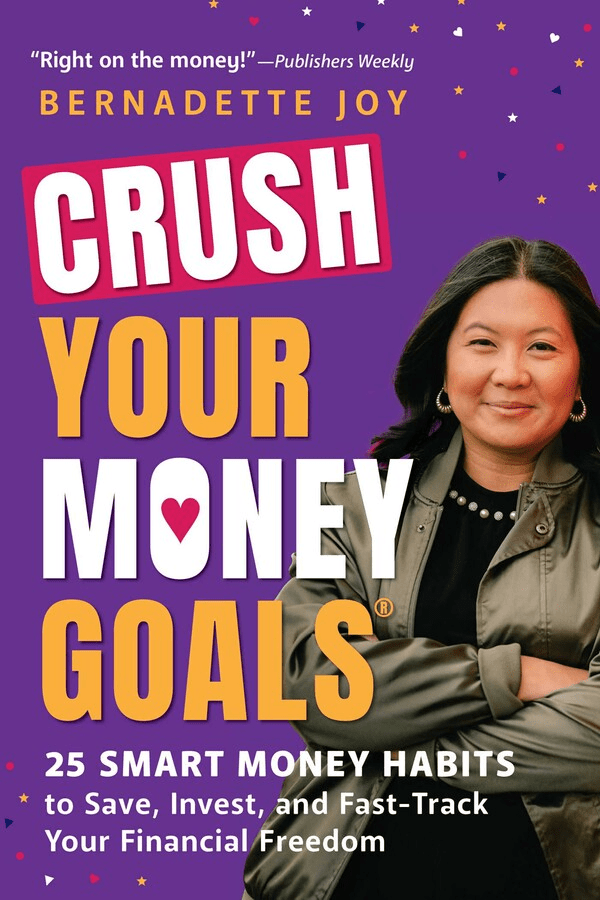
Crush Your Money Goals” was written by Bernadette Joy, an expert money coach and founder of CRUSH Your Money Goals. Here are some main points.

  • Curate your accounts. Coordinate accounts and track spending.
  • Reverse into independence. Set clear financial independence goals. Use the $1 rule to question non-essential purchases.
  • Understand your net worth and track it.
  • Spend intentionally. Align spending with values.
  • Heal your money wounds. Address emotional triggers that lead to overspending.

Net worth trackers organize your accounts into cash & cash equivalents, investments, property, credit cards, and loans. Trackers mentioned in this book include Empower (free) and Monarch Money (paid subscription).

  • Survivebasic necessities, including housing, utilities, food, transportation, and health
  • Revive current expenses that aren’t necessary but make life worth living for you, such as vacations, clothing, entertainment, and hobbies
  • Strive – anything that helps you grow your net worth

The CRUSH method consists of 50% strive, 25% survive, and 25% strive. In other words, saving/investing half of your income – which does not seem attainable for most people, especially people who don’t earn six figures. The author mentioned that if this is not attainable, people should work to increase their income.

  • Remember that the interest you pay on any debt is making someone else rich by being their passive income stream. Ex: your mortgage, auto loans, and credit cards.
  • Unsubscribe from email marketing and digitally detox from constant comparisons. Reduce impulse spending.
  • Implement a $1 cost per use rule – technology, furniture, clothing, accessories, home goods.
  • Invest in a Roth IRA, where you won’t pay taxes on growth. All income earned is tax-free.
  • Compare insurance plan rates each year. Ask for discounts from service providers.
Book review posts

June 2025 Reads

It’s been a while since I’ve posted on this blog since I have had other priorities. I read 3 books in June. Here is a blurb of each of the books I read in June.

The novel “Motherhood” by Sheila Heti follows a woman in her late 30s as she grapples with whether or not to have children. This book was not plot-driven; it was more like a long internal monologue in which the woman constantly questions what it means to be a mother and whether motherhood would enhance or diminish her life. I didn’t like the writing style, but it was thought-provoking at times. Here are some key lessons from this book:

  • the pressure of societal expectations for women to have children
  • motherhood as a choice, not an obligation
  • motherhood is often tied to a woman’s identity
  • the cost of motherhood – sacrifice of time, freedom, and sometimes the dreams or ambitions women may have for themselves
  • Women are often expected to become mothers, while men are not held to the same societal standards.

Do I want children because I want to be admired as the admirable sort of woman who has children? Because I want to be seen as a normal sort of woman, or because I want to be the best kind of woman, a woman with not only work, but the desire and ability to nurture, a body that can make babies, and someone who another person wants to make babies with?

We are miserly with ourselves when it comes to space and time. But doesn’t having children lead to the most miserly allotment of space and time? Having a child solves the impulse to give oneself nothing. It makes that impulse into a virtue.

Whether I want kids is a secret I keep from myself. On the one hand, the joy of children. On the other hand, the misery of them. On the one hand, the freedom of not having children. On the other hand, the loss of never having had them.”

Change Your Mind and Your Life Will Follow: 12 Simple Principles” was written by Karen Casey, a speaker and author of 16 books. Here are some lessons that resonated with me:

  • Tend your own garden. Focusing outside ourselves and attempting to control other people is a clever avoidance technique that helps us escape having to look at our own sometimes troubling behavior.
  • We are not in charge of others! Not their behavior, their thoughts, their dreams, their problems, their successes, or their failures.
  • Let go of outcomes. No matter what we do or how perfect our input, we are never in control of the outcome of any situation. You are responsible for making the effort – nothing more.
  • Don’t let the mood swings of others determine how you feel.

Any thought can be released. We are fully responsible for our thoughts and can take charge of them whenever we need or want to. No one can take charge of your thoughts, and thus your life, without your compliance.

Be vigilant about your choices. If what you are seeking is peace, you must be vigilant about the choices you make. The ego will often beckon you to choose gossip, criticism, comparisons, judgements, jealousy, fear, and anger – none of these choices will lead you to peace.

The Mindful Catholic” is based on an eight-week program called Mindfulness-Based Stress Reduction and was written by Gregory Bottaro, the director of the Catholic Psych Institute and the developer of the Catholic Mindfulness Online Course. Here are some takeaways:

Mindfulness = paying attention to the present moment without judgment or criticism. Curiosity is the disposition of mind that we are seeking to cultivate when we practice mindfulness. Mindfulness does not mean turning off the thoughts in your mind but using them as a door to greater awareness of yourself.

Tendencies vs. Mindfulness:

This book also covered mindfulness exercises. As someone who isn’t experienced with mindfulness, here is my favorite:

  • Sacramental pause – Start with prayer (“Ever-present God, here with me now, help me to be here with you“). Open your awareness to any thoughts, emotions, or physical sensations, then narrow your focus to the physical sensation of your breath alone, and finally expand the focus to the physical sensations of your whole body.
Thoughtful Thursday posts, Uncategorized

Thoughtful Thursday – October 10, 2024

My intention is to post a Thoughtful Thursday column each week and share some of the insights I have learned in the past week. Here are some of the things I’ve learned this week:

Self-Growth Nerds – The Power of Consistency: 5 Mindset Shifts for Achieving Your Dreams

Mentally Stronger with Therapist Amy Morin – 10 Things Being a Therapist Taught Me About the Human Experience

Real Simple Tips – 6 Tips for Keeping Lips Moisturized

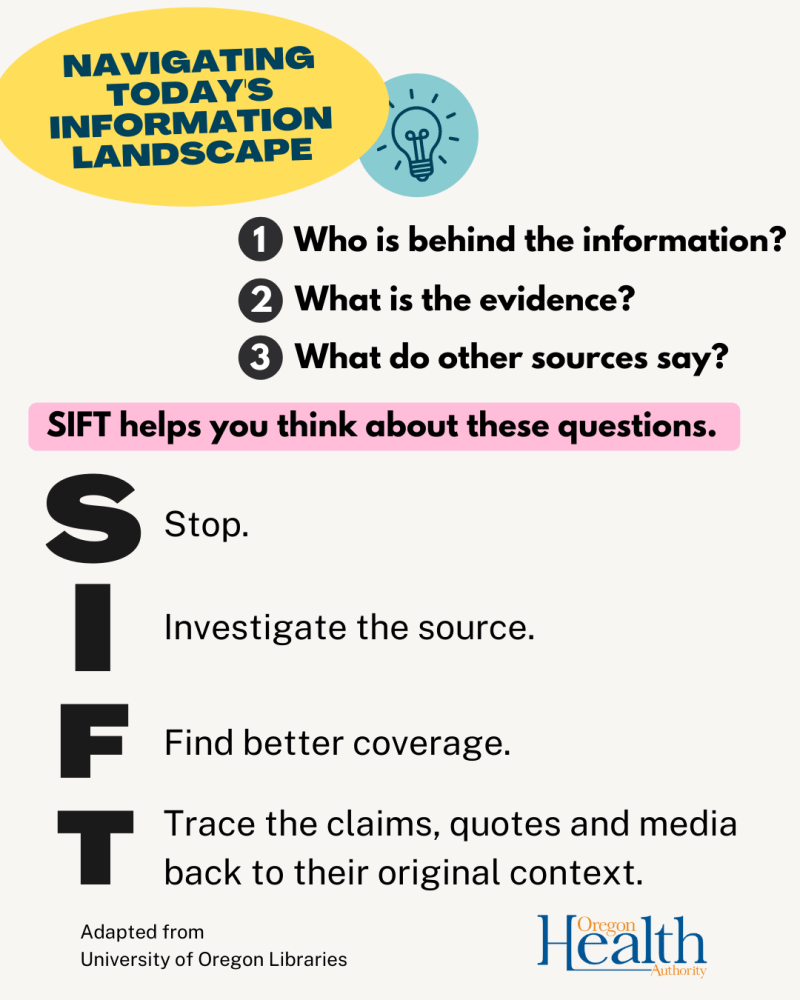
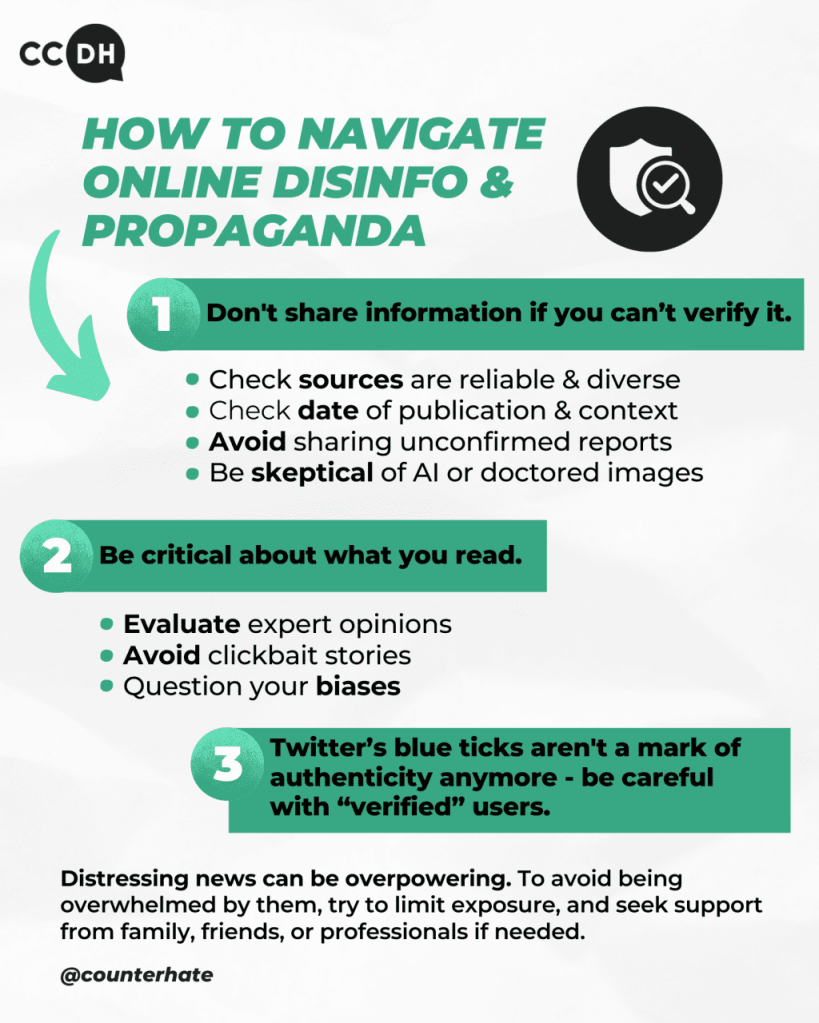
Life Kit – How to talk to your loved ones about misinformation