It’s been a while since I’ve posted on this blog since I have had other priorities. I read 5 books in May. Here is a blurb of each of the books I read in May.
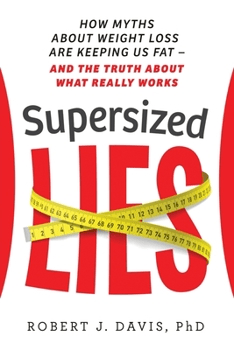
“Supersized Lies: How Myths About Weight Loss Are Keeping Us Fat – And the Truth About What Really Works” was written by Robert J. Davis, PhD, host of the Healthy Skeptic video series and an award-winning health journalist whose work has appeared on CNN, PBS, WebMD, and the Wall Street Journal. Here are some main points:
Instead of focusing on individual villains, we need to pay attention to the general quality of our diets – emphasizing whole foods and minimizing highly processed foods – vegetables, fruits, beans, nuts, seeds, seafood, lean poultry, and whole grains, such as oats and rice. Whole foods tend to have fewer calories per ounce, more fiber, and be more filling, and we often eat them more slowly, giving our brains time to get the message that we’ve had enough.
When calories are cut or increased by a specific amount, the change in weight will vary from person to person, and these differences are due at least in part to genetics.
Calories shouldn’t be the only consideration. That can detract from the pleasure of eating, contribute to an unhealthy relationship with food, and result in too little of the things your body needs. Instead, when choosing what to eat, also pay attention to the sugar, fiber, and protein, and consider how healthful and filling the foods are and how you feel after you eat them.
It takes A LOT of work to burn off the calories in a relatively small amount of food. Changing your diet to lose weight is easier than exercising to lose weight.
If dietary supplements had to meet the same standards of proof for safety and effectiveness as medications, few, if any, would be allowed on the market. Supplement makers aren’t required to test for safety. The law assumes that supplements are innocent until proven guilty – just the opposite of how medications are regulated.
Exercise, sleep, and stress management reinforce each other to benefit not only our physical and emotional health, but also our weight.
4 out of 5 stars
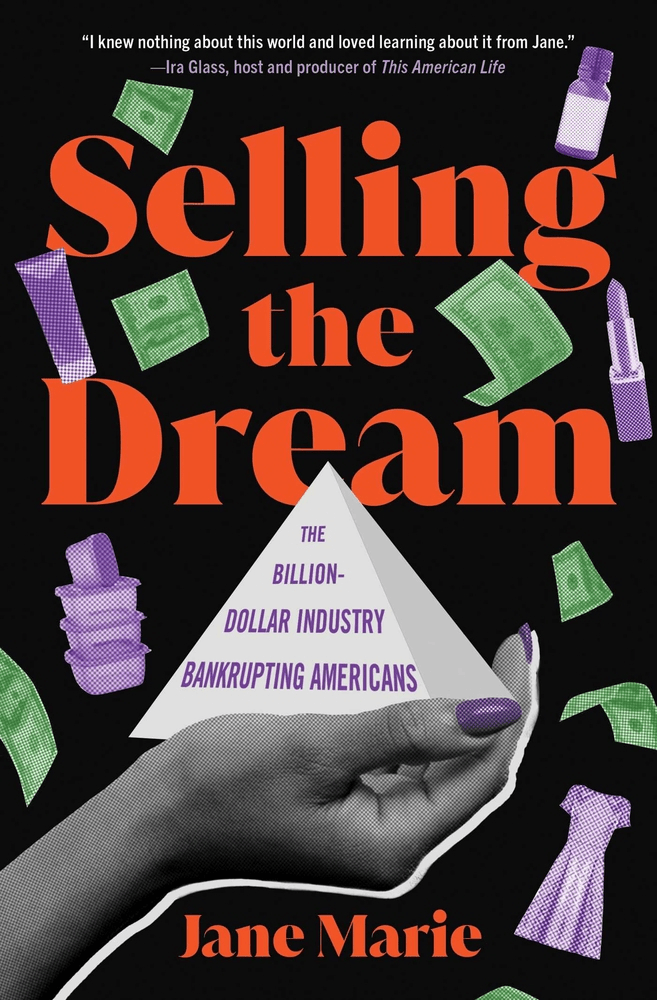
“Selling the Dream: The Billion-Dollar Industry Bankrupting Americans” was written by Jane Marie, a Peabody and Emmy Award-winning journalist. In this book, Jane expands on her popular podcast The Dream to expose the source of multilevel marketing schemes. Although I have never been involved in multilevel marketing (thankfully), I got a lot out of this book! Here are some main takeaways:
99% of those who join MLMs make no $ or even lose $. Women make up 74% of the MLM workforce.
In an MLM, the product being sold doesn’t matter since most of the $ is being made via recruitment fees and distributors stocking their own shelves with inventory.
Despite what those in MLMs may believe, they are not business owners. They don’t control anything except their own sales efforts. They don’t own the product they’re selling or any IP, they don’t set their own prices or salaries, and they are often bound by strict rules in how they can market and sell the products. They also lack a guaranteed salary, benefits, and workers’ rights.
The MLM world is a bizarre land where incentives can range from the opportunity to buy your own ticket to a conference to earning a new rank solely based on products you’ve purchased that now sit in your garage. The disincentives are just as plain: once you’ve roped in your friends and family, quitting seems off the table and an admission that you sold them a bill of goods.
“Nutrition” clubs are seemingly popping up everywhere. One of the most fascinating things I read in this book is that Herbalife nutrition clubs prohibit signs that state or suggest that Herbalife products are available for retail purchase on the premises. Club owners are not permitted to post signs indicating whether the club is open or closed, and the interior of the club must not be visible to persons outside.
I recommend reading this book if you want to learn more about the MLM industry.
4 out of 5 stars
“I Wish I Knew This Earlier: Lessons on Love” is an essay-type book divided into themes and written by Toni Tone, an award-winning speaker, writer, and social content creator. Here are some points that resonated with me:
Intimacy tells you more about a relationship than intensity. Can you be vulnerable? Do you feel safe? Is there trust? Do you have similar interests? Can you easily hold a conversation with them? Do you have similar values?
Have a life outside of your love life is essential. A healthy relationship should complement your life, not become it. A partner who is good for you wants you to flourish and wants you to be the best version of yourself. The best version of yourself is well-rounded, has friendships outside of your romantic relationship, hobbies, and aspirations outside of your romantic relationship.
We should choose to love people for who they really are because the painful truth is that potential doesn’t always manifest.You may think a person is capable of moving mountains for you, but should these mountains never be moved, how will you feel? Falling for potential is not just a disservice to you but it’s also a disservice to the person you are choosing to love. We don’t possess the power to change people. People change because they want to.
Don’t forget to celebrate your partner. Share compliments, provide words of affirmation, and give praise where it’s deserved. Don’t speak up only when you are annoyed. Speak up when you are happy too.
I highly recommend this book to anyone!
5 out of 5 stars
“Love is a Choice: 28 Extraordinary Stories of the 5 Love Languages in Action” was written by Gary Chapman, author, speaker, and counselor and #1 bestselling author of The 5 Love Languages series. Here are some great points:
Realize that you have as many faults as your partner. “Fix your thoughts on what is true, and honorable, and right, and pure, and lovely, and admirable. Think about things that are excellent and worthy of praise.” Philippians 4:8
Perhaps one of the keys to finding an enduring affection is to be willing to accept the interruptions and intrusions.
How do you measure love? Each of us speaks a different love language. How can we learn someone’s love language? By asking them what makes them feel really loved or by watching how the person expresses love to others.
Love doesn’t require that we always have all the answers. Instead, many times love just asks that we listen to the problem, that we try to understand, and that we express our condolences, sympathy, or love. Sometimes love means just being there for the person we care about.
Love requires effort and action. Love is not passive. It requires constant effort, communication, and care. Actions like making time for each other, showing affection, or helping with everyday tasks can strengthen a relationship in profound ways.
Open, honest, and empathetic communication is necessary to foster understanding and connection. Instead of assuming your partner knows what you need, communicate your feelings, desires, and needs clearly. Practice active listening and empathy.
4 out of 5 stars
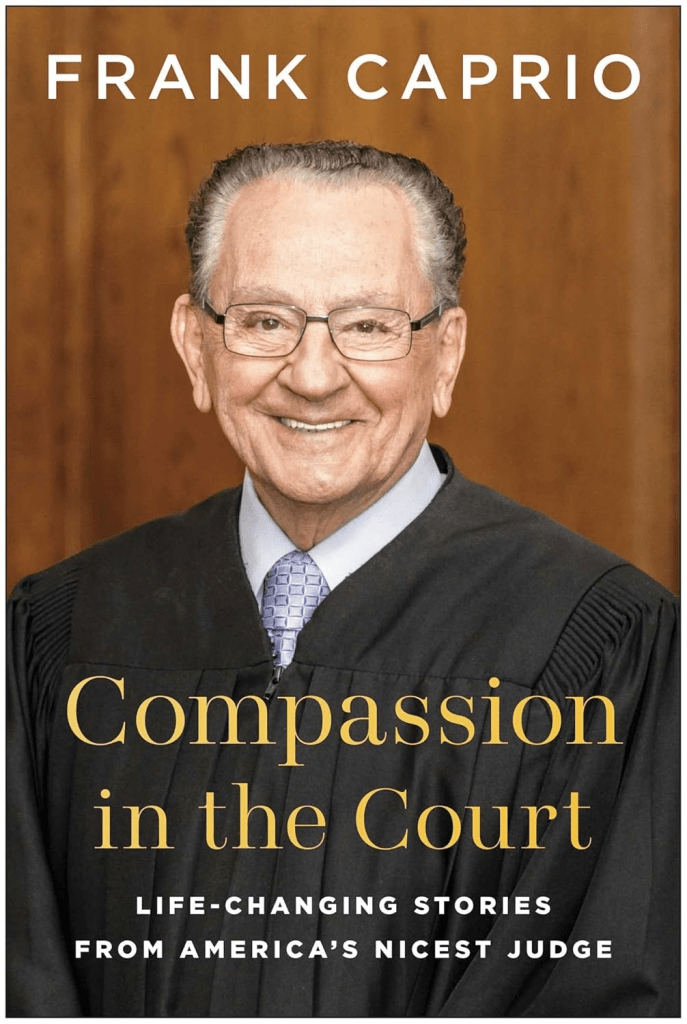
“Compassion in the Court: Life-Changing Stories From America’s Nicest Judge” was written by Judge Frank Caprio, who became an unexpected television and internet superstar while in his eighties. Judge Caprio’s three-time Emmy-nominated television show, Caught in Providence, has amassed over 20 million followers across social media and his videos have accrued billions of views. Here are some key lessons:
True justice should be tempered with compassion. Treat people as human beings, not just as cases or statistics.
Compassionate decisions build trust in the judicial system. When people feel that they are treated fairly and with understanding, they are more likely to follow the rules and make positive changes.
What may seem unimportant to you could be incredibly important and life-changing to the person before you. One small act of kindness, one act of being thoughtful, can really change the course of a person’s life.
Put yourself in the shoes of the person you are facing and then ask yourself: What would help? How would you behave if it were your parents, grandparents, brother, sister, or relative in that situation? How would you want them treated?
My courtroom was a microcosm of the city of Providence, a progressive city that’s been welcoming immigrants for hundreds of years. Many of the defendants who have appeared before me may not have felt life had treated them fairly, but it was my sincere hope that in my courtroom they felt that they had the opportunity to speak, to be heard, and to be treated fairly in the way our system of justice demands.
4 out of 5 stars
I look forward to reading, learning, and sharing more with you soon!
As I discern the frequency of Thoughtful Thursday posts going forward, I wanted to share some of the insights I have learned in the past week. Here are some of the things I’ve learned this week:
Life Kit – The science behind the FDA ban on food dye Red No. 3
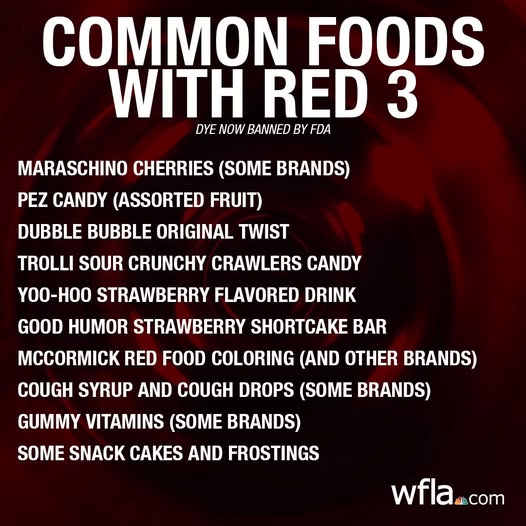
Desserts, candy, and medications that are bright cherry red often contain synthetic Red dye No. 3. It has been known to cause cancer in rats.
The FDA is now banning it in food and ingested drugs (revoking authorization)
Red dye No. 3 is a petroleum-based dye that gives products a bright cherry red color.
2002 – petition was filed with the FDA to ban the dye, and the FDA has been reviewing the petition and research ever since.
Red dye No. 3 in high doses causes cancer in rats. The FDA previously concluded it was safe for humans in the amounts used in food and said that Americans aren’t going to eat Red dye No. 3 in amounts large enough to cause cancer
2023 – California became the first U.S. state to ban Red dye No. 3, although the ban doesn’t take effect until 2027.
The Environment Working Group has compiled a list of over 3,000 packaged foods and drinks that contain Red dye No. 3!
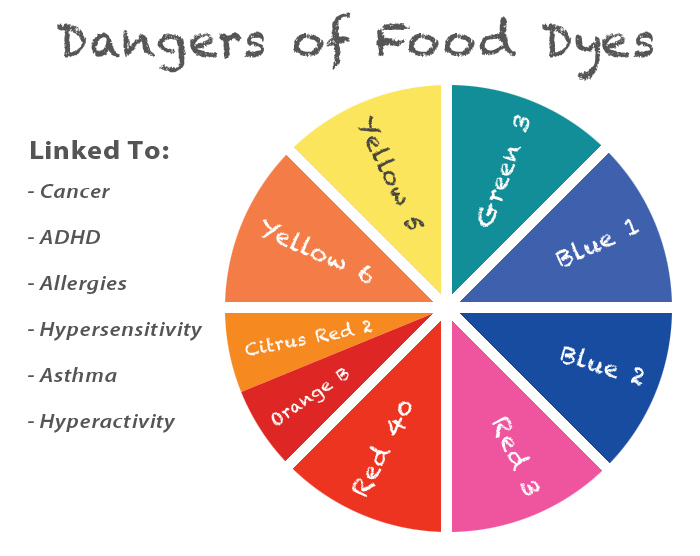
There are also concerns about other synthetic food dyes linked to behavioral issues and ADHD-like symptoms in children.
These dyes are more common in cheaper, ultra-processed foods.
Food manufacturers have until January 2027 to remove red dye no. 3 from their products.
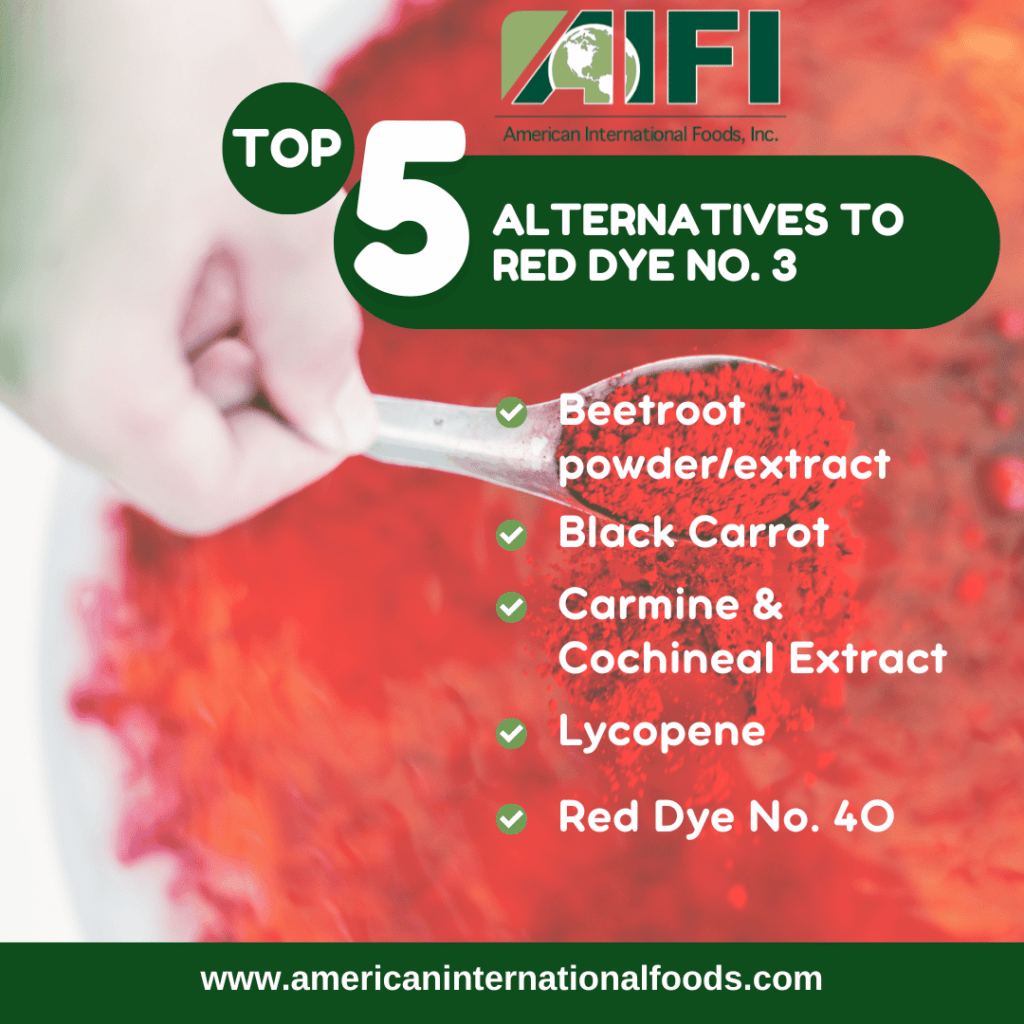
Replacing with Red 40 (also linked to behavioral issues in kids) or natural food compounds found from fruits and vegetables (ex: beets)
Check food labels and try to avoid food dyes.
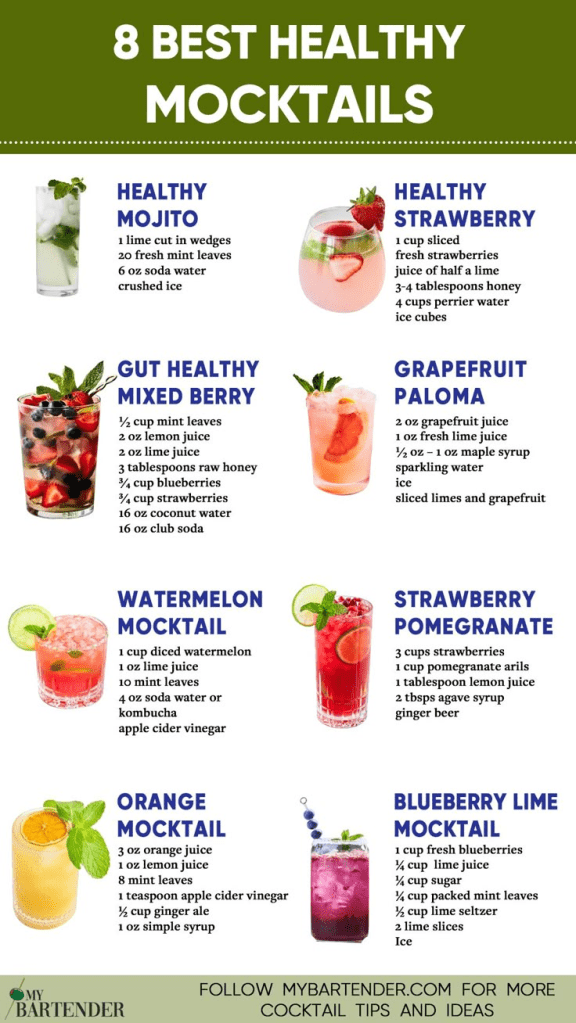
Chasing Life – Want a Healthier Mocktail? Here’s How
Disclaimer: My body doesn’t tolerate carbonation, alcohol, or mocktails, so I haven’t tried these recommendations!
Add water to get the volume right. Ex: instead of 2 oz of gin, add 2 oz of water.
Mocktails, like cocktails, are actually meant to be small and savory. You don’t need to use a lot of added sugar or syrups. Not meant to be a 12 oz beverage
If limiting alcohol instead of going alcohol-free, use sherry or fortified wines. These provide more of a flavor profile than NA drinks.
When you go alcohol-free, there is a chance you won’t miss it!
Many zero-proof options rely heavily on sodas, fruit juices, and syrups to try to compensate for the lack of alcohol. You can add water to tone down the sweetness.
1 month without alcohol will improve your sleep, boost your energy, and lower your blood pressure. That’s pretty good incentive.
Self Improvement Daily – Plant Yourself In Fertile Soil
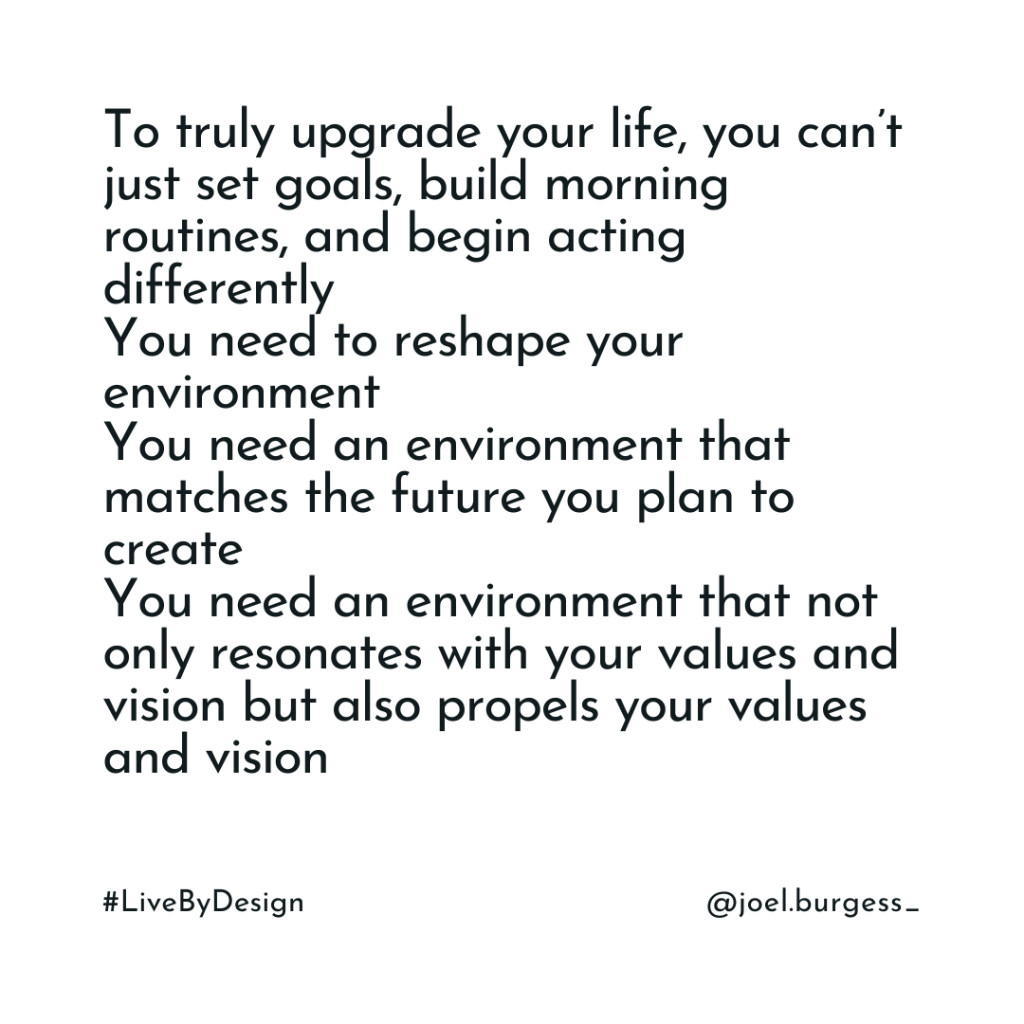
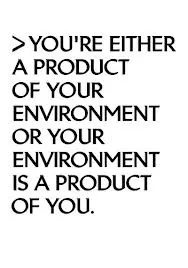
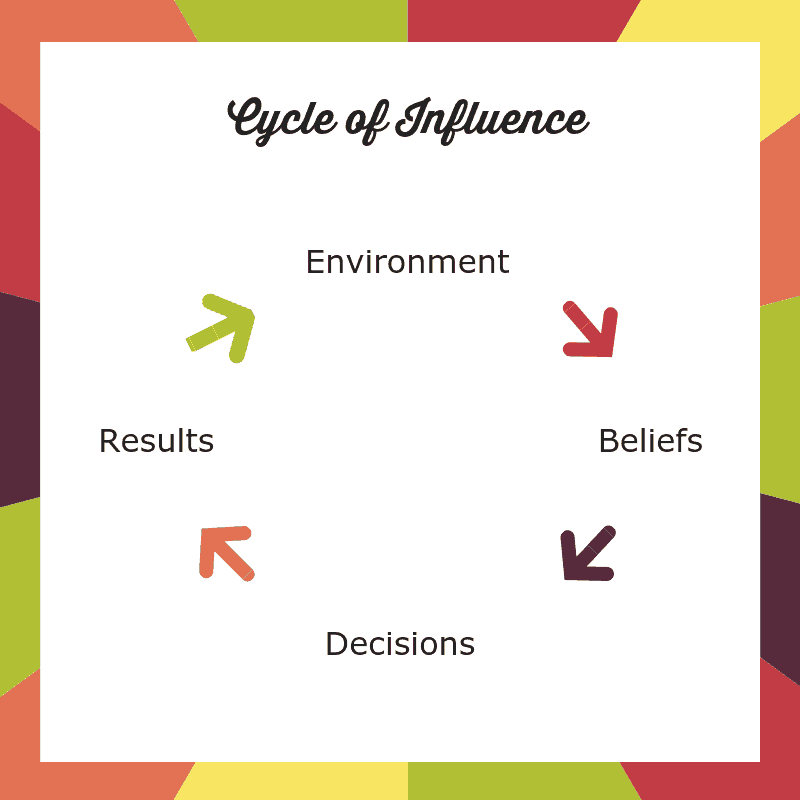
One of the most important impacts of your life and your success is your environment. Your environment is always pushing you to take make certain choices and take certain actions.
It’s the difference between hanging around friends who always want to meet up for drinks instead of hanging out while hiking, working out, or socializing without alcohol. It’s the difference between having access to healthy food in your pantry rather than always grabbing and stocking up on junk food. It’s the difference between having a good book by your bed versus only having your phone within arm’s reach.
Environment influences what happens without our awareness. The majority of the time, we’re acting unconsciously and automatically.
“Here’s a metaphor I like to use that demonstrates the power of environment. Think of the potential of a seed.
A seed has everything it needs to grow into a tall mighty tree. A seed is fully capable, yet most of the time, it doesn’t even sprout. Why? Because it’s dependent on the soil. The seed requires a certain environment to thrive.
The same seed planted in two different places can lead to two very different outcomes. When it’s in fertile soil, it grows tall and strong. When it’s planted in sand, it doesn’t even have a chance. And that’s not because there’s anything wrong with the seed. It’s just in the wrong environment.
As humans, we experience the same thing. There are environmental conditions that bring out our best. The right people, opportunities, circumstances, and spaces set us up for success. But there are also environments that bring out our ‘not so best’, causing us to make choices that don’t serve us and limit our potential.
Unlike a seed, however, we can control our environment. We can choose our surroundings and therefore, shape the influence it has on us. We can plant ourselves in fertile soil and when we do, that’s when we are maximizing our growth and potential!
If you’re falling short of the level of consistency, productivity, good health habits, and impact that you know you’re capable of, it’s probably because you’re in the wrong soil. Choose to put yourself in a place where you can thrive and watch the results pour in!”
TED Talks Daily – The secret to telling a great story – in less than 60 seconds
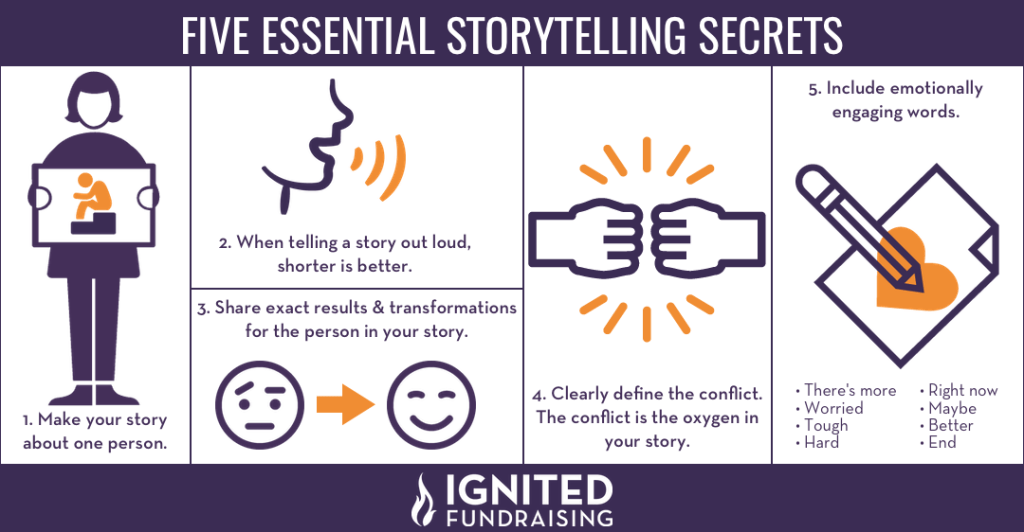
Many great stories start with a question because it will make people stick until the end to find out the answer.
You want to get your audience’s attention immediately, so you want to start by asking something shocking.
After you’ve hooked your audience, you want to take them on a journey building up to your answer where you want them to feel constant progression so that as we’re moving closer and closer to our answer, they feel like they can’t stop listening.
If everything is smooth sailing, nobody cares. We want to add conflict before getting to our answer. Without conflict, the audience isn’t as invested.
After enough buildup, we finally need our answers. Build tension by making the answer feel uncertain to make a satisfying ending.
If it takes longer to tell your story than it does to make a fast food burger, you’re probably overcooking both.
I’ve noticed this trend often on TikTok. People tell short stories with conflict to capture interest and build up progression before detailing the end of the story.
Mary’s Cup of Tea – How to Make Adult Friendships Easier with Kat Vellos
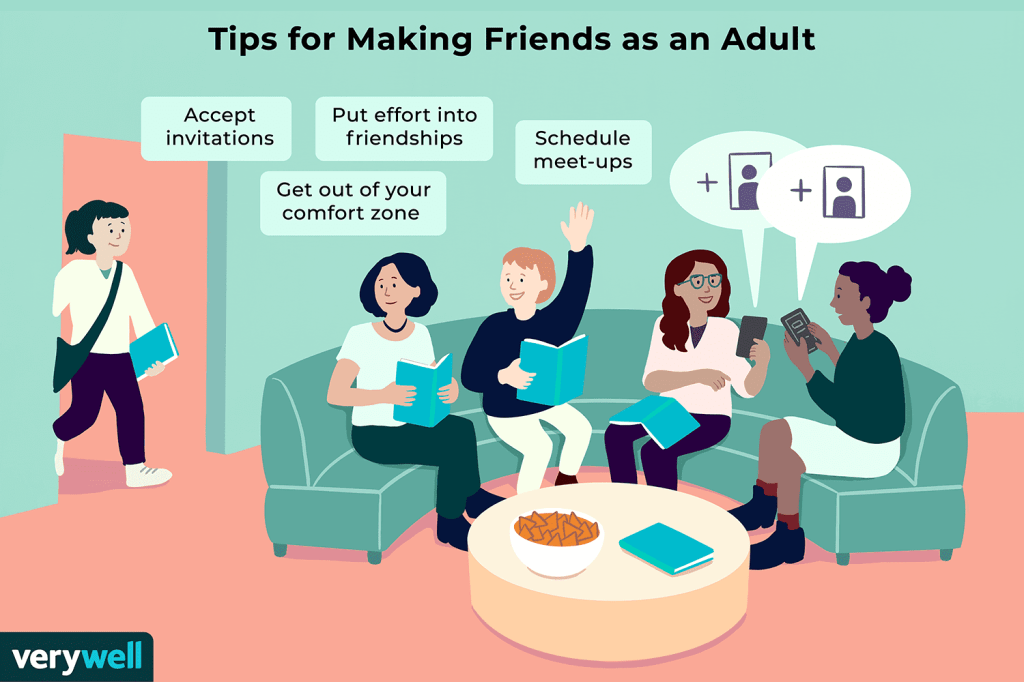
Connecting with existing friends more easily: If you are a busy or forgetful person, set reminders in your phone to follow up with the person. Don’t leave your hangout without setting your next hangout (just like a salon appointment). Connect your friends to each other to share time together.
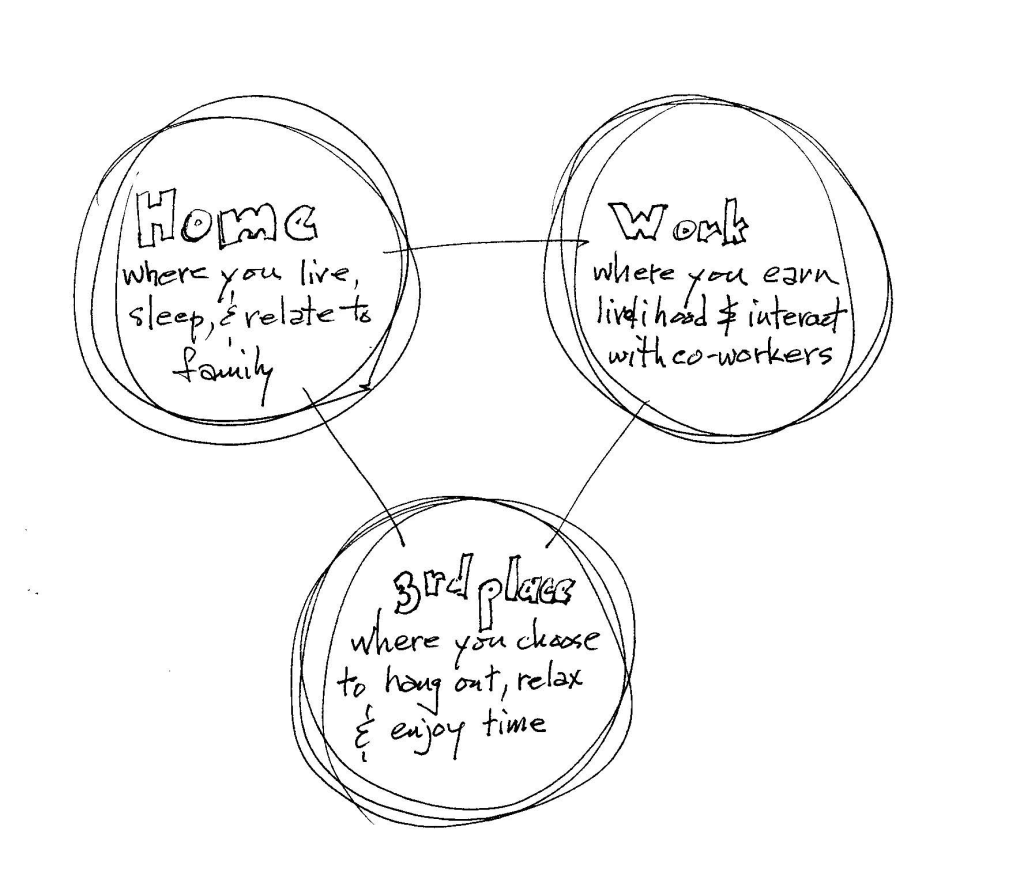
Making more friends nearby: Be aware of your limits and take it step by step. Start by making acquaintances with the people who already live near you and are easier to fit into the life you’re living – people on your block, people in your apartment building, people in your town. Become a regular at a third place – neither home nor work – somewhere you go to for enjoyment – gym, coffee shop, brewery, bar, etc. Host friends with frequency – ex: Sunday dinners at home.
When we say that friendship is hard, we often say it’s hard because we’re afraid to introduce ourselves to new people, scheduling is hard, we’re too busy, we aren’t getting close fast enough to people, friends don’t give as much as they take, etc. When we say friendship is hard, we might mean that having courage is hard, having confidence is hard, prioritization and persistence is hard, having patience is hard, or taking risks and dealing with disappointments and rejection is hard. These things are part of life, not just friendships!
If someone says you should get together and you reach out and they don’t schedule something, follow up suggesting something you think they would say yes to!
On average, adults lose 1-2 friends per year because they fall out of touch and things fade away. Like plants, you need to water and nourish your friendships.
Book: “We Should Get Together” – I look forward to reading this!
I look forward to reading, learning, and sharing more with you soon!
I read three books in September 2024. School has been keeping me busy. Here is a brief synopsis of the books I read in September.
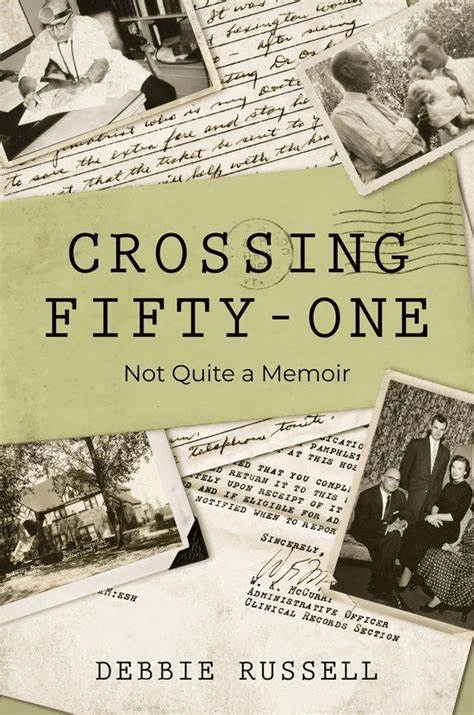
“Crossing Fifty-One: Not Quite A Memoir” was written by Debbie Russell, a retired Hennepin County Prosecutor. This book contained themes of family dynamics, building your own identity, addiction, and reducing the stigma associated with addiction.
Debbie’s grandfather suffered with asthma and admitted himself to a federal narcotic farm for his Demerol addiction, where he assisted in treating his fellow patients. In this memoir, Debbie shares insights into her family’s history through her conversations, research, and letters her grandfather wrote or received. Here are some quotes that stood out to me:
“Since most addicts have some sort of personality disorder, it follows that the basic attack on the problem of addiction is to prevent the development of such disorders. It is the current belief that most of these result from frustrated drives for security, recognition, and affection, particularly during childhood. Granting this, attention must be focused on preparing parents and prospective parents for their roles in shaping the personalities of their children.”
“It’s much harder to dig inside ourselves and try to figure out how we contribute to our own problems. It’s my current struggle. Every. Single. Day.”
“It takes amazing perspective to be able to think of a locked drug rehab facility as a ‘retreat.’ But maybe, compared to Papa’s struggles with addiction, the facility served as a haven.”
4 out of 5 stars
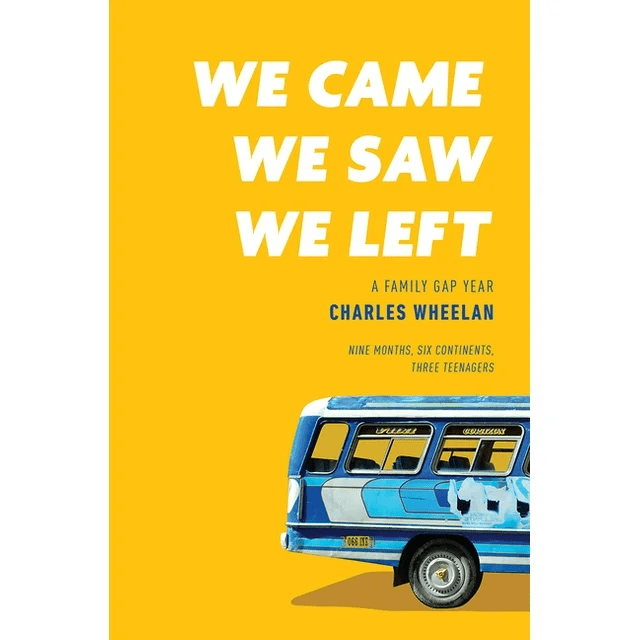
“We Came, We Saw, We Left: A Family Gap Year” was written by Charles Wheelan, a former correspondent for the Economist who teaches public policy ad economics at Dartmouth College. This book was an exhilarating and exciting read about the family gap year that consisted of 9 months, 6 continents, 3 teenagers, and 1 flesh-eating parasite. I learned about traveling minimally on a budget and about different destinations. Here are some takeaways:
Traveling around the world for nine months is cheaper than staying at home (if you rent out your house). The author spent less on food while traveling, didn’t have to pay for gas, and only needed storage insurance for his vehicles back home. The primary expense associated with traveling is forgone income. All-in, their budget was $60 per person per day. This was fascinating to me, although I don’t have a job that would allow me to take off for one year. To put it in perspective, according to the author, traveling around the world for nine months would only delay retirement by one year.
“Experiences, rather than things, are what make us happiest in the long run. Experiences become an ingrained part of our identity. Experiences connect us to the people with whom we share them, and experiences make up into the people we are. Even bad experiences morph into positives over time – like a funny story or a character-building experience.”
What are some lessons they learned?
The world is still an interesting place, and each country has its own feel and personality.
They are great teammates, and marriage is about picking a person you want at your side to help navigate whatever might come along, such as traveling on a low budget to bizarre places.
They learned that life goes on without you. They came back to a place that was pretty much the same as they had left it.
The greatest luxury is time – sleeping until refreshed, reading at any time of day, and wandering aimlessly.
There is serious environmental damage, such as air pollution in big cities and deforestation in less-developed areas.
It was really fun. Adventures turned out to be worthy of that anticipation, and many great moments were entirely circumstantial.
5 out of 5 stars
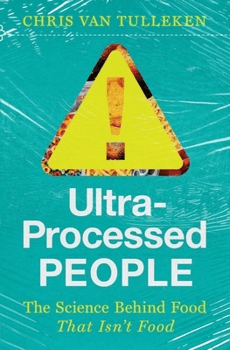
“Ultra-Processed People: The Science Behind Food That Isn’t Food” was a fascinating and alarming book written by Chris Van Tulleken, who has a medical degree from Oxford and a PhD in molecular virology. Chris is an associate professor at University College London and a practicing infection diseases doctor. Chris studied ultra-processed foods (UPF) and conducted an experiment. He stopped eating UPF for 4 weeks, then ate 80% UPF for 4 weeks. He had his weight, height, BMI, and body fat measured both before and after the experiment, and he gained 6 kilograms (about 13 pounds). His appetite hormones were deranged, he had a 5x increase in leptin (the hormone that comes from fat), and his C-reactive protein (a marker that indicates inflammation) had doubled!
I learned a lot from this book. Here are some of the main points:
If it’s wrapped in plastic and has at least one ingredient that you wouldn’t normally find in a standard home kitchen, it’s UPF. Almost every food that comes with a health claim on the packet is UPF. UPF is high in calories, fat, and sugar and low in fiber.
UPF displaces diverse whole foods from the diet, especially among low-income groups. It’s addictive. The emulsifiers, preservatives, modified starches, and other additives damage the microbiome. The convenience, price, and marketing of UPF urge us to eat constantly and without thought, which leads to more snacking, less chewing, faster eating, increased consumption, tooth decay, and other health issues.
There are over 10,000 additives used in food in the United States – flavors, flavor enhancers, colors, emulsifiers, artificial sweeteners, thickeners, humectants, stabilizers, acidity regulators, preservatives, antioxidants, foaming agents, anti-foaming agents, bulking agents, carbonating agents, gelling agents, glazing agents, chelating agents, bleaching agents, leavening agents, clarifying agents, etc. Over 1,000 of these were self-determined to be safe and are not FDA approved.
“Most UPF is not food. It’s an industrially produced edible substance.”
This book covered several UPF ingredients, foods they are found in, and the damaging effects of them. One of those that stood out most to me was xanthan gum, which is found in many gluten-free foods and flours. Xanthan gum is a bacterial exudate slime that bacteria produce to allow them to cling to surfaces. “Think of xanthan gum the next time you scrape the accumulated gunk from the filter on your dishwasher.” Or don’t!
4 out of 5 stars
I look forward to reading, learning, and sharing more with you soon!
My intention is to post a Thoughtful Thursday column each week and share some of the insights I have learned in the past week. Here are some of the things I’ve learned this week:
The 5 AM Miracle – 12 Productivity Tips You Need to Know
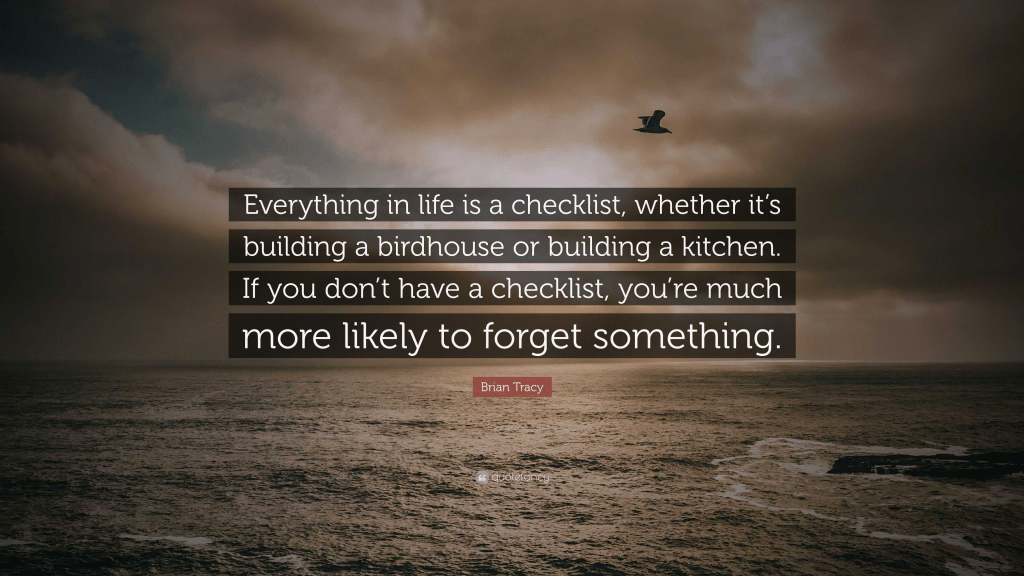
Checklists are everything. When you can optimize every task with detailed checklists, you’ve won.
Respond to every e-mail within 24 hours if you possibly can.
Make sure your technology is not an obstacle to your success. Properly working, fast technology is a gamechanger.
Arguing is almost always a complete waste of time. Arguing with people on social media is not worth it. It wastes your time and life.
Pack a produce bag for work so that you will eat the healthiest things you can.
Introduce one-minute workouts each hour.
Work alone or work anonymously whenever possible. This helps limit distractions.
Work in a boring office. This will help you execute tasks.
Work with a timer to keep you focused and help you maintain a sense of urgency.
Drink water between your coffee or other caffeinated beverages. This will help you have the best energy and focus you need for yourself.
Dress for the job you want, even if you work from home. If you present yourself to yourself as you would like to, you’re maintaining standards for yourself and others.
Read something for personal or professional growth for a half hour each day. Use a physical book. The level of focus and engagement with a physical book is significantly higher than a digital resource or audio resource that would allow you to be distracted and go do something else. Physical books change your level of engagement.
The Lazy Genius Podcast – 7 Routines That Work for Me
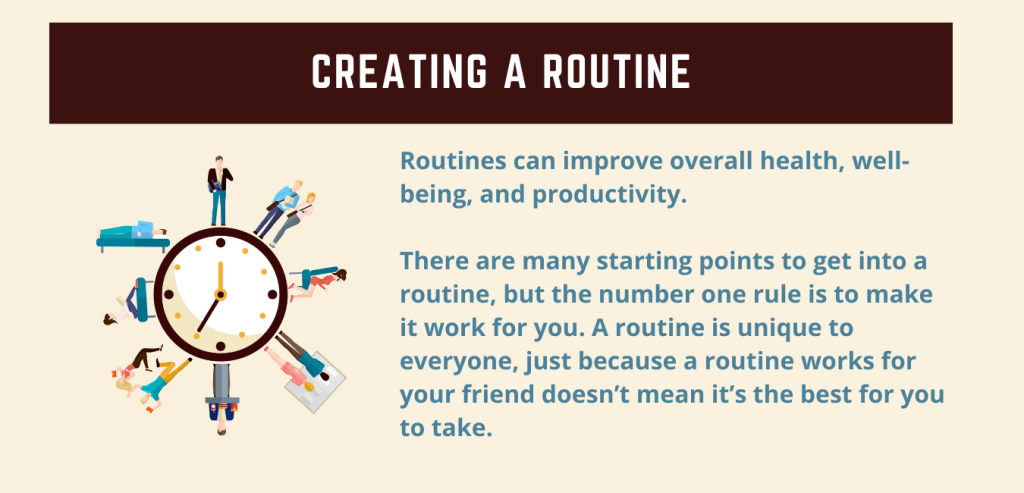
• Your routines should support what matters to you. Routines that work for others might not work for you or might not be needed for you. These routines work for the podcaster. These are not my routines.
Weekly meal planning routine – meal plan on Sundays for the upcoming week. Write the meals on a whiteboard and shop for groceries or place a grocery delivery order.
Morning weekday routine – get up, get kids ready, unload dishwasher, pack lunches, etc.
Saturday morning routine – stay in bed, read, go for a walk, or do whatever you want to do in the morning.
One Line A Day journal and Connections/Joy journal – to write down and keep memories
Weekday lunch break – delicious and colorful lunch
Afternoon weekday routine – support kids through snacks, homework, driving carpools, play, etc.
Monthly routine of workdays – connect with someone monthly and work together
I am still working on creating my ideal morning and evening routines, but here are insights into some of my routines:
Daily – always. No matter what:
Read 30+ minutes.
Play cognition/brain games in Lumosity and Elevate apps.
Listen to a podcast/read a podcast transcript.
Nightly:
Dishes before bed
Log food I ate and symptoms that day.
Write in my One Line A Day journal.
Read Seth’s Blog, Gabe the Bass Player blog, and daily devotional.
Lunches when working from home – eat lunch and get movement in.
Lunches when working in the office – eat lunch and read.
Sundays – meal plan and prep lunches/suppers
15th and last day of each month – financial check-in – review and log all transactions, note account balances, and check retirement account balances and performance.
Last day of each month – reflect on the month – accomplishments, highlights, challenges, and lessons learned. Think about what I want to focus on in the month ahead.
Life Kit – Negotiation tactics for everyday life
Benchmarking – researching good information (objective data) and determining an appropriate price point (ex: salary or purchases) – Ask, People resources, Paper resources
Ex: delayed flight compensation– ask at the counter, ask people within your networks, research online
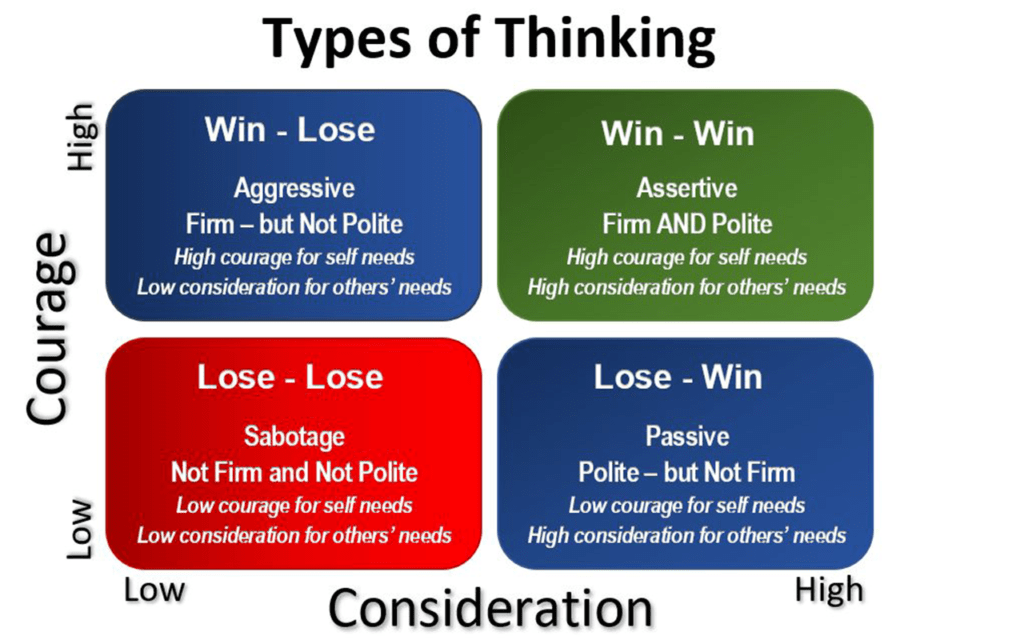
Win/win – what do we both want in this situation and how do we benefit from that?
Present a menu of options with three different options – ex: messy house – options: change cleaning schedule, change division of tasks, or hire housecleaner.
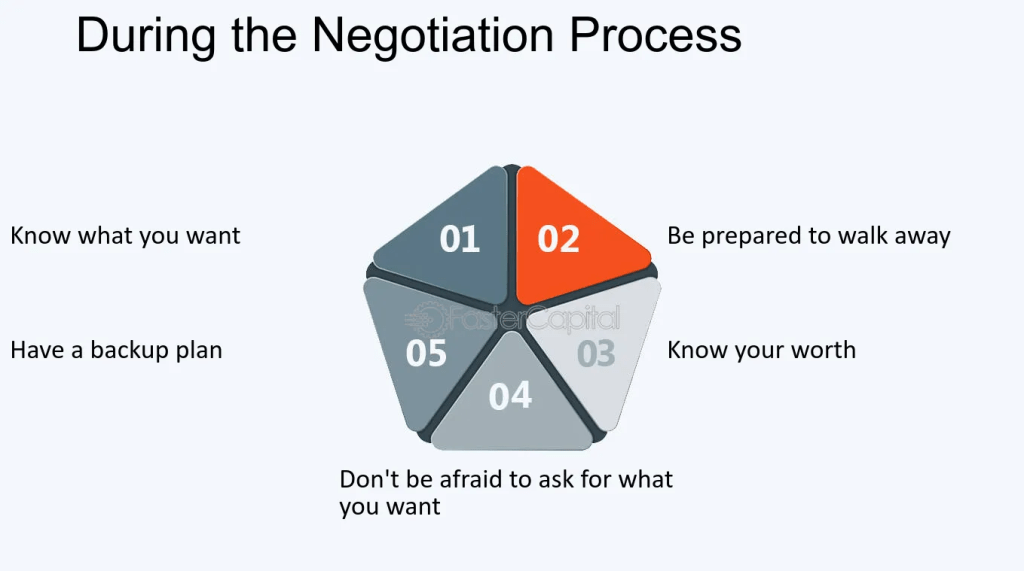
Think about your backup plan. If you are unable to negotiate with this person, what is your alternative? Have a really good alternative so that you are able to think with a clear head and are less likely to make a decision you will regret later on. You want to signal to them subtly that you have a backup plan.
When you have a strong backup plan, it influences your negotiation performance. If you don’t have a strong backup plan, it impacts the way you engage in a negotiation and leaves you feeling in a corner.
Parties involved in negotiations – power broker, decision maker, and messenger.
Knowing who these people are in negotiations is important and will impact how you direct your energy in a negotiation.
Set a collaborative tone. HALT: Any time you are feeling hungry, angry, lonely, or tired is probably a bad time to engage in negotiations. Be mindful of the timing and context of the situation.
Know when it’s time to step away from a negotiation. If it is a long-standing relationship that you value and want to maintain, make sure that how you negotiate and how frequently you negotiate isn’t wearing out or fatiguing that relationship.
Chasing Life – Do These Quick Weight Loss Hacks Work?
IKA experts – “I know all” experts – there is often a correlation between how little knowledge someone has on a topic and how much confidence they have around that topic.
There are many people making questionable promises when it comes to weight loss.
Weight loss product ads are everywhere. Marketers do a great job at targeting the most vulnerable populations: those who have been hurt by the healthcare system, those with autoimmune conditions or nonspecific symptoms, those who have trouble losing weight, and those who have terrible insecurities.
Our general attitude is “might help, won’t hurt, why not.” Tummy teas – pretending to fix one problem (weight) but creating more (dehydration, laxative effect)
Don’t challenge people who are seeing benefit or wish to do a specific task. Instead, educate them on potential risks based on what science says. Challenge the individuals spreading misinformation and the companies selling miracle cures. There is always a risk and you need to understand if that risk is acceptable to you for the potential benefit.
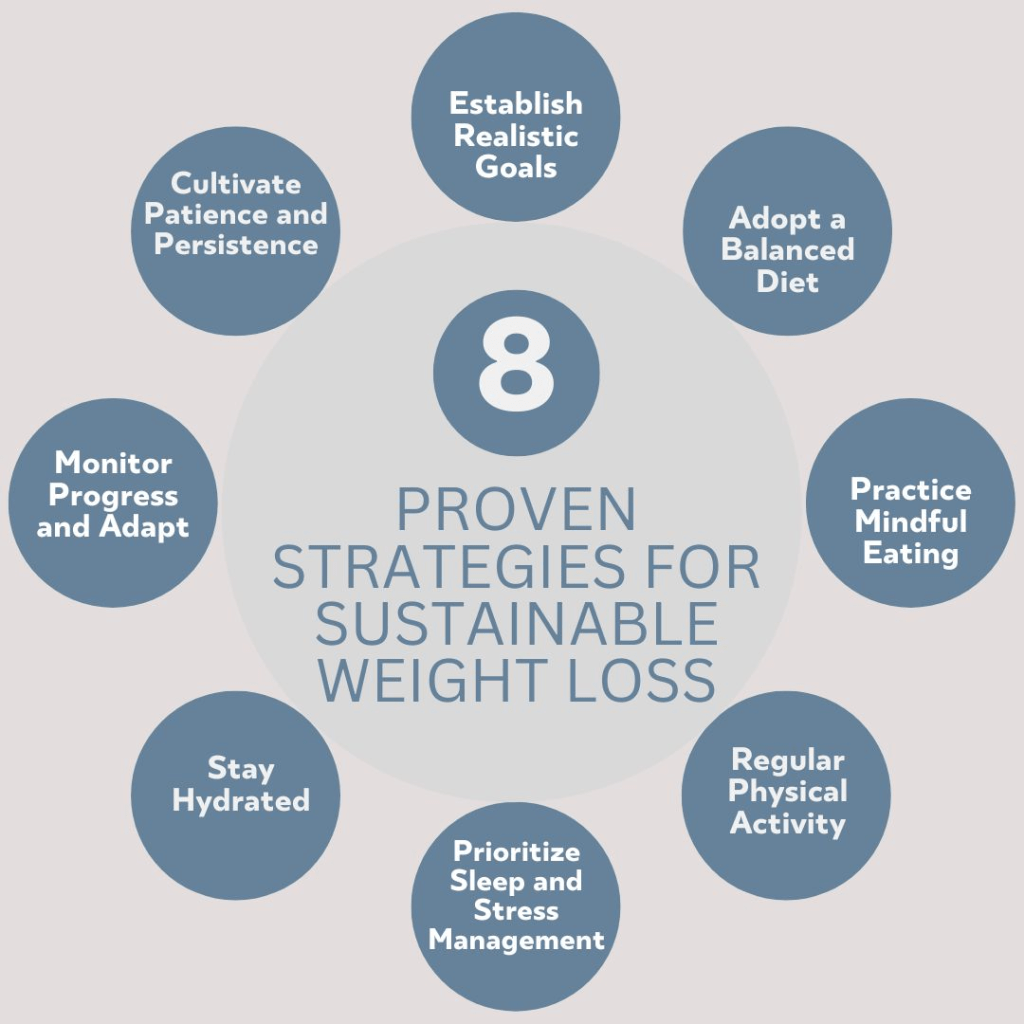
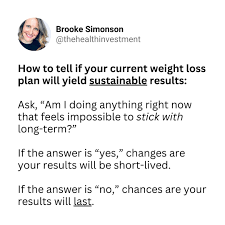
Seek something sustainable and long-term.
Calories in, calories out is very accurate. If you overeat calories and you don’t burn enough calories, you will gain weight.
Intermittent fasting – eat less – narrow time window
Keto – high fat meals that are dense and hard to overeat
Limiting types of foods you can eat – restricting calories
Whichever one of these restrictive diets you can stay on for the rest of your life, because they don’t feel restrictive to you since they match your lifestyle and taste -that’s ultimately what’s going to help you lose weight and keep the weight off.
We need to have a long-term relationship with a doctor to provide continuity of care and sustain weight loss.
Patients should be engaged in their own health to look something up before their visits to a doctor, but you need to pair your resources with information from a doctor. Some people get sucked into products and claims that are harmful.
If something sounds too good to be true, it likely is. There are no miracle shortcuts when it comes to weight loss.
Be aware of buzz words and fuzzy claims on products.
Anything not regulated by the FDA does not have to adhere to their strict standards of safety or effectiveness.
I look forward to reading, learning, and sharing more with you soon!




 Read Learn Share