I read four books in February. Here is a blurb of each of the books I read in February.
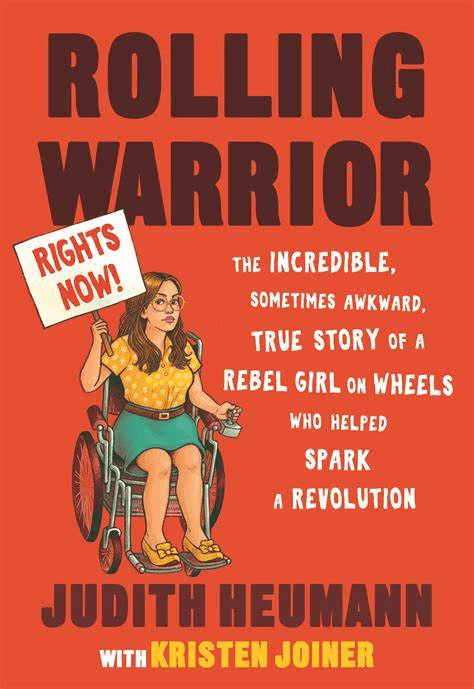
“Rolling Warrior” was written by Judith Heumann with Kristen Joiner. Judith is an internationally recognized leader in the disability rights movement. She has advocated for disability rights at home and abroad, serving in the Clinton and Obama administrations and as the World Bank’s first advisor on disability and development. Kristen is a writer and activist who tries to tell stories that change how people see the world. This book was the young reader’s edition of Judith’s acclaimed memoir “Being Heumann.”
Judith became sick with polio when she was 18 months old. Most people who get it are fine after a week or two, but some end up paralyzed and not able to move. Judith was paralyzed and can move her arms and hands, but can’t walk, dress herself, or go to the bathroom by herself. Judith detailed the challenges of living with polio:
Having a manual wheelchair when streets had curbs with no ramps
not going to a typical school until she was 14 years old – 1 1/2 hours away because her neighborhood school wasn’t accessible
having to ask other students for assistance when needing to go to the bathroom
having to ask other students for assistance to get into her dorm, which had a step
engaging in a sit-in protest with 150 disabled people to prompt the signing of Section 504.
Section 504 of Title V of the 1973 Rehabilitation Act prohibits discrimination against people with disabilities in institutions and programs receiving federal funding. Judith’s lifelong work also contributed to the passage of the Americans with Disabilities Act (ADA).
My story is similar to so many other people’s – those with and without disabilities. Telling our stories helps strengthen our ability to continue to fight against injustice. Sharing the stories about how we want our world to be – and then turning these dreams and visions into reality – is what we must all commit to doing.
4 out of 5 stars
“What I Told My Daughter: Lessons from Leaders on Raising the Next Generation of Empowered Women” was edited by Nina Tassler with Cynthia Littleton. Nina Tassler spent more than a decade as head of entertainment programming for CBS. This book consisted of short essays. Here are some of the many quotes from the essays that stood out to me.
We tell our girls that they can do anything, be anything, that the world is theirs for the taking. We encourage them – expect them – to be ultra-high achievers with lofty goals for college and beyond. I fear we may sometimes put too much pressure on our girls, imbue them with impossible standards. I worry that our dreams for them may sometimes, unintentionally, lead them to believe they can never make mistakes, and that perfection is more important than resilience. I want her to know that not only can she success, but that she can fail without being a failure, be hurt without being diminished, and be embarrassed without being ashamed.
“They always have the right to change their minds, especially when it comes to their personal happiness, whether it involves friendships, potential partners, and even career choices.”
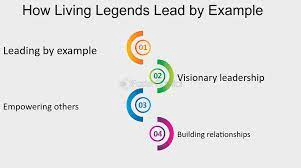
“There are so many lessons we teach our daughters every single day – by what we say and do and how we treat others and how we let them treat us. We lead by example.”
“Choose friends who care about your feelings. Choosing the right people in whom to entrust our emotions and vulnerabilities may be the hardest but most important skill we learn in life.”
4 out of 5 stars
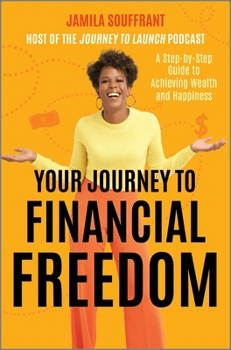
“Your Journey to Financial Freedom” was written by Jamila Souffrant, founder of Journey to Launch and the host of the podcast of the same name. She has been featured by several news outlets and is a certified financial education instructor. This book covered financial independence, creating your enjoyable financial independence plan, executing it, increasing income, paying down liabilities/debt, increasing assets, and staying the course and enjoying the journey. I got a lot out of this book. Here are some key points:
This book covered 5 journeyer stages, each of which has different financial priorities. This book also covered 5 different guacamole levels, which correspond with different lifestyle levels.
There are 6 components you’ll need to work on to help you reach financial independence: income, expenses, liabilities, assets, mindset, and habits.
This book encourages readers to evaluate their expenses based on their journeyer stage and guac level. Consider whether you are comfortable with sacrificing everyday indulgences now to achieve a bigger guac level later, whether you plan to maintain the same level in the future when you reach financial independence, and what guac level you can realistically live at now while working toward financial independence and the guac level you want to maintain once you reach it. Many people assume they need the same income in retirement but have goals of traveling more and living a more luxurious life. Evaluate your lifestyle and expenses now compared to your desired lifestyle and expenses later.
This book covered ways to increase income, set savings goals, optimize expenses, create a debt payoff plan, and increase assets.
It isn’t all about the future and living your best life in retirement. What are the things that you want and wish to do when you reach financial independence and how can you start doing them now? ex: hobbies and vacations
Don’t put your joy and freedom on layaway. The thing about living too much in the future or waiting for the next is that by the time you accomplish or have those things, your life has passed you by. Figuring out how to enjoy the now no matter where you are is critical to a peaceful and sustainable journey. Find joy right where you are.
This book was very comprehensive and educational, and I highly recommend it!
5 out of 5 stars
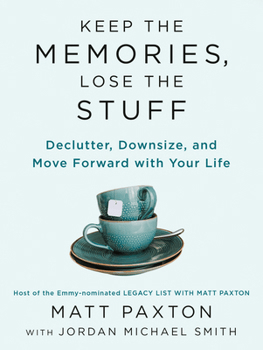
“Keep the Memories, Lose the Stuff: Declutter, Downsize, and Move Forward with Your Life” was written by Matt Paxton with Jordan Michael Smith. Matt is one of America’s top downsizing and hoarding experts, has been the featured cleaner on Hoarders, is the host of Legacy List with Matt Paxton, has been featured in several news outlets, and has helped thousands of people from all walks of life leave behind belongings that no longer serve them so that they can finally take the next step. Jordan Michael Smith is an award-winning journalist, author, ghostwriter, and speechwriter. This book is also in collaboration with AARP, the nation’s largest nonprofit, nonpartisan organization dedicated to empowering people aged 50+ to choose how they live as they age. Here are some of many tips that resonated with me:
Clean or declutter for 10 minutes every night 5x/week. Stick to it.
Set a deadline to keep yourself accountable and force you to do the hard work even when you don’t feel like it.
Understand your why.What are your reasons for decluttering? Less stress? More space for stuff? Moving?
The best predictor of whether you’ll need an item is whether you are currently using it or have recently used it, not whether you think that, one day, somehow, somewhere, you’ll use it. In all likelihood, that day will never come. Love who you actually are and force yourself to say goodbye to your “fantasy self” items, the stuff you think you’ll use when you’re a different version of yourself. Ex: exercise equipment, clothes that are way too small
Give yourself permission to give. Don’t confuse the emotional worth with the economic worth. Something is only worth financially what an independent third party will give you.
Free yourself from guilt. We think we’re expected to carry on not just traditions passed down to us, but actual belongings. The reality is that you aren’t obligated to any thing or lifestyle other than the one you want. Let go of expectations about your obligations to inanimate objects.
Ask yourself, “What are the items that will help me live happily and keep my story living on forever?” Discover your legacy and feel free to keep 5-6 items that are intensely personal, both to the giver and the receiver.
We confuse the sentimental value of our objects with the financial value they’ll have to others. It’s only human to believe our stuff is worth more than it actually is because we attach emotions and memories to those items. Selling our belongings means separating the powerful emotional value from the brutal financial reality of what those possessions are worth in the marketplace.
I highly recommend this comprehensive book! It contains tips for decluttering, moving, creating a Legacy List of items, giving items away, selling items, and contains many resources.
5 out of 5 stars
I look forward to reading, learning, and sharing more with you soon!
My intention is to post a Thoughtful Thursday column each week and share some of the insights I have learned in the past week. Here are some of the things I’ve learned this week:
The Liz Moody Podcast – 15 Love Lessons From 15 Years In A Relationship
Here are the lessons that resonated the most with me:
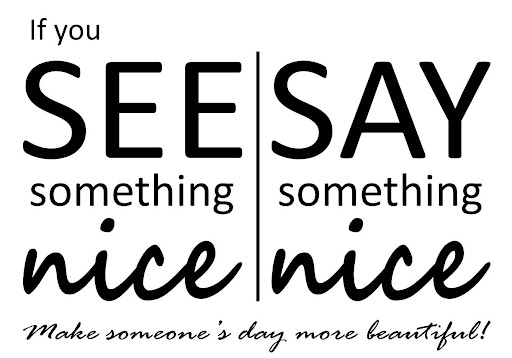
If you see something, say something. In a relationship, if you see something you love/admire/think they are doing well, don’t keep it to yourself.
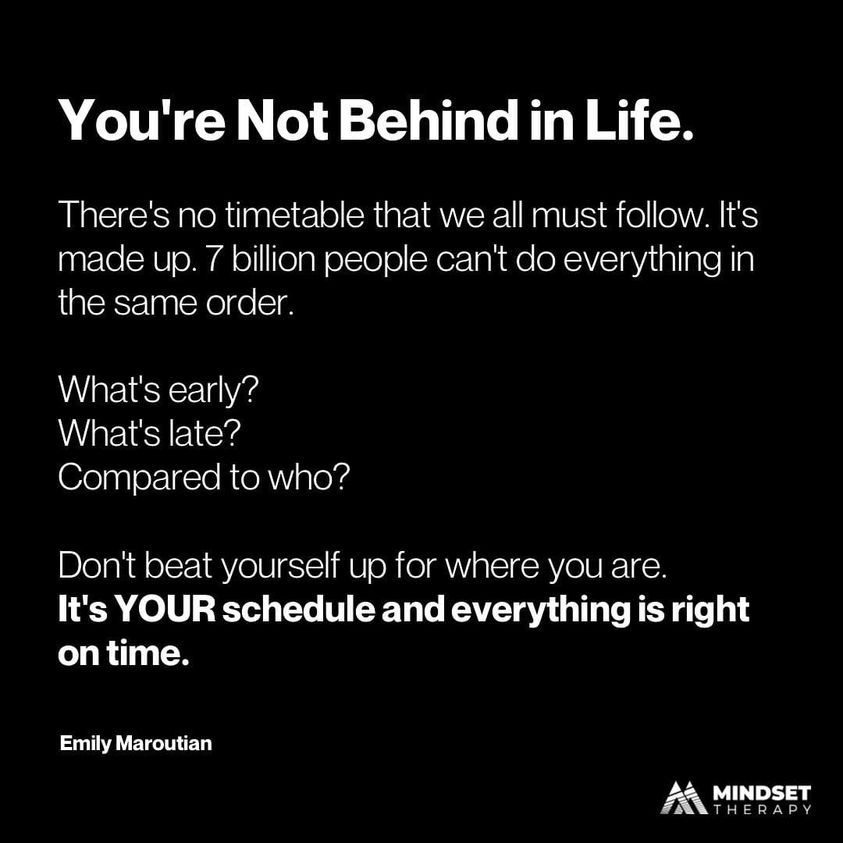
Question the “shoulds.” Be intentional about your decisions. Should you get engaged just because you’ve been together a certain amount of time? Should you have kids at a certain age or have kids at all? Should you drink any time someone else is at a social gathering? Should you follow pressures and milestones from society and friends? Your relationship is your relationship. Don’t compare yourself to others.
As work dynamics have changed, you need to be more intentional about making friends. Intentionally expose yourself to people on a regular basis through a book club, walking club, sport, etc. Put yourself in a reoccurring way in front of other people. Suggest avenues to your partner to gain connections.
If your relationship is boring, you need to do more interesting things. Give your relationship the new outputs it needs and deserves – conversations, activities, etc. Ex: Read a separate article each week and tell your partner what you read, learned, and anything interesting you would like to discuss from that article. It will result in more interesting conversations. Ex: podcast walks with partner – discuss podcast at the end of the walk to spark new conversations
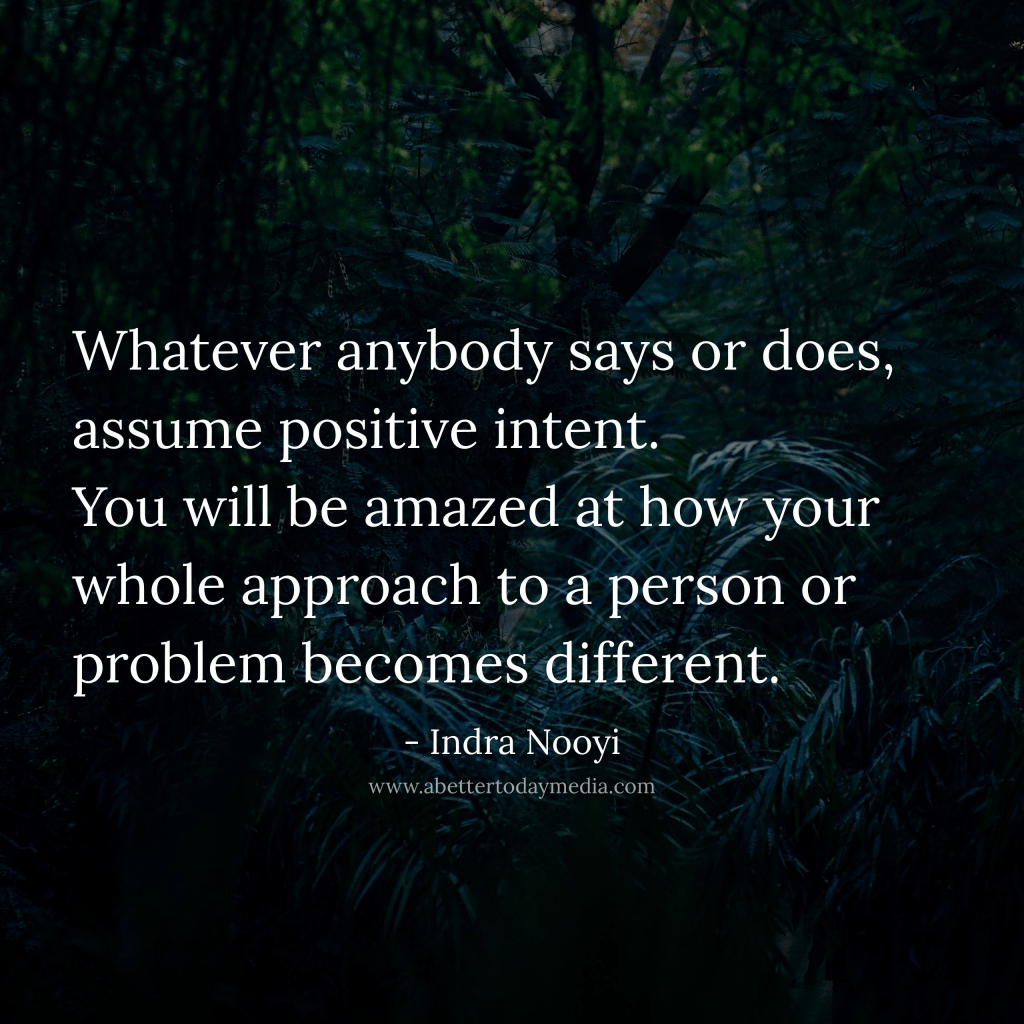
Assume the best intentions. Even if it is your partner’s fault, recognize that your partner can be at fault without intending to hurt you.
Plan together. It is really easy for people to change and for their desires to change. There are expectations people have, and when they are not spoken, we run into real problems. Communicate your desires so that you can plan together.
Communication is the crux of all relationship success and woes. Get your partner to know what you want in life and know what they want in life.
Sad to Savage – 26 Things I’ve Learned at 26
Here are some of the best lessons mentioned in this podcast:
Putting up boundaries with other people starts with you making boundaries for yourself. It’s okay to be selfish with your time.
The quality of the people you spend time with matters more than the quantity.
Growth is not always linear, and sometimes you need to have low moments and face challenges to grow.
You need to make the choice to walk away from something that no longer serves you.
When life changes and things do not go according to plan, that’s because it’s not according to YOUR plan. God has a plan for you.
Self-limiting beliefs can be broken. Figure out what your self-limiting beliefs are.
Comparison truly is the thief of joy. Don’t compare your timeline to someone else’s.
You will never find the time. You need to create it.
You truly never know what someone is dealing with beyond the surface.
Optimal Living Daily – 8 Habits to Keep Paper Clutter to a Minimum
Deal with papers immediately. As soon as you get the mail, toss all of the junk mail.
For school papers, have kids do the homework ASAP and put it back into the backpack so it’s done and ready for the next day.
Sign any permission slips and put them right back in the backpack.
Let go of all of the drawings that were sent home. If you find something unique, you can take a picture with your child holding it and talk to your child about it before letting it go.
Church bulletins – take a photo if needed, mark events on your calendar, and throw them away.
Have an inbox for all of the papers that need to be dealt with soon.
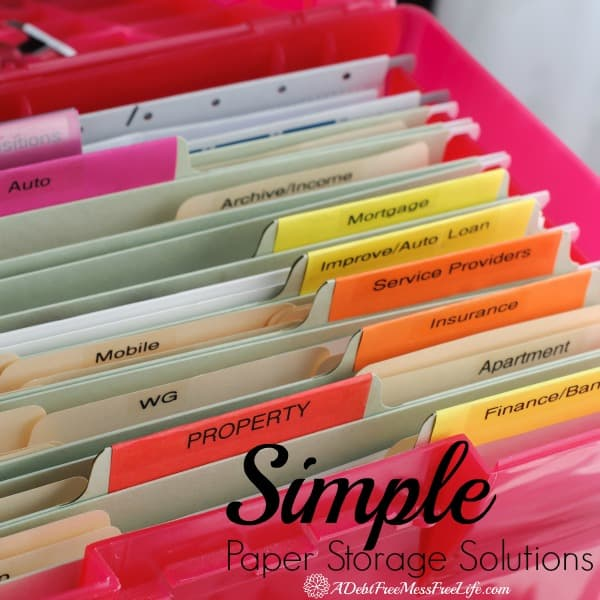
Have a long-term filing system for things that need to be kept, such as tax records, personal records, etc.
Set a weekly time to catch up on paper. Take time each week to pay bills, deal with papers, etc.
Set as many statements as possible to “paperless.” Set aside time each week to pay/review/respond as necessary. Automate bills.
Toss receipts if you don’t need them for tax purposes.
Cancel magazine subscriptions.
Avoid paper couponing.
This week I have been reading a fascinating book called “Like, Literally, Dude: Arguing for the Good in Bad English” by Valerie Fridland. Valerie pointed out research about the differences of “uh” vs “um” and their impact.
“Um” is used when longer delays in answering a question are anticipated. “Uh” indicates that our listener may need to wait a second or two for an answer, but “um” indicates they will need to wait longer. A filled pause (“uh” or “um” instead of silence) conveys information at a meta level.
“Uh” or “um” signals listeners to be on alert because there is generally something requiring greater cognitive effort happening. People typically use filled pauses when talking about unfamiliar, difficult, unpredictable, or abstract things, so we incorporate that knowledge into how we unpack what they say. People perform better on memory tests when hearing words such as “uh” or “um” before important statements or stories. This may be because we have more processing time to think about what is going to be said (during the filled pause of “um“). These pauses alert us to pay closer attention to what is being said.
I look forward to reading, learning, and sharing more with you soon!
My intention is to post a Thoughtful Thursday column each week and share some of the insights I have learned in the past week. Here are some of the things I’ve learned this week:
Before Breakfast – Bill your time for a week
Try acting like a lawyer for one week by tracking your time and billing it to different projects. The experience will give you some ideas of how to best spend your waking hours.
You will see how many hours you actually work if you have a salary job.
You can even track your workday and track how many hours you spend in meetings, responding to e-mails, etc.
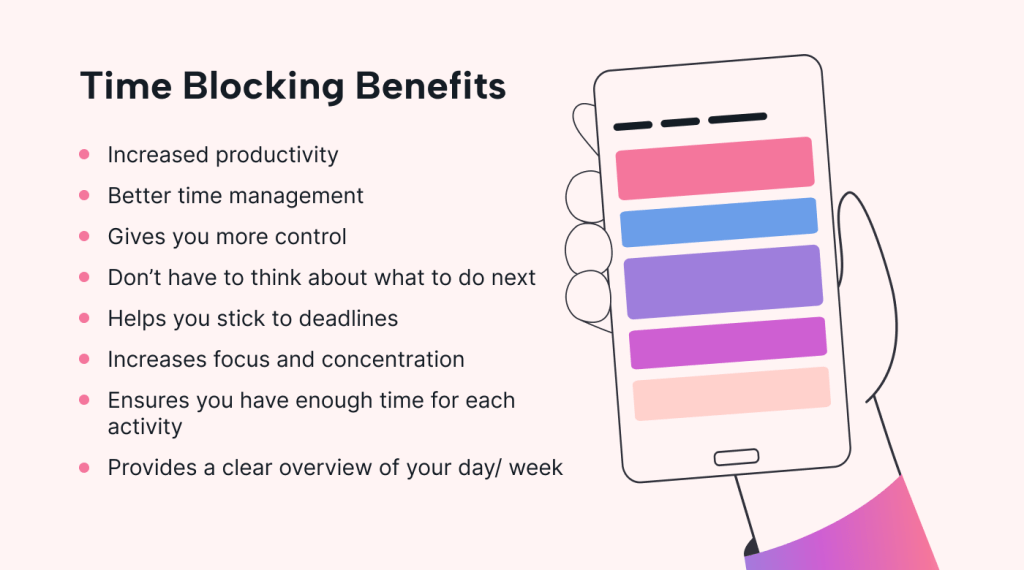
Time tracking is data that can show you the truth of where your time is going so that you can make more rational choices about how you want to spend your time.
I selected a 2024 planner that allows me to timeblock, and it has been interesting! Almost all of my time, aside from work, sleep, eating, and working out, has been spent on classes and schoolwork.
Focus on Marriage Podcast – Maintaining Joy When Your Plate is Full
Continually communicate with your partner about what the high and low of your day was. Continuously find joy and humor.
Watch a funny video short together and laugh.
This podcast recommended this book. I haven’t read it yet.
On Purpose with Jay Shetty – The 5 Relationships You Need to Invest in to Supercharge Your 2024
Belonging – we need to feel a sense of connectedness to others and feel we are part of a group or community.
Feeling part of a group creates inner harmony and balance, better mental and physical health, and fewer negative emotions.
We need to be able to share our thoughts and heart without worrying we will be judged.
Legacy – feeling connected to something bigger – finding people dedicated to creating change, inspiring people, and helping others – celebrating growth, exchanging ideas, and creating new friends
Jay Shetty had a dinner party with several people he didn’t know well and asked them a few questions:What has been your biggest personal or professional win of 2023? What has been your biggest challenge, personally or professionally, in 2023? How can the people at this table help you/what support can they offer you?
Each person personally shared their flaws, roadblocks, and challenges and there was so much trust in the room. Who in your life would you want to spent more time with because you want to share their same legacy? Are these people inspiring you by the way they live? Have they dedicated their life and work to helping people physically, mentally, emotionally, or spiritually?
Independence – relationship with ourselves – autonomy and personal usefulness
Sense of feeling you have value – Reflect on what you are doing and who you are becoming. Who you want to become is the most important question you will ever answer. Take action to become that person. Who do you want to become? Who are you becoming? What is that independent autonomous path that you are building and trying to take because you know that that will lead to your higher self? What is the independent desire for who you want to become?
We only become things that we don’t want because we aren’t sharing the deepest parts of ourselves. If you don’t share who you are, people will expect you to be who they want you to be.
Safety – people who bring security and stability into our lives – people we feel the deepest and safest with
People who feel trusted become more trustworthy as a result of increased oxytocin levels in their brains.
Service – relationships based on surrender and service
Who are we serving? Who are we taking care of? Jay Shetty recommends you spend 20% of your time with people who are guiding you, 60% of your time with people who are peers with you who you feel uplifted by/people you uplift, and 20% of your time with people you are serving and giving to – be a teacher and student at the same time to create humility and proactivity.
Self Improvement Daily – Slipping Back to How Things Used to Be
One of the most difficult parts of self-improvement is sustaining the positive changes you’ve introduced into your life. It’s easier to get motivated to start than it is to stay consistent and maintain your desired habits and routines.
Here are a few things to have in place that will support you in actually keeping the good habits you’ve worked hard for:
Have awareness of the slip – have pieces in place that make you aware of if you’re meeting certain expectations in your life. I highly recommend using a habit tracker for a visual record of your consistency.
Clarity – If you’re not crystal clear on what your standards are, then it’s impossible to know if things are slipping. For example, if you say you want to work out more, set a specific standard to provide clarity and measure your consistency, such as “I want to work out for 30 or more minutes five times each week.” Use a habit tracker to make it easy to notice when you’re starting to slip. The clarity gives meaning to the awareness.
System for reviewing your performance – have the resources in place to hold yourself accountable to reaching a higher standard. If you’re not intentional about paying attention to the things that are focuses for you, they’re naturally going to gravitate toward their comfort zone. Again, I recommend using a habit tracker.
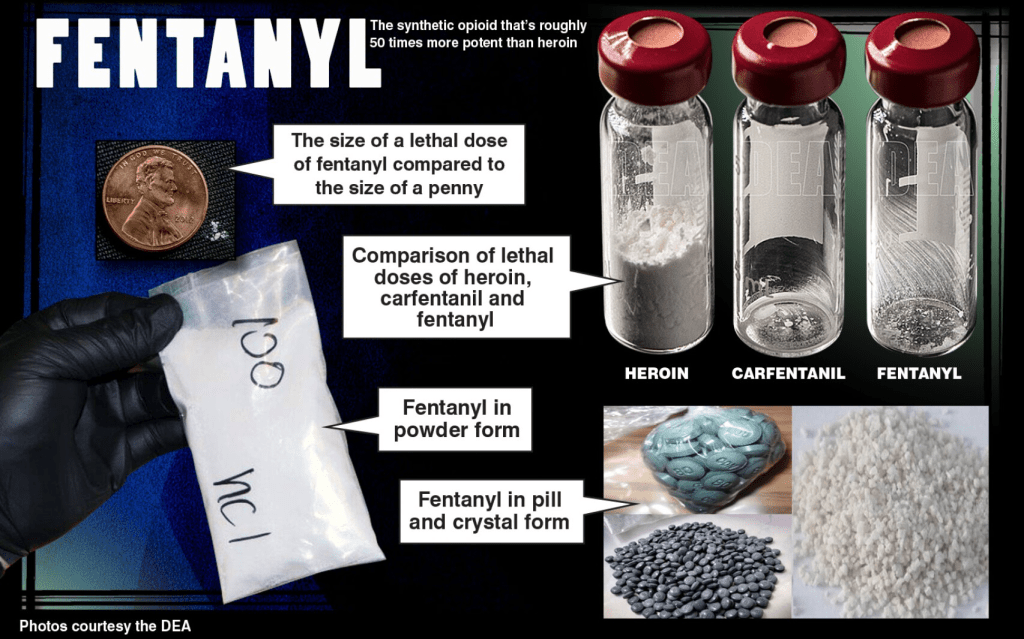
Terrible, Thanks for Asking – “Why are drug dealers putting fentanyl in everything?” from Search Engine
Fentanyl reportedly kills more adults under the age of 45 than guns, COVID-19, or cancer.
The Belgian doctor who invented fentanyl invented over 100 medicines. He was trying to find something that was better than morphine for hospital procedures, such as open-heart surgery. Fentanyl comes on faster and goes away faster, doesn’t cause nausea, and is basically the best hospital drug.
The DEA estimated that only 700 people died of fentanyl overdose in 2014. According to NIH, in 2016, almost 20,000 people died from synthetic opioid overdoses, most of that fentanyl.
Fentanyl is much cheaper than heroin because it’s synthetic and made in a lab. It’s also more potent, making it incredibly profitable. It is incredibly addictive.
Much of the supply was being produced in China, where it was quasi-legal. The Chinese government was slow to ban analogs of the drug, so manufacturers used slight tweaks to the recipe that added a molecule here or there but left the basic chemical structure intact.
When pain prescriptions run out, some people seek out illicit heroin on the street. There isn’t enough heroin to feed the demand, so fentanyl steps in to fill the void.
Mexican dealers ship fentanyl to places like San Diego, El Paso, etc. It is distributed by regional gangs.
Fentanyl is cheaper, but it doesn’t last very long. The fentanyl high is reported to only last up to a few hours (sometimes only 15 minutes), leaving people scrambling to find more.
Fentanyl offers a shorter high, a greater addiction potential, and a higher risk of overdose than heroin.
Some deaths from overdoses can be helpful for fentanyl dealers because people believe they need to try it;some say it’s a form of advertisement for how powerful the drug is and they want to try it.
Resources: Dansafe.org to buy fentanyl test strips, drugsdata.org to see what is in drug supplies
Suboxone is a blocker to prevent you from getting the high from heroin. Suboxone doesn’t block the high from fentanyl.
Mentally Stronger with Therapist Amy Morin – The Minimalists: Why You Should Declutter Your Life
Do you own too much stuff? Is your calendar overflowing with so much stuff that it causes you stress? Are you stressed out by how much you have to do all the time? This episode is for you.
More is not always better. Clutter increases stress and increases the risk of mental health problems, financial problems, time management troubles, and social problems.
Living in a small space makes you think twice about what you really need.
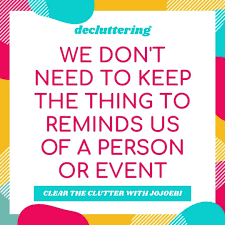
How much is enough will vary depending on your age and life changes. Just because something added value to your life before doesn’t mean it will continue to produce that same amount of value. You don’t need to hold onto items just because they are sentimental.
There are three categories that all of your possessions can fit into: essential, non-essential, or junk.
Most of the things we’re holding onto that we don’t want to let go of, we’re holding onto “just in case” or for “someday.” The problem is that we hold onto many of these items that take up space in our homes and in our lives. Let go.
Our memories are not in our things. Our memories are inside us. If we let go of some sentimental things, we aren’t letting go of the memories. You can take photos that trigger the memories, but you don’t need to hold onto things you won’t get value from. Instead, you can give them away and add value to someone else’s life.
There is more grief involved in holding onto something than in letting that dream die.
Spontaneous combustion rule: what would happen if that thing spontaneously combusted? Would you replace it or would you feel a sense of relief?
You can donate items or try to sell them. Some people try to sell anything they can get $20 for and donate after one week if it doesn’t sell.
Physical clutter, hidden clutter (calendar clutter/business) – “if something is not an emphatic yes, say no.”
Resources: 30-day minimalism game (1 item day one, 2 items day 2,… 30 items day 30), theminimalists.com
Ask yourself what value something brings into your life. Sometimes we hold onto things just because they were given to us as a gift even though they don’t really add value to our lives or because we paid a lot for it. Get rid of things that aren’t improving your life.
Use the spontaneous combustion rule.
Create a challenge to start subtracting things from your life.
I look forward to reading, learning, and sharing more with you soon!
My intention is to post a Thoughtful Thursday column each week and share some of the insights I have learned in the past week. Here are some of the things I’ve learned this week:
Self Care IRL – 8 acts of self respect to start your new year
Say no regularly. By saying no, you have more time to focus on yourself and the lifestyle you want to create.
Remove yourself from drama cycles. Don’t surround yourself with people who often complain and leave you feeling burned out and exhausted.
Stop gossiping. It provides escapism, causes you to judge yourself more, and does not create a healthy relationship with those you gossip with.
Find things that make you happy and do them. Find things you love and are passionate about.
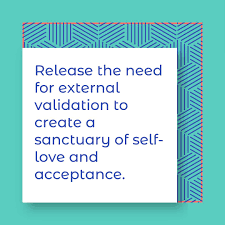
Release the need for external validation. Needing external validation can lead to avoidance and the inability to take action. The highest level of respect we can give ourselves is to validate from within.
Find a way to give back or help other people.
Move your body. Move your body, change your mind.
Learn your own values. Most people are living within other people’s values or actions. Do your actions and priorities align with your values?
Fit, Healthy & Happy Podcast – Secrets to Getting Super Fit for 2024
Start executing on your goals now. Do not wait until a specific date or the perfect situation. If you have a big goal, get started now.
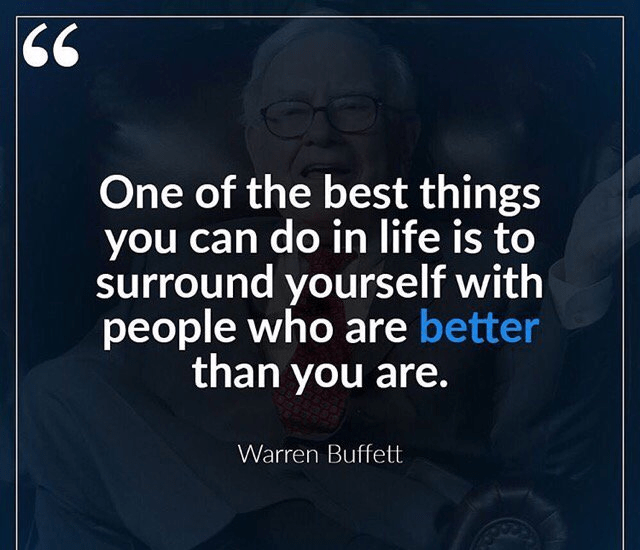
Create a circle around you of people who are also fit, healthy, and happy. Surround yourself with people who are doing better than you and who inspire you.
Have a coach to optimize and plan your nutrition, training, and accountability.
Plan ahead – meals, workouts, commitments.
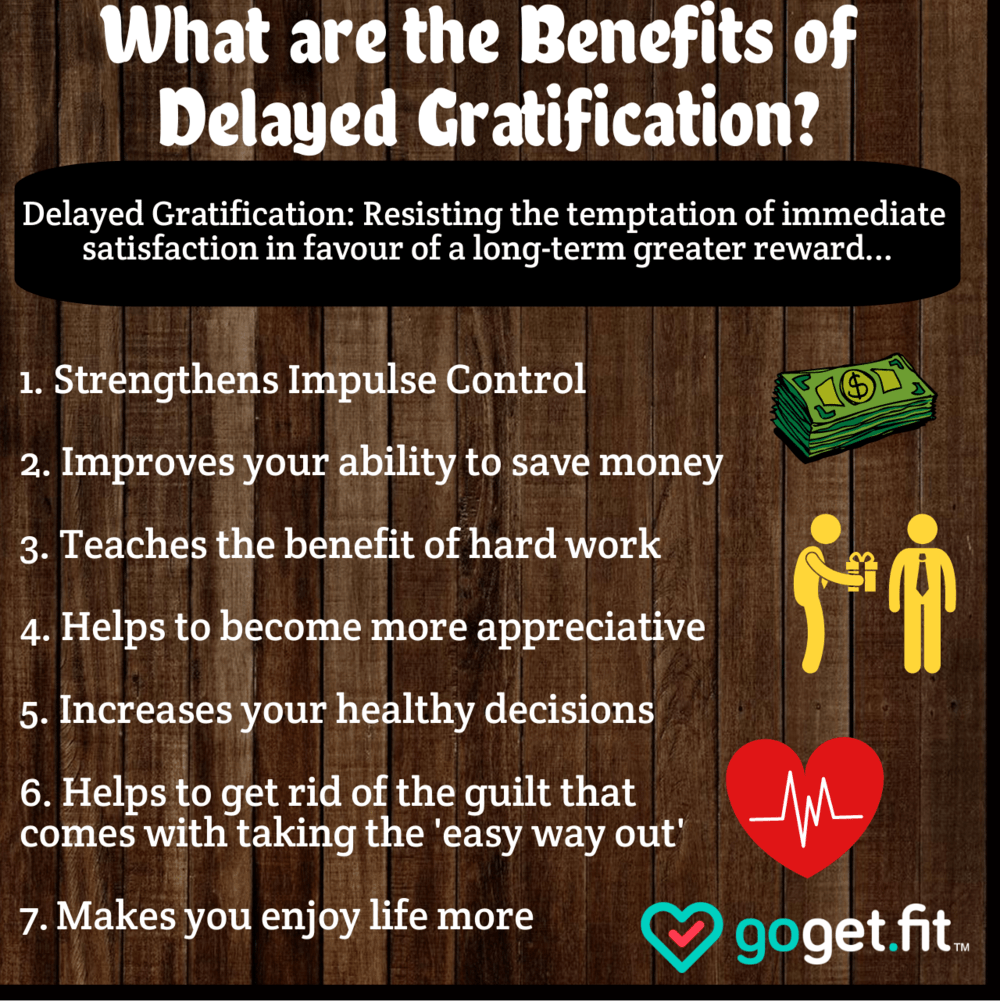
Be willing to sacrifice what you want now with what you can get later. Practice delayed gratification.
No excuses. Look for reasons to work out, not excuses.
Mary’s Cup of Tea: the Self-Love Podcast for Women – The Best Book on Communication
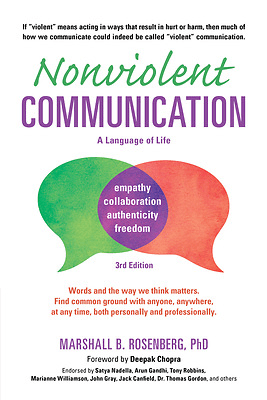
Book – Nonviolent communication
Violent communication: results in hurt or harm. Judging others, bullying, having racial bias, blaming, finger pointing, discriminating, speaking without listening, criticizing others or ourselves, name calling, reacting when we’re angry, using political rhetoric, being defensive, judging who’s right or wrong
Nonviolent communication: integration of consciousness, language, communication, and means of influence
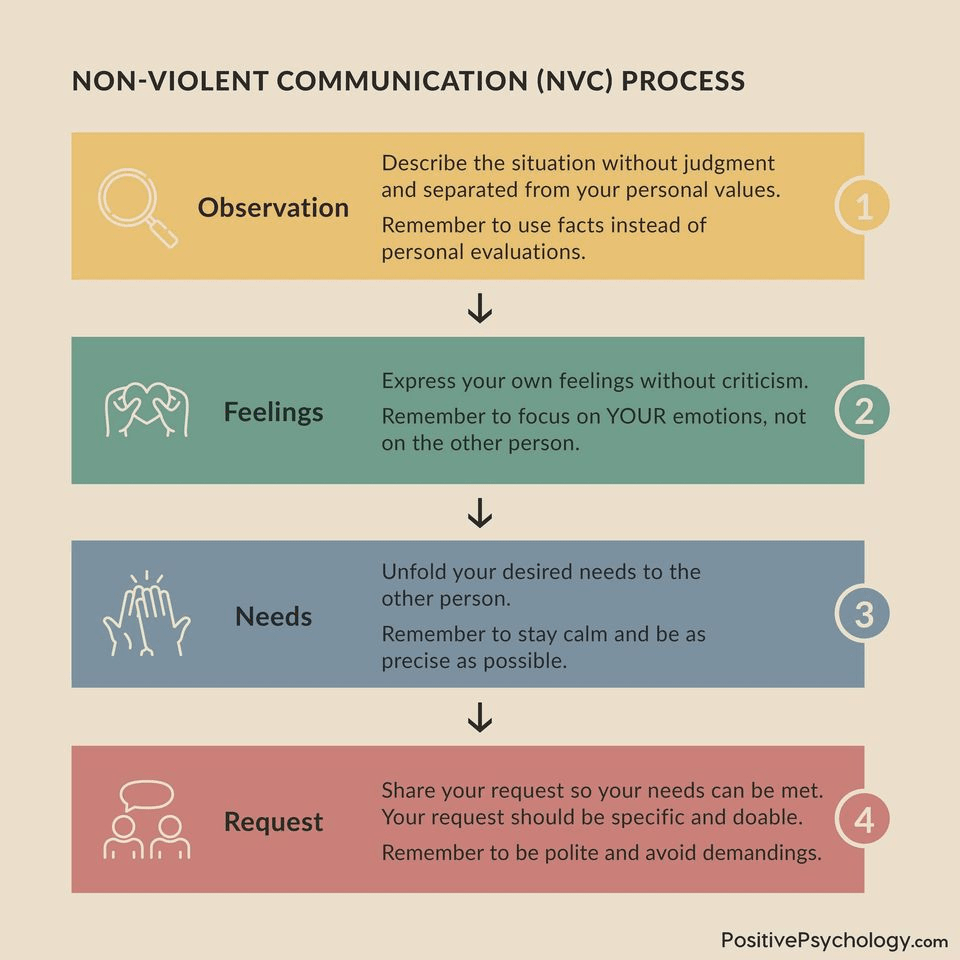
Learn to sense the needs of other people and tune into empathy and bring it back to the feelings and the needs as opposed to being defensive, offensive, trying to be right, trying to convince someone otherwise, trying to prove your point, or trying to be more understood. Sense the needs of other people and what they are feeling beneath the words they are expressing.
I have not read this book, but after listening to this podcast, I will be adding it to my list of books I’d like to read!
Intermittent Fasting – Top 10 Anti-Inflammatory Foods
Berries (specifically, wild blueberries and cherries)
Fatty fish – sardines, anchovies, mackerel, wild salmon
Cruciferous vegetables
Olives and cold pressed single source organic olive oil (in a dark bottle)
Avocado
Nuts (walnuts, almonds, macadamia)
Tomatoes
Peppers
Green leafy vegetables
Dark chocolate
The Mel Robbins Podcast – Reset Your Gut in 5 Days
Dr. Amy Shaw is a medical doctor trained at Harvard, Cornell, and Columbia University.
Bloating is normal and is caused by having unhappy gut bacteria.
FFF morning routine: fasting, fitness, and fermented and fibrous foods
Stress can cause bloating. Stress can cause your nervous system to interfere with your gut’s ability to properly digest food and keep your gut bacteria balanced.
5-step method to heal inflammation, reset your natural hormone balance, and heal food sensitivities
Dr. Amy Shaw recommends you fast for 12 hours (supper to breakfast)to heal your gut.
Rest your gut in 5 days
Five day reset:
Day 1: fasting (12 hours), fitness, fermented and fibrous foods. Add 30 minutes of exercise. When you start moving your body, the distention starts to move. Physically twisting your gut will release some gas and get things moving. Ex: yoga, abs
Day 2: fasting (12 hours), fitness, fermented and fibrous foods. Eliminate dairy, gluten, white sugar, or whatever you think may be triggering you.
Day 3: fasting (12 hours), fitness, fermented and fibrous foods. Start eating foods your gut loves. Spinach, asparagus, fruit, yogurt, etc. Protein: soaked black beans, fish, tofu, eggs, cottage cheese, yogurt, nuts. Your gut doesn’t want “fake” protein – fake meat substitutes, bars, shakes, etc. Processed red meat can cause inflammation.
Day 4: fasting (12 hours), fitness, fermented and fibrous foods. Enjoy. Spend time with people who are good for your mental health and gut health. Spend time with people who make you feel your best.
Day 5: fasting (12 hours), fitness, fermented and fibrous foods. Put it all together: exercise, protein-rich food, enjoy.
It can take up to three weeks to figure out what foods you’re sensitive to with an elimination diet.
You may feel better in as little as three days!
When you eat probiotic foods, the bacteria are delivered to the bacteria that are already in your gut, and our body is more likely to incorporate natural probiotics into our gut ecosystem compared to probiotic supplements.
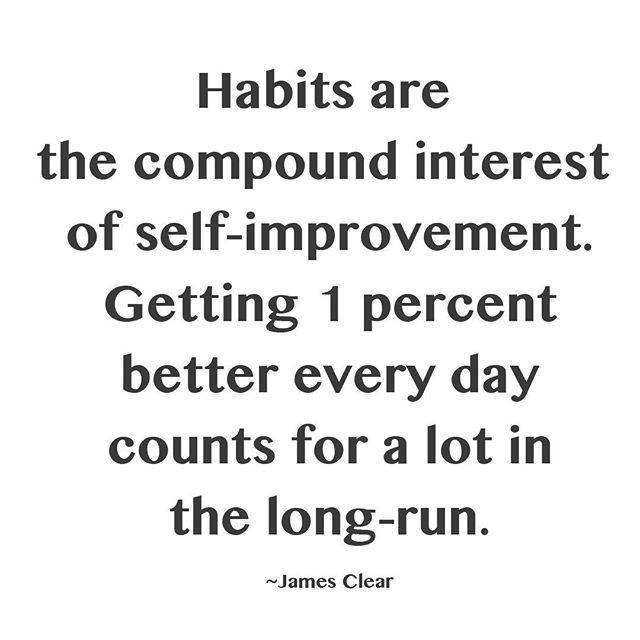
Sad to Savage – Getting 1% Better, Habit Stacking, Waking Up Early and Willpower
Ways to get 1% better: daily walk, hit 10k steps, read every day, write self-love affirmations, clean up your space, dishes before bed, clear off table every day, lay out clothing for tomorrow, listen to a podcast, call a friend, habit stack
Habit stack ideas: podcast or audiobook while working out, folding laundry, cooking, or meal prepping.
You will never walk away from a book without learning at least one thing.
Waking up early will change your life. It allows you to create time for yourself before you give your time to others (through work). You will have the most willpower in the morning.
Consistent schedule – Monday through Friday – pick a time you want to wake up and a consistent morning routine. To wake up, sit up in bed and chug warm water. Put your phone on the ground so that you must physically get up to turn off your alarm. Use an automatic light bulb to wake you up at a specific time.
Elevate your morning, elevate your life.
I am working on establishing my morning routine and slowly working on getting up earlier. It is something I have been struggling with, as I sleep through multiple alarms.
Inside Out Money – Simple joys and the art of saving money
Simple joys that can keep you from spending money: a walk out in nature, talking with a friend or family member, playing in the yard with kids, reading a good book from the library
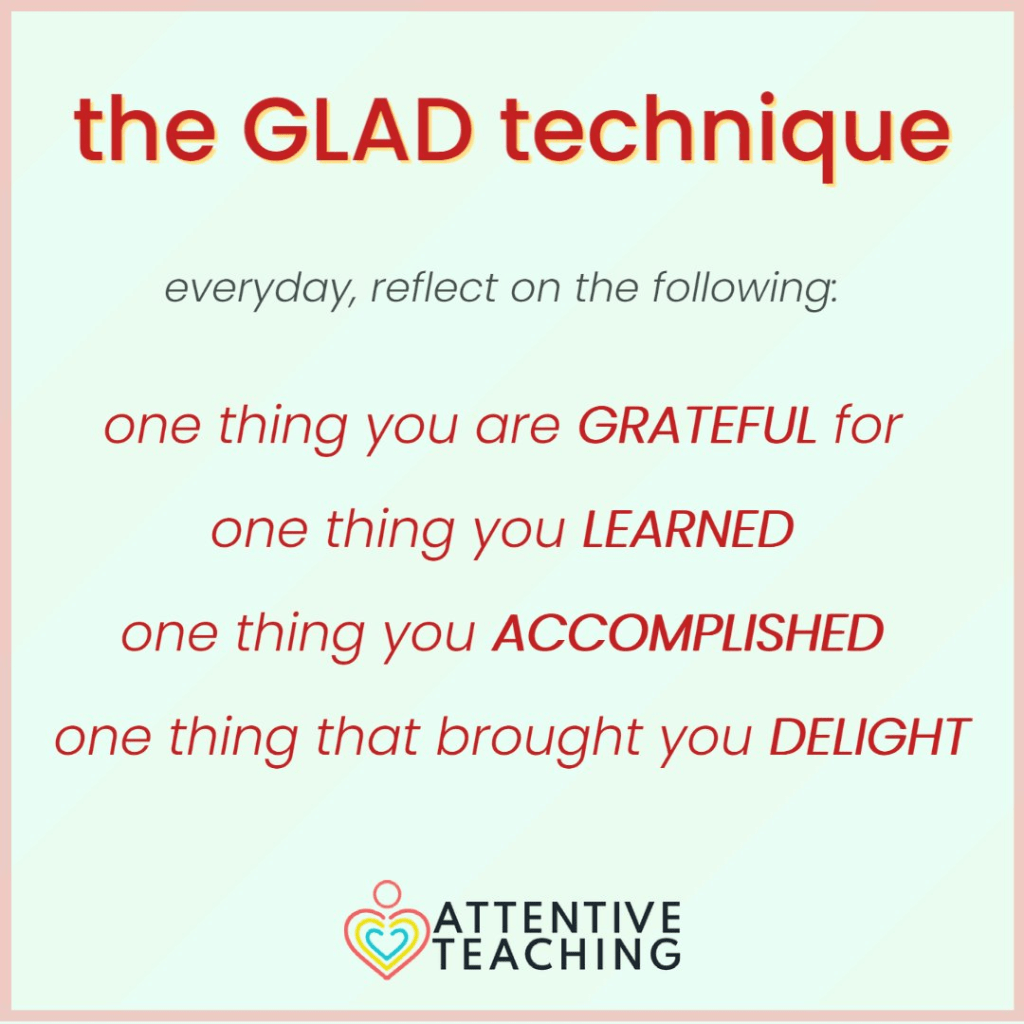
Gratitude daily – GLAD method: Something you’re grateful for, something you’ve learned, something you’ve accomplished, something you’ve delighted in.
I love this idea and am looking forward to trying it!
Find something you’re grateful for that you often take for granted.
If you have too many items, your family won’t know what’s important to you when you die.
Clean to have an organized life.
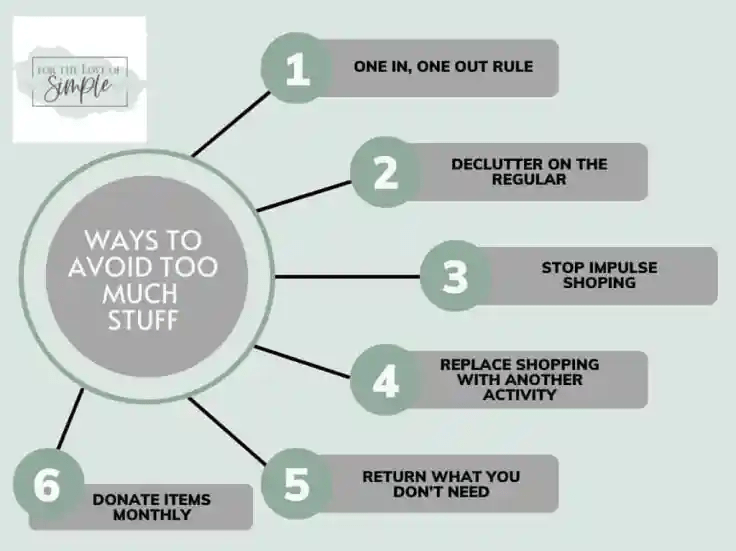
Make a list of what you’re shopping for and stick to it.
Consider a no-spend month and use what you have OR allow yourself to only spend on a certain day of the week so that you must delay instant gratification.
Limit time on social media to avoid being influenced into buying more items.
Questions to ask yourself while decluttering:
Is this my favorite?
Do I love it?
If I lost it, would I replace it?
Would I buy it again?
How much would it cost me if I had to replace it?
What’s the worst thing that could happen if I let it go?
Is this thing in solid working order?
Is this item plastic?
Would this item come with me if I were moving/downsizing?
Does this item spark joy?
Did I bring this items into my life?
If I were free from guilt, would I still keep it?
Will I have more space to do the things I want?
Do I need to save it for tax or legal reasons?
Have I used it in the last year?
Do I want my kids or others in my family to have to take on the burden of this item?
I look forward to reading, learning, and sharing more with you soon!














 Read Learn Share