I read four books in February. Here is a blurb of each of the books I read in February.
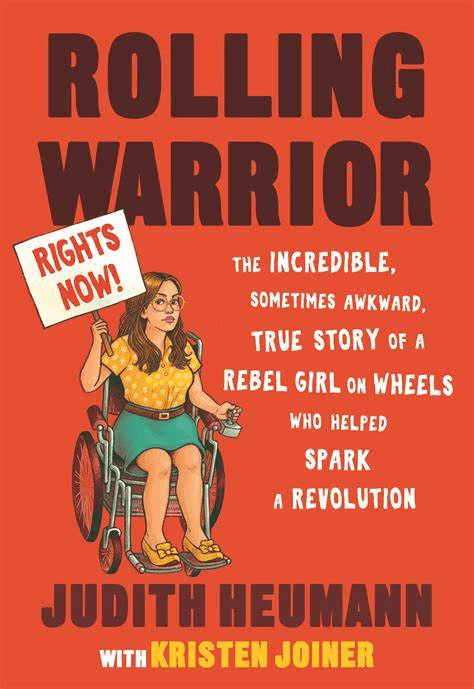
“Rolling Warrior” was written by Judith Heumann with Kristen Joiner. Judith is an internationally recognized leader in the disability rights movement. She has advocated for disability rights at home and abroad, serving in the Clinton and Obama administrations and as the World Bank’s first advisor on disability and development. Kristen is a writer and activist who tries to tell stories that change how people see the world. This book was the young reader’s edition of Judith’s acclaimed memoir “Being Heumann.”
Judith became sick with polio when she was 18 months old. Most people who get it are fine after a week or two, but some end up paralyzed and not able to move. Judith was paralyzed and can move her arms and hands, but can’t walk, dress herself, or go to the bathroom by herself. Judith detailed the challenges of living with polio:
Having a manual wheelchair when streets had curbs with no ramps
not going to a typical school until she was 14 years old – 1 1/2 hours away because her neighborhood school wasn’t accessible
having to ask other students for assistance when needing to go to the bathroom
having to ask other students for assistance to get into her dorm, which had a step
engaging in a sit-in protest with 150 disabled people to prompt the signing of Section 504.
Section 504 of Title V of the 1973 Rehabilitation Act prohibits discrimination against people with disabilities in institutions and programs receiving federal funding. Judith’s lifelong work also contributed to the passage of the Americans with Disabilities Act (ADA).
My story is similar to so many other people’s – those with and without disabilities. Telling our stories helps strengthen our ability to continue to fight against injustice. Sharing the stories about how we want our world to be – and then turning these dreams and visions into reality – is what we must all commit to doing.
4 out of 5 stars
“What I Told My Daughter: Lessons from Leaders on Raising the Next Generation of Empowered Women” was edited by Nina Tassler with Cynthia Littleton. Nina Tassler spent more than a decade as head of entertainment programming for CBS. This book consisted of short essays. Here are some of the many quotes from the essays that stood out to me.
We tell our girls that they can do anything, be anything, that the world is theirs for the taking. We encourage them – expect them – to be ultra-high achievers with lofty goals for college and beyond. I fear we may sometimes put too much pressure on our girls, imbue them with impossible standards. I worry that our dreams for them may sometimes, unintentionally, lead them to believe they can never make mistakes, and that perfection is more important than resilience. I want her to know that not only can she success, but that she can fail without being a failure, be hurt without being diminished, and be embarrassed without being ashamed.
“They always have the right to change their minds, especially when it comes to their personal happiness, whether it involves friendships, potential partners, and even career choices.”
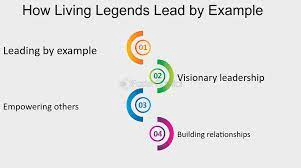
“There are so many lessons we teach our daughters every single day – by what we say and do and how we treat others and how we let them treat us. We lead by example.”
“Choose friends who care about your feelings. Choosing the right people in whom to entrust our emotions and vulnerabilities may be the hardest but most important skill we learn in life.”
4 out of 5 stars
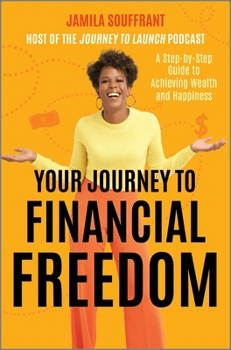
“Your Journey to Financial Freedom” was written by Jamila Souffrant, founder of Journey to Launch and the host of the podcast of the same name. She has been featured by several news outlets and is a certified financial education instructor. This book covered financial independence, creating your enjoyable financial independence plan, executing it, increasing income, paying down liabilities/debt, increasing assets, and staying the course and enjoying the journey. I got a lot out of this book. Here are some key points:
This book covered 5 journeyer stages, each of which has different financial priorities. This book also covered 5 different guacamole levels, which correspond with different lifestyle levels.
There are 6 components you’ll need to work on to help you reach financial independence: income, expenses, liabilities, assets, mindset, and habits.
This book encourages readers to evaluate their expenses based on their journeyer stage and guac level. Consider whether you are comfortable with sacrificing everyday indulgences now to achieve a bigger guac level later, whether you plan to maintain the same level in the future when you reach financial independence, and what guac level you can realistically live at now while working toward financial independence and the guac level you want to maintain once you reach it. Many people assume they need the same income in retirement but have goals of traveling more and living a more luxurious life. Evaluate your lifestyle and expenses now compared to your desired lifestyle and expenses later.
This book covered ways to increase income, set savings goals, optimize expenses, create a debt payoff plan, and increase assets.
It isn’t all about the future and living your best life in retirement. What are the things that you want and wish to do when you reach financial independence and how can you start doing them now? ex: hobbies and vacations
Don’t put your joy and freedom on layaway. The thing about living too much in the future or waiting for the next is that by the time you accomplish or have those things, your life has passed you by. Figuring out how to enjoy the now no matter where you are is critical to a peaceful and sustainable journey. Find joy right where you are.
This book was very comprehensive and educational, and I highly recommend it!
5 out of 5 stars
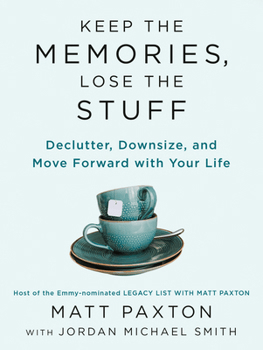
“Keep the Memories, Lose the Stuff: Declutter, Downsize, and Move Forward with Your Life” was written by Matt Paxton with Jordan Michael Smith. Matt is one of America’s top downsizing and hoarding experts, has been the featured cleaner on Hoarders, is the host of Legacy List with Matt Paxton, has been featured in several news outlets, and has helped thousands of people from all walks of life leave behind belongings that no longer serve them so that they can finally take the next step. Jordan Michael Smith is an award-winning journalist, author, ghostwriter, and speechwriter. This book is also in collaboration with AARP, the nation’s largest nonprofit, nonpartisan organization dedicated to empowering people aged 50+ to choose how they live as they age. Here are some of many tips that resonated with me:
Clean or declutter for 10 minutes every night 5x/week. Stick to it.
Set a deadline to keep yourself accountable and force you to do the hard work even when you don’t feel like it.
Understand your why.What are your reasons for decluttering? Less stress? More space for stuff? Moving?
The best predictor of whether you’ll need an item is whether you are currently using it or have recently used it, not whether you think that, one day, somehow, somewhere, you’ll use it. In all likelihood, that day will never come. Love who you actually are and force yourself to say goodbye to your “fantasy self” items, the stuff you think you’ll use when you’re a different version of yourself. Ex: exercise equipment, clothes that are way too small
Give yourself permission to give. Don’t confuse the emotional worth with the economic worth. Something is only worth financially what an independent third party will give you.
Free yourself from guilt. We think we’re expected to carry on not just traditions passed down to us, but actual belongings. The reality is that you aren’t obligated to any thing or lifestyle other than the one you want. Let go of expectations about your obligations to inanimate objects.
Ask yourself, “What are the items that will help me live happily and keep my story living on forever?” Discover your legacy and feel free to keep 5-6 items that are intensely personal, both to the giver and the receiver.
We confuse the sentimental value of our objects with the financial value they’ll have to others. It’s only human to believe our stuff is worth more than it actually is because we attach emotions and memories to those items. Selling our belongings means separating the powerful emotional value from the brutal financial reality of what those possessions are worth in the marketplace.
I highly recommend this comprehensive book! It contains tips for decluttering, moving, creating a Legacy List of items, giving items away, selling items, and contains many resources.
5 out of 5 stars
I look forward to reading, learning, and sharing more with you soon!
My intention is to post a Thoughtful Thursday column each week and share some of the insights I have learned in the past week. Here are some of the things I’ve learned this week:
The Liz Moody Podcast – 15 Love Lessons From 15 Years In A Relationship
Here are the lessons that resonated the most with me:
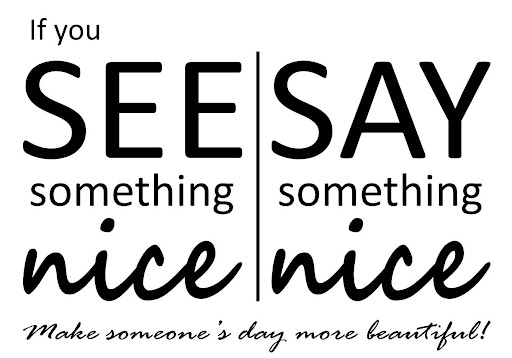
If you see something, say something. In a relationship, if you see something you love/admire/think they are doing well, don’t keep it to yourself.
Question the “shoulds.” Be intentional about your decisions. Should you get engaged just because you’ve been together a certain amount of time? Should you have kids at a certain age or have kids at all? Should you drink any time someone else is at a social gathering? Should you follow pressures and milestones from society and friends? Your relationship is your relationship. Don’t compare yourself to others.
As work dynamics have changed, you need to be more intentional about making friends. Intentionally expose yourself to people on a regular basis through a book club, walking club, sport, etc. Put yourself in a reoccurring way in front of other people. Suggest avenues to your partner to gain connections.
If your relationship is boring, you need to do more interesting things. Give your relationship the new outputs it needs and deserves – conversations, activities, etc. Ex: Read a separate article each week and tell your partner what you read, learned, and anything interesting you would like to discuss from that article. It will result in more interesting conversations. Ex: podcast walks with partner – discuss podcast at the end of the walk to spark new conversations
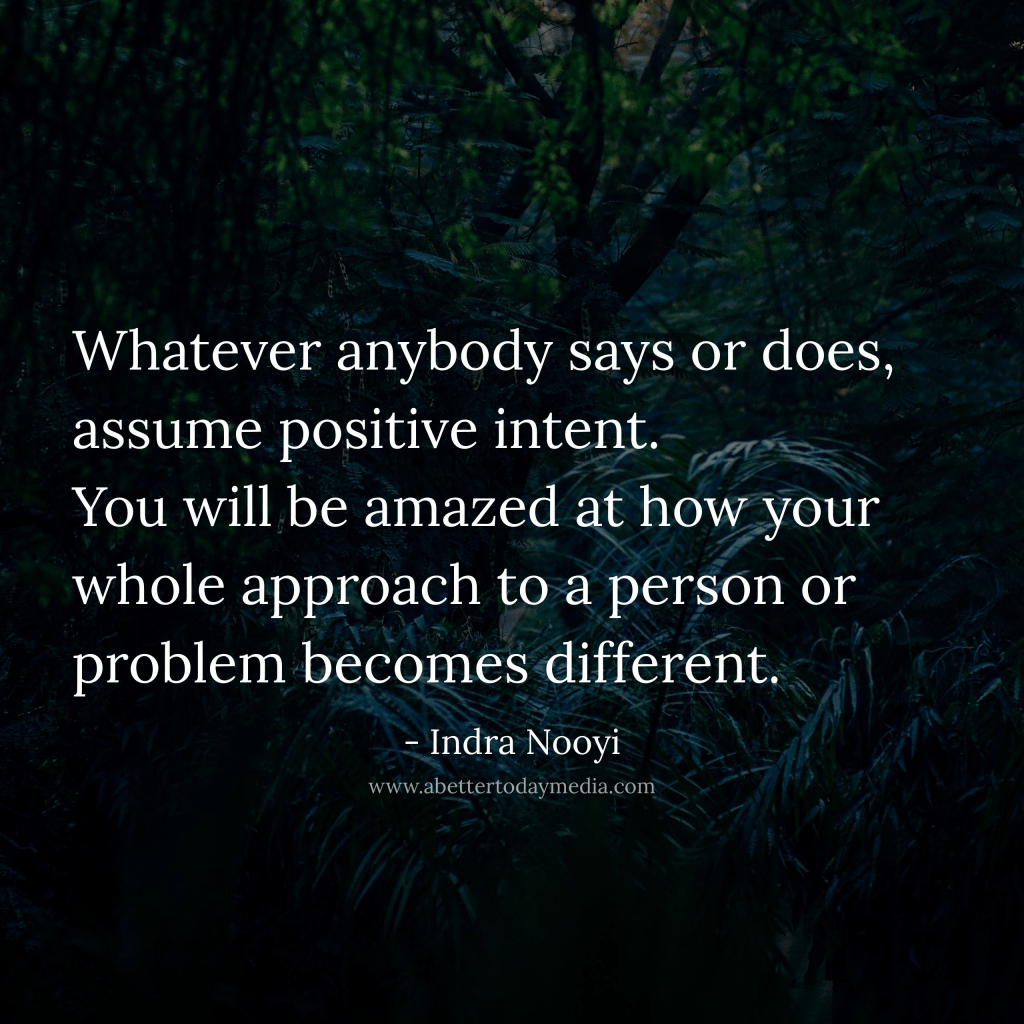
Assume the best intentions. Even if it is your partner’s fault, recognize that your partner can be at fault without intending to hurt you.
Plan together. It is really easy for people to change and for their desires to change. There are expectations people have, and when they are not spoken, we run into real problems. Communicate your desires so that you can plan together.
Communication is the crux of all relationship success and woes. Get your partner to know what you want in life and know what they want in life.
Sad to Savage – 26 Things I’ve Learned at 26
Here are some of the best lessons mentioned in this podcast:
Putting up boundaries with other people starts with you making boundaries for yourself. It’s okay to be selfish with your time.
The quality of the people you spend time with matters more than the quantity.
Growth is not always linear, and sometimes you need to have low moments and face challenges to grow.
You need to make the choice to walk away from something that no longer serves you.
When life changes and things do not go according to plan, that’s because it’s not according to YOUR plan. God has a plan for you.
Self-limiting beliefs can be broken. Figure out what your self-limiting beliefs are.
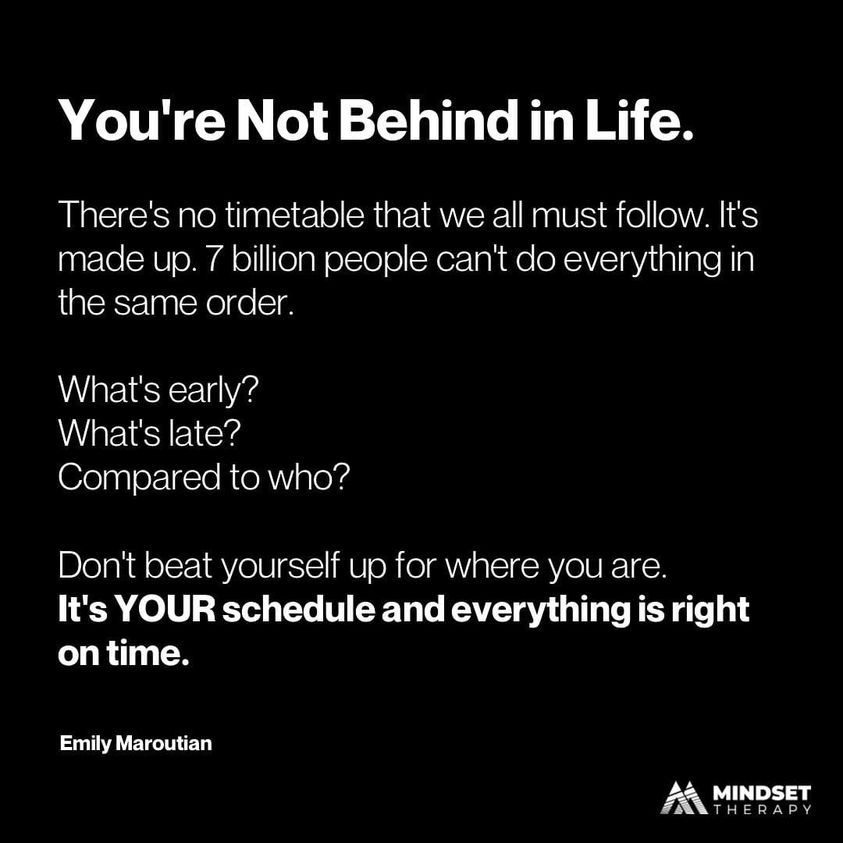
Comparison truly is the thief of joy. Don’t compare your timeline to someone else’s.
You will never find the time. You need to create it.
You truly never know what someone is dealing with beyond the surface.
Optimal Living Daily – 8 Habits to Keep Paper Clutter to a Minimum
Deal with papers immediately. As soon as you get the mail, toss all of the junk mail.
For school papers, have kids do the homework ASAP and put it back into the backpack so it’s done and ready for the next day.
Sign any permission slips and put them right back in the backpack.
Let go of all of the drawings that were sent home. If you find something unique, you can take a picture with your child holding it and talk to your child about it before letting it go.
Church bulletins – take a photo if needed, mark events on your calendar, and throw them away.
Have an inbox for all of the papers that need to be dealt with soon.
Have a long-term filing system for things that need to be kept, such as tax records, personal records, etc.
Set a weekly time to catch up on paper. Take time each week to pay bills, deal with papers, etc.
Set as many statements as possible to “paperless.” Set aside time each week to pay/review/respond as necessary. Automate bills.
Toss receipts if you don’t need them for tax purposes.
Cancel magazine subscriptions.
Avoid paper couponing.
This week I have been reading a fascinating book called “Like, Literally, Dude: Arguing for the Good in Bad English” by Valerie Fridland. Valerie pointed out research about the differences of “uh” vs “um” and their impact.
“Um” is used when longer delays in answering a question are anticipated. “Uh” indicates that our listener may need to wait a second or two for an answer, but “um” indicates they will need to wait longer. A filled pause (“uh” or “um” instead of silence) conveys information at a meta level.
“Uh” or “um” signals listeners to be on alert because there is generally something requiring greater cognitive effort happening. People typically use filled pauses when talking about unfamiliar, difficult, unpredictable, or abstract things, so we incorporate that knowledge into how we unpack what they say. People perform better on memory tests when hearing words such as “uh” or “um” before important statements or stories. This may be because we have more processing time to think about what is going to be said (during the filled pause of “um“). These pauses alert us to pay closer attention to what is being said.
I look forward to reading, learning, and sharing more with you soon!
My intention is to post a Thoughtful Thursday column each week and share some of the insights I have learned in the past week. Here are some of the things I’ve learned this week:
Before Breakfast – Bill your time for a week
Try acting like a lawyer for one week by tracking your time and billing it to different projects. The experience will give you some ideas of how to best spend your waking hours.
You will see how many hours you actually work if you have a salary job.
You can even track your workday and track how many hours you spend in meetings, responding to e-mails, etc.
Time tracking is data that can show you the truth of where your time is going so that you can make more rational choices about how you want to spend your time.
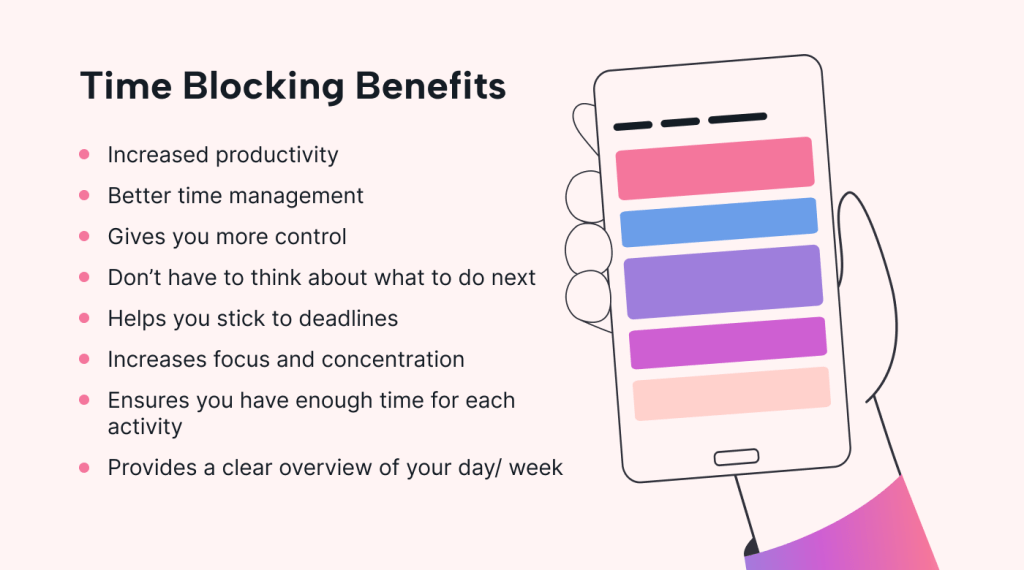
I selected a 2024 planner that allows me to timeblock, and it has been interesting! Almost all of my time, aside from work, sleep, eating, and working out, has been spent on classes and schoolwork.
Focus on Marriage Podcast – Maintaining Joy When Your Plate is Full
Continually communicate with your partner about what the high and low of your day was. Continuously find joy and humor.
Watch a funny video short together and laugh.
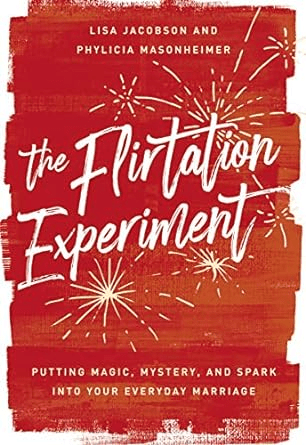
This podcast recommended this book. I haven’t read it yet.
On Purpose with Jay Shetty – The 5 Relationships You Need to Invest in to Supercharge Your 2024
Belonging – we need to feel a sense of connectedness to others and feel we are part of a group or community.
Feeling part of a group creates inner harmony and balance, better mental and physical health, and fewer negative emotions.
We need to be able to share our thoughts and heart without worrying we will be judged.
Legacy – feeling connected to something bigger – finding people dedicated to creating change, inspiring people, and helping others – celebrating growth, exchanging ideas, and creating new friends
Jay Shetty had a dinner party with several people he didn’t know well and asked them a few questions:What has been your biggest personal or professional win of 2023? What has been your biggest challenge, personally or professionally, in 2023? How can the people at this table help you/what support can they offer you?
Each person personally shared their flaws, roadblocks, and challenges and there was so much trust in the room. Who in your life would you want to spent more time with because you want to share their same legacy? Are these people inspiring you by the way they live? Have they dedicated their life and work to helping people physically, mentally, emotionally, or spiritually?
Independence – relationship with ourselves – autonomy and personal usefulness
Sense of feeling you have value – Reflect on what you are doing and who you are becoming. Who you want to become is the most important question you will ever answer. Take action to become that person. Who do you want to become? Who are you becoming? What is that independent autonomous path that you are building and trying to take because you know that that will lead to your higher self? What is the independent desire for who you want to become?
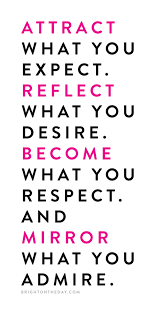
We only become things that we don’t want because we aren’t sharing the deepest parts of ourselves. If you don’t share who you are, people will expect you to be who they want you to be.
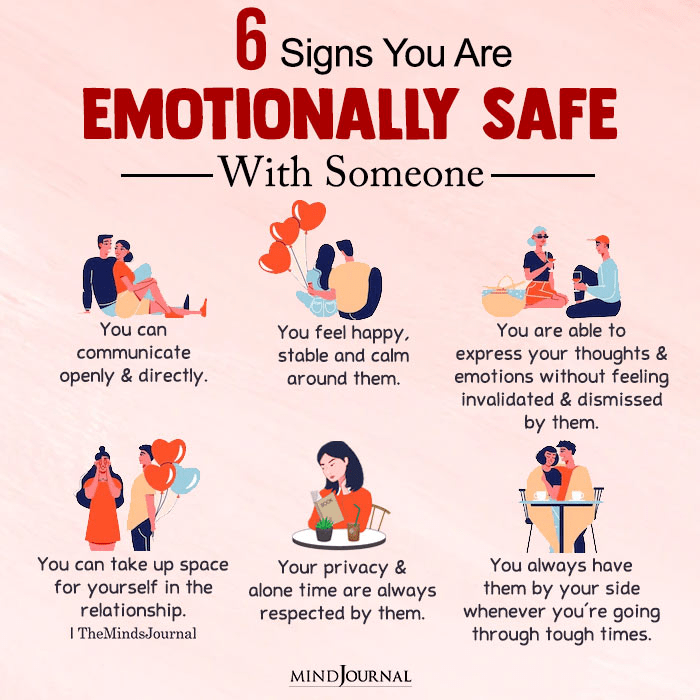
Safety – people who bring security and stability into our lives – people we feel the deepest and safest with
People who feel trusted become more trustworthy as a result of increased oxytocin levels in their brains.
Service – relationships based on surrender and service
Who are we serving? Who are we taking care of? Jay Shetty recommends you spend 20% of your time with people who are guiding you, 60% of your time with people who are peers with you who you feel uplifted by/people you uplift, and 20% of your time with people you are serving and giving to – be a teacher and student at the same time to create humility and proactivity.
Self Improvement Daily – Slipping Back to How Things Used to Be
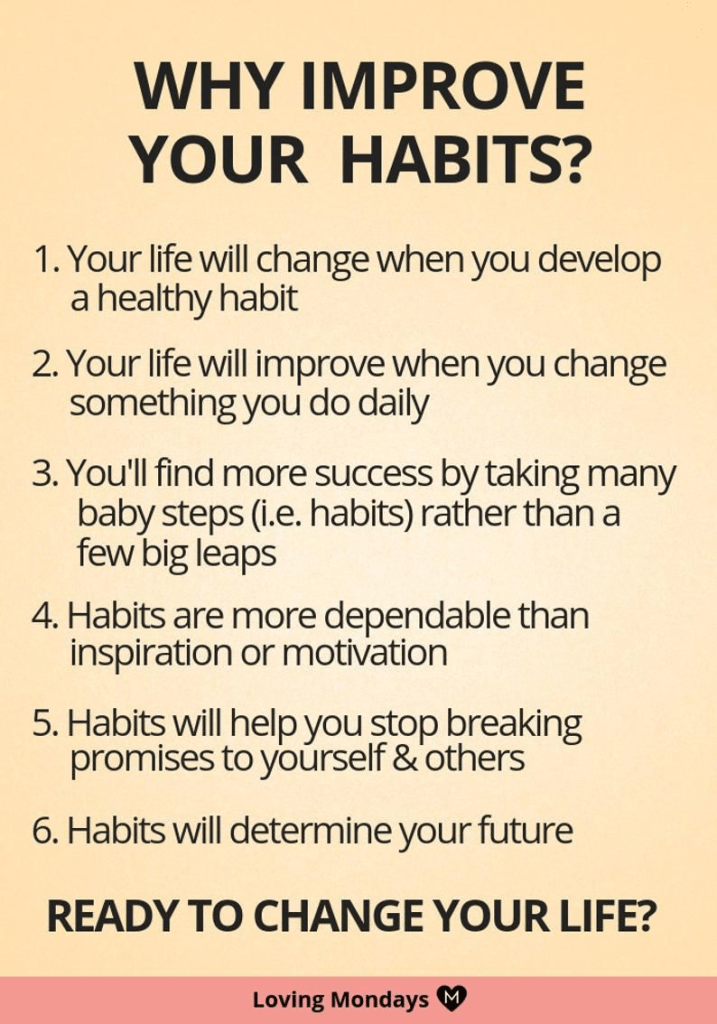
One of the most difficult parts of self-improvement is sustaining the positive changes you’ve introduced into your life. It’s easier to get motivated to start than it is to stay consistent and maintain your desired habits and routines.
Here are a few things to have in place that will support you in actually keeping the good habits you’ve worked hard for:
Have awareness of the slip – have pieces in place that make you aware of if you’re meeting certain expectations in your life. I highly recommend using a habit tracker for a visual record of your consistency.
Clarity – If you’re not crystal clear on what your standards are, then it’s impossible to know if things are slipping. For example, if you say you want to work out more, set a specific standard to provide clarity and measure your consistency, such as “I want to work out for 30 or more minutes five times each week.” Use a habit tracker to make it easy to notice when you’re starting to slip. The clarity gives meaning to the awareness.
System for reviewing your performance – have the resources in place to hold yourself accountable to reaching a higher standard. If you’re not intentional about paying attention to the things that are focuses for you, they’re naturally going to gravitate toward their comfort zone. Again, I recommend using a habit tracker.
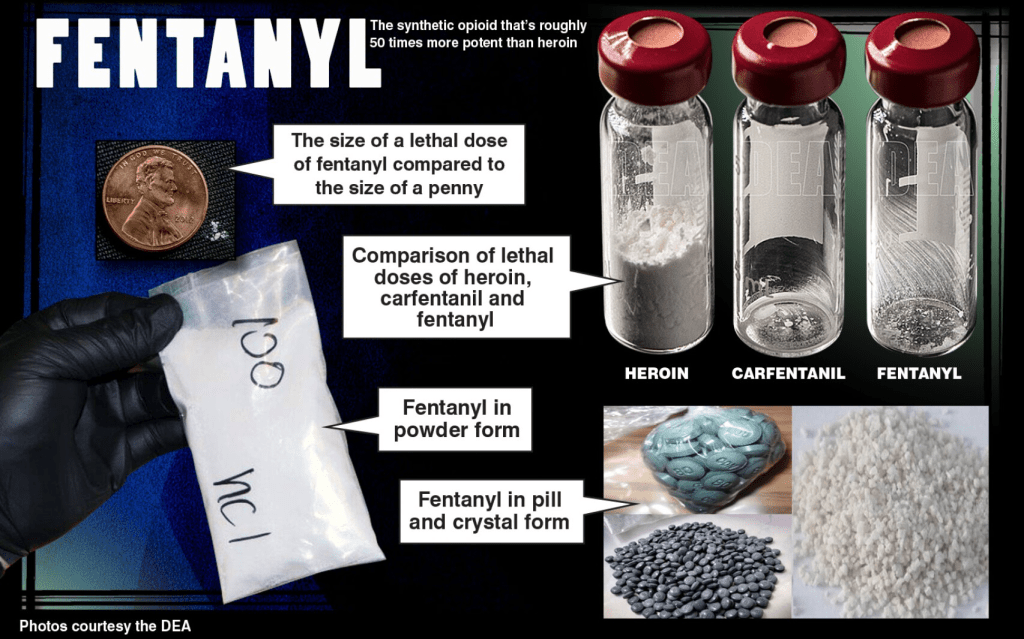
Terrible, Thanks for Asking – “Why are drug dealers putting fentanyl in everything?” from Search Engine
Fentanyl reportedly kills more adults under the age of 45 than guns, COVID-19, or cancer.
The Belgian doctor who invented fentanyl invented over 100 medicines. He was trying to find something that was better than morphine for hospital procedures, such as open-heart surgery. Fentanyl comes on faster and goes away faster, doesn’t cause nausea, and is basically the best hospital drug.
The DEA estimated that only 700 people died of fentanyl overdose in 2014. According to NIH, in 2016, almost 20,000 people died from synthetic opioid overdoses, most of that fentanyl.
Fentanyl is much cheaper than heroin because it’s synthetic and made in a lab. It’s also more potent, making it incredibly profitable. It is incredibly addictive.
Much of the supply was being produced in China, where it was quasi-legal. The Chinese government was slow to ban analogs of the drug, so manufacturers used slight tweaks to the recipe that added a molecule here or there but left the basic chemical structure intact.
When pain prescriptions run out, some people seek out illicit heroin on the street. There isn’t enough heroin to feed the demand, so fentanyl steps in to fill the void.
Mexican dealers ship fentanyl to places like San Diego, El Paso, etc. It is distributed by regional gangs.
Fentanyl is cheaper, but it doesn’t last very long. The fentanyl high is reported to only last up to a few hours (sometimes only 15 minutes), leaving people scrambling to find more.
Fentanyl offers a shorter high, a greater addiction potential, and a higher risk of overdose than heroin.
Some deaths from overdoses can be helpful for fentanyl dealers because people believe they need to try it;some say it’s a form of advertisement for how powerful the drug is and they want to try it.
Resources: Dansafe.org to buy fentanyl test strips, drugsdata.org to see what is in drug supplies
Suboxone is a blocker to prevent you from getting the high from heroin. Suboxone doesn’t block the high from fentanyl.
Mentally Stronger with Therapist Amy Morin – The Minimalists: Why You Should Declutter Your Life
Do you own too much stuff? Is your calendar overflowing with so much stuff that it causes you stress? Are you stressed out by how much you have to do all the time? This episode is for you.
More is not always better. Clutter increases stress and increases the risk of mental health problems, financial problems, time management troubles, and social problems.
Living in a small space makes you think twice about what you really need.
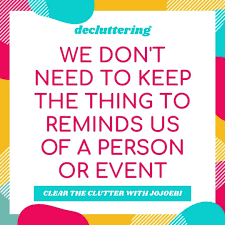
How much is enough will vary depending on your age and life changes. Just because something added value to your life before doesn’t mean it will continue to produce that same amount of value. You don’t need to hold onto items just because they are sentimental.
There are three categories that all of your possessions can fit into: essential, non-essential, or junk.
Most of the things we’re holding onto that we don’t want to let go of, we’re holding onto “just in case” or for “someday.” The problem is that we hold onto many of these items that take up space in our homes and in our lives. Let go.
Our memories are not in our things. Our memories are inside us. If we let go of some sentimental things, we aren’t letting go of the memories. You can take photos that trigger the memories, but you don’t need to hold onto things you won’t get value from. Instead, you can give them away and add value to someone else’s life.
There is more grief involved in holding onto something than in letting that dream die.
Spontaneous combustion rule: what would happen if that thing spontaneously combusted? Would you replace it or would you feel a sense of relief?
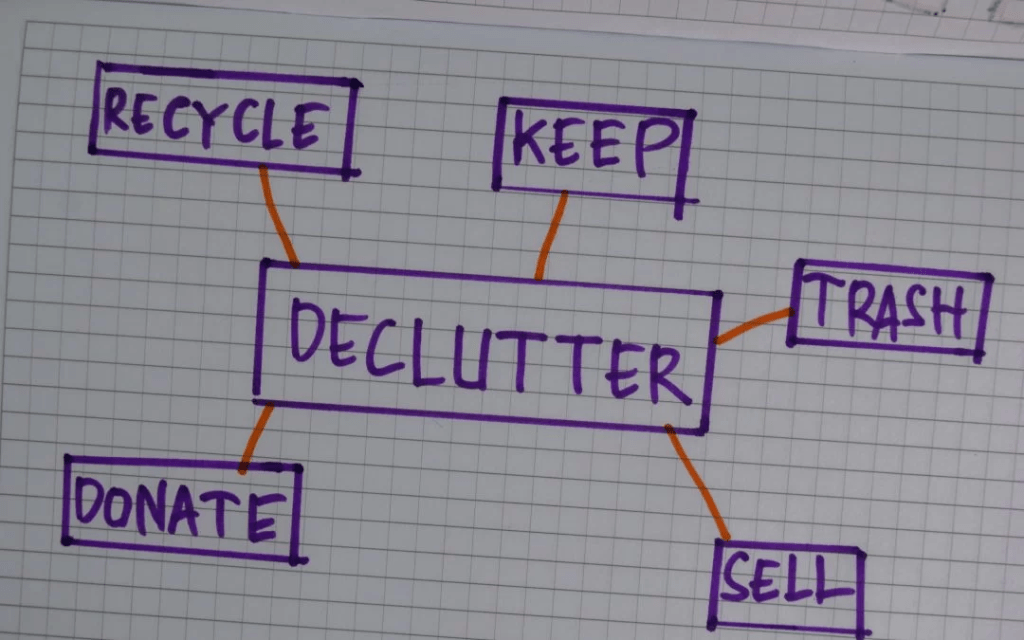
You can donate items or try to sell them. Some people try to sell anything they can get $20 for and donate after one week if it doesn’t sell.
Physical clutter, hidden clutter (calendar clutter/business) – “if something is not an emphatic yes, say no.”
Resources: 30-day minimalism game (1 item day one, 2 items day 2,… 30 items day 30), theminimalists.com
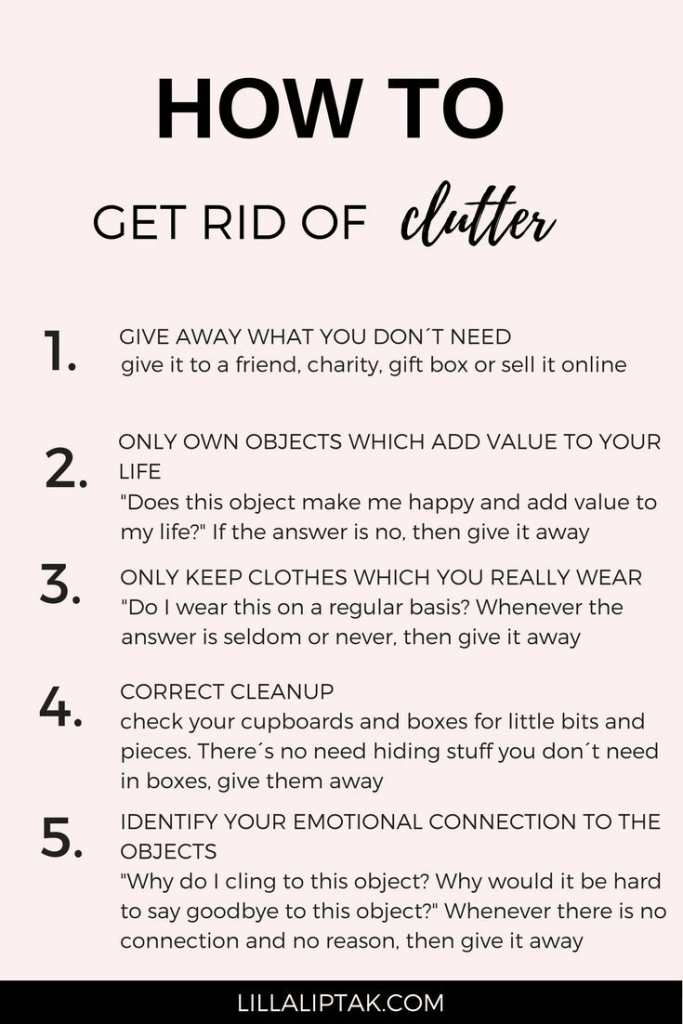
Ask yourself what value something brings into your life. Sometimes we hold onto things just because they were given to us as a gift even though they don’t really add value to our lives or because we paid a lot for it. Get rid of things that aren’t improving your life.
Use the spontaneous combustion rule.
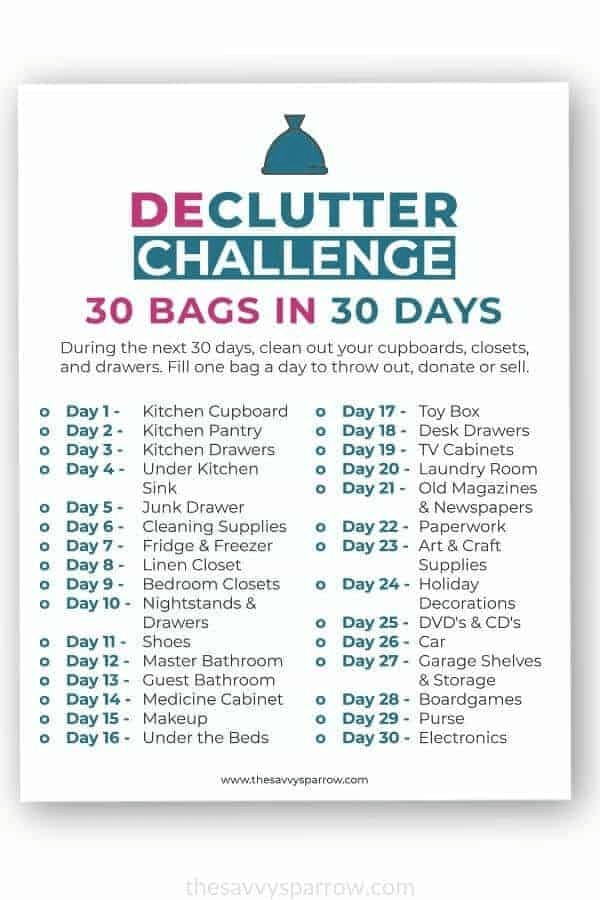
Create a challenge to start subtracting things from your life.
I look forward to reading, learning, and sharing more with you soon!
My intention is to post a Thoughtful Thursday column each week and share some of the insights I have learned in the past week. Here are some of the things I’ve learned this week:
Frugal Friends Podcast – Declutter Your Home in 30 Days
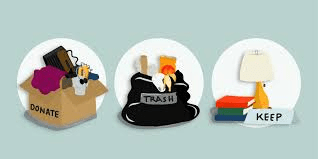
Grab a box, walk around your home room by room, and put anything you don’t need in the box. Start with the easy stuff. Do this several times.
Find motivation with built-in deadlines. Set a timer for 15 minutes and do the first wave in 15 minutes.
Donate more. Use your local Buy Nothing group or Facebook marketplace. You can try selling what you would like to. If it’s not sold within a week, donate it.
Have people in your household help you declutter. Have them find things they would like to give away or donate.
Don’t rent a storage unit long-term. If you want to rent a storage unit short-term, pack up boxes and label them with a date. If, after 6 months to 1 year, you don’t go to your storage unit looking for that item, get rid of everything in the boxes, and get rid of the storage unit.
Plan to have people over to give you a sense of urgency to get rid of the clutter. Use that as a deadline for you to declutter.
Don’t confuse the desire to change with actual change. Thinking about change is not the same as implementing change.
Spending money on something does not result in that hobby or activity getting done.
Challenges
10 minutes, 10 spaces – 100 items. Get rid of 10 items from each of 10 different spaces, for a total of 100 items.
Minimalist challenge – get rid of 1 item on the 1st of the month, 2 items on the 2nd day, and so on, so on the 31st day of the month, you will get rid of 31 items. This challenge is often unfinished. You can do this challenge backwards – start with getting rid of 31 items, then 30, etc.
Ask yourself: How do I actually foresee myself using this in the future? How much would it cost if I got rid of this and then suddenly needed to get it again? Where am I going to keep this item?
If you haven’t used it in the last year and it costs less than $20 to replace it, get rid of it.
Last January, I got rid of one thing each day in our local Buy Nothing group. This year, so far, we have started decluttering one spare room that has been filled with boxes we haven’t really touched since we combined our belongings over a year ago. We have organized what we are keeping, we have thrown a lot of junk away, and we have made piles to give away. It is crazy to think about how much stuff we don’t actually need/want!We have several more spaces/rooms to declutter yet, but it is exciting that we started.
Life Kit – The decluttering philosophy that can help you keep your home organized
Start in the easiest place first – not paperwork or sentimental things. Decide what should stay or go. If you decide to get rid of things, get it out of the room/space right then to eliminate clutter.
After you decide to keep things, find a space for them.
The smaller the space, the more intentional you need to be. Ask yourself: What are the 3-5 activities you want to do in this space? How do you want it to look? How do you want to feel?
Fit, Healthy & Happy Podcast – 10 Life Changing Things I Learned in 10 Years of Lifting
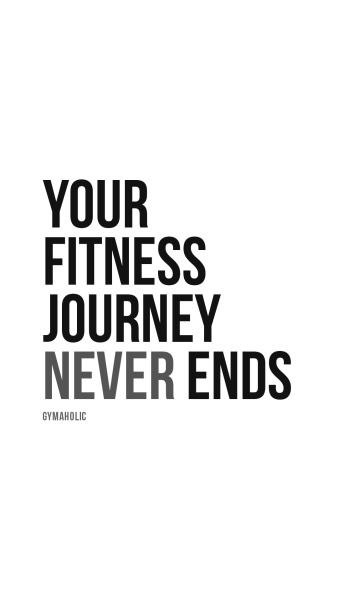
You will never be at an “end point.” You will crush goals and create new goals. Learn to love the process and appreciate how far you’ve come.
Training to failure is overrated. Do a specified number of reps and don’t overtrain.
Nothing beats consistency. Set realistic goals.
Lifestyle adaptation – fight laziness and enjoy the process.
You’re not giving 100%. You’re typically capable of a lot more than you think.
Supplements are way less important than you think. Supplements are supplemental to a great diet, great training, and a great mindset.
If you find something especially hard, do more of it. Ex: cooking, hard exercises, fixing sleep schedule. Fix your weakness.
Keep learning and reading. Question everything and try to have a deeper understanding of it.
You should be doing this to be healthy, not just look sexy.
Form will always be one of the most important things. Without the right form, you’re either getting injured or you aren’t getting the most out of the movement.
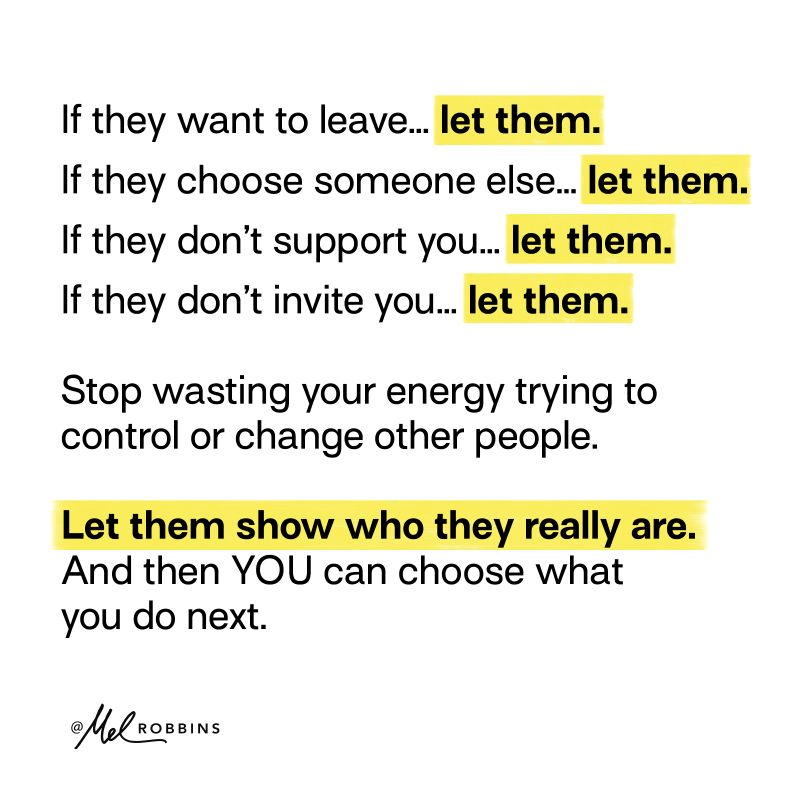
Whenever someone is doing something you don’t like, let them.
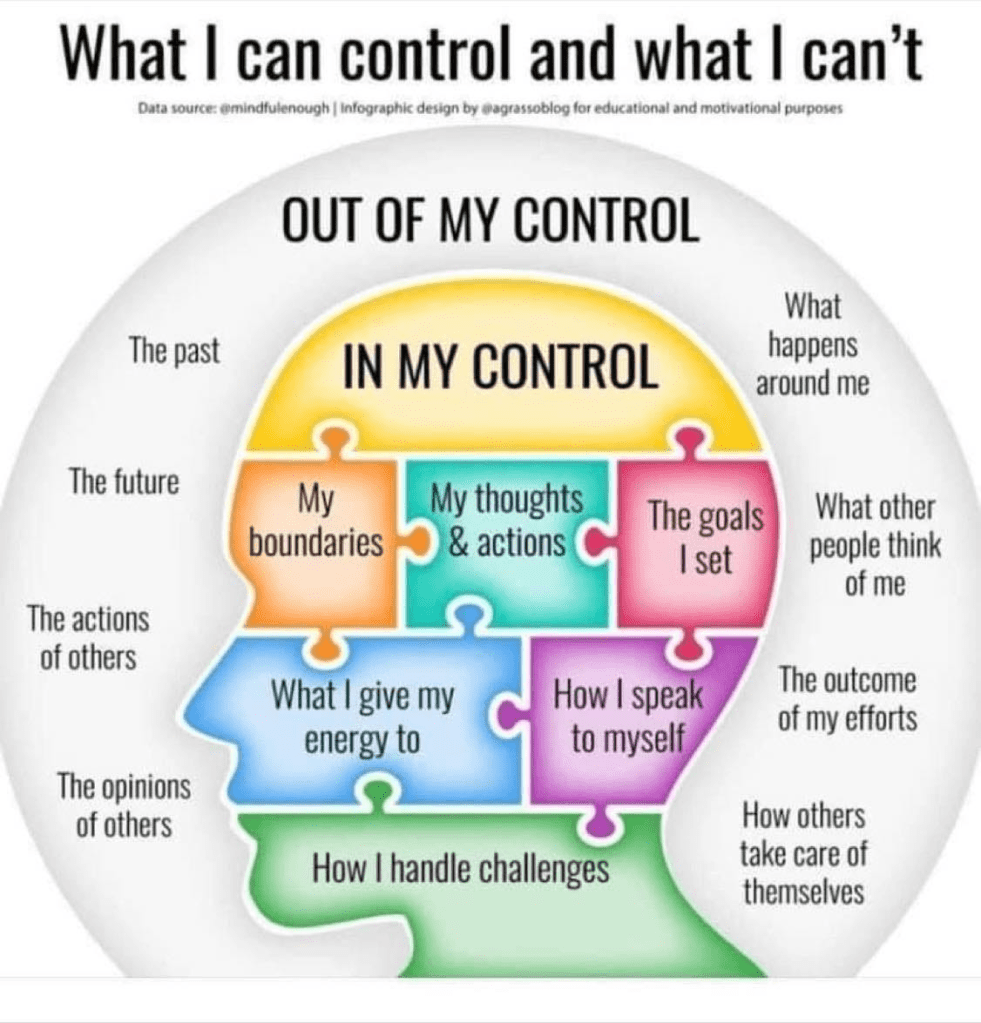
You will be more in control when you use the “let them” theory. You stop giving your time and energy to other people and situations you can’t control. You take your time and energy back and figure out what is best for you.
The more you try to control something, the more out of control you feel. The only way to feel in control in life is to focus on where your time and energy is going.
Everyone has an opinion of you. Unhook yourself from that concern. Their opinion of you is irrelevant to you.
It’s not your job to manage other people’s reactions. When you think about how often you are managing other people’s reactions, managing other people’s happiness, tiptoeing around the topics, shrinking yourself, staying silent, not asking for what you need, trying to fix problems, showing up when you don’t feel like it, doing things out of guilt, you are resisting the reality of the situation. When you think about it, you will realize how much time and energy you have and how much time and energy you can spend on yourself.
You aren’t responsible for other people’s happiness, other people’s boundaries, or managing other people’s tantrums. You’re responsible for your truth, your needs, expressing yourself, and telling people how you feel. You’re responsible for creating what you want.
When we step in and feel the responsibility for bailing people out, we rob them of the opportunity to face the things they didn’t face.
You can’t force anyone else to change or to do something. You can try, but someone only does something because they want to do something.
Optimal Finance Daily – 6 Things You Should Never Scratch Off Your Budget
Savings – emergency fund + retirement – even if you don’t have much money to save now, starting will help ensure that you’ll be better off financially down the line. At a minimum, contribute enough money to get an employer match.
Health insurance – make sure you have insurance in case you experience a major illness.
Debt repayment – have a plan to pay down student loans, credit cards, and other high-interest debts as quickly as possible. Consider getting a side hustle or working overtime to increase your income and pay off debts.
Life insurance – make sure your dependents are covered if something were to happen to you tomorrow. Adjust your life insurance policy as needed; you may need to take out more money as major expenses occur or as you have more children.
Spending money – put aside some money to spend – don’t spend it all at once. Sometimes having something now isn’t worth incurring interest charges down the road.
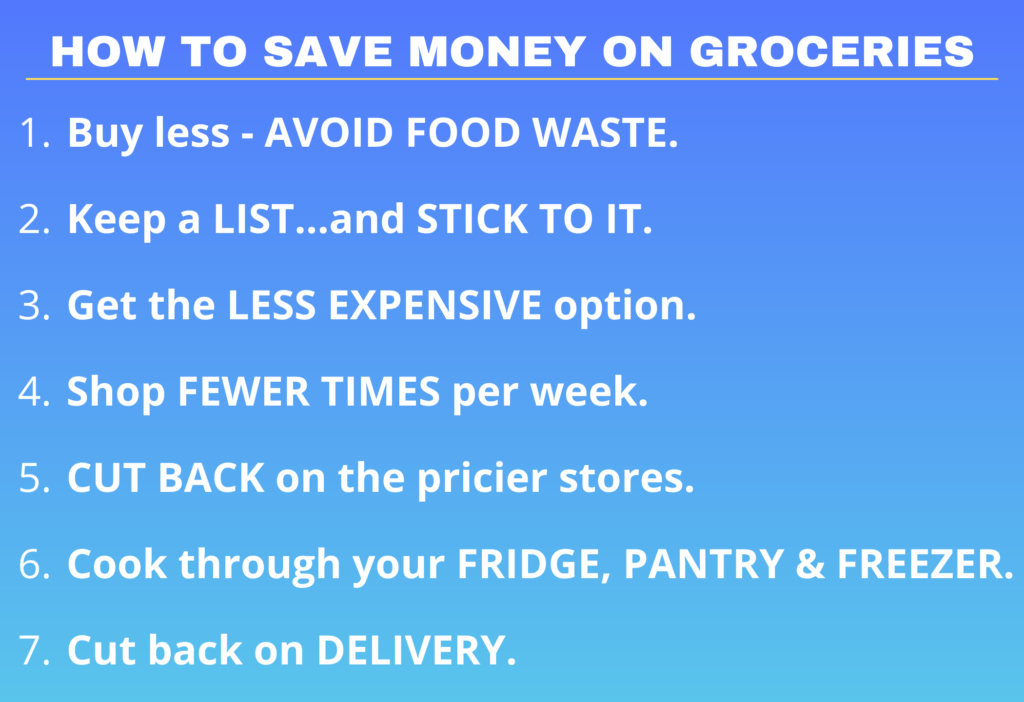
Groceries – know what you can afford on a weekly basis. Look into ways to cut back without dramatically impacting meals, such as shopping at discount stores or taking advantage of coupons and sales. Remember that eating out often will quickly eat away any extra money you may have had available in your budget.
To save money, we shop at a discount food store, keep some staples on hand, and we frequently plan meals around what we can find at a discount rather than planning around recipes or a list.
Optimal Finance Daily – Stop Using These 6 Ridiculous Excuses For Not Saving Money
The first step to saving more money is to figure out why you are unable to save money.
“I’ll hate my life if I start saving money” ➡️You can still live a great life AND save money. You need to learn how to manage your money better so that you can live the life you want to live, but on a more realistic budget.
“I’ll figure out how to save money later.” ➡️Many people put off saving because they’d rather spend their money now and believe they’ll have plenty of money to save money later. There is no need to spend all of your money now just because you can.
“I deserve and/or need the things I buy.” ➡️Many people believe they need to upgrade to the latest and best technology, clothing, etc. and need expensive vacations. Watch your spending, figure out ways to lower your expenses, and cut out anything unnecessary.
“I enjoy my job and can always make money.” ➡️You should still be saving money. What happens when you can no longer work? You don’t know what the future will bring – a medical problem, a serious life event, or you may hate your job later. You can enjoy your job and save money at the same time.
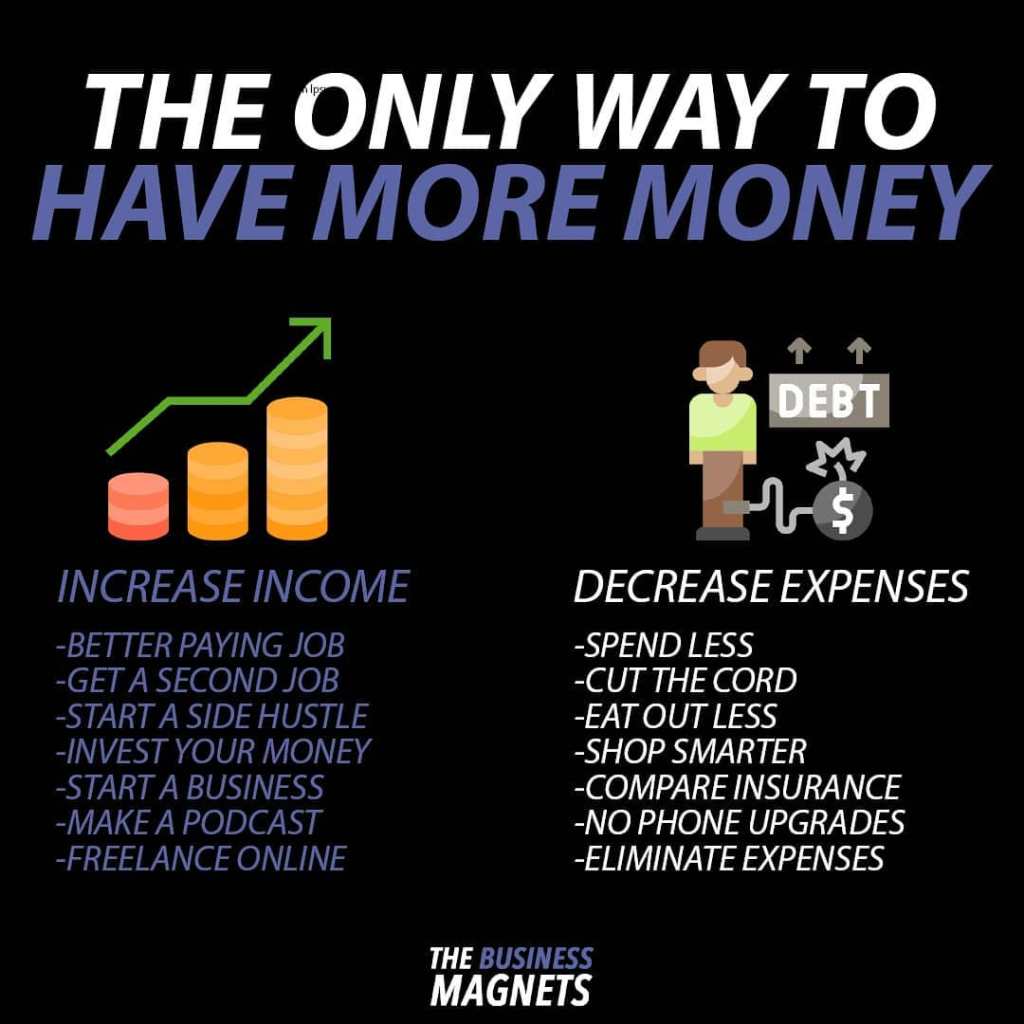
“The city I live in is too expensive to save money.” ➡️It may take time, but you need to either increase your income or cut your expenses or do both.
“It’s too late for me to start saving money.” ➡️It’s never too late to start saving money. Every little bit helps and can drastically change your future. Saving something is better than nothing.
I look forward to reading, learning, and sharing more with you soon!
My intention is to post a Thoughtful Thursday column each week and share some of the insights I have learned in the past week. Here are some of the things I’ve learned this week:
Optimal Living Daily – Self-Care Habits for Your Daily Routine
Create a supportive morning routine. Establish a morning routine that prepares you for the day ahead. Wake up earlier if this is the only way you can carve out extra time for you.
Choose healthier food and drink options. Watch your intake of sugar, salt, caffeine, and alcohol so that you feel better.
Move your body regularly. Move your body, change your mind!
Listen to yourself. Check in with how you’re feeling and recognize when you need to slow down, do less, avoid social media, take a nap, share a laugh, or rest.
Do something that makes you happy. Do something for yourself every day.
Create a calming evening and bedtime routine that helps you wind down from the day and prepare your body and mind for sleep.
Optimal Living Daily – Where Do I Start Decluttering?
Pick up regularly.
Do dishes after each meal.
Stop recreational shopping. We can’t possibly simplify our home if we’re continually shopping and bringing more things into it.
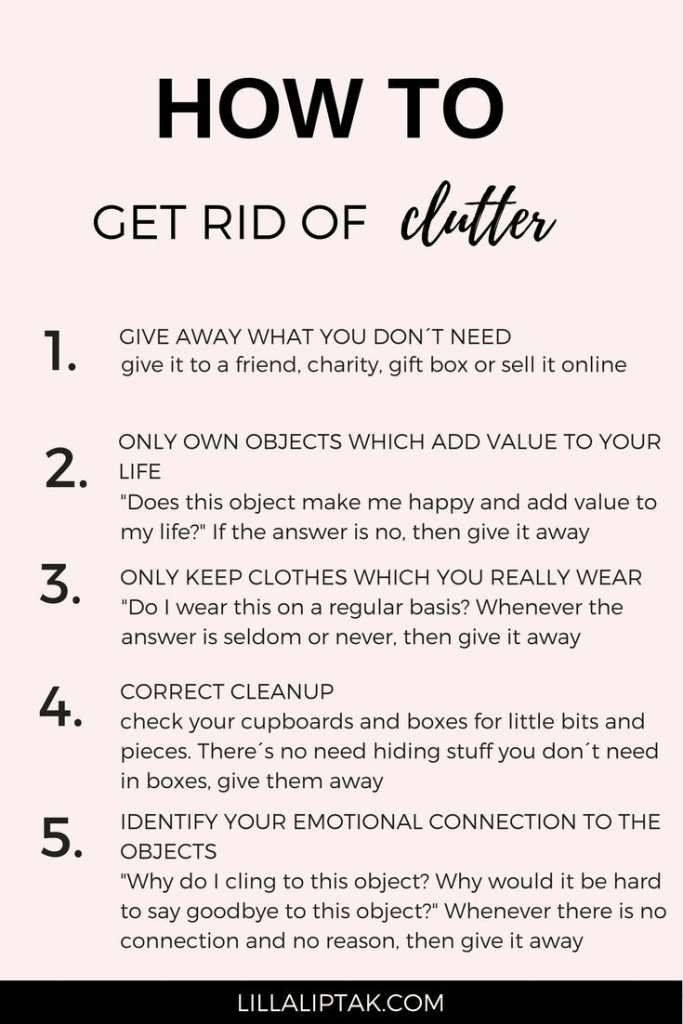
Declutter the excess. Start in the kitchen. Save the sentimental items for last. Declutter the non-essentials in all the main living areas of your home first. It will make every aspect of everyday living more efficient, leaving you a good chunk of spare time.
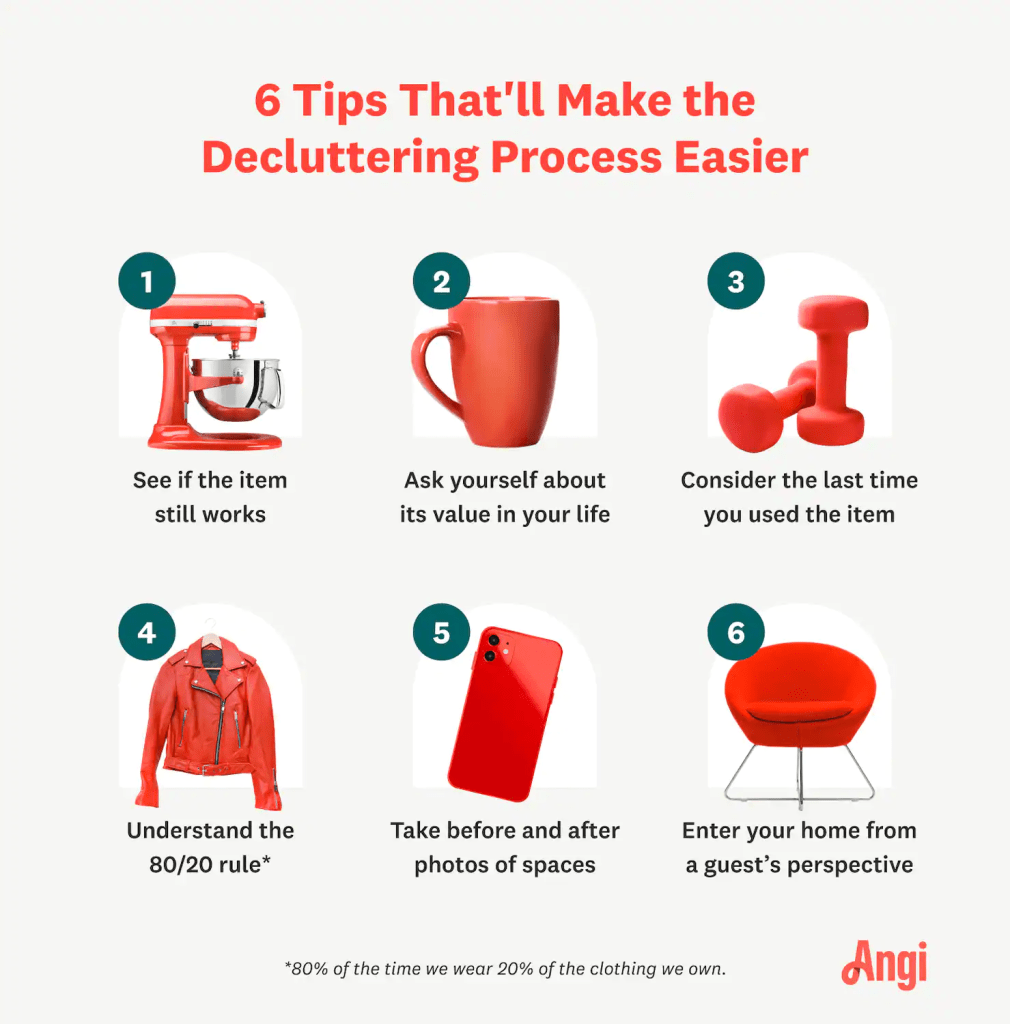
Questions to ask as you declutter: Do I love it? Do I use it? Does it help me live the life I want to live? Too often we base our decisions on who we were in the past, who we hope to be in the future, or who we think we’re supposed to be. Are the things in your home helping you live your current life?
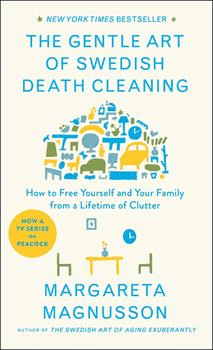
In the past week, I read a book about decluttering. “The Gentle Art of Swedish Death Cleaning” was written by Swedish author Margareta Magnusson. This was a quick, easy read. Here are the main points:
Death cleaning is the concept of removing unnecessary things and making your home nice and orderly when you think your death is coming closer, though this can be done at any age or life stage. It consists of thinking more about how to make your life simpler and smaller by getting rid of things you don’t need or want anymore.
Consider this: “what are you going to do with all your things when you do not have the strength for or the interest in taking care of them anymore?” Many adult children worry about the amount of possessions their parents have amassed over the years. Do not leave the burden to your loved ones to take care of what you didn’t bother to take care of yourself. You have a duty to sort out your life.
All things should have a place of their own. While you ponder where something belongs, you may find that you don’t need it at all. You don’t need to keep things you don’t want or don’t use. Think about getting rid of things to let others enjoy them and take care of them.
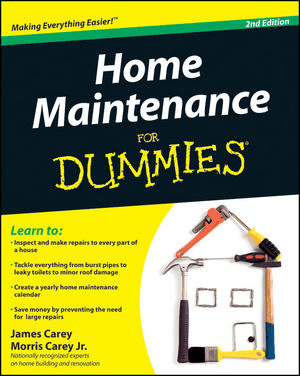
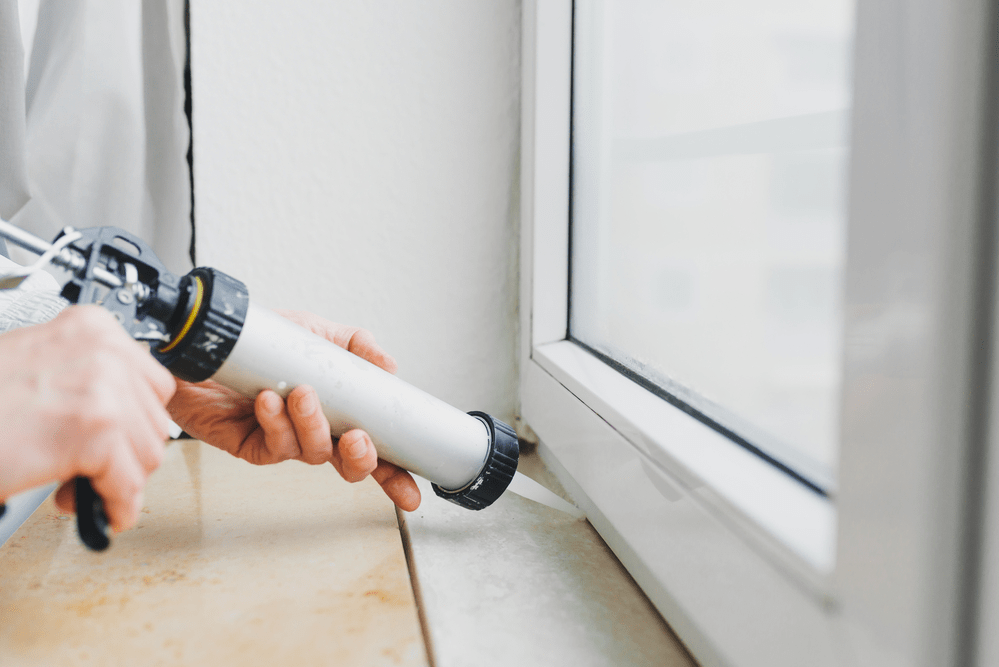
This past week I also finished reading “Home Maintenance for Dummies” by James Carey and Morris Carey. This book provided basic repair tips, benefits of caulking, monthly/seasonal/annual maintenance checklists, and cleaning tips for various types of floors, bathtubs, siding, and more. I obtained a basic understanding of maintenance and minor repairs relevant to our home. Here are some take-aways:
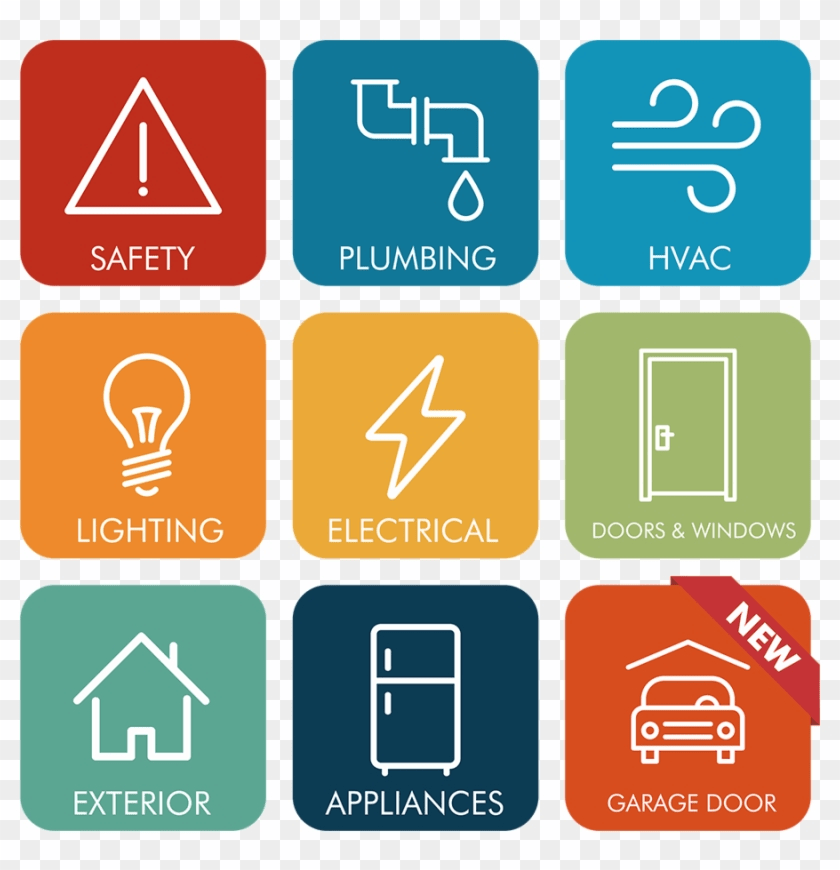
Home improvement tasks can be categorized into musts, shoulds, and coulds:
Musts: anything that threatens health and safety, violations of fire or building codes, structural weaknesses, and other critical needs.
Examples: install smoke detectors and carbon monoxide detectors, put fire extinguishers in kitchen and garage, replace all old and faulty electrical wiring, install exterior lighting for safety and security, clean out the dryer duct, have the furnace service and repaired or replaced if needed, get an auto-reversing garage door, and eliminate mold.
Shoulds: anything that cuts utility bills, reduces maintenance costs, or prevents a large repair in the future
Examples: attic insulation, caulk around windows and doors, insulate water heater and hot water pipes, replace old toilets with water-saving toilets, replace old appliances with Energy Star-rated appliances, take steps to protect against termites/pests, repair dripping faucets, switch to double-pane or triple-pane windows, seal driveway/walkway cracks
Coulds: anything related to improving appearance and function
Avoid whole life insurance. It is expensive!Also, your amounts and needs will change as you get older and have paid off the house, don’t have dependents, etc.
Buy term life insurance and invest the rest. Term life insurance is much less expensive.
Find a fiduciary. Fiduciaries don’t get commissions.
People who sell whole life insurance often get 7-9% commissions.
Generally you don’t have a high need for ongoing life insurance plans in retirement. You will likely not have outstanding debts or dependents.
Term amount – should be amount of mortgage and outstanding debts, $100k per kid, and an additional $100k for grieving
Life Kit – Meal prep made easy
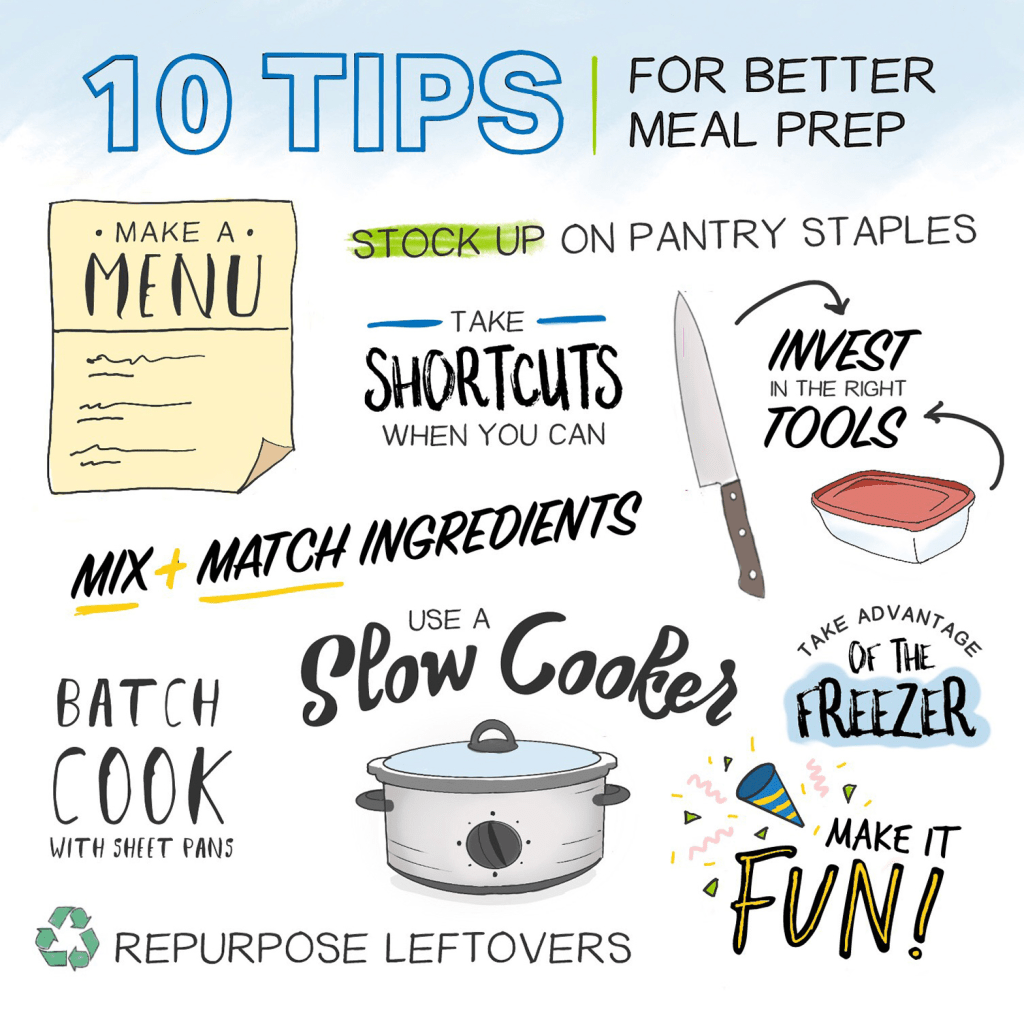
For some people, meal prep means making two entrees and eating them all week. For some people, it’s freezing meals. For others, it’s preparing ingredients and mixing and matching them throughout the week. Personally, I have prepared 2-3 entrees to eat all week, but I am eager to try preparing ingredients and mixing and matching them throughout the week to add variety!
Meal prepping allows you to better control your diet.
Pick a day or two to prep ingredients that you can eat throughout the week. Foods that work well for meal prep: bell peppers, green onions, roasted veggies, a grain (quinoa, brown rice, jasmine rice, farro), a protein (chickpea, chicken, seafood, beef). Mix and match your meals throughout the week. Overnight oats (in the fridge) also work great for breakfast.
If you can cook five ingredients twice each week, you can do many different meal combinations. Or you can prepare a couple big meals and freeze the rest.
Use glass storage containers to keep food fresh.
I look forward to reading, learning, and sharing more with you soon!
My intention is to post a Thoughtful Thursday column each week and share some of the insights I have learned in the past week. I went on a vacation and took time away from blogging last week, so here are some of the things I’ve learned in the past two weeks:
The Productive Woman – 9 Reasons to Declutter
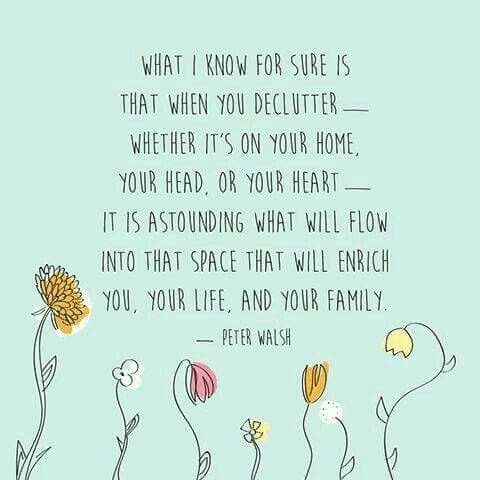
Declutter is not just the stuff on your floor. It’s anything that stands between you and the life you want to be living. Simplify your life by simplifying your space and your schedule.
By decluttering, you will save time for what matters most to you. The less stuff you own, the less time you have to spend caring for it, cleaning it, and moving it to clean around and under it. The less things you are doing that don’t add value to your life, the more time you have for what really matters to you. Decluttering is a time saver across the board.
Decluttering can foster peace of mind, even in a very busy life. The visual distraction of clutter increases cognitive overload and can reduce our working memory. Clutter can make us feel stressed, anxious, and depressed. Reducing the amount of clothing we have will reduce decision fatigue. The less stuff we have, the less time we have to spend making decisions about what to use, what to do with it, and where to store it.
Decluttering will help us have greater enjoyment of the things we keep. A cluttered home negatively impacts how we feel about our homes and our lives. We enjoy life more when we are less surrounded by clutter.
Decluttering will contribute to having a safer space. Cluttered homes can be unsafe.
A decluttered space will contribute to more efficient and productive work. Less distraction=improved focus. Ex: a spa is minimalist and that contributes to the peaceful, calm feeling. People with cluttered homes and offices tend to procrastinate more.
Decluttering reduces stress. When we are surrounded by clutter, our stress hormones are elevated. Clutter leads to anxiety, embarrassment, family stresses, and more.
Decluttering is better for the environment. Less stuff being purchased, kept, and stored is better for conserving planetary resources. By donating the items you purge, you can make them available to others who will use them.
Decluttering can contribute to better relationships. It can also result in fewer arguments.
Decluttering can save you money. If you aren’t accumulating more stuff, you aren’t spending as much money. If you are able to sell items you are purging, that is more money in your pocket. Also, if you don’t have as much stuff, you can live in a smaller space and also avoid paying for storage units. People are paying to store stuff in storage units that they aren’t using because they aren’t at home. Many people are also unable to park in their garages because their garages are filled with stuff!
Sad to Savage – In My Running Era & Habits For The Last Half of 2023
Sad to Savage is a great podcast about daily habits, and I started my daily habits journey in 2022 before I discovered this podcast. We have some of the same daily habits and I am regularly evaluating my habits and considering adding new habits. Here are some ideas presented in this podcast:
Start building the habit of waking up earlier to go on a daily walk.
Work on a morning and nighttime routine.
Start listening to podcasts and habit stack.
Get 7-8 hours of sleep every night.
Get in bed by a set time each day.
Clean your house weekly.
Spend 30 minutes outside each day.
Read every day.
Listen to a podcast every day.
Schedule a weekly date night.
Call a friend every day.
Drink tea every night.
Write affirmations every day.
Have at least one healthy meal each day.
Cook at home a certain number of nights each week.
Learn how to read food labels.
Choose when you are allowed to drink alcohol (ex: only on weekends).
Meal plan and prep.
Make your coffee at home.
Limit your coffee intake each day.
Eat breakfast each morning.
Take your medications or vitamins every day.
Move your body 30 minutes each day.
Use the stairs instead of the elevator.
Try a new workout class once each month.
Stretch daily.
Journal every day.
Write one thing you’re grateful for every day.
Meditate.
Clean one space each day.
Have a productive break each day to clean or organize an area of your house.
Do dishes before bed each day.
Plan out your day. Write a to-do list for the next day each evening.
Make your bed daily.
Save/invest money each month.
Limit your screentime each day.
Lay out your clothes for the next day.
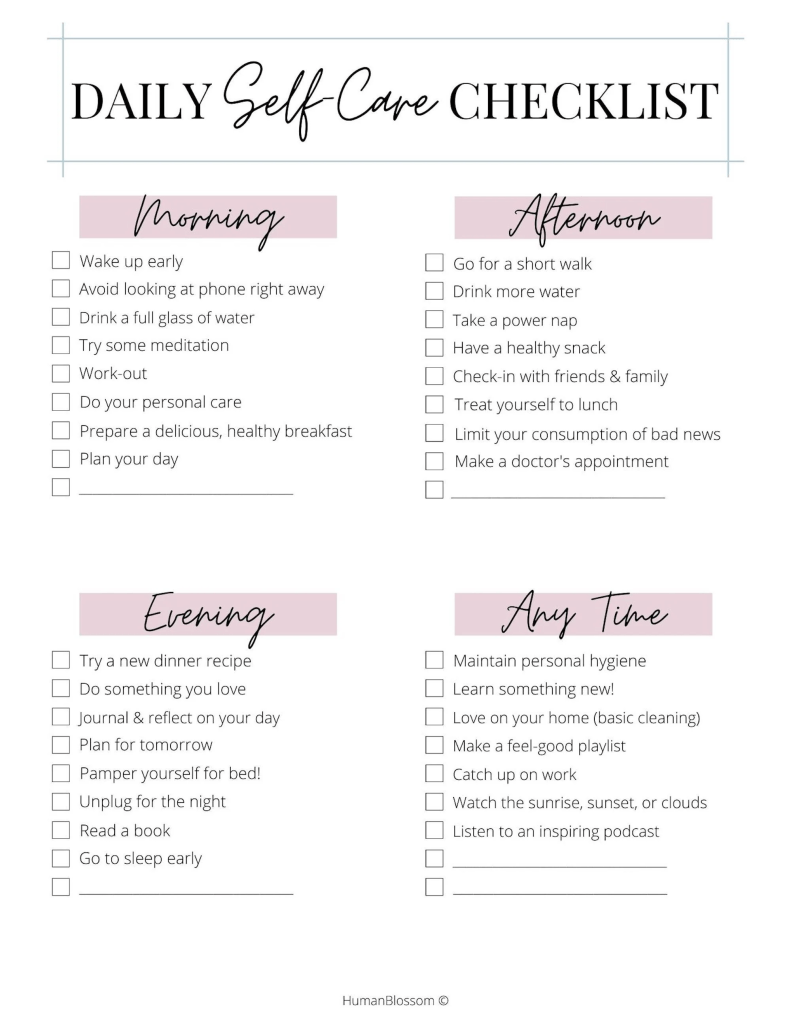
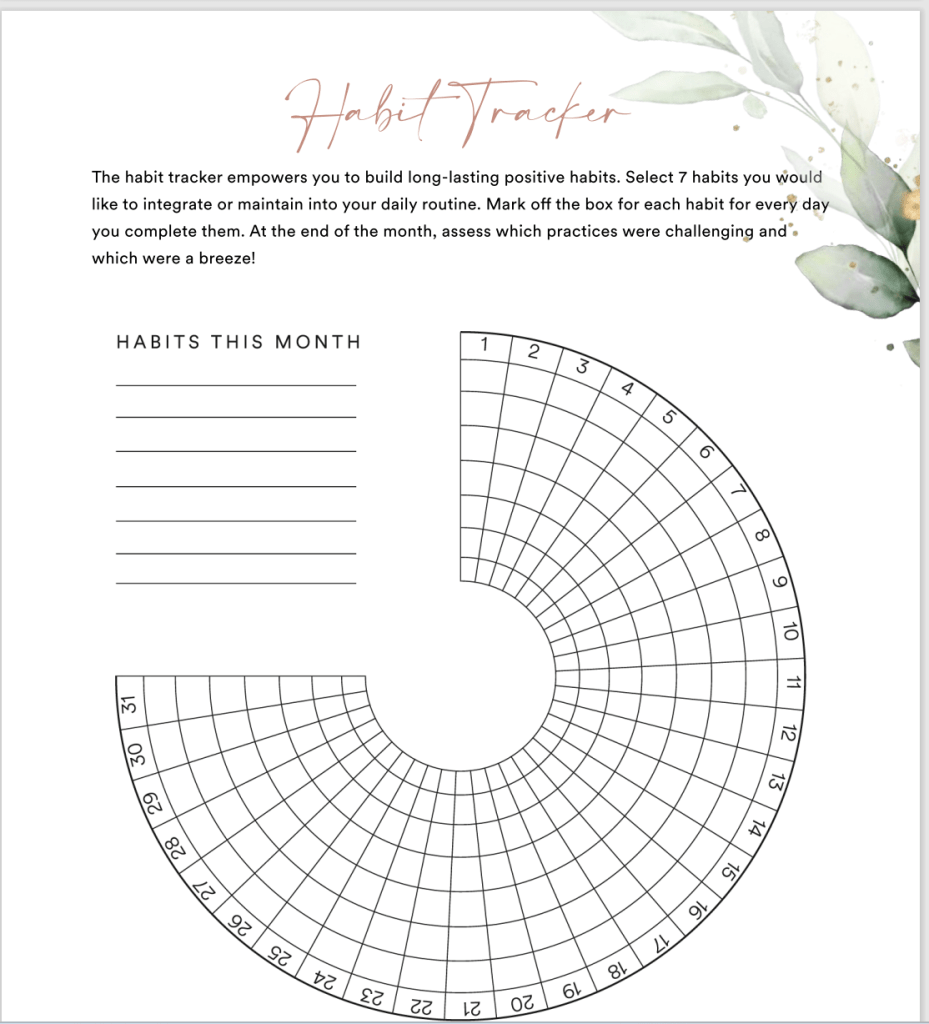
I use my Silk & Sonder journal to track my habits and you can get a free digital habit tracker here. It looks like the photo below.
Here are my daily habits for August (many of which I have been doing for several months):
Take my temperature at 5 a.m. every day (for future fertility tracking).
Drink one bottle of water in the morning before work. This is because I generally don’t drink as much water at work and want to start my day hydrated!
Listen to a podcast each day.
Play brain cognition games on Lumosity & Elevate apps each day.
Read 30+ minutes each day.
Do a 10-minute ab workout each day (rest days allowed).
30+ minutes of walking/running/lifting weights each day (rest days allowed).
Write an affirmation, complete a journal prompt, and write in my One Line A Day journal each day.
Do dishes before bed each day.
Catch up with/message 5 people each day. Work on networking. This is a result of the free Jordan Harbinger networking course I am taking!
Life Kit – Let’s have some cheap fun
Public parks and beaches – picnic, swim, fly a kite, hike, music in the park
Penny date – explore things without an objective. Take a penny and pick a direction for heads and tails. Flip the coin, see the direction it takes you, and go.
Attend a parade
Get a coloring book and crayons/pencils or a paint by number set
Open mic nights
Museums (sometimes can get free passes with a library card)
Recreate a family recipe
Taste test chocolates, ice cream, chips, etc.
Themed hangouts- pick a theme and invite people over. Ex: romcom movie marathon, French movies and French onion soup, etc.
Go to an open house, even if you aren’t looking for a home.
Go to the mall or a vintage store with a friend and try on silly outfits.
Write your future self a letter and give it to a friend for safekeeping.
Host a book club
We recently returned from a trip to Colorado. Here are some of the FREE things we did:
Drove through Rocky Mountain Arsenal Wildlife Refuge
Viewed the Boettger Mansion
hiked the hilly Lookout Mountain Trail
viewed and hiked at the Mother Cabrini Shrine
viewed and hiked at the Red Rocks Park & Amphitheater
Walked the 16th Street Mall in Denver
Toured the Denver Mint
Attended mass at the beautiful Cathedral Basilica
Walked around City Park in Denver
There are so many FREE options that you may not think about! You don’t always need to spend money to have fun.
The Jordan Harbinger Show – Fast Fashion- Skeptical Sunday
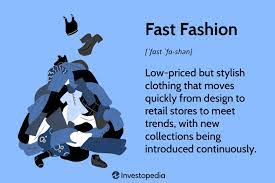
The fashion industry is a $2.4 trillion industry! The features that drive this industry are cheap manufacturing prices, making clothes that follow current trends in the quickest ways possible, and using low-grade disposable materials meant for just a few wears so consumers keep coming back to the stores for more. People are literally buying clothes intended to be thrown away. The fibers, yarns, and fabrics are inferior quality. Clothes are designed for the trends for the season, but fashion seasons are moving faster and faster every year.
As the number of choices offered to the consumer increase, the number of times a piece of clothing is worn before it is subject to the trash decreases. This is shocking because I regularly wear clothes I bought almost a decade ago. I haven’t purchased items that get thrown away unless they are really stained.
The fashion industry has trained consumers to want to be hip, stylish, and up to the latest trends, so they come to their stores more. Consumers come running whenever they ring the bell. Fashion collections used to come out 4 times per year, but now some companies pump out 12-24 collections per year. Zara reportedly comes out with 24 fashion collections each year! A person trying to stay fashionable is buying and getting rid of incredible amounts of clothes.
In the 1970s, the average household invested 10% of its income (about $4k) on 25 pieces of clothing each year. Today, the average household spends 3.5% of its income (about $1,700) on 70 pieces of clothing each year! Clothing has gotten much cheaper but is not as durable.
85% of clothes being pumped out of the factories and into the stores ends up in a landfill! We discard 92 million tons of clothes-related waste each year!
Transparency is lacking in the production and disposal of our clothes. Clothes that go to poor countries are hurting. Most donated clothes go to Africa. Africans are stuck with the waste and are deterred from ever starting a textile industry of their own. Plus, a seamstress or tailor cannot make a living because no one can compete with the cost of the West’s hand-me-downs.
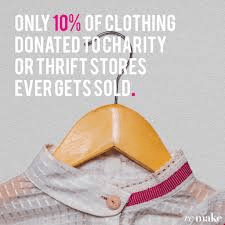
Most of the donations that make it to poor communities eventually end up in a landfill. Each piece of clothing in a dump is money in a corporation’s pocket.
Consider donation places that only serve your community or sell unwanted donations to textile or recycling plants (not Goodwill or Red Cross- these get shipped around the world). The fashion industry emits more carbon than the shipping and international aviation industries combined!
Returns of items bought online exceed the amount of all purchased goods. The system is set up to run on waste.
There are a few classic looks that last through decades: jeans and a t-shirt, a good suit, a nice black dress. The irony is that trendy clothes are the ones we look back on and frankly can’t believe we ever wore in public.
The fashion industry is the second-largest consumer of water worldwide. It takes 700 gallons of water to produce 1 cotton shirt and 2,000 gallons of water to produce one pair of jeans. That’s enough water for someone to drink 8 cups a day for 10 years! Jeans are made from cotton, which is a very water-intensive plant.
A lot of water is used to dye the clothes. The dying process uses enough water to fill 2 million Olympic-sized swimming pools each year. The dye water travels and ends up contaminating the oceans and lakes.
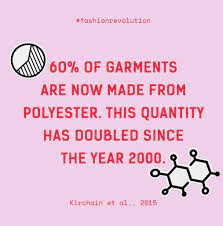
60% of garments are made from polyester, a plastic that does not break down. When materials don’t break down, they turn into microplastics. 35% of all microplastics in the oceans came from the laundering (washing) of synthetic textiles.
Female garment workers in Asia face poor work conditions with low wages and forced overtime. 80% of fashion factory employees are women. The industry exploits and takes advantage of women working in these factories. 1 in 6 people on Earth work for the textile industry, and only 2% of them earn a living wage!
The cheapest materials are stretch materials (t-shirts, jeans, yoga pants). Stretch materials are made with low-skill labor. The industry loves stretch materials because they can be made cheap and imperfectly. A tailored suit has to be made precisely and fit right. Stretch materials mask imperfections and don’t have to fit right at all. They just have to stretch to fit us.
Fast fashion benefits: affordable prices and instant gratification for consumers.
The entire industry now is driven by influencers. They seem to get a pass, but it’s problematic. They portray themselves as so progressive on social, economic, and ecological issues, while they sell us the very problems that they claim to hate.
The supply chain is invisible. The “made in” label on clothing is unique to the U.S. and the country that sewed the main seam is the country listed on the label. There are proposals to get rid of the made in labels. Our clothes touch a lot of borders, and that’s how the supply chain works. Ultimately, we are failing to create an industry that looks after its employees and their surroundings. Fast fashion is all about the ways to make bigger profits all the time.
Tips: Websites like mygreencloset.com offer options for zero-waste fashion collections. Stop playing the fast-fashion game. Buy quality, well-made clothes that will last for years. Alternatives: clothing rental markets. Upcycling- making clothes out of used materials and textiles. Wear the same signature look every day. If you don’t have to think about what you want to wear every day, wear the same thing every day. This will prevent you from purchasing fast fashion.
Sad to Savage – Your New Daily Affirmations
Here are some ideas for daily affirmations! I am smart. I am kind. I am confident. I am loved and I am loving. I am grateful. I am growing. I am capable. I am a positive role model. I am inspiring. I am beautiful. I am driven. I am choosing a positive perspective. I am strong mentally and physically. I am creative. I am making healthy choices for my physical and my mental health. I am really proud of myself. I love my body. I am kind to my body. I speak kind words to my body. I am becoming the best version of myself. I love and approve of myself. I love the positive perspective that I am actively creating. I can do really hard things. I am not my past. I am creating my own future. I am safe and secure. I am creating a really beautiful life that I am really proud of. I am worthy of love and attention. I consciously release the past by choosing to live in the present. I am worthy of my own love and I am worthy of the kind words that I say about others. I am choosing to respect and to take care of myself. I am patient with myself and I am patient with others. I am the most important person in my life. I choose to let go of the things that I cannot control. I believe in myself. I am growing every single day and I am proud of the big and the little moments of my growth. I am my favorite person. I love you and I am so proud of you.
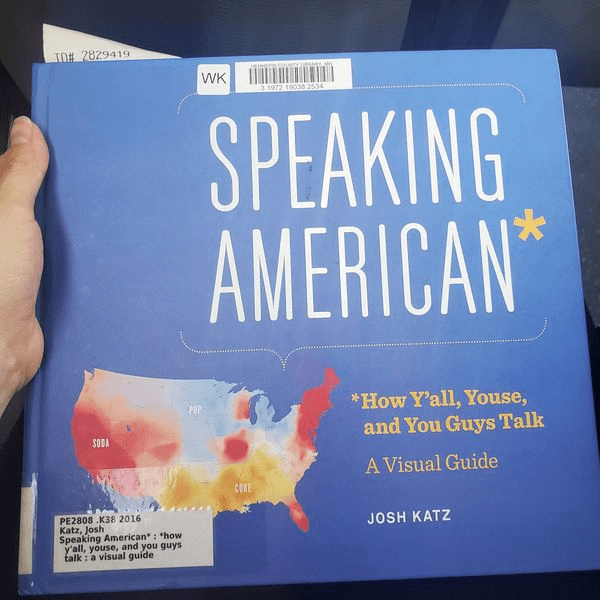
I read seven books in July. The most recent books were easy reads that did not require much brainpower. “Speaking American: How Y’all, Youse, and You Guys Talk: A visual guide” was written and illustrated by Josh Katz, a graphics editor for the New York Times whose work has focused on finding patterns in data and turning them into stories. This book was a fascinating look at the dialect variation in the United States and included insightful maps of the data.
Examples include tag sales vs. rummage sales vs. garage sales vs. yard sales vs. stoop sales, scratch paper vs. scrap paper, soda vs. pop vs. coke, take-out vs. carry-out, and how people pronounce aunt, syrup, caramel, crayons, quarter, coupon, grocery store, and many other words.
Dialect variation in American English is a reminder of our personal history, our family, and who we are and where we come from. No matter how much media we consume, we inevitably acquire the speech patterns of the people we surround ourselves with.
“Other-wordly: words both strange and lovely from around the world” was written by Yee-Lum Muk and based on the discovery that “every language has names for the odd and wonderful, for the unexpected things that have meaning, for the parts of our lives that are other-wordly.” Here are some of my favorites.
kummerspeck (noun, German): excessive weight gained through eating as a means of relieving stress or strong emotion
fernweh (noun, German): an ache for distant places; the craving for travel
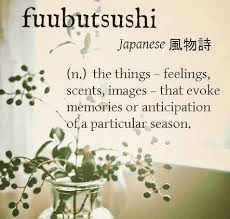
fuubutsushi (noun, Japanese): the things – feelings, scents, images – that evoke memories or anticipation of a particular season
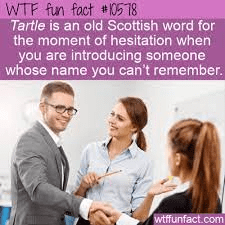
tartle (verb, Scottish): to hesitate while introducing or meeting someone because you gave forgotten their name
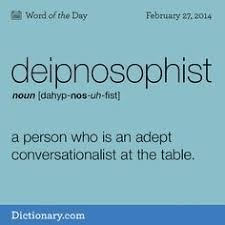
deipnosophist (noun, English): someone skilled in small talk or in conversing around the dining table
I look forward to reading, learning, and sharing more with you soon!
My intention is to post a Thoughtful Thursday column each week and share some of the insights I have learned in the past week. Here are some of the things I’ve learned this week:
Optimal Living Daily- The Myth of the Someday/Maybe Life
The myth of the someday/maybe life refers to the urge to save things for our someday/maybe lives that are never the lives we are actually living right now.
Example listed in the podcast: a tan trench coat that has never been worn, but had been kept in case the person decided to be Inspector Gadget at Halloween some year.
If you struggle to let go of items for your someday/maybe life, ask yourself:
Would I buy it again today?
Have I used this in the last year/am I really ever going to use it?
What’s the worst thing that would happen if I let go of this? The worst-case scenario is usually not all that bad.
Tips: for clothing, turn the hangers around after wearing clothing to see what you wear, and get rid of clothes facing the original direction after six months or a year. I currently do this.
Pack things away in a box that you think you might need. If you don’t look for them after one year, the box is already packed and ready to donate!
In January, I challenged myself to give away 1 item each day in my local Buy Nothing Facebook page. I got rid of over 31 items–many items that were sitting in totes because I had thought I might use them someday! It was a great start to the year, and I may do this challenge again in the coming months.
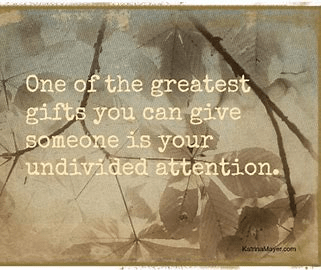
Self Improvement Daily- Give Yourself Your Undivided Attention
People are always competing for our attention: marketers use clickbait headlines, Facebook and other apps send you notifications, friends text you and hope that you get back to them quickly, you may have work duties, and there are always other pressures on us to fulfill the many roles in our lives as a spouse, parent, family member, friend, volunteer, employee, etc.
In this podcast, Brian Ford prompts us to ask ourselves: When was the last time you gave yourself your undivided attention?
Take time to sit and reflect on what you want, how you are feeling, how energized you have been, how productive you have been, how your mental health is, what you are working towards and how it’s going, what you’re most excited about, and anything else you need to reflect on. Do this regularly. We know it’s the best thing we can do for others, but it’s also the best thing we can do for ourselves.
To achieve this, one habit I regularly practice is to disable Facebook and messenger notifications, personal e-mail notifications, and other app notifications on my phone. Silencing my phone while I am working or working on a task I want to prioritize, such as reading, is also helpful.
SHE with Jordan Lee Dooley- 6 Things I Wish I Knew Before Getting Married
This episode was SO relatable. After being somewhat long-distance for 7+ years and not living together or seeing each other on weekdays before marriage, it has been an adjustment! Here are the 6 things the host wishes she knew before getting married, and I agree with all of these:
Scheduling– know your partner’s schedule. It’s helpful to have a shared calendar to know obligations and appointments. I keep a whiteboard calendar in our bedroom and write down my work schedule, medical appointments, family plans, and social outings with friends each month.
Conversations about $– have conversations about income and budgeting. Get on the same page about financial goals and dreams. Have monthly check-ins.
Organization– Keep clutter to a minimum. Have a landing zone to put stuff when you come in the door, such as a basket. Have a location where you put mail that you need to get to instead of putting it on the table or counter. Have one space for the majority of the cleaning supplies. Use a file cabinet with organized tabs. Understand how you organize differently. Minimize your belongings.
The host specifically stated that her husband is into outdoor activities, such as golf, fishing, and hunting. She was tired of seeing all of his items all over the garage, so she got him a big bin to put all of his items into–out of sight.
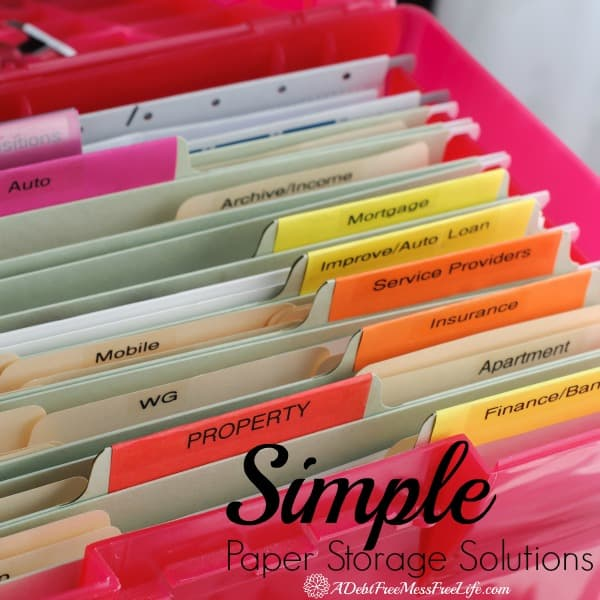
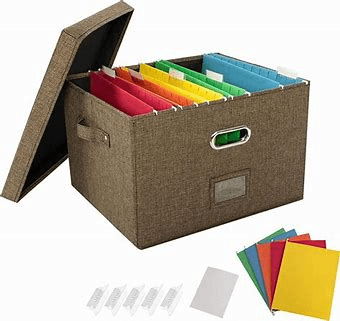
We have implemented some of the organizational tips above. We have a large storage stand with cleaners and laundry supplies, labeled and organized bins for medications and personal beauty products, and a file bin with labeled file folders for items such as the mortgage, auto, taxes, medical records, home improvement, etc.
Expectations– Talk about expectations for regular household tasks, such as “If I do the cooking, who does the dishes?” Who should take charge of the household accounting? Who should pay which bills? Is the mortgage payment going to be split evenly? How do you prefer to unwind or relax, and how many hours a day do you like to do that? Identify who is responsible for household chores. This prevents resentment from the person who feels like he or she is doing it all because he or she expected everything to be done on a certain timeline.
All of these are great questions! One of the biggest adjustments for us as newlyweds has been sharing time and space. When dating for 7+ years, we spent weeknights apart. Upon moving in together, I was very surprised and frustrated to find that my husband watches hours of tv each night after work–something I had never done regularly on a weeknight. I have since learned that this is his method of relaxing and unwinding after a long day of physical labor. I sit all day, so I have other ways of unwinding, including working out and staying active, reading, etc.We have our separate time and come together at some point each day to unwind together.
Hospitality– practice hospitality by regularly hosting people. We LOVE hosting people and are hoping to host more often.
Grace– lastly, give yourself grace! Being a power couple isn’t the goal. The perfect couple doesn’t exist. What you see on social media is only a fraction.
I look forward to reading, learning, and sharing more with you soon!















 Do not leave the burden to your loved ones to take care of what you didn’t bother to take care of yourself. You have a duty to sort out your life.



 Examples include tag sales vs. rummage sales vs. garage sales vs. yard sales vs. stoop sales, scratch paper vs. scrap paper, soda vs. pop vs. coke, take-out vs. carry-out, and how people pronounce aunt, syrup, caramel, crayons, quarter, coupon, grocery store, and many other words.


 Here are some of my favorites.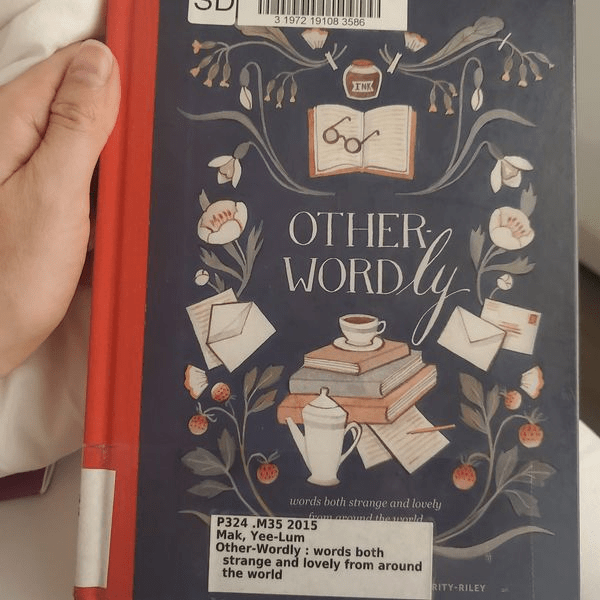



 Read Learn Share