Book review posts, Uncategorized

September 2025 Reads

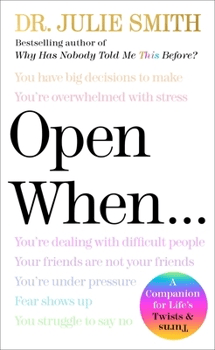
Open When: A Companion for Life’s Twists and Turns” was written by Dr. Julie Smith, who has over 10 years of experience as a clinic psychologist and is one of TikTok’s top 100 creators. You can find Dr. Julie on Instagram/TikTok/Youtube at drjulie. This book covered advice for navigating anger, setting boundaries, comparison, confidence, friendships, parenting, arguing, seeking help, overwhelm, priorities, grief, apologies, and much more. Here are some of the many insights that resonated with me.

Whether it’s the good news or the bad, if you have to keep parts of your life under wraps to fit in, that’s not a friendship that is going to nourish and bring out the best in you. Search for acceptance and belonging in the right places. Consider: Is this a place I truly want to belong? Would being recognized as part of this group be a positive in my life? How much of myself, my beliefs, or my values would I be expected to change in order to be accepted? Is that okay with me?

Comparison can lead to constructive forward motion and be a good thing. If it leads to envy, resentment, bitterness, and a loss of self-worth, then we are getting it all wrong, and both our efforts and our attention have been misplaced. Questions to ask yourself: What do I feel envious of specifically? What specific skills do they have that I would like to have also? Would learning those skills help me with achieving my own goals? How did they get there? Can I imitate any of that process to help me get closer to my personal goals?

Confidence is the bus that never arrives while you sit waiting. It usually makes an appearance after you have decided to walk and you’re almost at your destination. So get to work on making some progress, and the bus will likely arrive once you’re a little way down the road.

I highly recommend this book!

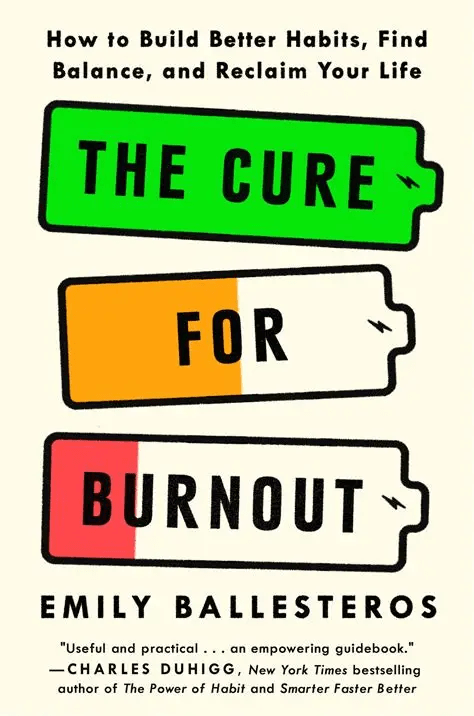
The Cure for Burnout” was written by Emily Ballesteros, who has a burnout management coaching business. This book outlines five areas in which you can build healthy habits to combat burnout: mindset, personal care, time management, boundaries, and stress management. I learned so much from this book. Here is just a snippet.

  • Burnout is a state of exhaustion, stress, or misalignment with the direction your life is heading in for an extended period of time. Tangibly, burnout will consume your calendar, sabotage your relationships, and harm your physical health. Intangibly, it will steal the best years of your life while you have your head down in survival mode. It will destroy your mental health and cause exhaustion and possibly depression.
  • There are three kinds of burnout, and people can suffer from more than one type:
    • burnout by volume – burnout as a result of a high volume of responsibilities, a compact schedule, and very little downtime
    • social burnout – burnout as a result of interpersonal demands that exceed your available social resources – these people become the person everyone confides in, vents to, or asks for favors because they are pleasant and reliable
    • burnout by boredom – burnout as a result of chronic disengagement and disinterest in the items in your life

Think of personal care as the equivalent of getting gas on a road trip: there is never a convenient time to stop. The personal care pillar mandates that we go out of our way, stop to refuel, and sacrifice the time we could spend “productively” on something else.

  • Think of your minimum non-negotiables – getting a minimum amount of sleep, eating food at certain intervals, getting movement, having alone time, etc.
  • To manage stress, pause/postpone projects that you’ve loved but are currently bringing more stress than joy, simplify projects, delegate/outsource tasks, and quit doing unnecessary tasks.
  • Set boundaries. What boundaries might help reinforce the changes you want to make?

This book was packed with information, and I highly recommend it!

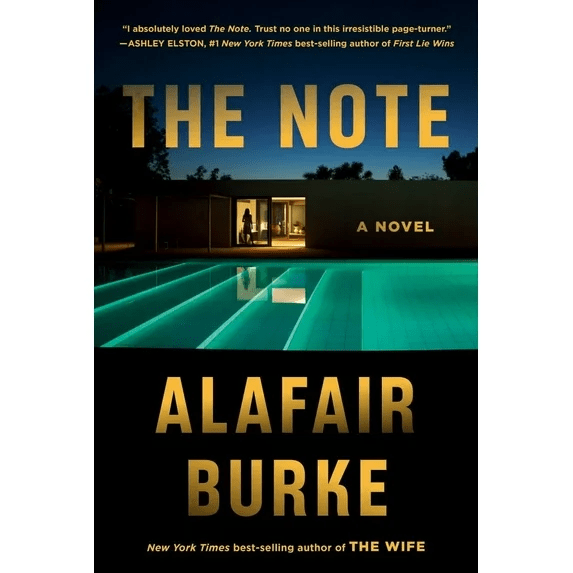
The Note” was written by Alafair Burke, an Edgar-nominated New York Times bestselling author of fifteen novels of suspense and professor of Criminal Law. The main storyline of this book is that a vacation in the Hamptons went terribly wrong for three friends with a complicated history. A prank involving a mysterious note led to a missing tourist and a police investigation, unraveling layers of secrets and betrayals. I don’t typically read fiction books, and I won’t spoil this one. Overall, it was an interesting changeup from the books I typically read. This book kept me interested, but it contained overloaded themes of cancel culture, racism, anti-Asian hate, true crime obsession, and more. It seemed that the author wanted to mention many different issues in the book.

Build the Life You Want” was written by Arthur C. Brooks and Oprah Winfrey. Arthur C. Brooks is a professor at Harvard Business School and teaches courses on happiness and is also an acclaimed author and speaker. Oprah Winfrey is a global media leader and public figure. This book covered the four big happiness pillars: family, friendships, work, and faith. Here are some of my many takeaways:

  • Ask yourself the good questions: What does living well mean – for me, not according to someone else’s model – and how do I do it? What is genuinely worth striving for? What can I offer, and how can I serve? What lessons can I glean from my experiences, especially the toughest ones? How do I make the best use of my limited time on this earth?
  • Stop caring what others think. “We all love ourselves more than other people, but care more about their opinions than our own.” “Care about people’s approval and you will be their prisoner.”
  • The key to finding meaningful work is to feel a sense of accomplishment and to believe that your job is making the world a better place. Look for a fundamental match between an employer’s values and your own. At the same time, put some space between your job and your life, and make friends and spend time with people who have no connection to your work.

Our impulses, amplified by the consumer economy, entertainment, and social media push us to spend our time idolizing money, power, pleasure, and prestige. These idols all stand in the way of enjoyment, satisfaction, and purpose. They substitute pleasure for enjoyment, make satisfaction harder to attain and keep, and focus us on things that are trivial and not meaningful. The four idols are distractions to numb us to emotional circumstances we dislike and feel we can’t control.

I highly recommend this book for those interested in learning more about finding happiness in family, friendships, work, and faith.

Thoughtful Thursday posts, Uncategorized

Thoughtful Thursday – June 27, 2024

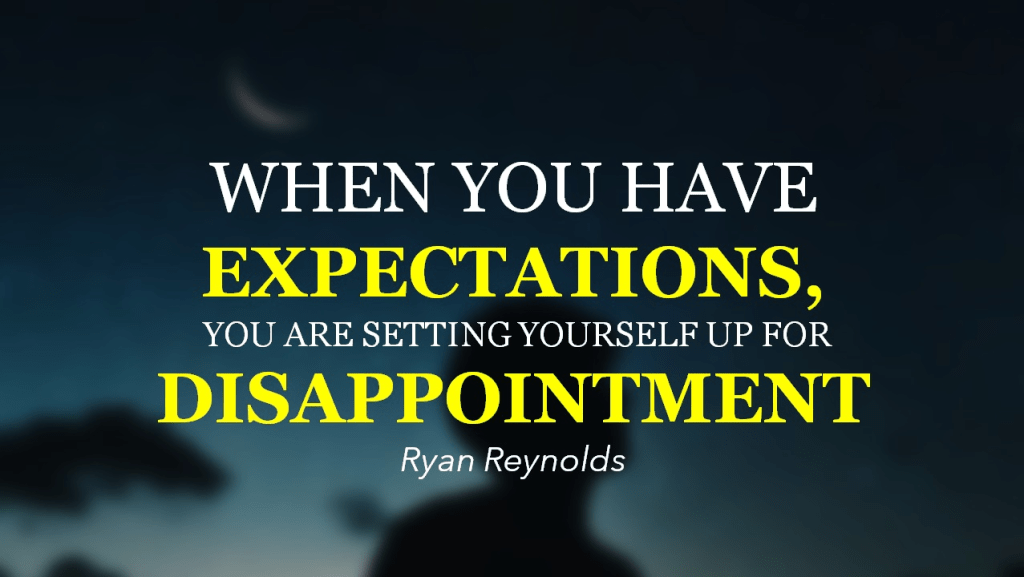
Optimal Relationships Daily – When Your Expectations of Others is Making You Frustrated
“Let Them” by Cassie Phillips
On Purpose with Jay Shetty – If You’ve Been Feeling Drained…Listen To This

https://www.gabethebassplayer.com/blog/running-its-course

Running Its Course

June 25, 2024

Thoughtful Thursday posts, Uncategorized

Thoughtful Thursday – July 6, 2023

My intention is to post a Thoughtful Thursday column each week and share some of the insights I have learned in the past week. Here are some of the things I’ve learned this week:

Fit, Healthy & Happy Podcast – 10 New Habits to Add to Enrich Your Life to Become Fitter, Healthier & Happier
  1. Make a habit of waking up earlier.
  2. Get sunlight as early as you possibly can.
  3. Minimize screen time, especially early in the morning.
  4. Put your money where your mouth is and invest in yourself.
  5. Utilize cold showers as well as hot/cold therapy.
  6. Have a self-reflection process (meditation, breathing, journaling, etc.)
  7. Take time for self-care. Examples: journaling, meditation, going on a walk with no stimulus, being alone with your thoughts
  8. Be a life-long student. Challenge what you know and reaffirm what you know.
  9. Aim for 10k steps per day.
  10. Check out of your day and create a plan for the next day each evening.
  11. Set a phone cut off time each evening, utilize different focus modes on your phone, and cut out social media before bed.
TED Talks Daily – How to be a team player — without burning out with Rob Cross
  • We are doing more collaborative work than ever before, and the problem is that it is overloading us. Collaboration can help us work better and smarter, can help us come up with ideas we never would have had on our own, and can make us happier than executing tasks alone. Collaborative work is now taking up to 85% of people’s work week.
  • We are often too eager to jump into collaborations that burn up our time. About 50% of the collaboration overload problem starts with the beliefs we have about ourselves and what it means to be a good colleague and a productive person.
  • Trigger: the desire to help others – can get so bogged down in helping that it prevents you from meeting your own goals and over time, you become a bottleneck slowing others down. The need for accomplishment – the cycle can get addictive. It leads you to solve more and more small problems for other people and avoid the bigger ones critical to your success. Fear – fear of missing out – frantic need to be apart of something, fear of losing control, fear of what others will say. These fears drive unproductive choices and lead us into burnout.
  • Learn to get comfortable saying “no.” Be clear about what projects or deadlines you have. Every “yes” means saying “no” to something else. Remember you can delegate. Look for moments where you can give partial direction or empower someone. Be intentional in crafting your work life. Ask yourself how it aligns with your goals, how much time it will take, and what the upsides are.  

I can relate to this! I have a tendency to want to help others, feel accomplished or useful, and fear what others will say if I don’t help with something and have a free moment. It has caused burnout in the past and is something I am slowly working on.

Disclaimer: These next two podcast episodes were about different methods to parenthood. I am not personally undergoing either of these, but was curious to learn more, as NerdWallet has been covering the price of parenthood recently and had an episode about adoption. I wanted to see how these methods compare to adoption.

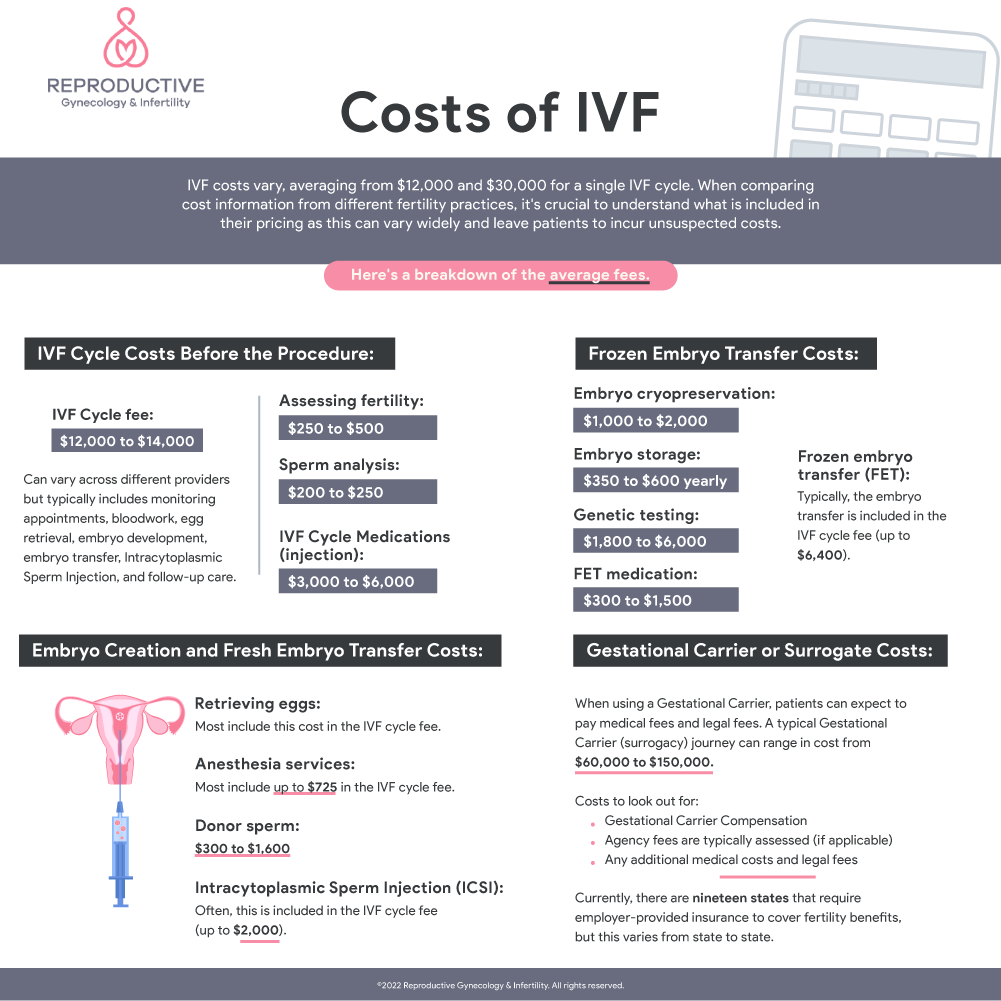
NerdWallet’s Smart Money Podcast – The Price of Parenthood: In Vitro Fertilization and the Future of Parenthood
  • More than 73,000 babies were born via IVF in 2020 from over 300,000 implantation cycles.
  • It is impossible to find an average cost, as the cost differs from state to state, insurance company, medications you take, and how many cycles you go through.
  • IVF- some insurance covers a few rounds and some insurance doesn’t cover any.
  • Initial cost: testing and medications needed: $5,000. Procedure cost for 1 cycle (collecting eggs and fertilizing them): $11,000 + costs of pregnancy and childbirth. Some patients do IVF and surrogacy. It may take several cycles of IVF for a successful pregnancy, and there is an added cost for each cycle.
  • IVF is generally considered a luxury treatment because it is not readily available to people who don’t have $. Insurance generally does not cover the cost, and people often go through a few cycles!
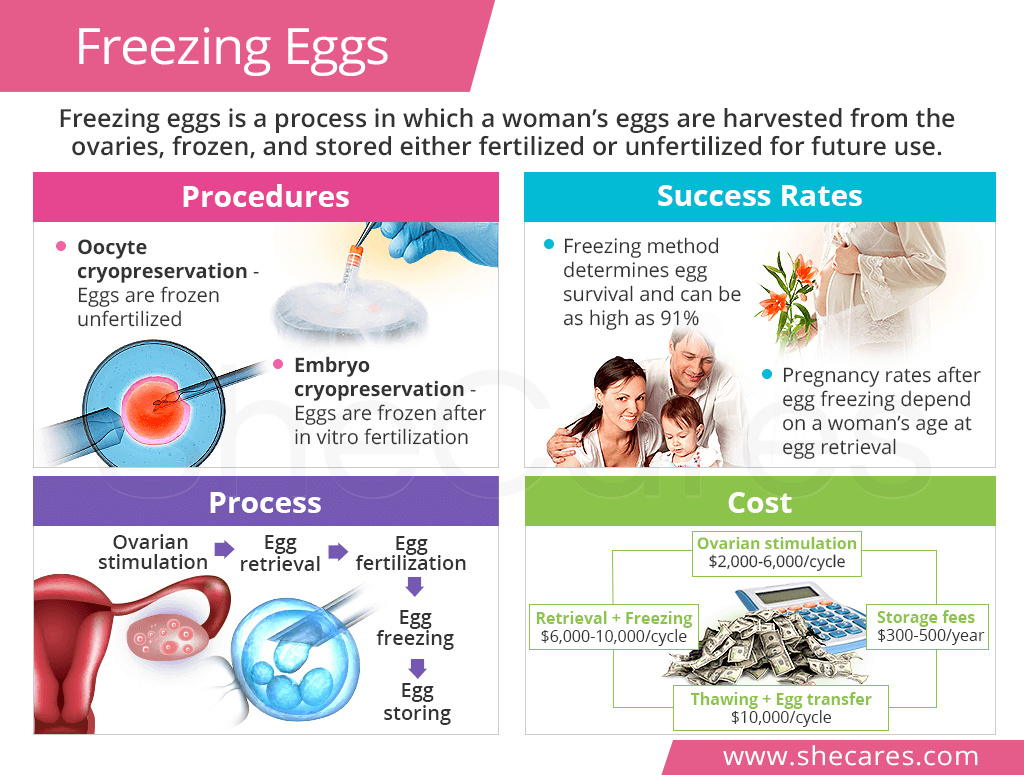
NerdWallet’s Smart Money Podcast – The Price of Parenthood: How Egg Freezing Works
  • Some insurance companies are required to cover medically necessary fertility preservation (sperm or egg freezing). This is often the case when patients are undergoing chemotherapy and desire to have kids someday.
  • Some insurance companies cover egg freezing even without a diagnosis that warrants it. Some insurance companies cover testing, procedures, and medication with a lifetime maximum benefit of $15k for procedures and $10k for medication.
  • You can save up by maxing out your HSA contributions every year.
  • Extraction costs= $6k-8k. You also need to pay for medications that can cost thousands of dollars. This is for one round of freezing, and generally people need at least two rounds. The cost is estimated at $20-$30k for two rounds. Storage costs average about $500/year.
  • One thing I found interesting is that egg freezing carries a similar cost of adoption!
Fit, Healthy & Happy Podcast – Debunking 7 Fitness Myths Everyone Believes
  • Myth: More sweat = better results and better workouts. Fact: Focus on progressive overload. The sauna is not your saving grace for losing weight; you are just losing water. Sweat every day.
  • Myth: Spot reduction. Fact: You are better off working your body as a whole.
  • Myth: Lifting weights will make women bulky. Fact: You need a combination of strength training with cardio.
  • Myth: You can build a great physique with just cardio. Fact: Lifting will improve your muscularity and physique. Lift 3x/week minimum.
  • Myth: You have to eat entirely clean to make progress. Fact: Allow yourself some treats.
  • Myth: Stretching before exercise will prevent injuries. Fact: Stretching can actually increase the chances of injury.
  • Myth: No carbs after (insert time here). Fact: Setting time limits on carbs is not necessary.
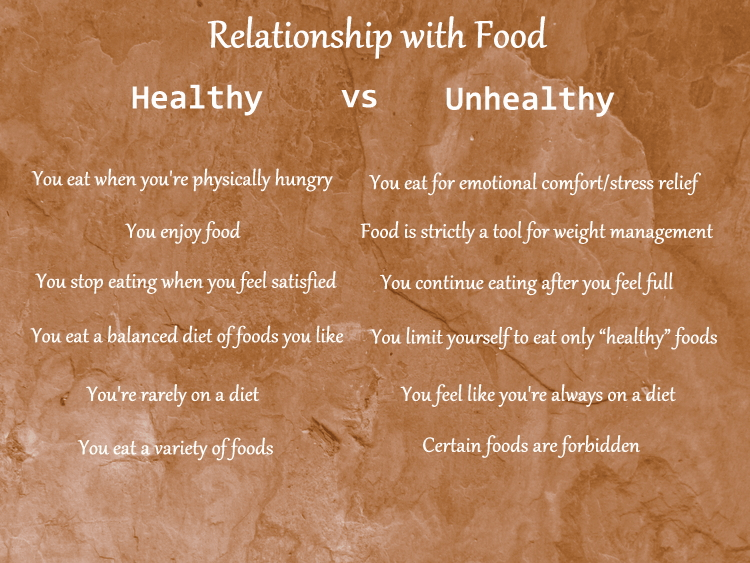
Food, We Need to Talk – A “Healthy” Relationship with “Unhealthy” Food ft. Jordan Syatt
  • In junior high, Jordan recalls his time in wrestling, where he and others went to extreme measures to “make weight” for competitions, such as working out in a sweatshirt, not drinking any water, and skipping meals. These practices can lead to eating disorders – wrestlers often binge eat then starve themselves to make weight for competitions.
  • Power lifting helped get over his eating disorder. He took his focus away from trying to be lean to trying to gain strength and knew he had to fuel his body properly. He became a 5-time world-record power lifter.
  • If you are hyper-focused on weight, it is important to have a balance between clean eating and splurges. A more balanced diet decreases binges.
  • Calorie counting can trigger binge eating for some people. As soon as a limit is put on how much you can eat that day, some people view it as a countdown to eating until you’re all out of calories.
  • Be more self-aware and structured with your diet by adding more fruits and vegetables.
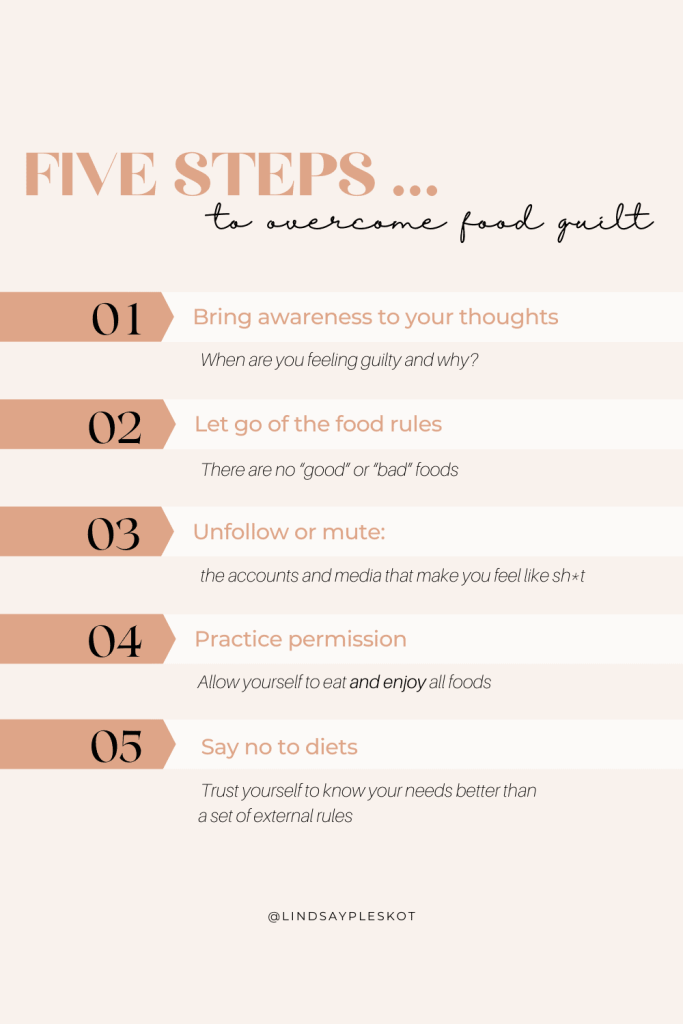
  • Being strict about only eating clean food can lead you to say no to social gatherings, refrain from eating cake at birthday parties, and refrain from some foods you love. Allow yourself to splurge sometimes. You can have any food you want. The majority of your food should be whole, minimally processed, nutrient-dense foods: fruits, vegetables, lean proteins, high fiber, and whole grains.

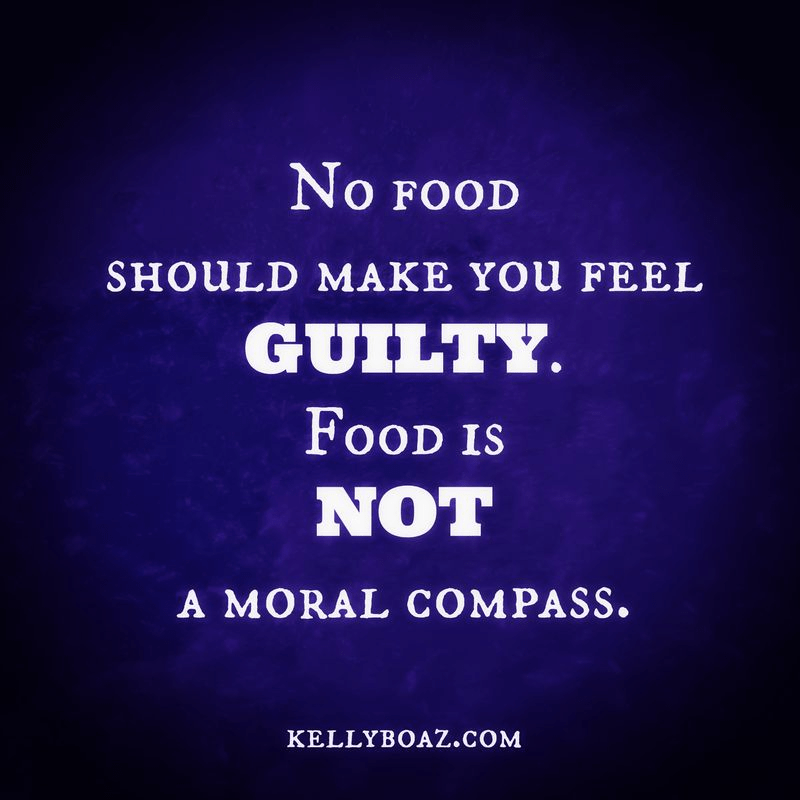
You should have zero guilt or negative emotions for having treats in moderation.

  • Jordan ate a Big Mac every day and ate a healthy diet overall and exercised regularly. He lost seven pounds in one month. The purpose of the Big Mac challenge was to show that you can still have treats and make progress as long as you are consistent with the other aspects of your life (overall nutrition and exercise).
  • If something scares you, it’s probably the right move. If stopping counting calories scares you, you should probably stop counting calories. If taking a rest day scares you, you should probably take a rest day. If going to the gym scares you, you should probably go to the gym.
Switched on Pop – My Beyonce Ticket Cost $4,000: Why The Touring Industry Might Be Broken
  • People were put in groups on Ticketmaster. You had to apply to a tiered status to try to get tickets. It’s like a lottery system. People are placed on waitlists.
  • The concert industry is broken. Part of the problem is Ticketmaster. Tickets and fees have never been more expensive. Some people spend thousands of dollars on tickets to Beyonce or Taylor Swift, and even nosebleed tickets are hundreds of dollars.

The monopoly of Ticket Master Live Nation has a total chokehold of the industry. They control the venues, they are the promoters, they are the management of the artists, they control the sale of tickets, and they control all aspects of the live music industry. Before they merged, Ticket Master was solely a ticketing agency. Live Nation was historically an artist manager and promoter. Live Nation was considering their own ticketing world to compete with Ticket Master, and they eventually merged.

  • AEG (a competitor promoter) was used for Taylor Swift’s tour. They still had to work with Ticket Master on selling the tickets they were promoting.
  • Solutions: legislation restricting the second-hand market in certain ways or a breakup of Ticket Master Live Nation so that it isn’t a monopoly.
The Jordan Harbinger Show – Fireworks – Skeptical Sunday
  • The fireworks industry netted $2.2 billion in 2021.
  • Cons: fireworks damage property, pollute the environment, and literally blow off fingers. Firework injuries are up 25% in the last 15 years. About 4,800 people per year have hand or finger injuries due to fireworks.
  • Fireworks emit metals and gases into the air.
  • The fear that fireworks conjure fascinates us. Neuroscientists say that the reason we enjoy fireworks is because they frighten us – similar to horror movies and haunted houses
  • Los Angeles had its worst air quality in a decade after the fourth of July in 2022.
  • There are over 14,000 fireworks displays in the U.S. alone during the 4th of July weekend. Fireworks used to celebrate independence temporarily increase particulate pollution by an average of 42%.

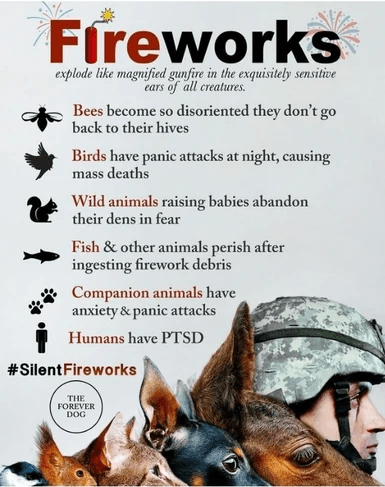
The Veterans’ Administration website indicates that fireworks often trigger combat veterans’ PTSD, resulting in flashbacks and nightmares. Many of them need to plan to get away from firework shows. Pets are also impacted and are often terrified. Some animals become so frightened that they run away. According to the American Kennel Club, more pets go missing during July 4th weekend than any other time of the year. In an ironic twist, the celebration of America can cause our nation’s iconic mascot, the bald eagle, to abandon their nests.

  • According to the National Fire Protection Association, fireworks account for approximately 19,500 fires per year, leading to an estimated $105 million in property damage.
  • The political and monetary reasons for fireworks are massive. Many people believe fireworks are protected by the second amendment (gunpowder). Gunpowder fuels the fireworks.

I look forward to reading, learning, and sharing more with you soon!
Book review posts, Uncategorized

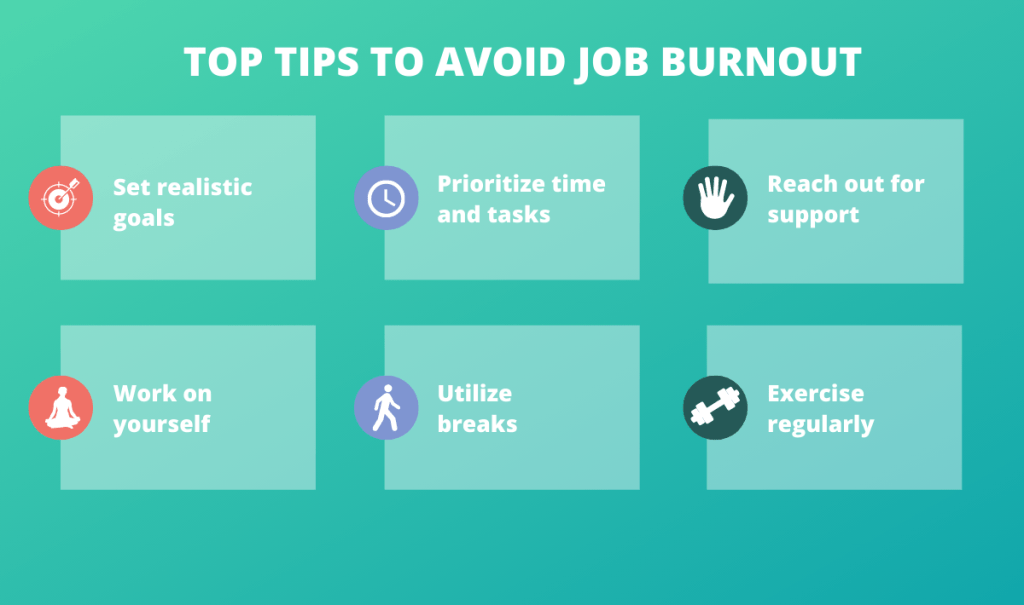
The Burnout Epidemic + What Can Be Done

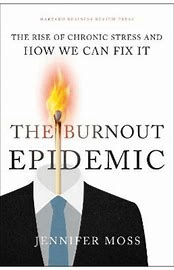
“The Burnout Epidemic: The Rise of Chronic Stress and How We Can Fix It” by Jennifer Moss was among my top 20 favorite books I read in 2022. Jennifer Moss is an award-winning journalist, author and international public speaker.

Packed with insightful research and data, this book examined what causes burnout and what organizations can do to prevent it, how companies can build an anti-burnout strategy, and how leaders can measure burnout in their own organizations. I will note that this book surprisingly focused more on organizations and leaders instead of the typical self-care ideas.

  • There are 6 causes of burnout:
    • Workload
    • Perceived lack of control
    • Lack of reward or recognition
    • Poor work relationships
    • Lack of fairness
    • Values mismatch

Leaders should ask themselves “How do we create a better, healthier workplace for people so they don’t burn out?” “Empathy drives great leadership. If that tenet is at the root of our decision making, we are more likely to prevent burnout because the pro-social payoffs are plenty.”

Jennifer Moss

MOTIVATION factors include challenging work, recognition for one’s achievements, responsibility, the opportunity to do something meaningful, involvement in decision making, and a sense of importance to the organization.

HYGIENE factors include salary, work conditions, company policy and administration, supervision, working relationships, and status and security.

“Often, employees don’t recognize when an organization has good hygiene, but bad hygiene can cause a major distraction.”

Jennifer Moss

Tips for leaders to help avoid burnout: focus on strengths, increase training, provide resources and support, give everyone a voice to share concerns or ideas, recognize hard work, and check in frequently but don’t micromanage.

Perfectionists (me!): stop trying to control everything, understand the difference between self-knowledge and self-awareness, accept help, and take care of yourselves so that you can take care of others.

In cases of workload burnout, ask yourself: “Is what I’m doing helping or harming me? Do I continue to raise my hand even though I know I should focus on accomplishing my current workload? Do I communicate to others when I feel like it’s too much? Do I delegate well? Have I identified what gives me energy and what drains me? Do I manage my distractions? Do I have outside interests or do I give my life to work? Do I have a close friend at work I can lean on for support?”

Working from home at the start of the COVID-19 pandemic was tough. I was suddenly working and quarantining in my small one-bedroom apartment at the time, and it was hard to separate work life from my home life since I was always home. The couch I sat on to read or watch tv was the same seat I sat on to work all day. As client demands increased, and training a colleague from home was not an option, my workload continued to pile up. There were many times I worked all day, took a break for supper, and then worked at night to keep up with the new demands. Without a social life or many hobbies, and with businesses closed, my work was my life. Some days I felt like I didn’t do anything exciting or anything for MYSELF; when I reflected on my day, all I could think about was work. My perception of my day was solely focused on my reflection of work that day.

I knew I needed a change, so eventually, I started focusing on daily habits or doing something for myself each day. I started with reading every day, later added listening to a podcast each day, and eventually added exercising each day. With businesses closed, I started walking on a walking path near my apartment to exercise each day, and on the walking path, I made a nearby friend who happened to work at the same company as I did! We were able to meet and go on walks for 3-5 miles most evenings. Getting out in nature while socializing quickly became the best part of my days and the best form of stress relief.

In 2022, I had focused extensively on forming daily habits. It was a life-changing year, and it helped me to cultivate passions outside of work. Sure, work was very stressful at times, but I took pride in looking back on my days knowing that I had done several things for ME. Through some career changes, I am also grateful to have found an organization that is invested in preventing employee burnout.

Some things are out of your control, but YOU can and should take action on the things that ARE in your control to prevent burnout.

I look forward to reading, learning, and sharing more with you soon!