I read three books in September 2024. School has been keeping me busy. Here is a brief synopsis of the books I read in September.
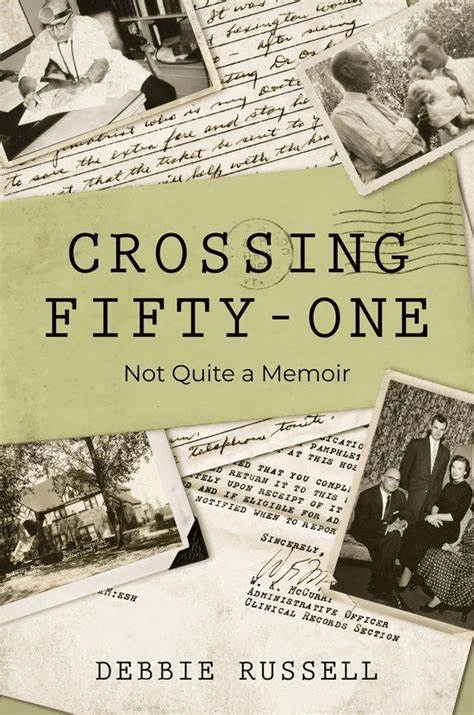
“Crossing Fifty-One: Not Quite A Memoir” was written by Debbie Russell, a retired Hennepin County Prosecutor. This book contained themes of family dynamics, building your own identity, addiction, and reducing the stigma associated with addiction.
Debbie’s grandfather suffered with asthma and admitted himself to a federal narcotic farm for his Demerol addiction, where he assisted in treating his fellow patients. In this memoir, Debbie shares insights into her family’s history through her conversations, research, and letters her grandfather wrote or received. Here are some quotes that stood out to me:
“Since most addicts have some sort of personality disorder, it follows that the basic attack on the problem of addiction is to prevent the development of such disorders. It is the current belief that most of these result from frustrated drives for security, recognition, and affection, particularly during childhood. Granting this, attention must be focused on preparing parents and prospective parents for their roles in shaping the personalities of their children.”
“It’s much harder to dig inside ourselves and try to figure out how we contribute to our own problems. It’s my current struggle. Every. Single. Day.”
“It takes amazing perspective to be able to think of a locked drug rehab facility as a ‘retreat.’ But maybe, compared to Papa’s struggles with addiction, the facility served as a haven.”
4 out of 5 stars
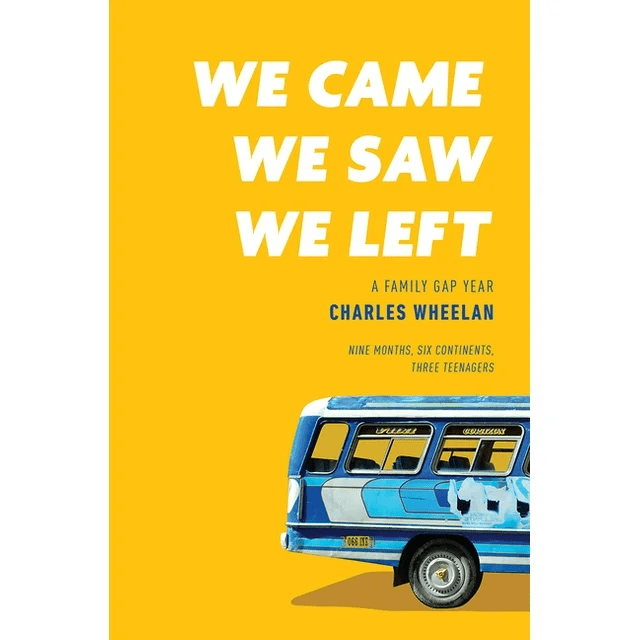
“We Came, We Saw, We Left: A Family Gap Year” was written by Charles Wheelan, a former correspondent for the Economist who teaches public policy ad economics at Dartmouth College. This book was an exhilarating and exciting read about the family gap year that consisted of 9 months, 6 continents, 3 teenagers, and 1 flesh-eating parasite. I learned about traveling minimally on a budget and about different destinations. Here are some takeaways:
Traveling around the world for nine months is cheaper than staying at home (if you rent out your house). The author spent less on food while traveling, didn’t have to pay for gas, and only needed storage insurance for his vehicles back home. The primary expense associated with traveling is forgone income. All-in, their budget was $60 per person per day. This was fascinating to me, although I don’t have a job that would allow me to take off for one year. To put it in perspective, according to the author, traveling around the world for nine months would only delay retirement by one year.
“Experiences, rather than things, are what make us happiest in the long run. Experiences become an ingrained part of our identity. Experiences connect us to the people with whom we share them, and experiences make up into the people we are. Even bad experiences morph into positives over time – like a funny story or a character-building experience.”
What are some lessons they learned?
The world is still an interesting place, and each country has its own feel and personality.
They are great teammates, and marriage is about picking a person you want at your side to help navigate whatever might come along, such as traveling on a low budget to bizarre places.
They learned that life goes on without you. They came back to a place that was pretty much the same as they had left it.
The greatest luxury is time – sleeping until refreshed, reading at any time of day, and wandering aimlessly.
There is serious environmental damage, such as air pollution in big cities and deforestation in less-developed areas.
It was really fun. Adventures turned out to be worthy of that anticipation, and many great moments were entirely circumstantial.
5 out of 5 stars
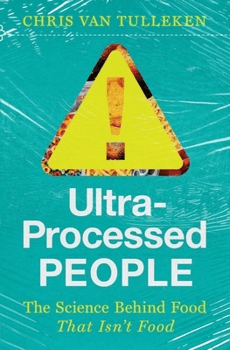
“Ultra-Processed People: The Science Behind Food That Isn’t Food” was a fascinating and alarming book written by Chris Van Tulleken, who has a medical degree from Oxford and a PhD in molecular virology. Chris is an associate professor at University College London and a practicing infection diseases doctor. Chris studied ultra-processed foods (UPF) and conducted an experiment. He stopped eating UPF for 4 weeks, then ate 80% UPF for 4 weeks. He had his weight, height, BMI, and body fat measured both before and after the experiment, and he gained 6 kilograms (about 13 pounds). His appetite hormones were deranged, he had a 5x increase in leptin (the hormone that comes from fat), and his C-reactive protein (a marker that indicates inflammation) had doubled!
I learned a lot from this book. Here are some of the main points:
If it’s wrapped in plastic and has at least one ingredient that you wouldn’t normally find in a standard home kitchen, it’s UPF. Almost every food that comes with a health claim on the packet is UPF. UPF is high in calories, fat, and sugar and low in fiber.
UPF displaces diverse whole foods from the diet, especially among low-income groups. It’s addictive. The emulsifiers, preservatives, modified starches, and other additives damage the microbiome. The convenience, price, and marketing of UPF urge us to eat constantly and without thought, which leads to more snacking, less chewing, faster eating, increased consumption, tooth decay, and other health issues.
There are over 10,000 additives used in food in the United States – flavors, flavor enhancers, colors, emulsifiers, artificial sweeteners, thickeners, humectants, stabilizers, acidity regulators, preservatives, antioxidants, foaming agents, anti-foaming agents, bulking agents, carbonating agents, gelling agents, glazing agents, chelating agents, bleaching agents, leavening agents, clarifying agents, etc. Over 1,000 of these were self-determined to be safe and are not FDA approved.
“Most UPF is not food. It’s an industrially produced edible substance.”
This book covered several UPF ingredients, foods they are found in, and the damaging effects of them. One of those that stood out most to me was xanthan gum, which is found in many gluten-free foods and flours. Xanthan gum is a bacterial exudate slime that bacteria produce to allow them to cling to surfaces. “Think of xanthan gum the next time you scrape the accumulated gunk from the filter on your dishwasher.” Or don’t!
4 out of 5 stars
I look forward to reading, learning, and sharing more with you soon!
My intention is to post a Thoughtful Thursday column each week and share some of the insights I have learned in the past week. Here are some of the things I’ve learned this week:
Optimal Living Daily – If You’re Feeling Stuck, Look Inward by Emily Rose Barr
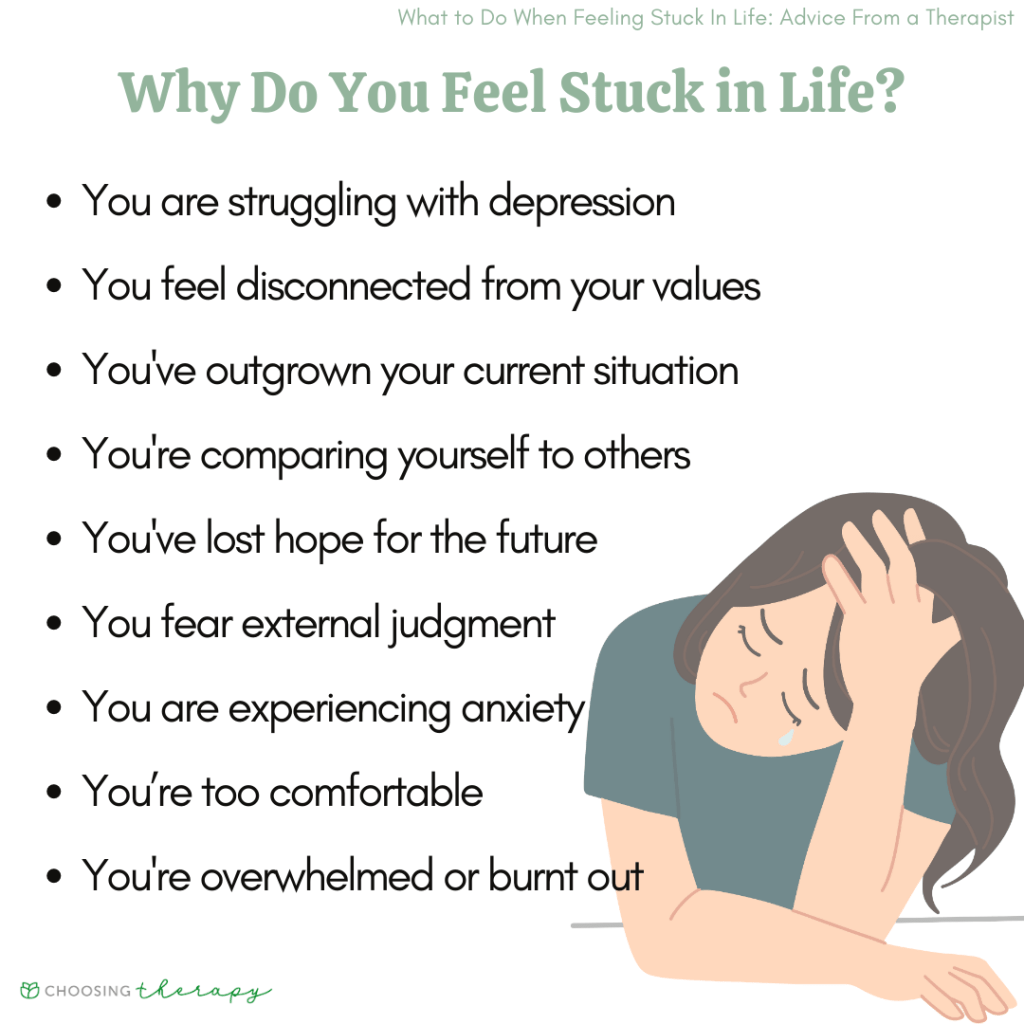
If you’re feeling stuck on a relationship, a longtime goal, a time-consuming project, a career move, or some other aspect of life, pause and look inward. Utilize this period as an opportunity to:
Get to know yourself better. Ask yourself what makes this decision challenging and examine your answers closely. Use them to hone in on your values and what matters most to you.
Connect with others. Being vulnerable fosters deep relationships and engenders feelings of safety and understanding when we experience the gift of being heard.
Recognize your limits. Ask yourself what you could do differently that would make the option of sticking things out more appealing. Decide which variables you can start to conquer.
Recharge. Give yourself space and time to recharge. Switch up your surroundings, go on a walk, sleep, etc.
Practice gratitude. Take a moment to reflect on all that is going right in your life and be grateful.
I really enjoyed this post from Gabe the Bass Player this week:
“If you’re not going to do something about it, stop thinking about it.
If you’re not going to put action behind the things you spend a lot of time thinking about, it’s worth thinking of something else. Something that you’re going to move from thoughts into actions.
Your time and your thoughts are precious and powerful so it’s important to spend them in ways that make a difference to yourself and to others.”
Life Kit – Boost your mood in 15 minutes
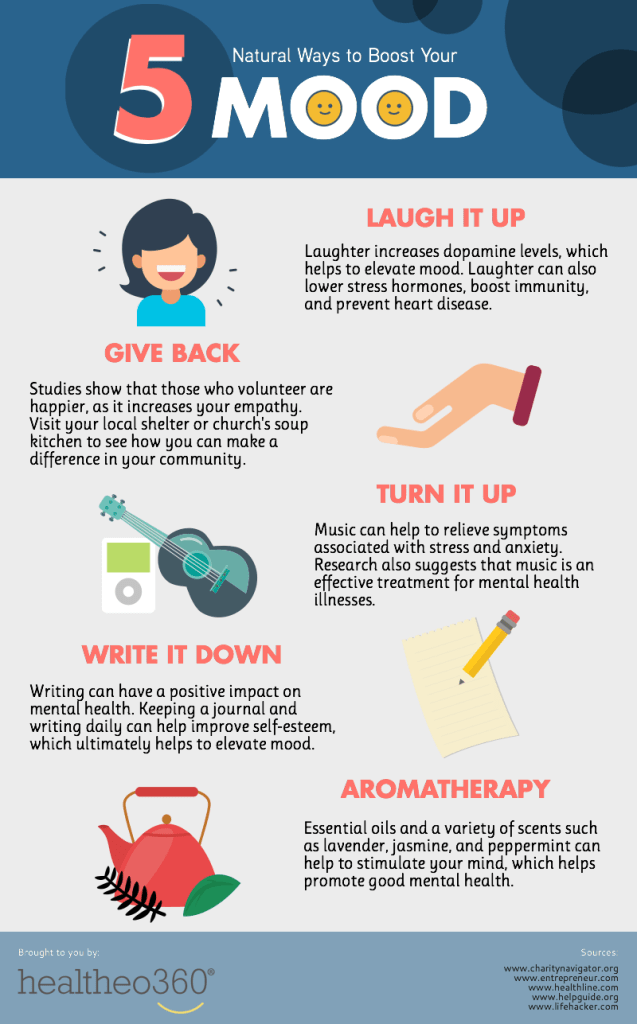
Cold plunging – submerge yourself in cold water. A quick dip in cold water can improve your mood. Find a body of water in the 50–60-degree range and prioritize safety. Plan to warm up fast after.
What is the least amount of movement needed to offset the risks of sitting? Just taking a 1-2 minute walk each hour helps to lower blood pressure (as opposed to sitting for 8 hours straight at work). Walking/movement five minutes per hour = more impressive results – lower blood pressure, less fatigued, better mood. If you have a few minutes, move your body for a better mood.
Create something. Make art – color, paint, pottery, etc.
NPR Joy Generator app
Tap into ASMR to calm your mind.
Watch cute animal videos or cuddle with your cat/dog.
Reflect on memories/nostalgia. Go through your camera roll. Listen to old music hits.
The Liz Moody Podcast – 5 Things I Did to Fix My Phone Addiction
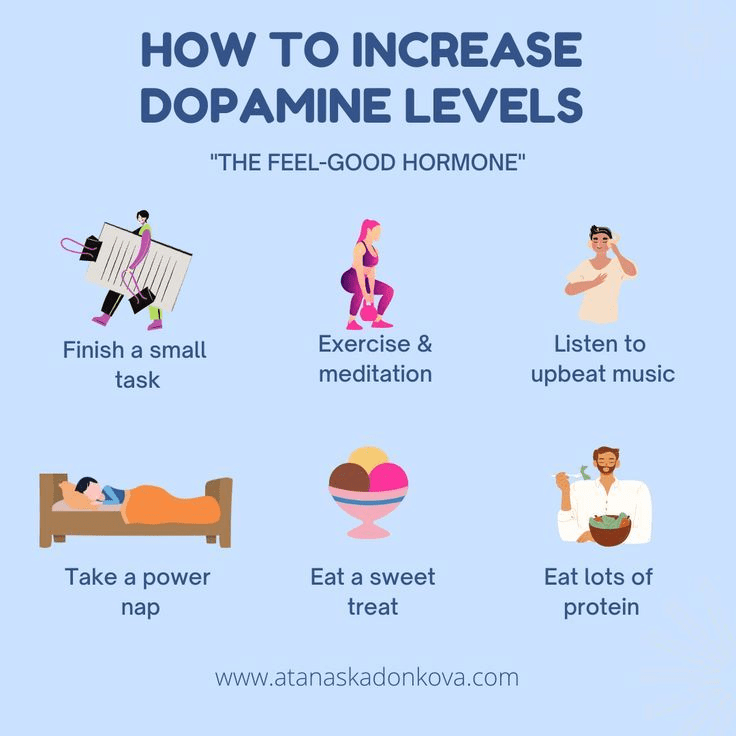
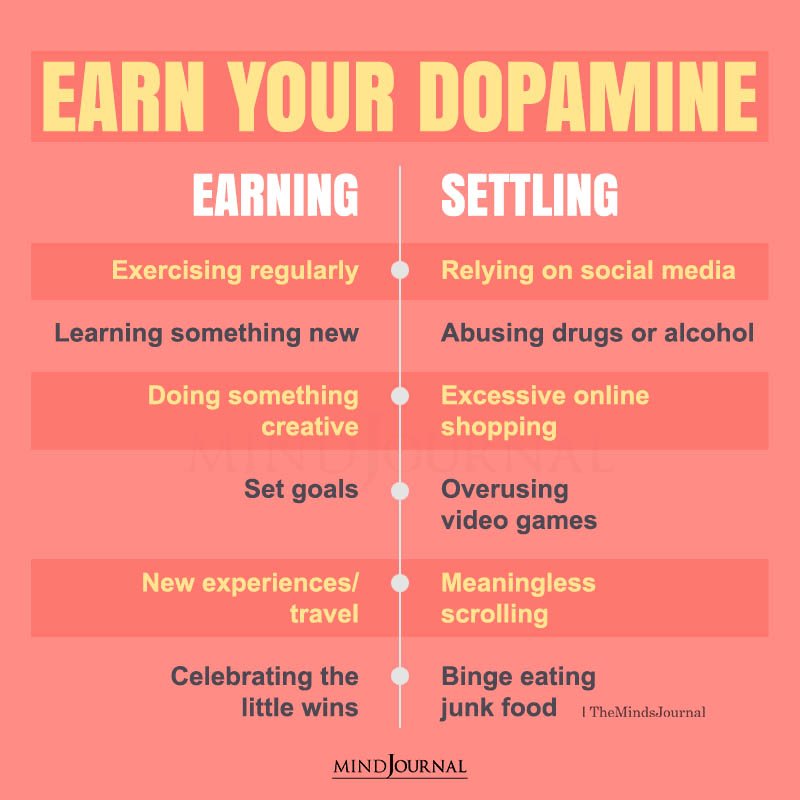
Treat the dopamine problem with dopamine solutions. Intentionally seek out hard things – a cold shower, a challenging crossword puzzle, allowing for discomfort each day. Exercise. Move your body every day. Less addicted to phone, more dopamine
Turn your phone to gray scale. Makes phone unappealing – less bright addictive colors
Remember the 23-minute rule. Science shows the need to check your phone is temporary. If it takes you 23 minutes to get into a state of full focus after checking your phone, remind yourself that if can make it through 23 minutes, you will enter a state of flow and focus.
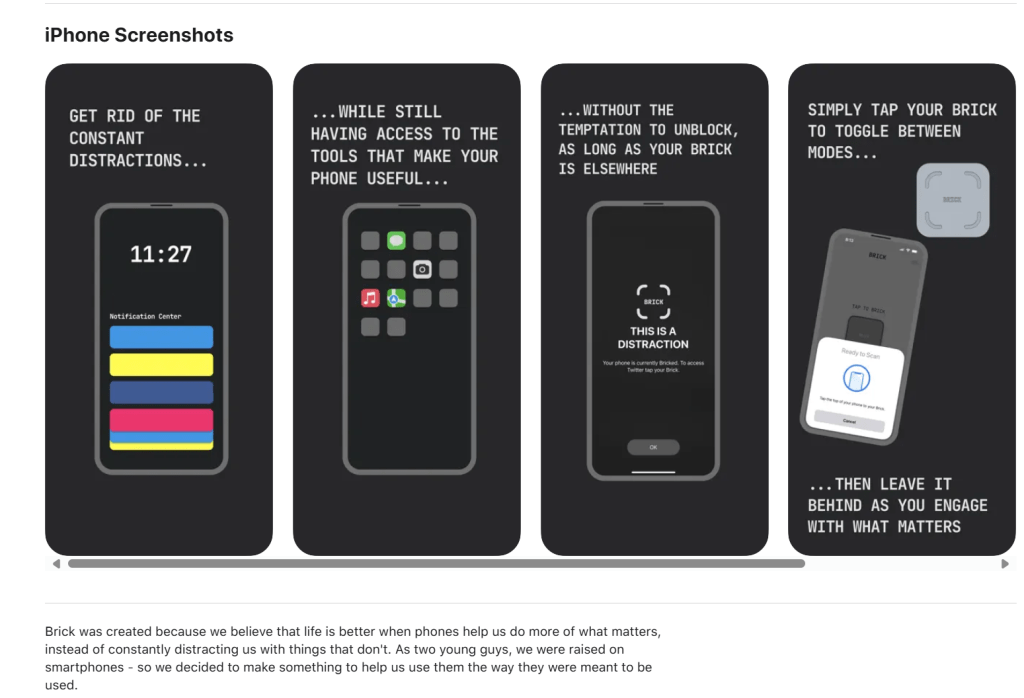
Create physical barriers to being on your phone. Phones are designed to be more powerful than our willpower. Don’t have your phone in the room when you’re trying to get work done. Use an alarm clock instead of your phone. Brick device – Iphone only
Create a “What do I really need?” menu. What are you looking for your phone to give you right now? Joy? Consult your joy list – getting out in nature, singing, coloring, reading, walking, music, etc. Bored? Novelty-reducing boredom – plan something fun. Rest? Nap, meditate, read, etc. Every time you reach for your phone, ask yourself what you really need and brainstorm options that satisfy that need on a deep and true level.
I look forward to reading, learning, and sharing more with you soon!
My intention is to post a Thoughtful Thursday column each week and share some of the insights I have learned in the past week. Here are some of the things I’ve learned this week:
Before Breakfast – Bill your time for a week
Try acting like a lawyer for one week by tracking your time and billing it to different projects. The experience will give you some ideas of how to best spend your waking hours.
You will see how many hours you actually work if you have a salary job.
You can even track your workday and track how many hours you spend in meetings, responding to e-mails, etc.
Time tracking is data that can show you the truth of where your time is going so that you can make more rational choices about how you want to spend your time.
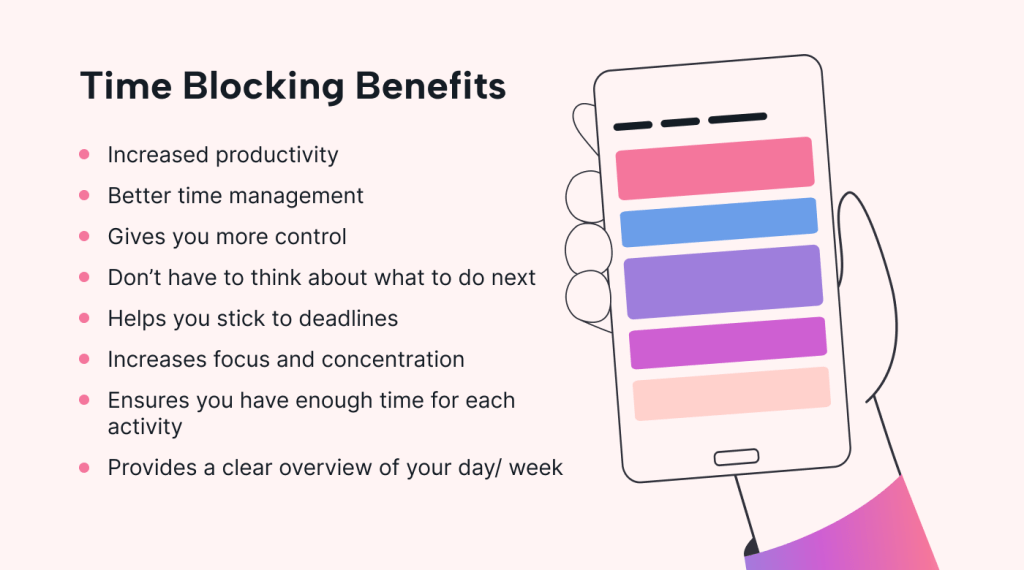
I selected a 2024 planner that allows me to timeblock, and it has been interesting! Almost all of my time, aside from work, sleep, eating, and working out, has been spent on classes and schoolwork.
Focus on Marriage Podcast – Maintaining Joy When Your Plate is Full
Continually communicate with your partner about what the high and low of your day was. Continuously find joy and humor.
Watch a funny video short together and laugh.
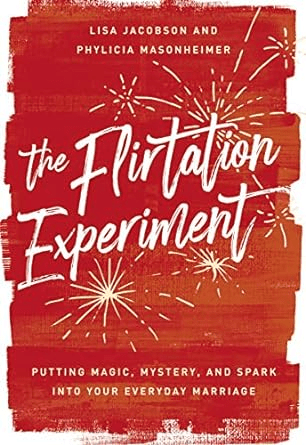
This podcast recommended this book. I haven’t read it yet.
On Purpose with Jay Shetty – The 5 Relationships You Need to Invest in to Supercharge Your 2024
Belonging – we need to feel a sense of connectedness to others and feel we are part of a group or community.
Feeling part of a group creates inner harmony and balance, better mental and physical health, and fewer negative emotions.
We need to be able to share our thoughts and heart without worrying we will be judged.
Legacy – feeling connected to something bigger – finding people dedicated to creating change, inspiring people, and helping others – celebrating growth, exchanging ideas, and creating new friends
Jay Shetty had a dinner party with several people he didn’t know well and asked them a few questions:What has been your biggest personal or professional win of 2023? What has been your biggest challenge, personally or professionally, in 2023? How can the people at this table help you/what support can they offer you?
Each person personally shared their flaws, roadblocks, and challenges and there was so much trust in the room. Who in your life would you want to spent more time with because you want to share their same legacy? Are these people inspiring you by the way they live? Have they dedicated their life and work to helping people physically, mentally, emotionally, or spiritually?
Independence – relationship with ourselves – autonomy and personal usefulness
Sense of feeling you have value – Reflect on what you are doing and who you are becoming. Who you want to become is the most important question you will ever answer. Take action to become that person. Who do you want to become? Who are you becoming? What is that independent autonomous path that you are building and trying to take because you know that that will lead to your higher self? What is the independent desire for who you want to become?
We only become things that we don’t want because we aren’t sharing the deepest parts of ourselves. If you don’t share who you are, people will expect you to be who they want you to be.
Safety – people who bring security and stability into our lives – people we feel the deepest and safest with
People who feel trusted become more trustworthy as a result of increased oxytocin levels in their brains.
Service – relationships based on surrender and service
Who are we serving? Who are we taking care of? Jay Shetty recommends you spend 20% of your time with people who are guiding you, 60% of your time with people who are peers with you who you feel uplifted by/people you uplift, and 20% of your time with people you are serving and giving to – be a teacher and student at the same time to create humility and proactivity.
Self Improvement Daily – Slipping Back to How Things Used to Be
One of the most difficult parts of self-improvement is sustaining the positive changes you’ve introduced into your life. It’s easier to get motivated to start than it is to stay consistent and maintain your desired habits and routines.
Here are a few things to have in place that will support you in actually keeping the good habits you’ve worked hard for:
Have awareness of the slip – have pieces in place that make you aware of if you’re meeting certain expectations in your life. I highly recommend using a habit tracker for a visual record of your consistency.
Clarity – If you’re not crystal clear on what your standards are, then it’s impossible to know if things are slipping. For example, if you say you want to work out more, set a specific standard to provide clarity and measure your consistency, such as “I want to work out for 30 or more minutes five times each week.” Use a habit tracker to make it easy to notice when you’re starting to slip. The clarity gives meaning to the awareness.
System for reviewing your performance – have the resources in place to hold yourself accountable to reaching a higher standard. If you’re not intentional about paying attention to the things that are focuses for you, they’re naturally going to gravitate toward their comfort zone. Again, I recommend using a habit tracker.
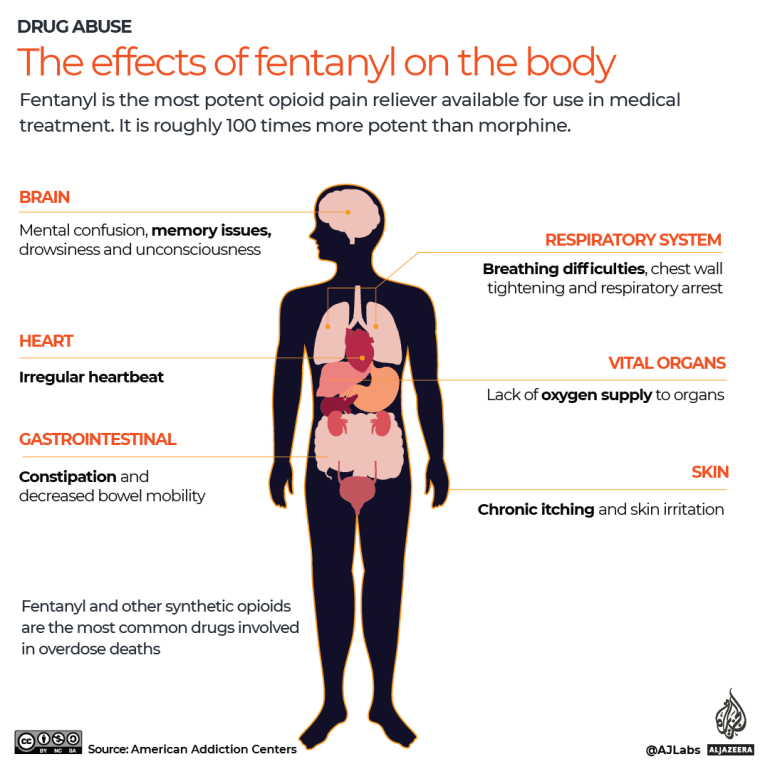
Terrible, Thanks for Asking – “Why are drug dealers putting fentanyl in everything?” from Search Engine
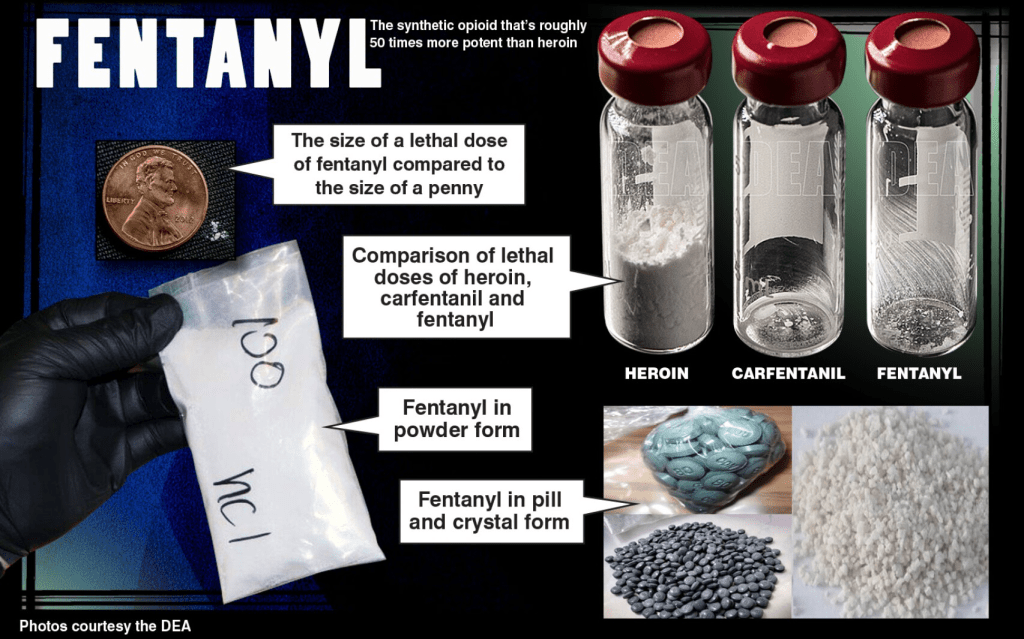
Fentanyl reportedly kills more adults under the age of 45 than guns, COVID-19, or cancer.
The Belgian doctor who invented fentanyl invented over 100 medicines. He was trying to find something that was better than morphine for hospital procedures, such as open-heart surgery. Fentanyl comes on faster and goes away faster, doesn’t cause nausea, and is basically the best hospital drug.
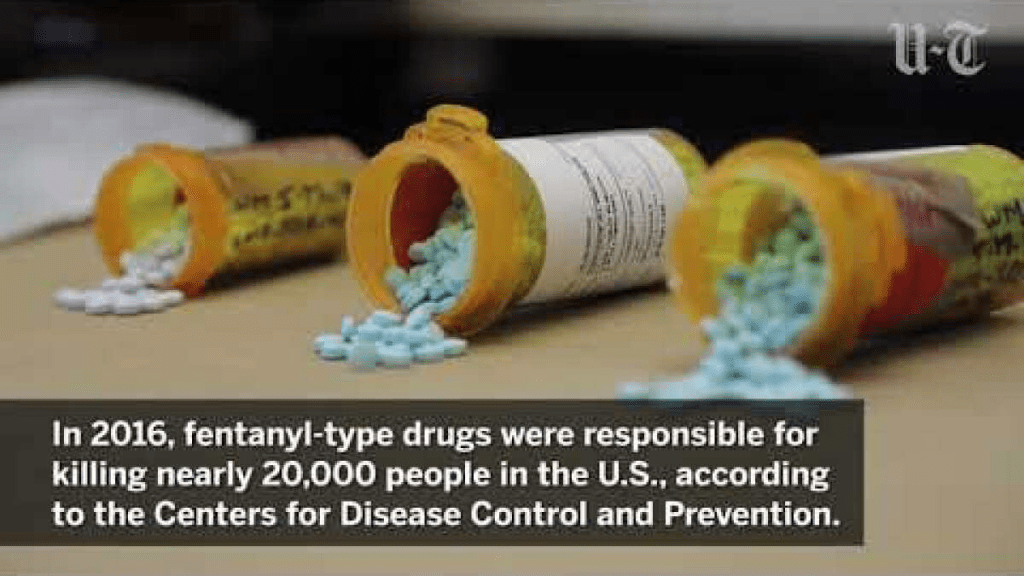
The DEA estimated that only 700 people died of fentanyl overdose in 2014. According to NIH, in 2016, almost 20,000 people died from synthetic opioid overdoses, most of that fentanyl.
Fentanyl is much cheaper than heroin because it’s synthetic and made in a lab. It’s also more potent, making it incredibly profitable. It is incredibly addictive.
Much of the supply was being produced in China, where it was quasi-legal. The Chinese government was slow to ban analogs of the drug, so manufacturers used slight tweaks to the recipe that added a molecule here or there but left the basic chemical structure intact.
When pain prescriptions run out, some people seek out illicit heroin on the street. There isn’t enough heroin to feed the demand, so fentanyl steps in to fill the void.
Mexican dealers ship fentanyl to places like San Diego, El Paso, etc. It is distributed by regional gangs.
Fentanyl is cheaper, but it doesn’t last very long. The fentanyl high is reported to only last up to a few hours (sometimes only 15 minutes), leaving people scrambling to find more.
Fentanyl offers a shorter high, a greater addiction potential, and a higher risk of overdose than heroin.
Some deaths from overdoses can be helpful for fentanyl dealers because people believe they need to try it;some say it’s a form of advertisement for how powerful the drug is and they want to try it.
Resources: Dansafe.org to buy fentanyl test strips, drugsdata.org to see what is in drug supplies
Suboxone is a blocker to prevent you from getting the high from heroin. Suboxone doesn’t block the high from fentanyl.
Mentally Stronger with Therapist Amy Morin – The Minimalists: Why You Should Declutter Your Life
Do you own too much stuff? Is your calendar overflowing with so much stuff that it causes you stress? Are you stressed out by how much you have to do all the time? This episode is for you.
More is not always better. Clutter increases stress and increases the risk of mental health problems, financial problems, time management troubles, and social problems.
Living in a small space makes you think twice about what you really need.
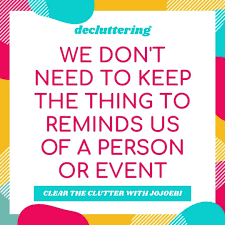
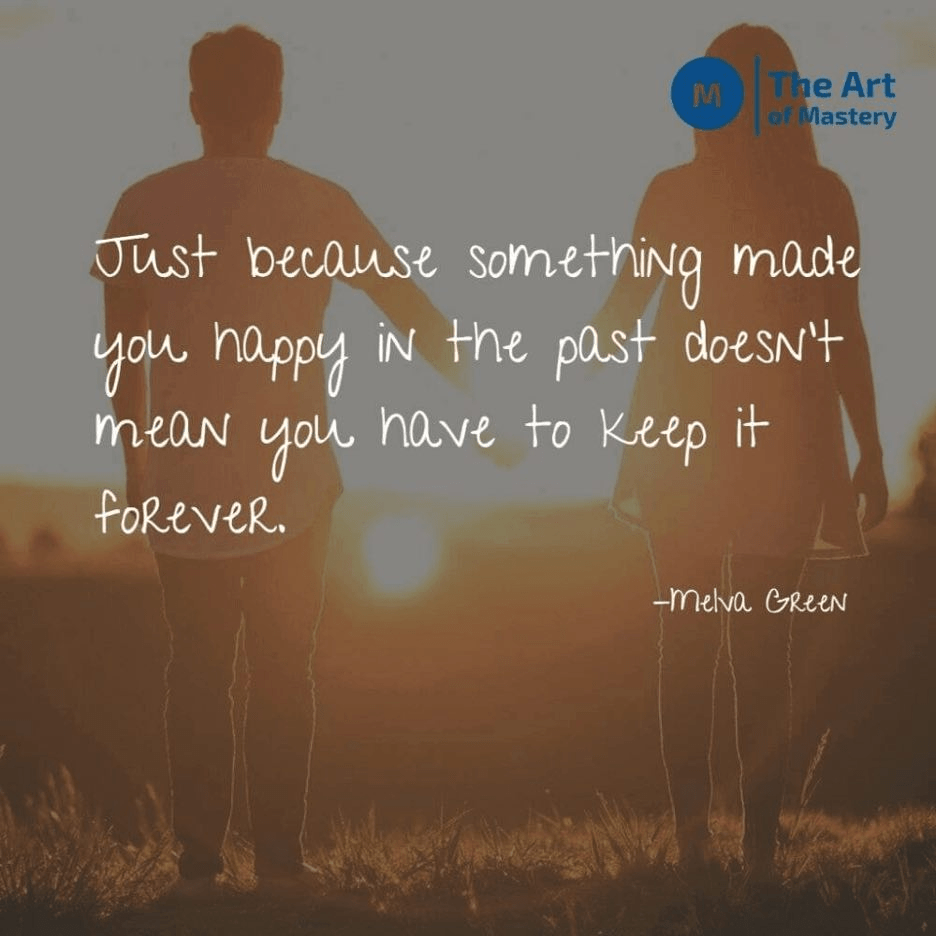
How much is enough will vary depending on your age and life changes. Just because something added value to your life before doesn’t mean it will continue to produce that same amount of value. You don’t need to hold onto items just because they are sentimental.
There are three categories that all of your possessions can fit into: essential, non-essential, or junk.
Most of the things we’re holding onto that we don’t want to let go of, we’re holding onto “just in case” or for “someday.” The problem is that we hold onto many of these items that take up space in our homes and in our lives. Let go.
Our memories are not in our things. Our memories are inside us. If we let go of some sentimental things, we aren’t letting go of the memories. You can take photos that trigger the memories, but you don’t need to hold onto things you won’t get value from. Instead, you can give them away and add value to someone else’s life.
There is more grief involved in holding onto something than in letting that dream die.
Spontaneous combustion rule: what would happen if that thing spontaneously combusted? Would you replace it or would you feel a sense of relief?
You can donate items or try to sell them. Some people try to sell anything they can get $20 for and donate after one week if it doesn’t sell.
Physical clutter, hidden clutter (calendar clutter/business) – “if something is not an emphatic yes, say no.”
Resources: 30-day minimalism game (1 item day one, 2 items day 2,… 30 items day 30), theminimalists.com
Ask yourself what value something brings into your life. Sometimes we hold onto things just because they were given to us as a gift even though they don’t really add value to our lives or because we paid a lot for it. Get rid of things that aren’t improving your life.
Use the spontaneous combustion rule.
Create a challenge to start subtracting things from your life.
I look forward to reading, learning, and sharing more with you soon!
My intention is to post a Thoughtful Thursday column each week and share some of the insights I have learned in the past week. Here are some of the things I’ve learned this week:
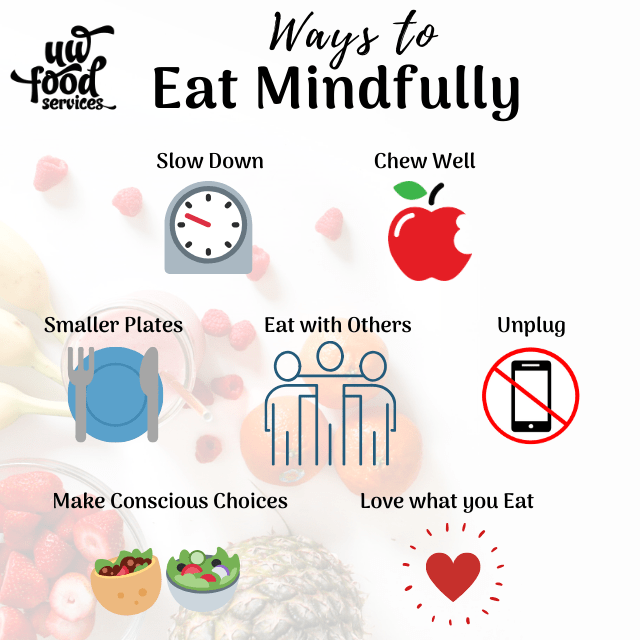
Life Kit – Scarfing down your food? Here’s how to slow down and eat more mindfully
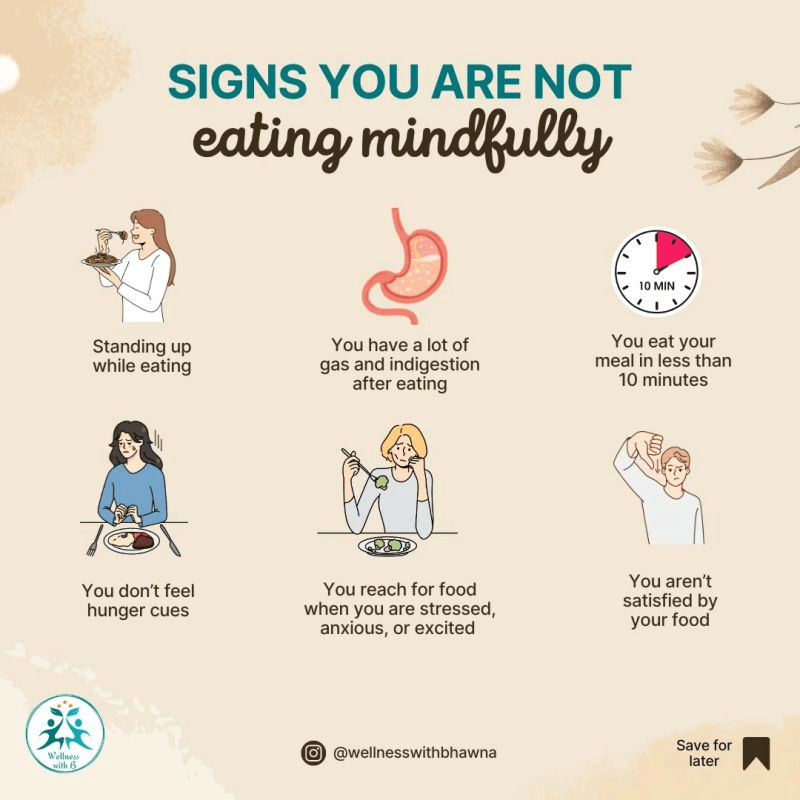
We live in a society where many people eat while on the go, while scrolling on their phones, or while watching tv. When you are eating while scrolling on your phone or watching tv, you aren’t engaging your senses and aren’t conscious of the amount you are eating.
Mindful eating asks us to slow down and notice our food. Allocate time to eat and ONLY eat.
Most nutritionists urge us to take 20 minutes to eat a meal. It takes that amount of time for your brain to signal to your body that you are full. Otherwise, you get that signal too late and feel terrible.
Engage your senses as you eat. Notice the smells, colors, tastes, textures, and emotions that you’re feeling.
Honor the food. Acknowledge the work that went into that meal.
Take the time to taste the food. Try to eat one chip at a time. Put your food in a smaller dish beforehand to limit your intake. Allocate time to eat and ONLY eat.
Savor and chew your food thoroughly to engage your senses and help with digestion.
I’ve finished reading two books in the past week.
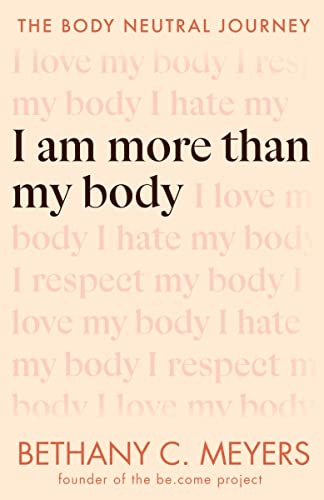
“I am more than my body: the body neutral journey” was written by Bethany C. Meyers, CEO of the be.come project. Bethany has over 15 years of experience in the fitness industry as an instructor, teacher, and workout creator. I struggle with my body image, and this book was much needed and thought-provoking. In fact, while I was reading this book, I had to refrain from exercising due to a foot injury, and my primary emotion was guilt. I felt guilty for not being able to be consistent with my habits. This book came at the right time. I will discuss this book in much more detail on my blog sometime, as I got SO much out of this book that may be helpful to others.
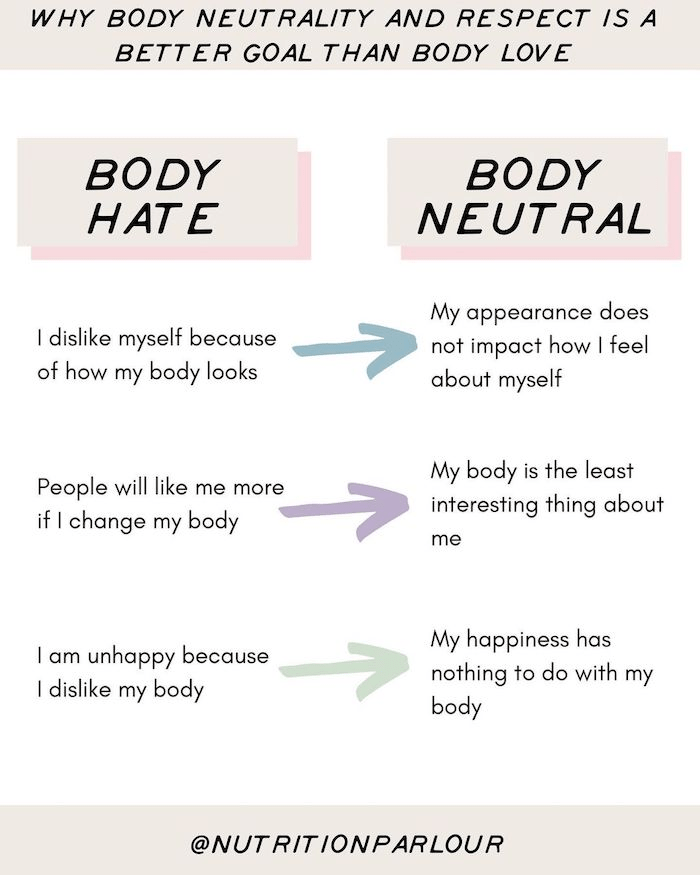
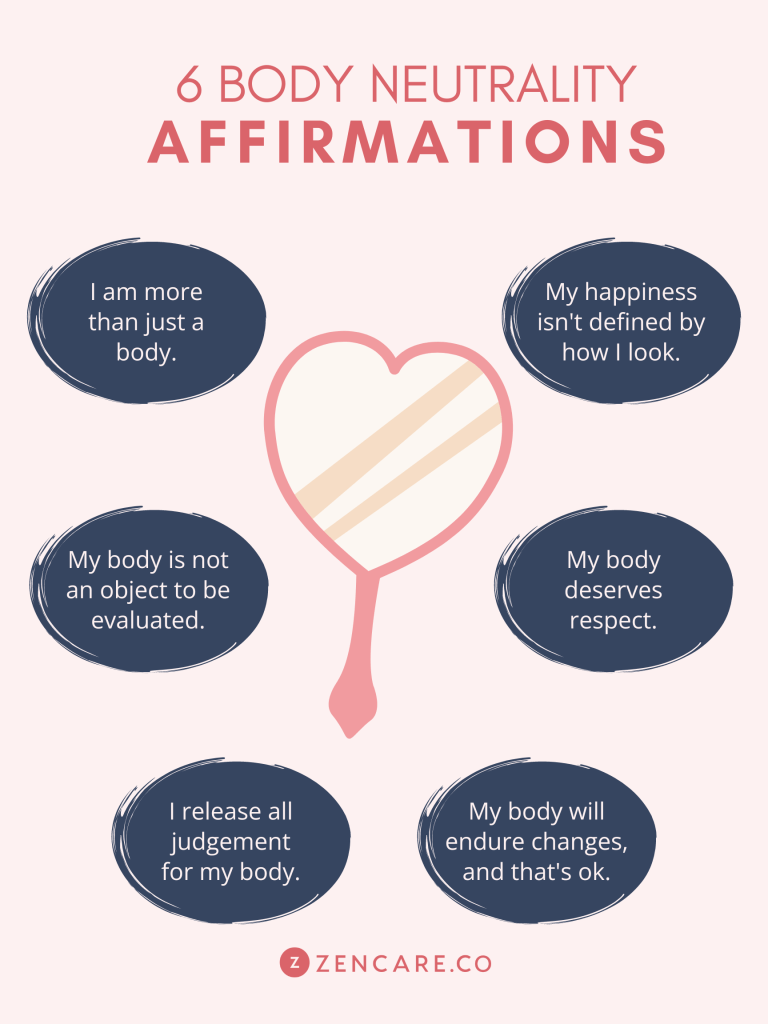
In short, body neutrality is the idea that each of us is more than our body, and our worth is not limited to our physical self. It is respecting our body even though we may feel differently about it on any given day.
The body neutral journey is to acknowledge the feelings we have, explore why those feelings came about, and reconnect with our self-worth.
Some of the many points to consider: If you have been speaking poorly to yourself and judging yourself harshly, how much of that is seeping out into your relationships with others? How do your own comments about your body impact the people around you who hear them (especially children)? Are you appreciating the functions of your body without criticism? Are you focused on your body’s failings? Are you comparing yourself to others? When choosing to exercise, are you solely focused on changing your physical form? What influences or media do you consume that frames exercise as a punishment, a requirement, or a means only to change your physical shape?
Fit, Healthy & Happy Podcast – 8 Essential Habits to Become Ultra Fit
Look at your entire journey. What are your goals? What are you looking to achieve? Where do you want to be by the end of the year? Have you progressed? Have you regressed? Address that and understand why, and implement the changes necessary to make sure you are progressing. It is easy to make excuses, but you need to be honest with yourself about how you can improve and implement the necessary changes. Set a goal and be intentional in making progress to achieve it.
Establish a workout routine and keep track of it. Keeping track allows you to be more aware of what are doing and also allows you to more easily measure your progress.
Follow a nutrition protocol. Make sure you’re eating enough protein to maintain and build muscle. Eat mostly clean foods.
Prepare by planning your workouts and food and developing new goals and challenges.
Have accountability. Methods include using a habit tracker or checking in with friends or a fitness coach.
Continual learning. Listen to podcasts and do research. You don’t need sketchy supplements.
Develop habits that make it easier for you to achieve your goals.
Don’t be all or nothing. There will be ups and downs in your journey. Keep showing up.
Mentally Stronger with Therapist Amy Morin – The Truth About Alcohol and Addiction Recovery with Former School Principal/Author Daniel Patterson
I don’t drink, but I wanted to learn more about alcohol and addiction recovery. This podcast was very insightful!
1 out of 5 deaths for people between the ages of 20-49 is attributed to alcohol.
Many people go to great lengths to hide their drinking problems.
Daniel said that, in any situation, alcohol was the top priority: strategizing, sneaking around, mental equity spent wondering will I have enough, do I have enough, where can I get enough, should I drink beforehand, and not being present at outings.
Daniel got really defensive when his wife would call him out on his problem and would say things like “I can stop, I can take a break” and make empty promises like “I’m only going to drink on the weekends” and would last for a weekend. Pretty soon he was drinking every day again. Eventually he would use his trauma as his defense.
“You can quit for other people, but you can only stay sober for yourself.”
“My wife went to therapy to deal with how to understand me without enabling me. I would lie to my doctor about my alcohol use.”
“I was using my previous trauma as a hall pass to drink.”
“To quit, you have to be willing but you don’t need to be ready.” Many alcoholics will set a quit date and then make excuses like “we’re going to the lake and I like to drink at the lake, it’s the 4th of July and I’ll want to drink,” etc. There is always going to be a reason to drink, but there is always going to be a reason to not drink too.
After quitting, Daniel reports that his mental health became more manageable, he was sleeping better, and through therapy, his trauma became processed, so he had eliminated a lot of my talking points he would use to defend his drinking.
Many alcoholics will say “I don’t need medication. I don’t take medication” when referring to their mental health needs, which is interesting because they are using alcohol as self-medication.
To begin quitting, Daniel removed all alcohol from his house and would mark days off the calendar with an X, take two walks each day “sober walks”, watched tv, read books, listened to podcasts, etc. He tried to be sober for one month, and he felt better, so he stopped drinking altogether. He reports his energy and sleep were better, and he was so proud of himself.
“It’s never been easy, but it’s gotten easier.”
Access to resources is a huge barrier for many people. It requires good insurance and time freedom and financial freedom to go to treatment and take time off work.
“People say life is boring without alcohol, but life without alcohol is peaceful. I think they’re mistaking peace for boredom. It is a transition at first; you have been giving your brain an instant hit for years, so your brain is trained for instant gratification, and you take it away and have to sit with it. It can be lonely without drinking because the changes that have to be made for sustained recovery often require not doing the things you used to do with the people you used to do them with. You have to rest in your emotions and you can’t drink every time you’re anxious, nervous, sad, or celebrating. Alcohol has Velcroed itself to every situation, rite of passage, and emotion in our society that it is odd if you don’t drink and not odd if you do drink.”
“People are treatment-averse and label-averse. They are afraid of being labeled an alcoholic. I encourage people to ask the question: Does drinking benefit my mental health, my physical health, my finances, and my relationships?”
People who want to change their behavior but are unsure where to start or what to do can start listening to podcasts of others’ stories and experiences.
Advice for loved ones of alcoholics: treat alcoholism as a medical condition and not a moral failure. Encourage medical treatment for the addiction. This can help take the morality and shame out of it. Substance use disorders have a significant biological component to them. It’s not a moral failure, a sign of weakness, or a shortcoming. Getting health professionals involved is key for so many people who want to get into recovery. Al-anon is a good resource.
Advice for those struggling with addiction: Try cutting back or quitting as an experiment. Some people find it easier to think about it as “one day at a time.”
The Jordan Harbinger Show – Dr. Sohom Das – Rehabilitating the Criminally Insane
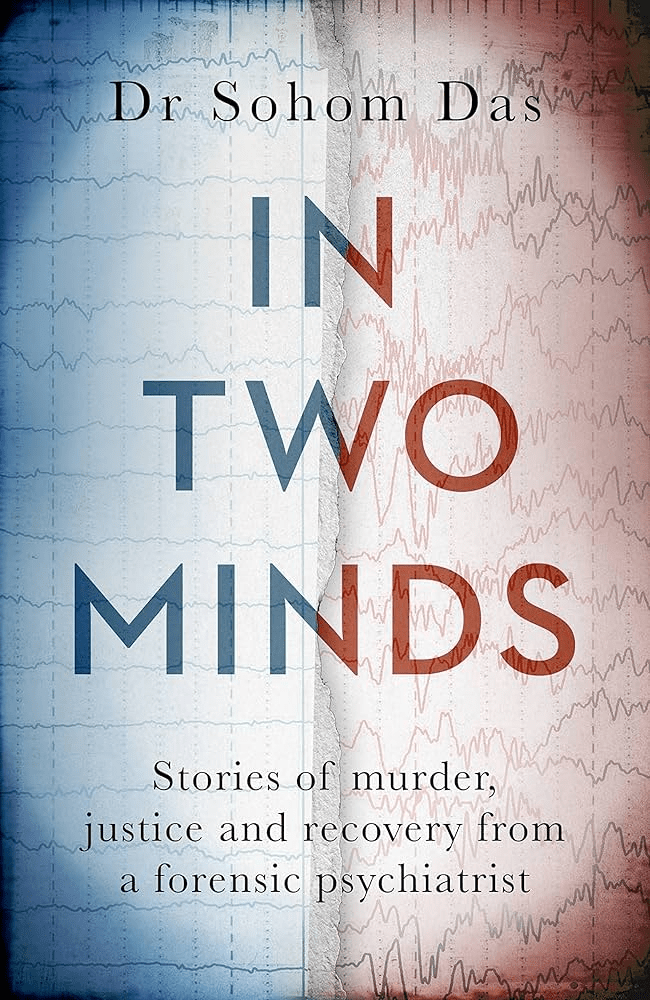
This week I listened to this podcast AND read the book “In Two Minds: Stories of Murder, Justice, and Recovery from a Forensic Psychiatrist” written by Dr. Sohom Das.
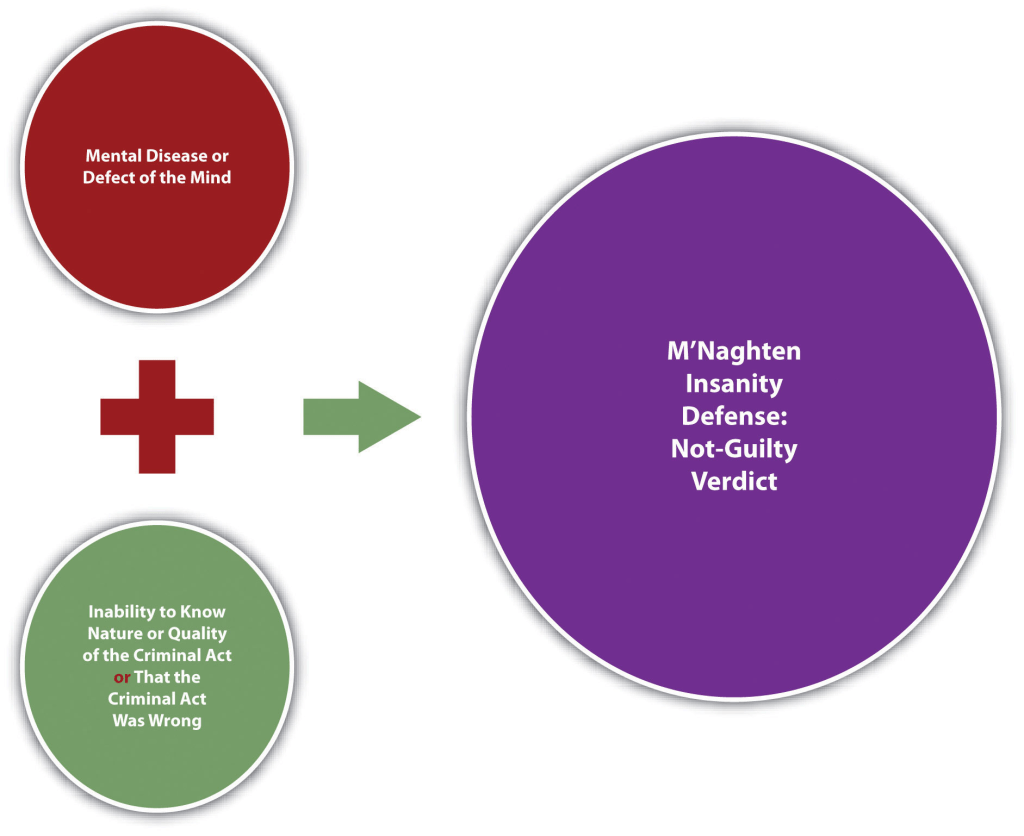
When a violent crime is committed, the justice system needs to determine if the perpetrator of that crime is a permanent danger to society who should be locked away for life, or if they’re mentally ill to a degree that proper treatment would allow them to re-enter that society. In other words, are they bad, or are they mad?
Dr. Sohom Das is a consultant forensic psychiatrist who works in prisons and criminal courts to assess and rehabilitate mentally ill offenders. He is also the author of “In Two Minds: Stories of Murder, Justice, and Recovery From a Forensic Psychiatrist.”
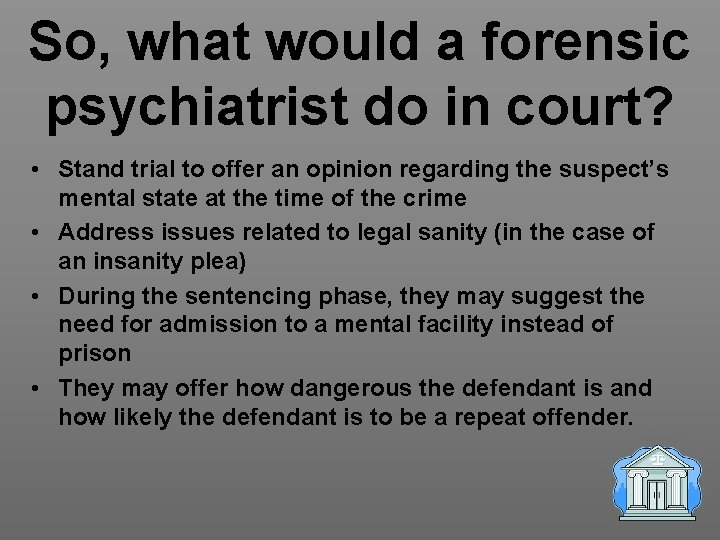
Forensic psychiatrists work in a few different environments. Dr. Sohom Das does most of his work in courts as an expert witness. His job is to decipher whether a defendant has a mental illness and whether they had symptoms at the time of the violent offense. If they did, he needs to determine whether their symptoms affect their criminal culpability. If they do, he makes a recommendation as to whether they should go to prison or to a psychiatric hospital.
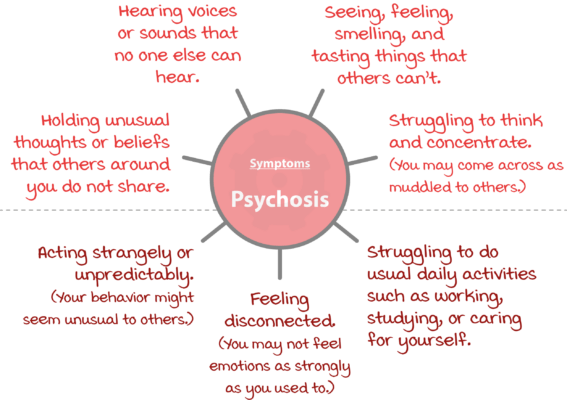
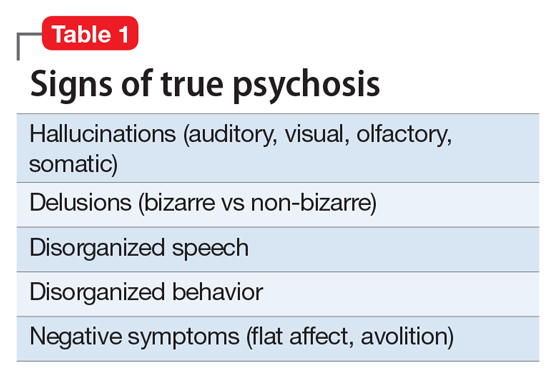
Determining mad vs. bad (a spectrum): mad (a psychotic illness – people hearing voices, telling them to hurt people, or people that have paranoid delusions). They might attack somebody because they have a delusional belief that that person’s a pedophile or that person wants to attack, hurt them, or kill them. So that’s one end of the spectrum.
The other end of the spectrum, which would be bad, would be a personality disorder. Psychopathy would be a really well-known one. Antisocial personality disorder causes people to be impulsive and aggressive. They don’t care about the rights and wrongs of other people. They are career criminals that just have a complete lack of empathy and remorse.
Dr. Sohom Das reports that 99 percent of the defendants that he has assessed have had some kind of trauma or abuse in their childhood: physical abuse, sexual abuse, neglectful parents, drug abuse, homelessness, witnessing violence, gang violence. These factors often cause criminality, but they also cause mental illness. So that’s why they’re so common. Dr. Sohom Das emphasized that he rarely sees someone who purely has a psychotic illness and has had no problems in their background or upbringing.
If you have a severe mental illness and you’re lucky enough to have a good family support structure that cares about you and will take you to a doctor and will make sure you take your prescribed medications, then your outcome generally is going to be a bit more positive.
A lot of his patients come from broken homes. They are adopted or brought up in the care system or have families that don’t look out for them. They drift into homelessness, and the mental illness itself can massively damage their physical health.
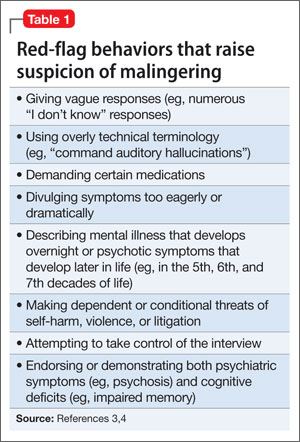
Regarding faking it: “If somebody tells me that they’re hearing voices, but they’ve been going to work every single day, they’re going down to the pub with their friends, they’re managing a normal home and family life, and they’re socializing, then I’m going to be suspicious. I’m looking at all of the evidence. I also see what their mental state is like from objective evidence from other people. If they’re remanded in prison, I will speak to the prison officers. If that person says they’re paranoid or is acting paranoid in front of me, but the prison officers say that they’re laughing and joking with others on the wings, then I’m suspicious.”
“The other telltale sign is that if somebody’s really, really unwell, they don’t have an agenda. They’re not trying to convince. They’re not trying to say that they need to be in the hospital because in their minds, those delusions are real. So they don’t think they need to be in the hospital or need antipsychotic medication. Whereas those who are trying to exaggerate or fabricate have an agenda. They tell me straight away that they’re hearing voices or that they’re paranoid.”
“So when somebody says, Voices inside my head,’ I’m already suspicious because an actual auditory hallucination feels as real as you hearing my voice now. It’s actually external outside to somebody’s head, even though people say ‘voices in my head’. The voices in psychosis tend to be quite blunt. If someone says they have a really detailed intellectual conversation with a voice, that’s really unlikely. It’s usually just one message and it’s negative, like ‘You’re a piece of sh*t‘ or ‘people think you’re a pedophile‘ or ‘these people want to rape you.’ They’re short, simple phrases that repeat over and over again.”
People can’t just fake it on the day of their psychiatric interview. If they claim to hear voices, it has to be bleed into their functioning and should affect their work, family members, and social functions. Witnesses would corroborate that a mentally ill person was acting bizarre and responding to themselves on the street, and police officers would also observe these behaviors. The police interview transcripts would indicate mental illness.
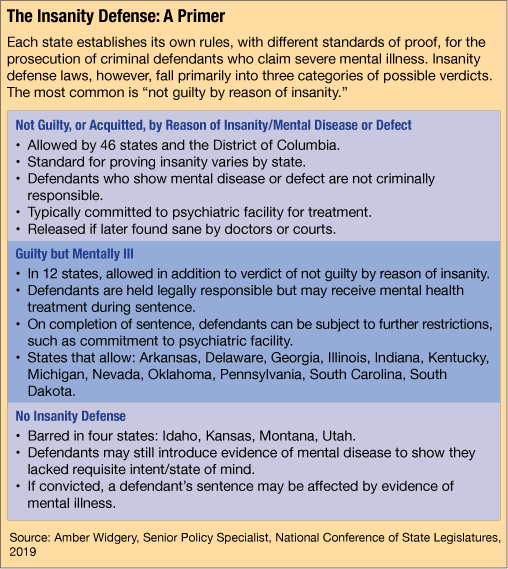
There’s a misconception that if you are found not guilty by reason of insanity, the case is dropped and you are released back onto the streets. That’s very rarely the case, especially if you’ve committed serious violence. The person would go to a secure psychiatric hospital for treatment, possibly for years.
By far the most common diagnosis is antisocial personality disorder. It’s somebody that’s impulsive, aggressive, doesn’t care about the rights and wrongs of other people, and doesn’t learn from their mistakes. They’ll have repeated prison sentences and won’t change their lifestyles. They are career criminals who intend to offend.
Psychopaths tend to have the symptoms of antisocial personality disorder, but also tend to be really charming, manipulative, and deceitful. It’s not obvious that they’re antisocial. They tend to be very charming and pleasant, but they will stab anyone in the back to get what they want.
Sociopaths tend to not be quite as skilled as psychopaths in fitting into society. They tend to be outlaws and career criminals. They don’t have the emotional stability to plot for months or weeks about how to hurt someone. Instead, they tend to explode in anger.
Borderline personality disorder came from being borderline between a personality disorder and a psychosis. People with borderline personality disorder don’t intend to offend and aren’t antisocial. They do have empathy and care about other people, but they have unstable relationships and tend to explode with anger because they can’t contain their emotions. They often lash out and regret it immediately, whereas psychopaths, sociopaths, and those with antisocial personality disorder don’t regret it.
Dr. Sohom Das has done over 1,000 evaluations for criminal court alone! His main priority is determining bad (personality disorder) vs. mad (psychosis). Because of their backgrounds with trauma, physical sexual abuse, homelessness, abusive parents, drug abuse, etc., they tend to have elements of personality disorder and elements of criminality. Although there are people on different points of the spectrum, the law is very black and white. So you either have a psychiatric defense like not guilty by reason of insanity or diminished responsibility for murder, or you don’t. There are no gray areas. It’s a yes or no. His role is never to decide whether someone’s guilty or not guilty or to decide the length of punishment.
If they end up going to prison, he can say that they should go to prison by saying that they shouldn’t go to hospital by process of elimination, but he can never say how long the prison sentence should be. He trusts and has to have trust in the court system.
Traits of school shooters Dr. Sohom Das has pointed out: They are usually quite isolated, withdrawn, and marginalized. They’re romantically and sexually unsuccessful (involuntarily celibate). They tend to find their own little communities on the internet and kind of weaponize and encourage misogyny. Entitlement is another trait. They feel entitled to sex. They feel that society is geared against them because they aren’t attractive.
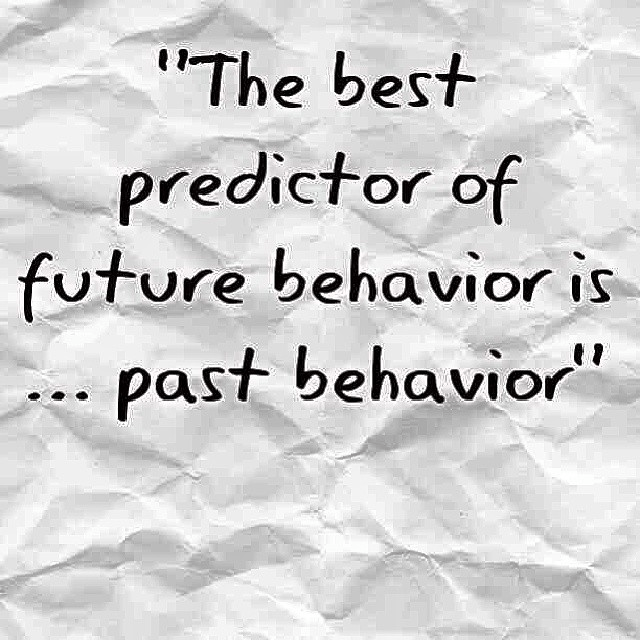
The easiest, simplest, and quickest predictor of future violence is previous violence, and it usually escalates. The majority of the time it’s young men who carry on offending, and their level of aggression and violence increases. They often don’t learn from their mistakes, so they serve prison sentences and carry on committing violence.
One of the cons of working as a forensic psychiatrist is the lack of customer satisfaction and success stories. They don’t hear about what happens to the clients after their assessment or treatment.
I look forward to reading, learning, and sharing more with you soon!











 Read Learn Share