Book review posts, Uncategorized

The Simple Path to Wealth

“The Simple Path to Wealth” was a very interesting, educational, easy read written by JL Collins, author of the blog jlcollinsnh.com. This was an excellent book I read as part of a book club I’m in. This book contained so much useful information and emphasized Vanguard as a stellar option for investments due to low fees and the self-cleansing Vanguard Total Stock Market Index Fund (VTSAX).
Main take-aways:

Seek the least house to meet your needs rather than the most house you can technically afford.

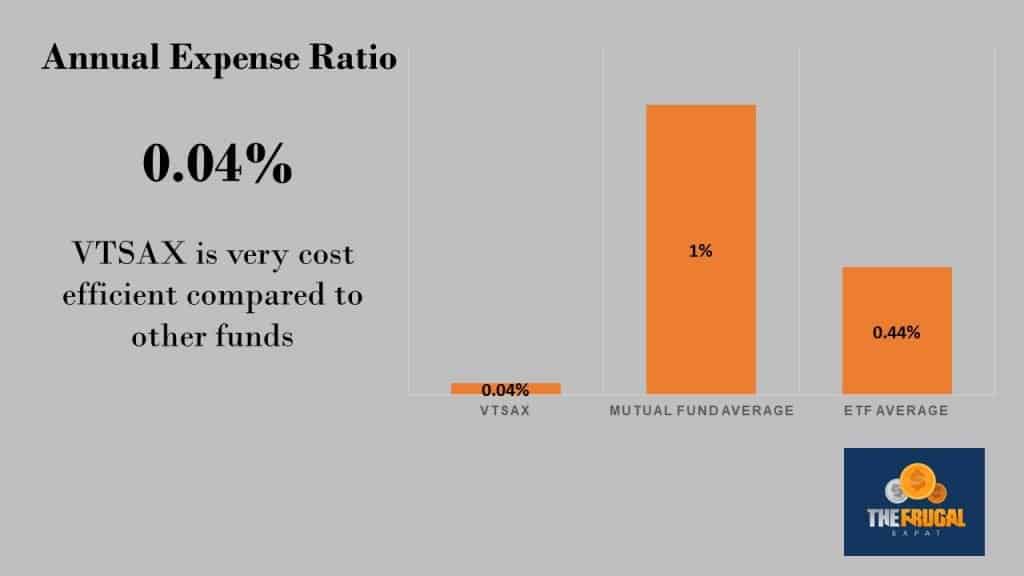
The Vanguard Total Stock Market Index Fund (VTSAX) holds about 3,500 companies and is self-cleansing. The expense ratio is only 0.04% and it is low-maintenance.
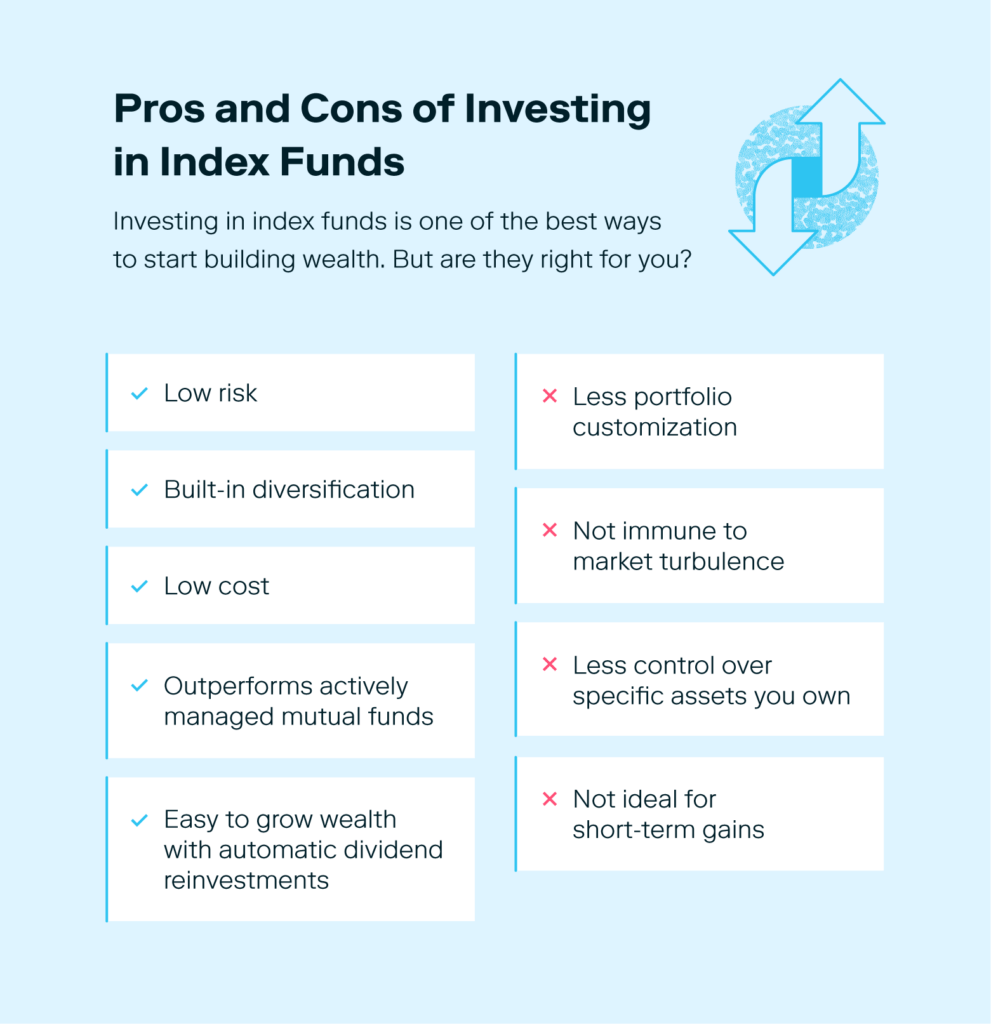
International funds are an added risk with added expense and are already covered with VTSAX (U.S. and international businesses). If you still want international funds with Vanguard, you can include VFWAX, VTIAX, or VTWSX.

Target retirement funds (portfolios based on the year you plan to retire) are also an option, although expense ratios are higher (0.14%-0.16%).

3 tools: stocks (VTSAX), bonds (VBTLX), and cash. You can do 100% stocks now (VTSAX) and then later include bonds.

If there is no VTSAX option for your retirement account, look for a low-cost index fund or target retirement fund.

With Vanguard, you own your mutual funds – and through them – Vanguard itself. It operates at cost, resulting in lower expense ratios. There are no shareholders to pay, and no one at Vanguard has access to your money.

Why most people lose $ in the market:

  • We think we can time the market.
  • We believe we can pick individual stocks.
  • We believe we can pick winning mutual fund managers. 82% failed to outperform the unmanaged index in 2013. Only about 1% of active traders outperform the market.

Downsides of having an advisor:

  • Cost
  • Drawn not to the best investments, but to those that pay the highest commissions and management fees
  • Assets under management (AUM) fees cost you a lot in terms of compounding.

You are considered financially independent and ready to retire if you have saved 25x your annual expenses. Let’s say you pay a 1% management fee in retirement (most advisors actually charge more than 1%). If you are living on 4% of your retirement funds each year (the recommended amount), your advisor is costing you at least a full 25% of your income!
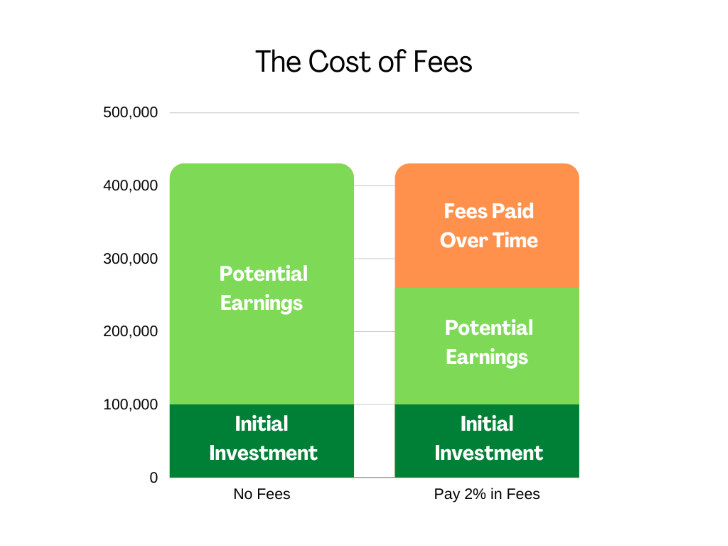
Using the 4% model, you may want to have a balance of 50% stocks and 50% bonds. 96% of the time, you will be able to live off of 4% each year for 30 years without fees. If you are paying a 1% fee, this drops to an 84% success rate. If you are paying a 2% fee, this drops to a 65% success rate. The solution is to have more cash saved, withdraw 3% of less, and be open to working part-time or relocate to save money. Do not set up an automatic 4% withdrawal plan! Instead, withdraw as needed.

A 401(k) or IRA is generally better than a Roth IRA. If you put $5,000 into a Roth IRA at a 25% tax bracket, you’d need $6,250. If you fund a 401(k) or IRA instead of a Roth IRA, you would still have the $1,250 to invest and would have huge returns over the years. Fully fund a Roth IRA only if your income is low enough that you’re paying little or no income tax.

When you leave a job, roll over your 401(k) or 403b into a personal IRA.

You are required to take minimum distributions at age 70 1/2 for your IRA/401(k)/403b. Shift your IRA to a Roth IRA to decrease the minimum distributions. Also, fully fund your HSA if you have one because it grows tax-free.

When I was reading this book, I had Roth IRA funds with an advisor that was charging over 1.25% in assets under management (AUM) fees + portfolio fees, and I didn’t even get to pick my investments! My money was not performing well with the portfolios he selected. I also had old 401(k)s with former employers.

Months after reading this book and researching on my own, I decided to combine my old 401(k)s into an IRA at Vanguard and I also transferred my Roth IRA to Vanguard. Through the conversion process, I learned the investments the advisor previously selected were awful, had high expenses, and probably resulted in high commissions, I had to pay various conversion fees to get out of those portfolios, and I transferred everything I previously had over to VTSAX with Vanguard. I also have a retirement savings plan with my current employer that is NOT at Vanguard.

My funds have been performing really well and I am on my way to achieving a big financial goal in the next year or two: have the equivalent of my annual salary saved for retirement (a goal many experts say you should achieve by age 30). I am behind according to experts, but I am grateful for the progress I have made and especially grateful for the low-maintenance portfolio with minimal expenses that Vanguard offers.

This educational video covers VTSAX.

I look forward to reading, learning, and sharing more with you soon!

Book review posts, Uncategorized

The Upstarts (Airbnb & Uber)

“The Upstarts” written by Brad Stone is a fascinating book about the history of Airbnb and Uber and the challenges the companies faced along the way. This was selected as a Best Book of the Year by the Washington Post, Forbes, the New Republic, The Economist, Bloomberg, and Gizmodo.

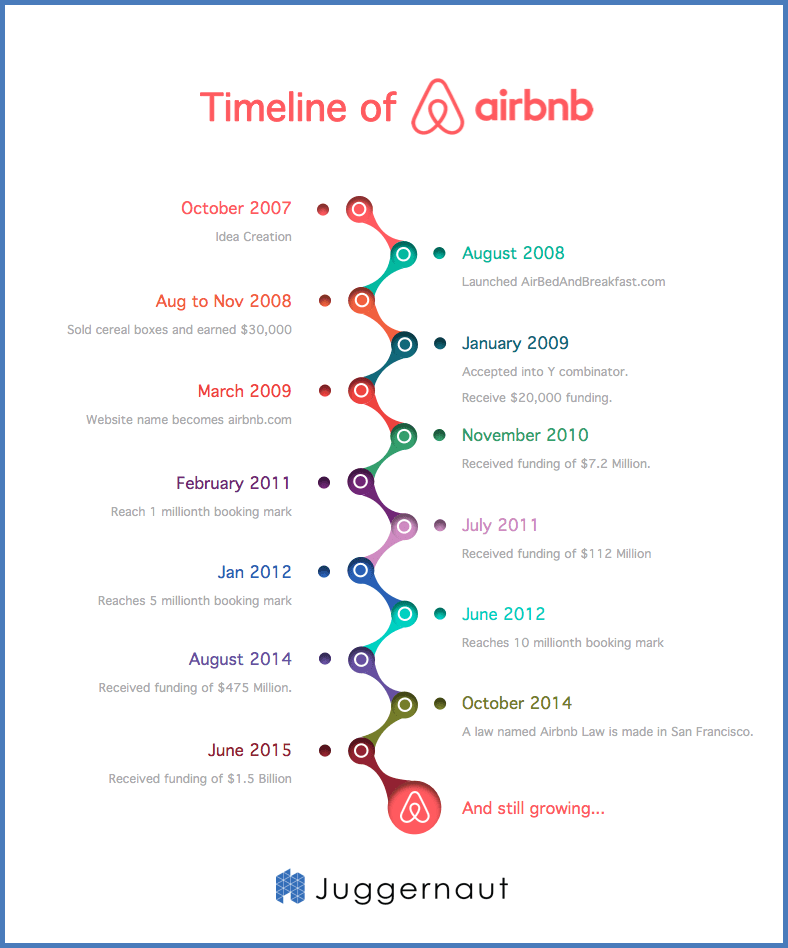
Airbnb can be considered the biggest hotel company on the planet, yet it possesses no actual hotel rooms. For most of its first year, Airbnb was a side project that many dismissed as wildly outlandish. After 8 years, investors valued the company at $30 billion, more than any hotel chain in the world! It is now valued at $73 billion.

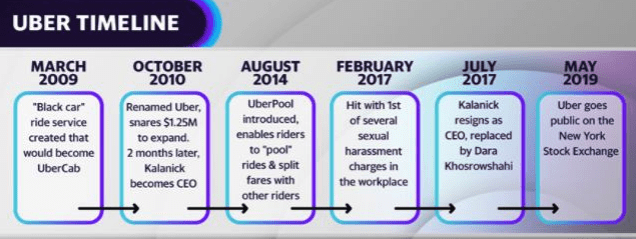
Uber is among the world’s largest car services, yet it doesn’t employ any professional drivers. Uber’s potential was underestimated and thought to be just for San Francisco, but the valuation is now $77 billion, more than any other privately held startup company in the world! Uber brings new transportation options to low-income neighborhoods that aren’t served well by yellow taxis. It creates flexible jobs for the unemployed, immigrants, and students looking to finance their education.

History:

Airbnb’s first rental was on October 16, 2007 during the World Design Conference in San Francisco, in which an airbed was rented for $80/night. This was when the website was a Free WordPress site: airbedandbreakfast.com. On New Year’s Eve in 2015, Airbnb booked 550,000 guests. On New Year’s Eve in 2016, Airbnb booked a whopping 1 million guests!

Uber is the partial result of research completed by Tim Ferriss. Tim researched comparable services, market, logistics, feasibility, and cab-industry dynamics and reported to Garrett Camp.

Some investors:

Some Airbnb investors include Jeff Bezos and Ashton Kutcher.

Some Uber investors include Chris Sacca, Ashton Kutcher, Jay Z, and Britney Spears. Chris Sacca was the earliest angel backer and invested $300k

Challenges:

Uber sidestepped laws requiring professional drivers to undergo rigorous training/fingerprint-based background checks and expensive government-issued chauffeur licenses. It faced resistance from taxi companies.

Airbnb is criticized for worsening the housing shortage, driving up housing costs, skirting hotel taxes, and violating short-term rental laws in some cities.

Concerns:

Airbnb concerns include safety, international competition, regulation, and executive recruitment.

Uber concerns include surge pricing to increase the number of rides and UberX to help Uber drivers finance the least of a new vehicle.

The cover of this book featured a wave. I love this quote explaining the cover:

“If you want to build a truly great company, you have got to ride a really big wave. And you’ve got to be able to look at market waves and technology waves in a different way than other folks and see it happening sooner, know how to position yourself out there, prepare yourself, pick the right surfboard – in other words, bring the right management team in, built the right platform underneath you. Only then can you ride a truly great wave. At the end of the day, without that great wave, even if you are a great entrepreneur, you are not going to build a really great business.”

This book was a fascinating read!

I look forward to reading, learning, and sharing more with you soon!

Book review posts, Uncategorized

The 7 Habits of Highly Effective People

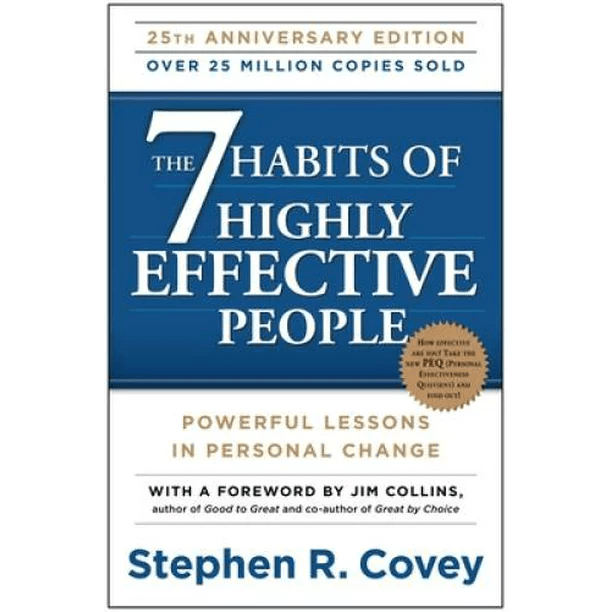
“The 7 Habits of Highly Effective People” is a very interesting and educational book written by Stephen R. Covey. I highly recommend this book and am certain everyone can get something out of this book.

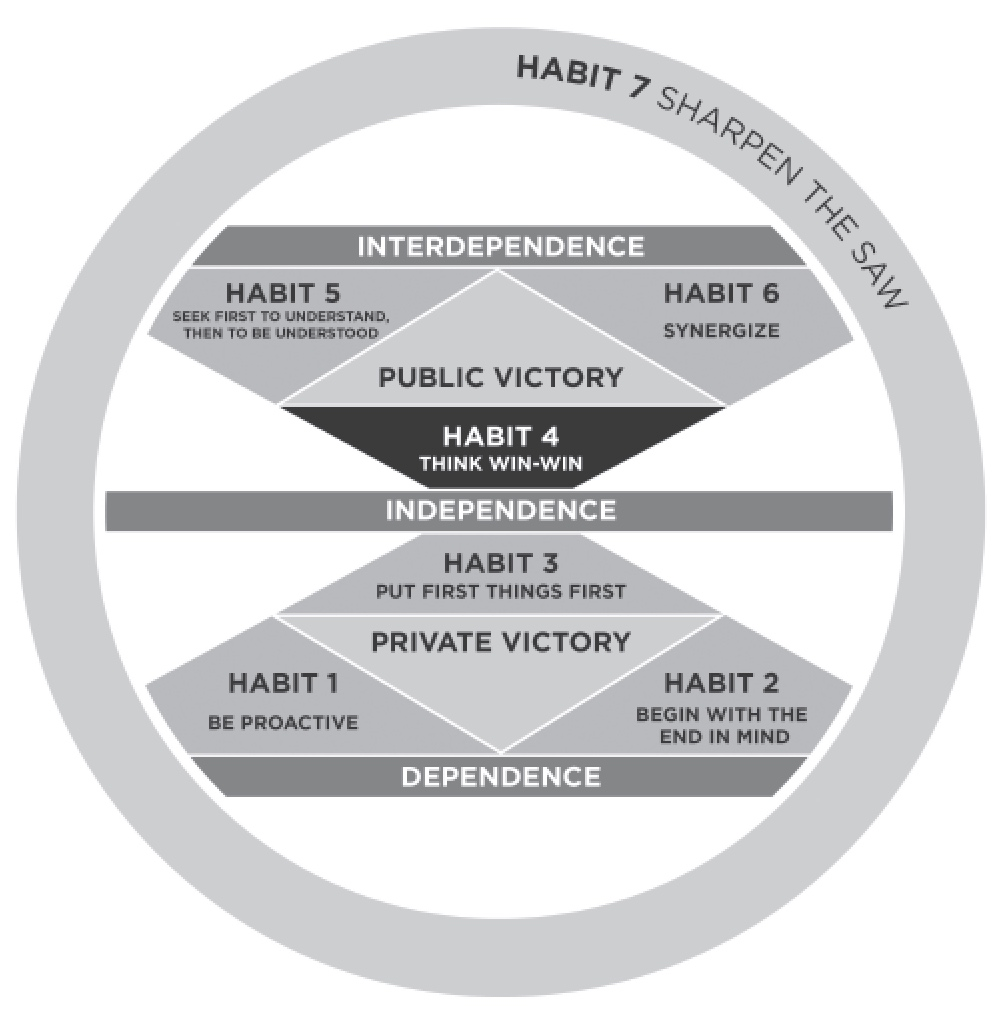
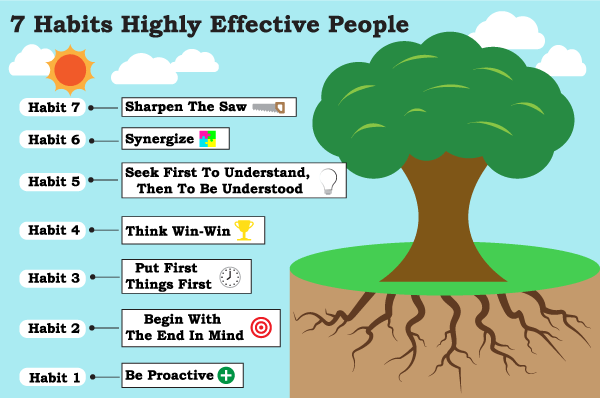
Habit 1: Be Proactive

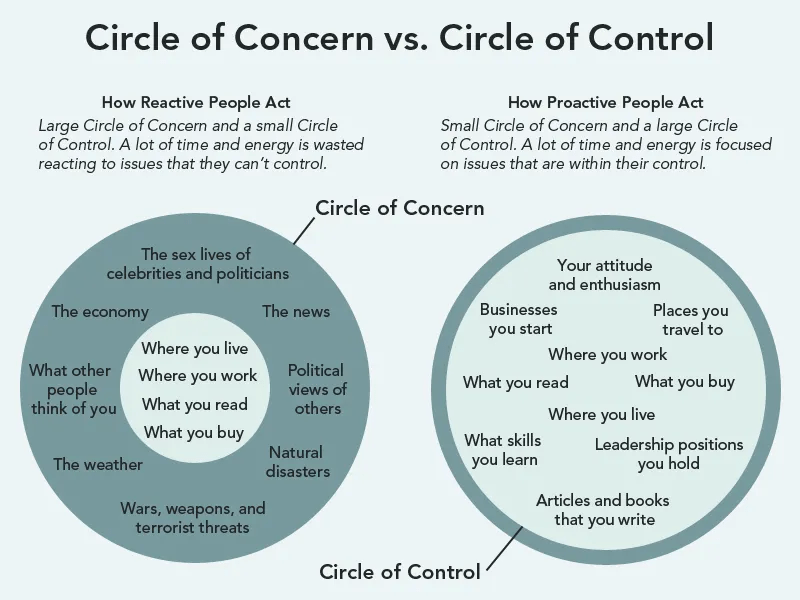
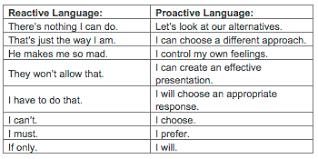
How often do you use and hear reactive phrases such as “If only,” “I can’t,” or “I have to?”

Use your R & I! Use your resourcefulness and initiative when problems arise!

Problems = direct control vs. indirect control vs. no control

  • Direct control problems are solved by working on our habits.
  • Indirect control problems are solved by changing our methods of influence.
  • No control problems involve taking the responsibility to change the line on the bottom of our face — to smile, to genuinely and peacefully acccept these problems and learn to live with them.

Between stimulus and response, man has the freedom to choose.

Viktor Frankl

Habit 2: Begin with the end in mind.

Picture your funeral. What would your family, friends, coworkers, and church members or community say about you? What character would you like them to have seen in you? What contributions or achievements would you want them to remember? What difference would you like to have made in their lives?

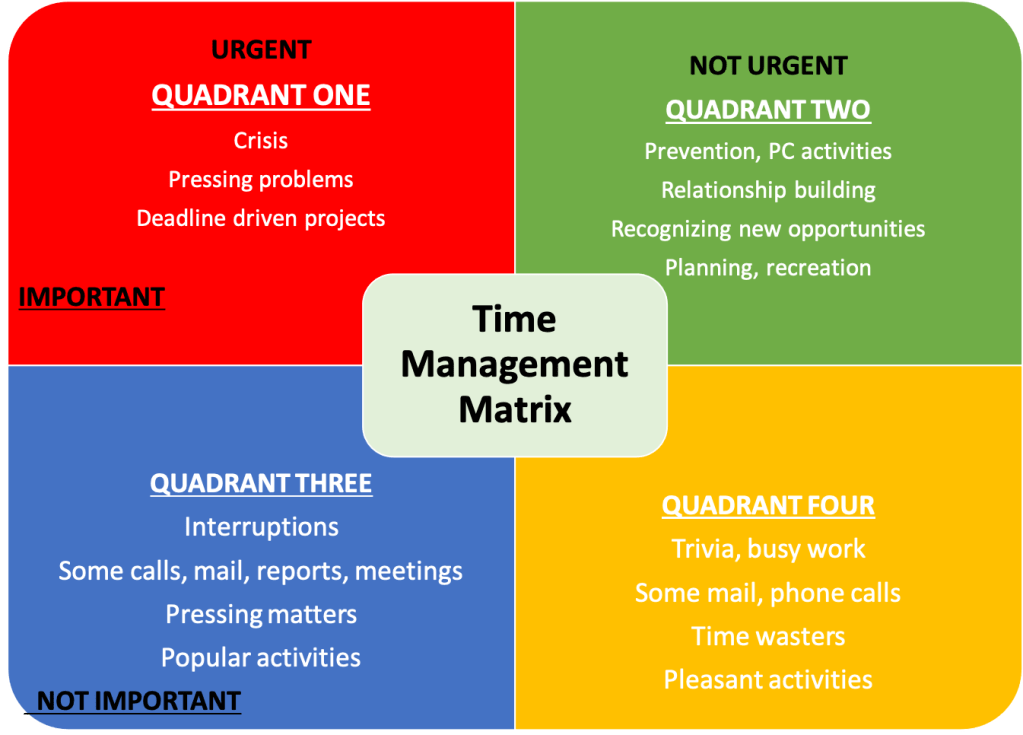
Habit 3: Put first things first.

The cause of almost all relationship difficulties is rooted in conflicting or ambiguous expectations around roles and goals. Many expectations are implicit. They haven’t been explicitly stated or announced. It is important to state expectations.

Many people refuse to delegate to other people because they feel it takes too much time and effort and they could do the job better themselves. Transferring responsibility to other skilled and trained people enables you to give your energies to other high-leverage activities. Delegation means growth, both for individuals and for organizations.

You can’t think efficiency with people. You think effectiveness with people and efficiency with things.

Stephen R. Covey

Habit 4: Think win-win.

Win/win = a frame of mind and heart that constantly seeks mutual benefit in all interactions. Seek to understand, identify the key issues and concerns, determine what results would constitute a fully acceptable solution, and identify possible new options and achieve those results.

Habit 5: Seek first to understand, then to be understood.

Seek first to understand, then to be understood. Most people listen with the intent to reply.

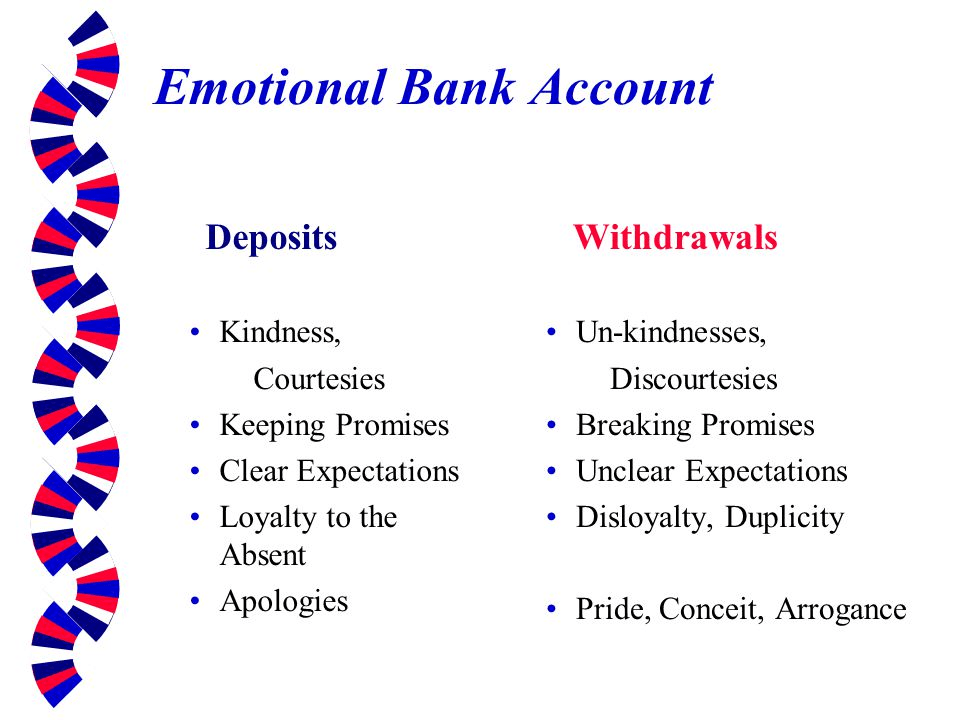
Continuous deposits are needed. 6 major deposits: understanding the individual, attending to the little things, keeping commitments, clarifying expectations, showing personal integrity, apologizing sincerely when you make a withdrawal.

Habit 6: Synergize.

As a principle-centered person, you try to stand apart from the emotion of the situation and from other factors that would act on you and evaluate the options. Looking at the needs that may be involved and the possible implications of various alternative decisions, you’ll try to come up with the best solution, taking all factors into consideration.

The person who doesn’t read is no better off than the person who can’t read.

Stephen R. Covey

Management is doing things right. Leadership is doing the right things.

Stephen R. Covey

Habit 7: Sharpen the saw.

Life life in crescendo. The most important work you will ever do is always ahead of you. Regardless of what you have or haven’t accomplished, you have important contributions to make.

What one thing could you do that, if you did it on a regular basis, would make a tremendous positive difference in your personal life? What one thing in your business or professional life would bring similar results?

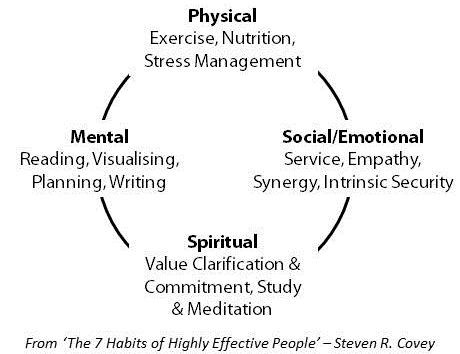
4 dimensions of renewal

Daily Private Victory- Spend a minimum of one hour a day in renewal of the physical, spiritual, and mental dimensions. This is the key to developing the 7 habits.

I highly recommend this book!

I look forward to reading, learning, and sharing more with you soon!

Book review posts, Uncategorized

Killing Sacred Cows: Overcoming Financial Myths

“Killing Sacred Cows: Overcoming the Financial Myths That Are Destroying Your Prosperity” was written by Garrett B. Gunderson and was both educational and interesting. In the financial world, sacred cows are the myths and traditions that distort our thinking about money, wealth, success, and prosperity. I don’t agree with all of the information provided, but this book left me pondering and learning about new perspectives.

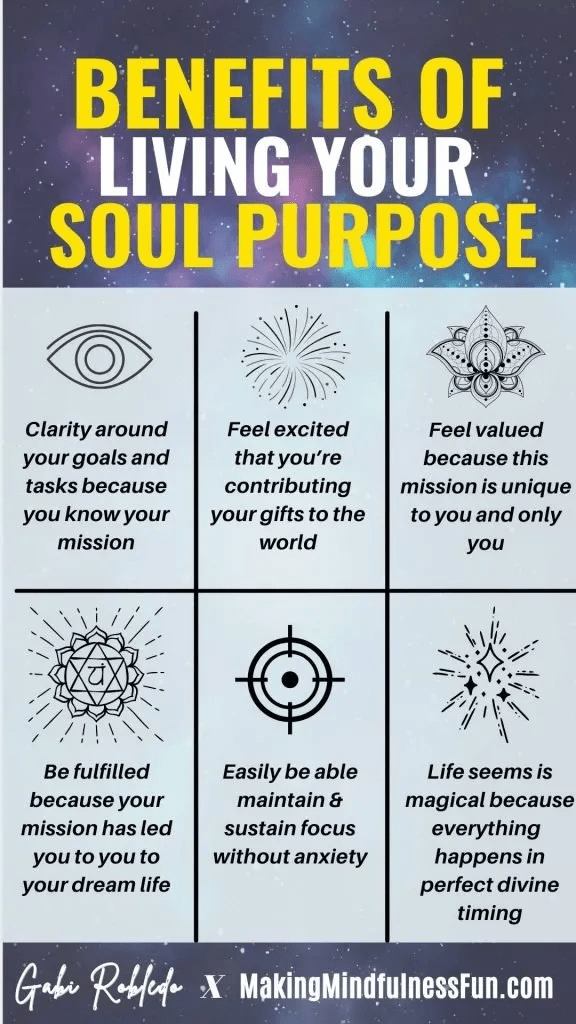
This book emphasized finding your soul purpose and maximizing your human life value. In a nutshell, your soul purpose is utilizing your talents, abilities, and passions productively and effectively to make an impact on the world and bring joy to you and others. Human life value is your combination of knowledge, skills, and abilities you can use to increase your income.

The first step to increasing our human life value is education. Then, we must take action on what we have learned and dedicate ourselves to finding and living our soul purpose. The ultimate end of every one of our decisions should be to get us closer to finding and living our soul purpose. What strengths, abilities, skills, or advantages do you feel could be utilized to create maximum value in the marketplace?

Learn to prioritize value and utility over price. Would you buy it if it weren’t on sale? Consider opportunity costs. Most financial advice focuses on cutting costs and saving. This book takes a different approach. Instead of “I can’t afford this” ➠ “How can I create more value in the world so that I can afford this?”

Banks make $ without big risks. They check your credit, secure their investments with collateral, require a down payment, determine interest rate/payment/period, sometimes impose prepayment penalties, cover their investments with insurance, and transfer their risks to the borrower in any way possible. We as investors/gamblers don’t have any of these risk management tools.

Three quotes about retirement resonated with me:

“Our goal should never be to become millionaires; our goals should be based on what will bring us our ideal quality of life and the highest level of happiness.”

“The ultimate end of every one of our decisions should be to get us closer to finding and living our soul purpose. If you found your soul purpose, would you ever want to retire?”

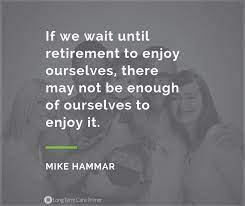
“What are you waiting for? Why not live like you really want to today instead of buying into the financial myths that tell you that your dreams are only possible in retirement?”

This author really emphasized that 401(k)s are a “scam” due to limited opportunity for cash flow, lack of liquidity, market dependency, lack of knowledge, administrative fees, underutilization because of tax deferral, higher tax brackets upon withdrawal, estate taxes, no exit strategy, no guarantees, no control of performance, and a penalty for withdrawing early. While I understand his points, I’m unsure of alternatives, as the author didn’t delve into them. It is important to be aware of fees, investment options, and vesting schedules when contributing to a 401(k).

This book presented some new information and perspectives, but was not comprehensive. It can be part of your financial education, but there are better financial books out there that are more educational.

I love forward to reading, learning, and sharing more with you soon!
Book review posts, Uncategorized

“Getting Away” Without Getting Away

“Getting Away- 75 Everyday Practices for Finding Balance in Our Always-On World” was published in 2020 and written by Jon Staff, a founder of Getaway. This was one of the most fascinating, insightful books I read in 2022 and it was packed with resources from hiking, phone apps, volunteering, flowers, etc.!

Read more about Getaway here: https://getaway.house/about/

Photo credit: Getaway.house

This book presented 75 ideas for finding balance in our daily lives. How we spend our days, is, of course, how we spend our lives.

Among my favorite suggestions: keep a gratitude journal, turn off push notifications and audit your phone usage, practice deep listening by not tending to your phone when having in-person conversations, wake up with a physical alarm clock, focus on one task at a time, observe a digital sabbath, listen to an album from start to finish, go on hikes, and add downtime to your calendar.

“Allowing an app to send you notifications is like allowing someone to insert a commercial into your life anytime they want.”

Jon Staff

Disable push notifications. Audit your phone usage by going to Settings (ScreenTime for iOS, Digital Wellbeing for Android). After reading this, I have regularly turned off most push notifications (Facebook, Messenger, Outlook, etc.) and it has been so freeing! I feel less stressed without these interruptions throughout the day and am more productive!

The average American spends 20 hours/week watching TV! This is the equivalent of a part-time job! Make a list of activities to do in your new free time instead.

Wake up to the radio as an alarm. Humans are conditioned to hear voices, not beeps. Also, listen to an AM/FM radio or an entire album sometimes. This creates an added level of discovery. You can’t control what plays and you are likely to hear something new. I know I’m guilty of switching songs every time I stream and don’t feel like listening to a song at a particular time and I think I will try this!

Several resources were also provided in this book:

Phone apps to control app usage: RescueTime, Self Control

Volunteer opportunities: Volunteer Match, Idealist

Hiking: All Trails, Hiking Project, Outdoor Project, Trail Link

Getaway outposts are located throughout the United States. Find out more here: https://getaway.house/our-outposts. I have stayed at a tiny Getaway cabin a couple times, and I highly recommend it. I have loved the convenience of nature and several hiking trails and state parks somewhat nearby. Hiking is one of my favorite activities to “get away.” Last year, we stayed at Getaway for my birthday and hiked at four state parks in four days!

Some of my favorite personal photos from my Getaway trips:

I look forward to reading, learning, and sharing more with you soon!
Book review posts, Uncategorized

How Will You Measure Your Life?

“How Will You Measure Your Life?” was written by Clayton M. Chesterton, James Allworth, and Karen Dillon, all of whom were once associated with Harvard Business School or the Harvard Business Review. This book covered how to be successful and happy in your career, how to make your relationships an enduring source of happiness, and how to live a life of integrity. Several examples and insights were provided.

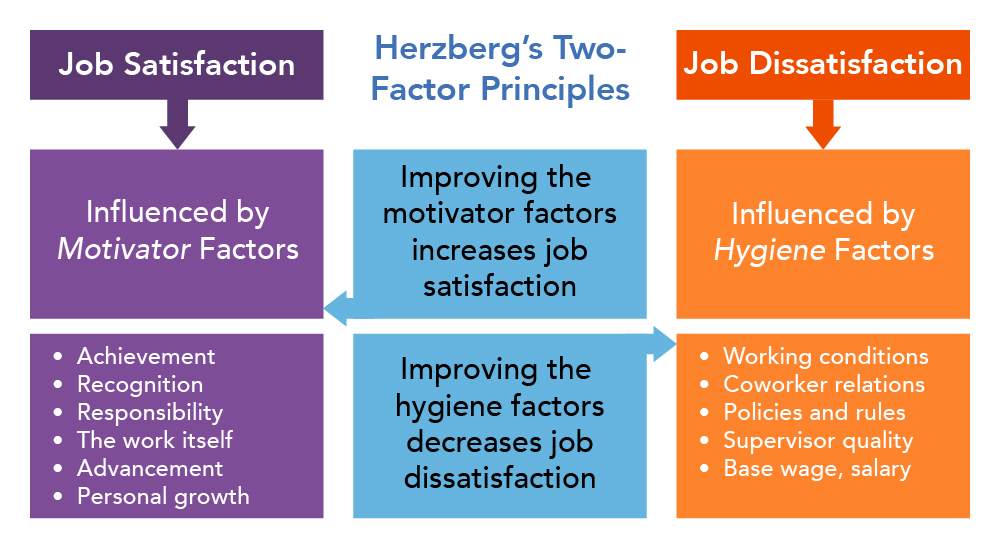
There are hygiene factors and motivators at work. Hygiene factors include status, compensation, job security, work conditions, company policies, and supervisory practices. If you have these, you won’t suddenly love your job; you just won’t hate it. Compensation is a hygiene factor. Motivators include challenging work, recognition, responsibility, personal growth, and meaningful work. These things make you enjoy a job and want to stay.

Many people choose jobs for the $ and then think they’ll later return to their passion but never do, causing resentment of their work. It is hard to dwindle back your lifestyle and transition to a field where you make less $.

Make sure your values and priorities align with how you spend your time, energy, talent, and money. With every decision you make about how you spend your time, energy, talent, and money, you are making a statement about what really matters to you.

High-achievers tend to focus a great deal on becoming the person they want to be at work and far too little on the person they want to be at home.

*If you defer investing your time and energy until you see that you need to, chances are that it will already be too late.

The path to happiness in marriage is about finding someone who you want to make happy – someone whose happiness is worth devoting yourself to.❤️

Thinking about your relationships from the perspective of the job to be done is the best way to understand what’s important to the people who mean the most to you. “What job does my spouse most need me to do?”

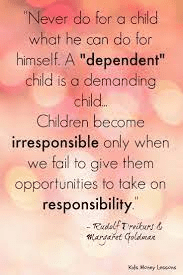
Don’t flood your children with your resources and do everything for them. They need to be challenged and solve hard problems and develop themselves.

Outsourcing can lead to losing valuable opportunities to help nurture and develop them. Teach them how to deal with pressure and build resilience and solve problems. Find the right experiences to help them build the skills they’ll need to succeed. Some of the greatest gifts are what your parents didn’t do for you.

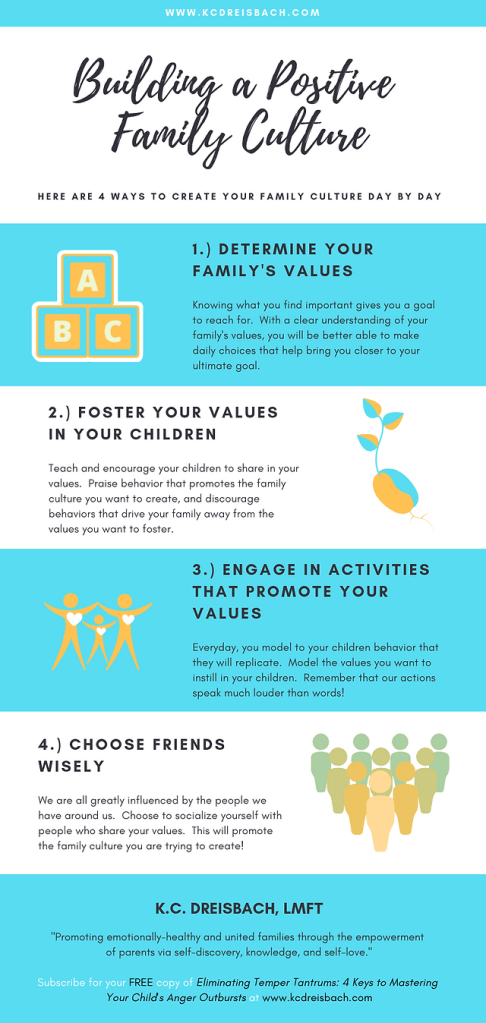
When our children are ready to learn, we need to be there. We also need to be found displaying the priorities and values we want our children to learn – through our actions.

You have to build the culture you want in your family. If you do not consciously build it and reinforce it from the earliest stages of your family life, a culture will still form – but it will form in ways you may not like.

Decide what you stand for and stand for it all the time – no “just this once” exceptions.

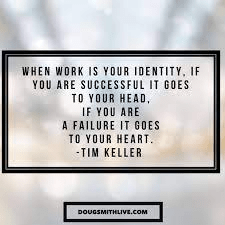
This book really resonated with me. For several years, I prioritized working multiple jobs and paying off student loan debt/saving money, so I did not have a social life or really any personal hobbies I regularly devoted myself to. Work was essentially my identity. In the past year, I have prioritized daily habits, working less, socializing, and personal hobbies and am much more satisfied. I have been discerning whether to become an attorney, but from the insights I have gathered, the work-life balance is not enticing. Being an attorney has been my goal or plan since college, and now my mindset has shifted to consider work-life balance. Would this career path allow me a work-life balance to have personal hobbies, a social life, and quality time with my husband and future children? That is how I will measure my life.

The type of person you want to become – what the purpose of your life is – is too important to leave to chance. It needs to be deliberately conceived, chosen, and managed.

How will you measure your life?

I look forward to reading, learning, and sharing more with you soon!

Book review posts, Uncategorized

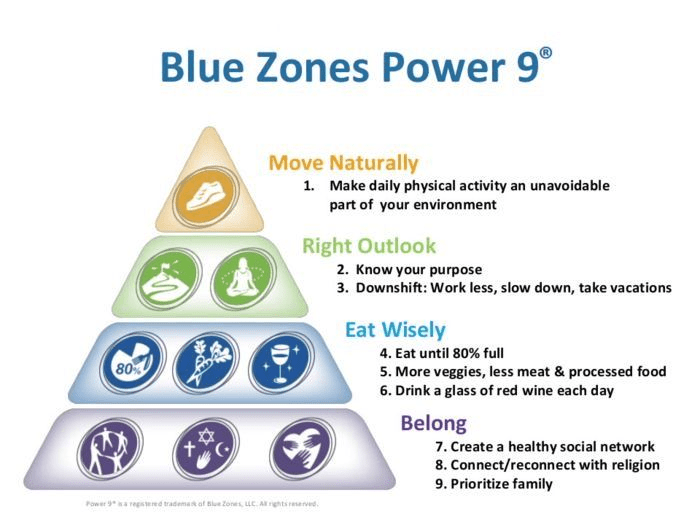
The Blue Zones/Lessons in Longevity

“The Blue Zones” is an interesting New York Times bestseller written by Dan Buettner, a longevity expert who traveled the world to meet the planet’s longest-living people in unique communities called Blue Zones, where common elements of diet, lifestyle, and outlook have led to a great quantity and quality of life.

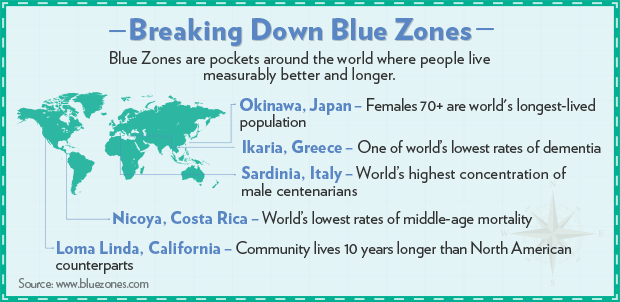
Sardinia’s Blue Zone lessons (Italy):

  • Eat a lean, plant-based diet accented with meat. Drink goat’s milk. Drink a glass of red wine daily.
  • Put family first, celebrate elders, and laugh with friends.
  • Take a walk.

Okinawa’s longevity lessons (Japan):

  • Embrace an ikigai (purpose), secure social network, and affable smugness.
  • Rely on a plant-based diet and eat more soy.
  • Get gardening, enjoy the sunshine, stay active, and plant a medicinal garden.

Loma Linda’s Blue Zone secrets (California):

  • Find a sanctuary in time (ex: 24-hour Sabbath).
  • Maintain a healthy BMI and get regular, moderate exercise.
  • Spend time with like-minded friends and give something back.
  • Snack on nuts, eat in moderation, eat an early and light dinner, put more plants in your diet, and drink plenty of water.

Costa Rica’s longevity secrets:

  • Have a strong sense of purpose, keep a focus on family, maintain social networks, keep hard at work, and embrace a common history.
  • Drink hard water, eat a light dinner, and get some sensible sun.

Ikaria’s Blue Zone secrets (Greece):

  • Drink goat’s milk, eat a Mediterranean-style diet, stock up on herbal teas, and fast occasionally.
  • Mimic mountain living, nap, and make friends and family a priority.

9 lessons overall:

  1. Move naturally and be active without having to think about it. Walk. Garden. Have fun.
  2. Hara Hachi Bu– eat until you are 80% full. Serve yourself at your counter and put food away before eating. Use smaller plates. Eat more slowly, sit, and focus on food, not on work or tv.
  3. Avoid meat and processed foods. Limit meat, increase your bean consumption, eat nuts every day, and showcase fruits and vegetables.
  4. Introduce a glass of wine into a daily routine — high-quality red wine.
  5. Take time to see the big picture and realize your purpose. Craft a personal mission statement. Learn something new.
  6. Take time to relieve stress. Plan to be early, meditate, and minimize time spent with electronics.
  7. Participate in a spiritual community. Be involved.
  8. Make family a priority. Establish rituals. Create a family shrine.
  9. Be surrounded by those who share Blue Zone values. Identify your inner circle, be likable, and create time together.

You can take a test to calculate your life expectancy and how long you’ll stay healthy here:

https://apps.bluezones.com/en/vitality

I look forward to reading, learning, and sharing more with you soon!

Book review posts, Uncategorized

Wisdom from “1000+ Little Things Happy Successful People Do Differently”

“1000+ Little Things Happy Successful People Do Differently” was written by Marc Chernoff, co-author of the blog Marc & Angel Hack Life and New York Times bestseller “Getting Back to Happy.” This book was in a listicle format and, although the title is deceiving and inaccurate, I learned so much from this book.

Millions of people live their entire lives on default settings, never realizing they can customize everything. Dare to make edits and improvements. Dare to make your personal growth a top priority.

“Don’t ask ‘Why me? Why didn’t I…? What if…?‘ Instead, ask ‘What have I learned from this experience? What do I have control over? What can I do right now to move forward?‘”

Extend generosity and grace. When someone is grouchy, tired, or whatever you don’t desire, add “just like me sometimes.” Ex: “That person was so rude…just like me sometimes.”

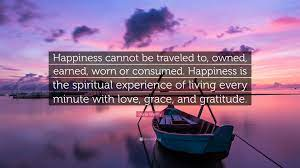
Happiness cannot be traveled to, owned, earned, worn, or consumed. Happiness is the sacred experience of living every moment with love and gratitude.

“Imagine you had a ripe, juicy tangerine sitting on the table in front of you. You pick it up eagerly, take a bite, and begin to taste it.

You already know how a ripe, juicy tangerine should taste, and so when this one is a bit tarter than expected, you make a face, feel a sense of disappointment, and swallow it, feeling cheated out of the experience you expected.

Or perhaps the tangerine tastes completely normal— nothing special at all. So, you swallow it without even pausing to appreciate its flavor as you move on to the next unworthy bite, and the next.

In the first scenario, the tangerine let you down because it didn’t meet your expectations. In the second, it was too plain because it met your expectations to a T.

Do you see the irony here? Nothing really meets our expectations.”

We need to adopt a mindset free of needless, stifling expectations. The tangerine can be substituted for almost anything in your life: any event, any situation, any relationship, any person, any thought at all that enters your mind. If you approach any of these with expectations of “how it should be” or “how it has to be” in order to be good enough for you, they will almost always disappoint you in some way.

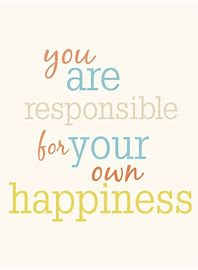
The only person who can make you happy is you. You are also the only person responsible for your success.

Failure is a part of success. Failure becomes success when we learn from it. Focus on how far you have come.

You will never feel 100 percent ready when an opportunity arises. Embrace the opportunity and allow yourself to grow emotionally and intellectually.

View every challenge as an educational assignment: “What is this situation meant to teach me?” Be a student of life every day. Experience it, learn from it, and absorb all the knowledge you can.

When someone upsets you, it’s often because they didn’t behave to your fantasy of how they “should” behave. The frustration stems not from their behavior, but your expectations. You can’t control how others behave or what happens to you, but you can control your response.

Life is kind of like a party. You invite a lot of people, some leave early, some laugh with you, and a few stay to help you clean up the mess. The ones who stay are your real friends in life.

Over the past month, what have your actions been silently saying about your priorities? Are there any changes you want to make?

If you had a friend who spoke to you in the same way that you sometimes speak to yourself, how long would you allow that person to be your friend? The way you treat yourself sets the standard for others.

Do your best with what’s in front of you and leave the rest to the powers above you.

Marc Chernoff

30-day challenge ideas to improve your life:

  • Get rid of one thing a day for 30 days
  • Wake up 30 minutes earlier than usual
  • Ditch 3 bad habits
  • Define one long-term goal and work on it for an hour every day
  • Watch or read something that inspires you every morning
  • Cook one new recipe each day
  • Each day, have a conversation with someone you rarely speak to
  • Document every day with one photograph and one paragraph

20 questions you should ask yourself every Sunday- linked here:

I look forward to reading, learning, and sharing more with you soon!
Book review posts, Uncategorized

Unwinding Anxiety + Habit Loops

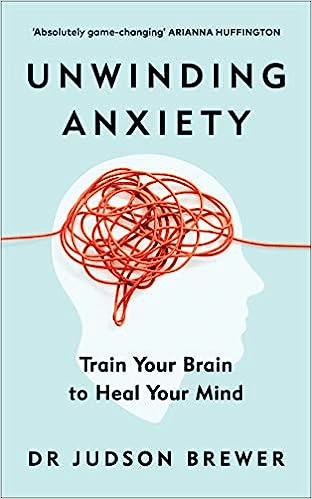
“Unwinding Anxiety” was written by Judson Brewer, MD, PhD, an internationally renowned addiction psychiatrist and neuroscientist, director of research and an associate professor at Brown University, and founder of Eat Right Now and Craving to Quit apps. Further, his 2016 Ted Talk “A Simple Way to Break A Bad Habit” has over 16 million views! This book emphasized that anxiety and addictions (eating, smoking, drinking, etc.) manifest themselves in habits and the first step to overcoming them is to understand the origin of the habits we want to eliminate or replace and update the reward values.

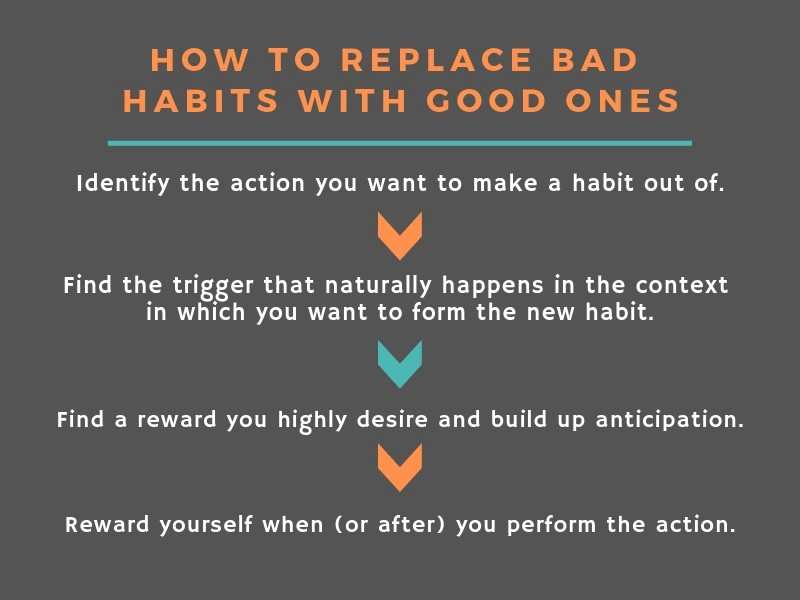
  • 1. Identify your habit loops.
  • 2. Update the reward values of the behaviors you want to change (using mindfulness and curiosity).
  • 3. Replace your old habits with new, healthier habits.

Paying attention is really important if you want to change a habit. If it’s a habit that you desperately want to break, you can’t tell, force, or wish it to stop because these likely don’t have an effect on its reward value. Look and learn. Ask yourself “What do I get from this?” when thinking about the result of bad habits.

If you struggle with overeating, focus on the full and bloated feeling you get when you’re done eating.

If you struggle with smoking, be mindful and think about the taste and smell (I was surprised to learn that most smokers in a study reported that when they paid attention when trying to quit, they realized they hated the smell and taste)!

Force your old brain to relearn and reassociate negative feelings with the habits you want to change. It is true that past behavior is likely the best predictor for future behavior, but what we do in the present moment, not what we did in the past, will determine the likelihood of continuing or changing that trajectory.

Use RAIN:

  • Recognize what is happening right now.
  • Allow/accept it.
  • Investigate body sensations, emotions, or thoughts.
  • Note what is happening in your experience.

Examples of habit loops:

  • Trigger: getting into an argument
  • Behavior: bingeing
  • Result: feeling physically, emotionally, and mentally awful with no improvement in relationship
  • Trigger: start working on long task and feel overwhelmed
  • Behavior: check social media
  • Result: avoidance; feel more stressed that no progress is made
  • Trigger: anxiety/sadness
  • Behavior: start drinking
  • Result: numbing, forgetting, feeling intoxicated, avoidance
  • Trigger: look at unfinished to-do list
  • Behavior: worry about not getting it done
  • Result: feel anxious

This book was an educational read and seemed geared more toward overall addictions and habits, not just anxiety.

I look forward to reading, learning, and sharing more with you soon!
Book review posts, Uncategorized

Man’s Search for Meaning

“Man’s Search for Meaning” written by Viktor E. Frankl has been translated into more than 50 languages and sold over 16 million copies, and it was one of the top 20 books I read in 2022. This book contained a riveting account of Viktor Frankl’s time in the Nazi concentration camps and his insightful exploration of the human will to find meaning in spite of suffering.

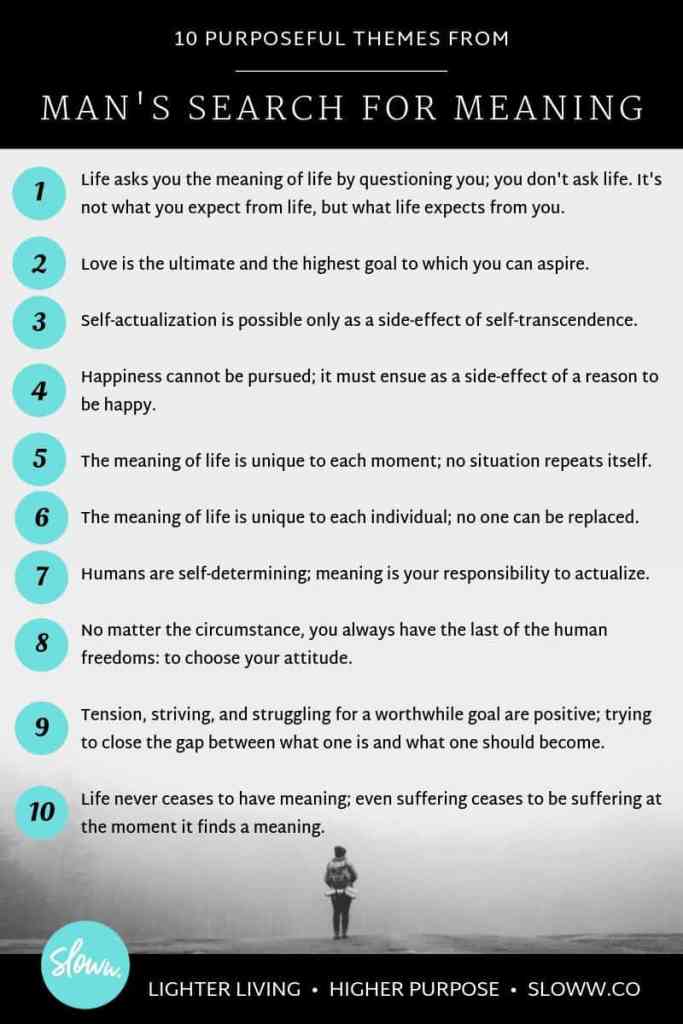
At the heart of his theory, known as logotherapy, is the belief that the primary human drive is not pleasure, but the pursuit of what we find meaningful.

To find a meaning in one’s life is the primary motivational force in man.

3 possible sources of meaning:

  • work- by doing something significant
  • love- by caring for another person
  • courage during difficult times

“Everything can be taken away from a man but one thing: the last of the human freedoms – to choose one’s attitude in any given set of circumstances – to choose one’s own way.”

Viktor E. Frankl

Any man can decide what shall become of him – mentally and spiritually. He may retain his human dignity even in a concentration camp.

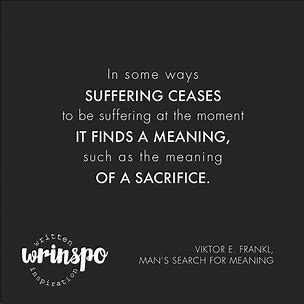
There is meaning in suffering. The way in which a man accepts his fate and all of the suffering it entails gives him ample opportunity to add a deeper meaning to his life.

I look forward to reading, learning, and sharing more with you soon!