“Getting Away- 75 Everyday Practices for Finding Balance in Our Always-On World” was published in 2020 and written by Jon Staff, a founder of Getaway. This was one of the most fascinating, insightful books I read in 2022 and it was packed with resources from hiking, phone apps, volunteering, flowers, etc.!
This book presented 75 ideas for finding balance in our daily lives. How we spend our days, is, of course, how we spend our lives.
Among my favorite suggestions: keep a gratitude journal, turn off push notifications and audit your phone usage, practice deep listening by not tending to your phone when having in-person conversations, wake up with a physical alarm clock, focus on one task at a time, observe a digital sabbath, listen to an album from start to finish, go on hikes, and add downtime to your calendar.
“Allowing an app to send you notifications is like allowing someone to insert a commercial into your life anytime they want.”
Jon Staff
Disable push notifications. Audit your phone usage by going to Settings (ScreenTime for iOS, Digital Wellbeing for Android). After reading this, I have regularly turned off most push notifications (Facebook, Messenger, Outlook, etc.) and it has been so freeing! I feel less stressed without these interruptions throughout the day and am more productive!
The average American spends 20 hours/week watching TV! This is the equivalent of a part-time job! Make a list of activities to do in your new free time instead.
Wake up to the radio as an alarm. Humans are conditioned to hear voices, not beeps. Also, listen to an AM/FM radio or an entire album sometimes. This creates an added level of discovery. You can’t control what plays and you are likely to hear something new. I know I’m guilty of switching songs every time I stream and don’t feel like listening to a song at a particular time and I think I will try this!
Several resources were also provided in this book:
Phone apps to control app usage: RescueTime, Self Control
Hiking: All Trails, Hiking Project, Outdoor Project, Trail Link
Getaway outposts are located throughout the United States. Find out more here: https://getaway.house/our-outposts.I have stayed at a tiny Getaway cabin a couple times, and I highly recommend it. I have loved the convenience of nature and several hiking trails and state parks somewhat nearby. Hiking is one of my favorite activities to “get away.”Last year, we stayed at Getaway for my birthday and hiked at four state parks in four days!
Some of my favorite personal photos from my Getaway trips:
I look forward to reading, learning, and sharing more with you soon!
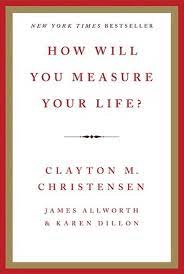
“How Will You Measure Your Life?” was written by Clayton M. Chesterton, James Allworth, and Karen Dillon, all of whom were once associated with Harvard Business School or the Harvard Business Review. This book covered how to be successful and happy in your career, how to make your relationships an enduring source of happiness, and how to live a life of integrity. Several examples and insights were provided.
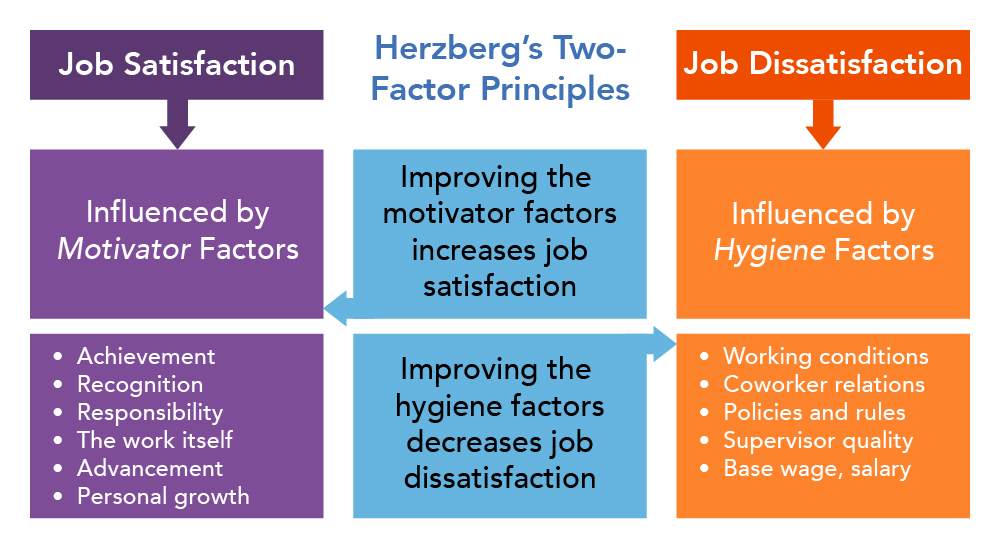
There are hygiene factors and motivators at work. Hygiene factors include status, compensation, job security, work conditions, company policies, and supervisory practices. If you have these, you won’t suddenly love your job; you just won’t hate it. Compensation is a hygiene factor. Motivators include challenging work, recognition, responsibility, personal growth, and meaningful work. These things make you enjoy a job and want to stay.
Many people choose jobs for the $ and then think they’ll later return to their passion but never do, causing resentment of their work. It is hard to dwindle back your lifestyle and transition to a field where you make less $.
Make sure your values and priorities align with how you spend your time, energy, talent, and money. With every decision you make about how you spend your time, energy, talent, and money, you are making a statement about what really matters to you.
High-achievers tend to focus a great deal on becoming the person they want to be at work and far too little on the person they want to be at home.
*If you defer investing your time and energy until you see that you need to, chances are that it will already be too late.
The path to happiness in marriage is about finding someone who you want to make happy – someone whose happiness is worth devoting yourself to.❤️
Thinking about your relationships from the perspective of the job to be done is the best way to understand what’s important to the people who mean the most to you. “What job does my spouse most need me to do?”
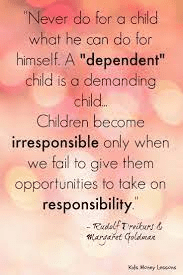
Don’t flood your children with your resources and do everything for them. They need to be challenged and solve hard problems and develop themselves.
Outsourcing can lead to losing valuable opportunities to help nurture and develop them. Teach them how to deal with pressure and build resilience and solve problems. Find the right experiences to help them build the skills they’ll need to succeed. Some of the greatest gifts are what your parents didn’t do for you.
When our children are ready to learn, we need to be there. We also need to be found displaying the priorities and values we want our children to learn – through our actions.
You have to build the culture you want in your family. If you do not consciously build it and reinforce it from the earliest stages of your family life, a culture will still form – but it will form in ways you may not like.
Decide what you stand for and stand for it all the time – no “just this once” exceptions.
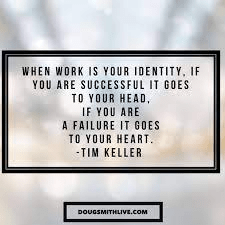
This book really resonated with me. For several years, I prioritized working multiple jobs and paying off student loan debt/saving money, so I did not have a social life or really any personal hobbies I regularly devoted myself to. Work was essentially my identity. In the past year, I have prioritized daily habits, working less, socializing, and personal hobbies and am much more satisfied. I have been discerning whether to become an attorney, but from the insights I have gathered, the work-life balance is not enticing. Being an attorney has been my goal or plan since college, and now my mindset has shifted to consider work-life balance. Would this career path allow me a work-life balance to have personal hobbies, a social life, and quality time with my husband and future children? That is how I will measure my life.
The type of person you want to become – what the purpose of your life is – is too important to leave to chance. It needs to be deliberately conceived, chosen, and managed.
How will you measure your life?
I look forward to reading, learning, and sharing more with you soon!
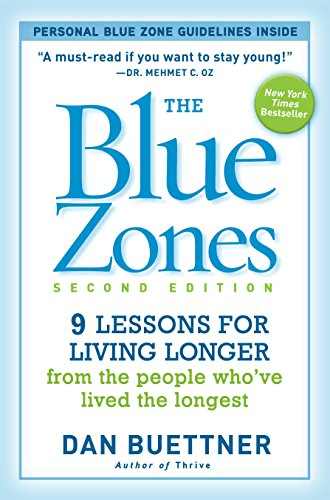
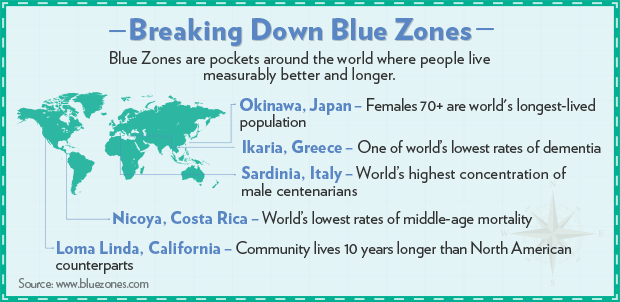
“The Blue Zones” is an interesting New York Times bestseller written by Dan Buettner, a longevity expert who traveled the world to meet the planet’s longest-living people in unique communities called Blue Zones, where common elements of diet, lifestyle, and outlook have led to a great quantity and quality of life.
Sardinia’s Blue Zone lessons (Italy):
Eat a lean, plant-based diet accented with meat. Drink goat’s milk. Drink a glass of red wine daily.
Put family first, celebrate elders, and laugh with friends.
Take a walk.
Okinawa’s longevity lessons (Japan):
Embrace an ikigai (purpose), secure social network, and affable smugness.
Rely on a plant-based diet and eat more soy.
Get gardening, enjoy the sunshine, stay active, and plant a medicinal garden.
Loma Linda’s Blue Zone secrets (California):
Find a sanctuary in time (ex: 24-hour Sabbath).
Maintain a healthy BMI and get regular, moderate exercise.
Spend time with like-minded friends and give something back.
Snack on nuts, eat in moderation, eat an early and light dinner, put more plants in your diet, and drink plenty of water.
Costa Rica’s longevity secrets:
Have a strong sense of purpose, keep a focus on family, maintain social networks, keep hard at work, and embrace a common history.
Drink hard water, eat a light dinner, and get some sensible sun.
Ikaria’s Blue Zone secrets (Greece):
Drink goat’s milk, eat a Mediterranean-style diet, stock up on herbal teas, and fast occasionally.
Mimic mountain living, nap, and make friends and family a priority.
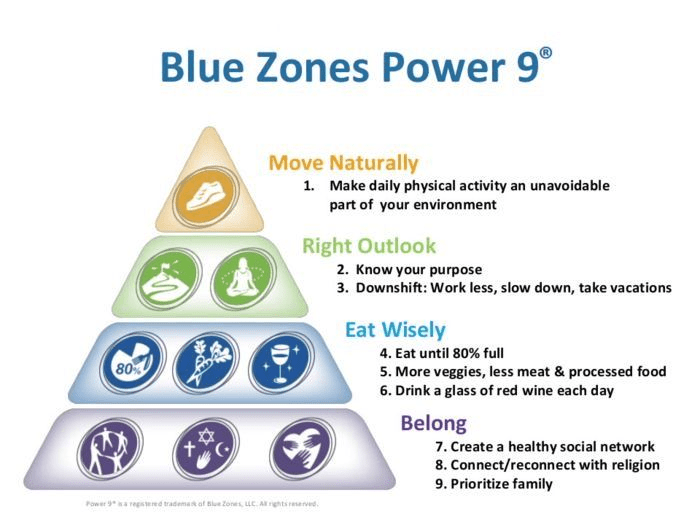
9 lessons overall:
Move naturally and be active without having to think about it. Walk. Garden. Have fun.
Hara Hachi Bu– eat until you are 80% full. Serve yourself at your counter and put food away before eating. Use smaller plates. Eat more slowly, sit, and focus on food, not on work or tv.
Avoid meat and processed foods. Limit meat, increase your bean consumption, eat nuts every day, and showcase fruits and vegetables.
Introduce a glass of wine into a daily routine — high-quality red wine.
Take time to see the big picture and realize your purpose. Craft a personal mission statement. Learn something new.
Take time to relieve stress. Plan to be early, meditate, and minimize time spent with electronics.
Participate in a spiritual community. Be involved.
Make family a priority. Establish rituals. Create a family shrine.
Be surrounded by those who share Blue Zone values. Identify your inner circle, be likable, and create time together.
You can take a test to calculate your life expectancy and how long you’ll stay healthy here:
“1000+ Little Things Happy Successful People Do Differently” was written by Marc Chernoff, co-author of the blog Marc & Angel Hack Life and New York Times bestseller “Getting Back to Happy.” This book was in a listicle format and, although the title is deceiving and inaccurate, I learned so much from this book.
Millions of people live their entire lives on default settings, never realizing they can customize everything. Dare to make edits and improvements. Dare to make your personal growth a top priority.
“Don’t ask ‘Why me? Why didn’t I…? What if…?‘ Instead, ask ‘What have I learned from this experience? What do I have control over? What can I do right now to move forward?‘”
Extend generosity and grace. When someone is grouchy, tired, or whatever you don’t desire, add “just like me sometimes.” Ex: “That person was so rude…just like me sometimes.”
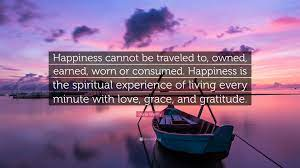
Happiness cannot be traveled to, owned, earned, worn, or consumed. Happiness is the sacred experience of living every moment with love and gratitude.
“Imagine you had a ripe, juicy tangerine sitting on the table in front of you. You pick it up eagerly, take a bite, and begin to taste it.
You already know how a ripe, juicy tangerine should taste, and so when this one is a bit tarter than expected, you make a face, feel a sense of disappointment, and swallow it, feeling cheated out of the experience you expected.
Or perhaps the tangerine tastes completely normal— nothing special at all. So, you swallow it without even pausing to appreciate its flavor as you move on to the next unworthy bite, and the next.
In the first scenario, the tangerine let you down because it didn’t meet your expectations. In the second, it was too plain because it met your expectations to a T.
Do you see the irony here? Nothing really meets our expectations.”
We need to adopt a mindset free of needless, stifling expectations. The tangerine can be substituted for almost anything in your life: any event, any situation, any relationship, any person, any thought at all that enters your mind. If you approach any of these with expectations of “how it should be” or “how it has to be” in order to be good enough for you, they will almost always disappoint you in some way.
The only person who can make you happy is you. You are also the only person responsible for your success.
Failure is a part of success. Failure becomes success when we learn from it. Focus on how far you have come.
You will never feel 100 percent ready when an opportunity arises. Embrace the opportunity and allow yourself to grow emotionally and intellectually.
View every challenge as an educational assignment: “What is this situation meant to teach me?” Be a student of life every day. Experience it, learn from it, and absorb all the knowledge you can.
When someone upsets you, it’s often because they didn’t behave to your fantasy of how they “should” behave. The frustration stems not from their behavior, but your expectations. You can’t control how others behave or what happens to you, but you can control your response.
Life is kind of like a party. You invite a lot of people, some leave early, some laugh with you, and a few stay to help you clean up the mess. The ones who stay are your real friends in life.
Over the past month, what have your actions been silently saying about your priorities? Are there any changes you want to make?
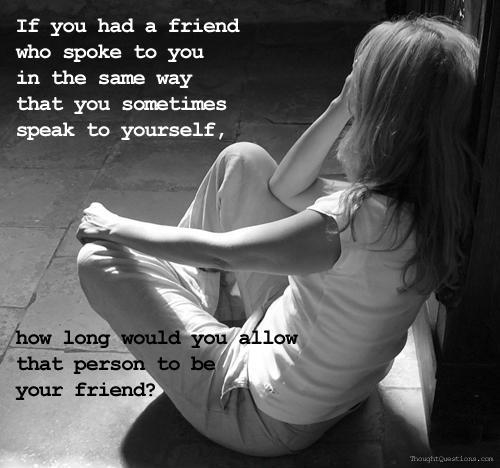
If you had a friend who spoke to you in the same way that you sometimes speak to yourself, how long would you allow that person to be your friend? The way you treat yourself sets the standard for others.
Do your best with what’s in front of you and leave the rest to the powers above you.
Marc Chernoff
30-day challenge ideas to improve your life:
Get rid of one thing a day for 30 days
Wake up 30 minutes earlier than usual
Ditch 3 bad habits
Define one long-term goal and work on it for an hour every day
Watch or read something that inspires you every morning
Cook one new recipe each day
Each day, have a conversation with someone you rarely speak to
Document every day with one photograph and one paragraph
20 questions you should ask yourself every Sunday- linked here:
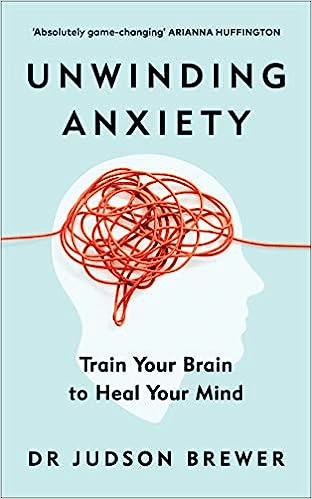
“Unwinding Anxiety” was written by Judson Brewer, MD, PhD, an internationally renowned addiction psychiatrist and neuroscientist, director of research and an associate professor at Brown University, and founder of Eat Right Now and Craving to Quit apps. Further, his 2016 Ted Talk “A Simple Way to Break A Bad Habit” has over 16 million views! This book emphasized that anxiety and addictions (eating, smoking, drinking, etc.) manifest themselves in habits and the first step to overcoming them is to understand the origin of the habits we want to eliminate or replace and update the reward values.
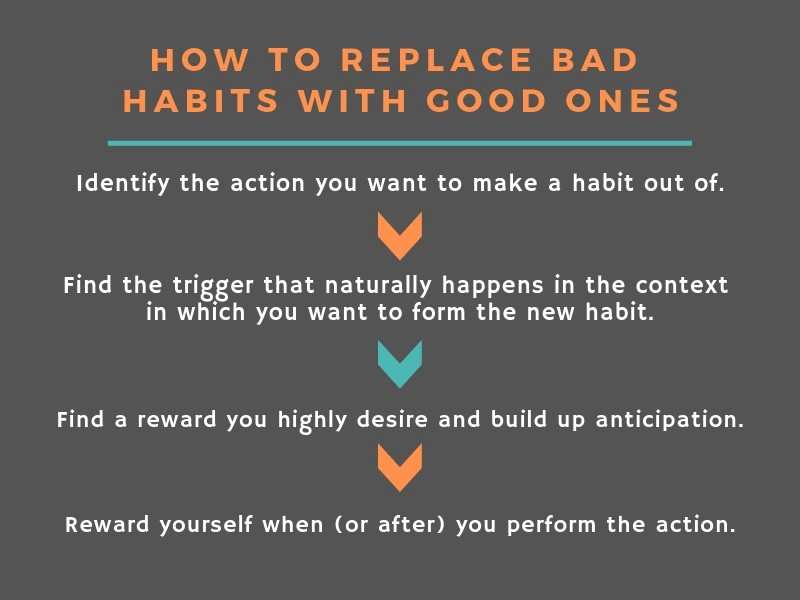
1. Identify your habit loops.
2. Update the reward values of the behaviors you want to change (using mindfulness and curiosity).
3. Replace your old habits with new, healthier habits.
Paying attention is really important if you want to change a habit. If it’s a habit that you desperately want to break, you can’t tell, force, or wish it to stop because these likely don’t have an effect on its reward value. Look and learn. Ask yourself “What do I get from this?” when thinking about the result of bad habits.
If you struggle with overeating, focus on the full and bloated feeling you get when you’re done eating.
If you struggle with smoking, be mindful and think about the taste and smell (I was surprised to learn that most smokers in a study reported that when they paid attention when trying to quit, they realized they hated the smell and taste)!
Force your old brain to relearn and reassociate negative feelings with the habits you want to change. It is true that past behavior is likely the best predictor for future behavior, but what we do in the present moment, not what we did in the past, will determine the likelihood of continuing or changing that trajectory.
Use RAIN:
Recognize what is happening right now.
Allow/accept it.
Investigate body sensations, emotions, or thoughts.
Note what is happening in your experience.
Examples of habit loops:
Trigger: getting into an argument
Behavior: bingeing
Result: feeling physically, emotionally, and mentally awful with no improvement in relationship
Trigger: start working on long task and feel overwhelmed
Behavior: check social media
Result: avoidance; feel more stressed that no progress is made
“Man’s Search for Meaning” written by Viktor E. Frankl has been translated into more than 50 languages and sold over 16 million copies, and it was one of the top 20 books I read in 2022. This book contained a riveting account of Viktor Frankl’s time in the Nazi concentration camps and his insightful exploration of the human will to find meaning in spite of suffering.
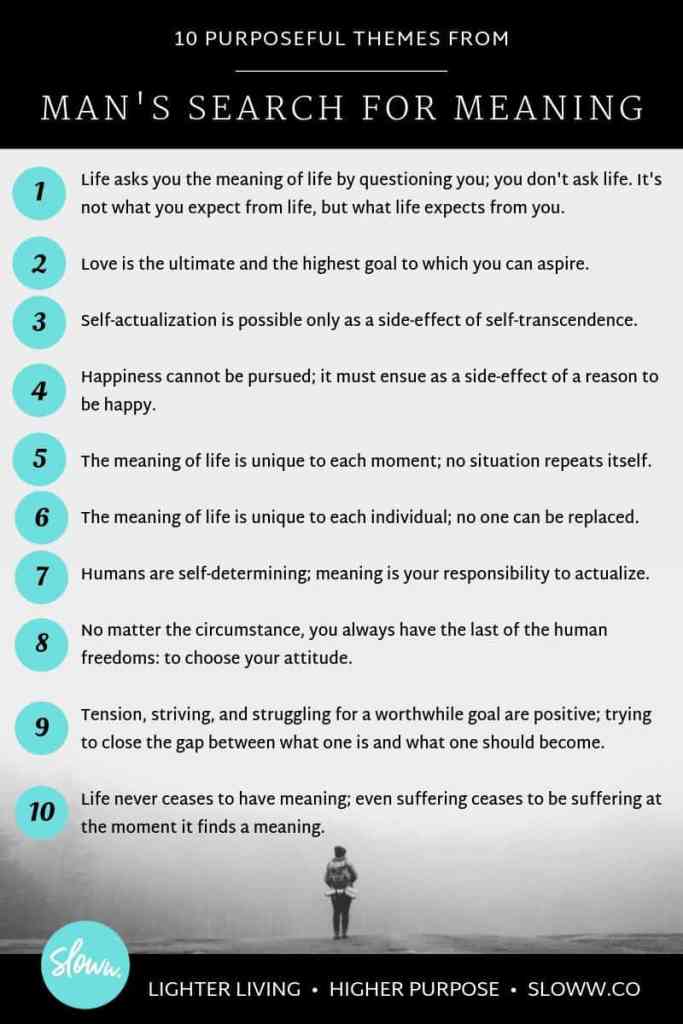
At the heart of his theory, known as logotherapy, is the belief that the primary human drive is not pleasure, but the pursuit of what we find meaningful.
To find a meaning in one’s life is the primary motivational force in man.
3 possible sources of meaning:
work- by doing something significant
love- by caring for another person
courage during difficult times
“Everything can be taken away from a man but one thing: the last of the human freedoms – to choose one’s attitude in any given set of circumstances – to choose one’s own way.”
Viktor E. Frankl
Any man can decide what shall become of him – mentally and spiritually. He may retain his human dignity even in a concentration camp.
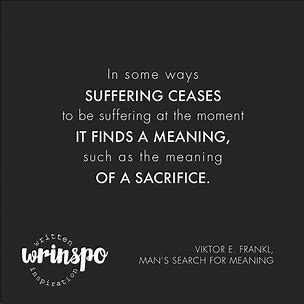
There is meaning in suffering. The way in which a man accepts his fate and all of the suffering it entails gives him ample opportunity to add a deeper meaning to his life.
I look forward to reading, learning, and sharing more with you soon!
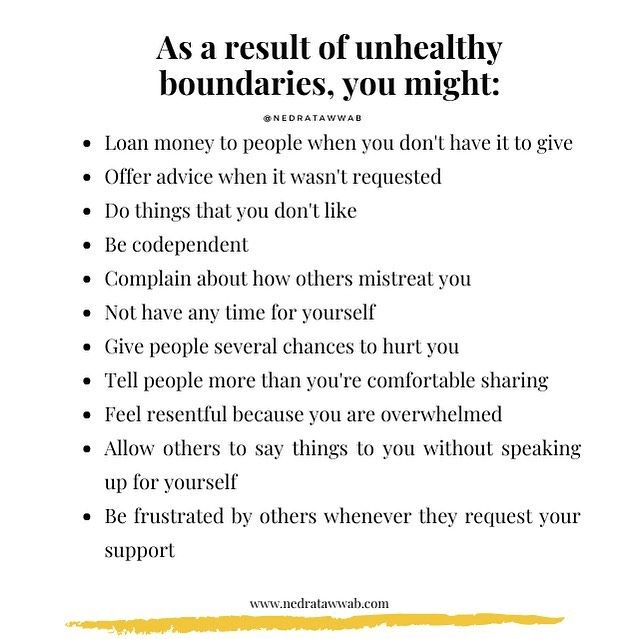
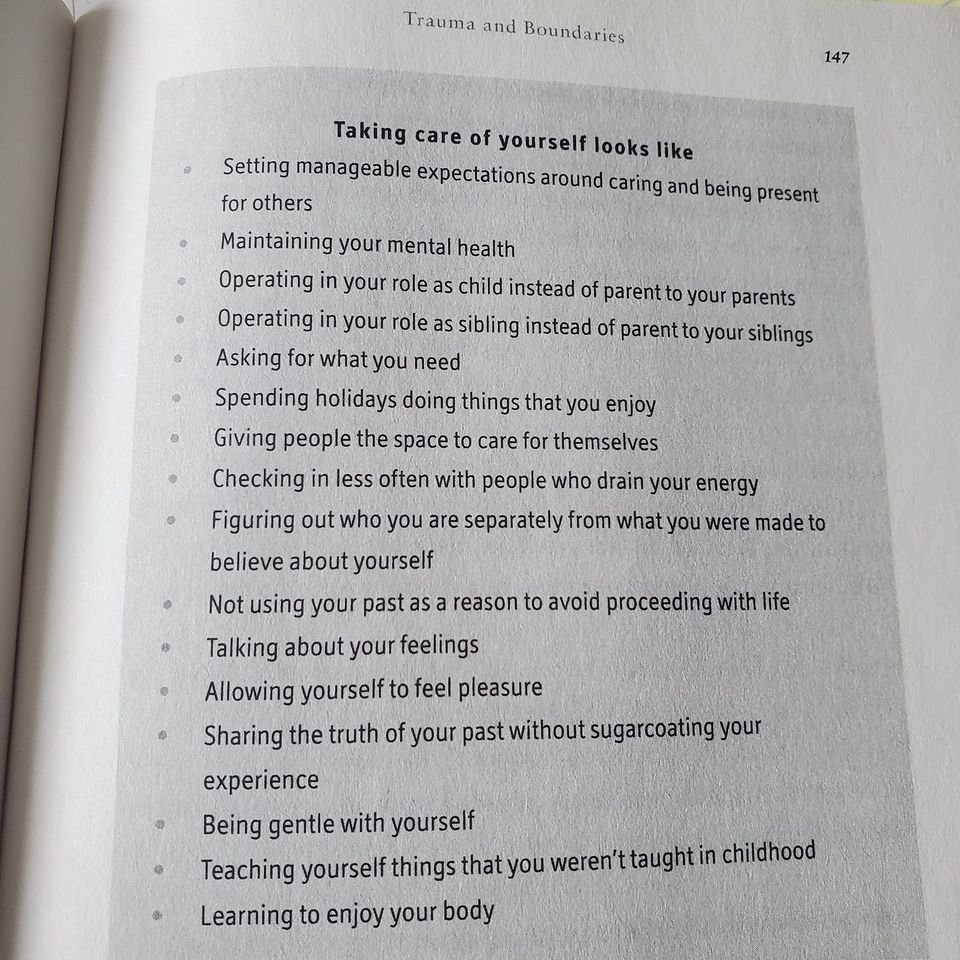
“Set Boundaries, Find Peace” was written by Nedra Glover Tawwab, a licensed therapist and sought-after relationship expert and owner of Kaleidoscope Counseling. Her philosophy is that a lack of boundaries and assertiveness underlies most relationship issues, and her gift is helping people create healthy relationships with themselves and others. This book was filled with insights about boundaries and actual examples of statements and boundaries that you can use. I believe everyone will get something out of this book!
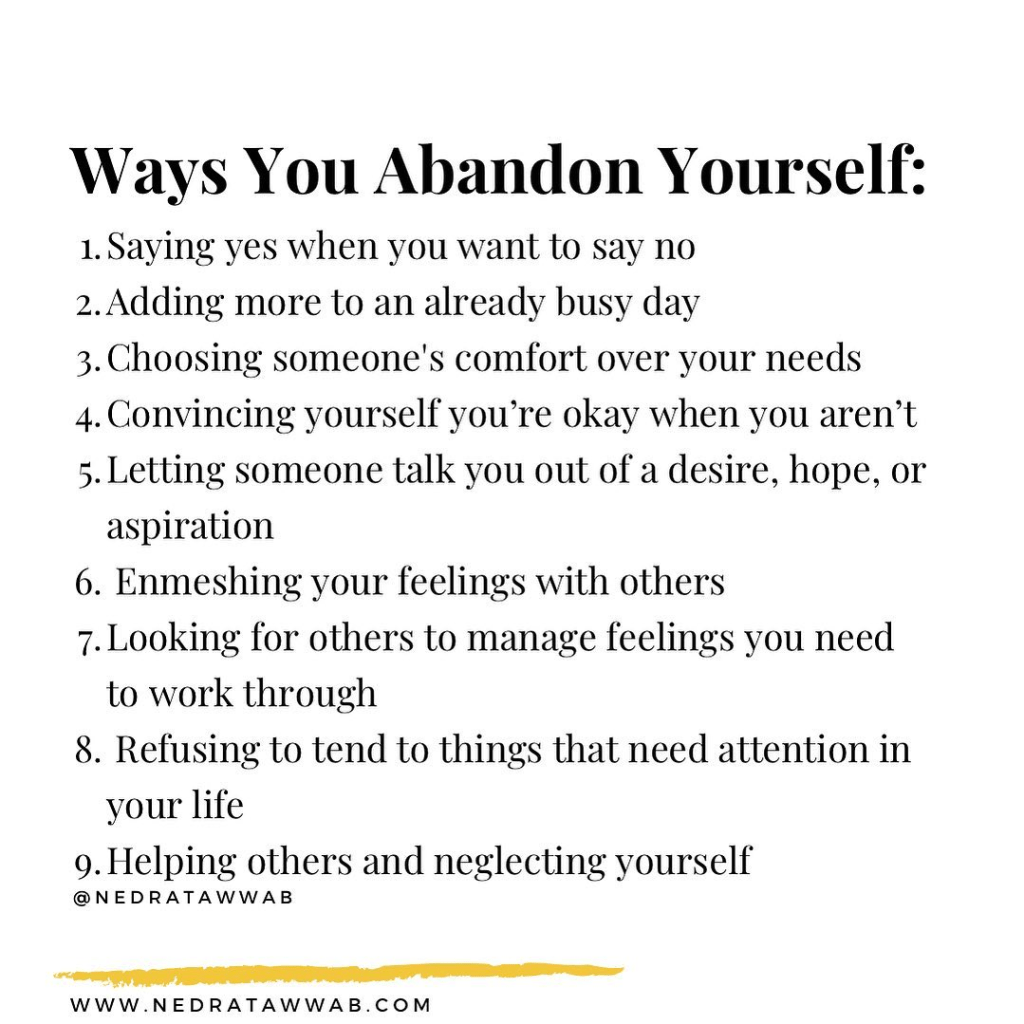
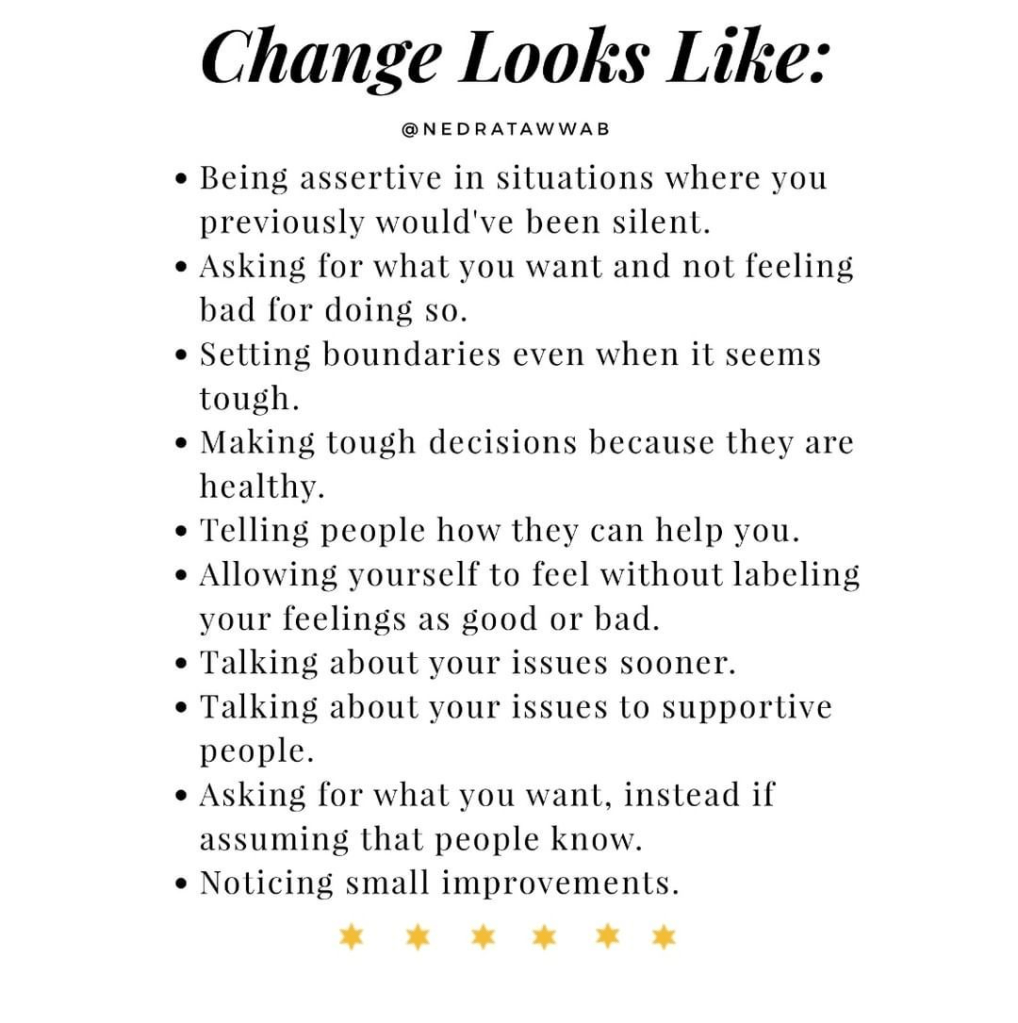
You can follow her on Instagram at nedratawwab. She posts very helpful insights about boundaries and example statements of boundaries.
What are boundaries?
Boundaries are expectations and needs that help you feel safe and comfortable in your relationships. Put on your oxygen mask first before helping others.
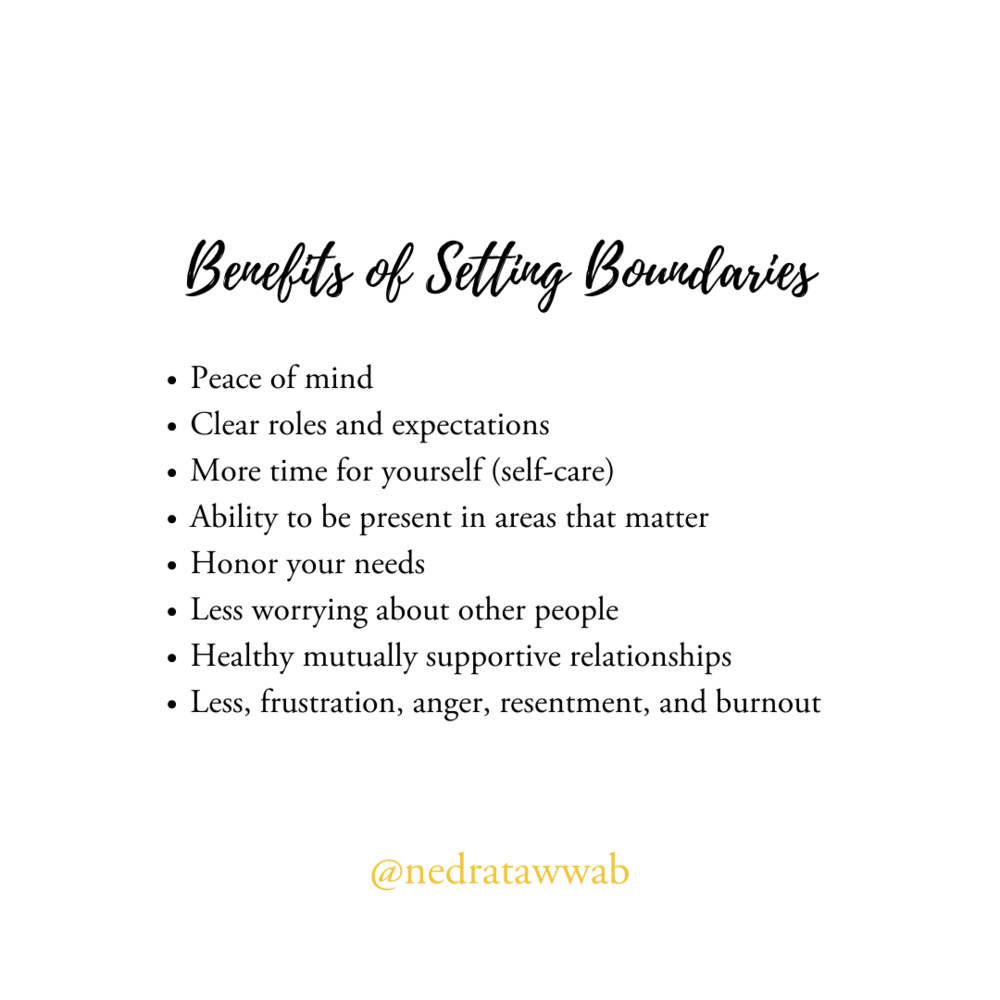
Boundaries are a safeguard in overextending yourself, a self-care practice, a way to create healthy relationships, and a way to communicate your needs to others.
Boundaries are not unspoken rules. Unspoken boundaries are invisible. Avoid thinking “they should’ve known better” or “common sense would say…” Common sense is based on our own life experiences and isn’t the same for everyone. It is essential to communicate and not assume that people are aware of our expectations in relationships.
Don’t betray yourself to please others.
Nedra Tawwab
The healthiest way to communicate boundaries is to be assertive. Communicate your feelings openly and without attacking others.
The best boundaries are easy to understand: “I want…I need…I expect…” Examples: “I want you to stop asking me when I’m going to have kids.” “I need you to call me before you stop by.” “I expect you to return my ___ in good condition.”
There are two steps to boundaries: communication and action. You must uphold what you communicate through your behavior. If you don’t uphold your boundaries, others won’t either!
Common responses to boundaries: pushback, limit testing, ignoring, rationalizing and questioning, defensiveness, ghosting, silent treatment, and acceptance
Burnout is caused by not knowing when to say no, not knowing how to say no, prioritizing others over yourself, people-pleasing, and unrealistic expectations.
To avoid burnout, start asking yourself “Why is this important to me?” and only doing what is most important.
Ask yourself:
Whose standard am I trying to meet?
Do I have the time to commit to this?
What’s the worst thing that could happen if I don’t do this?
How can I honor my boundaries in this situation?
We learned about boundaries from family. We cried, fussed, and acted out when we wanted something, and we learned whether we could get our needs met based on how our parents or caretakers responded.
For kids, food preference is an attempt at setting limits. Do you:
(1) offer other options
(2) insist the child eats what they said they didn’t like
(3) punish the child by not allowing them to eat anything?
The results of option 1: Your child feels heard and respected.
The results of option 2: Your child recognizes their boundaries are not important to you and that you think you know what is best for them.
The results of option 3: Your child feels punished for having preferences.
Same goes with hugging someone. When a child sets a boundary by not wanting to hug someone, do you:
(1) allow the child to be self-selective about whom they feel comfortable showing affection to
(2) push the child to hug the person
(3) shame or threaten the child by saying that it’s not nice to tell people no or tell them you will punish them if they don’t comply
The results of option 1: Your child feels heard and respected.
The results of option 2: Your child recognizes their boundaries are not important to you and that you think you know what is best for them.
The results of option 3: Your child feels punished for having preferences.
Types of boundaries you can set:
Physical boundaries: verbalize your need for physical distance to others. Be clear with others about your discomfort with certain types of physical touch, such as hugging. Examples: “I’m not comfortable with public displays of affection. I’d prefer if we saved this until we got home.” “Please move back a little.”
Sexual boundaries: don’t make excuses for poor conduct. Report sexual misconduct that you experience or witness. Examples: “Your comments about my appearance make me feel uncomfortable.” “Your comment isn’t funny; it’s sexually inappropriate.”
Intellectual boundaries: Be respectful of people who are different than you. If you’re a parent, refrain from discussing adult matters with your kids. Examples: “You can disagree without being mean or rude.” “I won’t talk to you if you keep raising your voice.”
Emotional boundaries: Share only with people you trust who can hold space for your emotions. Ask people if they want you to just listen OR if they’re looking for feedback. Examples: “I hear that you have a lot of things going on and I don’t feel equipped to help you. Have you considered talking to a therapist?” “I don’t feel comfortable talking about that topic.”
Material boundaries: Do not loan things to people who’ve demonstrated that they will not respect your possessions. Share your expectations for your possessions up front. Examples: “I can’t loan you any money.” “I will not let anyone borrow or drive my car.”
Time boundaries: Before you say yes to a request, make sure you want to do it and aren’t overcommitting. When you’re busy, ignore calls/texts/ e-mails until it’s convenient to respond. Examples: “I’m unable to work late today.” “I can’t help you this weekend.”
Self-boundaries: your finances, your time management, your self-care, the treatment you allow from others, your unkind thoughts of yourself, your reactions, and the people you allow in your life. Examples: “I will save ___% before buying something new.” “I plan my day and delegate what I can.” “I say no to things that I don’t like/things that rob me of valuable time.” “I address issues with others when they arise.” “I allow myself to make mistakes without judging myself harshly.” “I allow myself to cry.” “I did my best.”
When you engage in activities that you don’t enjoy or get distracted with other people’s stuff, you take time away from yourself.
**This book also covered boundaries specific to in-laws, holidays, friendships, relationships, social media, and work.
You can’t change people, but you can change:
how you deal with them
what you accept
how you react to them
how often you interact with them
how much space you allow them to take up
what you participate in
what role they play in your life
what people you have contact with
who you allow in your life
your perspective
It’s healthy for you to have boundaries. Other people have boundaries that you respect. Setting boundaries is a sign of a healthy relationship. If boundaries ruin a relationship, your relationship was on the cusp of ending anyway.
What to avoid when setting boundaries:
Never apologize. It gives the impression that your expectations are negotiable or that you don’t believe you’re allowed to ask for what you want.
Don’t waver. Don’t allow people to get away with violating your boundary.
I highly recommend this book! ⭐⭐⭐⭐⭐
I look forward to reading, learning, and sharing more with you soon!
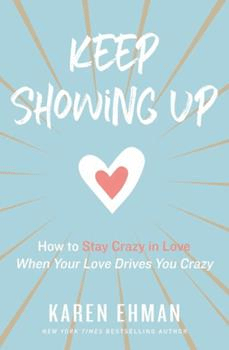
“Keep Showing Up: How to Stay Crazy in Love When Your Love Drives You Crazy” was a very insightful Christian book written by Karen Ehman. So many thoughts resonated with me.
Your marriage is a message, and people are watching you preach.
Your husband is your husband; he is not your God. Only God can meet our needs, has endless patience, all the answers, and an unconditional love for us. Pick love when you’d rather pick a fight. Keep looking for the magic in the midst of the mundane. Every marriage is a unique blend of awesome and awful.
Love is patient. It is not easily angered. It keeps no record of wrongs.
Different DOES NOT equal wrong… around the house, when dealing with in-laws, in parenting, in areas of romance and intimacy, in how you spend money, etc.
“Aren’t you so thankful that God doesn’t treat us this way – getting so angry and losing patience with us, or dredging up our past sins and offenses?” God’s word can help us give the benefit of the doubt, listen before lashing out, understand that different is not wrong, and ultimately act in love.
Baggage, expectations, and perceptions lead to most arguments, especially expectations based on past family experiences and comparisons from social media.
Think of your marriage as a fragile teacup. Learn to ask “Do you have any chips?” and “What do you need from me this week?”
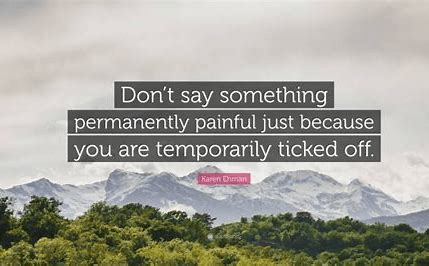
When something bothers you, bring it up before it has had time to fester and grow. Don’t discuss issues when heading out the door or when one is tired and needs to go to bed. Refrain from using superlatives, bringing up history, and assigning a motive.
Strive for love, joy, peace, patience, kindness, goodness, faithfulness, gentleness, and self-control.
This was a great Christian book!
I look forward to reading, learning, and sharing more with you soon!
“Broke Millennial Takes on Investing” written by Erin Lowry was among my top 20 favorite books I read in 2022. It was an informative book packed with helpful information about investing basics and options available. *Disclosure: I am not a financial planner.
Where can I invest my $?
Full-service brokerages (cost more $): Morgan Stanley, Edward Jones, and Merrill Lynch
Discount brokerages (DIY approach, saving you more $ in fees): Vanguard, Fidelity, Charles Schwab, and TD Ameritrade
Online advisors: Betterment, Swell, Personal Capital, Wealthfront, Wealthsimple, and Ellevest
Apps: Acorns, Stash, and Robinhood
Fee models: assets under management, commission, trading or transaction fees, and account service fees
**Are you getting value for the cost of the expense ratio and any other fees you’re paying?
Many finance experts warn that paying an assets under management fee can be costly; as your investments increase, your costs increase, and that may not be worth paying if you are a hands-on investor.
What you need to know about an advisor:
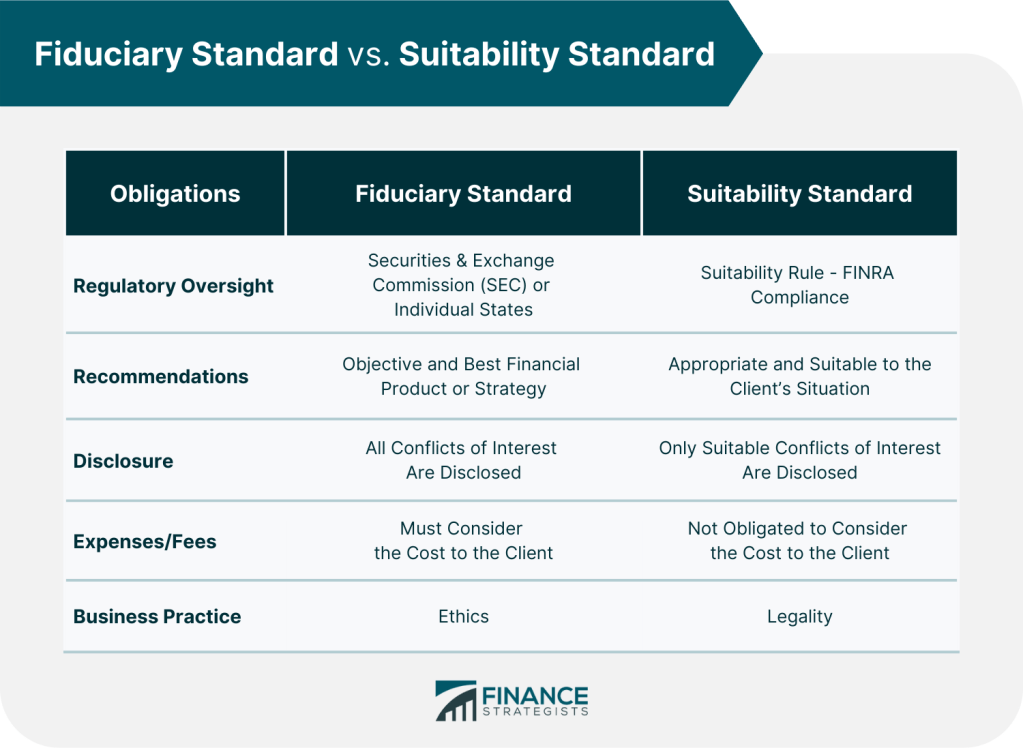
1. Does he or she uphold the fiduciary or suitability standards?
2. How does your advisor get paid?
3. What are your advisor’s credentials? CFP?
Other things to consider:
Rebalance annually to ensure that your overall asset allocation continues to be aligned with your goals, time horizon, tax strategy, and risk tolerance.
You don’t make or lose $ until you sell! Remember your time horizon. Fluctuations are to be expected.
When deciding whether to invest in stocks, research the company and determine: Is it profitable? Is it reputable? What’s the history of returns?
Some brokers offer a stop-loss order option in which you can have your broker sell your shares when a stock falls more than a percentage you set. Not everyone offers this, so if this is important to you, make sure you read all of the terms before selecting a broker.
Capital gains tax- long-term= 15-20%. Short-term= same as ordinary income (10-37%).
Further resources provided in this book:
BrokerCheck- vet a potential broker/investment advisor
CFP.net to find a certified financial planner
Websites: Investopedia.com, MorningStar, Fidelity.com, Stock Series blog, Teal Holcomb
“How to Win Friends and Influence People” was written by Dale Carnegie, originally published in 1936 and most recently revised and republished in 2022, has sold more than 15 million copies, and resulted in the Dale Carnegie Foundation of global training courses. This was among my top 20 favorite books I read in 2022.
I first want to point out that the techniques likely work with some people, particularly in the corporate world, but genuine true friendships don’t require techniques or “winning.” With that said, many of these techniques are useful.
I consider my ability to arouse enthusiasm among my people the greatest asset I possess, and the way to develop the best that is in a person is by appreciation and encouragement.
Charles Schwab
Fundamental Techniques in Handling People:
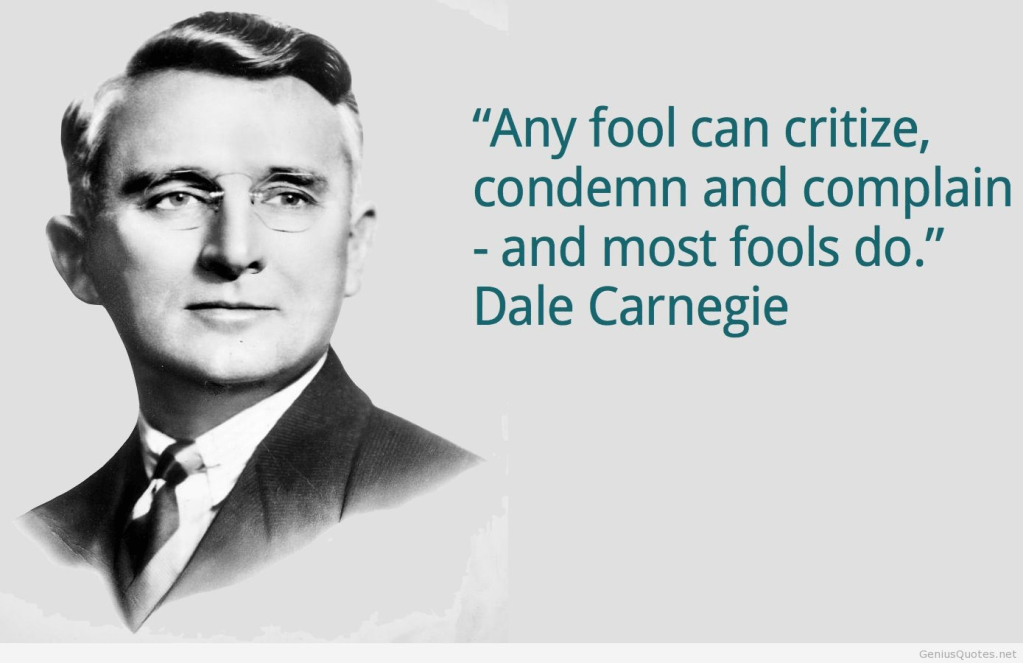
Don’t criticize, condemn, or complain.
Give honest and sincere appreciation.
Arouse in the other person an eager want.
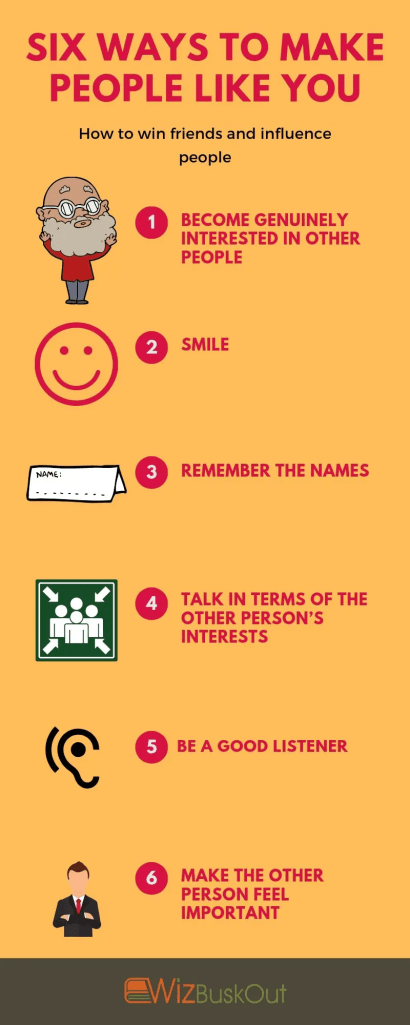
6 ways to make people like you:
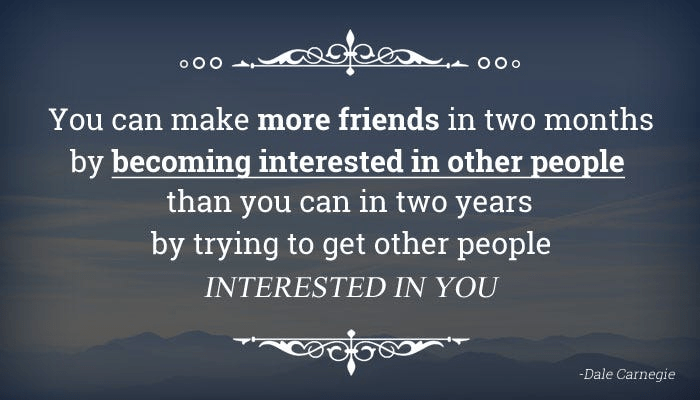
Become generally interested in other people.
Smile!
Remember that a person’s name is to that person the sweetest and most important sound in any language.
Be a good listener. Encourage others to talk about themselves.
Talk in terms of the other person’s interests.
Make the other person feel important – and do it sincerely.
12 ways to win people to your way of thinking:
The only way to get the best of an argument is to avoid it.
Show response for the other person’s opinions. Never say “you’re wrong.”
If you are wrong, admit it quickly and emphatically.
Begin in a friendly way.
Get the other person saying “yes, yes” immediately.
Let the other person do a great deal of the talking.
Let the other person feel that the idea is his or hers.
Try honestly to see things from the other person’s point of view.
Be sympathetic with the other person’s ideas and desires.
Appeal to the nobler motives.
Dramatize your ideas.
Throw down a challenge.
9 ways to change people without giving offense or arousing resentment:
Begin with praise and honest appreciation.
Call attention to people’s mistakes indirectly.
Talk about your own mistakes before criticizing the other person.
Ask questions instead of giving direct orders.
Let the other person save face.
Praise the slightest improvement and every improvement.
Give the other person a fine reputation to live up to.
Give encouragement. Make the fault easy to correct.
Make the other person happy about doing the thing you suggest.
If there is any one secret of success, it lies in the ability to get the other person’s point of view and see things from that person’s angle as well as from your own.
Dale Carnegie
Among my favorite takeaways: Give honest and sincere appreciation, be a good listener and encourage others to talk about themselves, show respect for the other person’s opinions, and call attention to people’s mistakes indirectly.
This book was filled with information and useful stories of examples and I highly recommend it!
I look forward to reading, learning, and sharing more with you soon!