
My intention is to post a Thoughtful Thursday column each week and share some of the insights I have learned in the past week. Here are some of the things I’ve learned this week:
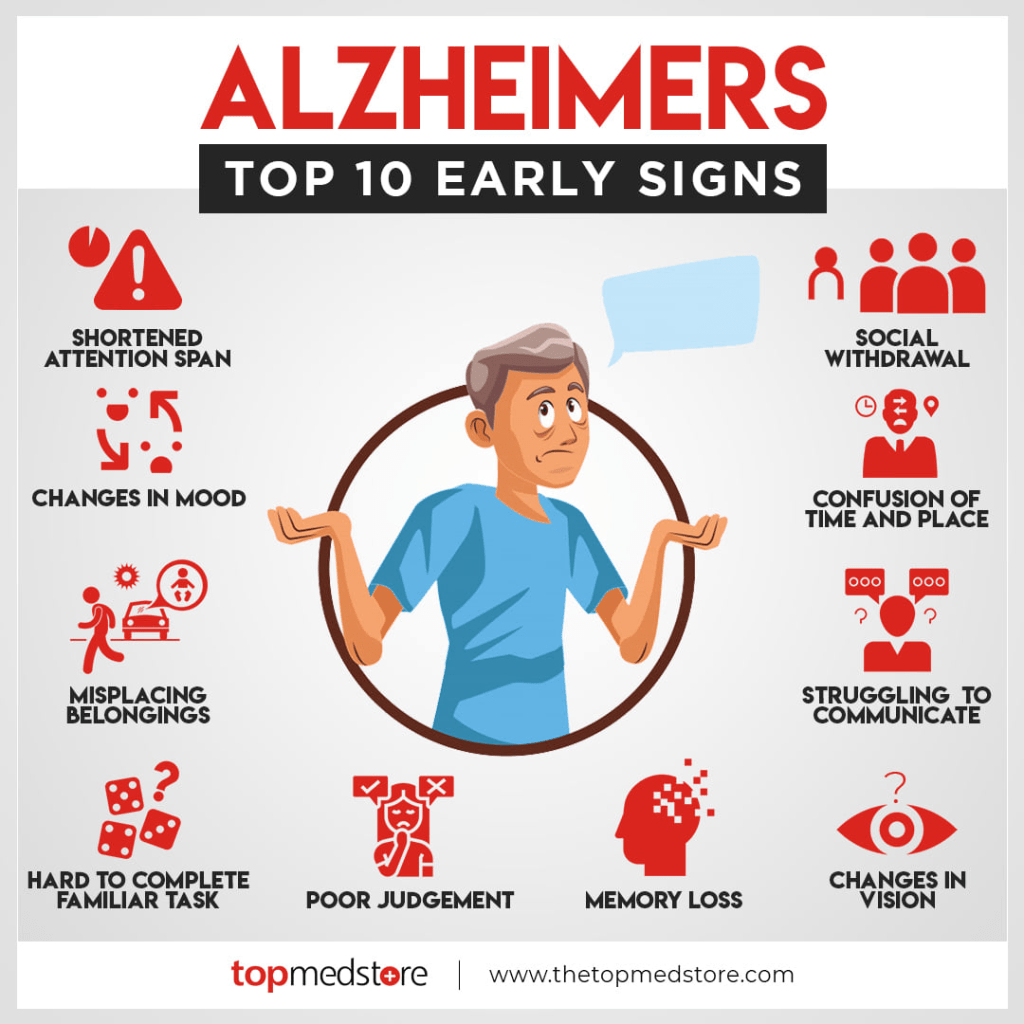
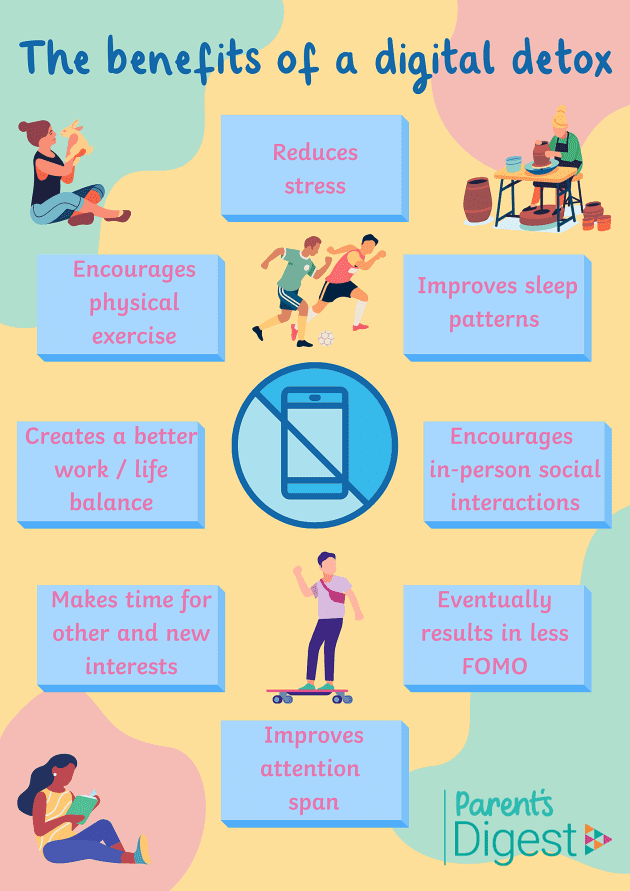
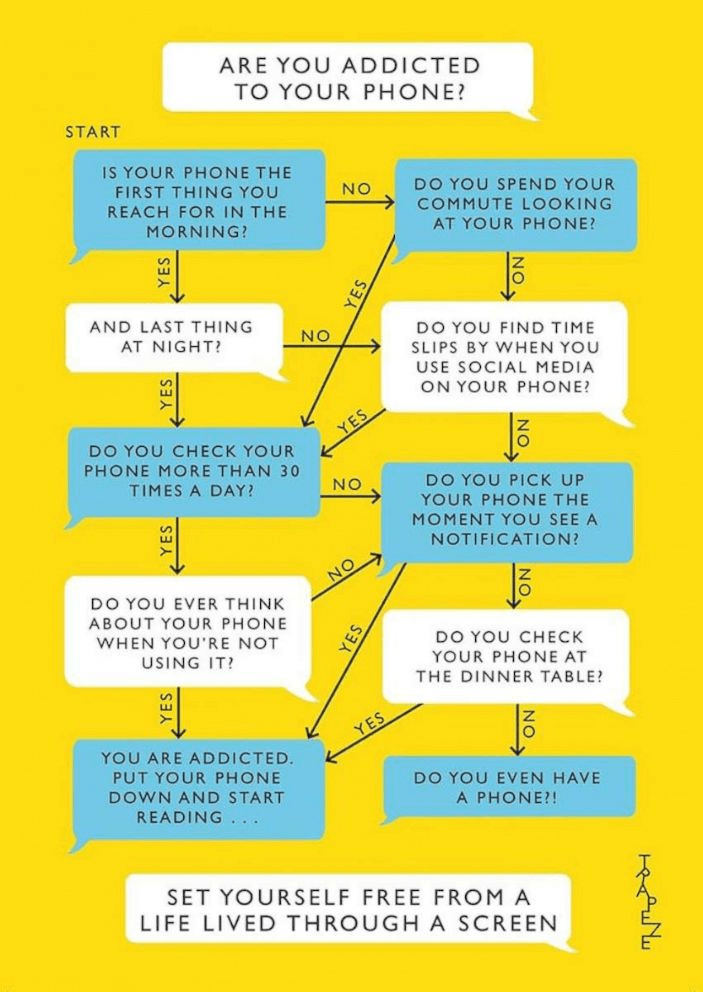
- In the last few months, there have been countless articles about people not being able to sit still and focus. Some movies in theaters have been interrupted by people constantly scrolling on social media. I’ve read that TikTok has shortened our attention span, and many people are unable to sit through and complete watching an extended video on TikTok!
- When we concentrate, our brain/executive system is constantly sifting out distractions but also sending out signals that say “this is what is important right now.” There is a very fine line between attention and distraction. We have a limited tank of attentional resources, and there are things we do during the day that build up our resources (taking a break, getting good quality sleep) and things that deplete our resources.
- Attention spans have diminished over the years. In 2003, the average attention span on a screen was 2 ½ minutes. In 2012, it was 75 seconds. In the last five years or so, the average is 47 seconds! Some studies have reported that the average attention span is now just 8 seconds! This has been replicated by several studies. The devices themselves are not the only culprits. We are swept away by notifications, but personality is also a factor, as some people are more easily distracted than others.
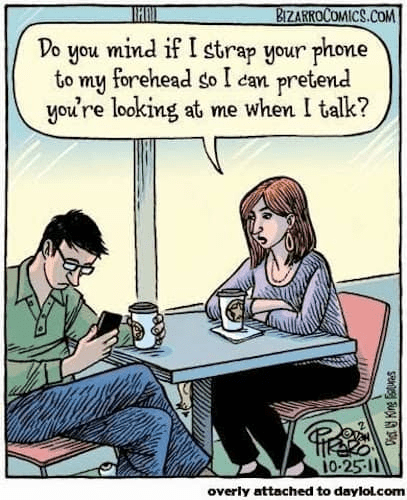
Most of the ways we consume content has changed dramatically: TikTok has short clips, the shot lengths of tv and film have decreased over the years, the length of tv commercials has decreased, etc. Attention spans are getting shorter, so directors, film/tv editors, and tech companies are gearing content to what they think people will be able to pay attention to.
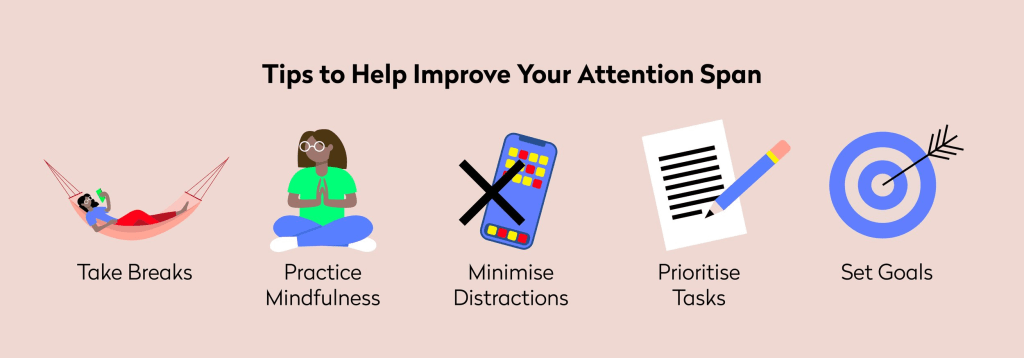
4 types of attention: Focus, rote, bored, frustrated
- If you’re highly challenged and engaged, that is a state of focus.
- If you’re engaged and not very challenged, that is rote focus (ex: solitaire, scrolling through social media).
- If you’re not engaged and not challenged, that is boredom.
- If you’re challenged and not engaged, that is a state of frustration.
- The key is to be both engaged and challenged. Everyone is different and has their own rhythm at which they can be both engaged and challenged (time of day, days of the week, etc.)
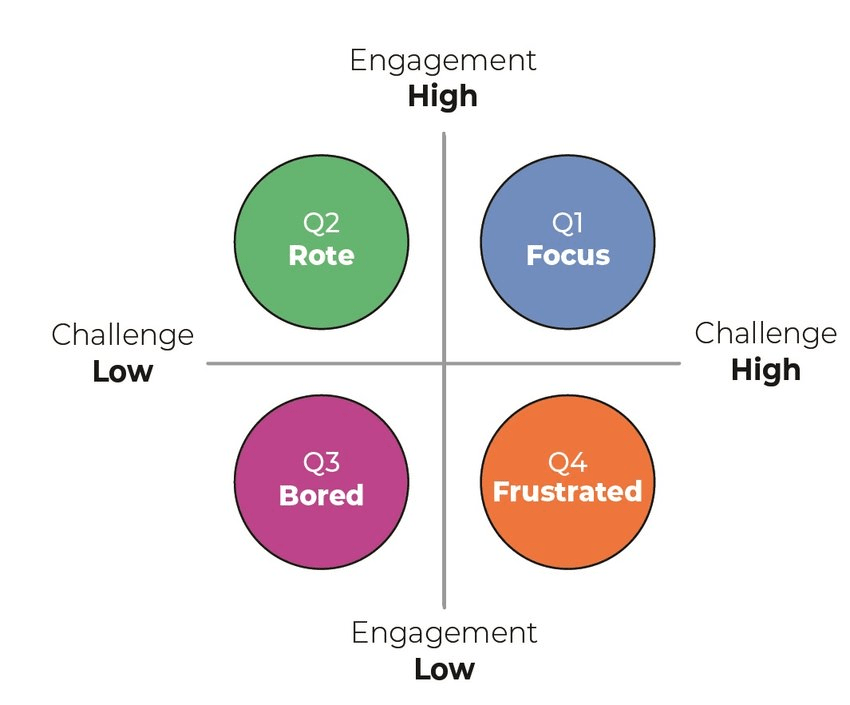
- When people are shifting their attention fast (multi-tasking), it’s associated with higher stress, and, as a consequence, people make more errors. Example: people turn down the music when trying to find a house number or backing out of their driveway so that they can focus. Otherwise, they find it too cognitively challenging to focus.
TIPS:
- Find your own rhythm to find your best times for focus. Some people focus best in the morning, after lunch, after exercise, etc.
- What can people do to create a more attentive brain? Gain agency over your attention so that you are in control and don’t feel like your devices are in control. Don’t let the bells and popups from your phone rule your life. Become aware of these unconscious actions and raise then to a conscious awareness so that you can become more intentional in your actions.
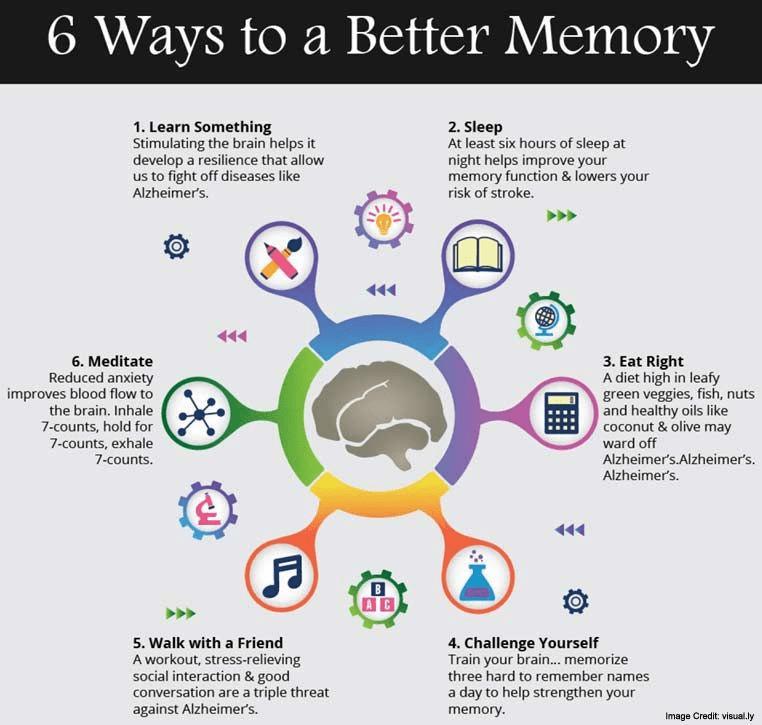
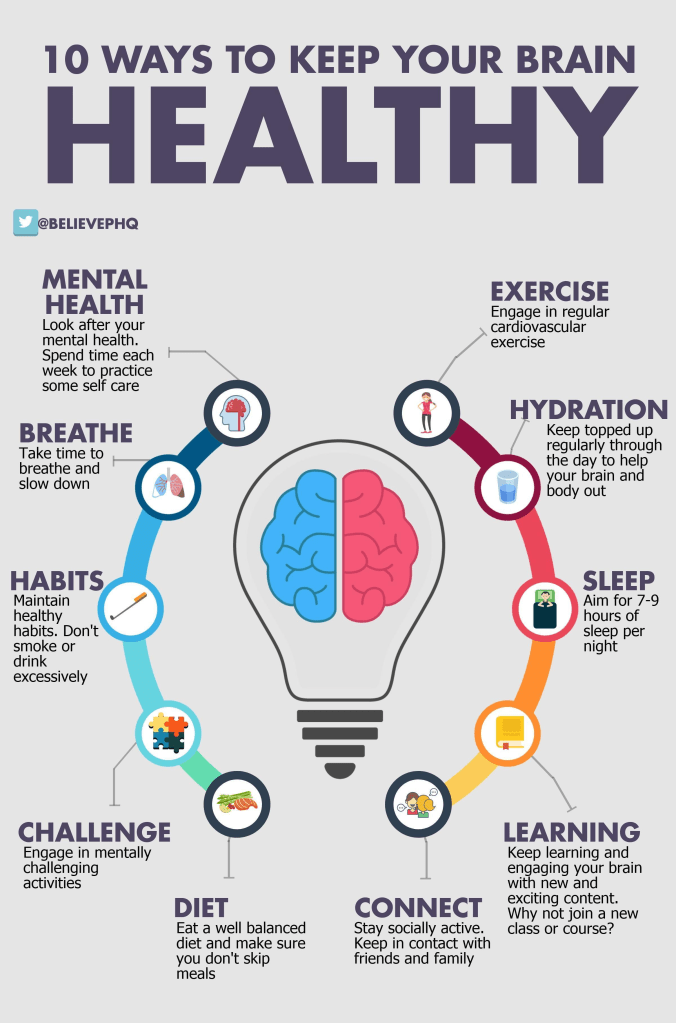
- It is important to get good sleep, take a long break, and go out in nature to increase your focus and attention span. Reframe how you think about scheduling your day. Design the tasks you have to do based on what your own personal rhythm is. Save the tasks that require the hardest work and creative energy to those times that you are most focused and have the most energy.
- Every day, ask yourself “What do I want to accomplish today?” and “How do I want to feel?” Be honest and check in on your progress throughout the day to help you stay on track, focused, and attentive.
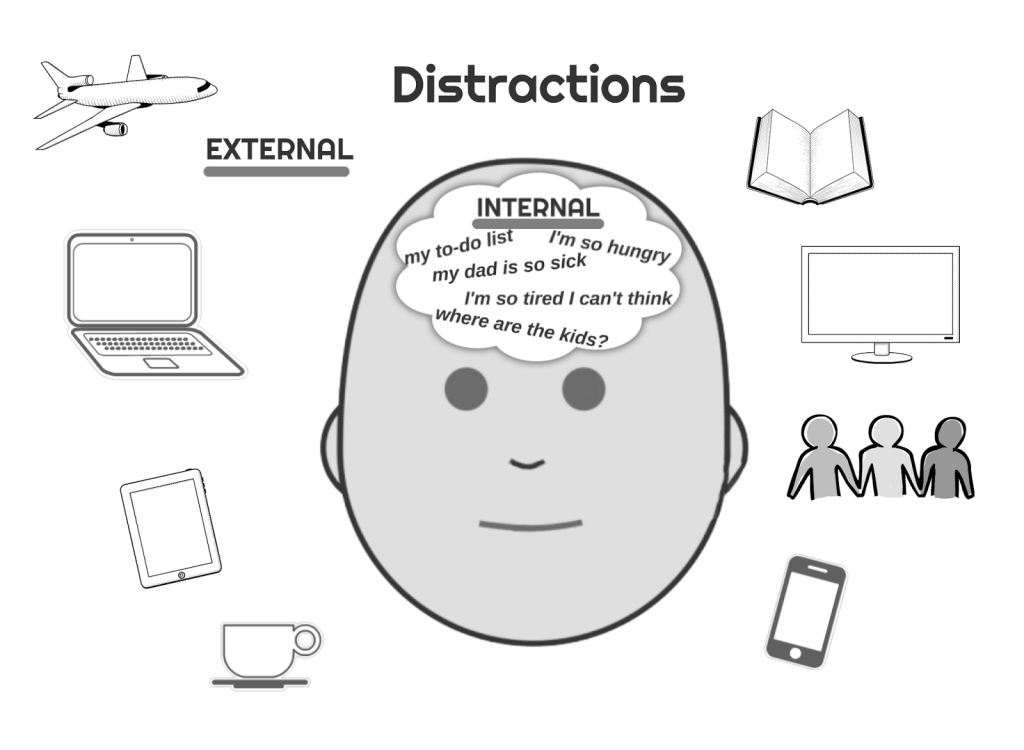
- When people think of distractions, they tend to think of external distractions (phone calls, texts, etc.). Most of the time, we are distracted by ourselves (internal distractions) such as an urge or memory of something we have to do, a desire to look at social media, etc.
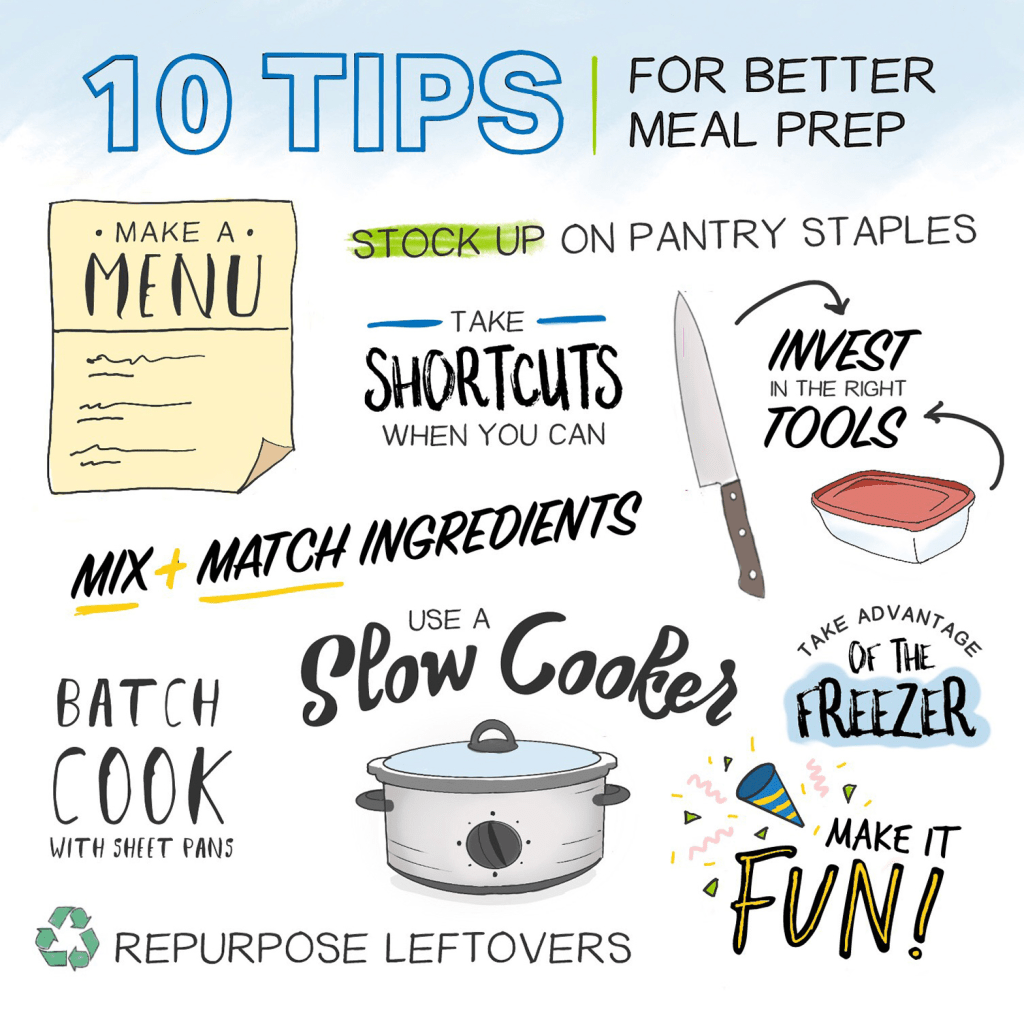
- Plan a day/time to meal prep each week. You can pre-cut and freeze chopped onions. Do not thaw them in the refrigerator! Put them right into the pan/pot.
- Create a go-to list of family favorite recipes. Keep the ingredients on hand.
- Simplify your ingredient list so that you can make several meals with the ingredients you keep on hand. I have some staples I always have on hand, such as ground beef, chicken, peppers, onions, carrots, sweet potatoes, minced garlic, rice, beans, quinoa, homemade taco seasoning and other spice blends, and jars of salsa.
- Embrace make-ahead and freezer meals, such as soups and stews.
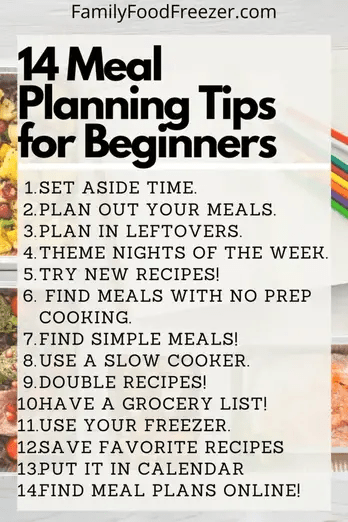
- Do whatever you need to do to make it easier to eat at home than to order takeout.
- Take help where you can get it. Ex: your partner assisting you with meal prep, buying pre-cut produce, canned beans, minced garlic, meal kits, frozen vegetables, etc.
- Make the most of pantry staples.
- Many people think of meal prepping for lunch or supper. Consider breakfast options too. Make a baked oatmeal or energy bites.
TIPS FROM THIS PODCAST:
- Make a double batch of rice or quinoa and save one batch for later in the week for a different cuisine.
- Prep different veggies, carbs, and proteins. Mix and match throughout the week.
- You can make a 5 lb bag of frozen chicken in the Instapot all at once and use a Kitchenaid mixer to quickly shred it in under a minute. Then freeze some of it and refrigerate some of it.
- Use grocery pickup to avoid impulse purchases. It is easier to stay in budget and plan meals in advance when using grocery pickup.

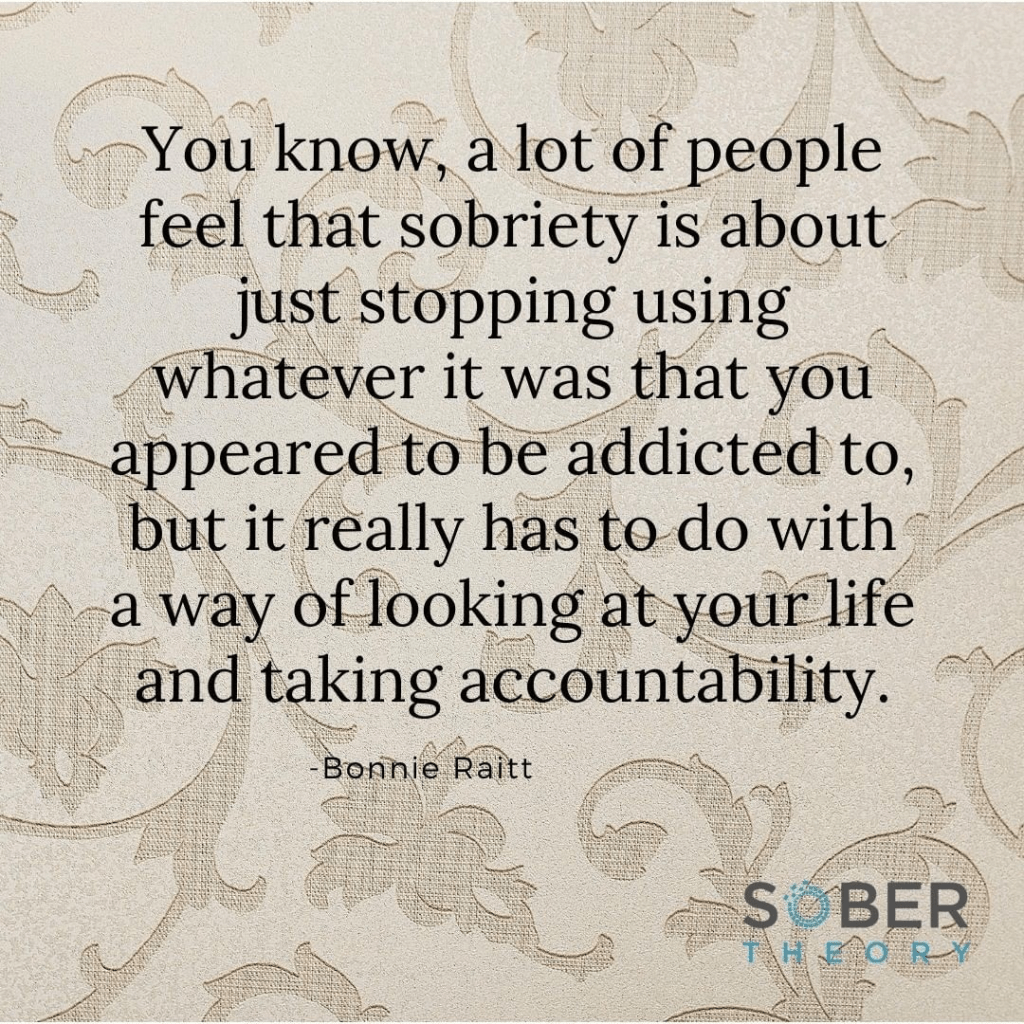
- The host encourages people to ask themselves: “Is alcohol still benefiting my mental health, my physical health, my financial wealth, and my relationships?” Some people get irritated because if anyone asks themselves those questions, nobody would drink. That’s the truth.
- People who don’t want to quit but want to “cut back” don’t want to tell people they plan to quit because that way, they won’t be held accountable. When they do drink, they can justify it by saying that they cut back.
- “By just quitting by announcing it to myself, I was just bartering with myself. If I wanted to drink again, I could drink again. I could lie to myself all day long and I did.”
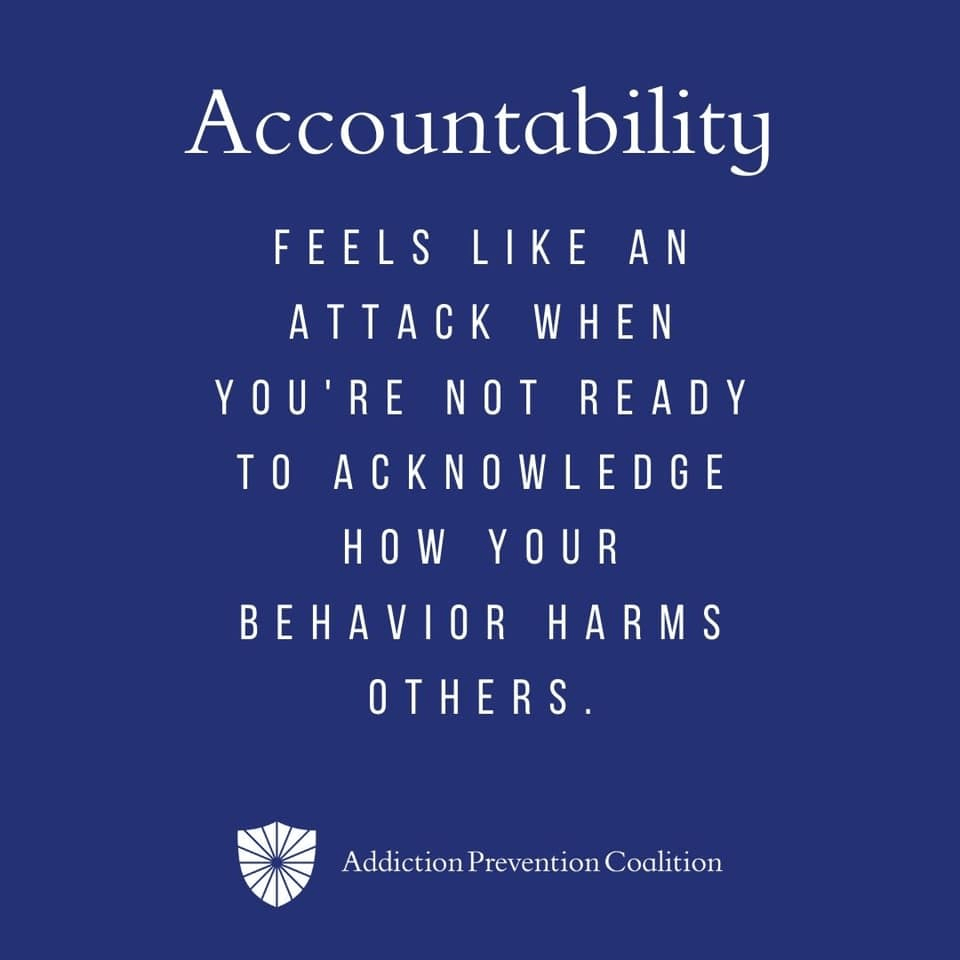
- Accountability is necessary for many people to achieve long-term sobriety and stay focused on the end game.
Fun fact: I have never ordered from DoorDash! Still, I wanted to learn more about DoorDash, and this episode was fascinating.
- DoorDash started out with a simple webpage, 8 restaurants, and a Honda Accord.
- Tony Xu went to college at UC-Berkley and went to business school at Stanford.
- Tony had a project at Stanford where he had to work on a customer audience that he was passionate about and try different things. He grew up as a dishwasher in his mom’s restaurant, so he worked with others and they would call restaurants and ask them what problem they could solve.
- The first idea they worked on was a marketing solution that would help them determine where their customers were coming from by asking them at the check out how they heard about the business. They realized that, although it was a helpful idea, it wouldn’t be the fastest way to grow a business.
- They then shifted their attention to growing businesses. They heard about challenges with delivery because most restaurants did not deliver. Businesses turned down several orders each week because they didn’t offer delivery. They first tested their project by delivering for other companies (ex: applied to be drivers at Fedex and Dominos) to learn about how deliveries work. They learned that it’s hard to predict how many drivers to have on staff on any given day and it is an inefficient use of expensive labor.
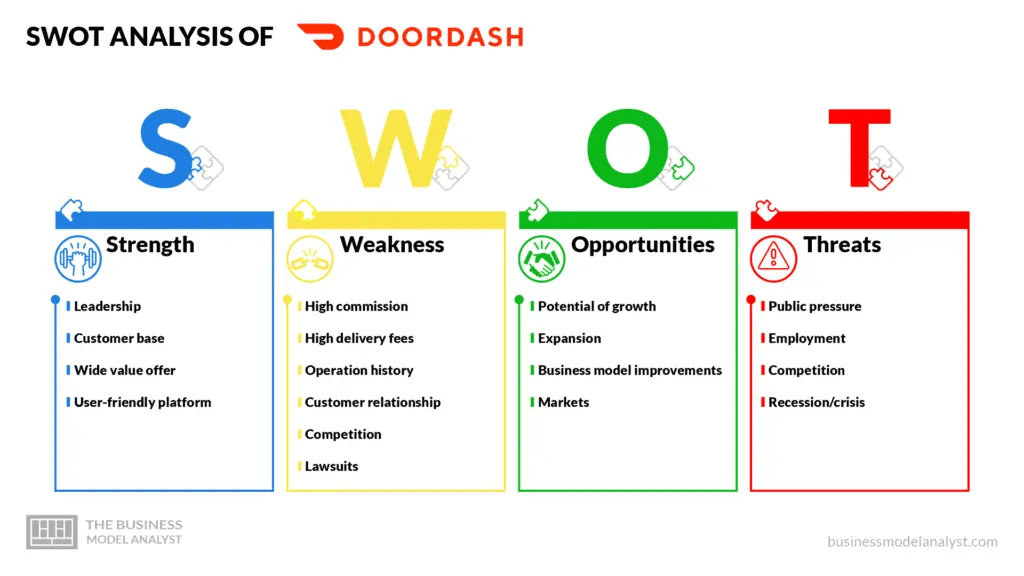
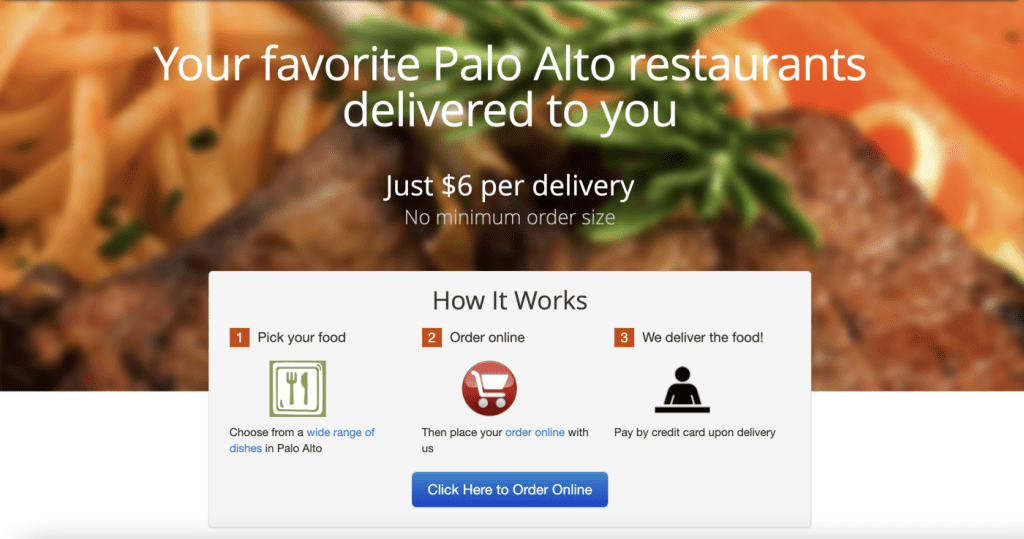
- None of the restaurants around Stanford offered delivery, so on a Saturday, they built a website called PaloAltoDelivery.com. They put 8 PDF menus from local restaurants on the website and there was a Google voice # that would ring Tony and his classmates/founders. They did not ask permission of the restaurants; they just picked 8 restaurants (Thai, middle eastern, Chinese, Indian, salad bar, etc.) People called the # and ordered off the menu. They would then do the deliveries themselves. They would make an estimate of how long it would take, call the order in, and use a Square card reader to receive payment. Essentially they were just being reimbursed to buy someone else’s food.
- They got their first order 45 minutes after launching. They videotaped their first delivery.
- They only offered service when they were not in class (available 5-8 p.m.) They did that for five months. They kept track of what people would be willing to pay for delivery, whether restaurants would want to work with them and pay them, and whether they could recruit drivers at Stanford and how much they needed to be paid.
- They were only delivering 5-10 orders per day. It was not very scalable.
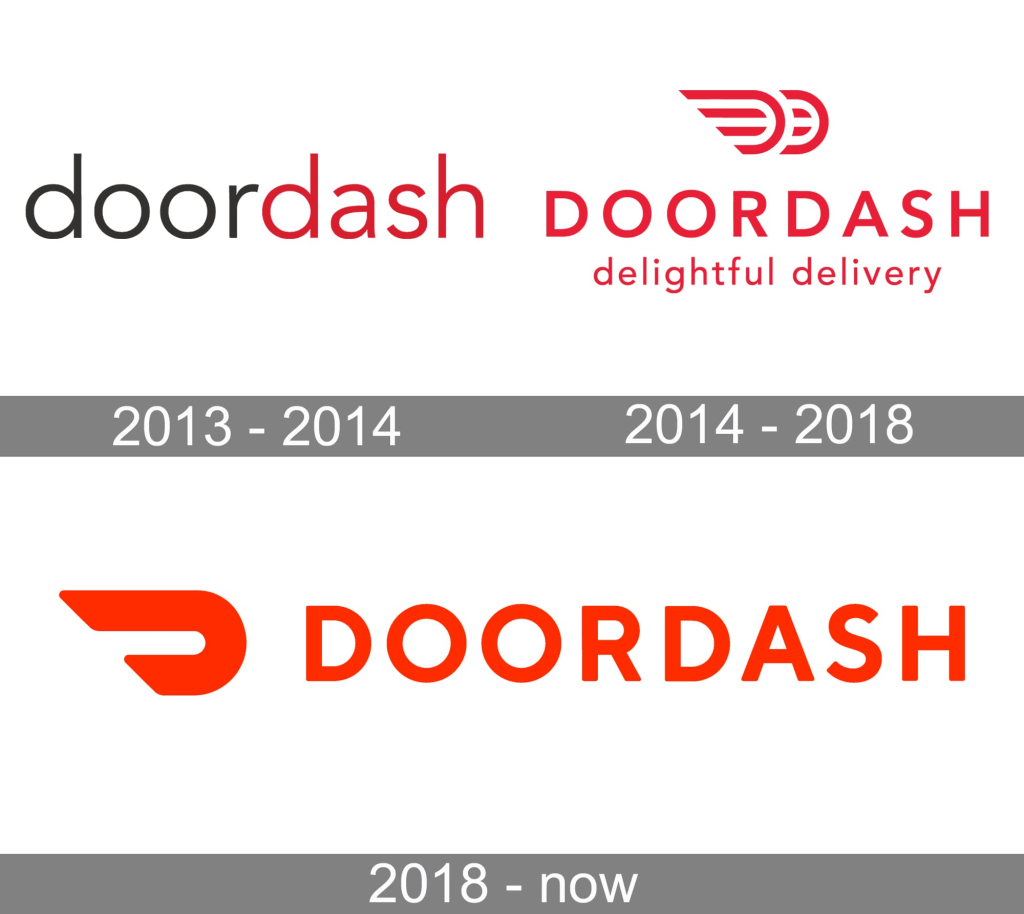
- The founders applied to the Y combinator accelerator program and were accepted – got $20,000 and gave away a small piece of ownership. Their webpage became more sophisticated (from PDFs to store web pages). All 40 companies pitched onstage to a group of investors. Tony said they are building a logistics business, not a food delivery company. Their goal was not just to do food. They raised $2 million from investors in the seed round. With the $2 million, they needed to prove that the service was viable in a market in one area, so they chose San Jose and built an app (DoorDash). Purchased domain for $9.95. He and his founders did all of the deliveries for almost the entire first year.
- They realized that the most difficult part was building products that the consumers don’t see. How do you get the order to the restaurant? How do you reconcile orders if they go wrong? How do you tie to the accounting that restaurants are already doing? How do you know which door to enter if you’re a driver? His cofounders led the engineering team, most of which are still at DoorDash today.
- They printed out flyers and stuffed takeout bags at restaurants to advertise their business.
- San Jose grew very fast over a 4-month period, so they decided to raise their next round of financing. They wanted to create new technology by hiring salespeople, hire drivers, and spend on marketing.
- There’s an app for the user, the restaurant has a different app, and the driver has a different app. They also need to build other systems to ensure everything is working properly.
- Every single person did deliveries and customer support every single day for the first year. They still do this, but once a month instead of every day. This causes them to learn about different systems and nuances. In many ways, they consider themselves an applied math company. Where is every parking lot, construction zone, alley, and elevator inside of a mall?
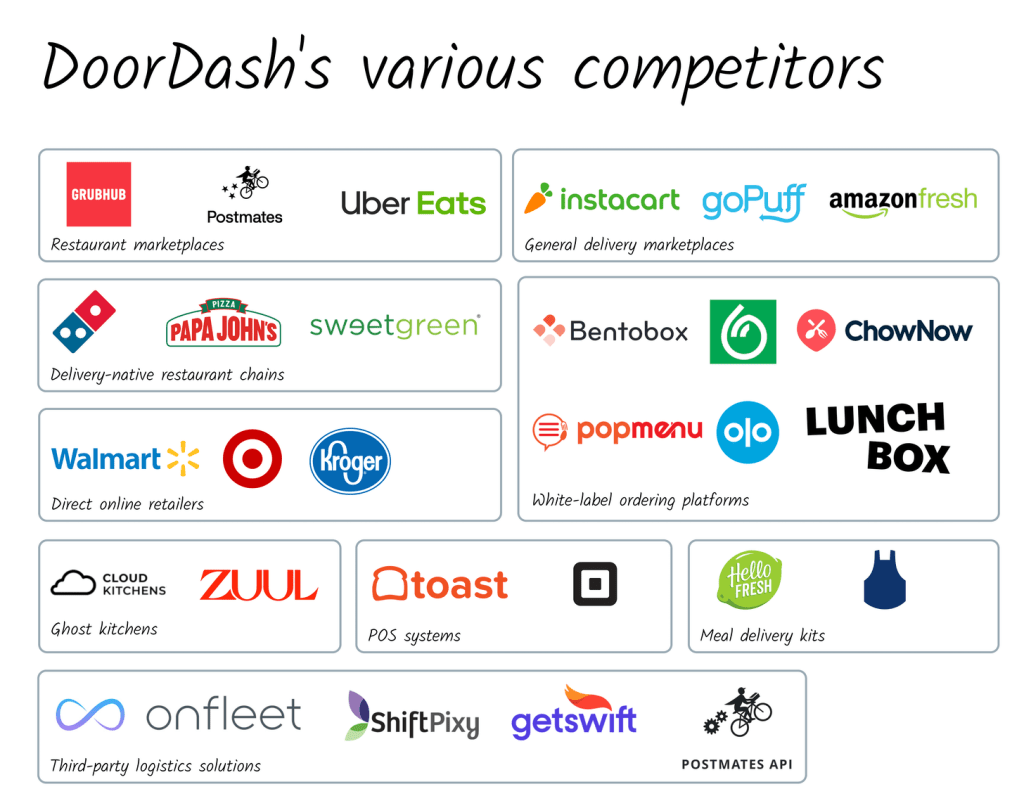
- The delivery fee ranges from $1.99-$5.99. DoorDash makes money from the delivery fee (from the customer) and from the restaurant (a percentage of the order total). When DoorDash launched, there were over 800 companies around the country delivering parcel.
- When you look at the restaurant industry, it’s not all online. Many orders still happen through a phone call.
- This episode was from 2018. Tony aims to make DoorDash the biggest infrastructure that connects consumers and merchants. He wants to be the first phone call for those who want to start a company and build their businesses. Currently it is the biggest service in about 60% of the U.S.
- Tony says his success has involved a lot of luck. He acknowledges that he has been lucky to have a lot of great people who have helped him along the way. The hard work and skill was not the result of just him; he says the real heroes were his teammates, and their collective hours, skills, hard work, and drive allowed him to be successful.
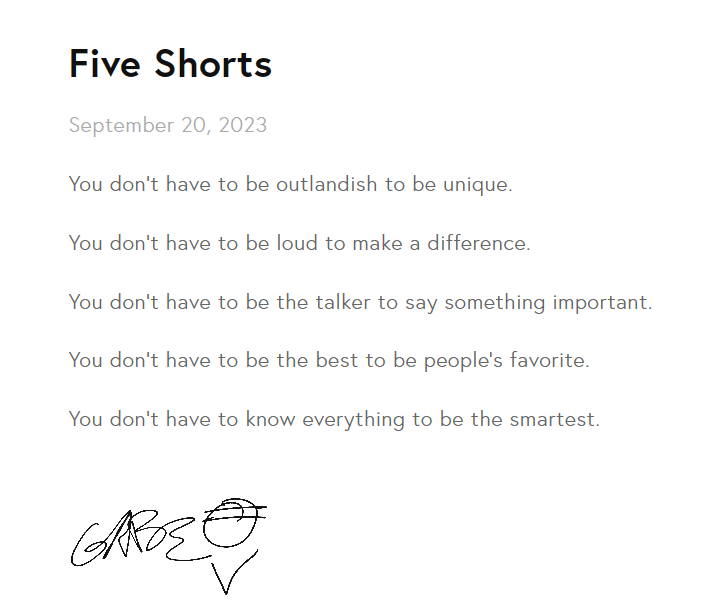
https://www.gabethebassplayer.com/blog/five-shorts
I loved this post of Gabe’s from his blog that I read daily:
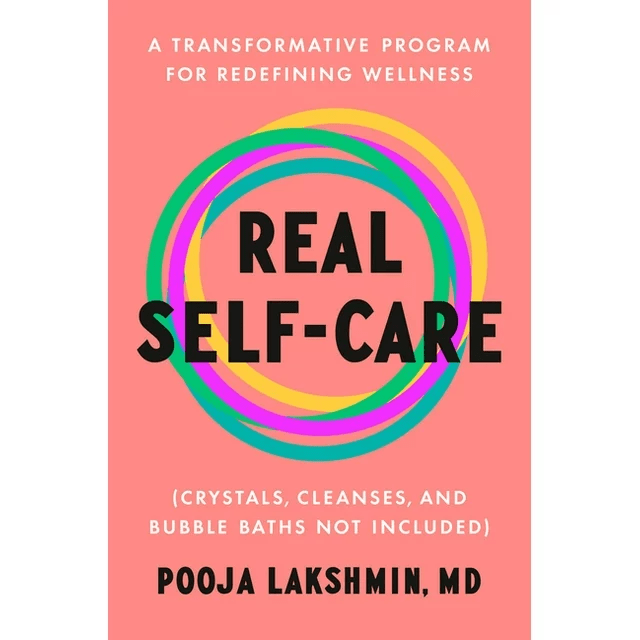
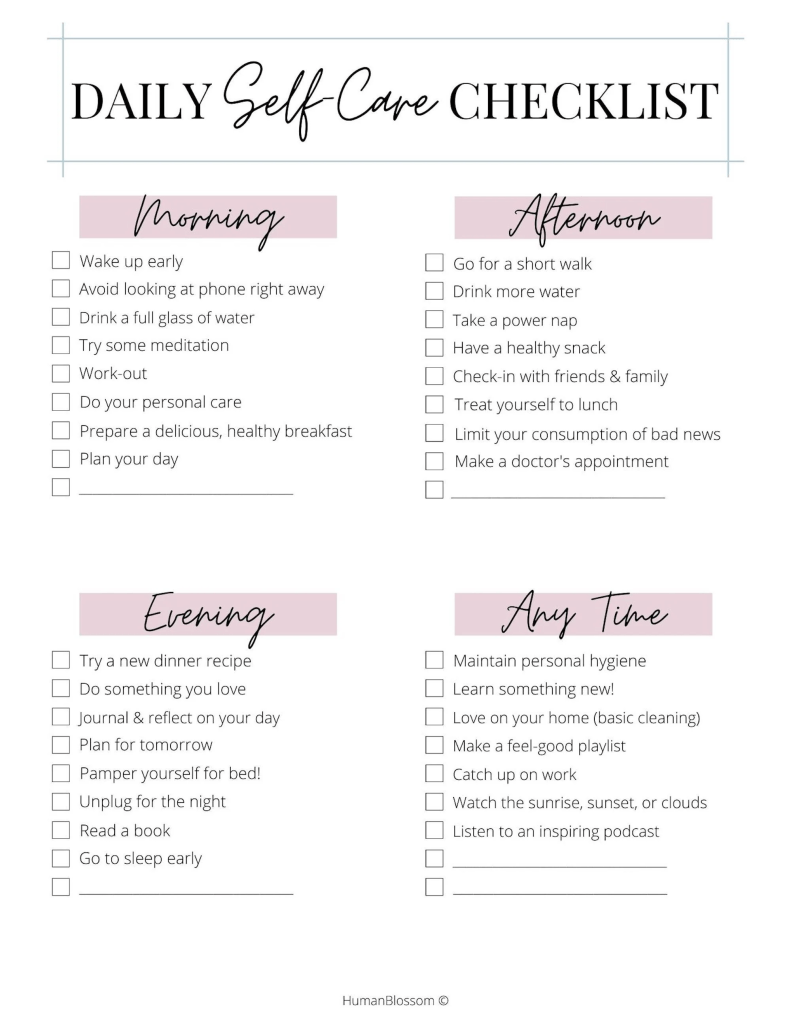
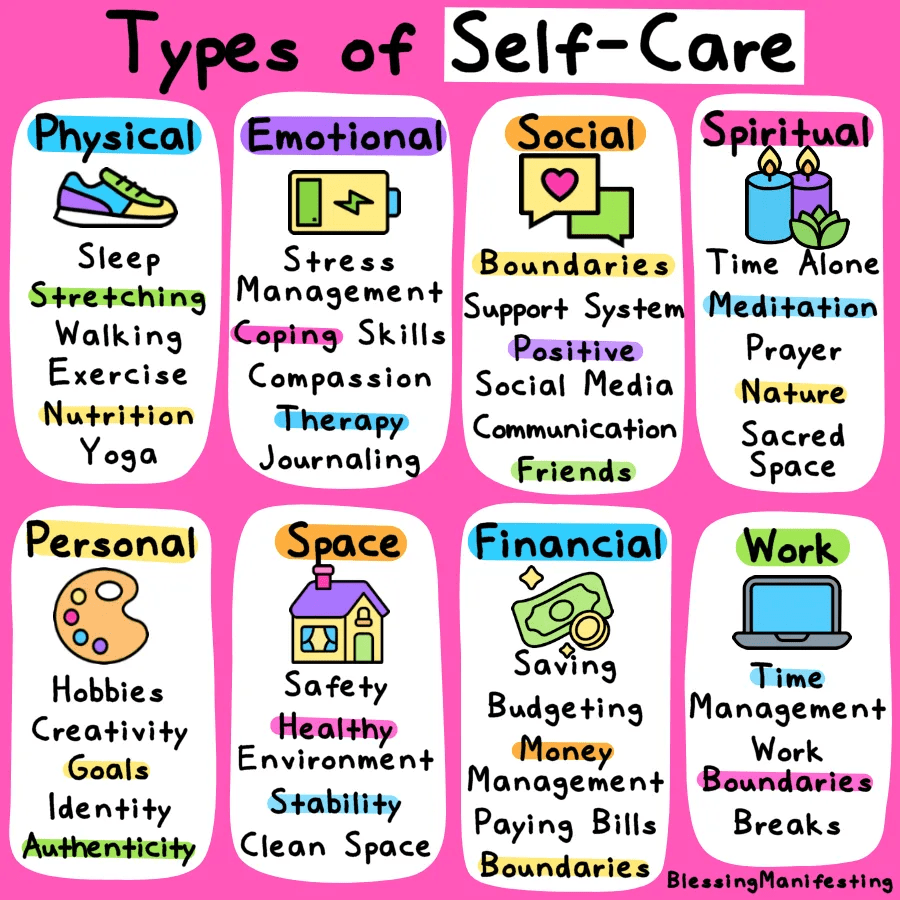
This past week I read “Real Self-Care” written by Pooja Lakshmin, MD. I will post about this book in greater detail in a future blog post. For now, I wanted to share a few main points:
- Real self-care requires setting boundaries and moving past guilt.
- Real self-care means treating yourself with compassion.
- Real self-care brings you closer to yourself and your values, beliefs, and desires.
- Real self-care is an assertion of power. It’s about saying what works for you and what doesn’t.
Faux self-care is a noun, typically describing an activity or a product. Real self-care is a verb, describing an invisible, internal decision-making process.
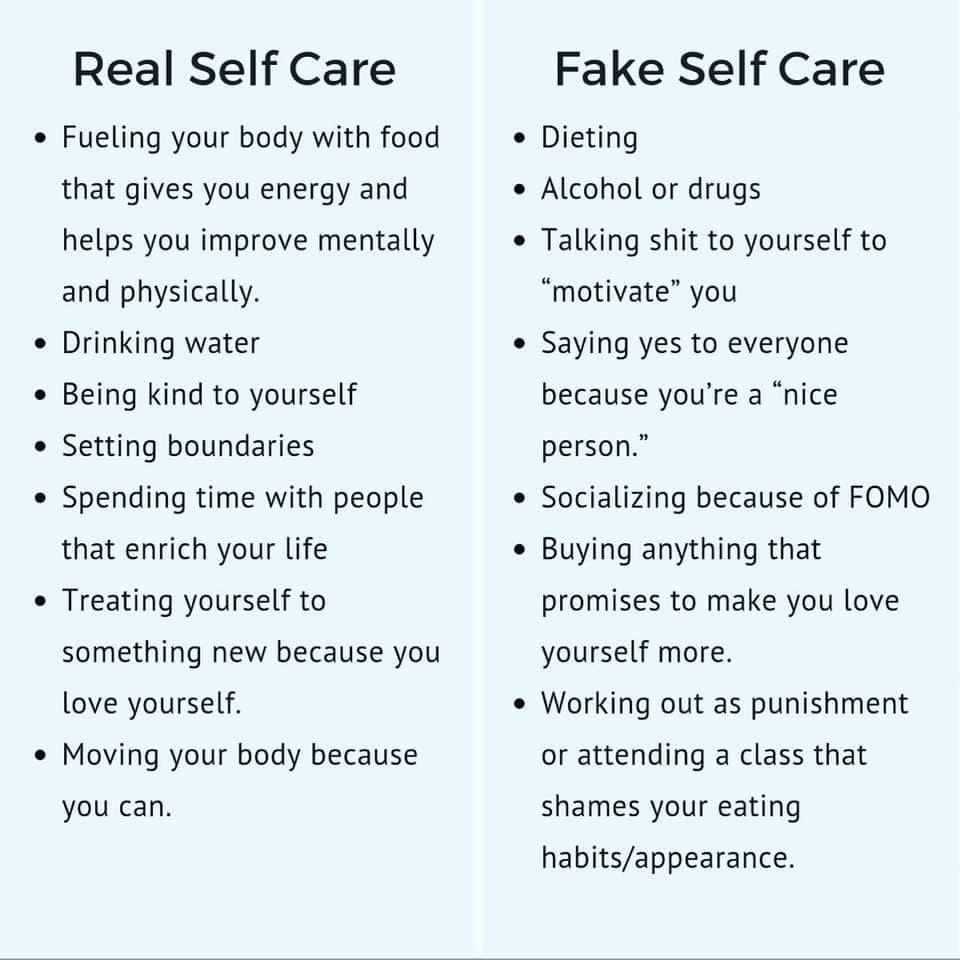
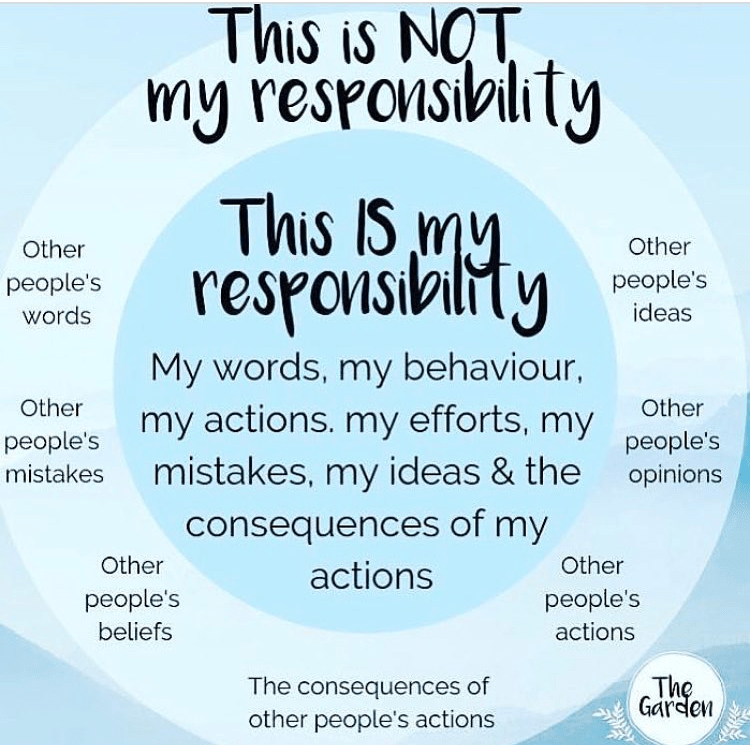
Real self-care is all about making space for you – your thoughts, feelings, and priorities in life. Setting boundaries is how we take our time, energy, and attention back. Real self-care involves aligning your actions with your values.
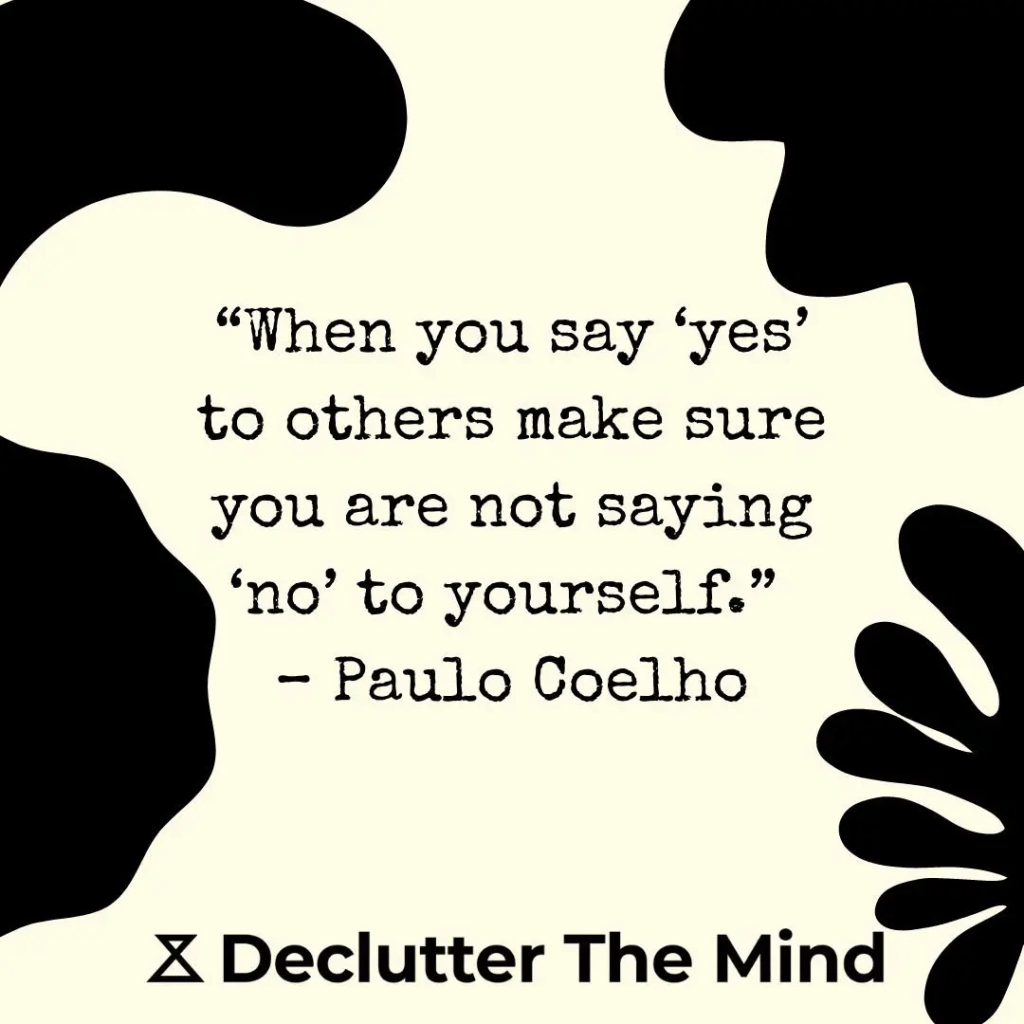
Compassion is something you must give yourself. You can’t expect it to always come from others. You can’t be compassionate with yourself until you have learned to start saying no to others.
I look forward to reading, learning, and sharing more with you soon!






























 Read Learn Share