
My intention is to post a Thoughtful Thursday column each week and share some of the insights I have learned in the past week. Here are some of the things I’ve learned this week:
Note that these questions are for couples in serious long-term relationships. You and your partner may not agree on everything. It’s more important to work through conflicts and come to an understanding.
- What is your policy on loaning money to relatives? Are you supporting/do you plan to support any family members?
- How much money have you saved?
- How much debt do you have?
- Are you comfortable investing or do you prefer to keep your money in the bank?
- Are you a saver or spender?
- How do you feel about merging finances once we’re married? This question has a lot to do with the question about how much your partner has saved. If you’re the only saver, you may not want to merge finances.
- Do you have a budget…and can I see it?
- Will you support me if I choose not to work?
- What type of bill payer are you? Minimum payments/full bill upfront? Automatic bill pay/send via mail? Do you pay all bills on time?
- What is your dream, and how do you plan on paying for it?
I thought this podcast was very interesting and I wish I had known about these questions sooner. For full transparency, I did not/have not asked all of these questions, but I think it’s a great idea!
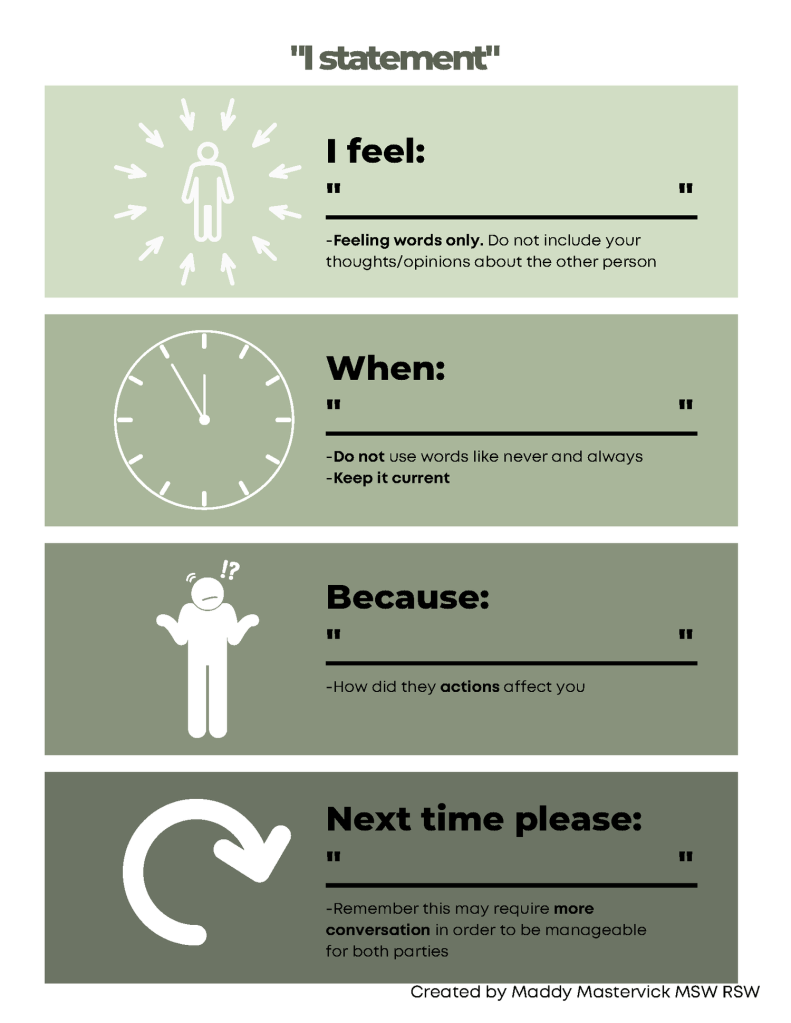
- When you are saying how you feel, use “I” instead of “you.” This helps the emotion and experience feel more personal.
- If you are struggling to change, start with any action. Action is required for change. You can act yourself into a new way of thinking, but you can’t think yourself into a new way of action.
- We are all human and we are all going through challenges, so stop judging other people. By judging others, you are paving those pathways in your brain that are primed for judgment, and you are priming yourself to judge yourself. When you notice you’re telling yourself a story about someone else in your head, talk to them and find out more about them.
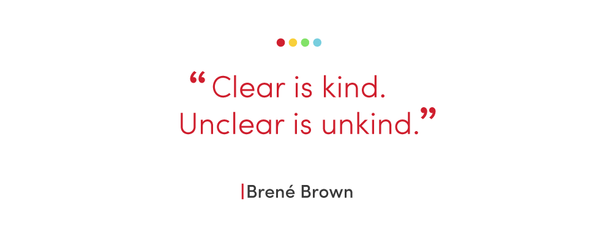
- Clarity is kind. Don’t beat around the bush.
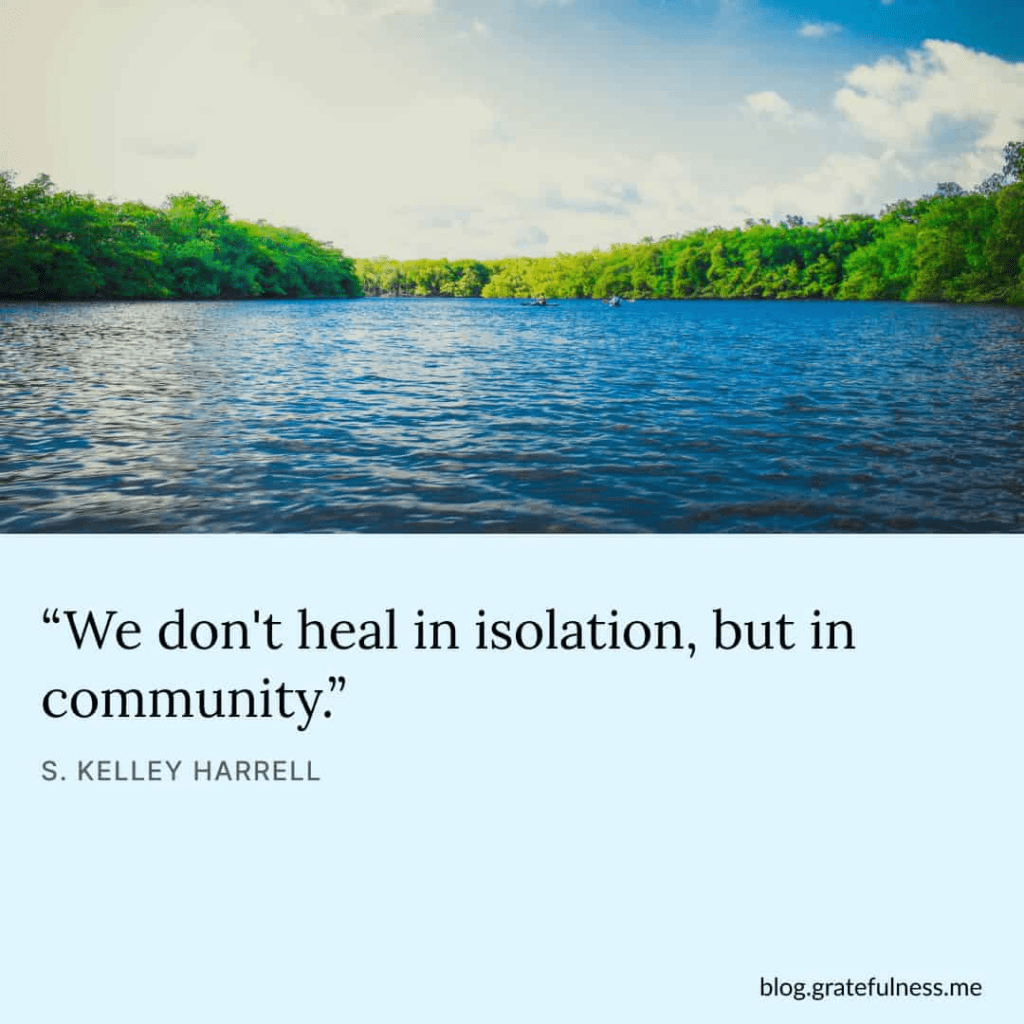
- In order to heal, we need to turn out instead of in. Involve other people instead of keeping to yourself. The power of community is vital to healing. You are not a burden. Reach out to people. Relationship bonds heal relationship wounds.
- Fun is a key part of healing. Access connection, joy, and love. Healing doesn’t always need to be hard and not fun. You can enjoy the process of becoming the person that you want to be. You will get better results if the healing process is enjoyable, too.
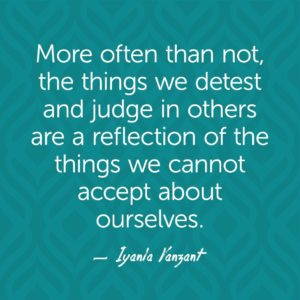
- Everything we see in others is typically also in us – “You spot it, you’ve got it.” In other people, we notice the things that we are most sensitive about or don’t like about ourselves as much. The traits we find most triggering in other people are usually things we are dealing with internally and things we are reacting to negatively within ourselves. When we notice positive attributes in other people, often those are positive traits we notice and value about ourselves.
- Don’t forgive and forget. That sets you up for future hurt. Forgive and remember because holding on to it only hurts you. Resentment is like drinking poison and hoping it will kill your enemies. The only person made prisoner by our resentment is ourselves.
- When you impress people into liking you, it makes you feel inherently unlovable. It can make you feel that without those things, you wouldn’t be lovable or likable to people. If people only like you because of your status/your job, you may feel unlovable without your job. When we give people an arbitrary sense of status (ex: celebrities), we’re actually depriving them of their ability to be human and to feel lovable for who they authentically are.
- When we don’t share what we do for work, the ways you identify your relationships with people are built on who you really are on the inside. You’re forced to present a raw version of yourself, and people will love you for you. You have worth outside of your job and the work that you do.
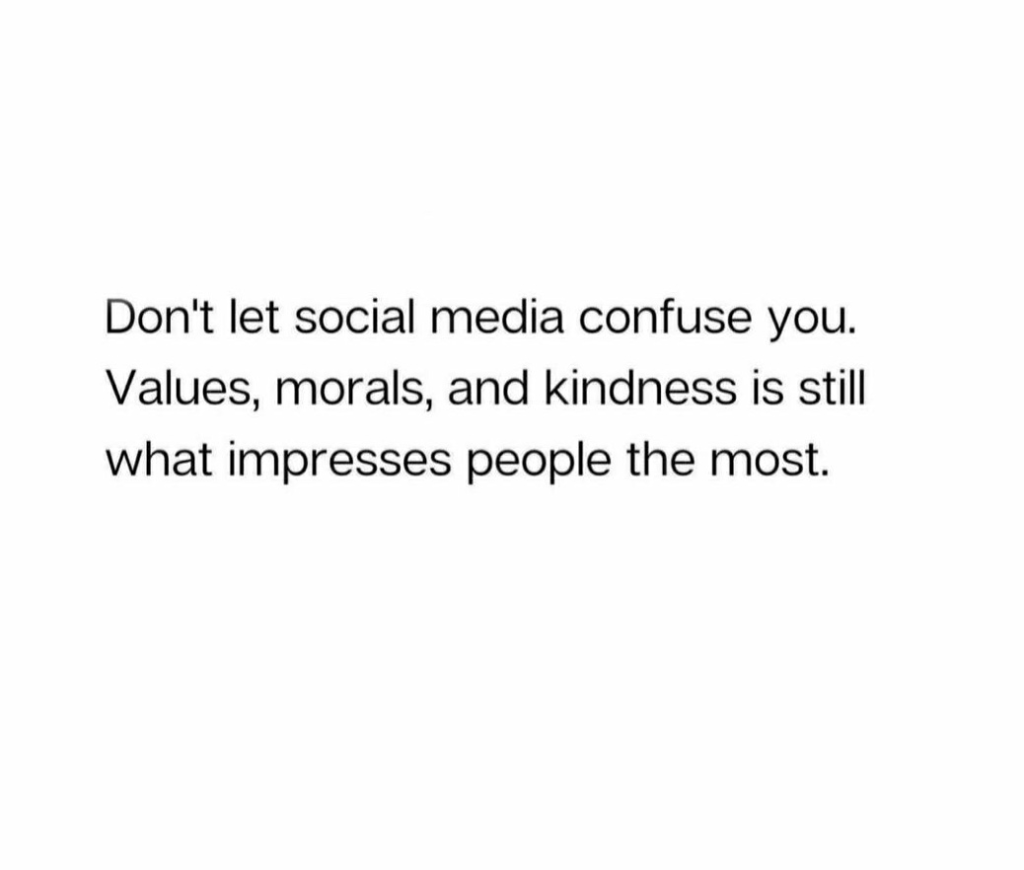
- Be, do, have. How do you want to feel? How do you want to live? Let that influence what you do in the world and the choices you make. Those choices, as a result of the being and doing, will create the things that you have. You’ll have a different relationship with those things because you won’t need those things to be happy.
- Be, do, have instead of do, have, be.
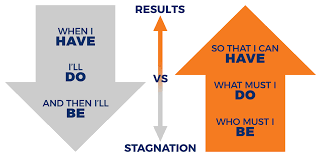
- How do we help people who are different from one another experience a sense of belonging and support in the workplace?
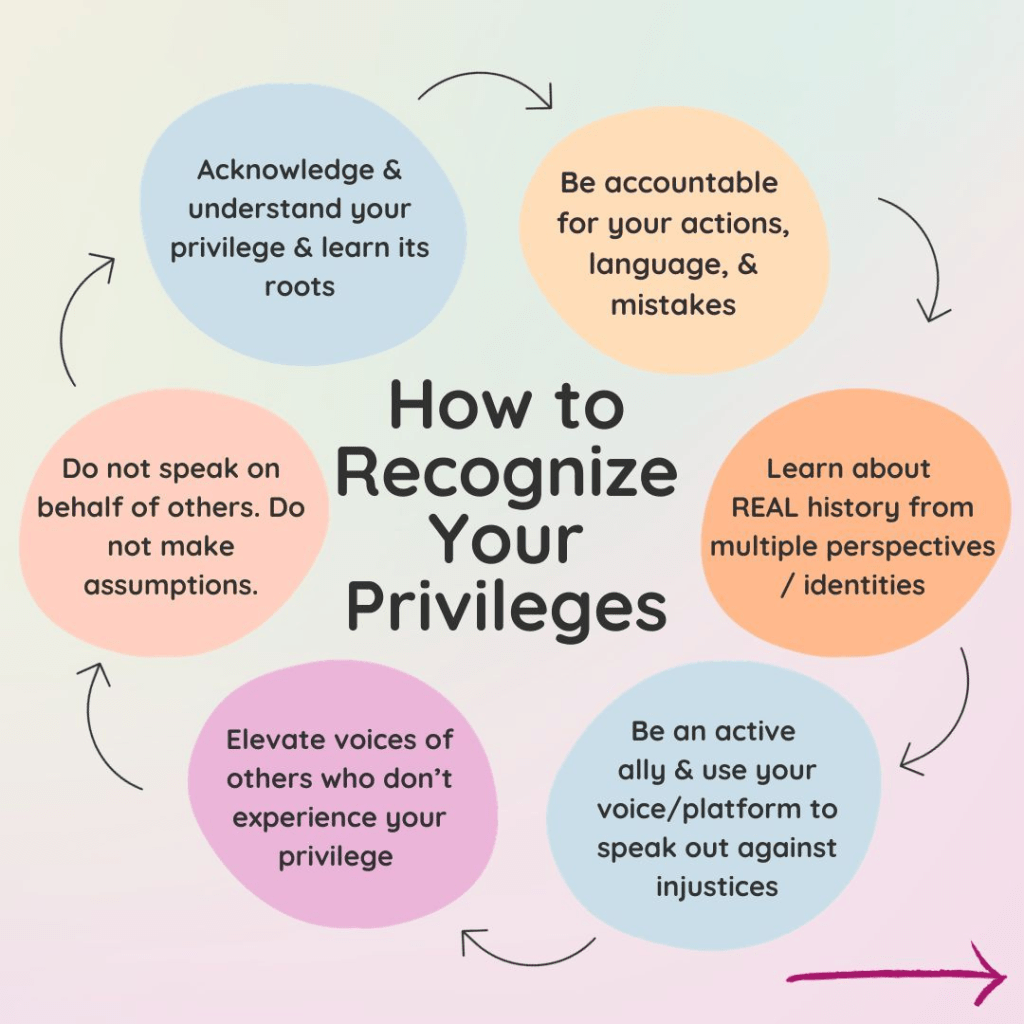
- Acknowledge that we all have some privilege. Ex: access to hot water, drinking water, etc. Being aware of our privilege helps us to see where we have access and ease, and access and ease give us power. What about me or my experience might someone look at and consider to be typical?
- We need to be willing to recognize the differences in people and want to get to know them across those differences. Let me learn about your experiences so that I can develop empathy for you and gain perspective I wouldn’t otherwise have. Hear their stories, gain empathy, and broaden your view. Ex: interviews – how often do we dismiss candidates because we didn’t think they were a culture fit or they didn’t give us the exact example we wanted? What if we used their stories to evaluate where they have an opportunity to thrive and grow? Hear their circumstances and experiences.
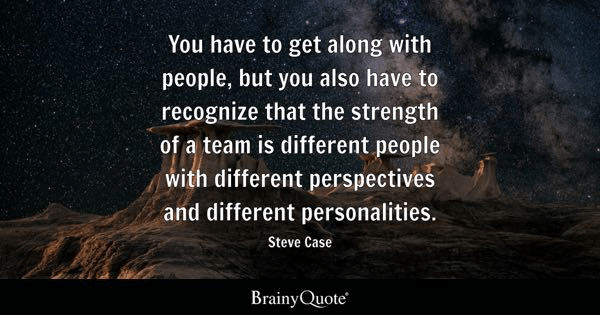
- Extend your privilege to others respectfully and impactfully in the ways you are able to.
- Allyship can involve considering food allergies, accepting correction when you mispronounce someone’s name, left-handed scissors, etc. What do you have the ability to do to support others?
I really liked this blog post from Seth’s Blog this week:
Analyzing the last move
“When the deal falls apart, or the team loses the game, or a partnership hits the rocks, it’s easy to focus our energy on what just happened.
“What if they had called a different play?”
This overlooks the real issue. It’s the first move, or the fifth, that led to this problem, not what happened at the last moment.
Creating the conditions for success is a very different project than finding a heroic move that saves the day.“
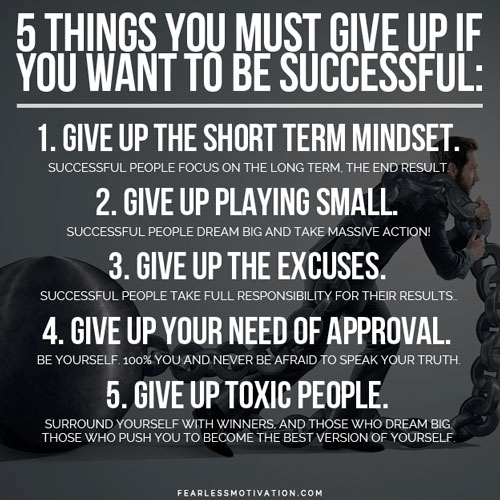
This post from Gabe the Bass Player also resonated with me this week. Often, we envy the successes, accomplishments, or belongings of others. Yet, we aren’t willing to do what it takes to obtain them.”
What Will You Give Up
April 9, 2024
“One of the hardest parts of getting to where we want to go is giving up the things that make us feel good in the short term…
It’s hard to give up scrolling
It’s hard to give up Netflix
It’s hard to give up scrolling Netflix
It’s hard to give up the peace and quiet that comes from not doing much…or doing the same old things.
It’s hard to give up the notion that people will understand why you’re doing what you’re doing
It’s hard to give up your norms
It’s hard to give up not rocking the boat
It’s hard to give up the security of your hard won reputation
The best way to get to the new place is by starting something new…and giving up something else is a great way to start.”

I look forward to reading, learning, and sharing more with you soon!

 Read Learn Share