
My intention is to post a Thoughtful Thursday column each week and share some of the insights I have learned in the past week. Here are some of the things I’ve learned this week:
- Your life is a melting ice cube. We all believe that we have time, that at some point it will be the right time, that some day we will feel ready, that some day it will be perfect, but TODAY is that someday. You will waste your whole life waiting for someday to come. Your excuses are endless, but time isn’t.
- Stop waiting. Stop wishing. Stop waiting for the right time, waiting for you to feel ready, waiting for this or that to happen, etc.
- Make a commitment to yourself that you will get started with your goals and dreams.

How many times have you looked back on your life and thought “I wish I had started sooner, I wish I had done this thing, I wish I had done that thing.” The biggest regret you will ever have in your life is that you didn’t push through the fear and self-doubt to get started on the dreams you had and the life you wanted to create.

- Time and energy are the most important. Pay attention to where you are putting your time and energy. Don’t use your energy on people who are draining your energy. How much time and energy are you putting into doing things that you don’t want to be doing instead of carving out and fighting for small amounts of time and energy to propel yourself forward? Working on your dreams and taking what you want in life seriously enough that you do the work to make it a reality is the greatest act of love that you could ever give to yourself.
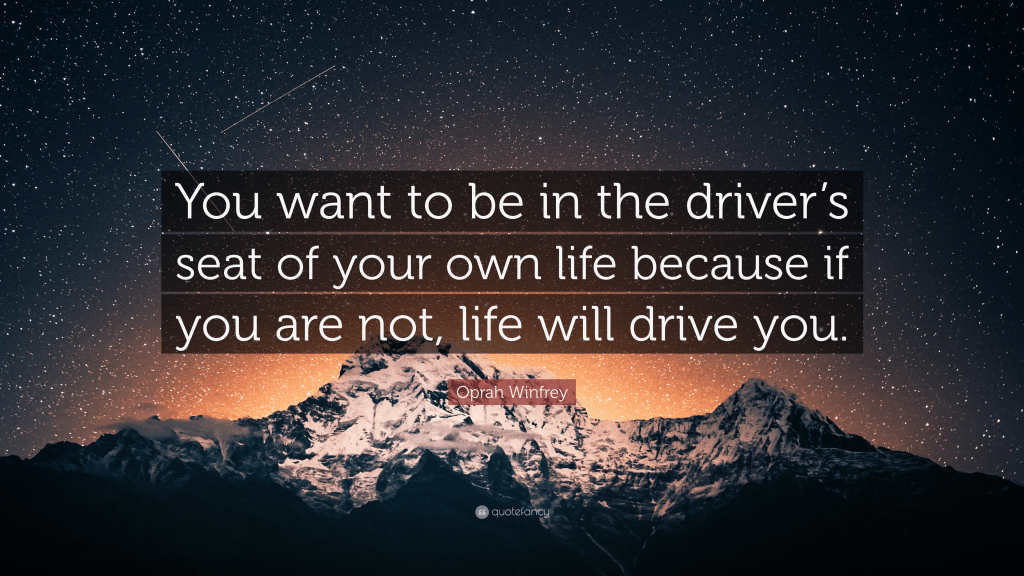
- Life is one long road trip. Every year of your life is a mile marker on your road of life. The road trip is a solo journey. You are driving alone. You control your life. Everybody else is driving their own car on their own solo journey. When you realize that the only person that is truly judging you right now and get out of your own way, it can spark a fire in your gut.
- Acknowledge the thing that is on your list and in your heart. Take responsibility for doing whatever you can however you are capable to move toward it. Get serious about looking ahead instead of looking back.
- Start directing your time and energy at the things that you want. Stop waiting to create what you want in your life.
- Let today be the day that you get started. You can find 5-15 minutes per day to start chipping away and doing the work to figure out how to make some version of what you want a reality in your life.

Where you put your time and energy every single day will define the life you create.
- You can change your life by waking up every day, being very clear about what you want, taking responsibility for creating it, and slowly redirecting your time and energy toward the things that you want. The more you direct your time and energy toward the things you want to create in your life and the relationships that give you energy back, you will be feeling and creating more love for yourself. Creating love from within can drive your life forward.
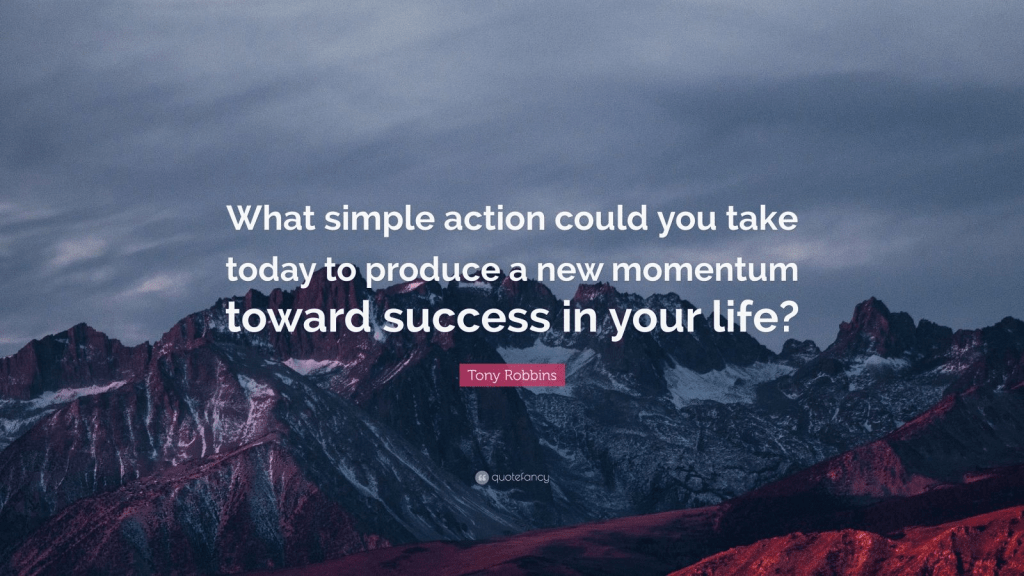
- If you work at it, one day, you will wake up, that dream that you’ve been writing on your list year after year, will stop being a thing that you think about, and it will become what your life is centered around. You’re the one that made it happen day by day, week by week, month by month, year by year. What action are you going to take today? Make today that someday that you’ve been waiting for.
- Use cash-back apps for groceries and gas (Upside, Ibotta, Fetch, etc.)
- Cook one new recipe each week so that you don’t eat out and so that you have fun trying something new.
- Make your own coffee or tea.
- Get movies and books from your local library instead of purchasing them.
- Buy makeup from the drugstore instead of buying high-end brands.
- Browse the clearance bins at your local grocer.
- Walk or take public transportation instead of driving.
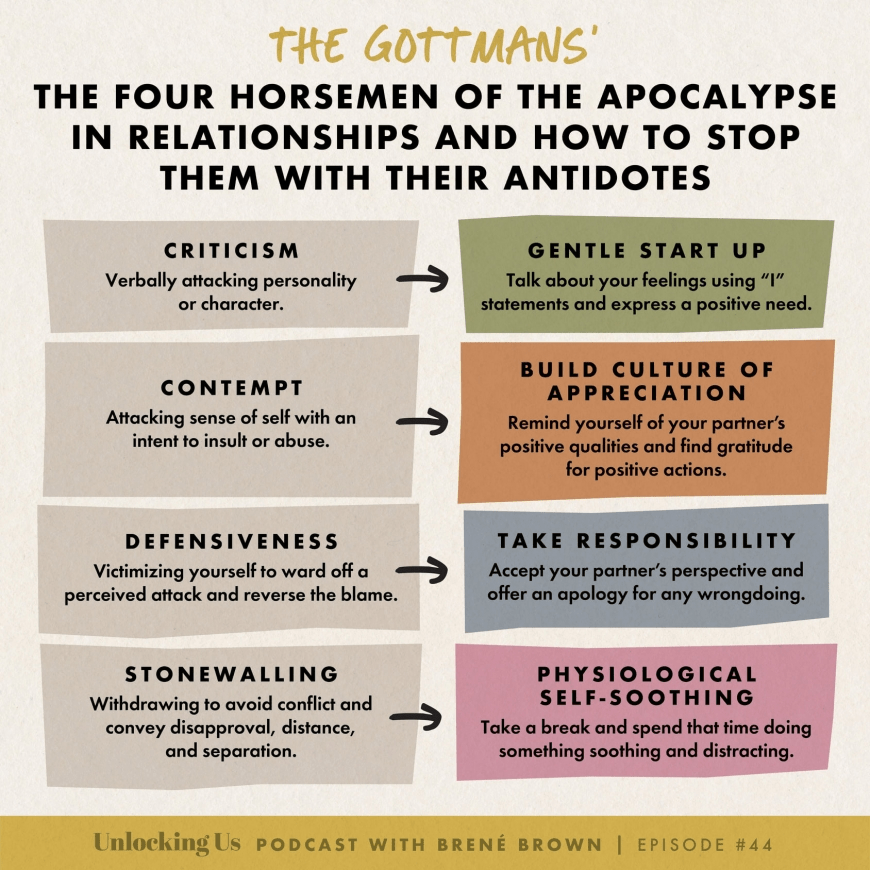
- Ask two consecutive questions, such as “how was your day?” and then a follow-up question to make your spouse feel special and valued.
- A major prediction for unhappiness, separation, and divorce is criticism, where one spouse is critical and complaining all the time. They’re never satisfied and are perfectionistic.
- When criticism decreases, couples are more likely to connect and offer their hearts.
- When you stop criticizing and focus instead on what your spouse is doing, how your spouse is showing up, and what you value about your spouse, you will start listening better and have a better connection.
- Listen to each other without criticizing.
- Twinkies have been on store shelves since 1930! Originally the price was 2 twinkies for 5 cents.
- The creator, James Dewar, passed a billboard for Twinkle Toes Shoes and shortened that into Twinkies. He thought it would be a fun name for kids.

- James Dewar was already making cupcakes and other pastries under the Hostess brand. In his first version of the Twinkie, he used a banana filling because bananas were easy to find year-round. During World War 2, bananas were rationed, so he replaced them with a vanilla filling, which stuck around.
- They were particularly popular with kids and often put in their school lunch boxes.
- Dewar himself ate several Twinkies each day until he died at age 88.

- Hostess started struggling in the 1990s as consumers grew more health-conscious (low-carb and low-calorie diets). By 2004, the parent company was deeply in debt and declared bankruptcy. In 2009, a private equity firm saved the company by buying its assets for 130 million dollars. Salvation didn’t last long, and they wound up filing for bankruptcy again in 2012.
- Through the first bankruptcy, people could still buy Twinkies at the store. After the second bankruptcy, Hostess stopped making Twinkies. In 2012, consumers frenzied to get what could be their last boxes of Twinkies.
- Two private equity firms acquired a slew of Hostess snacks for 400 million dollars. They had fewer factories and employees. Twinkies returned to supermarkets in 2013. The shelf life was only 26 days. Hostess later used an enzyme that controlled the moisture in food and helped prevent it from molding, which extended the shelf life to 65 days.

- The COVID-19 pandemic was huge for Hostess. People were staying home and snacking more.
- Hostess sold itself to Smucker in a 5.6 billion dollar deal in September 2023.

I’ve read two books in the past week:
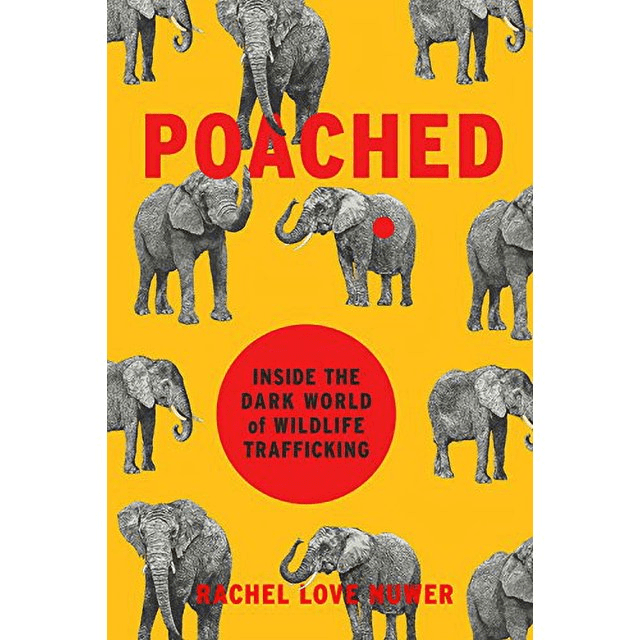
“Poached: Inside the Dark World of Wildlife Trafficking” was written by Rachel Love Nuwer, an award-winning science journalist who regularly contributes to the New York Times, National Geographic, and other publications. This book was disturbing, intriguing, and educational, and Rachel’s investigative reporting took her across a dozen countries, where she explored the forces driving demand for animals and their parts, the toll that demand is causing, and those who believe it is not too late to stop the impending extinctions. Here are a few key points:
- More than 1,000 rhinos are killed for their horns each year.🦏 There are more tigers in captivity than the wild, many of which are raised for their body parts and meat like cattle. 🐅 Pangolins have become the world’s most trafficked animal, and nearly 500 prescriptions in traditional Chinese medicine call for pangolin scales, skin, meat, or blood, despite little evidence of any medicinal value! Elephant tusks are often sought for ivory, and bears are sought for their bile.

- Around 1,500 animals are included in the traditional Chinese medicine pharmacopeia, and of the 112 most commonly used species, 22% are endangered!
- Wildlife crime is typically a pyramid-shaped hierarchy: poachers form the base, followed by local/national/international couriers/buyers/exporters, then the consumers at the very top. Many poachers argue that “when the buying stops, the killing can too.” Overall, sanctions and legislation are not enough, and they are rarely enforced for wildlife crime!

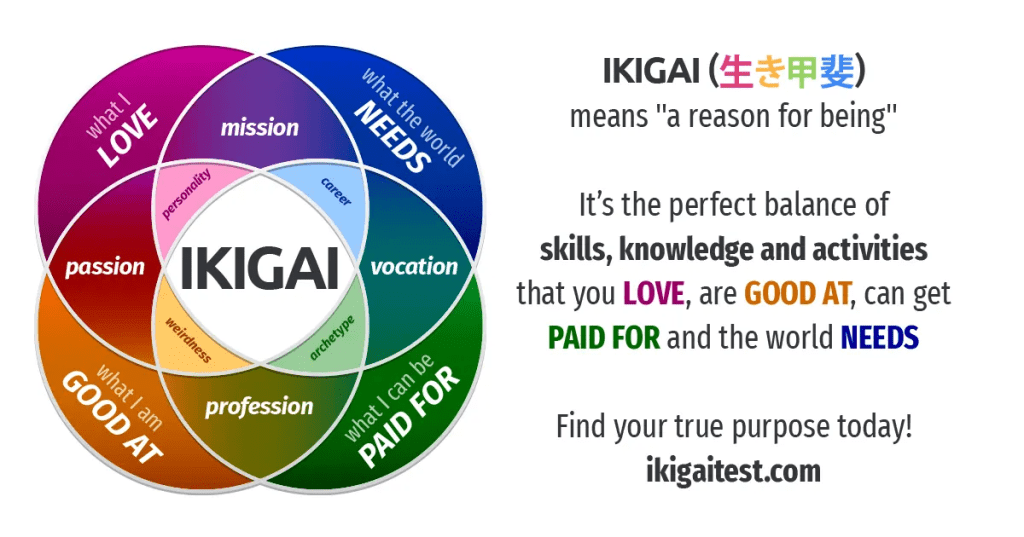
“Ikigai: The Japanese Secret to a Long and Happy Life” was written by Hector Garcia and Francesc Miralles. The authors interviewed the residents of Okinawa, Japan, the village with the highest percentage of 100-year-olds. I learned SO much, but here are their main findings of traits that promote longevity:

- Find your ikigai – your reason for living – the place where passion, mission, vocation, and profession intersect. Having a clearly defined ikigai brings satisfaction, happiness, and meaning to our lives.
 Be resilient, have a positive attitude, and manage your emotions.
- The keys to longevity are diet, exercise/movement, finding a purpose in life (an ikigai), and forming strong social ties. The Okinawan diet is rich in tofu, sweet potatoes, fish, vegetables, antioxidants, and rice. Stop eating when you feel 80% full/almost full but you could eat more! Those who live the longest aren’t those who do the most exercise, but those who move the most. Nurture your friendships every day. Find your flow, keep your mind busy, and try to learn something every day.


- Be mindful about reducing stress, participate in social or leisurely activities, get 7-9 hours of sleep, limit junk food, don’t worry, live an unhurried life, be optimistic, and cultivate good daily habits.

I look forward to reading, learning, and sharing more with you soon!
 Read Learn Share