Thoughtful Thursday posts, Uncategorized

Thoughtful Thursday – June 15, 2023

My intention is to post a Thoughtful Thursday column each week and share some of the insights I have learned in the past week. Here are some of the things I’ve learned this week:

Self Improvement Daily- Breaking Down Productivity

The word productivity is a combination of two words: productive activity. It’s to be active in productive ways. ‘Productive’ is simply having the high ability to produce. To produce what? Society and culture have taught us that we must always be thinking about producing results, revenue, and efficiencies. Can’t we also choose to produce joy, presence, mindfulness, and connection?

You get to decide for yourself what you want to produce. It’s your life, your time, and your attention. Productivity is actually just “doing the things you want to be doing.”

Productivity = Productive activity = Doing things that produce the results you want = Doing the things you want to be doing.
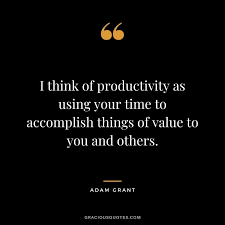
The next time you feel down on yourself for not checking things off of your never-ending to-do list over the weekend, reframe your mind and consider that productivity is doing the things you want to be doing. Resting and hanging out with friends could still be productive; you are taking care of yourself and growing strong relationships with people you care about. If that is what you want to be doing, you were productive!

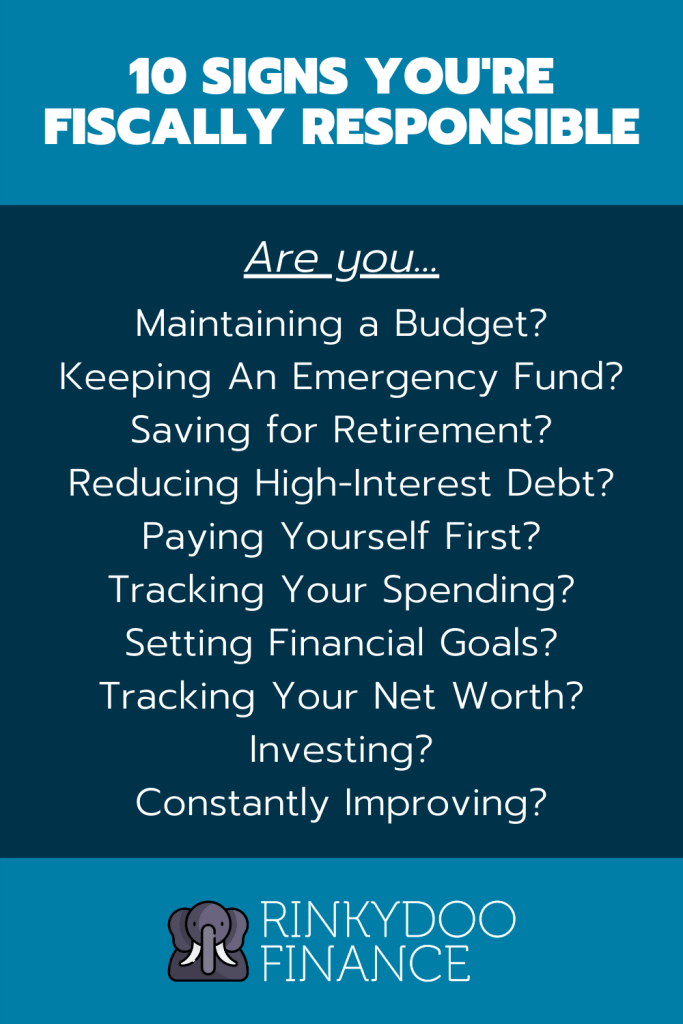
Small Change – 10 Signs You Might Be Financially Immature
  1. You act aggressively when someone asks you about your money.
  2. You are dismissive of others’ success.
  3. You spend when you are depressed.
  4. You tend to look at the individual spending of your partner rather than simply being concerned with how much is being spent. If the “what” is more important than the amount, you may be financially immature.
  5. You are unable to get excited by saving for a big goal. “We can’t do that. That’s crazy.”
  6. You have avoided looking at a bank statement for months.
  7. You fear tax time.
  8. You gloat at parties about your investments that you haven’t actually made or lie about the investments you have.
  9. You are too conscious about the brands you are wearing.
  10. You use spending as a cure for boredom.
Savvy Psychologist- 6 skills of mindfulness you may be missing
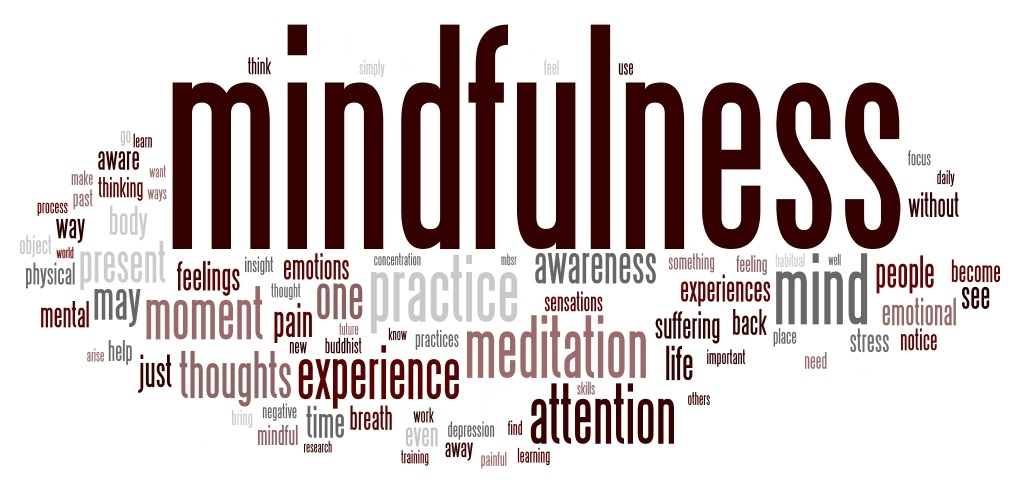
  • Observe. Pay attention to your environment and your internal experiences without judgment. This entails wordless watching and being fully present in the moment, observing your thoughts and feelings as they come and go, and noticing the world around you without trying to change it. Use your five senses.
  • Describe. Put your observations into words. Describe your experiences objectively without adding your own interpretations or judgments. Describe your observations from your five senses.
  • Participate. Be fully present and engaged in the present moment. Let go of distractions and focus on the task at hand, whether that be work, hobbies, or relationships.
  • Non-judgmental stance. Accept yourself and others without judgment. Let go of the inner monologue and distorted interpretations. Instead, practice self-compassion and understanding. Cultivate an attitude of acceptance and openness. Let go of the evaluative judgments we often make.
  • One-mindfully. Focus on one moment, task, or thought at a time. Let go of distractions and multi-tasking and focus your attention on the present moment.
  • Effectiveness. Focus on what works in a given situation rather than what is “right or wrong.” Let go of rigid thinking and embrace a more flexible and adaptive mindset. Focus on the outcomes you want to achieve and explore different ways of achieving them. Do what works, not necessarily what you prefer.
FIRE the Family Podcast – 22 Actionable Ways to Invest in Yourself
  1. Go to college. Don’t go into extreme debt to go to college. Be wise and research what your expected income will be before taking out several loans.
  2. Join the military.
  3. Go to a trade school.
  4. Get a job. There’s no better way than to find out what you like and don’t like doing.
  5. Learn how to cook. It increases your independence and reduces your expenses of eating out.
  6. Learn how to exercise properly. You will feel better about yourself and your health, live longer, and improve your mental health.
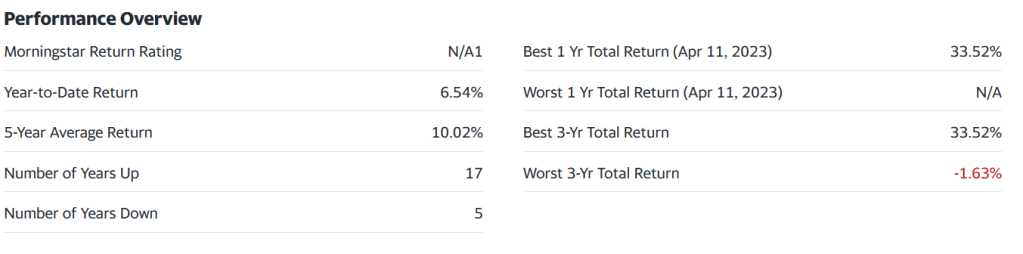
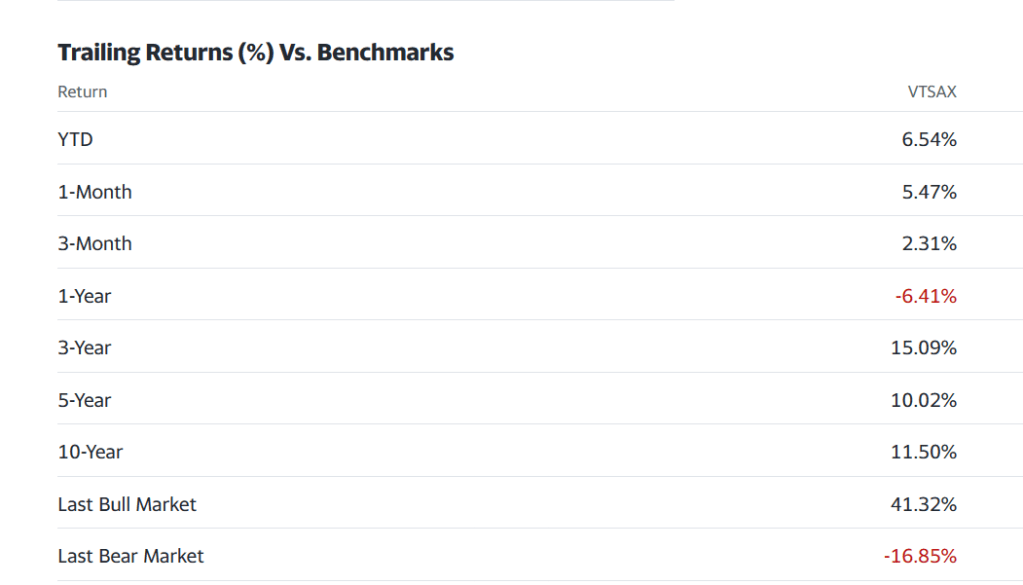
  7. Open a brokerage account. VTSAX is a great investment.
  8. Join a local young-professional networking group.
  9. Implement an every-dollar budget.
  10. Ask your parents and grandparents for advice. Pick their brains and learn everything you can.
  11. Find the person you want to spend your life with.
  12. Get out there and fail. You learn from failing.
  13. Run a half marathon. It requires a lot of discipline, preparation, and time.
  14. Identify your mentors.
  15. Develop an inner circle.
  16. Cut out negativity. Set proper boundaries for yourself and your family.
  17. Develop SMART goals (specific, measurable, attainable, relevant, time-bound).
  18. Explore materialism and minimalism.
  19. Continue to find ways to compete.
  20. Practice not judging others. Then you will learn to stop judging yourself.
  21. Start reading. Reading teaches your brain to exercise.
  22. Start an online business.
Life Kit- Planning a trip? Here’s how to pack like a pro
  • You never need as much stuff as you think. Eliminate extra baggage before you leave.
  • Pack and then remove 1/3 of the things you pack.
  • Reduce the weight with lightweight versions of what you need and with items that serve multiple purposes.
  • Use packing cubes (lightweight, expandable, zip-up pouches that save space).
  • Lighten your load of liquid toiletries. There are solid versions of items that don’t weigh as much. Use powders, not pastes. Use dry shampoo instead of the real stuff. Leave liquids at home if you can. Most of the time, you can pick up the things you need while on the road, except the things you can’t find everywhere: sunscreen, bug spray, bug bite relief, hair conditioner, and tampons.
  • Do a simple scope out of your destination with reliable sources, not sponsored content.
  • Match your activity plans to the weather forecast. Check a destination’s average monthly weather patterns in advance.
  • Always have a rain jacket, umbrella, or something to cover your backpack.
  • When traveling for leisure, one main event each day is enough. Don’t overbook activities. Build complementary activities around it or leave room for discovery and the unexpected.
Self Care IRL- Listen to this if you are an overthinker
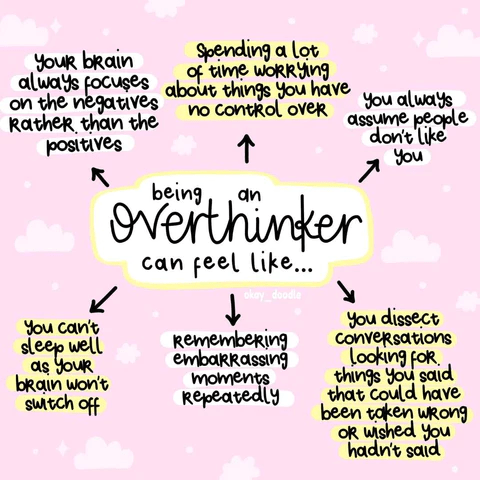
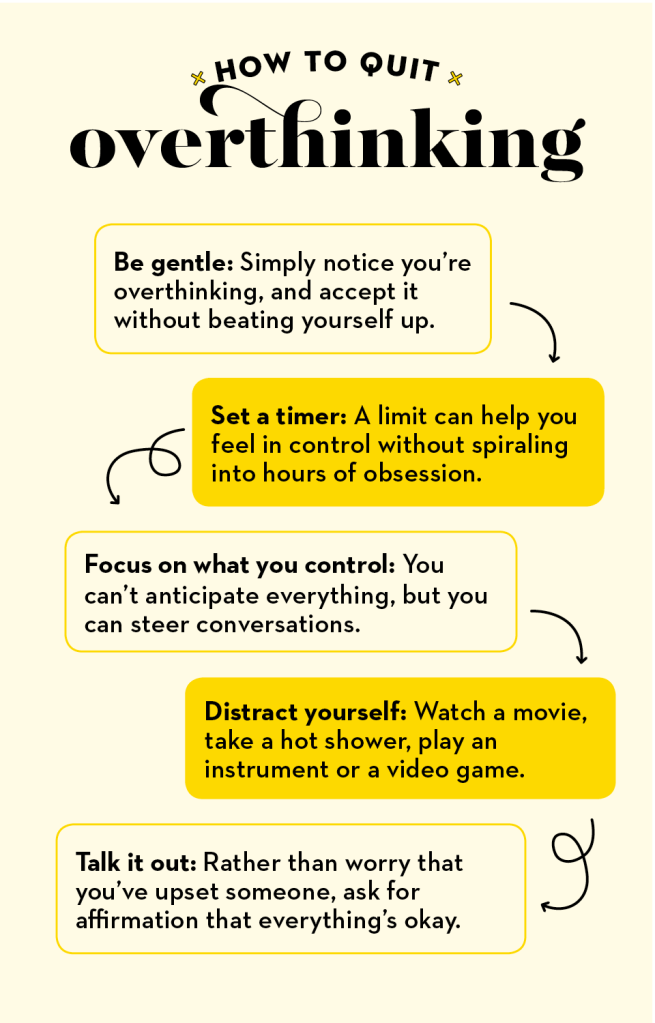
  • Recognize when you are actually overthinking. Identify the thoughts or situations that are triggering it. Shift your mind back to the present.
  • Journal. Writing down things can help you identify patterns in your thinking. Sometimes you can look back and see that you were overly concerned about something that didn’t end up mattering or turning out the way you worried it would.

  • Give yourself time to calm down and relax before addressing any situation. Try to immediately do things that help you to relax or bring you joy.
  • Talk to someone about the situation. Getting another perspective can help you see things more clearly. Talking about your overthinking can help reduce its frequency and intensity.
  • Learn to focus on the present moment instead of dwelling on the past or the future. This can help you be more aware of your thoughts and feelings.
  • Practice forgiveness for your past self. When we find ourselves trapped in a cycle of overthinking the past, we are stuck there and that prevents us from moving forward in a healthy way. Remember that you are a human first and you will make mistakes. Perfection does not exist. You deserve forgiveness.
  • Think positively for your future self. Think about all of the ways that things could go right. Expand on the beautiful possibilities and let those things lift you up. Reframe your mind when you are worried about what could go wrong, and think about what could go right.
  • Remember that overthinking has never helped us. It hasn’t been serving us the way we think it has.
I am currently reading “Keep Sharp” by Sanjay Gupta, a book about the brain and slowing cognitive decline. Here are some tidbits I have learned so far:

You probably know the five senses: sight (ophthalmoception), smell (olfacoception), taste (gustaoception), touch (tactioception), and hearing (audioception). There are six other senses processed in the brain that give us more data about the outside world:

  • proprioception: a sense of where your body parts are and what they’re doing
  • equilibrioception: a sense of balance/your internal GPS. This tells you if you’re sitting, standing, or lying down. It’s located in the inner ear.
  • nociception: a sense of pain.
  • themo(re)ception: a sense of temperature
  • chronoception: a sense of the passage of time
  • interoception: a sense of your internal needs, like hunger, thirst, and needing to use the bathroom

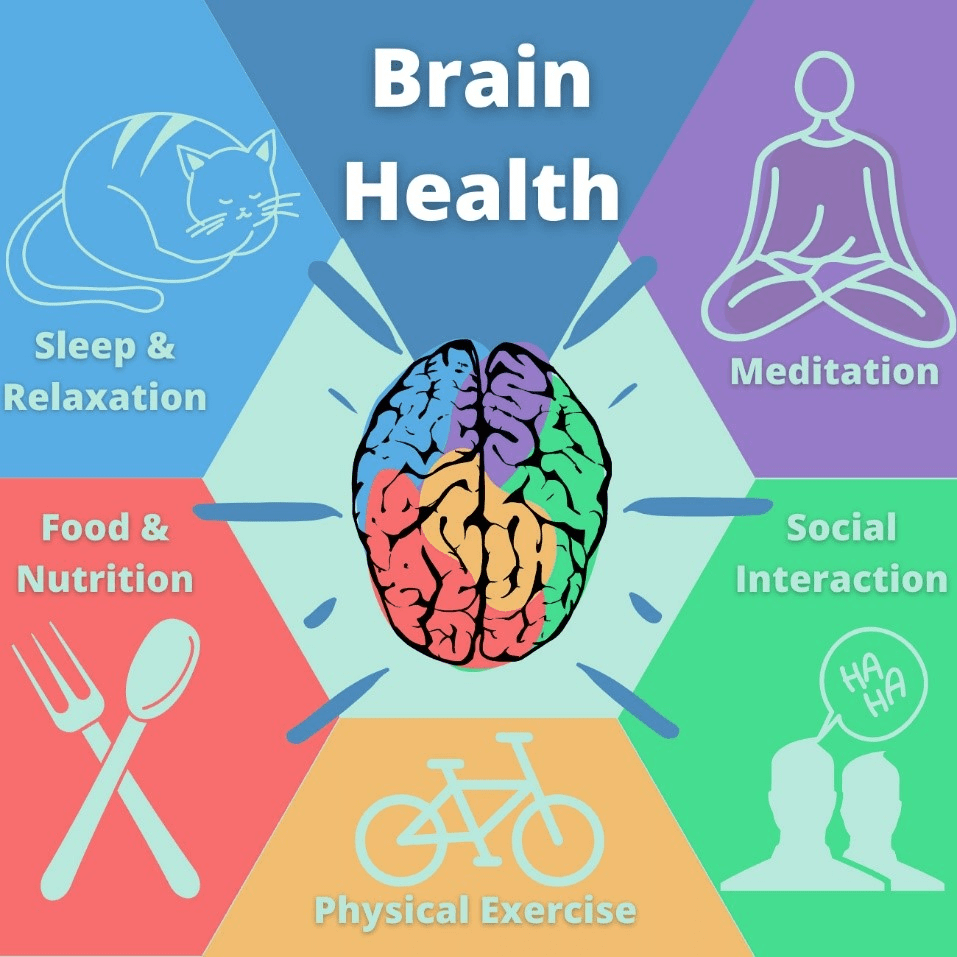
The 5 pillars of brain health:

  • Move – exercise; aerobic and nonaerobic
  • Discover – pick up a new hobby, do something new, or learn something new
  • Relax – unwind, engage in stress-reducing activities
  • Nourish – consuming certain foods like cold-water fish, whole grains, extra virgin olive oil, nuts and seeds, fibrous whole fruits and vegetables, while limiting foods high in sugar, saturated fat, and trans-fatty acids can help avoid memory and brain decline, protect the brain against disease, and maximize its performance
  • Connect – having a diverse social network can improve our brain’s plasticity and help preserve our cognitive abilities
I look forward to reading, learning, and sharing more with you soon!
Thoughtful Thursday posts, Uncategorized

Thoughtful Thursday – June 8, 2023

My intention is to post a Thoughtful Thursday column each week and share some of the insights I have learned in the past week. Here are some of the things I’ve learned this week:

Sad to Savage- Habits I Do On Vacation & Reflecting on Turning 26

In this episode, Shelby was reflecting on turning 26 and asked herself these reflection questions. I think these are great for anytime, especially for a personal growth mindset!

Ask yourself:

  • Who is she?
  • What does she say to herself?
  • How does she describe herself?
  • What does her day look like?
  • What are her daily habits?
  • Where does she live?
  • What does she do for work?
  • What does her work day look like?
  • What makes her feel good?
  • When does she work out?
  • How does she view nutrition?
  • Who does she surround herself with?
  • What are the daily choices that she makes?
  • What are the choices that she makes on the weekend?
  • What is she doing to get 1% better?
  • What is her favorite way to habit stack?
  • What is her morning routine?
  • What is her nighttime routine?
  • What is she working towards?
  • What are her top 3 goals, and what are 3 daily habits she can do to help her work towards those goals?
  • What is one area she wants to improve in?
Mental Performance Daily- How Are You vs. What Are You?

Instead of asking yourself how you are doing, ask what you are doing. What should I be doing right now? What is the best use of my time, energy, effort, and focus right now? How I am doing is hit or miss, up and down as part of the human condition. Asking yourself what you are doing is going to help you perform at an elite level; comparing what you are doing vs. what you should be doing.

Optimal Living Daily- Breaking the Dependency to My Phone by Mollie of This EverGreen Home
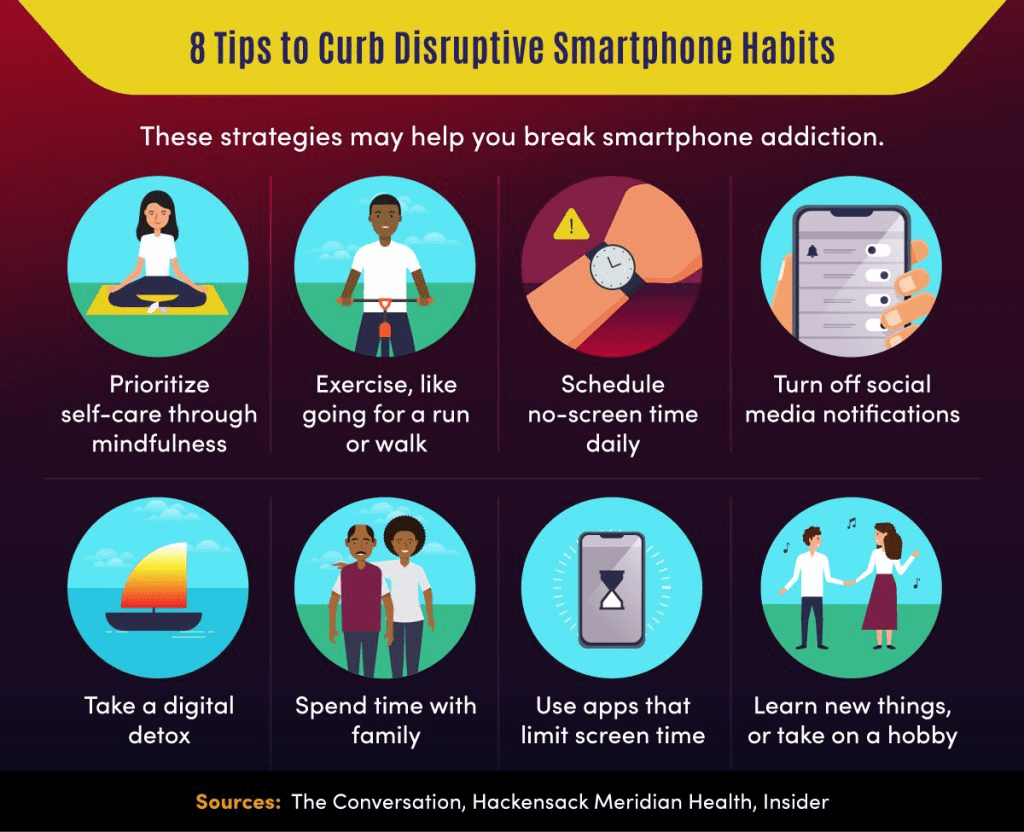
  • Use social media less frequently. Set a daily time limit. You can use apps to limit your screen time.
  • Check e-mail at designated times.
  • Track your app usage.
  • Find a home base for your phone so it isn’t always next to you.
  • Turn off notifications.
  • Begin a new behavior. Ex: instead of browsing on your phone, read a book.
  • Turn on do not disturb.
How to Be a Better Human- What we can learn from great salespeople (w/ Colin Coggins)

Everyone is either selling an idea, themselves, or a product or a service.

  • The greatest sellers on the planet create agency with the person they are speaking with so that they feel like they are part of the decision-making process.
  • Acknowledge what’s happening in real life. That’s what sales is about.
  • You want people to look for the good in you and believe in you. That doesn’t happen unless you can reciprocate that.
  • Realize that who people hope you are and who people expect you are are two different things. People hope you’re like them.
  • The next time you go into a meeting, spend three minutes thinking about three things that you could love about this person.
  • What you get paid to do and what you love doing aren’t always the same thing, but a lot of times there are areas in what you get paid to do that you do love – like the stuff you would do for free. Isolate what you love. See if you can delegate or avoid the things that you don’t love.
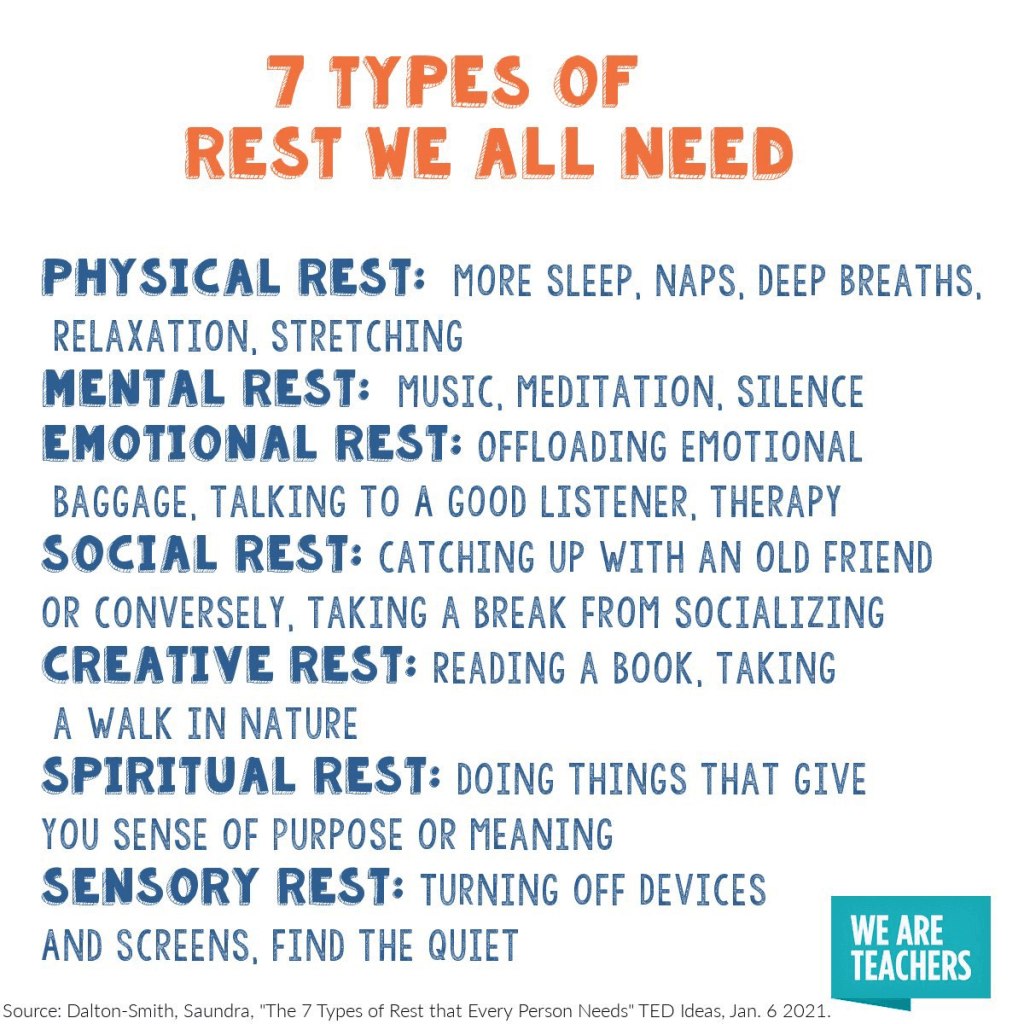
The Savvy Psychologist- 7 types of rest you’ve been missing

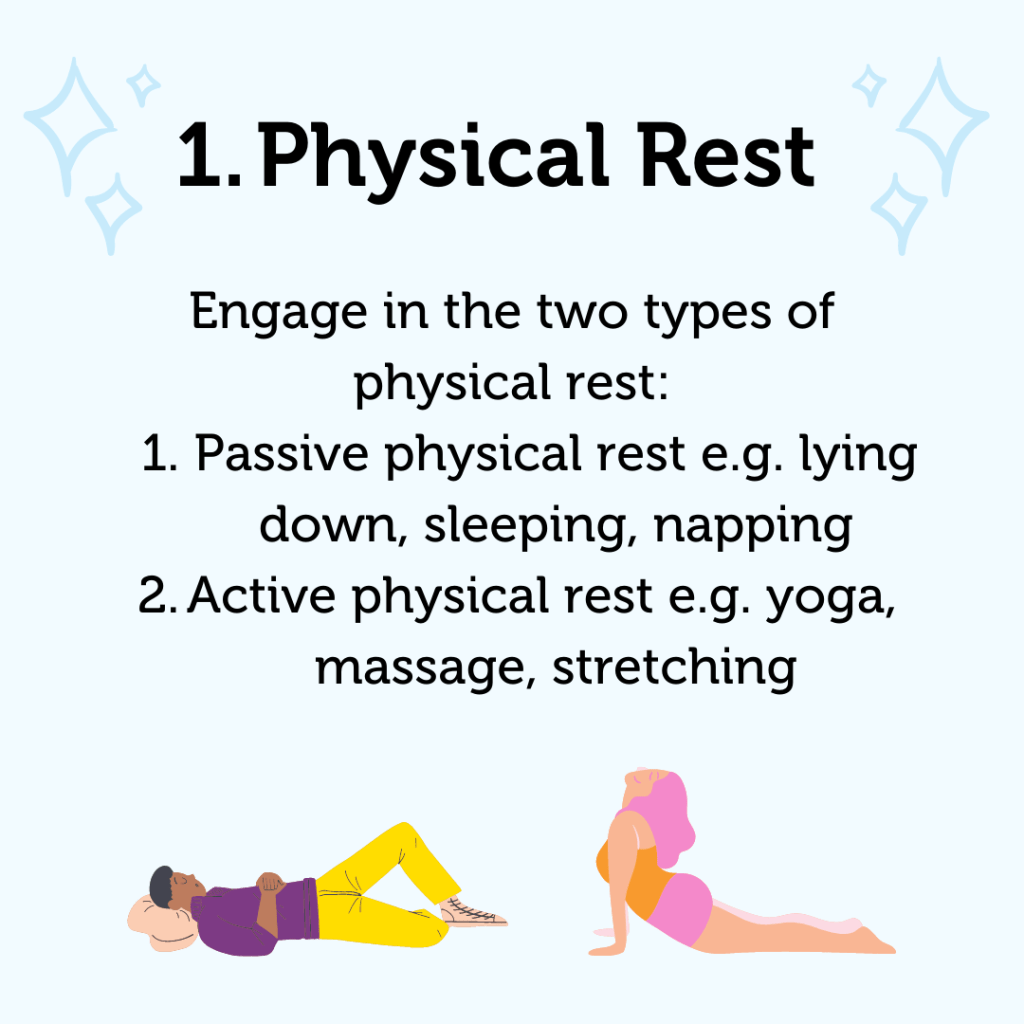
Physical rest (passive and active)– sleeping, napping, FOLLOW A SLEEP PROTOCOL/EVENING ROUTINE, stretching, yoga, breathing exercises, progressive muscle relaxation, hot baths, massages. Watch out for signs that you need physical rest, such as lacking energy to make it through the day, feeling tired but having difficulty falling asleep, reliance on substances to give you energy, and depending on substances to give you more rest.

Mental rest– mental fatigue can result from a variety of things, including negative self-talk, rumination, anxious what-if thinking, being stuck in the past, and judgments. Signs that you may need mental rest include irritability and decreased frustration tolerance, avoiding activities, feeling like you’re in a mental fog throughout the day, and feeling overwhelmed by daily tasks. One way to ease the mental load is through good time management skills. Take into account not only the amount of time a task takes, but the emotional load it takes as well. Another way to give yourself mental rest is through meditation.

Emotional rest– where are you spending your emotional energy? Frustration, anxiety, inadequacy, sadness, annoyance, etc. Some signs you may be experiencing an emotional rest deficit include beating ourselves up for small mistakes, excessive worry or anxiety, feelings of self-doubt, and over apologizing. Be mindful of your environment and the things/people that drain you and restore you. Emotions are contagious. Modify your environments the best you can. Emotional awareness is key to identifying emotional drains and emotional restores. Reduce the amount of social comparisons that you do.

Spiritual rest– organized religious practices, connecting with something greater than yourself, prayer, feeling a sense of belonging by getting involved with your community, meditation, things that bring you a sense of purpose and make you feel connected

Social rest– A social rest deficit occurs when we fail to differentiate between relationships that restore us and relationships that drain us. It can also occur when we are engaging in too much or too little social interaction. Signs you have a social rest deficit include feeling alone, feeling detached, finding it hard to maintain close relationships, isolating from others, or finding that you are attracted to those that mistreat you. Identify your social needs. If you are introverted and have a customer-facing job, allow yourself alone time to recharge at the end of the day. Listen to your social needs and stop comparing yourself to others. Be present and show up in your social networks. This will aid in deepening relationships and feeling more connected. Find like-minded individuals who share some of your hobbies. Join a group.

Sensory rest– giving your senses a break- overwhelming senses with constant stimuli. Spend some time away from your electronics. Read a physical book instead. Turn off the lights. Listen to your senses and give the ones that appear agitated a break.

Creative rest– if you’ve ever felt like you’re out of good ideas, you’ve experienced being creatively drained. Creativity is about our ability to be innovative, think outside the box, or be inventive. People require creative rest when they feel stuck, uninspired, and unable to generate new ideas or solutions to problems. The key here is to remove the requirement to produce and get involved with activities that inspire you. Make time for the things you don’t normally make time for to refill your creative cup.

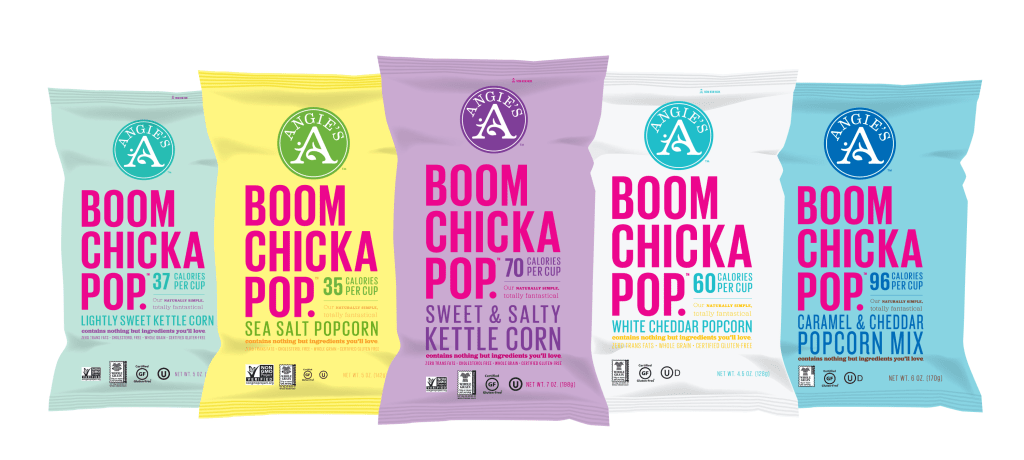
How I Built This with Guy Raz- Angie’s Boomchickapop: Angie & Dan Bastian

I was eager to learn more about Angie’s Boomchickapop, as their sweet and salty kettle corn is my favorite store-bought popcorn!! They also originated in my home state of Minnesota.

Beginnings:

  • Neither Dan nor Angie ever had a particular love for popcorn initially. They needed a way to earn extra money to save for their kids’ college funds, and popping and selling kettle corn seemed like a reasonable way to do it. In 2001, after Dan saw an internet ad for kettle corn equipment, he convinced Angie that they should go for it. They started in their garage in Mankato, Minnesota.
  • They bought a kit using a 0% interest credit card. The kit included a tent, outdoor kettle, and table and paid $8k or $10k. Of note, the kit did not have instructions!
  • Dan was working as a teacher and Angie was working as a nurse at the time.
  • Rainbow Foods was the first place that allowed them to sell it (in front of the door outside) in November 2001. They were limited because they had to pop outdoors due to propane with the kettle. They took 1 hour to set up, bagged using twist-tie bags, and sold $300 of kettle corn.
  • Their business was originally called Kettle Corn Café.
  • Coworkers and students were surprised to see them on the weekends with their kettle corn business.

Growth:

  • In 2002, they started to sell outside of the Minnesota Vikings training camp and gave some free popcorn to the players.
  • The players loved it, but Dan and Angie realized that they would need to pay for a sponsorship fee to be the Minnesota Vikings’ preferred popcorn! They paid an $8k sponsorship fee.
  • Dan quit his job in 2003 after 2 years in the business to focus on the popcorn business.
  • Lunds and Byerlys was interested but wanted them to get their act together for selling. They needed to find a facility, different packaging, etc.
  • They bought a small kitchen 6 months later and moved operation indoors, got the kitchen licensed, and launched 6 months later with a new brand name: Angie’s.
  • They found 2 retired teachers willing to help out and paid $8 an hour for BOTH of them.

Challenges:

  • During their first 7 years, they were buried further and further into debt.
  • They weren’t profitable at first. They used funds to buy a trailer, a heater, and other items. Everything seemed to go back into the business.
  • In 2008, they had to get a million-dollar loan to get a bigger facility to ramp up production. They had debt and didn’t really have collateral and were turned down for a loan by many banks. They had about 20 employees at the time.
  • They eventually found a partner who gave them a line of credit using personal guarantees (home, future earnings – everything but the mini van).

Expansion:

  • In 2008, after years of persistence, they got into Trader Joes after sending products to a contact. Trader Joes put in an order for 25 trucks ($500k worth) that would be distributed across the country to Trader Joes. Jon and Angie didn’t have enough money to buy the materials for this order, so they ordered a new credit card with a $100k line of credit and requested an immediate wire transfer!
  • Due to popularity, Trader Joes came back with another order of 25 truckloads. The business needed to scale up quickly and hire more people.
  • In 2009, revenue was $3-$4 million.
  • In 2011, outside investment firm, Sherbrooke Capital, made an offer and acquired a majority stake in Angie’s.
  • In 2011, Angie’s was in the natural and organic snack section in Costco, Target, and regional grocery chains and was doing very well. Angie’s started with kettle corn but wanted to expand through providing different flavors, messaging, and branding.
  • Dan’s cell phone was on every package because that was the business phone and he received several phone calls at all hours asking if the product is gluten-free. So they decided to get certified gluten-free.
  • Also in 2011, they went to a branding agency to come up with a new name. Boomchickapop, the new name, launched in 2012. It was the first non-GMO branded popcorn on the market. The yellow bags of sea salt popcorn were the #1 selling SKU in four months – after 9 years of business.

$$$:

  • In 2014, TPG Growth, a private equity firm, bought out Sherbrooke. Boomchickapop equity shares became liquid to staff. They distributed millions of dollars! Between 2014 and 2017, Dan and Angie sold a big share of their ownership to TPG Growth.
  • In 2017, 16 years after the business started, ConAgra bought out Boomchickapop for $250 million! When ConAgra bought the company in 2017, they also acquired the old kettle originally bought in 2001.
  • They never imagined they would make it that far with their initial investment.

I look forward to reading, learning, and sharing more with you soon!
Thoughtful Thursday posts, Uncategorized

Thoughtful Thursday – June 1, 2023

My intention is to post a Thoughtful Thursday column each week and share some of the insights I have learned in the past week. Here are some of the things I’ve learned this week:

One of the best things I’ve heard this week is from this podcast.

Optimal Relationships Daily- If You Want to Know if Someone is Worth Your Time, Use the Ted Lasso Rule

If you want a quick way to determine if someone is worth your time, are they curious? Do they ask your questions? If not, are they worth even getting to know?

Many people skip the small talk in favor of talking about themselves.  They’re the ones missing out because they’re not being curious. Curiosity has been buried by ego.

Optimal Health Daily- Self-Care Ideas for Better Health and Nutrition by Danielle Omar
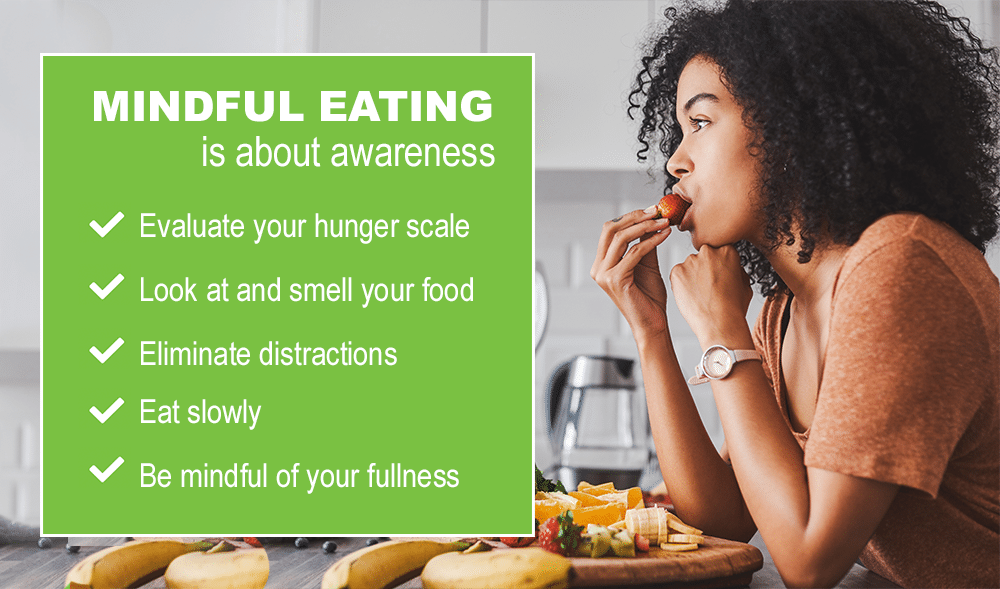
  • Thoroughly chew your food to improve digestion, engage the senses, and reduce energy intake.
  • Assess hunger and fullness to determine when it’s best for you to start and stop eating.
  • Reduce portion sizes and use smaller dishes to prevent overeating.
  • Eliminate distractions at mealtimes to better control food intake and focus on how food makes you feel.
  • Appreciate the food you’re eating without judgment and savor its appearance, smell, taste, and texture.
  • Eat foods that make you feel good.
  • Plan and prep your meals.
  • Satisfy your sweet tooth.

I gathered some dental insights from these two podcasts:

Science Vs – The Dentist: Toss the Floss? Flush the Brush?
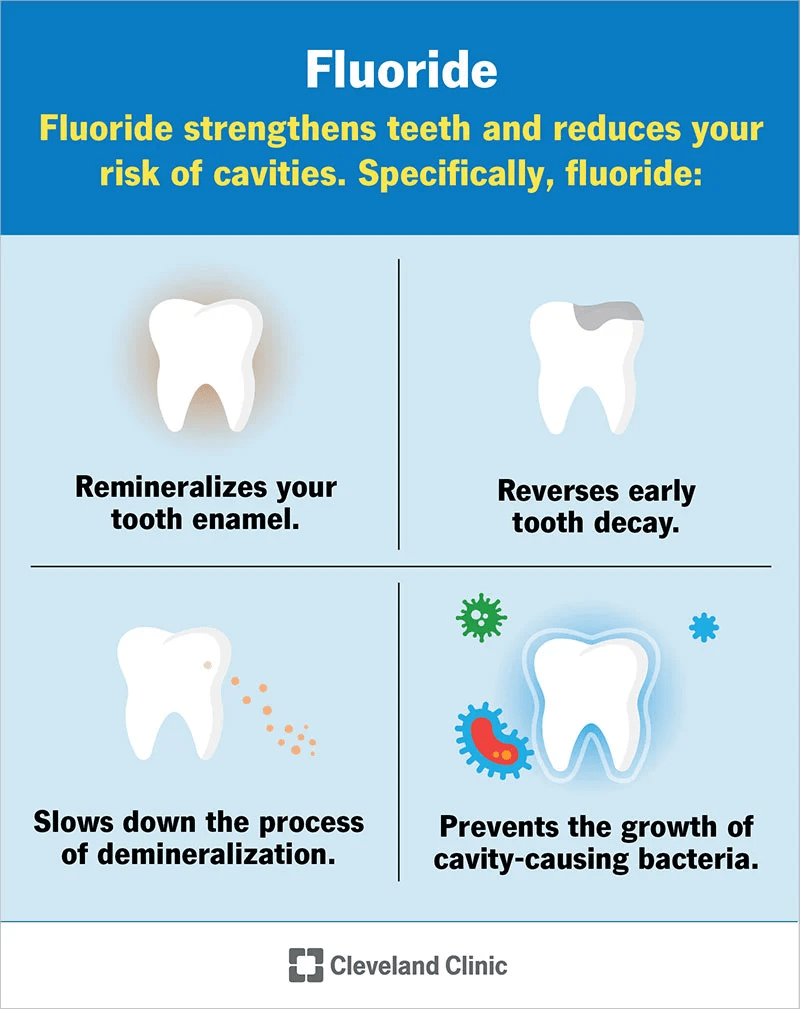
  • Oral hygiene alone did not prevent cavities in studies done. Fluoride was the main component in preventing cavities.
  • Brushing with fluoridated toothpaste helps prevent cavities. Brushing might also prevent gingivitis and gum disease. Flossing may help with tooth loss as you get older. Sugar is bad for teeth. Some dentists are shysters.
Life Kit- ‘Do I really need to floss?’ and other common questions about dental care
  • Finding a dentist is more than just picking from a list. Every procedure that a dental hygienist does is proactive in helping to prevent inflammation and reduce inflammation. A dentist is going to restore or be reactive to disease. A dental assistant assists the dentist.
  • To evaluate if a hygienist is a good fit for you, see how receptive they are to answering your questions. For example, ask about proper brushing techniques. Have the hygienists observe what you do and see what feedback you get. Overall, you want to make sure that the practice is for you, not a random cash grab.
  • Red flags- offices that do a lot of aggressive advertising, free x-rays, free exams, and free goodies to lure you in. Once you are in the chair, those dentists know you are more likely to say yes to extra procedures.
  • Get specific about your fears and then you can talk about them with your dental team. A good practitioner is going to be a great educator and help ease those fears. Is it going to hurt? Is it going to cost a lot? Is my face going to feel numb?
  • Find someone you feel comfortable with who doesn’t shame you.

Saving money:

  • Dental schools are a great option if you are looking to save money. You get the benefit of getting many different opinions and great advice. If you have the time to do it, visits to a dental school may be less expensive, but will take more time. Appointments can take up to 4 hours instead of 1 hour due to many people checking you out and the training involved.
  • Can look for sliding scale or mobile dental clinics

Frequency and technique:

  • Most healthy patients should come in 2x/year. Some patients may only need to come in once a year.
  • Clean teeth are all about technique.  Use a soft, high-quality toothbrush (if manual, switch out every 4-6 weeks), non-nylon floss, tongue scraper, and low abrasive toothpaste.
  • Teeth whitening- health and aesthetics are not the same thing! White teeth are a status symbol, but not necessarily a marker of health. Teeth aren’t naturally white as snow; there is a slight yellow white hue of your teeth due to dentin, an inner layer of the tooth under enamel. So if a dentist is immediately bringing up whitening procedures without any evaluation of cavities, gum disease, or other issues, be wary.
  • Charcoal and whitening toothpastes are so abrasive that they can make your teeth super sensitive and potentially wear down your teeth. They are removing stains,but are not actually changing the color of your teeth.
Life Kit- Why the 5-minute walk break is so powerful
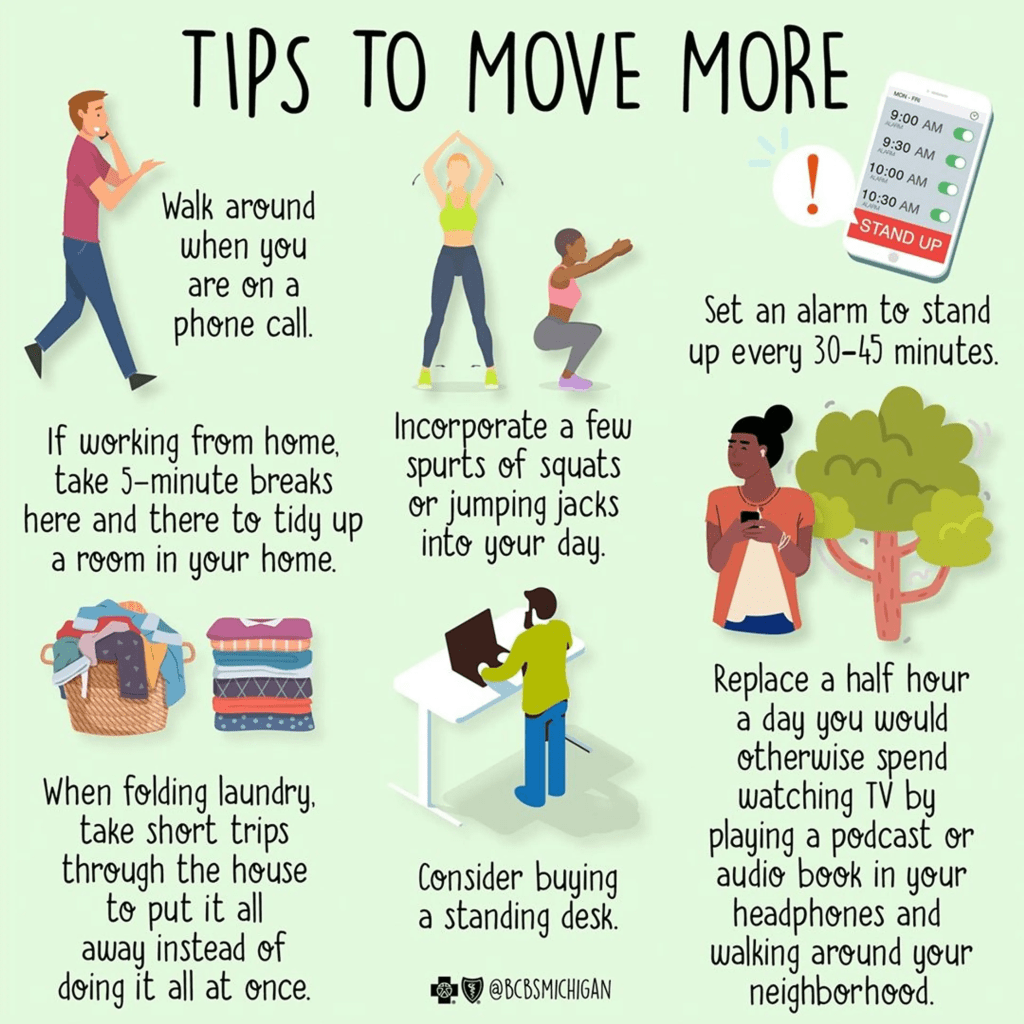
  • People who sit for hours on end develop chronic diseases, including diabetes, heart disease, dementia, and cancer at much higher rates than those who move throughout the day.
  • Taking a 1-2 minute walk once per hour lowers blood pressure. A 5-minute walk every half hour was able to offset a lot of the harms from sitting. Moving 5 minutes every hour resulted in the blood sugar spike after a meal being reduced by almost 60%. This may not be feasible with most office jobs, as you are losing 10 minutes of productivity each hour.
  • People are advised to get 150 minutes of moderate intensity physical activity each week (getting your heart rate up). You can break this up into 30 minutes a day 5 days a week, but small chunks of fast walking can count as well.
  • You will gain energy by moving every half hour or hour.
  • The whole point is to raise your heart rate—walking, dancing, etc.
Self Care IRL- Habits you have that you need to break TODAY!
  • Emotional eating– eating snacks and junk when you’re happy, sad, stressed, bored, etc. Be intentional with your eating and drink more water. Sometimes you think you’re hungry but you’re just thirsty.
  • Sitting for too long at one time– try to schedule a little break at the top of each hour to get up and move, use a sit-stand desk, etc. Boosts metabolism, reduces stress, and can create a more productive day
  • Hitting the snooze on your alarm clock. Go to sleep earlier than usual if you feel you’re not getting enough sleep each night.
  • Stop spending hours on social media. Daily social media users spend, on average, 2.5 hours on social media (including TikTok). It’s not always being used to relax or escape; it’s being used to procrastinate. Many people use social media to waste time. Limit your time on social media to 1 hour/day. You can use apps to monitor your social media intake. Instead of resorting to scrolling on social media with every spare moment, try reading, learning something from a podcast, moving around, or tackling something on your to-do list.
  • Working overtime. You give up family time, me time, and sleep time, and your physical and mental health starts to decline. If you don’t NEED the money, set time boundaries with your work.
  • These habits are draining our energy and preventing us from reaching our true potential.

I am guilty of most of these! I am focusing on being more intentional with breaking or limiting these habits this month.

Self Improvement Daily- Mistaking Happiness for Pleasure

We are designed to seek immediate gratification. Our unconscious pattern is to do things that make us feel good in the moment, which often conflicts with what makes us feel good later.

Sometimes we overindulge in a meal because we enjoy the taste of delicious food, but we end up feeling sick to our stomach later. Sometimes we scroll on social media when we are bored or procrastinating, and we later regret how we used our time.

You can feel happiness and pleasure in a moment, but pleasure is concerned with the present moment and happiness is concerned with your core values, growth, development, and well-being.

If you can be more discerning between the two, happiness and pleasure, pursue happiness. It will lead to a much more enriching life where you feel good about who you are and how you’re filling your life with genuine joy.

I look forward to reading, learning, and sharing more with you soon!
Thoughtful Thursday posts, Uncategorized

Thoughtful Thursday- May 25, 2023

My intention is to post a Thoughtful Thursday column each week and share some of the insights I have learned in the past week. Here are some of the things I’ve learned this week:

Self Improvement Daily- When You Are Your Own Friend

Let’s say you had a miscommunication, let someone down, and got defensive about it, or you got into a big fight with a family member. In your own head, you may get really critical and get upset that you didn’t have more emotional control. You tell yourself you’re an awful person.

Now look at the example from a different angle. Instead of you being the person involved in the fight that made a few mistakes, you’re a good friend of that person. After they tell you about the event and the circumstances around it, what would you say to them? You likely wouldn’t tell them how awful of a person they are. You would likely be supportive and encouraging. You’d highlight their best qualities and understand that this was an isolated incident.

This isn’t about a lack of taking responsibility for our actions. The point is that we are so quick to find the goodness and humanity in others and the flaws within ourselvesSo the next time you catch yourself criticizing or going through self-deprecating thoughts, ask yourself this question – “What would I tell myself if I were my own friend?”

Self Care IRL- The 8 small steps you need to start your self-improvement journey
  1. Do not change everything at once. Start with 1-3 small goals you can easily achieve. Ex: one healthy meal each day, walk 20 minutes every day, etc. You can increase and expand on your habits after a while. Progress is more important than perfection. Perfection does not exist.
  2. Make a plan of action and actually stick to it. Staying focused and motivated requires discipline. Discipline requires planning. Take action every day, even if it’s just a small step.
  3. Habit stacking. Ex: journal while drinking coffee. Listen to a podcast or watch tv while on the treadmill. Read while riding public transportation to work.
  4. Celebrate your wins—both big and small. Every step forward is success. Share your wins with friends to add accountability.
  5. Don’t be too hard on yourself. Everyone makes mistakes. You are bound to have setbacks along the way. Learn from your mistakes and keep going. Be patient with yourself. Progress takes time. Forgiving yourself is the ultimate flex in life. Practicing self-compassion is vital if you want to improve yourself.
  6. Find your support system. It is crucial if you have goals in sight. Whether you need hands-on support or emotional support, knowing that someone is there to lift you up will be incredibly helpful for encouragement and accountability. The podcast host mentioned getting together with a group of people weekly or monthly on a Wednesday to discuss “Wednesday wins”–“wins” each person has had in the past week or month. Lift each other up and encourage each other.
  7. Set goals for yourself. Document how soon you want to achieve it to determine a plan and how hard you need to work. Don’t feel overly committed to that number. Plans can change. Set weekly or monthly goals to track your progress just to see how far you have come.
  8. Be patient and keep working toward your goals, even when things get tough. You will have setbacks.
TED Talks Daily- What makes a “good college” — and why it matters – Cecilia M. Orphan
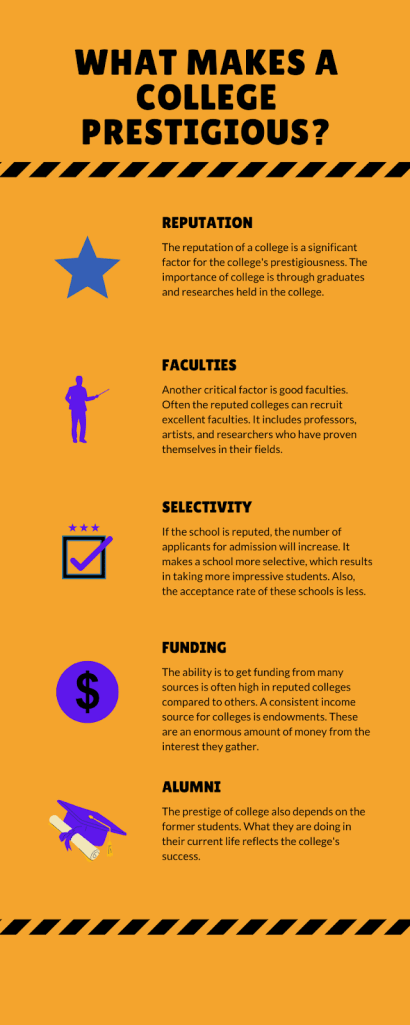
  • We say we want colleges to be more equitable and more accessible. We tend to obsess over a tiny group of colleges most of us could never get into. It’s not because we aren’t smart enough. It’s because there isn’t enough space for all of us. They intentionally cap the number of students that they accept.
  • Instead of calling them prestigious universities, some people refer to them as “highly rejective colleges” – Harvard, Stanford, Yale, Princeton, MIT, etc. These are all major research institutions.
  • Regional public universities (RPUs) are the exact opposite of highly rejective colleges.  They pride themselves in accepting almost everyone who applies — students are more likely to be first-generation college students, students of color, low-income students, veterans, and adults balancing work and family while going to school. RPU students often don’t have the test scores required to get into a highly rejective college. It’s not that they aren’t capable; it’s because they weren’t given the same advantages as other students. RPUs change more lives than prestigious universities by allowing more students access to education.
  • People sometimes criticize RPUs and refer to them as “the 13th grade,” “not real,” or “almost anyone can get in.”
  • The colleges that already have the largest endowments tend to receive the most charitable donations. Imagine if these donations were spread across the many RPUs in the country.
  • In the U.S. and throughout the world, far more public funding goes to highly rejective colleges than to regional public universities, causing RPUs to become more expensive, which hurts low-income students and causes student loan debt to skyrocket.
  • If we really want more low-income students to go to college and equity in higher education, we need to fund regional public universities. Instead of giving to your highly rejective alma mater, consider giving to universities that really need it.
  • Last year, billionaire philanthropist Mckenzie Scott gave $1.5 billion to 73 different colleges and universities that serve low-income students and students of color.
  • There is no better way to make a difference in higher education than to give to the colleges that change the lives of their students and communities. This isn’t all about money. We all have the power to change the way we think about and talk about regional public universities or stop people when they frame them in negative ways.
Life Kit- Making friends anywhere you move
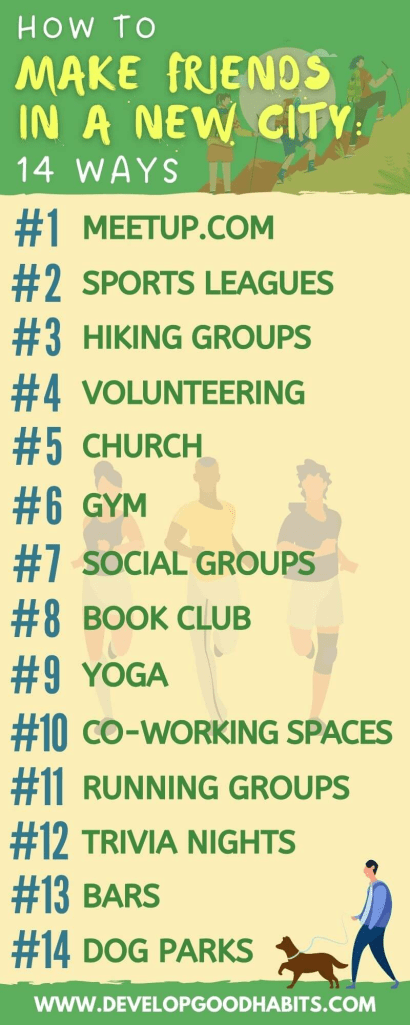
  • Be active and intentional about making connections. Alert your network. Post on your socials and ask for introductions. Tell your coworkers, especially if you have a remote job. Communicate what kind of connection you’re looking for – someone to show you around, another couple with school-age kids, etc. We tend to think that it’s going to be so awkward to reach out to people who we aren’t in touch with anymore. You just have to own it.
  • Reconnect with old friends. You might end up better friends with them than before. Acknowledge the gap in time and that you haven’t been the best at keeping in touch. Propose specific plans for catching up. Follow up after meeting in person.
  • Incorporate more routine into your day. Ex: coffee shops. With routine, you are seeing the same faces and it becomes less intimidating to talk to them. You can incorporate any activity, community, or place you love. No matter where you live, you can develop that sense of home. Find a place for yourself that isn’t work and isn’t home: book club, soccer club, etc.
  • Find online groups, event listings, and meetups. Now is your chance to engage in an activity you’ve been thinking about. Ex: book clubs. You don’t have to know anyone there, but you can connect with others about the same book you’ve read. You meet regularly. Commit to showing up more than once. It changes the way you engage with people who are there. Stop trying to form a relationship with the collective and focus on forming relationships with the singular. It can be less intimidating to focus on individual members first.
  • When getting to know people, focus on the connection, not the relationship. Being honest about yourself is key to adult relationships. Get comfortable with the things that make you different and the interests that you have. If you are introverted, only say “yes” to the activities that you know will bring you joy. Focus your energy on one-on-one interactions. Making new friends takes effort, especially when you barely know anyone around you.
  • Take-aways: be open and intentional about making new friends. Tell your network that you’re moving or looking to meet people. Reconnect with old friends and acknowledge the passing of time. Make clear plans to meet. Build your own routines and find places you feel at ease. Go to group gatherings. For recurring groups, commit to going at least three times. Friendships start with one-on-one relationships. Remember that all of this takes time.

When I first moved to my city, I didn’t have any friends in the area aside from former coworkers. I am grateful to have met several girls in an online Facebook group for girls making friends. Through this group, I have joined a book club, hiking groups, and made many quality friends who share similar interests.

Optimal Finance Daily- Understanding the Seven Habits of Wealth by Rob Berger
  1. Hard work– achieving financial security is often the result of consistent diligence.
  2. Modest living– modest living can produce great wealth on a modest income.
  3. Patience– produces thoughtful, long-term decisions that can produce wealth while minimizing risk.  Patiently waiting for the right time to buy a stock or company
  4. Perseverance– working through challenges. Perseverance keeps us focused on our goals and enables us to confront all challenges.
  5. Balance– healthy balance of stocks, bonds, or other investments
  6. Self-awareness– brings into focus the motivations behind the daily decisions we make. Allows us to understand what motivates us to spend money, what investments are best for us given our tolerance for risk, and what will produce contentment in our lives.
  7. Learning– enables us to improve our careers, investments, and spending, as well as other areas of our lives

“What we are and what we have is a result of what we repeatedly do.” Wealth then, is not the result of an act, but the result of our habits.

How to Be a Better Human- How to set boundaries and find peace (w/ Nedra Glover Tawwab)
  • We want kids to be assertive, but we don’t teach them how to be assertive with us.
  • Pay attention to the things you complain most about. This will tell you where you need to set boundaries.
  • Many people right now are having boundary issues around being overwhelmed and overcommitting themselves. You can say no to things! People found pleasure during the pandemic by not having to attend social obligations. You don’t need to do those things if you don’t want to.  Place value on the relationships that are important.
  • Trying to do everything on your own/not asking for help- there are times when we don’t have the skillset, time, or mental capacity to do it all. We need to seek help. It can be hard to be vulnerable and ask for help.
  • Codependency- thinking “if I did this, this person would suffer this consequence because of my lack of support for their issue.” Stop thinking like this!
  • Set boundaries, find peace!

I posted an extensive blog post about this book recently. Check it out here:

Main Accounts: The Story of MySpace- Welcome to MySpace

Popularity:

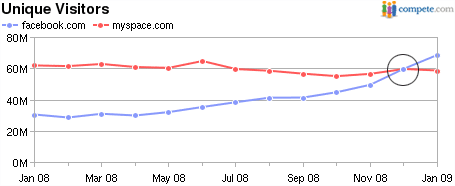
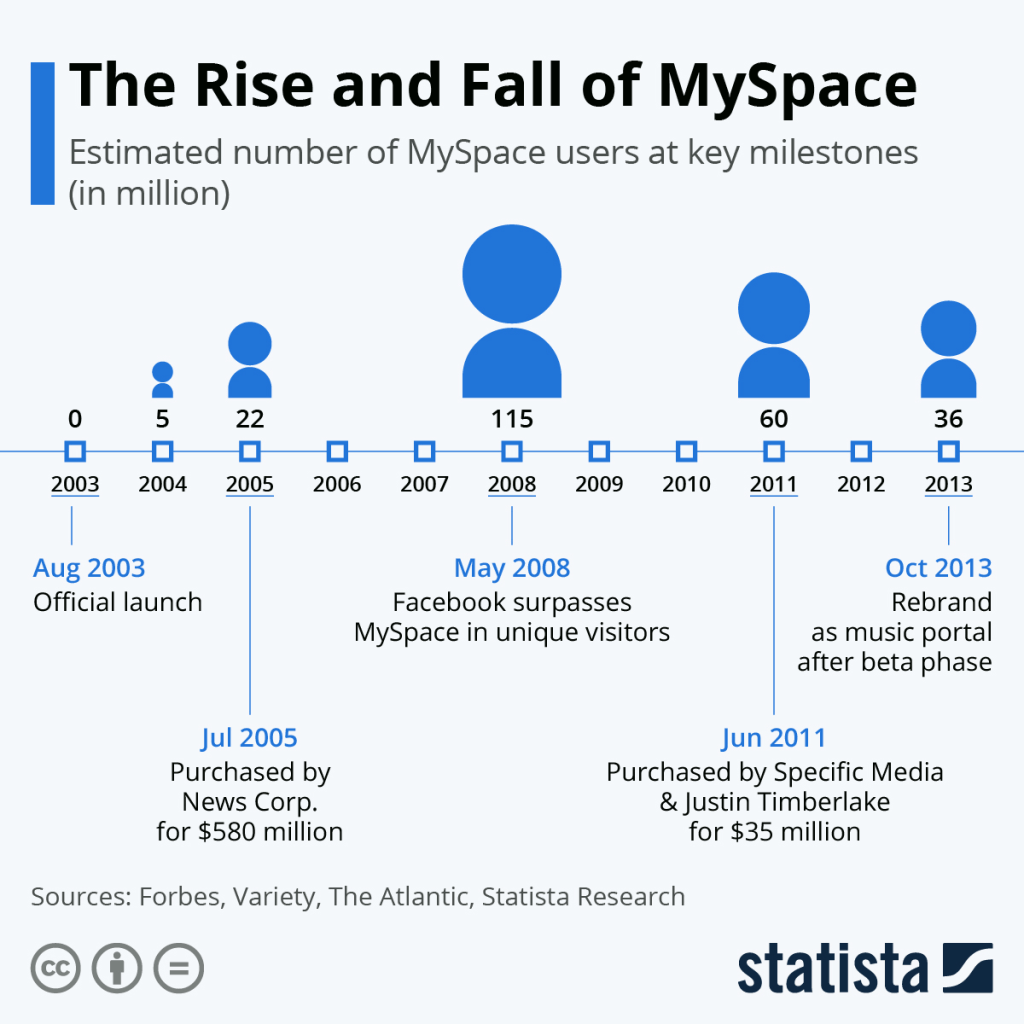
  • MySpace used to be the most popular website in America. It launched in August 2003. The creators, Tom Anderson and Chris Dewolfe, took inspiration from sites like Friendster and Asian Avenue. There were only 100,000 users in October 2003, but, the following year, after picking up dissatisfied Friendster users, the site exploded to 5 million users! MySpace peaked in 2008 with over 100 million users. At the height of its popularity, 250,000 people were signing up for new accounts every day. Most of the users were young – in their teens and twenties. It was at the center of their social lives.
  • In 2005, MySpace was seeing 16 million visitors per month and was the biggest social network in the world. It was sold to News Corporation, and Intermix negotiated the deal. This was done without the knowledge of the founders of MySpace. Chris and Tom were each paid $30 million. They left the company in 2009, and News Corporation brought in a new CEO and its own people.
  • When MySpace launched, social media was an unknown quantity. People had no idea how to make money off of social networks or even if they could make money off of it. The consequences of social media had yet to be seen.

Origins:

  • Tom Anderson had founded the company with Chris Dewolfe. Before MySpace, Tom had worked for Chris as a copywriter and product tester at another startup. Tom was a musician, went to film school, and dabbled in the hacker community as a teenager. MySpace does not have the typical Silicon Valley origin story.
  •  While at Euniverse, Tom and Chris had at their disposal the company’s database of over 30 million e-mail addresses. The e-mails of everyone who signed up with a new MySpace account could be added to the database. MySpace was a subsidiary of its parent company, Intermix.

What set MySpace apart:

  • MySpace offered opportunities for people to express their creativity and meet people in ways that felt thrilling and scary at the time. People used MySpace in the aftermath of Hurricane Katrina to keep in touch with friends and family after they evacuated Louisiana. Soldiers in Iraq and Afghanistan used it to connect with people back home. It was a place where millions of people could connect to one another. MySpace was one of many projects at the company EUniverse (an early ecommerce company). EUniverse was one of the few survivors of the dot com crash. EUniverse was later renamed Intermix.
  • On Friendster, users related to each other as a chain of connections. On MySpace, it didn’t really matter if your friends were strangers or actually friends. You added who you wanted and showed users who mattered to you by selecting users for your Top 8.
  • Top 8 created competition and encouraged users to curate their friends and spotlight people or bands that reflected on their personalities and personal tastes. From the glittery, sleezy design to the carefree way people communicated on it, MySpace felt like a party on the internet. People talked more casually on MySpace.
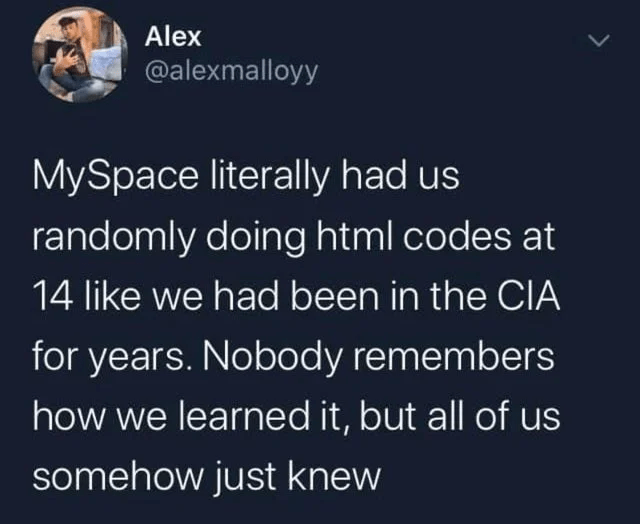
  • MySpace allowed you to tweak the HTML on your profile page so that you could change the color of the background, have a song playing while people looked at your page, etc. People put a lot of thought into it. Customizable pages (scrolling text, text that would blink, colorful texts, embedded music) allowed for self-expression.
  • MySpace was giving users free software. Previously, if you wanted to set up a website for yourself, you’d have to buy software. The way users were paying MySpace was with all of their data and information. The legacy of MySpace is the pioneering of this business model – of monetizing user data.
  • Another unique feature is that creator Tom Anderson was automatically everyone’s friend.

Why MySpace did not last:

  • MySpace was sold as “the perfect media company that generates free content through its users. It generates free traffic by its users inviting their friends, and all you have to do is sell the ads.”
  • MySpace was on track to be the biggest mass platform for advertising in the world. Facebook is the biggest single mass platform for advertising in the world. The lack of engineering expertise and talent and the lack of focus on abilities to outcompete on the actual quality of the product is what doomed MySpace to fail against Facebook. You have to have great engineering and great talent, and that is what made Facebook win. MySpace lost relevance because it couldn’t scale up to be mainstream like Facebook.
  • The social network felt chaotic and open in a free-for-all sense much like the city where it was created: Los Angeles. It sometimes felt like a cool nightclub. However massive it was, it was still youth-oriented. With various scenes and clicks, it felt very niche. MySpace was notable and big, but it wasn’t TikTok size.
  • People who were big on the platform could not scale out and achieve mass fame. The internet culture was not mass culture in the 2000s. They were sort of niche. All of this was happening before there was viral content and before algorithms filtered what users would see. There wasn’t a “for you” page. You had to find it yourself.

https://www.gabethebassplayer.com/blog/festival-walking

I loved Gabe The Bass Player’s post on May 16 (all credit to Gabe the Bass Player):

Festival Walking

May 16, 2023

“Summer. The height of the music festival season. The height of…

“Is this band any good? I’m going to decide right now as I walk past the stage for thirty seconds…”

It doesn’t matter if you’re a well established act or a new act. No one gets a pass. You get the time it takes for someone walking past the stage to be compelling enough for them to stay. You gotta be good.

The truth is…you’ve probably got thirty seconds but their question is answered within five. And that interaction is what they’ll carry with them forever and tell their friends about when your name comes up.”

I look forward to reading, learning, and sharing more with you soon!

Thoughtful Thursday posts, Uncategorized

Thoughtful Thursday- May 18, 2023

My intention is to post a Thoughtful Thursday column each week and share some of the insights I have learned in the past week. Here are some of the things I’ve learned this week:

Optimal Health Daily- 5 Small Habits For Big Changes in Fat Loss by Lea Genders

Prioritize protein/veggies at each meal. Protein helps you maintain muscle and protein and fiber from veggies help you feel full. Focus on what you can add to your meals to make them healthier rather than what you have to take away.

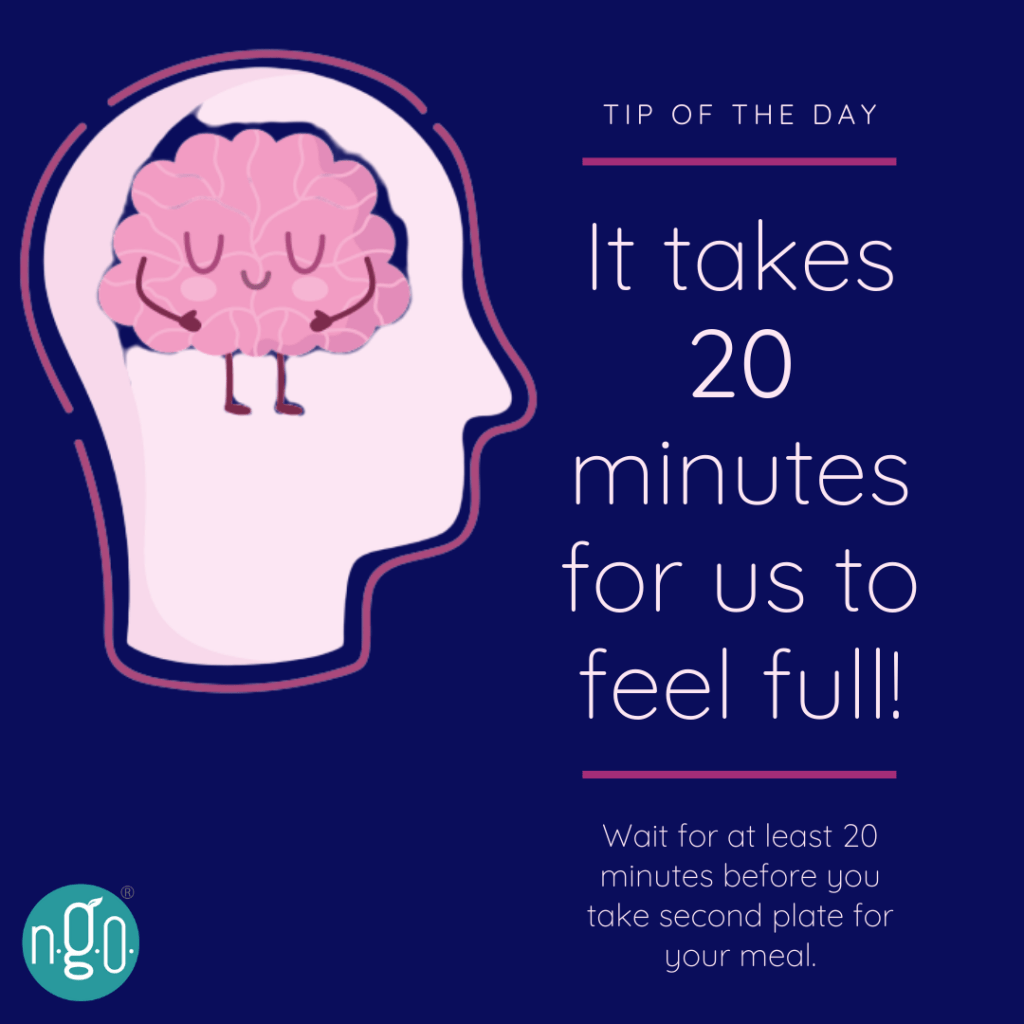
Eat slow and mindfully. When you gobble down your food quickly, you don’t give your stomach enough time to send the signal to your brain that it’s full. Pay attention to fullness signals and stop eating when you’re full.

Walk fast. Walk with purpose, bring a dog, or start a power walking routine.

Prioritize sleep. Create a sleep routine and aim for 7-8 hours of sleep each night.

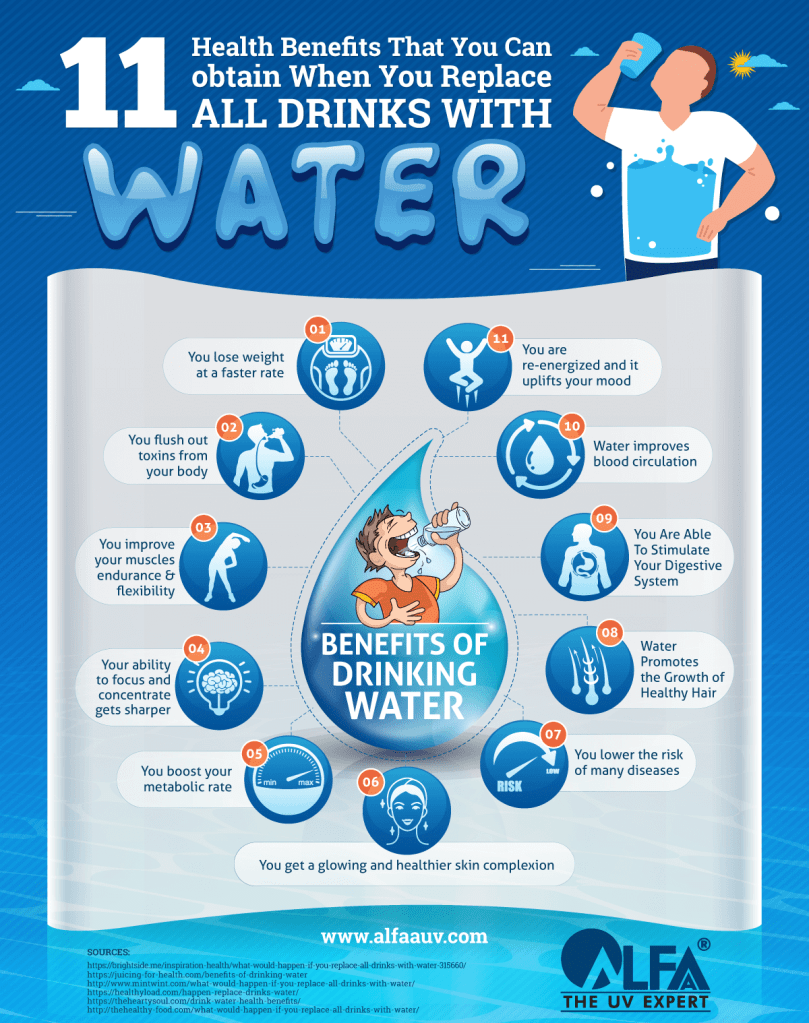
Replace all drinks with water. If you replace all soda, juice, energy drinks, and sugar-filled drinks with water, you’ll cut hundreds of empty calories each day. You can use some sugar-free flavoring packets to encourage you to drink more water. I love True Lemon packets, available in a variety of flavors at 0-10 calories each and 0-1 gram of sugar each. This might seem like a lot, but it’s a much better alternative to sugar-laden drinks.

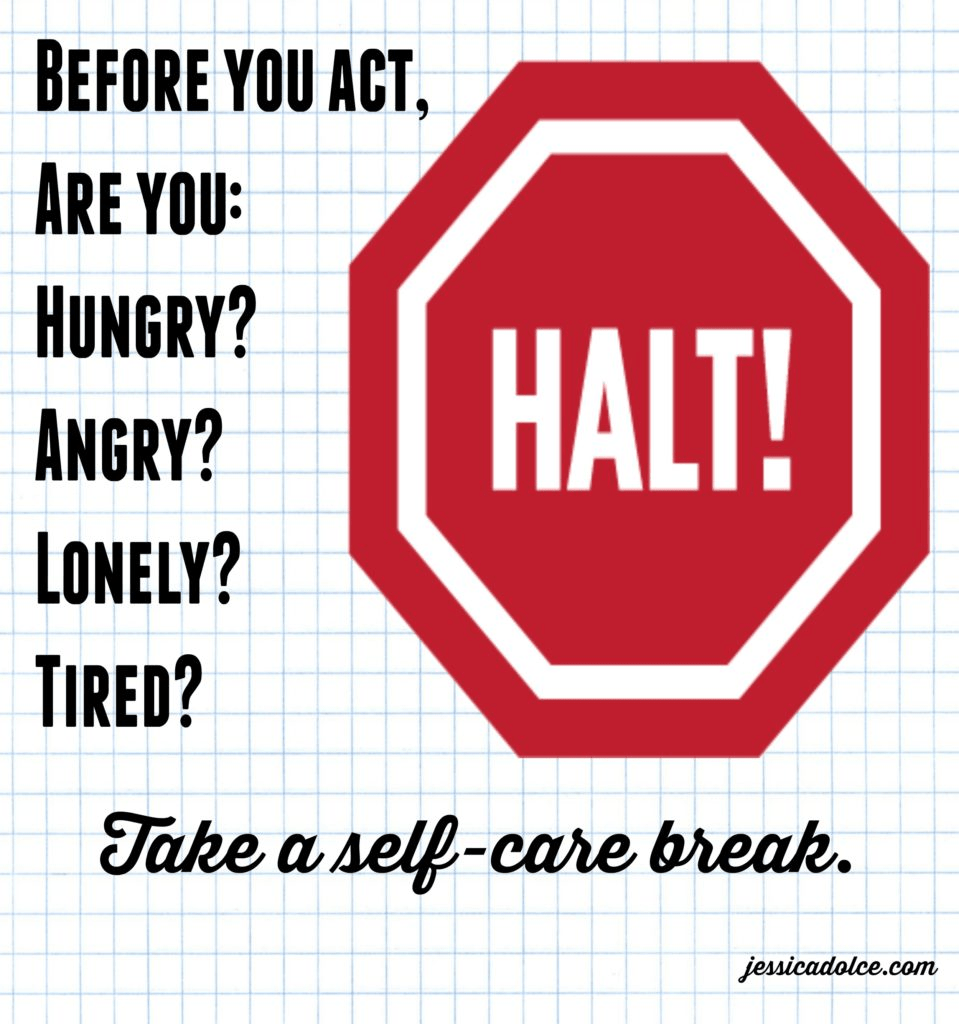
Self Improvement Daily- HALT Before You Communicate

Often times we say things we don’t mean, that we’ll later regret, and wonder why we even said them in the first place. We wonder what caused us to not have the self-control needed in those situations. It’s usually a matter of feeling emotional. Our emotions often take precedence over logical reasoning.

Before you communicate, especially when you’re feeling impulsive, HALT. Pause. Take a moment to think about how you’re feeling. In particular, reflect on these four things:

  • Hungry?
  • Angry?
  • Lonely?
  • Tired?

When you’re feeling any of these things, you’re more likely to say things you don’t mean because your mind is fixated on these specific needs. By calling out these emotions, you give your logical mind the information it needs to make the right decision.

TED Talks Daily- TikTok’s CEO on its future — and what makes its algorithm different – Shou Chew
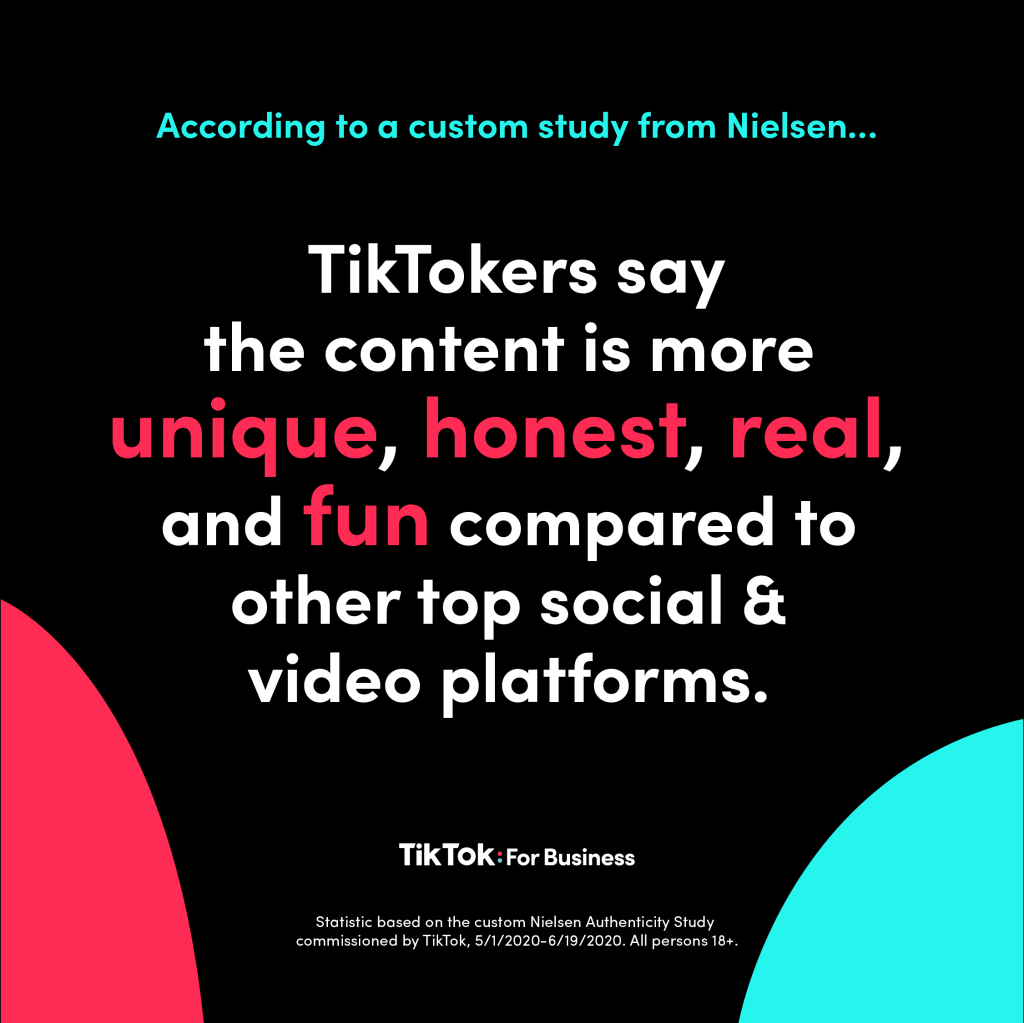
  • I discovered TikTok in the middle of the COVID-19 pandemic, and I have learned many things and spent countless hours on the app. One unique thing I realized right away about TikTok is that it gives people a platform to reach a larger audience than other social media apps.
  • The mission of TikTok is to inspire creativity and bring joy. The vision is to provide a window to discover, give them a canvas to create, and provide bridges for people to connect.
  • Per Shou Chew, the CEO: “What makes TikTok unique is the whole discovery engine behind it. We are showing people what they like. We have given the everyday person a platform to be discovered.”
  • The biggest creator, Khaby Lame, in TikTok didn’t even speak in any of his videos in the beginning. Lame is famous for his comic expressions and deadpan reactions to overstylized TikToks. Today he has 158 million followers on the platform. As long as you have talent, you have the chance to succeed.
  • TikTok has given many people a voice that they would otherwise not have. Other platforms basically made the chances of getting discovered very low. You almost had to be famous to get followers.
  • With TikTok, if you post something that’s not interesting to a lot of people, you aren’t going to get the virality you want. You need to have a message that resonates with people, and you will generate virality.
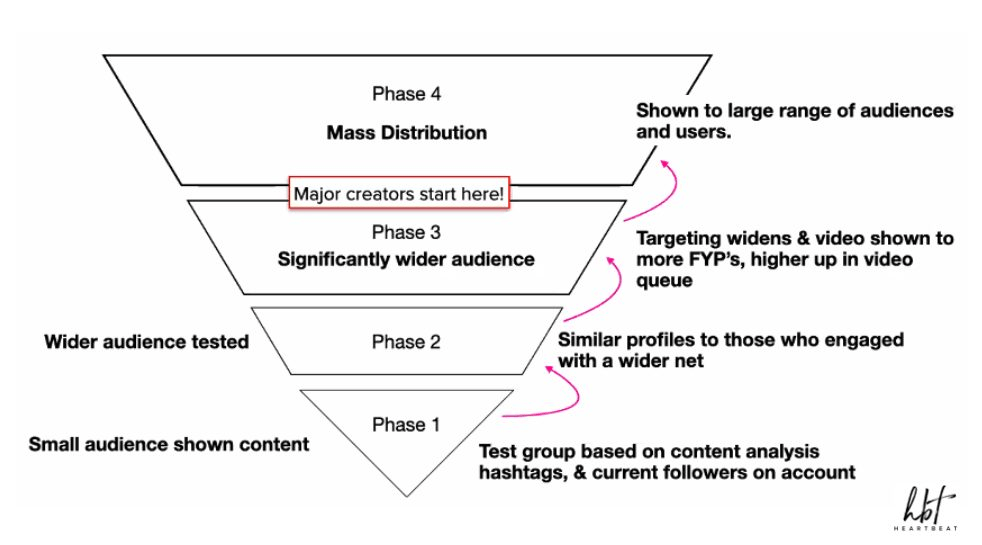
  • Recommendation algorithm- shows you what others are interested in who liked the same videos as you. Vision= window to discover. People find communities because of the content that they are posting.
  • Other apps are built for a different original purpose.
  • In order to fulfill its mission of discovery, showing users a diversity of content is essential.
  • TikTok has created a platform for people who never thought they would be a content creator. Has given them an audience. STEM (Science, Technology, Engineering, Math) content has over 160 billion views.
  • User guidelines: no pornography, child sexual abuse material, no violence. Users under 18 years old experience a more restricted app and can’t use the livestream experience. Users under 16 can’t instant message or go viral. A big part of the age guideline is based on the age the user reports when signing up.
  • TikTok’s goal is NOT to optimize and maximize time spent on the platform. Minors= 60 minute recommendation. TikTok has given parents tools to limit childrens’ time spent on TikTok.
  • Over 10,000 employees are currently looking at content moderation, and this group is based in Ireland. Most of the moderation has to be done by machines, but they aren’t always on point, so they complement with actual people.
  • Guideline categories: mature, not suitable for teenagers. If content contains these guidelines, TikTok proactively removes it from users’ TikTok experience. If you search certain terms, you are redirected to a resource safety page.
  • Data access by employees is not the same as data access by the government. TikTok has implementing storing localized American data on American soil by an American company overseen by American personnel. This is beyond what any company in this industry has ever done- localizing in a way no company has ever done. All new U.S. Data is already stored in the Oracle cloud infrastructure.
  • TikTok’s desire is to keep Tiktok a place of freedom and expression (you can search for anything you want subject to community guidelines).
  • TikTok has popularized a variety of content: dancing, singing, science content, booktok, learning how to cook, sports, encouraging people to read. Booktok has 120 billion views globally.   
  • TikTok is connecting people and communities together. 5 million businesses in the U.S. benefit from TikTok today.
Life Kit-A better way to talk to your doctor
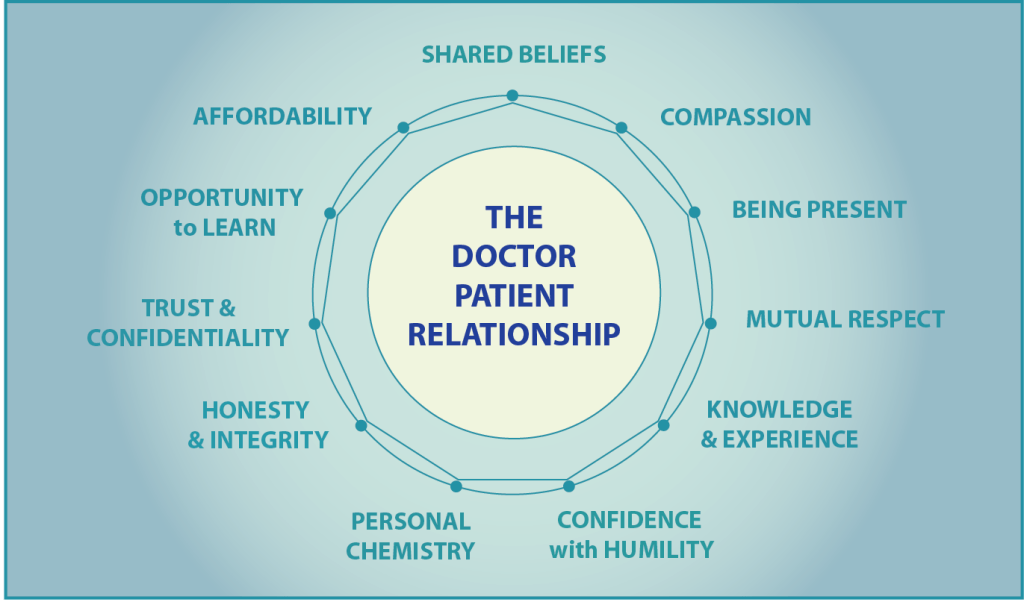
  • Find someone who you can built a partnership with, someone who listens, and someone who will take your symptoms seriously and foster that bond. Your health is your most important asset. You need to find someone who will be on your team and be a good partner.
  • Prepare as if you’re going to your accountant and getting ready for taxes. Write down what has been happening/symptoms and your family history, and answer when your symptoms started, what you were doing when symptoms started, what makes symptoms worse, how long symptoms have persisted, whether symptoms ever get better, and your previous history.
  • Anything you can describe (duration, time it started, details) can lead to higher chances of coming up with a diagnosis. Sometimes your doctor may not ever have a clear answer for you.
  • Your doctor might not know what’s going on right away. Instead, you may receive a differential diagnosis, or a list of possibilities. Schedule follow-ups.
  • Fill out docs on the patient portal before you get there to help maximize the time together.
  • When you get a diagnosis, ask for more information. What do we know? What do I have to do? What is the treatment plan?
  • If you feel dismissed, this is a sign this isn’t the doctor for you. It needs to be a partnership. You don’t need to stick with the doctor for the rest of your life if you aren’t comfortable.
  • Advocate for yourself. When you get a diagnosis, ask: What’s actually happening in my body right now? What’s the treatment? How does the treatment work? How often will I take that medication? Will this condition ever go away? How will this condition affect my life? When should we follow up?
  • Think of your relationship with your medical provider as a partnership. You should be working together to come up with a diagnosis or a plan. Keep a medical logbook with important details. When you get a diagnosis, consider a second opinion. It’s okay to change medical providers and it might be a good idea if they’re not listening to you, they confuse you, or if you don’t feel like you can talk to them.
NerdWallet’s Smart Money Podcast- Top Consumer Complaints and Car Shopping in 2023
  • The top consumer complaints of 2022 include negative information on credit reports that was not accurate, accounts that didn’t belong to consumers but were still on the report, credit inquiries that people didn’t recognize, and being pursued for a debt that the person didn’t owe.
  • Average price for a used car is still around $26k!!
  • Supplies still unable to meet demand- prices remain high
  • Tips: allow yourself time to shop around for both the car and the car loan. Get several auto loan offers before going to the auto dealer. Don’t tell the dealer upfront that you intend to pay cash. They may try to make up for lost revenue in the price of the car.
  • Auto rates are the highest they’ve been since 2009. Average used car loan is 11.03% interest. Some people can get 5% interest.
  • Tips: Shop around. Know your financing options. Think about the trade-offs. Buying a car with cash can keep you out of debt, but you might be able to get a better return on that investment.

One book I’ve read this past week is “How to Live on 24 Hours a Day” written by Arnold Bennett and originally published in 1908. These points stood out to me:

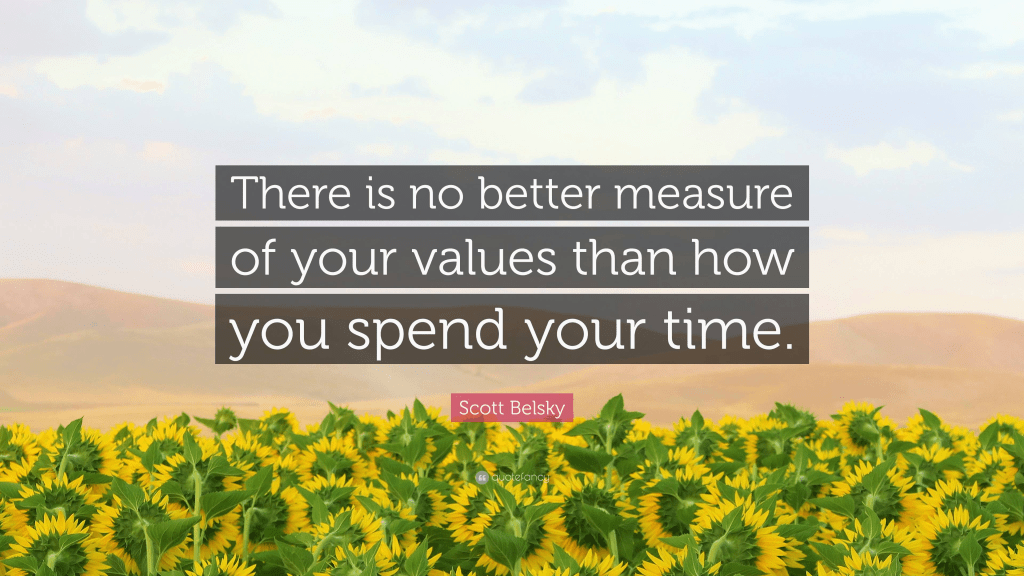
We never shall have any more time. We have, and we have always had, all the time there is.

Arnold Bennett

Everyone receives the same 24 hours in a day. Many view their hours at work as a day and the rest as a margin. You say your day is already full to overflowing, yet you spend 8+ hours working and 7-8 hours sleeping. What are you doing during the other 8 hours?!

Arrange a day within a day. Think of your day outside of work as another day within your day. Have a reflective mood. Devote time each day to reading, learning, or bettering yourself. I have been committed to doing this as part of my daily habits.

You have to live on this twenty-four hours of daily time. Out of it, you have to spin health, pleasure, money, content, respect, and the evolution of your immortal soul. Which of us lives on twenty-four hours a day? And when I say “lives,” I do not mean “exists” or “muddles through.”

Arnold Bennett

I look forward to reading, learning, and sharing more with you soon!
Thoughtful Thursday posts, Uncategorized

Thoughtful Thursday- May 11, 2023

My intention is to post a Thoughtful Thursday column each week and share some of the insights I have learned in the past week. Here are some of the things I’ve learned this week:

https://ed.ted.com/lessons/debunking-the-myths-of-ocd-natascha-m-santos

There’s a common misconception that if you like to meticulously organize your things, keep your hands clean, or plan out your weekend to the last detail, you might be OCD. Many people use OCD as a joke and naively claim that they or others must have OCD.

  • Myth 1: Repetitive or ritualistic behaviors are synonymous with OCD.
    • OCD has 2 aspects: intrusive thoughts, images, and/or impulses AND the behavioral compulsions people engage in to relieve the anxiety the obsessions cause.
    • People affected have little or no control over their obsessive thoughts or behaviors and these thoughts or behaviors interfere with work, school, and a social life and cause significant distress.
  • Myth 2: The main symptom is obsessive handwashing.
    • This is not always true. OCD can vary from fears of contamination and illness, preoccupation with numbers or patterns, excessive cleaning or double checking, and walking in predetermined patterns.

OCD sufferers report feeling crazy for their irrational thoughts, yet find it difficult to control their actions.

OCD is a neurobiological disorder in which brains of those impacted are hardwired to behave in a certain fashion.

Treatments include medications that increase serotonin in the brain, behavioral therapy that gradually desensitizes patients to their anxieties, and, as a last resort, electro compulsive therapy when OCD does not respond to other forms of treatment.


This is a compelling poem that covers the realities of having OCD. I’m a big fan of Neil Hilborn.
Self Care IRL- Ten polite ways to say no to someone

We are afraid of hurting feelings when we say no. Many people are chronic people-pleasers. Yet, saying no is an essential part of your self-care and emotional well-being.

  1. Just be honest, but remember to be gentle. “Thank you so much for inviting me, but I have other commitments. I really appreciate the invitation.”
  2. Try offering an alternative you’re comfortable with.
  3. Use statements that begin with I. “I really appreciate the invitation, but I have some other commitments.” Don’t blame the other person for not considering your schedule.
  4. Get in the habit of saying thank you. Make sure to express your appreciation sincerely.
  5. Use humor to lighten the mood.
  6. Be firm, but kind. Be direct, yet understanding.
  7. Offer brief explanations if you want to.
  8. Say no without apologizing! You don’t need to feel guilty for setting any boundaries. Be confident and assertive, yet respectful and kind.
  9. Use the sandwich approach. Sandwich your refusal/no between two positive statements. Show you still value and appreciate them.
  10. Practice saying no. Set boundaries and stick to them. Prioritize your needs.
Radio Headspace- The Ingredients of Our Lives
  • When we cook, we don’t try to change ingredients – we simply use what we have been given.
  • The flavors of our lives are unique and certain ingredients are needed at certain times. The more you fixate on things you don’t have, the more upset you get.
  • Look at what you have to work with and try to make the most of it. Be at peace with what’s going on. Life ebbs and flows. Sometimes our ingredients are bountiful and sometimes the pantry is pretty bare.
  • Too much of anything can be detrimental. Sometimes your mind can make it seem like you don’t have enough of the right ingredients. You might be caught up in the trap of wanting more friends, more money, more recognition. Have you ever accidentally added too much salt to a dish? You can’t salvage it. The invitation here is to trust what you’ve been given and find contentment with what you have.
  • We can literally clean our homes and our kitchen. Sometimes having a decluttered space can help declutter our minds. When our home is clean, we feel clear, connected, and at ease.
Optimal Living Daily- 10 Unconventional Habits to Live Distraction-Less by Joshua Becker

Our world has become a constant feed of breaking news, information, and entertainment. Breaking news breaks into our day at breakneck speed, and we are fed messages relentlessly from advertisements on nearly every flat surface.

  1. Turn off smart phone notifications. Our smart phones are one of the greatest sources of distraction in our lives. The average person touches his or her phone 2,617 times every day! 😲 To limit the distracted nature of your smartphone, turn off all non-essential notifications: social media, e-mails, gaming, etc.
  2. Read and answer e-mail only twice each day. Schedule your e-mail processing to limit incoming distraction.
  3. Complete 1-2 minute projects immediately to live with less distraction.
  4. Remove physical clutter. Clutter is a significant form of visual distraction. Everything in our eyesight pulls at our attention and the more we remove, the less visual stress and distraction we experience. Clear your desk, walls, counters, and home of unneeded distractions.
  5. Clear visible, distracting digital clutter.
  6. Accept and accentuate your personal rhythms. Figure out what works best for you. More mentally challenging tasks-morning. Easier tasks- evening.
  7. Establish a healthy morning routine. The first hour is the rudder of the day. Begin your days on your terms apart from distraction. Develop a distraction-free morning routine.
  8. Cancel cable or unplug the television. The average American watches 37-40 hours of television each week!
  9. Keep a to-do list. No matter how hard you try to manage yourself, new responsibilities and opportunities will surface in your mind from internal and external sources. The opportunity to quickly write down the task allows it to be quickly discarded from your mind.
  10. Care less about what other people think. There is no value in wasting mental energy over the negative criticism of those who only value their own self-interests. Stop living distracted over the opinion of people who don’t matter.
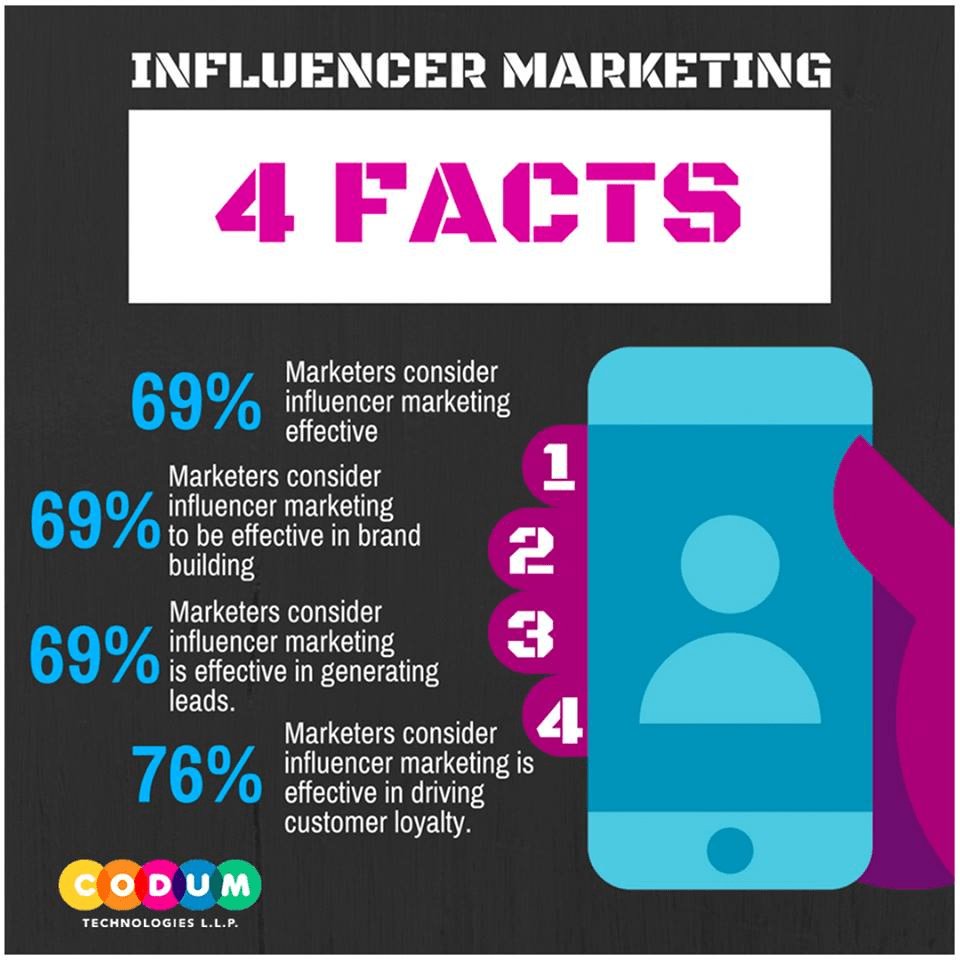
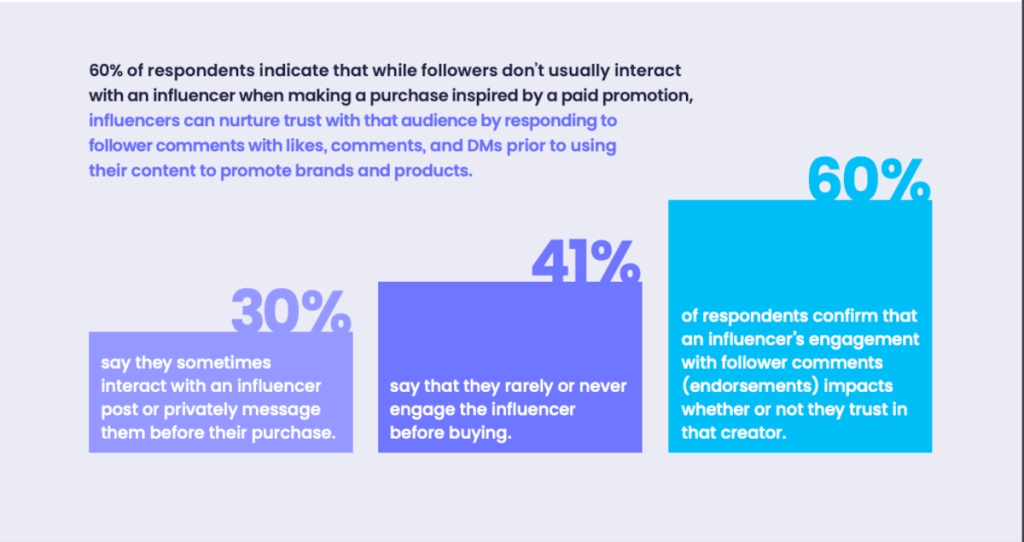
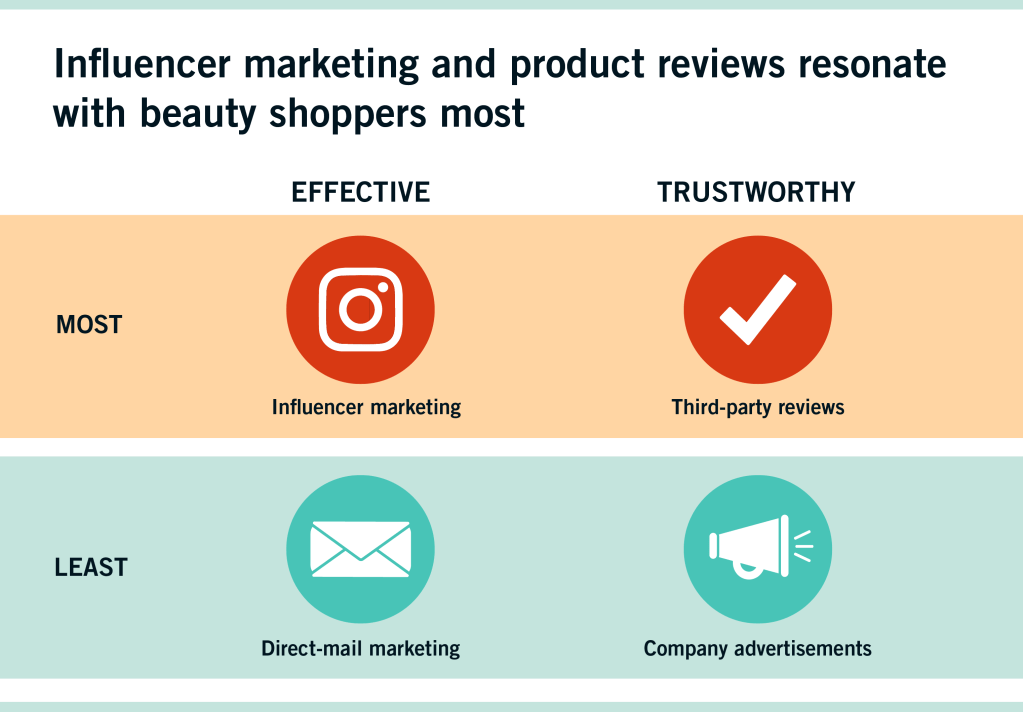
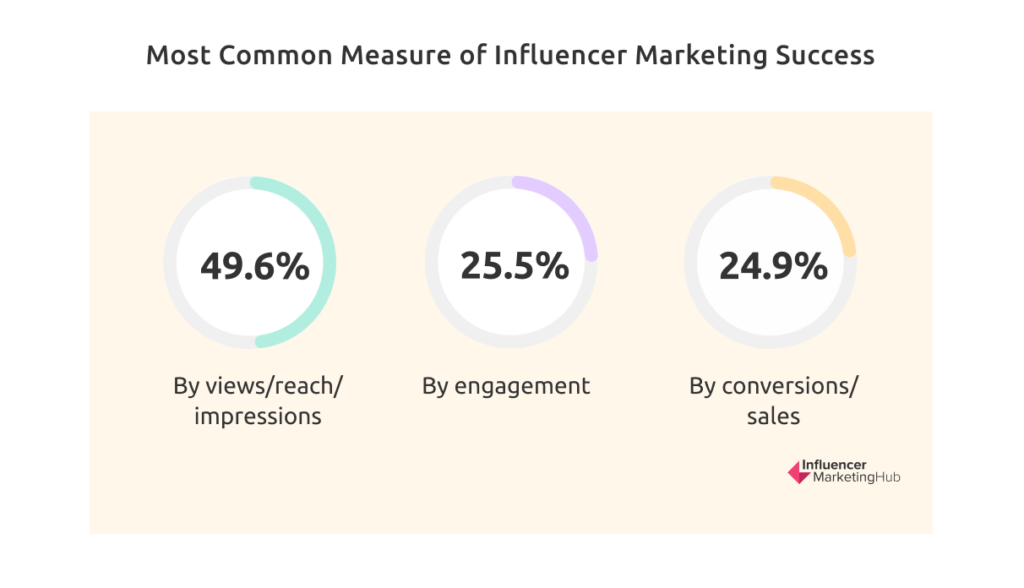
HBR IdeaCast- The Ins and Outs of the Influencer Industry

Influencers drive consumer trends.

  • The influencer industry dates back to the first decade of the 21st century. When the recession happened, so many people turned to these new platforms that seemed promising to invent a new way of working. The early influencers usually worked in fashion and beauty and shared their ideas about a range of topics related to commercial industries like fashion and beauty.
  • In the beginning, it was mostly bloggers and Youtubers talking about topics that are near and dear to them in some way and creating content centered on their niche or professional expertise. They fell backwards into this work because it didn’t exist at the time. There was more truth to the narrative “we’re doing what we love/creating content of what we love.”
  • Once those early bloggers and influencers started to gain traction, advertisers recognized these early influencers as potential persuaders and offered branding details. After that initial wave, there was a crushing wave of people flocking to social media who also wanted to be an influencer.
  • Once the field became so saturated, it became about cultivating a sense of authenticity and presenting themselves in predictable ways to their audience members. It is getting harder to break through.
  • Influencers often identify themselves as entrepreneurs. They need to find a balance between authenticity, credibility, and drawing in endorsements to succeed. This balance is hard to attain and there are few and far between. Many influencers have chosen to leave all together or move into marketing because they don’t want to reveal many details of their personal lives.
  • There is a largely unseen sector of the influencer industry that are marketing middleman type firms that help brands connect to the right influencers for them. Brands can get access to databases and search key words/stats/content specialties and engage with them in a transactional way. Brands can also post a campaign looking for influencers.
  • A big criticism of the influencer industry is that those who rise to a high level of prominence are predominantly fairly wealthy white young women.
  • Despite the popular narrative of the influencer industry as being all about doing what you love, following your passion, democratizing culture…it is not free of these biases and problems that plague society. While there has been more awareness of this in recent years, there is still so much work to be done.
  • One of the prevailing problems is that there is little to no transparency in how these deals are being made, what the pay is, what type of content is worth how much, etc. There is even a large variance among different influencers for the same deals.
  • Most companies that engage in influencer marketing rely on the advice of marketing agencies they use to ensure they are getting their money’s worth.
  • Using an authentic niche influencer is generally better than paying a high-level celebrity for an endorsement.
  • The Walmart spotlight program is the largest and highest profile program. It essentially incentivizes Walmart employees to post about their time working at Walmart, share online a day in the life of working at Walmart, new products, etc. They reward employees who do it really well with cash bonuses or a free product. Consider rewarding employees with influencer skills.
  • Some companies cultivate their regular customers as influencers by encouraging them to post about try-ons in dressing rooms, such as Banana Republic and Loft. There are ramifications, and some question why we are rewarding influencer-like behaviors and to what ends.
  • The role of broader economic precarity in this space (societal factors drive people to want to pursue this work- entrepreneur, professional autonomy), lasting impact on technological evolution of social media (we’ve come to expect commercialism in our feeds), and extreme adaptability (driven influencers who want to adapt to changing times and technologies can keep growing) signal that influencing will continue to exist and is here to stay.
  • Benefits opportunities for entrepreneurialism, effective ways of getting media messages out there, networking, community
  • Drawbacks- rapid spread of misinformation, mental health toll
  • Advice for aspiring influencers: go into it with eyes wide open. Know that this is a line of work that is incredibly difficult. Although people can find great satisfaction and a solid income, it is not as common as popular narratives would lead you to believe. Go into it with the knowledge that, while you will be entrepreneurial, you are still beholden to other stakeholders and other people who have a vested interest in the work that you are doing.
  • Advice for those working for companies who want to tap into this industry: value influencers as professional colleagues instead of one-off engagement/transactional. Companies will find more value and satisfaction in a long-term relationship. Treat them as valued collaborators whom you pay fairly and work closely with.
  • Advice for consumers who are being bombarded by influencers: try to engage with a little bit of distance. Know that there is a range of pressures that influencers are navigating behind the scenes that shape the content that we see.
  • New book: The Influencer Industry: The Quest for Authenticity on Social Media by Emily Hund

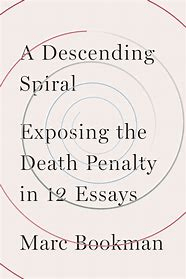
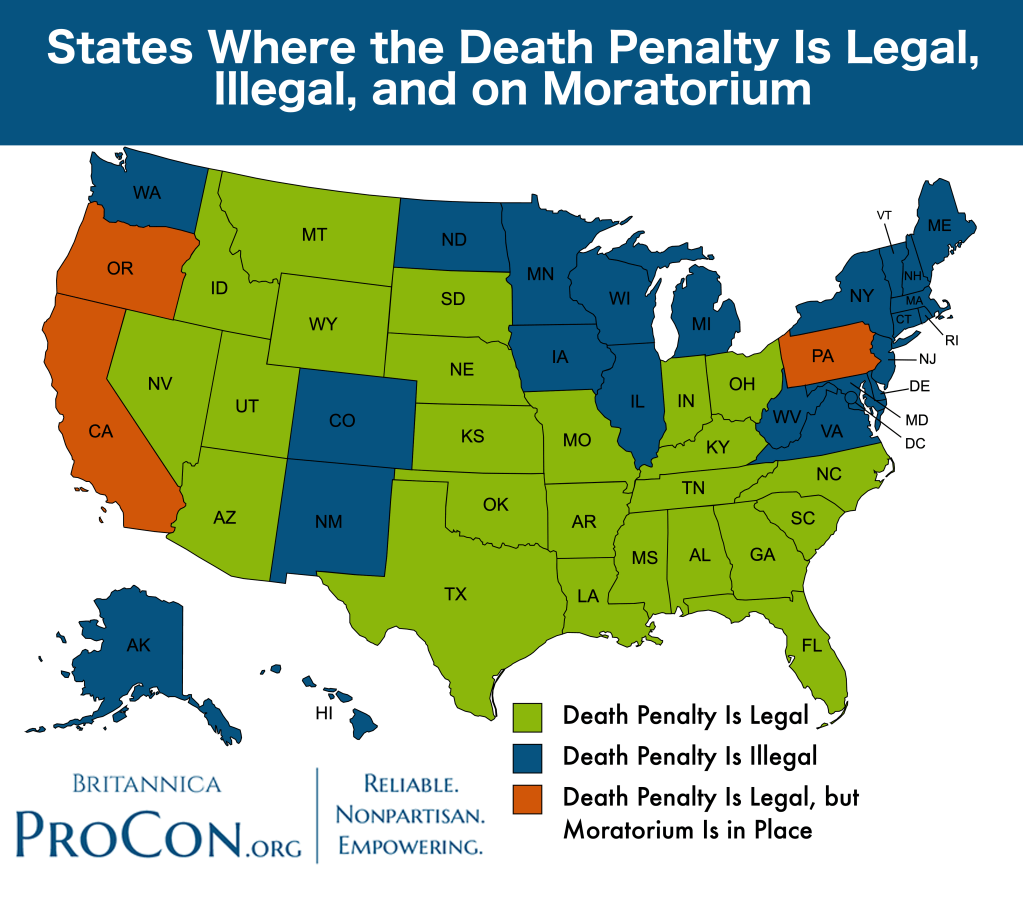
One book I read this past week is “A Descending Spiral: Exposing the Dealth Penalty in 12 Essays” written by Marc Bookman. This was published by New Press, a nonprofit, public interest publisher. Marc Bookman is the executive director of the Atlantic Center for Capital Representation, a nonprofit that provides services for those facing possible execution.

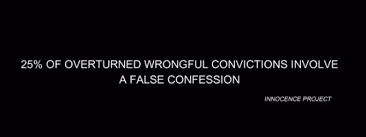
Honestly, this book was eye-opening about the cruelty and injustice of the death penalty. The essays detailed problems with ineffective counsel, racist jurors and judges, anti-Semitism, prosecutorial misconduct, withholding exculpatory evidence about alternate suspects, ethical violations, false confessions, and mental illness. One case involved Andre Lee Thomas, who is currently on death row for stabbing his estranged wife and kids. Andre suffers from mental illness to the point where he removed both of his eyeballs in separate incidents and ingested one of them. 😲 Another issue with his case is that jurors who said they opposed interracial marriage were allowed to serve. Thomas is Black and his estranged wife was white. The U.S. Supreme Court declined to hear an appeal on this issue.

Other take-aways from this book:

Verdicts in capital cases are different than in all other cases in that the decision whether someone should live or die is a moral one, rather than factual or legal. A life-or-death sentencing decision in a capital case is the product of individual reflection. Each juror weighs the arguments for life imprisonment or execution on his or her own.

Some states require a unanimous vote by a jury and some don’t. Some states previously allowed judges to override a jury’s decision. In some cases, juries voted for life imprisonment and judges overrode their decision and sentenced defendants to be executed.

Serial murderers like Washington State’s Green River Killer, the Unabomber, and the Kansas BTK Killer are serving multiple life sentences after plea bargains, while those who choose to go to trial having committed far less egregious crimes often end up executed or on death row.

11% of DNA exonerations have also involved witness identifications that later proved to be incorrect, but prosecutors and judges are far less likely to acknowledge the possible injustice of a misidentification when there is no DNA to confirm it.

Reforms that have been suggested to reduce the risk of wrongful convictions include proceeding with investigative interrogation rather than confrontational interrogation, videotaping interrogations, and implementing special protections for juveniles and those with cognitive or psychological impairments. Many false confessions are the result of confrontational and coerced interrogations and mental illness.

I look forward to reading, learning, and sharing more with you soon!
Thoughtful Thursday posts, Uncategorized

Thoughtful Thursday- May 4, 2023

My intention is to post a Thoughtful Thursday column each week and share some of the insights I have learned in the past week. Here are some of the things I’ve learned this week:

Self Improvement Daily- Getting Started Setting Goals

Setting goals is an effective way to structure your efforts and get a desired result. However, many people set goals too big without a plan. Ex: go from not working out at all to working out 6 days per week. Others set goals without much of a plan. Ex: drink more water. Eat healthier.

You don’t need to wait to have a perfectly defined and thought through goal before getting started. As you begin pursuing your goals, you collect more reference points and information to aid in defining your goal and the structure of achieving your goal. As you get closer to your goals, they get clearer. You should always be intentional about pursuing more clarity.

A goal I had for quite some time was to drink more water. There were times I drank up to a gallon per day (too much for me), but other times, I got so consumed in my work that I didn’t finish my first 16 ounces until after lunch! “Drink more water” was not a clearly structured goal for me. When I noticed that I regularly wasn’t finishing my first 16 ounces until well into the afternoon, I revised my goal to include “drink 1 bottle of water before the workday starts.” That goal is structured, measurable, and helps me to drink more water throughout the day. I also use True Lemon packets (available in a variety of flavors) to increase my water intake.

Another goal could start off as “eat healthier.” This could be structured by committing to planning staple breakfast foods and meal prepping healthy lunches for the week so that you don’t have the urge to order takeout during the work week.

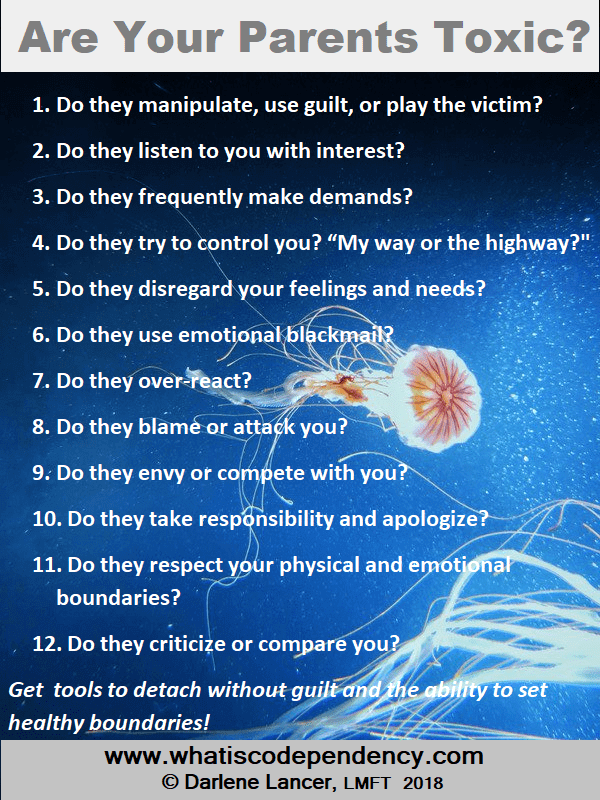
Psych2Go Mental Health Podcast- 10 Toxic Things Parents Say To Their Kids
  1. You look terrible.
  2. You’re a freak.
  3. You’re so immature.
  4. I’m going to send you to boarding school.
  5. Once you’re 18, I’m going to kick you out.
  6. This is your fault.
  7. Show me some respect (when it isn’t due/when it’s toxic).
  8. Do what I say or else.
  9. You are terrible at ___.
  10. You’re the worst student.

I am grateful that I didn’t hear any of these phrases directed at me growing up, but I know of people who have. It is important to show love to your children and allow them to make mistakes, express their own individuality, and overcome obstacles that can turn into learning experiences.

Life Kit- Put your savings to work

When we put money into a traditional savings account when inflation is high, its value is eroding.

Savings account interest rates may be as low as 0.01%, and the average interest rate is currently 0.24%. Some banks have increased interest rates due to inflation, and smaller banks are offering better rates than bigger banks.

Online banks offer better rates due to not having to maintain brick and mortar locations. Be sure to research minimum deposits and hidden fees and read the fine print! I recently created an account for CIT bank online, which offers interest rates between 4.50%-4.75%!

Aside from savings accounts, CDs are another option. The longer the term, the better the rate is. Be sure you can commit to the term, as you can’t withdraw $ during that term without paying a penalty.

Ibonds are inflation bonds where you are lending the government $ and the government agrees to pay you back at a later date with interest. Ibonds increased in popularity in 2022, as the interest rate was over 9%! The government sets Ibond rates every 6 months, and the term is for 5 years, although you can access your money before the 5-year term is up by forfeiting the last 3 months’ interest. The interest rate was just adjusted down to 4.30% in May 2023.

Taxes: the interest earned from savings accounts and CDs is taxable. Ibonds are exempt from state and local taxes, but you will have to pay federal income tax when you cash in on the bonds.

Consider switching savings accounts to one with a better interest rate. You may also want to consider government bonds for medium-term or long-term savings or CDs for short-term savings.

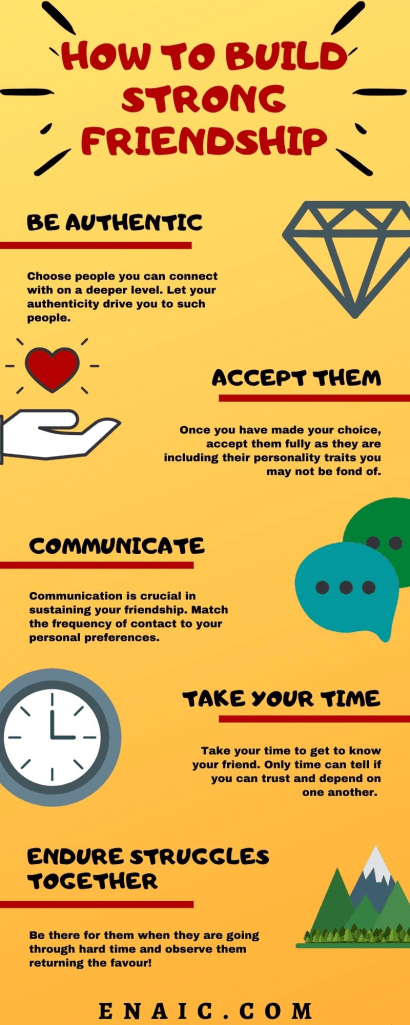
Self Care IRL- 14 Ways to Strengthen Your Friendships
  1. Make your friendships a priority.
  2. Start by staying in touch.
  3. Try to think about what your friend needs right now. How can you be helpful or of value?
  4. Stop judging. You are never going to be 100% approving of anyone or the decisions of anyone, including yourself!
  5. Give an occasional compliment.
  6. Spend time together.
  7. Find common interests that you share, and do those things together!
  8. Take on a new challenge together. Humans become closer with those they suffer with and overcome obstacles with.
  9. Take a road trip.
  10. Try new things together, such as restaurants, events, or activities.
  11. Play fair. Don’t one up your friends.
  12. Express your gratitude. Let them know you value them.
  13. Admit and apologize.
  14. Be authentic and be honest.
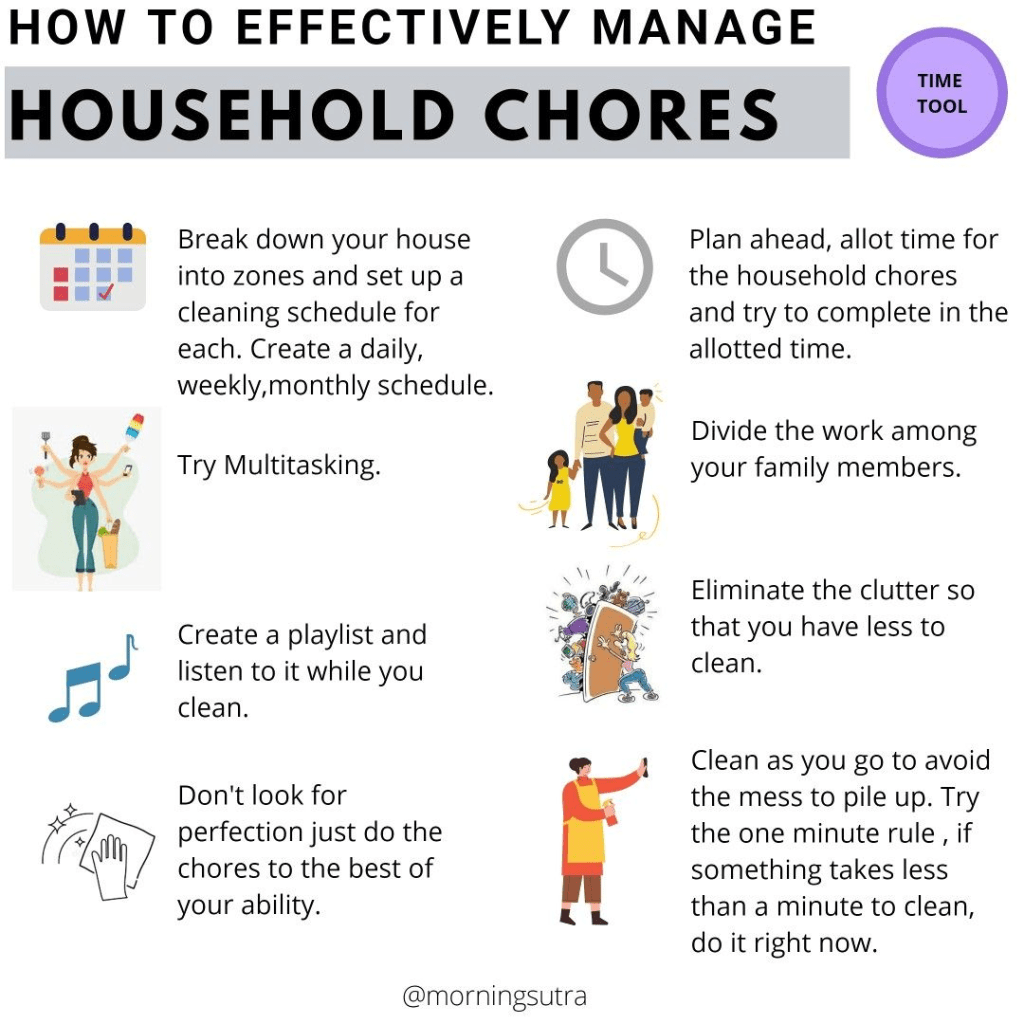
How to Be a Better Human- How to keep house while drowning

Reframe chores. Chores feel like an obligation. Some chores should be considered care tasks because they are tasks that you do to care for yourself, such as dishes, laundry, cleaning, exercising, cooking, organizing, and changing your sheets.

Ask yourself: What can I do right now in order to ensure that I’m being kind to my tomorrow self?

With other household stuff, acknowledge that good enough is perfect, and everything worth doing is worth doing partially. I struggle with this. I want to put my 100% into everything, so when I can’t dedicate the time and energy, sometimes I just don’t do it at all.

With chores, ask yourself these questions: What is the part you hate? What about it do you hate? Is there a way to skip that step or delegate? How can I add pleasure or joy to it? Ex: use a timer and dedicate a specific amount of time to a task, then stop when the timer goes off. Play your favorite playlist while doing a task you don’t enjoy doing.

Focus on Marriage Podcast- Common Problems and Letting Go of Selfishness

Many newly married couples have unrealistic expectations of marriage, such as “We are always going to agree on spending money. We will draw closer to our family and in-laws once we are married. We will divide up household responsibilities equally. We will have amazing sex often. I will never feel lonely in my marriage.” These unmet expectations are common sources of frustration in marriage.

Despite these common struggles, remember to ask yourself: What do you like about your partner? Why did you marry your partner? Why do you believe you’re married today?

One interesting point made in this podcast is that husbands are often looking for validation, and women feel resentment because they feel they are doing more than their husbands and it goes unnoticed.

Also, husbands often hear more about what they don’t do than about what they do do, leading them to feel unloved and unappreciated. They are seeking affirmations. Provide affirmations, appreciation, and validation, and also put effort into equalizing responsibilities.

Optimal Living Daily- How to Create Time for Self-Care Without Feeling Guilty by Ellen Burgan

When you take care of yourself, you have more energy, patience, and compassion for others AND yourself.

Common obstacles to self-care and what you can do about them:

“I don’t have enough time” ⇛ This is a sign that you’re prioritizing others above yourself. This is a matter of how we choose to use our time. Remember that taking care of yourself will ultimately make you more productive and efficient in the long run.

“I can’t afford it” ⇛ Self-care doesn’t have to be expensive. There are several free or low-cost options, such as going for a walk, doing yoga at home, journaling, reading a book, coloring, or listening to music or a podcast.

“I don’t know how to do it” ⇛ It doesn’t have to be complicated. Find something you enjoy doing, and go do it. Find what works for you and make it a regular part of your routine. For me, self-care includes reading, exercising, listening to podcasts, and journaling + the very occasional massage.

“I’m too tired” ⇛ This is an even better indication to take time for yourself! Self-care can help boost energy levels, relieve stress and burnout, and improve sleep.

“I don’t have anyone to do it with” ⇛ You can still take care of yourself while flying solo.

Tips:

  • Shift the way you think about self-care. Instead of feeling guilty, shift your thoughts to that of well-deserved time to focus on and care for yourself. If you take care of yourself, you will be a more fun person for others to be around.
  • Prioritize self-care. Schedule self-care and include it in your regular routine.
  • Set boundaries. Practice saying no to things that don’t align with your priorities or that are draining you. Every time you say no to another obligation, you are saying yes to yourself.
  • Use small chunks of time. If you can’t find a long burst of time for self-care, use the short bursts of time you have. Maybe spend 10 minutes a couple times a day for yourself, and as you get better at finding dedicated time to yourself, you can increase it to a daily routine.
  • Ask for help and be willing to accept help. Delegate tasks if you are able to so that you can have some time for yourself.
Crina and Kirsten Get to Work- Workplace Mental Health Takes Center Stage: A New Priority for the Surgeon General

The Office of the Surgeon General created a framework for workplace mental health and well-being. All reflection questions are taken from: https://www.hhs.gov/sites/default/files/reflection-questions-workplace-mental-health-well-being.pdf

  • Protection from harm: safety and security.
    • Prioritize workplace physical and psychological health.
    • Enable adequate rest.
    • Normalize and support mental health by validating challenges, communicating mental health and well-being as priorities, and offering both support and prevention services.
  • Connection and community: social support and belonging.
    • Create cultures of inclusion and belonging.
    • Cultivate trusted relationships.
    • Foster collaboration and teamwork.
  • Work-life harmony: autonomy and flexibility.
    • Provide more autonomy over how work is done.
    • Make schedules as flexible and predictable as possible.
    • Increase access to paid leave.
    • Respect boundaries between work and non-work time.
  • Mattering at work: dignity and meaning.
    • Provide a living wage.
    • Engage workers in workplace decisions.
    • Build a culture of gratitude and recognition.
    • Connect individual work with organizational mission (shared purpose).
  • Opportunity for growth: learning and accomplishment.
    • Offer quality training, education, and mentoring.
    • Foster clear and equitable pathways for career advancement.
    • Ensure relevant and reciprocal feedback.

How is your employer doing with all of these?

I look forward to reading, learning, and sharing more with you soon!
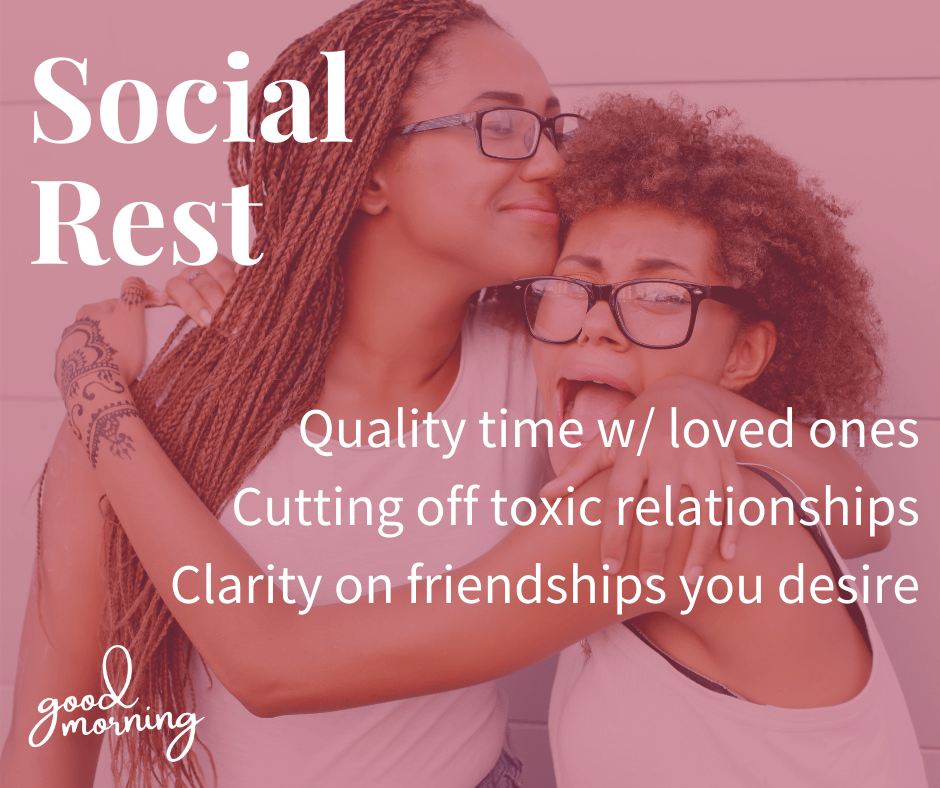
Thoughtful Thursday posts, Uncategorized

Thoughtful Thursday- April 27, 2023

My intention is to post a Thoughtful Thursday column each week and share some of the insights I have learned in the past week. Here are some of the things I’ve learned this week:

Optimal Finance Daily- Rental Properties Pros and Cons by Andy Hill (Part 1)
Optimal Finance Daily- Rental Properties Pros and Cons by Andy Hill (Part 2)

Many people aspire to own rental properties to earn more money and often refer to rental properties as passive income. Here are the facts.

Pros:

  • Real estate can outperform index funds.
  • You can grow your income stream more quickly.
  • House hacking- some people are able to rent a room or area of their homes that covers much of their housing costs.
  • You can work with a property manager so that you don’t need to field late-night calls of issues.

Cons:

  • *REAL ESTATE INVESTING IS NOT PASSIVE.* You need to dedicate time to ensure you’re doing it right financially, legally, and ethically.
  • Taxes and insurance costs can be unpredictable.
  • Neighborhoods can be unpredictable. A changing neighborhood can make it difficult to lease your property and can change the type of tenants who want to live there.
  • Leverage requires increased risk. You need to really understand how your money is invested and how your properties are generating income.
  • Home values can drop in tough times. It’s nearly impossible to predict how the real estate market will move.
Self Care IRL- All the reasons we need to stop saying, “I’m sorry for your loss” + 8 Alternatives

“I’m sorry for your loss.” We see this commented on social media and hear this phrase frequently when a loved one dies. Most people don’t know what else to say, and this phrase is so overused that it can come across as insincere. Here are 8 excellent and genuine alternatives to “I’m sorry for your loss.”

3 things you can say IF YOU ARE WILLING TO HELP/FOLLOW THROUGH:

“I’m so sorry that you’re in pain right now, but I am here with you and for you. I am willing to help in any way I can. Is there anything that you can think of that you need right now?” Tip: be prepared to help if asked. Do not use this if you won’t follow through.

“I know there will be some challenges ahead for you. I want you to know that I’m here and I’m willing to help. Would it be okay if I call next week to check in?” Tip: actually call next week and follow through.

“I know there’s nothing I can say right now to make things better, but also, I know that having someone to talk to at times like this is really important, so if it’s okay, I’ll call you next week when things settle for you.” Tip: actually call next week.

5 things you can say that don’t require you to help or follow through:

“Your mom was an incredible person. I see so much of her in you. I’m keeping you in my thoughts.”

“Your friendship/relationship was so special. I’m saddened by the news. You’re in my thoughts.” The podcast host said this is a great remark for someone you mostly know on social media.

“May God continue to shine a light on the joyful memories you get to hold in your heart.”

“Sending big hugs your way and wishing you peace, joy, and comfort.” The podcast host said this is perfect for online empathy.

Adult Education- Health Disparities with Dr. Lisa Cooper
  • There are people in America who live on the same street who have very different access to healthcare. It is not just about $; it is about access and systems. This can include access to transportation, access to insurance, and access to networks and facilities covered by insurance.
  • Some neighborhoods where a lot of people of color live do not have access to supermarkets with many fresh fruits and vegetables, schools in these neighborhoods often don’t have the same investment, and oftentimes there are fewer businesses. These are all examples of possible health disparities.
  • Health disparities are avoidable differences in health among groups that have different levels of wealth, power, or prestige in society. They are unjust and unfair and can impact rural areas, women, people with disabilities, people in poverty, and minorities.
Stuff You Should Know- How Game Shows Work
  • The first game show was aired in 1938 Great Britain and was called Spelling Bee. It was an actual spelling bee.
  • If people are winning more $ than budgeted each episode, sometimes they are presented with lotto options, such as payouts over a number of years instead of all at once.
  • Bob Barker was a game show host from 1956-2007 (1956-1975 for Truth or Consequences + 1972-2007 for the Price is Right).
  • In 1991, there were 2 game shows still filming: Price is Right and Family Feud. Wheel of Fortune’s daytime show got the axe. Game shows came close to extinction, as they were replaced with daytime talk shows. The Price is Right and Family Feud never went away.
  • Game shows are cheap to produce, so you can find them in most countries around the world.
  • 3,000 people try out for Wheel of Fortune every year and only 500 make the cut.
  • Being on a game show sounds exciting, but 5-6 episodes are usually filmed each day, so there is a lot of standing around (without access to your phone)!
Freakonomics Radio- The Most Interesting Fruit in the World

Something to ponder: In a grocery store, there are a wide variety of apples, almost all of which were grown in the United States. Yet, they are more expensive (per pound) than bananas. This is wild to think about considering that bananas in the United States are all imported and have been grown, picked, boxed, washed, and placed in ripening rooms in another country. Bananas are typically the cheapest fruits around!

In 1900, Americans were eating 1.5 million bunches of bananas per year. By 1910, Americans were eating 40 million bunches of bananas per year!

Sailing as an export mode of transportation was not fast enough to reliably keep bananas from over-ripening. In the 1930s, refrigerated trucks allowed for bulk importation of bananas in the United States.

There are over 1,000 varieties of bananas in the world. The first popular one in the United States was the Gros Michel banana, also known as the “Big Mike” banana. This was the most popular banana until the 1950s, when Panama Disease mostly wiped it out. Panama Disease is a fungus that causes the banana plant to wilt. The Gros Michel variety has been virtually extinct since the 1950s, but this variety is still grown in Uganda.

This is a photo of the Gros Michel variety:

Bananas used to have seeds, but the banana was made seed-free using banana hybrids! The Cavendish banana is a human invention.

After Panama Disease wiped out most of the Gros Michel variety, the most popular banana changed to the Cavendish banana, which is what most of us eat today. Although the Cavendish bananas only account for 50% of global banana production, the Cavendish banana takes up 99% of the banana export market. India is the highest producer of bananas. and Ecuador is the largest exporter of bananas.

Bananas were once advertised as “fruit in a germ-proof wrapper.’

Bananas are the fourth most important crop in the world, behind rice, wheat, and corn! 400 million people rely on bananas as a source of food or a source of income.

Earlier this week, I read “Kicked to the Curb: Where policy has failed our most vulnerable youth and the fight for a better tomorrow” written by Susan Lockwood Roberts. I learned so much and here is a summary of my thoughts.

This book was a very insightful, easy read. The author addressed the problems with the education system, especially in educating incarcerated youth using the same cookie-cutter approach used in the standard education system, yet with less funding. Under-performing youth are viewed as difficult and are often kicked to the curb, resulting in societal costs of unemployment, non-productivity in the workforce, and crime. Teachers often teach the way they were taught, and this does not usually work when teaching incarcerated children. Students who are at risk due to family relationships, aspiring to be a first-generation high school graduate, or poverty likely need relationships in order to succeed and may require a more individualized, targeted approach. The author worked in engaging policy problems and changing methodologies in order for children, teachers, and staff to succeed. Some of these programs included daily adult mentoring, work-based learning experiences, career exploration and goal setting, professional development for teachers so that they can shift the way they do things according to the backgrounds of the students, reforming curriculum and acquiring updated textbooks, and developing methods of engaging students using a variety of instructional strategies. The author acknowledges that progress has been made, but that more needs to be done.

When youth don’t finish high school, the path to a high school credential is through adult education, and adult education programs receive less than 10% of funding going to K-12 and less than 5% of what is spent to support higher education. As a result, fewer than 10% of the people who need adult education services can access them. As a society, we can’t figure out how to invest more money in education, but we don’t know about the $225 billion lost every year to low literacy and numeracy among our citizens. What do we value?

This blog post (https://www.gabethebassplayer.com/blog/your-contribution) made me consider 3 questions we should ask ourselves frequently in our jobs and our lives. Say you want to make progress toward a goal, such as starting a daily habit or training for a marathon. Ask yourself these questions and reflect:

  1. Are you content with your contribution (right now)?
  2. Are you content with what you’re contributing (right now)?
  3. What are you contributing (right now)?
TED Talks- Celeste Headlee- 10 Ways to Have a Better Conversation

It used to be that in order to have a polite conversation, we just had to stick to the weather and our health. These days, with climate change and anti-vaxxing, those subjects are not always safe either.

A conversation requires a balance between talking and listening. Conversational competence might be the single most overlooked skill we fail to teach. An important skill is being able to have a coherent and competent conversation.

  1. Don’t multitask. Be fully present.
  2. Don’t pontificate. Enter every conversation assuming you have something to learn. Sometimes that means setting aside your personal opinion. Everyone you will ever meet knows something that you don’t.
  3. Use open-ended questions. Start your questions with who, what, where, when, why, or how. This allows people a chance to think about the question and respond with a genuine response.
  4. Go with the flow. Stories and ideas are going to come to you, but sometimes you need to let them go to fully listen to what the other person is saying.
  5. If you don’t know, say that you don’t know. Talk should not be cheap.
  6. Don’t equate your experience with theirs. All experiences are individual, and it is not always about you.
  7. Try not to repeat yourself. It’s boring and condescending.
  8. Stay out of the weeds. You don’t need to remember and present all of the details.
  9. LISTEN. If your mouth is open, you’re not listening and learning. Listen first to understand, then to reply.
  10. Be brief. Conversations should be short enough to retain interest, but long enough to cover the subject.

All of this boils down to one sentence: Be interested in other people. Go out, talk to people, listen to people, and be prepared to be amazed.

I look forward to reading, learning, and sharing more with you soon!
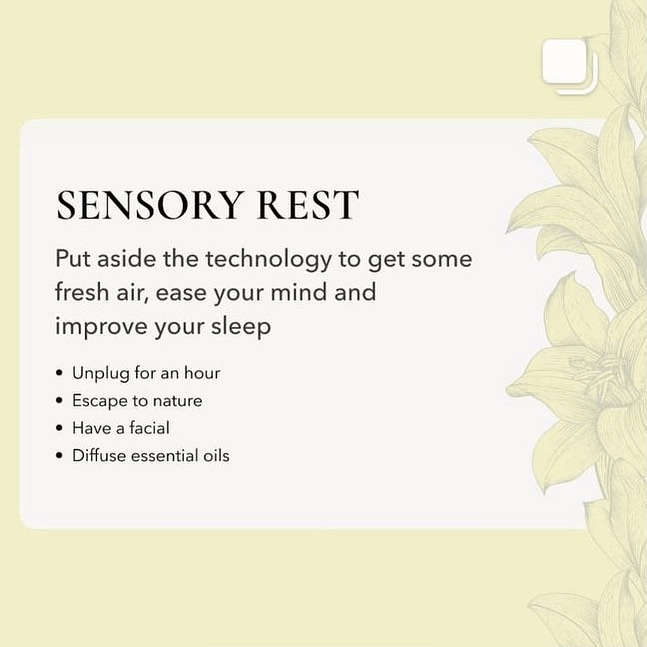
Thoughtful Thursday posts, Uncategorized

Thoughtful Thursday- April 20, 2023

My intention is to post a Thoughtful Thursday column each week and share some of the insights I have learned in the past week. Here are some of the things I’ve learned this week:

Self Improvement Daily- Earn Respect, Not Validation

Our interest to prioritize and maintain strong social connections is fundamental to our success as a species, and in order to appease our ego, we seek validation, approval, and acknowledgement from others as a means to confirm our importance. This may cause us to do things that aren’t in alignment with who we want to be because we need quick access to the validating spike of feeling important.

What we’re actually searching for, that leaves a deeper and lasting impression, is other people’s respect. This goes beyond what you do and into who you are– your character and your values. This is more difficult to earn, and in a society that is addicted to immediate gratification, sometimes people don’t even have the patience to get there.

Ted Talks Daily- 4 ways to make hybrid work better for everyone

I was surprised to learn that, using surveys, polls, and meta-analyses, over 70% of employees in most global surveys want a mix of in-person and remote formats moving forward.

Many employers unexpectedly moved to a remote or hybrid format during the COVID-19 pandemic. Many also haven’t put much thought into a plan. Some employers want employees in the office a certain number of days each week, but don’t care when. Others haven’t set expectations. Others have clear expectations about when employees need to be in the office. Here are 4 ways to make hybrid work better for everyone:

  1. Coordinate anchor days — days you and those you collaborate with are in the office on the same day.
  2. Plan spontaneity. Set aside 6-7 minutes of online meetings to chat informally about something other than work. Consider happy hours, trivia challenges, or lunches or coffee with coworkers.
  3. Match digital tools with communication objectives. Sometimes e-mails, IMs, and phone calls won’t cut it. Use video calls for conversations when needed.
  4. Consistency between hybrid policies and attitudes is the only way to build a hybrid culture for everyone. If you want your employees to come in a certain number of days, assign days or make that expectation clear. If there aren’t any clear expectations and people don’t come in the same number of days, nobody should be made to feel guilty for not coming in as often as others.
Optimal Finance Daily- Budgeting Tips: 10 Ways to Lower Your Life’s Fixed Costs by Joshua Becker
  1. Buy or rent a smaller home. Housing costs generally take up the largest percentage of a person’s expenses.
  2. Avoid car payments.
  3. Double-check recurring expenses and cancel any you no longer need or use.
  4. Research insurance costs. Double-check your premiums and compare other options.
  5. Take your lunch to work.
  6. Pay off your credit card debt. Interest payments are like flushing dollars down the drain. We don’t receive anything for them.
  7. Stop upgrading your phone just because you are eligible.
  8. Cut utility bills at home. Get a programmable thermostat, lower the temperature on your water heater, unplug unused electronics, cut cable, or seal your home better for cold and heat.
  9. Research childcare options in your area. Sometimes new childcare centers are much less expensive than the one your child or children is currently enrolled in.
  10. Ditch the storage unit. If your storage unit is simply storing stuff because you own too much stuff, get rid of it. Stop paying money to keep stuff you don’t need.
Curious Kid Podcast- Curious About Prosthetics

https://www.bakersfield.com/news/health/15-interesting-facts-about-prosthetics/article_fd58fef4-a590-5067-8d3e-6463e5374126.html

The word “prosthetic” is Greek. When translated to English, it means “addition.” A prosthetic is a device that provides support in place of the body part so that people can perform day-to-day functions.

  • In ancient Rome, there are accounts of warriors who used prosthetics made of iron and wood to make artificial arms and legs.
  • Thousands of years ago, prosthetics were cosmetic.
  • During the French Renaissance, prosthetics became functional and included harnesses and knee lock controls, as well as softer materials.
  • Limb loss can be caused by a disease or cancer that impacted that body part, a car accident, or being born without a body part.
  • Prosthetics are made according to what body part is missing. How it looks and how it is made is dependent on the person and body part. Generally, measurements are taken and a cast is made. A mold is made to specifications. It is shaped to be comfortable for the patient. Most prosthetics are constructed with lightweight carbon fiber, aluminum, and titanium components.

Nearly 75 percent of amputations are caused by diabetes and cardiovascular complication. The most common type of amputation is a below-knee amputation.

The average prosthetic lasts *only* three to five years!

Most amputees wear a stump shrinker, which is a compression sock that keeps the limb from swelling when the prosthesis is not on their limb. Most amputees wear a silicone gel liner that helps to cushion and protect the limb during walking.

https://www.gabethebassplayer.com/blog/best-price-guaranteed

Best Price. Guaranteed.

But what does best mean?

Lowest?

Most efficient?

Most satisfaction?

Most bang for the buck?

The price most people would enjoy?

Since ‘best’ isn’t defined, the guarantee is also meaningless.”

Gabe the Bass Player at gabethebassplayer.com
The Economics of Everyday Things- Gas Stations

In the U.S., Americans use 374 million gallons of gas every day!

Gas is cheap in the U.S. relative to other countries. Considering the amount we use, though, every penny counts.

We often blame politicians and oil executives, but the easiest target is the gas station owner. There are 145,000 gas stations in the U.S. 8 out of 10 are independently owned and operated. They pay oil companies for the right to use their branding and gas. Many come from other countries.

  • 50-60% of cost of gas is from the cost of crude oil. $4.00 cost of one gallon of gas= $2 cost of crude, 70 cents to refine it, 40 cents to move it from refinery to gas station, 50 cents for federal/state/local taxes. For a $4.00 gallon of gas it costs about $3.60 to get it to the pump. Gas station owners make about 30-40 cents out of every gallon they sell, which has to cover maintenance, electric bill, rent, liability, etc. In the end, they are averaging 7 cents per gallon of profit.
  • Gas stations have a daily profit of about $300 after all expenses.
  • Gas stations regularly face competition with other area gas stations.
  • Station owners usually buy a few days of gas at a time and store it in underground tanks, but the price of wholesale gas changes every 24 hours. As a station owner, you can lower your prices and lose money or keep a little profit margin and watch your customers go to another station.
  • When crude prices go up, station owners are slow to pass on the extra cost to us at the pump, but when they fall, they don’t set the prices lower right away either. When gas prices increase, tight margin on gas gets squeezed even further, people buy less gas, and people also buy less inside the store. Higher gas prices also result in more theft.

Gas isn’t a big money maker. The bulk of a gas station owner’s income comes from selling food, where they have an average 33% gross profit inside the store.

Healthier Together- How to Know if You Should Have Kids + Debunking Myths About Parenthood

I don’t have kids (yet), so this was an interesting podcast with different perspectives and insights!

Many people ask “Are you going to have KIDS?” One point the podcast host made is “How will you know whether you want to have KIDS (plural)? Should I have KID? Then you can decide whether you should have KIDS.”

The most surprising point I learned on this podcast is that the ideal age to become a parent is said to be 38 or 39! This provides time to enjoy two adulthoods: 18-38 can be spent traveling, establishing your relationship with your partner, establishing your career, etc. Another adulthood starts when having kids at 38 or 39. This also results in having wisdom, perspective, and better finances, and, if you live long and are healthy, your kids can still care for you when you are old.

Many people have kids earlier due to societal or family pressure or the fear of infertility. If you have concerns about fertility with waiting, check with your doctor about fertility tests and risks. This makes more sense than having kids earlier simply due to this sometimes-unreasonable fear. Some fertility treatments are covered by insurance or are available through grants.

If you are concerned about finances, you can save money through hand-me-downs, secondhand retail, community or church groups, and neighborhood exchanges. You can also do a childcare exchange with friends.

Our society says we value children, but we do not put the $ or attention there. Many employers do not offer paid maternity or paternity leave, resources, or flexibility for childcare, etc.

You may never feel 100% confident in your decision to have kids. That’s okay. 60/40 confident is enough. It isn’t about baby or no baby. If you are postponing or thinking about not having kids, ask yourself if there’s anything you haven’t done yet in life that needs to happen. We will have some disappointments. Ask yourself “What hasn’t happened yet that I want to happen between now and when I die?” It’s about thinking about what is important to you that hasn’t happened yet and how you will fit that in. Be able to name those things and think about, if you actually have extra time and $, are you really going to do those things?

If you are afraid to bring a child into this world, know that people were also worried in the 80s and other decades. There have always been big issues dominating our consciousness and people still chose to have children and have not regretted it. There is always going to be some concern or worldly issue.

There is a lot of stress involved in raising kids, but the major factor is whether the child was planned or an accident and whether the parents had a close, high-quality relationship before having a child. Once kids are grown, parents rave about being parents.

There are many ways of finding life satisfaction and meaning even without having kids. Many parents do say that having kids has brought the most happiness in their lives, but that does not mean that you need to have kids to be happy. Volunteering, hobbies, career fulfillment, being a coach, and many other things can also bring meaning and happiness.

You can get to know your partner better than ever before just by thinking and talking this topic through. It’s not just “yes” or “no.” What are your fears? What do you want your life to look like? How will you share in the responsibilities? What is important to you?

I look forward to reading, learning, and sharing more with you soon!
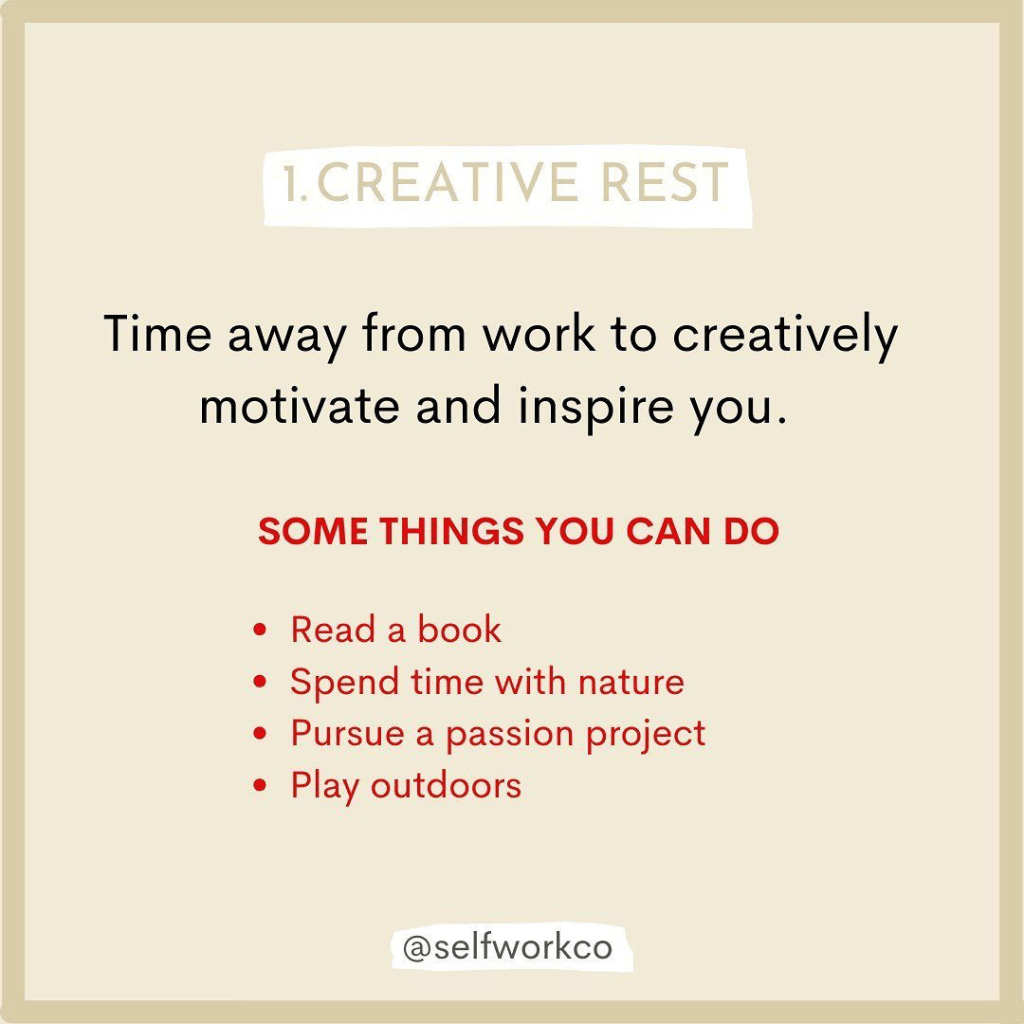
Thoughtful Thursday posts, Uncategorized

Thoughtful Thursday- April 13, 2023

My intention is to post a Thoughtful Thursday column each week and share some of the insights I have learned in the past week. Here are some of the things I’ve learned this week:

Science Vs. – Weight Loss Meds: Is Ozempic a Miracle Drug?
Food, We Need to Talk- Ozempic- The “Magical” Weight Loss Drug

**I have not used Ozempic and am not authorized to make medical recommendations. I am simply reporting what I have learned.** Ozempic has been a popular topic in the news and social media lately, and I wanted to learn more about it. I have the following notes from the two podcasts:

  • Ozempic is a diabetes drug that also causes weight loss. Many people are using it strictly as a weight loss drug, resulting in a shortage due to an “unexpected increase in consumer demand.”
  • Ozempic has the lowest side effect profile and actually works. Side effects include nausea (after 5 months, 25% of people reported nausea) and GI issues. People have generally concluded that the side effects are worth it.
  • Wegovy was a popular weight loss drug, but during the pandemic, Wegovy faced supply chain issues for nearly one year, making Ozempic a popular alternative. Ozempic continues to be the most popular.
  • Many insurers won’t cover Ozempic unless diabetes has been diagnosed, but many people are willing to front the $1,200/month cost of Ozempic, especially celebrities.

The active ingredient in Ozempic is semaglutide, which works by inducing satietyOzempic reduces a consumer’s level of hunger and eliminates food cravings, resulting in people eating 1/4 to 1/3 less when taking Ozempic.

People who take this med will likely need to take this long-term. They gain most of their weight back when they stop taking the medication. Also, long-term effects have not been studied yet.

People are using Ozempic as a weight loss drug with great results. Some have lost 15-21% of their body weight!

It is important to continue exercising and having healthy habits even while taking a weight loss drug, and it is also emphasized that once people stop using Ozempic, they generally gain the weight back because their hunger levels and food cravings return to their normal levels pre-Ozempic.

The Daily Stoic- Don’t Make Assumptions

You don’t get a joke, so you say it’s not funny. You love your job, so you have no patience for people who complain about theirs. You’ve been successful, so you can’t understand why others struggle. Things that are different from your preferences are “weird.”

Our personal experiences make up a tiny percentage of the world, but a huge percentage of how we perceive the world.

A stoic tries not to jump to hasty judgments and puts their impressions up to the test. A stoic makes space for there to be other means of being, even the ways we don’t understand.

The Clever Girls Know Podcast- 9 Money Leaks Affecting Your Finances and How to Fix Them
  • Paying delivery fees. Before paying for shipping or delivery, Google search for free shipping or delivery codes!
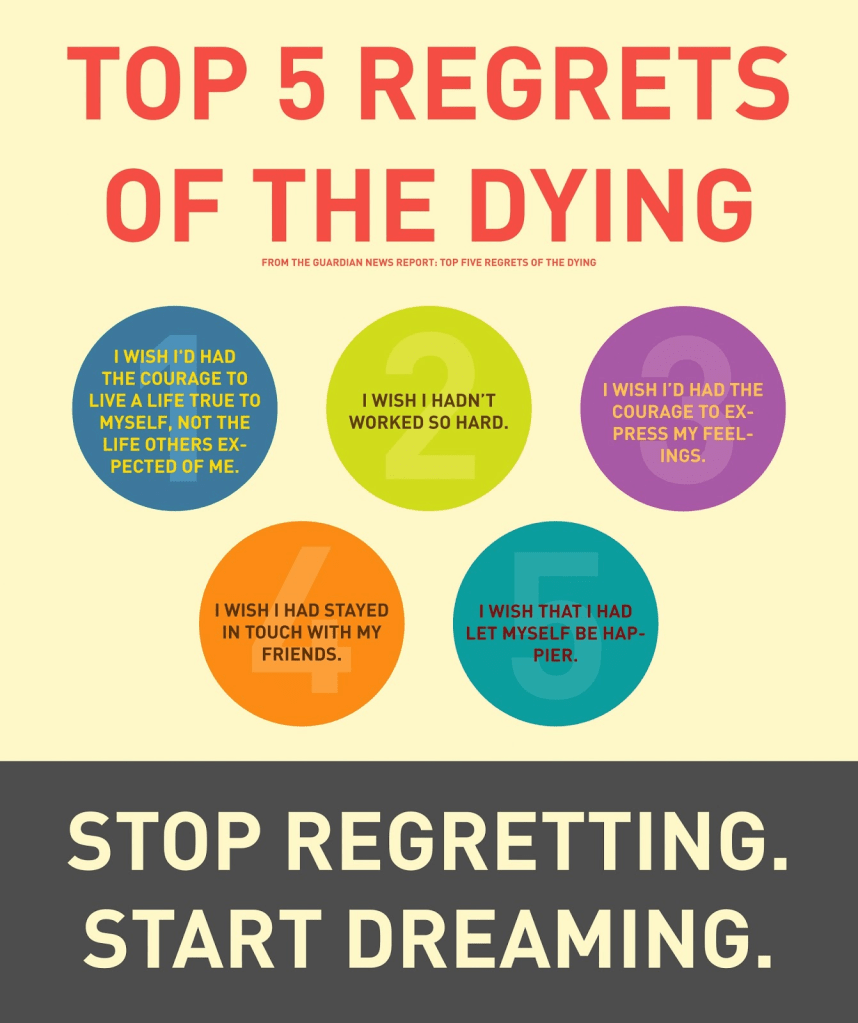
  • Disposable products (water bottles, cutlery, paper towels). Use a reusable water bottle, pack your own utensils for your work lunches, and use rags or towels instead of paper towels.
  • Food waste. Buy only what you’re going to eat and cook. Meal prep. Freeze leftovers. Do an assessment of your food before shopping.
  • Bank fees (overdraft fees, ATM fees, account fees). Look for banks with overdraft protection, no account fees, and a wide network of free ATMs.
  • Subscriptions for products and services. Make sure you aren’t bulking up if not needed. Make sure you are using streaming services and other subscriptions. Cancel them if you aren’t.
  • Name brand products instead of generic. Often the generic products contain the same ingredients and taste the same.
  • Coffee and snack shops. Learn to make your own coffee or tea and buy the coffee beans or loose leaf tea your favorite shop uses. Keep snacks on hand.
  • Gym memberships- Are you getting your money’s worth? Cancel if you rarely go.
  • Unused insurance policies (vehicles). Do you still drive, or do you take public transportation? If you rarely drive, let your insurance know to see if you can get discounts on your premiums. If you never drive or rarely drive, you could consider selling your vehicle and taking public transportation or Uber/Lyft rides if that would be cheaper than paying for insurance and vehicle maintenance.
Self Care IRL- The best habits you should still hold onto post-pandemic
  • Learning and chasing new hobbies. Many people picked up a quarantine hobby.
  • Focus on supporting others (small businesses, healthcare workers, acts of kindness)
  • Embrace simplicity. You don’t always have to be doing something.
  • Make your home feel like home. You deserve to feel cozy and happy.
  • Taking care of yourself. Carve out space for you to be alone with your thoughts and feelings. You should be your #1 priority. Therapy, journaling, meditation, etc.
  • Spending more time in nature. Don’t make it so that you miss the calmness you were chasing during the pandemic. Go outside! Listen to the birds chirp. Go on a walk.
  • Not feeling guilty for spending a night in. Don’t feel pressured to go out. You can’t miss out on the time you spend with yourself.
  • Checking in on your loved ones. Random phone calls and video chats during the pandemic were at an all-time high. Remember when people called you just because?
  • Not going out or going to work if you feel sick. Listen to your body.

I have been reading “The Simple Path to Wealth” as part of a book club. This book emphasizes investing in VTSAX, Vanguard’s Total Stock Market Index Fund. I also read a blog post highlighting VTSAX for people who want to retire early:

https://www.ourrichjourney.com/post/5-reasons-why-vanguards-vtsax-index-fund-is-our-top-fire-investment

Some of the things I’ve learned:

  • The expense ratio is 0.04%, which is over 70% lower than the industry average!
  • VTSAX also beats around 80% of actively managed mutual funds, and you save money by not having to pay for an active manager.
  • VTSAX invests in the total stock market. Owning VTSAX allows an investor to own almost all of the companies trading in the U.S. stock market.
  • VTSAX constantly self-cleanses. There are inevitably companies that fail and companies that succeed. As soon as a company fails, it will drop off the stock market and won’t be tracked by VTSAX, so VTSAX will *never* go to zero.
  • VTSAX is easy, straightforward, and requires very little effort to understand.

I finished reading “Top 5 Regrets of the Dying” written by Bronnie Ware. I was surprised to learn the top 5 regrets of the dying, and I was inspired to not have these same regrets:

  • 1. I wish I’d had the courage to live a life true to myself, not the life others expected of me.
  • 2. I wish I hadn’t worked so hard.
  • 3. I wish I’d had the courage to express my feelings.
  • 4. I wish I had stayed in touch with my friends.
  • 5. I wish that I had let myself be happier.

I look forward to reading, learning, and sharing more with you soon!