
My intention is to post a Thoughtful Thursday column each week and share some of the insights I have learned in the past week. Here are some of the things I’ve learned this week:
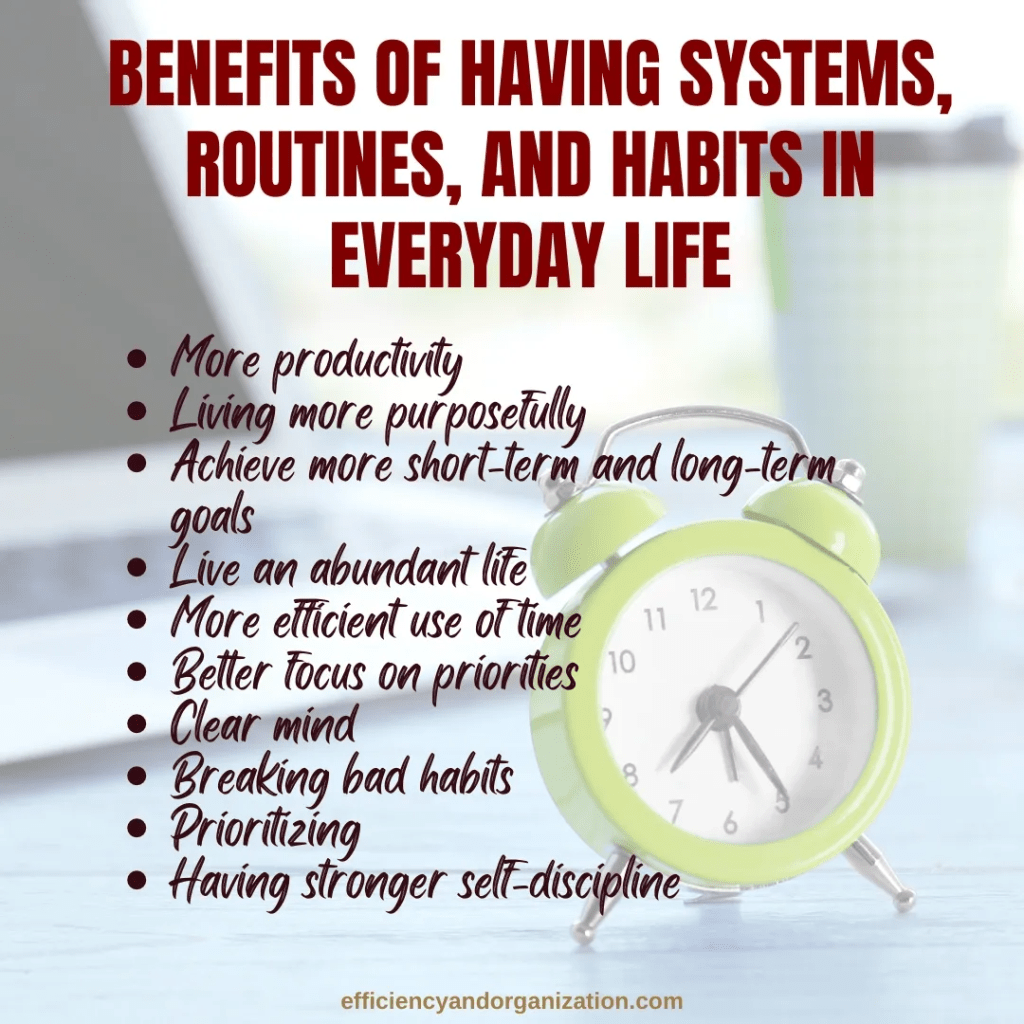
- Keep a consistent amount of time that you need instead of a consistent time you need to wake up.
- Pick 1-3 things you want to do in a morning routine and figure out how long it takes to do those tasks. Usually 1 hour – then figure out what time you need to wake up each day
- Write out your schedule each week.
- Create at least two morning routines: weekdays vs. weekends. Days you are working vs. days you are off.
- What would your ideal morning routine be for the days you are working? What would your ideal morning routine look like for the days you are off?
- Choose a workout you like to do and one that you can do consistently. Build a habit of physical movement on the days that you have off. Build a physical health habit that is realistic and that you can keep consistent.
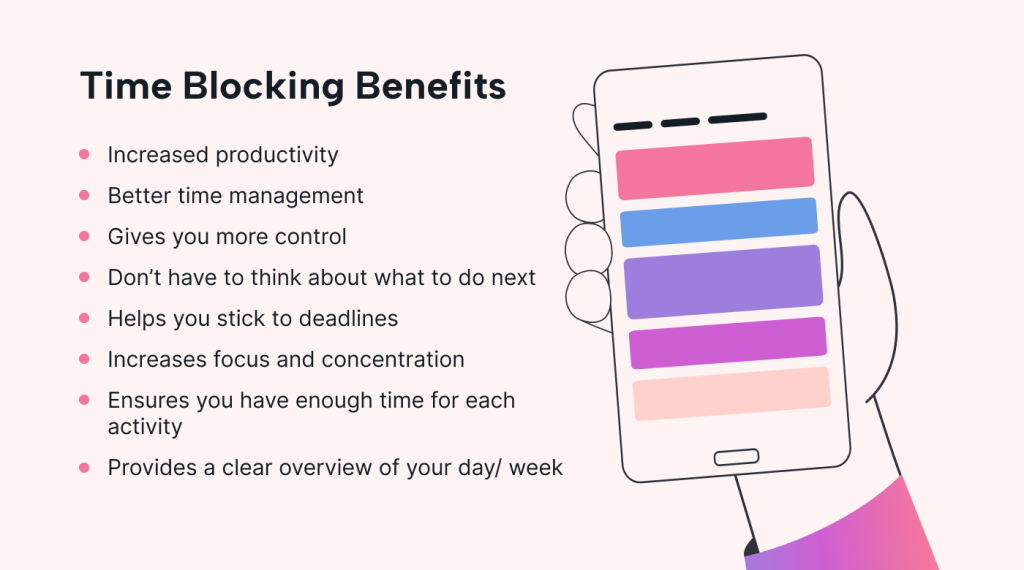
- Time consistency helps build your habit – same time every day
- If you feel like you don’t have time for things, time block. See how much time you are spending on your phone each day instead.
- Prioritize waking up earlier and doing a morning routine, or work on your routine right away when you get home from work.
- Grocery shop and meal plan and prep on one of your days off.
- Nighttime routine- get meals ready for the next day.
- Focus on having a short routine and long routine. Short routine for nights you work late, are exhausted, and don’t have much time – pick 1-3 things that are crucial for your success the next day (scheduling workout, washing your face, setting out clothes). Long routine for days you aren’t stressed and aren’t getting home late (prepping food for next day, tidying room, reading before bed, washing your face, setting out clothes, etc.)
- Perfectionism – striving for flawlessness, holding excessively high personal standards, and having overly negative reactions to perceived mistakes and setbacks – can lead to a lot of self-criticism and rumination
- Root of perfectionism is deficit and lack – whole existence is to prove to other people that we are good enough, we have skills, we matter, and that we are high-functioning.
- Perfectionism can be linked to imposter syndrome. If you’re trying to project a perfect person all the time to others, you might feel like an imposter.

- Combat perfectionism
- Mindfulness – Be present in the moment and understand the emotions that are going on within you – passing thoughts and passing emotions.
- Meditation
- Vulnerability
- Self-compassion
- Radical acceptance – we can’t control everything. We need to do the best with what we have.
- Focus on balance and progress over perfection with finances.

- Have a growth mindset. See mistakes as learning opportunities. We can always strive to get together while also being kind and compassionate to ourselves and those around us.
- Tips:
- Just get started. Don’t put off working on your finances and tracking your net worth and expenses just because you are afraid to see the results.
- Focus on the things that you need to improve around your finances and set realistic goals. Ex: improving credit score, paying off debt, increasing savings rate
- Learn from your mistakes. Recognize ahead of time that you will make mistakes and you can get better at this.
- Set consistent habits and automate things when you can.
- Avoid perfection paralysis. There is never a perfect time or perfect situation to start doing better. Don’t wait for the right time.
- Wake up twenty minutes before you have to. If your first thought when you wake up is, “I’m already behind” you are already living in a feeling that you need to catch up with time. Our language and our thoughts set how we feel. That thought will repeat itself for the rest of the day. If you start your day slower mentally and physically, you can maintain that momentum as it speeds up.
- Connect with yourself. What is the one thing you need to do for yourself today?
- Calendar – what is the one thing you need to do today to make it a great day?
- Check in with someone else.

- One device at a time: tv, laptop, phone. Your brain processes background noise. Limit your focus to one device at a time. Having a rule is better than not having a boundary.
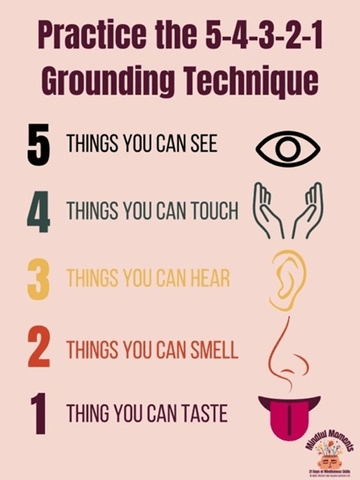
- Take thirty seconds when you enter a new room, new space, or a new part of your day to engage your senses. What can you see, hear, touch, smell, and taste?
- Obey the speed limit. One of the ways we feel the most out of touch is when we are driving. Is shaving off two minutes worth the risks of what you may experience?
- Be present with your breath. Breathe in for 4 and out for 4 counts. Reconnect with your breath and your body.
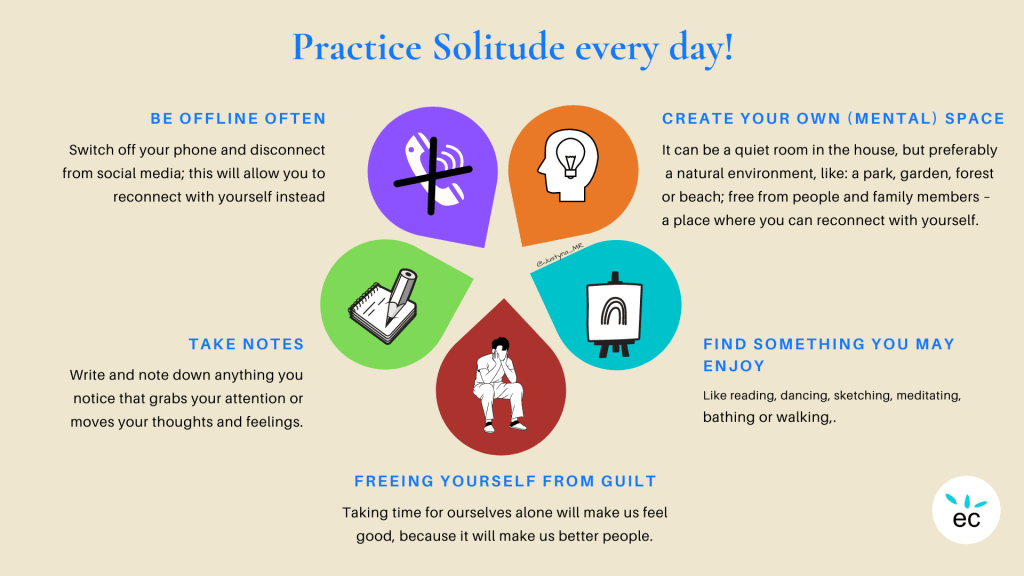
- Prioritize extended periods of silence – increases brain cells, helps you be more focused and productive, helps you relax and slow down
- Experience nature – gives us a feeling of time abundance, sense of time is slower and more meaningful
- Public parks and beaches
- Field day with friends – three-legged race, water balloon toss
- Park programming – events calendar
- Penny date – explore things without an objective. Take a coin, pick a direction for heads and tails, and flip the coin and see what direction it takes you. Stop when you see something interesting.
- Go to the farmer’s market.
- Parades
- Coloring book and colored pencils
- Open mic nights/poetry slams
- Museums – some museums offer free admission on certain days
- Recreate a family recipe.
- Themed hangouts – pick a theme and invite people over
- House/apartment swap with a friend
- Go to an open house, even if you aren’t in the market
- Go to the mall and try on silly outfits
- Write your future self a letter

I look forward to reading, learning, and sharing more with you soon!
 Read Learn Share