I read six books in December, some of which were short and easy reads. Here is a blurb of each of the books I read in December.
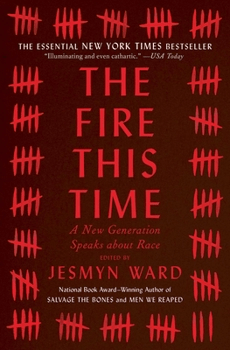
“The Fire This Time: A New Generation Speaks About Race” was edited by Jasmyn Ward, an author and associate professor of Creative Writing at Tulane University who has won several writing awards. This book demonstrated the power in words – the power in asserting our existence, experience, and lives through words. This book was selected as a book club read for my employer. Here are some quotes that stood out to me:
[During an internship at a magazine that was more than 150 years old] “Sometime during the end of my first week, a chatty senior editor approached me in the corridor. During the course of our conversation, I was informed that I was almost certainly the first black person to ever intern at the magazine and there had never been any black editors. On good days, being the first black intern meant having my work done quickly and sounding extra witty around the water cooler; it meant I was chipping away at the glass ceiling that seemed to top most of the literary world. But on bad days I gagged on my resentment and furiously wondered why I was selected. I became paranoid that I was merely a product of affirmative action, even though I knew I wasn’t.”
“I accepted the reality that the historic colonial houses – now the business residences of attorneys, hairstylists, insurance agents, and doctors – were considered by more people to be more valuable than the bodies below them.”
“Empathy requires us to dig way down into the murk, deeper than our own feelings go, to a place where the boundaries between our experience and everyone else’s no longer exist.“
Rules of walking – “no running, especially at night; no sudden movements; no hoodies; no objects – especially shiny ones – in hand; no waiting for friends on street corners or standing near a corner on the cellphone lest I be mistaken for a drug dealer“
This book provided thought-provoking perspectives of race and minorities.
4 out of 5 stars
“Employment Law: A Very Short Introduction” was written by David Cabrelli, the professor of Labour Law at the University of Edinburgh and the author of 5 books. This book contained a decent overview of employment law, and I learned about other countries; however, I learned much more in my Employment Law class this semester. Here are some main points:
Employment contract = employment relationship and rights. No employment contract = no employment relationship and rights. The various roles governing the constitution, classification, variation, contact, performance, suspension, and termination of the employment relationship are all derived from contract law.
There is a rise of atypical workers in the labor markets of advanced Western economies, such as the U.S. These independent contractors work very flexibly and as and when they want and often suffer from low pay, little or no job protection or security of earnings, and are subject to the control of those hiring their labor.
British legislation enacted in 1971 protects employees from unfair dismissals. The USA remains an exception to most countries. The USA has an employment-at-will doctrine, which safeguards the liberty of the employee to resign and find another job without liability and allows the employer to discharge the employee without sanction.
One thing that stood out to me, that I hadn’t considered previously, is the quote that “Employers operating at below a living wage are free riding on the back of the public purse.”
This book was a very general overview of employment law, but other books cover much more information.
3 out of 5 stars
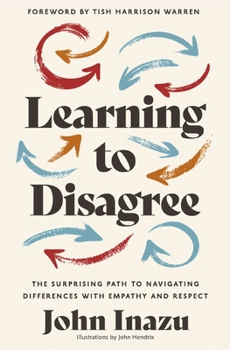
“Learning to Disagree: The Surprising Path to Navigating Differences with Empathy and Respect” was an insightful book written by John D. Inazu, a Distinguished Professor of Law and Religion at Washington University in St. Louis. Multiple studies have shown that Americans have a growing disdain for those who differ from them politically and ideologically. We deride our political, religious, and ideological opponents as dangerous or evil and retreat to digital foxholes. This book is a necessary read for many people and a reminder to treat people as humans. Here are some main takeaways:
Good lawyering requires empathy for adversaries. You don’t have to like the other side, but you do have to understand them. How are you going to persuade a judge that you have the better story? The better you understand the other side of an argument, the better you can critique it and the more strongly you can defend your own position.
Assume the best of someone to open the door to deeper understanding and an opportunity to learn from those who see the world differently. Distinguish people from the ideas they hold. Other people are humans with whom you share many things in common. That doesn’t mean you will always share – or even respect – their ideas.
Recognize the limits to your knowledge and understanding. Embrace the likelihood that you won’t be able to convince everyone who thinks differently that you are right and they are wrong.
Well-intentioned people can have differing beliefs without being evil. In a country as large and diverse as the United States, every one of us holds beliefs and opinions that other people think are beyond the pale.
Practice repentance, grace, and forgiveness.
I highly recommend this book and will post a more detailed book blog about it sometime.
5 out of 5 stars
“About Time” is a book of poems by Neil Hilborn, a best-selling author and the most-watched poet ever (with over 150 million views). Neil has performed in 41 states and 8 countries. Neil is one of my favorite poets and is incredibly talented; with that said, I did not enjoy this book as much as his prior books. Here are some quotes that stood out to me:
“Ask the thoughts what they want: Why am I going to kill myself and if I do, go all the way to the logical end: Who will it hurt, what gets left behind, what good remains undone; dissect the bells, separate the ringing into a flat expanse and not the towering blaze telling you it is . . . “
“The Prozac makes me less tired but I’m still pretty tired but maybe that’s cause depression makes you tired.”
“I know why, but why is it that the pills will keep me alive but they give me enough to kill myself?“
To quote my favorite TV personality slash parasocial therapist slash mommy? Doctor Robin Zasio of Hoarders fame: You’ve got to feel it to heal it. As it relates to hoarding, I think she means that if you never throw out things you accumulate then you don’t have to deal with the emotional context around those things.
Many of the poems were somewhat depressing, but this poem provided humor.
4 out of 5 stars
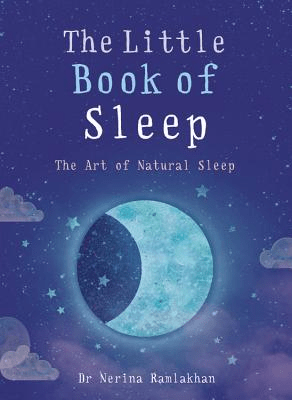
“The Little Book of Sleep: The Art of Natural Sleep” was written by Nerina Ramlakhan, a professional physiologist and sleep therapist for 25 years who runs sleep and wellness programs at Nightingale Hospital in London. This book was a quick, easy read. One description reads: “Drawing on Western science and Eastern practices, this beautifully illustrated guide to sleep teaches that, by making better choices in our waking hours, we can positively influence our sleep.” Here are some tips from the book.
Sattvic describes the type of sleep we should be getting – pure, deep, natural, and healing. This is the kind of sleep where you wake up feeling refreshed, filled with vitality, and looking forward to the day ahead.
The journey back to deep sleep is about working on yourself to create an inner core of safety and making lifestyle choices that will help your nervous system to recalibrate and shift back into safety mode if you’ve been running on survival mode.
Tips:
Eat within 30 minutes of waking.
Reduce your caffeine intake to less than 300 mg per day. The half-life of caffeine is 5 hours. Avoid any caffeine until you’ve eaten.
Drink plenty of water.
Take breaks from technology. Withdraw from technology an hour before you get into bed. Don’t keep your phone in your bedroom or watch TV in bed.
Create a sanctuary in your bedroom. Think soft, relaxing colors, essential oils, and cool and well-ventilated.
Try breath awareness exercises.
Increase your oxytocin levels by expressing your feelings, getting a massage, hugging someone, stroking your pet, and engaging in activities that make you feel at your best, happy, and carefree.
4 out of 5 stars
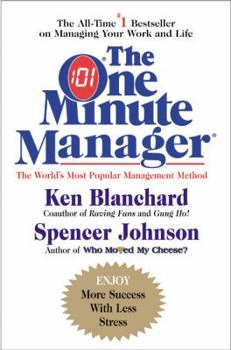
“The One Minute Manager” was cowritten by Ken Blanchard and Spencer Johnson. Ken Blanchard is a prominent, gregarious, sought-after author, speaker, and business consultant. Spencer Johnson, M.D. is the author or coauthor of numerous New York Times bestselling books. This book was an insightful and easy read, although it could have been more concise. Here are the main habits of a one minute manager:
One Minute Goal Setting – set goals with their people to make sure they know what they are being held accountable for and what good performance looks like
One Minute Praising – try to catch their people doing something right so that they can give them a One Minute Praising
One Minute Reprimand – reprimand people immediately and tell people specifically what they did wrong then remind them how much you value them and reaffirm that that you think well of them but not of their performance in this situation.
I look forward to reading, learning, and sharing more with you soon!
My intention is to post a Thoughtful Thursday column each week and share some of the insights I have learned in the past week. Here are some of the things I’ve learned this week:
Psych2Go – 11 Things You Should Say “NO” To
Toxic people – toxicity breeds negativity
People who make you feel unsafe –you have the right to feel safe and not on edge
People who disregard your emotional wellbeing and feelings –you deserve to have the freedom to express your feelings
Situations that make you feel unwanted –you are worthy
Negative self-talk –be reflective rather than critical
Comparing yourself to other people –everyone is different and unique, and everyone has their own flaws, abilities, and strengths
Bad partners –you have no obligation to stay in a relationship
Resisting growth and healing –you are your own masterpiece, and you can own every aspect of who you are
Needless waiting –you can’t recover your wasted time.
Letting other people’s opinions determining your worth –people will always have an opinion of you. Opinions are not facts.
Shrinking yourself to fit in –you’re missing out on the opportunities to grow and reach your greatest potential
Say no to the things that aren’t serving you so that you’ll be saying yes to a clear mind and happier life surrounded by more love and light.
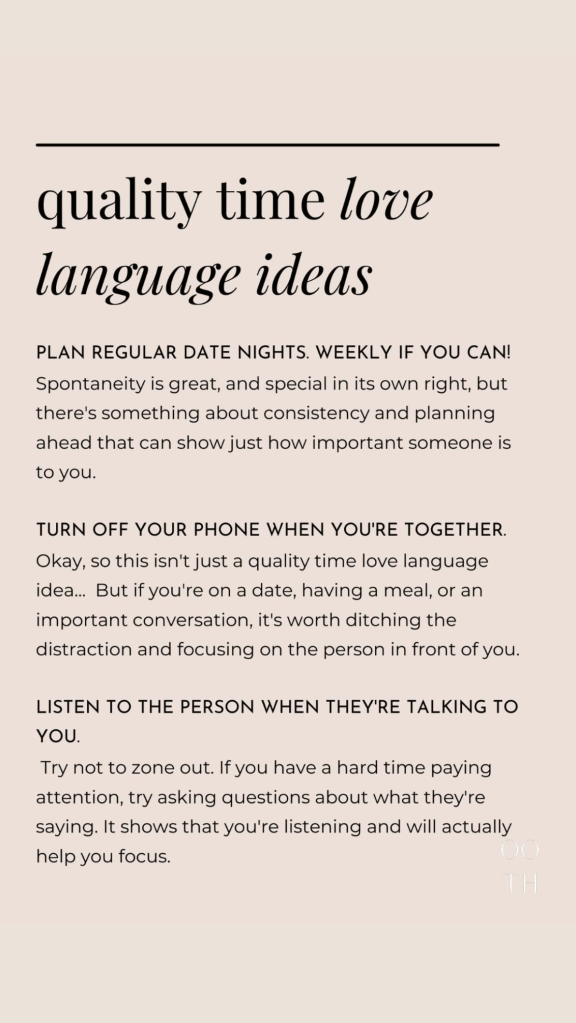
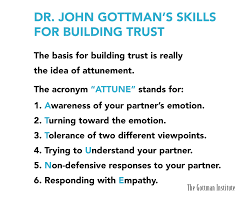
Optimal Relationships Daily – Learning Better Marriage Communication Tools
Take more couple time alone – uninterrupted time for just the two of you.
Manage your own irritability and stress. Take care of your health and get adequate sleep.
Use your everyday life to reduce stress. Tune in as your partner talks about their day:
frustrations and irritations
the things they are proud of
the unpredictable events or people in our lives
Couples learn, over time:
They learned the cast of characters in each other’s lives.
They learned more about the worries and pressures each faced.
They offered no advice, criticism, solutions, or suggestions.
Instead, they offered a supportive listening ear, true friendship and empathy, and support and validation.
Ask for an ally, not a problem-solver.
Use touch to effectively communicate. Actions speak louder than words. Show you care.
Tune in to dreams, hopes, and aspirations. As you learn your partner’s dreams, hopes, and aspirations, both of you will feel more connected.
Life Kit – Popular myths about sleep, debunked
Myth: it doesn’t matter what time of day you sleep.
Truth: It does matter. Your circadian rhythm is influenced by natural sunlight in your environment. We need to get exposure to natural sunlight. Blackout curtains and wearing sunglasses on the way home in the morning (shift work) can help your circadian rhythm if you are a shift worker.
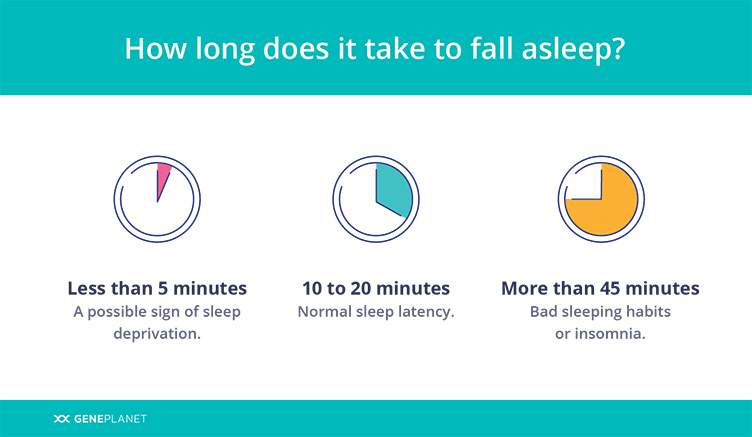
Myth: Being able to fall asleep any time, anywhere, is a good thing.
Truth: It takes a well-rested, healthy person 15-20 minutes or longer to fall asleep. Being able to fall asleep right away generally means you aren’t getting enough sleep.
Myth: One night of sleep deprivation will have lasting negative effects.
Truth: One night of sleep deprivation can happen from time to time and is normal. Try to get back on track as fast as possible.
Myth: Many adults only need 5 hours of sleep or less per night for general health.
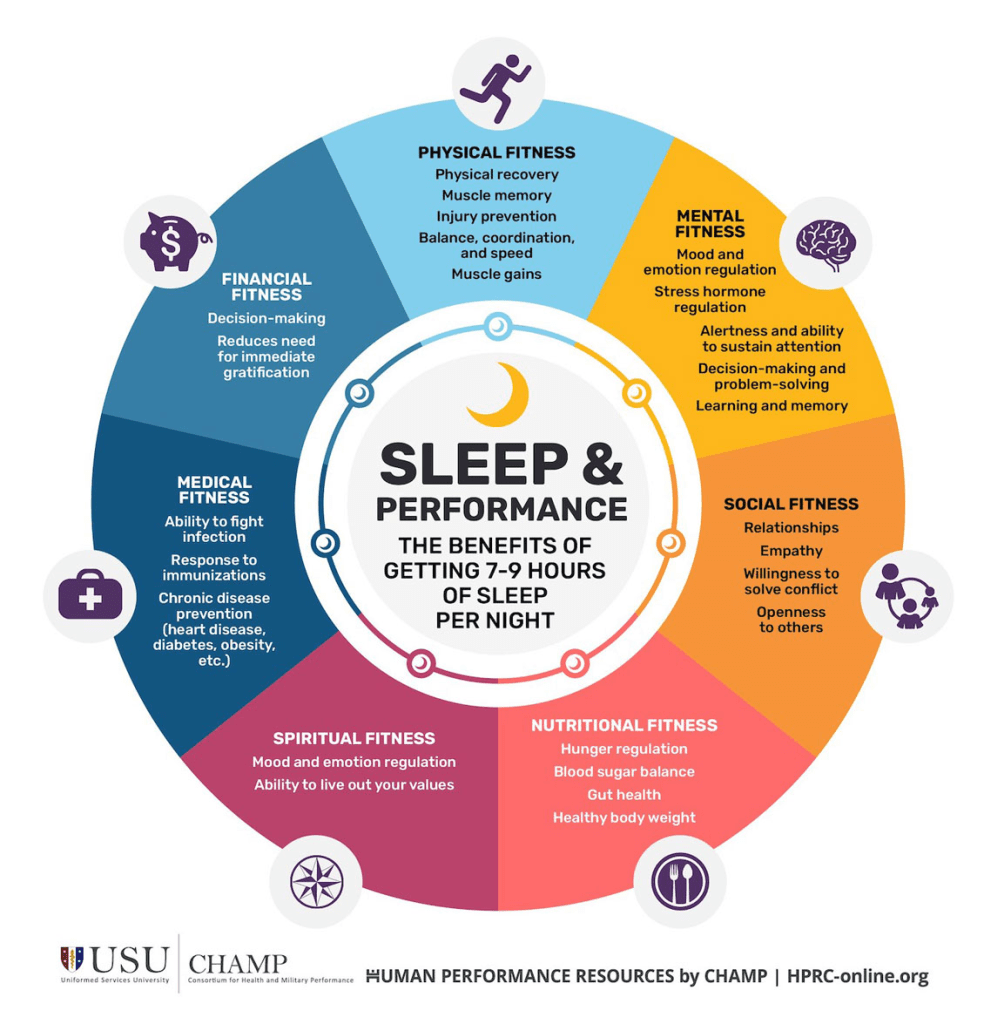
Truth: Not getting enough sleep can result in compensatory naps. Sleeping for 7-9 hours each night is best for optimal health and well-being – improved heart health, longevity, brain health, etc.
The best way to get into the recommended range is to start adding 15 minutes to your overall sleep routine and add more sleep time as needed until you wake up feeling refreshed and have energy through the day without reaching for coffee or energy drinks.
Watching tv is not recommended before bed. Reduce screen time.
Make sure your bedroom is under 70 degrees when sleeping. Increasing temperatures results in more nightmares and more tossing and turning.
Myth: Exercising within four hours of bedtime will disturb your sleep.
Truth: Data does not back this up. Exercising can result in better sleep. Exercise releases endorphins, which are mood elevators and can help with the number one cause of sleep difficulties, which is stress.
Talks at Google – Shelmina Babai Abji – 8 Strategies for Women to Emerge as Leaders at Work
What value am I going to create? What is it that I would know that they don’t already know? Speak up. You have ideas that matter.
Scan your mental chatter and intentionally pick a response that will allow you to show your worth. You are hired for one reason: the value you create towards the success of your organization.
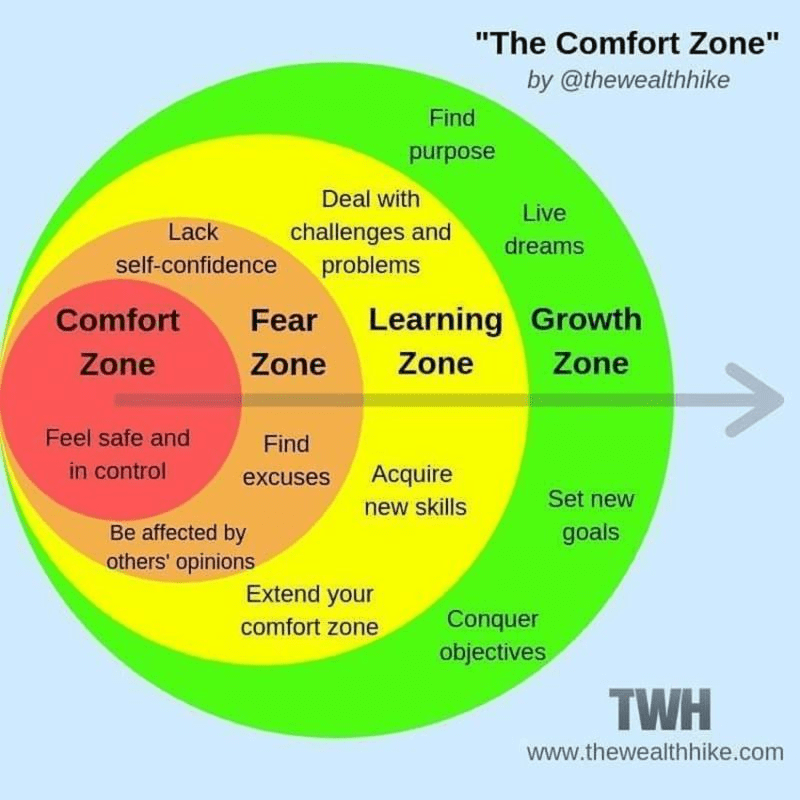
Intentionally seek assignments that push you out of your comfort zone, that challenge your current competence, and that build new competence. The more competence built, the higher the value you create for your organization. The best way to build more competence is to step outside your comfort zone.
Listen and learn. When you step outside your comfort zone, if you’re not stumbling, you’re not pushing yourself hard enough. You’re learning as you’re stumbling.
Look back at who you were before you learned so much. Look at how far you’ve grown.
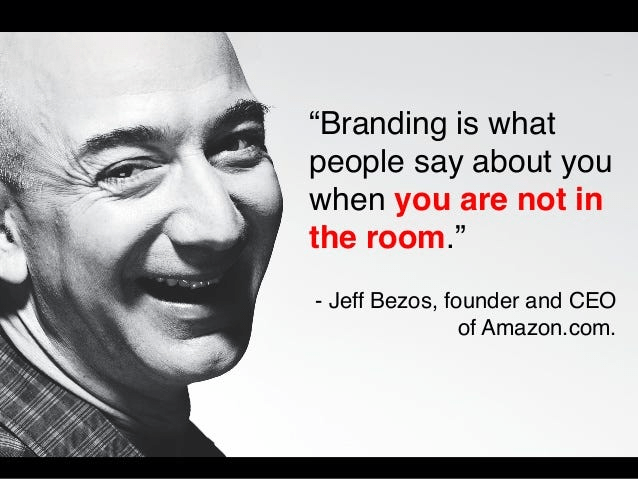
Who knows you? How are you known? The conversation about people that people are having in the room while they aren’t present is determining their career projection. The way people talk about you when you aren’t in the room is your personal branding.
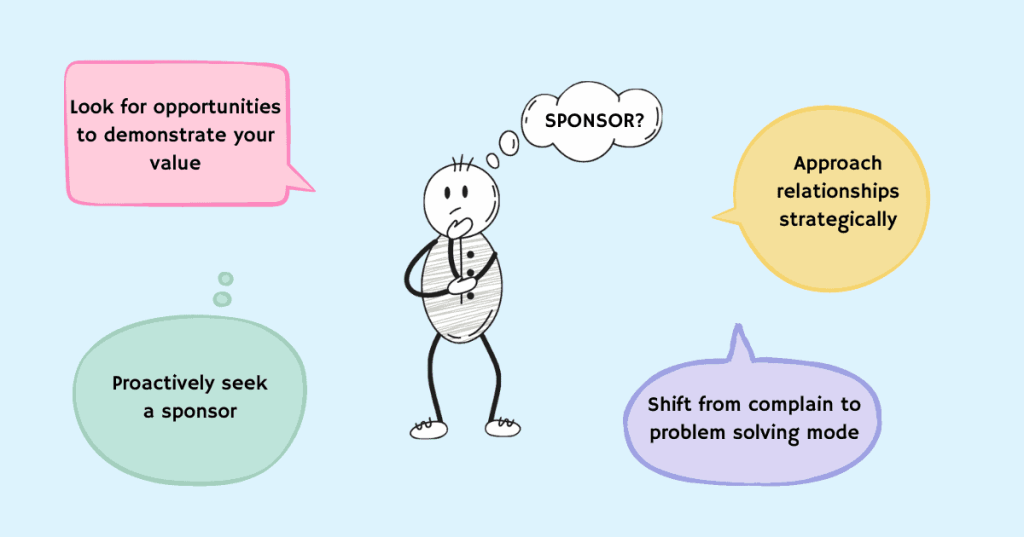
Panel interviews – the person who gets the job depends on who around the table advocates for them. Find “sponsors” who will advocate for you.
Create a personal success plan. Every week, set aside time to reflect on what you’ve learned and what successes you’ve had in the last week.
Surround yourself with people who are celebrating you, or you become your own cheerleader. Don’t wait for anyone. Recognize that you have worked so hard to be where you are and achieve what you’re doing.
Focus on what you can control. Do not expend your time and energy on what you can’t control. Uncertainty is always going to be there.
You have limited energy and limited attention, and you get to decide where you’re going to allocate your energy and attention. Always be asking: Is this worthy of my attention? Should I be doing this task? Will it move me closer to my definition of success? Will it contribute toward the success of my organization? If not, learn to say no. Structure your days around your highest priorities.
Saying no can show people that you respect your attention, time, and energy. When you respect yourself, others will respect you.
When you go into a meeting, set intentions. If you don’t set intentions, you will be driven by someone else. When you become intentional, you will not let their behavior drive your behavior. Behave in alignment with the brand you want for yourself. Show up as a leader no matter what. If you show up as a leader when the conversation is highly emotionally charged, people will remember that.
Be very intentional about who you seek advice from. If you have a mentor who is not challenging you, who is not contributing to your growth, or who does not have the capacity to advise you to move forward, you are blocking your success. Have multiple people you seek advice from and seek “sponsors” who support and advocate for you.
**Note that this podcast did not actually cover the eight strategies expanded upon in her book.**
Self Improvement Daily – Defeating Perfectionism
Perfectionism is an avoidance tactic and a form of self-sabotage. Perfectionism can lead to indecision, the limiting belief that you aren’t good enough, and never accepting something as finished. In order to overcome perfectionism, you need to take imperfect action and overcome self-sabotage to become that next, better version of yourself. That can only happen through taking action.
I have reflected on this quite a bit this week because it resonates with me.
Yesterday, January 17, marked one year at my job, a job I love and am passionate about. Yesterday also marked the end of week two of my post-graduate paralegal certificate program, which has been very interesting and demanding so far.
I had been discerning being a criminal prosecutor for *years* since college, yet I was hesitant to accept my current (non-attorney) role due to ongoing health issues and uncertainty in the number of appointments and treatments I would endure. I accepted the job anyway, even though the timing wasn’t *perfect*.
This past year, in my position, I decided to gather more information and talk to actual criminal prosecutors at my job and ultimately decided not to pursue being a criminal prosecutor – something I had been thinking about for *many* years. A paralegal certificate program was never on my radar. In the process of conversation and achieving clarity, I decided to go for it and pursue a paralegal certificate, despite not having it all figured out.
The point is, I was uncomfortable and was waiting for the perfect time for everything: the perfect time to accept this job, the perfect time to gain clarity in my discernment process, the perfect time to start this paralegal program. Yet, if I had waited for the perfect time to take this job (when my ongoing health issues were resolved), I would not have come this far and discovered all I have. I would still be waiting. Boy, would my life be very different today if I had still been waiting for the perfect time to start.
I look forward to reading, learning, and sharing more with you soon!
My intention is to post a Thoughtful Thursday column each week and share some of the insights I have learned in the past week. Here are some of the things I’ve learned this week:
Self Care IRL – 7 Pieces of Advice That Will Change Your Mentality
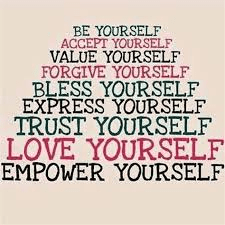
Celebrate your unique journey. You are a one-of-a-kind masterpiece. Celebrate your flaws as part of your unique story.
Conquer the comparison game. Comparison steals your joy and peace.
Embrace the power of now. Understand the true value of now and embrace each moment. Find joy in the little things and live a life filled with purpose and passion.
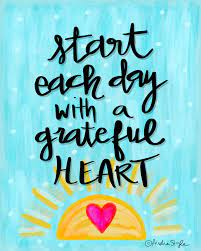
Cultivate a grateful heart. Gratitude is a mindset. Train your mind to always see the good in something to bring yourself more joy and reduce your anxiety.
5. Transform fear into action. When you do something you’re fearful of, you will boost your confidence and growth.
6. Build a vibrant community. Surround yourself with people who support you, challenge you, and inspire you to be better.
7. Empower yourself. You have the power to change your life. You can overcome adversity and achieve greatness.
The Mel Robbins Podcast – The Science of Your Gut
Bloated vs. gaining weight.
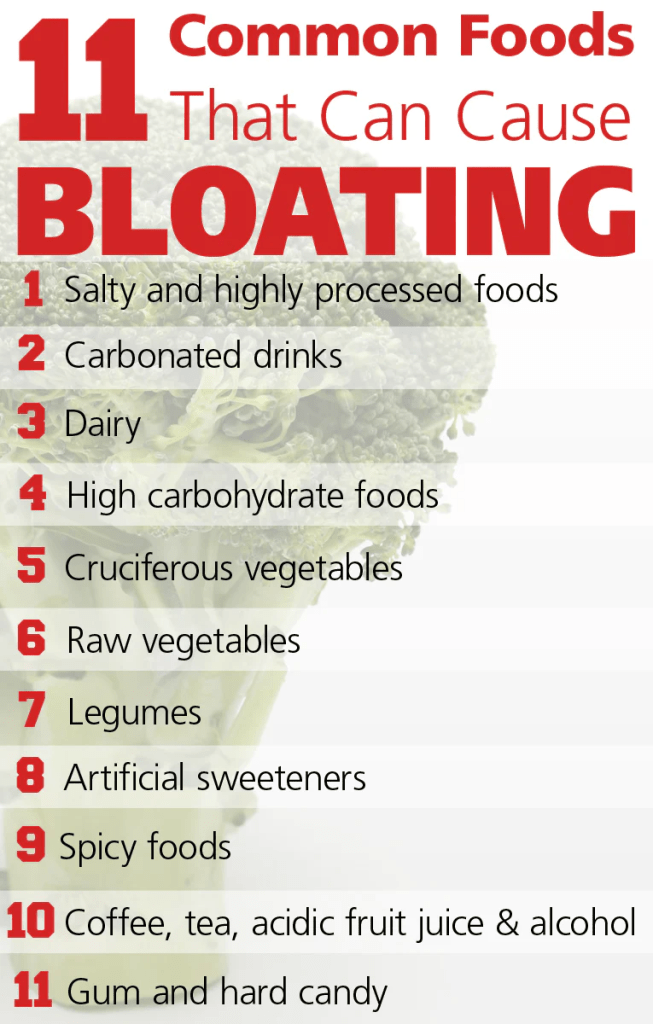
bloating= burping, farting, and/or constipation. When you’re bloated, your gut bacteria is off balance. The biggest tip when you are feeling bloated or distended is to not wear pants with buttons on them. Wear stretchy pants. Bloating can be caused by foods. Bloating can also happen when you’re swallowing a lot of air when eating too fast.
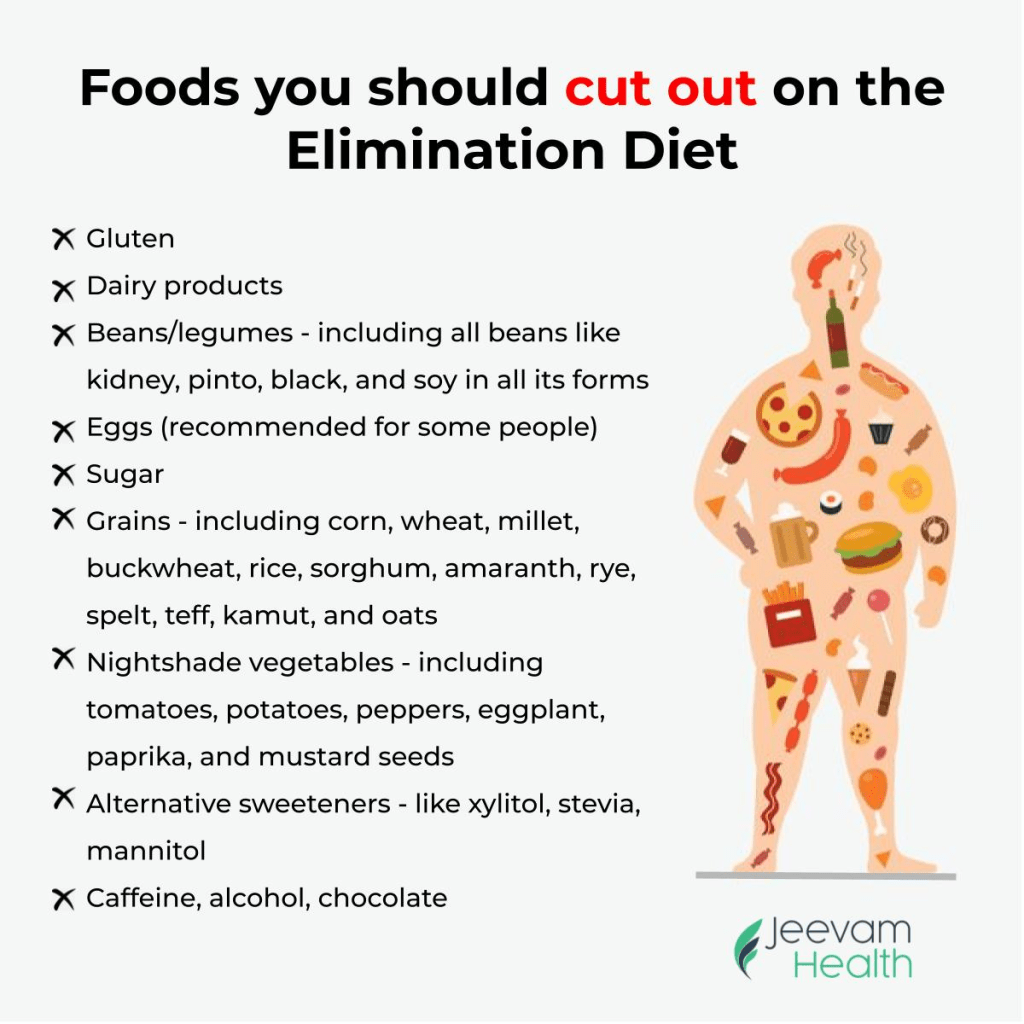
Foods that cause bloating in many people: brussels sprouts, broccoli, cauliflower, cabbage, sparkling beverages, gluten, dairy, artificial sweeteners, sugar, and alcohol
The gold standard for food-related gut discomfort is an elimination diet followed by adding that item back to your diet to see if that is causing your bloating.
If you’re already bloated, don’t go for raw vegetables like cauliflower and broccoli. This will cause further bloating.
Ibuprofen or aspirin will make you more bloated if you’re already bloated.
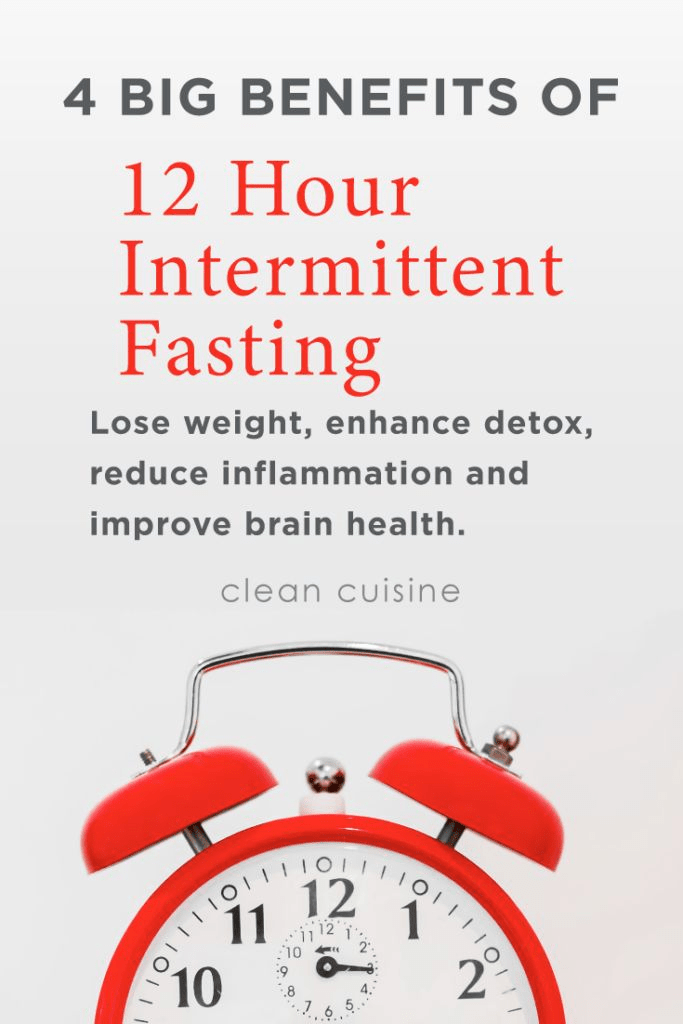
Give your gut more rest than the (up to) 8 hours you’re sleeping. Stop eating at least 2-3 hours before bed to give your gut more time to rest. Try to aim for 12 hours a day of giving your gut a rest from food.
Morning routine to reduce bloating: fasting (have I fasted for 12 hours?), fitness (any type of fitness, such as a 30-minute walk), then fermented and fibrous foods
The best form of debloating is exercise. Exercising in sunlight produces short chain fatty acids.
Your first meal of the day is your best chance to improve your gut and hormonal health. A perfect breakfast would be something like yogurt, nuts, berries, and ginger tea. A tofu or egg scramble with veggies is also great. Ginger and peppermint (even as a tea) can make your gut bacteria happy.
On Purpose with Jay Shetty – 8 Strategies for Deeper Sleep & Boosting Your Energy All Day
Location has energy. Time has memory. When you do something in the same place at the same time every day, it becomes easier.
Take the tv out of your bedroom so that you are not using your bedroom as a space for being wired into something. It’s important to use your bed for only sleep and rest.
Your sleep is impacted by how you live when you’re awake. Slowly drink warm water first thing in the morning to kick off your digestive process.
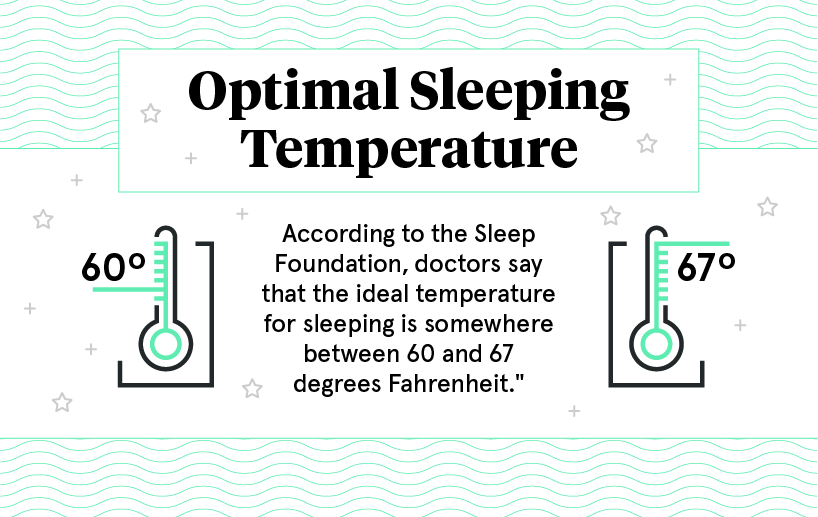
Two hours before bed, lower the thermostat to between 60-70 degrees Fahrenheit. The temperature in your room impacts your sleep.
Cave-like darkness – blackout blinds and no lights. Darkness helps to stimulate the production of melatonin, a hormone that helps you fall asleep and stay asleep until you complete all sleeping cycles. Darkness promotes relaxation, which helps you fall asleep quickly. The brain is very sensitive and can detect even the slightest amount of light and stop the production of melatonin, which plays a huge role in helping you get quality sleep.
Circadian rhythm – when you get bright light in the morning, it can help you feel more alert during the day and helps you fall asleep faster in the evening. If you’re exposed to bright light within two hours of your bedtime, it can make you less sleepy and fall asleep later. Get exposure to sunlight within the first hour of waking up.
Getting a good mattress plays a role in quality sleep. Find the right material and support for you. 5-7 years is the average life of a mattress.
Yoga nidra + deep breathing exercises to lower your heart rate, your blood pressure, and stress levels to help you drift off to sleep
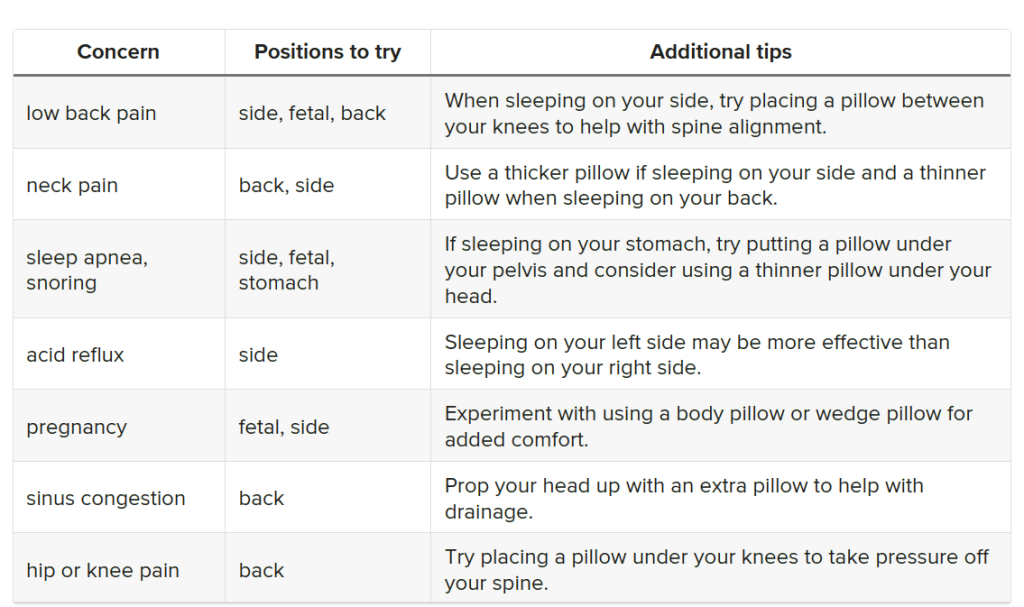
Know the best sleep positions. This chart is from Healthline.
Life Kit – How to make a better to-do list
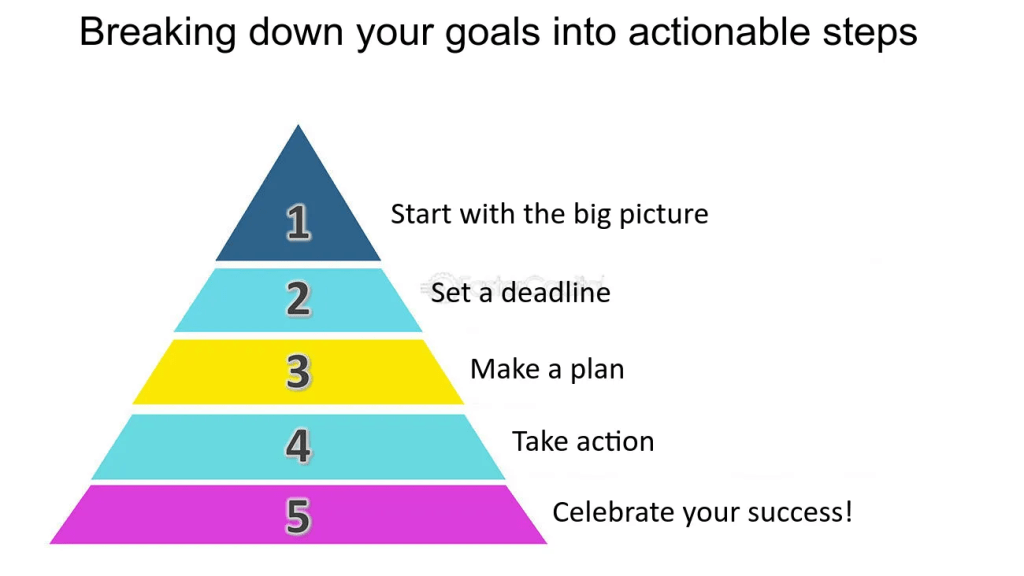
Decide what matters to you in this moment. Come up with a big picture goal and consider the one thing that would make everything easier or better.
What do I want to be? What do I want to experience? What do I want to have?
Once you have a goal, break it down into actual steps and deadlines.
Decide whether you will have a paper or digital to-do list and hourly or daily or weekly layout.
Block out scheduled time for the task!
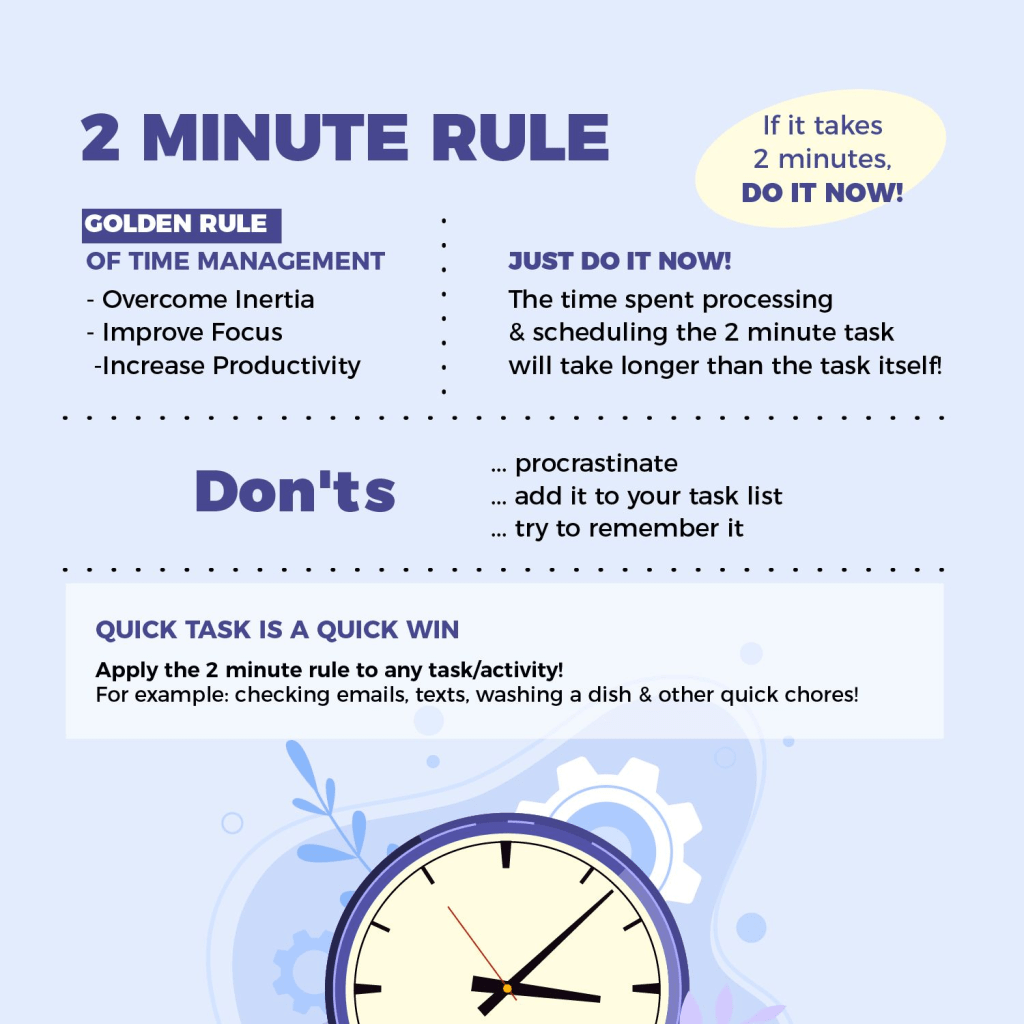
2-minute rule – if it takes less than two minutes, do it right then and there. Don’t add it to your list.
Limit your to-do list to four or five doable tasks at a time. Don’t add to it until you’ve checked something off.
Pick something to let go. When you choose what to fail at ahead of time, you’re really changing your mindset and won’t feel like you’re failing. You’ll see it as a reminder of your values in this moment and what you’ve committed to.
To-do lists exist to serve us.
Inside Out Money – Step-by-step path to grow wealth
Have some savings. Create a gap between your income and expenses.
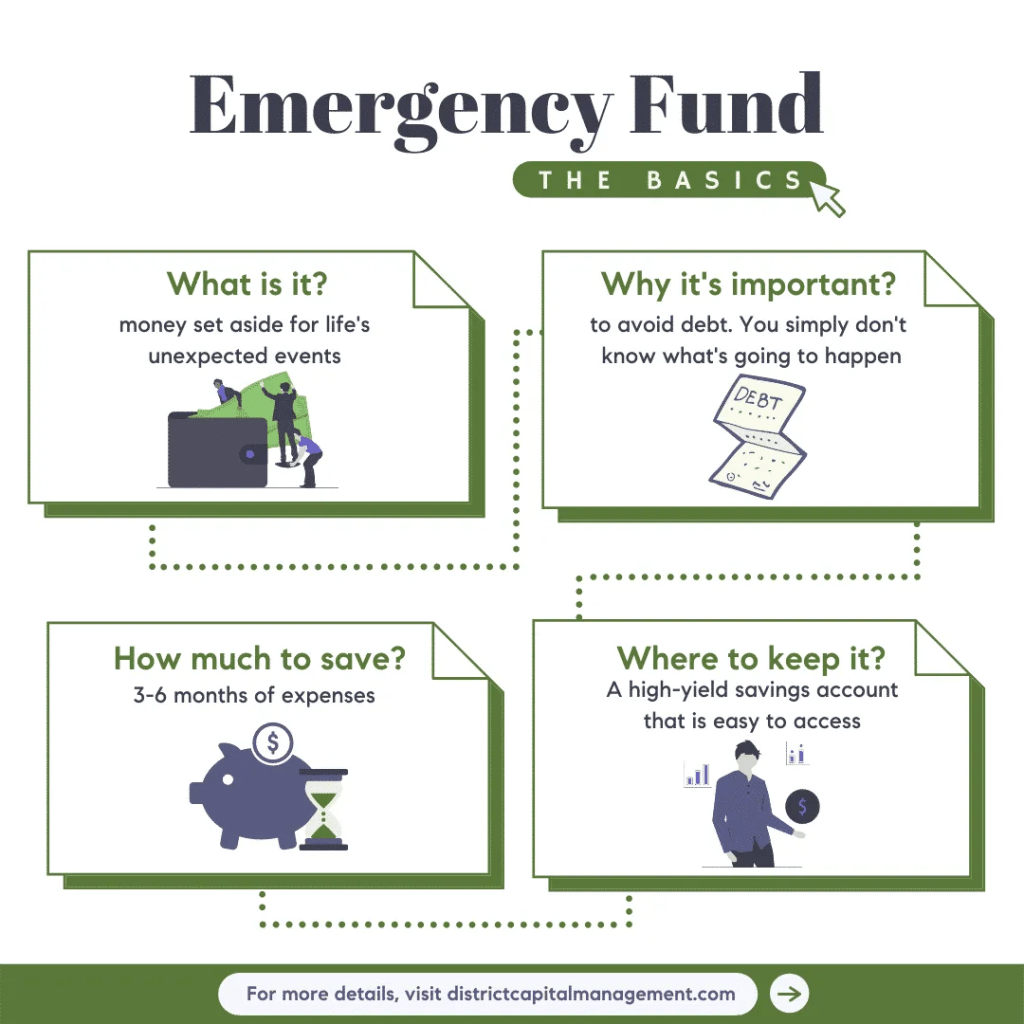
Have 6 months of expenses in an emergency fund in a high-yield savings account.
Pay off all your debts except the mortgage.
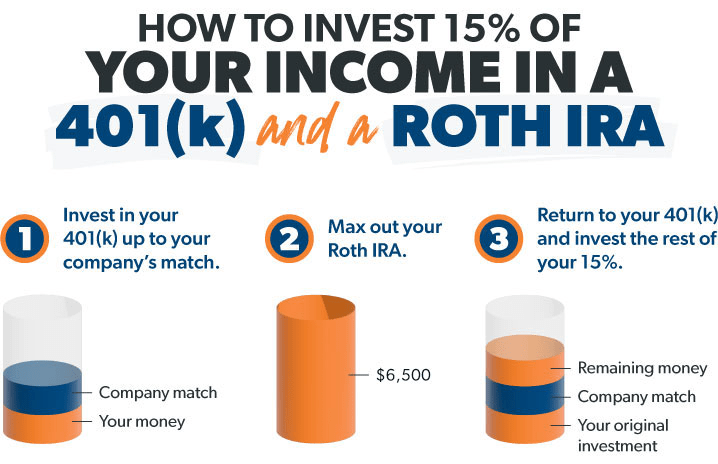
Contribute up to the company match in your company’s 401k.
Once you’ve contributed up to the company match, contribute to a Roth IRA
Once you’ve contributed the maximum amount to the Roth IRA, go back to contributing to your employer’s 401k and work toward hitting the maximum contribution. Most people are not able to contribute the maximum due to their incomes/expenses. I am in this boat!
If you have maxed out your 401k for the year, max out your HSA account if you are eligible for an HSA.
If you have kids and are contributing to college expenses, contribute to a 529 plan. Some parents try to target around $200,000 total for funding a 529 (college plan)! Others don’t contribute to a 529 plan. That decision is up to you.
The next step is to pay off the mortgage.
Once the mortgage is paid off, open a taxable brokerage account. Invest in low-cost index funds across a broad market.
The podcaster discourages listeners from investing in target-date funds. There are very large bond mixes in them and they tend to be conservative in their allocations.
I look forward to reading, learning, and sharing more with you soon!
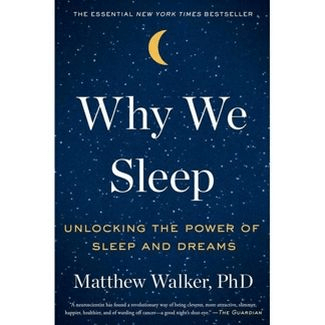
“Why We Sleep” written by Matthew Walker, PhD was one of my top 20 books I read in 2022. Matthew Walker, PhD is a professor of neuroscience and psychology at UC Berkeley and director of its Sleep and Imaging Lab. He has published more than a hundred scientific studies. This book was PACKED with information, and I will share some of the research I found most fascinating.
Contrary to what most people believe, you cannot “catch up” on sleep by sleeping in on the weekends. It takes much longer, and consistent sleep is vital. Getting too little sleep across the adult life span significantly increases your risk of developing Alzheimer’s disease and increases the risk of cancer development. Also, the less you sleep, the more you are likely to eat, and you increase your probability of gaining weight and developing Type 2 diabetes.
Poor sleep quality increases the risk of cancer development, and, if cancer is established, provides a virulent fertilizer for its rapid and more rampant growth.
Matthew Walker, PhD
Dolphins, whales, and some birds can sleep with half a brain at a time and remain alert with the other half! In flocks of birds, with the exception of the birds at the end of the line, the rest of the group will allow both halves of the brain to indulge in sleep, while the end of the line has 1/2 brain sleeping and 1/2 alert for threat detection! Wow!
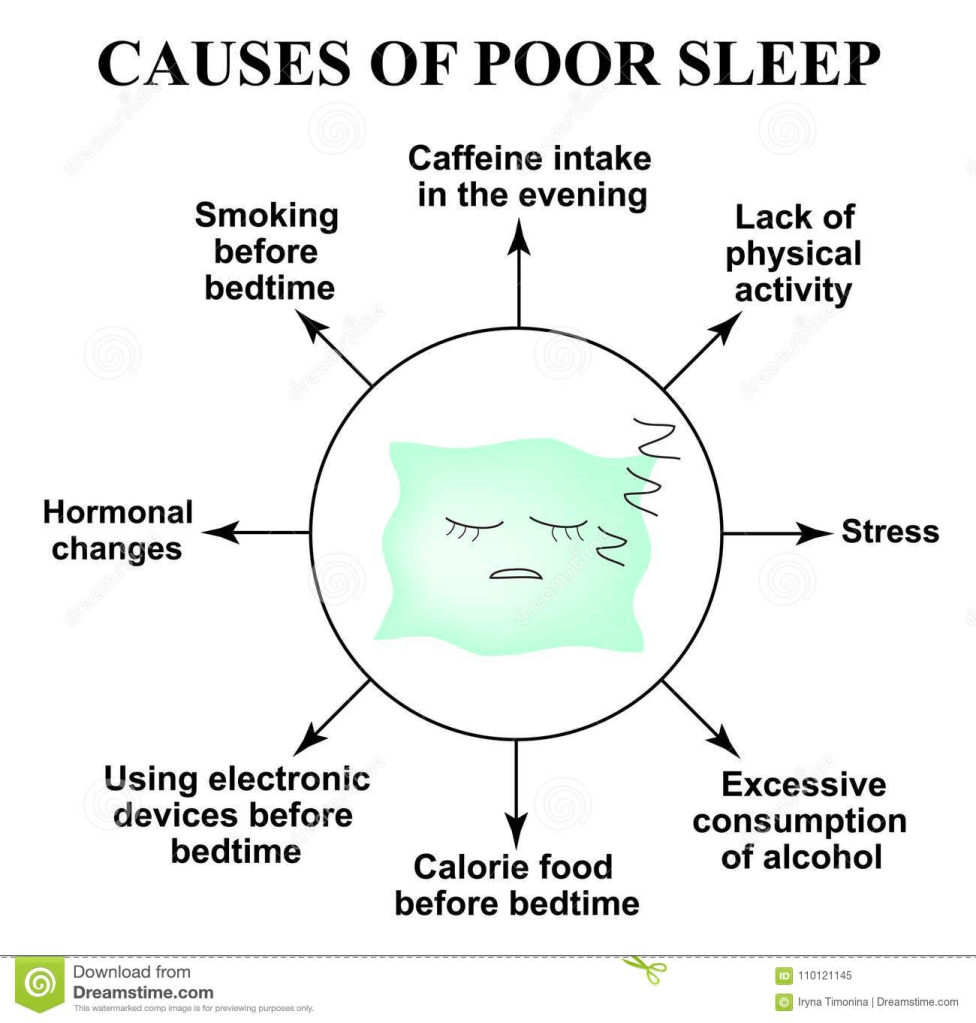
We use the term “half-life” when discussing a drug’s efficacy (length of time it takes for the body to remove 50% of a drug’s concentration). Caffeine has an average half-life of 5-7 hours, so any caffeine after noon will impact your sleep!
Decaffeinated does NOT mean uncaffeinated. One cup of decaf usually contains 15-30% of the dose of a regular cup of coffee!
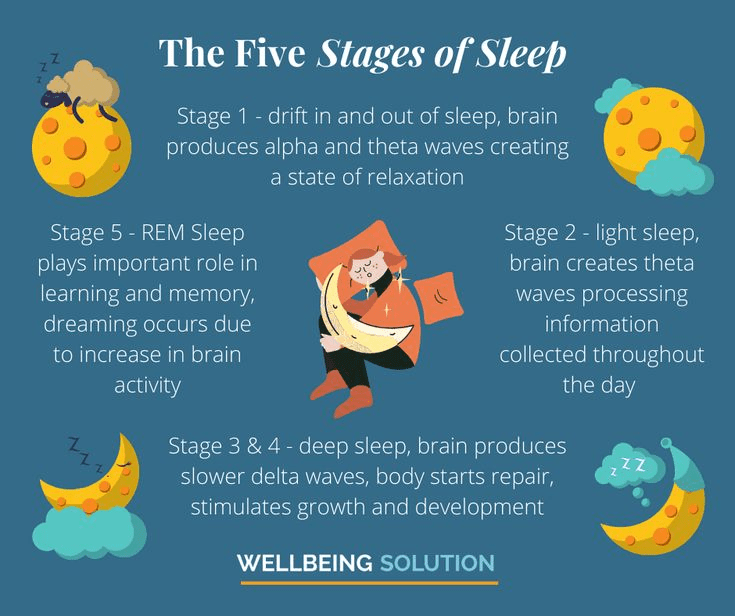
The different sleep stages play different roles in information processing. The wake state is focused on reception – experiencing and constantly learning the world around you. The NREM sleep state is focused on reflection – storing and strengthening those raw ingredients of new facts and skills. The REM state is focused on integration – interconnecting these raw ingredients with each other and with past experiences, resulting in innovative insights and problem-solving abilities.
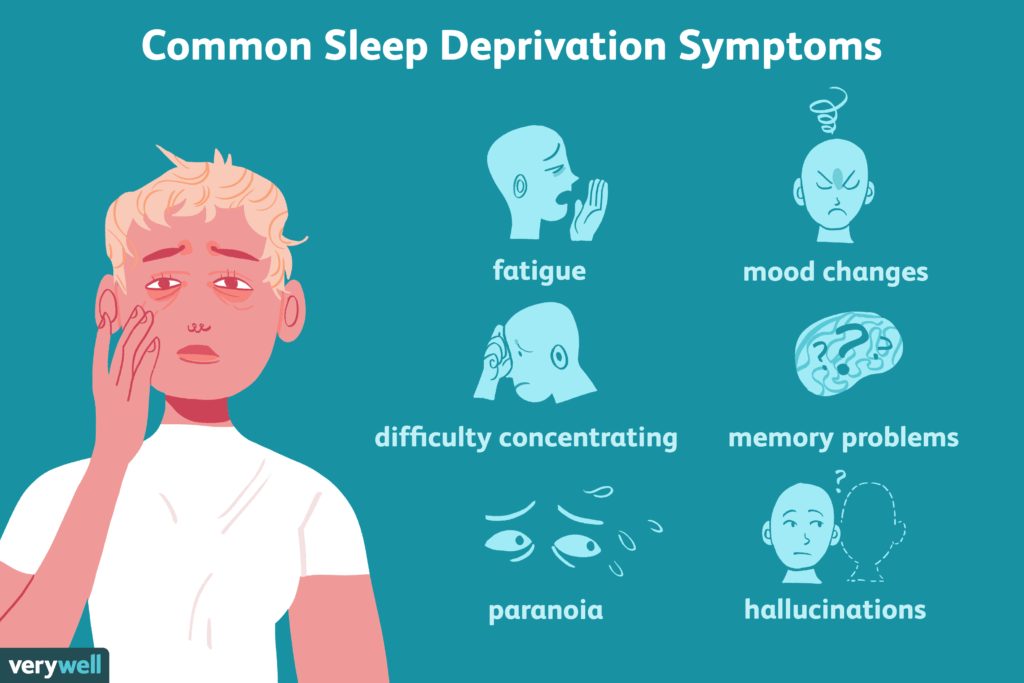
Some signs of insufficient sleep include not being able to get up on time without an alarm, having to read and reread sentences at your computer, and having standard ADHD symptoms of irritableness, moodiness, being more distractable and unfocused during the day, and having mental health instability.
Vehicle accidents caused by drowsy driving exceed those caused by alcohol and drugs combined! Driving drowsy is worse than driving drunk in that being drunk results in late response times in braking and maneuvering, whereas falling asleep results in not reacting altogether.
5 key factors have powerfully changed how much and how well we sleep: constant electric light/LED light, regularized temperature, caffeine, alcohol, and a legacy of punching time cards. This book mentioned that Edina, MN schools were one of the first to experiment with shifting the start time and reported much higher scores on SATs. Other schools have reported better GPAs.
This book also briefly discussed some sleep disorders such as insomnia and narcolepsy. Fatal familial insomnia is a rare sleep disorder caused by a mutation on chromosome 20, which makes the protein insoluble. When it converts, the protein causes plaque to form in the thalamus, which is the region responsible for the regulation of sleep. Fatal familial insomnia has no treatments or cures! I did find it interesting that Prazosin, a medication used to treat high blood pressure, is used in the treatment of repetitive trauma nightmares.
Tips for better sleep:
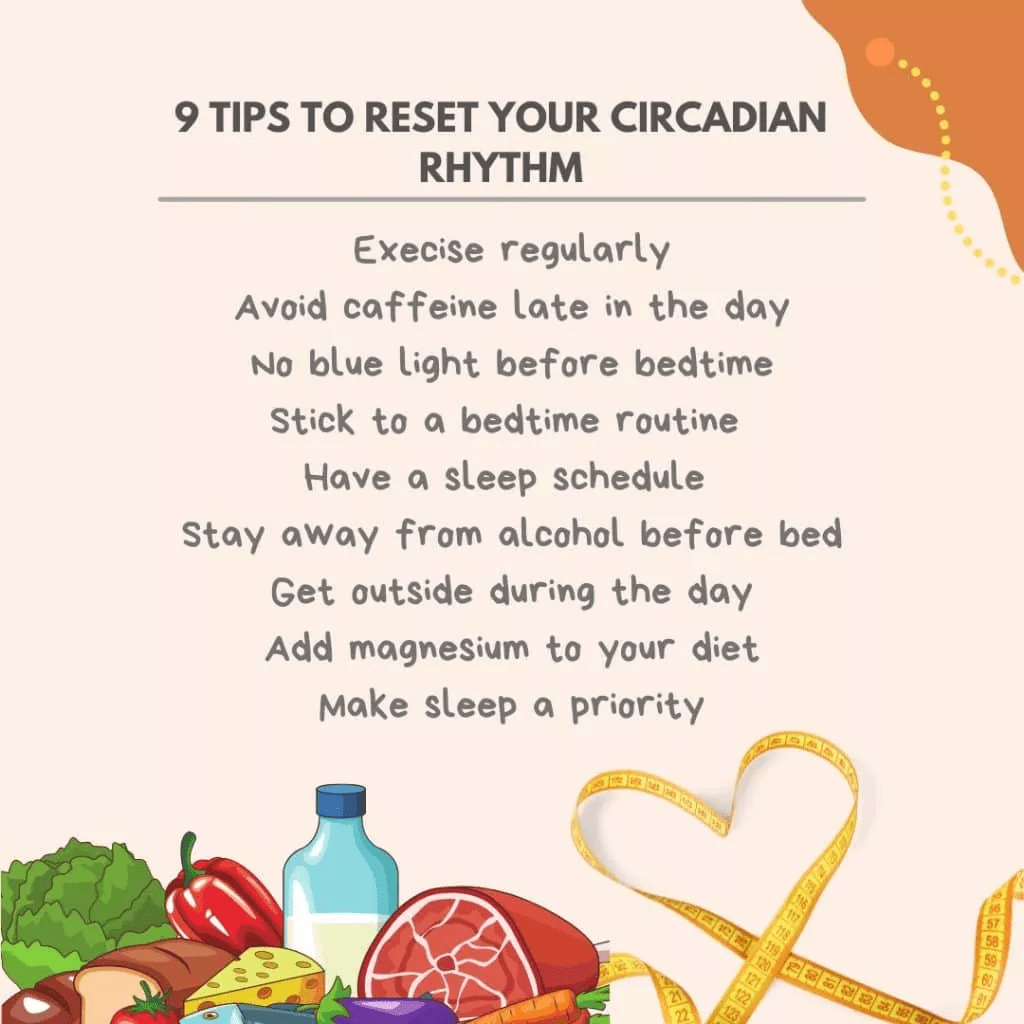
Stick to a sleep schedule. Wake up and go to bed at the same time each day, including weekends.
Try to exercise at least 30 minutes on most days but not later than 2 or 3 hours before your bedtime.
Avoid caffeine in the afternoons/evenings and avoid nicotine.
Avoid alcoholic drinks before bed. Heavy alcohol ingestion robs you of REM sleep and disrupts your breathing at night.
Avoid large meals and beverages late at night.
If possible, avoid medications that delay or disrupt your sleep. Some commonly prescribed heart, blood pressure, and asthma medications, as well as some over-the-counter and herbal remedies for coughs, colds, and allergies can disrupt sleep patterns. Talk to your doctor or pharmacist if you are having trouble sleeping to see if any of your medications may be contributing.
Don’t take naps after 3 p.m.
Relax and unwind before bed. A relaxing routine, such as reading or listening to music, should be part of your nightly routine.
Take a hot bath before bed. The drop in body temperature after getting out of the bath may help you feel sleepy.
Your bedroom should be dark, cool, and gadget-free.
Get sunlight exposure during the day. Daylight is key to regulating daily sleep patterns.
Don’t lie in bed awake. If you can’t fall asleep after 20 minutes, get up and do a relaxing activity until you feel sleepy. The anxiety of not being able to sleep can make it harder to fall asleep.
I learned SO much from this book, and I am just covering the tip of the iceberg. I definitely don’t currently practice all of the tips mentioned in this book, but I look forward to implementing some of them for better sleep and more energy!
I look forward to reading, learning, and sharing more with you soon!














 Read Learn Share