I read six books in October, two of which were short poetry books. Here is a blurb of each of the books I read in October.
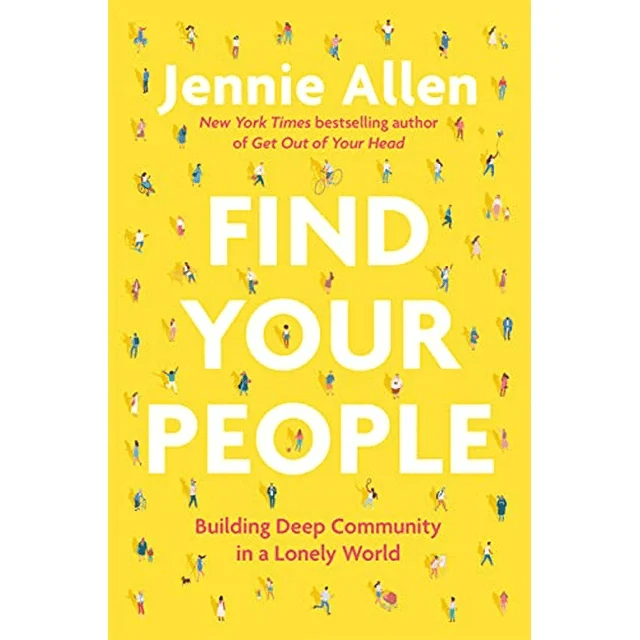
“Find Your People: Building Deep Community in a Lonely World” is a Christian book written by Jennie Allen and is filled with stories, science-based insights, and practical ideas for building deep community. I had several takeaways from this book, but here are just a few.
5 out of 5 stars
“We’re all just kind of waiting for connection to find us. We’re waiting for someone else to initiate and be there for us. We’ve replaced intrusive, real conversations with small talk, and we’ve substituted soul-bearing, deep, connected living with texts and a night together every once in a while. Quit waiting for people to reach out to you. Start initiating and asking people the questions you wish they’d ask you.”
Factors to look for in friendships include availability, humility, proximity, transparency, consistency, accountability to others, and a shared purpose.
Some ideas for building friendships:
invite friends to bonfires
plan get togethers
intentional, active listening
affirm your friends
ask your friends about the highs and lows of their week
join a club
ask deep questions
listen
share the real stuff
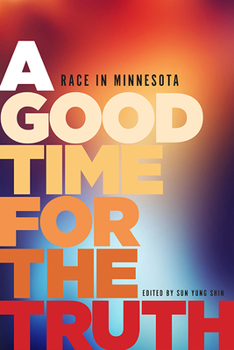
“A Good Time for the Truth: Race in Minnesota” is a collection of stories of what it’s like to live as a person of color in Minnesota, was published by the Minnesota Historical Society Press, and was edited by Sun Yung Shin.
4 out of 5 stars
Here are some quotes that stood out to me:
“[People] unconsciously believe you are unfit to mother your own child simply because you are a Black woman.”
“Sometimes I catch myself staring at my son, wondering what he is going to do when someone gives him a piece of paper with boxes on it and asks him to check the box saying who he is – if he is going to pause before marking “Black.” As I do. Because Black is not a race.”
“To be a Korean adoptee in Minnesota is to be both hypervisible and invisible at the same time. It means that people can tell you they don’t see you as Korean as if that is a compliment.”
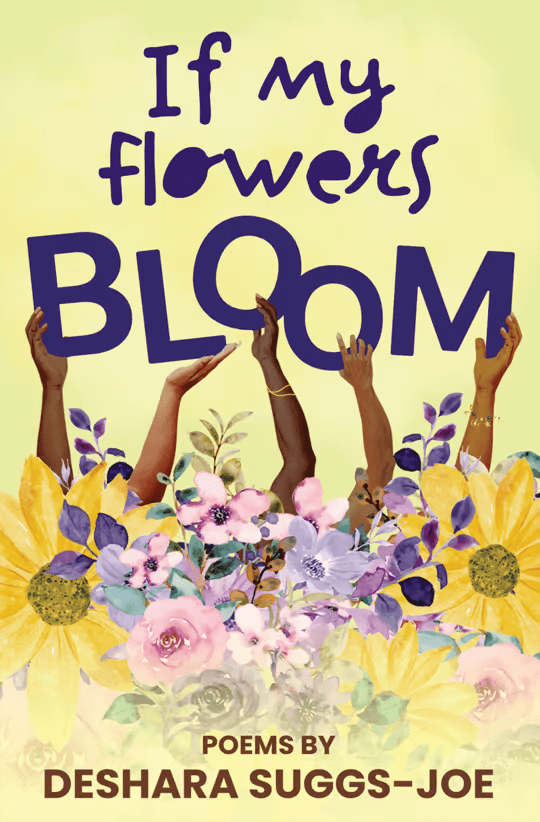
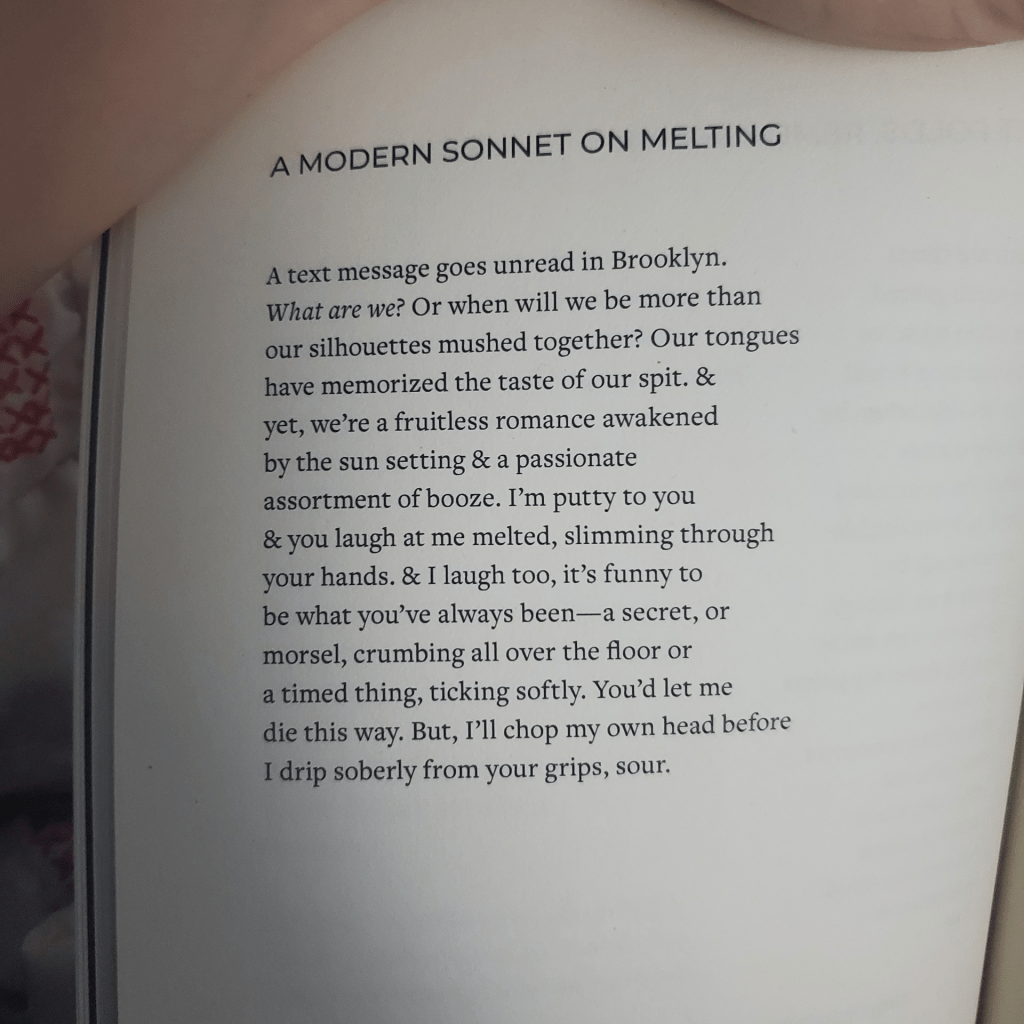
“If My Flowers Bloom” is a Button Poetry book of poems by Deshara Suggs-Joe, a queer, Black poet and visual artist. These poems were about desire, and many were sexual in nature. Honestly, this book was not one I enjoyed. I have included a snippet of my favorite poem from the book.
2 out of 5 stars
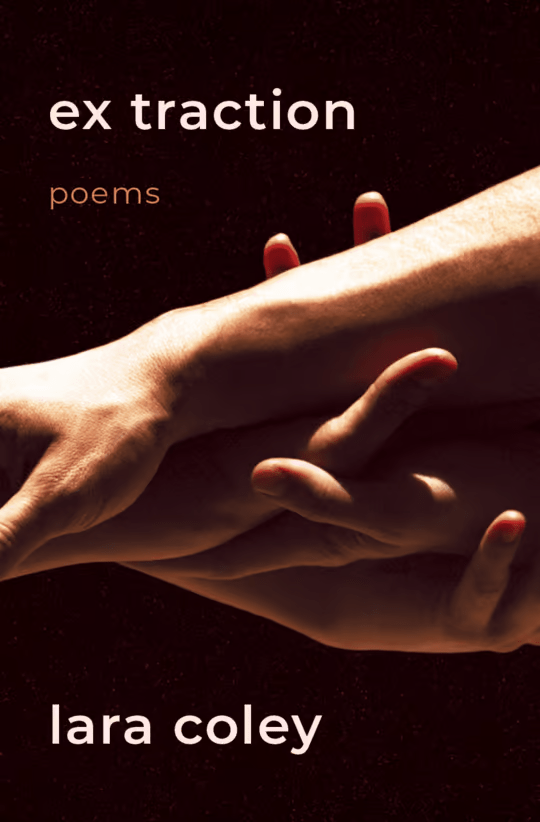
“ex traction” is a Button Poetry book of poems by Lara Coley, a San Francisco poet and educator who has taught creative writing and ESL in juvenile detention centers, schools, universities, and mental health treatment centers. Lara’s poems sharply dissect love relationships, and many are abuse and loving emotionally unavailable men.
4 out of 5 stars
Here are some snippets:
“How do you love so softly, so gently, so quietly, with your hand so tightly cradled around my throat?”
“We were lying on my bed and I asked him why, in our two years together, he’d never told me he loved me. He said he didn’t need to, that everyone knew. Een Jessica knows, he said. Well, good for her, I said. Good for Jessica.”
“She is wearing your affection like a coat, tailored to fit her. I remember stretching your love around my shoulders like a misshapen shovel that would never cover any parts of me that needed warmth.”
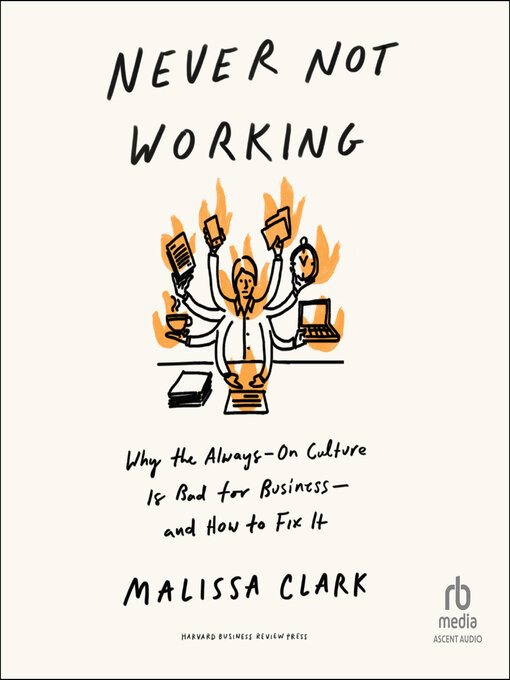
“Never Not Working: Why the Always-On Culture is Bad for Business – and How to Fix It” was written by Malissa Clark, associate professor of industrial-organizational psychology at the University of Georgia. Malissa is also a recognized expert on the topics of workaholism, overwork, burnout, and employee well-being. I highly recommend this book and will post about it in more detail sometime.
5 out of 5 stars
This book was filled with helpful information. This book covered signs of workaholic behavior, how to counteract workaholic behavior, the main components of workaholism, specific signals of workaholic culture within an organization, overwork assessments, and questions to ask after you get a job offer. Here are some of my many take-aways.
The most direct way to figure out what’s valued in a culture isn’t to listen to what people say is important. It’s to pay attention to who gets rewarded and promoted to leadership roles. Groups elevate people who represent their principles and advance their goals.
Here are some signs of workaholic behavior:
rumination – always thinking about work
overcommitment – always taking on too much and not knowing limits
busyness – always doing – unstructured time feels uncomfortable
perfectionism – nothing is ever good enough
poor delegation
poor scoping – underestimating how long it will take to do something
catastrophizing
3 questions to ask after you get a job offer to learn about the culture (courtesy of Work Life with Adam Grant):
Tell me about something that happens here that wouldn’t happen elsewhere.
Tell me about a time when people didn’t walk the talk here.
Tell me a story about who gets hired, promoted, and fired around here.
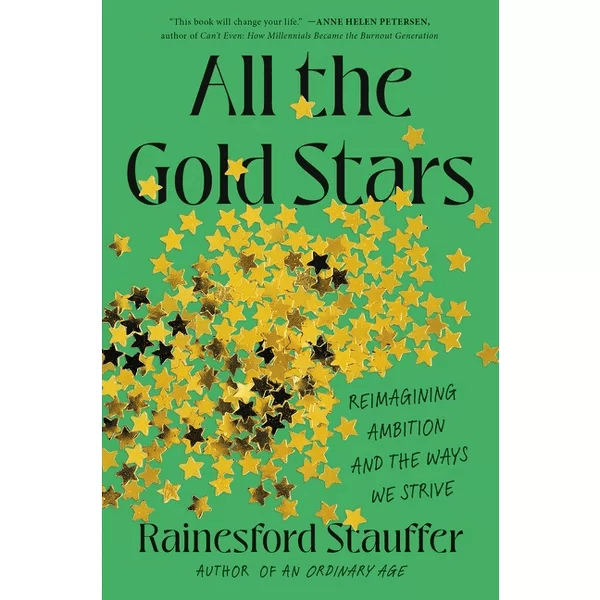
“All the Gold Stars: Reimagining Ambition and the Ways We Strive” was written by Rainesford Stauffer, an author, journalist, and speaker. This book contained a thoughtful exploration of ambition. Although this book contained several ramblings, there were some great takeaways.
4 out of 5 stars
So many modern ideas of ambition are rooted in work-related self-development, self-improvement, and career mobility, but ambition isn’t just about work. For those of us who feel that our performance at work – or our ambition – is the most valuable, worthiest, and most significant part of us, and thus, the most important part of our lives, we lose ourselves at the center of our stories.
Two primary sources of influence of our self-concept are our childhood experiences and our evaluation by others. Evaluation is ambition’s sidekick. Ambition is often registered as achievement.
Don’t let the world place limits on your ambition. Our efforts, time, imagination, and care can be oriented toward what matters to us most deeply in the face of a world that’s screaming to-do lists at us. Ambitions can be demonstrated in your hobbies, your values, how you care for yourself, your contributions to your community and causes, your friendships, etc.
Questions to ask yourself:
Think about your unrésuméd self – What are the things that actually fill you up that no one cares about, or you can’t put on your resume?
Who came up with this aspiration? Is it my idea or something random I thought I should aspire to?
What resources does it take to be ambitious about this, and is it worth it?
What does this ambition serve? It is me, a loved one, or something I care deeply about, or just an arbitrary marker of success?
How can the personal definitions we have of ambition expand?
I look forward to reading, learning, and sharing more with you soon!
My intention is to post a Thoughtful Thursday column each week and share some of the insights I have learned in the past week. Here are some of the things I’ve learned this week:
Stuff You Should Know – The Story of Spirit Halloween
Spirit Halloween in the United States is well-known for being a giant Halloween pop-up store that sprouts up in old malls, strip malls, and old big-box stores that are 7,000-10,000 square feet.
There are more than 1,400 stores in the U.S. between August and November. Some are within miles of one another.
Spirit Halloween hires 25,000 temporary employees August-November. Stores close on November 2. Spirit Halloween’s online store is open year-round.
30-40% of stock carries over from year to year
Keys to their growth plan:
presence
ads
10,000 foot storefront close to another big-box store such as Target/Walmart/shopping center
expand beyond just costumes (include décor)
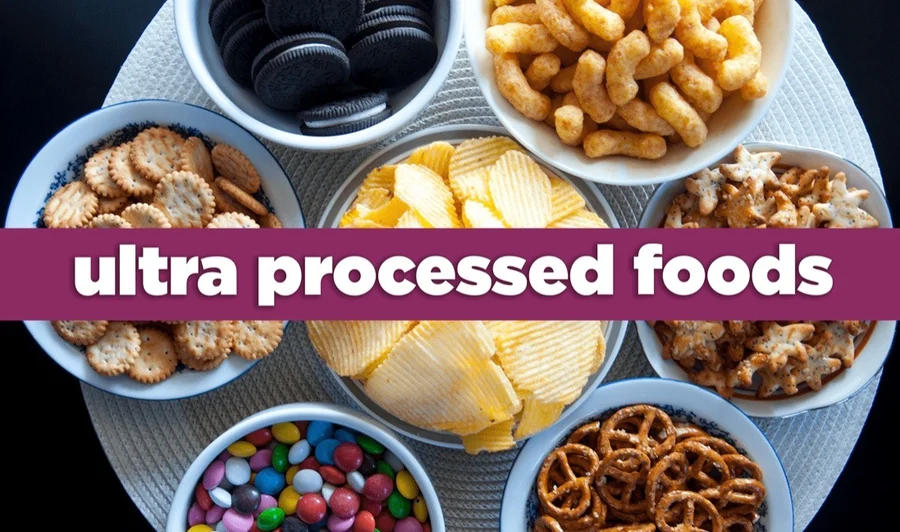
Life Kit: Health – How to cut ultra-processed foods from your diet
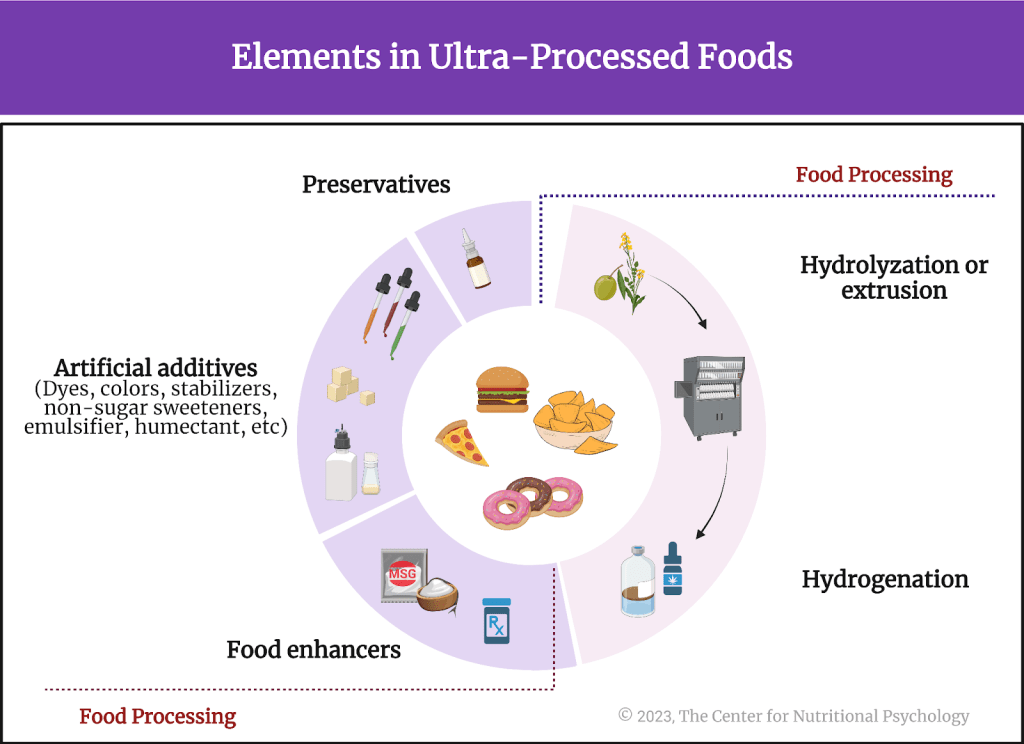
Packaged foods – high levels of salt and fat, added sugars, added colorings, added flavorings, hydrolyzed protein isolate, high fructose corn syrup, bulking agents like maltodextrin – tend to have a lot of additives
Foods that are made with ingredients derived from foods and reassembled to create a product
There is a lot of research linking overconsumption of ultra-processed foods to poor health outcomes, like type two diabetes, obesity, hypertension, cardiovascular disease, etc.
Look at the ingredient list. Ignore the health claims on the packaging. If there are ingredients you don’t recognize and wouldn’t have in your home kitchen, it’s an ultra-processed food.
Even if it’s ultra-processed, look for things lower in sugar or no added sugars that have some fiber and protein.
Craving salt? Think about eating nuts. If you love breakfast cereals, look for something with protein and fiber. Yogurt – look for something with low or no added sugar and use some fresh berries to sweeten it. Look for a high protein option.
Canned items like vegetables and beans often have added sodium. You can rinse them in a colander to cut out some salt.
Focus more on eating things you know you should be eating more of, such as fresh or frozen fruits and vegetables.
Cooking more from scratch at home is always a better option.
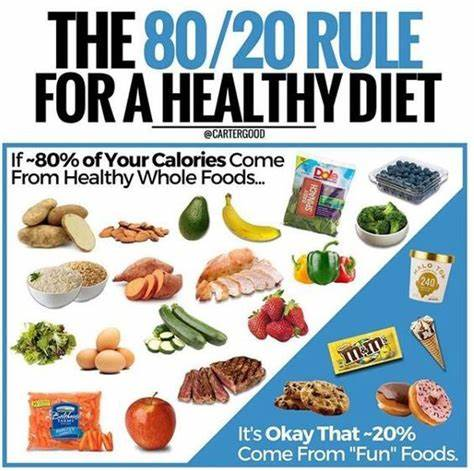
Aim for the 80/20 rule – eat 80% clean, whole foods, and splurge on up to 20% of your diet.
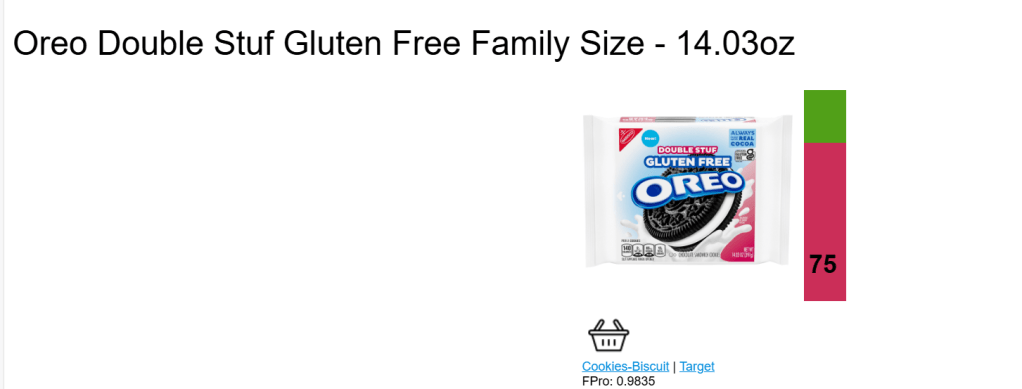
Truefood.tech – tells you how processed food items are – look up your brand and product – suggests less processed alternatives
This website is fascinating!
You can type in a brand and product and it will show you a processing score, ingredients (and additives), and alternatives and their processing scores!
Before Breakfast – Make it worth the commute
If you are going to go into the office, make it worth the commute. Use your in-office time for relationship building and collaboration.
You don’t want to spend your time and energy going somewhere just to e-mail and call people in other places because you can do that from home.
When you’re just getting to know a new colleague, in-person conversations can be valuable. Schedule lunch, conversations, or coffee with a colleague during your in-office days.
The Big Flop – The Truth About D.A.R.E.
Some studies show a higher rate of drug use among D.A.R.E. participants than those who didn’t participate.
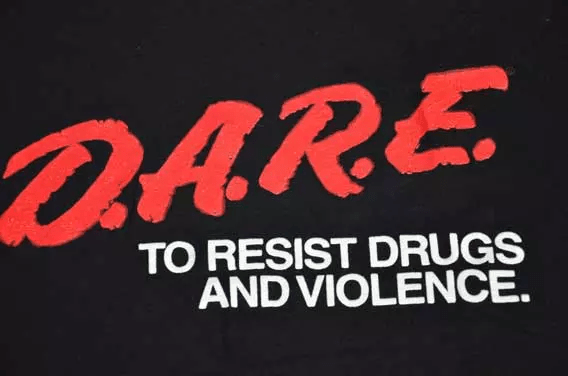
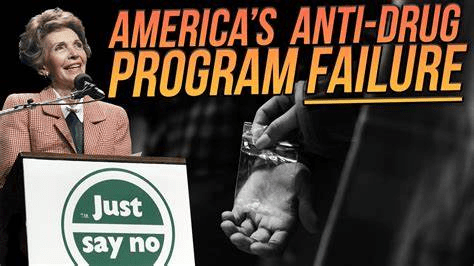
Drug Abuse Resistance Education (D.A.R.E.) is best remembered due to the ads and PSAs that were intended to promote “Just say no.”
Drug-Free Schools and Communities Act – D.A.R.E. is the only program that is eligible for funding from this law, so they got federal money to go nationwide
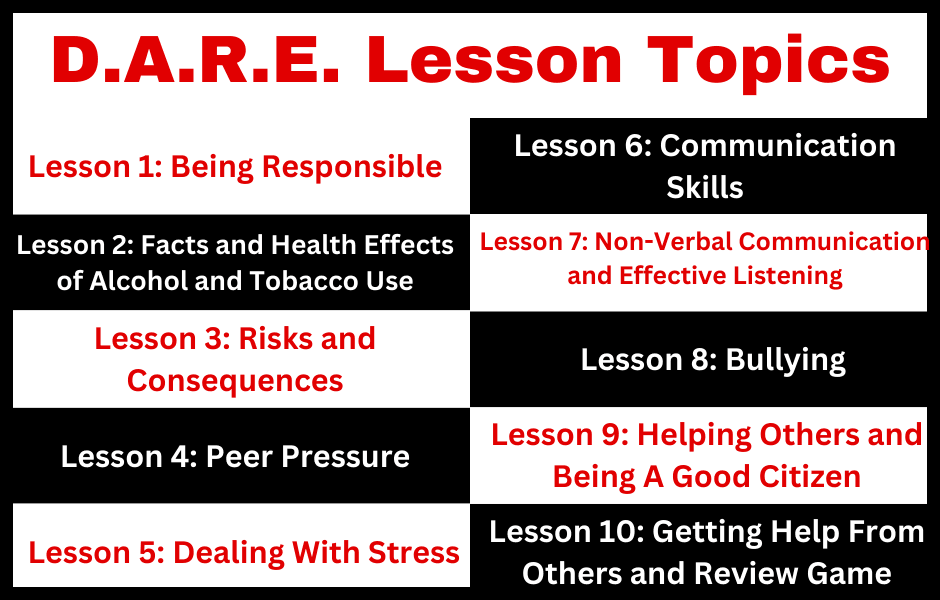
There was an 80-hour course for D.A.R.E. officers
¾ of all school districts in the United States used the program. Over 5.5 million kids were exposed to the program, and over 11,000 police officers were involved. Each year, between $600-750 million of taxpayer money was spent on D.A.R.E.
Strategies to keep yourself safe at parks, shows, and the mall
Ways to say no were all extremely obvious: just walk away, just ignore the person, change the subject, etc.
Puts all drugs on the same level – alcohol, pot, cocaine equally serious
According to one D.A.R.E. workbook, you can tell when a bunch of people are up to no good if they have tattoos (!)
Merchandise
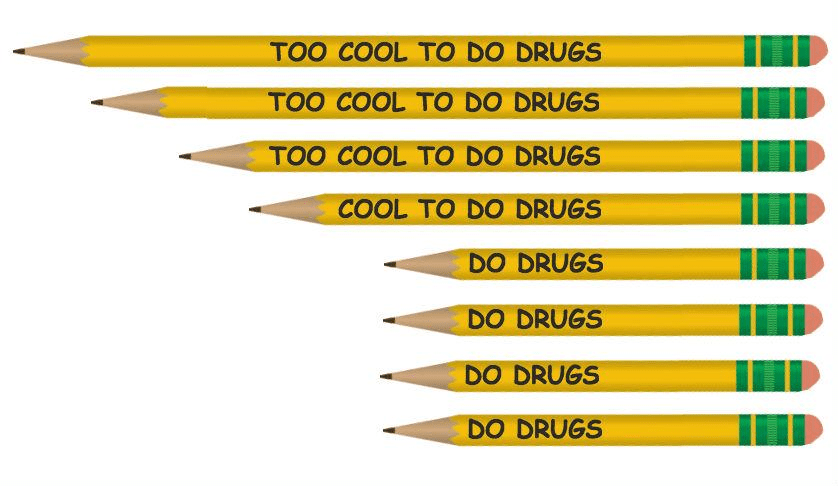
Clothing with D.A.R.E. logo, pencils that said “too cool to do drugs” – depending on how much you sharpened it, it would bring the wrong message – eventually to just “do drugs” or “drugs”
Criticisms of the program:
Person who came up with D.A.R.E. testified in front of the Senate Judiciary Committee that people who use drugs, even casually, should be taken out and shot.
Recognize, resist, report – the report part attracts criticism because some people believe it’s turning kids into police informants
Kids calling on parents and sending them to prison
After multiple studies, the program was found to not work. The effectiveness of D.A.R.E. has yet to be established.
Marijuana use by teens increased. D.A.R.E. makes certain kids want to try drugs- “you can’t tell me what to do”
Ineffective primary prevention program
The program stuck around until 2009 when it was finally phased out.
U.S. spent over 1 trillion dollars on D.A.R.E.
A new version of D.A.R.E. was introduced in 2009, keeping it R.E.A.L. Refuse, explain, avoid, and leave. Some initial research indicates that this program MAY be more effective, although it’s been criticized for a lack of focus on harm reduction.
Misuse of funds and time
This post from Seth’s blog resonated with me this week:
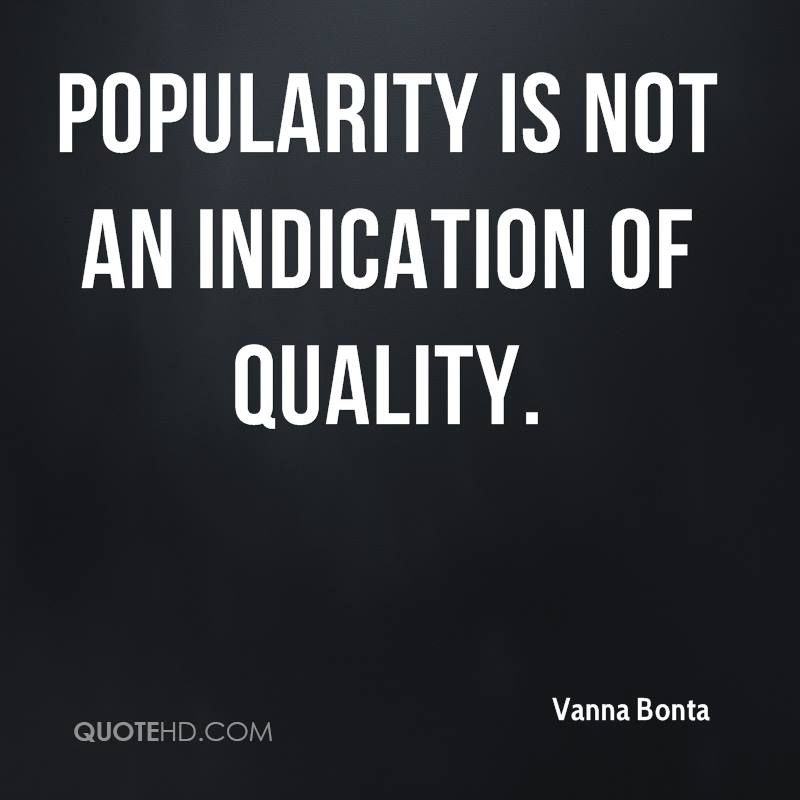
How often do we assume that popular things are good, and that good things become popular?
If your work doesn’t catch on, does that mean it wasn’t good?
In almost every field, people with insight, taste and experience admire and emulate good things that aren’t popular, and are surprised by popular things that aren’t good.
Perhaps we need to broaden our definition (or narrow it) so we can be clear about what we mean.”
I look forward to reading, learning, and sharing more with you soon!
My intention is to post a Thoughtful Thursday column each week and share some of the insights I have learned in the past week. Here are some of the things I’ve learned this week:
Self-Growth Nerds – The Power of Consistency: 5 Mindset Shifts for Achieving Your Dreams
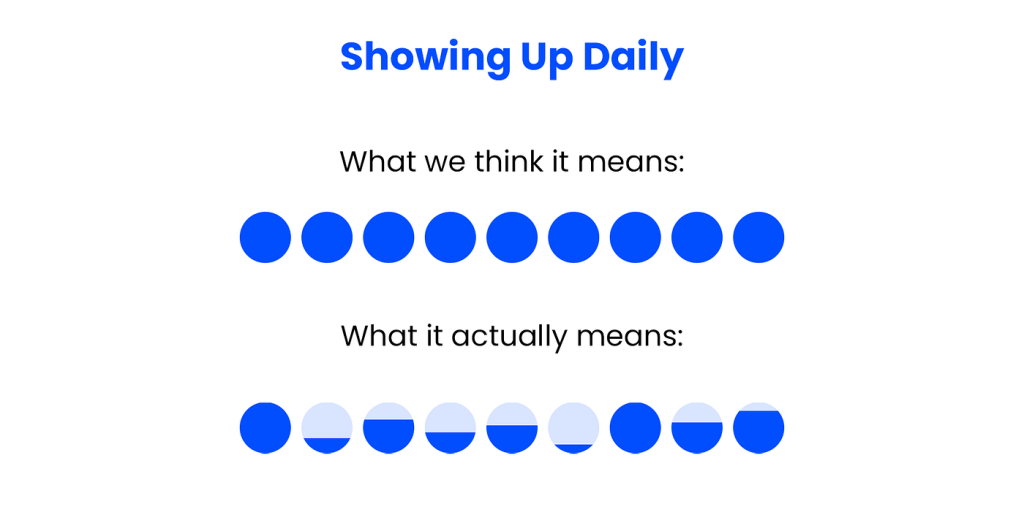
Consistency – to show up again and again for what is important to you – working out, journaling, sharing a blog post, going to a comedy club monthly, etc.
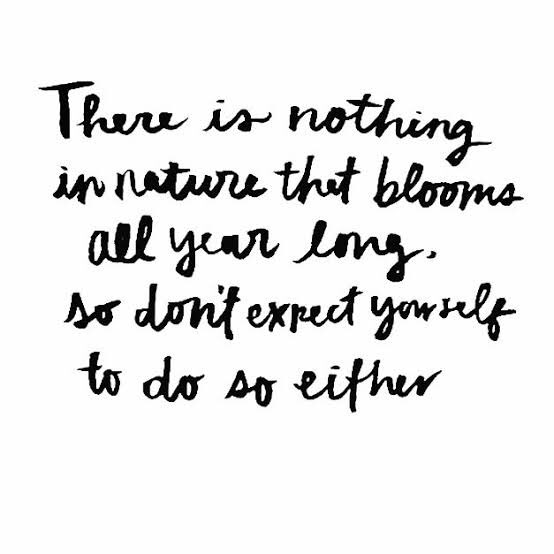
Remove the pressure of perfection. Lower the bar of your expectations.
Show up and be consistent. Control what you can control but know that you won’t be perfect every time. Focus on showing up and trying your best.
What feels alive in me right now? What is something interesting I’ve seen or heard recently, and what’s the meaning in there?
Commit. Make a decision and be clear in what you’re committing to.
Know what it is you are committing to. Ex: run one mile each day, post one blog post each week, go on one outing per week, etc.
Don’t expect to be consistent in every single aspect of your life. Choose your priorities wisely. Be clear about why each choice is important and accept the grief that comes with loss.
Choose what lights you up rather than what makes sense. Choose something you really want to do.
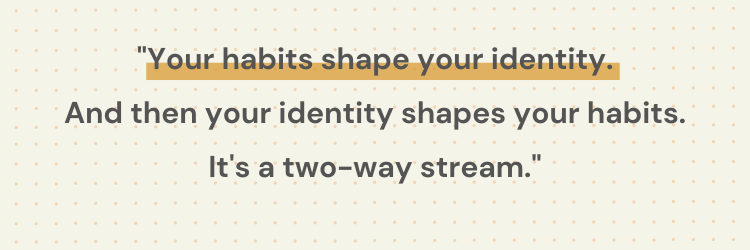
Make it a part of your identity and find pride in that.
“I am someone who posts a podcast every week.” “I am someone who runs every day.” “I am someone who reads every day.” Etc.“I am becoming someone who _____.” “I am someone who ____ because ____.”
Choose a new identity today. Choose one thing to focus on and embody that new part of your identity.
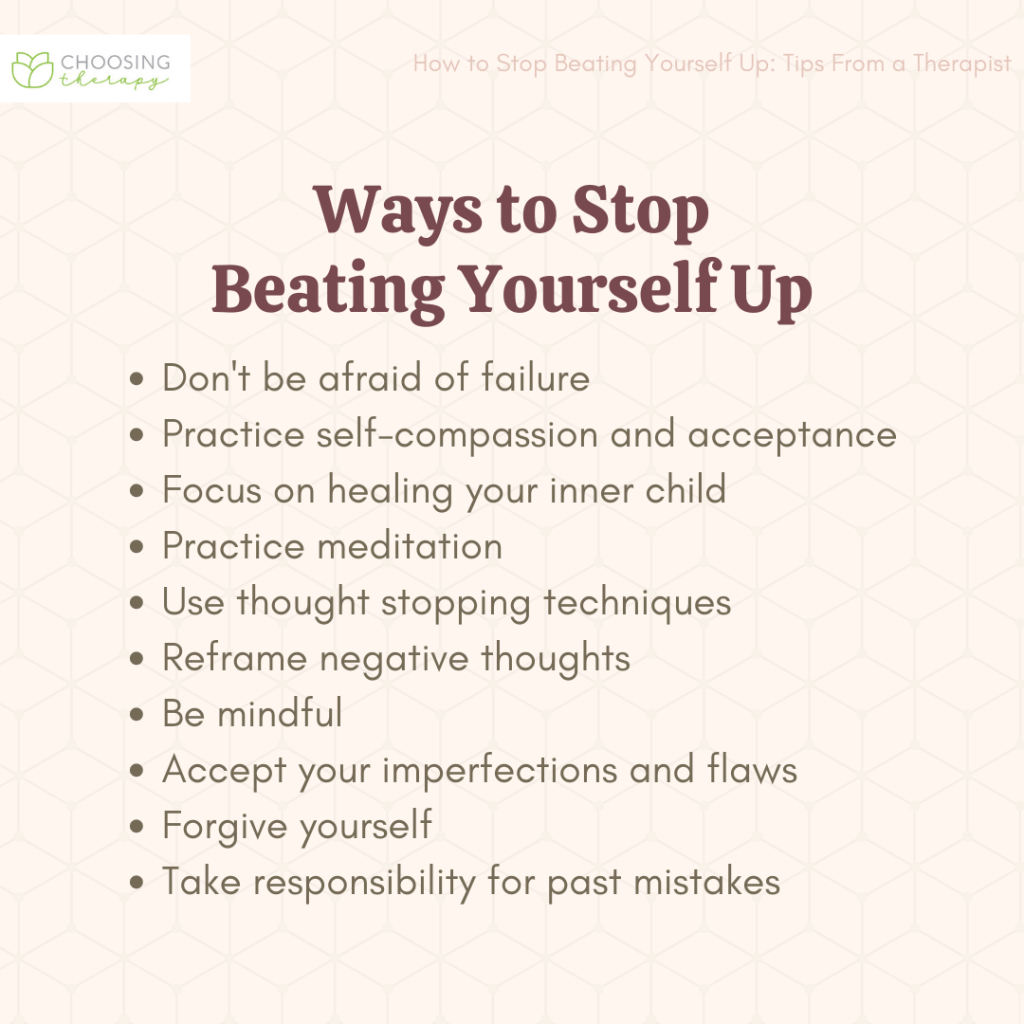
Never beat yourself up. Decide what kind of boss you want to be to yourself. Firm, loving, forgiving.
Tips:
Put it on the calendar. If it’s not on the calendar, it’s probably not going to happen
Habit stack – ex: journal while drinking coffee, watch tv while walking on the treadmill, listen to a podcast while doing chores
Remove pain points. Think of convenience.
Get an accountability partner.
Mentally Stronger with Therapist Amy Morin – 10 Things Being a Therapist Taught Me About the Human Experience
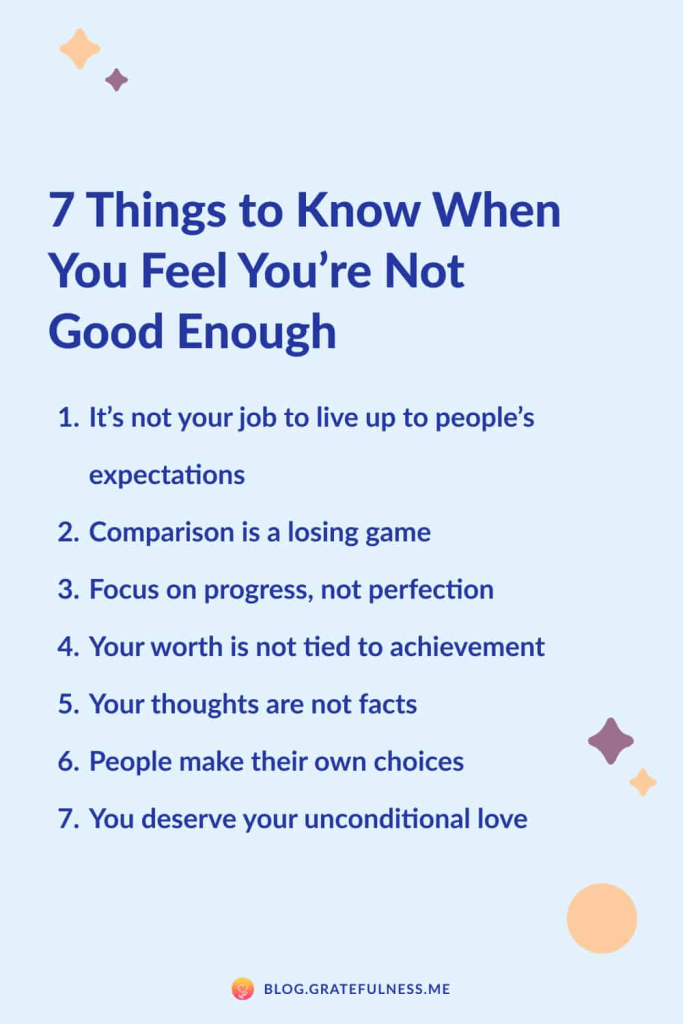
Most people fear they’re not good enough. At the heart of almost every issue is the fear of not being good enough. This manifests in different ways. One person might become an overachiever, other people just don’t try, other people change who they are or act differently depending on who is around them because they want to feel accepted.
Everyone has secrets – mental health issues, addictions, childhood abuse, etc.
People’s inner worlds are often hidden.Many people believe that their thoughts and feelings would surprise even their closest friends and family.
The desire for connection is universal. Many people feel lonely in a crowded room.
Self-criticism is rampant. We are our own harshest critics and hold ourselves to impossible standards. Self-judgment leads to guilt and anxiety. Learn to reframe your inner dialogue and train your brain to think differently and have self-compassion.
Change is terrifying yet desired.We crave change to improve our lives, but we fear it because we hate uncertainty.
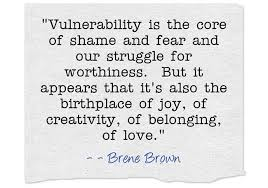
Vulnerability is both feared and desired. We all have a desire to be understood, yet fear keeps us from being vulnerable.
Emotional pain is often masked.
Past experiences shape present perceptions. Our behaviors and attitudes are shaped by things that happened to us in the past.
Hope is a powerful force.
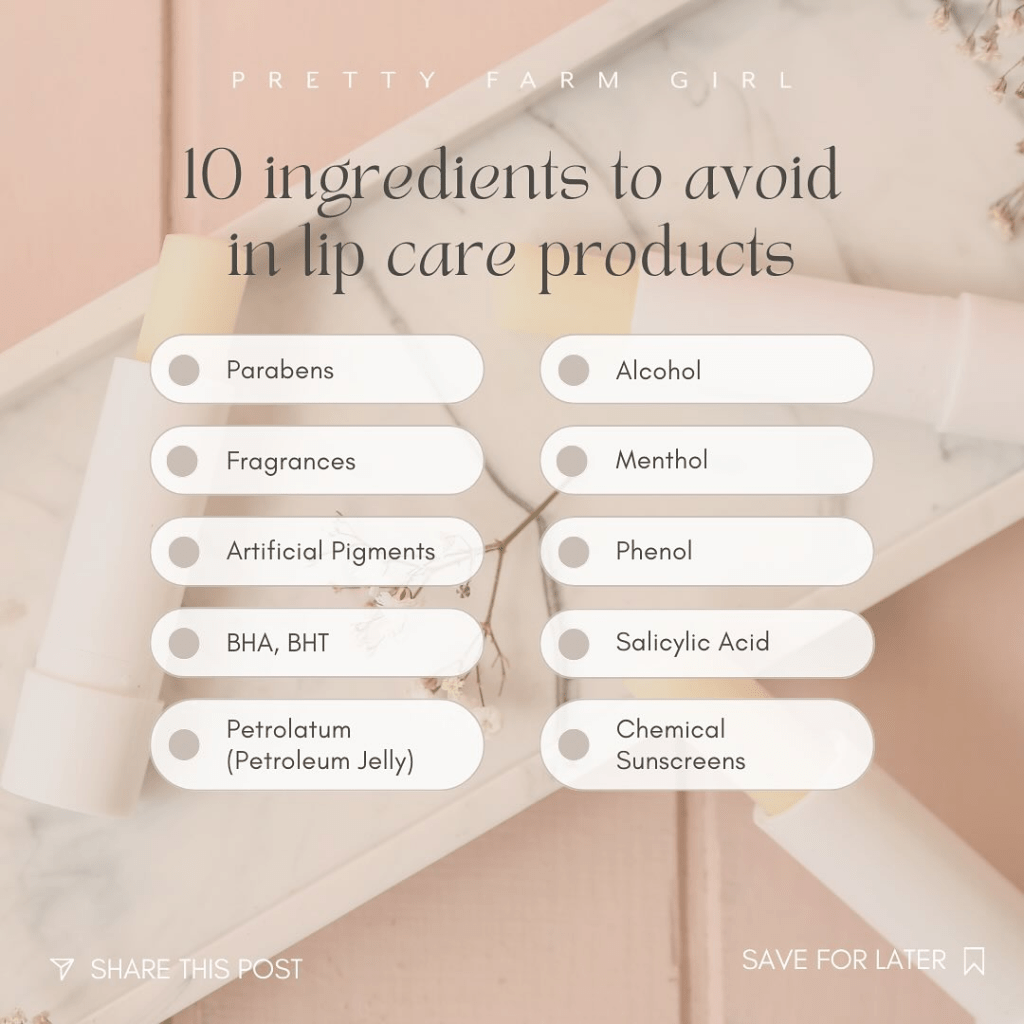
Real Simple Tips – 6 Tips for Keeping Lips Moisturized
Don’t lick your lips. Licking your lips makes the problem worse. Enzymes in saliva can break down the delicate skin, leaving your lips even drier than before.
Avoid irritating products.Steer clear of products containing flavorings, fragrances, menthol, camphor, eucalyptus, and beeswax.
Use lip balm with SPF. SPF minimizes lip dryness while also curbing your potential for skin cancer and premature aging.
Layer your products. Lips benefit from a hybrid approach of hydration and moisturization. Ex: Blistex medicated lip balm + Vaseline or lip oil.
Reapply every two hours. This regular application is crucial since activities like licking your lips, kissing, eating, or drinking can wear away the product.
Try an intensive lip treatment weekly or biweekly. Ex: lip mask.
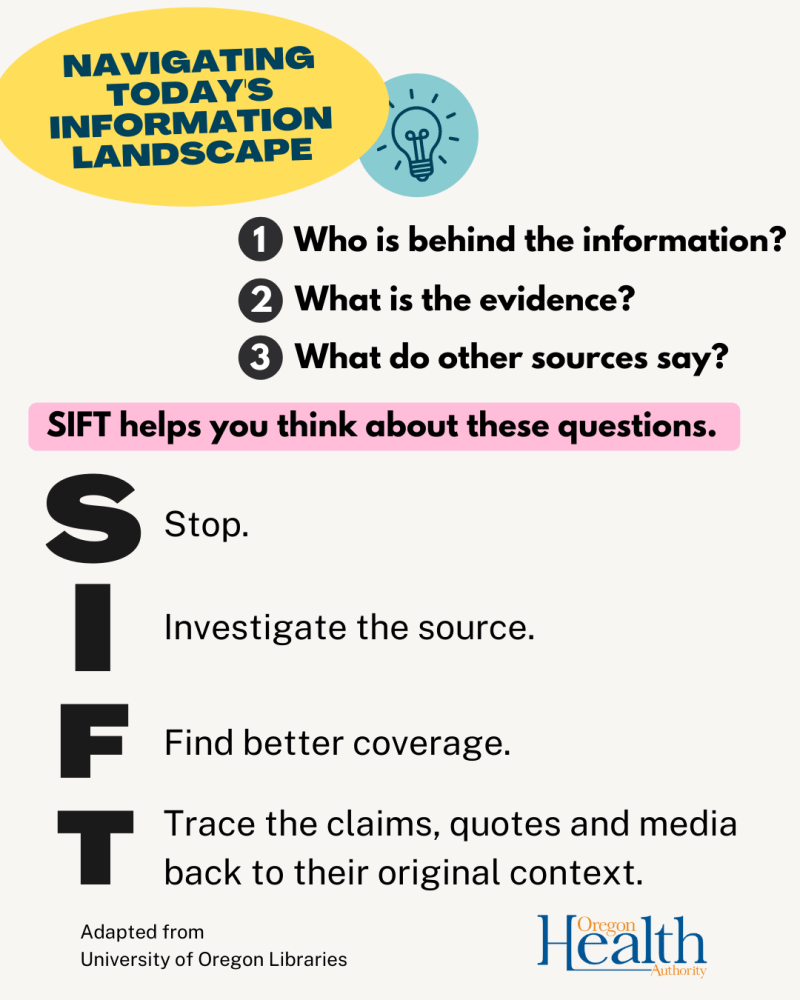
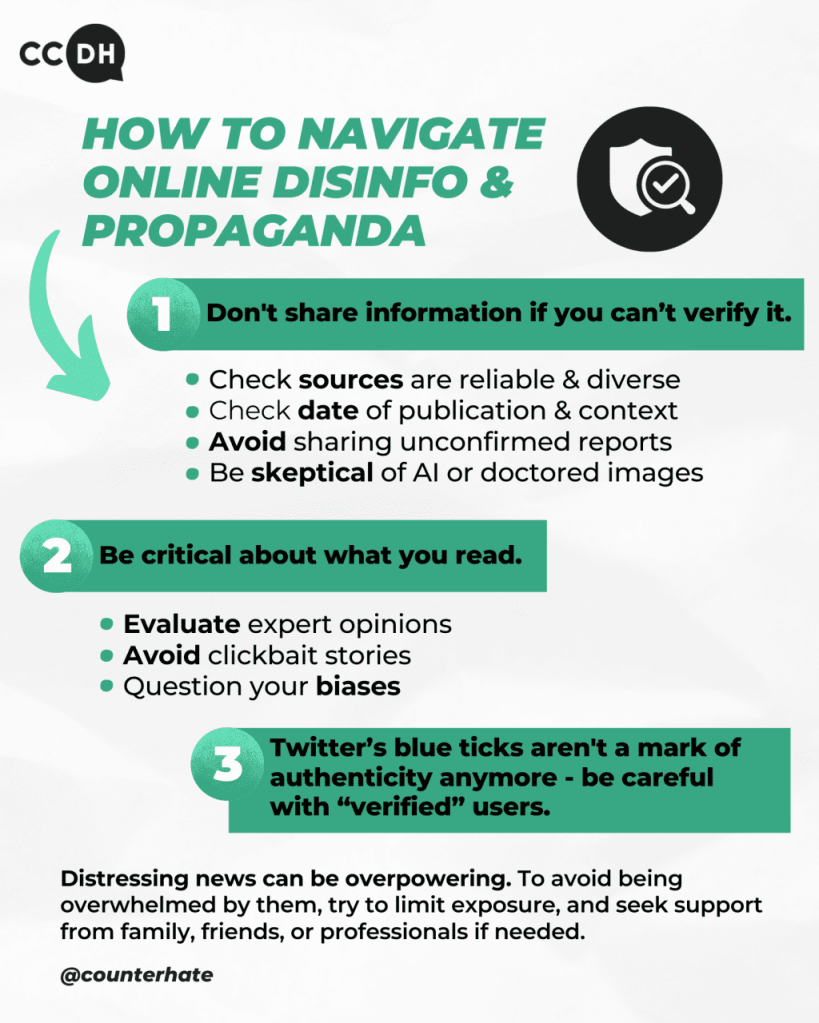
Life Kit – How to talk to your loved ones about misinformation
Start from a place of connection, not correction.
If it’s just a matter of not seeing eye to eye about an issue, it’s okay to opt out to preserve the relationship.
Try leading with compassion, love, and empathy.
Take time to understand why your loved one believes the misleading content. Be in conversation with them. Recognize that their experiences impact how they engage with what they read online and what they believe.
Talk about where you both get your information and why you find the sources to be trustworthy. What is the evidence? Check qualifications and conflicts of interest.
Identify points where you do agree. Be mindful of maintaining goodwill.
Realize that you aren’t here to change anyone’s core beliefs. You’re simply trying to address a piece of information that is not correct.
Correcting political misinformation doesn’t make much difference in how much people trust that source in the future or in how likely they are going to vote for a political candidate.
When you do attempt to correct misinformation, provide a detailed fact check. What is actually true?
Corrections to misinformation are worth repeating. Don’t expect things to change after one conversation.
With this year being an election year, misinformation is rampant. Use these tips to talk to your loved ones about misinformation or simply opt to not talk about different beliefs. Sometimes people are so strong in their opinions that no evidence you provide will change them, and it’s important to recognize and accept that.
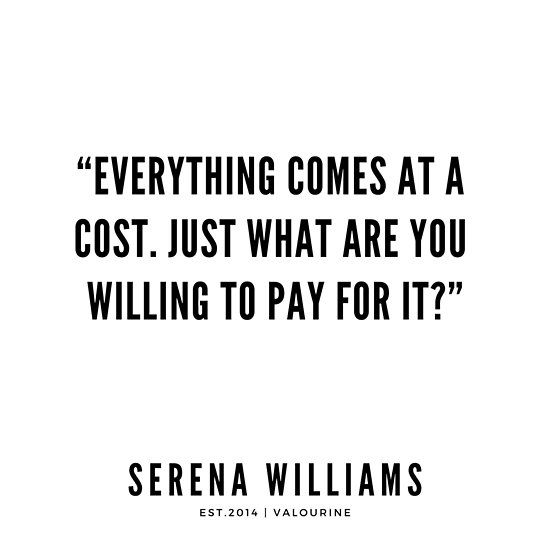
I enjoyed this blog post from Seth’s Blog this week:
There are three kinds of costs that people get confused about, but understanding them, really understanding them–in your bones–unlocks opportunity.
Opportunity cost: If you eat the cupcakes, you can’t also eat the brownies. Every time we choose to do something, we’re choosing not to do something else.
Sunk costs: If you’ve invested time or money in something (a law degree, a piece of real estate, a bag of chips) that money is gone. All you have left is what you bought, and that is a gift… a gift from your former self. You don’t have to accept the gift if it’s no longer useful to you. Using a gift still has real opportunity cost, and if it’s keeping you from doing something better, walk away.
Marginal cost: How much extra does this decision cost? For a subscriber, the marginal cost of watching one more show on Netflix is zero. The service costs the same regardless of how many shows you watch. On the other hand, the marginal cost of a tuna sandwich is equal to what it costs to replace the ingredients. It makes sense to prefer things with a lower marginal cost if everything else is similar.
I’ve never encountered a person who was fully rational in making decisions on any of these three sorts of costs. That’s okay. But let’s do it on purpose.”
I look forward to reading, learning, and sharing more with you soon!
I read three books in September 2024. School has been keeping me busy. Here is a brief synopsis of the books I read in September.
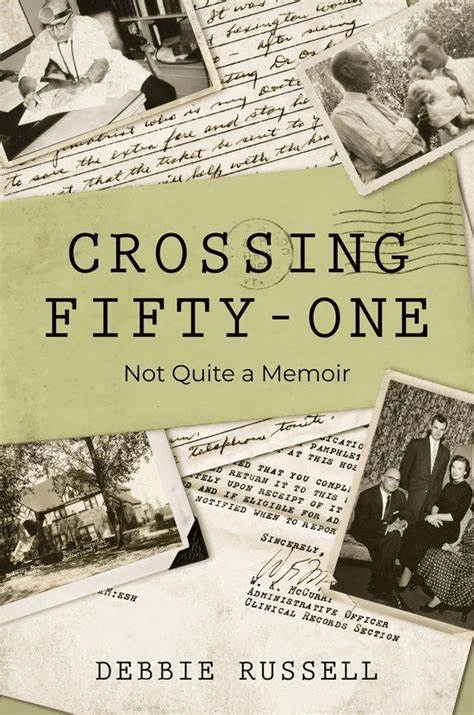
“Crossing Fifty-One: Not Quite A Memoir” was written by Debbie Russell, a retired Hennepin County Prosecutor. This book contained themes of family dynamics, building your own identity, addiction, and reducing the stigma associated with addiction.
Debbie’s grandfather suffered with asthma and admitted himself to a federal narcotic farm for his Demerol addiction, where he assisted in treating his fellow patients. In this memoir, Debbie shares insights into her family’s history through her conversations, research, and letters her grandfather wrote or received. Here are some quotes that stood out to me:
“Since most addicts have some sort of personality disorder, it follows that the basic attack on the problem of addiction is to prevent the development of such disorders. It is the current belief that most of these result from frustrated drives for security, recognition, and affection, particularly during childhood. Granting this, attention must be focused on preparing parents and prospective parents for their roles in shaping the personalities of their children.”
“It’s much harder to dig inside ourselves and try to figure out how we contribute to our own problems. It’s my current struggle. Every. Single. Day.”
“It takes amazing perspective to be able to think of a locked drug rehab facility as a ‘retreat.’ But maybe, compared to Papa’s struggles with addiction, the facility served as a haven.”
4 out of 5 stars
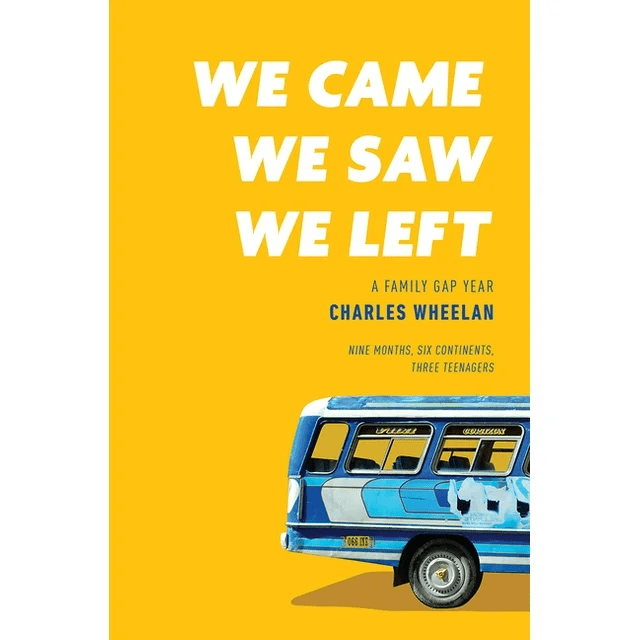
“We Came, We Saw, We Left: A Family Gap Year” was written by Charles Wheelan, a former correspondent for the Economist who teaches public policy ad economics at Dartmouth College. This book was an exhilarating and exciting read about the family gap year that consisted of 9 months, 6 continents, 3 teenagers, and 1 flesh-eating parasite. I learned about traveling minimally on a budget and about different destinations. Here are some takeaways:
Traveling around the world for nine months is cheaper than staying at home (if you rent out your house). The author spent less on food while traveling, didn’t have to pay for gas, and only needed storage insurance for his vehicles back home. The primary expense associated with traveling is forgone income. All-in, their budget was $60 per person per day. This was fascinating to me, although I don’t have a job that would allow me to take off for one year. To put it in perspective, according to the author, traveling around the world for nine months would only delay retirement by one year.
“Experiences, rather than things, are what make us happiest in the long run. Experiences become an ingrained part of our identity. Experiences connect us to the people with whom we share them, and experiences make up into the people we are. Even bad experiences morph into positives over time – like a funny story or a character-building experience.”
What are some lessons they learned?
The world is still an interesting place, and each country has its own feel and personality.
They are great teammates, and marriage is about picking a person you want at your side to help navigate whatever might come along, such as traveling on a low budget to bizarre places.
They learned that life goes on without you. They came back to a place that was pretty much the same as they had left it.
The greatest luxury is time – sleeping until refreshed, reading at any time of day, and wandering aimlessly.
There is serious environmental damage, such as air pollution in big cities and deforestation in less-developed areas.
It was really fun. Adventures turned out to be worthy of that anticipation, and many great moments were entirely circumstantial.
5 out of 5 stars
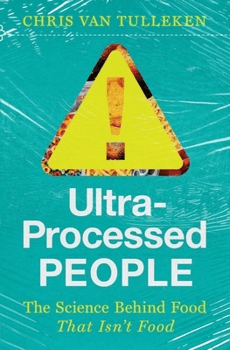
“Ultra-Processed People: The Science Behind Food That Isn’t Food” was a fascinating and alarming book written by Chris Van Tulleken, who has a medical degree from Oxford and a PhD in molecular virology. Chris is an associate professor at University College London and a practicing infection diseases doctor. Chris studied ultra-processed foods (UPF) and conducted an experiment. He stopped eating UPF for 4 weeks, then ate 80% UPF for 4 weeks. He had his weight, height, BMI, and body fat measured both before and after the experiment, and he gained 6 kilograms (about 13 pounds). His appetite hormones were deranged, he had a 5x increase in leptin (the hormone that comes from fat), and his C-reactive protein (a marker that indicates inflammation) had doubled!
I learned a lot from this book. Here are some of the main points:
If it’s wrapped in plastic and has at least one ingredient that you wouldn’t normally find in a standard home kitchen, it’s UPF. Almost every food that comes with a health claim on the packet is UPF. UPF is high in calories, fat, and sugar and low in fiber.
UPF displaces diverse whole foods from the diet, especially among low-income groups. It’s addictive. The emulsifiers, preservatives, modified starches, and other additives damage the microbiome. The convenience, price, and marketing of UPF urge us to eat constantly and without thought, which leads to more snacking, less chewing, faster eating, increased consumption, tooth decay, and other health issues.
There are over 10,000 additives used in food in the United States – flavors, flavor enhancers, colors, emulsifiers, artificial sweeteners, thickeners, humectants, stabilizers, acidity regulators, preservatives, antioxidants, foaming agents, anti-foaming agents, bulking agents, carbonating agents, gelling agents, glazing agents, chelating agents, bleaching agents, leavening agents, clarifying agents, etc. Over 1,000 of these were self-determined to be safe and are not FDA approved.
“Most UPF is not food. It’s an industrially produced edible substance.”
This book covered several UPF ingredients, foods they are found in, and the damaging effects of them. One of those that stood out most to me was xanthan gum, which is found in many gluten-free foods and flours. Xanthan gum is a bacterial exudate slime that bacteria produce to allow them to cling to surfaces. “Think of xanthan gum the next time you scrape the accumulated gunk from the filter on your dishwasher.” Or don’t!
4 out of 5 stars
I look forward to reading, learning, and sharing more with you soon!
My intention is to post a Thoughtful Thursday column each week and share some of the insights I have learned in the past week. Here are some of the things I’ve learned this week:
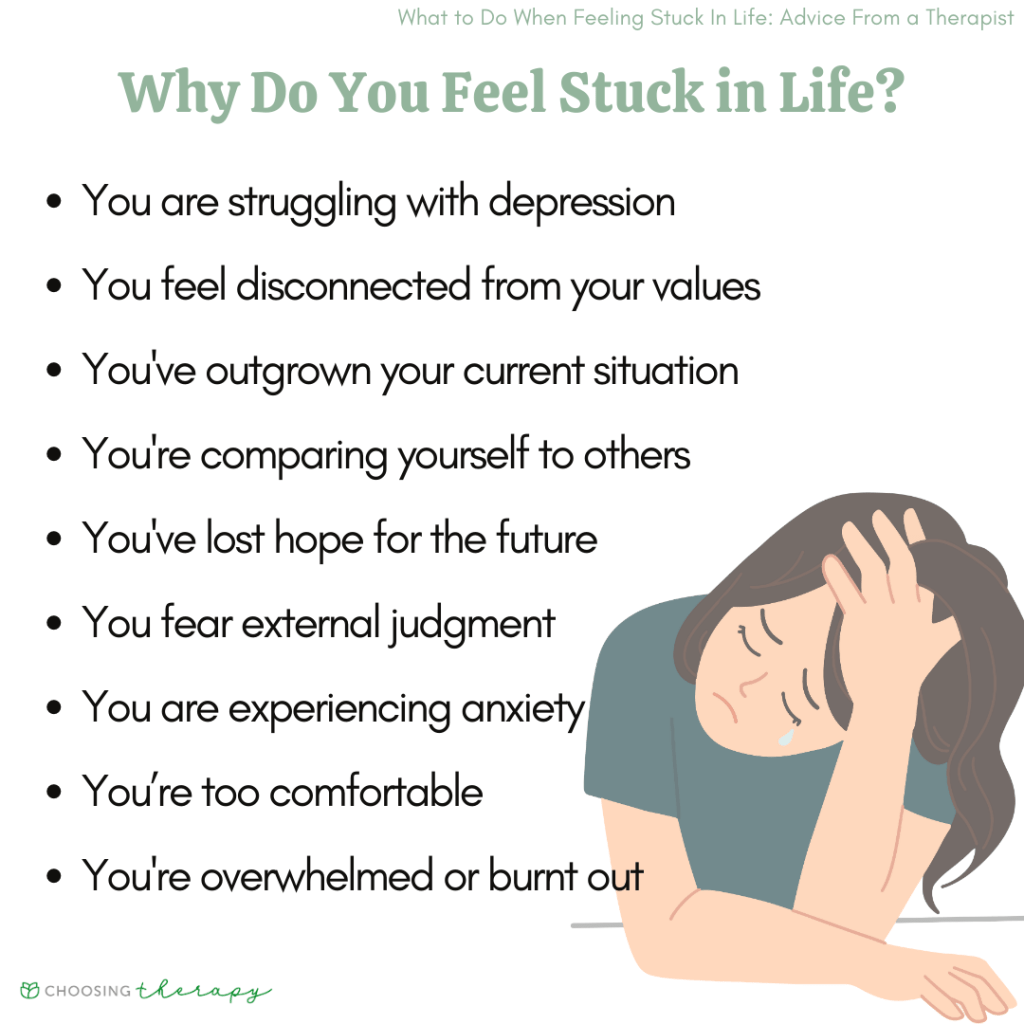
Optimal Living Daily – If You’re Feeling Stuck, Look Inward by Emily Rose Barr
If you’re feeling stuck on a relationship, a longtime goal, a time-consuming project, a career move, or some other aspect of life, pause and look inward. Utilize this period as an opportunity to:
Get to know yourself better. Ask yourself what makes this decision challenging and examine your answers closely. Use them to hone in on your values and what matters most to you.
Connect with others. Being vulnerable fosters deep relationships and engenders feelings of safety and understanding when we experience the gift of being heard.
Recognize your limits. Ask yourself what you could do differently that would make the option of sticking things out more appealing. Decide which variables you can start to conquer.
Recharge. Give yourself space and time to recharge. Switch up your surroundings, go on a walk, sleep, etc.
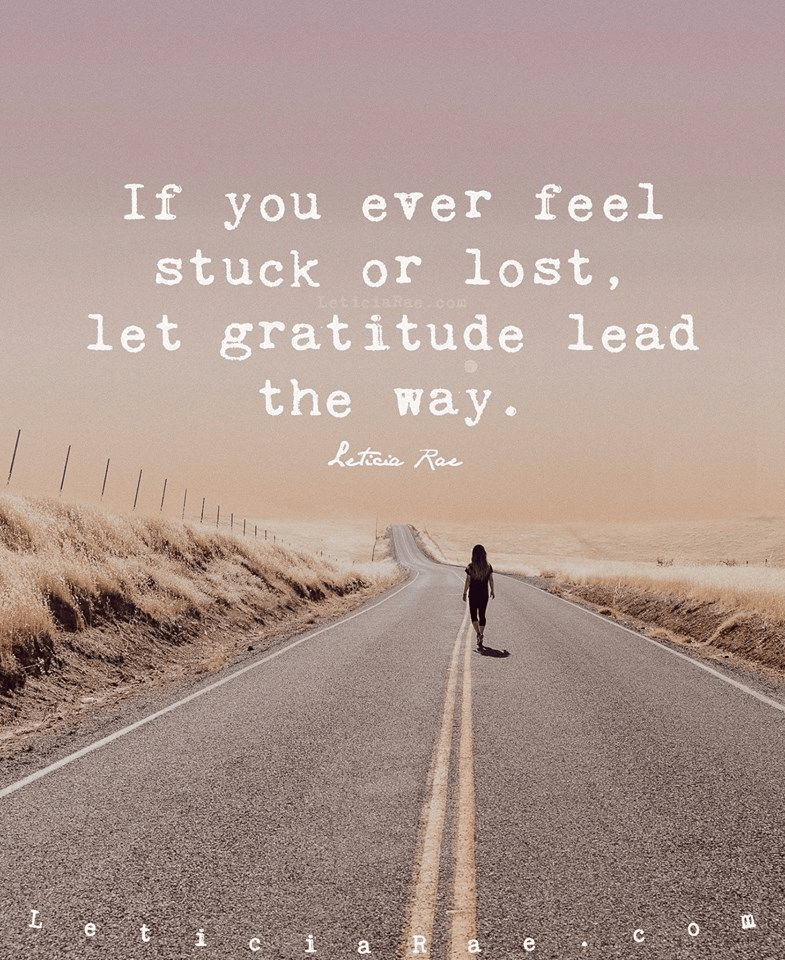
Practice gratitude. Take a moment to reflect on all that is going right in your life and be grateful.
I really enjoyed this post from Gabe the Bass Player this week:
“If you’re not going to do something about it, stop thinking about it.
If you’re not going to put action behind the things you spend a lot of time thinking about, it’s worth thinking of something else. Something that you’re going to move from thoughts into actions.
Your time and your thoughts are precious and powerful so it’s important to spend them in ways that make a difference to yourself and to others.”
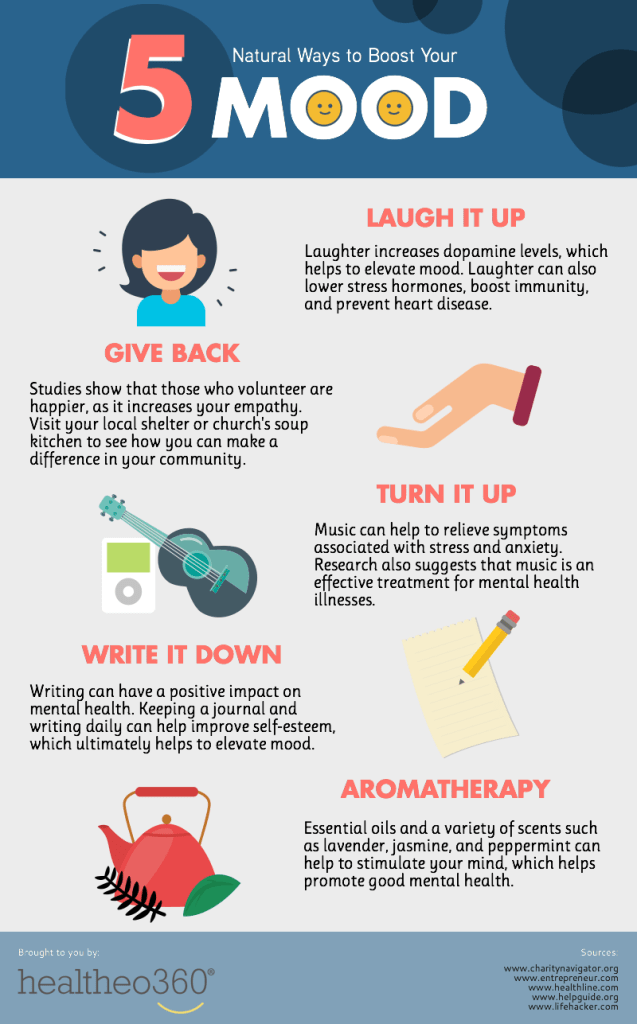
Life Kit – Boost your mood in 15 minutes
Cold plunging – submerge yourself in cold water. A quick dip in cold water can improve your mood. Find a body of water in the 50–60-degree range and prioritize safety. Plan to warm up fast after.
What is the least amount of movement needed to offset the risks of sitting? Just taking a 1-2 minute walk each hour helps to lower blood pressure (as opposed to sitting for 8 hours straight at work). Walking/movement five minutes per hour = more impressive results – lower blood pressure, less fatigued, better mood. If you have a few minutes, move your body for a better mood.
Create something. Make art – color, paint, pottery, etc.
NPR Joy Generator app
Tap into ASMR to calm your mind.
Watch cute animal videos or cuddle with your cat/dog.
Reflect on memories/nostalgia. Go through your camera roll. Listen to old music hits.
The Liz Moody Podcast – 5 Things I Did to Fix My Phone Addiction
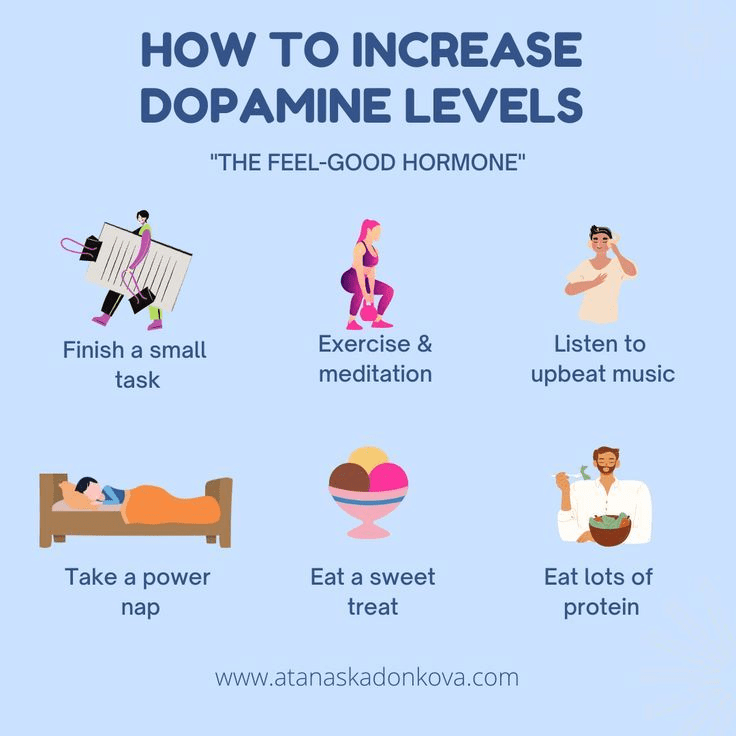
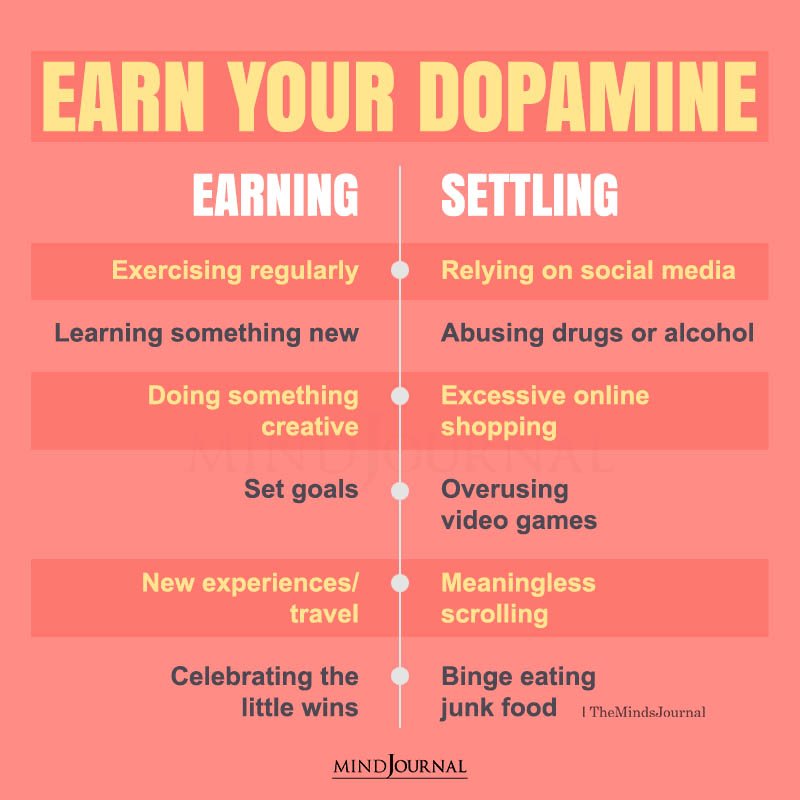
Treat the dopamine problem with dopamine solutions. Intentionally seek out hard things – a cold shower, a challenging crossword puzzle, allowing for discomfort each day. Exercise. Move your body every day. Less addicted to phone, more dopamine
Turn your phone to gray scale. Makes phone unappealing – less bright addictive colors
Remember the 23-minute rule. Science shows the need to check your phone is temporary. If it takes you 23 minutes to get into a state of full focus after checking your phone, remind yourself that if can make it through 23 minutes, you will enter a state of flow and focus.
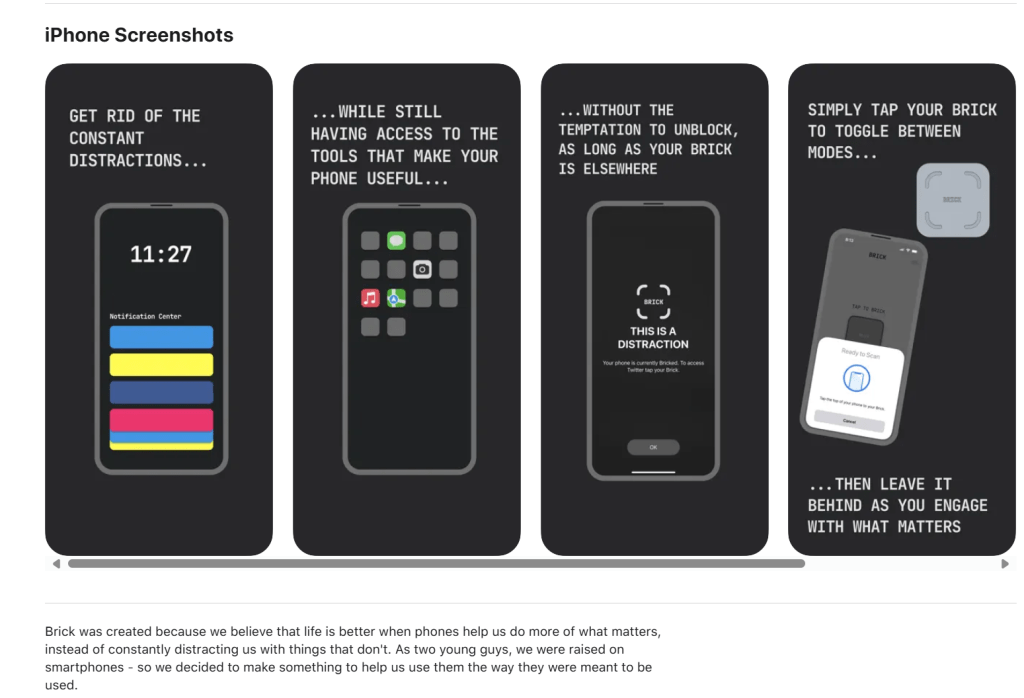
Create physical barriers to being on your phone. Phones are designed to be more powerful than our willpower. Don’t have your phone in the room when you’re trying to get work done. Use an alarm clock instead of your phone. Brick device – Iphone only
Create a “What do I really need?” menu. What are you looking for your phone to give you right now? Joy? Consult your joy list – getting out in nature, singing, coloring, reading, walking, music, etc. Bored? Novelty-reducing boredom – plan something fun. Rest? Nap, meditate, read, etc. Every time you reach for your phone, ask yourself what you really need and brainstorm options that satisfy that need on a deep and true level.
I look forward to reading, learning, and sharing more with you soon!
My intention is to post a Thoughtful Thursday column each week and share some of the insights I have learned in the past week. Here are some of the things I’ve learned this week:
Mentally Stronger with Therapist Amy Morin – 7 Things to Spend Money On if You Want to Be a Happier Person
Experiences (over material goods) – collect moments, not things.
Invest money in relationships – pets, spouses, etc.
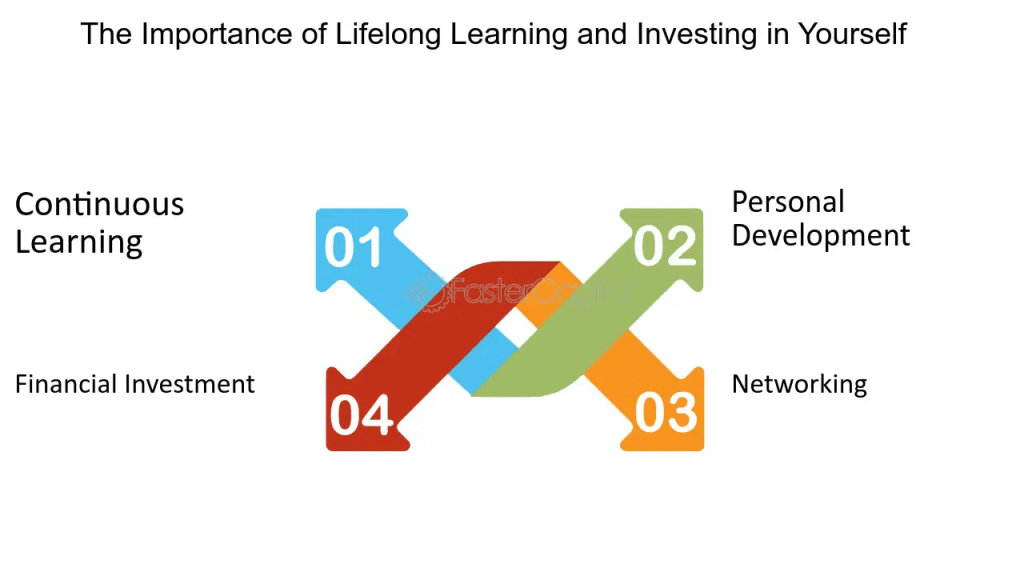
Personal development and education – think about what you like to learn about and find ways to grow and learn – buy books, take a course or attend a conference, take a trip somewhere to learn more about a culture, etc.
Anything related to health and wellness – gym membership, fitness equipment, therapy, quality food, etc.
Anything related to self-care and relaxation – massage, meditation class, hobbies, hiring a house cleaner, etc.
Acts of kindness and charity – spending money on other people makes us happier than spending money on ourselves. Gifts, charity donations, volunteering, etc.
Things that help you spend quality time in nature – outdoor activities, taking a trip in nature, etc.
What didn’t make the list? Having a bigger house, a fancier car, a designer purse, etc.
Optimal Health Daily – 10 Ways to Measure Progress (That Aren’t Weight Loss) by Amanda Wheeler
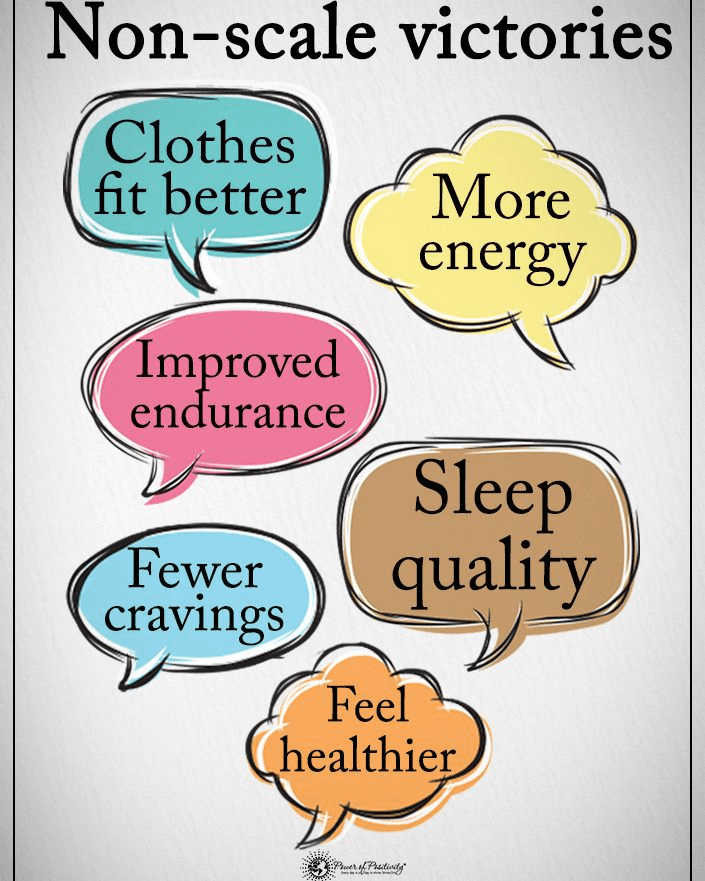
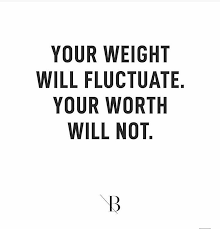
This podcast stood out to me because SO many people work out solely to achieve a certain weight or physique and are often left disappointed and discouraged from continuing to exercise because they aren’t achieving the weight they desire. There are so many reasons to exercise aside from just weight loss, and there are many other ways to measure progress that aren’t weight loss.
Weight lifted – Can you lift heavier this month than last month?
Recovery – How do you feel between sets? Are you able to bring your heart rate down quickly and bounce back in?
Reps for time – Can you do more work in the same amount of time or the same amount of work in less time?
Resting heart rate – if your resting heart rate is lower, your heart is more efficient. If you’ve been training and your resting heart rate goes down, that’s progress.
Aerobic window – the difference between your resting heart rate and your anaerobic threshold.
Mobility/range of motion – if you notice you can get more range of motion, that’s progress.
Energy – How do you feel during the day? Are you drinking caffeine to stay awake, or do you have a consistent pep in your step? If you no longer crash midday or reach for the extra dose of caffeine, that’s progress.
Sleep – Are you now waking up feeling rested? That’s progress.
Clothing – Is your clothing getting looser? Using clothing to measure progress is a great way to feel good about yourself without diminishing the feeling by the number on the scale.
Confidence – How do you feel about yourself? Feeling more confident is a measure of progress that gets overlooked.
Optimal Relationships Daily – 12 Relationship Truths I Wish I Knew 12 Years Ago by Marc Chernoff
You have to love yourself first. Fall in love with yourself and share that love with someone who appreciates you, rather than looking for love to compensate for a self-love deficit.
You get what you put in. The true impact you make on people will depend on the time and attention you give to teaching those who know less, caring for those who have less, supporting those who are striving, and tolerating those who are different than you.
What most people think of you doesn’t matter. No one is ever going to care about your life and the way you choose to live it more than you will.
Friends and family won’t always support your goals, but you must pursue them anyway. Follow your intuition.
Life doesn’t always change as fast as people do. Not everyone is who you once knew.
Love requires three things: acceptance, honesty, and commitment.
A big part of who you become is who you choose to surround yourself with.
A soul mate is a person who brings out the best in you.
The next time things are going well, when a project is about to launch, when a meeting has been successful, when the sun is shining… take your phone and go for a walk.
Hit record on an audio app and make a twenty-minute audiobook. Talk about what you know, what you see, what you hope for. Talk about the change you seek to make and how you’re going to get there.
And then save it.
Save it for when you need to hear from that person who recorded it.
It might become the best audiobook you own.”
Before Breakfast – Be flexible on the details
It’s okay to have requirements but be flexible on the details of how people can achieve them. The more flexible you can be on the details, the more loyalty you will probably engender. For a great many things, it is the outcome that matters.
When people can have some choice and autonomy about the details, they feel more in control of their lives. High expectations seem less burdensome, which makes it more likely that they will be met.
I look forward to reading, learning, and sharing more with you soon!
I read seven books in August 2024 – the most I have read in one month since starting school this year. Here is a brief synopsis of the books I read in August, some of which I will post about in greater detail in the future.
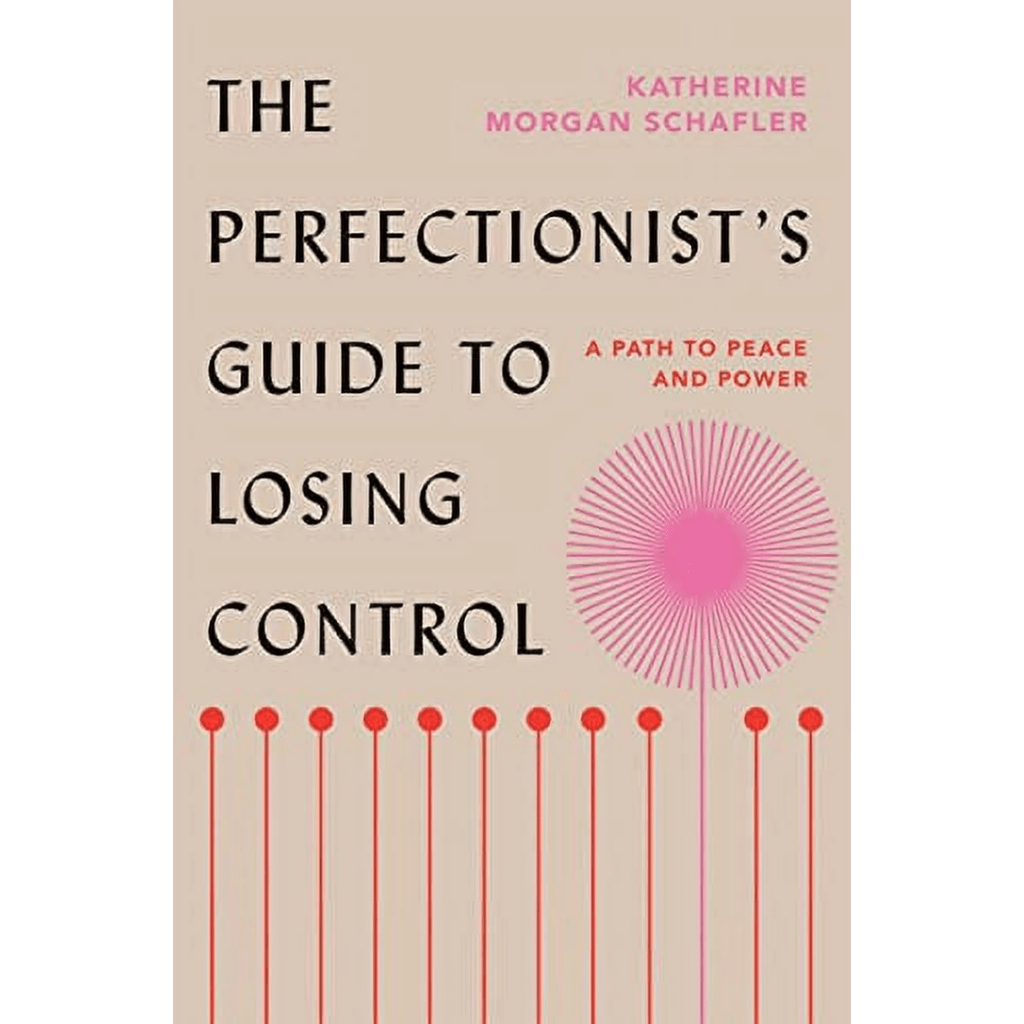
“The Perfectionist’s Guide to Losing Control” was written by Katherine Morgan Schafler, a psychotherapist, write, and speaker and former therapist at Google. I got SO much out of this book and my notes covered the review pages for 2 books instead of 1! This book explored types of perfectionists, lessons learned, and strategies of coping with perfectionism. I will most more about this book in the future, but for now, here are a few lessons:
I am mostly a classic perfectionist (and partially a Parisian perfectionist). I value structure, consistency, predictability, an understanding of all the options so as to make an informed decision, high standards, objectivity, and clarity through organization. I don’t like disorder, I have difficulty adjusting to schedule changes, and I tend to experience spontaneity as stressful. Itinerary-centered existence can rob classic perfectionists of the opportunity to grow in a way that wasn’t planned or goal-oriented.
Right now, with all the things you have yet to achieve, you are as worthy of all the love, joy, dignity, freedom, and connection as you would be had you already achieved them. You are worthy of all these things because you exist.
There are many raw manifestations of perfectionism:
emotional (want to experience a perfect emotional state)
cognitive (want to understand perfectly)
behavioral (want to behave perfectly in my roles and perform perfectly in my tasks)
object (want external thing, such as desk, hair, etc. to exist in a perfect state)
process (want process to begin, continue, and end perfectly)
5 out of 5 stars
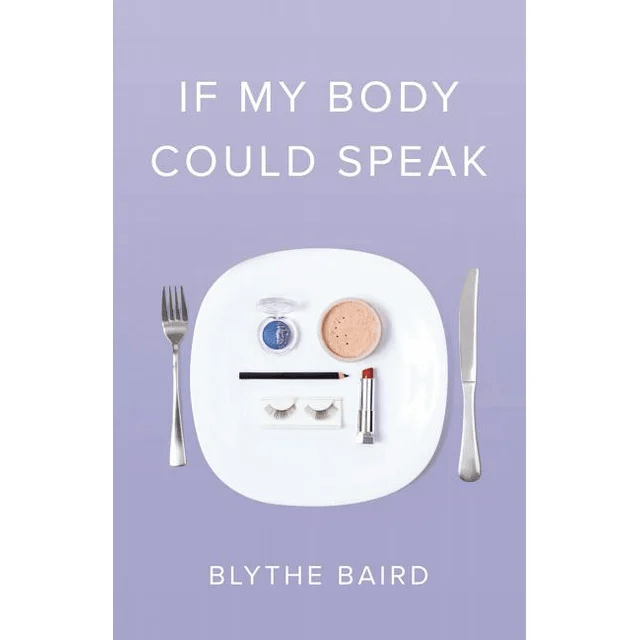
“If my body could speak: poems” by Blythe Baird included poems mostly about rape and eating disorders. Here are some lines that stood out to me:
“If you develop an eating disorder when you are already thin to begin with, you go to the hospital. If you develop an eating disorder when you are not thin to begin with, you are a success story.”
“If your body could speak, would she forgive you?”
“One day after years of starving and gaining and fighting, I stepped on a scale and suddenly that number didn’t say anything about me…and that night nothing on my plate said anything about me either. Later, I got ice cream from a truck and I didn’t have to make myself earn it.”
“I found a way to heal through the poetry. The stage is the only place I could tell my story where it wasn’t a liability I was putting onto anyone. This stage is where i learned to stop hoarding my suffering.”
“Do not say you didn’t try. Remember: you did the best you could in the situation you were in with the materials you had.”
4 out of 5 stars
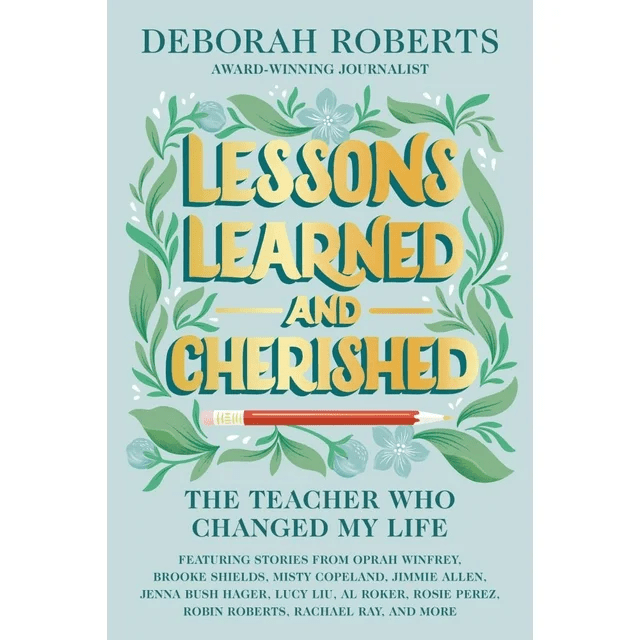
“Lessons Learned and Cherished: The Teacher Who Changed My Life” was compiled by Deborah Roberts, an award-winning ABC News journalist. This book was touching, although the stories seemed to have a specific format/agenda – nearly every essay mentioned that teachers are underpaid/underappreciated at the end of each essay.
Here are four of the lessons learned and cherished:
Every teacher has the potential to make a student feel connected, valued, and worthy. The greatest gift you can give is your full presence.
A difficult teacher can inspire you to persevere and believe in yourself. – Deborah Roberts
Teachers mean the world for a child’s development. Kids are not guaranteed a wonderful home base. Kids can be struggling with emotional distress or even violence, and their teachers can be the safe haven.
When a teacher believes in a student before they believe in themselves, they blossom. – Keri Shahidi
4 out of 5 stars
“Picturing Joy: Moments of Connection” was compiled by photographer George Lange. George’s work has appeared in many popular publications, and he has shot many of the iconic images from TV shows and ads for TV shows. This book was not quite what I expected. George shared stories of how he captured those moments. There were some great photos and interesting stories. Here are some takeaways from this book:
Photos are the artifacts of the experience a photographer creates. Photos reflect what he feels more than what he sees.
The role of a photographer is only to be hip enough to get in the room but not have to be the center of it. His approach is to create a space for people to reveal a part of themselves to him, and his intention is to find a way to put love out in the world.
“My time with subjects is often incredibly brief. A small window into a life I would never get to share without my camera.”
4 out of 5 stars
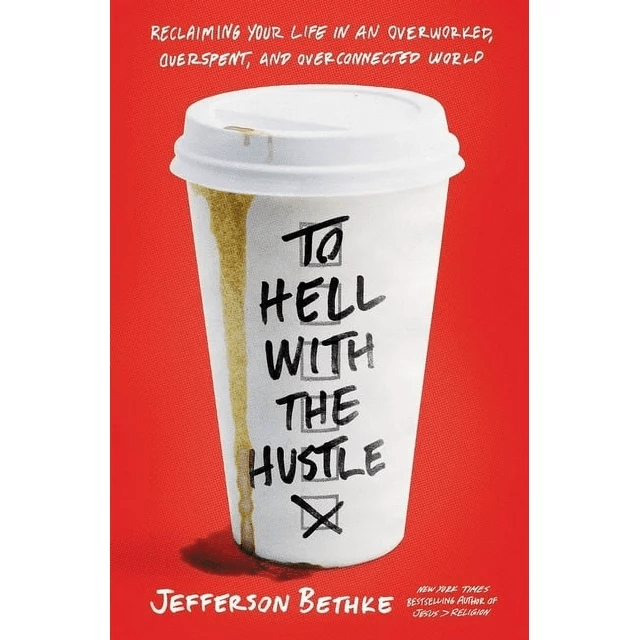
“To Hell With the Hustle” was written by Jefferson Bethke, the New York Times bestselling author of Jesus>Religion and It’s Not What You Think and host of The Real Life podcast. This book was not what I expected and seemed very scatterbrained, but there were some good takeaways. Here are some that resonated with me most.
When our work becomes who we are and we derive our ultimate value and meaning from it, it runs the risk of becoming our god – the thing we worship, bow down to, and become slaves of.
It’s time to stop and consider the cost of all this hustle, speed, and disillusionment. To hell with it – meaning we’re done and it comes from Hell. Jesus was never in a hurry. He was actively resisting cultural pressures on many levels. Hustle isn’t him.
Scripture doesn’t talk much about goals. It is focused on our identity and who we are becoming. Are we becoming more like Jesus by the practices and formations we are doing?
Have you ever noticed how a lot of Jesus’ miracles were not a part of his plan? They happened on his way somewhere else. You have to go at a pace that can be interrupted. That can be responsive to the moment in front of you.
The goal is “Well done, my good and faithful servant,” NOT “Well accomplished, my busy and hustled servant.” Well done. Faithful.If we want to get there, we have to actively resist the myriad voices and influences that subtly hypnotize us into a busier, noisier, more hustled lifestyle. Say no, that’s not the way of Jesus. That’s not the speed of Jesus. That’s not the cadence of Jesus. To hell with the hustle. I’ll take him instead.
4 out of 5 stars
“The Good Life: Lessons from the World’s Longest Scientific Study of Happiness” was written by Robert Waldinger, MD and Marc Schulz, PhD. Robert Waldinger, MD is a professor of Psychiatry at Harvard Medical School and director of the Harvard Study of Adult Development. Marc Schulz, PhD is the associate director of the Harvard Study of Adult Development and a practicing therapist.
The Harvard Study of Adult Devlopment has followed the lives of two generations of individuals from the same families for more than 80 years – asking thousands of questions and taking hundreds of measurements to find out what really keeps people healthy and happy. I will post more about this book in the future, but for now, here are some lessons:
The good life is not a destination. It is the path itself and the people who are walking it with you.
Good relationships keep us happier, healthier, and help us live longer.
An investment in our social fitness isn’t only an investment in our lives as they are now. It is an investment that will affect everything about how we live in the future. Like a tree needs water, relationships are living things and need attention and maintenance.
Curiosity goes a long way in relationships. It opens up avenues of conversation and knowledge and helps others feel understood and appreciated.
5 out of 5 stars
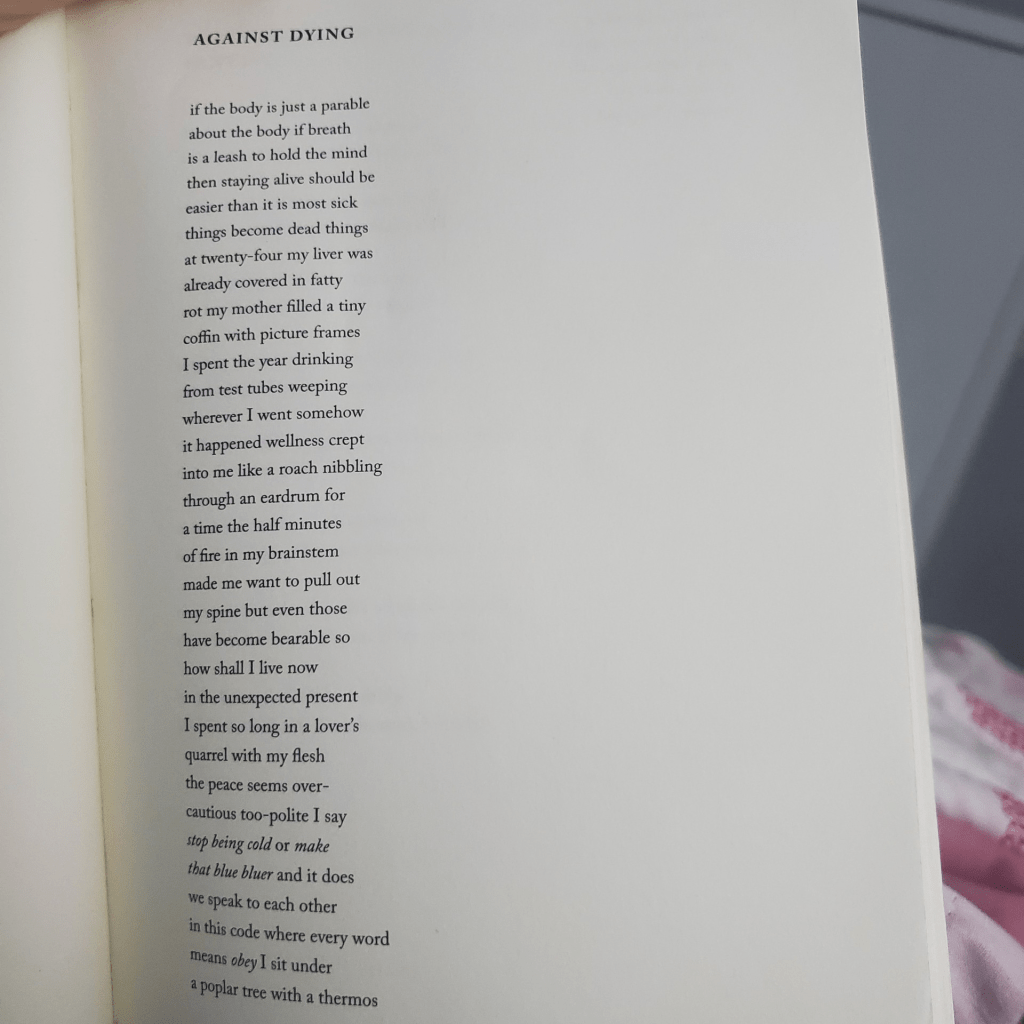
“Calling A Wolf A Wolf” consisted of poems by Kaveh Akbar. To be honest, I didn’t really like this collection. The format of the poems bothered me, and the phrases were scattered with no punctuation. Here is an example:
There were many poems about alcoholism, but the language didn’t make sense to me. Here are a few lines I liked:
What Seems Like Joy – “My father believed in gardens – delighting at burying each thing in its potential for growth. Some years the soil was so hard the water seeped down slower than the green seeped up. Still he’d say if you’re not happy in your own yard you won’t be happy anywhere.”
Portrait of the alcoholic floating in space with severed umbilicus – “I always hoped that when I died I would know why. My brother will be so sad he will tell his daughter I was better than I was. He will leave out my cruel drunk nights the wet mattresses my driving alone into cornfields unsure whether I’d drive out.”
“Now I listen for the sighs of people who love me, each agitation I create a reminder that I am less than constant in my grace.”
2 out of 5 stars
I look forward to reading, learning, and sharing more with you soon!
My intention is to post a Thoughtful Thursday column each week and share some of the insights I have learned in the past week. It has been a while. Here are some of the things I’ve learned this week:
Life Kit – Fruit flies don’t appear out of nowhere. Here’s how to get rid of them.
Fruit flies are attracted to primarily fruit. Though they seem to appear out of thin air, you’re probably letting them in through the front door or bringing them in on your produce.
When you bring home fruit, wash it with water to remove any eggs and then put the fruit in a brown paper bag to ripen.
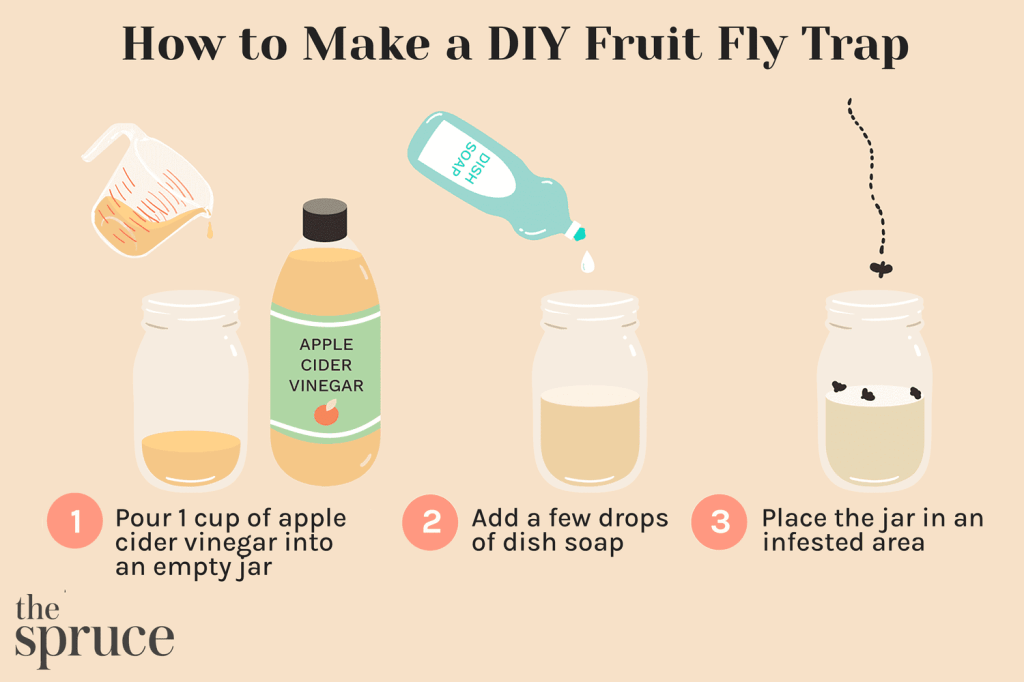
Get rid of fruit flies by building a simple trap. Fruit flies are attracted to vinegar. Red wine vinegar mixed with a bit of dish soap and water makes a great trap for fruit flies. The soap traps them. Having a small opening is even better (ex: using bottles instead of bowls or jars)
Fruit flies might be coming from the drain of your kitchen sink. Pour boiling water down the drain. Then fill your sink with boiling water and leave it overnight.
Put fruit in a small brown paper bag to ripen it without attracting fruit flies.
This product has also worked for us!
Real Simple Tips – 6 Foods You Should Never Store on the Counter
Eggs from a grocery store
Potatoes (avoid placing in sunlight on the counter)
Onions (avoid placing in sunlight on the counter)
Cucumbers
Peaches, bananas, avocados (put ripened produce in fridge to extend shelf life)
Pre-cut produce
Life Kit – How tech experts recommend organizing your photos
Commit to starting in the first place.
Whittle down the rubbish. Remove images you don’t need anymore (receipts, screenshots, duplicates, etc.)
Keep a regular photo maintenance routine. Do monthly organization.
Organize photos by date and do the tedious work of tagging to search and sort going forward. Add key words – vacation, friends, food, pet, etc.
Lean into machine learning and search functions to fill the gaps in your organization.
Back up, back up, back up. You should have three copies on two different medias and one off-site. A cloud service counts as off-site (Google Photos, Amazon Prime backup, ICloud, BackBlaze). Also have photos on your computer and a hard drive.
Share the photos. Make slideshows occasionally and share them with others.
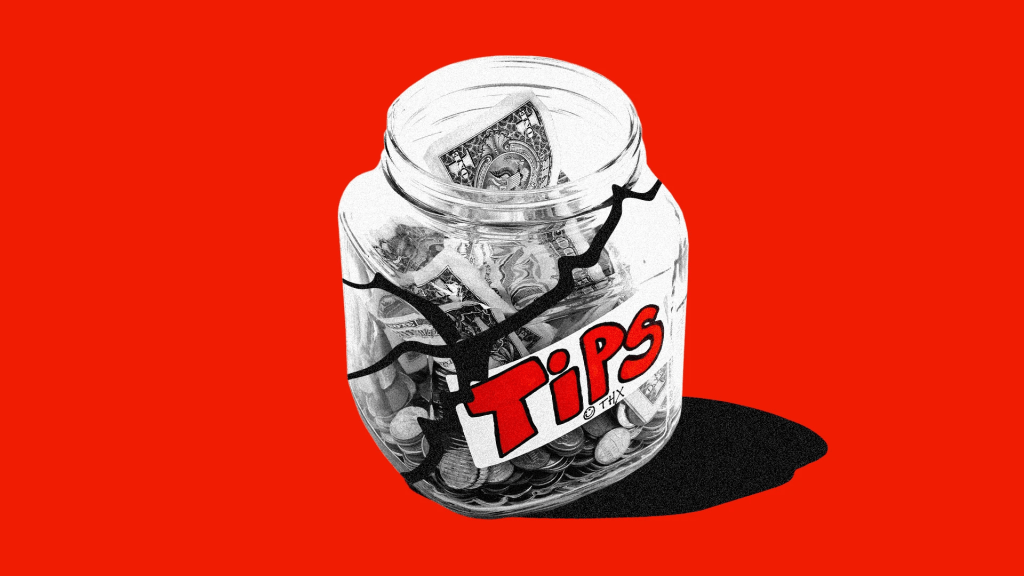
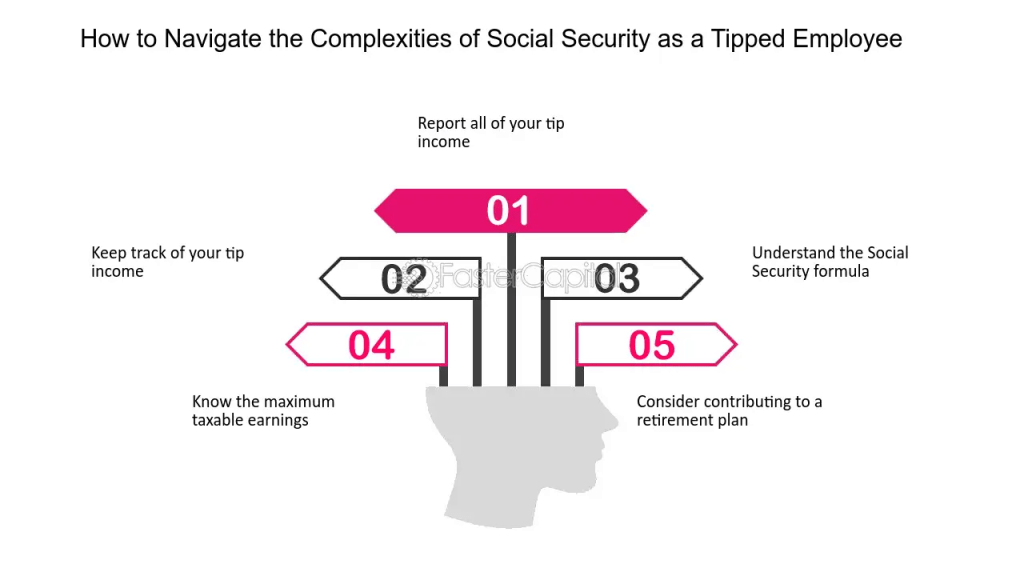
NerdWallet’s Smart Money Podcast – Why Experts Criticize “No Tax on Tips” and What It Means for Your Wallet
2.5% of the entire workforce in the United States are tipped workers.
Most states have a minimum wage above the federal minimum wage of $7.25 per hour. 36 states still have minimum wages for tipped workers below the federal minimum wage.
Cash tips are often unreported. Credit card tips are reported.
Former President Trump, Kamala Harris, and President Biden have endorsed the “no tax on tips” idea.
Currently, tax tips are supposed to be reported but often go unreported, so this proposed policy wouldn’t change anything for many tipped employees.However, personally, it can be hard to accept that people in non-tipped positions are taxed on all income, whereas some tipped employees do not report cash tips and can therefore bring home more income than those in non-tipped positions.
Criticisms by tax experts:
Tax advantage would only go to a sliver of the already small, tipped worker population because1/3 of the workers don’t earn enough to owe federal income taxes anyway
By not taxing tips, employees lose access to other taxed benefits – payroll tax to fund Social Security and Medicare – Earned Income Tax Credit and Childcare Tax Credit
Could fuel resentment among other workers and consumers. Tipping backlash/tipping fatigue – unfair – may tip less than they already do as a result.
Other proposed solutions: eliminating the sub-minimum wage and raising the minimum wage and expanding income supports (Child Tax Credit, Earned Tax Credit, and Medicaid)
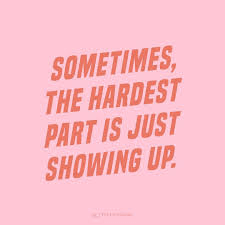
The end of the trail is usually difficult, but without the long and winding approach, there isn’t much of a mountain.
The greatest hits reel and the stunning photographs leave out most of the hard work.
There’s a lot to be said for showing up, one foot in front of the other. In fact, those are the only people who make it to the steep part in the first place.”
I can definitely relate to this.While I was away, my husband and I went hiking at Sequoia, Kings Canyon, and Yosemite National Parks. We went on strenuous hikes, and at times, I thought I didn’t have it in me to make it to the top. However, turning around and going back seemed like more of a challenge because we had a different (easier) route planned on the way back (once we reached the top). In my photos, I appear happy and content. What you don’t see are the many challenges and doubts I encountered to make it there. Sample photo:
I look forward to reading, learning, and sharing more with you soon!
I read three books in July 2024 – the fewest I have read in years. School kept me very occupied in July. Here is a brief synopsis of the three books I read in July, some of which I will post about in greater detail in the future.
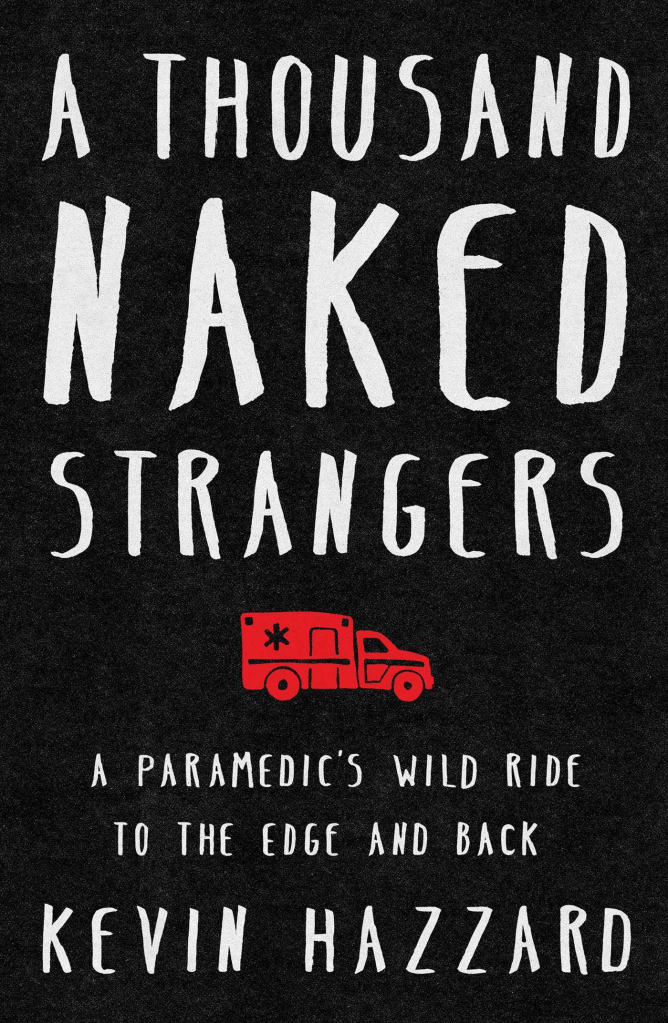
“A Thousand Naked Strangers: A Paramedic’s Wild Ride to the Edge and Back” was written by Kevin Hazzard, who worked as a paramedic from 2004-2013. This book was fascinating and, as one reviewer put it, “gives us a deep, intimate portrait of the toll it takes to every day witness our most vulnerable moments.” Here are a handful of anecdotes that stood out to me:
In some areas, the education of an EMT – one of two people sent to save your life should the worst happen – is an eight-month certificate program. Medics/paramedics undergo an additional 18 months of training.
Memorable quotes:
“Anyone i need of extra cash, who’s been fired, or who is fresh out of jail or rehab can walk through First Med’s squeaky front door and find a spot on an ambulance.”
“This uniform conveys knowledge . . . the feeling is electric, being an insider, knowing that should anything happen, I’ll be the one called out to fix it.” “Medics don’t have to be heroic or tough or even good people. They simply have to enjoy the madness. Aside from a driver’s license and a high school diploma, that’s what this job takes.”
Sometimes the author felt like a Peeping Tom. “I want to explain that I’m here to have fun, to watch. A tourist . . . All of this is real. Except me. I’ve been sleepwalking through someone else’s life.”
“There will always be another dead body, another fetid roach-infested house. We will never escape the smells, the fluids, the unwashable ick of people deep in the throes of a communicable disease.” “I’ve slipped a hand under her head to check for head shots when her eyes pop open. I let go. Her eyes close. I press again. Her eyes open. There’s a firefighter riding with us, and we look at each other as it becomes clear: my finger has slipped through a bullet hole and into her skull, and whatever I’m poking in there is making her eyes open and close.“
4 out of 5 stars
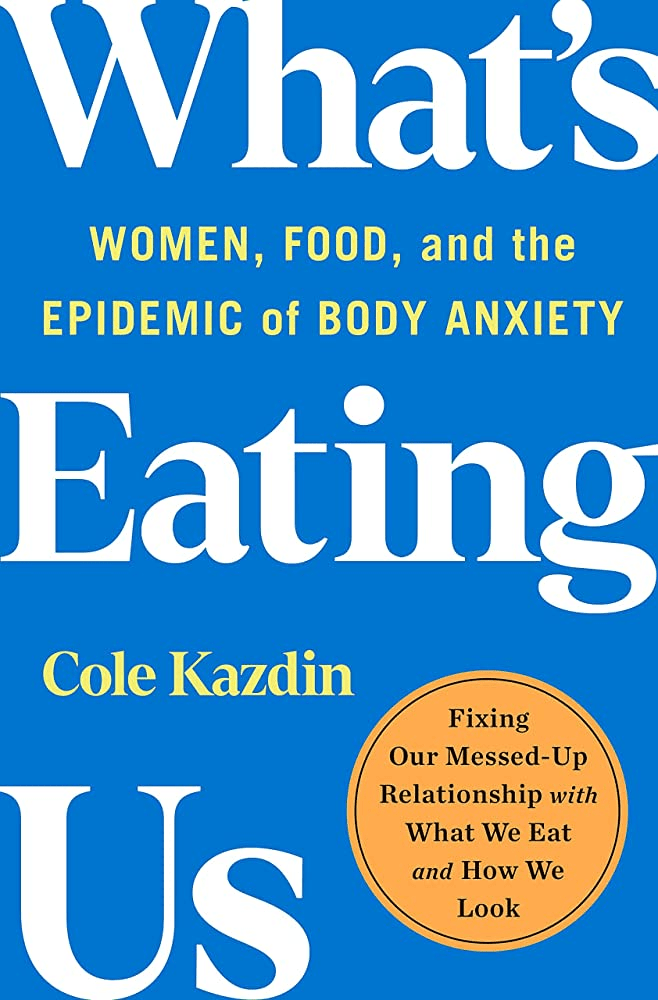
“What’s Eating Us: Women, Food, and the Epidemic of Body Anxiety” was written by Cole Kazdin, a writer, performer, and four-time Emmy Award-winning television journalist. This was an educational, informative book that contained personal stories. Kirkus Reviews sums it up perfectly: “As much a personal story as an examination of body anxiety. Kazdin’s painful honesty is leavened with humor and irony.” I learned so much from this book and highly recommend it to anyone who may be struggling with their body image or may be dieting. I will post about this book in greater detail sometime, but for now, here are a handful of tidbits:
Thinking of foods as good or bad triggers eating disorders and disordered eating. An important part of developing a healthy relationship with food involves not demonizing or 100% eliminating any one food. Dieting is the most important predictor of developing an eating disorder. Nearly 30 million people in the United States suffer from eating disorders.
Failure is the business model for the weight loss industry, and companies rely on repeat customers who return after gaining back lost weight. The only way they can have repeat customers is if their product doesn’t work.
Most standard eating disorder treatments are behavioral therapy-based, focusing on changing behaviors rather than what underlies those behaviors. Chances are high that the root of the disorder will never be explored – thoughts and emotions linger long after treatment is over.
Author’s recommended questionnaire: Am I bingeing, making myself throw up, or using diuretics, including but not limited to any product with the word “detox” in the title? Am I restricting my food intake or eliminating a food in order to lose weight? Am I on any type of diet (Keto, Paleo, Weight Watchers, etc.)? Does exercise or food restriction dominate my life?
Various definitions of recovery: no more harmful behaviors, no dieting or wanting to go on a diet, a healthy relationship with movement, not being obsessed with food or your body, not thinking your body is something to fix or change
4 out of 5 stars
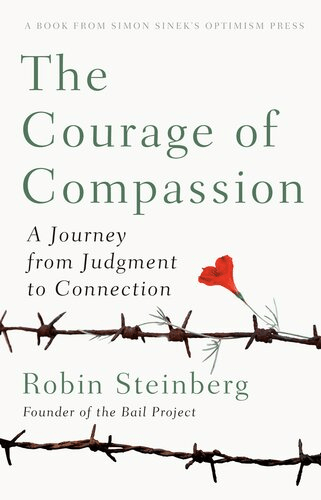
“The Courage of Compassion: A Journey from Judgment to Connection” was written by Robin Steinberg, founder of the Bail Project. Robin spent thirty-five years as a public defender. I read this book to learn more about other perspectives – “the other side.” This book was intriguing and helpful, and some of the stories within it were shocking. Here are several takeaways:
“What if your entire life were defined by the worst thing you ever did? And if we don’t want that for ourselves, then how can we do that to others?” We are all the products of a context and so much more than the sum of our mistakes. Compassion means to suffer together with another. Compassion begins when we accept that we are more than our own worst moment. It is an important lesson you understand when you love individuals who are deeply flawed or when you yourself have been judged on the basis of a single act.
According to the book, nearly 2/3 of people in jail on any given night are not even serving sentences. They are behind bars awaiting trial, mainly because they cannot afford cash bail. Further, according to the book, “the overwhelming majority of Americans who are booked into jails every year are dealing with issues of drug addiction, mental illness, and crushing poverty. We cannot incarcerate our way out of these social ills.”
“Years as a public defender had taught me that people don’t wake up one day and decide to commit horrendous violence. There is always a context, a history, experiences that pave the path to doing the unthinkable.”
“How can you defend ‘those people’?” – author’s response is the fundamental importance of the right to counsel, presumption of innocence, and genuine curiosity about how a person arrived at the present moment and the forces and events that shaped their circumstances. “Before you, there is a person whose entire life, worth, and character are being judged by prosecutors, judges, and society through the myopic lens of a single act. As a public defender, you must push past that paradigm and replace judgment with curiosity.”
The author believes three traits define most public defenders:
You love and have loved deeply flawed individuals, perhaps to your own detriment. We are the sum of our stories and new stories can always be written.
You have a healthy dose of mistrust for authority. You believe authority must be earned.
You were once probably idealistic about change and ready for the revolution.
4 out of 5 stars
I look forward to reading, learning, and sharing more with you soon!
My intention is to post a Thoughtful Thursday column each week and share some of the insights I have learned in the past week. This week I wanted to share some fun facts about the Olympics. Here are some of the things I’ve learned this week:
But Why: A Podcast for Curious Kids – What’s it like to compete in the Olympics?
Summer Olympics and Winter Olympics – each one happens every four years, but they are staggered, so we see one every two years. We are in the summer Olympics right now in 2024.
There are 32 summer Olympic sports and 8 winter Olympic sports.
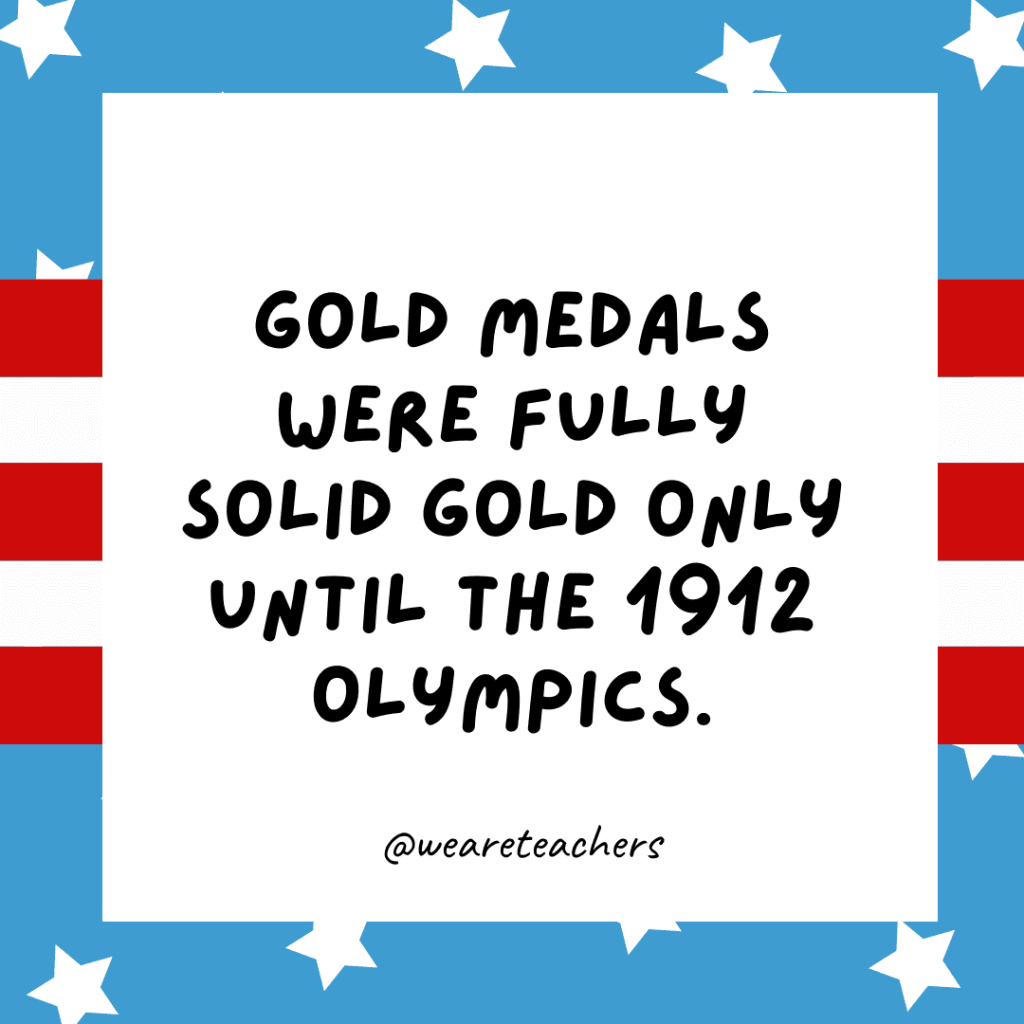
Silver medals are made out of silver, bronze metals are made out of bronze, and gold medals are made out of silver covered with a thin layer of real gold. They weigh about one pound. Gold medals are worth only $750-$850, but athletes will tell you that it’s not the $ amount that makes them valuable. It’s all of the hard work and achievement that the medals represent.
Most countries reward athletes who win Olympic medals. The U.S. Olympic Committee awards $37,500 for Gold medalists, $22,500 for silver, and $15,000 for bronze. Some athletes can make enough money to support themselves just doing their sport by winning big competitions, getting sponsors, or being in advertisements. Most Olympic athletes have other jobs in addition to training for their sport.
Paralympics – for those with disabilities. They happen just after the Olympic games and have been going since 1960. Wheelchairs are used for the running portion. Paratriathlon is shorter (in distance) than Olympic triathlon
Fastest runner in history: Usain Bolt. 9 Gold medals at Olympics and 11 World Championships
Finding Mastery – Second Place Heartache: Katie Hoff’s 16-Year Journey to Recover from the Games
Katie took 16 years to heal from being an Olympian because she felt that if she didn’t win gold, it wasn’t an achievement. She just realized this year that being an Olympian is “cool” no matter whether you place or not.
She spent 16 years disappointed that she came “so close” to winning but didn’t.
A study published in the 1990s confirmed this phenomenon:
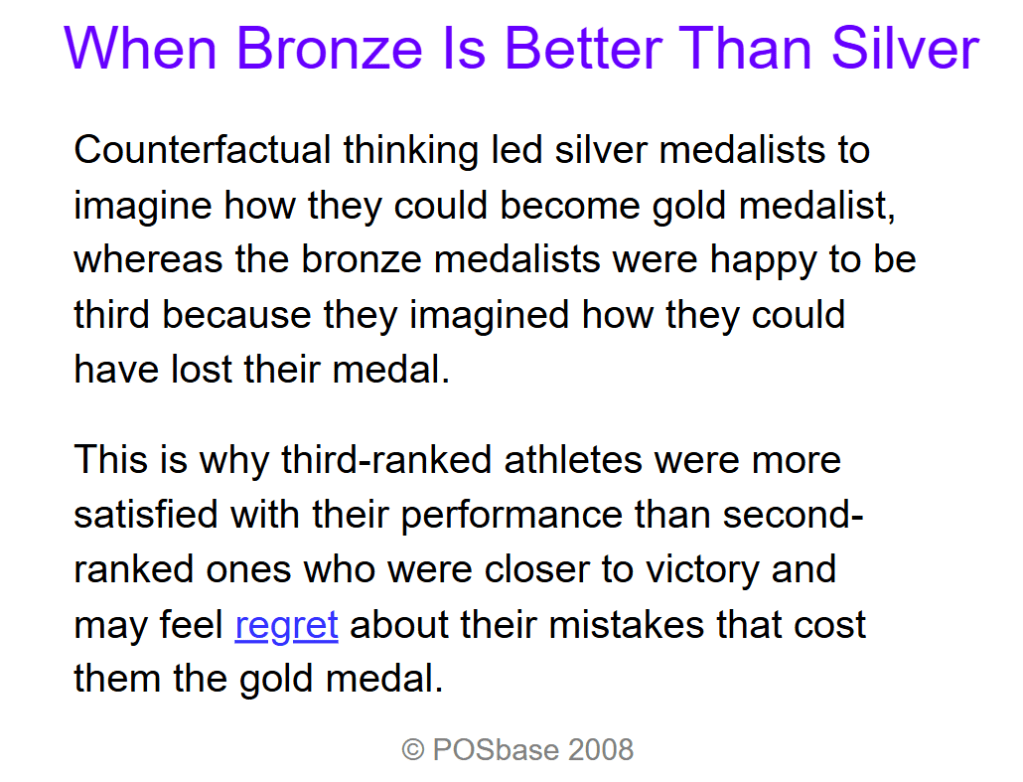
Research on counterfactual thinking has shown that people’s emotional responses to events are influenced by their thoughts about “what might have been.” An analysis of the emotional reactions of bronze and silver medalists at the 1992 Summer Olympics – both at the conclusion of their events and on the medal stand – indicated that bronze medalists tend to be happier than silver medalists.
This is attributed to counterfactual thinking. Bronze medalists think about the possibility that they could have finished without a medal, while silver medalists think about how they missed winning the gold.
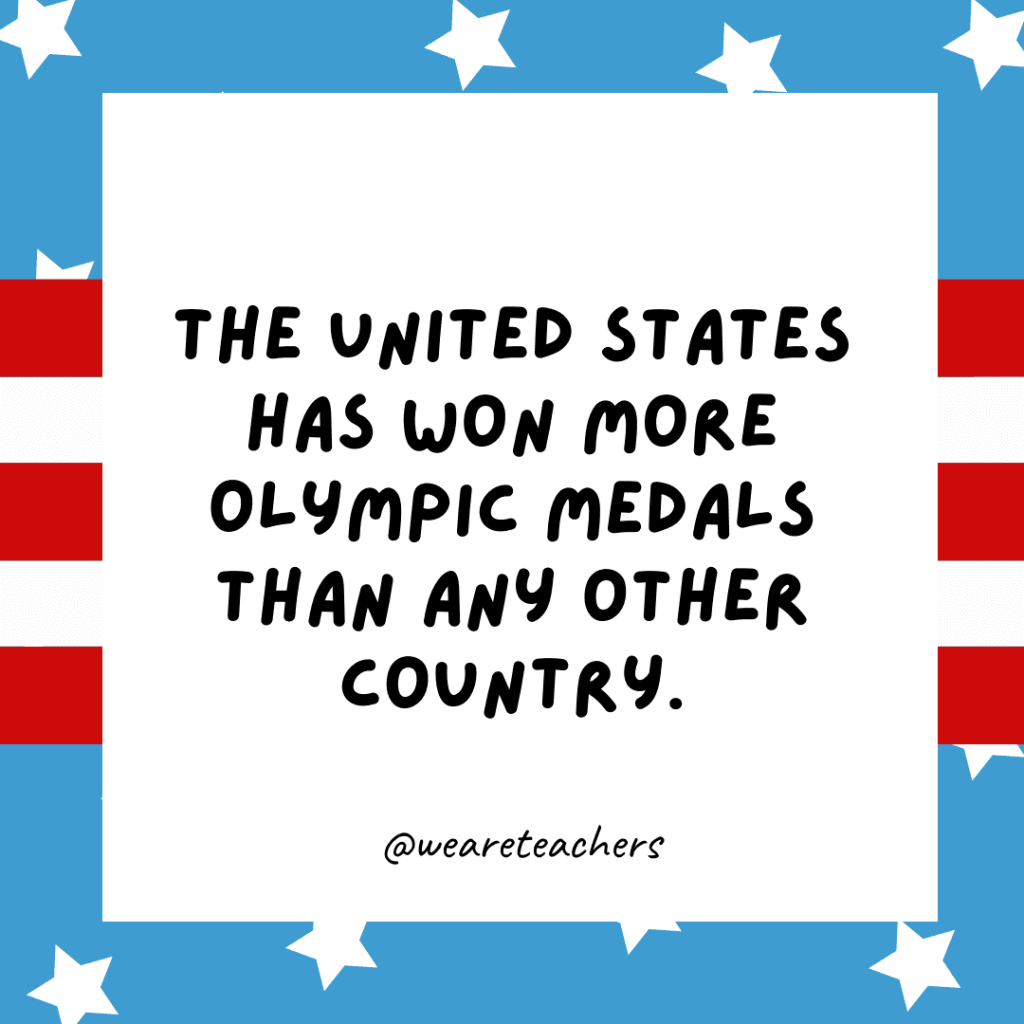
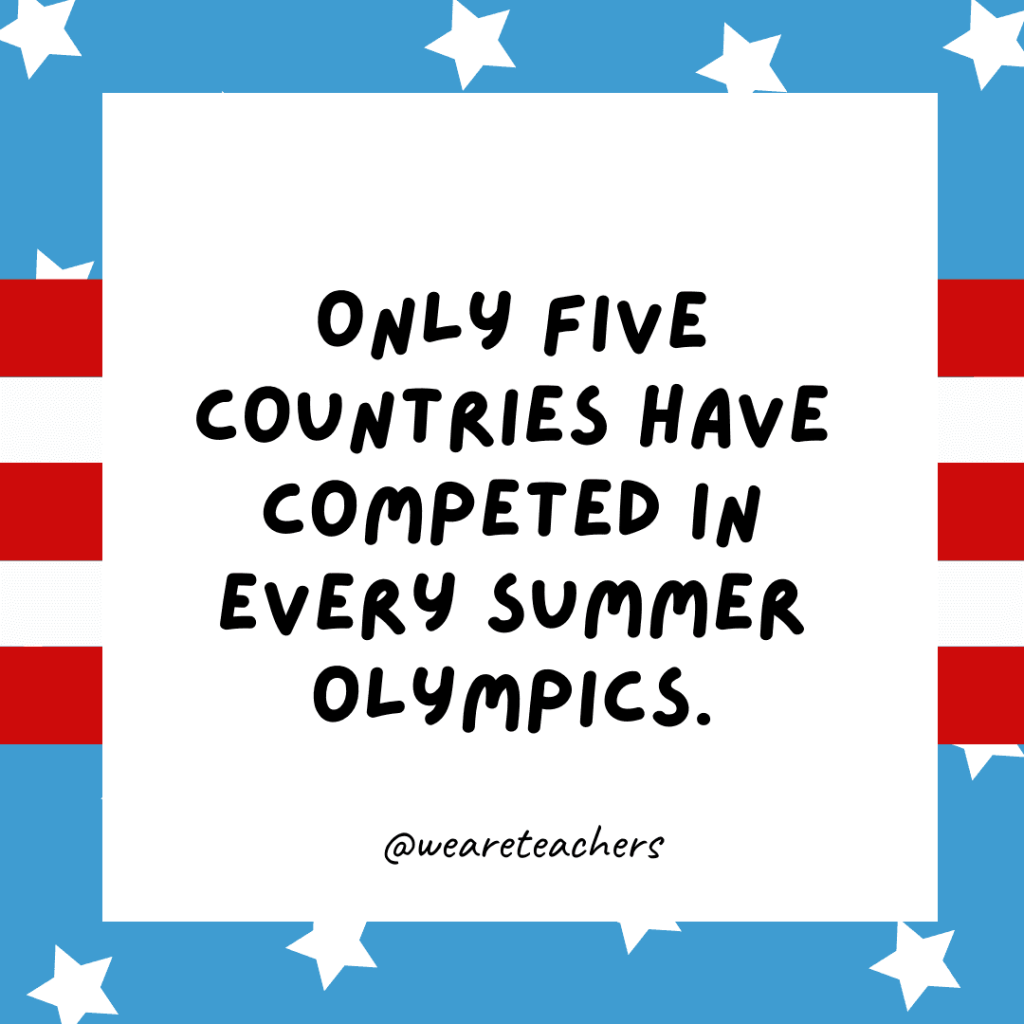
Here are some fun facts from an article from weareteachers.org titled 40 Fascinating and Inspiring Olympics Facts:
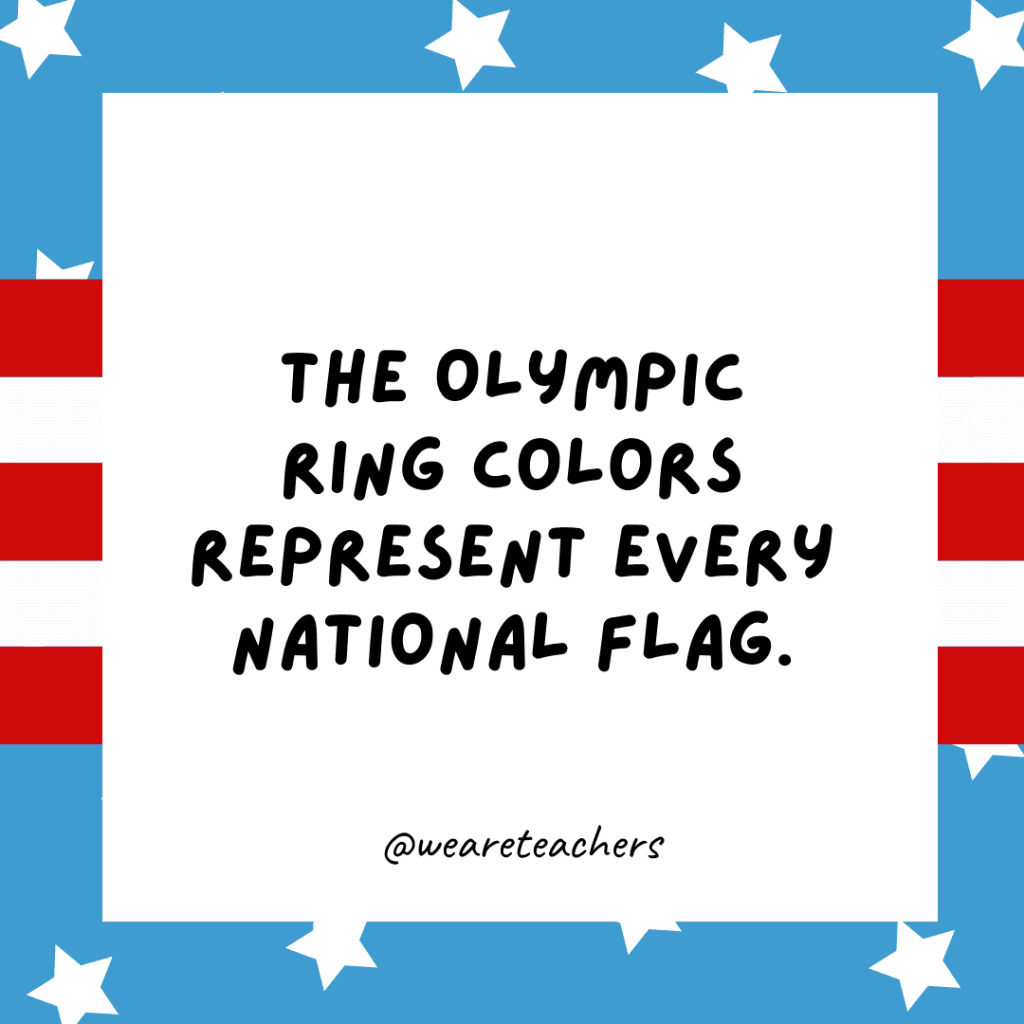
The six colors – blue, yellow, black, green, red, and the white background – were chosen because every nation’s flag contains at least one of them.
At 11 years old, Chinese skateboarder Zheng Haohao is the youngest athlete at the Paris 2024 Olympics as well as China’s youngest Olympian ever.
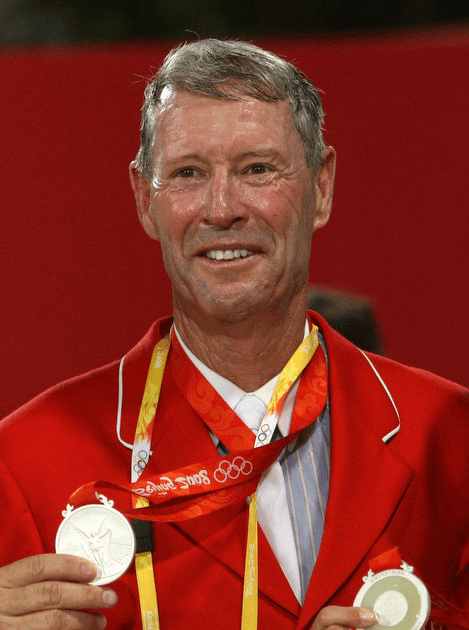
This year’s oldest Olympian is 65-year-old Spanish equestrian Jimenez Cobo.
The first year every country sent a female athlete was 2012.
Though the first year that an Olympics had women compete in every single sport was 2000 at the Sydney Olympics, it wasn’t until London’s 2012 Games when every participating country also sent a female athlete to compete.
At London 2012, Ian Millar set a record by becoming the first athlete in any sport, from any nation, to compete in 10 Olympic Games.
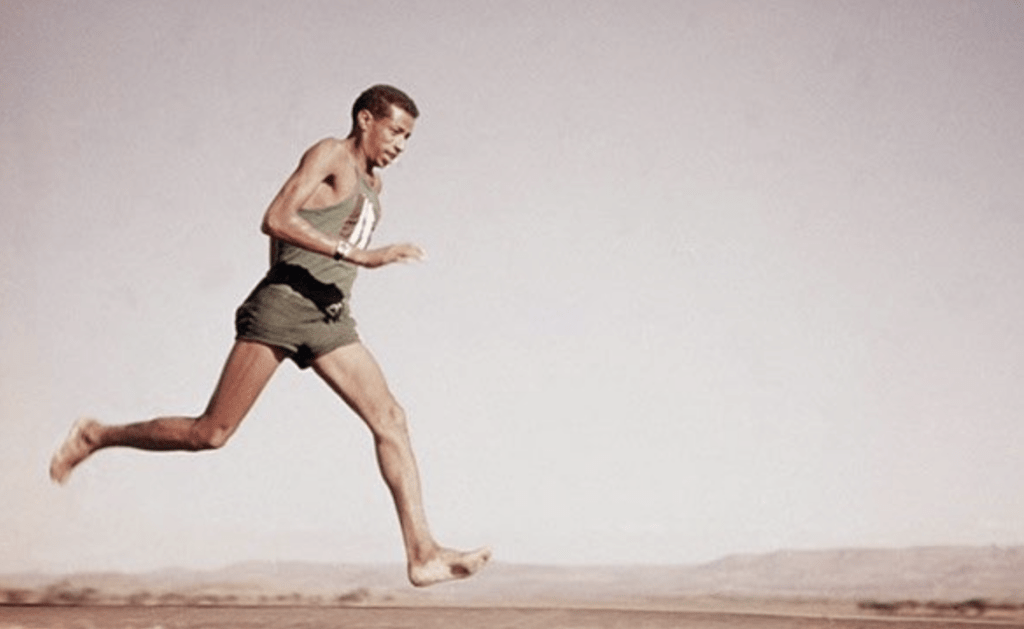
A runner bagged the Olympic gold with bare feet.
Ethiopian marathon runner Abebe Bikila competed in the 1960 Rome Olympics. He famously won the gold for men’s marathon with his bare feet. The athlete originally bought running shoes in Rome for the race. However, the shoes became uncomfortable when they gave him blisters while training. He ultimately decided to run barefoot which led to his record-breaking win in the Games. In the 1964 Tokyo Olympics, Bikila outdid his personal best and won the gold once again while wearing shoes.
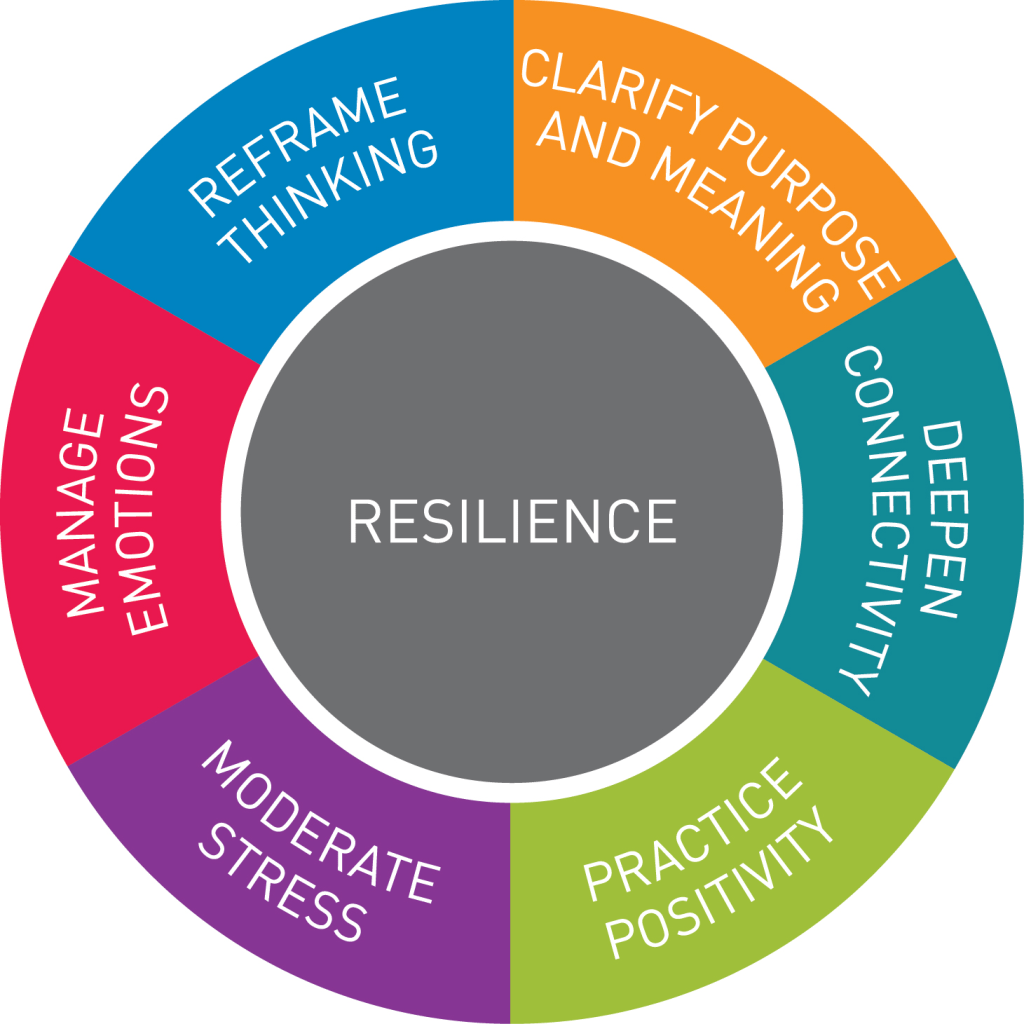
Self Improvement Daily – Golden Examples of Resilience
The three women that stepped onto the podium for Women’s Gymnastics All-Around each have their own version of overcoming adversity to make their dreams come true.
The bronze medal went to American Suni Lee. She’s the defending champion of this event, but she was diagnosed with two rare forms of kidney disease since the last Olympics that nearly caused her to quit the sport entirely. With treatment, support, and commitment, she competed again at this year’s Olympics.
The silver medal went to the Brazilian Rebecca Andrade. Rebecca grew up in a favela two hours from her gym. Following the 2016 Olympics, she tore her ACL 3 times but still came back in time for the Olympics in 2021. She’s been healthy ever since and has been consistent with her training to become one of the best gymnasts in the world.
The gold medal went to Simone Biles. She’s known as the greatest gymnast of all time and brings a level of skill and power that the sport has never seen. During the last Olympics, she chose to remove herself from the competition for her own mental health. She faced a lot of criticism for her decision, but she invested in improving her mental health, kept training, and came back to the Olympics again with big expectations and won again.
The common thread in the story of these 3 stars is how they’ve all overcome their own adversity. They have chosen to persevere through the circumstances and displayed a resilience that is inspiring the world. You have it within you, too! The challenges you’re facing and the obstacles in your way can be overcome with resilience!
I look forward to reading, learning, and sharing more with you soon!




















 Read Learn Share