Book review posts, Uncategorized

Wisdom from “1000+ Little Things Happy Successful People Do Differently”

“1000+ Little Things Happy Successful People Do Differently” was written by Marc Chernoff, co-author of the blog Marc & Angel Hack Life and New York Times bestseller “Getting Back to Happy.” This book was in a listicle format and, although the title is deceiving and inaccurate, I learned so much from this book.

Millions of people live their entire lives on default settings, never realizing they can customize everything. Dare to make edits and improvements. Dare to make your personal growth a top priority.
“Don’t ask ‘Why me? Why didn’t I…? What if…?‘ Instead, ask ‘What have I learned from this experience? What do I have control over? What can I do right now to move forward?‘”

Extend generosity and grace. When someone is grouchy, tired, or whatever you don’t desire, add “just like me sometimes.” Ex: “That person was so rude…just like me sometimes.”

Happiness cannot be traveled to, owned, earned, worn, or consumed. Happiness is the sacred experience of living every moment with love and gratitude.
“Imagine you had a ripe, juicy tangerine sitting on the table in front of you. You pick it up eagerly, take a bite, and begin to taste it.

You already know how a ripe, juicy tangerine should taste, and so when this one is a bit tarter than expected, you make a face, feel a sense of disappointment, and swallow it, feeling cheated out of the experience you expected.

Or perhaps the tangerine tastes completely normal— nothing special at all. So, you swallow it without even pausing to appreciate its flavor as you move on to the next unworthy bite, and the next.

In the first scenario, the tangerine let you down because it didn’t meet your expectations. In the second, it was too plain because it met your expectations to a T.

Do you see the irony here? Nothing really meets our expectations.”

We need to adopt a mindset free of needless, stifling expectations. The tangerine can be substituted for almost anything in your life: any event, any situation, any relationship, any person, any thought at all that enters your mind. If you approach any of these with expectations of “how it should be” or “how it has to be” in order to be good enough for you, they will almost always disappoint you in some way.

The only person who can make you happy is you. You are also the only person responsible for your success.
Failure is a part of success. Failure becomes success when we learn from it. Focus on how far you have come.

You will never feel 100 percent ready when an opportunity arises. Embrace the opportunity and allow yourself to grow emotionally and intellectually.

View every challenge as an educational assignment: “What is this situation meant to teach me?” Be a student of life every day. Experience it, learn from it, and absorb all the knowledge you can.

When someone upsets you, it’s often because they didn’t behave to your fantasy of how they “should” behave. The frustration stems not from their behavior, but your expectations. You can’t control how others behave or what happens to you, but you can control your response.

Life is kind of like a party. You invite a lot of people, some leave early, some laugh with you, and a few stay to help you clean up the mess. The ones who stay are your real friends in life.

Over the past month, what have your actions been silently saying about your priorities? Are there any changes you want to make?

If you had a friend who spoke to you in the same way that you sometimes speak to yourself, how long would you allow that person to be your friend? The way you treat yourself sets the standard for others.
Do your best with what’s in front of you and leave the rest to the powers above you.

Marc Chernoff

30-day challenge ideas to improve your life:

  • Get rid of one thing a day for 30 days
  • Wake up 30 minutes earlier than usual
  • Ditch 3 bad habits
  • Define one long-term goal and work on it for an hour every day
  • Watch or read something that inspires you every morning
  • Cook one new recipe each day
  • Each day, have a conversation with someone you rarely speak to
  • Document every day with one photograph and one paragraph

20 questions you should ask yourself every Sunday- linked here:

I look forward to reading, learning, and sharing more with you soon!
Book review posts, Uncategorized

Unwinding Anxiety + Habit Loops

“Unwinding Anxiety” was written by Judson Brewer, MD, PhD, an internationally renowned addiction psychiatrist and neuroscientist, director of research and an associate professor at Brown University, and founder of Eat Right Now and Craving to Quit apps. Further, his 2016 Ted Talk “A Simple Way to Break A Bad Habit” has over 16 million views! This book emphasized that anxiety and addictions (eating, smoking, drinking, etc.) manifest themselves in habits and the first step to overcoming them is to understand the origin of the habits we want to eliminate or replace and update the reward values.

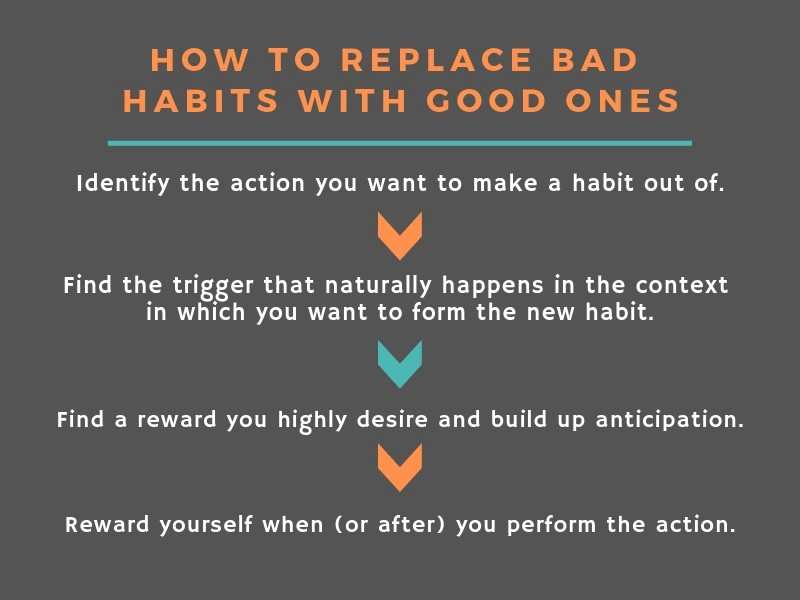
  • 1. Identify your habit loops.
  • 2. Update the reward values of the behaviors you want to change (using mindfulness and curiosity).
  • 3. Replace your old habits with new, healthier habits.

Paying attention is really important if you want to change a habit. If it’s a habit that you desperately want to break, you can’t tell, force, or wish it to stop because these likely don’t have an effect on its reward value. Look and learn. Ask yourself “What do I get from this?” when thinking about the result of bad habits.

If you struggle with overeating, focus on the full and bloated feeling you get when you’re done eating.

If you struggle with smoking, be mindful and think about the taste and smell (I was surprised to learn that most smokers in a study reported that when they paid attention when trying to quit, they realized they hated the smell and taste)!

Force your old brain to relearn and reassociate negative feelings with the habits you want to change. It is true that past behavior is likely the best predictor for future behavior, but what we do in the present moment, not what we did in the past, will determine the likelihood of continuing or changing that trajectory.

Use RAIN:

  • Recognize what is happening right now.
  • Allow/accept it.
  • Investigate body sensations, emotions, or thoughts.
  • Note what is happening in your experience.

Examples of habit loops:

  • Trigger: getting into an argument
  • Behavior: bingeing
  • Result: feeling physically, emotionally, and mentally awful with no improvement in relationship
  • Trigger: start working on long task and feel overwhelmed
  • Behavior: check social media
  • Result: avoidance; feel more stressed that no progress is made
  • Trigger: anxiety/sadness
  • Behavior: start drinking
  • Result: numbing, forgetting, feeling intoxicated, avoidance
  • Trigger: look at unfinished to-do list
  • Behavior: worry about not getting it done
  • Result: feel anxious

This book was an educational read and seemed geared more toward overall addictions and habits, not just anxiety.

I look forward to reading, learning, and sharing more with you soon!
Thoughtful Thursday posts, Uncategorized

Thoughtful Thursday- April 6, 2023

My intention is to post a Thoughtful Thursday column each week and share some of the insights I have learned in the past week. Here are some of the things I’ve learned this week:

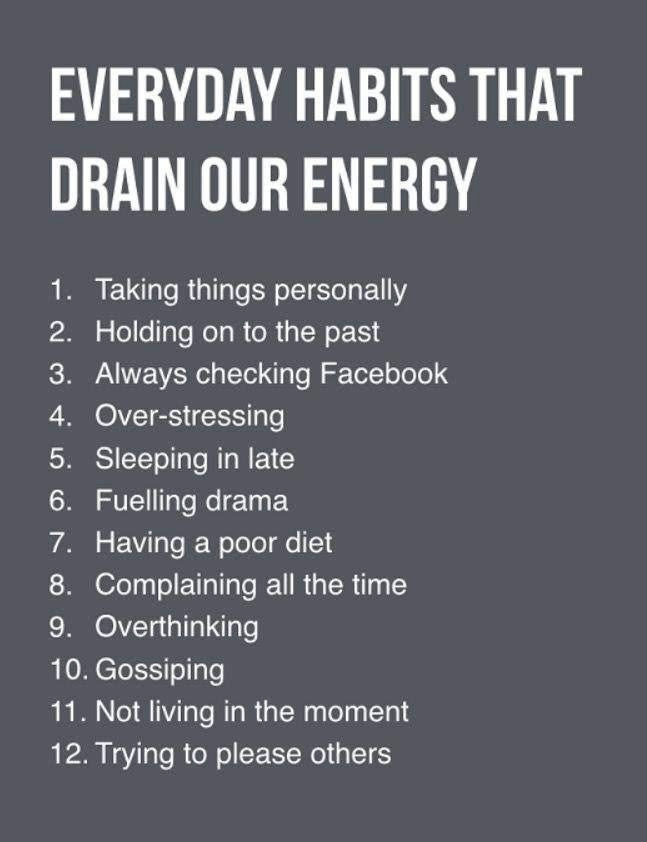
Psych2Go – 8 Daily Habits that Drain Your Energy

These daily habits can cause you to feel stressed, anxious, and exhausted:

  1. looking on the negative side of life/being a pessimist
  2. overthinking
  3. living in the past and taking your focus off of the present moment
  4. associating with negative people and drama
  5. using social media to bring you down and fall into the comparison trap
  6. having a poor diet
  7. not exercising regularly
  8. having an unhealthy or irregular sleep schedule

When a box of girl scout cookies is sold for $5.00, $1.50 goes to the bakery that made it and $3.50 stays local and is split between the regional troop and the troop you bought it from.

The career record is $180,000 boxes sold, resulting in a college scholarship. Girl scouts can increase sales by setting up a booth at a populated place, such as a supermarket parking lot. This results in more sales than going door-to-door.

In 2014, Girl Scouts started accepting credit cards using mobile card readers and began selling cookies online.

The pandemic resulted in fewer girls enrolling in Girl Scouts, supply chain issues, and labor shortages that made it harder for bakeries to produce cookies. The Scouts started using DoorDash to deliver cookies same-day!

DoorDash Partners with Girl Scouts of the USA to Offer Exclusive On-Demand Delivery as Girl Scout Cookie Season Kicks Off

Business lessons:

  • Each season, each scout commits to selling a specific # of boxes, and she gets to decide how many. The troop pays for the boxes upfront and the scout repays the troop with the money from the sales. If you have excess boxes because you didn’t sell as much as you committed to, you usually have to pay the troop, but sometimes you can swap flavors with cookie hubs.
  • The harsh realities of cookie season (competition, finance risk, supply chain issues, technological disruption) are a part of the commerce business. This presents a great opportunity to build business skills.
How I Built This with Guy Raz- Mark Cuban Cost Plus Drug Company

**I have not used Cost Plus Drug Company myself. I combined information from this June 2022 episode and this updated article:

https://www.forbes.com/sites/joshuacohen/2023/01/01/mark-cubans-cost-plus-drug-company-continues-to-revolutionize-generic-drug-pricing/

Mark Cuban got involved through a cold e-mail from a radiologist who was working on a compounding pharmacy that could sell pharmaceuticals for less. They spent four years working with manufacturers and regulatory agencies, and Mark subscribed to and read every report and article he could get his hands on regarding healthcare and pricing before starting costplusdrugs.com in January 2022.

In the standard U.S. market, the prices of pharmaceuticals are set by considering Medicare as a percentage of the retail price, insurance companies, rebates, paying pharmacy benefit managers, etc. Cost Plus Drugs (costplusdrugs.com) is transparent in pricing: 15% market from their cost + $3 for handling + $5 for shipping. They are able to keep costs low by eliminating all of the others involved in the standard insurance process, and they use True Pill as a pharmacy/fulfillment center.

Costplusdrugs.com offers over 800 generic drugs. The company/website is especially beneficial for those who are uninsured or those who have insurance but are in the high deductible phase. For many generic drugs, the co-payment can be higher than the actual price of the drug.

The challenge in getting this company to scale more has been getting manufacturers to sell to Cost Plus because they are afraid of the response they will get from insurance companies who also work with them. Cost Plus generally does not want to work with insurance companies because they want to be the low-cost provider of every drug they sell.

Financial Feminist- Life Insurance 101 with Ladder

Lessons learned about life insurance:

  • Index universal life insurance is a scam.
  • Life insurance is a selfless product. You are paying for something YOU will never benefit from.
  • The younger you are, the cheaper life insurance will be.
  • A good rule of thumb is to have 10x your salary to cover all of your liabilities. Most people are only covered for their salary.
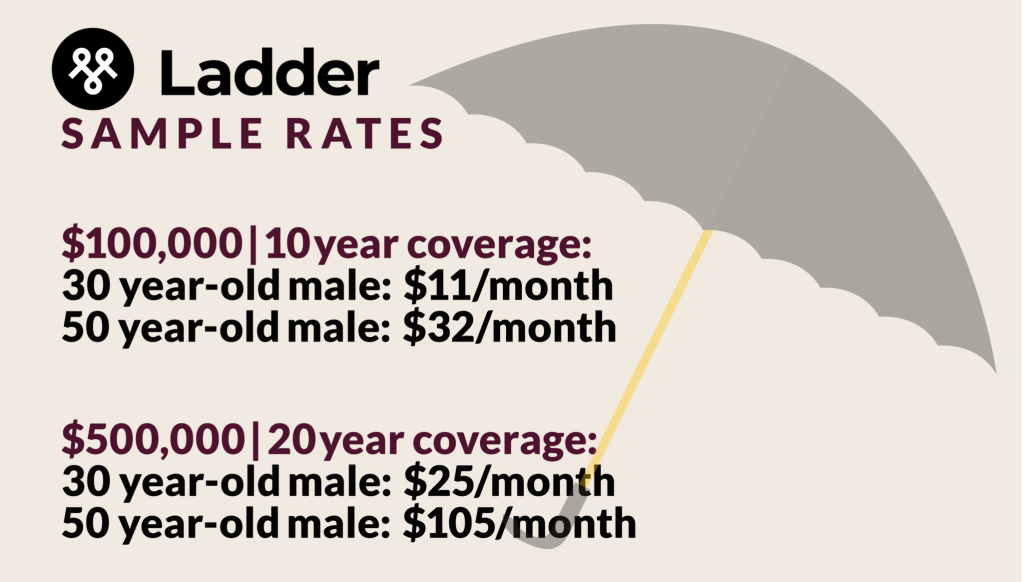
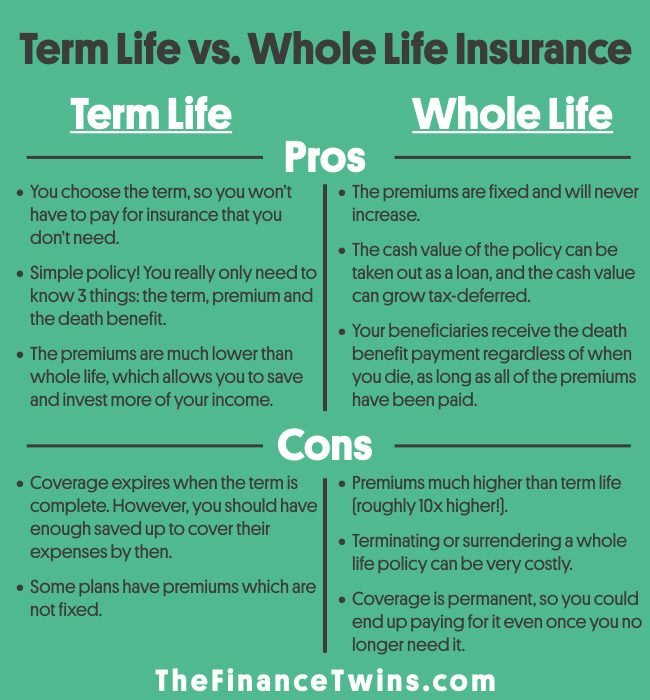
  • Term life insurance (offered through many companies such as Ladder) is the most cost-effective because you are only covered for a certain amount of time. You can invest the difference you would save buying term life instead of whole life insurance. Whole life insurance is permanent and is 4-10x more expensive.
  • Life insurance should be used for insurance, not an investment. Investing should be used for investing!
  • When looking for life insurance coverage, look for good pricing, reviews, financial ratings, transparency, and what’s being added on as riders.
  • If you are a stay-at-home mom, you should still have life insurance because your partner will need $ to cover childcare in the event you pass away. If you take care of your parents, you need life insurance to cover expenses for care providers for them in the event you pass away. If you have any liabilities, you should have life insurance.
  • If you don’t have financial liabilities (mortgage, auto loans, etc.), debts, or kids, life insurance is not necessary.
Self Care IRL- 8 Bedtime Rituals for your Mind & Body

The things you do right before bed can determine whether you toss and turn for hours or get a good night’s sleep.

Before bed, list priority items to handle the next day.

When you think of things you need to do during the day, think about whether you will do them today, tomorrow, or another day and schedule them. Then when you’re in bed you won’t have a racing mind of everything you need to do.

  1. Turn down the lights. Exposure to light causes your body to produce hormones that increase alertness. Don’t watch tv/use your computer/use your phone starting one hour before bedtime. Charge your phone in another room and use an actual alarm clock to wake you up.
  2. Slow down. By 8 p.m., your body should be in wind-down mode. Ditch the late-night workouts and active activities. Devote your evening to gentler activities.
  3. If you MUST, have a light snack or a treat. It doesn’t need to be something sweet. It can be something healthy but enjoyable to you—protein, a healthy carb, or chamomile tea
  4. Apply a fragrance. Lavender is an age-old remedy for insomnia. You can use lavender oil/vanilla pillow sprays, a diffuser, or a cotton ball with lavender in your pillowcase.
  5. Warm up. Raising your body temperature induces drowsiness. Take a hot bubble bath or slip under a heavy weighted blanket. A warm non-caffeinated beverage also works. Warm your body but keep your room cool.
  6. Treat your aches and pains earlier in the day to prepare yourself for sleep.
  7. Suspend all of your daily concerns. What if you get to bed on time but you lie awake worrying about credit card bills, tomorrow’s meeting, whether you watered your plants, called someone back, etc.> Let the day go and resolve to let go of distractions. You will sleep better if you can do this. If you are focusing on your breathing, your brain cannot simultaneously work overtime to worry.
  8. Meditate or pray.

Good quality sleep protects your mental and physical health. Rely on bedtime rituals that will help you doze off faster and stay asleep all night long.

Radio Headspace- Life Without Practice

We can have such tunnel vision of wanting to be better that we can lose sight of where we started. Stop, pause, and reflect on how far you’ve come and the progress you’ve made. TWe tend to forget about what our life was like before we achieved x, y, and z.

Document everything. Keep a notebook to record your emotions and thoughts. This will serve as a reference for how far you’ve come. I have been keeping a One Line A Day journal for over three years. It is a five-year dated journal in which you can look back on what you wrote that particular day for up to five years. Each night, I write something about my day–something that brought joy to my day, something I struggled with, something I did that day, etc. It has been interesting looking back at some things I wrote years ago and comparing those entries to where I’m at now.

Remember that you are a human before anything else and all moments of your life are worthy of being celebrated.

Sometimes when I am reading a book and come across an unfamiliar word, I Google it right then and there. One word I came across this week was bespectacled:

be·spec·ta·cled

[bəˈspektəkəld]

ADJECTIVE

  1. (of a person) wearing eyeglasses:

Ex: Mr. Merrick was a slim, quiet, bespectacled man.

I found this interesting because I have never heard anyone use that word!

I look forward to reading, learning, and sharing more with you soon!

Book review posts, Uncategorized

Man’s Search for Meaning

“Man’s Search for Meaning” written by Viktor E. Frankl has been translated into more than 50 languages and sold over 16 million copies, and it was one of the top 20 books I read in 2022. This book contained a riveting account of Viktor Frankl’s time in the Nazi concentration camps and his insightful exploration of the human will to find meaning in spite of suffering.

At the heart of his theory, known as logotherapy, is the belief that the primary human drive is not pleasure, but the pursuit of what we find meaningful.

To find a meaning in one’s life is the primary motivational force in man.

3 possible sources of meaning:

  • work- by doing something significant
  • love- by caring for another person
  • courage during difficult times

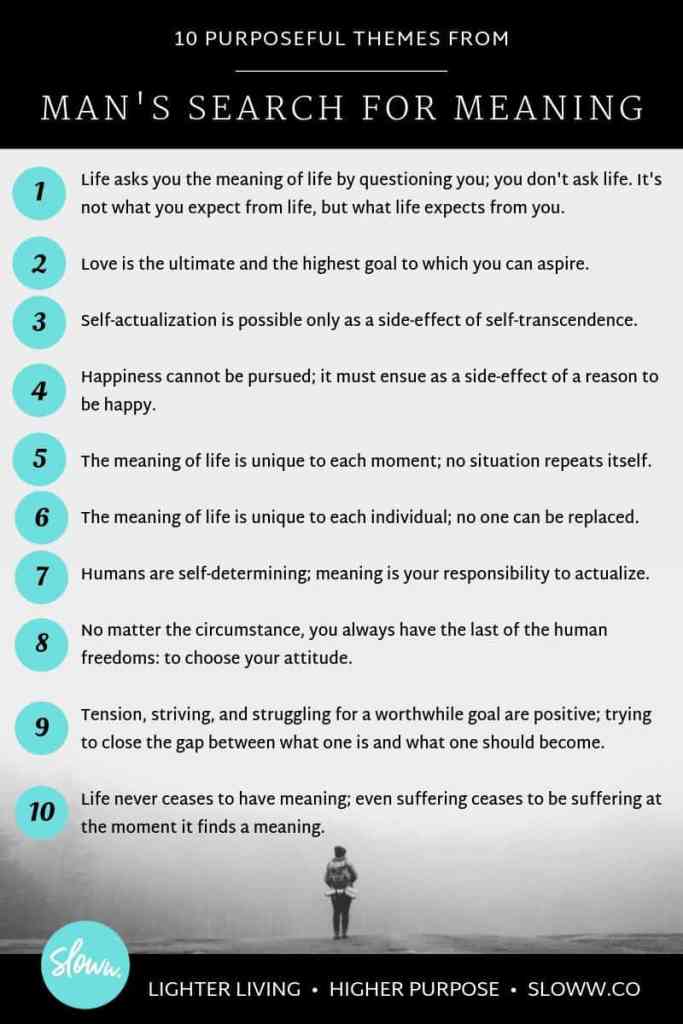
“Everything can be taken away from a man but one thing: the last of the human freedoms – to choose one’s attitude in any given set of circumstances – to choose one’s own way.”

Viktor E. Frankl

Any man can decide what shall become of him – mentally and spiritually. He may retain his human dignity even in a concentration camp.

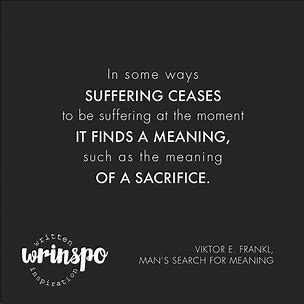
There is meaning in suffering. The way in which a man accepts his fate and all of the suffering it entails gives him ample opportunity to add a deeper meaning to his life.

I look forward to reading, learning, and sharing more with you soon!
Book review posts, Uncategorized

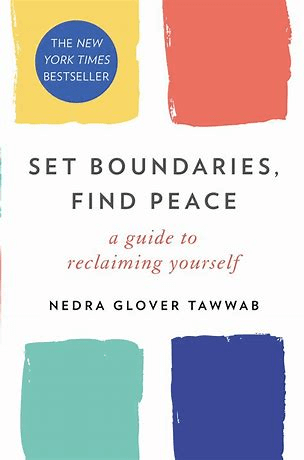
Set Boundaries, Find Peace

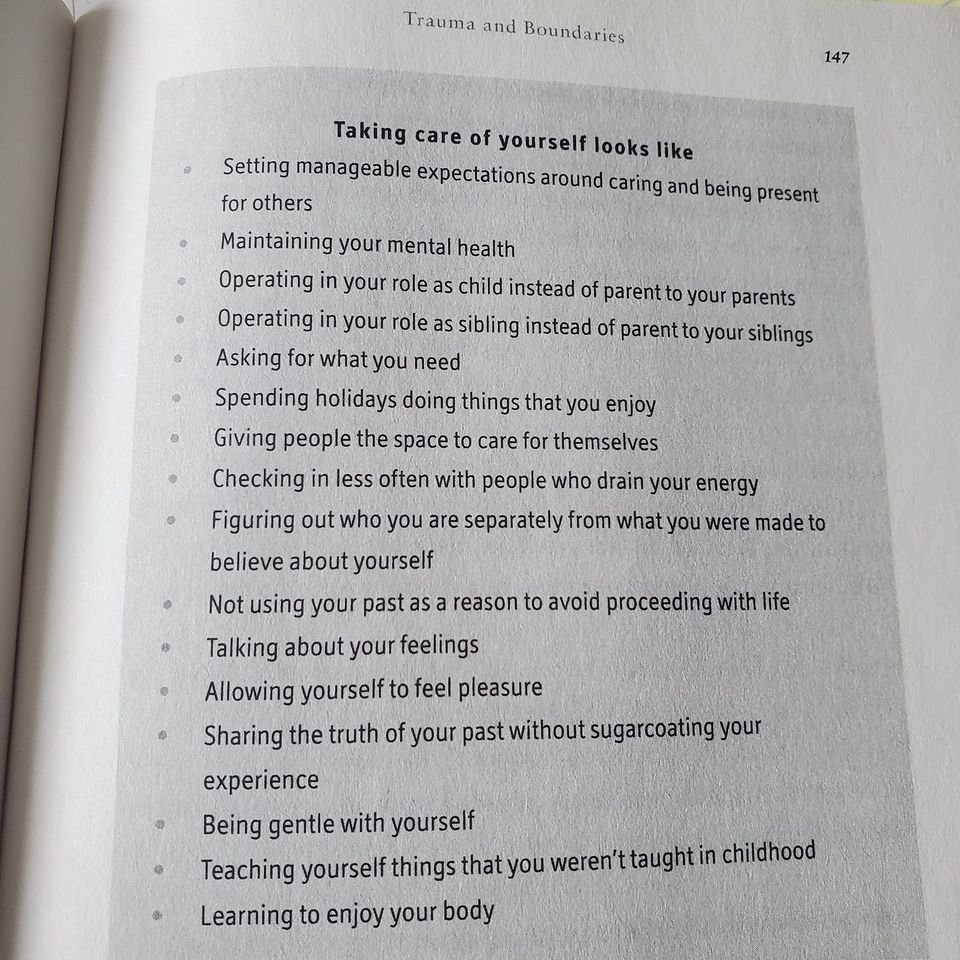
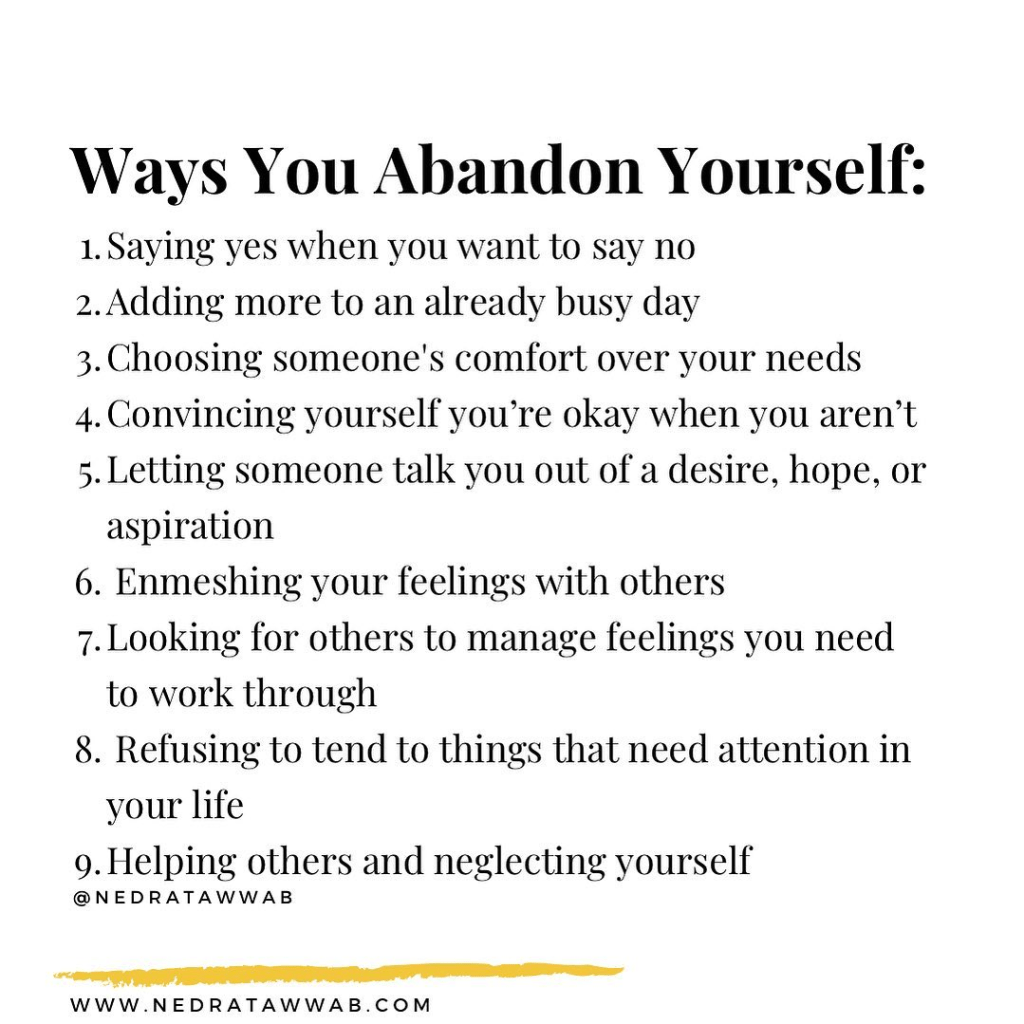
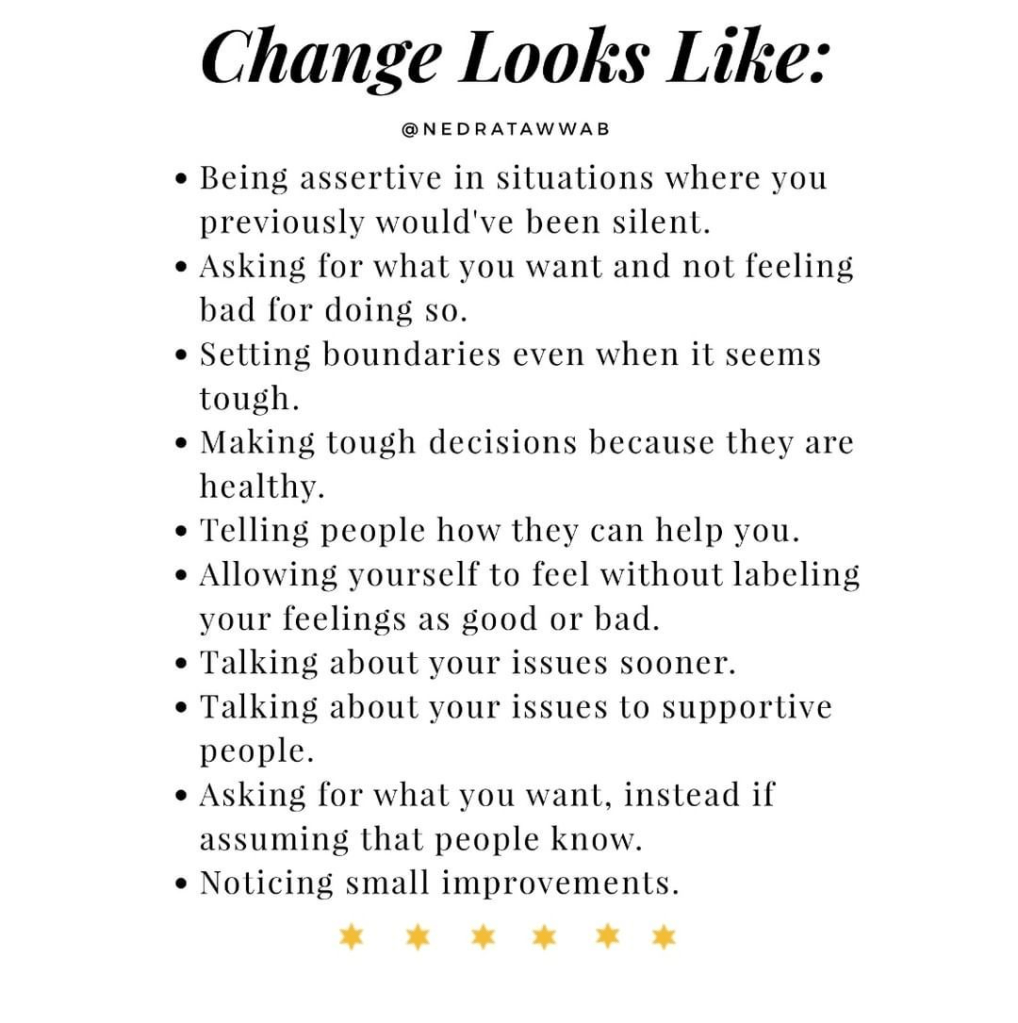
“Set Boundaries, Find Peace” was written by Nedra Glover Tawwab, a licensed therapist and sought-after relationship expert and owner of Kaleidoscope Counseling. Her philosophy is that a lack of boundaries and assertiveness underlies most relationship issues, and her gift is helping people create healthy relationships with themselves and others. This book was filled with insights about boundaries and actual examples of statements and boundaries that you can use. I believe everyone will get something out of this book!

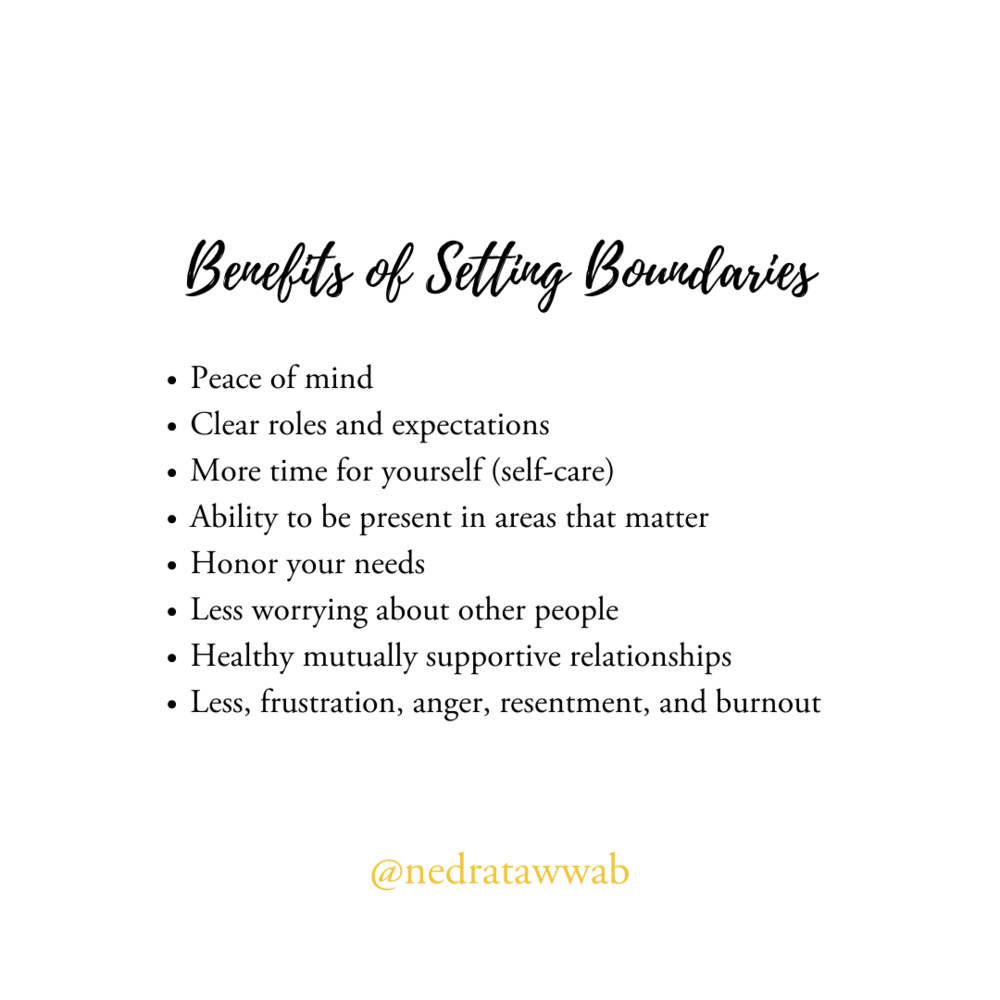
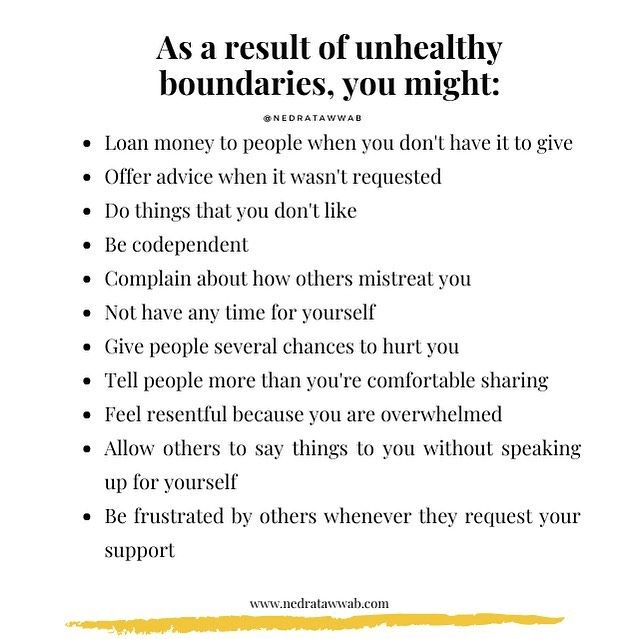
You can follow her on Instagram at nedratawwab. She posts very helpful insights about boundaries and example statements of boundaries.

What are boundaries?

  • Boundaries are expectations and needs that help you feel safe and comfortable in your relationships. Put on your oxygen mask first before helping others.
  • Boundaries are a safeguard in overextending yourself, a self-care practice, a way to create healthy relationships, and a way to communicate your needs to others.
  • Boundaries are not unspoken rules. Unspoken boundaries are invisible. Avoid thinking “they should’ve known better” or “common sense would say…” Common sense is based on our own life experiences and isn’t the same for everyone. It is essential to communicate and not assume that people are aware of our expectations in relationships.

Don’t betray yourself to please others.

Nedra Tawwab

The healthiest way to communicate boundaries is to be assertive. Communicate your feelings openly and without attacking others.

The best boundaries are easy to understand: “I want…I need…I expect…” Examples: “I want you to stop asking me when I’m going to have kids.” “I need you to call me before you stop by.” “I expect you to return my ___ in good condition.”

There are two steps to boundaries: communication and action. You must uphold what you communicate through your behavior. If you don’t uphold your boundaries, others won’t either!

Common responses to boundaries: pushback, limit testing, ignoring, rationalizing and questioning, defensiveness, ghosting, silent treatment, and acceptance

  • Burnout is caused by not knowing when to say no, not knowing how to say no, prioritizing others over yourself, people-pleasing, and unrealistic expectations.
  • To avoid burnout, start asking yourself “Why is this important to me?” and only doing what is most important.

Ask yourself:

  1. Whose standard am I trying to meet?
  2. Do I have the time to commit to this?
  3. What’s the worst thing that could happen if I don’t do this?
  4. How can I honor my boundaries in this situation?

We learned about boundaries from family. We cried, fussed, and acted out when we wanted something, and we learned whether we could get our needs met based on how our parents or caretakers responded.

For kids, food preference is an attempt at setting limits. Do you:

  • (1) offer other options
  • (2) insist the child eats what they said they didn’t like
  • (3) punish the child by not allowing them to eat anything?
  • The results of option 1: Your child feels heard and respected.
  • The results of option 2: Your child recognizes their boundaries are not important to you and that you think you know what is best for them.
  • The results of option 3: Your child feels punished for having preferences.

Same goes with hugging someone. When a child sets a boundary by not wanting to hug someone, do you:

  • (1) allow the child to be self-selective about whom they feel comfortable showing affection to
  • (2) push the child to hug the person
  • (3) shame or threaten the child by saying that it’s not nice to tell people no or tell them you will punish them if they don’t comply
  • The results of option 1: Your child feels heard and respected.
  • The results of option 2: Your child recognizes their boundaries are not important to you and that you think you know what is best for them.
  • The results of option 3: Your child feels punished for having preferences.

Types of boundaries you can set:

Physical boundaries: verbalize your need for physical distance to others. Be clear with others about your discomfort with certain types of physical touch, such as hugging. Examples: “I’m not comfortable with public displays of affection. I’d prefer if we saved this until we got home.” “Please move back a little.”

Sexual boundaries: don’t make excuses for poor conduct. Report sexual misconduct that you experience or witness. Examples: “Your comments about my appearance make me feel uncomfortable.” “Your comment isn’t funny; it’s sexually inappropriate.”

Intellectual boundaries: Be respectful of people who are different than you. If you’re a parent, refrain from discussing adult matters with your kids. Examples: “You can disagree without being mean or rude.” “I won’t talk to you if you keep raising your voice.”

Emotional boundaries: Share only with people you trust who can hold space for your emotions. Ask people if they want you to just listen OR if they’re looking for feedback. Examples: “I hear that you have a lot of things going on and I don’t feel equipped to help you. Have you considered talking to a therapist?” “I don’t feel comfortable talking about that topic.”

Material boundaries: Do not loan things to people who’ve demonstrated that they will not respect your possessions. Share your expectations for your possessions up front. Examples: “I can’t loan you any money.” “I will not let anyone borrow or drive my car.”

Time boundaries: Before you say yes to a request, make sure you want to do it and aren’t overcommitting. When you’re busy, ignore calls/texts/ e-mails until it’s convenient to respond. Examples: “I’m unable to work late today.” “I can’t help you this weekend.”

Self-boundaries: your finances, your time management, your self-care, the treatment you allow from others, your unkind thoughts of yourself, your reactions, and the people you allow in your life. Examples: “I will save ___% before buying something new.” “I plan my day and delegate what I can.” “I say no to things that I don’t like/things that rob me of valuable time.” “I address issues with others when they arise.” “I allow myself to make mistakes without judging myself harshly.” “I allow myself to cry.” “I did my best.”

When you engage in activities that you don’t enjoy or get distracted with other people’s stuff, you take time away from yourself.

**This book also covered boundaries specific to in-laws, holidays, friendships, relationships, social media, and work.

You can’t change people, but you can change:

  • how you deal with them
  • what you accept
  • how you react to them
  • how often you interact with them
  • how much space you allow them to take up
  • what you participate in
  • what role they play in your life
  • what people you have contact with
  • who you allow in your life
  • your perspective

It’s healthy for you to have boundaries. Other people have boundaries that you respect. Setting boundaries is a sign of a healthy relationship. If boundaries ruin a relationship, your relationship was on the cusp of ending anyway.

What to avoid when setting boundaries:

  • Never apologize. It gives the impression that your expectations are negotiable or that you don’t believe you’re allowed to ask for what you want.
  • Don’t waver. Don’t allow people to get away with violating your boundary.

I highly recommend this book! ⭐⭐⭐⭐⭐

I look forward to reading, learning, and sharing more with you soon!
Book review posts, Uncategorized

How to Win Friends and Influence People

“How to Win Friends and Influence People” was written by Dale Carnegie, originally published in 1936 and most recently revised and republished in 2022, has sold more than 15 million copies, and resulted in the Dale Carnegie Foundation of global training courses. This was among my top 20 favorite books I read in 2022.

I first want to point out that the techniques likely work with some people, particularly in the corporate world, but genuine true friendships don’t require techniques or “winning.” With that said, many of these techniques are useful.

I consider my ability to arouse enthusiasm among my people the greatest asset I possess, and the way to develop the best that is in a person is by appreciation and encouragement.

Charles Schwab

Fundamental Techniques in Handling People:

  1. Don’t criticize, condemn, or complain.
  2. Give honest and sincere appreciation.
  3. Arouse in the other person an eager want.

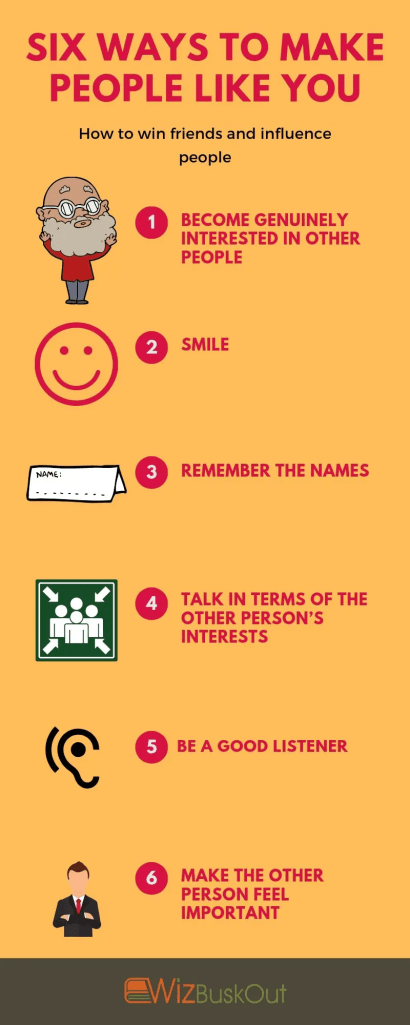
6 ways to make people like you:

  1. Become generally interested in other people.
  2. Smile!
  3. Remember that a person’s name is to that person the sweetest and most important sound in any language.
  4. Be a good listener. Encourage others to talk about themselves.
  5. Talk in terms of the other person’s interests.
  6. Make the other person feel important – and do it sincerely.

12 ways to win people to your way of thinking:

  1. The only way to get the best of an argument is to avoid it.
  2. Show response for the other person’s opinions. Never say “you’re wrong.”
  3. If you are wrong, admit it quickly and emphatically.
  4. Begin in a friendly way.
  5. Get the other person saying “yes, yes” immediately.
  6. Let the other person do a great deal of the talking.
  7. Let the other person feel that the idea is his or hers.
  8. Try honestly to see things from the other person’s point of view.
  9. Be sympathetic with the other person’s ideas and desires.
  10. Appeal to the nobler motives.
  11. Dramatize your ideas.
  12. Throw down a challenge.

9 ways to change people without giving offense or arousing resentment:

  1. Begin with praise and honest appreciation.
  2. Call attention to people’s mistakes indirectly.
  3. Talk about your own mistakes before criticizing the other person.
  4. Ask questions instead of giving direct orders.
  5. Let the other person save face.
  6. Praise the slightest improvement and every improvement.
  7. Give the other person a fine reputation to live up to.
  8. Give encouragement. Make the fault easy to correct.
  9. Make the other person happy about doing the thing you suggest.

If there is any one secret of success, it lies in the ability to get the other person’s point of view and see things from that person’s angle as well as from your own.

Dale Carnegie

Among my favorite takeaways: Give honest and sincere appreciation, be a good listener and encourage others to talk about themselves, show respect for the other person’s opinions, and call attention to people’s mistakes indirectly.

This book was filled with information and useful stories of examples and I highly recommend it!

I look forward to reading, learning, and sharing more with you soon!

Thoughtful Thursday posts, Uncategorized

Thoughtful Thursday- March 9, 2023

My intention is to post a Thoughtful Thursday column each week and share some of the insights I have learned in the past week. Here are some of the things I’ve learned this week:

Life Kit- The five kinds of perfectionists

Five kinds of perfectionists:

  • Classic perfectionist: highly organized. They do what they say they’re going to do, when they said they were going to do it, and in the way they said they’d do it. They are highly reliable and add structure to any environment they enter. They cannot be as spontaneous and sometimes don’t welcome collaboration and connection. People working with them can end up feeling more transactional.
    • I consider myself a classic perfectionist most of the time.
  • Procrastinator: waits for conditions to be perfect before starting. They tend to ruminate. They can prepare so well and see things from a 360-degree angle and are not impulsive. They encounter challenges around getting projects off the ground because they experience anxiety around beginnings.
  • Messy: in love with beginnings. They can start anything effortlessly. When they hit the middle of the process and the tedium that is involved in staying committed to carrying out those goals, they lose interest and energy because the middle isn’t perfect and doesn’t match the perfect romanticized energy around starting.
  • Intense: razor sharp focus. They are really great at generating outcomes. Sometimes they prize the outcome so much that they lose the sense of team/relationship building in the process. They get their desired outcome at the great expense of others around them. Others’ safety depends on their outbursts.
    • Gordon Ramsay was listed as an example of an intense perfectionist, as conveyed in his television shows, such as Hell’s Kitchen.
  • Parisian: wanting perfect connection. They often practice people-pleasing at the expense of sacrificing their own sense of identity and pleasure. They are genuinely warm people who focus on inclusion, collaborate well, and enjoy working with others.

Ways to work with and reframe our types of perfectionism:

Explaining vs. expressing. When you only explain and you don’t express, it emphasizes a transactional, no-team-oriented, get-it-done attitude. It makes people feel disconnected. If you only express (messy and Parisian types), you talk a lot about how you feel but you aren’t asserting your wants and needs. You need to explain and help others understand you better.

Control vs. power. They look very similar, but they are very different. Control is about manipulating and planning one step at a time. This leaves you frantic, and your desperate energy and anxiety can be felt by others around you.

Power is about influencing and being a visionary. You accept that, no matter what happens with the outcome, you know what’s important to you and trust yourself to understand what to do next.

You can’t think yourself through your life. You have to be open and surrender. You don’t know what’s coming next. You can’t be in surrender and in control at the same time.

Questions to ask yourself:

  • Are you hurting or helping the people around you in pursuit of your ideals?
  • Does this action serve to connect or distance you from your values?
  • Are you pursuing this ideal for the right reasons, or are you seeking some kind of arbitrary external validation?
SHE with Jordan Lee Dooley- Asking for Help as a Perfectionist

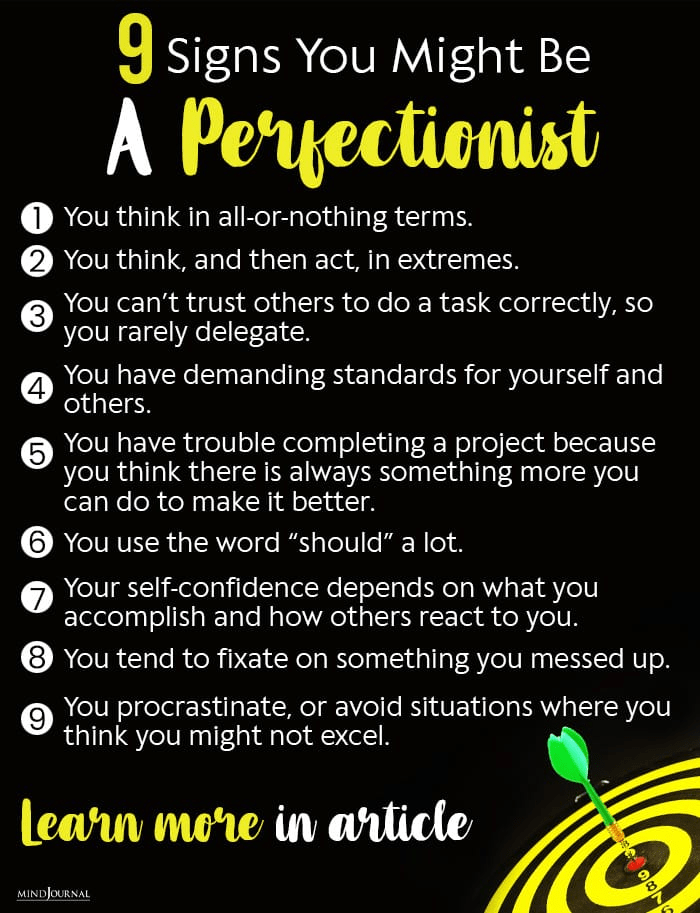
Perfectionists tend to want control of everything in their lives. When it comes to work, as the work piles on, they may become overwhelmed because they feel that they can’t delegate or trust others to complete tasks to their expectations. Here are some tips:

  1. Set up standard operating procedures. Make it easier to delegate. Test the process yourself according to your instructions before you delegate! It can be so easy to think that others will do it your way, but they won’t without detailed instructions!
  2. Start really small with one small task at a time. Delegating and giving up control doesn’t come naturally to most of us, and giving up too much control causes us to feel overwhelmed and micromanage. Delegate little bits at a time!
  3. Communicate your expectations and dissatisfactions clearly and kindly. Encourage people to ask you questions! If a question is repeated, remind them that you’ve been through this before, and challenge them to look at examples and convey that you trust them. People can’t read your mind. You have to tell them and show them what you want by example, by screensharing, etc. You have to tell them what you don’t like and correct them so it doesn’t drive you crazy for an eternity!
  4. The sky is not falling when they drop the ball. Expect them to drop the ball. Something is bound to slip from your control. Give them the room to succeed and make mistakes to help them develop as well. No one will be perfect. Mistakes are inevitable.
Optimal Finance Daily- Life Insurance Beneficiary by Jeff Rose

The biggest lesson I learned in this podcast is to have contingencies! So many people list their spouse’s name as a beneficiary with no contingencies. If a beneficiary dies, the benefits will go to the contingent. If you and your spouse are both killed in a car crash at the same time, without a contingency, your benefits are left in limbo. Several contingencies must be clearly identified.

This week I finished reading “1000+ Little Things Happy Successful People Do Differently” written by Marc Chernoff. One thing that stood out to me was an example of a tangerine.

“Imagine you had a ripe, juicy tangerine sitting on the table in front of you. You pick it up eagerly, take a bite, and begin to taste it.

You already know how a ripe, juicy tangerine should taste, and so when this one is a bit tarter than expected, you make a face, feel a sense of disappointment, and swallow it, feeling cheated out of the experience you expected.

Or perhaps the tangerine tastes completely normal— nothing special at all. So, you swallow it without even pausing to appreciate its flavor as you move on to the next unworthy bite, and the next.

In the first scenario, the tangerine let you down because it didn’t meet your expectations. In the second, it was too plain because it met your expectations to a T.”

How ironic! The tangerine can be substituted for almost anything in your life: any event, situation, relationship, person, or thought. If you approach any of these with expectations of “how it should be” or “how it has to be” in order to be good enough for you, they will almost always disappoint you in some way.

I look forward to reading, learning, and sharing more with you soon!
Book review posts, Uncategorized

The Power of Habit

“The Power of Habit” written by Charles Duhigg is among my favorite books I’ve read this year and among the most helpful books I have ever read. This book focused on the process of creating and modifying habits, habitual cues and rewards, and contained many interesting marketing examples shaped by habits: Pepsodent, Febreze, Target, foaming shampoo/toothpaste/laundry detergent, the response to Rosa Parks, AA, etc.

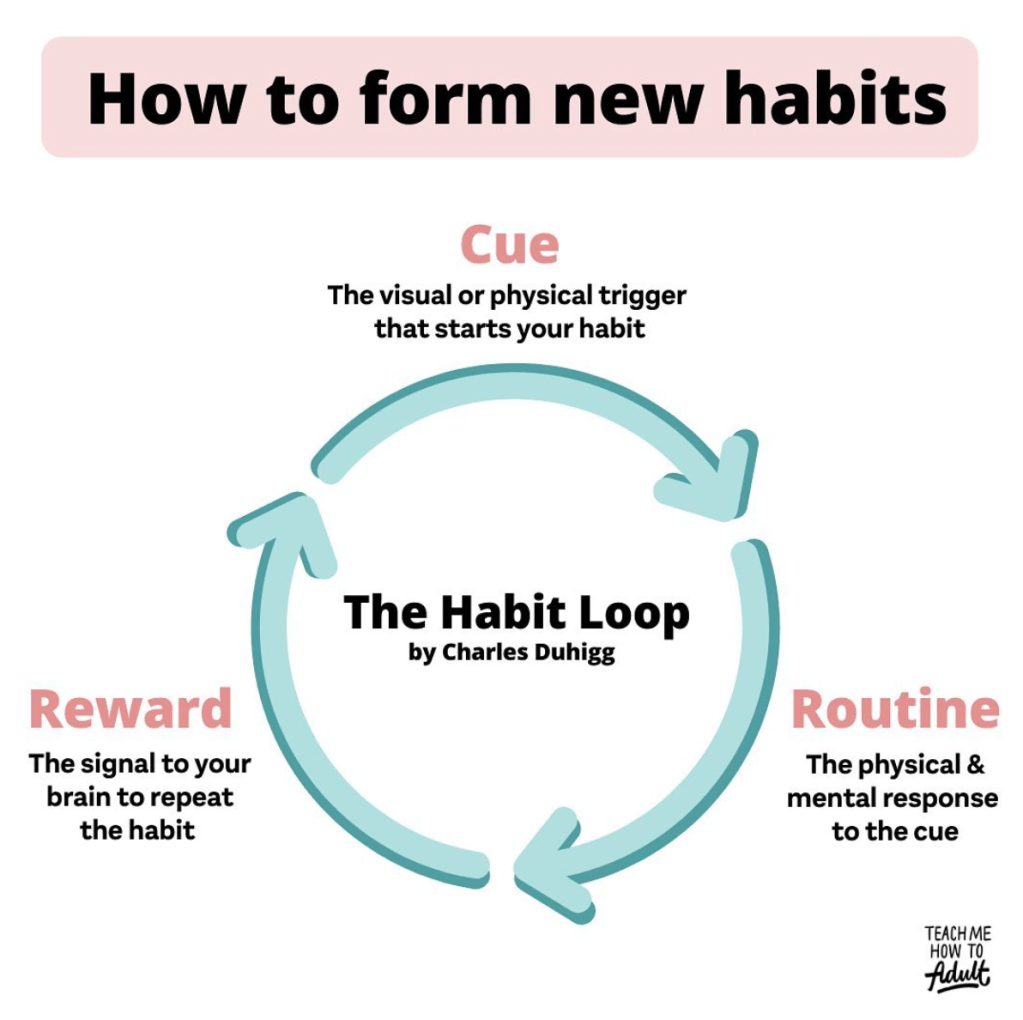
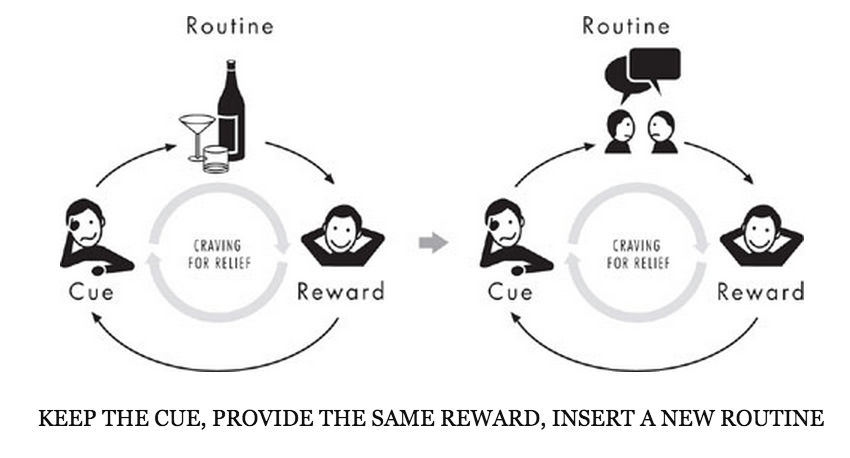
The habit cycle consists of the cue➡️routine➡️reward. If you use the same cue and provide the same reward, you can shift the routine and change the habit. Almost any behavior can be transformed if the cue and reward stay the same.

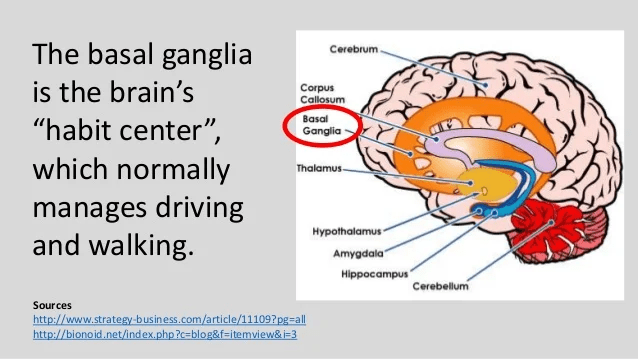
The basal ganglia (part of your brain) stores hundreds of habits we rely on every day. If the basal ganglia gets damaged, such as in those with Parkinson’s or Huntington’s disease, you may lose your habits.

If you want to change a habit, you must find an alternative routine, and your odds of success go up dramatically when you commit to changing as part of a group.

To modify a habit, you must decide to change it. You must consciously accept the hard work of identifying the cues and rewards that drive the habit’s routines and find alternatives. You must know you have control and be self-conscious enough to use it.”

Charles Duhigg

Almost all of the patterns that exist in our lives – how we eat, sleep, talk to people, spend our time, spend our money – are habits. You have the freedom and responsibility to change these habits.

Once you understand that habits can be rebuilt, the power of habit becomes easier to grasp, and the only option left is to get to work.

Charles Duhigg

Almost all habitual cues fit into one of five categories: location, time, emotional state, other people, and the immediately preceding action.

Here are some common habits (related to eating) that I can think of that fall into these categories:

Location: eating popcorn at a movie theater, drinking at a bar, eating cake at a birthday party

Time: eating breakfast, lunch, or supper around the same time each day, even if you aren’t actually hungry

Emotional state: feeling stressed or sad can result in binge-eating junk food

Other people: being surrounded by people at parties and social events may urge you to eat or drink

Immediately preceding action: eating dessert or something sweet after a meal because it is your way of ending the meal

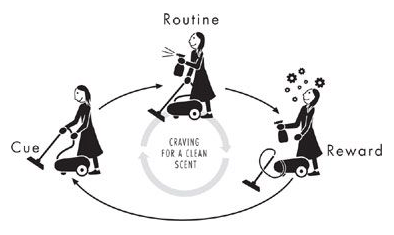
❗❗One of the most interesting stories was about the history of Febreze, which was initially manufactured to destroy odors. Researchers provided free bottles to households with pets, and upon following up with them months later, found that people couldn’t detect most of the bad smells in their homes because they became desensitized. The product’s cue was hidden from those who needed it most, so Febreze ended up in the back of a closet. Febreze then changed to a distinct scent and was positioned as a reward: the nice smell that occurs at the end of a cleaning routine. The irony is that a product manufactured to destroy odors was transformed into the opposite: an air freshener used as the finishing touch when things are already clean!❗

Pepsodent increased awareness of tooth film as a cue to become the best-selling toothpaste for more than 30 years. The reward was marketed as beautiful teeth. Mint oil and other chemicals were used to create a cool, tingling sensation on the tongue and gums. People craved that irritation, and although it doesn’t make the product work any better, it convinces people that it’s doing the job.

Later, Crest became the top seller by featuring fluoride, which was the first ingredient in toothpaste that actually made it effective at fighting cavities.

Foaming is a huge reward. Shampoo, toothpaste, and laundry detergent often contain foaming agents. Although there’s no cleaning benefit, once the customer starts expecting that foam, the habit starts growing.

Alcoholics Anonymous (AA) is a method for attacking the habits that surround alcohol use. AA forces people to identify the cues and rewards that encourage their alcoholic habits and then helps them find new behaviors.

It’s not obvious from the way the 12 steps are written, but to complete those steps, someone has to create a list of all the triggers for their alcoholic urges.

J. Scott Tonigan

Then, AA asks alcoholics to search for the rewards they get from alcohol: escape, relaxation, companionship, the blunting of anxieties, and an opportunity for emotional release.

If order to offer alcoholics the same rewards they get at a bar, AA has built a system of meetings and companionship – “the sponsor” each member works with along with frequent meetings.

“Hey Ya!” by Outkast was a flop at first. Many people changed the radio station when it came on. It needed to become part of an established listening habit to become a hit, so it was sandwiched between songs that were already popular, and it grew in popularity.

The author discussed that the response to Rosa Parks and societal change was the result of social ties across dozens of groups.

Movements don’t emerge because everyone suddenly decides to face the same direction at once. They rely on social patterns that begin as the habits of friendship, grow through the habits of communities, and are sustained by new habits that change participants’ sense of self.

Charles Duhigg

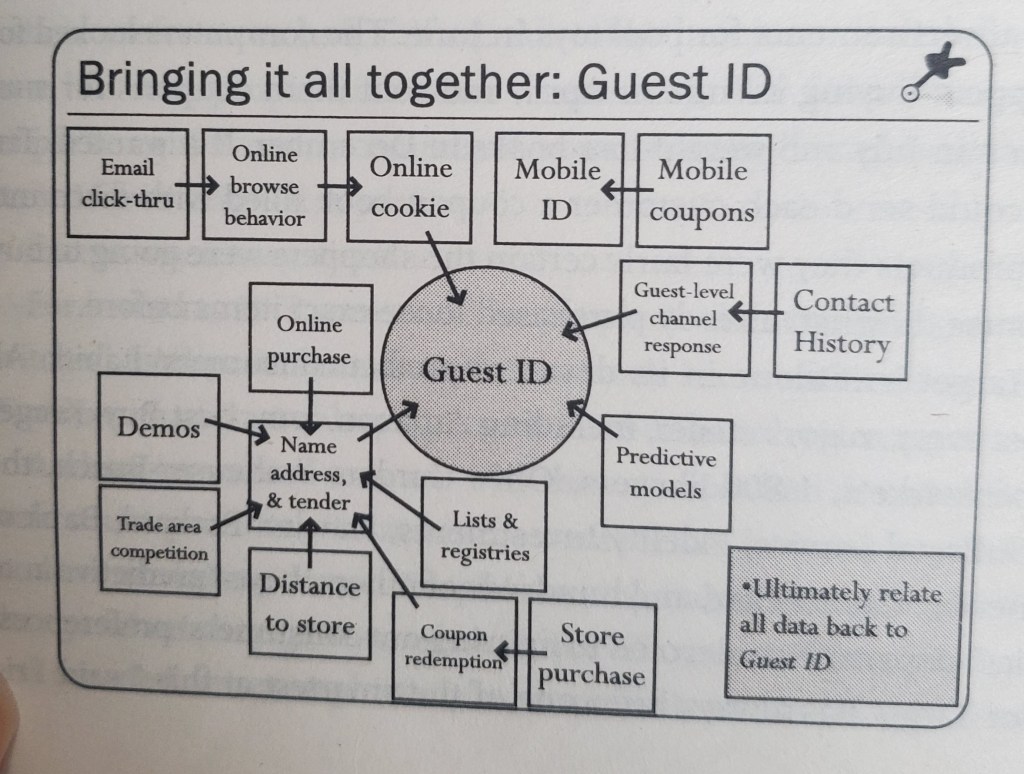
Target extensively tracks customers’ buying habits. Every person has a permanent Guest ID #, and Target analyzes shopping habits, demographics, age, marital status, kids, how far from the store the customer lives, websites visited, etc.

To read more about habits and my habits journey, check out:

A podcast I highly recommend that focuses on habits is Sad to Savage with Shelby Sacco.

I look forward to reading, learning, and sharing more with you soon!

Thoughtful Thursday posts, Uncategorized

Thoughtful Thursday- March 2, 2023

My intention is to post a Thoughtful Thursday column each week and share some of the insights I have learned in the past week. Here are some of the things I’ve learned this week:

But Why: A Podcast for Curious Kids- Don’t swallow gum! And other things parents say

This was an interesting episode covering myths parents tell their kids. The most interesting issue addressed was that people say you must wait one hour after eating to go swimming. I have heard this throughout life, and I just learned that this is a myth! There is no harm in swimming right after eating. The worst that could happen as a result is that, if you swim vigorously right after eating a large meal, you might vomit. Most swimming is not done vigorously, so there’s no need to wait to get back in the water!

For You From Eve- Wellness Hacks and Mindset Shifts that Actually Work & Changed My Life

These wellness hacks helped the host change her life:

  • Stop distracting yourself with media. Let yourself feel your feelings and reflect.
  • Journal and write affirmations.
  • Take cold showers for breathwork/calming down. It doesn’t need to be a full cold shower; you can start with 1-2 minutes of cold water before adjusting the temperature.
  • Exercise!
  • Invest in skincare/makeup/hair.
  • Meal prep and purchase healthy foods.
  • Set limits for time spent on social media. List to podcasts instead.
  • Read self-help books.
  • Get 7-9 hours of sleep.
  • Take vitamins and supplements.
  • Meditate.

I do many of these things, and they have helped me change my life! Exercising, journaling and writing affirmations, starting a skincare routine, meal prepping and clean eating, reading self-help books, listening to podcasts, prioritizing sleep, and limiting social media have benefited me greatly.

I am currently reading “1000+ Little Things Happy Successful People Do Differently” written by Marc Chernoff. One thing that has stood out to me so far is:

Everyone gets upset and loses their temper sometimes. When you catch yourself passing judgment, add “just like me sometimes” to the end of a sentence. For example: That person is grouchy, just like me sometimes. She is being rude, just like me sometimes. Choose to let things go. Let others off the hook. Take the high road today.

Marc Chernoff
Sad to Savage- Things I Wish I Knew Sooner: Advice From Your Big Sister (Shelby Sacco)

Sad to Savage is one of my favorite podcasts and is mostly focused on habits. However, this episode contained so many things I needed to hear that are mostly unrelated to daily habits:

  • Being selfish is the most important thing you can do in your twenties. Do what’s best for you and be independent.
  • You are who you surround yourself with.
  • Growth is not linear. Life is a rollercoaster.
  • Quit the job you hate. If you need the income, spend a couple days or weeks updating your resume and applying to jobs. You spend a lot of time at work, so don’t tough it out in hopes that it will get better.
  • Find the fitness you like. If you’re miserable doing it, it’s not the correct fitness for you. You should not dread working out.
  • Cheating has nothing to do with you and has everything to do with someone else’s qualities.

If someone treats you badly due to addictions, you cannot control someone who does not want to change. You cannot make someone want a different life.

  • Do not leave your hardest tasks for the end of the day when you have less willpower. Be smart with your willpower. When you have formed daily habits, they don’t take willpower.
  • Invest in yourself and your future. You can educate yourself through reading.
  • Do not rely on motivation. The days you don’t feel like it are the days that matter most.

Not everyone is going to like you, and that’s okay. What people think of you is none of your business.

  • The red flags you choose to ignore won’t go away.
  • The words you say to yourself and about yourself make up how you see yourself, and they decide your actions, which ultimately decide your life.
  • You are never too good to apologize to someone.

No one is in charge of your happiness except for you. You need to find and do things that bring you happiness.

When having a conversation with someone, ask if they want advice or just want someone to listen. Same goes for when you are the one talking.

Your entire life can be completely different in one year if you choose to do the work.

Waking up early will give you the time you need to do the things that you currently don’t have time for.

Your habits make up your life. You have the power to choose/change/create your habits. Investing in yourself and your habits will be the best choice you will ever make.

Optimal Finance Daily- 9 Painless Ways to Trick Yourself Into Spending Less by Sarah Von Bargen
  • Unsubscribe from newsletters that tempt you.
  • Block yourself from websites where you spend too much.
  • Turn off your computer’s/phone’s autocomplete credit card option so that you have to be bothered to get up and retrieve your card every time.
  • Order online and do curbside pickup to prevent impulse purchases.
  • Eat something before you go shopping. Don’t go shopping while hungry.
  • Give yourself a three-day waiting period. If you forget all about it, you don’t need it. If you still find yourself thinking about it three days later, pull the trigger.
  • Put yourself on a cash-only budget. We are much slower to spend cash than use our credit cards, and cash is not an option when online shopping.
  • Put a reminder in your wallet. You could print a wallet-sized photo of something you’re saving for.
  • Unfollow social media accounts that tempt you to spend. Unfollow accounts that make you want to spend more to keep up, and fill your feed with those who provide value to you or who are in your tax bracket.

Personal tip: If you are concerned about unsubscribing to newsletters that tempt you, when you want to purchase something, look on milled.com and search for the company to view e-mails that have been sent to customers to look for discounts. You can also look up promo codes online for discounts.

I look forward to reading, learning, and sharing more with you soon!

Book review posts, Uncategorized

Out of Office- Reflecting on How We Work

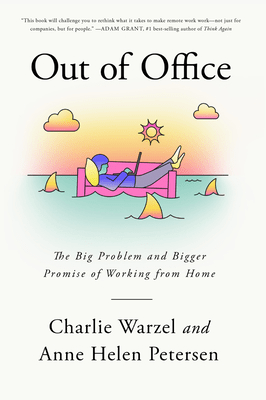
“Out of Office” was published in 2021 and written by Charlie Warzel and Anne Helen Petersen. This book was among my top 20 favorite books I read in 2022 and focused on the transition to white-collar remote work during the pandemic, particularly on HOW we will work.

“We worship work. We remain faithful to it because we want to support ourselves and our families, but it’s become more than a simple means of providing needs. Work has taken on such a place of primacy in our lives that it has subsumed our identities, diluted our friendships, and disconnected us from our communities.”

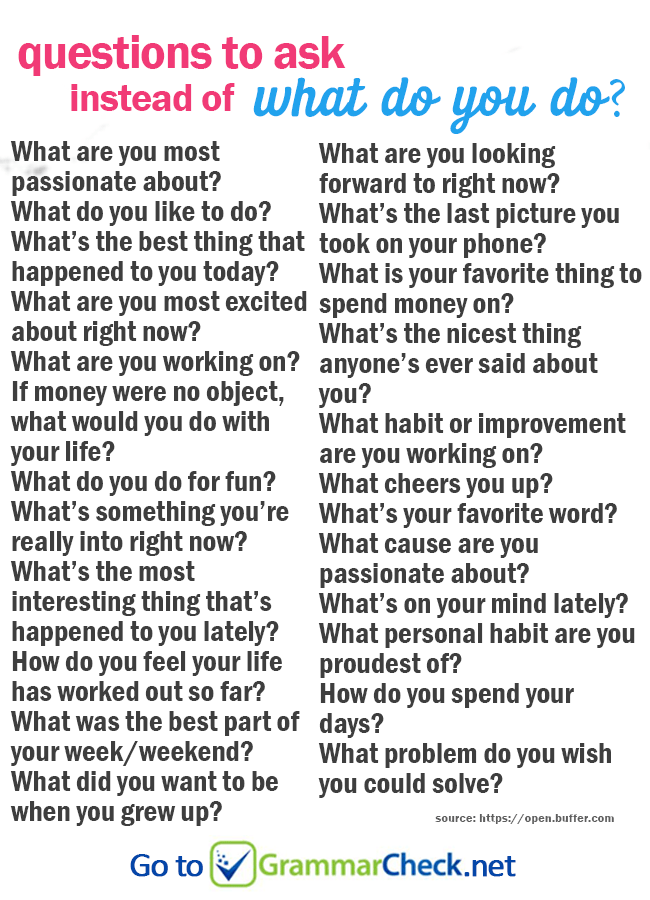
This is increasingly evident in our society. Upon first meeting someone, the most common question asked is “What do you do?” as in, “What do you do for work?” Your identity is whittled down to what you do for work, and someone’s opinion of your work often impacts whether or not the conversation continues and friendship ensues. This is dangerous, especially when people lose their jobs or retire and don’t have an identity outside of work.

Who would you be if work ceased to be the axis of your life? How would your relationships with friends and family change? What role would you serve within your community at large? What hobbies would you pursue? We are so conditioned to approach our lives as something to squeeze in around work.

Charlie Warzel and Anne Helen Petersen

I once worked for a boss who planned his work day around his desire to sleep longer, have a productive morning before work, and leave in the late afternoon for yoga or rock climbing. Although I thought it was odd, it became clear to me that he truly had a balance and planned work around his life, not life around his work.

The authors recommended auditing how we spend our time working and whether things need to be done during the standard work hours, getting rid of meetings that aren’t necessary and exploring asynchronous ways of communicating, considering four-day work weeks, setting boundaries to protect time away from work, dismantling any organizational monoculture, leveling the hybrid work playing field, and giving yourself space to explore hobbies and interests and commit to them.

The authors identified and expanded upon four areas critical to achieving ideal work-life balance: flexibility, culture, technology, and community and provided examples of other companies’ approaches to remote work, flexible scheduling, and company culture. This book was particularly appealing to me because, during the pandemic, I have had different jobs and made transitions. One job turned fully remote for a time, one job was in person every day, and one job was a hybrid environment, which appeals to me the most.

The pandemic taught employees and businesses about flexibility. Employees who were told that positions couldn’t be done remotely prior to the pandemic suddenly were required or able to be done remotely. Businesses and employees were challenged to maintain the culture or build a culture outside of the office environment, using technology and community.

“This example from the retail world should be instructive: if you have only enough employees to barely get the work done as is, you’ve engineered a scenario in which employees may have theoretical permission to take time off, but understand that they’ll shoulder the burden of that time off in some way. Either they try to keep doing part of their work while on leave, a colleague takes on an even larger work burden, or a portion of essential work goes undone, slowing everyone on a team.”

I have witnessed this in different roles. At its worst, due to the workload and demands, I worked part-time during a medical leave and regularly made up for time that I was sick. I felt discouraged from taking time off due to the stress of coming back to a fuller plate. I am grateful to have found collaboration and cross-training on a team.

Management is used as a way to reward workers who distinguish themselves for their productivity. As a recent study by Harvard Business Review pointed out, the skills associated with high productivity- including knowledge and expertise, driving for results, taking initiative- are almost all indications of INDIVIDUAL-ORIENTED competencies. Management requires skills that are OTHER-ORIENTED: being open to feedback, supporting colleagues’ development, communicating well, and having good interpersonal skills.

Charlie Warzel and Anne Helen Petersen

I look forward to reading, learning, and sharing more with you soon!