
My intention is to post a Thoughtful Thursday column each week and share some of the insights I have learned in the past week. Here are some of the things I’ve learned this week:
I am an overthinker. I like to have a plan for everything, and I sometimes worry what might happen if that plan doesn’t work out. This podcast was helpful.
6 magic words that stop anxiety and overwhelm: “What if it all works out?”

- It stops the spiral and considers you to think about the possibility of it working out.
- We can’t control anything that’s happening outside of us, but we can control our reaction to it.
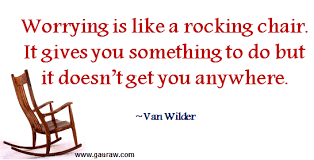
- When we worry, the outcome is way better than we expected most of the time.
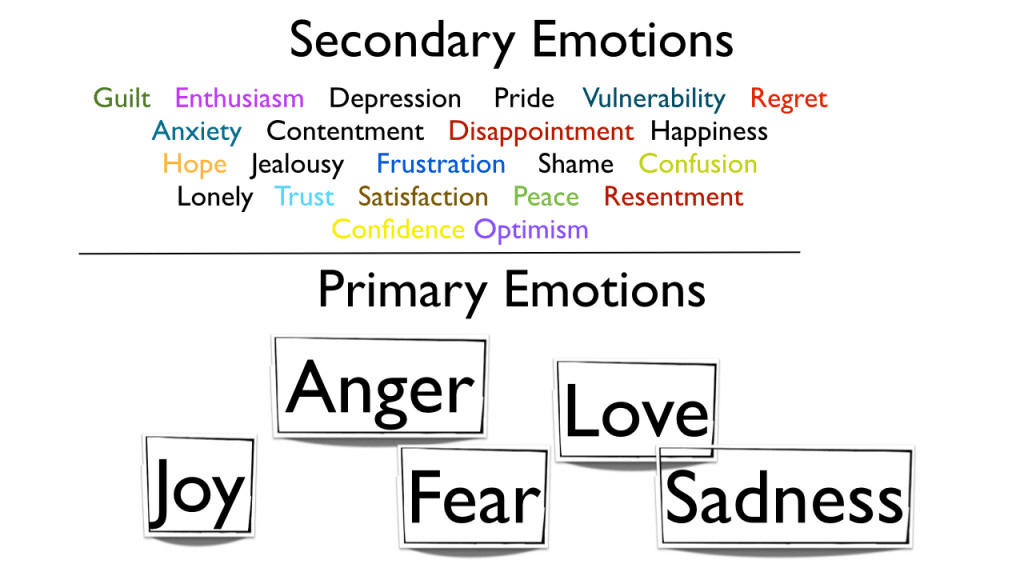
- Your primary emotional response is your immediate action to having something bad happen, a fear of yours, or an expectation that you have. The secondary emotion that you feel is your emotional reaction to it. Ex: someone dies and your primary emotion is shock, but your secondary emotion is grief that can last a long time. You don’t have a lot of control of the primary emotion, but you can control the secondary emotion and the pain you cause yourself.
- The pain of worrying, catastrophizing, and assuming the worst can impact your health, mindset, nervous system, attitude, and ability to experience more joy and fulfillment in your life.
- When you worry, you experience the pain twice. You experience the anticipation of it and the aftermath of it. Anticipating it is often way worse than what happens/when it happens.
- Worry and stress can cause physical pain: headaches, upset stomach, etc.

- It is normal for you and your spouse to have financial differences. We tend to attract our financial opposites: saver vs. spender, hands-on vs. hands-off, possessions vs. experiences.
- Your spouse’s financial situation will impact your own. This comes up most often with debt. One spouse may have a lot of debt and one has little or no debt. It will impact you. Ex: retirement – If one of you is ready to retire and the other isn’t due to debts or not saving enough $. Do you have the same goals for retirement?
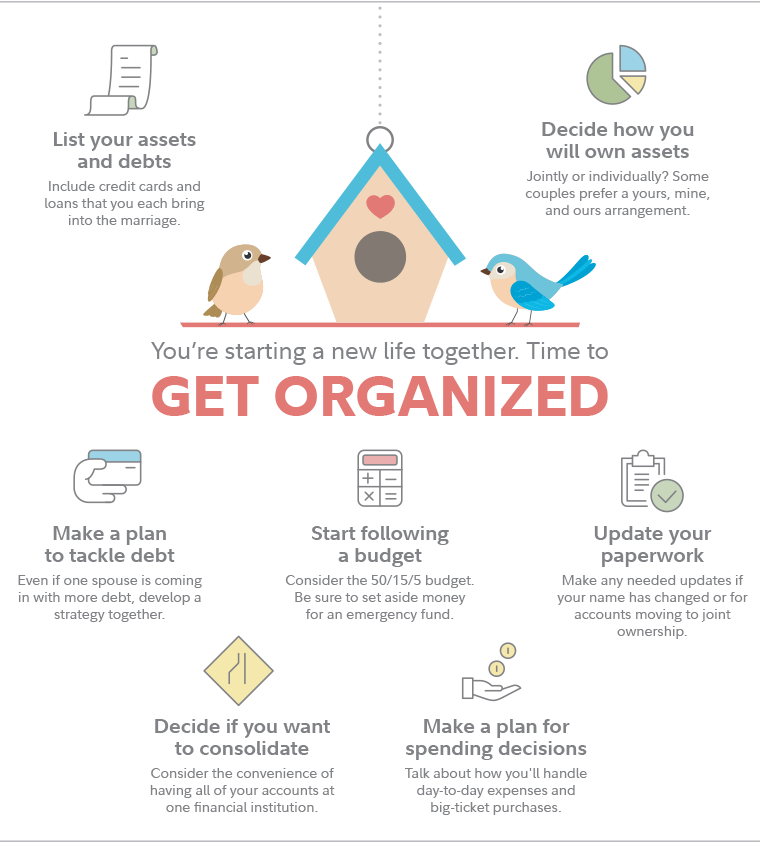
- There is a right and wrong choice for you to make financially – always. The right choice for you to make as a couple may be different than what the right choice is for your friends. Ex: joint accounts, separate accounts, mine/yours/ours accounts
- The statistics on money and marriage are real, but they are not inevitable. You can beat the statistics.

- When making financial decisions, you need to spend some time looking in the rearview mirror, but you need to focus on looking forward and how to move forward. Marriage counseling/therapy tends to focus on the past. Understand the role of the rearview mirror. It should be used, but it would be a mistake to drive and only look in the rearview mirror the whole time; when driving, you mostly need to focus on looking forward.
- Investing time into your marriage is the best investment you can make. The easiest way to lose half of your wealth is to get divorced.

- Spoiling – giving the kids everything they want
- Overindulging – we give to our kids, whether or not it’s in our best interests. Parent has a need or discomfort they are wanting to alleviate.
- Material: consumerism; having too much of what looks good for too long or too often – “be grateful, not greedy”Relational: parents are doing things for their kids that their kids don’t need them to be doing – parents overstepping cause children to under-function
- Ex: doing their laundry
- Structural: struggle to set rules or enforce rules consistently
- Ex: having no limits, having rules that are inappropriate for your child’s age (too lenient), having rules that are not consistently enforced
- Material: consumerism; having too much of what looks good for too long or too often – “be grateful, not greedy”Relational: parents are doing things for their kids that their kids don’t need them to be doing – parents overstepping cause children to under-function

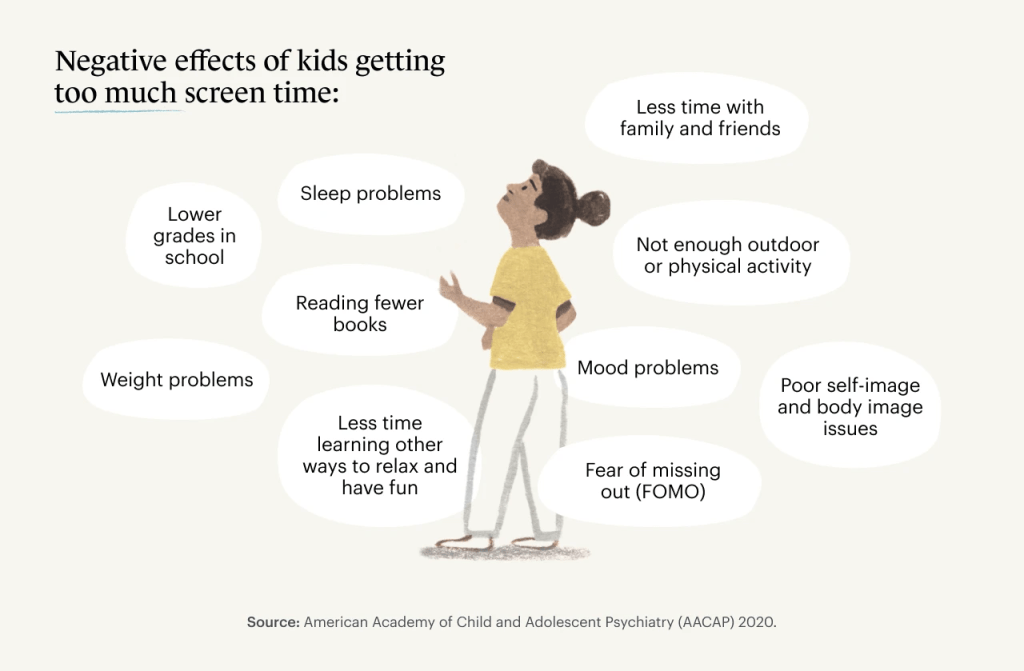
- The COVID-19 pandemic taught us that we need our kids to be self-sufficient, so many parents gave their children freedom, screens, and toys to entertain or distract them. Some parents overaccommodated.
- Negative outcomes associated with overindulgence: overdependence on others, learned helplessness, being unable to achieve developmental tasks on time, defiance or disrespect for other people or things, difficulty delaying gratification, and not knowing when enough is enough
Test of 4 to determine if overindulgence is a problem:
- Am I hindering my child from developmentally-appropriate tasks? Does this situation hinder the child from learning the tasks that support their development or learning at this age? Ex: packing my child’s lunch, cleaning their room for them, tying their shoes, etc. If yes, you are overindulging.
- Am I giving them a disproportionate amount of family resources? Does this situation give a disproportionate amount of family resources to one or more of the children (money, space, time, or attention)? If yes, you are overindulging.
- Am I making choices that benefit me more than the child? Does this situation exist to benefit the adult more than the child? If you are giving more than you’re comfortable with in order to make yourself calm, you are overindulging.
- Does the child’s behavior potentially harm others, society, or the planet in some way? If you are allowing your child to do something that is harmful, disrespectful, defiant, breaking a rule, or infringing on someone else’s rights, that is a sign of overindulgence.

- Identify the areas where you might be overindulging your kids (relational, material, or structural overindulgence). Ex: Start by saying no to extra screens. Figure out how to be comfortable in the discomfort of your kids not reacting favorably.
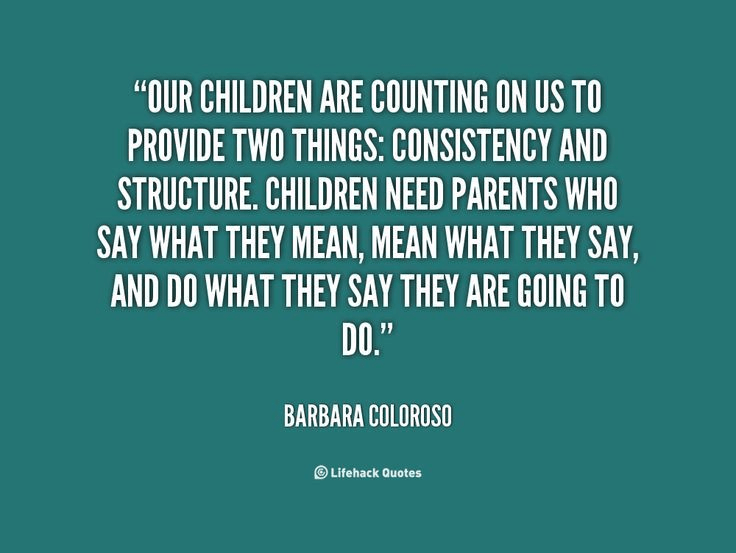
- Say what you mean and mean what you say. If you set a rule or a limit, stick with it to develop trust.
- Delay gratification. Teach your kids wants vs. needs so that they understand that you need to work hard for everything you have. Do a sticker chart or rewards chart to make them work for something; they may decide they don’t want it anymore. How hard are they willing to work for something?
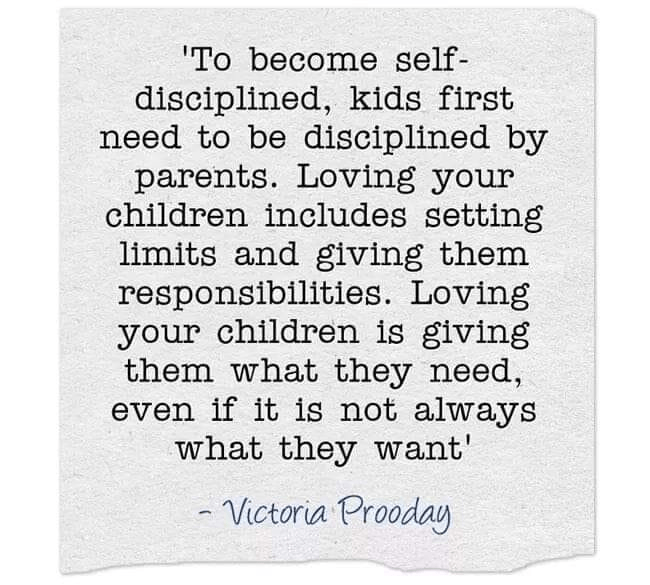
- Gradual exchange of power – instead of packing your kid’s lunches, slowly transfer this responsibility and effort to your child so that they can learn and start to feel more self-sufficient and capable and you feel more comfortable letting go of something you thought you needed to do.
- Have consistency between both parents. Communicate, set boundaries and enforce them, and be on the same page so that the kids aren’t asking one parent who always give in.
- Get more comfortable saying no early on. It’s important to give a child what they need, but it’s dangerous to give a child everything they want.
https://www.gabethebassplayer.com/blog/easy-to-work-with
I really enjoyed this post from Gabe the Bass Player this week:
Easy To Work With
November 14, 2023
It doesn’t mean you’re always happy or never rock the boat or always following the rules or just being super laid back all the time. Those things might encompass the ‘easy’ part.
But to be easy to WORK with…
It means you speak with clarity, show up prepared, take responsibility, make others better, embrace the long term vision as you take care of today’s details. And you show up on time.


The words we use are extremely powerful and provide deep insights into our internal world. When we use the word ‘can’t’ we don’t take ownership for whatever it is, leaving us with what’s leftover and choosing to have little say in the matter.
Many people complain that they ‘can’t’ do something, but the truth is that they’ve chosen to forfeit their own attempts at making it happen for themselves. It’s not that they can’t; it’s more often that they’re unwilling to endure the consequences, make the tradeoff, or accept the conditions that would make it happen. I struggle with this sometimes, too. I have dealt with all three of the scenarios below at some point in my life:
Examples:
“I can’t afford it” – This really means you’re unwilling to move to a cheaper apartment or house, change your lifestyle, or look at ways to increase your income.
“I can’t quit my job” – This really means that you’re unwilling to expose yourself to the possibility of not having a stable income and risk financial hardship, receiving criticism from others, and accepting the identity of being unemployed as you transition.
“I can’t set boundaries” or “I can’t say no” – This really means that you’re unwilling to put up with the pushback and emotions of others, and you’re unwilling to prioritize yourself over others.
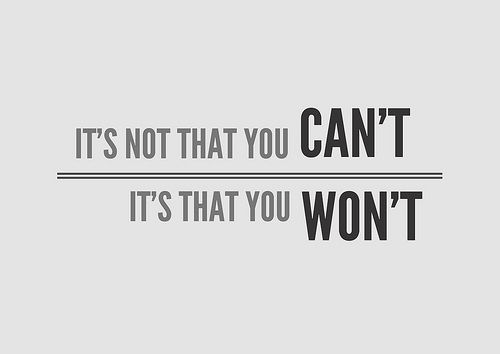
You can do (almost) anything. The reason it doesn’t feel that way is because everything is a tradeoff. When you realize what you’re currently getting is what you’re currently choosing, you realize how quickly things can change.
Shift your thinking by shifting your language. When you want to say “I can’t”, instead say “I won’t”. It removes the power from your external circumstances and allows you to hold it yourself. You will feel empowered because you will realize that you’re choosing everything in your life, and you need to start making new decisions that better support you and the life you want to live.

One of the books I’ve read this past week is “The In-Between: Unforgettable encounters during life’s final moments” written by Hadley Vlahos, RN. This was a very compassionate and transformative book detailing experiences with her hospice patients and their deaths. You can follow Hadley on TikTok @nursehadley.

Here are some of the most surprising take-aways related to hospice from this book:
- There is a surge of energy almost everyone gets before dying.
- Some people choose their time of death in a sense, actively dying but not taking their last breath until they are surrounded by family.
- Seeing deceased loved ones and/or increased confusion are both signs death is near. This is an expected step of a patient’s decline and is a medical phenomenon that commonly happens to people no matter what their spiritual beliefs are.
I look forward to reading, learning, and sharing more with you soon!
 Read Learn Share