I read six books in November, some of which were short and easy reads. Here is a blurb of each of the books I read in November.
“Where I Dry the Flowers” is a Button Poetry book of poems written by Ollie Schminkey, a non-binary transgender poet and artist who has spent the past decade coaching, mentoring, teaching classes, and running workshops for poets. Many poems in this book are about grieving the loss of a complex person. I highly recommend this book to anyone who loves poetry and/or is trying to process grief. Here are some lines I enjoyed from this book.
Controversial opinion: In Defense of Speaking Ill of the Dead – “he is both: the man who would make us smoothies out of orange Kool-Aid and vanilla ice cream and the man who yelled when he drank and drank so often I’d run to the basement and lock the door.”
“I think grief is always at least two things: one, the constant realization that your expectations for the future were wrong, and two, death has happened and it will again.“
Forgiveness poem – “i never said it out loud. Maybe my father wanted forgiveness as much as I wanted an apology, but we stayed silent, the grudge, smooth as a pearl underneath our tongues. but it doesn’t mean i didn’t forgive him. and it doesn’t mean he wasn’t sorry . . . . when he offered me his death as an apology, i took it. of course, i took it.“
One of my favorite poems from the book is this one. I love the idea of contrapuntals.
4 out of 5 stars
“Self-Care Activities for Women: 101 Practical Ways to Slow Down and Reconnect With Yourself” was a quick, easy read with excellent ideas from Cicely Horsham-Brathwaite, PhD, a licensed counseling psychologist and coach with over two decades of experience. This book provided different ideas for self-care in different categories: emotional, physical, mental, social, and professional. I highly recommend this book for anyone looking for self-care ideas. Here are some of my favorite ideas from each category.
Emotional self-care: Create your joy playlist. Create a list of songs that bring about positive memories and feelings, and schedule time in your calendar to listen to the entire playlist without multitasking whenever you need a mood shift.
Physical self-care: Plan a hike and picnic outdoors with friends.
Mental self-care: When you find yourself engaging in distracting behavior, reflect. What do I need right now? Is this giving me what I need, or do I need something else? Ex: may need a shower, hydration, exercise, rest, a hug, a good cry, journal reflection, or a talk with a friend.
Social self-care: Schedule activities with people you’d like to get together with on a regular basis. Rotate hosting.
Professional self-care: Establish a morning routine to set the tone for the rest of the day.
Self-care = “the actions one takes on their behalf in service of their well-being. Self-care means giving the world the best of you instead of what is left of you.”
5 out of 5 stars
“How to Be Perfect: An Illustrated Guide” was a quick, fun, simple book written by Rod Padgett and illustrated by Jason Novak that took me under fifteen minutes to read. Here are a handful of my favorite lines.
Hope for everything. Expect nothing.
Be skeptical about all opinions, but try to see some value in each of them.
Learn something new every day.
Be honest with yourself and diplomatic with others.
Be on time, but if you are late do not give a detailed and lengthy excuse.
4 out of 5 stars
“Growing Up in Public: Coming of Age in a Digital World” was written by Devorah Heitner, PhD, who has spoken and written widely about parenting and growing up in the digital age. This book was interesting and thought-provoking, and I highly recommend it for all parents or anyone who hopes to be a parent someday. This review sums it up:
“A must-read for every parent. Emphasizing the importance of our children feeling seen instead of watched, mentored instead of monitored, this book is all at once a road map for preventing digital problems, a resource for what to do when things go wrong, and a crash course in how to empower our kids to become responsible, independent, and thoughtful digital citizens.” – Tina Payne Bryston, LCSW, PhD, NYT bestselling author of “The Whole Brain Child”
I got a lot out of this book, and here are just some of the tips:
Mentoring is better than monitoring if we want to set our kids up for success. We want our kids to make good decisions, even when we are not right there.
We need to do a better job of mentoring kids on how to be intentional about how much they share both online and offline.
Common mistakes from teens and kids: carelessly taking a video of themselves making a crude hang gesture or using profanity, sharing videos of themselves making an unkind joke about a peer or teacher, taking selfies of vaping/drinking/drugs, taking a video mocking someone’s disability, wearing a racist Halloween costume, making fun of someone’s accent or body type, and liking or reposting problematic things.
5 out of 5 stars
“Exactly What To Say: The Magic Words for Influence and Impact” was written by Phil M. Jones. This book can be considered a masterclass in the art of influence, persuasion, and generating top-producing results. This book often came across as salesy – teaching the world to sell. I highly recommend this book to anyone in sales or anyone who wants to influence or persuade others.
Here are some of the tips:
One of the biggest reasons your ideas fail to get heard is that others tell you that they just don’t have the time to consider them. By using the preface, “When would be a good time to . . .?” you prompt the other person to subconsciously assume that there will be a good time and that no is not an option.
The words, “As I see it, you have three options” help the other person through the decision-making process and allow you to appear impartial in doing so. Present your option last and as the easiest. Then ask “What’s going to be easier for you?“
“What happens next is . . . ” brings people through to the completion that needs to follow. It is your responsibility to lead the conversation, and following the sharing of the required information, your role is to move it toward a close.
Success in negotiating is all about maintaining control in a conversation, and the person in control is always the person who is asking the questions. Challenge objections with “What makes you say that?” This shift of control now leaves the other person obligated to give an answer and fill in the gaps in their previous statement.
5 out of 5 stars
“The Complications: On Going Insane In America” was written by Emmett Rensin, who reflects on his life with schizoaffective disorder of the bipolar type: the hospitals and medication, the lost jobs and friends, the periods of mania and psychosis, the medication-induced tremor in his hands, etc. This book elevates the conversation around mental illness and challenges us to reexamine what we think we know about a world where one in a hundred people go mad. I learned a lot from this book and highly recommend it to anyone who wants to learn more about mental disorders. Here are some of my takeaways:
Some psychotic disorders become milder with age. Others are deteriorating, progressive conditions. Outcomes are difficult to predict.
The causes of severe psychiatric dysfunction are not thoroughly understood, but it is widely perceived that genes are not enough. Some additional event typically precipitates the full break. Trauma, substance abuse, and brain injury are common suspects.
It takes 7-8 years, on average, after initial onset of symptoms to get a diagnosis.
While brain abnormalities exist in some psychiatric patients, there are no consistent organic “signs” of madness, not any biological test for any psychiatric pathology.
“In between the positive exclamations of a psychotic disorder – bouts of delusion, mania, hallucinatory experience – are the dull murmurs of what we call negative symptoms, which generally include a blunt affect, social isolation, difficulty feeling pleasure, a lack of willpower, and poverty of speech.
“One of the greatest predictors of patient prognosis in the case of psychotic disorders is the degree of patient insight, which is to say, the degree to which the patient is aware of their disorder. If you cannot believe that you are ill, then you are unlikely to take your medication. If you do not take your medication, your condition will worsen. If your condition worsens, you are no more likely to take your medication or engage in the tedium of self-care.”
This reflection from the author stood out to me:
I am afraid of reaching a point where I do not want help, do not believe that I need help, where I run away from anyone who tries to help me, or worse, where I become so terrified or angry or violent that I hurt those people until they are not willing to help me anymore. I am afraid that one day I will become so sick that I reach the end of other people’s charity.
4 out of 5 stars – at times, this book was difficult to read and seemingly consisted of tangents and ramblings – however, this was likely due to periods of mania.
4 out of 5 stars
I look forward to reading, learning, and sharing more with you soon!
My intention is to post a Thoughtful Thursday column each week and share some of the insights I have learned in the past week. Here are some of the things I’ve learned this week:
Self-Growth Nerds – The Power of Consistency: 5 Mindset Shifts for Achieving Your Dreams
Consistency – to show up again and again for what is important to you – working out, journaling, sharing a blog post, going to a comedy club monthly, etc.
Remove the pressure of perfection. Lower the bar of your expectations.
Show up and be consistent. Control what you can control but know that you won’t be perfect every time. Focus on showing up and trying your best.
What feels alive in me right now? What is something interesting I’ve seen or heard recently, and what’s the meaning in there?
Commit. Make a decision and be clear in what you’re committing to.
Know what it is you are committing to. Ex: run one mile each day, post one blog post each week, go on one outing per week, etc.
Don’t expect to be consistent in every single aspect of your life. Choose your priorities wisely. Be clear about why each choice is important and accept the grief that comes with loss.
Choose what lights you up rather than what makes sense. Choose something you really want to do.
Make it a part of your identity and find pride in that.
“I am someone who posts a podcast every week.” “I am someone who runs every day.” “I am someone who reads every day.” Etc.“I am becoming someone who _____.” “I am someone who ____ because ____.”
Choose a new identity today. Choose one thing to focus on and embody that new part of your identity.
Never beat yourself up. Decide what kind of boss you want to be to yourself. Firm, loving, forgiving.
Tips:
Put it on the calendar. If it’s not on the calendar, it’s probably not going to happen
Habit stack – ex: journal while drinking coffee, watch tv while walking on the treadmill, listen to a podcast while doing chores
Remove pain points. Think of convenience.
Get an accountability partner.
Mentally Stronger with Therapist Amy Morin – 10 Things Being a Therapist Taught Me About the Human Experience
Most people fear they’re not good enough. At the heart of almost every issue is the fear of not being good enough. This manifests in different ways. One person might become an overachiever, other people just don’t try, other people change who they are or act differently depending on who is around them because they want to feel accepted.
Everyone has secrets – mental health issues, addictions, childhood abuse, etc.
People’s inner worlds are often hidden.Many people believe that their thoughts and feelings would surprise even their closest friends and family.
The desire for connection is universal. Many people feel lonely in a crowded room.
Self-criticism is rampant. We are our own harshest critics and hold ourselves to impossible standards. Self-judgment leads to guilt and anxiety. Learn to reframe your inner dialogue and train your brain to think differently and have self-compassion.
Change is terrifying yet desired.We crave change to improve our lives, but we fear it because we hate uncertainty.
Vulnerability is both feared and desired. We all have a desire to be understood, yet fear keeps us from being vulnerable.
Emotional pain is often masked.
Past experiences shape present perceptions. Our behaviors and attitudes are shaped by things that happened to us in the past.
Hope is a powerful force.
Real Simple Tips – 6 Tips for Keeping Lips Moisturized
Don’t lick your lips. Licking your lips makes the problem worse. Enzymes in saliva can break down the delicate skin, leaving your lips even drier than before.
Avoid irritating products.Steer clear of products containing flavorings, fragrances, menthol, camphor, eucalyptus, and beeswax.
Use lip balm with SPF. SPF minimizes lip dryness while also curbing your potential for skin cancer and premature aging.
Layer your products. Lips benefit from a hybrid approach of hydration and moisturization. Ex: Blistex medicated lip balm + Vaseline or lip oil.
Reapply every two hours. This regular application is crucial since activities like licking your lips, kissing, eating, or drinking can wear away the product.
Try an intensive lip treatment weekly or biweekly. Ex: lip mask.
Life Kit – How to talk to your loved ones about misinformation
Start from a place of connection, not correction.
If it’s just a matter of not seeing eye to eye about an issue, it’s okay to opt out to preserve the relationship.
Try leading with compassion, love, and empathy.
Take time to understand why your loved one believes the misleading content. Be in conversation with them. Recognize that their experiences impact how they engage with what they read online and what they believe.
Talk about where you both get your information and why you find the sources to be trustworthy. What is the evidence? Check qualifications and conflicts of interest.
Identify points where you do agree. Be mindful of maintaining goodwill.
Realize that you aren’t here to change anyone’s core beliefs. You’re simply trying to address a piece of information that is not correct.
Correcting political misinformation doesn’t make much difference in how much people trust that source in the future or in how likely they are going to vote for a political candidate.
When you do attempt to correct misinformation, provide a detailed fact check. What is actually true?
Corrections to misinformation are worth repeating. Don’t expect things to change after one conversation.
With this year being an election year, misinformation is rampant. Use these tips to talk to your loved ones about misinformation or simply opt to not talk about different beliefs. Sometimes people are so strong in their opinions that no evidence you provide will change them, and it’s important to recognize and accept that.
I enjoyed this blog post from Seth’s Blog this week:
There are three kinds of costs that people get confused about, but understanding them, really understanding them–in your bones–unlocks opportunity.
Opportunity cost: If you eat the cupcakes, you can’t also eat the brownies. Every time we choose to do something, we’re choosing not to do something else.
Sunk costs: If you’ve invested time or money in something (a law degree, a piece of real estate, a bag of chips) that money is gone. All you have left is what you bought, and that is a gift… a gift from your former self. You don’t have to accept the gift if it’s no longer useful to you. Using a gift still has real opportunity cost, and if it’s keeping you from doing something better, walk away.
Marginal cost: How much extra does this decision cost? For a subscriber, the marginal cost of watching one more show on Netflix is zero. The service costs the same regardless of how many shows you watch. On the other hand, the marginal cost of a tuna sandwich is equal to what it costs to replace the ingredients. It makes sense to prefer things with a lower marginal cost if everything else is similar.
I’ve never encountered a person who was fully rational in making decisions on any of these three sorts of costs. That’s okay. But let’s do it on purpose.”
I look forward to reading, learning, and sharing more with you soon!
My intention is to post a Thoughtful Thursday column each week and share some of the insights I have learned in the past week. Here are some of the things I’ve learned this week:
Mentally Stronger with Therapist Amy Morin – 10 Mental Health Improvement Strategies Therapists Prescribe Their Patients
Act contrary to how you feel. Explore the behaviors that reinforce that emotional state and act the opposite. Ex: depression may want you to stay in bed all day, but getting up and moving is the best thing. Change your behaviors first, and the feelings will often follow.
Challenge your negative thoughts. Intense emotions cause irrational thoughts. Challenge your thoughts and prove that you can do something. Prove that your thoughts aren’t always accurate.
Add structure to your day. Be intentional about building in healthy tasks and having structure outside of work, but also allow room for flexibility.
Schedule fun, meaningful things to do. Having something to look forward to is really good for your mental health. Schedule one fun or meaningful thing each week.
Spend time in nature. Nature has incredible benefits for our mental health; it reduces anxiety, improves concentration, reduces depression, and helps us feel happier overall.
Get physical activity. Exercise reduces stress and anxiety and improves self-esteem. Find an activity that you enjoy so that you can stick to it.
Find a way to relax. Watching tv and scrolling on your phone stimulates your brain, so aim for ways to relax your brain. If you invest time into caring for your mental health now, you will feel better and perform better later.
Work on something that you’ve been putting off. The more you put something off, the more you dread doing it and the worse you feel.
Take care of your body. Eat a healthy diet and get adequate sleep.
Get social support.The people you spend time with might be the biggest factor that determines how mentally healthy you are. Having positive people in your life reduces the symptoms of mental illness. Remove yourself from toxic relationships.
Sad to Savage – Little Things to Help You Get Out Of A Rut
Do a check in and figure out why you’re in a rut.Is your schedule day-to-day not fun? Are you not sleeping enough? Are you nourishing your body with food and water? What are you spending your time doing? Is that keeping you stuck? Are those things helping you or hurting you? What do you need to change?
Pick out a goal right now to work towards. Ex: train for a 5k, make a healthy meal 3x/week, build a new habit
If you’re someone who really likes to talk on the phone, talk on the phone when you’re outside on a walk. You could start making plans with friends on the weekend to go on a walk. Look up gyms in your area and go to the cheapest one. Go on a treadmill and find a show you will only watch while walking on the treadmill.
Redesign a space in your home. Change around the furniture.
Find a book to read. Find a book about something you want to learn more about.
Know that you are allowed to change your mind and your habits whenever you want. You can become whoever you want to become.
Try a new hobby. Take a class.
Pay attention to the people you have in your life, the environments you have, the music you listen to, the content you consume, the people you follow … all of those things can contribute to you feeling like you are in a rut.
Make a list of things that make you feel happy that you can turn to when you’re feeling down. Ex: family time, running, going outside, reading, etc.
Chasing Life – Does Money Buy Happiness?
Money CAN buy happiness. Buy experiences (trip, dinner with friends, etc.). Experiences bring more happiness than material possessions. Make spending feel like a treat – hedonic adaptation.
Think about how your choices about money impact how you use your time. If it doesn’t have any bearing on how you spend your time, you can probably let go of spending money on that for now.
Buying time – if you can, buy your way out of something you dread doing. Ex: mowing lawn, cleaning house, grocery shopping, etc.
Another fact mentioned is that people who donate to causes/charities through recurring charges aren’t nearly as happy as people who get involved in person and directly see the impact of their monetary donations.
Self Improvement Daily – “You can have it your way.”
Burger King’s motto “Have it your way” is a welcome reminder that each one of us matters and deserves to be cared for. We don’t need to settle for how things are; we can create a new reality for ourselves.
We can pursue our ambitions with pride. We can change our future if we have the courage to do so. Being selfish in investing in yourself can be one of the most selfless things you can do because it can great the greatest impact on others.
If you’re overstretched at work and compromising your own health, that’s not having it your way. When we enforce better boundaries about our work hours, we can have more time to fulfill ourselves in other ways.
If you don’t have as much time for the things and people you love, or the energy to do anything at the end of a long day, that’s not having it your way. When we say no to others, we say yes to ourselves.
Reordering priorities and making a commitment will start to shape your life your way. Balance your personal life, care, and passions in a way that you feel good about by figuring out how it all fits together.
This post from Seth’s blog really resonated with me:
“Momentum activities like public speaking, board sports and leadership all share an attribute with riding a bicycle: It gets easier when you get good at it.
The first error we often make is believing that someone (even us) will never be good at riding a bike, because riding a bike is so difficult. When we’re not good at it, it’s obvious to everyone.
The second error is coming to the conclusion that people who are good at it are talented, born with the ability to do it. They’re not, they have simply earned a skill that translates into momentum.
There’s a difference between, “This person is a terrible public speaker,” and “this person will never be good at public speaking.”
And there’s a difference between, “They are a great leader,” and “they were born to lead.”
The thing about momentum activities is that we notice them only twice: when people are terrible at them, and when they’re good at it. That includes the person you see in the mirror.”
My reflection: we only notice when someone is really good or really bad at something. We don’t see the “average” and we often don’t see the process that it took to get to “good.”
I look forward to reading, learning, and sharing more with you soon!
My intention is to post a Thoughtful Thursday column each week and share some of the insights I have learned in the past week. Here are some of the things I’ve learned this week:
Before Breakfast – Make your days fulfilling, not just filled
Many times our days are filled, but aren’t especially fulfilling. We run from one thing to the next without a lot of meaning. The pressure of things to be done can keep us from being fully present and engaged. We always have the power to make sure our days feel fulfilling and not just filled.
Plan for “you time.” Actively consider what would be fulfilling. What will have an impact on you and others? What will you remember? What will matter a month or a year from now?
Consider your priorities for your career, relationships, and self. Consider what is most important for you to do each week. Be intentional about determining what really matters.
Be present for the experiences you schedule. Take a couple of deep breaths and remind yourself why you are there. This isn’t just one more thing on the calendar; there’s a reason for it.
Create a life worth living.
Mentally Stronger with Therapist Amy Morin – 5 Mental Strength Exercises to Do Today to Grow Mentally Stronger
Put a name to whatever it is that you are feeling right now. Name it to tame it. Labeling an emotion helps your body and brain make more sense of what is going on.
Ask if that feeling is a friend or an enemy. If it’s a friend, embrace it and let yourself feel that feeling. If it’s an enemy, change the way you think and/or change your behavior.
Identify three things that you are grateful for. Gratitude is a superpower.
Write yourself a kind letter. Most of us are too hard on ourselves, which doesn’t drive us to do better. The key to doing better in life involves self-compassion. Write yourself a letter that cheers you on or reminds you that you’re strong and that you can do this. Whenever you need a boost in life, read that letter.
Plan something fun to do this week. It gives you something to look forward to and boosts your mood. You get a second boost when you actually do that fun thing and a third boost when you create a positive memory.
Optimal Finance Daily – 10 Ways to Take Control of Your Finances
Understand your cash flow.
Set goals.
Cut down unnecessary expenses. Big dreams ask for big sacrifices.
Start investing.
Increase your income. Earning more could be the main ticket to your success. In order to improve your finances, you need to either earn more or spend less.
Calculate your net worth. List all of your assets (savings, real estate, investment accounts, etc.) and list all of your liabilities (line of credit balance, mortgage balance, credit card balances, etc.). Subtract the total liabilities from your total assets to get your proper net worth. You should use your net worth to track your progress from year to year.
Find the best resources. Be well informed and accumulate knowledge.
Use a budgeting tool.
Follow a debt plan. The more time you wait to pay off your debt, the more interest you will be paying.
Save for your retirement. The sooner you invest for your retirement days, the better life you will get in your golden years.
Life Kit – How to plan your dream vacation
Vacations can vary depending on your travel style and budget – a long road trip, a stay at a cottage in the woods, a multi-city tour on another continent, etc. It is typically something you save for and plan months in advance.
The planning starts with thinking about what you want to get out of the trip. Do you want to decompress, relax, and rest? Do you need excitement and adventure? Do you want somewhere that feels comfortable to you as a solo traveler? Set the mission of your trip.
Set a budget.How much money do you want to spend or how much can you afford to spend? Plan ahead and figure out how much money you need to save each month.
How much vacation time do you have? If you look at the calendar and look at where the holiday weekends fall, you can turn your limited number of vacation days into an extended trip. However, that is also the most expensive time to travel.
Is the season important to you? Do you want to go during peak season of that destination? Do you want hot weather and a beach? Do you want to experience winter somewhere?
Think about your constraints: budget, time, time of year, etc.
Travel responsibly. Research the places you’re interested in and make sure they want tourists at the time you’re looking to visit. When you’re booking, consider putting your money toward the local economy rather than national or international chains. Learn about whatever destination you choose and be open to learning about the culture there. Be a respectful visitor.
Think about who you want to travel with. Find someone who has the same travel goals – the pace, activities, and how much money you can spend. Be honest with each other about finances. Some people will want to spend more money on certain things on the trip than others.
Find the destination. Use the internet or travel magazines to conduct research. Consider keeping a list of destinations you most want to visit.
Do your best to think outside of the current travel trends. You don’t need to go somewhere just because everyone else goes there or wants to go there. Don’t overschedule yourself or overbook yourself. Find one thing on each day of your trip and build a flexible itinerary around that. Think about what’s most important to you to do on your trip.
Something on your trip is bound to go wrong. Once you’re there, sit back and surrender. Roll with the punches.
The Jordan Harbinger Show – Emotional Support Animals
Emotional support animals are everywhere – planes, restaurants, grocery stores, etc.
Service animals do things – guide the blind, alert the deaf, retrieve items for people with mobility issues, help people with disabilities, etc. They require intensive training and certification by the state to behave amongst the public.
Emotional support animals just are. They have no training. Often, they are ordinary pets of people exploiting the rules.
ADA – a service dog can legally accompany their handlers almost everywhere. It is illegal to ask people what their disability is or to see the dog’s certification. Service animals don’t have the same protection. The law doesn’t provide for bringing emotional support animals into restaurants.
Many people get their emotional support animal “certified” by filling out a form online or getting a note from a doctor. The Fair Housing Act does not require training or certification; a doctor’s note is all that is needed! You can register as many emotional support animals as you want as long as your therapist believes that all of your pets are there for your well-being.
The ADA doesn’t acknowledge emotional support animals. The Fair Housing Act provides the right for an emotional support animal to live with its owner even if the housing doesn’t allow pets.
Top complaints from airline passengers and employees are about untrained dogs – growling, barking, defecating, biting, etc.
If you can’t control the dog you have, you can’t go around with the dog you have.
“If you actually suffer from anxiety, what is going to happen when your dog bites a stranger on a plane and you’re forced to make an emergency landing? The ironic thing is that, most of these people give the animal that’s supposed to be curbing their anxiety, anxiety medication before the flight. My emotional support animal needs an emotional support prescription.”
The evidence to support the notion that emotional support animals do anything is surprisingly weak.
There are treatments for anxiety that work really well, such as facing your fears gradually. In the end, it is the individual who overcomes their fear and gains a feeling of empowerment. Some psychologists have found that the support animal becomes a crutch; people don’t want to face their fears alone and feel emotionally crippled without their pet. If someone cannot be apart from their pet, there might be a bigger issue.
Some studies show that petting an animal can have a calming effect, as measured by cortisol levels, but blankets and stuffed animals have the same effect.
What can be done? There are new rules that restrict free air travel to service animals only. Delta requires a note from a veterinarian confirming the animal is trained and can be around people. We can bring about change in a social realm. When you show up for a lunch date and your friend brings an emotional support animal, say something. It should be treated the same as someone unhandicapped who parks in a handicapped spot.
Any laws regarding emotional support animals need to be enforced! Online websites that provide emotional support animal letters need to be taken down.
I look forward to reading, learning, and sharing more with you soon!
My intention is to post a Thoughtful Thursday column each week and share some of the insights I have learned in the past week. Here are some of the things I’ve learned this week:
The ideal sleep rhythm is between 10 p.m. and 6 a.m.
In order to sleep well, you need a good stress response/stress reduction. Melatonin won’t fix this.
Melatonin levels decrease with age. Melatonin can be found in supplements and in food (tart cherries, grapes, strawberries, nuts, eggs, fish, milk, tomatoes, peppers, mushrooms, etc.)
Supplements are not regulated by the FDA. Look for a third-party tested supplement (NSF Sport, Informed Choice, Informed Sport label certifications)
Dosing – best in about 0.5-3 mg doses. If you take a dose and wake up feeling groggy, it could be because you didn’t take it at the right time or because you took too much.
You should take melatonin about two hours before your bedtime to help mimic the circadian rhythm. Take the lowest effective dose for you two hours before your bedtime. Otherwise, it could backfire and make you feel much more tired in the morning.
You know it’s working if it improves the duration and quality of your sleep, especially your ability to fall asleep quicker. It shouldn’t automatically make you fall asleep, but it should make that process more efficient. It can’t cancel out bad nutrition habits, poor stress management, or poor sleep hygiene habits.
I was baffled when I learned that melatonin should be taken about two hours before your bedtime in a dose of about 0.5-3 mg. Like most people, I was taking melatonin right before bed and using it as a sleep aid to put me to sleep. I was taking doses of 10 mg right before bed and continued to wake up groggy. Since learning this this week, I changed to a 1 mg dose 2 hours before bed and am feeling more alert in the mornings!
Melatonin can be a good idea if you have a melatonin deficiency, if you have diagnosed insomnia, if you have jetlag, if you do shiftwork and don’t sleep typical hours at night, if you have PTSD, or if you have migraines.
Melatonin is not a good idea for those who are pregnant or breastfeeding (ask your doctor), the elderly or people with dementia, those on dialysis, those with impaired liver function, those with certain autoimmune conditions, or those with a high risk for bone injuries.
Tips to improve sleep:
Optimize your stress management
Avoid artificial light 1-2 hours before bed
Keep your tv out of the bedroom
Get adequate sunlight throughout the day, especially in the morning
Get adequate vitamin D, whether from the sun or from a supplement
Get adequate B vitamins and magnesium through foods or supplements
Get enough protein in your diet
All of these things help with sleep and may not require melatonin.
NerdWallet’s Smart Money Podcast – A Landmark Legal Settlement Could Make Home Buying and Selling More Complicated
Agent commissions might fall in the coming years, and real estate negotiations might become more complicated.
For decades, home sellers had to set the commission rates for the agents on both sides. As a seller, you’re obliged to disclose how much you’re going to pay the buyer’s agent. Under the new rules, they will disclose how much they are going to pay the listing agent, but buyers will need to decide how much their agents will be paid. The goal is to foster competition and innovation.
Old rule: 6% commission is standard but there is not a requirement that commission be 6%. If you’re selling a 100k house, usually each agent gets 3% (listing agent and buyer’s agent). The seller collects the $100k for the house and the seller gets $94k after paying those commissions.
New rule hypothetical: seller sells house for $100k. Seller owes $3k to the listing agent. The buyer is responsible for paying their agent, and the buyer will likely ask the seller for that money out of the proceeds of the home sale. They may bump up price to $103k (instead of $100k) and tell the seller to provide the $3k to the buyer’s agent at closing.
There is now negotiating room for how much you’re going to pay a realtor for their services.
The U.S. government wants realtor commissions to go down.
It can impact when and how you pay for a realtor’s service. Agents may go to a fee-based model. Buyers are likely to add the agent’s paycheck to the home cost and include that in the mortgage. Some agents may want all or some of the money upfront and be reimbursed at closing. Some realtors may decide to charge a fee for showings, submitting offers, or a flat fee for the entire process.
It can put first-time homebuyers or people who don’t have much cash at a disadvantage.
Some buyers will forego hiring an agent because they will be worried that they may have to pay upfront.
Over time, buyer agents will likely be paid less than the current 2.5% or 3%.
VA loans/FHA loans have rules about how fees can be paid out of closing costs. It’s unclear right now if, when you close, you can just have the seller pay the buyer’s agent. The VA might need to change its rules.
The biggest brokerages in each market might bypass the MLS and post listings to their own websites. The new rules indicate that you can advertise how much you’ll pay the buyer agent if it’s not on the MLS.
Under these new rules, sellers will likely keep more proceeds of the home sale. Sellers may be more likely to sell knowing they can keep more of the proceeds.
The new rules may encourage mobility and home sales.
NerdWallet’s Smart Money Podcast – Save on Travel Transportation: Your Guide to Rental Cars, RVs, and Public Transit
Go in with the assumption that you will need to pay a lot to rent a car.
Seek out rental car elite status through your credit card.
It is significantly cheaper to rent a car through a downtown location than it is from the airport. Take a taxi downtown and only rent a rental car on the day(s) you actually need it to avoid paying for parking fees, several days, etc.
Renting an electric car – need to account for how far you’re driving/consider where you will be charging it and consider charging fees
Turo, Getaround, Kite, and other companies offer rental car alternatives. They are like an Airbnb for cars. These cars are usually owned by regular people.
Pros: cheaper, some offer delivery services
Cons: can vary in quality, more limited customer service
Account for everyone and make sure everyone and all luggage will fit. Consider whether people in your group will want to split off (may want two vehicles rather than one for group travel)
RV – combine the rental car and hotel into one. They can be difficult to drive and more difficult to park. They use a lot of gas (10-12 miles per gallon). You will likely need to dump your own sewage. You can connect with RV share or Outdoorsy and have an RV delivered so that you don’t need to drive it.
Trains/Amtrak – Can take a scenic ride that is cheaper than flying. You can take a train between destinations.
Public transportation – many can take you from the airport to downtown. Use public transportation instead of a car: Denver, San Francisco, Chicago, and New York.
Hop on/hop off tourist buses if you’re only going to common tourist stops in town
Mentally Stronger with Therapist Amy Morin – 10 Worst Pieces of Mental Health Advice You’ll Find on Social Media
Below, I have listed the myths covered and the truths listed in italics.
Whatever happens, take responsibility. No, please don’t take on extra responsibility for things that aren’t your fault. You aren’t responsible for how others behave or for the things that happened when you were a kid.
Being physically fit means you must be mentally strong. Working out is a great way to build mental muscle, but just because you work out a lot doesn’t mean you are mentally strong. Some people who work out a lot have an exercise addiction, emotional pain, or low self-esteem.
You can’t love anyone until you love yourself. It’s really tough to love yourself if nobody ever showed you what love feels like.
The ultimate goal is to make yourself happy. Making happiness your ultimate goal will probably leave you feeling miserable. Focus instead on gratitude, generosity, or being a kind person.
Embrace loneliness because it means you’re getting more connected to yourself.Being alone isn’t the same as being lonely. The cure for loneliness is connection with other people. Loneliness is harmful for your mental and physical health.
Stop doubting yourself. Self-doubt helps you perform better. If you have a little self-doubt, you’re much more likely to prepare better for a test, competition, etc.
What other people think of you is none of your business. You shouldn’t ignore the feedback about how your behavior impacts other people. If you’re hearing the same feedback over and over again, pay attention to it.
Stop thinking you have social anxiety; you’re just surrounding yourself with the wrong people. If you have social anxiety, it doesn’t matter who you surround yourself with; you’ll be anxious across the board. Social anxiety is treatable, but it’s not their fault for surrounding themselves with the wrong people.
The only way to fail is to quit. It’s okay to quit; it’s the refusal to quit that leads to mental health issues and failure. There are so many reasons to quit things that aren’t serving you well. Quitting doesn’t mean you failed; it means you were brave enough to try something and smart enough to stop doing it when you realized it wasn’t a good idea to keep failing.
People don’t abandon people they love; they abandon people they’re using. Sometimes relationships aren’t healthy or are self-destructing; it doesn’t mean they never loved you or were using you.
I look forward to reading, learning, and sharing more with you soon!
My intention is to post a Thoughtful Thursday column each week and share some of the insights I have learned in the past week. Last week I skipped Thoughtful Thursday and decided to post a Thankful Thursday post on my social media in honor of Thanksgiving, so here are some of the things I’ve learned in the past two weeks:
On Purpose with Jay Shetty – 10 Ways to Manage Stress & Anxiety During the Holidays
Remember you’re allowed to say “no.” You don’t need to go to every party or event. Say “no” ahead of time if you know you don’t want to go. Prioritize those that matter to you the most.
Take your paid time off. When you don’t take time off, you don’t take time to refuel.
Add some healthy meals and healthy habits between holiday events. We tend to stray from our normal eating patterns during holiday events.
Prepare yourself to know that some people and conversations will be triggering. Don’t waste your energy trying to convince them otherwise. Expect that it will happen so that you aren’t caught off guard. Expecting triggers is better than hoping they won’t happen.
Stop doing things just because someone else wants you to do them. The holidays are a time for you, and you should take time to do some of the things YOU want to do.
Make a budget for gifts!
Make sure you’re clear with people about what you want for gifts. As we get older, it becomes harder and harder for people to read our minds about what we want.
Plan ahead. Look at your calendar and make sure you aren’t going to be overwhelmed. Make sure you can be fully present at the gatherings you attend.
Make time to reflect this year. What do you want to add next year to make it better? What do you want to subtract next year to make it better?
Don’t abandon your self-care practices. The holiday season is often when we need self-care most to deal with the stress.
Mentally Stronger with Therapist Amy Morin – Stressful Holiday Season? How to Manage Your Mental Health
Design your holiday season. What kind of holiday season do you want this year? Figure out what your ideal holiday season would look like and how you are going to make this year ideal. Once you decide what you want the holidays to look like, you can decide whether to accept a holiday invitation or host a party.
Use the last year test to determine how important something is. Ask yourself, “what did I buy that person last year?” If you have no idea, it probably doesn’t matter.
Set time limits on certain activities. Ex: shopping for a gift, decorating, how much time you spend at a party.
Create a list of what not to do. Ex: don’t go over your budget, don’t keep holiday cookies in the house, don’t say yes to invitations you don’t want to accept, etc. You can make your own list.
Practice acceptance. You don’t have to force yourself to feel happy this time of the year. Keep going anyway without forcing happiness on yourself. You can also practice acceptance when it comes to dealing with others during the holidays (ex: political comments during the holidays).
Inside Out Money – End-of-year financial sh*it you need to do!
Max out your 401k or make sure you are maximizing your employer match. I know for many people, including me, contributing the maximum $22,500 is not feasible. Note that some employers allow you to contribute a dollar amount or a % of each paycheck, and some only let you contribute a dollar amount.
If you max out your 401k early, you are losing out on your employer’s match for the rest of the year.
Max out your Roth IRA contribution if you would like to ($6,500 for 2023).
Max out your HSA if you are eligible for one.
Make sure you use your FSA if you aren’t allowed to roll over any amount into the next year. Spend the money this year.
Choose your medical plan for the next year. If you’re married, decide which plan to go on (your own or your partner’s).
Schedule any doctor’s appointments that are still covered before the end of the year (physical, OBGYN appointment, dental visit, etc.)
Optimize around your deductible. If you’ve met your deductible and you need a colonoscopy or procedure, try to get it done this year.
Review your credit card rewards and ensure they don’t expire at the end of the year.
If you want to reduce your taxable income in 2023, look into charitable contributions.
Review your PTO balances and make sure you aren’t losing any that can’t be rolled over into the next year. Plan some of your days off for 2024.
It doesn’t mean you’ll become great, or get paid, or get famous, or get to quit your day job, or win the comparison challenge, or break new ground, or get the credit, or get noticed, or be respected in the field.
It might. It could. I hope it does. Hard work might turn into all of those things for you.
But if you keep working hard you will get better. The increments might be big or small and the word ‘better’ might evolve in its definition over time…but better is where you’re heading if you’re willing to work.“
Somewhere, there is the ideal soil for growing mangoes. Or the best possible wave for surfing. Or the most romantic sunset for a proposal.
But it’s not right here and it’s not right now.
Our success has a lot to do with how we dance with conditions that aren’t quite perfect.
After twenty years of symptoms and pain, I recently had surgery and was diagnosed with endometriosis. I have been trying to educate myself about it since my diagnosis. This podcast and book were very educational!
The Women’s Vibrancy Code – Reclaiming Life from Endometriosis
Resources: Below the Belt documentary about endometriosis + Beating Endo book
The notes I am choosing to share are from both the podcast link and the Beating Endo book.
Symptoms: Endo can affect every organ system. Many are incorrectly diagnosed with IBS due to having constipation and/or diarrhea, bloating, and painful bowel movements. You can have painful periods, pelvic pain, penetration pain/painful sex, urinary frequency, UTIs, fatigue, exhaustion, and infertility. Everyone has different symptoms.
Endometriosis is an inflammatory disorder that impacts every part of the body. It causes gut issues, and those with endo have higher likelihood of autoimmune diseases.
Endometriosis is not just in the uterus. Endometriosis is external or outside of the uterus. Endo is not found in the uterus. Endometriosis is when we have endometrial-like cells outside of the uterus, and there’s no exit point for them.
Endometriosis can’t be seen on imaging unless there are cysts. True diagnosis is a surgical diagnosis. A positive diagnosis is possible only via analysis of excised tissue. Most doctors are doing the wrong surgery (ablation/burning of endometriosis). Excision (removing the endometriosis) is the recommended surgery.
9% of female fetuses have endometriosis!
If the mom, grandma, aunt, or sibling has endometriosis, that daughter/granddaughter/niece/sibling is 7-10x more likely to have endometriosis.
It’s never too late to reclaim your life. Many people are diagnosed in their 30s and 40s. You can’t cure endometriosis, but you can take steps to manage symptoms.
Any relief from symptoms does not achieve the eradication of your endometriosis. The disease may still progress even when you are treating its symptoms. The only treatment is to cut the endometriosis out of you, and it can grow back.
Treatment to manage symptoms (does not cure endometriosis): pelvic floor physical therapy, working on anxiety/stress reduction, and integrative nutrition (anti-inflammatory diet and identifying triggering foods). Endometriosis is inflammatory in nature, so we need to take steps to combat inflammation. The authors emphasized that pro-inflammatory categories of food should be eliminated: gluten, dairy, soy, sugar, and artificial sweeteners.
2 surgery options
Ablation – applying heat to endometriosis. This is surface level! It shrivels the inflammation, but it’s still there. This is the most common surgical method, but the least helpful.
Excision – physically cutting out and removing the endometriosis.
Some endometriosis specialists have done an extra fellowship in endometriosis. Make sure your diagnosis is done correctly and the specialist you’re seeing is actually trained in endometriosis. Make sure more than one biopsy is taken.
The Beating Endo book contained so much educational information and many resources!
Self Improvement Daily – “Happiness ‘when’ starts with happiness now.”
So many of us choose to postpone our happiness until another day. We tell ourselves:
I’ll be happy when… I get a promotion or earn more money.
I’ll be happen when… I get married.
I’ll be happy when… I go on vacation.
If you’re not finding ways to be happy right now with what you have, you’re not going to feel all that different when your circumstances change.
So instead of being “happy when”, what can you do to start being “happy now”? How can you set an intention, adjust your attitude, or otherwise change your mindset?
Tony Robbins says “happiness is progress”. If we have something that we’re improving at, it gives us something to be excited about, something to look forward to, and something to find purpose in.
I look forward to reading, learning, and sharing more with you soon!
My intention is to post a Thoughtful Thursday column each week and share some of the insights I have learned in the past week. Here are some of the things I’ve learned this week:
Fit, Healthy & Happy Podcast – 7 Tips to Naturally Increase Energy Levels
Aim to do more of what inspires you.
Get adequate sleep (7-9 hours) and manage stress. Stick to a consistent sleep schedule by going to bed and waking up at the same time every day.
Optimize your routine with better habits. Try to get fresh air outside right away in the morning.
Engage in regular physical exercise.
Eat a balanced diet. A diet of heavy, fast food can make you more tired. Lighter, healthier meals will make you feel more energized. Protein helps provide energy.
Do a mid-day energy boost activity. Ex: walk during lunch.
Taking Vitamin D supplements if you are deficient in Vitamin D can also increase your energy levels!
The Liz Moody Podcast – The 5 Habits That Have Changed My Life The Most
Note: These are habits that changed Liz’s life the most. With that said, “my” refers to Liz, not me.
Focusing on the base of the pyramid – create a mental health checklist. 5 things that make up the base for our mental health: social connection, good nutrition, routine, sleep, and movement. If you find yourself struggling with your mental health, go through the five habits and see if you have been missing one or more of them and focus on all five.
Adding my personal goals to my calendar/blocking out time for my relationships and the things I want to do, not just work and social obligations. Ex: exercise, reading, self-care, time to catch up with friends, etc. I want to start implementing this one!
Reevaluating relationship with alcohol – we are already the person alcohol is making us. All alcohol does is lower our inhibition so that we let that person come out. We are already witty/charming/a dancer/a conversationalist, etc. The alcohol just lets you silence your inner critic. Not drinking has helped her sleep, anxiety, relationships, and energy levels.
Keeping promises to myself – self-love is dependent on self-trust, and self-trust is created by keeping the promises we make to ourselves. If you say you’re going to exercise, exercise. If you say you’re going to set boundaries, set boundaries. If you say you’re going to finish a project, do it. Stop setting yourself up to fail. Do whatever you say you’re going to do, even if it lets others down. Stop spending years letting yourself down.
Thinking about my death – gives me perspective about what I do and don’t want to spend my time on, puts my relationship with social media in check, snaps me out of arguments with others, makes me call my loved ones, read, ask good questions, travel, put my phone away, take risks, clarifies the people I want to spend time with, and helps me work out and eat things that fuel my body. The next time you are faced with a problem, challenge, anxiety, or stressor, think about the you on your death bed. What choice will they be happy you made? What would they want you to let go of? How do they wish you would spend your days now? The answers are unique to you and are guiding.
I am looking forward to reading Liz’s new book: 100 Ways to Change Your Life.
Rich Habits Podcast – Money Hacks for Marriage
Buy a duplex, triplex, or quadplex before you get married. Have your partner do the same for at least a year before marriage. Live in it for one year, get an FHA loan, and save all of the downpayment money.I haven’t heard of this tip and it surprised me.
Pay off high-interest consumer debt.
Have a pre-nup conversation before getting engaged to help you flush out your partner’s beliefs and expectations. Most marriages end due to financial differences.
This post from Seth’s Blog really resonated with me:
It could have been way better. It could have been far worse. It’s easy to imagine that outcomes are inevitable, but they’re not.
Was it your fault, or was it luck (good or bad)?
If our story of the past is filled with second guesses, shame or blame, it can carry forward. Or perhaps we’ve over-sold ourselves on just how talented, hardworking and insightful we are, when in fact, we sort of got lucky.
When we rewrite our narrative of the past, we end up creating a different future.
We have more control over that narrative than we give ourselves credit for.”
I wanted to share snippets from three books I finished recently. I will expand on some of these more in their own blog posts at a later date.
“You Are Not a Before Picture” was written by Alex Light and was fascinating, educational, and covered a history of diet culture, symptoms of chronic dieters, intuitive eating tips, intuitive movement tips, and body image. I will cover this book in greater length on my blog sometime. Top tips for now:
How you look is the least interesting thing about you. Anytime we base our happiness on an external measure of worth, the reward will only ever be temporary. If your body confidence comes from liking how you look, it will rise and fall with every nice or negative comment, every acceptance or rejection, every good or bad photo, and every physical or mental fluctuation.
If you want a healthy relationship with food, you need to learn how to nourish your body by knowing when to eat, what to eat, and how much to eat and recognize your emotional triggers to eating. You also need to fix your relationship with your body image and challenge your beliefs about your weight and value in the world.
I highly recommended this book!!
“Read This Before Our Next Meeting” was written by Al Pittampalli, the founder of the Modern Meeting Company, which has helped organizations hold more effective meetings. This book was direct and to the point.
In sum, only after you’ve reached a preliminary decision can you call a meeting. Meetings have two primary functions: conflict and coordination. Meetings should move fast and end on schedule. Only people who are critical to the outcome should attend, and an agenda should be prepared and distributed ahead of time. Meetings should include brainstorming and result in committed action plans. Meetings should not be purely informational. Memos can be sent instead.
“101 Things I Learned in Business School” was written by Michael W. Preis and Matthew Frederick and included a variety of interesting facts and great advice. I’ll post more about this book on my blog sometime, but here are two of my favorite points:
Good, fast, or cheap: pick two. Quality, price, or service: pick two. You don’t often get all three.
It’s vital to know the costs of bringing a product or service to the customer and also the competition’s pricing, but best to set a price based on the customers’ perception of value. Set prices accordingly to what the customer will pay.
I look forward to reading, learning, and sharing more with you soon!
“13 Things Mentally Strong Women Don’t Do” was written by Amy Morin, a licensed clinical worker, psychotherapist, and instructor at Northeastern University. Amy gave one of the most viewed Tedx talks of all time.
There are three parts to mental strength: thoughts, feelings, and behavior.
They don’t compare themselves to other people. Every flower blooms at a different pace. There will always be someone better than you or who has more than you do.
Consider: What information does this person have that could be helpful to me? What can I learn from this person?
What’s helpful: recognizing when you’re comparing yourself to others, reframing your comparison language, acccepting your discomfort, separating factual thoughts from judgments, and competing against yourself
What’s not helpful: using words like “should,” “wish,” or “better”, using downward comparisons to temporarily boost your mood, viewing everyone as your competition, using social media to compare your life to the lives of others
2. They don’t insist on perfection.
What’s helpful: identifying what perfectionism costs you, admitting your flaws, recognizing when you expect too much from others
What’s not helpful: expecting other people to be perfect, using harsh words to criticize yourself, assuming that you must be flawless to succeed, and hiding your potential flaws from others
3. They don’t see vulnerability as a weakness.
Phrases to incorporate into your conversations: I’m sorry, I need help, I made a mistake, I’m scared, My feelings are hurt, I was wrong
What’s helpful: identifying the protective armor you use to protect yourself from emotional wounds, owning your story without letting your story own you, practicing vulnerability, and incorporating vulnerability language into your conversations
What’s not helpful: maintaining a tough exterior so people can’t hurt you, suppressing your emotions, avoiding risks because you think you can’t handle rejection or disappointment, lashing out in anger to mask your pain
4. They don’t let self-doubt stop them from reaching their goals.
What’s helpful: monitoring your emotions, doubting your doubt, examining the evidence behind your self-doubt, considering the worst-case scenario, embracing a little self-doubt
What’s not helpful: believing everything you think, getting caught up in self-doubt and inaction, confusing fear for intuition, waiting until you feel 100% confident to proceed
5. They don’t overthink everything.
What’s helpful: scheduling time to worry, changing the channel in your brain, practicing mindfulness
What’s not helpful: allowing overthinking to overtake your entire day, getting caught up in analysis paralysis, and believing that devoting more time to thinking will help you resolve everything
6. They don’t avoid tough challenges.
What’s helpful: acting as if you feel brave, surrounding yourself with people who choose to challenge themselves, knowing your values and your purpose, and thinking about challenges as opportunities
What’s not helpful: avoiding anything that feels stressful, passively waiting to feel courageous, looking at past failures or rejections as proof you shouldn’t try again, and letting other people discourage you from trying to reach your goals
7. They don’t fear breaking the rules.
What’s helpful: identifying the unwritten rules you follow, justifying your choices to yourself, showing people what you’re capable of doing, helping others see their potential, and considering the consequences of following the rules
What’s not helpful: violating rules out of laziness or disrespect, waiting for everyone else to take action first, following the rules without considering whether they’re helpful, and going with the flow even when you don’t want to
8. They don’t put others down to lift themselves up.
These shouldn’t dictate your self-worth: your appearance, your net worth, who you know, what you do, and what you achieve.
What’s helpful: recognizing when you’re tempted to put someone down, uncovering the thoughts and feelings behind your desire to lash out, building your self-worth on who you are at your core, reframing the thoughts you have about other people to acknowledge that it’s your opinion (not a fact), and proactively building other people up
What’s not helpful: lashing out when you feel threatened by someone else’s success, separating yourself from others to maintain a competitive edge, pointing out others’ flaws, convincing yourself you are “warning” others when you speak ill of someone
9. They don’t let others limit their potential. No one can make you feel inferior without your consent.
What’s helpful: examining the self-limiting beliefs you may have accepted as truth, recognizing thinking errors, working toward your goals despite other people’s doubt, establishing clear boundaries, and seeking helpful feedback
What’s not helpful: giving up because you were rejected, living up to your labels, staying stuck in unhealthy thinking patterns, letting other people’s doubt prevent you from trying, and allowing unwanted advice to hold you back
10. They don’t blame themselves when something goes wrong.
You can influence others, but you are not responsible for their choices. You have no way of knowing how things would have turned out if you had done things differently. You made your choices based on the information you had then, not the information you have now. Change the story you tell yourself.
What’s helpful: changing the story you tell yourself, asking for forgiveness when you’ve made a mistake, making reparation when you have hurt others, and gaining social support to help you deal with excessive guilt
What’s not helpful: engaging in grueling self-punishment, forgiving yourself too quickly for hurting others, feeling responsible for other people’s actions, and believing your’e a bad person as opposed to thinking you made a bad choice
11. They don’t stay silent.
What’s helpful: acknowledging when you’ve been victimized or discriminated against, telling someone about your experiences, speaking up for those who can’t speak up for themselves, establishing clear guidelines, and doing your part to ensure your voice is heard
What’s not helpful: assuming discrimination would never happen to you, staying passive about sexual harassment, being a silent bystander, and keeping your experiences secret
12. They don’t feel bad about reinventing themselves by changing habits, embracing spirituality, getting a new job, meeting new people, developing a hobby, changing something about their appearance, shifting their attitude, realigning their priorities, and learning new skills.
What’s helpful: taking a step back to examine when you ‘re living according to your values, identifying changes you want to make, thinking about ways you could use your skillset
What’s not helpful: getting stuck in a rut, assuming the grass is always greener on the other side, refusing to change because it feels too hard, thinking you have to stay the same to be authentic, and waiting until you feel like changing
13. They don’t downplay their success.
What’s helpful: recognizing when you’re downplaying your success, saying “thank you” when you are given a compliment, listing achievements to remind yourself of your success, and mentoring/teaching/training others
What’s not helpful: flaunting your achievement, refusing compliments, and minimizing yourself to help others feel important
This book was very thorough and insightful! One of my favorite takeaways was:
“If you woke up tomorrow and a miracle had occurred, how would you know things were better?” What would you be doing differently? Go do those things. Change your behavior first and you’ll change how you feel.
I look forward to reading, learning, and sharing more with you soon!
My intention is to post a Thoughtful Thursday column each week and share some of the insights I have learned in the past week. Here are some of the things I’ve learned this week:
Fit, Healthy & Happy Podcast – How to Glow Up Mentally (Mental Health Checklist)
Prioritize your well-being and yourself first.
Exercise daily for your physical and mental health.
Detoxify your social media. If someone makes you feel worse about yourself, unfollow them.
Go to bed earlier. The easiest way to become a morning person is to get to bed earlier.
Aim to eat mainly whole foods and drink more water. Ask whether what you’re consuming is adding to your body or taking away from it. Aim for a diet of 80% whole, healthy foods.
Express gratitude.
Spend more time in nature.
Declutter your space.
Read insightful books.
Spend time alone just thinking and breathing.
Sad to Savage – How I Became The Person I Was Envying
Ask yourself: Who do you want to become? If you want a certain lifestyle, consider whether you want to take the steps to get there. Ex: waking up early, having consistent daily habits, priorities, etc. For example, some people want a different body figure, but want the magic of a pill instead of making changes to their food and exercise habits.
When thinking about the person you are envying and the person you want to be, consider: What media does she consume? Who does she spend time with? What does she do when she gets upset? What healthy coping mechanisms does she have? What is the dream morning or night routine? Where does she live? What does she do for work and does she like it? What does she value? What drives her daily actions? What does she do for her mental health and physical health? What does she do for her growth? What do you want to start doing and stop doing? What are some changes that the future you is making?Think about the things you are doing that are stopping you from living your dream life.
Life Kit – Start a financial self-care routine
Your financial goals should get you closer to whatever it is that you want. Then you should create goals to get there: pay off student loans, max out retirement investments, or save up for a down payment on a house.
Make sure you’re getting a competitive interest rate on the money you keep in the bank. Many large banks pay much less than 1%. It is not uncommon to be getting an interest rate of 0.01%! Some banks are offering between 4-5% interest (CIT bank is one option). Make sure your money is FDIC or NCUA insured.
Annually:
Take the time to consider your health insurance plan options, get quotes for other insurance plans (home & auto), check on your retirement plan contributions, and make sure your beneficiaries are up to date. See if there are any benefits you are missing at work, such as a gym reimbursement, 401k match, etc. Check on your subscriptions and consider whether you still need each of them.
Check on your investment accounts. Look at the rate of return you are getting. Ideally, you will earn at least 10% average over 10 years. Compare your portfolio’s rate of return to the S&P 500 to get a sense of how the market is doing in general. If your investments are doing about the same as the S&P 500, you’re probably in a good position. If your investments are not performing as well as the S&P 500, you will want to rebalance your portfolio. Look into what percentage of fees you are paying (expense ratios). Go for funds with lower expense ratios when you can.
Get a credit report and make sure that it’s accurate. You can get a free report annually at annualcreditreport.com.
List your debts and figure out if you need to make any changes. Should you consolidate your loans, refinance, or increase your payments?
Check on your tax withholding during the year. You may want to change your withholding to avoid getting stuck with a large tax bill.
Monthly:
Pay your bills on time and set bills to auto-pay when possible. Keep a buffer in your checking account to avoid overdraft fees (10%-25% of your monthly expenses). Any amount more than that should go into savings to earn interest!
Review your accounts monthly for fraud charges.
Also check on your income and career goals (networking, taking classes or reading more to gain knowledge in your field, updating resume/LinkedIn, applying to jobs).
Reflect on how you’re taking care of yourself: mind, body, and spirit. It’s much harder to work on your finances when you’re exhausted.
Set aside money to do things that bring you joy. Say no to things that don’t bring you joy.
Daily: Make a daily habit of reflecting on your purchases. Are your choices lining up with what matters to you? Are they leading to the life you want?
Some of my financial habits:
I have nearly all of my bills set on auto-pay. For those that aren’t on auto-pay, I mark my calendar with the dates I should pay them.
I have a percentage of my salary go directly into a retirement account.
I keep a financial screenshot of my checking, savings, and retirement account balances and check them twice each month to see if I am on track toward my goals. When I check these balances, I also review my accounts for fraud and maintain an Excel spreadsheet of all of my expenses and income, along with the net for each month. I categorize expenses (recurring, varied, impulse) and note dates, amounts, account or card balances, and my net so far for the month, and I evaluate how much money I spent in each category each month and whether I need to cut back on certain categories.
I read reviews on products before I purchase them. Most of the time, I no longer want to buy the products after reading reviews. I also take time to consider larger purchases to see if I really need the item. Many times, I decide that I don’t need the item.
I prioritized paying off my debts, aside from the hefty mortgage, and am committed to being debt-free aside from the mortgage. This leaves little room for impulse purchases and leaves more room for contentment and appreciation for what I have worked hard to have.
Frugal Friends Podcast – How Much Should You Tip?
**Of note, the information in this podcast was collected from etiquette articles and interviews with professionals. These opinions are not necessarily those of the podcast hosts or my personal opinions.**
Non-negotiable:
Restaurants (20%). If your service was poor, you can do less.
Bars: if only a bar/drinks, flat rates are acceptable. $1 per beer, $2 per cocktail
Taxi or rideshare: 15-20% for taxi ride, $2 per ride for Uber or Lyft (from a former Uber driver and director of outreach at Ridester)
Hotel: $2-3/day for housekeeping
Hair & nail salons: 15-20%
Babysitter or nanny: round up (example: $50 instead of $45). Nanny- end of year bonus equivalent to 1-2 weeks of pay
Coat check: $1 per coat/$2 for a large bag
Gray areas/not mandatory (according to etiquette experts):
Food delivery (a tip should be required- podcast suggests $3-5 per delivery)
Coffee shops (etiquette articles they used suggest rounding up to the nearest dollar or 20% for difficult orders)
Self-serve (like frozen yogurt places)
Don’t need to tip: doctors, lawyers, teachers, plumbers, therapists, cable technicians, counter service (these people are earning a wage)
I recently came across a set 15% tip option for donating to a GoFundMe fundraiser! I thought that was very bizarre given the fact that GoFundMe takes a portion of proceeds, and the tip option had to be manually set to 0 to not tip.
I look forward to reading, learning, and sharing more with you soon!
My intention is to post a Thoughtful Thursday column each week and share some of the insights I have learned in the past week. Here are some of the things I’ve learned this week:
Self Improvement Daily- Getting Started Setting Goals
Setting goals is an effective way to structure your efforts and get a desired result. However, many people set goals too big without a plan. Ex: go from not working out at all to working out 6 days per week. Others set goals without much of a plan. Ex: drink more water. Eat healthier.
You don’t need to wait to have a perfectly defined and thought through goal before getting started. As you begin pursuing your goals, you collect more reference points and information to aid in defining your goal and the structure of achieving your goal. As you get closer to your goals, they get clearer. You should always be intentional about pursuing more clarity.
A goal I had for quite some time was to drink more water. There were times I drank up to a gallon per day (too much for me), but other times, I got so consumed in my work that I didn’t finish my first 16 ounces until after lunch! “Drink more water” was not a clearly structured goal for me. When I noticed that I regularly wasn’t finishing my first 16 ounces until well into the afternoon, I revised my goal to include “drink 1 bottle of water before the workday starts.” That goal is structured, measurable, and helps me to drink more water throughout the day.I also use True Lemon packets (available in a variety of flavors) to increase my water intake.
Another goal could start off as “eat healthier.” This could be structured by committing to planning staple breakfast foods and meal prepping healthy lunches for the week so that you don’t have the urge to order takeout during the work week.
Psych2Go Mental Health Podcast- 10 Toxic Things Parents Say To Their Kids
You look terrible.
You’re a freak.
You’re so immature.
I’m going to send you to boarding school.
Once you’re 18, I’m going to kick you out.
This is your fault.
Show me some respect (when it isn’t due/when it’s toxic).
Do what I say or else.
You are terrible at ___.
You’re the worst student.
I am grateful that I didn’t hear any of these phrases directed at me growing up, but I know of people who have. It is important to show love to your children and allow them to make mistakes, express their own individuality, and overcome obstacles that can turn into learning experiences.
Life Kit- Put your savings to work
When we put money into a traditional savings account when inflation is high, its value is eroding.
Savings account interest rates may be as low as 0.01%, and the average interest rate is currently 0.24%. Some banks have increased interest rates due to inflation, and smaller banks are offering better rates than bigger banks.
Online banks offer better rates due to not having to maintain brick and mortar locations. Be sure to research minimum deposits and hidden fees and read the fine print! I recently created an account for CIT bank online, which offers interest rates between 4.50%-4.75%!
Aside from savings accounts, CDs are another option. The longer the term, the better the rate is. Be sure you can commit to the term, as you can’t withdraw $ during that term without paying a penalty.
Ibonds are inflation bonds where you are lending the government $ and the government agrees to pay you back at a later date with interest. Ibonds increased in popularity in 2022, as the interest rate was over 9%! The government sets Ibond rates every 6 months, and the term is for 5 years, although you can access your money before the 5-year term is up by forfeiting the last 3 months’ interest. The interest rate was just adjusted down to 4.30% in May 2023.
Taxes: the interest earned from savings accounts and CDs is taxable. Ibonds are exempt from state and local taxes, but you will have to pay federal income tax when you cash in on the bonds.
Consider switching savings accounts to one with a better interest rate. You may also want to consider government bonds for medium-term or long-term savings or CDs for short-term savings.
Self Care IRL- 14 Ways to Strengthen Your Friendships
Make your friendships a priority.
Start by staying in touch.
Try to think about what your friend needs right now. How can you be helpful or of value?
Stop judging. You are never going to be 100% approving of anyone or the decisions of anyone, including yourself!
Give an occasional compliment.
Spend time together.
Find common interests that you share, and do those things together!
Take on a new challenge together. Humans become closer with those they suffer with and overcome obstacles with.
Take a road trip.
Try new things together, such as restaurants, events, or activities.
Play fair. Don’t one up your friends.
Express your gratitude. Let them know you value them.
Admit and apologize.
Be authentic and be honest.
How to Be a Better Human- How to keep house while drowning
Reframe chores. Chores feel like an obligation. Some chores should be considered care tasks because they are tasks that you do to care for yourself, such as dishes, laundry, cleaning, exercising, cooking, organizing, and changing your sheets.
Ask yourself: What can I do right now in order to ensure that I’m being kind to my tomorrow self?
With other household stuff, acknowledge that good enough is perfect, and everything worth doing is worth doing partially. I struggle with this. I want to put my 100% into everything, so when I can’t dedicate the time and energy, sometimes I just don’t do it at all.
With chores, ask yourself these questions: What is the part you hate? What about it do you hate? Is there a way to skip that step or delegate? How can I add pleasure or joy to it? Ex: use a timer and dedicate a specific amount of time to a task, then stop when the timer goes off. Play your favorite playlist while doing a task you don’t enjoy doing.
Focus on Marriage Podcast- Common Problems and Letting Go of Selfishness
Many newly married couples have unrealistic expectations of marriage, such as “We are always going to agree on spending money. We will draw closer to our family and in-laws once we are married. We will divide up household responsibilities equally. We will have amazing sex often. I will never feel lonely in my marriage.” These unmet expectations are common sources of frustration in marriage.
Despite these common struggles, remember to ask yourself: What do you like about your partner? Why did you marry your partner? Why do you believe you’re married today?
One interesting point made in this podcast is that husbands are often looking for validation, and women feel resentment because they feel they are doing more than their husbands and it goes unnoticed.
Also, husbands often hear more about what they don’t do than about what they do do, leading them to feel unloved and unappreciated. They are seeking affirmations. Provide affirmations, appreciation, and validation, and also put effort into equalizing responsibilities.
Optimal Living Daily- How to Create Time for Self-Care Without Feeling Guilty by Ellen Burgan
When you take care of yourself, you have more energy, patience, and compassion for others AND yourself.
Common obstacles to self-care and what you can do about them:
“I don’t have enough time” ⇛ This is a sign that you’re prioritizing others above yourself. This is a matter of how we choose to use our time. Remember that taking care of yourself will ultimately make you more productive and efficient in the long run.
“I can’t afford it” ⇛ Self-care doesn’t have to be expensive. There are several free or low-cost options, such as going for a walk, doing yoga at home, journaling, reading a book, coloring, or listening to music or a podcast.
“I don’t know how to do it” ⇛ It doesn’t have to be complicated. Find something you enjoy doing, and go do it. Find what works for you and make it a regular part of your routine. For me, self-care includes reading, exercising, listening to podcasts, and journaling + the very occasional massage.
“I’m too tired” ⇛ This is an even better indication to take time for yourself! Self-care can help boost energy levels, relieve stress and burnout, and improve sleep.
“I don’t have anyone to do it with” ⇛ You can still take care of yourself while flying solo.
Tips:
Shift the way you think about self-care. Instead of feeling guilty, shift your thoughts to that of well-deserved time to focus on and care for yourself. If you take care of yourself, you will be a more fun person for others to be around.
Prioritize self-care. Schedule self-care and include it in your regular routine.
Set boundaries. Practice saying no to things that don’t align with your priorities or that are draining you. Every time you say no to another obligation, you are saying yes to yourself.
Use small chunks of time. If you can’t find a long burst of time for self-care, use the short bursts of time you have. Maybe spend 10 minutes a couple times a day for yourself, and as you get better at finding dedicated time to yourself, you can increase it to a daily routine.
Ask for help and be willing to accept help. Delegate tasks if you are able to so that you can have some time for yourself.
Crina and Kirsten Get to Work- Workplace Mental Health Takes Center Stage: A New Priority for the Surgeon General
Prioritize workplace physical and psychological health.
Enable adequate rest.
Normalize and support mental health by validating challenges, communicating mental health and well-being as priorities, and offering both support and prevention services.
Connection and community: social support and belonging.
Create cultures of inclusion and belonging.
Cultivate trusted relationships.
Foster collaboration and teamwork.
Work-life harmony: autonomy and flexibility.
Provide more autonomy over how work is done.
Make schedules as flexible and predictable as possible.
Increase access to paid leave.
Respect boundaries between work and non-work time.
Mattering at work: dignity and meaning.
Provide a living wage.
Engage workers in workplace decisions.
Build a culture of gratitude and recognition.
Connect individual work with organizational mission (shared purpose).
Opportunity for growth: learning and accomplishment.
Offer quality training, education, and mentoring.
Foster clear and equitable pathways for career advancement.
Ensure relevant and reciprocal feedback.
How is your employer doing with all of these?
I look forward to reading, learning, and sharing more with you soon!








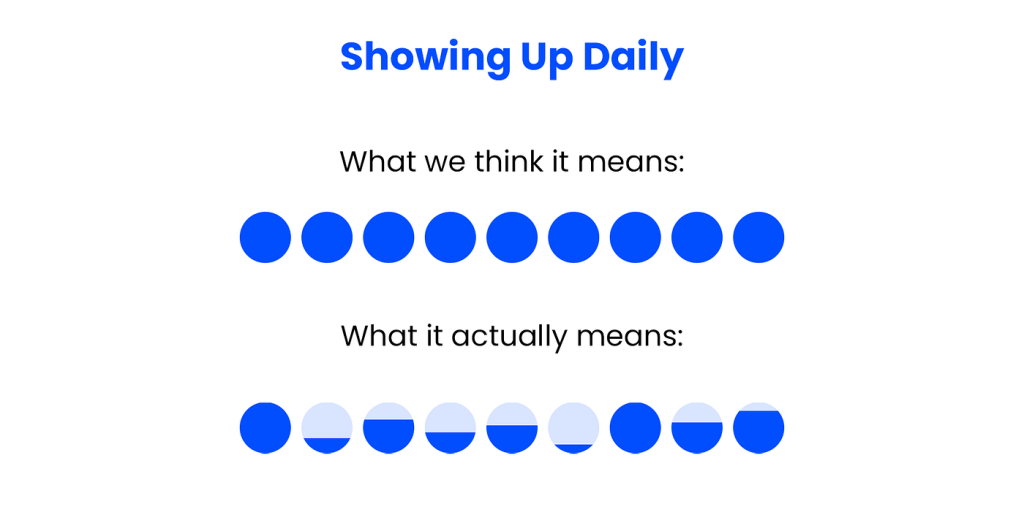
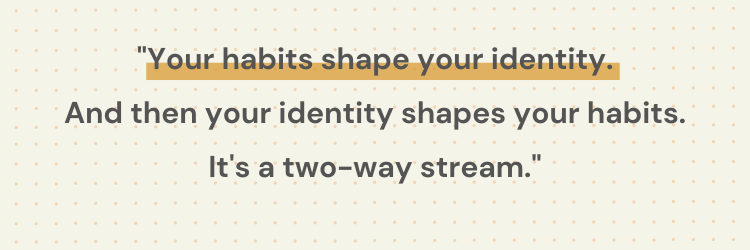
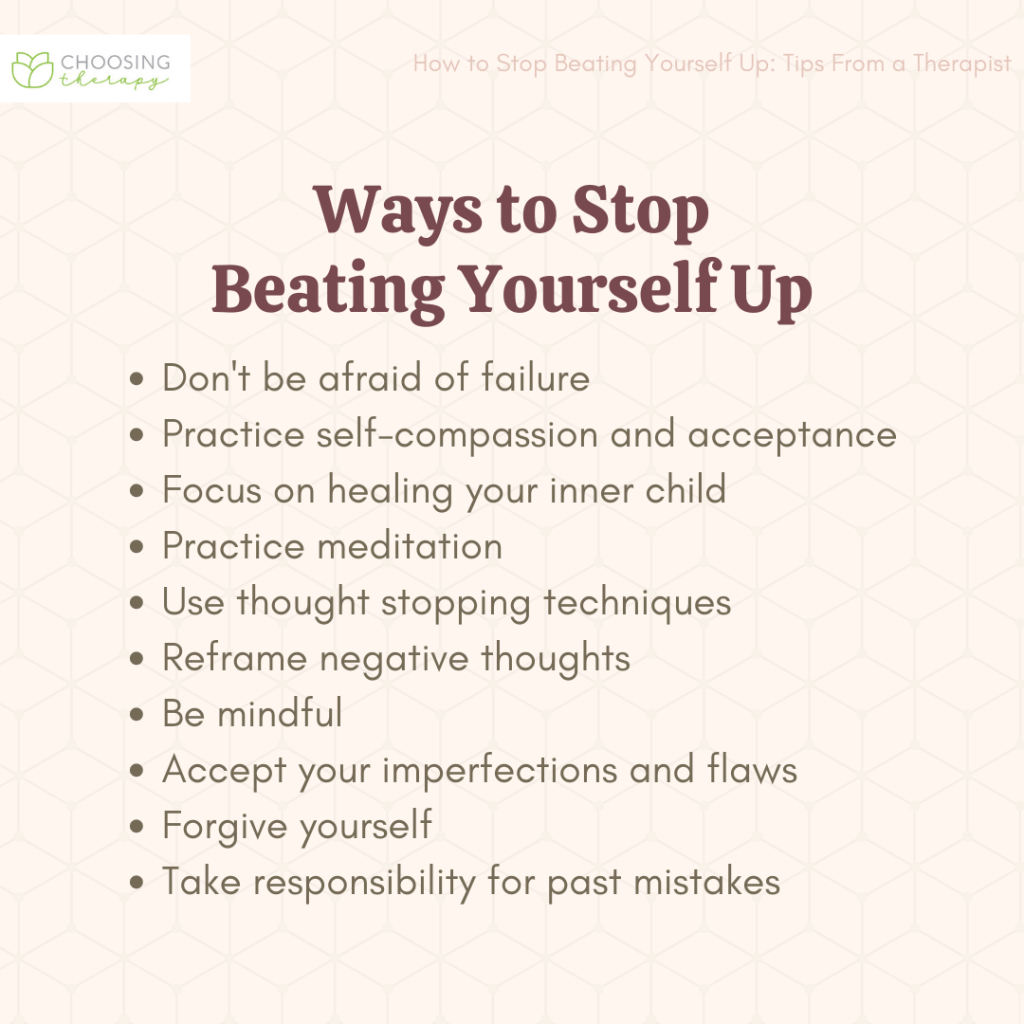

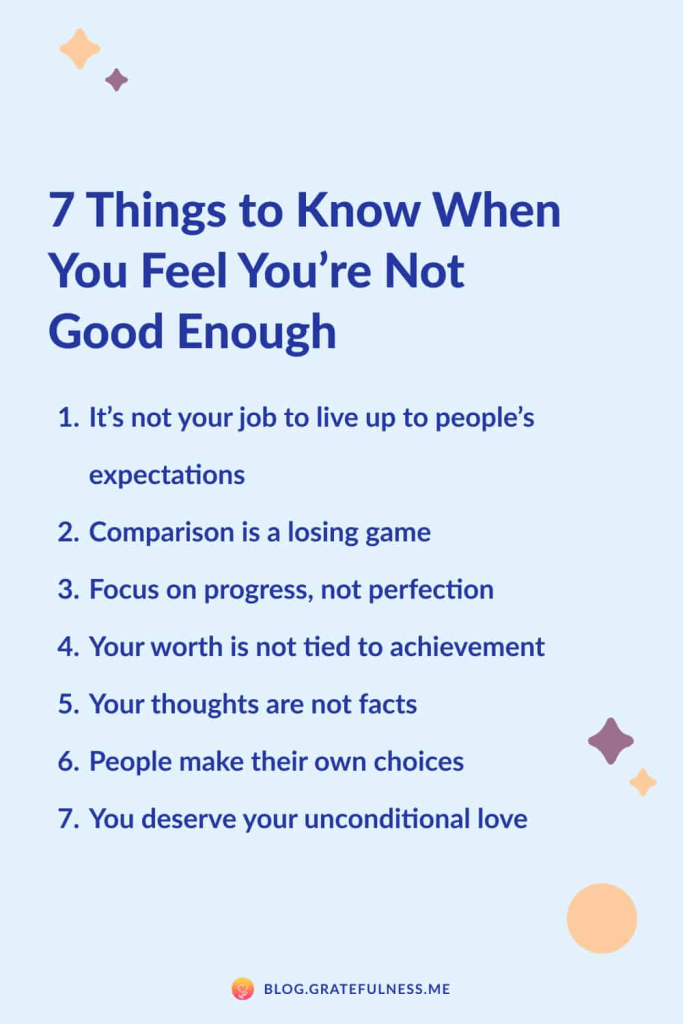
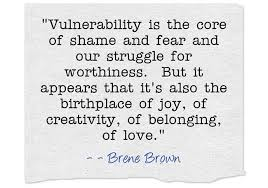
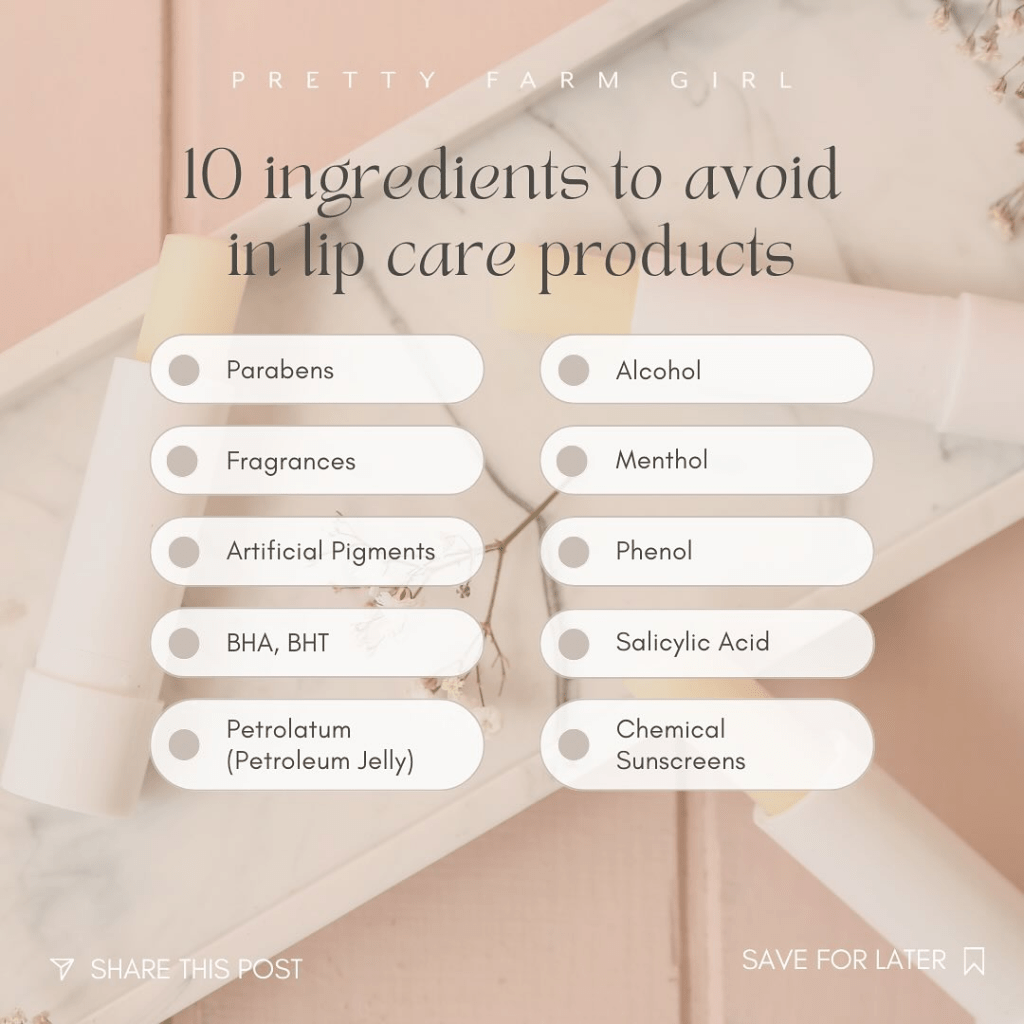
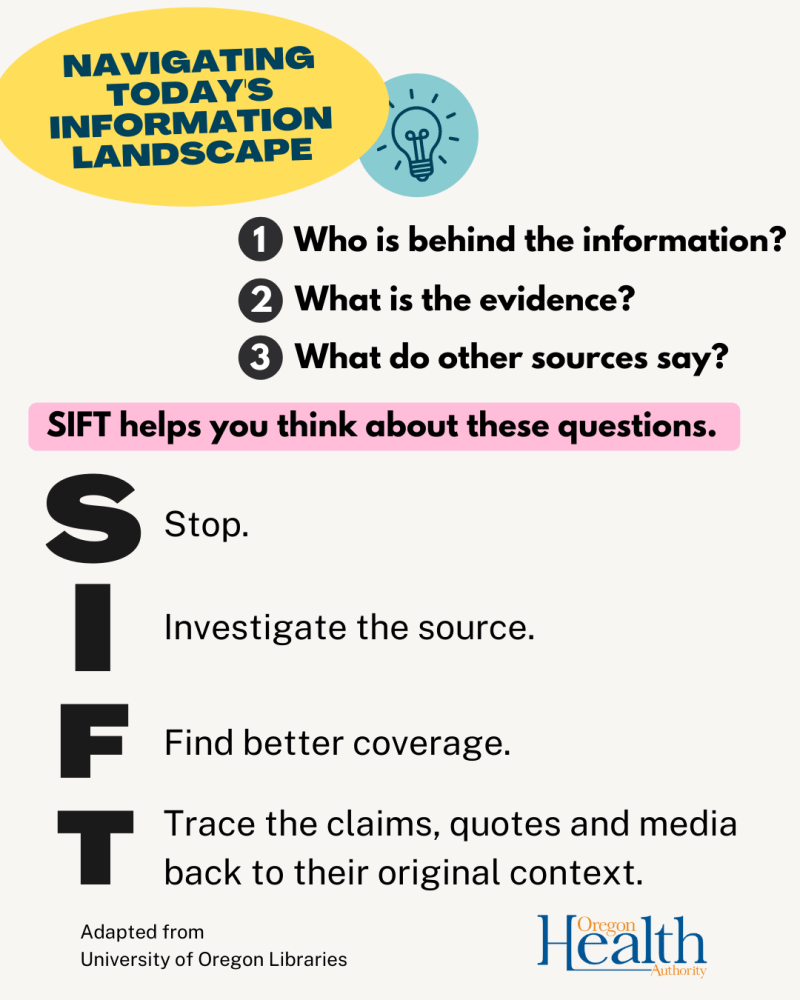
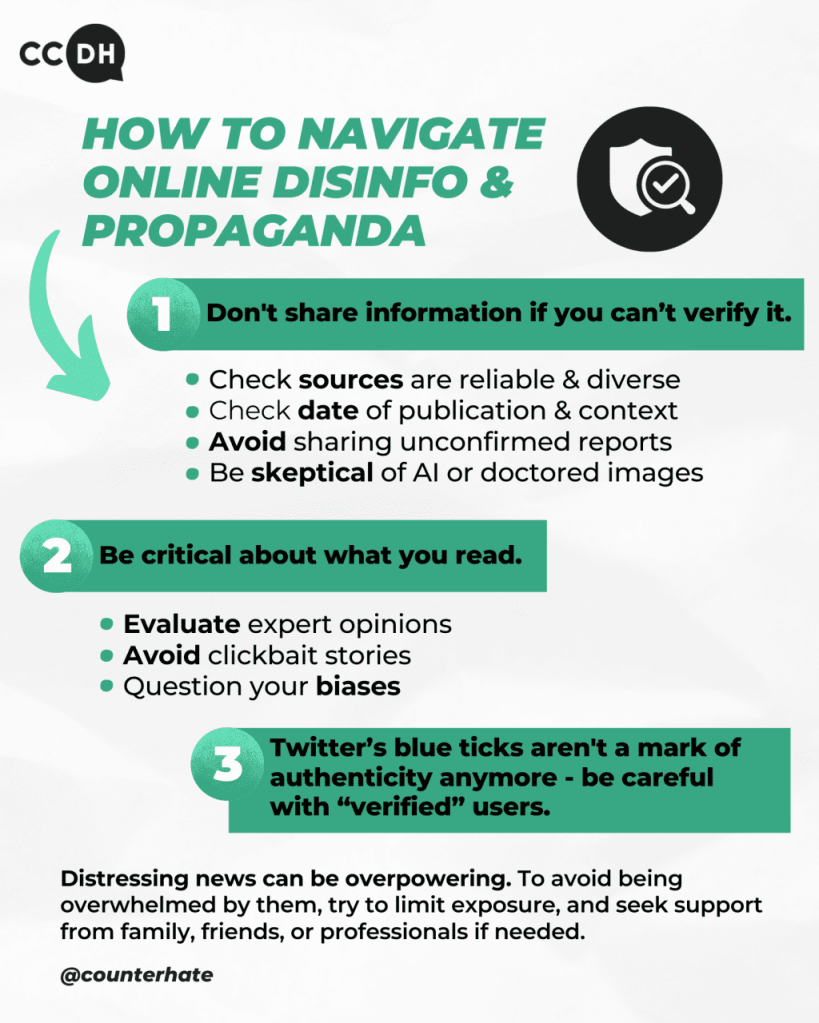

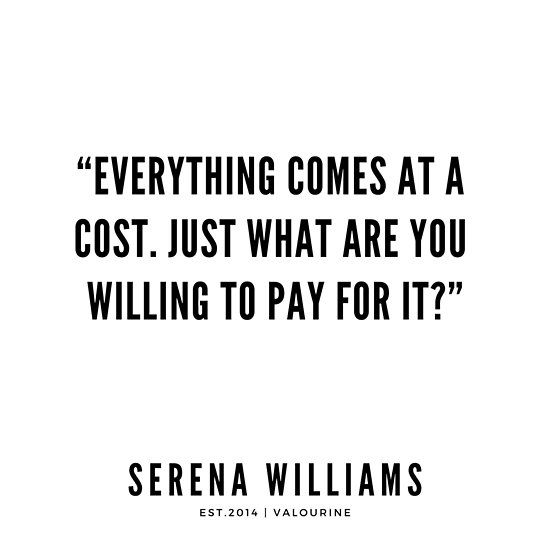
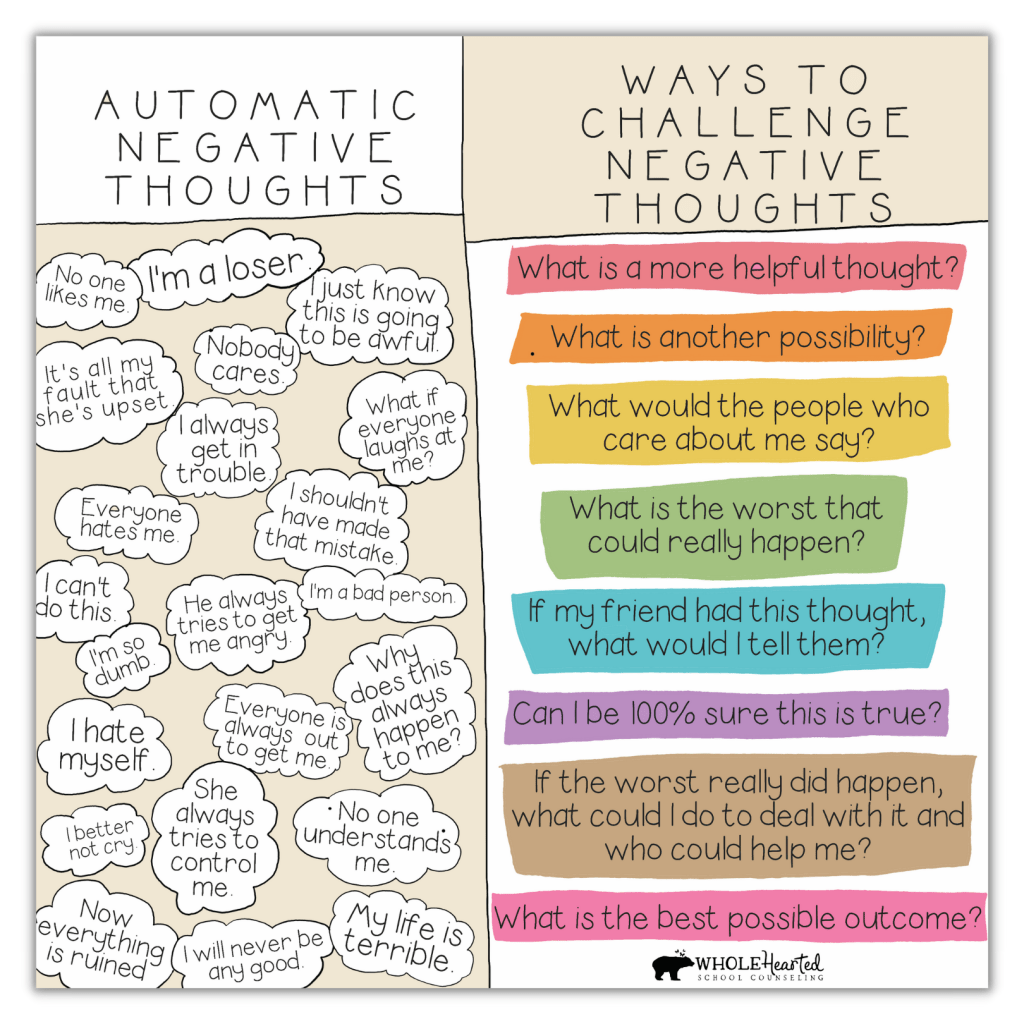


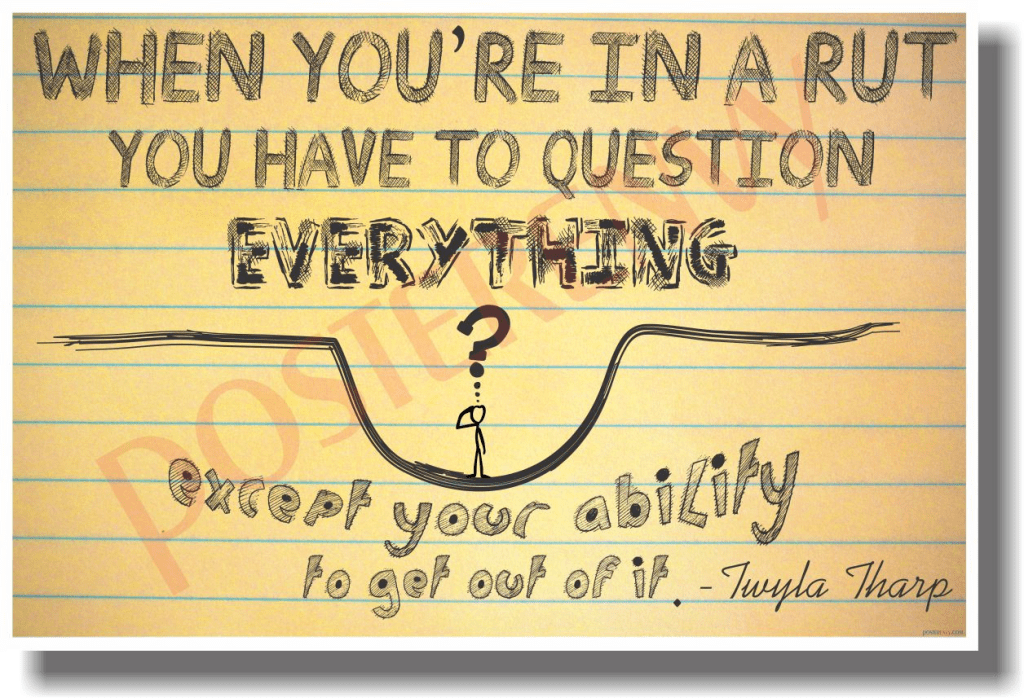
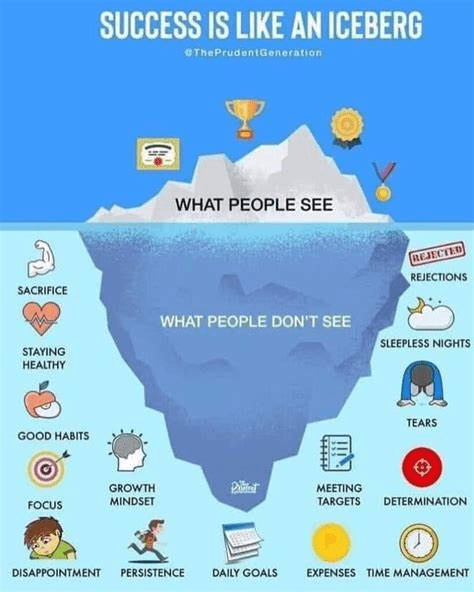

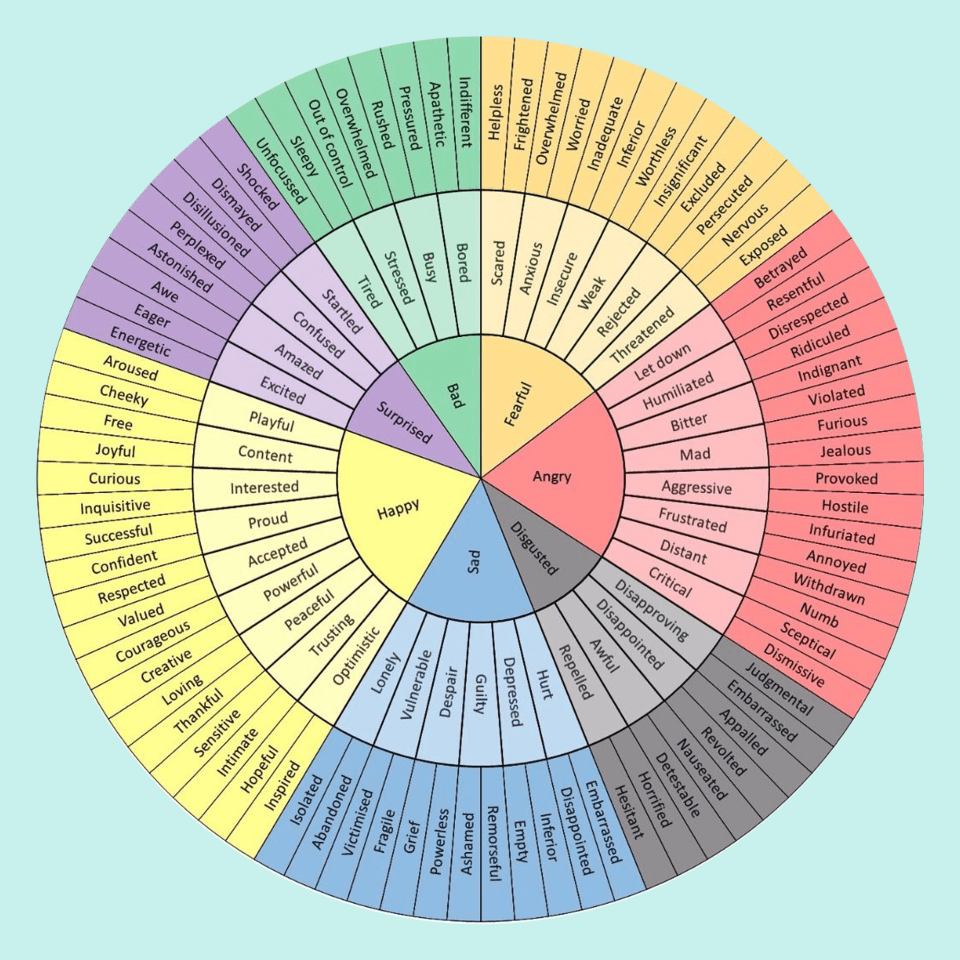
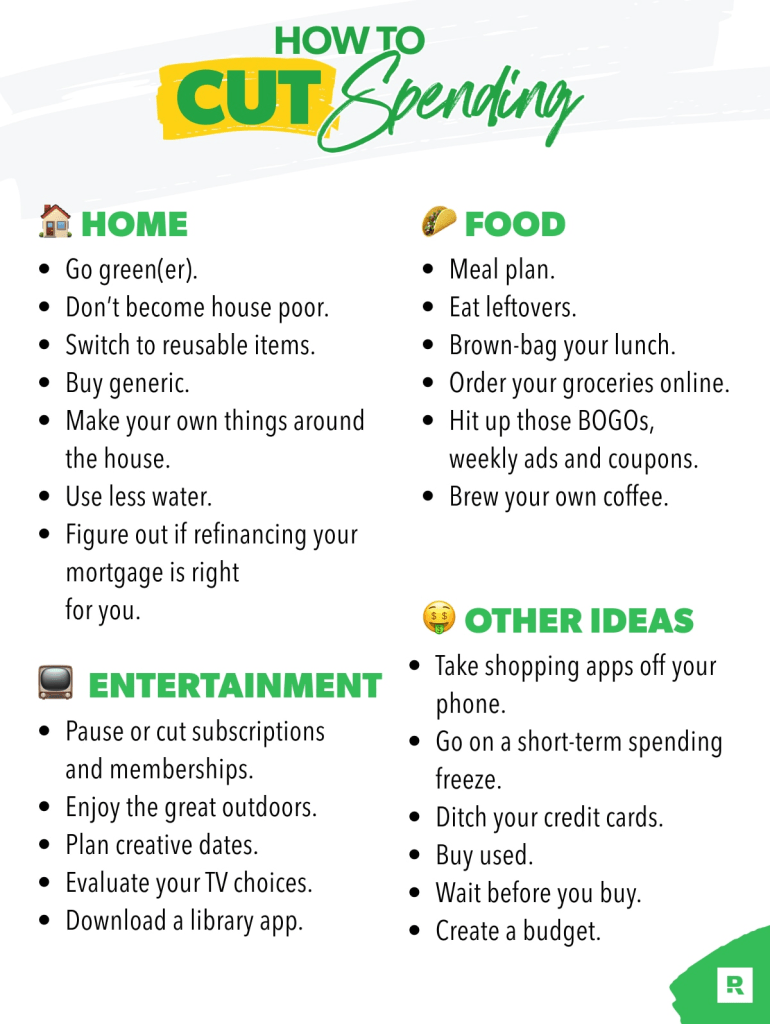
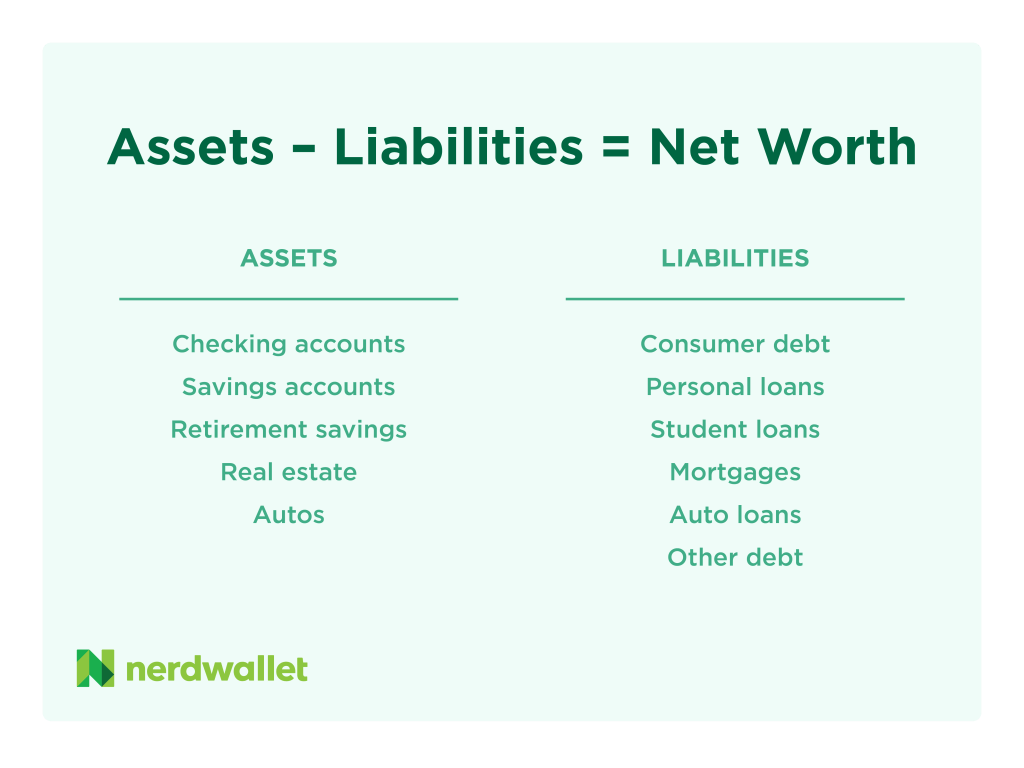


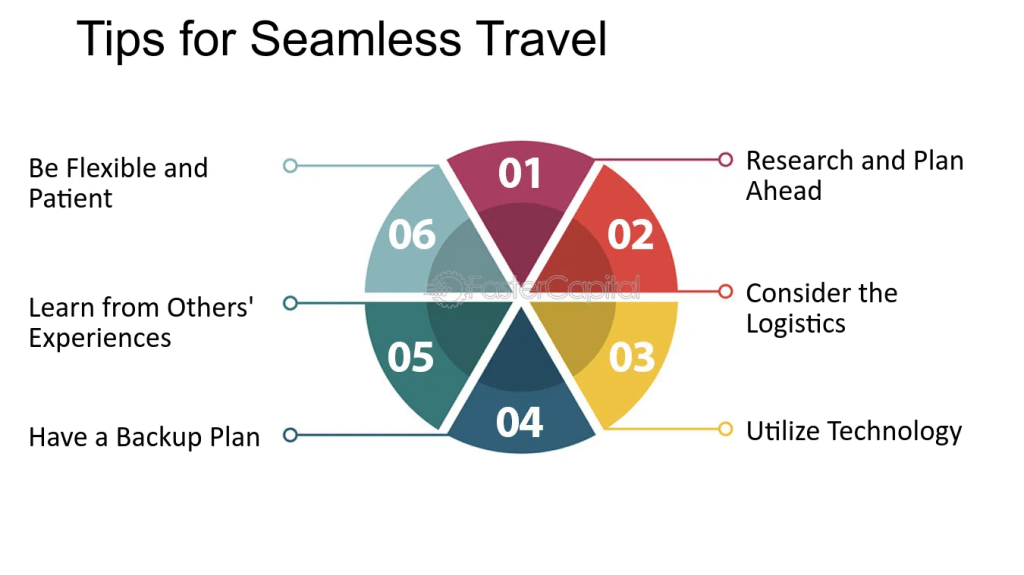
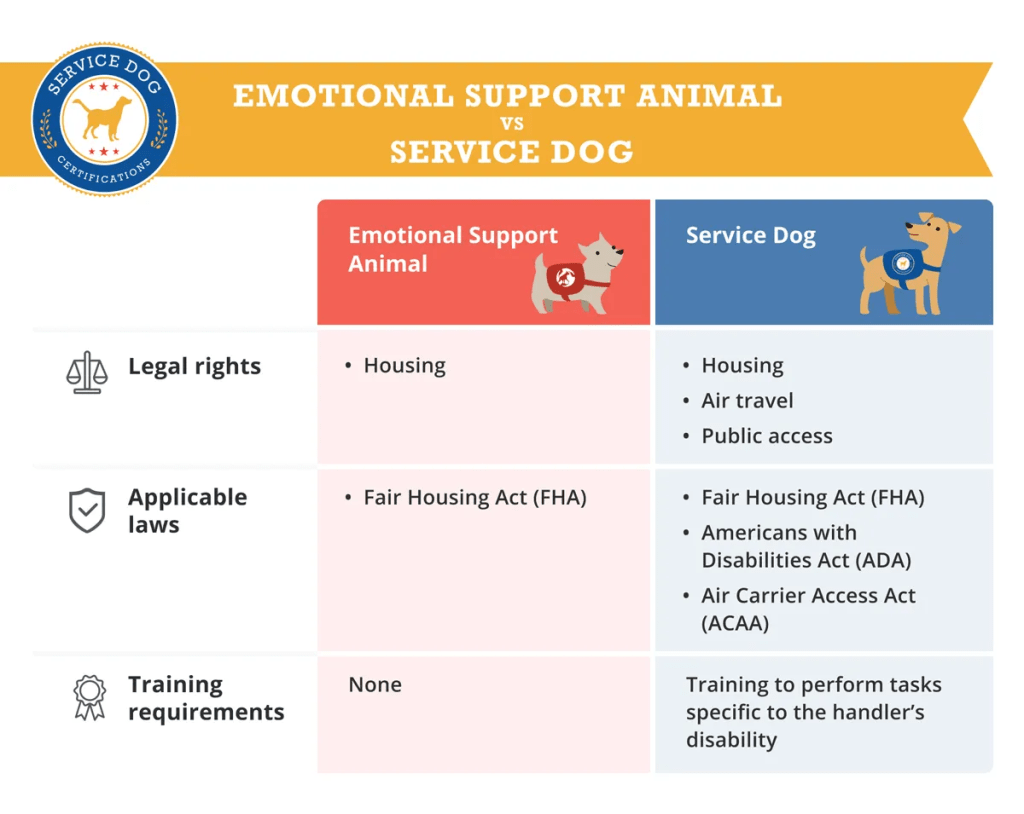

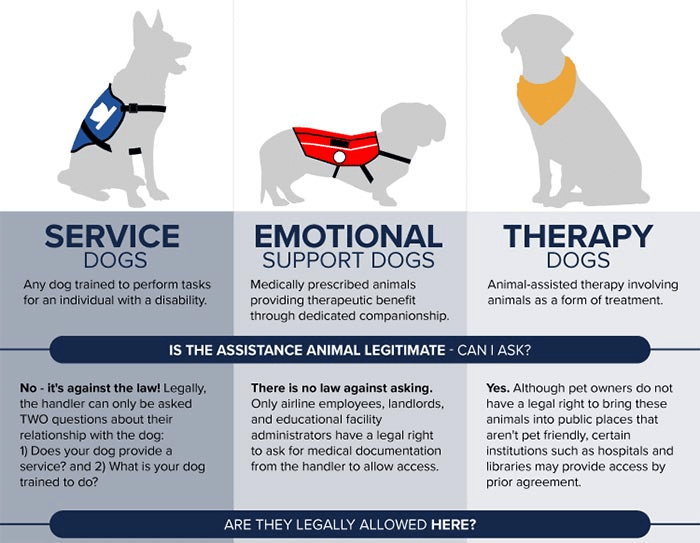
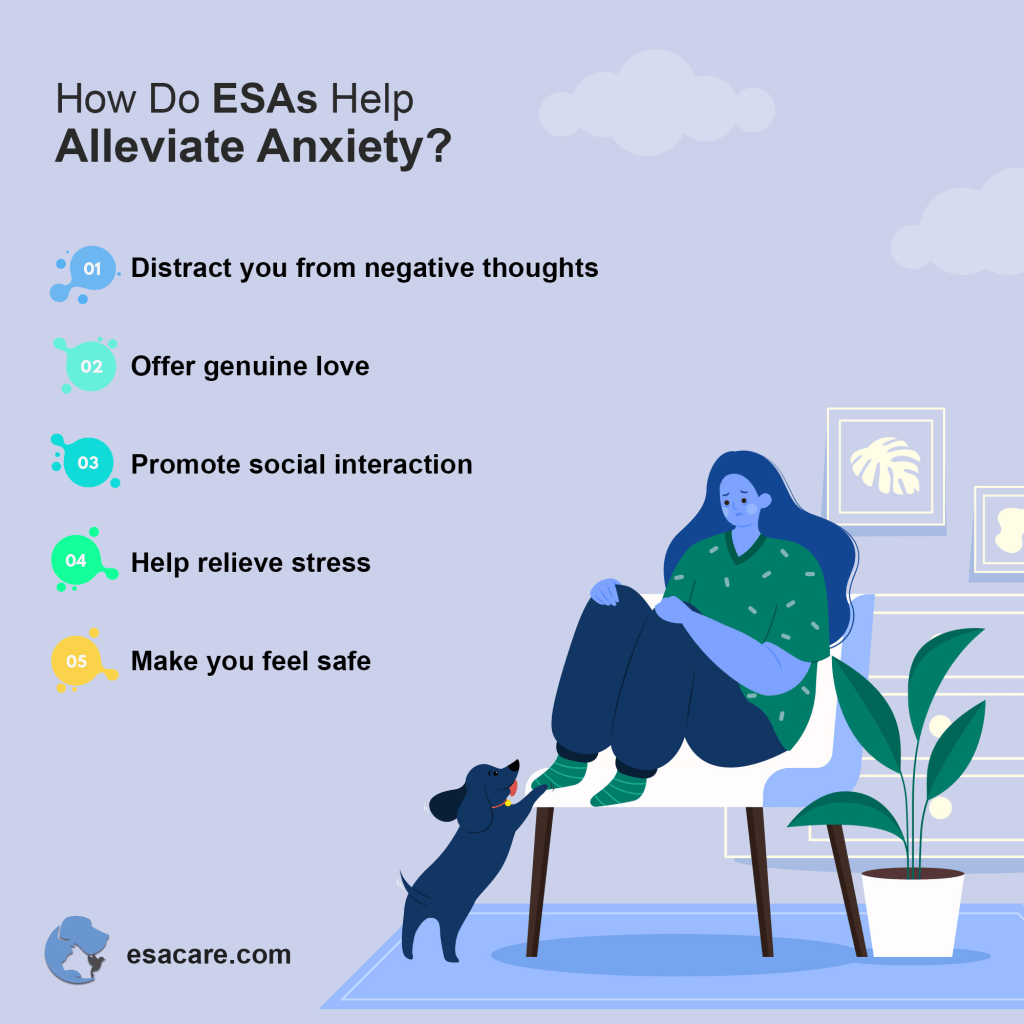

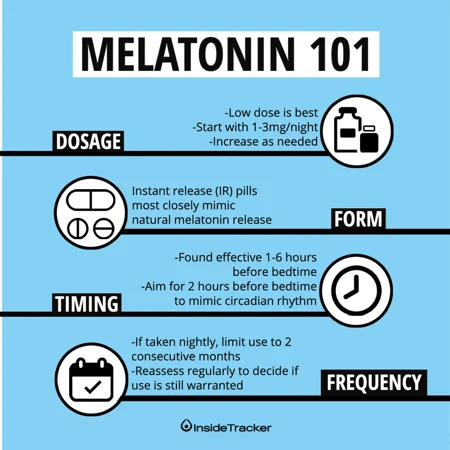

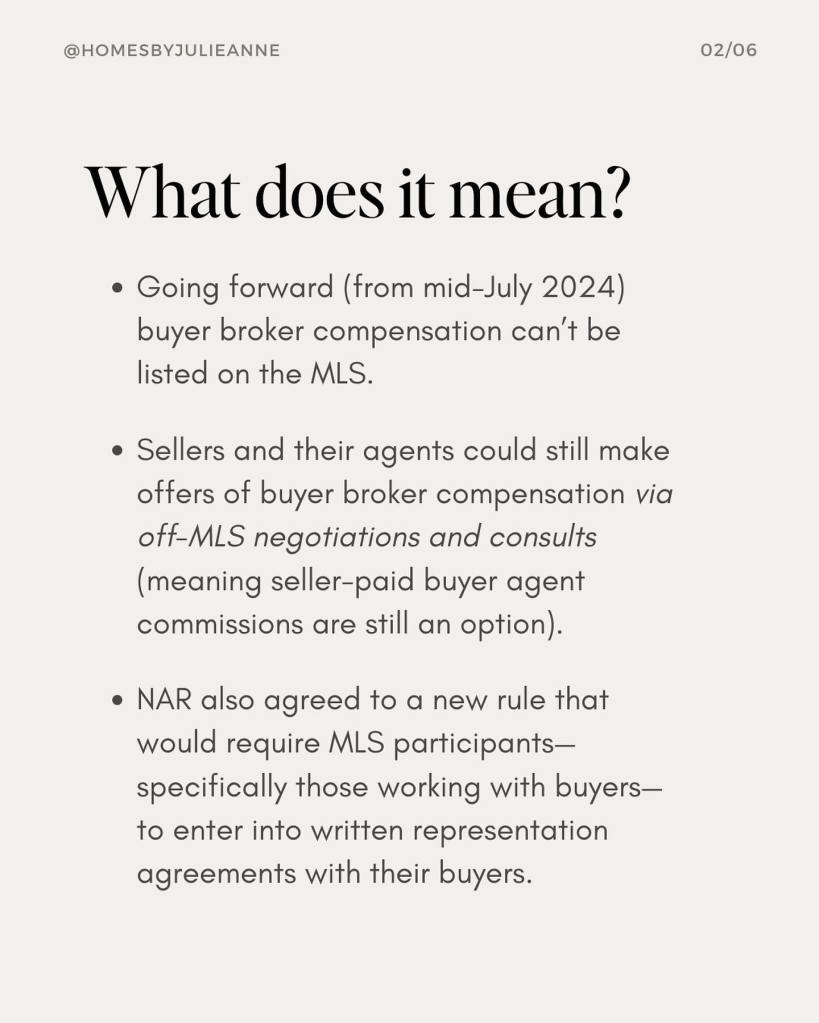

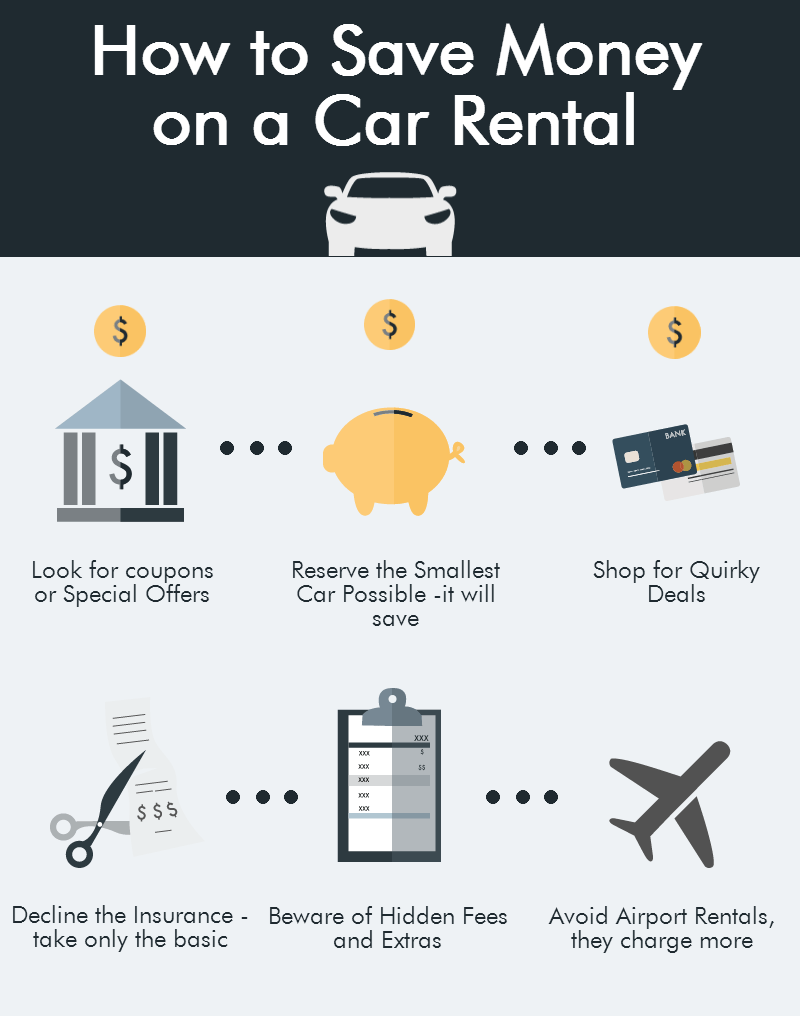
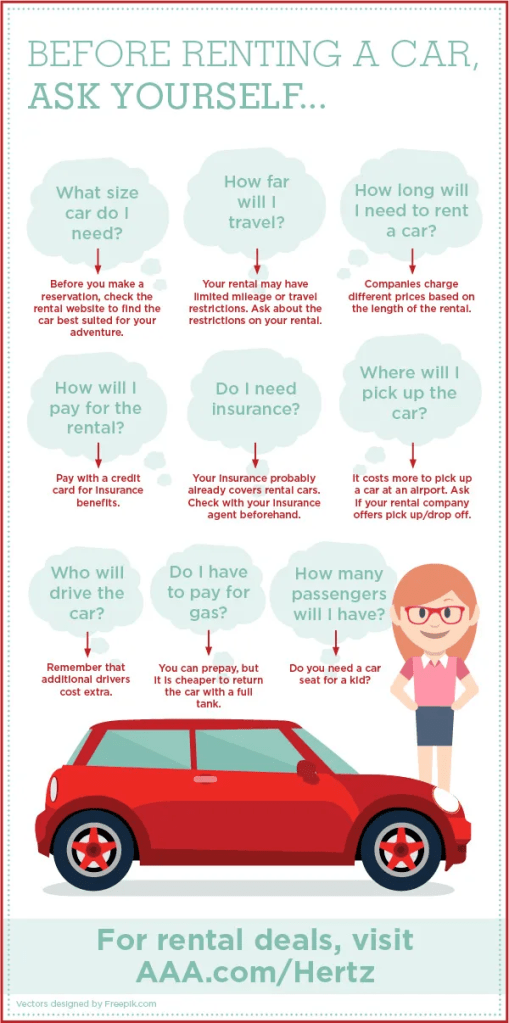
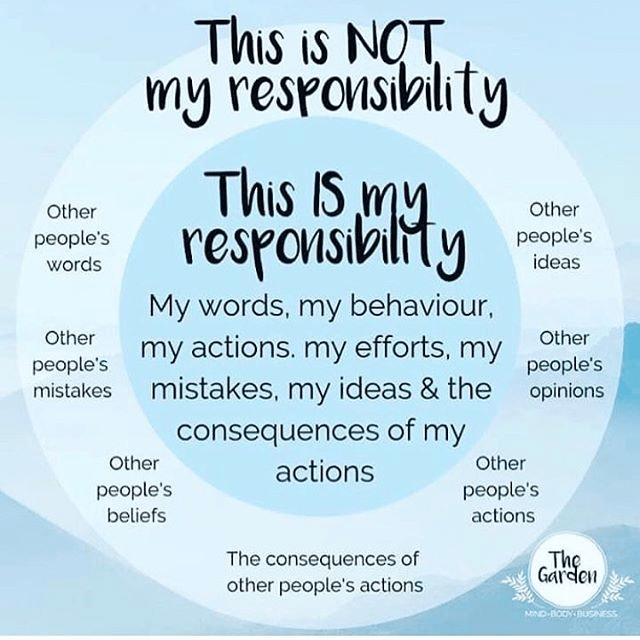
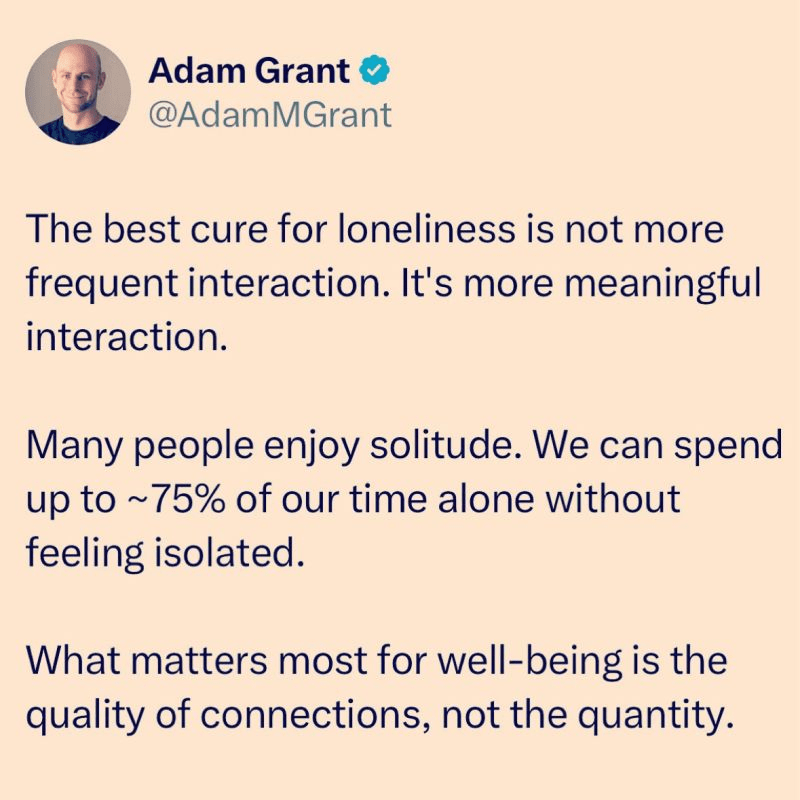
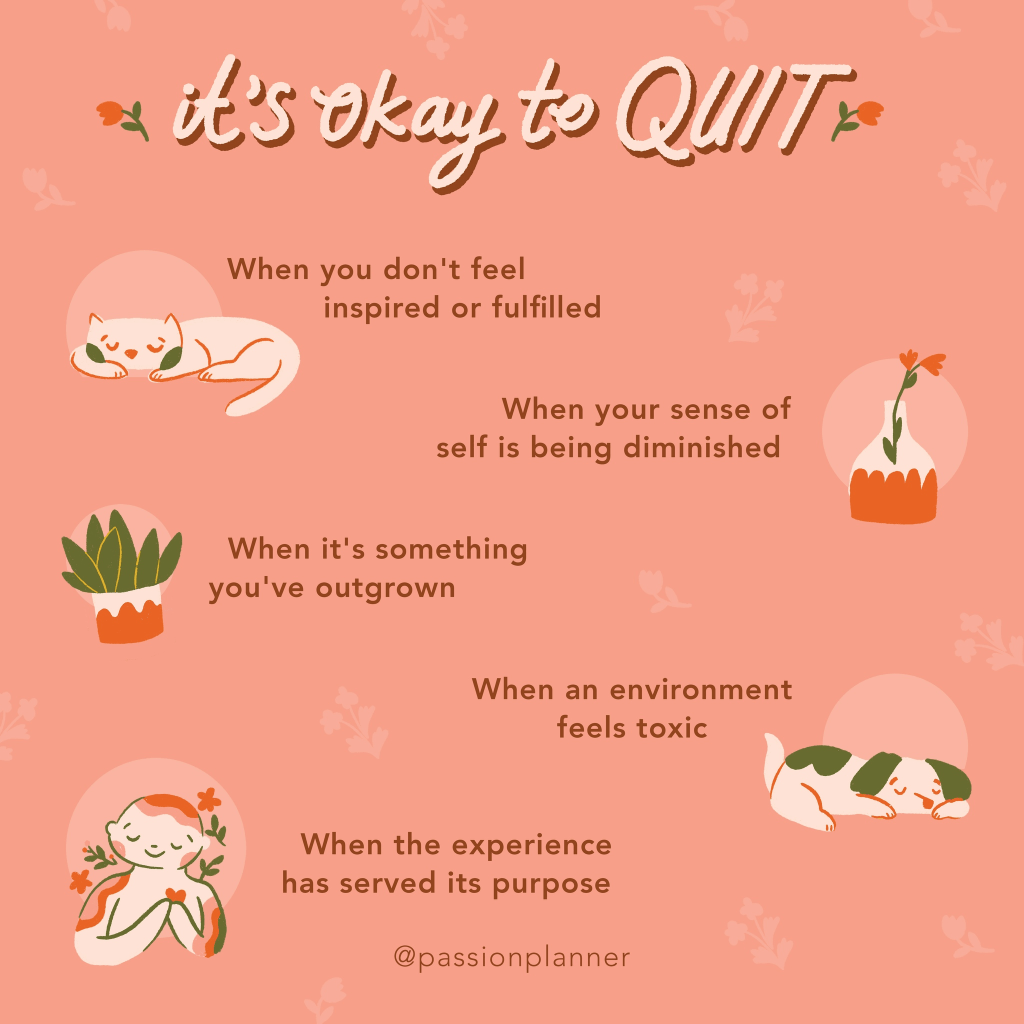
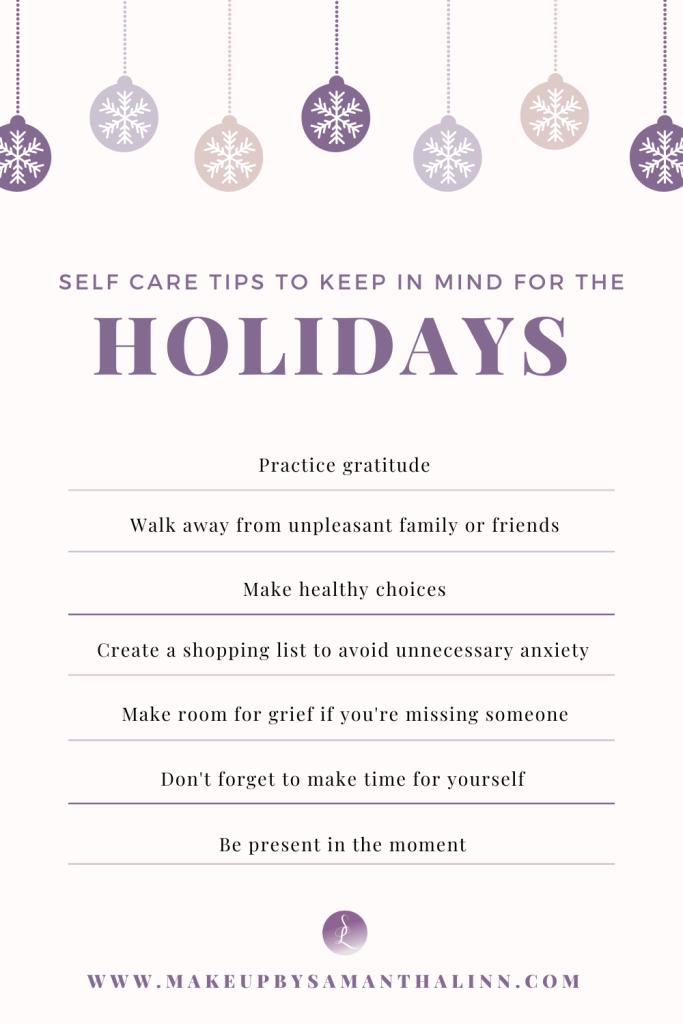

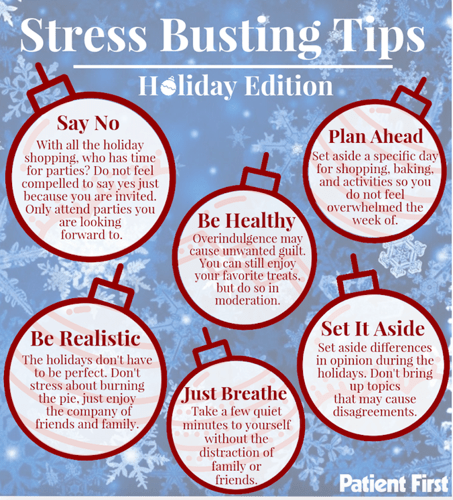
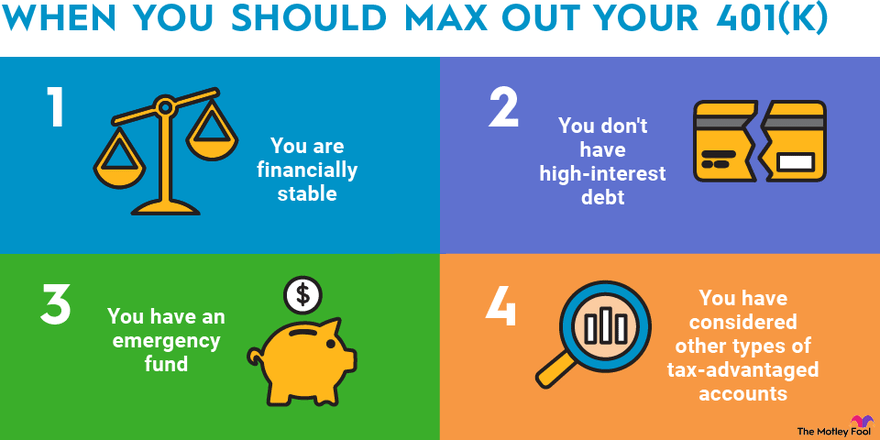
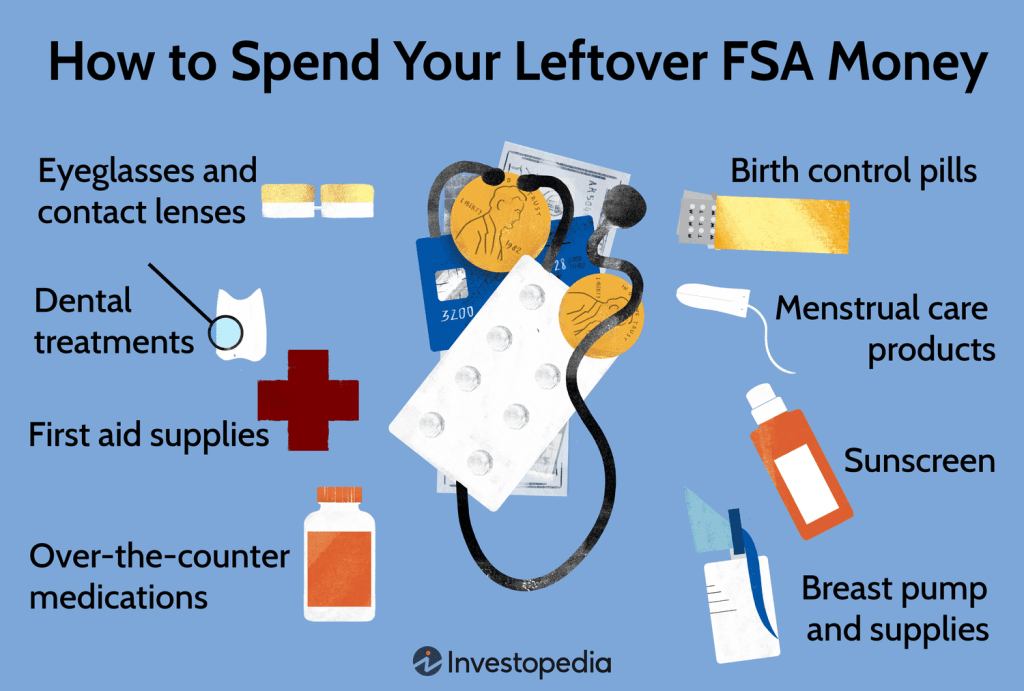
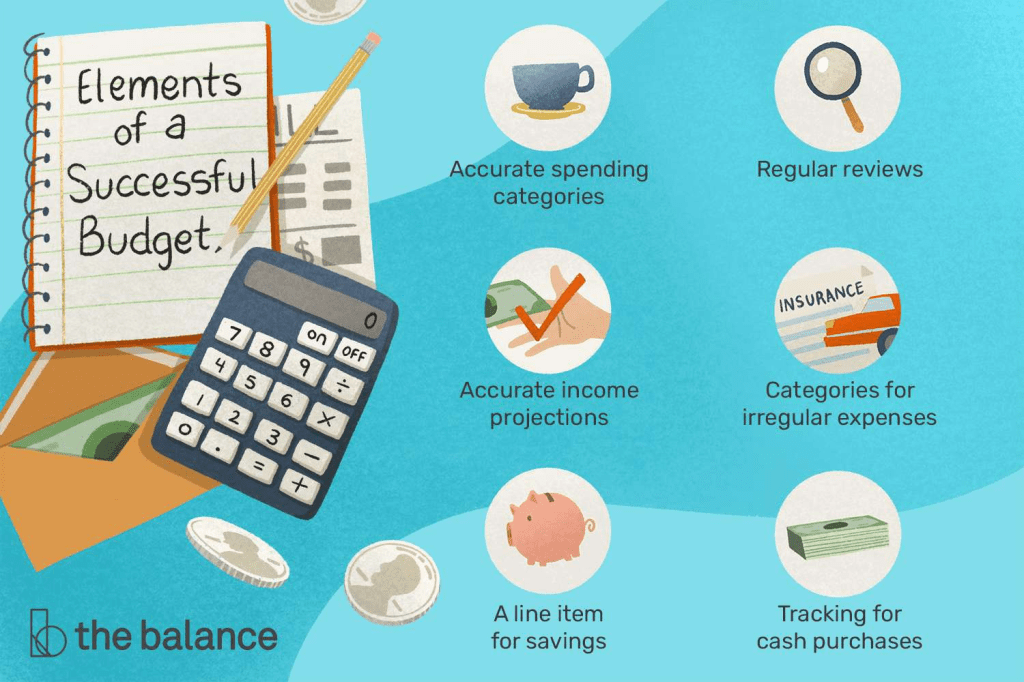


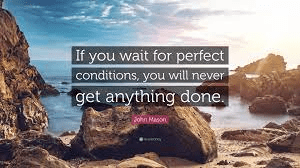



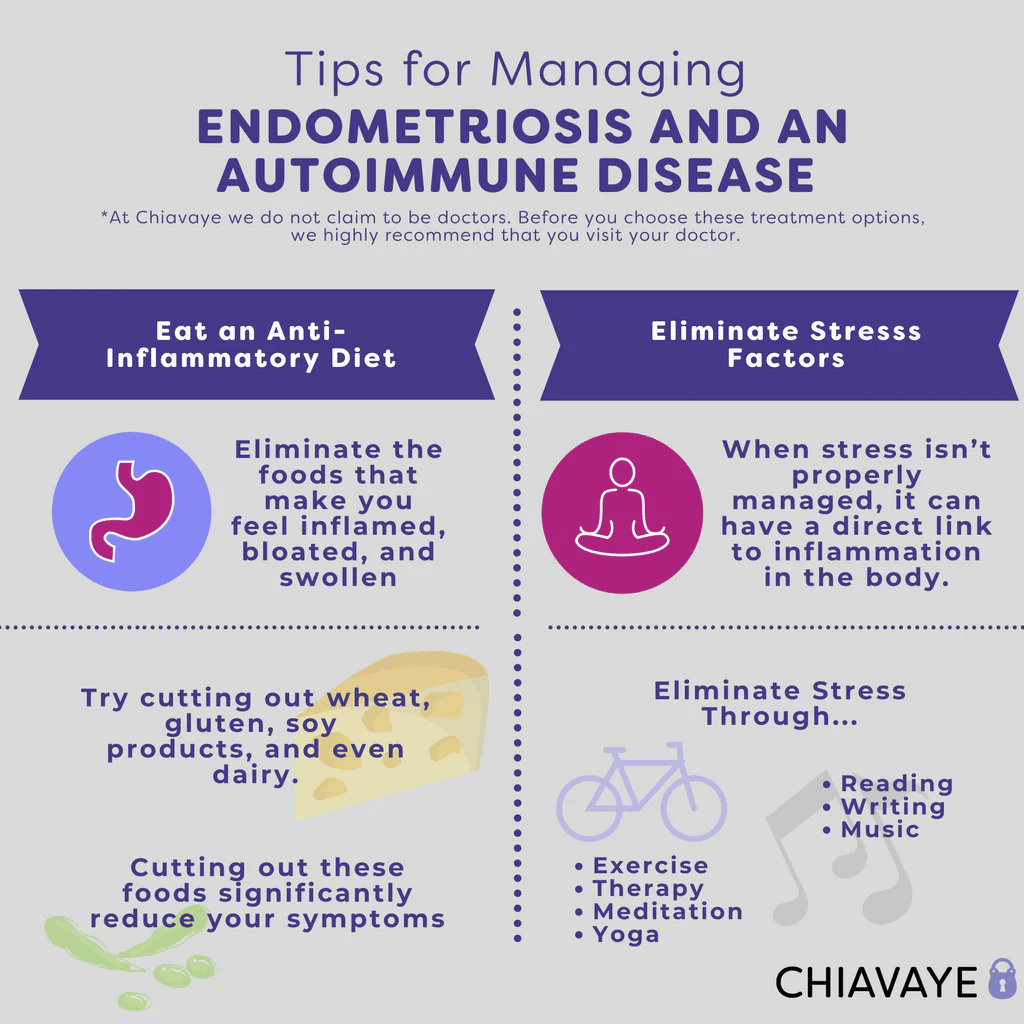

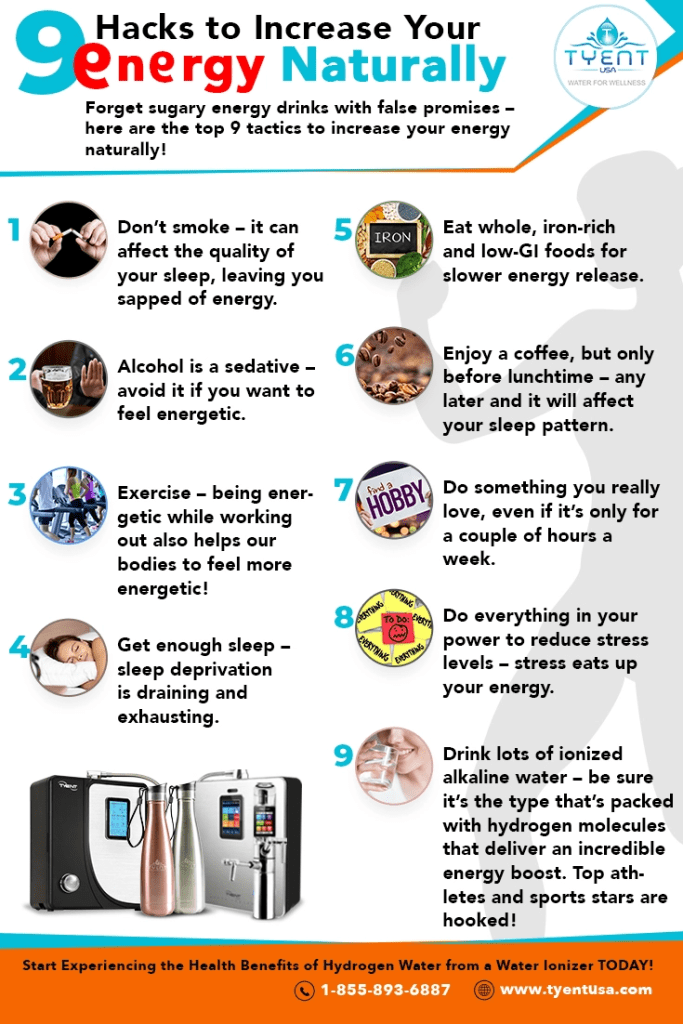
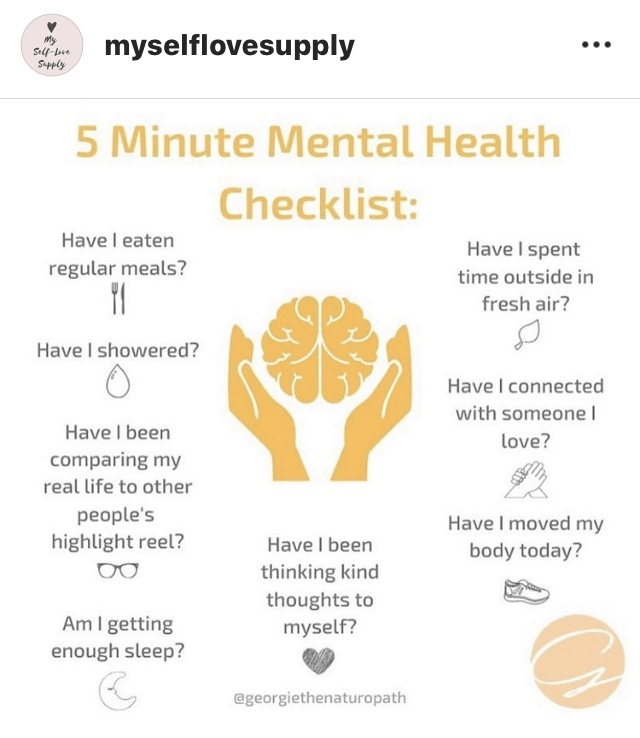

 If your body confidence comes from liking how you look, it will rise and fall with every nice or negative comment, every acceptance or rejection, every good or bad photo, and every physical or mental fluctuation.


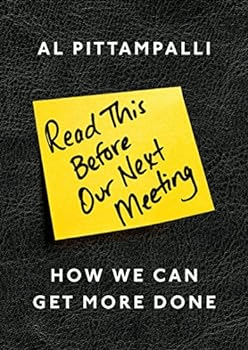
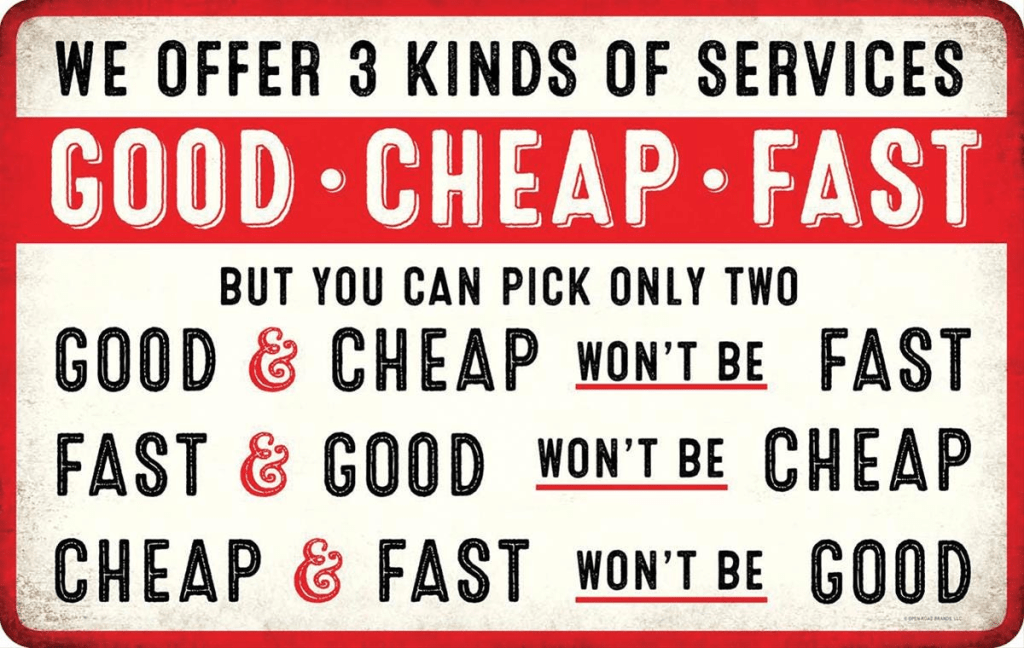


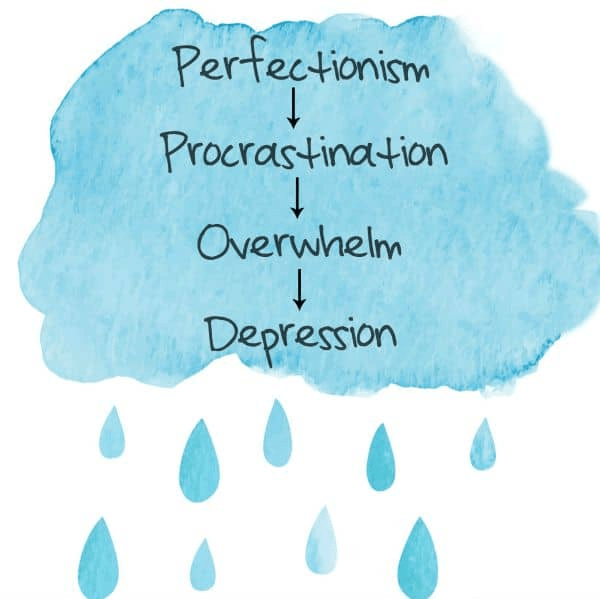
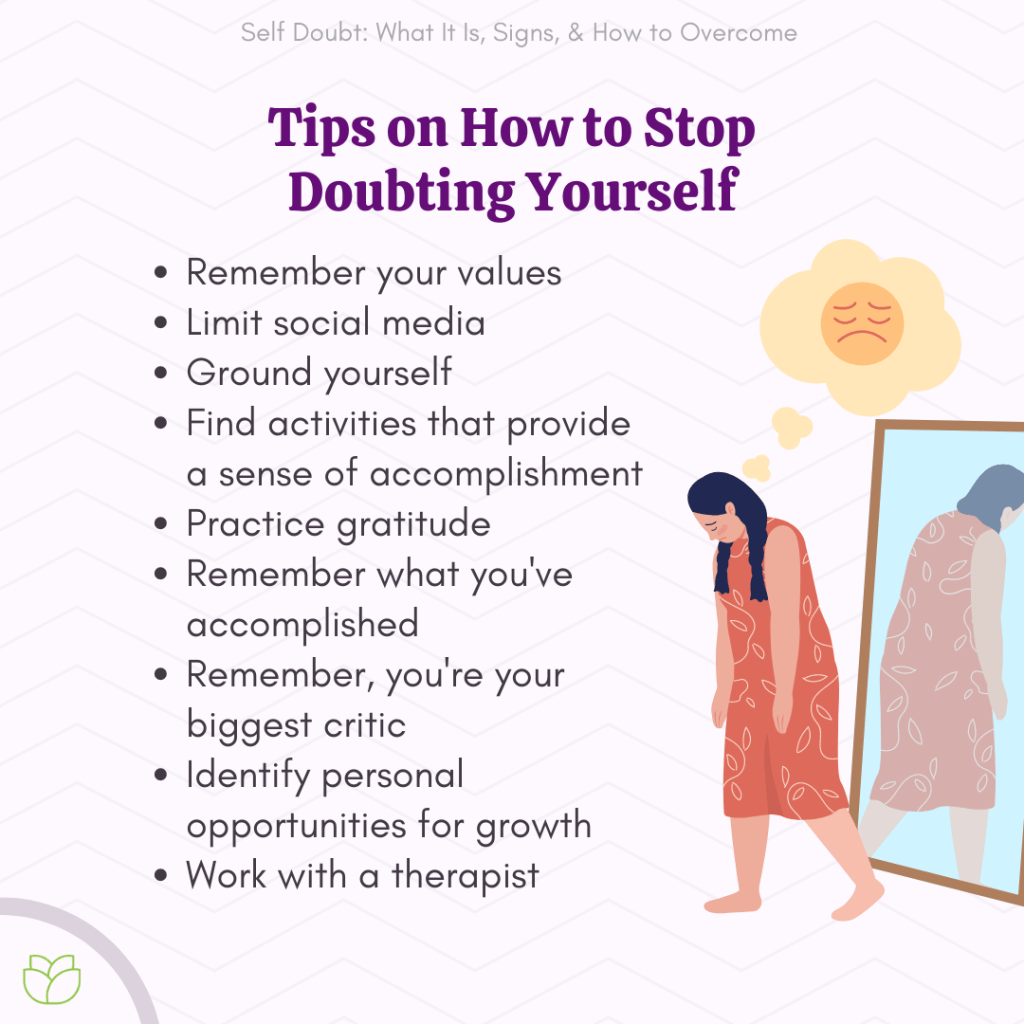

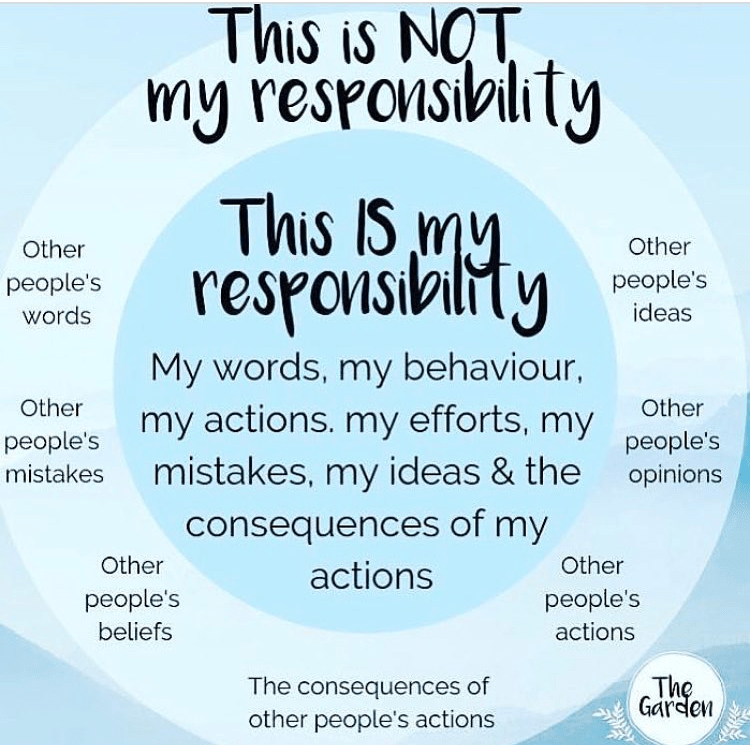
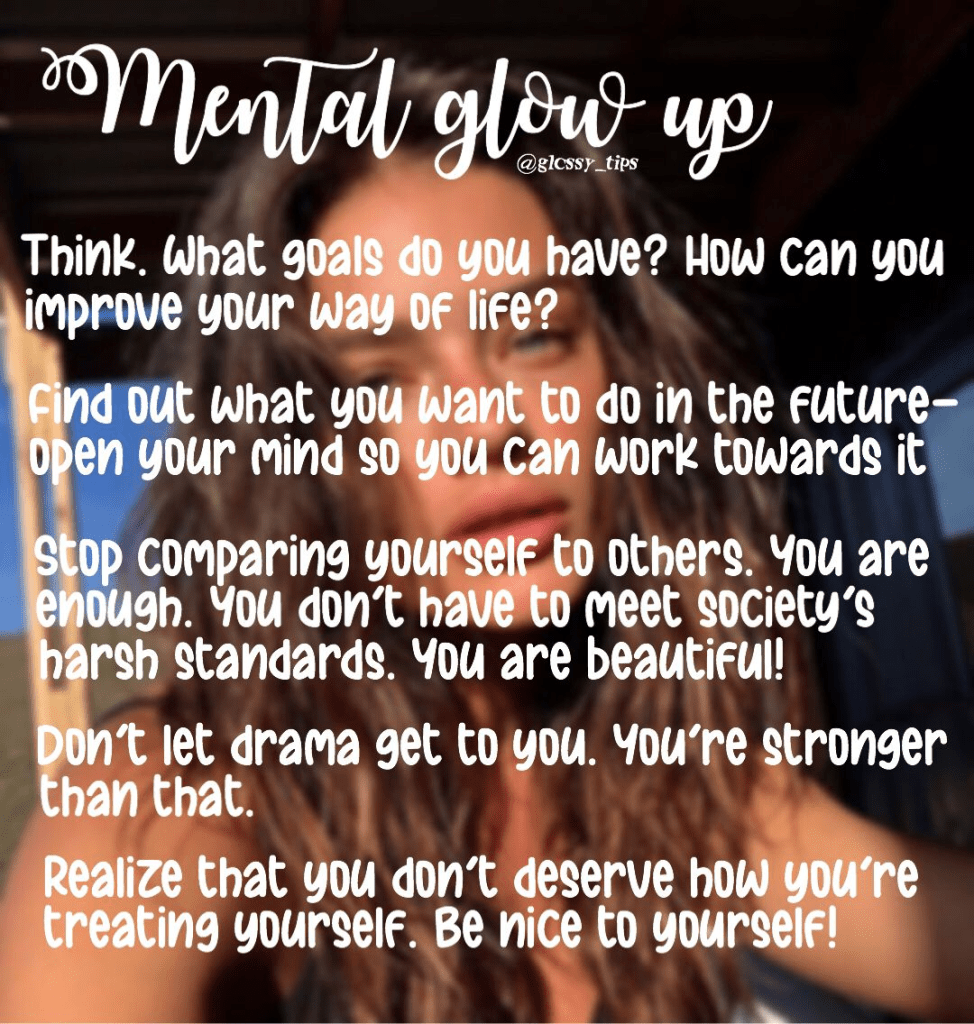

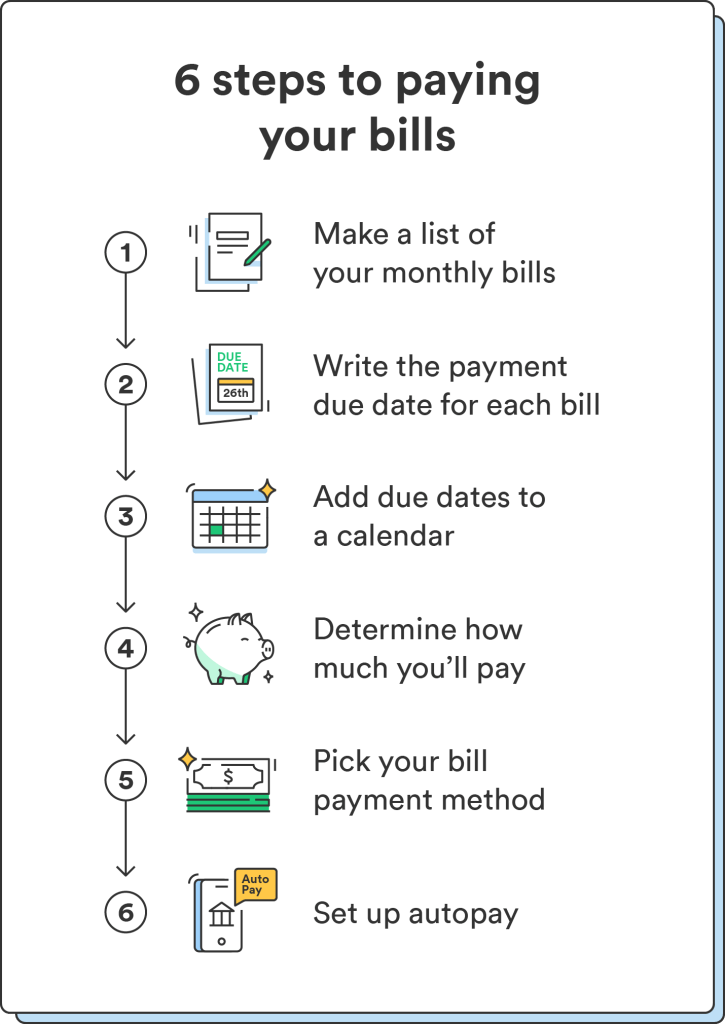
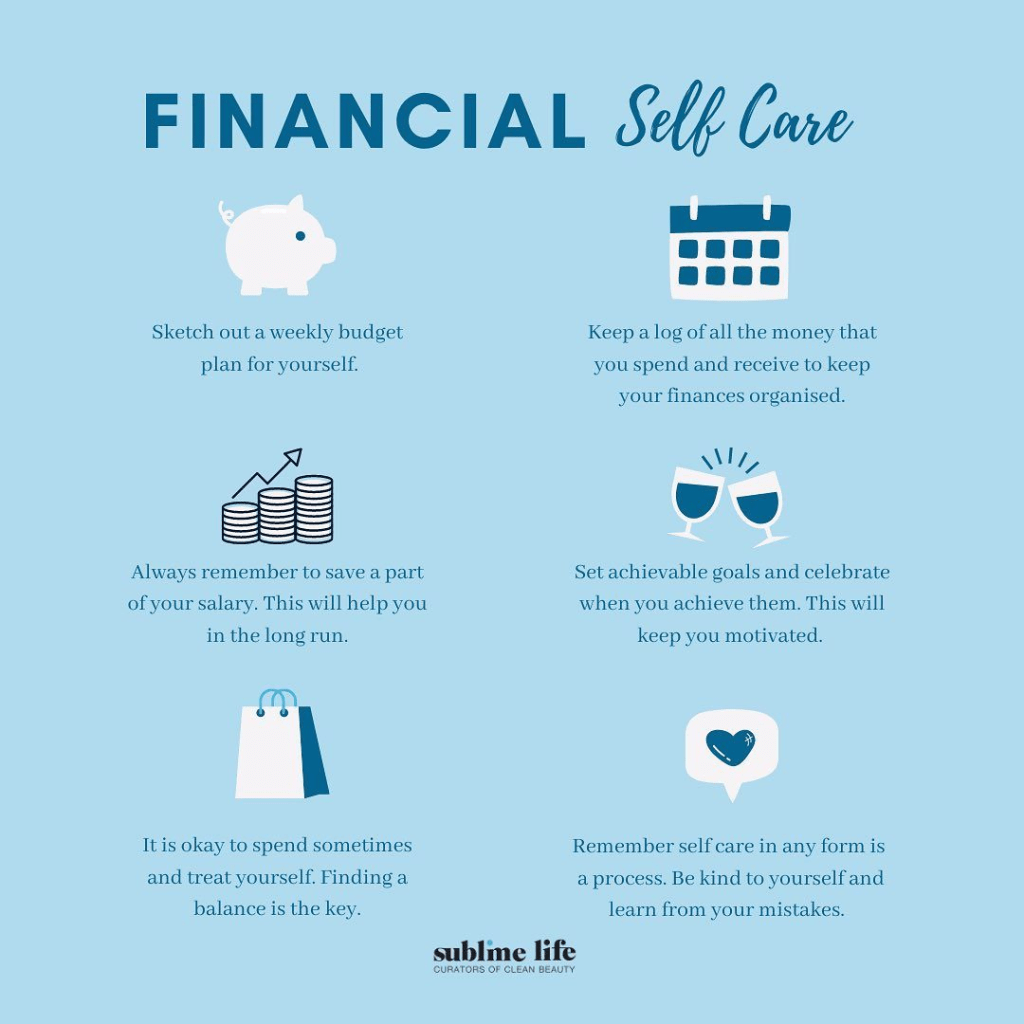
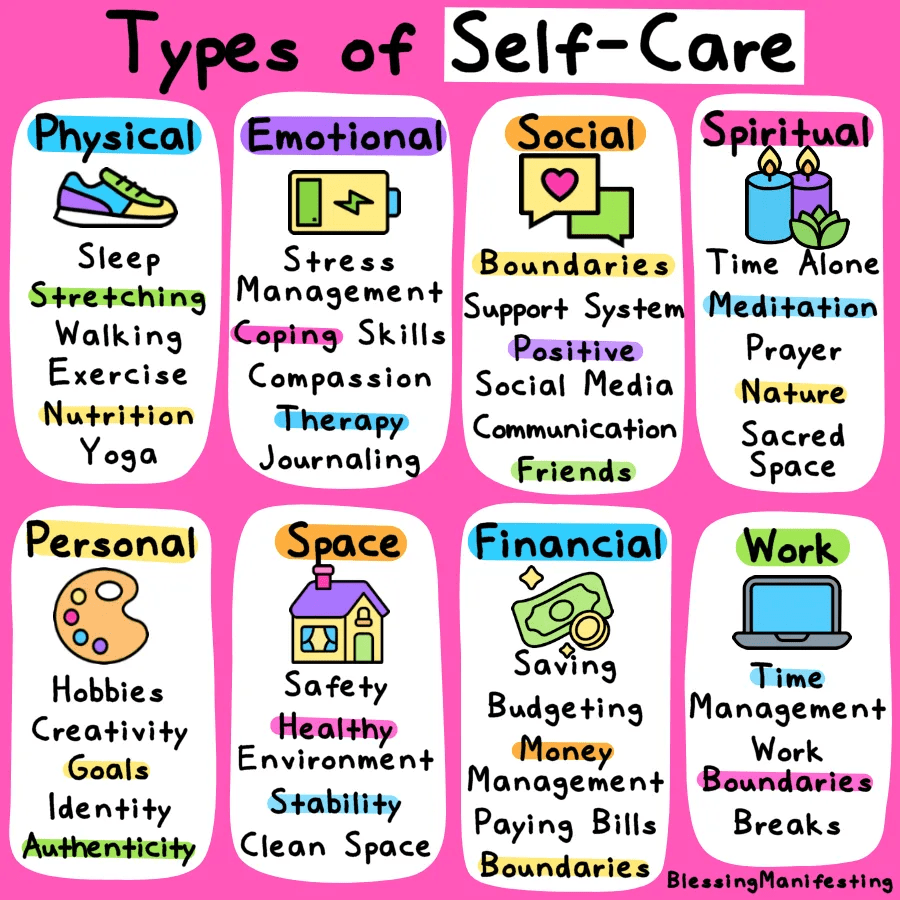
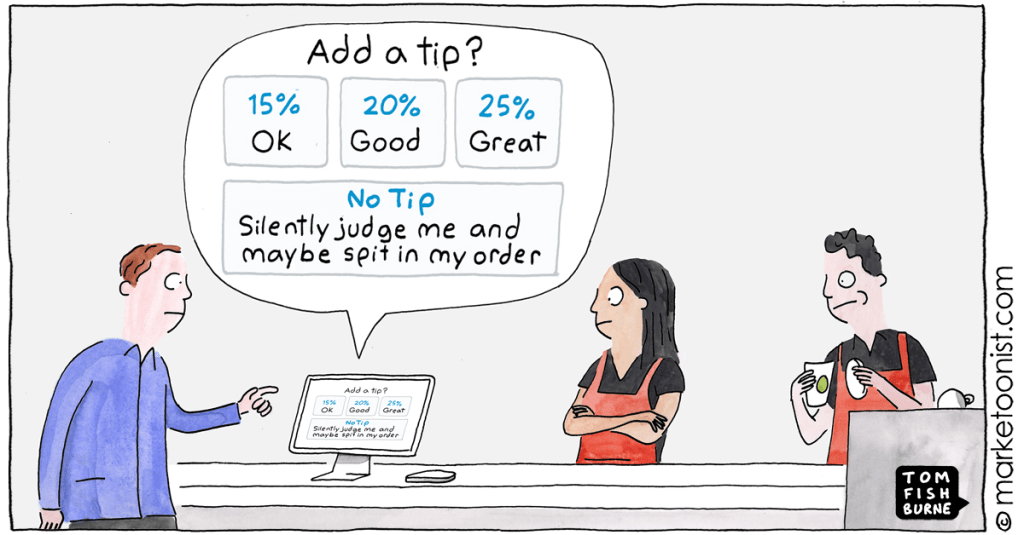



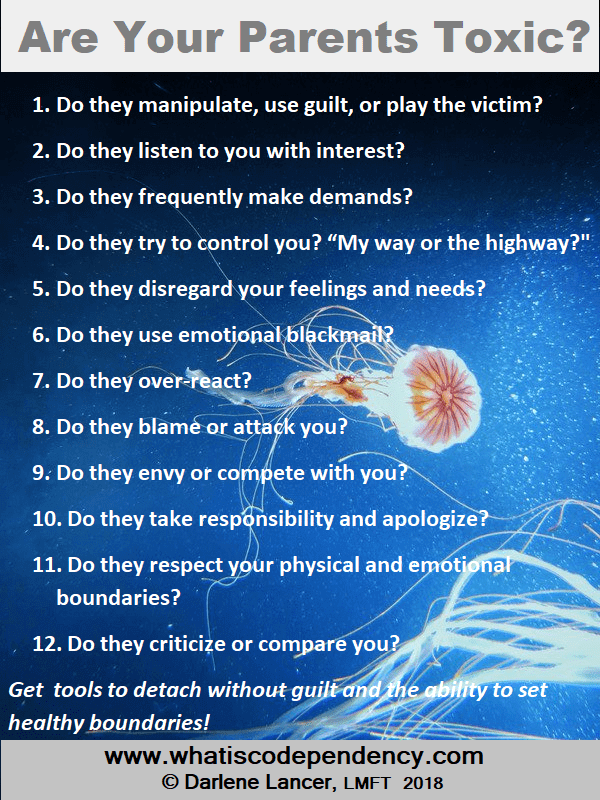

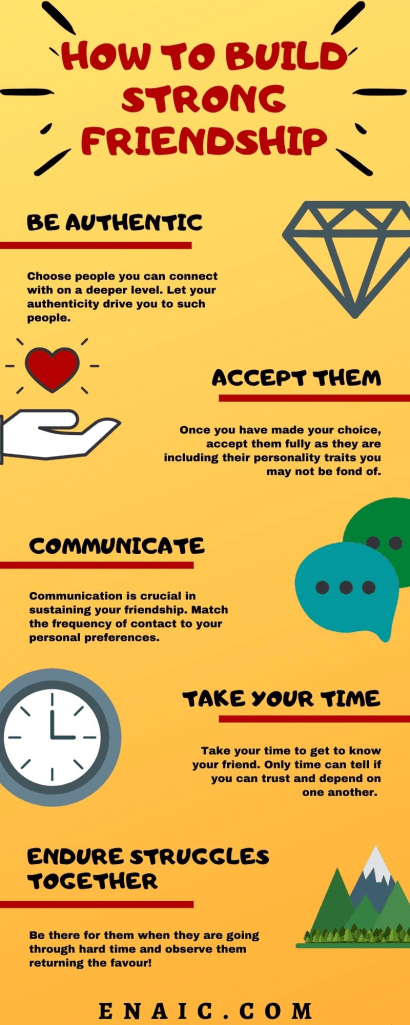
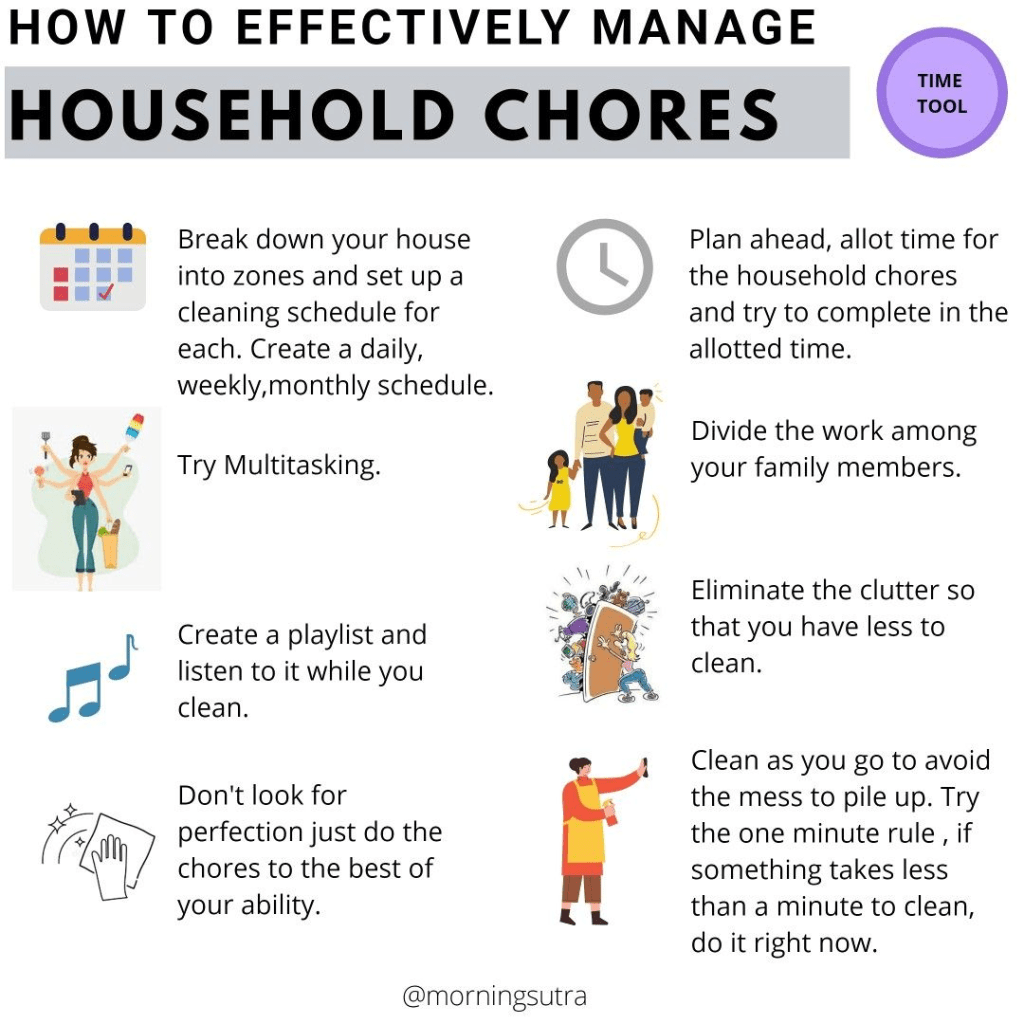

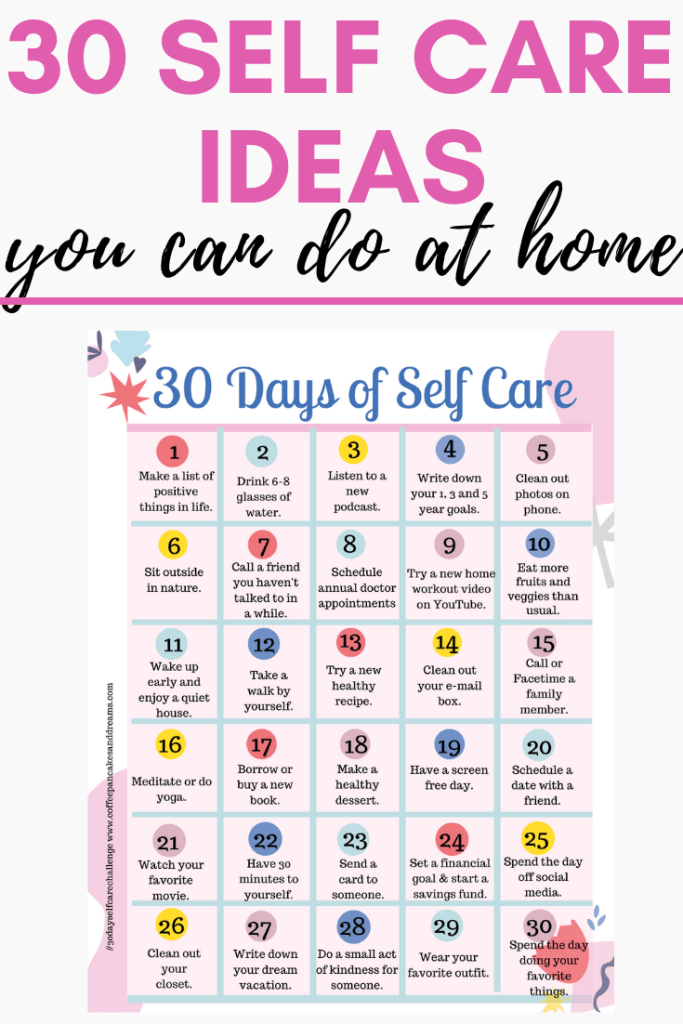

 Read Learn Share