
My intention is to post a Thoughtful Thursday column each week and share some of the insights I have learned in the past week. Here are some of the things I’ve learned this week:
In this world of wanting to be better, grow more, and learn more, we often put ourselves under more pressure and greater stress.
Lessons from Jay Shetty:
- #1 – understanding stress as a spectrum – Look at stress as a spectrum.
- Eustress – a positive form of stress having a beneficial effect on health, motivation, performance, and emotional wellbeing. During eustress, feel-good chemicals (endorphins) are released.
- Distress– great pain, anxiety, sorrow, mental suffering, affliction, trouble, etc. We are often referring to distress when we talk about stress.
- Are you putting eustress onto yourself, or are you putting yourself in positions of distress? Are you putting stress on yourself to feel better, motivate yourself, or move yourself forward, or are you putting stress on yourself and being critical of yourself for not getting enough done or not doing enough this year?
- Putting yourself under distress makes you less productive, less effective, and less impactful. Guilt blocks growth.

- Rigid thinking/a lack of flexibility – if you stress that you missed a day of your morning routine or an aspect of your daily habits, you are causing distress and you aren’t being realistic.
- What one thing could you say you’ve done every day of your life without fail? Probably only breathing, eating, and sleeping
This point was eye-opening to me because I began focusing on daily habits in 2022, and although I have achieved some habits every single day since January 2022, I have been hard on myself when I haven’t been completely perfect with other habits.

- When we get into these rigid patterns of thinking, that’s distress. It compounds stress. It’s not a “must.” It’s a “I get to,” “this makes me better,” “imagine what’s possible.”
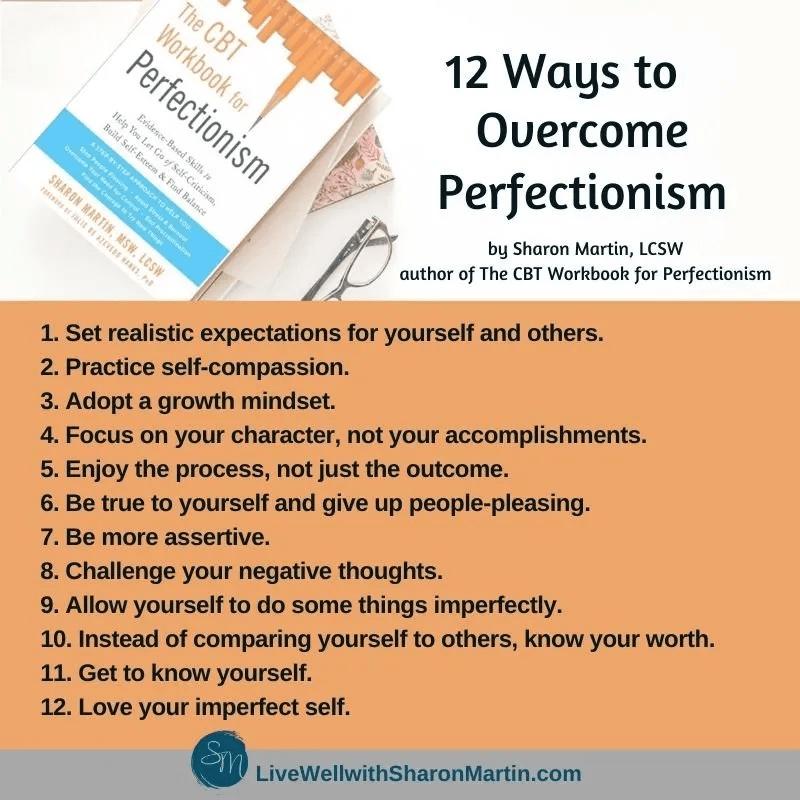
- Unrealistic expectations or perfectionism – caring too much can make what you are creating worse and can make you more anxious. Look at your life and reflect on how you can prepare but not overprepare and think but not overthink.

- #2 – finding your center. Give up perfectionism. Accept that you might need to fail at something sometimes. In order to develop a healthy relationship with anything in the world, we have to find the middle and settle in the middle. Try not to be an extremist.
- Most stressful events of life: death of spouse, divorce, death of a close family member, injury or illness, marriage, job loss, retirement
This goes along with daily habits. Learn to accept that you might not be able to be perfect every day; other priorities may come up. This is something I am working on.
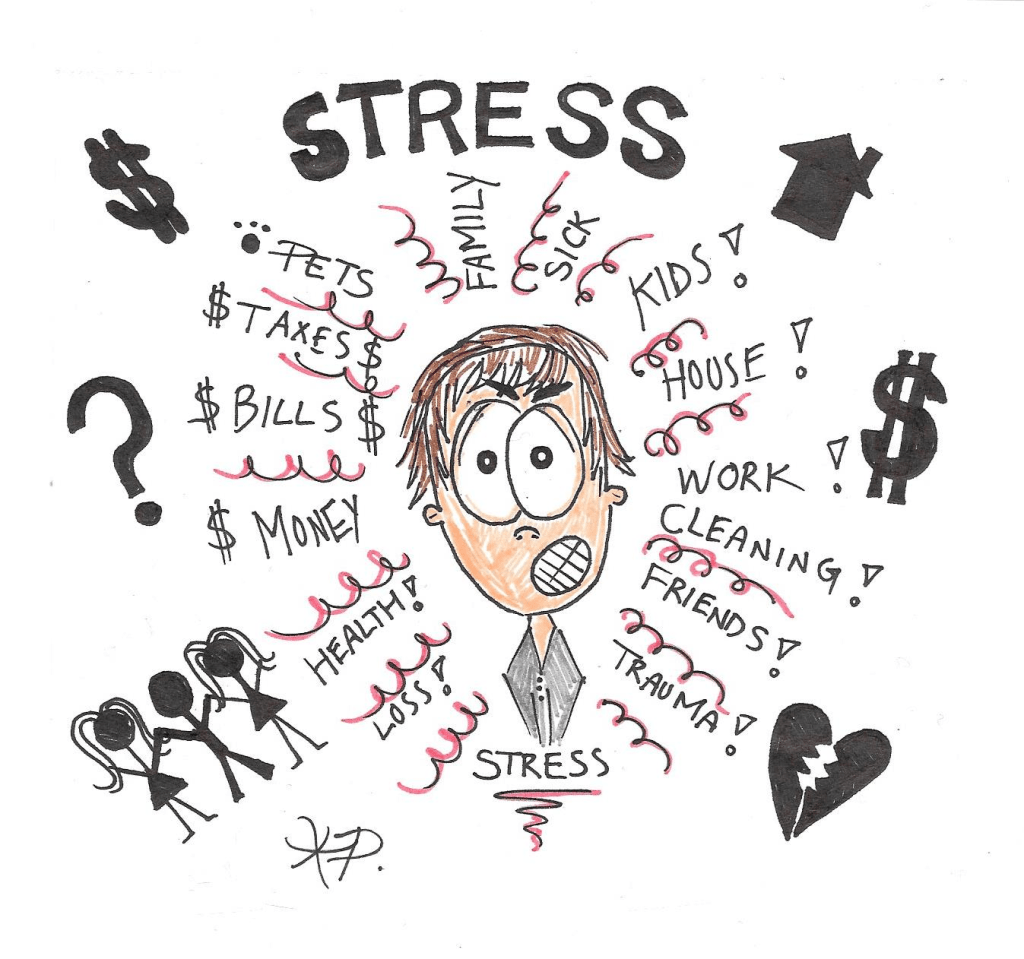
- #3 – being more compassionate and understanding of how others deal with stress – notice how unique and personal your relationship with stress is and how everyone’s experience is unique. Make a list of triggers for stress and create a plan to help you deal with stress.
- #4 – Stop sleeping with your phone near your bed. Get a real alarm clock. Allow yourself to wake up and sleep without your phone. Scrolling on your phone results in going to bed later and full of ideas.

This is a tip I have read about time and time again, but I have not implemented it for a variety of reasons.
- Know when to push yourself and when to hold back. If you can push yourself positively towards a goal you love with motivation, that’s brilliant. If you’re pushing yourself with negativity or negative self-talk, you need to hold back.
- Successful women set goals and achieve them. Specific, Measurable, Attainable, Relevant, and Timebound.
- Believe in yourself. Say affirmations to yourself, work on self-confidence, and believe you have what it takes to move forward.
- Say no sometimes. This gives you ownership of your time and lets you determine where you want to spend your energy and where you don’t want to spend your energy.

- Successful women make time for self-love and mindfulness. Take care of your physical and mental health in order to achieve your goals.
- Always have a backup plan to fall back on.
- Be comfortable with failure. Failure results in lessons in disguise.
- Know when to accept help.

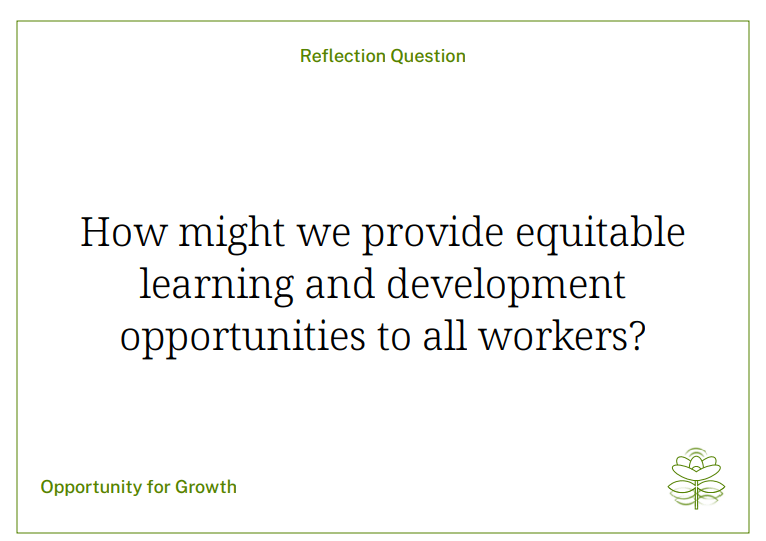
- Strive for personal development. Never stop learning. Read, ask questions, leverage free resources, and spend time with mentors who help you grow.
- Successful women do not compare themselves to others. Comparison is the thief of joy. Instead of comparing yourself, ask others how they did it so that you can learn to achieve those goals as well.
- Accept the path and move on from mistakes.

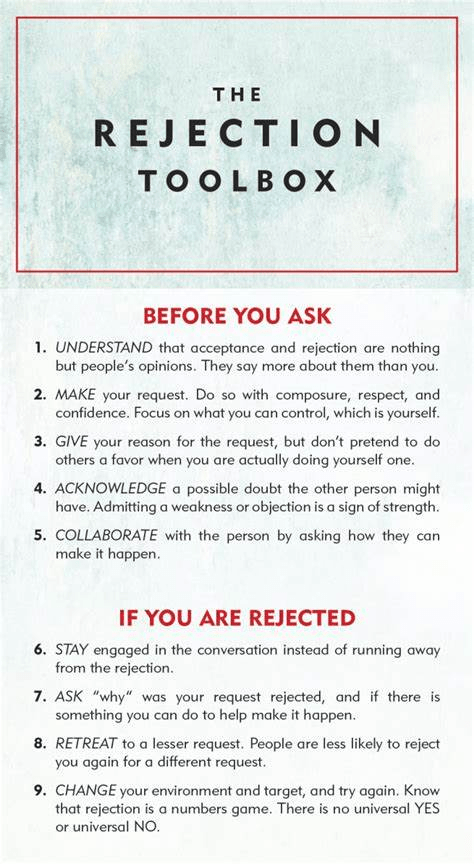
- Practice getting rejected to help boost your confidence and your ability to ask for things, and it might surprise you over the course of your life. To become more confident, focus on other people’s needs.
- Constantly say, “tell me more.” Let people do the talking and listen and respond to their needs appropriately. What? So what? Now what? What happened, why is it important, and what are we doing next? When presenting, practice WHAT: Why you’re here, How are we connected, Anecdote or two, and Thank you or Toast.
- Kindness is so important. Distinction between being nice and being kind – if you are delivering bad news, do it from a place of sincerity. Kindness leads to you flourishing.
- Try to understand who you are trying to accomplish things for and make sure it’s what’s making you happy. This will lead to less resentment and more kindness.
Years ago, I read a book called “Rejection Proof” by Jia Jiang. Jia put himself in several scenarios to face rejection and build confidence.
- Value your time. We need to value our time better. Get better at outsourcing, dropping things, or delegating things you don’t want to do. Calculate your “buy back” rate. Do a time audit and look at your calendar. Look at tasks you may be able to outsource that you don’t enjoy. Learn to say no to protect your time.
- Learn the skill of spending. Get clarity on your spending; understand where you spend your money and be intentional about your spending. Spend on the things you care about and cut back mercilessly on the things you don’t.
- There are so many paths to happiness and success.
- We are responsible for our own health. Exercise and eat well. Be an advocate for your health.

- Eating well can be much easier. Find meal plans or recipes online, use the Paprika app, etc. Use a meal subscription service if needed. Eat the same thing on certain days. Ex: tacos on Tuesday.
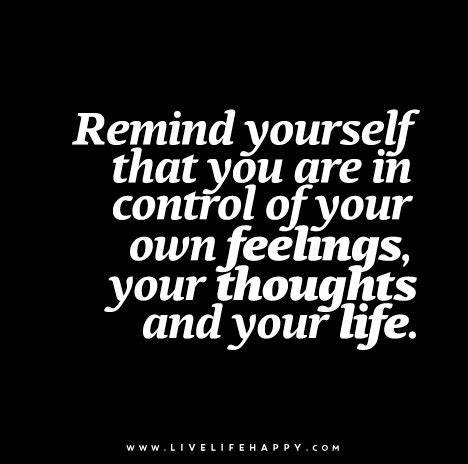
- You are in control of your own life. Set goals and do what you say you’re going to do. Brainstorm what your life would look like if time and money weren’t a concern: the relationship you have with your spouse, friends and family, health and fitness, travel and transportation, hobbies and personal expression, work and career, self-improvement, giving back, and celebrations and holidays. You may realize that you don’t need more time and money to live the life you want to; you just need to manage your time and money better.
- Ditch plan B. It may hold you back. Prioritize spending time with optimists.
- Take time to reflect. What did I change my mind on this year? What created energy this year? What drained energy this year? Who were the boat anchors in my life? What did I not do because of fear? What were my greatest hits and worst misses? What did I learn this year?
- It’s wild how things have changed. If a company in 2019 had allowed employees to work from home two days a week, they would have been seen as progressive, incredibly trusting, and an amazing employer. Today, if that same employer expected people to go into the office three days a week, it could be seen as unnecessarily rigid. Some managers want to bring people back into the office in the name of collaboration and company culture.
- When should employees be in the office? How often? On what days? How should it work? What managers tend to get wrong is instituting a one-size-fits-all approach from the top down.
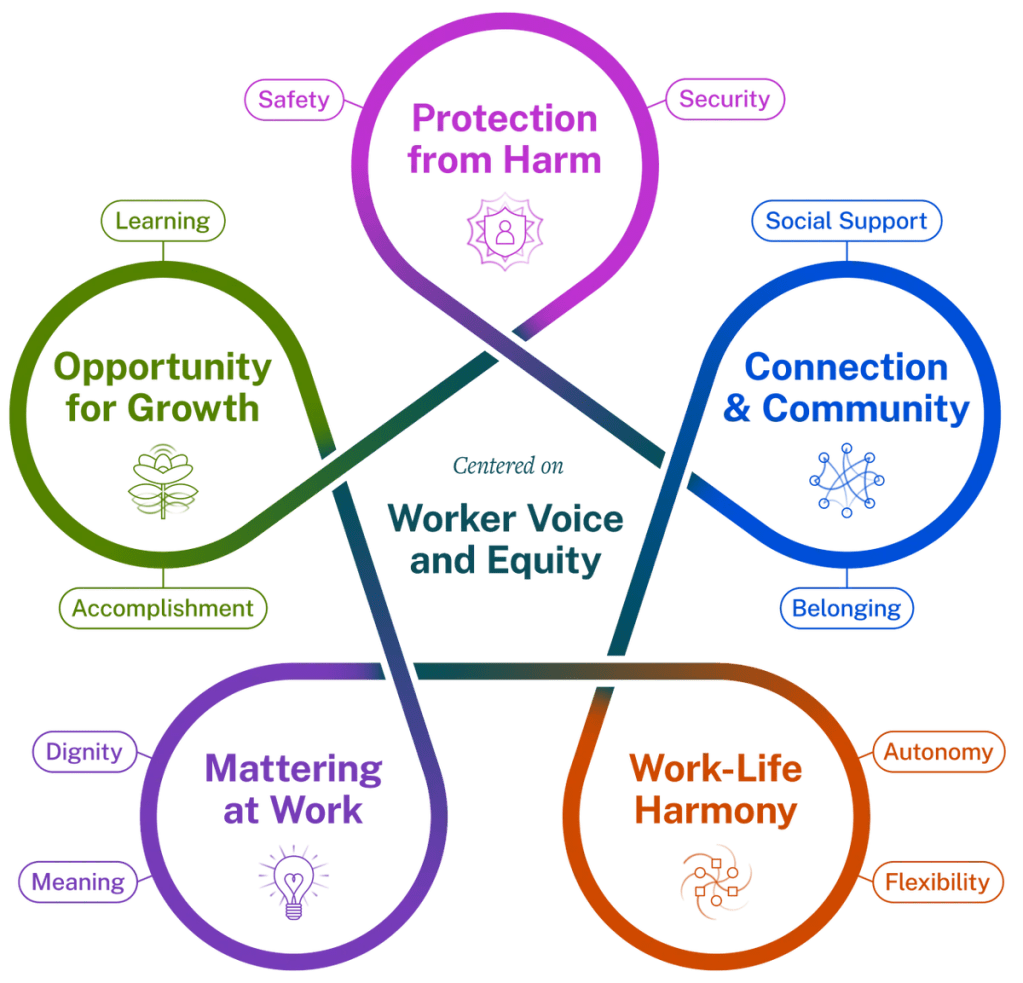
- Leading organizations are shaping their return-to-office approach to help employees feel that they still have a sense of control and agency over their decisions and behaviors, are facilitating interpersonal connections, and are fostering more-inclusive onsite work environments. They are looking to create a workplace environment that employees will want to be a part of.
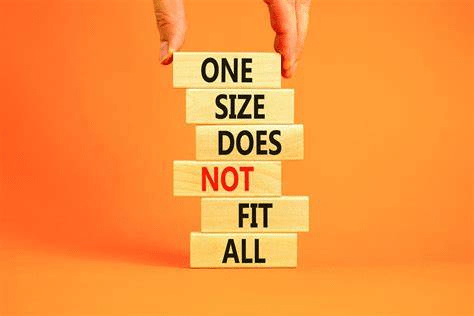
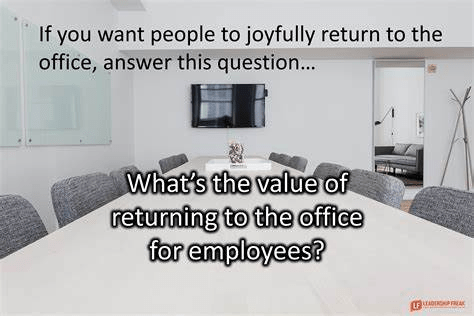
- Many employees are wondering why companies are making people come back to the office if they have been functioning remotely anyway.
- Research shows that 67% of employees feel that going back to the office requires more effort than it did pre-pandemic. We have become accustomed to the flexibility and autonomy over the last few years. Many employees are concerned about the cost of going back to the office.

- 3 areas leaders and organizations should focus on to navigate this transition:
- Balance of structure and freedom to preserve employee autonomy
- Offer meaningful benefits like commuting subsidies, free or subsidized on-site childcare, food options onsite
- Must be intentional about helping employees build connections that can lead to personal and professional growth
- Is there anything that you or I are not willing to give up once we’re married? Ex: a certain hobby like yoga or fishing a certain amount of times each week. You must respect what each person needs and set boundaries to create a thriving marriage. Identity your non-negotiables and your areas of flexibility.
- Can you handle me doing things without you? There needs to be connection (togetherness) and autonomy. Be able to compromise on what you can do together and what you can do alone. An early sign of emotional abuse in any relationship is that a person wants to control a partner’s time.

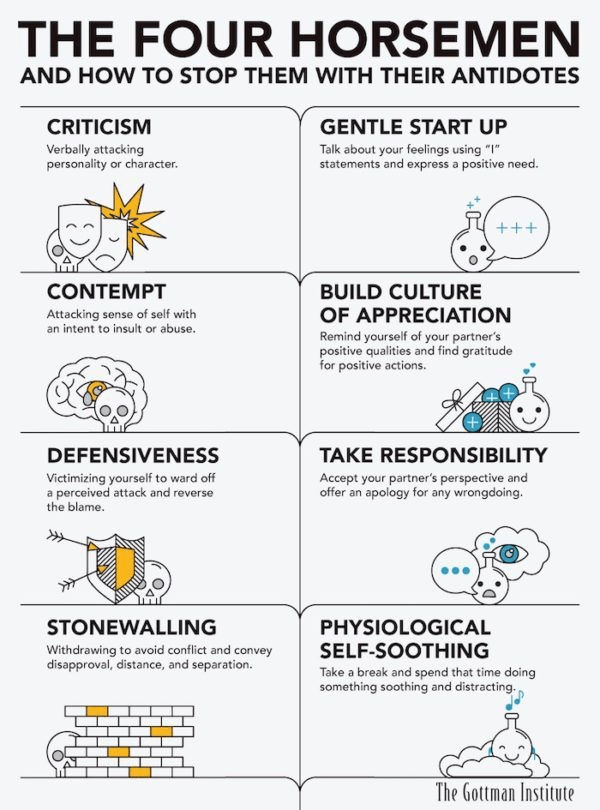
- When conflict arose, did your family use the silent treatment, calmly discuss disagreements, or slam doors? How will we engage in conflict? The way couples handle conflict is the single best predictor of whether a marriage will flourish. According to the Gottman Relationship Institute, 2/3 of marriage conflicts are unsolvable, so it is important to learn how to manage it. Indicators of divorce: contempt, defensiveness, criticism, stonewalling
- What is the most you’d be willing to spend on a lamp? A pair of shoes? A pair of jeans? Are you on the same page financially? We need to have open and honest ongoing discussions about our approaches to finances and about our emotions about money.
- Are you able to change diapers at 3 a.m. and miss important meetings if our kid is sick? Both partners should share, over time, equally, their talents and time. You don’t necessarily need equality, but each partner should feel respected.
I look forward to reading, learning, and sharing more with you soon!


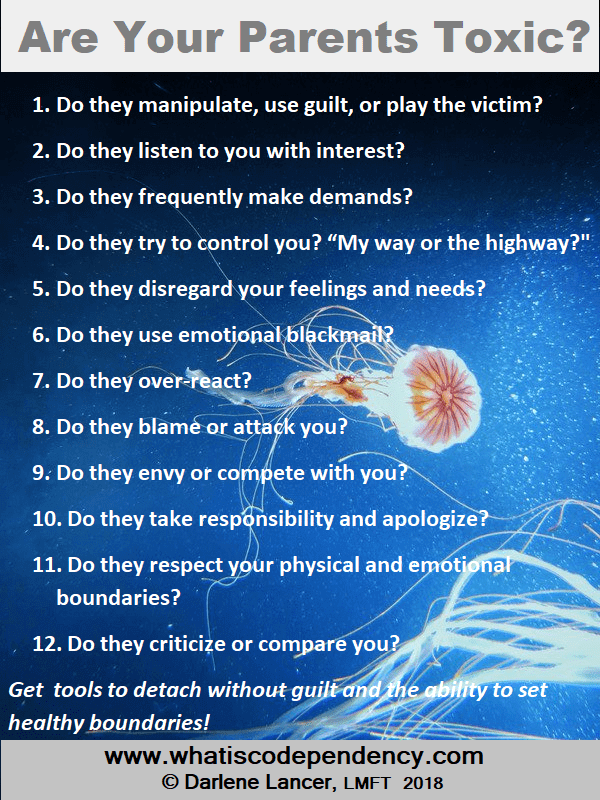





 Read Learn Share