
My intention is to post a Thoughtful Thursday column each week and share some of the insights I have learned in the past week. Here are some of the things I’ve learned this week:
- Adoption is often perceived as a last resort only for those struggling with infertility. Adoption can be Plan A for you!
- Adoption is a calling. It is not an obligatory ministry for the infertile.
- Open adoption was discussed. In open adoption, you can keep in touch with the biological parent(s). Some view this as “not trying to erase the relationship with the biological parents.”

Misconceptions about adoption:
- People saying “Congratulations” on adoption.
- It is well-intended, but also shattering having someone else’s child not being held by her. It is better to acknowledge the emotions by saying “This is heavy. How are you doing?” “How’s mom doing? I can only imagine how hard this is for her.”
- “I could never do that because I’d get too attached, I can never do that because of xyz, etc.”
- We prioritize our comfort. Instead of saying “I could never…”, ask what you can do to help. Put yourself into the role to understand their story.
- “He/she/they are so lucky to have you.”
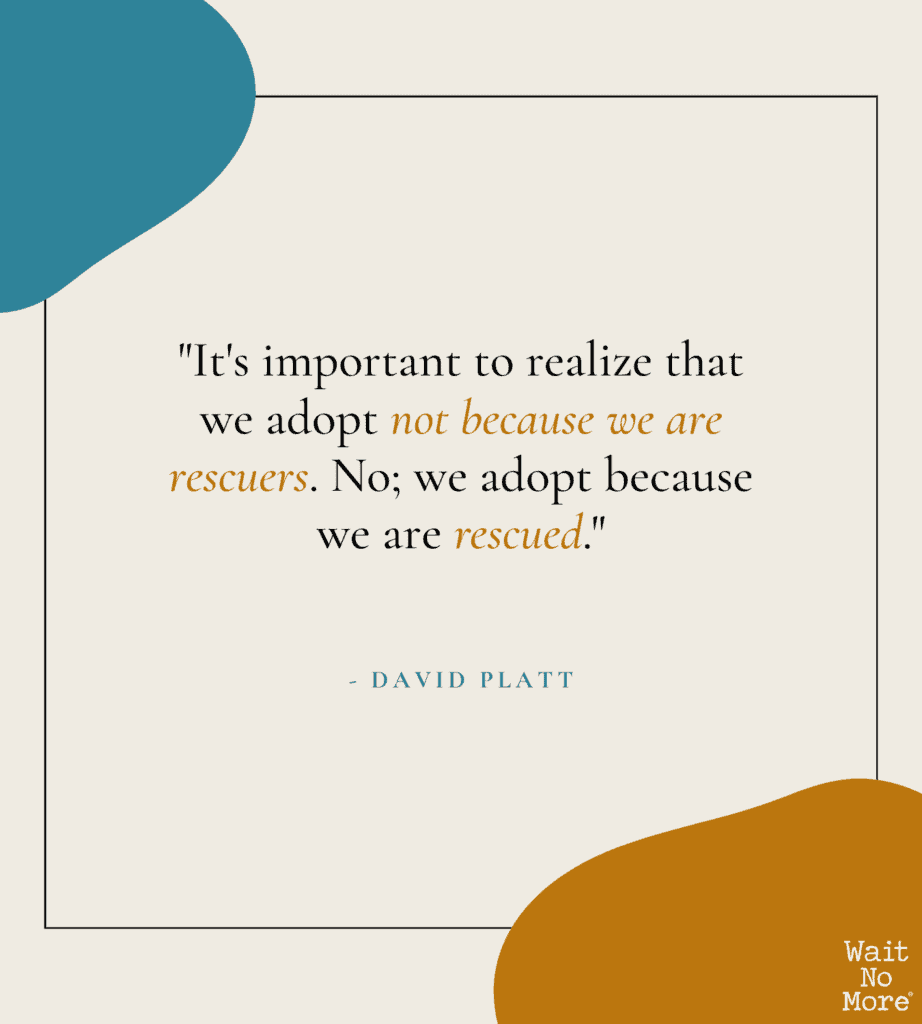
- Adoption is not “rescuing.” We don’t adopt because we are rescuers; we adopt because we are rescued. We are the blessed ones. Stating “they are so lucky to have you” discredits the reality that there is a trauma, separation, and grief that happens. What would the child think if he/she heard that statement?
- The people outside the realm of foster care and adoption don’t understand that there are so many emotions. We are often told to focus on the positive, but there are so many emotions.
- You don’t need to share your adopted child’s story. Their story deserves to be protected until they are ready to tell it. When you are sharing your experience, ensure you are only sharing your experience. Protect and guard the things that are not your experience and are not yours to share. Don’t share at your child’s expense.
Further reading recommended in this podcast:
- “The boy who was raised as a dog”
- “The body keeps the score”
- “The A to Z of trauma”
- “The Primal Wound”
- Storytelling – your stories are not the truth.
- Collaboration – seek to understand and ask questions. Absorb other perspectives.
- Creative – trust your intuition and co-create with others.
- Commitment – action conversation – agree to do something together.

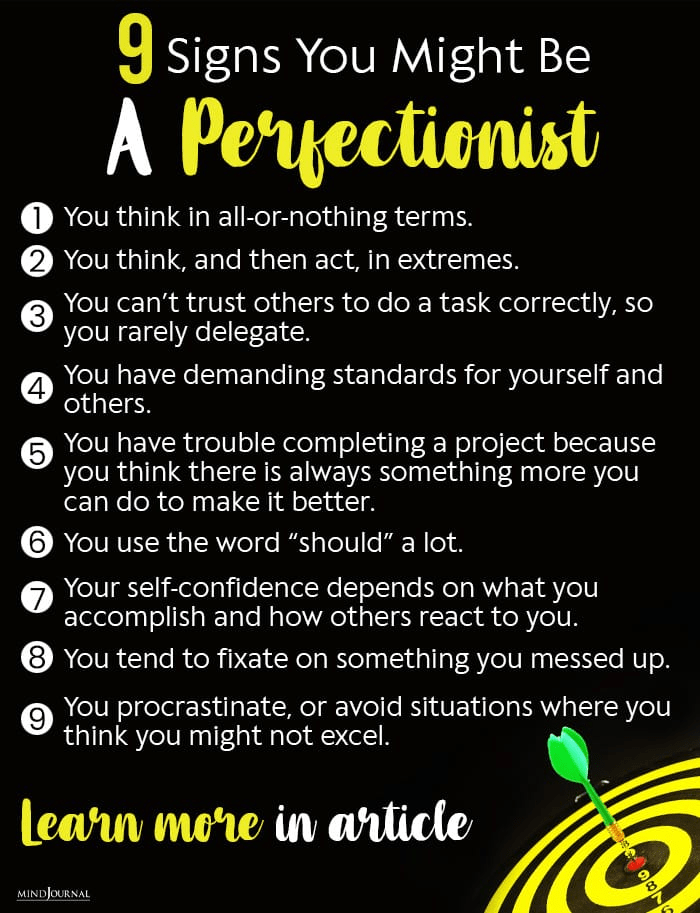
- Become aware that your stories aren’t the truth. Become aware of how you’re presenting yourself and how you’re presenting your stories. We all have patterns around judging, being perfectionists, and being critical of how others do things. Instead of a reaction or pattern of defensiveness, we can change that. If we believe we have the answer and we are right, we are telling the story with a closed fist. Emotions and desires are often the root of our story. Standards – investigate the source of your standards and consider whether you want to keep them. Ex: men being taught not to show their emotions
In the past week, I have faced some challenging circumstances in various areas of my life, and I was feeling stressed and sad about the uncertainties. This carried over into my work life and I had formed a thought/perception about something and later used other observations to strengthen that narrative I had. After a conversation, I recognized that my thoughts are not facts and that my emotions from my other circumstances influenced my thoughts. In reality, once we form a perception about something, we often try to find anything we can to fit that narrative, no matter how unreasonable it may be.
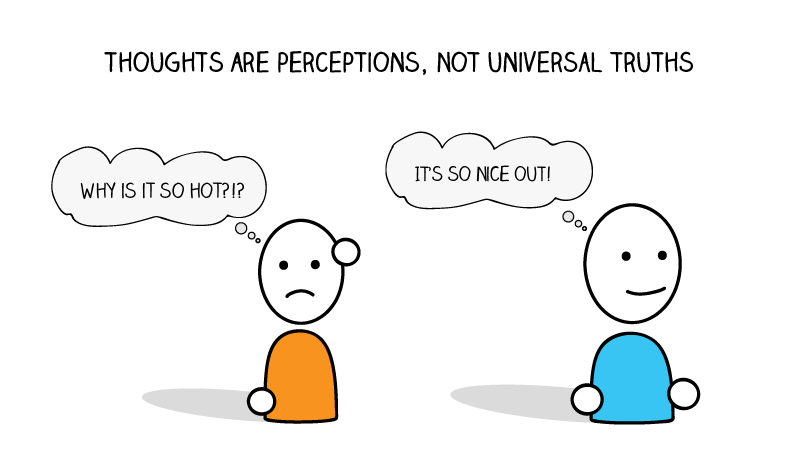
- When we work with different people, everyone has different stories/perspectives. The fundamental pattern is that when we enter into conversation, we enter in defensively because we want our answer to be right. The real art of the collaborative conversation is learning to not give up your position, but to keep an open mind and invite others to do the same.
- Ask questions to better understand other perspectives rather than asking questions with the intent to prove them wrong. The best place to start is to state what you know to be factual. Figure out if you agree on the state of things and then ask each other questions about thoughts.
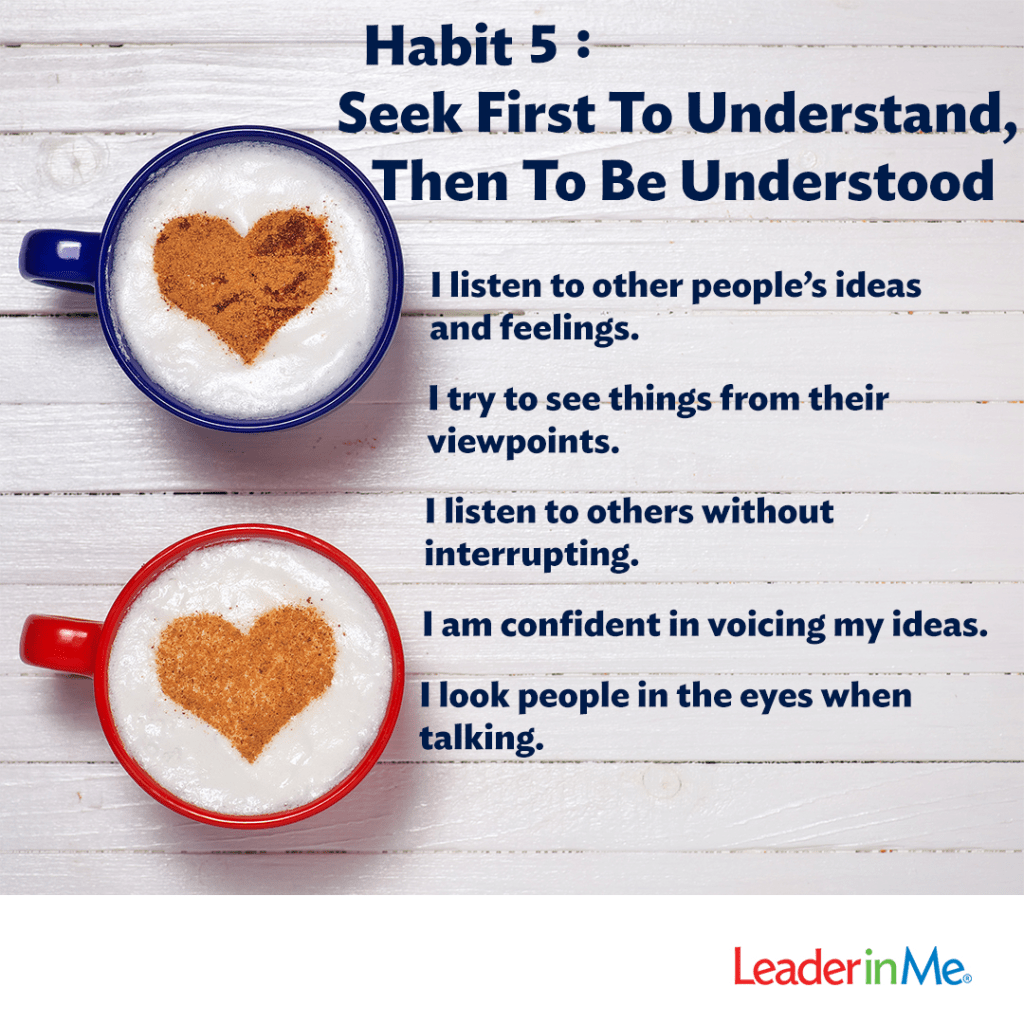
- Judgment shuts things down – saying things like “that will never work.”
- Useful phrase: “Help me understand your position.”
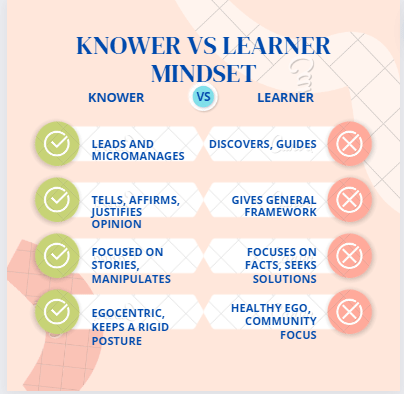
- Unhelpful phrases/actions: Not asking questions or saying “yes, but I think…” Work on being a learner instead of a knower.
- We like to tell our stories and we like to take action. We leap from storytelling to action and bypass collaboration and creative conversations. The bypass can cause us to make bad decisions. A good commitment conversation means both sides understand what’s being asked, what’s being promised, and what success looks like.
- Be curious about your pattern and how to change that pattern.
- Setting a boundary can be the kindest thing you can do to yourself and others.
- A boundary is a rule that you set about how you’re going to allow other people to treat you. You’re really setting the rule for yourself. There are different kinds of boundaries: physical, emotional, financial, etc. Boundaries teach other people how you expect to be treated.
Mistakes:
- not setting boundaries in the first place
- Sometimes it doesn’t occur to people to set boundaries because they don’t want to be mean or selfish. They don’t set boundaries because they don’t want to damage a relationship. If you don’t set a boundary, the other person has to guess what you’re okay with, and when they guess wrong, you might feel uncomfortable or grow resentful of their behavior. A boundary will help you feel better in the long term.

- apologizing for your boundaries
- Don’t be sorry for taking care of yourself. Setting a boundary is a nice thing to do and you are modeling how to take care of yourself. Instead of apologizing, say thank you instead. Instead of “I’m sorry I have to leave right now” say “Thank you for inviting me. I appreciate it.” Unapologetically insist that you’re worth it.

- automatically announcing your boundaries
- It’s true in some respects, but you don’t always have to communicate them with your words. Instead, you can show people your boundaries. Ex: don’t need to answer the phone every time it rings if it is inconvenient for you, don’t need to stay at a party if people are drinking too much

- using boundaries to try to control someone else
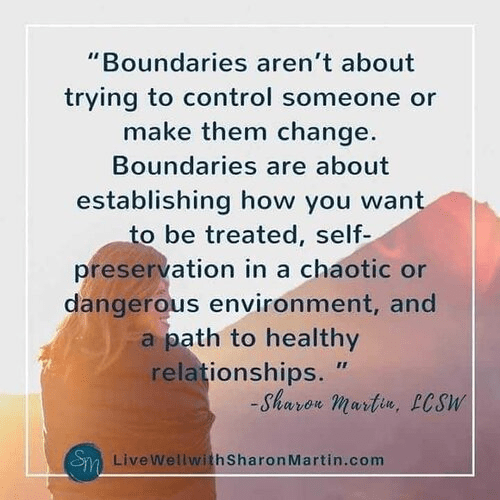
- Boundaries are meant to help you manage your life, not to control somebody else’s. If you are going to set a boundary, make sure it’s about protecting your inner peace, not about forcing someone else to change.
- being too rigid with your boundaries
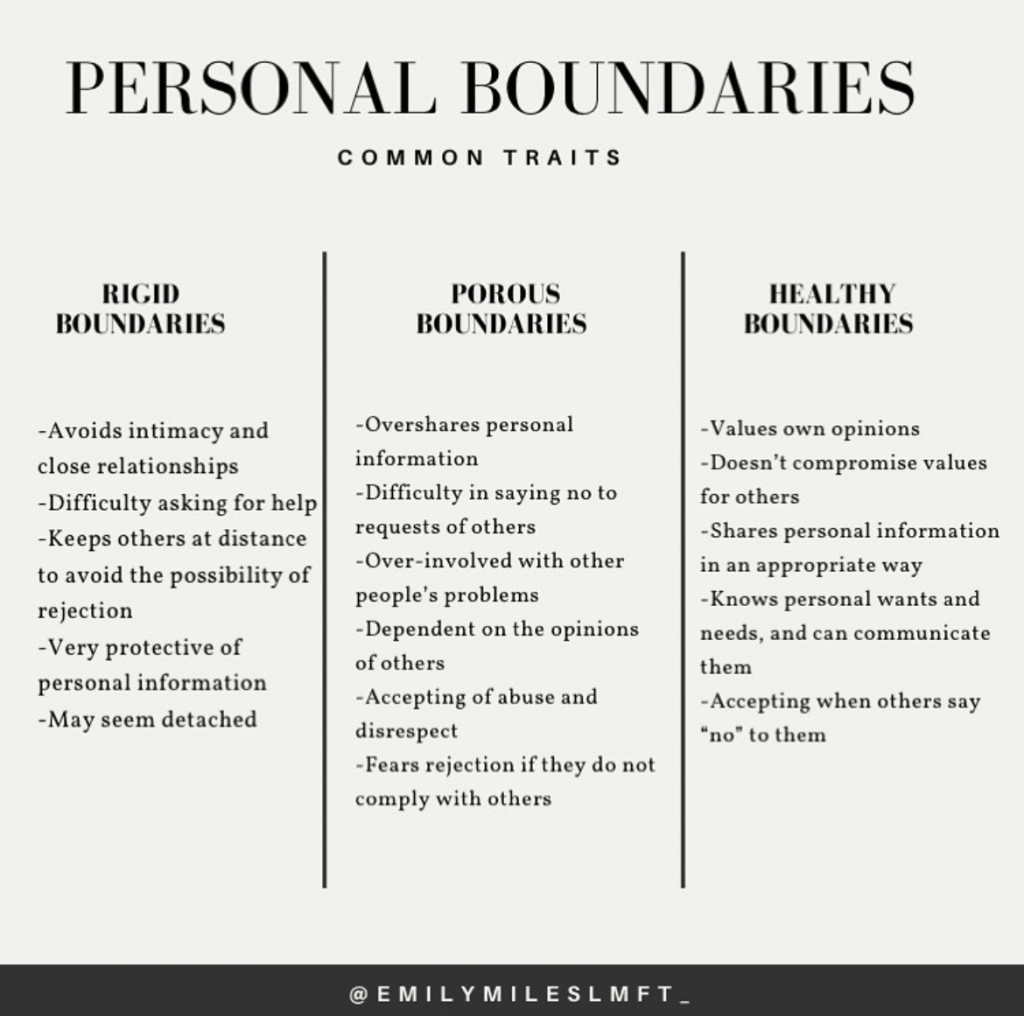
- It’s important to have boundaries, but having too many boundaries or sticking to them at all costs isn’t healthy either. Healthy relationships need compassion, empathy, and compromise. Your boundaries can be flexible sometimes; there may be exceptions to the rule. Don’t be so rigid about them that they become detrimental to you.
- setting boundaries when you feel really emotional
- When your emotions are high (if you’re angry or anxious), don’t set a boundary. Wait until you’re calm. Boundaries are rarely an emergency; you can usually wait to set them until you’re calm.
- setting a boundary that you can’t uphold
- Don’t set a boundary you aren’t emotionally ready to uphold. Start with a boundary you’re ready to enforce. Most boundaries can be taken one small step at a time if you aren’t emotionally ready to enforce a bigger one.
“Was the driver late with your food? You can use your phone to give him a one-star rating. Did the shopkeeper treat you curtly? You can write her a critical review. While smartphones enable us to shop, keep up with friends, and more, they have also given us the power to publicly rate each other. And this can be a problem.
Rating each other this way is problematic because judgments can be made without context. The driver gets rated poorly for a late delivery due to circumstances out of his control. The shopkeeper gets a negative review when she’d been up all night with a sick child. How can we avoid rating others unfairly like this?
By imitating God’s character. In Exodus 34:6–7, God describes Himself as “compassionate and gracious”—meaning He wouldn’t judge our failures without context; “slow to anger”—meaning He wouldn’t post a negative review after one bad experience; “abounding in love”—meaning His correctives are for our good, not to get revenge; and “forgiving [of] sin”—meaning our lives don’t have to be defined by our one-star days. Since God’s character is to be the basis of ours (Matthew 6:33), we can avoid the harshness smartphones enable by using ours as He would.
In the online age, we can all rate others harshly. May the Holy Spirit empower us to bring a little compassion today.”
This podcast was a great reminder to treat others with compassion and to not be so quick to judgment.

While reading a book comprising of legal-based short stories in the past week, I learned about viatical settlements, which are an interesting concept.
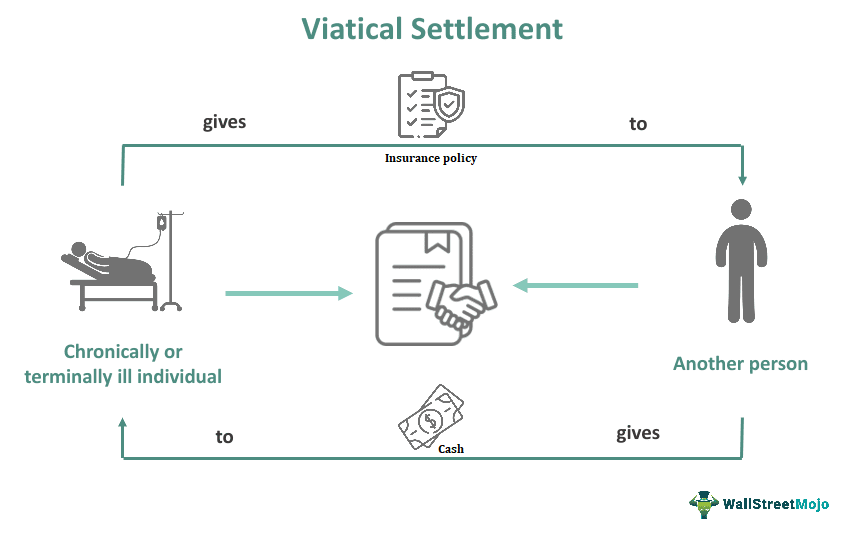
Viatical settlements involve selling a life insurance policy to investors so that they get the death benefit when you die, and you get a check right now. These are generally done when someone has a terminal illness and a life expectancy of two years or less. This is certainly an interesting concept and I am unsure what I think of it.
This week I also read “101 Things I Learned in Law School” written by Vibeke Norgaard Martin with Matthew Frederick. This book was very interesting and I will post about it in more depth in a separate post at some point. Here are some of the most interesting facts:

- A marijuana-related business may not declare bankruptcy. Cannabis cultivation and sale are permitted by some states but are prohibited by federal law, while bankruptcy proceedings are governed by federal law. The federal bankruptcy courts will not allow a cannabis-related business to use its process.
- Unpublished court decisions generally cannot be used as a basis for argument in the same jurisdiction. In arguing before a California court, one may cite an unpublished case from Texas, but not an unpublished case from California.
- A supreme court might be the lowest court. In New York, the highest court is the Court of Appeals, while the lowest court is the Supreme Court.
- A career in law is continual preparation for a day that may never come. Over 90% of cases are resolved prior to trial.
I look forward to reading, learning, and sharing more with you soon!







 Read Learn Share